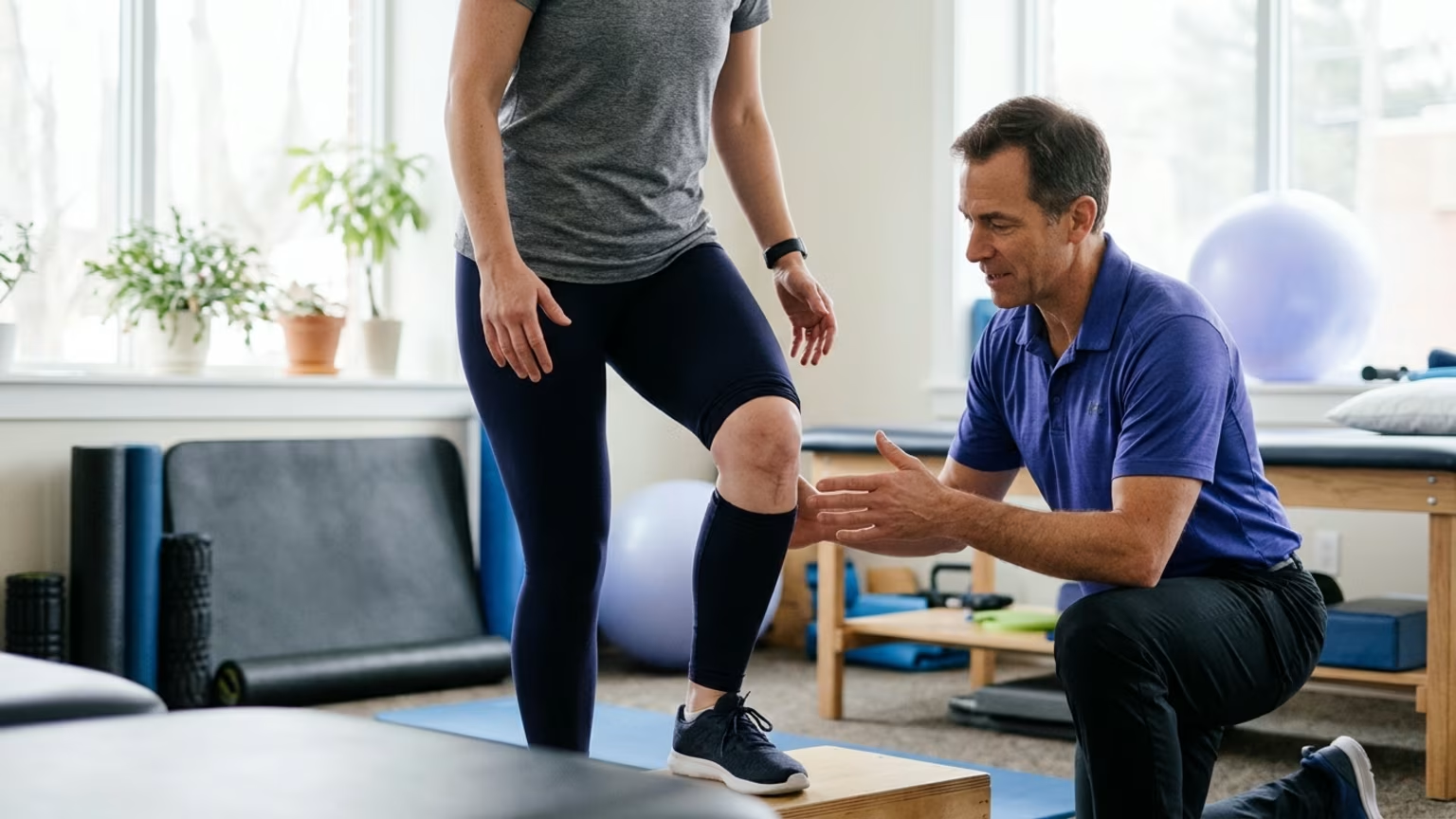

An ACL trial found better knee outcomes with supervised exercise and education. Learn who was studied and why lasting benefits remain uncertain.





On October 2, 2026, HealthDay reported that physiotherapist-supervised exercise with education improved patient-reported knee outcomes in young adults with persistent symptoms after anterior cruciate ligament (ACL) reconstruction. The finding concerned people whose calendars had moved well beyond surgery but whose knees were still causing problems.
The study compared a four-month supervised program with a single education session and a resource for self-directed exercise. The supervised group reported better outcomes, giving researchers evidence that additional structured rehabilitation could help this particular population.
For readers wondering whether rehabilitation still has a role years after an operation, that is a useful development. The key is to understand what the researchers compared and which outcomes they measured before turning the headline into expectations about recovery.
The starting point was not exercise versus doing nothing. Both approaches included education and access to exercise support, although the amount and format differed.
The comparison group received a single education session and a resource for exercising independently. The other group received physiotherapist-supervised exercise therapy with education. This matters because the study tested the added value of a structured package over a more limited approach, rather than the value of movement against complete inactivity.
That distinction also helps place the result within the wider discussion of exercise evidence after ACL surgery. A finding in favor of supervised care does not mean the comparison group had no rehabilitation resources.
The broader evidence context includes more than symptom management. The review The Current State of Anterior Cruciate Ligament Reconstruction describes return-to-play decisions as drawing on time since surgery, functional criteria and psychological readiness. Common assessment tools include strength tests and hop tests alongside movement-quality assessment and psychological-readiness measures.
These sources address related but different questions. The trial asks whether a rehabilitation approach improves reported knee outcomes. The review describes how clinicians assess readiness for sport.
The trial authors concluded that supervised exercise therapy with education improved patient-reported outcomes compared with the single-session education and self-directed resource approach. This is the central finding reported in HealthDay's coverage.
The main outcome was change in the composite Knee injury and Osteoarthritis Outcome Score, known as KOOS4. It is scored from 0 to 100, with higher scores indicating better status. A composite score brings several areas together into an overall measure.
In plain language, the researchers were examining participants' reports of how their knees were doing. That gives the finding a direct connection to the ongoing problems that brought these adults into the study.
The supervised program involved twice-weekly sessions over four months. Those details describe the intervention that was tested. They help readers understand what “supervised exercise” meant in this research rather than leaving it as a broad label.
The important addition is evidence about a later stage of rehabilitation. The participants were not simply beginning recovery immediately after surgery. They had ongoing symptoms well after reconstruction, and their reported outcomes improved more with the structured program than with the comparison approach.
This shifts the discussion toward an evidence-based question: whether further rehabilitation support may be relevant when symptoms remain, even though substantial time has passed since the operation.
Participants were adults aged 18 to 40 with persistent knee symptoms after ACL reconstruction. Their average age was 30, and they were an average of 2.2 years past surgery.
Those details are central to interpreting the result. This was evidence about younger adults with an ongoing problem after a particular operation. It was not a study of everyone who has knee pain or everyone who has undergone orthopedic surgery.
For ReboundBody readers in midlife or later life, the age range is especially important. The trial does not establish that older adults would experience the same results. It also does not answer how people recovering from a different knee procedure would respond.
The program's schedule should likewise remain attached to the studied population. Twice-weekly sessions over four months are research details, not a universal prescription for ACL recovery. An individual's rehabilitation needs require a separate clinical assessment.
The useful point is narrower than a general exercise rule. In the group studied, persistent symptoms years after reconstruction were responsive to a supervised exercise-and-education program. That finding supports a conversation about ongoing rehabilitation without deciding what that conversation should lead to for every reader.
For someone whose knee remains troublesome after ACL reconstruction, this research offers a reason to discuss current symptoms and rehabilitation goals with a qualified clinician. Persistent or worsening symptoms warrant individualized advice rather than a program copied from a news report.
The trial can help make that discussion more specific. Instead of asking only whether enough time has passed, readers can ask how their current problems are being assessed and which outcomes matter for their goals.
Useful questions for a rehabilitation team include:
These are discussion prompts, not a self-clearance checklist. They connect the trial's focus on reported knee outcomes with the review's broader account of return-to-play decisions.
For example, strength testing answers a different question from a symptom score. Hop performance and movement quality add other information. Psychological-readiness measures address another part of the return-to-sport assessment described in the review.
The practical lesson is to keep these outcomes distinct. Feeling better is a valuable outcome, but the review does not reduce sport readiness to symptom improvement alone. It describes a combined assessment rather than a decision based on elapsed time or one test.
Readers can find related context in ReboundBody's explanation of how physical therapy progress reviews are organized. For those considering sport, the psychological side of ACL recovery is another relevant part of the discussion.
The study is therefore most useful as a way to improve the questions being asked. It supplies evidence about a rehabilitation approach while leaving personal decisions with the healthcare professionals who can assess the individual knee and activity goal.
Several limits shape how far the result can be taken. The trial authors noted that participants were unblinded, meaning they knew which approach they received. That is relevant when the main outcome depends on participants' own reports.
The authors also cautioned that the differences between groups might not persist over time. A benefit during the study does not establish a lasting advantage. Longer-term results remain important when judging whether the supervised approach changes the course of recovery.
The cartilage finding needs equally careful wording. The trial did not detect a difference between groups in cartilage thickness or composition during follow-up. That is not proof that exercise prevents osteoarthritis or removes future risk.
Nor does the absence of a detected cartilage difference establish that the program is appropriate for every person or condition. The finding should be kept separate from broader claims about joint protection.
There is also a question about which part of the combined approach mattered most. Because supervised exercise and education were delivered together, the reported result belongs to that package. It should not be credited to a particular exercise or to education alone.
Finally, the review's return-to-play framework is an assessment approach, not a promise of safety. Time and functional testing contribute information alongside psychological readiness. None should be presented as a single answer to future injury risk.
The clearest conclusion remains useful: structured rehabilitation improved reported knee outcomes in the younger adults studied. The calendar had moved years beyond surgery, but the trial found room for improvement. That gives elapsed time a different meaning: a point of context for the next clinical conversation, rather than the whole answer.
Improved knee outcome scores give this trial a measurable focus, while returning to usual activity raises a wider set of recovery questions. ReboundBody explains rehabilitation research for active adults navigating orthopedic setbacks. Its coverage puts milestones and strength rebuilding into plain language so readers can form better questions for qualified healthcare professionals without treating an article as a personal treatment plan.

Follow ReboundBody for practical articles on injury recovery, rehabilitation, mobility and rebuilding strength. New posts turn research into clear ideas for the road back to activity after injury or surgery.


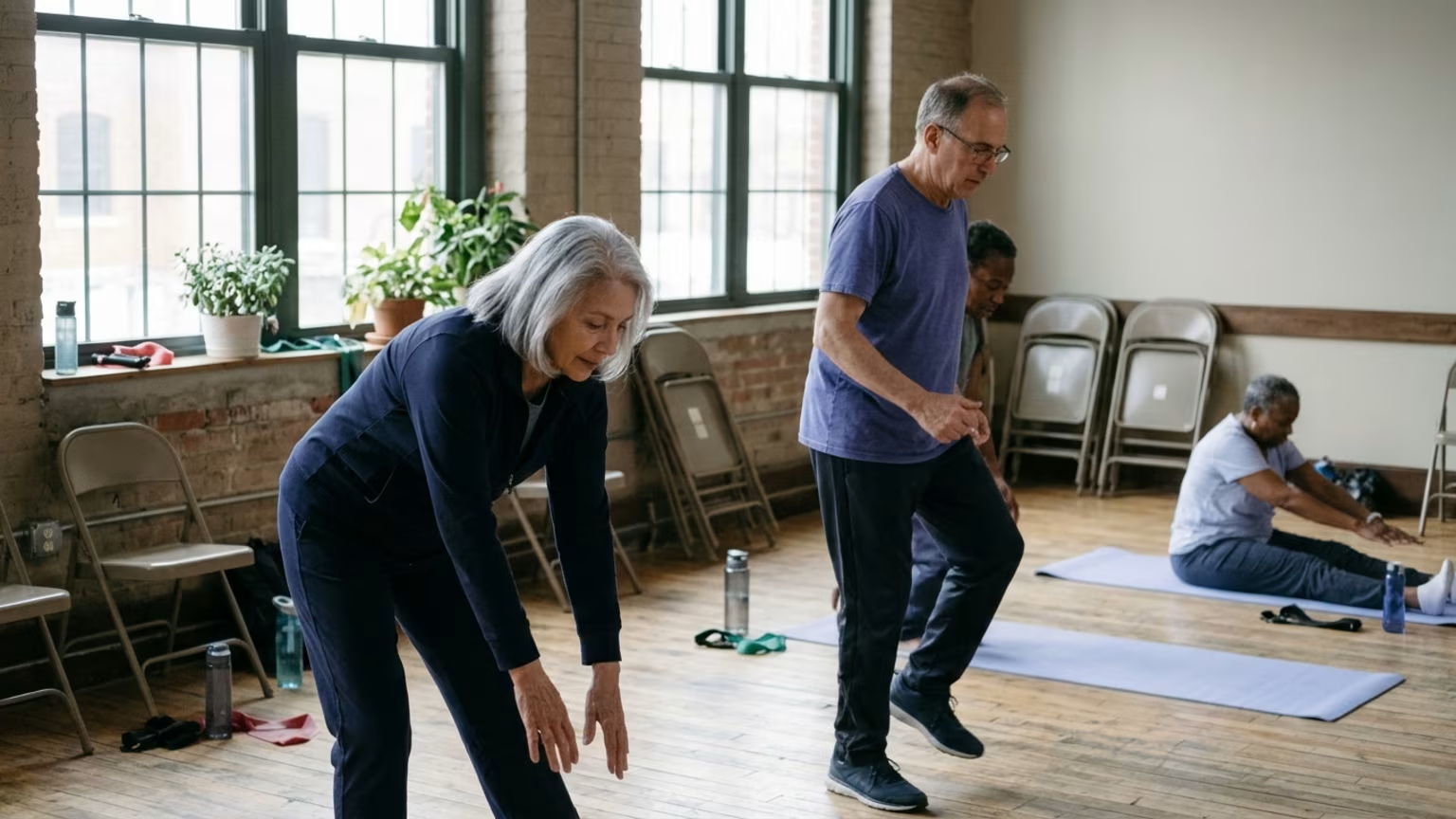

Read practical guidance on injury recovery, rehabilitation, mobility and rebuilding strength as you work your way back to activity.
Explore Resources