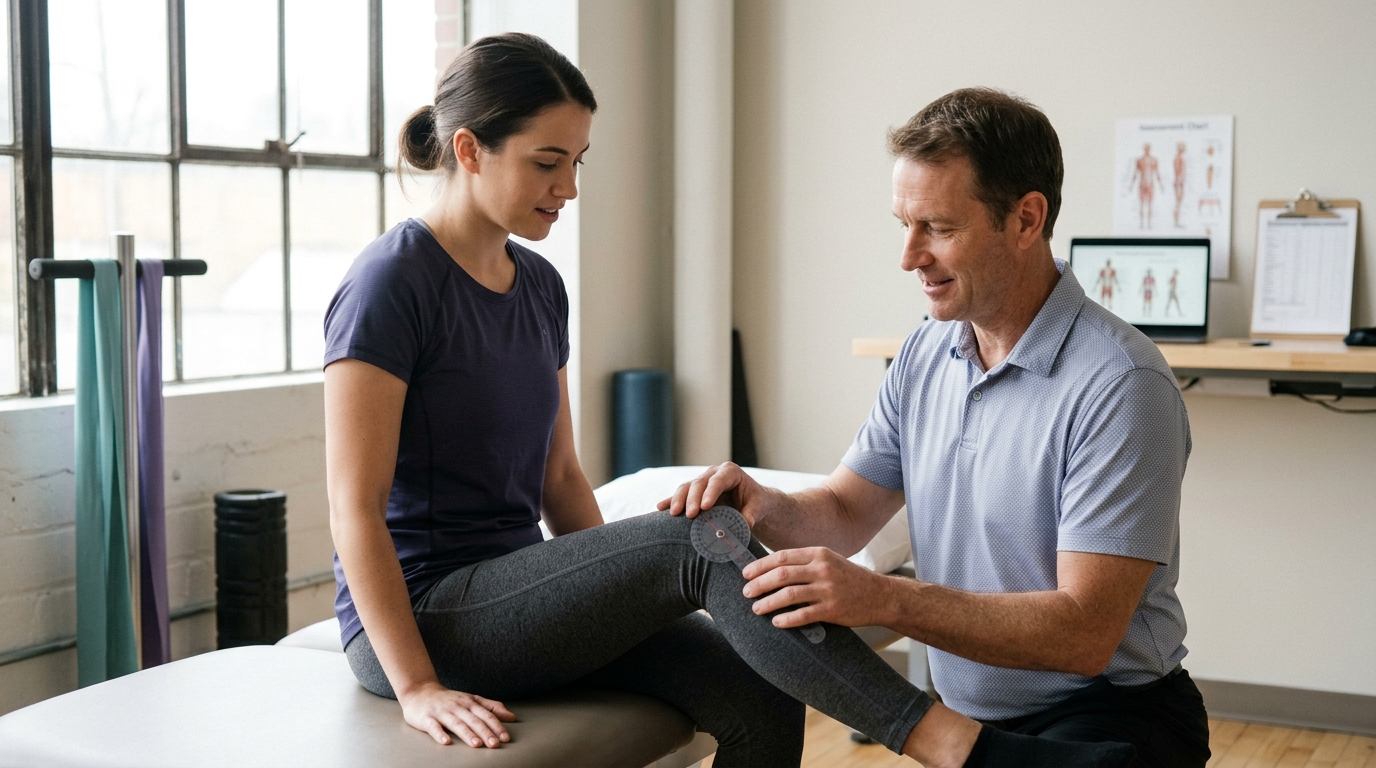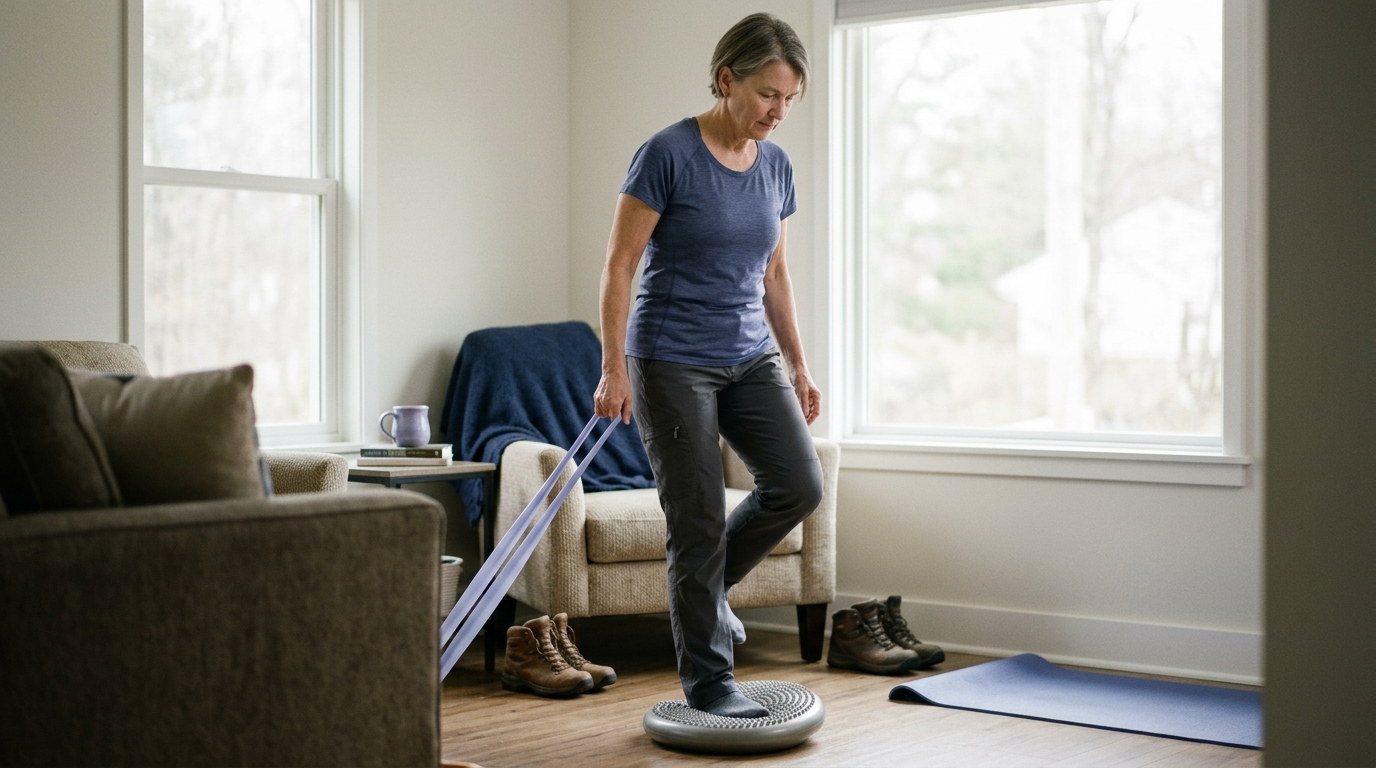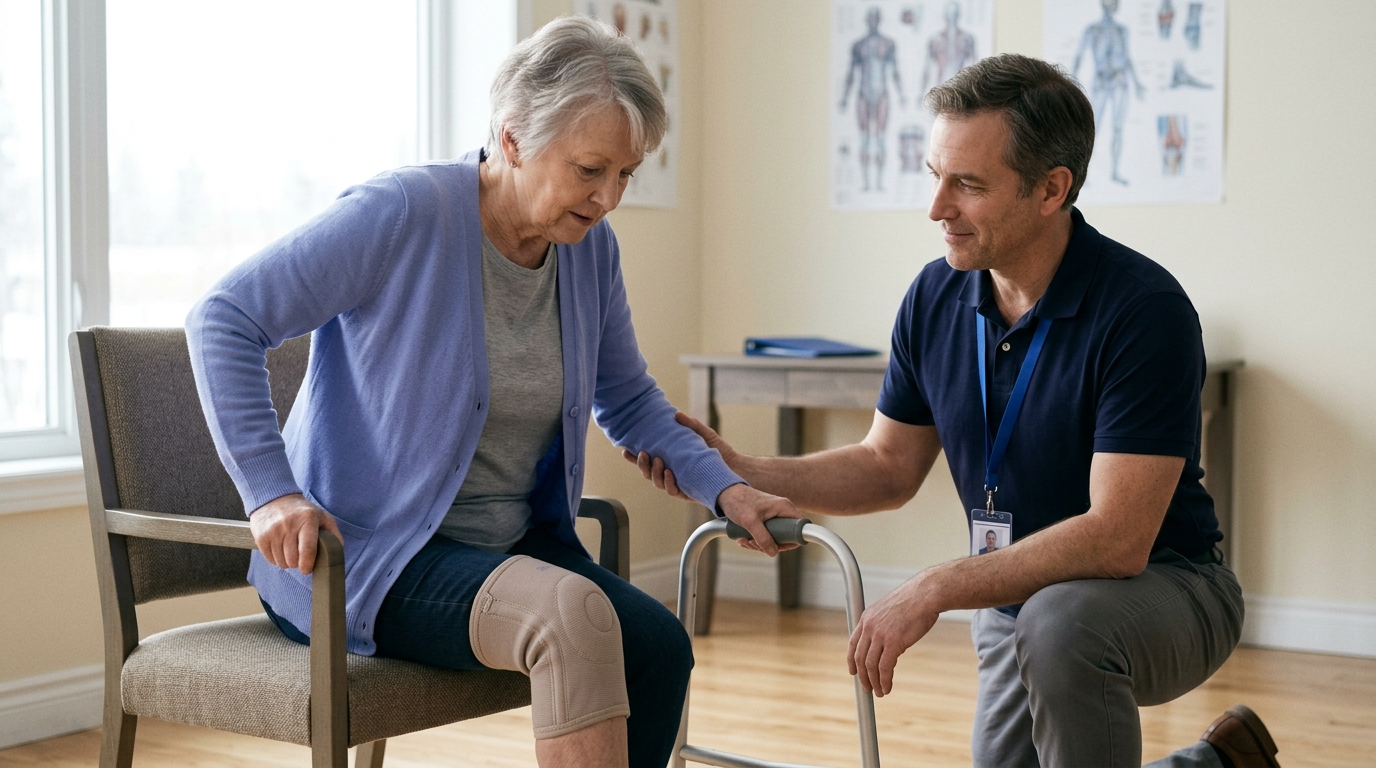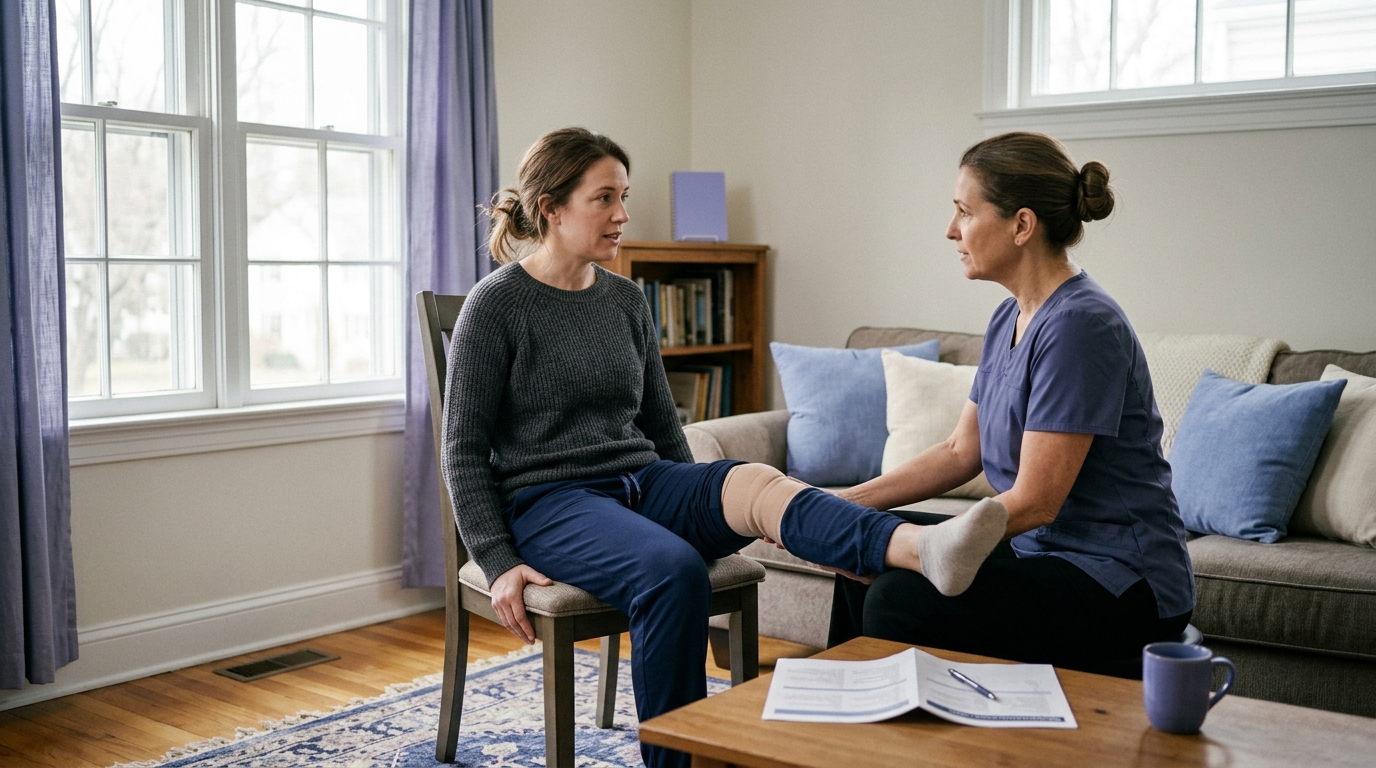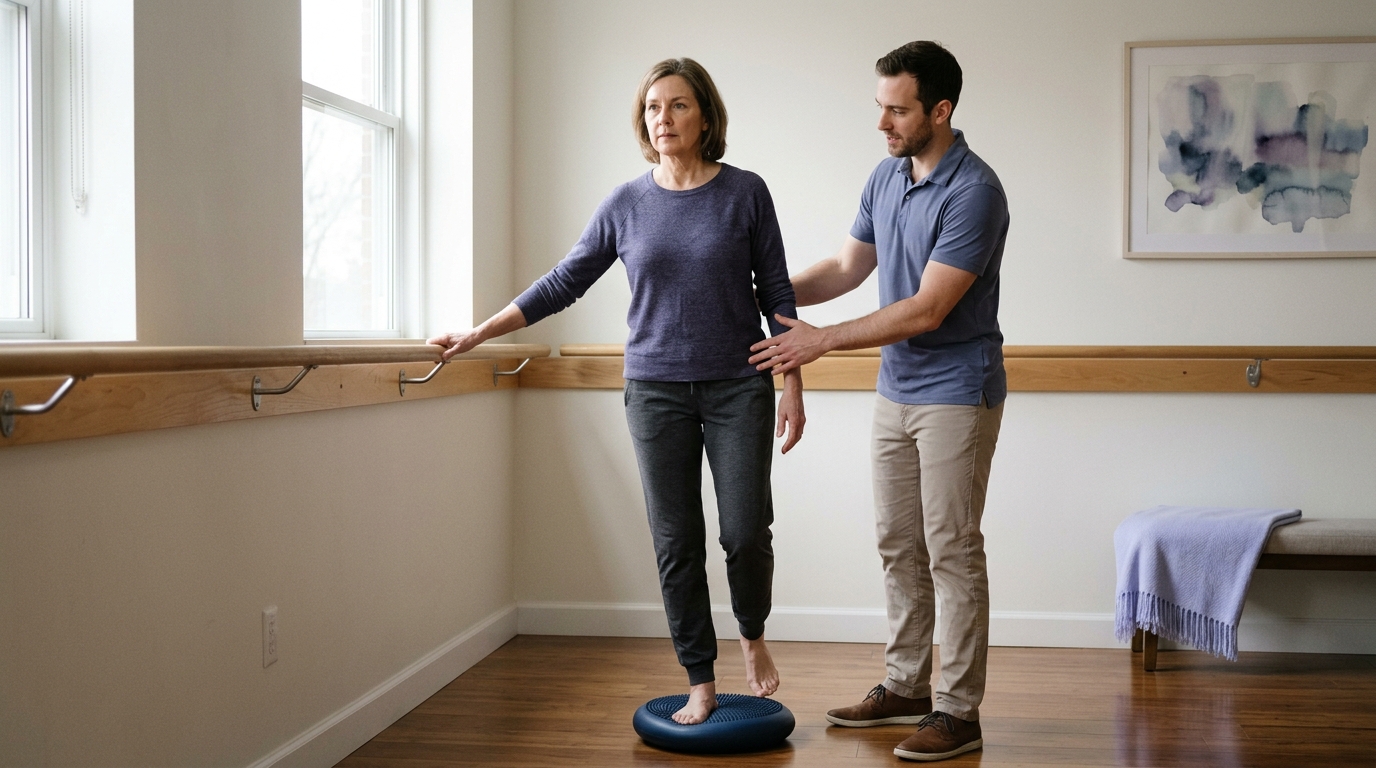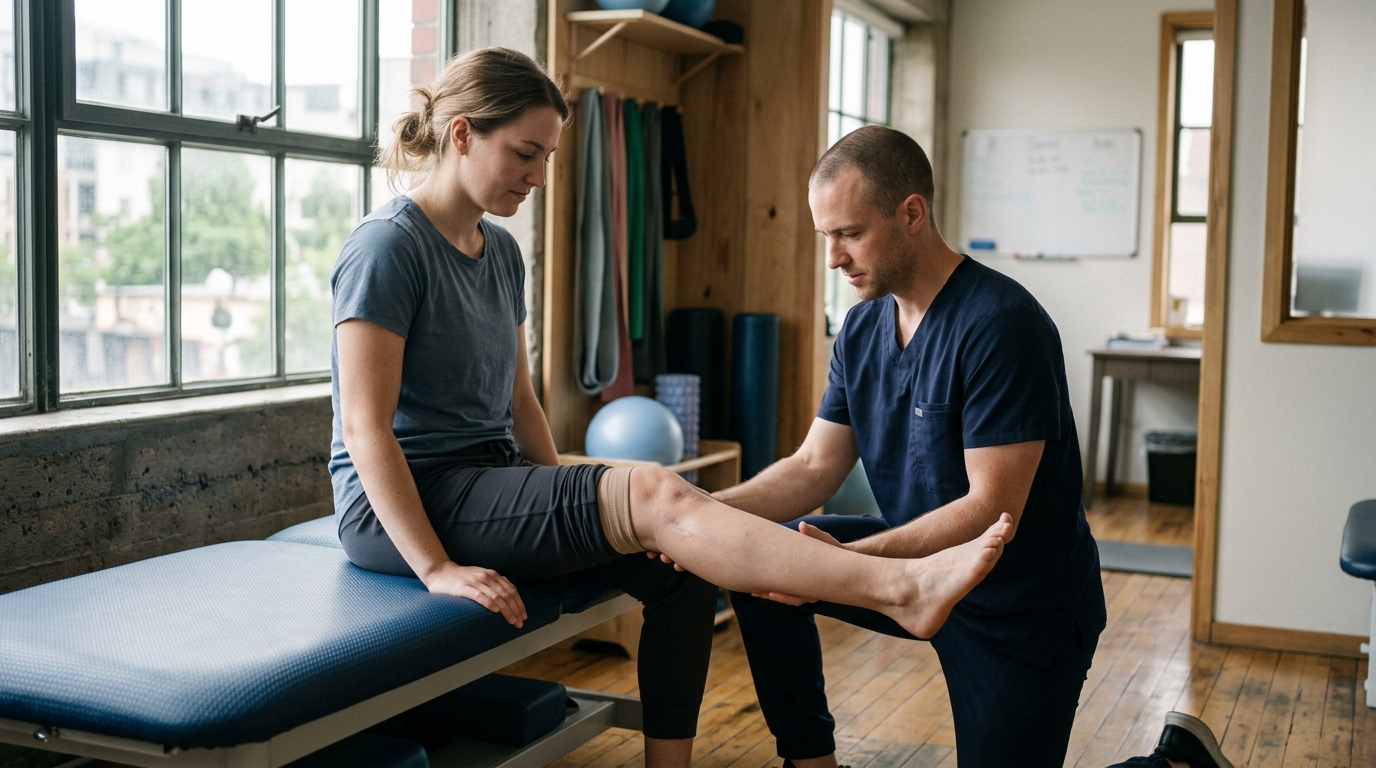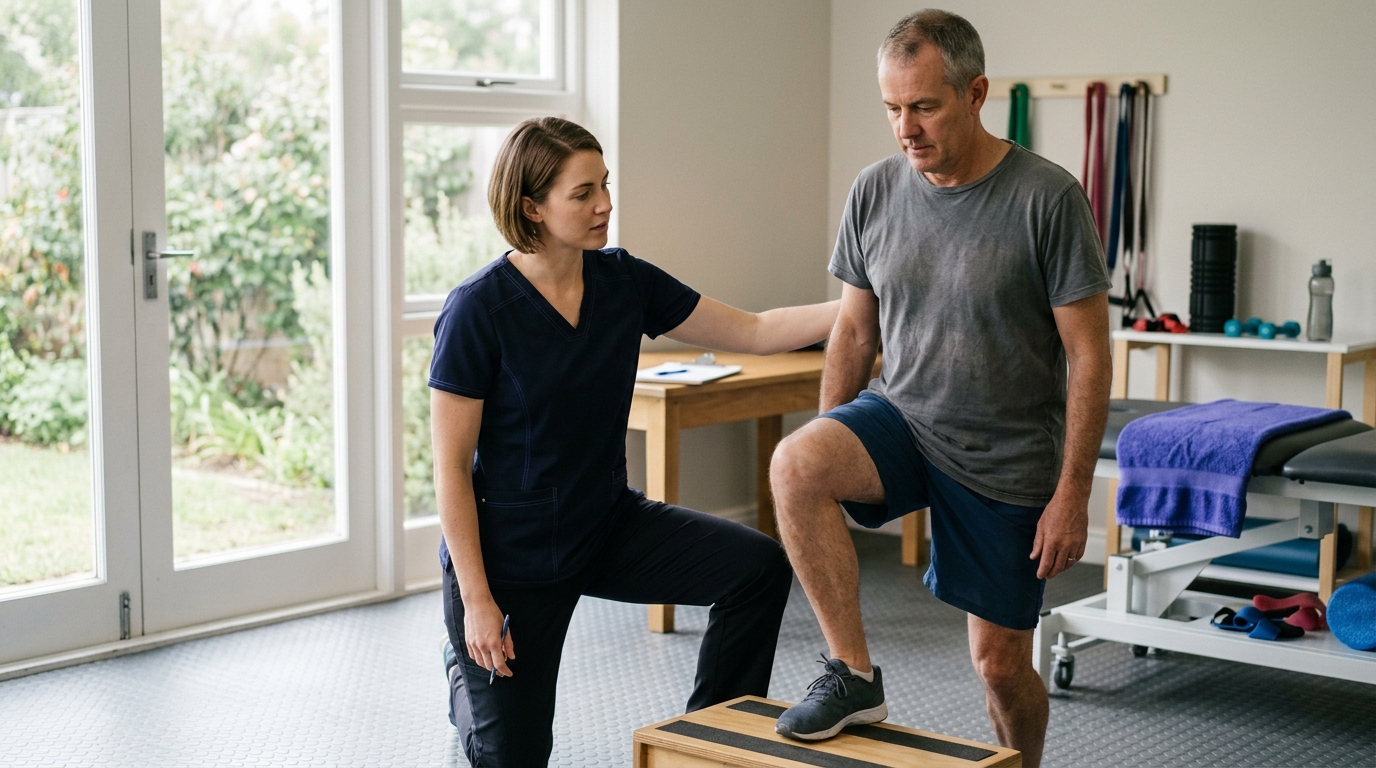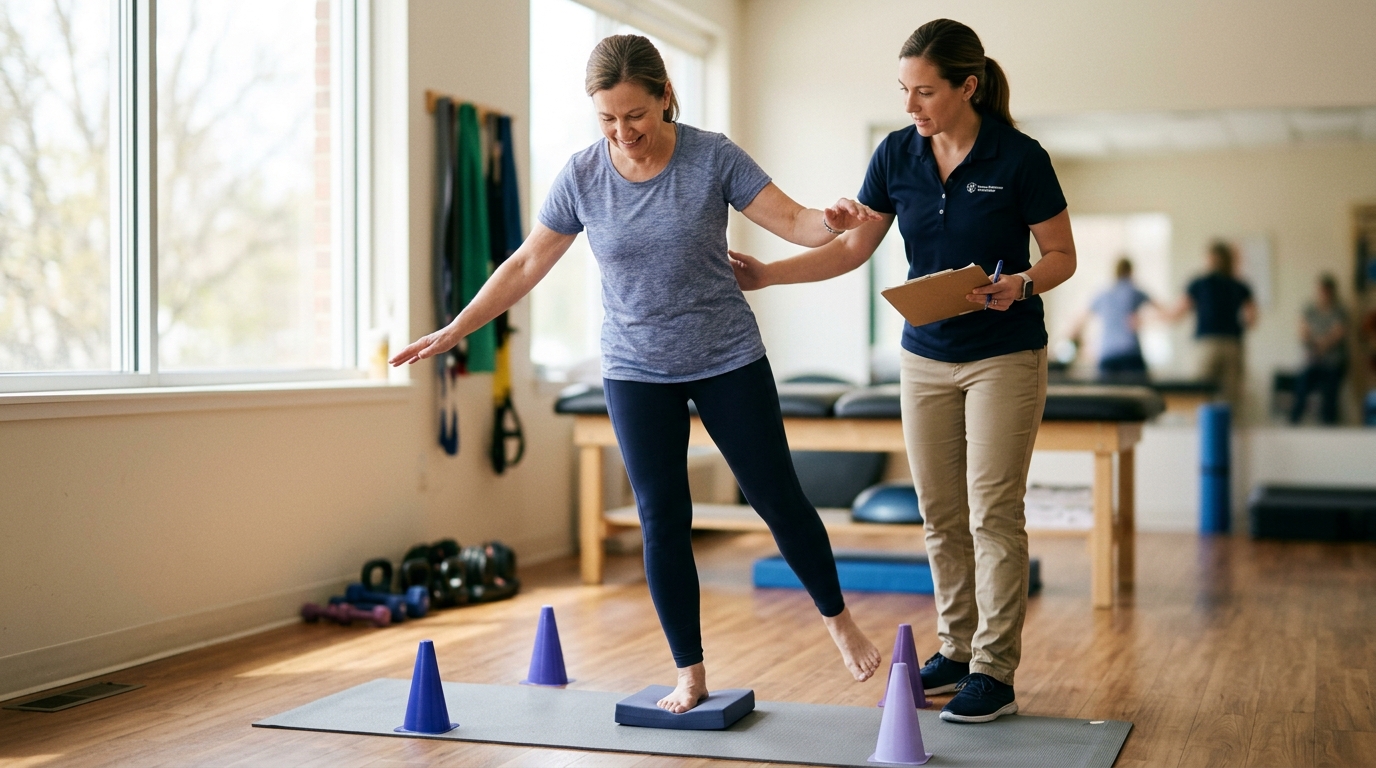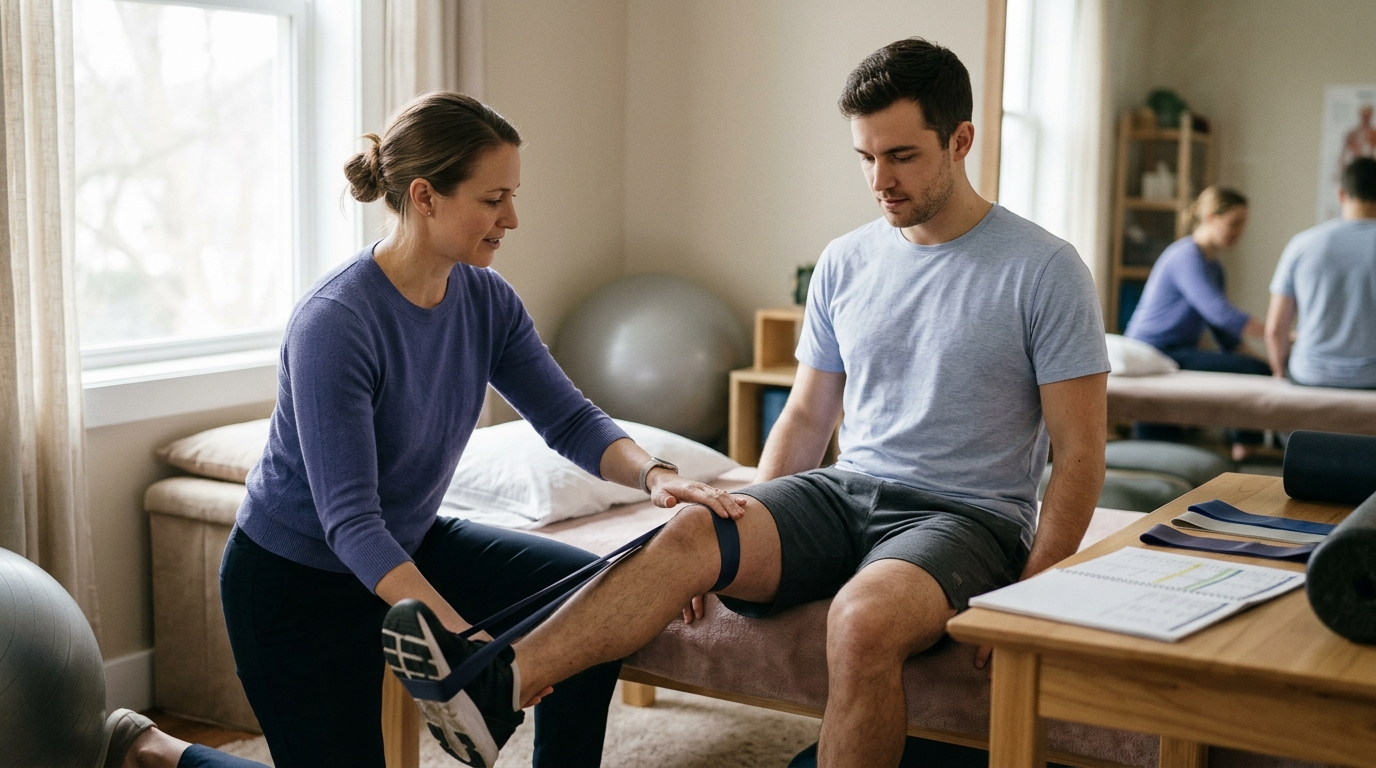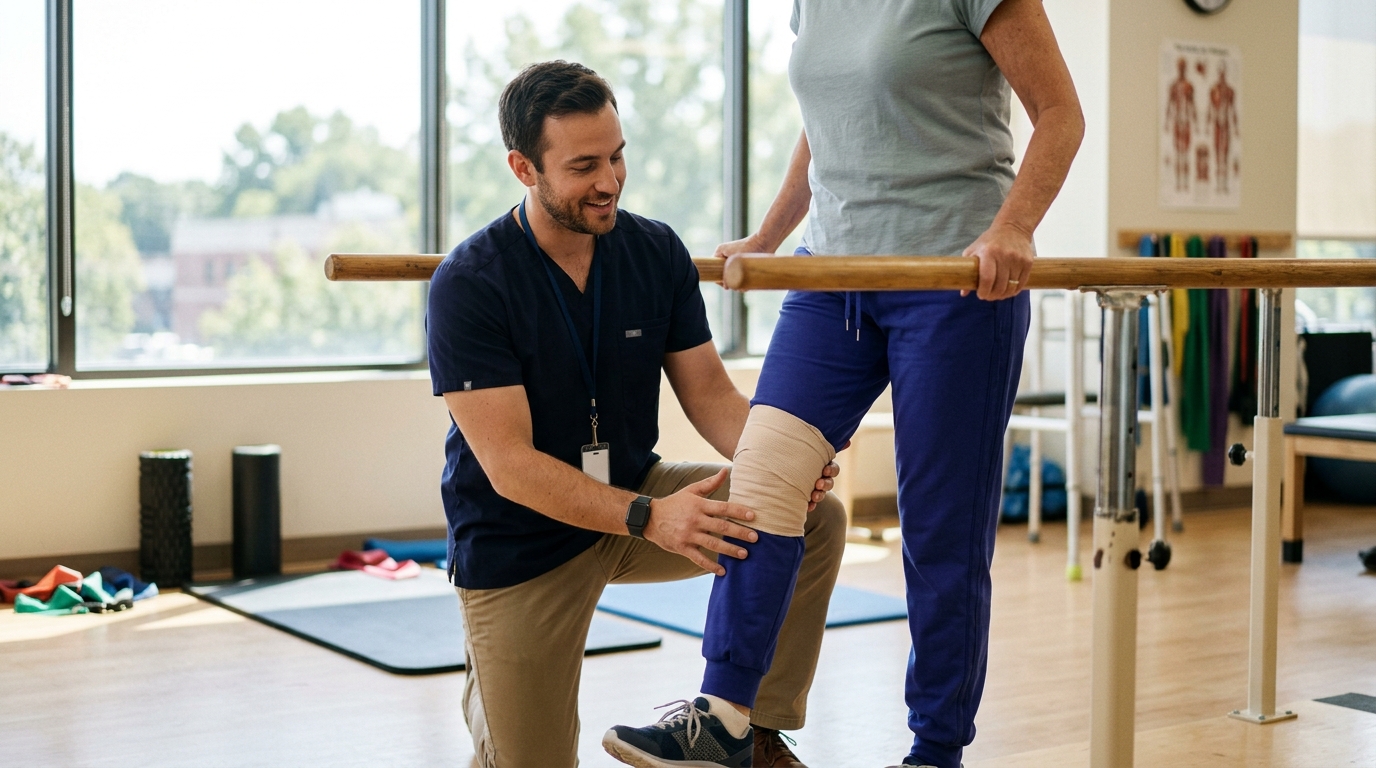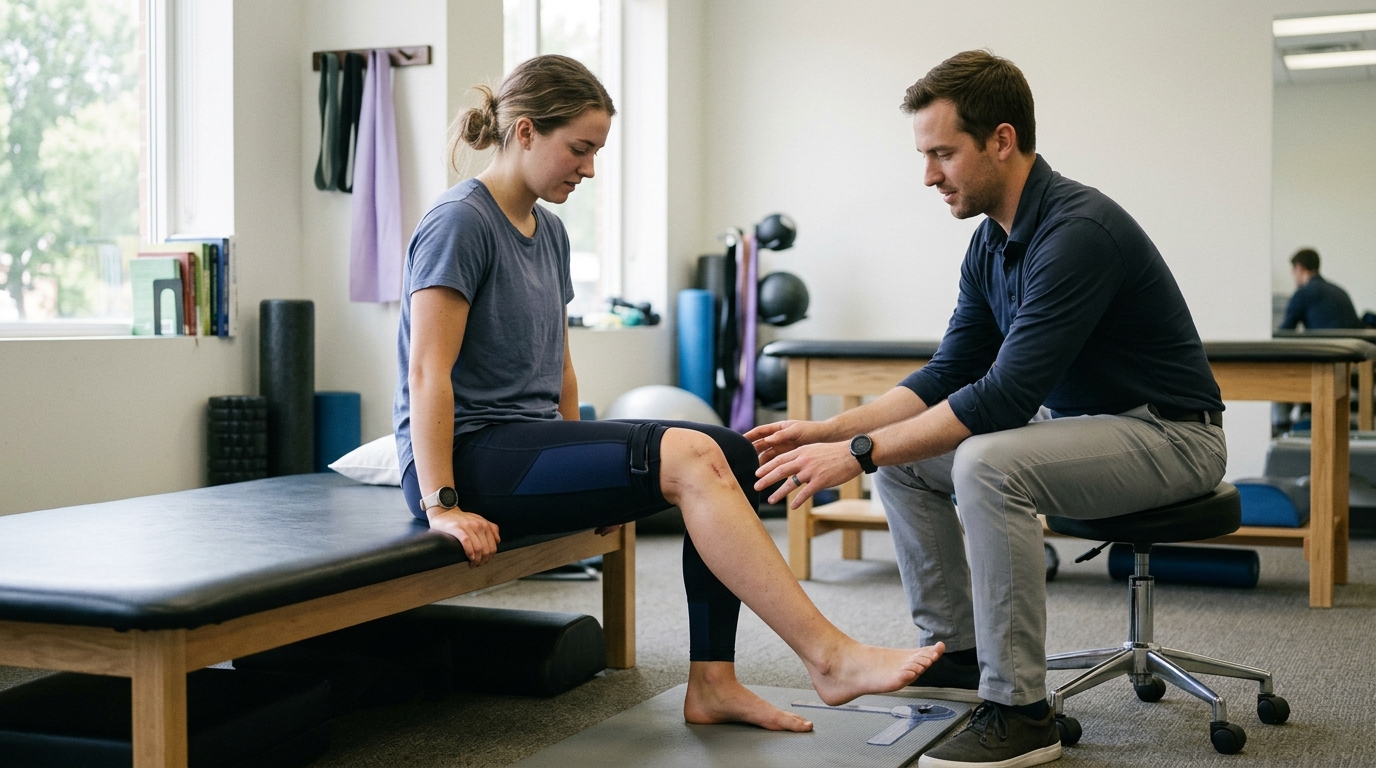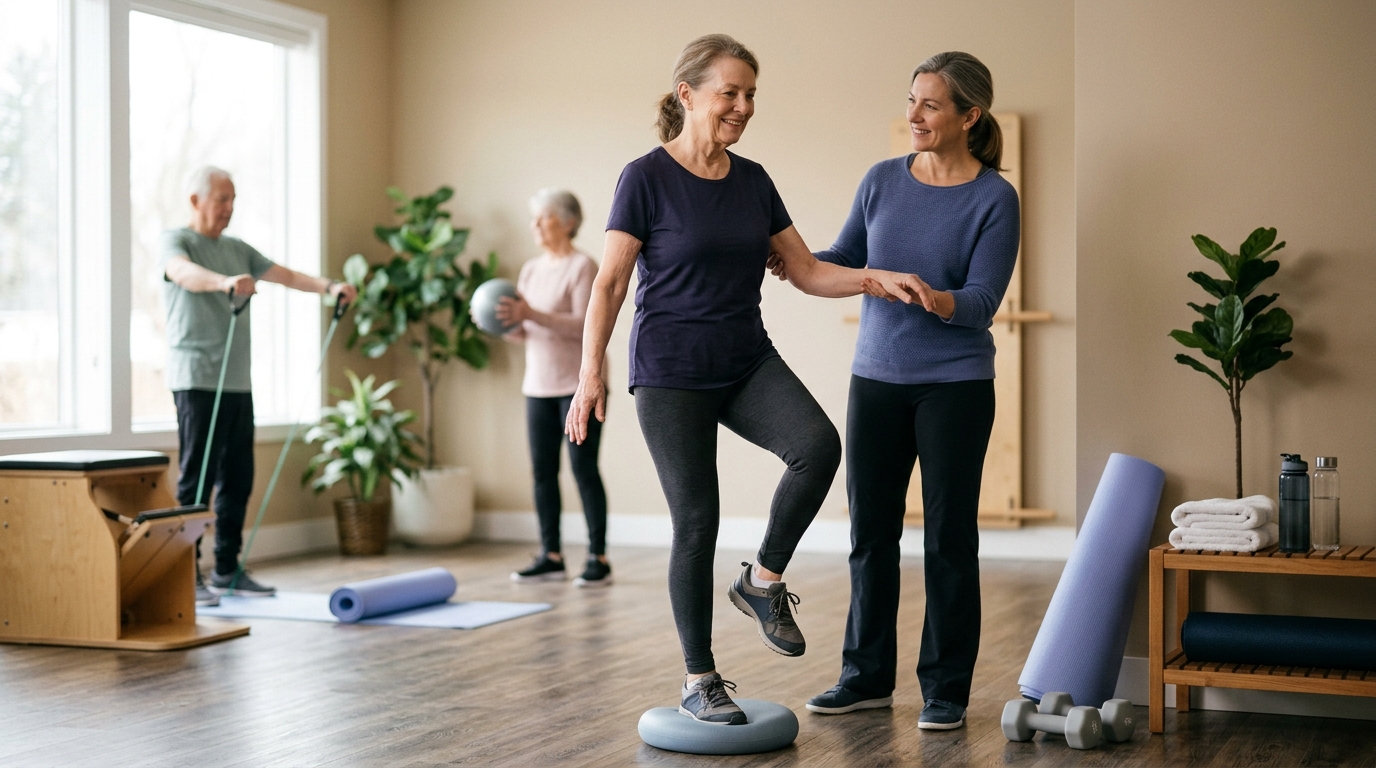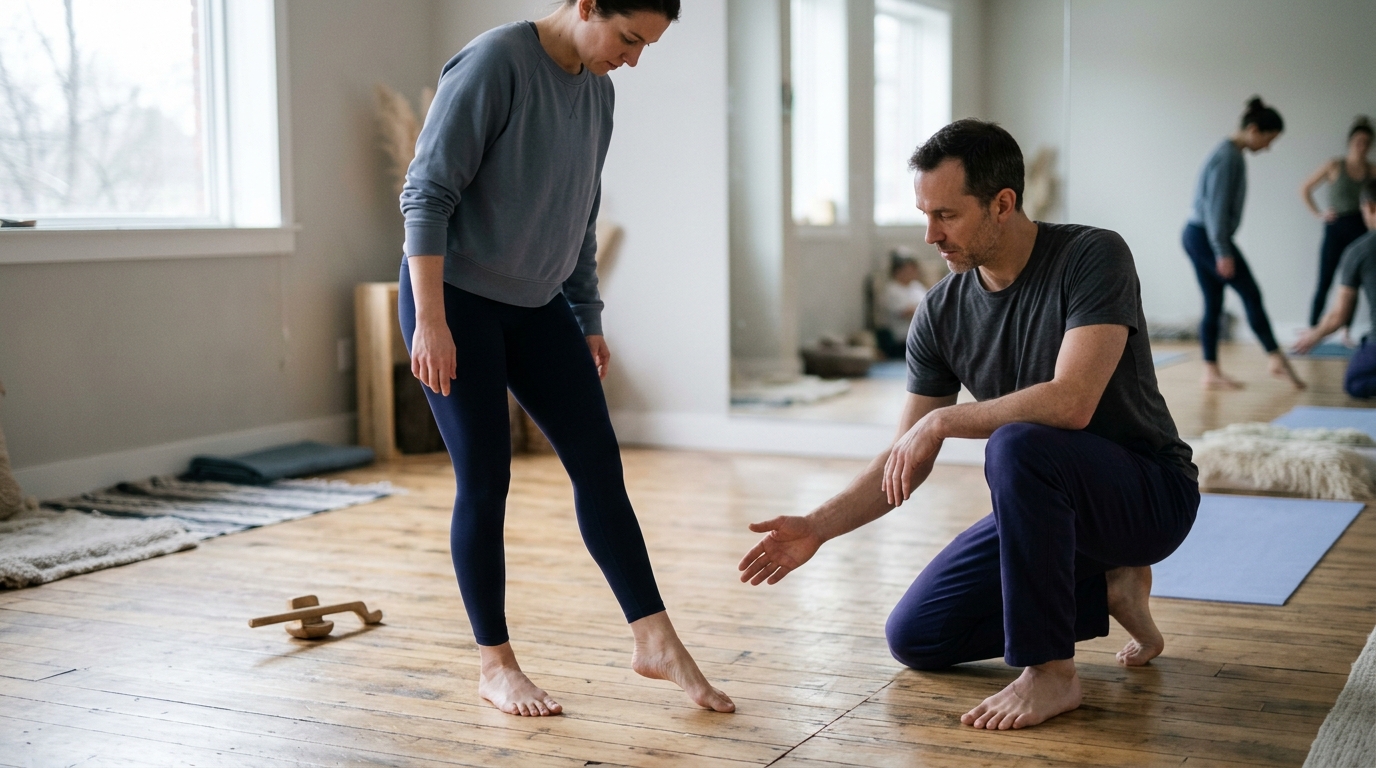

Five progressive steps help you build foot capacity, manage weight-bearing demands during prolonged standing, and improve your daily walking mechanics.





Many people turn to the internet when daily walking becomes uncomfortable or when standing in place causes dull, nagging foot fatigue. You might wonder whether your arches are weak, whether your ankles lack flexibility, or if you simply need different shoes.
The straightforward answer is that walking and standing are whole-body activities rather than simple tests of foot strength. Your ability to move and stand comfortably depends on ankle mobility, muscular capacity, sensory balance systems, footwear choices, and total activity volume. No single exercise, shoe design, or arch shape determines how your feet perform.
Recovery and physical adaptation take time, and individual health factors change how your tissues handle daily stress. Understanding how your feet and ankles interact with the ground can help you build steady tolerance for everyday movement.
Walking requires a smooth progression of body weight over your feet with every step. Researchers often explain this progression using the three-rocker model of gait. This model describes how the foot pivots and adapts as it moves through the stance phase of walking.
The first phase is the heel rocker. When your heel contacts the ground, the foot pivots over the rounded edge of the heel bone. The muscles on the front of your shin, known as dorsiflexors, work to lower the rest of the foot to the floor in a controlled manner. This action helps cushion the initial impact of your step.
The second phase is the ankle rocker. Once the foot is completely flat on the ground, your shin rotates forward over the planted foot. The ankle joint moves from a pointed position toward a bent position, which is called dorsiflexion. This forward movement allows your body mass to pass smoothly over your base of support.
The third phase is the forefoot rocker. After your body passes forward, your heel lifts off the ground, and the foot pivots across the ball of the foot and the toes. The calf muscles contract to stabilize the ankle and help propel you into the next step.
Ankle movement also plays a vital role during the swing phase, when your foot is off the ground. The ankle must dorsiflex enough to let your toes clear the floor safely. If ankle motion is restricted or the shin muscles fatigue quickly, toe clearance can decrease, which may increase tripping risk.
You can learn more about joint mechanics in our mobility and movement guides. Ankle flexibility should always be viewed through the lens of daily function. Having extreme flexibility is not necessary for most adults. Instead, the goal is having enough comfortable motion to allow your shin to move forward without straining surrounding joints.
The human foot contains several layers of small muscles called intrinsic foot muscles. These muscles originate and insert entirely within the boundaries of the foot itself. They work alongside larger muscles in the lower leg to stabilize joints and assist with movement.
A common misconception is that weak intrinsic muscles are the sole cause of flat feet or arch pain. Biomechanical research shows that passive structures provide a large share of arch support during weight acceptance. Thick connective tissues, including the plantar aponeurosis and deep plantar ligaments, hold the arch together under heavy loads. Intrinsic foot muscles play an active role by stiffening the joints at the ball of the foot during late stance to assist with push-off.
Systematic reviews evaluating intrinsic foot muscle exercises show nuanced results. Some clinical studies report that targeted foot exercises can improve dynamic balance and local foot function during gait. However, systematic reviews rate the certainty of this evidence as low to very low.
While training these small muscles can be a helpful component of physical conditioning, it is not a standalone solution for every foot complaint. Strengthening your toes will not automatically change your arch height or eliminate longstanding pain.
Foot stability relies on a partnership between passive ligaments, active intrinsic muscles, and the larger extrinsic muscles of the lower leg. Focusing entirely on one muscle group overlooks how the foot distributes mechanical loads during movement.
Staying upright while standing still or walking through a crowded room requires coordination across your entire nervous and muscular systems. Balance is not simply a matter of having strong feet. It is an active process that combines sensory input from your eyes, inner ears, and joint receptors with rapid muscular corrections.
To understand upright stability, it helps to separate balance into three distinct functional categories:
Research examining foot and ankle exercises in older adults shows that targeted training can improve measured balance performance and ankle flexibility. However, systematic reviews consistently note that the overall quality of evidence remains low. Exercise can support your physical capacity, but it cannot promise complete protection against falls or loss of stability.
When you walk, your feet act as primary sensory receptors. Specialized nerve endings in the skin of your soles and within your joint capsules provide constant feedback about ground texture, slopes, and joint positions. If sensory feedback is reduced or joint stiffness limits small postural adjustments, your body must rely more heavily on vision and hip strategies to maintain balance.
For additional context on maintaining physical independence as you age, browse our active aging and prevention resources.
A helpful way to evaluate foot comfort is through the framework of capacity versus demand. Physical capacity refers to the current strength, joint mobility, tissue tolerance, and endurance your body can produce. Physical demand refers to the total stress placed on your body by your daily tasks and physical environment.
When the physical demands of your day exceed your current capacity, your tissues may become irritated or fatigued. This framework explains why foot symptoms often appear after sudden changes in your routine, such as starting a new job that requires prolonged standing or abruptly doubling your daily walking distance.
Standing and walking place different mechanical demands on your lower body:
Standing in one place requires continuous, low-level isometric contractions from your calf and foot muscles. Blood flow through working muscles is lower during static standing than during rhythmic walking. As fluid pools slightly in the lower legs over several hours, passive tissues like the plantar fascia remain under constant tension. This prolonged static tension can cause noticeable aching even in people who have excellent walking endurance.
Walking introduces cyclical impact forces and dynamic joint motion. Each step requires your tissues to absorb shock, transfer energy, and produce propulsive force. Walking taxes your cardiovascular system and demands active muscular coordination, but the rhythmic contraction of your calf muscles actively helps pump blood back toward your heart.
Because these physical demands differ, being able to walk two miles comfortably does not mean you can stand comfortably for an eight-hour shift. Recognizing the difference between static and dynamic load helps you identify which specific demand is challenging your current capacity.
Footwear serves as the interface between your feet and the physical surfaces you navigate every day. Shoes can modify how mechanical forces are distributed across your soles, but no single shoe design is universally superior for every individual.
Clinical guidelines recommend evaluating footwear based on how well it matches your unique foot shape and the specific tasks you perform. A supportive shoe that feels comfortable during a long work shift on concrete may feel stiff or restrictive during casual walking on natural trails.
When evaluating footwear, consider these practical fitting recommendations:
Avoid relying on extreme footwear changes to resolve localized foot discomfort. Transitioning abruptly from cushioned, supportive shoes to ultra-thin minimalist footwear can dramatically increase stress on your calf muscles and Achilles tendons.
Conversely, switching to heavily structured shoes cannot replace the natural conditioning of your lower leg muscles. Footwear is a supportive tool, not a standalone treatment for underlying physical limitations.
When recovering from an injury or building walking tolerance after a period of inactivity, pacing is essential. Federal physical activity guidelines recommend that inactive adults start with small amounts of light-to-moderate activity and progress gradually over time.
Using a methodical step-by-step approach helps keep physical demands aligned with your current tissue capacity.
Before altering your routine, record your actual activity levels for one full week. Track the number of minutes you spend walking or standing each day, the types of shoes you wear, the surfaces you walk on, and any symptoms that arise. Having an honest baseline prevents you from accidentally overestimating what your feet can comfortably handle.
When you decide to increase your activity, modify only one aspect of your routine at a time. You can adjust your total walking duration, your walking pace, the steepness of your route, or your footwear.
Changing multiple variables at once makes it impossible to know which factor caused fatigue or discomfort if your feet begin to ache.
If you have been inactive or are returning from an extended break, choose a modest starting point. A common example for healthy adults is starting with five to ten minutes of continuous walking per session.
You can break your walking into two or three short bouts throughout the day rather than completing one long walk. This strategy gives your tissues time to rest and recover between loading cycles.
Pay attention to how your feet feel during the activity, several hours later in the evening, and during your first steps out of bed the next morning. Mild muscle fatigue that resolves quickly is a normal response to new physical demands.
However, sharp pain, localized heat, or increased stiffness the next morning suggests that the physical demand exceeded your current capacity.
If your symptoms steadily increase over several days, reduce your activity back to your previous comfortable baseline. Maintain that lower volume until your symptoms settle before attempting another gradual increase.
Progress is rarely a straight line. Taking planned recovery days allows your tendons, ligaments, and muscles to adapt safely to mechanical loads.
To explore broader recovery strategies, review our rehabilitation and mobility resources.
Foot symptoms provide valuable information about how your body is responding to mechanical stress. However, similar symptoms can arise from very different underlying conditions. Recognizing common patterns can help you have more productive discussions with healthcare providers.
One of the most common foot complaints involves pain under the inside edge of the heel. Clinical practice guidelines describe a classic pattern where discomfort is most intense during the very first steps out of bed in the morning or after prolonged sitting. The discomfort often eases slightly after a few minutes of light movement, only to return toward the end of the day if you spend hours on your feet.
While this pattern is frequently associated with plantar fasciitis, a clinical examination is necessary to rule out nerve entrapment, bone stress, or fat pad irritation.
Sensations such as burning, tingling, pins and needles, or numbness across the bottom of the foot require professional evaluation. These symptoms suggest that a peripheral nerve may be irritated, compressed, or affected by a systemic medical condition. Trying to stretch or strengthen through nerve irritation can worsen symptoms if the root cause is not identified.
Individuals diagnosed with diabetes must take extra precautions with foot health. Reduced blood circulation and peripheral neuropathy can make it difficult to feel small cuts, blisters, or pressure sores. A minor skin injury can progress rapidly if left unnoticed.
Health guidelines from major diabetes organizations advise contacting a healthcare provider promptly if you notice any of the following signs:
For additional information on maintaining joint health safely, visit our injury prevention and active living guides.
Some foot and ankle symptoms should never be managed with self-directed exercise or gradual progression plans. Seek immediate medical evaluation if you experience any of the following issues:
When foot pain persists for several weeks without improvement, scheduling an appointment with a physician, physical therapist, or podiatrist is the best course of action. Preparing specific details about your symptoms helps your clinician make an accurate assessment and develop a personalized care plan.
When preparing for your appointment, gather clear information regarding these seven practical points:
Here are practical questions you can bring to your appointment:
Foot function is the result of an interconnected system of joint motion, muscular capacity, balance control, and daily loading habits. Improving your comfort during walking and standing requires balancing daily physical demands with your body's current tolerance.
There are no shortcuts or universal formulas for foot health. Sustainable progress comes from making gradual adjustments, wearing well-fitted shoes, and paying attention to physical symptoms before they become chronic problems.
To apply these principles safely, follow this practical checklist over the next seven days:

Use ReboundBody resources to understand common recovery stages, rehab terms, movement limits and strength rebuilding. Each guide is designed to make a complex comeback easier to understand.


Read practical guidance on injury recovery, rehabilitation, mobility and rebuilding strength as you work your way back to activity.
Explore Resources