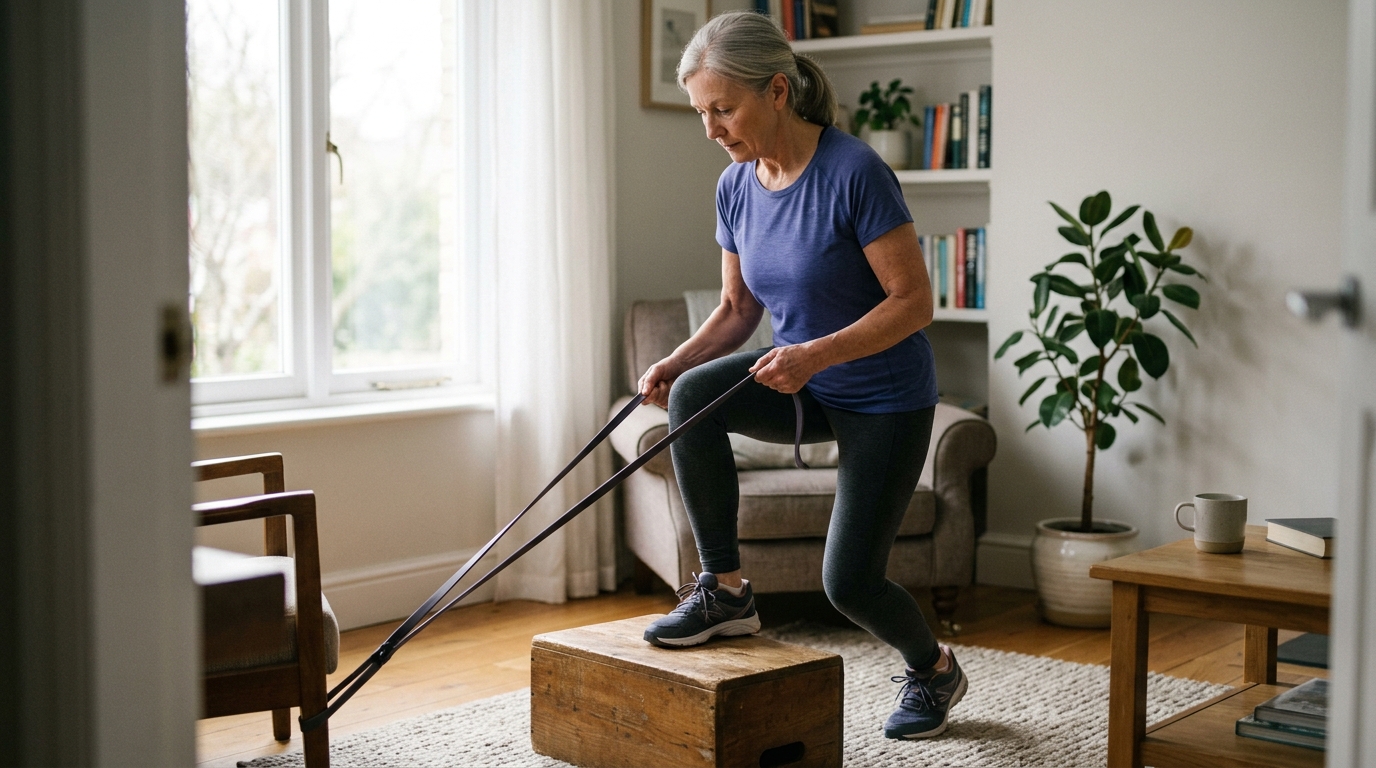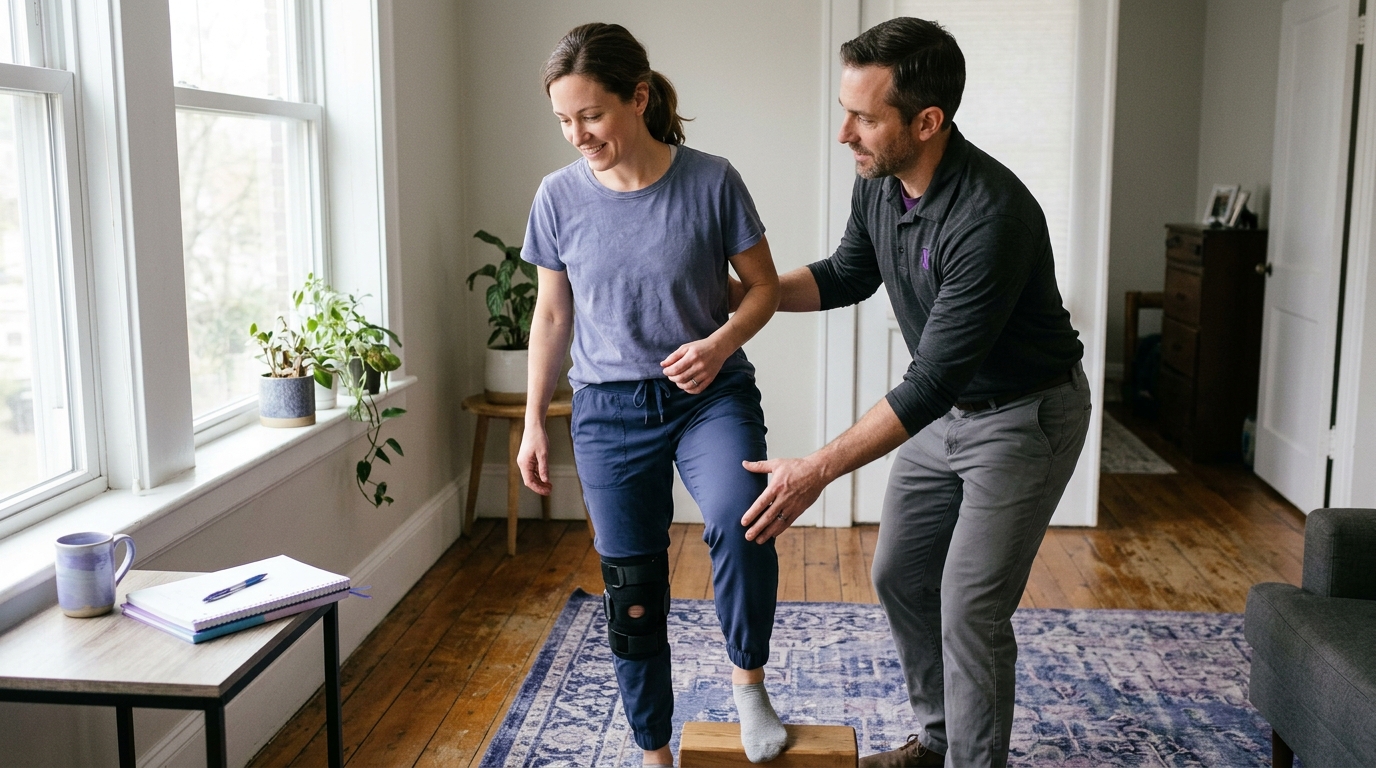

Searching for injury rehab tips online requires evaluating scientific evidence, editorial oversight, and marketing claims to distinguish helpful education from risky medical advice.





When an unexpected injury happens, the first reaction is often to search online. You might type in queries like "how to heal a torn meniscus faster" or "best exercises for shoulder impingement." Within seconds, search engines return thousands of articles, videos, personal blogs, and supplement ads. Some pages promise rapid healing through specific protocols, while others warn of permanent damage if you move incorrectly.
Sorting through this flood of conflicting guidance can feel overwhelming. Online health information can help you understand medical terms and prepare questions. However, digital advice cannot diagnose your exact tissue state, assess movement quality, or build an individualized recovery plan.
Evaluating injury advice requires understanding source credibility, scientific evidence, and the limits of general education. This guide provides a clear framework to help you separate reliable science from marketing claims, recognize red flags, and work effectively with your healthcare providers.
General educational articles and individualized medical advice serve two very different functions in musculoskeletal health. Understanding the difference prevents costly mistakes and unrealistic expectations during physical recovery.
General health education explains how the body works, how tissues heal, and what standard treatment guidelines recommend. It looks at groups of people rather than single individuals. For instance, an educational article might explain that Achilles tendon healing follows stages of inflammation, tissue repair, and remodeling. It may describe why progressive loading helps tendons regain tensile strength over several months.
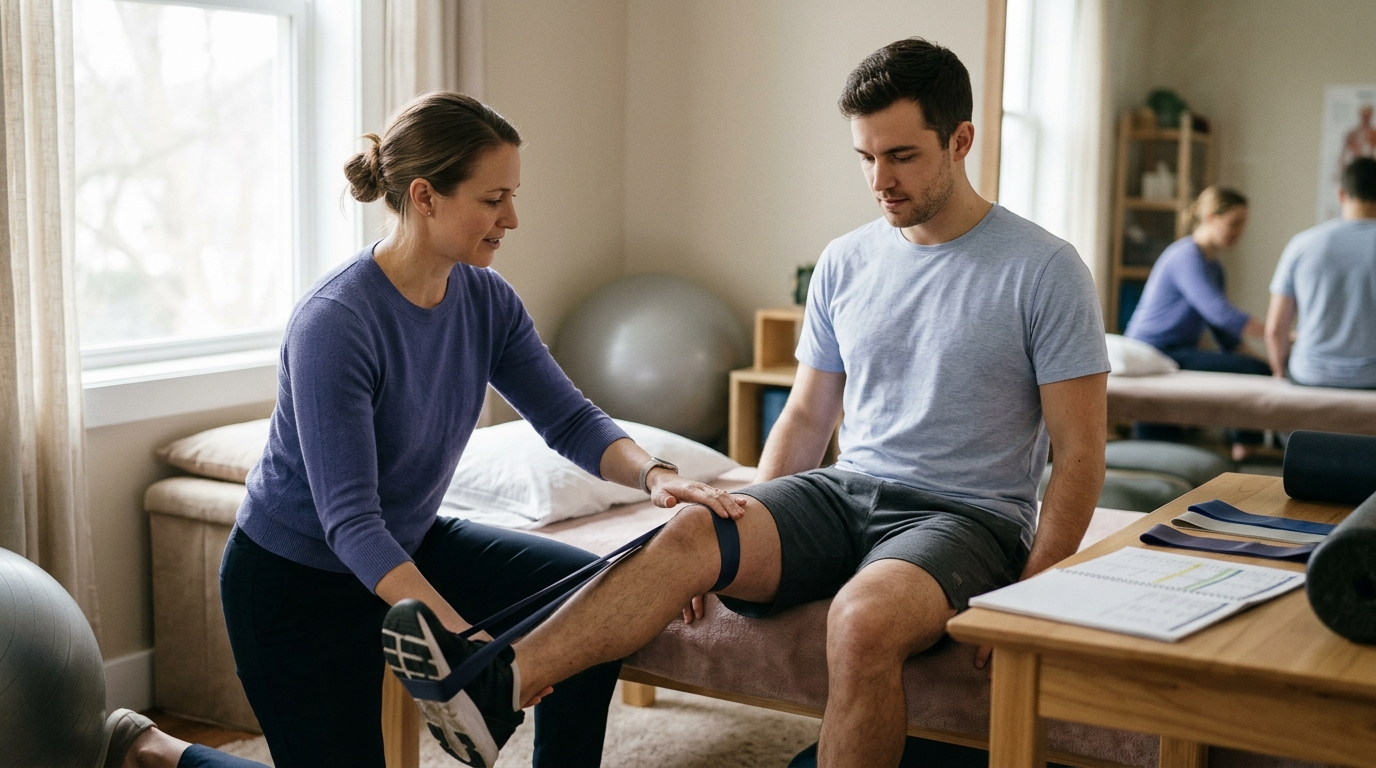
Educational material can help you learn medical terminology before an appointment. It allows you to explore standard rehabilitation pathways and understand why certain movements are assigned. Reading about evidence-based recovery science helps you engage in meaningful conversations with your physical therapist or orthopedic doctor.
Public health resources, such as MedlinePlus, advise people to use online health articles to build general knowledge. However, they emphasize that these materials cannot replace direct clinical evaluation.
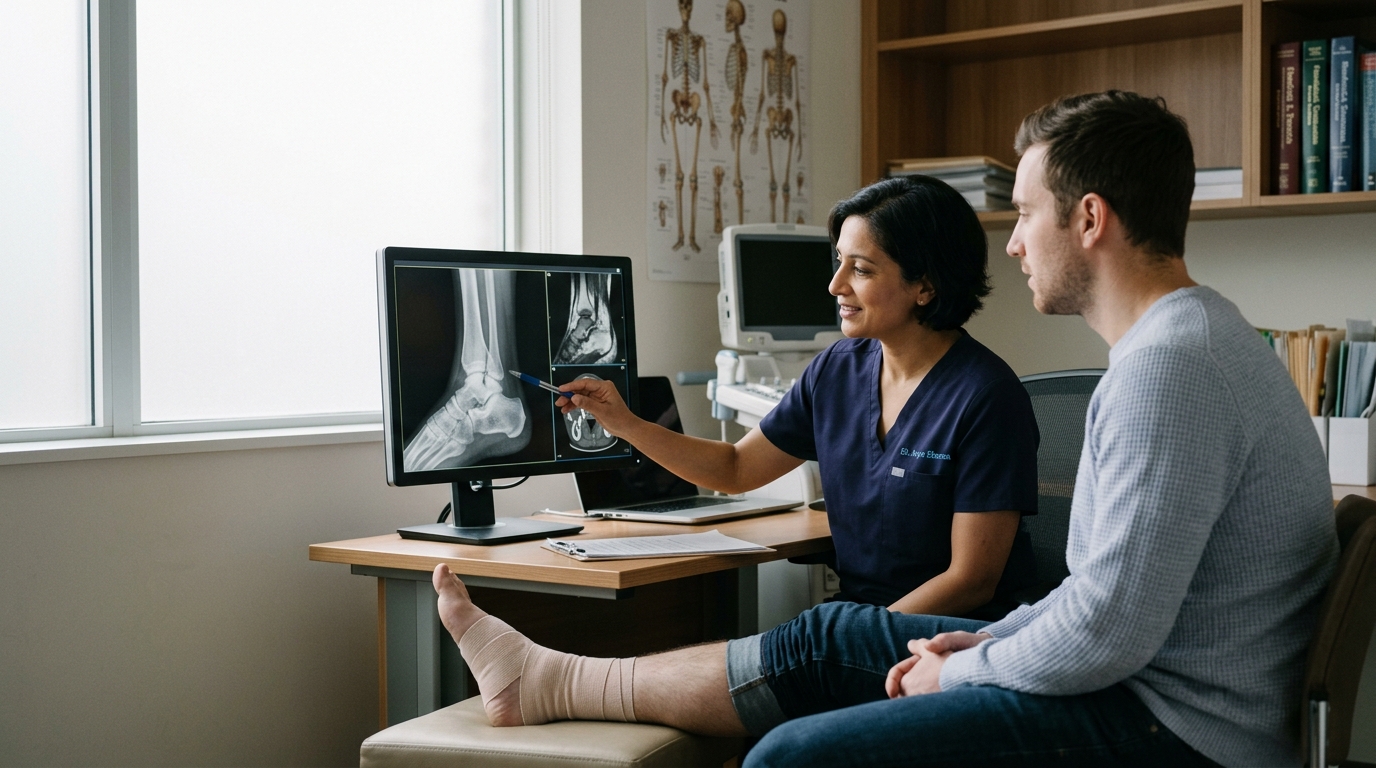
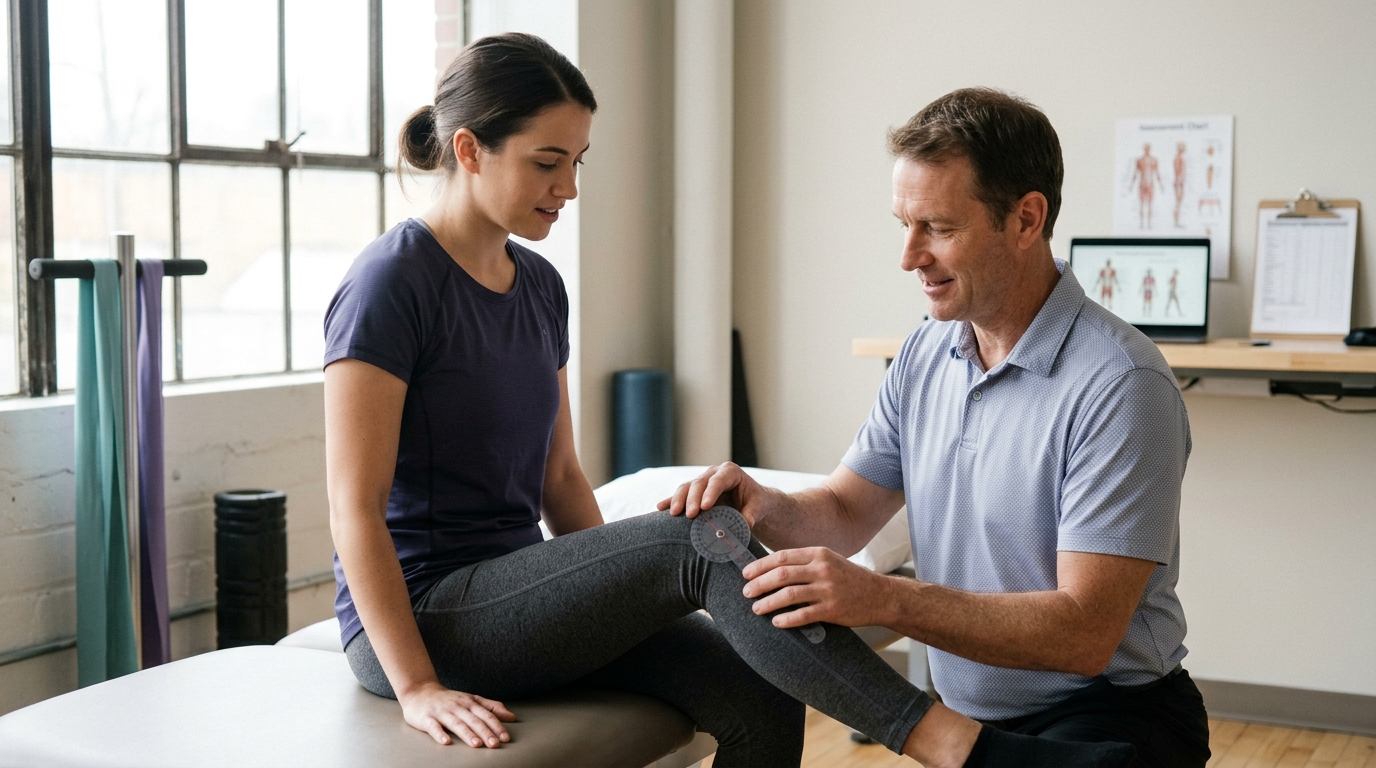
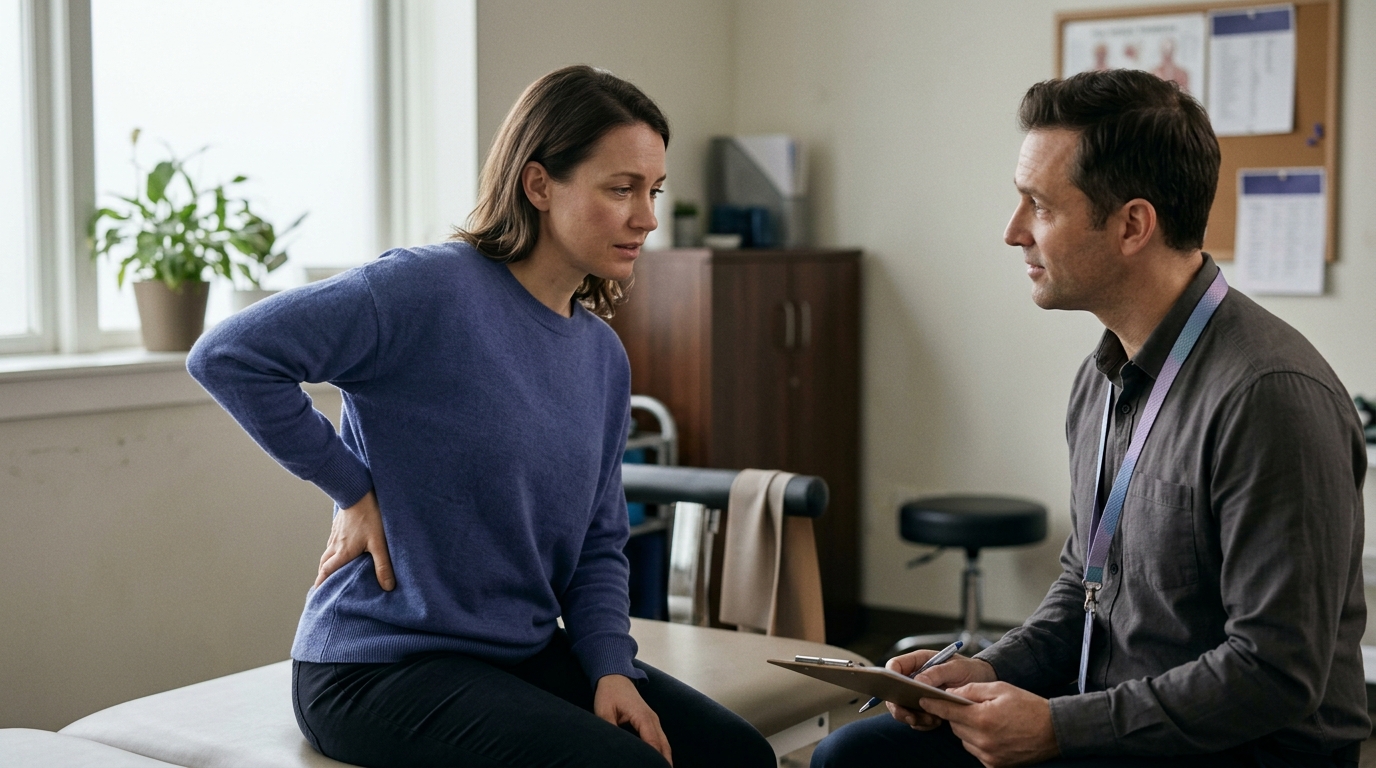
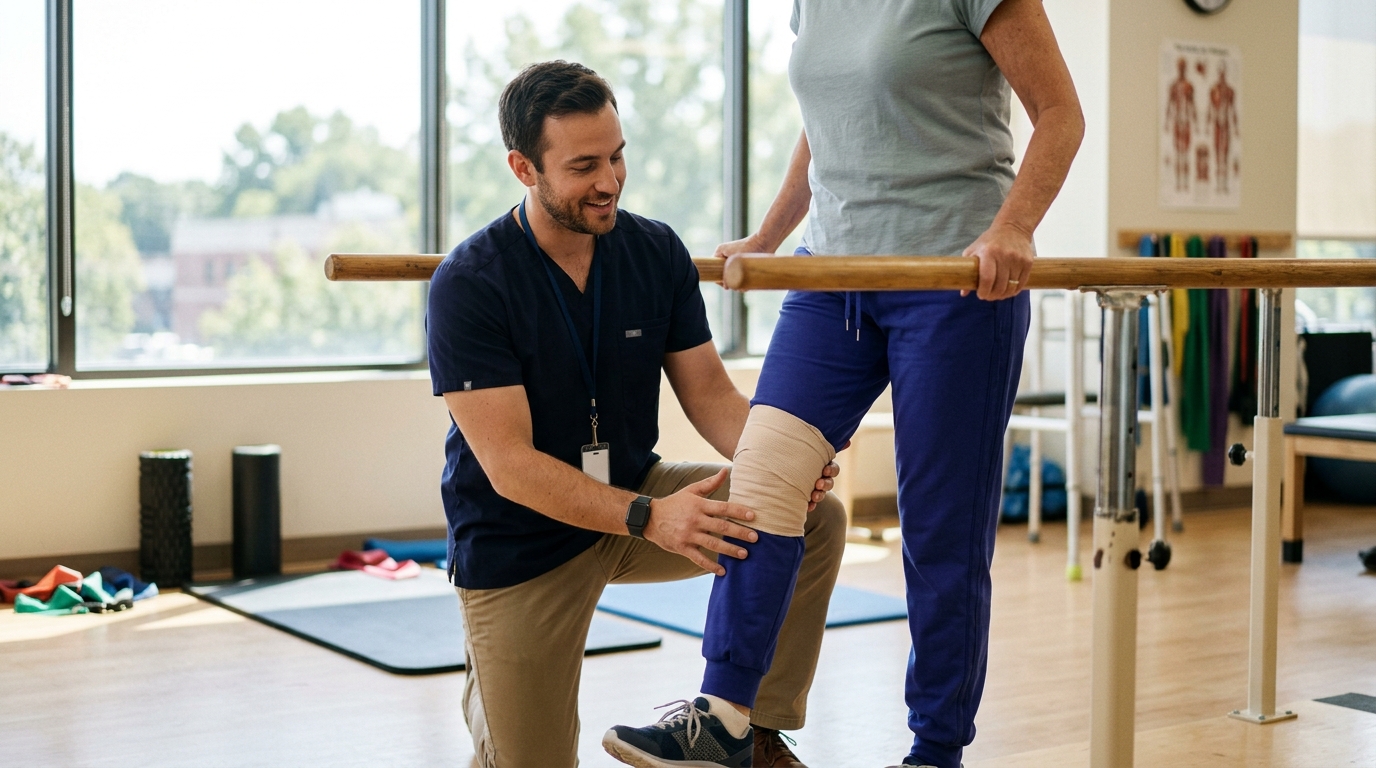
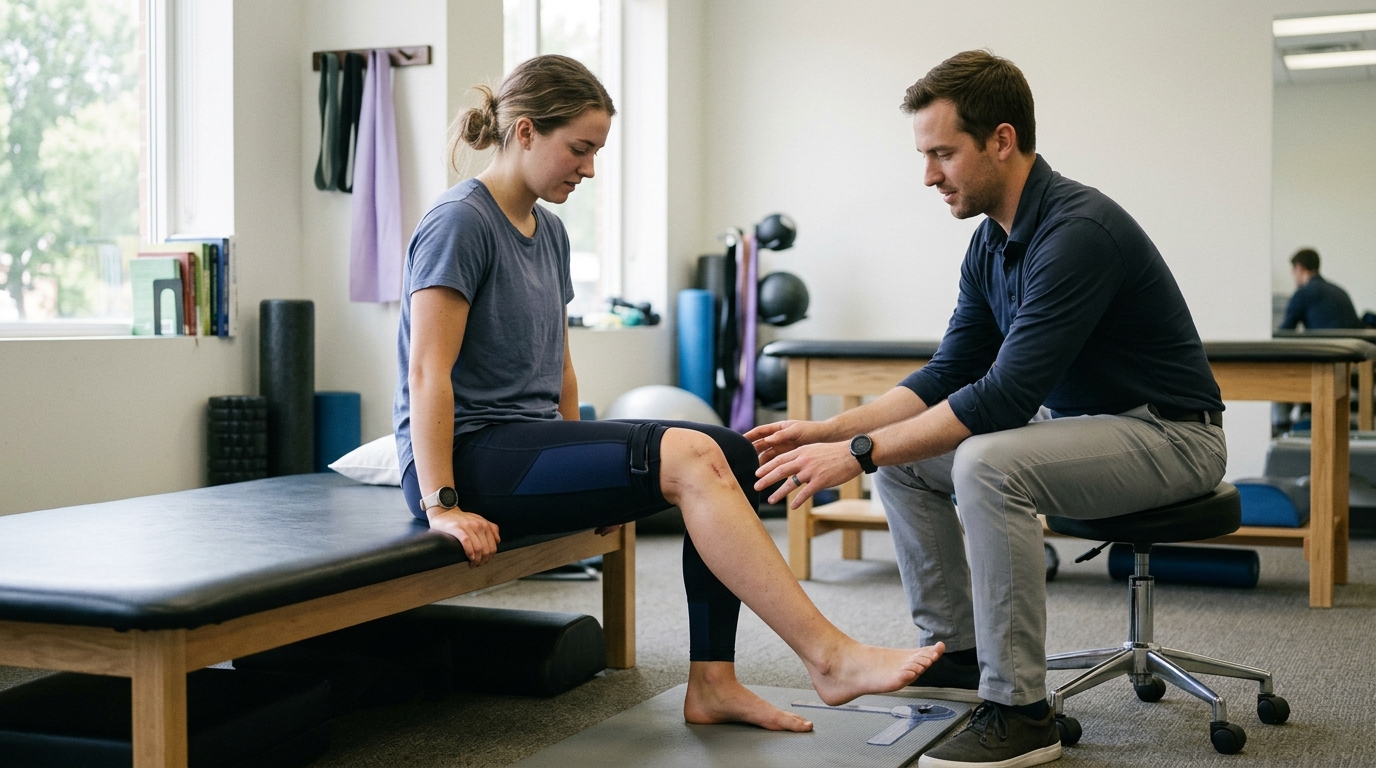
Individualized medical advice is a tailored clinical recommendation designed for one specific person. A healthcare provider develops this plan only after conducting an in-person physical examination. They review imaging, check your joint range of motion, test muscle strength, and evaluate your medical history.
A licensed clinician accounts for subtle variables that an online article cannot see. They evaluate your pain irritability, tissue healing stage, tissue quality, and daily functional demands. They also consider prior surgeries, systemic health conditions, and personal recovery goals.
According to guidance from the National Institute for Health and Care Excellence (NICE), high-quality healthcare relies on shared decision-making. This is a collaborative process where clinicians and patients weigh scientific evidence against personal values, daily routines, and functional goals. An online article cannot participate in shared decision-making because it does not know your personal situation.
A treatment claim is a specific statement asserting that an intervention produces a measurable health outcome. Examples include claims that a particular supplement speeds ligament healing, or that a massage tool removes scar tissue overnight.
Under standards from the Federal Trade Commission (FTC), health-benefit claims require rigorous scientific substantiation. The FTC considers randomized, controlled human clinical trials to be the most reliable evidence for health claims.
When reviewing online advice, separate educational explanations from commercial claims. An article that teaches joint anatomy is educational. An article that claims a specific device guarantees rapid tendon healing is making a commercial claim. That commercial claim must be backed by high-quality clinical trials to be considered credible.
To judge the reliability of an injury recovery article, you can apply a structured evaluation process. Organizations like MedlinePlus and the National Center for Complementary and Integrative Health (NCCIH) recommend assessing several key quality indicators.
The first step in evaluating a recovery article is identifying who wrote and reviewed the content. Reliable health websites are transparent about their ownership, leadership, and editorial processes.
Look for the following signals on the page:
A medical credential alone does not automatically make every statement true. A clinician may hold expertise in general medicine but lack specialized training in orthopedic rehabilitation. Check whether the author supports their statements with references to reputable scientific research. MedlinePlus notes that trustworthy sites always make it easy to inspect their editorial review procedures and underlying sources.
Every website exists for a specific reason. Some sites aim to educate the public, some present academic research, and others sell products or services. Determining the primary motive of the site helps you interpret its advice.
If an article is published by a company selling a brace, supplement, or massage tool, the content may favor that product. Commercial interest does not mean the information is automatically false. However, commercial motives require you to read with extra care.
Trustworthy health websites clearly separate objective editorial content from paid advertisements and product promotions. If an article presents only the benefits of a product while ignoring its risks, limitations, and cheaper alternatives, it is promotional copy rather than neutral education. MedlinePlus emphasizes that quality health information presents balanced facts based on research rather than pushing one specific treatment.
A credible recovery guide does not simply ask you to trust its claims. It shows you the evidence behind its statements by linking directly to peer-reviewed studies, clinical guidelines, or academic sources.
NCCIH advises readers that personal anecdotes, customer reviews, and general opinions are not the same as objective scientific evidence. When an article cites a study, look past the citation link and check what was actually measured.
Useful questions to ask when reviewing cited research include:
The Centers for Disease Control and Prevention (CDC) notes that surrogate outcomes, such as temporary blood flow changes, provide lower certainty than meaningful patient outcomes, like returning to pain-free walking. High-quality recovery resources acknowledge these nuances instead of presenting early laboratory findings as settled clinical facts.
Medical research and orthopedic rehabilitation protocols evolve as new clinical trials are completed. An exercise progression considered standard ten years ago may now be modified based on modern biomechanical studies.
MedlinePlus suggests looking for content that has been written, updated, or clinically reviewed within the past two to three years. While older foundational principles can remain accurate, treatment recommendations should be checked against current clinical guidelines.
If an article lacks a publication date or review date, treat its practical recommendations with caution. Check whether more recent articles from established medical organizations share the same advice.
Evaluating an online health resource also involves looking at how the platform treats your personal data. Trustworthy health sites maintain clear, transparent privacy policies explaining what information is collected and how it is used.
Be cautious of websites that require you to enter sensitive medical details, complete extensive symptom quizzes, or share payment information before viewing basic educational articles. NCCIH and MedlinePlus recommend reviewing data security practices to ensure your personal health history is not sold to third-party advertisers.
Never rely on a single online article to make important decisions about injury recovery. Even well-written articles can reflect the individual biases of a single author or clinical school of thought.
Compare the advice across multiple independent, authoritative platforms. These include academic medical centers, professional orthopedic associations, and systematic research databases. If several independent medical organizations agree on a rehabilitation principle, you can have greater confidence in that information. If sources disagree sharply, bring those conflicting viewpoints to your physical therapist for clarification.
When you find an online claim that sounds promising for your recovery, use a systematic framework to evaluate it before changing your daily habits. This five-step process helps you transform raw internet claims into productive clinical discussions.
Online marketing frequently uses emotional, vague language designed to generate hope. Phrases like "restores joint health naturally" or "unlocks full mobility" sound appealing but lack clear scientific meaning.
Translate vague claims into specific, testable statements. For example, change "this protocol repairs tendons overnight" to "this exercise program reduces patellar tendon pain during stairs over twelve weeks compared to rest."
Converting claims into measurable statements strips away marketing hype. It allows you to evaluate whether the promised outcome has actually been tested in clinical research.
Ask yourself what action you would take if you believed the online claim completely. Would you stop doing your prescribed physical therapy exercises? Would you buy an expensive electrical stimulation device? Would you return to running weeks ahead of your surgeon's timeline?
The higher the stakes of the decision, the more evidence you need before taking action. If a claim encourages you to delay medical evaluation, discontinue prescribed care, or spend substantial money, pause immediately. Discuss the idea with your healthcare team before proceeding.
In research methodology, applicability refers to whether study results can be applied directly to a specific patient in a practical setting. Cochrane systematic reviews emphasize that a study showing benefits in one group does not guarantee the same outcome in another.
Consider whether the study cited online matches your situation:
If the study examined a completely different demographic or injury grade, the findings may not apply to your current stage of rehabilitation.
Research evidence provides general probabilities, but it cannot dictate personal values. Shared decision-making, as defined by NICE, requires integrating research findings with your personal goals, work demands, and lifestyle preferences.
For instance, an aggressive rehabilitation timeline might show slightly faster strength gains in research trials, but carry a small risk of symptom flare-ups. If you have an active job that requires standing all day, you might prefer a more conservative progression that minimizes flare-ups. A collaborative discussion with your clinician helps align the evidence with your real-world priorities.
Before trying any new recovery strategy or rehabilitation and mobility approach, decide how you will measure progress and when you will review the results. Relying on vague impressions can lead to continuing ineffective treatments for too long.
Work with your provider to select objective tracking metrics, such as:
Agree on a specific timeframe, such as three to four weeks, to reassess whether the new strategy is providing measurable functional benefits.
Navigating online recovery content requires learning to spot common red flags. Recognizing manipulative marketing techniques and logical fallacies protects you from wasted time, financial loss, and physical setbacks.
A confident, authoritative tone in a video or article does not mean the information is scientifically accurate. Many content creators speak with absolute certainty because definitive statements attract more views and clicks on social media algorithms.
Legitimate medical science rarely speaks in absolutes. Research papers and clinical guidelines routinely use measured language, acknowledging uncertainty, individual variation, and study limitations. When a creator claims their method is the single correct way to heal an injury, treat that extreme confidence as a warning sign.
Personal recovery stories are among the most persuasive forms of online content. Watching an athlete describe how a specific supplement or routine resolved their chronic knee pain creates a strong emotional desire to try the same method.
However, a personal testimonial is an anecdote, not scientific proof. An individual success story cannot account for the natural healing process, the placebo effect, or other simultaneous lifestyle changes. NCCIH explicitly notes that personal testimonials cannot prove cause and effect. The FTC also prohibits health product companies from using testimonials to make claims that lack rigorous scientific substantiation.
Online influencers frequently present themselves as health experts while offering advice far outside their formal training. A fitness trainer may give detailed advice on surgical healing timelines, or a chiropractor may make claims about cellular nutrition.
Even licensed clinicians must stay within their scope of practice and current evidence base. Always check whether the person giving advice has specific, recognized training in orthopedic rehabilitation, physical therapy, or sports medicine. Furthermore, verify whether their specific claims are supported by mainstream clinical literature or represent fringe theories.
Many low-quality health articles include long lists of scientific citations at the bottom of the page. This creates an appearance of thorough scientific backing that discourages readers from checking the links.
When you inspect these citations, you may find that the cited papers do not support the article's bold claims. A citation might point to a preliminary test-tube study, a trial testing an entirely different medical condition, or a review paper that reached the opposite conclusion. An article has not proved its point simply because it includes footnotes.
A major flaw of online recovery programs is the promise of a universal protocol for a given injury label. An article might claim that "The 6-Week Rotator Cuff Solution" works for anyone suffering from shoulder pain.
In clinical practice, no two rotator cuff injuries behave identically. In guidelines on traumatic injury rehabilitation, NICE emphasizes that the complexity of rehabilitation needs does not always correlate with the initial injury severity. Effective recovery requires an individualized, person-centered assessment that tailors exercise dosage, rest intervals, and progression criteria to the individual.
Having a familiar web domain or professional website design does not guarantee that every article on that platform is up to date. Large health portals publish thousands of articles, and older pages may remain online for years without comprehensive clinical review.
Always look past the site branding to find the specific author, clinical reviewer, and last modification date. Cross-check recommendations against current professional guidelines to ensure the advice reflects modern clinical standards.
The Food and Drug Administration (FDA) maintains a database of fraudulent and contaminated health products. However, the FDA cannot test or review every supplement, device, or recovery tool sold online before it reaches the market.
The absence of a specific brand or product from a regulatory warning list does not mean it is proven safe or effective. Consumers must exercise caution with dietary supplements and recovery gadgets, as these markets often operate with limited pre-market oversight.
Online recovery timelines are general statistical averages, not guaranteed schedules. Multiple biological, mechanical, and lifestyle variables influence how quickly and completely your tissues heal.
As the body ages, cellular turnover, collagen synthesis rates, and microvascular blood supply change naturally. A twenty-year-old healing from a ligament sprain may experience faster initial tissue remodeling than a sixty-year-old with the same injury grade.
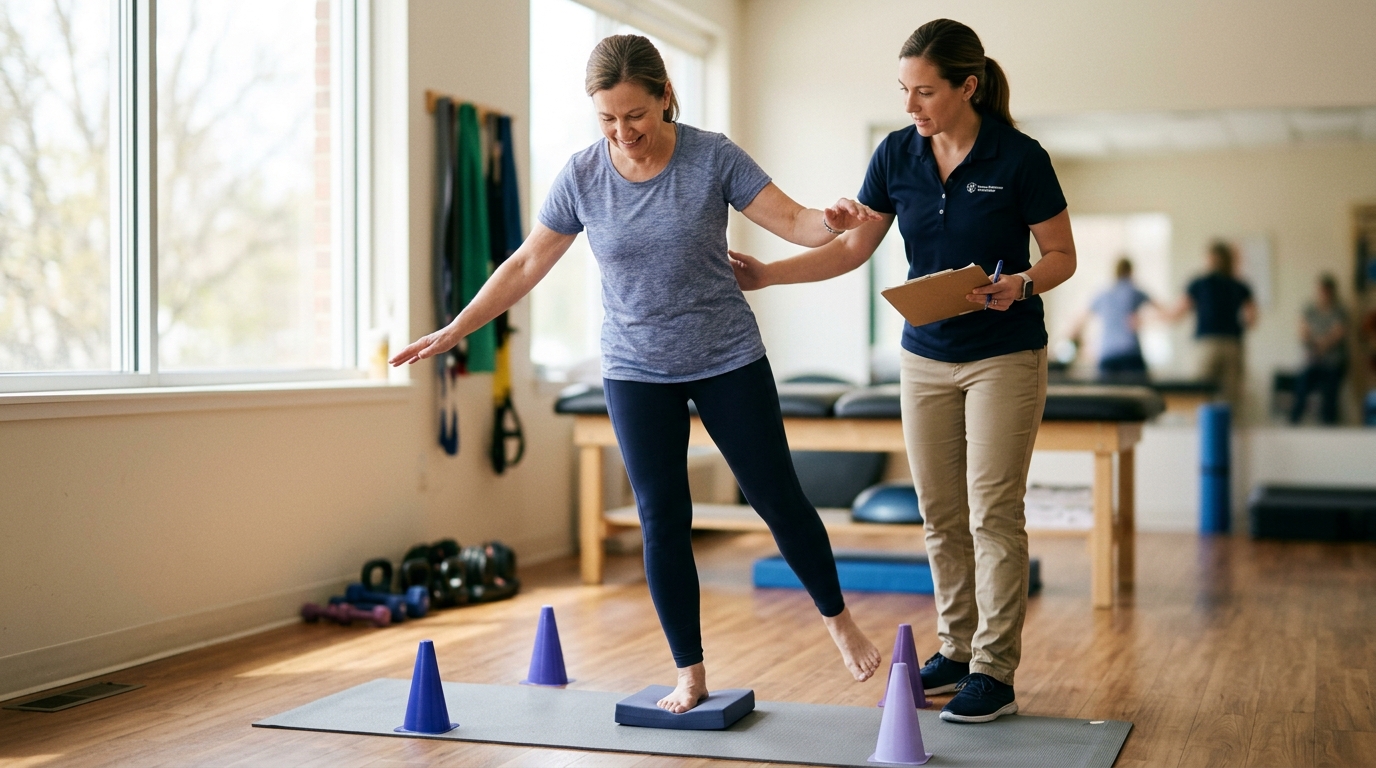
Aging does not prevent successful rehabilitation or strength rebuilding. However, it often requires more careful management of exercise volume, longer recovery intervals between demanding sessions, and greater attention to progressive loading. Understanding your baseline tissue capacity helps set realistic expectations for active aging and injury prevention.
An acute, first-time muscle strain responds differently to treatment than a recurrent injury or chronic tendinopathy lasting over a year. Chronic musculoskeletal conditions often involve structural tissue changes, altered movement mechanics, and sensitized nervous system pathways.
If you are managing a recurring issue, standard acute recovery protocols found online will rarely be sufficient. Chronic conditions require a structured program that addresses underlying strength deficits, joint mobility restrictions, and movement patterns across the entire kinetic chain.
Systemic health conditions play a significant role in musculoskeletal tissue repair and inflammation regulation. Conditions such as type 2 diabetes, cardiovascular disease, thyroid disorders, and autoimmune conditions can alter blood flow and slow collagen synthesis.
Lifestyle factors also influence recovery capacity. Chronic sleep deprivation, high emotional stress, and inadequate protein intake impair the body's ability to repair microtrauma from rehabilitation exercises. When evaluating your recovery rate, consider these systemic factors rather than comparing your timeline to an arbitrary online standard.
Your daily physical routine outside of formal exercise sessions directly affects tissue recovery. A desk worker recovering from a lumbar spine strain faces different postural and movement challenges than a warehouse worker who lifts heavy boxes for eight hours a day.
Online articles cannot account for your total daily mechanical load. If your job or caregiving duties place continuous stress on an injured joint, your rehabilitation progression must be adjusted accordingly to prevent cumulative tissue overload.
Online research must never delay urgent medical assessment when serious injury symptoms appear. While researching common strains and sprains online is generally safe, certain red-flag symptoms require immediate clinical evaluation or emergency medical services.
Head injuries, concussions, and severe neck trauma require immediate professional evaluation rather than online self-triage. Do not rely on internet forums or social media groups to judge the severity of head trauma.
According to clinical guidance from the National Health Service (NHS) and NICE, seek immediate emergency medical care if any of the following symptoms occur after a head injury:
These symptoms can indicate intracranial bleeding, severe concussion, or skull fracture, requiring prompt hospital assessment.
Certain orthopedic symptoms suggest severe structural compromise, neurovascular compromise, or acute infection that cannot wait for routine home care.
Contact an urgent care center or emergency department if you experience:
Never spend time evaluating website credibility when life-altering or limb-threatening symptoms are present. Use emergency services in your local area immediately.
To see how these evaluation principles work in daily life, let us examine five common scenarios you might encounter when researching recovery online. These illustrative models demonstrate how to analyze claims critically without accepting them at face value.
In this scenario, a social media advertisement promotes an expensive red-light therapy belt. The product page claims that using the device for ten minutes a day accelerates cartilage repair and resolves knee osteoarthritis in thirty days. The website includes glowing customer reviews and a prominent "Buy Now" button.
When evaluating this page, notice the immediate commercial conflict of interest. The company publishing the article profits directly from product sales. The claim that cartilage can be rebuilt in thirty days contradicts established orthopedic biology, as articular cartilage has a very limited blood supply.
The customer reviews are personal testimonials, which cannot establish clinical efficacy. If you inspect the site for scientific citations, you find only preliminary animal studies that did not evaluate human knee joints. The appropriate clinical next step is to discuss evidence-based osteoarthritis management, such as strength training and weight management, with your physical therapist instead of purchasing the device.
In this example, a fitness blog publishes an article titled "Why You Should Never Rest an Ankle Sprain." The author cites a randomized controlled trial showing that early weight-bearing improved recovery times compared to six weeks of rigid cast immobilization. Based on this study, the author recommends that anyone with an ankle injury should immediately start jumping exercises.
When analyzing this claim, check the applicability of the cited research. The original study compared gentle, protected walking to complete cast immobilization in mild lateral ligament sprains. It did not evaluate high-impact jumping, nor did it include patients with unstable fractures or high ankle syndesmosis tears.
The blog author overstretched a valid scientific finding into an extreme, universal recommendation. While gentle early movement is supported for mild sprains, jumping on an unassessed, unstable joint risks severe reinjury. Discussing the study with a clinician allows you to determine the safe, appropriate level of loading for your specific injury grade.
In this pattern, an online video creator describes how they recovered from a severe lumbar disc herniation in two weeks by drinking a proprietary collagen formula. The creator emphasizes that surgery was avoided entirely because of this daily supplement routine.
Treat this video as an interesting personal experience rather than scientific proof. Disc herniations frequently undergo natural biological resorption over several weeks or months, meaning the influencer's improvement may have been entirely unrelated to the collagen drink.
Furthermore, the creator may have an undisclosed financial affiliate relationship with the supplement manufacturer. NCCIH notes that personal anecdotes cannot establish clinical causation. Rather than buying the supplement, ask your spine specialist what structured exercise protocols best support natural disc recovery.
A reader searching for shoulder rehabilitation finds a PDF fact sheet hosted on a university hospital website. The document recommends complete sling immobilization for four weeks following a minor rotator cuff strain. However, the reader notices that the document was uploaded in 2004 and has no recent review date.
While university hospitals are reputable institutions, older archived web pages may not reflect modern clinical practices. Over the past two decades, sports medicine research has shifted toward earlier protected movement and guided physical therapy for minor strains, avoiding the joint stiffness caused by prolonged immobilization.
In this situation, recognize that the institution is credible, but the specific document is outdated. Bring the PDF to your physical therapy appointment and ask whether current clinical guidelines recommend earlier active-assisted movement for your shoulder.
A runner experiencing sharp calf pain posts in an online running forum asking for advice. Several forum members reply that they had the exact same symptom, diagnosed it as a simple muscle cramp, and ran through the discomfort without issues.
Online forums contain unverified opinions from individuals without clinical training. A sharp pain in the calf can represent a minor muscle cramp, but it can also be a sign of a partial Achilles tendon tear or a deep vein thrombosis (DVT).
Relying on anonymous forum reassurance for unassessed, acute symptoms creates significant medical risk. If a symptom is new, sharp, or accompanied by localized swelling, obtain an in-person physical examination rather than following peer advice on an unmoderated message board.
Online research is most valuable when you use it to prepare thoughtful, focused questions for your medical appointments. Bringing clear notes to your visit supports collaborative decision-making and ensures you get the most out of your consultation.
Before discussing specific rehabilitation exercises, confirm your exact medical diagnosis with your doctor or physical therapist.
Useful questions include:
Understanding the precise nature of the injury provides a solid foundation for evaluating any recovery information you read later.
If you have read about a specific treatment, exercise protocol, or device online, ask your clinician to help you evaluate its scientific validity.
Consider asking:
These questions invite your clinician to explain the reasoning behind their recommendations, helping you understand why certain online trends may or may not be appropriate for you.
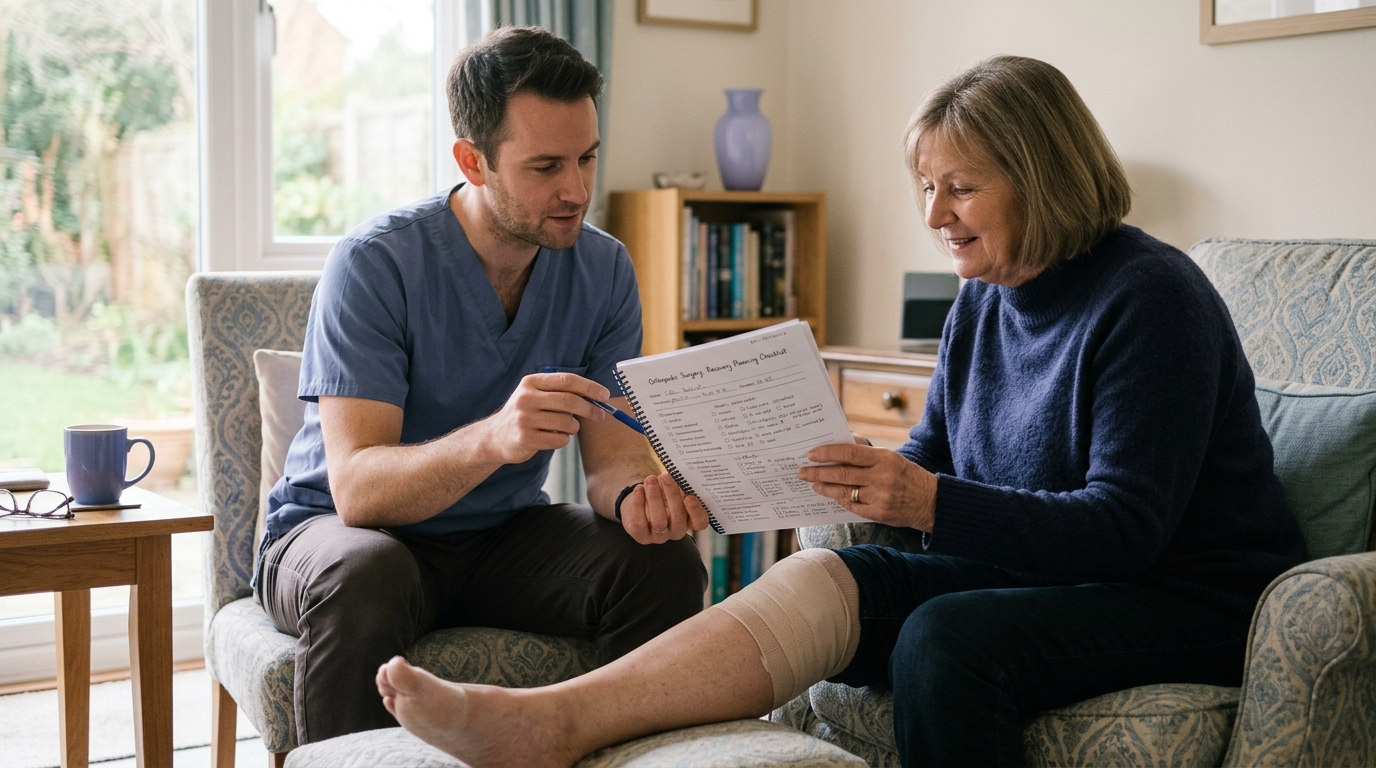
Clear communication about recovery timelines and exercise progressions prevents both under-loading and premature return to sport. If you are preparing for a procedure, exploring resources on surgical recovery and rehabilitation pathways can help you understand standard postoperative phases.
Discuss these monitoring questions with your physical therapist:
Having clear, written answers to these questions removes guesswork and builds confidence throughout your rehabilitation.
Navigating recovery advice requires balance. You do not need to avoid the internet entirely, but you must avoid treating unverified web pages as individualized medical prescriptions.
Use this weekly checklist to evaluate online advice and keep your recovery on a safe, evidence-based path:
By applying these critical evaluation skills, you can use the internet as a constructive educational tool while protecting your physical health and building a safe, sustainable recovery.

Use ReboundBody resources to understand common recovery stages, rehab terms, movement limits and strength rebuilding. Each guide is designed to make a complex comeback easier to understand.


Read practical guidance on injury recovery, rehabilitation, mobility and rebuilding strength as you work your way back to activity.
Explore Resources