
Safe daily lifting after an injury becomes achievable with a graded movement plan that balances load capacity against real-world physical demands.





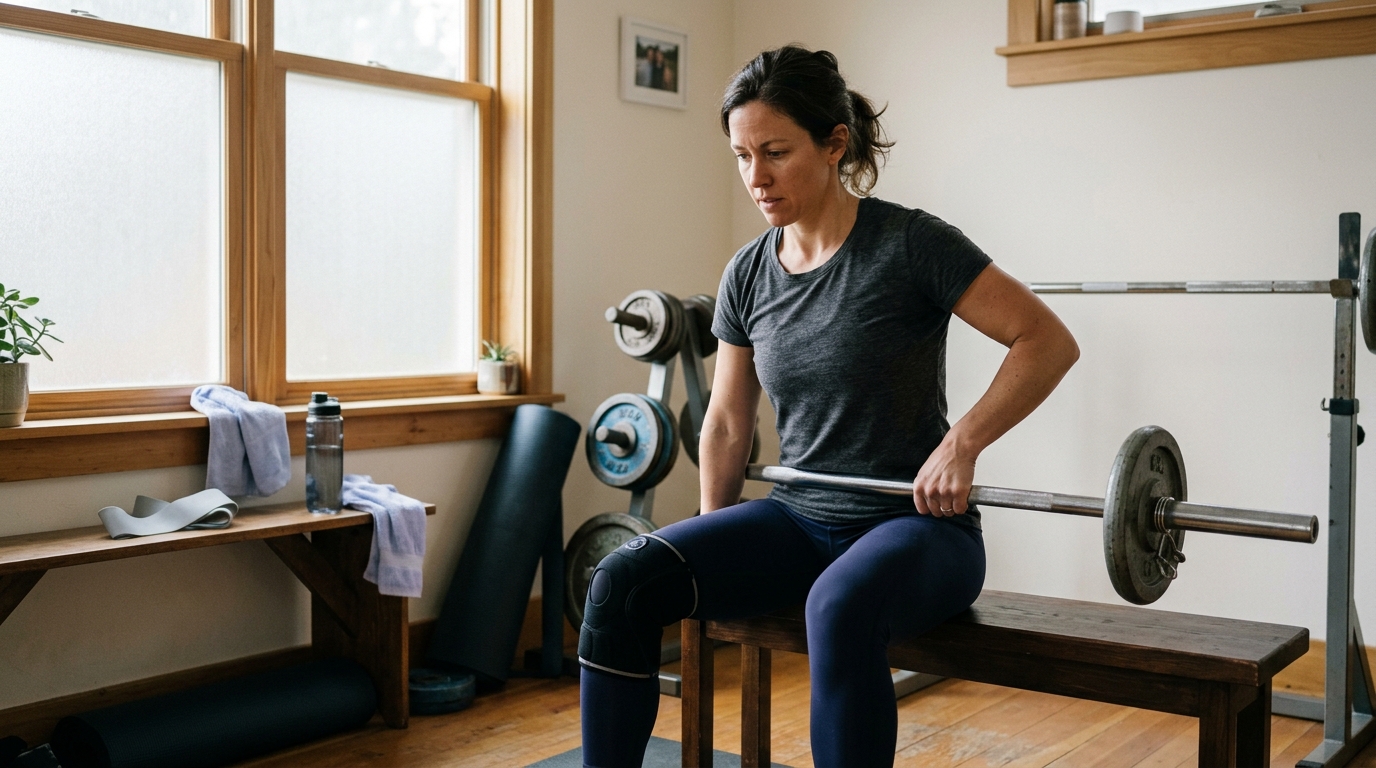
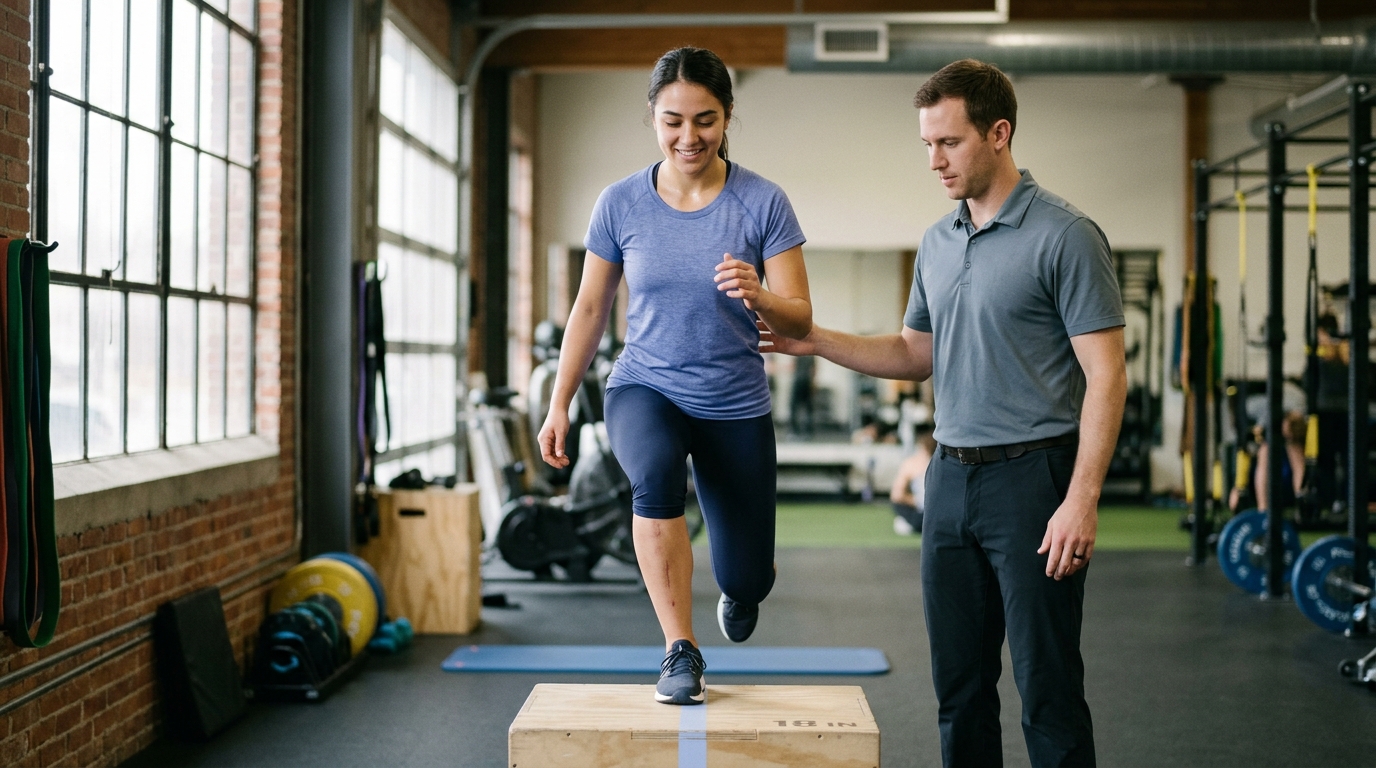
Returning to lifting and carrying after an injury is not simply a matter of testing a maximum weight in the gym. It is the process of rebuilding physical tolerance for the varied physical tasks of daily life. True recovery involves picking up grocery bags, carrying children, moving boxes, and reaching into high cupboards. It is not defined by waiting until all sensation vanishes or sticking to rigid rules. This guide examines the physical demands of everyday movement, reviews the scientific research on physical workload, and outlines practical ways to rebuild movement capacity safely.
The direct answer to how you should return to lifting and carrying is straightforward. You must rebuild physical capacity through progressive, manageable exposures rather than complete rest or sudden jumps in workload. Clinical guidelines emphasize that remaining active and gradually reintroducing everyday physical tasks supports recovery better than prolonged avoidance. However, there is no single weight limit or universal schedule that fits every person. Your path depends on your injury history, your baseline physical condition, and the specific demands of your daily routine.
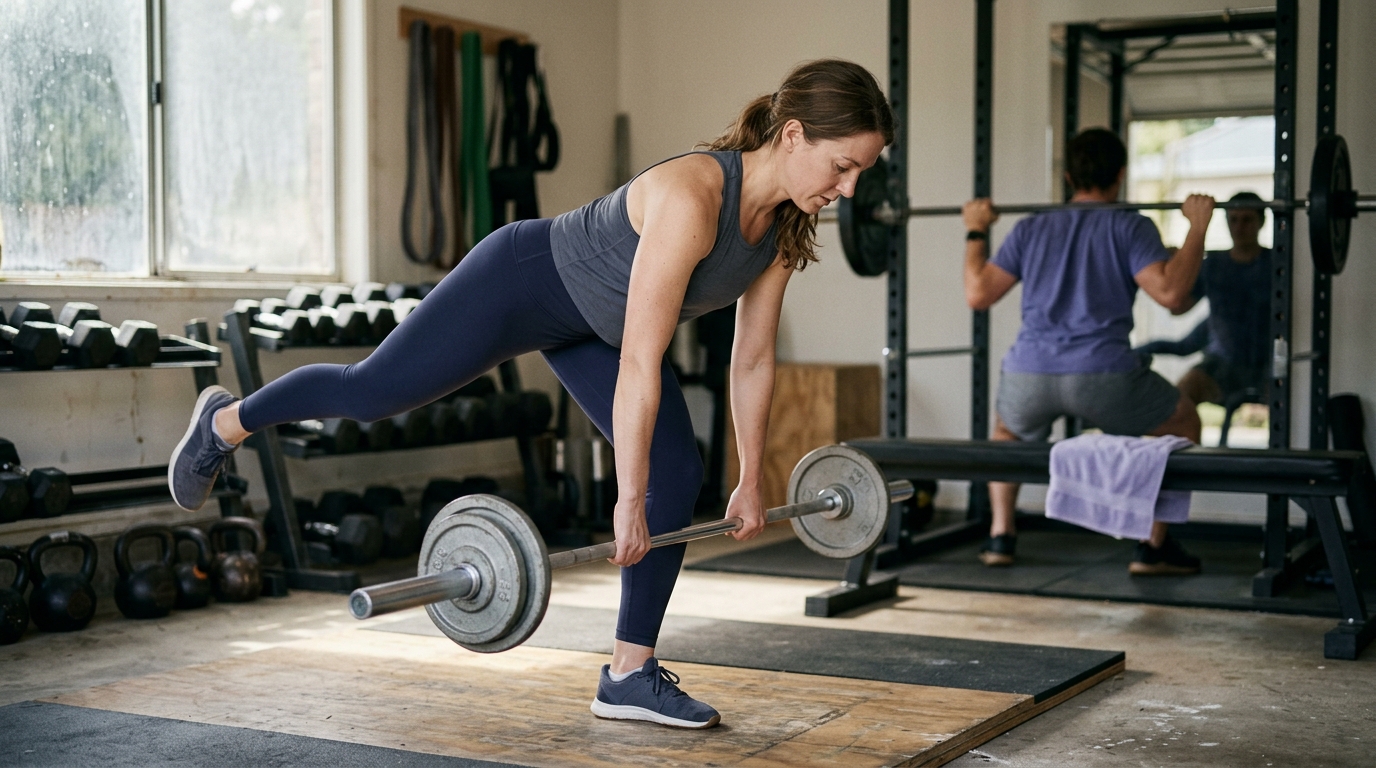
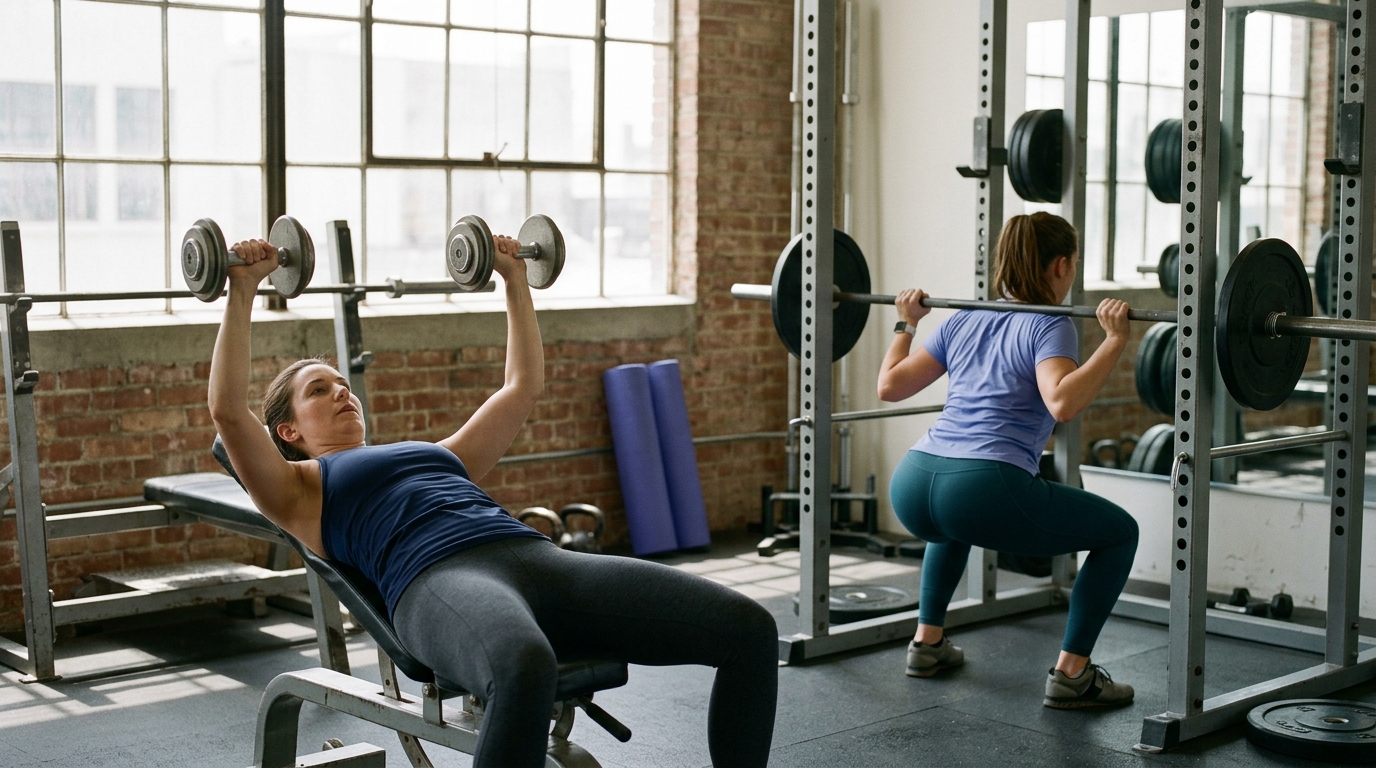
Lifting a barbell or dumbbell occurs in a controlled environment. The weight is balanced, the handles are easy to grasp, and your feet rest on level ground. You decide exactly when the set begins and when it ends.
Everyday physical tasks are rarely so predictable. When you lift a basket of wet laundry, the weight shifts constantly. When you pick up a child, they may move unexpectedly. Carrying a heavy box often requires turning through narrow doorways or stepping over pet toys. These real-world tasks combine several physical demands at the exact same time.
To understand functional movement, it helps to look at the individual actions that make up our daily routines:
Occupational safety research identifies several variables that make manual handling challenging. The Occupational Safety and Health Administration highlights horizontal reach, vertical travel distance, trunk twisting, grip quality, and task frequency as key factors. Lifting a light object far from your chest can place more mechanical stress on your back than lifting a heavier object held close. Understanding these components allows you to identify which specific parts of a task challenge your body the most. You can explore more structured approaches in our rehabilitation and mobility resources.
A common recovery question is whether a specific weight, such as twenty pounds, is safe to lift. In musculoskeletal health, safety is rarely determined by the number stamped on a box. Instead, it is determined by the relationship between your personal capacity and the total demands of the task.
Load capacity refers to the amount of physical force, joint movement, and tissue stress your body can comfortably manage. Task demand represents the external challenge. When task demand exceeds your current capacity, your body may respond with protective muscle tightness, fatigue, or increased symptoms. When demand sits comfortably within your capacity, your body adapts and builds tolerance.
This interaction explains why a person might carry a thirty-pound box across a room without issue, yet experience discomfort when lifting an empty laundry basket from the floor. The first task requires straightforward vertical grip strength. The second task demands deep trunk flexion and hip mobility.
European workplace safety guidance notes that handling risks depend on load size, grip quality, reach, posture, and environmental conditions. The guidance points out that while weights between 20 and 25 kilograms are heavy for most people, they do not represent a universal safety threshold. An object that feels light when held near your waist can become difficult when held at shoulder height.
To evaluate any daily task, consider these four distinct elements:
When returning to activity, you do not need to wait until your load capacity is perfect. You can modify the task context or the workload exposure so that the total demand matches your current physical state.
Modern rehabilitation science has moved away from prolonged bed rest and strict movement avoidance. The current body of research shows that structured, progressive activity supports tissue healing and functional independence.
Systematic reviews examining workplace health and return to activity provide valuable insights. A comprehensive review of workplace interventions for employees in physically demanding jobs evaluated 54 high- and medium-quality studies. The researchers found moderate evidence supporting physical exercise and strong evidence supporting workplace strength training for managing musculoskeletal conditions.
The same review noted that multifaceted interventions, stress management alone, and participatory ergonomics showed limited or no consistent benefit when applied as broad, generalized fixes for physically demanding work. This does not mean workplace adjustments are useless. Rather, it indicates that passive adjustments alone cannot replace the active rebuilding of physical strength.
Research examining return to work after musculoskeletal injury shows that multi-domain interventions offer the most consistent results. Systematic reviews show strong evidence that combining at least two components, such as clinical healthcare, service coordination, and work accommodations, reduces time away from work. Additionally, graded activity programs demonstrate moderate evidence for reducing lost time associated with musculoskeletal pain.
When evaluating upper-limb conditions, research indicates that active exercise interventions show the most reliable positive outcomes. Psychological factors also play a measurable role in recovery. A systematic review of return-to-work factors identified self-efficacy, personal expectations, and perceived work ability as consistent predictors of successful outcomes. Believing in your ability to perform a task safely influences how your body experiences that task.
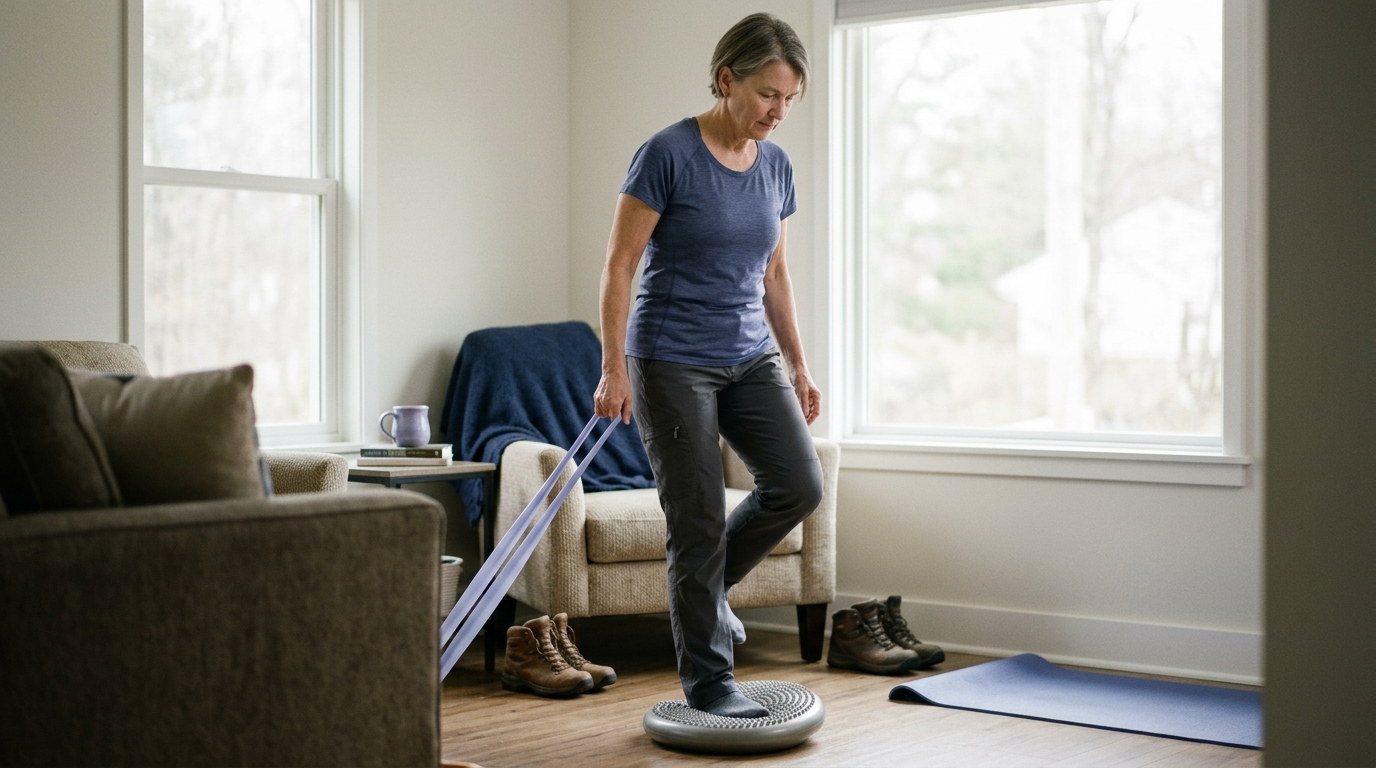
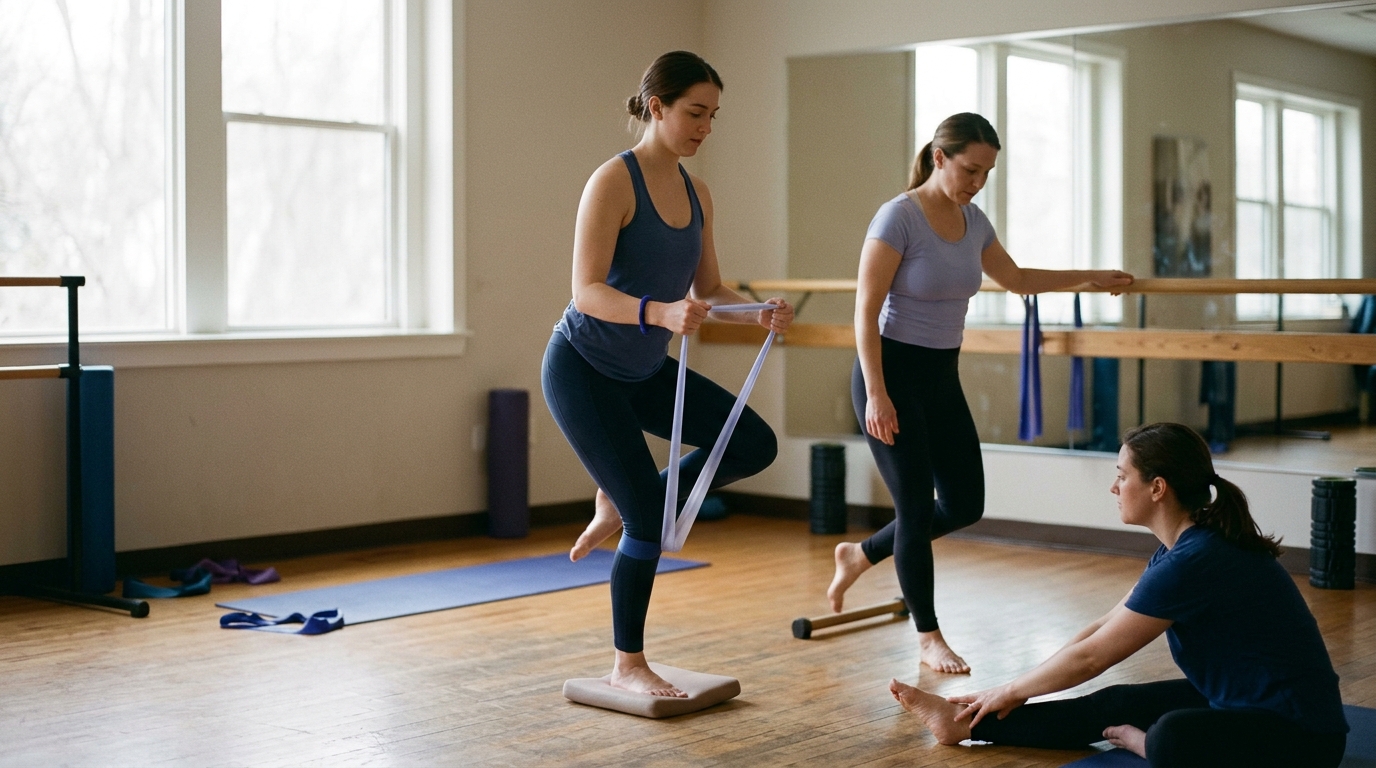
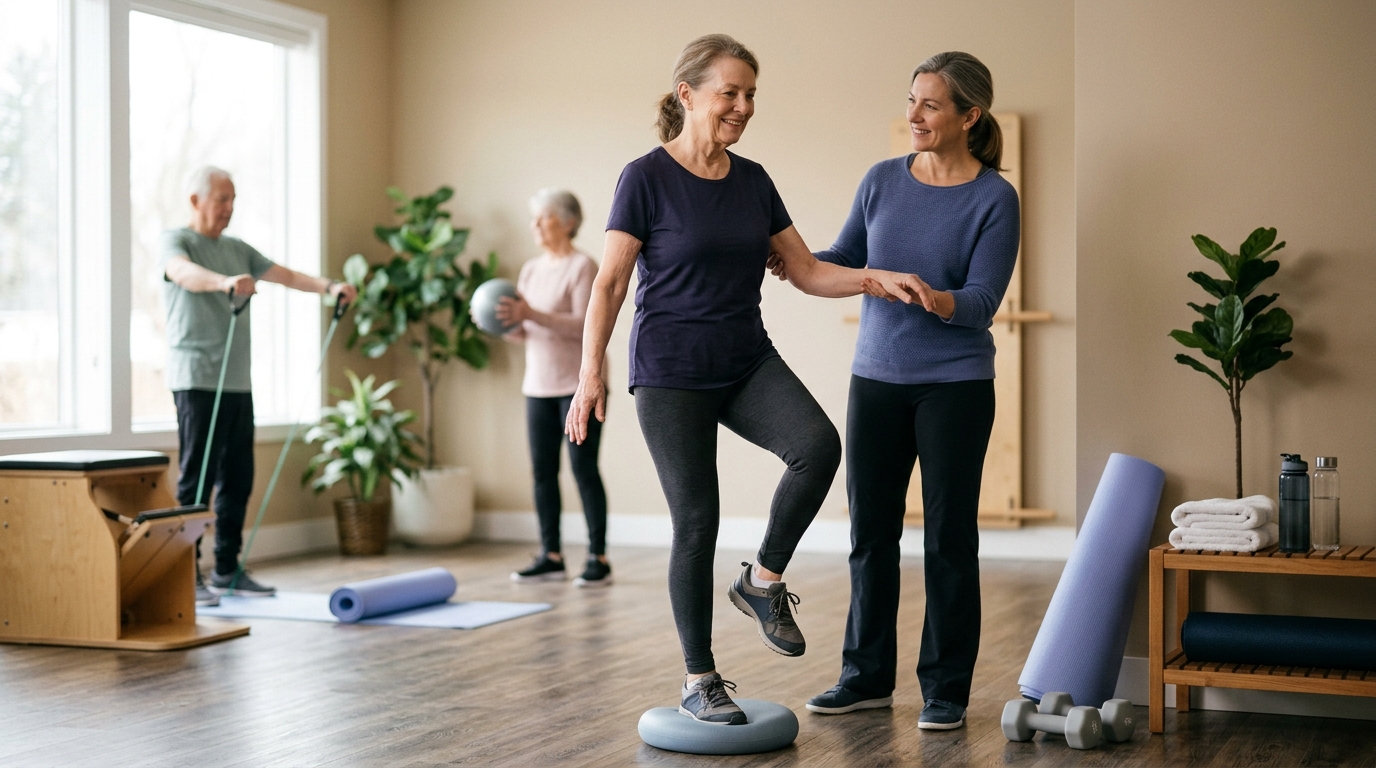
For older adults rebuilding functional movement, the World Health Organization emphasizes combining muscle strengthening with balance and coordination training. While these guidelines represent population-level physical activity targets rather than acute injury protocols, they underline an essential principle. Long-term functional resilience requires balance, coordination, and muscular strength working together. You can read more about these principles in our mobility and movement articles.
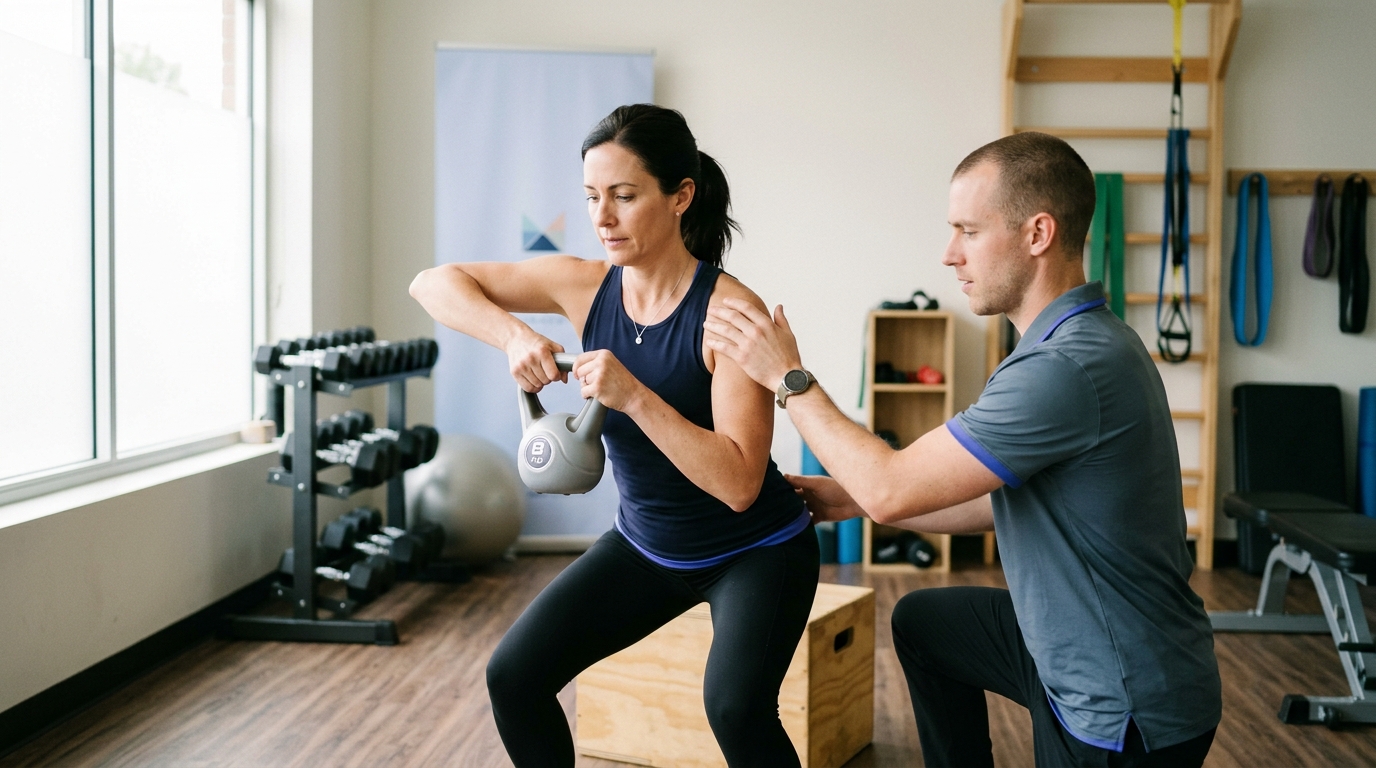
A graded return involves breaking a complex task into manageable stages and adjusting one variable at a time. If you alter the weight, the distance, the height, and the speed simultaneously, you will not know which factor caused fatigue or irritation.
A systematic progression allows your nervous system and connective tissues to adapt to mechanical loads. The goal is to build tolerance through predictable, controlled practice before introducing chaotic or high-speed demands.
The closer an object is to your center of gravity, the lower the mechanical demand on your spine and shoulders. When beginning your return, keep all carried items close to your body.
Lifting from the floor requires significantly more hip, knee, and spinal flexion than lifting from a waist-high table.
Volume represents the total amount of work you perform. Lifting a light box twenty times can create more muscular fatigue than lifting a heavier box twice.
Carrying combines static grip strength with dynamic balance. It requires your trunk muscles to stabilize your spine while your legs are moving.
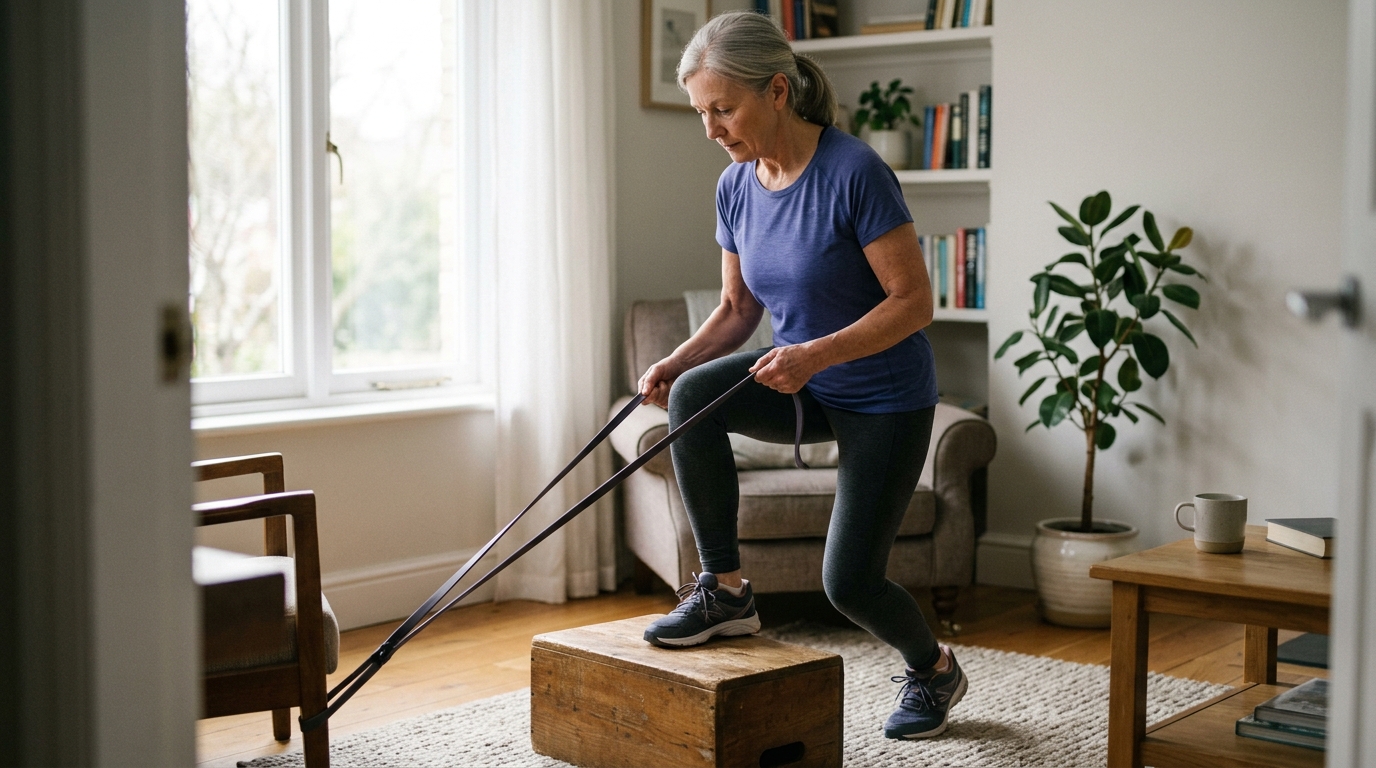
To progress carrying, start on flat, predictable indoor surfaces. Carry an evenly distributed weight in both hands for short distances. Once this feels comfortable, progress to holding the weight on one side to challenge your lateral hip and trunk stabilizers. Finally, introduce stairs, outdoor terrain, and direction changes.
Pushing and pulling are often viewed as simple alternatives to lifting, but they introduce unique forces. Pushing a heavy cart requires strong foot traction and leg drive. Pulling can involve twisting and reaching behind the torso, which OSHA identifies as potential strain factors.
Begin with two-handed pushing on smooth, level floors at chest height. Ensure the cart or equipment has well-maintained wheels to minimize sudden resistance. Progress to pulling motions, keeping your torso squared toward the object rather than twisting your spine while pulling backward. For further guidance on structured training progressions, see our injury recovery and healing resources.
Recovery timelines vary widely between individuals. Two people with the same type of soft-tissue injury may return to lifting at very different speeds. Understanding the variables that influence your timeline prevents unnecessary frustration and helps you make sensible adjustments.
Different tissues heal at different rates. Muscles generally receive abundant blood supply and adapt relatively quickly to mechanical loading. Tendons, ligaments, and cartilage have lower metabolic rates and require more time to adjust to tensile forces.
Your baseline physical strength before the injury also matters. A person who regularly engaged in resistance training before an injury often possesses greater motor coordination and tissue reserve. This baseline can facilitate a smoother progression through graded movements.
Experiencing mild muscular effort or temporary awareness in a healing area is a normal part of loading tissues. Clinical guidance from the National Institute for Health and Care Excellence (NICE) notes that remaining active and returning to daily tasks supports recovery from lower back pain. Discomfort does not automatically indicate that harm is occurring.
However, sharp pain, spreading neurological symptoms, joint instability, or pain that steadily worsens over 24 hours suggests that current task demands exceed your recovery capacity. When these symptoms appear, the appropriate response is to scale back the volume or modify the movement mechanics rather than stopping all activity permanently.
Your total physical workload extends beyond planned exercise sessions. If your job requires six hours of standing and carrying, your capacity for additional lifting at home is reduced. Recognizing your total daily energy expenditure allows you to pace your activities across the entire week.
Discussions about lifting recovery often focus on industrial workplaces or athletic training rooms. In reality, some of the most demanding physical labor occurs at home and in caregiving roles. These environments cannot be completely redesigned with ergonomic controls, making practical modification strategies essential.
Consider an illustrative model of returning to grocery shopping after an acute lower-back episode. The task involves lifting bags from a shopping cart, transferring them into a car trunk, and carrying them into the home.
A graded strategy breaks this routine into smaller, manageable stages:
In a retail or stockroom environment, lifting occurs repeatedly across an entire work shift. A worker recovering from an injury might successfully lift a twenty-pound crate once, but lifting that same crate forty times creates cumulative fatigue.
An evidence-informed workplace transition focuses on multi-domain coordination:
Caregiving presents unique mechanical challenges because children move unpredictably and require lifting from ground level, cribs, and low car seats.
By adjusting the surrounding environment and encouraging the child to assist with basic transitions, you reduce peak mechanical stress on healing joints while maintaining daily family routines.
Reaching into high cabinets requires coordinated movement between the glenohumeral joint, scapula, and thoracic spine. National Health Service guidance for soft-tissue shoulder recovery suggests initially avoiding repetitive overhead loads and heavy lifting, then progressively increasing weight as movement improves.
To rebuild overhead capacity:
Misconceptions about lifting mechanics can lead to excessive fear, unnecessary movement avoidance, or improper pacing. Clarifying these points helps you approach recovery with confidence.
For decades, people were told that bending the spine during lifting was dangerous. Modern biomechanical research shows that the human spine naturally flexes during daily tasks, even when individuals attempt to lift with their legs.
While lifting with a neutral spine can be an efficient strategy for moving heavy, compact weights, the body is designed to move in multiple planes. Rebuilding tolerance for gentle spinal flexion and rotation is an important part of comprehensive rehabilitation. Avoiding all spinal movement can make tissues less prepared for accidental twists or reaches.
Experiencing a temporary increase in muscle soreness or tissue awareness the day after a new activity is common. This delayed response often reflects muscular fatigue or heightened nervous system sensitivity rather than structural damage.
If symptoms settle within 24 to 48 hours and do not cause progressive loss of motion, the reaction is typically an adaptation response. You can maintain that activity level until it feels easy before progressing further.
Ergonomic chairs, supportive belts, and lightweight tools can reduce specific physical stresses. However, research on physically demanding jobs demonstrates that ergonomic modifications alone do not prevent musculoskeletal issues. Physical strength and tissue capacity remain the primary foundation for injury resilience. Equipment should support active movement, not replace it. For strategies on long-term physical conditioning, explore our strength and return to sport resources.
Waiting for 100% comfort before lifting anything can lead to deconditioning, joint stiffness, and fear of movement. Clinical guidelines for back, shoulder, and knee conditions encourage early, graded activity within tolerable symptom limits. Learning to move with light, manageable loads helps calm sensitized nerves and rebuilds tissue strength.
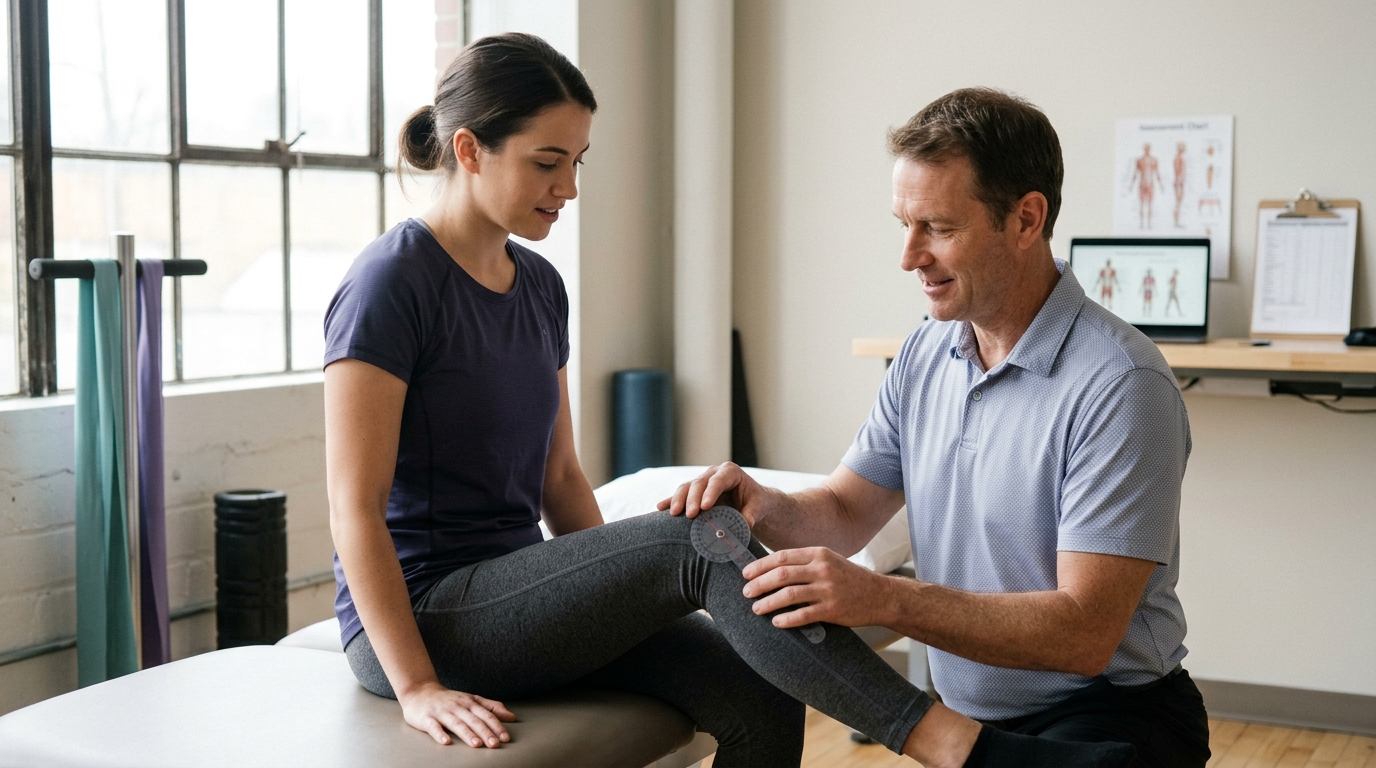
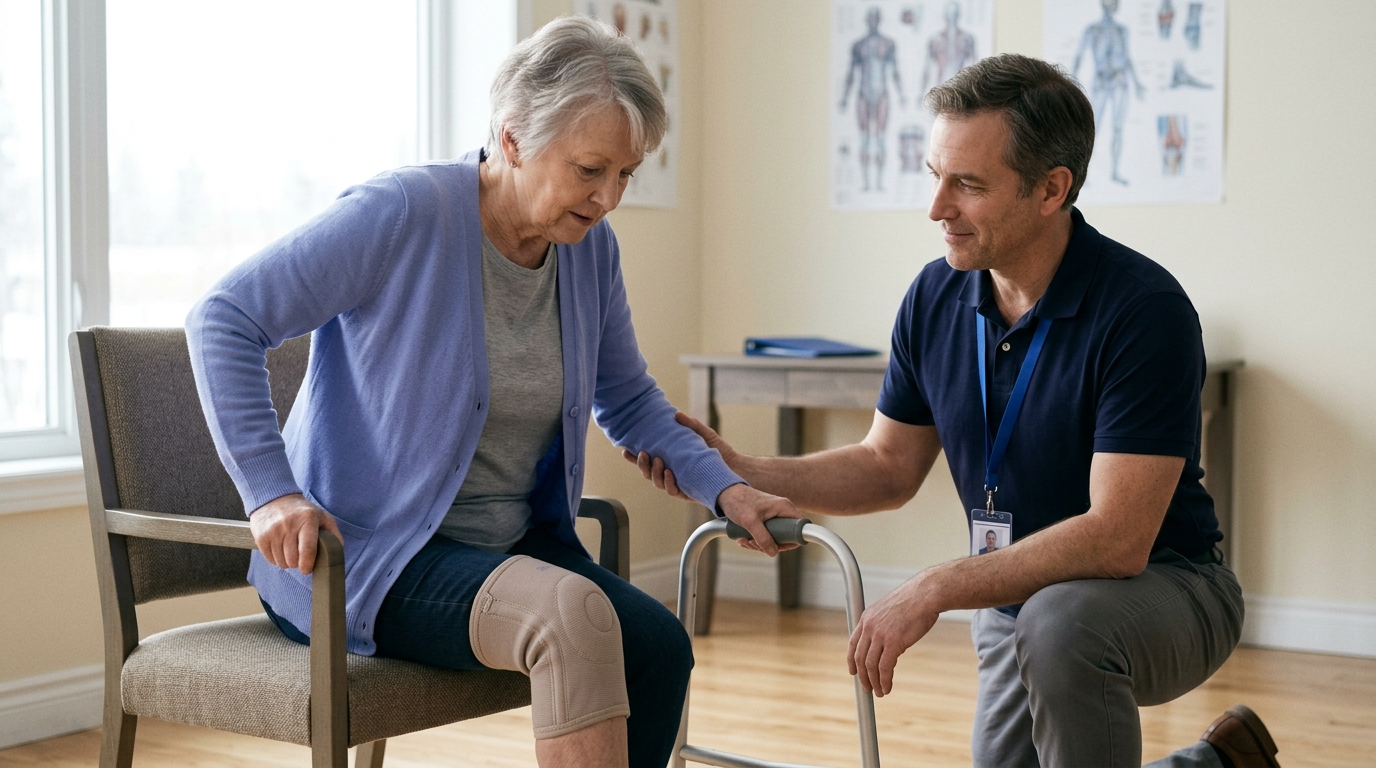
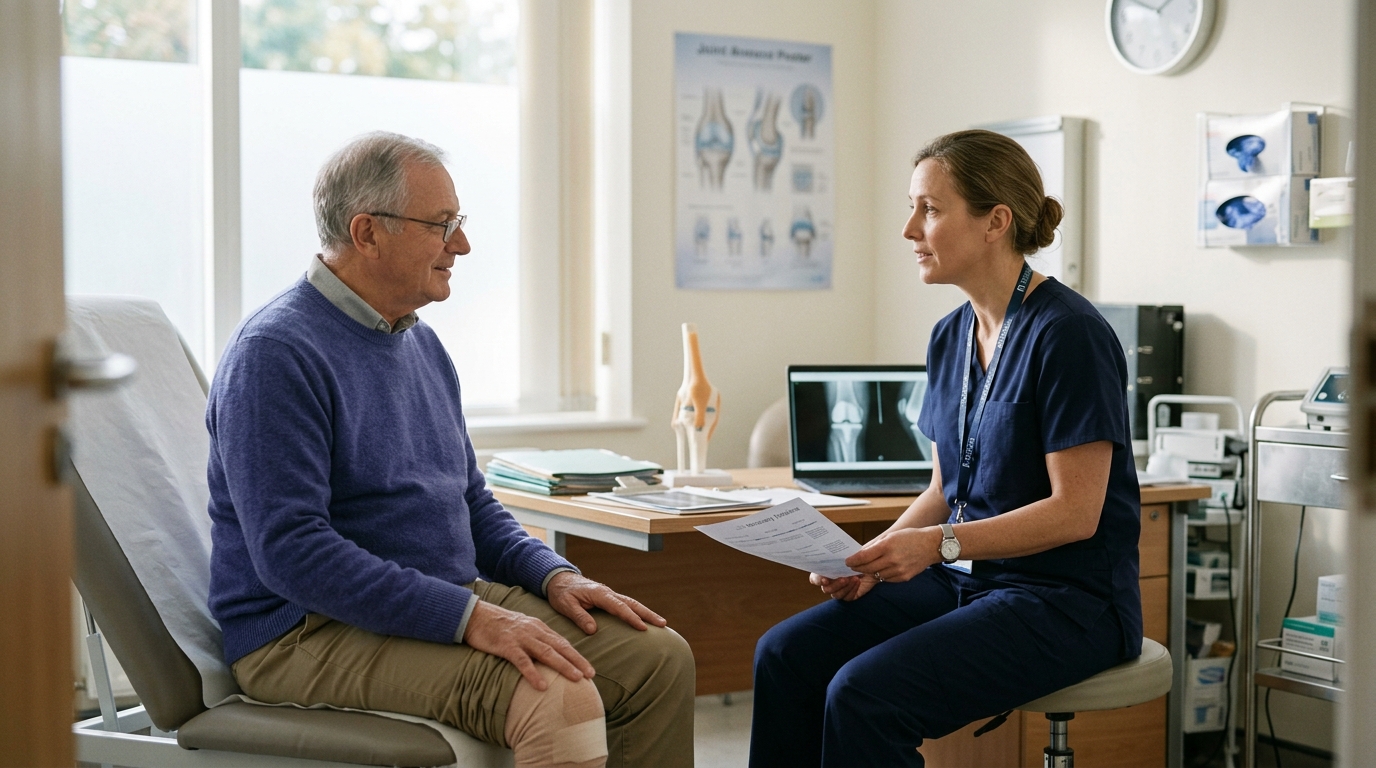
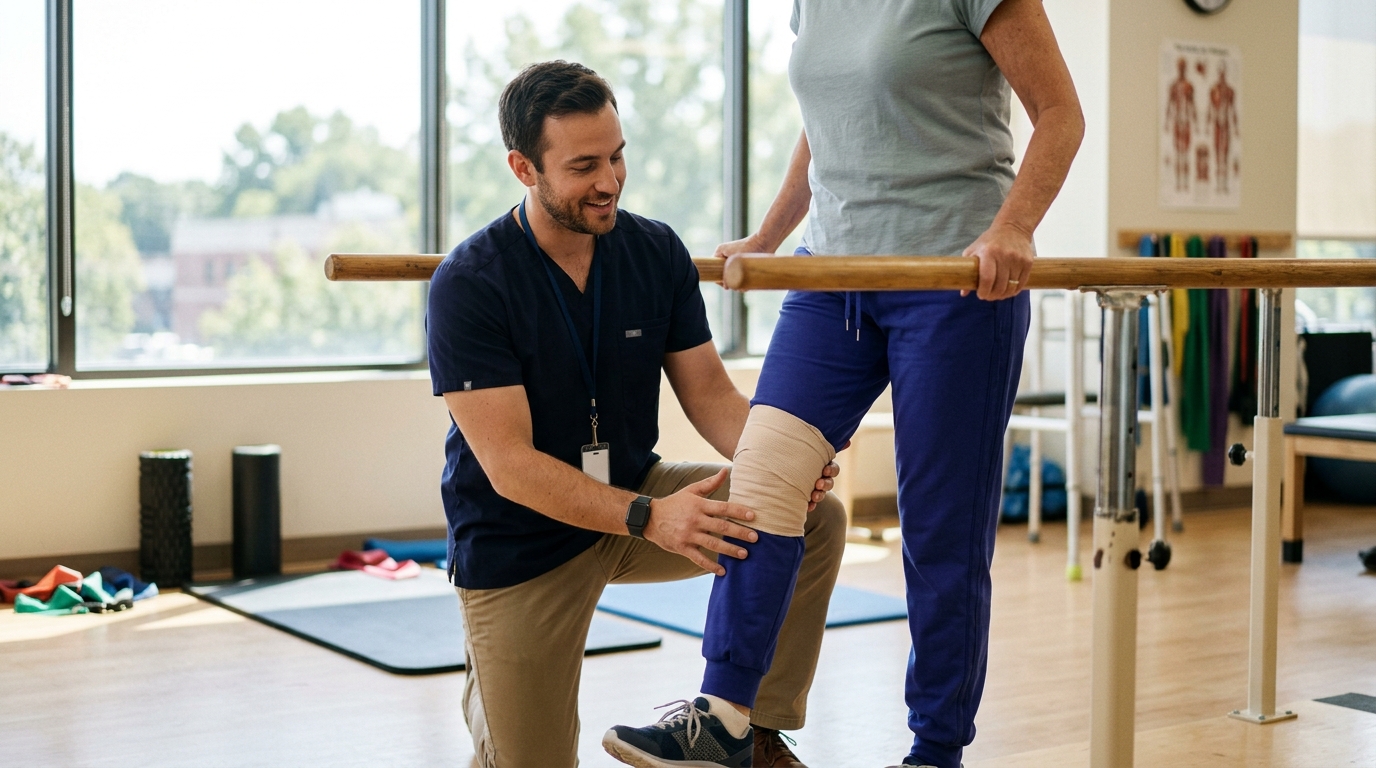
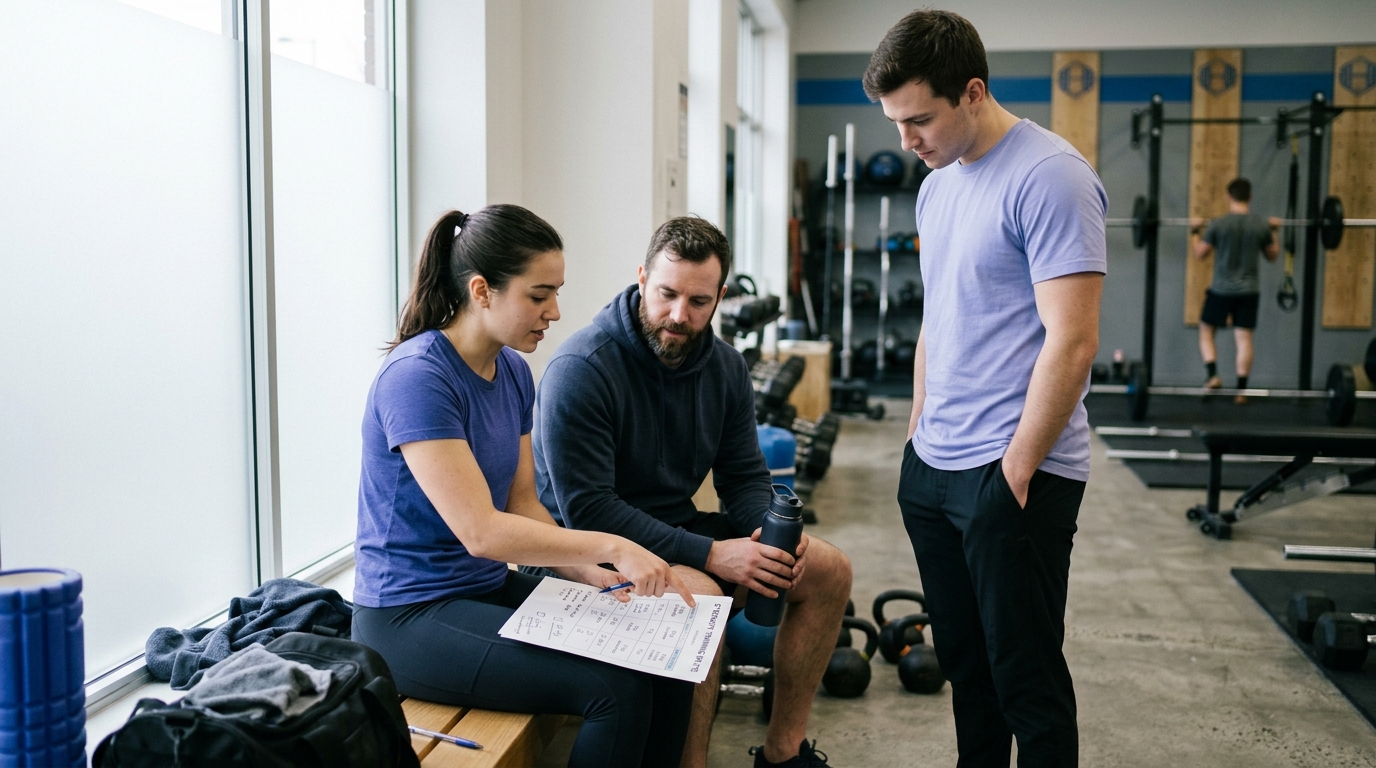
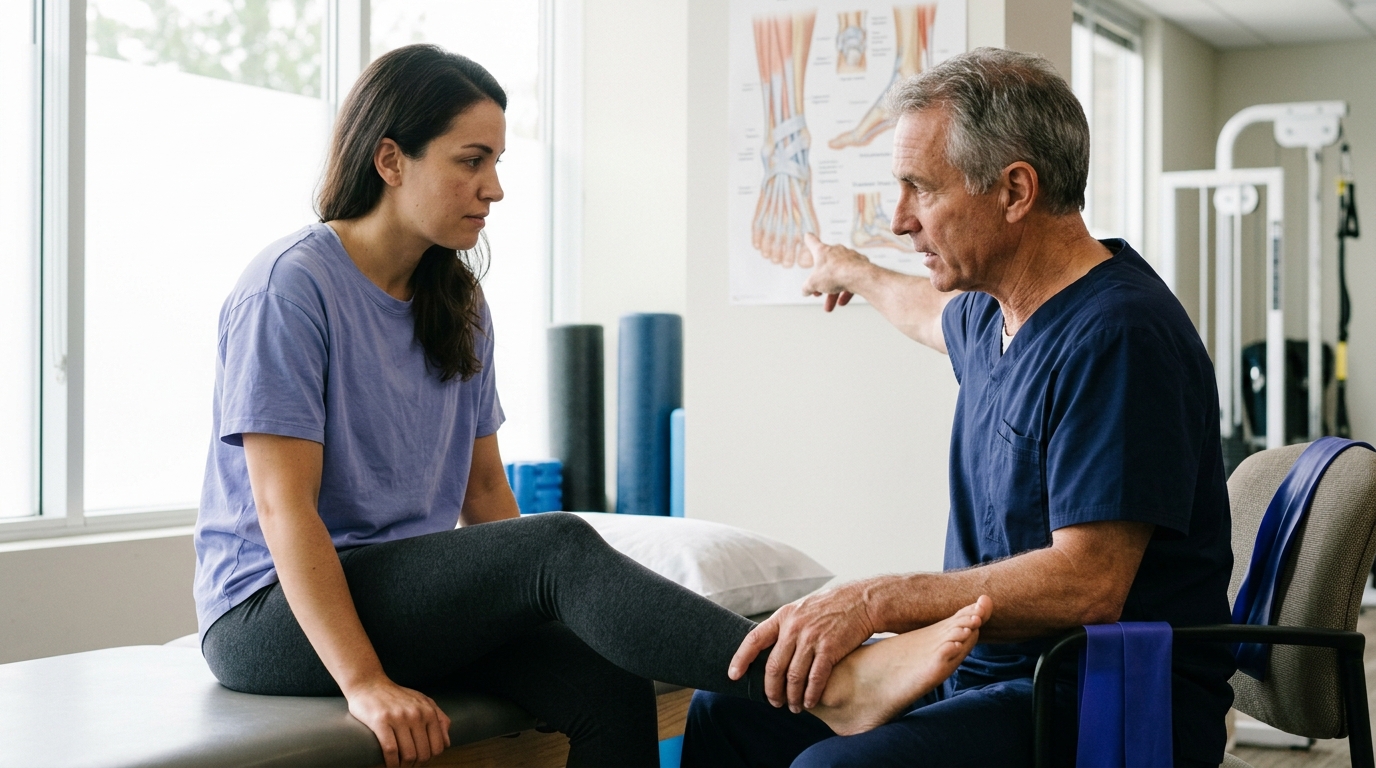
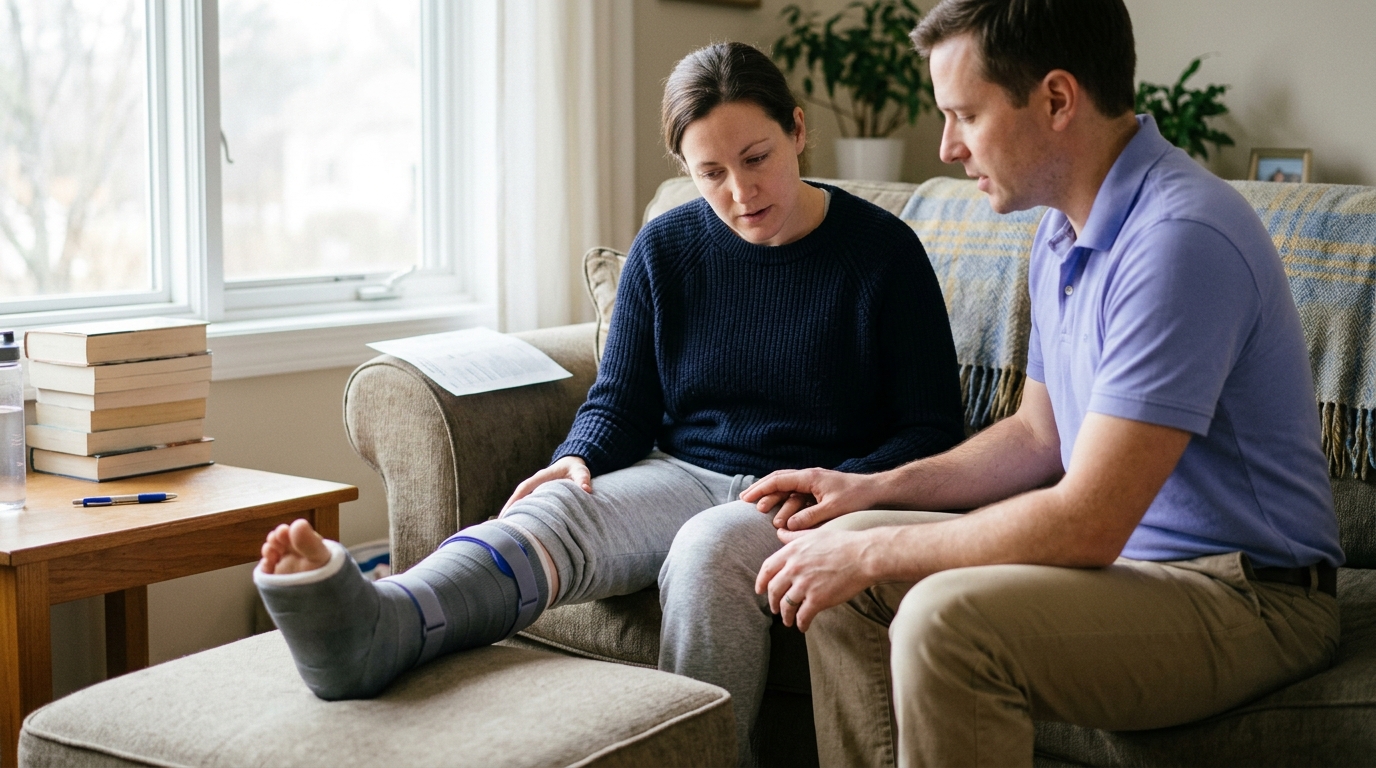
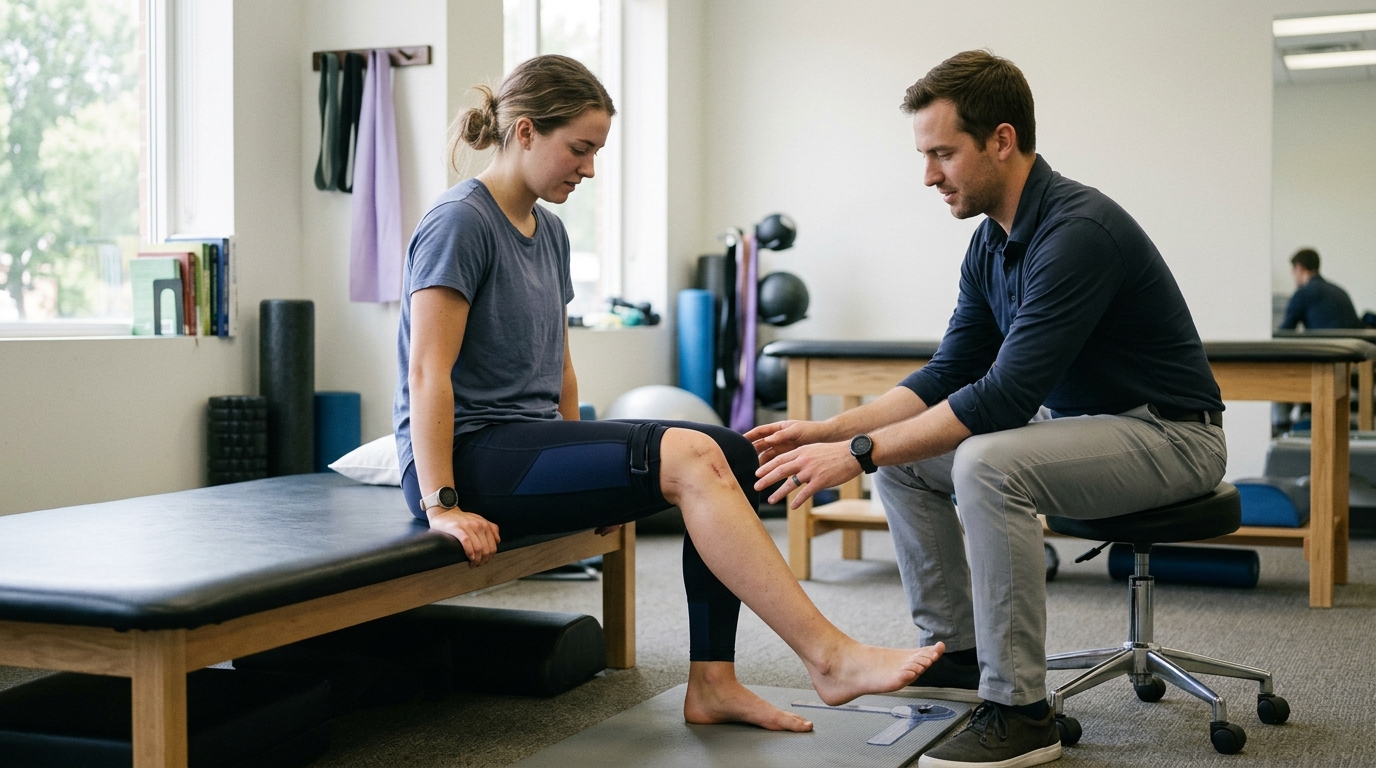
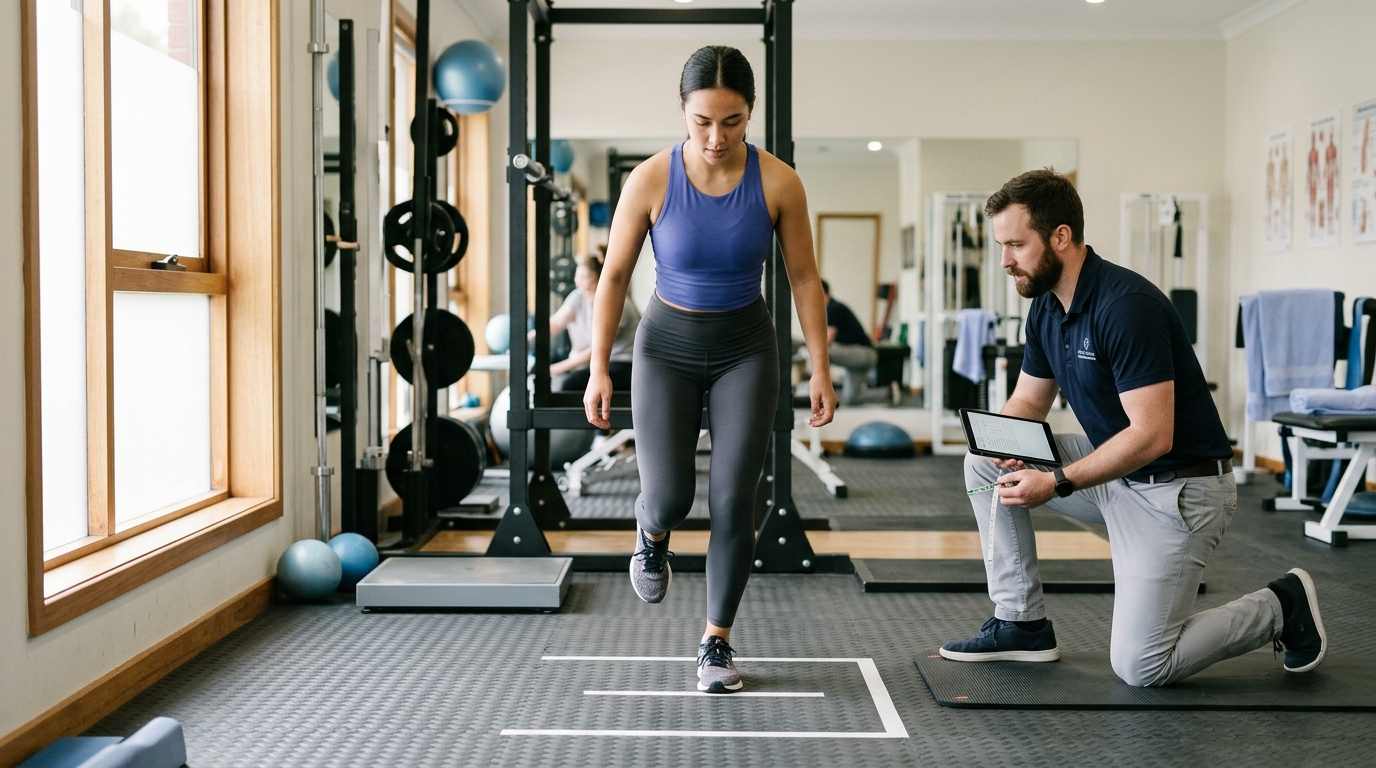
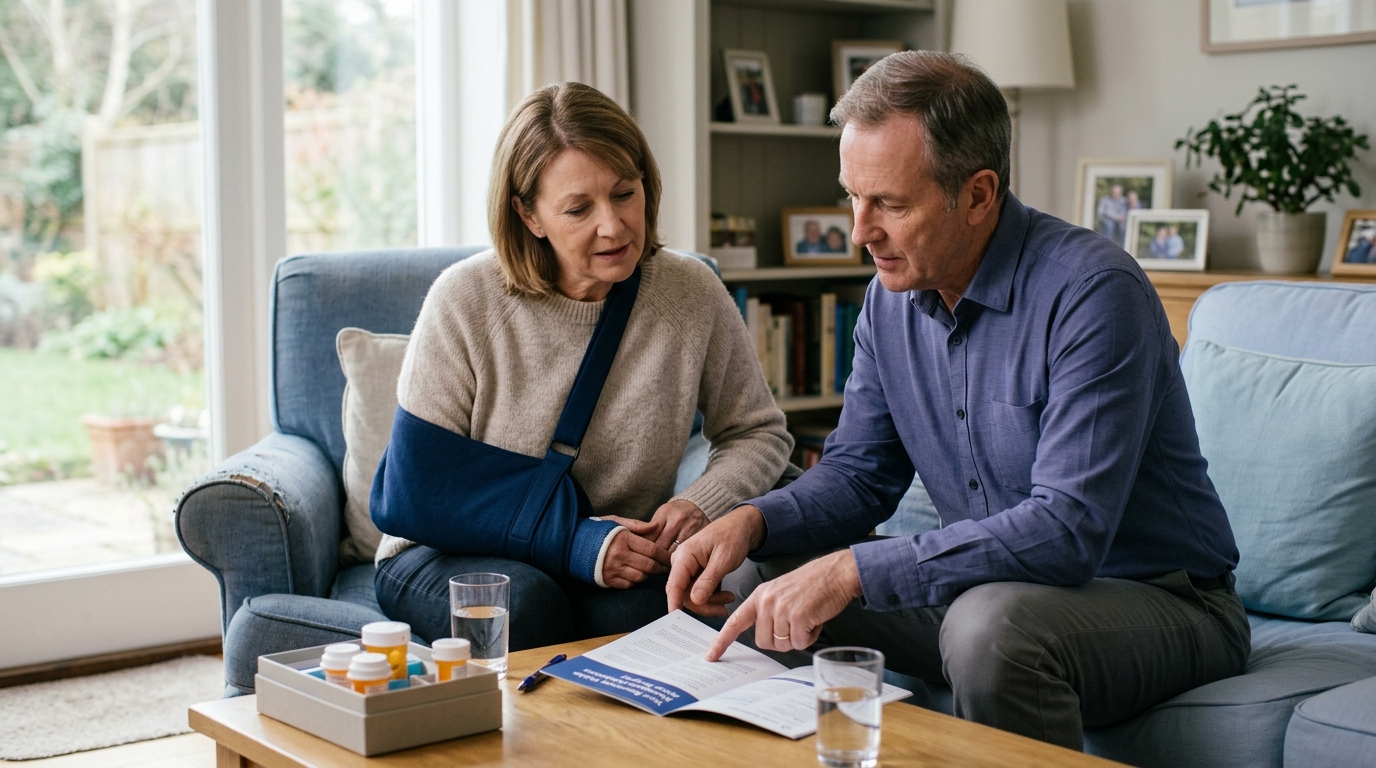
Navigating physical recovery requires clear communication with your doctor, physical therapist, or occupational health provider. Clear conversations ensure that your rehabilitation plan reflects the real tasks you perform every day.
When discussing your recovery, provide concrete details about your daily routine. Instead of saying, "I have a physical job," explain that you lift thirty-pound boxes from the floor forty times per day. Instead of saying, "I take care of my house," mention that you carry a twenty-five-pound toddler up two flights of stairs. Specific details allow clinicians to design rehabilitation exercises that match your real-world physical requirements. You can also review our active aging and prevention guides for ongoing functional maintenance.
A load is likely too heavy for your current recovery stage if you must hold your breath, jerk your body to create momentum, or experience sharp, localized pain during the lift. If your movement looks smooth, your breathing remains steady, and any mild discomfort resolves quickly, the load is generally appropriate for graded exposure.
If you experience increased stiffness or soreness the following day, do not panic. Engage in gentle, unweighted movement such as walking or light range-of-motion exercises to encourage blood flow. Reduce the weight or the number of repetitions by 20 to 30 percent during your next session, then gradually rebuild once your symptoms stabilize.
Pushing is often mechanically advantageous because it allows you to use your body weight and leg drive while keeping the load supported by wheels. However, pushing still requires upper-body force and core stability. It can cause strain if the cart wheels stick or if you twist while pushing on uneven ground. Ensure equipment rolls smoothly and keep your hands at a comfortable chest height.
Carry the child centered against your chest using both arms rather than resting them on one hip. Resting a child on one hip forces your spine into a lateral curve and places asymmetrical strain on your lower back and pelvis. Use structured child carriers or strollers when walking longer distances to minimize prolonged spinal fatigue.
Returning to lifting and carrying after an injury is an active, progressive process. It requires rebuilding strength, mobility, and confidence through manageable daily steps. Safety is not defined by a single universal weight limit or a rigid posture rule. It depends on balancing task demand with your current personal capacity.
By adjusting reach, height, repetitions, and pacing, you can safely participate in daily life while your body continues to heal. Coordinate with your healthcare providers, pace your activities across the week, and focus on steady, consistent functional progress.

Use ReboundBody resources to understand common recovery stages, rehab terms, movement limits and strength rebuilding. Each guide is designed to make a complex comeback easier to understand.


Read practical guidance on injury recovery, rehabilitation, mobility and rebuilding strength as you work your way back to activity.
Explore Resources