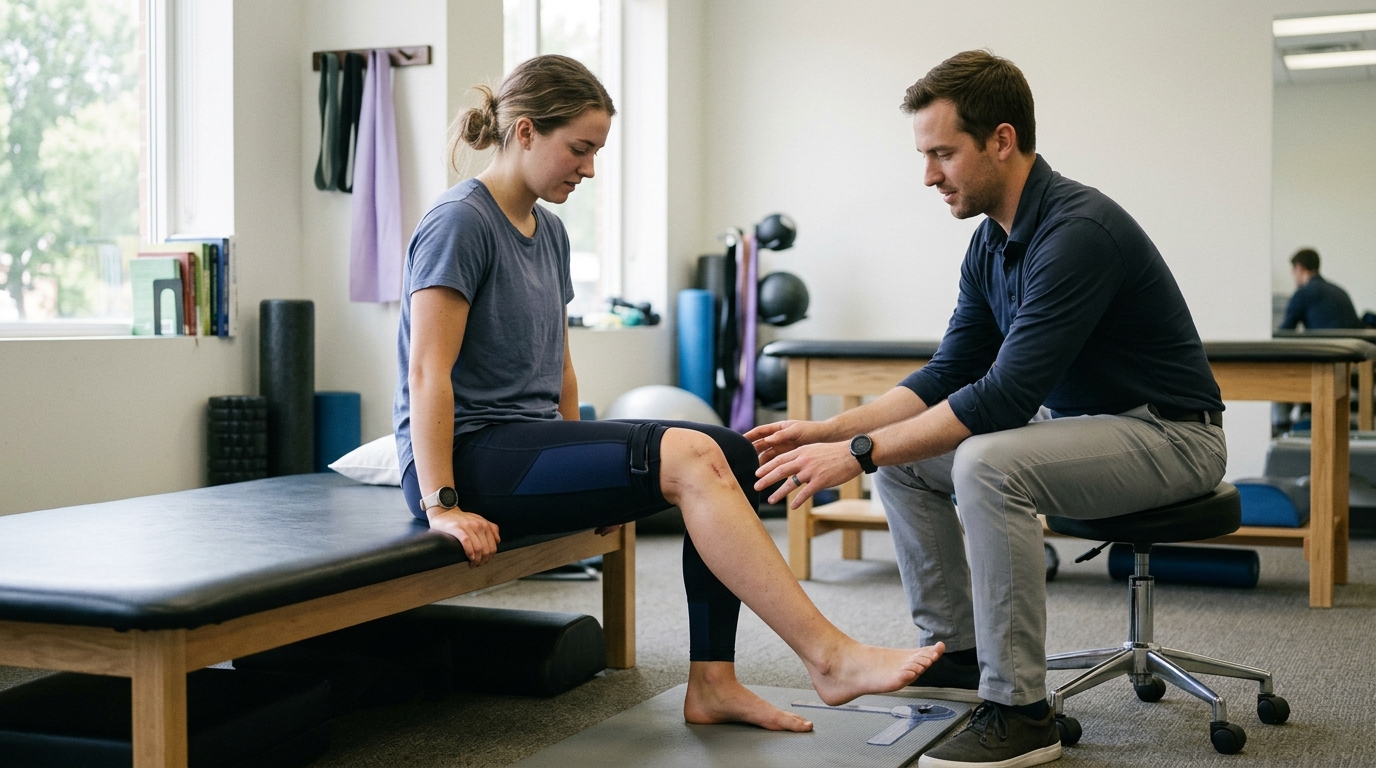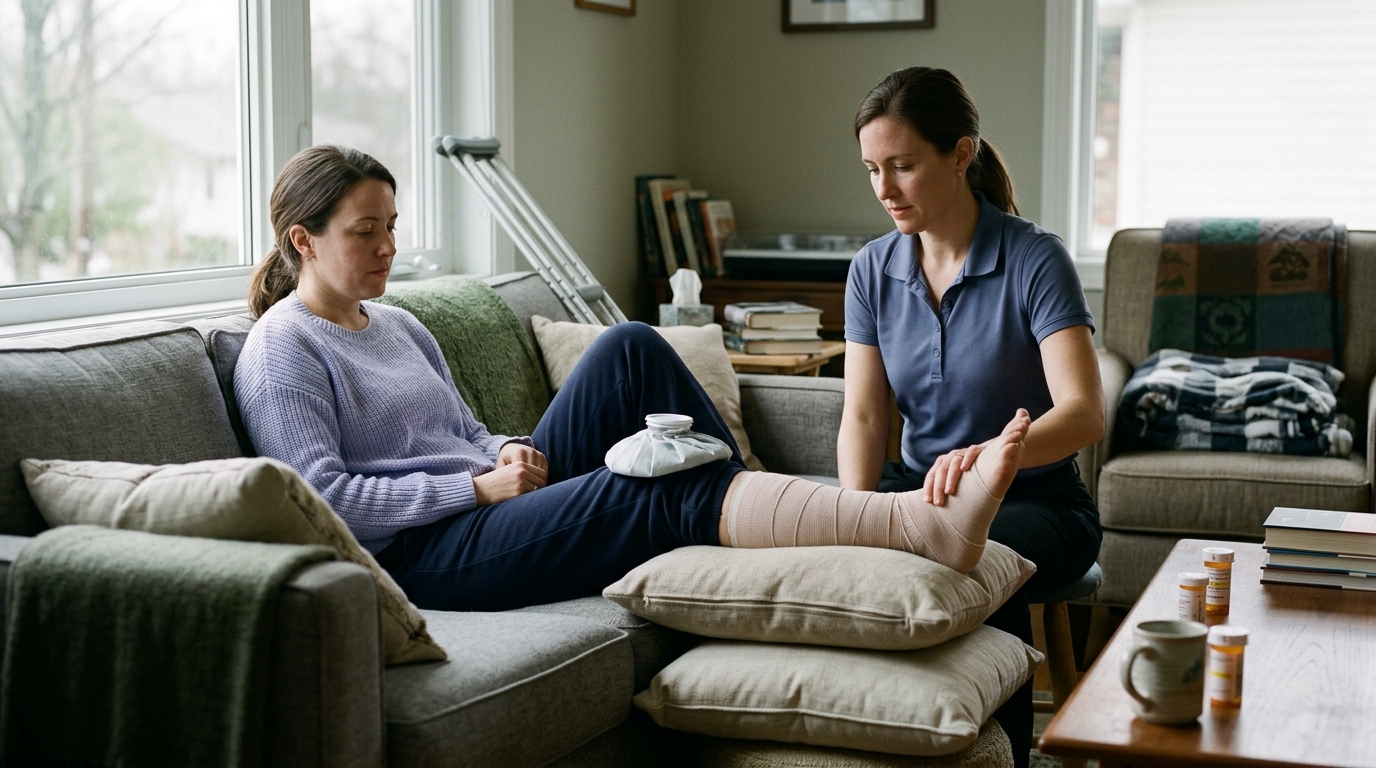

Recovery in the first weeks after orthopedic surgery requires preparing your home, managing pain safely, protecting your incision, and following early mobility protocols.





You walk through your front door after hospital discharge, moving slowly with a walker or crutches. The familiar living room suddenly looks different. A low coffee table blocks your main path, the stairs to your bedroom look steeper than before, and reaching a glass of water from the top cabinet feels like a major project.
The first days and weeks following orthopedic surgery can feel overwhelming if you expect an immediate return to normal routines. Recovery in this early phase is a structured process centered on wound healing, pain management, safe mobility, and protecting repaired tissues. There is no single universal timeline that applies to every patient or procedure. Your exact plan depends on your specific surgery, your home environment, and the instructions given by your surgical team.
Every orthopedic operation creates unique physical requirements. An elective joint replacement follows different rules than a complex bone fracture repair or a tendon reconstruction. While general guides help you organize your living space and arrange daily support, procedure-specific directions from your surgeon always take precedence.
Understanding what to plan for during these opening weeks helps you manage expectations. It reduces anxiety and prevents common setbacks, such as falls or wound complications. By breaking your recovery into manageable daily tasks, you can navigate this early stage safely and build a strong foundation for your long-term rehabilitation.
Discharge from the hospital or surgical center does not mean your recovery is finished. It simply means you are medically stable enough to continue healing in your own home. Leaving the facility requires meeting specific safety criteria set by your care team.
Clinical teams look at several markers before clearing you to leave. Your vital signs must be stable, your pain must be managed with oral medications, and you must show that you can eat and drink without severe nausea. The surgical team also checks your incision site to ensure the dressing is secure and that there is no unexpected bleeding or drainage.
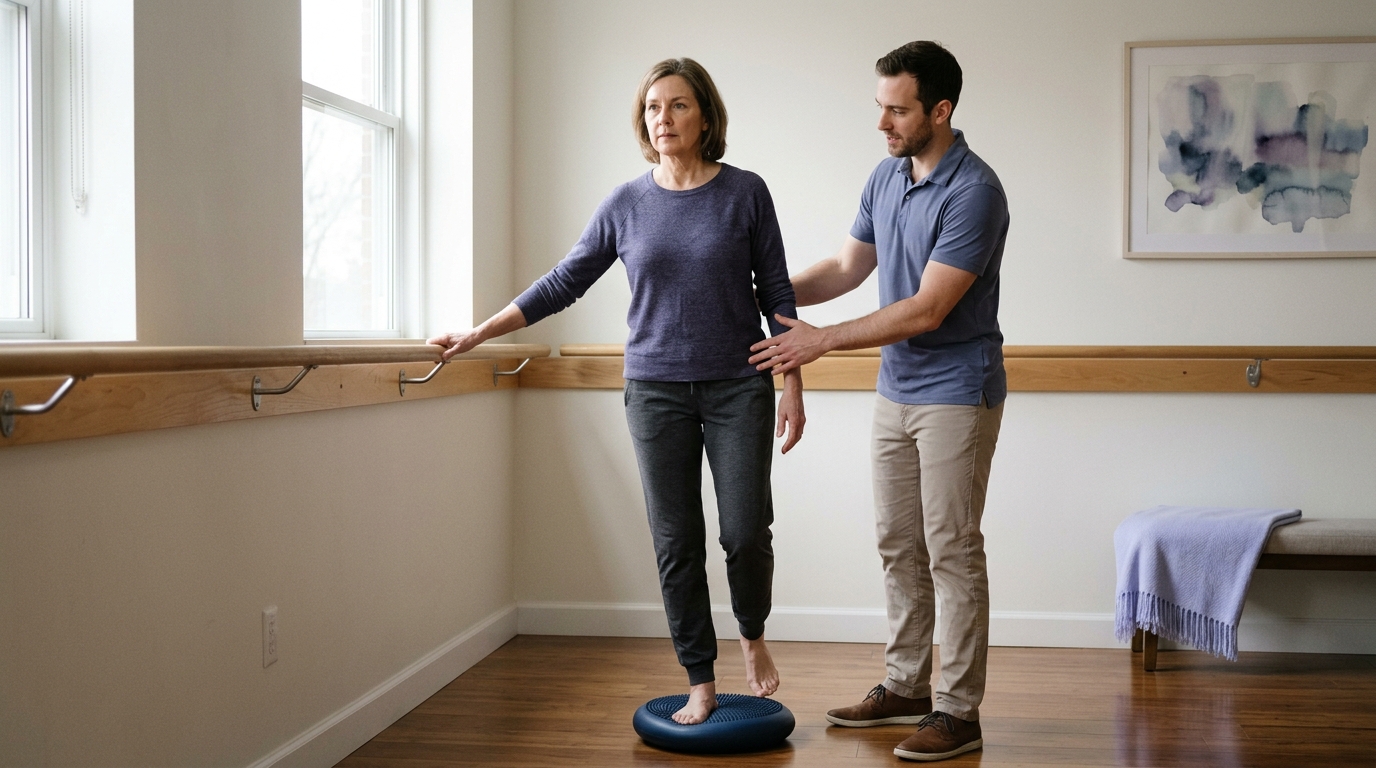
Physical readiness is equally critical. Physical and occupational therapists evaluate whether you can perform basic functional movements safely before you go home.
Therapists assess essential daily transfers. You need to show that you can get in and out of bed safely. You must also demonstrate how to stand up from a standard chair and sit down on a toilet without putting unapproved stress on your operated limb.
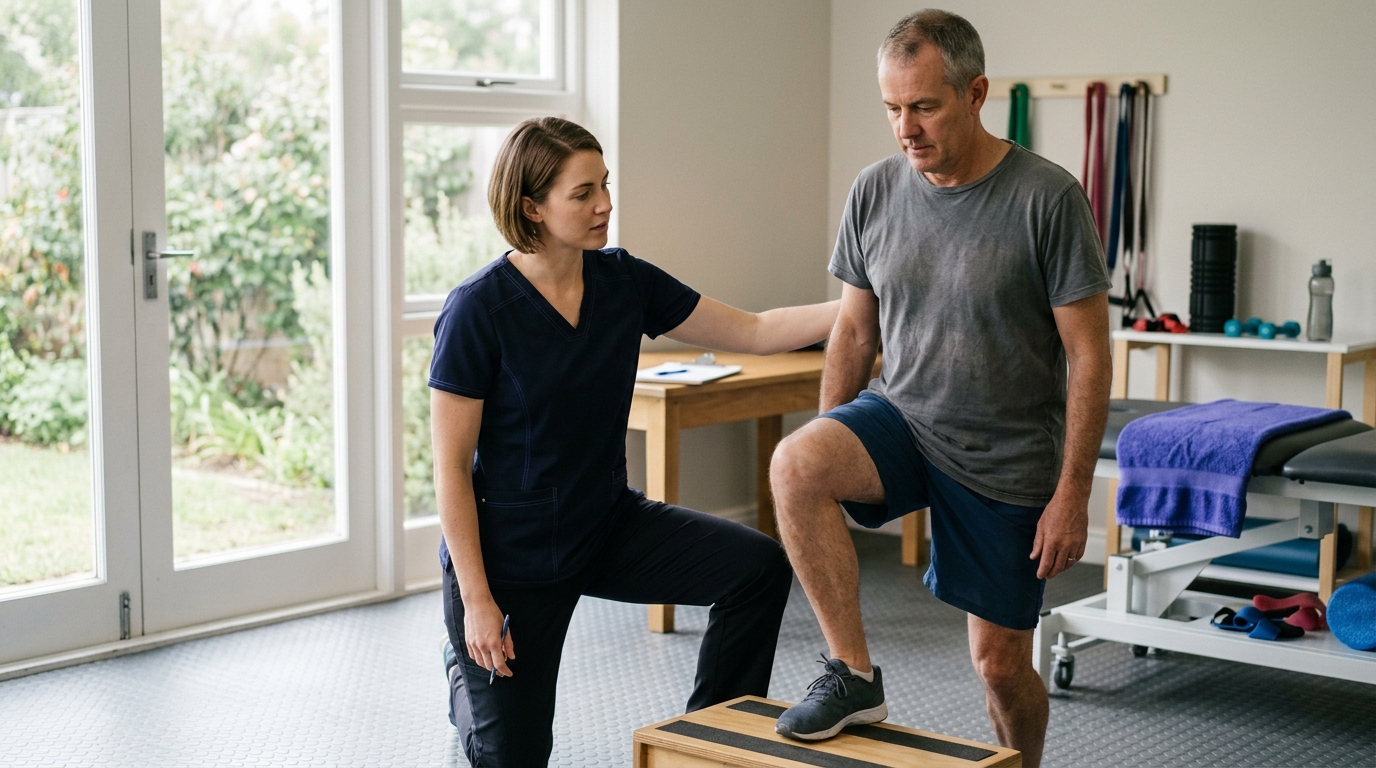
Mobility assessments also look at your ability to walk with an assistive device such as a walker, crutches, or a cane. If your home has steps or a full flight of stairs, the clinical team often checks your ability to navigate steps using the proper technique. If you cannot perform these movements safely, your team may recommend temporary adjustments, extra home health support, or a short stay in a rehabilitation facility.
Discharge planning is an active handoff between your medical team and the people supporting you at home. You should leave the facility with clear, written instructions that outline your permitted movements, medication schedules, and follow-up appointments. Reviewing surgery and rehab articles before your procedure can help you understand how these early milestones fit into the wider rehabilitation journey.
Clinical research provides clear principles for early orthopedic care, while also highlighting where individual variation occurs. Modern orthopedic recovery models focus on early controlled movement, structured blood clot prevention, and multimodal pain control.
For specific procedures, the evidence strongly supports moving soon after surgery. Guidelines from the National Institute for Health and Care Excellence recommend therapist-led rehabilitation on the day of surgery or within 24 hours for patients undergoing primary elective hip, knee, or shoulder replacement.
Early mobilization after joint replacement helps reduce stiffness, improves functional recovery, and lowers the risk of systemic complications. However, this established guidance applies specifically to elective joint arthroplasty. It is not a universal rule for every orthopedic procedure. A patient recovering from a complex tendon repair or an unstable bone fracture may require strict joint immobilization for several weeks before active movement begins.
Blood clot management is one of the most thoroughly researched areas of early surgical recovery. Deep vein thrombosis occurs when a clot forms in a deep vein, most commonly in the calf or thigh. If a piece of this clot breaks free and travels to the lungs, it becomes a pulmonary embolism, which is a medical emergency.
The Centers for Disease Control and Prevention reports that approximately half of all blood clots occur during or shortly after a hospital stay or surgical procedure. The CDC also notes that as many as 70% of healthcare-associated venous thromboembolism cases are preventable through standard preventive measures.
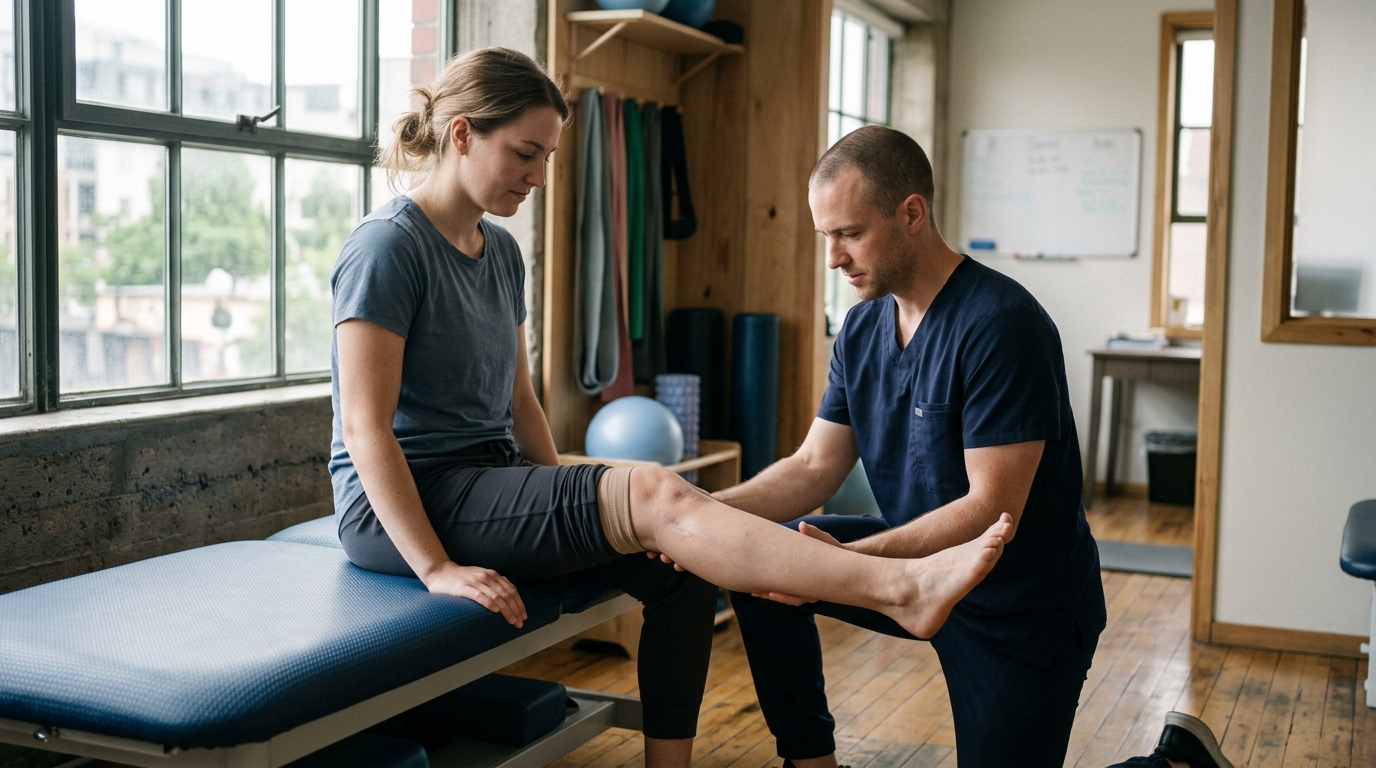
Post-operative clot prevention typically combines mechanical and chemical strategies. Mechanical methods include wearing prescribed compression stockings and performing regular ankle pump exercises to keep blood circulating. Chemical methods involve taking prescribed blood thinners or aspirin regimens exactly as directed by your surgeon.
The strongest clinical evidence confirms that tissue healing follows predictable biological stages, including inflammation, repair, and remodeling. However, the exact timeline for returning to activities varies widely based on surgical technique, fixation stability, and individual patient health.
High-level evidence supports multimodal pain regimens, which combine different classes of pain relievers to reduce overall reliance on opioid medications. Evidence also supports early patient education on fall prevention to avoid early surgical failures. Conversely, specific milestones, such as the exact day you can stop using a cane or resume driving, have less rigid universal evidence and depend heavily on individual clinical evaluations.
Managing discomfort in the first weeks requires a proactive, balanced plan rather than an attempt to simply endure severe pain. Pain levels naturally change as you begin moving more, starting physical therapy, or performing daily household tasks. The goal of pain management is to keep your discomfort low enough to allow rest, deep breathing, and prescribed rehabilitation exercises.
Modern surgical protocols rarely rely on a single medication to control post-operative discomfort. Instead, surgeons use multimodal pain management, which targets pain pathways using different tools simultaneously.
Your regimen may combine scheduled non-opioid medications, such as acetaminophen or non-steroidal anti-inflammatory drugs, with ice application and limb positioning. Non-medication strategies play a substantial role in calming post-operative irritation. Raising the operated limb on pillows above heart level helps reduce tissue swelling. Applying ice packs for 15 to 20 minutes at a time numbs local nerves and reduces localized inflammation.
When opioid medications are prescribed, they are intended for short-term management of acute, severe pain that does not respond to other measures. The American Academy of Orthopaedic Surgeons advises taking opioids strictly as directed and using the lowest effective dose for the shortest possible duration.
Opioids carry known side effects and risks. Common side effects include severe constipation, nausea, dizziness, excessive sleepiness, and clouded thinking. Long-term use can lead to physical dependence, tolerance, and slowed breathing.
To manage side effects, drink plenty of water, eat high-fiber foods, and use stool softeners if recommended by your medical team. As your surgical pain begins to lessen, speak with your doctor about a safe tapering schedule to transition off opioid medications completely. Never adjust your dosage or stop medications suddenly without discussing the plan with your prescribing clinician.
Pain should follow a general downward trend over the first several weeks, even if minor day-to-day fluctuations occur. A sudden spike in severe pain that does not respond to prescribed medication is not normal.
If your pain becomes uncontrollable, or if you develop burning sensations or numbness that spreads down your limb, contact your surgical team promptly. Tracking your daily medication doses and pain scores in a simple notebook helps you identify trends and provides clear information during follow-up calls.
Proper care of your surgical incision protects deep healing tissues from bacterial contamination and supports clean skin closure. Caring for your wound requires following the exact instructions provided for your specific dressing type.
One of the most common points of confusion for patients is conflicting wound care advice found online. General post-operative guidelines from health systems often mention that patients may shower 48 hours after surgery if their incision is sealed. However, specific orthopedic dressing protocols frequently tell patients to keep the wound completely dry for 10 to 14 days until skin staples or sutures are removed.
These differences exist because dressing materials and surgical techniques vary. Some incisions are sealed with waterproof glues and covered with modern silicone foam barriers that allow brief showering. Other wounds are closed with standard staples and covered with absorbent gauze that must stay dry to prevent bacterial growth.
You must always follow the specific instructions given on your hospital discharge paperwork. If you are unsure whether your dressing can get wet, keep it completely dry and contact your surgeon's office for clarification.
While dressing types vary, core principles apply to almost all orthopedic surgical wounds:
Infections can delay healing and damage underlying repairs or joint implants. Inspect your dressing and surrounding skin daily for warning signs.
According to surgical infection guidance from Boston Medical Center, you should watch for increased redness spreading beyond the incision borders, increased swelling, or skin that feels unusually hot to the touch. Drainage that changes from light pink fluid to thick, yellow, or foul-smelling pus is a key warning sign. Systemic signs, including a fever over 101 degrees Fahrenheit, chills, or persistent fatigue, also warrant an immediate call to your surgeon.
Learning how to evaluate these changes is a core part of exploring surgical recovery resources that focus on safe home rehabilitation. Catching wound issues early allows your medical team to treat minor surface problems before they reach deeper tissues.
Preparing your living environment before surgery helps prevent falls and minimizes physical strain during your first weeks at home. A home that works well for a fully mobile person often presents serious hazards to someone using crutches, a walker, or a sling.
If your home has multiple stories, plan to spend your first week or two on the ground floor if possible. Repeatedly climbing stairs while fatigued or medicated increases fall risks.
Set up a primary recovery area where you can rest comfortably during the day. Choose a sturdy chair with firm cushions, a supportive back, and armrests that help you stand up safely. Avoid low, soft couches or reclining chairs that are difficult to exit without straining your operated joints.
Place your essential items within arm's reach on a stable side table. Keep your phone, chargers, medications, water bottle, recovery log, and reading materials on this surface. MedlinePlus recommends arranging items so you do not have to bend down to the floor or stretch overhead to reach daily necessities.
Falls are among the most dangerous complications during early orthopedic recovery. A fall can tear healing tissues, loosen surgical hardware, or cause secondary fractures.
Walk through your main living areas and remove common hazards before your surgery date:
The bathroom is one of the most hazardous rooms in the house due to slippery, hard surfaces and tight spaces. Simple equipment can dramatically improve your safety.
Install non-slip rubber mats inside the shower stall or bathtub. A stable shower chair or tub transfer bench allows you to sit safely while washing, which is essential if you experience dizziness or cannot bear weight on one leg.
A raised toilet seat or a toilet safety frame with side handles makes sitting down and standing up much easier, protecting hips and knees from excessive bending. Never use towel bars, wall-mounted soap dishes, or toilet paper holders as grab bars, because they cannot support your body weight if you slip.
When you use a walker, crutches, or a cane, your hands are needed for support and balance. Carrying a hot cup of coffee, a plate of food, or a stack of books while walking compromises your stability.
To transport items safely around the house, attach a small basket, pouch, or walker bag to your mobility device. You can also wear a small crossbody bag or lightweight apron with deep pockets to carry small essentials such as your phone or medication bottles. Keep both hands firmly on your walking aid whenever your feet are moving.
Recovering from orthopedic surgery requires temporary dependence on other people. Setting up a reliable support system before your procedure reduces stress and ensures your daily needs are met.
You will not be allowed to drive yourself home after surgery. Clinical guidelines from university medical centers such as UTMB Health note that surgical patients must have a responsible adult provide transportation upon discharge.
Sedatives, pain medications, and physical restrictions make driving dangerous in the opening weeks. Your ability to drive depends on which limb was operated on, whether you are taking impairing medications, and your reaction time. Plan in advance for family members, friends, or medical transport services to drive you to all post-operative follow-up visits and therapy sessions until your surgeon formally clears you to drive.
The level of hands-on help you need depends on your operation and overall health. Some patients need someone present around the clock for the first two to three days, while others simply need a daily check-in to assist with meals and errands.
Assign specific responsibilities to willing helpers before your surgery day. Ask friends or relatives to assist with:
Connecting with family members through structured planning prevents caregiver burnout. It also gives your helpers clear instructions on how best to support your recovery. For broader guidance on building supportive daily habits, read through recovery nutrition and lifestyle resources that focus on practical wellness routines.
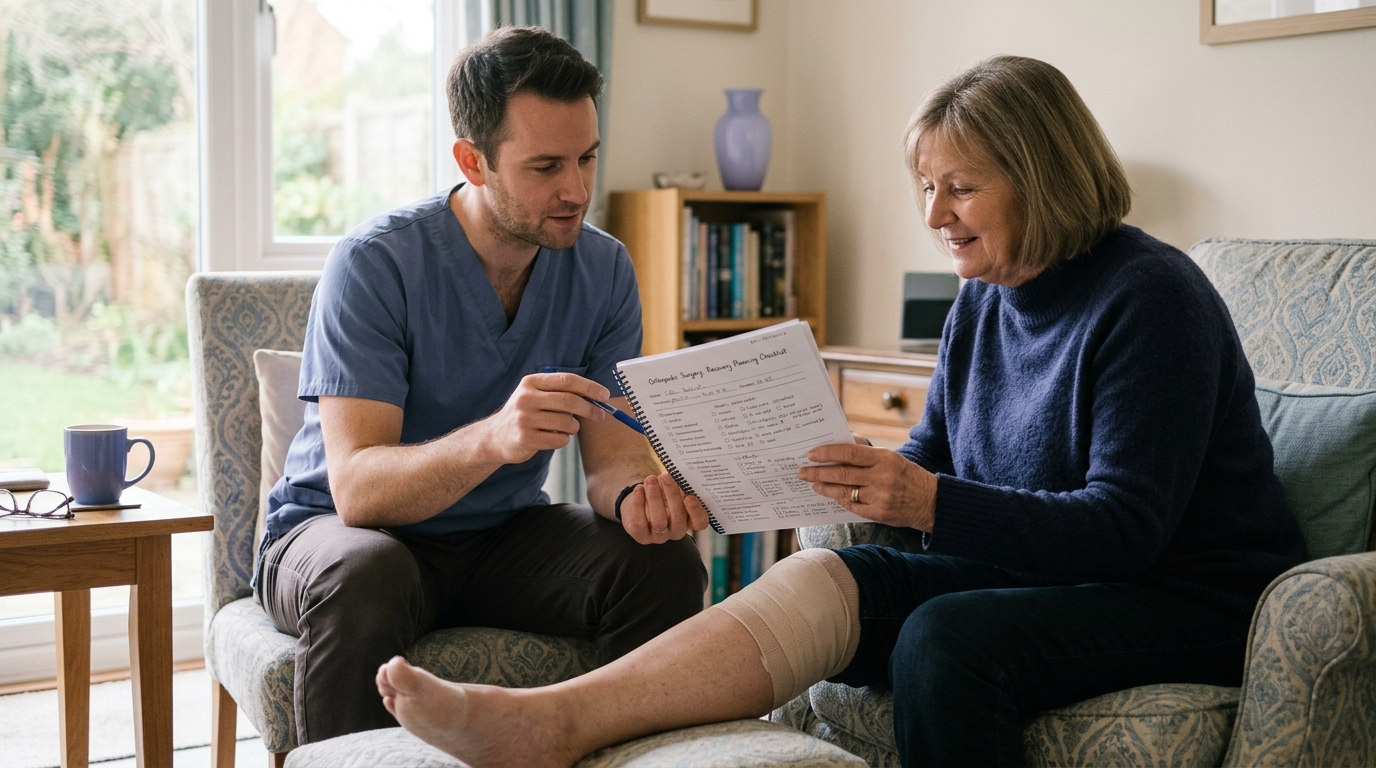
Before you leave the surgical center, write down a comprehensive summary of your care plan with your nurse or therapist. Keep this document on your primary recovery table so you and your caregivers can reference it easily.
Having these details clearly documented prevents confusion among caregivers and ensures medication doses are neither skipped nor accidentally doubled.
Recovery is an individualized process influenced by surgical, anatomical, and personal health factors. Two people undergoing surgery on the same joint may have completely different restrictions and recovery speeds.
The specific tissue operated on dictates the speed of your rehabilitation. Bone fractures and joint implants rely on mechanical stability and bone remodeling, which often allows early controlled loading if hardware fixation is strong.
Conversely, soft tissue repairs, such as rotator cuff repairs or anterior cruciate ligament reconstructions, involve biological reattachment of tendons or ligaments to bone. These delicate interfaces require strict protection and limited active muscle contraction during the initial weeks to prevent the surgical repair from pulling apart. Reviewing evidence on rehabilitation and mobility principles can help clarify why soft tissue timelines require extra patience.
Your surgeon will assign a specific weight-bearing category to protect healing structures. Common classifications include:
Immobilization devices also alter your daily routines. Wearing a rigid knee brace, shoulder sling, or fiberglass cast limits how you dress, sleep, and navigate tight spaces. Never alter your braces or change your weight-bearing status based on how good your limb feels; always wait for clinical clearance based on tissue healing.
Your baseline physical health directly influences tissue repair and energy levels. Conditions such as diabetes can slow microvascular circulation and delay surgical wound closure. Osteoporosis may require your surgeon to use gentler fixation techniques, requiring longer periods of protected weight-bearing.
Nutritional status, sleep quality, and smoking history also play massive roles in early healing. Patients who avoid nicotine and maintain consistent protein intake provide their bodies with the raw materials needed to rebuild collagen, skin, and bone tissue efficiently.
Active communication with your healthcare providers is essential for a safe recovery. Do not hesitate to ask detailed, practical questions before you leave the surgical facility.
Take this list of practical questions to your pre-operative appointment or review them with your discharge nurse:
Keep a notepad by your recovery station to write down new questions as they arise during your first weeks at home. Bring these notes to your first post-operative clinical visit.
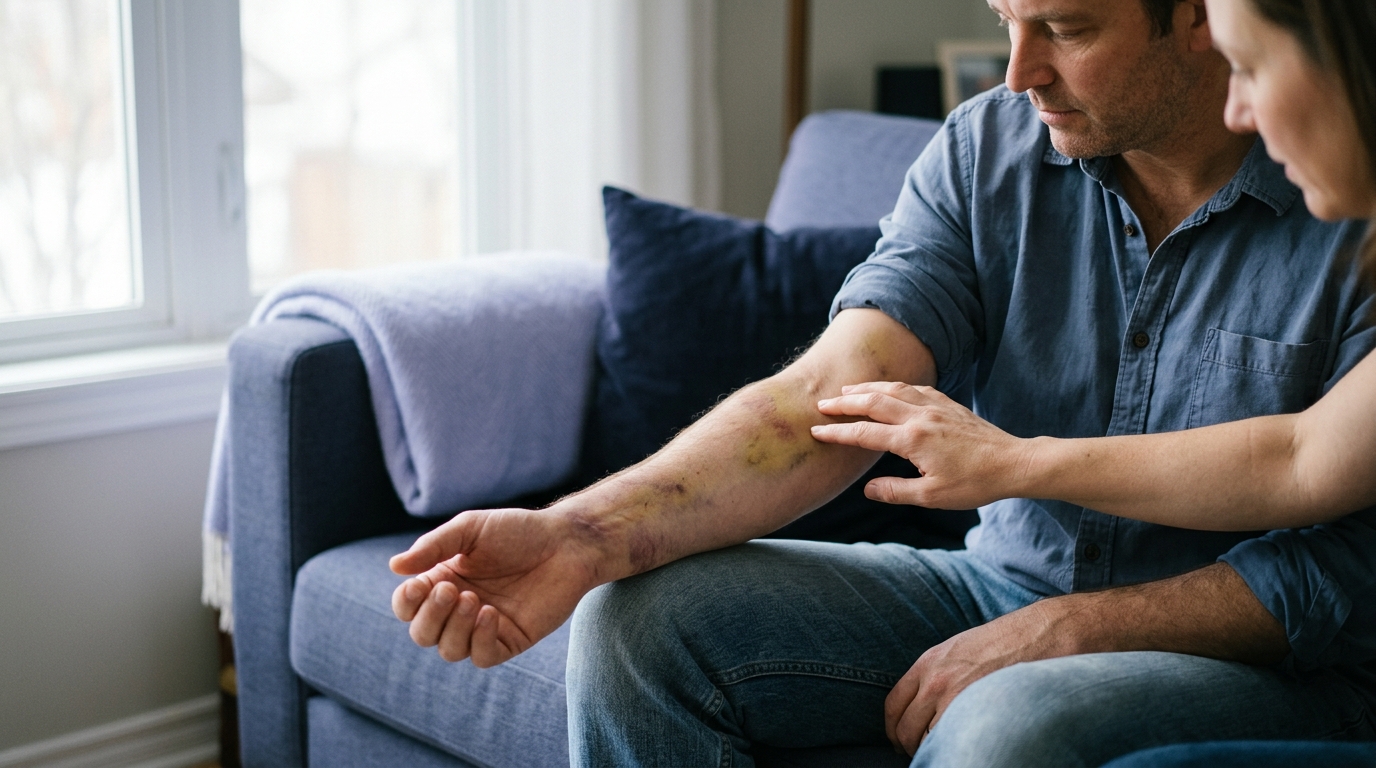
While mild swelling, moderate bruising, and manageable aching are expected parts of normal healing, certain warning signs require immediate clinical evaluation. Understanding the difference between expected discomfort and medical emergencies prevents dangerous delays in treatment.
Blood clots can develop quietly during periods of decreased mobility. The Centers for Disease Control and Prevention outlines distinct symptoms for localized clots versus migrating clots:
Call your doctor promptly if you develop deep vein thrombosis symptoms in your leg or arm:
Seek emergency medical attention immediately if you develop symptoms of a pulmonary embolism:
Contact your surgical team immediately if you notice changes in your surgical wound or overall health:
Never attempt to treat suspected surgical infections at home with leftover antibiotics or topical ointments. Deep surgical infections require prompt professional diagnosis and targeted treatment from your orthopedic team.
The first weeks after orthopedic surgery are a critical phase of physical recovery that requires preparation, patience, and clear organization. Safe healing relies on respecting your body's biological repair processes, setting up a hazard-free home environment, managing medications responsibly, and following your specific discharge instructions.
Generic recovery timelines found on the internet cannot replace the tailored guidance of your surgical team. Every surgical procedure, bone repair, and joint replacement has unique requirements that dictate how you move, dress, and rest. Focus on executing your daily plan, completing prescribed exercises, and tracking your symptoms systematically.
Return to this guide whenever you transition between phases of your early recovery:
By approaching your recovery with realistic expectations and structured planning, you can navigate these opening weeks with confidence and protect your path toward lasting physical mobility.

Use ReboundBody resources to understand common recovery stages, rehab terms, movement limits and strength rebuilding. Each guide is designed to make a complex comeback easier to understand.


Read practical guidance on injury recovery, rehabilitation, mobility and rebuilding strength as you work your way back to activity.
Explore Resources