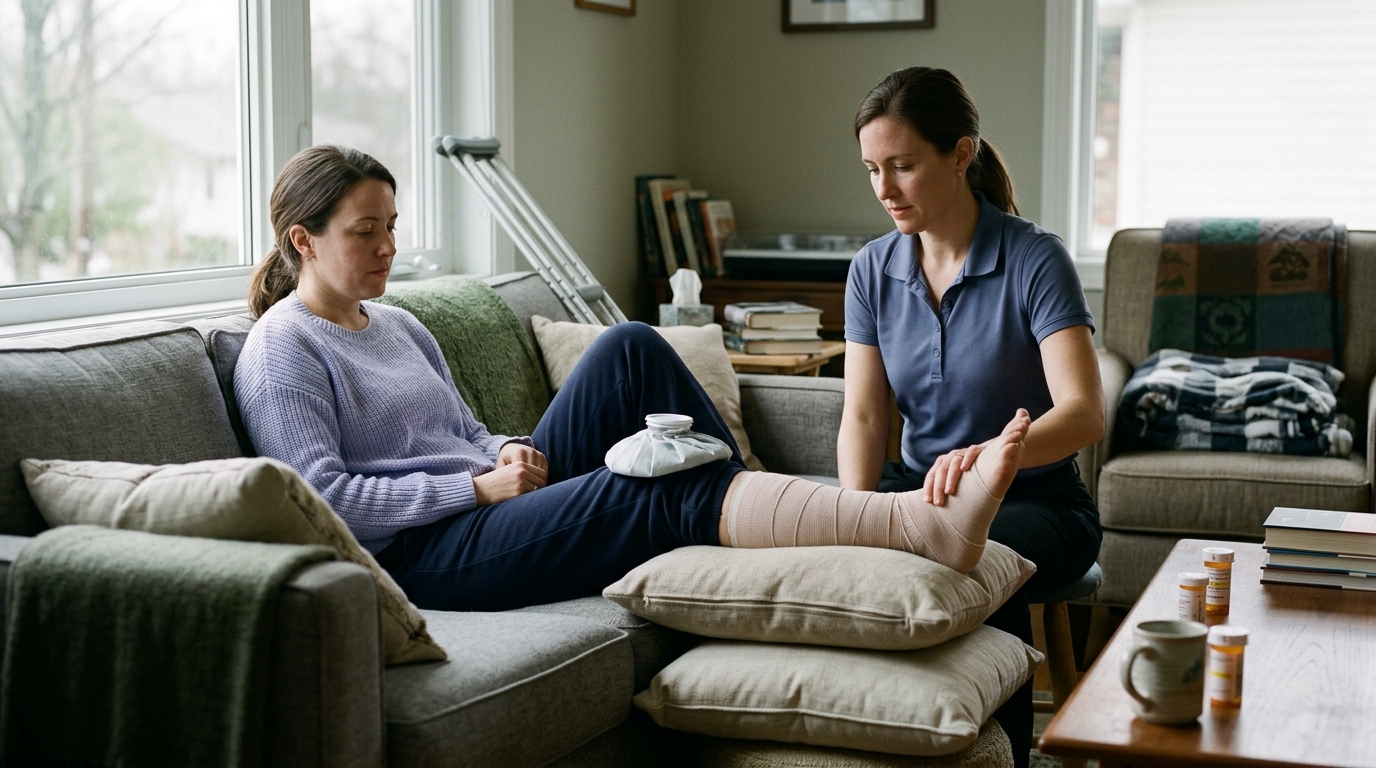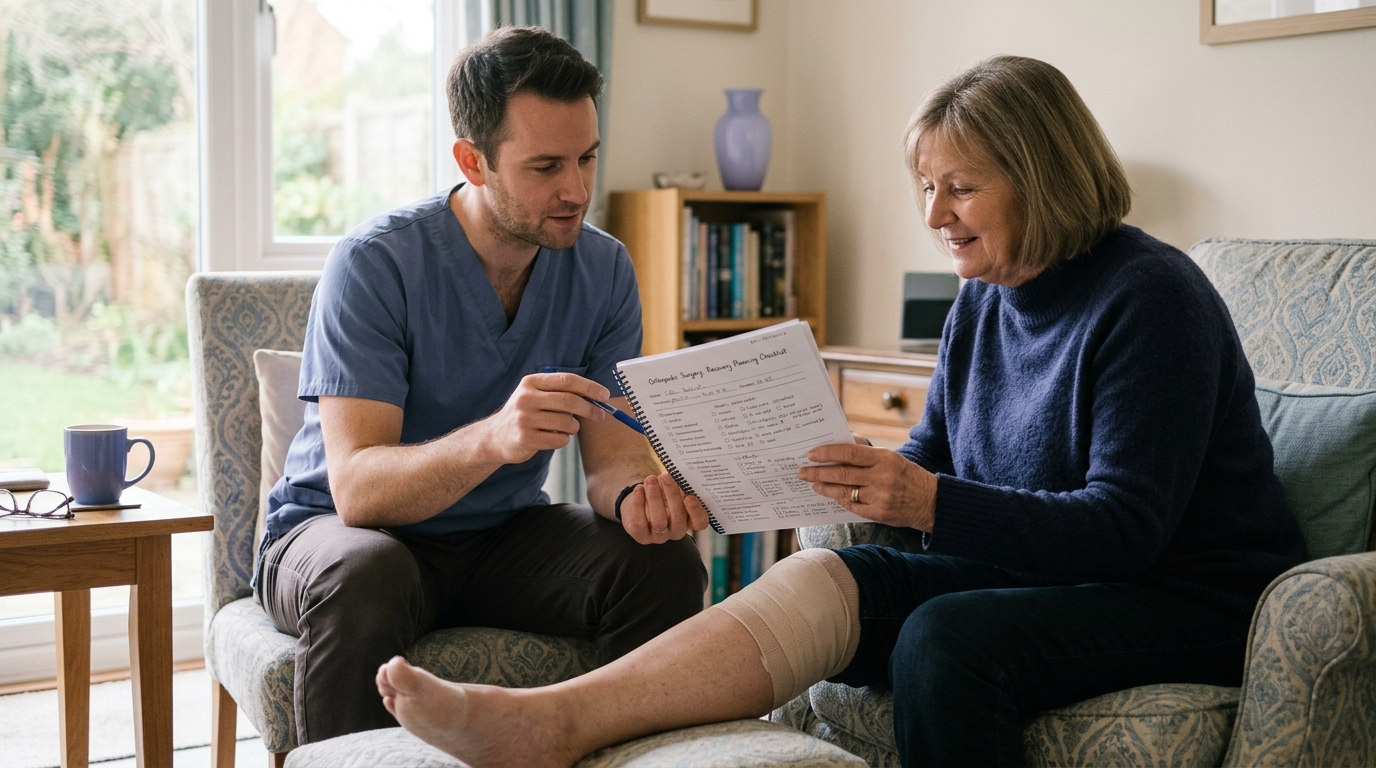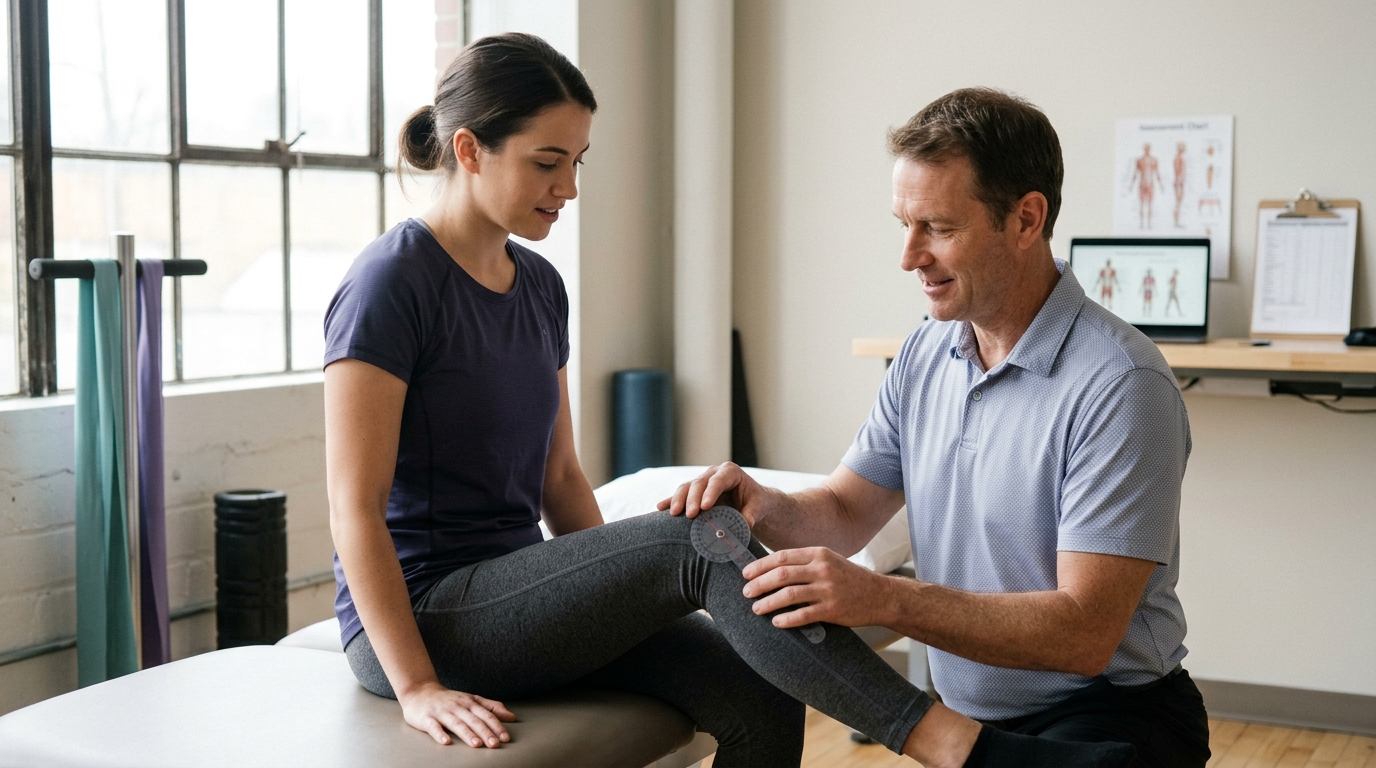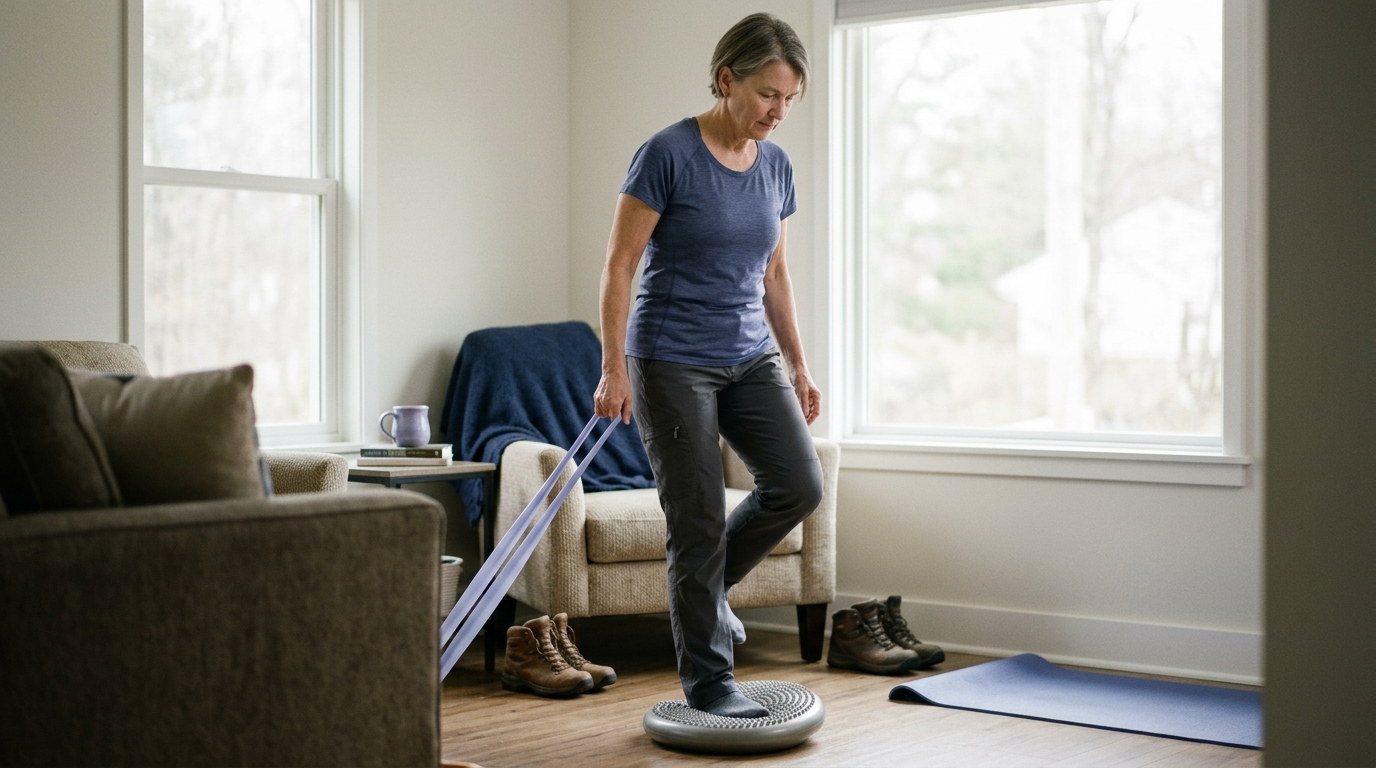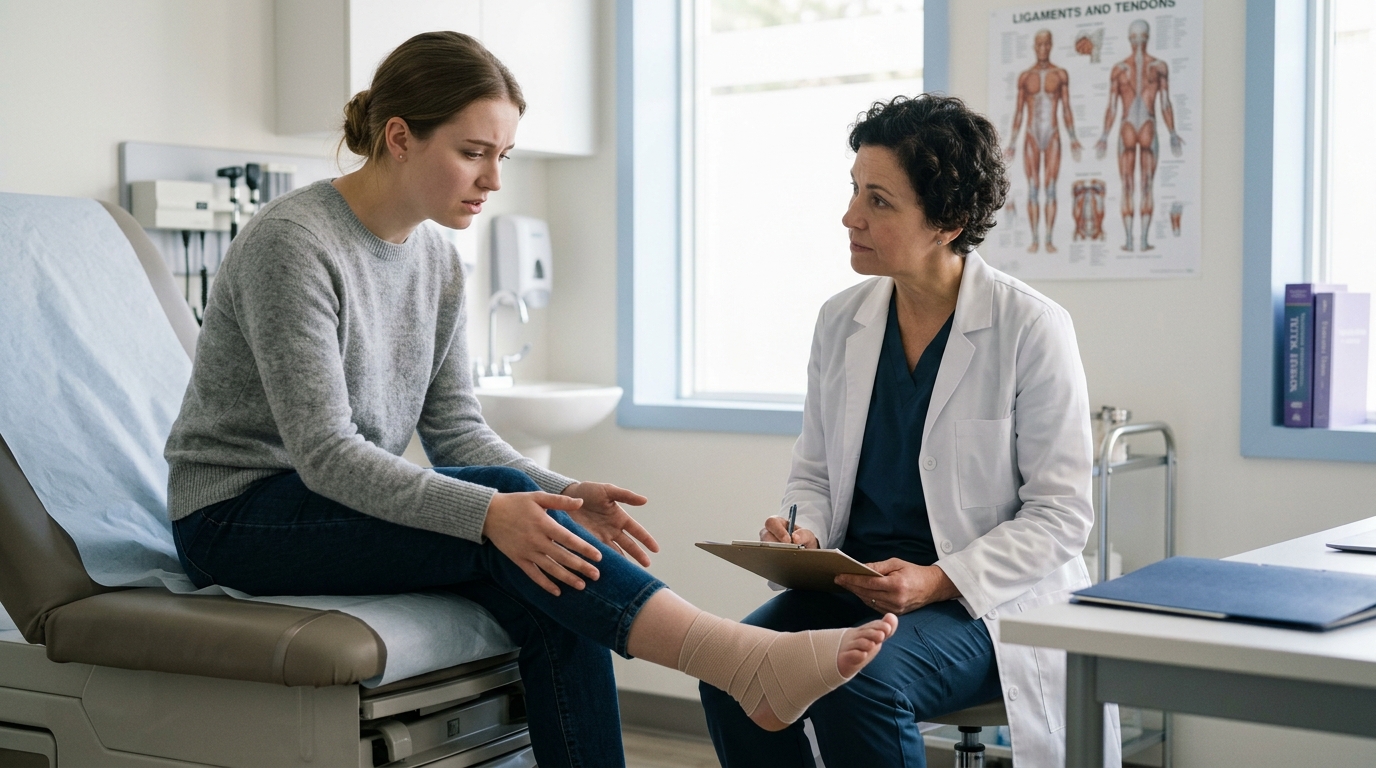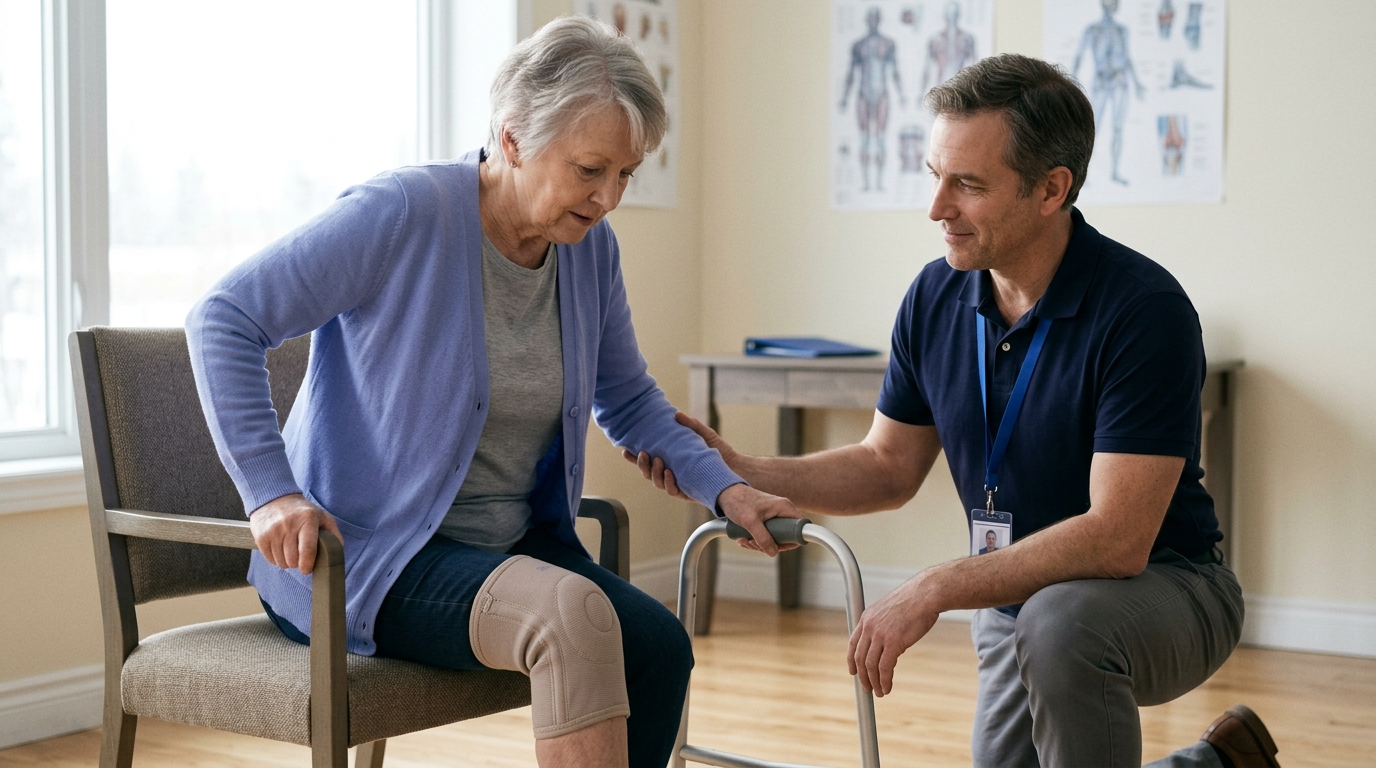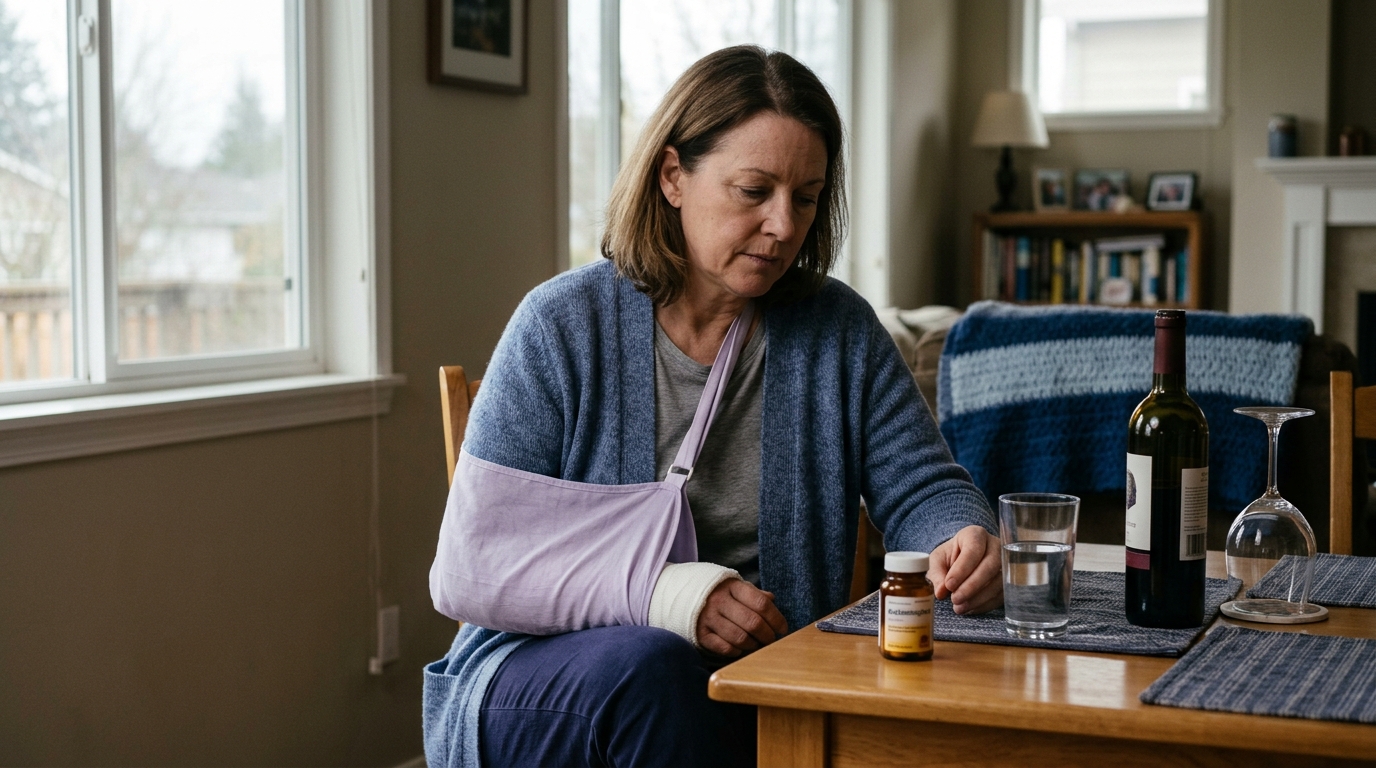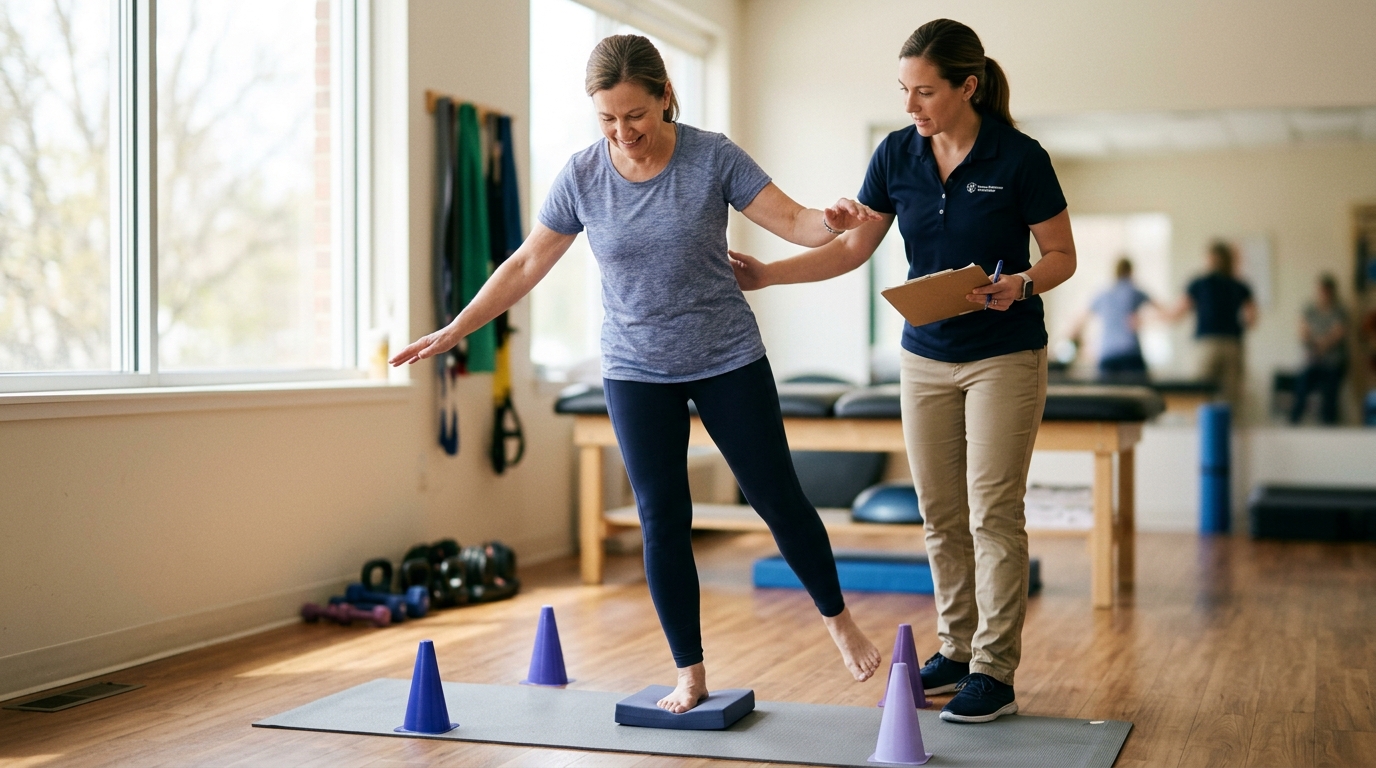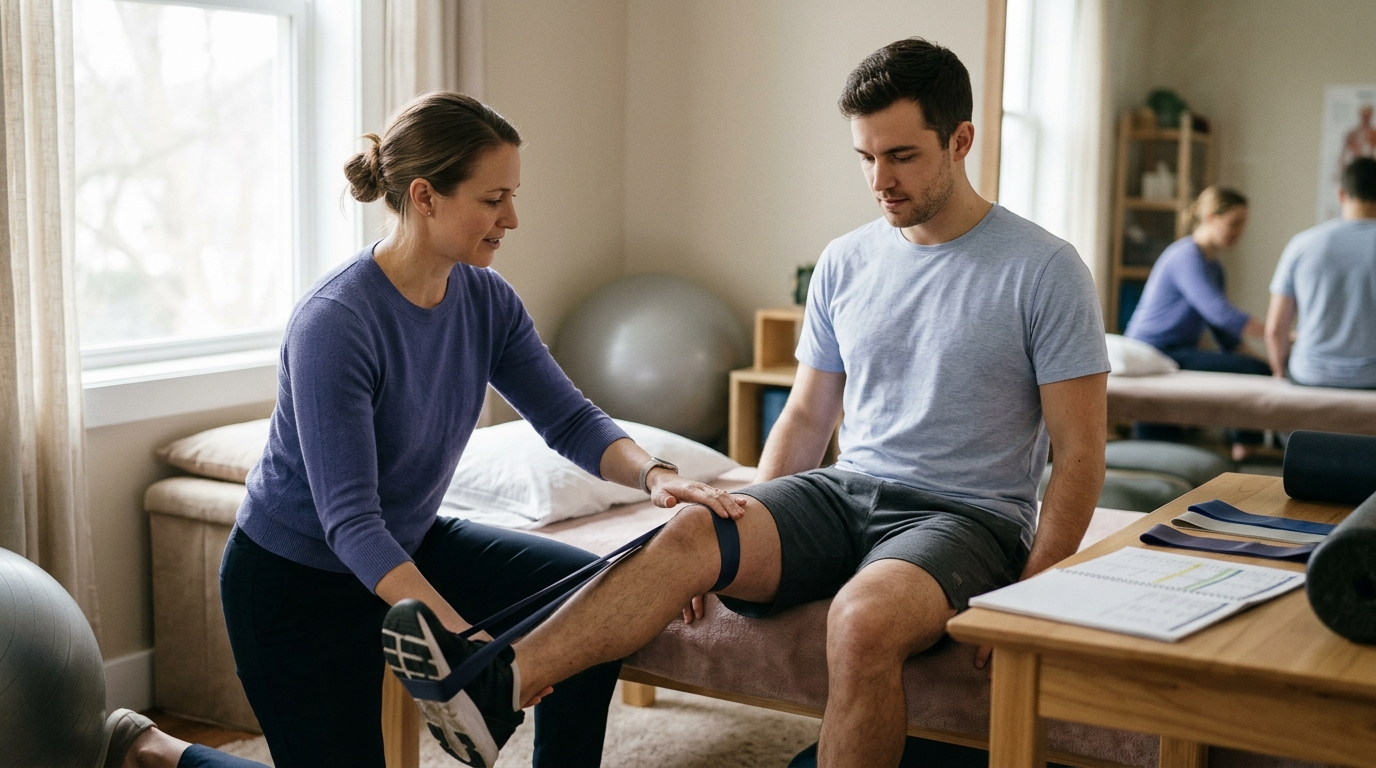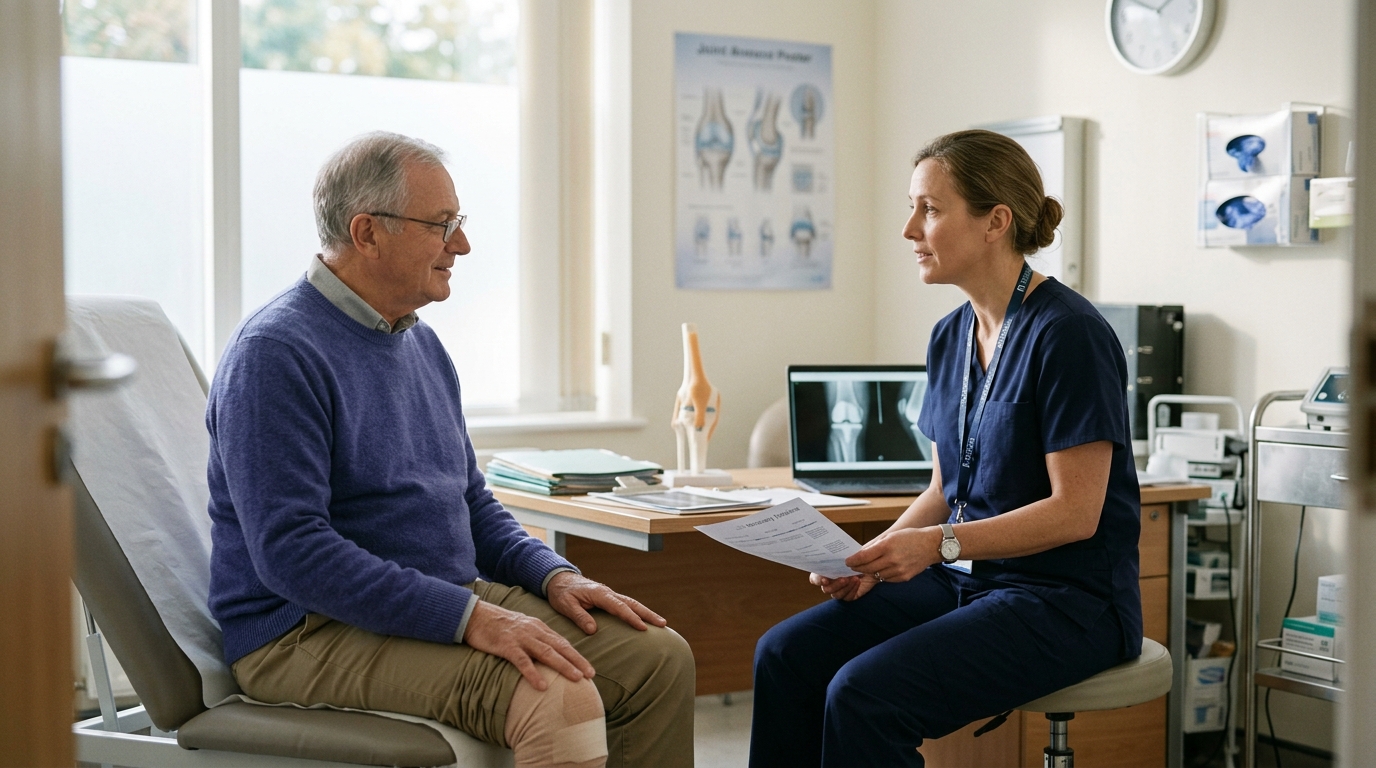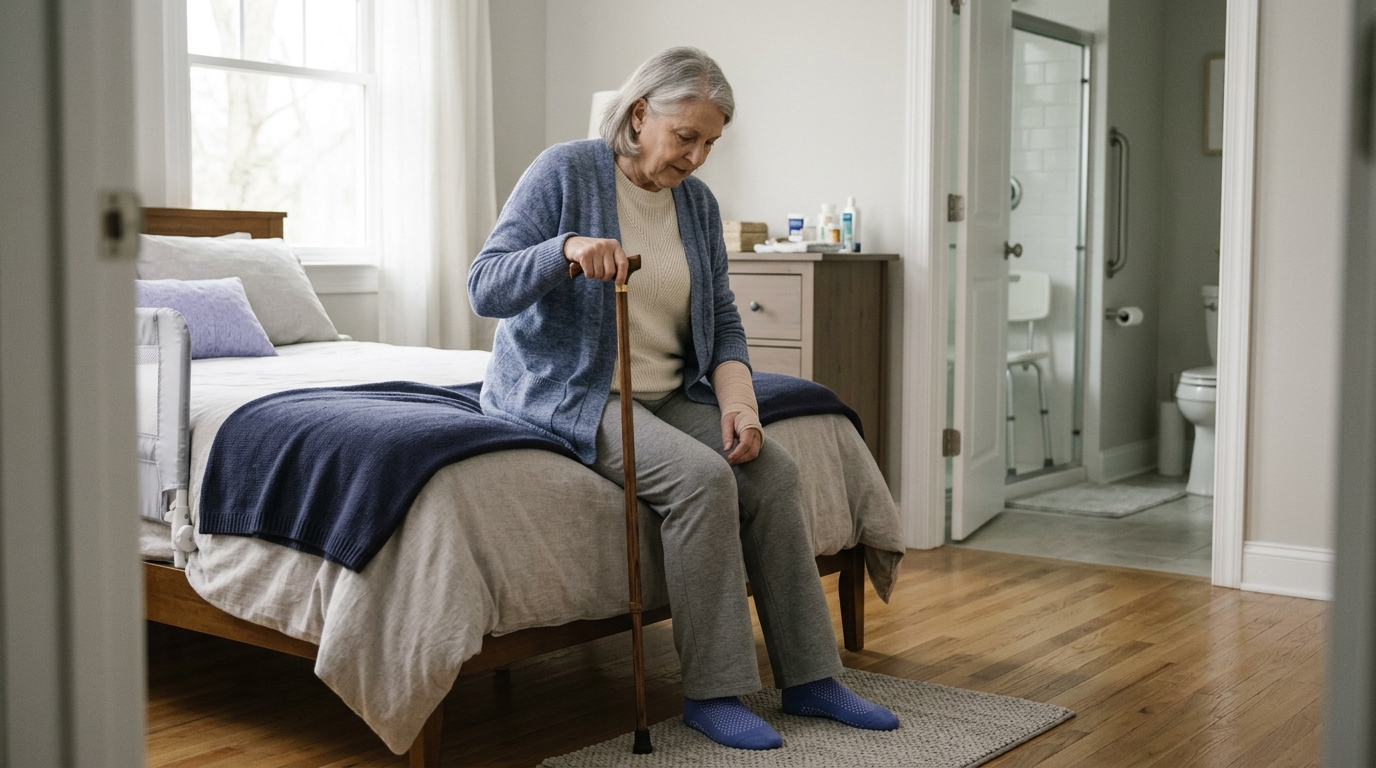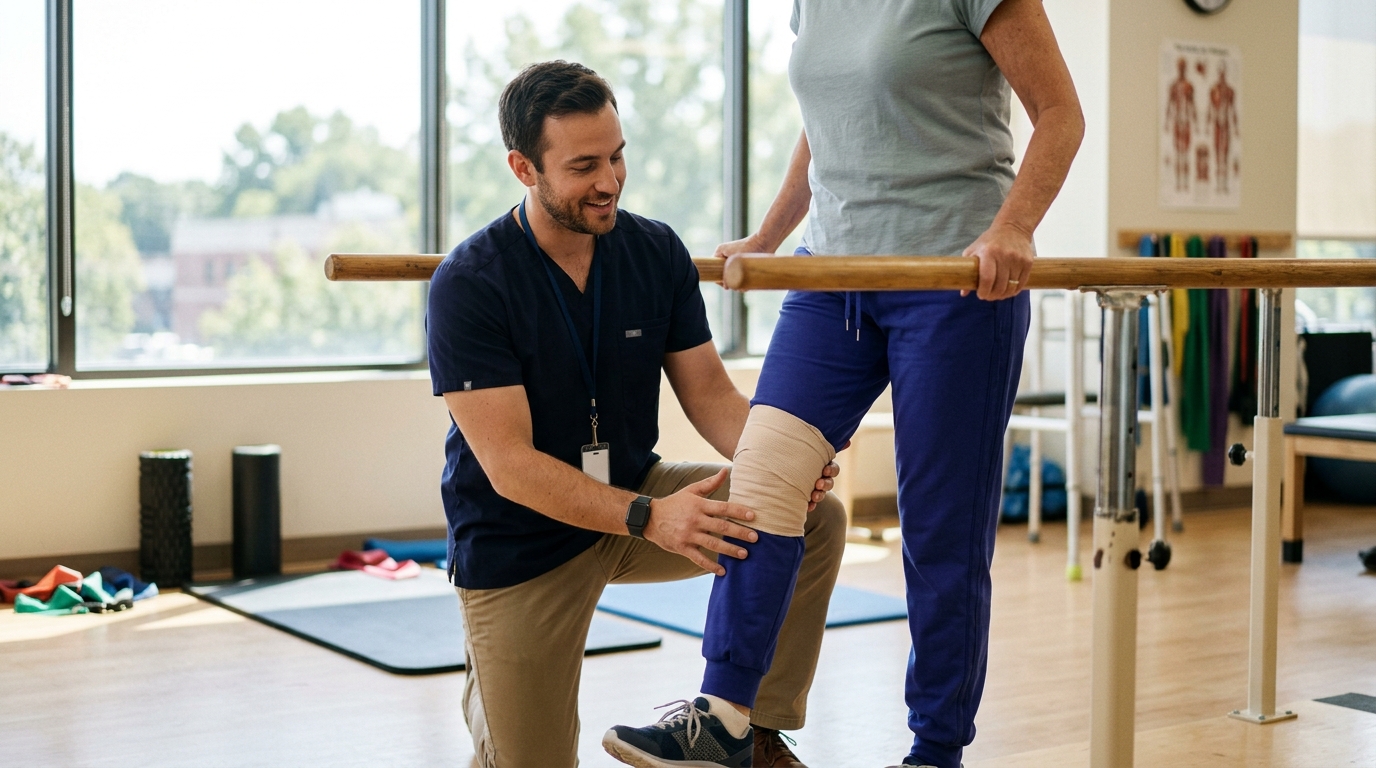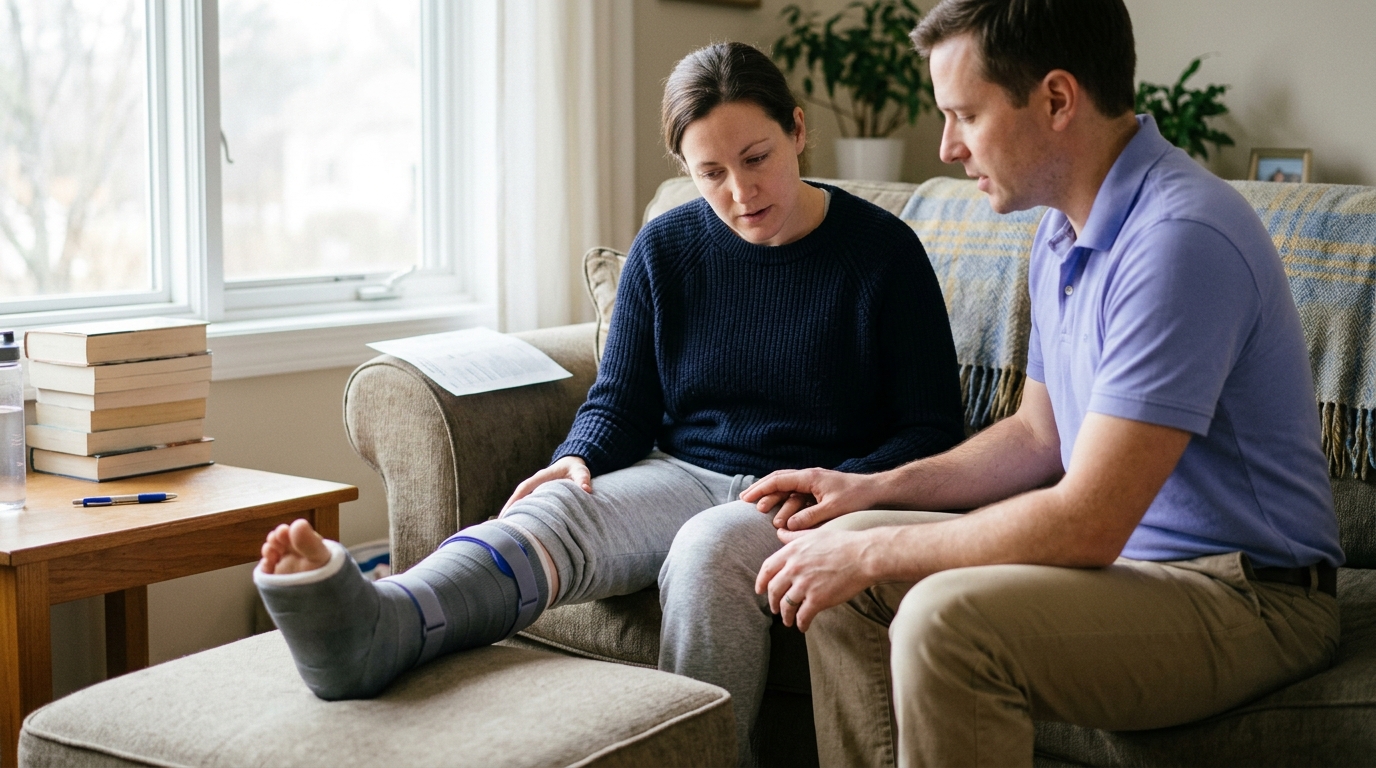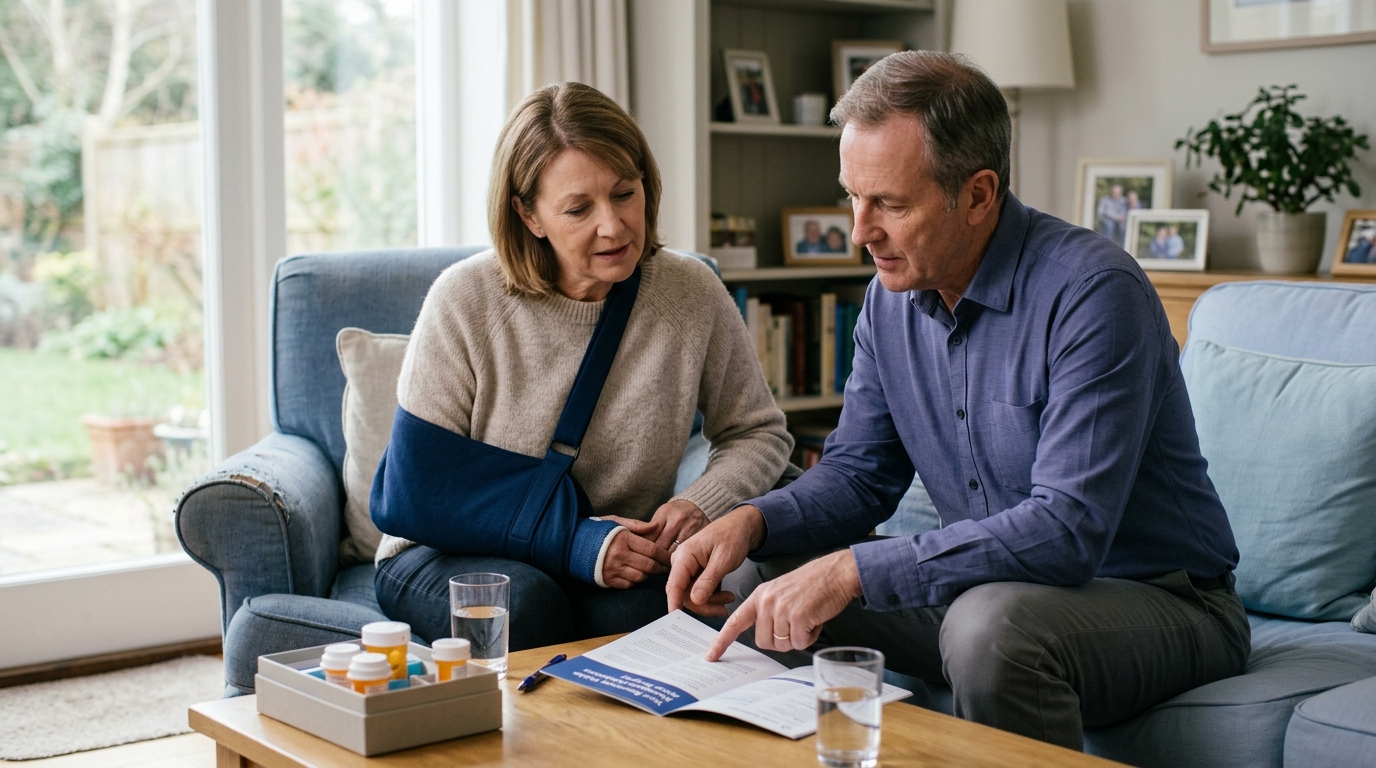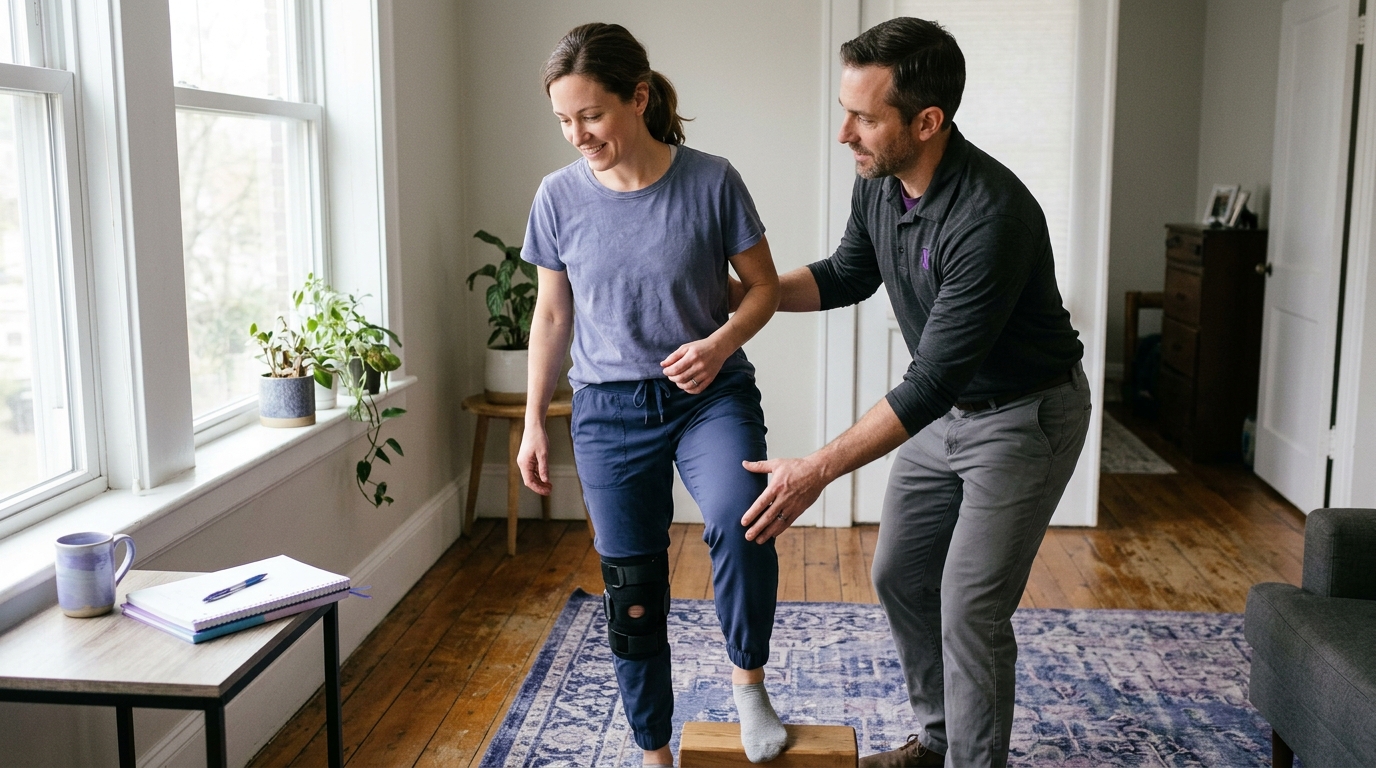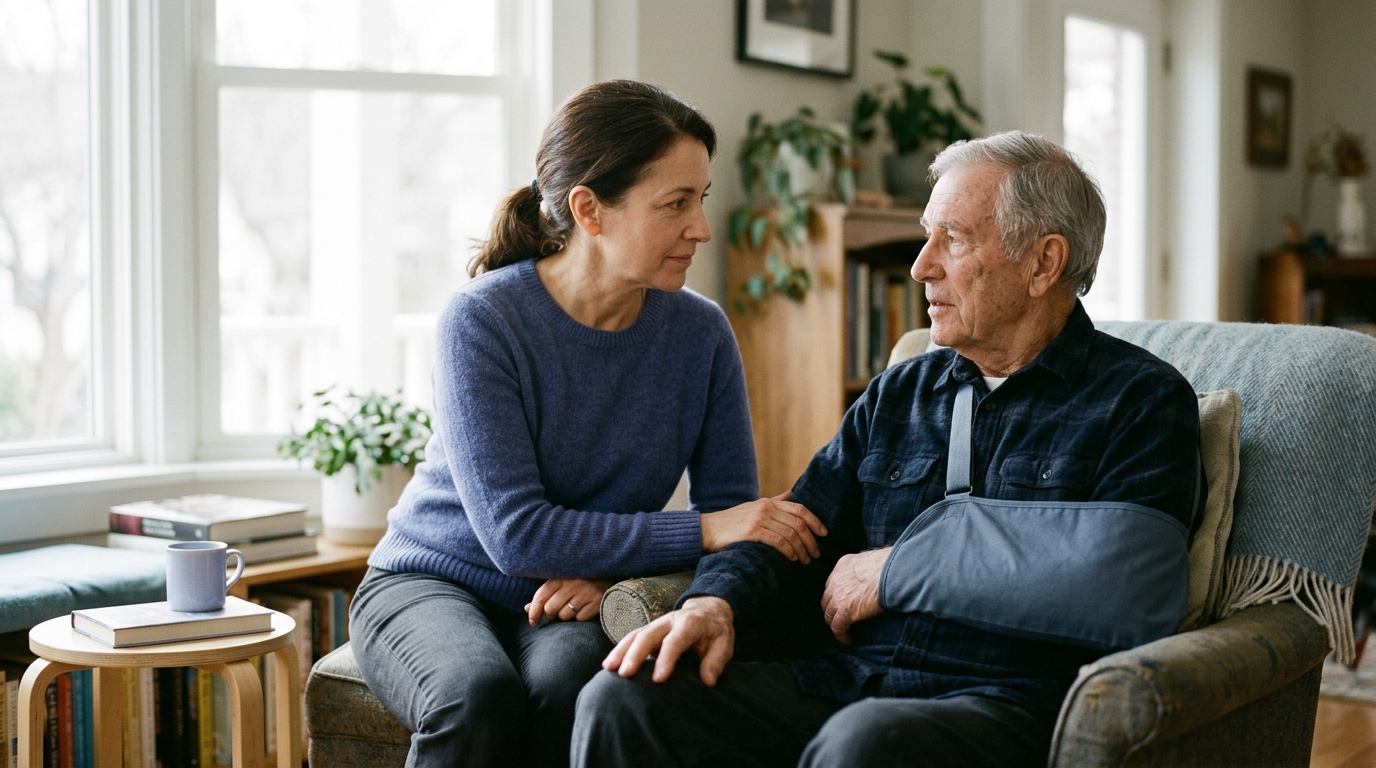

Caring for an injured family member at home requires a balance between offering practical daily assistance and protecting their personal independence during rehabilitation.





Caregiver support during injury recovery is a structured partnership that assists a person in regaining their own daily function. It is not a process of taking over someone's life, managing every detail, or making decisions on their behalf. Effective family support combines practical assistance, clear communication, steady encouragement, and accurate observation. It respects the injured person's autonomy, adapts as healing occurs, and stays grounded within professional medical guidance.
The direct answer to what helps most is simple. Family members help best when they provide the minimum assistance needed for safety, support the person's own rehabilitation goals, and communicate clearly with the healthcare team. Support is not a guarantee of a rapid or complete recovery. Healing timelines depend on tissue repair, injury severity, nerve involvement, age, overall health, and access to formal rehabilitation. Family care cannot replace specialized medical treatment, physical therapy, or occupational therapy. Instead, it provides the stable foundation an injured adult needs to practice new skills, rebuild confidence, and safely navigate daily routines at home.
Below is an evidence-based guide to supporting a loved one through orthopedic, traumatic, or surgical recovery. It outlines what current research shows, how to structure daily assistance without removing independence, how to handle communication, and how caregivers can protect their own health across a lengthy recovery journey. You can also explore our broader collection of injury recovery resources for deeper insights into the physical healing process.
The primary purpose of family support is to assist function, not to replace it. When an adult experiences a major fracture, joint replacement, spinal injury, or soft tissue trauma, familiar daily tasks suddenly become difficult. It is natural for well-meaning family members to step in and perform every task for the injured person. However, doing too much can unintentionally slow recovery.
When a caregiver completes tasks the person could do safely, the injured person loses chances to rebuild physical capacity. They may also lose confidence in their ability to care for themselves. Clinical guidelines from the National Institute for Health and Care Excellence (NICE) emphasize that rehabilitation should build a person's skills and confidence for self-management. Support should always focus on what the individual can do, rather than focusing only on their limitations.
To keep this balance, caregivers can use a simple decision framework before offering physical help with a task:
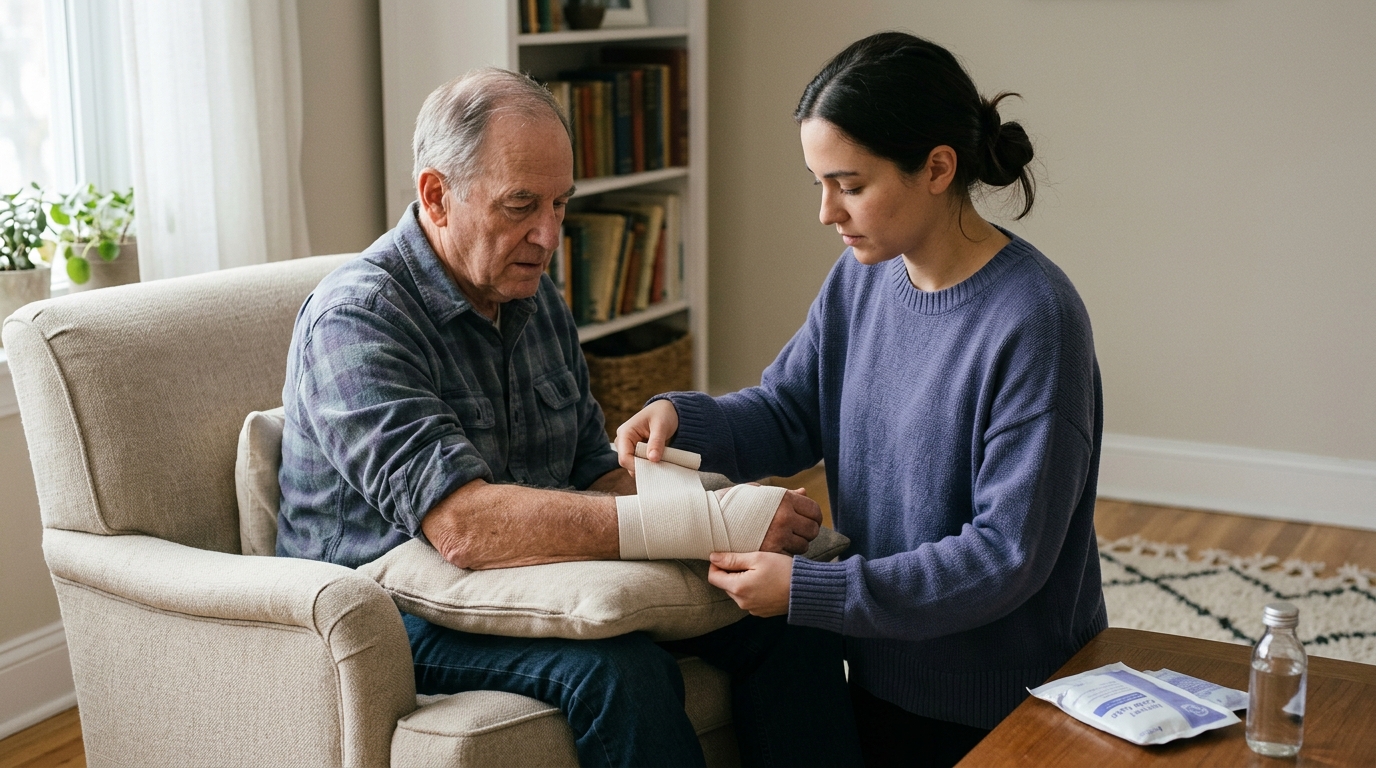
Assistance exists along a spectrum. At one end is full physical assistance, where the caregiver does everything. In the middle is setup and standby assistance, where the caregiver prepares items, arranges the environment, or stays close in case balance is lost. At the other end is independent action, where the person completes the task alone, perhaps using adaptive equipment.
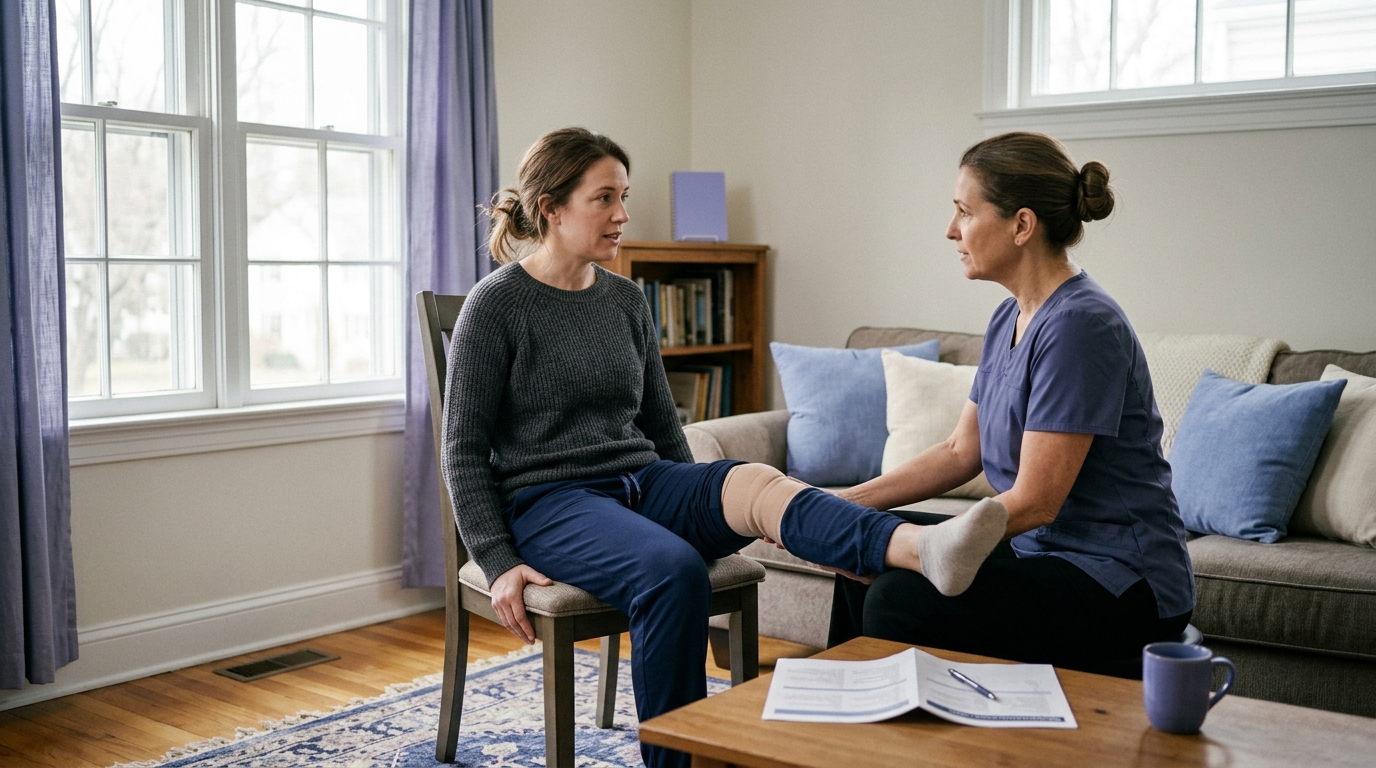
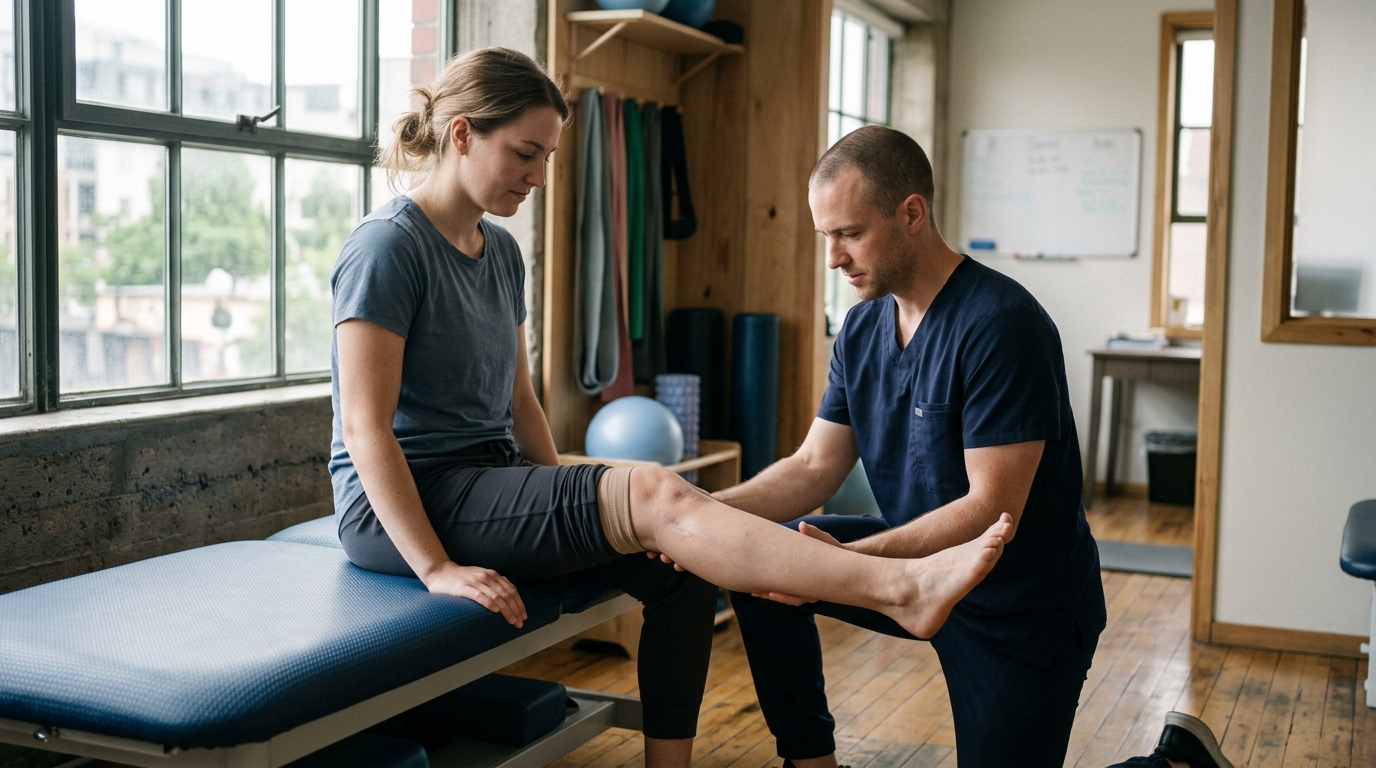
For instance, consider getting dressed after orthopedic surgery. Taking over means putting on the person's clothes for them. Assisting function means laying the clothes within reach, offering a long-handled shoehorn, and sitting nearby while the person dresses at their own pace. Unless a clinician has ordered strict rest or total assistance for a specific limb, caregivers should default to the least intrusive level of support that remains safe.
Understanding what research does and does not prove helps families set realistic expectations. Research consistently highlights the important role family environments play during recovery. However, clinical studies show that family-involved programs have mixed results on measurable functional scores.
A comprehensive systematic review evaluated programs that support or involve caregivers of patients with traumatic injuries, including traumatic brain injury (TBI) and post-traumatic stress disorder. Across the analyzed studies, researchers identified six main components of caregiver interventions:
The review revealed a notable gap in clinical research. Nearly 92 percent of the studied programs provided injury education, and 69 percent offered skills training. In contrast, none of the clinical trials offered direct financial aid or practical in-home respite services. This means published trials have mostly measured the impact of teaching caregivers information and coping techniques, rather than measuring the effect of giving them practical hands-on relief.
When researchers pooled the data for traumatic injury outcomes, the statistical results were mixed. Family-involved educational and skills programs showed small potential benefits for specific patient-identified goals and communication. However, meta-analyses did not find statistically significant improvements in overall physical function, patient psychological distress, or caregiver psychological symptoms. For caregiver burden, studies generally reported modest decreases over four to twelve months, but only a portion of these reductions reached statistical significance.
A separate scoping review by Baker and colleagues examined outcomes across traumatic brain injury and spinal cord injury literature. The authors found that family functioning, constructive coping strategies, and strong social networks were closely linked to lower caregiver burden. When families maintained flexible routines and open communication, both the patient and the caregiver reported better adjustment over time.
These findings show that education and caregiver training are valuable tools that help families understand the recovery landscape. At the same time, the research shows that family support alone is not a cure for complex physical or neurological limitations. Family involvement is a vital component of a broader rehabilitation system, but it must be paired with direct clinical care, proper equipment, and professional therapy.
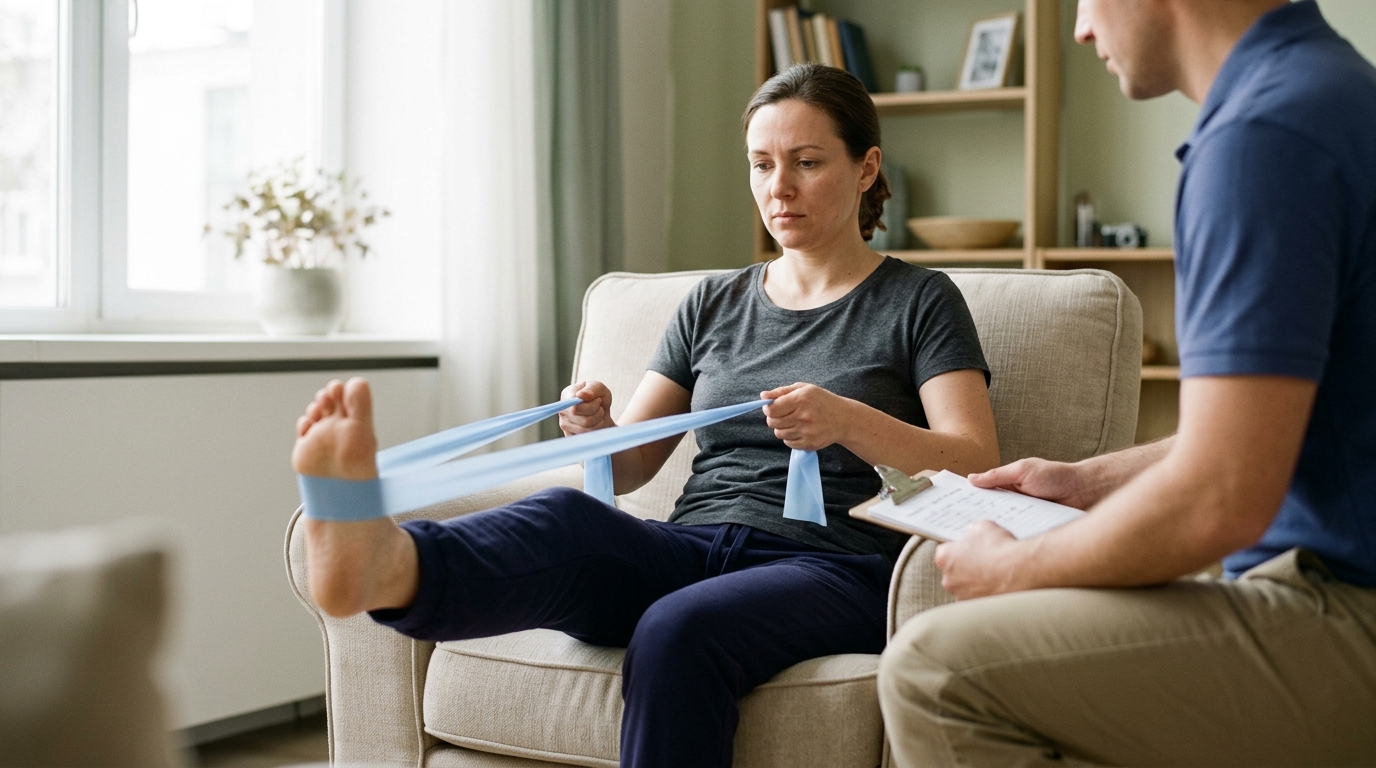
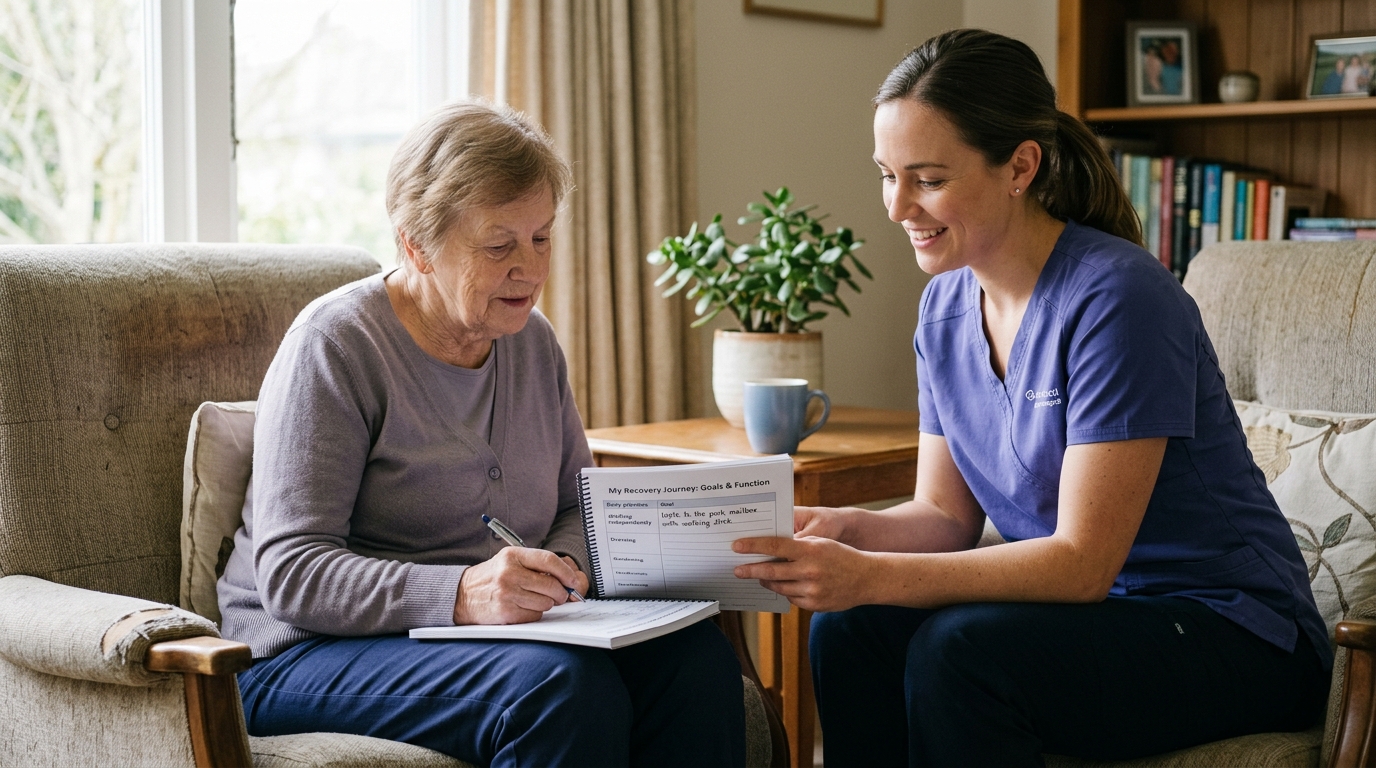
Rehabilitation succeeds when daily therapy connects directly to the activities an injured person values most. Clinical guidelines from NICE recommend that rehabilitation goals be agreed upon directly with the injured person, involving family members when appropriate. Goals should reflect what matters to the individual, build on existing physical strengths, account for the home environment, and adapt over time.
Independence is rarely an all-or-nothing milestone. Treating recovery as a simple switch between helpless and fully recovered creates frustration. Instead, rehabilitation progresses through small, measurable steps. Caregivers can support this process by helping break larger long-term ambitions into manageable weekly actions.
Consider the common stages of rebuilding daily living skills:
When families structure goals this way, a difficult afternoon does not feel like total failure. Progress in rebuilding daily movement and mobility is rarely linear. Joint stiffness, muscular fatigue, and systemic inflammation naturally fluctuate. Setting graded goals allows the person to recognize steady gains while giving them room to adjust their pace on high-symptom days.
Physical pain, post-surgical medication, poor sleep, and emotional stress all reduce a person's cognitive bandwidth. After an injury, processing complex instructions or making rapid decisions can feel overwhelming. Communication between caregivers and recovering adults requires patience, precise timing, and clear structure.
NICE guidelines emphasize that healthcare information and recovery discussions should be tailored to the individual's processing speed. Caregivers should ensure that discussions occur at times when the person is least fatigued and free from severe pain. Rushing an injured person to make immediate choices or discussing complex therapy schedules during a pain flare often leads to conflict.
To foster productive communication, caregivers can adopt several clear conversational habits:
Do not initiate complex discussions immediately after physical therapy, right before bed, or directly after taking pain medication. Ask the person if they feel up to discussing upcoming plans, rather than assuming your schedule matches their mental energy. A simple question such as, "Is now a good time to review next week's appointments, or should we look at them after lunch?" gives the person control.
Avoid presenting a long list of tasks, schedule changes, and medical updates all at once. Break information into distinct, single-topic conversations. If you are discussing home exercises, finish that topic completely before moving on to meal planning or transportation arrangements.
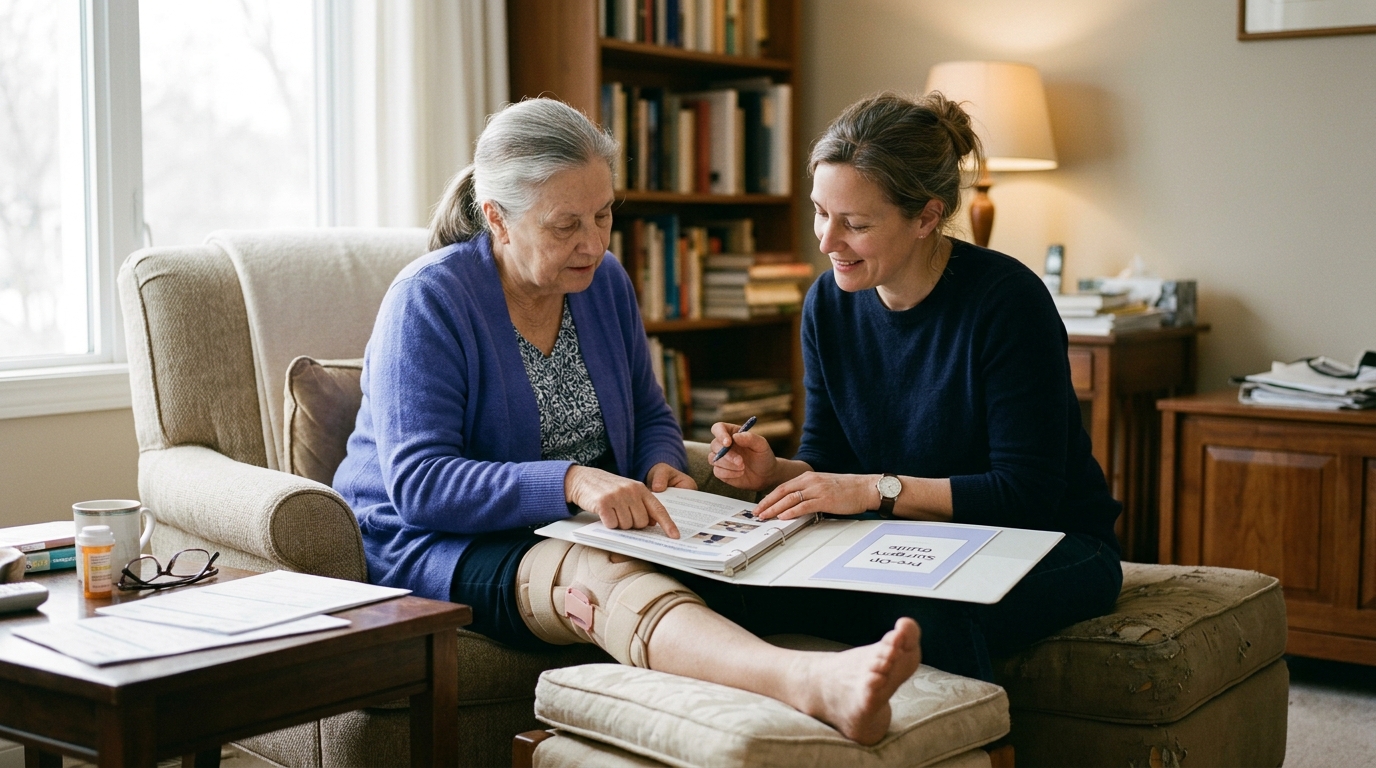
Memory lapses and cognitive fatigue are common during recovery from major trauma or surgery. Instead of relying purely on spoken reminders, use whiteboards, shared digital calendars, or written lists. Ask the person how they prefer to track their schedule so reminders feel like practical tools rather than micromanagement.
Do not treat recovery conversations like tests. Rather than asking, "Do you remember what the surgeon said about your brace?", try saying, "Let us double-check what the discharge notes say about wearing the brace while sitting." This shifts the focus from testing the person's memory to reviewing instructions together as a team.
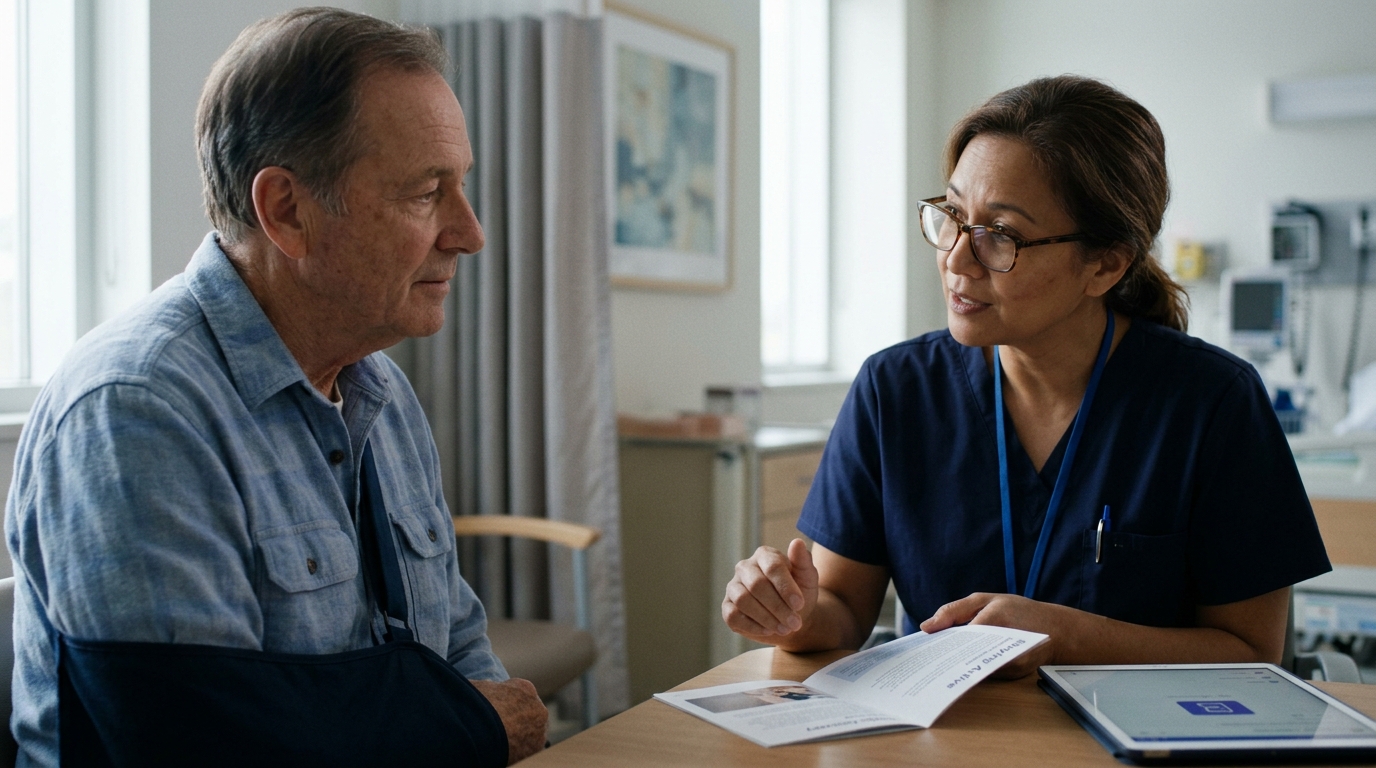
Being a supportive family member does not grant automatic ownership over every detail of an adult's health records. NICE guidelines state that rehabilitation plans must specify who information can be shared with, subject to the patient's explicit consent. Always ask the person what information they want shared with extended family or friends. During medical visits, let the injured person speak for themselves first, offering your input only when invited or when specifically asked by the clinician.
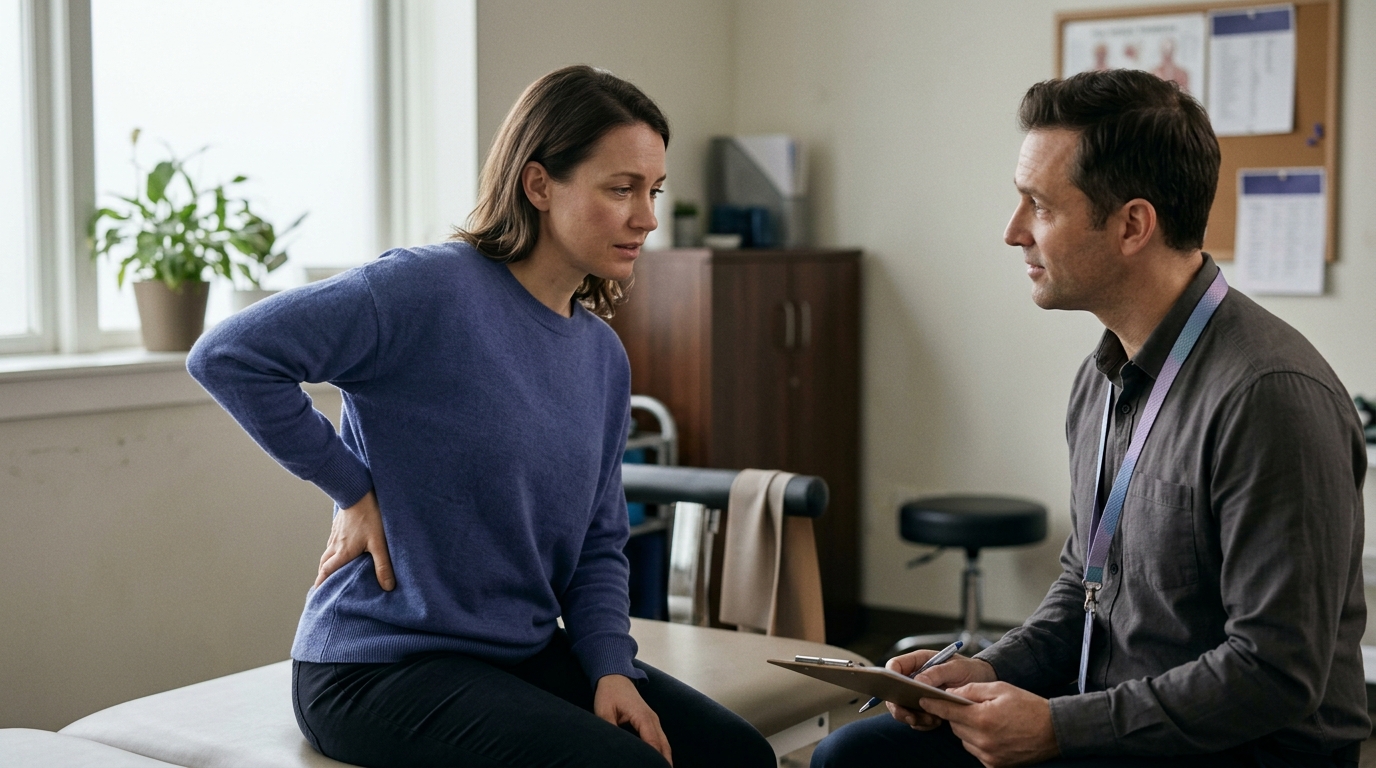
Caregivers spend hours observing the injured person across normal daily routines. They notice subtle shifts in movement quality, endurance, mood, and pain that clinicians cannot see during a brief fifteen-minute clinic appointment. However, sharing these observations effectively requires structure.
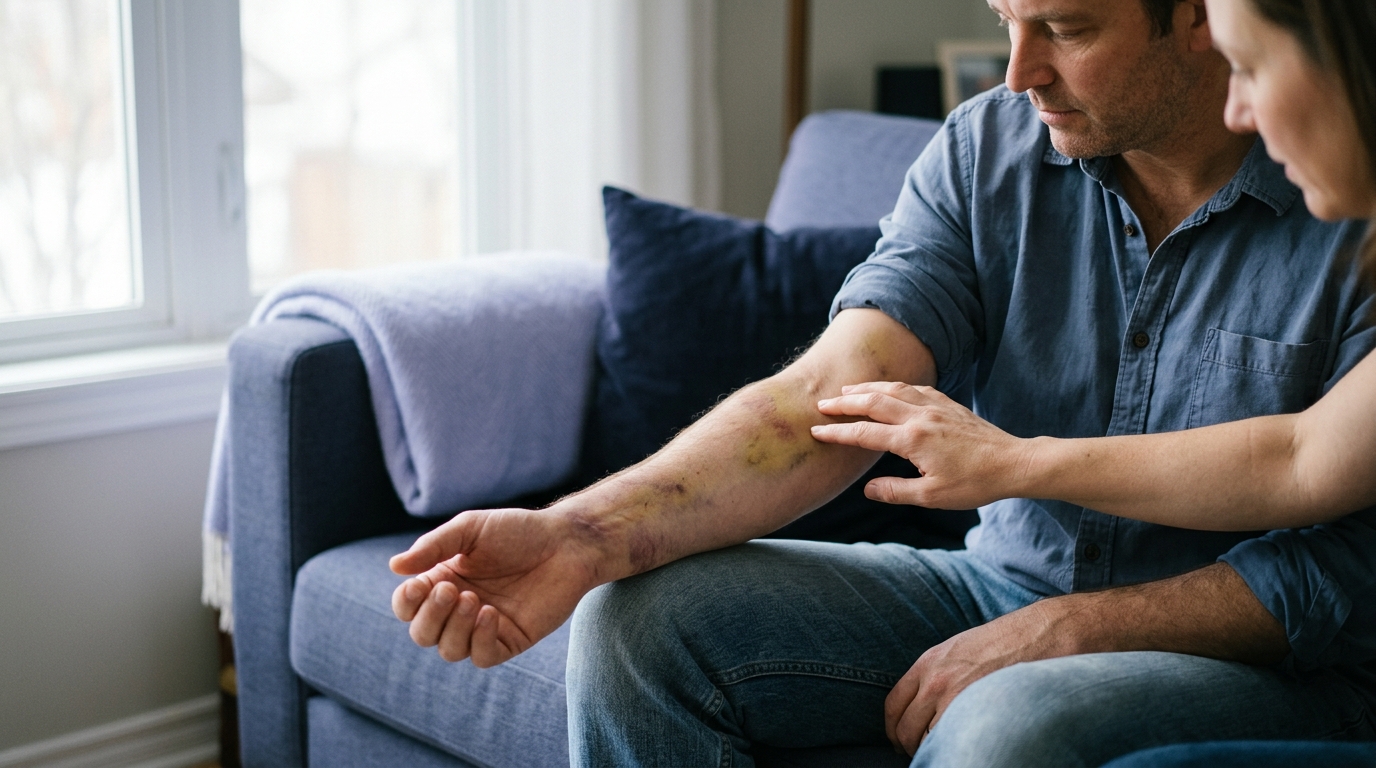
Clinicians work best with objective, factual observations rather than broad assumptions or amateur medical diagnoses. Stating that a patient is getting worse gives the doctor very little usable detail. In contrast, providing a concise log of specific behaviors, times, and functional limits allows the care team to make precise adjustments to medications or therapy programs.
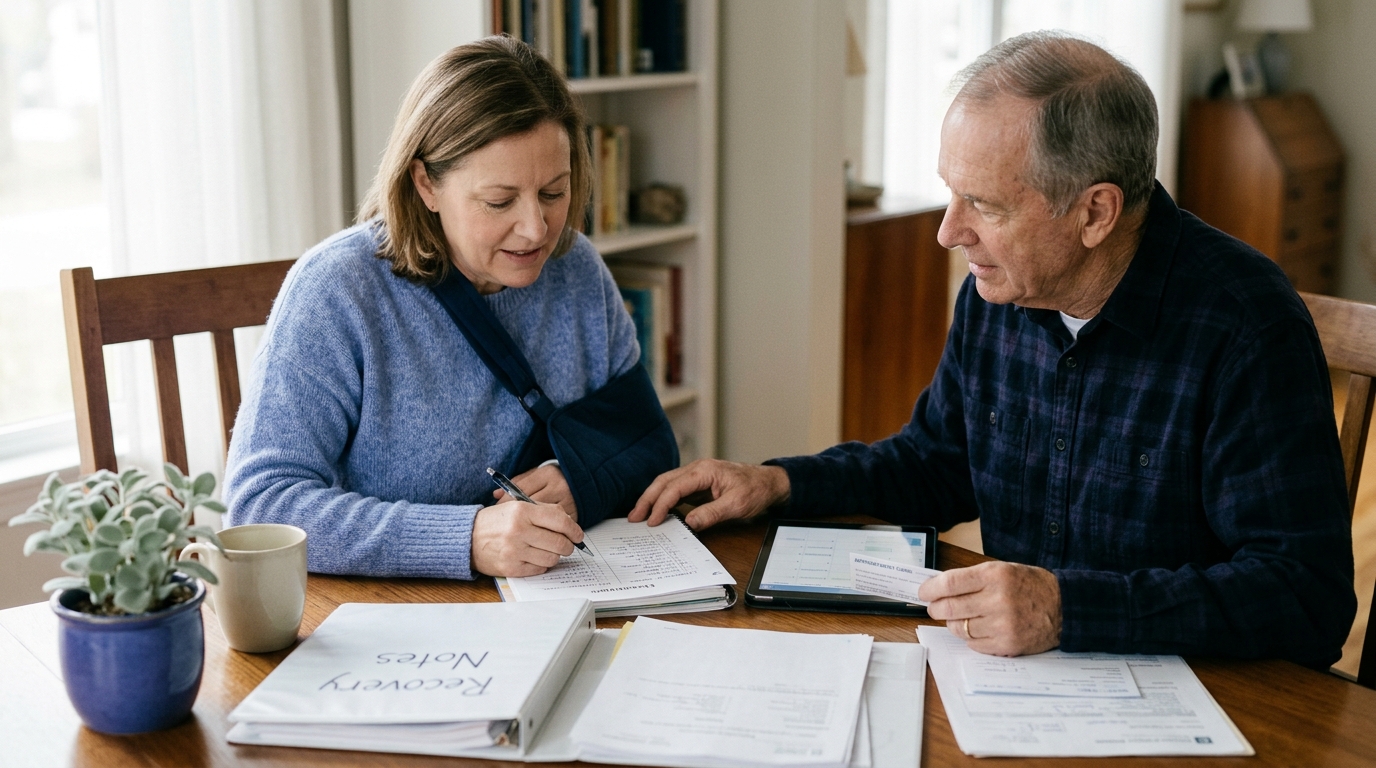
NICE recommendations highlight the value of personal health diaries and structured records to facilitate shared decision-making. Caregivers can use a simple, objective logging framework to capture daily patterns:
Here is an example of an unhelpful note versus a structured clinical observation:
This structured approach keeps conversations professional, calm, and productive. It presents facts without placing blame or generating unnecessary panic. When preparing for clinical visits, review these notes with the injured person first to ensure they agree with the summary. You can learn more about how objective tracking fits into rehabilitation science and recovery research across our educational articles.
Caregiving is not a static job with a fixed daily checklist. An injured person's need for assistance fluctuates constantly throughout the healing process. Assuming that a care routine established in week one should remain unchanged in week six creates friction and can hinder physical progress.
Guidelines from the KITE Research Institute and the Ontario Neurotrauma Foundation recommend assessing caregiver readiness before hospital discharge and reassessing those needs repeatedly as the person transitions back into the community. Recovery needs shift across several predictable dimensions:
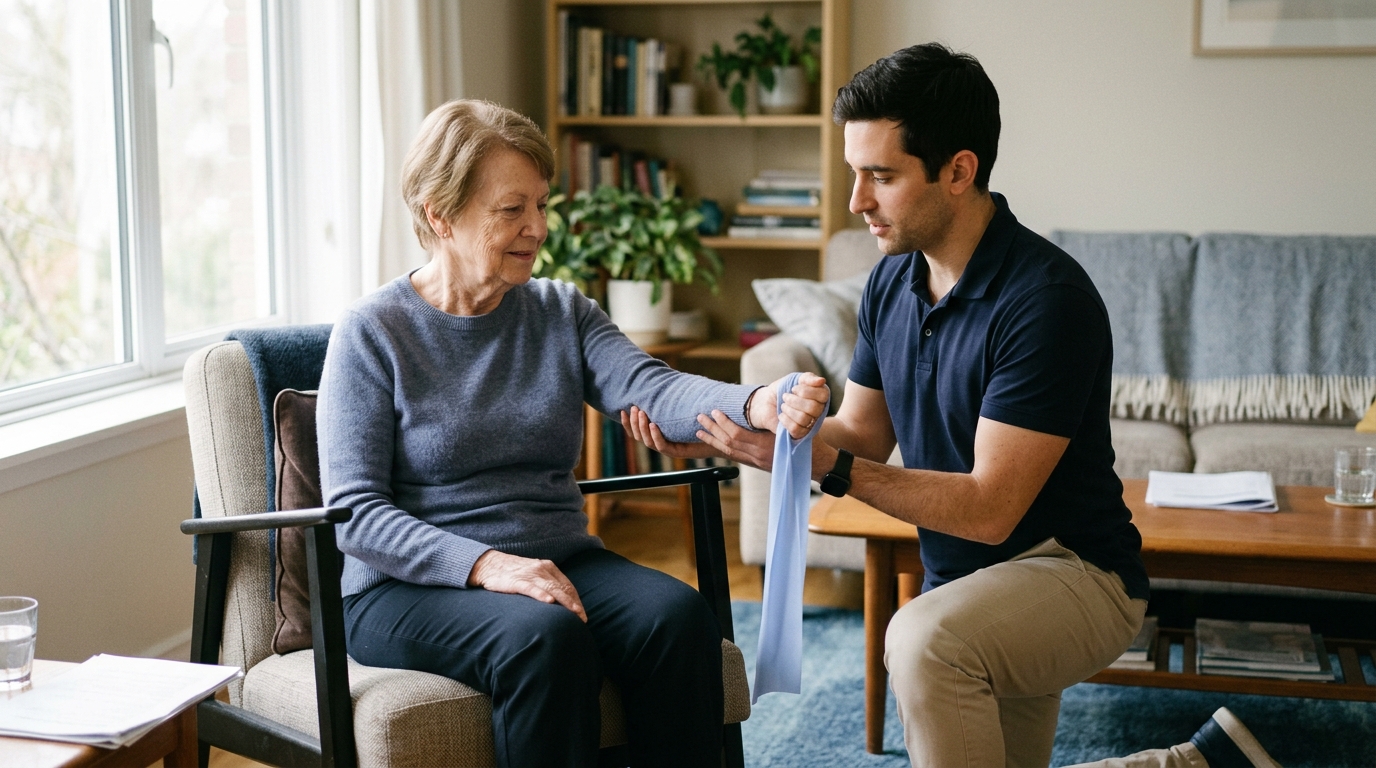
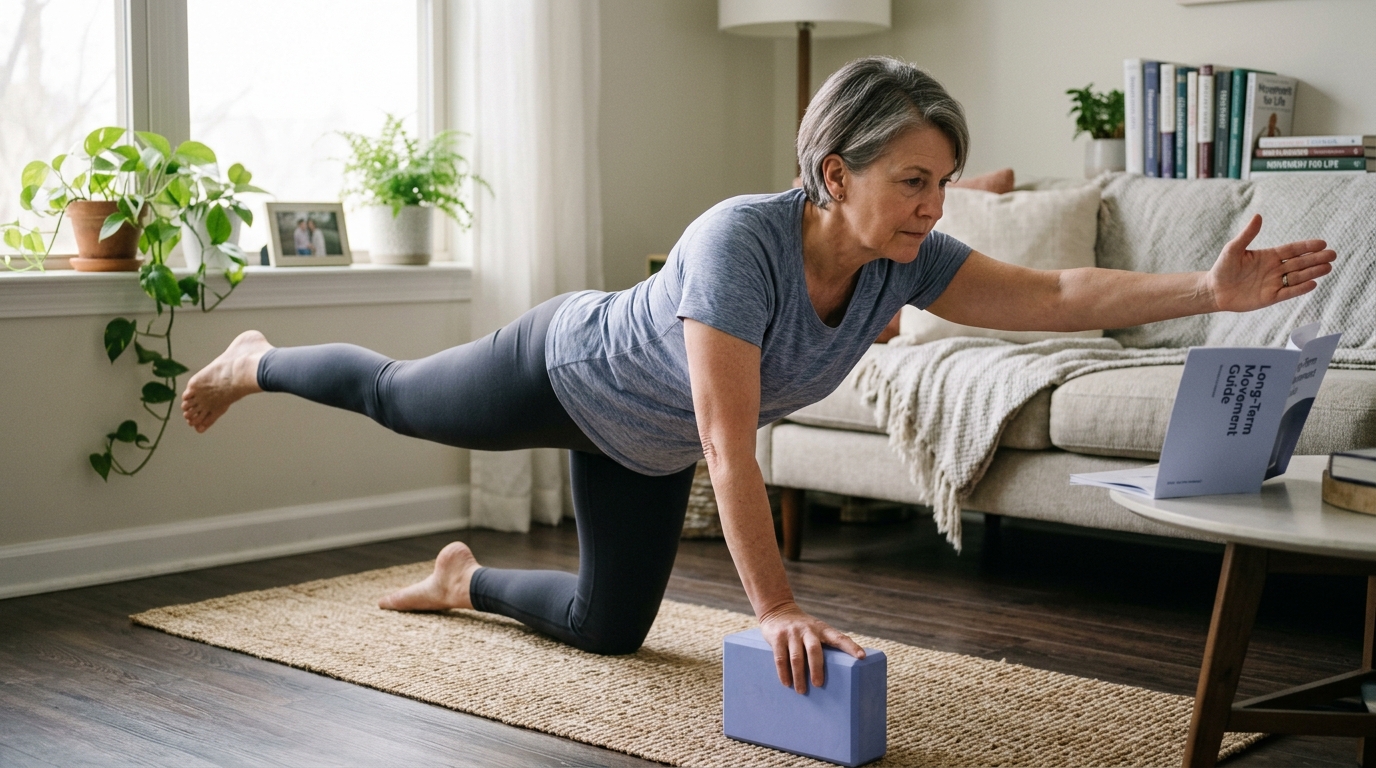
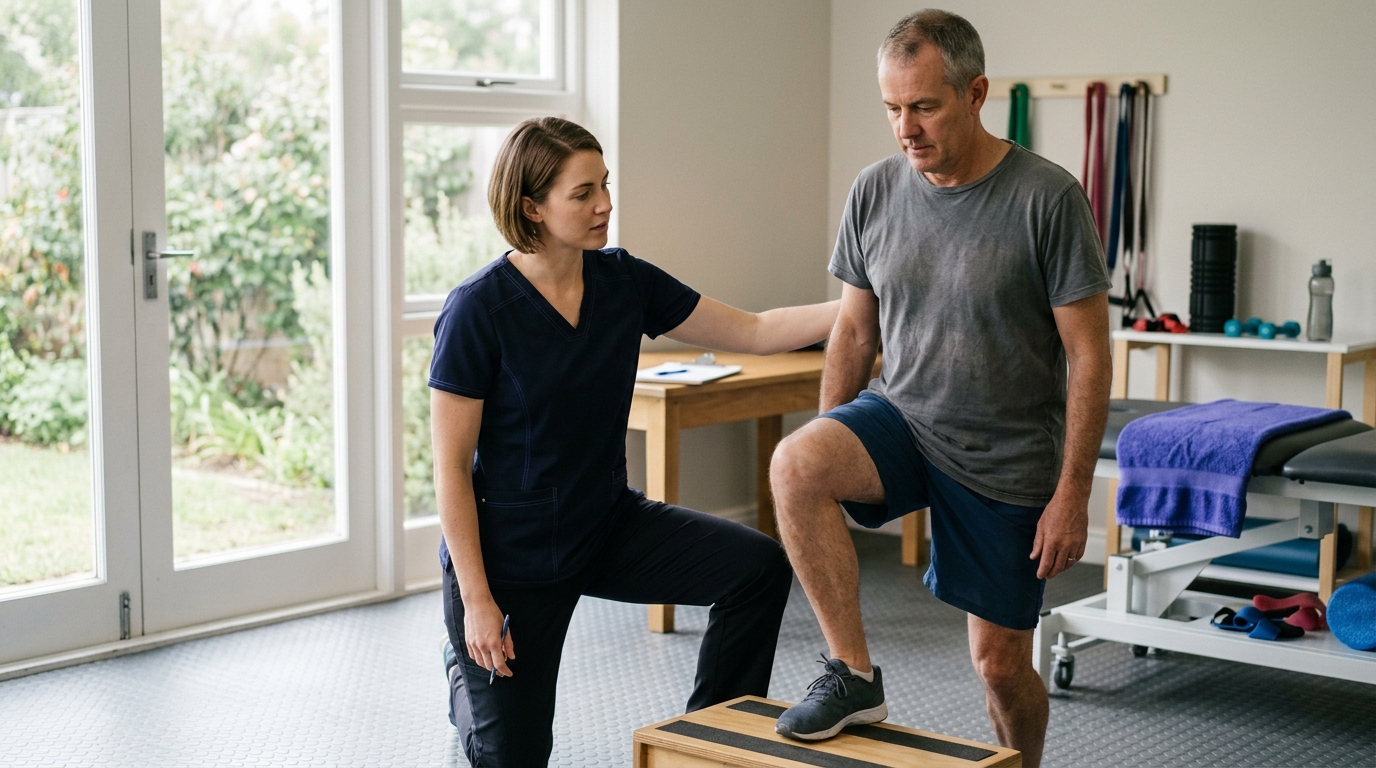
During the acute inflammatory stage immediately following trauma or surgery, strict movement precautions, swelling management, and significant pain control may require substantial hands-on help. As tissues enter the proliferative and remodeling phases, collagen fibers align and structural strength returns. At this stage, continuing the same level of heavy physical assistance is counterproductive. The caregiver must intentionally step back, transitioning from doing tasks to supervising exercises and encouraging safe movement.
Early recovery often involves prescription pain medications, muscle relaxants, or anti-inflammatory drugs that cause drowsiness, dizziness, and mild cognitive fog. As these medications are tapered down under medical supervision, the person usually regains mental clarity, better balance, and faster processing speeds. Caregivers can reduce cognitive cues and reminders accordingly, encouraging the individual to manage their own schedules.
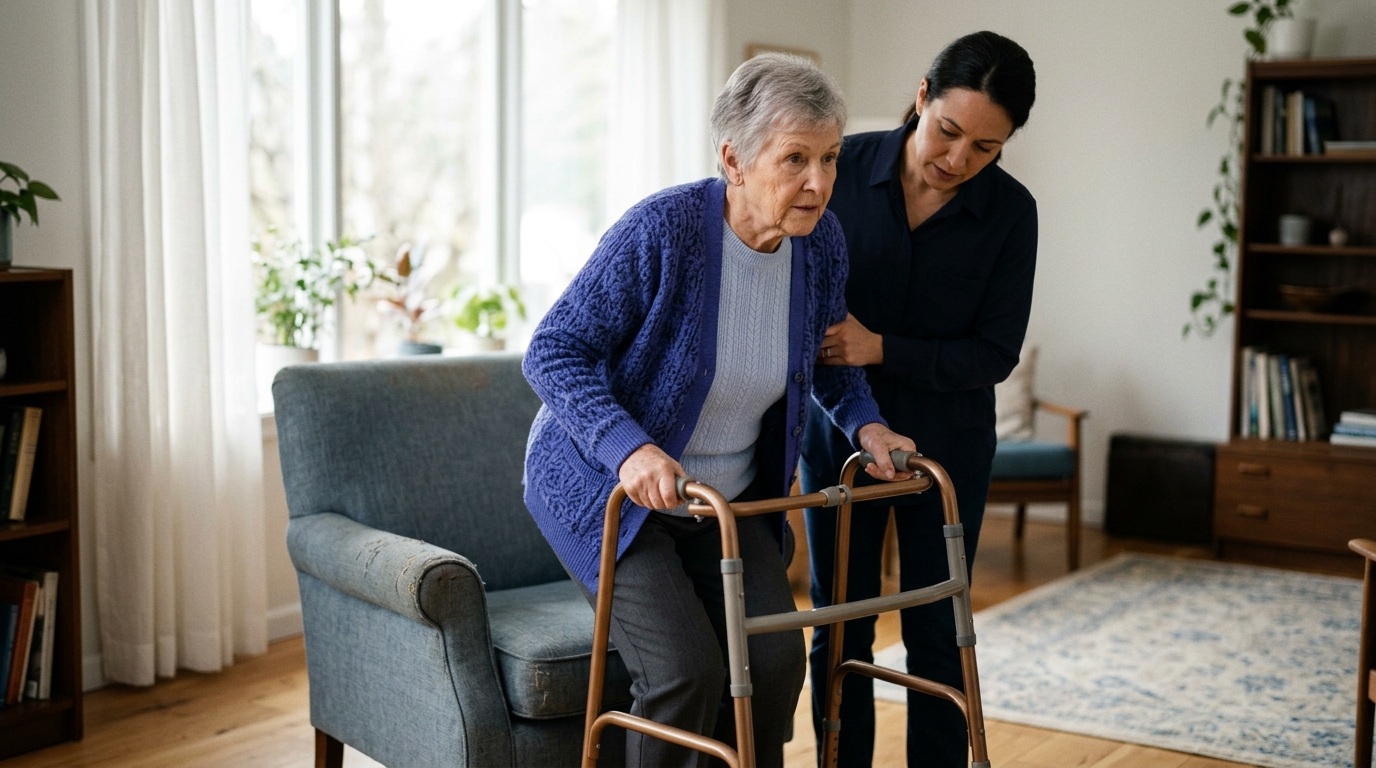
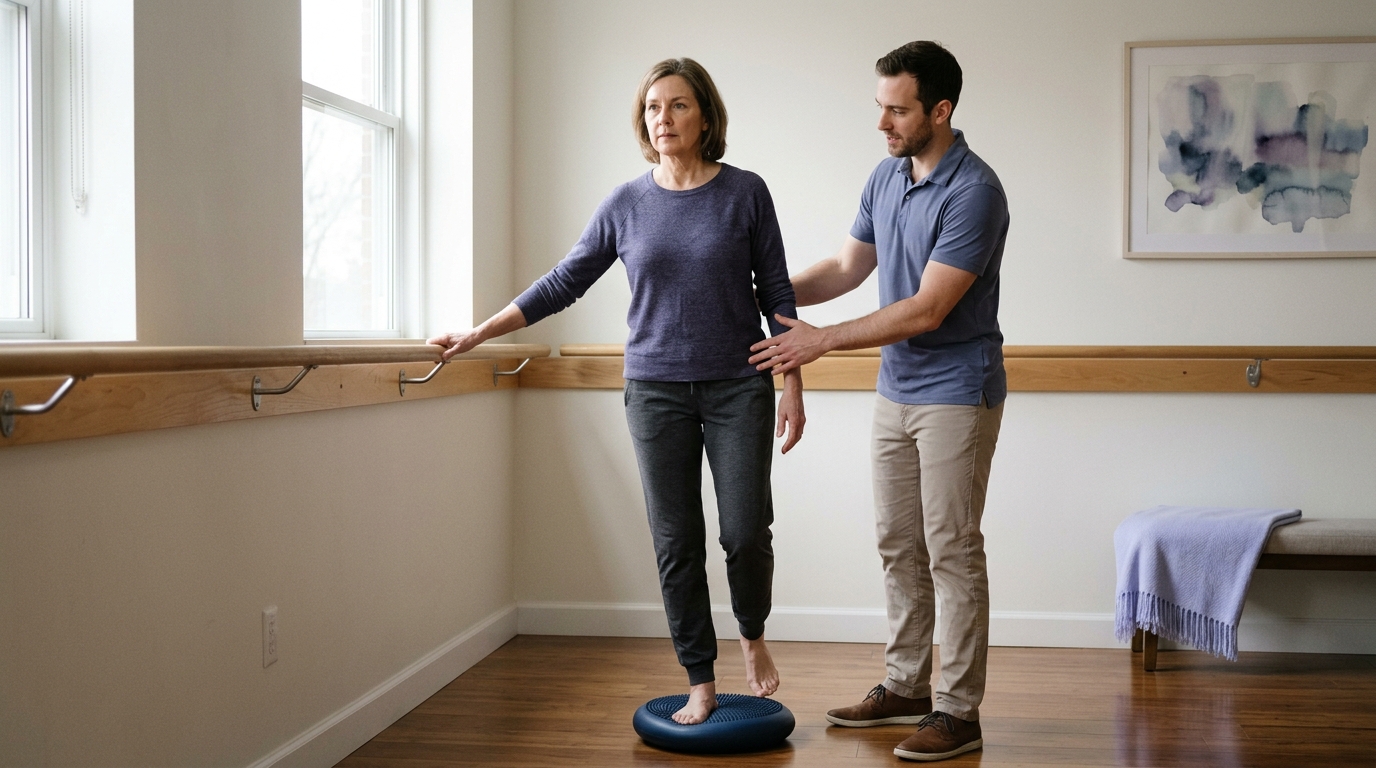
Using crutches, walkers, sliding boards, or grab bars feels awkward and exhausting at first. In the initial weeks, an individual may require standby assistance or physical spotting to feel safe. As motor learning takes place and confidence builds, the person becomes proficient with their equipment. The caregiver's role naturally shifts from active spotting to occasionally checking equipment for wear and tear, such as inspecting rubber tips on crutches or walker wheels.
Recovery is mentally taxing. Periods of rapid functional progress are often followed by plateaus where gains stall for several weeks. During plateaus or temporary setbacks, emotional fatigue, irritability, and low motivation are common. A caregiver may need to offer more emotional reassurance while keeping physical expectations consistent with clinical instructions.
Recognizing these shifting phases prevents families from falling into rigid caregiving habits. Periodic check-ins between the caregiver, the recovering person, and the clinical team ensure that support levels match current physical abilities. If you are navigating post-operative restrictions, our articles on surgical rehabilitation concepts provide detailed breakdowns of standard phase-based progressions.
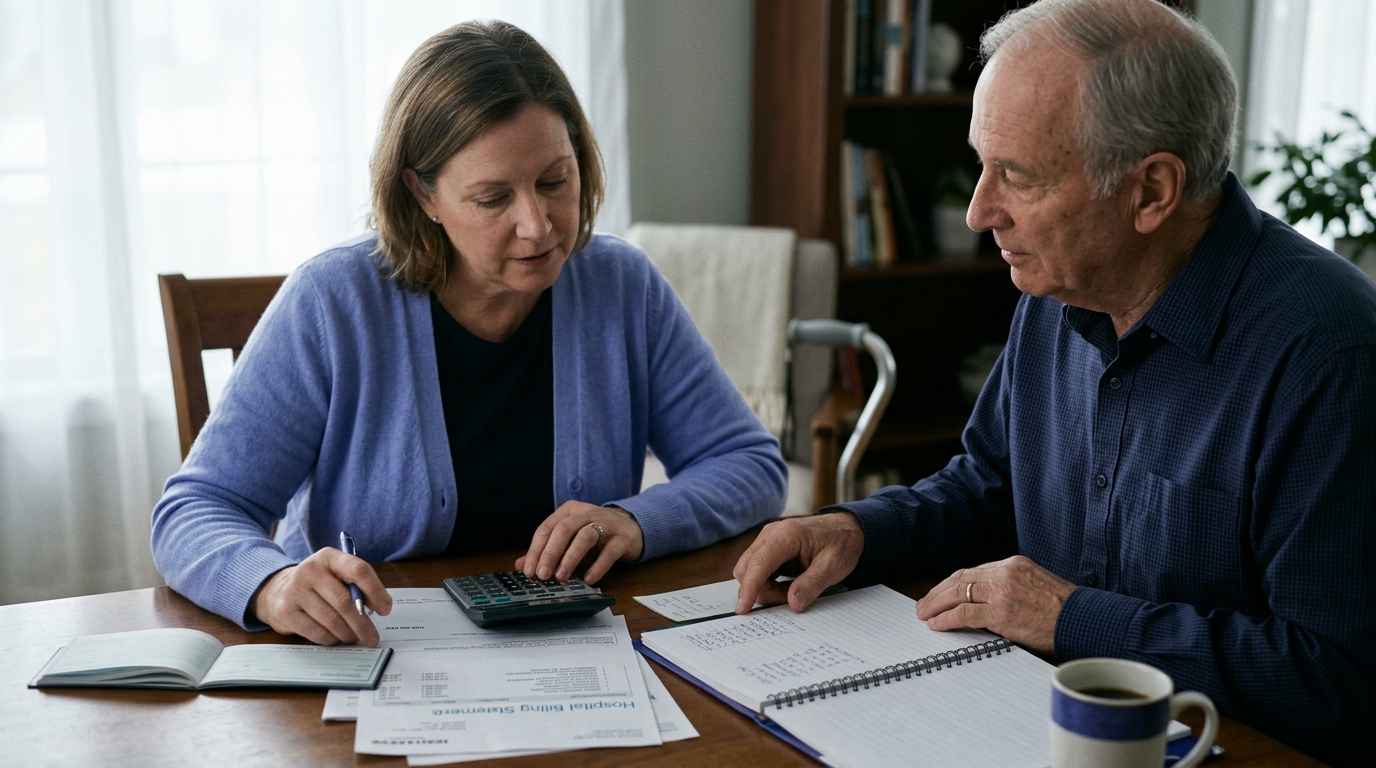
Supporting an injured adult is physically demanding and emotionally draining. Family members frequently balance caregiving with their own jobs, child-rearing, and household management. Neglecting caregiver well-being is one of the most common causes of failed home rehabilitation plans. When a caregiver burns out, the injured person's support system collapses.
Research published in traumatic injury literature reveals high levels of strain among family members. A study examining chronic trauma care found that 40 percent of family caregivers reported moderate-to-high caregiver burden, while 16 percent met the clinical criteria for depression. The researchers noted that feelings of loneliness, social isolation, and perceived lack of competence accounted for 57 percent of the variance in reported caregiver strain.
Caregiver readiness involves far more than good intentions. A family member may be fully committed to helping, but lack the physical strength for safe transfers, the time to manage daily appointments, or the emotional resilience to cope with mood swings. The KITE guidelines emphasize that healthcare teams must evaluate caregiver capacity directly, providing structured training and access to community resources before discharge occurs.
NICE guidelines explicitly state that healthcare providers should advise carers about their right to formal carer assessments and replacement-care options. Caregivers should not feel guilty for utilizing outside resources.
To maintain physical and emotional health, caregivers should implement clear personal boundaries:
When every conversation revolves around medications, surgical wounds, and physical therapy repetitions, the personal relationship suffers. Spouses, adult children, and parents need time to interact as family, not just as patient and aide. Set aside protected time each day where injury discussions are off-limits, focusing instead on shared interests, audiobooks, films, or quiet companionship.
Do not wait until complete physical exhaustion sets in to ask for help. Create a rotating schedule involving extended family, friends, neighbors, or faith groups. Assign specific, practical tasks to willing helpers, such as dropping off groceries, running errands, or sitting with the injured person for two hours on weekend afternoons so the primary caregiver can leave the house.
Caregivers frequently skip their own doctor visits, abandon regular exercise, and rely on poor nutritional habits during a family medical crisis. Protecting basic sleep, daily physical movement, and routine medical checkups is essential maintenance. A caregiver who injures their own back during an improper lift or falls ill from chronic exhaustion cannot help anyone.
If the injured person requires continuous physical supervision, research local community resources, home health aides, or adult day programs. Formal respite services provide temporary, professional relief, allowing family caregivers time to rest and recharge. Consulting a social worker, clinical case manager, or mental health professional can provide structured strategies to manage chronic stress and boundary fatigue.
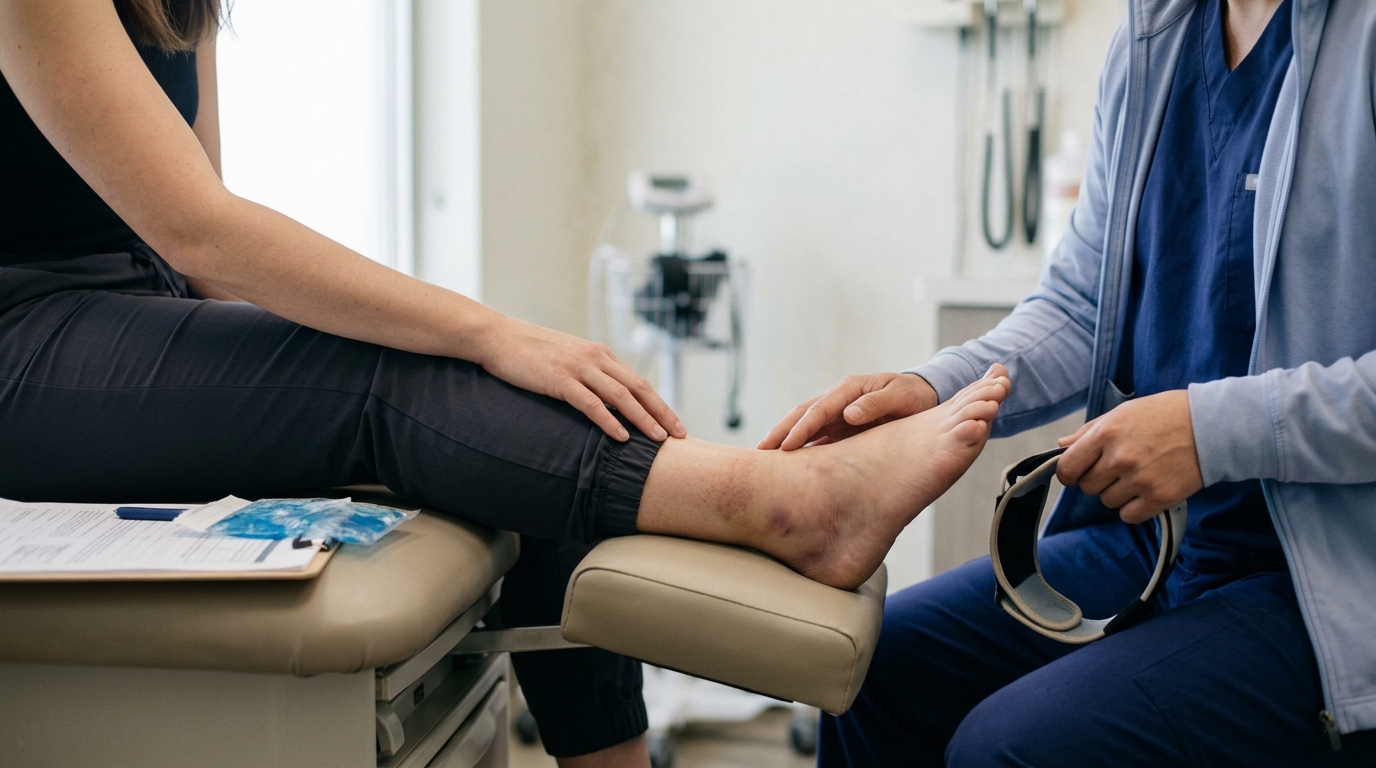
While most daily fluctuations in pain, stiffness, or fatigue are normal parts of healing, certain clinical signs indicate an acute medical complication. Caregivers must know the difference between routine recovery discomfort and a life-threatening medical emergency.
When supporting an individual recovering from major orthopedic trauma, spinal surgery, or limb fractures, common post-surgical complications include deep vein thrombosis, pulmonary embolism, wound infections, and nerve compression. In cases involving head trauma or concussion, intracranial bleeding and secondary brain swelling are critical risks.
The Centers for Disease Control and Prevention (CDC) provides clear guidance on danger signs following head trauma. These symptoms require immediate emergency medical evaluation rather than home observation or waiting for a regular clinic appointment:
Caregivers should keep emergency phone numbers, hospital discharge paperwork, and an updated list of current medications in an accessible, visible location. If any of these red flag symptoms appear, call emergency services immediately. Do not attempt to transport an unstable, severely confused, or acutely breathless individual in a personal vehicle.
Navigating medical appointments can be disorienting. Family members often leave clinic visits realizing they forgot to ask essential questions about home care, movement limits, or safety precautions. Preparing a focused list of practical questions ahead of time ensures that appointments provide clear, actionable guidance.
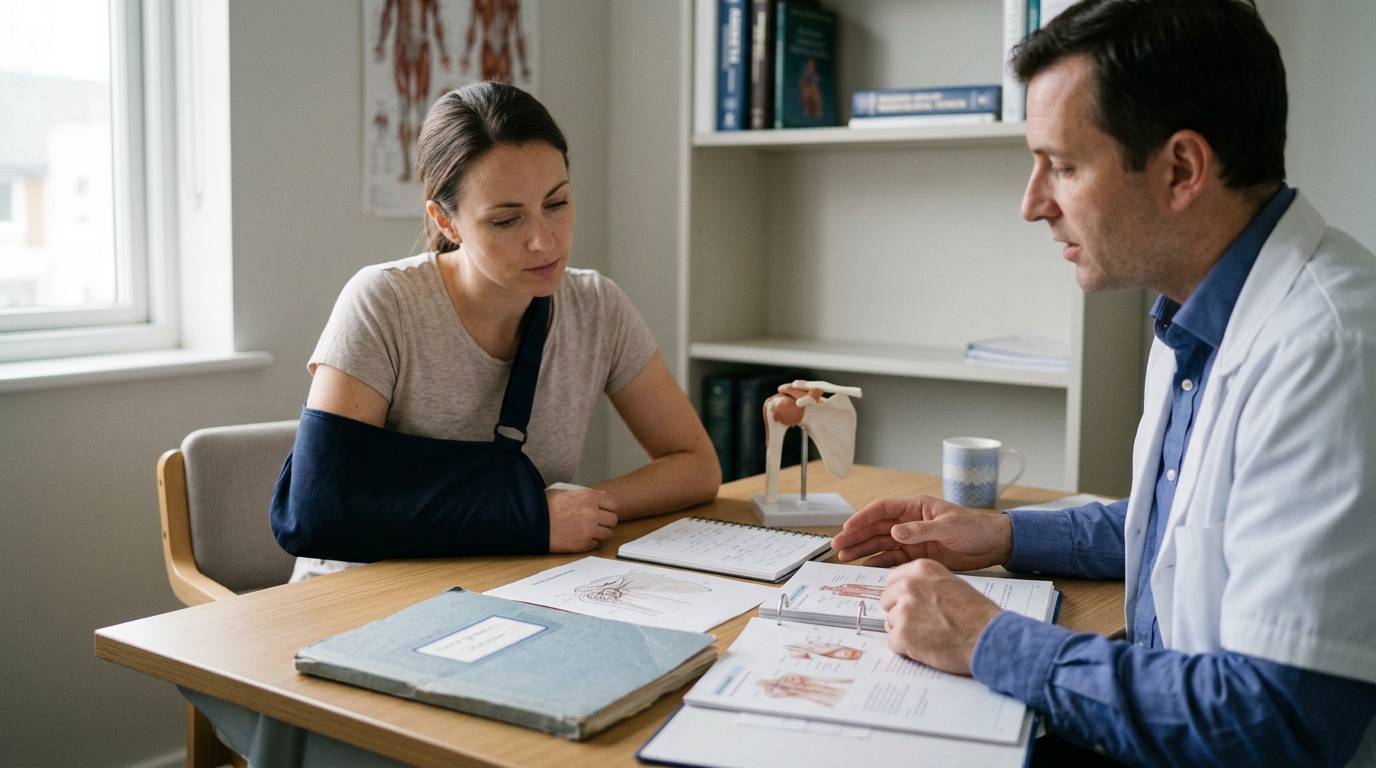
NICE guidelines emphasize that rehabilitation plans must outline clear follow-up arrangements, emergency contacts, and practical home instructions. When attending therapy sessions or surgical follow-up visits, caregivers can use the following categorized questions to clarify their role:
Bringing a notebook or using a smartphone note app allows caregivers to write down instructions in real time. Reviewing the written answers together with the injured person ensures everyone understands the rehabilitation plan and agrees on the next steps. For more practical frameworks on safe activity progression, explore our practical mobility rehabilitation resources.
Start by calmly asking what is getting in the way, without judgment. Common reasons for avoiding exercises include fear of reinjury, unmanaged pain, extreme fatigue, or confusion about how to perform the movements correctly. If pain or fear is the primary barrier, offer to contact their physical therapist together to discuss modifying the routine. Never force an adult to perform exercises or turn therapy into a personal argument. Let the clinical team address exercise adherence directly during the next appointment.
Disagreements often arise when family members feel protective while the recovering person desires autonomy. Schedule a short, neutral conversation when neither person is tired or stressed. Focus on specific tasks rather than broad complaints. If disagreements persist, ask the physical or occupational therapist to clearly define safe activity boundaries during the next session. Having an objective clinician state what the person is cleared to do safely resolves most family debates.
Yes. Chronic pain, sudden loss of independence, disrupted sleep cycles, and side effects from medications frequently lead to emotional strain, irritability, and low mood. Acknowledge that the recovery process is frustrating without taking emotional outbursts personally. However, if severe irritability, persistent sadness, social withdrawal, or feelings of hopelessness continue for several weeks, discuss these changes with their primary care physician. Mood disturbances are legitimate medical symptoms that warrant professional support.
Stepping back is a gradual, phased process determined by functional milestones rather than arbitrary calendar dates. A caregiver can safely reduce supervision when the person consistently demonstrates good balance, uses assistive devices properly, navigates the home without losing stability, and manages their own medications accurately. Always verify clearance with the physical therapist or surgeon before discontinuing supervision during high-risk tasks, such as showering, climbing stairs, or transferring out of low chairs.
Supporting an adult through injury recovery requires a balance between necessary assistance and respect for individual autonomy. Caregiving is a collaborative partnership aimed at helping the person participate in their own daily life, rather than taking over tasks unnecessarily.
Clinical research demonstrates that structured family education, skills training, and clear communication support the recovery environment. However, family care is one part of a wider healthcare system. It works best when combined with professional physical therapy, proper adaptive equipment, and clear medical oversight.
Caregivers should focus on breaking recovery goals into small, observable steps, using objective logs to track changes, and maintaining clear boundaries to protect their own physical and mental health. While temporary setbacks and fluctuating energy levels are normal parts of tissue healing, urgent neurological or vascular warning signs require immediate emergency evaluation. By staying informed, patient, and collaborative, families can provide steady support throughout every stage of the recovery journey.

Use ReboundBody resources to understand common recovery stages, rehab terms, movement limits and strength rebuilding. Each guide is designed to make a complex comeback easier to understand.


Read practical guidance on injury recovery, rehabilitation, mobility and rebuilding strength as you work your way back to activity.
Explore Resources