
Recovering from an injury requires managing risky medication interactions, fall hazards, and sleep disruptions that can worsen when you drink alcohol.





Many people recovering from an injury or surgery search online to ask a simple question. Can you safely have a drink while your body heals? Whether you are managing a broken bone, recovering from joint surgery, or dealing with a muscle tear, the answer is rarely a simple yes or no.
The short answer is that a conservative default is the safest choice during physical recovery. You should avoid alcohol entirely if you are taking prescription pain medicines, sedatives, or over the counter drugs that cause drowsiness. Alcohol can impair coordination, disrupt deep sleep, irritate the stomach lining, and interact dangerously with common recovery medications. If you have an uncomplicated injury and take no medications, an occasional single drink might carry low risk. Even then, alcohol does not assist the healing process and can increase your risk of an accidental stumble or fall.
Your recovery plan depends on four main factors: your medications, your movement safety, your sleep quality, and your baseline health. A single universal rule cannot account for every person, procedure, or prescription. Before you pour a drink, check the warning labels on your medicine bottles and talk directly with your care team.
To understand how alcohol fits into recovery, it helps to look through a clear framework. You can evaluate your safety by looking at medicines, movement, sleep, and support. Each area represents a vital part of your daily recuperation.
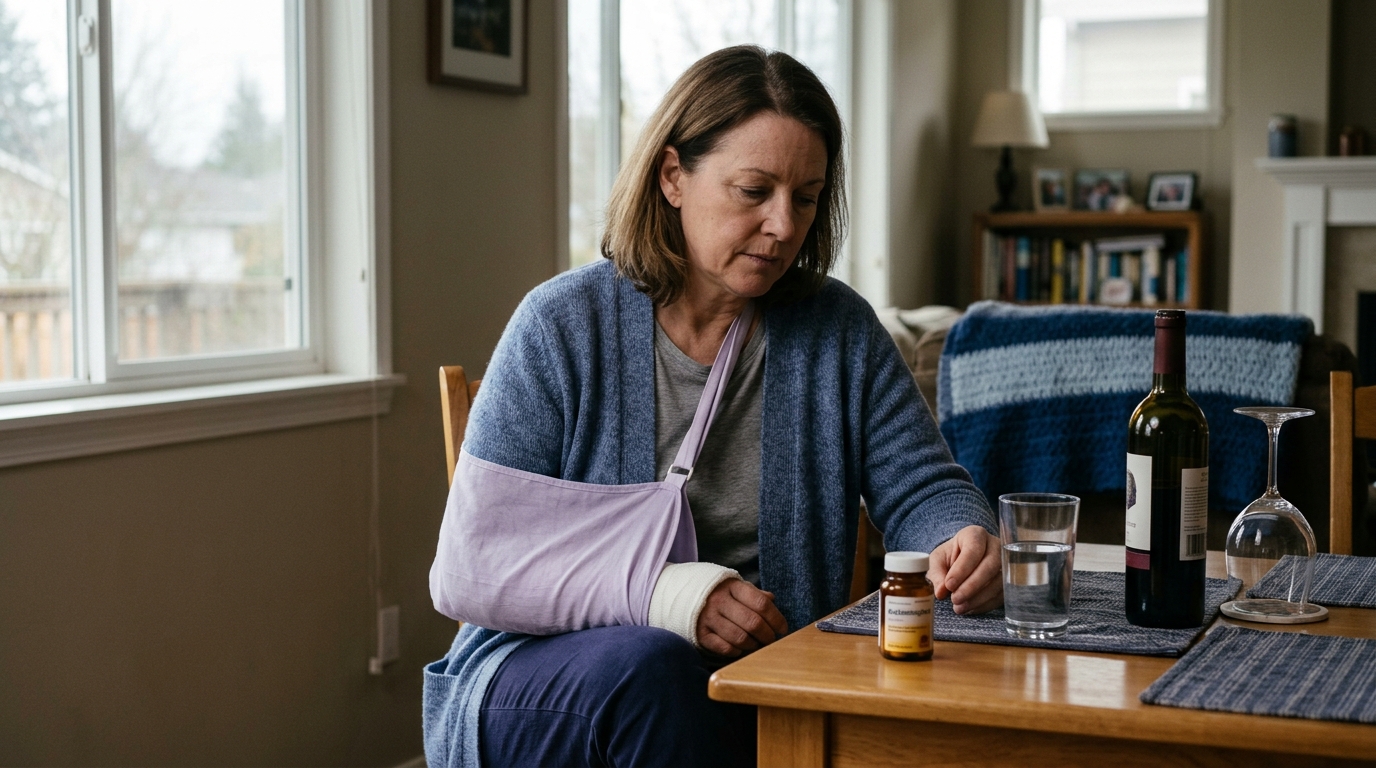
The first check in your daily routine must always be your medication list. Many drugs prescribed after orthopedic trauma or surgery alter how your brain and body function. When alcohol enters your system, it can multiply the sedative effects of these drugs. In other cases, alcohol changes how your liver processes medications, making them less effective or more toxic. You can read more about balancing nutrition and lifestyle habits during recovery to support your body while avoiding unwanted chemical interactions.
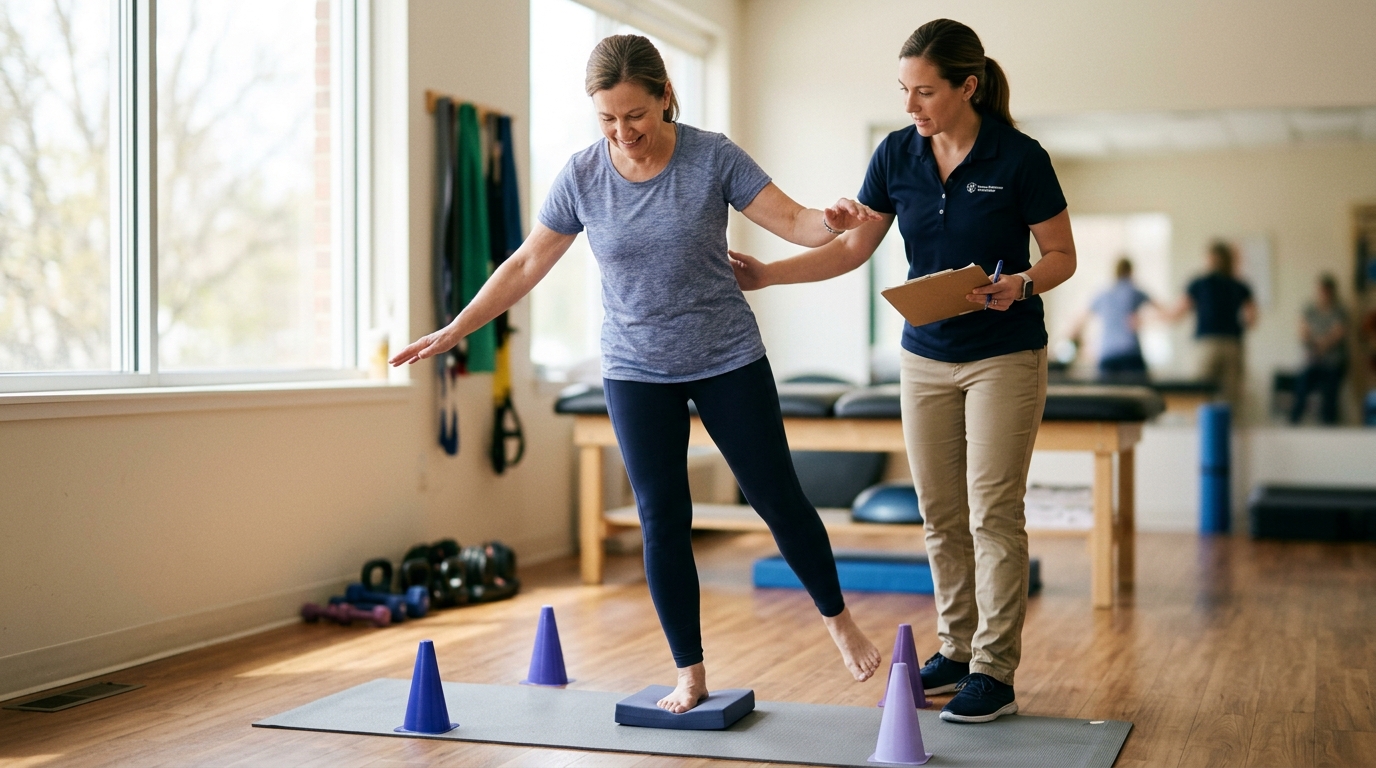
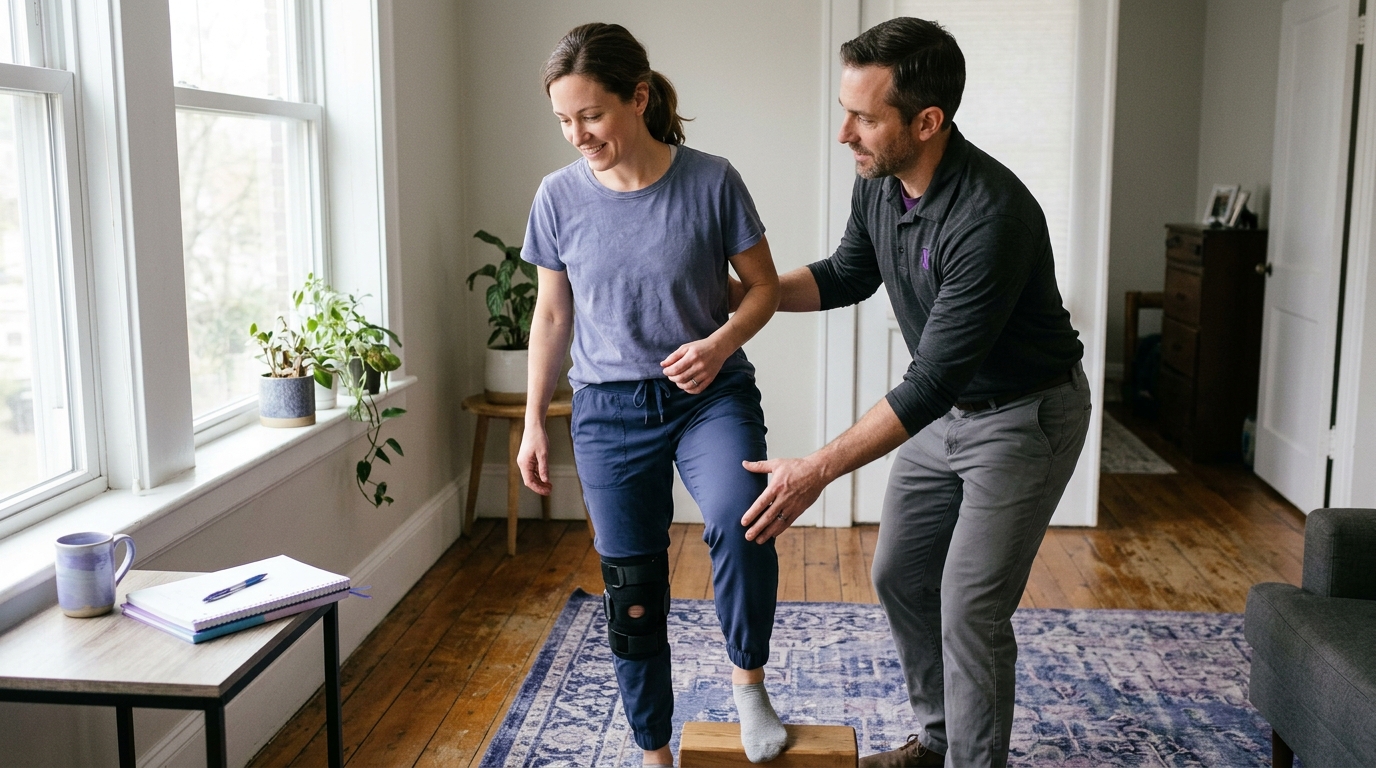
The second factor focuses on your physical stability. Healing tissues require protection from sudden twisting, heavy impacts, or sudden falls. If you are using crutches, a walker, a sling, or a walking boot, your balance is already compromised. Alcohol directly affects the cerebellum, the brain region responsible for motor control and equilibrium. Combining altered motor control with an assistive device greatly increases the likelihood of a secondary injury.
The third factor involves the quality of your nightly rest. Sleep is the primary physiological window during which your body repairs soft tissue and rebuilds bone. While alcohol can make you feel drowsy, it fundamentally alters your sleep stages. It suppresses rapid eye movement sleep and increases nighttime awakenings. A night of drinking can leave you fatigued, which slows your rehabilitation efforts the next day.
The fourth factor centers on your overall medical background and personal relationship with alcohol. Someone who drinks an occasional glass of wine once a month faces very different considerations than someone who drinks heavily every day. Abruptly stopping alcohol after prolonged heavy use can trigger acute withdrawal, which is a serious medical emergency. Transparent conversations with your surgeon, physical therapist, and primary care provider ensure your recovery plan is safe.
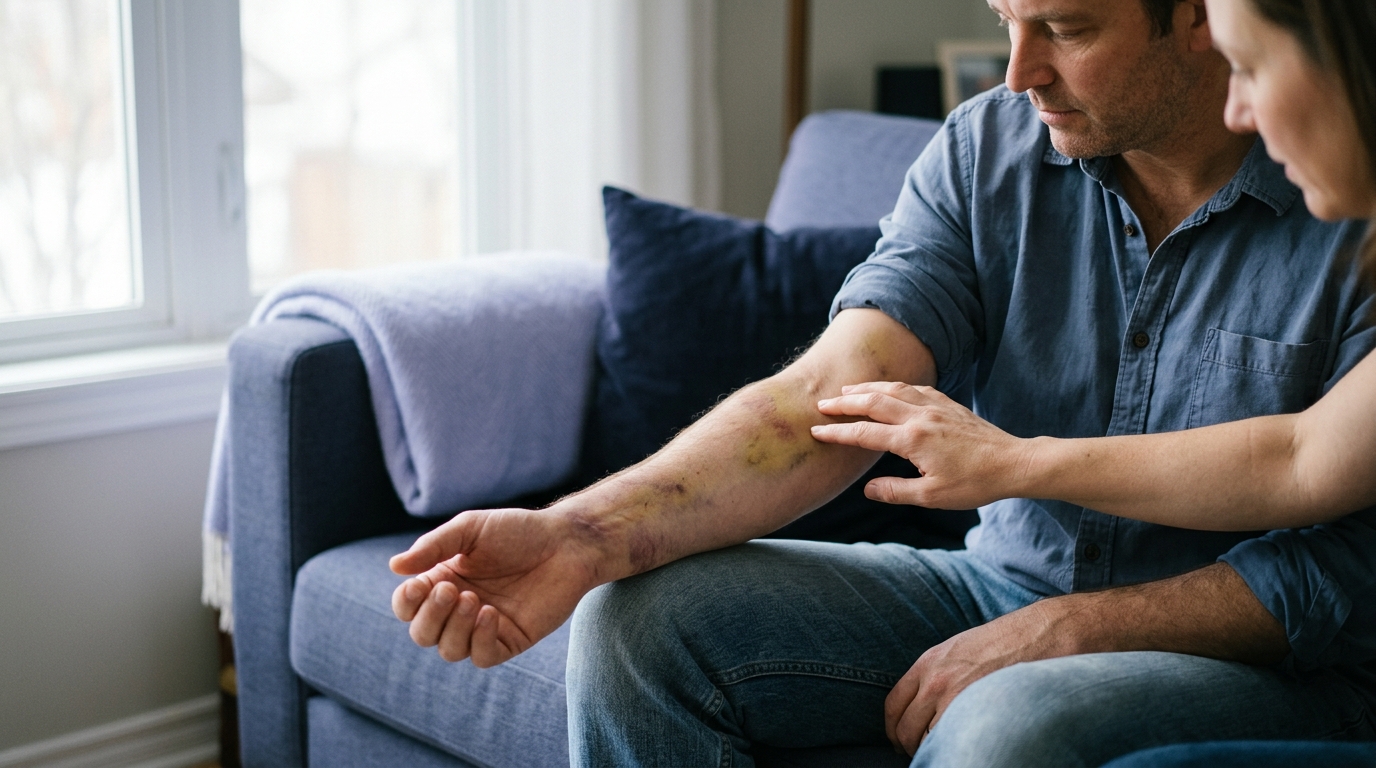
Mixing alcohol with medications is one of the most significant safety hazards during injury recovery. Both prescription drugs and over the counter products can cause adverse reactions when combined with alcohol. The National Institute on Alcohol Abuse and Alcoholism warns that mixing alcohol with medications can lead to falls, driving accidents, and fatal overdoses.
Opioids are frequently prescribed for acute pain following major orthopedic surgery or severe fractures. Common examples include oxycodone, hydrocodone, codeine, tramadol, and morphine. Opioids function by binding to specific receptors in the central nervous system to decrease the sensation of pain. They also slow down brain activity, heart rate, and respiratory drive.
Alcohol is also a potent central nervous system depressant. When you combine alcohol with opioids, their effects do not simply add together; they multiply. The Health Service Executive and other public health agencies emphasize that combining these substances can severely impair breathing. This respiratory depression can starve the brain of oxygen, leading to unconsciousness, coma, or fatal overdose. Guidance from health services specifically advises complete avoidance of alcohol while taking prescribed opioids during postoperative recovery.
Patients recovering from painful injuries sometimes receive prescriptions for muscle relaxers, anti-anxiety medications, or sedative sleep aids. Benzodiazepines, such as diazepam, lorazepam, and alprazolam, are commonly used for muscle spasms or acute anxiety. Non-benzodiazepine sedative-hypnotics, often referred to as Z-drugs, include zolpidem, zaleplon, and eszopiclone.
The National Institute on Alcohol Abuse and Alcoholism notes that alcohol significantly amplifies the sedative and motor-impairing effects of benzodiazepines. Combining them causes marked deficits in reaction time, balance, and judgment. Furthermore, federal health warnings advise against consuming alcohol before or while taking Z-drugs. Mixing these substances raises the risk of complex sleep behaviors, severe confusion, and dangerous drops in blood pressure.
Nonsteroidal anti-inflammatory drugs, commonly called NSAIDs, are widely used to manage musculoskeletal swelling and discomfort. This category includes prescription formulations like celecoxib and meloxicam, as well as over the counter options like ibuprofen, naproxen, and aspirin. These medications work by inhibiting enzymes that produce inflammatory chemicals in the body.
However, these same enzymes help maintain the protective mucous lining of your stomach. Alcohol directly irritates the gastric mucosa. When you take NSAIDs and consume alcohol together, you significantly elevate your risk of stomach upset, gastric erosion, ulcers, and gastrointestinal bleeding. For individuals with a history of digestive problems or liver disease, this combination is especially hazardous and requires strict medical oversight.
Acetaminophen, also known as paracetamol, is a common ingredient in both standalone painkillers and combination prescription opioids. Because it does not cause stomach irritation, many people assume it is entirely harmless. However, acetaminophen is processed predominantly by the liver.
When your liver breaks down acetaminophen, a small portion is converted into a toxic byproduct that the liver neutralizes using an antioxidant called glutathione. Alcohol alters liver enzyme activity and depletes glutathione stores. Combining regular or heavy alcohol consumption with acetaminophen increases the risk of severe liver damage. Reviewing your pain relief regimen with a pharmacist ensures you do not inadvertently exceed safe dosing thresholds while consuming alcohol.
Many individuals overlook over the counter products when thinking about drug interactions. Cold formulas, cough syrups, allergy remedies, and sleep aids frequently contain multiple active ingredients. Many of these products contain first-generation antihistamines, such as diphenhydramine, doxylamine, or promethazine.
Health authorities warn that these antihistamines slow brain activity and cause significant drowsiness. When taken with alcohol, the sedating effect is magnified, creating extreme mental fogginess and physical sluggishness. Furthermore, many multi-symptom cold products contain hidden doses of acetaminophen or decongestants. Always read the complete list of active ingredients on product packaging before drinking any alcohol.
Physical recovery requires maintaining safe mechanics during daily tasks. Whether you are using assistive devices or managing altered gait mechanics, alcohol presents substantial physical risks. Protecting your body from a secondary injury is a vital component of successful rehabilitation.
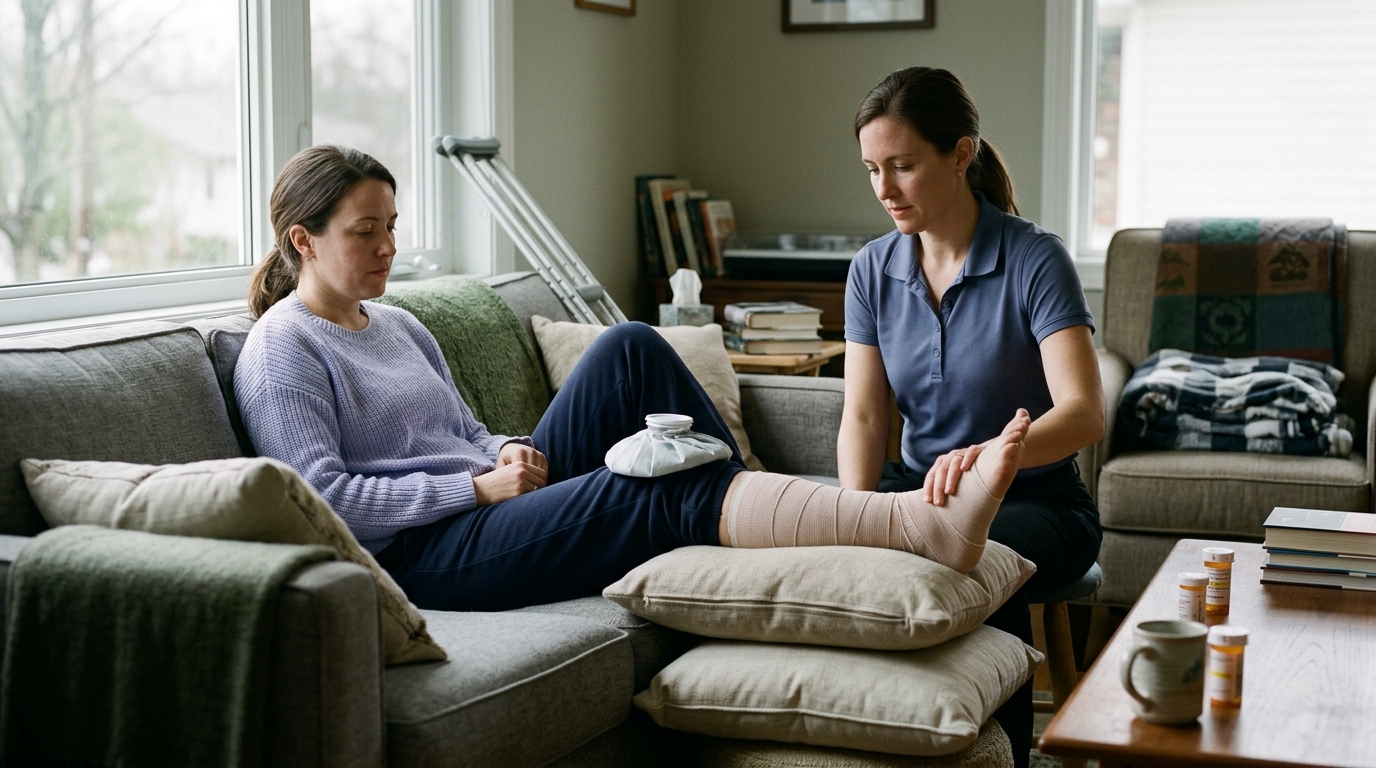
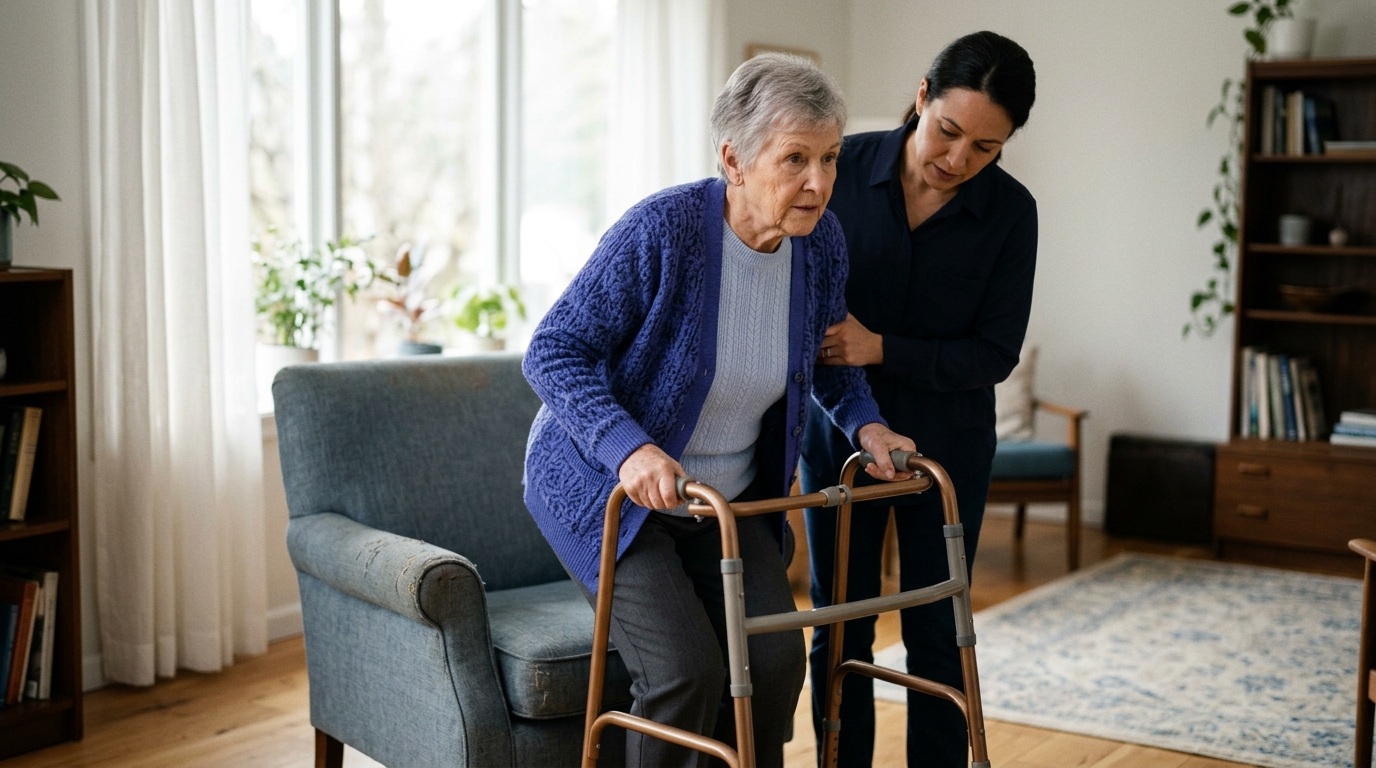
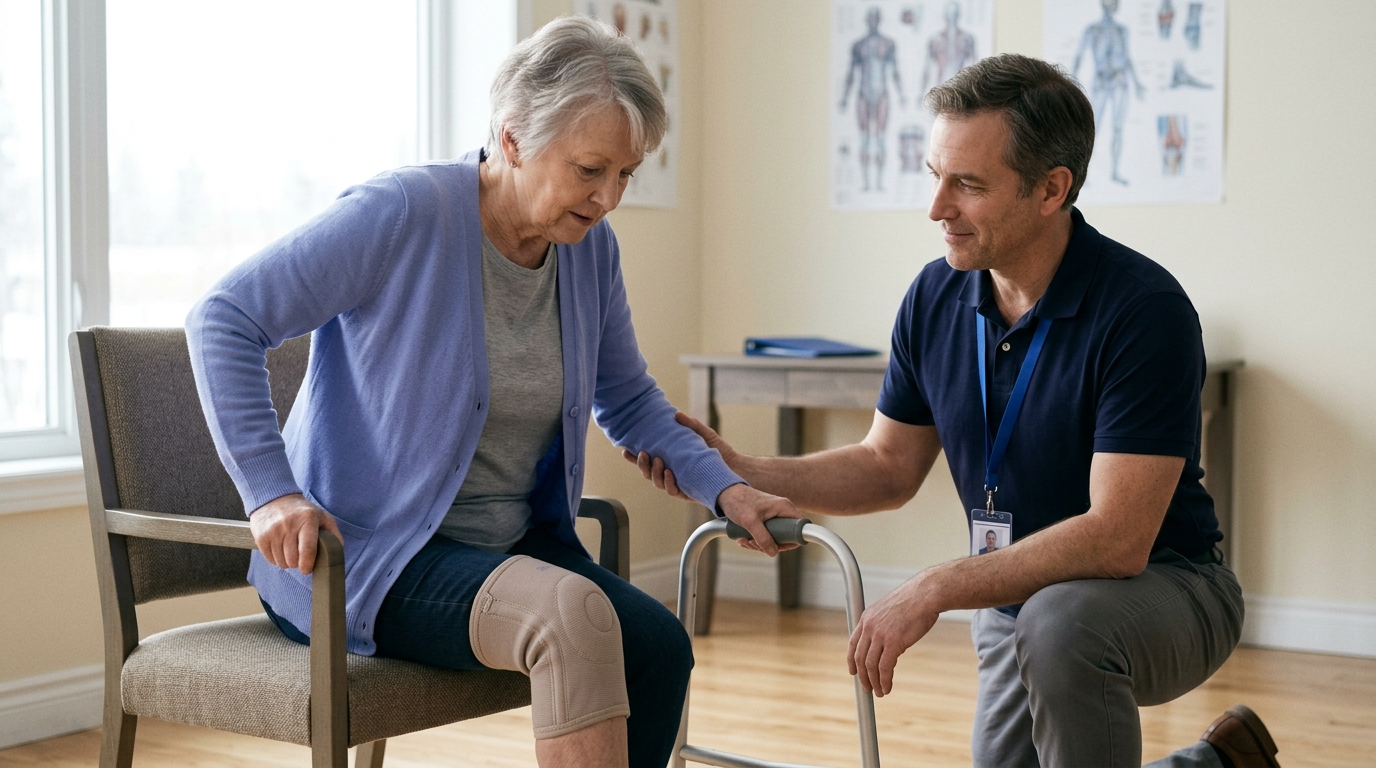
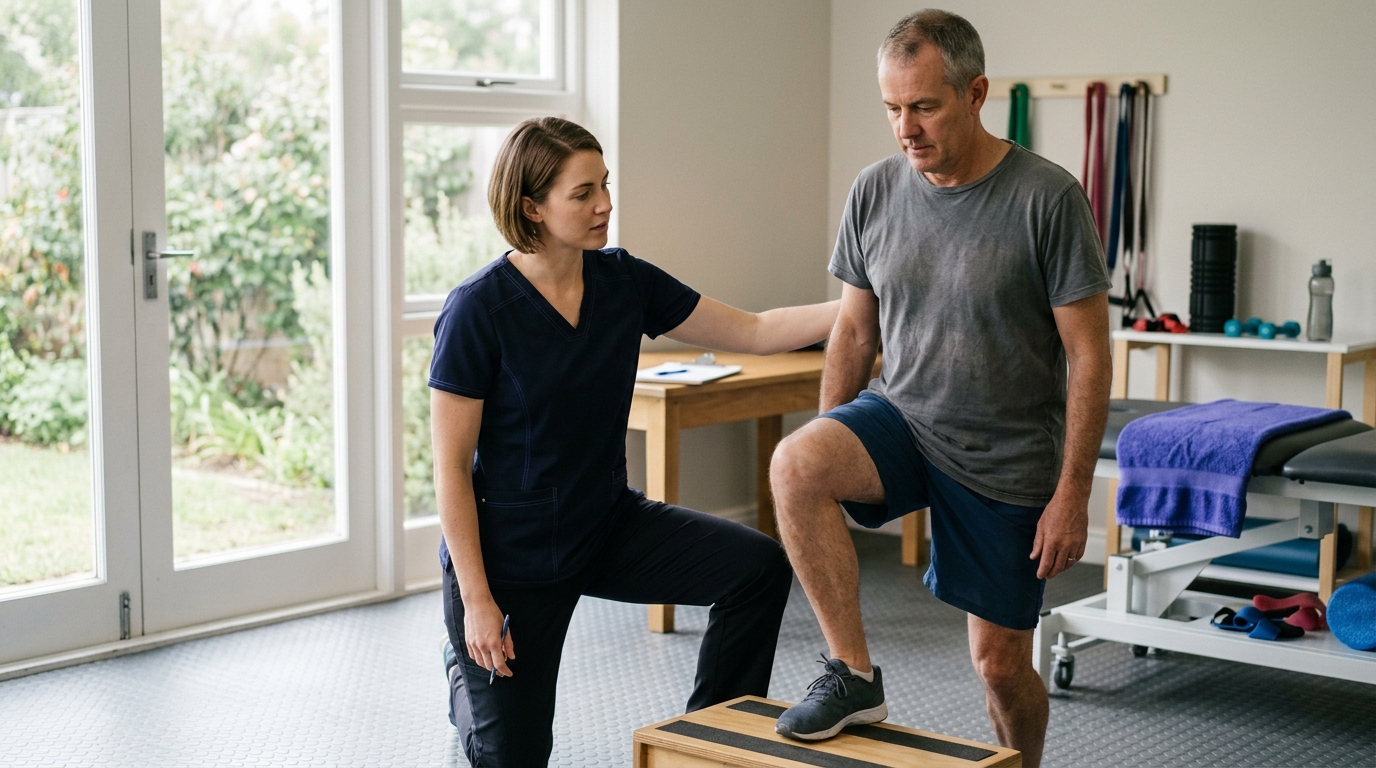
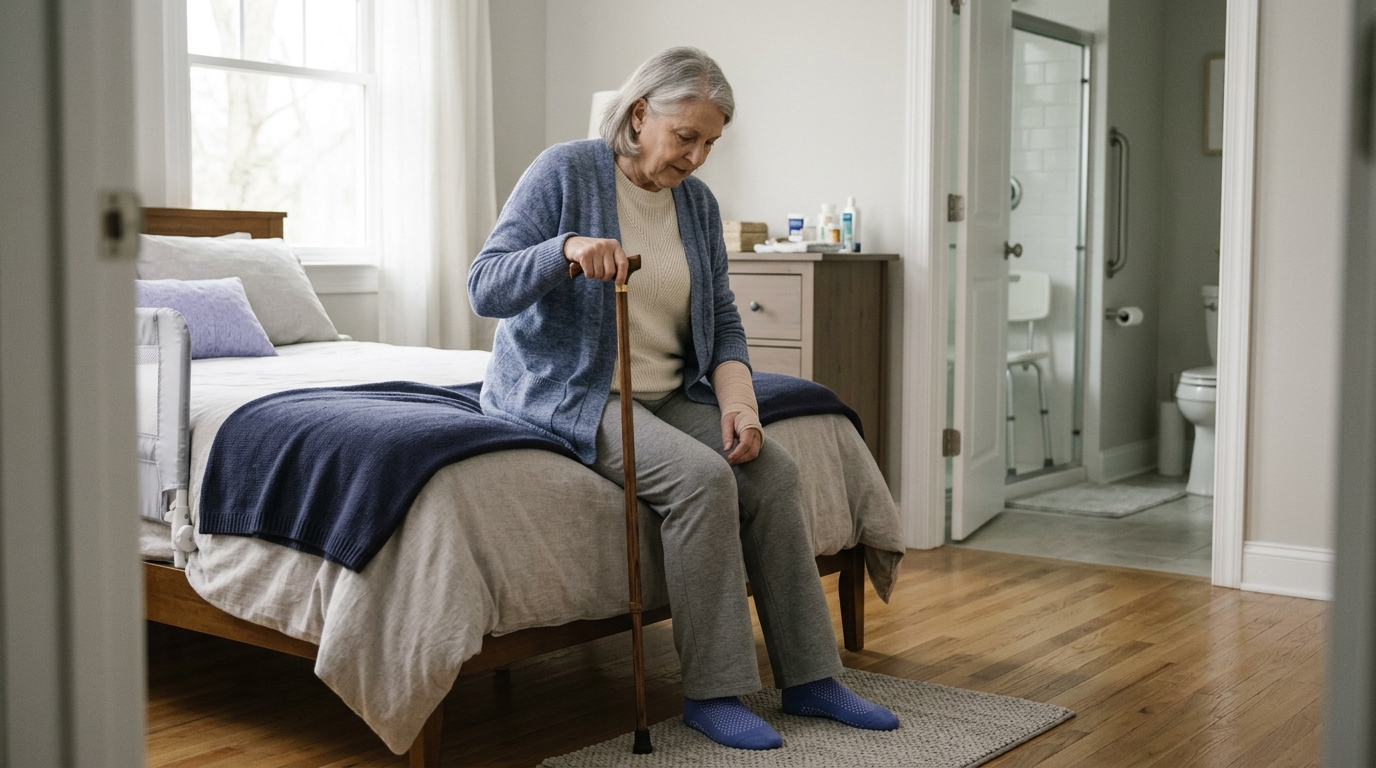
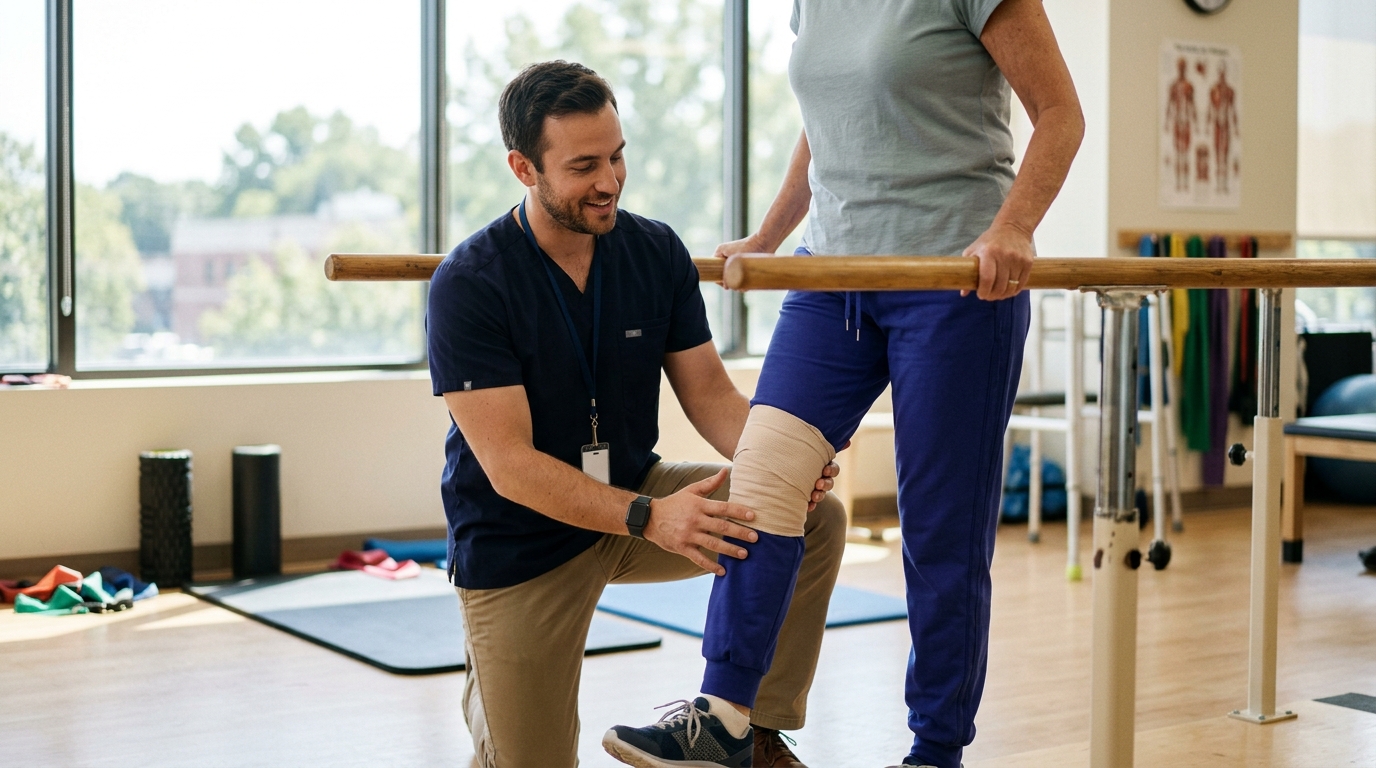
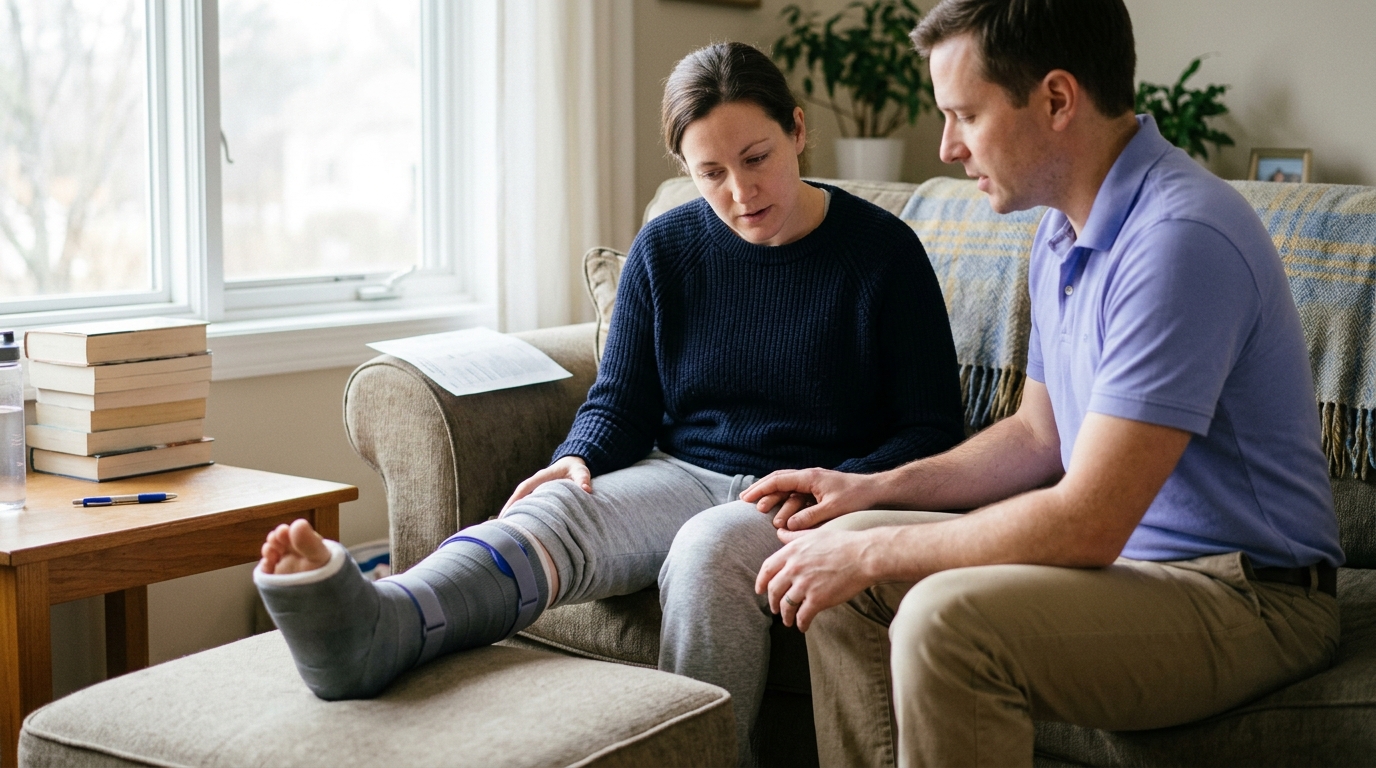
Recovering from an orthopedic injury often requires the use of crutches, canes, walkers, or rigid braces. These tools alter your natural center of gravity and require focused attention to use safely. Walking on uneven flooring, clearing doorway thresholds, and stepping onto rugs require fine motor coordination and rapid balance corrections.
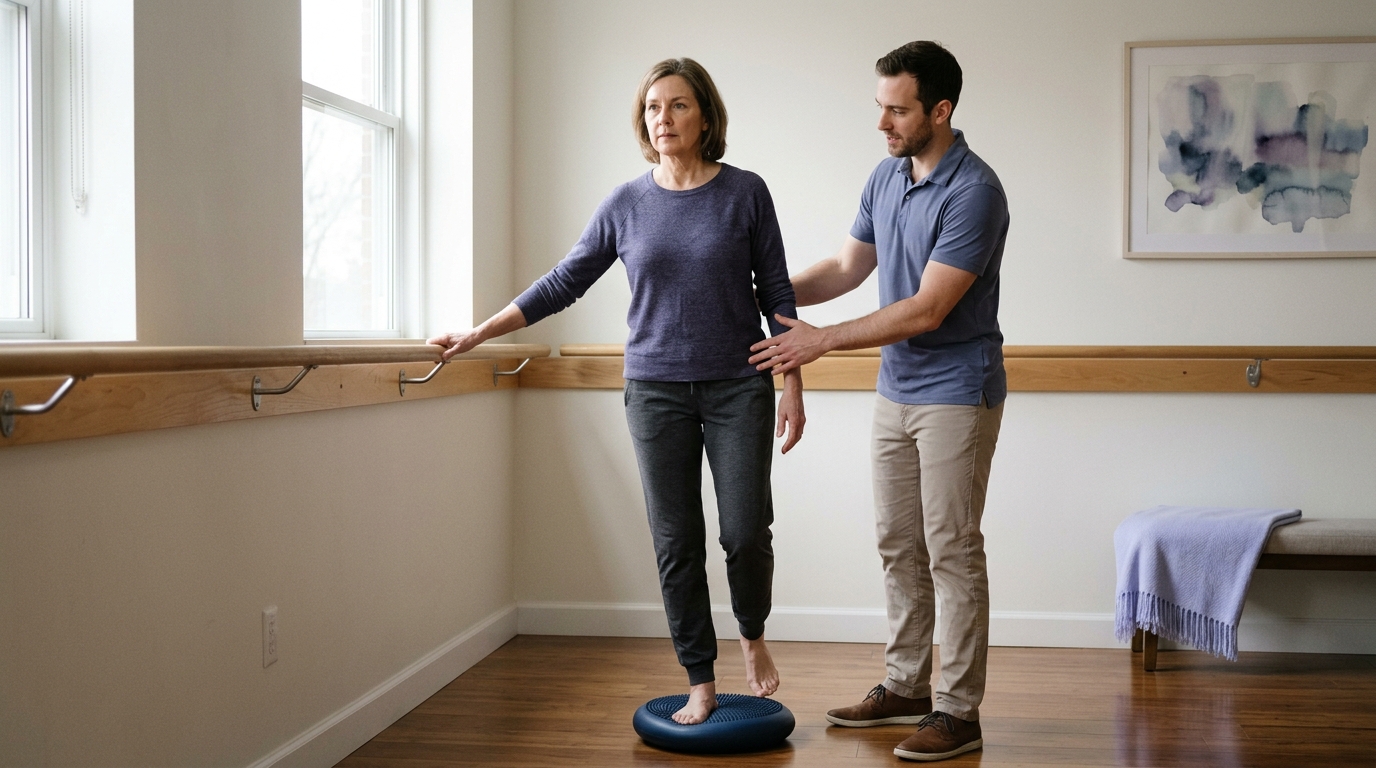
Alcohol degrades proprioception, which is your body's ability to sense its position in space. Even small amounts of alcohol slow peripheral nerve signals and delay reaction times. If you misplace a crutch tip or catch your toe on a rug while under the influence of alcohol, your ability to catch yourself is compromised. A fall during early recovery can tear healing ligaments, loosen surgical hardware, or cause a new fracture.
After an injury or surgical procedure, the muscles surrounding the affected joint often experience temporary atrophy and weakness. This is known as arthrogenic muscle inhibition, where pain and swelling prevent the nervous system from fully activating the muscle. Your baseline stability is already lower than normal.
When you add alcohol to this state of physical vulnerability, your motor cortex cannot compensate effectively. Sedating medications and alcohol combine to create heavy limbs, delayed reflexes, and postural sway. Simple tasks, such as standing up from a low chair or lowering yourself onto the toilet, suddenly carry high injury risks. Maintaining daily mobility and movement safety requires total physical awareness and unimpaired reflexes.
Many falls occur during the middle of the night. Recovering patients often wake up to use the bathroom, take scheduled medications, or adjust ice packs. Navigating a dark room while groggy is challenging under normal circumstances.
If you have consumed alcohol before bed, your balance upon waking will be substantially worse. Alcohol can cause orthostatic hypotension, a sudden drop in blood pressure that happens when you stand up quickly. This drop causes dizziness, lightheadedness, and temporary vision darkening. When combined with prescription painkillers, a sudden middle of the night trip to the bathroom becomes one of the most dangerous moments of your recovery.
Age is an important variable in how the body handles both physical setbacks and alcohol. As we age, our bodies naturally lose lean muscle mass and hold less water. This means blood alcohol concentrations rise higher and stay elevated longer after drinking the same amount of alcohol compared to younger adults.
The National Institute on Alcohol Abuse and Alcoholism highlights that older adults are particularly vulnerable to alcohol-related falls and medication interactions. For individuals recovering from total hip or knee replacements, avoiding falls is essential to protect the new implant and surrounding bone. The combination of age-related balance changes, joint reconstruction, and alcohol creates a high risk of preventable complications.
Sleep is frequently misunderstood during recovery. Many people believe that having a drink before bed helps them sleep better, especially when pain or discomfort makes it hard to get comfortable. However, sleep research reveals that alcohol's effect on sleep is deceptive.
It is true that alcohol can act as a sedative. In clinical sleep studies, alcohol is frequently shown to shorten sleep-onset latency, which means it reduces the time it takes to fall asleep. Because of this quick drowsiness, many recovering patients view a evening drink as an effective sleep aid.
However, sedation is not the same as natural, restorative sleep. Alcohol induces an unnatural state of unconsciousness by enhancing inhibitory neurotransmitters like GABA. As your liver metabolizes the alcohol throughout the night, this sedative effect wears off. The brain experiences a rebound in excitatory activity, leading to restlessness, frequent awakenings, and unrefreshing rest.
The architecture of human sleep consists of distinct cycles involving non-rapid eye movement (NREM) sleep and rapid eye movement (REM) sleep. REM sleep plays a crucial role in cognitive processing, emotional regulation, and neuromuscular recovery. Disrupting these cycles undermines the restorative value of your night.
A comprehensive systematic review and meta-analysis of 27 clinical studies examined the effects of alcohol on sleep architecture in healthy adults. The researchers found that alcohol caused a delayed onset of REM sleep and significantly reduced total REM sleep duration. This disruption was evident even at low doses, defined in the review as up to 0.50 grams of alcohol per kilogram of body weight, which corresponds to roughly two standard drinks. As the dose of alcohol increased, the disruption to REM sleep became progressively worse.
Healthy recovery requires your autonomic nervous system to shift into a parasympathetic state, often described as rest and digest, while you sleep. In this state, your heart rate slows down, blood pressure drops, and blood flow is directed toward muscle repair and cellular rebuilding. Alcohol disrupts this nighttime autonomic recovery.
A 2025 prospective study evaluating alcohol intake found that even moderate consumption transiently elevated nocturnal resting heart rate. Instead of resting at a calm, low baseline, the cardiovascular system remains in an elevated state of physiological work. When your body spends the night clearing metabolic toxins and managing elevated heart rates, less energy is directed toward cellular tissue healing and systemic repair.
The second half of the sleep period is particularly vulnerable to the metabolic byproducts of alcohol. As alcohol leaves the bloodstream, individuals experience lighter, highly fragmented sleep. You may wake up multiple times to drink water due to alcohol's diuretic effects, or to use the bathroom.
This fragmentation leads to daytime grogginess, low mood, and diminished pain tolerance. Experiencing poor sleep lowers your threshold for discomfort, making your injury feel more painful the following day. It also depletes the mental focus and physical energy needed to complete prescribed rehabilitation exercises. Avoiding evening alcohol protects natural sleep stages, supporting both daily energy and physical performance.
Healing after an operation or traumatic injury is a complex, energy-demanding biological process. Your body must clear damaged cellular debris, lay down new collagen scaffolds, generate new blood vessels, and rebuild structural bone. Research shows that alcohol can alter these delicate physiological pathways.
Clinical research demonstrates that heavy alcohol consumption significantly increases the risk of postoperative complications. These complications include wound infections, cardiopulmonary problems, prolonged hospital stays, and unexpected admissions to intensive care units.
A Cochrane systematic review evaluated intensive alcohol-cessation interventions delivered before planned surgical procedures. The review analyzed randomized trials involving participants with hazardous drinking patterns, consuming between three and 40 alcohol units daily. The evidence showed that intensive cessation interventions lasting four to eight weeks before surgery probably reduced total postoperative complications. Working closely with your care team during surgical rehabilitation and recovery helps identify risks early and optimizes your preparation for any procedure.
Maintaining appropriate blood clotting is essential during both the acute injury phase and the postoperative window. Platelets are small blood cells that clump together to form clots, stopping internal and external bleeding. Surgical teams closely monitor clotting times to prevent hematomas and excessive blood loss.
Medical reviews indicate that heavy alcohol exposure suppresses bone marrow function and interferes with normal platelet aggregation. This leaves patients vulnerable to prolonged bleeding. A clinical review on perioperative management notes that abstaining from alcohol for at least two weeks allows platelet function to normalize. This two-week window significantly reduces the risk of surgical site hematomas and uncontrolled bleeding complications.
The biological repair of surgical incisions and open wounds requires multiple overlapping phases: inflammation, tissue proliferation, and tissue remodeling. During these phases, specialized cells called fibroblasts produce collagen, which forms the structural framework of new skin and connective tissue. Capillary beds must also regrow to deliver oxygen and essential nutrients to the healing area.
Scientific reviews examining acute ethanol exposure describe several detrimental effects on wound repair. Ethanol exposure can impair early epithelial coverage, reduce collagen production, and hinder the formation of new blood vessels. Furthermore, excessive alcohol intake compromises the immune system's white blood cells, lowering the body's defense against wound site infections. A clinical review suggests that maintaining abstinence for eight weeks or longer supports more effective, uninterrupted wound healing.
The relationship between alcohol and bone healing is complex and frequently misunderstood. It is well established in laboratory settings that high-dose alcohol exposure can interfere with osteoblast function, which are the cells responsible for building new bone. Animal studies of blunt orthopedic trauma indicate that binge alcohol exposure impairs early fracture callus formation.
However, human clinical data requires careful interpretation. A clinical review examining bone healing and fracture nonunion found no statistically significant difference in nonunion rates between general alcohol drinkers and nondrinkers, reporting an odds ratio of 0.97 with a 95% confidence interval of 0.40 to 2.38. This wide confidence interval means that while we cannot say an occasional drink guarantees a failed bone union, heavy intake remains a serious biological concern. Patients healing from fractures should prioritize healthy bone habits rather than introducing substances that could compromise bone metabolism.
While general recovery advice often recommends avoiding alcohol, this guidance must be tailored for individuals who drink heavily on a daily basis. For someone with physical alcohol dependence, abruptly stopping all alcohol intake is medically dangerous.
Alcohol acts as a continuous brake on the central nervous system. Over time, the brain of a chronic heavy drinker adapts by decreasing inhibitory receptors and increasing excitatory signaling to function normally. If alcohol is suddenly removed without medical support, this delicate balance collapses into extreme, uncontrolled neurological overactivation.
This sudden rebound causes acute alcohol withdrawal syndrome. Presenting a blanket message of stopping immediately without assessing daily intake can put dependent individuals at severe risk. If you drink several drinks daily or have experienced shakes or severe anxiety when missing a drink, you must seek clinical guidance before stopping.
A perioperative review reports that minor alcohol withdrawal symptoms can begin within six hours after the last drink. Early symptoms include tremors, excessive sweating, rapid heart rate, severe anxiety, and insomnia. If left untreated, the condition can escalate rapidly.
Withdrawal seizures are most common between 12 and 48 hours following cessation. The most severe complication, delirium tremens, involves severe confusion, hallucinations, agitation, and dangerous autonomic instability. Delirium tremens carries a notable mortality rate if not treated in an intensive medical setting. The perioperative review estimates that alcohol withdrawal is two to five times more common in surgical patients than in general hospital admissions, highlighting the critical need for planned medical management.
Surgeons, anesthesiologists, and nursing teams are not there to judge your lifestyle or personal habits. Their sole objective is to keep you safe before, during, and after your operation. Postoperative pain guidelines emphasize that clinicians should obtain an honest, nonjudgmental substance use history from every patient.
When your surgical team knows your exact drinking patterns, they can proactively prescribe medications to prevent acute withdrawal. They can monitor your vital signs using standardized clinical protocols and administer prophylactic treatments to keep you safe. Hiding heavy drinking out of embarrassment deprives your doctors of the information they need to protect your life.
Modern orthopedic care frequently utilizes outpatient or day-case surgery, allowing patients to return home just hours after their procedure. This model relies heavily on the patient or a caregiver to manage medications and monitor for complications.
A perioperative review stresses that alcohol habits must be carefully considered during outpatient discharge planning. If an individual has a history of heavy intake or is at risk of withdrawal, recovering alone at home is unsafe. Clinical teams must ensure that recovering patients have a safe home environment, reliable social support, and clear instructions on when to contact emergency services.
Navigating recovery involves real-world situations where questions about alcohol naturally arise. Looking at practical, illustrative scenarios helps clarify how to make safe choices in daily life.
Consider an illustrative model of a person who has recently undergone knee ligament reconstruction. They are discharged home with crutches, a rigid knee brace, and a short prescription for an opioid analgesic. At a weekend family gathering, they are offered a glass of wine.
In this situation, having a drink introduces two major safety hazards. First, the wine interacts with the opioid, compounding central nervous system depression and causing dangerous sedation. Second, the combination of delayed reflexes and crutch walking dramatically increases the risk of slipping and tearing the newly repaired graft. The safest, most appropriate choice is to decline the drink entirely until the opioid is finished and crutches are no longer required.
Consider an illustrative scenario of an individual recovering from a shoulder fracture. The bulky immobilizer makes it uncomfortable to lie flat, leading to restless, broken sleep for several nights in a row. Frustrated by exhaustion, they consider drinking two stiff drinks before bed to knock themselves out.
While the alcohol might induce quick drowsiness, it will ultimately sabotage their physical recovery. As demonstrated by sleep meta-analyses, the alcohol will suppress their REM sleep and cause autonomic stress, leading to an elevated nighttime heart rate. They will likely wake up in the middle of the night feeling dehydrated, uncomfortable, and unrefreshed. A far more effective strategy is using extra pillows to support the arm and consulting their doctor for safe, non-alcohol sleep support.
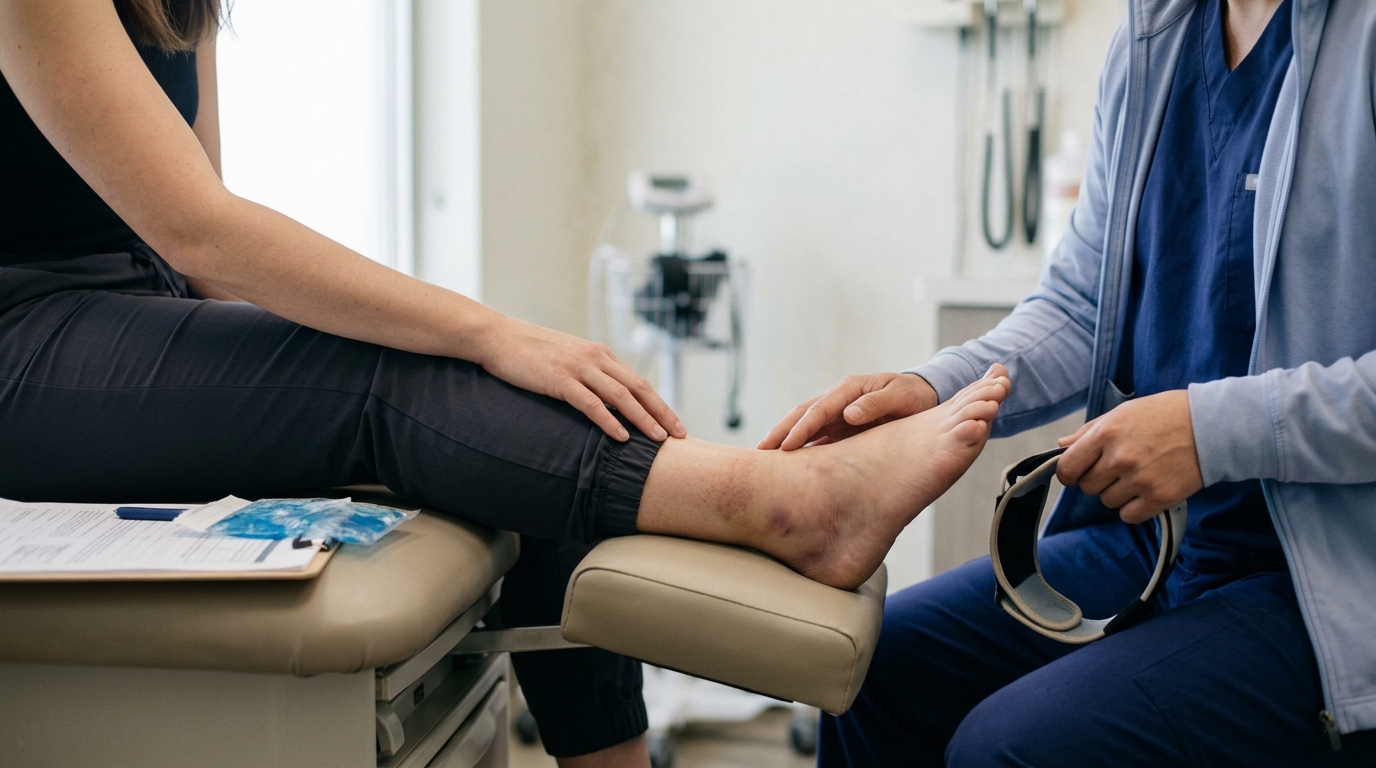
Consider an illustrative case where someone recovering from a minor ankle sprain catches a seasonal head cold. They visit a local pharmacy and purchase an over the counter multi-symptom cold and flu syrup, intending to have a hot toddy containing whiskey before bed.
This combination carries hidden dangers. The cold syrup likely contains an antihistamine like doxylamine, a cough suppressant, and a full dose of acetaminophen. Adding whiskey creates a triple sedating effect that impairs breathing while placing unnecessary stress on the liver. The proper action is to avoid alcohol completely and speak with a pharmacist to verify that the cold remedy does not interact with any other supplements.
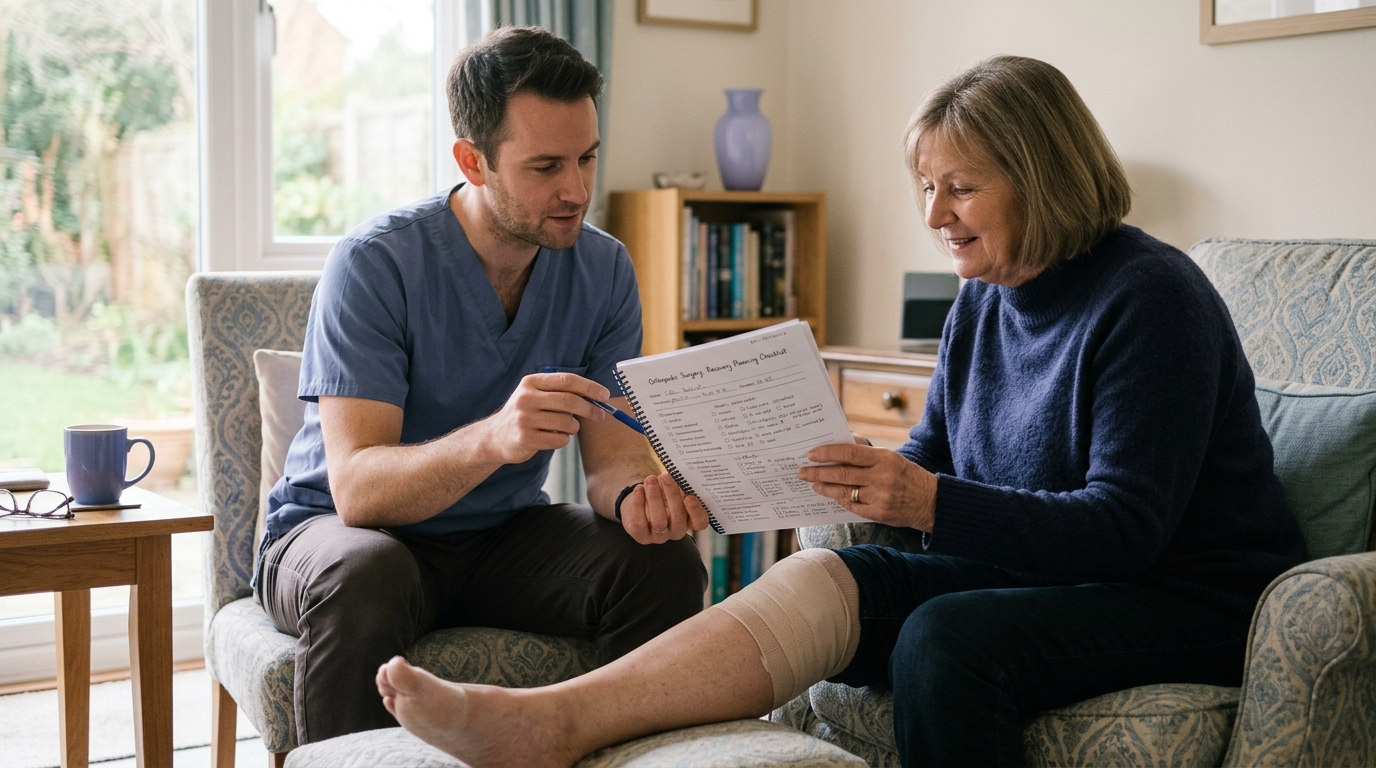
Before deciding whether to consume an alcoholic beverage during recovery, running through a straightforward mental checklist provides clarity. This tool serves as a practical communication and safety aid.
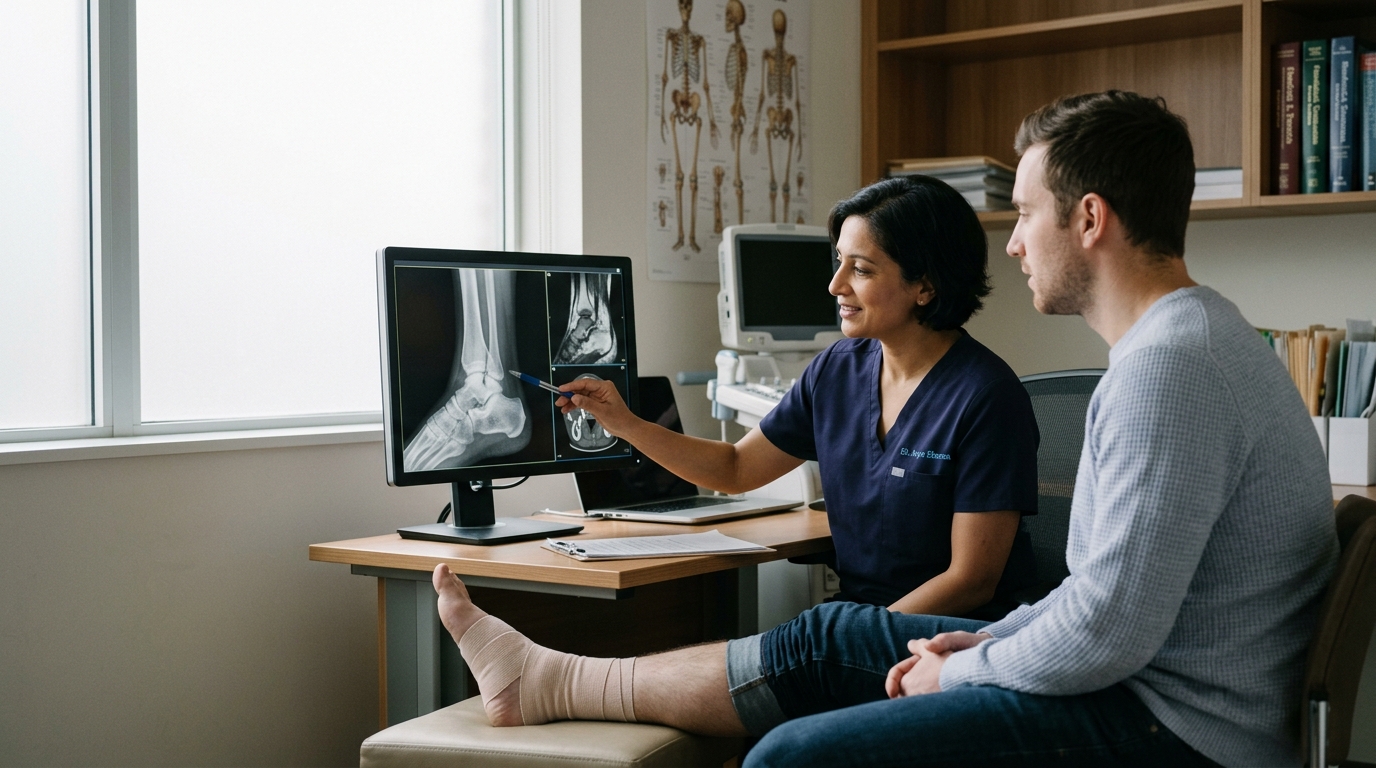
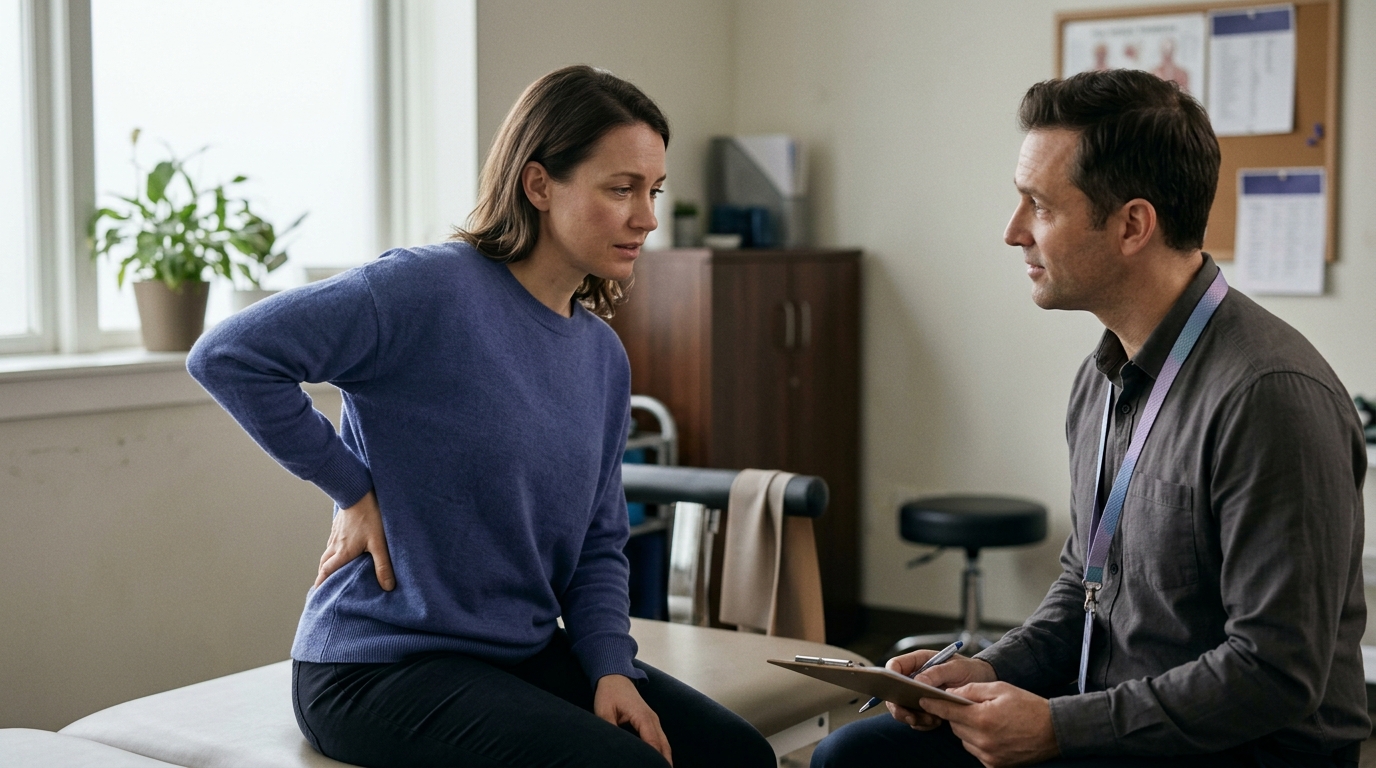
Having open, clear communication with your medical team removes uncertainty and keeps your recovery on schedule. Do not hesitate to ask direct questions about alcohol safety during your appointments. Utilizing specialized injury recovery and healing resources can also help you formulate thoughtful questions for your visits.
When your physician prescribes pain medication, ask for specific timelines regarding alcohol clearance. Ask your doctor how many days or hours after discontinuing an opioid or muscle relaxer it is safe to resume moderate drinking. Inquire whether your daily dose of acetaminophen or NSAIDs requires dietary or beverage adjustments to safeguard your liver and stomach.
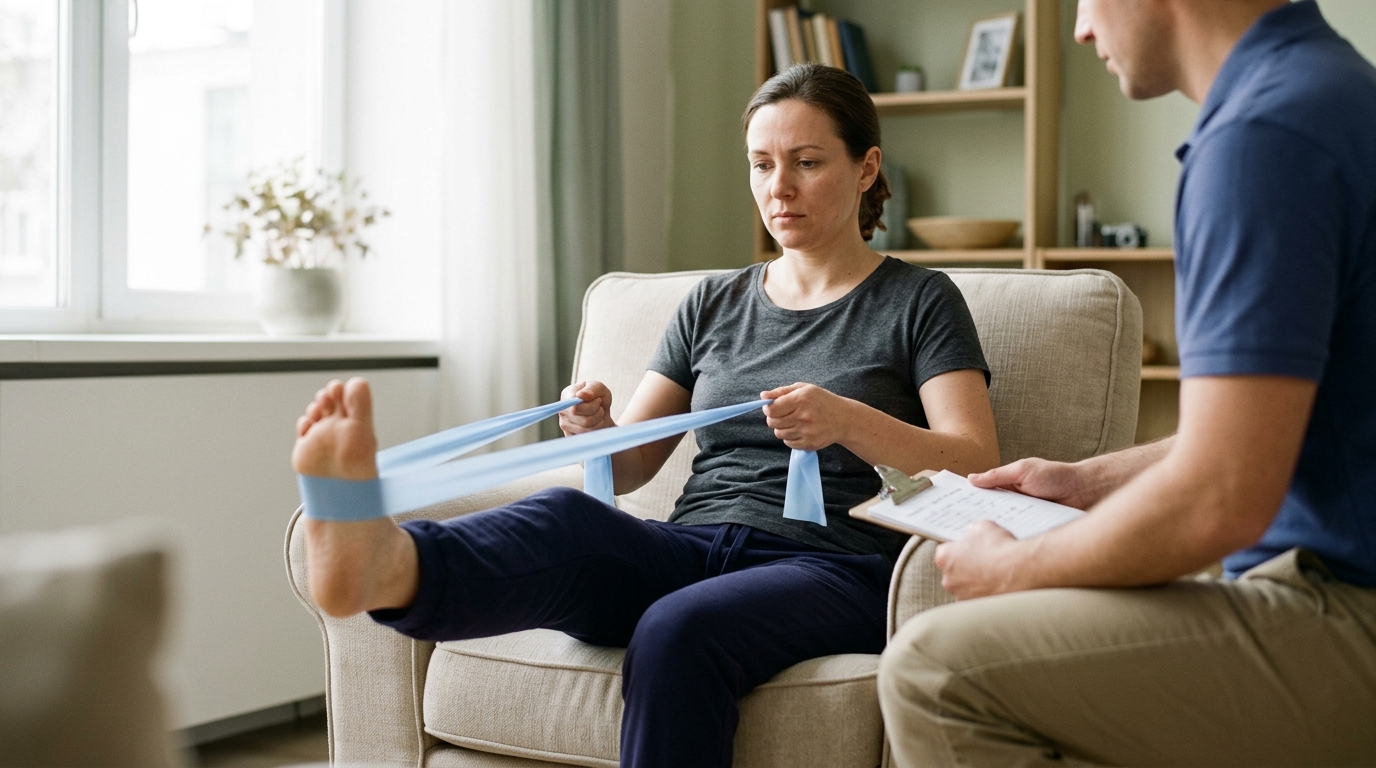
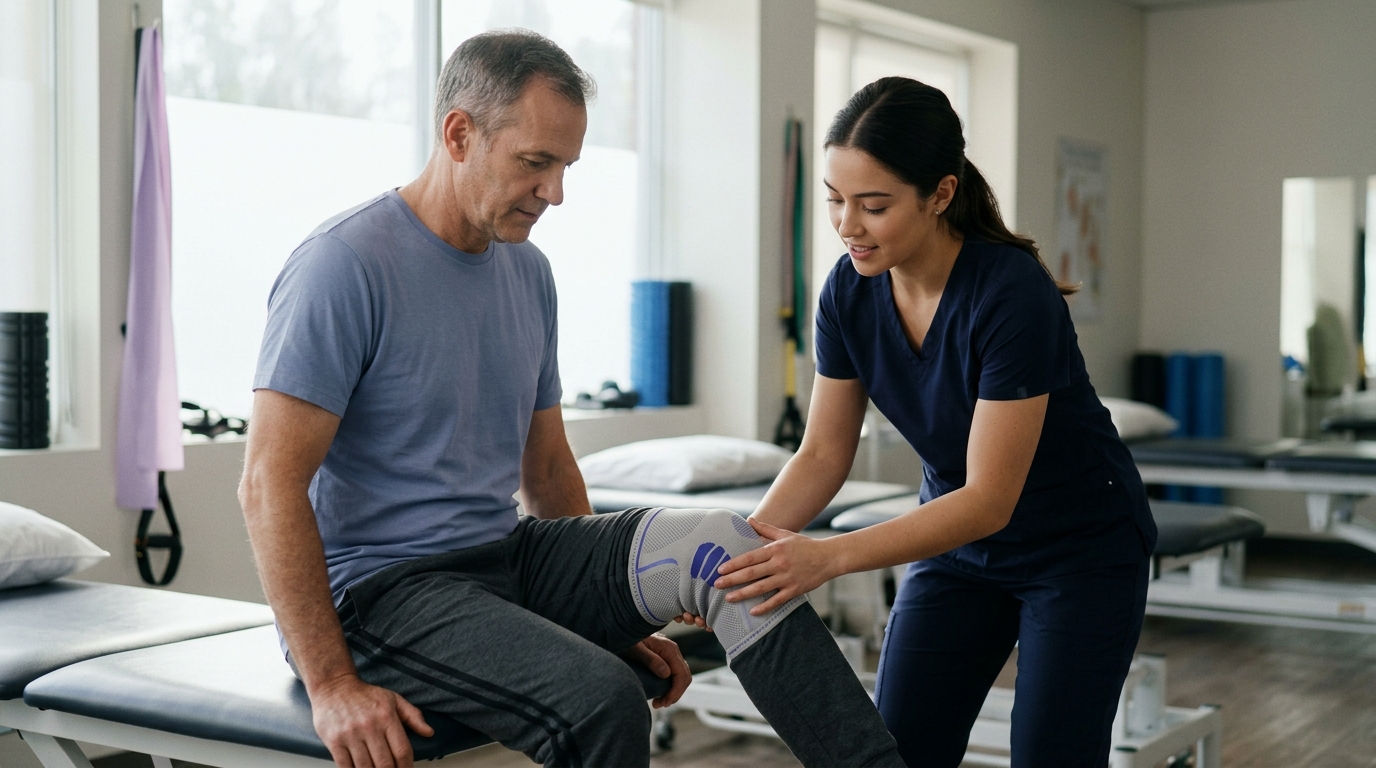
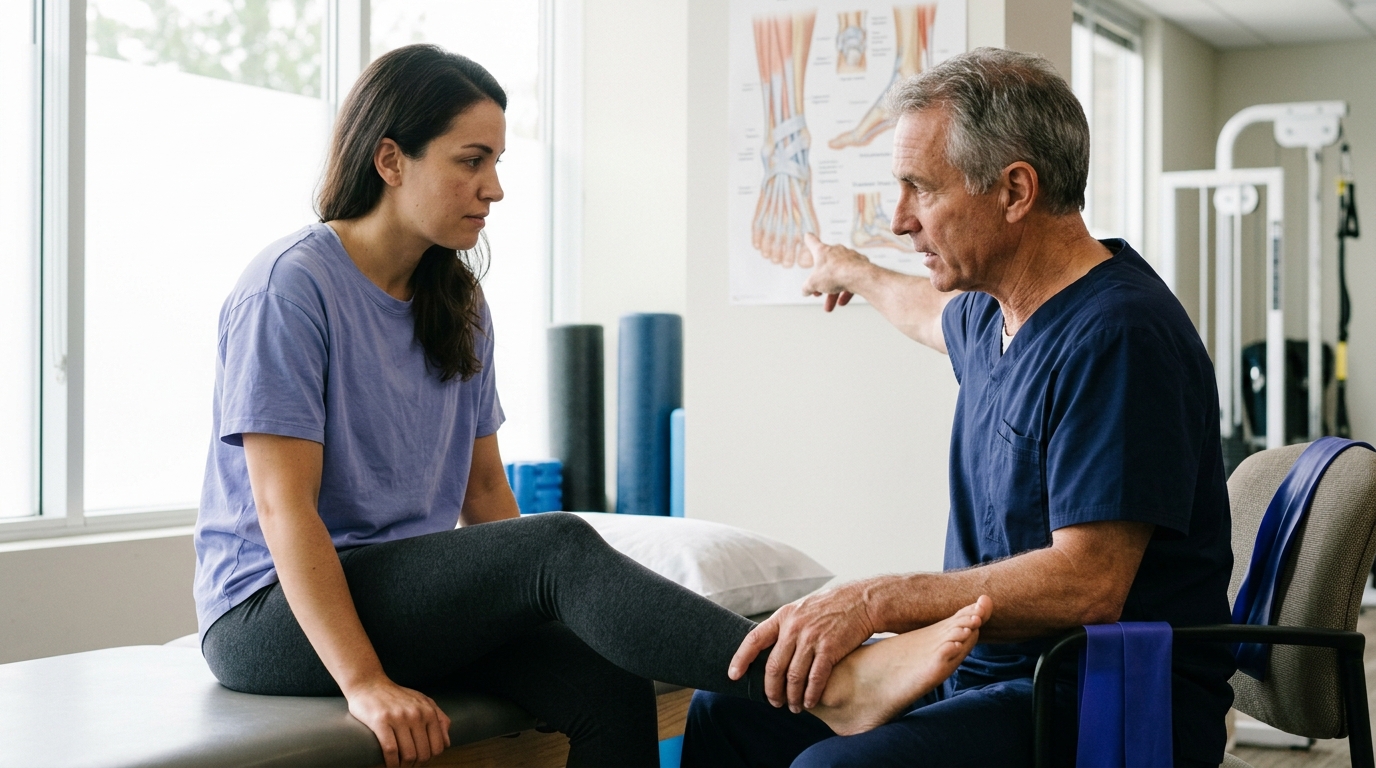
Talk with your physical therapist or orthopedic surgeon about your physical stability. Ask them directly how your current mobility status affects your safety around the home. If you are non-weight bearing or transitioning between assistive devices, ask whether they advise complete abstinence from alcohol until you regain unassisted, balanced walking mechanics.
If pain, surgical positioning, or nighttime anxiety is keeping you awake, bring this up directly with your care team. Ask for evidence-based sleep strategies, positional modifications, or safe temporary medications that do not carry the health risks of alcohol. Your doctor can help you address the root causes of insomnia without compromising your sleep architecture.
If you regularly consume several drinks each day, share this information openly during your preoperative consultation or initial injury evaluation. Ask your doctor how your baseline alcohol consumption might influence your anesthesia plan, wound healing, and post-injury medication regimen. If you are concerned about experiencing withdrawal symptoms, ask your healthcare team to outline a medically supervised management plan.
The bottom line regarding alcohol during injury recovery is simple: caution and communication protect your health. Alcohol can compound medication sedation, impair balance, disrupt restorative sleep cycles, and introduce biological stress to healing tissues. While a single drink during uncomplicated, unmedicated recovery may carry lower risk, alcohol never accelerates the healing process.

Use ReboundBody resources to understand common recovery stages, rehab terms, movement limits and strength rebuilding. Each guide is designed to make a complex comeback easier to understand.


Read practical guidance on injury recovery, rehabilitation, mobility and rebuilding strength as you work your way back to activity.
Explore Resources