
Overhead activity rarely causes shoulder damage on its own, so building targeted rotator cuff strength and managing repetitive workloads protects joint health effectively.





Shoulder injury prevention is the practice of balancing physical work, movement mechanics, and tissue recovery to reduce the likelihood of joint irritation. It is not an absolute promise of pain-free movement, nor does it require you to avoid overhead activity entirely. Instead, protecting the shoulder involves building joint capacity, managing repetitive strain, and preparing your body for the physical tasks you want to perform. This guide breaks down the science of shoulder overload across daily chores, manual work, swimming, and racquet sports.
To protect your shoulder, you must understand the relationship between physical demand and physical capacity. Shoulder pain rarely stems from a single awkward reach or one imperfect repetition. It usually happens when the total amount of stress placed on the joint exceeds what your muscles, tendons, and ligaments can handle at that moment. By adjusting training volume, improving strength, and varying repetitive tasks, you can lower your risk of joint problems over time.
Research shows that sudden increases in physical activity, previous joint pain, and muscle weakness are consistently linked to new shoulder problems. However, clinical studies also show that no single exercise routine, screening test, or posture rule fits every individual. Modifying daily strain and building muscular endurance offers meaningful protection, but complete injury prevention remains impossible to promise.
The shoulder is the most mobile joint in the human body. This mobility allows you to reach high shelves, swing a tennis racquet, swim laps, and lift heavy objects overhead. Yet this wide range of movement means the joint relies heavily on surrounding muscles and tendons for stability. When the physical demands of an activity exceed the capacity of those soft tissues, overload occurs.
Overload is best understood through three connected elements: demand, capacity, and recovery. Demand represents the total work required by an activity, including weight, speed, reach, and total repetitions. Capacity represents your current muscular strength, tissue tolerance, movement control, and joint mobility. Recovery represents the time and physiological rest your tissues need to adapt and rebuild between bouts of effort.
When demand rises without a matching increase in capacity or recovery, joint structures experience excessive strain. For example, a sudden weekend of heavy yard work can overwhelm shoulder muscles that are accustomed to desk work. Similarly, an athlete who doubles their weekly swimming yardage without adequate rest may develop localized tendon irritation.
Overload also involves a combination of external and internal loads. External load consists of measurable work, such as the number of boxes lifted, laps swum, or tennis serves hit. Internal load is how your body experiences that work, which can be measured by perceived physical effort, muscular fatigue, and joint soreness. Paying attention to both external work and internal fatigue helps prevent quiet build-ups of joint stress.
Overhead movement itself is not inherently dangerous. The human shoulder is built to work above shoulder height when properly prepared. Injury risk rises primarily when high-volume overhead tasks are combined with heavy resistance, high movement speeds, or inadequate rest.
Clinical research on shoulder injuries reveals clear patterns, though findings vary depending on the sport or workplace studied. In athletic populations, systematic reviews indicate that shoulder pain incidence ranges from 18% to 90% across different sports and skill levels. This broad range reflects differences in how studies define injury, the specific demands of each sport, and the competitive level of the participants.
According to a systematic review of athletic shoulder injuries, several factors are consistently associated with new shoulder pain. These factors include:
In swimming, shoulder problems are widely documented, with prevalence estimates ranging from 18% to 91% depending on the study criteria. Some research defines injury as any reported discomfort, while other studies count only pain that disrupts regular training. A systematic review examining swimming risk factors found that high acute-to-chronic workload ratios and reduced posterior shoulder strength endurance were linked to shoulder injury. However, that same review found no strong evidence that stroke style, participant age, or training frequency alone could reliably predict shoulder pain.
In racquet sports such as tennis, upper-limb research identifies prolonged playing time, muscle fatigue, and changes in stroke technique as key contributors to joint stress. One review noted shoulder pain in 24% of elite teenage players and up to 50% of former professional players over age 35. However, researchers emphasize that injuries in racquet sports develop through complex interactions rather than a single isolated cause. Furthermore, clinical trials testing specific injury prevention programs in tennis remain limited.
In occupational settings, physical strain often comes from manual labor and repetitive upper-arm positioning. Research demonstrates that lifting heavy loads, pushing, pulling, and working with hands above shoulder level increase the risk of shoulder disorders. A dose-response review observed a 21% increase in shoulder disorder risk for every 1,000 hours of work performed with the hands elevated above shoulder height. This finding highlights how cumulative time spent in demanding postures contributes to tissue wear over months and years.
While these associations are well documented, researchers note that population-level risks do not guarantee that an individual will develop pain. A risk factor indicates an area of vulnerability, not an unavoidable outcome.
The scapula, or shoulder blade, serves as the foundation for shoulder movement. As you raise your arm, the shoulder blade must rotate upward and tilt backward to create space for the upper arm bone. When the timing or position of the shoulder blade looks altered, clinicians often refer to this as scapular dyskinesis.
For years, many believed that any visible asymmetry in shoulder blade motion was an immediate sign of dysfunction. However, modern research presents a more nuanced picture. The Bern consensus statement reports that scapular dyskinesis is present in roughly 53% of healthy individuals and 61% of overhead athletes who have no pain at all.
Movement variations in the shoulder blade are common and often represent a natural adaptation to sport or work demands. For instance, a baseball pitcher or tennis player may display different movement patterns on their dominant side simply because that side is used more frequently. Therefore, an uneven shoulder blade is not an automatic diagnosis or a guaranteed sign of future injury.
Instead of focusing on correcting visual posture alone, evidence supports training the muscles that support scapular control. The serratus anterior, trapezius, and rhomboid muscles help position the shoulder blade during reaching and lifting. Strengthening these muscles enhances joint stability and ensures that physical forces are distributed evenly across the upper back and shoulder.
Stretching the chest muscles without building upper back strength rarely resolves shoulder strain. A balanced routine that combines muscular endurance, motor control, and joint mobility provides far better support for daily overhead tasks.
Gradual exposure is one of the most reliable ways to reduce shoulder overload. Tendons, ligaments, and muscles adapt slowly to physical strain. When you introduce new activities or increase your workout volume, your tissues need time to synthesize new collagen and build cellular tolerance.
Rushing back into high-volume tasks after a period of rest frequently triggers joint discomfort. A consensus panel on athletic shoulder health noted that weekly load increases greater than 60% above a four-week average were associated with higher injury rates. While this number is an observational finding rather than a rigid personal limit, it underscores the danger of sudden physical spikes.
To progress your overhead activity safely, consider the following principles:
If you are returning from an injury or a long sedentary period, start with movements below shoulder height. Once basic strength is established, gradually reintroduce tasks that require reaching overhead or lifting away from your body. This systematic approach allows your musculoskeletal system to adapt smoothly.
Effective shoulder preparation involves much more than holding a static stretch before an activity. Modern sports medicine emphasizes dynamic warm-ups and comprehensive resistance training that targets multiple muscle groups. The Bern consensus recommends implementing structured shoulder programs at least twice weekly for consistent benefits.
A well-rounded shoulder protection program includes several distinct categories of exercise:
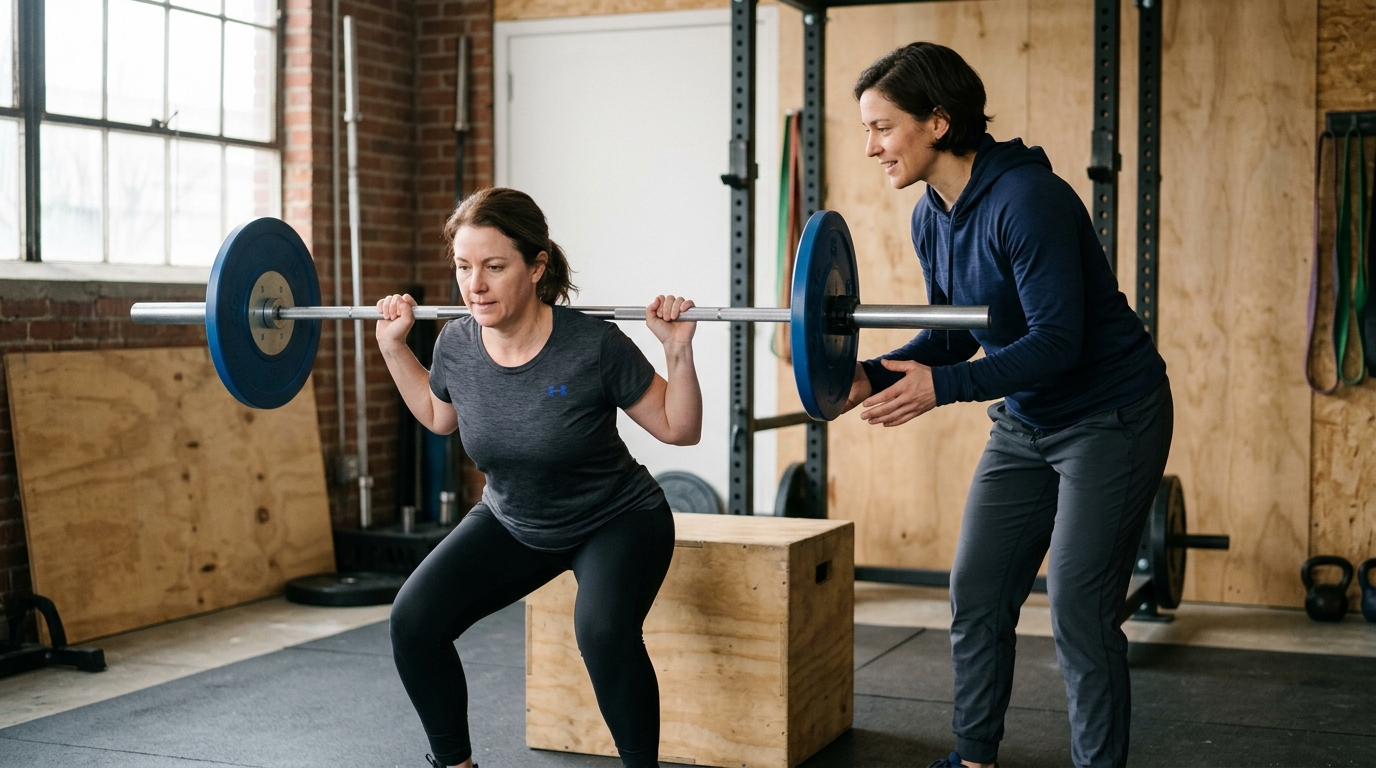
The rotator cuff is a group of four small muscles that hold the head of the humerus firmly inside the shallow shoulder socket. Strengthening external and internal rotation helps maintain joint alignment during dynamic movements. Exercises using light resistance bands, dumbbells, or cable pulleys can build the endurance these stabilizing muscles require.
The muscles supporting the shoulder blade must remain strong enough to resist fatigue during repeated reaching. Rowing variations, face pulls, prone horizontal arm raises, and serratus push-ups strengthen the mid-back and ribcage attachments. These movements ensure that the shoulder blade moves smoothly along the thorax as the arm lifts.
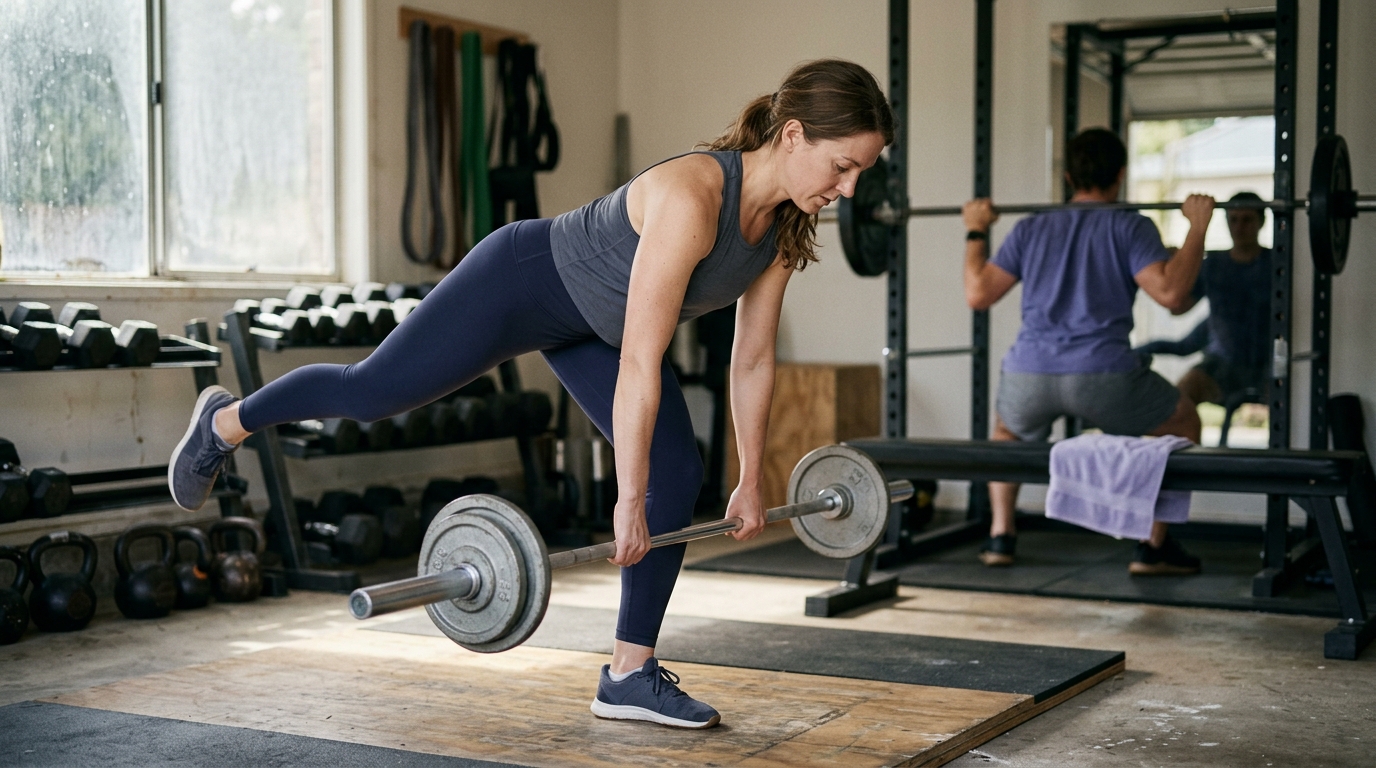
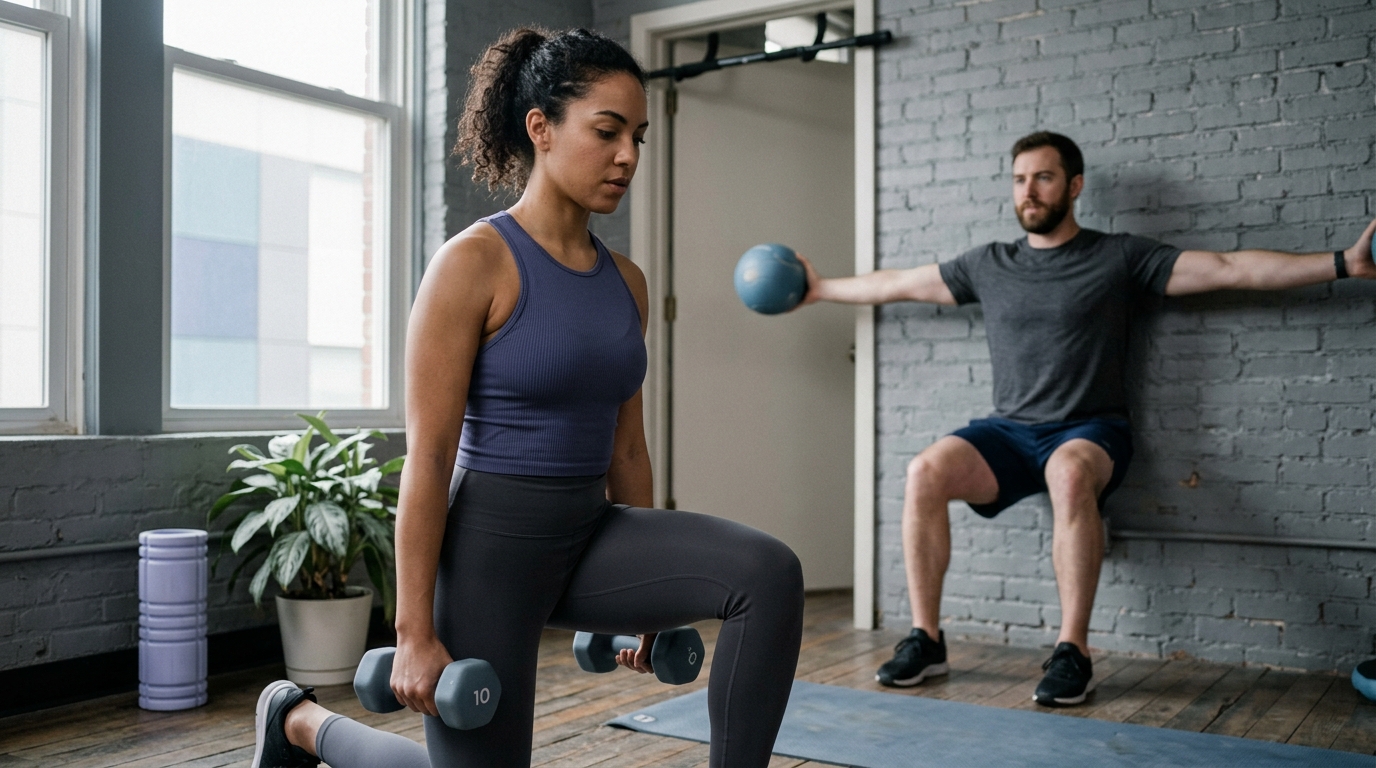
The shoulder rarely works in isolation. Power and force during reaching, lifting, and throwing originate in the legs, pass through the pelvis and trunk, and finally transfer into the arm. Incorporating rotational core exercises, lunges, and medicine ball passes helps distribute physical strain throughout the entire body rather than isolating it in the shoulder joint.
Before engaging in swimming, racquet sports, or heavy manual labor, spend five to ten minutes preparing the upper body. Perform active arm circles, thoracic spine rotations, band pull-aparts, and light bodyweight movements. Warming up elevates tissue temperature, lubricates the joint capsule, and activates the nervous system for upcoming demands.
Research advises against using generic, one-size-fits-all routines. Your preparation should match the specific demands of your sport, your occupation, and your individual movement history. Those seeking structured routines can review rehabilitation and mobility guidance to find evidence-aligned training concepts.
When daily tasks require high repetitions, changing how the work is distributed can significantly lower joint stress. In both workplace ergonomics and recreational sports, continuous repetition without rest is a primary contributor to tendon fatigue.
In occupational environments, manual labor often involves sustained reaching or forceful lifting. Ergonomic research suggests modifying task design to keep work closer to the body. Placing objects between waist and chest height reduces the mechanical leverage placed on the rotator cuff muscles.
To manage repetitive exposures during physical labor or recreational sports:
Modifying your environment does not guarantee complete protection from joint pain. However, it changes the physical exposure, giving your tissues a better opportunity to tolerate daily demands. Those interested in maintaining long-term physical capacity can study active aging and prevention strategies for sustainable movement habits.
Examining how shoulder stress develops in real-world scenarios helps clarify the principles of demand, capacity, and recovery. The following examples represent illustrative models of common physical challenges.
A recreational swimmer returns to the pool after taking three months off during the winter. Eager to rebuild fitness, the swimmer immediately resumes their previous routine of four 60-minute sessions per week. By the third week, they experience an aching sensation in the front of both shoulders that persists outside the pool.
In this scenario, the issue is not that swimming is bad for the joints. The problem is a sudden spike in training volume after a period of deconditioning. The swimmer's acute workload drastically exceeded their chronic baseline.
A more sustainable approach involves starting with two shorter sessions per week, swimming at moderate intensity, and logging perceived shoulder effort. By increasing lap volume by small increments every two weeks, the posterior shoulder muscles and rotator cuff tendons have adequate time to adapt.
An electrician spends several consecutive days installing overhead conduit and wiring fixtures. The work requires holding power tools above head height while standing on a ladder, with very few breaks during eight-hour shifts. By the end of the week, the worker reports sharp discomfort when reaching for tools on the truck.
This pattern combines three clear occupational risk factors: sustained work above shoulder height, awkward reaching postures, and forceful grip demands.
The worker can reduce joint overload by repositioning the ladder closer to the fixture to eliminate long reaches. Additionally, coordinating with coworkers to alternate overhead tasks with ground-level panel assembly introduces valuable tissue recovery time into the workday.
An adult tennis player joins a competitive weekend tournament, playing three matches in two days after averaging only one casual hitting session per week. Late in the final match, the player notices a sharp drop in serving speed and deep fatigue around the back of the shoulder blade.
This case illustrates the impact of prolonged exposure and localized muscular fatigue. When the upper back and rotator cuff muscles tire, they lose their ability to decelerate the arm cleanly during the follow-through of a serve.
To prepare for future tournaments, the player can introduce twice-weekly rotator cuff strengthening, integrate trunk rotation drills, and gradually build up weekly serving volume over six to eight weeks prior to competition. Exploring strength and return to sport principles provides a structured pathway for meeting these competitive demands.
A homeowner decides to spend a long holiday weekend clearing heavy storage bins from an attic and reorganizing a garage. After months of sedentary office work, they spend ten hours lifting heavy, awkward boxes overhead onto high shelves. Two days later, raising the right arm past shoulder level causes noticeable discomfort.
Here, high resistance, awkward postures, and an unconditioned shoulder joint combined to produce acute tendon overload.
The homeowner could manage this demand by breaking the project across multiple weekends, using a sturdy step ladder to keep lifts below eye level, and dividing heavy bins into smaller, lighter containers.
Shoulder injury risk is never identical from one person to another. Several individual factors alter how much physical demand your joint can safely absorb before developing pain or strain.
A history of shoulder dislocation, labral tears, or chronic rotator cuff tendinopathy significantly influences tissue capacity. Previously injured tissues may have altered neuromuscular control or structural changes that reduce their maximum load tolerance. If you have experienced shoulder pain in the past, you generally require more conservative progression steps and consistent maintenance exercises.
As the body ages, tendons naturally lose some of their elasticity, water content, and cellular healing speed. While physical training continues to stimulate positive adaptations across all decades, older adults may require longer recovery windows between intense physical sessions. Balancing heavy lifting days with low-impact active recovery helps maintain joint longevity.
The shoulder joint relies heavily on movement in adjacent areas. If your thoracic spine (upper back) is stiff, your arm cannot achieve full overhead reach without placing extra stress on the shoulder joint capsule. Improving upper back extension and rotation through targeted mobility and movement guides allows the arm to move overhead without pinching soft tissues.
Musculoskeletal recovery is deeply connected to systemic health. Inadequate sleep, high psychological stress, and poor nutrition impair the body's natural collagen repair mechanisms. When total systemic recovery is low, the shoulder joint becomes more vulnerable to overload, even during routine tasks that were previously well tolerated.
Recognizing these variables helps you set realistic expectations for your physical activities. You can browse broader injury prevention resources to understand how these lifestyle factors interact with joint health.
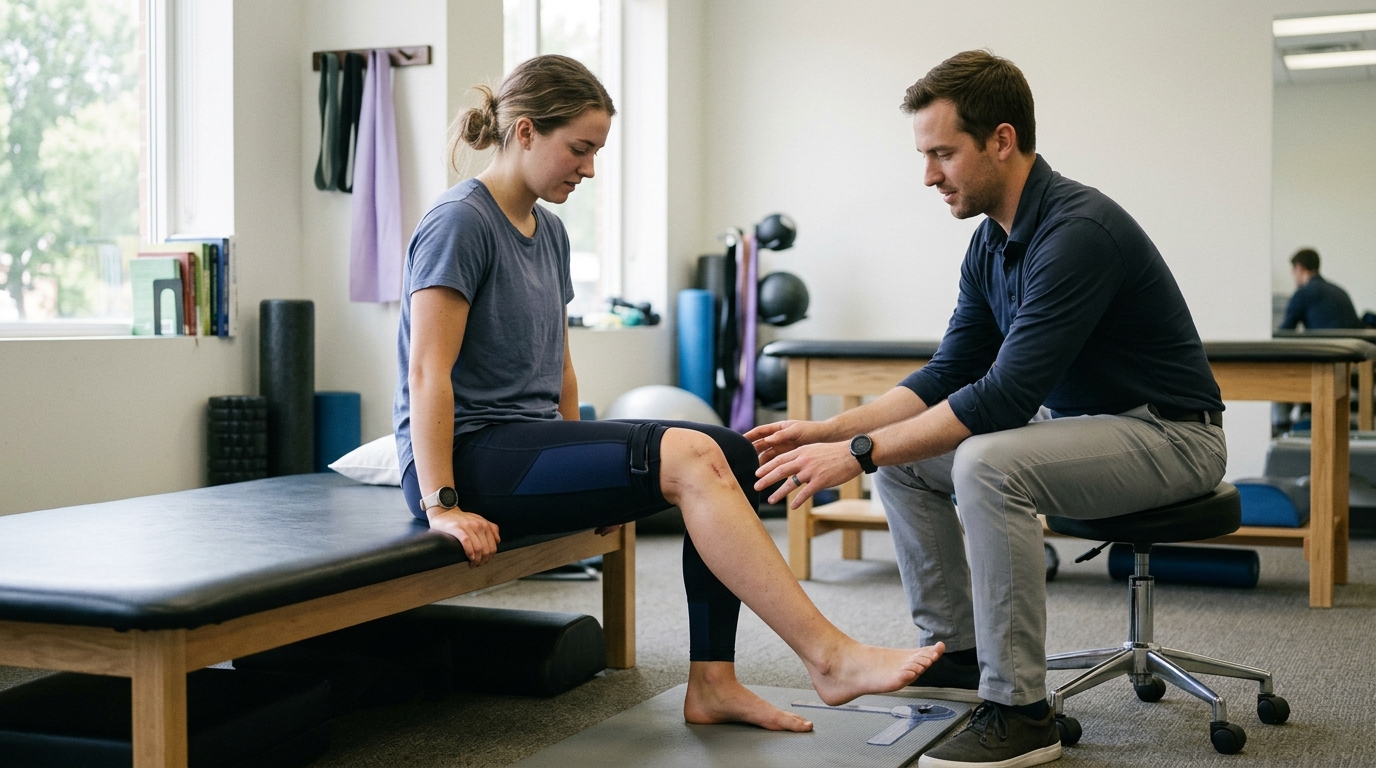
If you are experiencing persistent shoulder pain, planning a return to intense recreation, or recovering from an orthopedic issue, consulting a physical therapist or physician is an important step. Here are practical, evidence-aware questions to guide your conversation:
Bringing clear questions to your appointment helps your healthcare team design a rehabilitation and training plan tailored to your specific lifestyle goals.
Shoulder injury prevention is an ongoing process of managing mechanical load, building muscular capacity, and allowing adequate recovery time. Research confirms that sudden spikes in activity, muscle weakness, prior injuries, and prolonged overhead work increase the risk of shoulder pain. However, there is no single posture, screen, or magic routine that guarantees complete protection.
By progressing physical tasks gradually, strengthening the rotator cuff and upper back, varying repetitive movements, and respecting your recovery needs, you can substantially lower your risk of joint overload. Staying active and lifting overhead remains healthy and achievable when your training matches your joint's current capacity.
No, posture correction by itself does not prevent shoulder injuries. Research shows that movement variations, including scapular asymmetry, are common in healthy, pain-free people. While working in comfortable positions reduces unnecessary fatigue, building muscular strength, managing total workload, and allowing tissue recovery are far more influential in protecting the joint.
Painless clicking, popping, or snapping sounds in the shoulder are generally harmless. These sounds, known as crepitus, often occur when tendons or ligaments glide smoothly over bony prominences during movement. If the clicking is not accompanied by pain, swelling, weakness, or a sensation of instability, it is typically safe to continue normal physical activity.
Consensus guidelines recommend performing structured shoulder strengthening and motor control exercises at least twice weekly. Incorporating dynamic movements into your warm-up before sports or heavy manual work provides additional joint preparation. Consistency over several months is key to developing durable muscular endurance.
Complete rest is rarely the best response to mild shoulder stiffness. Instead of stopping all activity, modify the movement by reducing the weight, shortening the range of motion, or switching to neutral-grip positions. Maintaining gentle, pain-free movement encourages blood flow and tissue adaptation while avoiding excessive joint stress.

Use ReboundBody resources to understand common recovery stages, rehab terms, movement limits and strength rebuilding. Each guide is designed to make a complex comeback easier to understand.


Read practical guidance on injury recovery, rehabilitation, mobility and rebuilding strength as you work your way back to activity.
Explore Resources