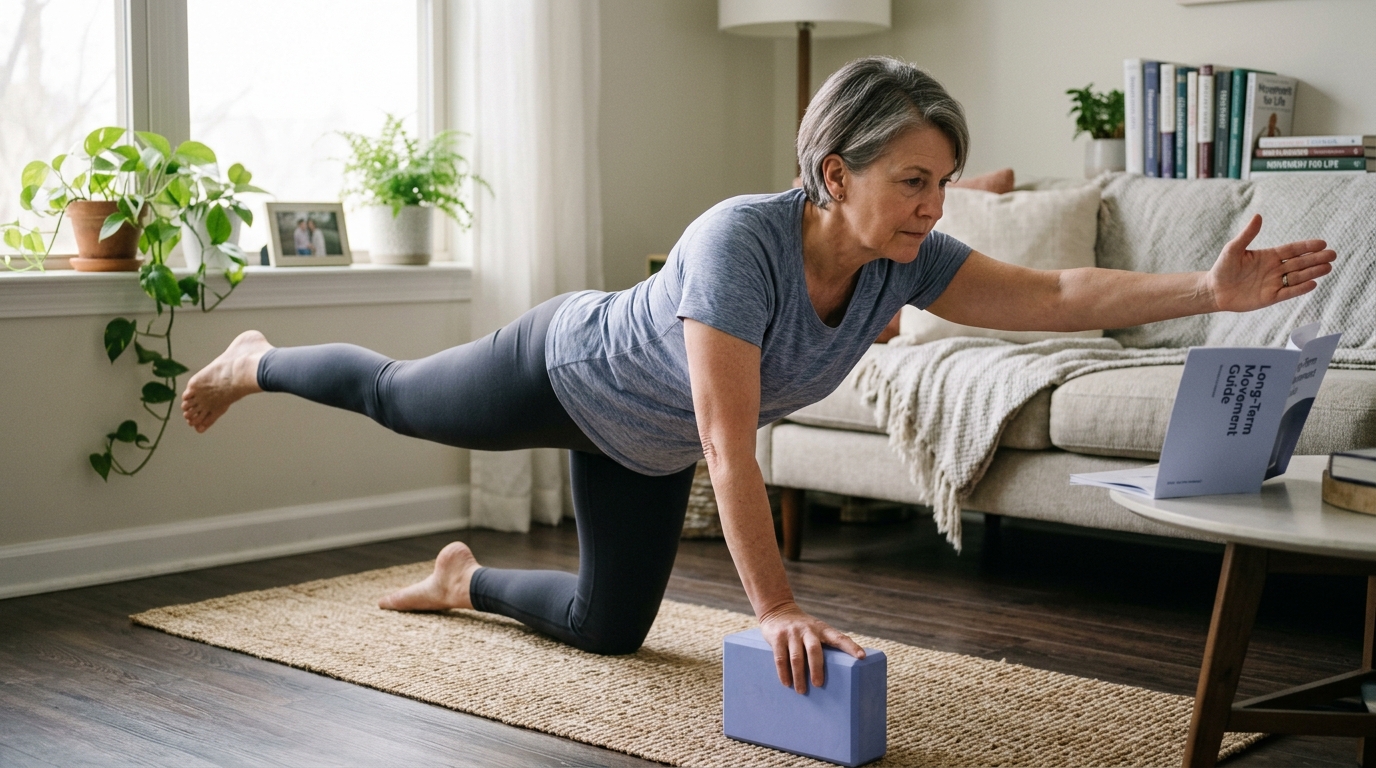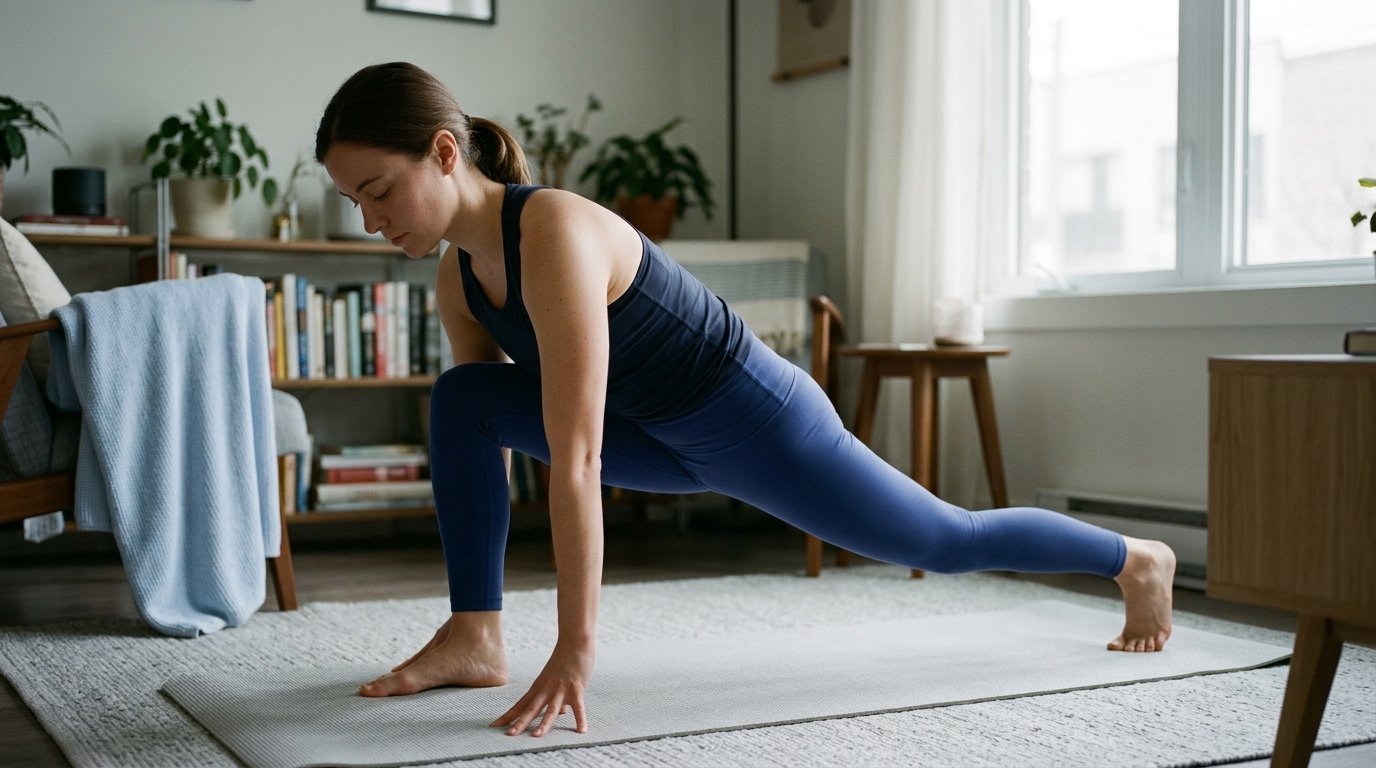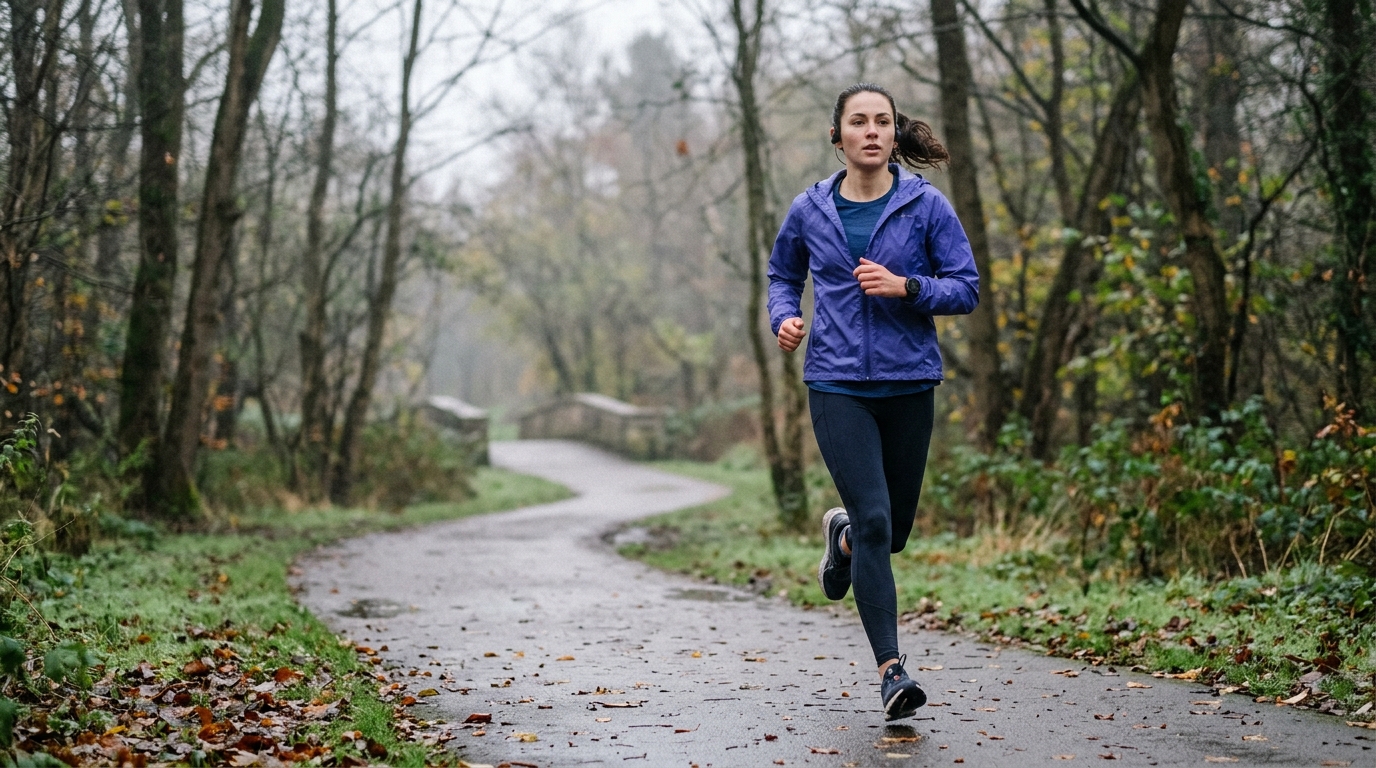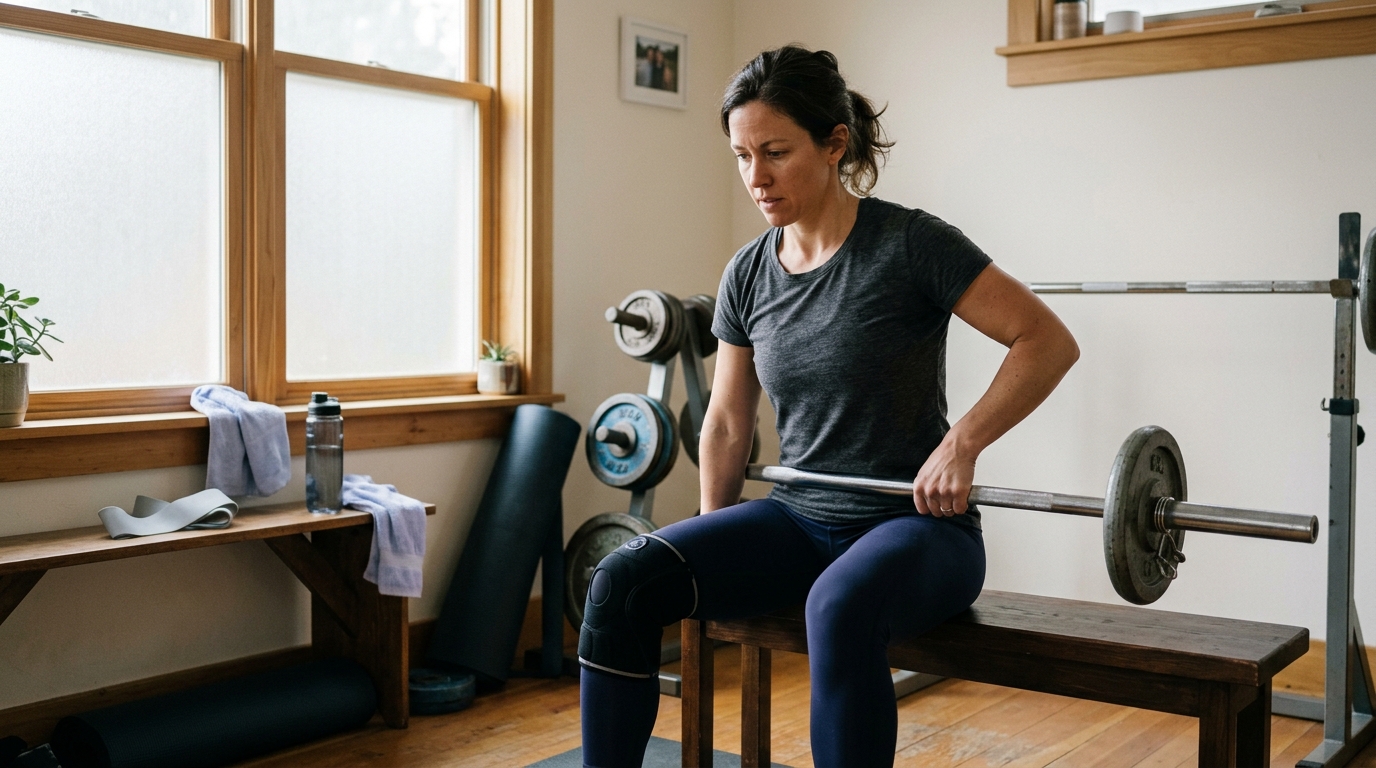

Returning to cherished activities after an injury involves analyzing specific physical demands and using a step-by-step ladder to build confidence safely.





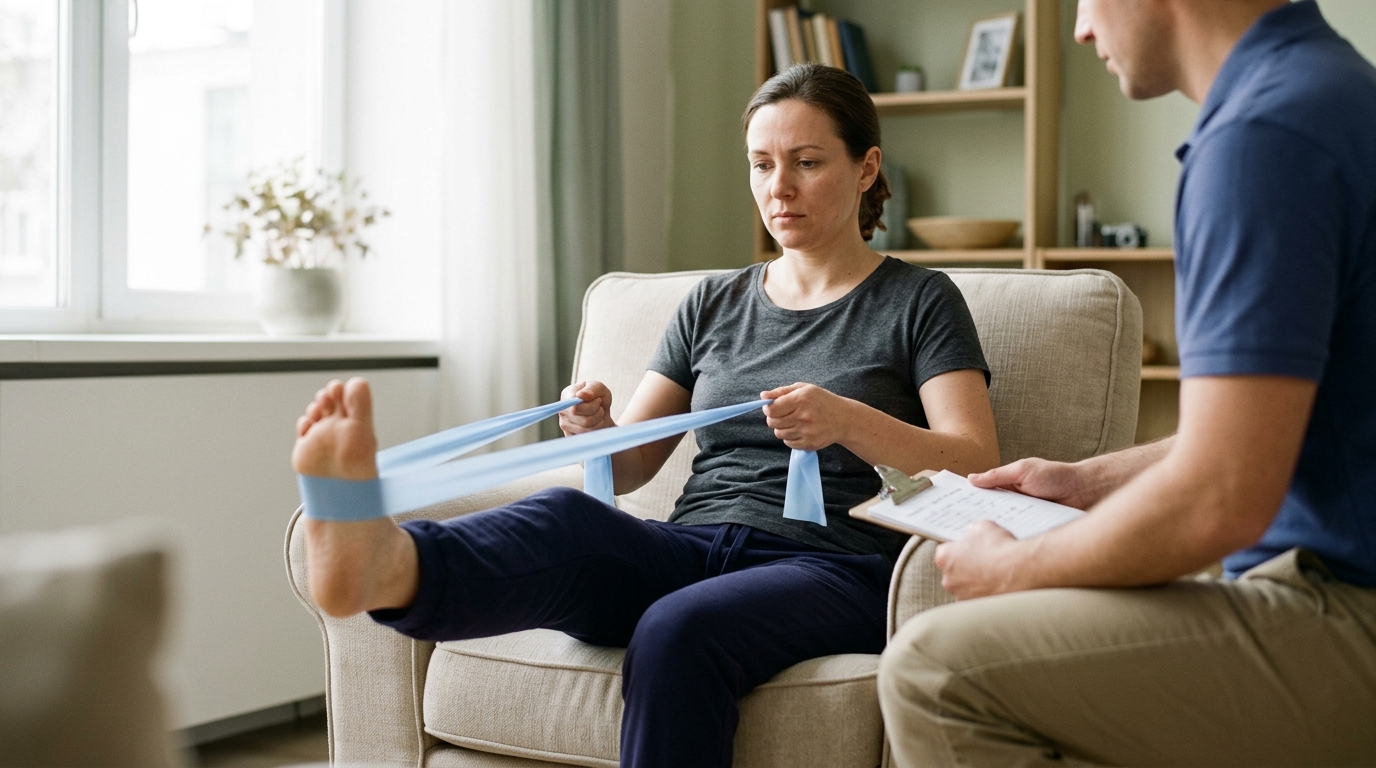
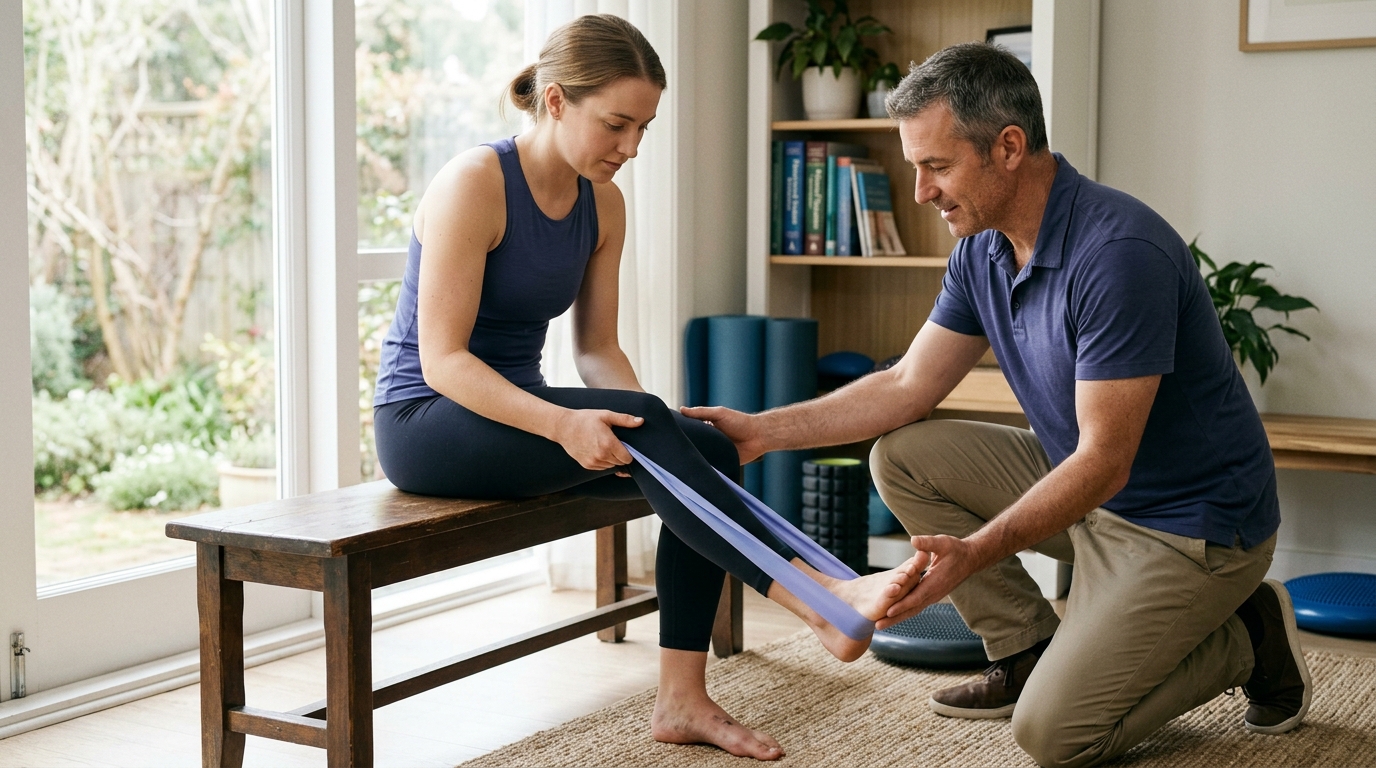
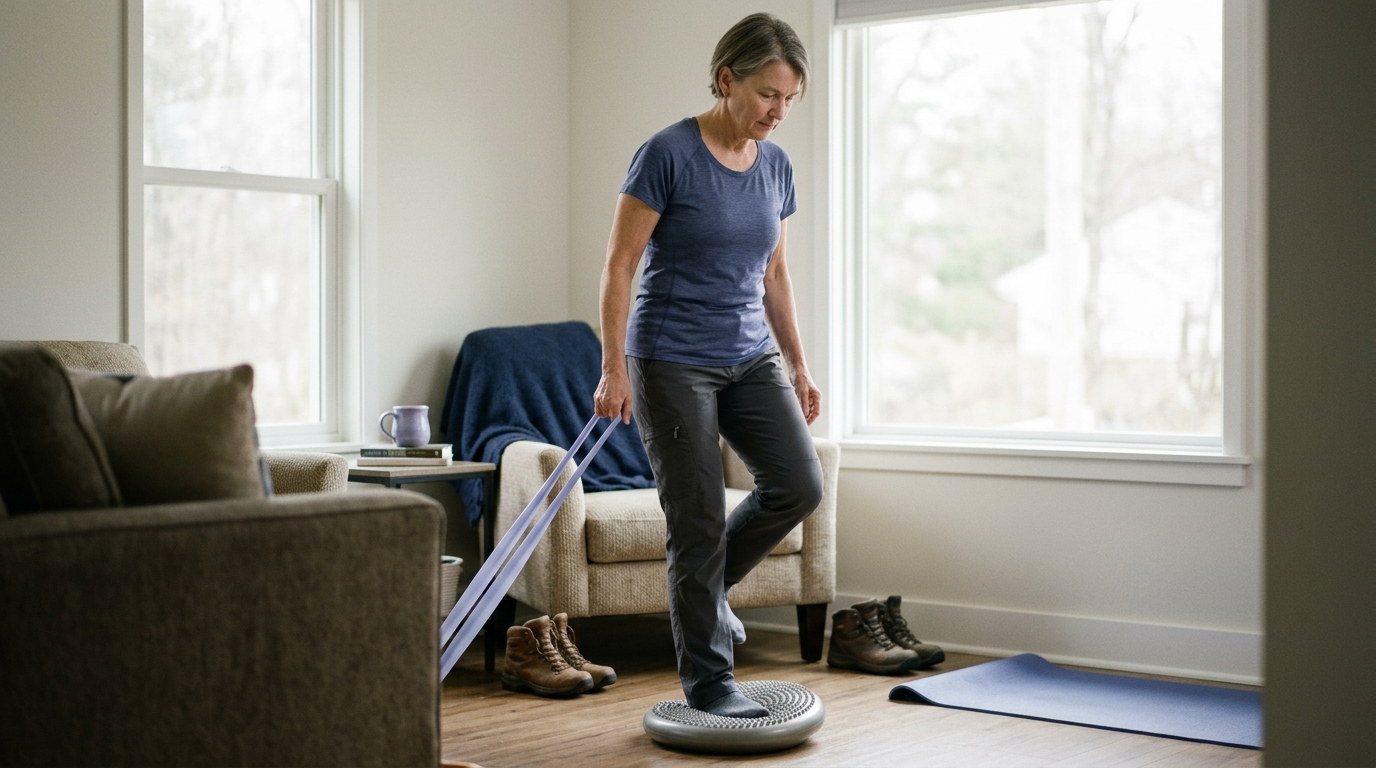
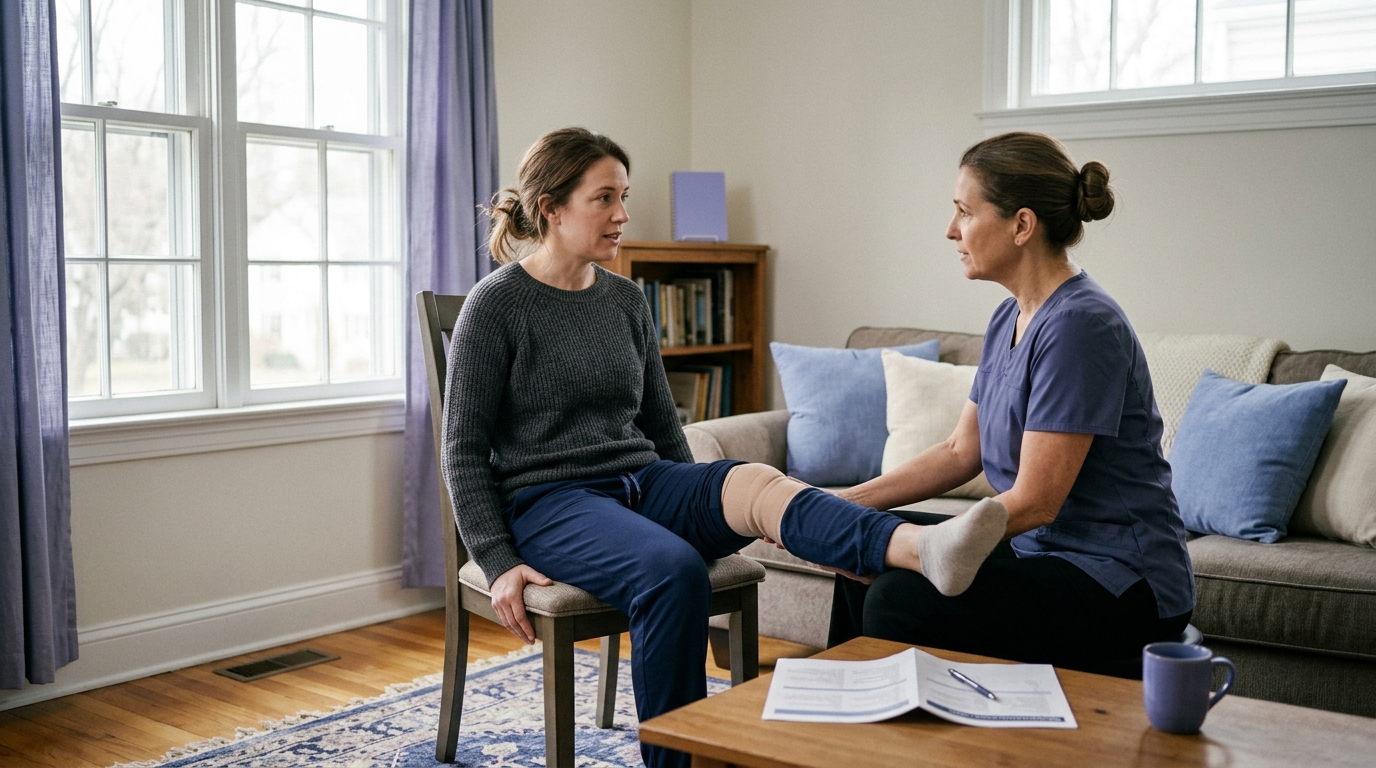
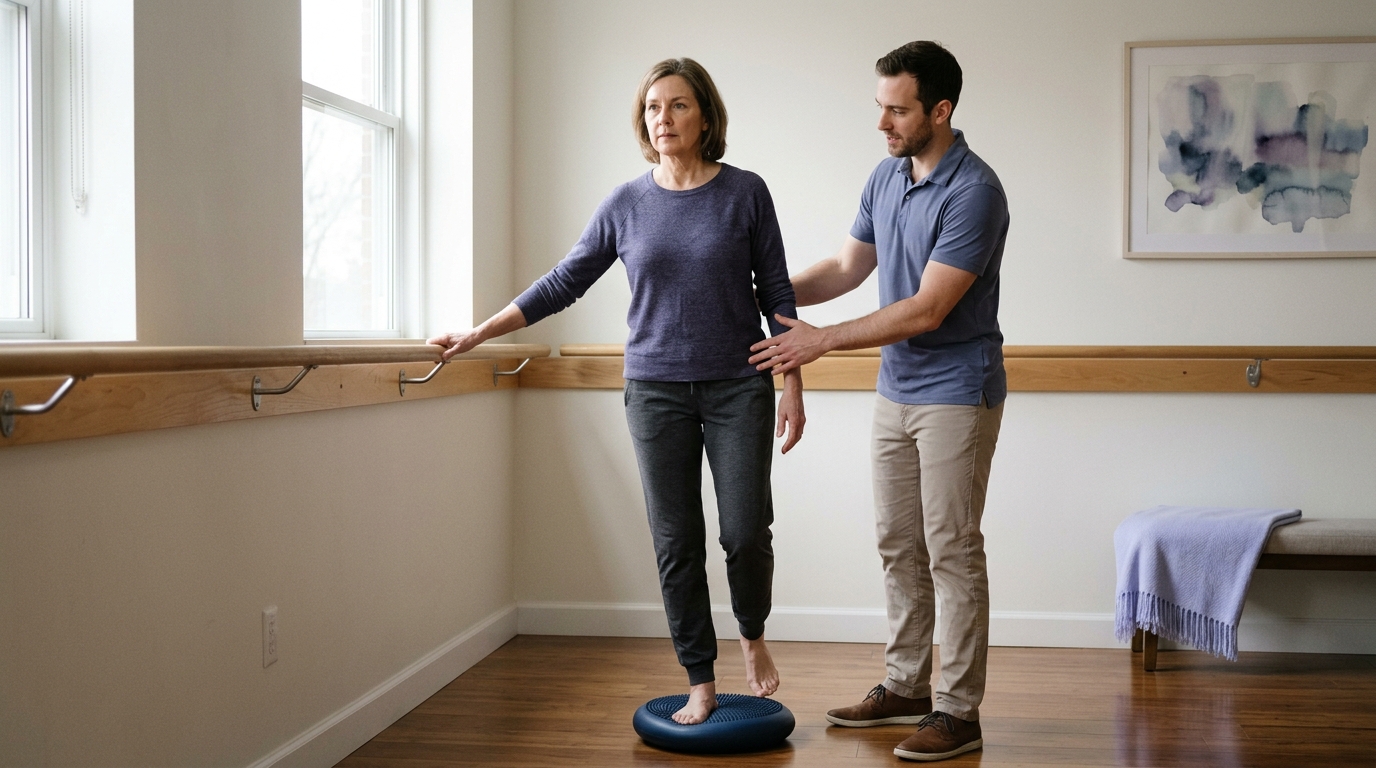
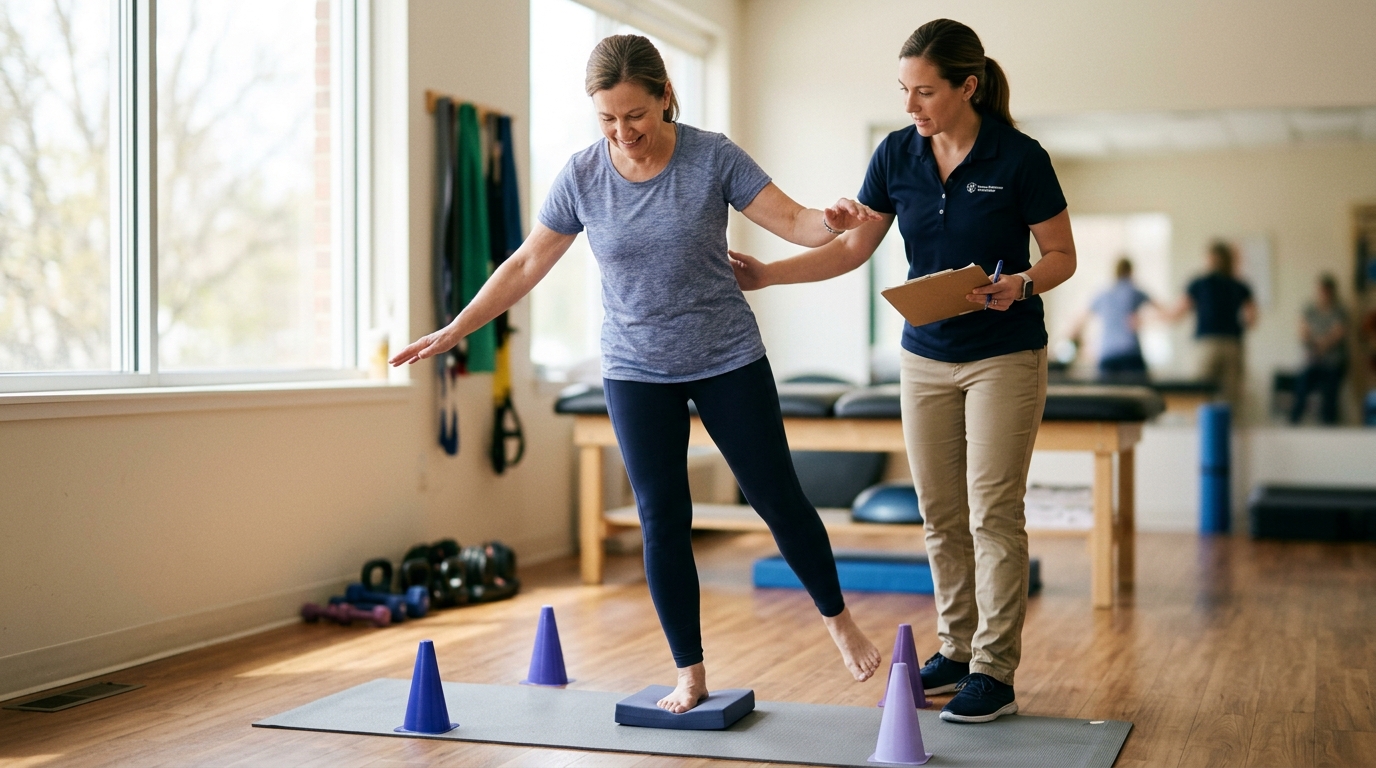
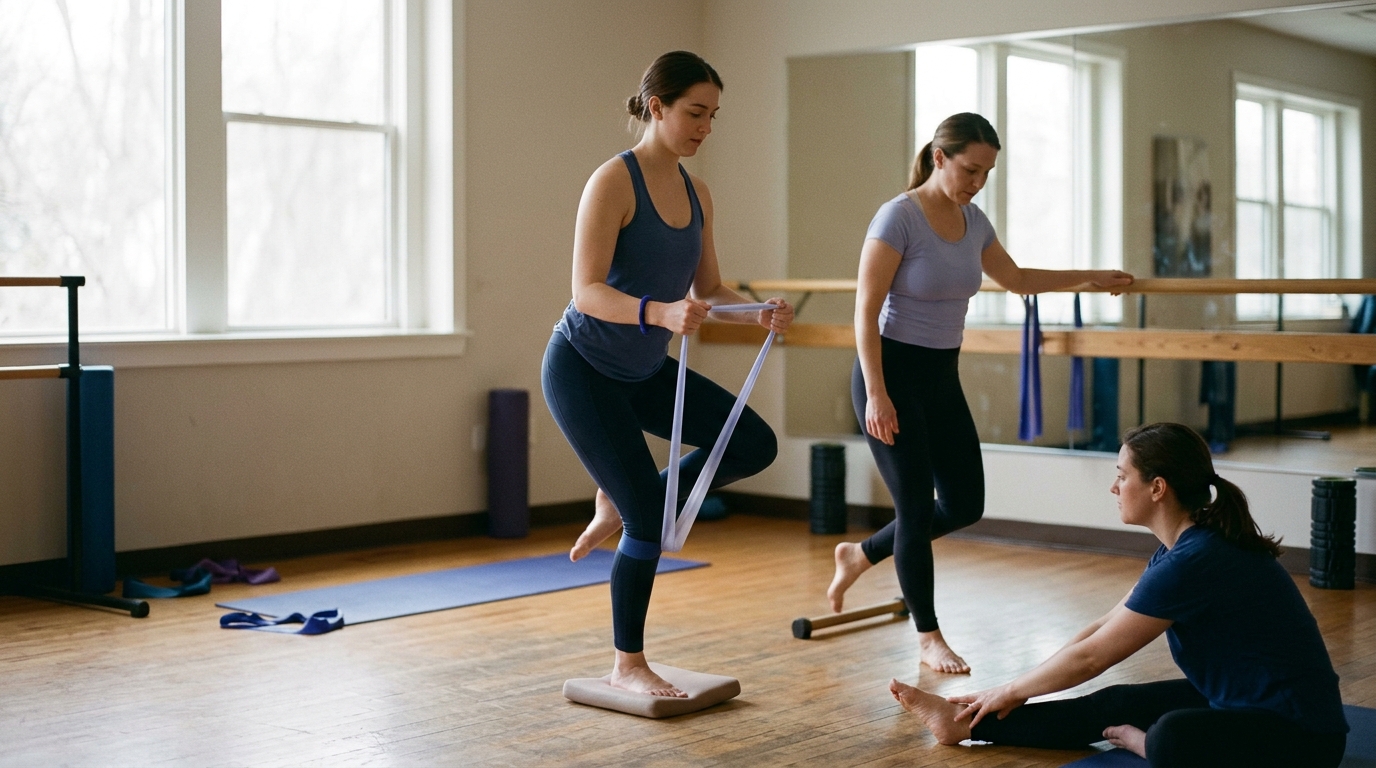
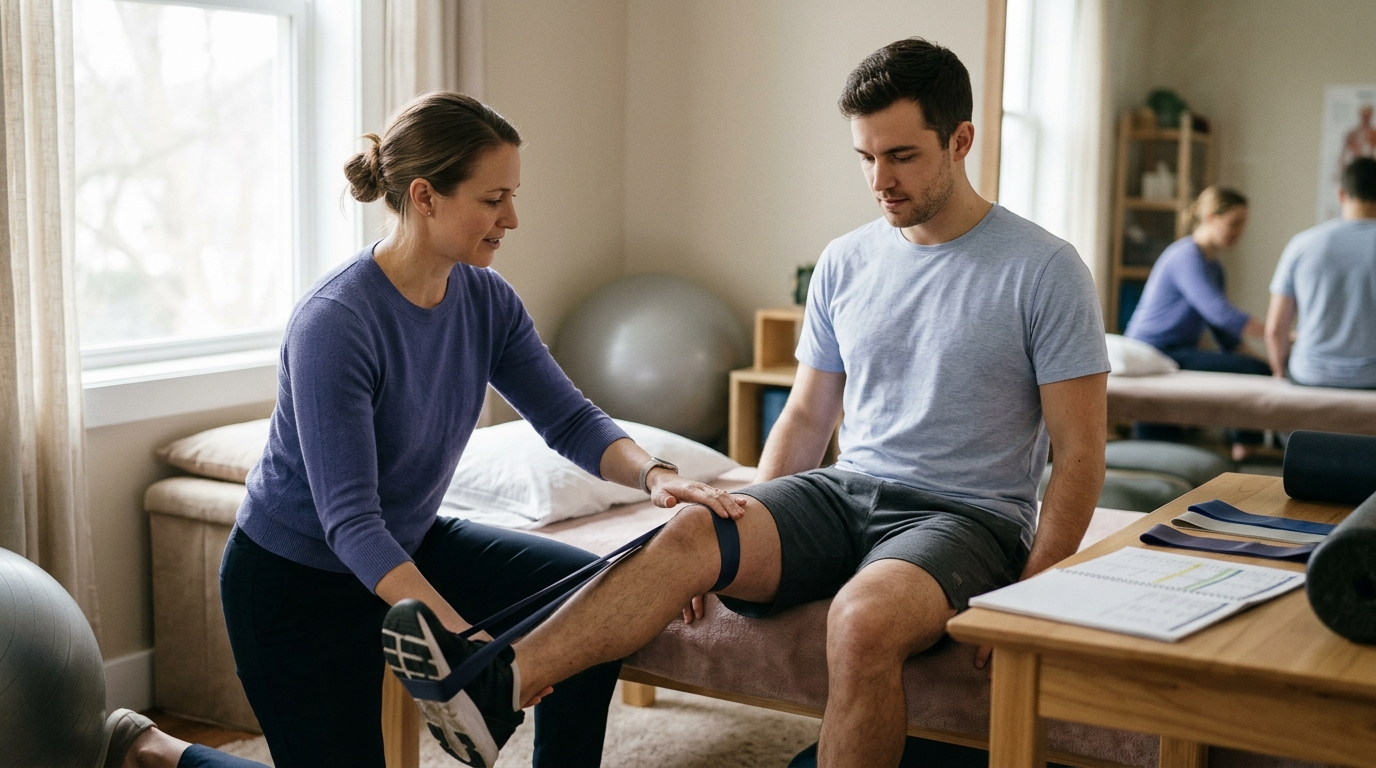
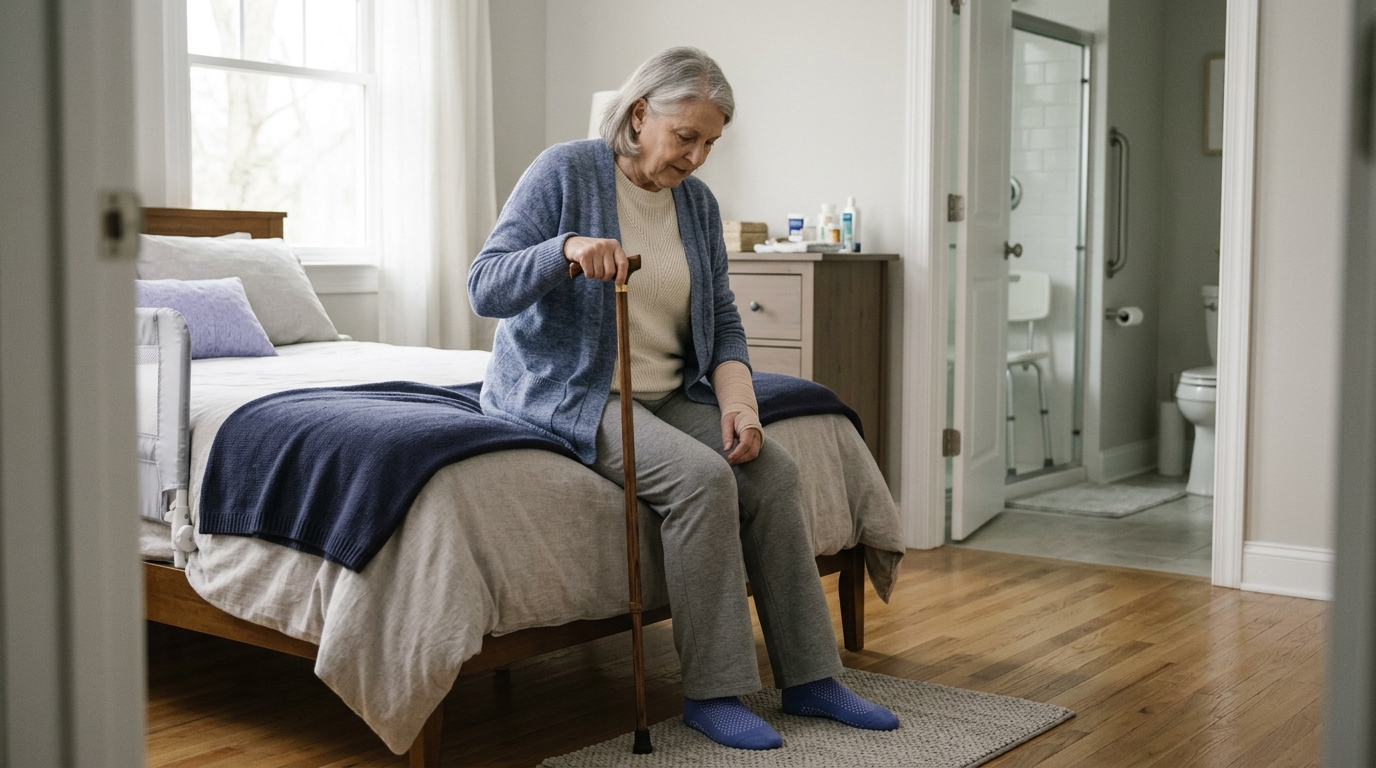
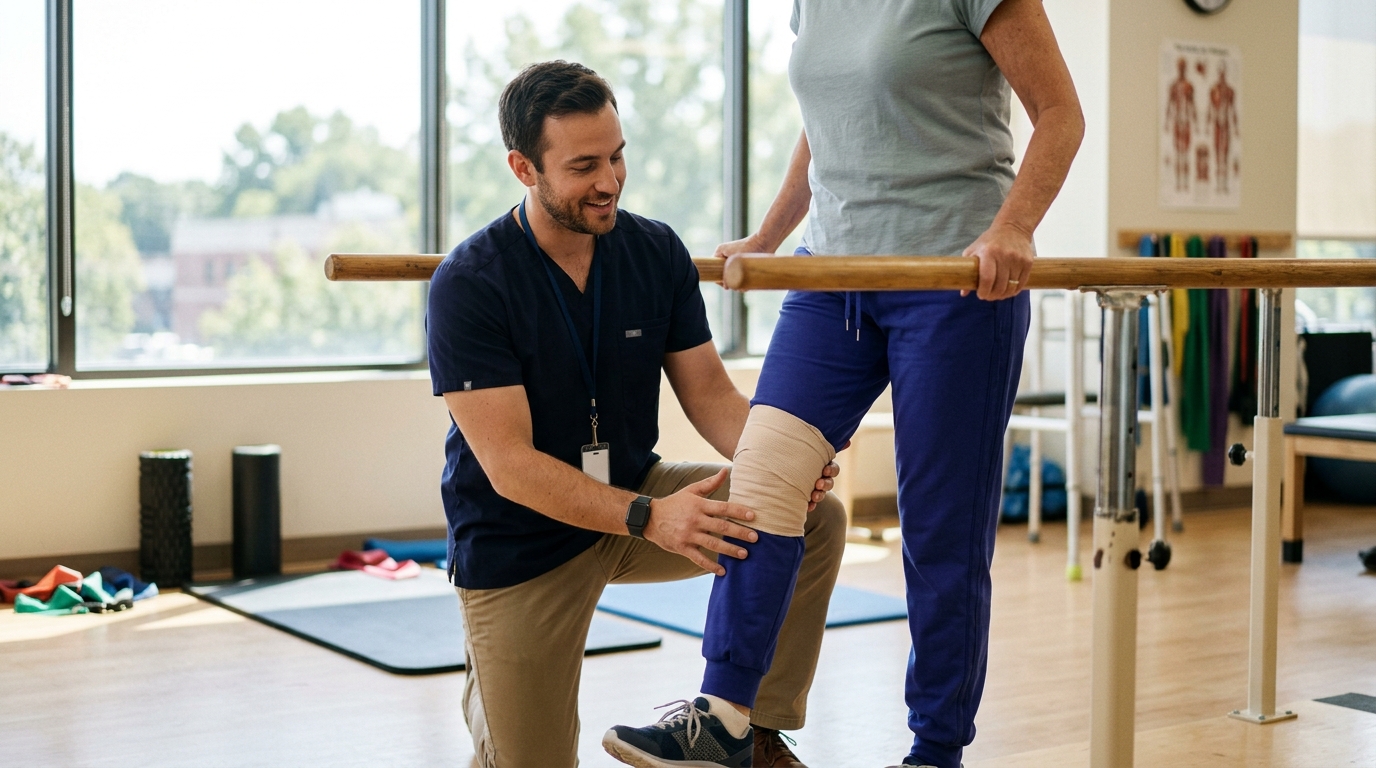
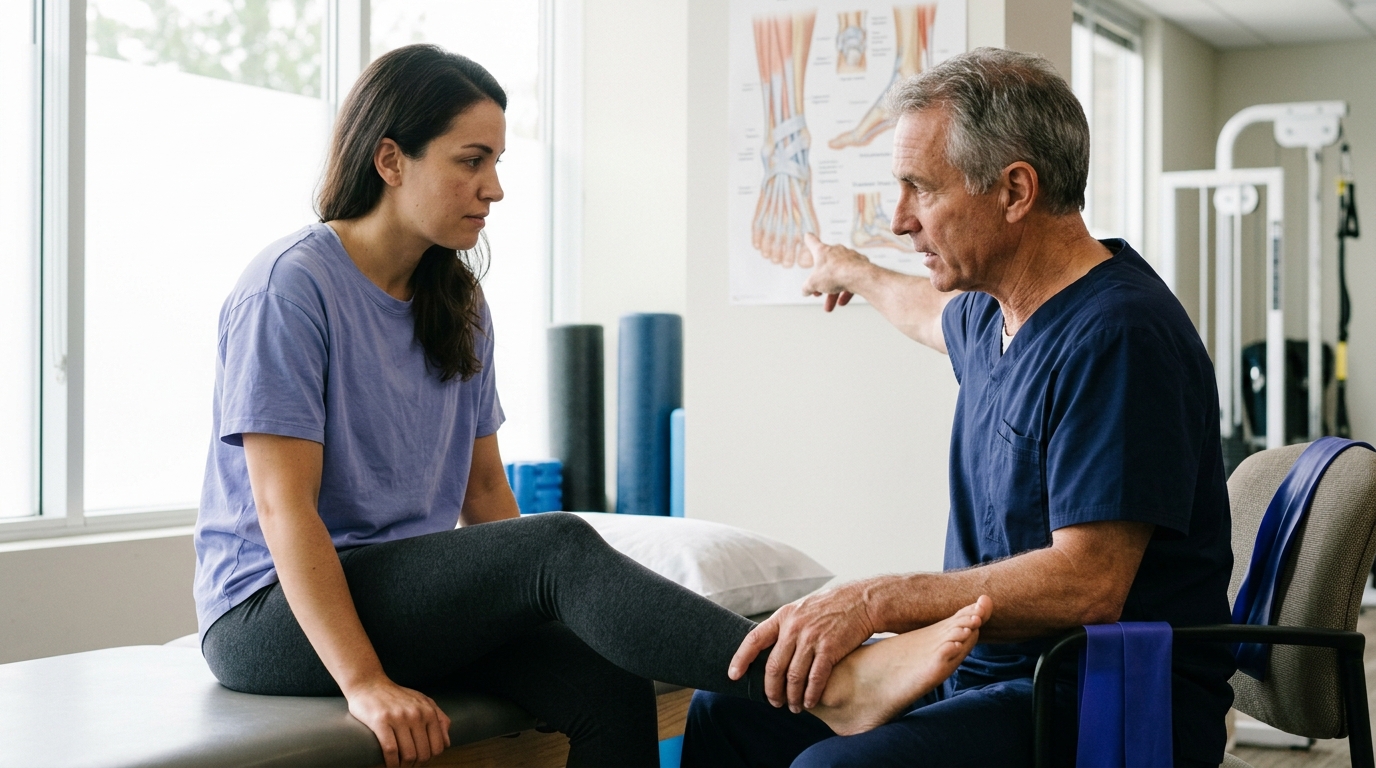
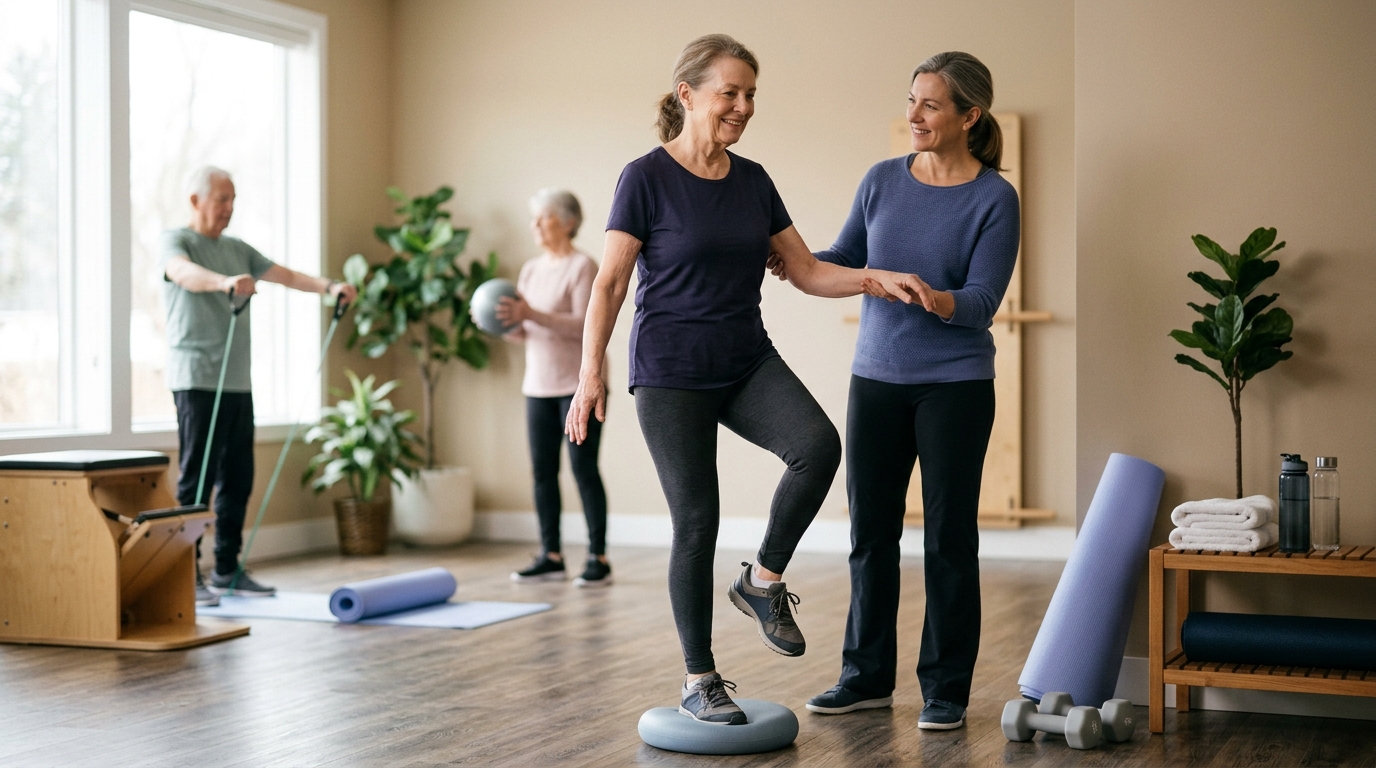
You finish your physical therapy session, put away your resistance bands, and walk to your car. In the clinic, your leg press numbers look solid, and your balance on the foam pad is improving every week. Yet when you think about spending three hours pruning bushes in the garden, walking a rocky trail with friends, or playing nine holes of golf, you might feel uncertain. Clinic exercises can feel orderly and controlled. Your favorite pastimes, on the other hand, are unpredictable, varied, and physically demanding.
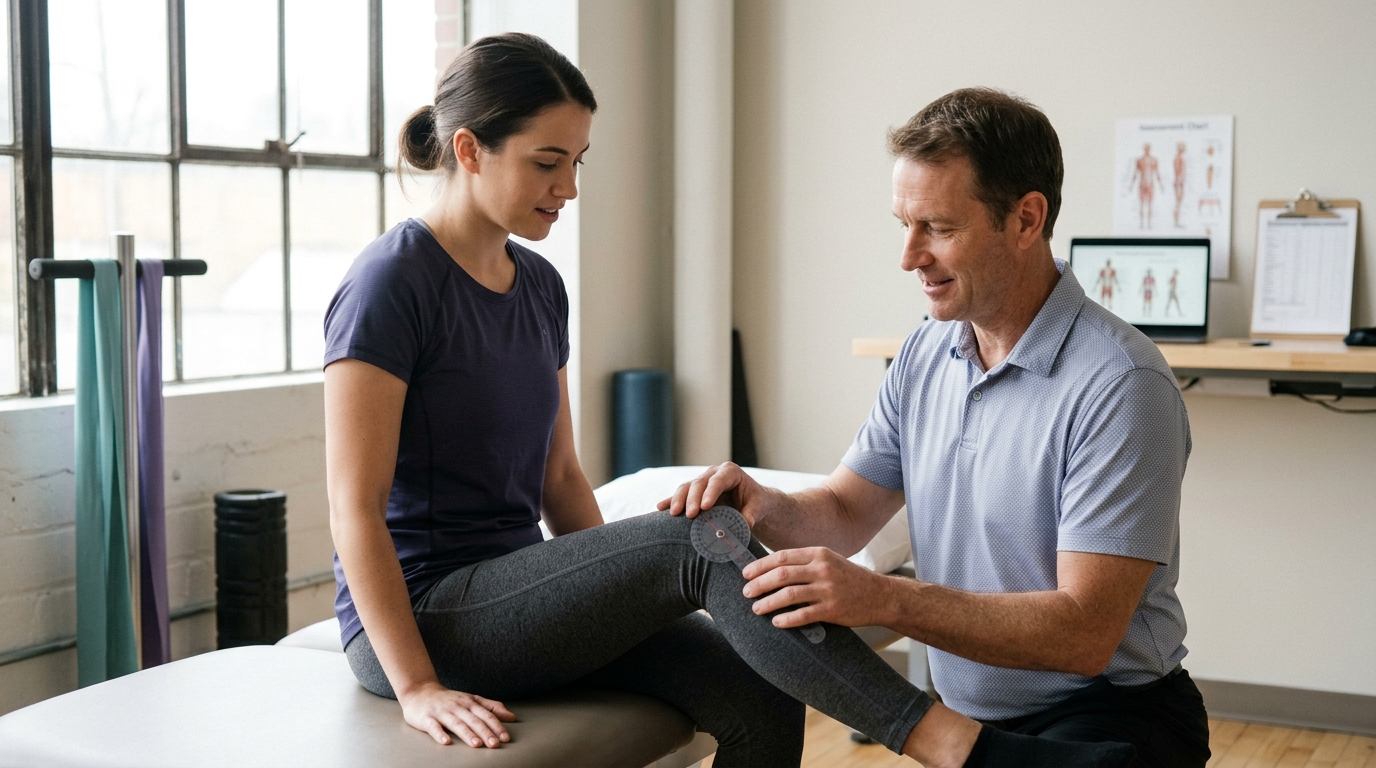
To move from basic rehabilitation exercises back to the activities you enjoy, you need a gradual bridge. A successful return does not happen by jumping directly from clinic drills to a full day of activity. Instead, you can break your hobby down into specific physical demands. You then test your ability against those demands and build tolerance in structured, manageable steps.
There is no fixed calendar that works for every person. Your path depends on your specific injury, your current physical capacity, and the environment where you spend your time. By treating your comeback as a step-by-step progression rather than an all-or-nothing test, you can return to the pastimes that bring meaning to your life while keeping your physical setbacks to a minimum.
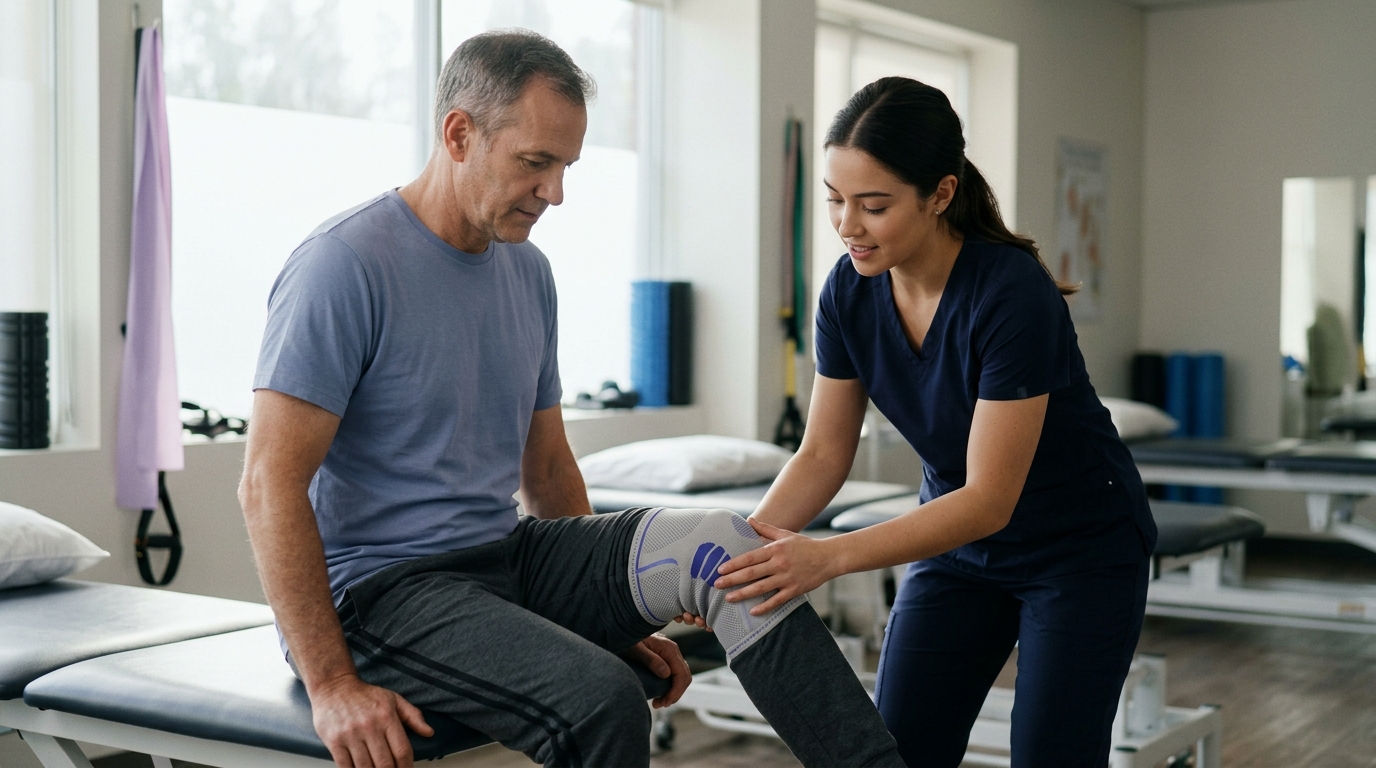
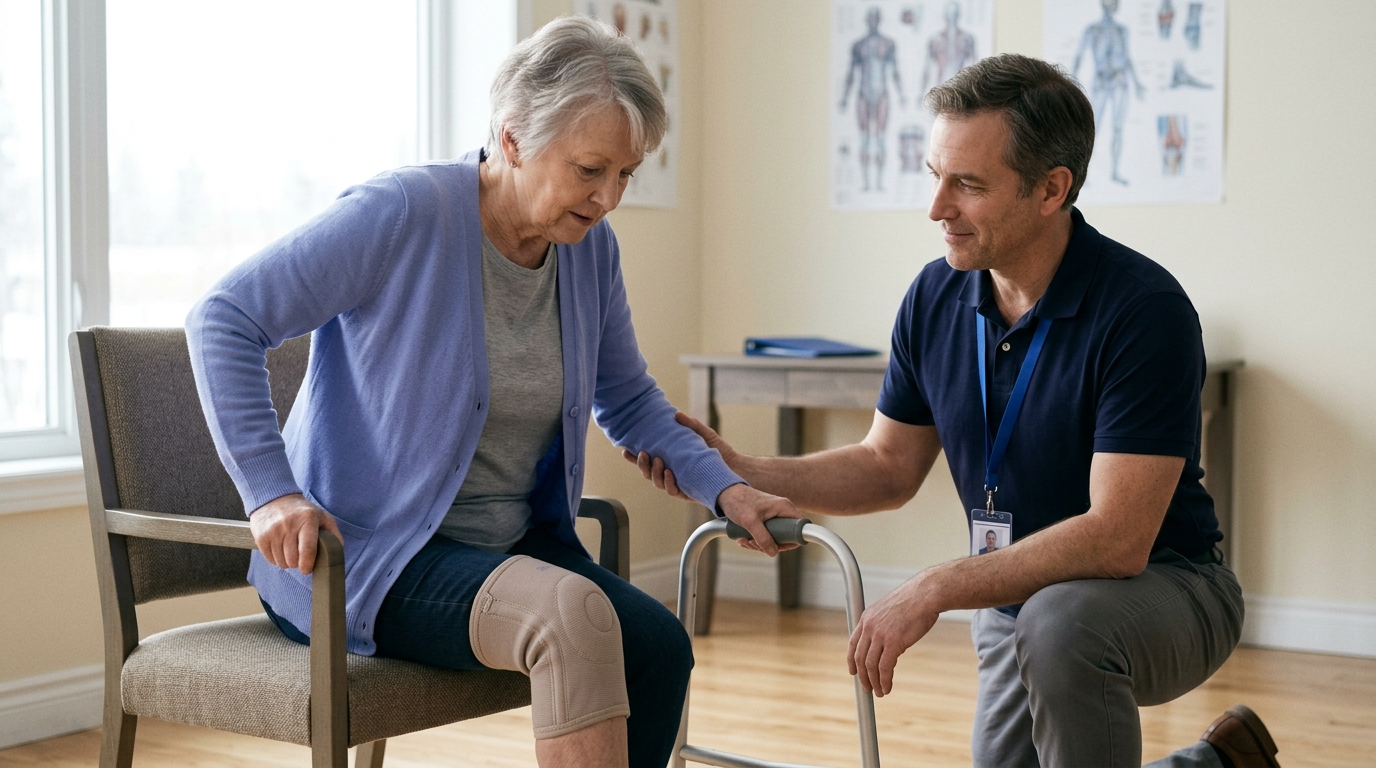
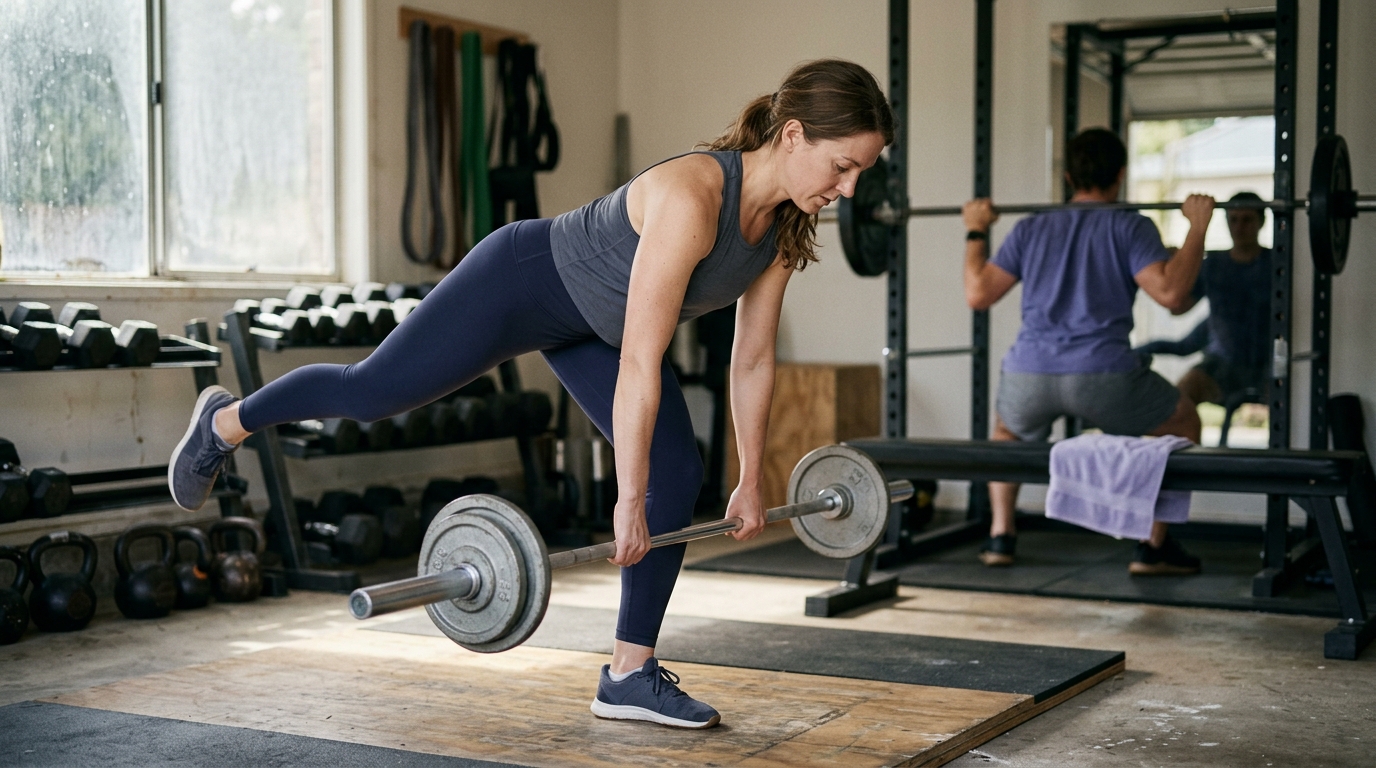
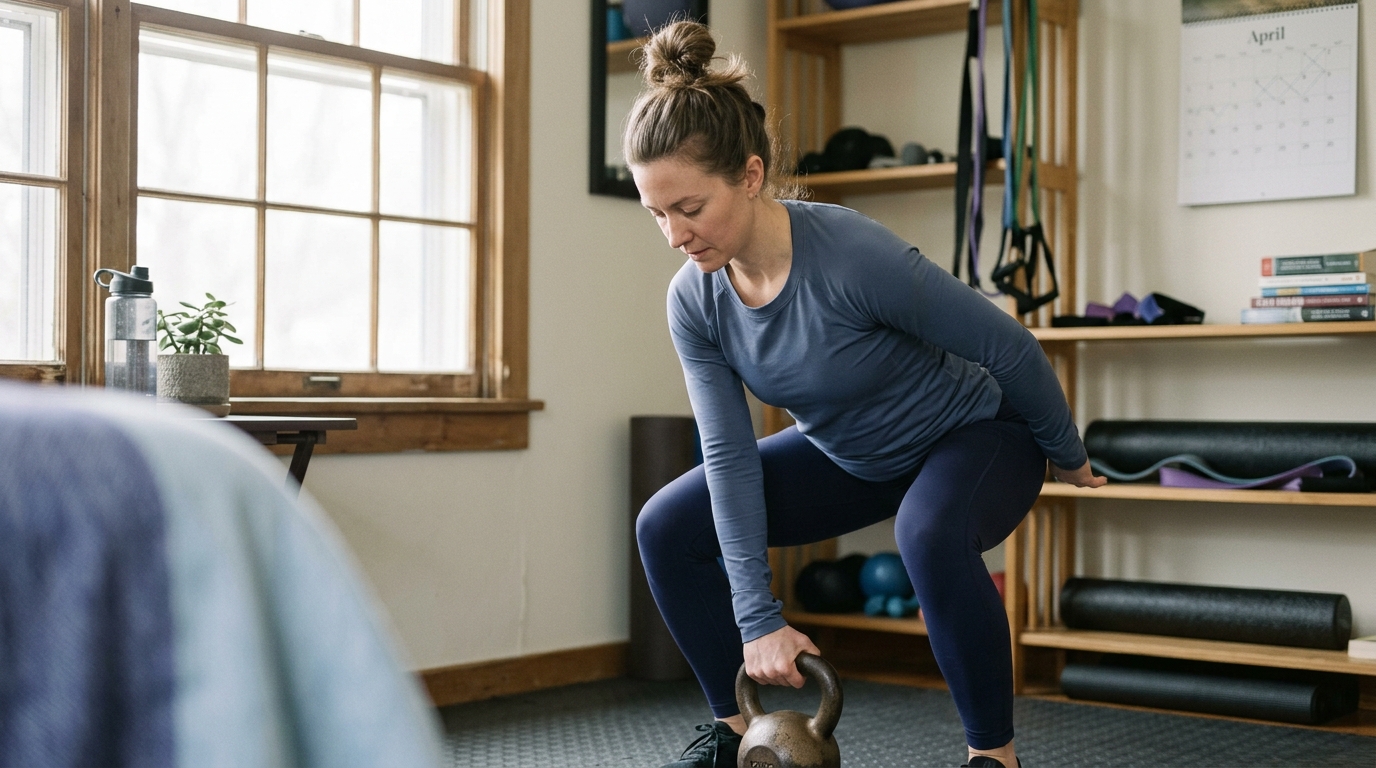
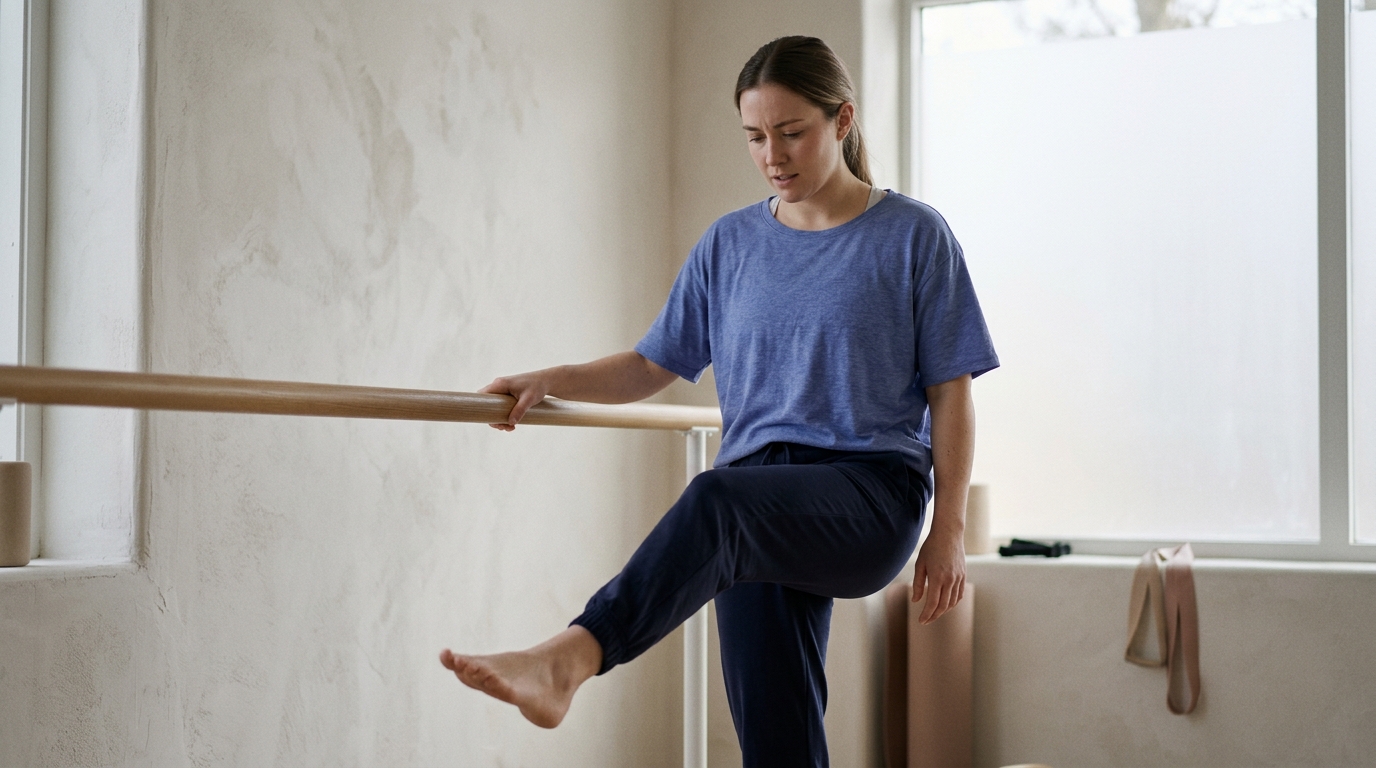
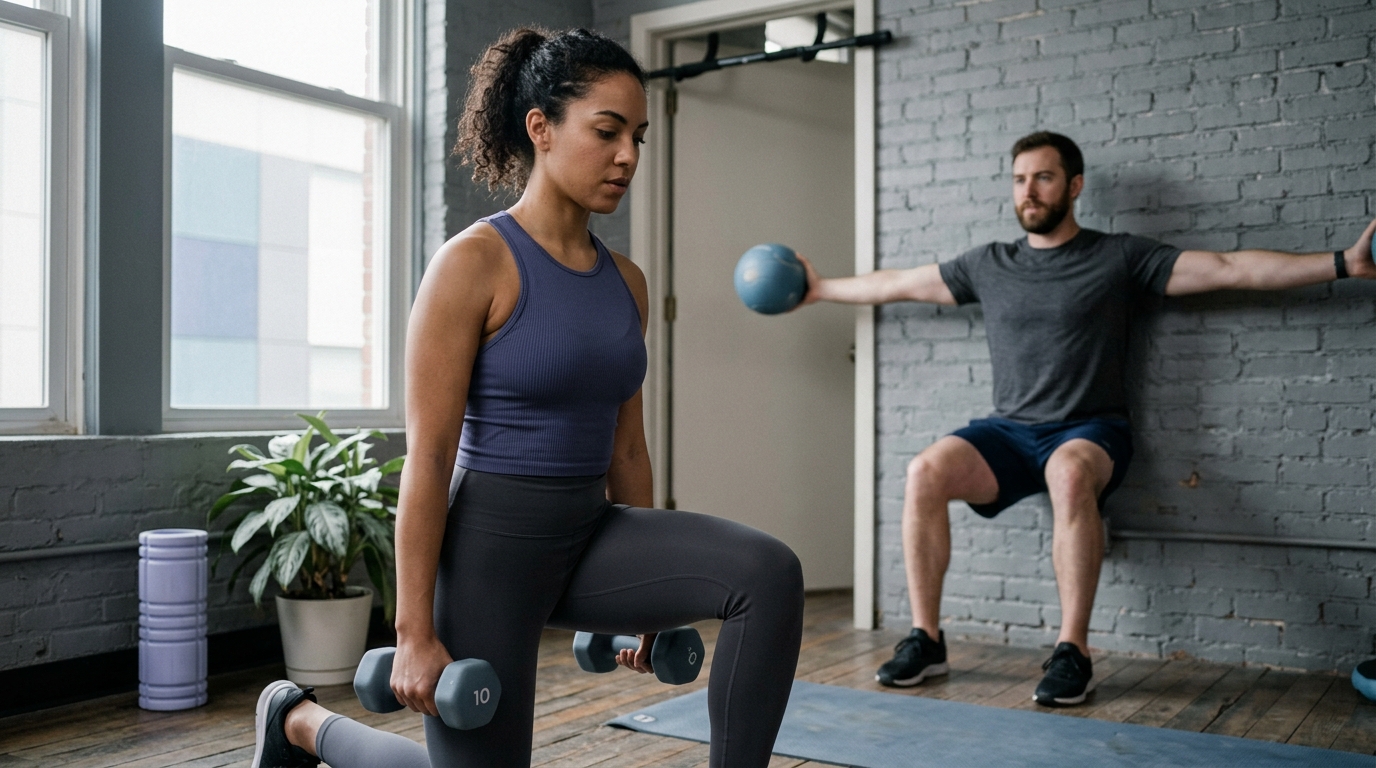
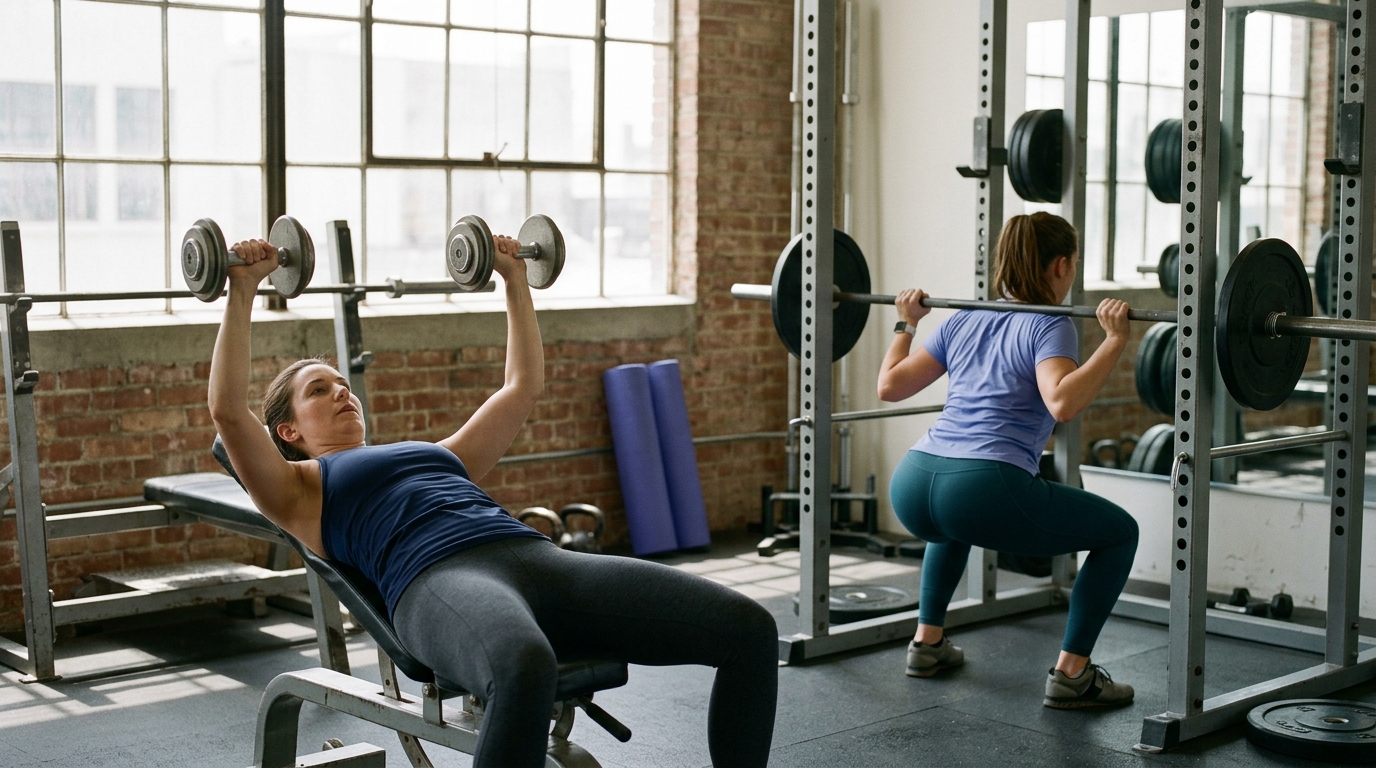
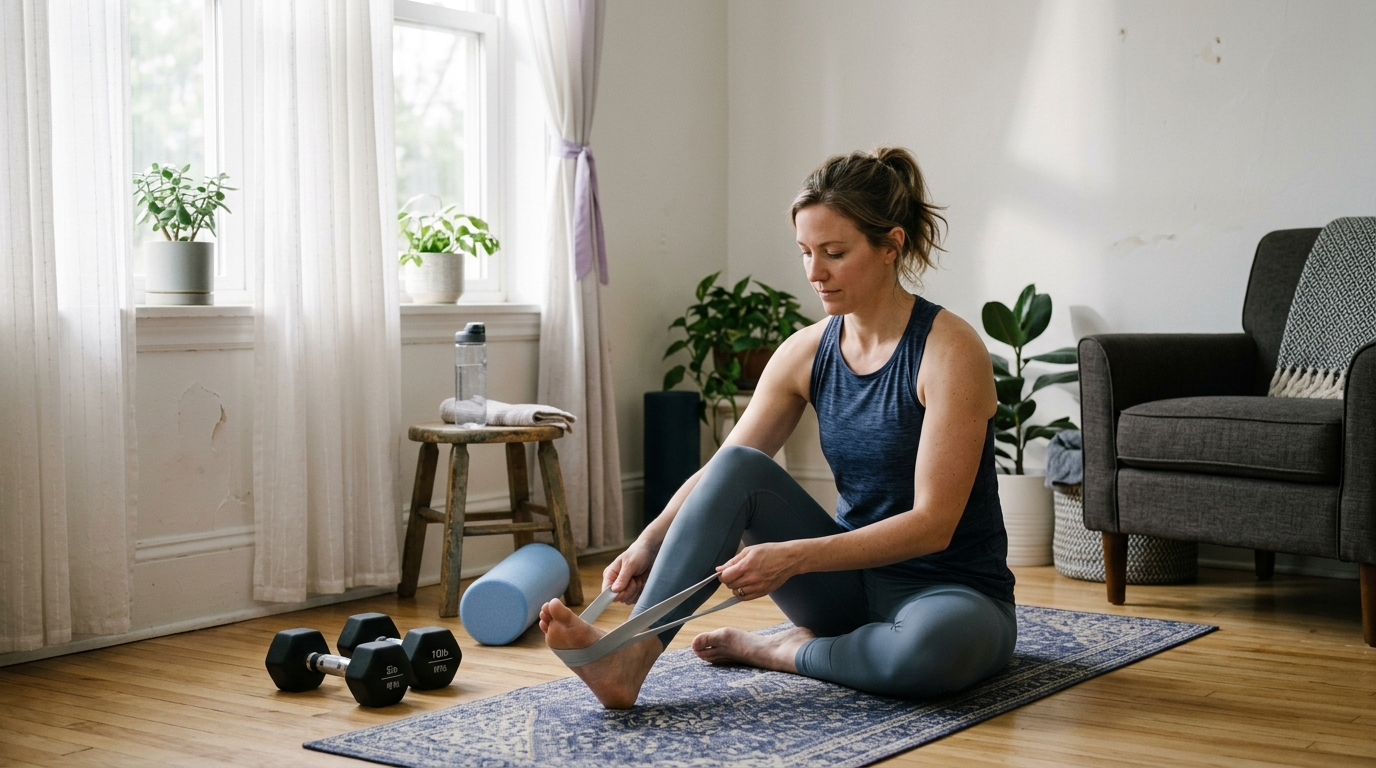
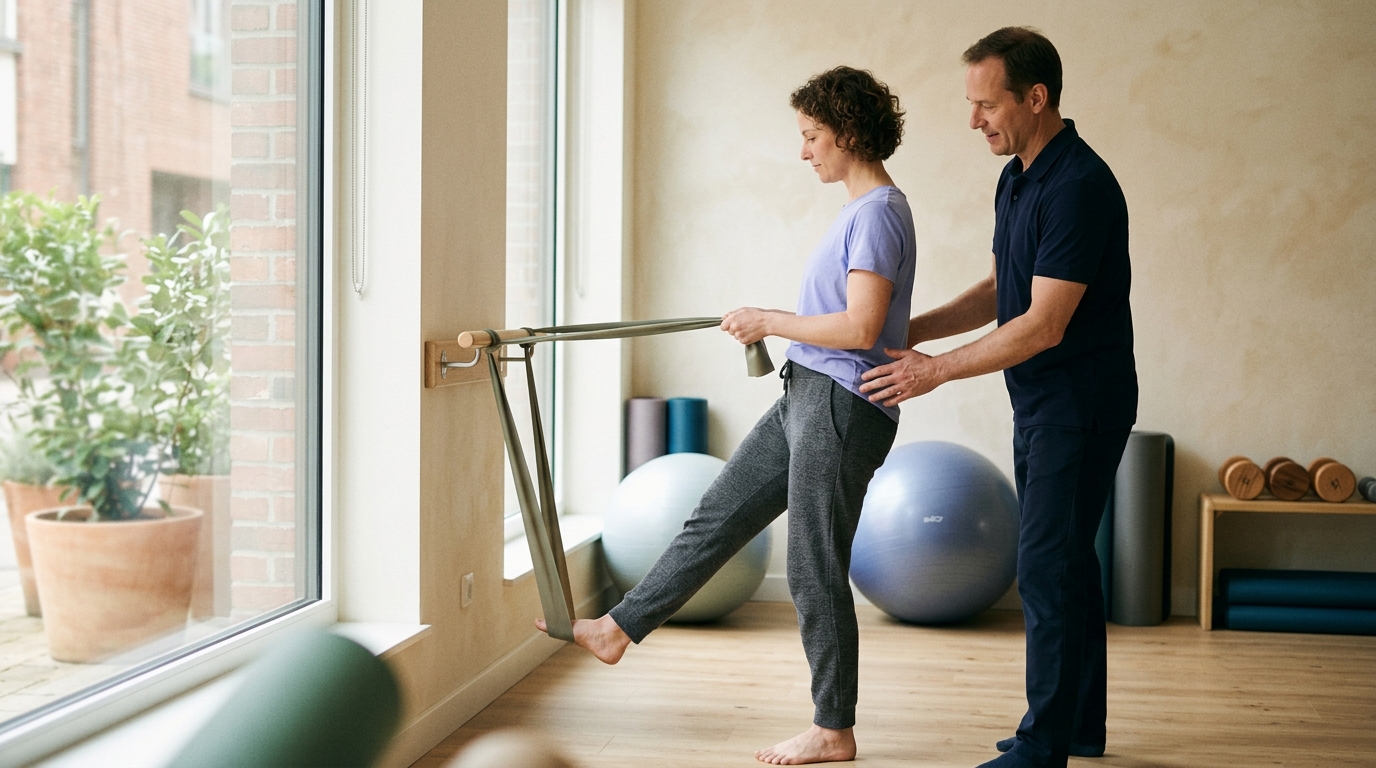
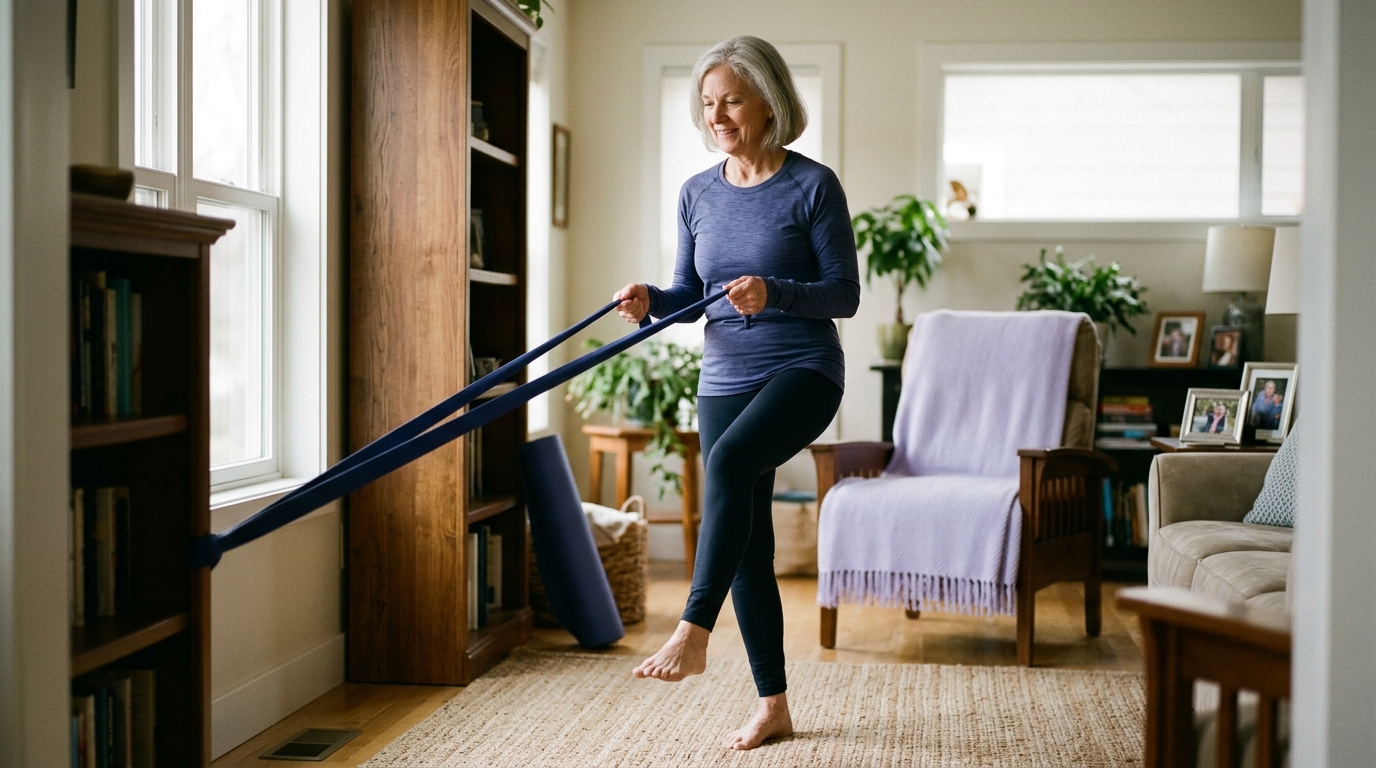
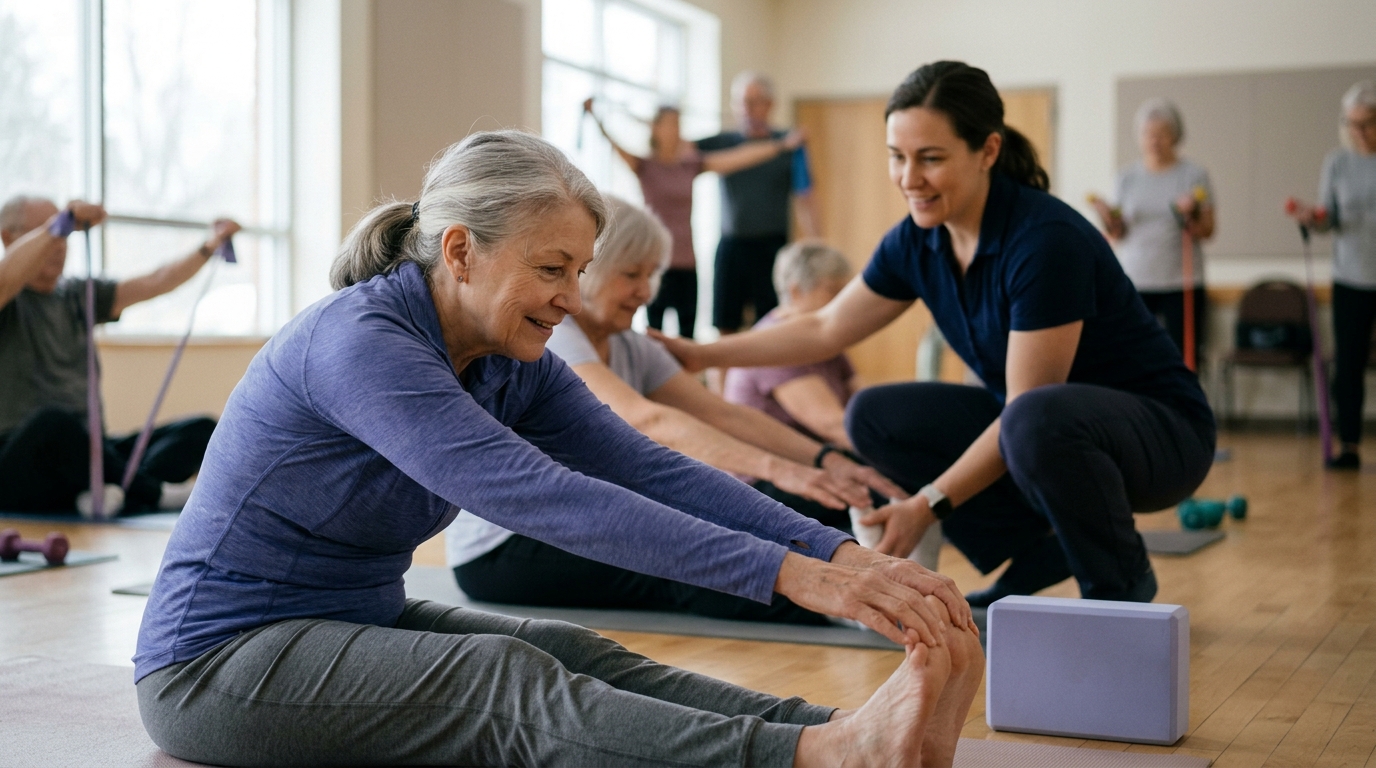
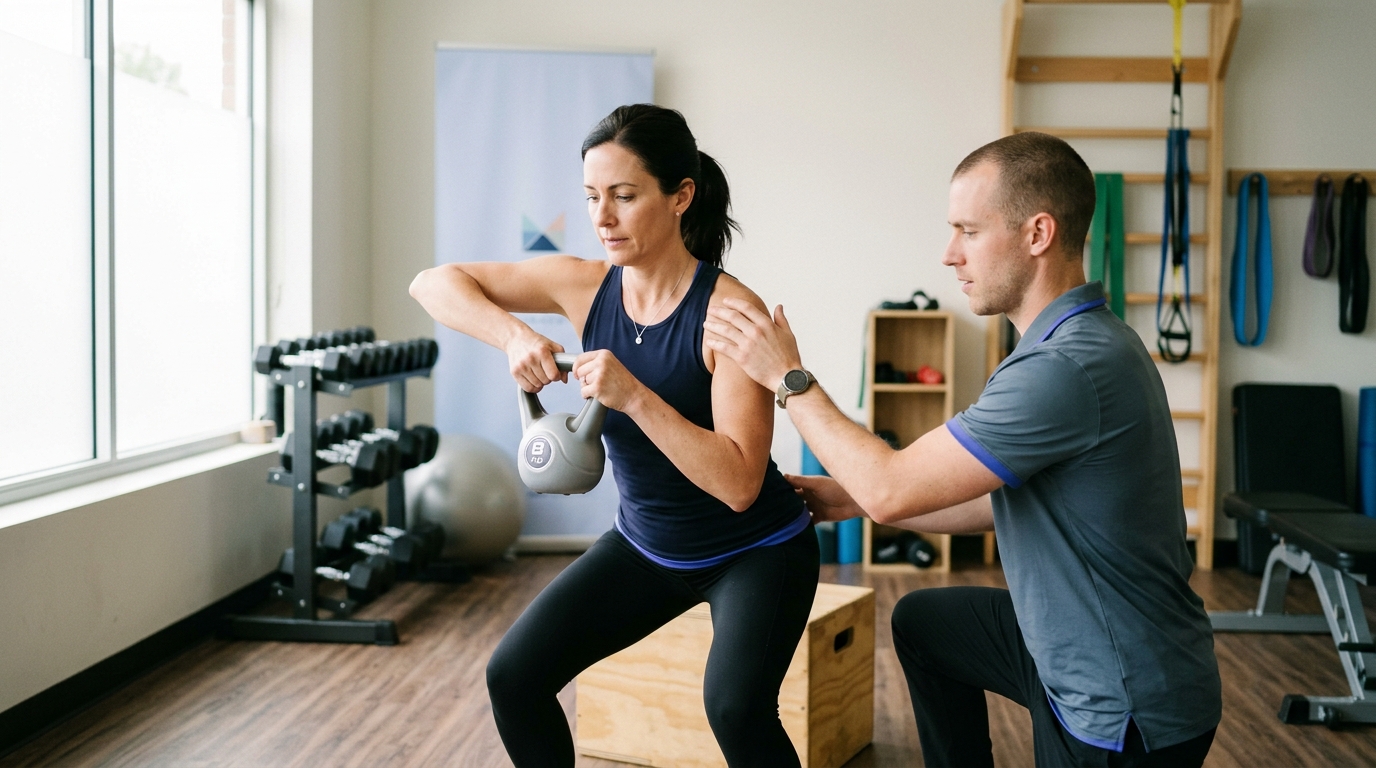
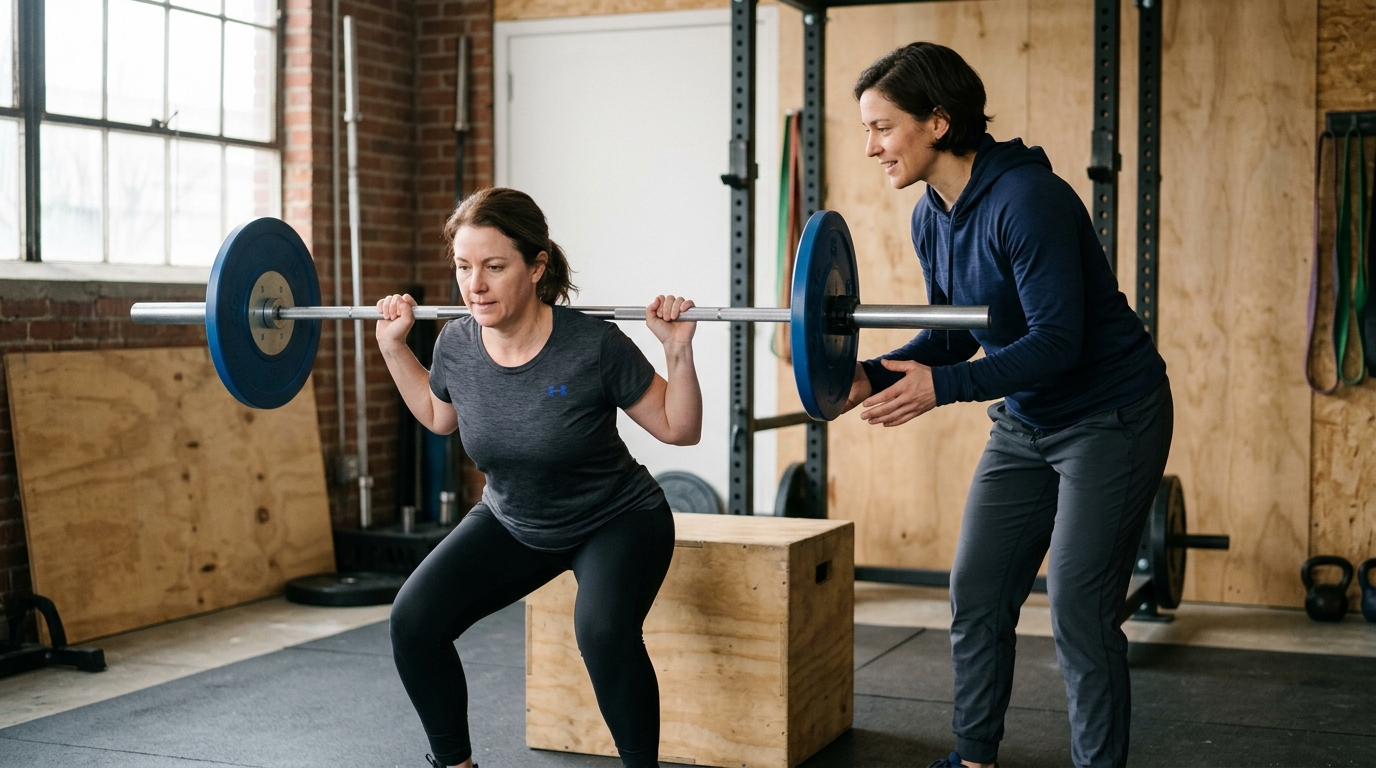
Rehabilitation exercises are tools designed to rebuild specific physical qualities. A straight leg raise targets your quadriceps. A single-leg balance drill challenges your ankle stabilizers. A banded row works the muscles around your shoulder blades. While these exercises are necessary, they are not identical to real-world tasks.
The World Health Organization created the International Classification of Functioning, Disability and Health, often called the ICF. This model helps explain why doing well on an exercise test does not instantly translate to doing well in a hobby. The ICF divides human movement into three distinct areas:
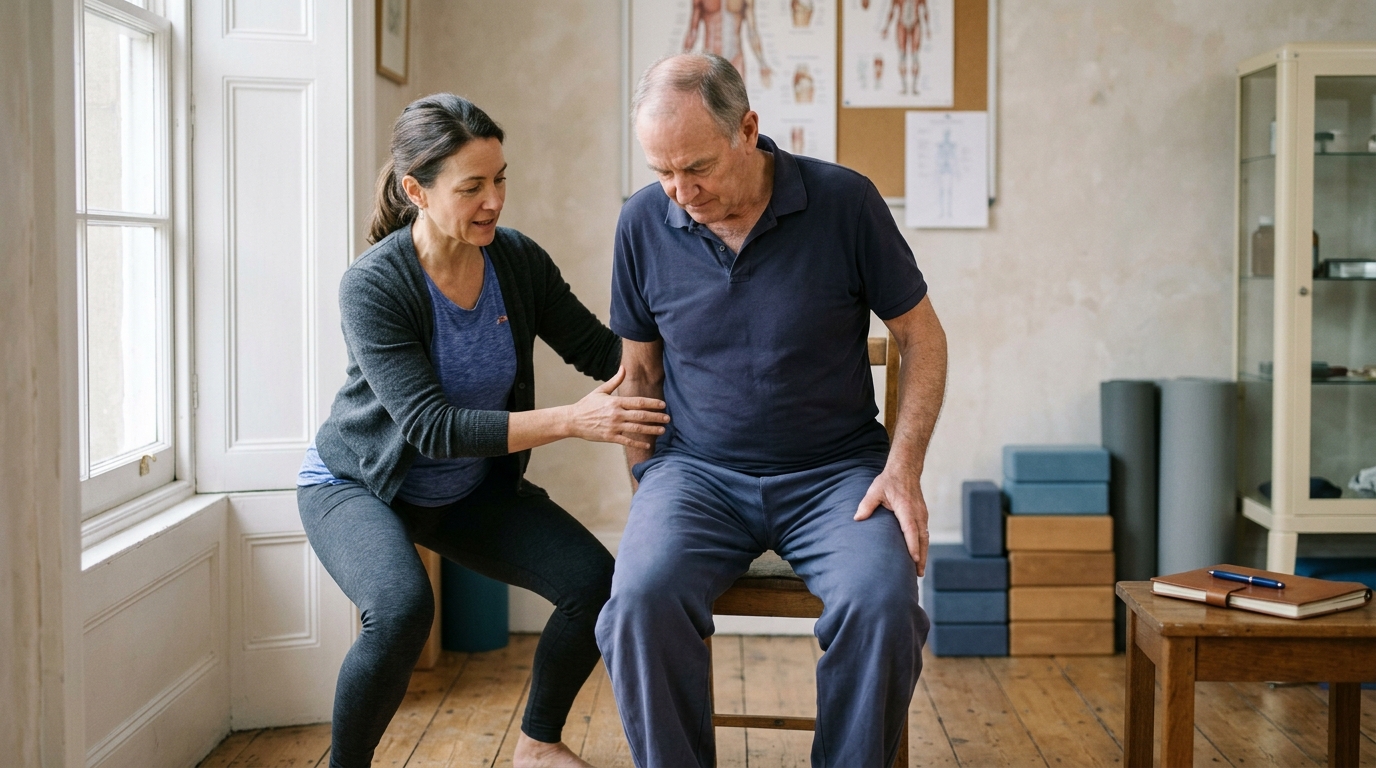
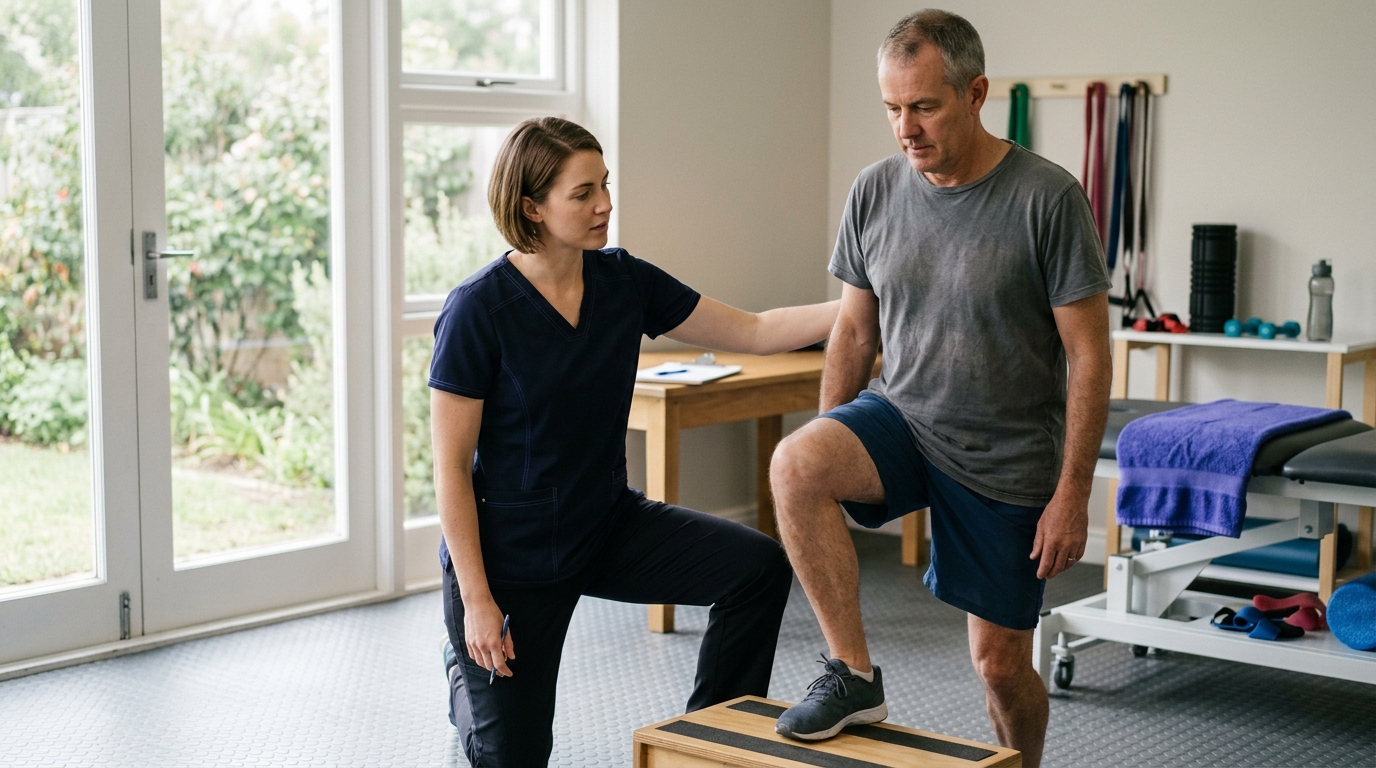
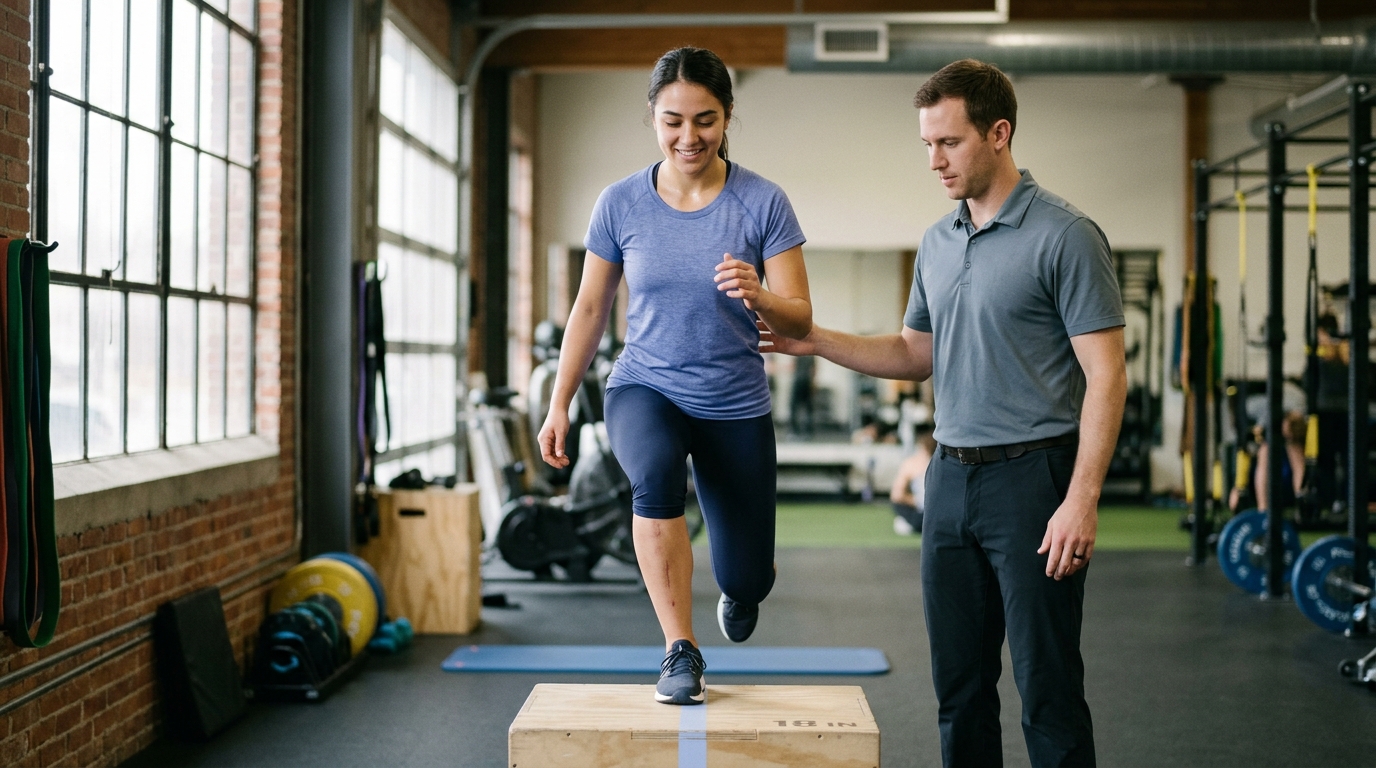
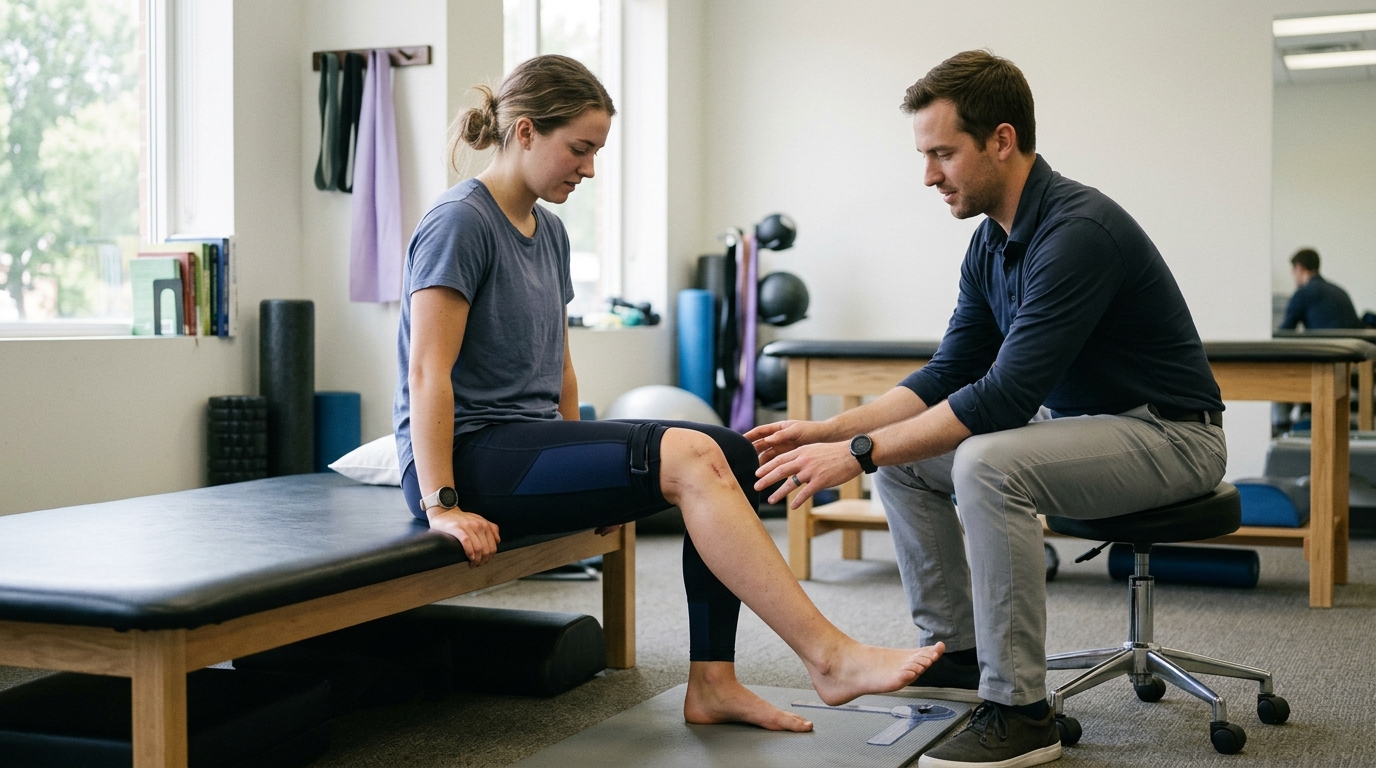
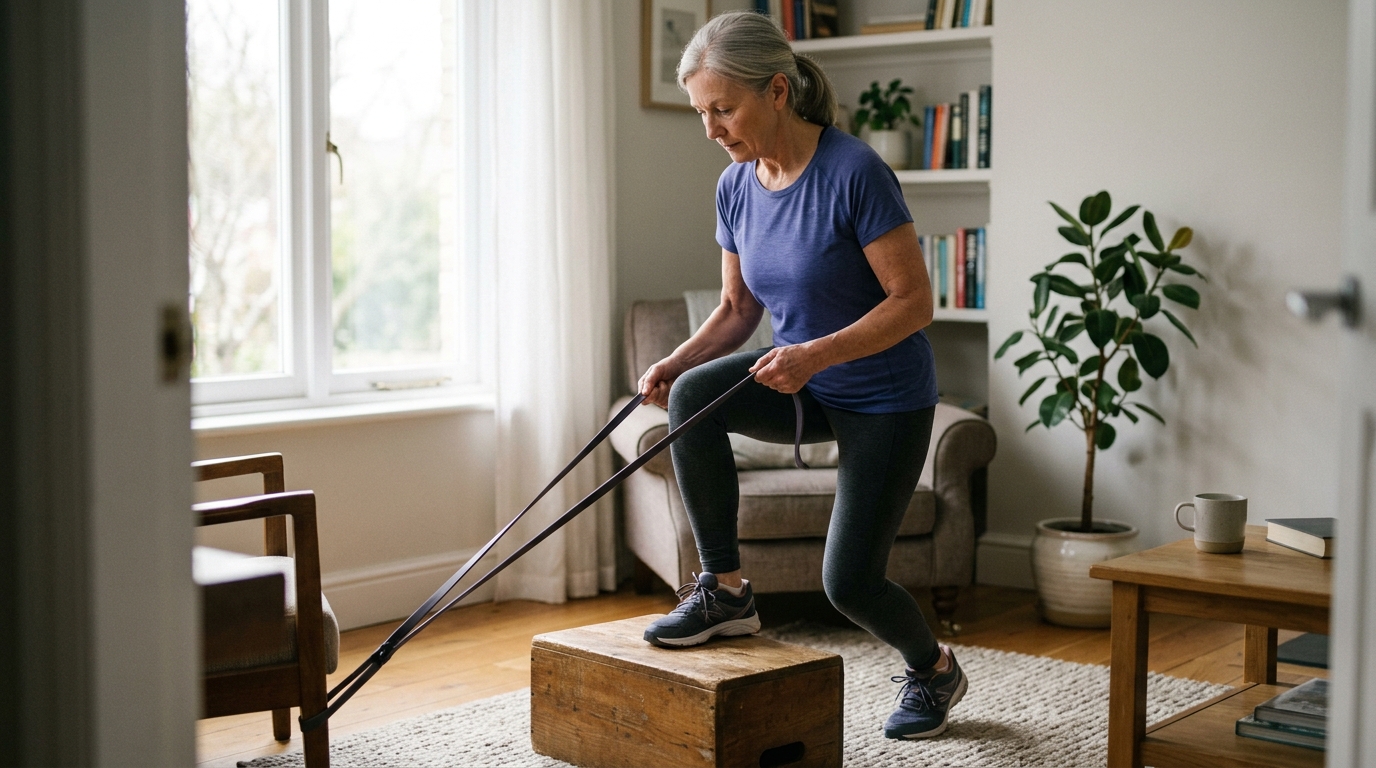
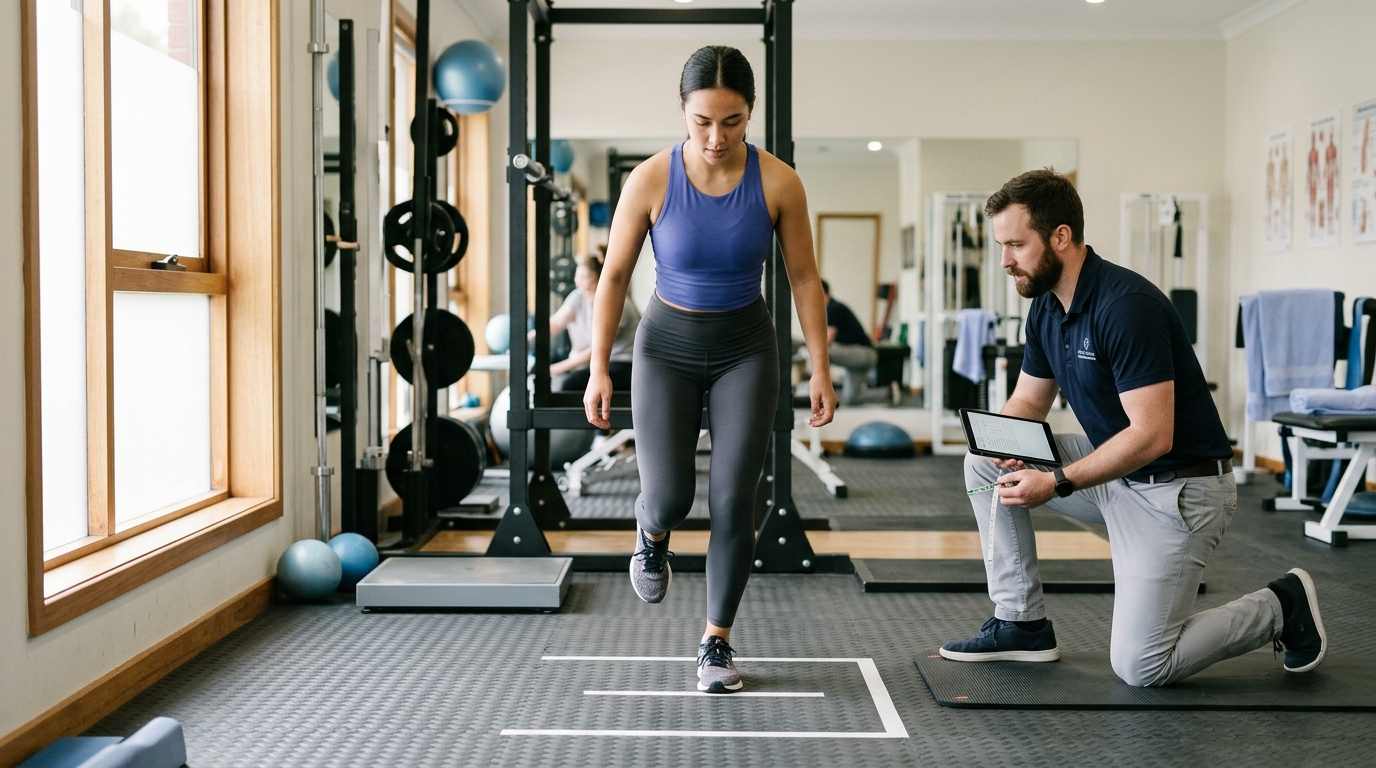
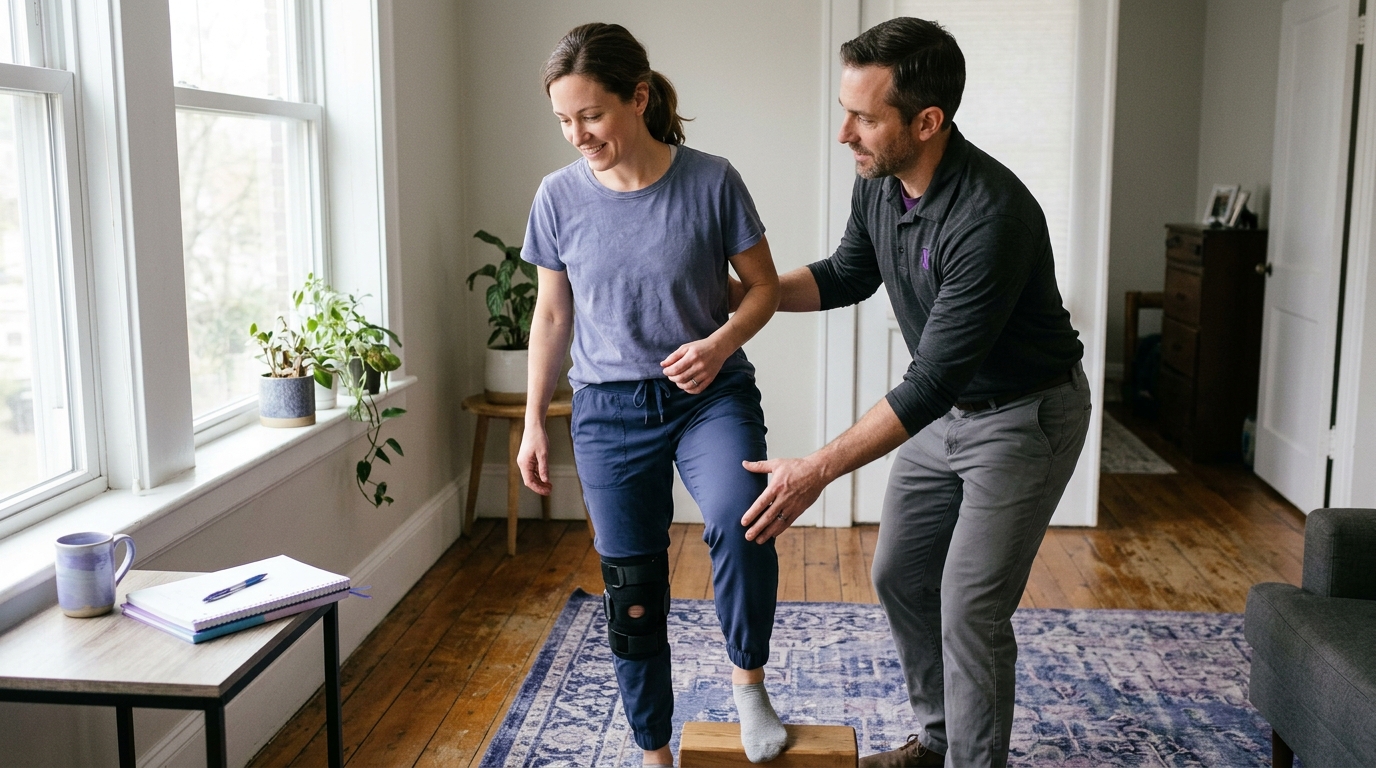
A clinic setting mainly measures your capacity under quiet, controlled conditions. When you perform a step-up onto a wooden box, the floor is level, the lighting is clear, and you can stop whenever you wish.
Real life demands actual performance in complex environments. When you hike in the woods, you deal with loose gravel, hidden tree roots, changing weather, and physical fatigue. You may also feel social pressure to keep up with your companions. Bridging the gap between the clinic and your hobby means preparing for these environmental and social demands, not just testing your muscle strength on a machine. You can learn more about rebuilding foundational movement patterns in our rehabilitation and mobility resources.
Sports physical therapy researchers have studied how active individuals successfully resume their favorite pastimes. A major consensus statement published by international sports medicine experts in Bern outlines that returning to activity is a continuous process rather than a single event. It is not a sudden pass or fail clearance from a doctor.
The consensus describes three separate stages along this journey:
You do not have to reach the final performance stage to consider your recovery a success. Many adults find satisfaction in simply returning to the activity in a modified way that feels comfortable and sustainable.
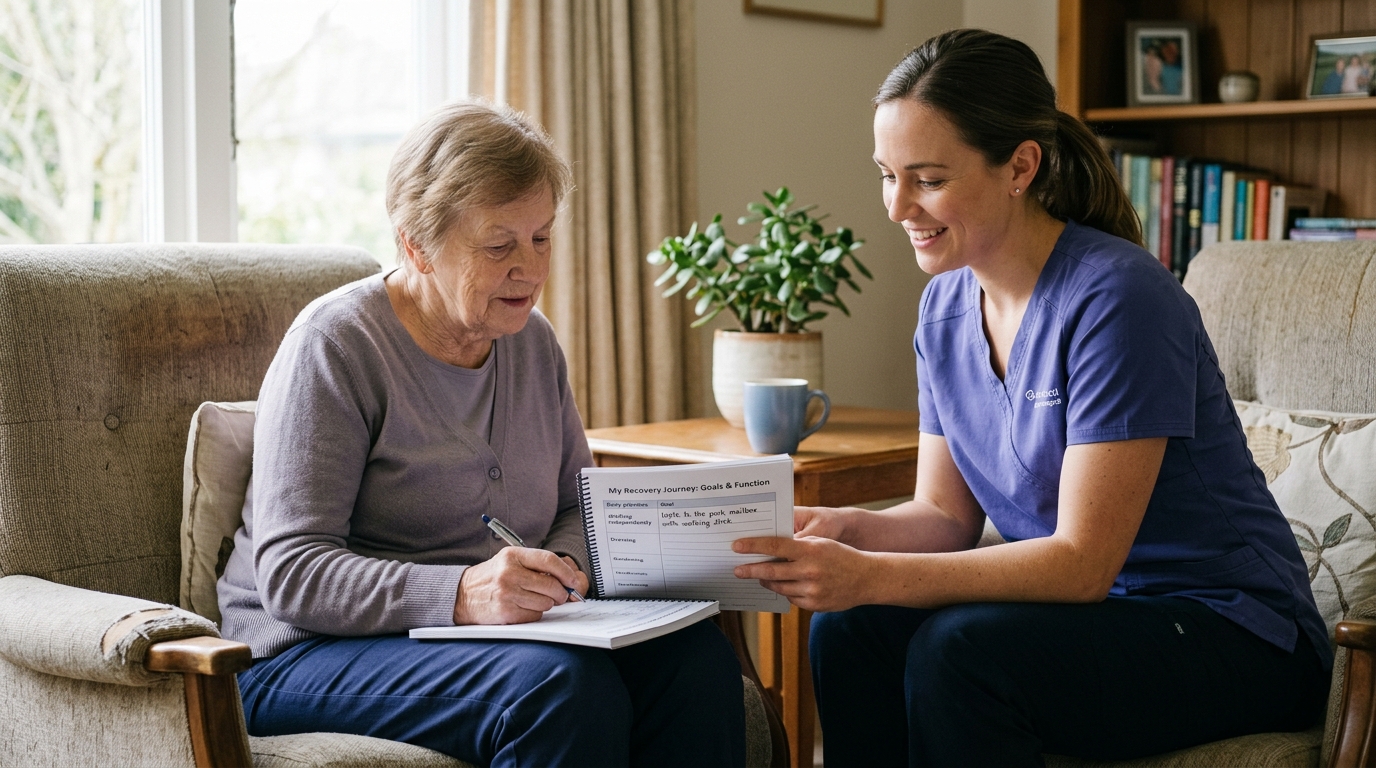
Clinical research also emphasizes the power of person-centered goal setting. Guidelines from the National Institute for Health and Care Excellence, known as NICE, recommend that rehabilitation goals should reflect what matters most to the individual. Whether recovering from a traumatic injury or a serious health event like a stroke, goals should focus on meaningful activities and active participation rather than just numbers on a strength chart.
Evidence also shows that training loads must be progressed in a graded, criterion-based manner. A criterion-based progression means you move to the next level of difficulty only when your body demonstrates tolerance for the current level. It does not rely on arbitrary dates on a calendar.
While load management is critical, research emphasizes that no single mathematical formula applies to every person or tissue type. A consensus on hamstring injuries notes that progression decisions must account for tissue healing times, specific injury types, and symptom responses. Monitoring how your body responds over 24 to 48 hours is the most reliable way to guide your pace.
To create an effective transition plan, you must look closely at what your hobby actually requires. Many people think of their favorite pastime as a single action, such as swinging a club or planting a flower. In reality, every hobby combines several physical and mental tasks.
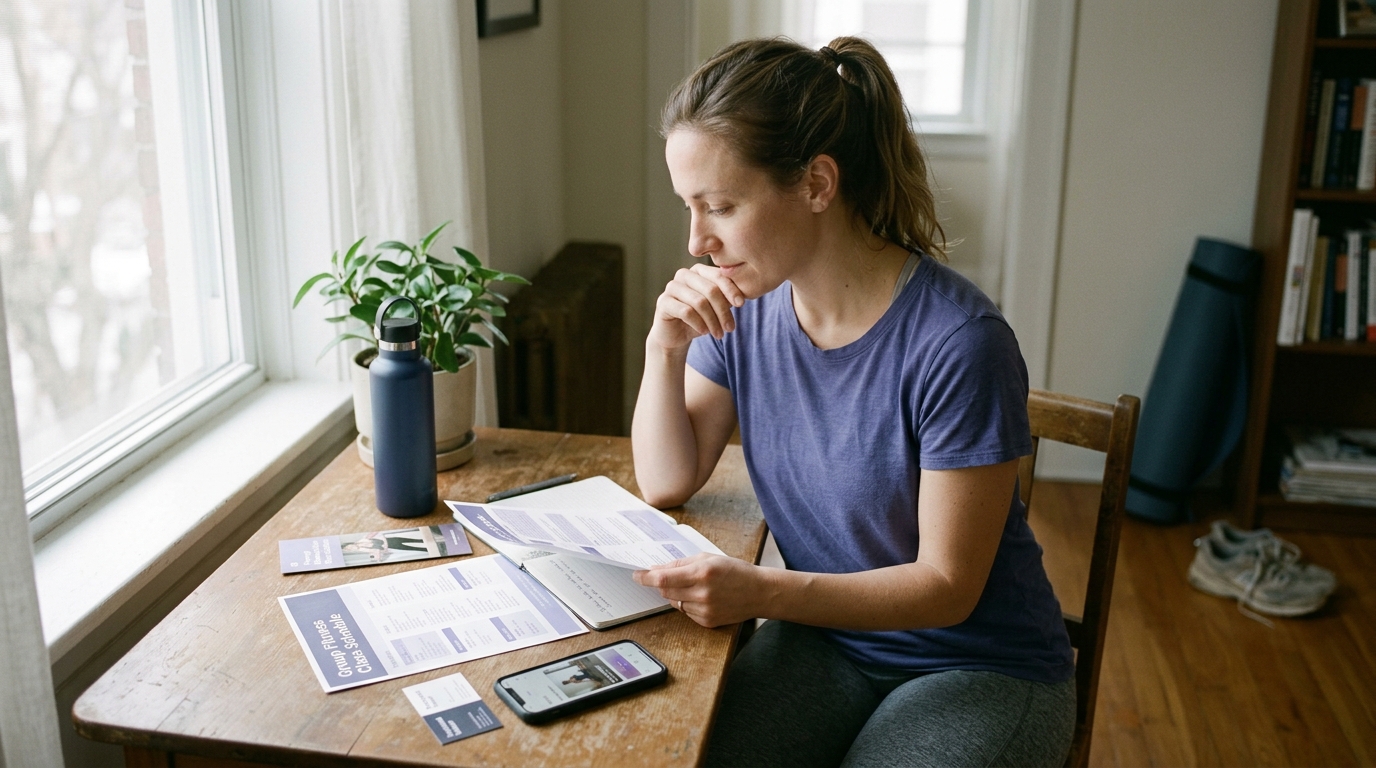
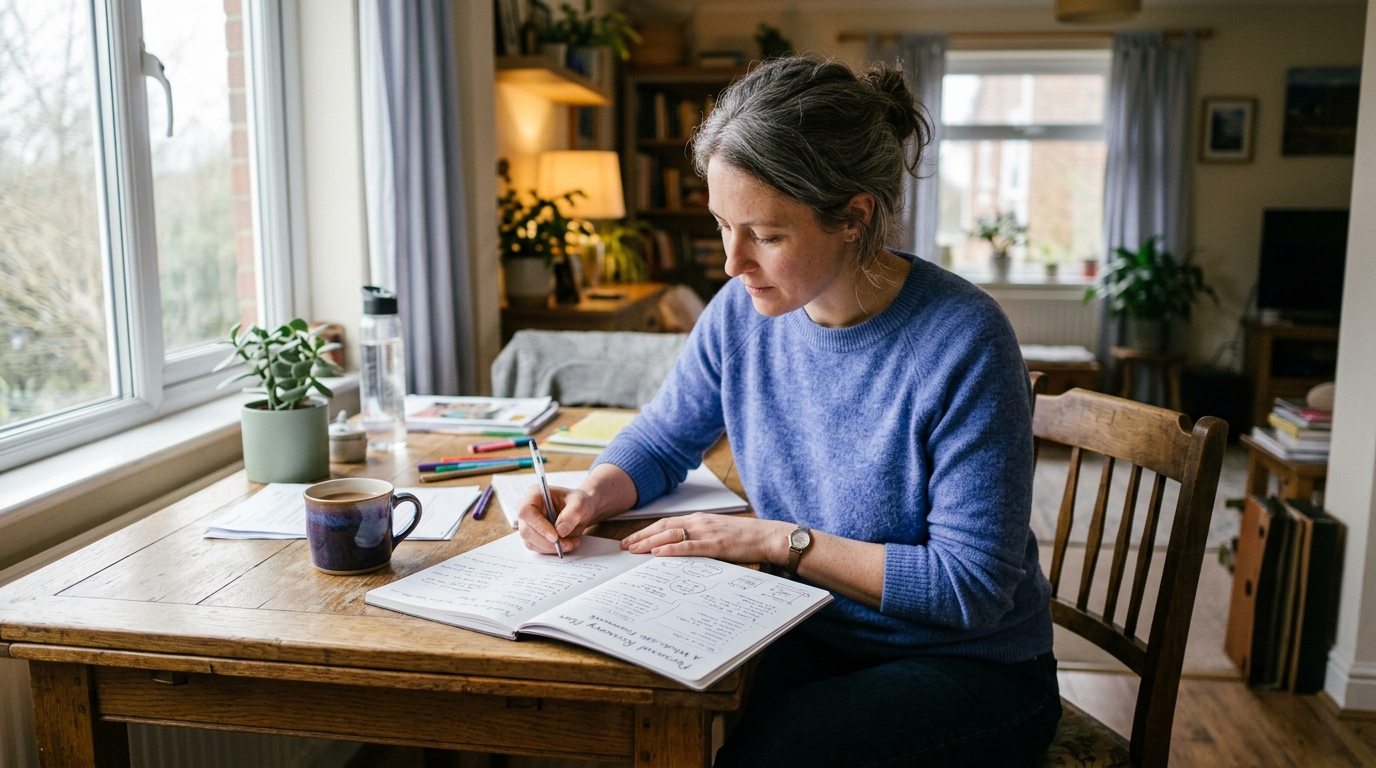
You can perform a simple task analysis by asking yourself six practical questions:
Writing down these details removes the guesswork. It turns a vague desire to get back out there into a clear checklist of specific physical capacities you can practice. You can read more about structured training progressions in our strength and sport articles.
Different hobbies place unique stresses on your joints, muscles, and cardiovascular system. Examining specific activities shows how you can adapt tasks to match your current capacity.
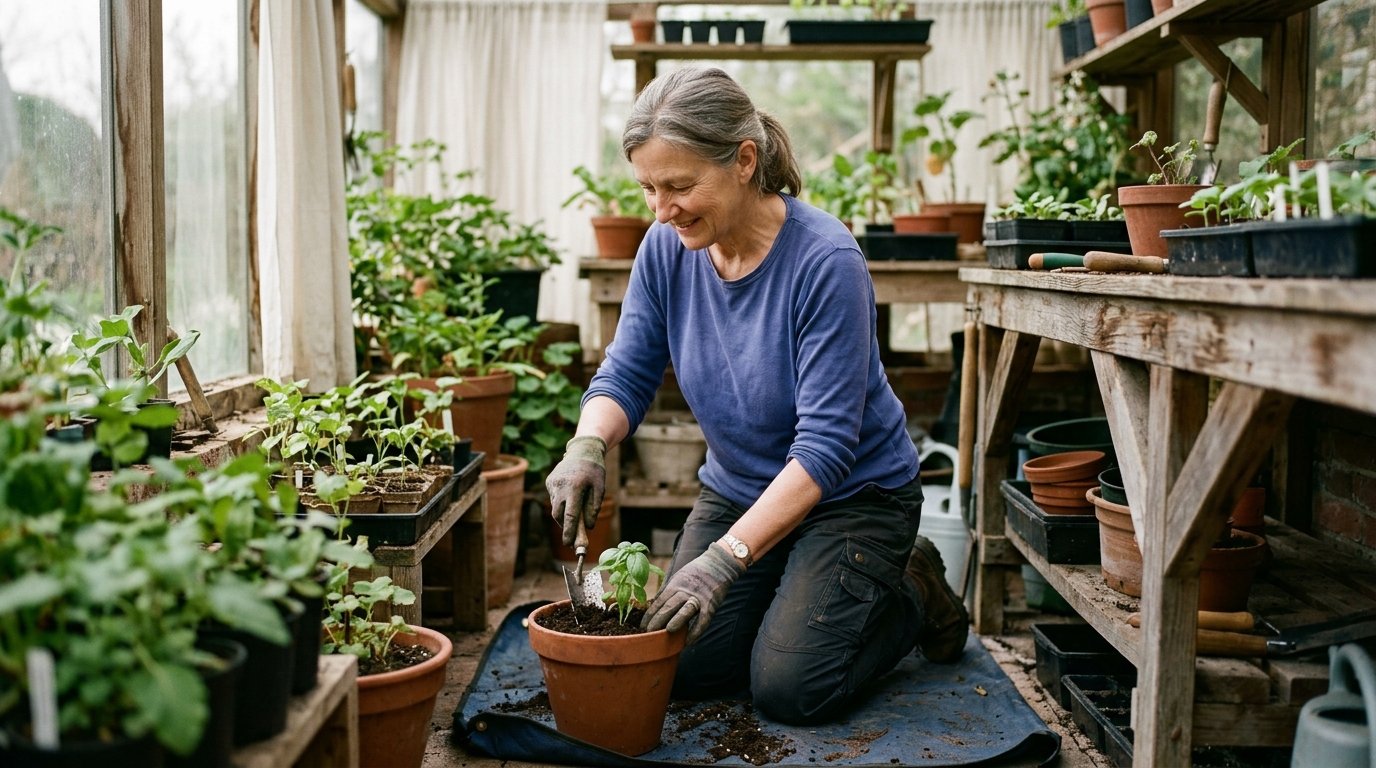
Gardening is a rich, rewarding activity, but it places significant physical demands on the spine, knees, and hands. A standard afternoon in the yard involves sustained bending, repeated kneeling, overhead reaching, and prolonged gripping of pruning shears.
Health organizations and university extension programs point out that staying in hunched or kneeling positions for long periods can strain the lower back and knees. Extended, tight gripping can also cause inflammation and swelling in the hands and forearms.
You can build a practical bridge for gardening through simple adaptations:
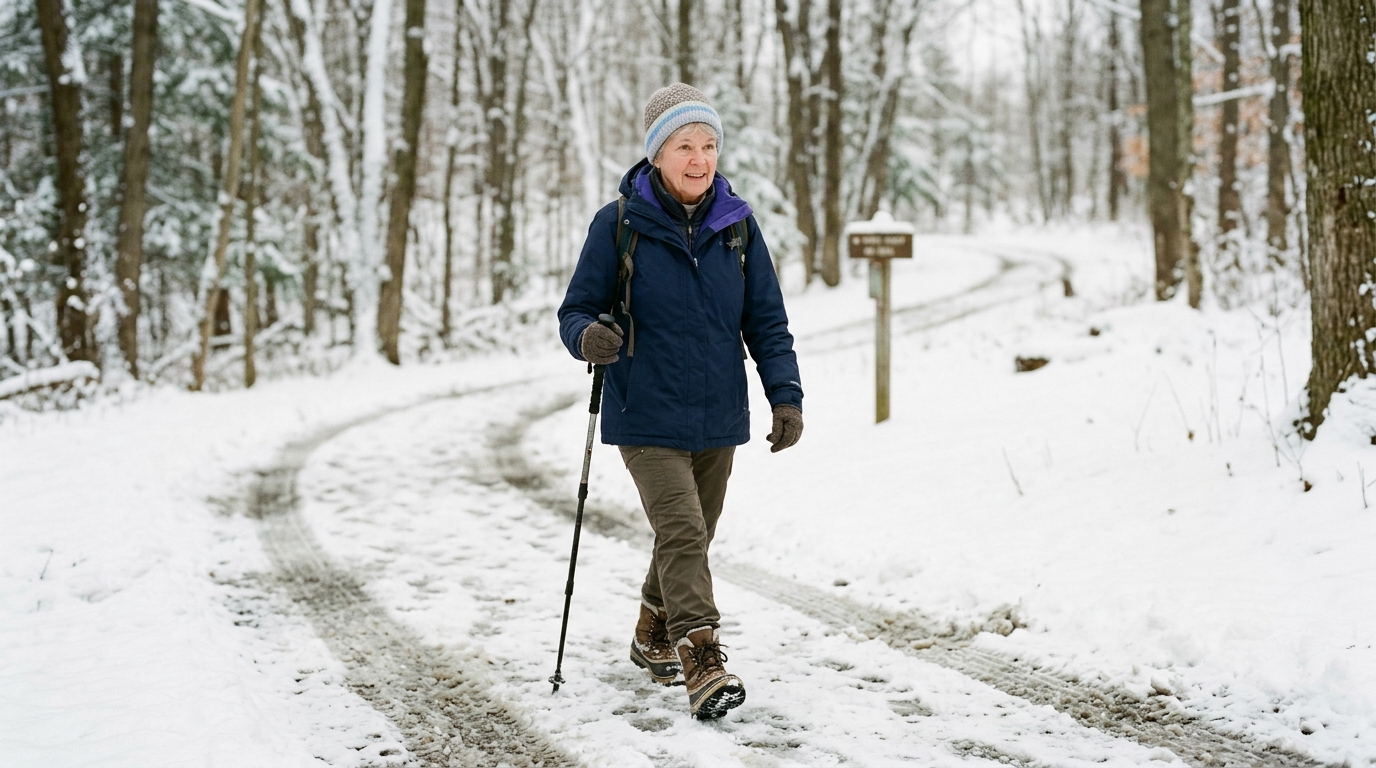
Walking on a motorized treadmill or a paved neighborhood street does not fully prepare you for a wilderness trail. Hiking introduces uneven dirt, loose gravel, exposed roots, and sustained uphill and downhill slopes.
Downhill walking places high eccentric loads on your quadriceps and increases force across the knee joints. Traversing rocky paths requires quick, reactive balance from your foot and ankle muscles. Furthermore, hiking often takes place in remote areas where sitting down to rest or turning back early is difficult.
You can break your return to hiking into manageable stages:
Golf involves two distinct physical demands: the rotational swing and the distance traveled around the course. People often focus entirely on the swing, forgetting that a standard round requires substantial walking and repeated bending.
A biomechanical study of older novice golfers showed that playing a standard session involved walking an average of 2,873 meters, taking about 4,100 steps, performing 24 squats, and taking 41 full swings. These numbers illustrate why golf can cause significant fatigue for someone recovering from an injury or joint replacement.
Research on golfers recovering from hip or knee surgery shows that moving around the course is often more fatiguing than the swing itself. You can create a step-by-step bridge for golf:
Dancing combines cardiovascular stamina, coordination, rapid changes of direction, and expressive movement. Whether you enjoy ballroom, salsa, line dancing, or ballet, the physical demands vary widely depending on the tempo and style.
Clinical presentations on dance rehabilitation emphasize that returning to dance requires moving through progressive stages of movement control. For example, rehabilitation for an ankle or foot injury starts with basic pain-free walking and double-leg calf raises. It then progresses to single-leg balance, controlled weight shifts, rhythmic stepping, and finally turns and low-impact jumps.
You can bridge the gap back to social or recreational dance with these steps:
Moving from rehabilitation exercises to your favorite pastimes is easiest when you follow a structured sequence. This six-step framework adapts the principles of sports physical therapy into a practical guide for everyday hobbies.
Start by writing down exactly what you want to achieve. Make your goal specific to your personal values rather than an abstract clinical number.
Instead of saying you want better balance, state that you want to walk a two-mile nature trail with your family. Instead of aiming for general shoulder flexibility, state that you want to spend thirty minutes pruning your rose bushes. Having a clear, meaningful target helps you choose the right exercises and track genuine progress.
List every physical component required to complete that goal. Think about the postures you must hold, the tools you must carry, the terrain you must navigate, and the total time involved.
Consider what happens when you get tired. Identifying the most demanding parts of the activity ahead of time prevents unpleasant surprises when you try the activity in the real world.
Look honestly at how your current clinic capacity compares to the demands of the hobby. If your goal is to hike for an hour on uneven trails, but you currently feel fatigued after twenty minutes of flat walking on a track, you have identified a capacity gap.
This step is not meant to discourage you. It simply highlights the specific areas, such as endurance, grip strength, or balance, that need focused training before you head outside.
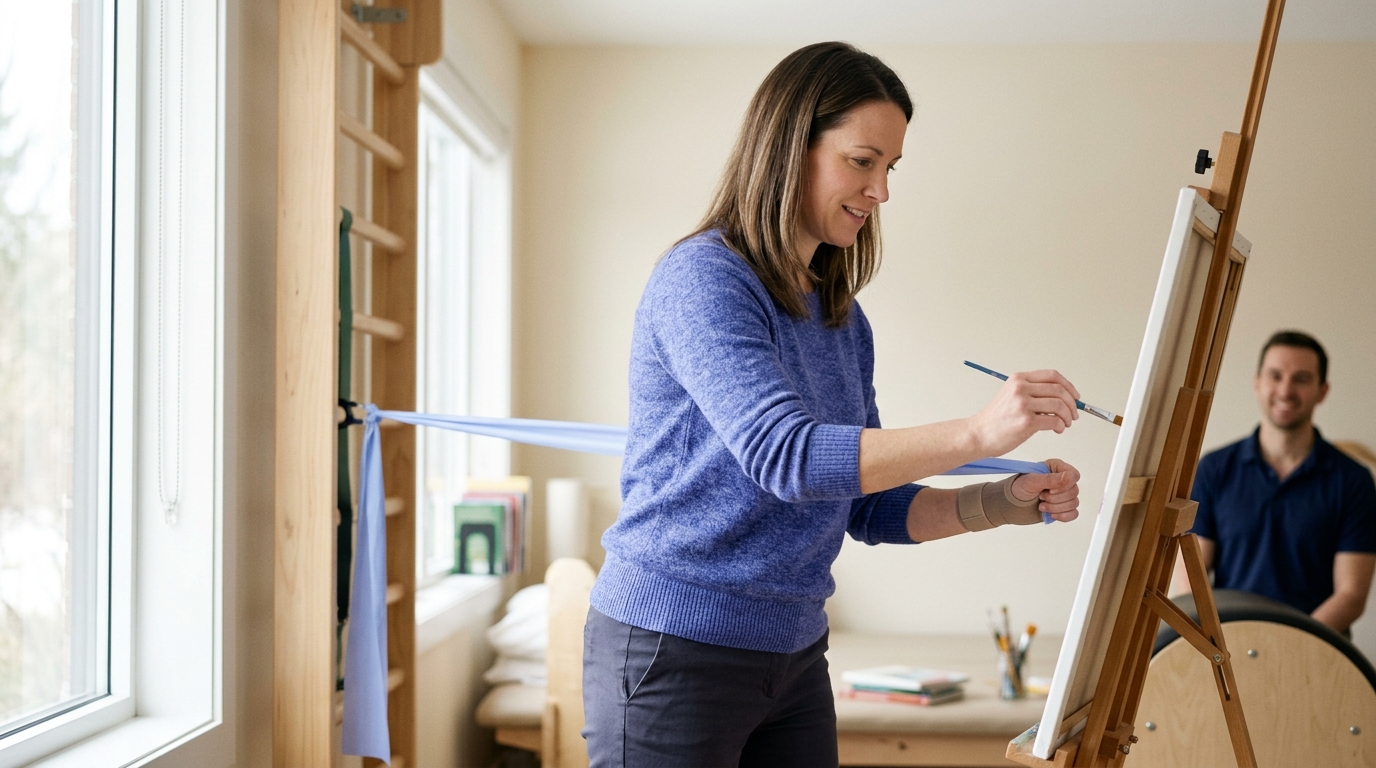
Design a version of your hobby that keeps the joy and meaning of the activity while removing its most difficult physical obstacles. This represents your return to participation.
If you love woodworking, start by sanding small tabletop projects while sitting on a comfortable stool, rather than lifting heavy sheets of plywood. If you enjoy road cycling, start on a stationary indoor bike or ride short, flat loops around a quiet park.
When you feel comfortable at your starting level, increase the physical challenge in small, deliberate increments. A helpful rule is to change only one major variable at a time.
You can adjust:
By changing only one factor at a time, you can clearly see what caused any flare-up or excessive fatigue, making it simple to adjust your plan.
The final step is ensuring you can enjoy your hobby consistently without accumulating chronic aches or setbacks. This means developing good long-term habits.
Build a short warm-up routine before your hobby, plan regular hydration and rest breaks, and establish a recovery routine afterward. A successful return means you can do what you love this weekend and feel ready to do it again next week. For more ideas on maintaining healthy movement patterns, browse our mobility and movement guides.
No two people recover along the exact same timeline. Several biological, environmental, and lifestyle factors influence how quickly you can progress from rehabilitation drills back to full participation.
The specific tissue involved in your injury plays a major role in your recovery timeline. Muscles generally have a rich blood supply and heal relatively fast, whereas tendons, ligaments, and cartilage require more time to adapt to new physical loads.
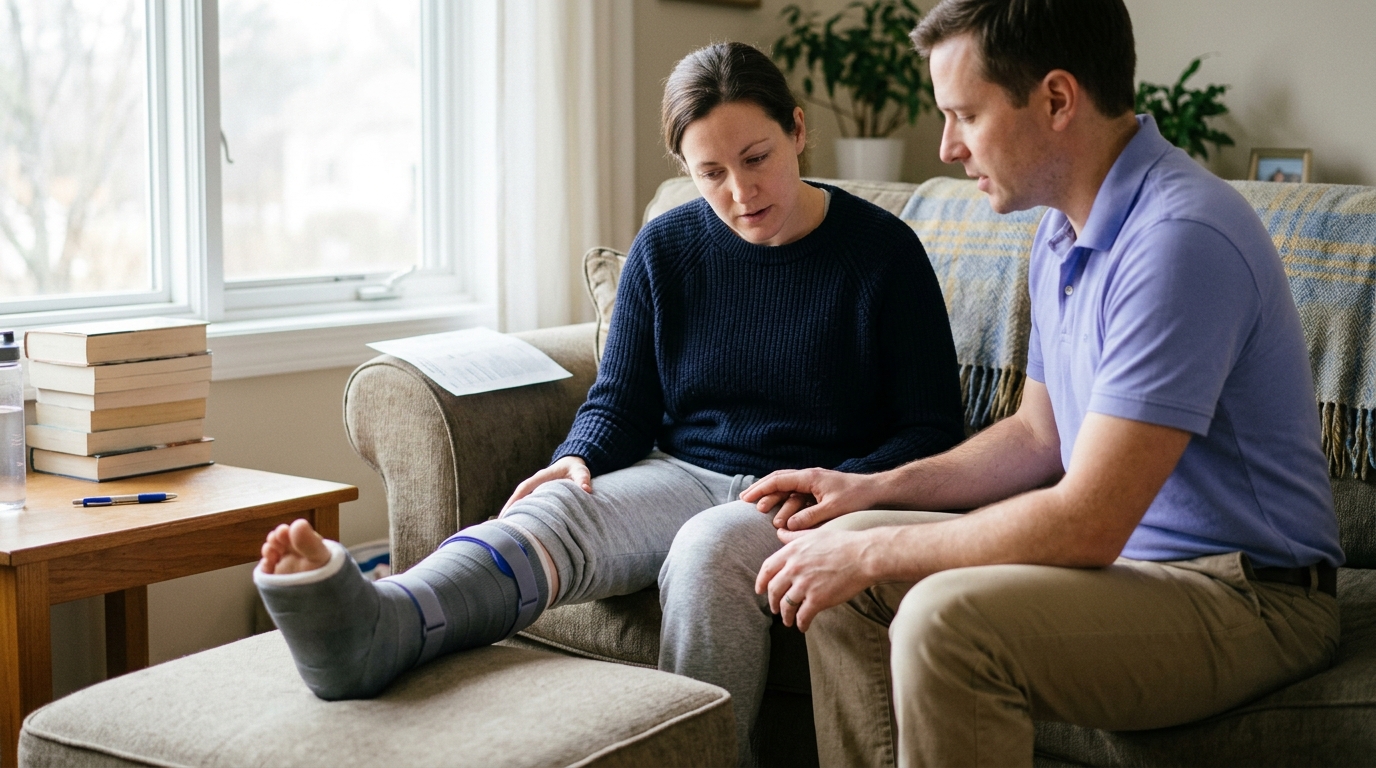
Bone healing after a fracture or joint replacement also follows strict biological stages that cannot be rushed. Your baseline strength, overall cardiovascular fitness, sleep quality, and metabolic health also affect how quickly your tissues repair themselves after physical activity.
The physical environment can dramatically alter the difficulty of an activity. Gardening in soft, flat potting soil is far less demanding on your joints than digging in dense, rocky clay.
Similarly, walking on a dry, well-marked trail on a cool morning requires less joint stability and energy than hiking on a muddy path in summer heat. Having access to high-quality tools, supportive footwear, and reliable transportation also makes modifying your hobby much easier.
Your confidence and mindset are just as important as your physical strength. After an injury or surgery, feeling nervous about hurting yourself again is completely normal.
Social settings can also influence your choices. When you participate in hobbies with friends or family, you may feel pressured to match their pace, skip rest breaks, or stay out longer than your body can tolerate. Communicating your recovery boundaries clearly to your companions helps protect your progress.
Navigating the transition from physical therapy to real-world hobbies requires patience and self-awareness. Avoiding a few common traps can help you stay on track.
For individuals recovering from serious cardiovascular conditions, medical guidelines provide clear safety rules. NHS cardiac rehabilitation guidance advises stopping activity immediately and contacting your medical team if you experience chest pain, tightness or heaviness in the chest, unexpected dizziness, faintness, sudden nausea, an irregular heartbeat, or severe breathlessness that prevents you from speaking. Always respect diagnosis-specific medical advice.
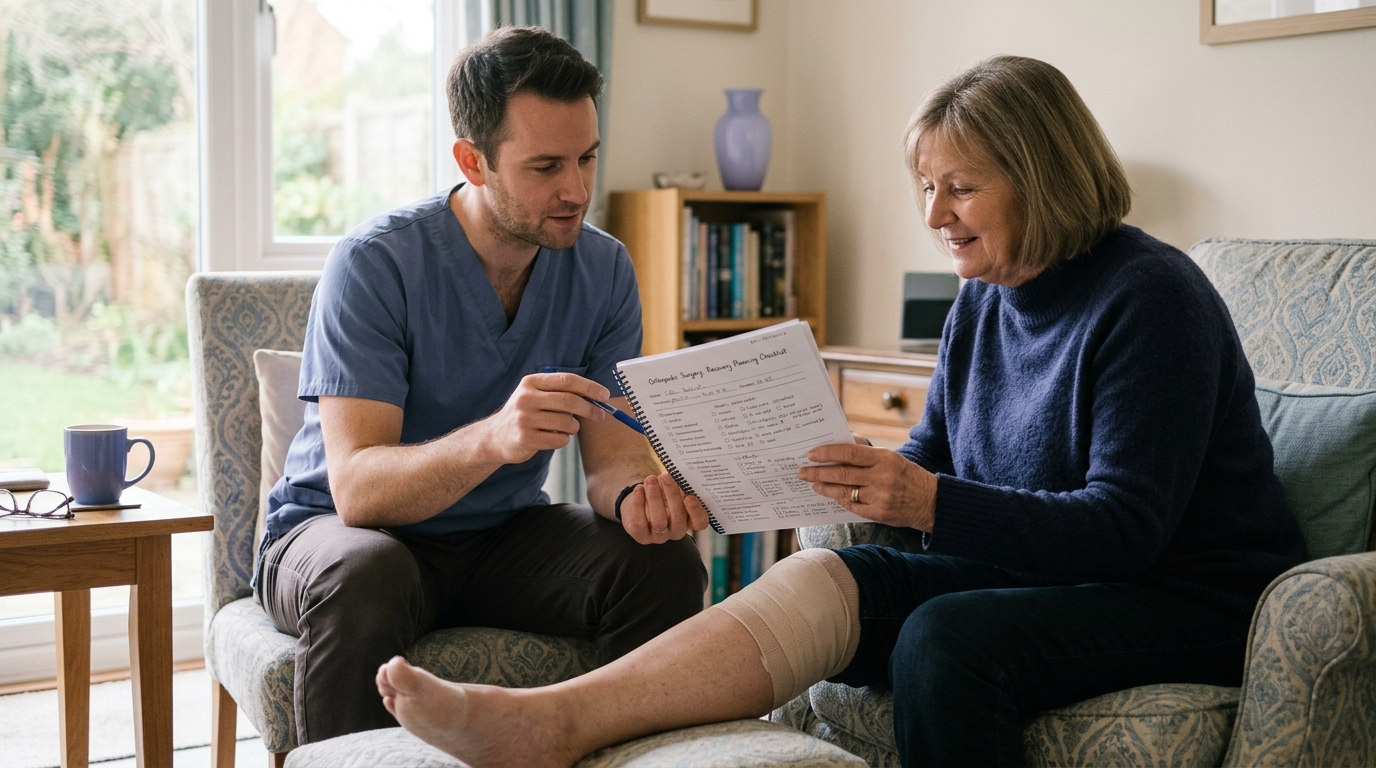
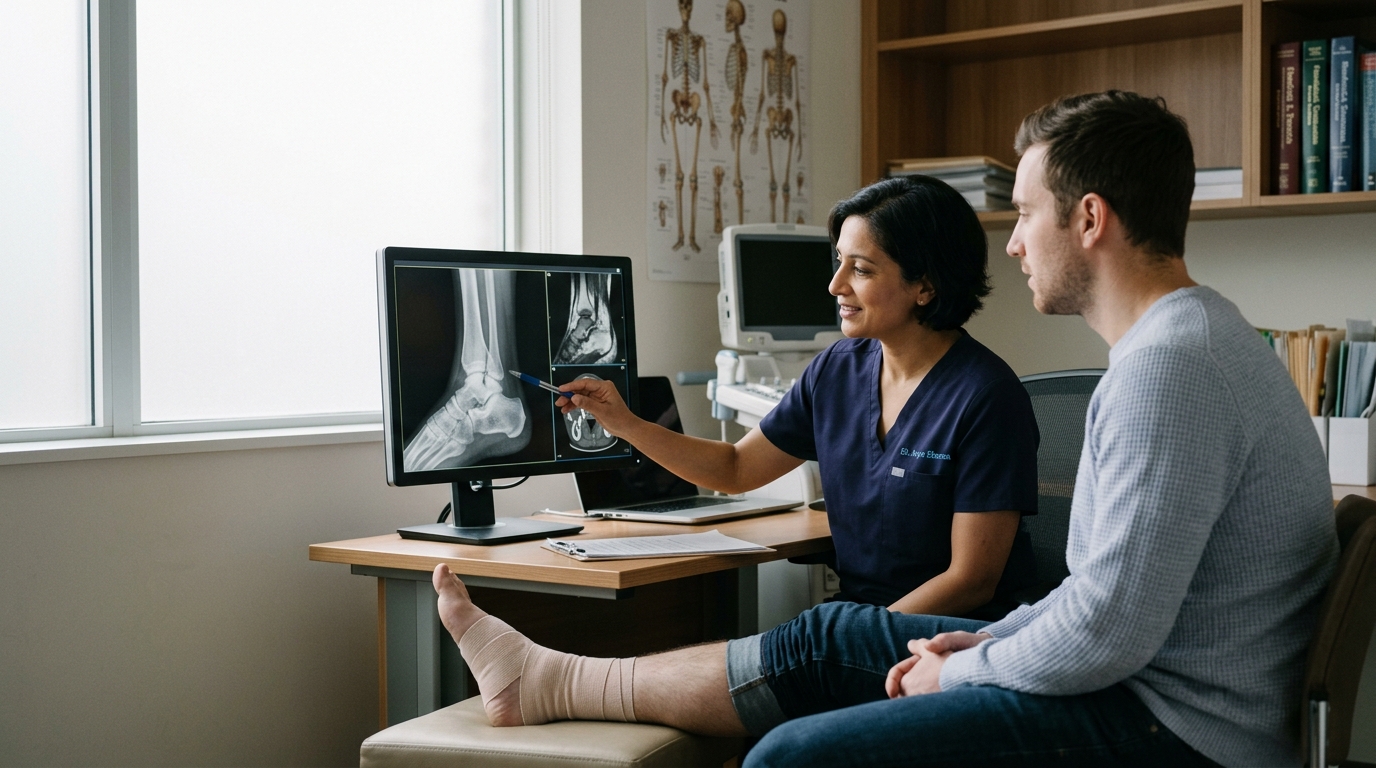
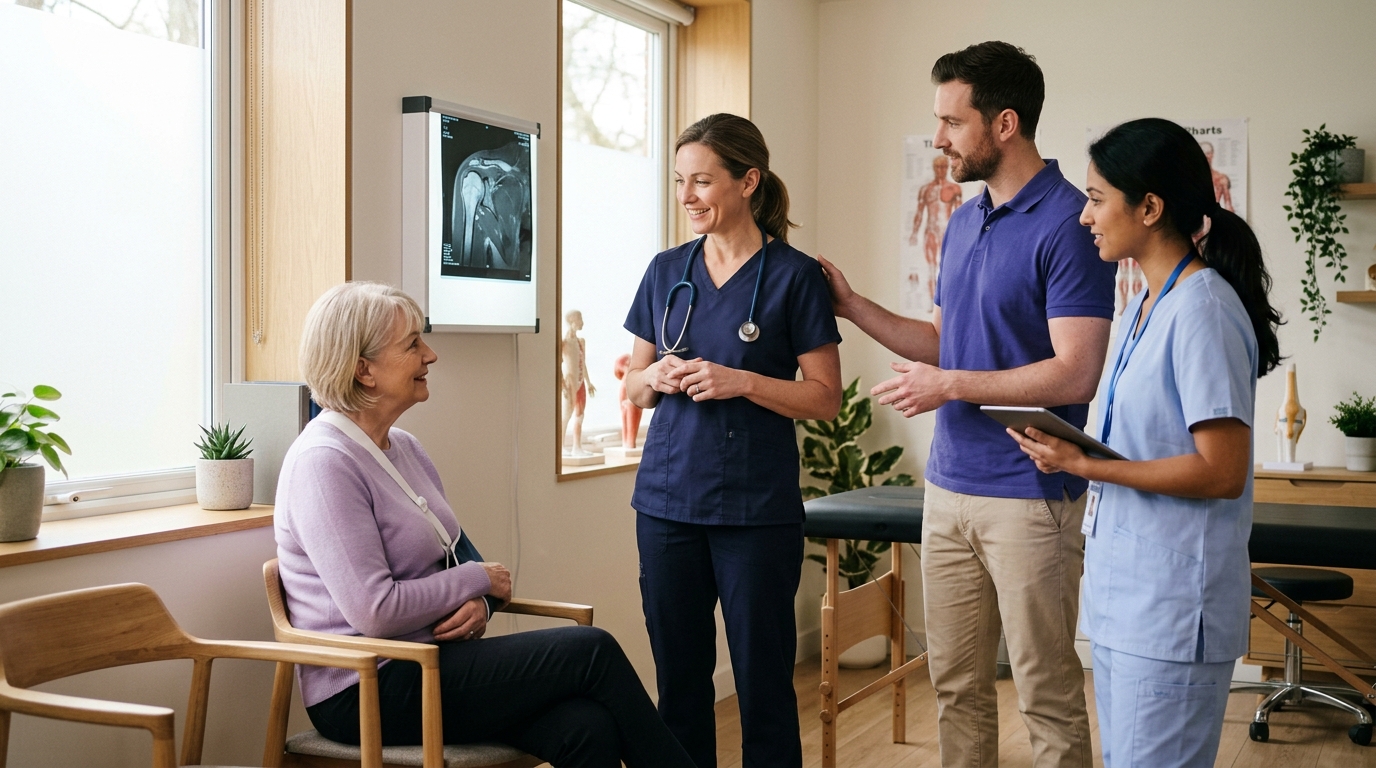
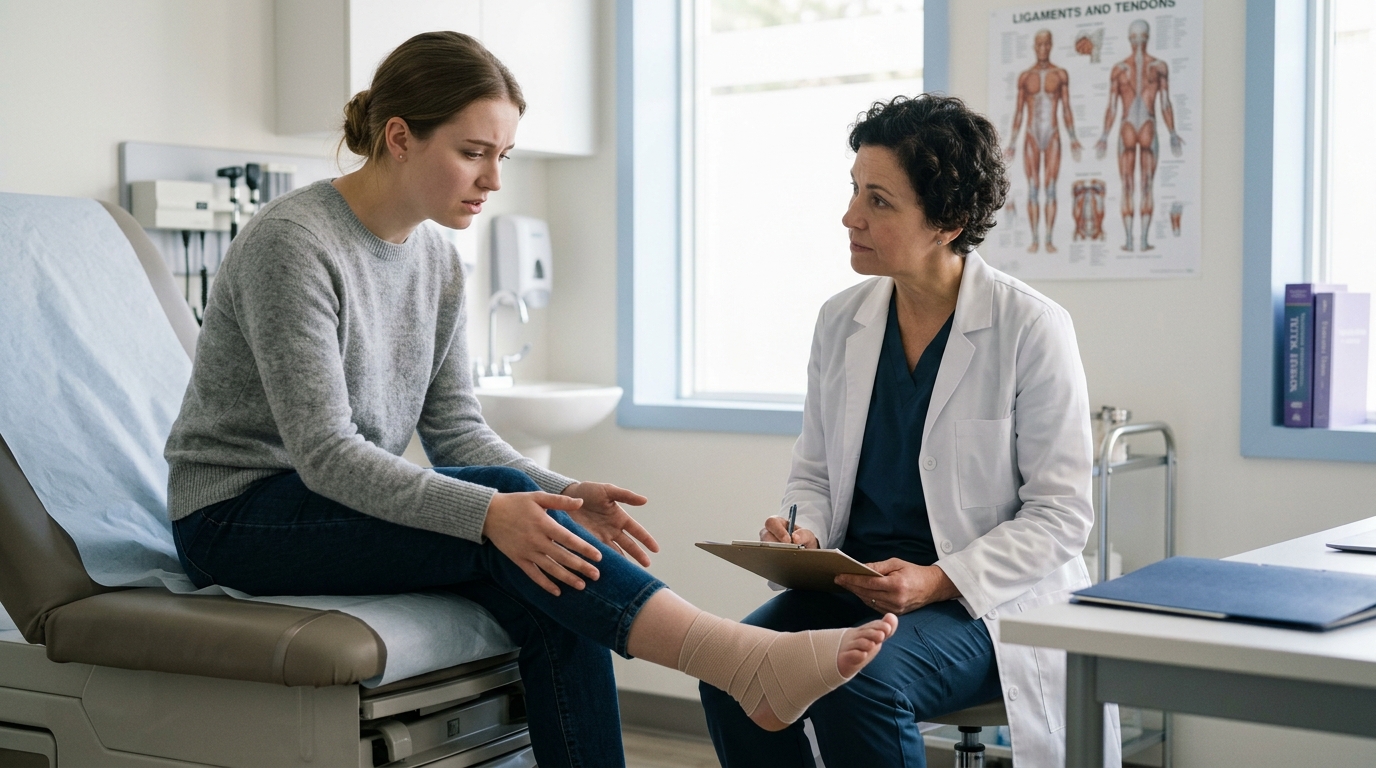
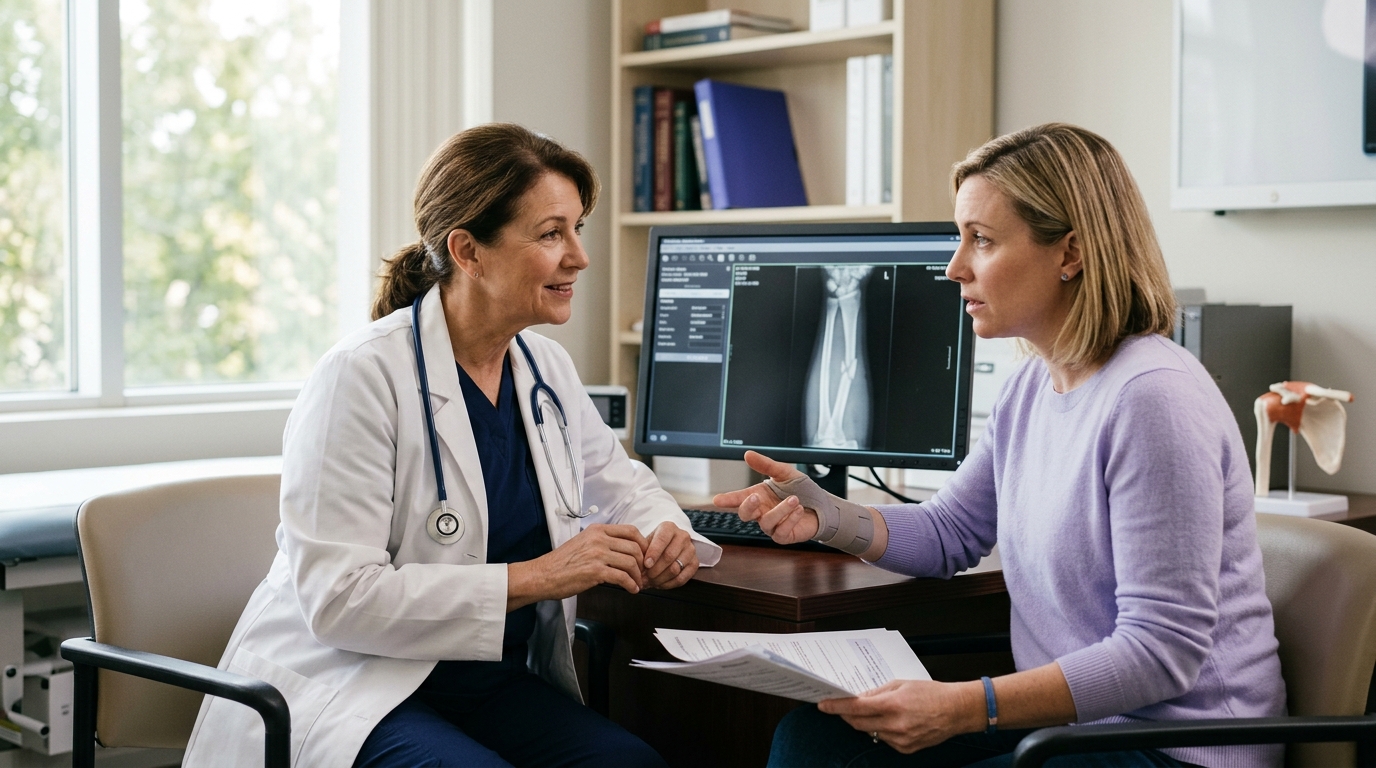
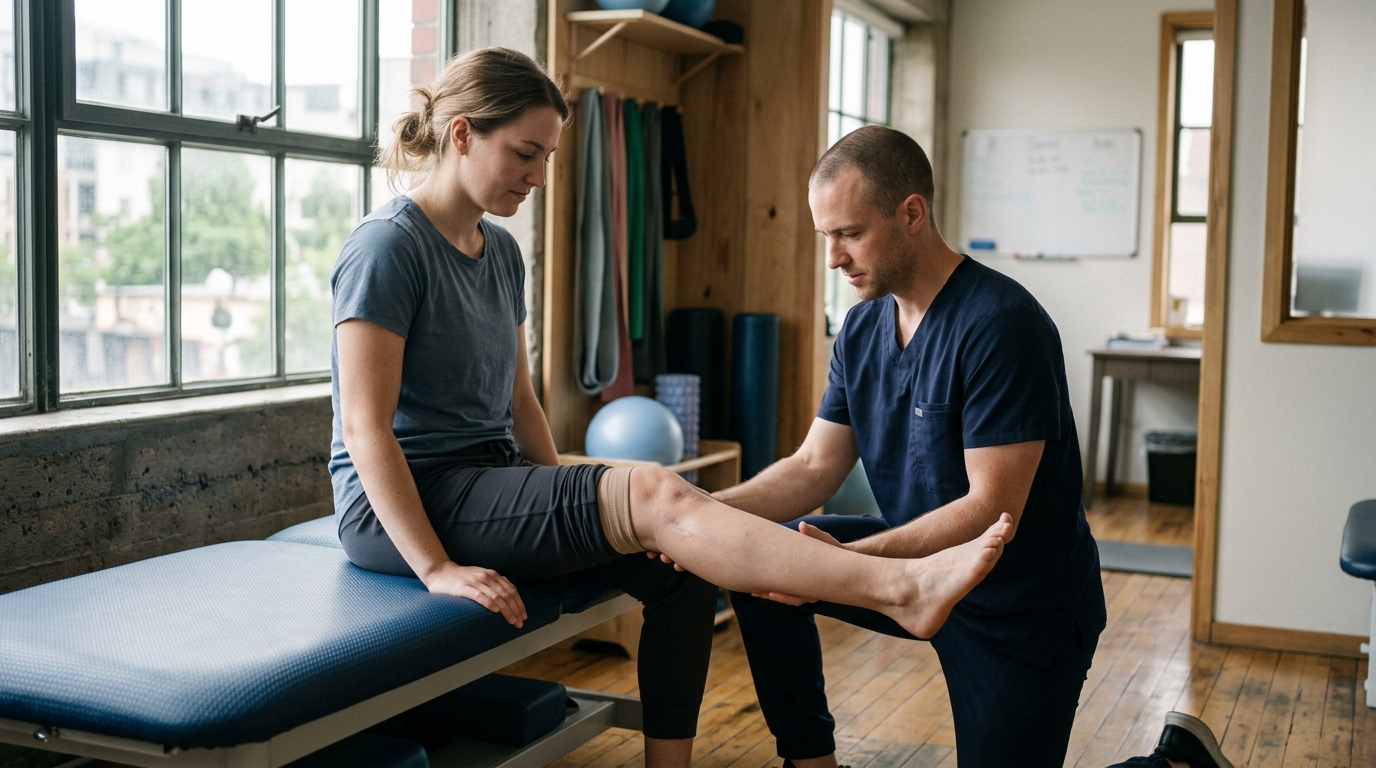
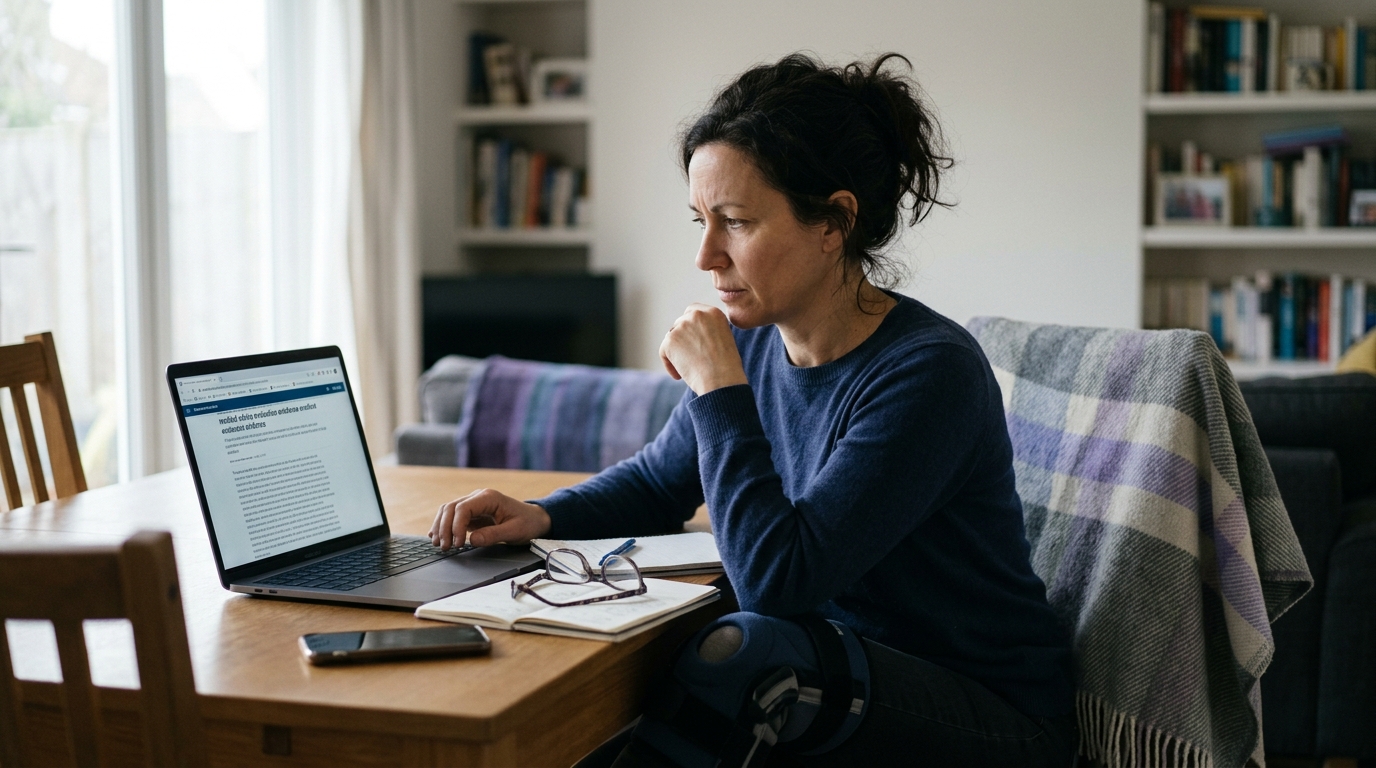
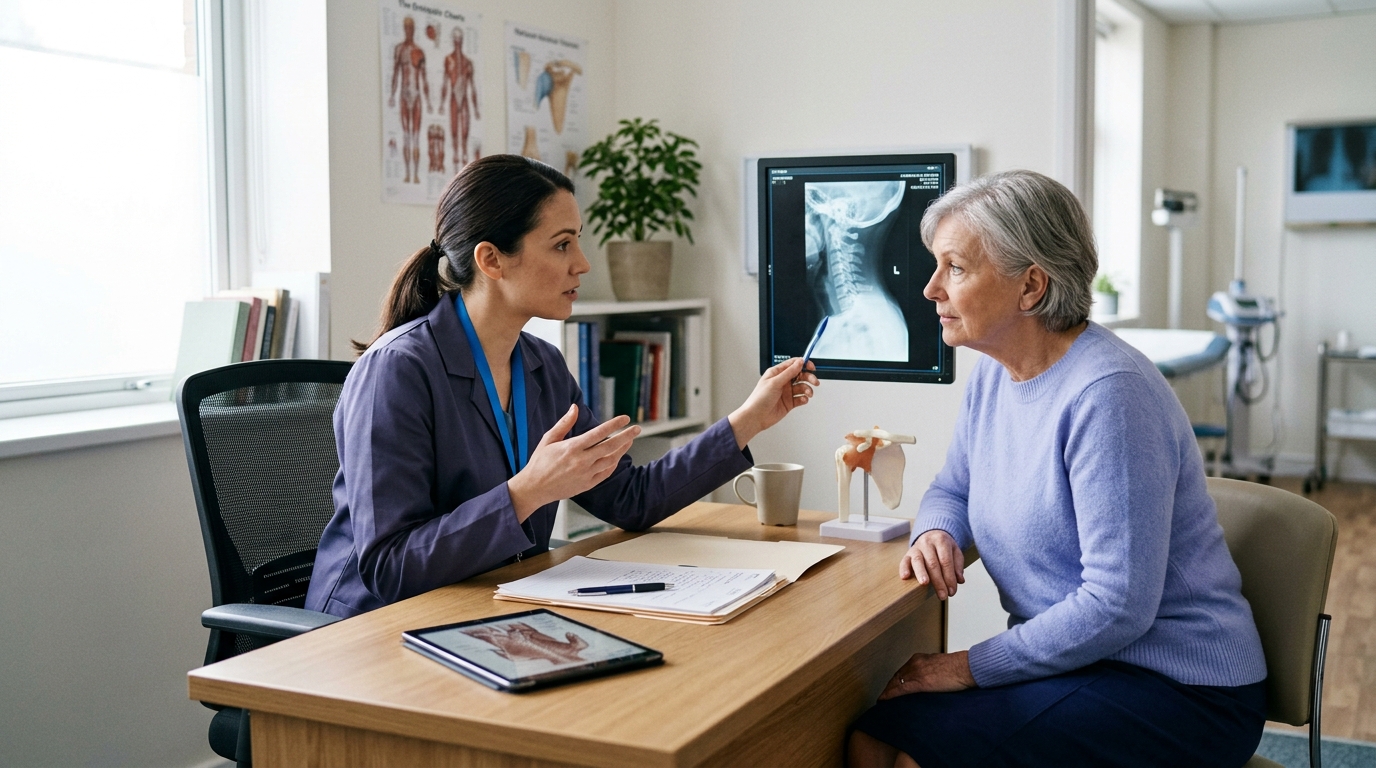
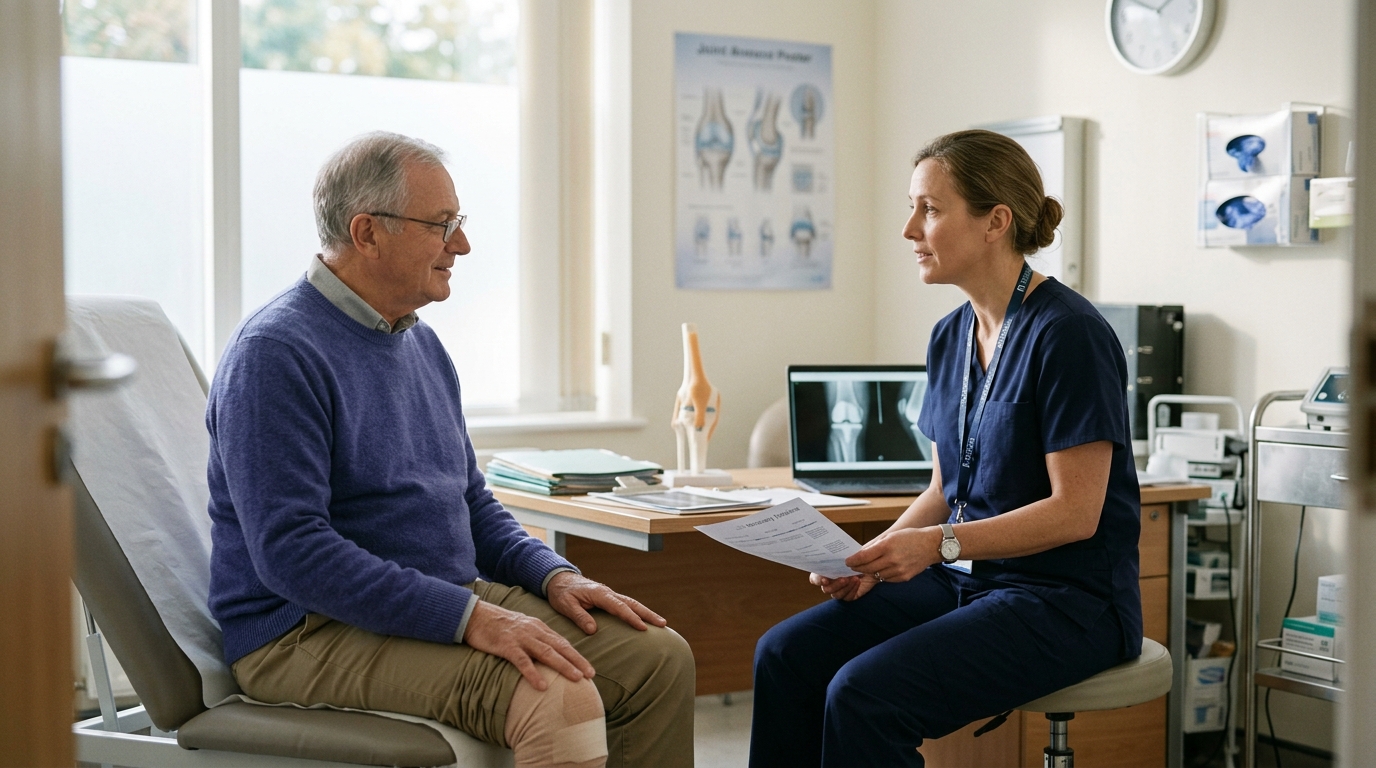
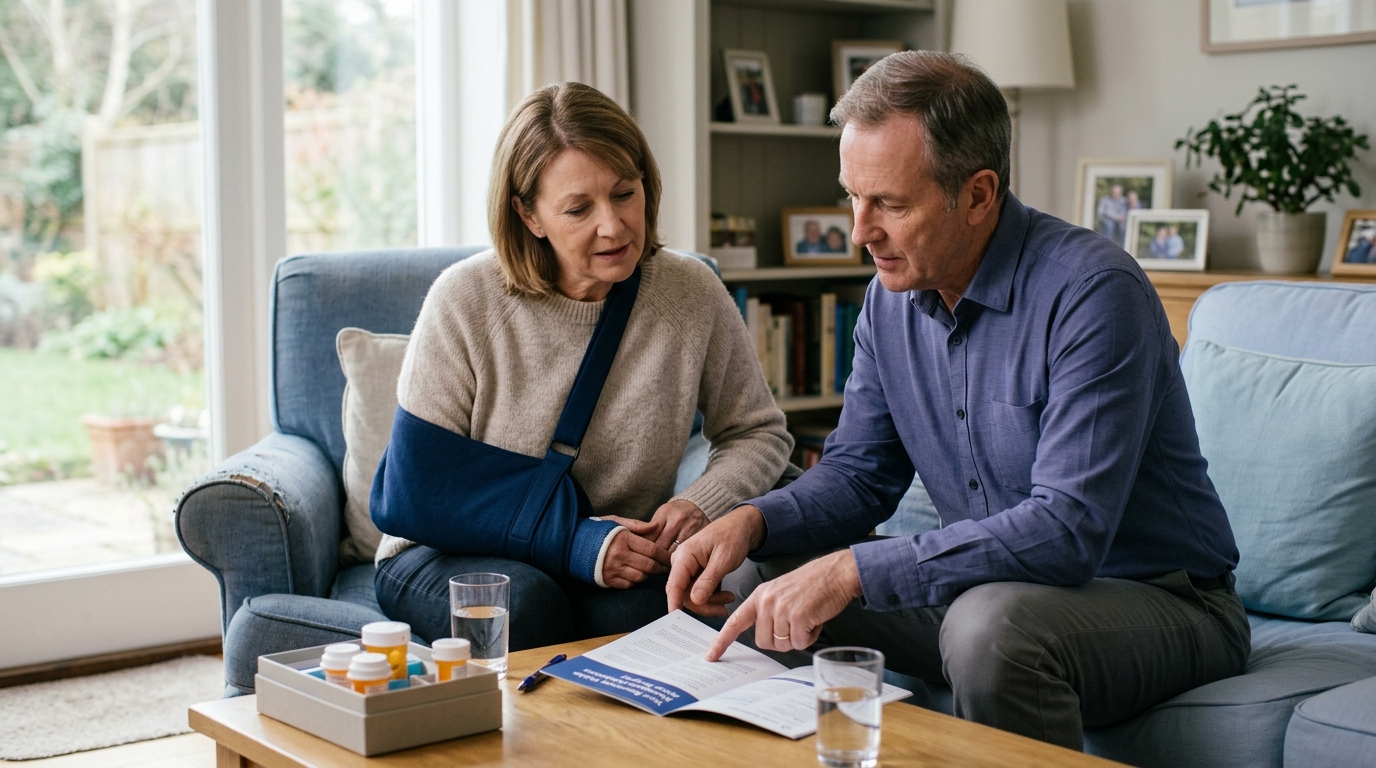
When you are preparing to transition from clinic exercises to your favorite pastimes, your physical therapist, orthopedic surgeon, or primary care doctor can offer valuable guidance. Bringing specific questions to your appointments helps you build a realistic, personalized return plan.
Consider asking these practical questions:
Taking an active role in these conversations ensures that you and your healthcare team are working toward the same meaningful goals. You can find more practical planning frameworks across our injury recovery resources.
Returning to the hobbies you love is one of the most rewarding milestones in any recovery journey. Rehabilitation exercises provide the essential building blocks of muscle strength, joint mobility, and neuromuscular control. However, bridging the gap to real-world activities requires a thoughtful strategy that accounts for the unique demands of your pastime.
By breaking your hobby down into its physical components, starting with modified participation, and progressing one variable at a time, you protect your healing tissues while rebuilding confidence. True success does not require reaching an arbitrary pre-injury standard overnight. Success means finding safe, sustainable, and enjoyable ways to re-engage with the activities, environments, and communities that bring joy to your everyday life.
Revisit this guide whenever you prepare to start a new hobby, transition to a more demanding season of outdoor activity, or hit a plateau in your recovery. You can also review these steps after any minor physical setback to help you safely scale back your activities and rebuild your tolerance step by step.
Taking a patient, structured approach to your favorite hobbies ensures that your physical recovery translates into lasting, meaningful participation for years to come.

Use ReboundBody resources to understand common recovery stages, rehab terms, movement limits and strength rebuilding. Each guide is designed to make a complex comeback easier to understand.


Read practical guidance on injury recovery, rehabilitation, mobility and rebuilding strength as you work your way back to activity.
Explore Resources