
Athletes often rely on fixed recovery timelines, but true readiness requires objective functional testing and progressive continuum stages after surgery.





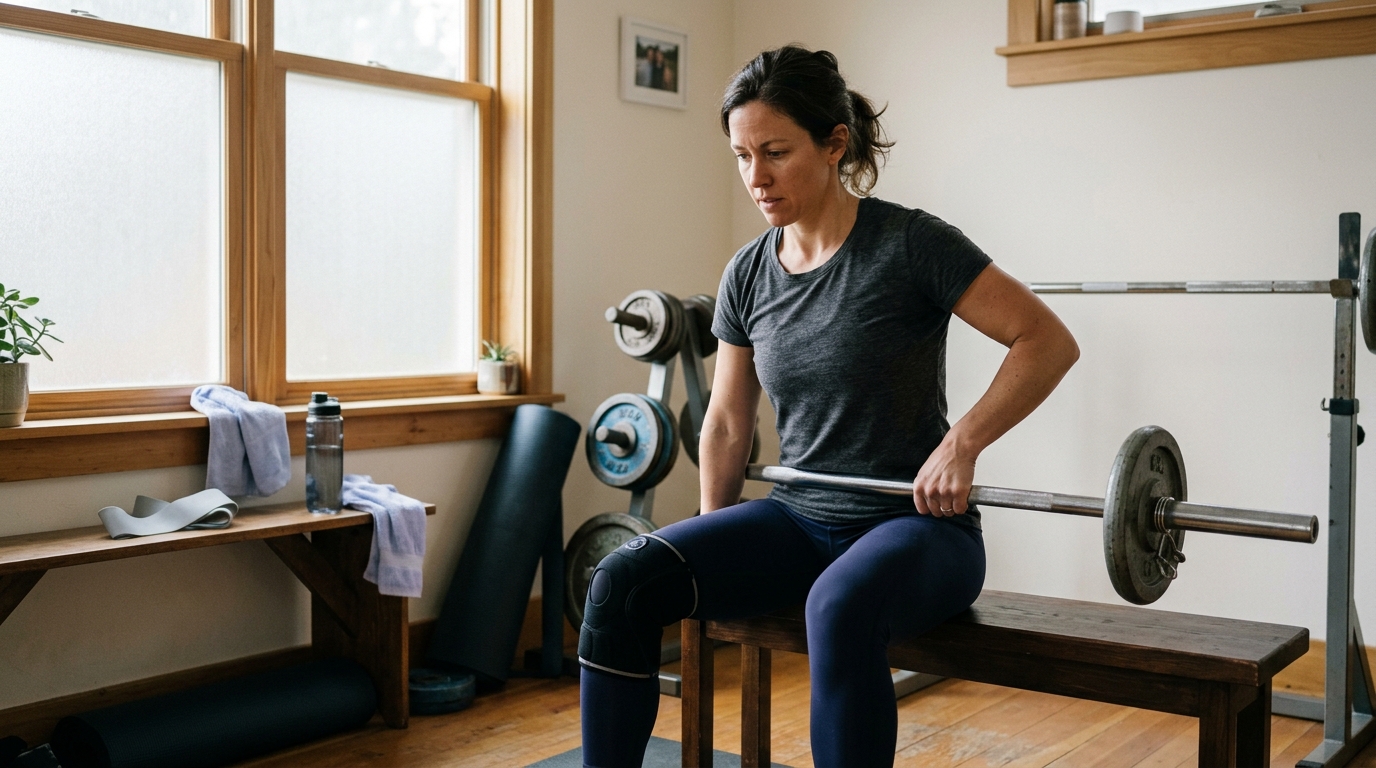
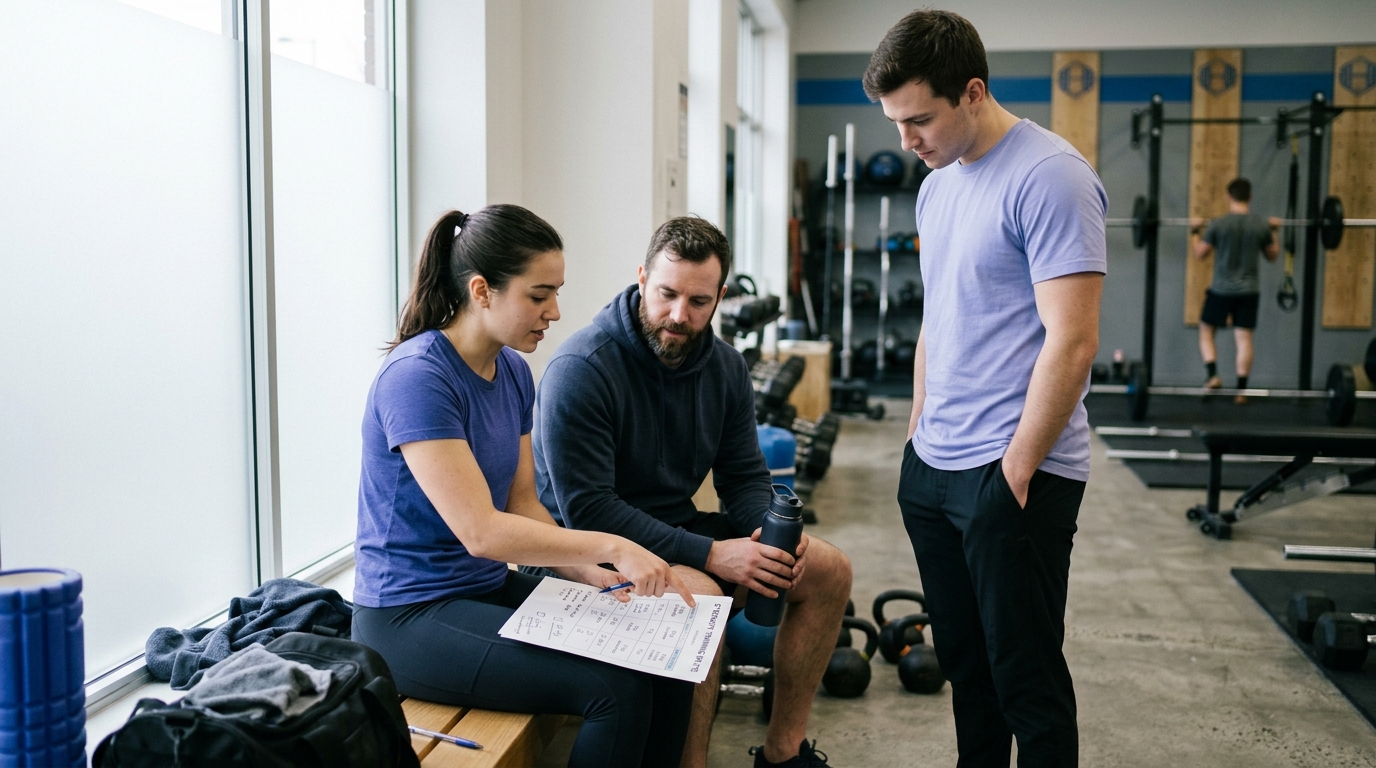
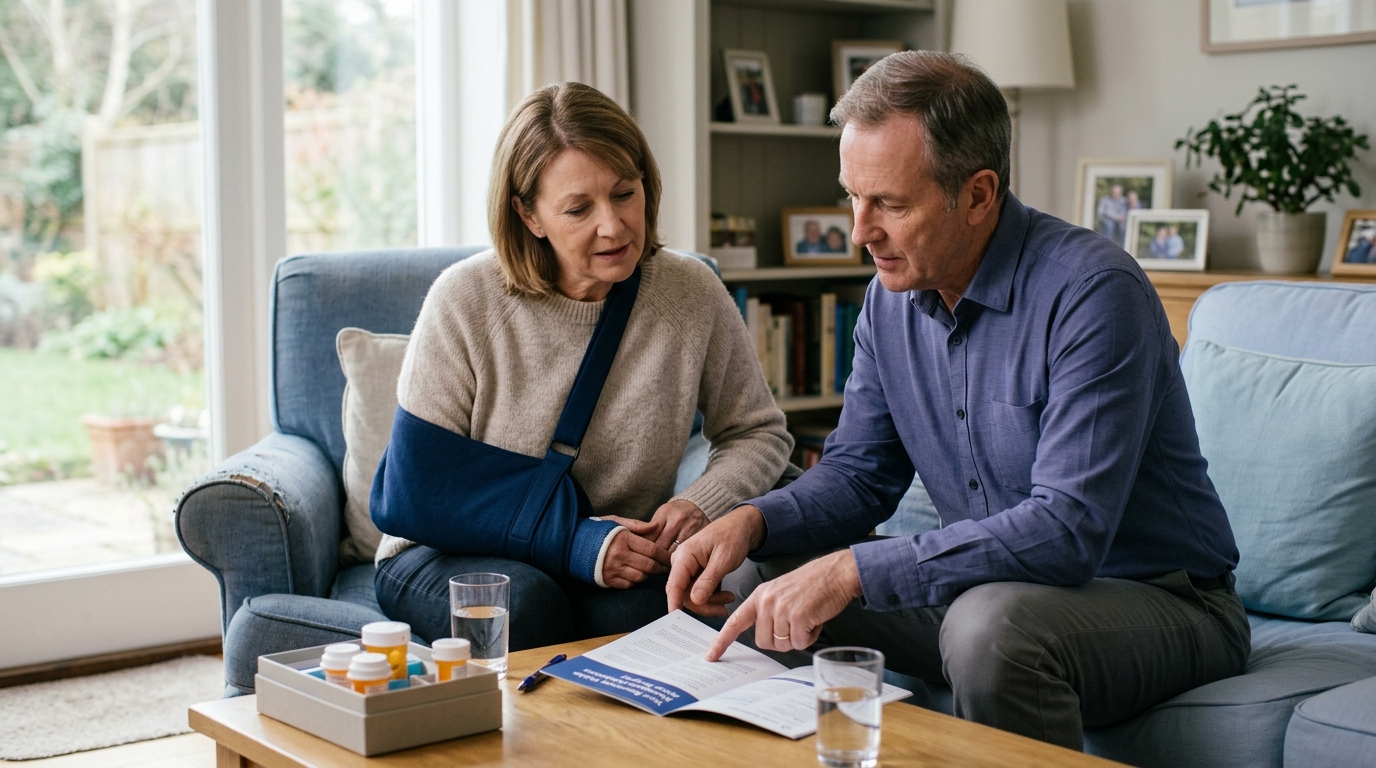
You are six months removed from knee or shoulder surgery, and your routine clinic visits are winding down. You can pedal an exercise bike without pain, walk down stairs with confidence, and lift light weights in the gym. Your original surgical timeline suggested you might be ready for sports around this month, yet stepping back onto a soccer pitch, pickleball court, or running trail feels daunting.
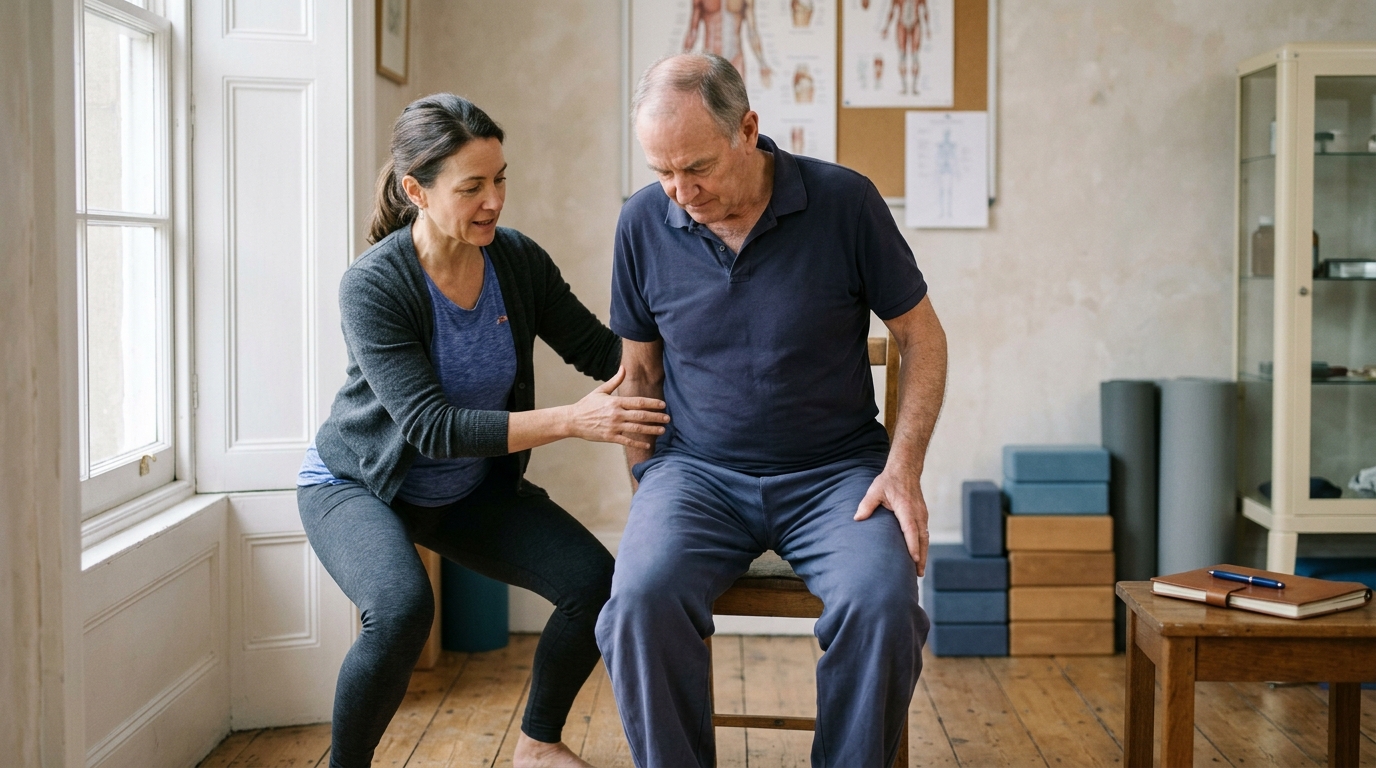
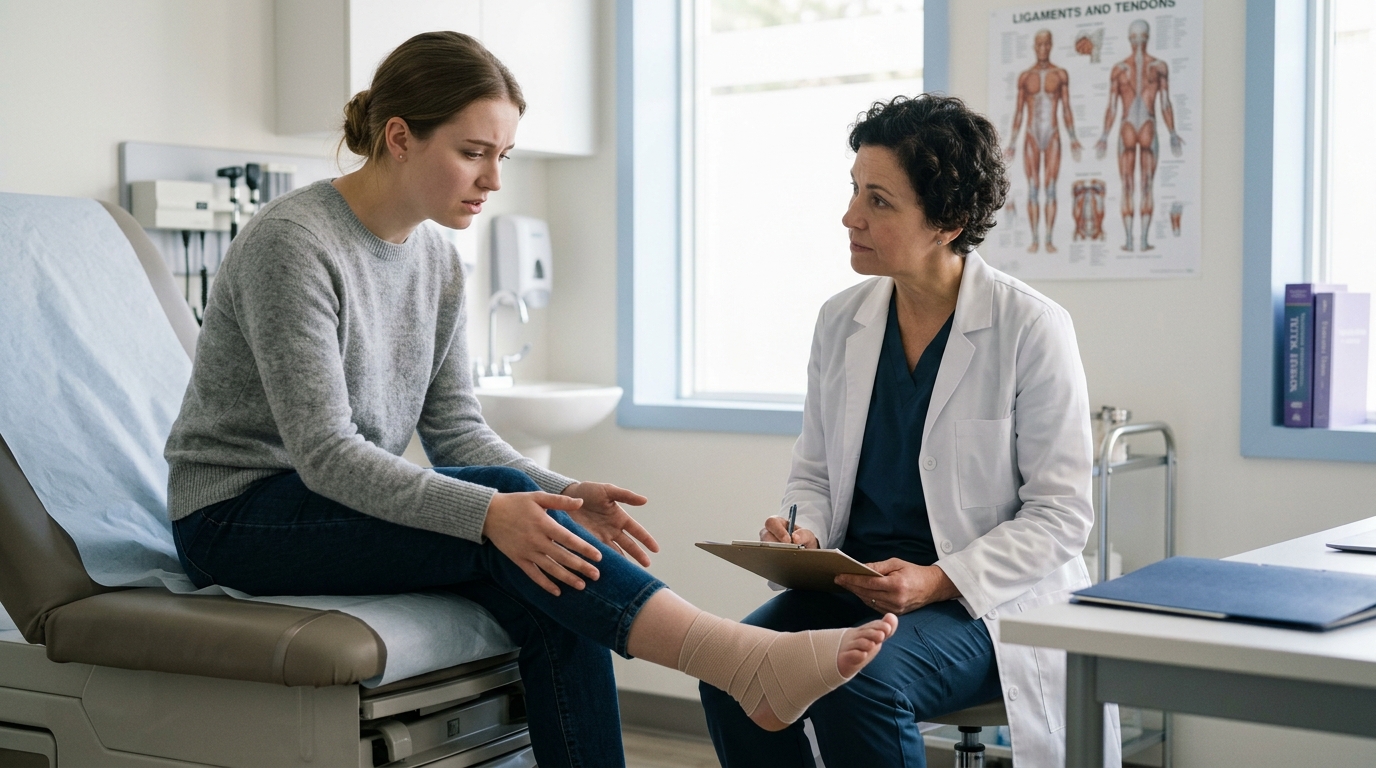
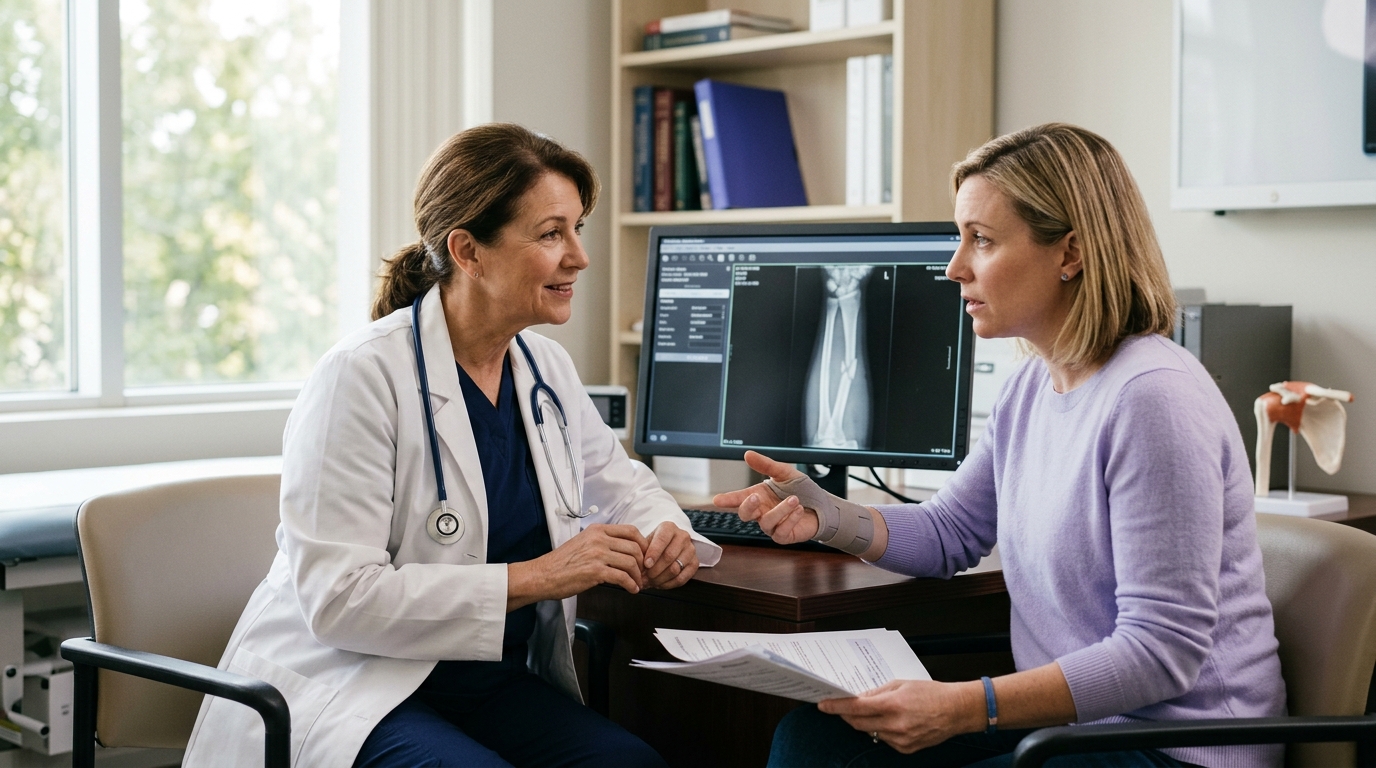
Returning to athletic activity after orthopedic surgery is not a single calendar date or a simple pass or fail milestone. Clinical research shows that returning to sport is a staged progression where an athlete moves from modified participation, to regular sport involvement, and finally toward their prior level of performance. Medical clearance from a doctor confirms that surgical tissues have healed enough to tolerate stress, but clearance alone does not mean your strength, movement control, and conditioning are fully restored.
Achieving readiness requires matching your physical capacity, joint mechanics, mental confidence, and conditioning against the specific demands of your sport. Because healing rates and athletic goals vary widely, this process involves measured progressions and ongoing risk management rather than fixed calendar promises.
For many years, recovery after surgery was treated as a linear path with a fixed finish line. An athlete received a surgical date, completed several months of standard physical therapy, and received broad clearance to resume normal activities once the calendar hit a specific month. Modern sports medicine views recovery differently.
The 2016 Bern consensus statement on return to sport established that recovery operates along a continuous spectrum. This model divides the final phases of recovery into three distinct stages:
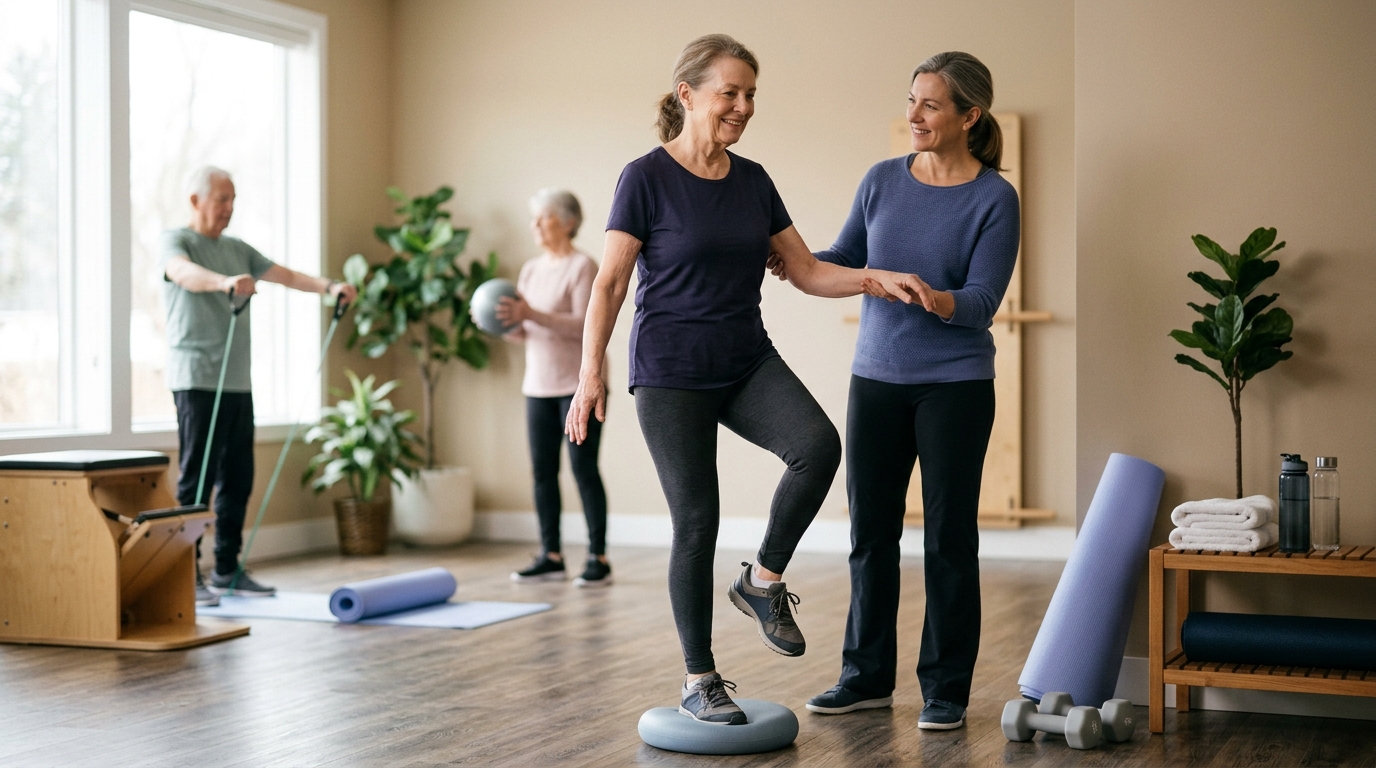
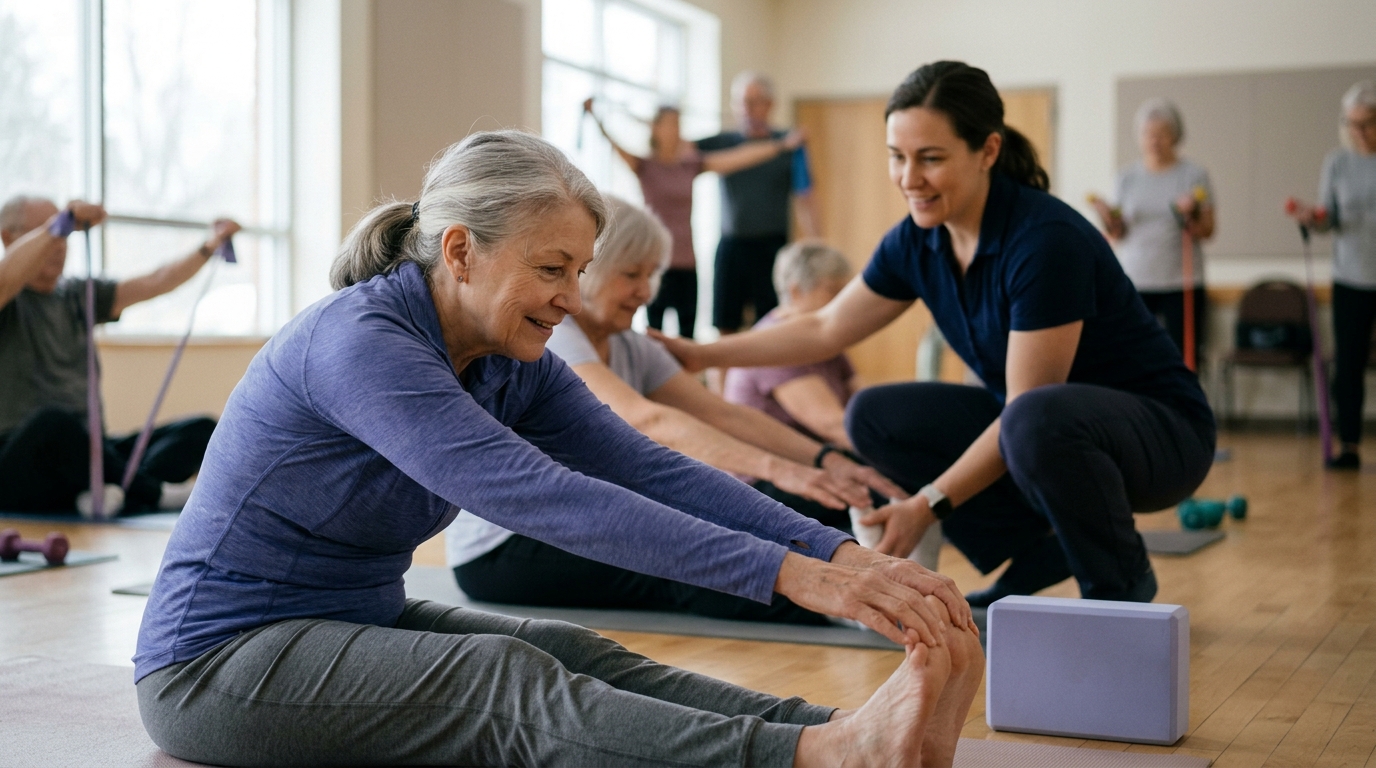
In this first stage, an individual resumes modified training, practice drills, or physical conditioning. The work occurs at an intensity well below their ultimate target. The athlete might take part in non-contact drills, shoot free throws, or complete controlled interval runs. They are not yet medically, physically, or psychologically ready for unrestricted game play, but they are safely accumulating sport-specific movement.
Here, the person rejoins their chosen sport but does not yet perform at their target level. A recreational runner might finish a local 5K at a comfortable jogging pace rather than their goal race tempo. A tennis player might play controlled doubles matches rather than intense singles tournaments. For some active adults, remaining comfortably in this stage meets all of their personal goals.
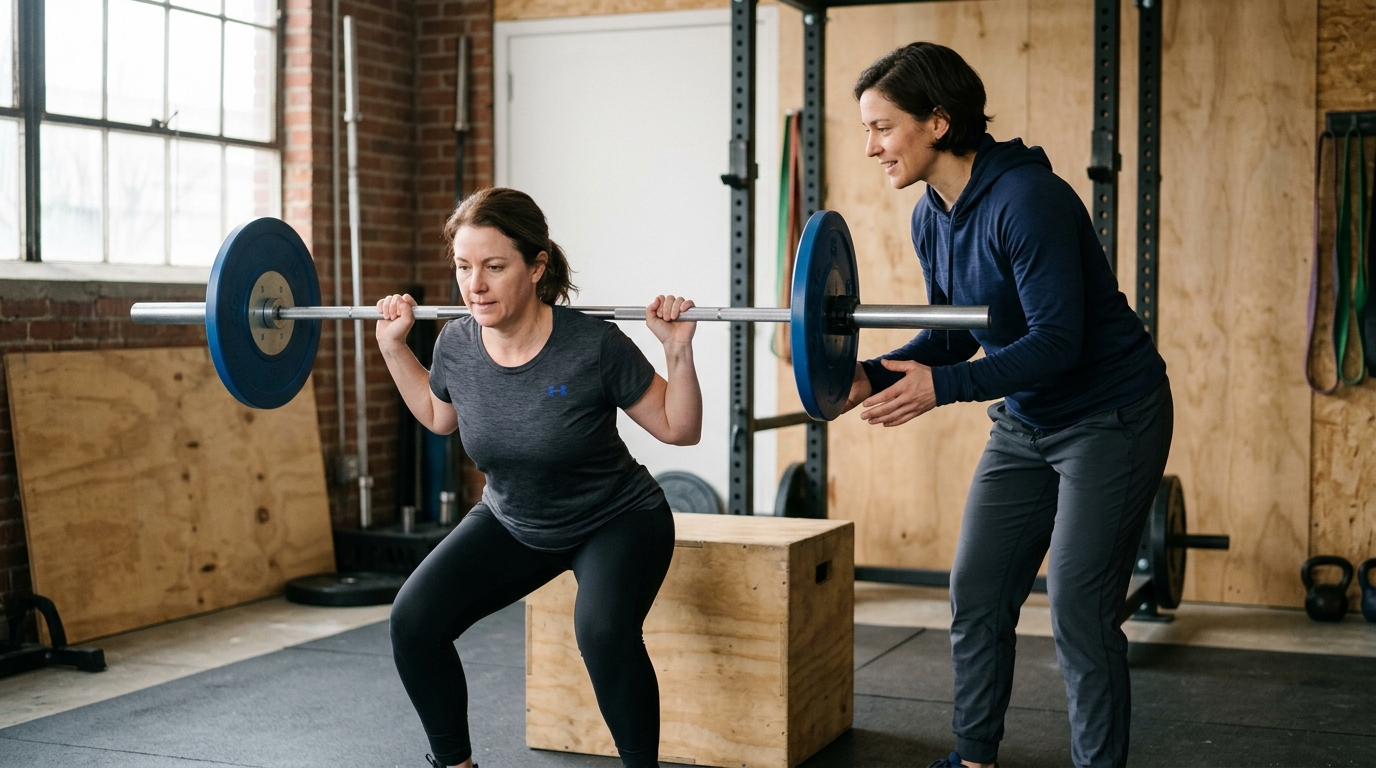
In this final stage, the athlete gradually builds their capacity until they perform at or above their pre-injury level. They have regained their previous workload tolerance, competitive effectiveness, and movement confidence.
This staged framework recognizes that recovery is rarely linear. An athlete who increases their training volume too quickly may experience joint swelling, muscle soreness, or a loss of movement quality. When setbacks happen, the continuum allows athletes and clinicians to adjust workloads and temporarily step back to modified participation. To understand the broader context of these recovery stages, reviewing surgical recovery and comeback principles can help set realistic benchmarks.
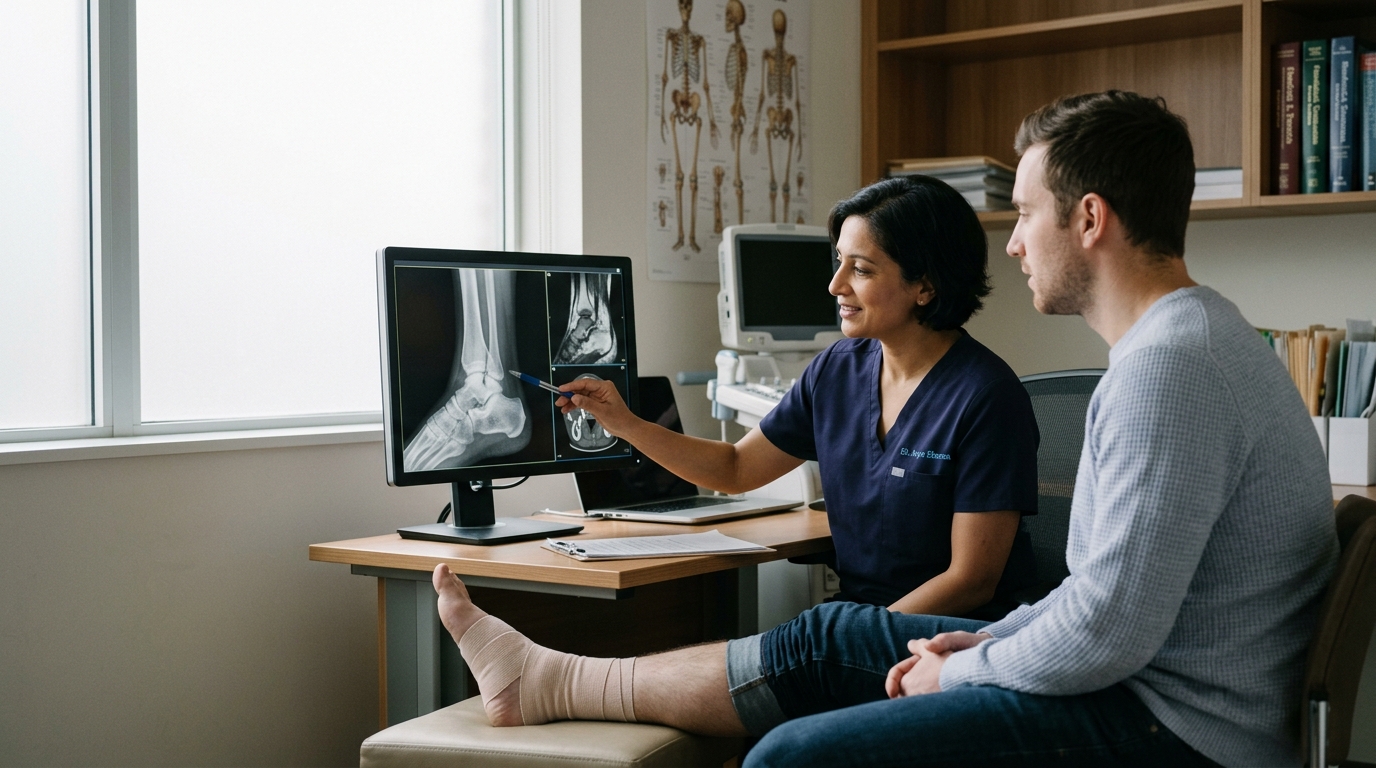
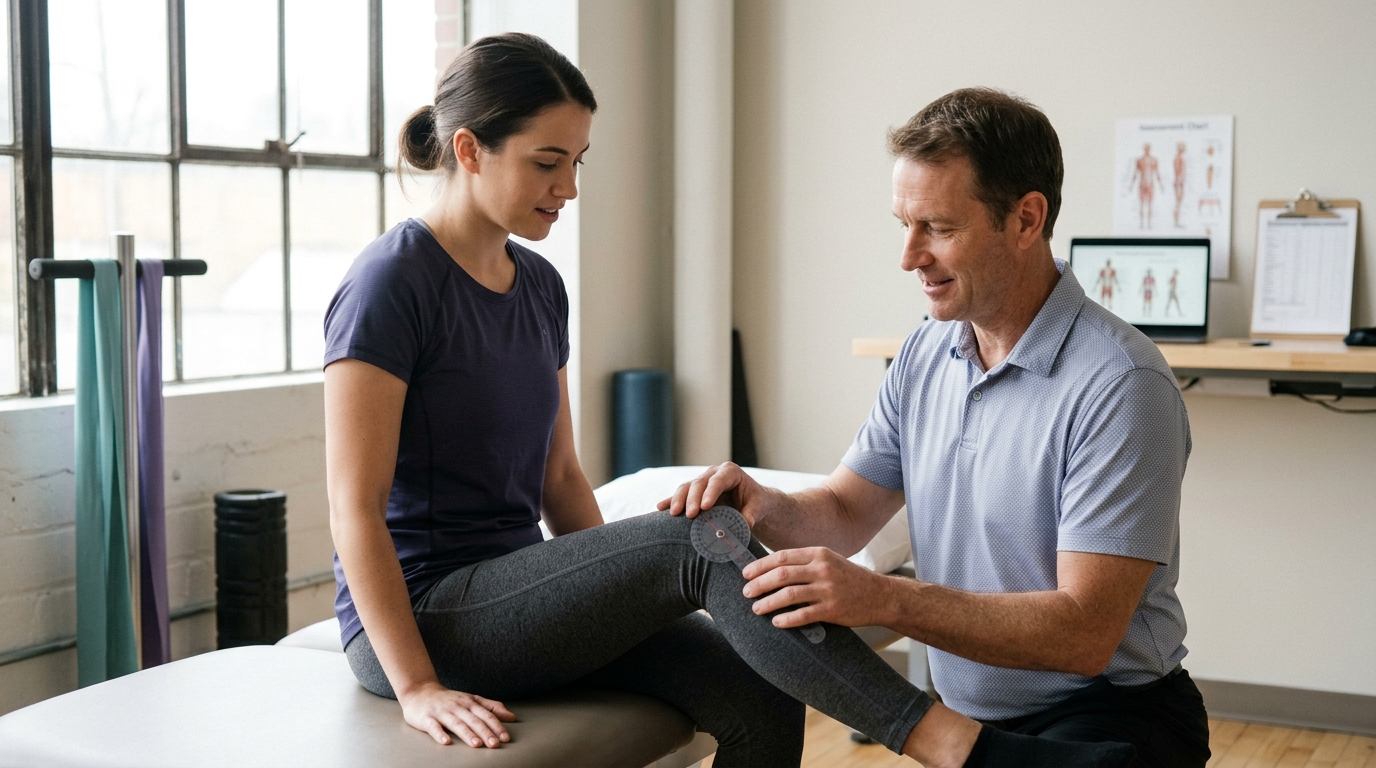
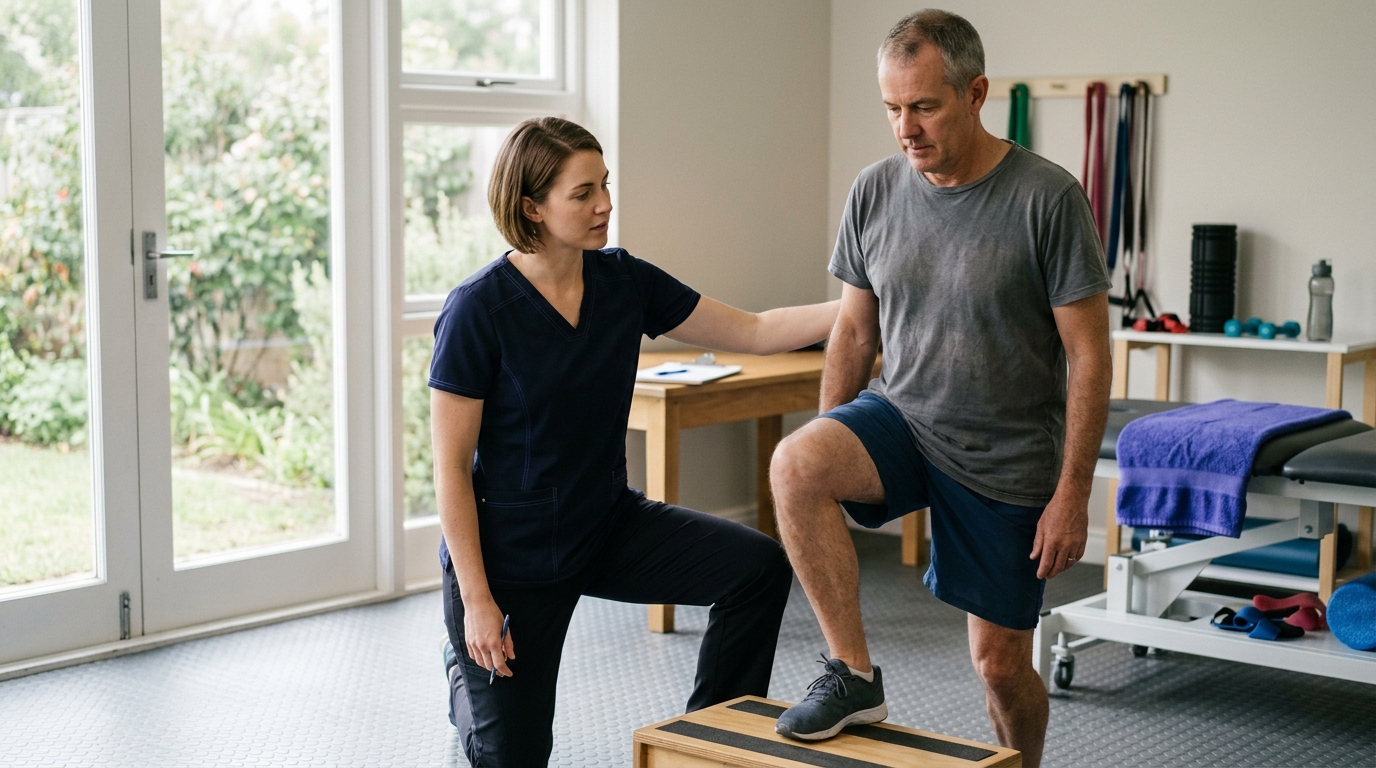
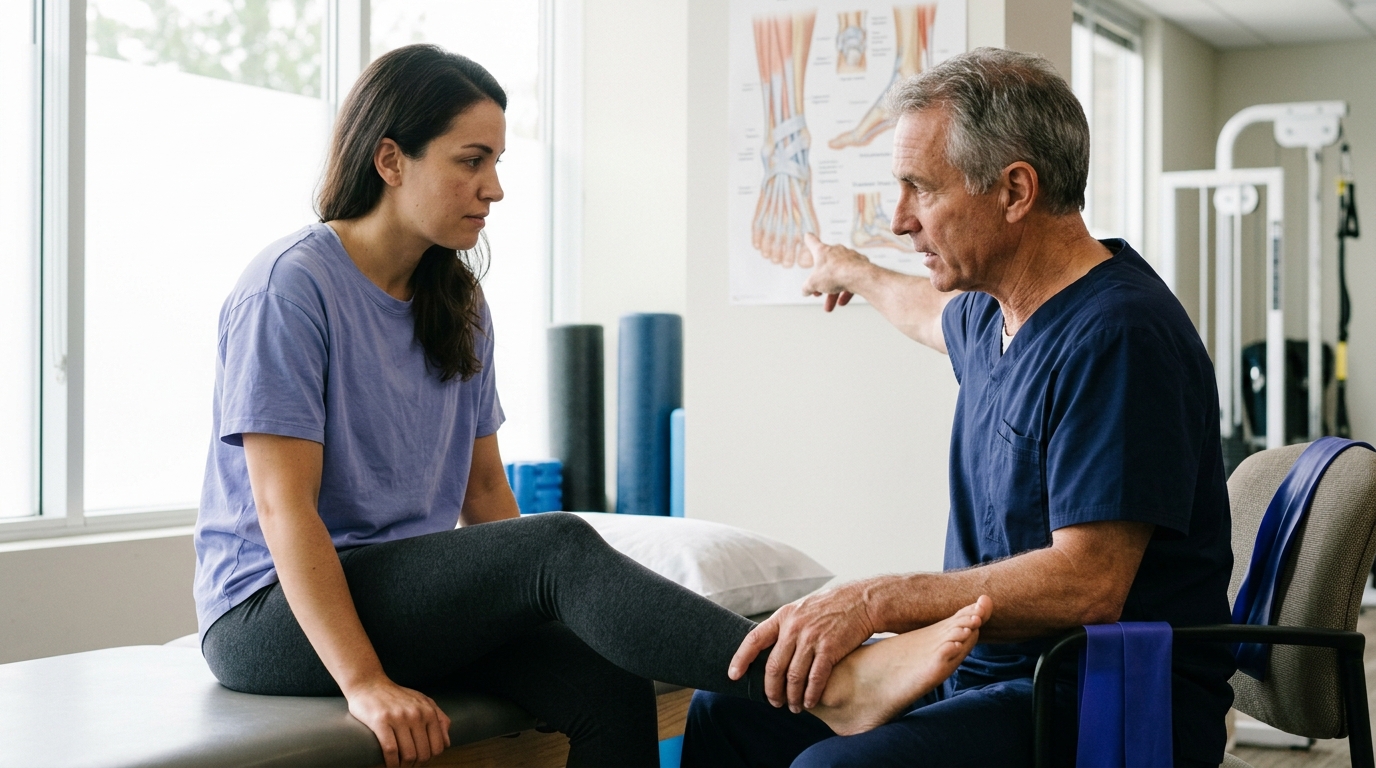
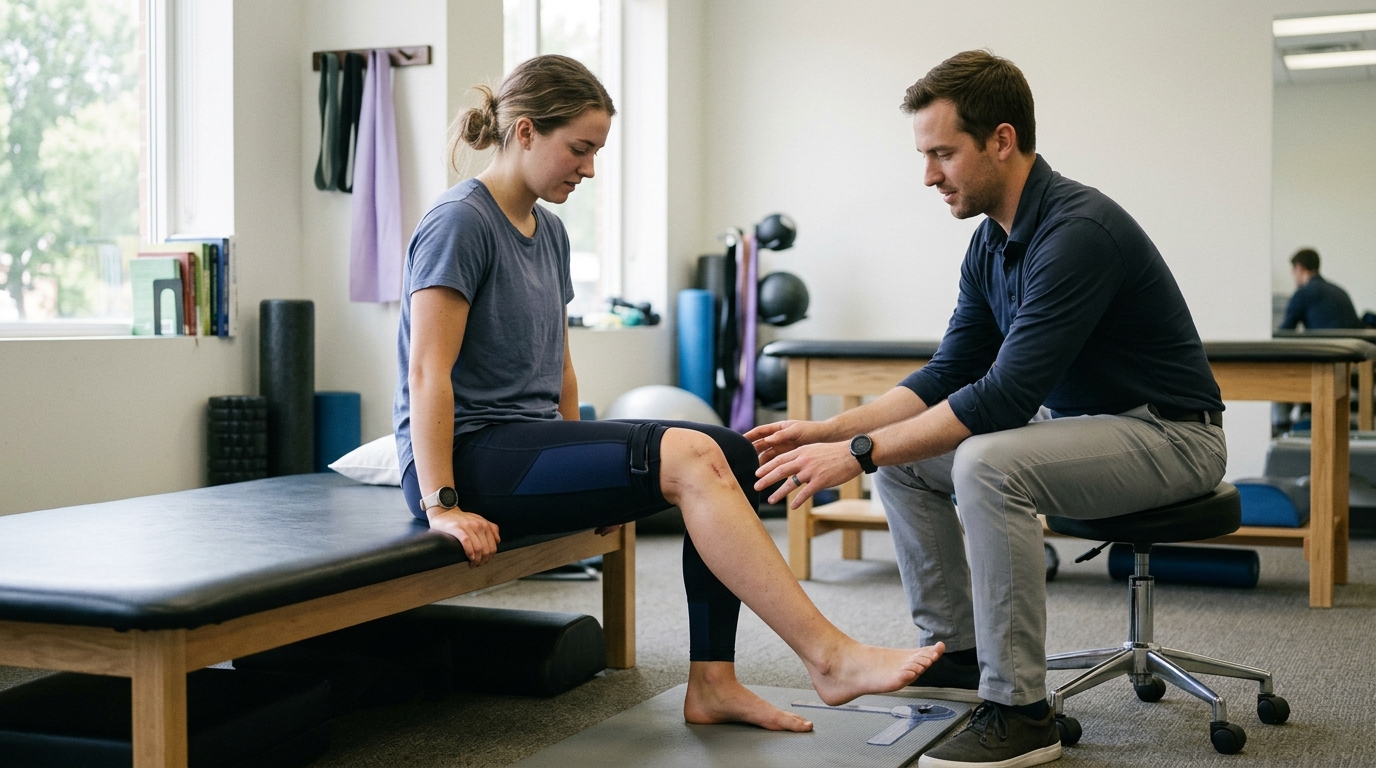
Determining readiness for sport requires objective data rather than guesswork. Clinicians use a battery of physical and functional tests to evaluate joint health, muscle strength, dynamic balance, and movement quality.
The largest body of detailed research on return-to-sport testing comes from studies on anterior cruciate ligament (ACL) reconstruction. While knee ligament injuries have specific demands, the principles learned from this research offer valuable insights across many lower-extremity orthopedic operations.
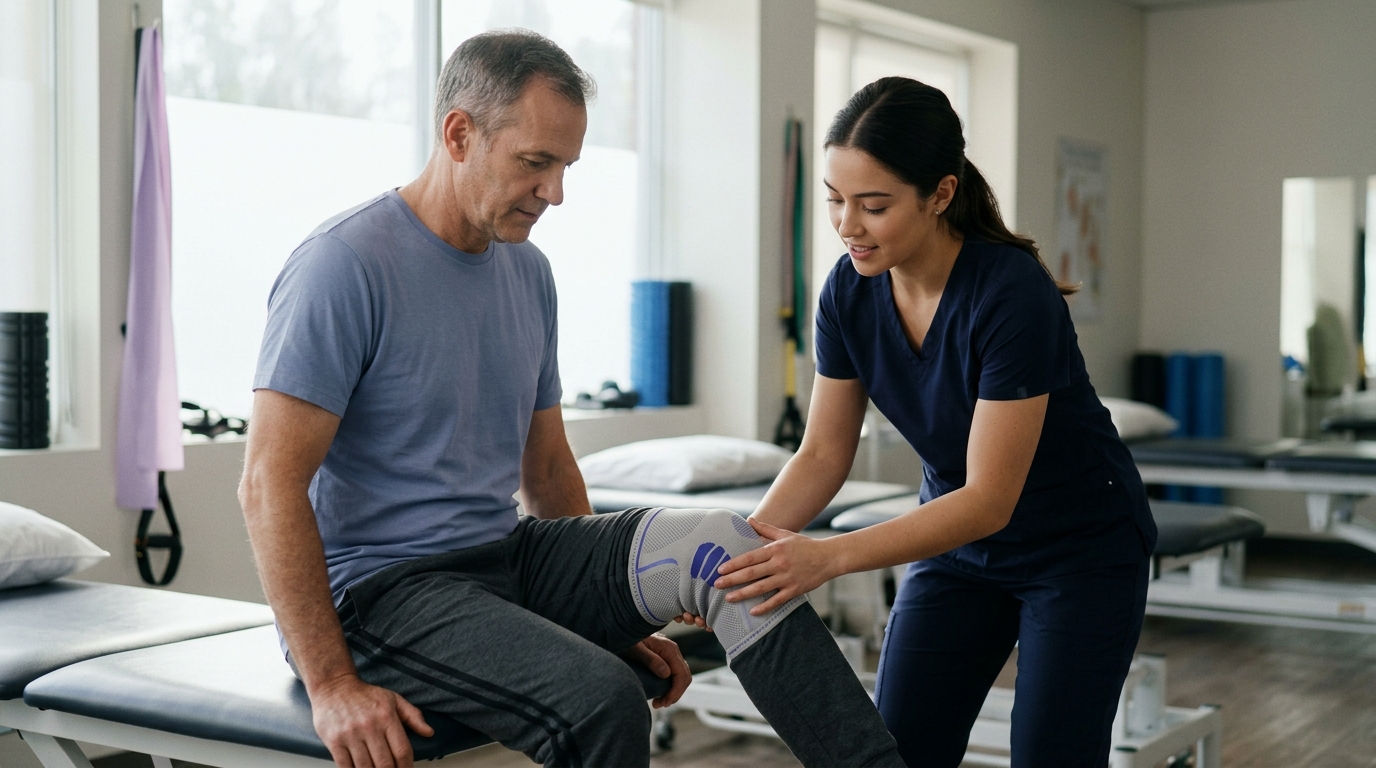
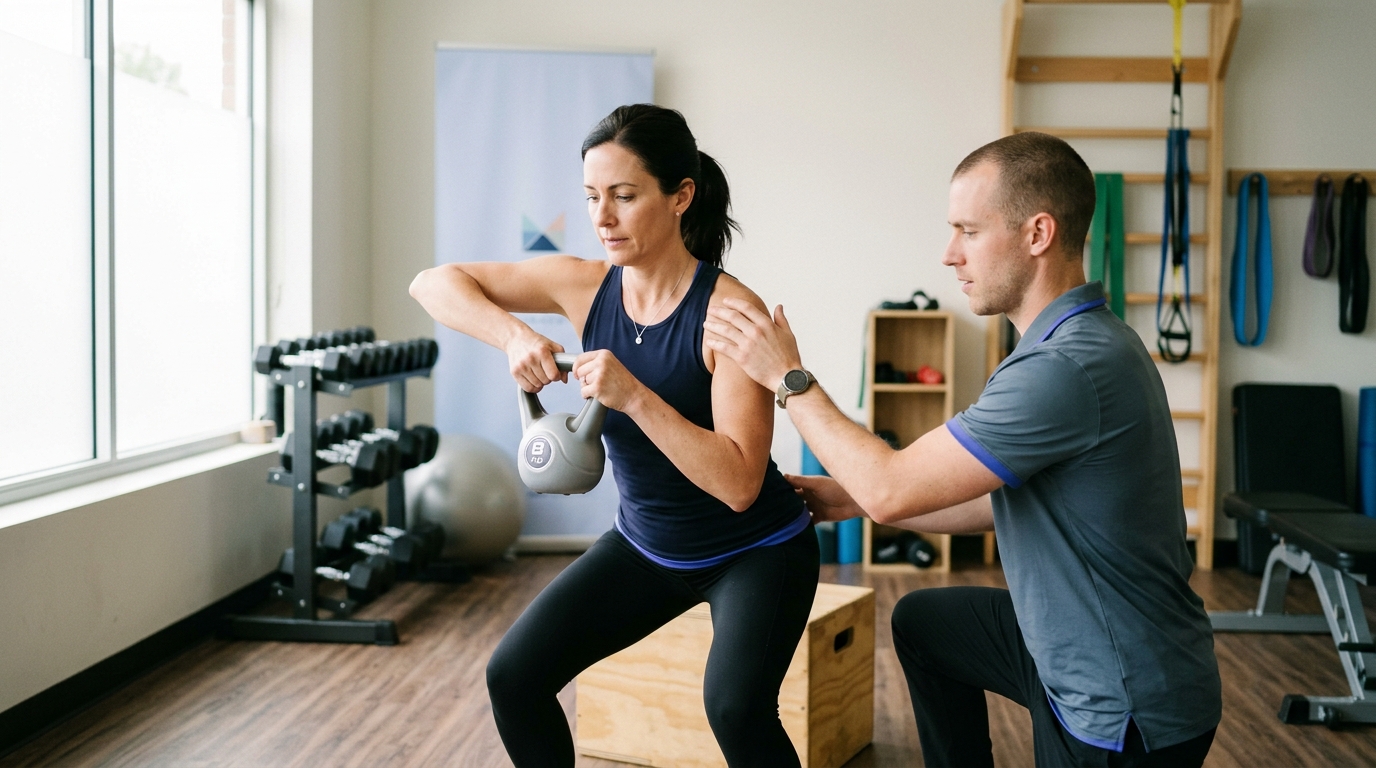
Regaining symmetrical muscle strength between the operated limb and the uninjured limb is a fundamental milestone in rehabilitation. Clinicians frequently calculate a Limb Symmetry Index (LSI), which compares the performance of the recovering limb against the opposite side as a percentage.
In research from the Delaware-Oslo ACL cohort study, more symmetrical quadriceps strength before returning to sport was associated with significantly lower rates of secondary knee injuries. When knee extension strength remains unequal, the body compensates by shifting braking and propulsion forces onto other joints, such as the hip, lower back, or the opposite leg.
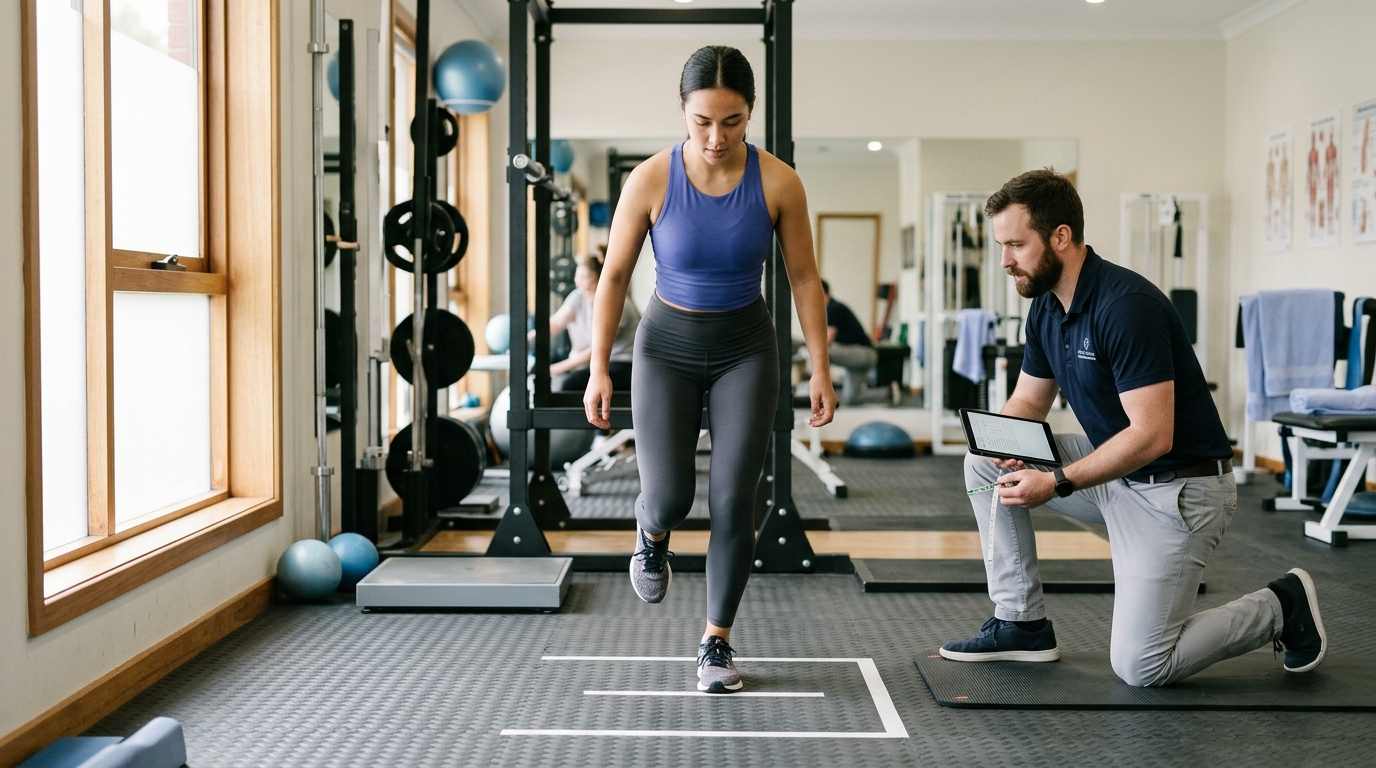
Functional performance testing for lower-extremity recovery often includes a series of single-leg hop tests:
A 2023 systematic review and meta-analysis published in the British Journal of Sports Medicine found that achieving higher symmetry scores on single-forward and repeated-forward hop tests was associated with more than double the odds of successfully returning to sport one to three years after ACL reconstruction. Specifically, the odds ratio was 2.15 for single hops and 2.11 for repeated hops.
However, functional tests are not a crystal ball. A 2024 systematic review demonstrated that while strength, hop scores, movement quality, and pre-injury activity level correlate with return-to-sport rates in individual studies, no single test battery consistently predicts long-term success or reinjury risk in highly active athletes. Test batteries offer valuable clinical data, but passing a physical test does not eliminate all athletic risk.
Allowing biological tissues sufficient time to mature is essential. The Delaware-Oslo ACL cohort study revealed that for athletes returning to high-demand pivoting sports, the reinjury rate was reduced by 51% for each month return to sport was delayed up to nine months after surgery. Beyond nine months, the study observed no further risk reduction from additional delays alone.
Furthermore, athletes in that study who returned to Level I pivoting and contact sports faced a 4.32 times higher reinjury rate compared to those who chose non-pivoting activities. Among participants who failed the objective return-to-sport criteria, 38.2% suffered reinjuries, compared to just 5.6% of those who passed all testing milestones. These findings emphasize that calendar time and objective physical readiness must work together.
Clinicians commonly look for an LSI of 90% or higher before clearing an athlete for cutting, pivoting, or intense running drills. For high-demand contact sports, some protocols recommend achieving 100% symmetry. While comparing limbs is practical, relying entirely on symmetry percentages can create a false sense of security.
The main limitation of the Limb Symmetry Index is that it uses the opposite, uninjured limb as the gold standard of normal function. Following major surgery, most individuals experience weeks or months of reduced physical activity. During this time, the healthy limb often loses muscle mass, peak strength, and neuromuscular power.
A study published in the Journal of Orthopaedic & Sports Physical Therapy examined 70 patients six months after ACL reconstruction. The researchers discovered that 34.3% of patients who achieved a 90% LSI on all functional tests failed to reach 90% of their estimated pre-injury capacity. If the uninjured leg has lost 20% of its former strength, matching its current output means the recovering limb remains significantly underpowered compared to its historical baseline.
Symmetry scores must also be interpreted with an understanding of natural human variation. A 2025 systematic review evaluated healthy control participants with no history of major knee injuries across standard return-to-sport assessments. The researchers found wide variation in passing rates among uninjured adults:
Many healthy, active adults naturally demonstrate a side-to-side strength or coordination difference greater than 10%. Because of this natural variance, functional tests should be evaluated alongside absolute strength, movement mechanics, and pre-injury baselines whenever possible. Exploring strength and performance rebuilding strategies helps ensure both limbs regain true functional capacity.
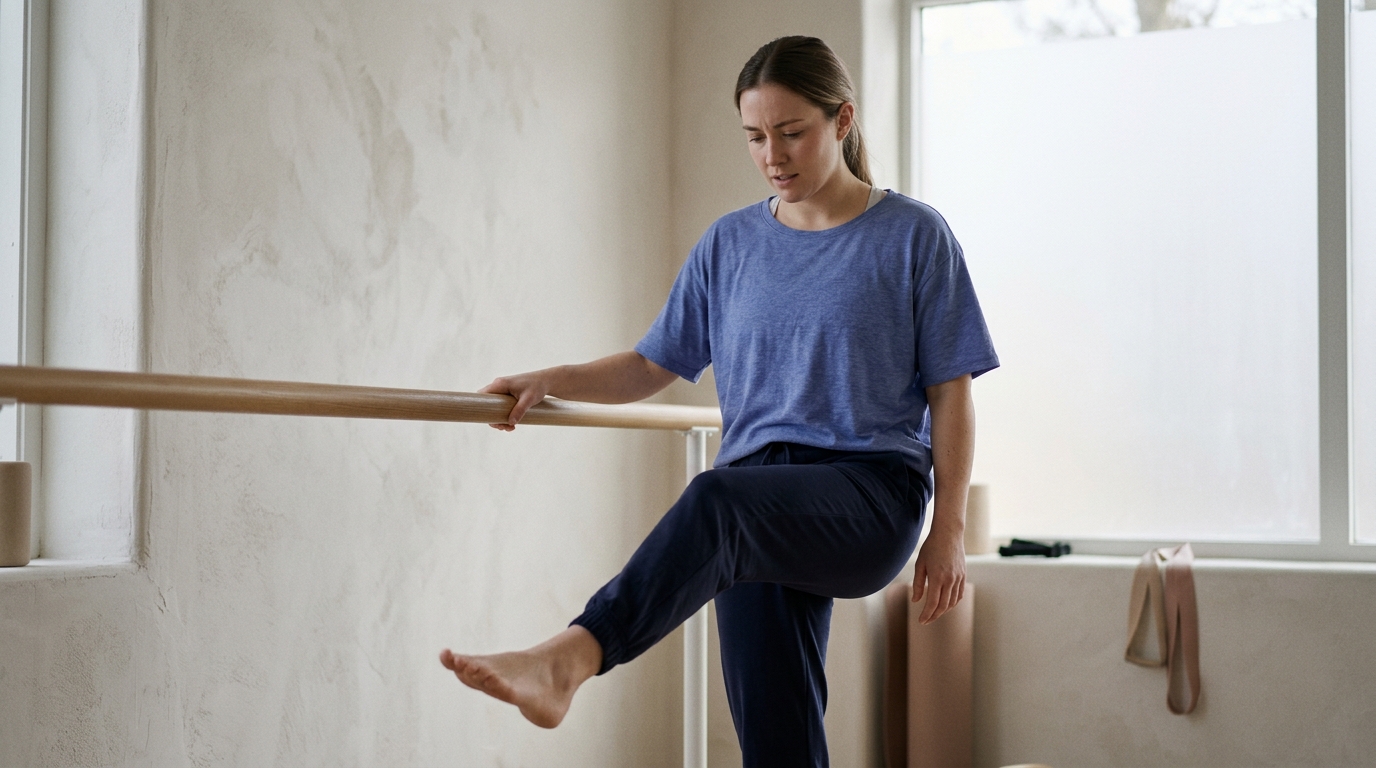
Passing physical tests in a controlled clinic does not mean a joint is ready for the chaotic environment of sport. Rehabilitation exercises typically start as closed skills. In a closed drill, the athlete controls the timing, knows exactly where to move, and faces no unexpected external forces.
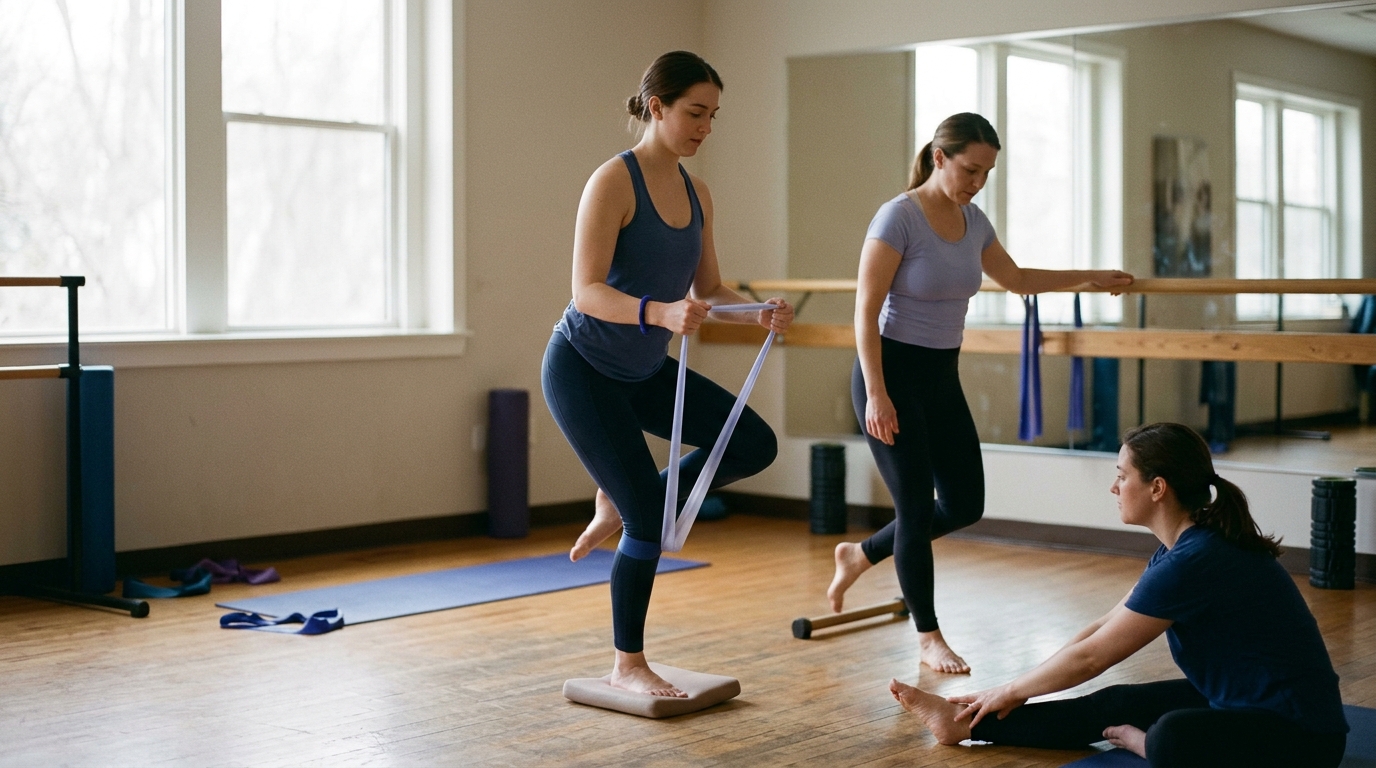
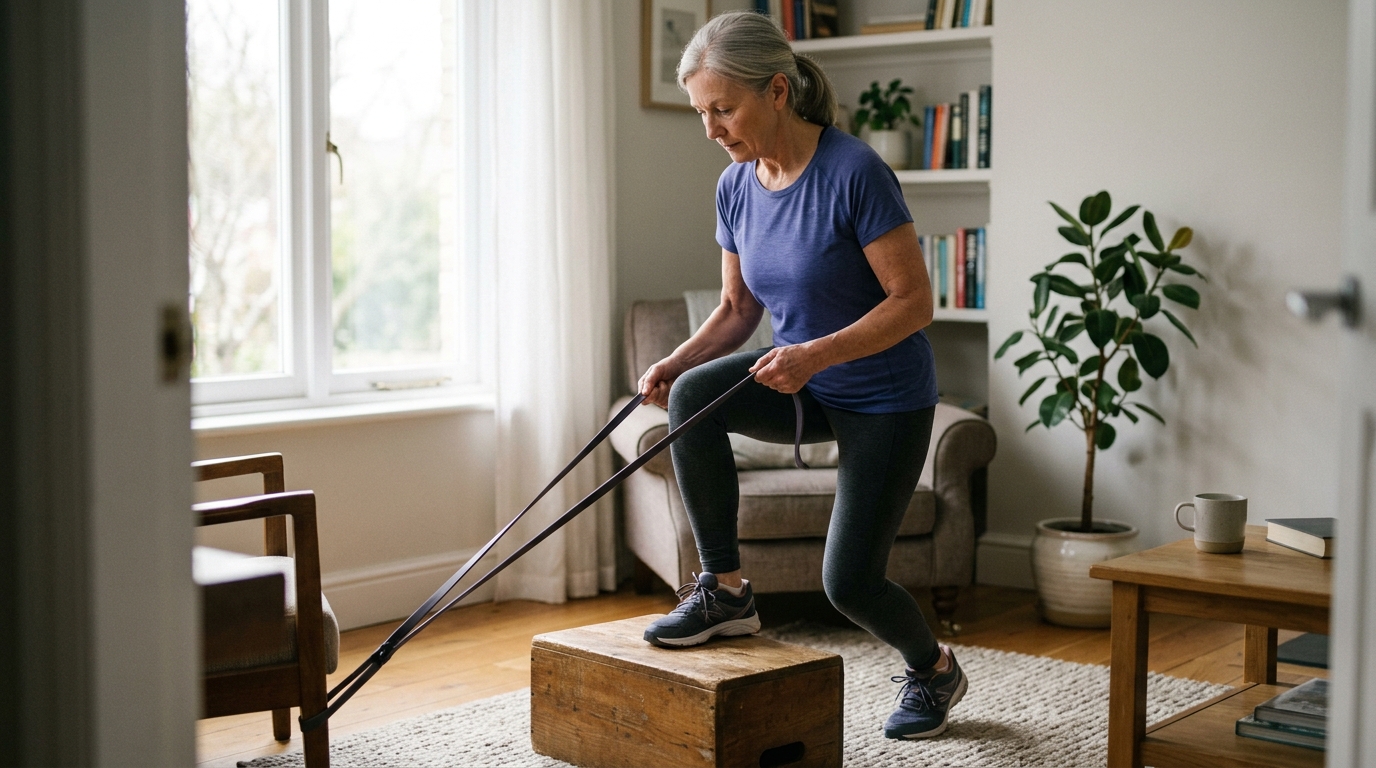
Closed skills allow patients to rebuild motor patterns in a safe setting. Examples include:
These drills build baseline power, joint stability, and linear deceleration. However, real athletic competition rarely involves predictable movements.
Most sports require open skills, where an athlete must react to changing external cues while moving at high speeds under physical fatigue. Open skill demands include:
The Bern consensus warns against relying solely on closed-skill testing when determining athletic readiness. When an athlete only trains in predictable settings, their brain relies on pre-programmed motor commands. In an open sporting environment, neurocognitive processing demands increase dramatically.
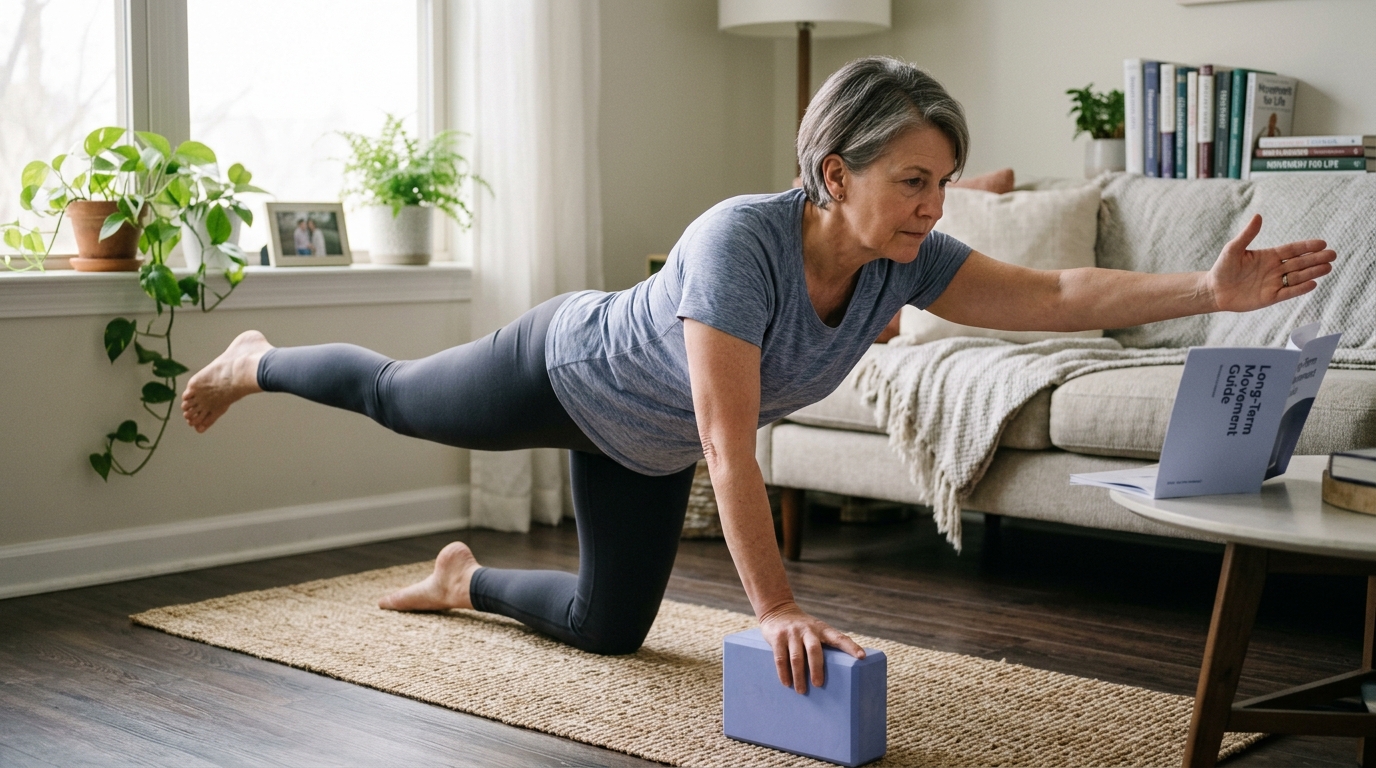
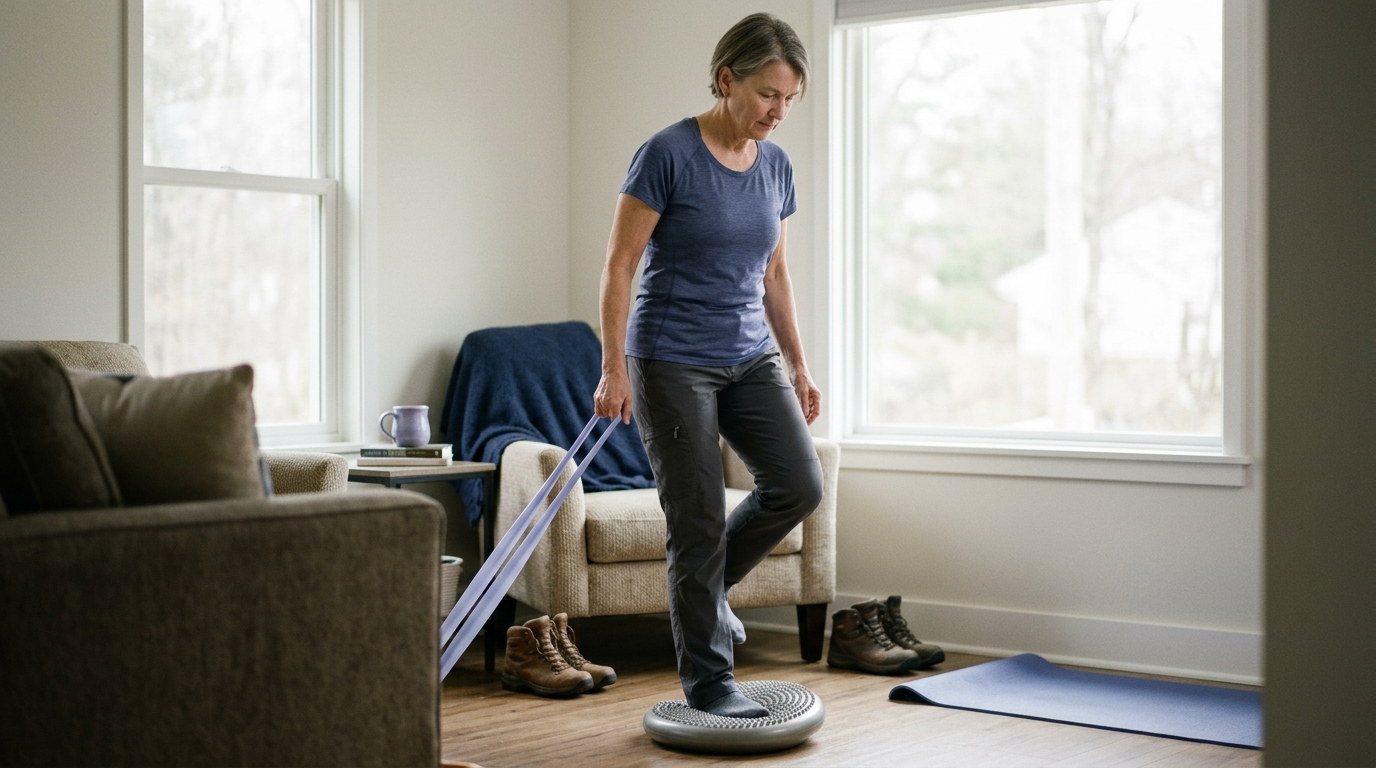
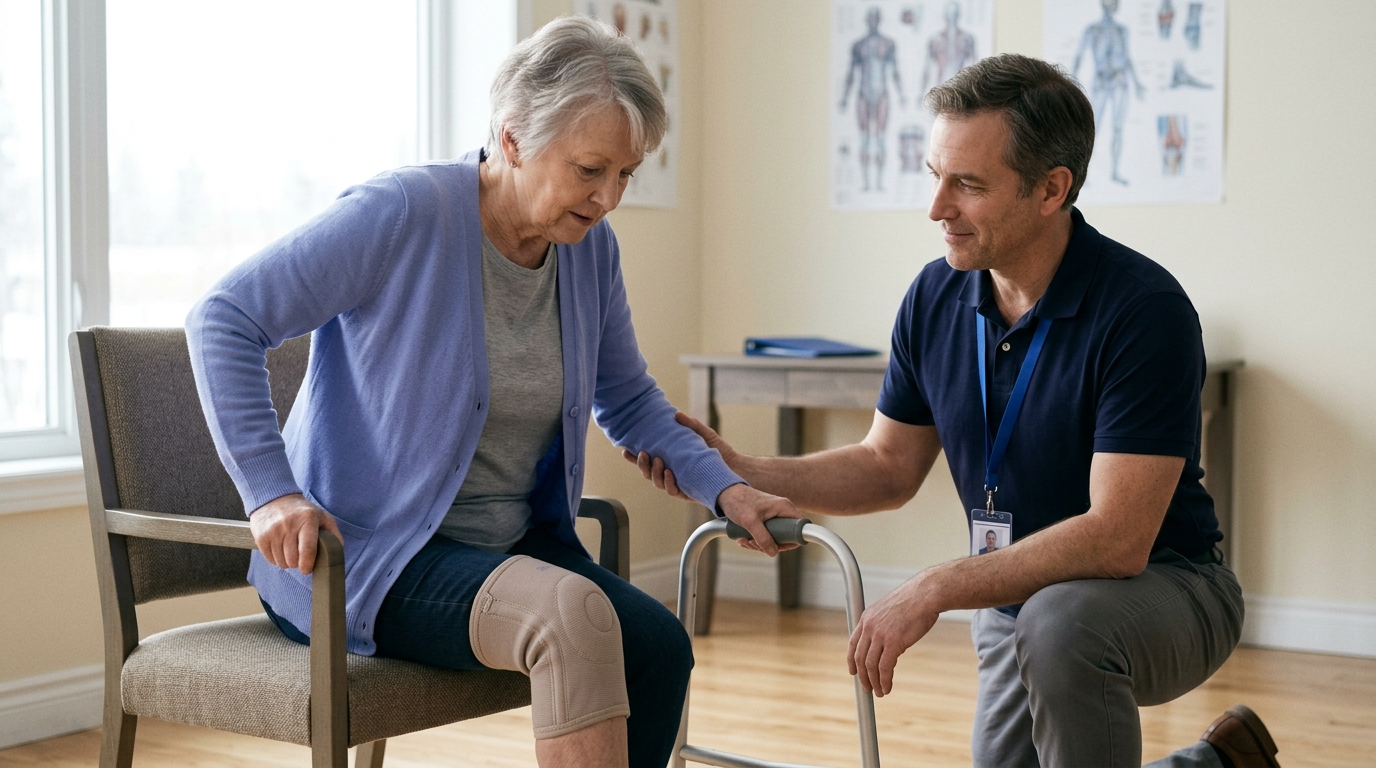
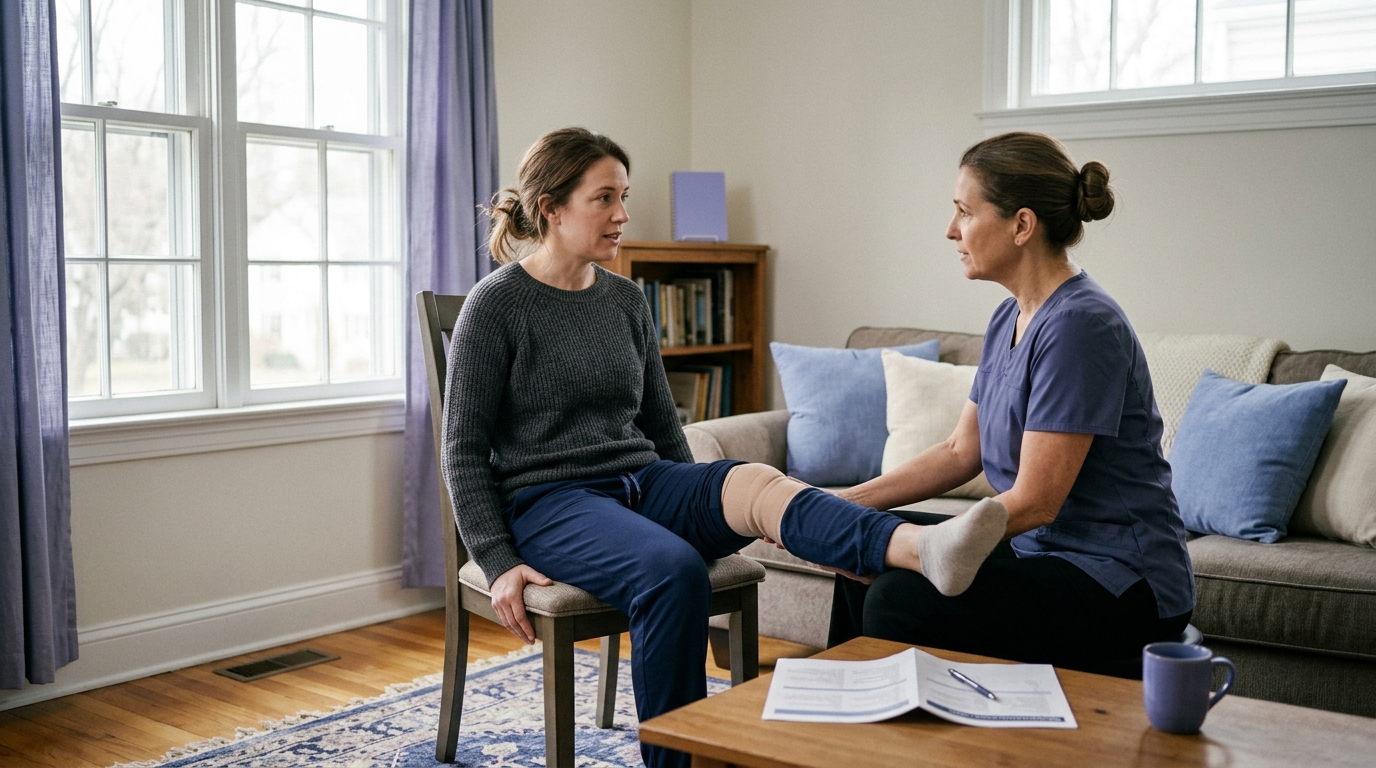
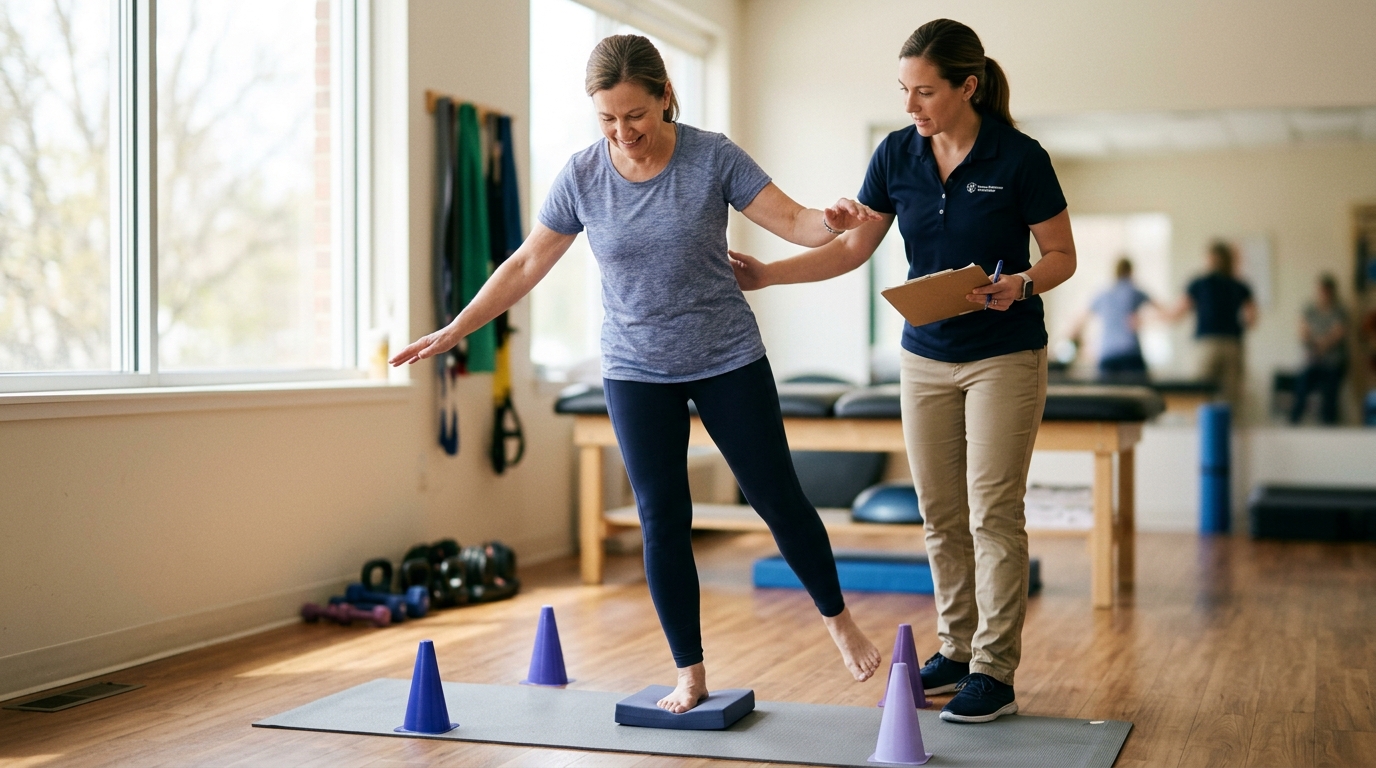
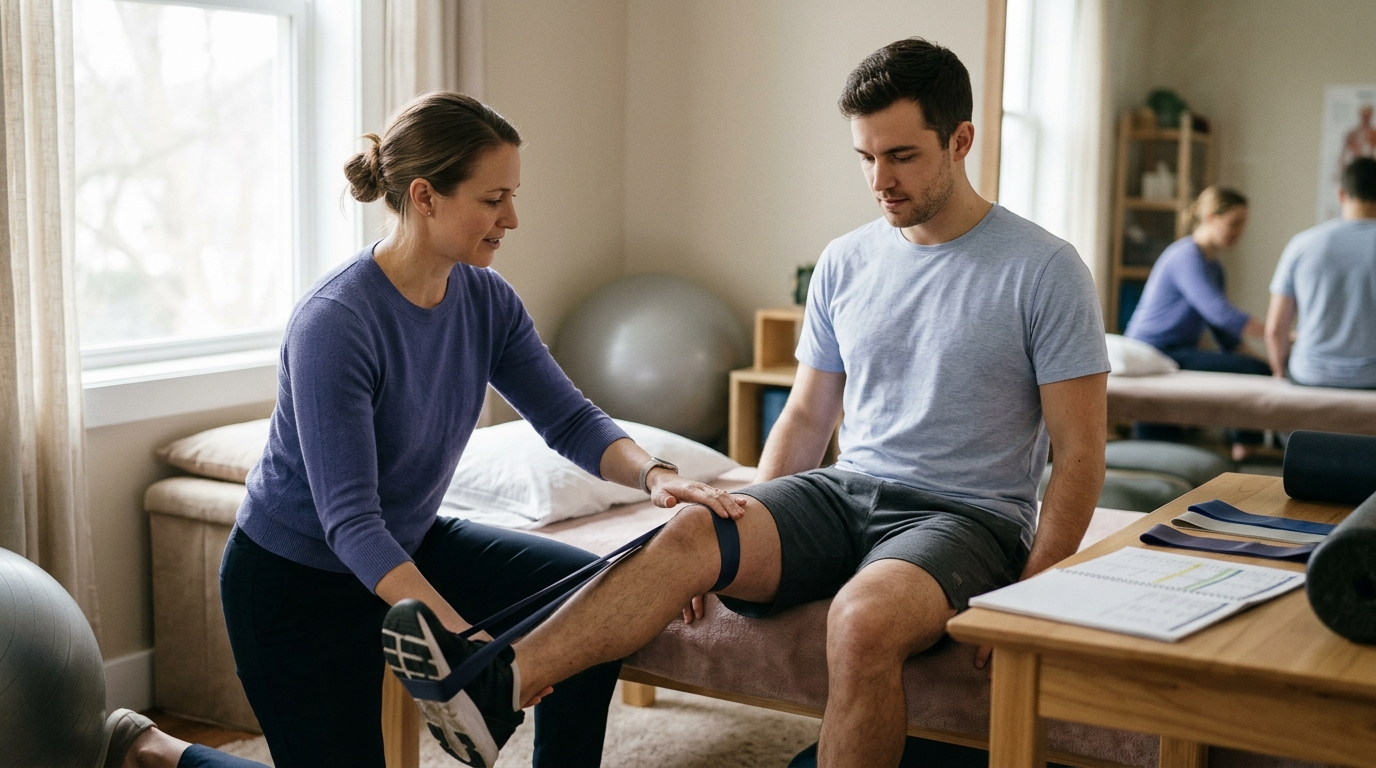
Rehabilitation should progress sequentially from planned movements to reactive, sport-specific drills. For instance, an athlete might begin with planned lateral shuffles, advance to cutting in response to a coach's hand signals, and finally practice small-sided games with teammates. Integrating rehabilitation mobility and movement progressions provides the neuromuscular foundation needed for these reactive drills.
Physical healing and functional strength represent only part of the recovery equation. An athlete can possess symmetrical strength and excellent hop test scores yet remain unprepared for competition due to psychological hesitation.
Undergoing orthopedic surgery and extensive rehabilitation alters an athlete's relationship with their body. Common mental hurdles during the return-to-sport transition include:
Fear of reinjury often causes subtle, subconscious movement compensations. An athlete who fears re-tearing a ligament may land stiffly on an extended knee or shift their body weight away from the surgical side. Paradoxically, these protective compensations can increase mechanical stress on adjacent joints or the opposite limb.
Clinicians frequently use validated questionnaires to evaluate an athlete's mental readiness. One widely used tool in knee recovery is the Anterior Cruciate Ligament-Return to Sport after Injury (ACL-RSI) scale. This questionnaire evaluates an individual's emotional state, confidence in performance, and risk appraisal.
Research indicates that higher psychological readiness scores correlate with higher rates of returning to pre-injury sport levels. However, psychological scales should never serve as standalone clearance tools. They provide valuable conversational data, allowing physical therapists and surgeons to identify fear, address misconceptions, and introduce progressive exposure drills that rebuild genuine confidence.
No two surgical recoveries follow the identical path. Recovery timelines and return-to-sport milestones depend heavily on the specific procedure performed, the health of surrounding tissues, and the demands of the target activity.
A clear example of how surgical procedures dictate timelines is found in knee meniscus surgery. The 2024 European-United States meniscus rehabilitation consensus highlights substantial timeline differences based on whether damaged tissue is removed or repaired:
Assuming all meniscus surgeries follow the same timeline creates significant risk. A patient with a repair who attempts to play sports at eight weeks risks tearing the surgical sutures before the tissue has biologically bonded.
To help clinicians and athletes navigate these variables, sports medicine professionals use the Strategic Assessment of Risk and Risk Tolerance (StARRT) framework. This model structures decisions across three sequential steps:
This structured approach separates biological tissue readiness from total sport workload. Understanding this framework helps active adults understand why their personal timeline may differ from a friend or professional athlete who had a similar operation. To learn more about navigating post-operative stages, explore our surgery and rehabilitation guides.
Conditioning and training volume represent another critical variable. Even if a surgical joint is structurally sound, returning to full-intensity games after months of sedentary recovery can overwhelm the body's overall work capacity.
The Bern consensus highlights that gradual load progression is central to safe rehabilitation. While sports scientists sometimes track acute-to-chronic workload ratios by comparing weekly training volume against the rolling monthly average, consensus experts emphasize that strict mathematical ratios have not been validated as standalone clearance rules in rehabilitation.
Instead, athletes should progressively accumulate running volume, sprint exposures, and practice minutes over several weeks. Sudden spikes in athletic volume represent a primary trigger for tendon irritation, joint effusion, and muscle strain during the comeback phase. For a deeper look at progressive training principles, visit our articles on strength and return to sport.
To see how these principles apply in real-world scenarios, consider four illustrative planning patterns. These examples represent educational models rather than individualized medical protocols.
Consider an adult returning to straight-line road cycling or casual jogging after knee surgery. The mechanical demands of non-pivoting sports involve predictable, linear forces without rapid lateral cutting or physical collisions.
In this scenario, return-to-sport discussions focus heavily on:
Because unpredictable lateral shearing forces are minimal, testing emphasizes linear force absorption and endurance rather than reactive agility.
Consider a recreational basketball or tennis player recovering from ligament reconstruction. These sports require repeated acceleration, rapid deceleration, vertical jumping, and unexpected lateral cutting.
A thorough readiness progression for this athlete involves:
Consider an individual who passes all clinic-based strength and hop tests with 95% symmetry at seven months, yet experiences significant anxiety during live movement.
In this pattern, clinical data indicates adequate physical capacity, but functional readiness remains incomplete:
Rather than granting immediate unrestricted clearance, the clinical team prescribes an intermediate phase. The athlete joins controlled team practices, wears a non-contact practice jersey, and works through sport-specific conditioning until mental confidence matches physical capacity.
Consider two active adults of the same age who both undergo knee arthroscopy for a meniscus tear. One undergoes a partial meniscectomy, while the other receives a meniscal repair with sutures.
Their recovery trajectories differ substantially:
This contrast illustrates why two individuals with "meniscus surgery" face entirely different recovery expectations and milestones.
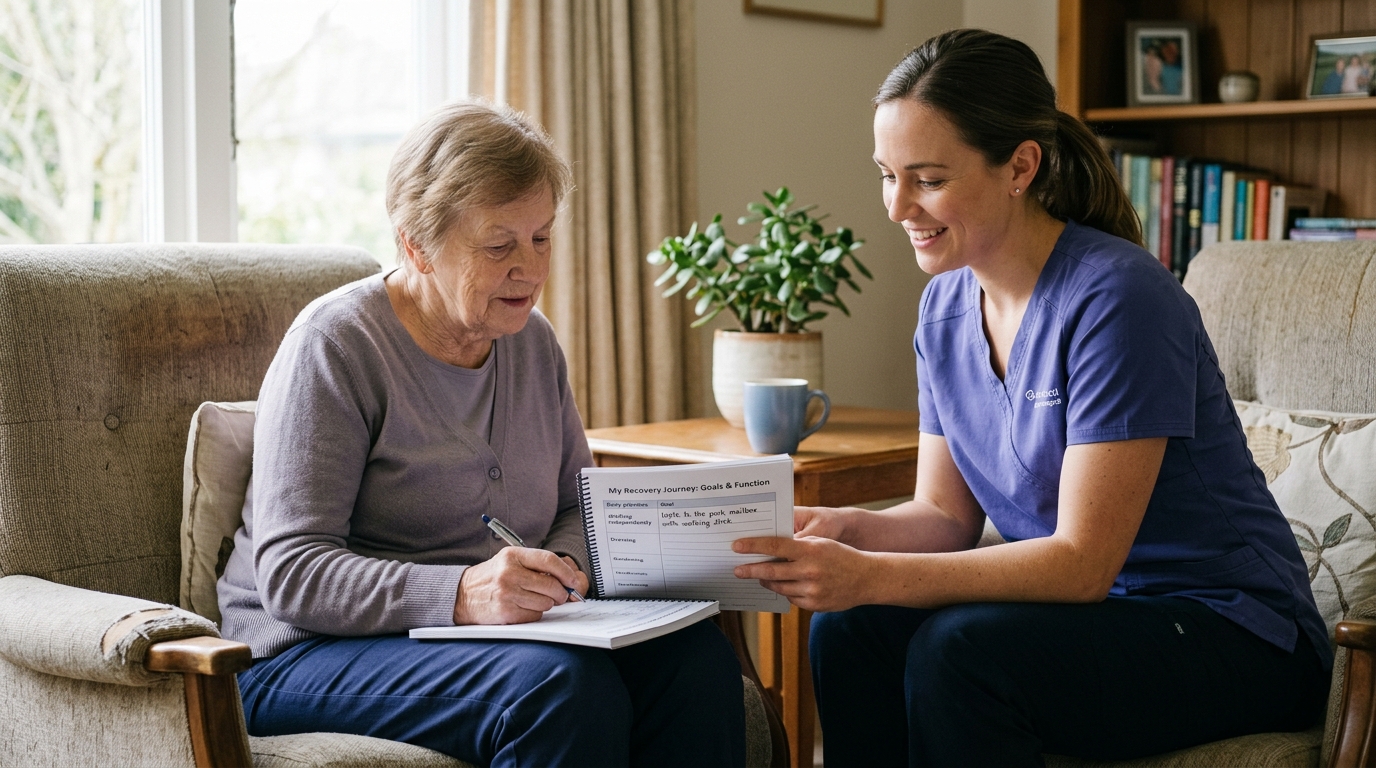
Navigating the transition from rehabilitation back to sport requires clear communication between you, your orthopedic surgeon, and your physical therapist. Rather than asking for a general clearance date, use these targeted questions to guide your recovery discussions:
Returning to sport after orthopedic surgery is an active, criteria-driven progression rather than an automatic calendar event. The path moves through distinct stages of modified participation, sport entry, and ultimate performance restoration. While objective testing batteries, strength symmetry metrics, and tissue healing windows offer vital guidance, no single test can predict every outcome or remove all athletic risk.
Keep this resource accessible throughout your recovery and review it during key transition points:
Patience, progressive exposure, and objective testing remain your most reliable tools as you navigate the road from rehabilitation back to the sports you enjoy.

Use ReboundBody resources to understand common recovery stages, rehab terms, movement limits and strength rebuilding. Each guide is designed to make a complex comeback easier to understand.


Read practical guidance on injury recovery, rehabilitation, mobility and rebuilding strength as you work your way back to activity.
Explore Resources