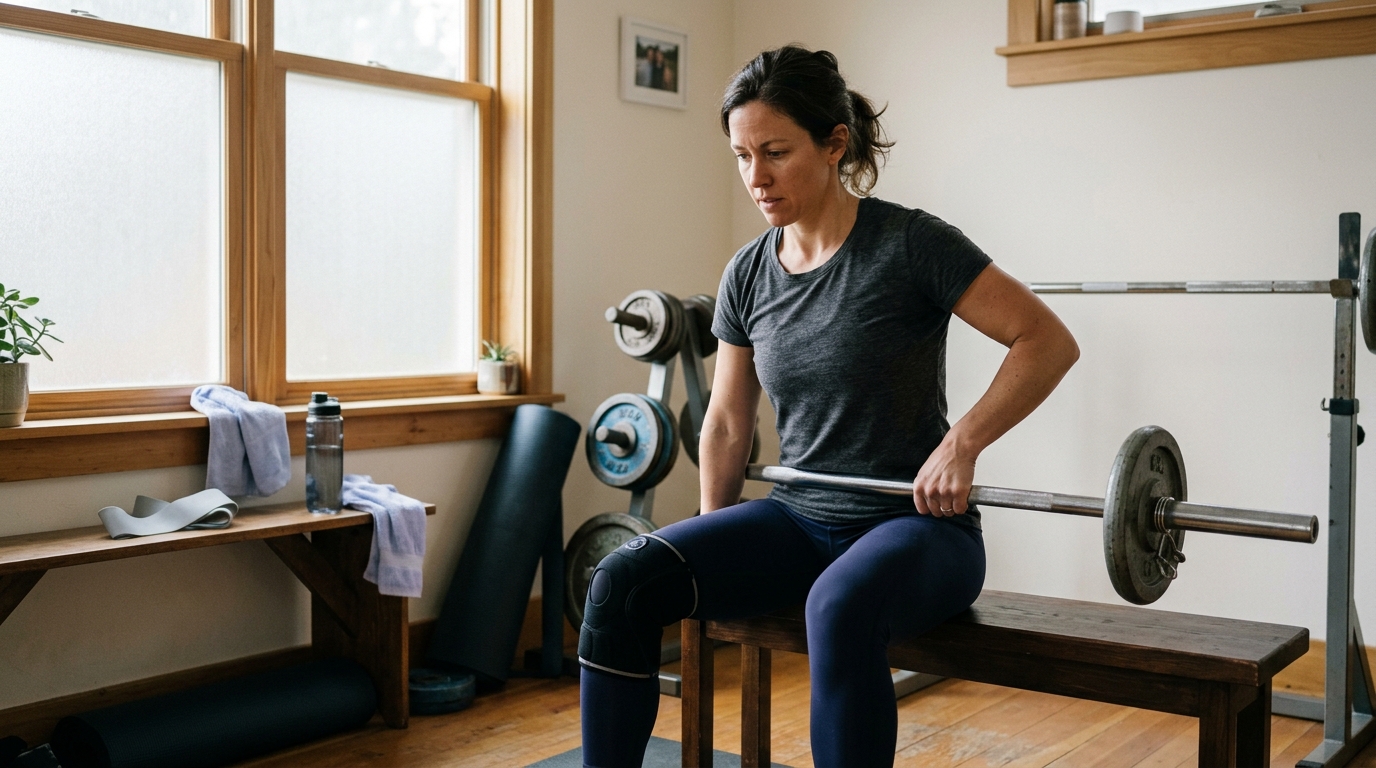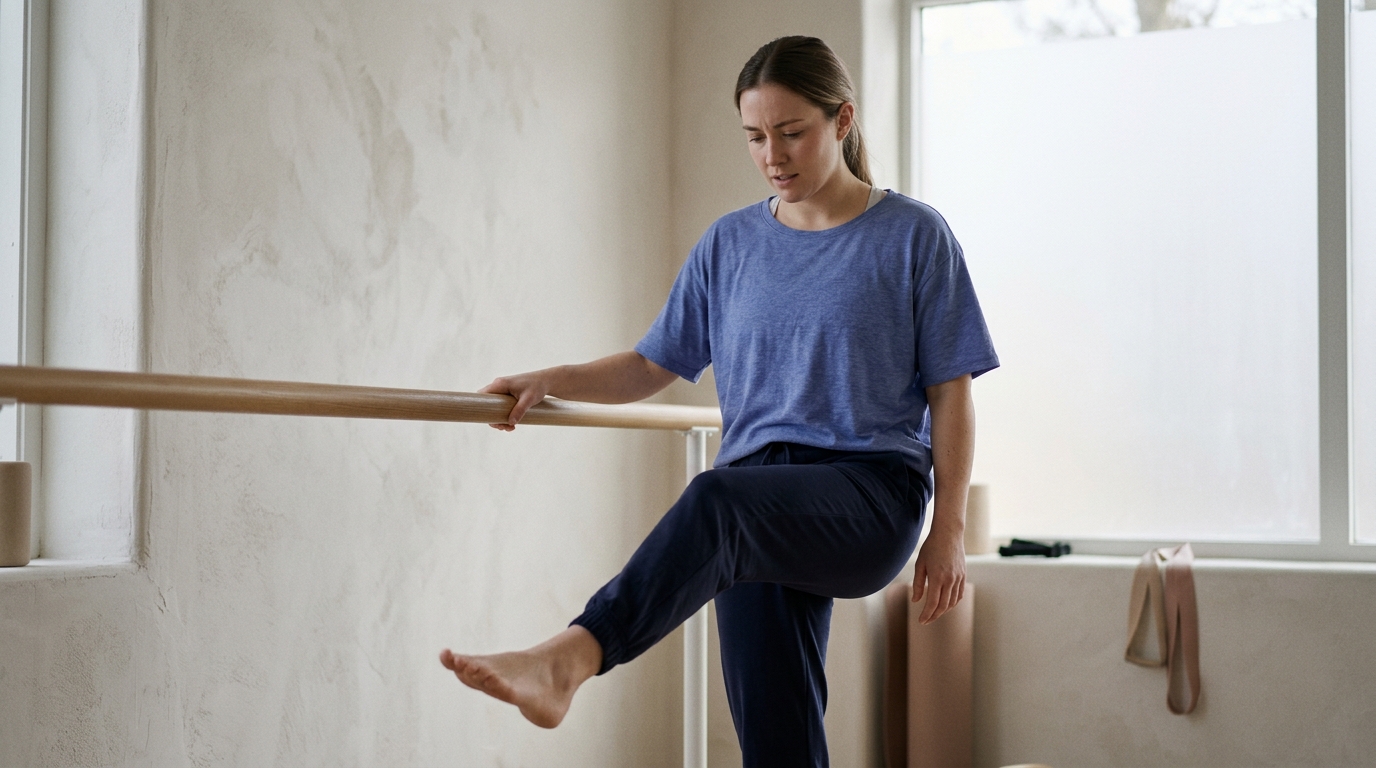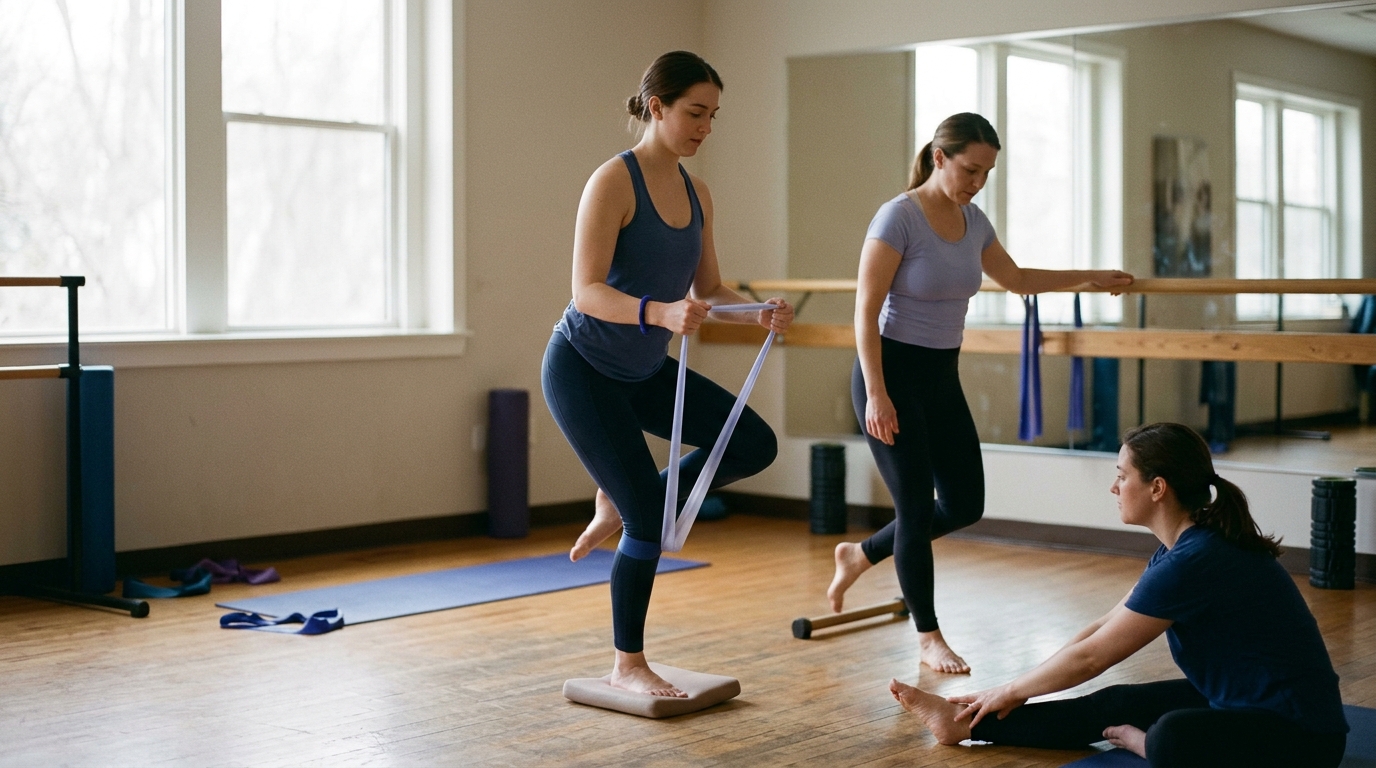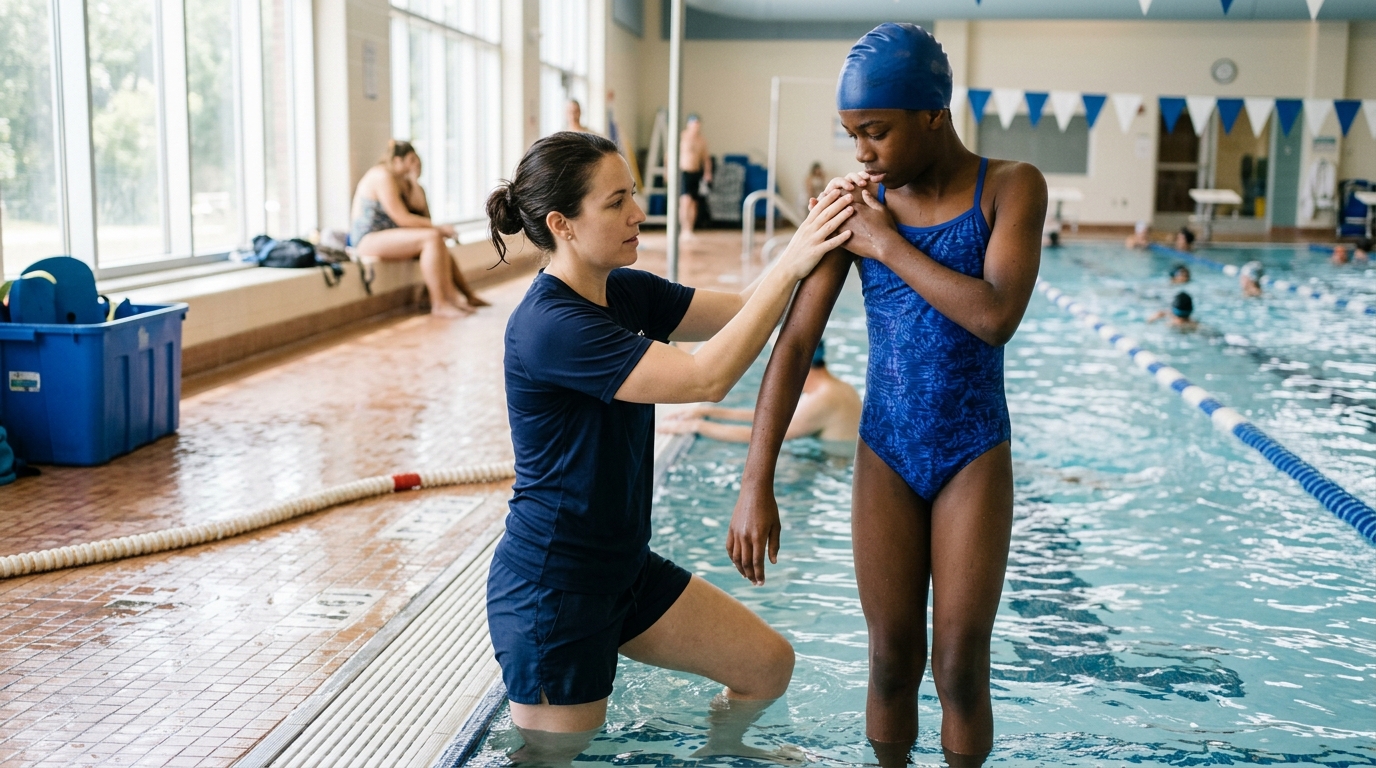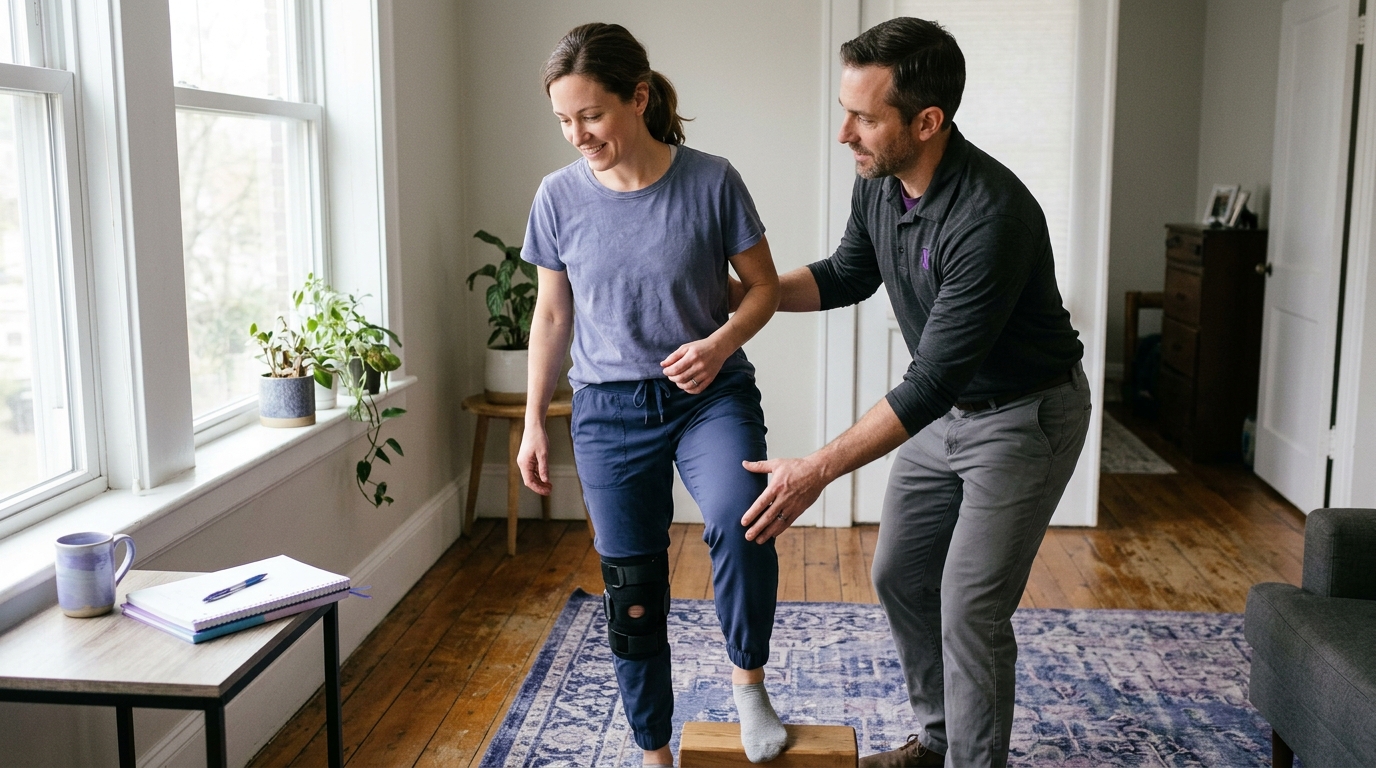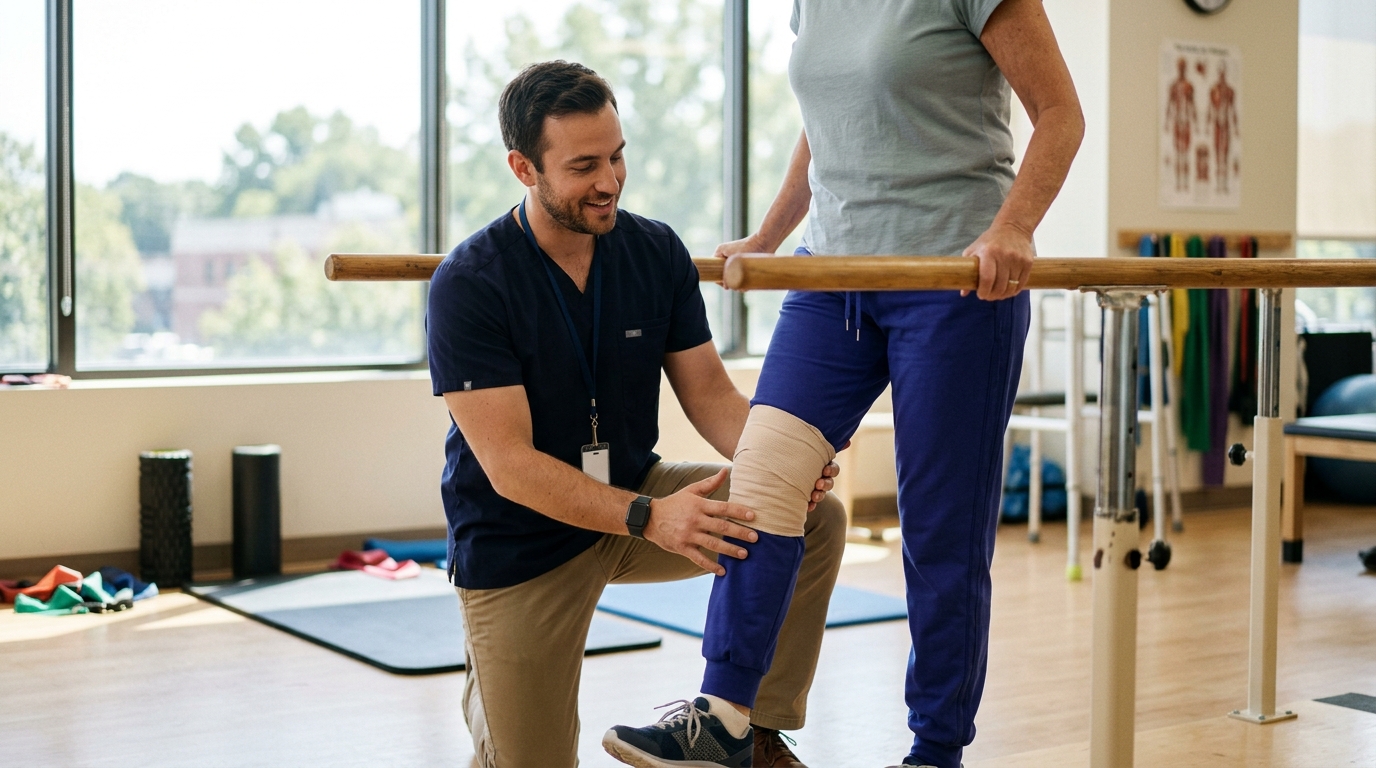

Postoperative mobility protocols guide safe recovery by distinguishing between movement and loading across joint replacements, ligament repairs, and tendon surgeries.





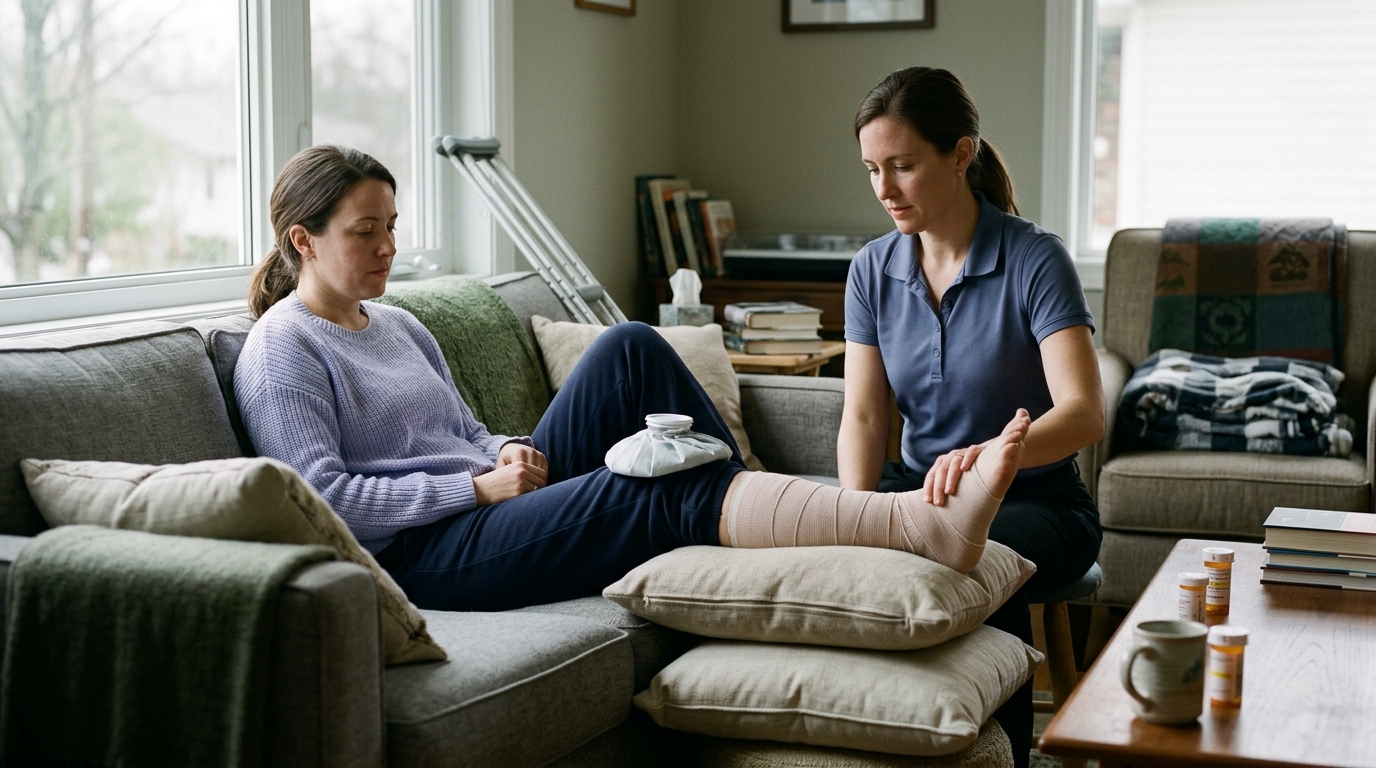
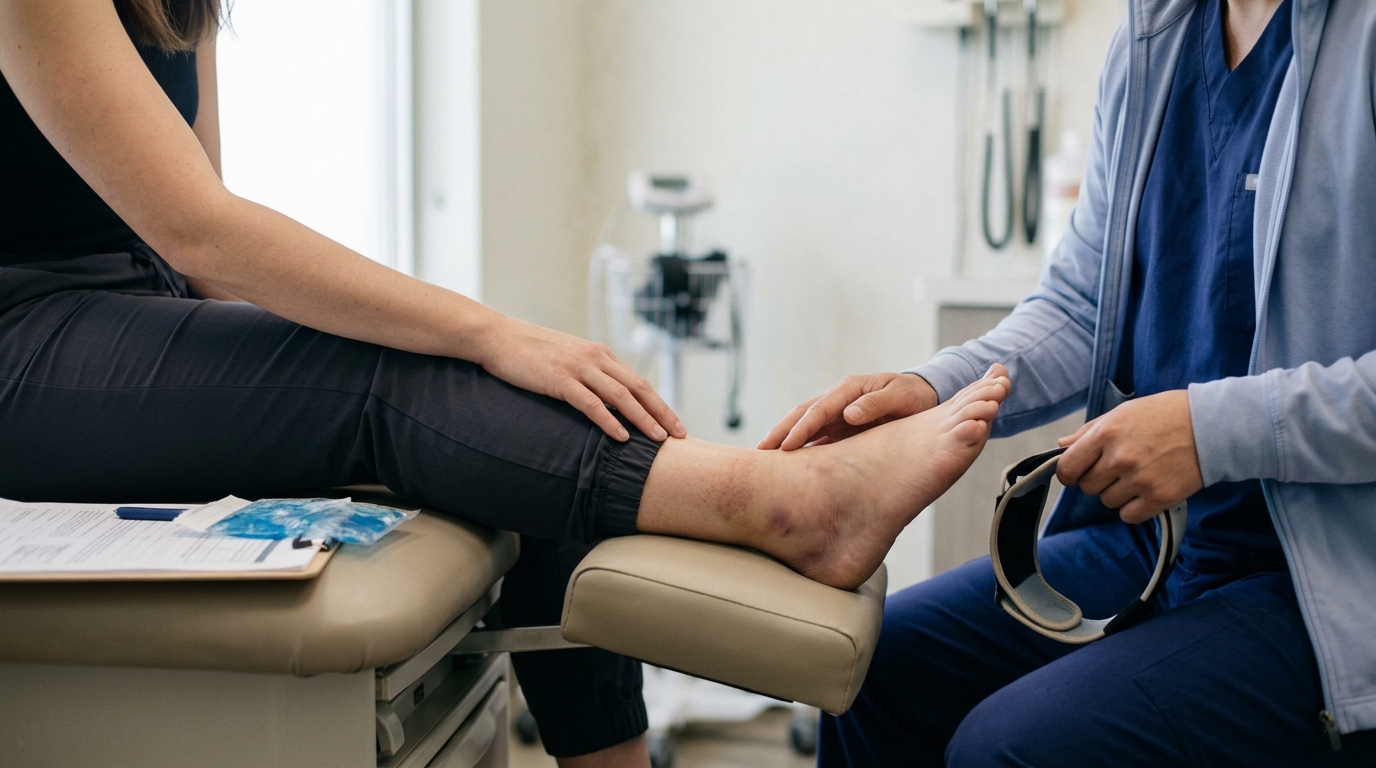
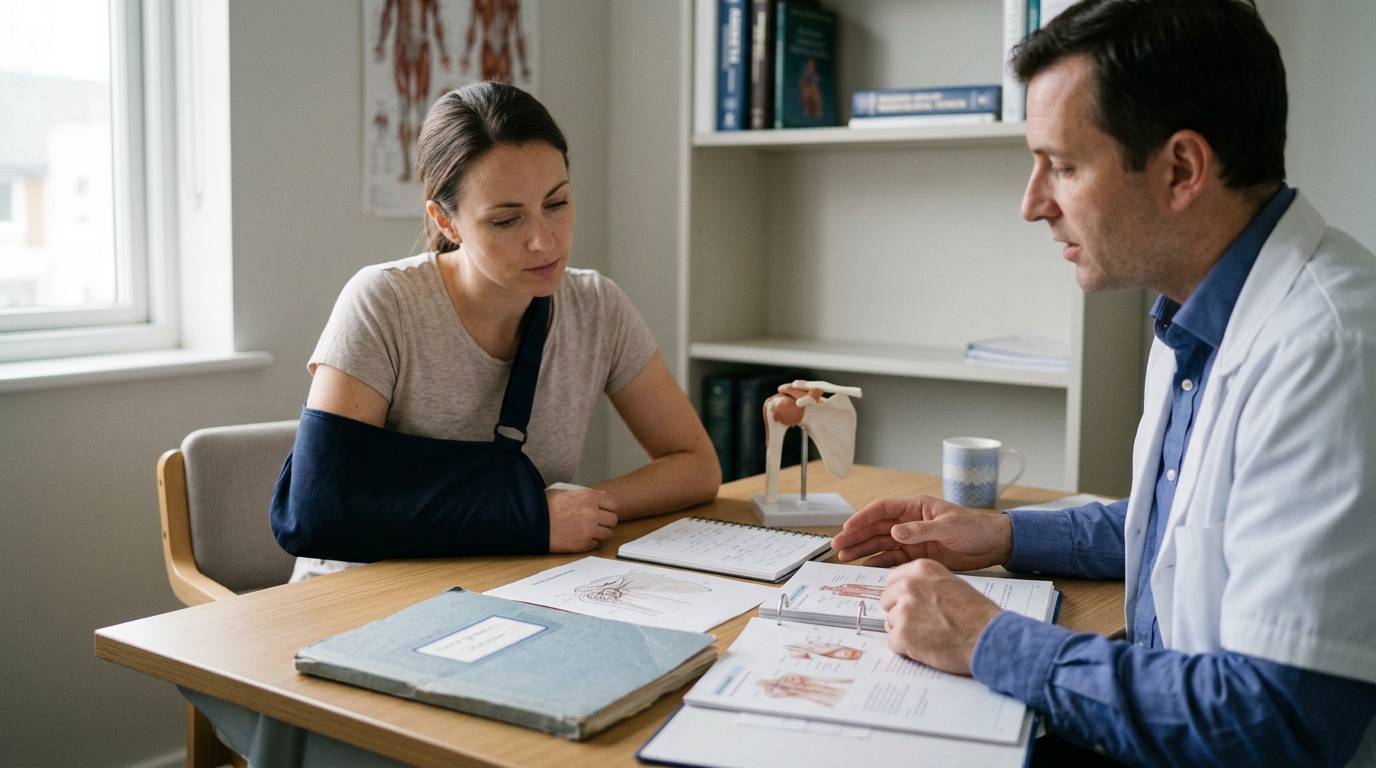
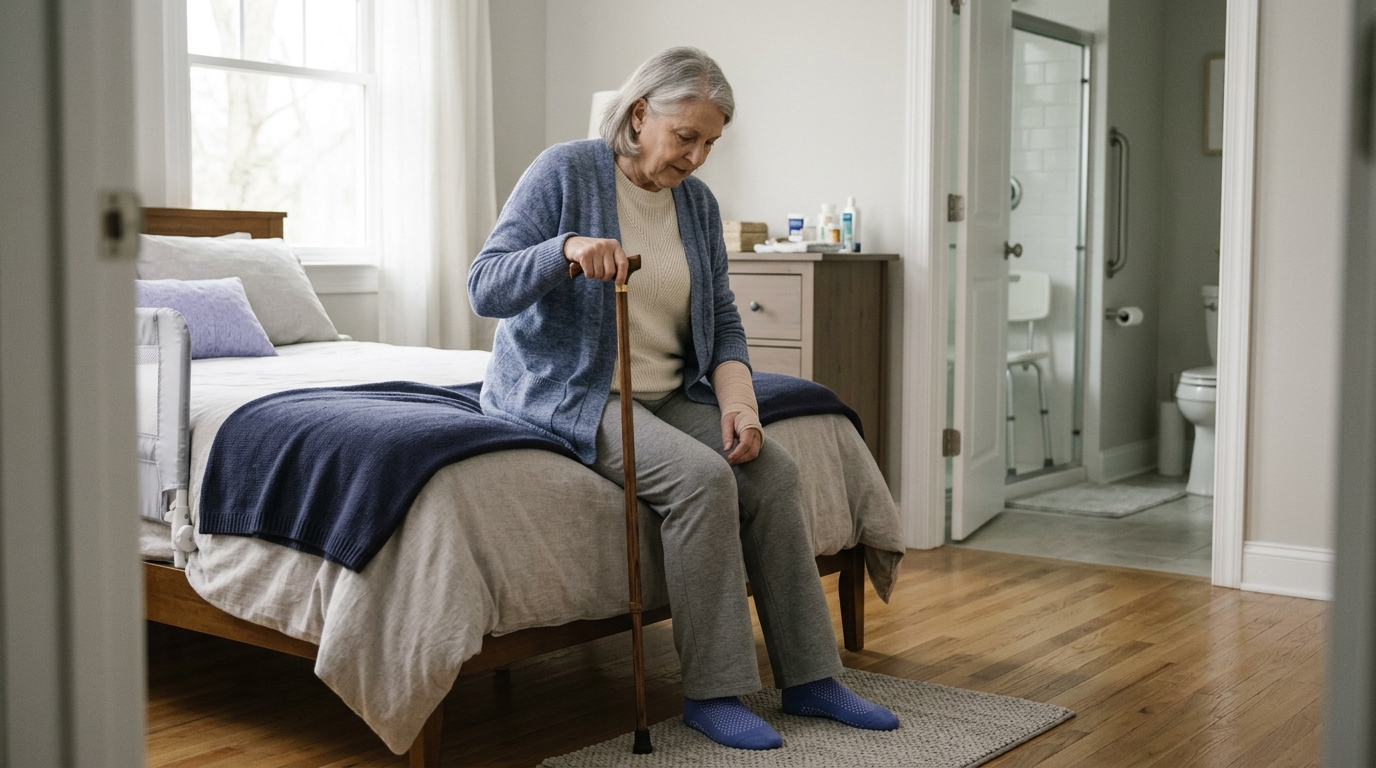
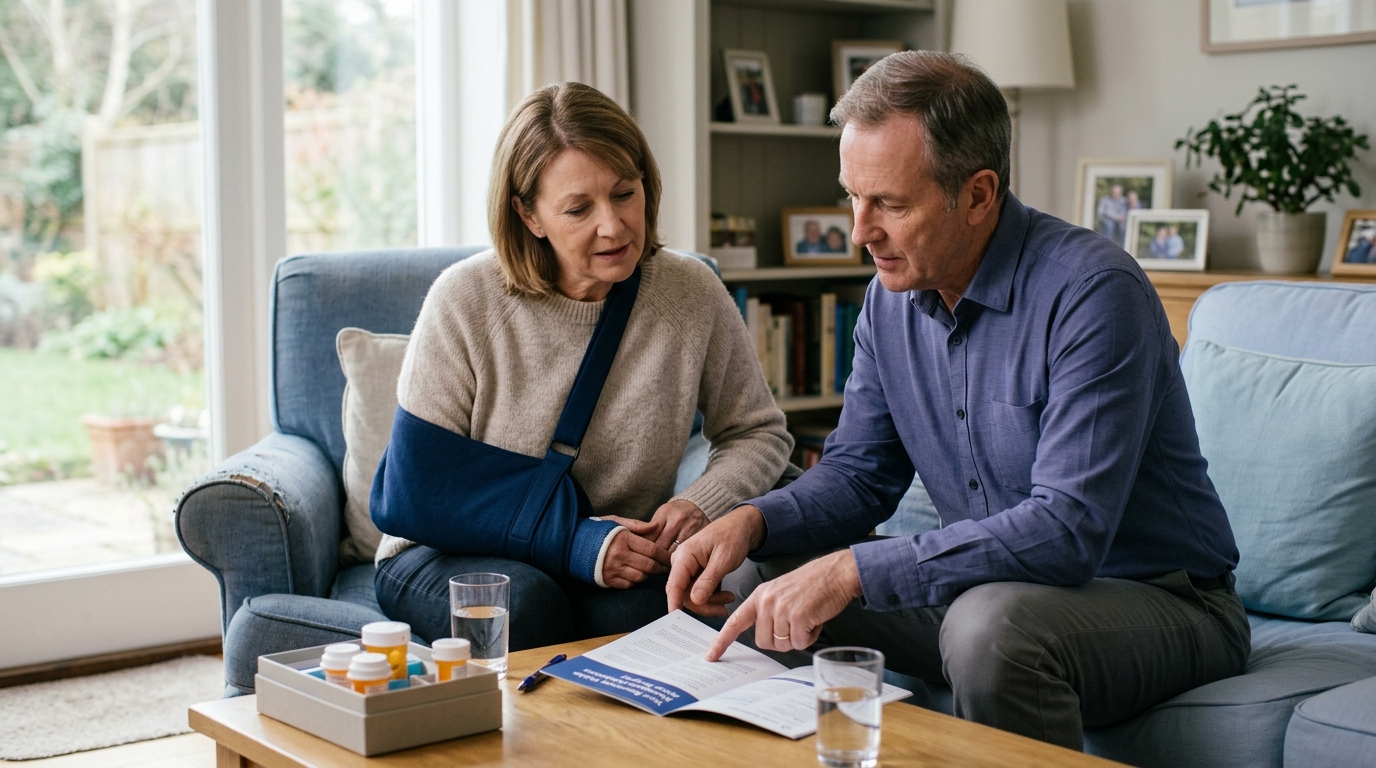
You wake up from orthopedic surgery with your limb wrapped in heavy bandages or resting in a rigid brace. Your first instinct might be to test the joint. You might wonder how much you can bend your knee, lift your arm, or wiggle your ankle without damaging the work done inside. In the days that follow, well-meaning friends might tell you to push through stiffness immediately, while an online forum might warn you to stay completely still.
This contrast creates understandable anxiety. The direct answer is that restoring mobility after orthopedic surgery is not a race to reach the largest possible angle as quickly as you can. It is a staged rehabilitation process designed to regain the movement you need for everyday life while protecting your healing tissue, surgical repair, and anatomical structure.
The most useful question in early recovery is rarely "How far can this joint bend today?" Instead, the better question is "What type and amount of movement is safe and helpful at this specific stage of healing?"
The answers depend on what procedure you had, which tissues are repairing, and how your body responds to activity. While early movement can help reduce stiffness and prevent muscle loss, forcing progress can disrupt a fragile repair. Understanding how clinical teams set mobility goals can help you navigate your surgical recovery and comeback with realistic expectations and confidence.
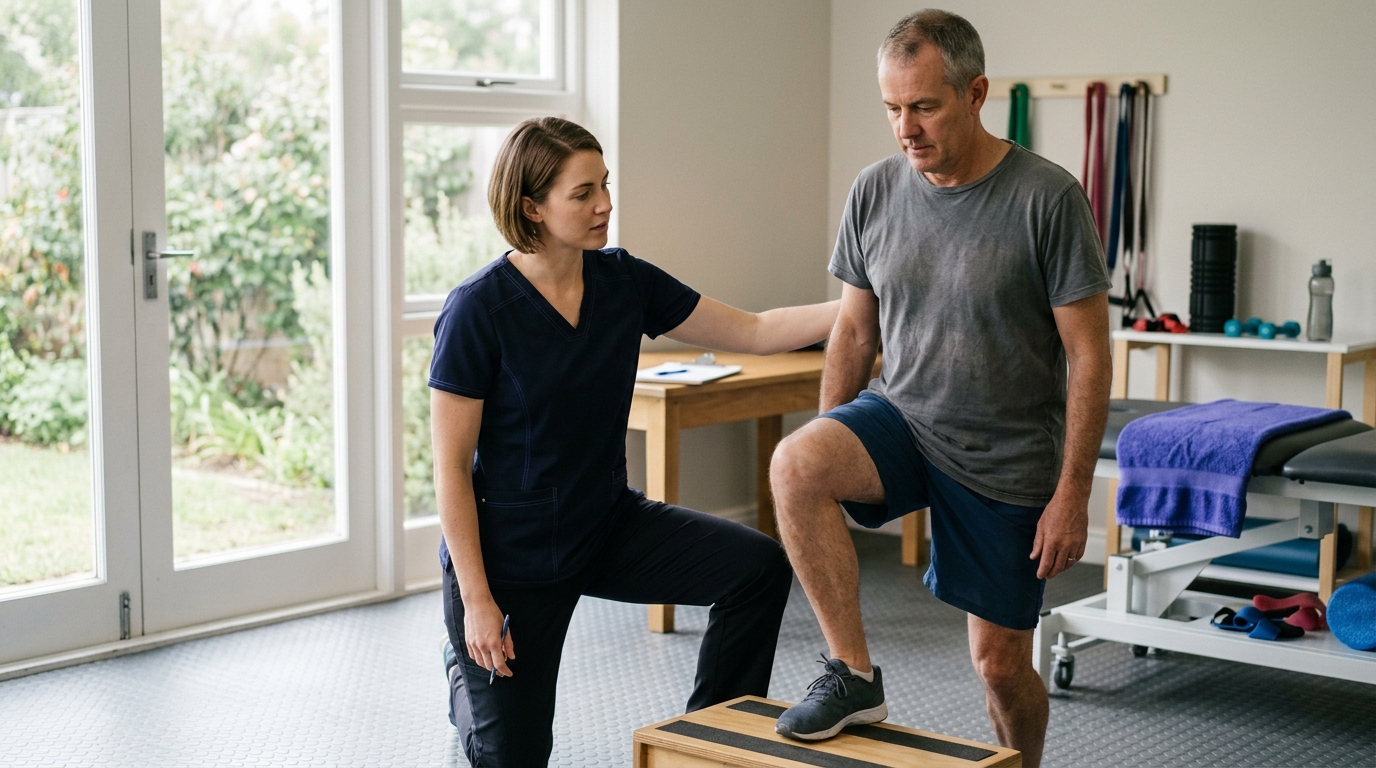
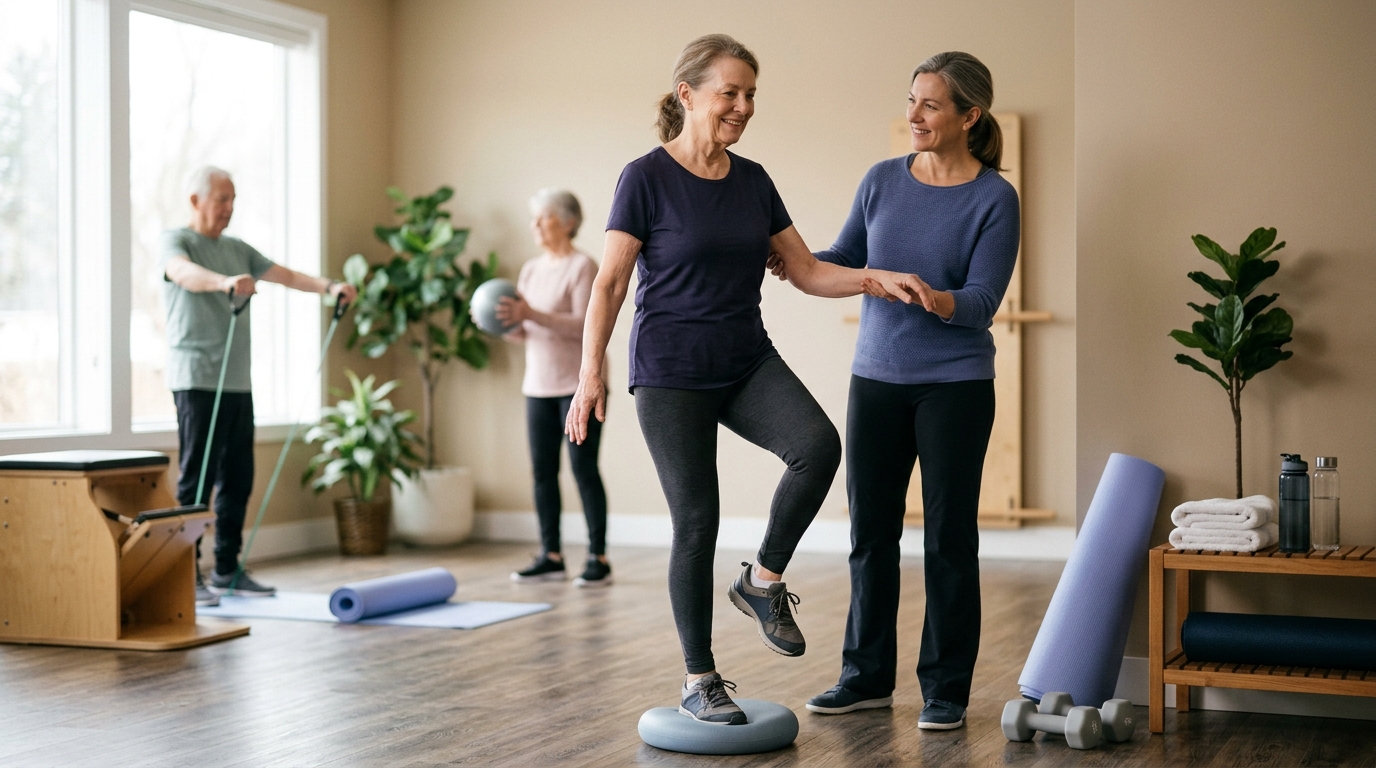
To understand how mobility is rebuilt, it helps to understand how clinical teams describe movement. Range of motion measures the distance and direction a joint can move through its natural path. In a rehabilitation clinic, physical therapists and surgeons generally classify movement into distinct categories based on how much muscle effort is involved.
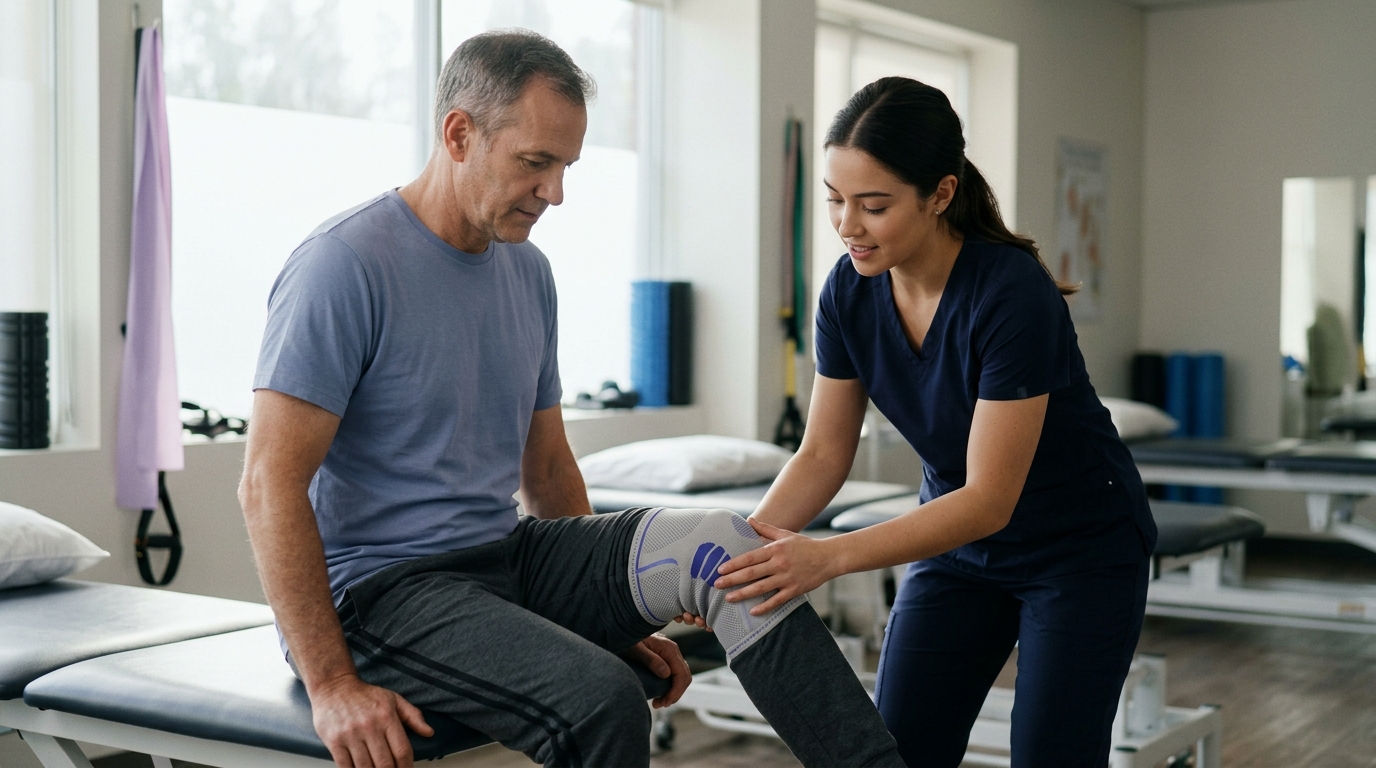
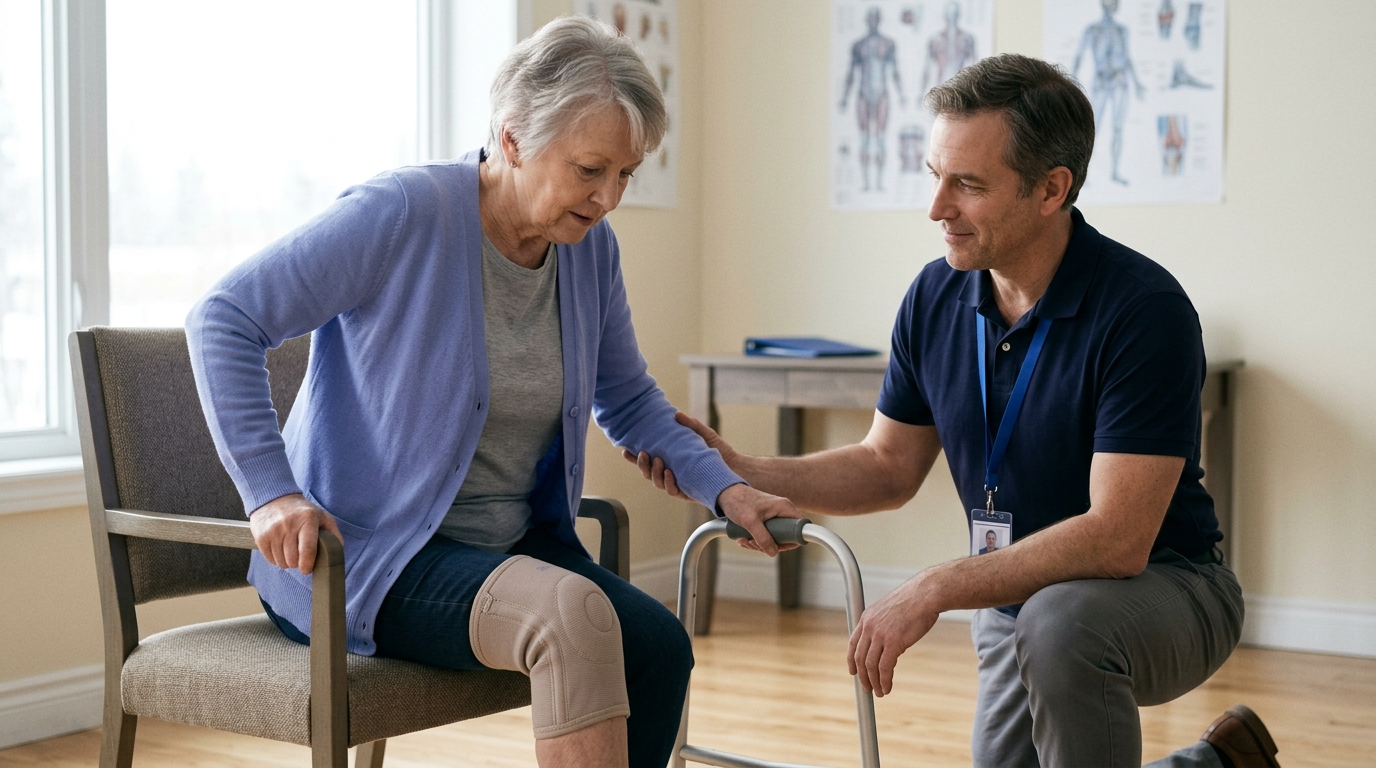
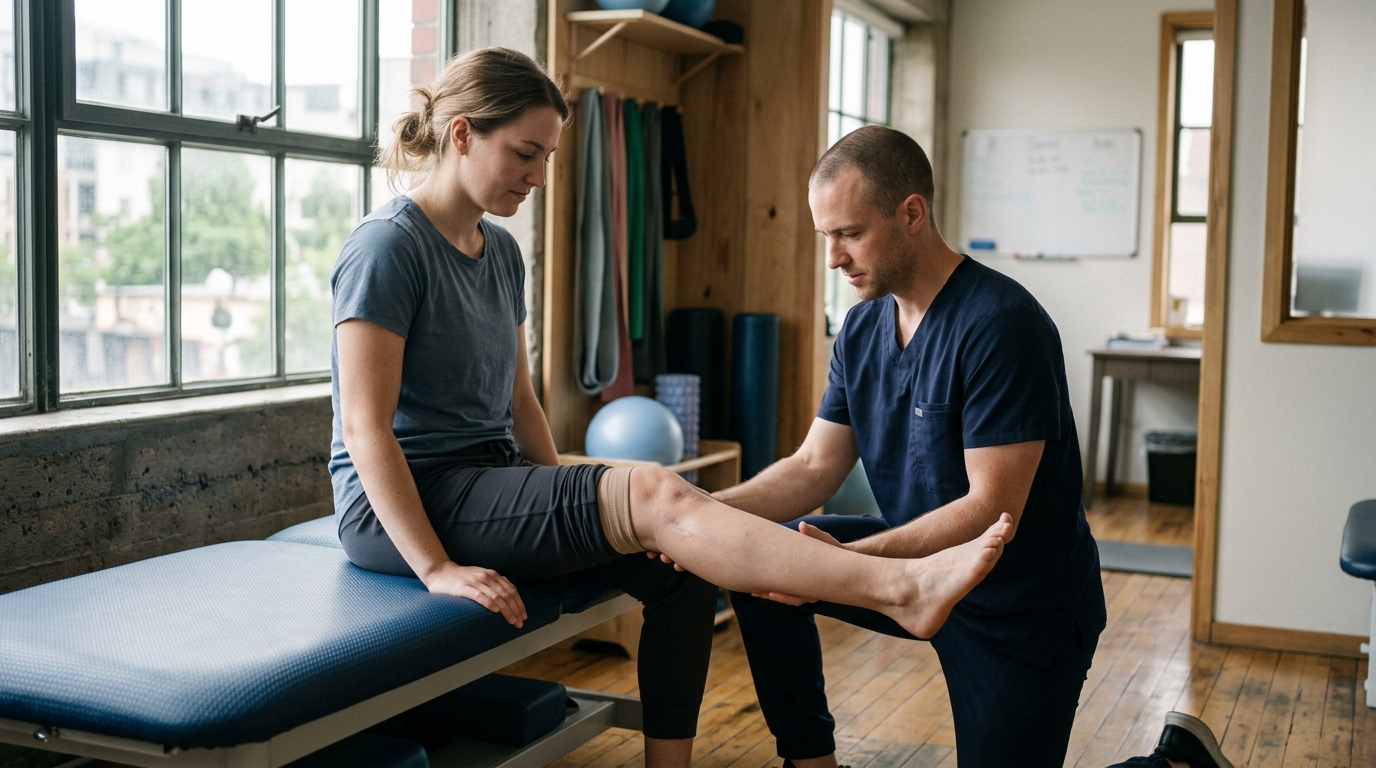
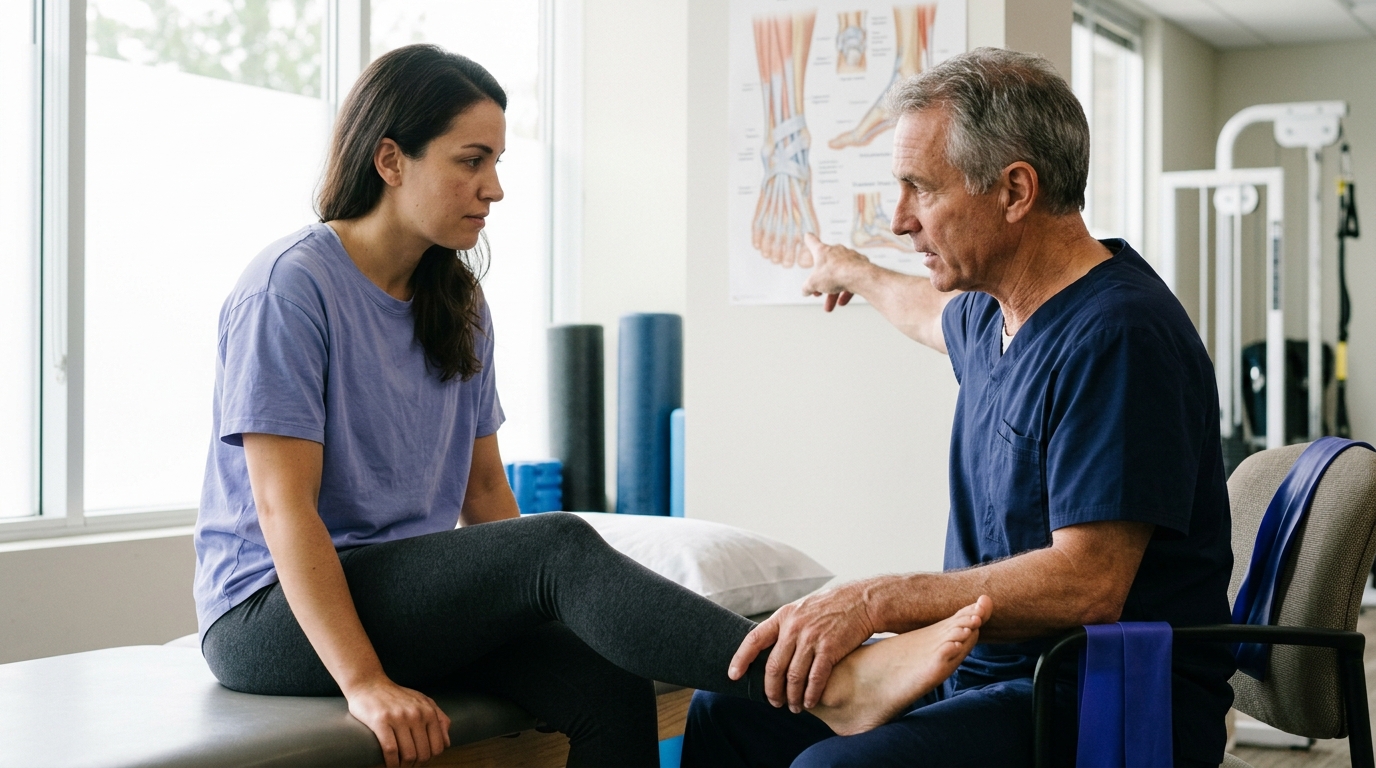
Passive range of motion means an external force moves your joint while your own muscles stay completely relaxed. That external force might be a physical therapist gently guiding your limb, a mechanical device, or your other arm. Passive motion allows joint surfaces to glide and fluid to circulate without forcing a newly repaired tendon or ligament to bear muscle tension.
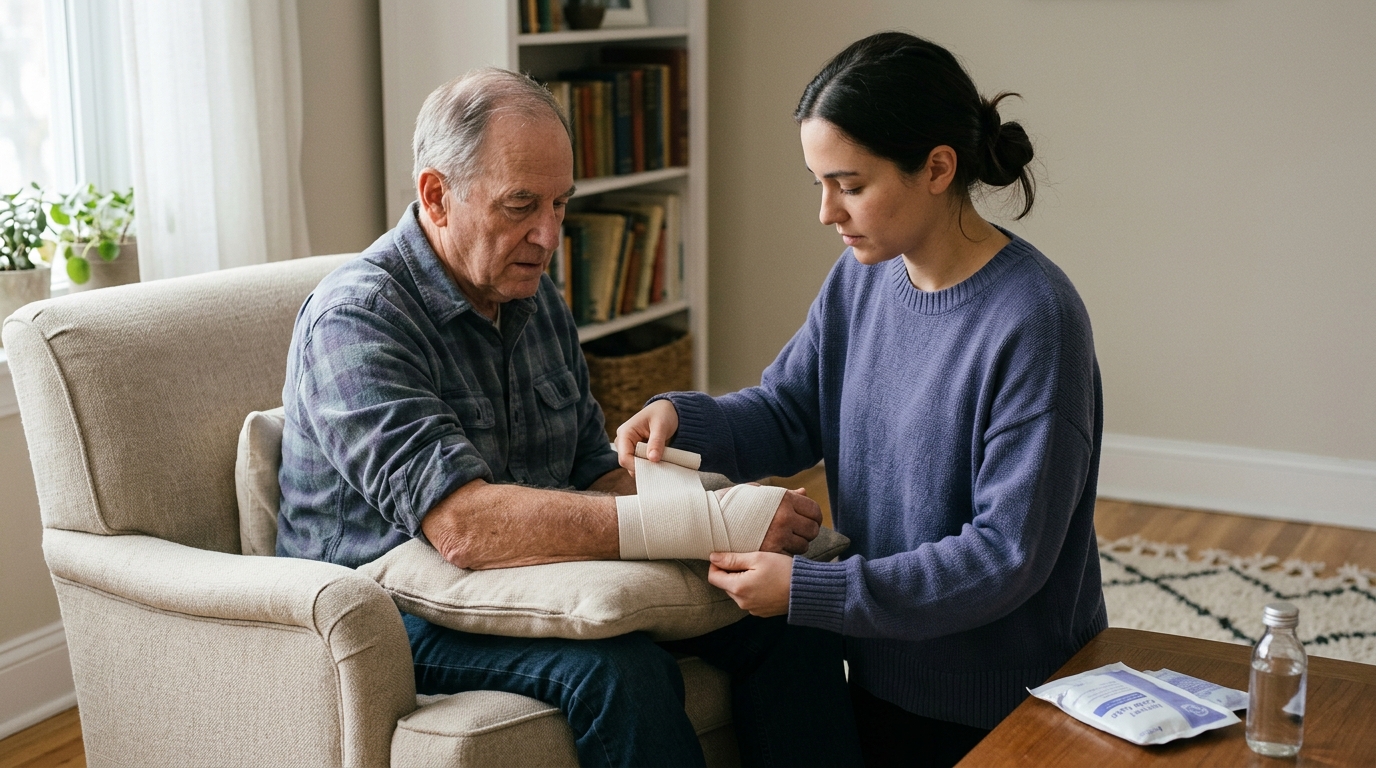
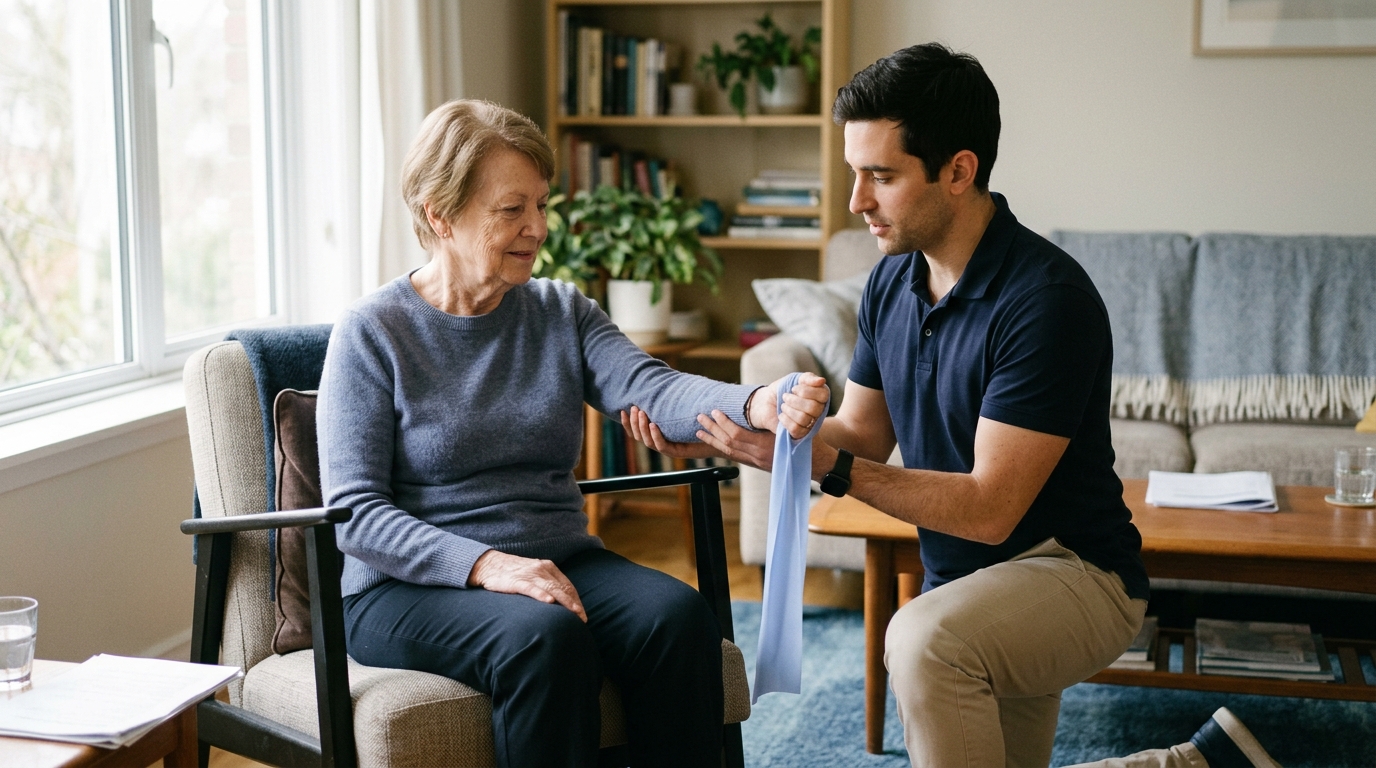
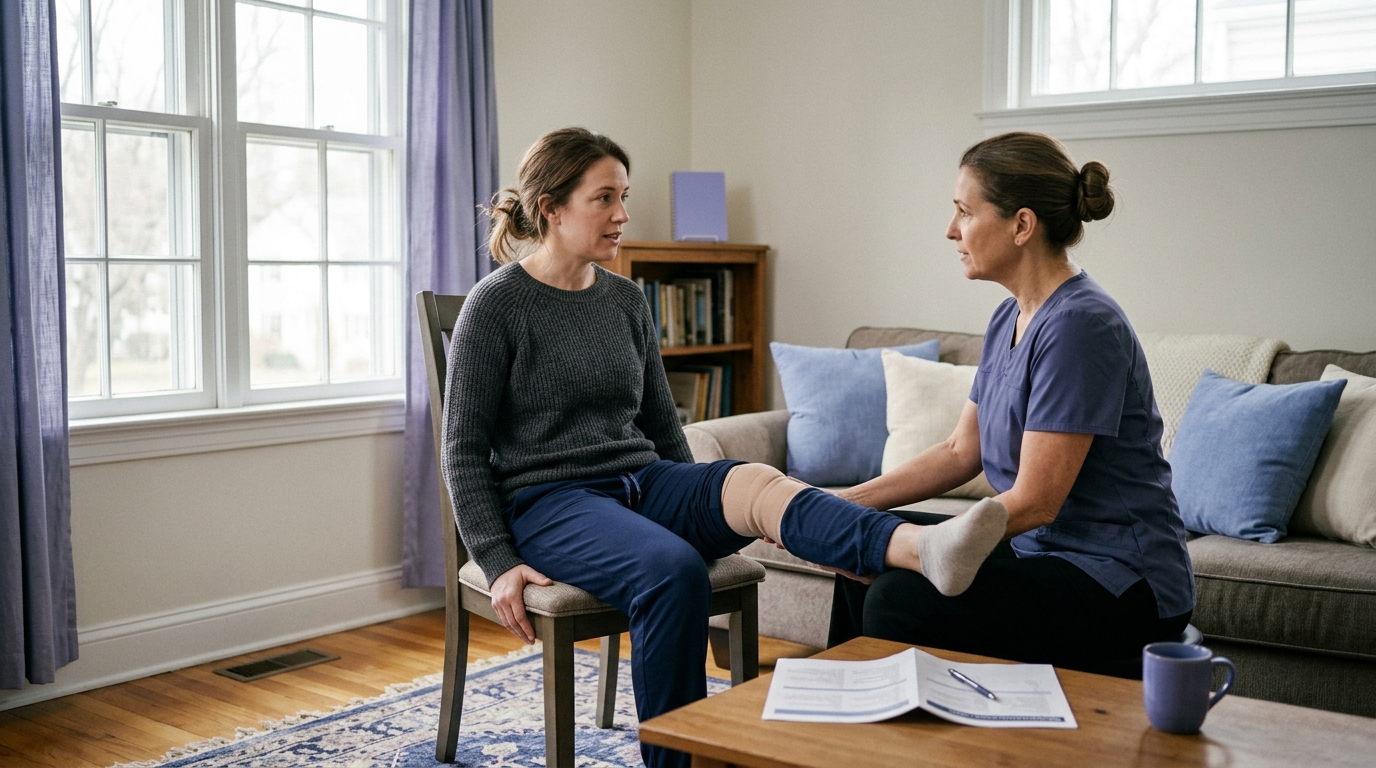
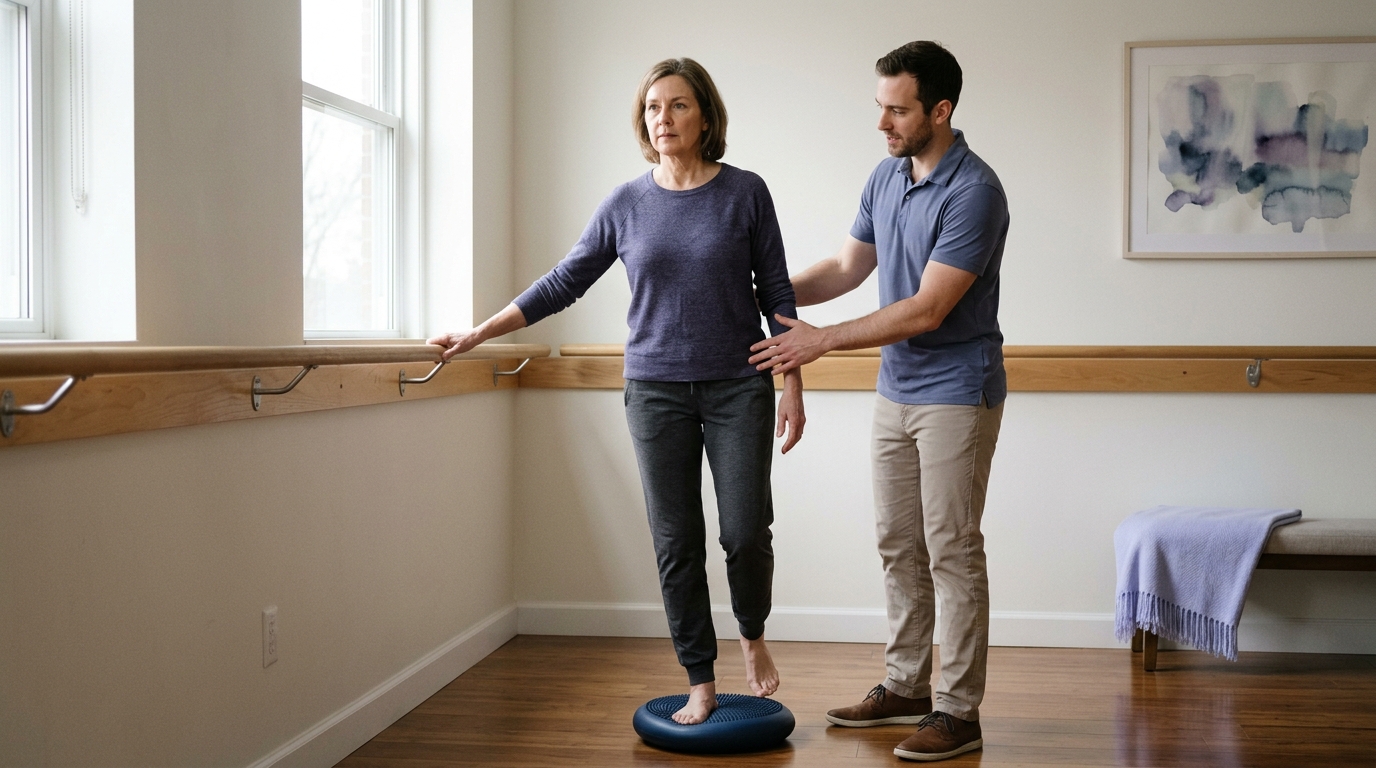
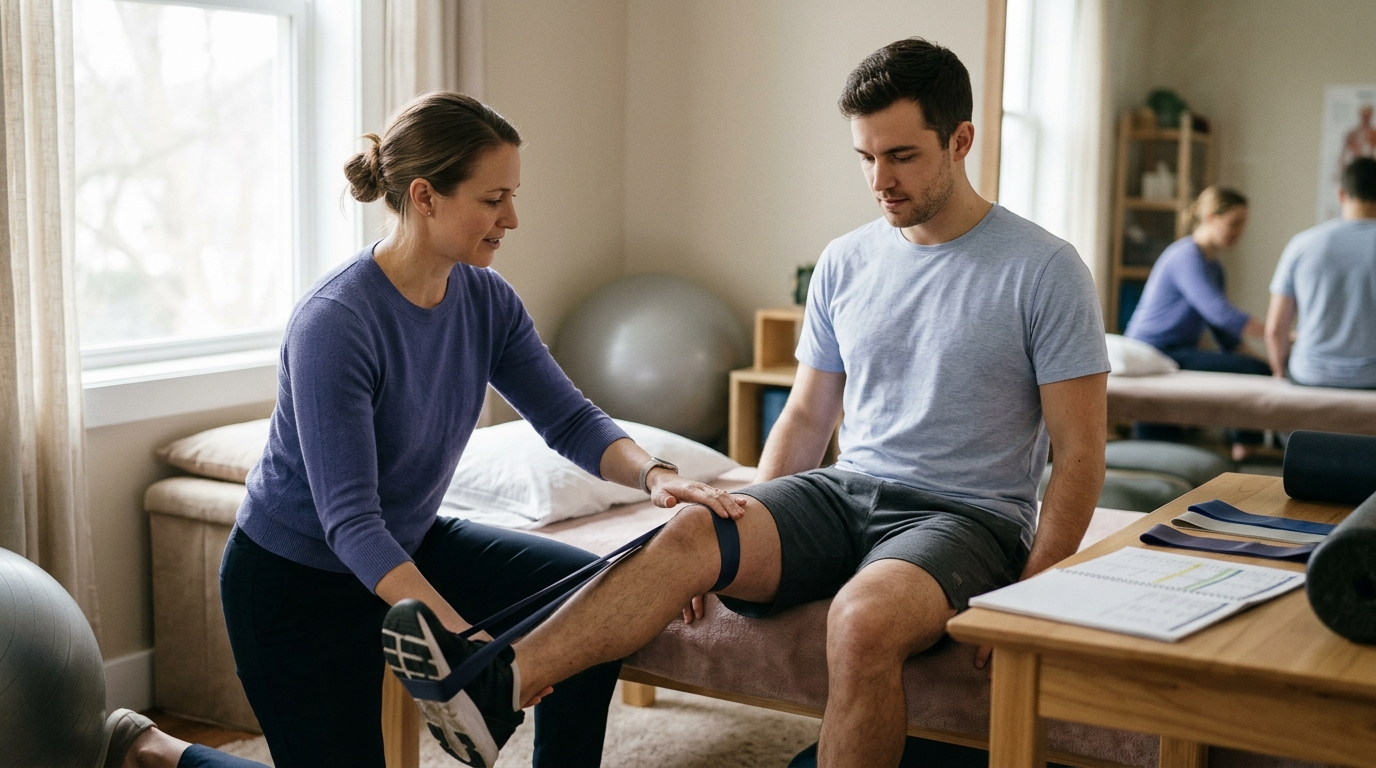
Active-assisted range of motion occurs when you use your own muscles to start or guide the movement, but an outside helper provides support. This helper could be a cane, a strap, an exercise pulley, or your opposite limb. This middle stage helps retrain neuromuscular control before a joint is ready to handle the full weight of the limb against gravity.
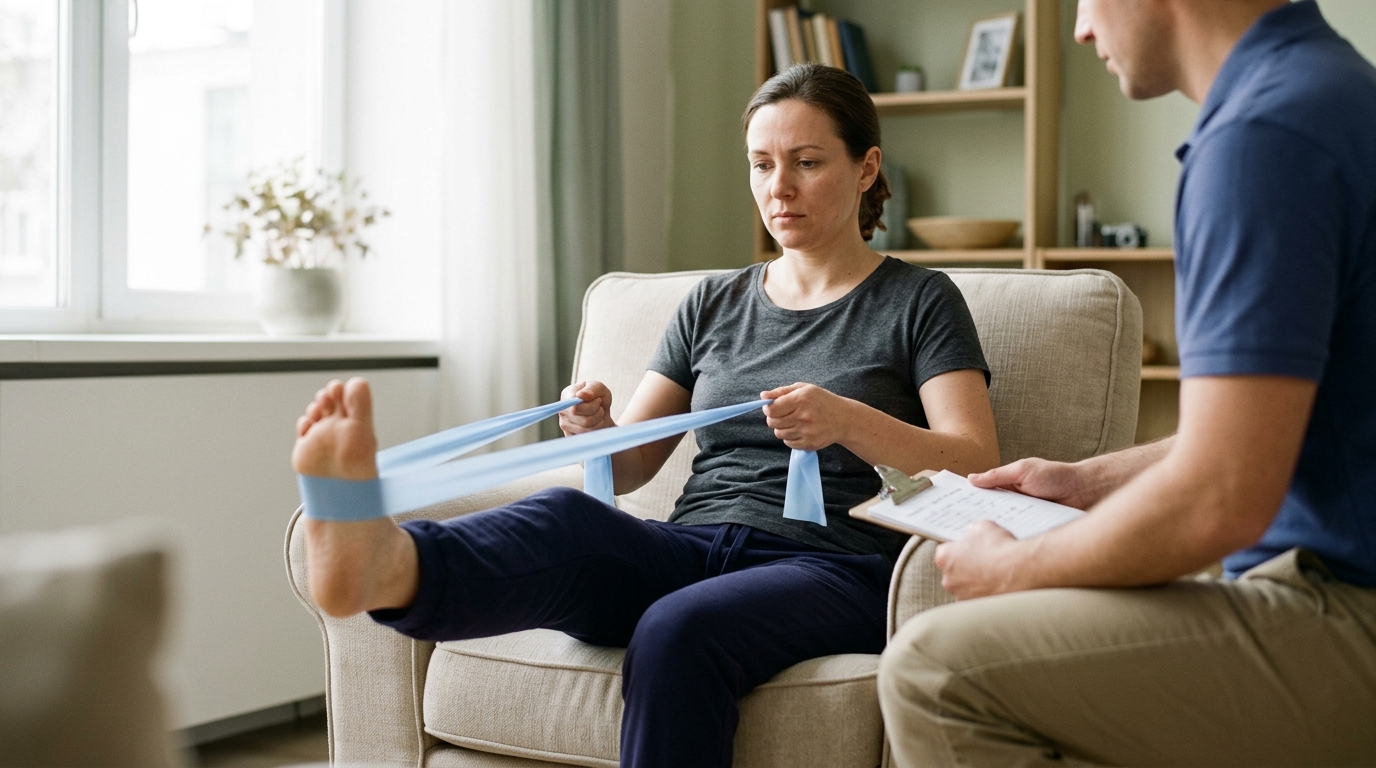
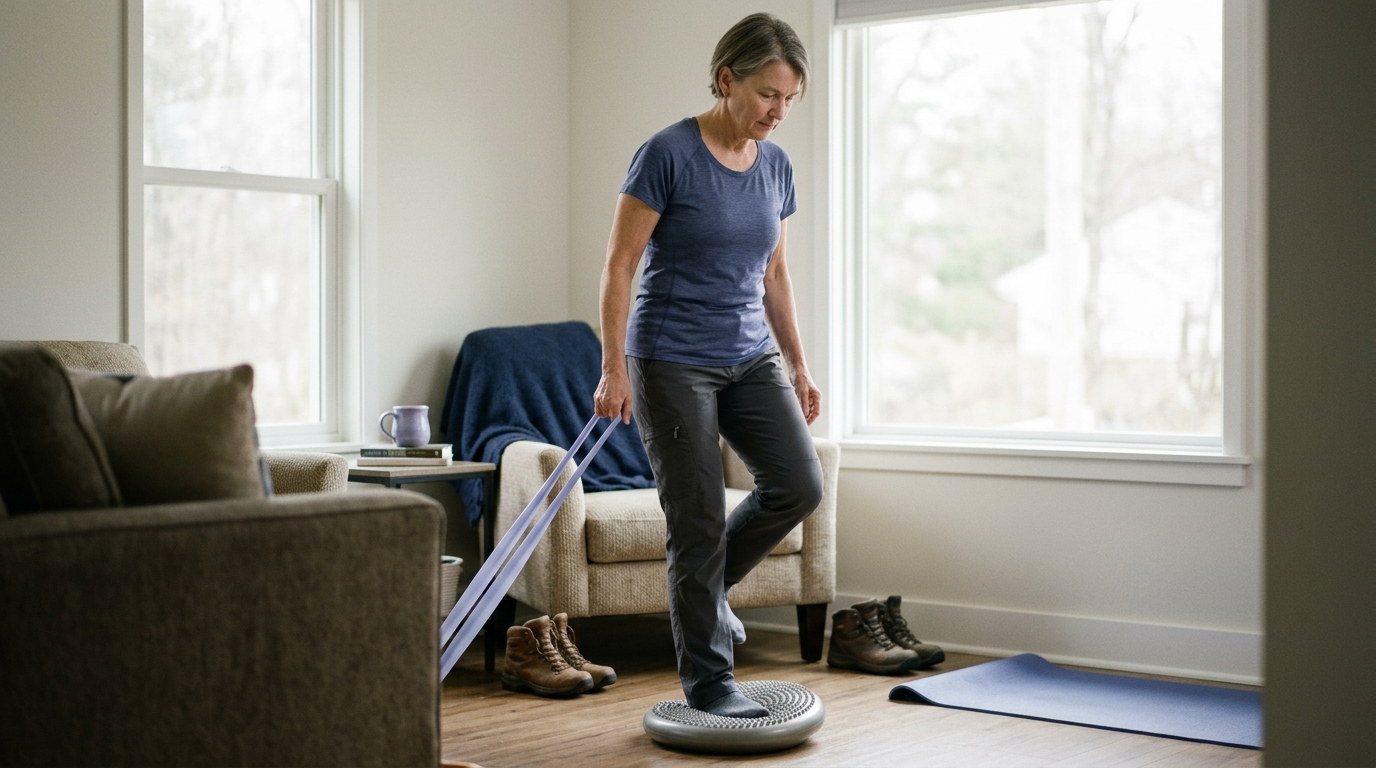
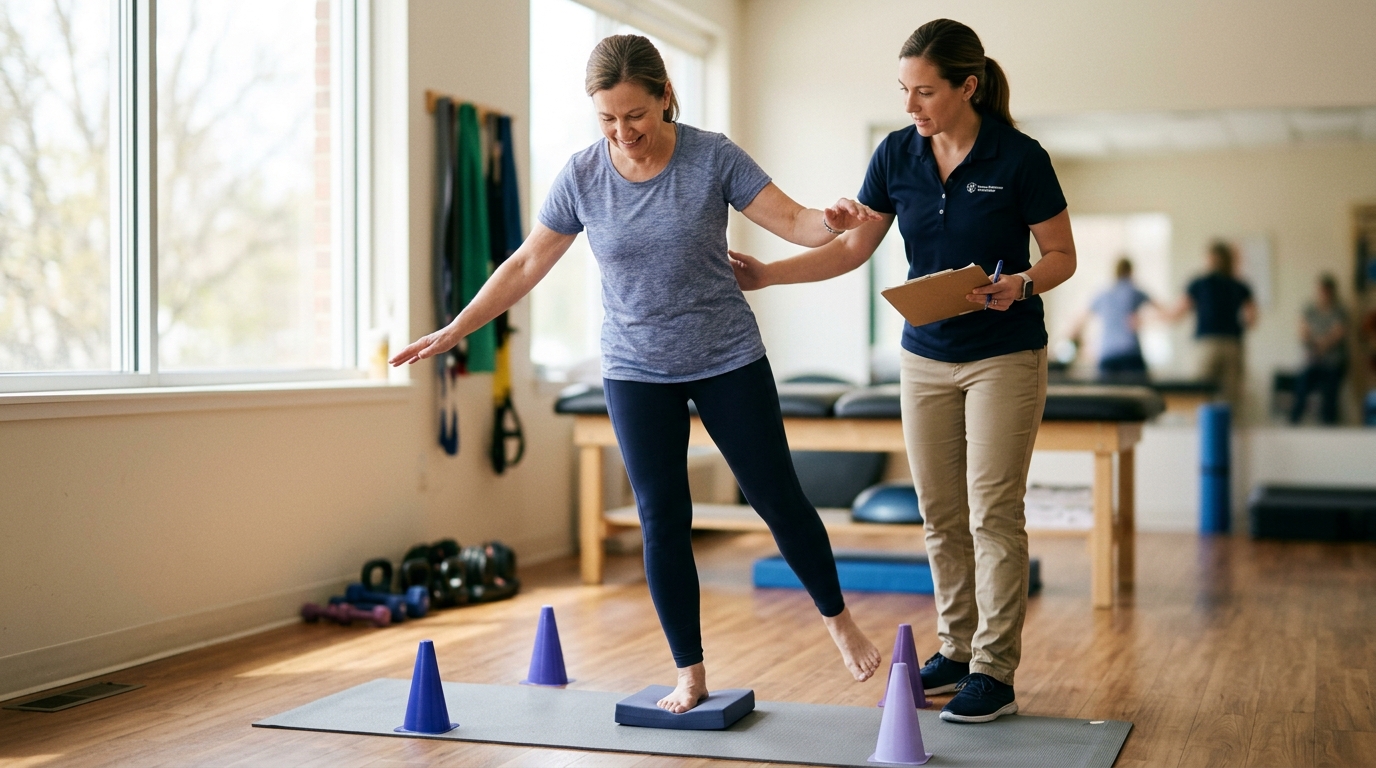
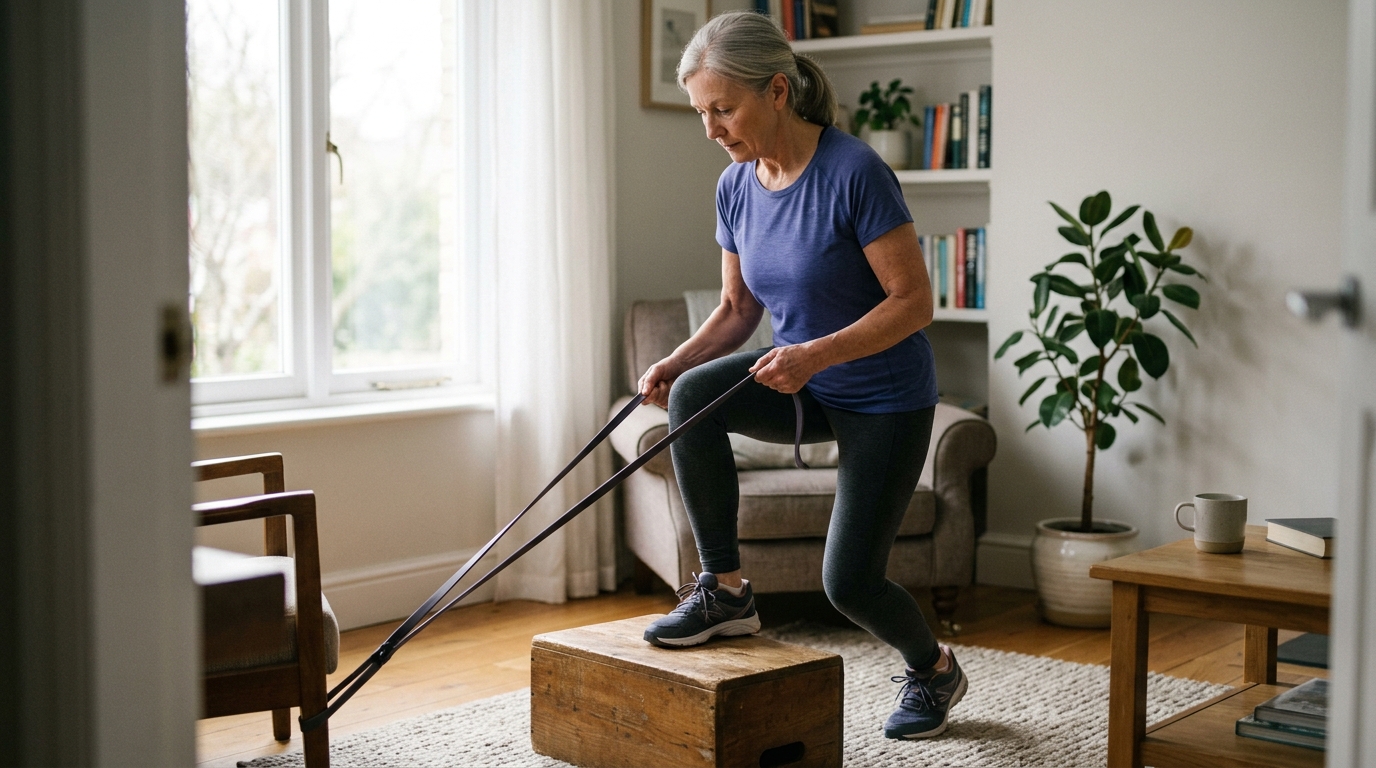
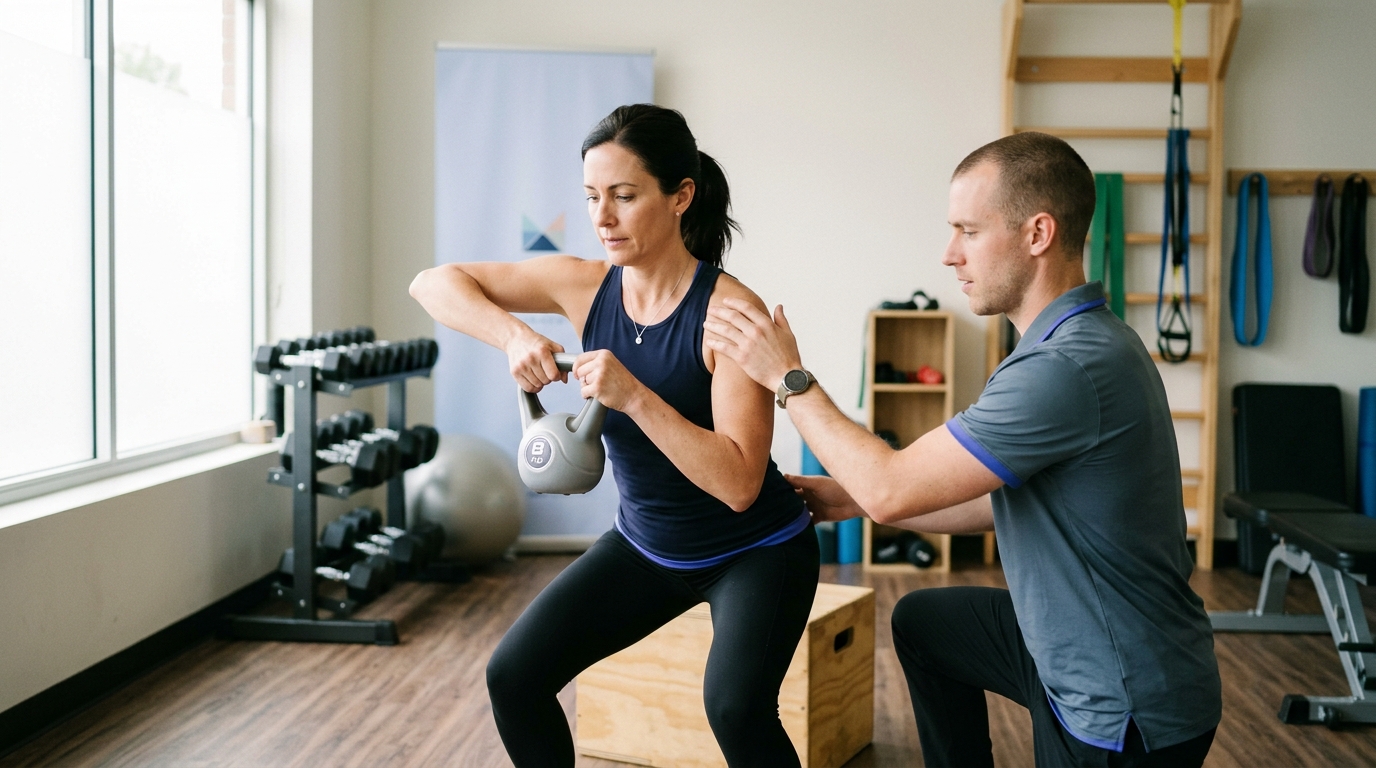
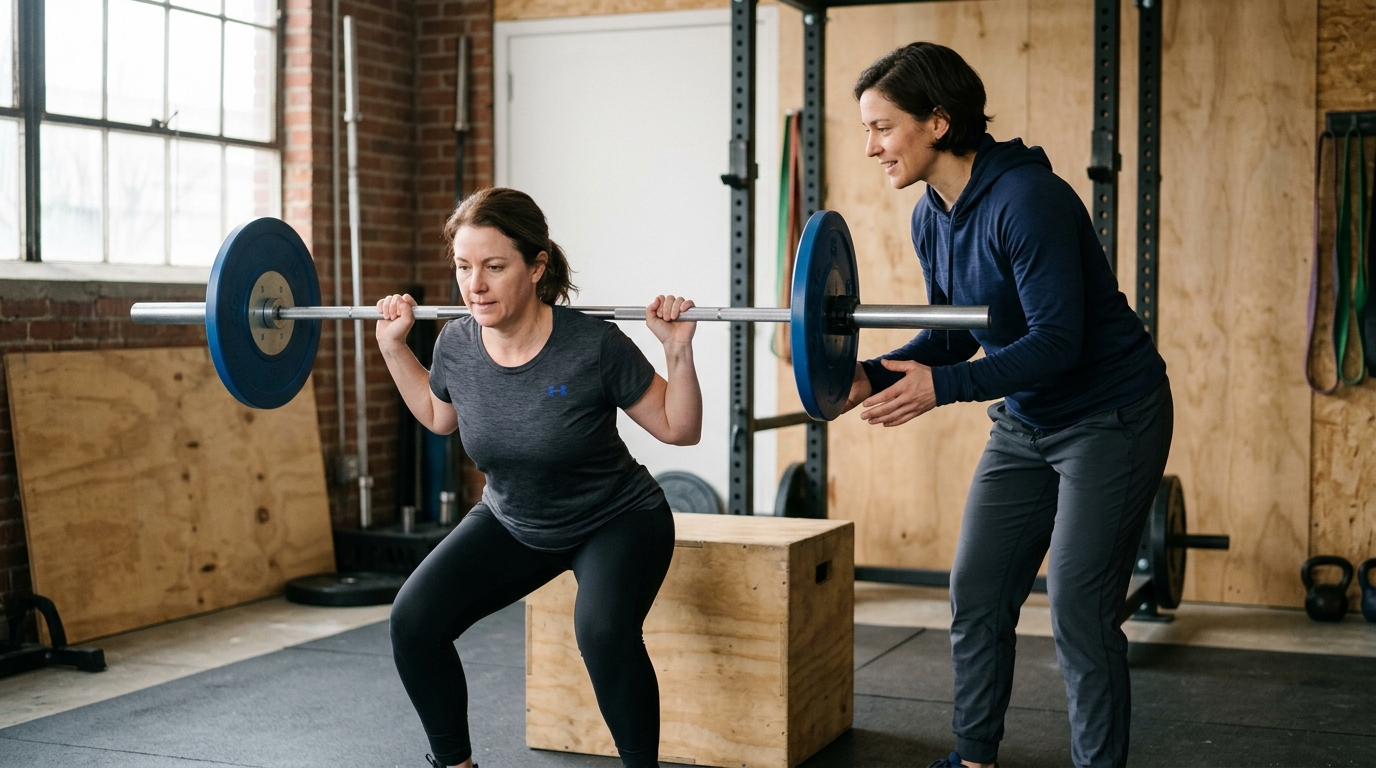
Active range of motion means you move the joint entirely on your own using your own muscle power. Finally, strengthening and resistance work adds an external load, such as weights or resistance bands, to build capacity. Each of these stages places a very different mechanical demand on your surgical site.
A common point of confusion during surgery and rehab is the difference between moving a joint and loading it. A joint can move through a safe arc without being asked to carry your body weight or overcome heavy resistance. Conversely, a tiny movement performed under heavy muscle contraction can place significant strain on a healing anchor or suture line.
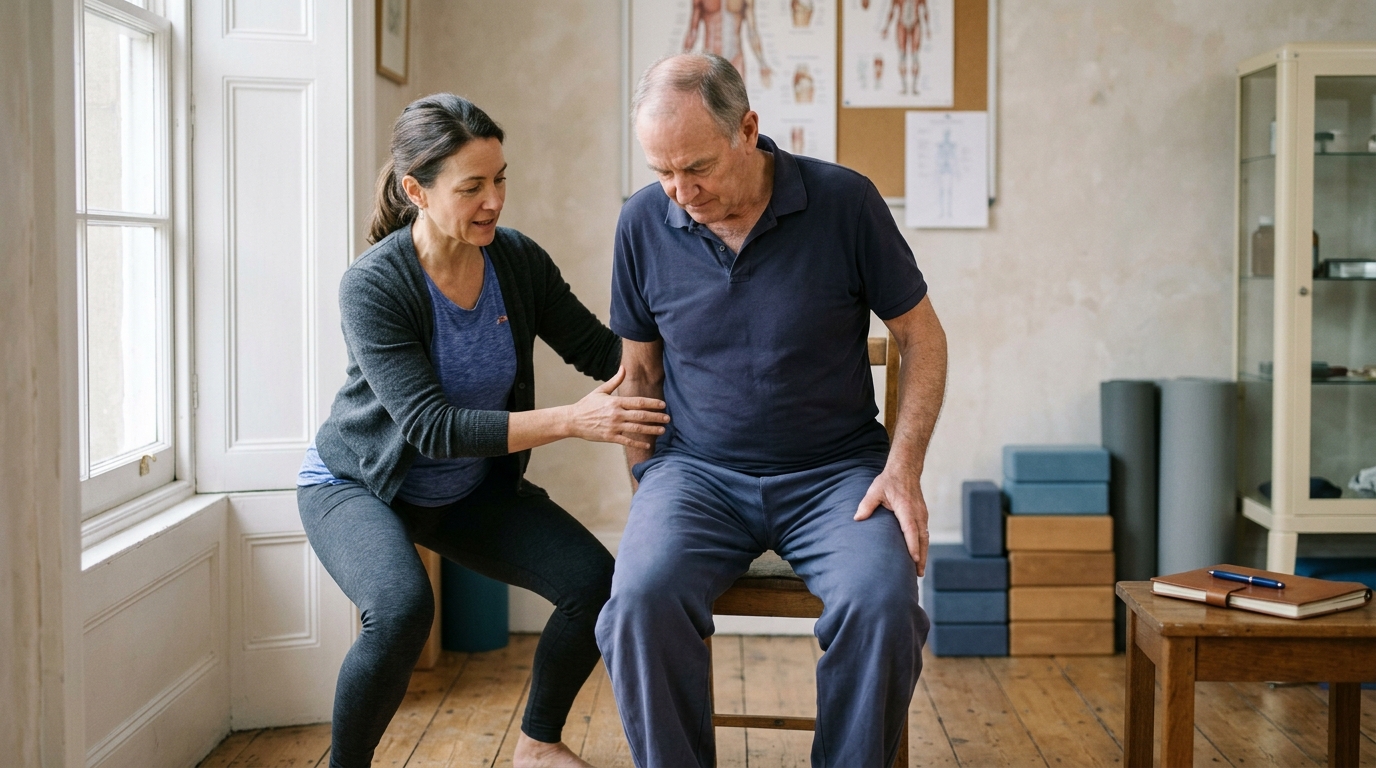
Rehabilitation teams separate these concepts into specific permissions. Your care team might allow your joint to move passively while strictly forbidding active movement. They might allow active movement without resistance, or they might allow movement while keeping you on partial weight-bearing restrictions. Asking which specific type of movement is permitted prevents accidental overstressing of the surgical site.
Postoperative care balances two competing physical needs: tissue protection and stiffness prevention. Surgical protection means respecting boundaries so that repaired tendons, anchored ligaments, or cut bones can knit together undisturbed. Excessive force applied too early can stretch or tear these delicate repairs before biological healing occurs.
At the same time, prolonged complete immobilization carries real physiological costs. Research reviewing postoperative mobilization shows that keeping a limb immobile for too long can lead to muscle atrophy, metabolic changes, increased risk of venous thromboembolism, and pulmonary complications.
Joint capsules and surrounding soft tissues also tighten when kept stationary for weeks. A well-designed rehabilitation plan does not treat protection and movement as opposites. Instead, it carefully introduces safe, protected movement to keep tissues healthy while keeping stress off the repair.
The scientific evidence on postoperative mobility shows that the timing and intensity of movement must match the specific biological demands of the repair. There is no single universal timeline that applies to every joint or procedure. What helps one joint heal can actively harm another.
Shoulder rehabilitation after rotator cuff repair provides a clear example of how clinical research evaluates mobility trade-offs. The American Society of Shoulder and Elbow Therapists published a consensus statement detailing a staged progression for shoulder rehabilitation. Their framework moves sequentially from protected passive movement toward full mobility, followed by active motion, and finally resisted strengthening once early tissue healing has taken place.
The balance between early motion and tissue protection has been studied extensively in shoulder literature. Clinical guidelines from the American Academy of Orthopaedic Surgeons point out a key trade-off: starting mobilization early tends to improve range of motion through the first six months of recovery. However, delaying aggressive mobilization is associated with higher rates of tendon healing, particularly for larger tears.
A meta-analysis summarized in a 2024 clinical review evaluated ten systematic reviews and eleven randomized controlled trials. It found no statistically significant difference in overall tendon healing between early rehabilitation starting within four weeks and delayed rehabilitation starting between four and eight weeks. The authors of that review suggested that substantial shoulder mobilization is often safely introduced around three to four weeks. However, that timeline reflects an editorial conclusion rather than a rigid rule for every individual. For larger or more fragile tendon repairs, protecting structural integrity may take precedence over rapid gains in early range of motion.
Rehabilitation after anterior cruciate ligament reconstruction follows a different evidence-based path. The Aspetar clinical practice guideline on ACL rehabilitation recommends beginning active knee motion immediately after surgery, subject to the surgeon's specific instructions. The guideline also supports progressive, controlled early weight-bearing as tolerated by the patient.
Because an ACL graft is securely anchored into bone tunnels, early active movement helps prevent joint stiffness and quadriceps shutoff without endangering the reconstruction. The Aspetar guideline notes that limited-range open kinetic-chain exercises may be introduced from the fourth postoperative week without compromising knee joint stability. Throughout this progression, clinicians and patients are advised to monitor anterior knee pain and swelling, adjusting the pace of exercise to match the joint's tolerance.
Rehabilitation following total knee arthroplasty focuses heavily on restoring useful daily function. A 2026 physical therapy clinical practice guideline recommends including passive, active-assisted, and active range of motion exercises to support functional recovery after total knee replacement.
However, the broader scientific literature also highlights the limits of what formal protocols control. A systematic review examining rehabilitation following total knee replacement found comparable long-term functional outcomes across various structured programs. The review noted insufficient evidence to prove that any single rehabilitation approach created superior long-term range of motion or patient satisfaction.
This research shows that while guided rehabilitation, mobility and movement exercises are vital for practical recovery, success is not defined by chasing an extreme angle on a rigid timetable.
Because different tissues heal at different rates, mobility targets vary widely from one operation to another. The table below illustrates how surgical goals and movement allowances differ across common orthopedic procedures.
In a rotator cuff repair, a torn tendon is reattached to the upper arm bone with anchors and sutures. The initial goal is to allow biological cellular attachment between the tendon and bone.
During the first two to six weeks, protocols described in clinical reviews often prescribe strict protection or gentle, therapist-guided passive motion. Forward flexion may be allowed within a safe range, while external rotation is frequently limited to prevent tension on the repaired tendon. Active lifting of the arm is typically delayed until six weeks or later, with resistance training deferred until twelve weeks. Forcing early active motion in this context risks pulling the tendon away from the bone before biological healing has matured.
In an ACL reconstruction, a tendon graft replaces a torn knee ligament. Unlike a shoulder tendon repair, the knee joint is generally encouraged to move soon after waking from anesthesia.
Initial goals emphasize regaining full knee extension, which is essential for normal walking mechanics. Flexion is progressed gradually as swelling subsides. Patients often begin active heel slides, quadriceps sets, and gentle assisted bending immediately. The focus is on waking up the thigh muscles, normalizing gait, and preventing arthrofibrosis while respecting surgical precautions regarding graft fixation.
In a total knee arthroplasty, damaged bone and cartilage are replaced with metal and plastic components. The artificial joint does not require tendon-to-bone healing in the same way a soft tissue repair does, but the surrounding surgical capsule and cut tissues will swell and stiffen if not moved.
Common clinical targets reported in rehabilitation literature suggest achieving at least 90 degrees of knee flexion within two to four weeks post-surgery. Full extension of zero degrees and flexion reaching 120 to 130 degrees are common targets by week twelve. These numbers represent typical clinical guideposts rather than absolute thresholds. A patient with 85 degrees of flexion at three weeks who walks comfortably may be progressing perfectly well according to their surgeon's clinical assessment.
Some orthopedic operations require strict, temporary range of motion limits to protect a delicate repair. For example, clinical reviews of postoperative protocols for certain complex knee procedures, such as meniscus root repairs or multi-ligament reconstructions, note that protocols frequently cap knee flexion at 90 degrees for the first four weeks.
In these cases, bending past 90 degrees places heavy mechanical shear on the healing repair. The literature notes that comparative randomized trials have not proven one specific motion protocol superior over another. However, honoring these temporary limits remains a standard precaution to protect the repair while biological tissue remodeling takes place.
Two people can have the exact same surgical procedure on the same day and experience noticeably different recovery timelines. Healing is influenced by a broad range of individual, biological, and surgical factors.
Your joint's condition before surgery plays a major role in your postoperative motion. A review of stiffness following total knee arthroplasty found that better preoperative range of motion strongly correlates with better postoperative range of motion.
If a joint was severely stiff, arthritic, or contracted for years prior to surgery, the surrounding ligaments, joint capsule, and tendons have structurally shortened. Rebuilding mobility in these tissues takes longer, and the ultimate range achieved may differ from that of a joint that had full movement right up to the day of surgery.
The size and severity of the initial injury directly dictate surgical precautions. A clean, small tendon tear in a younger patient with robust tissue allows for a different rehabilitation pace than a massive, retracted tear in an older adult with fragile tissue.
If a surgeon had to perform additional procedures during the operation, such as repairing a torn meniscus alongside an ACL reconstruction or fixing a labral tear alongside a rotator cuff repair, the rules change. The most restrictive repair always dictates the overall rehabilitation timeline.
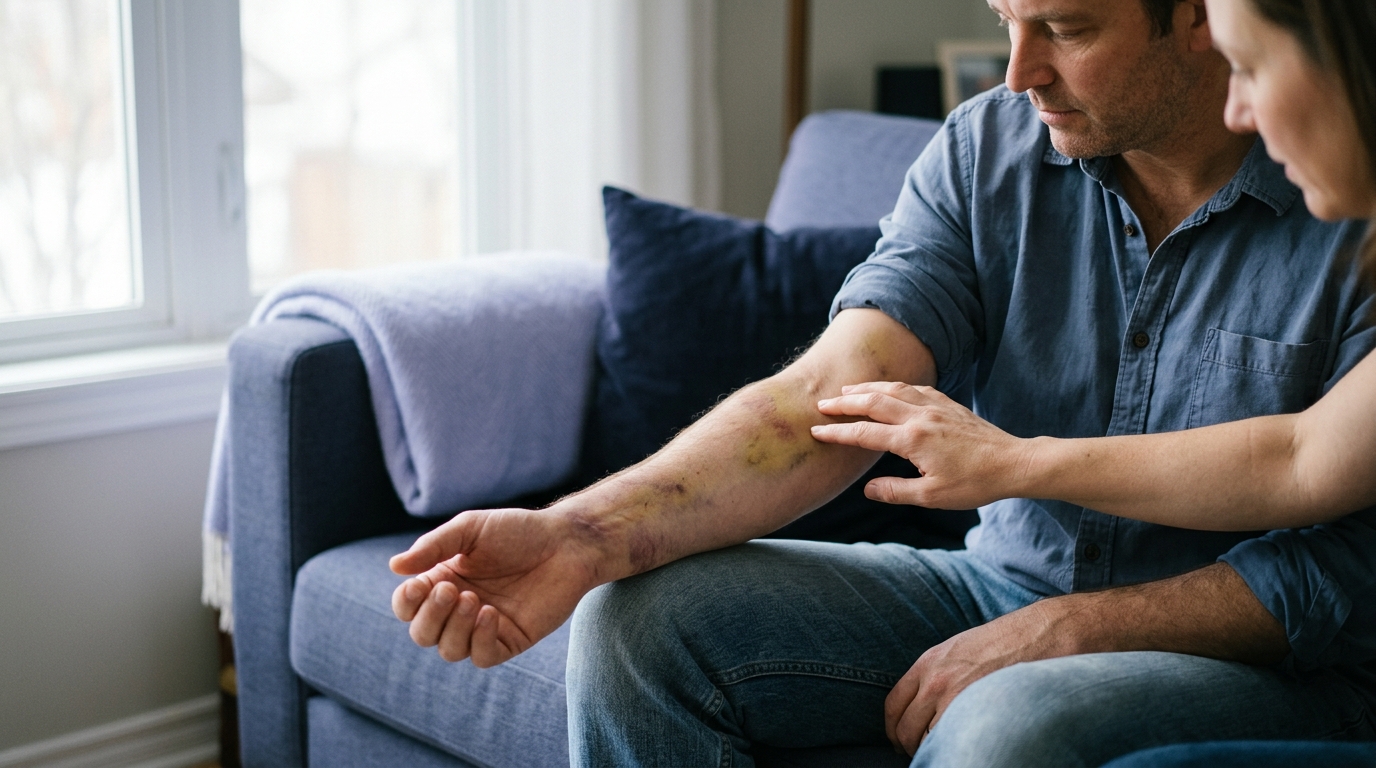
Swelling inside or around a joint acts as a physical hydraulic block to movement. When a joint is filled with fluid, bending it increases internal pressure and triggers pain signals that cause surrounding muscles to tighten reflexively.
This protective muscle guarding is a normal biological response designed to prevent further joint stress. Managing swelling through elevation, gentle muscle pumps, and appropriate rest is often far more effective for regaining motion than trying to aggressively bend a visibly swollen joint.
Every individual processes surgical trauma and inflammation differently. Some people experience a heightened inflammatory response that leads to excessive scar tissue production, a condition known clinically as arthrofibrosis.
A clinical review on arthrofibrosis following knee injuries notes that this complication is multifactorial and can be influenced by pre-existing inflammation, injury severity, surgical timing, and genetics. The review reported an overall prevalence of 12.1 percent across a treated cohort of 86 patients, with prevalence across various published studies ranging widely from 2.8 percent to 57.1 percent.
Because definitions and patient populations vary dramatically across studies, these numbers are not a personalized prediction for any individual. However, they highlight that excessive stiffness is often driven by complex biological processes rather than simple compliance with exercises.
Online discussions and outdated fitness advice often spread inaccurate ideas about postoperative rehabilitation. Clearing up these misconceptions helps prevent unnecessary frustration and protects your healing joint.
It is easy to assume that gaining range of motion quickly is the primary sign of a successful recovery. However, early movement must always be balanced against tissue healing.
As the AAOS guidelines on rotator cuff management demonstrate, rushing early mobility can improve early range of motion but may decrease structural healing rates in larger tendon repairs. A well-planned rehabilitation program prioritizes tissue integrity first, knowing that functional motion can be rebuilt safely over time.
When a joint feels tight, patients often believe they need to stretch aggressively to break through the restriction. Forcing a joint past its current tolerance can trigger inflammation, increase fluid accumulation, and cause reflexive muscle spasm.
In a task-based progression framework, an increase in pain or swelling following an exercise session is a clinical sign that the joint was loaded too heavily. Forcing movement against a surgical restriction or through sharp pain can damage healing anchors or exacerbate soft tissue inflammation.
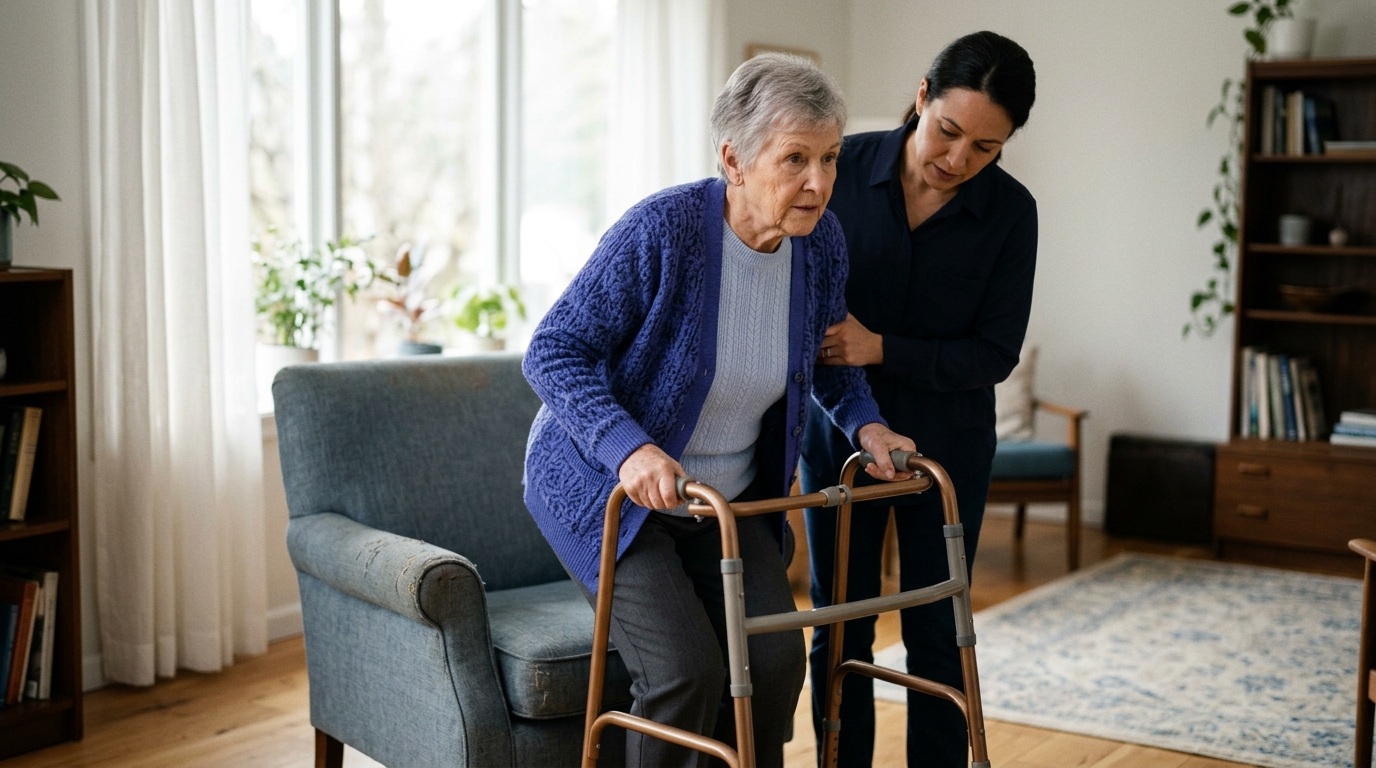
Some patients assume that if a surgeon allows them to move their arm or leg, they are cleared for all types of movement. In reality, passive motion, active-assisted motion, active movement, and loaded resistance place vastly different physical stresses on internal tissues.
Gentle passive motion might place near-zero tension on a repaired tendon, while lifting that same limb against gravity places substantial mechanical load on the repair. Always clarify the exact category of movement your surgeon has approved.
The old athletic slogan "no pain, no gain" has no place in orthopedic surgical recovery. While mild stretching discomfort or muscle fatigue is normal during rehabilitation, sharp or escalating joint pain is a warning signal.
Rehabilitation guidelines for ACL recovery emphasize tracking joint effusion and pain responses to determine whether an exercise is appropriate. Pain that lingers for hours after an exercise session, or causes a joint to swell the next morning, indicates that the current loading level was too high and needs adjustment.
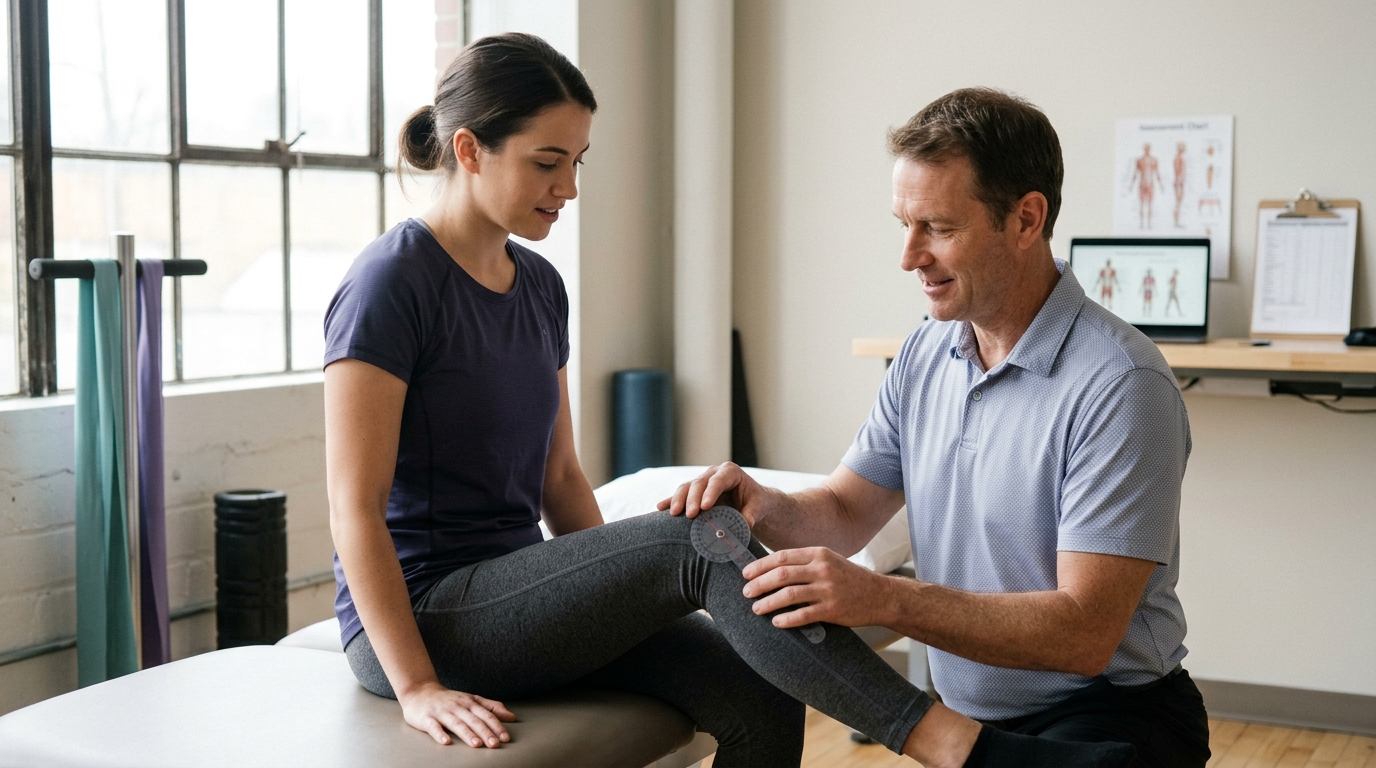
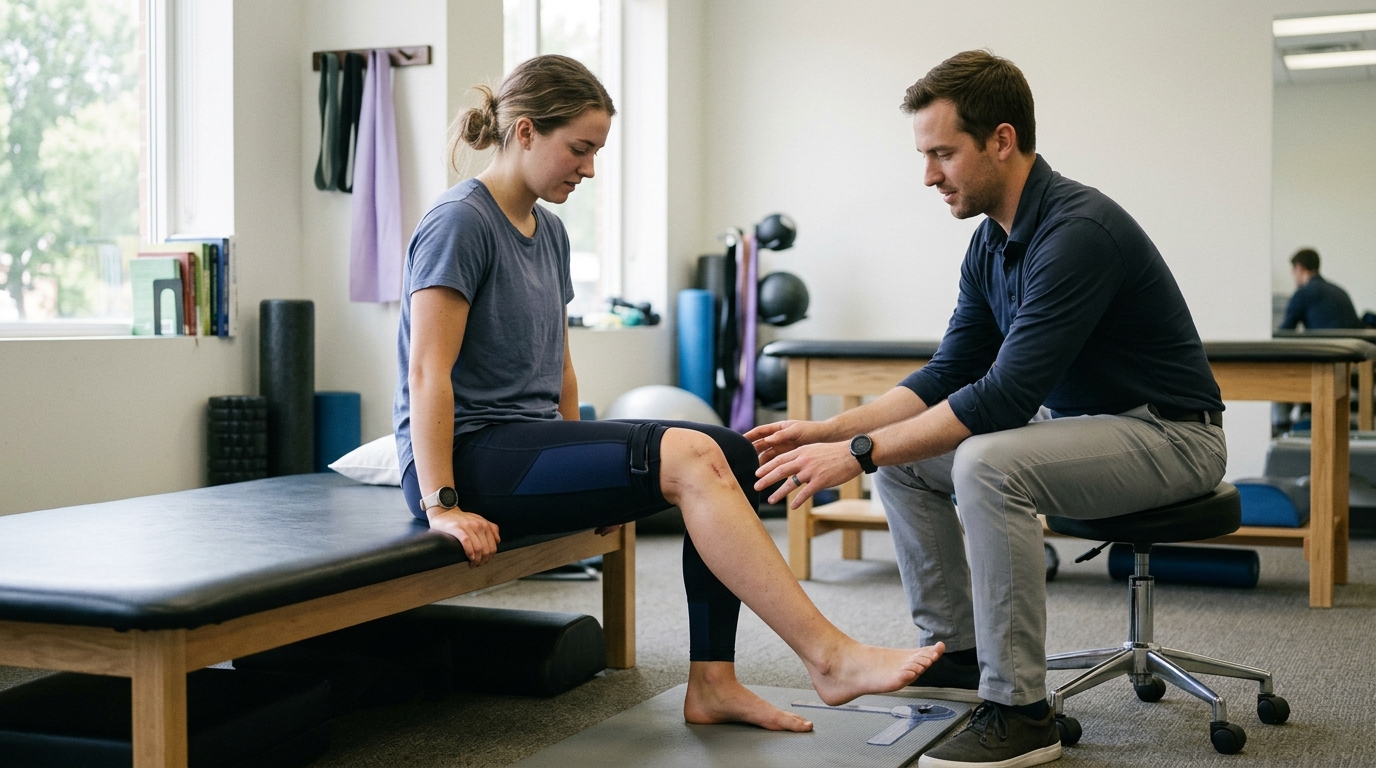
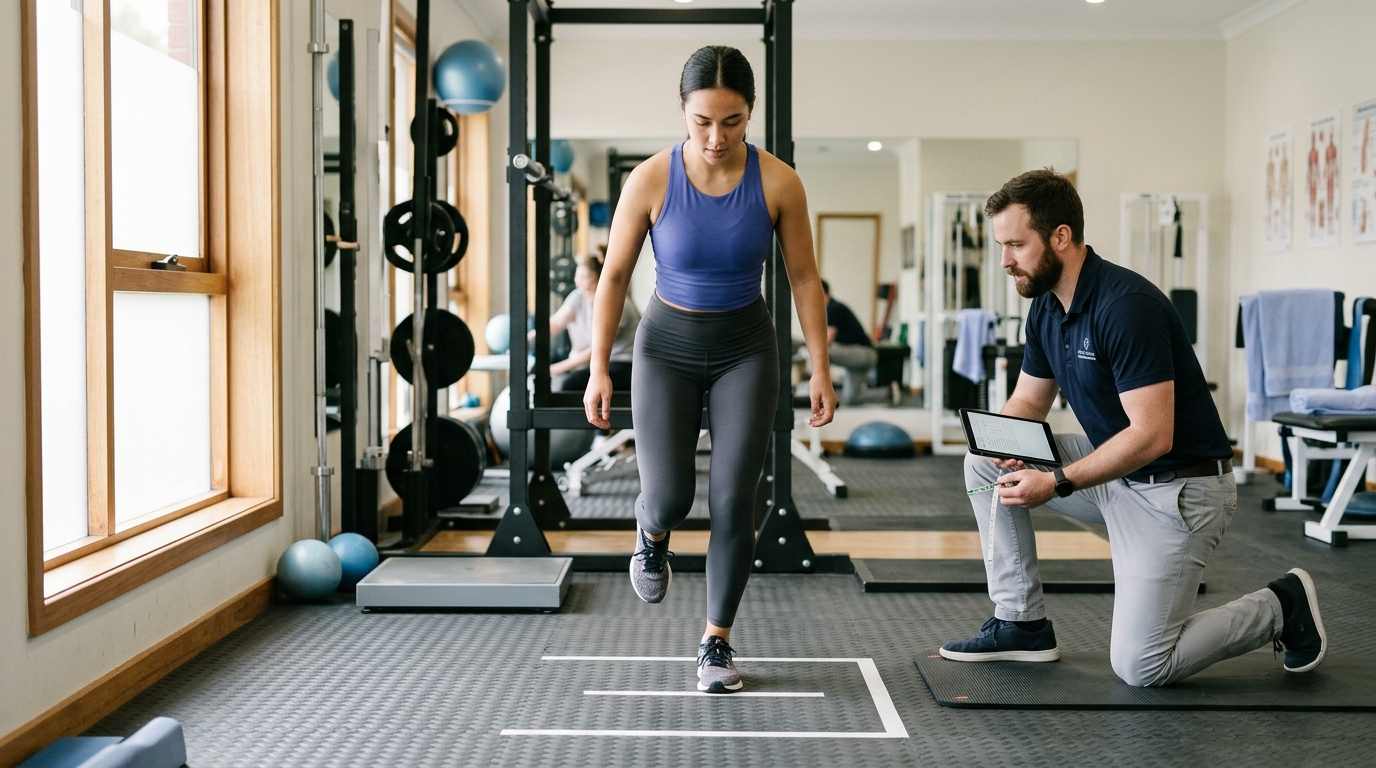
Patients often become fixated on hitting a specific degree on a goniometer, such as reaching exactly 120 degrees of knee flexion or 160 degrees of shoulder elevation. While range of motion is an objective measurement, it is only one part of recovery.
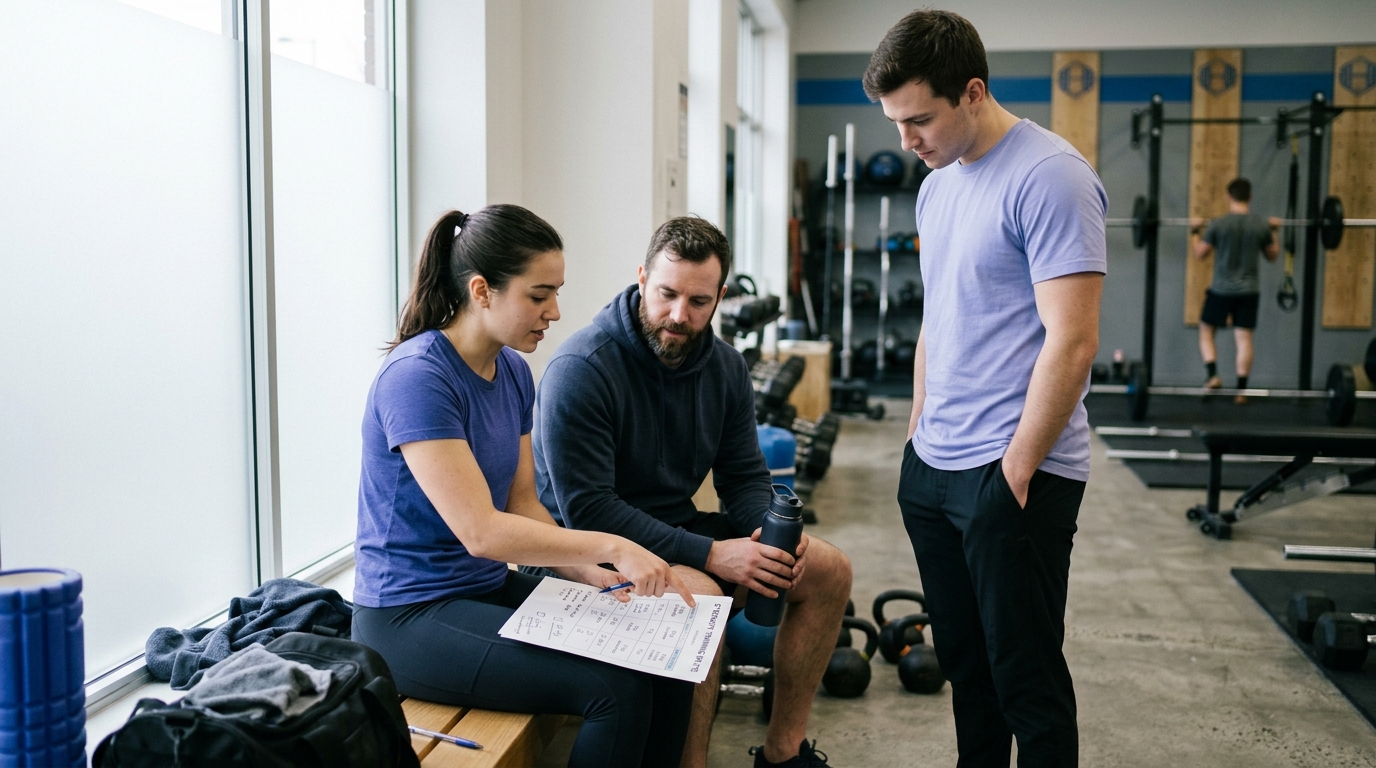
True recovery includes regaining muscle strength, restoring normal walking patterns, improving joint position sense, and returning to everyday tasks without pain. An individual with slightly less range of motion who walks smoothly and climbs stairs without pain has achieved a better functional outcome than someone with broad motion who lacks muscle control.
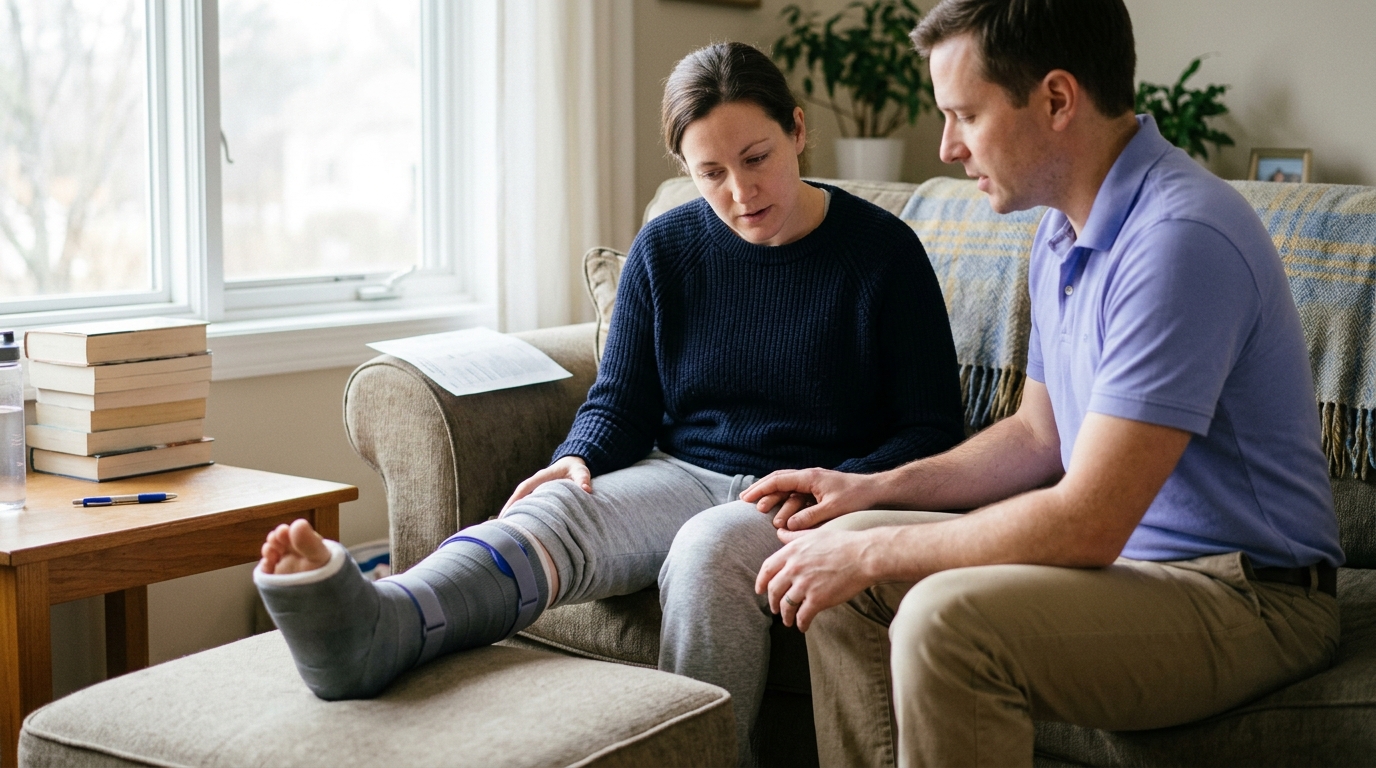
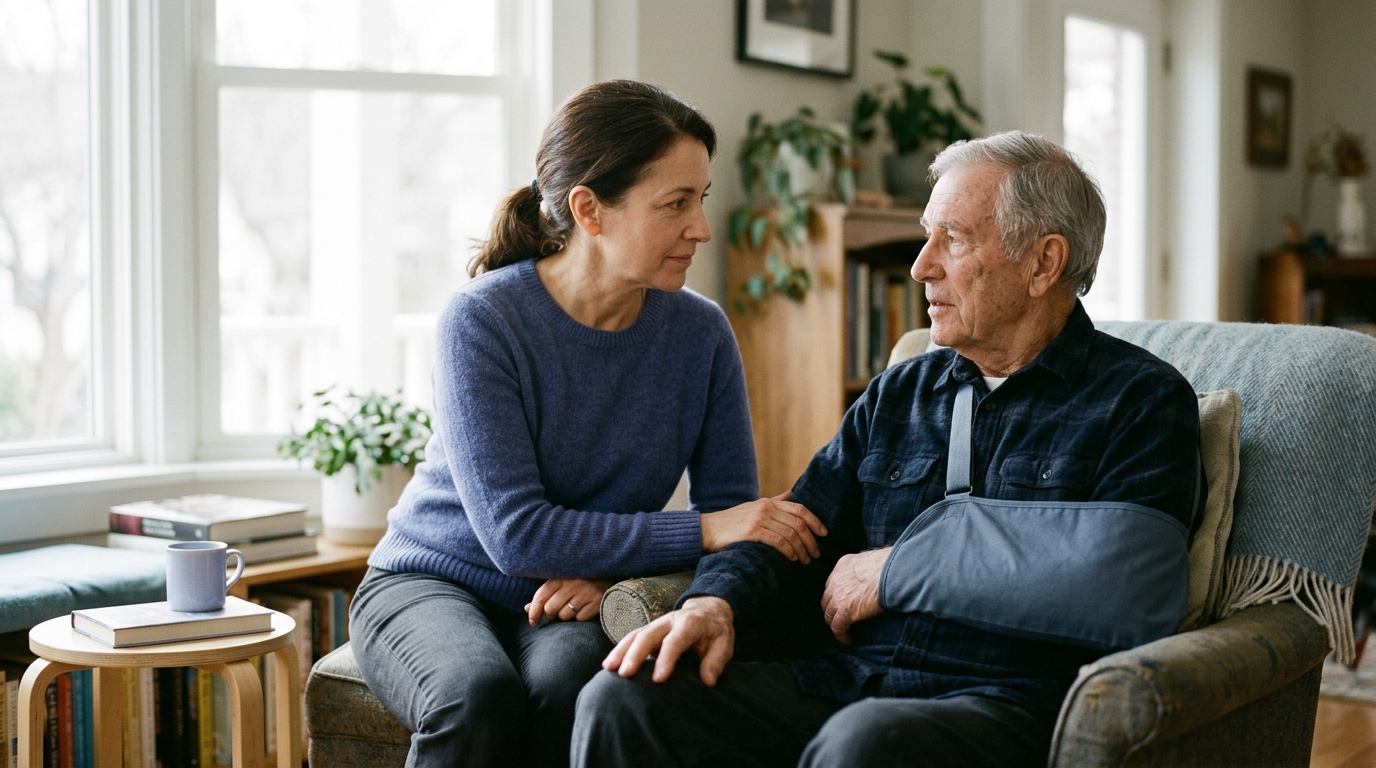
Some patients panic if their surgery requires several weeks in a sling, splint, or brace, fearing their joint will permanently freeze. The biological reality is that controlled rest is sometimes necessary to allow bone integration, ligament anchoring, or tendon remodeling.
Delaying aggressive motion for a few weeks to ensure solid structural healing is a standard, evidence-supported strategy for many procedures. Once the tissue reaches biological stability, rehabilitation can safely focus on restoring movement.
When a joint fails to regain motion as quickly as expected, patients often blame themselves, assuming they did not stretch hard enough or perform enough repetitions. Clinical research on joint stiffness shows that postoperative motion restrictions are multifactorial.
Stiffness can result from preoperative joint contractures, surgical trauma, heterotopic ossification, infection, or an exaggerated biological inflammatory response. Blaming a lack of motivation ignores the complex physiological and structural factors that influence tissue healing.
Rather than viewing rehabilitation as a rigid calendar where specific milestones must occur on exact days, modern sports medicine and orthopedic care increasingly use criteria-based progression. This framework guides your mobility and movement recovery safely.
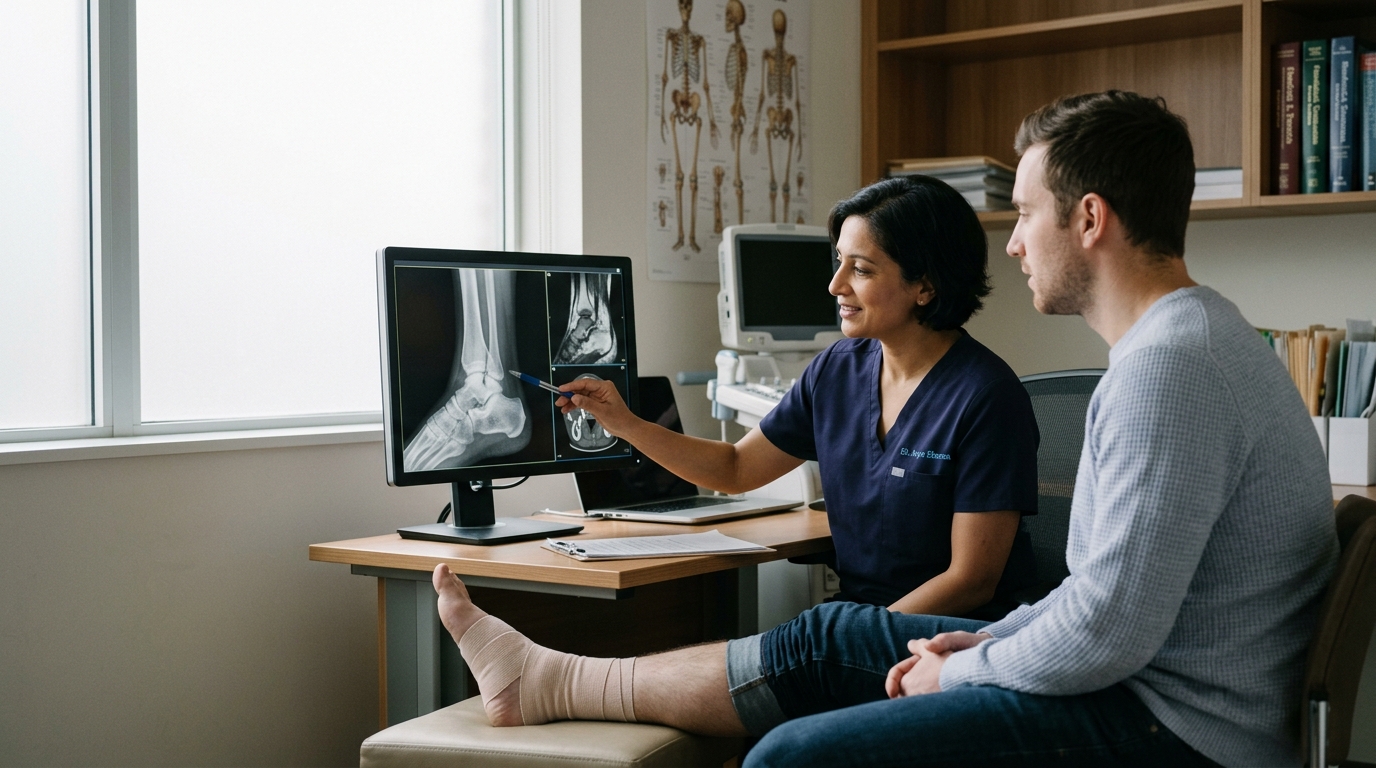
Everything starts with the specific anatomy involved in your surgery. A simple diagnostic label does not convey the full surgical picture. Ask your surgical team what specific tissues were stitched, cut, anchored, or replaced, and what structures need mechanical protection during the early weeks.
Make sure you understand the exact boundaries of your current exercise prescription. Are you permitted to move the limb on your own, or should all motion be passive?
Are there directional limits, such as avoiding external rotation of the shoulder or limiting knee flexion to 90 degrees? Are you permitted to place weight on the limb while standing or walking? Knowing these boundaries prevents accidental overloading.
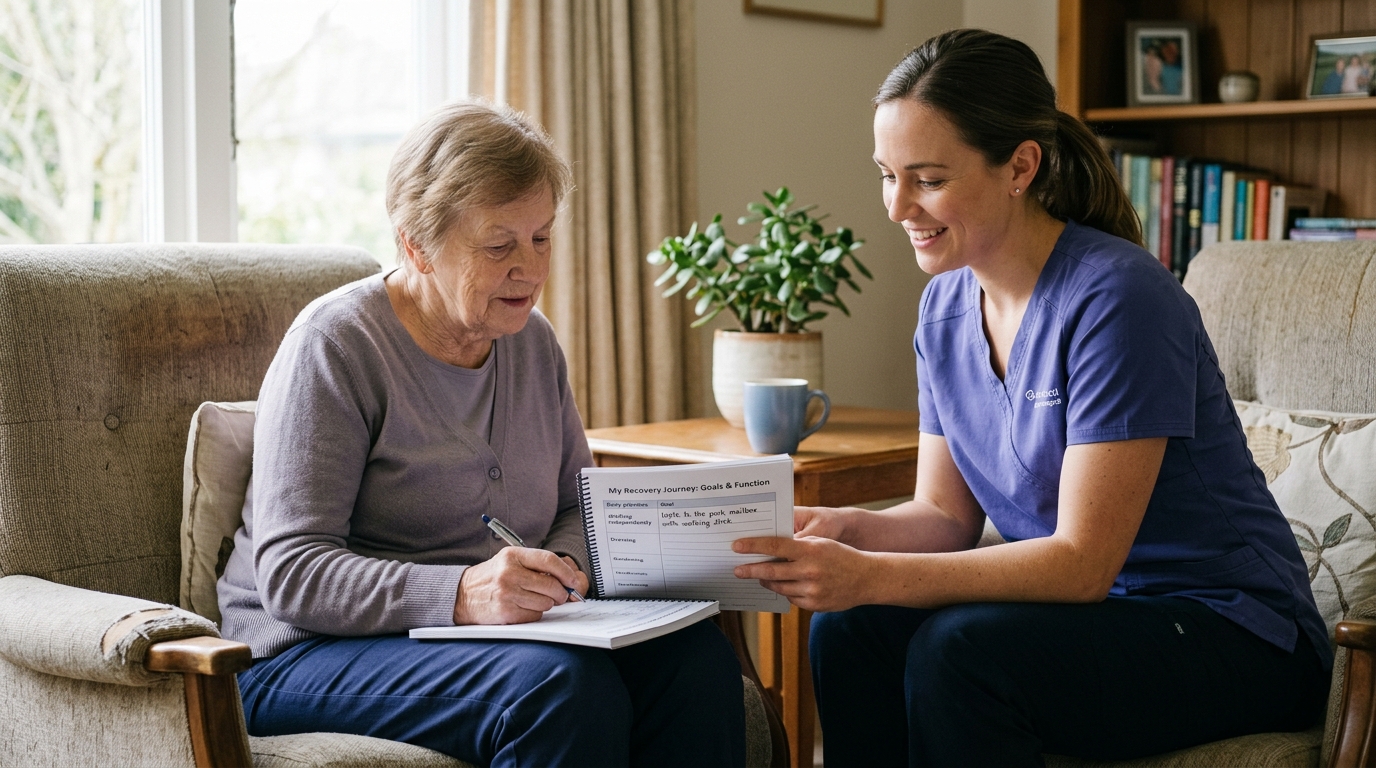
Reframe your recovery goals around practical daily activities rather than abstract numbers. In an evidence-based ACL rehabilitation framework, an early milestone is walking smoothly without crutches and without a limp.
Achieving that milestone requires full knee extension and active quadriceps recruitment, not just bending the knee. In shoulder rehabilitation, being able to reach your mouth to eat or reach your back pocket to retrieve a wallet are meaningful functional milestones that guide early motion goals.
Judge your progress by how your joint responds over a full 24-hour cycle rather than how much effort you exert during a single exercise session. Clinical reviews emphasize monitoring swelling and pain as indicators of joint tolerance.
If your joint feels loose and comfortable during exercise, but swells significantly or throbs that evening, the mechanical load was too high. A successful session is one that maintains or improves movement without triggering a delayed inflammatory flare-up.
A time-based guideline might state that patients can begin a new exercise at week six. However, a criteria-based approach checks whether you meet specific physical requirements before advancing.
If you have persistent swelling, inadequate muscle control, or active pain, advancing to a harder task increases the risk of setbacks. Progression should be paused or modified until the joint demonstrates readiness to handle higher physical demands.
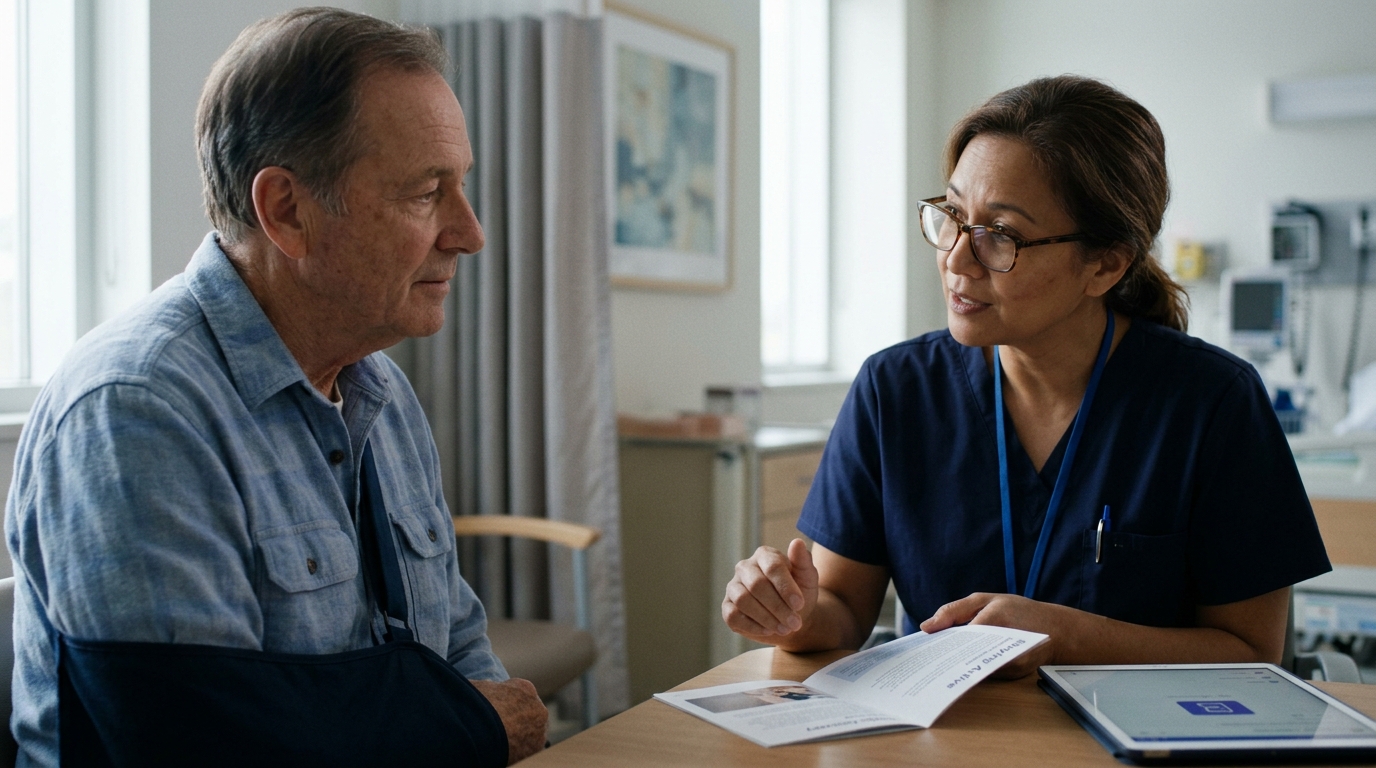
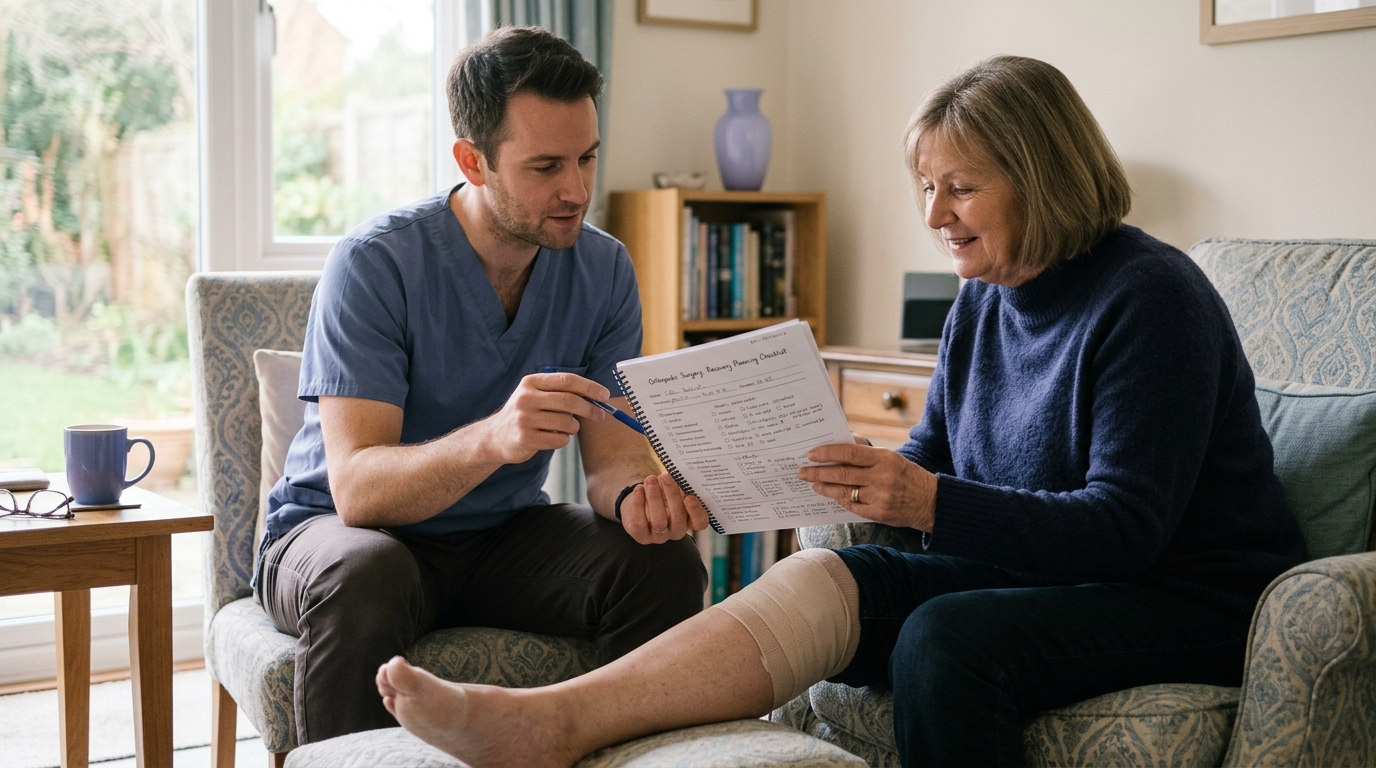
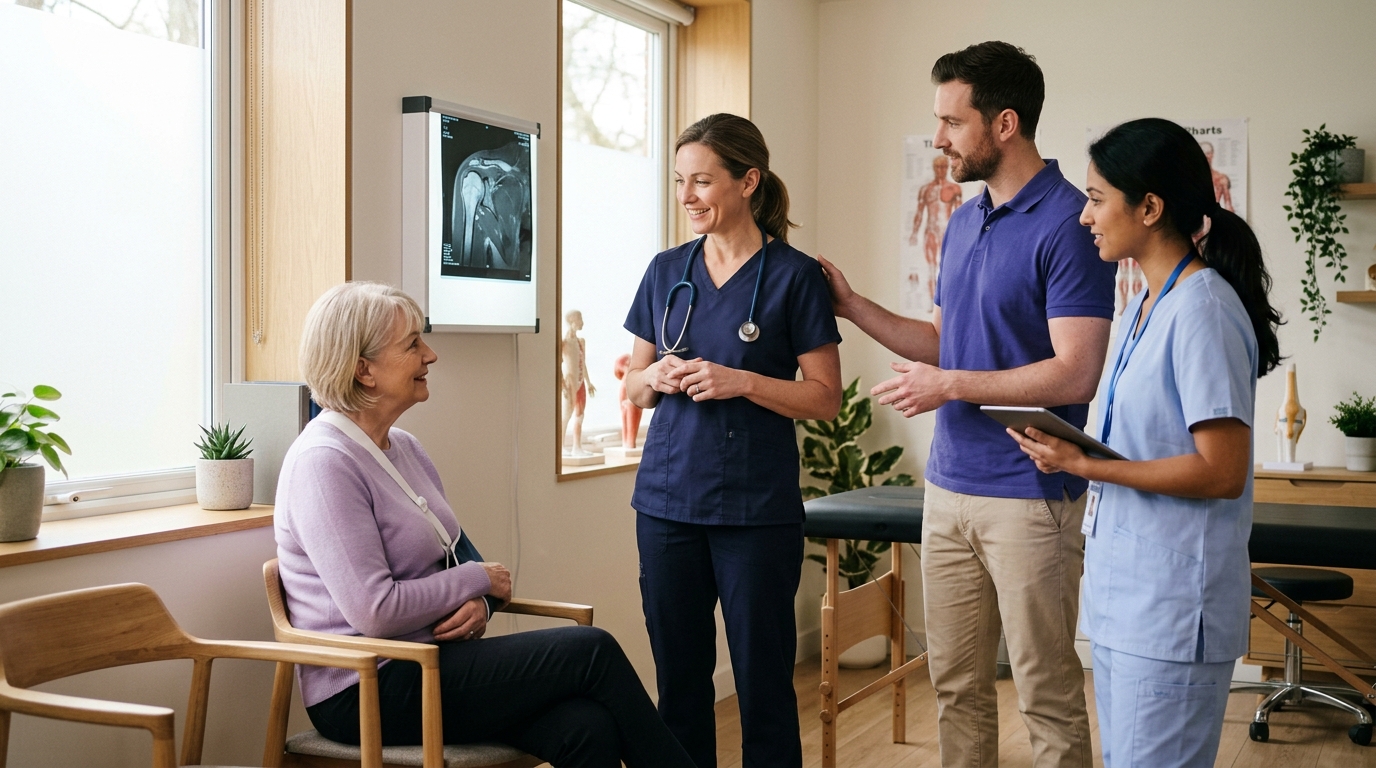
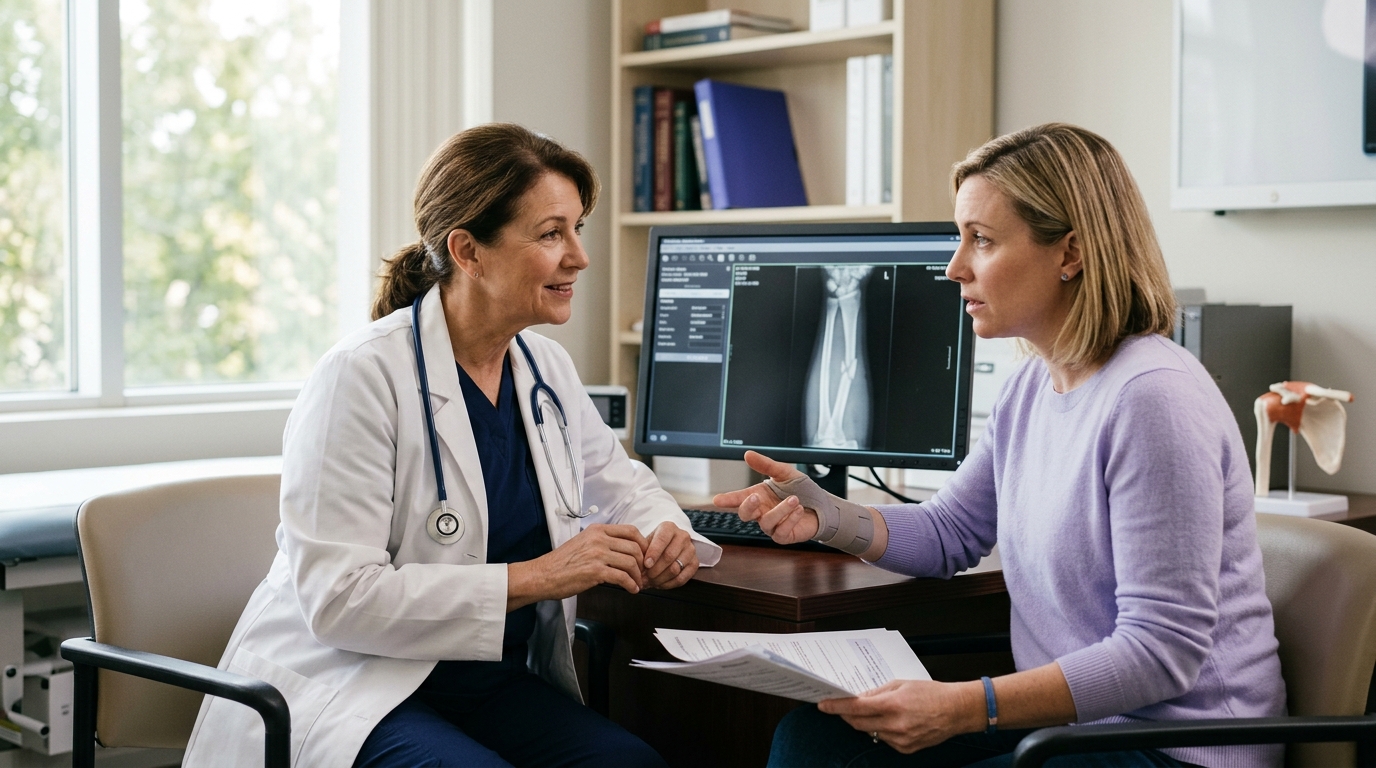
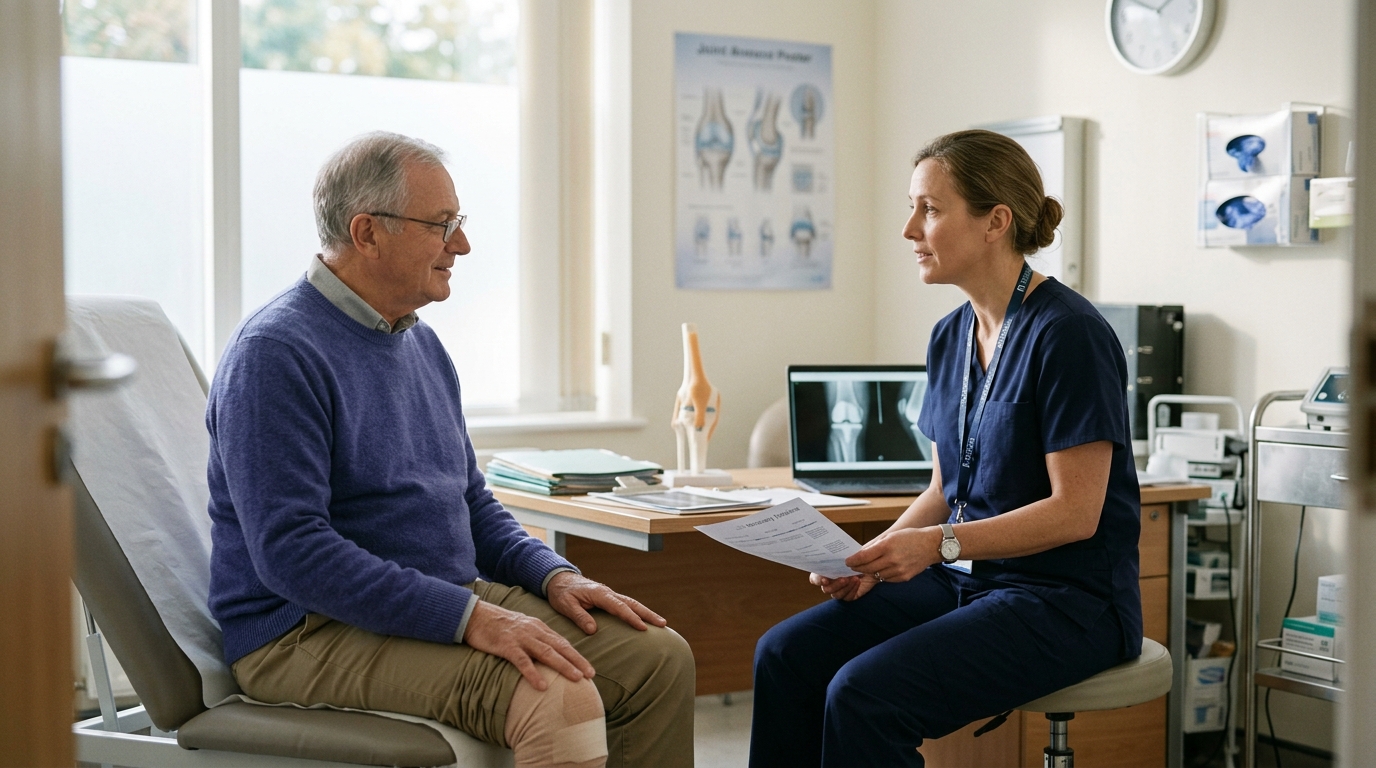
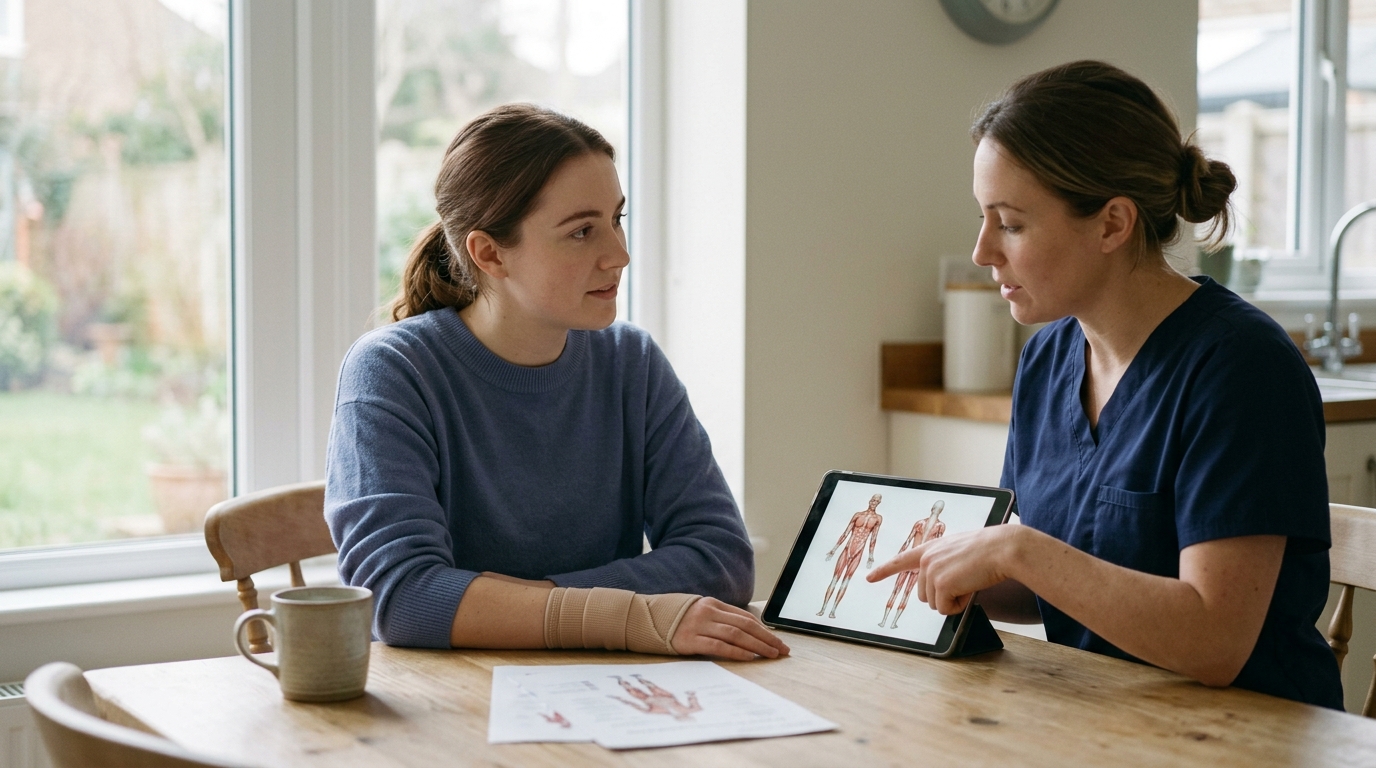
Clear communication with your orthopedic surgeon and physical therapist helps ensure your rehabilitation stays safe and effective. Use these practical questions to guide your clinical discussions during follow-up appointments.
This question clarifies the exact level of muscle effort permitted for your surgical site. It prevents misunderstandings where a patient might actively lift a limb when the surgeon intended only gentle passive motion.
Asking for specific boundaries helps you avoid movements that place mechanical strain on fresh repairs. It ensures you know whether you need to stop at a certain degree of flexion or avoid specific rotational movements.
Understanding the main objective helps you focus your energy on what matters most. In early knee recovery, the priority might be achieving flat knee extension rather than deep flexion. In early shoulder recovery, the priority might be protecting a tendon anchor while keeping the elbow and wrist moving.
Every surgical procedure produces some baseline discomfort, but your care team can outline clear warning signs. Knowing what constitutes an expected response versus an adverse inflammatory flare-up provides peace of mind.
This discussion encourages your team to evaluate your overall functional recovery. It broadens the conversation to include muscle recruitment, walking mechanics, movement quality, and your ability to manage daily self-care tasks comfortably.
If your joint feels unusually stiff, this question opens a constructive dialogue about biological factors, swelling, tissue tension, or preoperative conditions. It helps identify whether a modification to your therapy program, additional swelling management, or extra clinical evaluation is needed.
Restoring joint mobility after orthopedic surgery is a structured, biological process that requires balancing tissue protection with safe, functional movement. Range of motion is not an athletic competition, and faster progress does not guarantee a better long-term outcome.
Tendon repairs, ligament reconstructions, and joint replacements follow distinct healing timelines based on the specific mechanical demands of the operated tissues. Successful rehabilitation relies on tracking your joint's response to exercise, managing postoperative swelling, and progressing based on functional readiness rather than an arbitrary calendar date.
By working closely with your surgical and physical therapy teams, respecting movement boundaries, and avoiding the urge to force stiff tissues, you create the best environment for long-term joint health and everyday function.
Review this guide whenever you transition between rehabilitation phases, such as moving from a sling or brace into active movement, or when you find yourself questioning whether your rate of mobility progress is normal.
Navigating orthopedic recovery requires patience, consistent effort within safe boundaries, and clear communication with your medical team at every step along the way.

Use ReboundBody resources to understand common recovery stages, rehab terms, movement limits and strength rebuilding. Each guide is designed to make a complex comeback easier to understand.


Read practical guidance on injury recovery, rehabilitation, mobility and rebuilding strength as you work your way back to activity.
Explore Resources