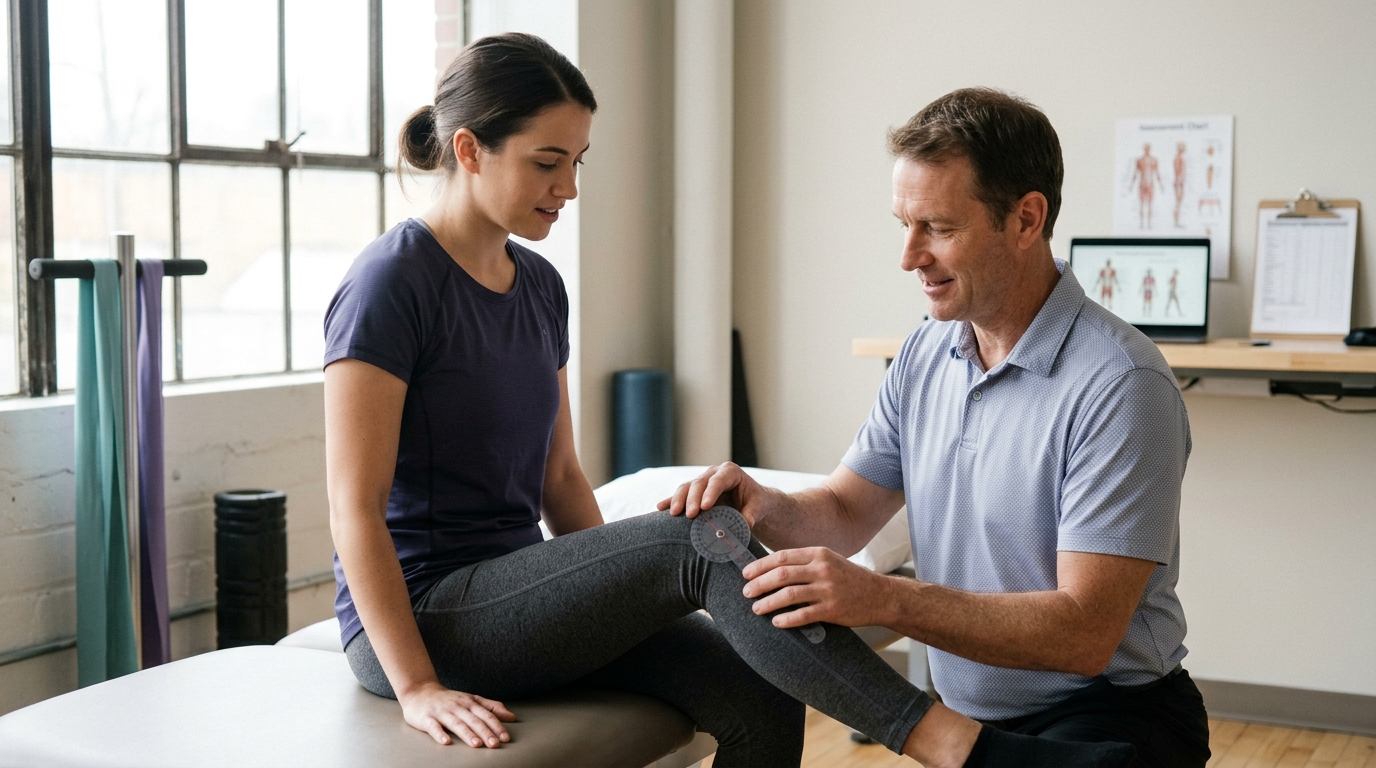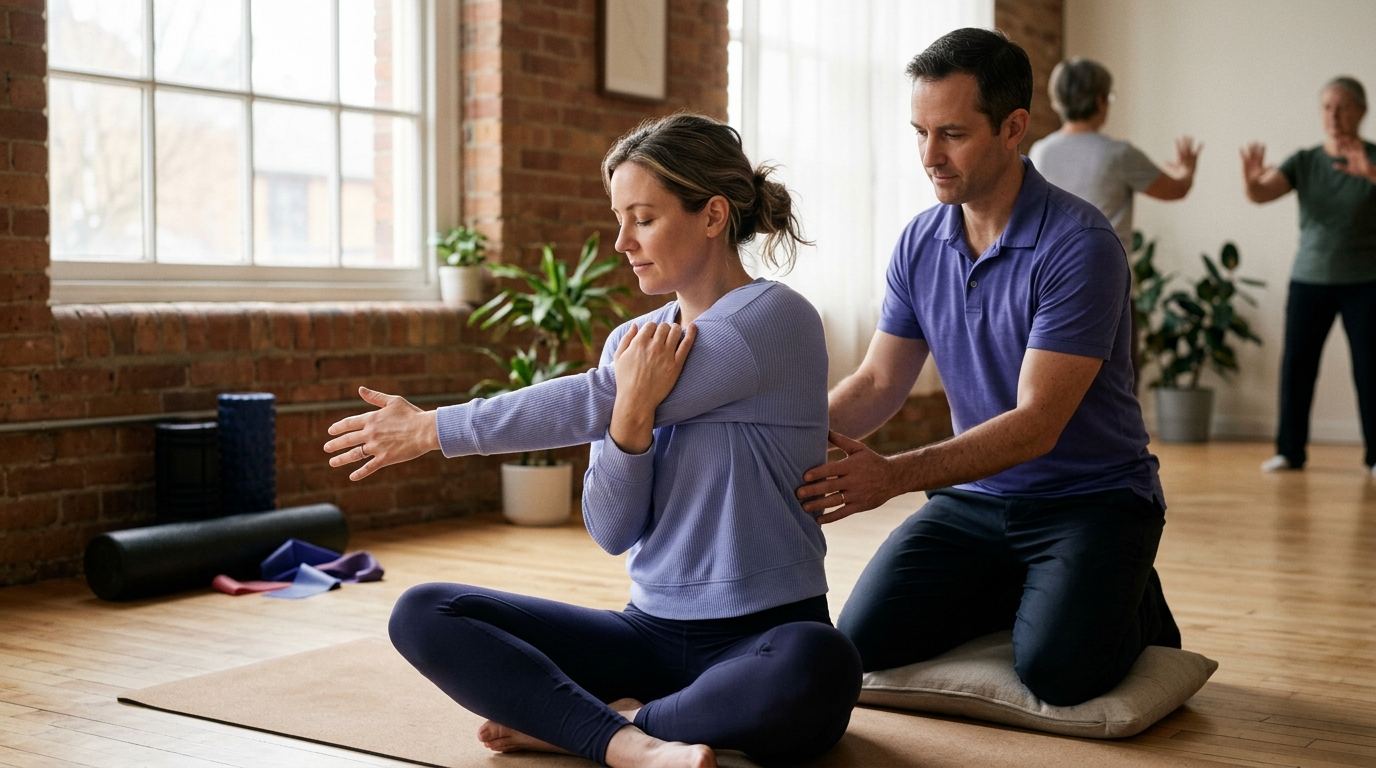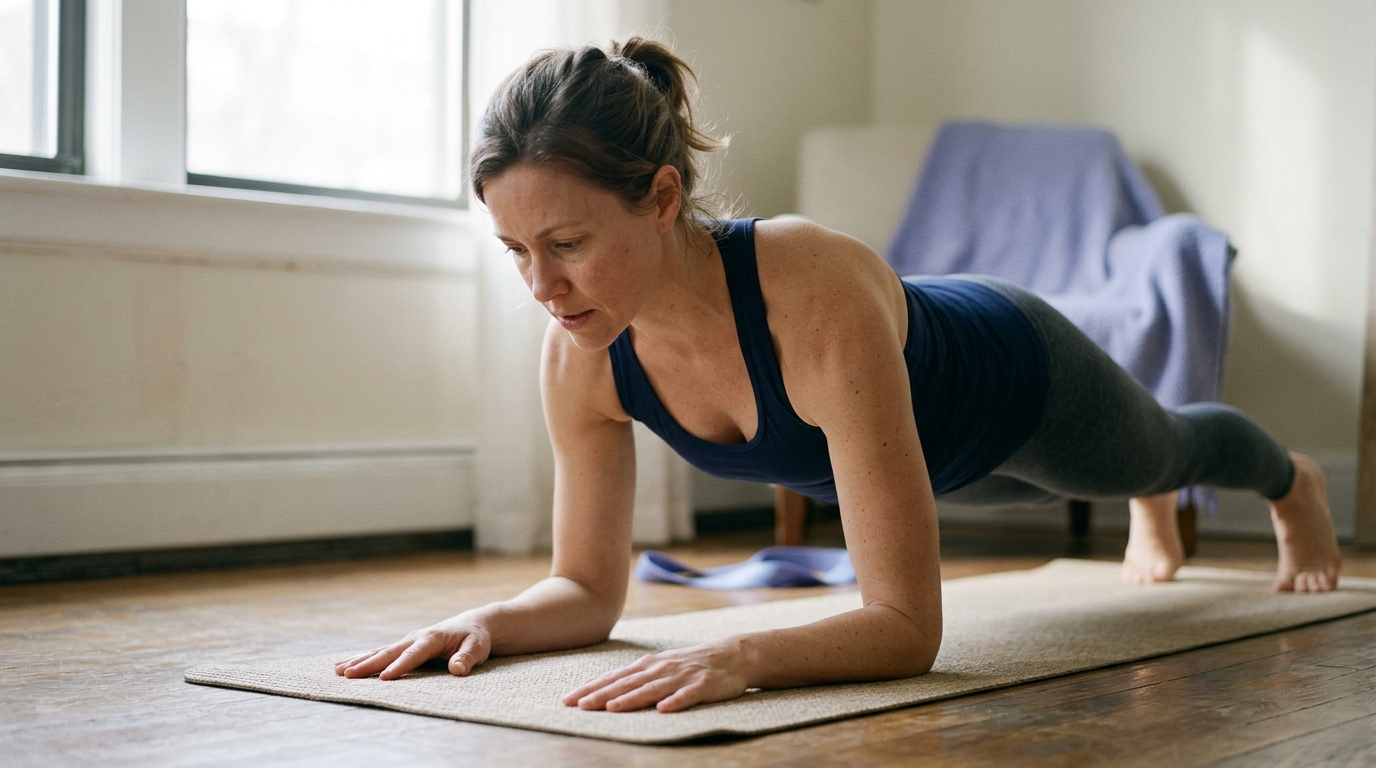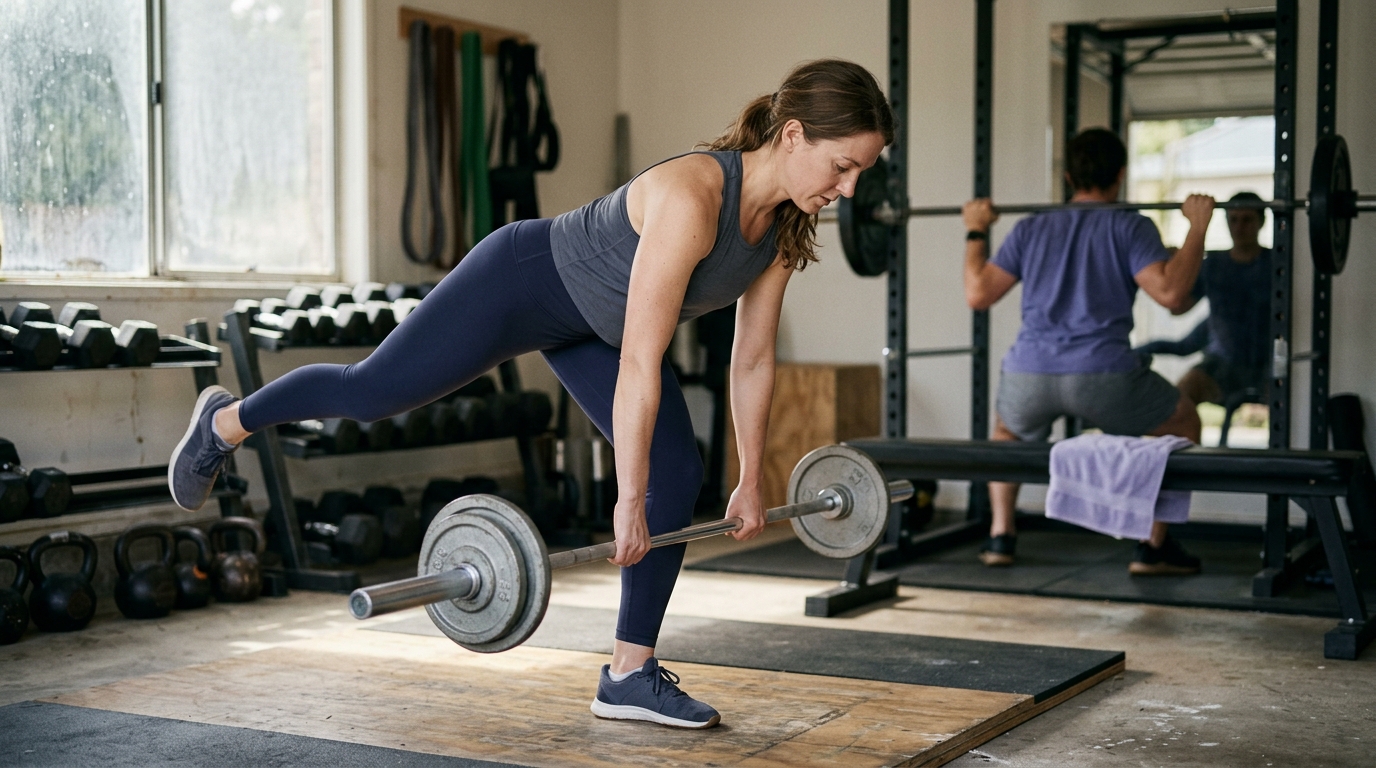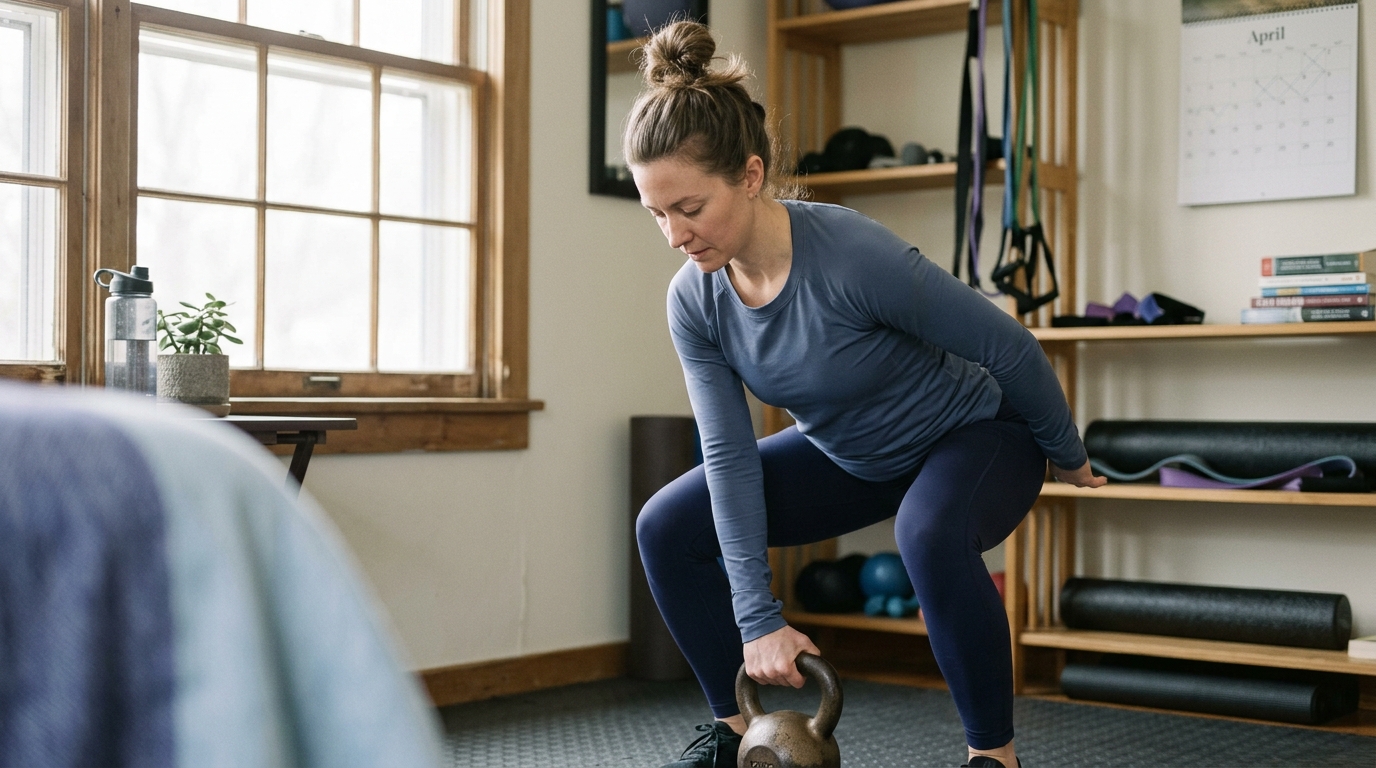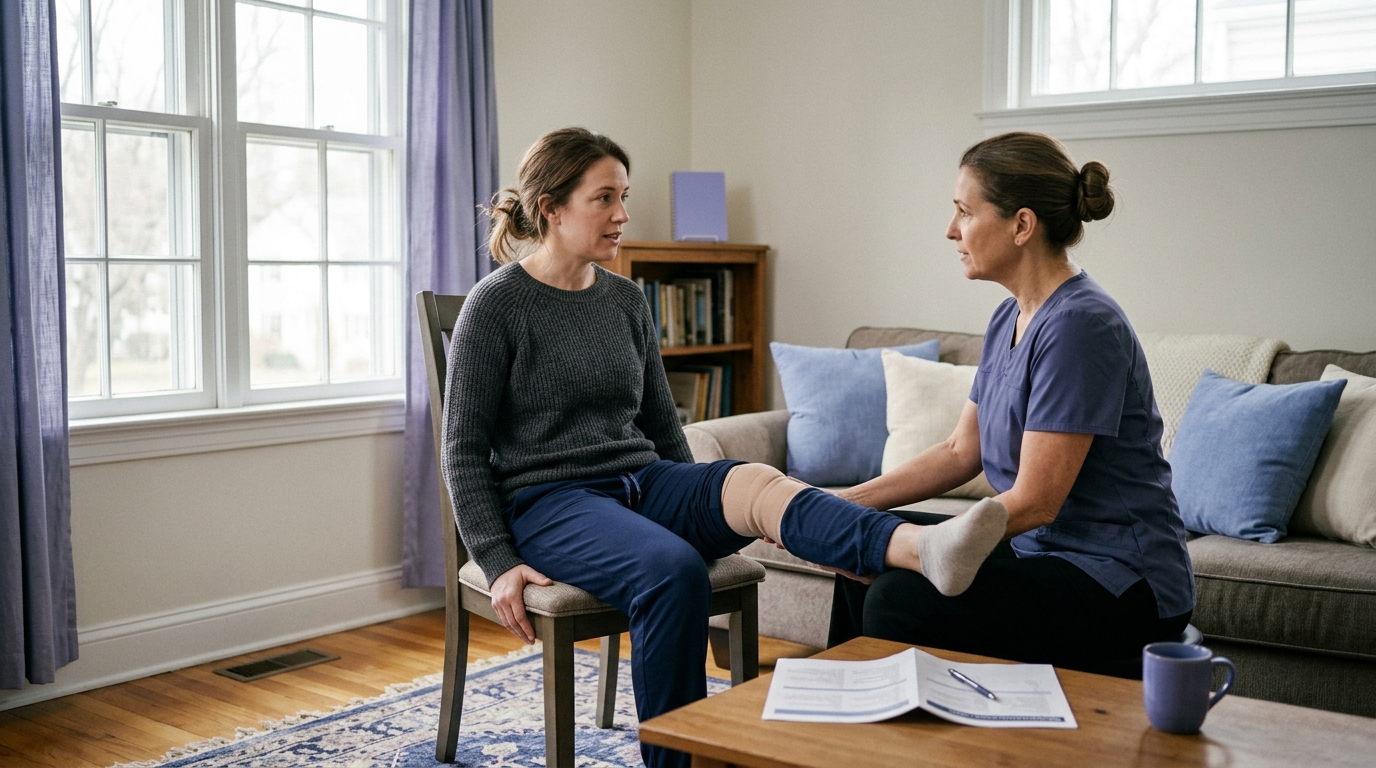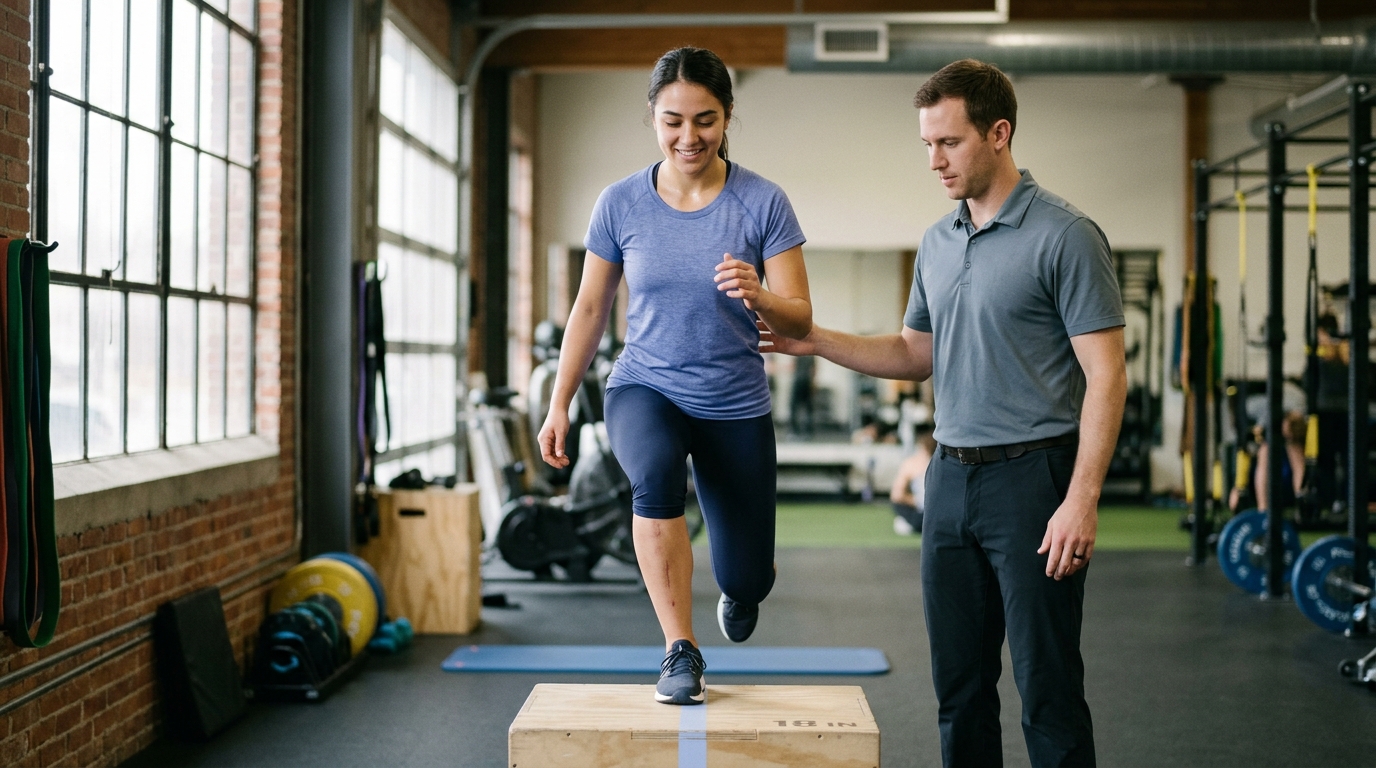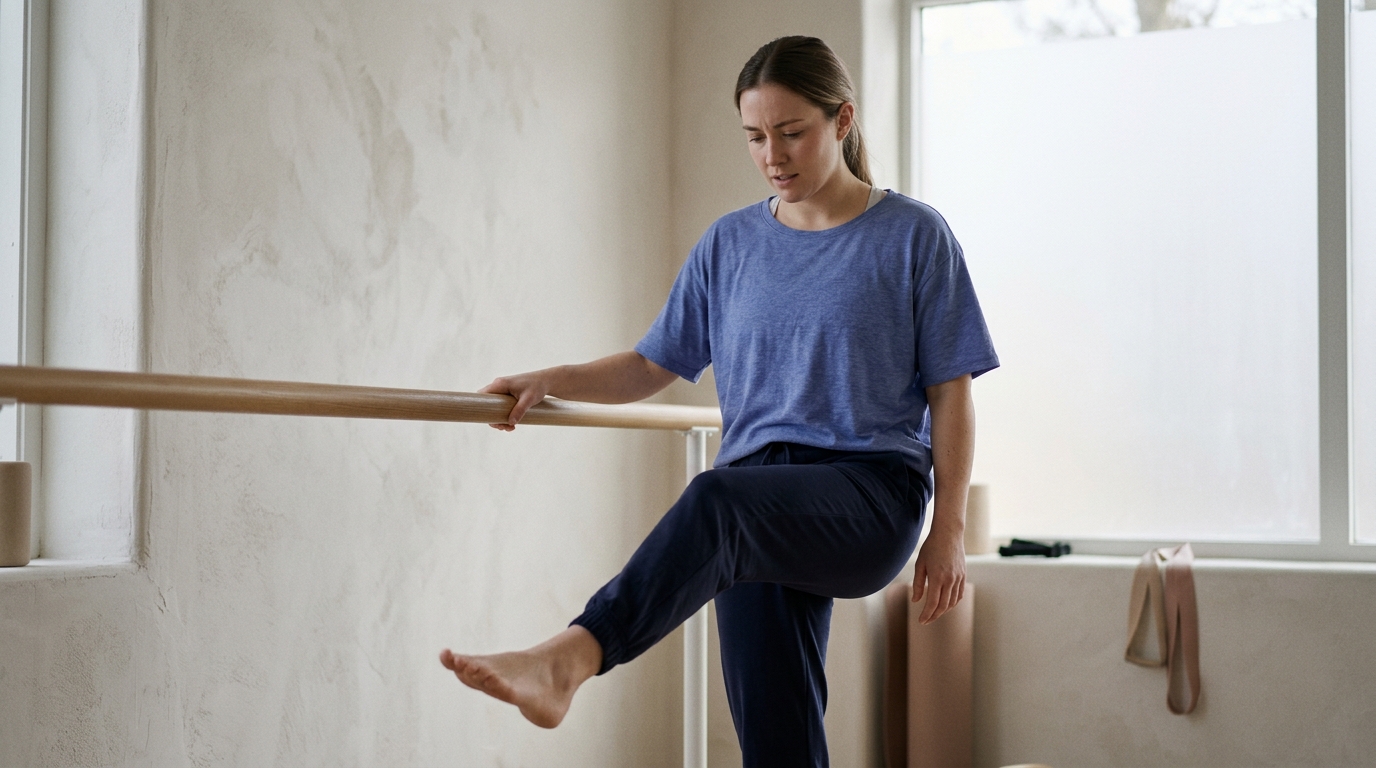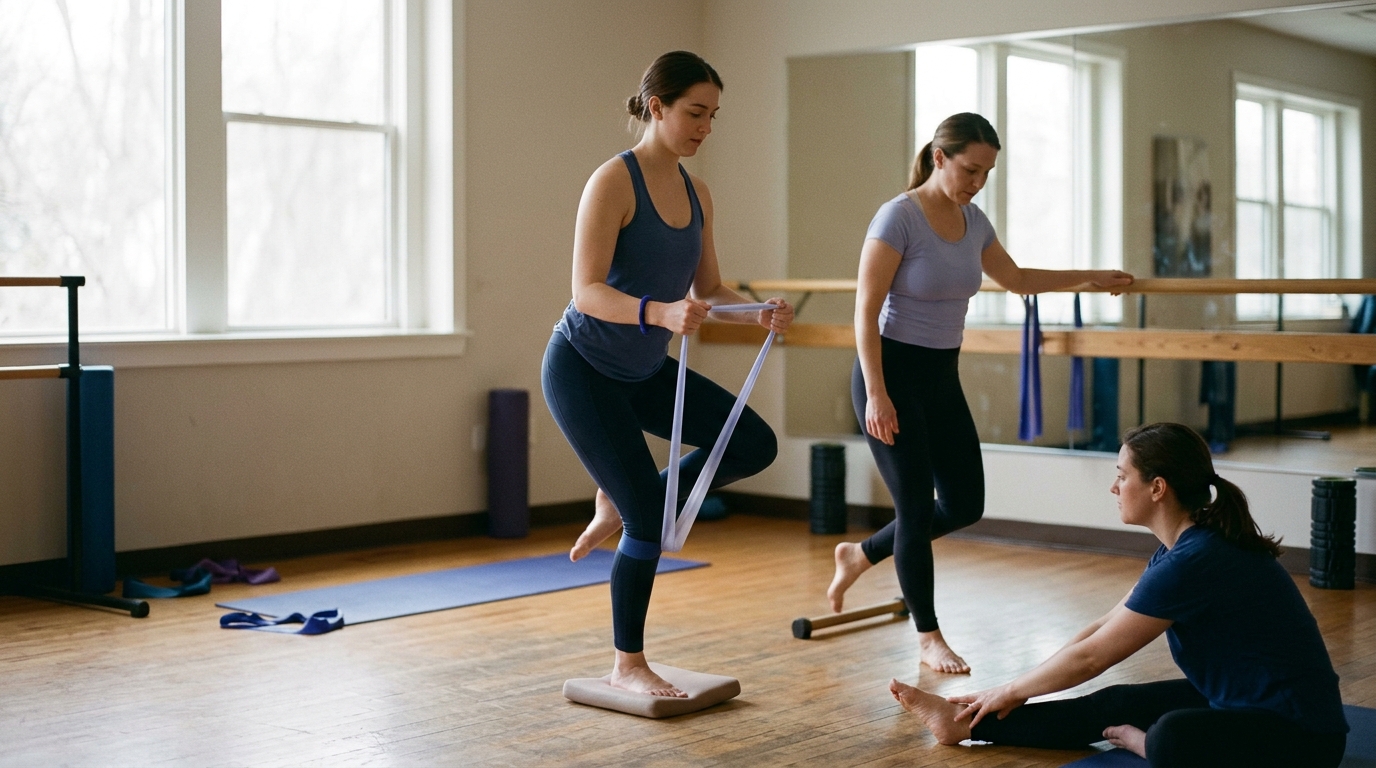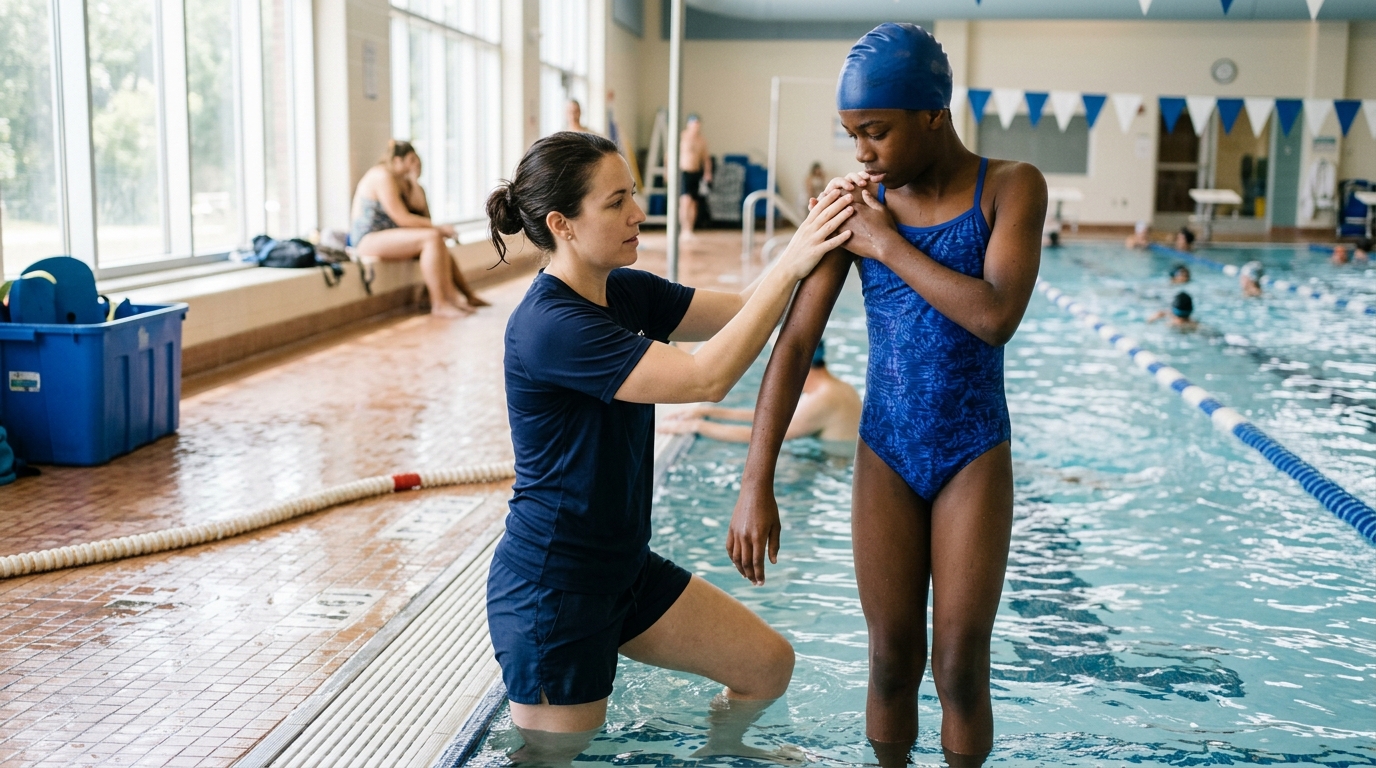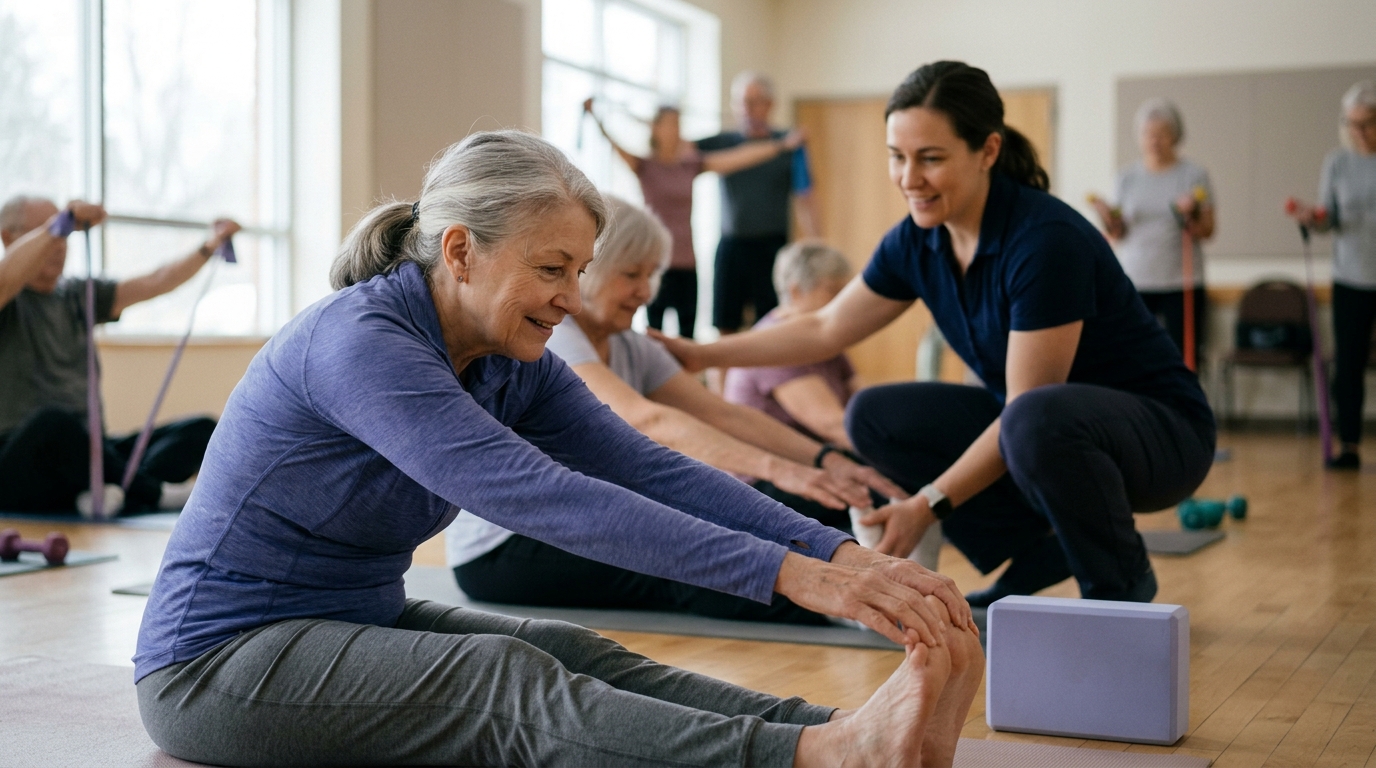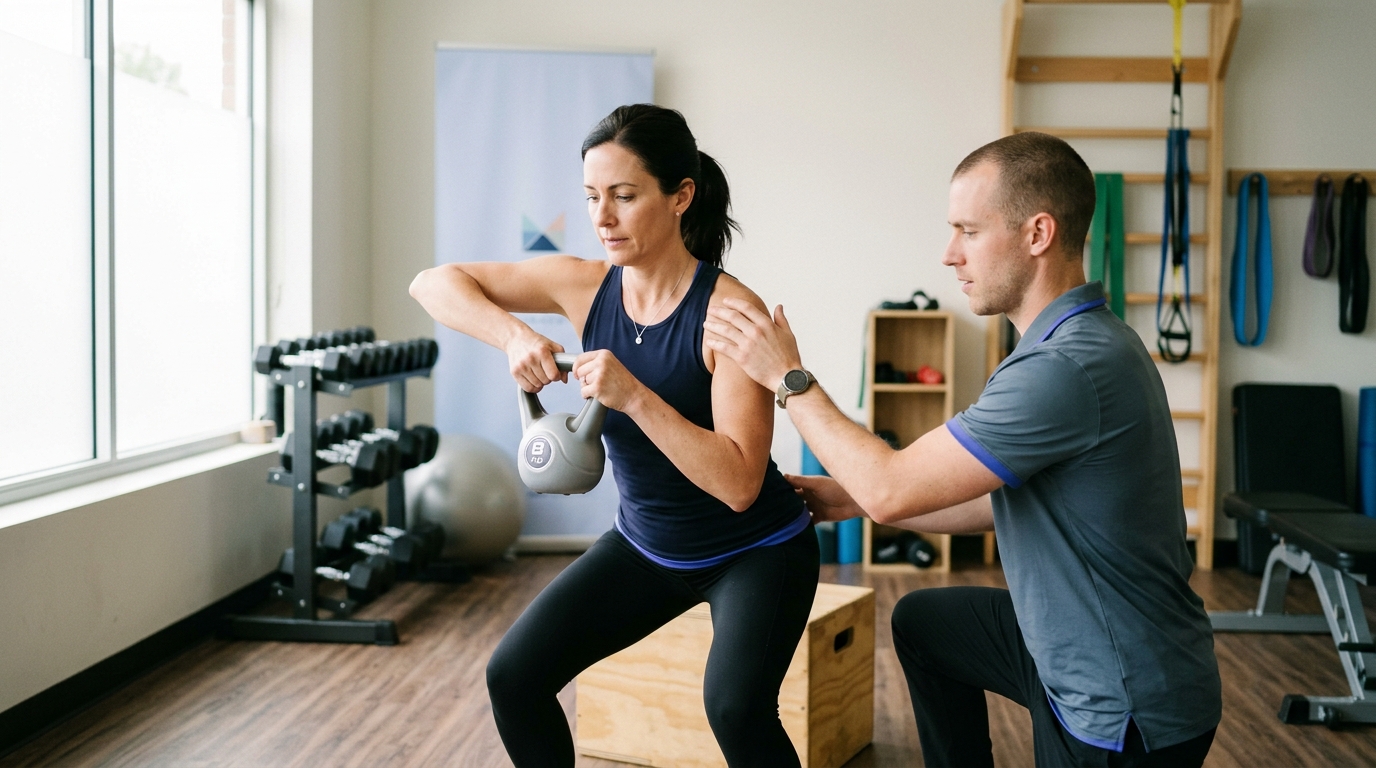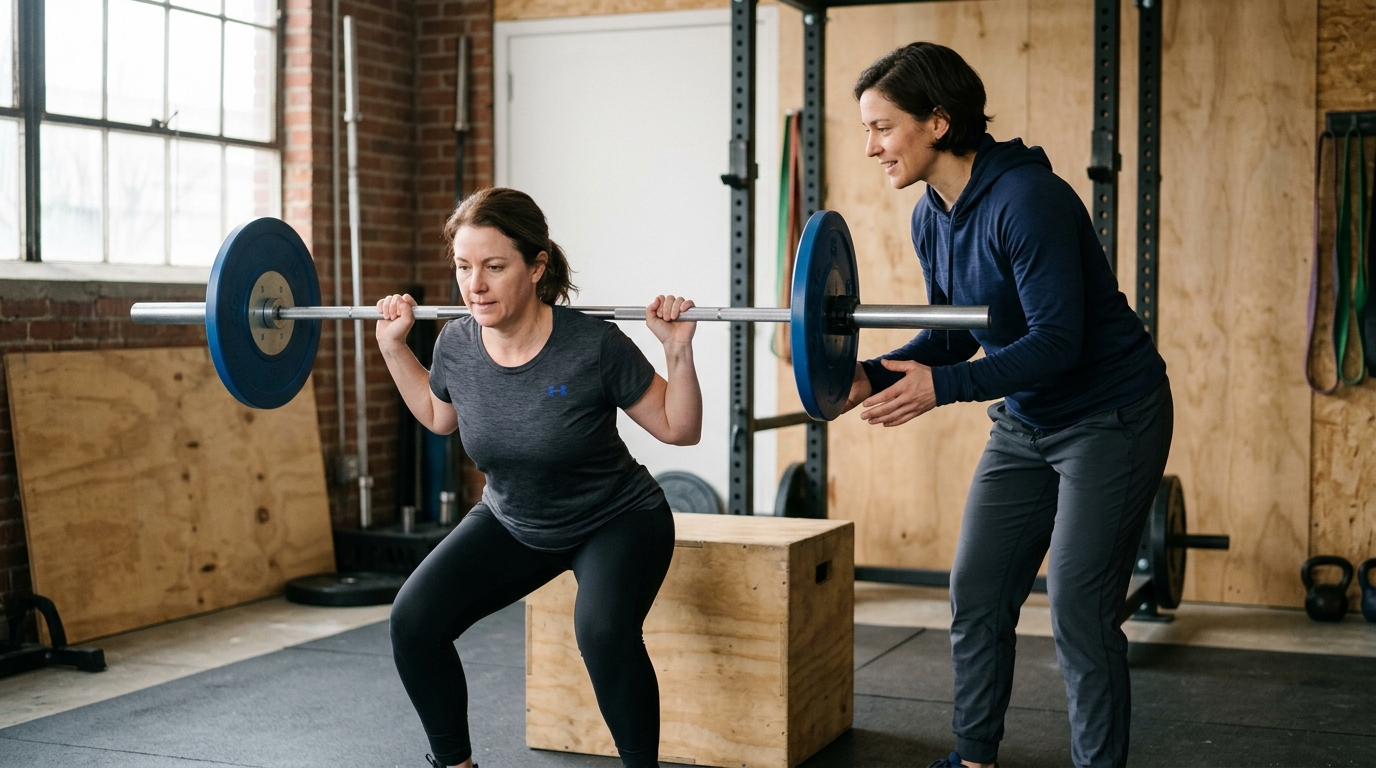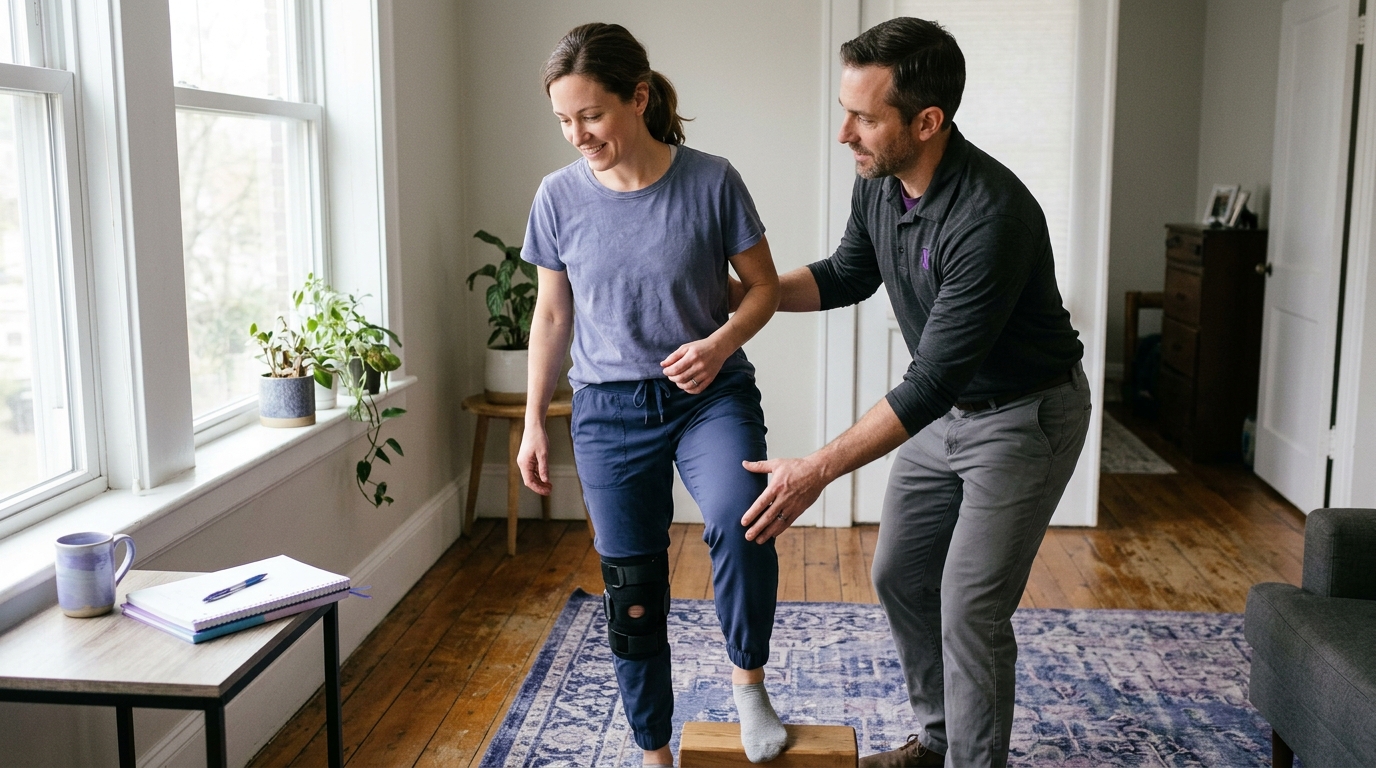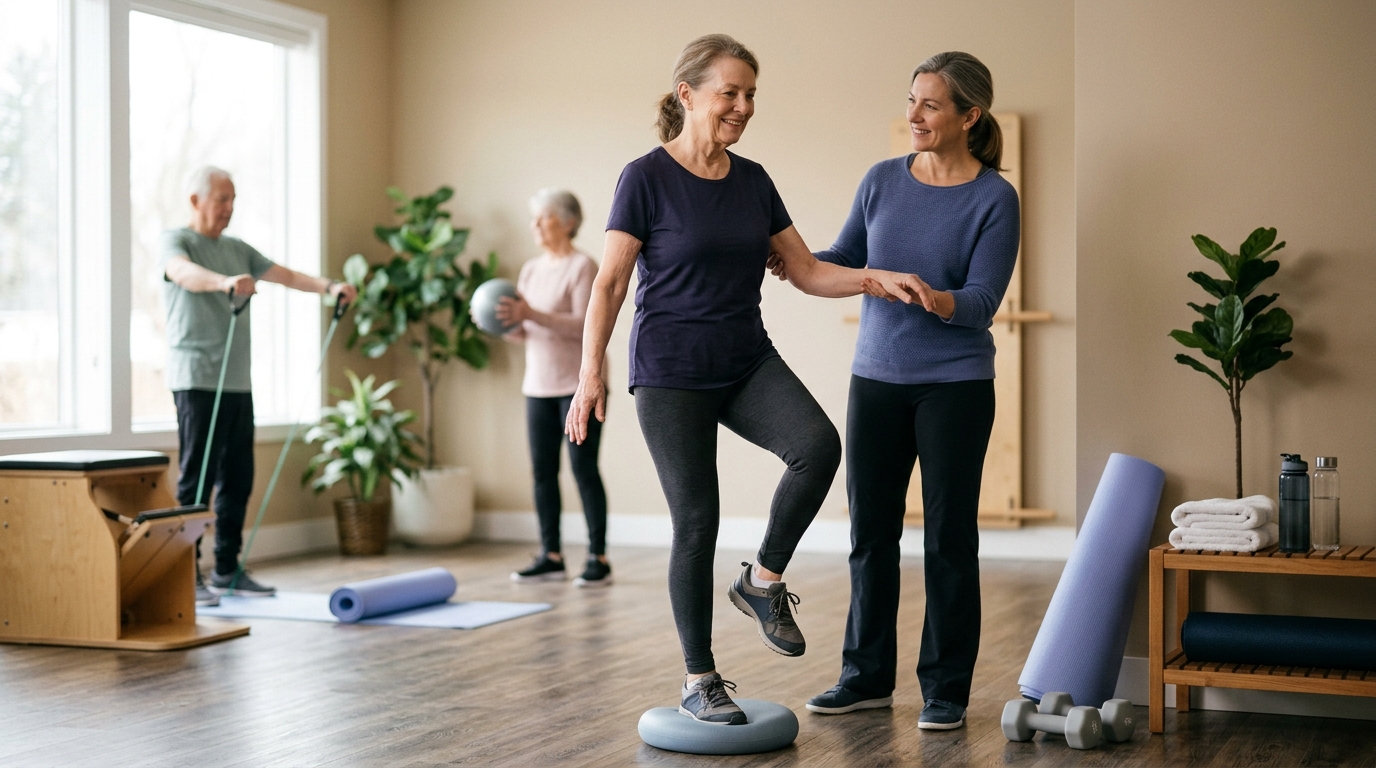

Strong leg muscles do not guarantee stable movement, so combining focused strength training with dynamic postural control creates the best protection against falls.





Strength and balance training are often treated as the same activity, but they represent distinct physical capacities. Strength is the ability of your muscles to generate force against an external resistance. Balance is the complex skill of controlling your center of mass over your base of support.
While strong muscles provide the raw power to move, balance coordinates sensory input and rapid muscle contractions to keep you upright. A complete program for physical longevity addresses both force production and movement control.
Understanding how these physical systems interact allows you to build a practical routine for long-term independence. This guide breaks down the physical mechanisms, the clinical evidence, and the everyday applications of combining strength and balance work. You will learn how to structure your training without relying on extreme drills or oversimplified routines.
Strength and balance rely on different physiological systems, even though they frequently work together. Conflating the two can lead to gaps in your physical preparation.
Muscular strength refers to the maximum force a muscle or muscle group can exert against an external load. In daily life, this force allows you to rise from a deep chair, carry heavy bags, or climb stairs.
As the body ages, muscle mass and maximal force production naturally decline if they are not actively maintained. Engaging in structured resistance training helps preserve muscle fibers and enhances neuromuscular recruitment.
However, high levels of muscle force do not automatically translate into total body control. An individual can possess strong leg muscles yet still struggle to stay stable when turning quickly on an uneven lawn. Strength creates physical capacity, but it does not fully govern how the nervous system coordinates balance.
Balance, known in clinical settings as postural control, is the active management of body alignment in space. It is not a single physical trait, but a dynamic process run by the central nervous system.
Your brain continuously gathers sensory data from three separate inputs to evaluate your position:
Your brain processes these incoming signals and sends immediate commands to your muscles. These commands adjust your posture to keep you steady. If one sensory input is compromised, such as walking in a dark hallway, the nervous system must rely more heavily on the remaining senses.
Researchers classify balance into several distinct categories based on movement and predictability. A well-rounded routine addresses each of these demands:
Each domain challenges your neuromuscular system in a unique way. Success in static standing does not ensure rapid recovery during a sudden slip. You can learn more about how movement quality supports daily function by exploring mobility and movement patterns.
Clinical research consistently supports combining resistance exercise with targeted balance challenges. Treating these components as complementary produces measurable improvements in physical function and fall reduction.
Major health organizations emphasize the need for both force production and control. The World Health Organization recommends that older adults engage in varied multicomponent physical activity at moderate or greater intensity on three or more days per week. These guidelines highlight functional balance and muscle-strengthening work to enhance functional capacity and reduce the risk of falls.
The National Institute on Aging similarly advises older adults to perform muscle-strengthening activities for all major muscle groups at least two days each week. They also recommend integrating regular balance exercises into weekly routines. These guidelines establish that resistance training and balance practice serve distinct, necessary roles in preserving physical autonomy.
Systematic reviews demonstrate the real-world value of multicomponent exercise. A landmark review of exercise trials among community-dwelling older adults found that structured exercise reduced the rate of falls by 21 percent. Programs that included challenging balance exercises and accumulated more than three hours of weekly physical activity showed the greatest effects.
A comprehensive Cochrane review examining 59 randomized controlled trials with nearly 13,000 participants reported high-certainty evidence that structured exercise reduced the rate of falls by 23 percent. These data points reflect pooled outcomes across broad populations. They demonstrate clear risk reduction at a group level, though they do not guarantee that any single individual will never experience a fall.
Research shows that strength and balance can act as independent neuromuscular capacities. A person may make substantial gains in leg strength without automatically improving their performance on complex balance tests.
A meta-analysis examining healthy older adults found that dedicated balance training produced clear improvements across multiple domains:
These findings highlight the principle of training specificity. If you want to improve your ability to react to sudden balance disturbances, you must practice tasks that require reactive adjustments. Strength provides the foundation, but targeted balance practice trains the necessary control pathways. You can discover more evidence-led strategies in our active aging and prevention articles.
Everyday tasks rarely isolate strength or balance. Daily life requires your muscles to generate force while your nervous system continuously regulates stability.
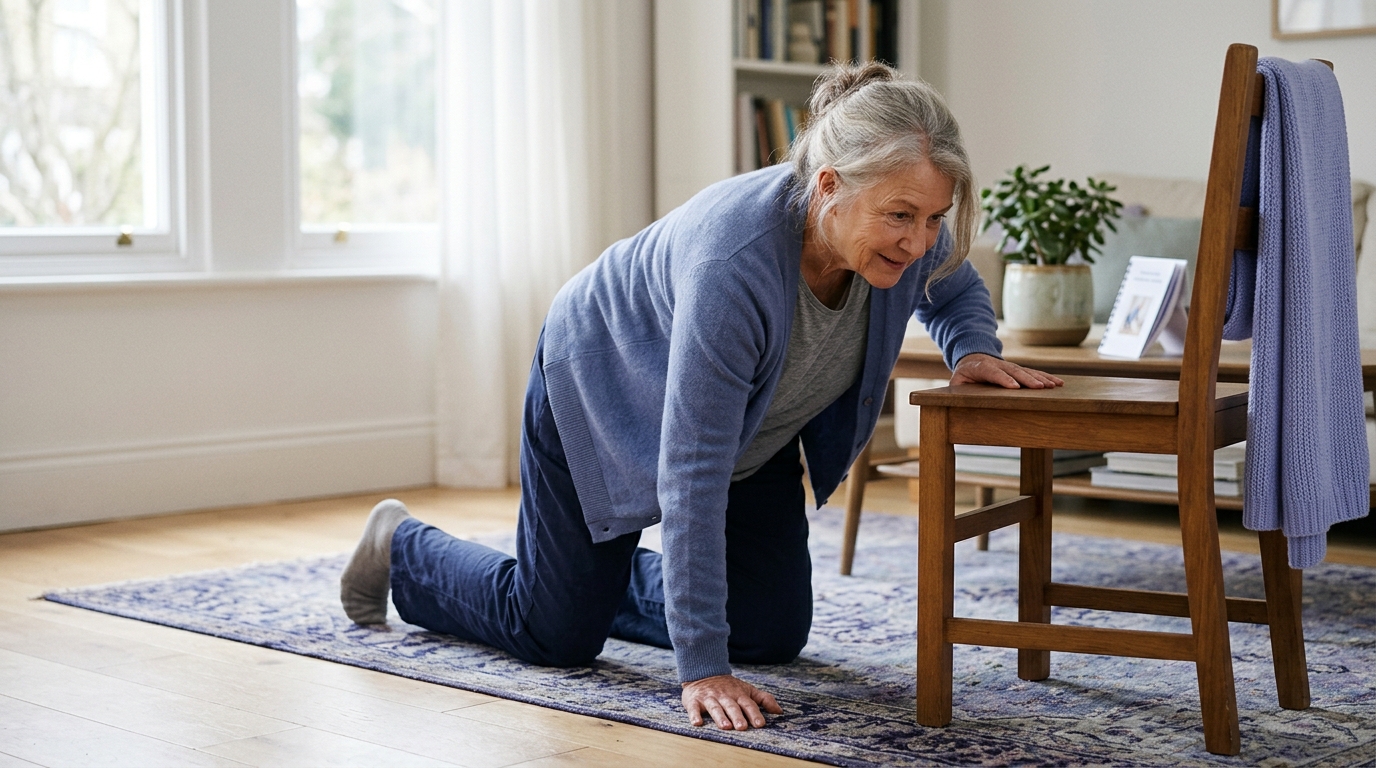
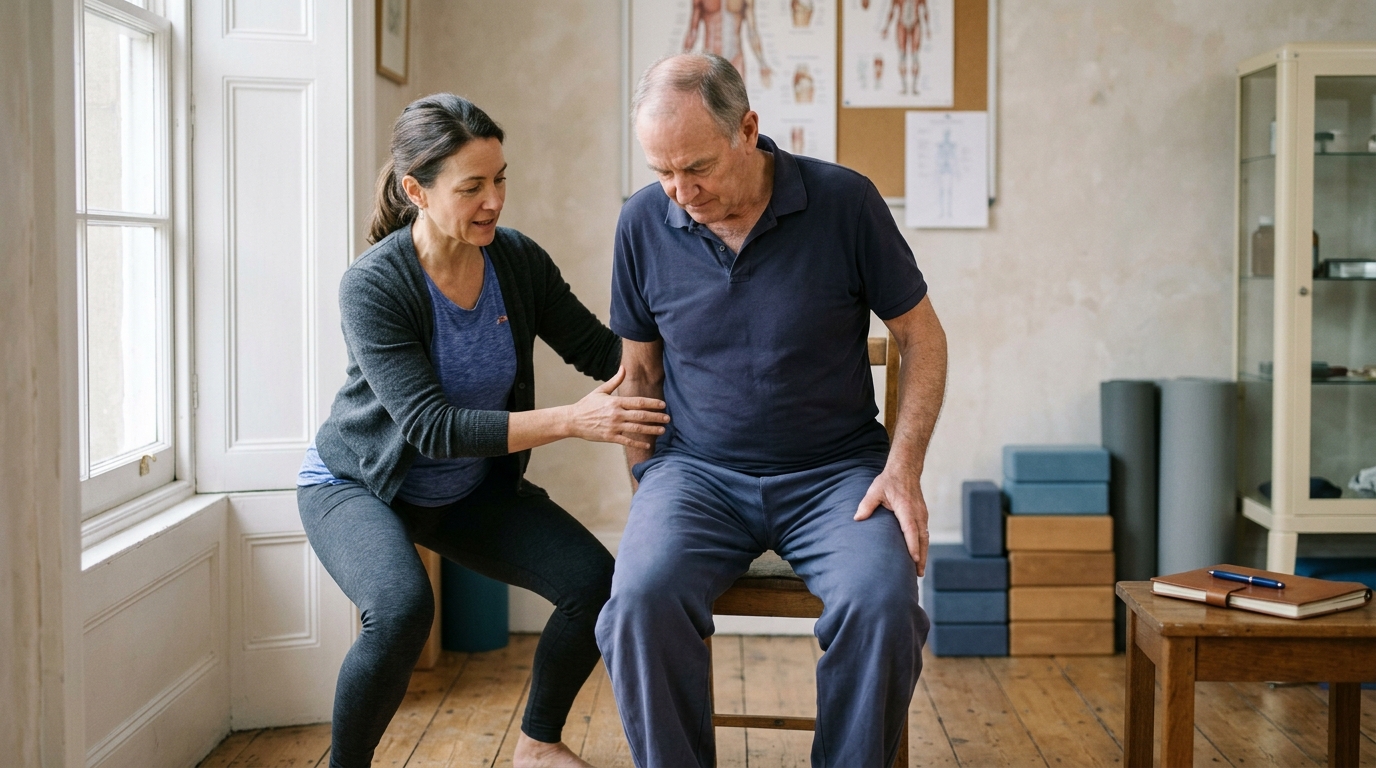
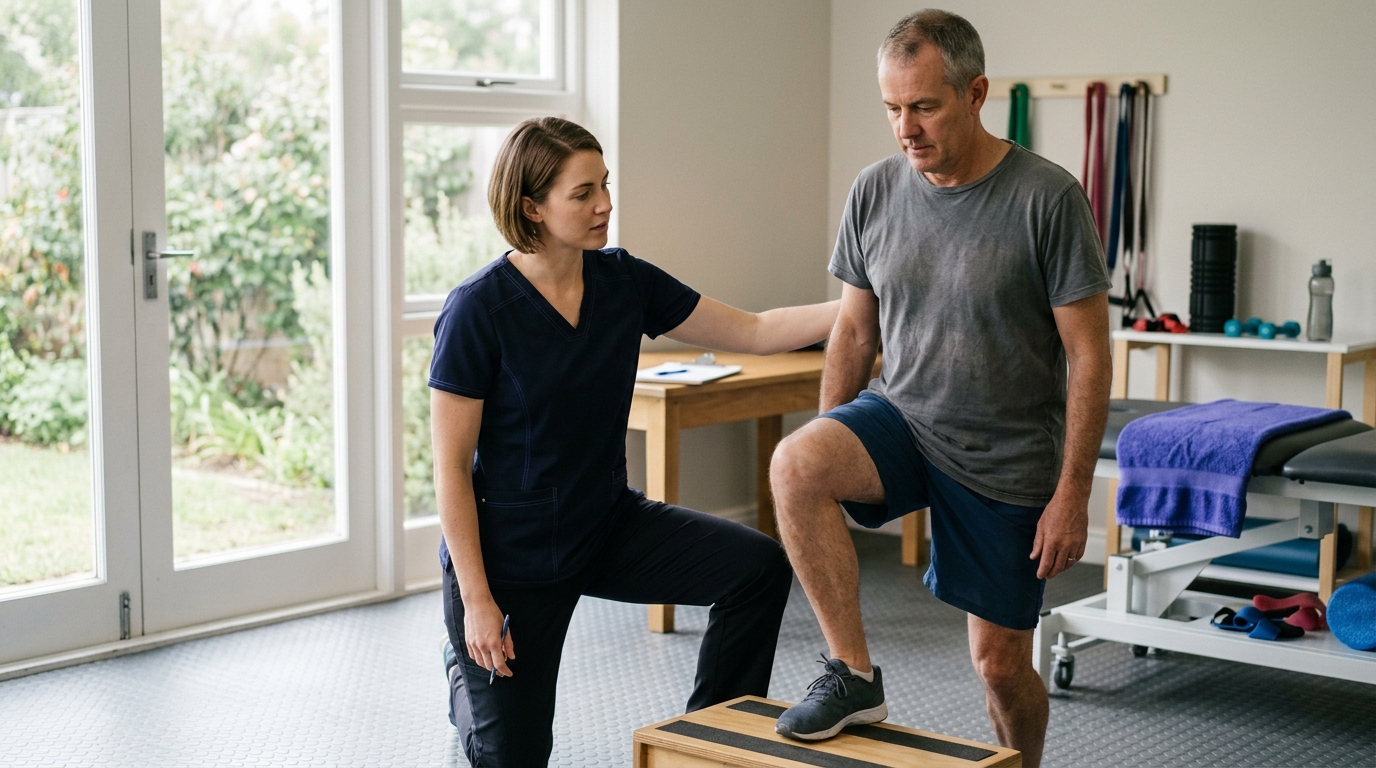
Standing up from a seated position is a classic functional movement. The quadriceps, gluteal muscles, and calves must produce enough upward force to lift your body weight.
At the same time, your brain must manage an abrupt shift in your center of mass. As your hips leave the seat, your weight moves forward over your feet, which creates a narrow base of support.
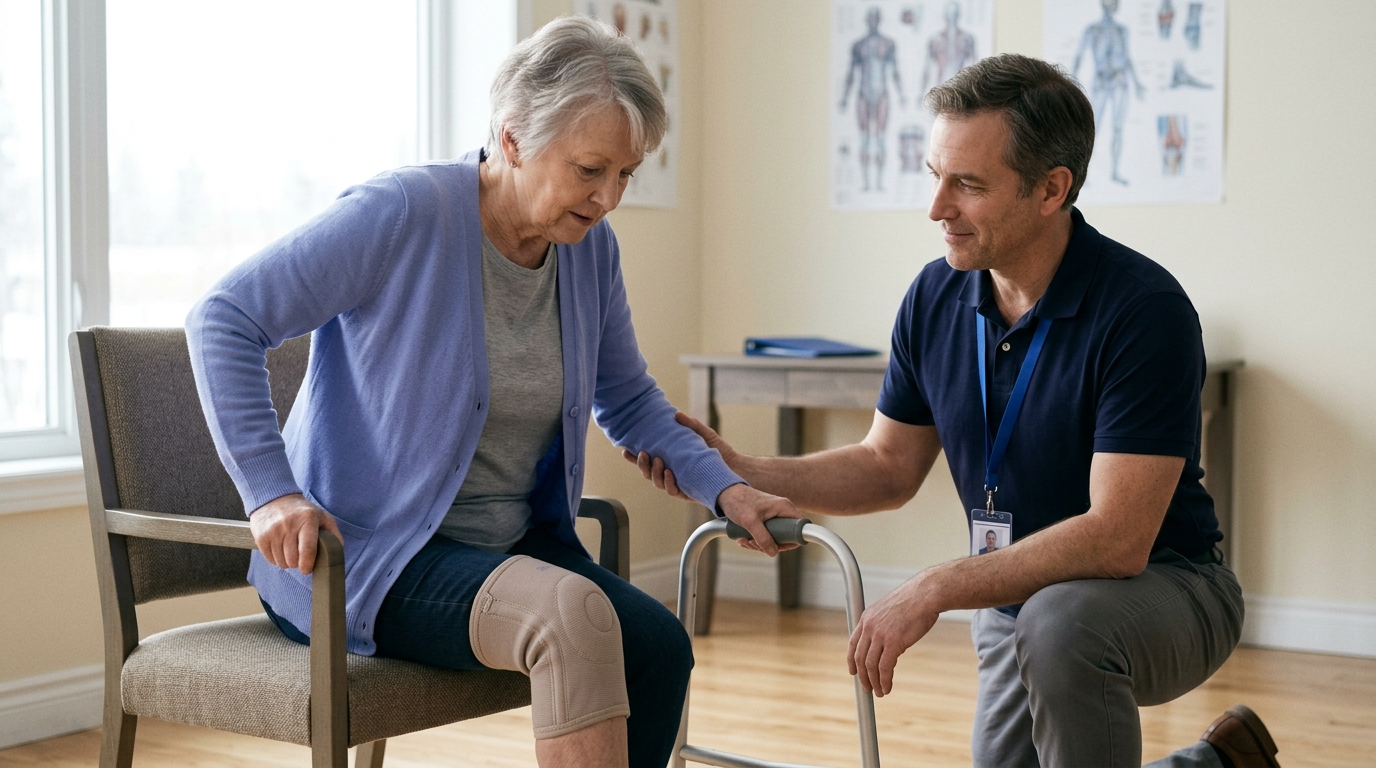
If your legs lack strength, rising becomes difficult or impossible without pushing off armrests. If your proactive balance is uncoordinated, you may wobble or fall backward onto the seat. Combining lower-body strengthening with controlled sit-to-stand practice trains both the required force and the postural transition.
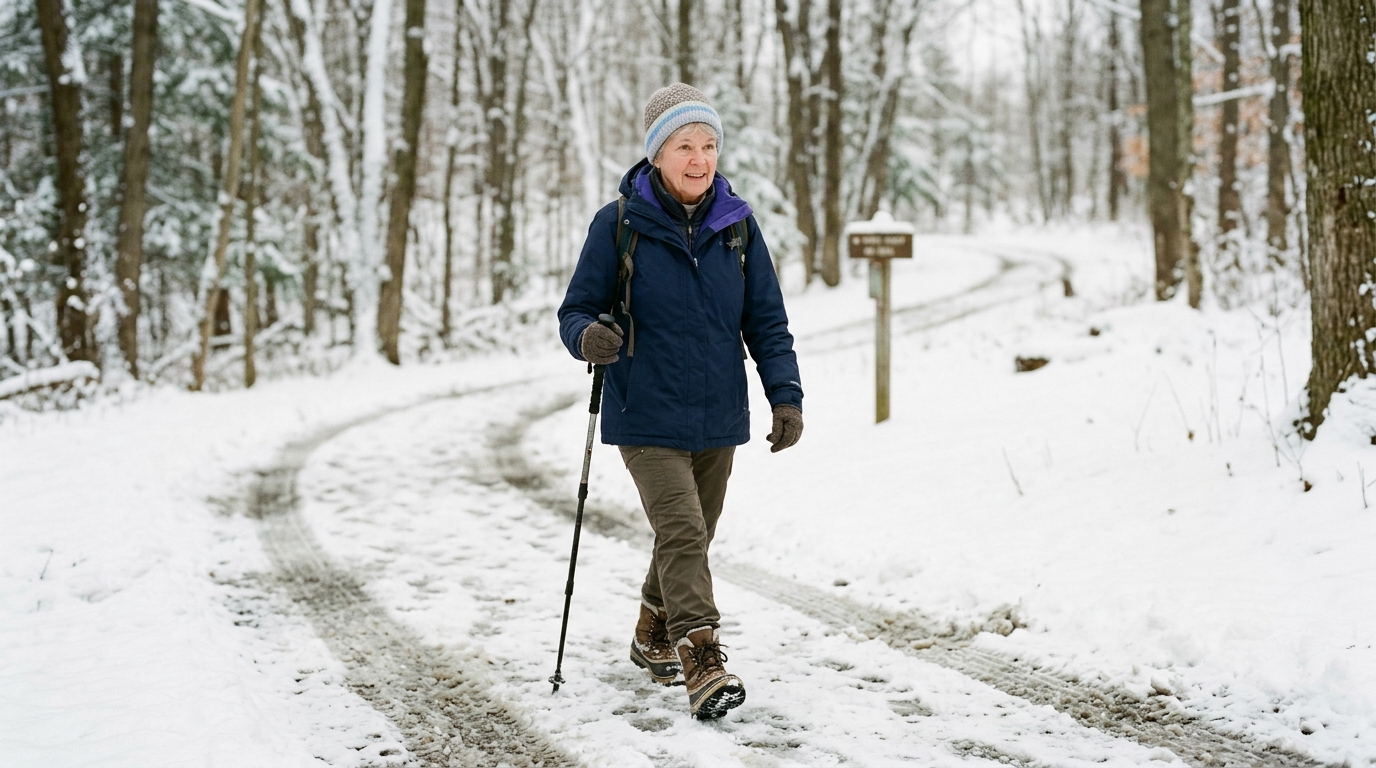
Walking appears simple, but it is an ongoing series of controlled single-leg balance moments. With each stride, you briefly support your entire body weight on one leg while the other swings forward.
When you transition from a hard floor to thick carpet or an uneven outdoor path, the surface changes your somatosensory feedback. Your nervous system must rapidly adjust joint stiffness in your ankle, knee, and hip.
Strong lower-leg muscles allow your foot to adapt quickly to slope changes. Meanwhile, dynamic balance systems ensure that your forward momentum remains smooth and controlled.
Reaching into a high cabinet or bending sideways to pick up an item tests your functional stability limits. These limits represent the maximum distance you can lean in any direction without taking a step or losing control.
Before your arm extends forward, your calf and abdominal muscles contract proactively. This anticipatory adjustment counters the forward weight shift caused by your reaching arm.
Once your hand grasps the object, your upper body and trunk muscles must generate force to hold it. Simultaneously, your lower body maintains constant counter-tension against the floor. This coordination illustrates why proactive balance and muscular endurance must work as a unified system.
A sudden slip on a wet surface or a caught toe requires immediate reactive control. When an unexpected disturbance happens, you do not have time for deliberate planning.
Your nervous system must execute an automatic response, such as taking a rapid, wide recovery step. Once your foot contacts the ground, your leg muscles must produce an immediate burst of eccentric force to absorb the impact and arrest your forward momentum.
If your leg muscles lack the rapid power to stop your body weight, a fall may occur even if you react quickly. Conversely, if your reactive reflexes are slow, strong muscles will not have time to engage. True stability requires both rapid neural control and sufficient physical force.
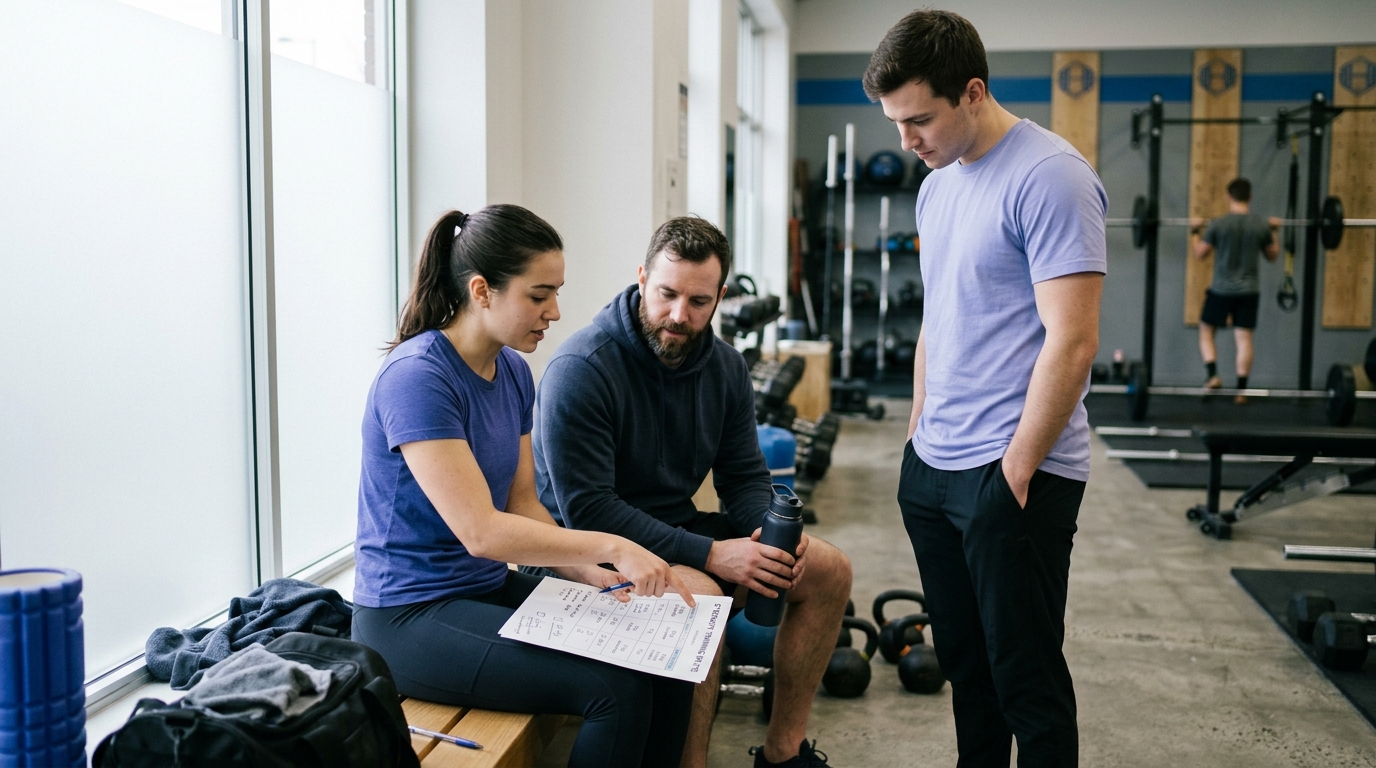
No single exercise template fits every person. Your personal health background, current physical capacity, and daily environment shape how you should approach strength and balance work.
An individual with years of consistent exercise experience has different training needs than someone returning from a long period of inactivity. An active adult may already possess baseline leg strength from regular walking or cycling.
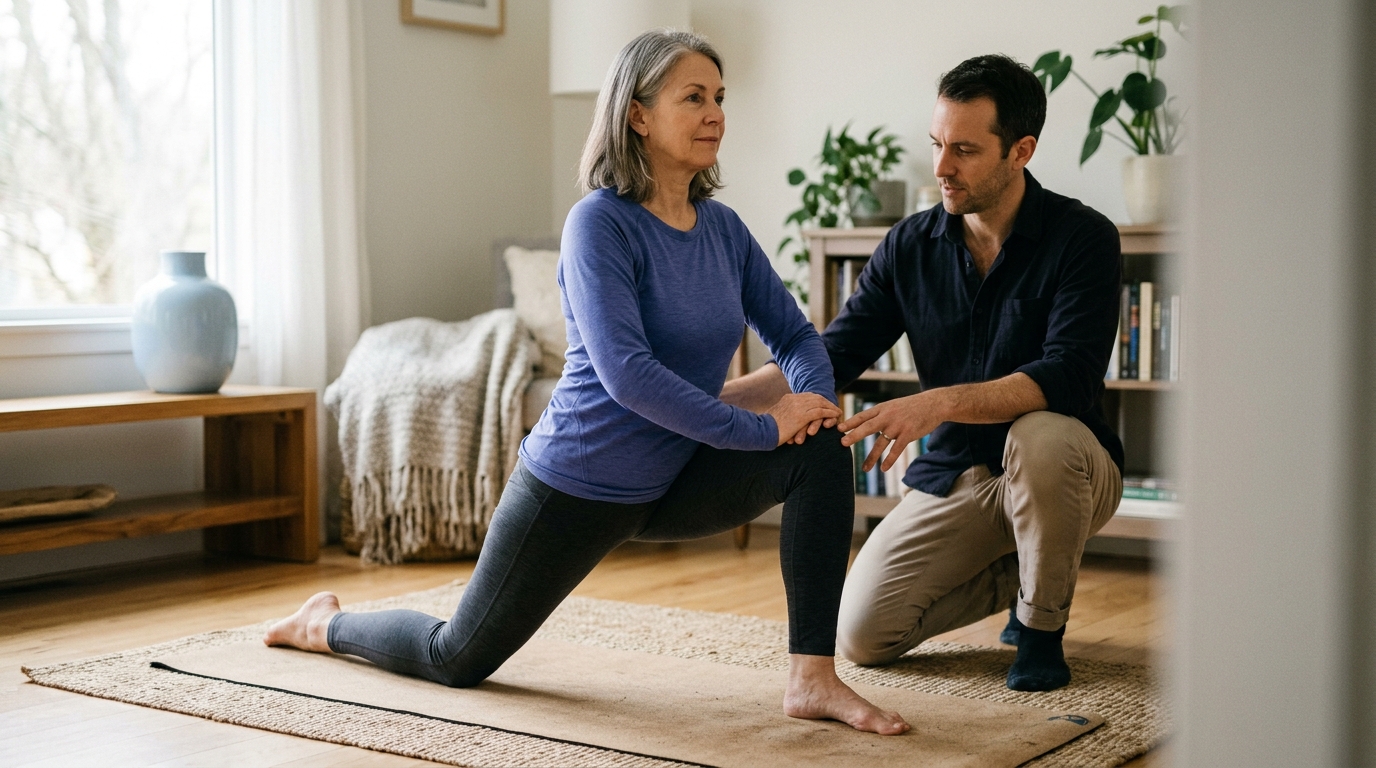
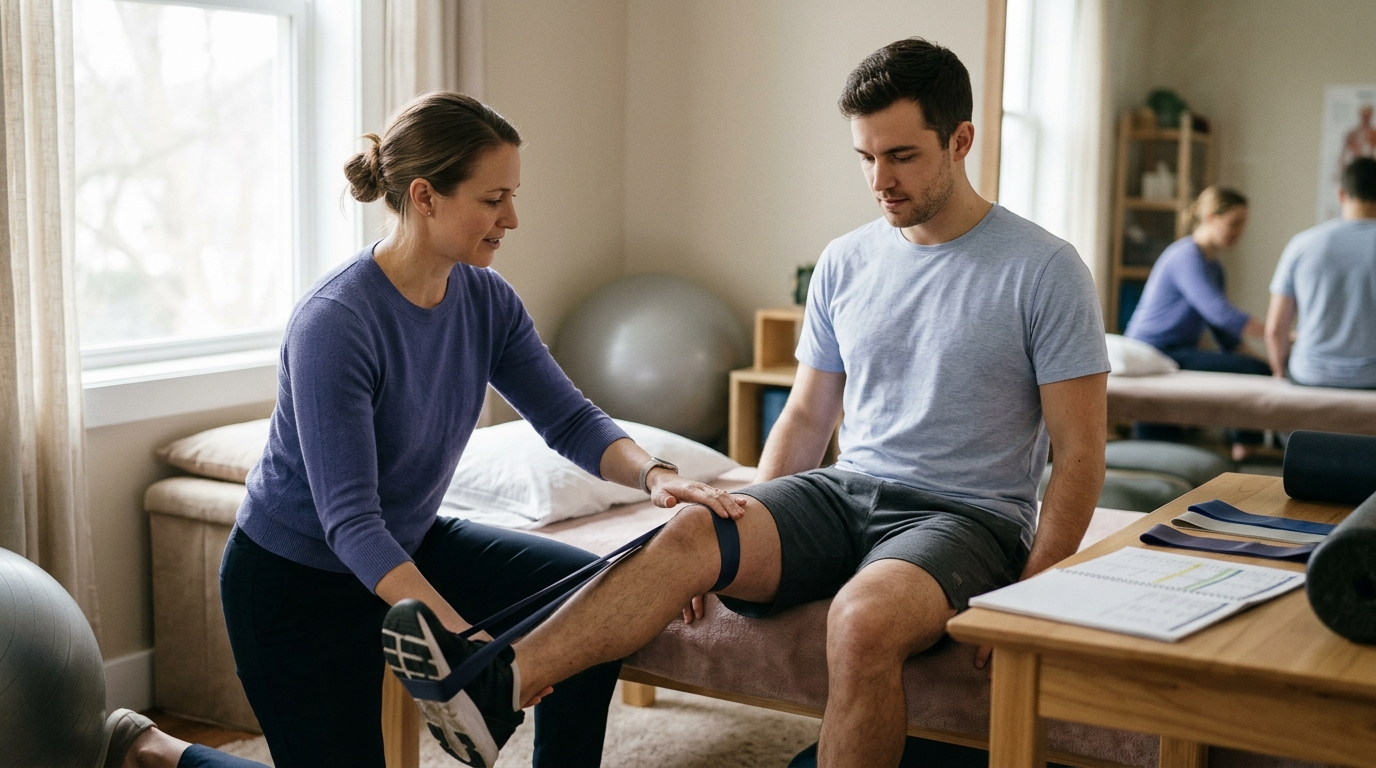
For this person, adding challenging balance drills, such as narrow-stance exercises or multi-directional stepping, fills a missing training component. For someone with significant muscle weakness, developing basic lower-body strength must take priority.
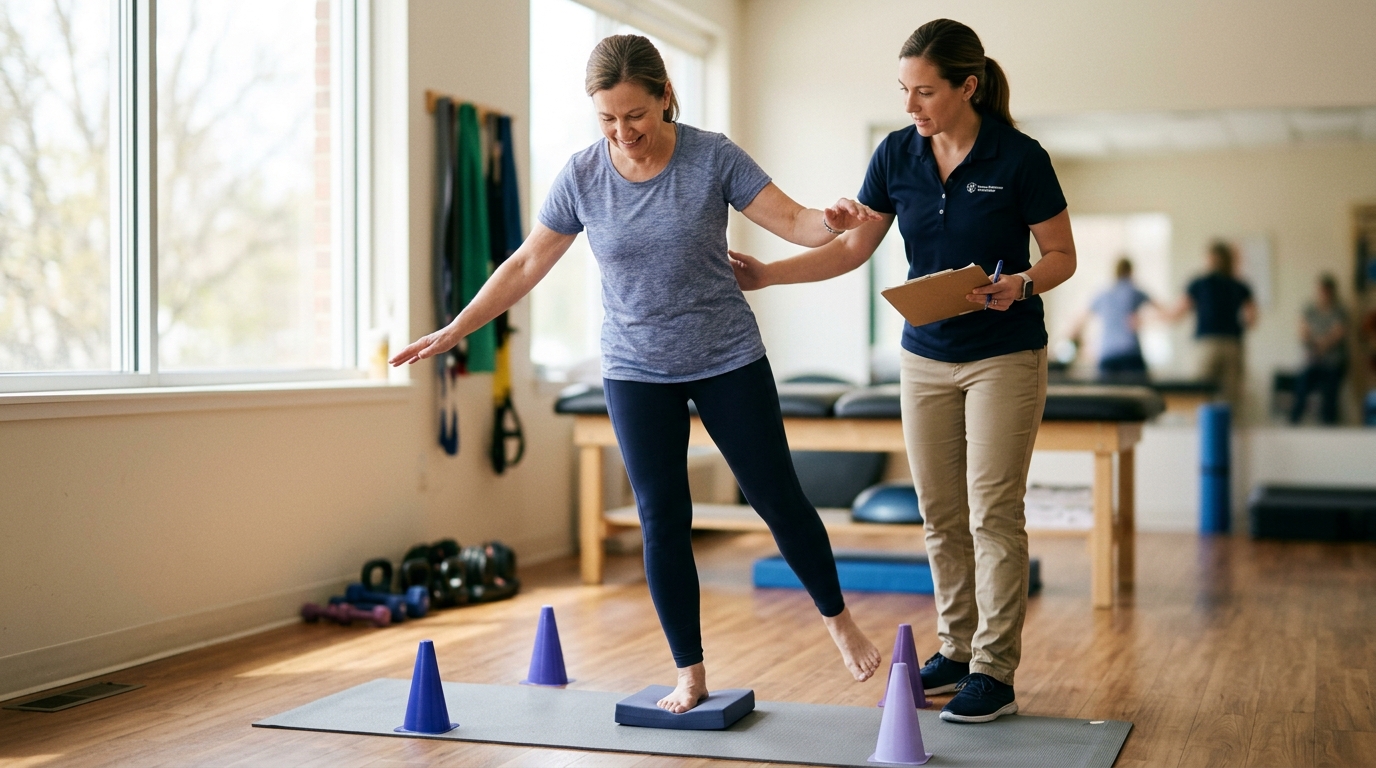
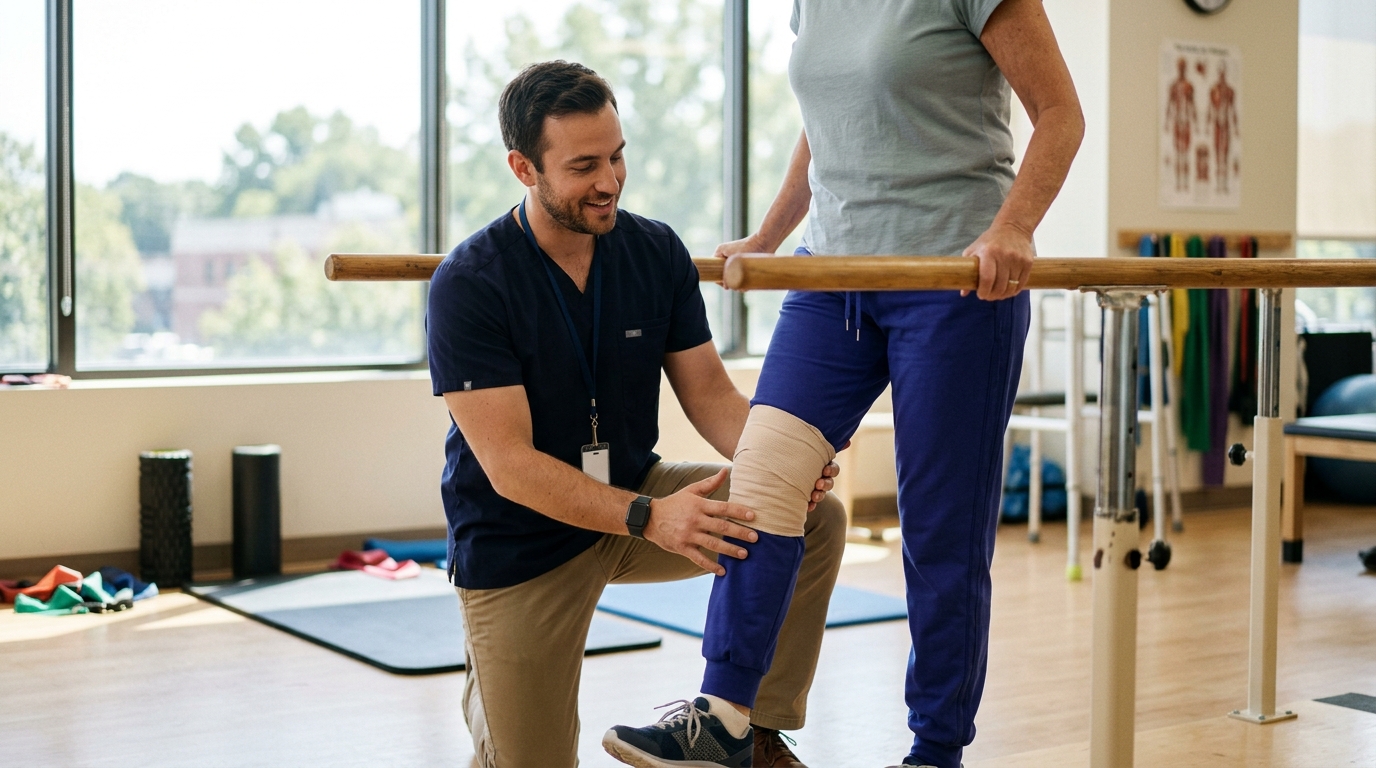
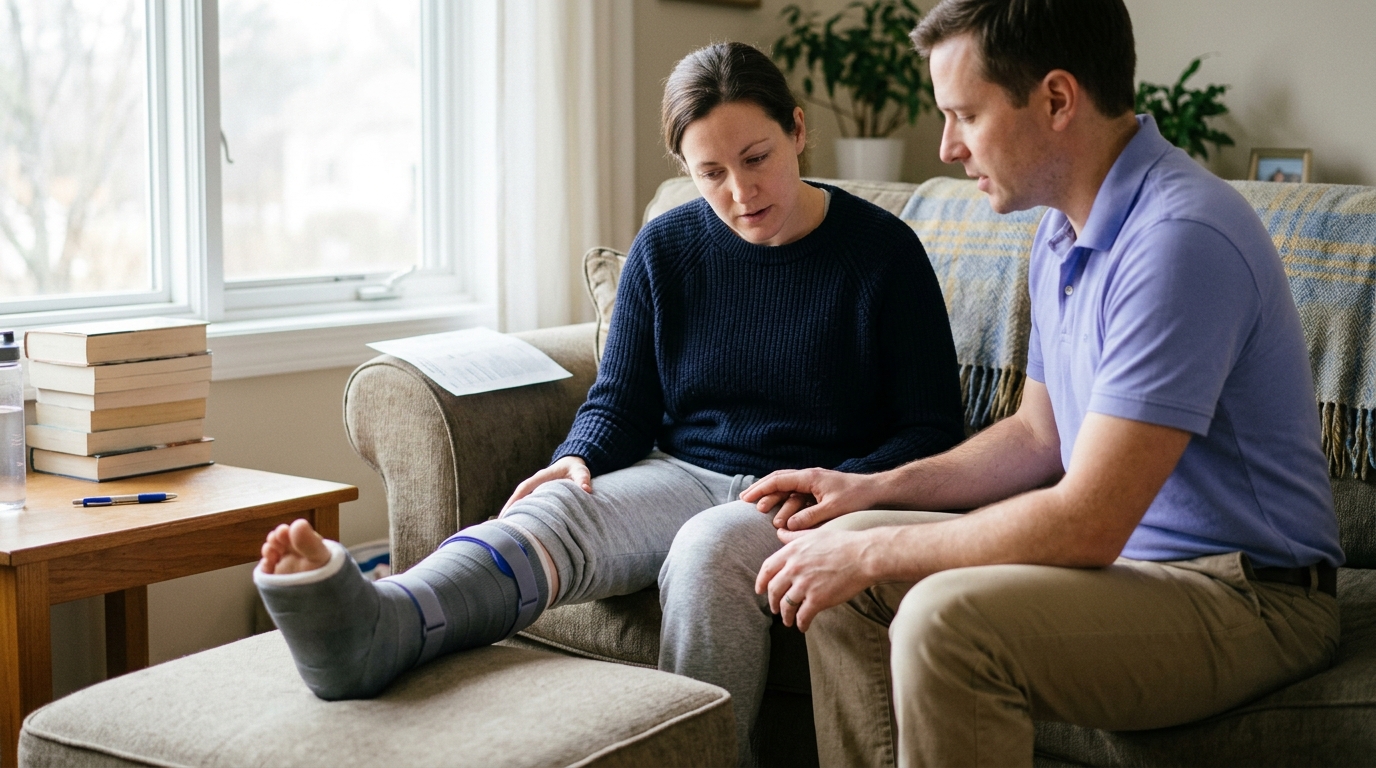
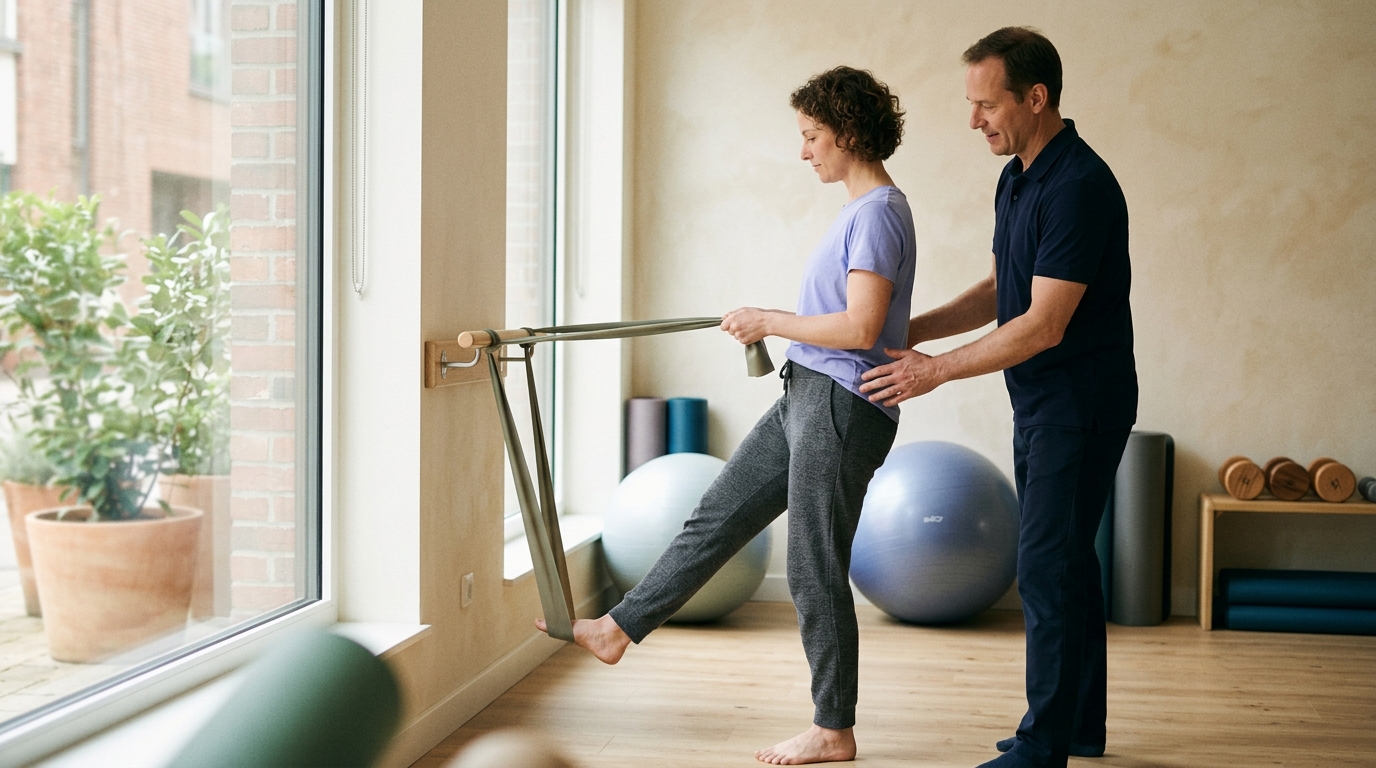
Weak muscles make balance drills harder to execute safely. Beginners often benefit from supported exercises that build foundational force before progressing to free-standing balance challenges.
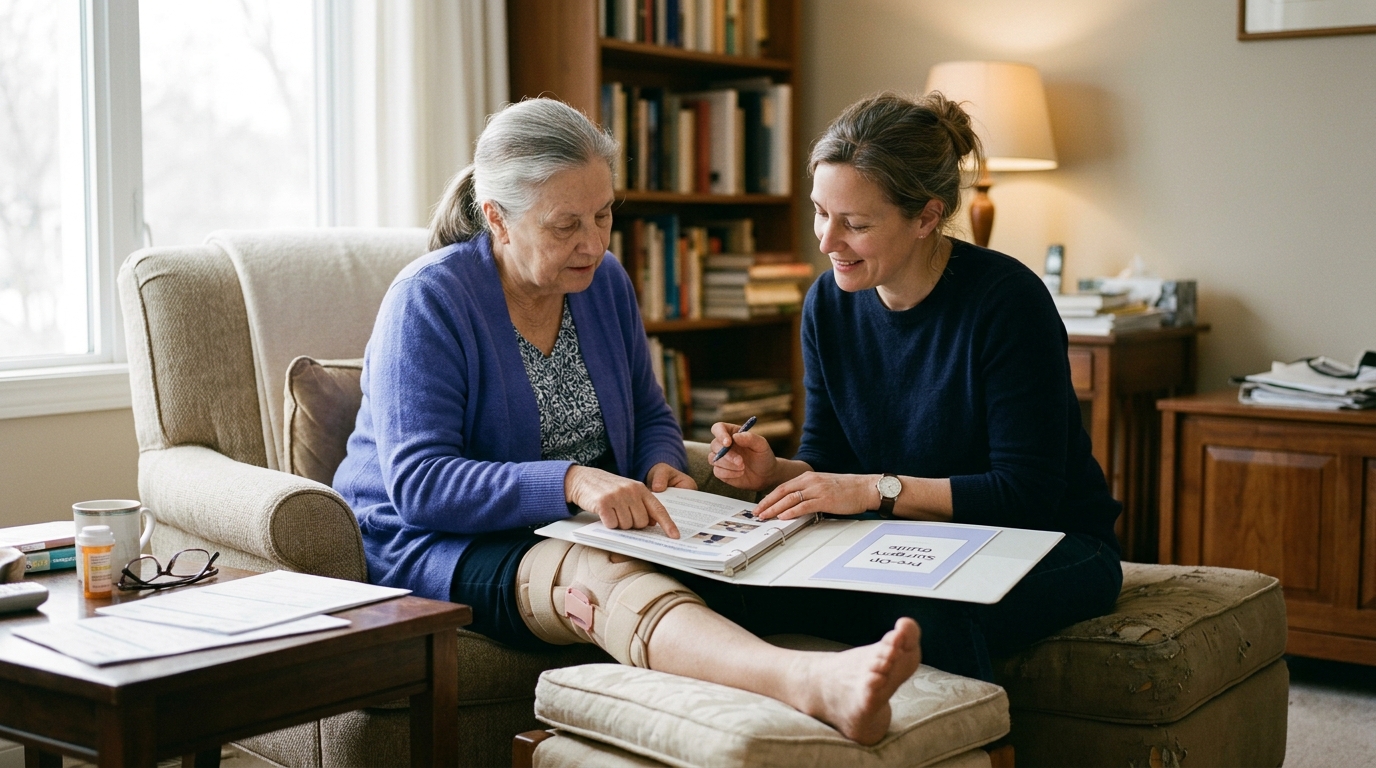
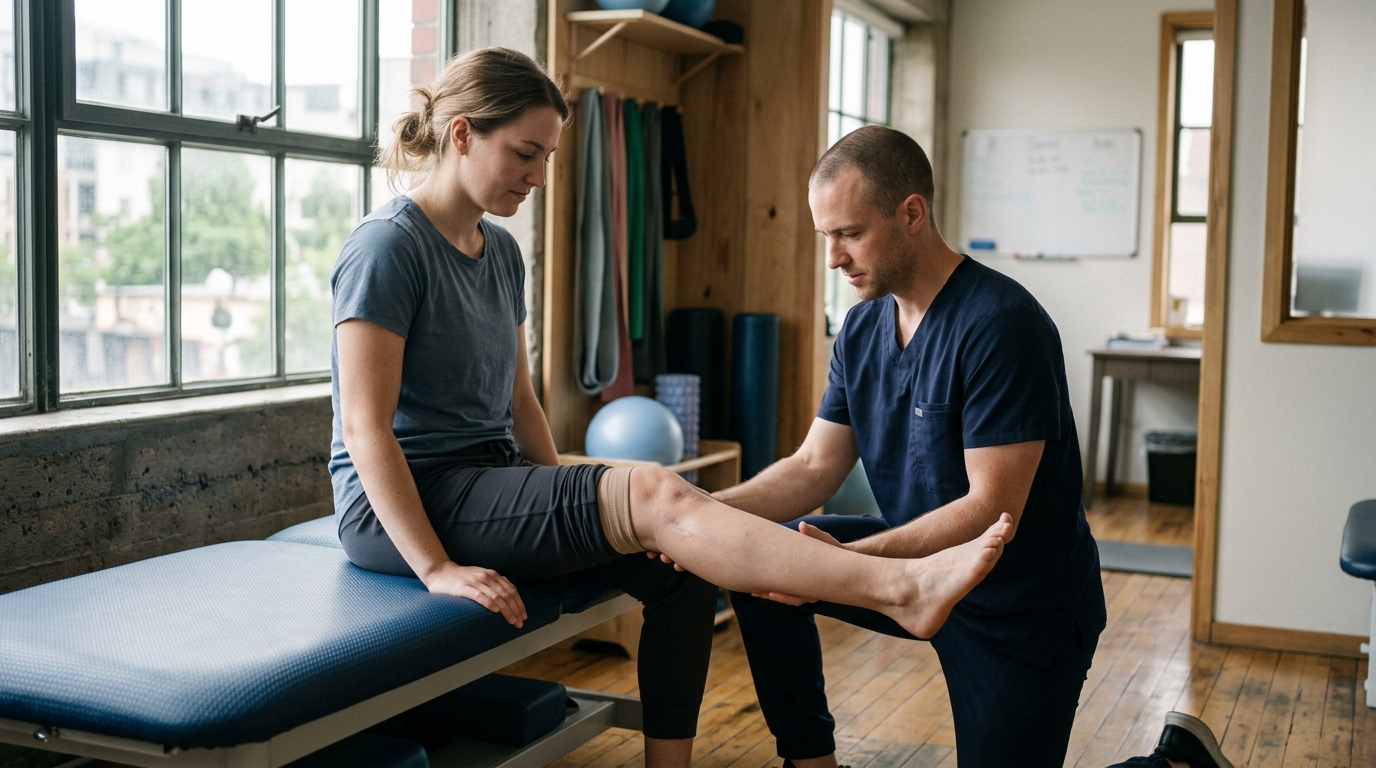
Joint replacements, chronic knee discomfort, or past ankle sprains alter how your body detects movement and bears weight. Joint damage or surgical interventions can reduce somatosensory feedback from local mechanoreceptors.
When nerve signaling in a joint is diminished, the brain receives less precise information about joint position. Training must account for these altered pathways.
Exercises that focus on joint alignment and controlled loading can help rebuild confidence and functional stability. Modifying ranges of motion ensures that physical capacity increases without aggravating existing joint conditions. Review our injury prevention and staying active resources for more guidance on managing structural limitations.
Age-related changes in vision, inner ear function, or peripheral nerve sensation change how balance is maintained. Conditions such as peripheral neuropathy reduce tactile feedback from the soles of the feet.
When somatosensory input is compromised, a person becomes much more dependent on visual and vestibular cues. In these situations, balance exercises must be selected carefully to match sensory strengths.
Practicing balance in well-lit environments and near sturdy handholds provides necessary safety. Gradually training the remaining sensory systems helps the brain adapt to changing sensory inputs over time.
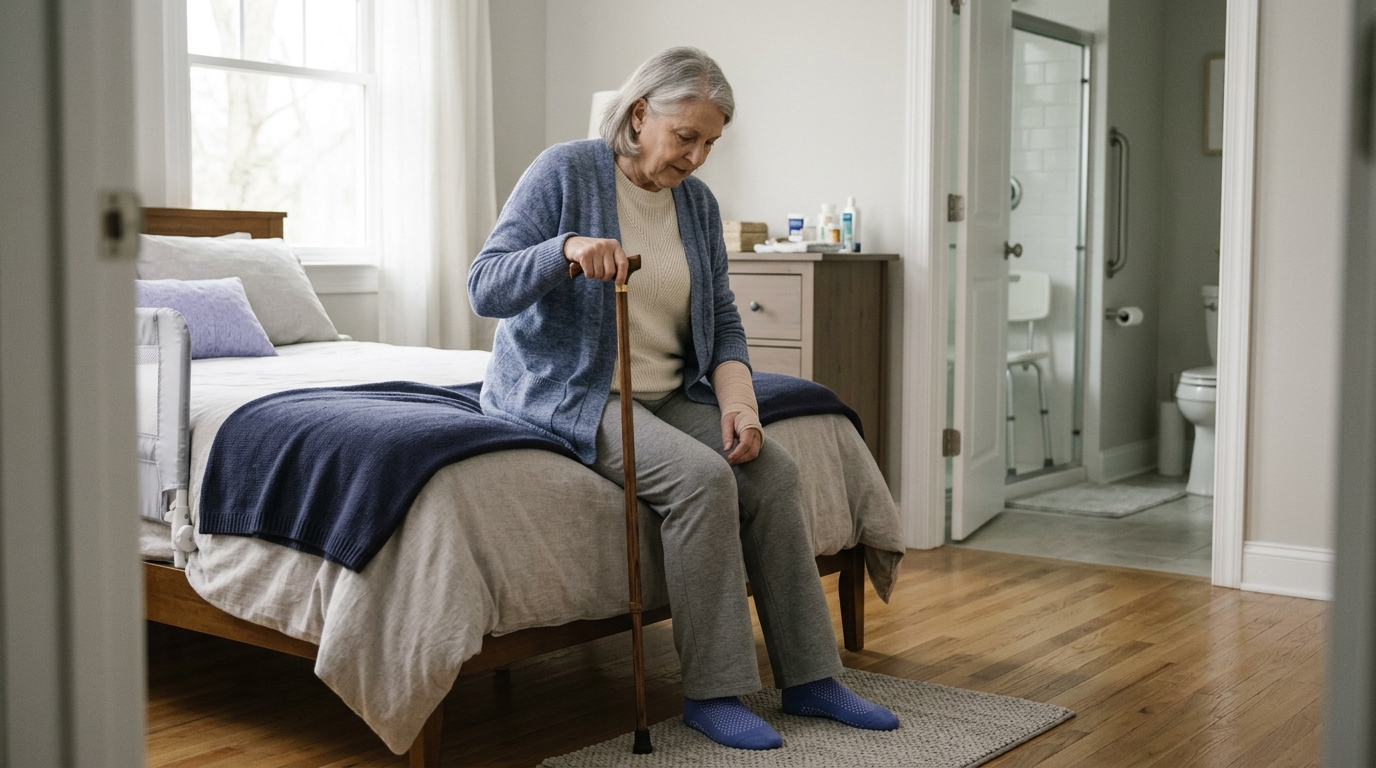
External factors outside of physical fitness heavily influence stability. Certain prescription medications can cause drowsiness, dizziness, or sudden drops in blood pressure when standing up.
Reviewing medications with a healthcare provider is an essential step in fall-risk management. Home safety factors, such as loose throw rugs, poor lighting on stairways, and footwear with slippery soles, also alter real-world balance demands.
Addressing environmental hazards ensures that the physical improvements gained from exercise translate into real-world safety.
A comprehensive training routine does not require complex equipment or hours of daily practice. Structuring a program around complementary elements creates a sustainable, effective habit.
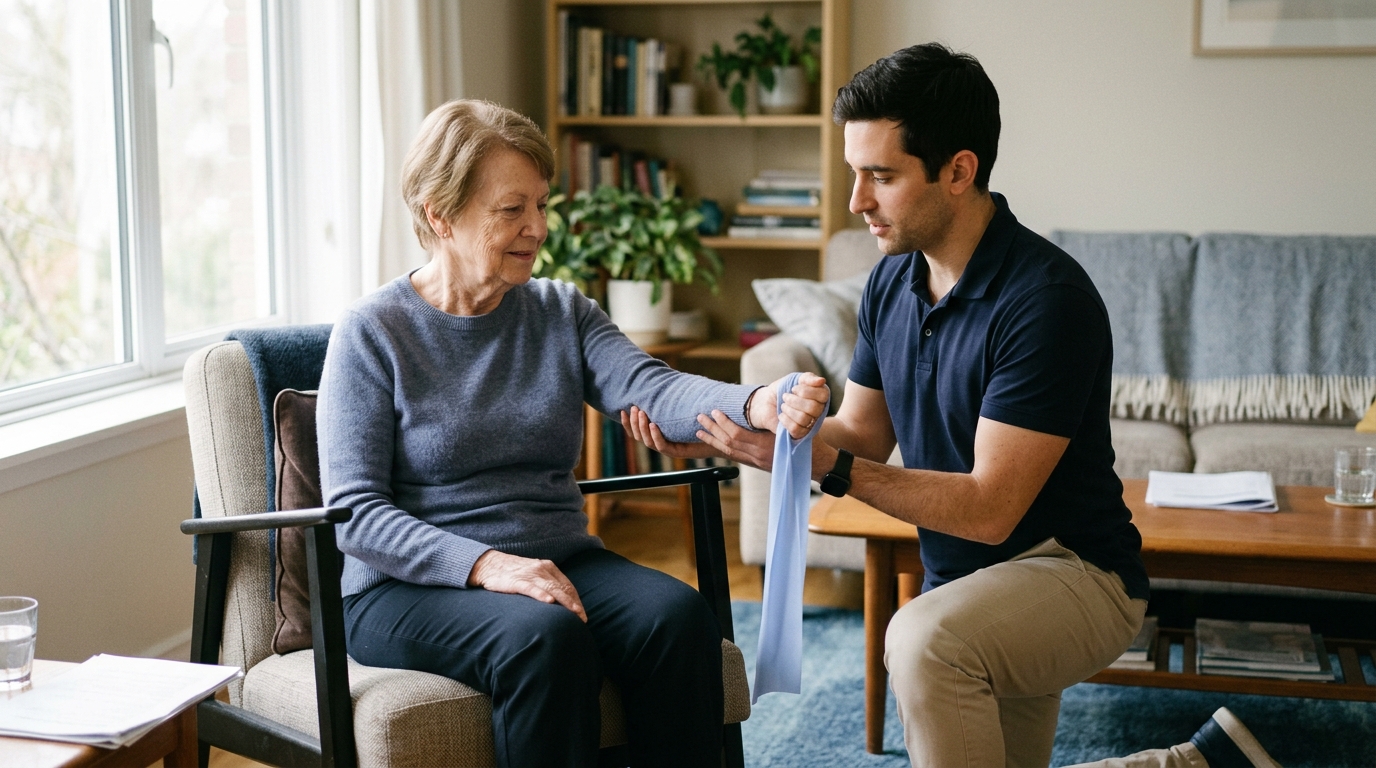
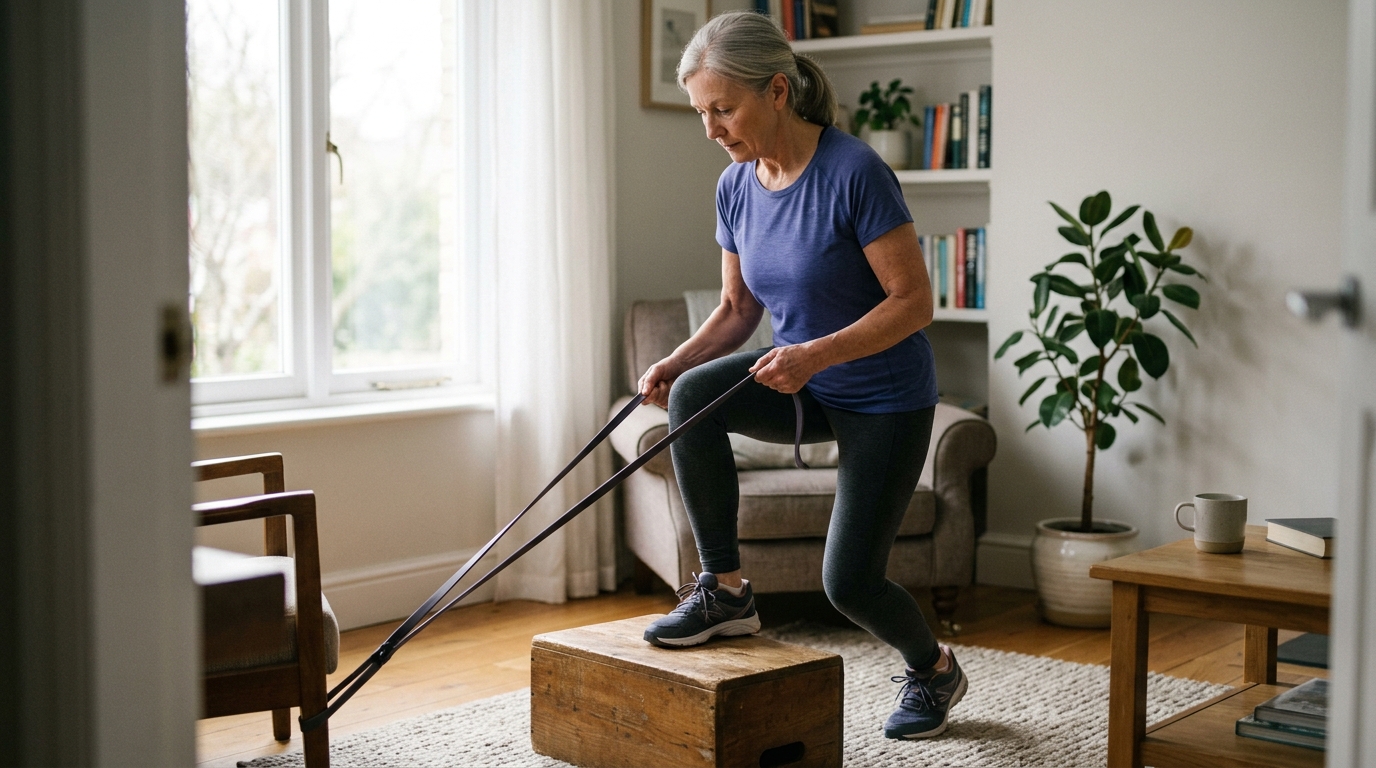
A strength routine for active aging should target the major muscle groups of the lower and upper body. Training these areas at least two days per week aligns with established public health guidance.
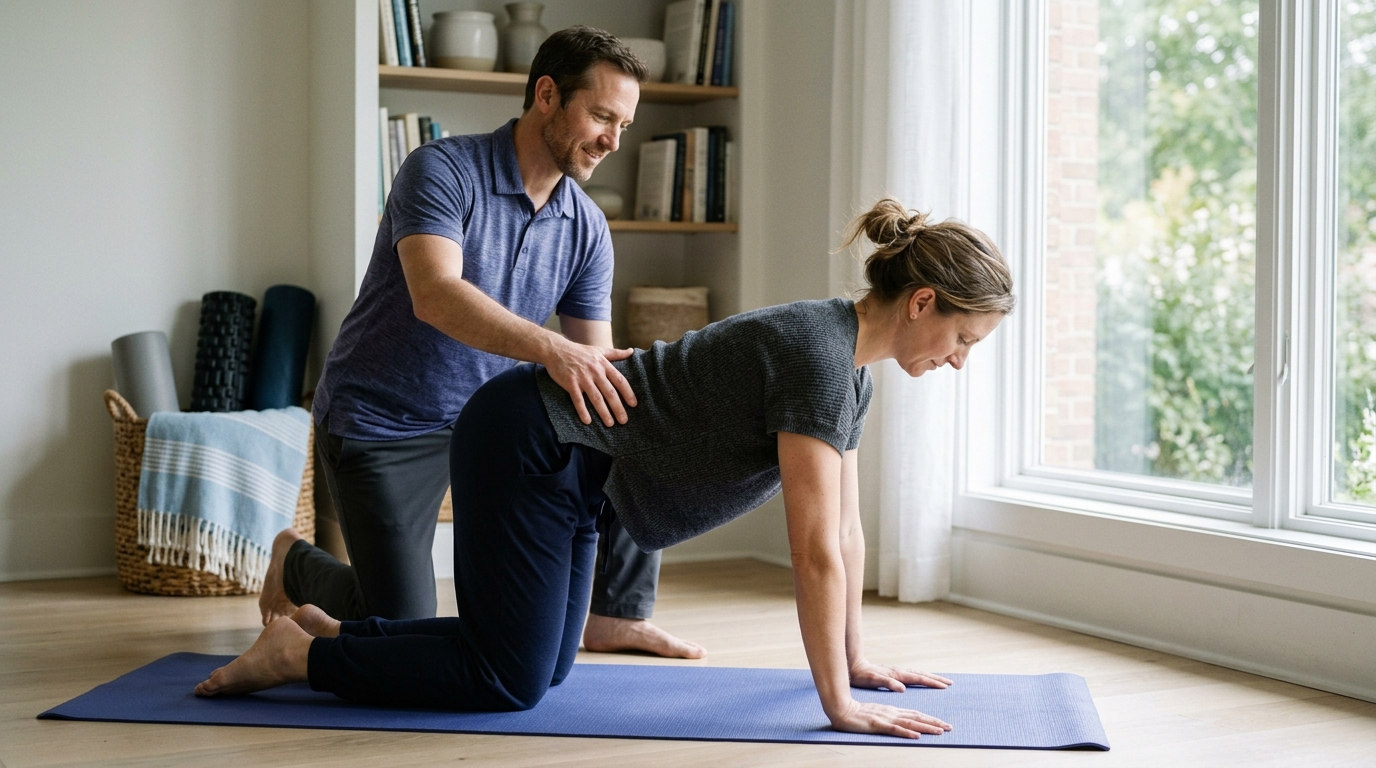
Key movement patterns to include are:
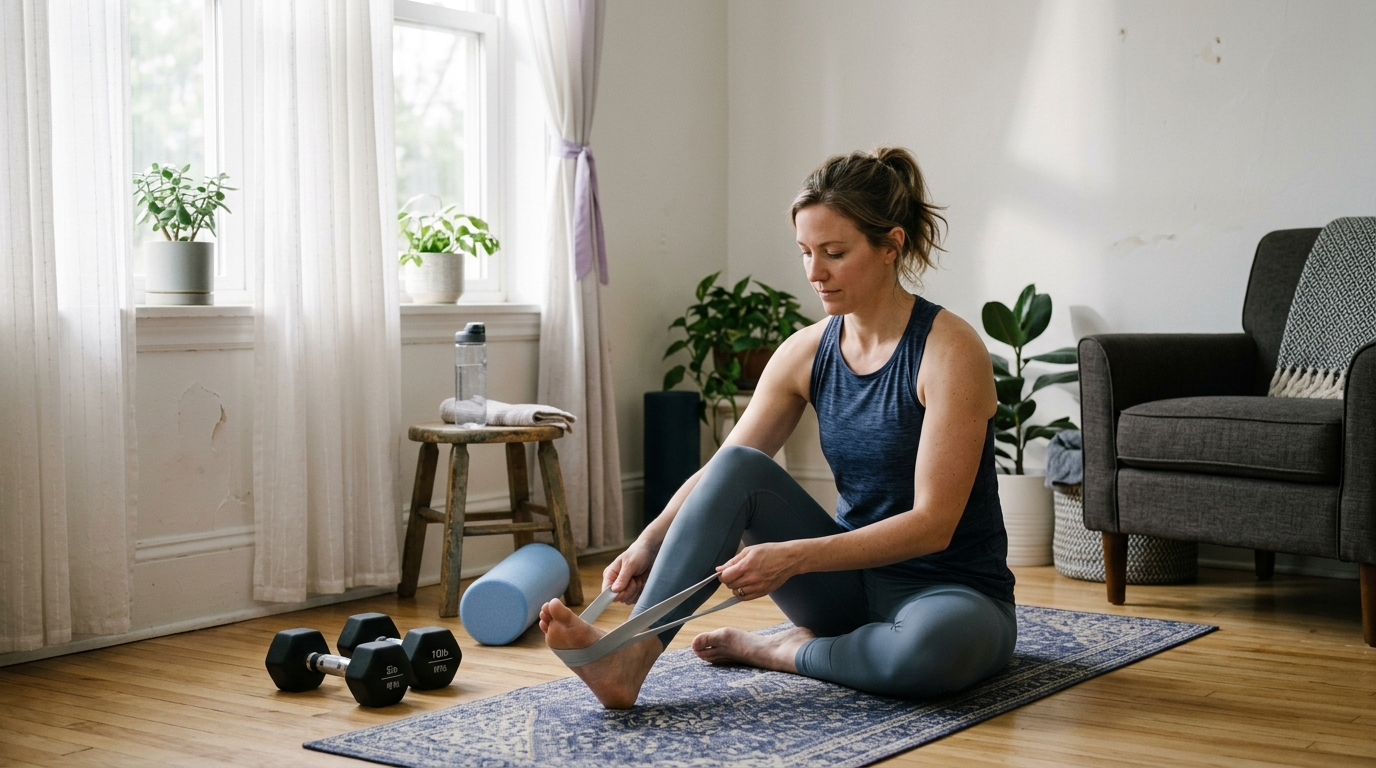
Using moderate resistance, whether from body weight, resistance bands, or free weights, ensures sufficient stimulus for muscle preservation. Each exercise should be performed with control through a comfortable, pain-free range of motion.
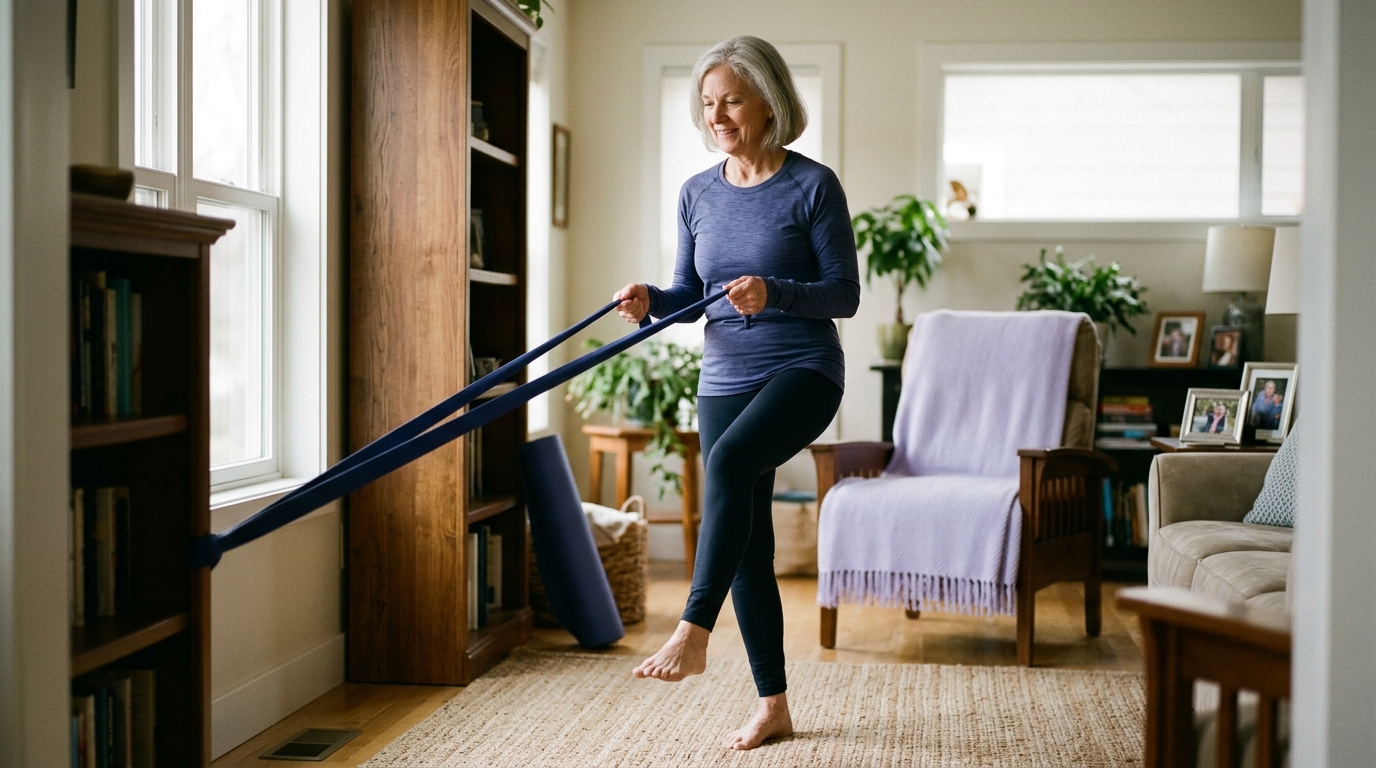
Balance exercises should challenge your postural control system without creating an unsafe environment. The National Institute on Aging suggests incorporating balance activities approximately three times per week.
You can progressively increase the challenge of a balance exercise by manipulating specific variables:
Always perform balance exercises near a sturdy counter, wall, or heavy chair so you can quickly grasp a support if you feel unsteady.
Structured programs like the Otago Exercise Programme demonstrate how to combine these elements effectively. Developed by researchers in New Zealand, Otago uses an individualized combination of progressive leg-strengthening exercises, targeted balance retraining, and a structured walking plan.
In clinical studies, this structured approach significantly reduced falls and improved physical confidence among older adults. Programs that blend strength, balance, and gait practice are more effective than isolated stretching or walking routines alone. You can find detailed breakdowns of structured training in our strength and performance rebuilding resources.
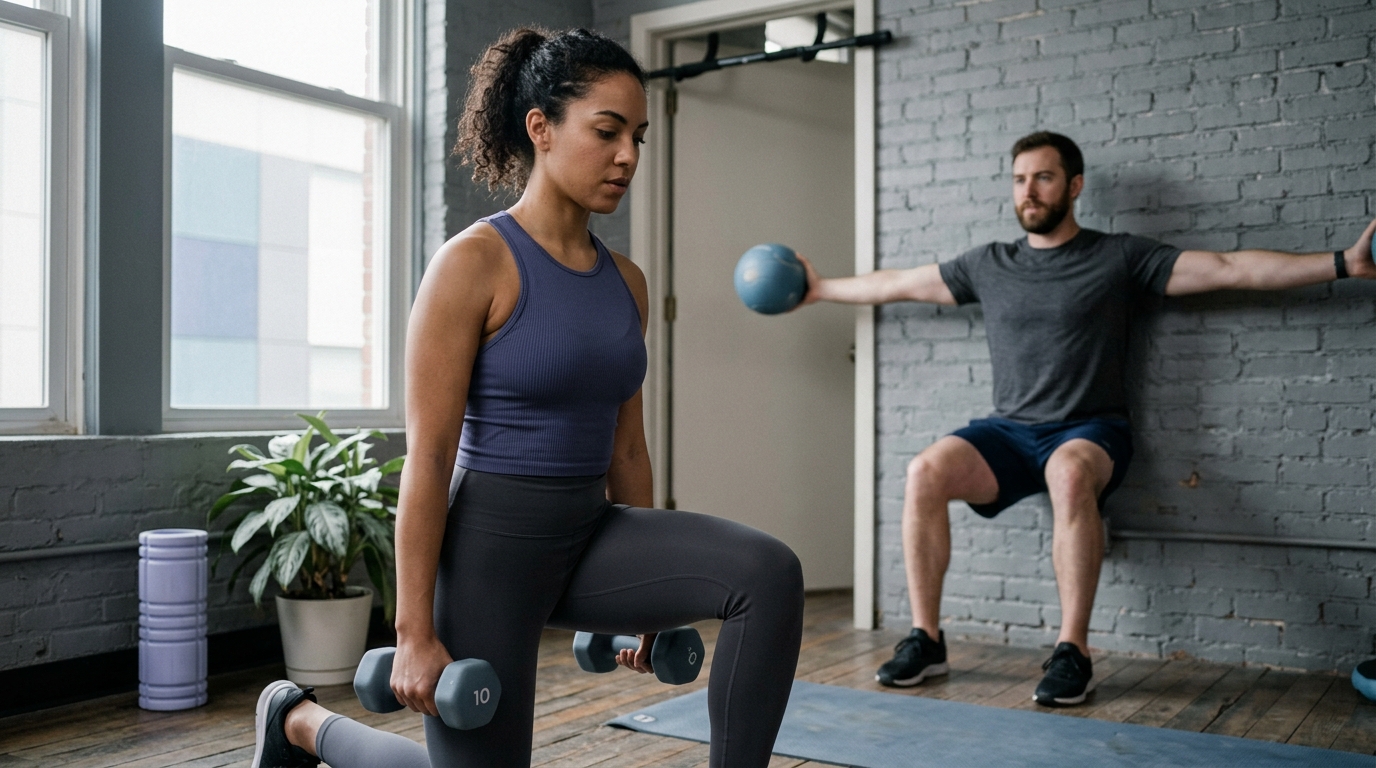
Pairing a strength movement with a related balance drill helps connect your training directly to everyday activities. Consider these practical combinations:
These pairings ensure that your muscles gain force capacity while your nervous system practices coordinating that force across varied postures.
Misunderstandings about how the body adapts to exercise can lead people to choose incomplete routines or take unnecessary risks. Clarifying these points helps maintain safe, steady progress.
A common belief is that building strong leg muscles automatically solves all balance issues. While strength is a necessary component of stability, it does not challenge the sensory integration pathways that govern postural control.
Lifting weights in fixed, stable positions does not train the nervous system to process unexpected inner ear or visual changes. Balance requires specific, deliberate practice under conditions that gently challenge stability.
Single-leg standing is a valuable exercise, but it represents only one narrow aspect of postural control. It primarily evaluates static steady-state balance on a firm surface.
Real-world activities require dynamic stability, proactive adjustments, and reactive recovery steps. Relying entirely on single-leg standing leaves you unprepared for turning quickly, stepping over obstacles, or recovering from a trip on an uneven path.
Brisk walking is an excellent cardiovascular activity that supports general health and leg endurance. However, walking on smooth, predictable sidewalks does not significantly challenge your upper limits of strength or balance.
Standard walking rarely exposes your body to high resistance, lateral movements, or rapid reactive steps. To maintain long-term physical capacity, daily walking should be complemented by targeted resistance work and specific balance tasks.
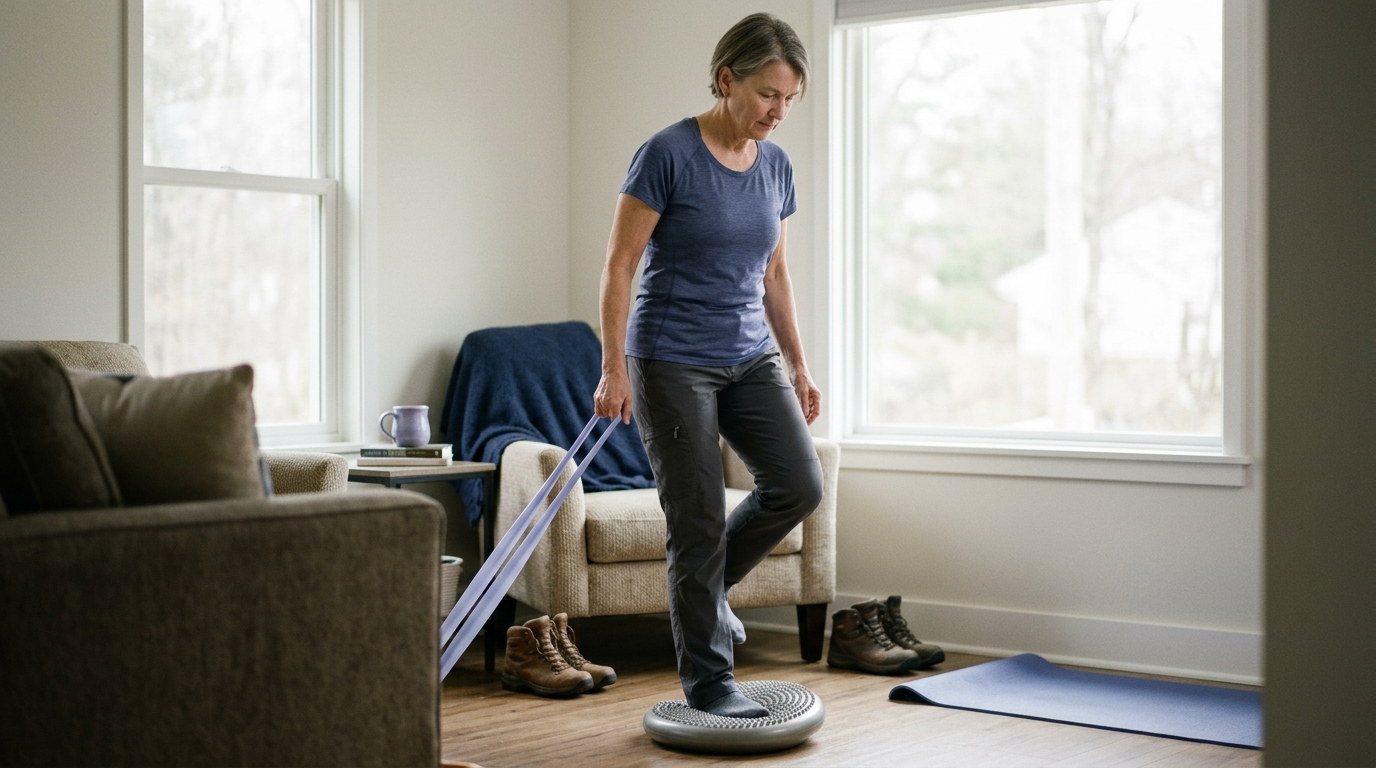
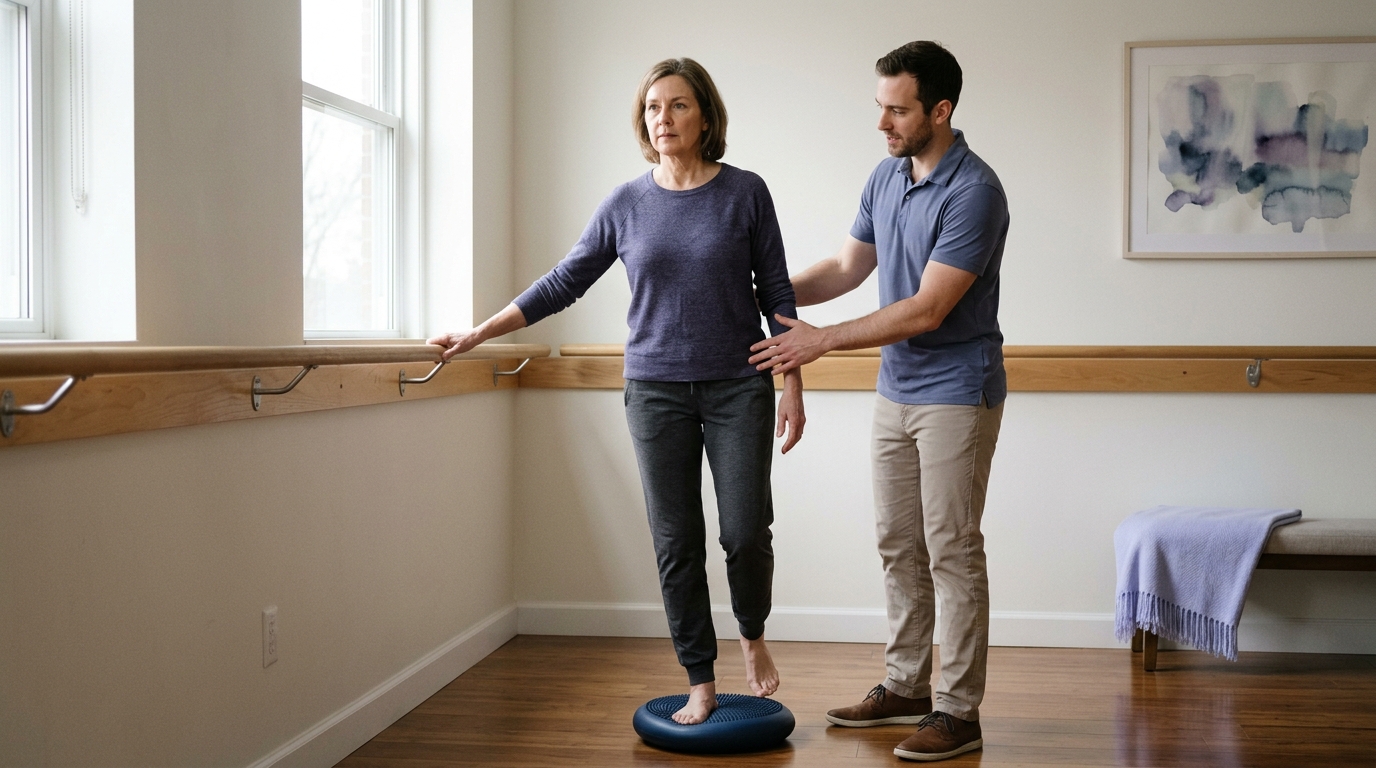
Some fitness trends encourage standing on unstable foam pads, wobble boards, or inflatable disks while lifting weights. For the average adult focused on healthy aging, extreme instability increases fall risk without offering superior functional benefits.
Research indicates that progressive, controlled balance exercises performed on stable ground provide ample stimulus for neuromuscular adaptation. Safety and consistency are far more valuable than extreme acrobatics.
Structured exercise significantly reduces the statistical risk and rate of falls across populations. However, it cannot completely eliminate fall risk for any individual.
Environmental hazards, sudden medical events, acute illnesses, and medication interactions can still cause a loss of balance. Viewing exercise as one pillar of a comprehensive health strategy sets realistic expectations for your physical longevity. Understanding these scientific realities aligns with modern recovery science principles.
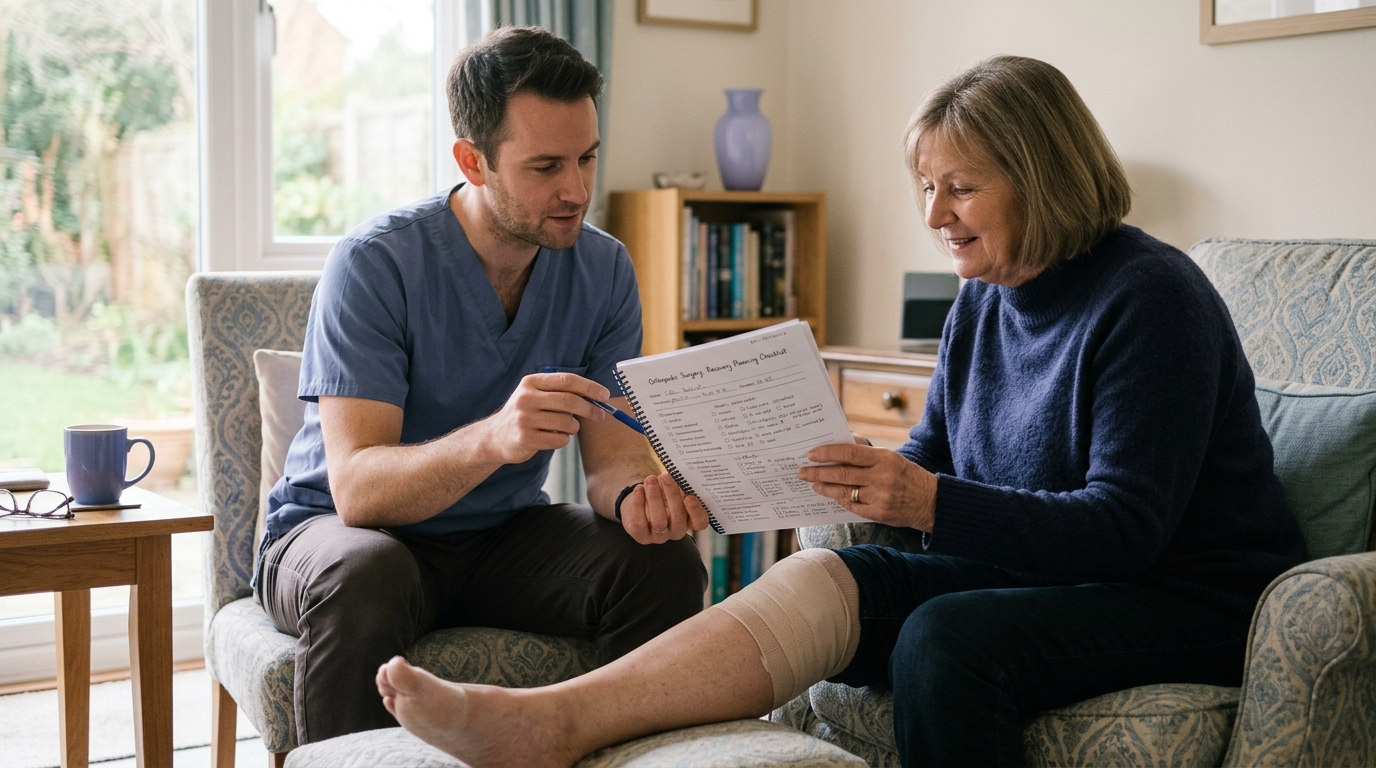
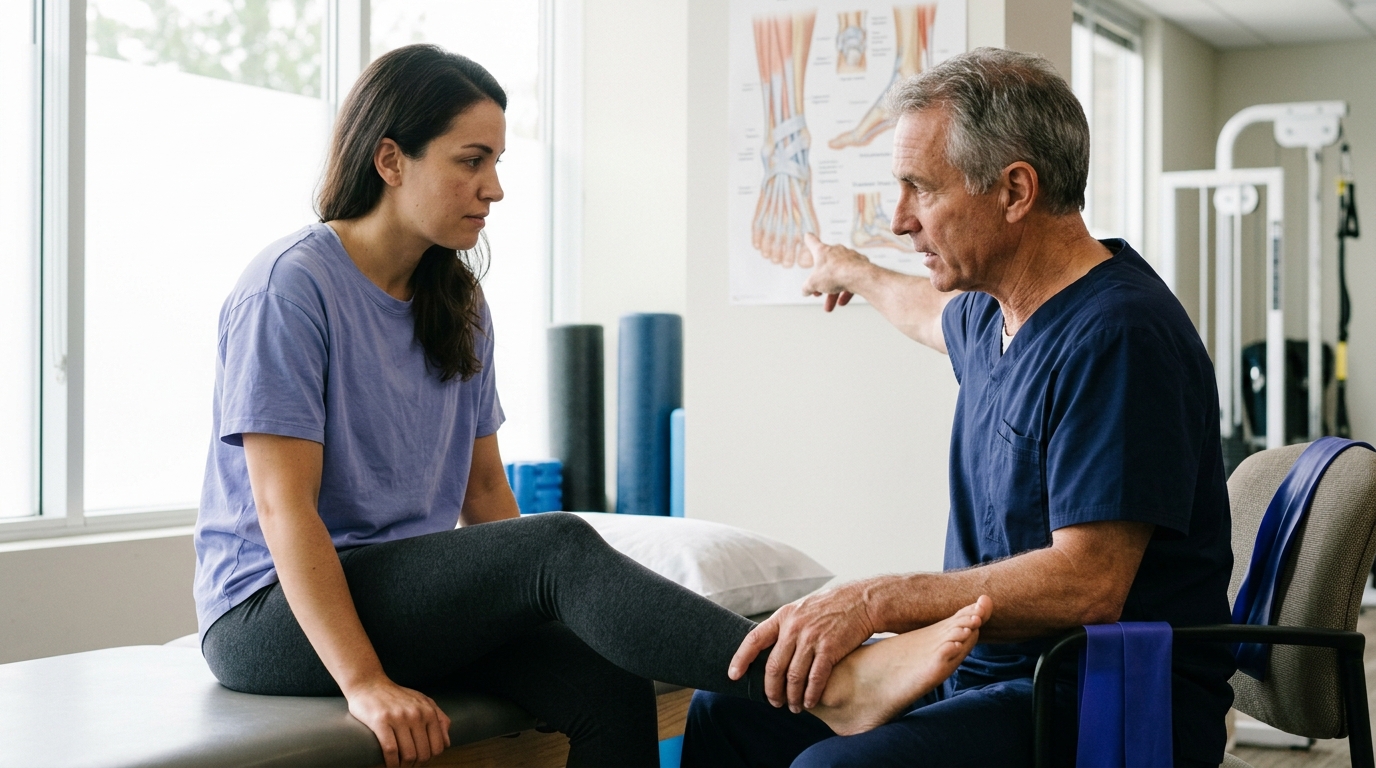
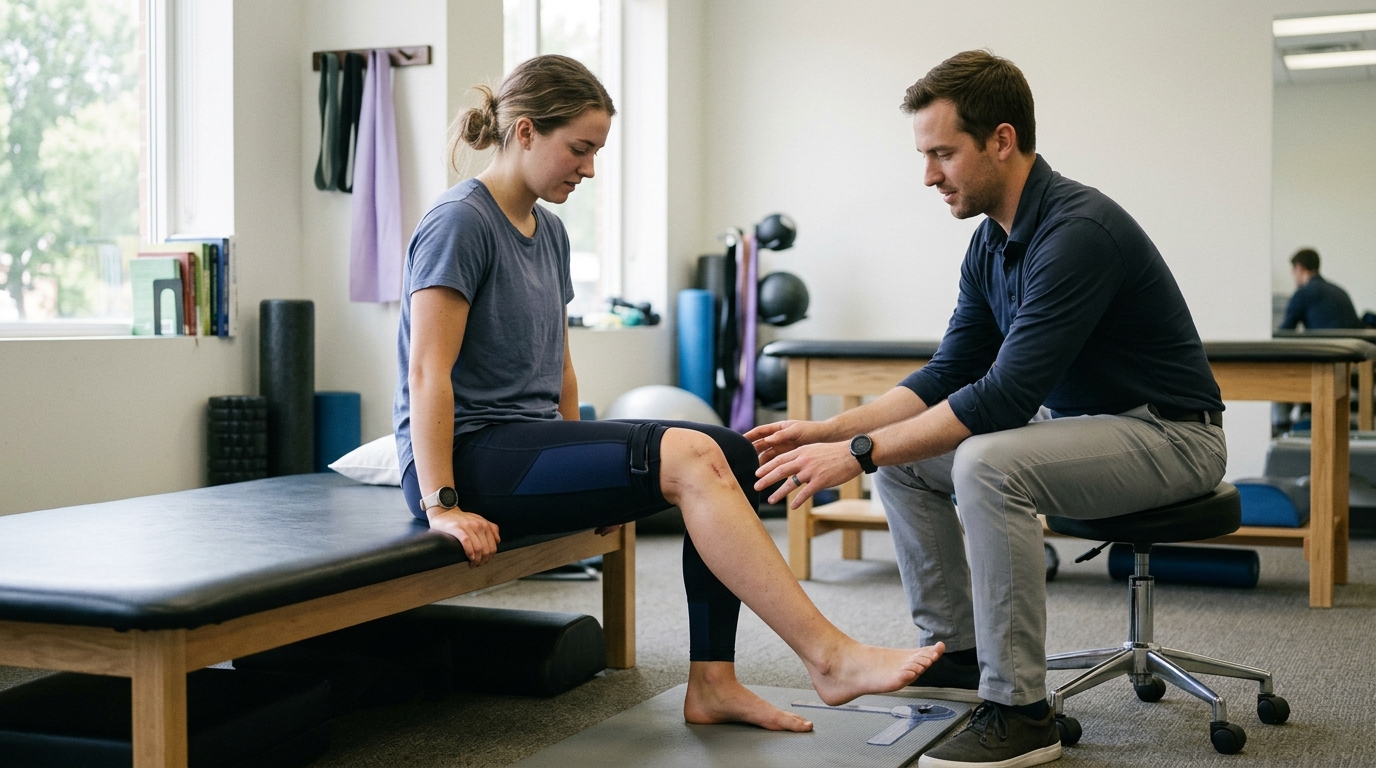
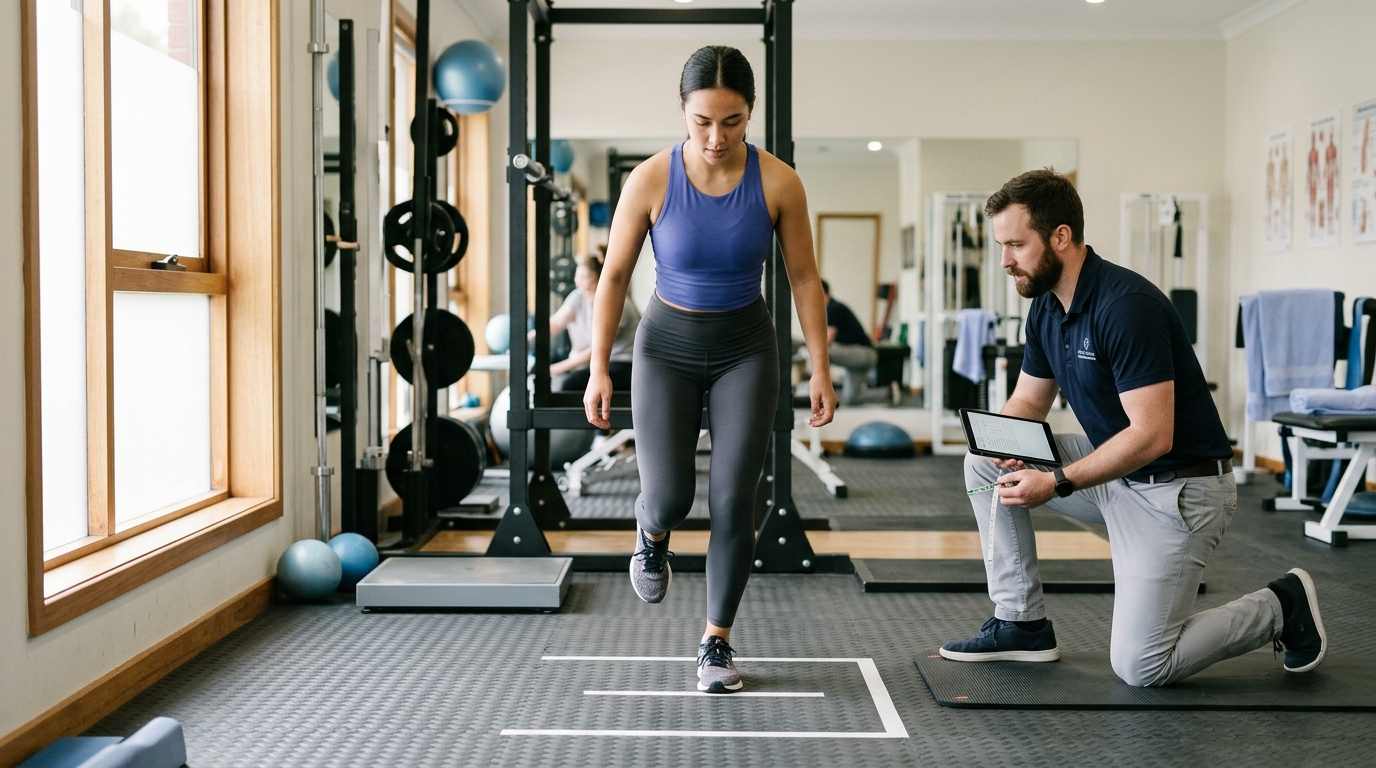
Before beginning a new exercise program, particularly if you have experienced unsteadiness or past injuries, consulting a healthcare professional is an important safety step. A doctor or physical therapist can evaluate your specific risk profile and provide personalized guidance.
Consider discussing the following targeted questions during your next appointment:
These proactive questions help bridge the gap between clinical guidance and your day-to-day training routine.
Muscular strength and postural balance are complementary physical capacities that must be developed together. Strength provides the mechanical force needed to execute daily tasks, while balance coordinates the sensory and neural systems that keep you stable.
Relying solely on one modality leaves critical gaps in your physical foundation. Public health guidance recommends performing resistance training for all major muscle groups at least two days per week alongside regular multicomponent balance practice.
A sustainable routine includes progressive strength work, static and dynamic balance challenges, and attention to home and medication safety. By training both force production and movement control, active adults can maintain functional independence and move with confidence throughout life.
Yes, balance exercises can easily be integrated into the same session as your strength training. Many people prefer to perform balance drills at the beginning of a workout when their nervous system and muscles are fresh.
Alternatively, you can perform balance tasks on alternate days or integrate simple standing drills into daily routines, such as balancing while waiting for water to boil. The key is ensuring that muscular fatigue from heavy lifting does not compromise your safety during difficult balance drills.
Neuromuscular adaptations to balance and strength training typically begin within four to six weeks of consistent practice. Early improvements reflect enhanced neural coordination, meaning your brain becomes more efficient at signaling your muscles to respond.
Significant increases in muscle mass and structural strength generally require eight to twelve weeks of progressive resistance training. Consistency over several months is necessary to build lasting functional capacity.
No specialized or expensive equipment is required to build effective balance and strength. Highly effective balance exercises can be performed using your own body weight, a flat floor, and a sturdy kitchen counter or wall for support.
For strength training, basic resistance bands, light dumbbells, or simple bodyweight movements like chair squats provide sufficient stimulus. Master foundational movements on a solid surface before considering any unstable equipment.
While daily walking provides substantial cardiovascular and mental health benefits, it is generally not sufficient on its own to maintain full balance and strength. Standard walking primarily moves your body in a straight line on flat surfaces at a predictable pace.
It does not sufficiently challenge lateral stability, reactive recovery, or upper limits of muscular force. Adding targeted resistance exercises and varied balance drills alongside your walking routine ensures comprehensive physical preparation.

Use ReboundBody resources to understand common recovery stages, rehab terms, movement limits and strength rebuilding. Each guide is designed to make a complex comeback easier to understand.


Read practical guidance on injury recovery, rehabilitation, mobility and rebuilding strength as you work your way back to activity.
Explore Resources