
Clinical movement testing does not reveal every cause of pain, but it helps clinicians separate direct physical observations from functional recovery milestones.





Most people assume a movement assessment functions like an automotive diagnostic scan. They believe that a physical therapist or clinician can watch them squat, reach, or walk, and immediately pinpoint the exact structural defect causing their pain. In reality, human movement does not operate like mechanical engineering.
A movement evaluation cannot provide a single, universal score that forecasts your physical future. It cannot independently pinpoint the single tissue causing a symptom. Instead, an assessment serves as a baseline snapshot of your current functional abilities within a specific setting. It helps a clinician gather observations, rule out red flags, and understand how your body manages physical tasks.
When interpreted correctly, this clinical snapshot offers valuable insights for recovery. It highlights areas of reduced mobility, differences in muscular control, and compensations you might use during daily routines. However, understanding what an assessment cannot tell you is just as critical for your long-term progress.
A formal movement assessment is a structured process of clinical reasoning rather than a simple checklist of physical exercises. According to professional physical therapy guidelines, an initial visit is divided into two distinct components: the examination and the evaluation. The examination is the information-gathering phase. During this phase, the clinician reviews your medical history, asks about your symptoms, and conducts physical tests.
The evaluation occurs when the therapist analyzes all of that collected data. The clinician integrates your medical history with their physical observations to make informed judgments. They use these judgments to establish a diagnosis, discuss a realistic recovery outlook, and design a functional plan of care. This distinction matters because a single physical test never tells the whole story on its own.
A movement assessment is rarely a one-time event. While the primary baseline is established during your first or second appointment, evaluation is an ongoing process. Your clinician constantly observes how your body responds to specific loads, exercises, and movement cues across multiple sessions. This iterative approach ensures that your program adjusts as your tissues heal and your capacity expands.
The primary objective of this process is to understand your functional baseline. Clinicians need to know where your movement capabilities stand today so they can track meaningful change over time. By exploring our rehabilitation mobility and movement resources, you can see how baseline testing shapes structured rehabilitation pathways across various conditions.
To understand your evaluation, you must separate direct physical observations from clinical inferences. A clinician directly observes measurable variables such as degrees of joint motion or the number of repetitions you complete. In contrast, an inference is an educated interpretation of why that movement occurred in that specific manner.
For instance, a therapist might measure a fifteen-degree reduction in ankle dorsiflexion when you bend your knee over your toes. That reduced angle is an objective observation. Inferring that this stiff ankle is the sole reason your knee hurts when walking down stairs is a clinical hypothesis. That hypothesis must be tested, re-evaluated, and considered alongside your broader medical history.
Clinicians typically assess several primary physical domains during a standard evaluation:
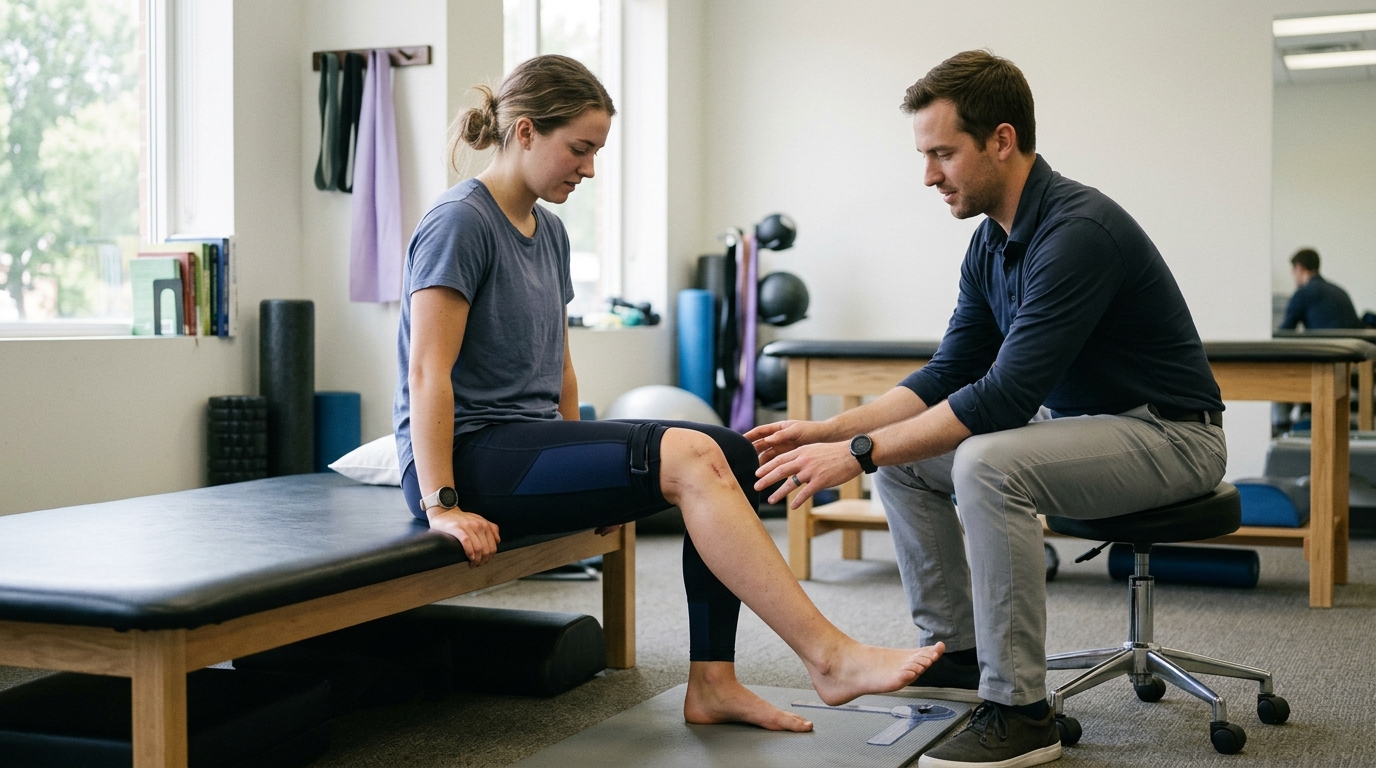
Range of motion measures the available movement at a specific joint or across a series of spinal segments. Clinicians measure passive range, which is how far a joint moves with external assistance, and active range, which is how far your muscles can move that joint unaided. While restricted range can highlight tissue stiffness or joint capsule changes, it does not automatically explain daily discomfort. Many active adults live with reduced joint motion without experiencing significant physical symptoms.
Muscle performance testing looks at gross strength, local muscular endurance, and movement coordination. Clinicians often use manual resistance to gauge how well specific muscle groups generate force. However, raw strength alone is rarely the entire issue. Motor control, which describes your ability to coordinate muscles smoothly through a movement pattern, is equally important during functional tasks.
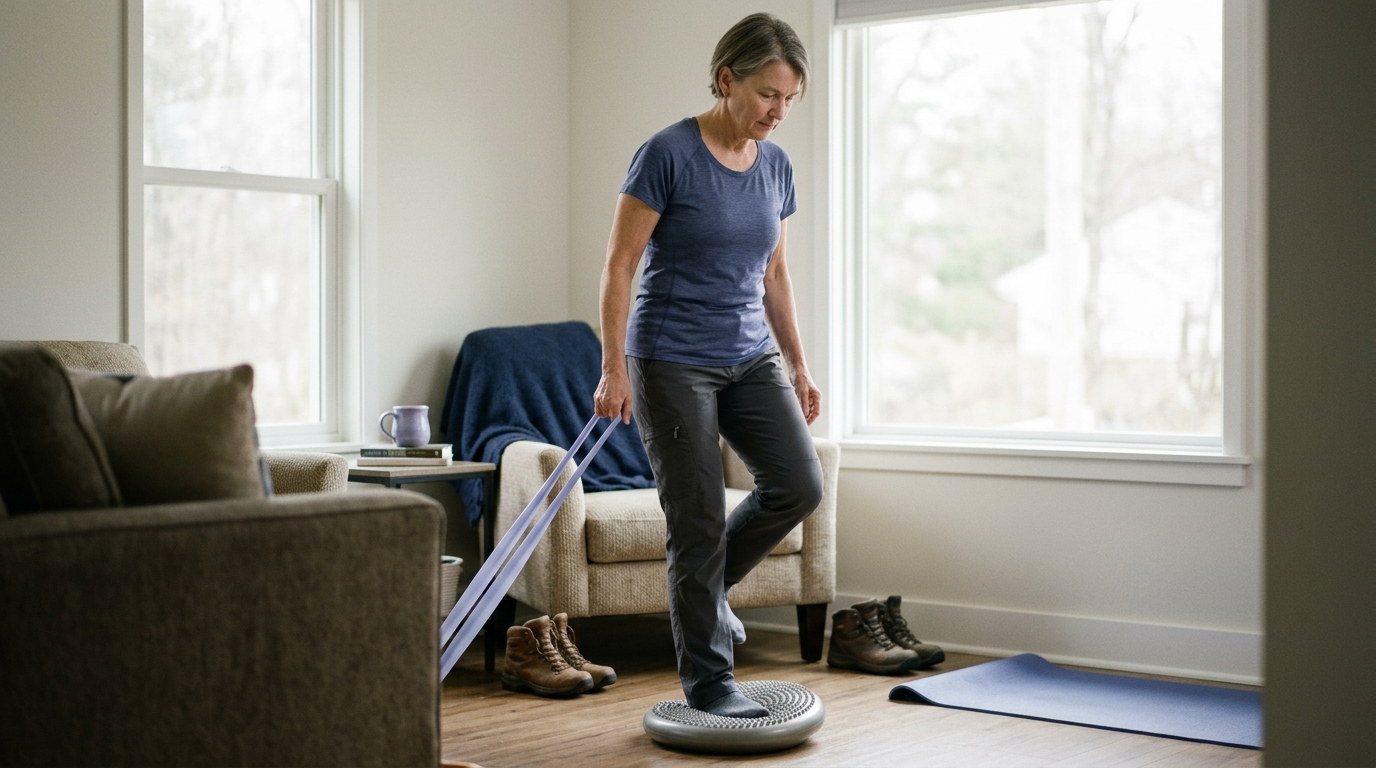
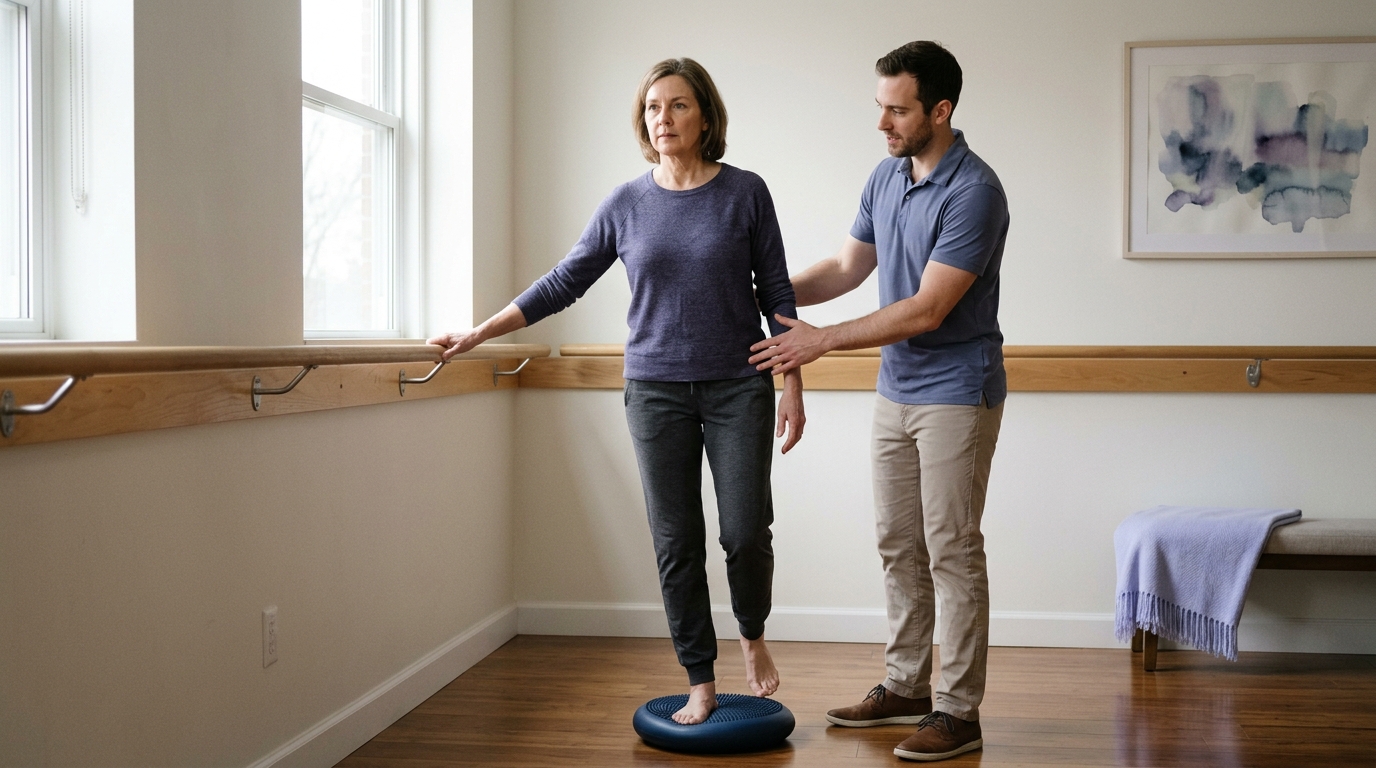
Neuromuscular testing evaluates how your sensory systems and muscles work together to maintain stability. A clinician may assess your balance on a single leg, observe your posture, or watch how you transition from sitting to standing. These balance tasks help identify whether balance deficits might affect your confidence during community walking or recreational activities.
Isolated joint tests do not show how your body behaves under real-world conditions. A comprehensive assessment examines complex movement patterns, such as stair climbing, lifting, carrying, or walking across uneven ground. Observing these tasks allows the therapist to see the natural movement strategies you use to navigate daily physical demands.
When you review mobility and movement articles, you will find that isolated joint measurements must always be interpreted alongside whole-body functional tasks.
Standardized movement screening tools have gained substantial popularity in fitness and sports medicine environments over recent decades. The most prominent example is the Functional Movement Screen, often abbreviated as the FMS. This system evaluates seven fundamental movement patterns to generate a composite numerical score. Many practitioners initially hoped that a low movement score could predict an individual's future risk of injury.
However, comprehensive scientific reviews have challenged the idea that movement screens can reliably forecast injuries. A systematic review examining the FMS in athletic populations reported low sensitivity and poor predictive accuracy for identifying injury risk. The researchers concluded that the available scientific literature does not support using the screen as an injury prediction tool.
A larger meta-analysis evaluated studies analyzing the common cut-point score of fourteen or lower on the FMS. While the pooled odds ratio showed a statistical relationship between lower scores and subsequent injury, the researchers noted substantial heterogeneity across the studies. This statistical inconsistency means that the relationship between a low movement screen score and injury risk remains unclear.
Another systematic review evaluated twenty-four separate studies investigating movement screens in active populations. The authors found a minor association between lower composite scores and subsequent musculoskeletal problems in specific military groups. Despite that association, the authors concluded that the composite score should not be used to predict an individual's future health. Research on collegiate athletes similarly showed that movement screening accuracy was only slightly better than a random coin flip for classifying who might get injured.
These scientific findings provide an important, reassuring message for active adults. An awkward movement pattern or a low score on a movement screen is not a guarantee of future physical breakdown. Movement screens can help clinicians observe how you perform specific exercises under controlled conditions. They should never be treated as definitive forecasts of your physical future. For a deeper look at what the research says about tissue adaptation, explore our recovery science insights.
When tracking your progress through rehabilitation, physical therapists use standardized outcome tools and objective measurements. These numerical measures help monitor changes across weeks or months of structured care. However, any physical measurement carries some degree of natural fluctuation or measurement error. Understanding two critical clinical concepts can help you interpret your progress reports with greater confidence.
The minimal detectable change, often abbreviated as MDC, represents the smallest amount of score change that is unlikely to be the result of measurement error. Every measurement tool has natural variability. For example, two clinicians might read a handheld goniometer slightly differently when measuring your shoulder range. Alternatively, your joint mobility might shift slightly between morning and evening.
If an outcome measure has an MDC of five points, a score increase of six points gives the clinician confidence that a true physical change occurred. It confirms that the improvement is larger than standard measurement noise. However, it does not confirm whether that small change makes a meaningful difference in your daily life.
The minimal clinically important difference, known as the MCID, represents the smallest change in a score that a patient or clinician perceives as beneficial. This concept shifts the focus from statistical math to real-world functional value. An improvement might be statistically real, but if it does not help you walk further or sleep better, it may not be clinically important to you.
Consider an illustrative model of an active adult recovering from a knee issue:
Recognizing the difference between these two concepts helps you have more productive conversations with your care team. You can discuss whether your measured changes are translating into the daily activities that matter most to you.
Your movement during an evaluation is not a fixed, permanent trait. It is a dynamic behavior influenced by numerous internal and external variables on any given day. A skilled clinician accounts for these variables when interpreting your performance rather than viewing your results in isolation.
Pain alters neuromuscular coordination. When your brain senses discomfort, it naturally modifies how your muscles fire to protect the affected area. This protective guarding can make a joint appear stiffer or a muscle group appear weaker than it truly is. As pain subsides, your baseline movement mechanics often shift without requiring aggressive mechanical changes.
Manual muscle testing is a routine part of most musculoskeletal examinations. A clinician pushes against your limb and assigns a numerical grade from zero to five based on your resistance. While this method provides a quick clinical estimate, scientific reviews highlight that manual strength grading is inherently subjective.
The resistance applied can vary significantly between different examiners. Factors such as patient effort, comprehension of the instruction, and fear of aggravating a symptom directly influence the grade. A low muscle grade during an acute flare-up often reflects pain inhibition rather than a permanent loss of muscle tissue.
The timing of your assessment relative to an injury or surgical procedure substantially influences what tests are appropriate. National clinical guidelines for traumatic injury rehabilitation emphasize that assessments must match the current healing phase. A movement test that is safe and informative four months after surgery could be inappropriate or misleading during the first two weeks. Those working through post-operative recovery can consult our surgical rehabilitation guidance for context on phased tissue healing.
Your physical performance during an assessment reflects how you feel during that specific appointment. If you slept poorly, walked a long distance before your visit, or felt anxious about the testing, your movement patterns may look different than usual. Clinicians view your assessment as a single reference point within a broader clinical picture rather than a permanent verdict on your physical capacity.
Modern physical rehabilitation uses a standardized framework established by the World Health Organization to understand health and movement. This model, known as the International Classification of Functioning, Disability and Health, divides your recovery into three connected levels:
A common pitfall in rehabilitation is assuming that a problem at the body structure level directly dictates your ability to participate in life. Research and clinical guidelines emphasize that an impairment does not automatically determine your functional capacity.
Consider an active individual who loves gardening but currently experiences shoulder discomfort when lifting tools onto high shelves. An examination might reveal several structural findings:
The physical examination shows that the person has twenty degrees less active shoulder flexion on their dominant arm compared to their non-dominant side. Manual strength testing shows mild weakness in external rotation when the arm is positioned at ninety degrees.
The individual can lift light household items comfortably at waist height. However, they struggle to lift an eight-pound watering can onto a high garage shelf without hiking their shoulder or feeling sharp discomfort.
Because of this lifting limitation, the person avoids community community gardening events and stops participating in their weekend landscape routine.
The primary goal of the rehabilitation assessment is not merely to restore the twenty degrees of shoulder motion on a goniometer. The true purpose is to understand how that shoulder restriction relates to the watering can task, and how modifying that task allows the person to return to community gardening. A thorough evaluation connects isolated joint impairments directly to the activities and roles that bring value to your life. For structured ways to bridge this gap, explore our resources on strength rebuilding and return to sport.
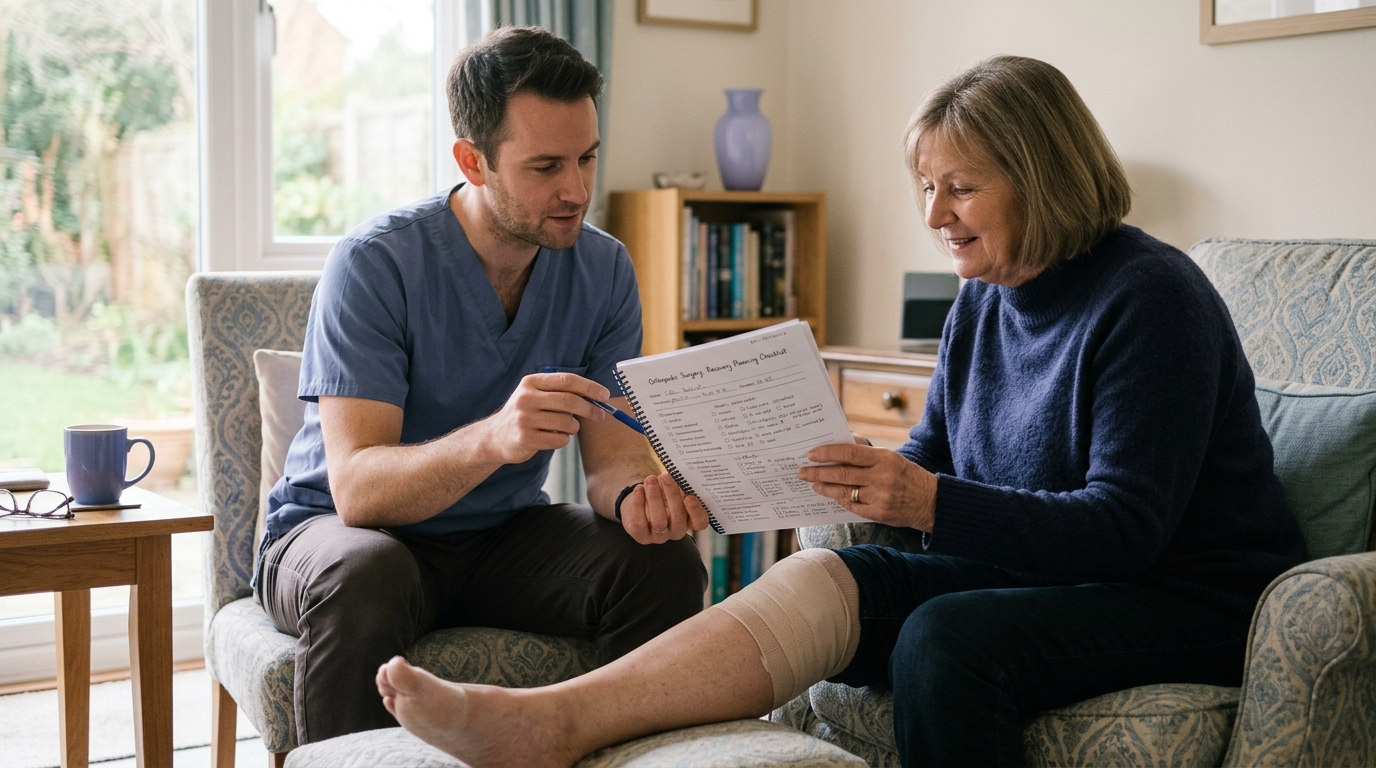
Preparing for an upcoming movement assessment can help you get the most accurate and useful information from your clinical team. You do not need to practice or rehearse movements before your appointment. The evaluation is not an exam you pass or fail. It is an opportunity to show your clinician how your body currently manages daily tasks.
Bring a list of your current medications, past surgeries, and major health conditions. If you have had imaging studies such as X-rays or MRI scans, bring copies of the written radiologist reports. While your movement assessment focuses on physical function, knowing your underlying medical history helps the therapist choose safe and appropriate tests.
If you use an assistive device such as a walking cane, hiking poles, knee brace, or custom foot orthotics, bring them to your appointment. Your clinician needs to evaluate how you move both with and without these supportive tools. Seeing how your equipment fits and functions provides essential context for your movement plan.
Wear loose, flexible clothing that allows you to move freely through a full range of motion. If you are having your knee, hip, or ankle evaluated, wear shorts or loose athletic pants that can be rolled up above the joint. For shoulder or neck concerns, wear a tank top or loose t-shirt that allows clear visibility of your shoulder blades and upper back.
Spend a few days before your appointment noting how your symptoms behave across a typical twenty-four-hour cycle. Note whether your stiffness is worse in the morning, which specific physical tasks trigger your discomfort, and what positions provide relief. Sharing this information helps your clinician choose testing positions that match your real-world experience.
Misinterpreting a movement assessment can lead to unnecessary worry, fear of movement, or unrealistic expectations about your recovery timeline. Keeping common assessment pitfalls in mind can help you maintain an objective perspective on your evaluation results.
A movement assessment describes physical function; it does not replace medical diagnostic work. Receiving a lower score on a balance test or mobility screen does not mean a specific tendon is torn or a joint is permanently damaged. It simply indicates that the tested pattern is currently challenging for your neuromuscular system under those conditions.
Human bodies are naturally asymmetrical. Differences in strength, flexibility, and coordination between your left and right sides are common in healthy, active adults. Research shows that movement asymmetries do not automatically cause pain or injury. A difference between limbs is simply an observation for your clinician to investigate, not an emergency that requires immediate correction.
A single movement assessment cannot forecast how many weeks your recovery will take with absolute certainty. Tissue healing rates, personal stress levels, sleep quality, and daily physical demands all shape your recovery trajectory. Your therapist uses the initial assessment to establish a sensible starting point, then refines your program as they observe your response to progressive exercise.
Occasionally, an active individual experiences pain during a specific recreational activity, yet their basic clinic tests look completely normal. Standard clinical tests are often performed at low speeds and under low loads. If your clinic tests appear normal, it does not mean your symptoms are imaginary. It often means your evaluation needs to incorporate higher loads, greater speeds, or task-specific demands that reflect your actual sport or hobby.
A movement assessment should be a collaborative dialogue between you and your healthcare provider. Clinical practice frameworks emphasize shared decision-making, where clinical expertise combines with your personal goals and values. Using structured questions can help you make sense of your assessment findings during your follow-up visits.
Ask your clinician why specific tests were chosen for your condition. Understanding the purpose of each measurement helps you see the logic behind your program. You might ask: "What were you looking for when you tested my hip mobility, and how does that relate to my lower back comfort when walking?"
Ensure that your physical findings are directly connected to the activities you want to resume. If your evaluation focused heavily on isolated muscle strength, ask how those numbers translate into your daily routine. A helpful question is: "What functional improvement should I expect to notice once my quadriceps strength improves on this test?"
Ask how frequently your measurements will be checked again to evaluate your progress. Standardized tests are most helpful when repeated at regular intervals to confirm that your program is working. You can ask: "When will we re-test this balance measure, and what amount of change will show that we are moving in the right direction?"
Movement testing can occasionally irritate sensitive tissues. Ask your clinician how you should manage temporary increases in symptoms after an evaluation or during new exercises. Knowing how to modify your movements at home builds confidence and prevents unnecessary setbacks during your rehabilitation journey.
A rehabilitation movement assessment is a foundational clinical tool designed to establish where your physical capabilities stand today. It provides a structured baseline, helps identify movement limitations, and guides a progressive plan of care. However, an assessment is a starting point rather than a permanent forecast.
By looking at your results as an objective snapshot within a broader recovery process, you can work collaboratively with your physical therapist to rebuild functional capacity step by step.
Understanding your movement baseline allows you to navigate rehabilitation with realistic expectations and steady confidence.

Use ReboundBody resources to understand common recovery stages, rehab terms, movement limits and strength rebuilding. Each guide is designed to make a complex comeback easier to understand.


Read practical guidance on injury recovery, rehabilitation, mobility and rebuilding strength as you work your way back to activity.
Explore Resources