
Most people view home rehabilitation as passive resting, but true physical recovery demands consistent exercise adherence, careful pain management, and clear clinical conversations.





When you leave a physical therapy clinic or hospital with a list of home exercises, you might wonder whether doing them as written will actually get you back to your regular life. You may search online for how to follow a home exercise program, what to do when an exercise hurts, or why your routine looks completely different from someone else who had the same injury.
This resource provides a definitive, research-based explanation of how home programs fit into recovery. It explains why instructions differ, what scientific studies say about adherence and outcomes, how to interpret symptom changes, and how to communicate clearly with your healthcare team when problems arise.
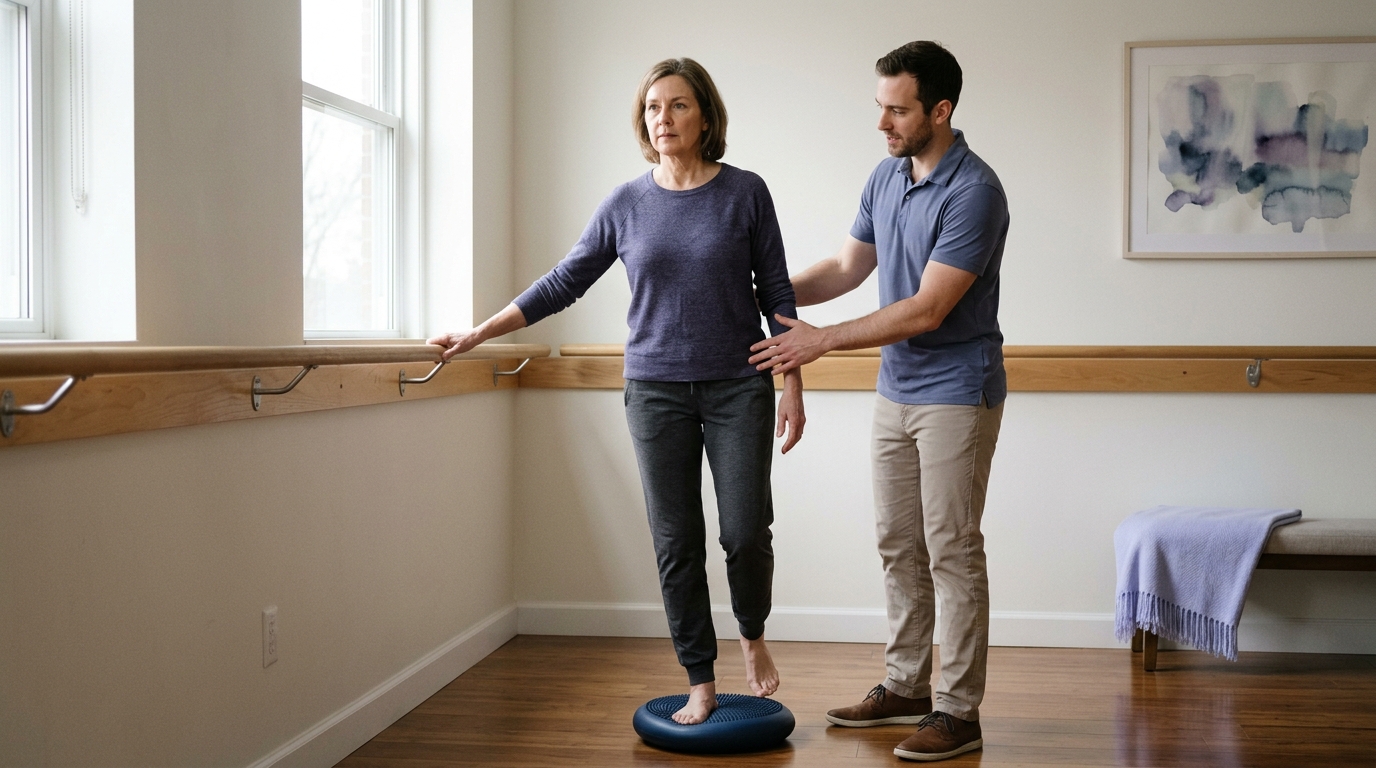
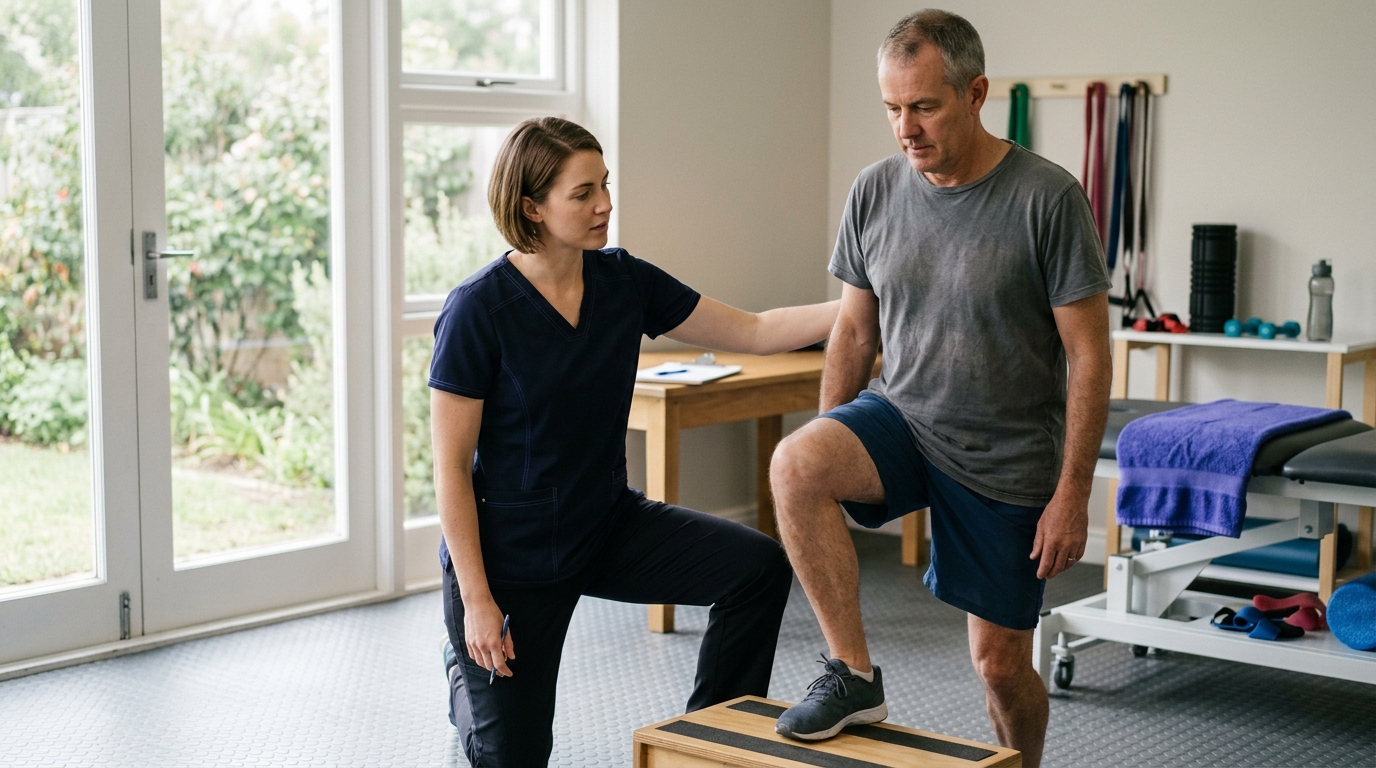
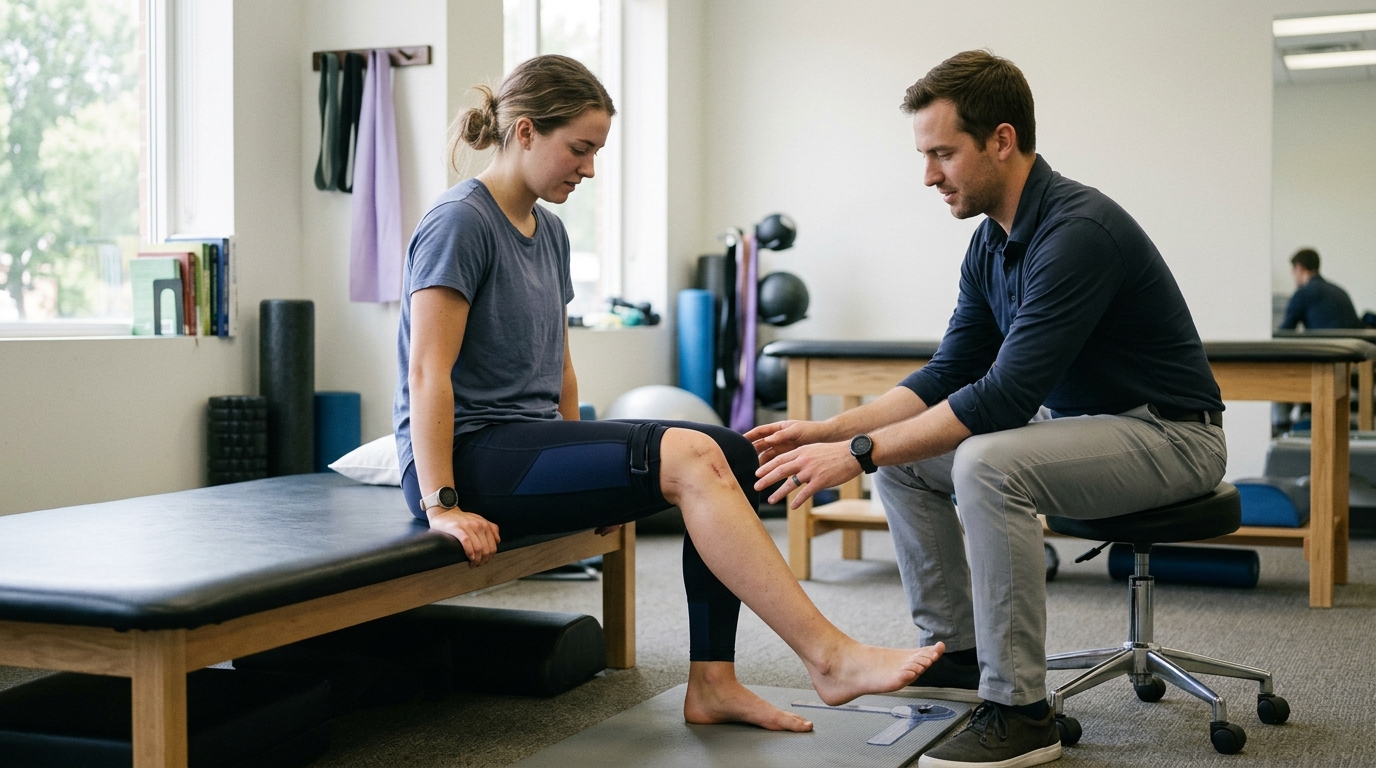
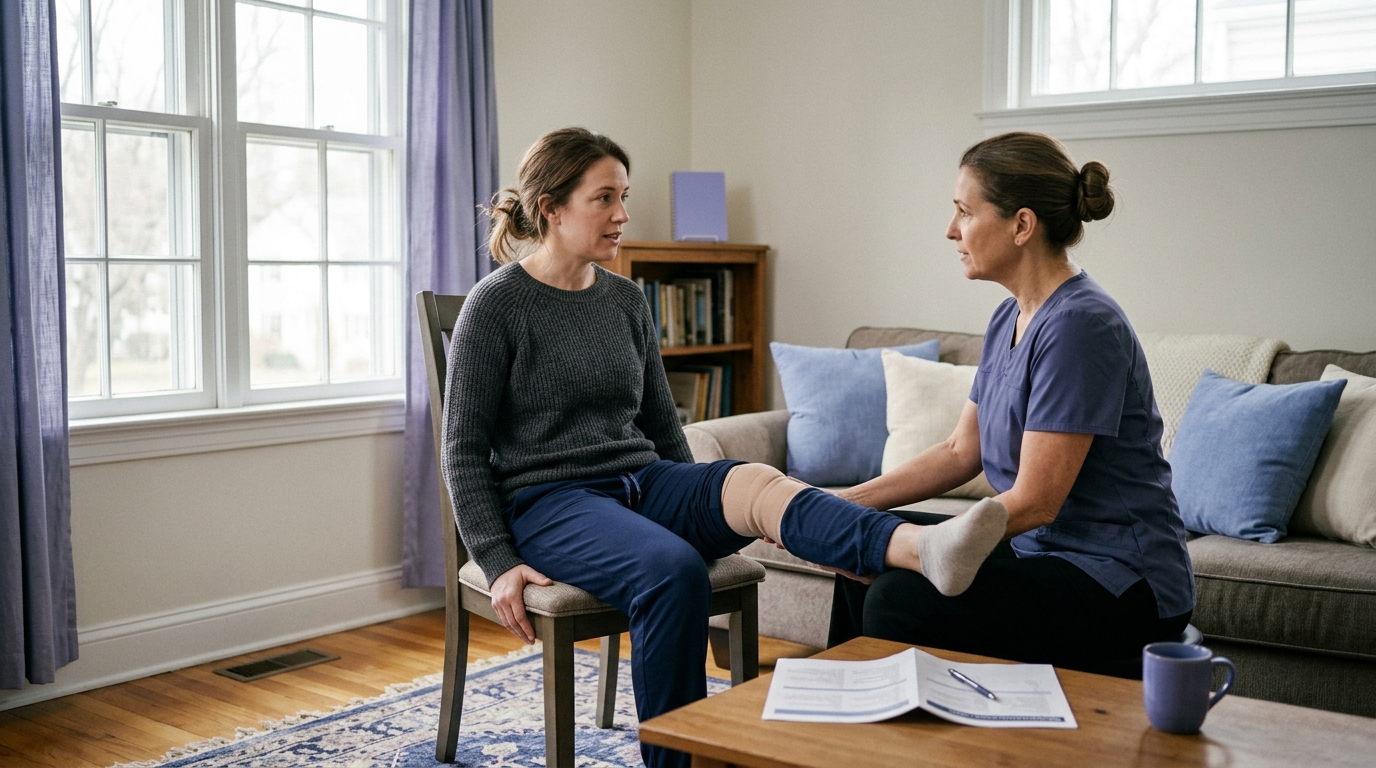
A home exercise program is a set of specific movements and physical tasks prescribed by a clinician for you to complete between appointments. It is not the entirety of your rehabilitation plan. Comprehensive rehabilitation also involves professional diagnostic assessment, clinical education, hands-on treatment when appropriate, and guidance on modifying everyday activities.
Home exercises provide the regular physical stimulus needed to help restore mobility, strength, and tissue capacity over time. Clinical appointments provide the guidance, testing, and progression adjustments required to ensure that the stimulus matches your healing tissues.
Your home program must be understood as an individualized component of a larger care plan rather than a standalone, universal routine. High-quality clinical practice guidelines for musculoskeletal pain consistently emphasize that care should be patient-centred and matched to your specific circumstances. A generic handout from the internet or an exercise sheet given to a friend cannot account for your surgical history, baseline strength, or medical background.
Following an individualized plan requires understanding its purpose. Knowing why an exercise was selected helps you perform it with better attention to form and intent. When you understand how a movement supports your recovery, it becomes easier to treat the exercise as a structured part of your daily routine rather than an optional chore.
Generic exercise lists can create unnecessary confusion. When people attempt to follow routines designed for someone else, they may underload recovering tissues or apply mechanical stress too quickly. The instructions provided by your physical therapist or physician should always take priority over general fitness advice or outside exercise sheets.
If you are navigating healing milestones, exploring structured injury recovery and healing resources can provide useful context on how tissues rebuild over time.
In rehabilitation science, adherence refers to how closely a person follows their agreed-upon treatment plan. Following a home program consistently is a common challenge for many recovering adults. Understanding the research behind adherence can help you view your own consistency objectively rather than treating missed sessions as a personal failure.
A comprehensive review of patient involvement in home-based exercise programs examined twelve clinical studies and reported an average adherence rate of approximately 67 percent across various medical and musculoskeletal populations. This figure demonstrates that missing some sessions or struggling with complete follow-through is a normal, documented experience across rehabilitation settings. It is a study summary rather than an absolute rule, but it highlights that few people complete every single prescribed repetition without interruption.
The relationship between adherence and functional outcomes is nuanced. In research on anterior cruciate ligament rehabilitation, systematic reviews have found mixed results regarding how adherence rates correlate with final functional recovery. The authors of these reviews concluded that no single, definitive conclusion can be drawn about whether higher adherence always leads to a better functional result.
This mixed evidence means that while completing your program is essential for building capacity, perfect adherence does not guarantee a specific timeline. Minor lapses in completing your exercises do not automatically ruin your recovery trajectory.
Digital tools have become common supports for home programs. Apps, video libraries, and automated text reminders are frequently used to help patients remember their routines. A systematic review of ten randomized controlled trials involving 1,117 participants concluded that digital interventions may improve adherence to prescribed home exercise plans in the short term. However, the authors rated the overall quality of this evidence as low to moderate. Digital tools can serve as helpful organizational aids, but they do not replace clinical oversight or personalized adjustments.
Research also shows that positive clinician feedback and regular symptom monitoring are associated with better adherence. When physical therapists regularly ask about home exercise performance and review symptom changes, patients are more likely to stay engaged with their program. Rehabilitation is an interactive process where clinical follow-up helps keep the plan realistic and manageable.
Failing to complete home exercises is rarely caused by a simple lack of willpower. Systematic reviews examining outpatient physical therapy have identified multiple practical, physical, and environmental barriers that interfere with treatment follow-through. Recognizing these barriers helps you and your provider solve problems effectively.
Time constraints and competing daily obligations represent some of the most frequent reasons people miss exercise sessions. Work schedules, childcare, eldercare, and daily household maintenance often leave little uninterrupted time. When a home program requires forty-five minutes of complex movement twice a day, it often conflicts with practical daily realities.
Pain during exercise is another significant barrier identified in the rehabilitation literature. When a movement causes sharp discomfort, people naturally hesitate to repeat it. Experiencing pain during an exercise makes adherence drop quickly.
Interestingly, research shows conflicting evidence regarding whether baseline pain levels affect follow-through. Having high pain levels before starting rehabilitation does not automatically predict poor adherence, but pain provoked directly by an exercise frequently stops follow-through.
Cognitive load and memory also present real challenges. Patients often receive multiple verbal instructions, printed handouts, and movement cues during a single clinic visit. Forgetting how to perform a movement safely or feeling uncertain about the correct posture can lead people to avoid the exercise entirely.
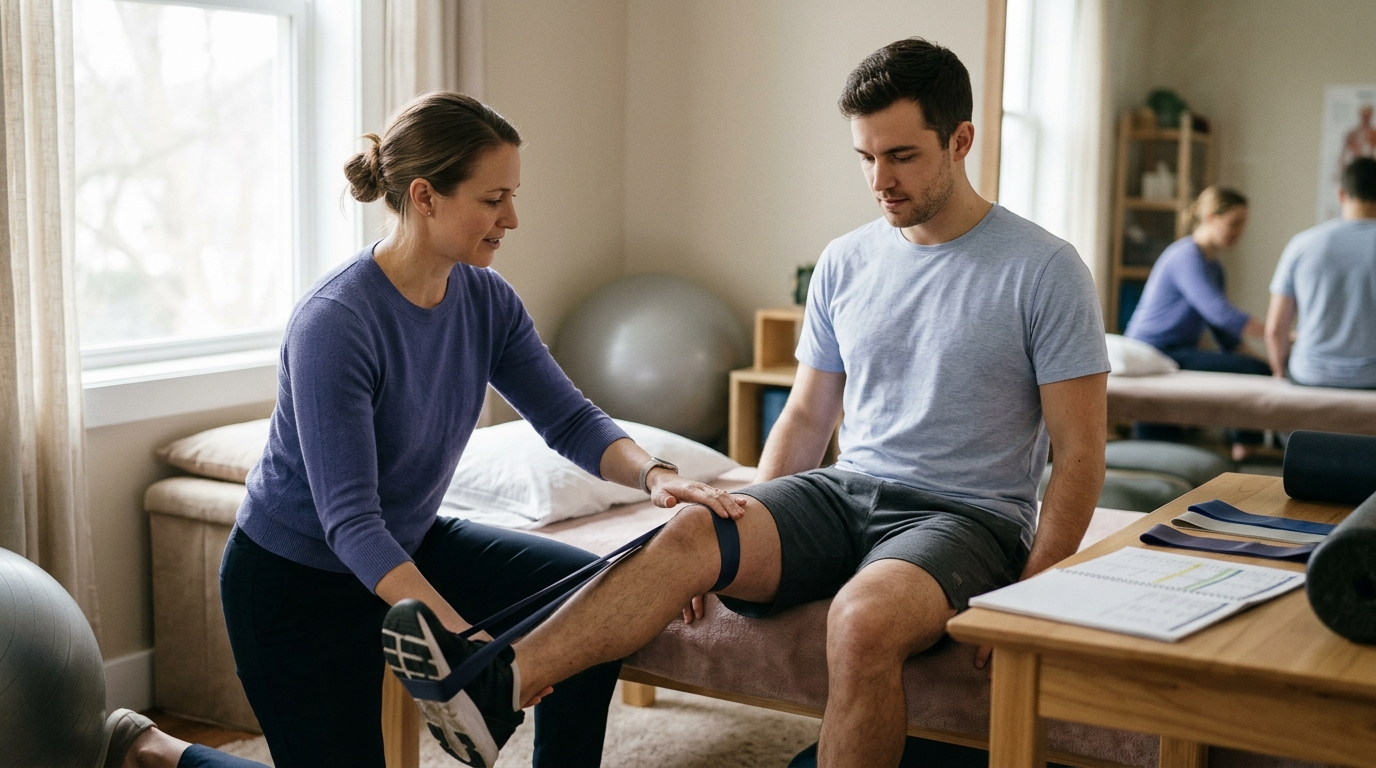
Environmental factors, such as lacking adequate floor space or basic resistance bands, can also create friction. When an exercise setup requires extensive preparation, the barrier to starting increases.
Addressing these obstacles requires open discussion with your physical therapist. Modifying the number of exercises, simplifying the equipment needs, or breaking a routine into five-minute segments can make a program much easier to maintain.
If you are working on maintaining consistent joint health, reviewing mobility and movement articles can provide helpful context on how small daily movements contribute to long-term mobility.
Interpreting physical sensations during rehabilitation requires a balanced, evidence-informed perspective. Pain should neither be ignored completely nor assumed to indicate tissue damage. Understanding how your symptoms respond during and after exercise provides valuable information for your clinical team.
Guidance regarding exercise-related discomfort varies across healthcare services and clinical presentations. For example, some National Health Service physiotherapy departments note that mild, short-term discomfort is common when beginning new exercises, advising patients to contact their clinic if discomfort does not settle within two days. Other clinical guidelines recommend pacing activities or temporarily modifying movement intensity when exercise discomfort becomes difficult to tolerate. Because clinical recommendations vary based on your specific condition, you should follow the parameters established by your own care team.
Treating your physical sensations as objective data rather than emotional distress helps improve clinical communication. When you perform an exercise, pay attention to four key components:
Discomfort that resolves quickly after an exercise is often a normal response to loading tissues that have been inactive or healing. Discomfort that escalates steadily, lingers for several days, or causes you to limp indicates that the current exercise dosage may need adjustment.
Sharing this information with your clinician allows them to recalibrate your program safely. For those working to restore general physical capacity, reading strength and return to sport resources can help clarify how loading progressions are structured over time.
Rehabilitation instructions are highly specific to your personal diagnosis, the stage of tissue healing, and your broader health profile. Two people recovering from a rotator cuff repair may receive completely different home programs based on tear size, surgical technique, tissue quality, and baseline strength.
The biological properties of the injured tissue play a primary role in shaping your exercise parameters. Bone fractures with surgical fixation often require strict adherence to weight-bearing precautions during early osteogenesis.
Tendons and ligaments have lower blood supply compared to skeletal muscle, requiring slow, carefully dosed mechanical loading to stimulate collagen remodeling without provoking chronic inflammation. Muscle strains generally permit earlier active movement, provided loading remains within a pain-monitored boundary.
Surgical variations create significant differences in home programs. A procedure involving soft-tissue anchor fixation requires prolonged protection of specific ranges of motion to prevent stress on healing repair sites. In contrast, an arthroscopic joint debridement may allow immediate active range of motion exercises to prevent postoperative joint stiffness.
General health factors also influence recovery pacing. Age-related changes in tissue elasticity, metabolic conditions such as diabetes, systemic inflammatory disorders, and sleep quality all affect how quickly tissues adapt to exercise stress.
Your physical work demands and daily responsibilities also dictate how your therapist progresses your program. An individual returning to manual labor requires different late-stage strength milestones than someone returning to desk-based work.
To learn more about maintaining physical resilience as you age, you can read our active aging and prevention articles for additional perspective on long-term physical health.
Effective communication between you and your healthcare team is essential for safe, successful rehabilitation. High-quality clinical practice guidelines for musculoskeletal conditions emphasize that clinical care must involve shared decision-making. You are an active participant in your rehabilitation, and your feedback provides the primary information your therapist uses to adjust your plan.
Many patients hesitate to contact their physical therapist between scheduled appointments, worrying that asking questions might seem inconvenient. However, clinical guidance from healthcare systems like the NHS encourages patients to speak up whenever an exercise is unclear, overly painful, or impossible to complete. Reporting difficulties early prevents you from performing exercises incorrectly or abandoning your program entirely.
To communicate clearly with your provider, use a structured reporting format. State the exact name of the exercise, describe the specific sensation, explain when the sensation begins, and describe how it affects your ability to function.
The following examples demonstrate how to apply structured communication in typical rehabilitation situations:
A person receives a home handout with three shoulder exercises but forgets whether the movements should be performed daily or three times per week. Instead of guessing, the person contacts the physical therapy office using a clear question:
> "I am reviewing my shoulder exercise sheet from yesterday. I want to confirm whether I should complete the band external rotations every day or three days per week with rest days in between."
A person recovering from a knee injury is prescribed four separate exercises taking forty-five minutes, twice a day. Due to work and family responsibilities, they only have fifteen minutes available in the evening and begin skipping sessions. The person discusses this openly at the next visit:
> "I want to follow my knee program, but my current schedule only allows for fifteen minutes of exercise each evening. Can we select the two most critical movements for me to focus on right now, or break the routine into smaller segments throughout the day?"
A person performs an assigned calf raise exercise and experiences sharp, localized Achilles tendon pain that makes normal walking difficult for the rest of the day. Instead of forcing through the pain or abandoning all recovery exercises, they inform their therapist:
> "When I perform the standing calf raises, I experience sharp pain in my lower tendon at the top of the movement. This makes it difficult to walk comfortably for several hours afterward. I paused that specific exercise but continued my gentle ankle mobility work. Could we adjust the calf exercise to a seated position or reduce the range of motion?"
A well-meaning friend suggests an aggressive stretching routine for a hip injury that contradicts the gentle stabilizing exercises prescribed by the physical therapist. The person addresses this with their clinician:
> "A friend recommended a deep hip stretch that worked well for their recovery, but it feels very different from the stabilization exercises on my plan. I want to make sure I am following what is appropriate for my specific hip condition. Can you explain why we are focusing on stabilization right now?"
Using clear, factual statements removes guesswork for your physical therapist. It transforms a vague complaint into actionable clinical information, allowing your provider to adjust resistance, change the exercise selection, or re-evaluate your movement mechanics.
For broader insights into evidence-based rehabilitation strategies, you can explore our rehabilitation, mobility, and movement resources.
While mild soreness, muscle fatigue, and minor joint stiffness can be normal responses to new physical activity, certain symptoms require immediate clinical evaluation. Understanding the difference between expected rehabilitation discomfort and serious clinical warning signs protects your health.
General physical activity and physical therapy guidance identify specific symptoms that warrant stopping exercise immediately and seeking medical review. These warning signs are not limited to the musculoskeletal system and can involve systemic, cardiovascular, or neurological health.
If you experience new, sudden swelling, significant redness, or localized heat around a joint after an exercise, pause your program and contact your physical therapist or primary care doctor. These symptoms can indicate acute joint inflammation, an exaggerated tissue reaction, or an underlying joint infection that requires professional evaluation.
Neurological symptoms also warrant careful monitoring. If an exercise produces spreading tingling, numbness, or progressive muscle weakness down your arm or leg, stop the movement. While mild nerve sensitivity can occur during spinal or peripheral rehabilitation, progressive weakness or loss of sensation should be evaluated by a healthcare professional.
Certain symptoms require immediate emergency care. Intense chest pain or pressure, severe shortness of breath, unexplained dizziness, and fainting during exertion are medical emergencies.
In the context of severe low back pain, sudden changes in bowel or bladder function, numbness in the saddle area, or severe weakness in both legs require immediate emergency assessment to rule out serious spinal conditions such as cauda equina syndrome.
Always follow the specific red flag instructions and emergency contact guidelines provided by your surgeon, physical therapist, or hospital discharge team. Safety parameters are tailored to your specific surgical procedure, cardiovascular health, and general medical profile.
Asking targeted questions during your physical therapy appointments ensures that you understand your home program completely. Preparing your questions in advance helps make the most of your clinical time and clarifies expectations for your home routine.
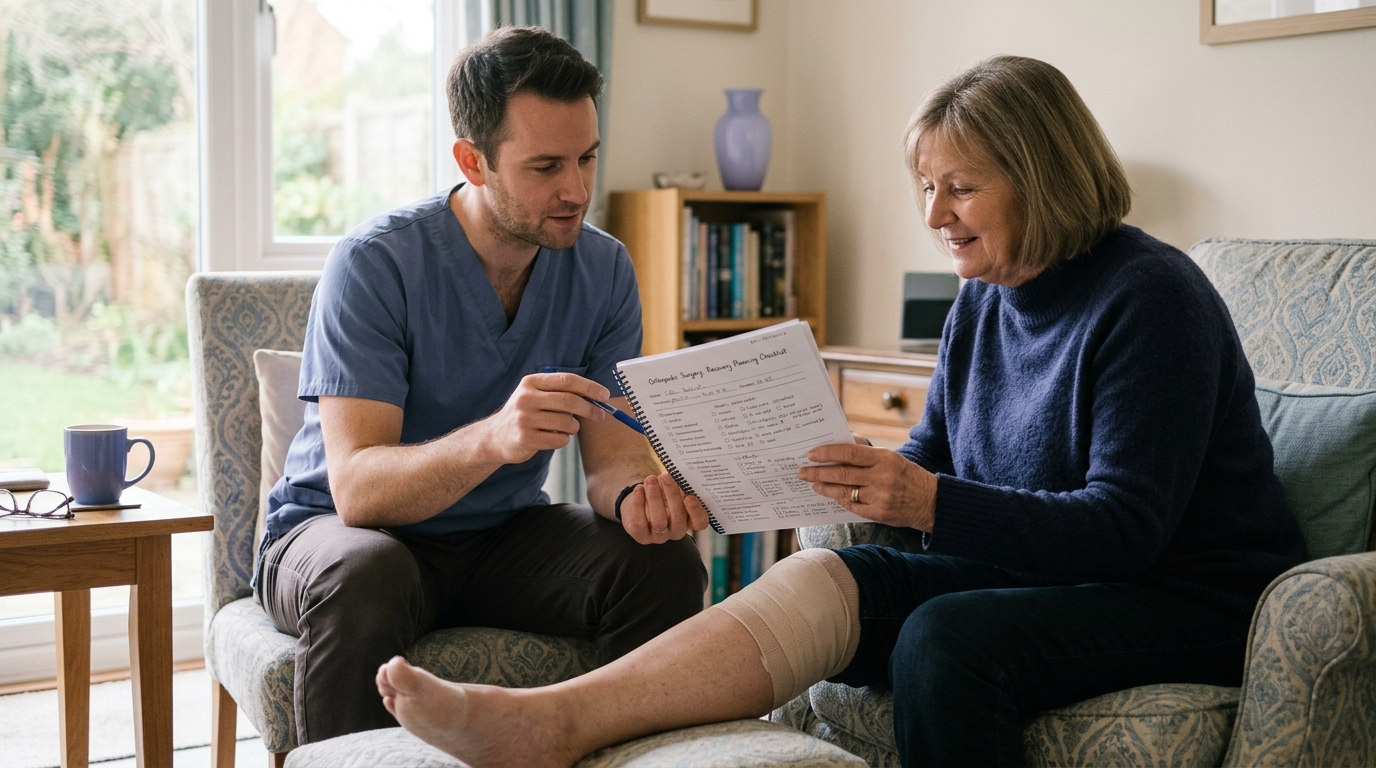
Writing down your questions before your visit ensures that you do not forget important details during a busy clinical appointment. Bringing a notebook or using a digital note app allows you to record your clinician's exact answers and refer back to them when performing your home routine.
Following a home rehabilitation plan successfully involves clear organization, regular symptom tracking, and active communication. You can use the following checklist to organize your routine and manage any challenges that arise this week.
By approaching your home program as a structured, collaborative process, you can navigate your recovery with realistic expectations and clear clinical guidance.
Home rehabilitation exercises are an essential, evidence-backed component of recovery after musculoskeletal injury or surgery. However, they function as part of a comprehensive, individualized care plan rather than a standalone cure. Research demonstrates that perfect adherence is rare, that average follow-through across studies sits around 67 percent, and that missing occasional sessions does not permanently derail your progress.
Your recovery is shaped by your specific tissue biology, surgical details, baseline health, and daily lifestyle demands. When an exercise feels confusing, creates intolerable pain, or fails to fit your schedule, the best response is open communication with your physical therapist or doctor. By tracking your symptom responses objectively and discussing necessary modifications, you ensure that your rehabilitation plan remains safe, effective, and sustainable throughout your recovery.

Use ReboundBody resources to understand common recovery stages, rehab terms, movement limits and strength rebuilding. Each guide is designed to make a complex comeback easier to understand.


Read practical guidance on injury recovery, rehabilitation, mobility and rebuilding strength as you work your way back to activity.
Explore Resources