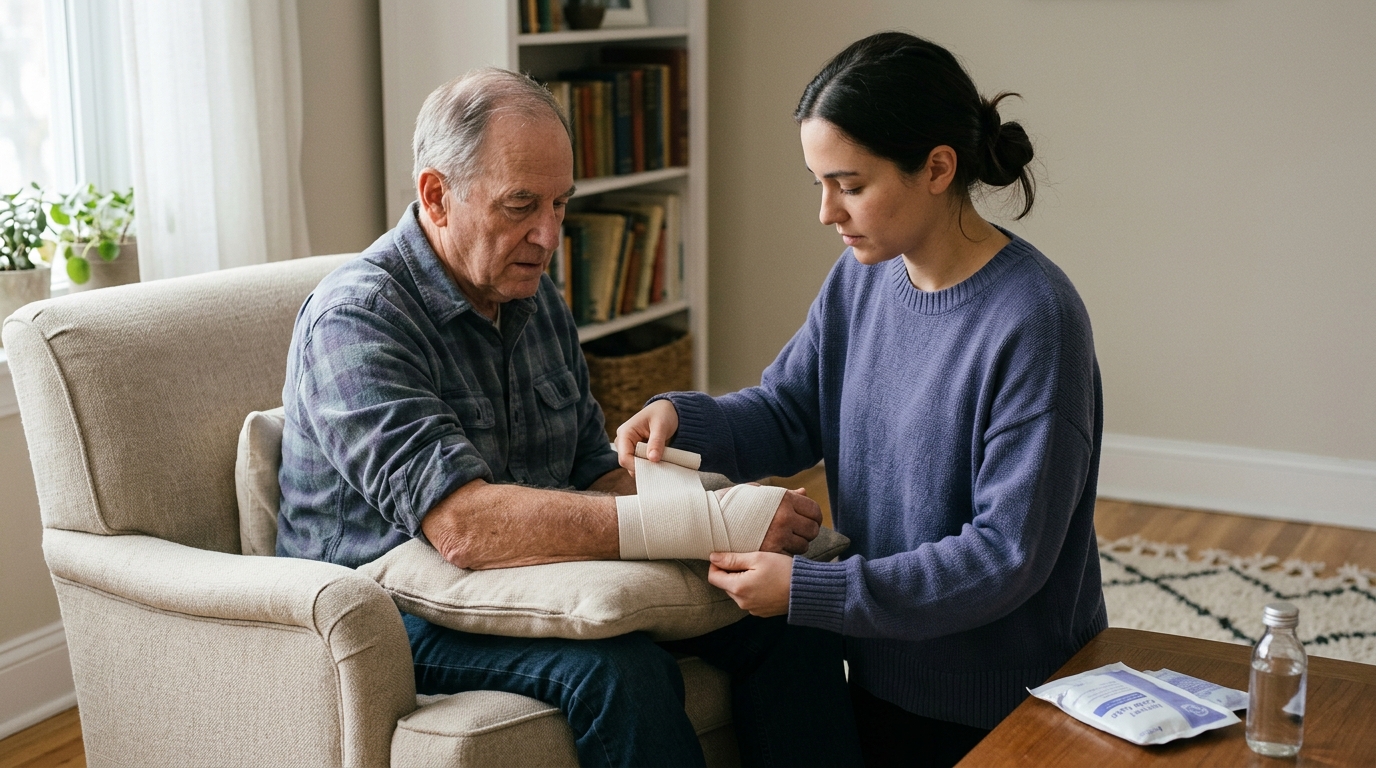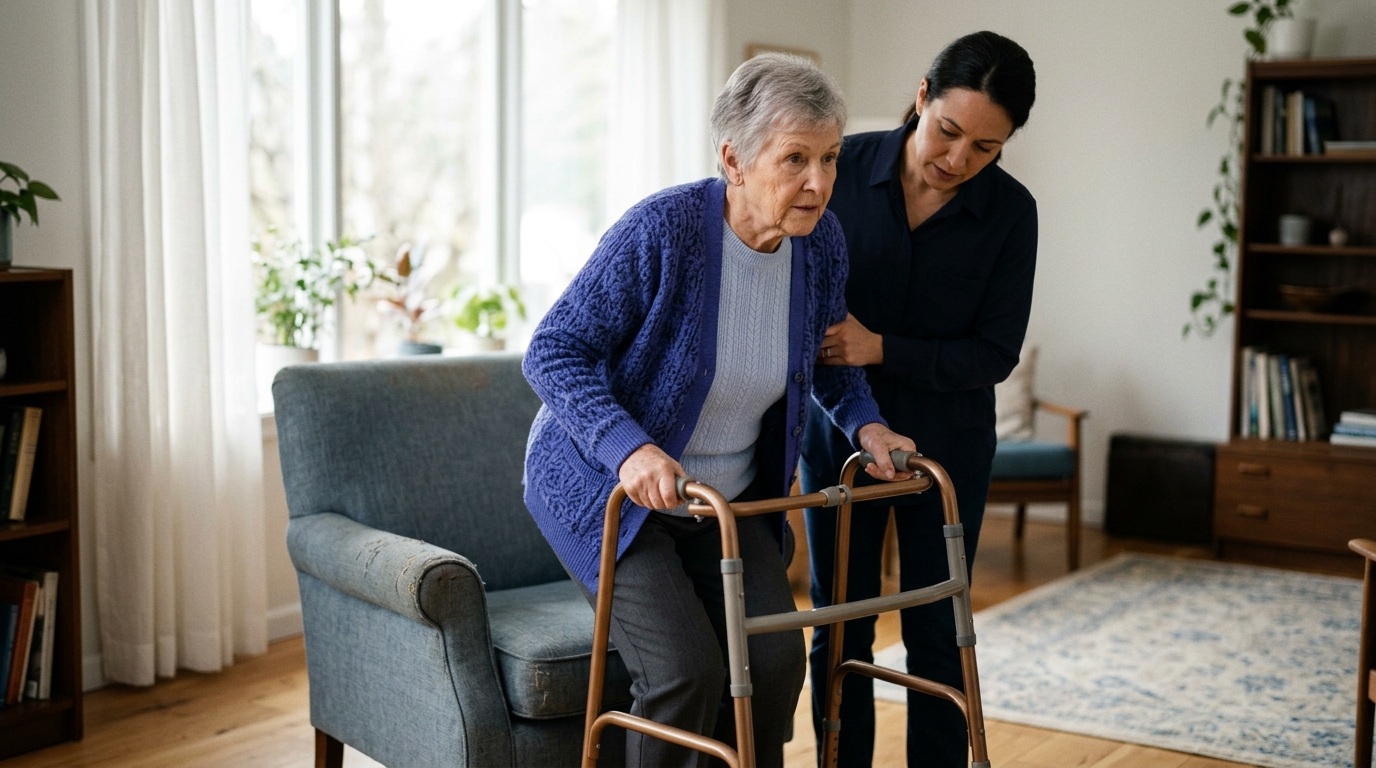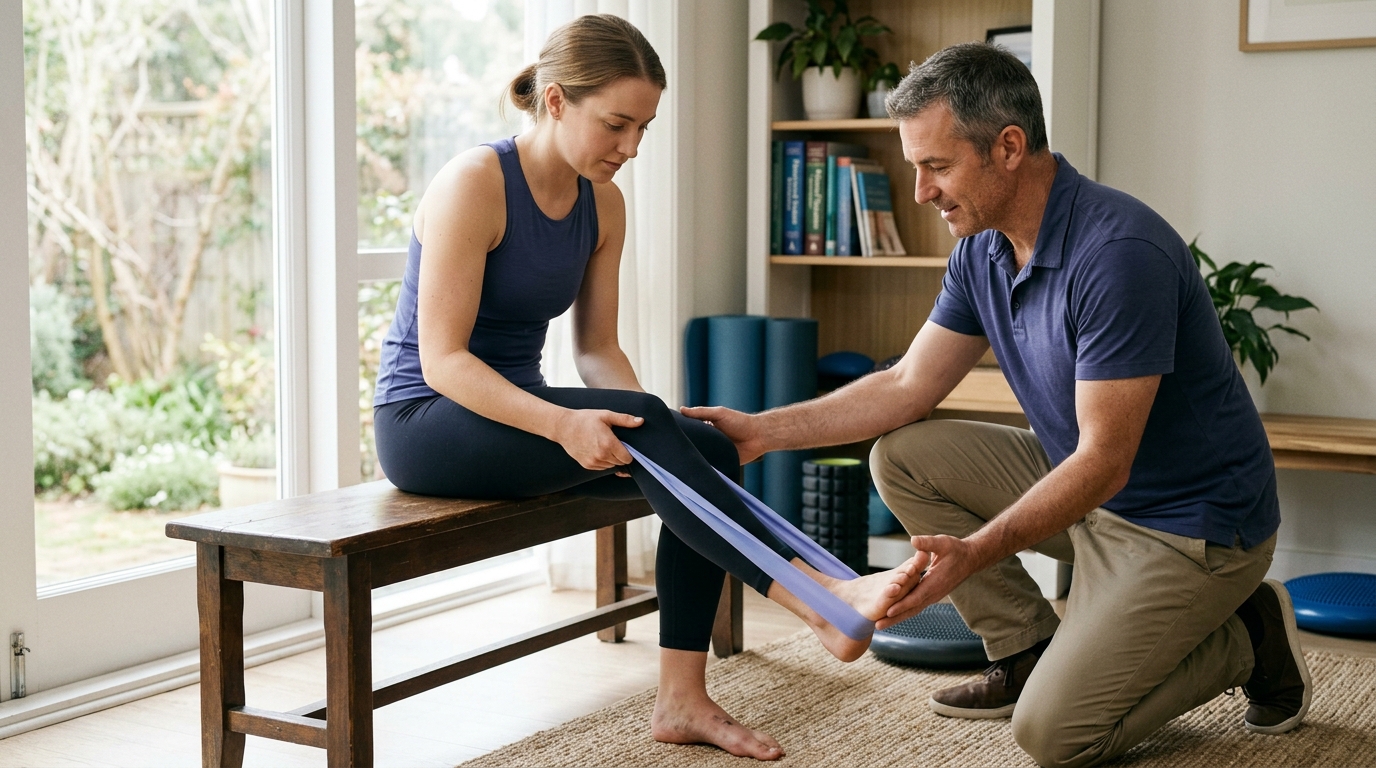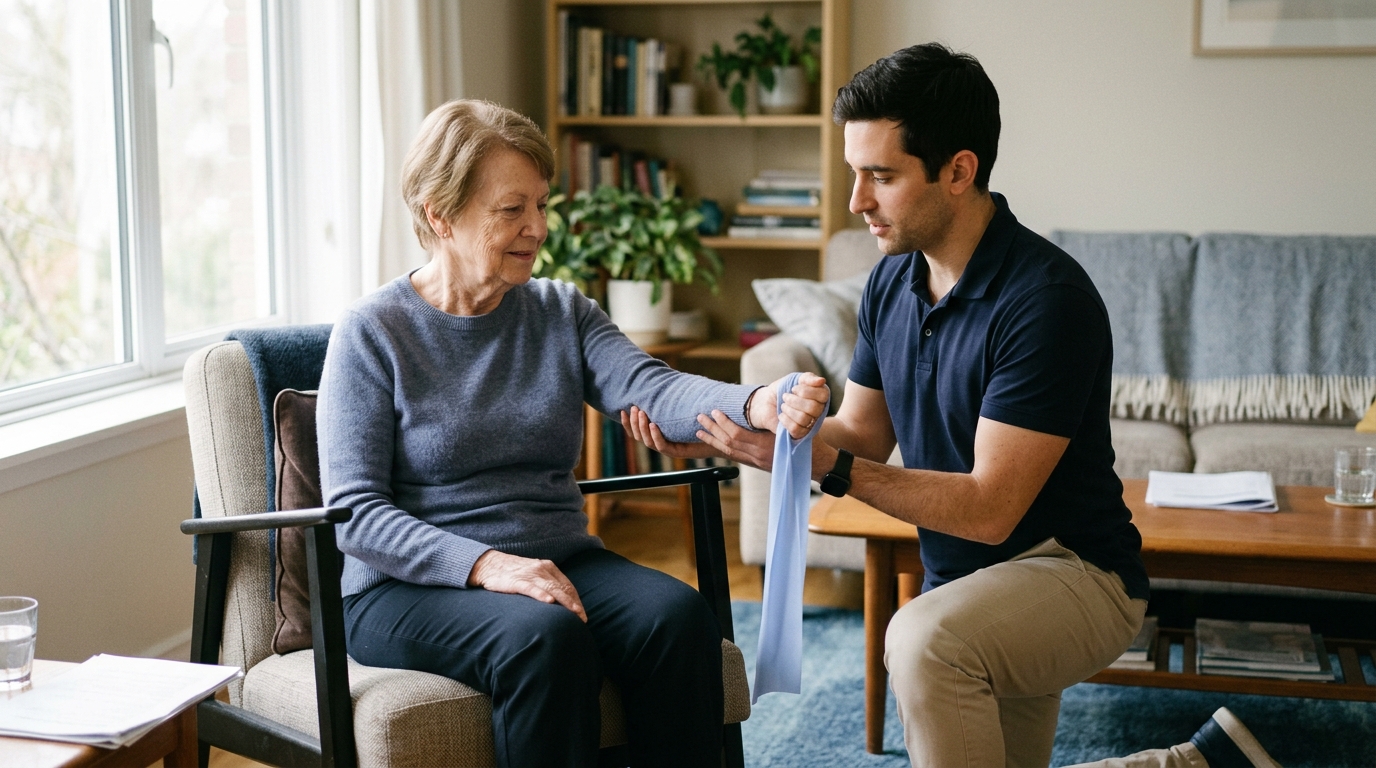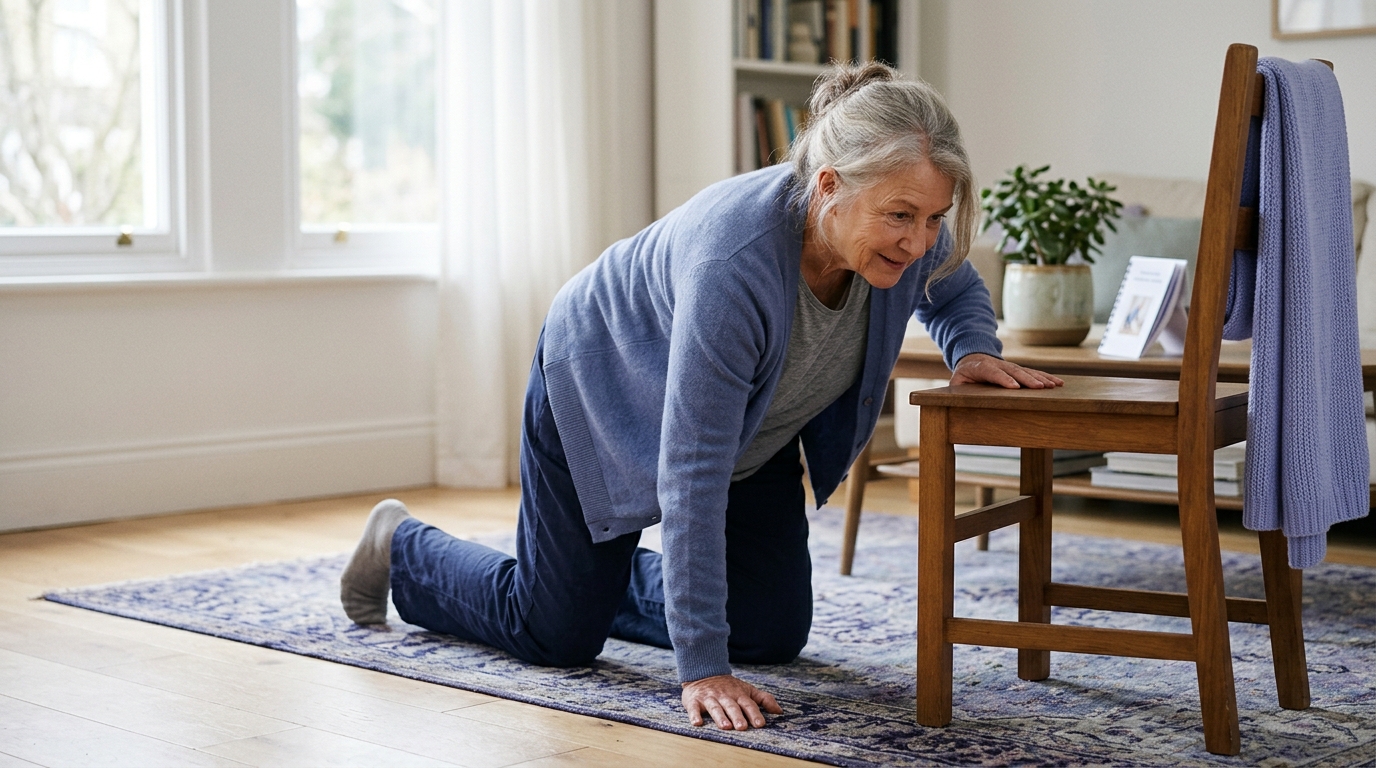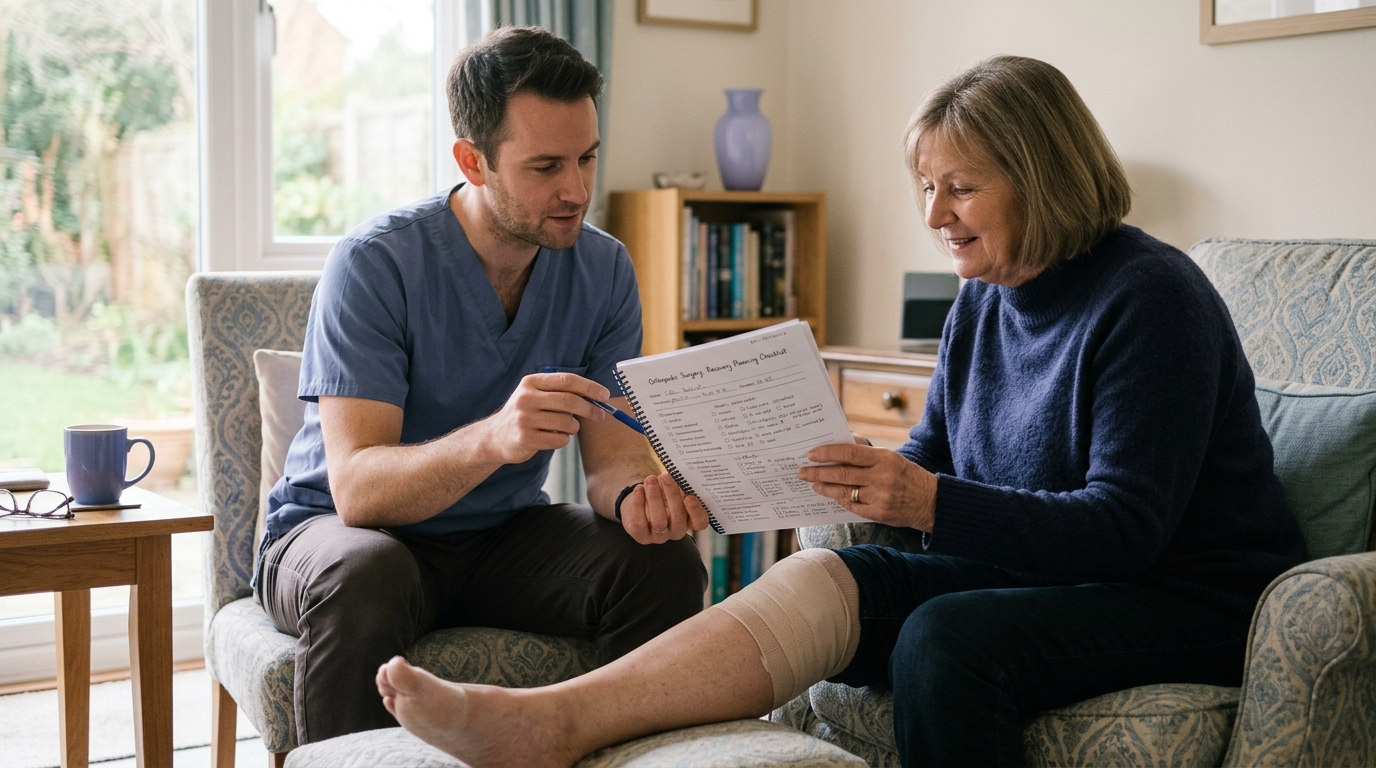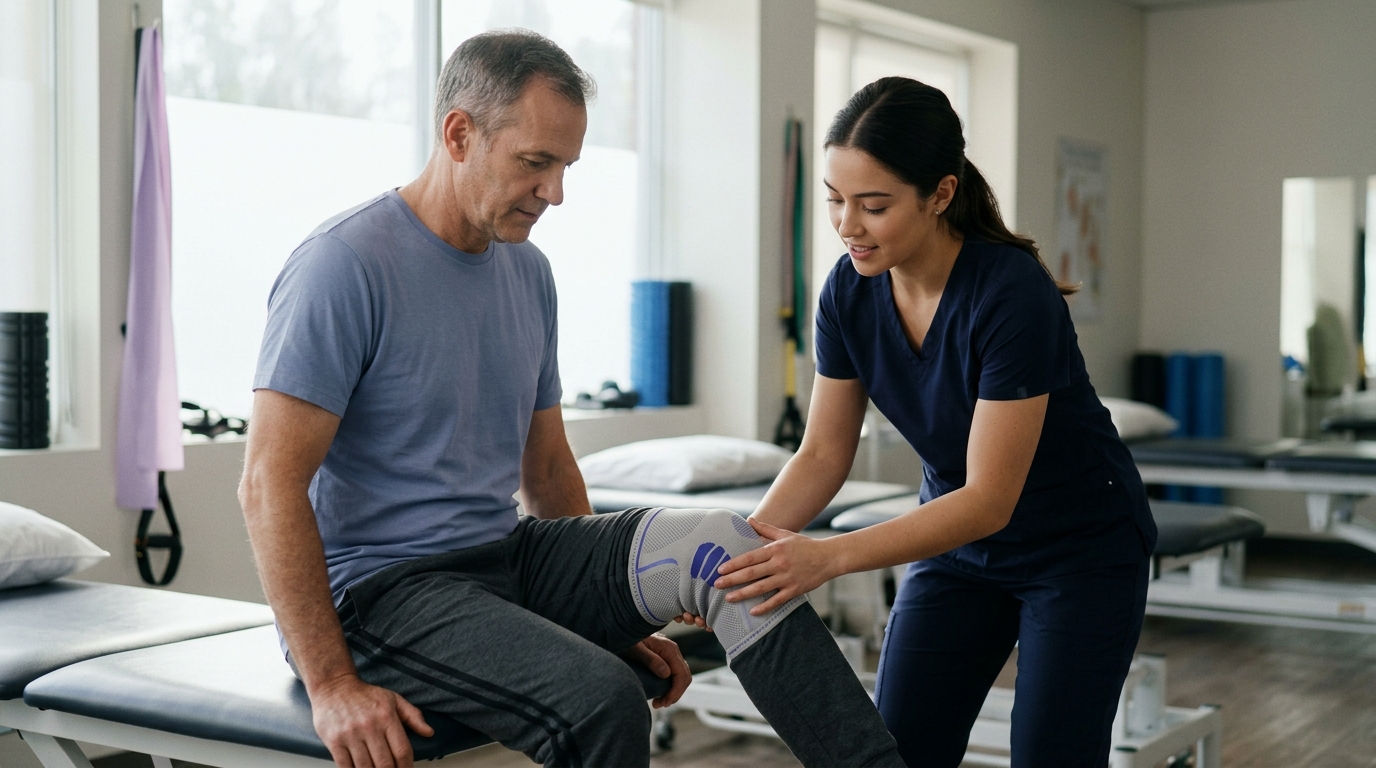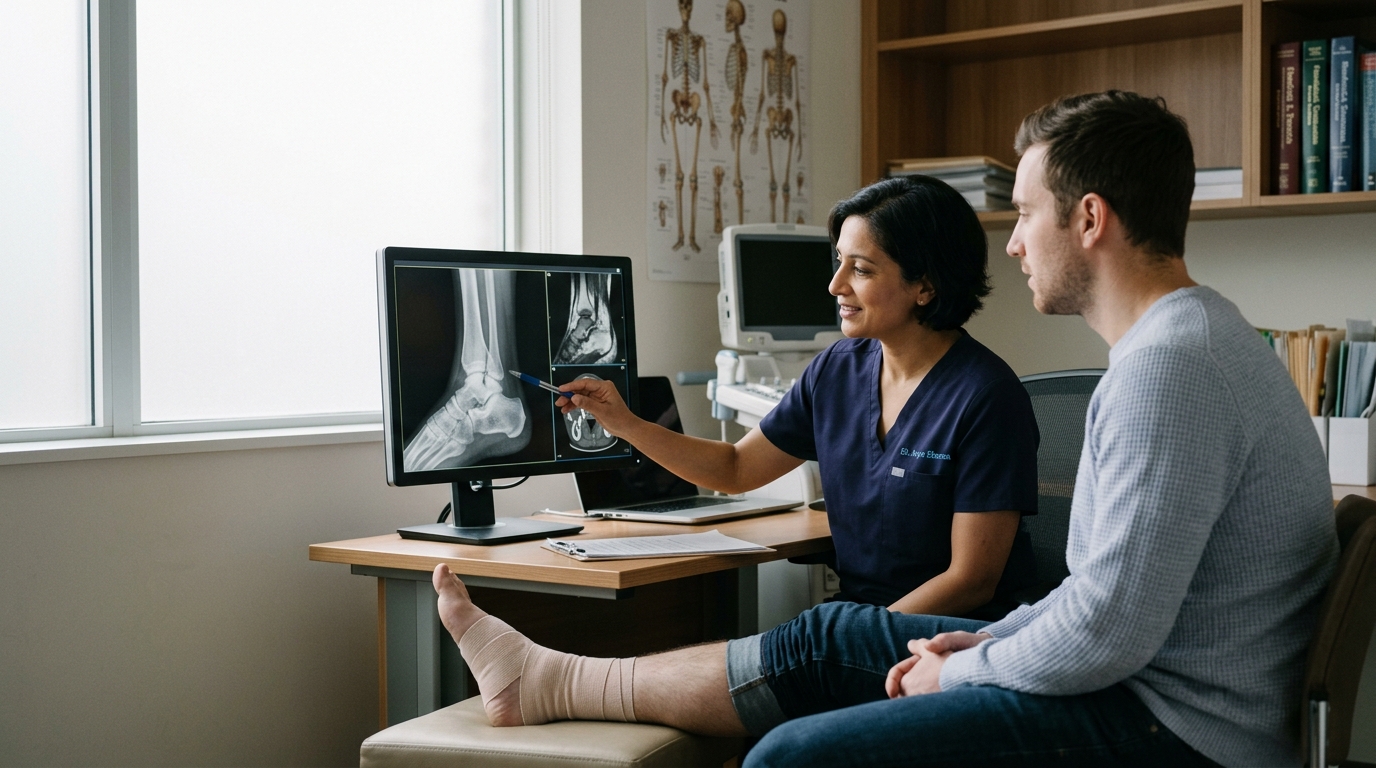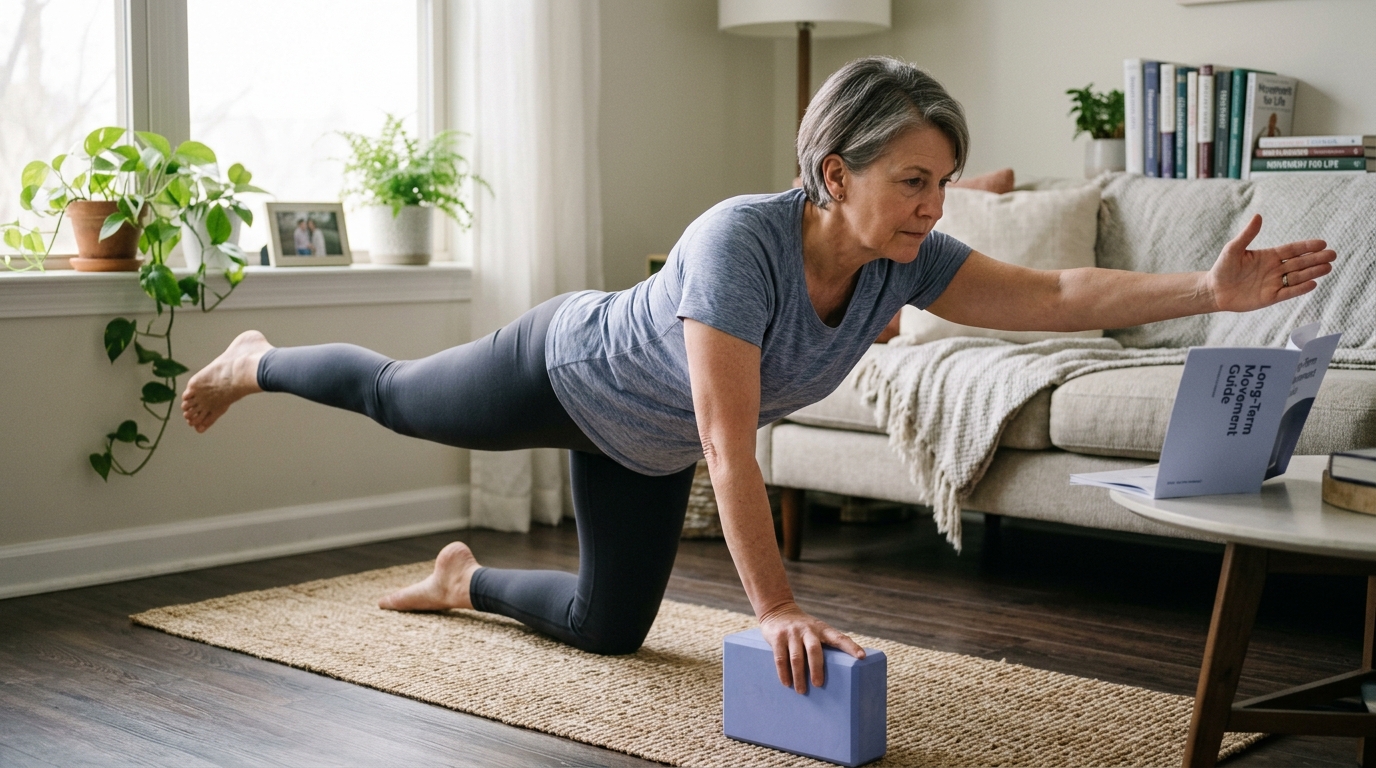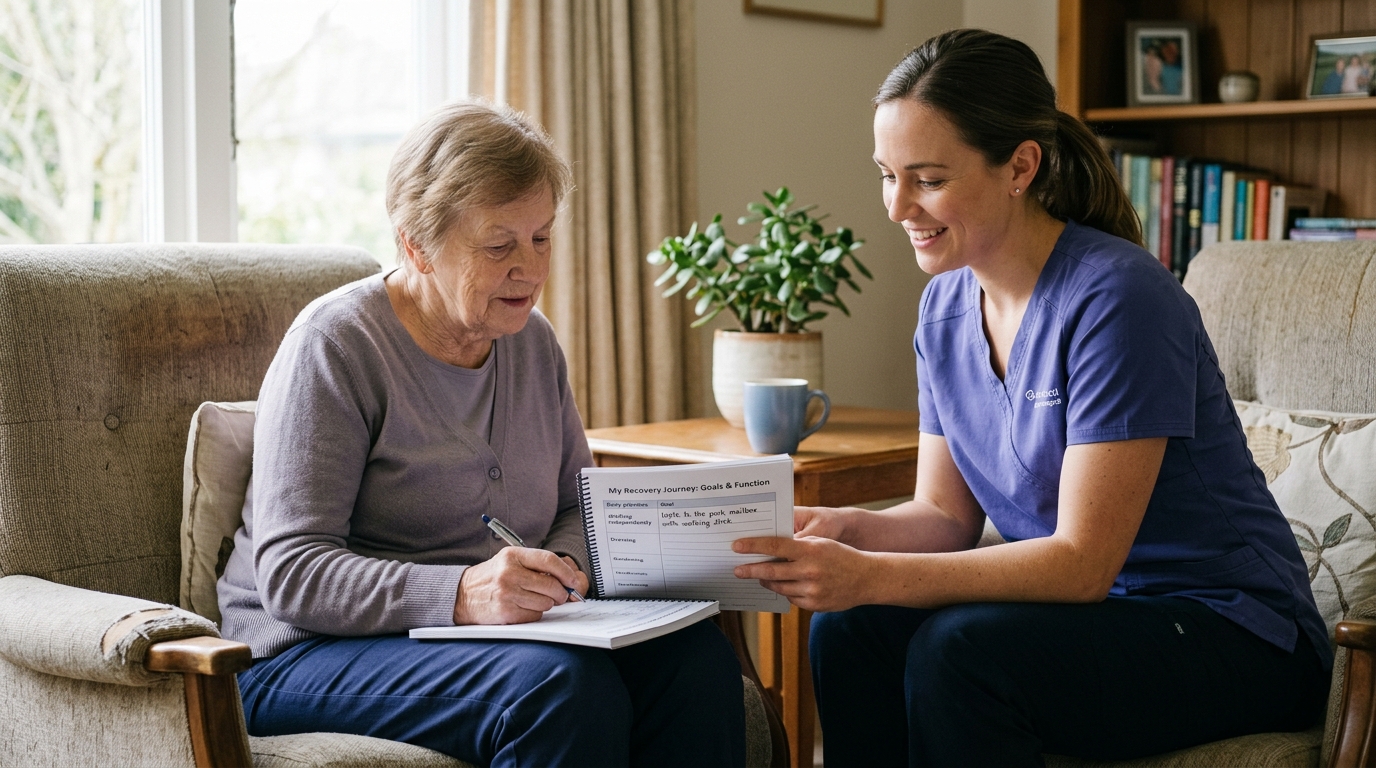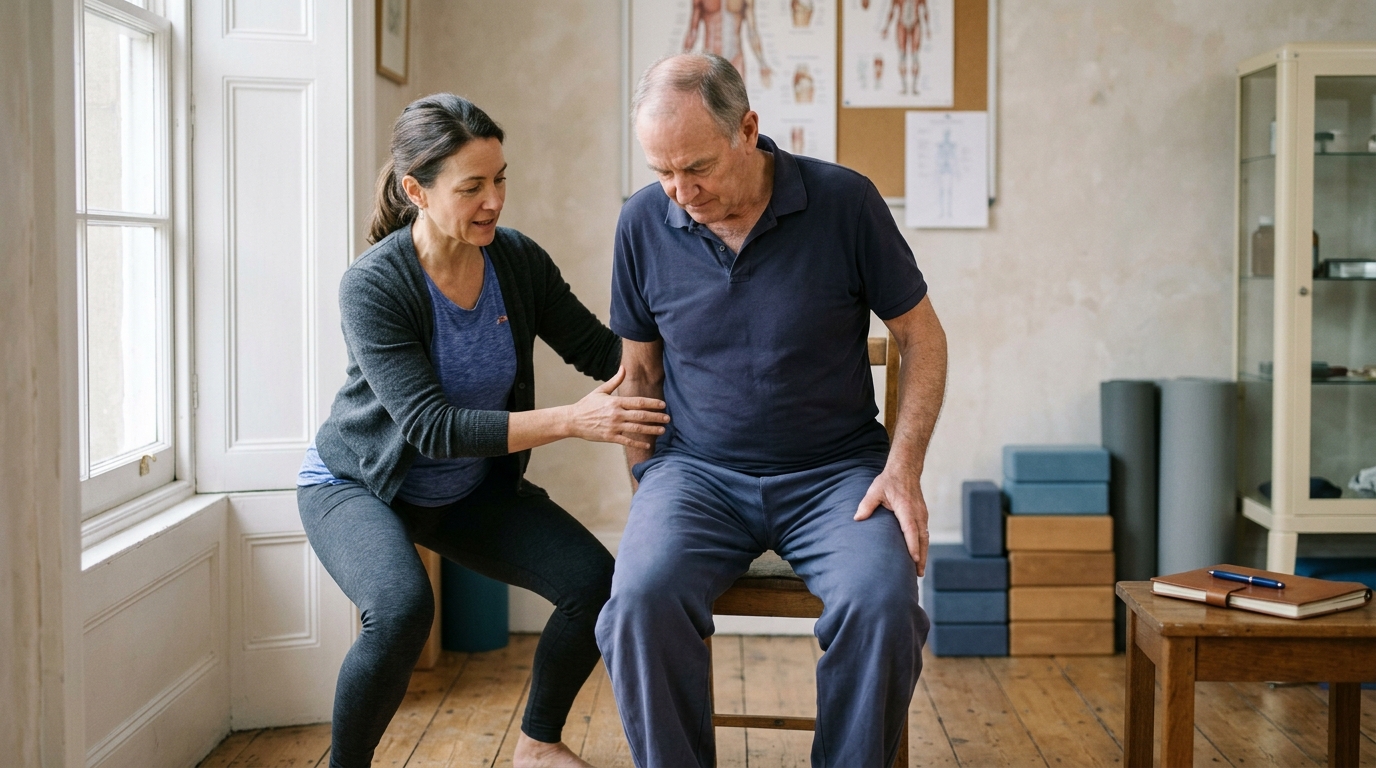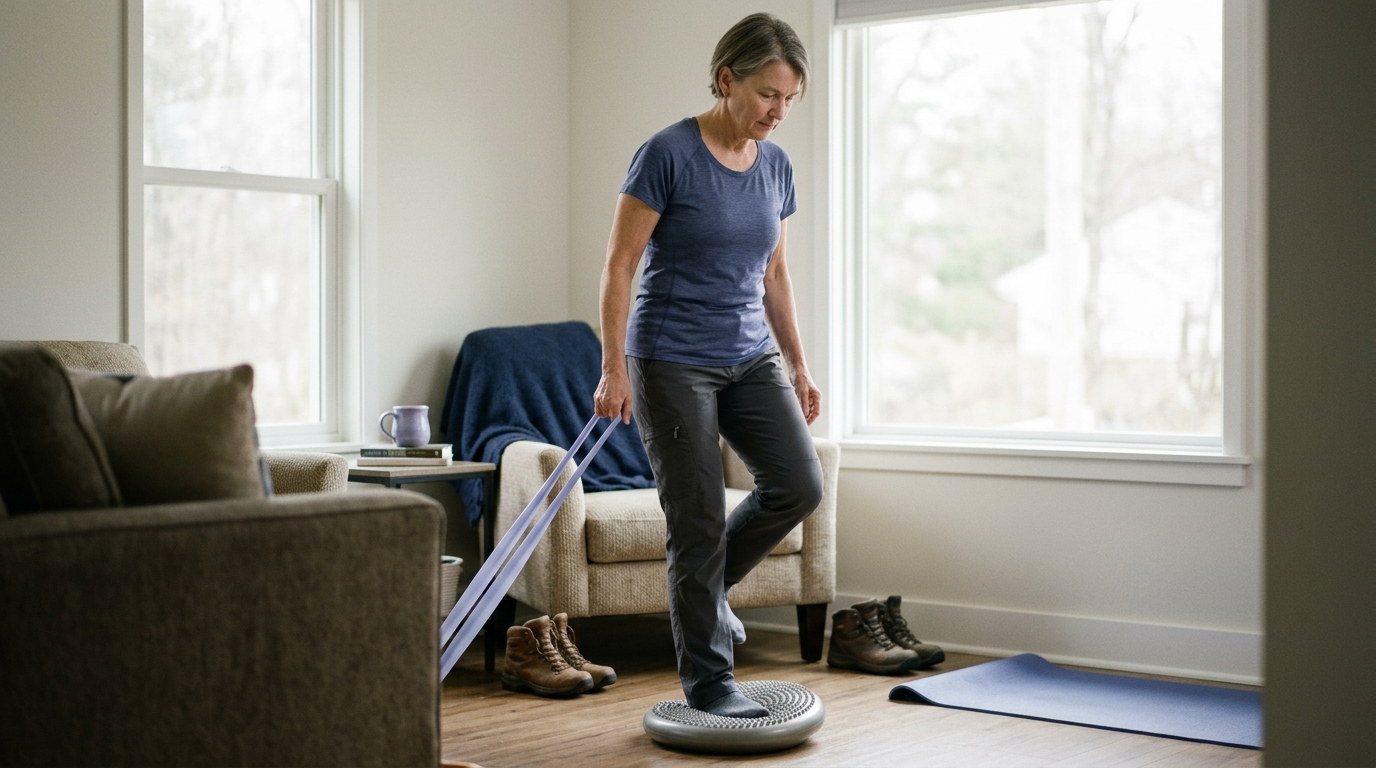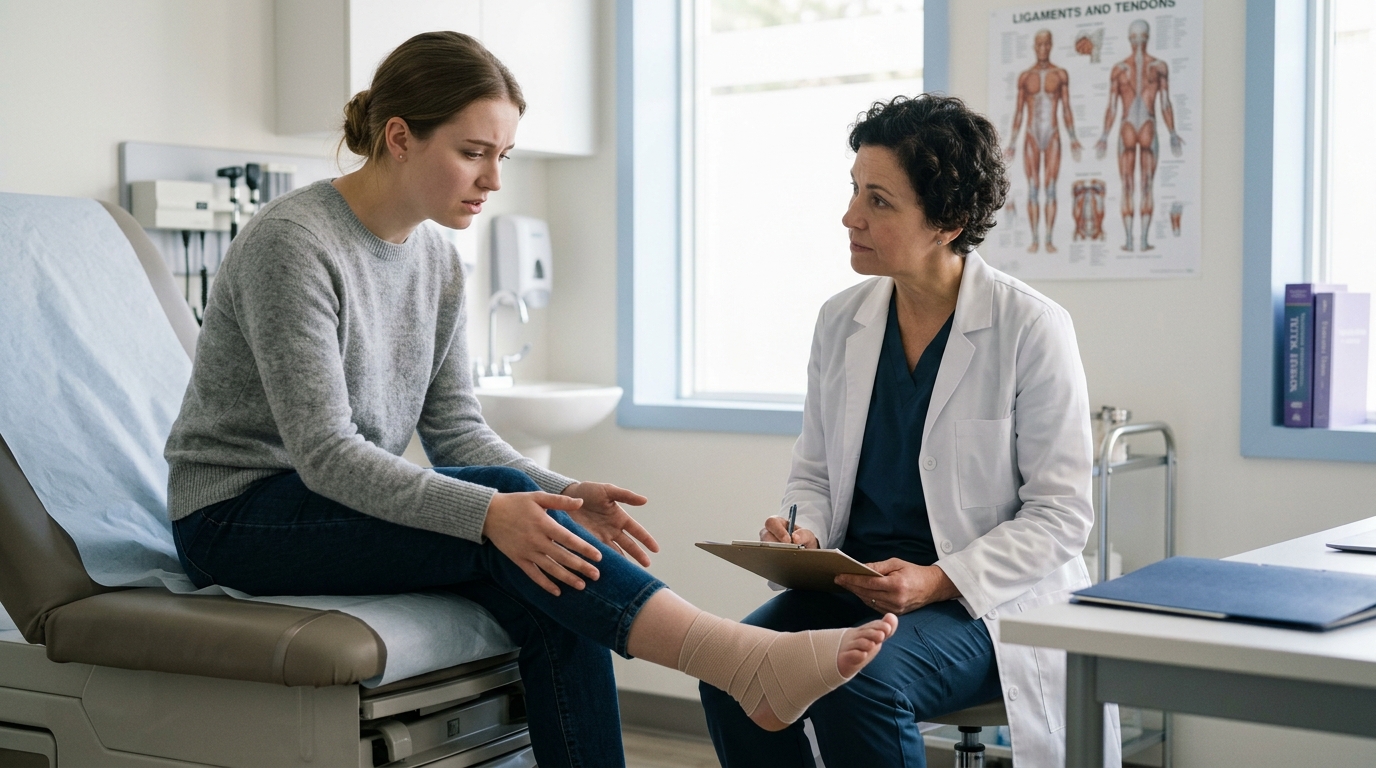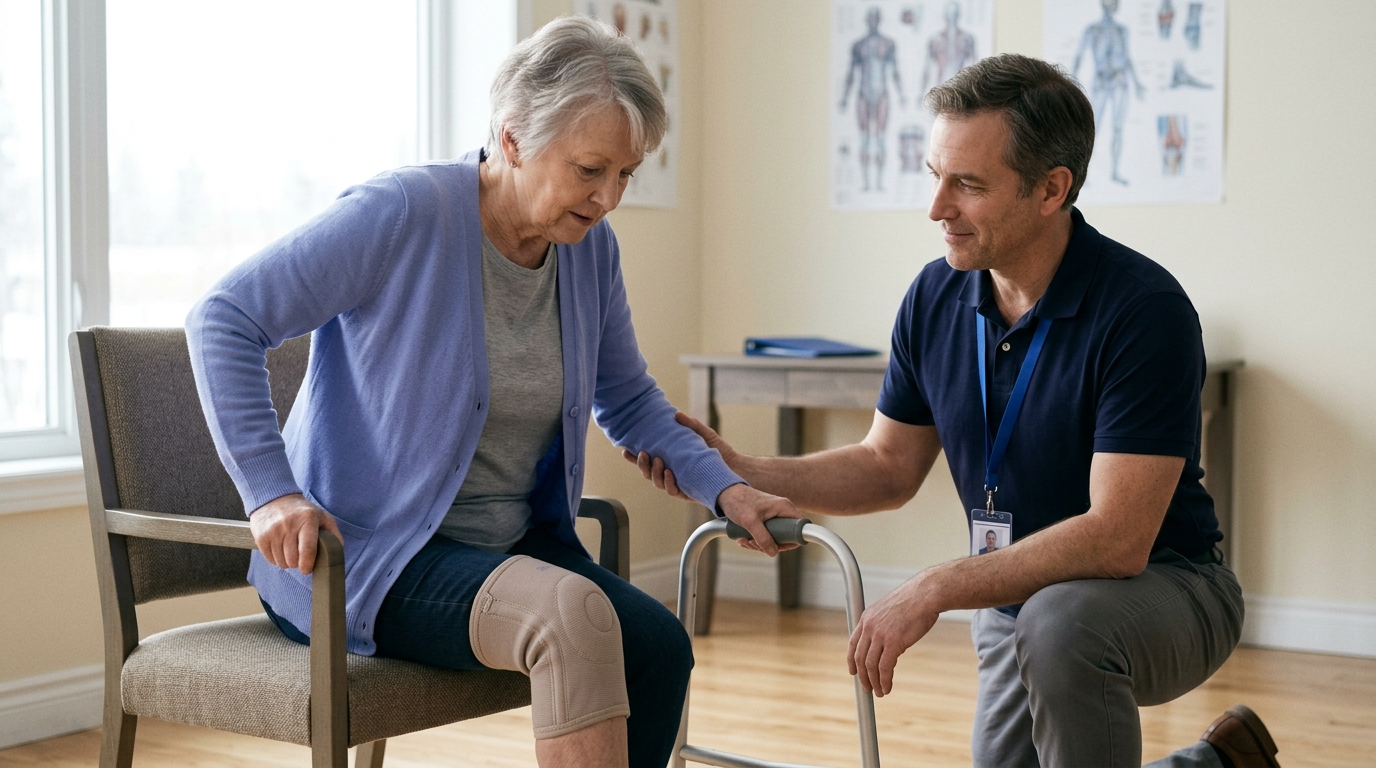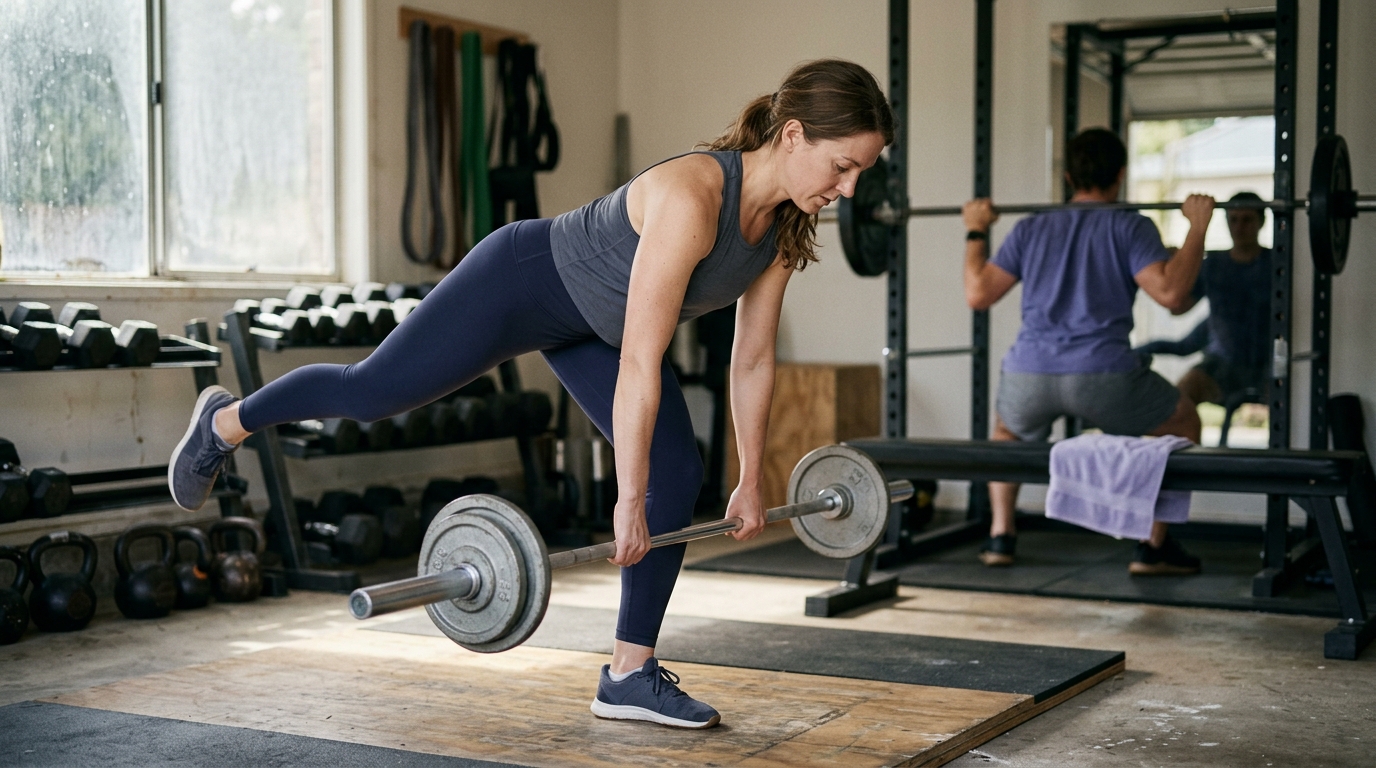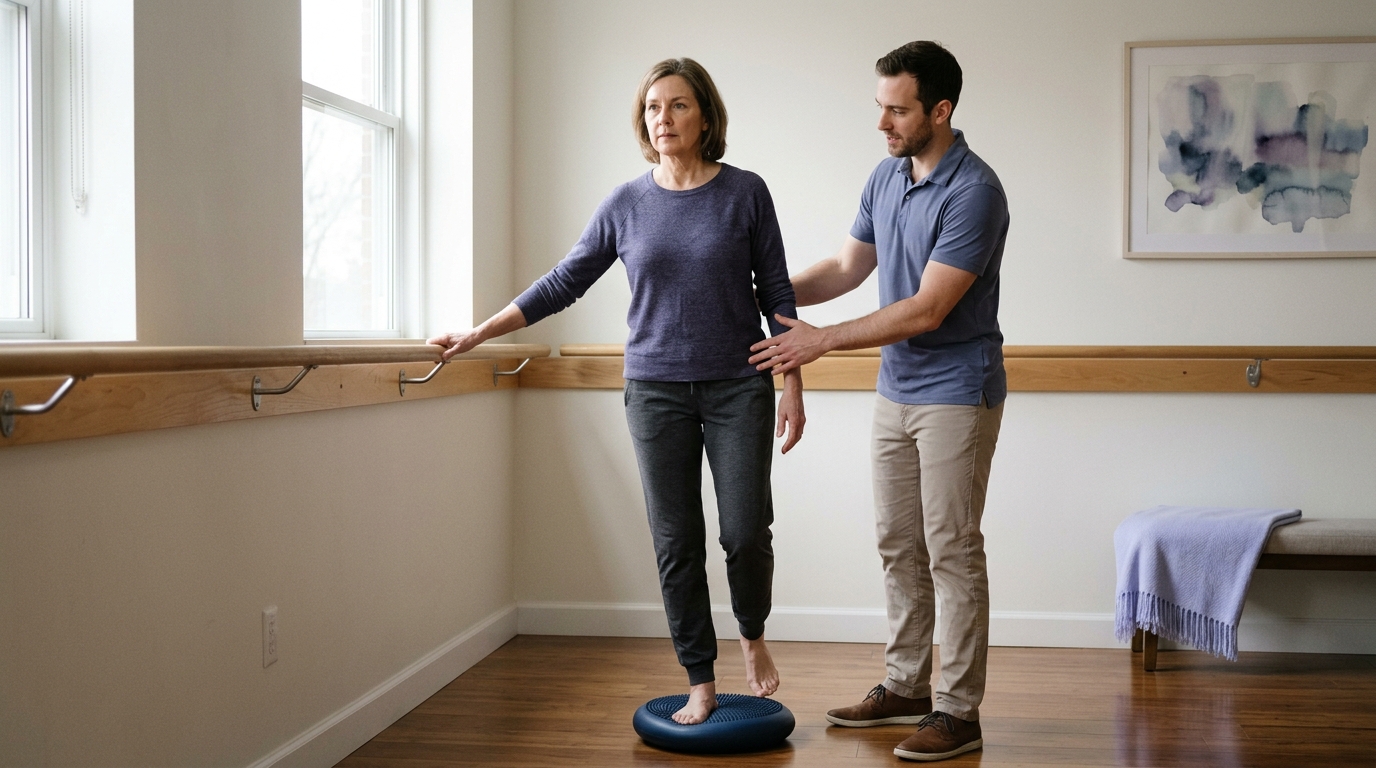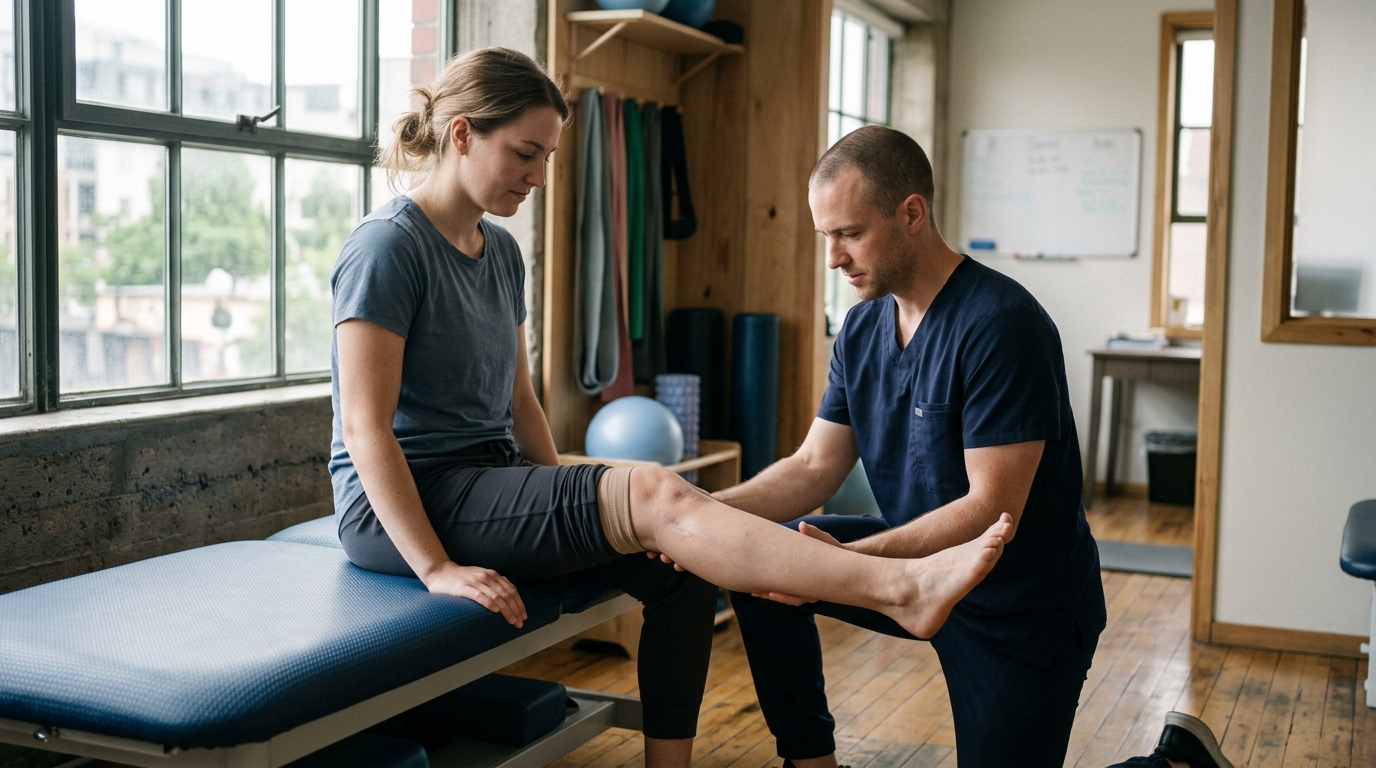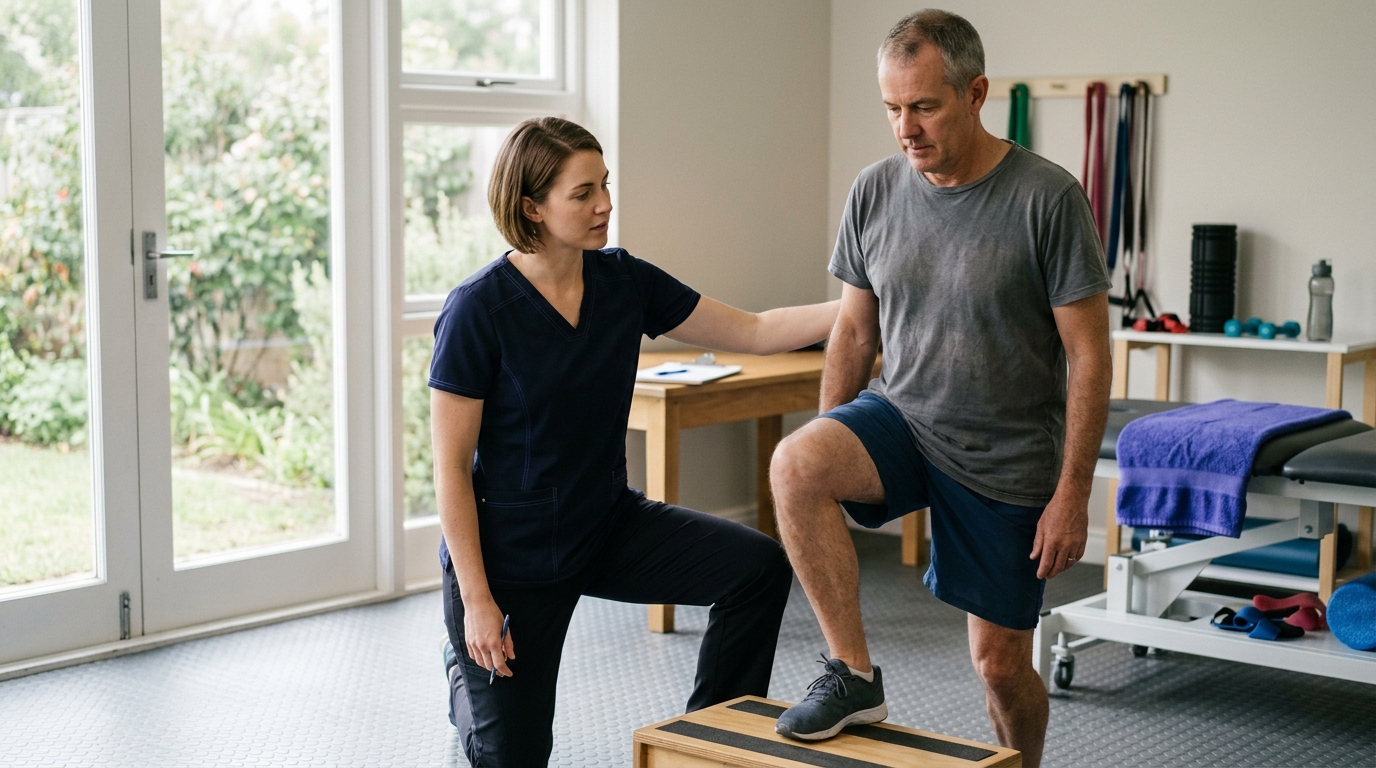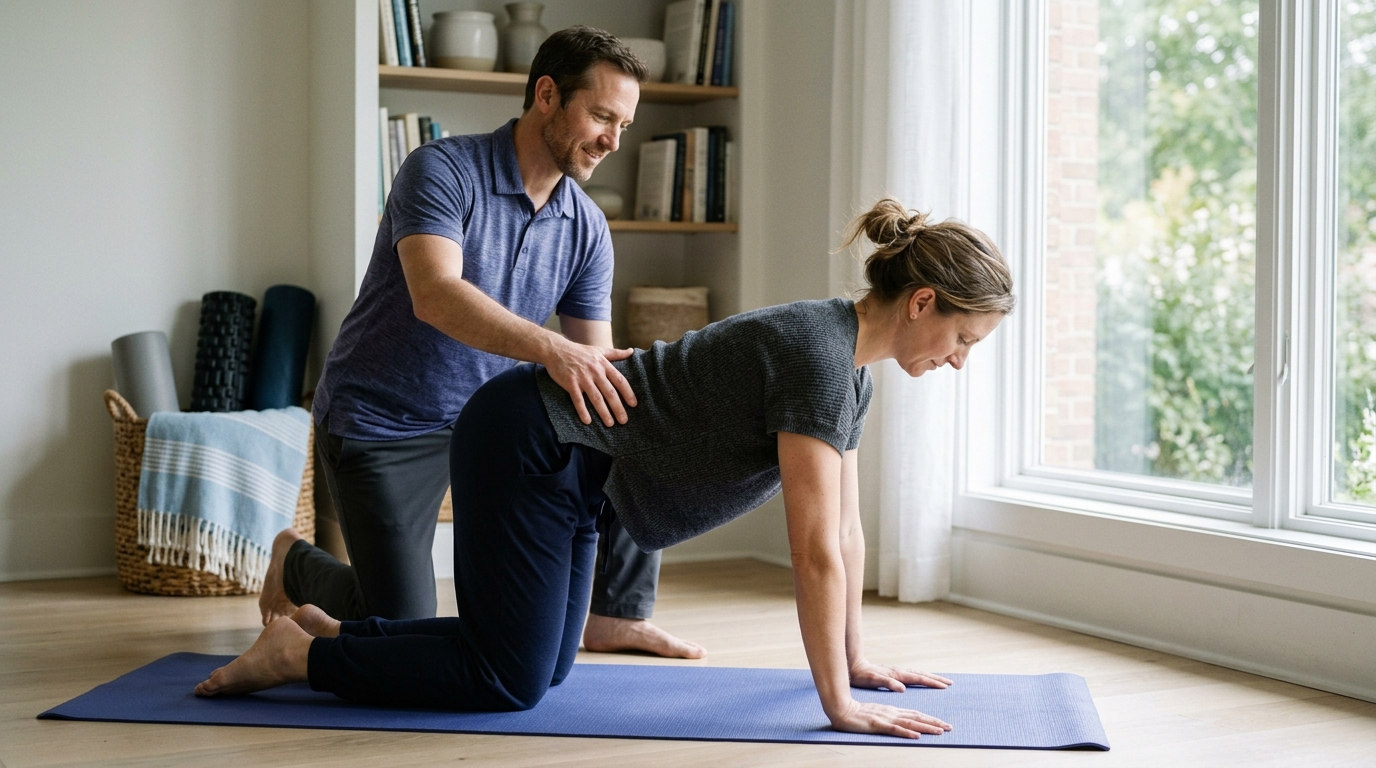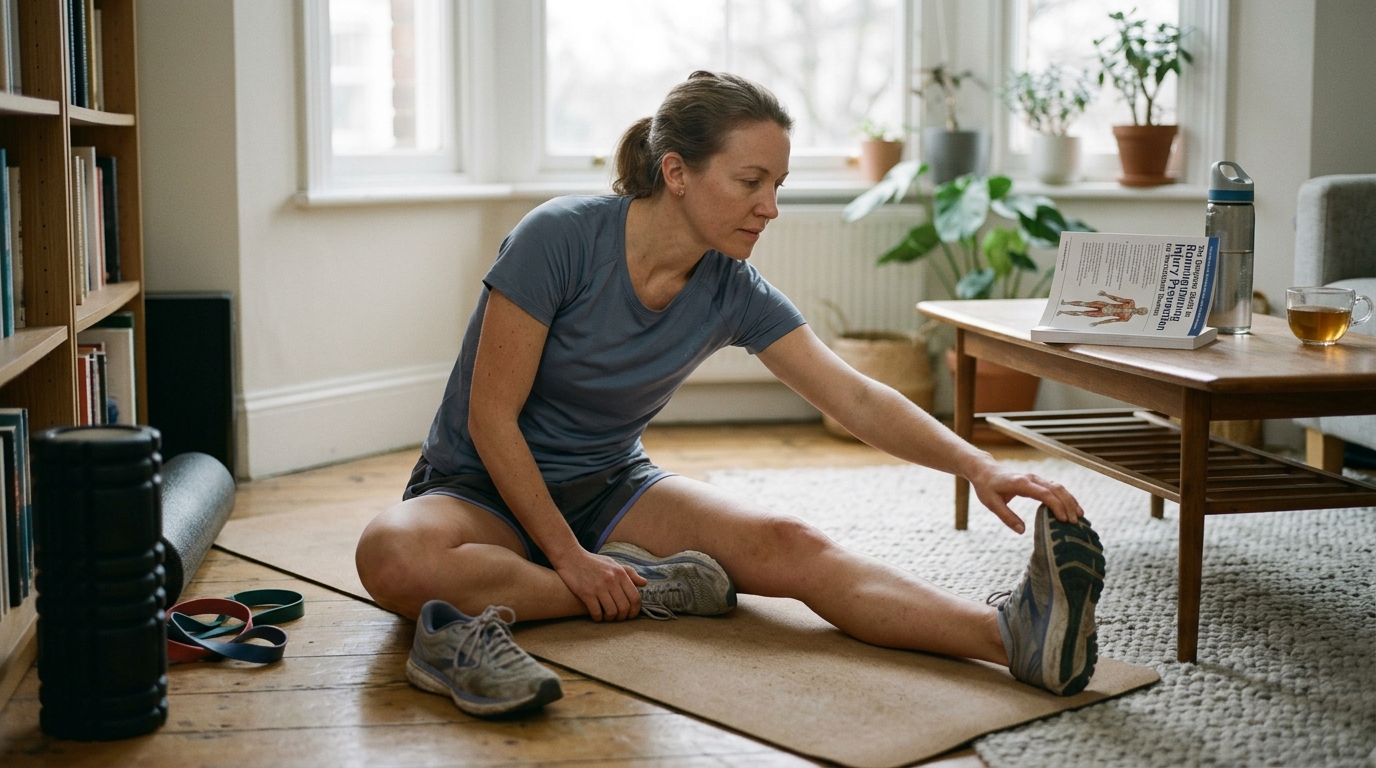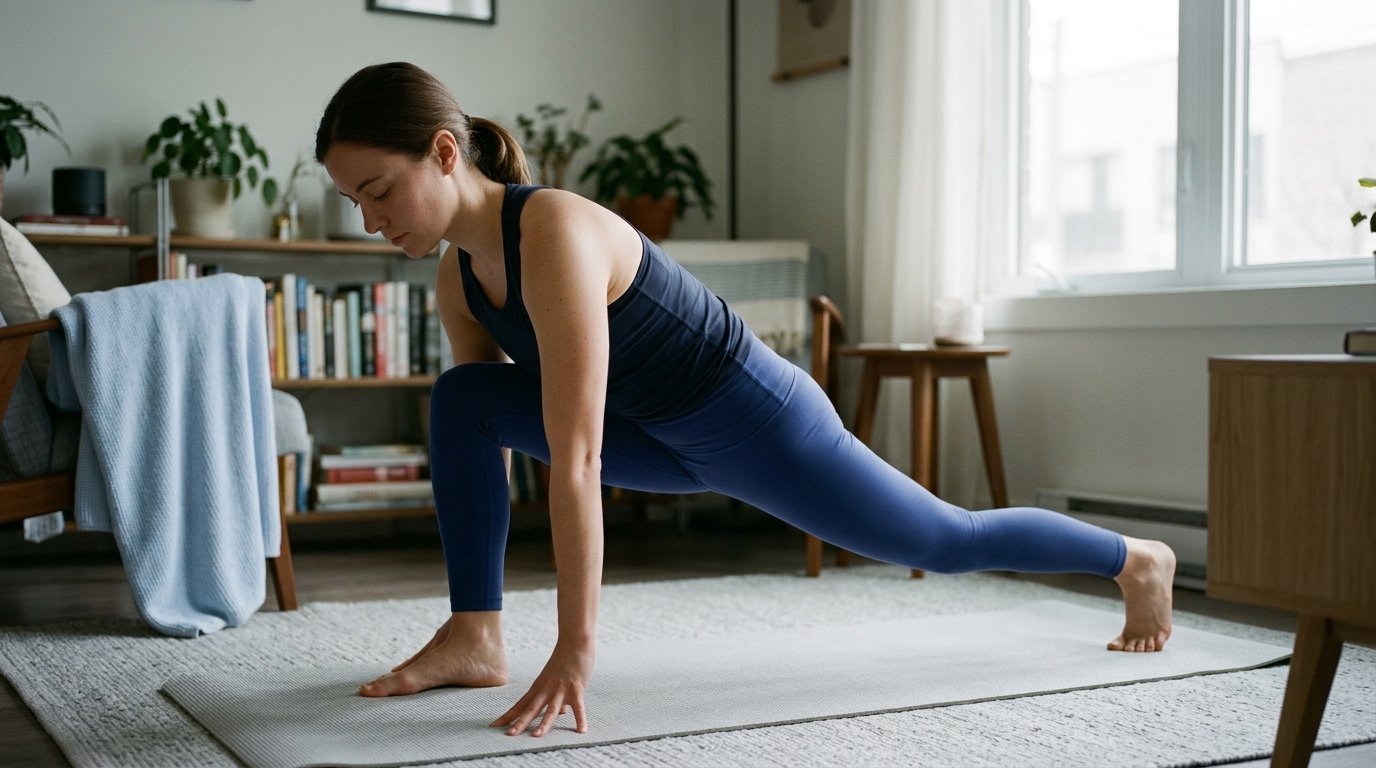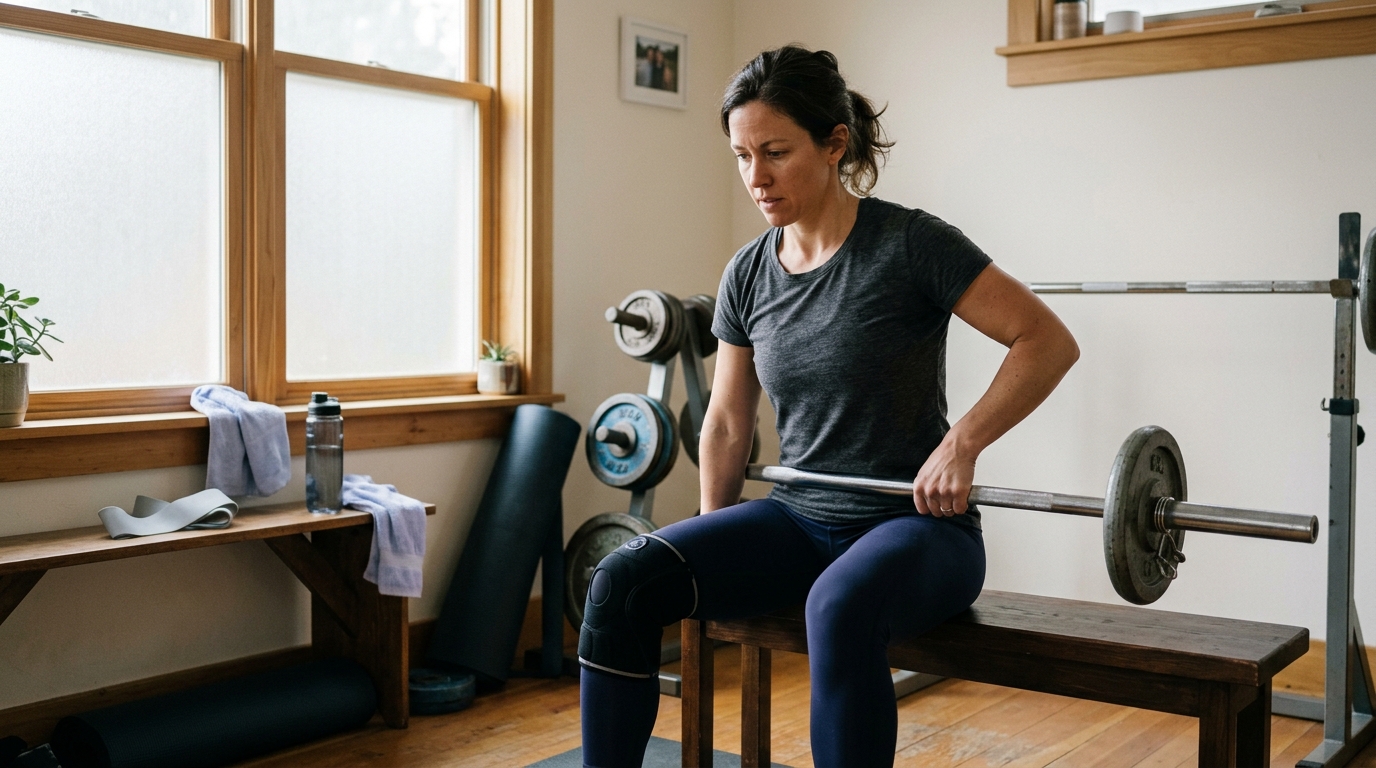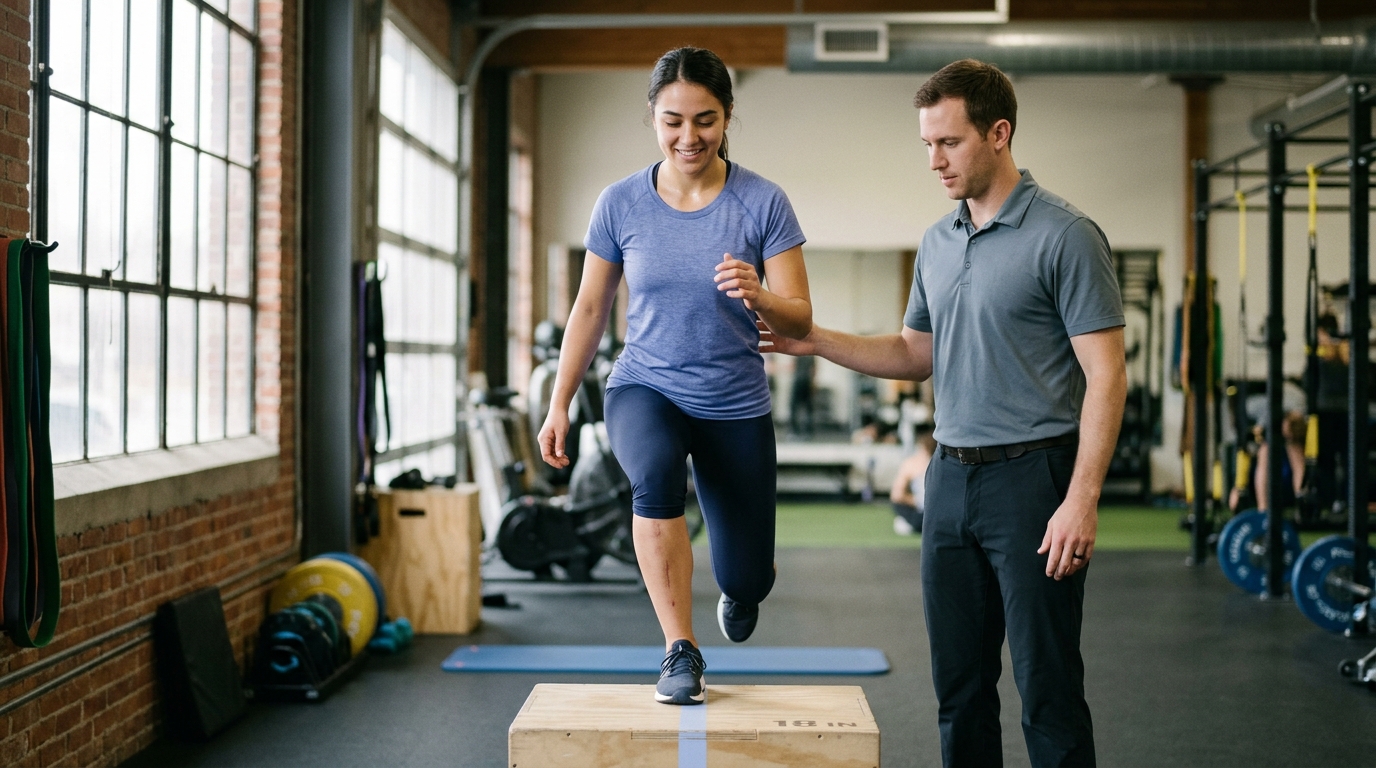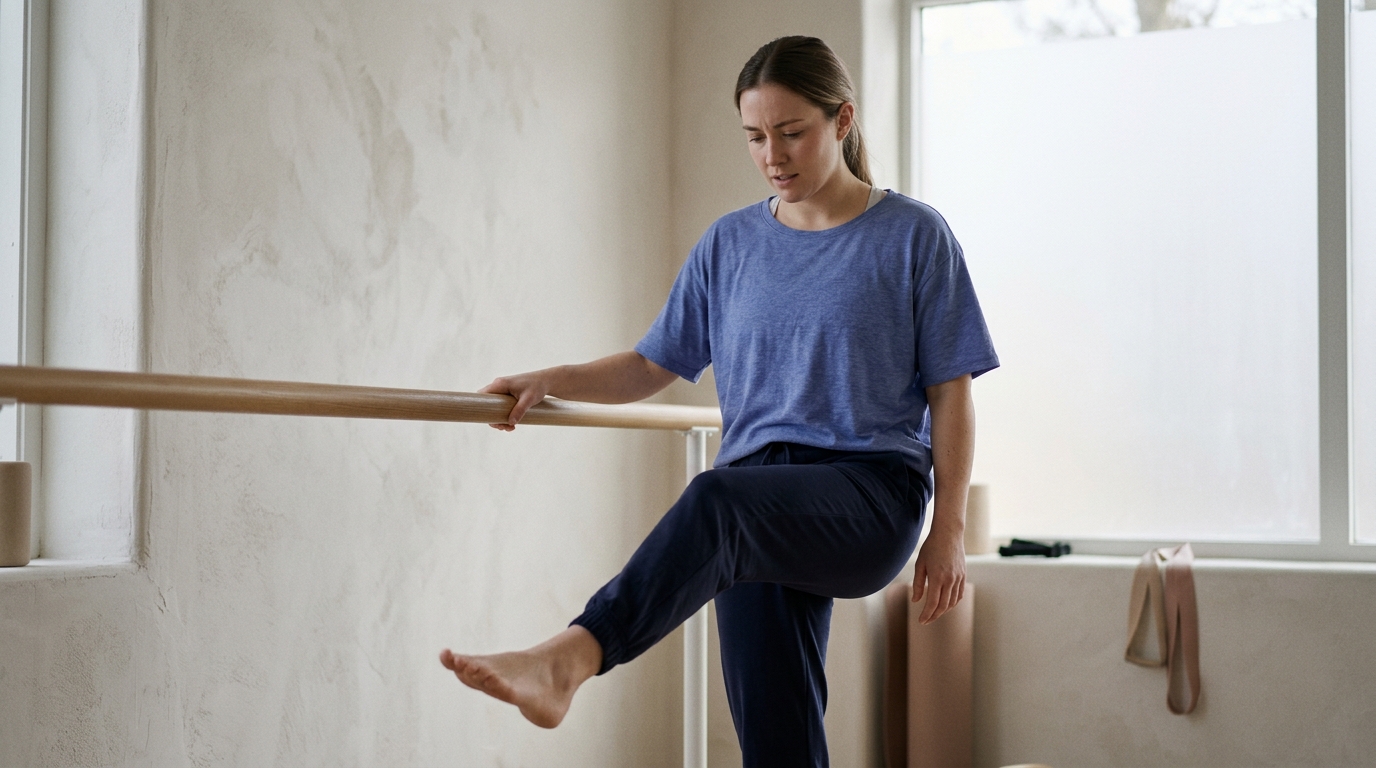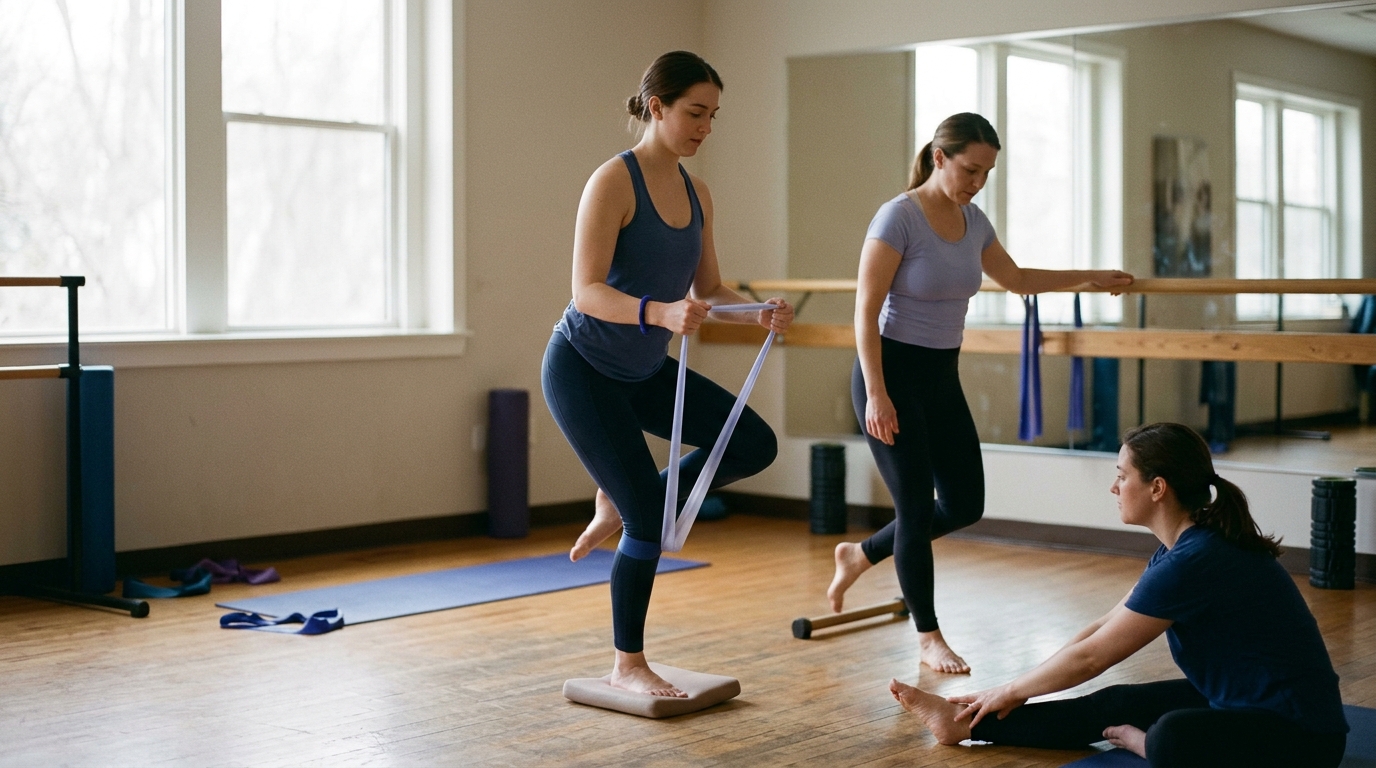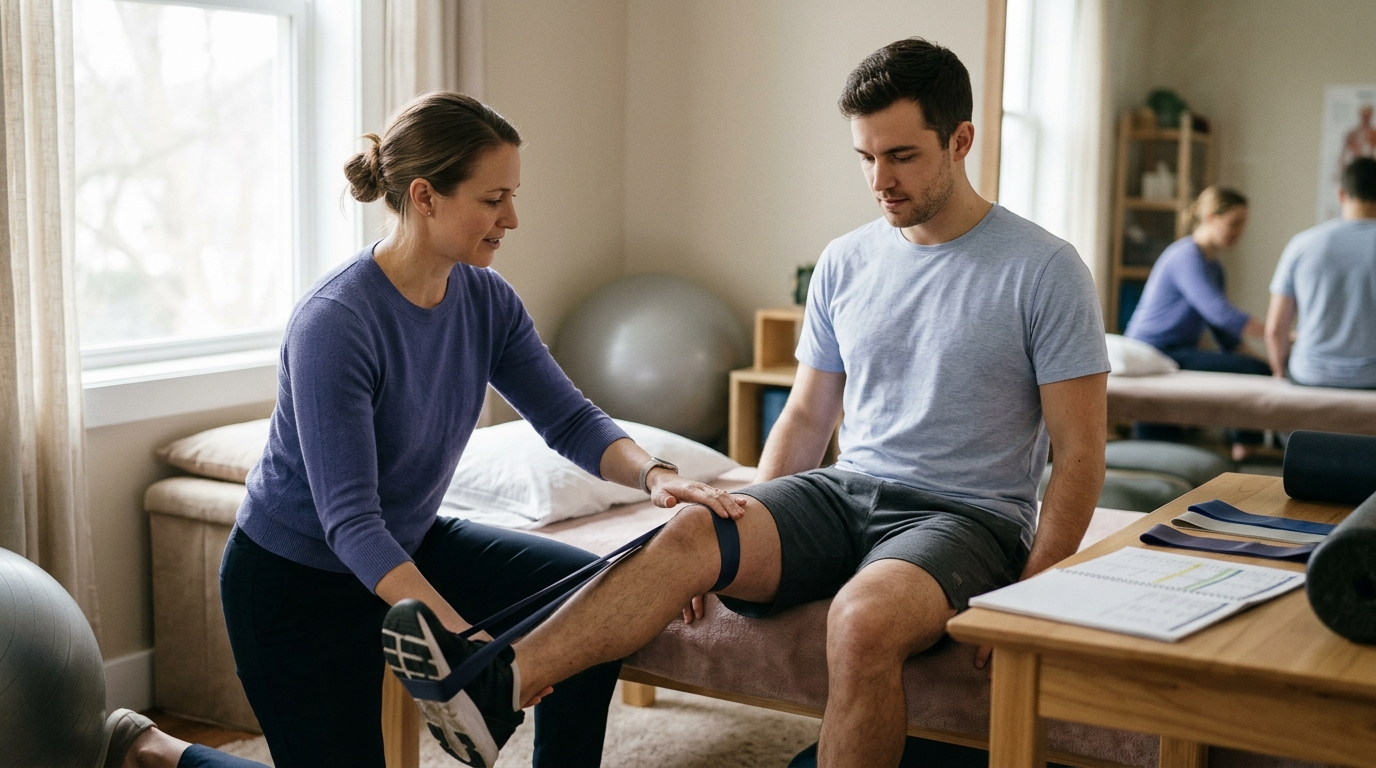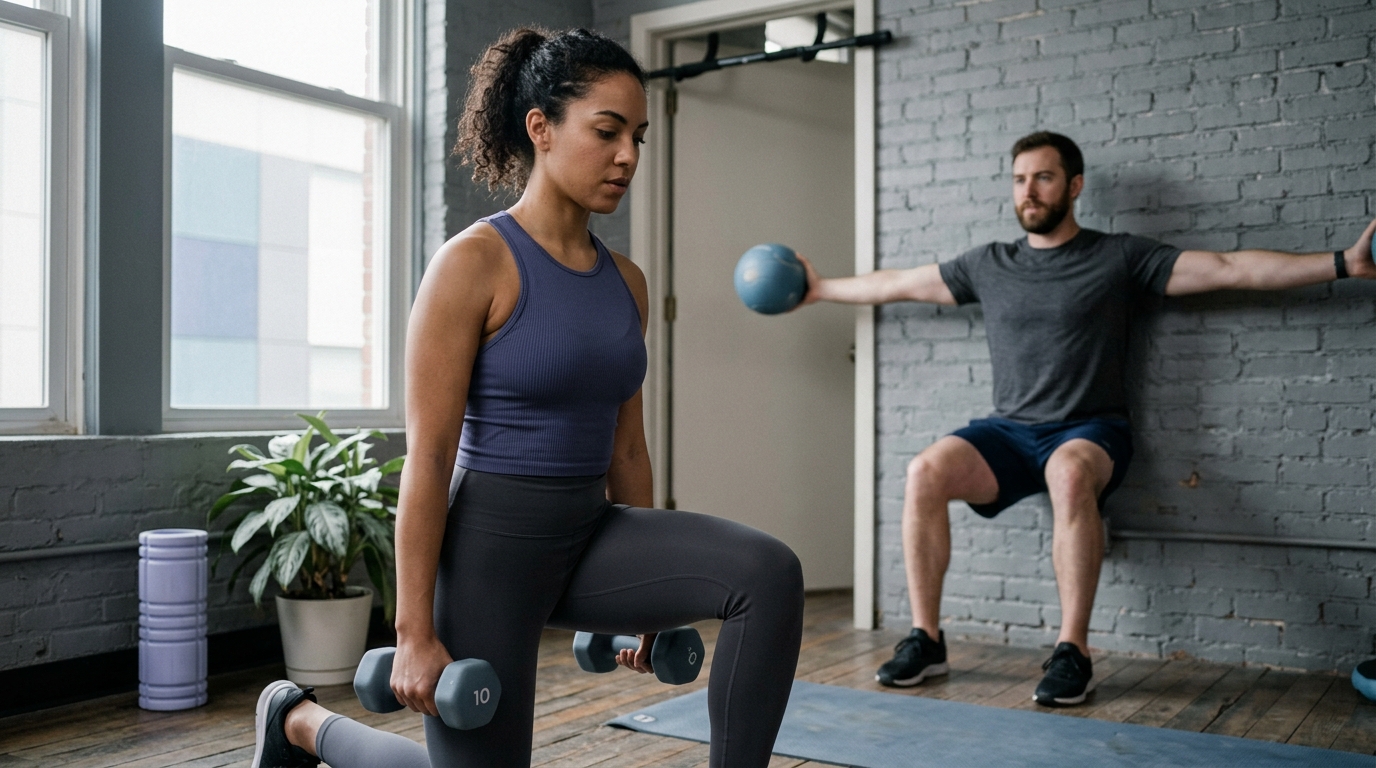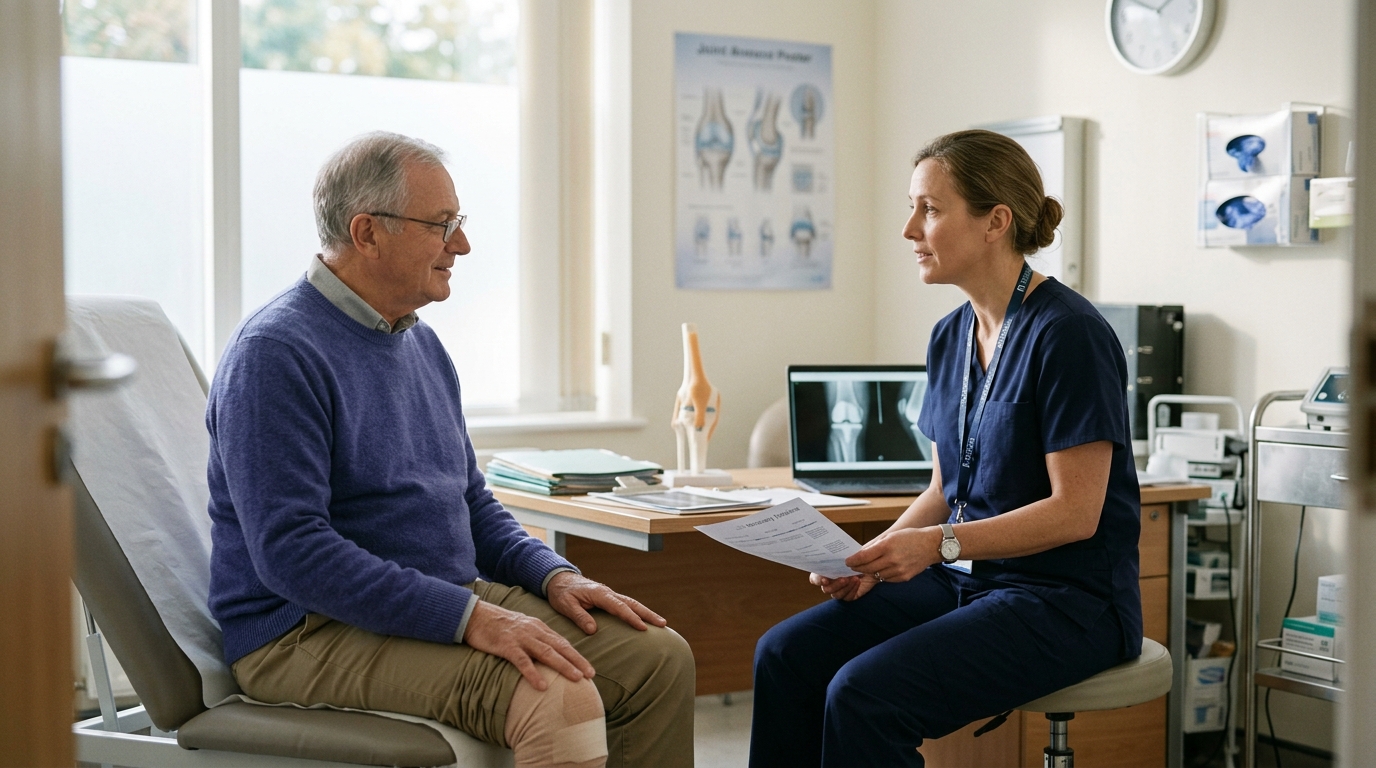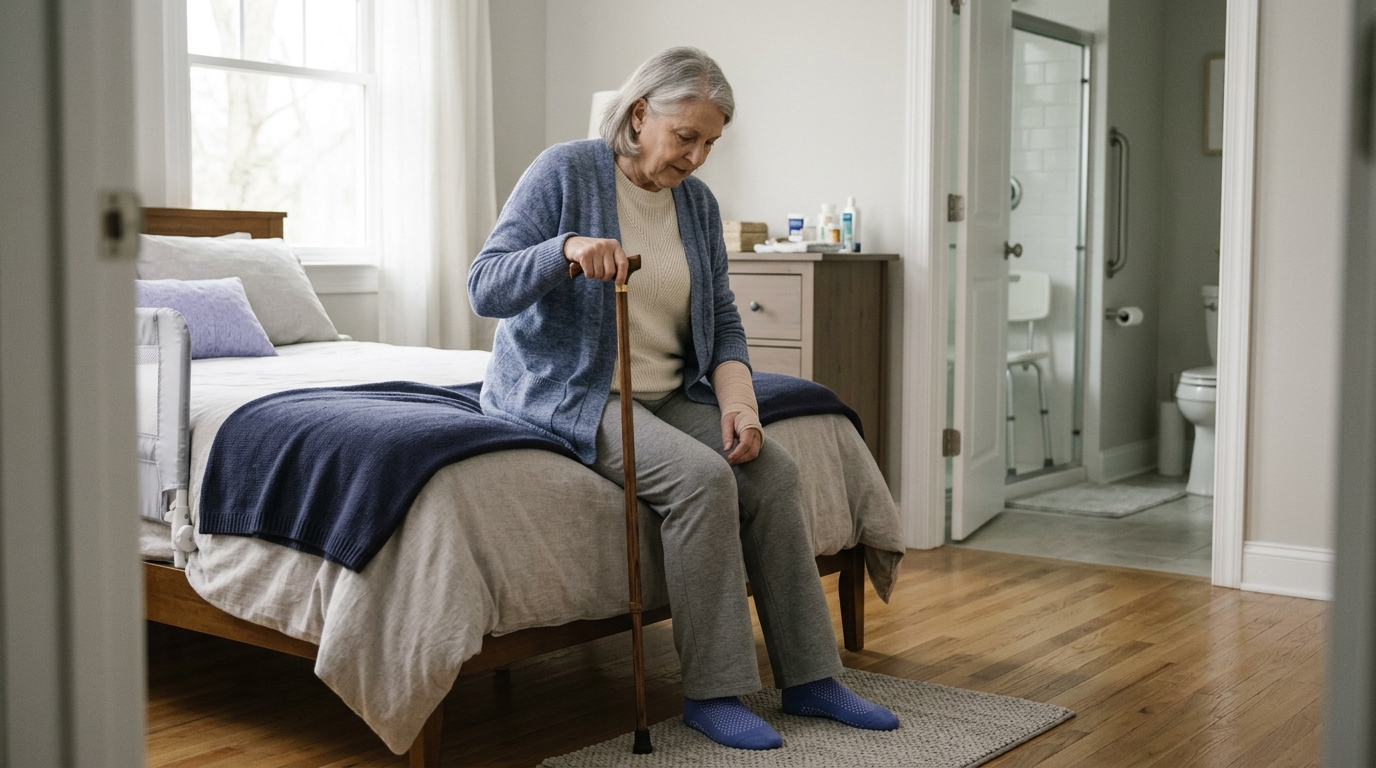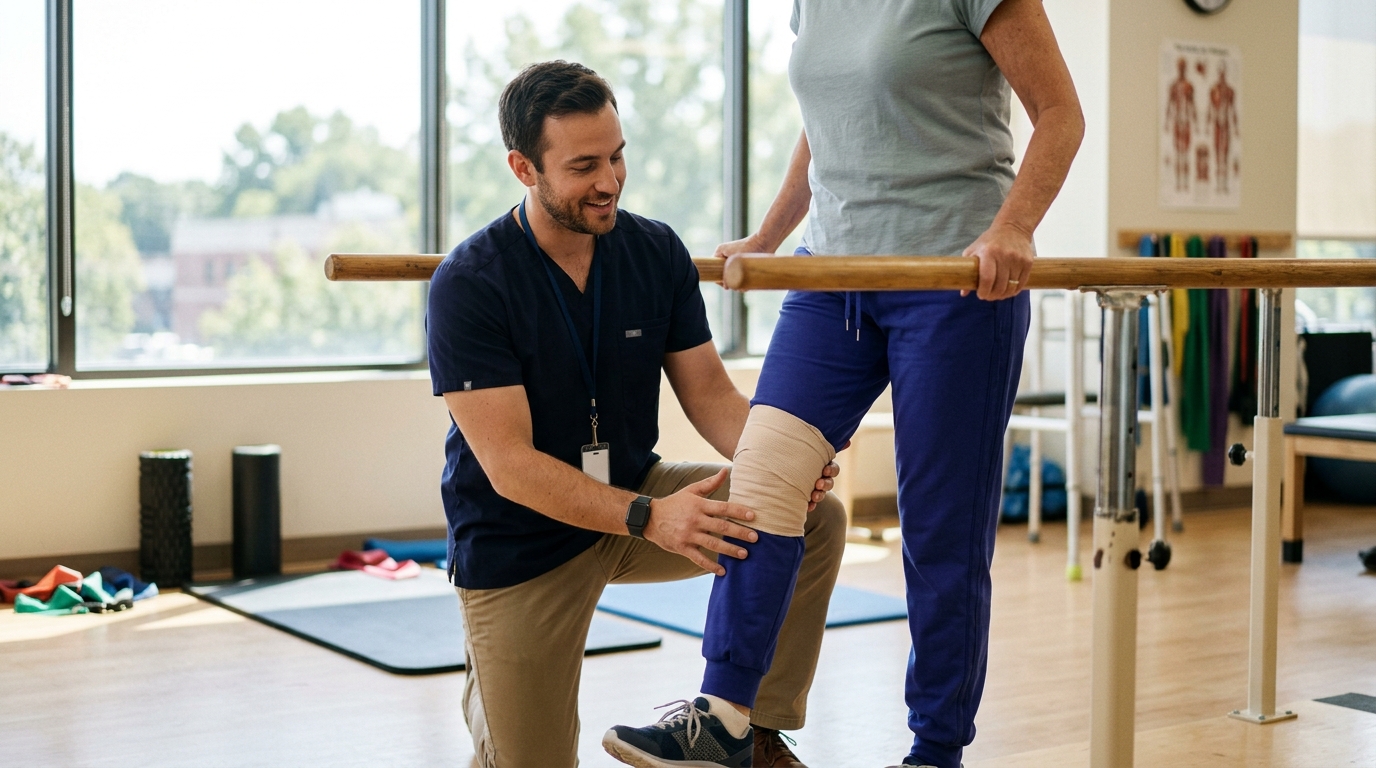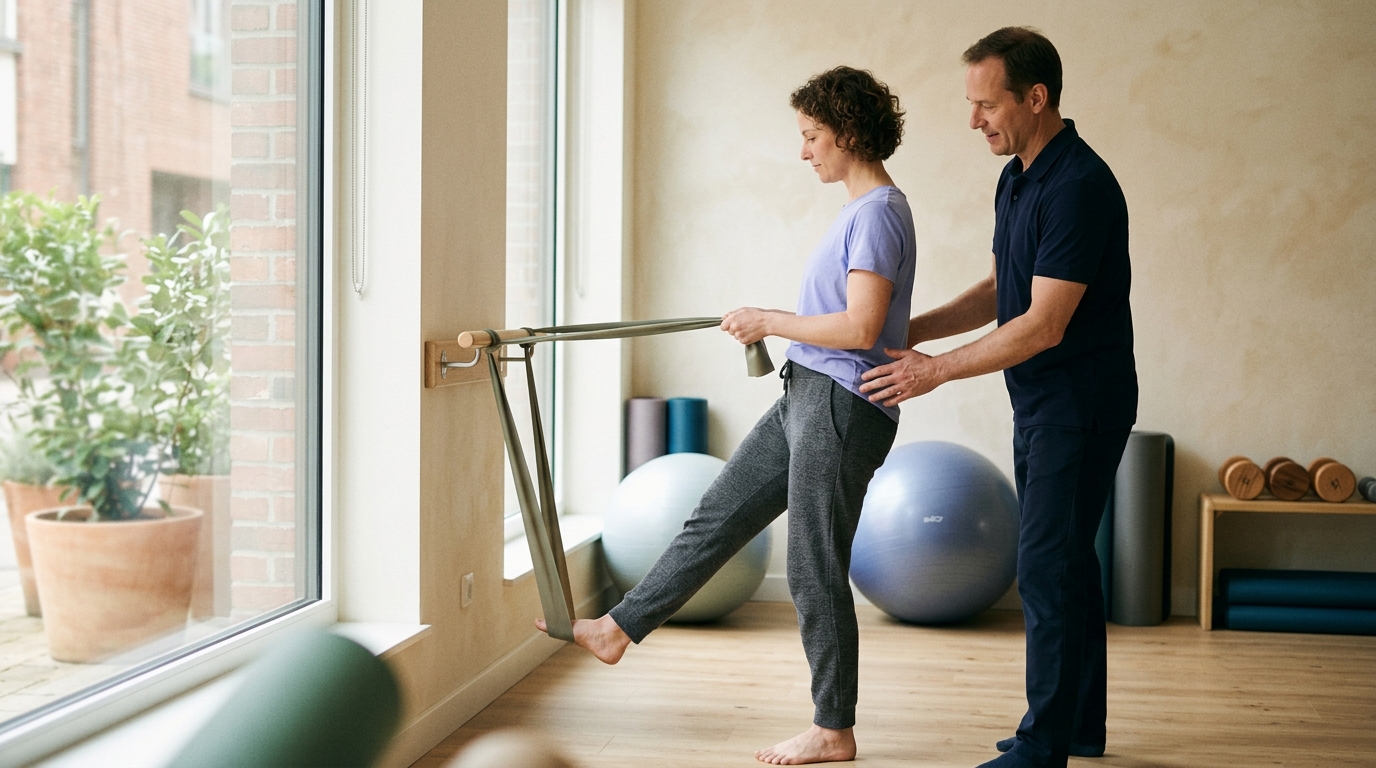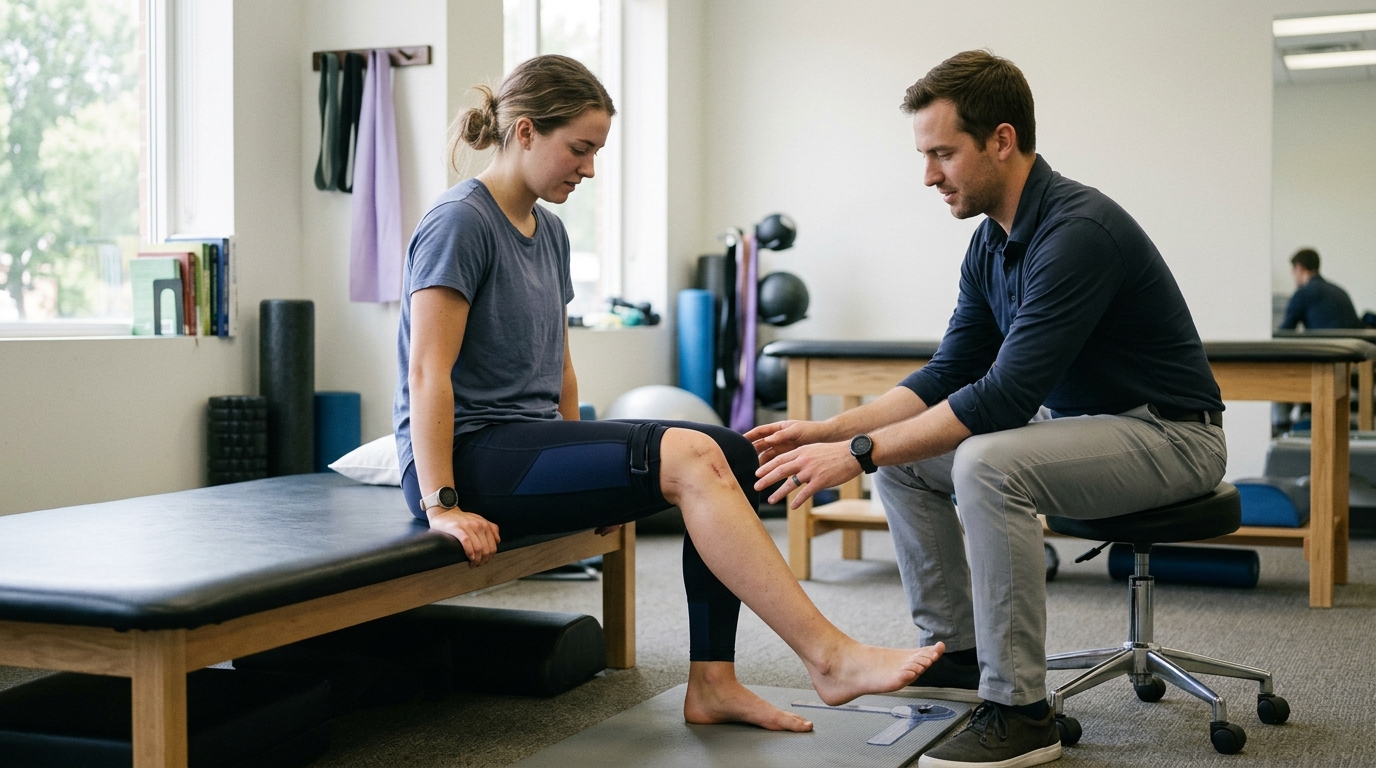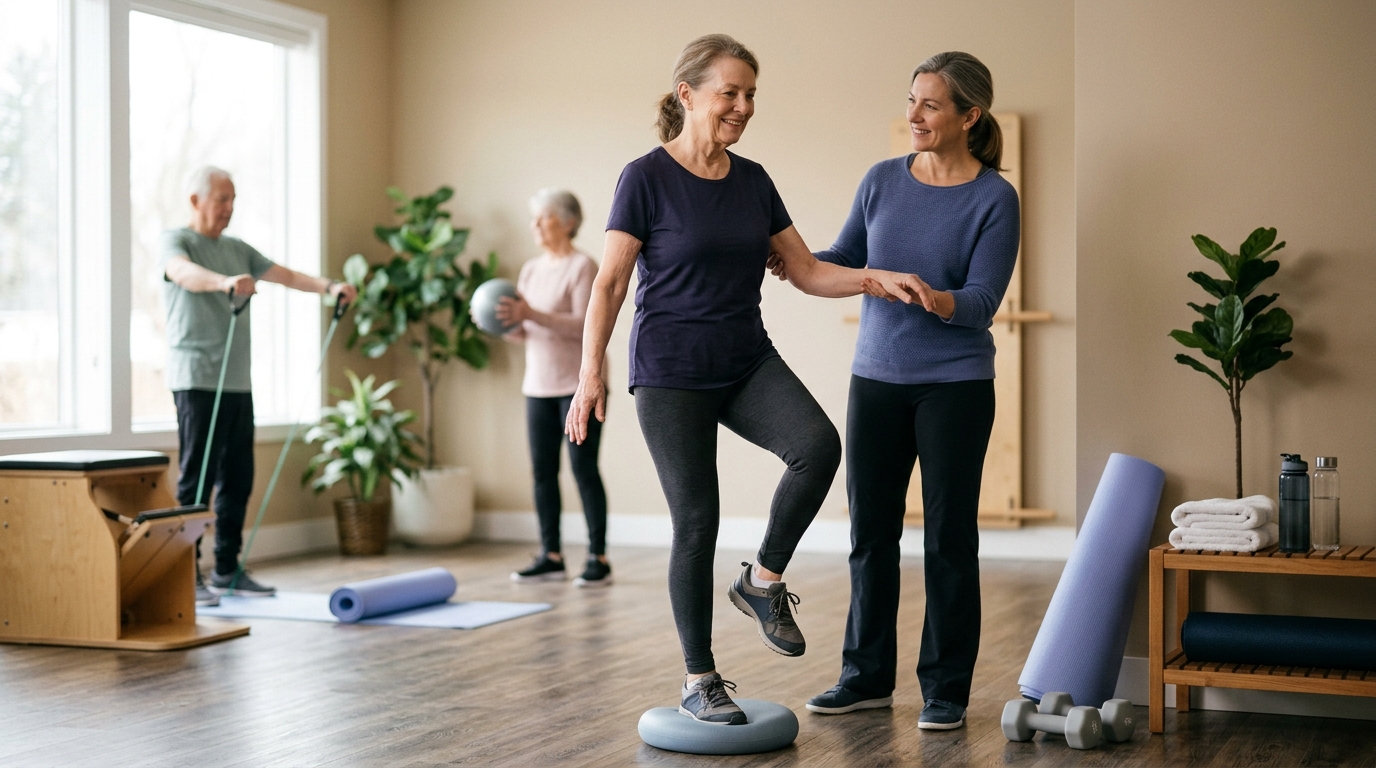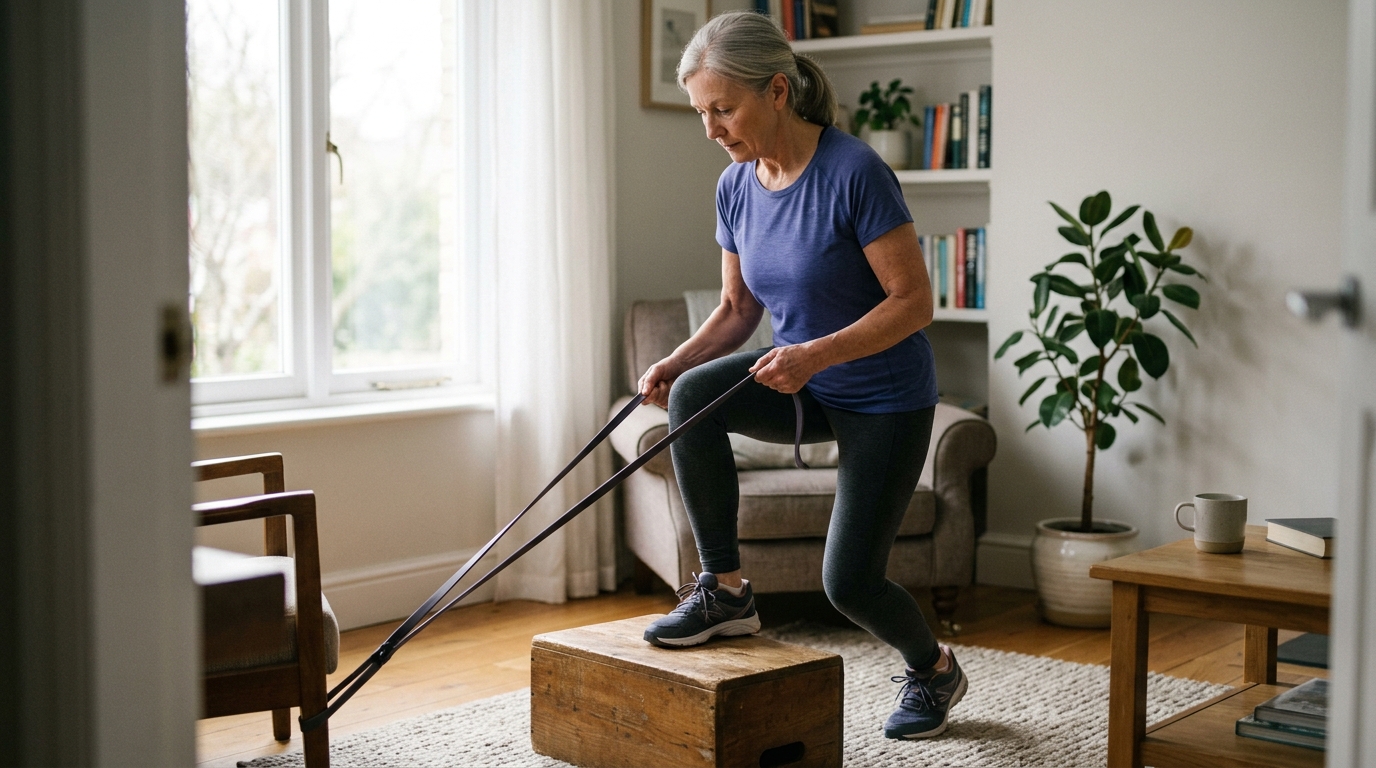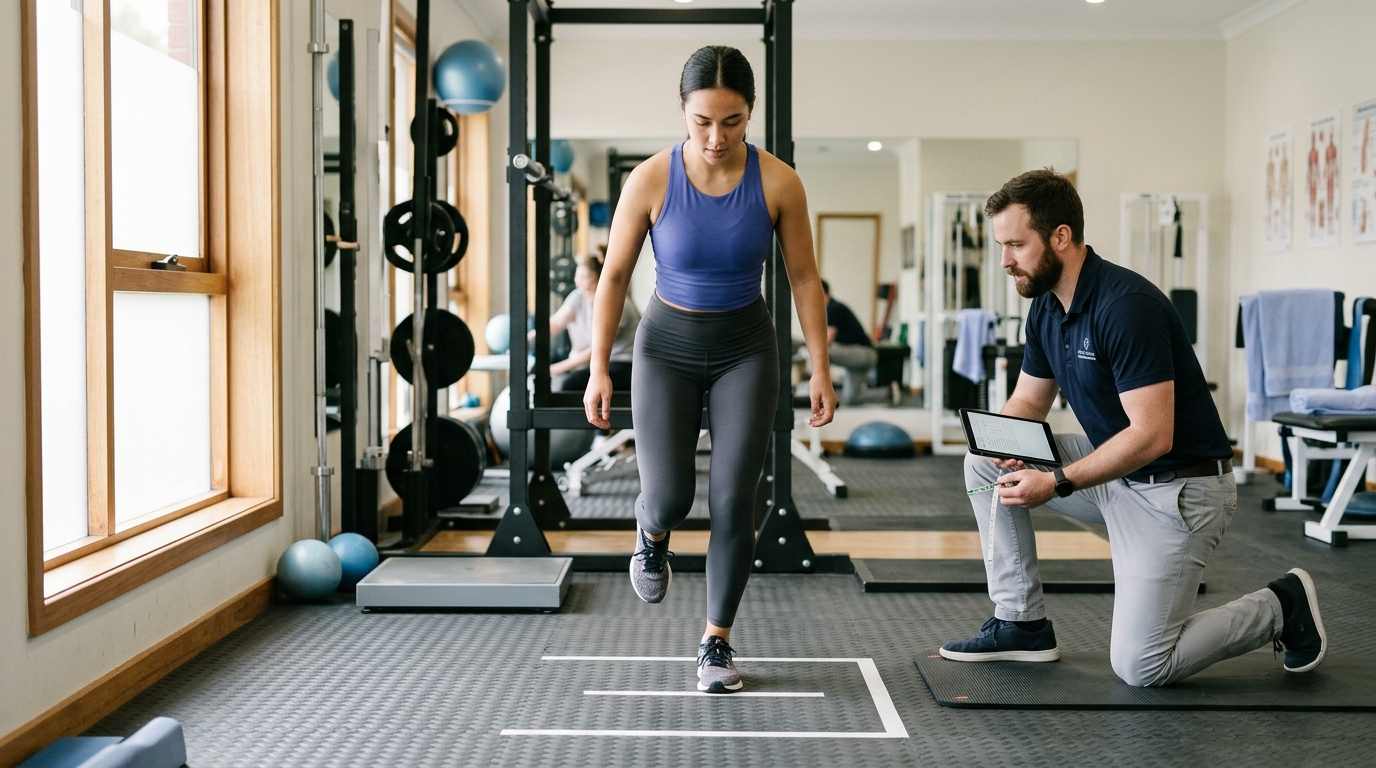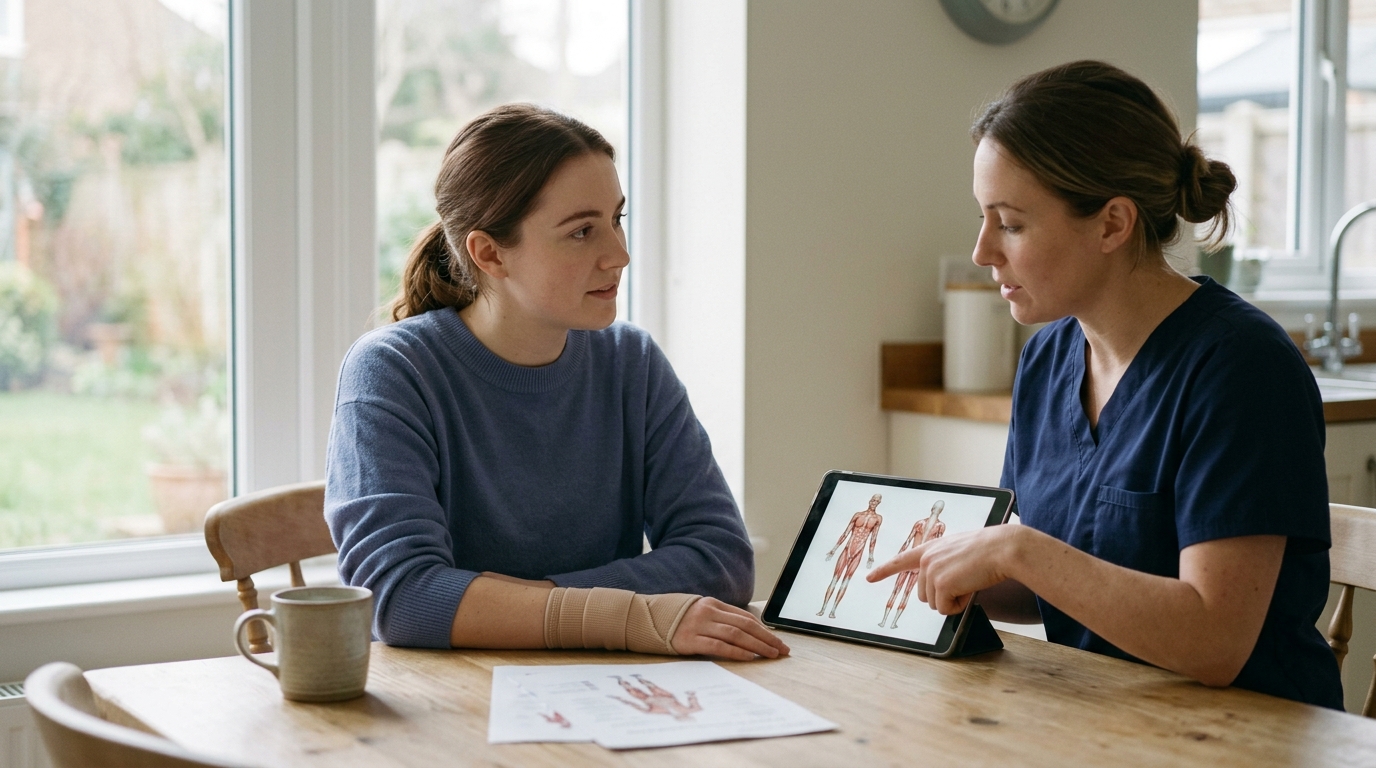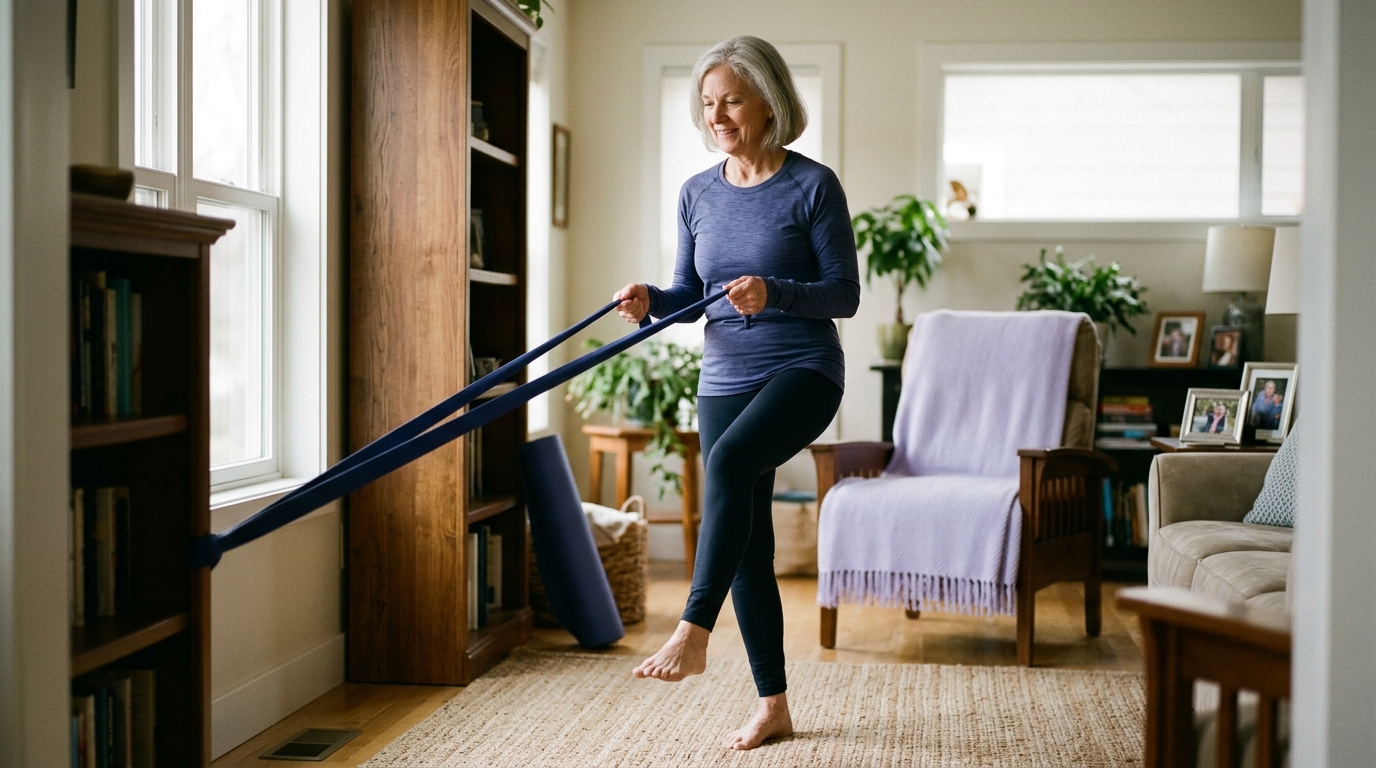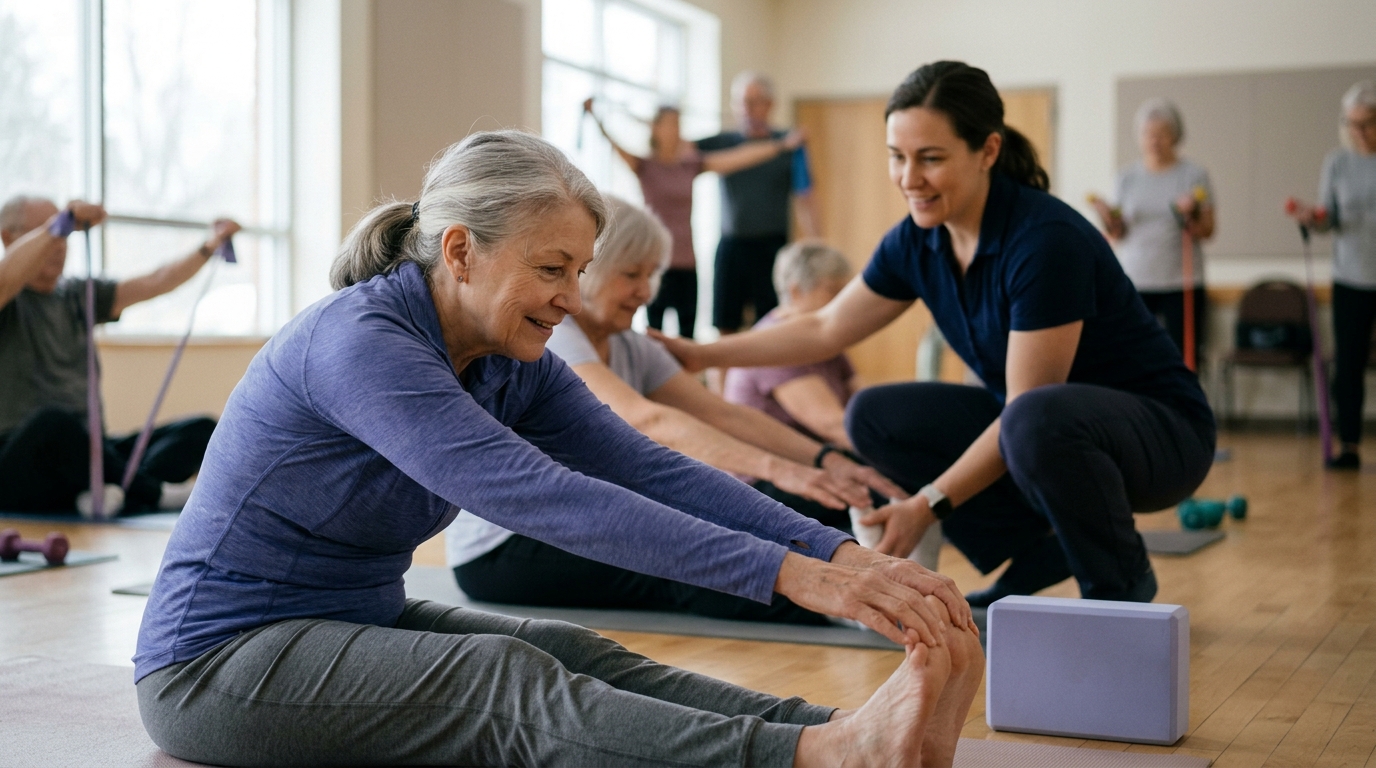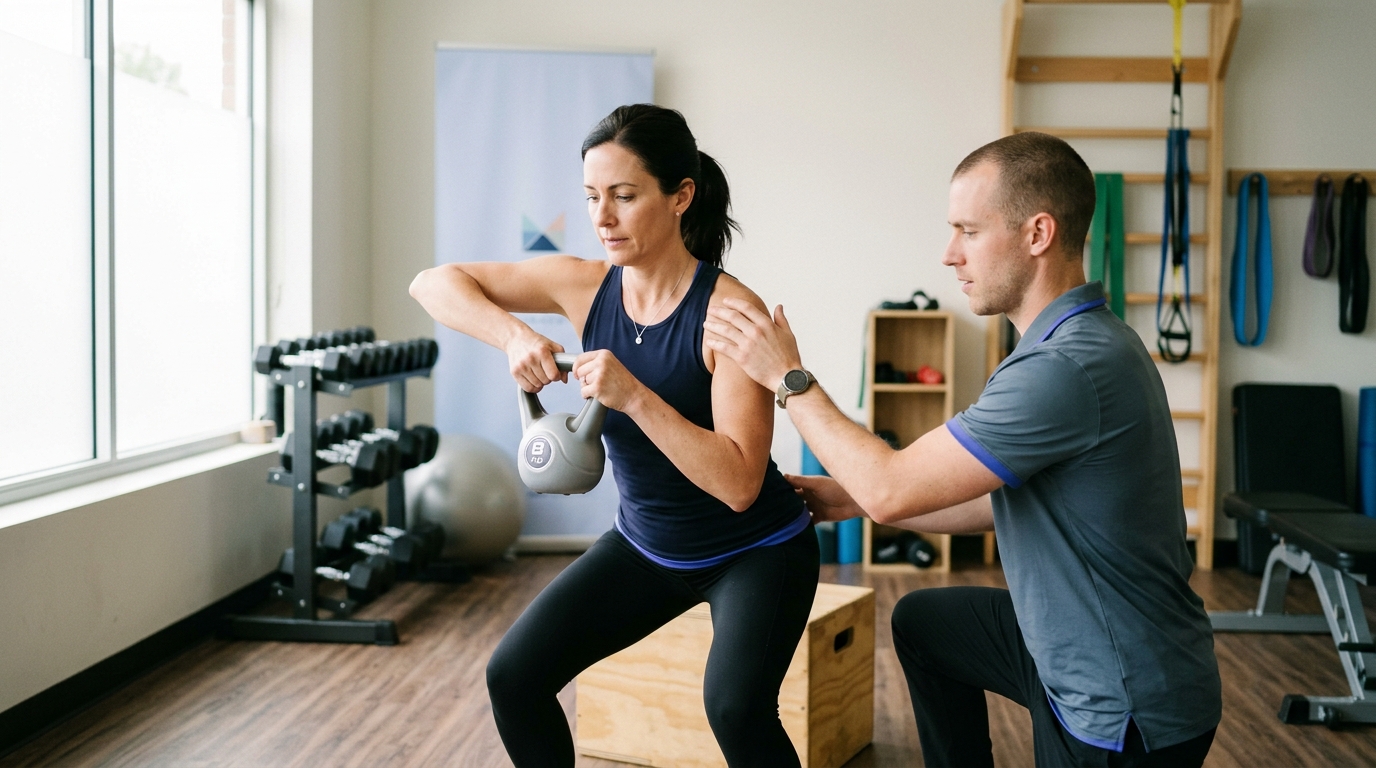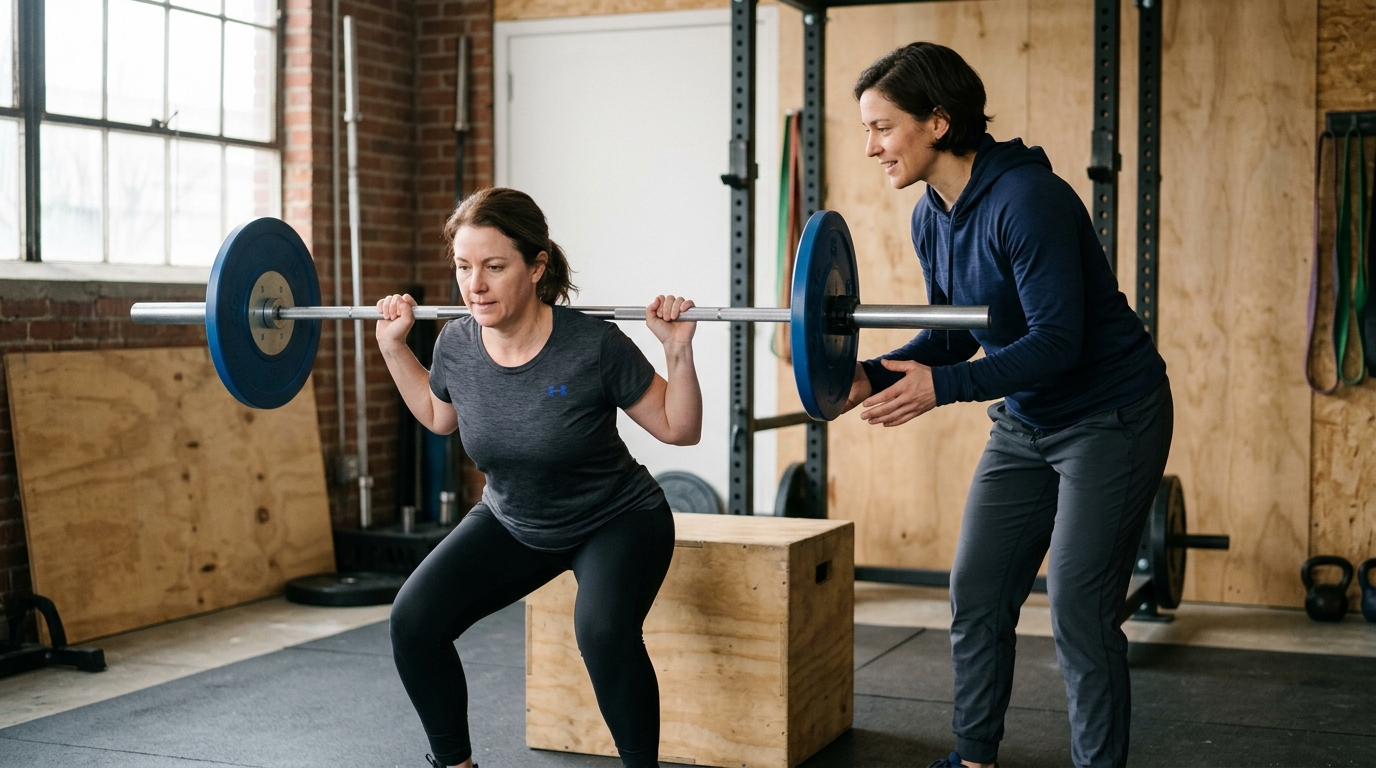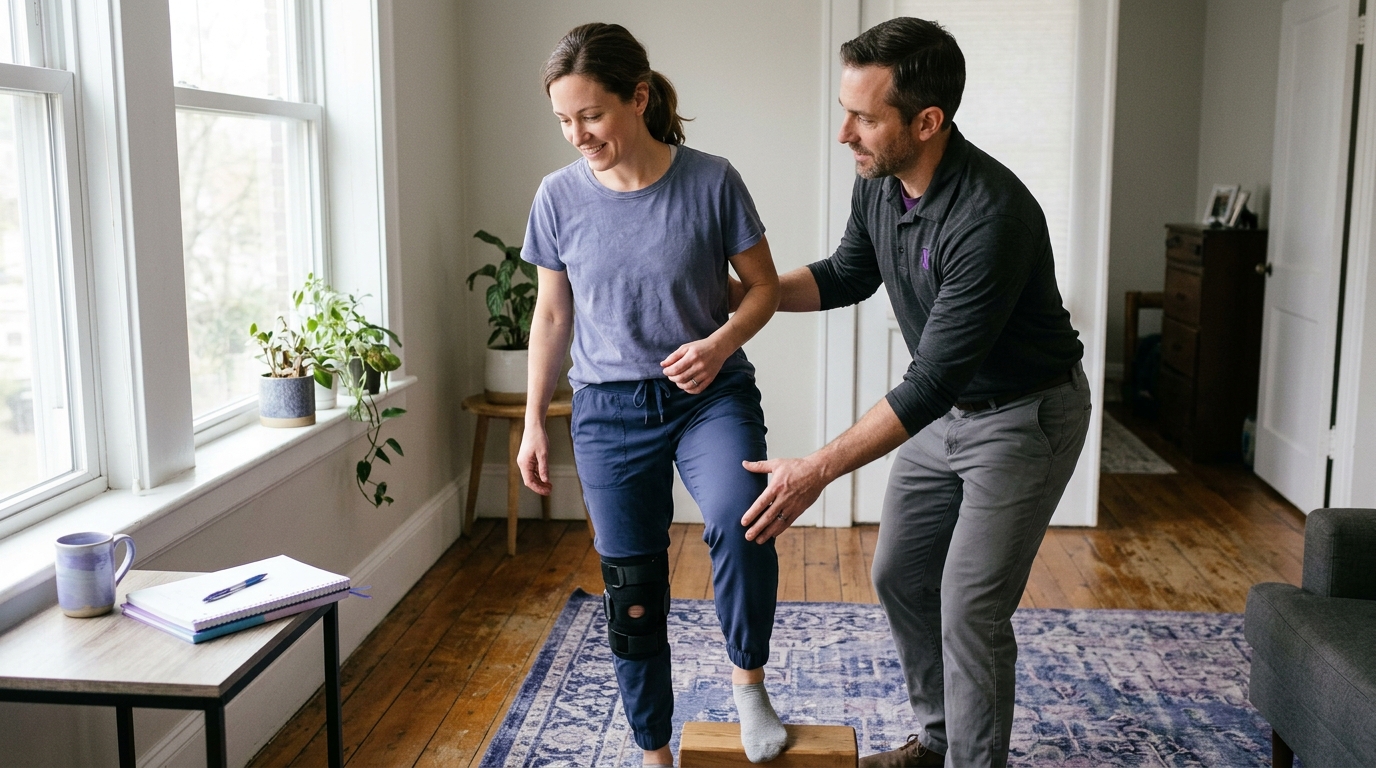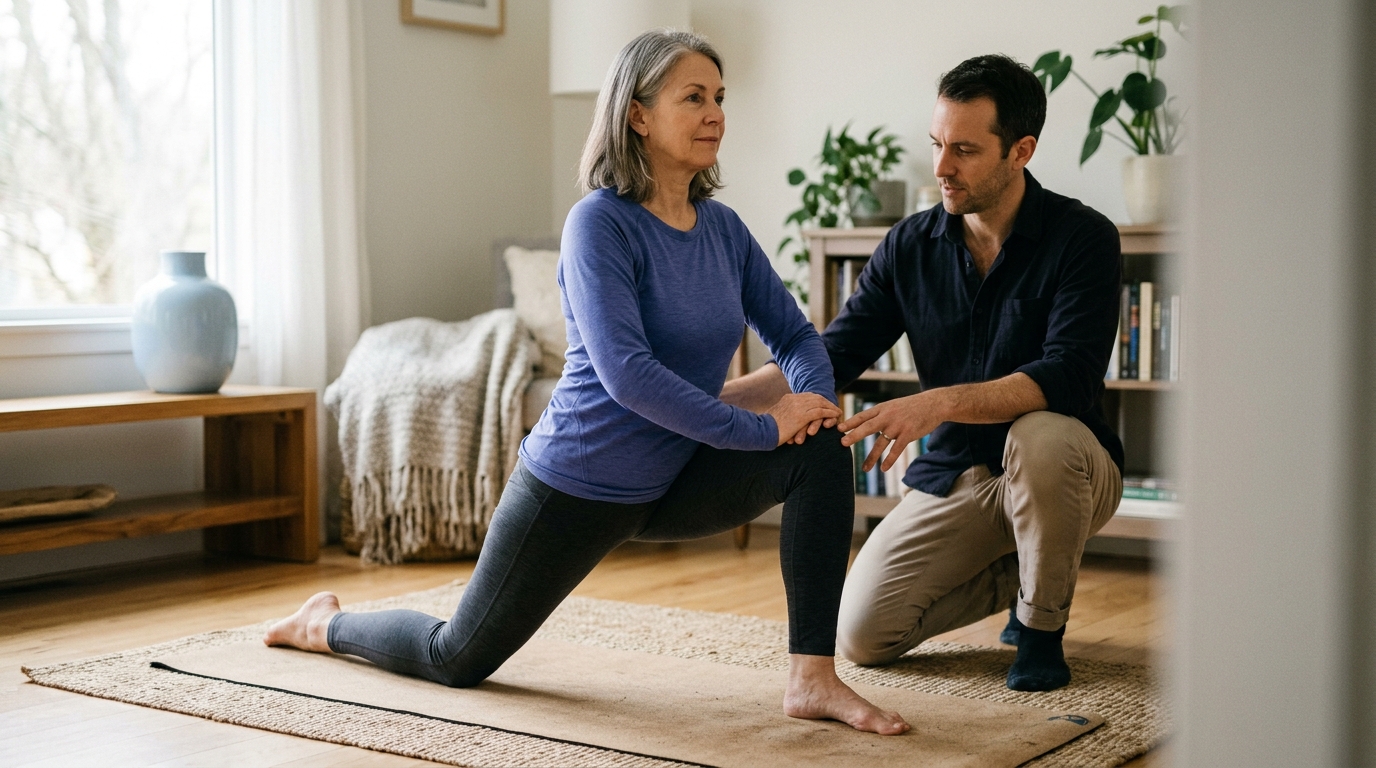

Hip mobility and targeted strength training help improve daily movement, resolve chronic joint tightness, and restore functional control for tasks like walking and climbing stairs.





Many people spend years stretching their hips without noticing any real improvement in how they walk, climb stairs, or get out of a chair. The common assumption is that tight hips simply require more passive flexibility. Yet forcing a joint into extreme positions rarely translates into smoother daily function.
Comfortable movement depends on usable mobility, muscular strength, and nervous system control working together. A joint needs enough range of motion to complete a task, but it also needs sufficient muscular support to carry your body weight safely. When one of these components is missing, everyday activities can feel stiff, uncomfortable, or exhausting.
Understanding your hips from a functional perspective helps you focus on what actually matters for daily life. Instead of chasing arbitrary flexibility standards, you can target the specific capacities needed for your personal routines. This guide breaks down the science of hip function, outlines the demands of common daily tasks, and provides a clear framework for building lasting movement comfort.
Flexibility and mobility are often treated as the exact same thing in casual fitness conversations. However, movement science makes a clear distinction between them. Flexibility describes the passive length of your muscles and connective tissues when an external force moves your limb. Mobility refers to the active, usable range of motion you can control with your own muscular effort.
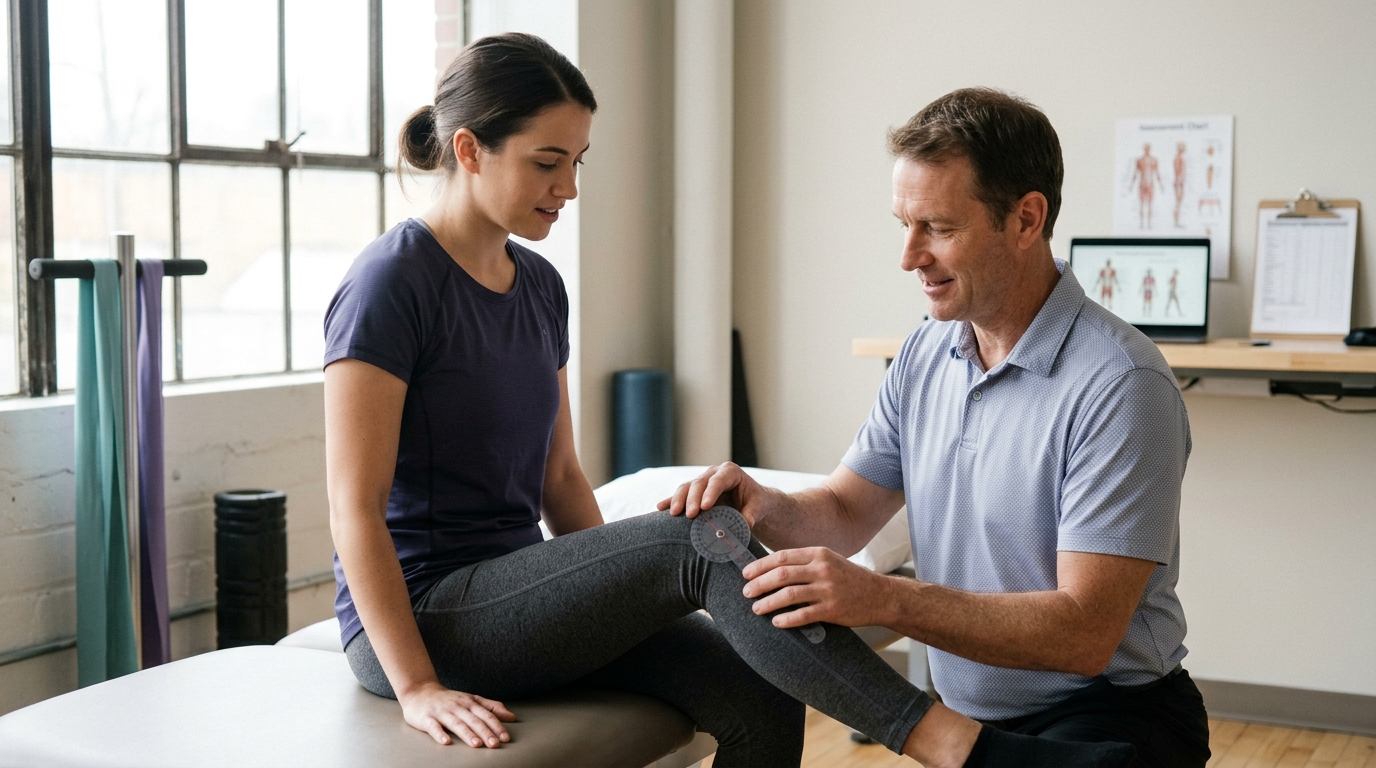
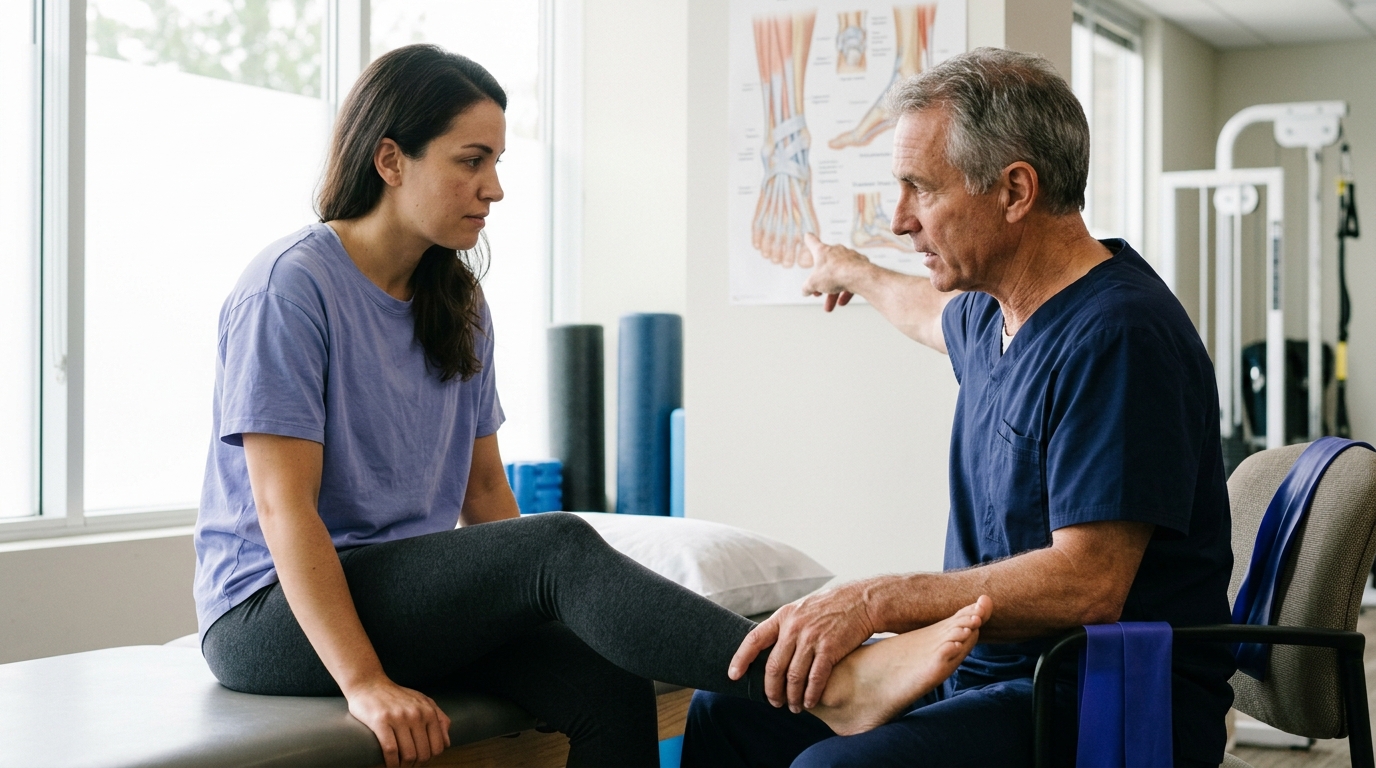
Passive range of motion is what happens when a physical therapist lifts your leg while you relax on an examination table. Active range of motion is how high you can lift that same leg using only your hip flexor muscles. If you have significant passive range but cannot actively control that space, your nervous system will often restrict movement to protect the joint. This protective response often feels like chronic tightness.
According to clinical physical therapy frameworks, hip function includes range of motion, muscle strength, balance, coordination, and pain levels. The hip joint is a ball-and-socket structure capable of moving in three distinct planes. It can move forward into flexion, backward into extension, outward into abduction, inward into adduction, and rotate internally or externally.
A healthy hip does not require maximum motion in every single direction. Instead, it requires adequate active control across the specific ranges needed for your lifestyle. The 2025 American Physical Therapy Association clinical practice guideline emphasizes that joint motion must be evaluated alongside muscle strength and functional performance. Working on passive stretching alone ignores the force production required to support your joints under load. You can explore broader rehabilitation strategies within our rehabilitation, mobility, and movement resources to see how active training supports joint health.
Everyday activities place distinct physical demands on your hip joints. Walking across a flat parking lot requires a completely different amount of motion and force than rising from a low couch. When people experience hip discomfort, the issue is rarely a total loss of movement. Instead, it is usually a mismatch between the demands of a specific task and their current physical capacity.
Understanding the typical ranges used during daily tasks helps put your mobility into perspective. It prevents the mistaken belief that you need extreme flexibility just to navigate normal daily life.
Level walking is relatively gentle in terms of total hip range of motion. A clinical examination review notes that normal level walking generally requires roughly 30 to 44 degrees of hip flexion. During overground gait, the hip swings forward into modest flexion and travels backward into slight extension to propel the body forward.
Research using dynamic fluoroscopy in fifteen total hip replacement patients measured an average peak hip flexion of 32.3 degrees during overground walking. In that same group, total movement across the entire stride averaged 41.1 degrees in flexion and extension, 10.1 degrees in abduction and adduction, and 11.8 degrees in internal and external rotation. These figures show that normal walking uses only a fraction of the total range available in a healthy joint.
Because walking demands modest range, being able to walk comfortably does not prove that your hips have full capacity for other tasks. A person might walk without symptoms but struggle as soon as an activity demands deeper joint angles or higher force output.
Using stairs changes the mechanical demands on your hips significantly. When stepping up onto a riser, your hip must flex deeper while your gluteal muscles generate substantial force to lift your entire body weight.
A clinical examination review reports that stair ascent and descent require approximately 45 to 66 degrees of hip flexion. Another biomechanical study evaluating stair gait recorded average hip motion ranging from negative 6.75 degrees of extension to 48.69 degrees of flexion during ascent. That same stair study observed ranges from 6.41 degrees to 31.67 degrees of flexion during descent. In the fluoroscopy study of hip replacement patients, peak hip flexion during stair descent reached an average of 39.3 degrees.
These differences highlight why stair climbing often exposes weaknesses or mobility deficits that remain hidden on flat ground. Ascending stairs demands both greater joint range and higher muscular power from the hip extensors. If your gluteus maximus is deconditioned, climbing stairs will quickly feel strenuous or unstable.
Transitioning between sitting and standing is one of the most demanding joint tasks performed in a typical home. Sitting in a standard chair requires a substantial amount of hip flexion combined with controlled eccentric strength to lower your body smoothly. Rising back up requires explosive hip extensor drive to overcome gravity.
A clinical review reports that sitting down in an average-height chair requires approximately 112 degrees of hip flexion. In the fluoroscopy study examining daily tasks, participants demonstrated a mean peak hip flexion of 100.7 degrees during sit-to-stand movements. The exact range depends heavily on the height of the seat and your individual movement strategy.
Lower chairs require significantly deeper joint flexion and greater mechanical torque at the hip. When people lack sufficient hip flexion or gluteal strength, they often compensate by rounding their lower back or rocking forward with momentum. Improving hip mobility and strength makes chair transitions smoother and protects the lumbar spine from excess stress.
Dressing and floor-based recreation demand the highest ranges of hip motion in daily life. Activities such as putting on socks, clipping toenails, or sitting on the floor require deep flexion combined with internal or external rotation.
In the dynamic fluoroscopy study, putting on socks produced an average peak hip flexion of 106.4 degrees. A comparative study of functional movements also observed that deep crouching and putting on pants required larger joint angles than walking, stair climbing, or standing up from a chair.
When rotational mobility is restricted, simple dressing tasks become awkward and frustrating. People often have to bend sideways through their spine to reach their feet. Restoring comfortable rotational control allows the hip to move naturally without forcing other joints to compensate.
Range of motion gives you the physical room to move, but muscular strength and motor control allow you to move safely. Without adequate strength, a mobile joint can feel wobbly, fatigued, or painful under normal body weight.
Building functional hip capacity requires targeting the major muscle groups that stabilize the pelvis and propel your body forward. Research consistently links muscular deficits in the hip complex with altered walking mechanics and difficulty performing daily activities.
The gluteus maximus is the primary engine for hip extension and pelvic stability. It plays a critical role in rising from chairs, stepping up onto curbs, climbing stairs, and walking uphill. A clinical examination review highlights that weakness in the gluteus maximus is directly associated with difficulty during stair climbing and sit-to-stand tasks.
When the gluteal muscles are deconditioned, the hamstrings and lower back muscles often take on extra mechanical load. This compensation can lead to localized muscular fatigue in the lumbar spine. Training hip extension strength helps restore balance across the posterior chain, making upright movement feel lighter and more stable.
The lateral hip muscles, primarily the gluteus medius and gluteus minimus, control pelvic stability when standing on one leg. Every step you take involves a single-leg stance phase where these abductors must prevent your opposite pelvis from dropping.
Deep hip rotators also guide the alignment of the femur inside the socket during dynamic tasks. Weakness in the hip abductors and external rotators can allow the knee to collapse inward during stairs or squats. Building lateral hip strength provides the side-to-side stability needed for confident walking, hiking, and balance recovery.
Public health guidelines provide a strong foundation for maintaining long-term musculoskeletal function. The Centers for Disease Control and Prevention recommends that adults engage in at least 150 minutes of moderate-intensity aerobic physical activity each week. In addition, adults should perform muscle-strengthening activities that work all major muscle groups on two or more days per week.
For older adults, national guidelines specifically emphasize combining balance training with aerobic and strength exercises. Standing up from a chair repeatedly is cited as an effective, accessible way to challenge both lower-body strength and balance. If you are developing a structured movement routine, review our active aging and prevention guides for evidence-based exercise ideas.
Hip discomfort is surrounded by persistent fitness myths that lead people toward ineffective routines. Discarding these unhelpful ideas makes it easier to adopt a sensible, sustainable approach to joint health.
A sensation of tightness is a neurological signal, not a direct measurement of physical tissue length. When a joint lacks stability, the nervous system often increases muscle tone to create artificial stiffness and protect the area.
Stretching a muscle that is already working overtime to stabilize a joint rarely provides lasting relief. Often, strengthening the surrounding musculature gives the nervous system the security it needs to reduce muscle tension naturally.
There is no universal flexibility number that every adult must achieve. Hip joint anatomy varies widely from person to person. The depth of the hip socket, the angle of the femoral neck, and individual bony alignment all dictate natural range of motion.
A range of motion that is completely healthy and functional for one person might be anatomically impossible for another. Progress should be measured by your ability to perform your desired daily activities comfortably, not by your ability to match a generic stretch photograph.
While regular walking is excellent for cardiovascular health and general joint lubrication, it does not challenge the full capacity of your hips. Walking uses limited joint angles and requires modest force output compared to stair climbing or rising from a low seat.
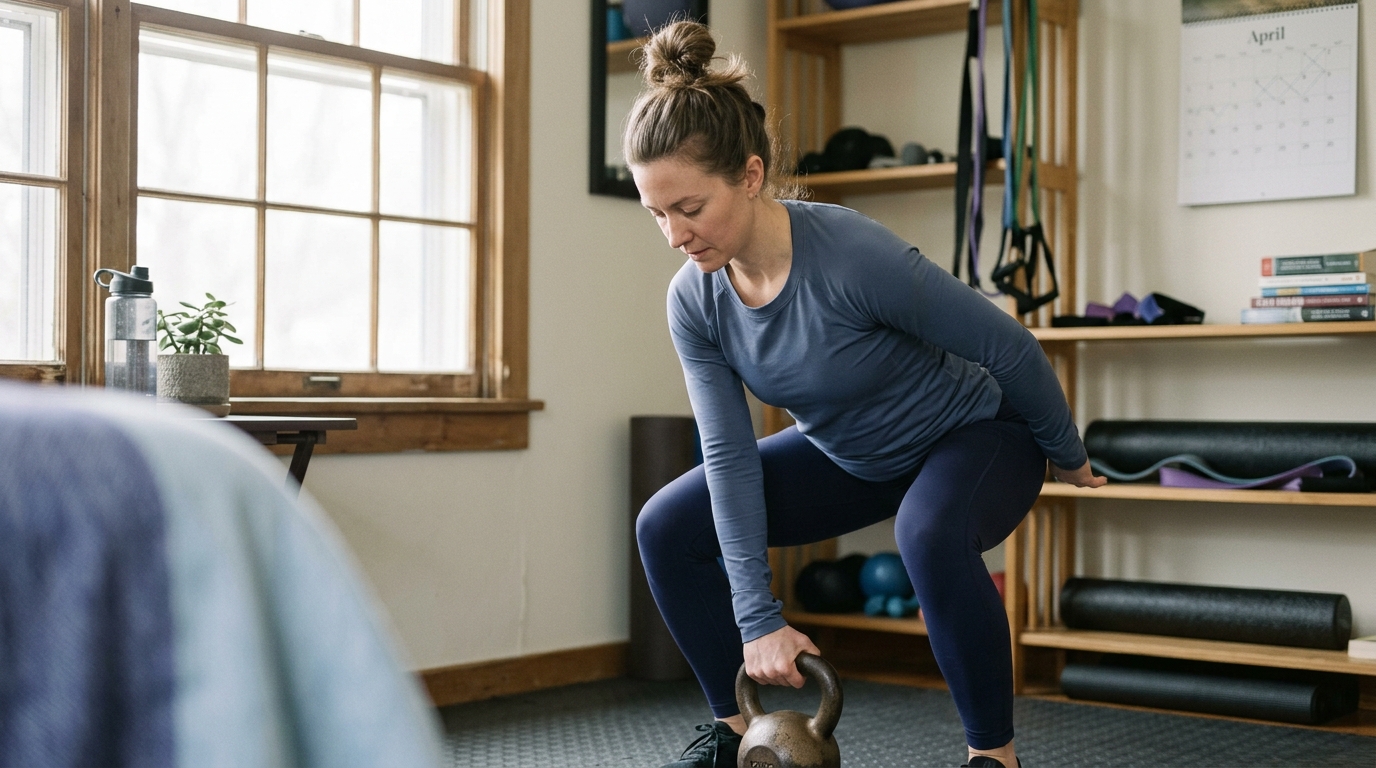
Relying exclusively on level walking can leave your hip extensors and abductors underprepared for more demanding tasks. Adding targeted resistance training ensures your joints retain the strength required for challenging real-world movements.
More flexibility is only beneficial if you have the muscular strength and coordination to control it. Excessive joint laxity without corresponding muscular control can increase joint instability and irritation.
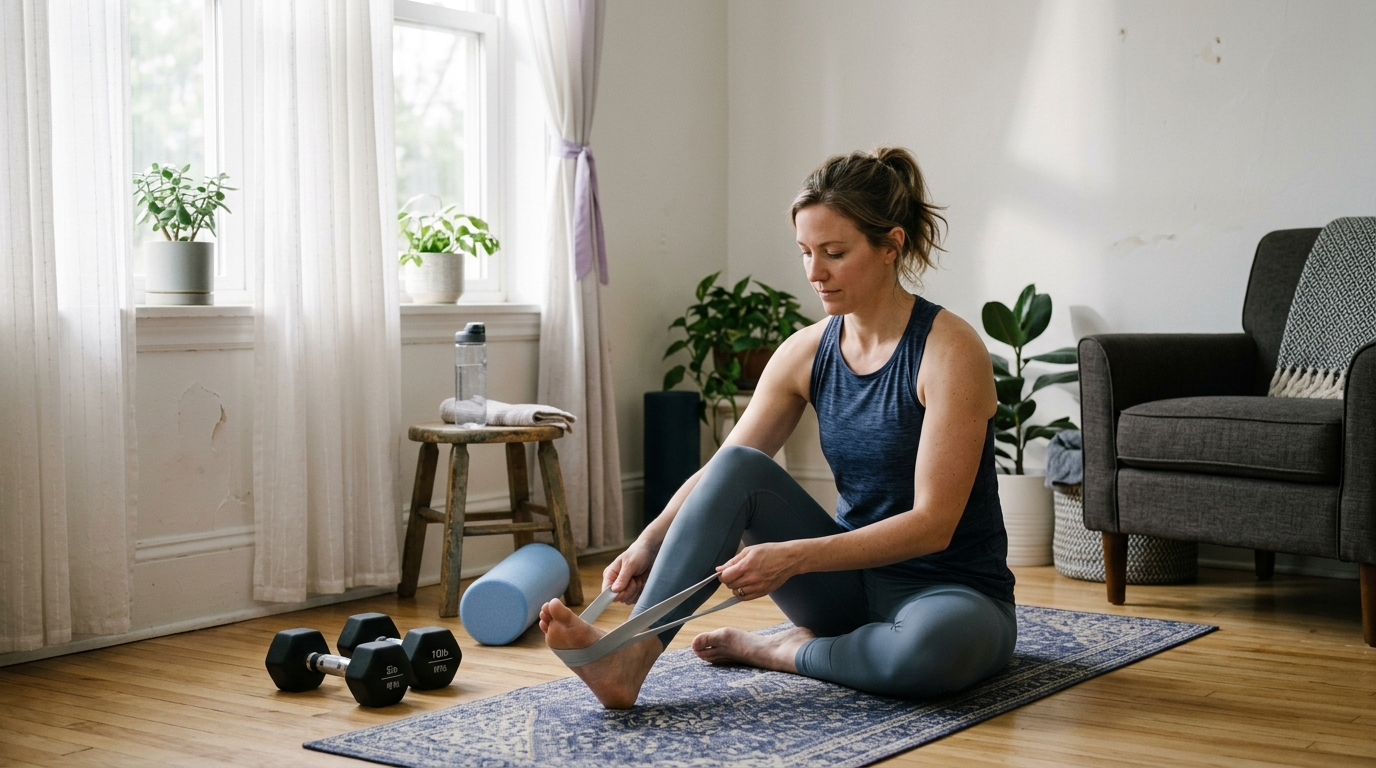
Functional training aims for usable mobility rather than extreme flexibility. The goal is to build strong, capable muscles across the exact ranges of motion you use in daily life and recreation.
When dealing with hip discomfort or movement difficulty, a systematic problem-solving approach is far more effective than trying random exercises. A reliable framework connects your specific daily limitations to targeted, proportionate interventions.
The recommended framework follows four logical steps:
Every individual responds to mobility and strength training at a different pace. Assuming that everyone will progress along an identical timeline creates unrealistic expectations and unnecessary frustration. Multiple biological and lifestyle factors influence how quickly your hips adapt to new physical demands.
Your starting level of physical conditioning plays a major role in your progress. An individual who has maintained a consistent strength training habit will often regain lost hip mobility faster than someone who has been sedentary for several years. Existing muscle mass and neuromuscular coordination provide a strong foundation for rebuilding movement capacity.
Underlying joint structure sets the boundaries for available range of motion. Bone shape, acetabular depth, previous joint injuries, and surgical procedures such as total hip replacement influence how a joint moves.
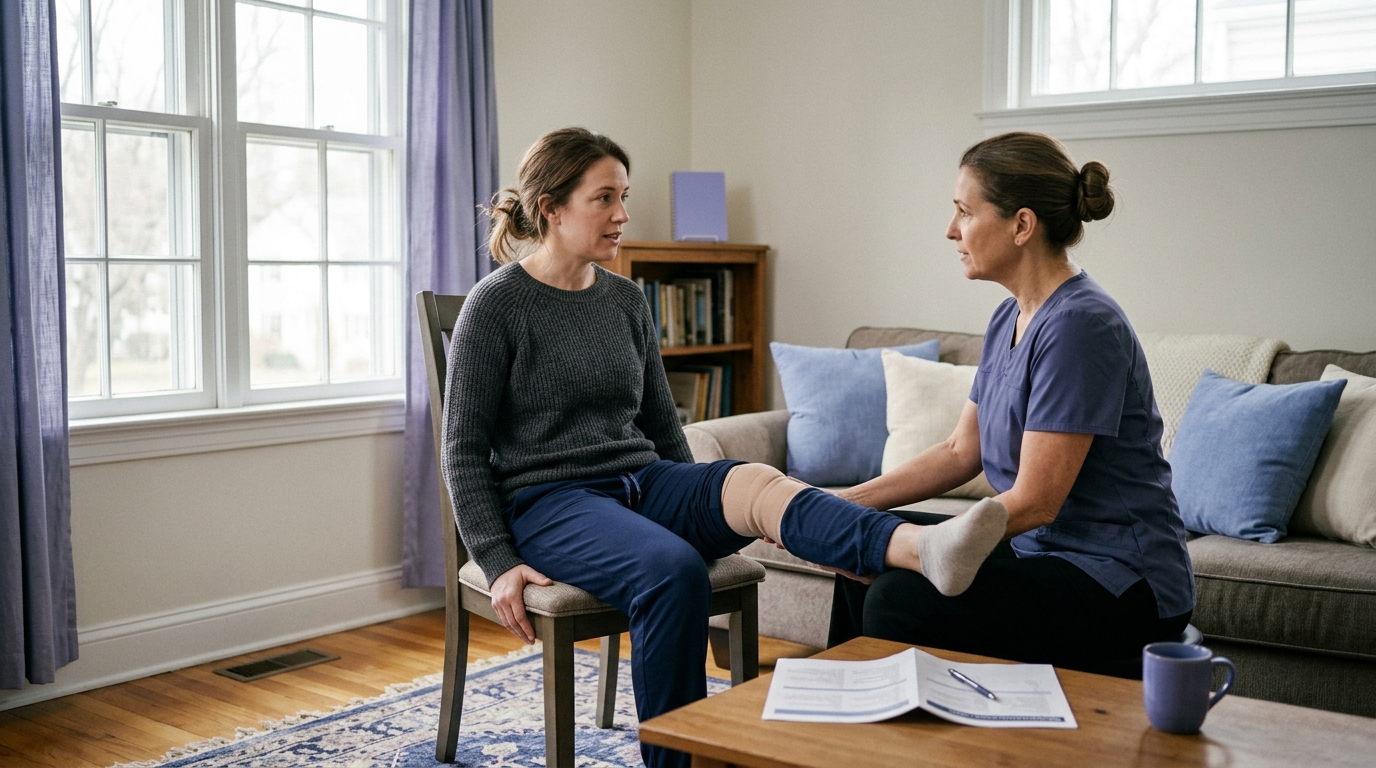
Following a joint replacement, soft tissues require structured rehabilitation to heal and adapt. The 2025 APTA hip osteoarthritis clinical practice guideline notes that formal exercise programs for hip joint conditions typically range from one to five sessions per week, lasting 30 to 120 minutes per session, across 5 to 16 weeks. Progress is built through steady, progressive loading rather than rapid changes. You can read more about structured recovery timelines in our surgery and rehab articles.
As we age, tendons, joint capsules, and ligaments naturally lose some water content and tissue compliance. This normal physiological change means that building mobility and strength in older adulthood requires consistent, patient training. Older adults can make substantial gains in functional capacity, but connective tissues require adequate recovery time between challenging sessions.
Movement recovery is not governed solely by what you do during exercise. Systemic recovery factors such as sleep quality, chronic stress, and nutrition significantly affect tissue repair and pain sensitivity. Poor sleep can amplify pain perception and slow muscular adaptation. Managing overall lifestyle habits supports joint recovery just as much as targeted exercise. Learn more about foundational recovery concepts in our recovery science articles.
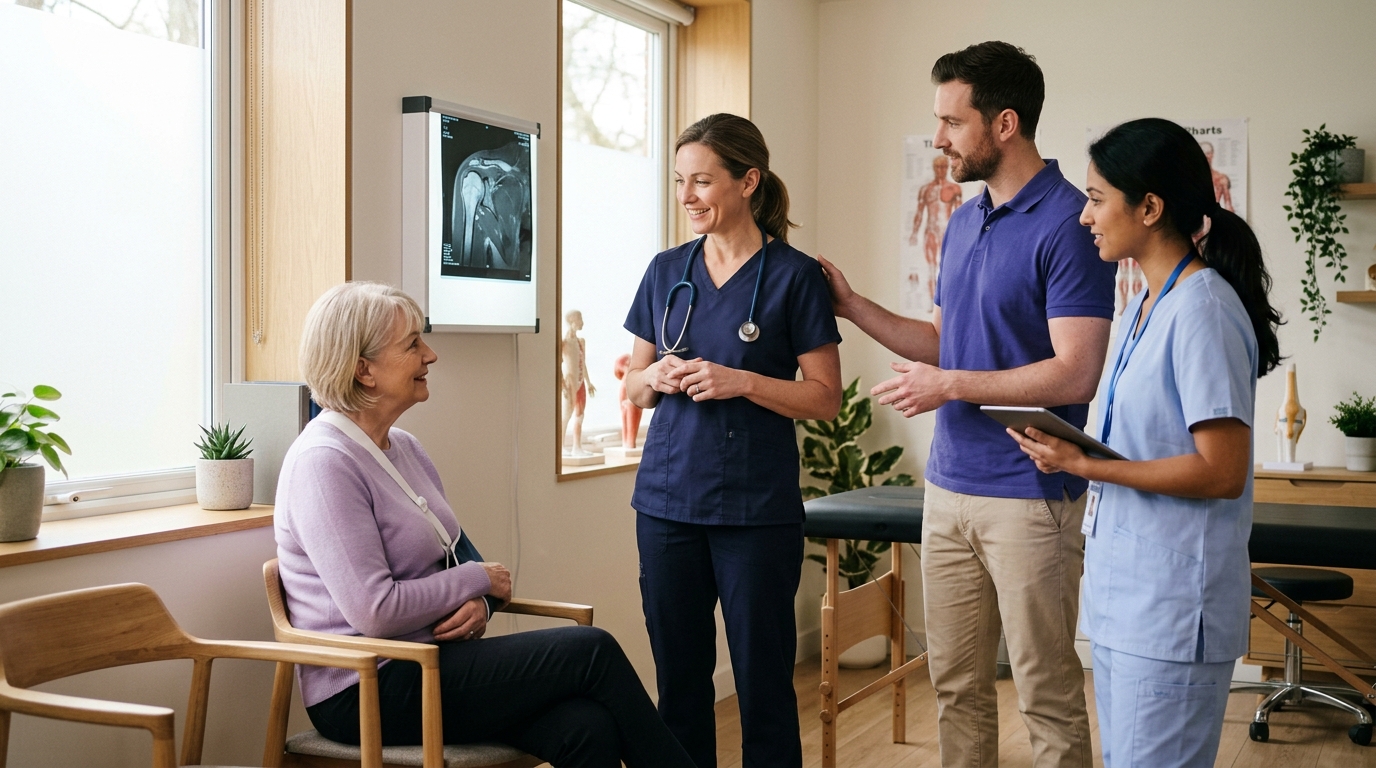
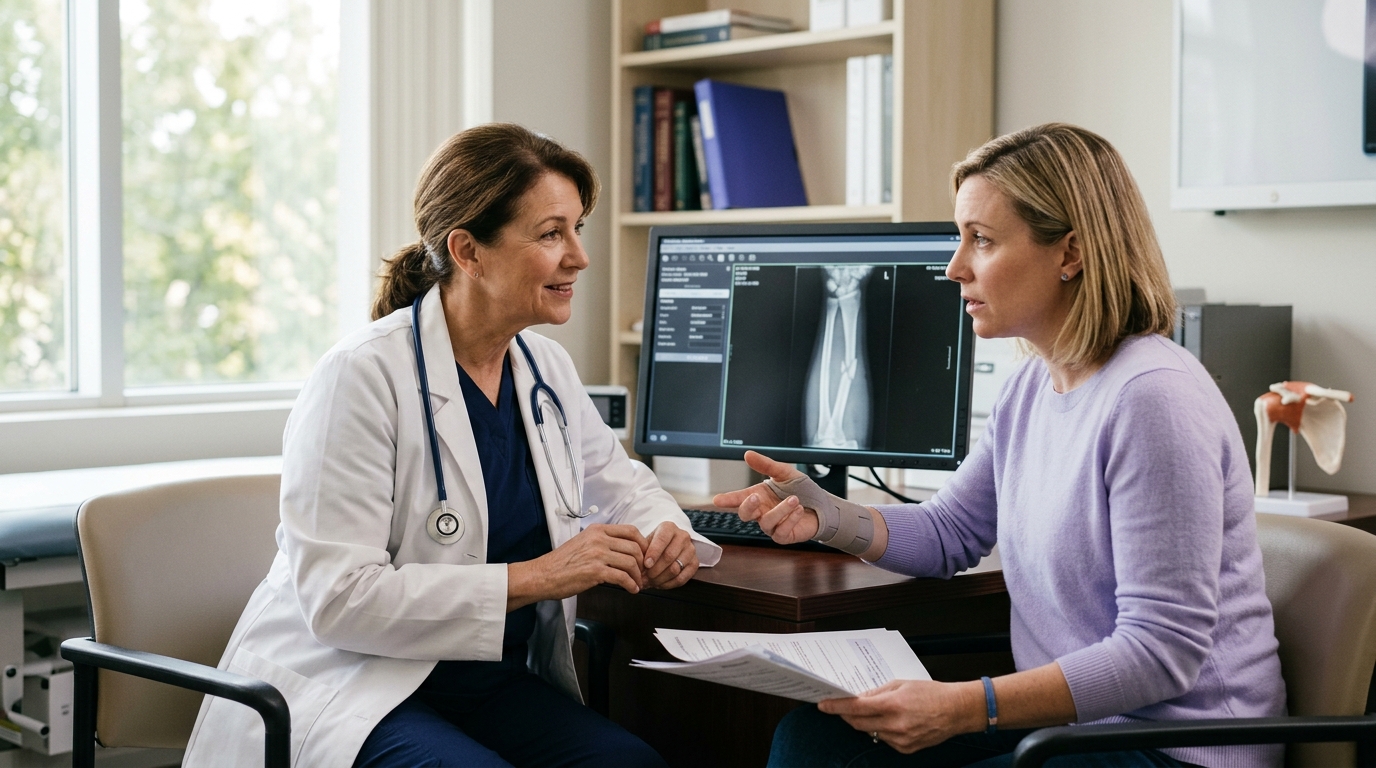
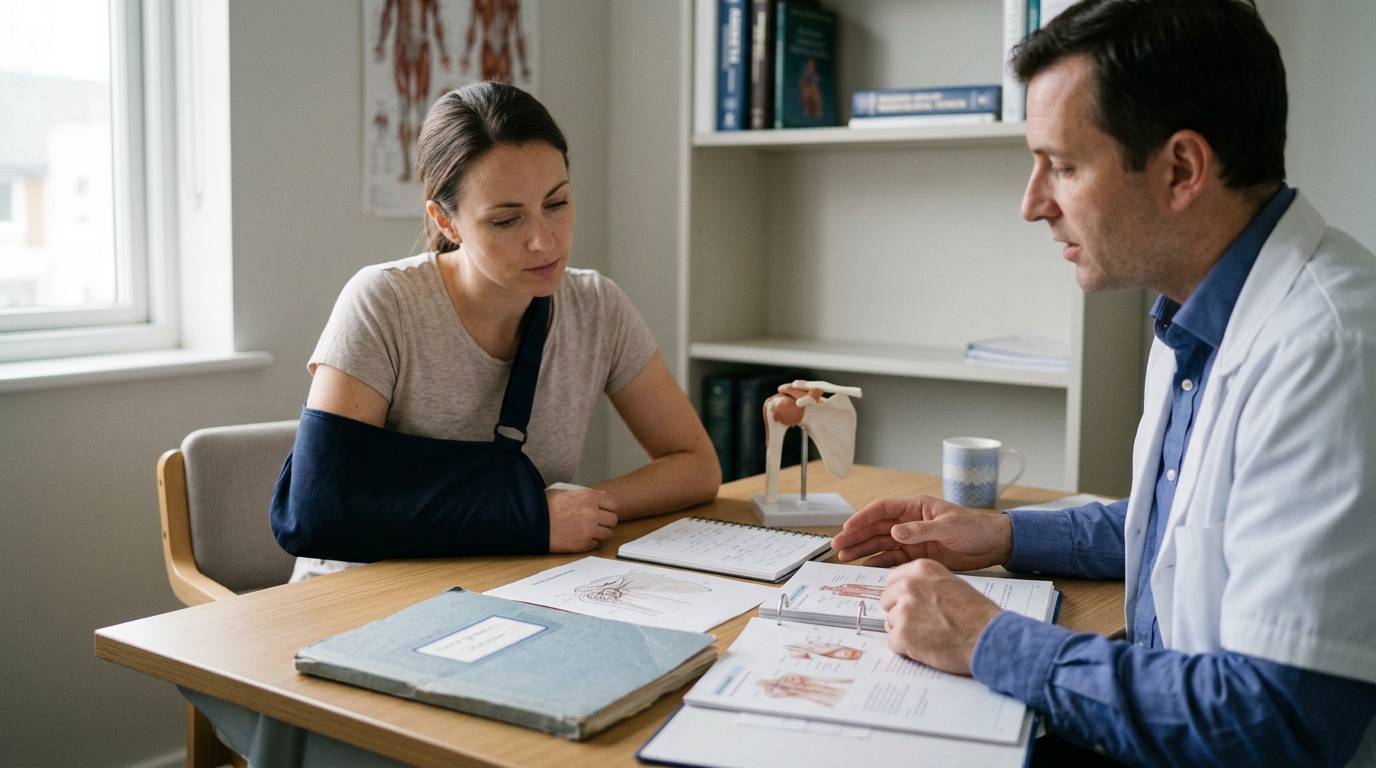
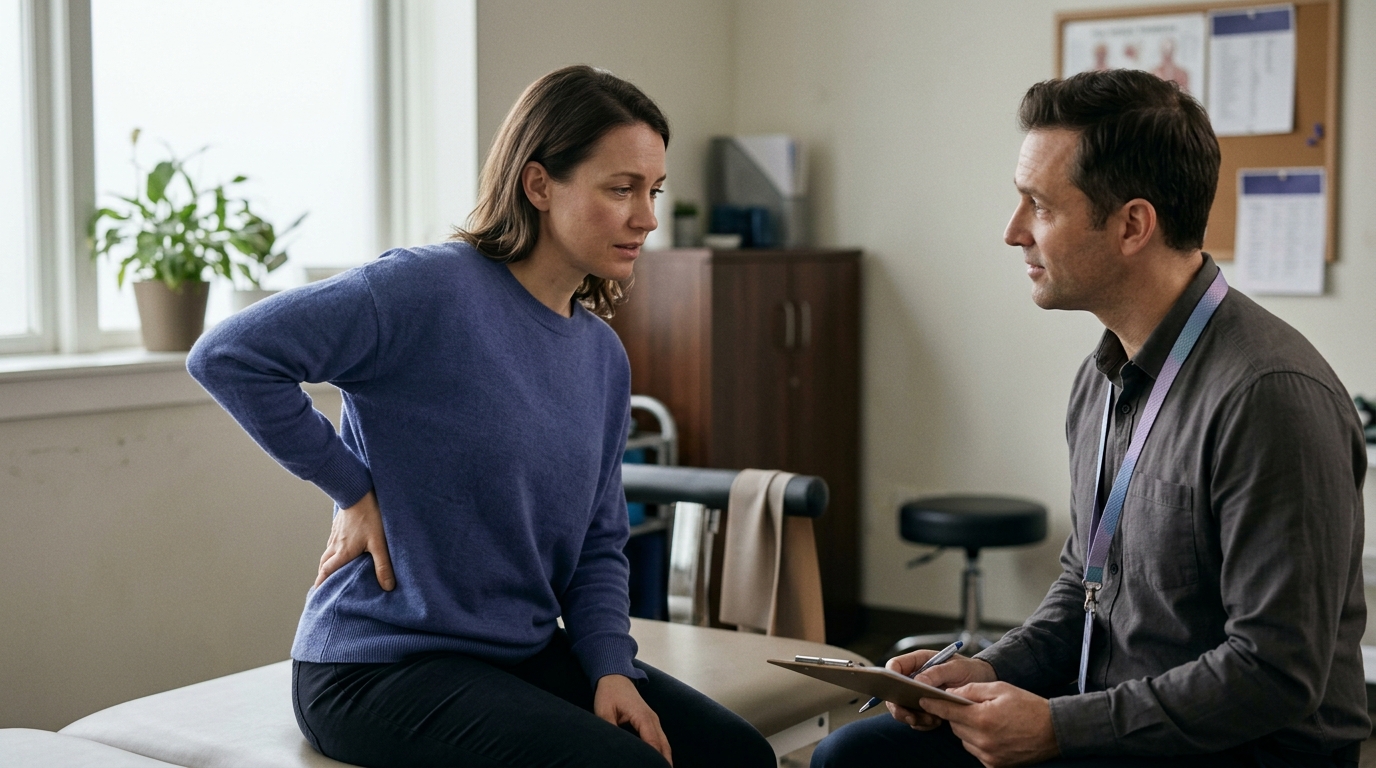
While general mobility and strengthening exercises are safe and beneficial for most adults, some situations require personalized evaluation from a healthcare professional. An individualized assessment ensures that your exercise plan matches your specific diagnosis and functional limitations.
You should consider scheduling an evaluation with a physical therapist or orthopedic physician if:
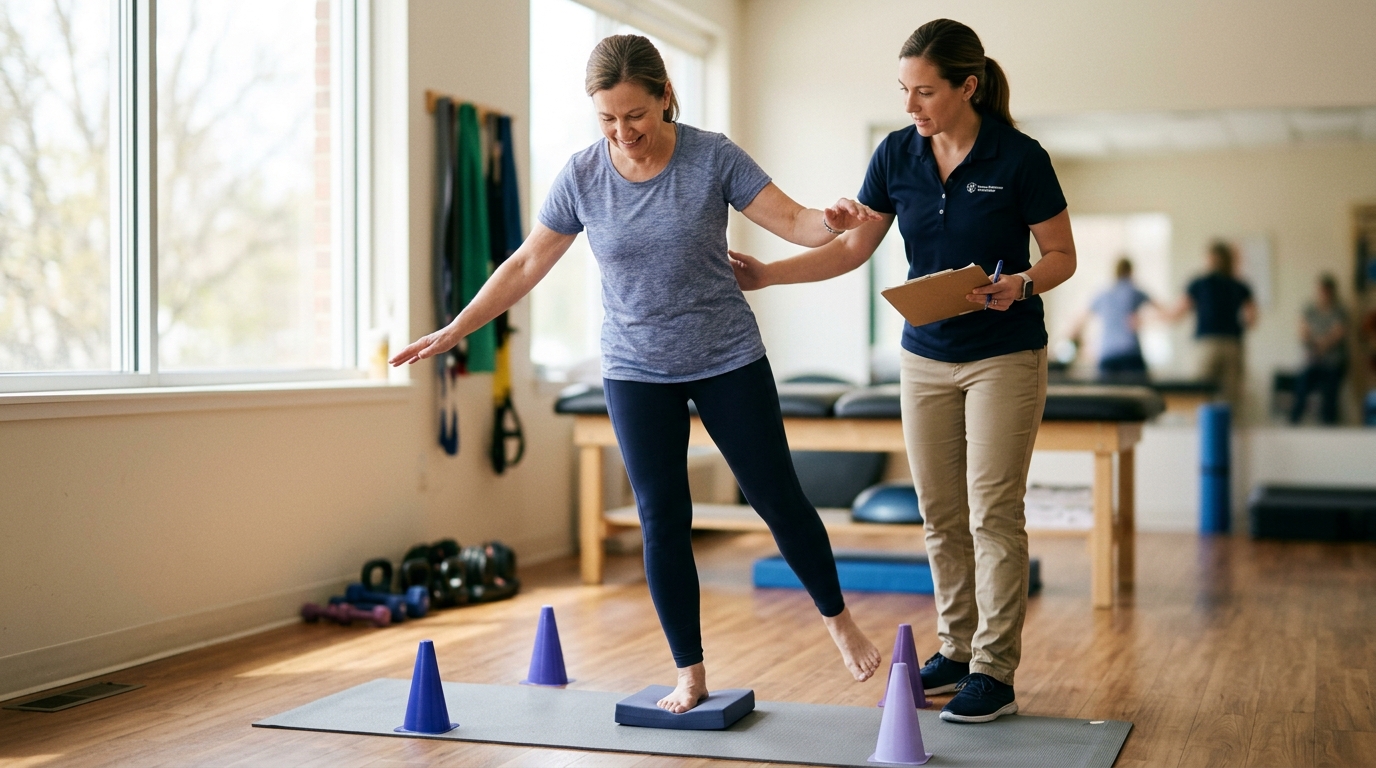
A thorough clinical assessment typically evaluates active and passive range of motion, isolated muscle strength, and functional movement tests. The 2025 APTA guideline highlights several validated functional performance tests used by clinicians:
Some hip symptoms indicate serious medical conditions that require immediate clinical evaluation rather than exercise management.
According to National Health Service guidance and clinical referral standards, seek urgent medical care if you experience:
These symptoms can indicate conditions such as acute fractures, joint infections, osteonecrosis, or neurological compromise. Getting a prompt diagnosis ensures that serious underlying issues are managed safely.
Visiting a healthcare professional is much more productive when you arrive prepared with clear, specific questions. Collaborative discussions help you understand your diagnosis and ensure that your rehabilitation plan aligns with your personal lifestyle goals.
Consider bringing these questions to your next clinical appointment:
Building comfortable everyday hip movement does not require hours of painful stretching or striving for unnatural flexibility. True joint health is built on usable mobility, muscular strength, and nervous system control tailored to the demands of your actual life.
By understanding the distinct requirements of walking, stairs, sitting, and recreation, you can target your training where it matters most. Progress should always be measured by your ability to participate in meaningful daily activities with confidence and ease.
Consistent, progressive training tailored to your individual needs is the most reliable way to maintain comfortable, capable hips throughout your life.

Use ReboundBody resources to understand common recovery stages, rehab terms, movement limits and strength rebuilding. Each guide is designed to make a complex comeback easier to understand.


Read practical guidance on injury recovery, rehabilitation, mobility and rebuilding strength as you work your way back to activity.
Explore Resources