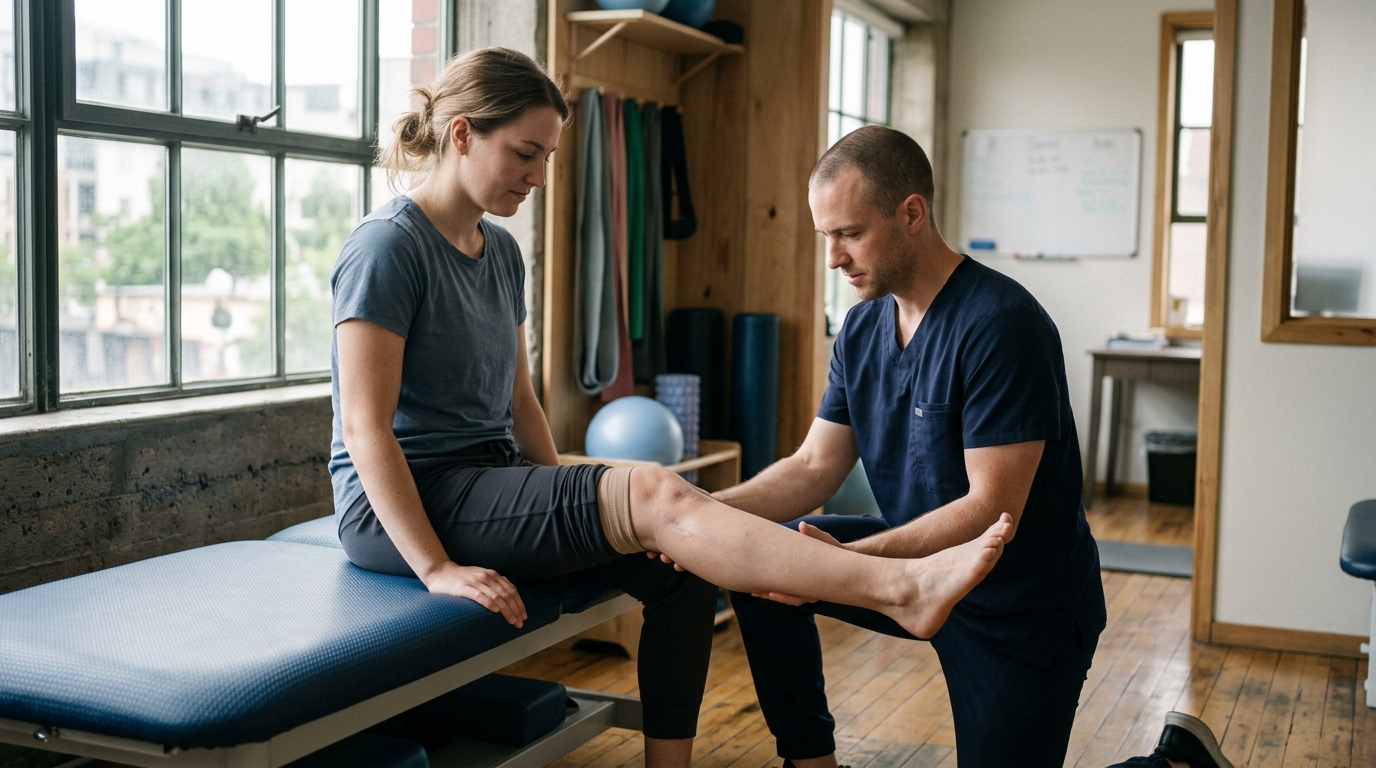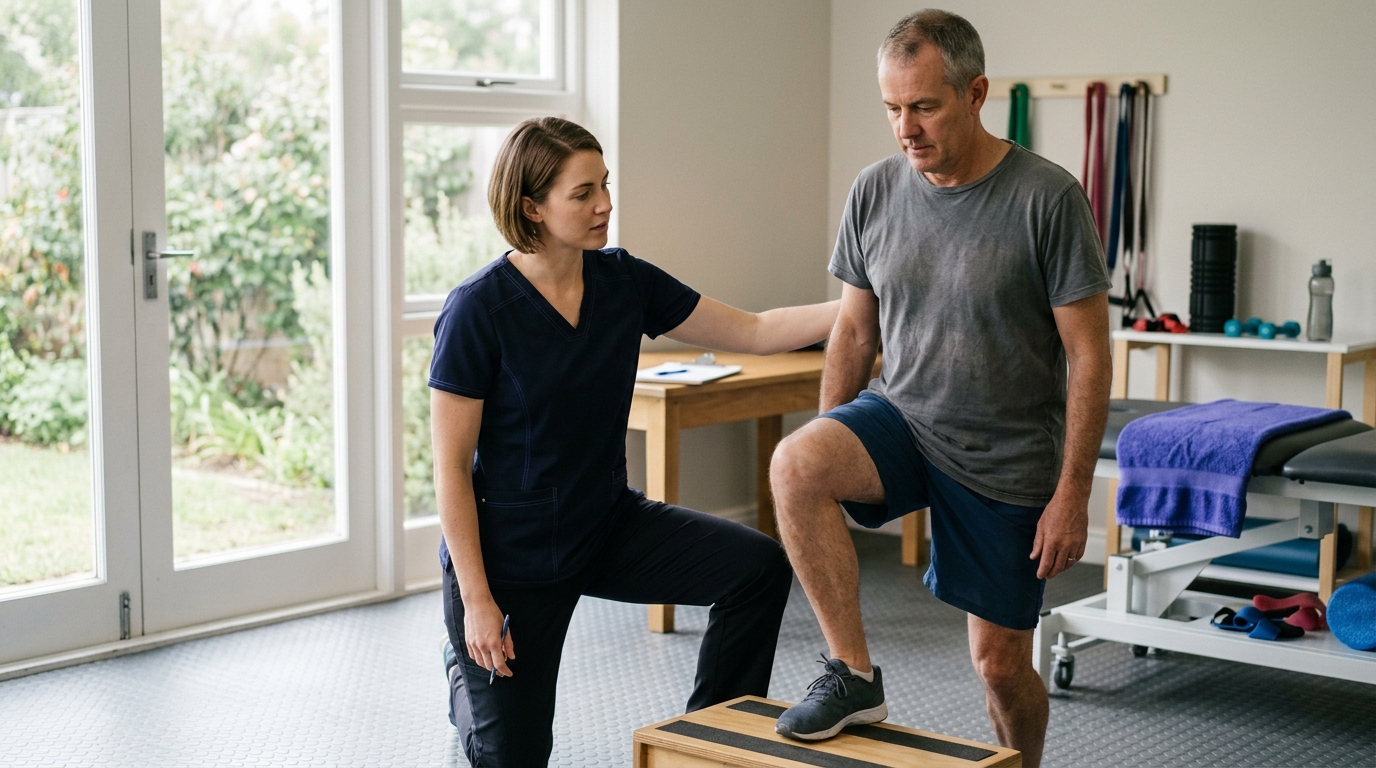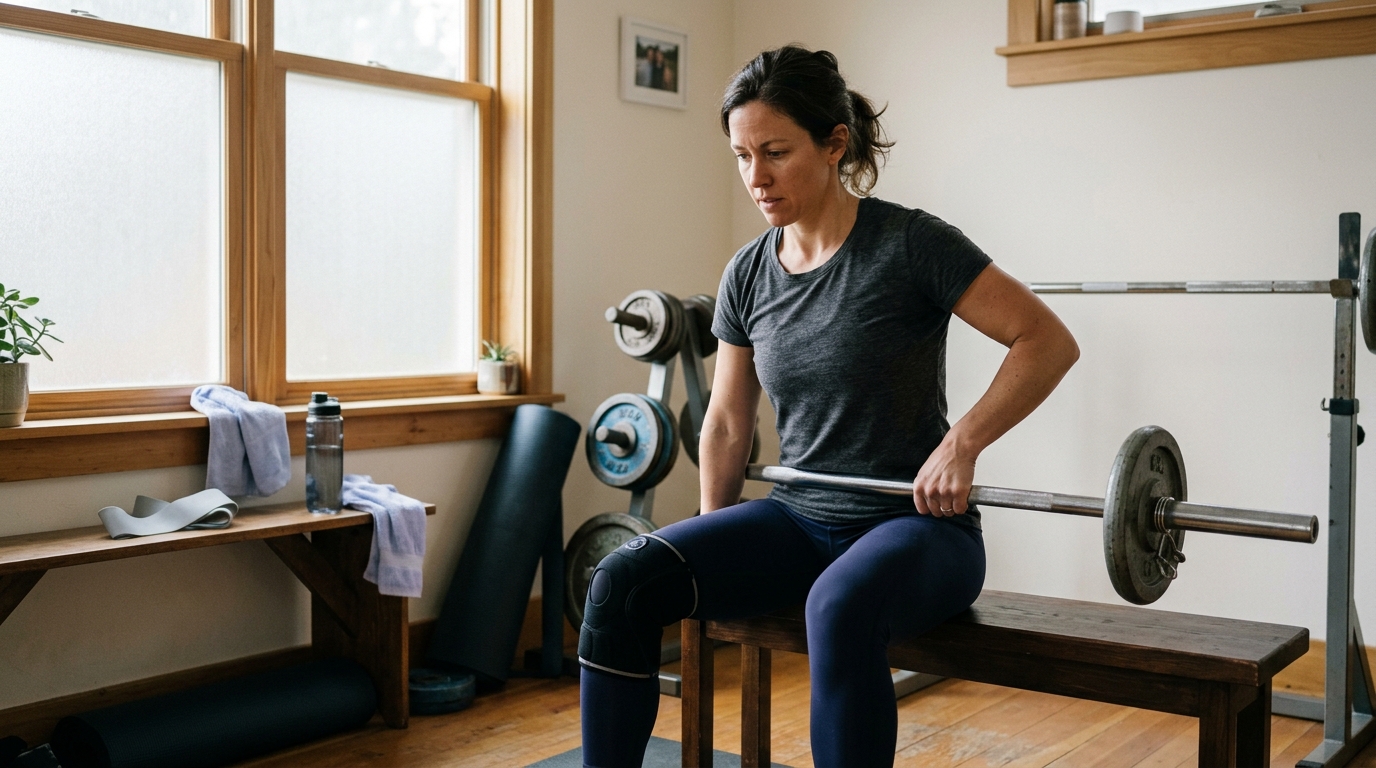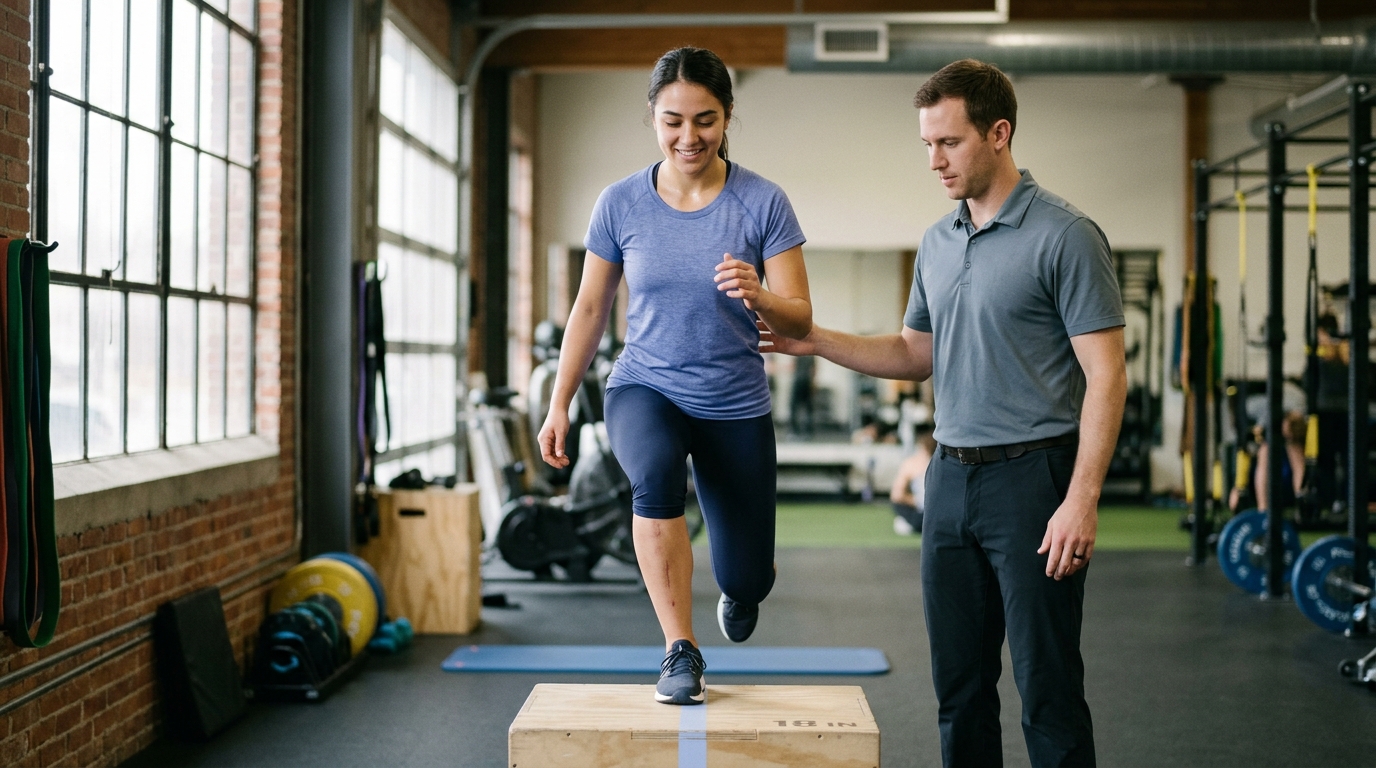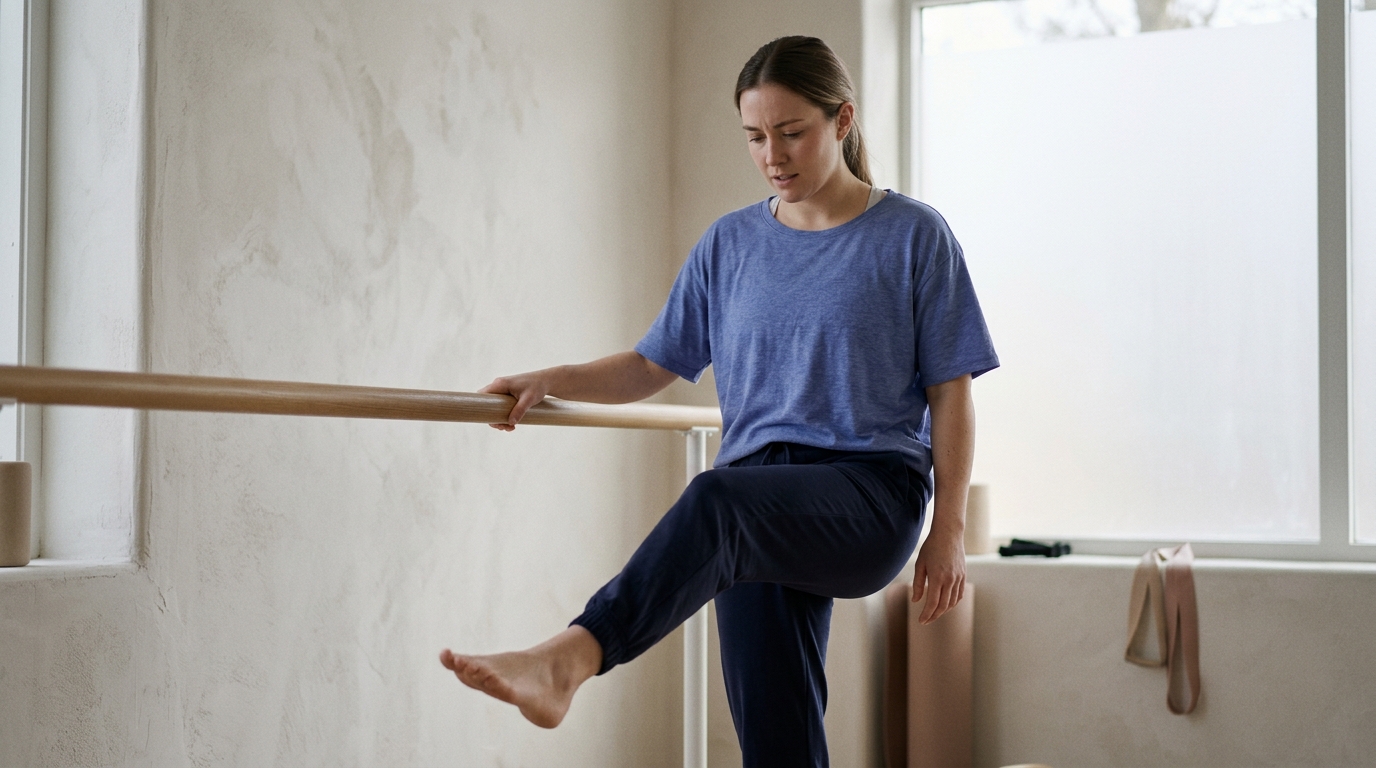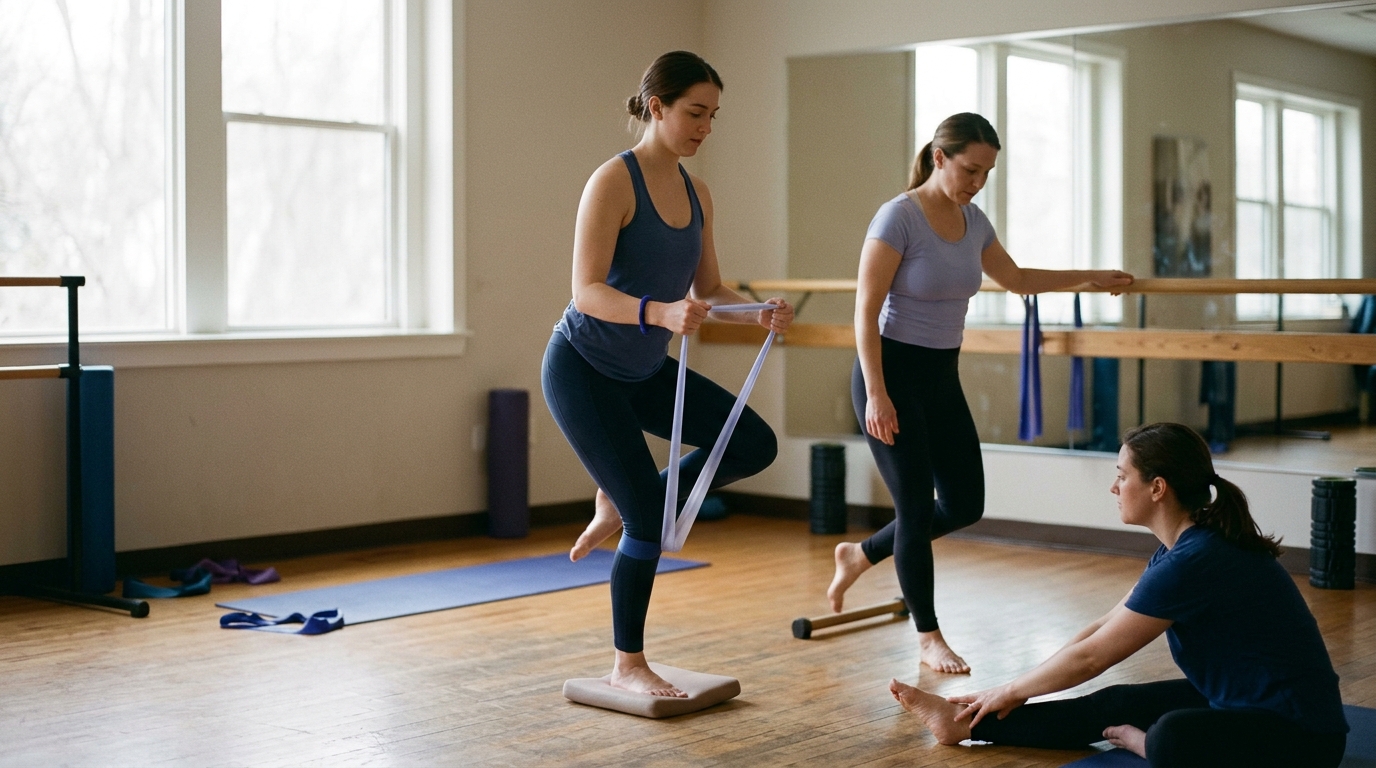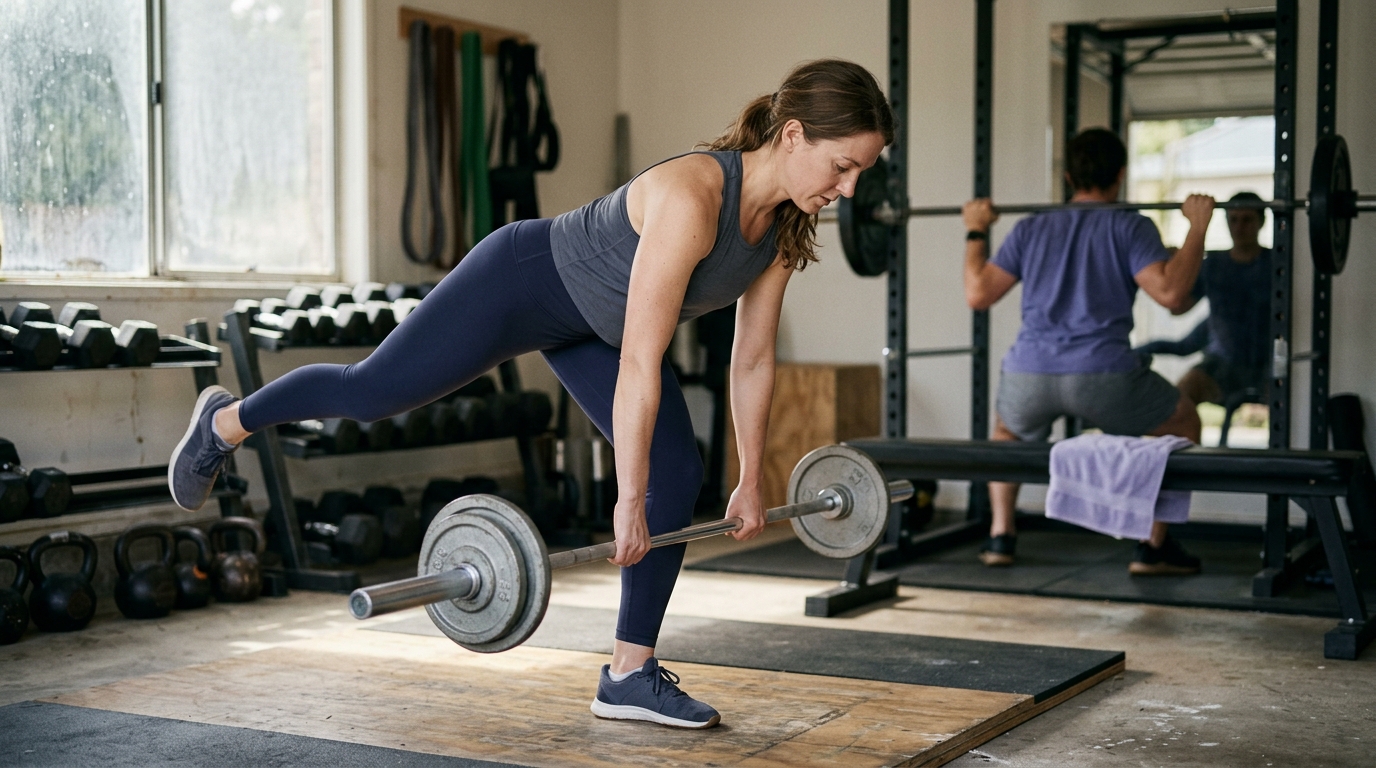

Bilateral and unilateral strength exercises create different joint demands, allowing lifters to address limb asymmetries and program effective progressions for optimal athletic performance.





Many people recovering from an injury or rebuilding physical capacity search online for a simple rule: is single-leg training better than two-leg training? You might wonder if squats on two legs hide a weak side, or if single-leg work is the only true functional choice.
Single-leg and two-leg training are not opposing systems where one format wins over the other. Both approaches build strength, muscle, and physical capacity effectively. Adaptations tend to follow task specificity. Unilateral training gives a slight edge to single-leg jumping and single-leg strength tasks. Bilateral training provides an advantage for two-leg maximum strength. Neither approach is a universal solution by itself.
There are clear limits to what any single exercise format can reveal or fix. A single-leg test does not automatically diagnose an injury risk, and a two-leg exercise does not completely correct limb-to-limb differences. A balanced program uses both formats based on the specific movement demands of your daily life, recreation, or sport. This guide provides a definitive breakdown of the science, mechanical demands, symmetry testing, and structured progressions.
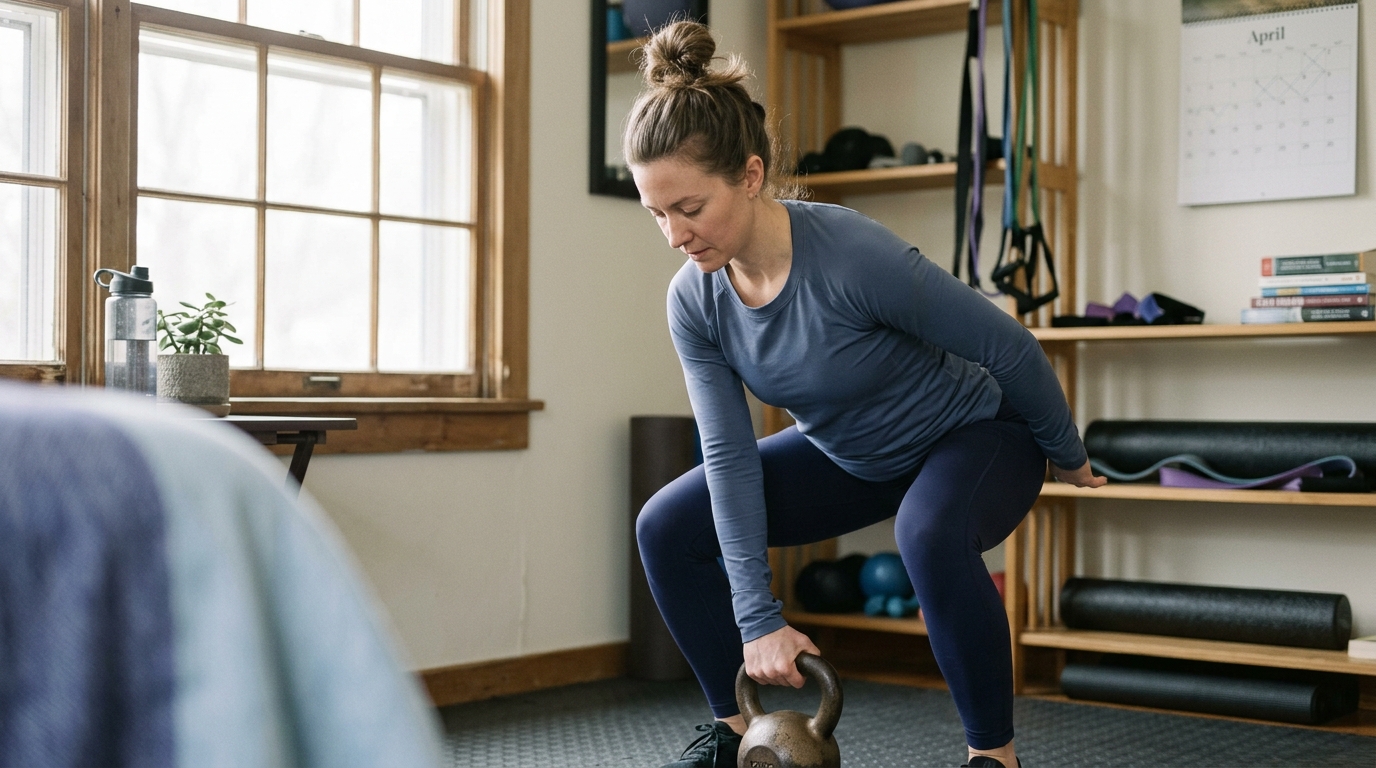
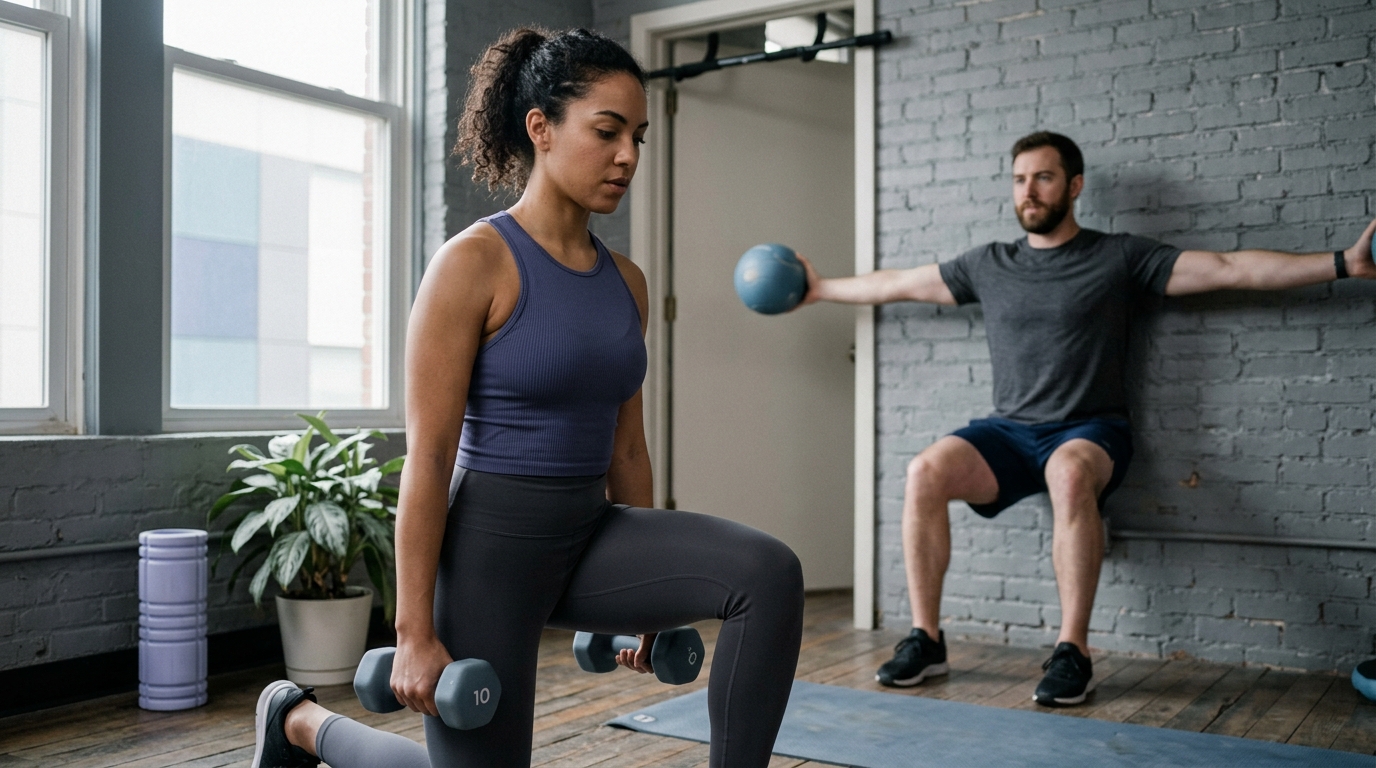
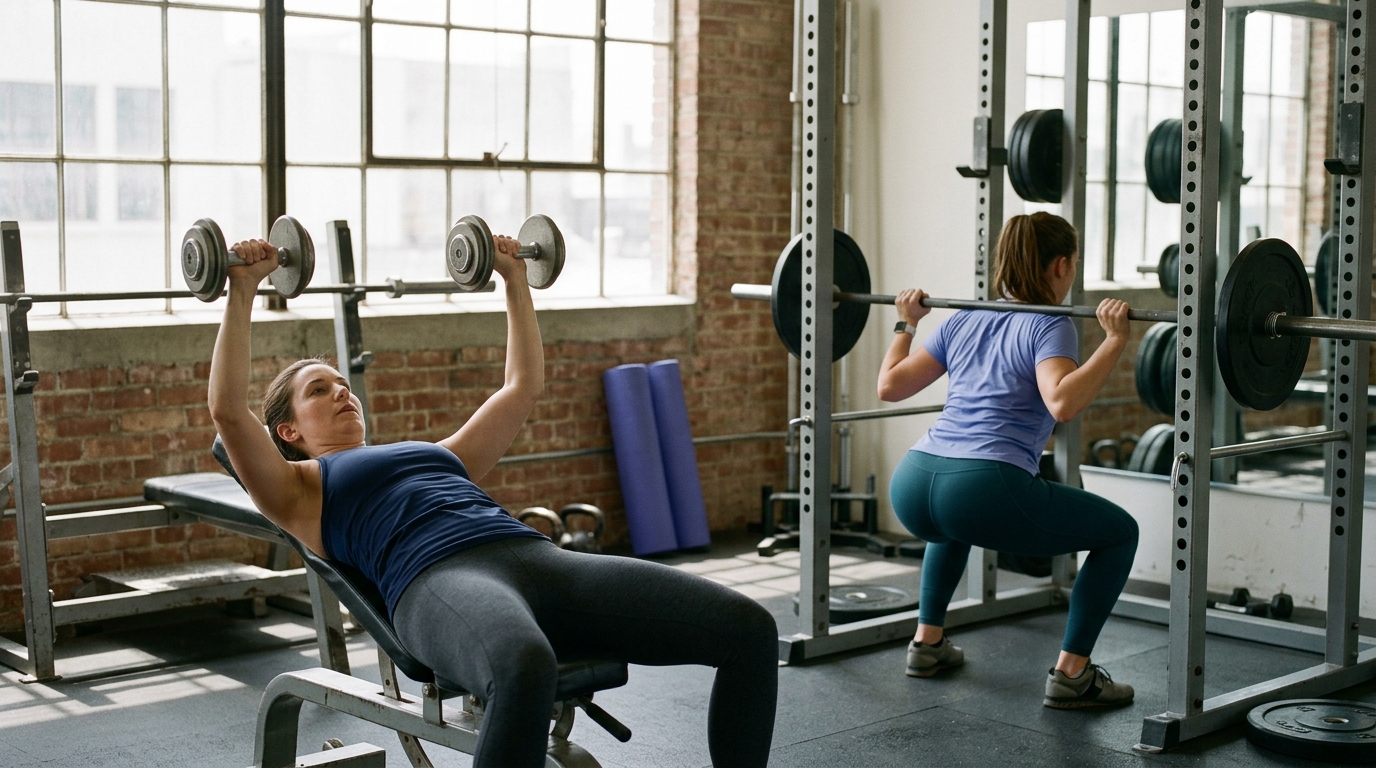
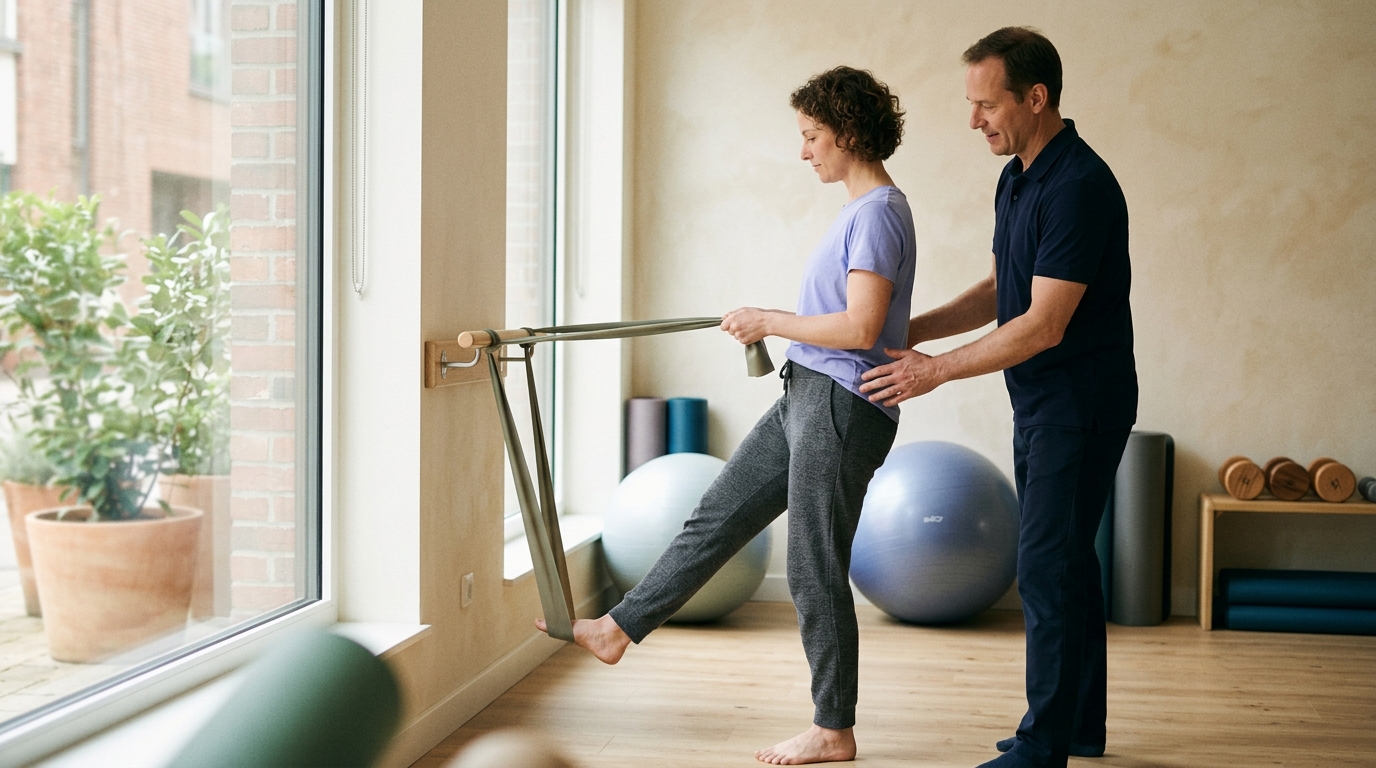
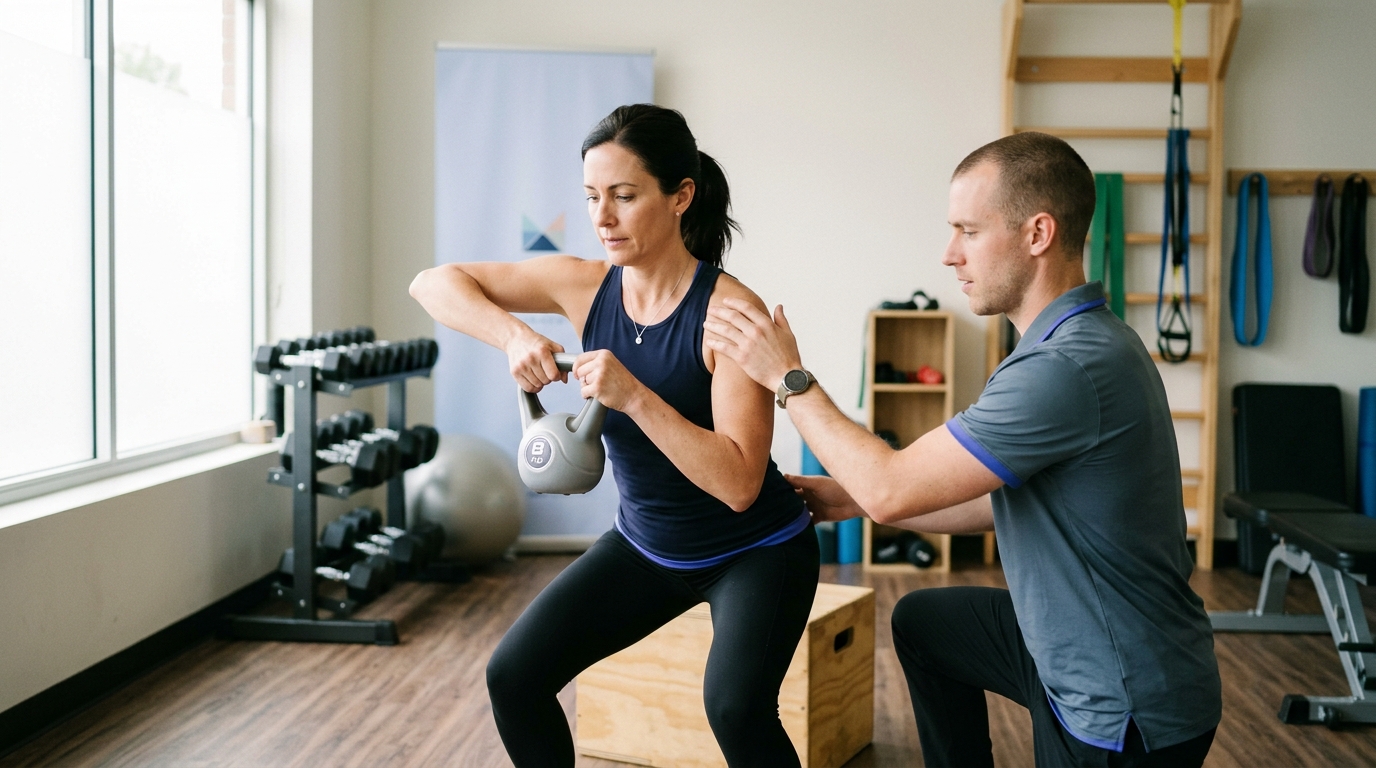
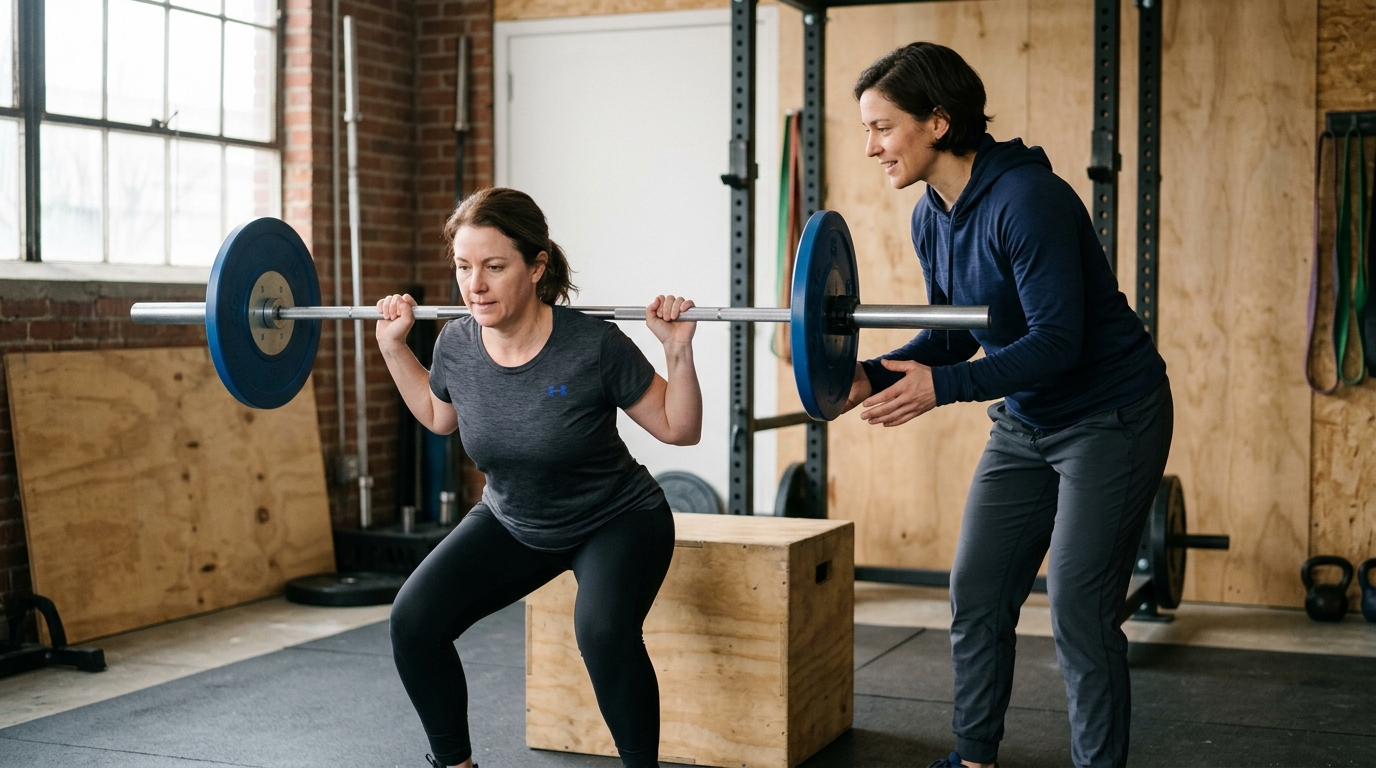
To understand how single-leg and two-leg exercises work, we must define what each stance requires from the body. Bilateral exercises use both limbs at the same time to move a load, as seen in a barbell squat or a standard leg press. Unilateral exercises place the primary load and balance demand on a single limb, as seen in a split squat, step-up, or single-leg Romanian deadlift.
These movement patterns create very different joint demands and balance constraints. During a two-leg movement, the base of support is wide and stable. This stability allows you to handle heavier absolute loads, which places high mechanical tension across the major muscle groups of both legs simultaneously.
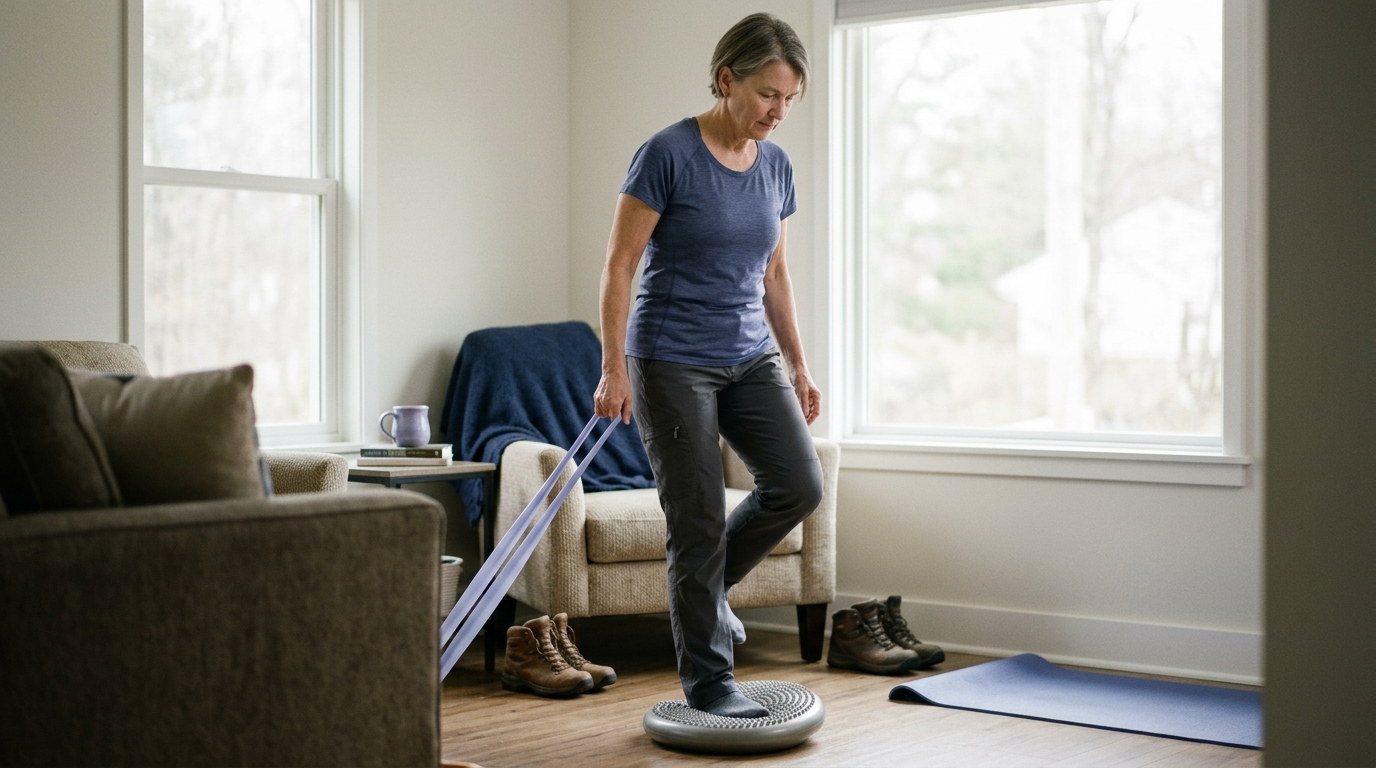
Single-leg exercises narrow the base of support. This requires the nervous system to coordinate balance, hip control, and rotational stability while producing force. A research study by Taylor and colleagues on landing mechanics showed that single-leg landings produced external hip-flexion moments 2.2 times higher and hip-adduction moments 6.6 times higher than double-leg landings. Single-leg tasks also elicited the greatest overall joint moments, showing prominent signs of dynamic lower-extremity valgus when moving across the frontal plane.
These mechanical differences explain why a person cannot simply cut their two-leg exercise weight in half and expect it to feel identical on one leg. The single limb must produce prime-mover force while stabilizing against twisting and side-to
-side tipping forces. Those stabilization demands change the coordination patterns of the hip, knee, and ankle.
Understanding these differences helps you make informed choices during injury recovery and rehabilitation. When you want pure loading with minimal balance constraints, bilateral movements offer an efficient path. When you need to train balance, hip stability, and single-limb force production, unilateral movements provide specific stimuli that two-leg exercises cannot fully duplicate.
Scientific reviews show that both unilateral and bilateral training produce strong physical adaptations. Neither format is universally superior across every athletic or physical measure.
A comprehensive 2021 systematic review and meta-analysis analyzed athletic performance outcomes between the two formats. The authors found no overall difference between unilateral and bilateral training across general performance measures. Subgroup analyses revealed task-specific advantages. Unilateral training produced a large effect in improving single-leg jumping relative to bilateral training. Bilateral training showed a clear advantage for bilateral maximal strength. The review reported no significant differences between the formats for unilateral strength, bilateral jumping, change of direction, or linear running speed.
A 2026 meta-analysis examining team-sport athletes found similar patterns. The researchers reported no significant overall differences in broad measures of strength, jumping, sprinting, and agility. Unilateral training demonstrated superior outcomes specifically for unilateral strength, unilateral countermovement jumps, and unilateral horizontal jumps. Another 2026 comparative meta-analysis confirmed modest advantages for unilateral training in unilateral strength and jumping, a small advantage for bilateral training in bilateral strength, and no significant differences in muscle growth, two-leg jumping, sprinting, or change-of-direction ability.
For muscle hypertrophy, recent research confirms that both formats are equally capable of building muscle tissue. A 2025 comparative study found no significant difference in muscle growth between bilateral and unilateral training when total volume and effort were matched. Muscle tissue responds to mechanical tension, metabolic stress, and progressive overload regardless of whether you lift on one leg or two.
Guidelines from the American College of Sports Medicine recommend resistance-training programs that include both unilateral and bilateral exercises across single- and multi-joint movements. Their position stand emphasizes using concentric, eccentric, and isometric muscle actions. Current guidelines note that loads around 80 percent of a one-repetition maximum for two to three sets per exercise provide a reliable stimulus for building strength. Training near fatigue provides strong adaptations across diverse equipment types.
These findings support a task-specificity model. If your goal is to jump off one leg or step up with control, unilateral training provides targeted carryover. If your goal is lifting heavier loads on two feet, bilateral training is the most direct tool. Neither format replaces the other, and both belong in a well-designed strength and performance rebuilding plan.
Two unique neuromuscular phenomena often appear in discussions of single-leg and two-leg training: the bilateral deficit and cross-education. Understanding these concepts helps clarify how the nervous system coordinates limb strength.
The bilateral deficit describes a testing phenomenon where the maximum force produced by both legs working together is lower than the sum of the forces produced by each leg tested individually. For example, if your right leg can press 100 pounds and your left leg can press 100 pounds, a strict bilateral deficit means your two-leg press might measure 185 pounds instead of 200 pounds.
Scientific reviews note that the exact mechanisms behind the bilateral deficit remain an active area of study. Proposed explanations include neural inhibition across brain hemispheres, differences in motor unit recruitment, and biomechanical stabilization factors.
It is vital not to misinterpret this phenomenon. A bilateral deficit during testing does not mean that two-leg training is ineffective or flawed. It simply shows that the central nervous system distributes neural drive differently during single-limb versus double-limb maximum efforts. Bilateral training remains highly effective for increasing total force capacity and bone density.
Cross-education refers to the strength increase observed in an untrained limb after performing unilateral strength training on the opposite limb. When an uninjured right leg trains consistently with heavy resistance, the immobilized or resting left leg can experience measurable strength gains or reduced muscle loss.
Meta-analyses and clinical reviews attribute cross-education to central neural adaptations. These adaptations include increased voluntary neural drive, higher motor-unit discharge rates, and changes in spinal cord excitability.
While cross-education is a valuable tool when one limb is immobilized after surgery, it is not a complete substitute for direct rehabilitation. Gaining neural strength across the spinal cord does not restore local tissue tolerance, tendon stiffness, or movement coordination in the uninjured limb. Cross-education serves as a helpful support mechanism during recovery, not a total replacement for progressive loading.
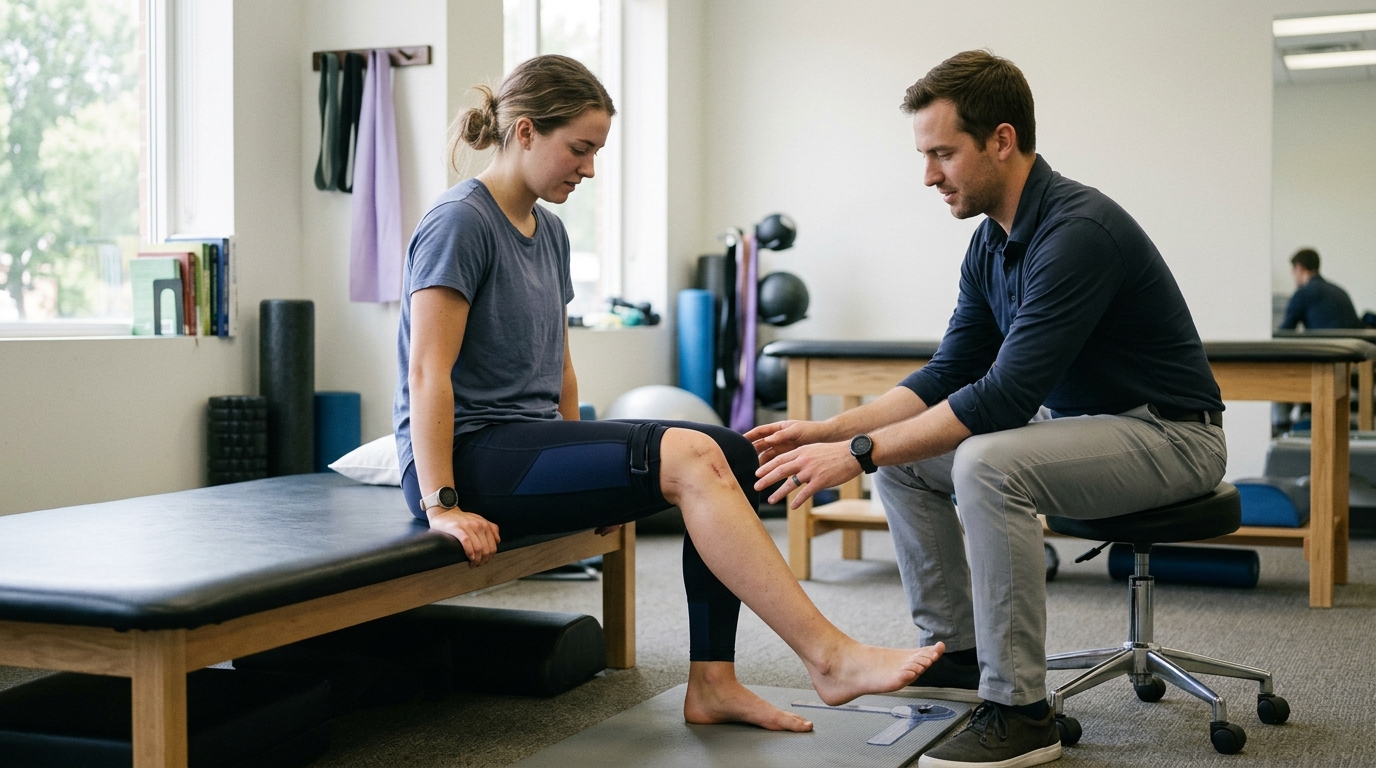
Many active adults worry that an asymmetry between their left and right legs will cause an injury or ruin their performance. Online fitness culture frequently claims that any limb difference greater than 10 percent is dangerous and must be corrected immediately. Research paints a much more nuanced picture.
A systematic review of 53 studies by Bishop and colleagues analyzed how inter-limb asymmetries are measured and interpreted. The authors found 12 different calculation formulas in scientific use. Only four of those mathematical formulas were unaffected by which limb was selected as the reference limb. The review found that asymmetry values ranged widely, from near zero to more than 15 percent, in healthy active populations.
The evidence linking strength asymmetry directly to injury risk or performance decline is inconsistent. While 18 studies in the review used specific cutoff numbers to define abnormal asymmetry, 15 of them relied on arbitrary thresholds between 10 and 15 percent without strong supporting clinical evidence.
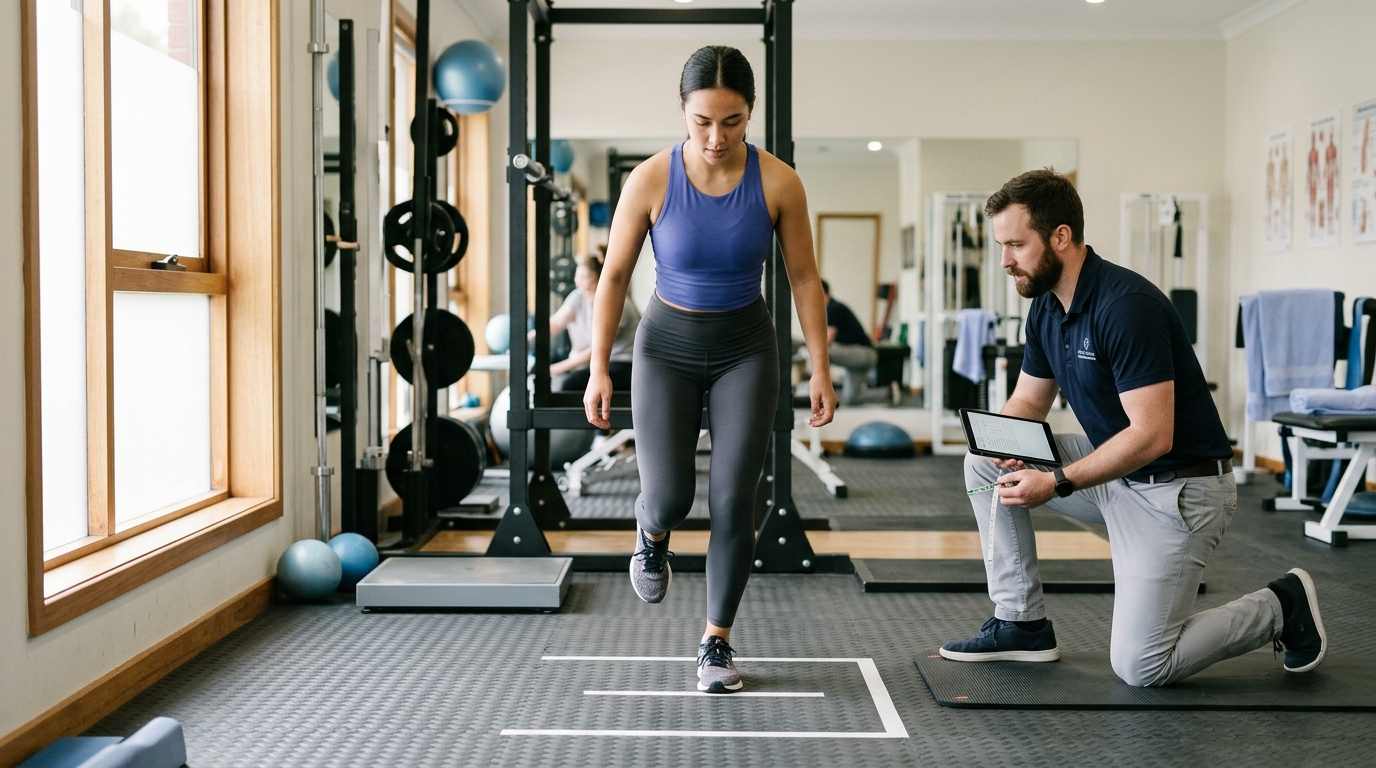
A 2026 study examining multi-joint dynamometry testing confirmed that limb differences are highly task-specific. The researchers reported standard errors of measurement between 2.9 percent and 7.5 percent, alongside minimum detectable change values ranging from 8.1 percent to 20.8 percent. Because normal measurement error can be as high as 10 to 20 percent on dynamic tests, an apparent 12 percent difference might simply reflect standard day-to-day testing variation.
A measured difference on a single-leg press does not mean the same difference exists during a jump, a step-down, or a running stride. Limb dominance varies across tasks, and natural asymmetry is normal in human movement.
When evaluating asymmetry in training or injury prevention, keep these practical principles in mind:
Exercise selection is not a one-size-fits-all decision. Several individual factors determine whether single-leg or two-leg exercises should take priority in your current routine.
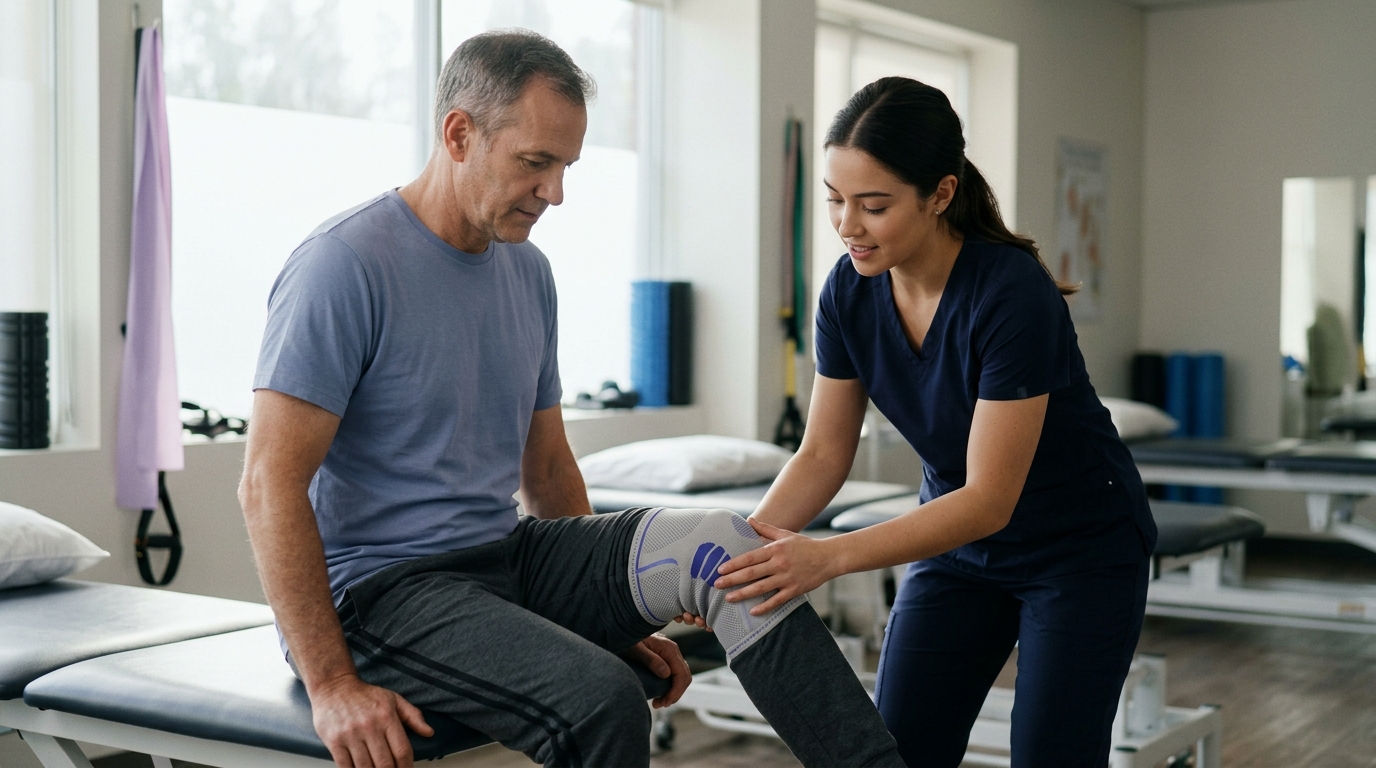
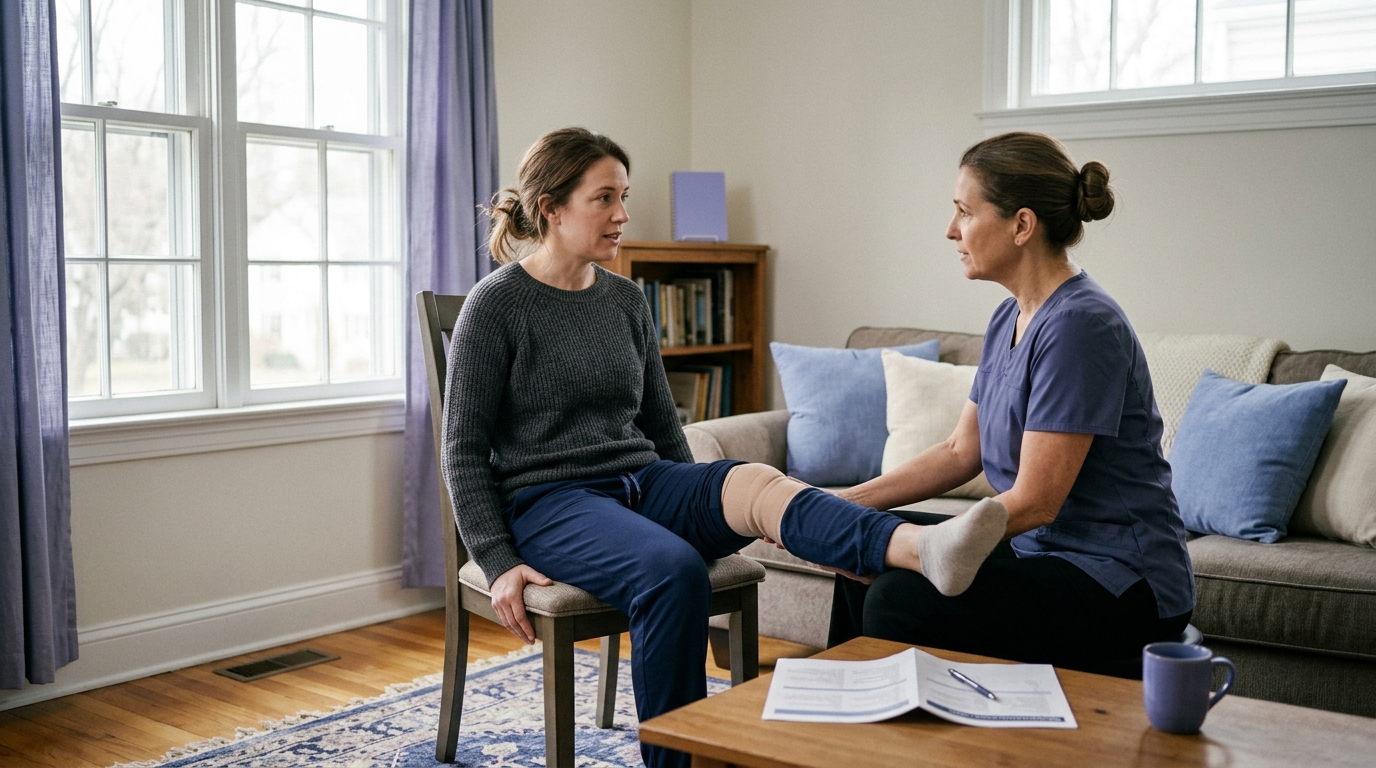
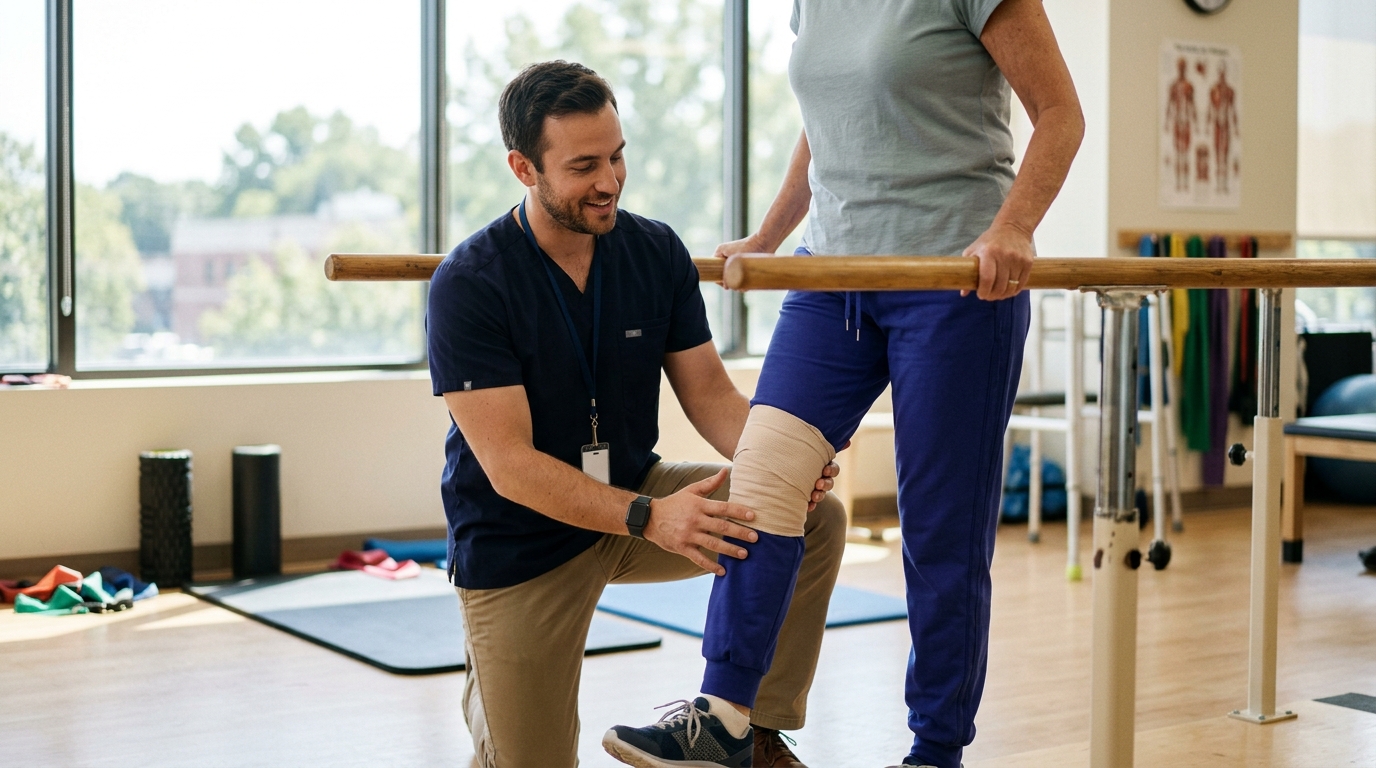
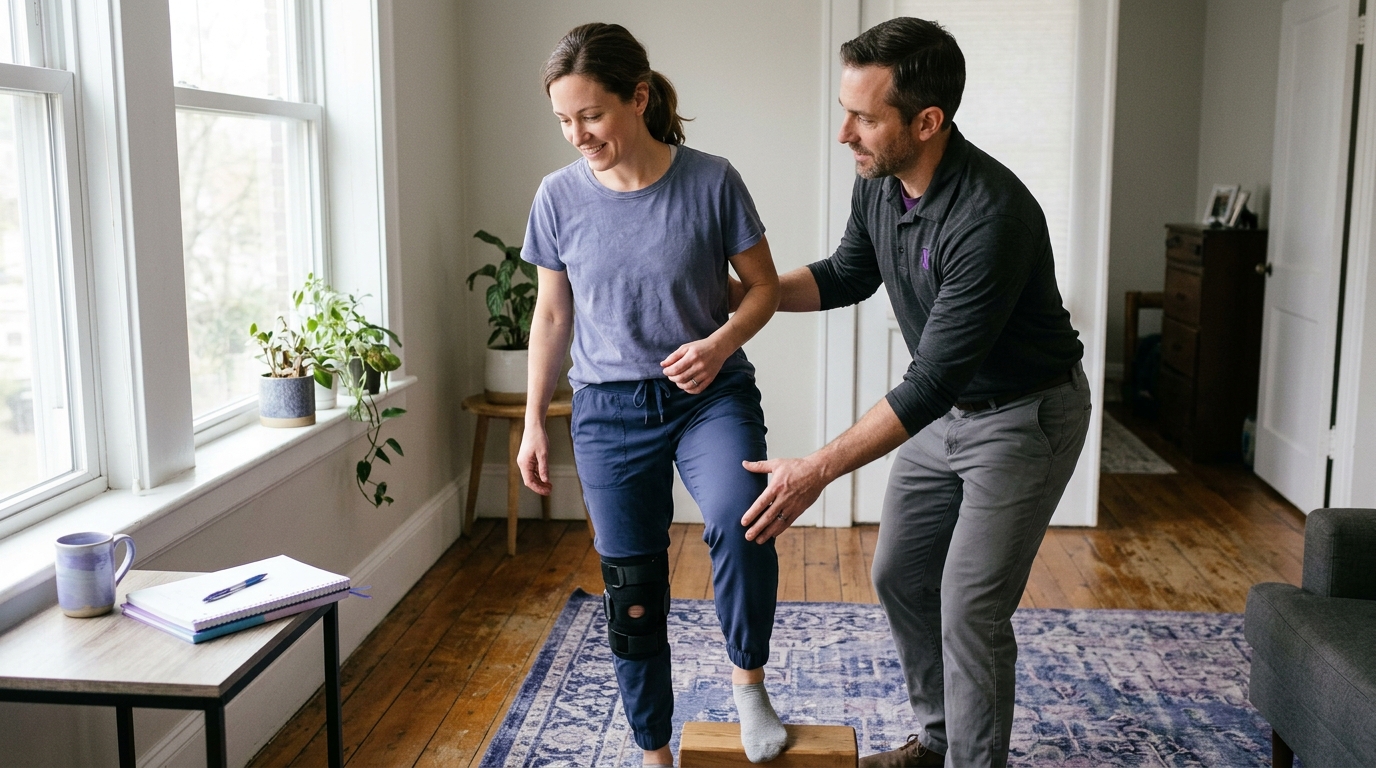
When recovering from joint irritation or surgery, bilateral movements allow you to share the load across both limbs. This can reduce the stress placed on a single healing joint. Conversely, single-leg exercises allow you to work at high relative muscular intensity using much lighter total external loads. A 50-pound dumbbell split squat can challenge your leg muscles heavily while placing far less spinal compression than a 200-pound barbell back squat.
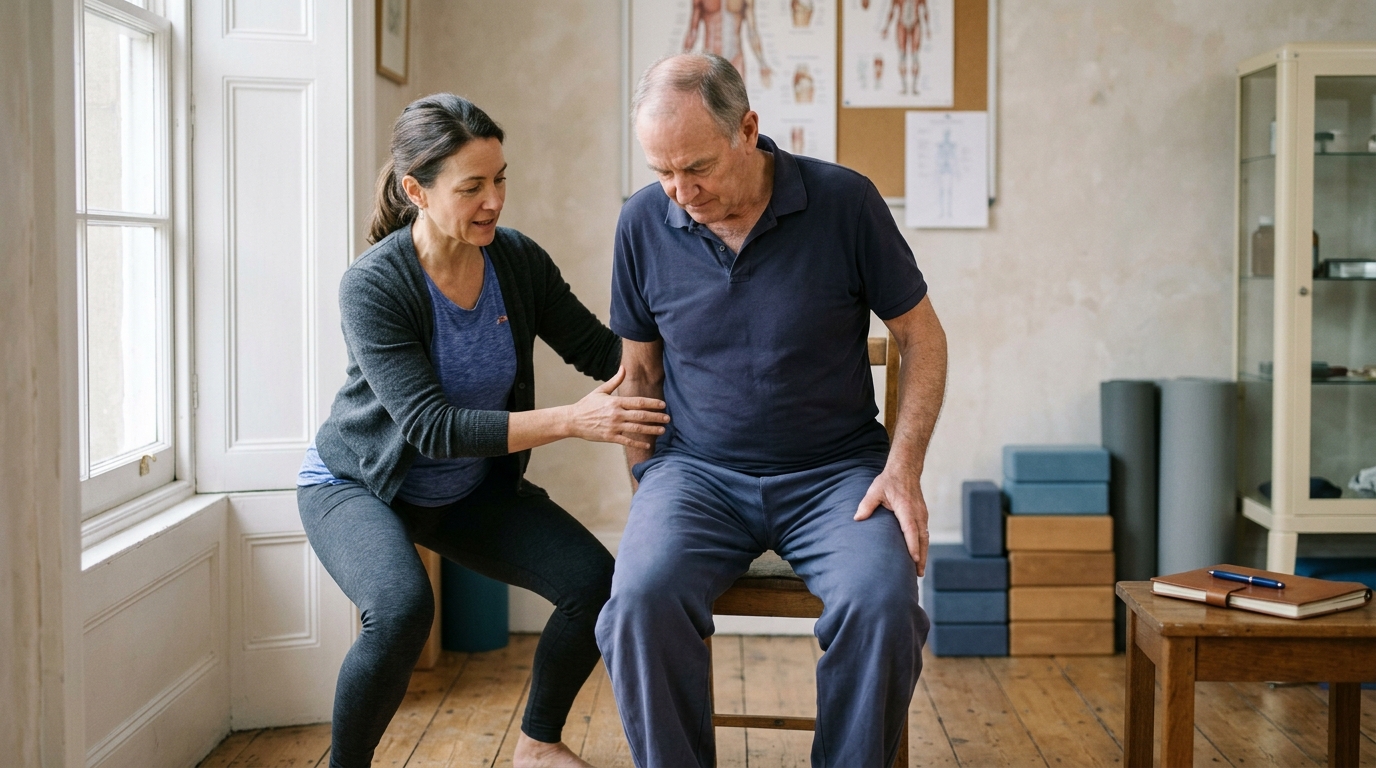
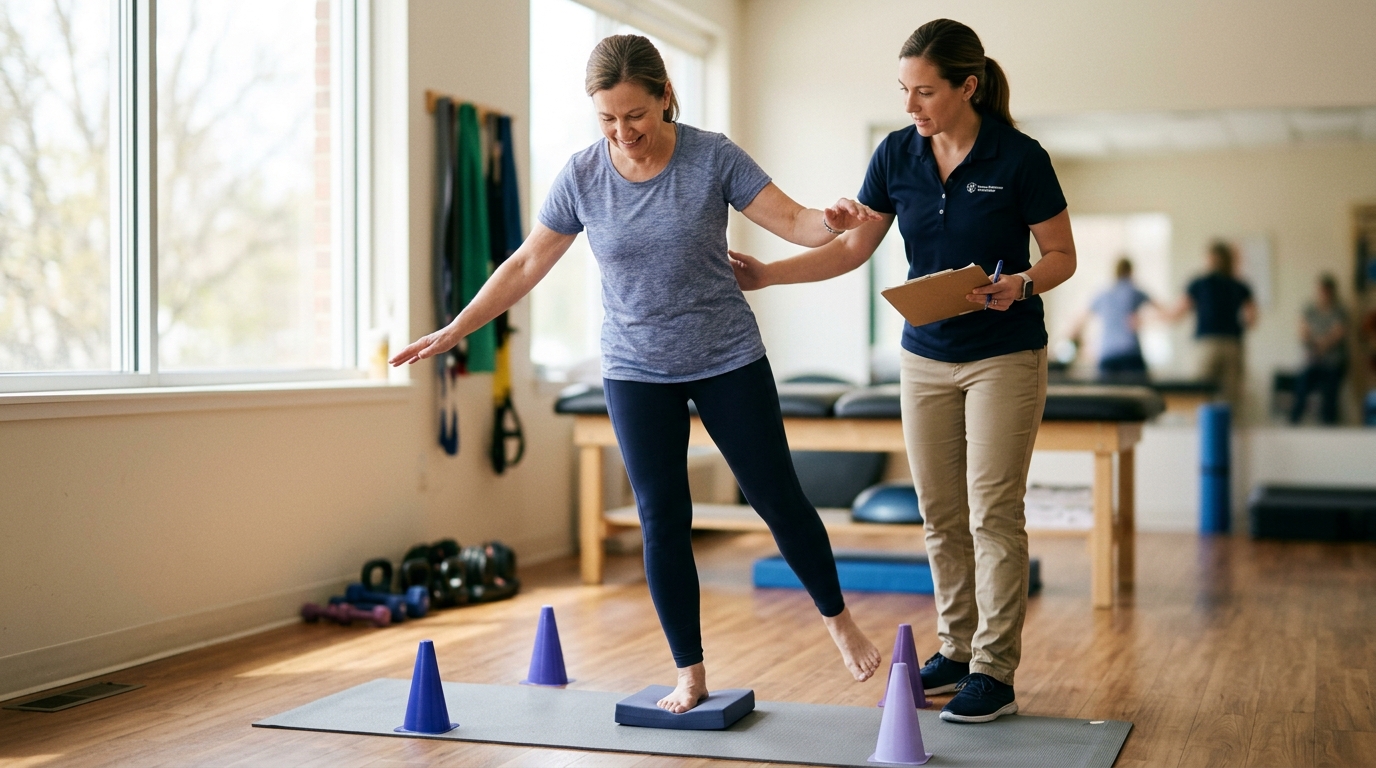
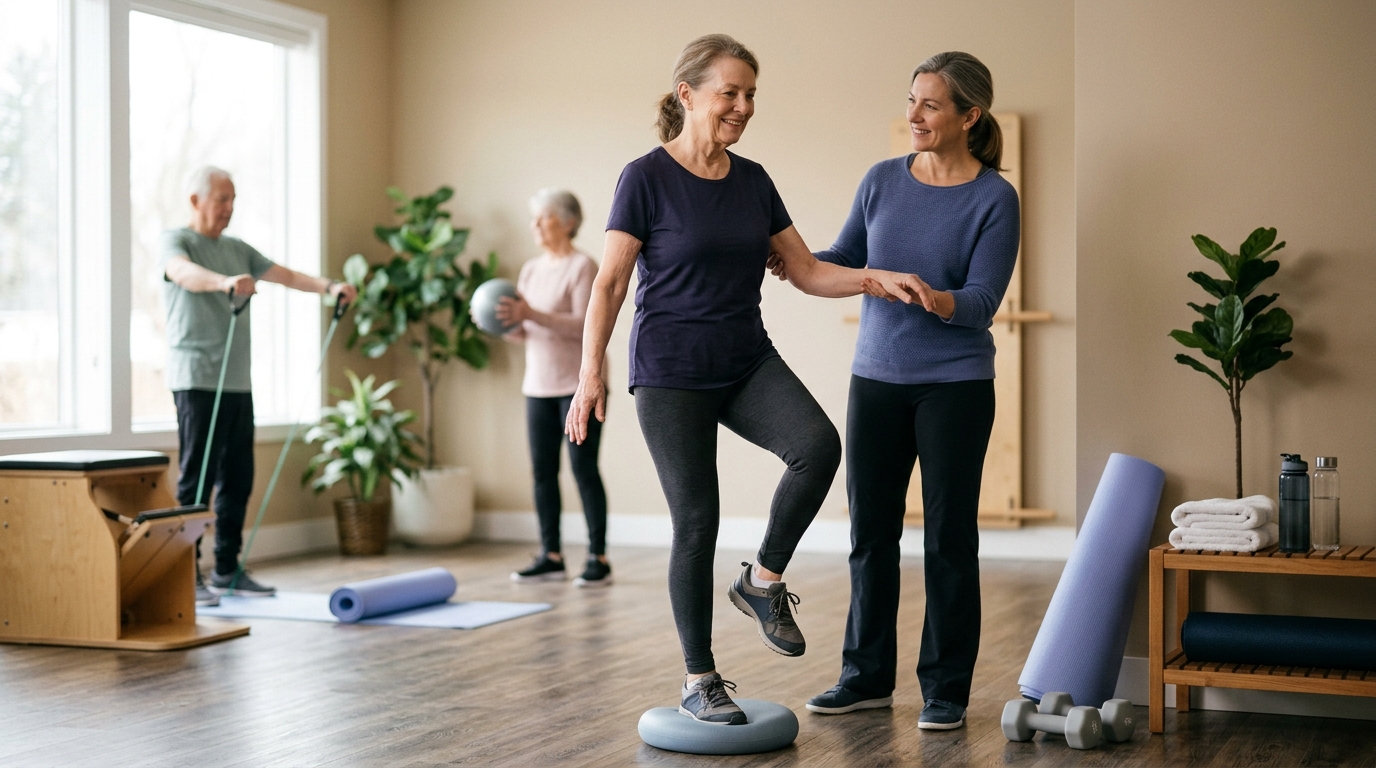
Single-leg exercises demand active balance, ankle stability, and hip control in three dimensions. If someone has significant balance limitations, performing an unsupported single-leg squat may cause early fatigue in the stabilizer muscles before the prime movers get a true strength stimulus. In that scenario, two-leg exercises or supported single-leg variations provide a safer way to build raw muscular strength.
Your primary activities dictate which movements matter most. Walking, stair climbing, running, and hiking require single-limb support and force production during every stride. Including unilateral work prepares the body for the rotational and lateral forces of those daily tasks. Lifting heavy objects from the floor, rowing, or pushing heavy loads often benefits from the stable base of two-leg training.
Bilateral exercises allow you to train both limbs at once, cutting exercise time in half for major multi-joint patterns. Unilateral training requires performing sets on each leg separately, which increases workout duration and cardiovascular demand. Combining both styles allows you to build strength efficiently while addressing single-limb balance and coordination.
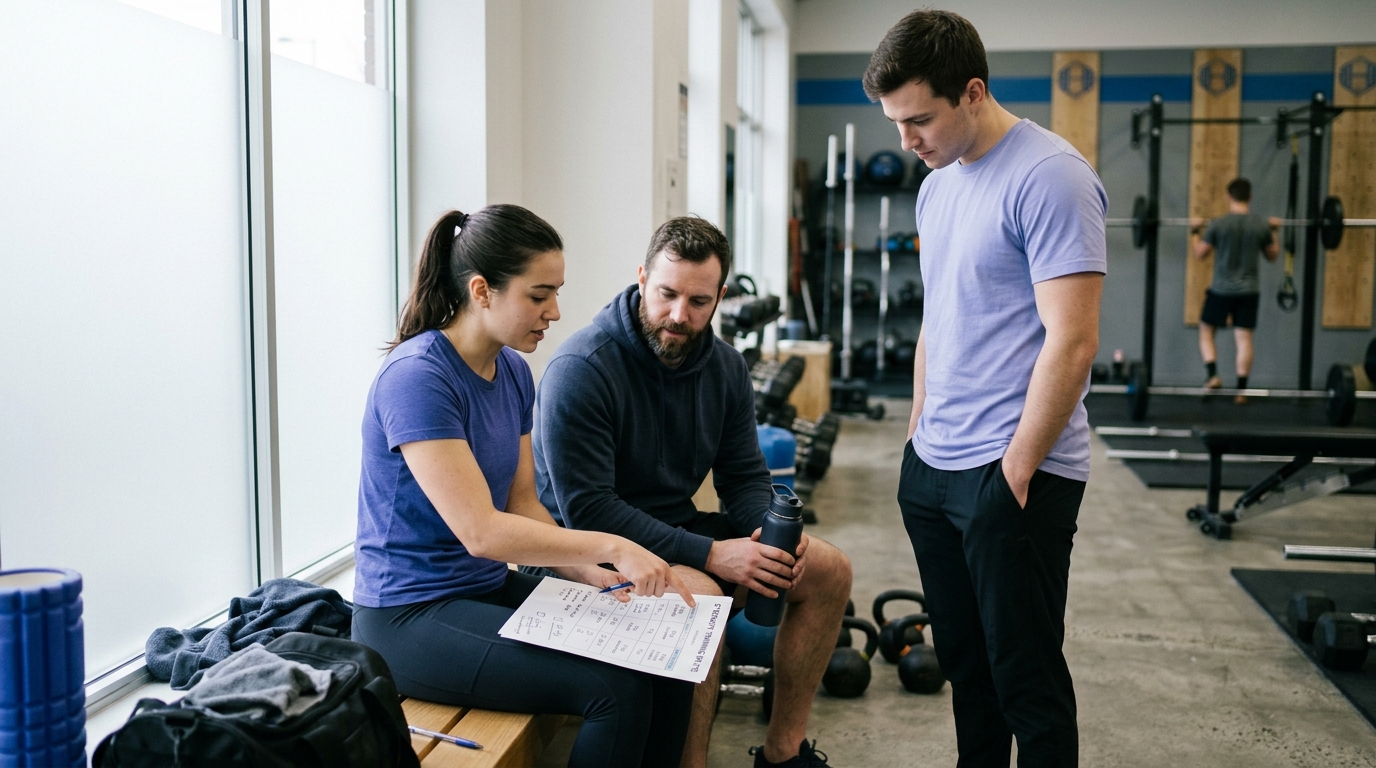
Building a balanced routine does not require choosing one format over another. The most effective approach blends bilateral foundation lifts with progressive unilateral exercises. Below is a structured framework for choosing, pairing, and progressing these movements.
Bilateral movements serve as the primary drivers of general strength and bone loading. They allow you to apply progressive overload safely and consistently.
Unilateral exercises should progress from high support to low support, and from fixed feet to dynamic movement.
To build a well-rounded routine, pair a bilateral primary lift with a complementary unilateral exercise. Here are two practical examples:
You can find more structured ideas for balancing movement quality in our guide to mobility and movement.
Misconceptions about leg training can lead to poor exercise choices and unnecessary frustration. Let us address the most common training errors.
Many trainers claim that because running and walking happen one leg at a time, two-leg squats are non-functional. Research shows that both formats transfer well to athletic performance and general physical capacity. Bilateral exercises allow for heavier loading, which builds maximum muscular force and connective tissue density efficiently. A functional routine uses whatever tools best match your current physical goals.
While a two-leg squat does not isolate each leg, it does not inherently create dangerous imbalances. The human body naturally relies on dominant movement strategies. Including some unilateral work in your routine is a simple way to give each leg dedicated work without needing to eliminate bilateral squats.
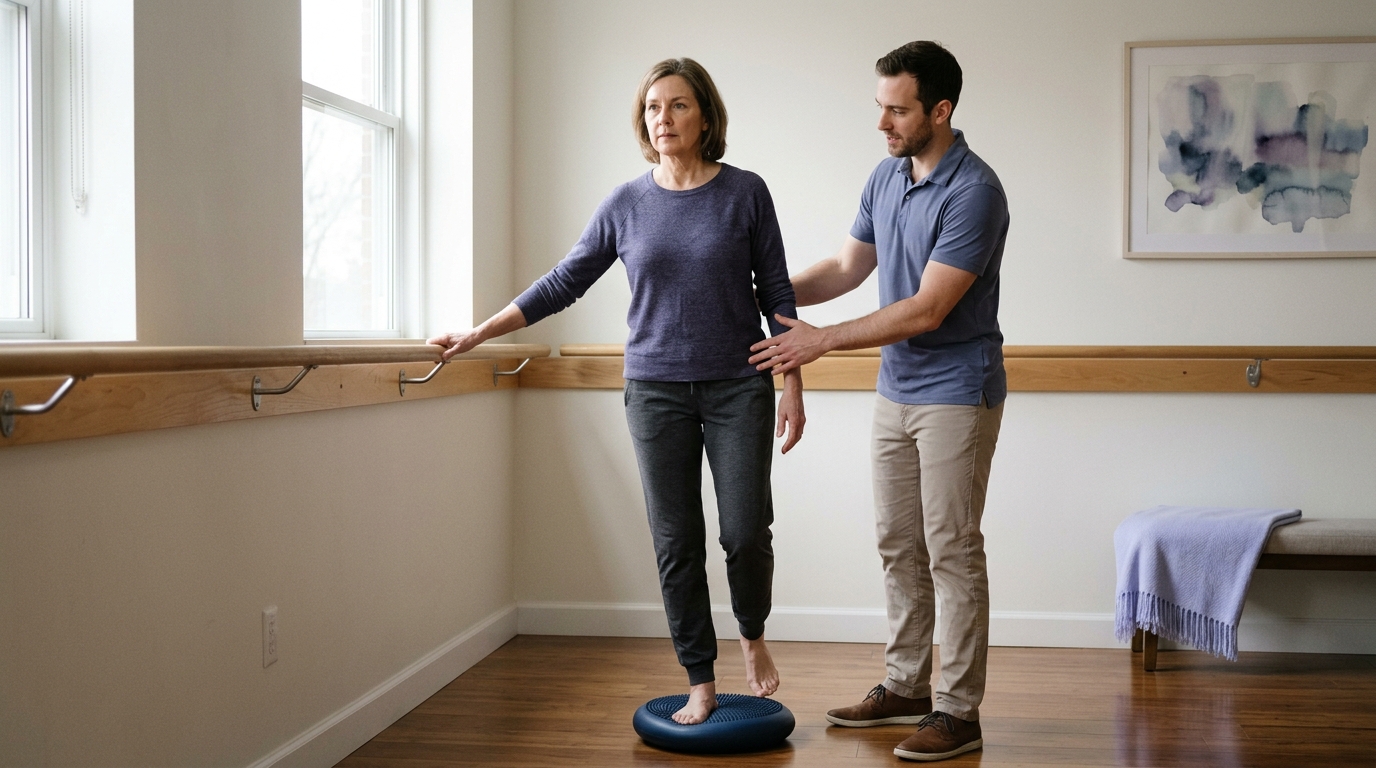
Standing on wobble boards or foam pads is often promoted as the ultimate balance challenge. Performing strength exercises on highly unstable surfaces significantly reduces the amount of force your muscles can produce. If your goal is strength, perform single-leg exercises on a solid, stable floor so you can safely load the movement. Save unstable surfaces for specific neuromuscular rehabilitation drills when recommended by a physical therapist.
Trying to make both legs identical in strength is unrealistic and unnecessary. Asymmetry research demonstrates that limb differences naturally fluctuate across different days and tests. Focus on progressive improvement, movement comfort, and functional capability rather than chasing an arbitrary symmetry score.
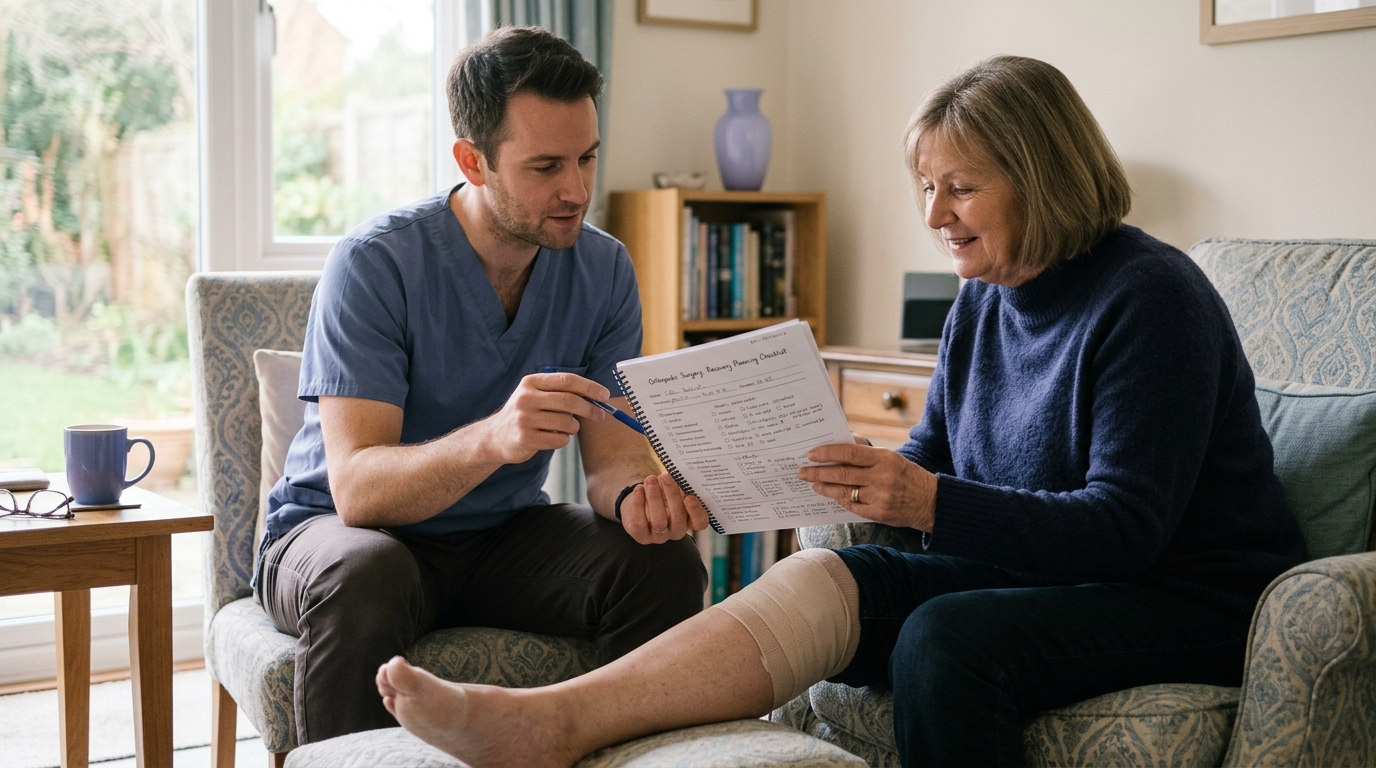
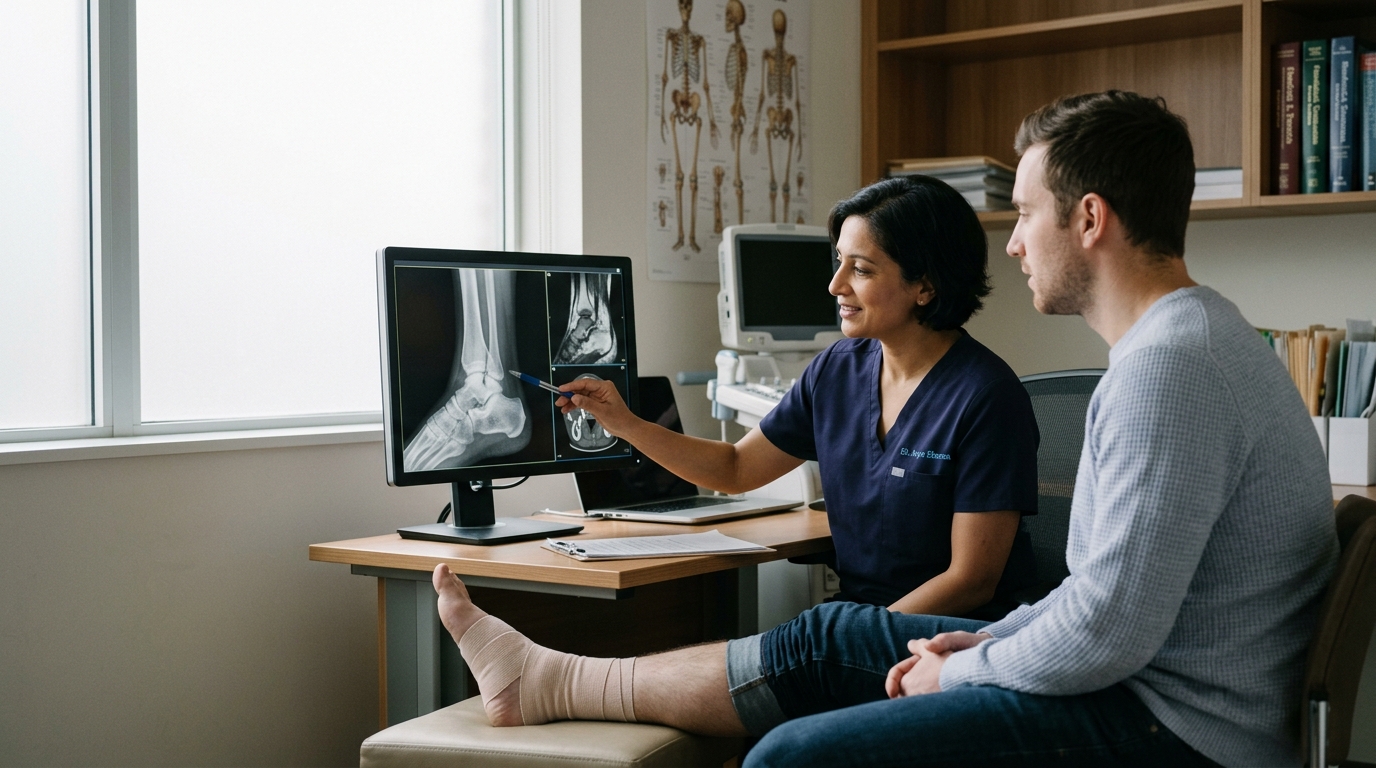
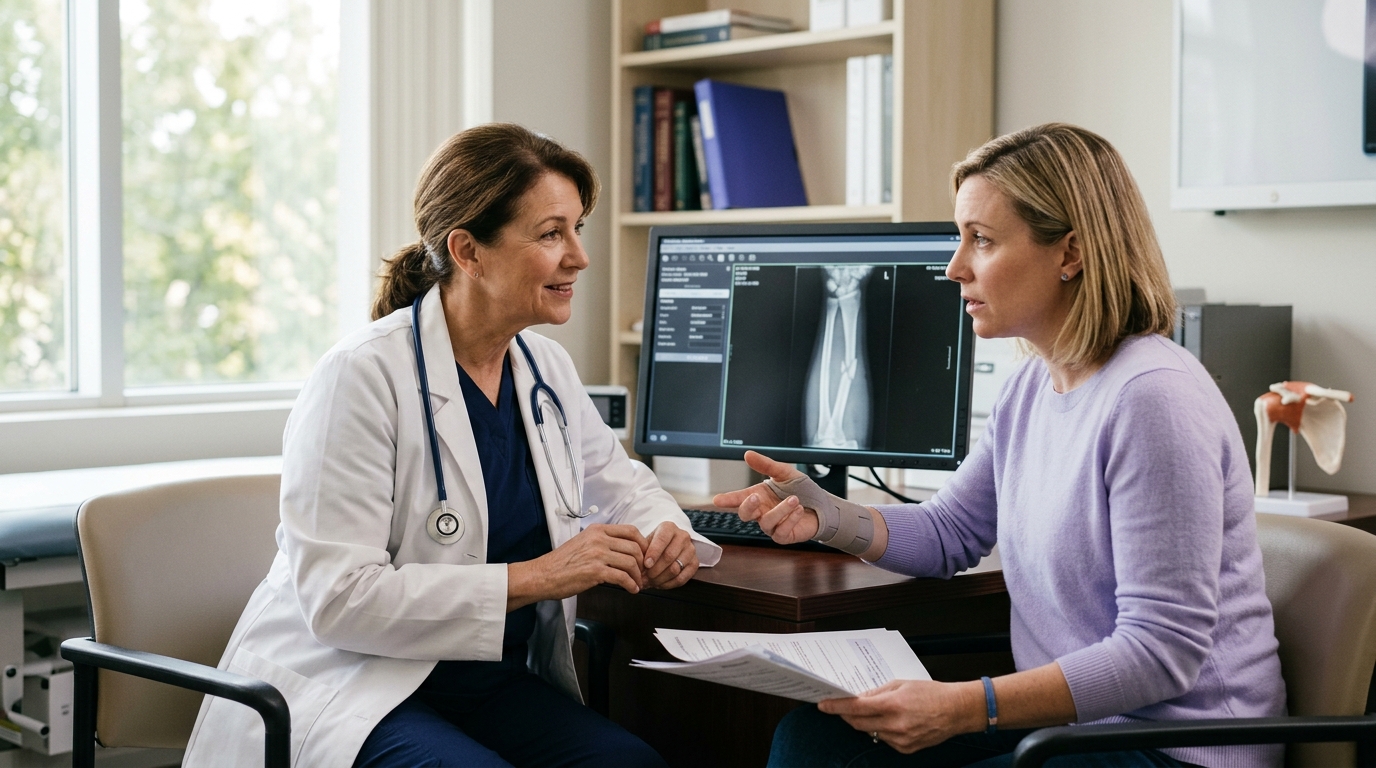
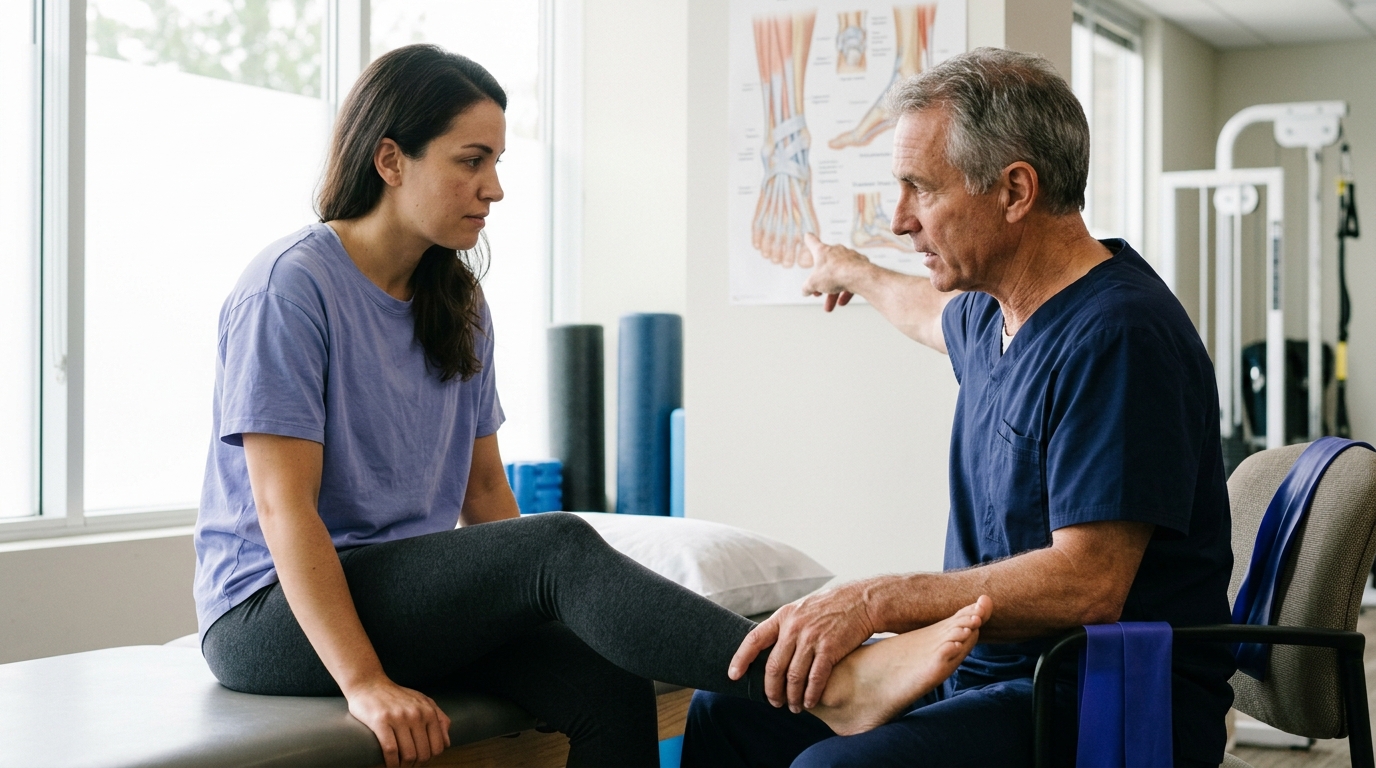
When you are recovering from surgery, managing joint pain, or returning to high-impact recreation, professional guidance is essential. Take these questions to your doctor or physical therapist:
For additional details on navigating medical appointments and structured rehab milestones, explore our resources on surgical recovery and comeback.
Single-leg and two-leg strength training are complementary tools that serve distinct, valuable purposes. Bilateral training provides a stable base to build maximum strength, bone density, and muscle mass with heavy loads. Unilateral training improves balance, dynamic hip control, and single-limb force production, while matching the specific demands of single-leg tasks.
Research shows that both formats produce similar muscle growth and athletic gains when programmed with appropriate effort and volume. Differences between limbs are normal, task-specific, and rarely require extreme correction protocols unless accompanied by functional limitations or clinical symptoms. A balanced, sustainable training program includes both formats to build durable, versatile physical capacity.

Use ReboundBody resources to understand common recovery stages, rehab terms, movement limits and strength rebuilding. Each guide is designed to make a complex comeback easier to understand.


Read practical guidance on injury recovery, rehabilitation, mobility and rebuilding strength as you work your way back to activity.
Explore Resources