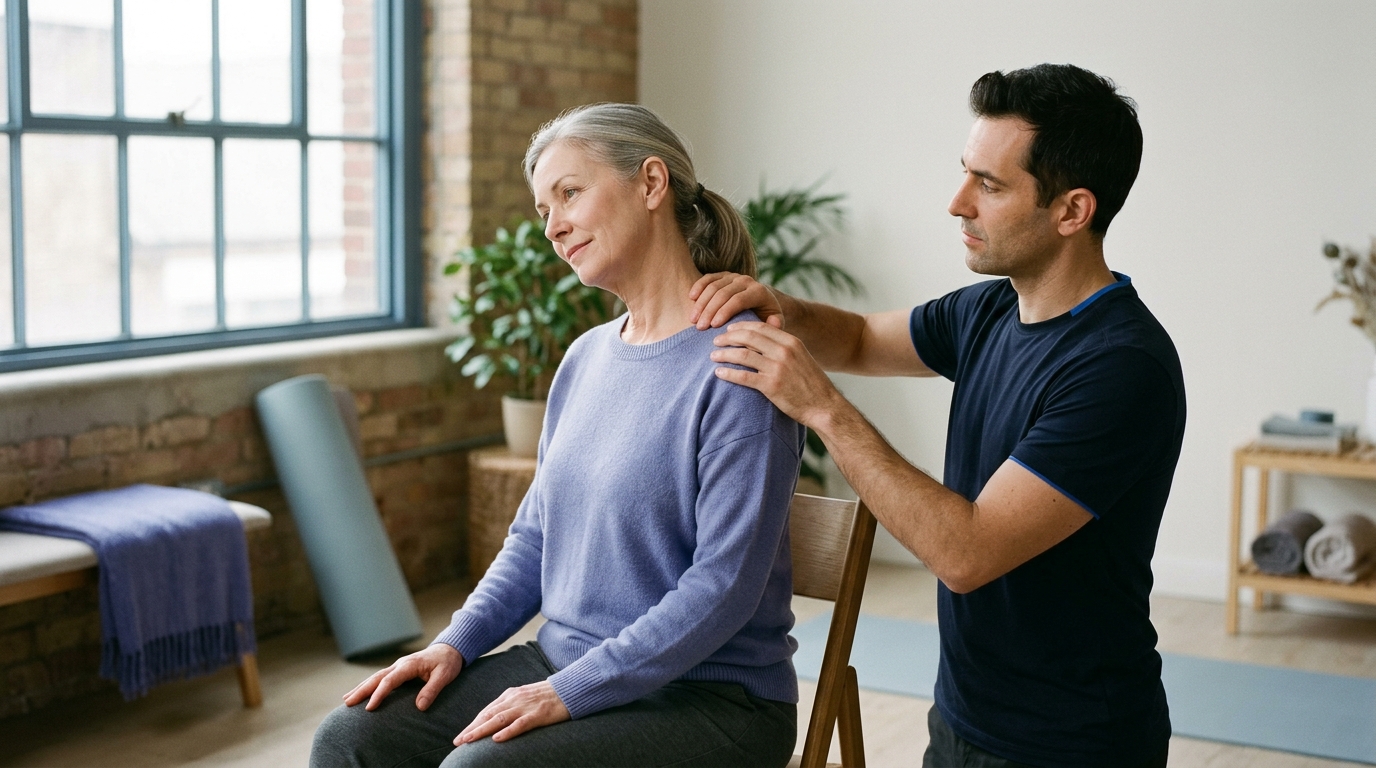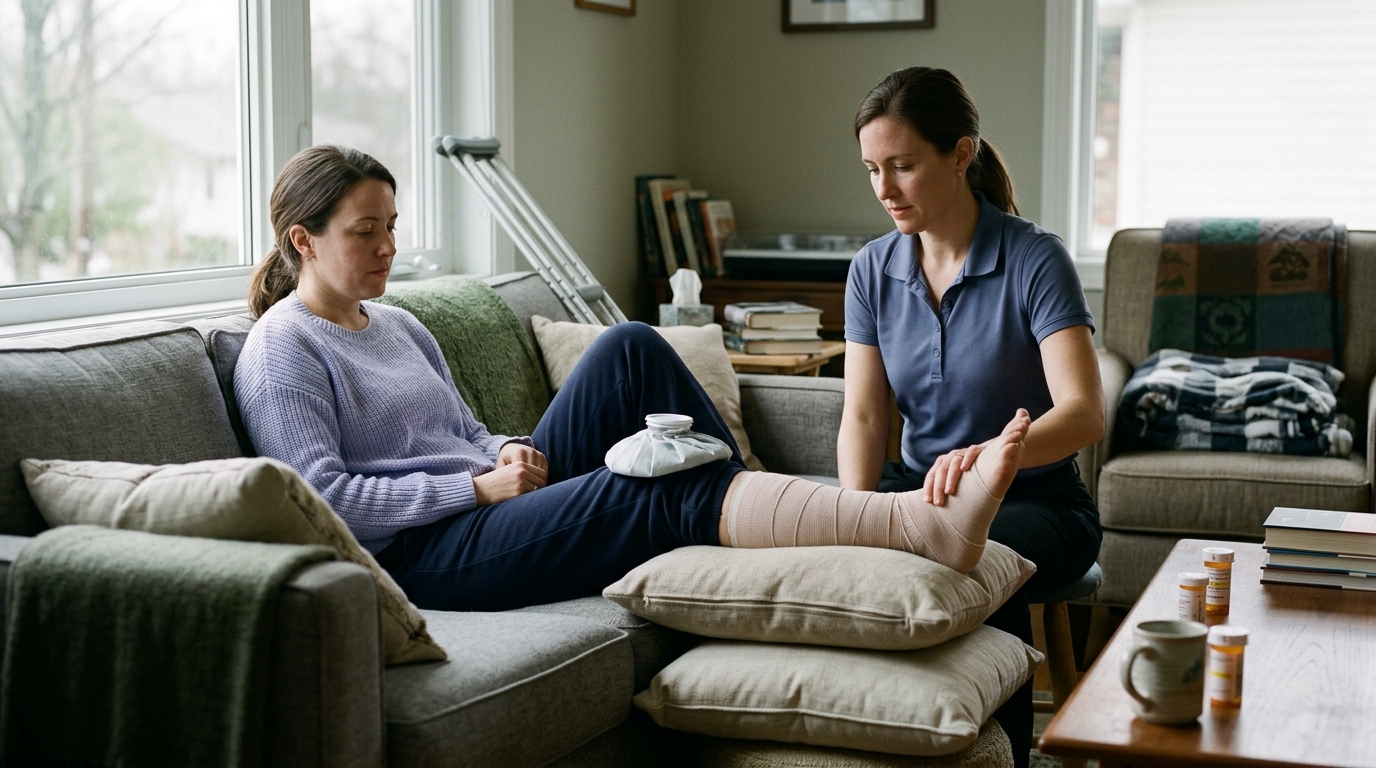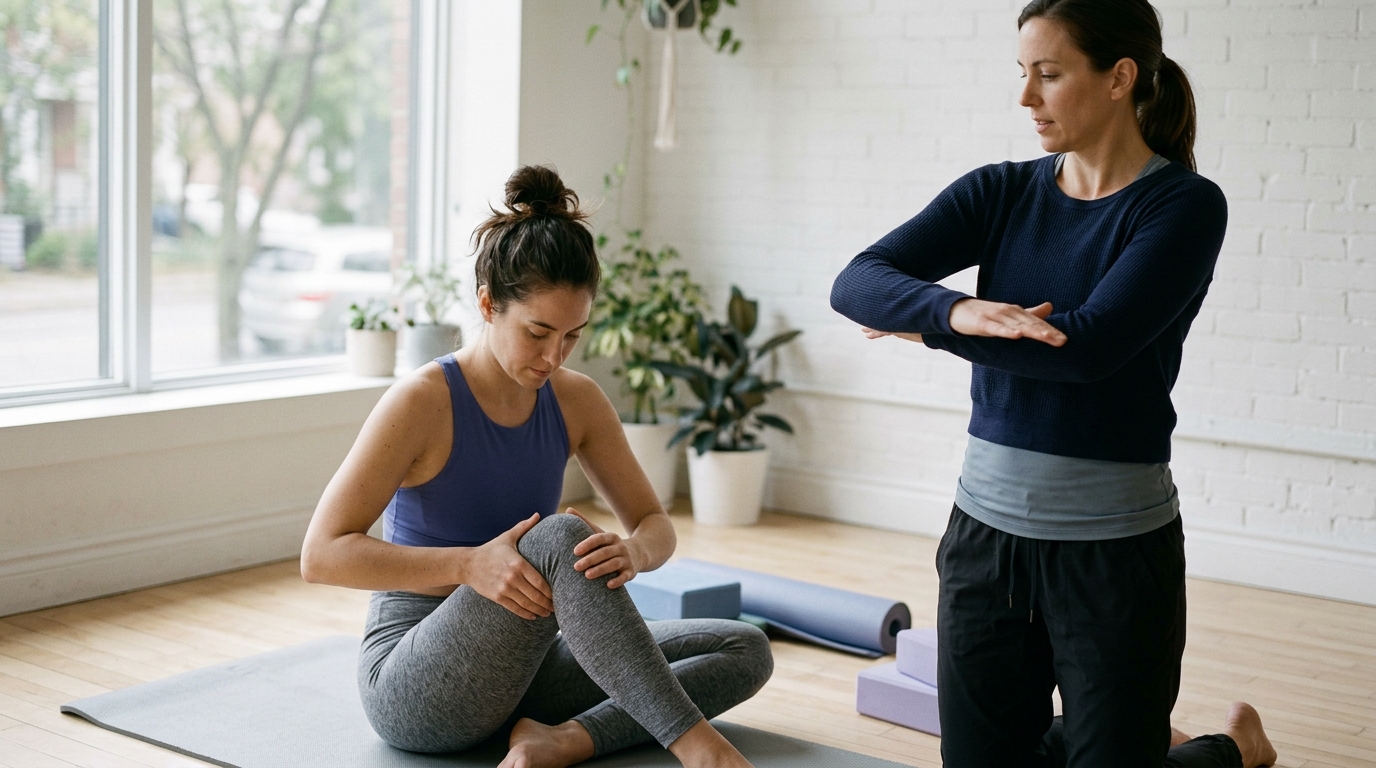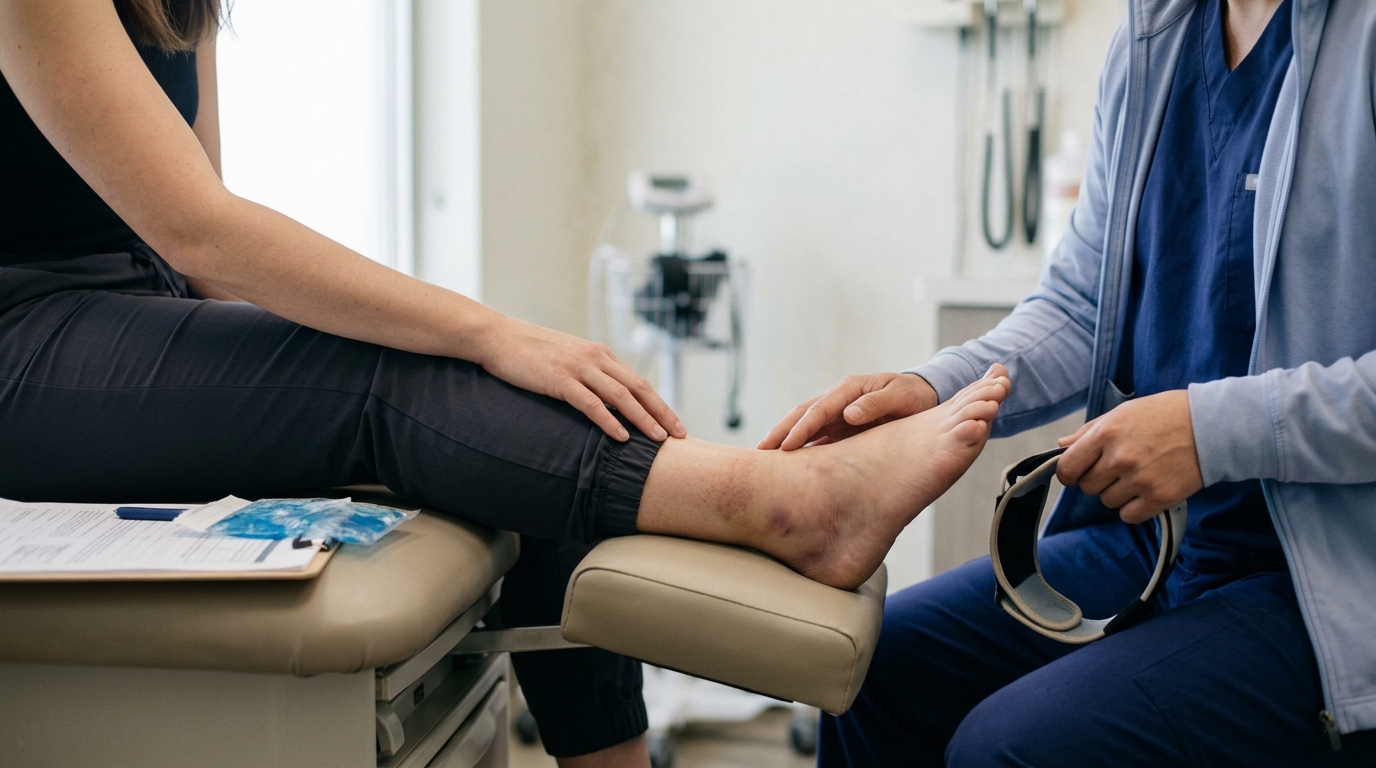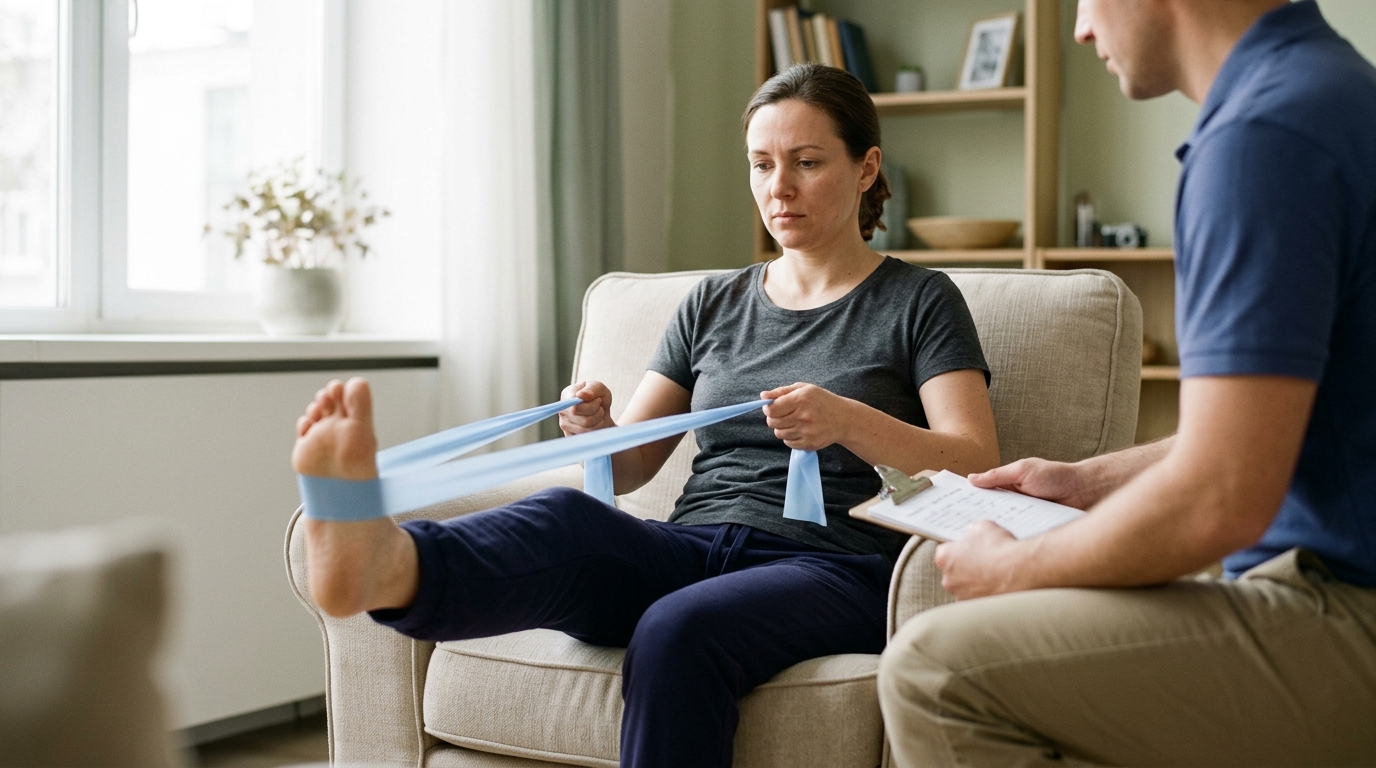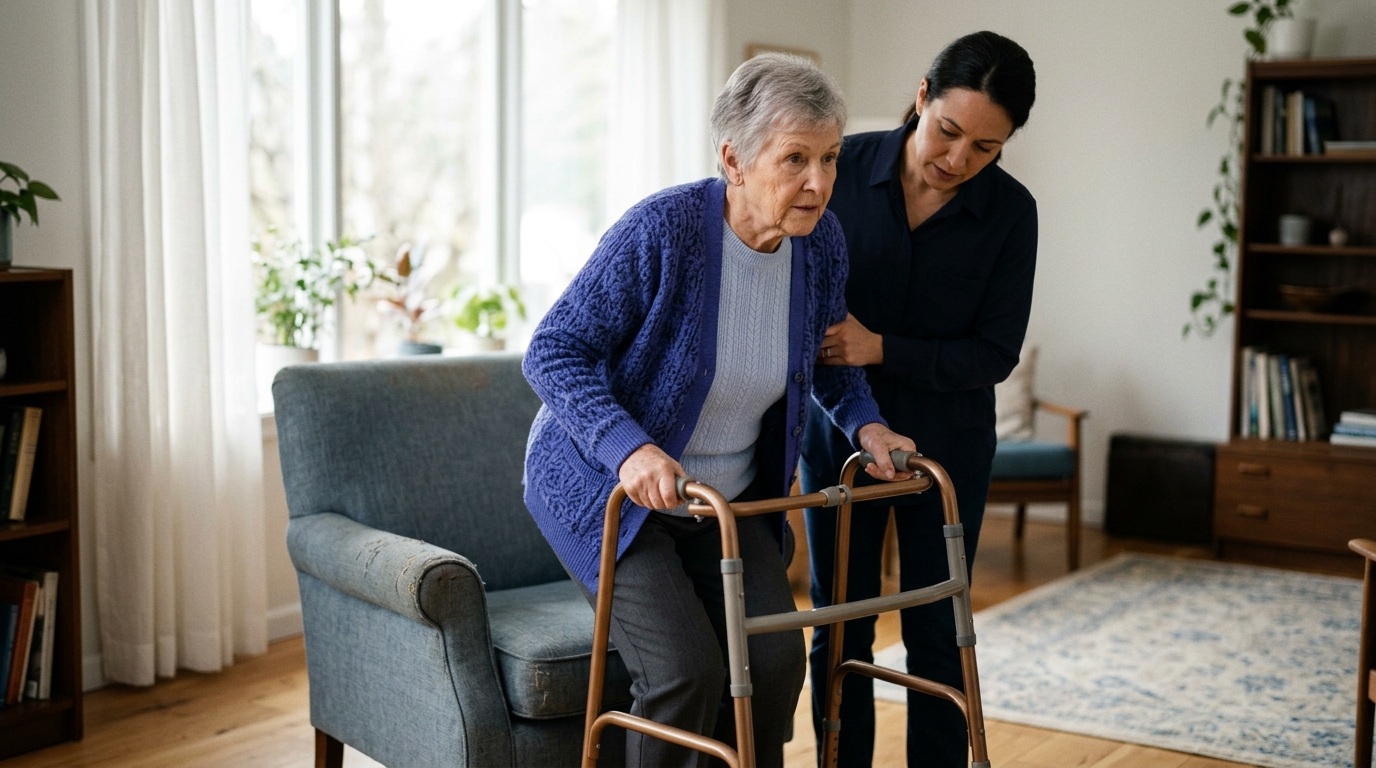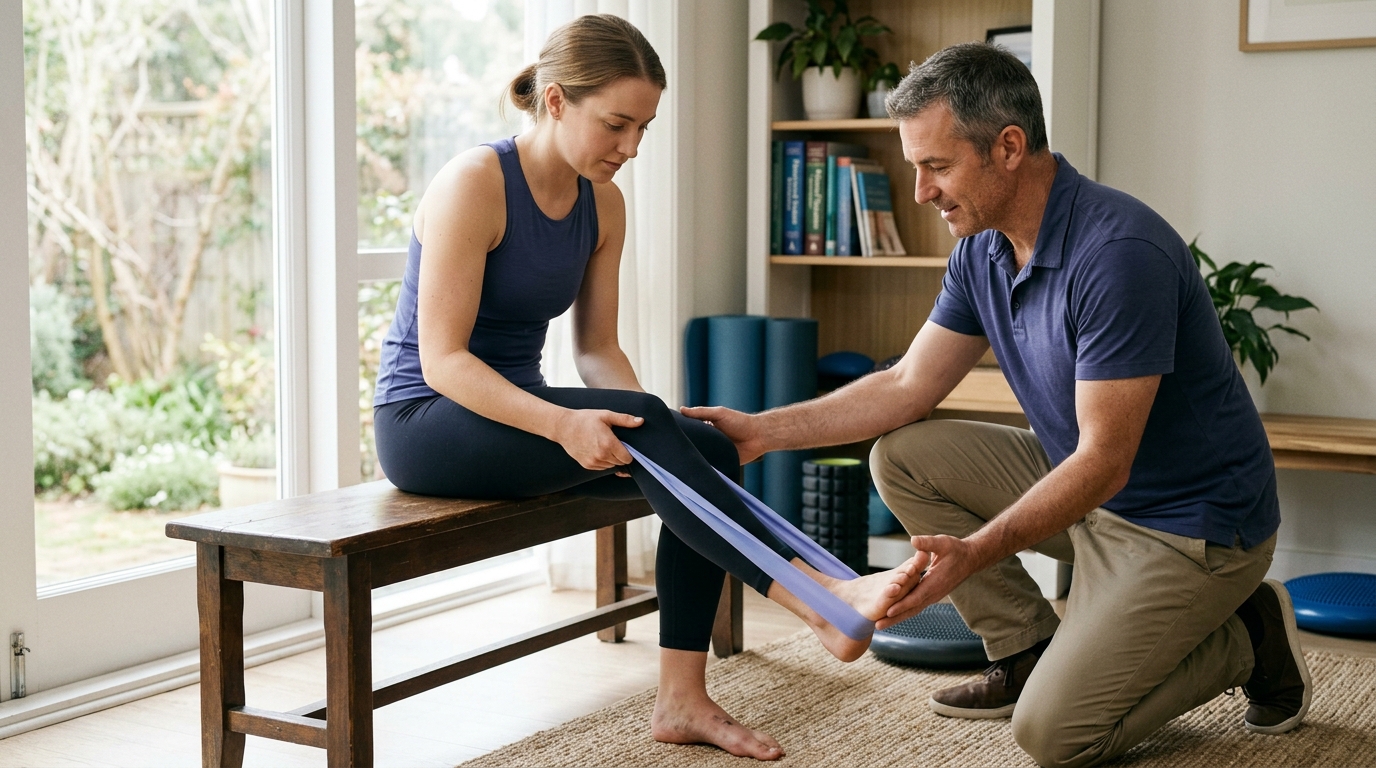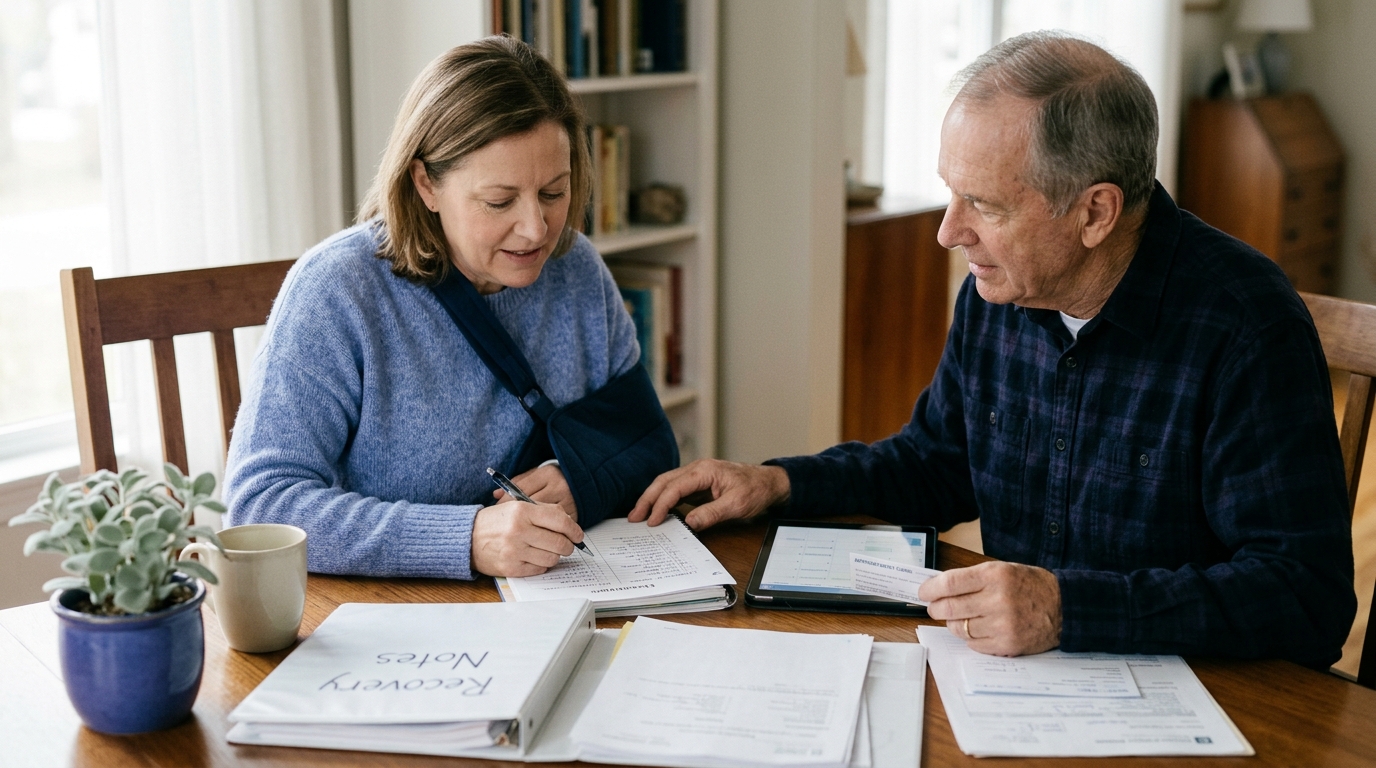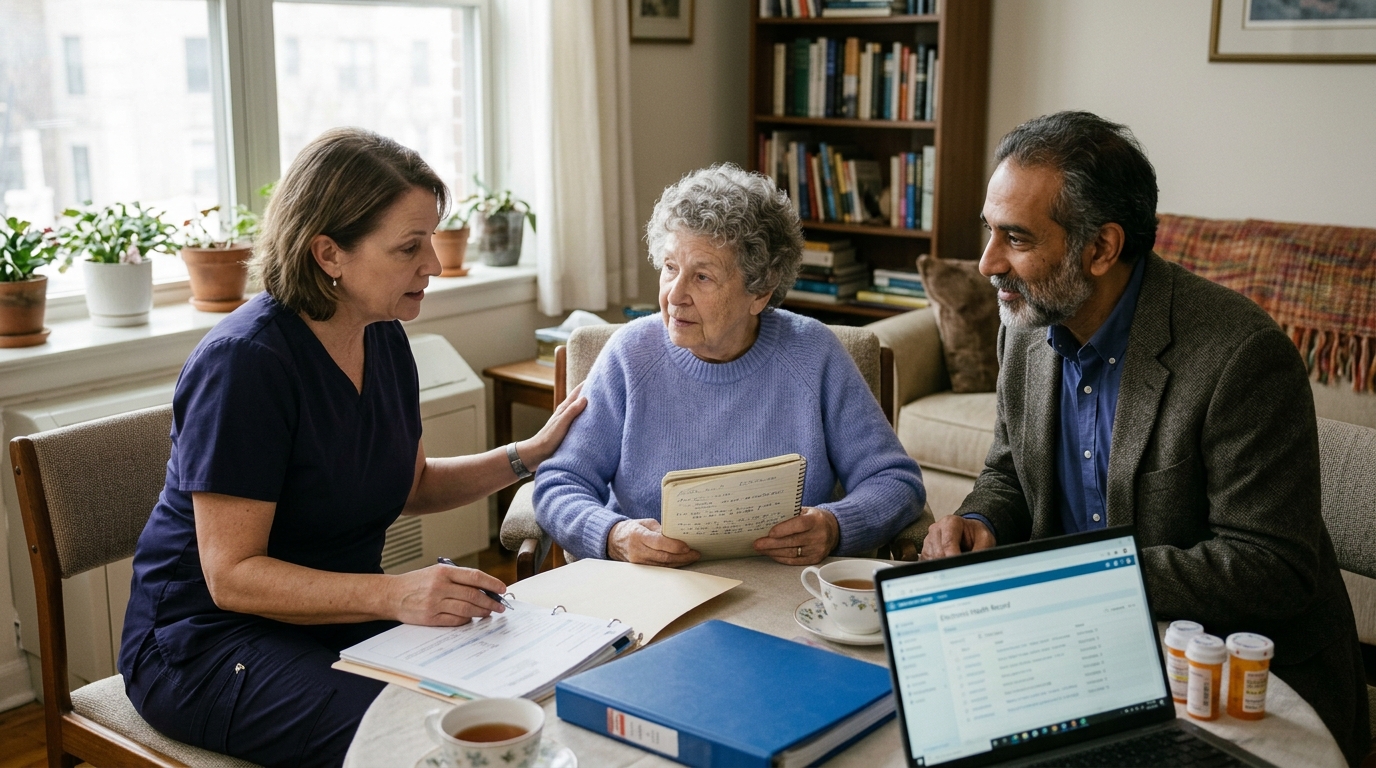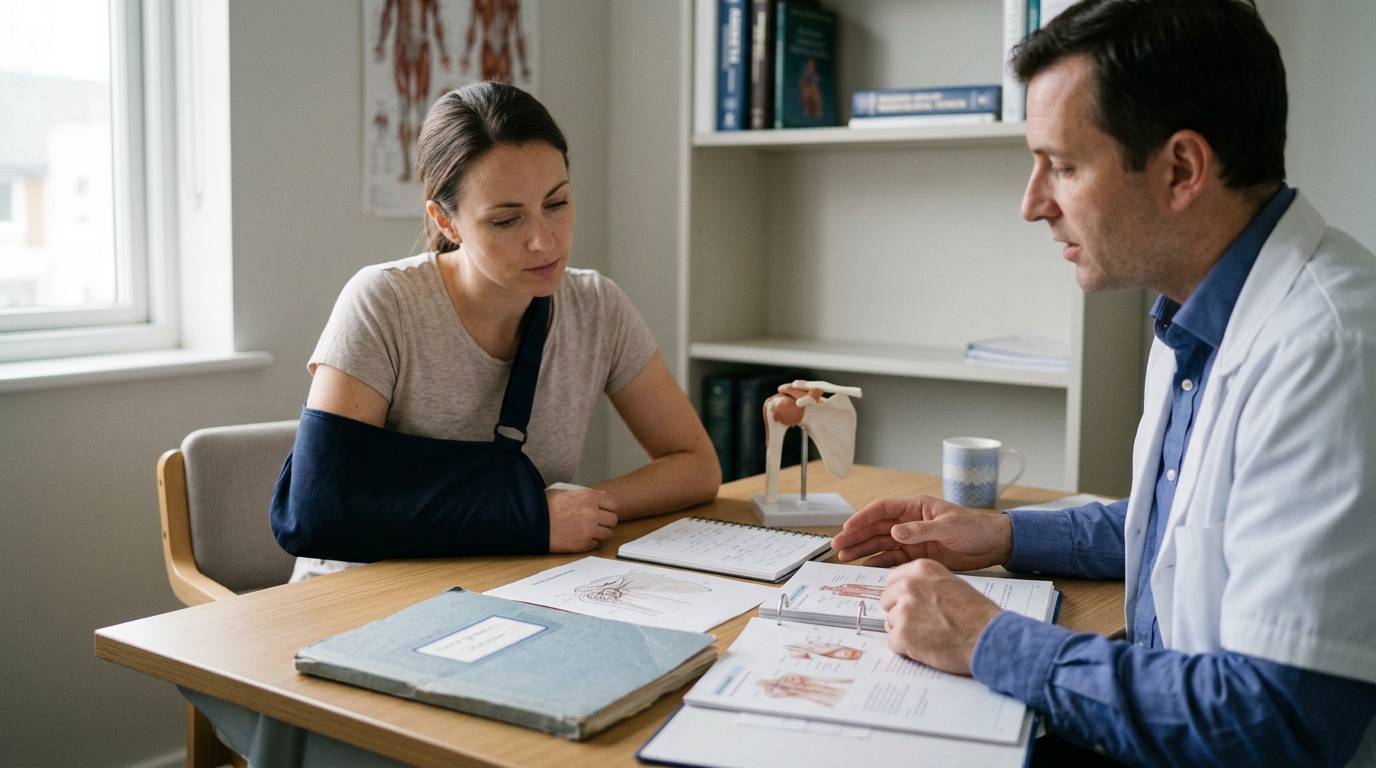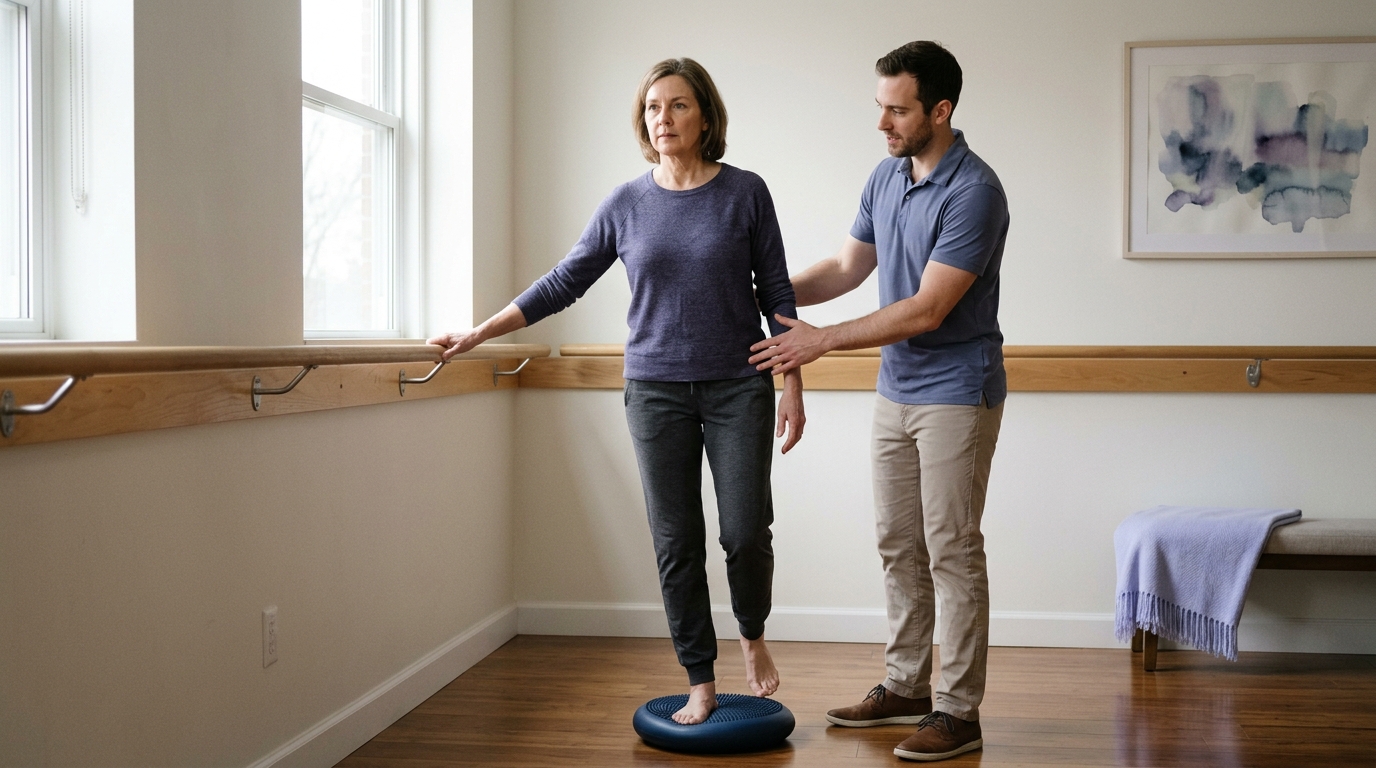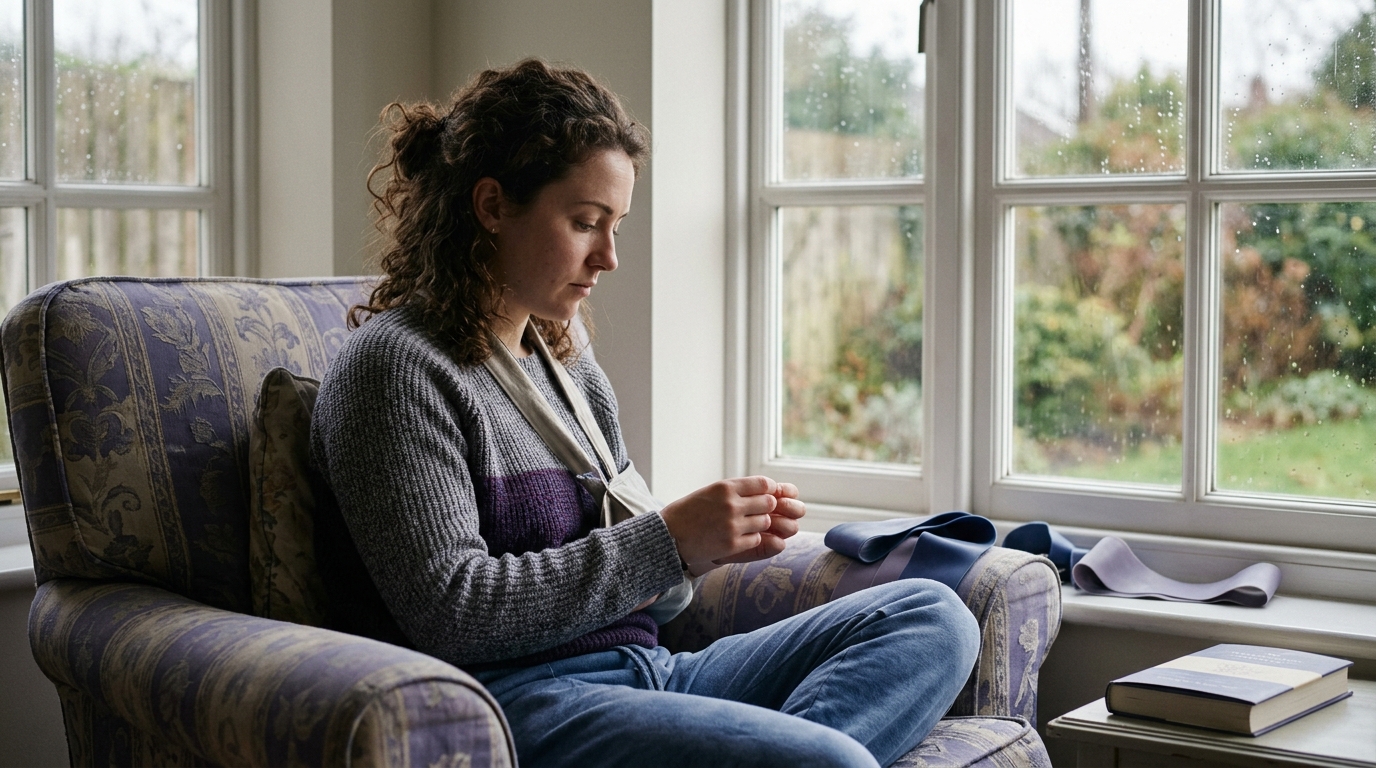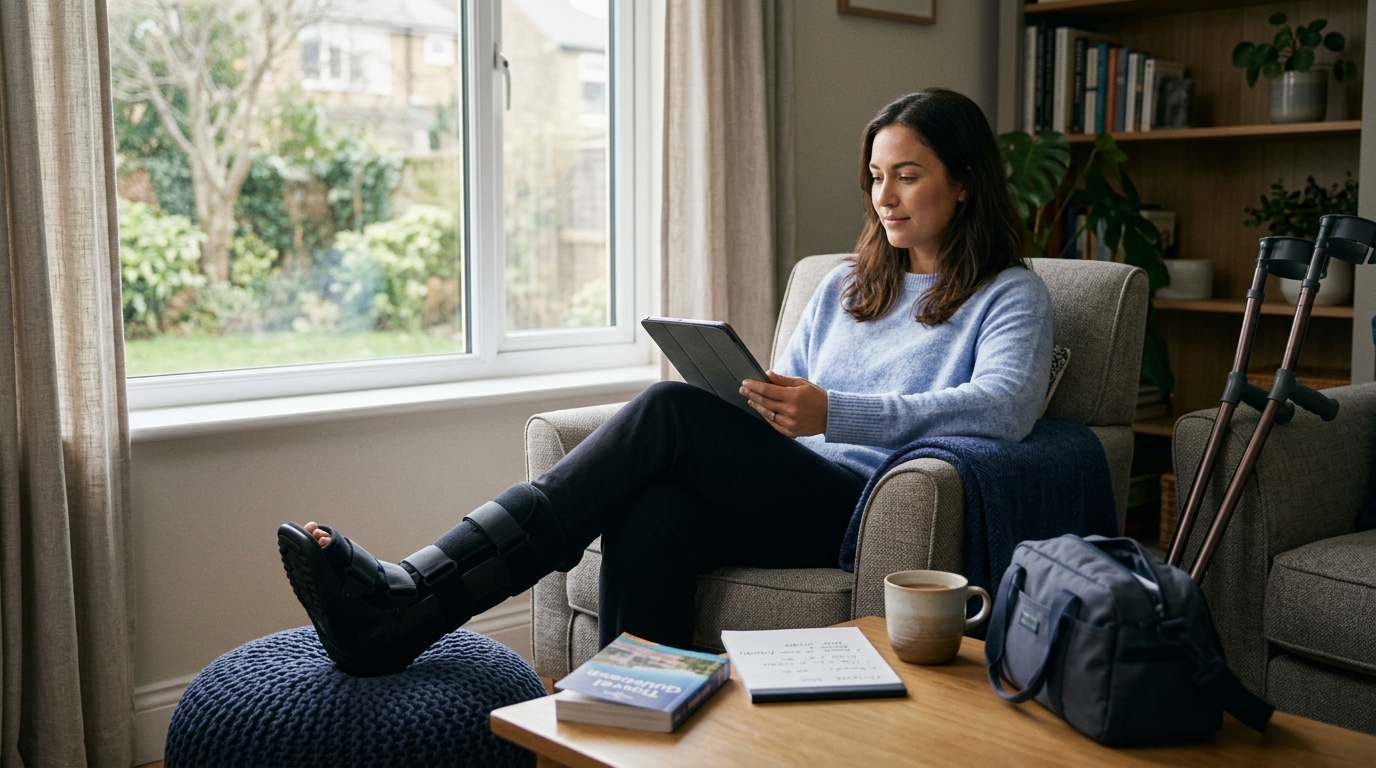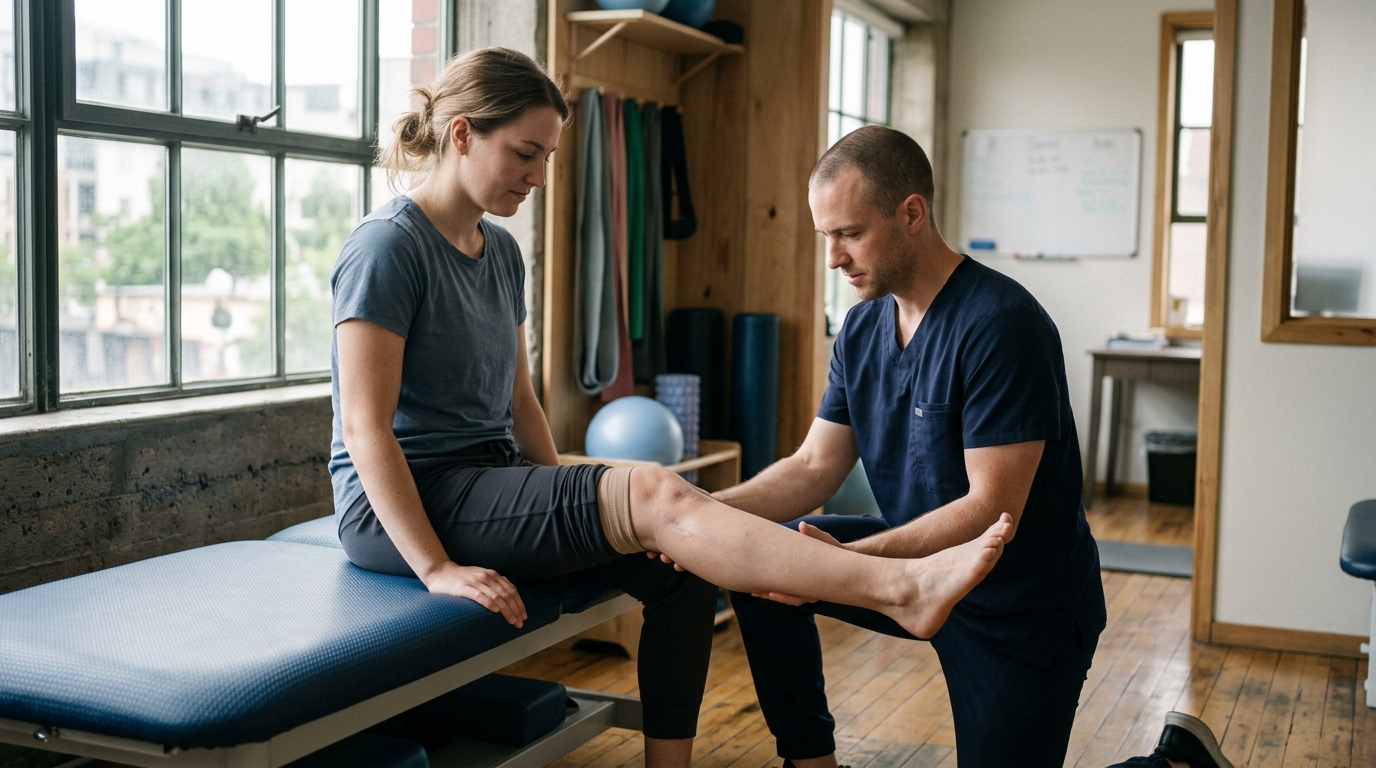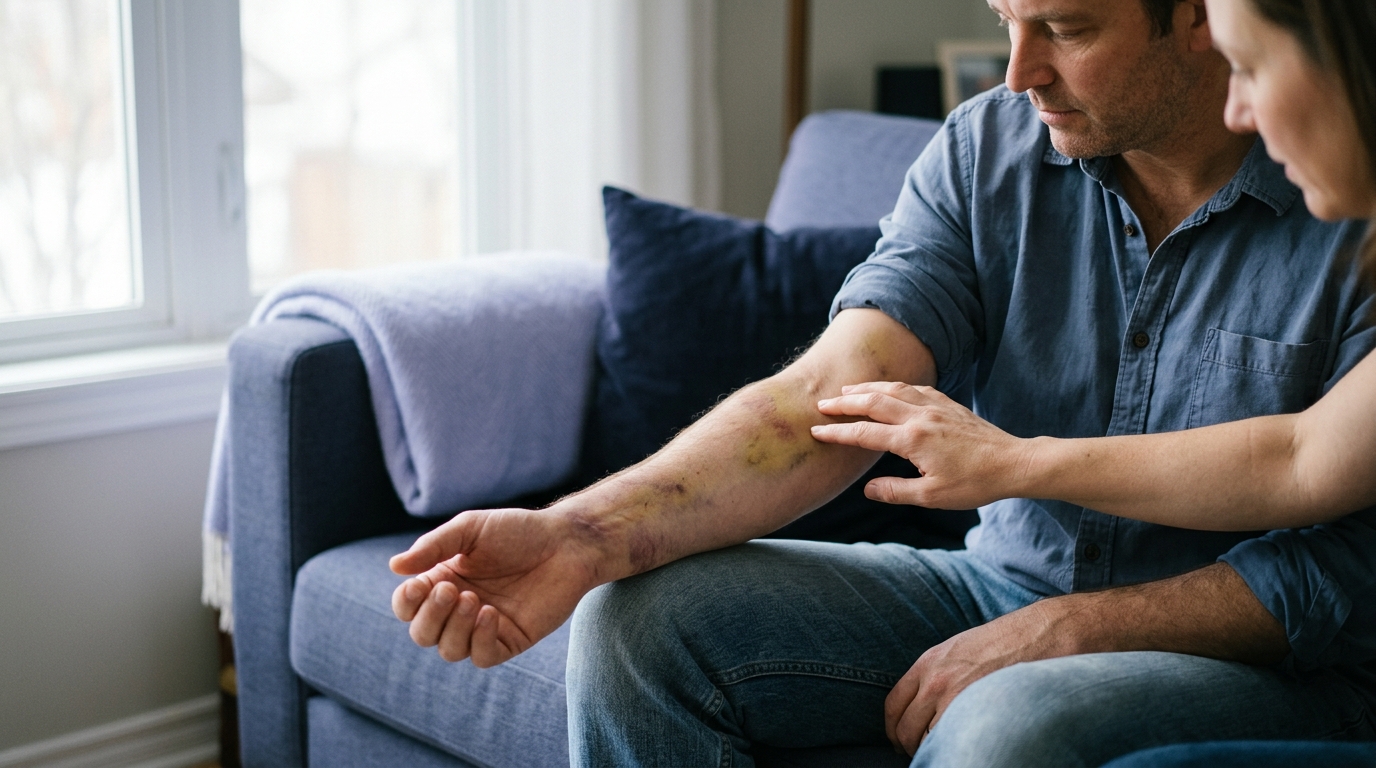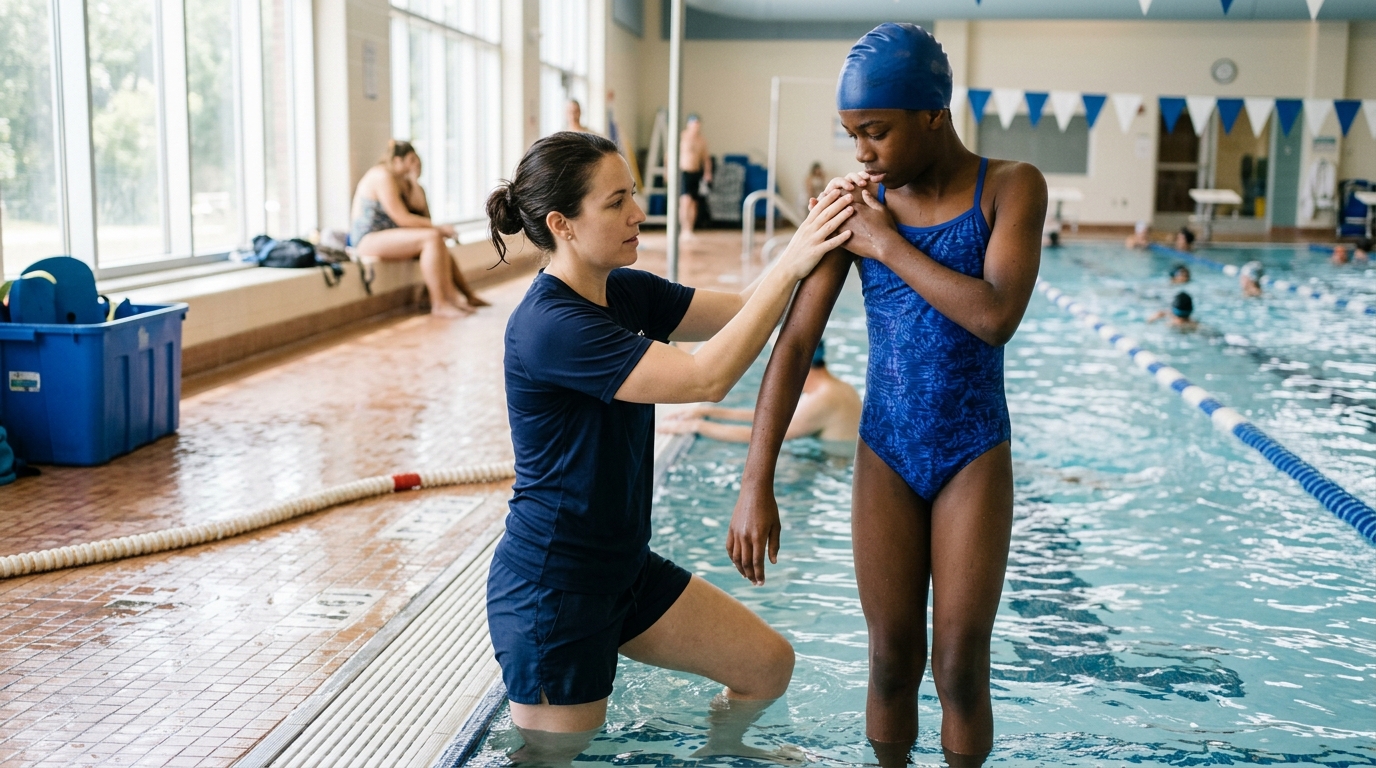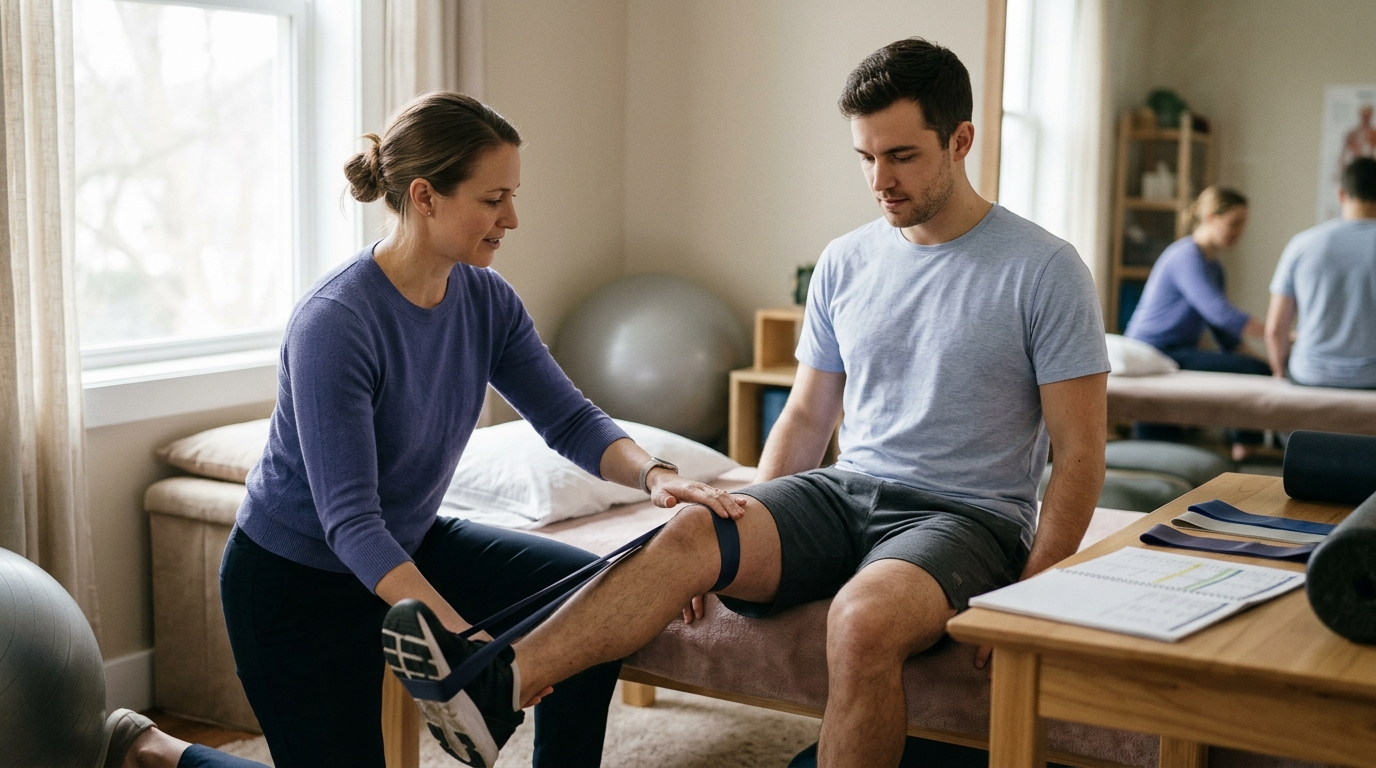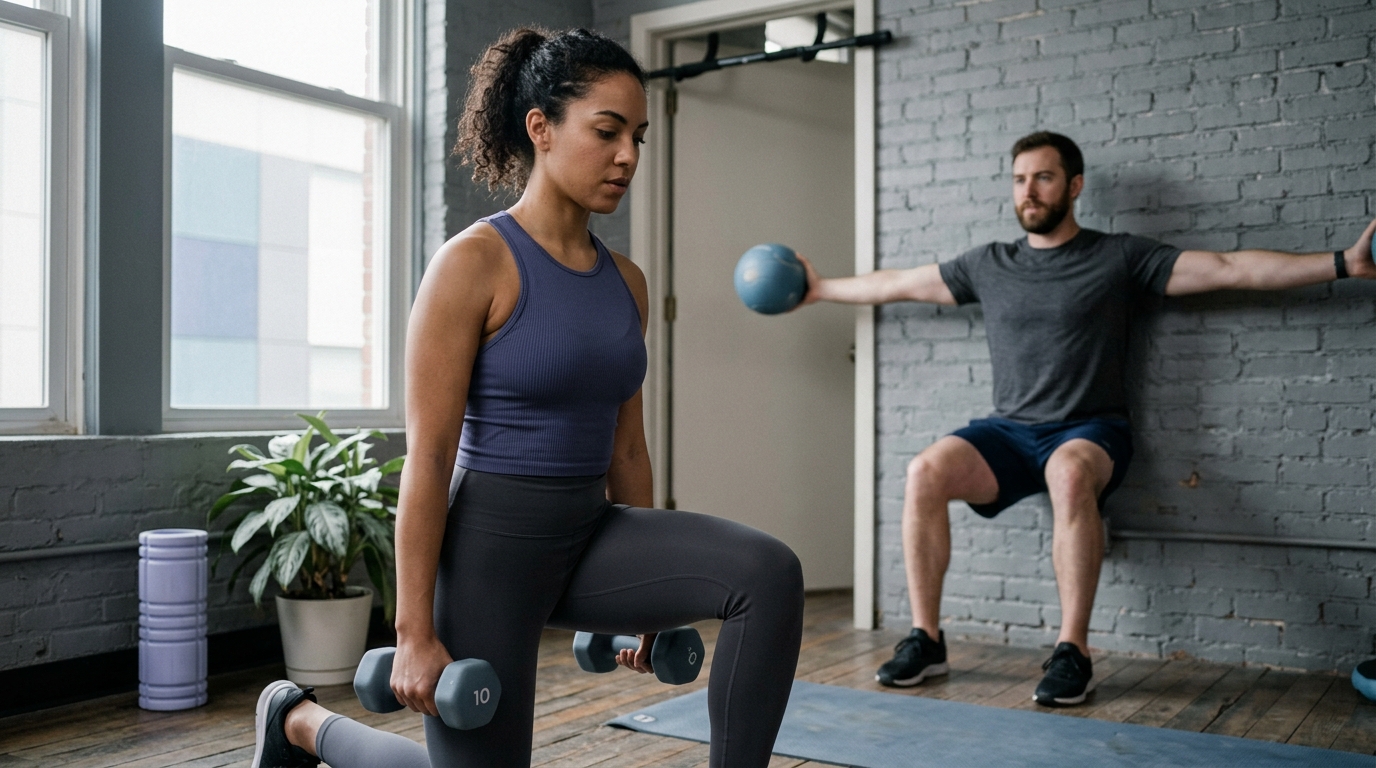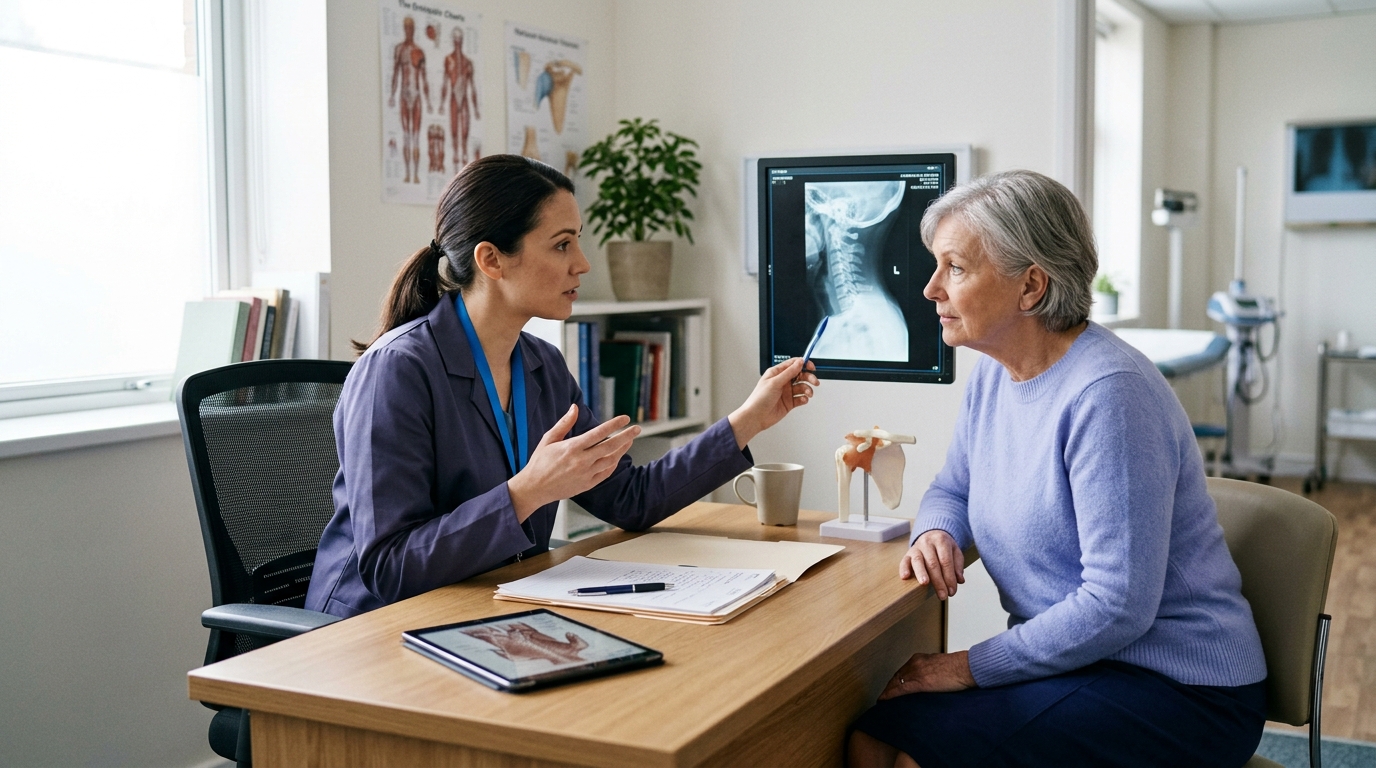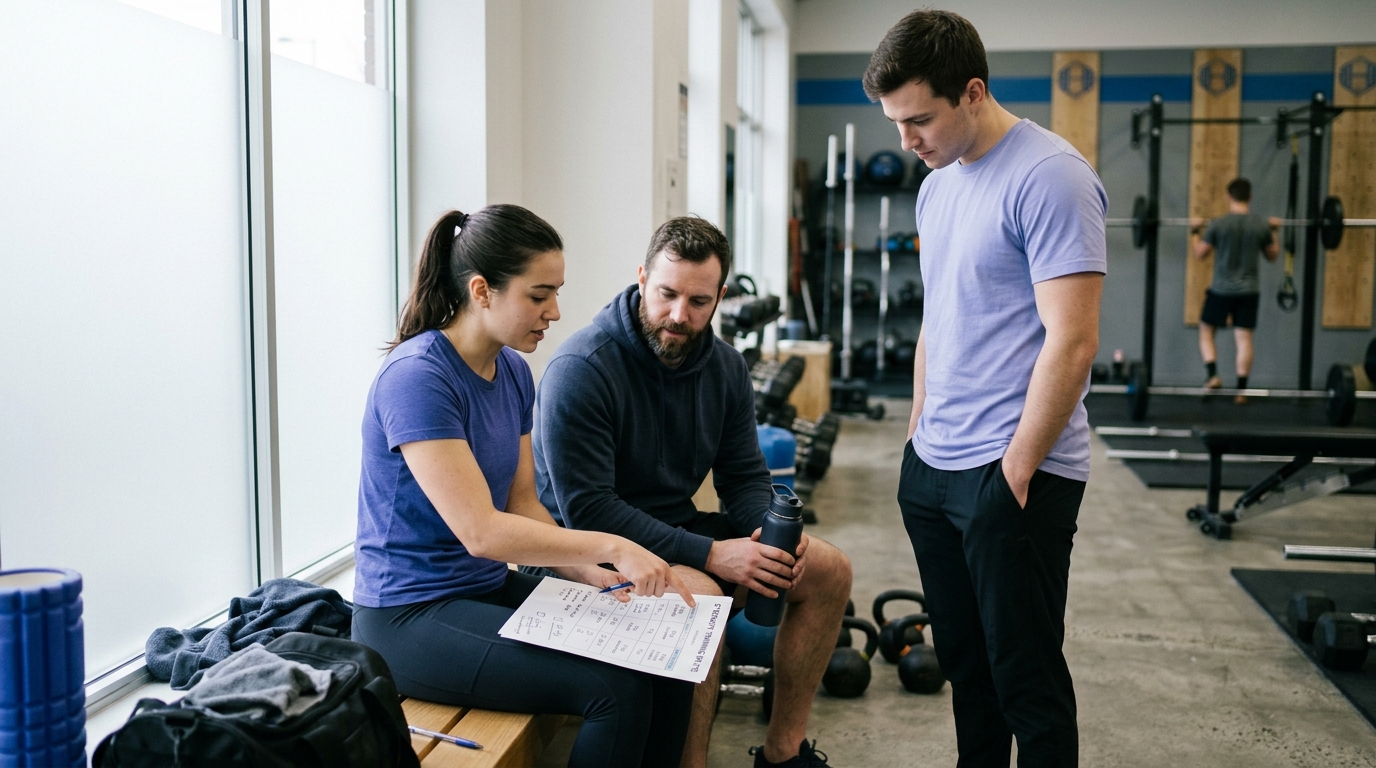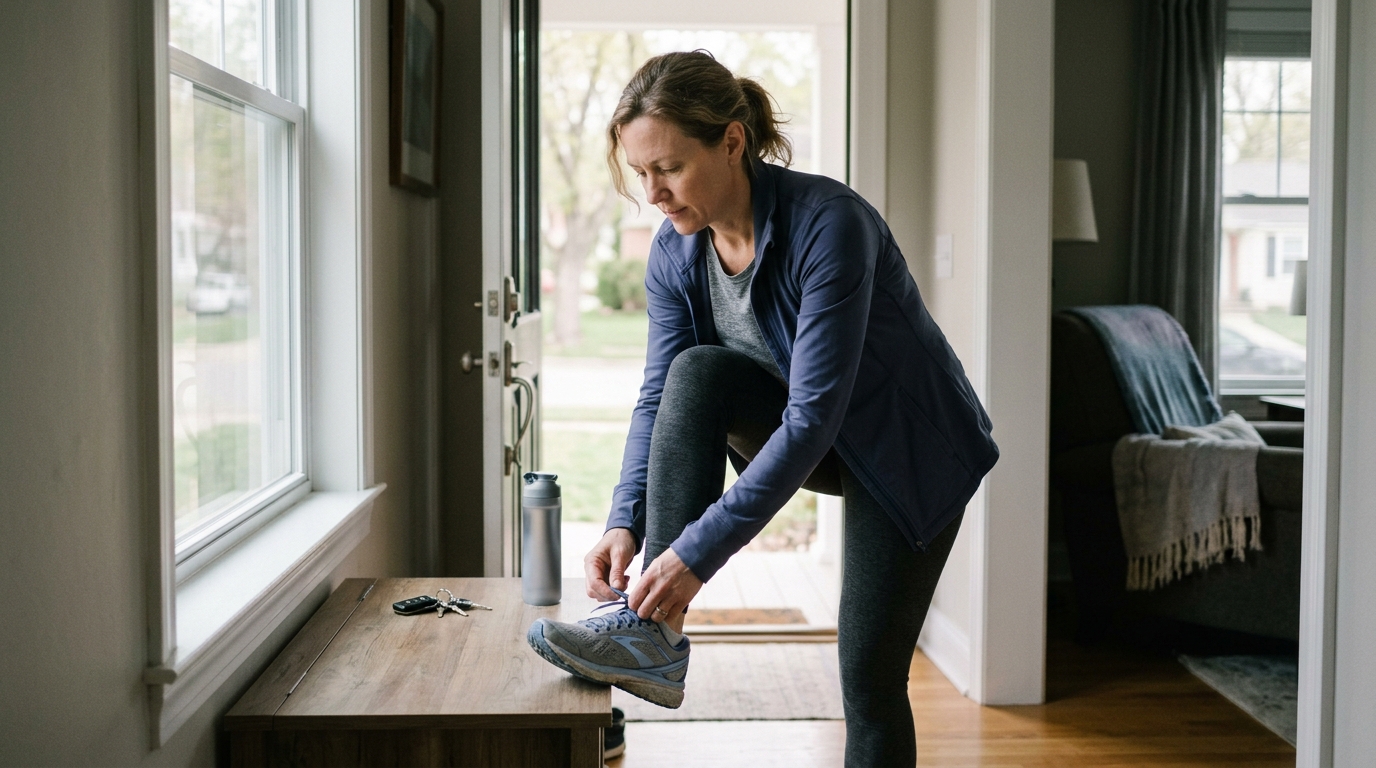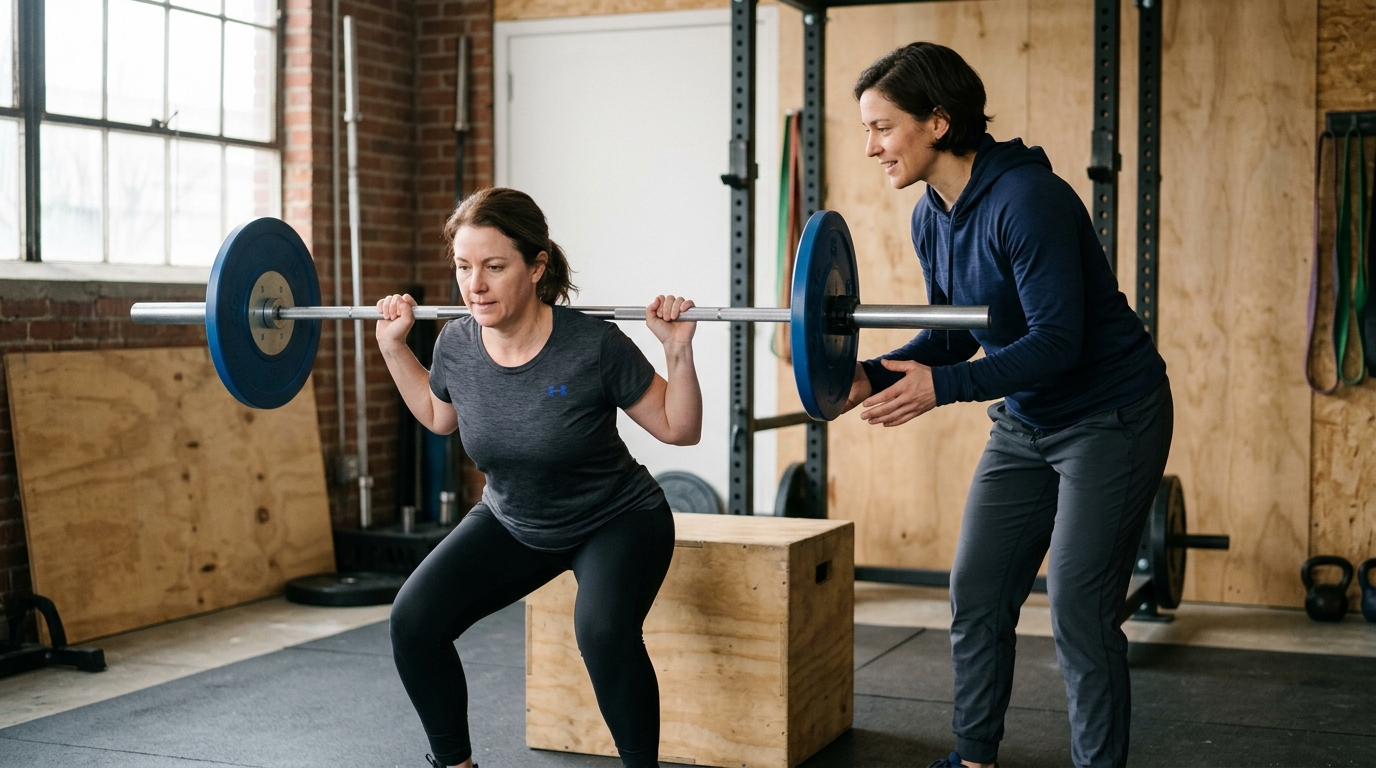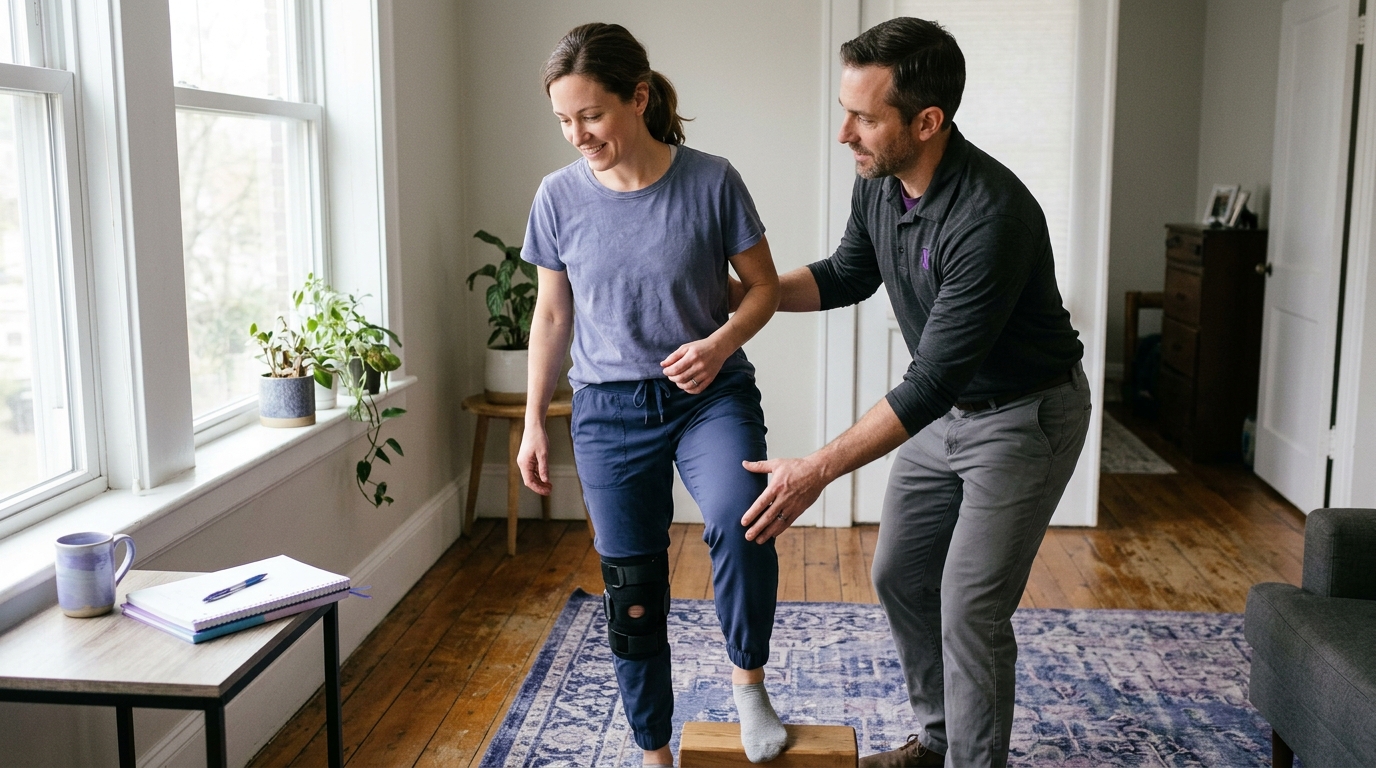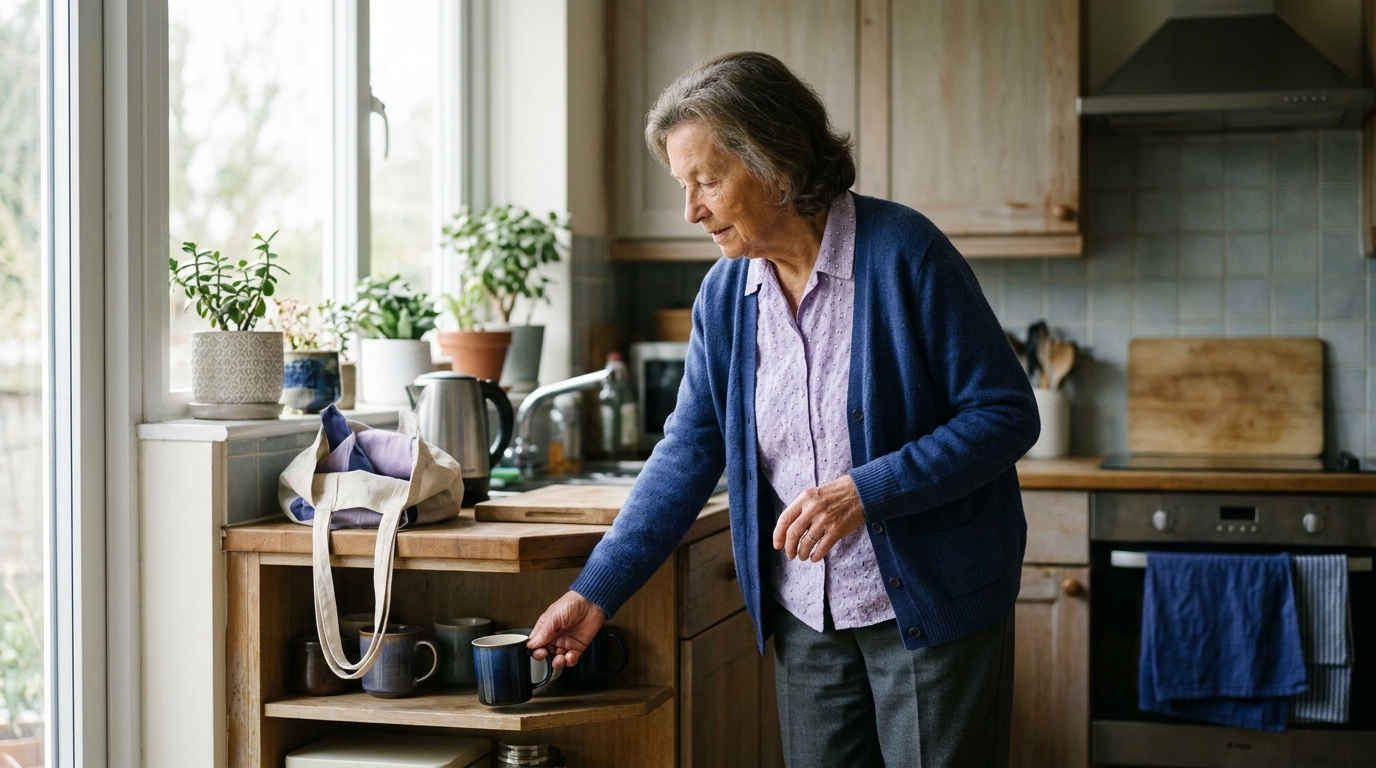

Five essential movement skills help build functional leg strength, dynamic balance, and practical physical capacity to keep you active and independent every day.





Many people assume physical independence in later decades is built on athletic milestones like running long distances or lifting heavy barbells in a gym. In daily reality, physical freedom rarely depends on running a race. It relies on ordinary, unglamorous skills such as getting off the floor, carrying an awkward box up a step, or bending down to tie a shoe without hesitation.
True functional independence comes from meeting everyday physical demands with confidence and physical reserve. Building capacity across daily tasks involves a mix of muscular strength, balance, flexible movement strategies, and gradual exposure to activities you may have started avoiding. Physical activity consistently improves functional capacity and significantly lowers the rate of falls across populations. However, no single exercise routine or movement technique can eliminate every injury or fall risk. Maintaining your physical autonomy is an ongoing process of adapting your body to the tasks that matter most in your daily life.
Physical independence is not a single fitness score or a test you pass once. Instead, it reflects your task capacity, which is the combination of physical ability and practiced technique you bring to real-world situations. When you have sufficient task capacity, everyday chores feel manageable rather than exhausting or threatening.
Task capacity is highly specific to what you actually do each day. A person may have plenty of leg strength to climb a flight of stairs, yet feel unsteady when turning around in a narrow hallway. Another person might have good joint flexibility, but lack the strength needed to stand up from a low couch without using their arms. Looking at movement through specific daily tasks helps you target the areas that directly support your lifestyle.
You can organize most daily physical demands into five essential categories:
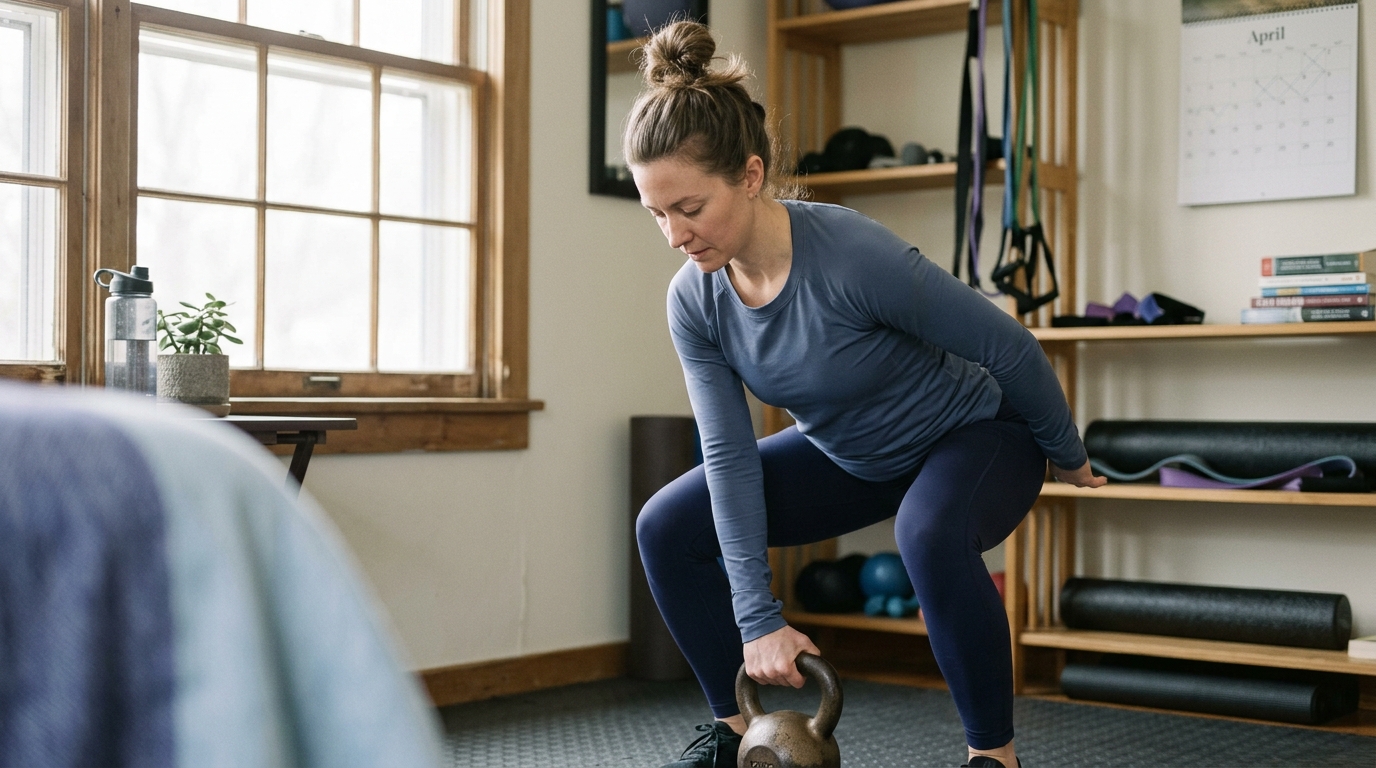
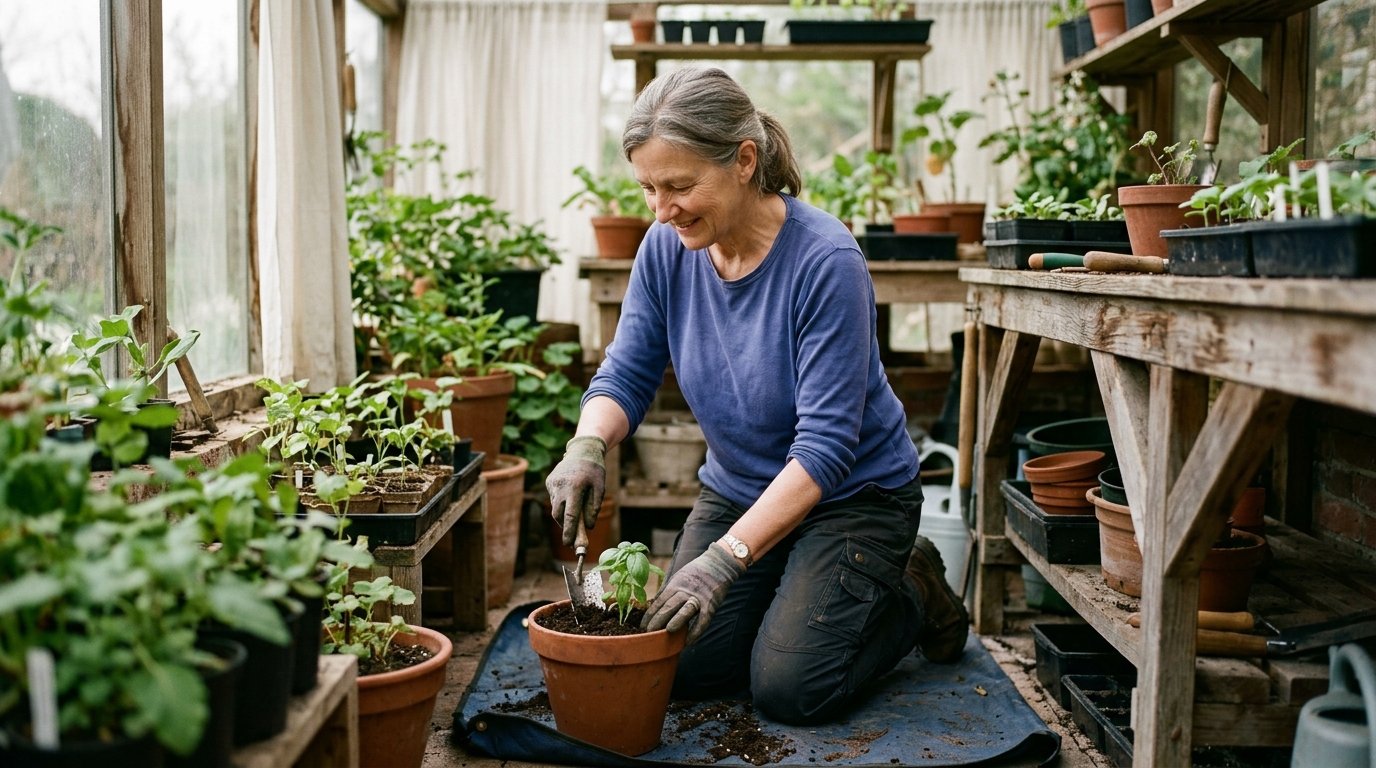
This skill involves lowering your center of mass or trunk, grasping an object, and controlling your return to an upright standing position. You use it when picking up dropped keys, unloading the bottom rack of a dishwasher, or gardening. It requires trunk stability, hip and knee mobility, and sufficient leg strength to reverse direction against gravity.
Reaching means extending your arms in front of you, across your body, or overhead while keeping your balance secure. You might reach for a high pantry shelf, slide a heavy dish into an oven, or grab a seatbelt behind your shoulder. This skill demands shoulder mobility, upper back control, and steady foot placement so you do not tip over while your center of gravity shifts.
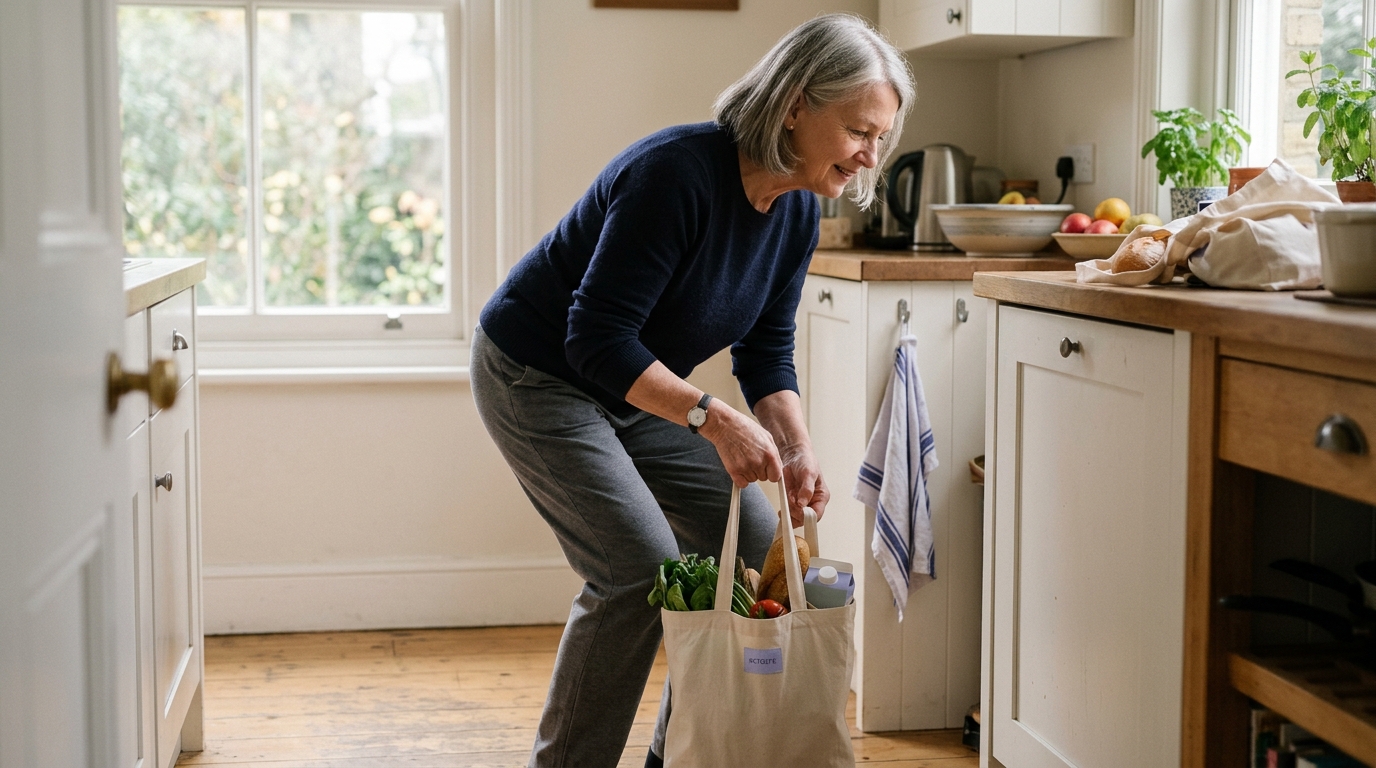
Carrying requires holding an object while walking, stepping over obstacles, or turning corners. Typical examples include hauling grocery bags, holding a laundry basket, or carrying a grandchild. It combines grip strength, arm and trunk endurance, and continuous balance adjustments as the carried load shifts.
This fundamental ability involves transferring your body between different levels. It includes rising from a standard chair, standing up from a low toilet, climbing stairs, or getting down to the carpet to play and then returning to your feet. It requires substantial lower body strength, knee and ankle range of motion, and coordinated balance.
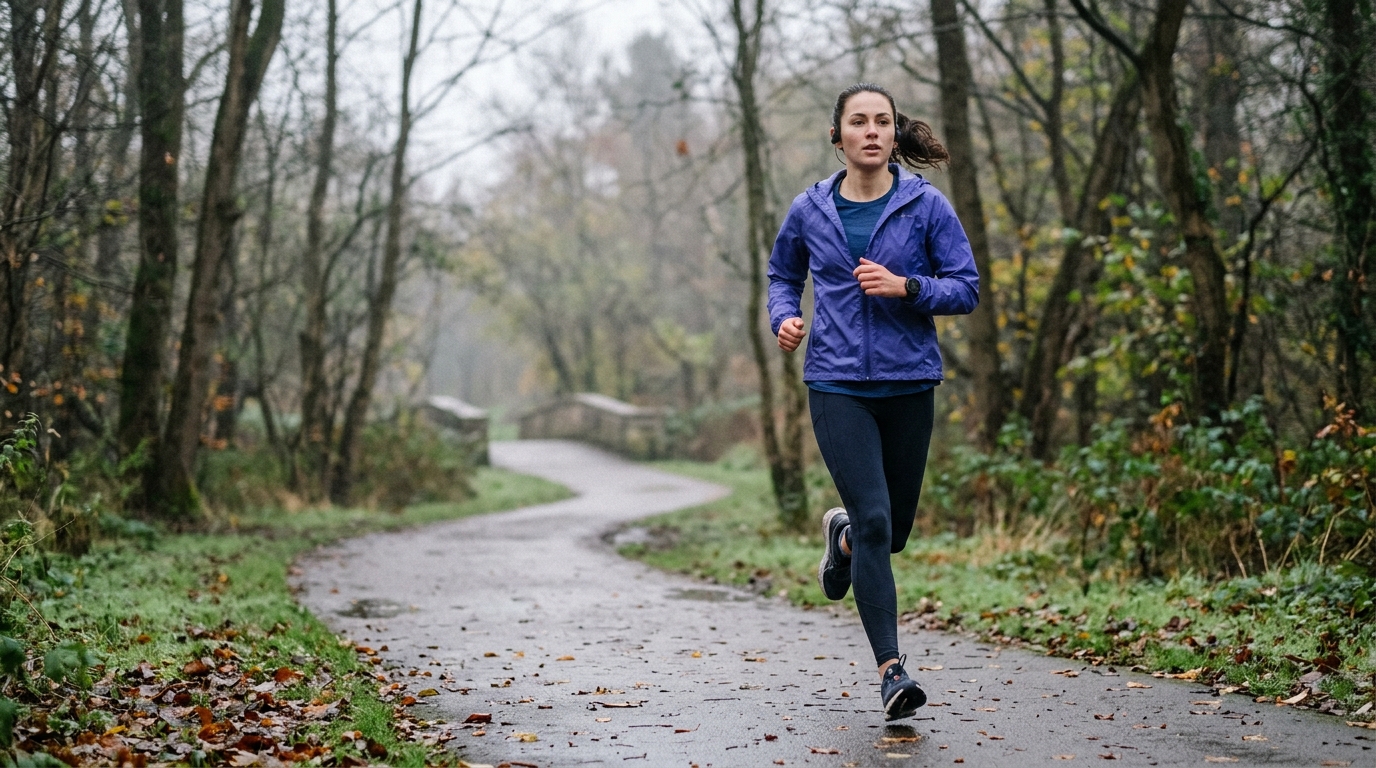
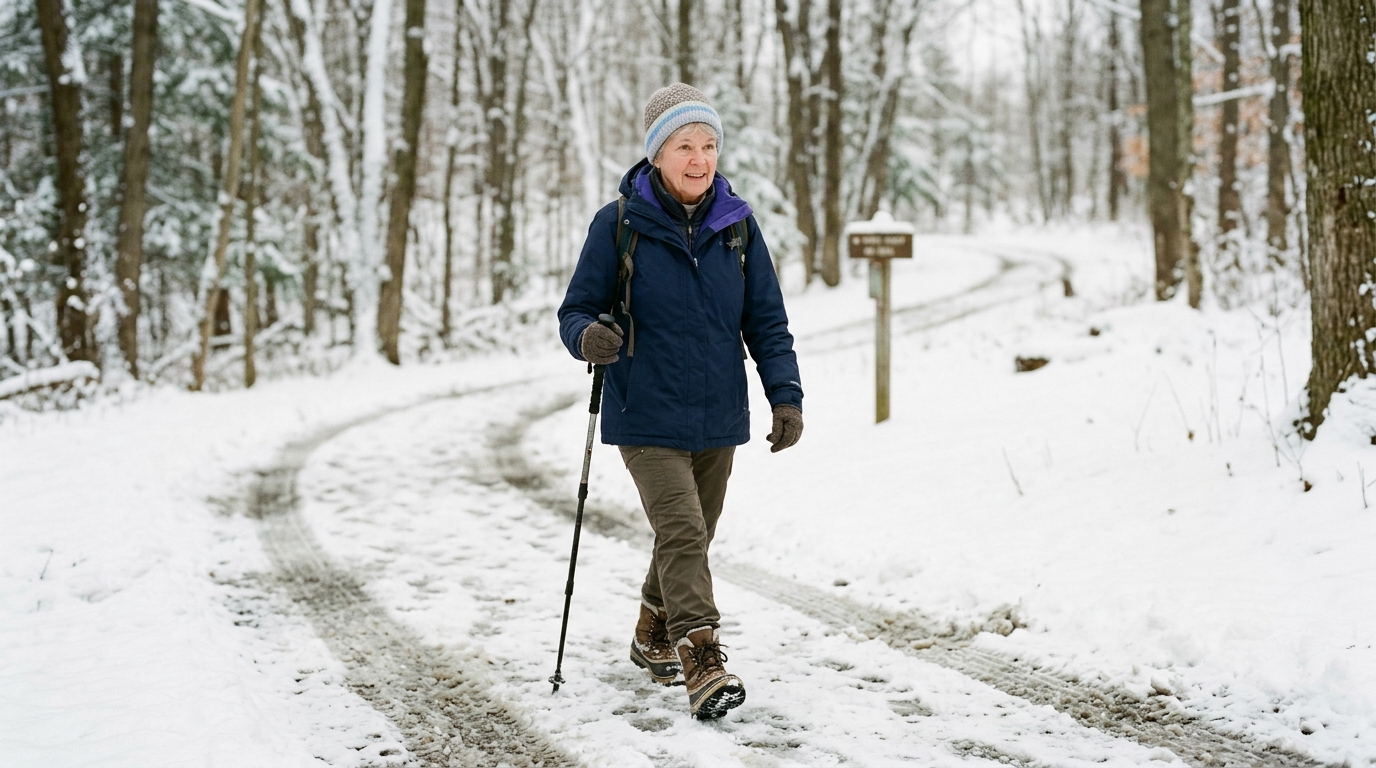
Moving through space encompasses walking at varying speeds, stepping around clutter, navigating curbs, and changing directions smoothly. It is the foundation of community mobility. This skill relies on steady gait mechanics, quick balance reactions, and the ability to adapt to uneven surfaces like grass, gravel, or wet pavement.
Building practical capacity in these five areas provides a direct foundation for long-term health. To learn more about structured programs that support lifelong movement, review our guide to active aging and injury prevention.
Scientific research strongly supports the connection between regular physical activity, functional independence, and reduced injury risk in midlife and older adults. The National Institute on Aging notes that regular physical activity makes everyday tasks easier, including household chores, getting into and out of bed or a chair, and moving comfortably around the home.
A comprehensive Cochrane systematic review examined exercise interventions for community-dwelling older adults. The authors analyzed multiple trials and found that exercise programs reduced the overall rate of falls by 23 percent compared to control groups. When exercise programs specifically included balance and functional exercises, the rate of falls dropped by 24 percent. Furthermore, these balance and functional routines reduced the actual number of people who experienced one or more falls by 13 percent, based on high-certainty evidence across thousands of study participants.
While these population-level statistics are impressive, they must be understood accurately. A 23 percent reduction in fall rate across a large group does not mean any individual has a guarantee against falling. Exercise lowers statistical risk, but it does not eliminate accidents caused by environmental hazards, sudden medical events, or momentary distractions.
Authoritative global guidelines reflect this research base:
Research also shows the limits of certain specialized concepts. For instance, graded exposure is a clinical approach where a person gradually confronts feared movements, such as bending with low back pain. A systematic review evaluating graded exposure for persistent low back pain found that evidence for its superiority over standard graded activity or minimal treatment remains limited. Gradual exposure is a sensible practical strategy for building personal confidence, but it is not a cure-all or a replacement for clinical evaluation when severe symptoms exist.
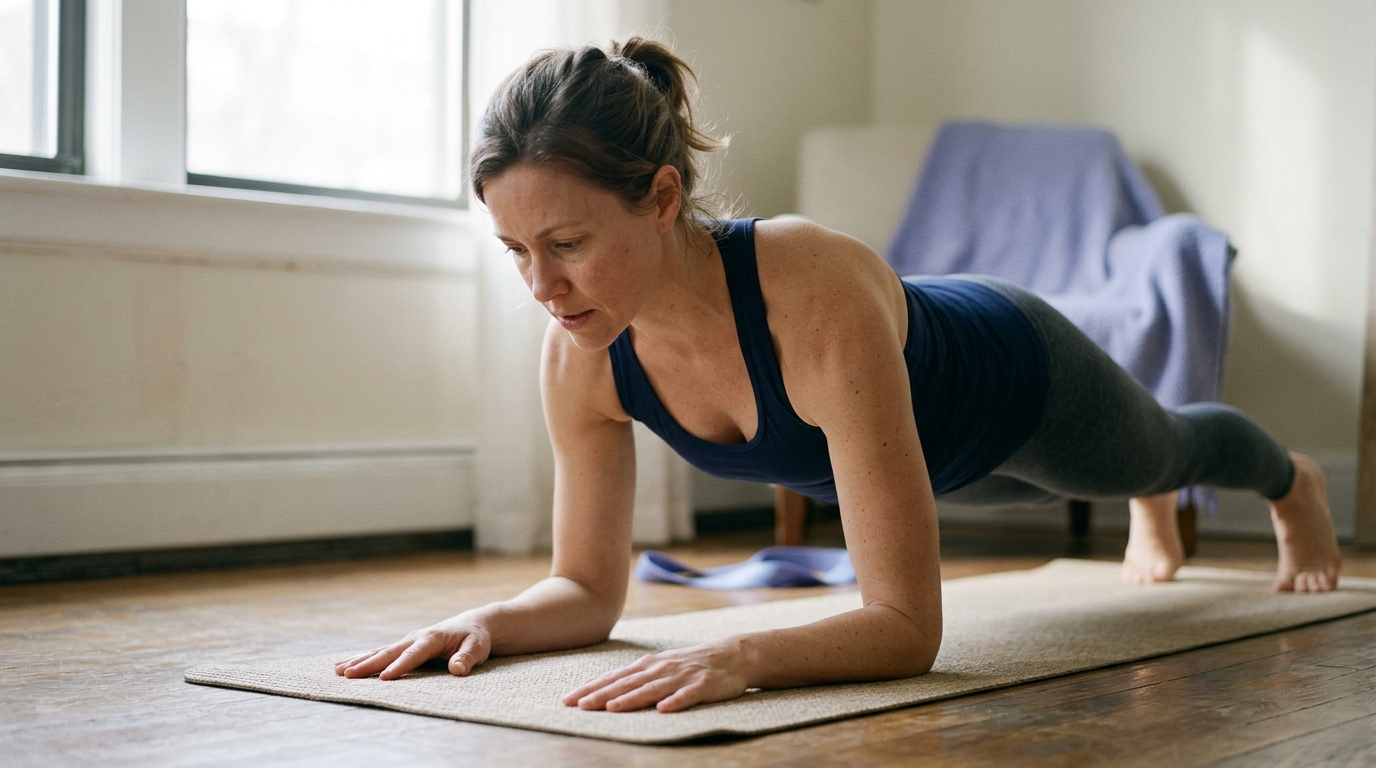
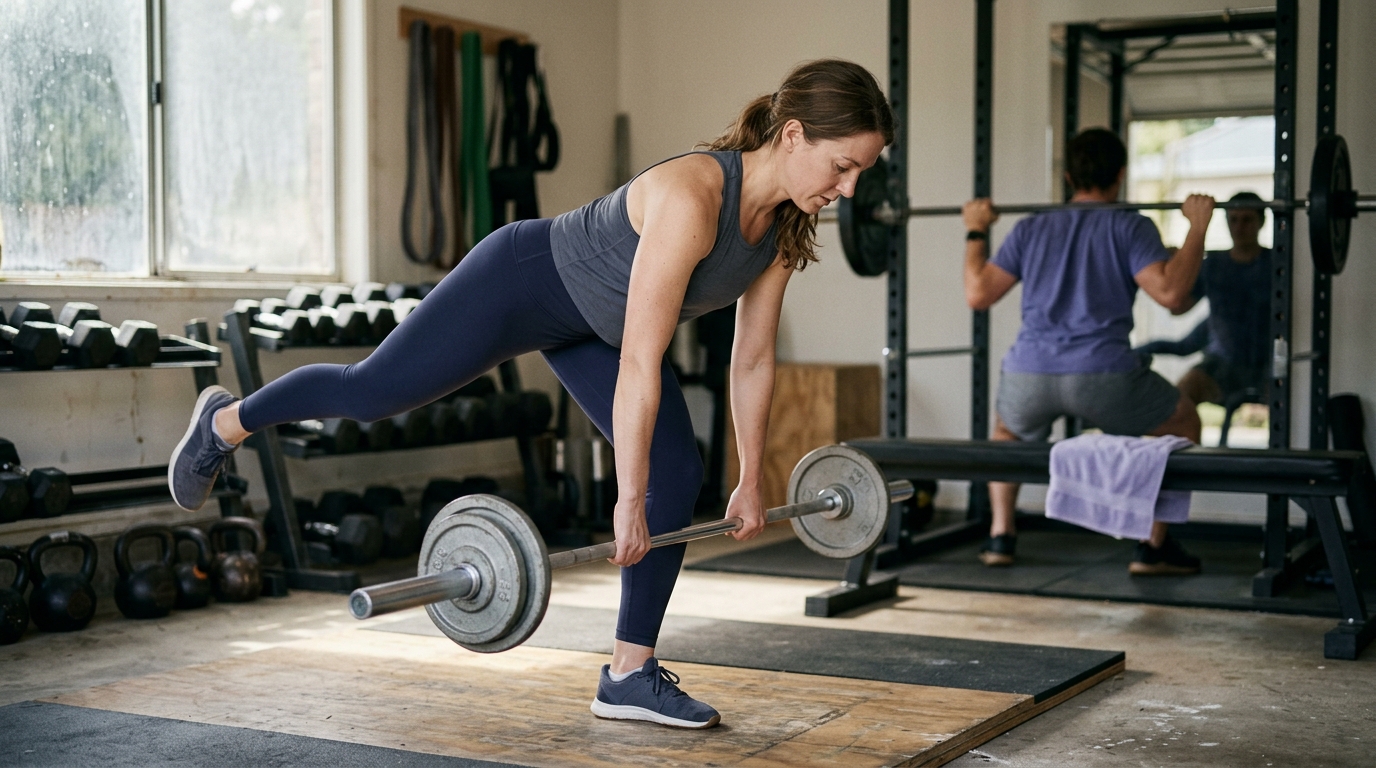
Muscle strength is your primary engine for force production. When your muscles are strong, daily tasks require a smaller percentage of your maximum effort. Getting out of an armchair or lifting a heavy suitcase feels easier because your body operates with a wider safety margin.
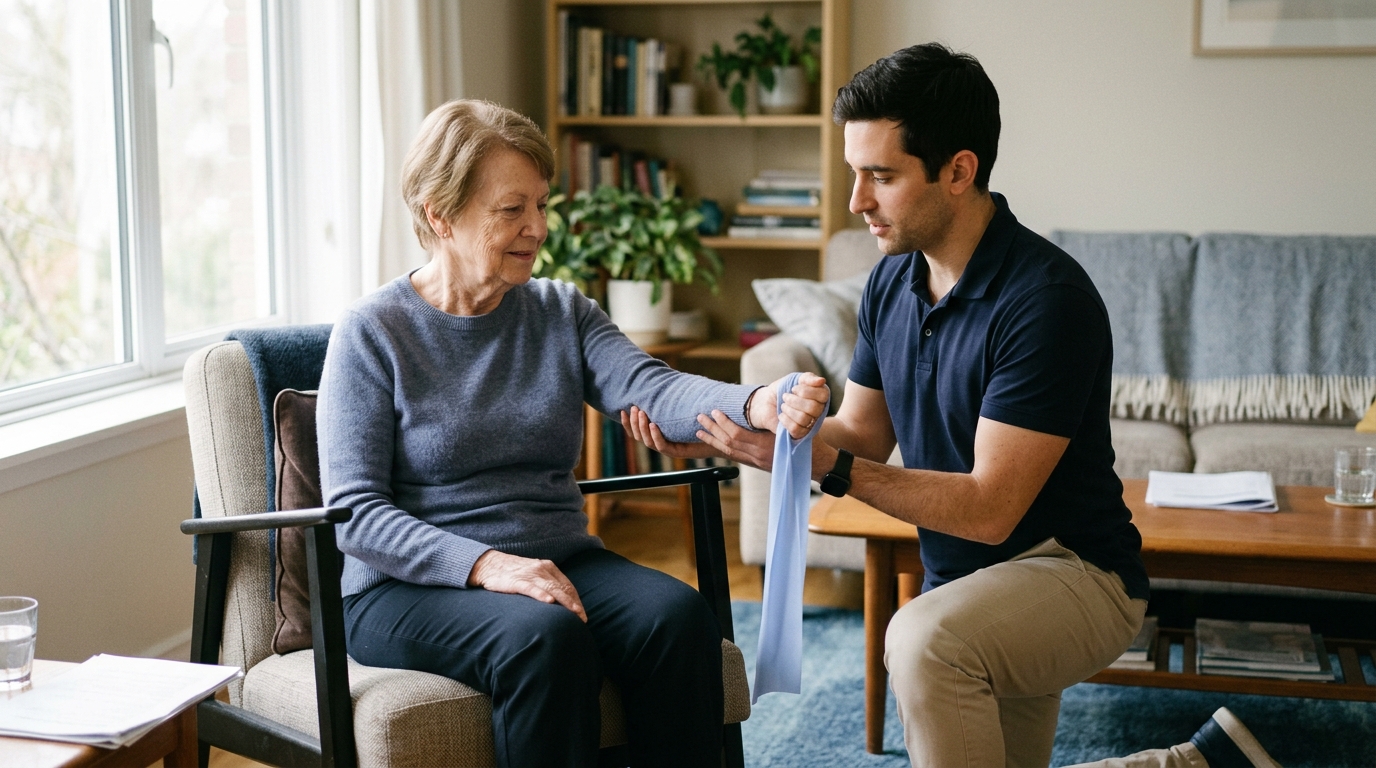
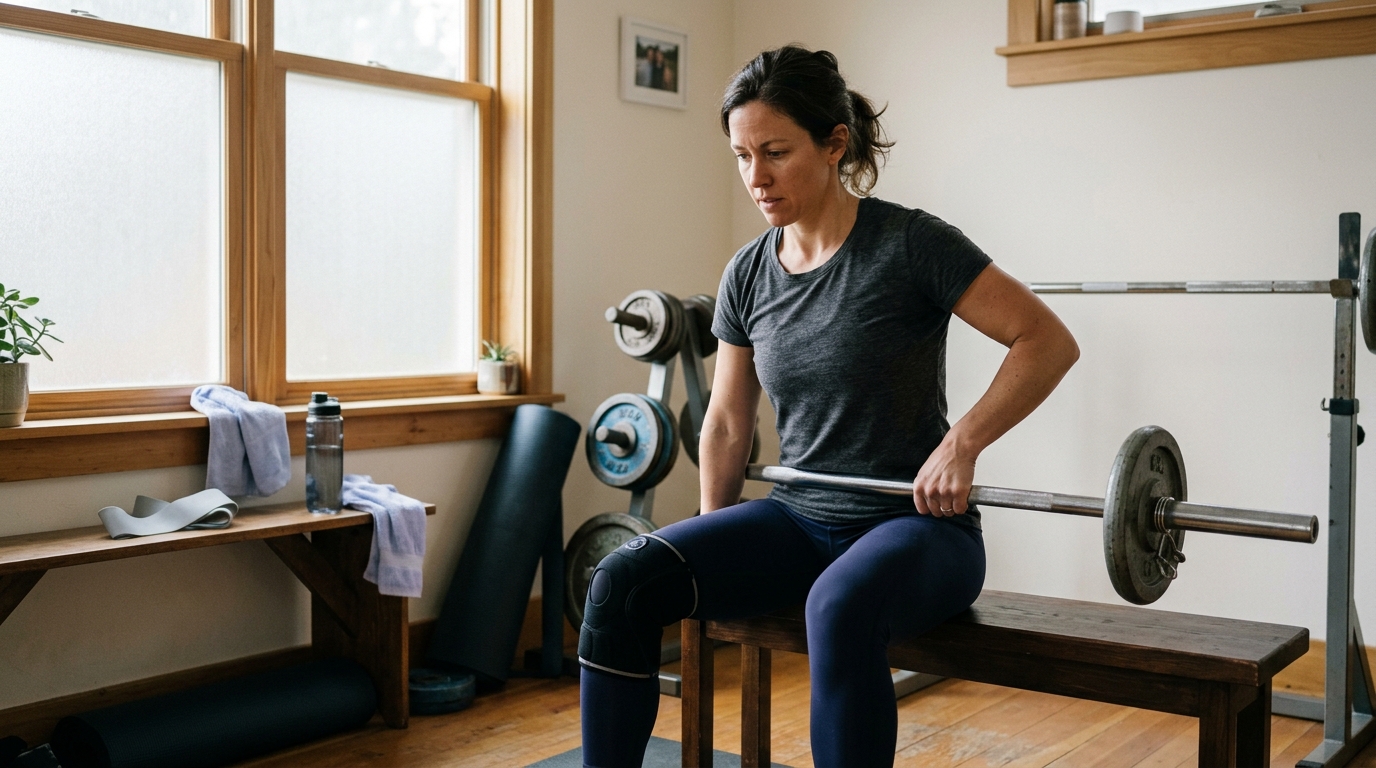
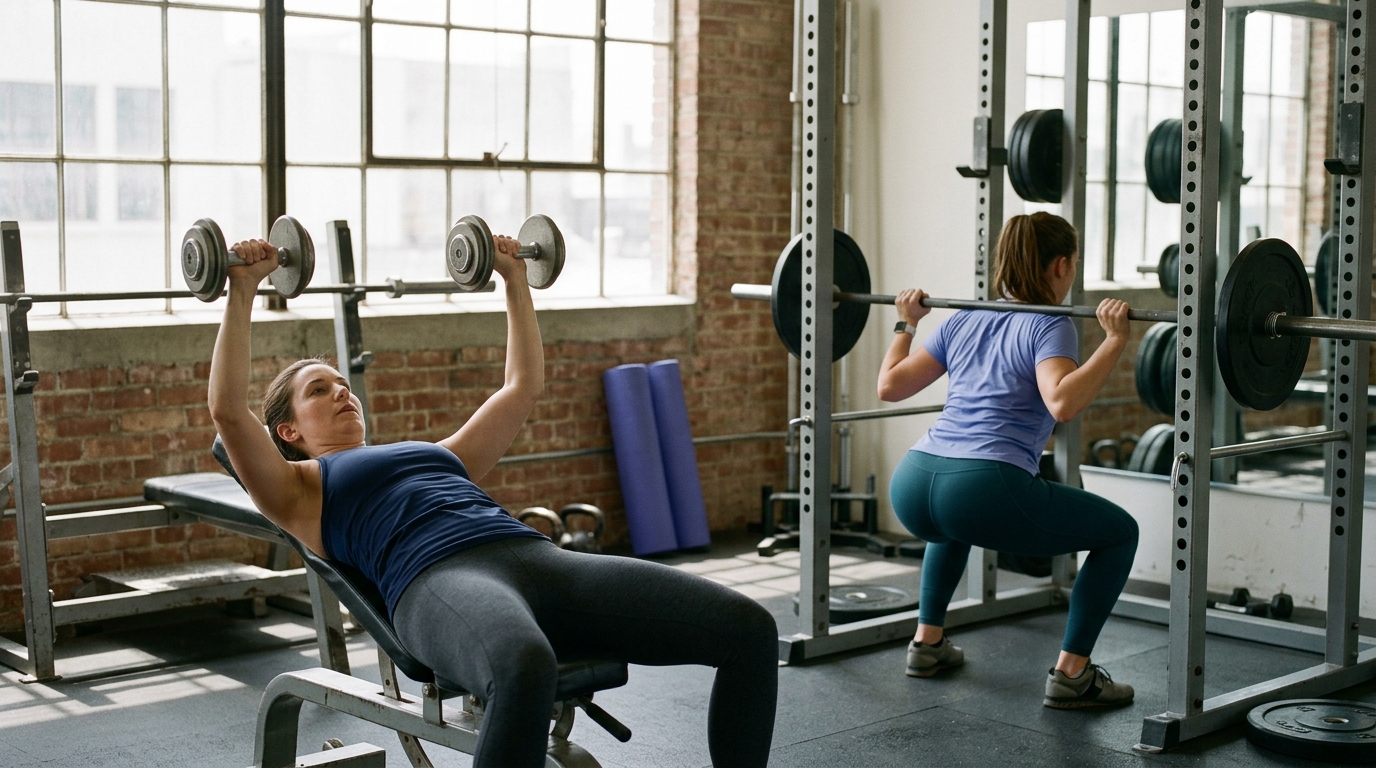
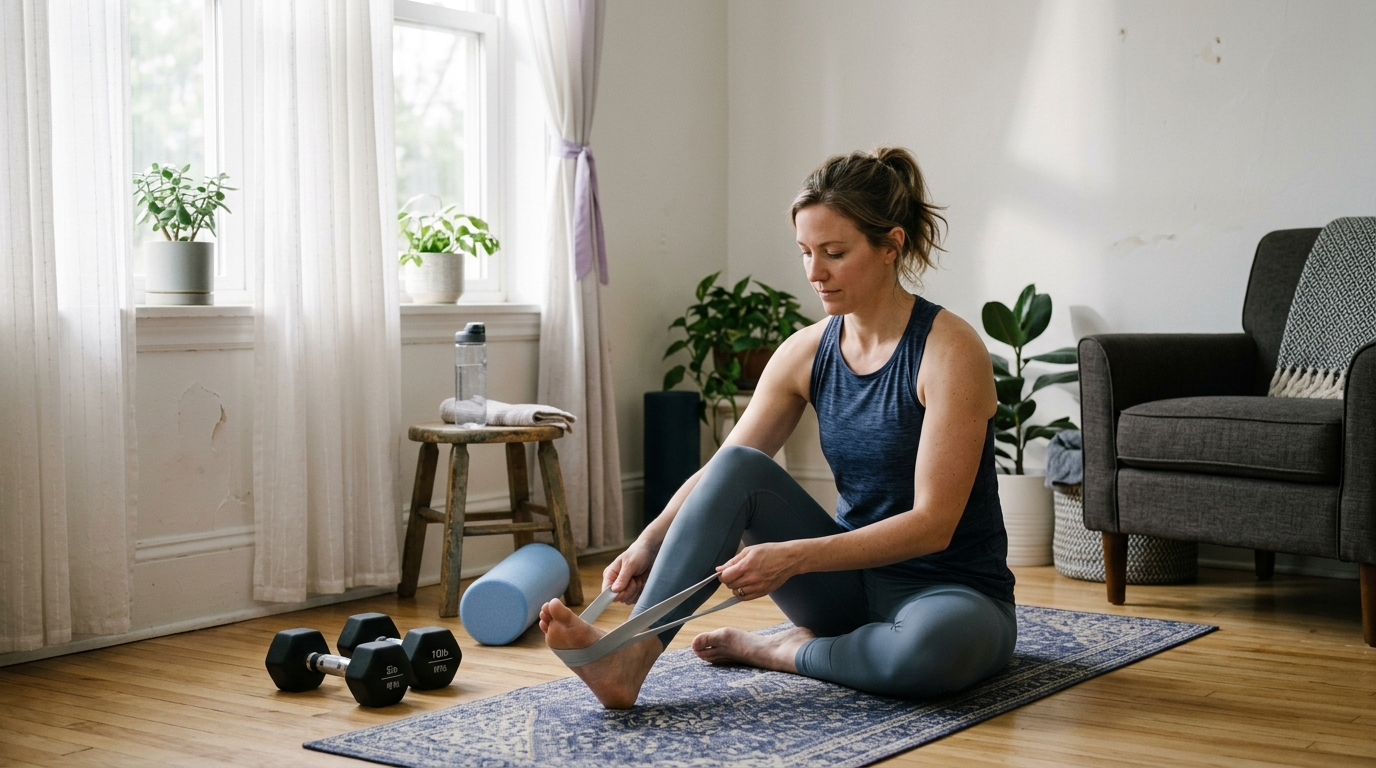
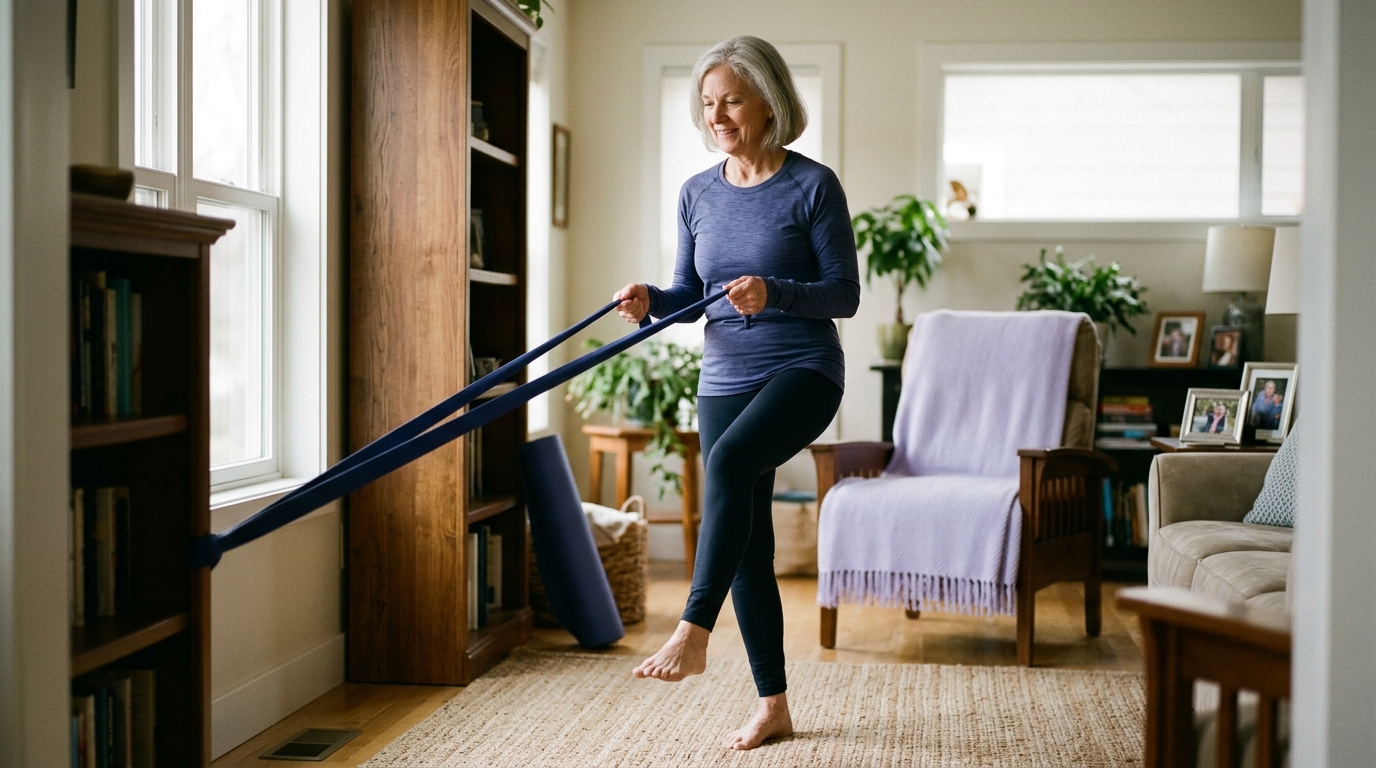
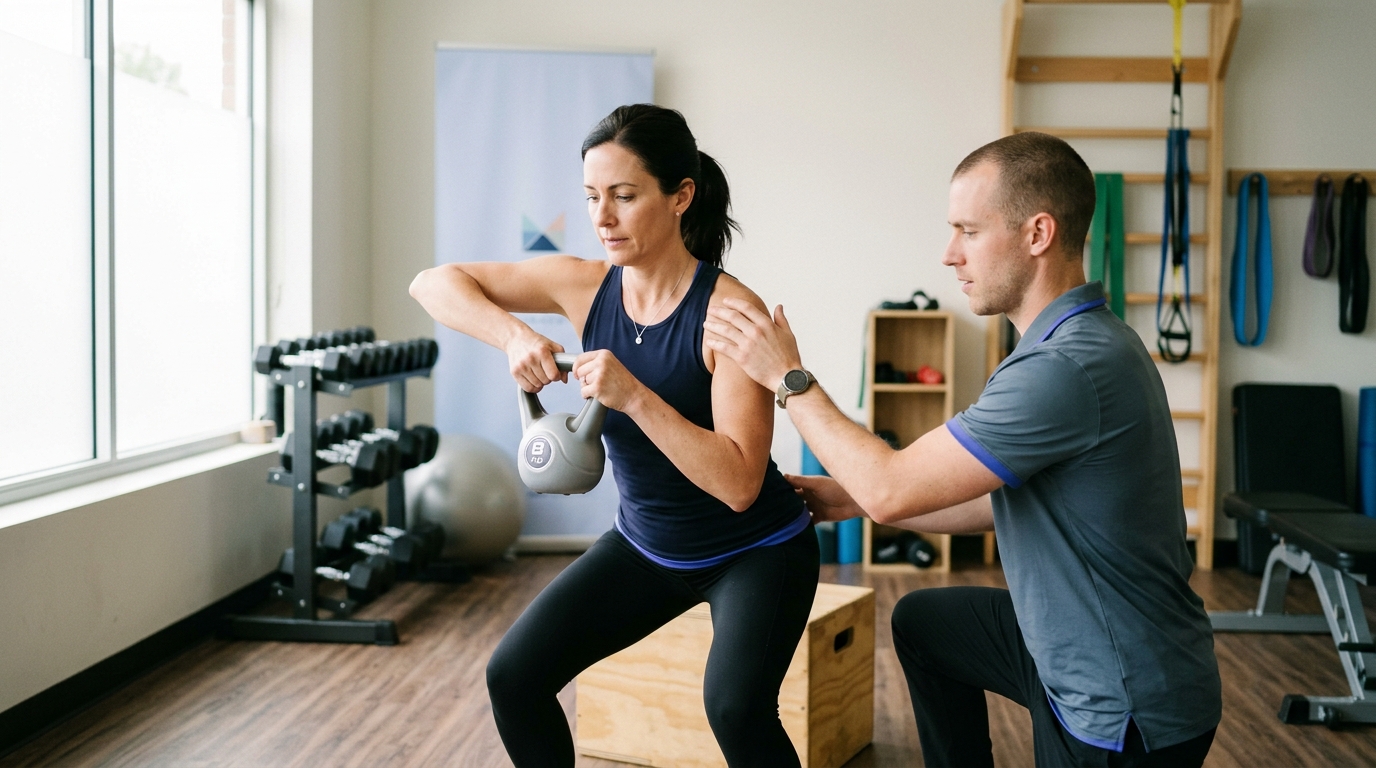
The National Institute on Aging highlights that muscle-strengthening activities directly improve common tasks such as climbing stairs, carrying heavy groceries, and rising from a seated position. Strength training does not require complicated machines or heavy gym equipment. It can be performed using bodyweight resistance, elastic resistance bands, free weights, or everyday household objects.
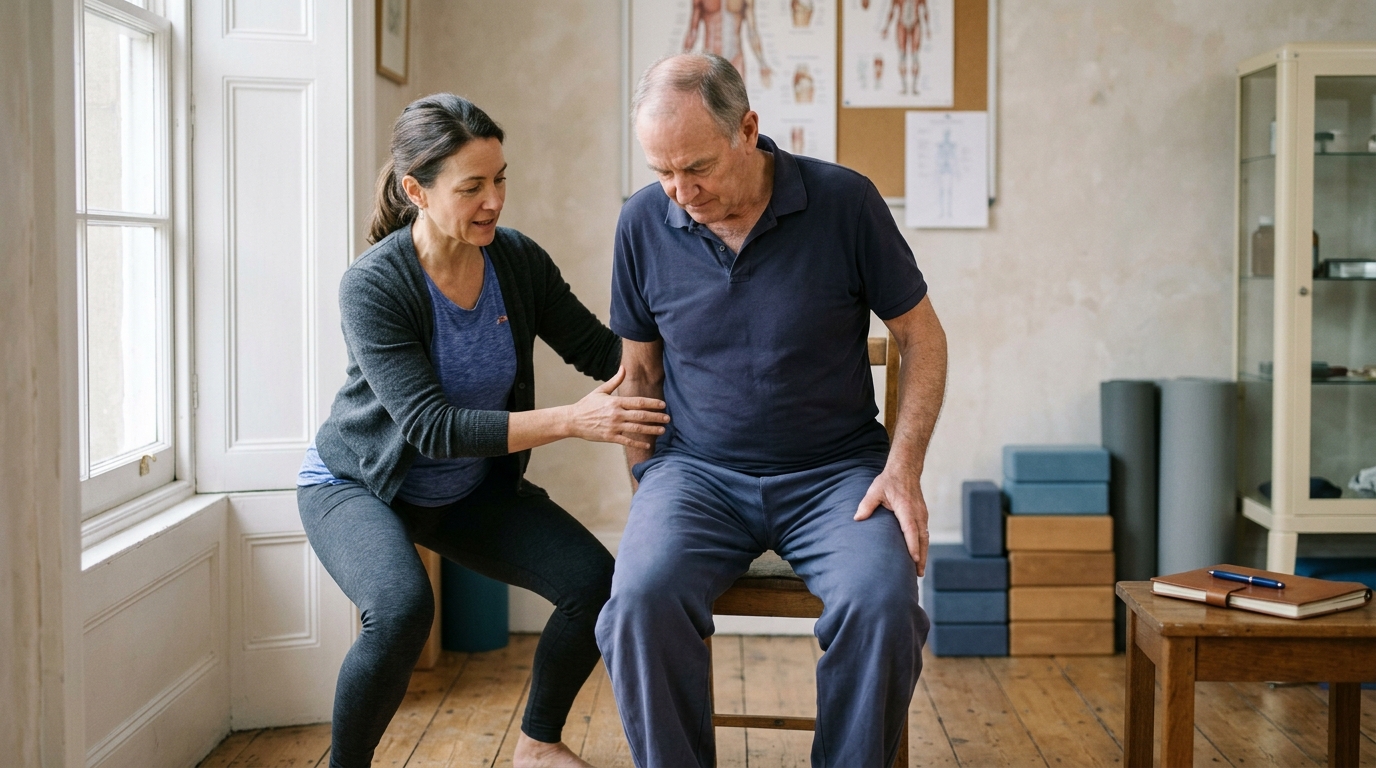
Your quadriceps, glutes, hamstrings, and calves work together to propel you upward and decelerate you on the way down. The sit-to-stand movement is one of the most effective ways to train these muscles because it directly mirrors a vital daily task.
You can adapt the sit-to-stand exercise across several difficulty levels:
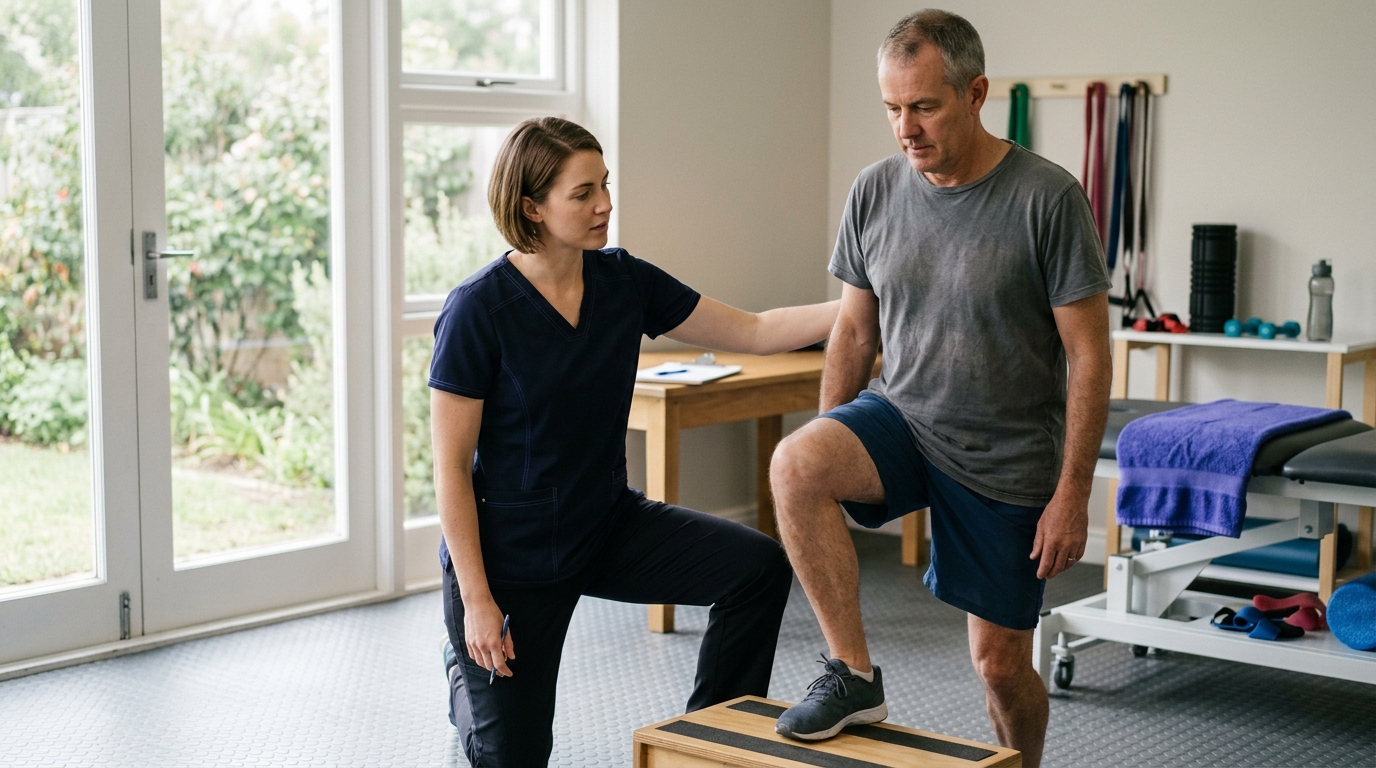
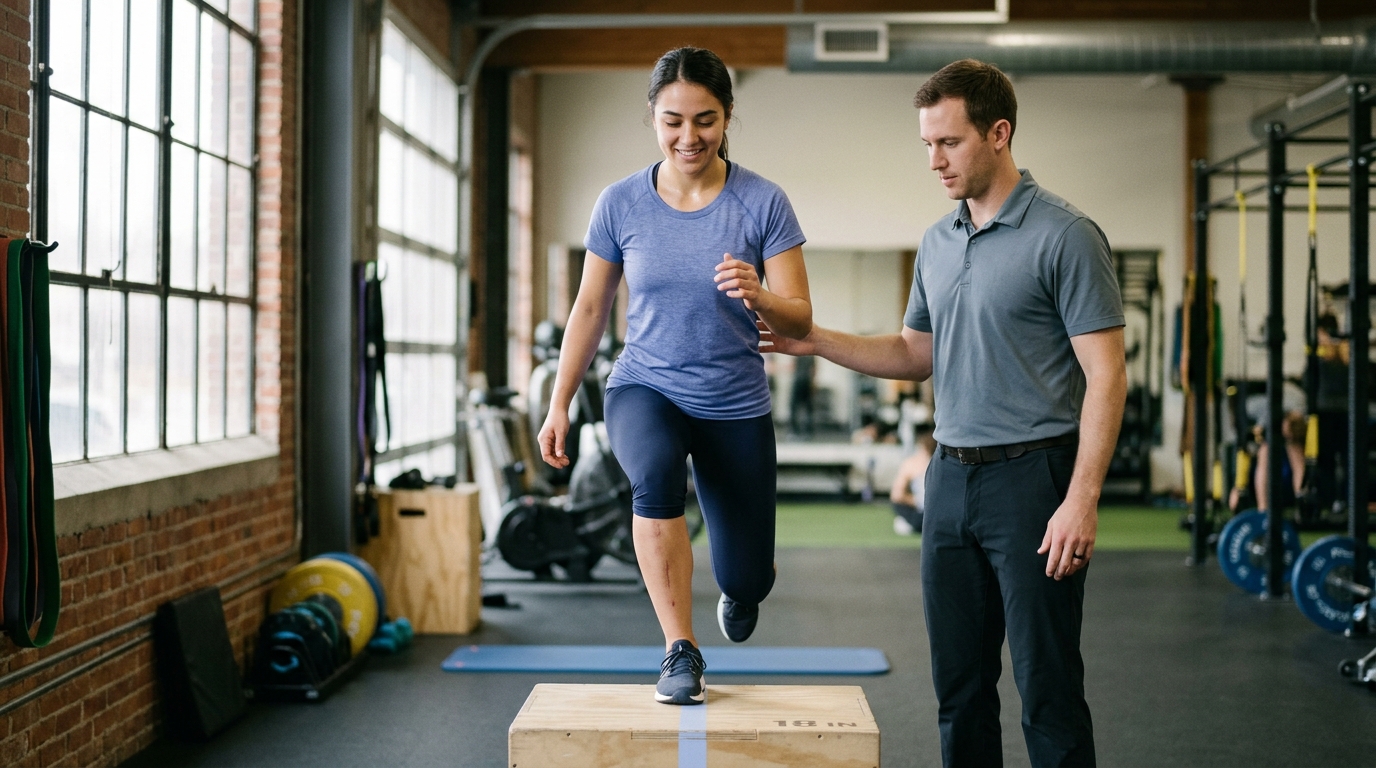
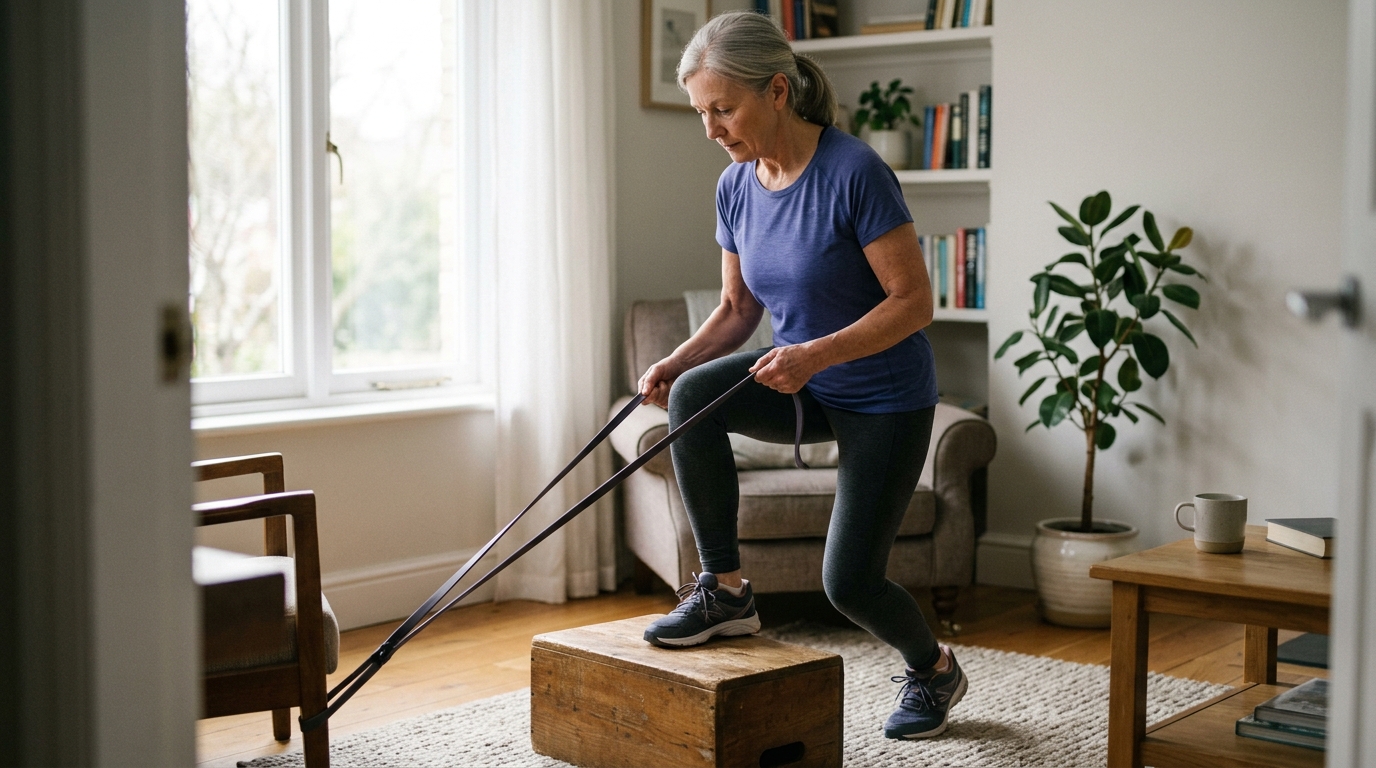
Step-ups are another excellent task-specific strength exercise. Stepping onto a low, secure step or curb builds unilateral leg strength, mimics stair climbing, and strengthens the stabilizers around your knees and hips.
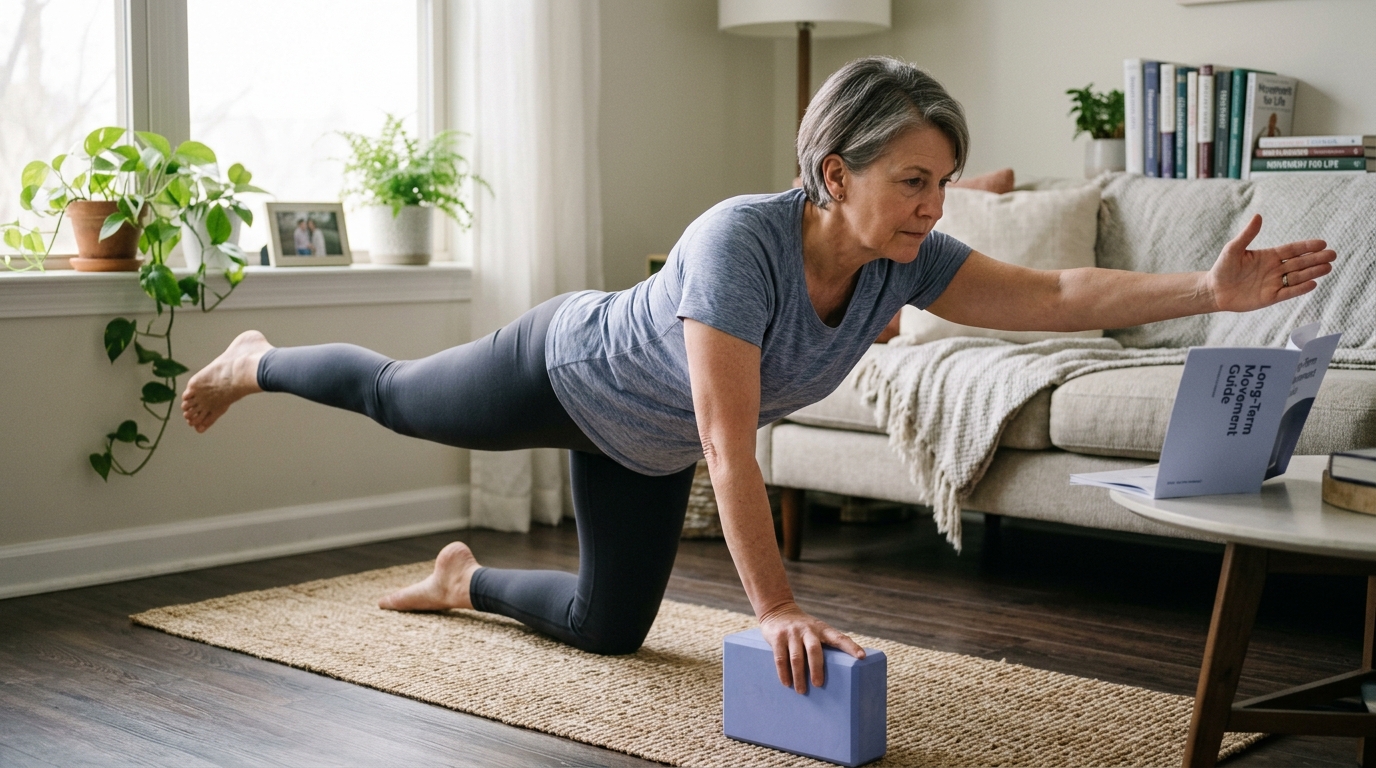
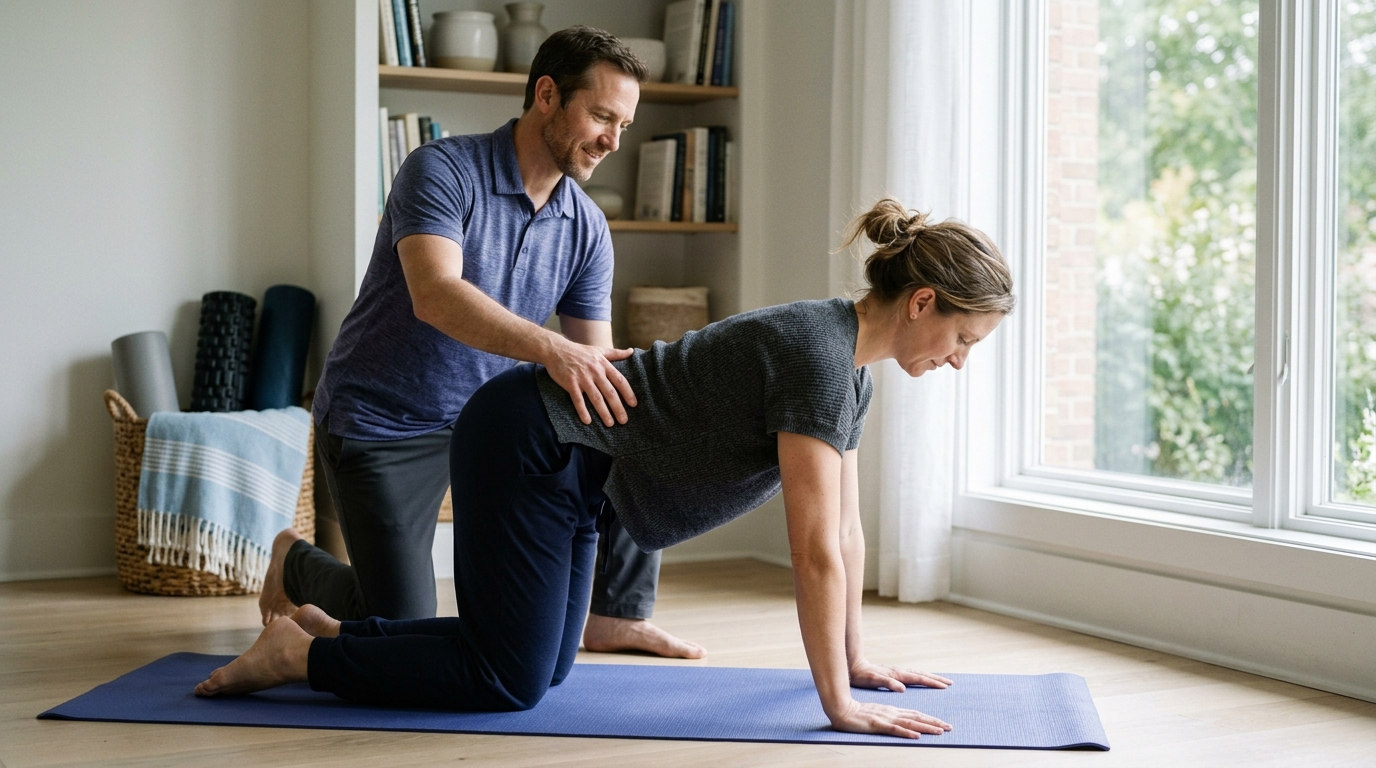
Your trunk muscles, often called the core, act as a bridge between your upper and lower body. When you carry a heavy object or push open a stiff door, your trunk muscles stabilize your spine so your limbs can exert force efficiently. Simple exercises like partial bridges on a mat, standing cable or band presses, and supported bird-dog variations help train these muscles without placing excessive stress on your back.
Grip strength is an often overlooked component of practical independence. Opening stubborn jars, holding onto handrails, carrying grocery bags, and catching yourself if you stumble all depend on hand and forearm strength. Squeezing a firm rubber ball, using hand grippers, or carrying moderate weights at your sides can steadily improve your grip.
For deeper insights into rebuilding muscular capacity safely after an injury or layoff, explore our resources on strength rebuilding after setbacks.
Balance is an active, dynamic process rather than a static state. In daily life, you rarely balance by standing completely still with your eyes closed. Instead, you balance while turning your head, reaching for an item, stepping over a pet, or carrying a laundry basket across an uneven rug.
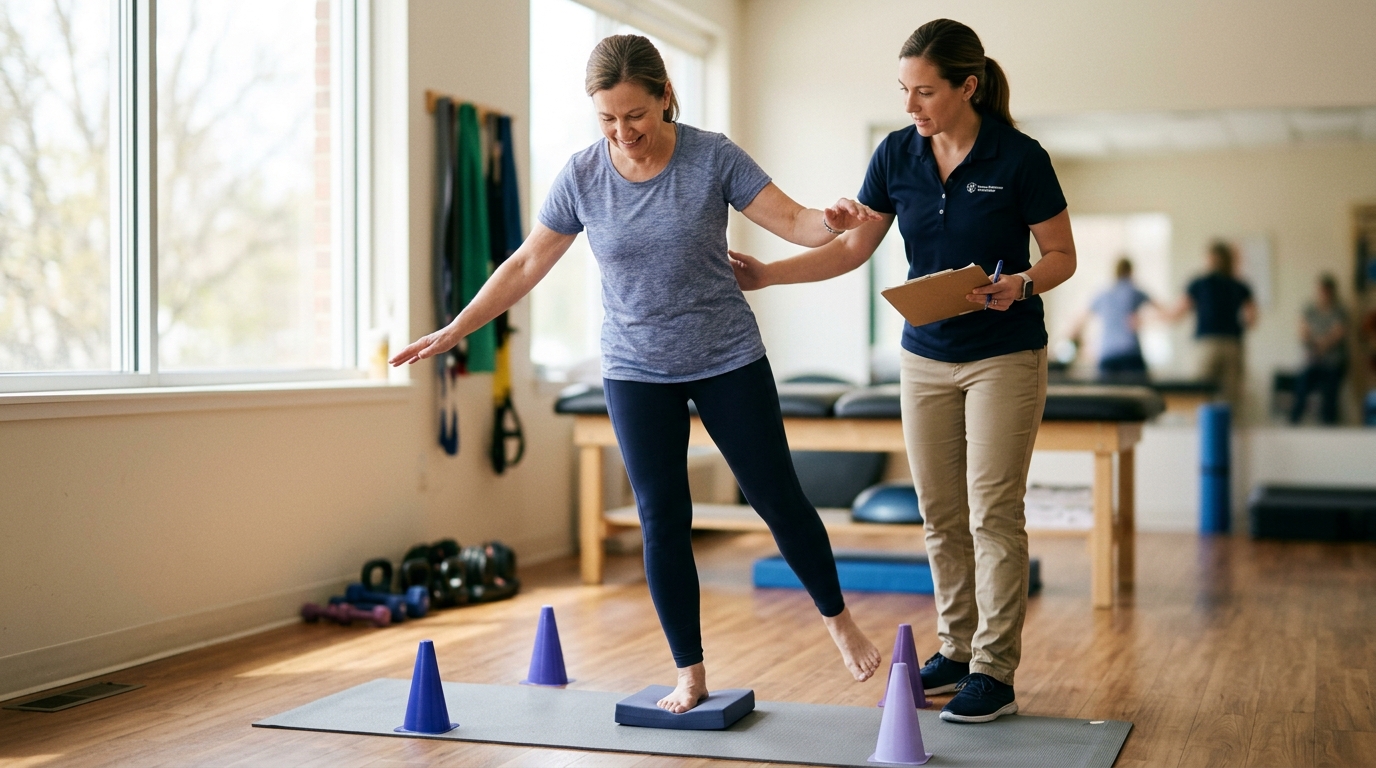
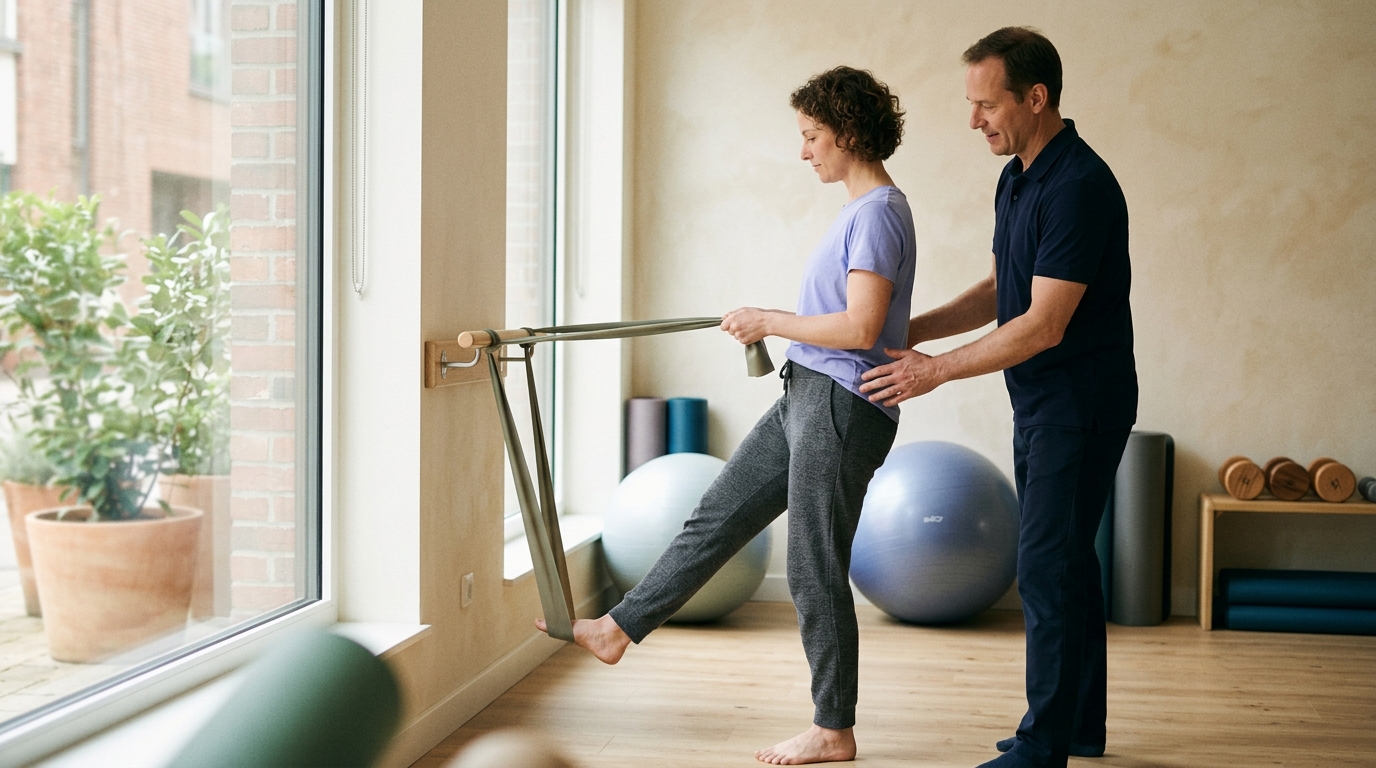
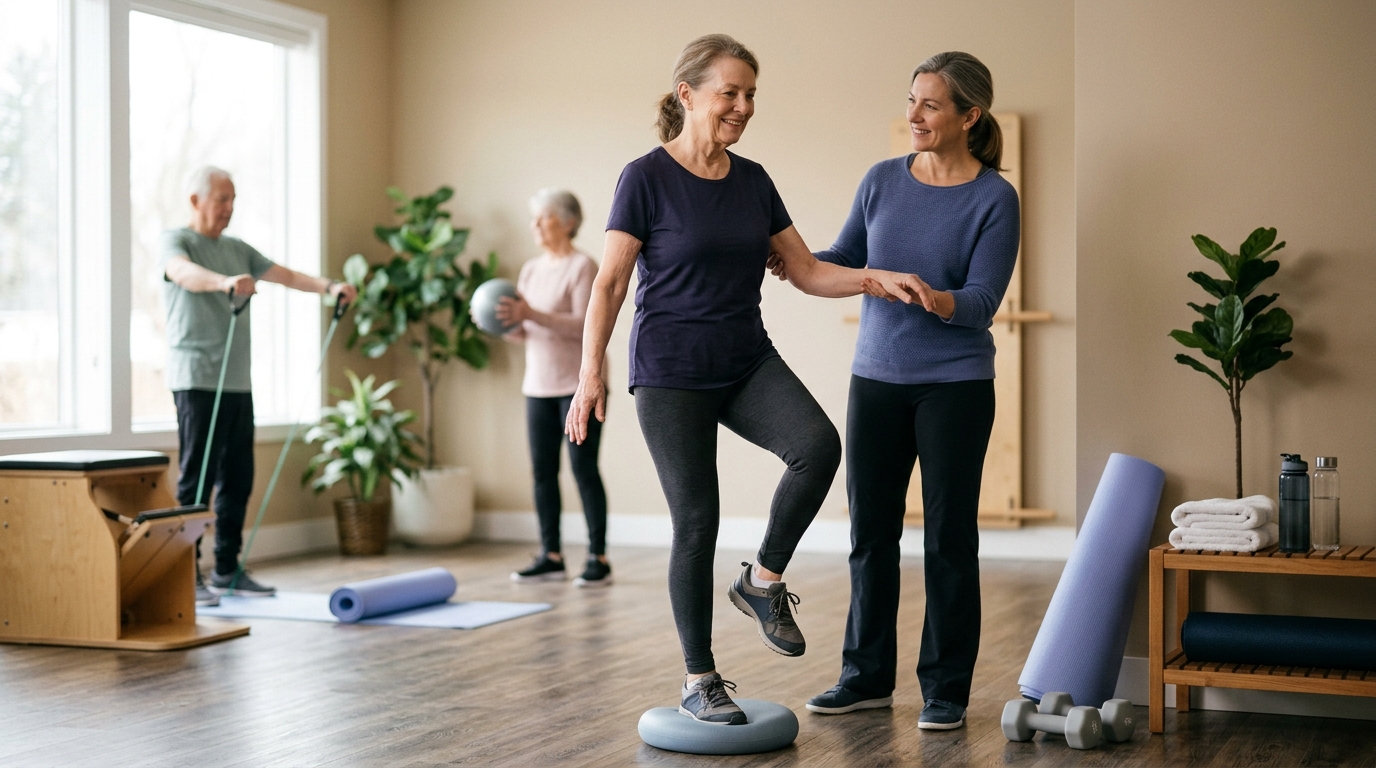
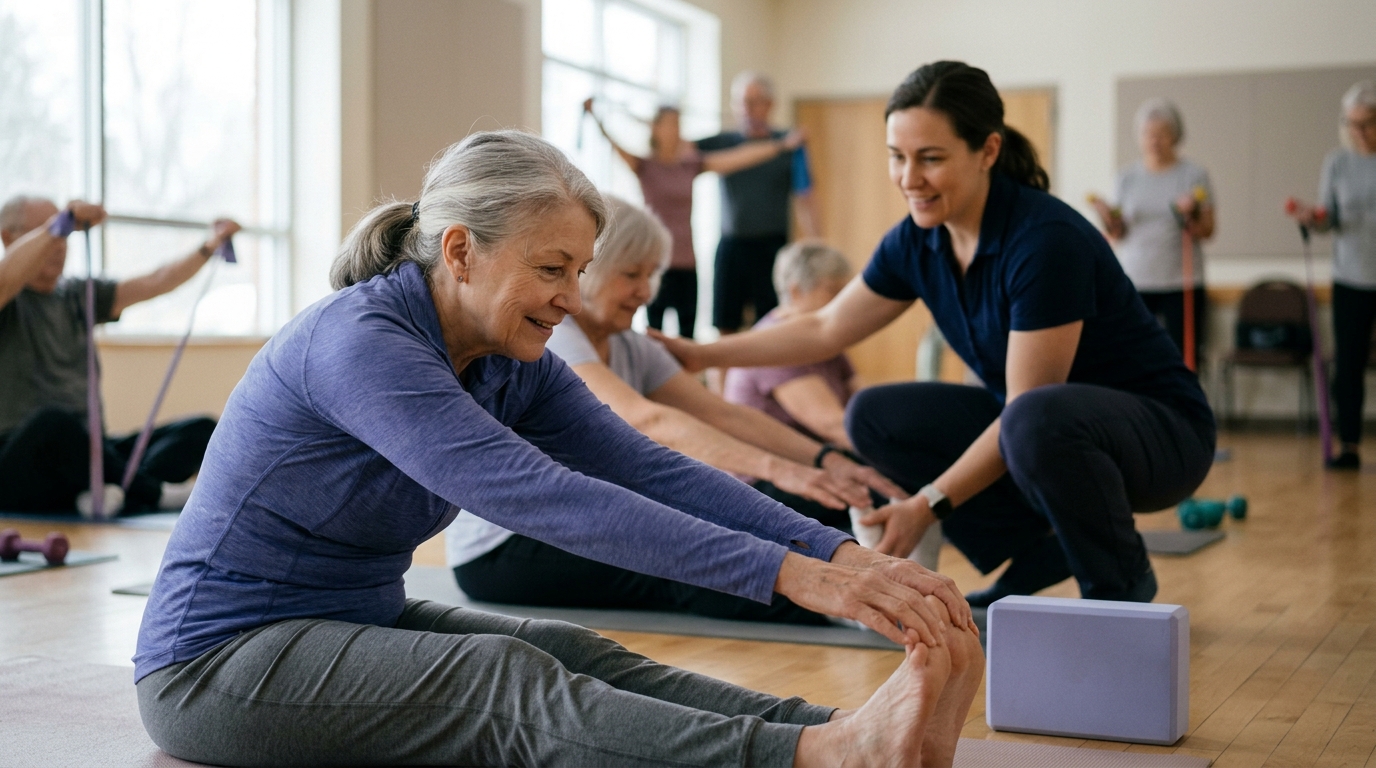
The World Health Organization specifically emphasizes that older adults with reduced mobility should engage in physical activity that enhances functional balance on three or more days each week to prevent falls. Practicing balance should be distinct from testing balance to failure. Practice means exposing your sensory systems to manageable, safe challenges while keeping support within arm's reach.
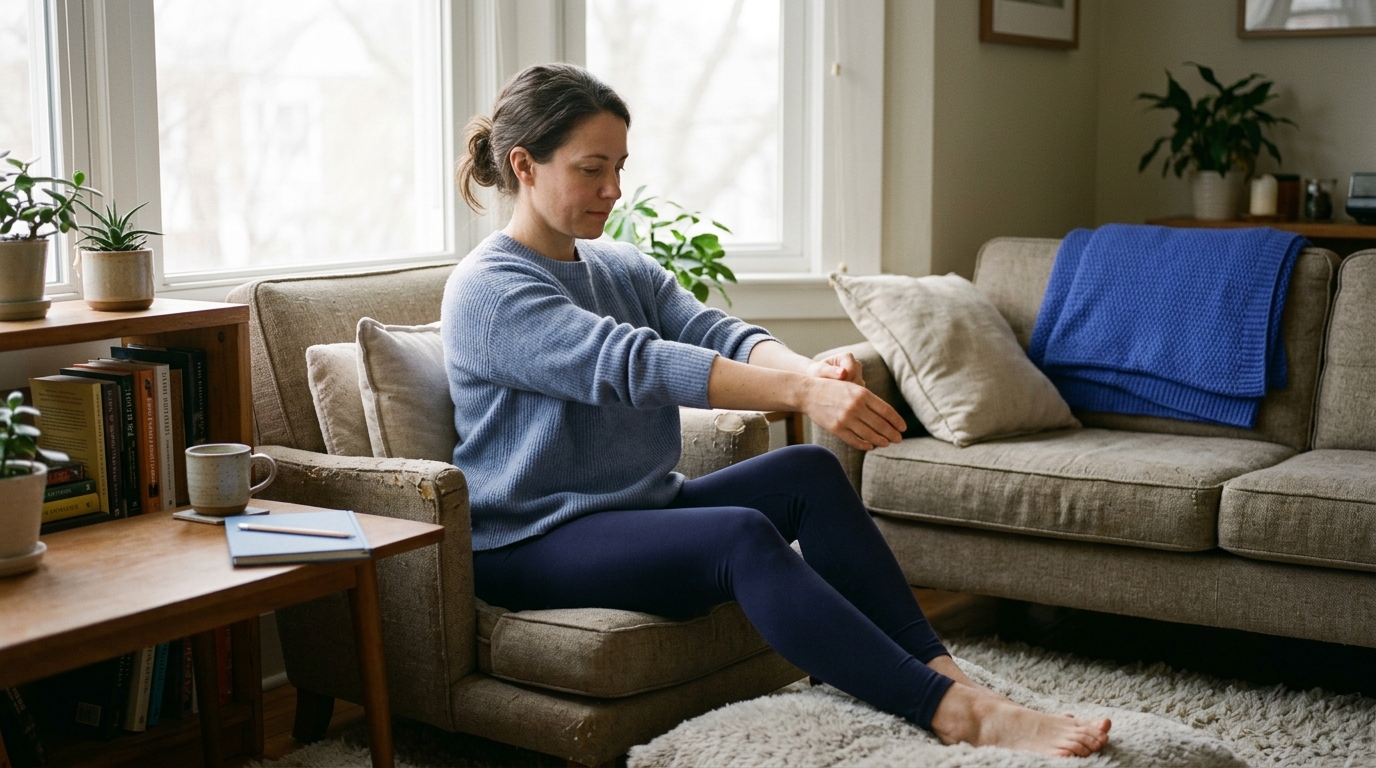
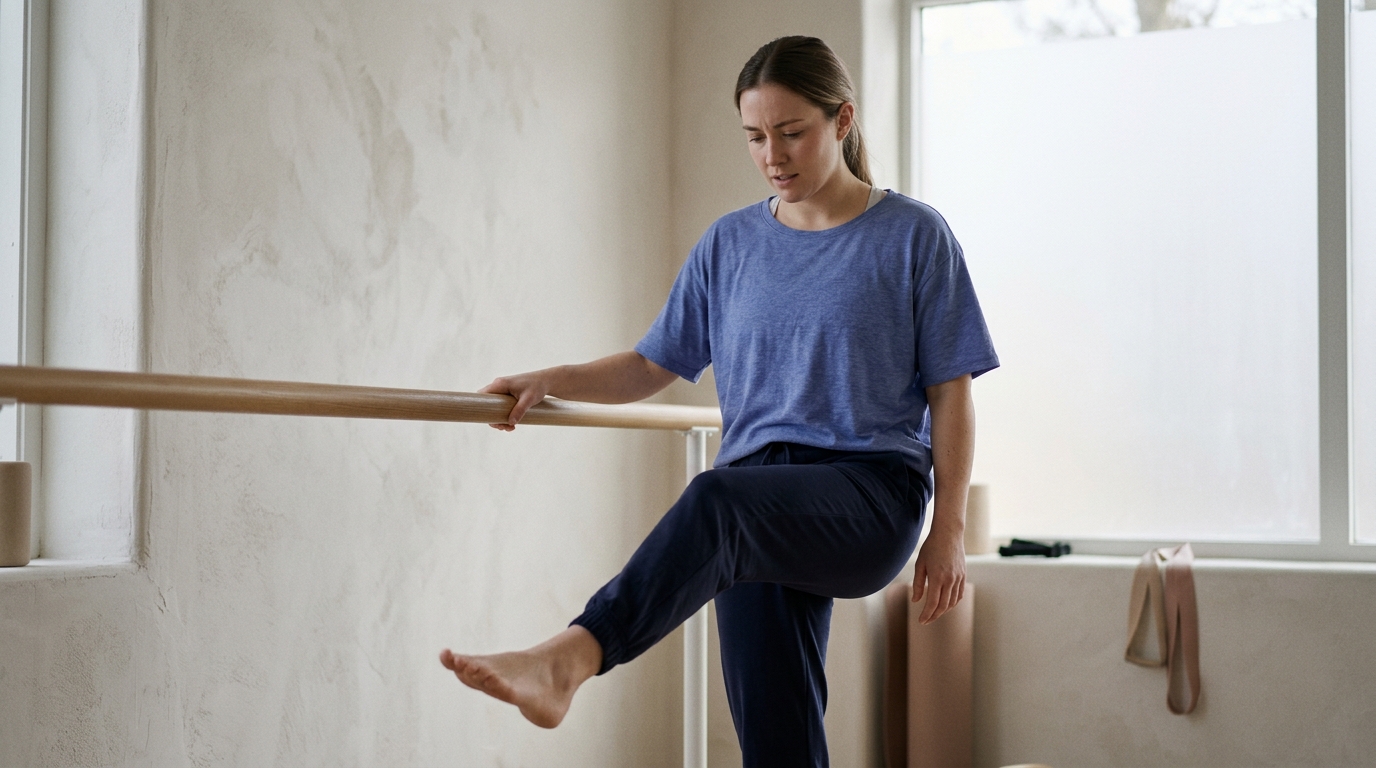
Static balance exercises help you refine your awareness of where your body is in space. Always perform these exercises near a sturdy kitchen counter, wall, or heavy table so you can steady yourself instantly if needed.
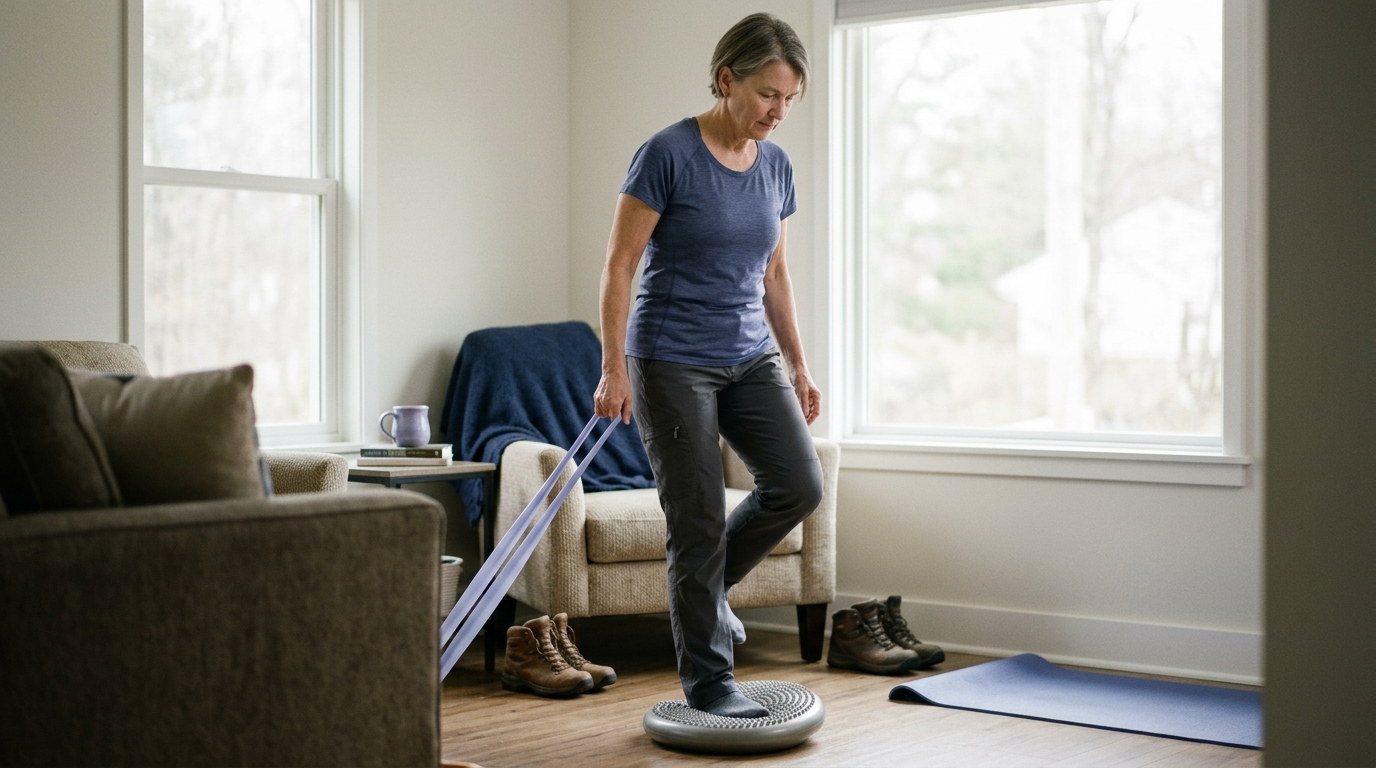
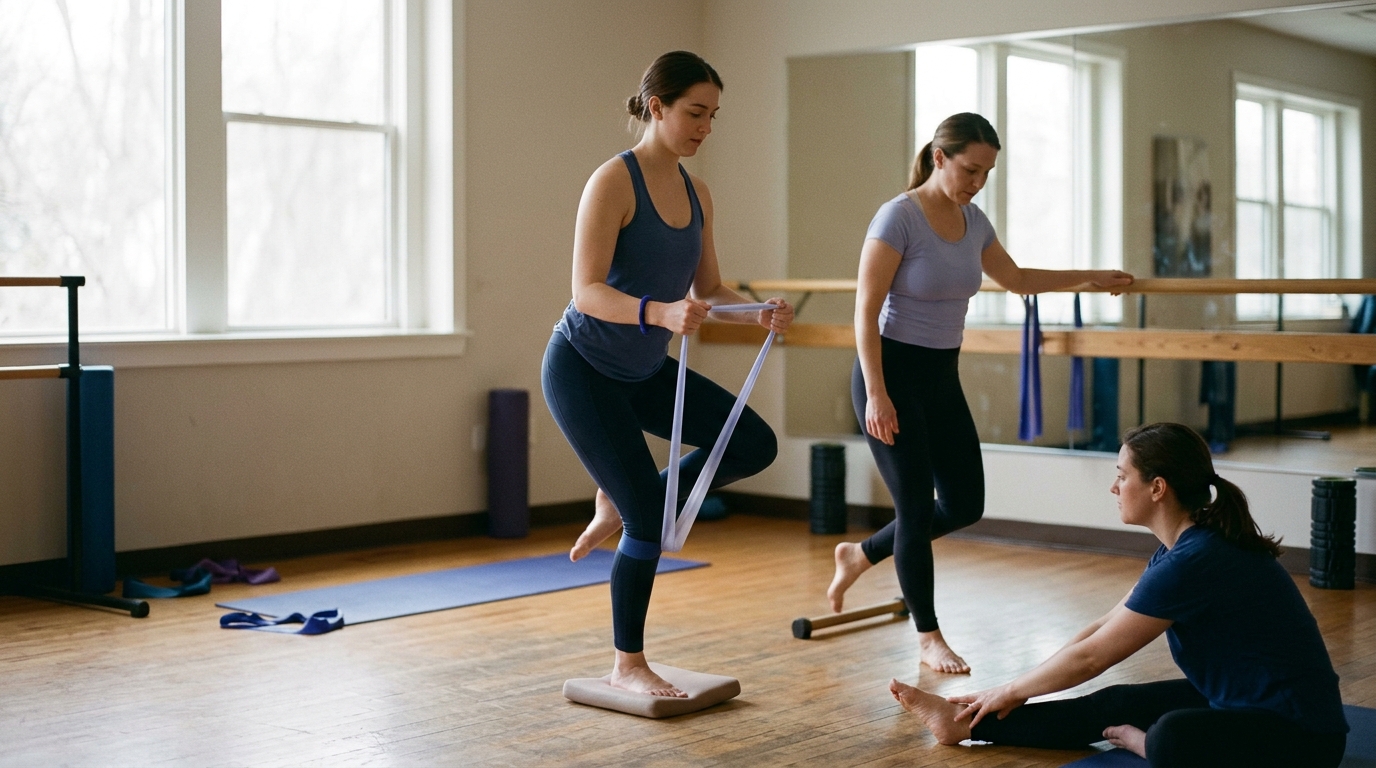
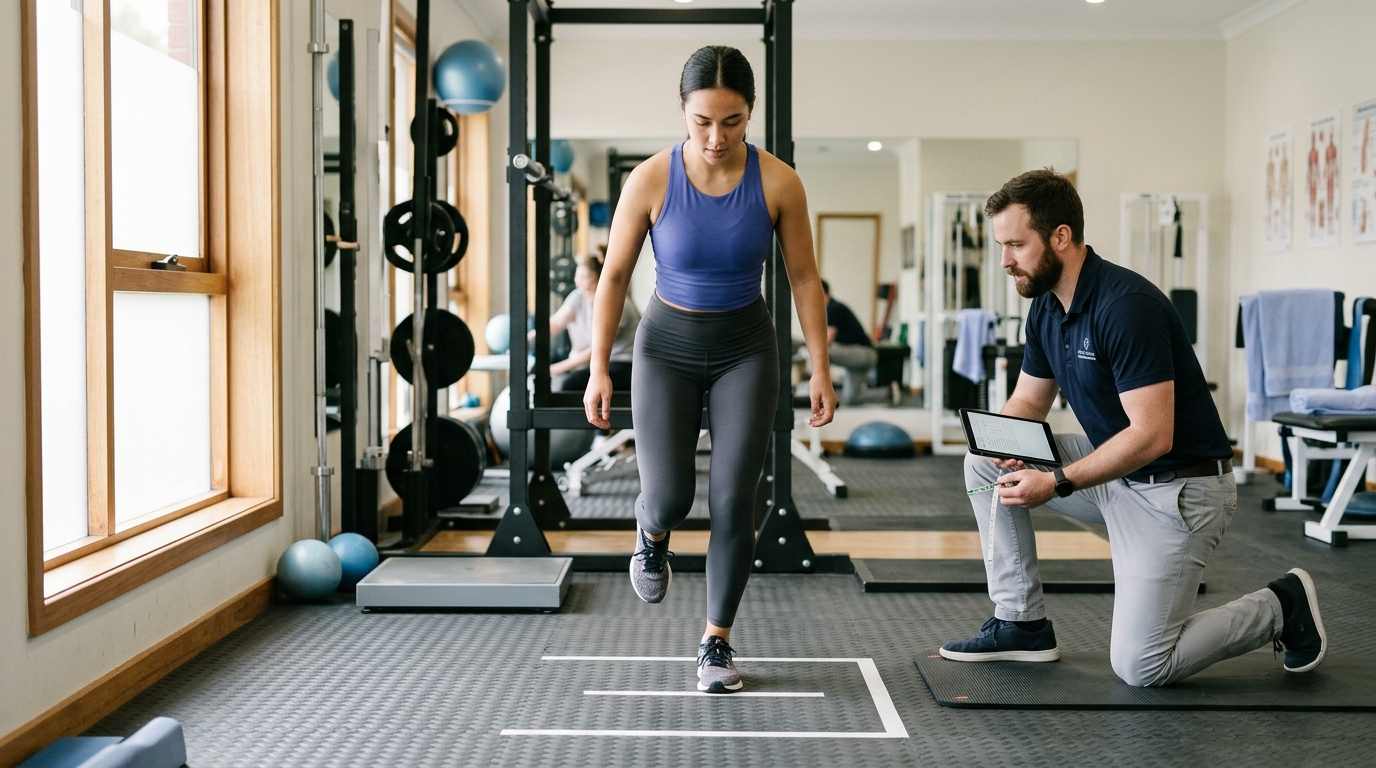
Real-world activities require you to move your center of mass while your feet adjust beneath you. Dynamic balance exercises build the coordination needed for unexpected shifts.
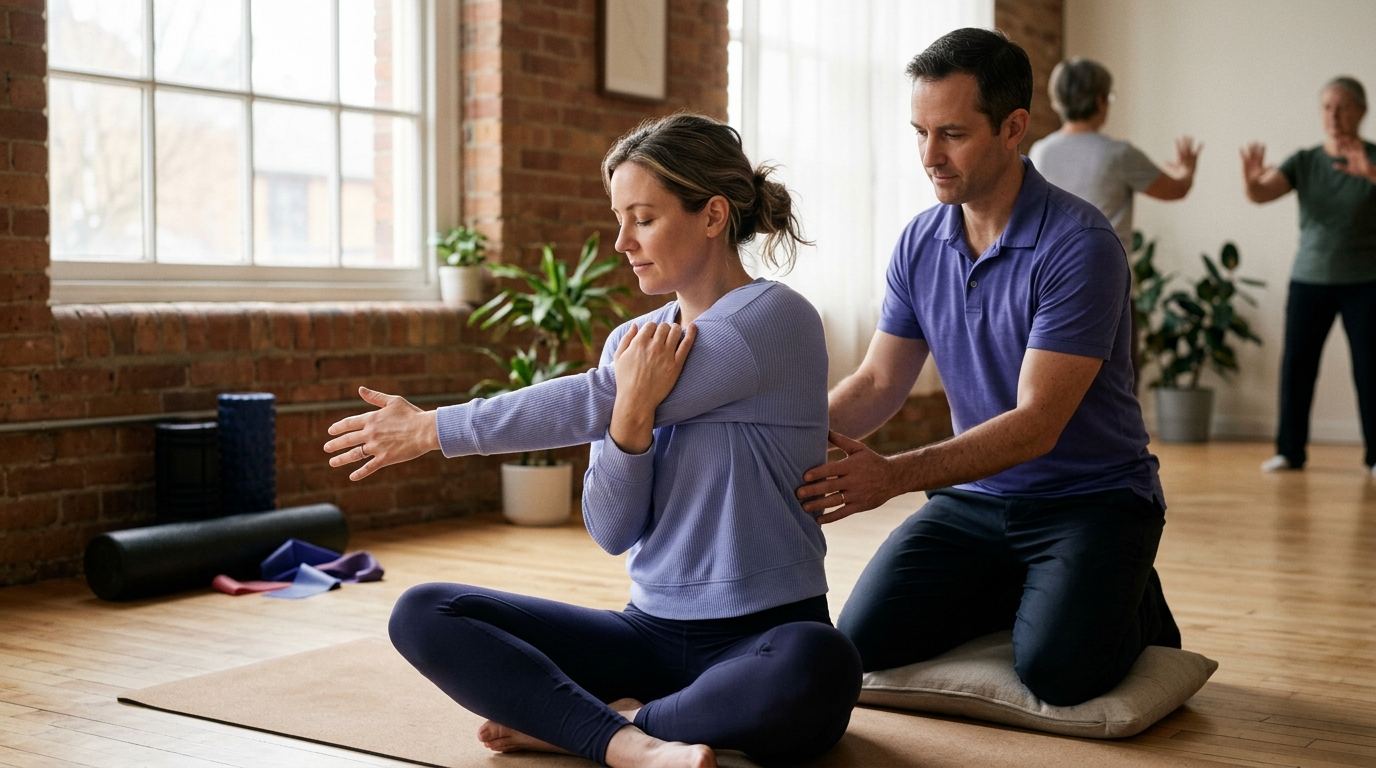
The National Institute on Aging also highlights tai chi as an effective, evidence-supported practice that blends balance, weight shifting, and fluid movement. Integrating these functional balance exercises into your weekly routine provides the stability needed for complex household tasks.
A common misconception in fitness and rehabilitation is that there is only one "correct" way to perform daily tasks like bending, lifting, or reaching. People are often told they must always bend purely at the knees, keep their back completely straight, or lift in an identical manner every time. In reality, human bodies are designed to be adaptable.
Having multiple movement strategies is far more practical than relying on a single rigid technique. The best way to lift an object or reach a shelf depends on the object's weight, its shape, your joint mobility, the available space, and your current energy levels.
When you need to pick up an object from the floor, you can choose from several viable techniques based on your comfort and the task at hand:
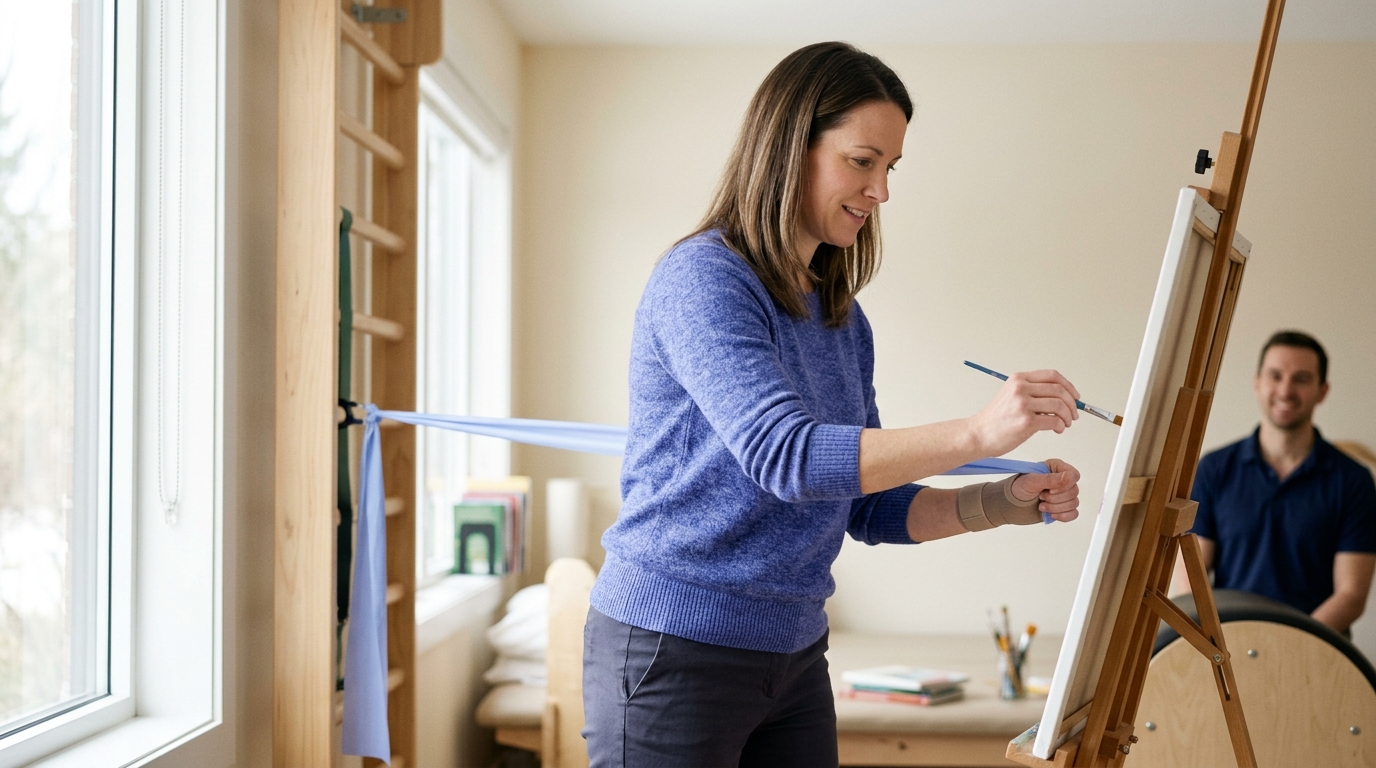
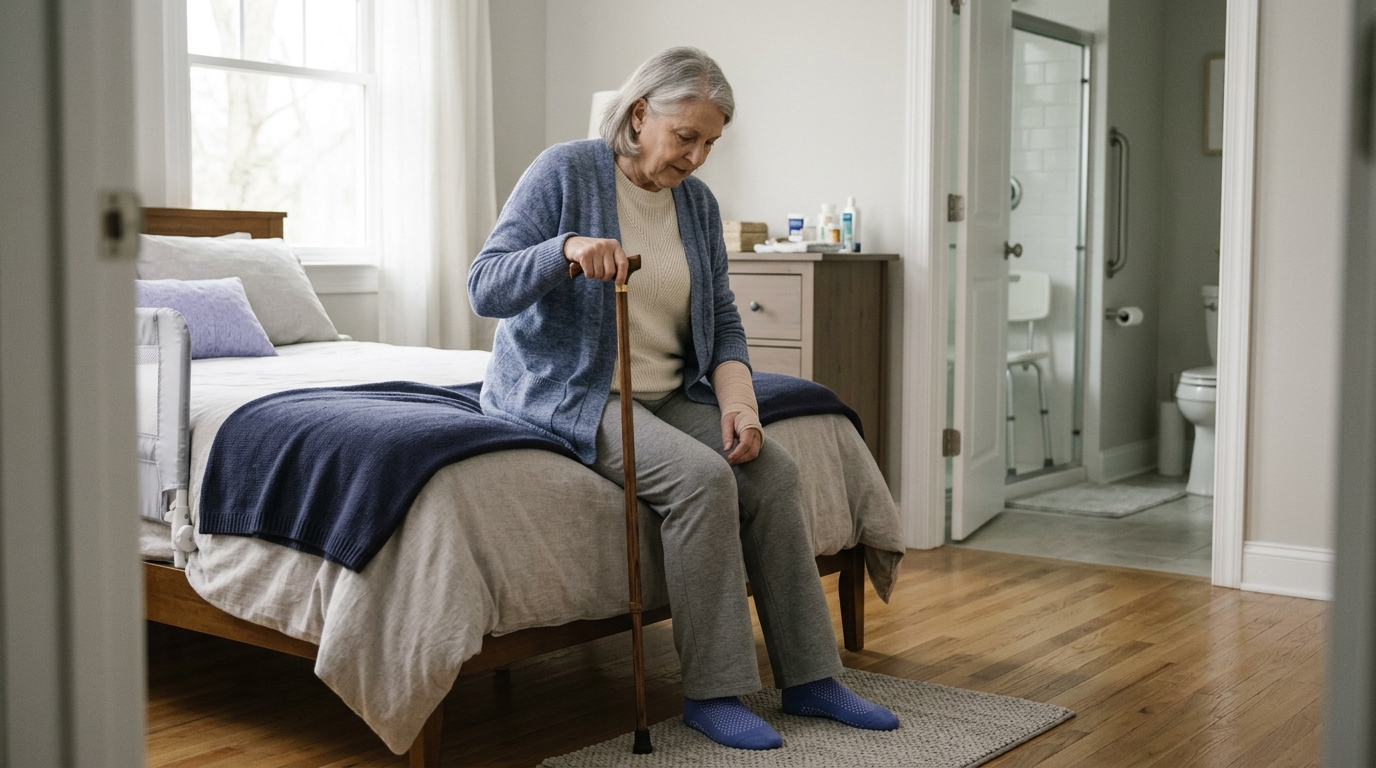
You can also adapt your environment to make tasks safer and more efficient. Adapting is not a sign of weakness; it is a smart strategy to preserve energy and reduce unnecessary strain.
Learning to select the right movement option for the situation builds lasting confidence. To understand more about joint motion and functional ranges, visit our section on maintaining mobility and movement patterns.
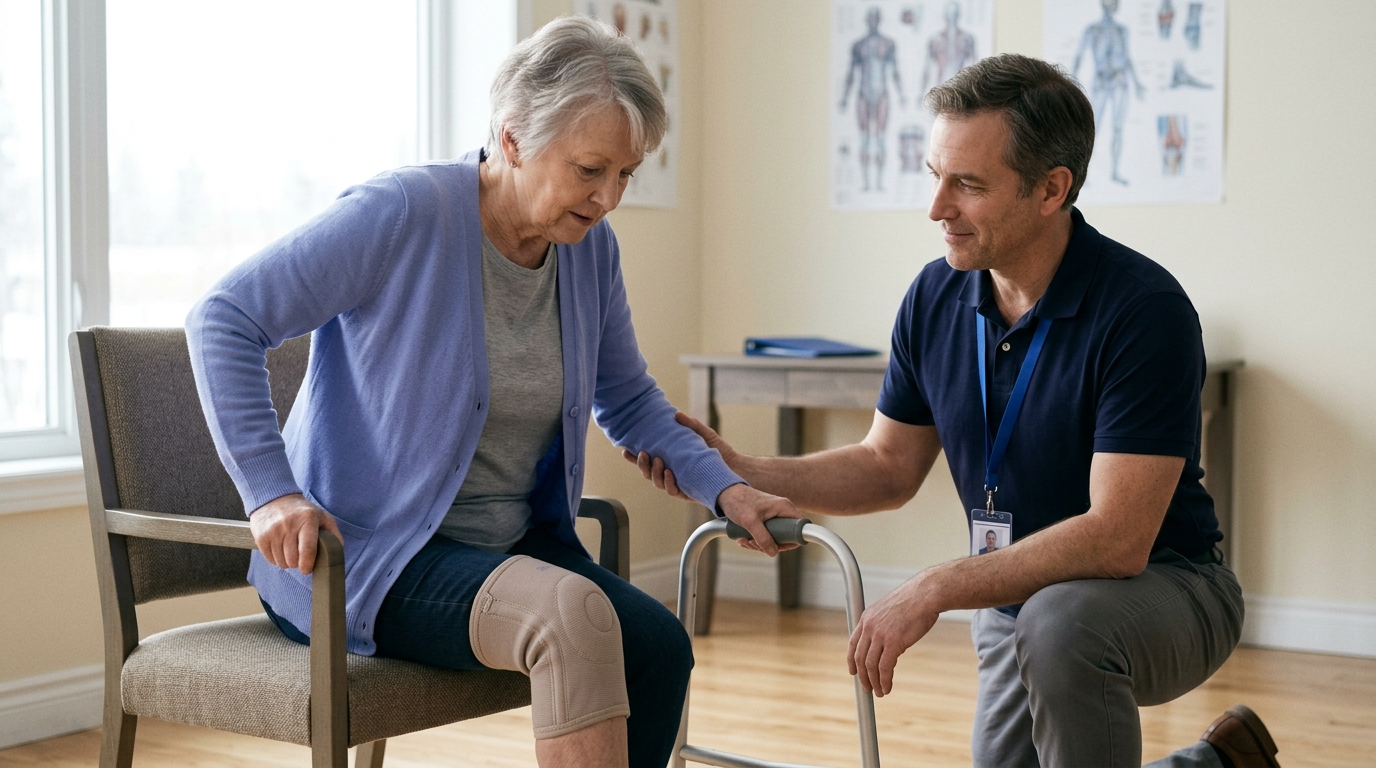
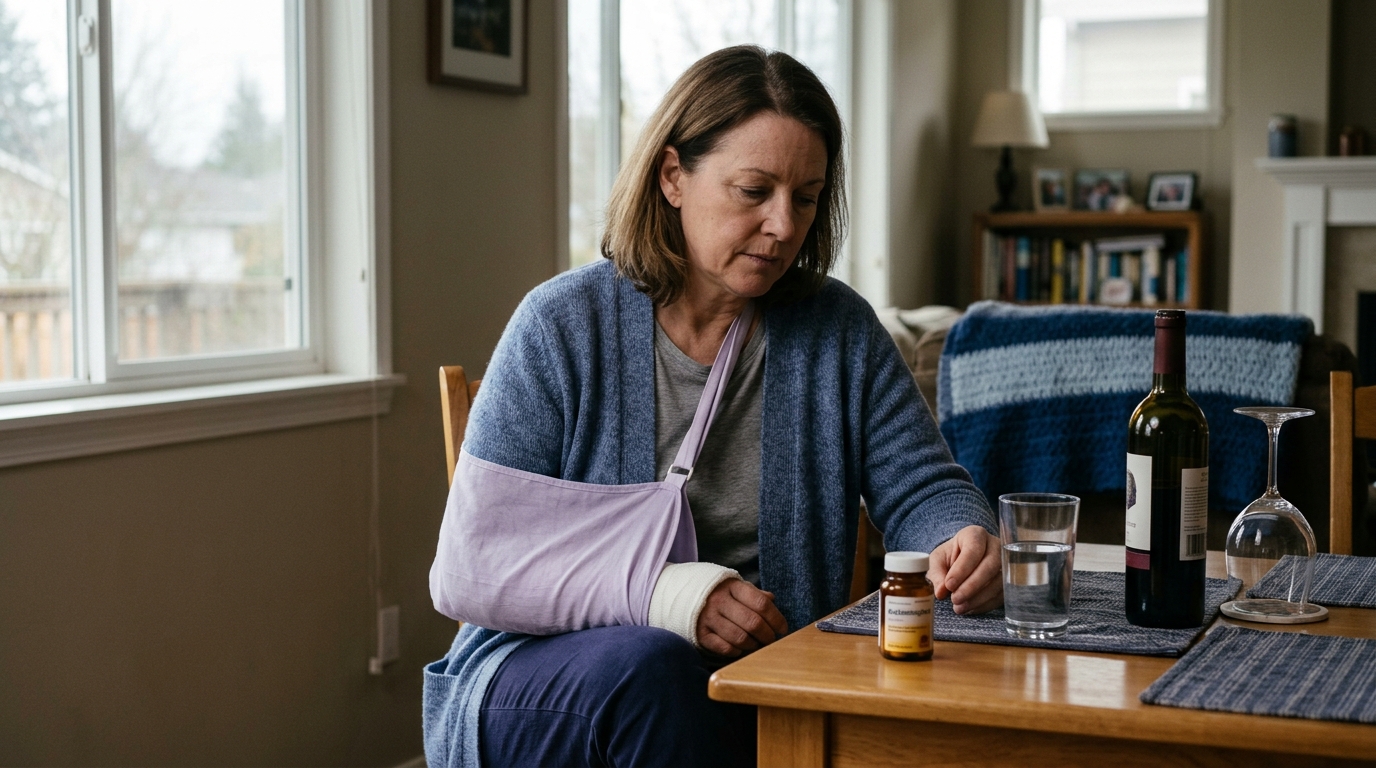
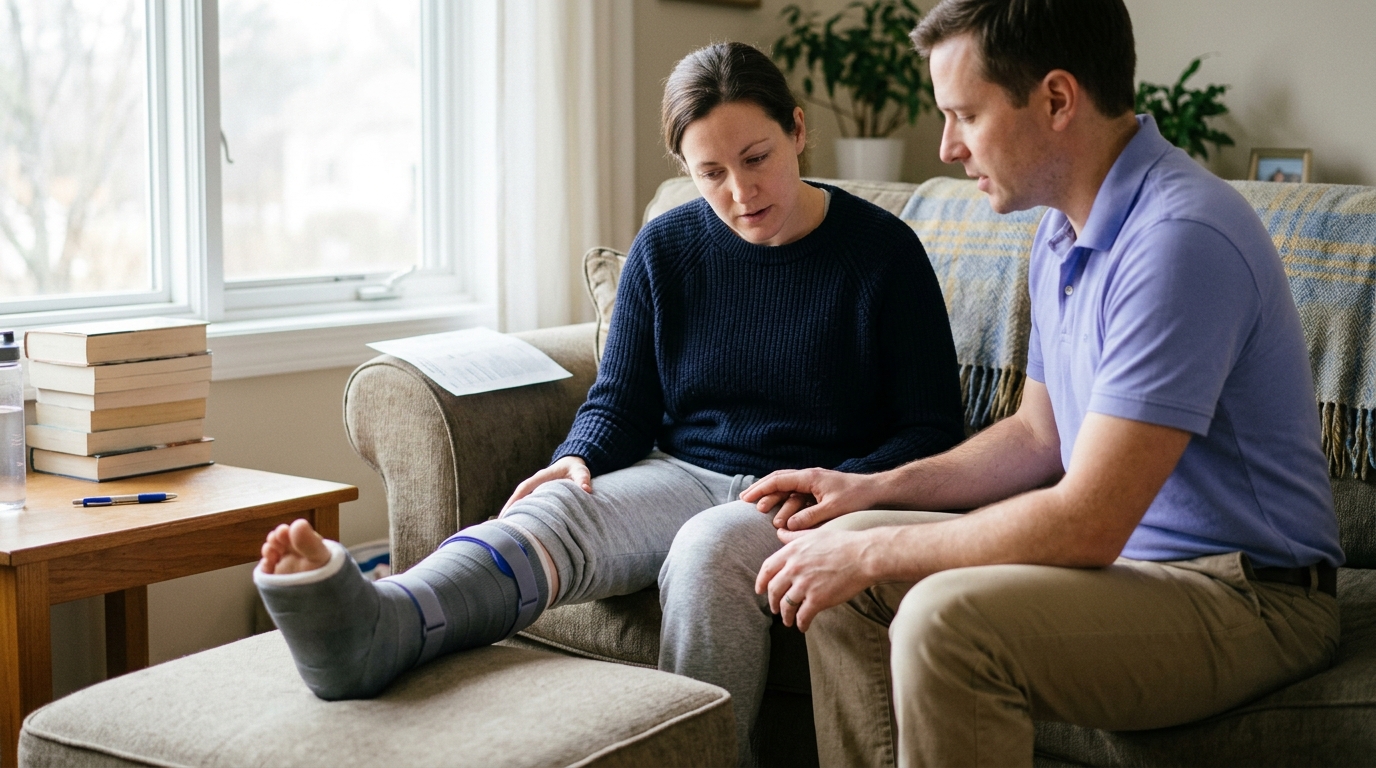
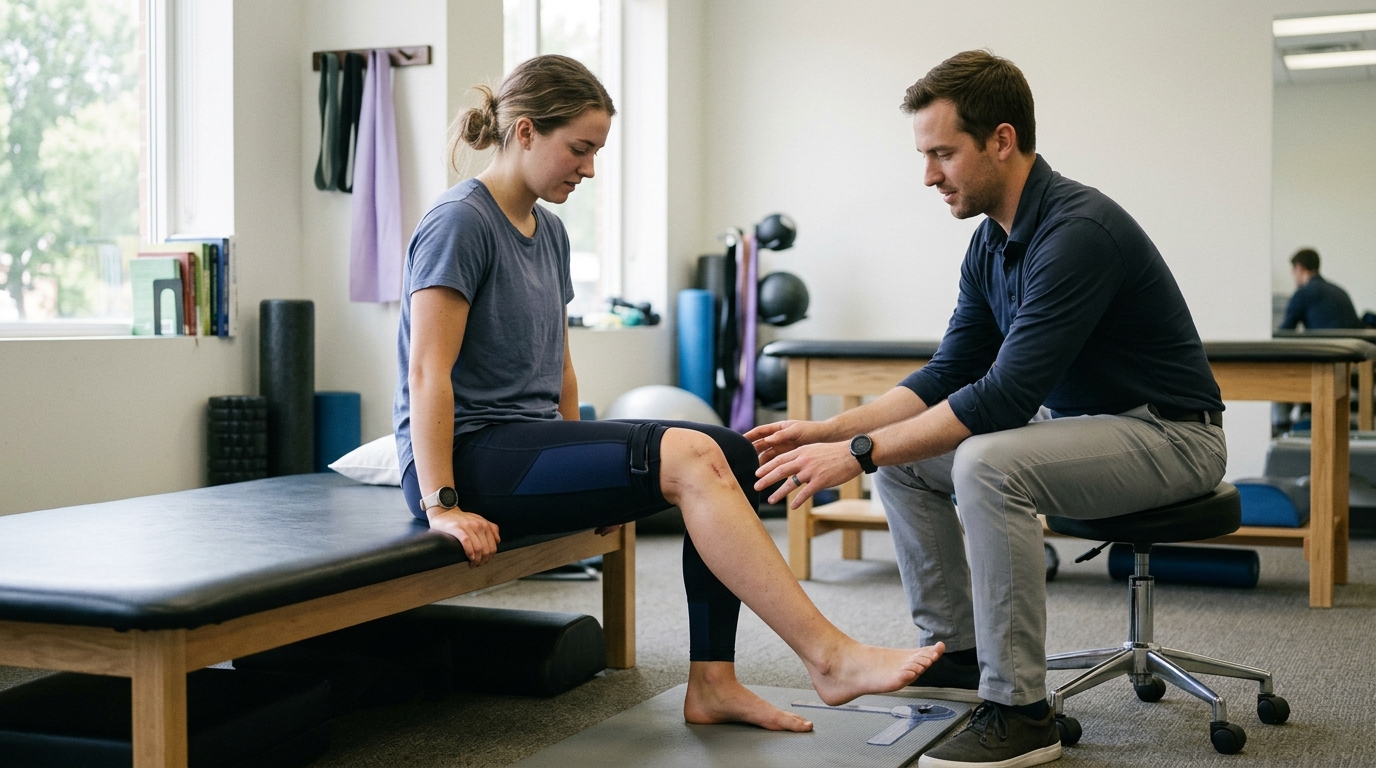
It is entirely normal to feel cautious about certain movements after an injury, surgery, or prolonged period of inactivity. If bending over or getting down onto the floor caused sharp pain in the past, your nervous system naturally develops a protective hesitation. However, completely avoiding these movements over time can lead to deconditioning, stiffness, and greater apprehension.
Gradual exposure is a structured, common-sense method for reintroducing movements that feel intimidating. Rather than jumping straight into a demanding task, you break it down into smaller, manageable stages. You practice the easier version until it feels comfortable, then slowly progress toward the full activity.
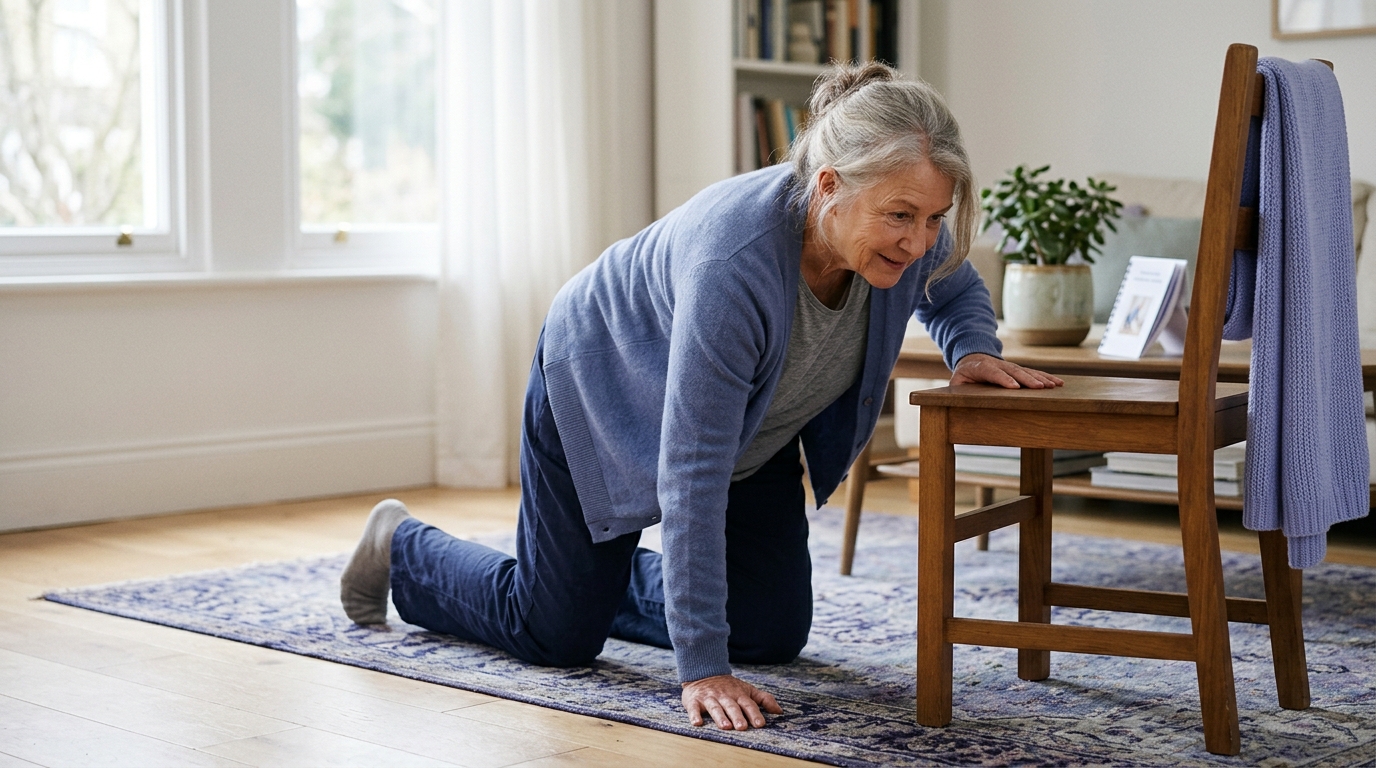
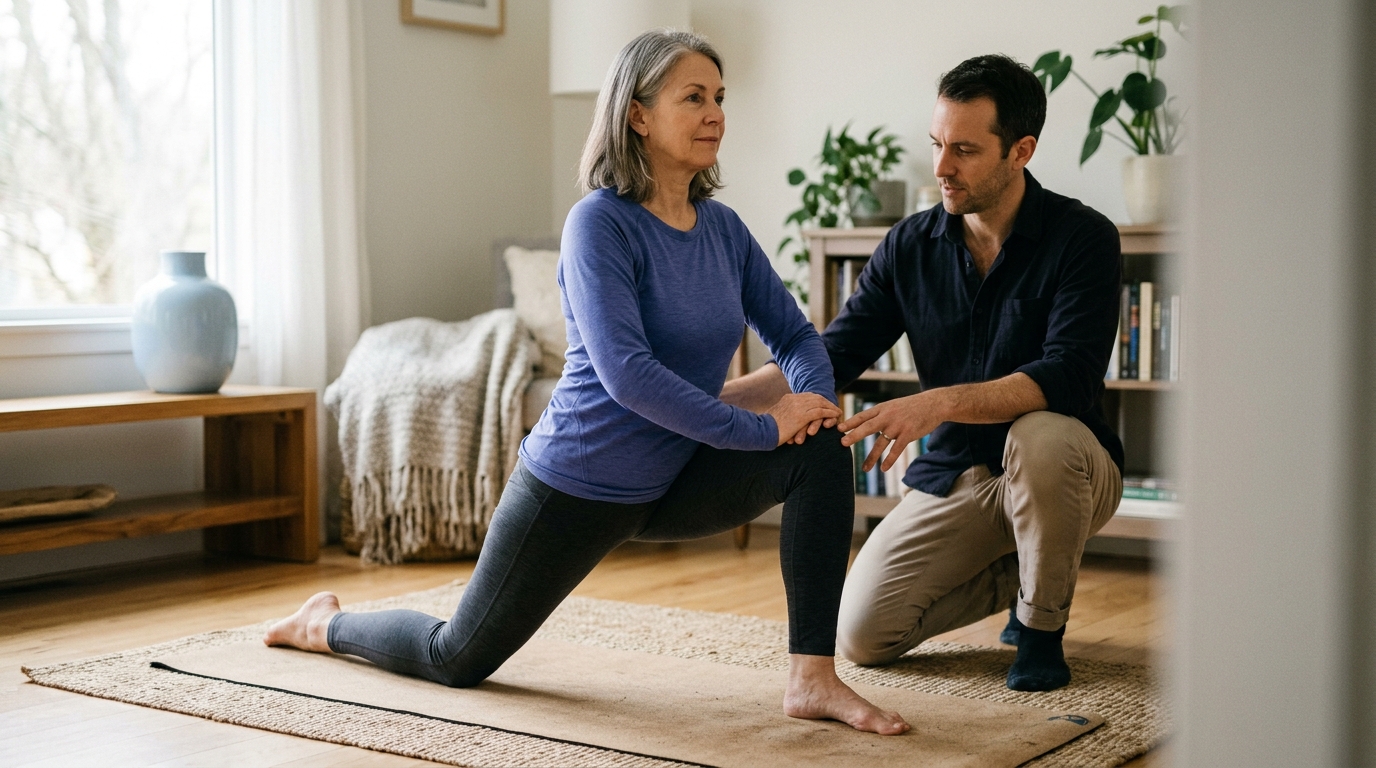
Getting down to the floor and back up is a critical skill for everyday life, whether you want to garden, play with family, or recover if you trip. If getting to the floor feels daunting, consider this step-by-step model:
If you feel anxious about bending forward, apply the same gradual concept. Begin by practicing hip hinges while standing next to a wall, tapping your hips back against the surface. Next, practice picking up a light book from a table height, then from a mid-shin stool, and finally from the floor.
As noted in clinical research, graded exposure is a framework for structuring practice, not a magic cure. It allows your nervous system and muscles to adapt at a sustainable pace. If a movement triggers sharp or worsening pain, take a step back to an easier variation and consult a qualified clinician.
Your ability to build task capacity and maintain independence is influenced by several personal and contextual factors. Recognizing these variables helps you set realistic expectations and adjust your training to your unique circumstances.
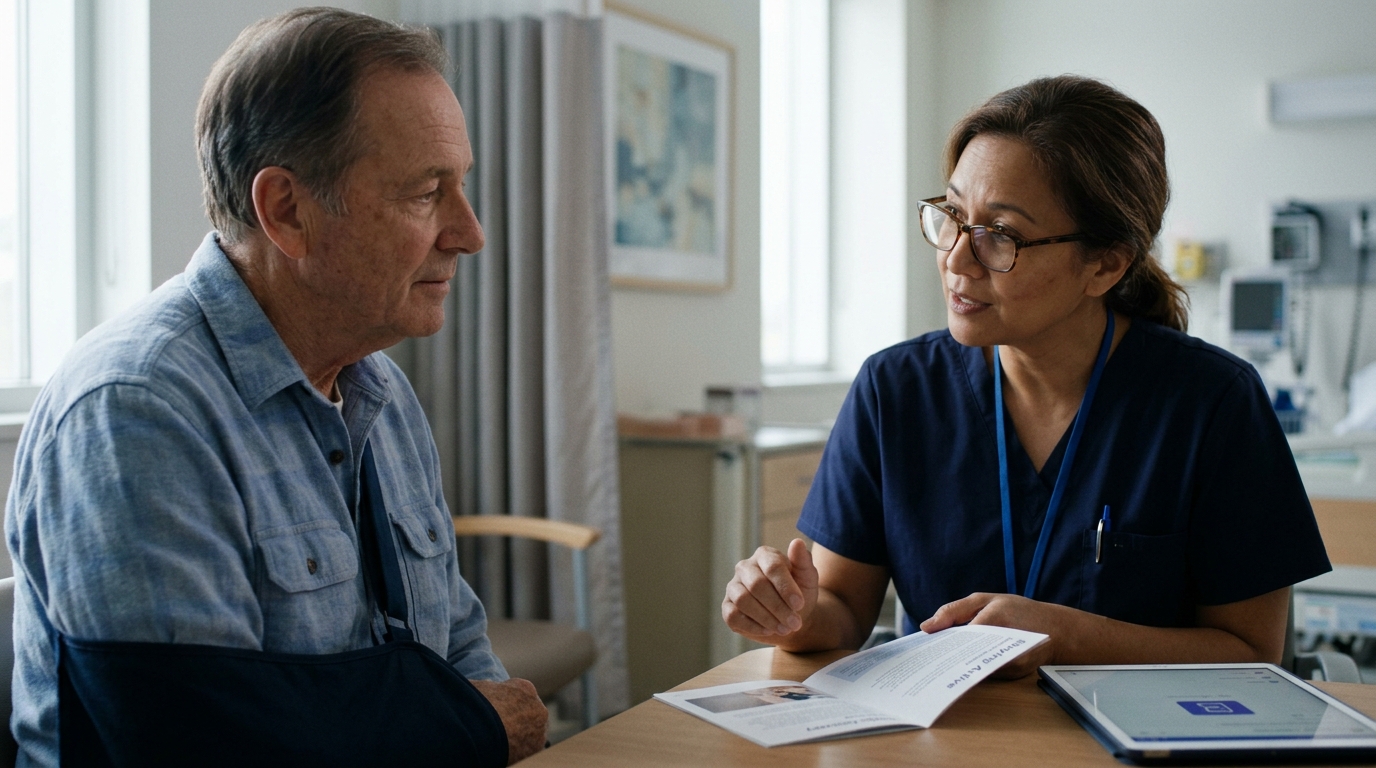
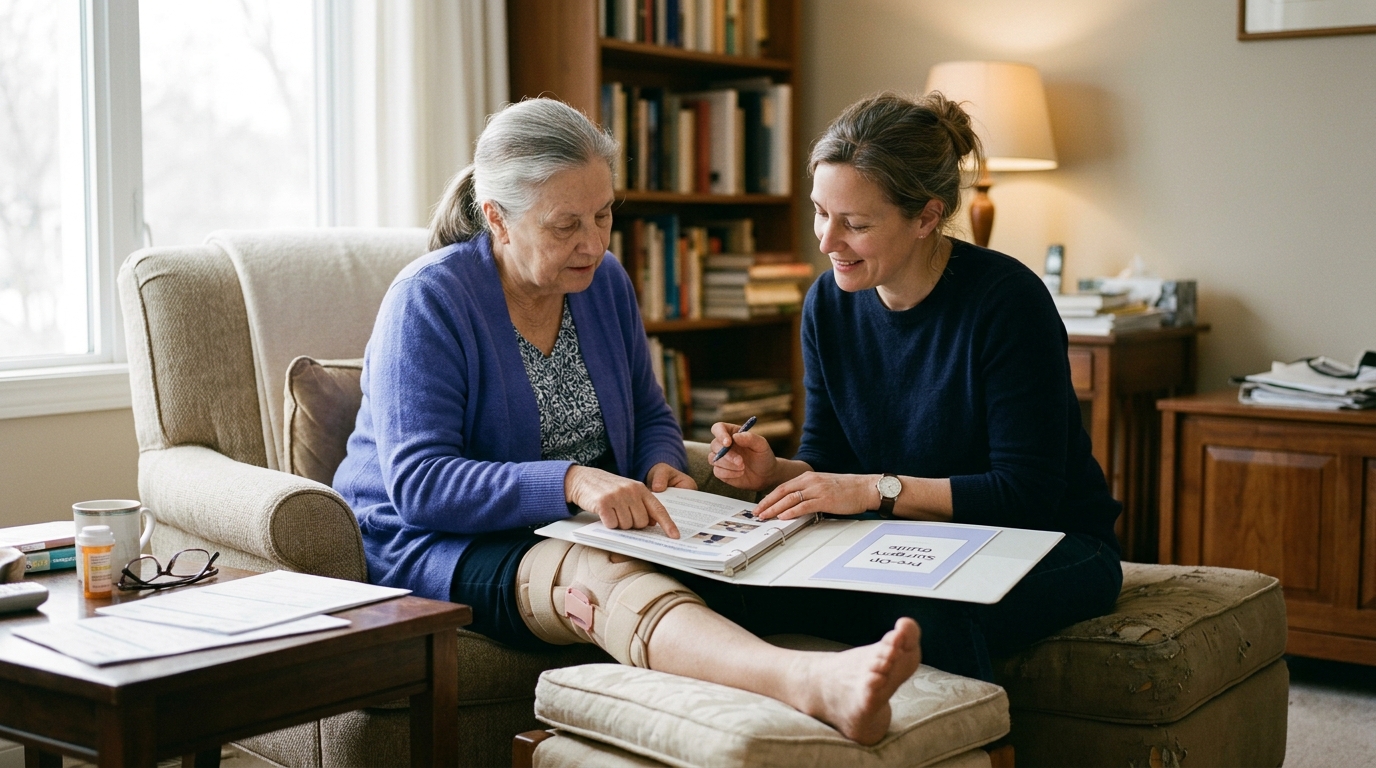
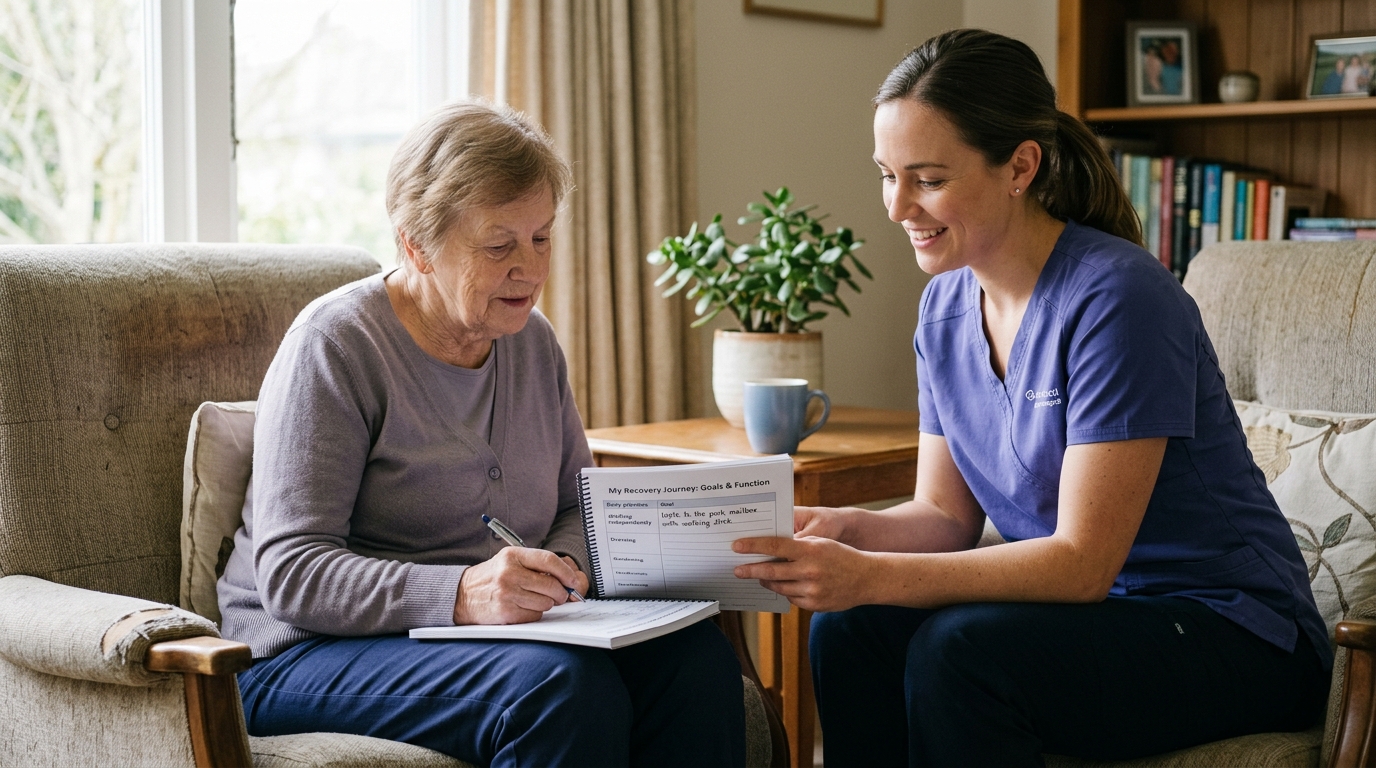
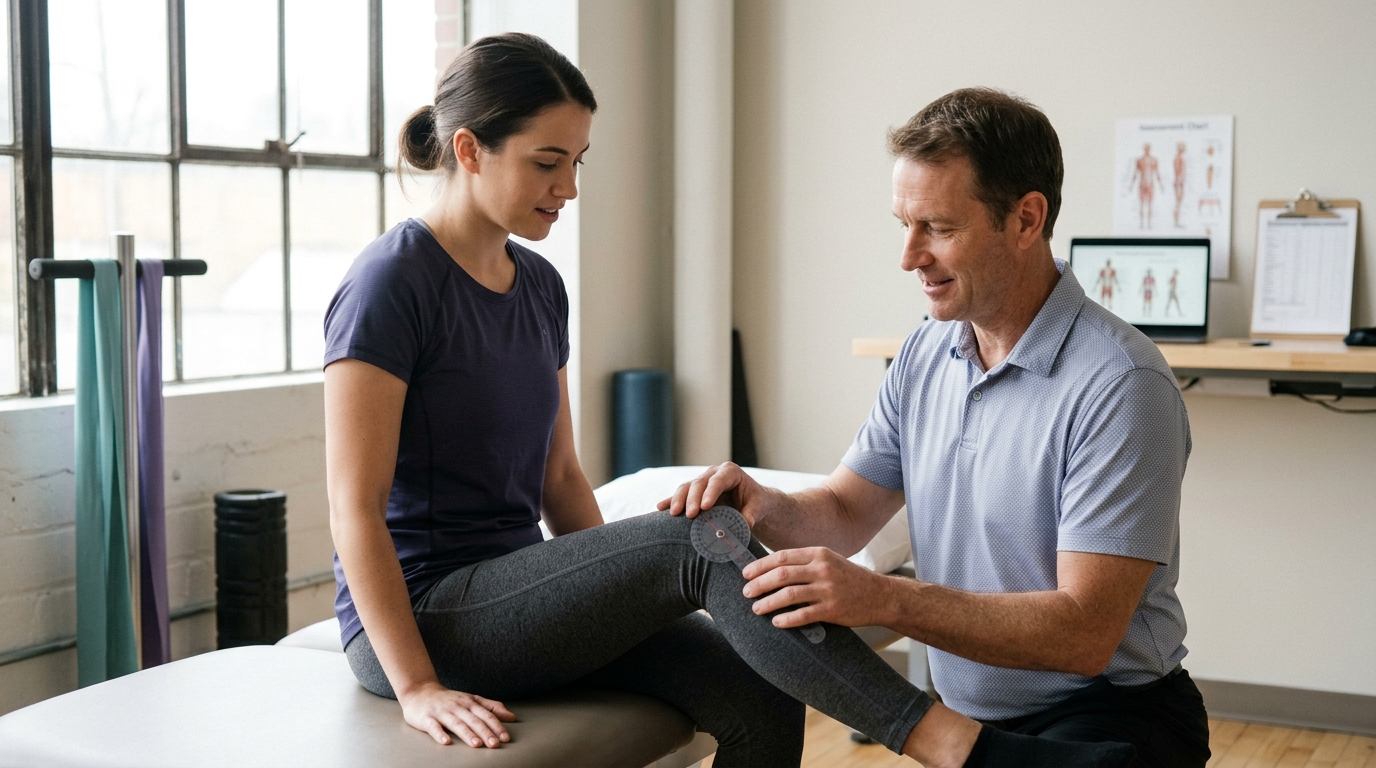
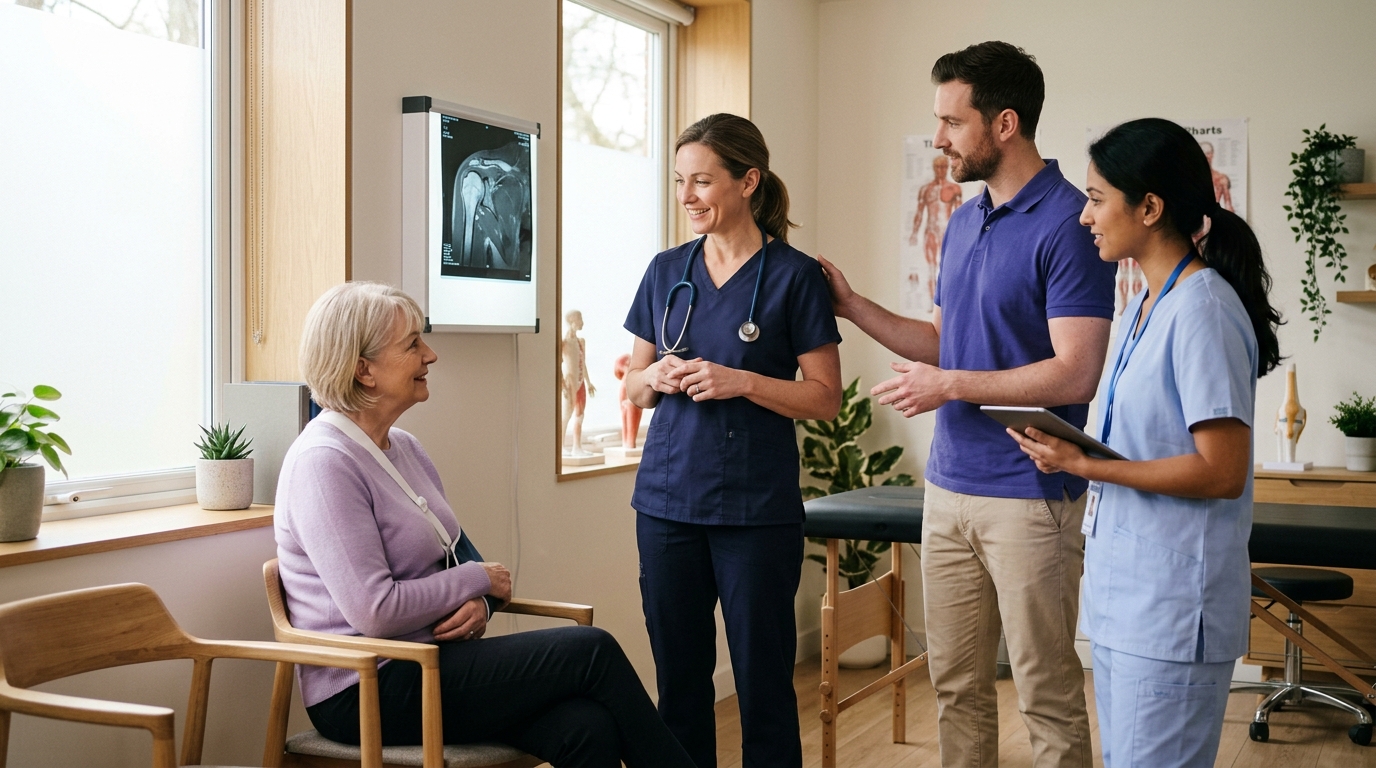
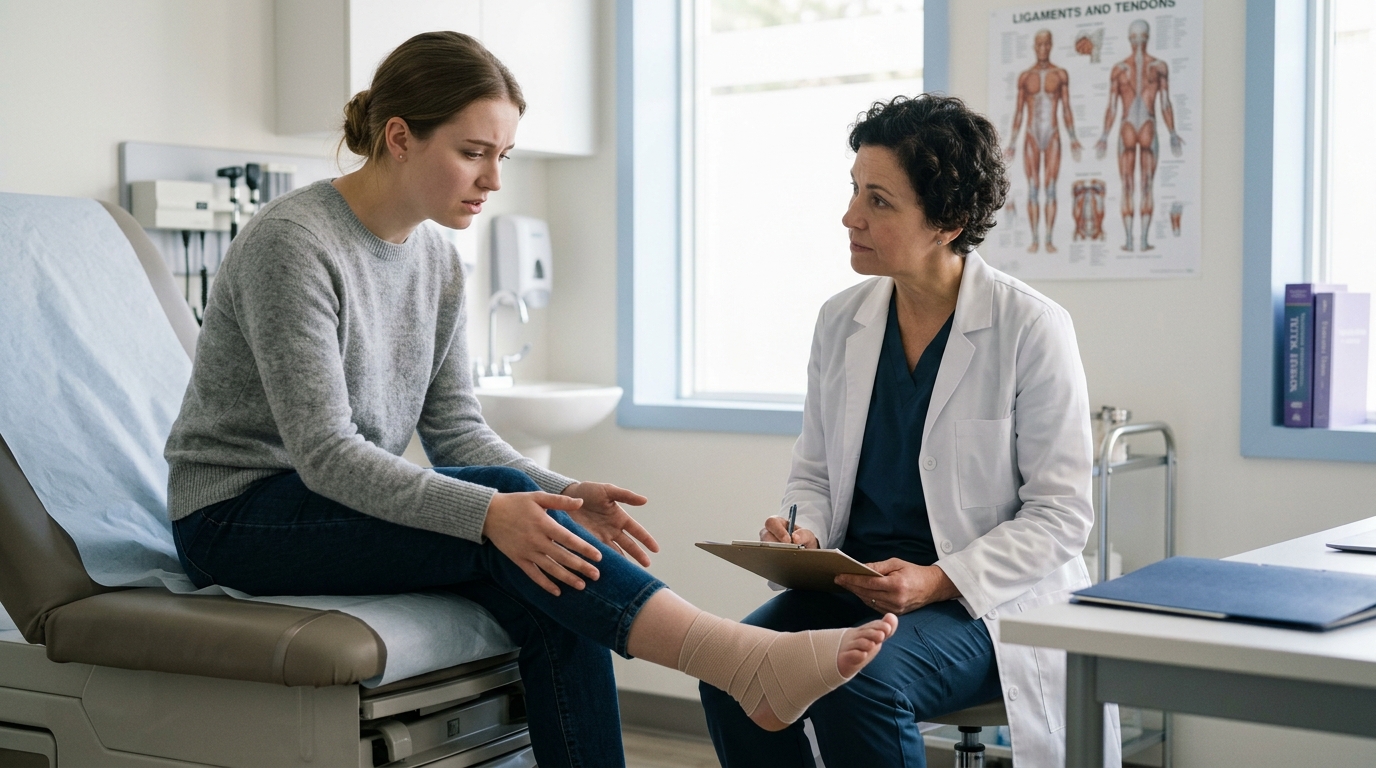
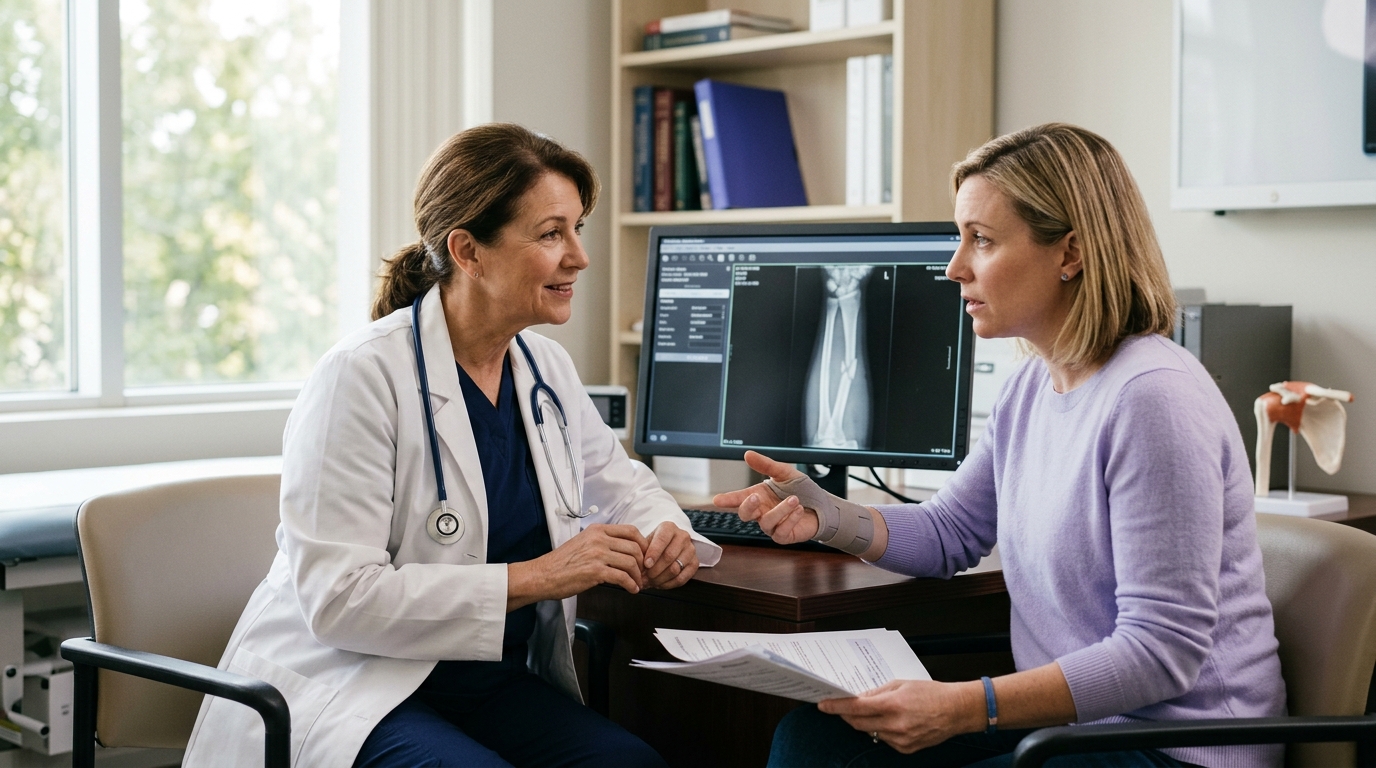
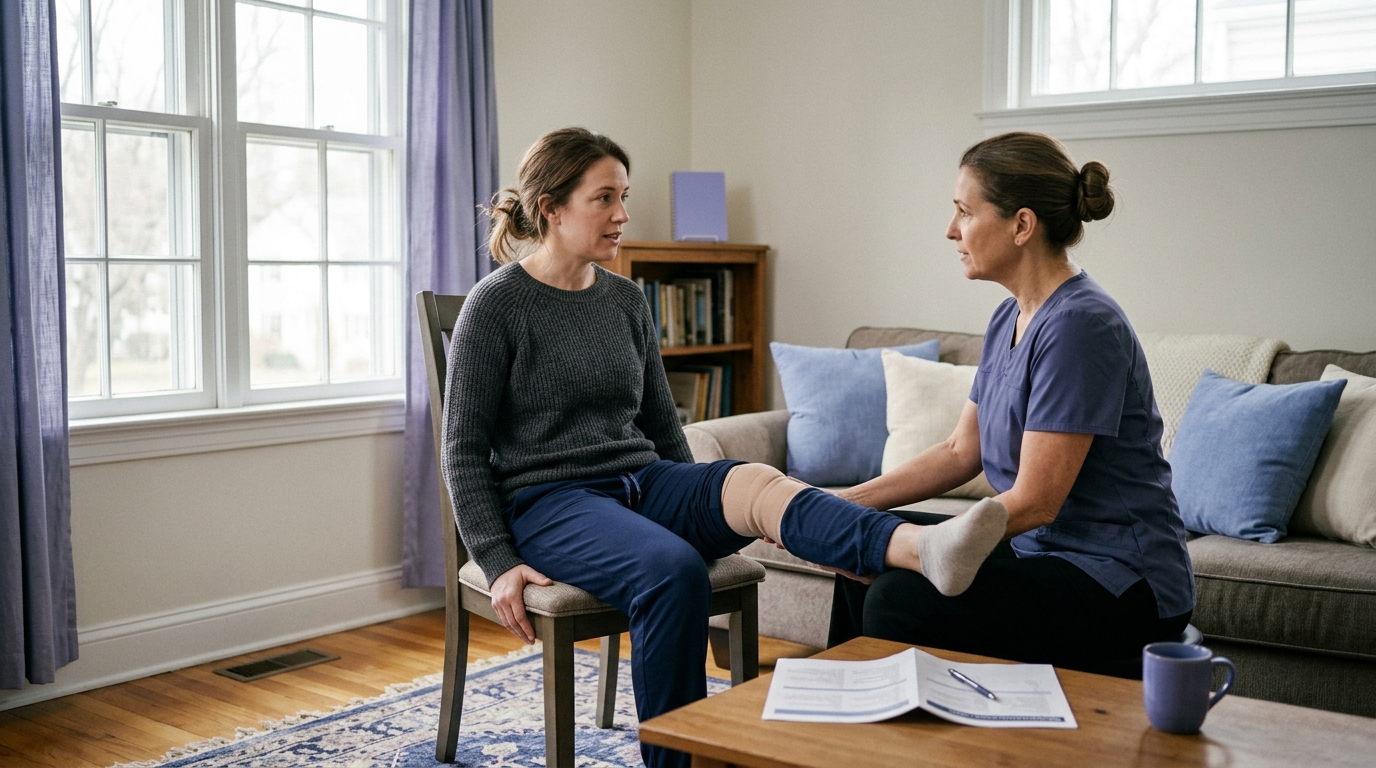
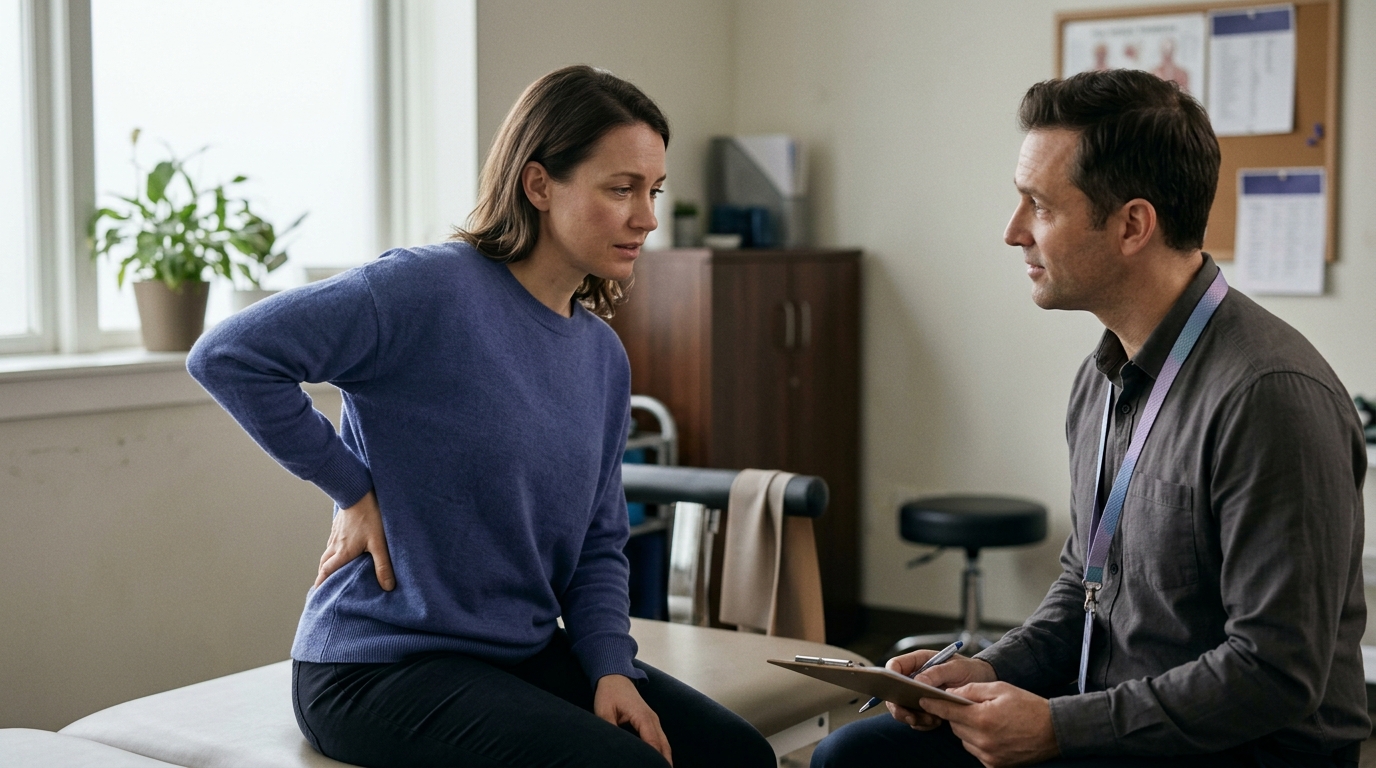
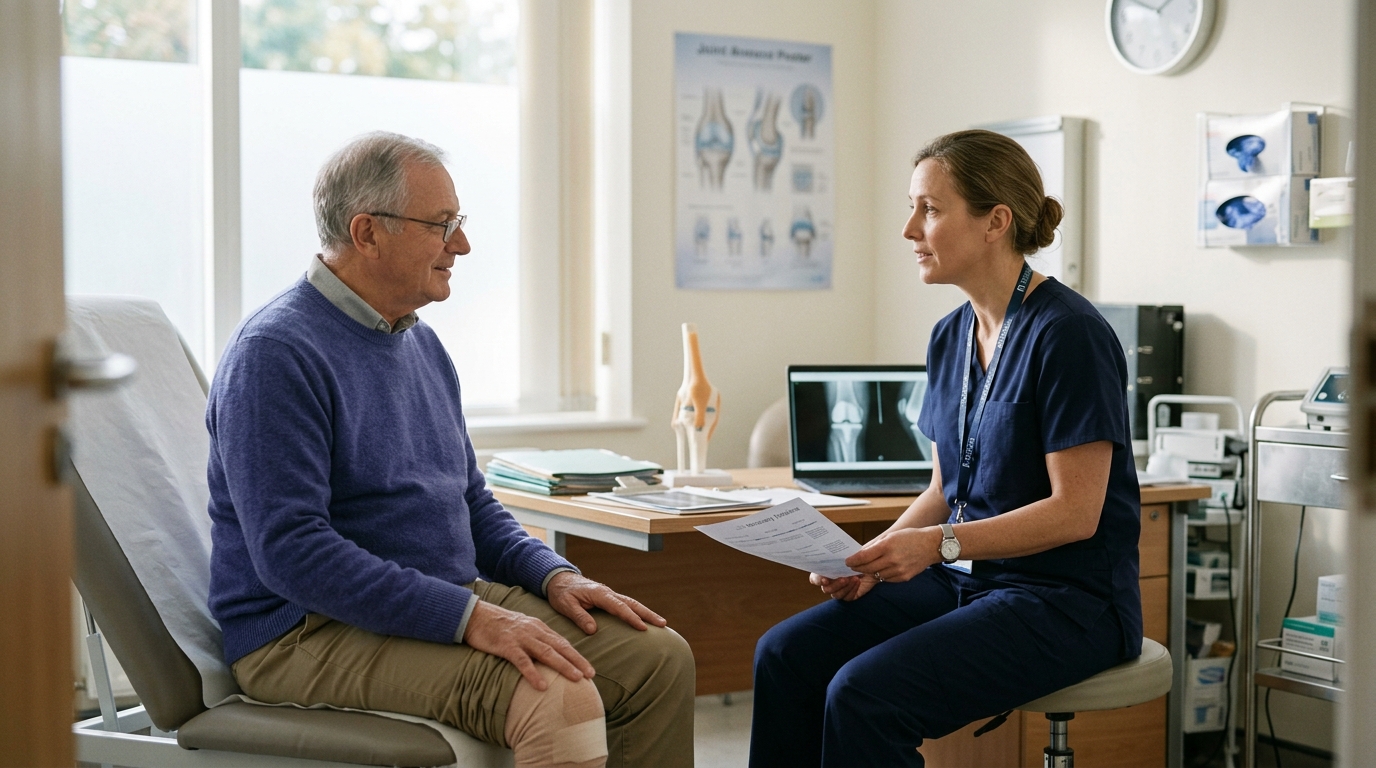
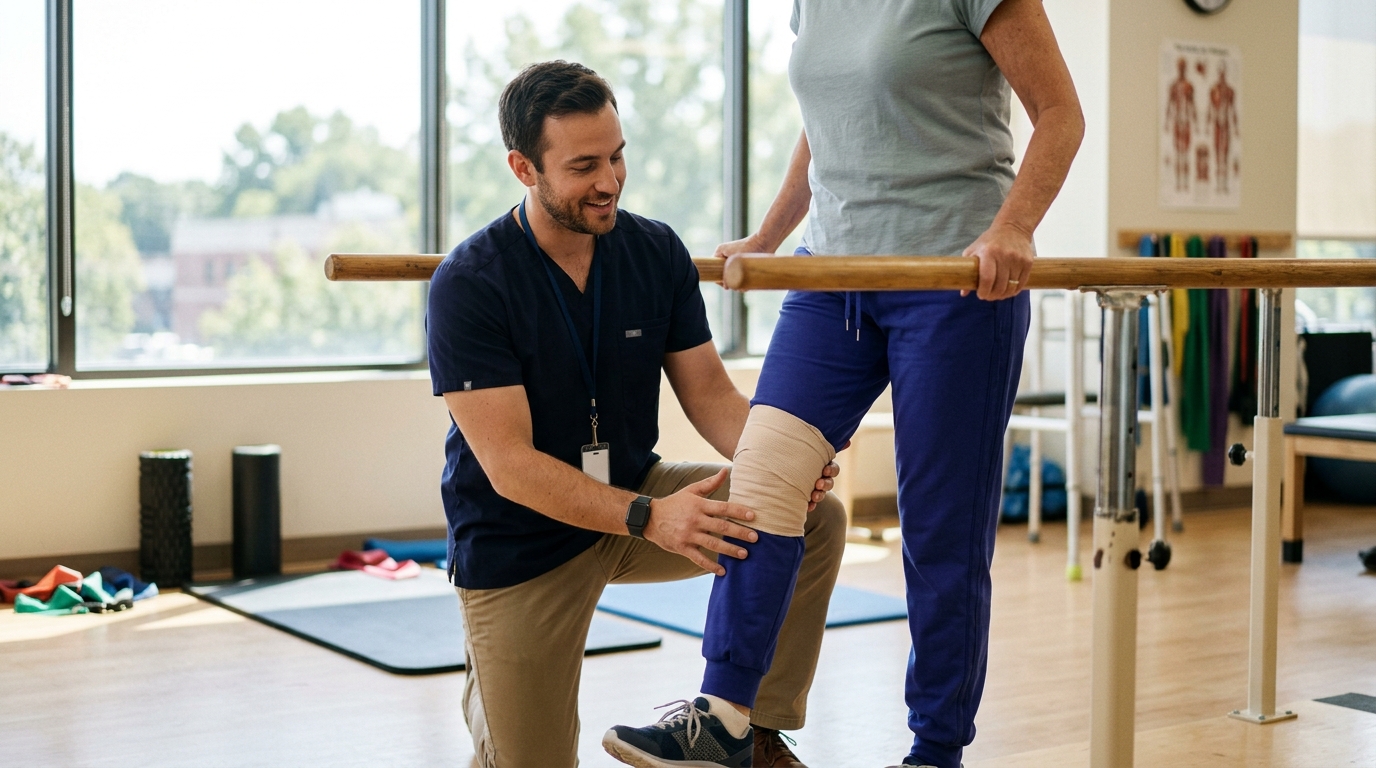
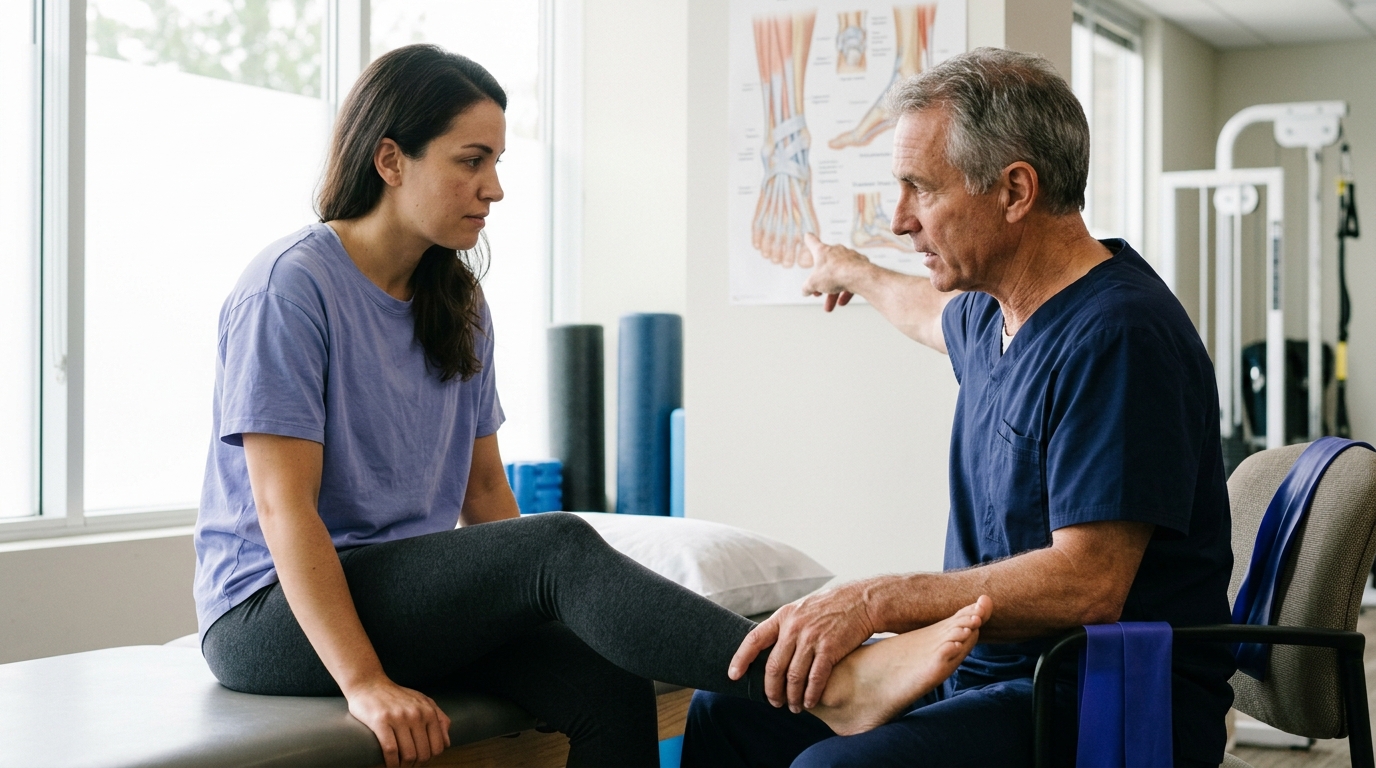
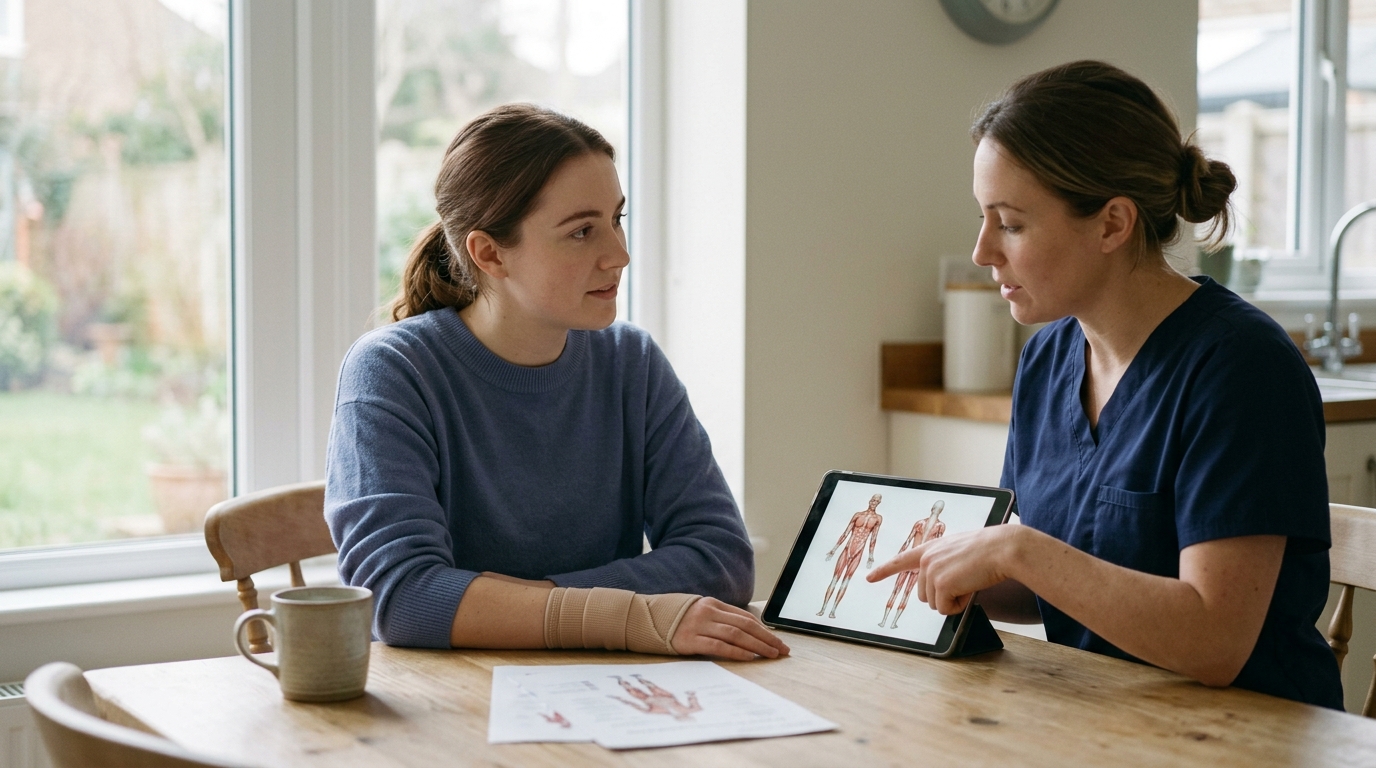
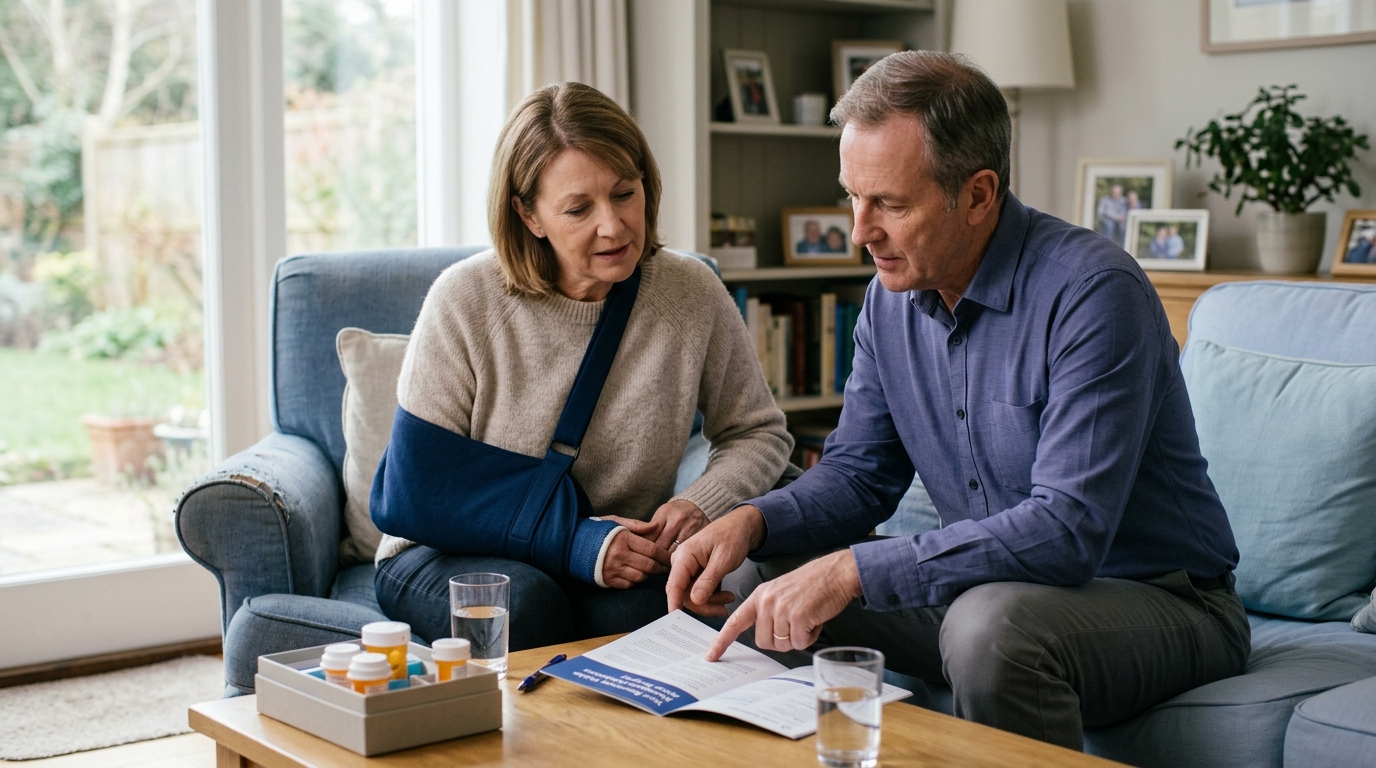
While general exercise guidance is broadly beneficial, personal medical conditions require tailored clinical oversight. If you have a history of falls, joint replacements, cardiovascular disease, or persistent joint pain, talk with your physical therapist or primary care physician before beginning new physical challenges.
You can use the following practical questions during your next clinical appointment:
For additional structured guides on staying safe while remaining active, explore our full library of injury prevention resources.
Building practical movement skills gives you the strength, stability, and confidence to navigate daily life on your own terms.

Use ReboundBody resources to understand common recovery stages, rehab terms, movement limits and strength rebuilding. Each guide is designed to make a complex comeback easier to understand.


Read practical guidance on injury recovery, rehabilitation, mobility and rebuilding strength as you work your way back to activity.
Explore Resources