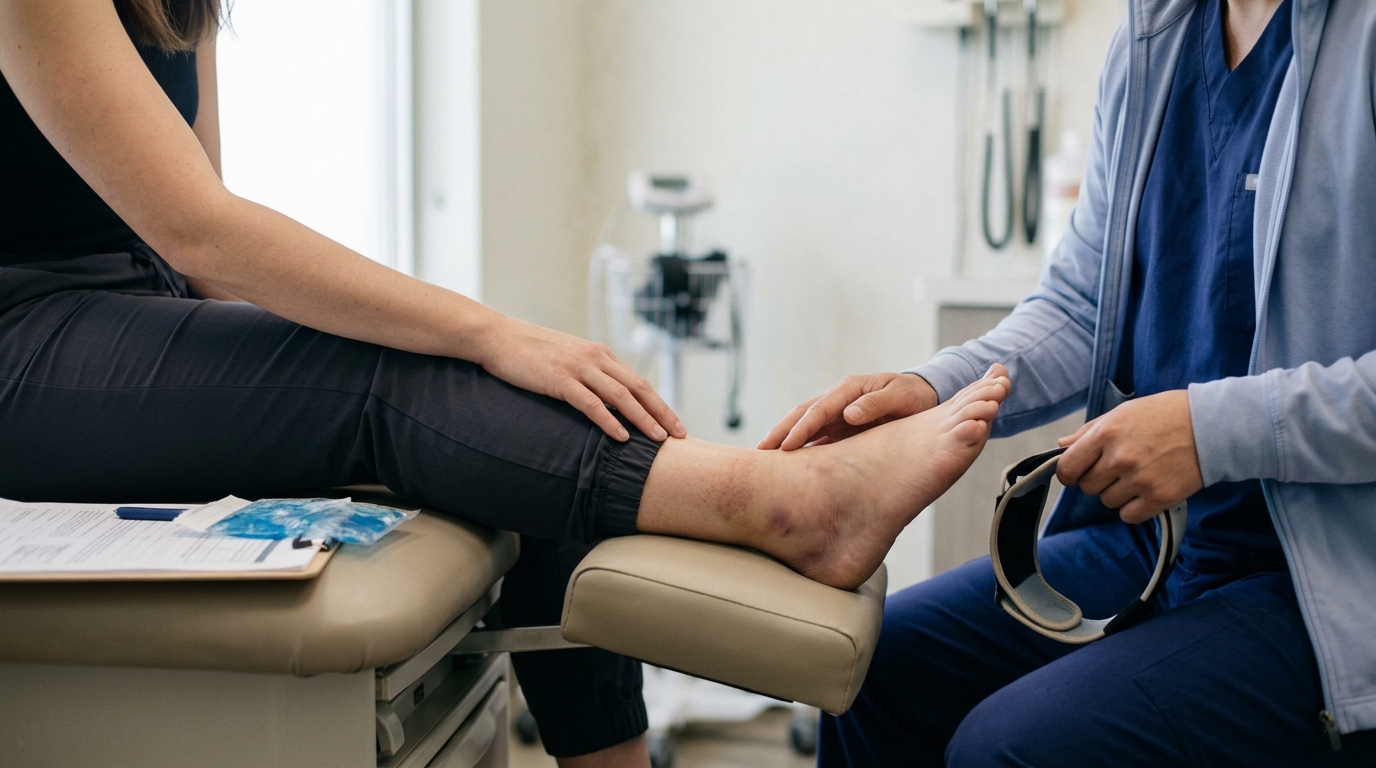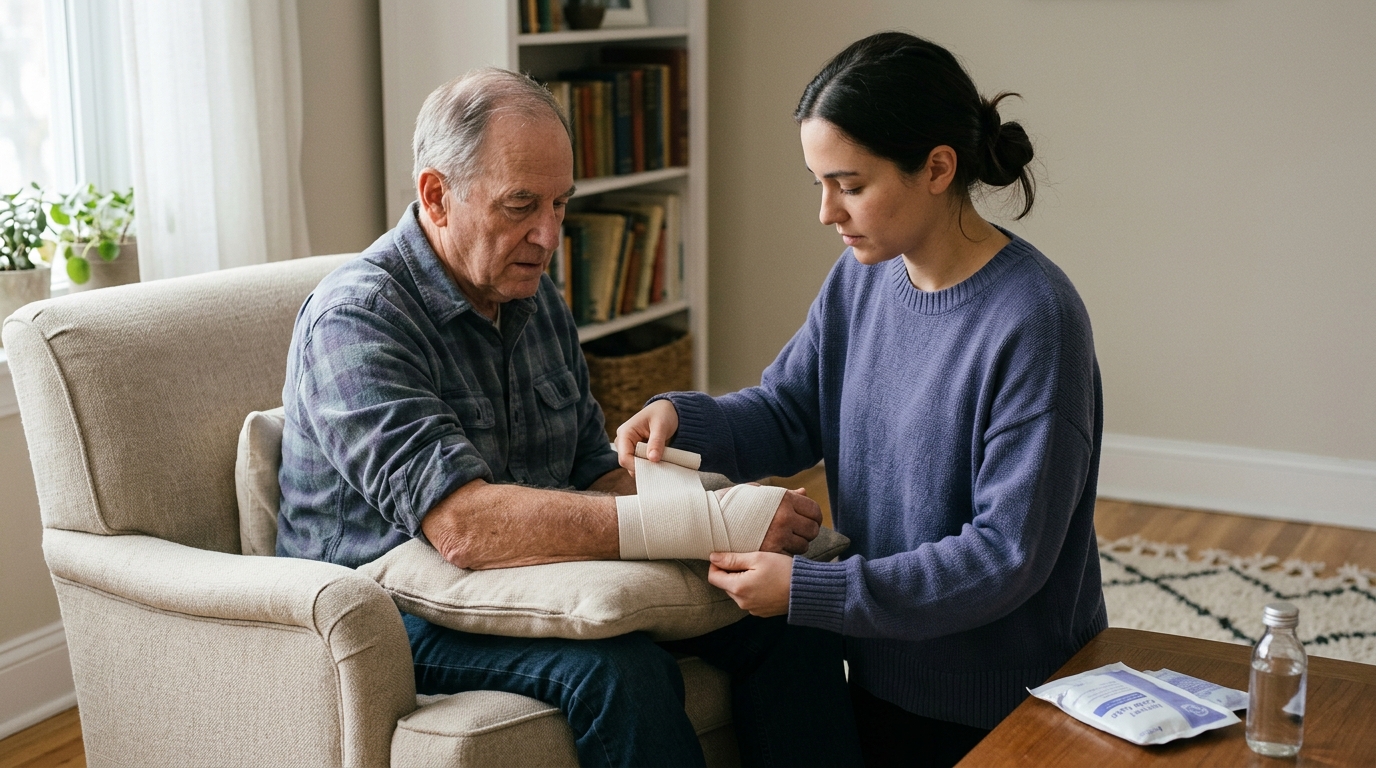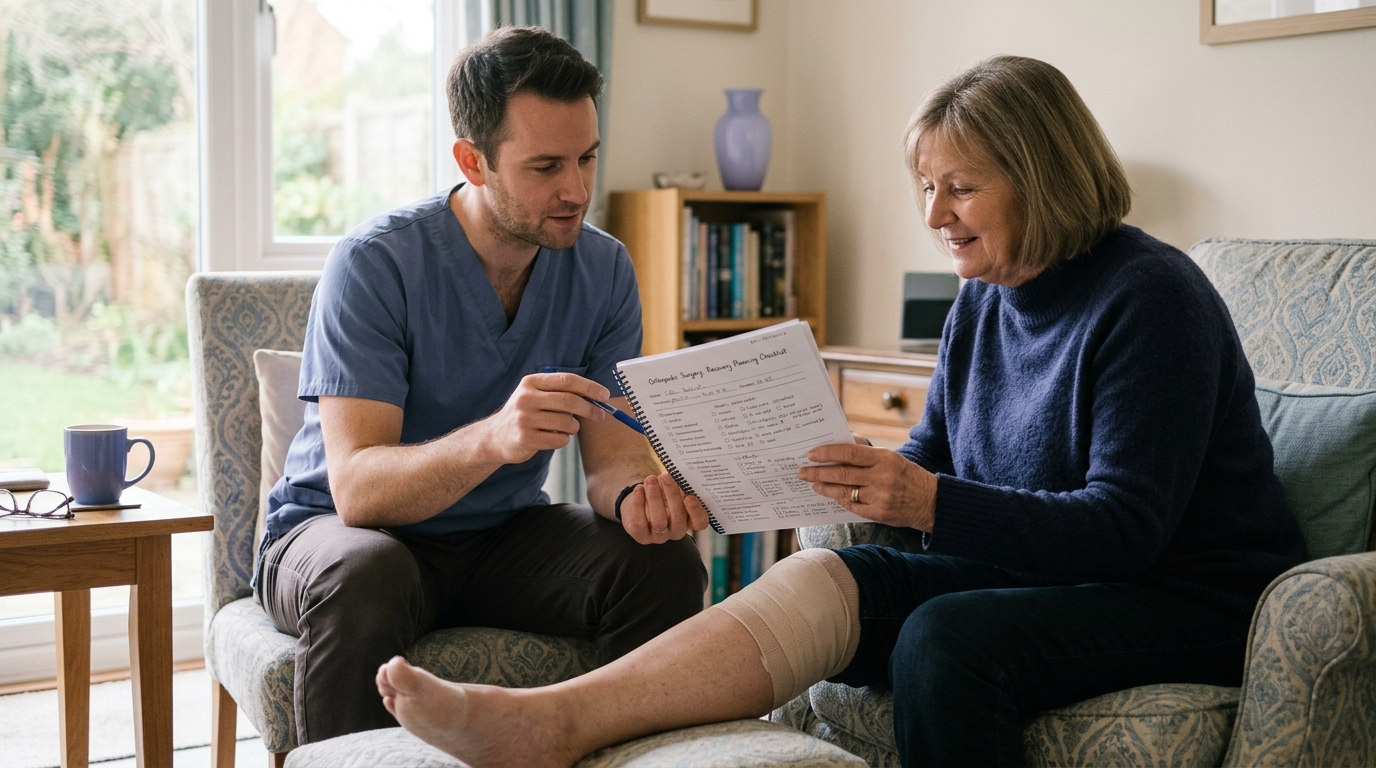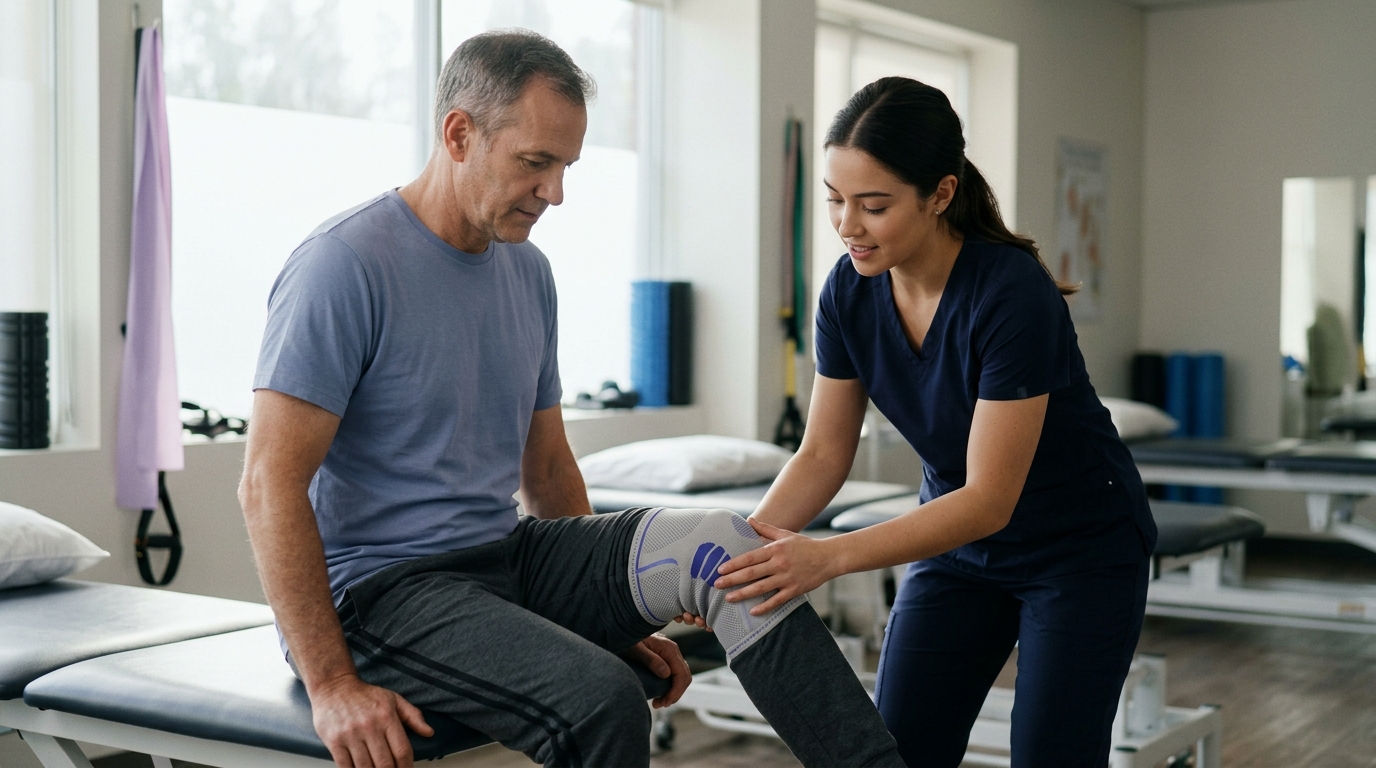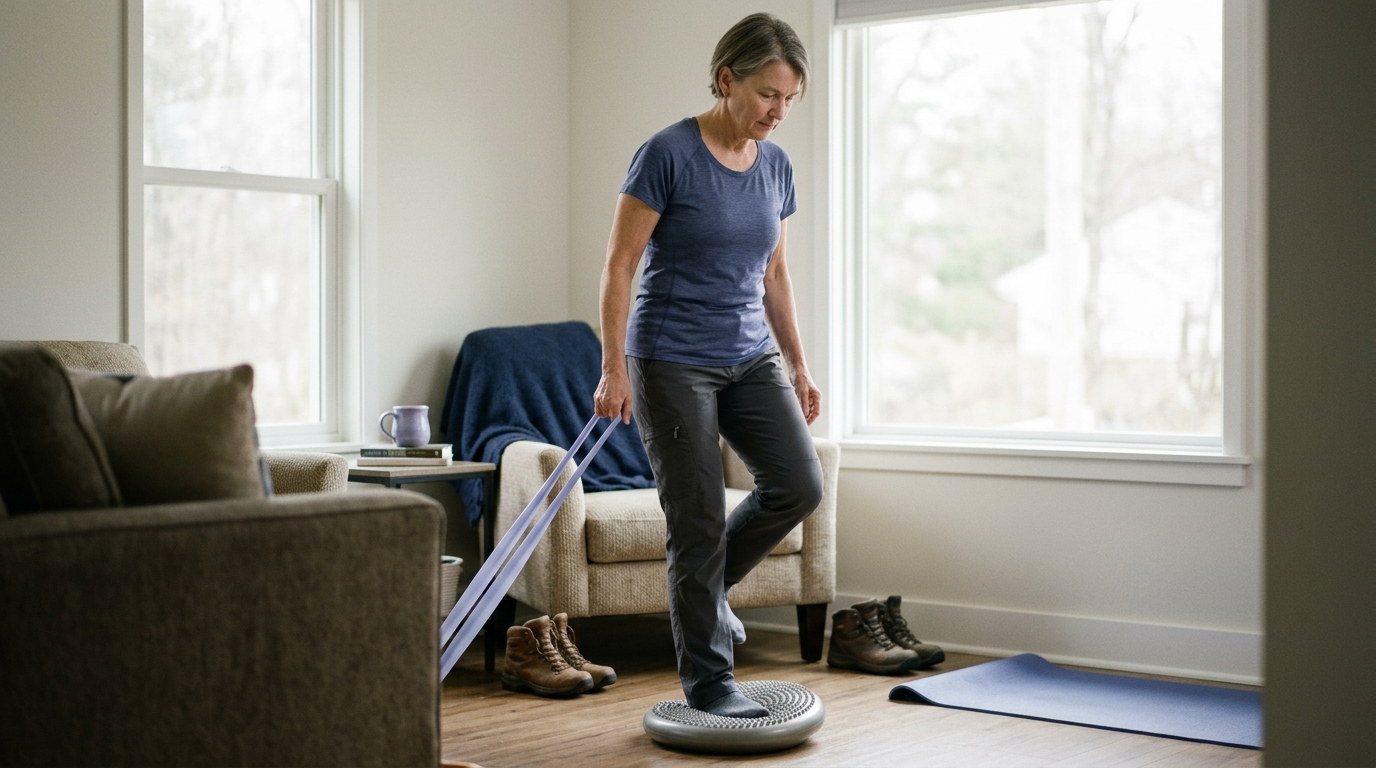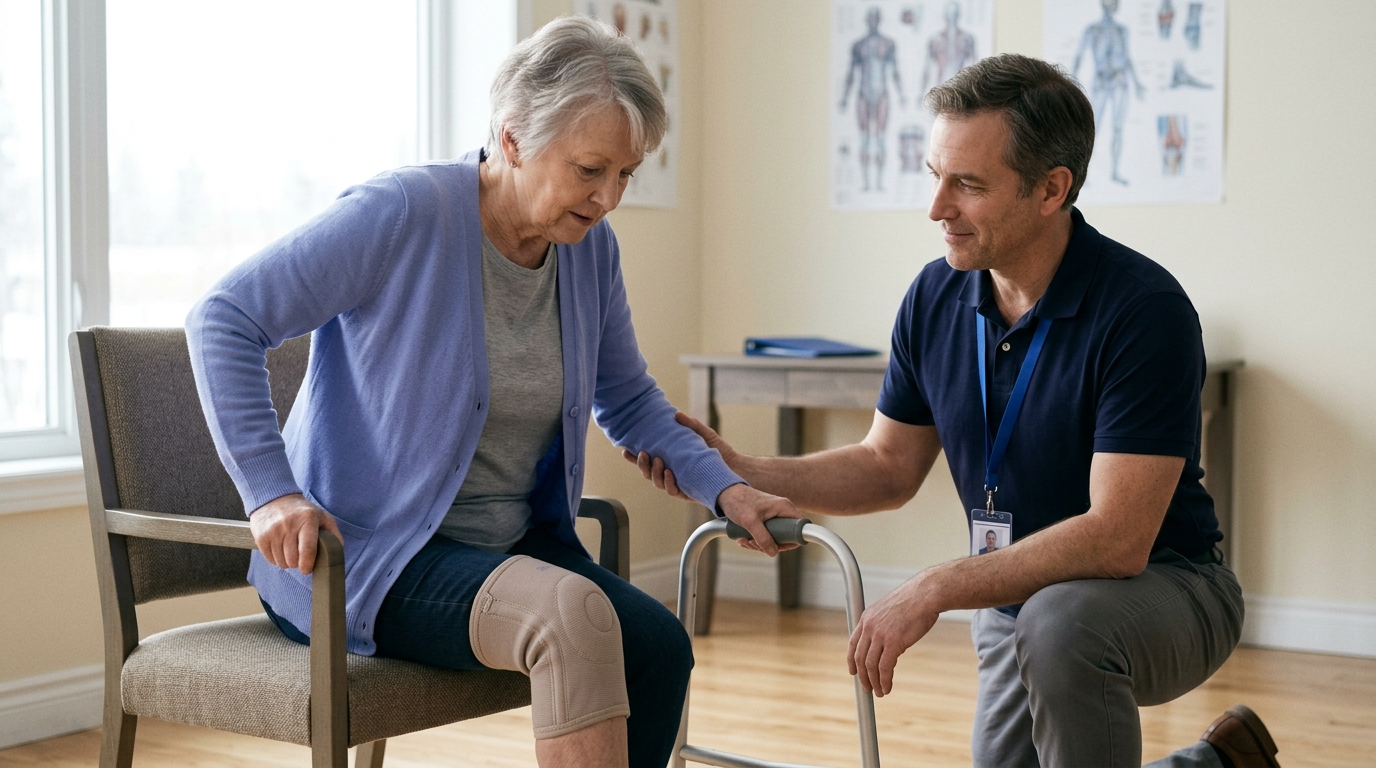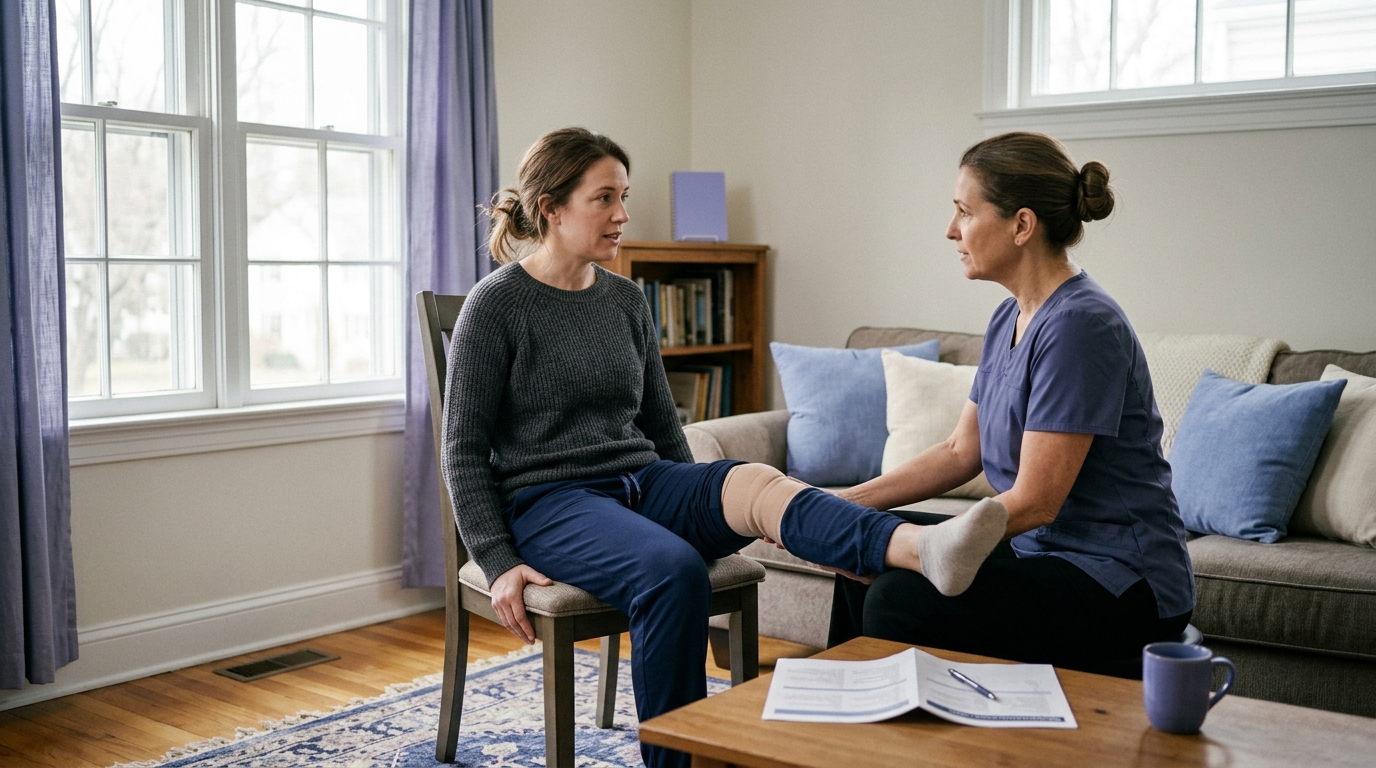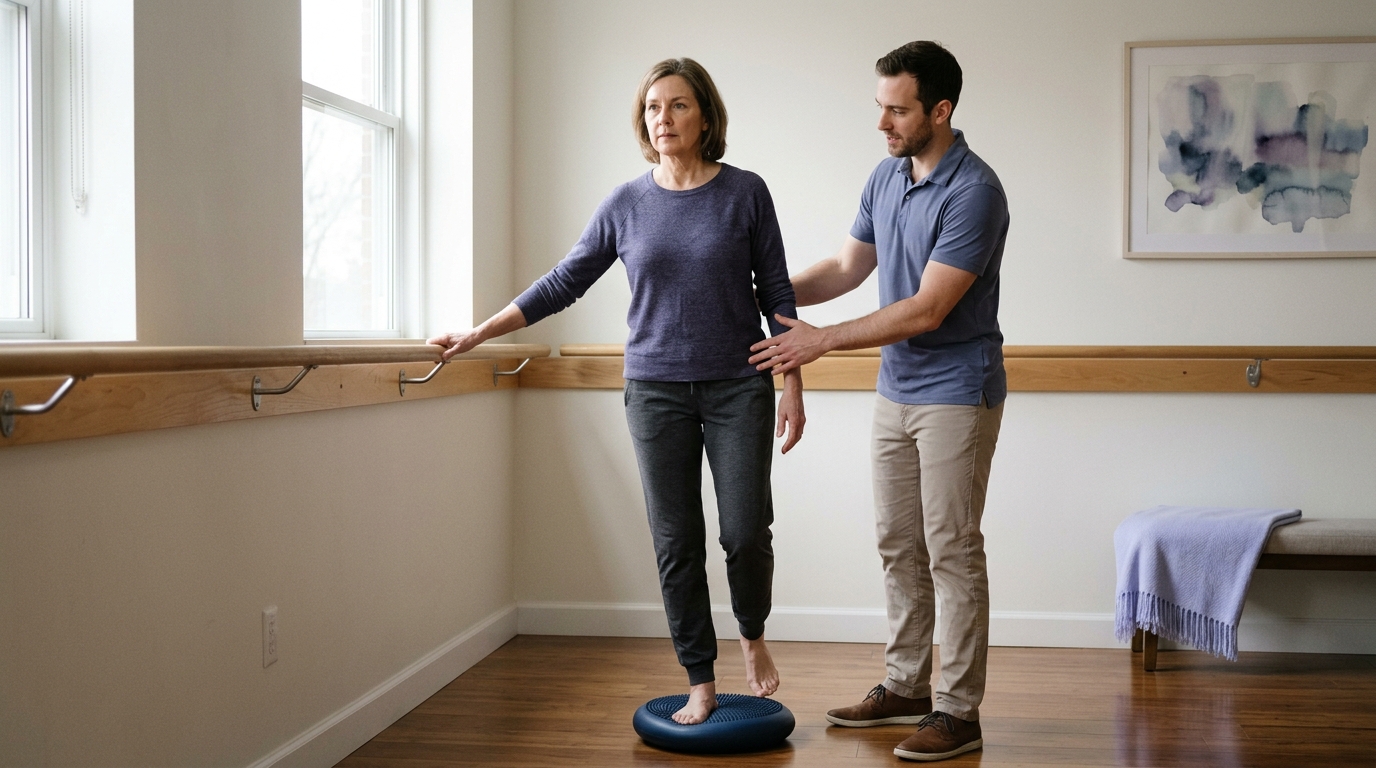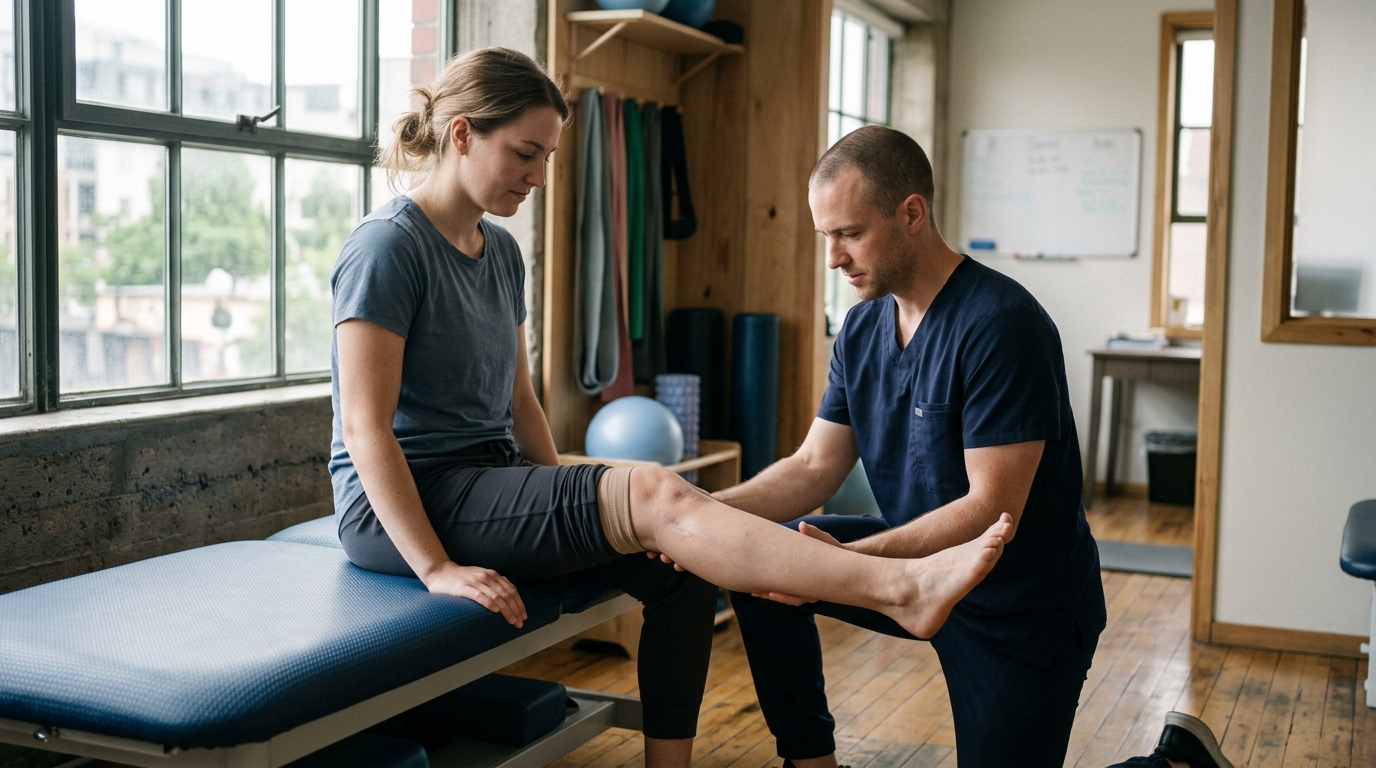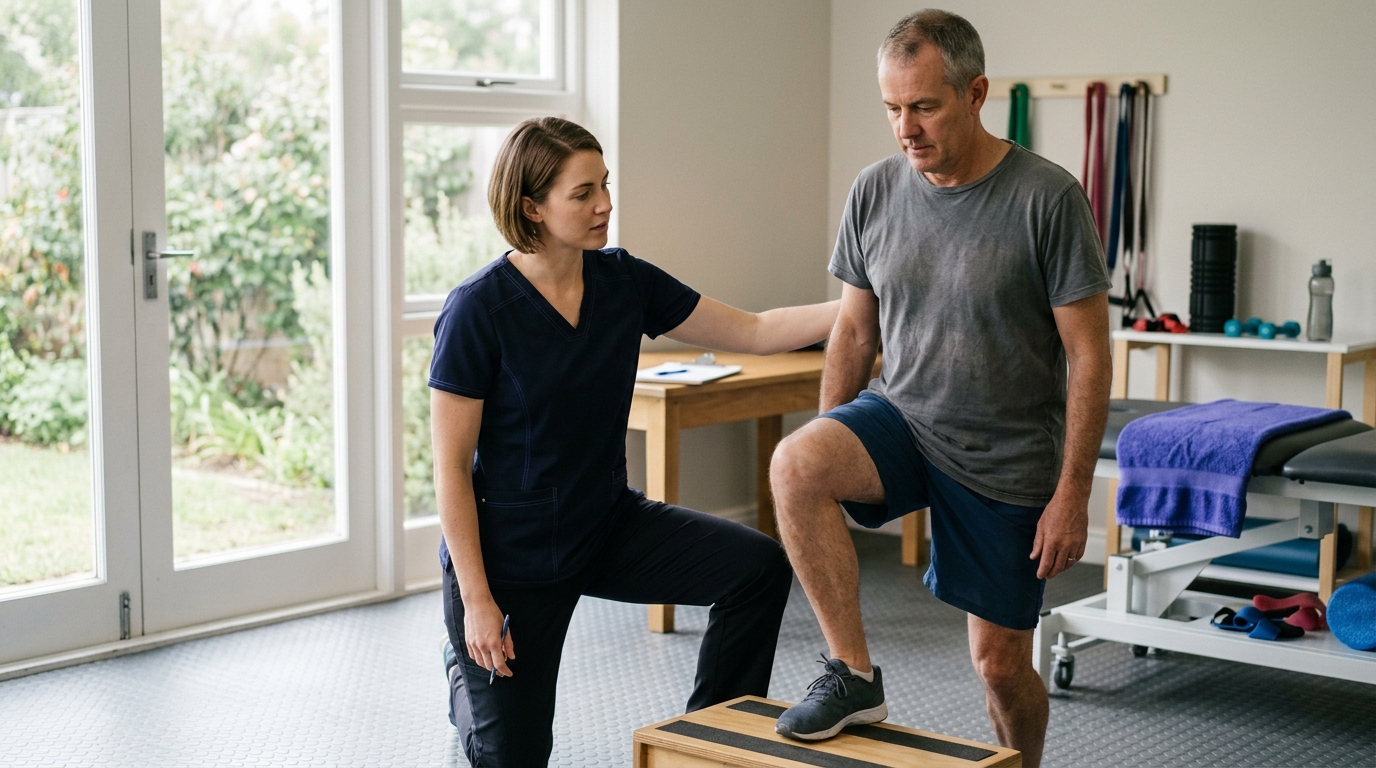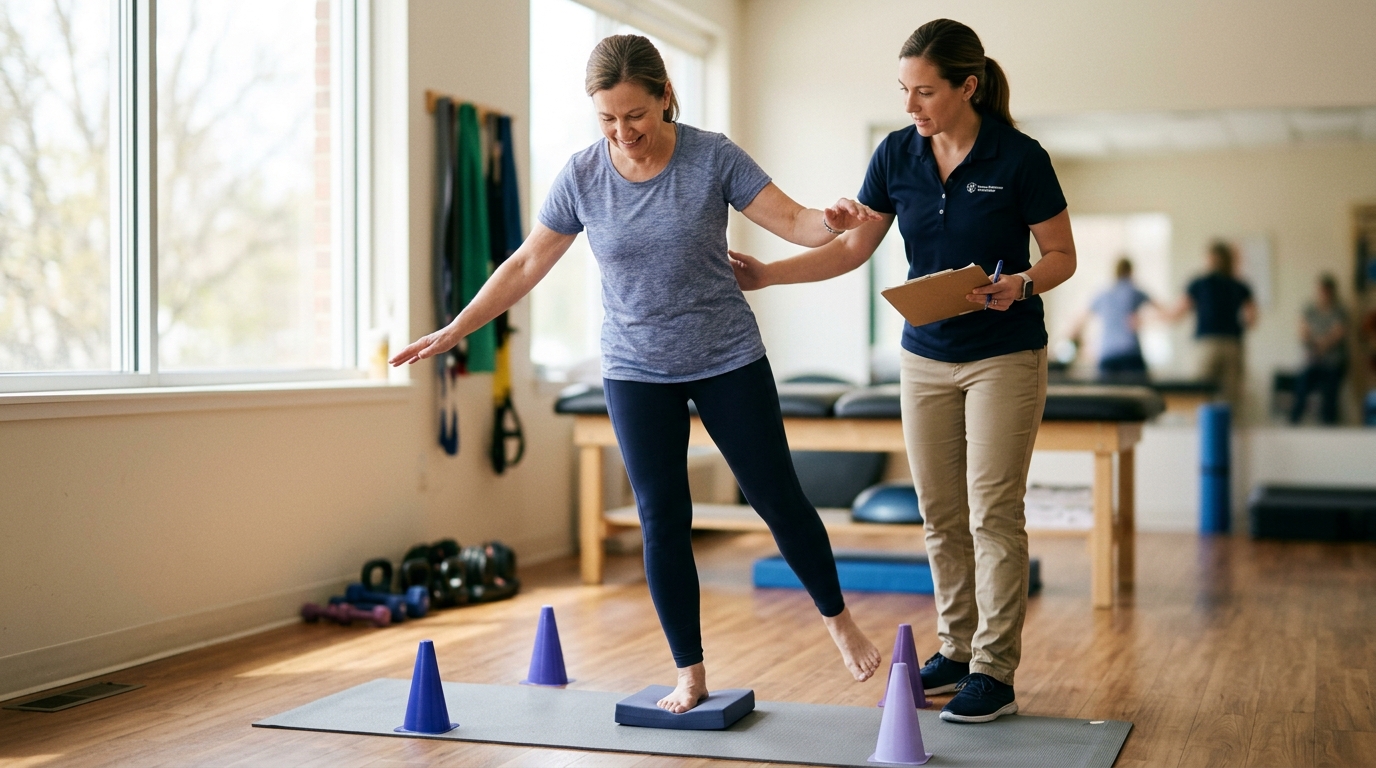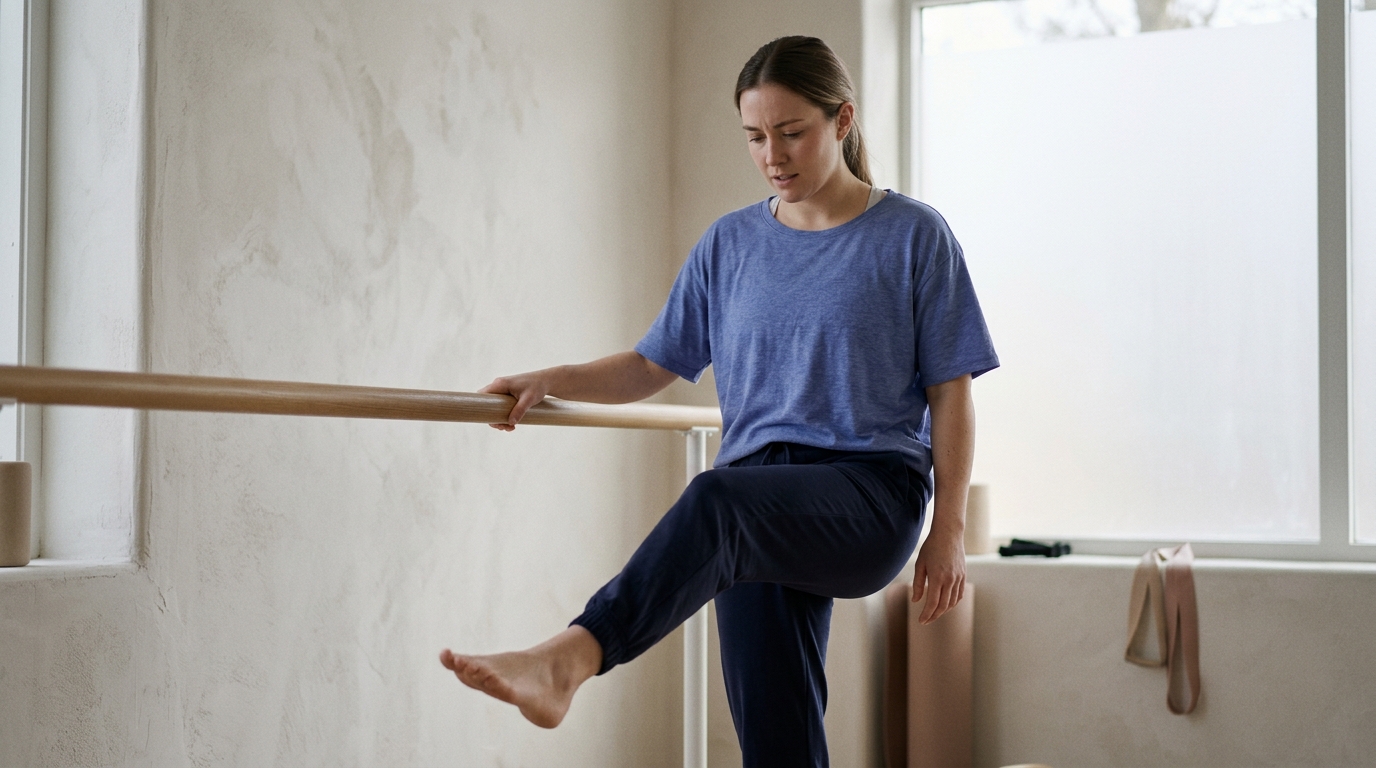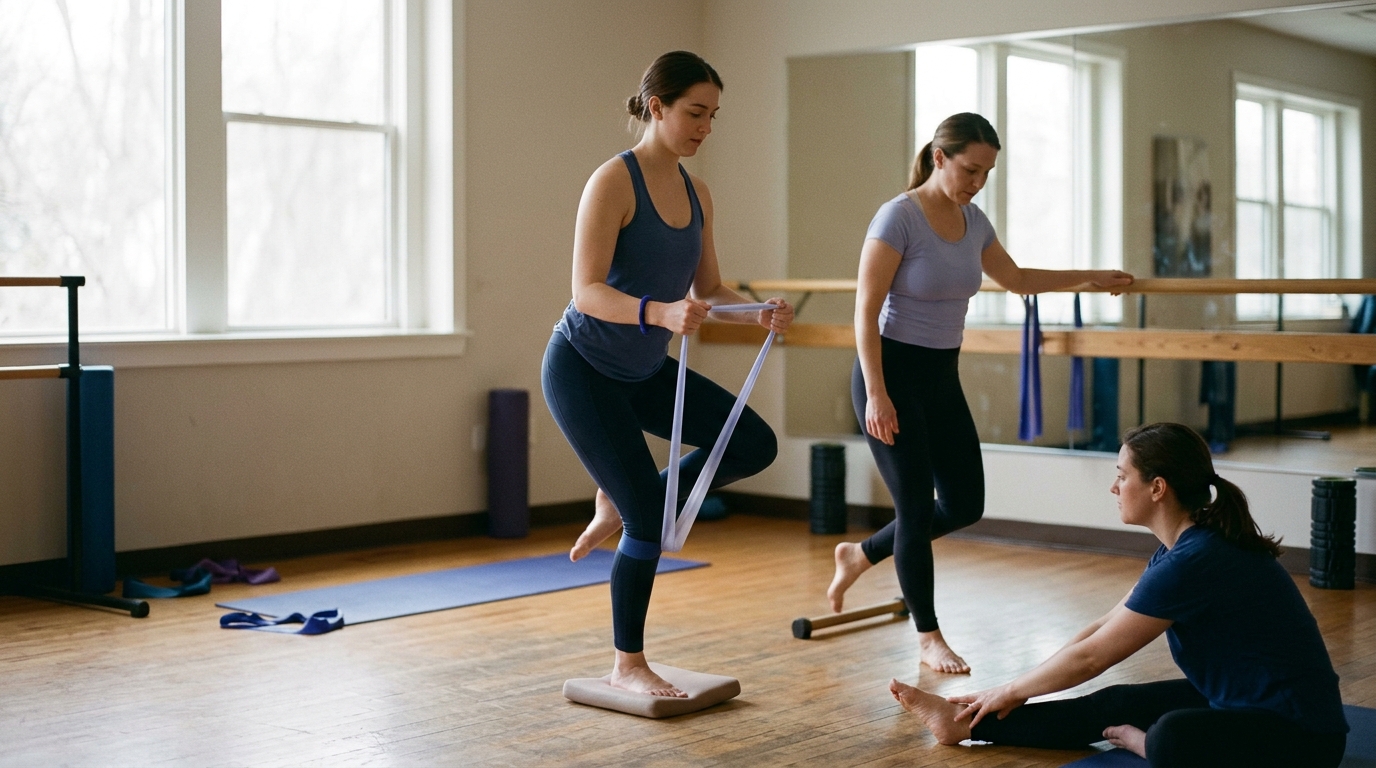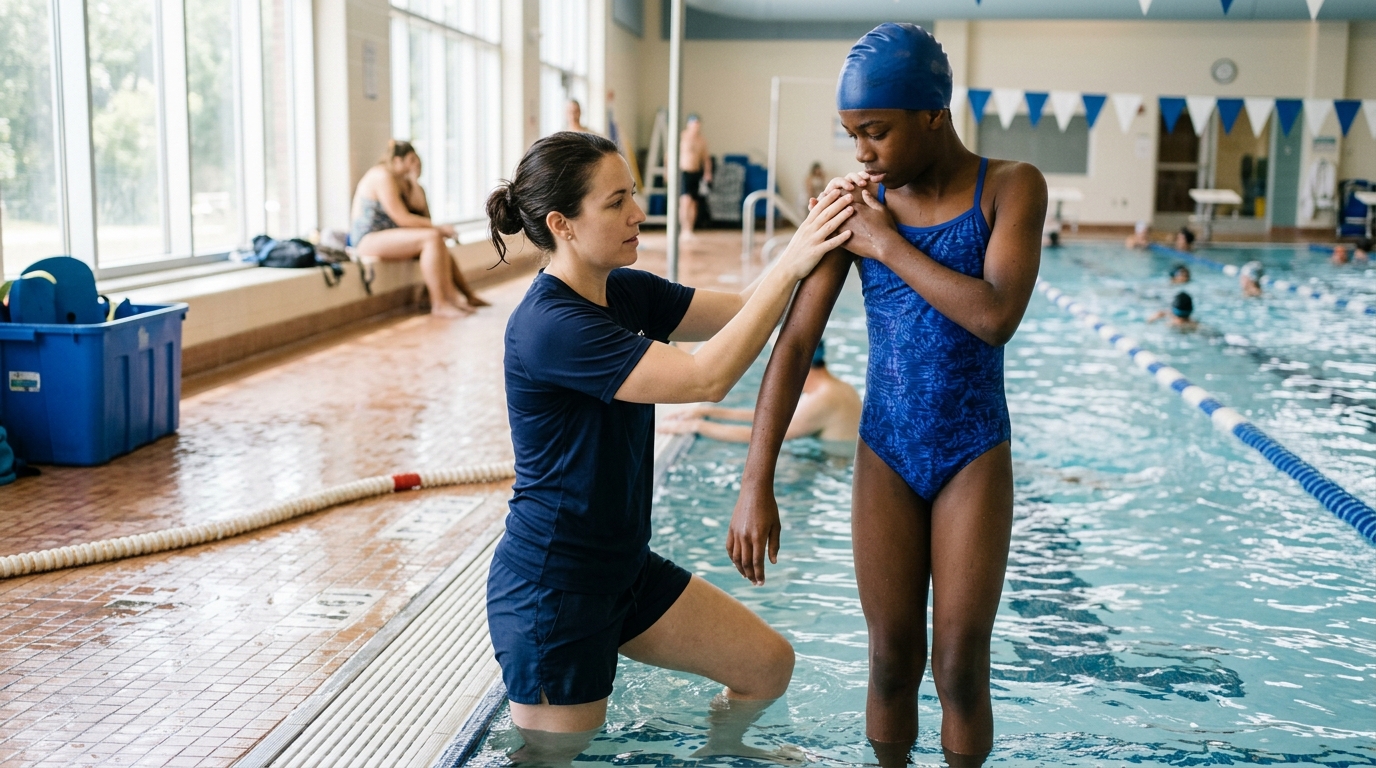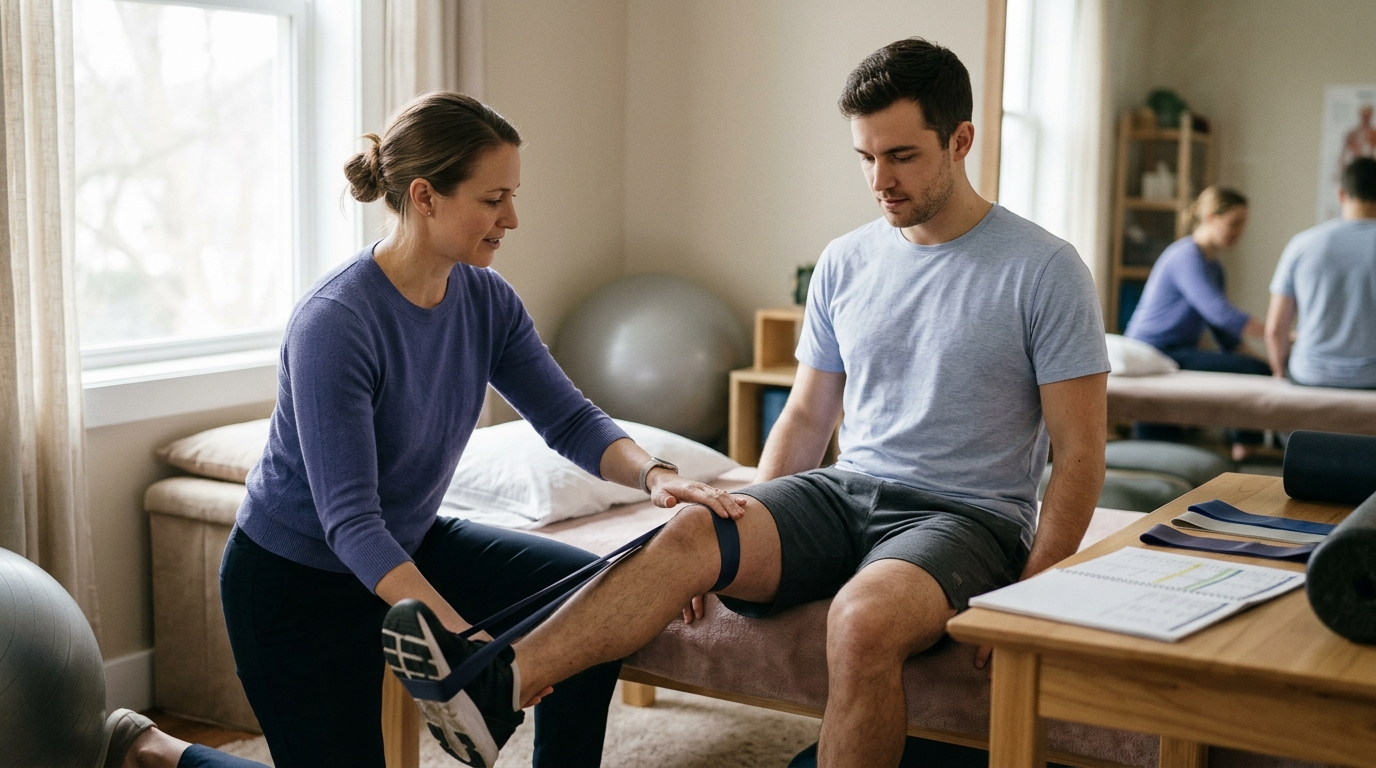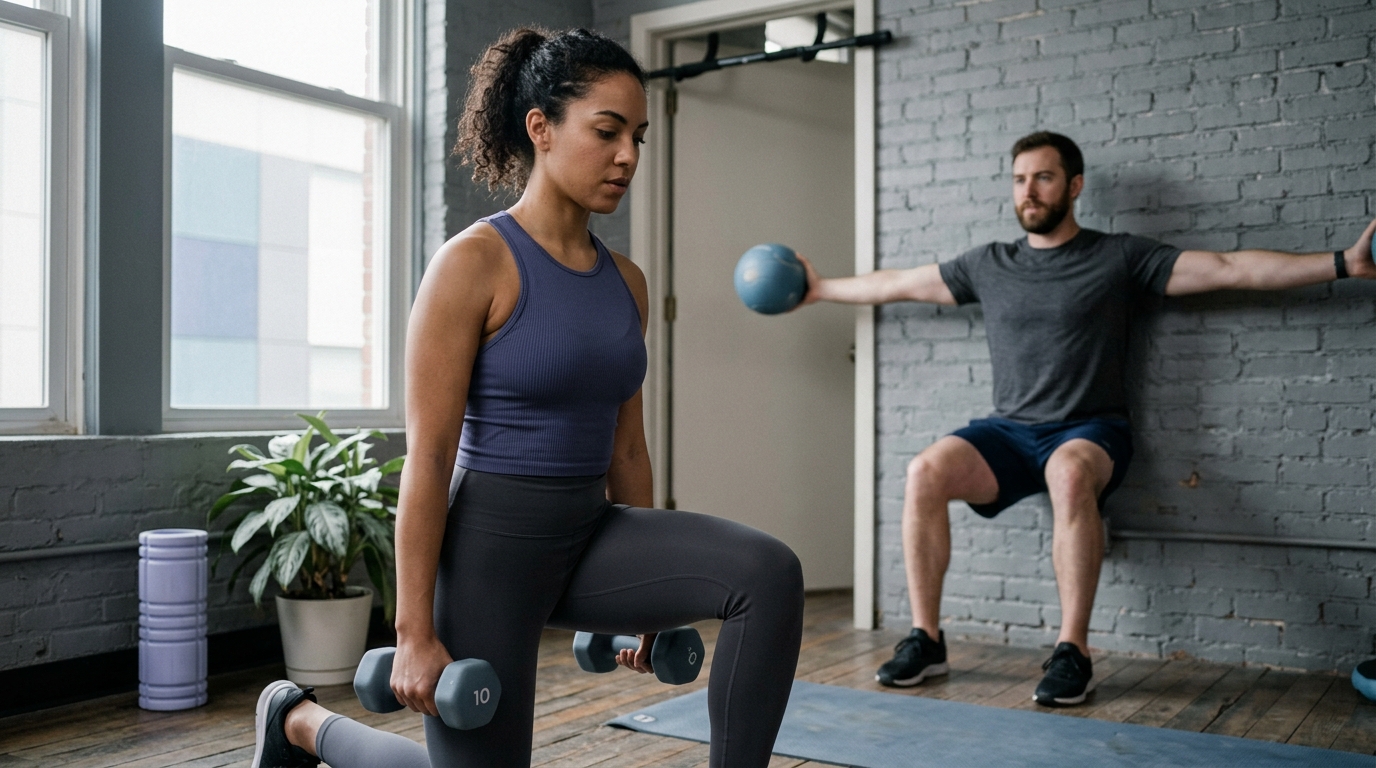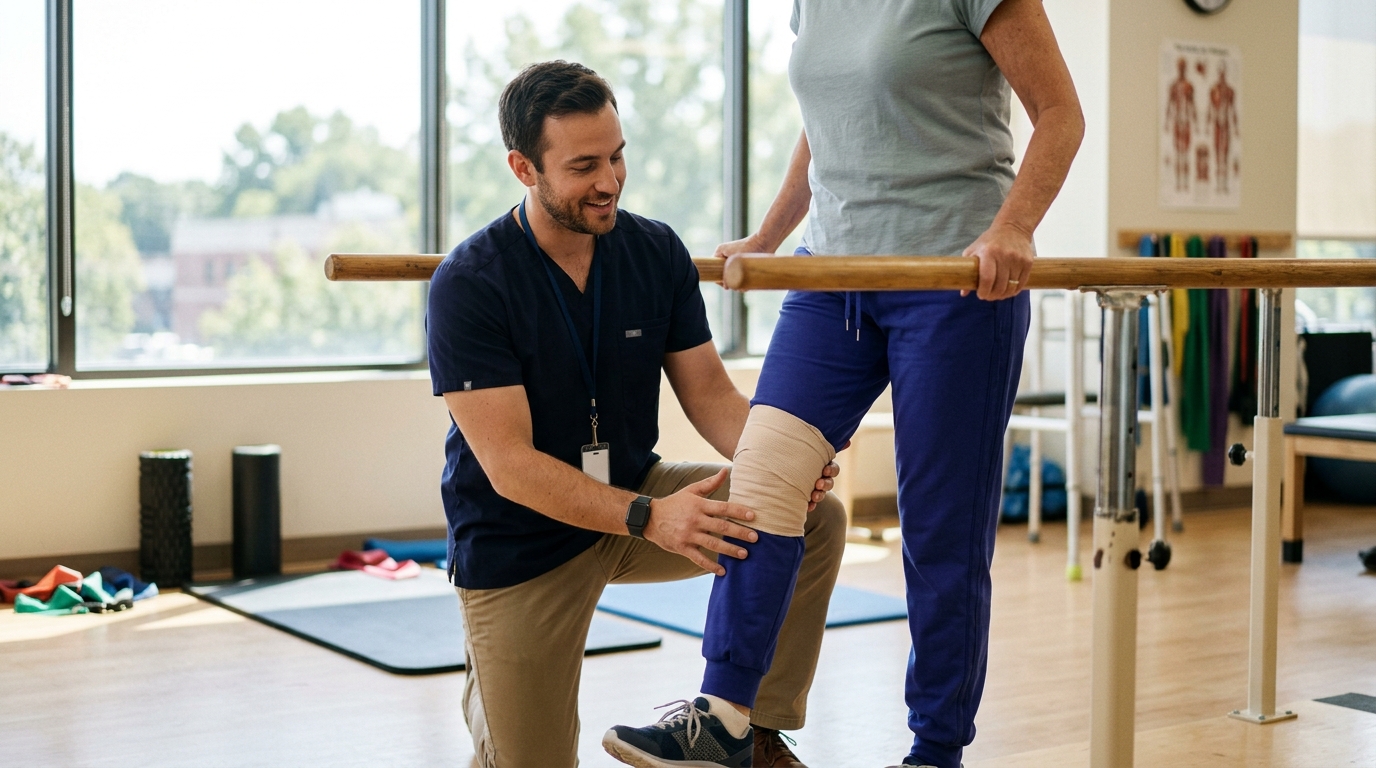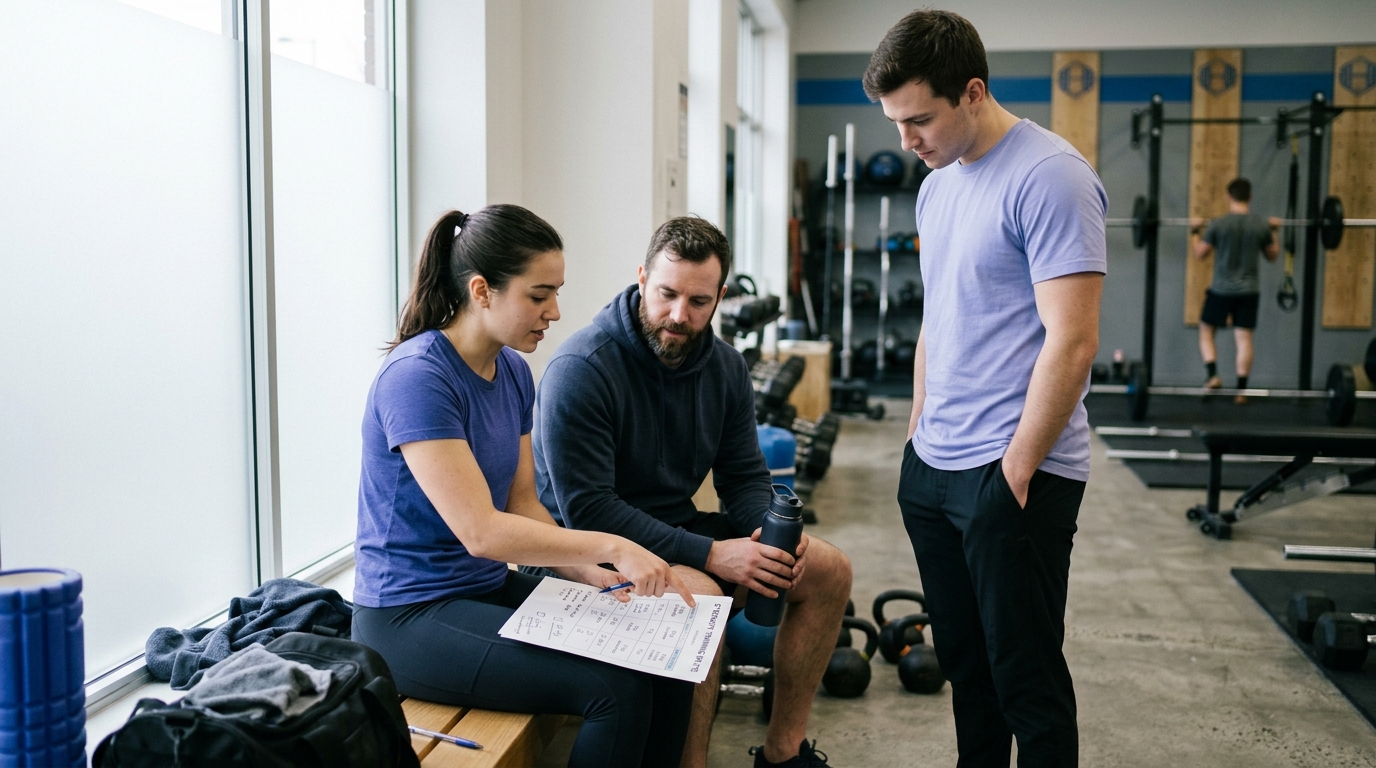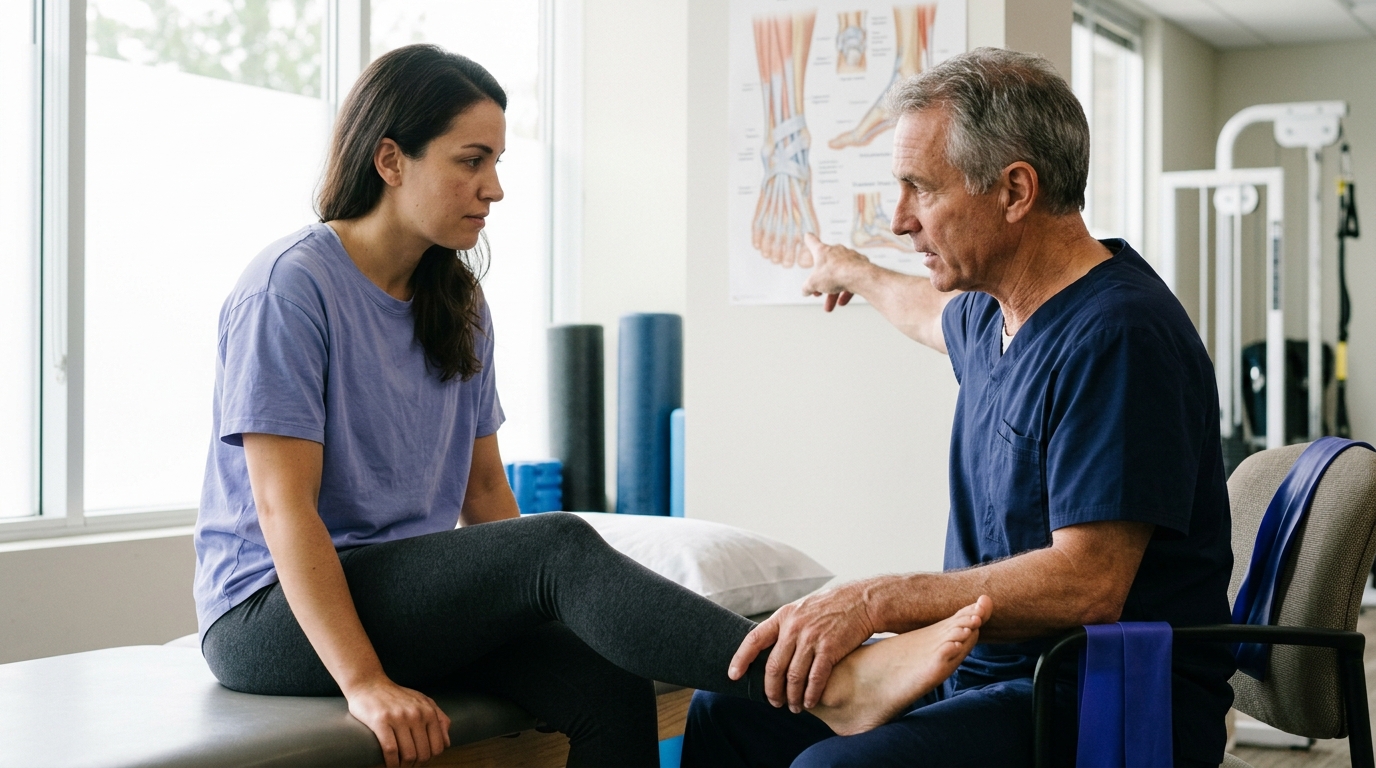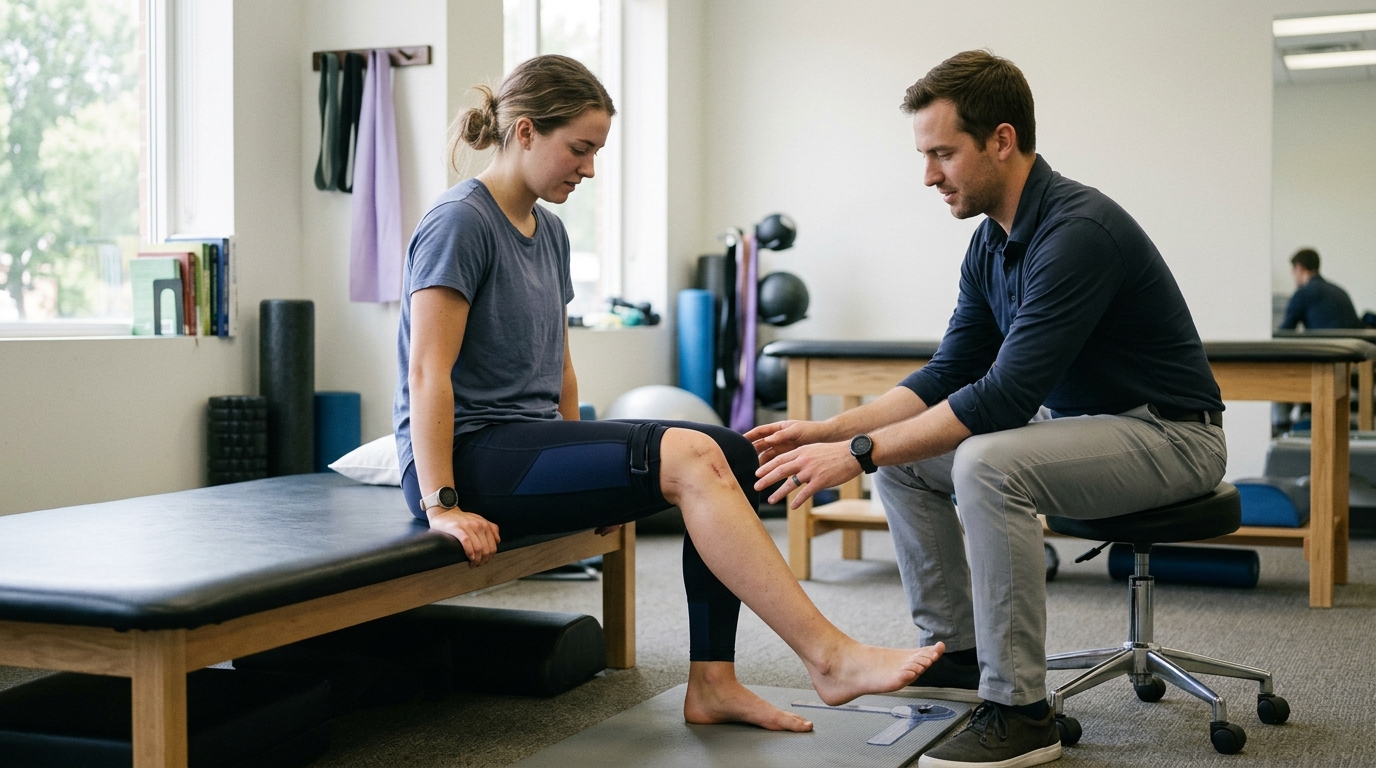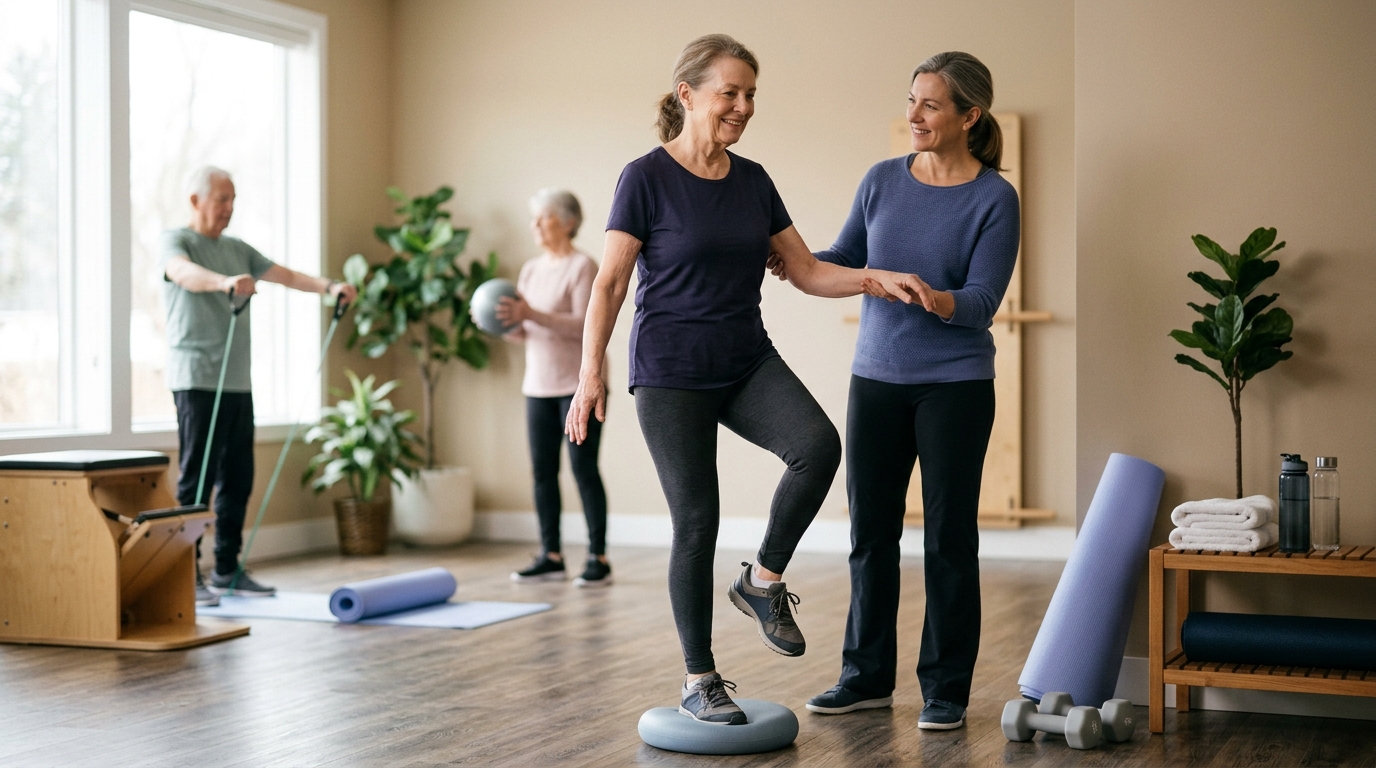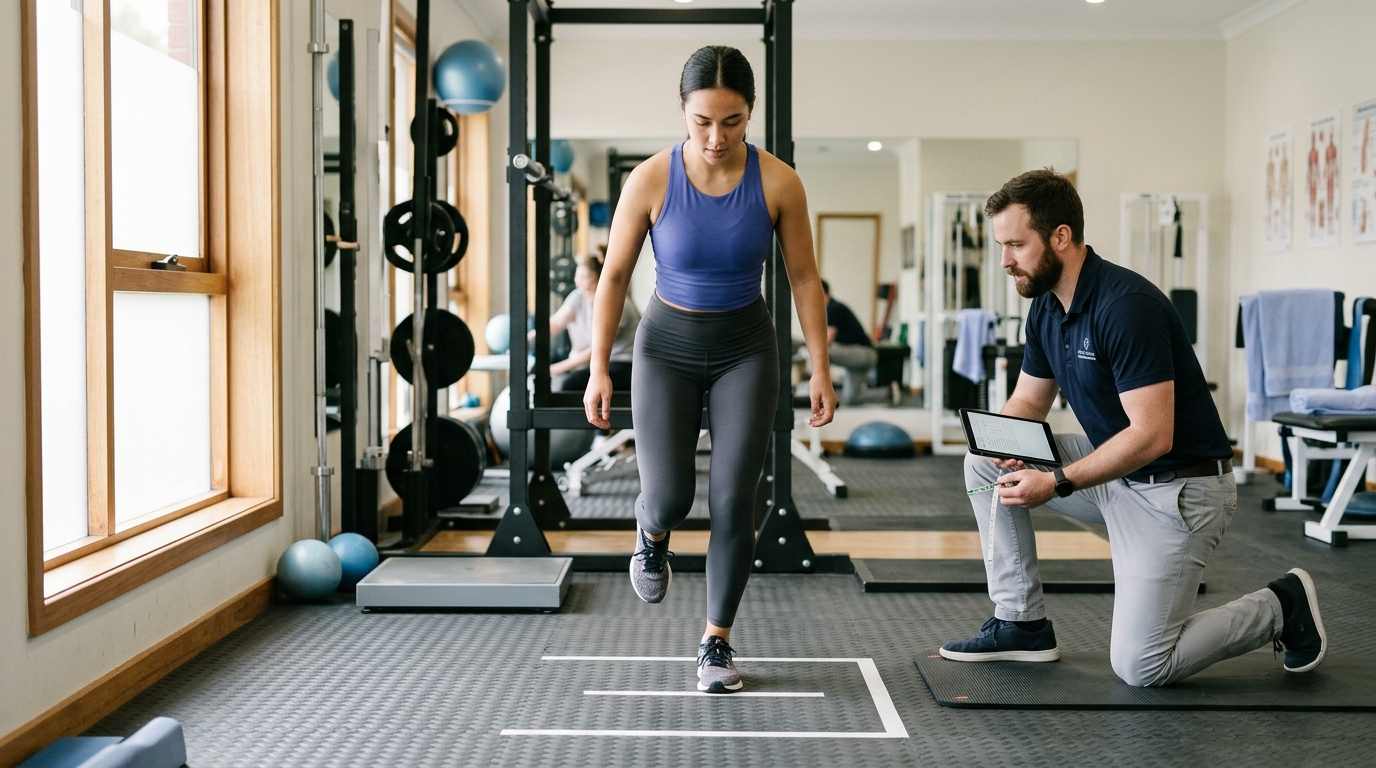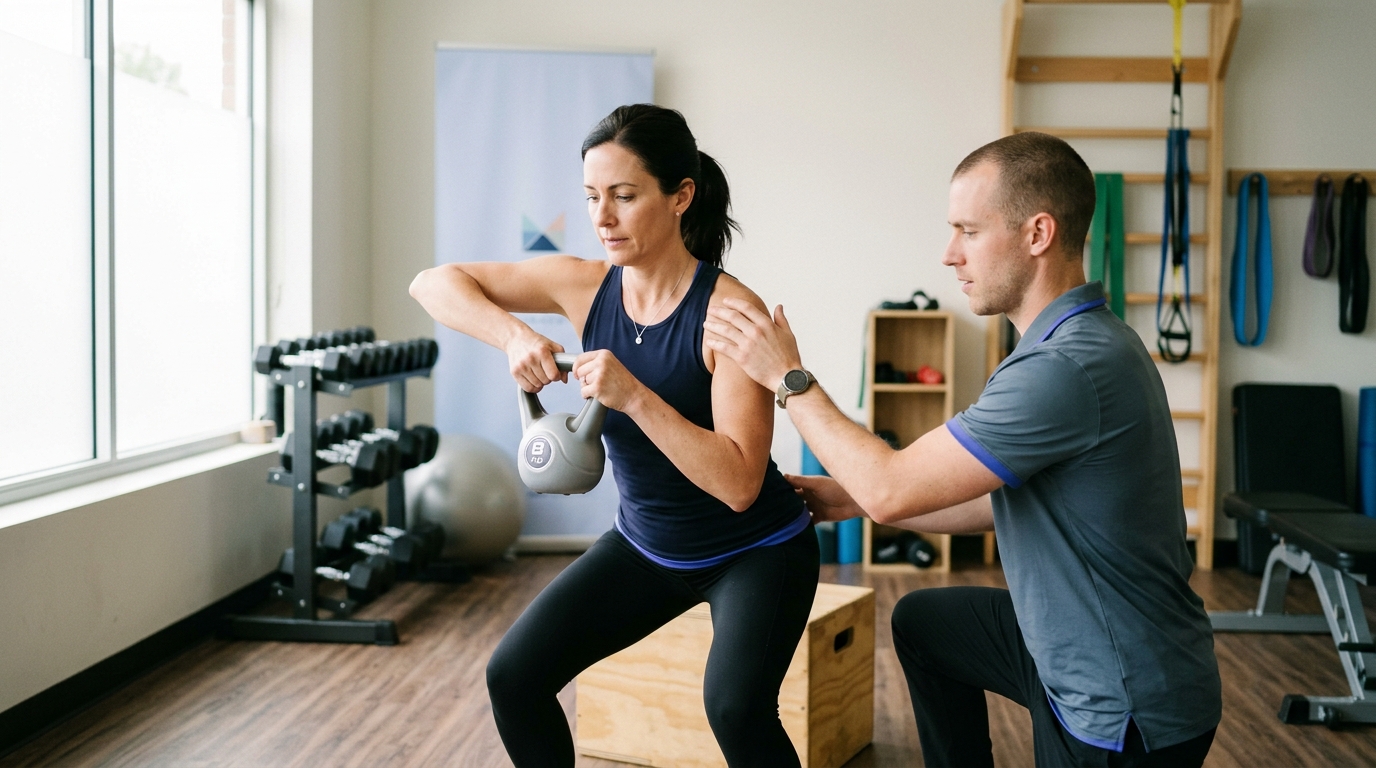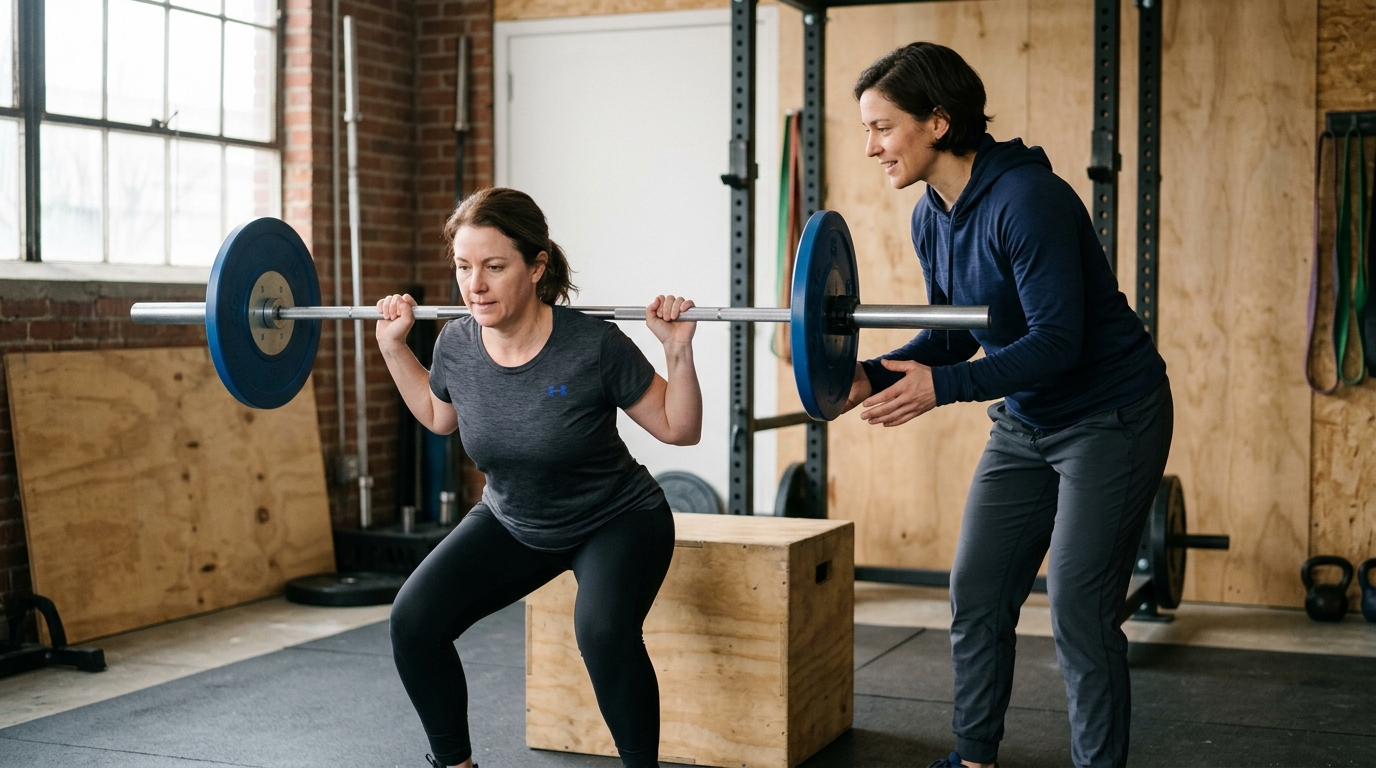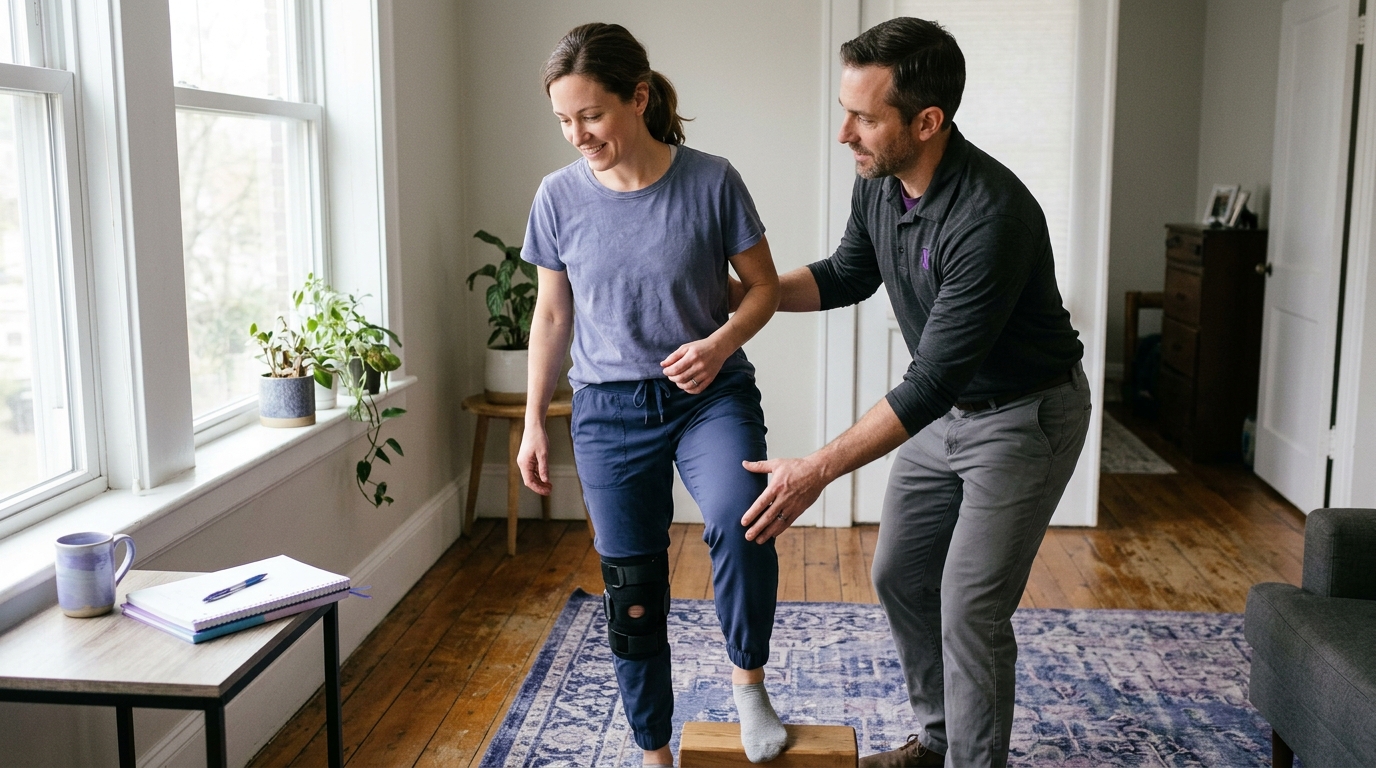

Different movement techniques ranging from static stretching to active motion training influence joint range of motion and overall athletic performance.





Mobility work is often described as a single daily habit, but it is not one uniform practice. In movement science, mobility describes your ability to move a joint actively through a specific range of motion. It is different from flexibility, which refers to the ability of your muscles and connective tissues to lengthen passively. It is also different from general warm-up drills or clinical joint treatments.
When you choose a mobility method, the right choice depends on your specific target. Are you trying to temporarily prepare for an athletic session, increase your available joint motion over several months, or calm an irritated joint during rehabilitation? Different methods produce different physical adaptations. No single exercise technique satisfies every physical goal or works for every body type.
This guide compares the major approaches to mobility training, including static stretching, dynamic motion, active range of motion, foam rolling, and clinician-guided care. It breaks down what the current evidence reveals about tissue changes, athletic performance, and rehabilitation. It also highlights the individual factors that determine which approach fits your personal recovery or training needs.
Before comparing specific exercises, it is essential to define the language of movement. People often use mobility and flexibility as interchangeable terms. In clinical and sports medicine settings, they describe distinct physical characteristics. Understanding these differences helps you select the right tool for your specific goal.
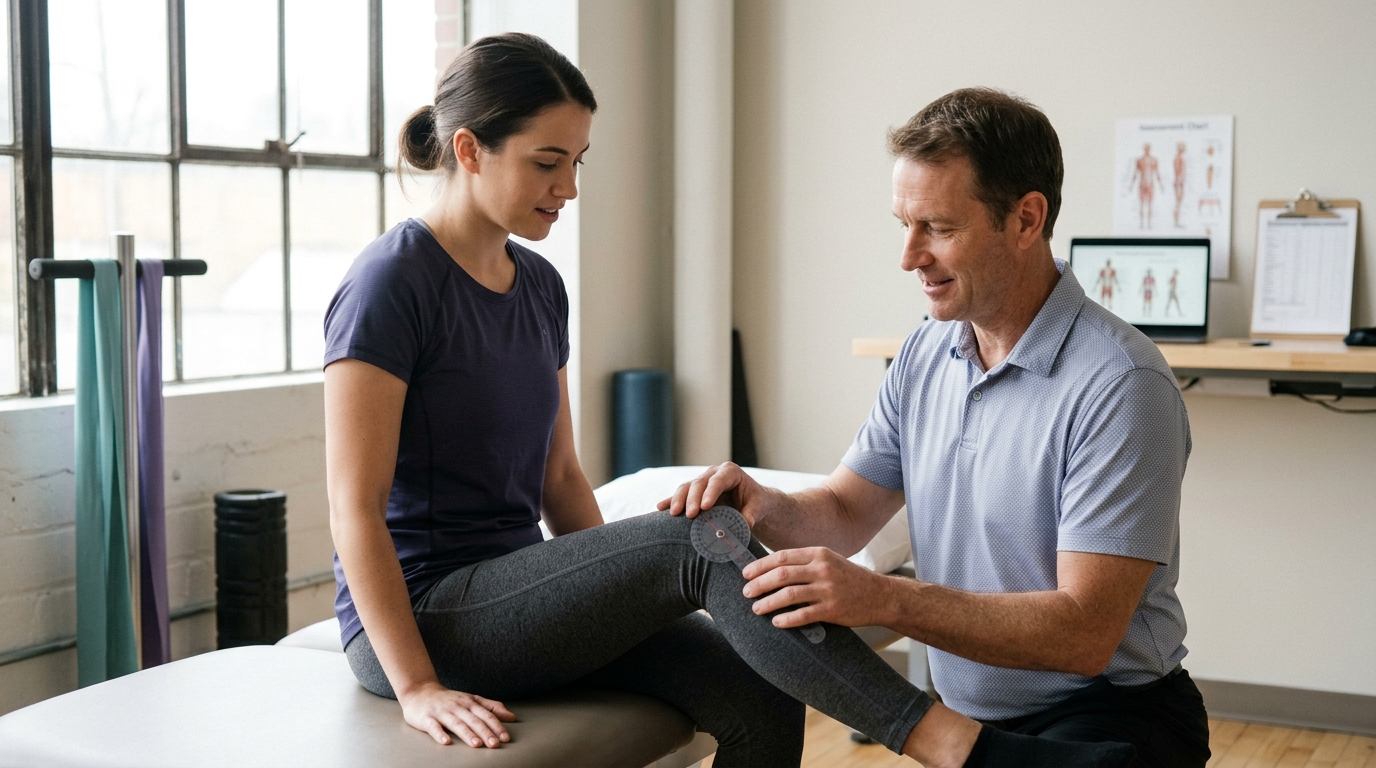
Range of motion is the total distance and direction that a joint can move. Clinicians measure this range in degrees using an instrument called a goniometer. Range of motion can be passive, where an outside force moves the limb, or active, where your own muscles create the movement. Passive range of motion is almost always greater than active range of motion.
Flexibility refers to the capacity of your muscle-tendon units and surrounding soft tissues to elongate. When a physical therapist lifts your leg into a hamstring stretch while you relax, they are assessing passive flexibility. Flexibility provides the physical potential for movement, but it does not tell you if you can control that movement.
Active mobility involves both available tissue length and neuromuscular control. It represents the range of motion you can reach and control using your own muscular effort. For deeper background on these movement principles, you can review our guide to movement principles and joint health. Having large passive flexibility without active control can leave a joint feeling unstable during daily tasks or athletic training.
Different mobility exercises place distinct physical demands on your nervous system and connective tissues. Choosing the right method requires understanding how each technique works in practice.
Static stretching involves moving a joint into a position that lengthens a target muscle group and holding that position. Static stretches can be passive or active. In a passive static stretch, gravity, a strap, or a partner holds the limb in place while you relax. In an active static stretch, you hold the stretch position using the strength of the opposing muscle group.
Static stretching is one of the most widely studied methods for increasing joint range of motion. It creates mechanical tension across the muscle-tendon unit. Over time, regular static stretching alters your tolerance to stretch sensations and temporarily decreases tissue stiffness.
Dynamic stretching uses controlled, repeated movements that take a joint toward the outer limits of its available range. Unlike static stretching, you do not hold the end position. Instead, you move smoothly in and out of the lengthened position across multiple repetitions. Common examples include walking lunges, leg swings, and torso rotations.
It is helpful to distinguish between a mobility drill and a general warm-up. A mobility drill explores and practices joint range. A warm-up prepares your cardiovascular system, nervous system, and muscles for a specific exercise session. Dynamic stretches often serve both roles by raising core body temperature while taking joints through functional movement patterns.
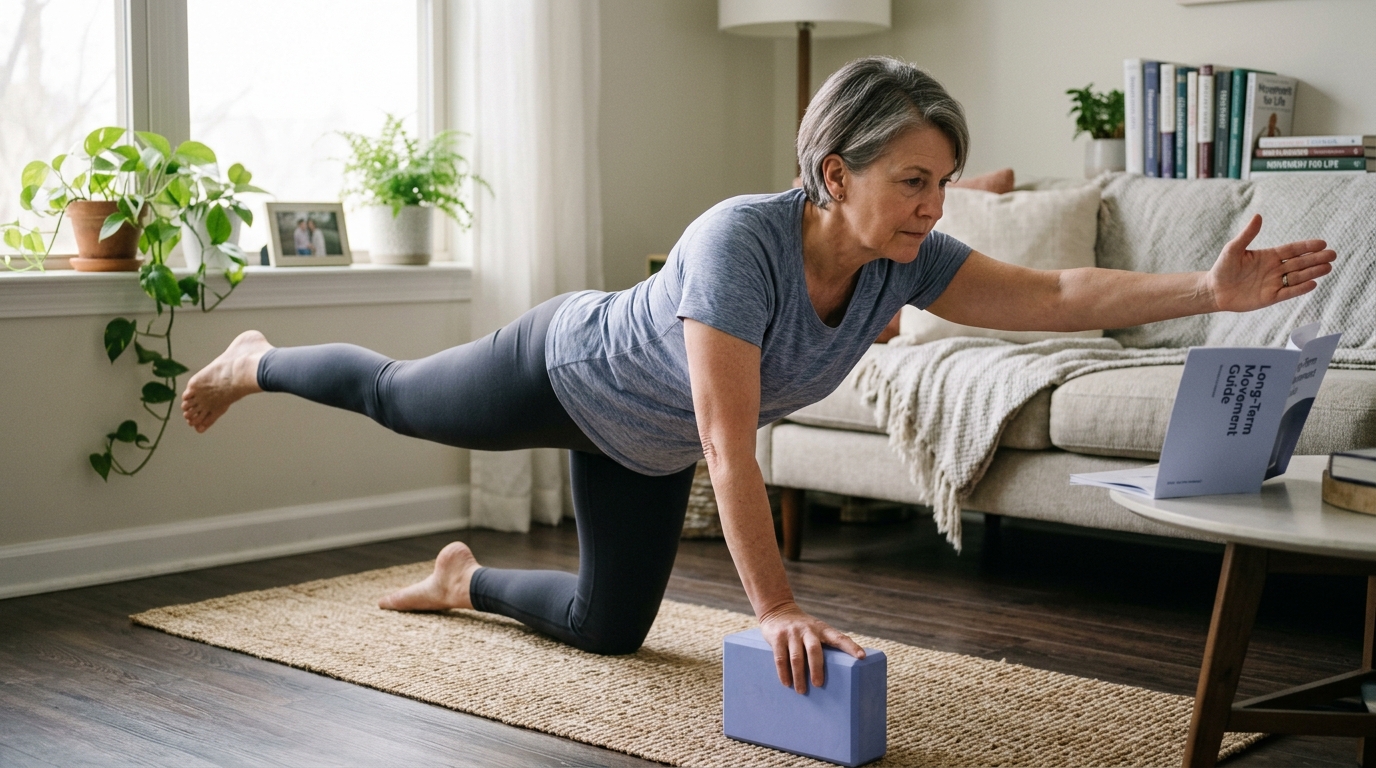
Active range of motion work involves moving a joint through its available range under your own muscular power without outside momentum. This includes exercises such as slow shoulder circles, controlled hip rotations, and active ankle circles.
Active stretching can also refer to holding a stretch position purely through the contraction of the opposing muscles. For example, lifting your straight leg upward using your hip flexors stretches the hamstrings while building active control. This type of training reinforces the neural pathways needed to stabilize joints near their end ranges.
Proprioceptive neuromuscular facilitation, commonly called PNF, involves a specific sequence of muscle contractions and stretches. The most common variation is the contract-relax method. In this approach, you move a muscle into a passive stretch, perform an isometric contraction against resistance without moving the joint, and then relax into a deeper stretch.
PNF stretching was originally developed for neurological rehabilitation. It stimulates sensory receptors in the muscle and tendon, known as muscle spindles and Golgi tendon organs. This sensory input temporarily alters muscle reflex activity, allowing for an acute increase in joint range of motion.
Ballistic stretching uses bouncing, jerky movements to force a limb beyond its normal range of motion. The momentum of the moving body part drives the stretch rather than controlled muscular effort.
Sports medicine reviews generally advise against ballistic stretching for recreational exercisers and rehabilitation patients. The rapid, uncontrolled lengthening can trigger a protective stretch reflex, which causes the muscle to contract violently. This increases the risk of muscle strains and connective tissue irritation compared to controlled dynamic motion.
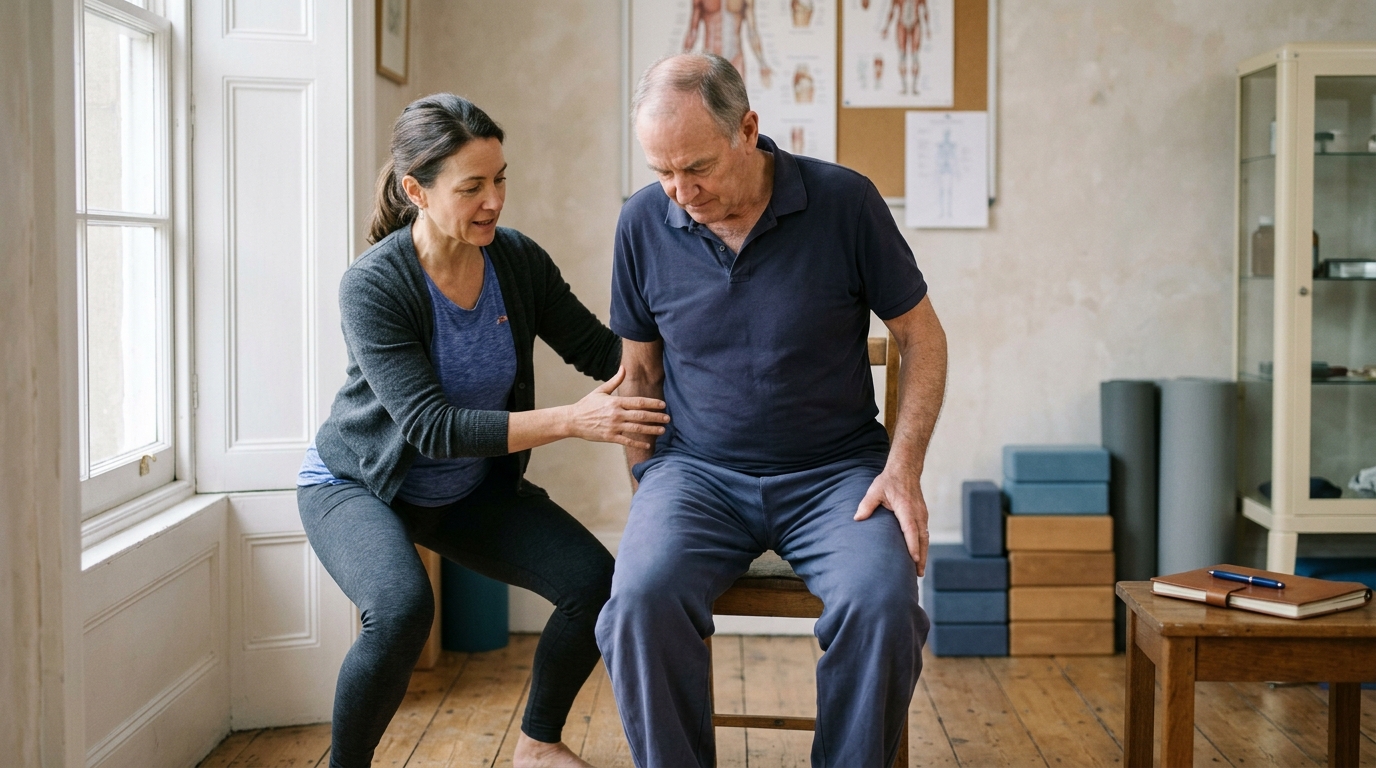
Clinician-guided mobility techniques are hands-on interventions delivered by licensed physical therapists, chiropractors, or athletic trainers. These include joint mobilizations, joint manipulations, and targeted soft-tissue therapies.
Joint mobilization involves skilled, passive movements applied directly to a joint surface at varying speeds and amplitudes. These techniques aim to decrease pain, modulate nervous system sensitivity, and restore normal joint mechanics. Manual therapy is most effective when integrated into a comprehensive rehabilitation plan that includes active exercise and patient education.
Research shows that regular flexibility and mobility training increases joint range of motion. However, the physical reasons behind these improvements are often misunderstood.
A single session of stretching produces an immediate, acute increase in joint range of motion. This short-term change typically lasts between several minutes and a few hours. It occurs primarily because stretching temporarily reduces the passive stiffness of the muscle-tendon unit and calms nervous system sensitivity.
Long-term improvements in range of motion require consistent training over several weeks. Clinical guidance from the American College of Sports Medicine indicates that noticeable flexibility improvements typically emerge after three to four weeks of regular training. Maintaining these adaptations requires ongoing practice, as tissue stiffness returns toward baseline when stretching stops.
A widespread misconception is that stretching permanently lengthens muscle fibers by adding new contractile units in series. A comprehensive 2025 systematic review and meta-analysis analyzed how muscle tissue adapts to stretching protocols. The researchers examined muscle stiffness, stretch tolerance, and muscle fascicle length after acute and chronic static stretching routines.
The review found that static stretching reduced overall muscle-tendon stiffness after both single sessions and multi-week training programs. However, the analysis found no change in muscle fascicle length after either acute or chronic stretching. Instead, long-term gains in range of motion were driven by a combination of reduced tissue stiffness and increased stretch tolerance.
Stretch tolerance means your central nervous system becomes accustomed to the sensation of muscle lengthening. Over time, your brain allows you to move farther into a range before sending strong warning signals of discomfort. Understanding that mobility training trains your nervous system alongside your connective tissues helps set realistic expectations for your physical progress.
Authoritative sports medicine organizations provide clear frameworks for flexibility programming. However, exact recommendations vary slightly depending on the specific publication and target population.
Guideline updates from the American College of Sports Medicine recommend performing flexibility exercises at least two to three days per week. Stretches should be held to the point of tightness or slight discomfort without reaching sharp pain. For most healthy adults, holding static stretches for 10 to 30 seconds across two to four repetitions per muscle group provides effective range gains.
For older adults, the same guidelines suggest holding static stretches for 30 to 60 seconds. Age-related changes in connective tissue collagen make older tissues less compliant, meaning longer hold durations may provide greater flexibility benefits. A separate sports medicine review suggests 15 to 30 second holds for general fitness. These minor differences highlight that flexibility dosing exists on a spectrum rather than as a rigid formula.
The relationship between stretching and athletic performance depends heavily on the timing, duration, and type of stretching used. For decades, athletes performed long static stretches immediately before running or jumping. Modern sports science has clarified why this practice can sometimes impair physical output.
A comprehensive network meta-analysis evaluated how different warm-up protocols influence subsequent explosive athletic performance. The researchers compared static stretching, dynamic stretching, combined protocols, and control conditions across multiple athletic tasks.
The analysis revealed that prolonged static stretching performed immediately before explosive activity consistently reduced subsequent power output, sprint speed, and jump height. Holding static stretches for extended periods temporarily dampens the stretch reflex and reduces the stiffness of the muscle-tendon unit. Tendons need a degree of passive stiffness to store and return elastic energy efficiently during sprinting and jumping.
When you reduce that stiffness immediately before an explosive task, the muscle cannot transfer force as rapidly. For this reason, extended static stretching is generally not recommended as the sole preparation for power-based sports.
The same network meta-analysis found that dynamic stretching and combined warm-up protocols significantly improved subsequent explosive performance. Dynamic stretching drills involving progressive increases in range of motion elevated performance across multiple athletic tests. The review reported that dynamic stretching protocols lasting between 7 and 10 minutes produced the most favorable explosive outcomes.
Dynamic movement increases core muscle temperature, enhances nerve conduction velocity, and primes the nervous system for rapid force production. Moving joints through functional ranges while muscles contract prepares the body for the physical demands of sport without dulling muscle-tendon responsiveness.
While dynamic warm-ups are generally superior for explosive power, warm-up science is not identical across all physical disciplines. A systematic review and meta-analysis examined warm-up protocols specifically within competitive gymnastics. Gymnastics requires extreme end-range joint flexibility alongside high power output.
The gymnastics meta-analysis found no significant differences between static stretching, dynamic stretching, vibration platforms, or control conditions on subsequent jumping performance or technical skill execution. Gymnasts often require extreme joint positions to execute technical skills safely, which may alter how their bodies respond to pre-activity stretching.
These findings show that warm-up recommendations should reflect the exact demands of your sport. If you are preparing for explosive jumping, dynamic motion is strongly supported by research. If your activity requires extreme passive range, short static holds may still play a role in your pre-event preparation.
Many active adults use foam rollers, massage guns, and active movement drills as alternatives to traditional stretching. Research provides useful context on what these alternative modalities accomplish.
Foam rolling uses your own body weight to apply pressure to soft tissues via a dense foam cylinder. It is often claimed to break up scar tissue, release fascia, and lengthen shortened muscles. However, research suggests that foam rolling works primarily through neurological pathways rather than permanent mechanical changes.
A systematic review evaluated the acute effects of foam rolling and stretching compared to other physical activities. The authors found no significant differences between foam rolling and stretching for acute changes in joint range of motion, muscle stiffness, or passive torque. The quality of evidence across these acute comparisons was rated as low to moderate certainty.
A separate meta-analysis compared longer-term training adaptations between static stretching and foam rolling over several weeks. Both modalities increased joint range of motion compared to inactive controls, showing moderate overall benefits. However, in studies lasting four weeks or less, static stretching produced significant range improvements while foam rolling did not.
Static stretching demonstrated more favorable outcomes than foam rolling in that shorter-term training window. Foam rolling remains a useful option for temporary comfort and short-term movement preparation, but it should not be viewed as a complete replacement for active or static flexibility work.
Active stretching requires you to move and stabilize your own limbs without passive assistance. A systematic meta-analysis evaluated the effects of active stretching protocols during athletic training. The review found that active stretching programs produced significant improvements in maximal isometric muscle strength and ankle joint range of motion compared to control groups.
The analysis also noted reductions in certain soft-tissue injury rates and improvements in functional performance markers among recreational and competitive athletes. You can learn more about structuring safe routines in our injury prevention resource library. Active stretching challenges the nervous system to coordinate agonist and antagonist muscle groups simultaneously, building strength at end-range positions.
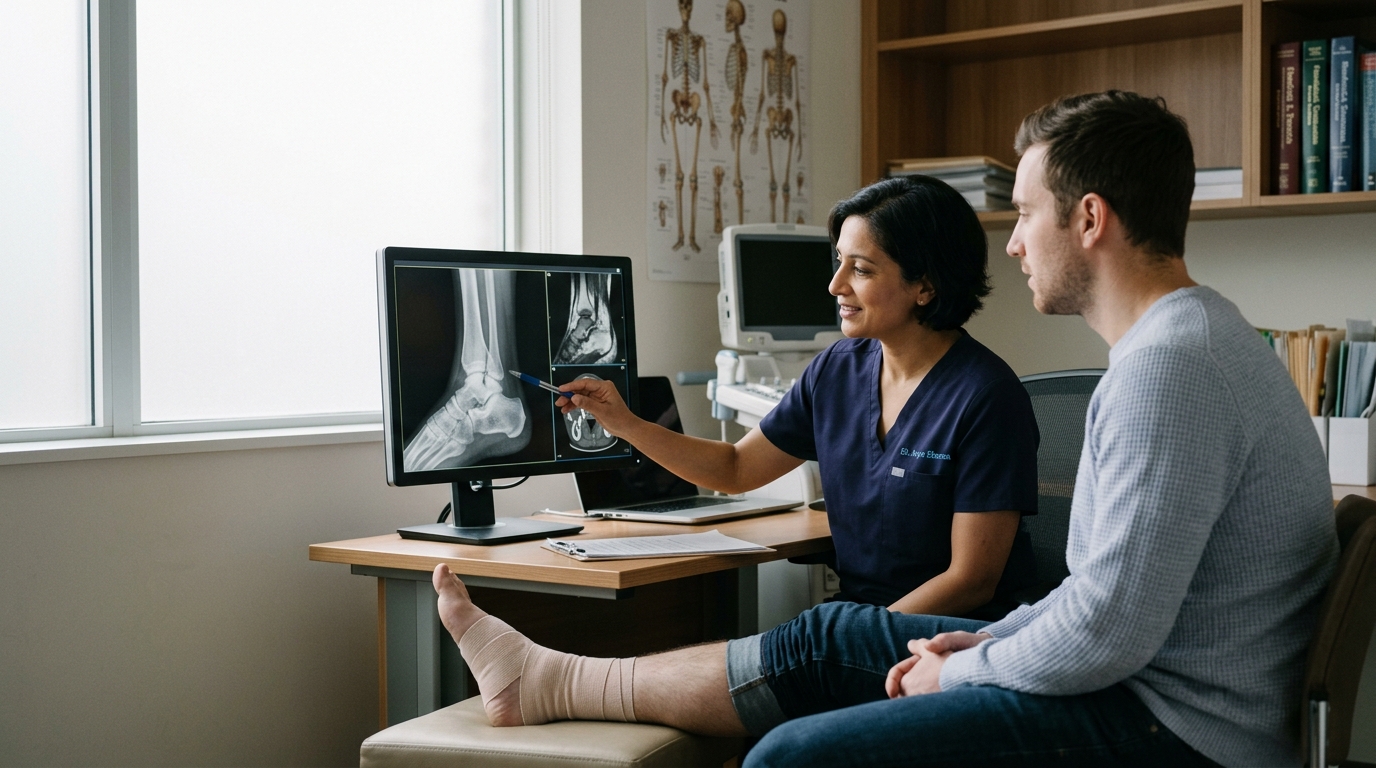
When joint stiffness is accompanied by pain, swelling, or a history of injury, self-directed stretching may not be sufficient. In these scenarios, clinician-guided assessment and manual techniques provide structured support.
Clinical practice guidelines provide evidence-based recommendations for healthcare providers treating musculoskeletal conditions. The 2021 clinical practice guideline for low back pain published in orthopedic physical therapy literature offers clear guidance on manual therapy and exercise.
The guideline recommends that clinicians consider thrust and non-thrust joint mobilizations for patients presenting with mobility deficits and acute low back or related buttock and thigh pain. Joint mobilization involves skilled, passive movement directed at specific spinal segments to reduce local pain and improve segmental motion.
Importantly, the clinical guidelines do not present joint mobilization as a stand-alone cure or a permanent mechanical realignment. Instead, manual therapy is recommended as one component of a multimodal treatment plan. For patients with chronic low back pain, the guidelines emphasize movement-control exercises, trunk-mobility training, and progressive strengthening alongside education.
Systematic reviews of manual therapy literature consistently emphasize that hands-on techniques provide short-term neurophysiological benefits. Hands-on joint and soft-tissue mobilizations stimulate mechanoreceptors, which temporarily down-regulates pain signals in the spinal cord and calms surrounding muscle guarding.
This temporary reduction in pain and stiffness creates an ideal therapeutic window. Clinicians use this window to introduce active movement, therapeutic exercise, and progressive loading. Manual therapy should not be viewed as a way to physically pop a joint back into place. Joints rarely go out of alignment in the absence of severe trauma.
Instead, clinician-guided manual care helps desensitize an irritated joint so that you can return to active, self-directed movement. If you are recovering from a clinical setback, exploring our rehabilitation and mobility resources can help you understand how manual care integrates with active exercise.
Because different mobility techniques produce distinct physiological adaptations, selecting the right method requires evaluating your personal circumstances. What works for an explosive sprinter may be inappropriate for an adult managing joint hypermobility.
Your training objective determines your ideal mobility strategy. If your main goal is increasing passive joint range of motion over time, dedicated static stretching or PNF protocols are well supported by research. If your goal is preparing for heavy strength training or running, dynamic mobility drills are far more appropriate.
If your primary goal is rebuilding coordination and joint confidence following an injury, active range of motion exercises should take priority. Matching your exercise selection to your primary outcome prevents wasted effort and supports steady physical progression.
The placement of mobility work within your workout session influences its effectiveness and safety. sports medicine guidelines suggest performing dedicated static flexibility routines after cardiovascular or resistance exercise, or during stand-alone sessions.
Warm tissues tolerate stretching sensations more comfortably. Furthermore, placing prolonged static holds after your workout prevents any potential reduction in muscular power before heavy lifting or sprinting. Dynamic mobility drills, by contrast, belong at the beginning of your session as part of your active warm-up.
Individual differences in baseline flexibility and nervous system sensitivity alter how your body responds to stretching. The 2025 stretching mechanisms review found that the acute effect of static stretching on muscle stiffness was most pronounced at moderate to higher stretch intensities in individuals with normal baseline flexibility.
If you have naturally stiff tissues, gentle and consistent stretching helps build stretch tolerance gradually without triggering protective muscle spasms. You should never force a joint into severe pain. ACSM guidelines recommend stretching only to the point of mild tightness or slight discomfort.
As the human body ages, connective tissues undergo structural changes. Tendons and joint capsules naturally lose water content, and cross-linking between collagen fibers increases. These natural biological shifts reduce the baseline compliance of muscles and joints.
Older adults often require longer static stretch durations to achieve meaningful changes in tissue tolerance. Holding stretches for 30 to 60 seconds, as recommended in updated clinical guidelines, allows stiffer connective tissues sufficient time to adapt. Older adults also benefit substantially from active strength training at end ranges to maintain independent functional mobility.
Joint hypermobility represents a critical edge case in mobility training. Individuals with joint hypermobility syndrome or Ehlers-Danlos syndromes possess excessive joint laxity due to variations in collagen structure. Their joints move beyond standard physiological ranges with minimal resistance.
Clinical guidance for joint hypermobility strongly cautions against aggressive static stretching. Stretching already lax joint capsules can compromise joint stability and increase the risk of subluxations or joint irritation. For hypermobile individuals, mobility training should focus almost entirely on active motor control, joint stabilization, and low-impact strengthening.
To understand how these evidence-based principles work in practice, examine how different mobility tools apply to realistic physical scenarios. These illustrative patterns show how goals and individual factors shape exercise selection.
Consider an adult who experiences chronic hamstring tightness that restricts their ability to bend forward comfortably during daily tasks. Their primary target is increasing passive and active range of motion.
For this individual, a consistent static stretching routine performed three to four days per week after light activity is an evidence-based starting point. Following ACSM guidelines, they perform two to three sets of 20 to 30 second hamstring holds, stretching to mild tightness without sharp pain. Over several weeks, this routine reduces muscle-tendon stiffness and increases stretch tolerance, making daily movement feel less restrictive.
Consider a runner or lifter preparing for an intense training session involving squats and sprint intervals. Their goal is preparing their nervous system and tissues for high power output without decreasing muscle stiffness. For further ideas on loading and performance, check out our strength training and return to sport articles.
In this scenario, static stretching immediately prior to the workout is avoided based on meta-analytic evidence showing power reductions. Instead, the individual performs 7 to 10 minutes of dynamic movement drills. They execute walking lunges, high knees, leg swings, and bodyweight squats. This dynamic sequence raises core temperature, lubricates joint surfaces, and optimizes explosive performance.
Consider an individual recovering from a mild ankle sprain who has regained basic walking ability but feels stiff and uncoordinated when descending stairs. Their goal is restoring active joint control and confidence near end-range dorsiflexion.
Passive stretching alone will not address the motor control deficits caused by the injury. This person benefits most from active range of motion drills and controlled loaded movements. Performing slow, active ankle rotations, step-downs, and heel raises reinforces the neural pathways needed to stabilize the ankle under real-world physical loads.
Consider an individual who wakes up with generalized low-back stiffness after long periods of sedentary desk work. They have no radiating leg pain, numbness, or neurological symptoms.
Rather than aggressively pulling their knees to their chest or forcing deep spinal twists, they use gentle, active trunk mobility exercises. Cat-cow movements, gentle pelvic tilts, and short walking bouts encourage fluid exchange in spinal discs and calm muscular guarding. If symptoms persist or limit daily function, a physical therapist can evaluate whether targeted joint mobilizations or specific strengthening exercises are indicated.
Consider an active individual who can easily place their palms flat on the floor with straight knees but frequently complains that their hips feel tight and achy.
In this case, the sensation of tightness is often a neurological response to joint instability rather than true muscle shortness. Performing aggressive passive hamstring and hip stretches often worsens their symptoms. This individual should replace passive stretching with active motor control drills, single-leg balancing exercises, and progressive hip strengthening to provide the joint with necessary muscular support.
If you are dealing with joint pain, recurring stiffness, or recovering from surgery, self-prescribed mobility routines may need professional refinement. A physical therapist or orthopedic physician can identify the underlying cause of your movement limitations.
When meeting with a healthcare provider, consider asking the following practical questions:
Having an open dialogue with a clinician ensures that your mobility program aligns with your diagnostic history and recovery timeline. For broader context on healthy joint aging and long-term functional independence, explore our active aging and prevention guides.
Mobility is not a one-size-fits-all practice, and no single technique is universally superior to the others. Static stretching remains an effective, research-backed method for reducing muscle stiffness and increasing long-term joint range of motion when performed consistently. However, it should generally be placed after exercise or during stand-alone sessions to avoid temporary reductions in explosive muscular power.
Dynamic movement drills lasting 7 to 10 minutes are the preferred option for pre-workout preparation, enhancing joint range while optimizing power and coordination. Foam rolling provides useful temporary relief and short-term range improvements, but it does not replace the long-term structural and neurological adaptations produced by active and static flexibility training.
Clinician-guided manual therapies offer valuable short-term pain relief and improved joint mechanics during rehabilitation, but they are most effective when combined with active exercise and progressive loading. By matching your mobility technique to your specific goal, baseline flexibility, age, and training schedule, you can build a sustainable routine that supports comfortable, lifelong movement.
The acute improvements in range of motion from a single stretching session typically last between 30 minutes and a few hours. This temporary change occurs because stretching temporarily reduces muscle stiffness and alters nervous system sensitivity. Long-term, lasting improvements in flexibility require consistent training performed at least two to three days per week over several weeks.
For most healthy adults, gentle active mobility work and light static stretching can be performed daily without negative side effects. However, aggressive stretching performed at high intensities can cause mild muscle soreness and tissue inflammation. If you are performing deep flexibility training, allowing 24 to 48 hours of recovery between intense sessions for the same muscle group is sensible.
Dynamic stretching is recommended before cardiovascular exercise to raise core body temperature, increase blood flow, and prepare joints for repetitive motion. Static stretching is best performed after your cardiovascular session, when your muscles and connective tissues are fully warm and receptive to lengthening protocols.
Muscle tightness is often a protective signal generated by your central nervous system rather than a physical shortening of the muscle tissue. If a joint lacks stability, strength, or adequate recovery, the brain may increase resting muscle tone to protect the area. Pairing your stretching routines with progressive strengthening exercises helps signal to your nervous system that the new range of motion is safe to maintain.

Use ReboundBody resources to understand common recovery stages, rehab terms, movement limits and strength rebuilding. Each guide is designed to make a complex comeback easier to understand.


Read practical guidance on injury recovery, rehabilitation, mobility and rebuilding strength as you work your way back to activity.
Explore Resources