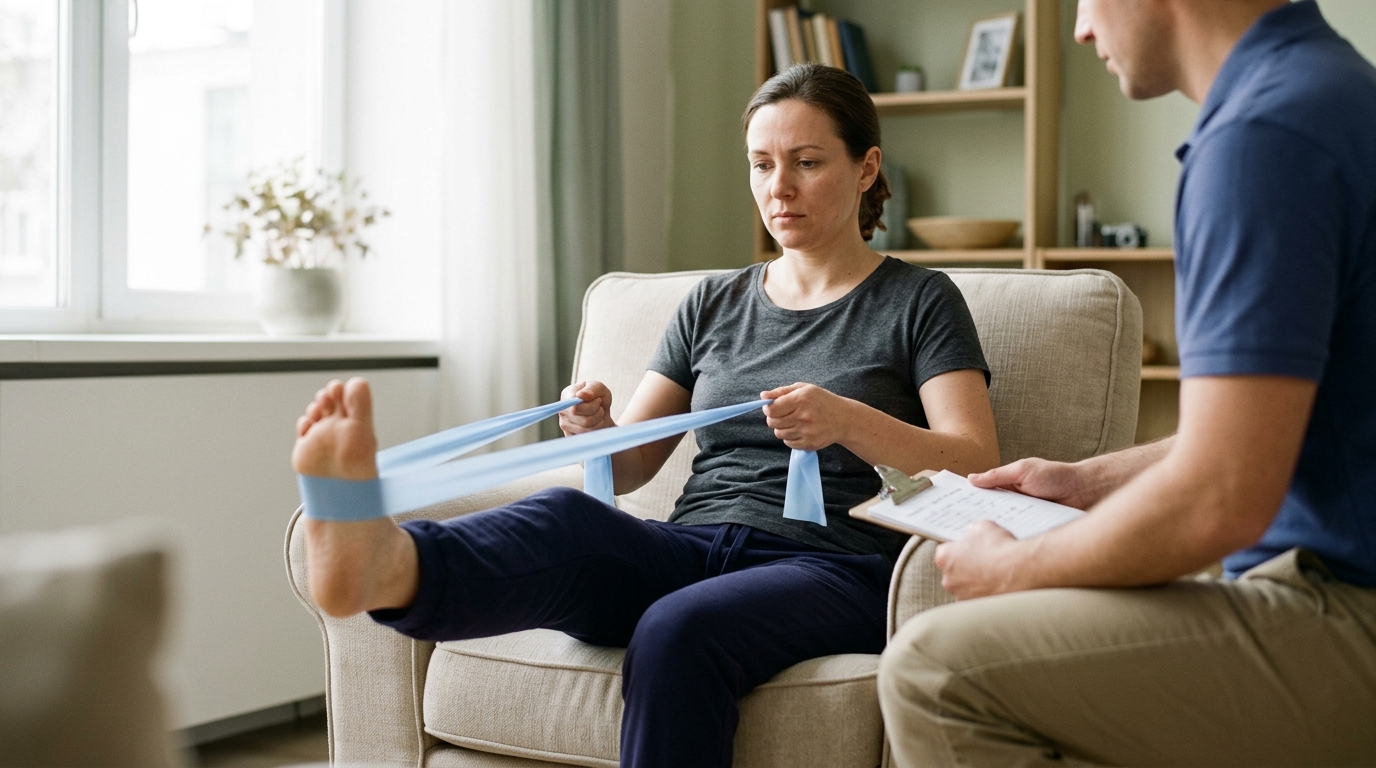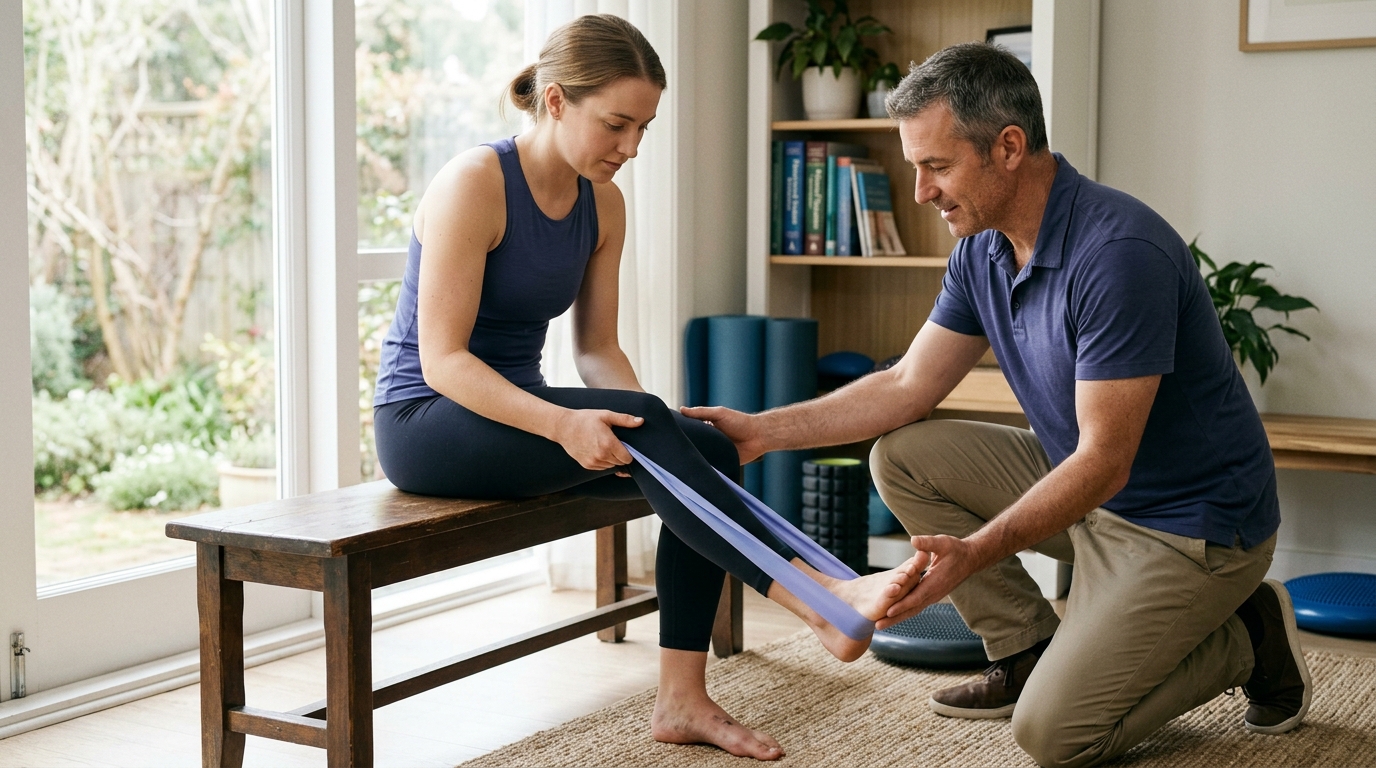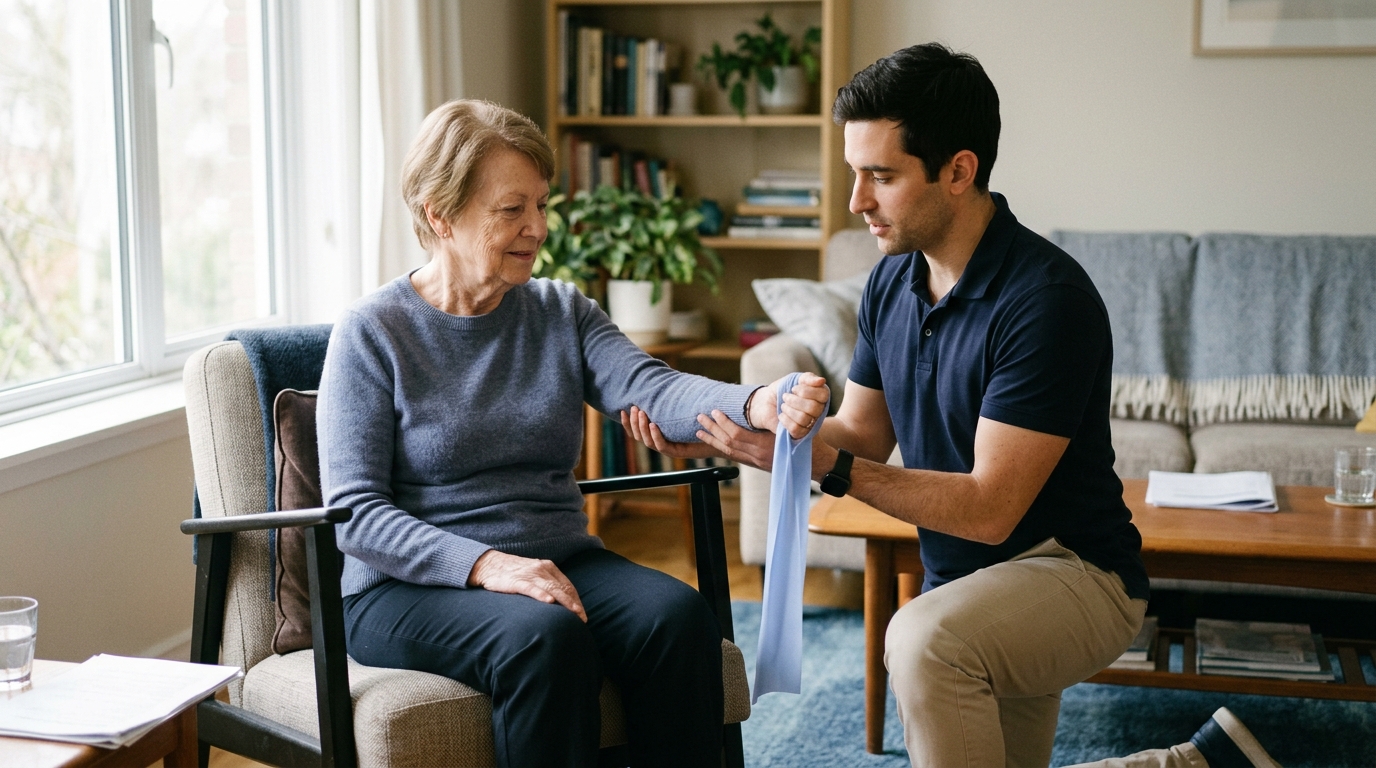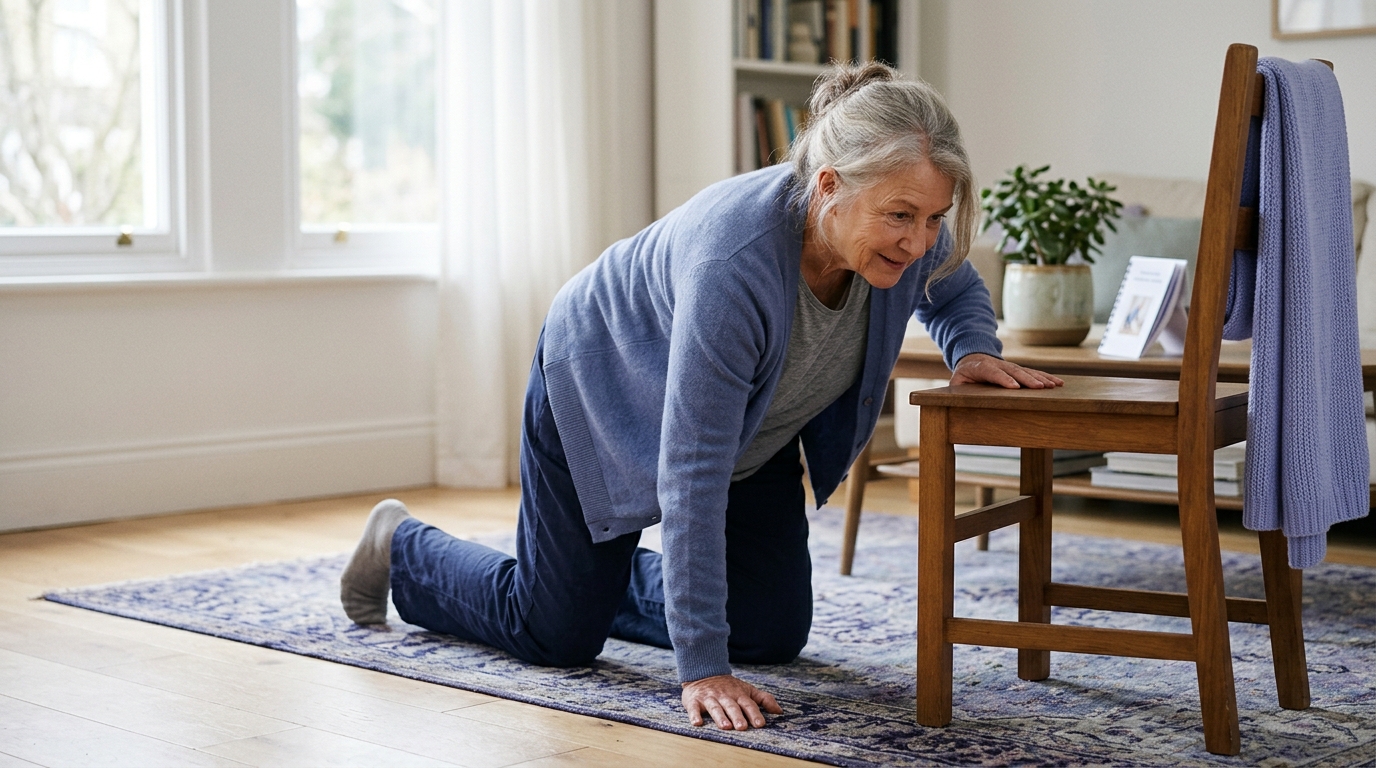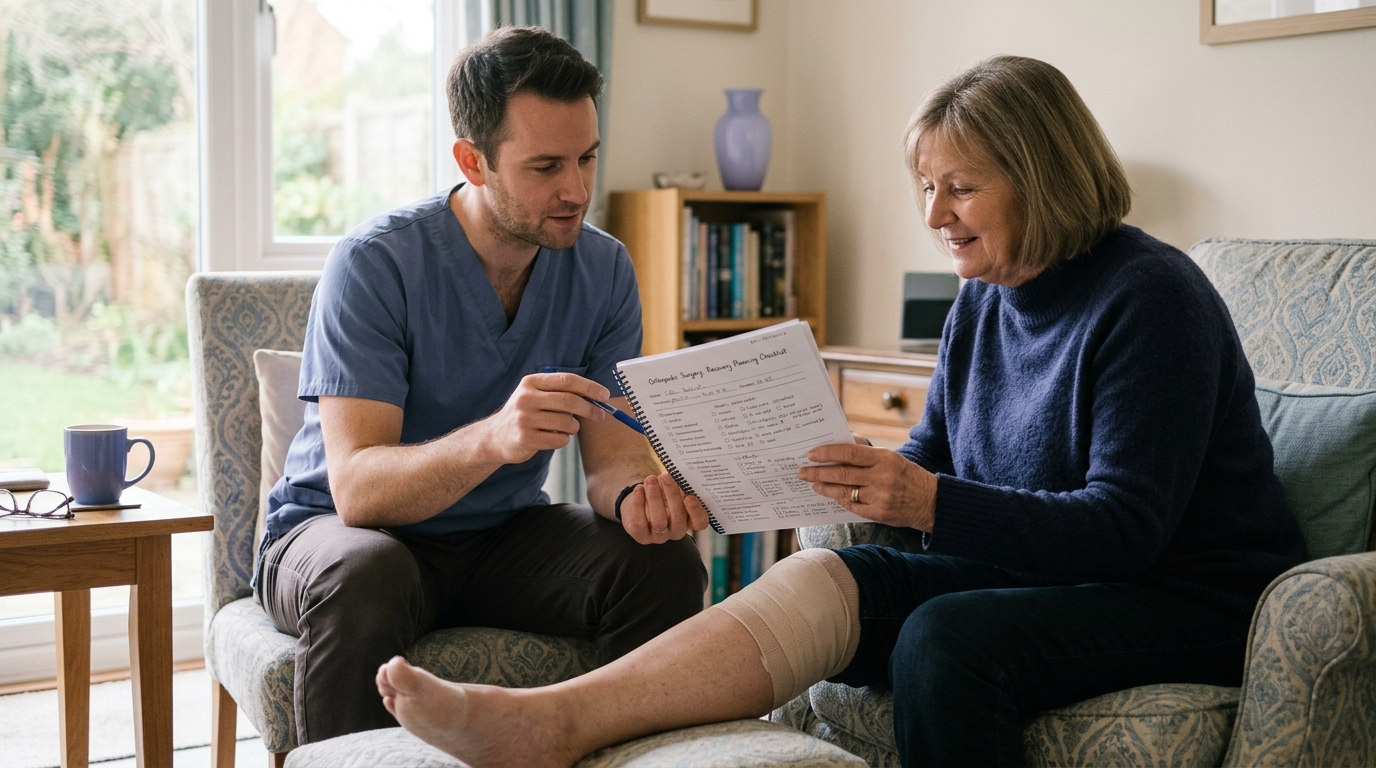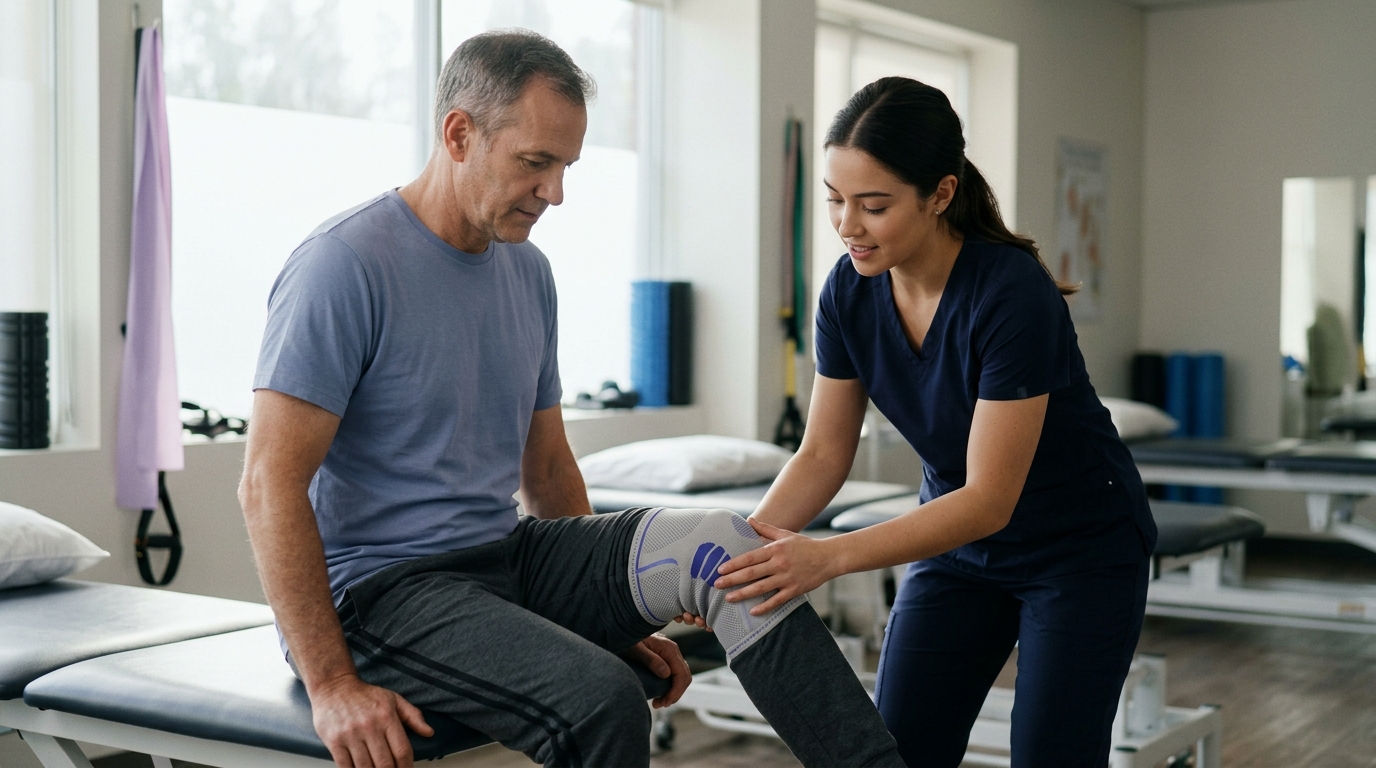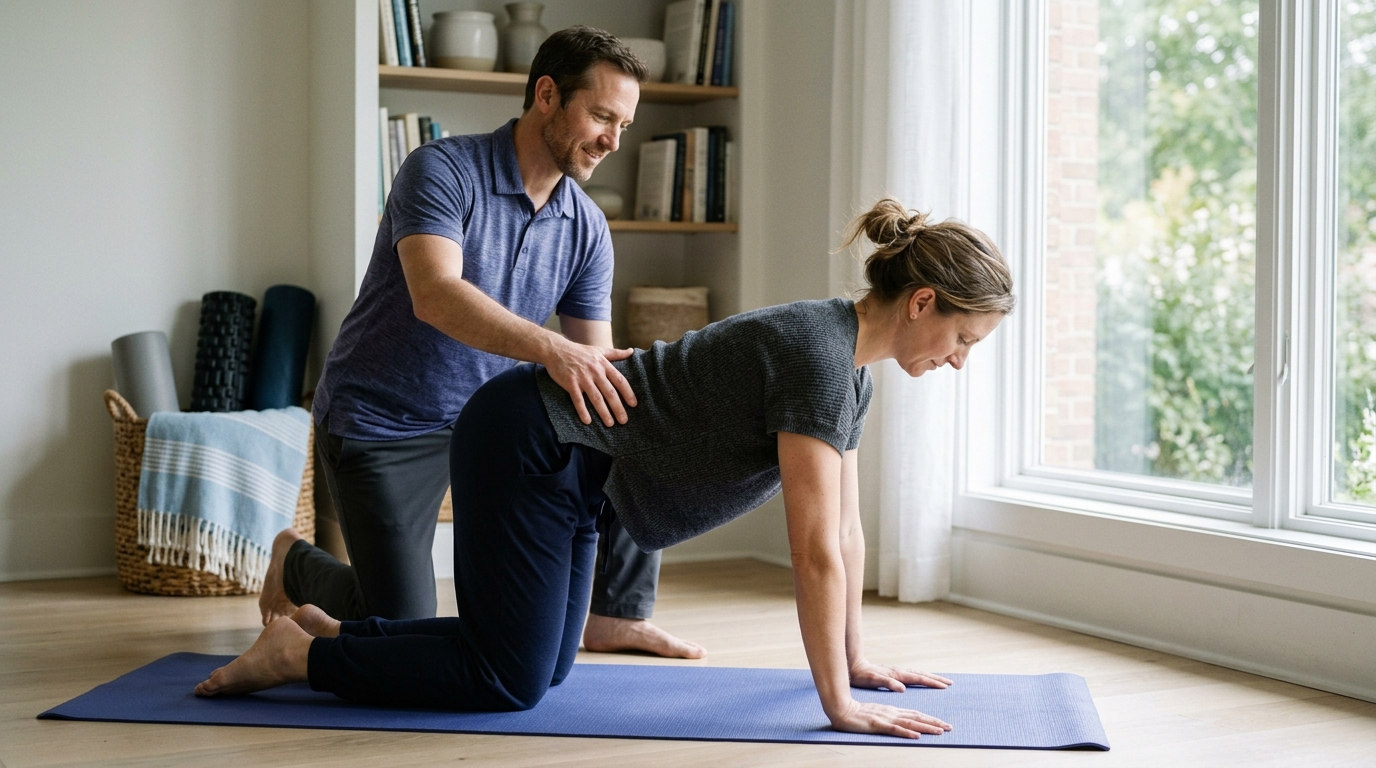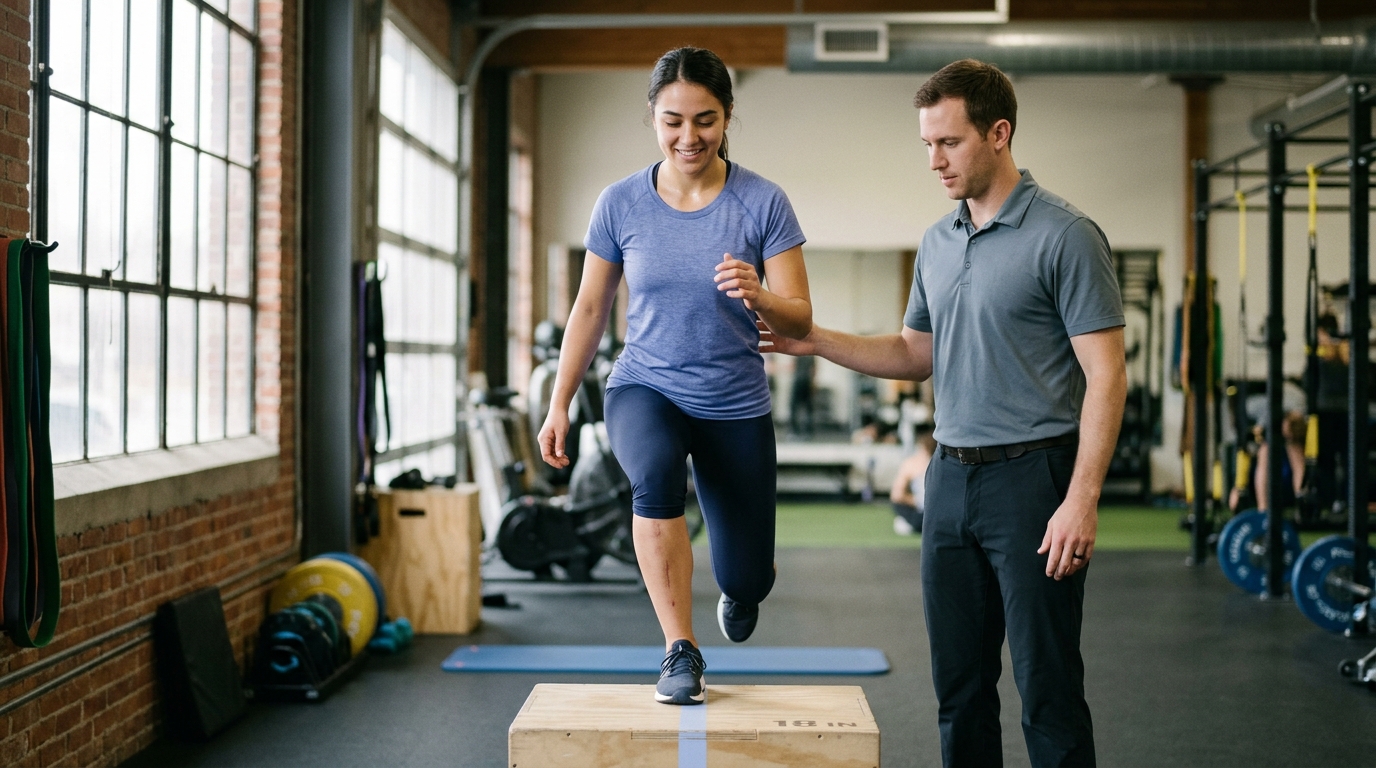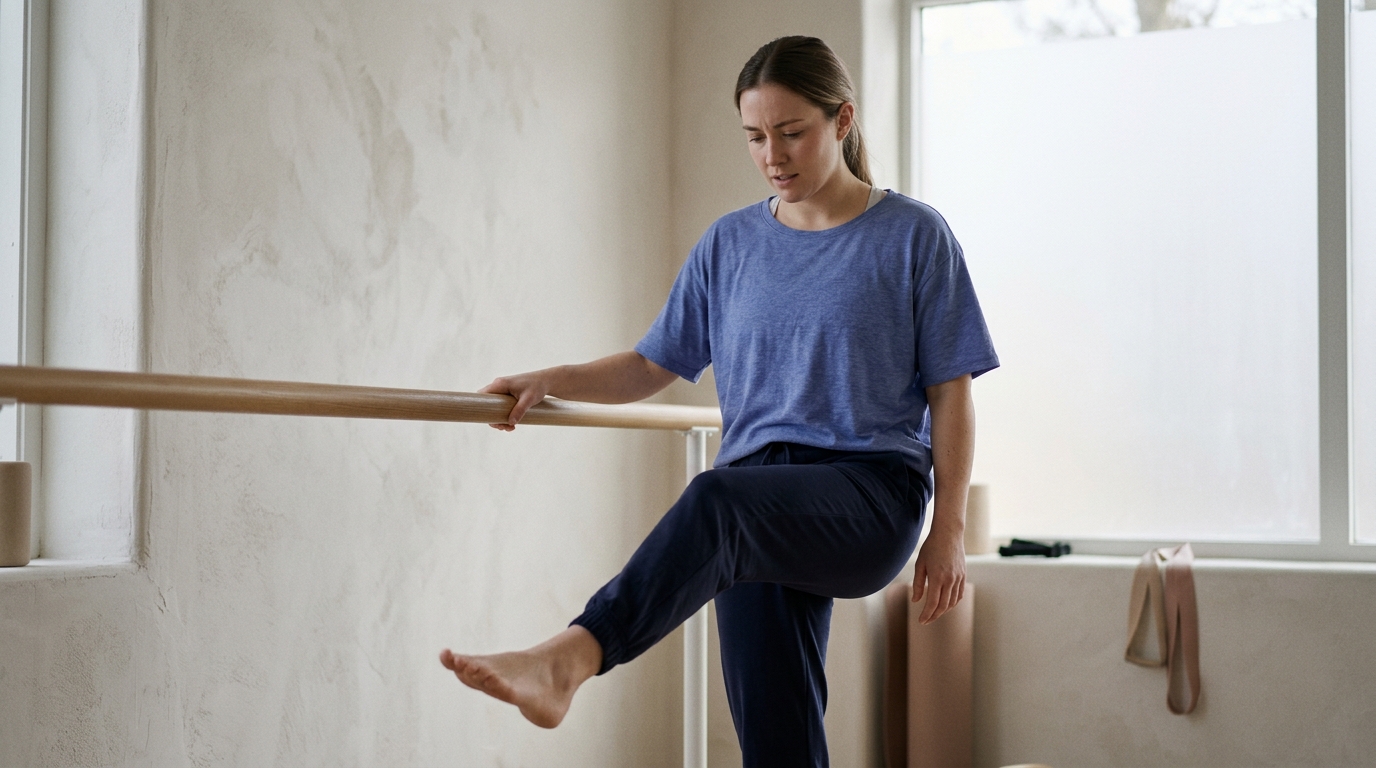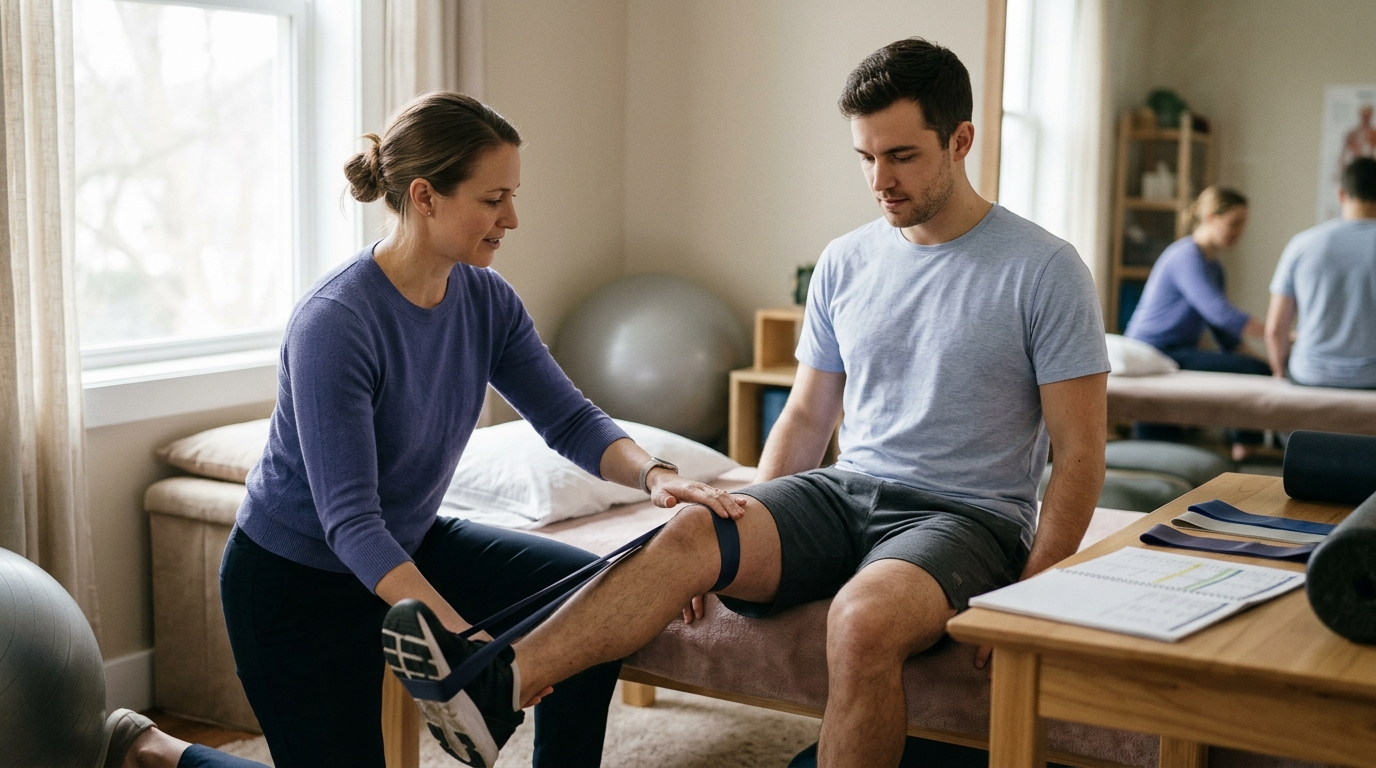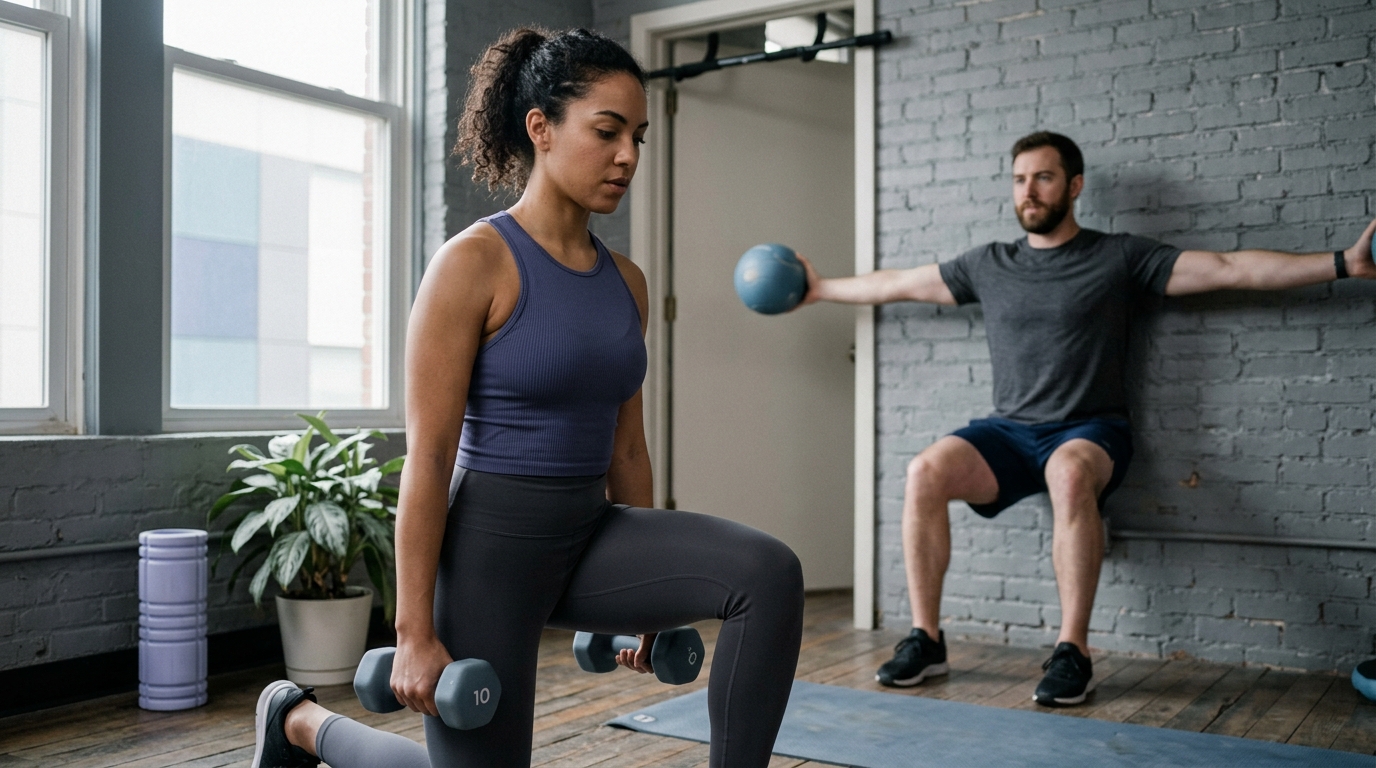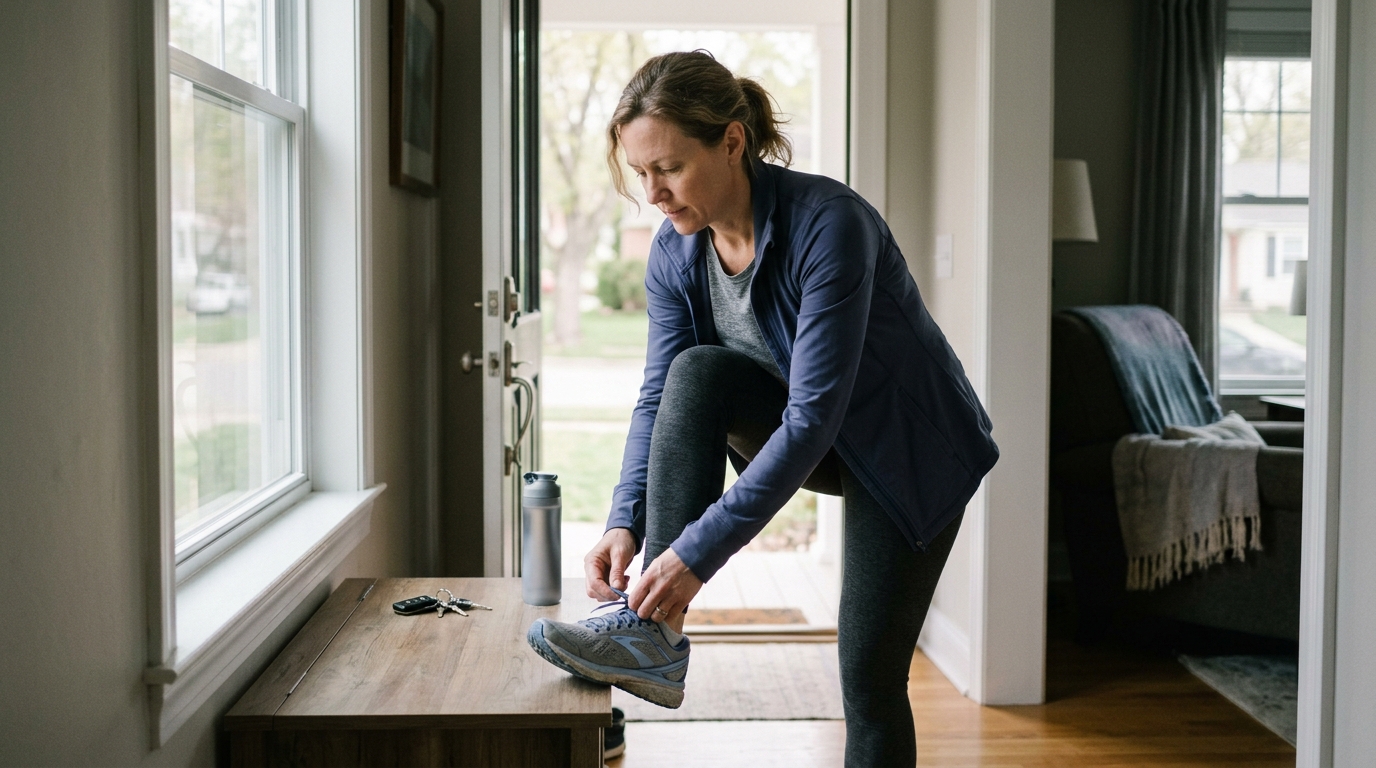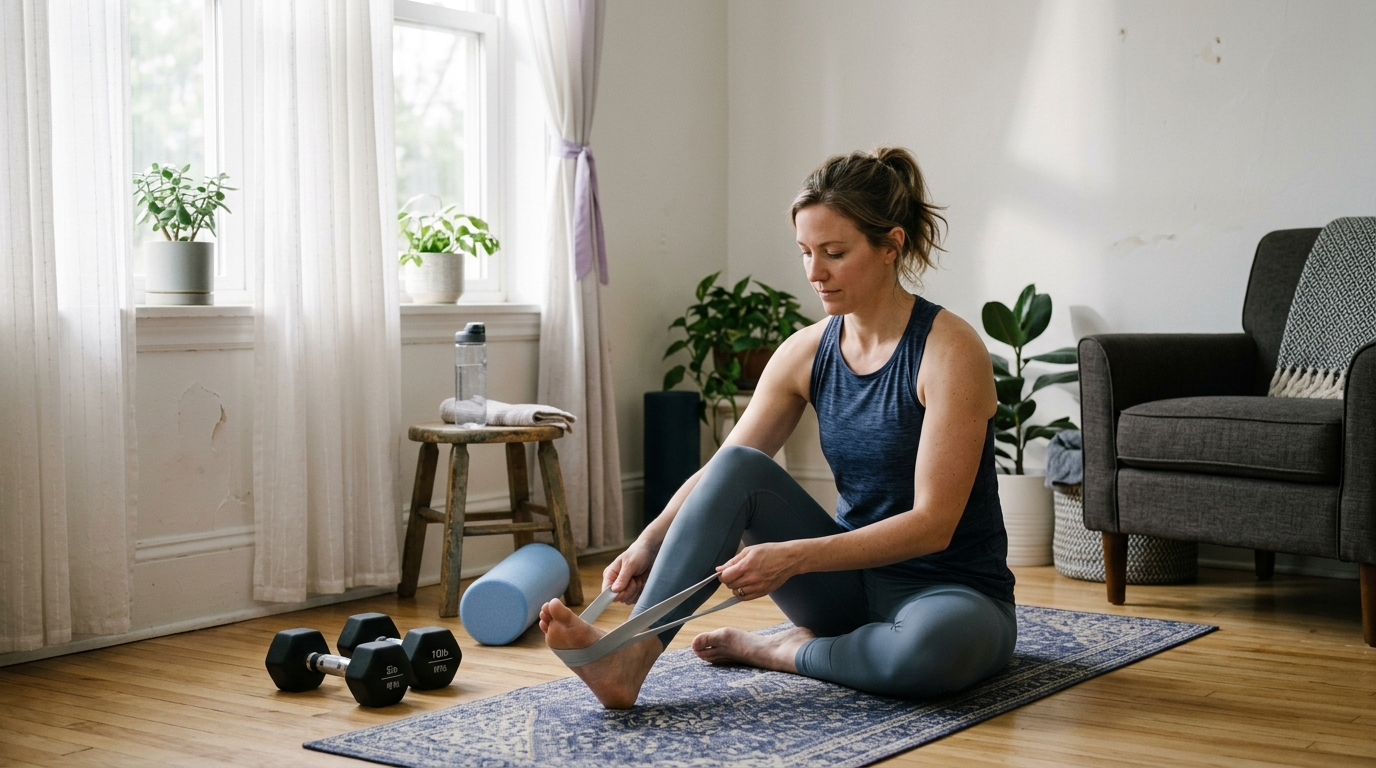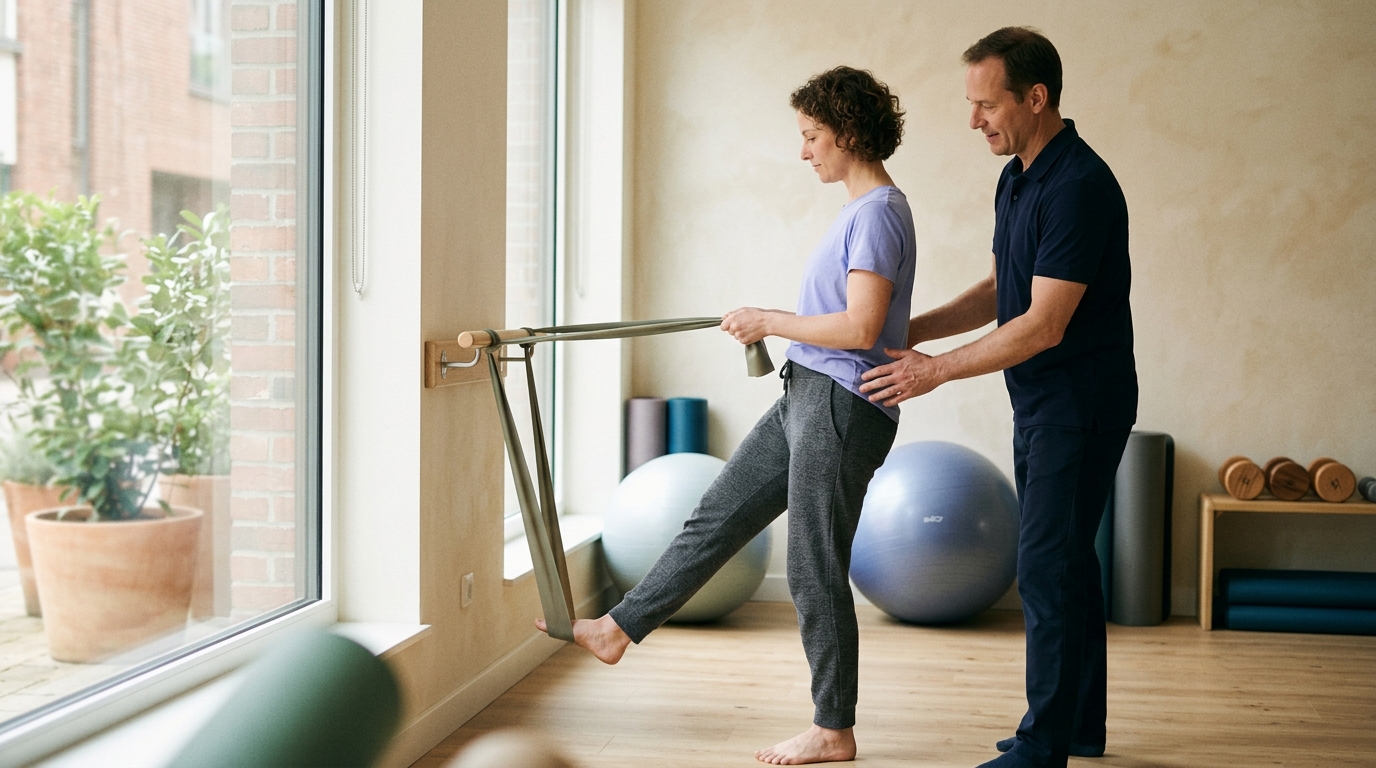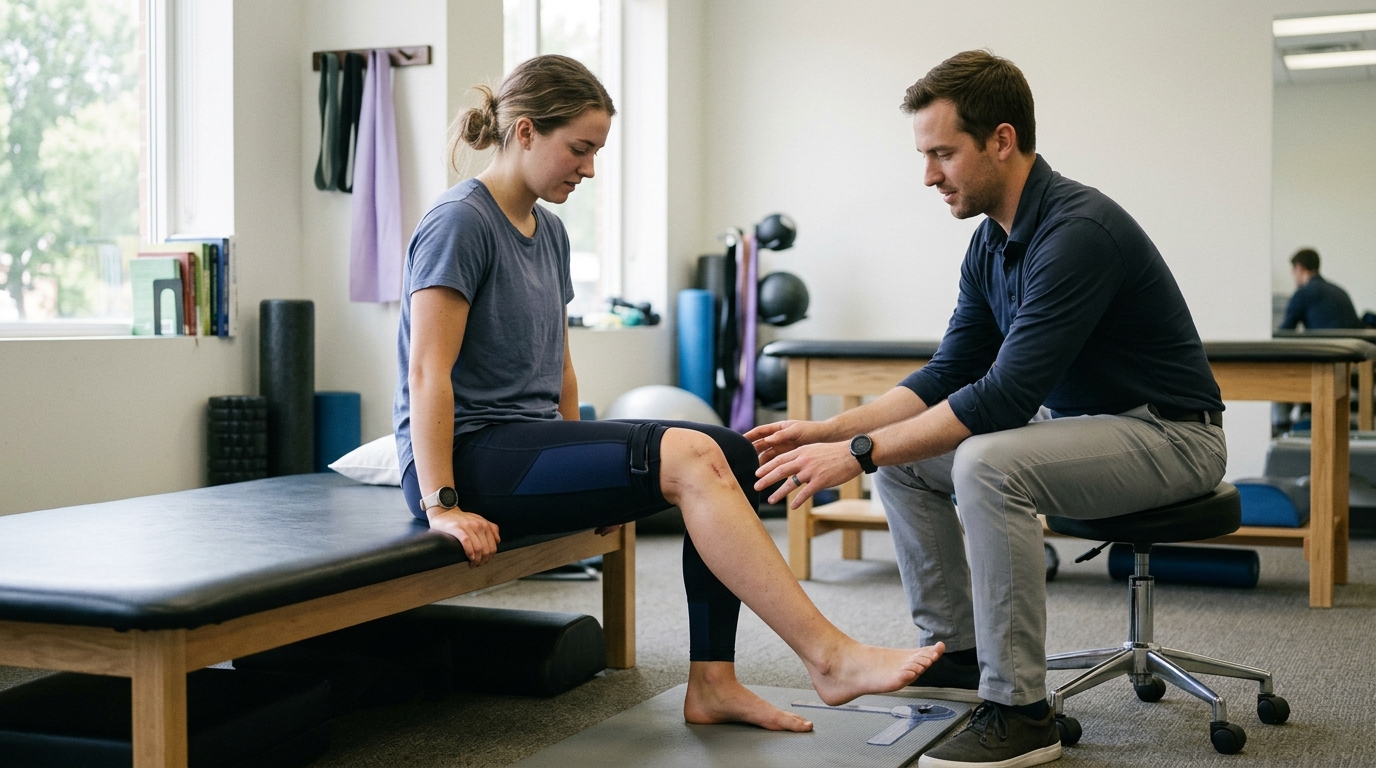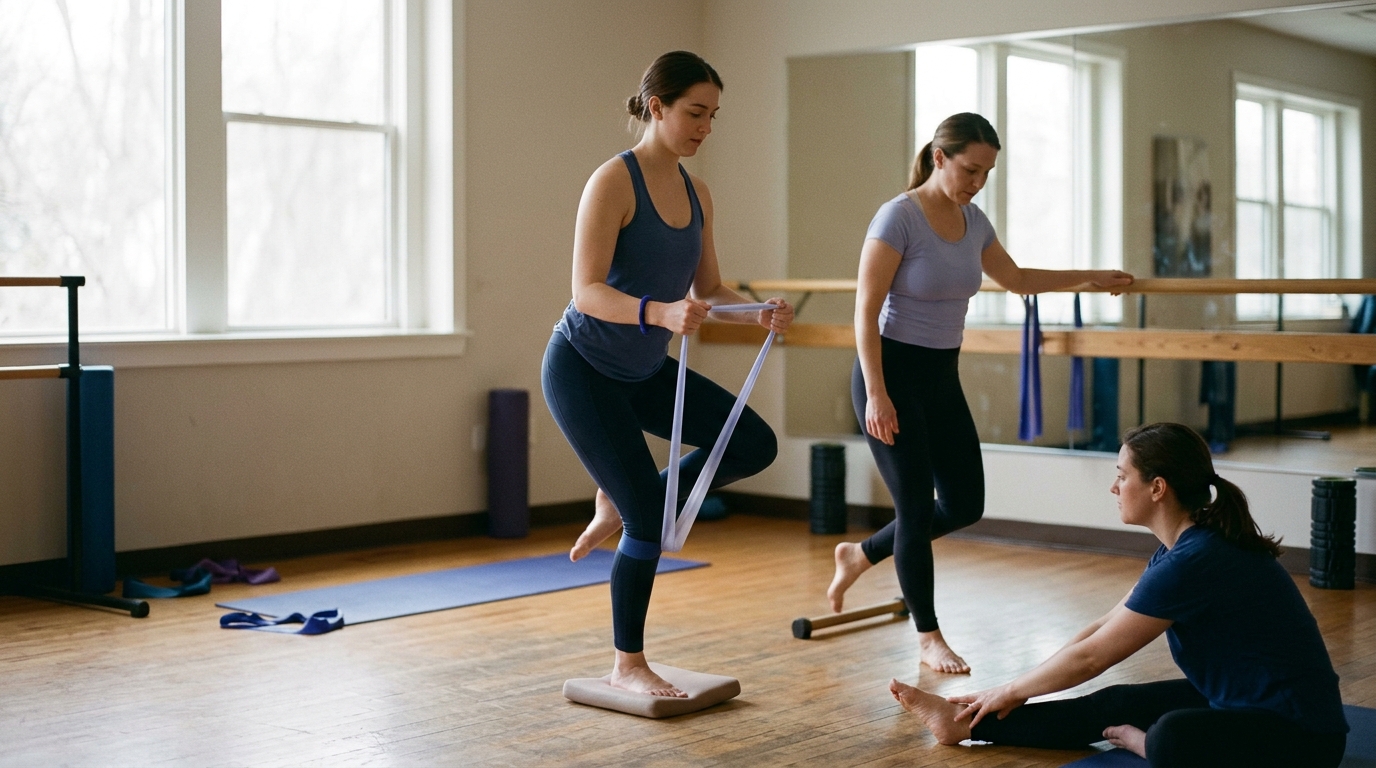

Landing hard after repeated jumps or losing balance during fast turns highlights how targeted strength training and structured warm-ups prevent dance injuries.





Many dancers find themselves searching online for ways to stop recurring foot pain, aching knees, or sudden ankle tweaks after an energetic class. You want to enjoy social dancing, adult ballet, tap, ballroom, or contemporary classes without feeling broken the next day. This guide provides a clear look at what the science says about dance injuries, physical preparation, and safe progression.
No single exercise program or stretching routine can completely eliminate the risk of getting hurt. What research does show is that dance places distinct mechanical stresses on your bones, joints, and tendons. You can reduce your overall risk by building physical capacity, managing training exposure, and matching your preparation to your specific style of movement.
Dance combines artistry with athletic demands that challenge the entire body. Whether you take one community class a week or attend social dances multiple nights, the physical stress depends on specific movement patterns. Understanding these demands helps you build the physical traits needed to support them.
Impact is a fundamental part of many dance disciplines. Jumps, hops, directional leaps, and rhythmic stamping send ground reaction forces upward through the feet, ankles, shins, and knees. In forms like tap, Irish dance, and high-energy swing, your lower limbs absorb rapid, repetitive strikes against hard surfaces.
When your body is accustomed to these forces and has enough time to recover, tissues adapt and grow more resilient. However, when jumping volume increases too quickly or fatigue sets in, the surrounding muscles lose their ability to absorb shock effectively. This shifts excess stress onto passive structures like the plantar fascia, Achilles tendon, and tibia.
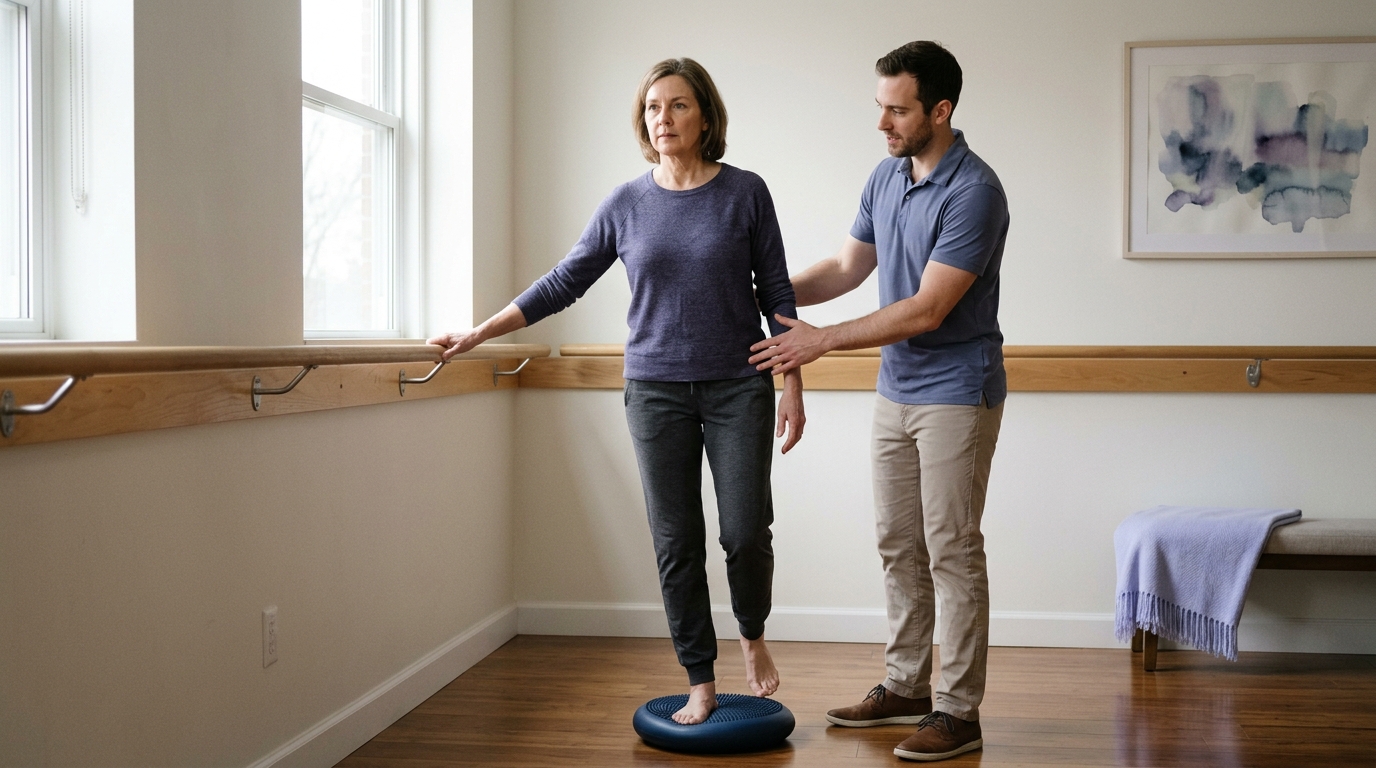
Balancing on one foot is a constant requirement in dance. Whether you are holding an arabesque, completing a salsa spin, or transitioning weight in a waltz, single-leg support challenges neuromuscular control. Turns introduce rotational forces across the ankle, knee, and hip joints.
Maintaining balance during a turn requires rapid communication between your eyes, inner ear, and sensory receptors in your joints and muscles. If hip stabilizers or deep foot muscles fatigue, alignment can collapse inward. This places unnatural torque on the knee joint and stresses the stabilizing ligaments of the ankle.
Dance often demands moving joints through wide ranges of motion. High kicks, deep pliés, lateral lunges, and spinal extensions require supple soft tissues and open joint mechanics. Yet flexibility without control presents its own risks.
Moving into an extreme range of motion requires active muscular strength to support and decelerate the limb. If a dancer relies purely on passive flexibility without the strength to control that range, the joint capsule and surrounding ligaments bear the strain. True movement readiness requires both tissue length and active control across that entire range.
A recreational dance session can range from a slow technical class to hours of fast social dancing. Sustained footwork and repeated combinations demand cardiovascular fitness and muscular endurance. As muscles tire, movement mechanics naturally degrade.
Fatigue alters how your feet land on the floor and slows your reaction time during rapid turns. A dancer who possesses adequate cardiovascular stamina can maintain clean technical execution much deeper into a social dance night or rehearsal. Building stamina protects movement quality when the body begins to tire.
The relationship between cross-training, warm-up habits, and injury rates in dancers has received growing attention from sports medicine researchers. Looking at the broader body of research helps separate proven physical benefits from areas where science remains uncertain.
For many years, some dance traditions discouraged supplemental resistance training due to concerns about muscle bulk or lost flexibility. Modern research has largely disproved those historical concerns. A major 2024 systematic review and meta-analysis analyzed 36 studies examining strength and conditioning programs across ballet, modern, contemporary, jazz, and ballroom dancers.
The review demonstrated clear, statistically significant improvements in multiple physical attributes. Pooled results showed large gains in lower-body strength and upper-body strength, alongside substantial improvements in lower-body power and joint flexibility. Resistance training improved muscle force output without compromising the dancers' active range of motion.
However, these findings reflect physical performance tests rather than direct counts of reduced injuries. The participants in these pooled studies were primarily dancers aged 16 to 47 in university, vocational, or company settings. While supplemental training improves baseline physical capacities, researchers caution that we cannot automatically assume identical injury reductions in older recreational dancers.
How a dancer begins a session influences both tissue readiness and movement control. A 2022 clinical trial evaluated the difference between a traditional ballet warm-up and a structured neuromuscular warm-up program. The researchers found that dancers using the neuromuscular warm-up experienced significantly fewer overuse injuries over the study period.
Interestingly, the neuromuscular warm-up did not produce a measurable drop in acute, accidental injuries such as sudden falls or collisions. This distinction is critical for setting realistic expectations. Neuromuscular exercises prepare tendons, muscles, and joint receptors for repetitive stress, but they cannot remove the random accidents inherent in dynamic movement.
Broader systematic reviews reinforce this nuanced perspective. A 2025 review of dance injury prevention strategies examined multiple interventions, including conditioning, warm-up adjustments, and dancer education. While conditioning and exercise interventions show encouraging trends for reducing injury rates, variations in research methods prevent scientists from declaring one universal routine as the gold standard.
When evaluating the wider sports science literature, systematic reviews on physical fitness training in dance show consistently positive trends. A review examining physical fitness interventions noted that roughly 80 percent of included studies reported measurable benefits in at least one injury-related metric. These benefits included reduced injury frequency, longer spans of time between injuries, reduced pain severity, or fewer missed classes.
Even with these encouraging numbers, high-quality studies focused solely on recreational dancers remain scarce. Most dance medicine literature examines full-time students or company professionals. Recreational dancers often balance class with careers, family life, and varying fitness levels, making progressive injury prevention and active lifestyle habits an essential part of regular participation.
A proper warm-up does far more than just stretch tight muscles. In fact, relying solely on passive stretching before dancing is one of the most common preparation errors. The International Association for Dance Medicine and Science notes that passive stretching alone does not constitute an adequate warm-up.
The initial phase of preparation should gently elevate your heart rate, increase blood circulation, and warm deep muscle tissues. Cold muscles and tendons are stiffer and less responsive to rapid changes in tension.
Beginning with three to five minutes of low-impact, rhythmic movement prepares the cardiovascular system. Brisk walking, light marching, gentle arm swings, and easy torso rotations gradually increase internal body temperature. This rise in heat improves the elasticity of connective tissues and speeds up nerve signal transmission.
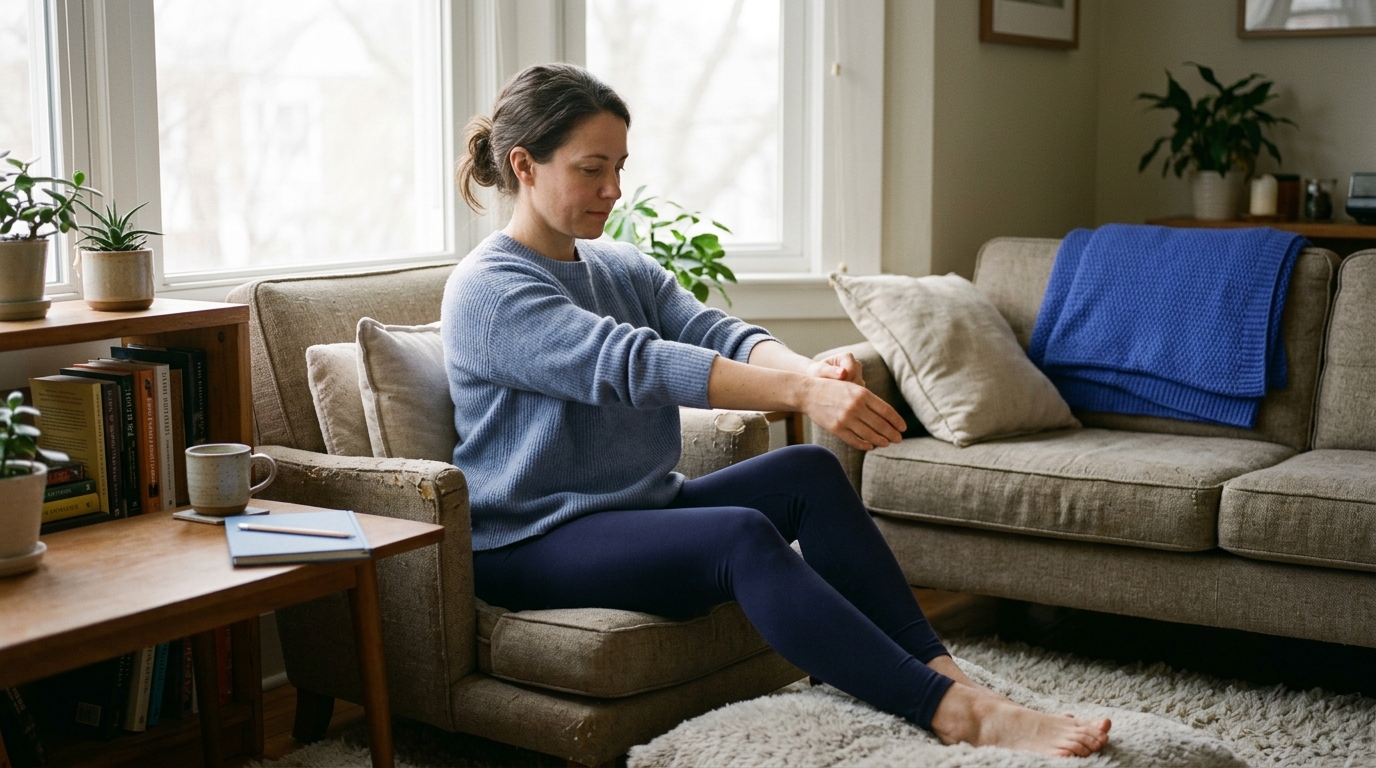
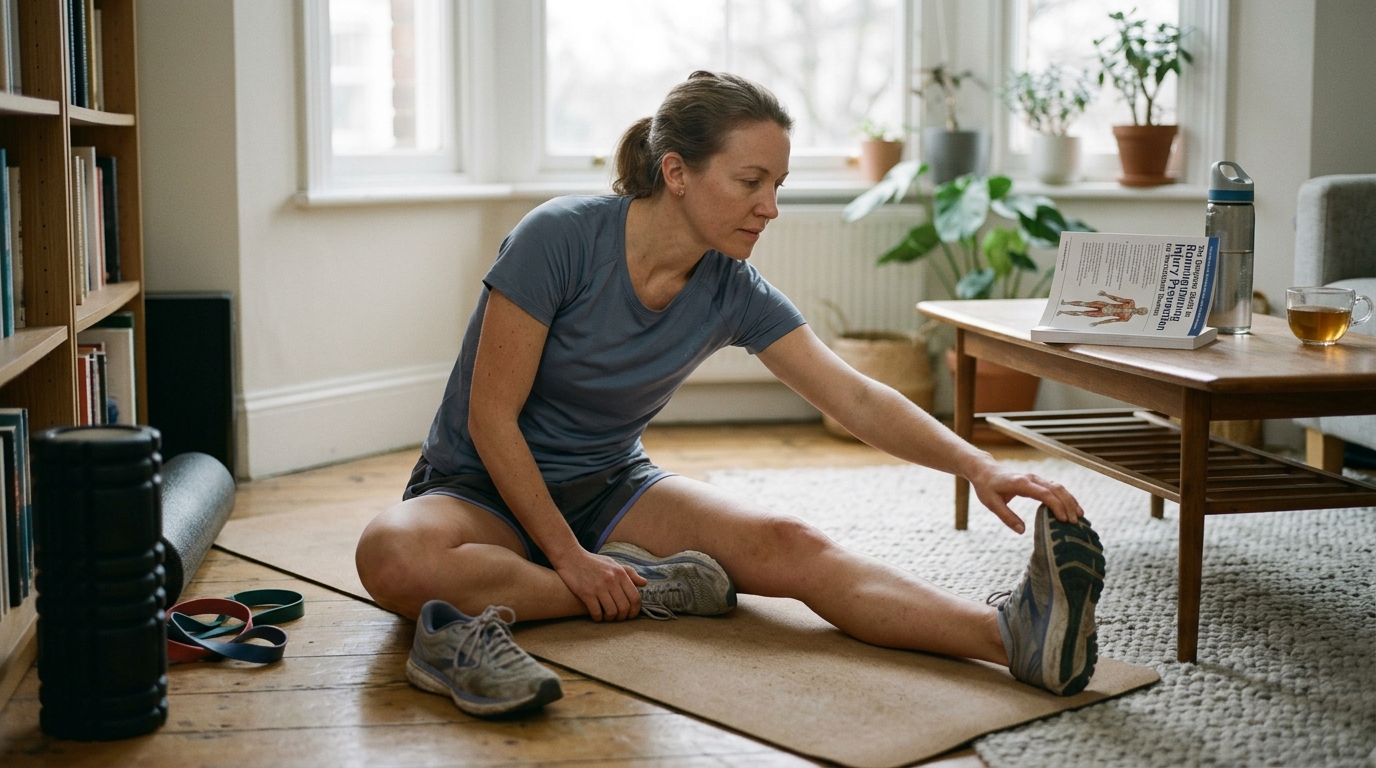
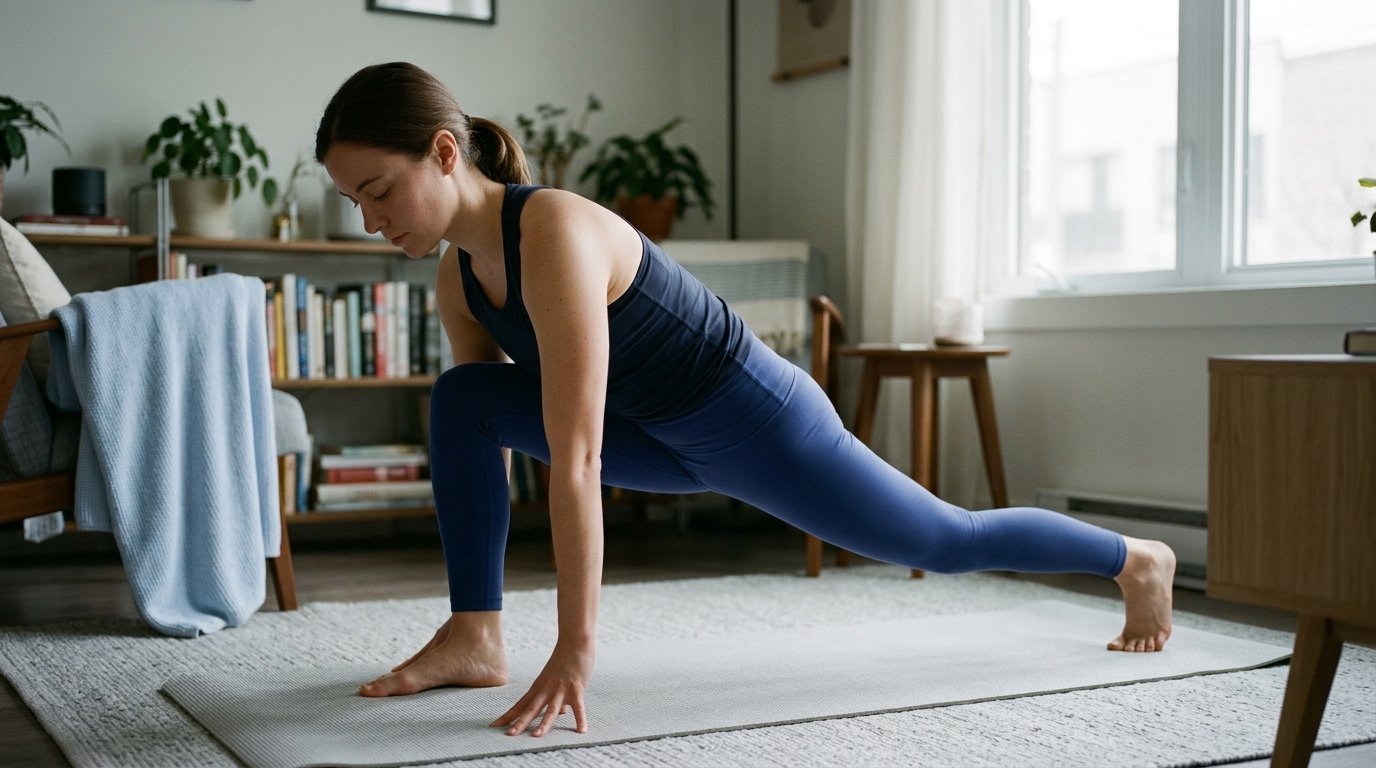
Once the body feels warm, the next step involves moving joints through functional ranges of motion without holding static end-range positions. Dynamic mobilization lubricates joint surfaces with synovial fluid and activates stabilizing muscles around the hips, knees, and ankles.
Examples of dynamic mobilization include:
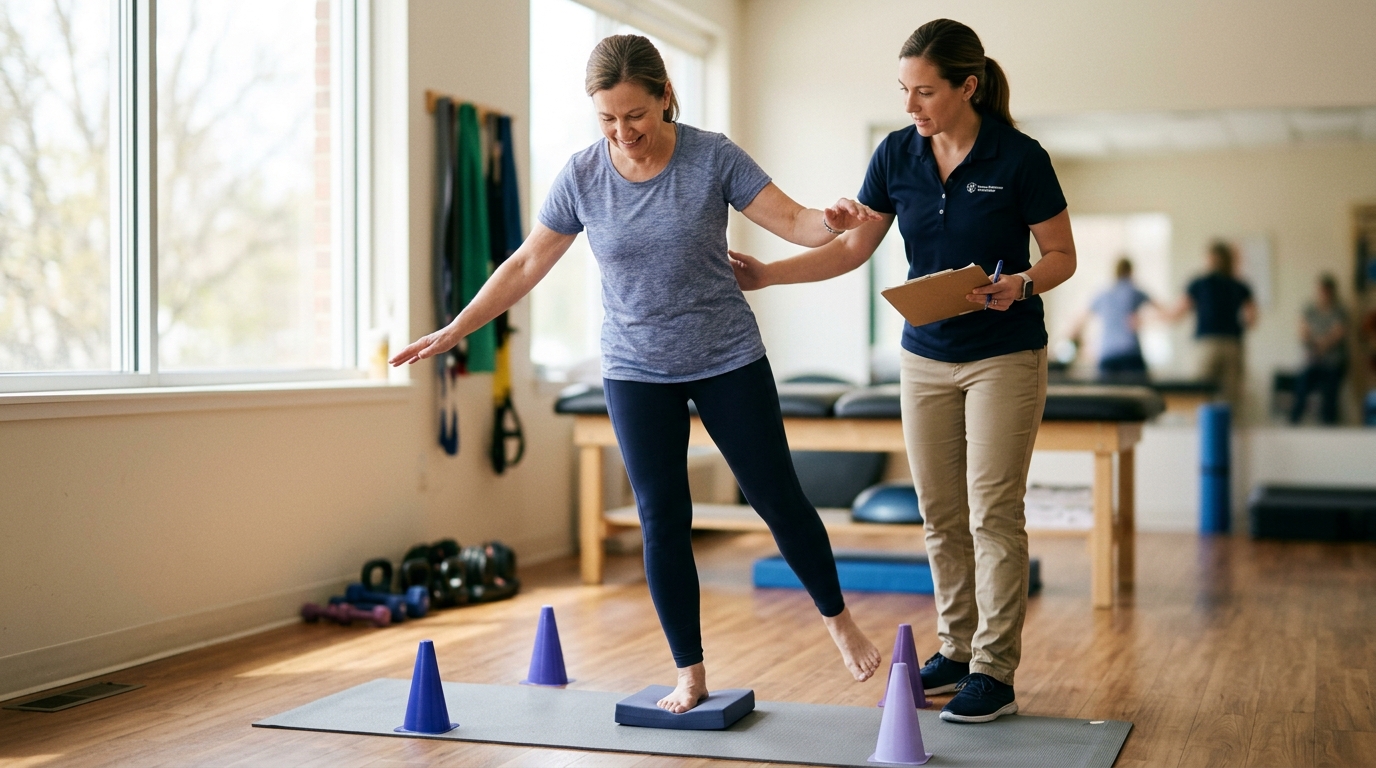
Before jumping or spinning at full speed, your nervous system needs targeted activation. Neuromuscular drills challenge your joint position sense and prime your stabilizing muscles for rapid corrections.
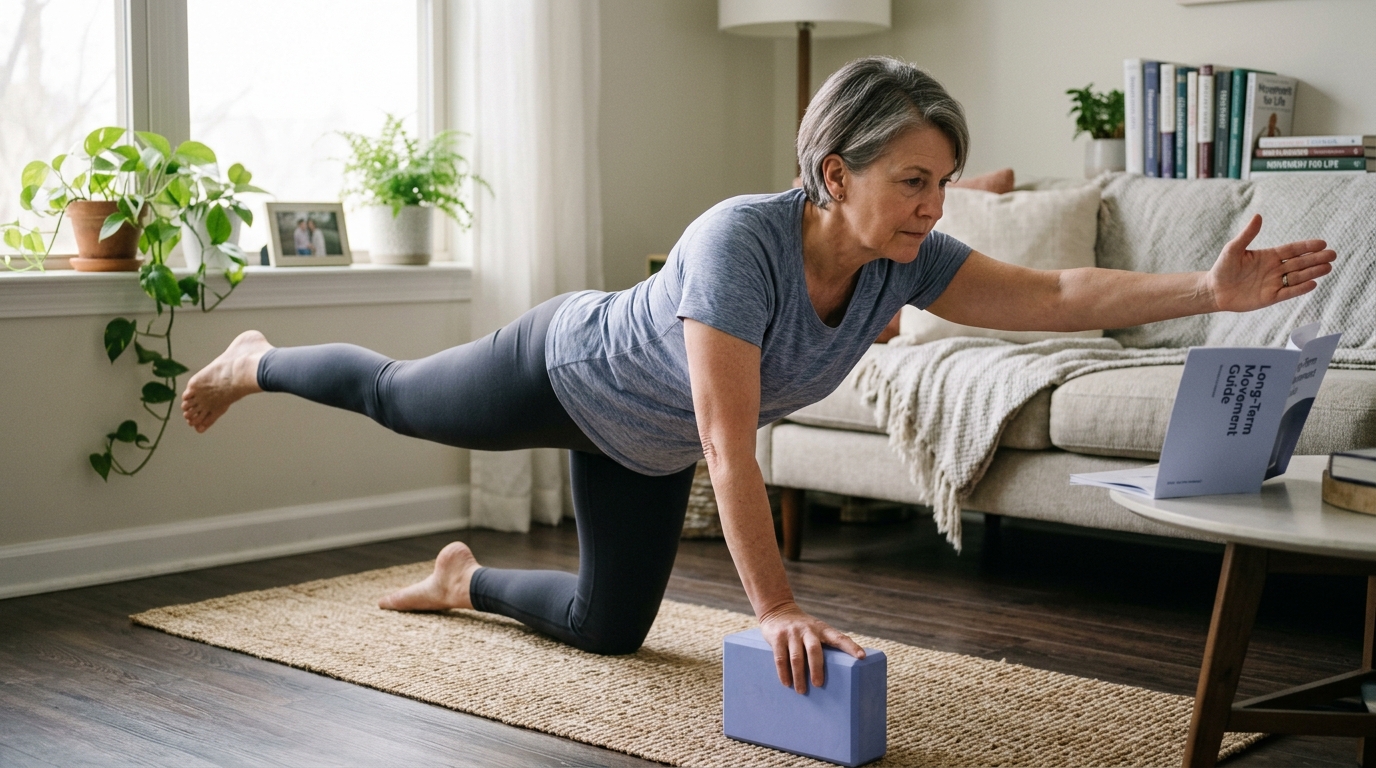
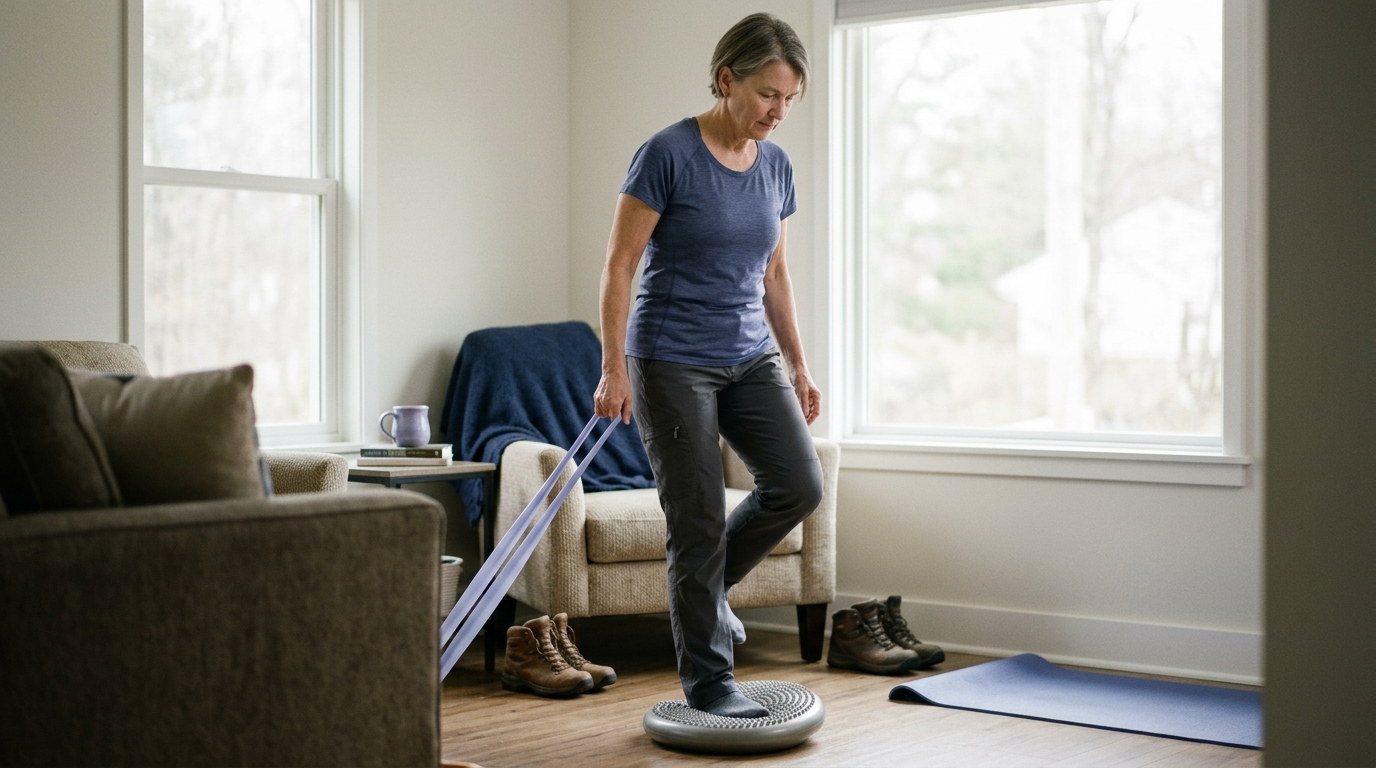
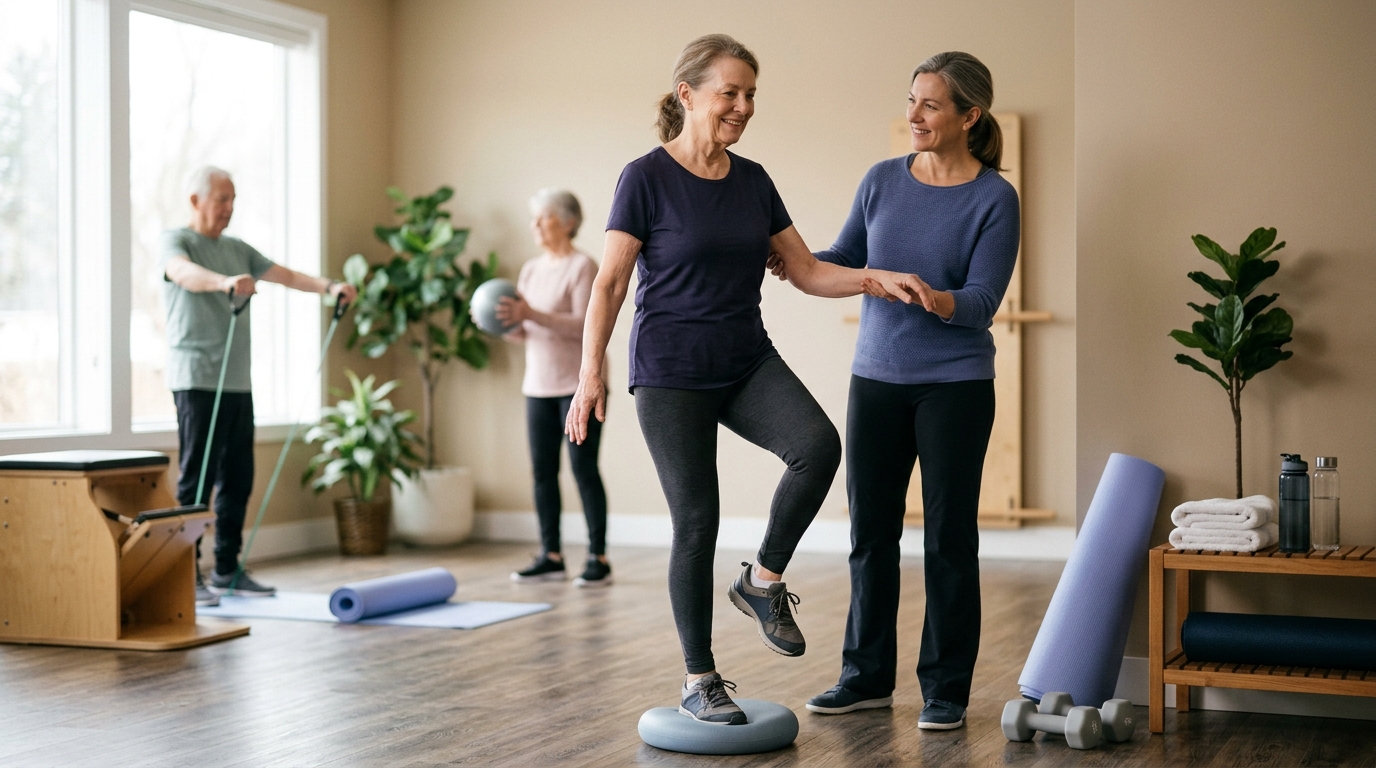
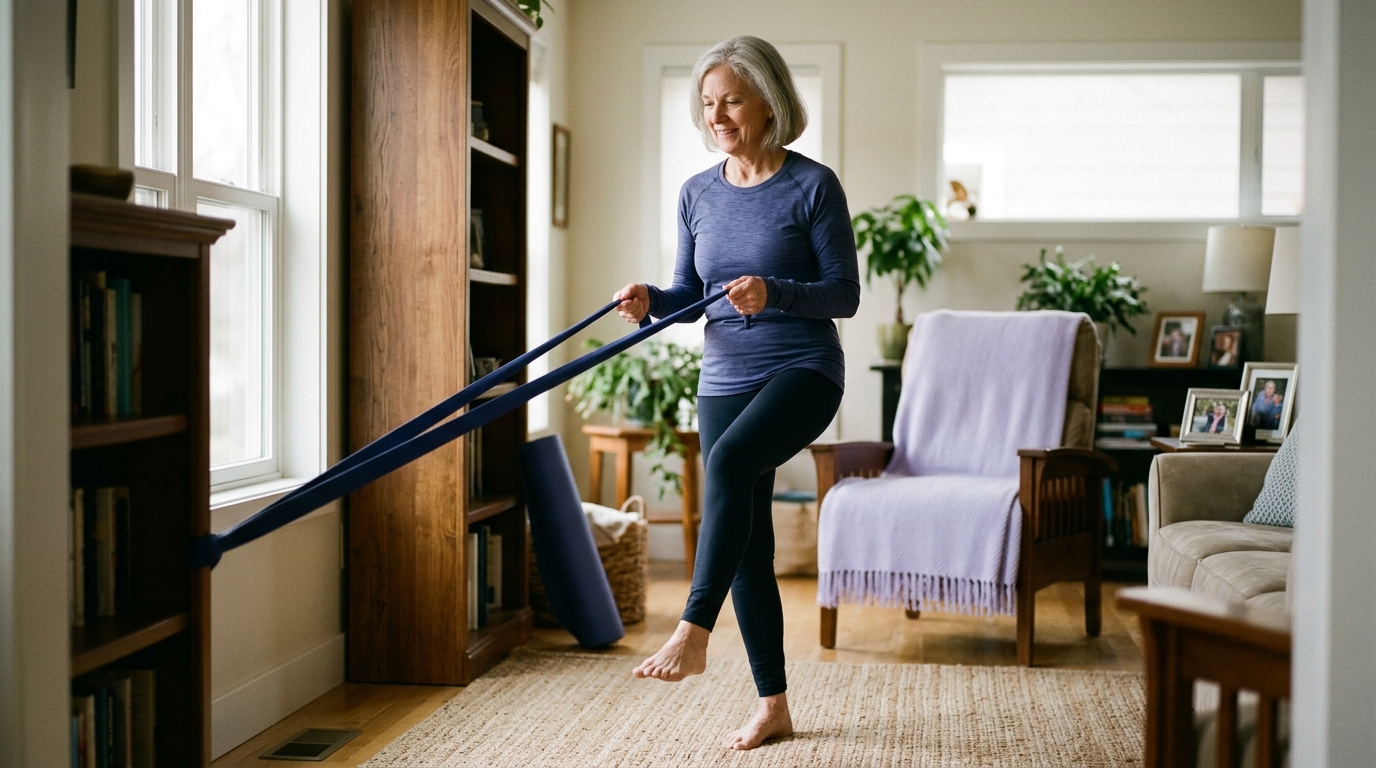
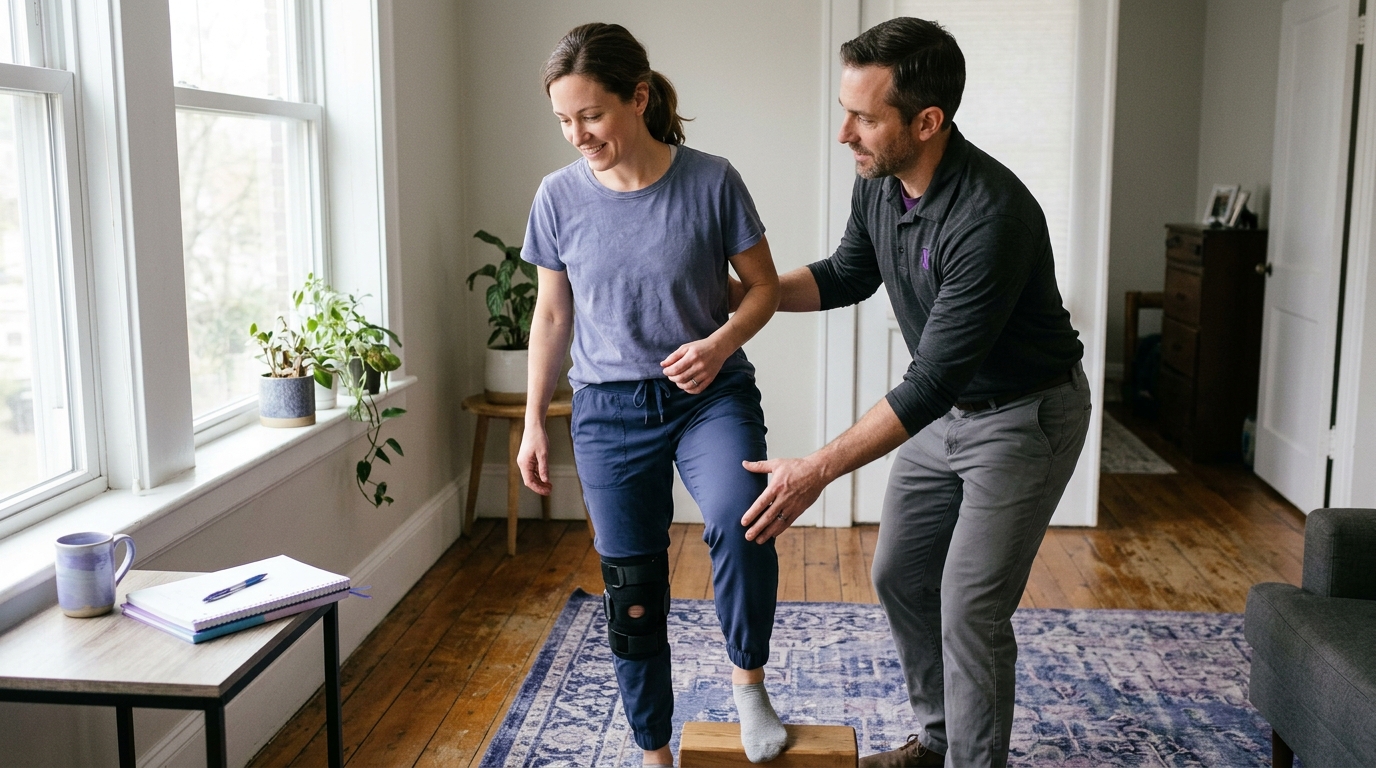
Single-leg balance stands, gentle single-leg squats, and controlled weight shifts wake up the deep intrinsic muscles of the feet. Practicing slow, controlled pivots on a stable surface helps calibrate the vestibular system before taking the dance floor. These short drills bridge the gap between general physical warmth and the precise balance demands of dance.
The final phase of a structured warm-up involves rehearsing the specific technical movements of your dance style at a lower intensity. If your class involves high kicks, begin with lower, controlled leg lifts. If your style involves rapid footwork or quick tempo changes, perform those steps at half speed first.
This rehearsal phase reinforces motor patterns and ensures your nervous system is tuned to the specific timing of your class. By moving progressively from general warmth to style-specific patterns, you prepare both muscle tissues and coordination for the work ahead. Dedicating time to mobility and movement preparation creates a safer bridge into intense dance activity.
Physical capacity is only one half of the injury equation. The other half is training volume, which represents the total physical workload placed on your body over days, weeks, and months.
Historically, researchers and instructors measured dance volume strictly by counting hours spent on the dance floor. While total hours provide a general picture of physical stress, recent studies suggest that tracking individual exposure counts provides deeper insight into overuse risks.
An exposure represents any single instance of dancing, such as a technique class, a rehearsal, or an evening social dance. Attending four separate one-hour classes throughout the week places a different biological stress on the body than completing a single four-hour dance workshop on a Saturday. Tracking both session frequency and total duration helps you identify sudden spikes in your physical workload.
Tendons, bones, and cartilage adapt to physical stress relatively slowly compared to cardiovascular fitness. When a dancer abruptly doubles their weekly class time or adds several high-impact workshops in a short window, tissue breakdown can outpace tissue repair. This imbalance often leads to conditions like Achilles tendinopathy, shin splints, or metatarsal stress reactions.
A gradual progression allows connective tissues to remodel safely. While sports science does not provide a single progression percentage that fits every human body, steady weekly increases are far safer than sudden surges. If you are preparing for a dance camp, performance, or weekend social event, build your practice volume over several weeks beforehand rather than jumping in unprepared.
Rest is the biological window where physical adaptation actually happens. During deep sleep, the body releases growth hormones that repair micro-trauma in muscle fibers and restore cellular energy reserves. Chronic sleep restriction impairs reaction time, reduces balance acuity, and increases perceived physical effort during class.
Proper nutrition and hydration further support this rebuilding cycle. Consuming adequate protein provides the amino acids necessary for collagen and muscle synthesis, while complex carbohydrates restock glycogen depleted during intense footwork. Scheduling dedicated rest days between demanding dance sessions gives your musculoskeletal system the margin it needs to adapt and stay resilient.
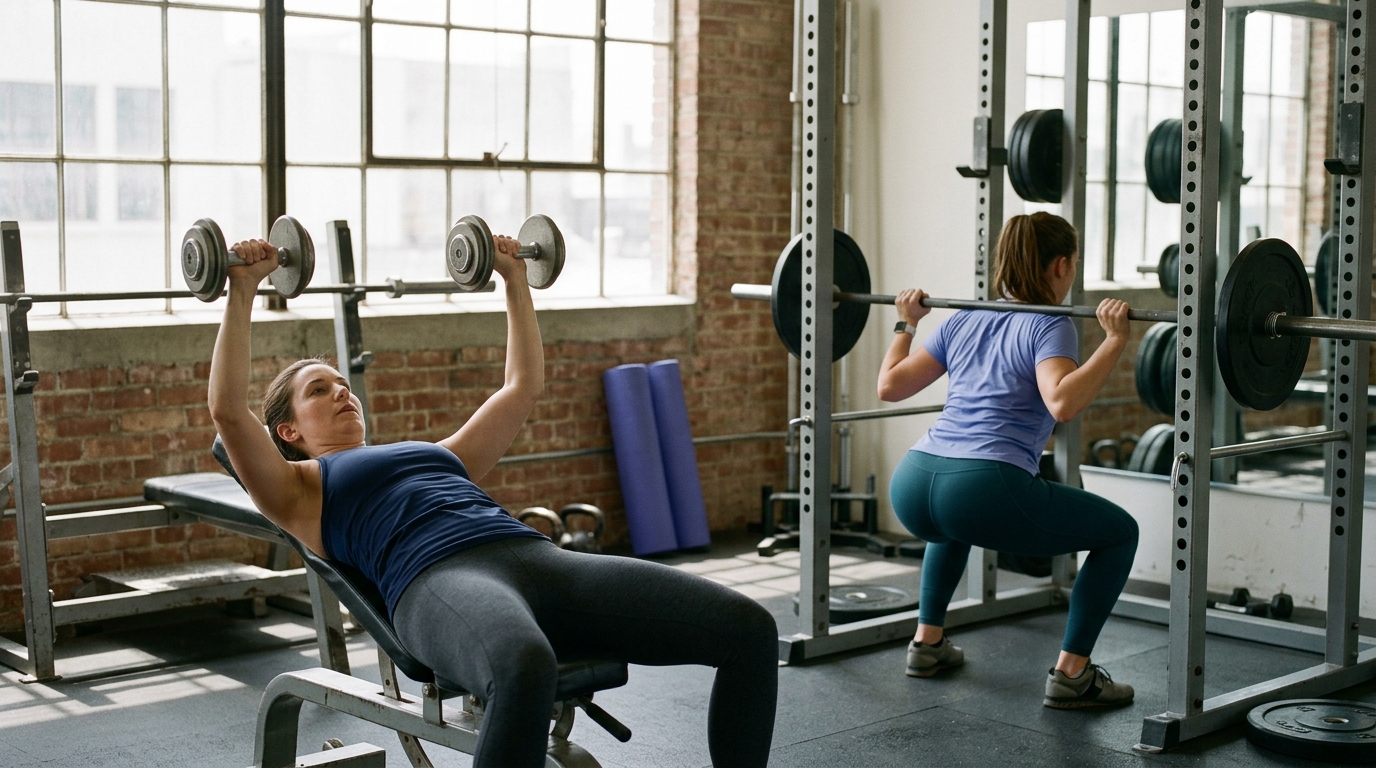
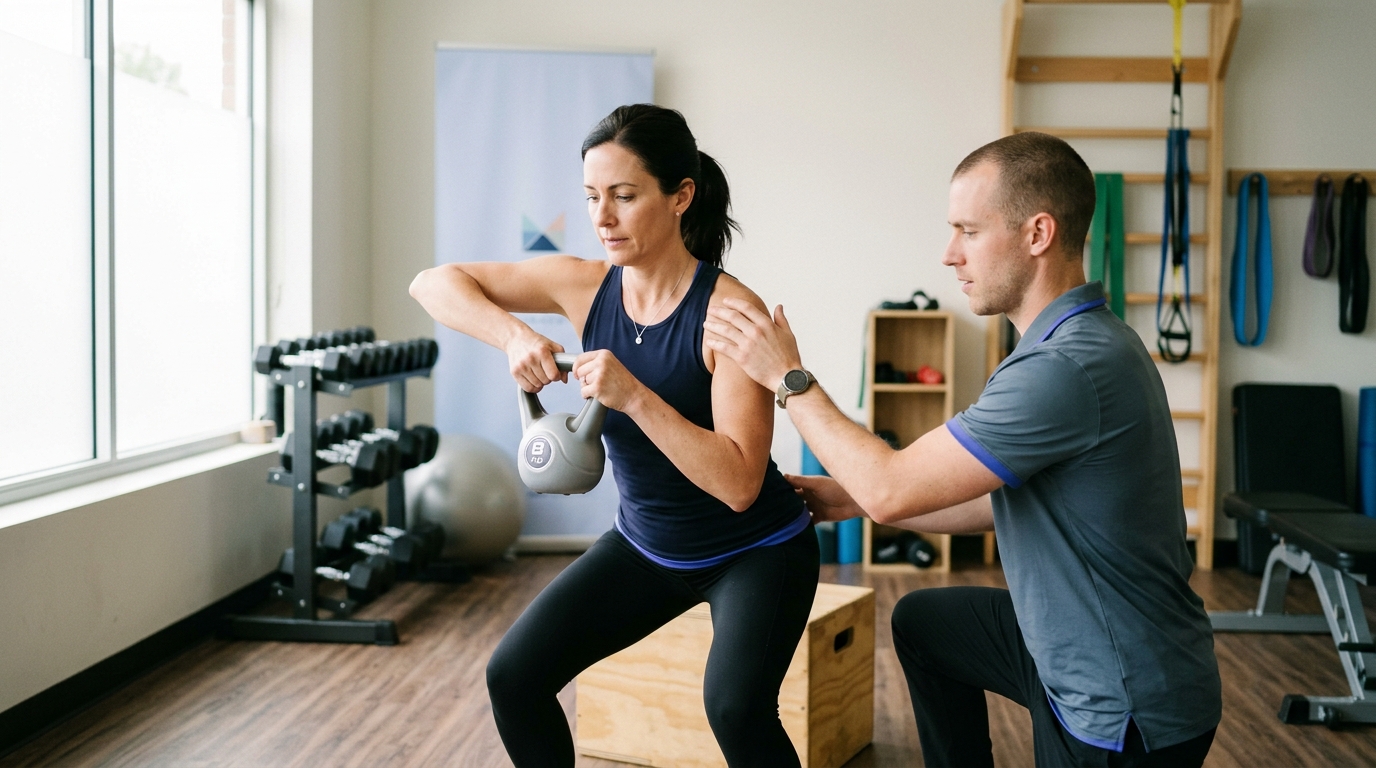
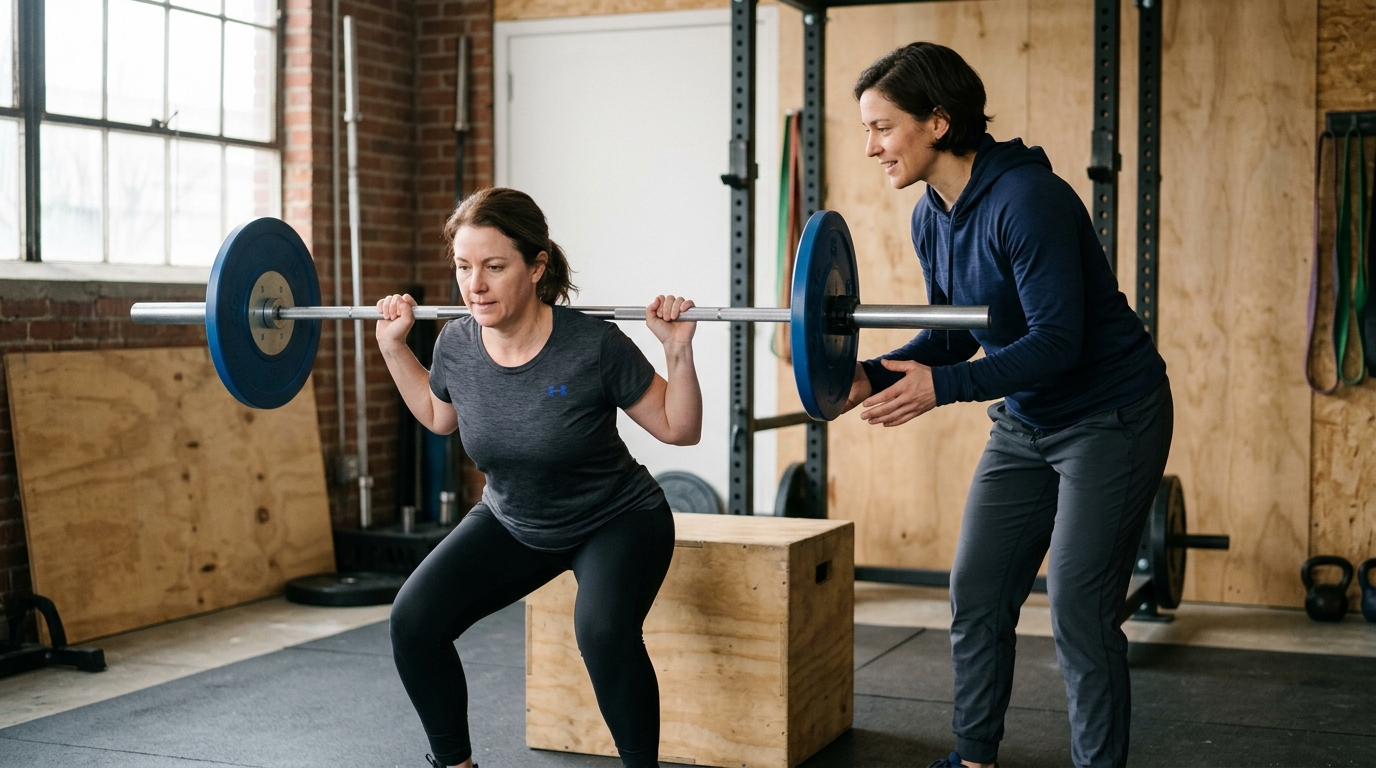
Strength training provides an internal armor for the moving body. Building stronger muscles increases the amount of mechanical load your limbs can absorb, reducing the strain transmitted to your joints and ligaments.
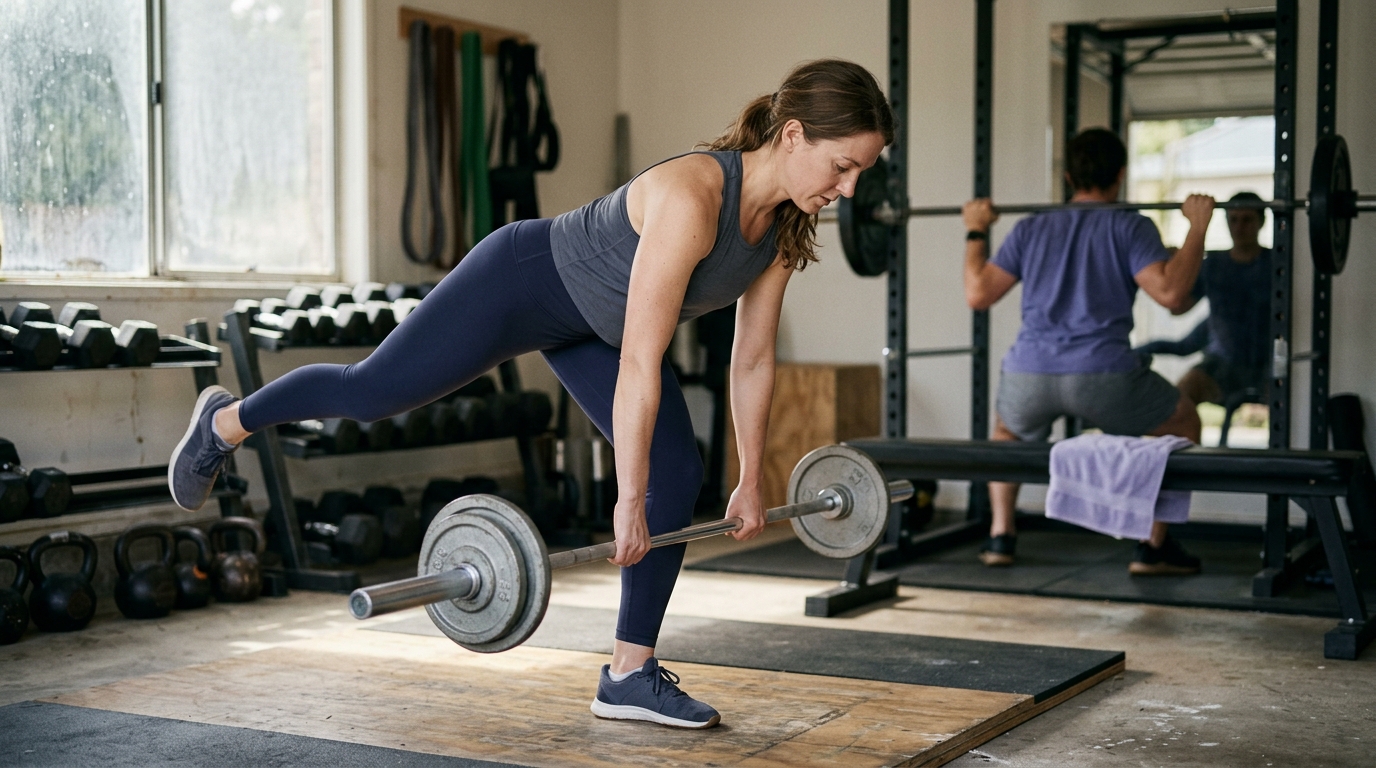
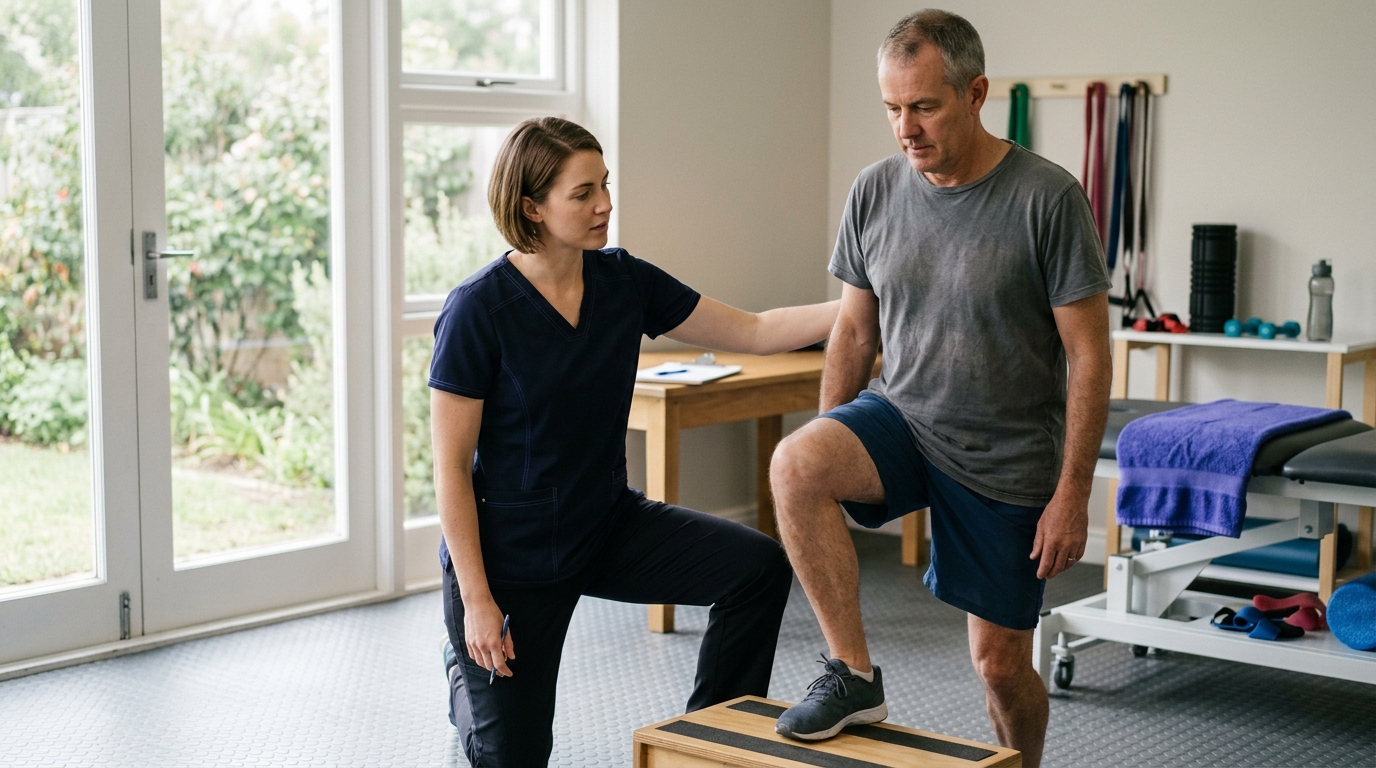
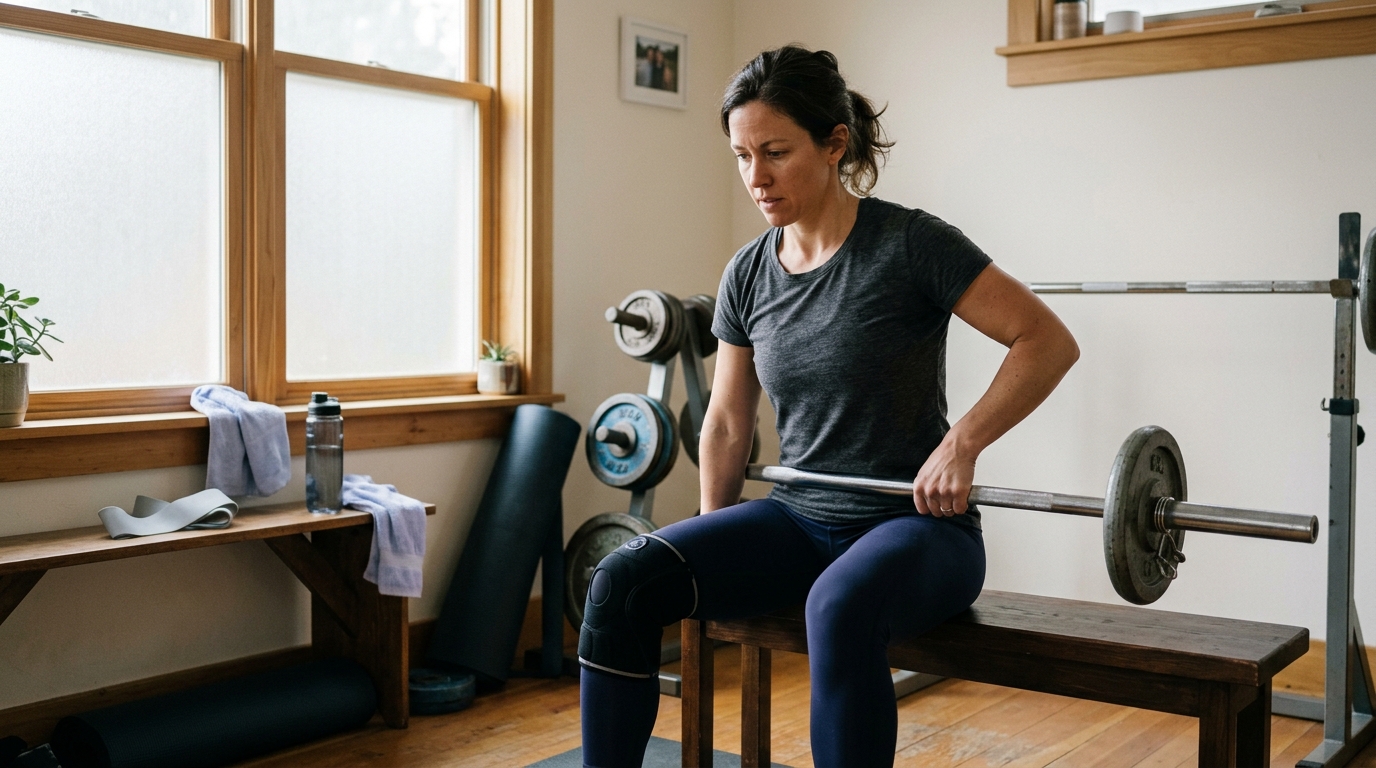
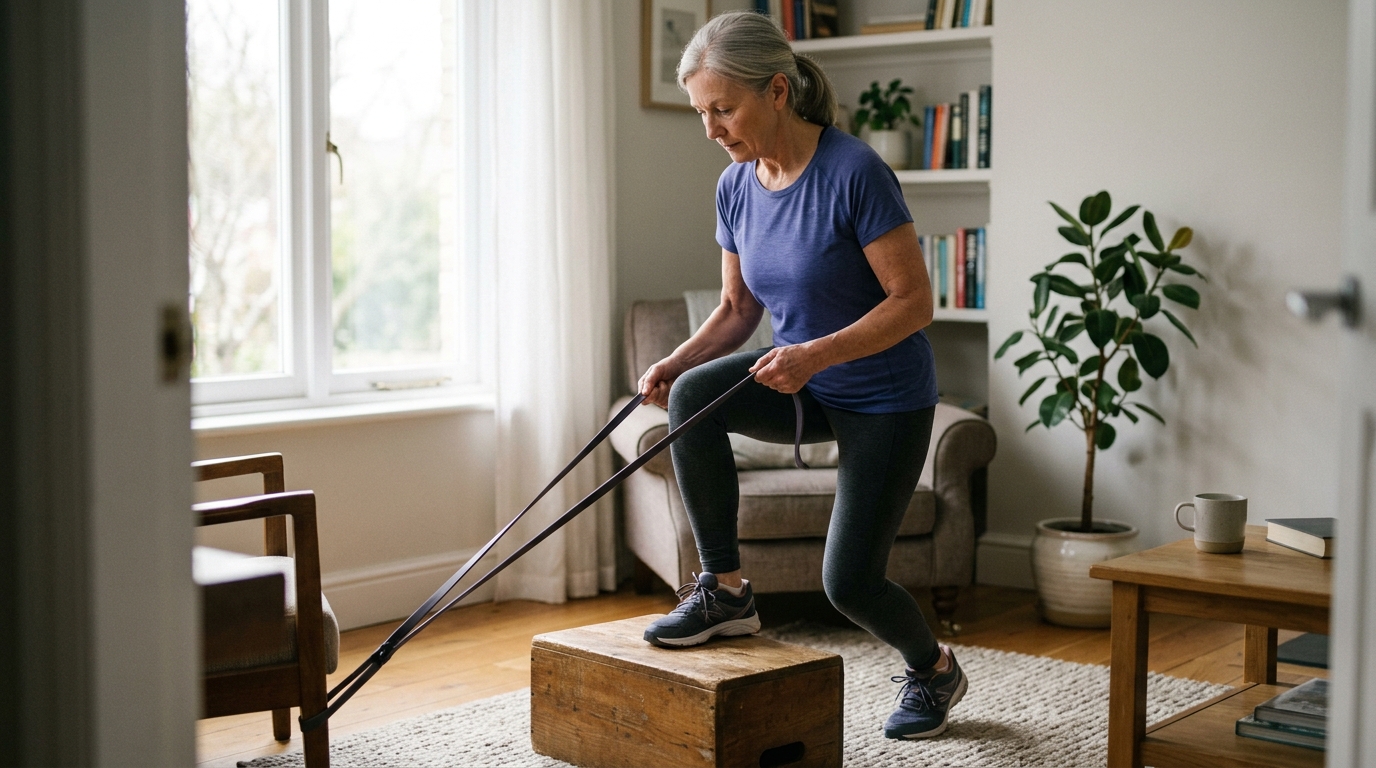
Dance requires not only the power to push off the floor, but also the strength to absorb landings softly and safely. Eccentric strength refers to the muscle's ability to produce force while lengthening, which is exactly what happens when your feet return to the floor from a jump or leap.
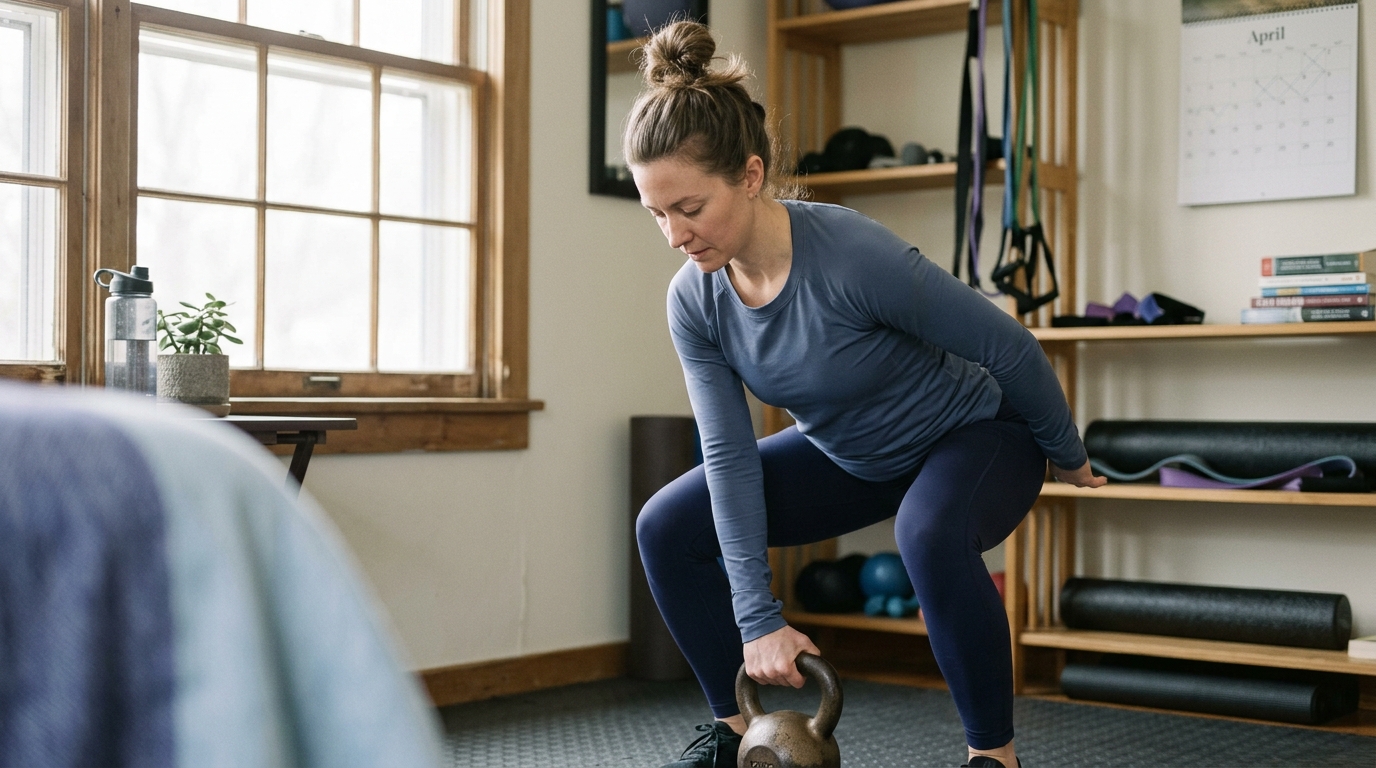
Key lower-body exercises that support dance mechanics include:
Dancers interested in structured conditioning can benefit from exploring strength rebuilding and return to activity principles to guide their weekly routine.
While dance relies heavily on footwork, the upper body and core provide essential stability. In partner dancing, the arms, shoulders, and back transmit physical cues and maintain connection. In solo disciplines, a strong trunk stabilizes the spine so the legs can move freely through large ranges of motion.
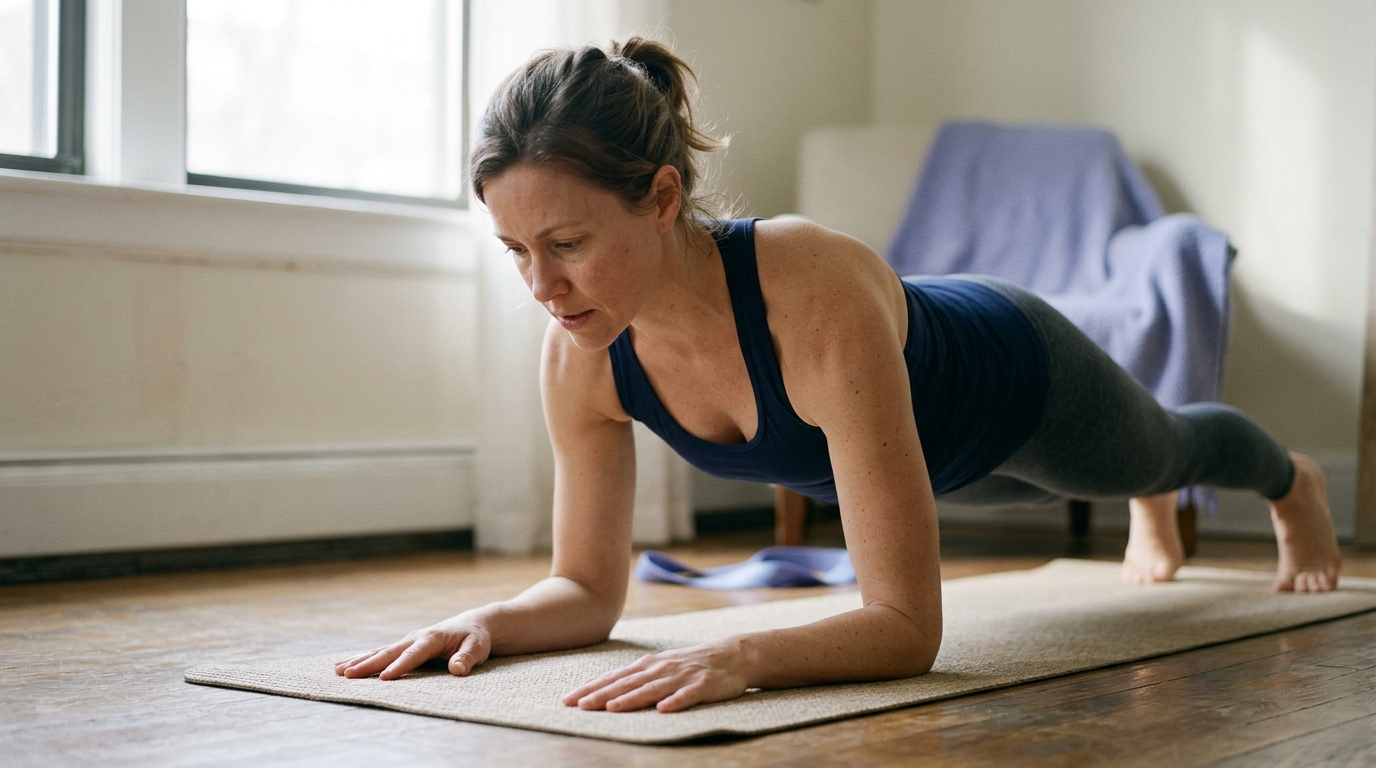
Simple upper-body exercises like push-ups, horizontal dumbbell rows, and overhead presses build shoulder stability. Core exercises that resist movement, such as side planks, front planks, and suitcase carries, teach the trunk to stay stable while the limbs move. This functional stability protects the lumbar spine from excessive arching during turns and dynamic poses.
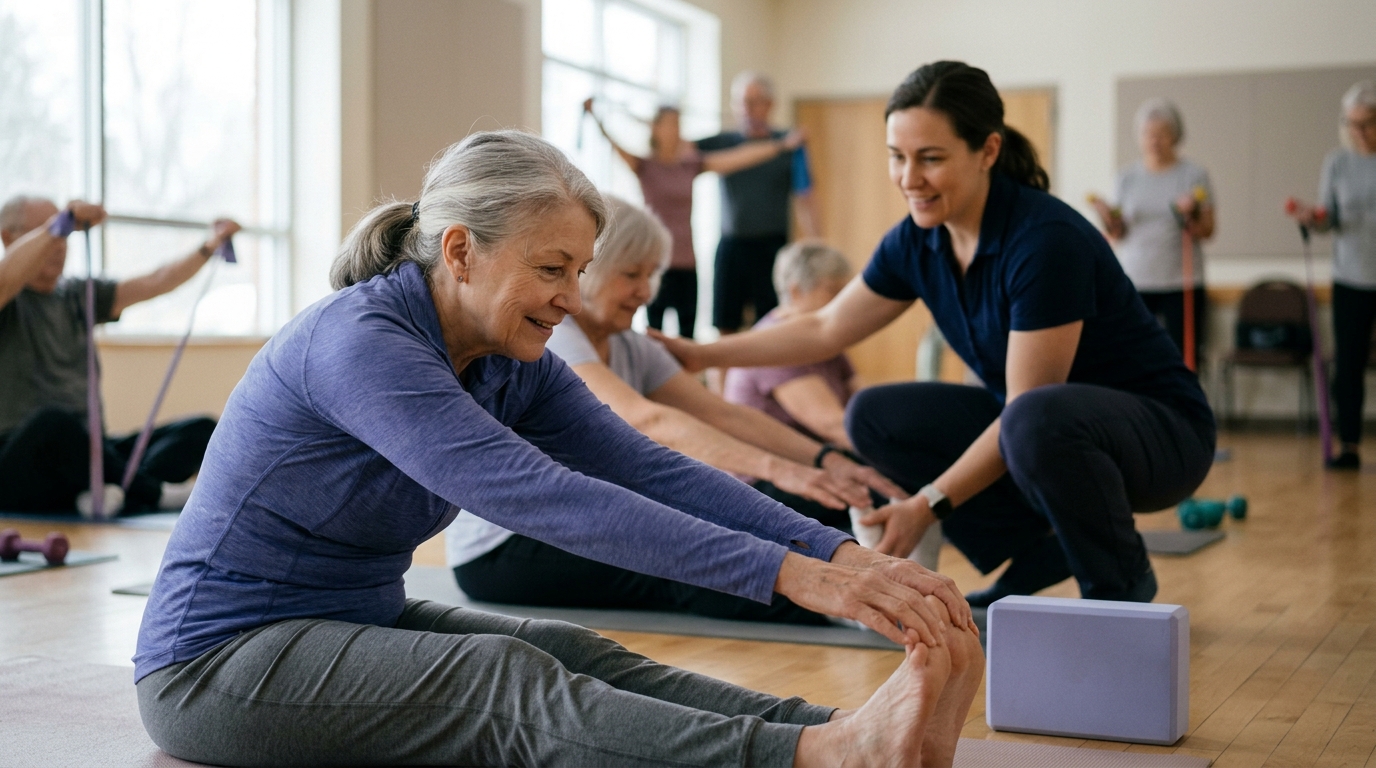
Flexibility remains an important physical attribute in dance, but it works best when paired with muscular control. Instead of aggressively forcing cold joints into passive splits, focus on active flexibility drills where your own muscles pull the limb into position.
For example, performing slow, controlled leg lifts and holding the position for several seconds builds strength at the end of your available range. When you do perform static stretching, schedule it after class or during a separate session when your body is fully warm. Stretch smoothly and methodically, avoiding rapid bouncing or painful joint compression.
Traditional dance culture contains several long-standing beliefs that do not align with modern sports medicine. Recognizing these common myths helps you make better decisions about your training and physical recovery.
The belief that extensive static stretching before dancing stops injuries is widespread. While stretching improves temporary joint flexibility, scientific reviews have repeatedly shown that pre-exercise static stretching does not reduce overall injury rates. In fact, prolonged static holds before explosive jumping can temporarily reduce muscle power output.
Flexibility is simply one component of physical readiness. It must be balanced with strength, neuromuscular coordination, and proper landing technique. Dynamic warm-ups that elevate heart rate and activate stabilizing muscles provide far better pre-dance preparation than sitting in static stretches on a cold studio floor.
Dancers often read broad claims about injury rates and assume those numbers apply directly to their own weekly class. In reality, injury statistics in dance research vary dramatically depending on how the researchers defined an injury.
Some studies count any minor ache or pain as an injury, which produces very high statistical rates. Other studies only count injuries that cause a dancer to miss scheduled classes or seek medical care, which produces much lower numbers. Furthermore, injury patterns in professional ballet companies differ substantially from those seen in adult tap, salsa, or recreational ballroom. You cannot simply take an injury rate from an elite student population and apply it to an adult recreational dancer.
The traditional dance ethos often celebrated dancing through pain as a sign of dedication. In recreational dance, ignoring persistent joint or tendon discomfort frequently turns minor, manageable irritations into chronic overuse problems.
Pain is a protective signal that indicates tissue capacity has been exceeded. While mild muscle soreness after a new class is normal, sharp joint pain, swelling, or pain that alters your walking mechanics should never be ignored. Listening to early warning signs and modifying class intensity preserves long-term joint health and keeps you dancing across decades. Adults looking to maintain physical longevity can review active aging and long-term joint care concepts for sustained participation.
Every dancer encounters changes in schedule, class styles, and physical fitness. The following illustrative models show how to apply capacity, exposure, and recovery principles to common situations.
Consider a dancer who took three months off from regular contemporary classes due to work travel. When returning to the studio, jumping immediately into three intense classes per week poses a significant shock to the lower limbs.
A measured approach involves attending one class during the first week back, taking breaks during high-impact jump sequences, and monitoring how the body feels over the next 48 hours. Over the following four to six weeks, the dancer can gradually reintroduce additional classes and full-intensity combinations. This gives the Achilles tendons and plantar fascia time to readapt to repeated loading.
An adult salsa dancer normally attends a single 60-minute class each week but plans to attend a three-day dance congress involving several hours of social dancing each night. This represents a dramatic increase in both exposure counts and rotational stress on the knees and ankles.
To prepare, the dancer can spend the preceding six weeks building calf endurance, practicing single-leg balance drills, and gradually increasing social dance time on weekends. During the event itself, wearing supportive footwear, taking breaks between fast songs, staying hydrated, and getting adequate sleep help manage the physical strain.
A recreational dancer whose primary background is low-impact ballroom decides to start taking adult tap or Irish dance classes. The new style introduces rapid, high-frequency impacts against hard floors that the dancer's lower legs have not experienced recently.
Rather than taking multiple high-impact classes right away, the dancer begins with one introductory class per week while adding calf raises and low-level jump rope drills at home. This progressive cross-training builds bone density and tendon stiffness gradually, minimizing the risk of developing shin splints or heel pain.
Physical conditioning is vital, but the environment in which you dance also plays a major role in joint protection. Floors, footwear, and space considerations all influence the physical forces acting on your body.
The surface beneath your feet directly affects joint loading. Dancing on unyielding surfaces like concrete, tile, or thin wood laid directly over stone forces your bones and joints to absorb nearly all impact energy.
Sprung floors, which feature a suspended wooden subfloor designed to flex under impact, absorb a significant portion of landing forces. Whenever possible, choose dance studios and venues that utilize professional sprung floors. If you must practice at home, avoid jumping repeatedly on concrete or tiled areas, opting instead for carpeted areas or temporary sprung dance mats.
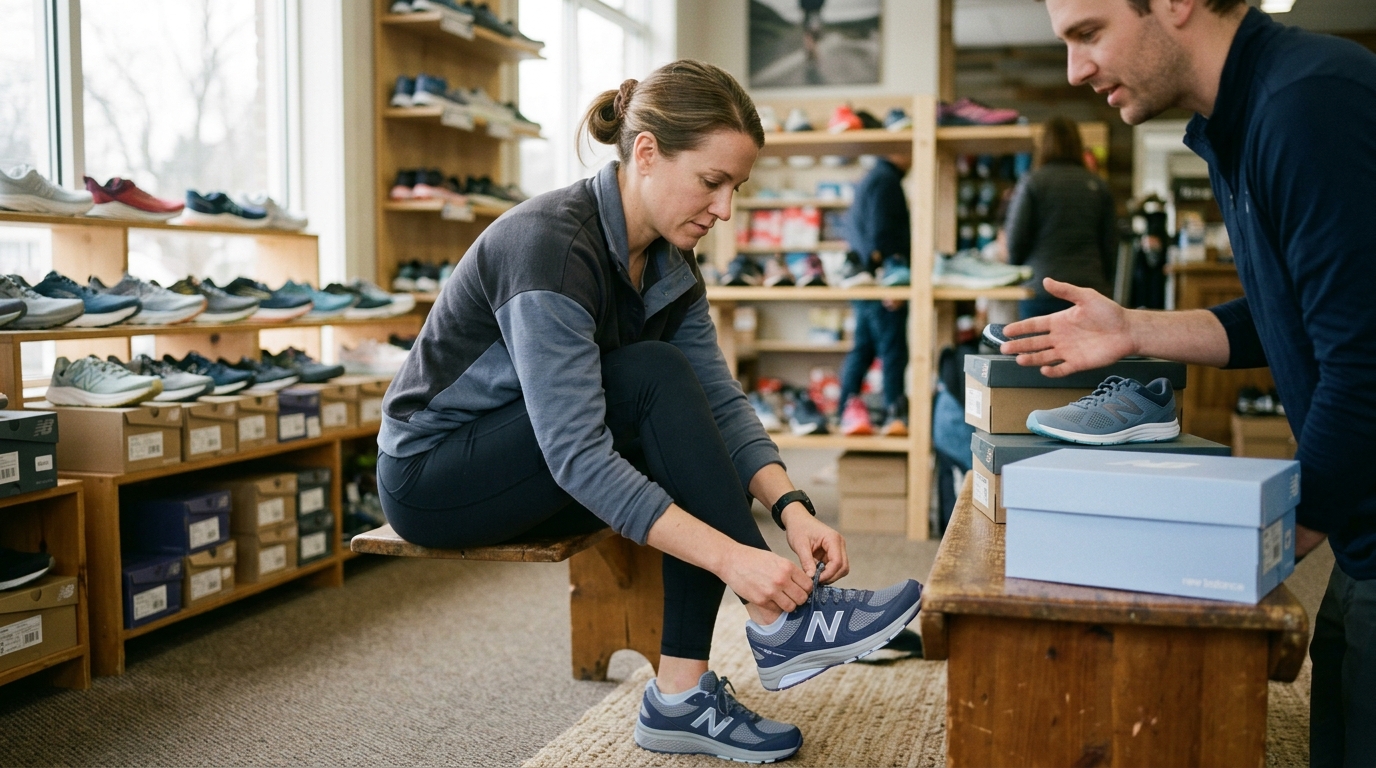
Dance footwear must strike a delicate balance between traction and glide. Shoes with excessive grip can catch on the floor during turns, sending dangerous rotational torque into the ankle and knee joints. Conversely, shoes with too little traction can lead to slips and acute falls.
Select footwear specifically designed for your dance style and the floor surface you are using. Suede-soled shoes provide smooth turning ability on clean ballroom wood, while split-sole sneakers offer cushioning and arch flexibility for fitness dance. Inspect your dance shoes regularly for worn soles, uneven heel wear, or broken internal support structures that could compromise foot alignment.
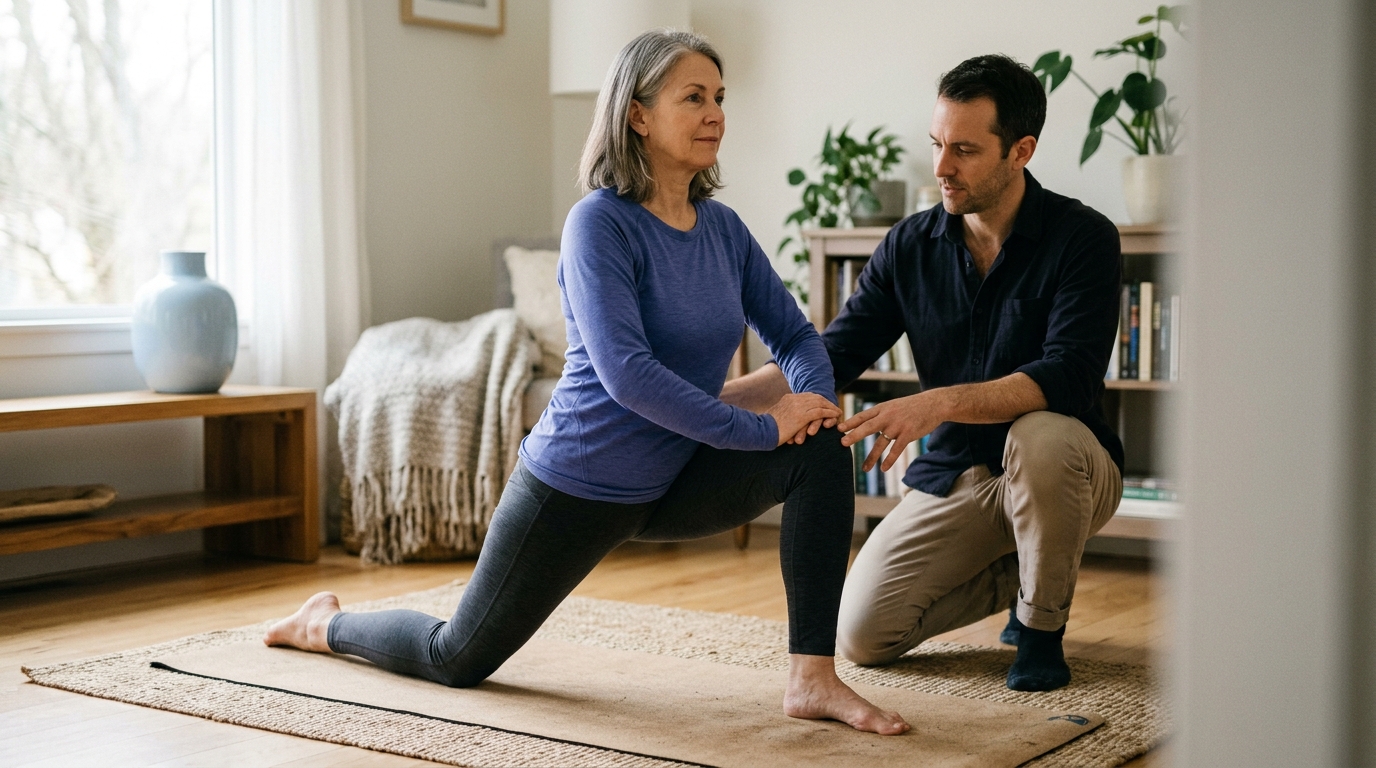
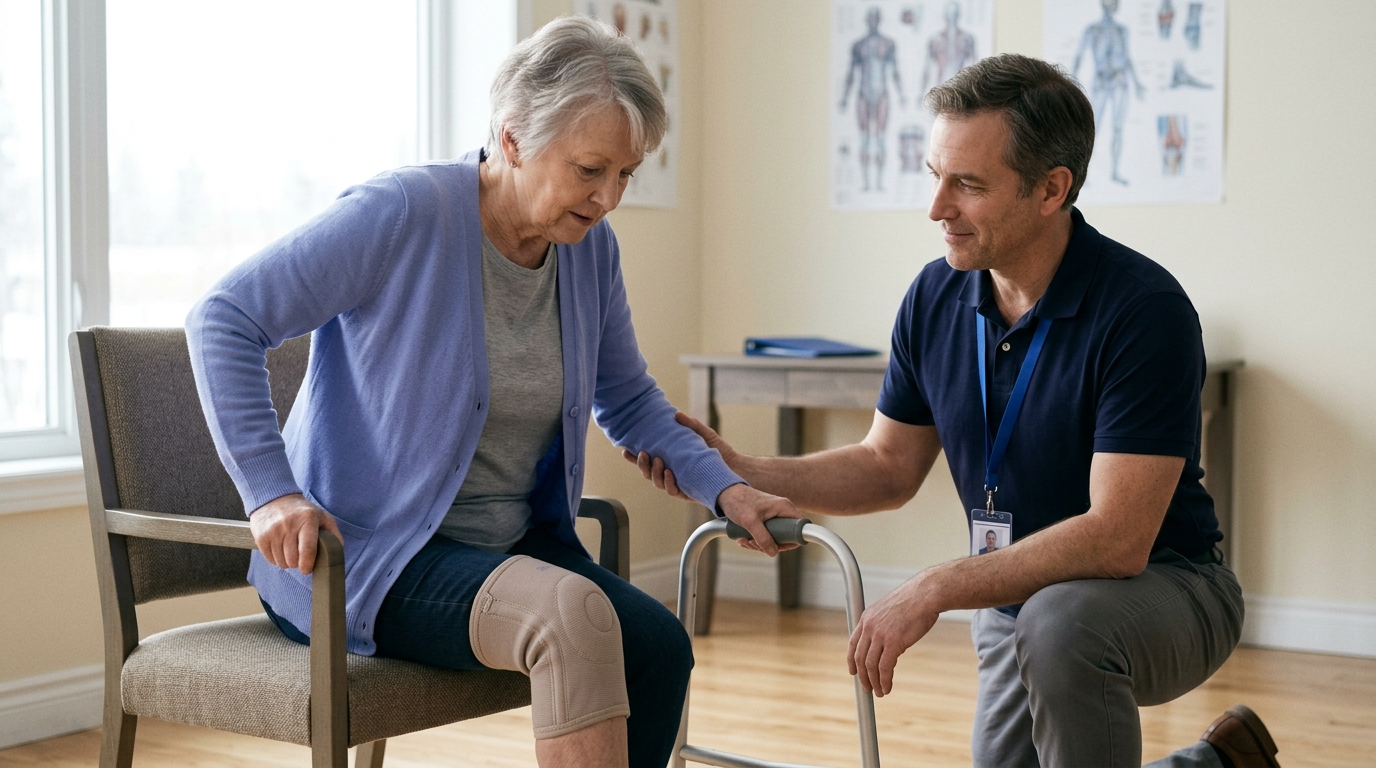
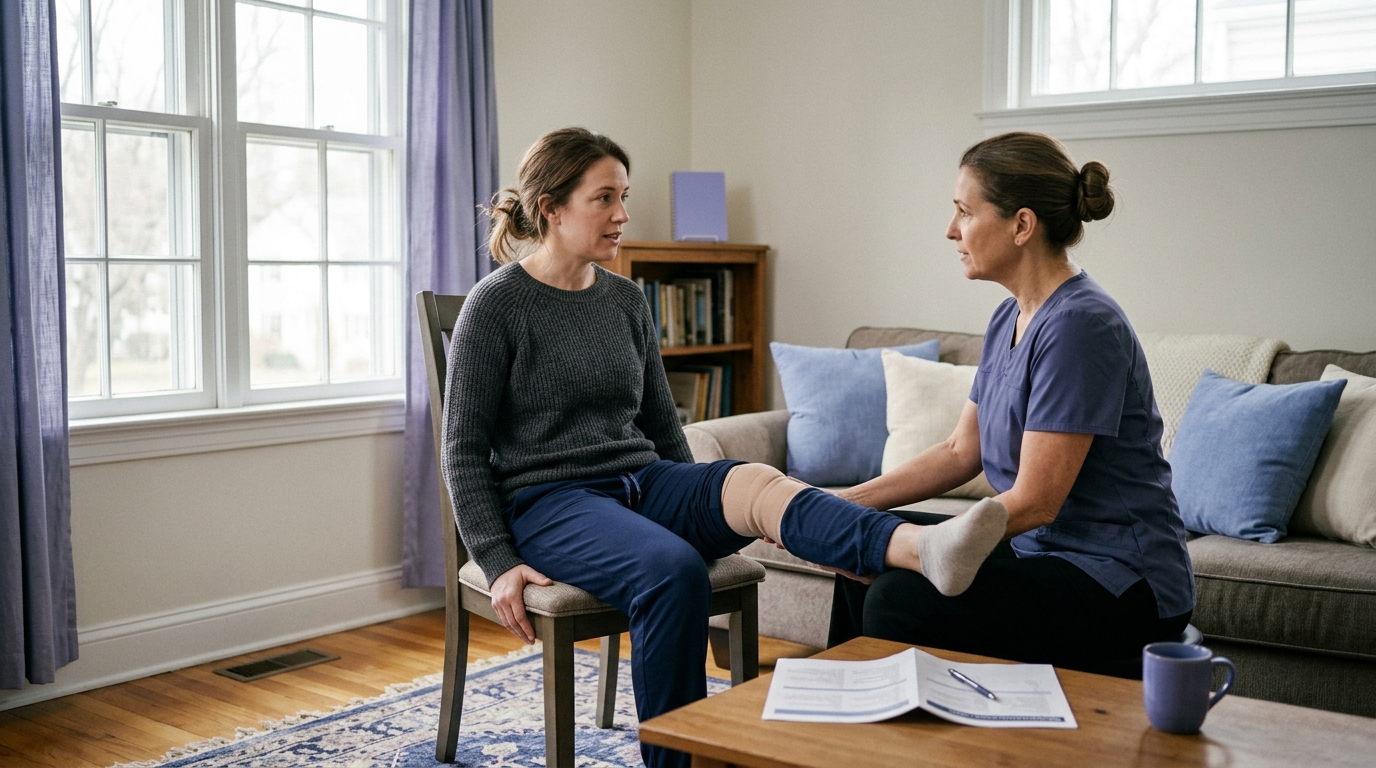
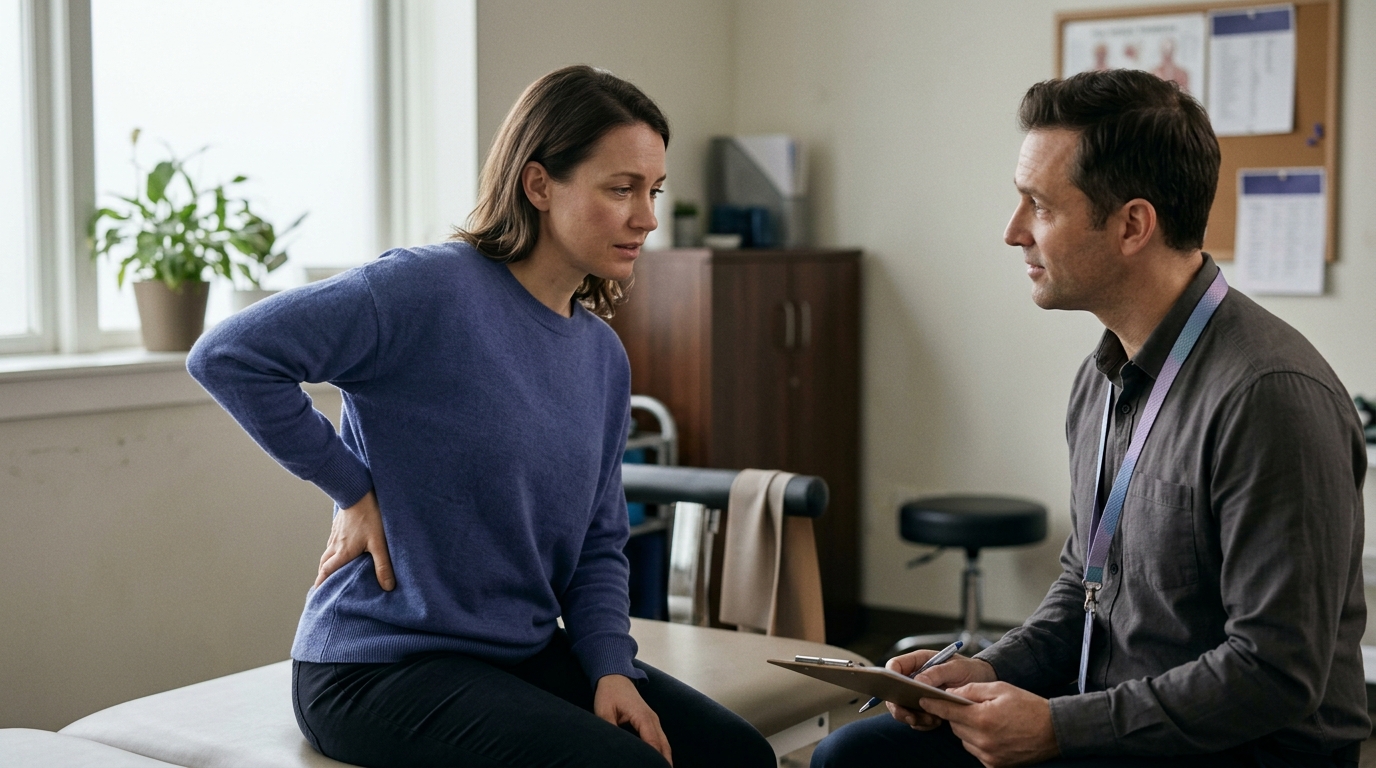
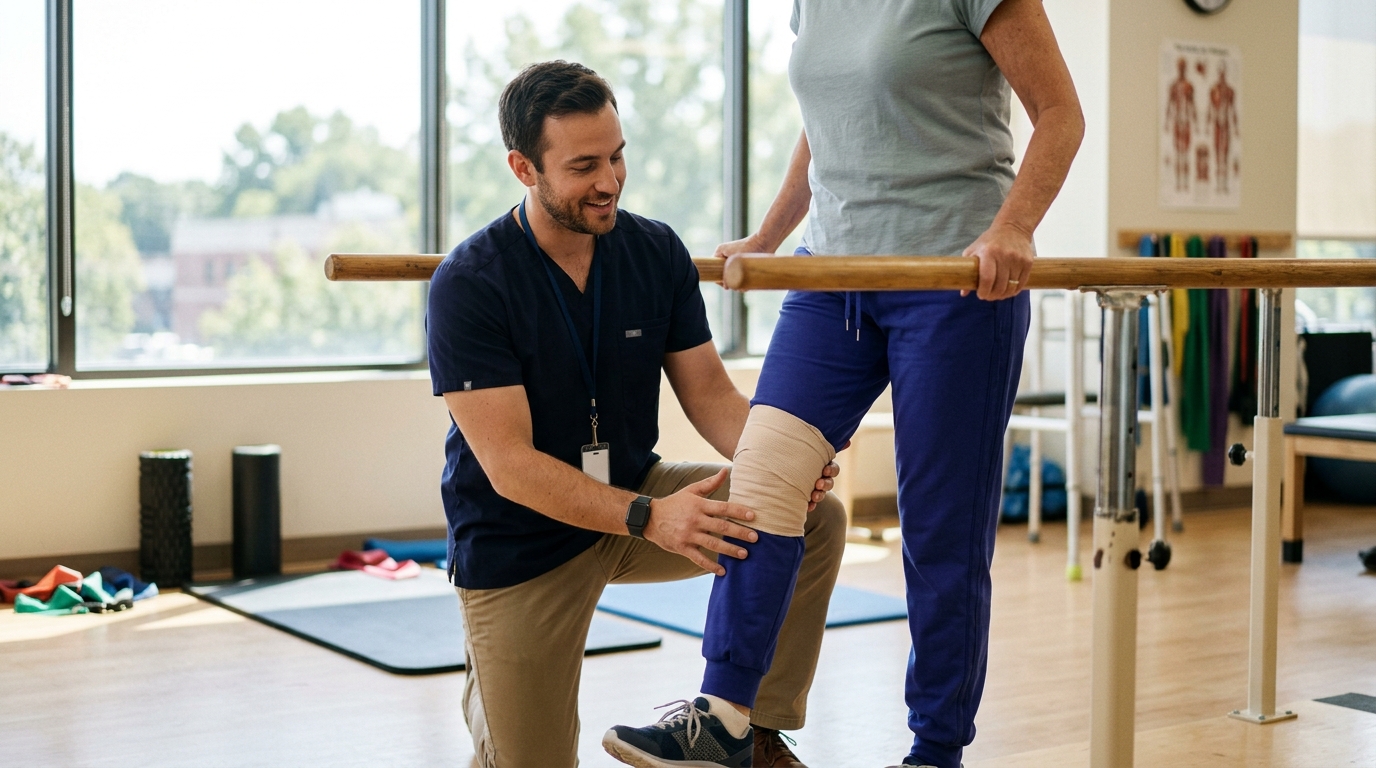
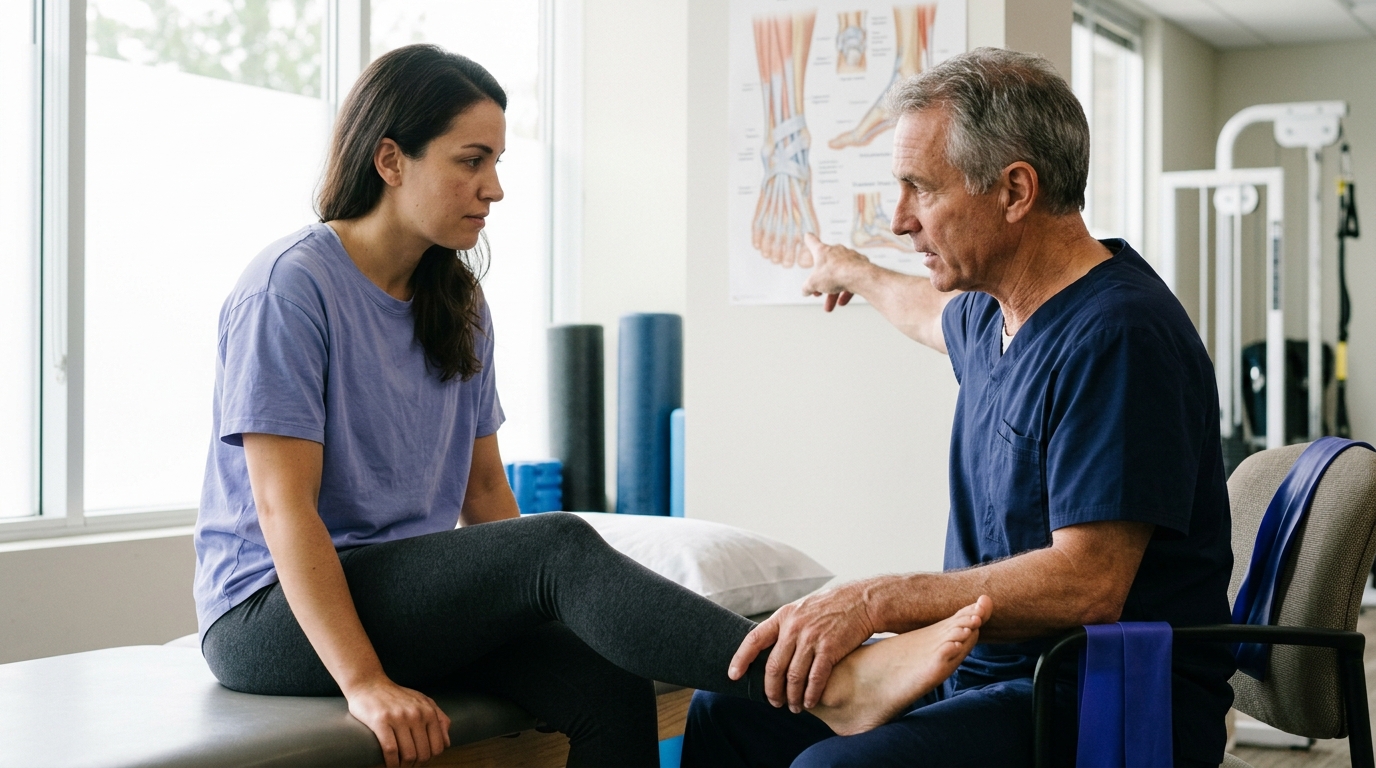
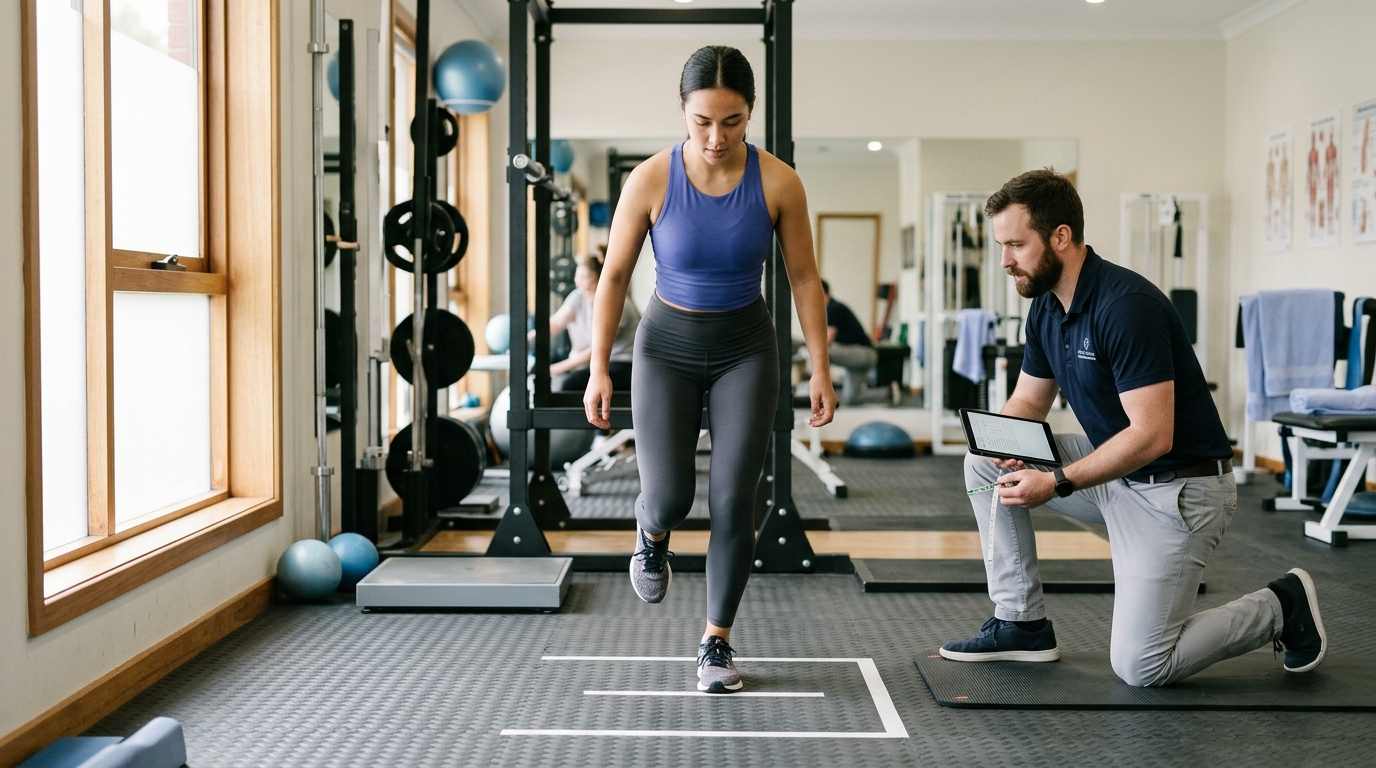
If you experience persistent pain, are recovering from an injury, or want professional guidance on your movement mechanics, consulting a physical therapist or sports medicine physician is a wise step. Here are practical questions to guide that discussion:
Dance is a rewarding physical activity that offers cardiovascular benefits, coordination challenges, and artistic expression. Staying healthy on the dance floor requires matching your physical preparation to the actual demands of your movement style.
There are no shortcuts or universal formulas that can completely prevent dance injuries. However, building muscular strength, training single-leg balance, warming up with dynamic movement, and managing your weekly class volume significantly reduce your risk. Treat your body with patience, listen to early warning signs of fatigue, and progress your dance journey at a steady, sustainable pace.
You can begin applying these evidence-informed principles immediately to support your dance practice:

Use ReboundBody resources to understand common recovery stages, rehab terms, movement limits and strength rebuilding. Each guide is designed to make a complex comeback easier to understand.


Read practical guidance on injury recovery, rehabilitation, mobility and rebuilding strength as you work your way back to activity.
Explore Resources