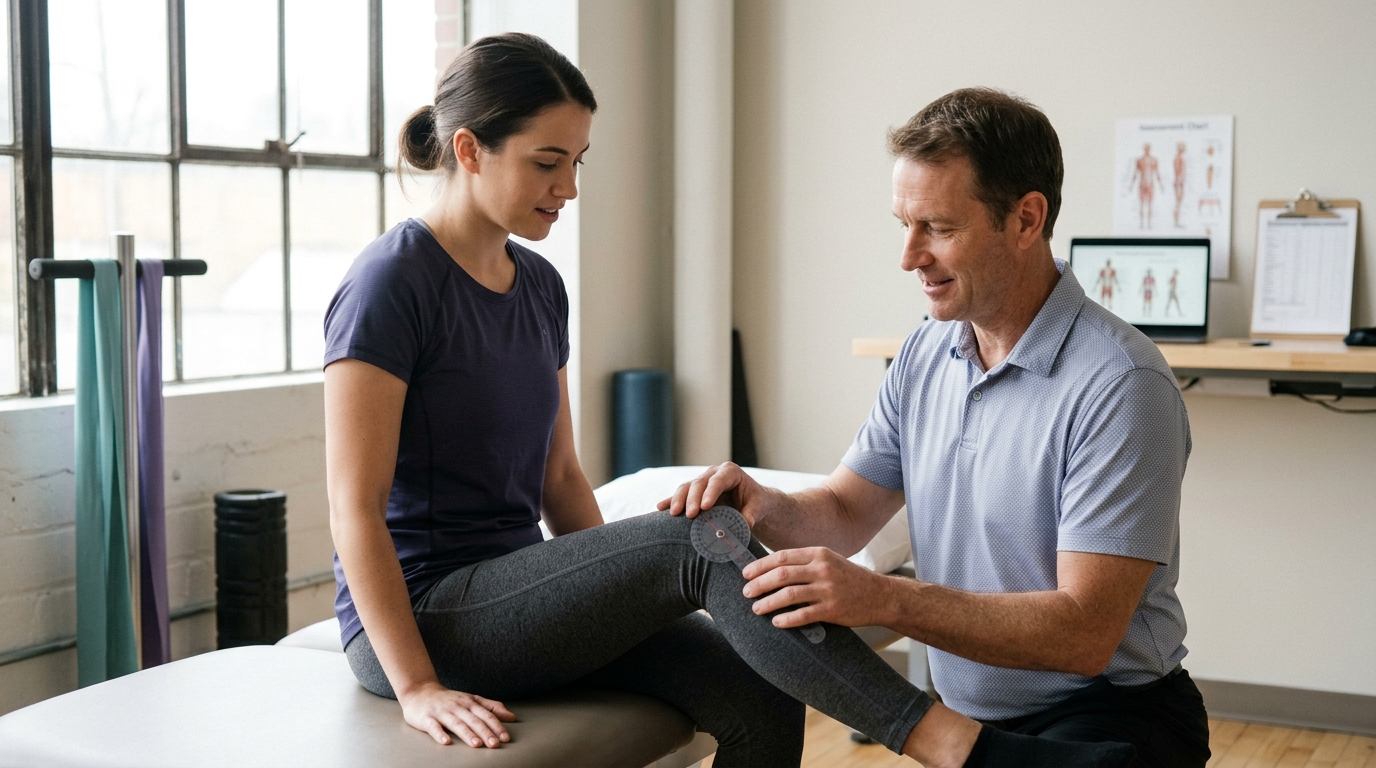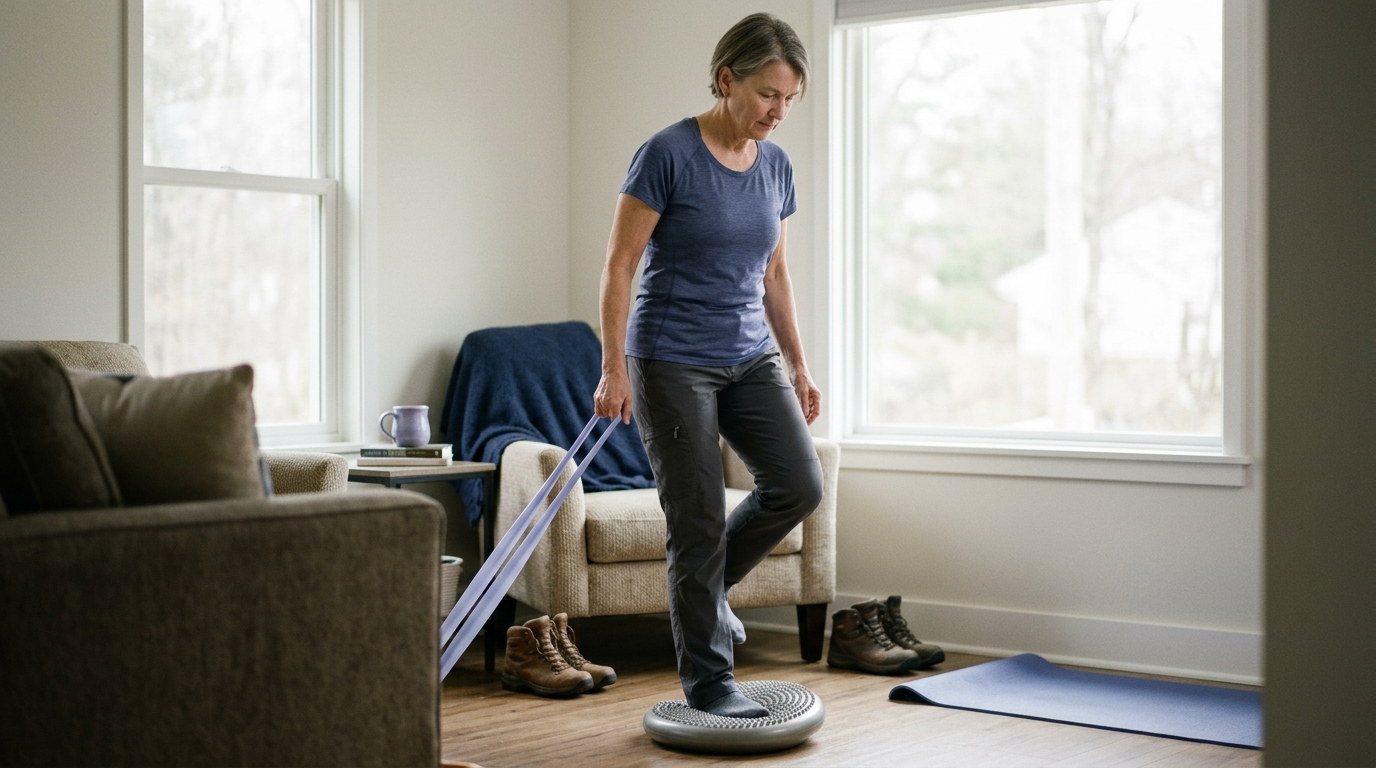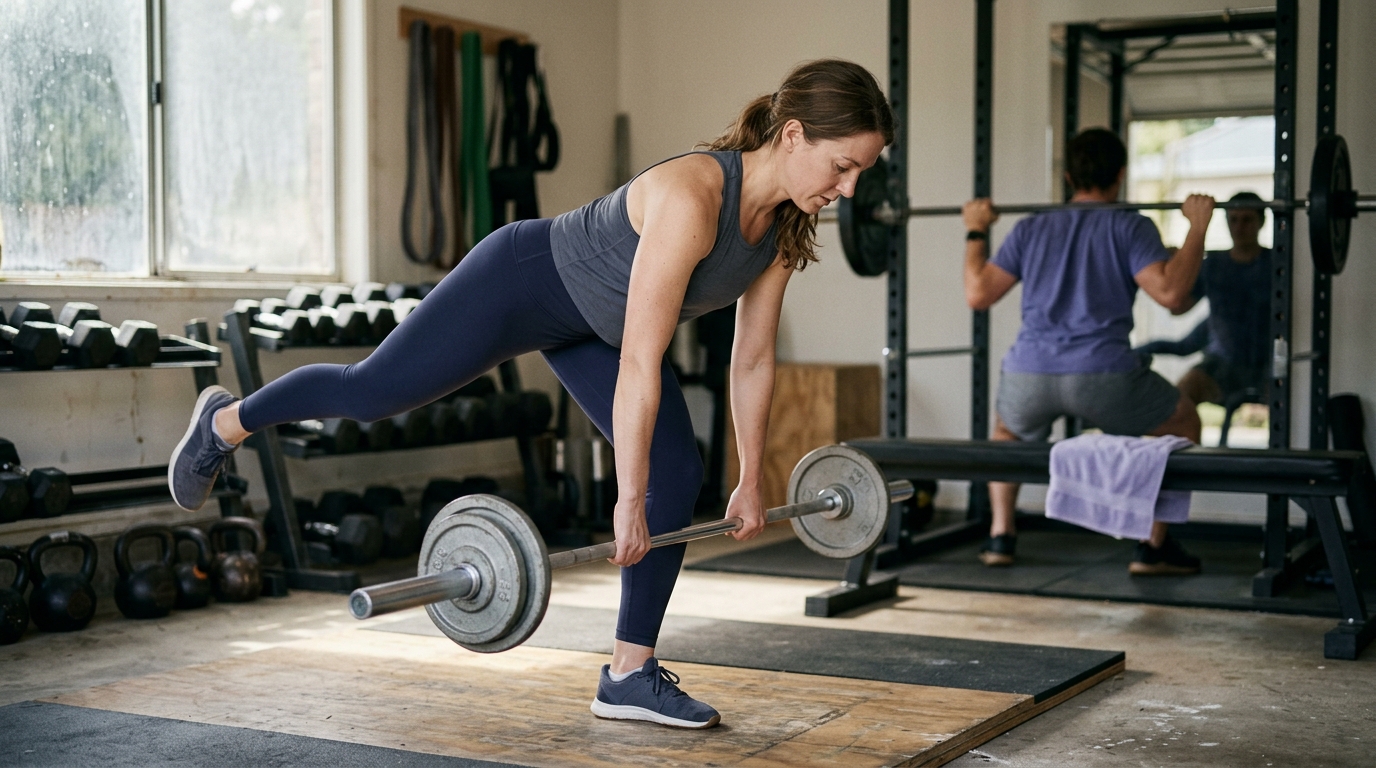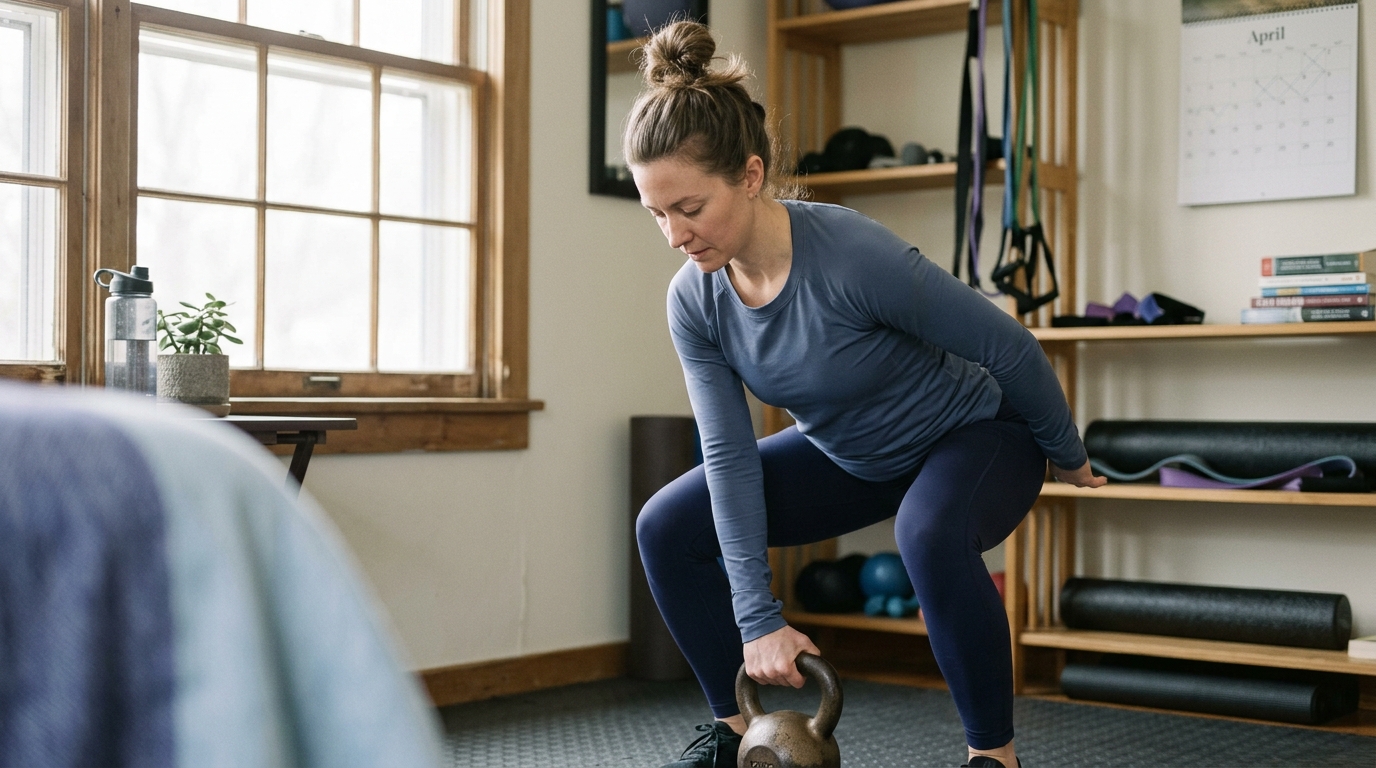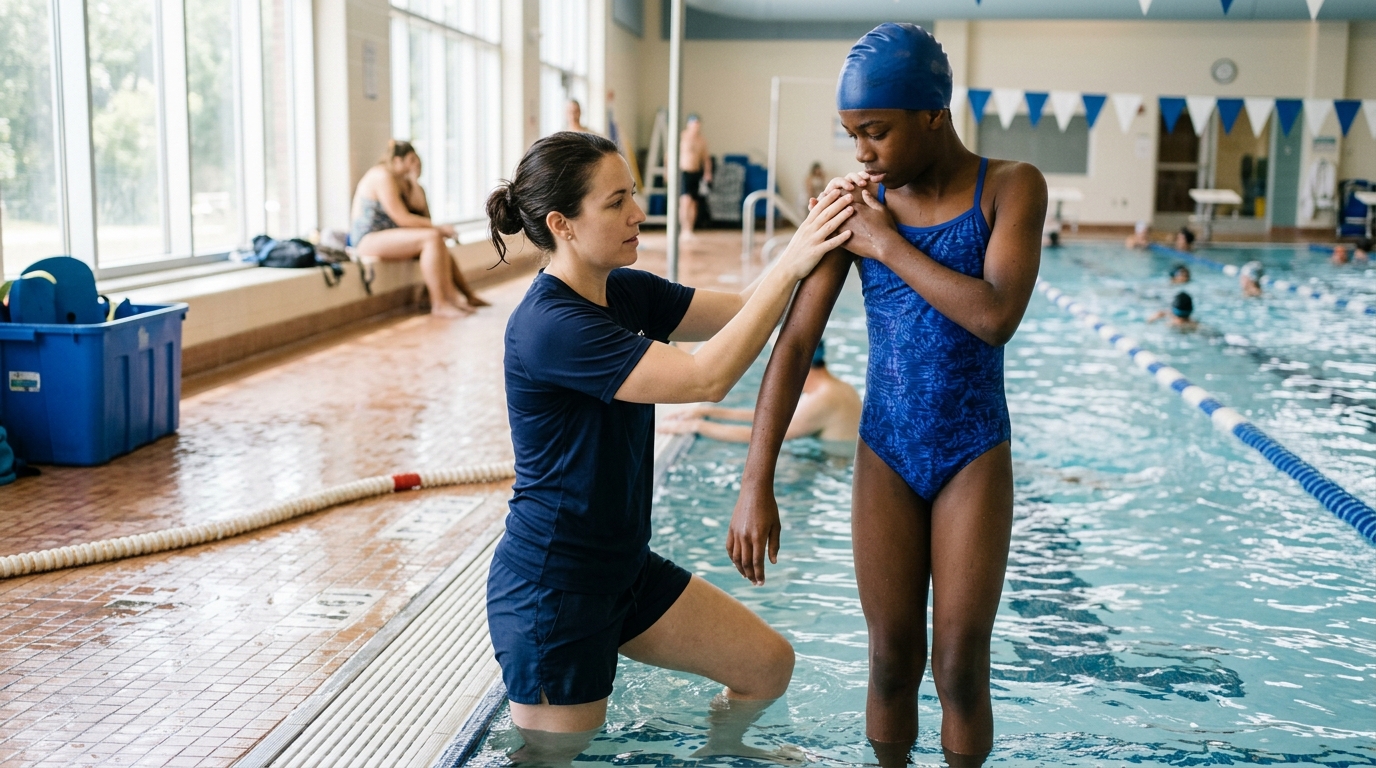

Four to six weeks of balanced training workload helps swimmers build physical capacity, strengthen stabilizing muscles, and prevent common overuse shoulder injuries.





Many people view swimming as a zero-impact activity that protects joints from injury. Because water provides buoyancy and removes the ground impact of running or jumping, swimmers often assume they can increase their laps without consequence. Research reveals a very different reality. Swimming requires thousands of continuous upper-body rotations against water resistance, which places unique physical demands on the shoulders, spine, and supporting tissues.
Injury prevention in the pool is not about finding a magic stretch or following a rigid yardage formula. It is about matching your current physical capacity to your overall training volume. A recreational swimmer who understands exposure, cross-training, and gradual progression can enjoy the pool while keeping joints healthy.
Building physical tolerance takes time, consistency, and realistic planning. This guide explains what the current research says about swimming injuries, how to condition your shoulders and trunk, and how to safely adjust your laps over time.
To protect your joints, you first need to understand the relationship between training load and tissue capacity. Every lap you complete adds mechanical stress to muscles, tendons, and ligaments. When that stress stays within a tolerable range, your body adapts and becomes stronger. When stress exceeds what your tissues can handle, irritation and persistent discomfort can develop.
Training load refers to the total volume and difficulty of your swimming. It includes how often you swim each week, the distance you cover, and the speed of your intervals. It also accounts for the specific strokes you choose, the training tools you hold, and any dry-land workouts you perform.
Capacity represents your body's present ability to tolerate that workload without breaking down. A workout of 1,500 yards might be an easy warm-up for a seasoned swimmer. That exact same distance can easily overwhelm someone returning to the pool after several months away. Capacity changes based on recent activity, sleep quality, prior injuries, and baseline strength.
Load management is the process of adjusting your swimming dose so it matches your current physical capacity. It rejects the extreme idea that you must either swim through pain or stop swimming altogether. Instead, it focuses on making sensible adjustments to volume, rest, and effort.
Sports scientists often compare acute workload to chronic workload to understand injury patterns. Acute workload represents the training you completed recently, such as over the past seven days. Chronic workload measures your average training volume over a longer period, such as four to six weeks.
When your acute workload spikes far above your chronic base, the risk of tissue irritation may rise. A review of shoulder pain risk factors evaluated dozens of training variables. The researchers noted that sharp spikes in acute workload relative to chronic training were associated with shoulder issues.
However, this association is a broad observation rather than an exact prediction tool. You cannot calculate a single mathematical ratio that tells you whether you will get hurt next Tuesday. Tracking your recent yardage simply gives you a practical baseline so you avoid doubling your pool time overnight.
Overuse injuries in swimming develop quietly over time rather than from a sudden collision. Each stroke requires arm elevation, internal rotation, and muscular force against water resistance. If tissues do not have enough time or strength to recover between sessions, low-grade irritation accumulates.
Overuse problems in the pool most commonly affect the shoulders, the lower back, and the knees. Because the onset is gradual, many swimmers ignore early stiffness until simple movements become painful. Recognizing that overuse is a gradual process allows you to modify your routine early before minor aches turn into long-term limitations. You can learn more about general load management through our guide on injury prevention strategies.
The term swimmer's shoulder is widely used by coaches, athletes, and clinicians, but it is not a medical diagnosis. It is an umbrella term for shoulder pain related to swimming activities. The discomfort can stem from several distinct tissues, including the rotator cuff tendons, the bursa, the biceps tendon, or the labrum.
Relying on a generic label makes it difficult to address the root cause of discomfort. Understanding what the medical literature reveals helps set realistic expectations for recovery and prevention.
Shoulder discomfort is the most frequently documented musculoskeletal complaint among swimmers of all skill levels. A large systematic evaluation analyzed data from over 10,000 swimmers across 94 separate studies. The researchers found that reported injury rates varied dramatically, ranging from under 1 percent to over 90 percent.
Within that data, shoulder problems appeared in more than 70 percent of the reviewed studies. Pooled estimates showed shoulder complaints in approximately 46 percent of elite swimmers and nearly 46 percent of amateur swimmers. Competitive swimmers showed a pooled rate of roughly 34 percent.
Other clinical sources note that swimmer's shoulder incidence ranges anywhere from 3 percent to 70 percent depending on study design. These broad ranges occur because different studies use different definitions of pain, injury, and training volume. You should not view these statistics as a personal guarantee that you will hurt your shoulder. Instead, the data simply confirms that shoulder care should be a regular priority for anyone who swims regularly.
Studies exploring shoulder discomfort highlight several common mechanical and physical patterns. Weakness or reduced endurance in the posterior shoulder muscles and scapular stabilizers is frequently identified in symptomatic swimmers. When the muscles that support the shoulder blade fatigue, the joint position changes during the pull phase.
Forward shoulder posture and stiffness in the anterior chest muscles can also reduce space within the subacromial joint during overhead motion. Abrupt spikes in swimming yardage and poor hand entry mechanics are consistently linked to symptom onset.
However, the scientific evidence regarding these risk factors remains mixed. A comprehensive review of shoulder pain variables noted that very few individual physical traits reliably predict injury across all swimmers. Joint flexibility, posture, and muscle strength all interact in complex ways. Improving these areas supports overall movement, but no single exercise provides total protection.
When reviewing swimming research, it is vital to separate settled conclusions from areas where evidence remains thin.
Recreational swimmers must be cautious when applying competitive swimming studies to their own routines. Competitive athletes often log tens of thousands of yards weekly, while recreational swimmers rarely approach those volumes. Principles of recovery and capacity apply to everyone, but the specific training doses differ greatly. Exploring the principles of rehabilitation science helps put these competitive studies into proper context for daily life.
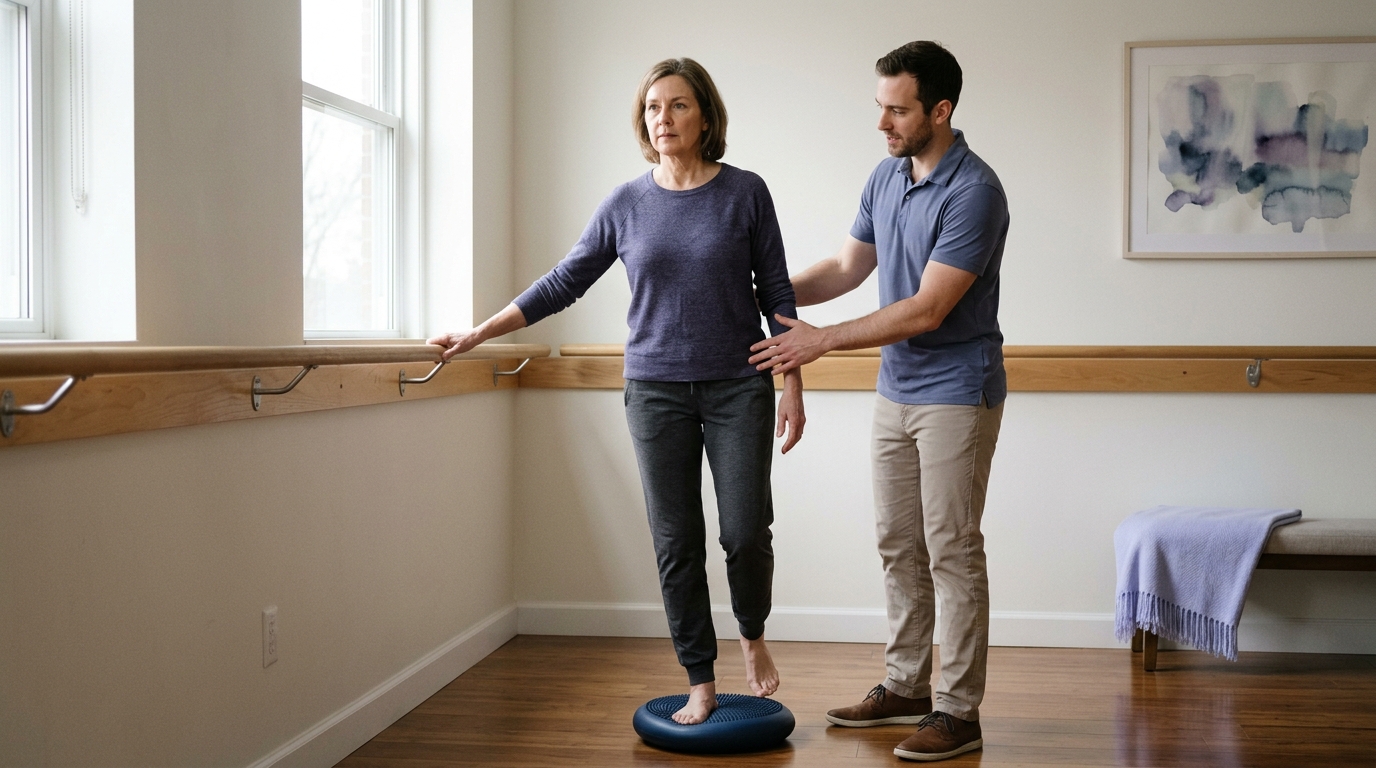
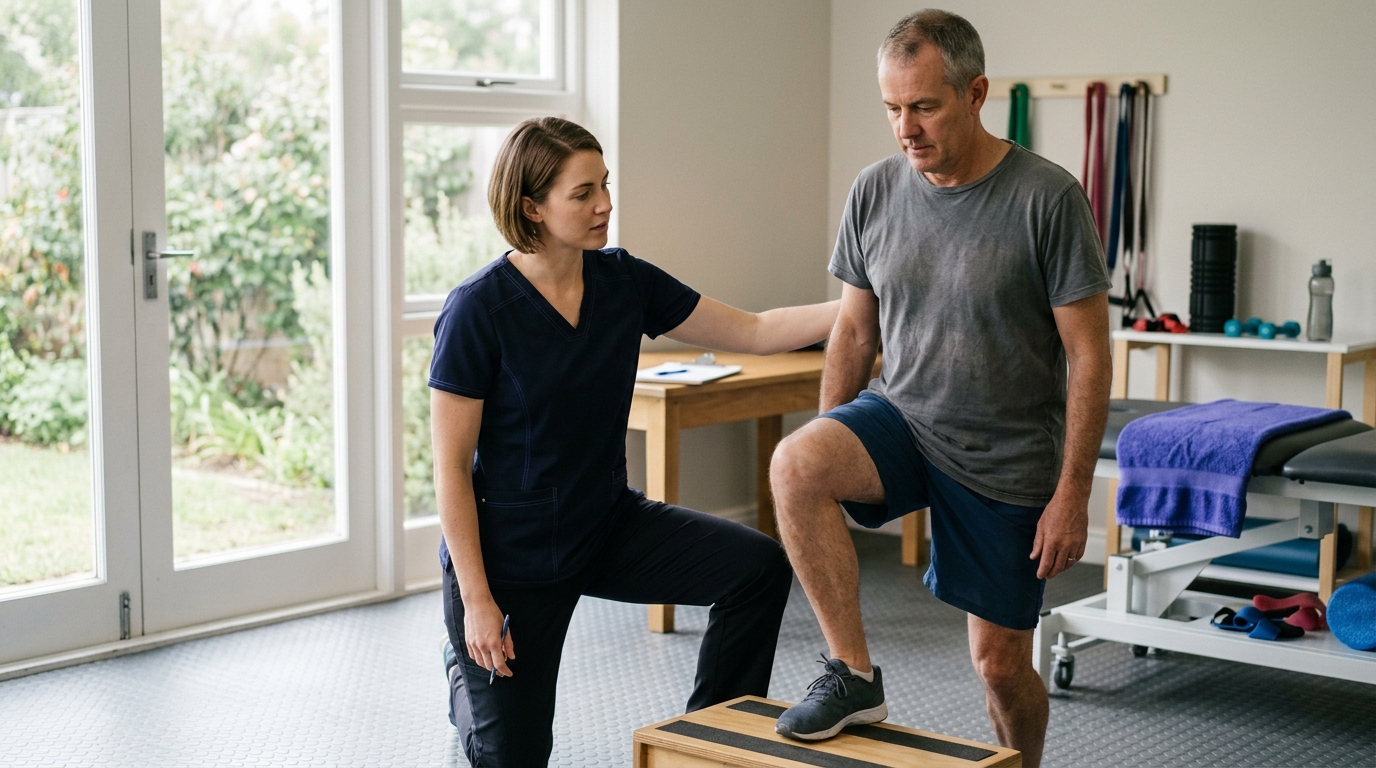
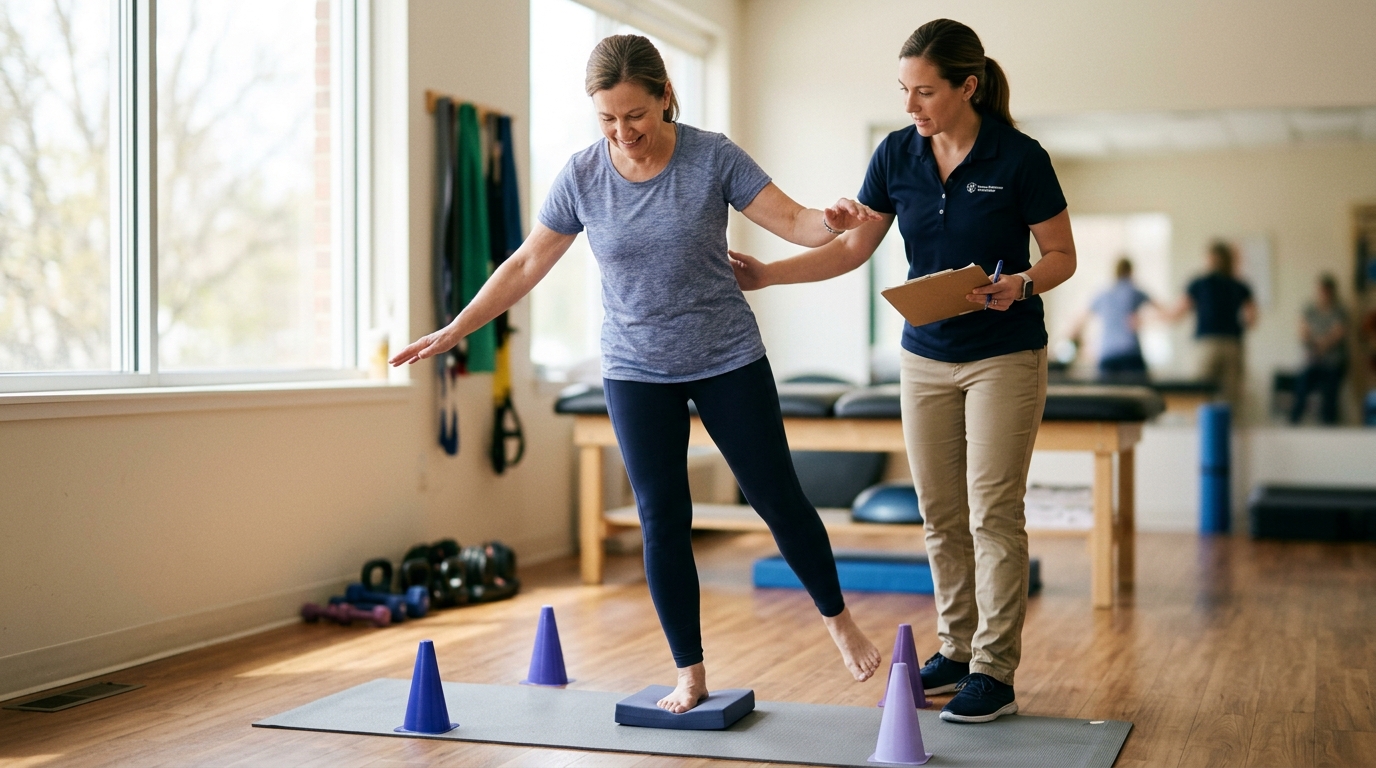
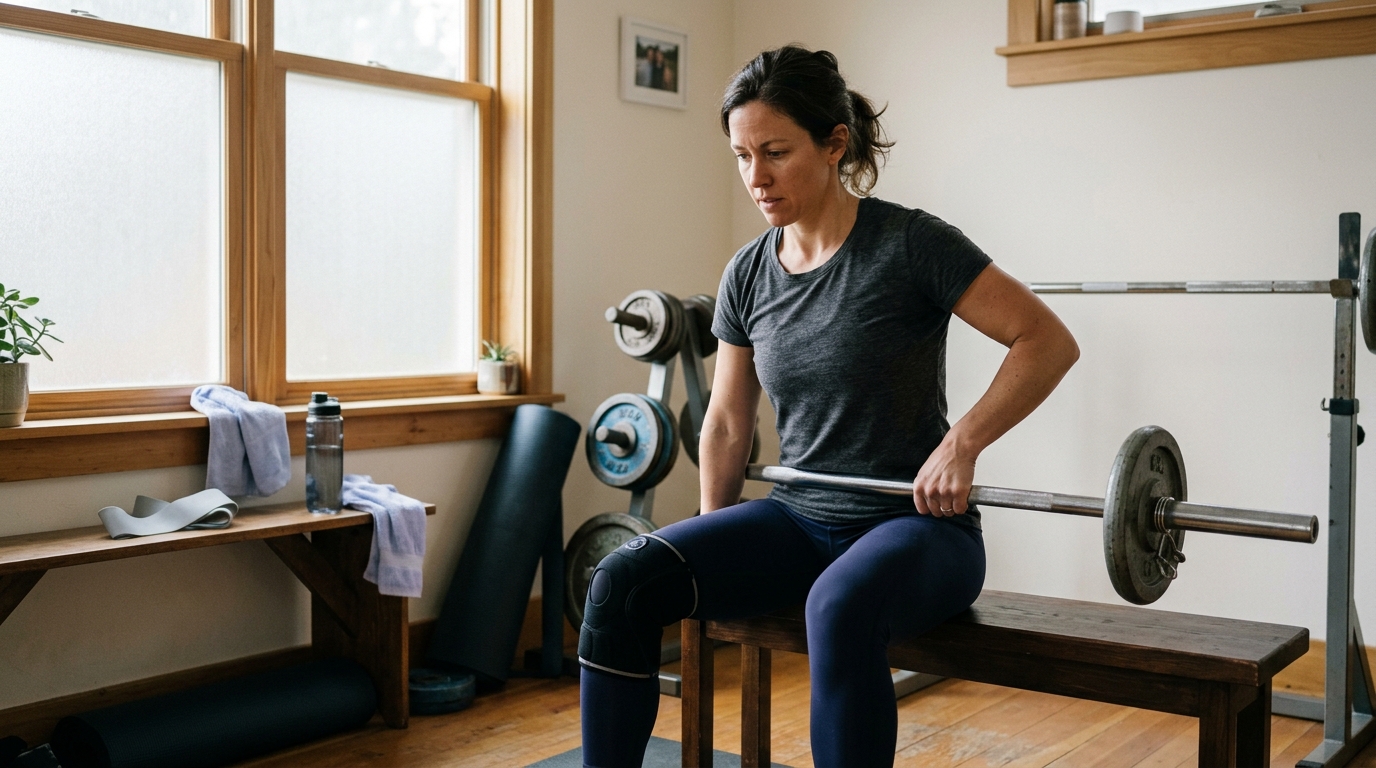
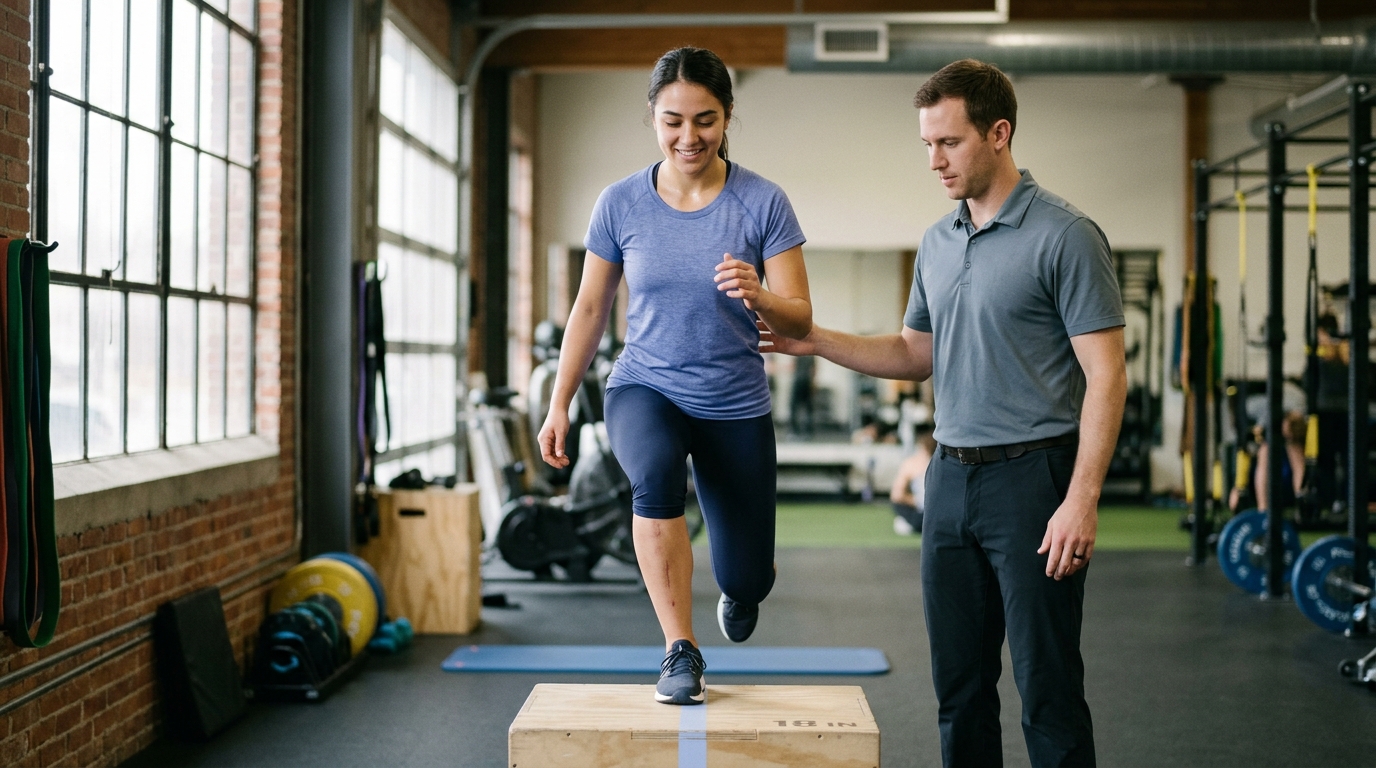
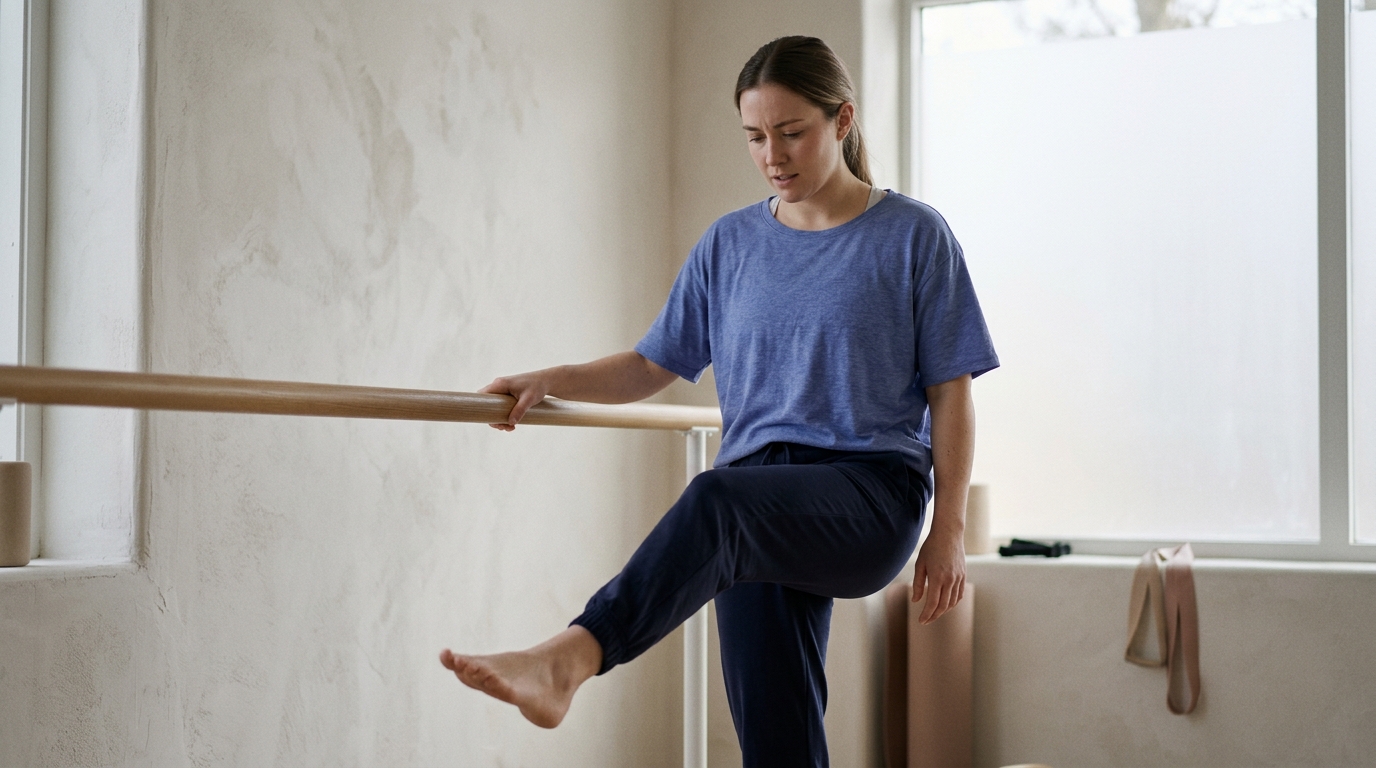
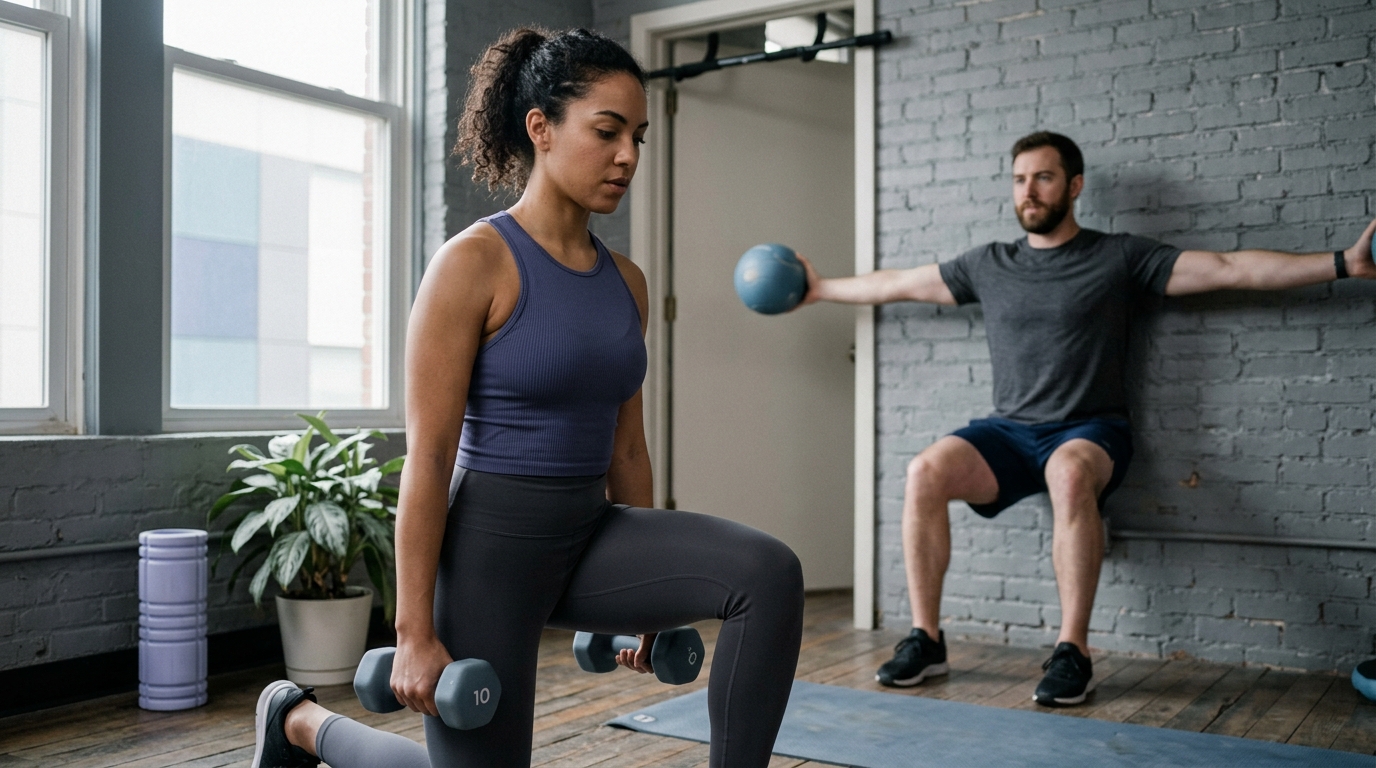
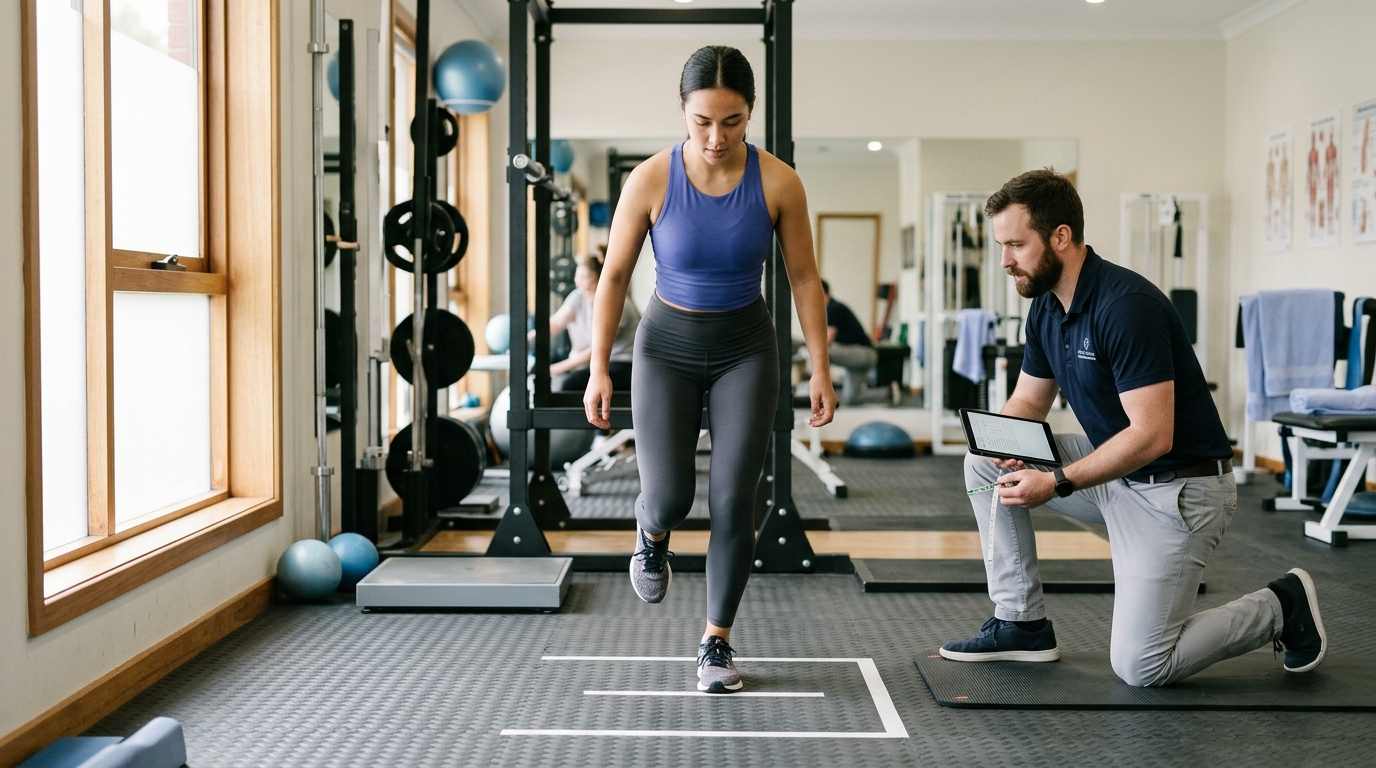
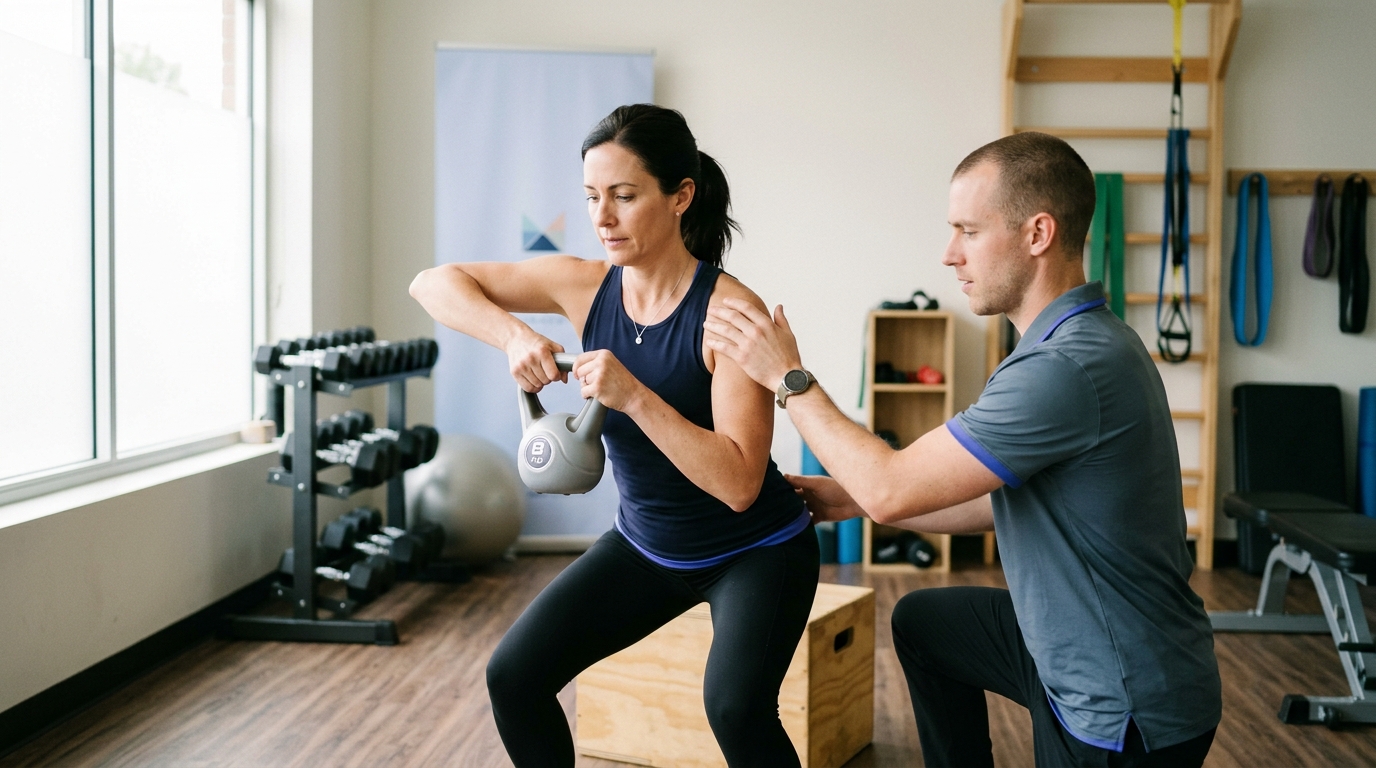
Swimming alone does not build all the muscular balance required for long-term shoulder health. Water provides resistance during propulsion, but it does not load muscles in the same manner as gravity-based strength training. A structured dry-land conditioning routine strengthens supporting tissues and builds endurance outside the pool.
The rotator cuff consists of four small muscles that stabilize the head of the upper arm bone within the shoulder socket. During freestyle and butterfly strokes, the internal rotators and chest muscles perform heavy propulsion work. Over time, the external rotators on the back of the shoulder can become comparatively weak and easily fatigued.
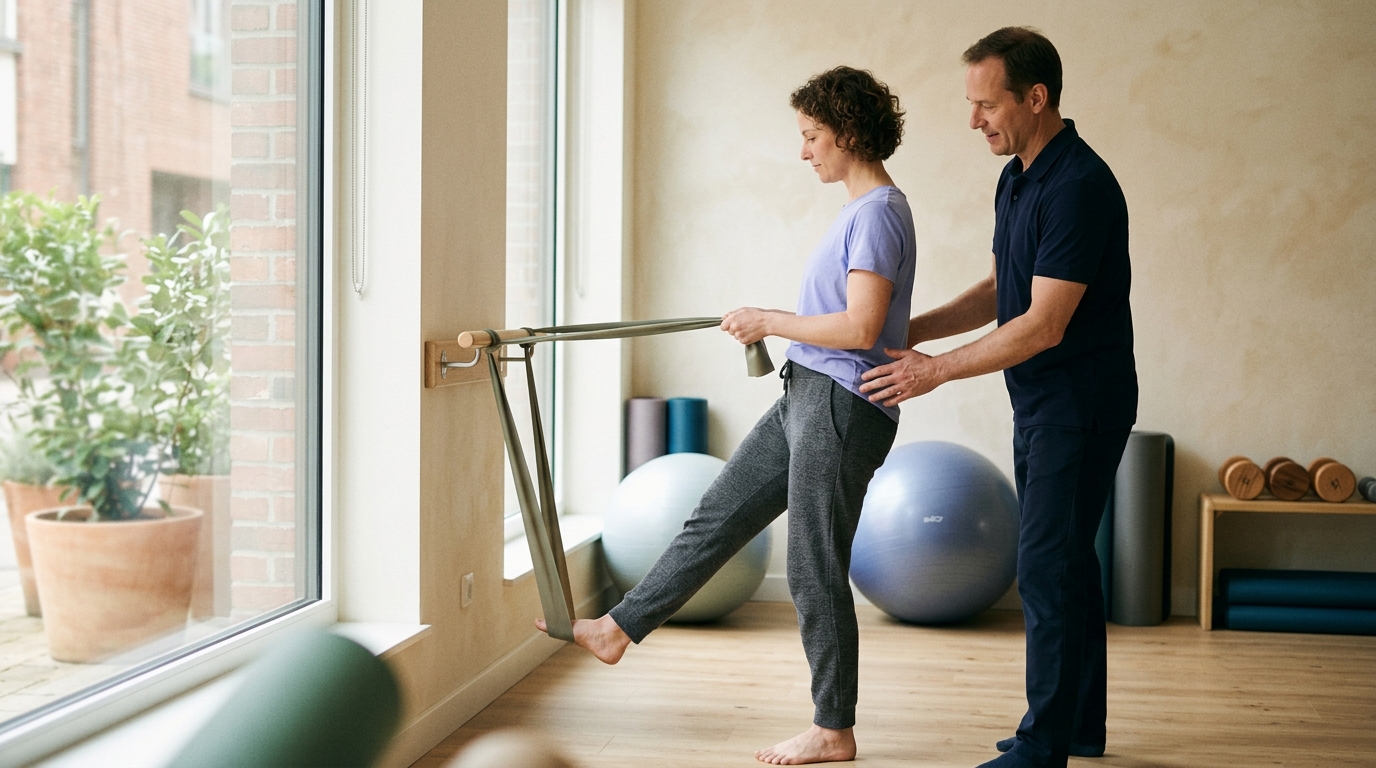
Targeted strengthening of the external rotators restores muscular balance and improves stability during overhead arm movement. A systematic review showed that short programs utilizing five or fewer focused exercises outside the water yielded meaningful improvements in shoulder health. Another clinical review found that six to eight weeks of external rotator and scapular strengthening reduced shoulder pain incidence in swimmers.
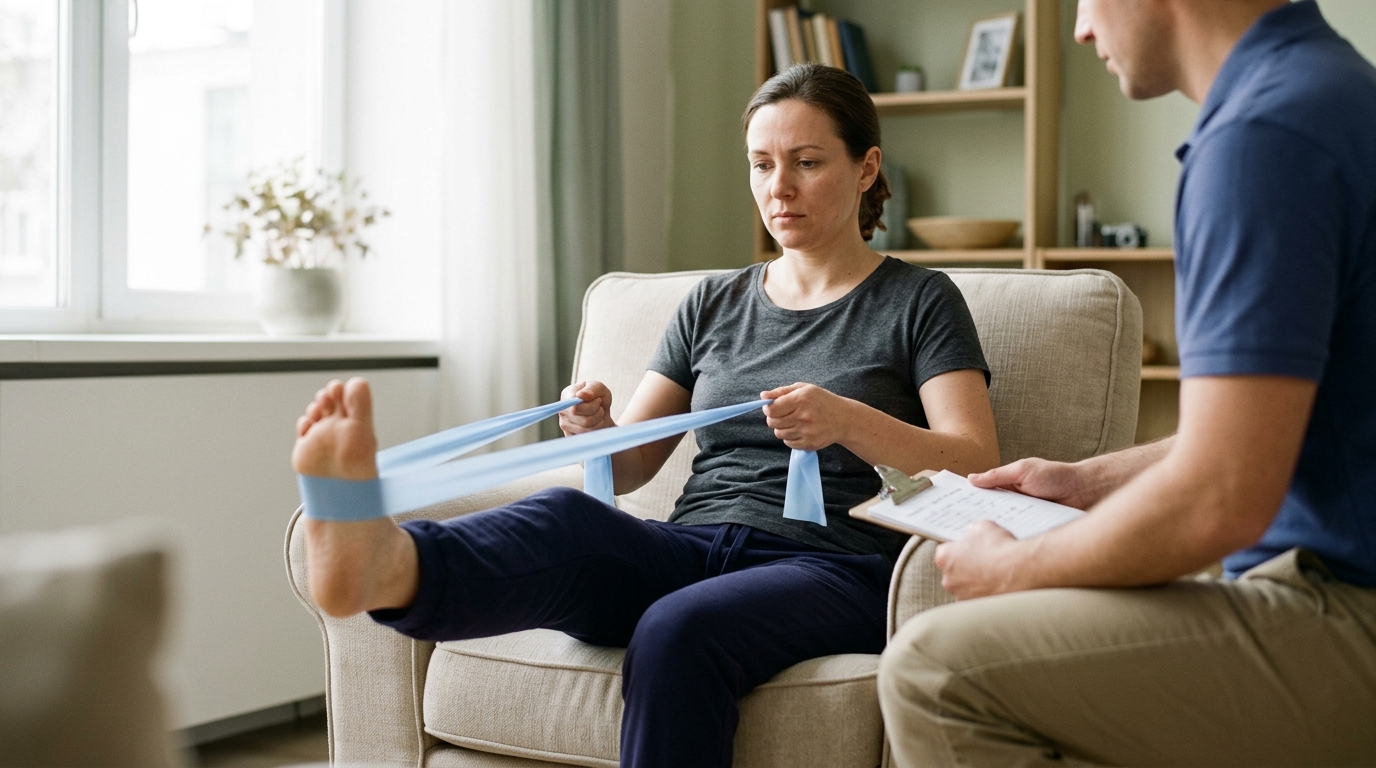
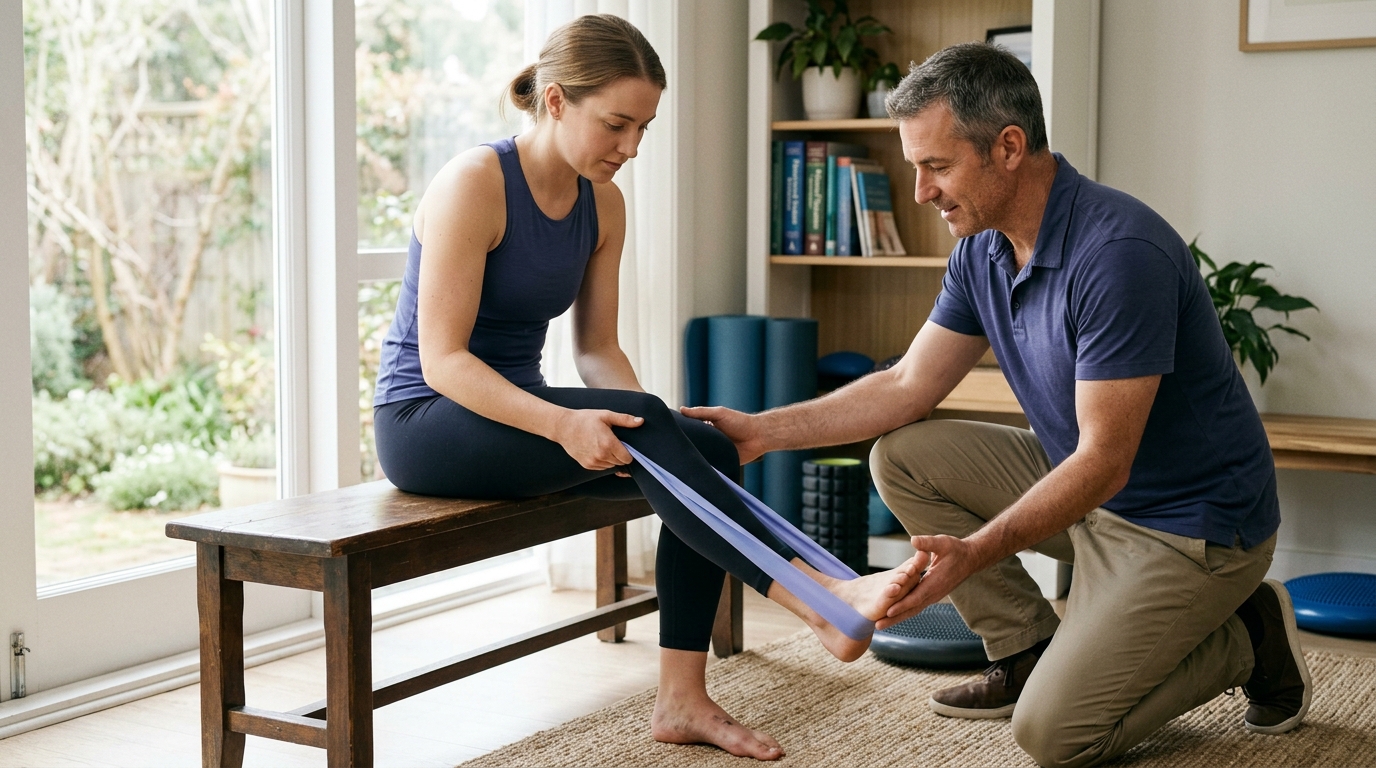
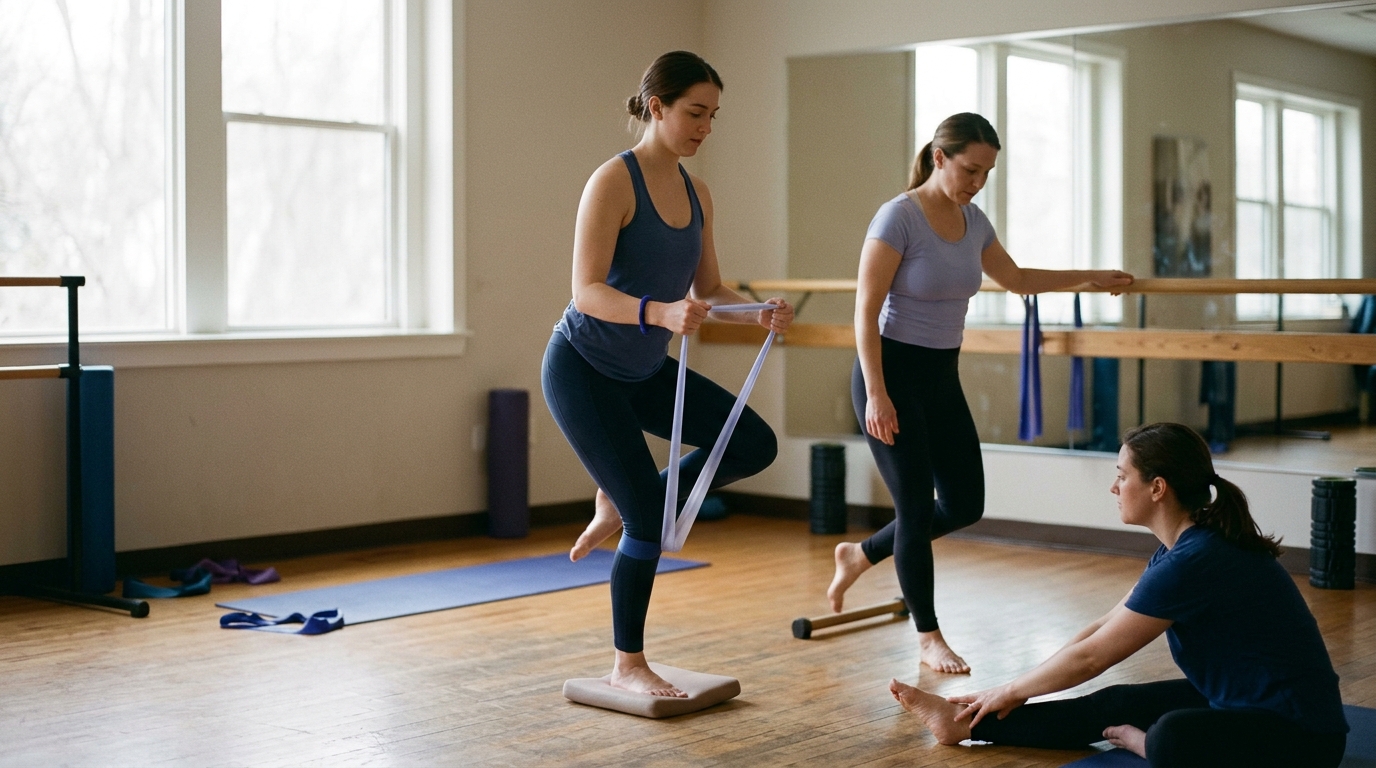
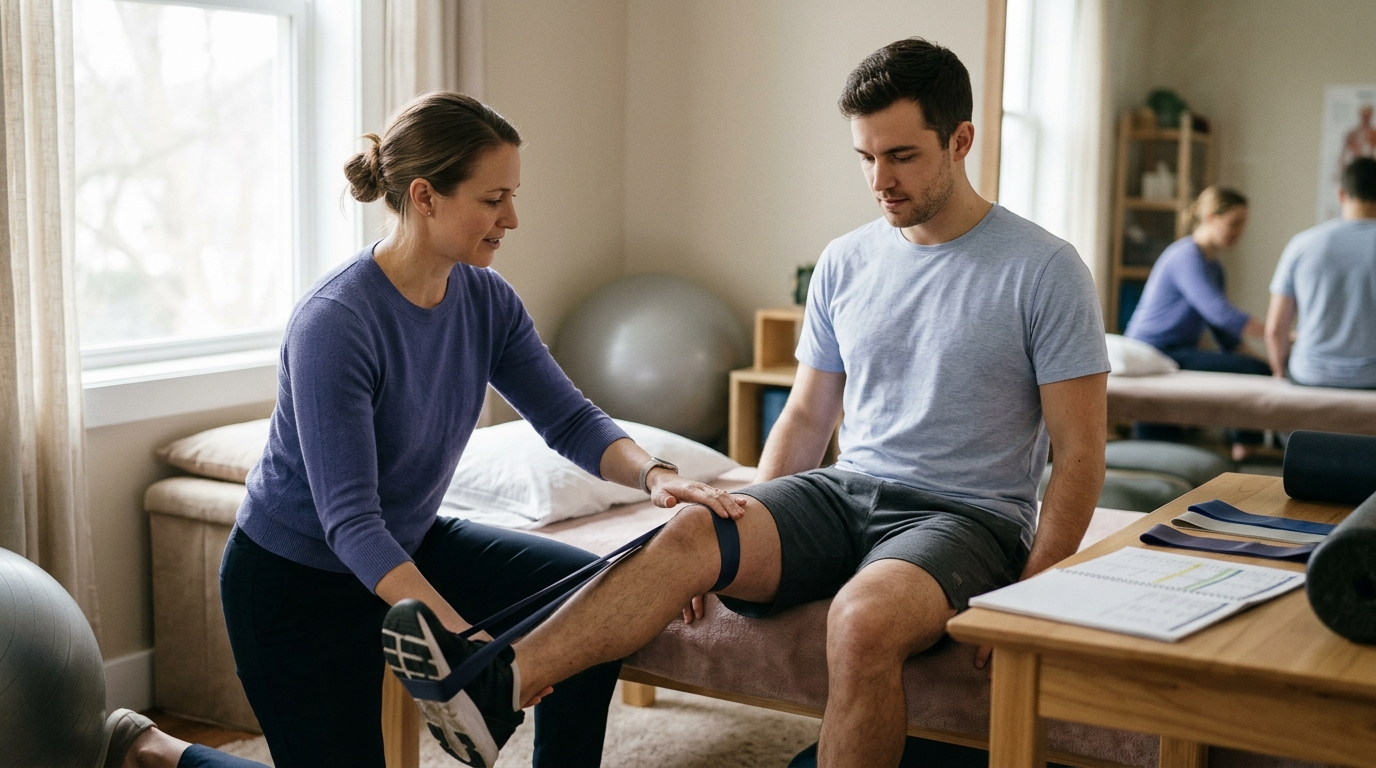
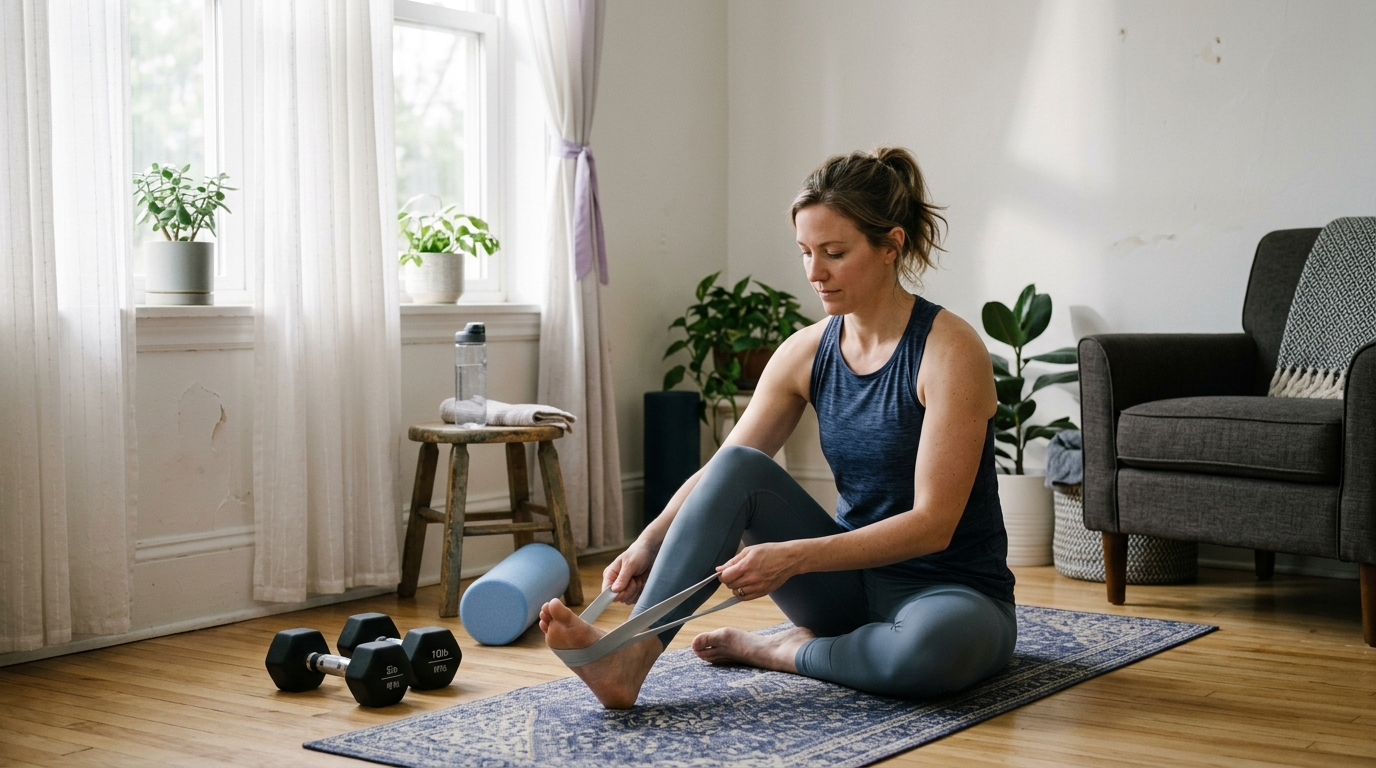
You can perform simple external rotation exercises using light resistance bands or light dumbbells two to three times per week. Focus on slow, controlled movements rather than heavy resistance. The goal is to build local muscular endurance so the rotator cuff can stabilize the joint through thousands of swimming repetitions.
The shoulder blade serves as the physical foundation for every arm movement in the water. If the muscles that control the shoulder blade are weak, the arm cannot generate power efficiently. Poor scapular control can also place excessive traction on the rotator cuff tendons.
Key muscles to target include the serratus anterior, the rhomboids, and the middle and lower trapezius. Exercises such as band pull-aparts, rows, and prone arm raises strengthen these stabilizers effectively.
Focus on keeping your shoulders relaxed and away from your ears during these exercises. Avoid shrugging upward, which overworks the upper trapezius and compromises movement quality. Consistent scapular training helps keep the shoulder joint in an optimal position throughout each phase of your stroke. For structured guidance on movement patterns, review our resources on mobility and movement principles.
A stable trunk connects the upper and lower body, allowing you to transfer force smoothly with each kick and pull. In swimming, body roll and forward propulsion originate from the core muscles rather than the arms alone. If your abdominal and spinal muscles fatigue quickly, your hips will drop in the water.
When your hips drop, drag increases dramatically. To compensate and maintain speed, your shoulders must pull harder against the water, accelerating upper-body fatigue. Core conditioning builds the stamina required to maintain a horizontal, streamlined position in the water.
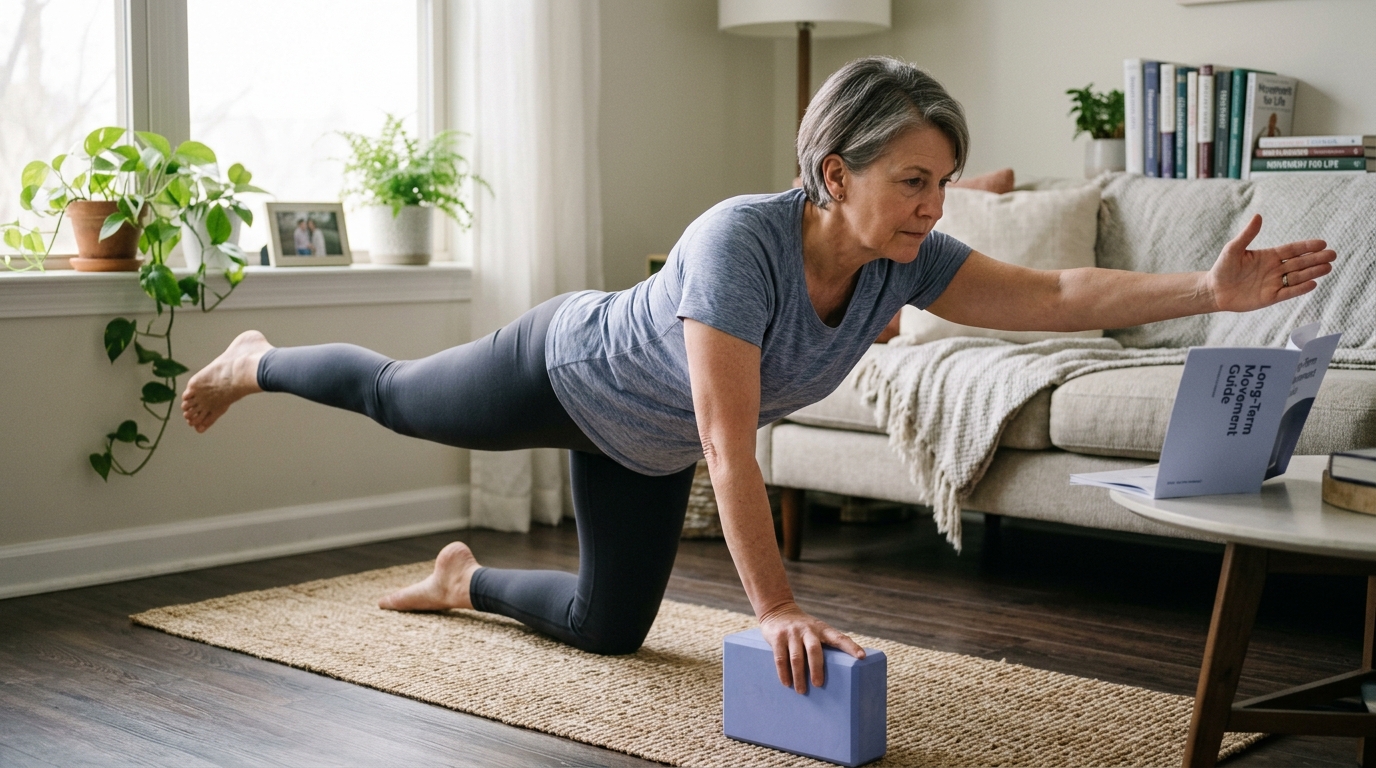
Include basic endurance exercises such as planks, side planks, bird-dogs, and dead-bugs in your dry-land routine. You do not need complex equipment or extreme abdominal workouts to see benefits. The objective is to build steady endurance in the muscles that stabilize the spine and pelvis. Integrating strength rebuilding outside the pool into your weekly schedule supports both pool performance and joint comfort.
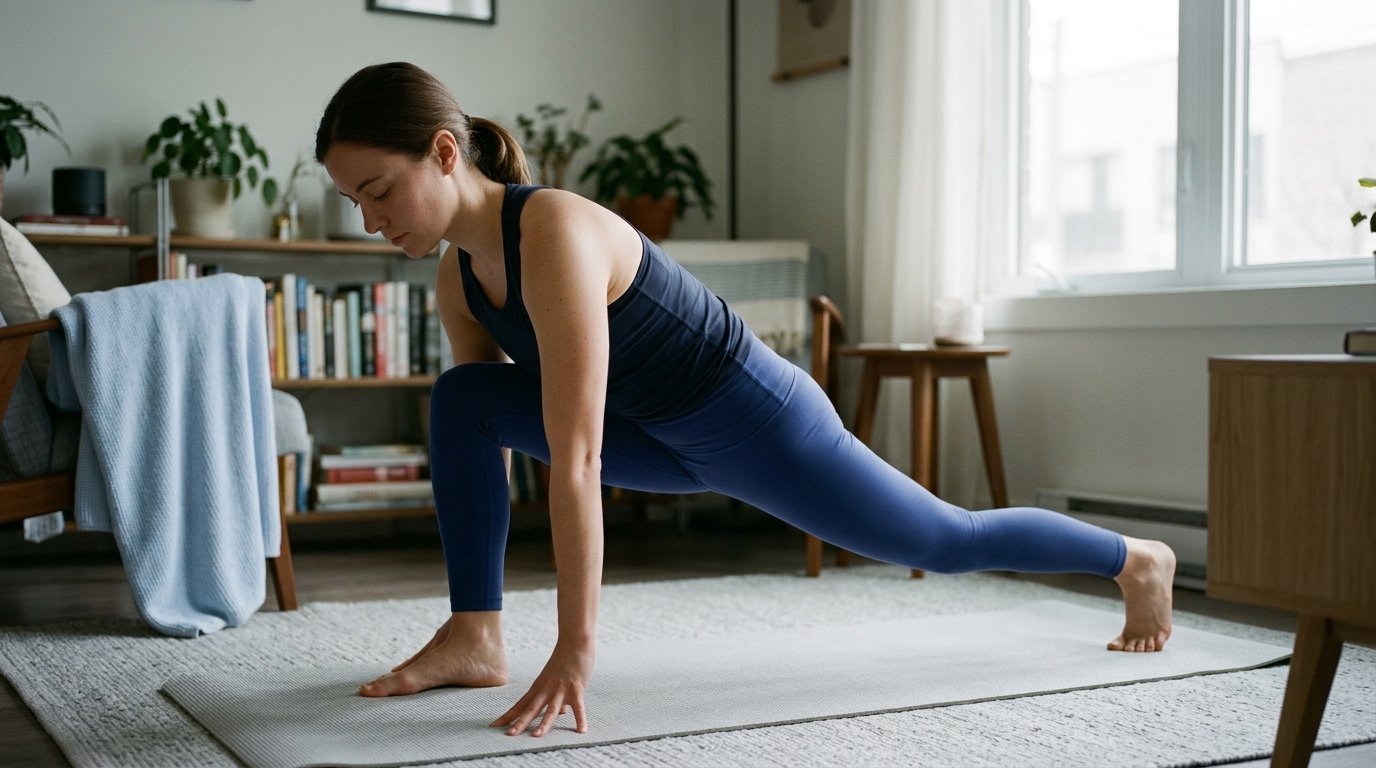
Adequate mobility in the chest and thoracic spine allows the arm to rotate freely overhead without pinching soft tissues. Tightness in the pectoral muscles can pull the shoulders forward, restricting overhead reaching. Gentle chest stretching and upper-back extension exercises can help restore comfortable range of motion.
However, stretching must be approached with caution. Swimmers often have naturally mobile or loose shoulder joints. Overstretching the front of the shoulder capsule can decrease joint stability and increase the risk of tendon irritation.
Focus your mobility efforts on the mid-back and chest muscles rather than forcing the shoulder joint itself into extreme stretches. If a stretch causes sharp discomfort in the front of your shoulder, stop immediately. Mobility should create comfortable freedom of movement, not joint instability.
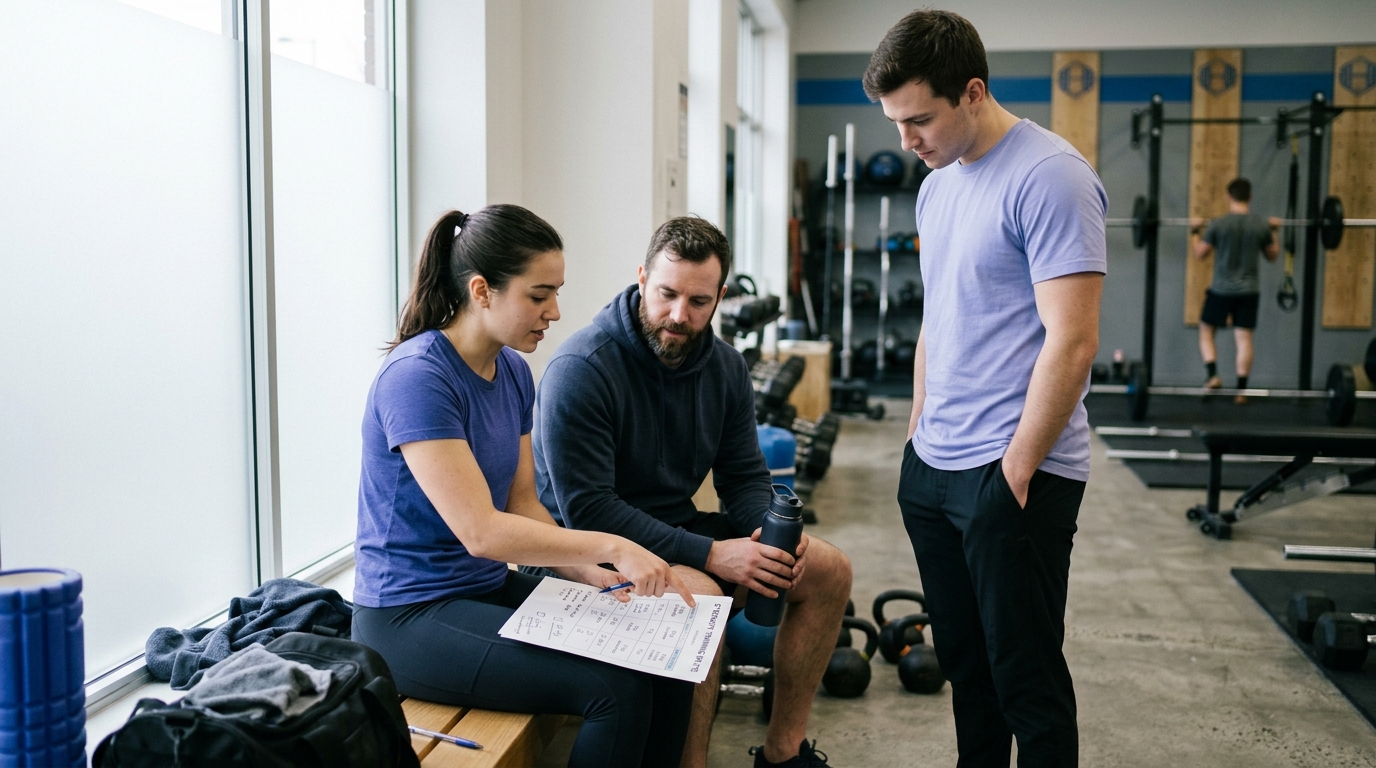
The most common mistake recreational swimmers make is progressing their workout distance too quickly. When returning from a hiatus or starting a new fitness routine, cardiovascular endurance often improves faster than joint and tendon strength. Feeling energized during a workout can tempt you to double your laps before your shoulders are ready.
Before setting ambitious distance goals, evaluate your recent swimming history honestly. A workout routine you handled comfortably five years ago is not an appropriate starting point today. Your current physical capacity is defined by what you have done consistently over the past four to six weeks.
If you are returning to the water after an extended break, start with short, manageable sessions. Guidance from organizations like U.S. Masters Swimming suggests restarting at a reduced volume and rebuilding gradually based on total time away. A practical starting workout might involve just 500 to 800 yards of mixed swimming and resting intervals.
Pay close attention to how your shoulders feel during the session, two hours later, and the following morning. If you experience no lingering stiffness or joint aching, you have found an appropriate baseline. If your joints ache the next day, reduce your distance for the next workout.
When you are ready to make your workouts more challenging, change only one training variable at a time. Training demand includes session duration, weekly frequency, swimming speed, stroke selection, and equipment use. Increasing multiple variables simultaneously makes it impossible to know what your body is responding to.
By adjusting a single element at a time, you give your tendons and muscles time to adapt. If shoulder soreness appears, you can easily identify which change triggered the irritation and adjust accordingly.
Many training programs promote the traditional 10 percent rule, which states you should never increase weekly distance by more than 10 percent. Some rehabilitation protocols for competitive swimmers also use small, staged increases of 10 percent when rebuilding after an injury.
While gradual progression is a sensible concept, research shows that rigid percentage rules do not guarantee safety for everyone. A 10 percent increase might be completely appropriate for a swimmer doing 10,000 yards weekly. However, for a beginner swimming 500 yards once a week, a 10 percent increase is only 50 yards, which may be overly conservative.
Use percentage guidelines as general reference points rather than unbreakable laws. Your personal response to training is far more important than a rigid mathematical calculation. Track your weekly laps, note how your shoulders respond, and let physical feedback dictate your rate of progress.
Taking time off from swimming due to illness, travel, or busy schedules naturally reduces your upper-body capacity. When you step back onto the pool deck, your body requires a structured re-entry phase to rebuild tolerance safely.
Below is an illustrative model of a progressive return structure for a recreational swimmer rebuilding their routine over four weeks. This model illustrates the concept of gradual exposure and should be adjusted to match your individual comfort.
Throughout any rebuilding plan, monitor joint sensations closely. If you develop persistent discomfort that lasts into the next day, hold your distance steady or step back to the previous week's volume until symptoms settle.
Repetition is a primary factor in swimming-related overuse irritation. Swimming exclusively with one stroke forces the shoulders to move through the exact same mechanical pathway thousands of times. Introducing variety into your pool sessions helps distribute mechanical stress across different muscle groups and joint angles.
Each swimming stroke places unique physical demands on the upper body and spine. Understanding these differences allows you to choose stroke combinations that support joint comfort.
Varying your strokes within a workout can give specific muscle groups a temporary break. For example, alternating two laps of freestyle with two laps of backstroke alters shoulder mechanics and reduces repetitive strain. However, you should only vary strokes if you can perform them with comfortable, controlled technique. Forcing yourself to swim butterfly or breaststroke with poor mechanics can create new aches rather than solving existing ones.
Recreational swimmers frequently use pool equipment like kickboards, hand paddles, and swim fins to make workouts more interesting. While these tools offer training benefits, they also change the mechanical forces acting on your joints.
Many swimmers reach for a kickboard when their shoulders feel tired, assuming kicking gives the upper body total rest. However, holding a standard kickboard requires you to keep your arms extended overhead in an internally rotated position for minutes at a time.
Clinical reviews note that this prolonged overhead position can irritate a sensitive shoulder joint. If holding a board causes shoulder stiffness, try kicking on your back with your arms by your sides. You can also kick on your stomach using a streamlined position with a snorkel, eliminating the need to prop your upper body on a board.
Hand paddles increase surface area, forcing your upper body to pull a much larger volume of water with every stroke. While paddles can build pulling strength, they place substantial extra traction on the rotator cuff and biceps tendons.
If your rotator cuff capacity is not fully established, using large paddles can quickly trigger joint irritation. Recreational swimmers should use paddles sparingly. If you choose to use them, select small models and limit their use to a few hundred yards per week.
Swim fins increase propulsion from the legs and raise your hips toward the water surface. By improving your body line and transferring more work to the lower body, fins significantly reduce the workload on your shoulders.
Using flexible fins can be an effective way to maintain cardiovascular conditioning while giving healing shoulders a lower-resistance session. Be mindful that fins increase workload on the ankles, calves, and feet, so introduce them gradually to avoid calf cramping.
Pain is your body's communication system. It provides real-time feedback regarding how well your tissues are handling physical stress. Learning to interpret this feedback helps you make proactive training adjustments before minor joint irritation becomes a chronic problem.
Not all physical sensations during exercise indicate injury. Mild, generalized muscle fatigue across the broad muscles of the back and arms is a normal response to training. This healthy fatigue typically resolves within a few hours or a good night's sleep.
Warning signs that indicate excessive joint stress or tendon irritation include:
If you notice any of these warning signs, treat them as a signal to modify your training. Pushing through sharp joint pain rarely leads to adaptation; it usually leads to worsening inflammation and prolonged time out of the pool.
When a shoulder becomes irritated, your body naturally tries to protect it by changing how you move. A swimmer with shoulder pain will often drop their elbow during the catch phase, shorten their underwater pull, or enter the water with their thumb pointed sharply downward.
These compensations may temporarily reduce discomfort, but they compromise propulsion and place unnatural strain on the neck and spine. If you notice that you cannot maintain clean, comfortable stroke mechanics, stop swimming continuous laps. Continuing to swim with altered mechanics reinforces poor movement patterns and delays recovery.
Examining how other recreational swimmers encounter and resolve training setbacks helps clarify the principles of load management. The following scenarios represent common illustrative patterns seen in recreational swimming.
A recreational swimmer takes two months off during the winter. Upon returning to the local pool, they immediately attempt their previous routine of 2,000 yards three times a week. By the end of the second week, a deep ache develops in the front of both shoulders.
The underlying problem is a sudden spike in exposure without adequate physical preparation. The practical solution is to cut workout volume in half, introduce two weeks of easy interval sets, and re-establish a consistent dry-land strengthening habit before adding distance.
A swimmer looking to build upper-body strength buys large hand paddles and uses them for an entire 1,500-yard workout. Within 24 hours, they develop sharp pain when reaching overhead to put on a coat.
The sudden increase in resistance overwhelmed the stabilizing rotator cuff. The appropriate response is to discontinue paddle use entirely, allow the shoulder to settle with easy swimming, and focus on band-based external rotation exercises on dry land.
A swimmer experiencing mild shoulder discomfort decides to replace all freestyle swimming with kickboard laps. After 30 minutes of kicking with arms extended forward, the shoulder feels significantly stiffer and more painful than before.
Holding the board placed the shoulder in sustained elevation and internal rotation, compressing irritated subacromial tissues. The swimmer resolves the issue by switching to kicking on their back with arms resting comfortably at their sides.
An active adult decides to train for a charity swim and abruptly increases pool visits from one day per week to five consecutive days. Despite keeping individual sessions short, they develop persistent lower-back soreness and shoulder fatigue.
The issue is inadequate recovery time between sessions. The swimmer modifies the schedule to swim every other day, allowing 48 hours of recovery between pool sessions, which allows symptoms to clear.
Musculoskeletal preparation is only one aspect of staying healthy as a recreational swimmer. Environmental factors, water hygiene, and basic pool safety also influence your overall well-being. Understanding public pool guidelines ensures that your swimming routine supports your general health.
Public pools are shared environments that require basic hygiene practices to keep the water clean and safe for all users. The Centers for Disease Control and Prevention (CDC) provides clear recommendations for healthy swimming in public and recreational aquatic facilities.
Following these simple practices helps maintain a hygienic environment for yourself and your fellow swimmers.
Injuries around the pool frequently occur outside the water rather than during swimming laps. Wet tile decks, pool steps, and locker rooms present significant slip hazards.
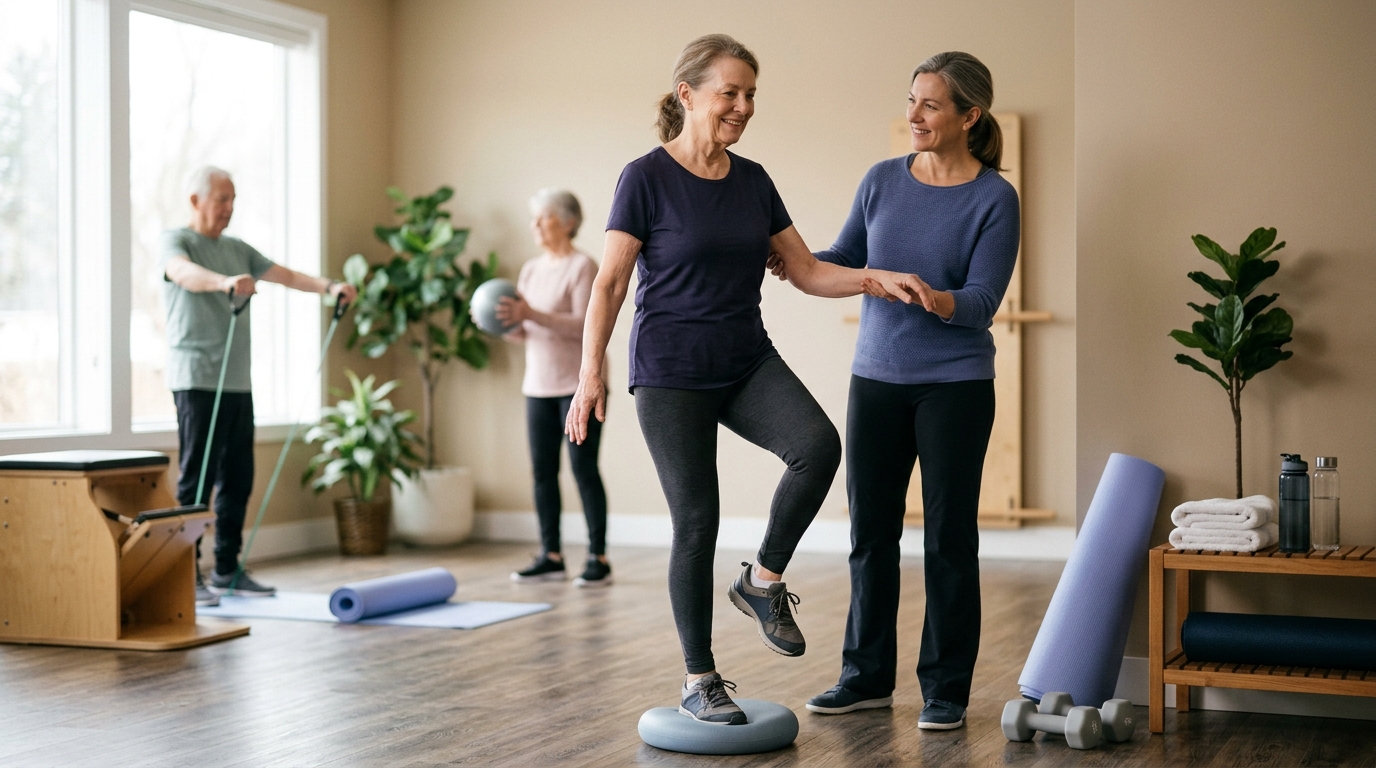
Always walk carefully on wet surfaces and wear non-slip pool shoes or sandals when moving between the locker room and the pool deck. Use handrails when entering and exiting the pool, especially if your legs feel fatigued after a strenuous kicking set. Choose facilities staffed by certified lifeguards whenever possible, and ensure you are familiar with the depth markers before jumping or swimming in any pool lane. Supporting your overall physical longevity through active aging and joint health ensures you can navigate both the pool and the deck safely.
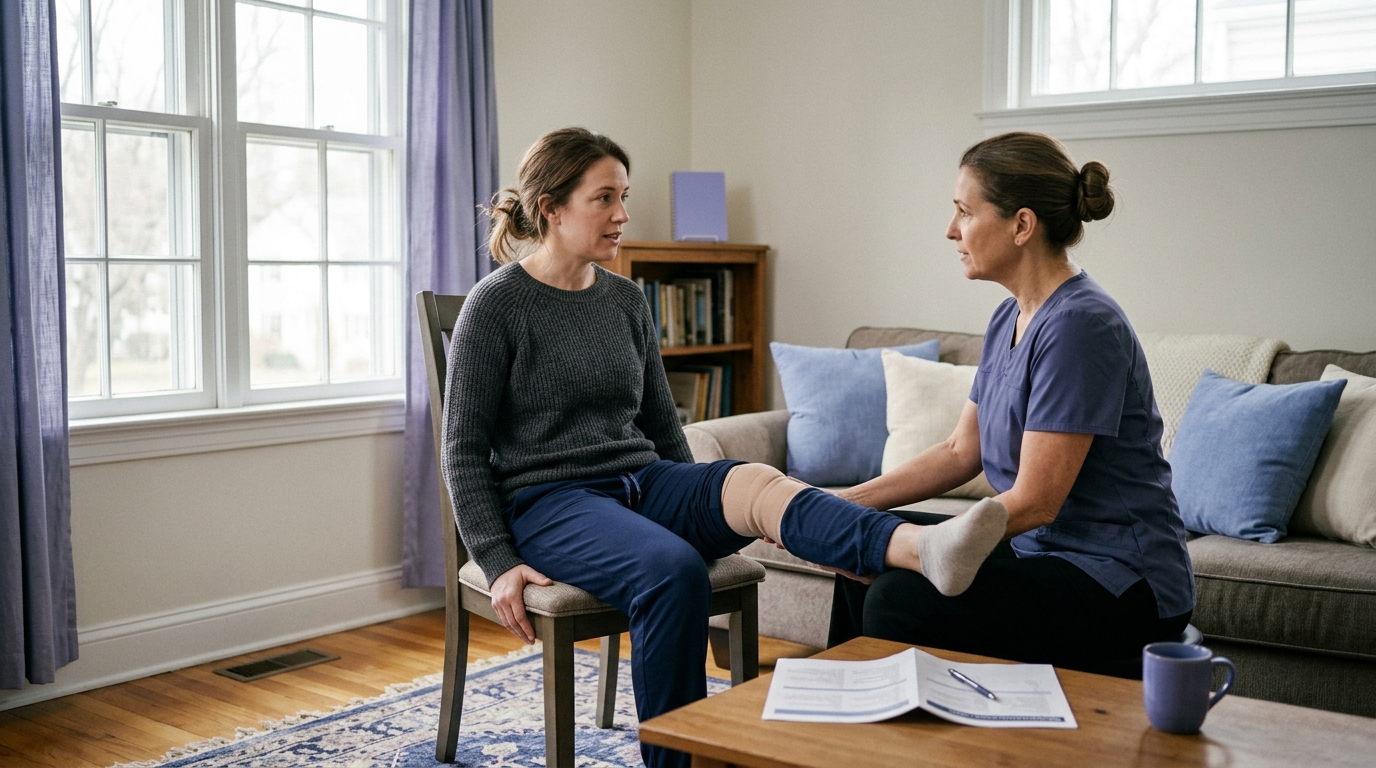
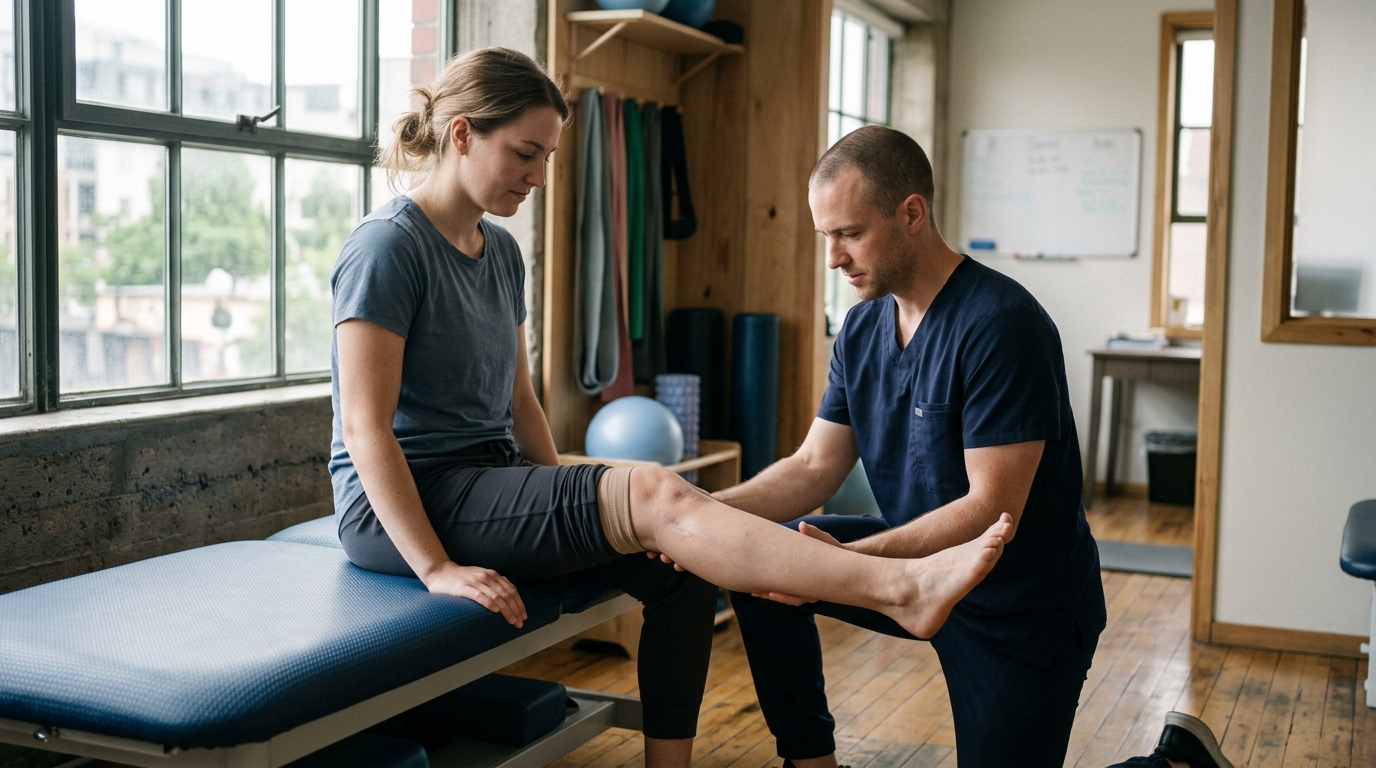
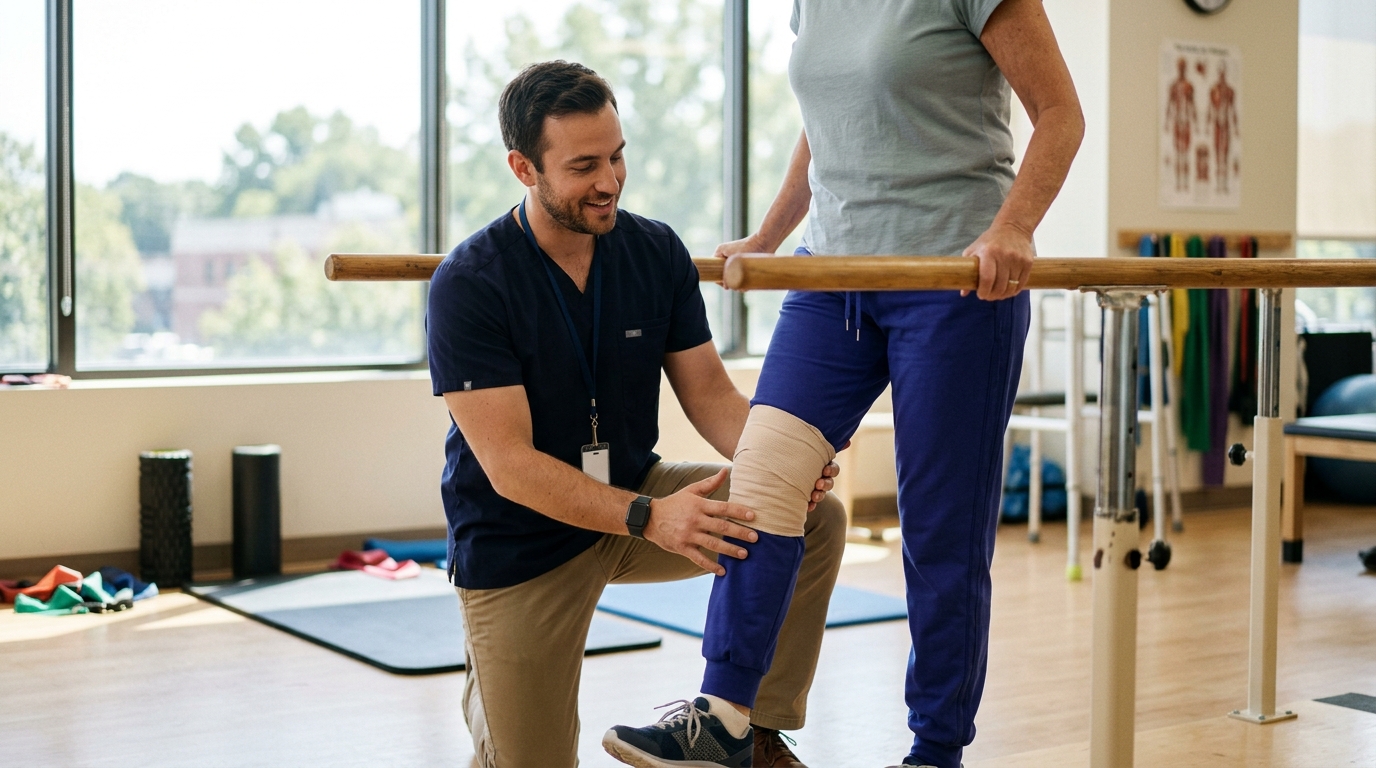
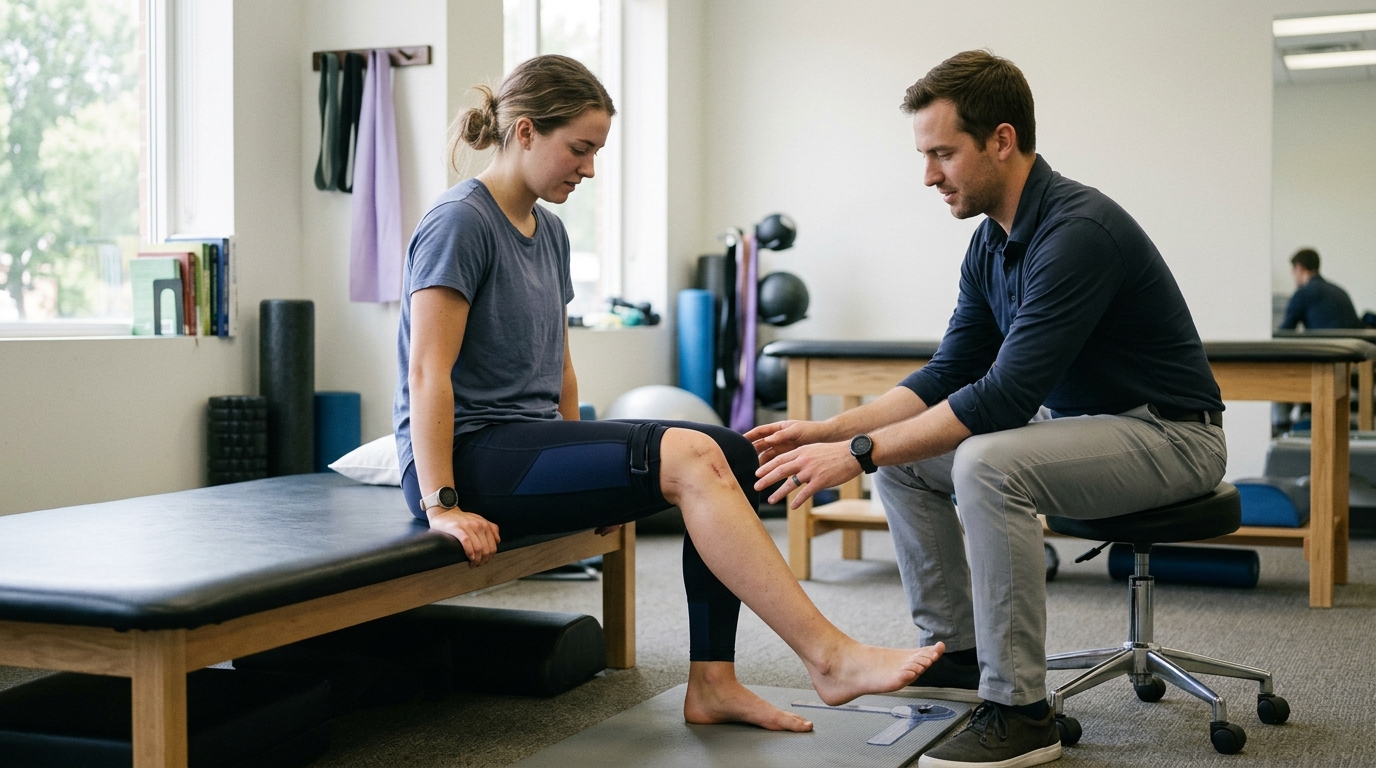
If you develop persistent joint discomfort that does not respond to rest or training modifications, consult a qualified healthcare professional. A sports medicine physician, orthopedist, or physical therapist can evaluate your movement, identify specific tissue irritations, and create a targeted rehabilitation plan.
To make the most of your clinical appointment, prepare specific questions about your symptoms and training goals:
Having an open, informed discussion with your clinician helps you build a clear, structured plan for returning to the pool safely and confidently.
Swimming remains one of the most rewarding and beneficial aerobic activities available for adults of all ages. It builds cardiovascular fitness, engages major muscle groups throughout the body, and allows you to exercise without high-impact joint forces. However, keeping your joints healthy over decades of swimming requires patience, realistic self-assessment, and consistent cross-training habits.
You do not need to log thousands of yards every week to achieve meaningful health benefits from the pool. Focus on the quality of your movement rather than simply chasing higher yardage totals. Build your strength on dry land, vary your strokes comfortably, and give your body adequate time to recover between hard sessions. By matching your swimming demands to your physical capacity, you can enjoy a lifetime of smooth, comfortable laps.
Consistent joint health in the water is built through steady habits, thoughtful recovery, and gradual progression over time.

Use ReboundBody resources to understand common recovery stages, rehab terms, movement limits and strength rebuilding. Each guide is designed to make a complex comeback easier to understand.


Read practical guidance on injury recovery, rehabilitation, mobility and rebuilding strength as you work your way back to activity.
Explore Resources