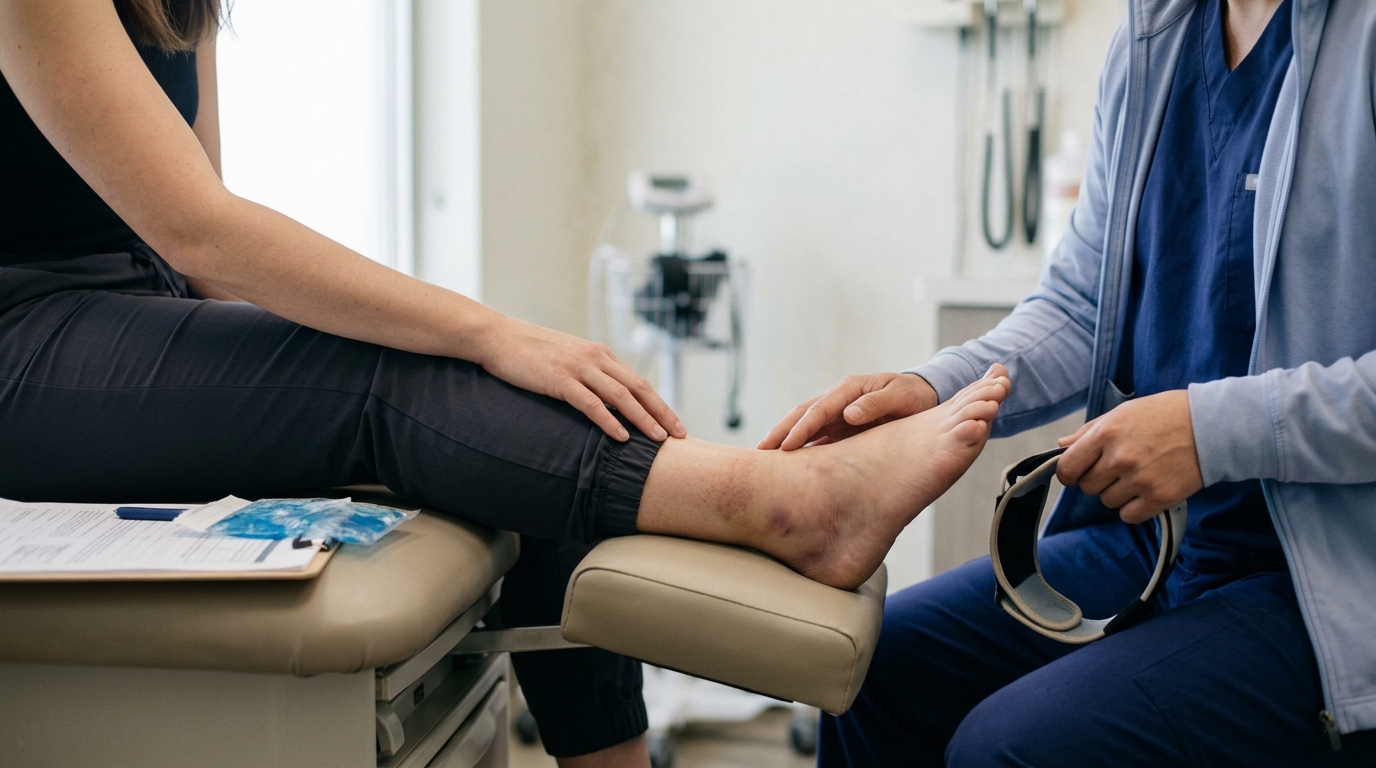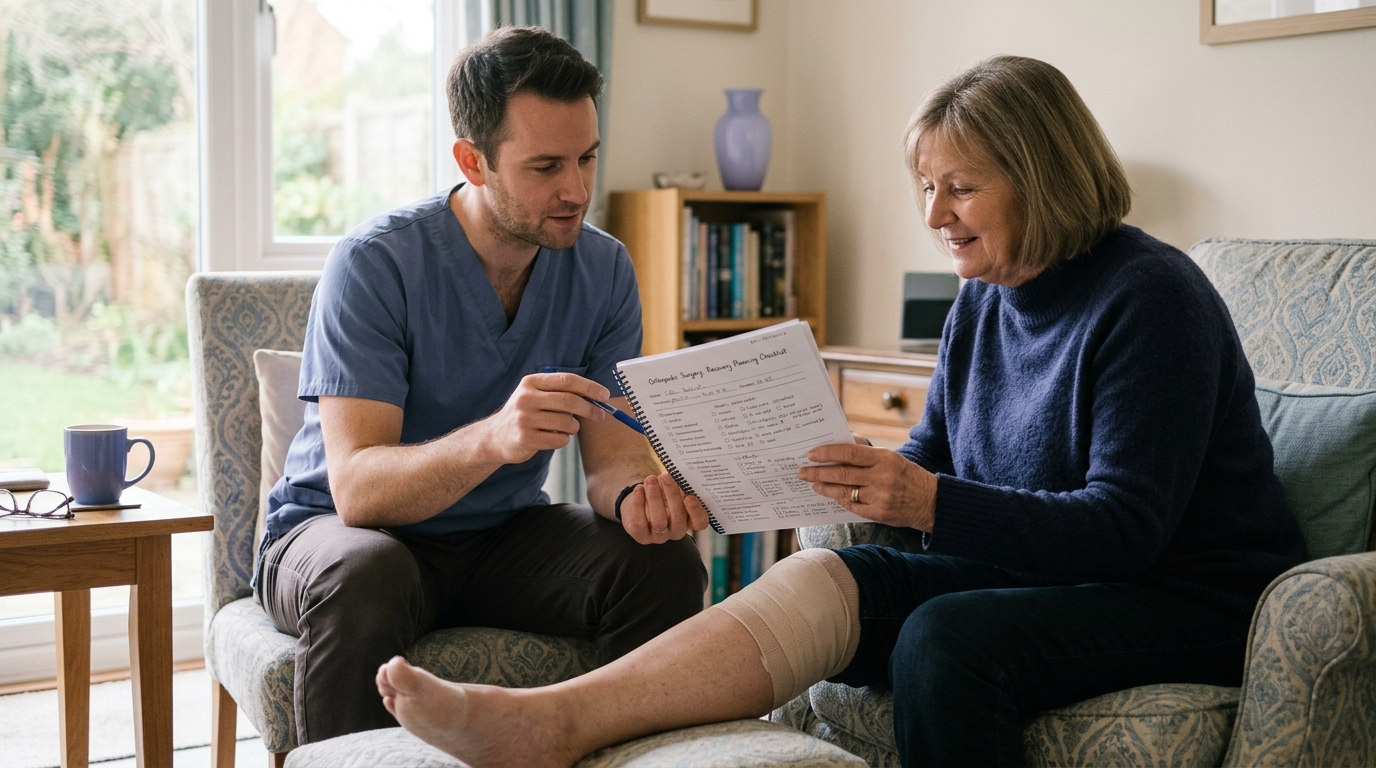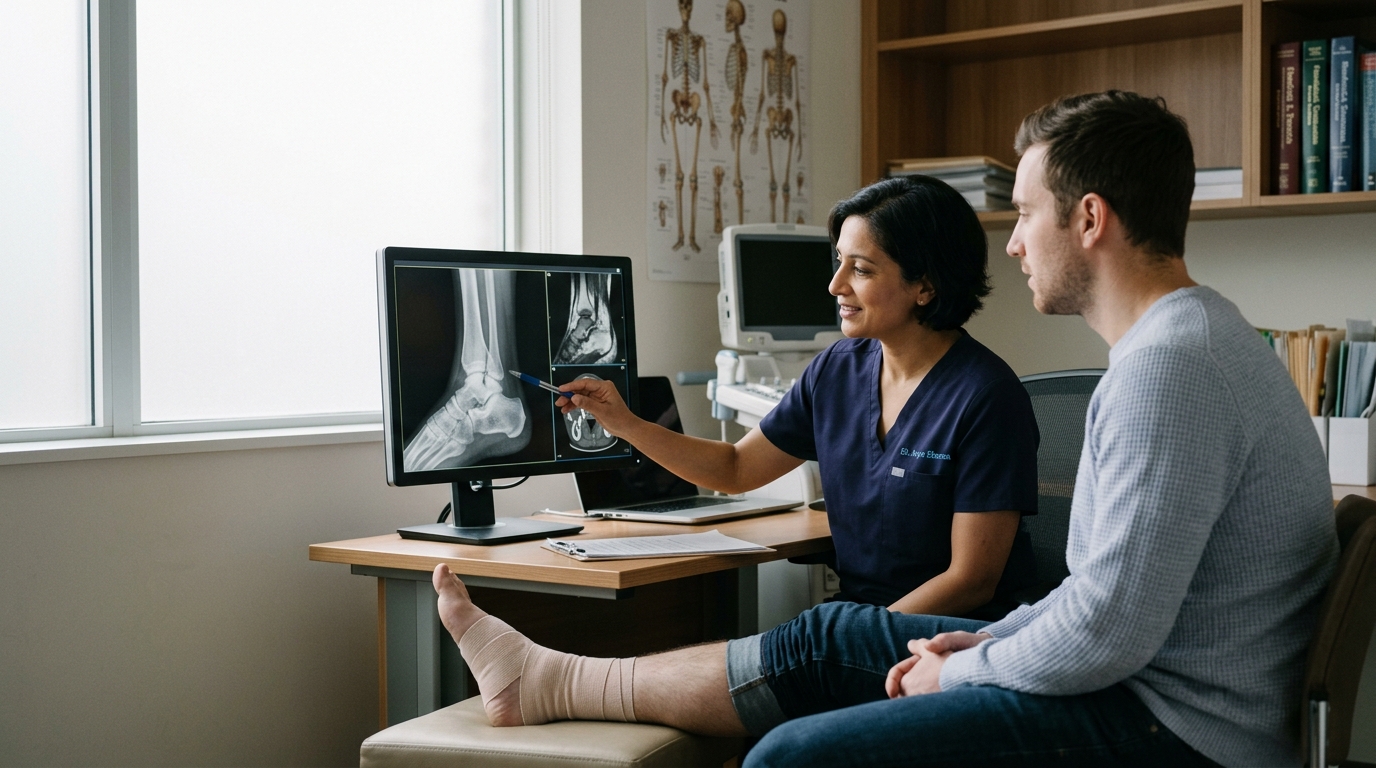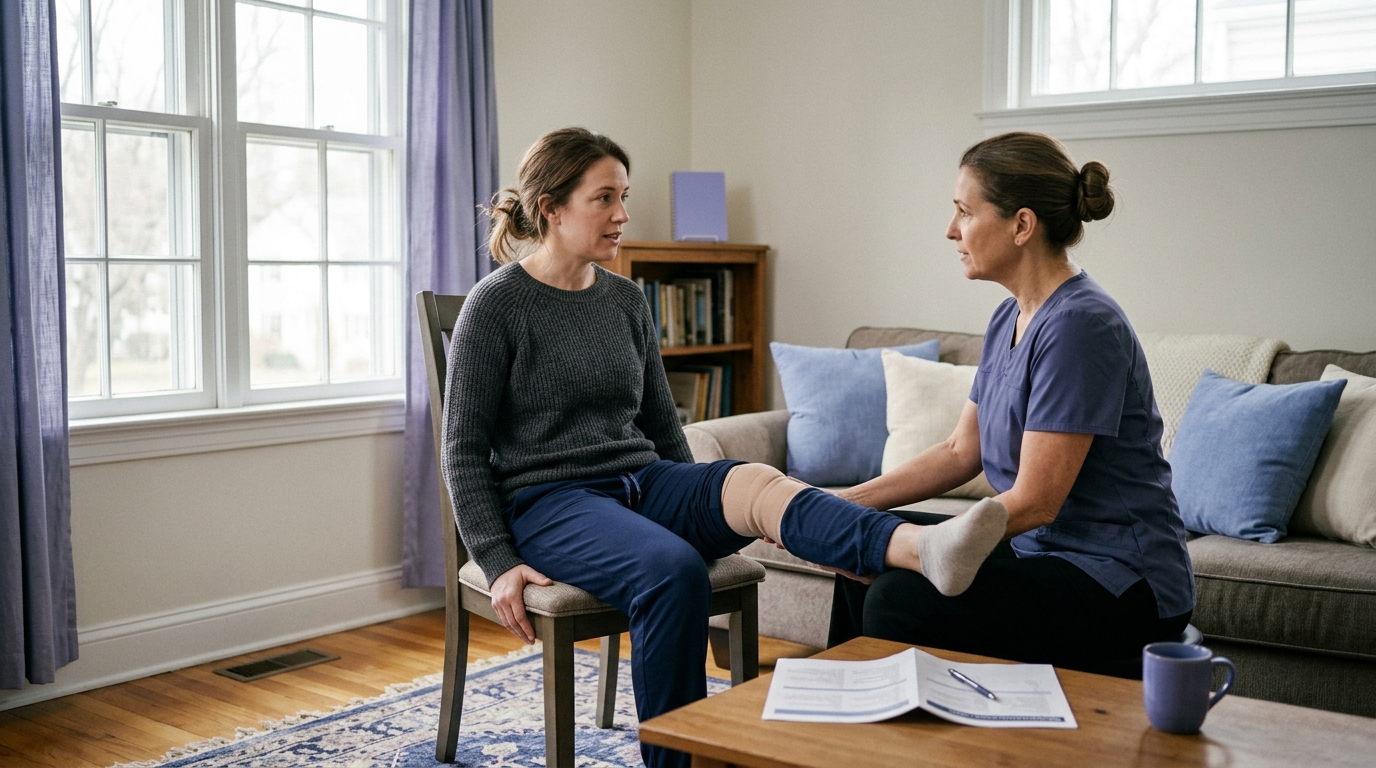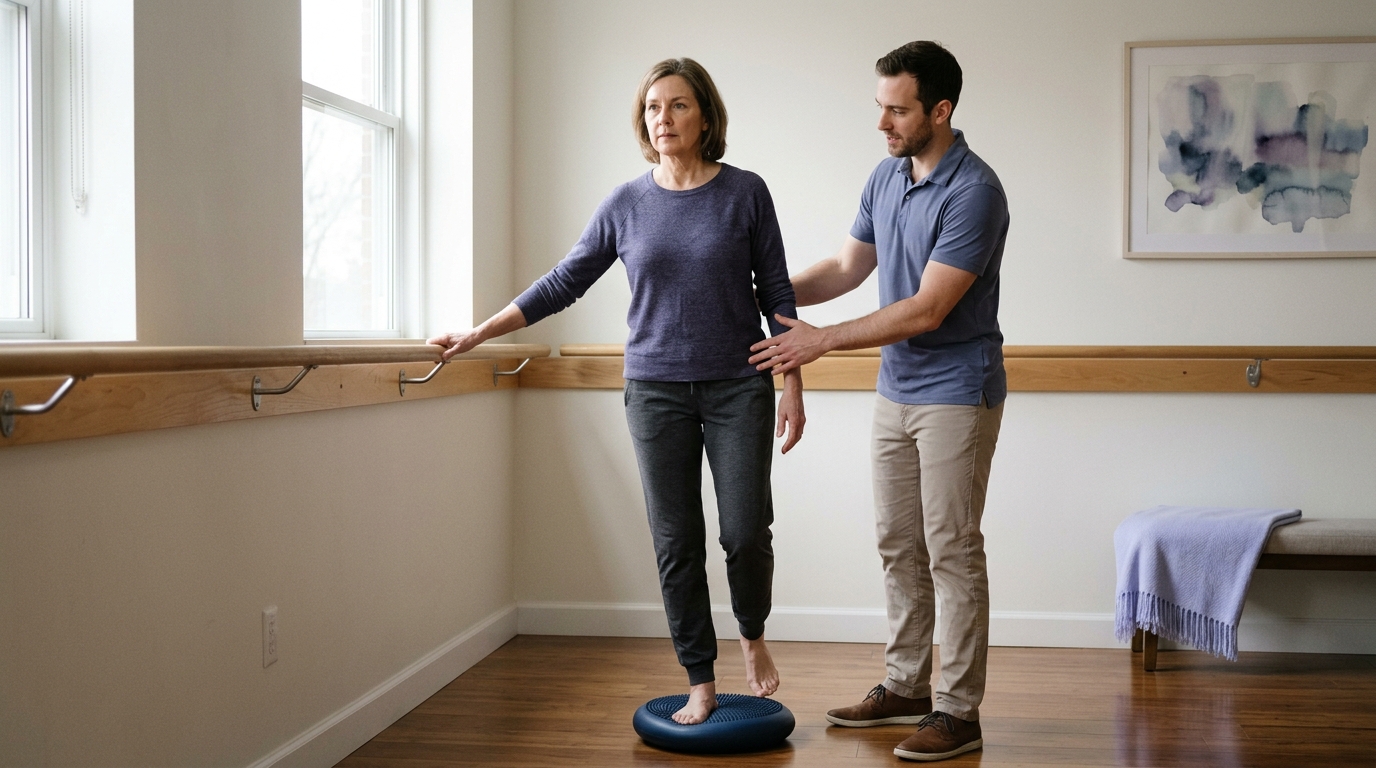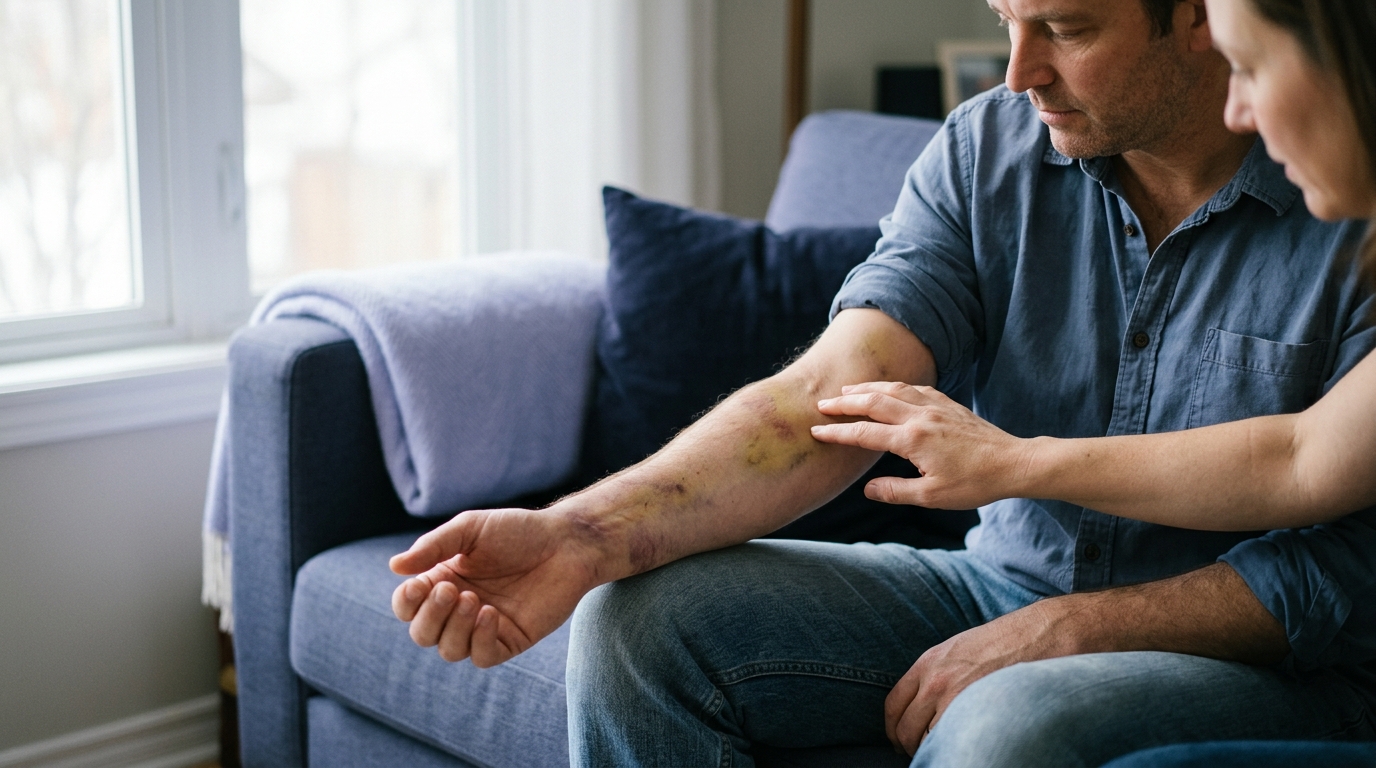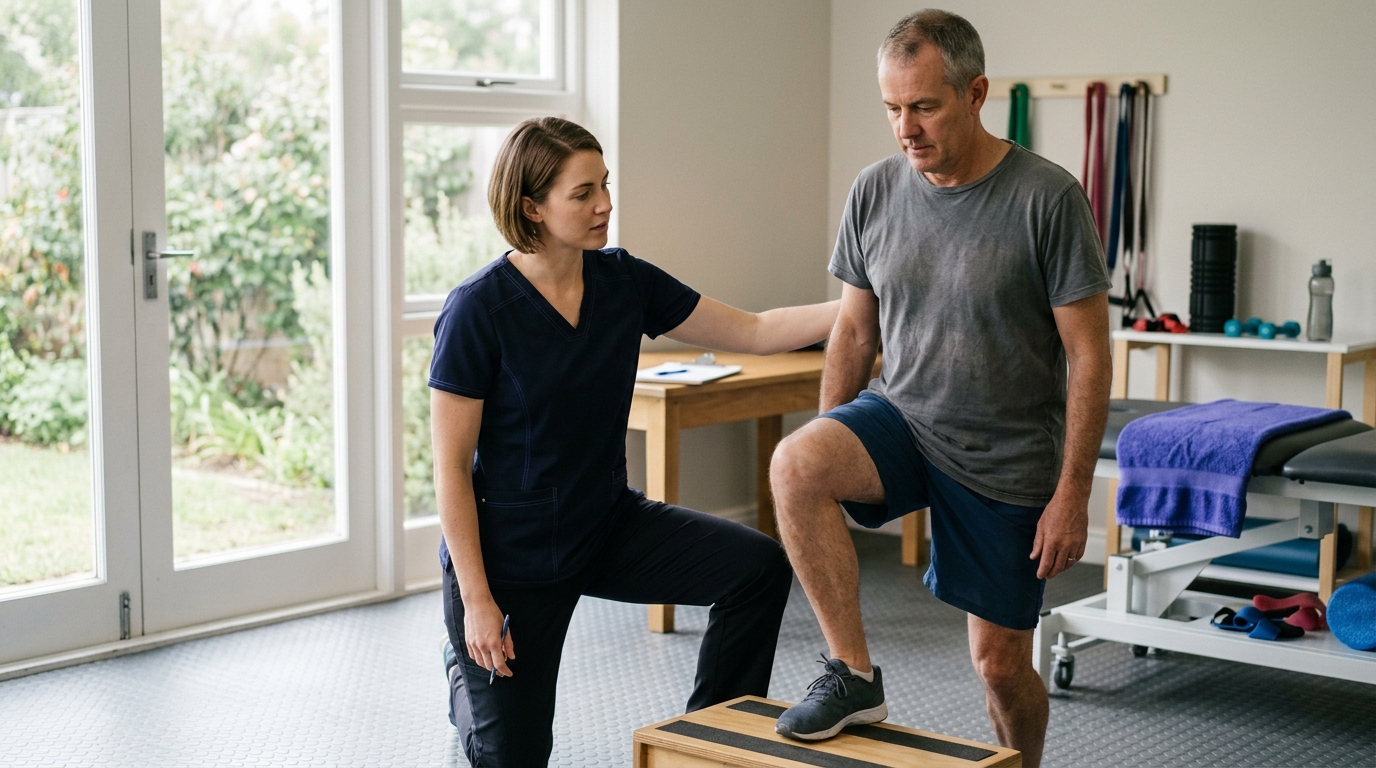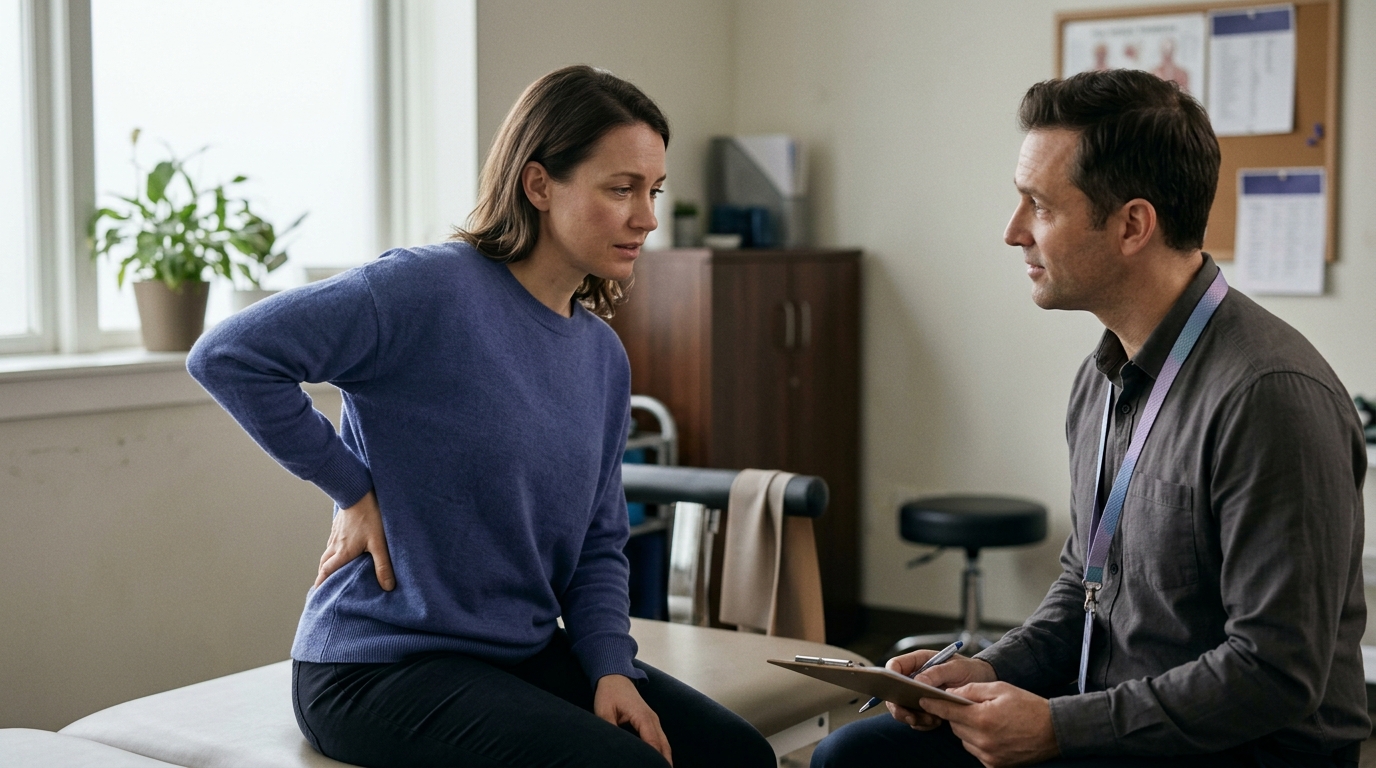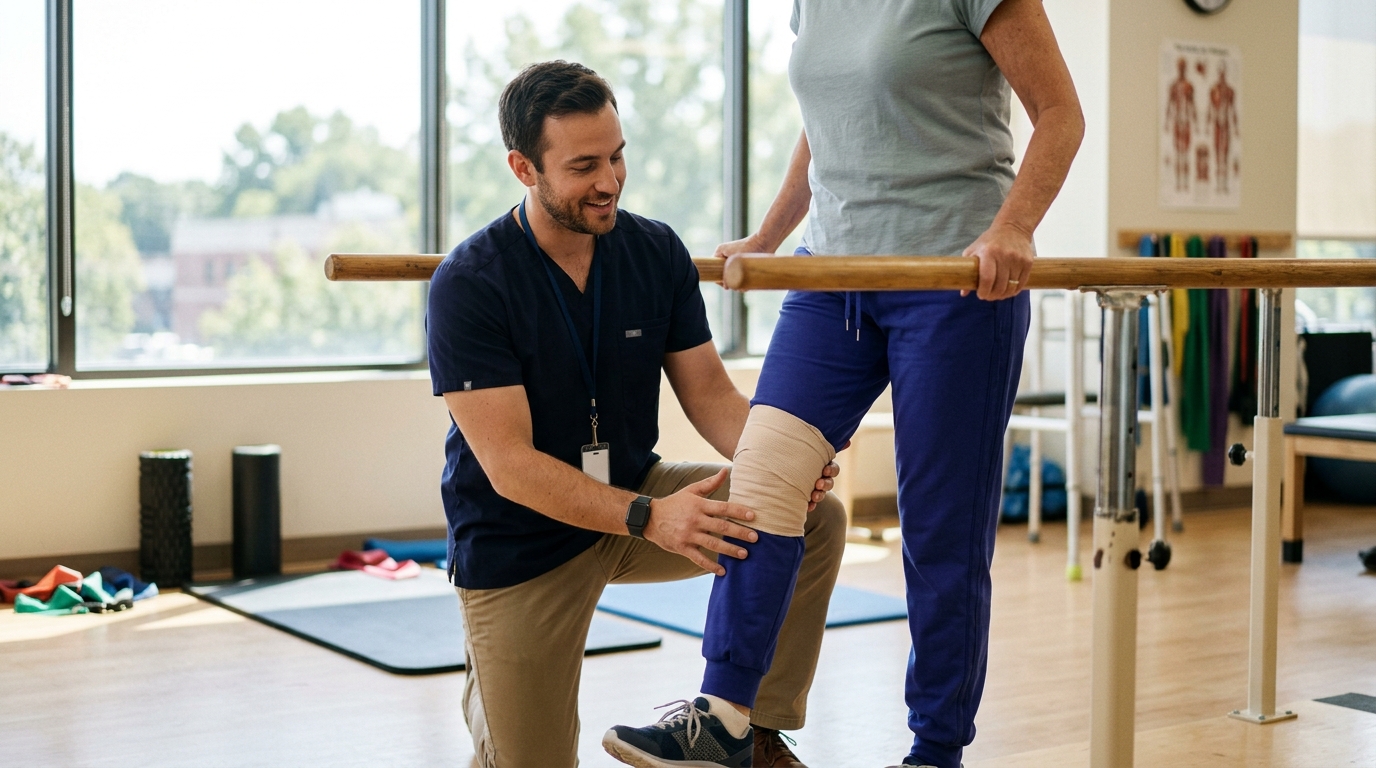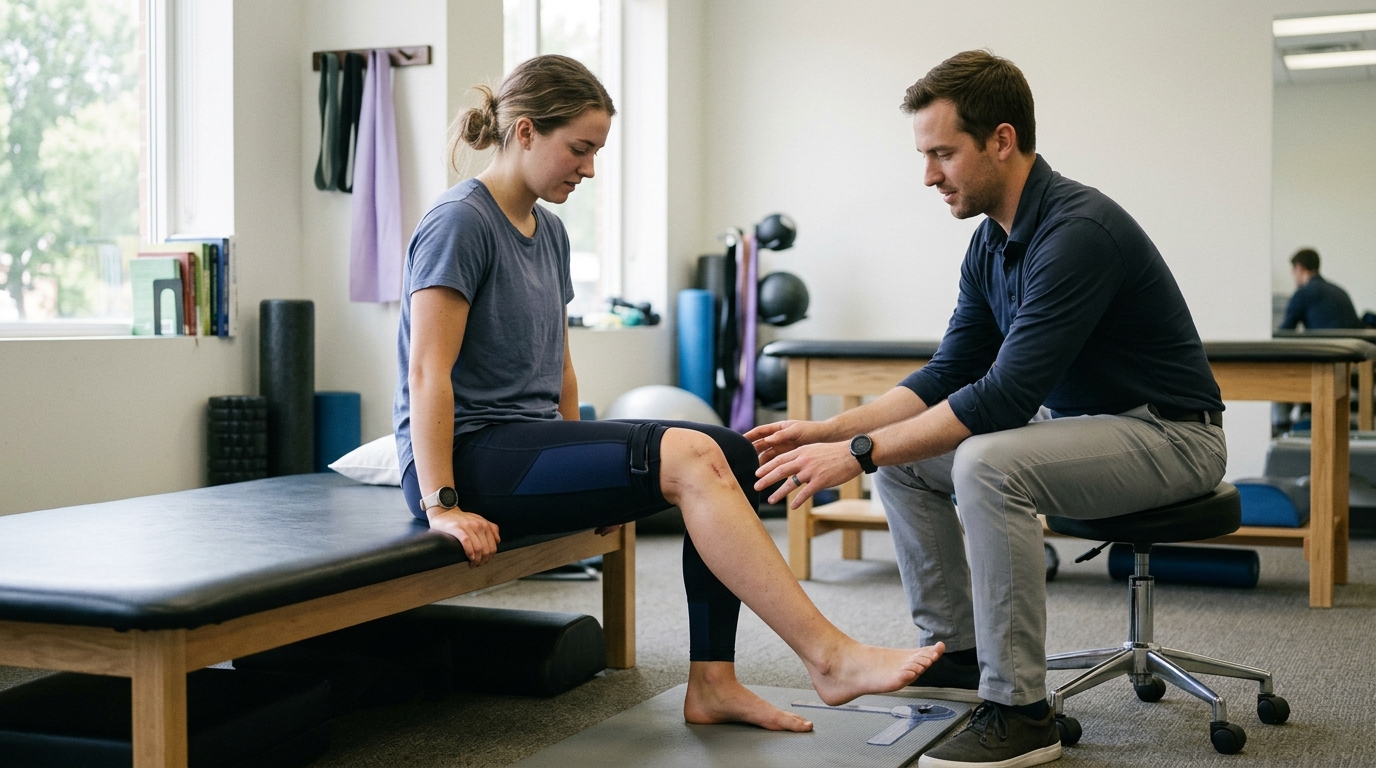

Recovering from a sports injury or surgery demands targeted energy, structured protein intake, and balanced micronutrients to effectively rebuild damaged tissues.





When an injury suddenly halts your daily routine, you have likely searched online for ways to speed up your recovery. Many people type queries like "what to eat to heal torn ligaments faster" or "best foods for broken bones" into search engines. You will find thousands of claims promising that specific superfoods or high-dose powders will cut your healing time in half.
The biological reality is more grounded. Nutrition provides the raw building blocks, cellular energy, and fluid balance required for tissue repair and rehabilitation. However, food cannot override normal biological timelines, nor can it replace structured physical therapy.
This guide outlines what the current scientific evidence actually shows about recovery nutrition. It examines total energy requirements, protein distribution, carbohydrates, dietary fats, micronutrients, and hydration. It also details how your nutritional needs shift across different phases of healing and when it is wise to consult a registered dietitian.
Nutritional intake supports musculoskeletal recovery by preventing energy deficits, preserving lean muscle mass, and supplying the substrates needed to rebuild injured tissues. When you suffer an orthopedic injury or undergo surgery, your body triggers an inflammatory response followed by tissue remodeling. Meeting your baseline energy and nutrient requirements ensures that your body does not break down healthy structural tissues to fuel this repair process.
Nutrition acts as an enabler rather than an accelerator. Eating well creates optimal physiological conditions for your body to repair bone, muscle, tendon, or ligament fibers. It does not compress a six-month tendon remodeling process into six weeks.
Scientific literature shows clear limits on what diet can achieve on its own. While severe nutritional deficiencies can impair or delay wound healing, consuming massive excess amounts of vitamins, minerals, or protein beyond your physiological requirements does not produce faster healing. The primary goal is to avoid under-fueling, distribute protein evenly throughout the day, eat a variety of whole foods, and adjust your intake as your rehabilitation program evolves.
Energy balance is the relationship between the calories you consume and the calories your body burns each day. Many injured adults assume that because their workouts or sports have stopped, their caloric requirements must have dropped drastically. This assumption often leads people to cut their food intake severely in an attempt to prevent unwanted weight gain.
Sharply restricting calories during the initial stages of an injury can create significant problems. Research in sports medicine and rehabilitation demonstrates that tissue repair requires considerable cellular energy. Major surgeries, severe fractures, or extensive soft-tissue trauma increase your basal metabolic rate. Healing tissue demands energy for protein synthesis, cellular proliferation, and immune system activation.
At the same time, your total physical activity often declines when an injured limb is immobilized. These two opposing forces create a unique metabolic situation. Your structured exercise expenditure drops, but your baseline healing costs rise. Additionally, using assistive devices like crutches or walkers requires substantial physical effort. Clinical reviews point out that walking with crutches can increase energy expenditure per meter compared to normal unassisted walking.
An extreme negative energy balance accelerates the loss of skeletal muscle tissue, especially in an immobilized limb. When your body experiences an energy deficit, it may break down amino acids from muscle tissue to meet its baseline energy needs. Excess caloric intake beyond your healing demands can lead to unwanted fat gain during periods of prolonged bed rest.
The most effective strategy is to avoid both severe restriction and mindless overeating. You can read more about balancing your daily habits in our articles on nutrition and recovery. Aim to consume enough food to maintain a stable body weight during the acute immobilization phase, then reassess your intake as your movement levels change.
Different orthopedic setbacks impose different metabolic demands on the body. A minor ligament sprain requires less total energy for cellular repair than a multi-fragment bone fracture or a joint replacement.
Understanding these distinctions helps prevent sudden swings in dietary intake. Matching your intake to the physical demands of your current recovery stage protects your muscle mass without promoting excessive fat accumulation.
Skeletal muscle tissue is metabolically active and constantly turns over through two opposing processes: muscle protein synthesis and muscle protein breakdown. In healthy, active adults, these two processes remain relatively balanced over a 24-hour cycle. When an injury forces you to immobilize a joint or drastically reduce your steps, this delicate balance is disrupted.
Research reviews on athlete rehabilitation show that muscle disuse can cause healthy adults to lose approximately 0.5% of their immobilized muscle mass per day. This decline occurs alongside a sharp drop in muscle protein synthesis. When you cannot place mechanical load on a muscle, that tissue becomes less sensitive to the anabolic signals of dietary protein. Scientists refer to this blunted response as anabolic resistance.
To counter anabolic resistance and support tissue regeneration, clinical and sports nutrition literature often recommends higher protein targets for injured individuals than the standard Recommended Dietary Allowance. The standard baseline for healthy, sedentary adults is 0.8 grams of protein per kilogram of body weight per day.
In rehabilitation research covering athletes and active individuals, recommended protein targets frequently range from 1.3 to 1.8 grams per kilogram of body weight per day. Some sports nutrition reviews discuss targets ranging between 1.6 and 2.5 grams per kilogram for athletes facing severe disuse or surgical repair. Other specialized athletic papers discuss ranges up to 3.0 grams per kilogram.
These higher targets stem from athletic models and resistance training studies. They are useful reference points for discussion, but they should not be viewed as mandatory rules for every injured adult. A healthy 45-year-old recovering from rotator cuff repair may do well near 1.4 to 1.6 grams per kilogram, while an older adult dealing with frailty requires personalized clinical guidance.
Total daily protein quantity is only part of the equation. How you distribute that protein across your waking hours also influences 24-hour muscle protein synthesis rates.
In a study of healthy adults summarized in rehabilitation reviews, distributing protein evenly across breakfast, lunch, and dinner produced a 25% higher 24-hour muscle protein synthesis response compared to consuming the majority of protein at dinner. Another study in healthy trained men evaluated different protein feeding schedules over a 12-hour period. Consuming 20 grams of whey protein every three hours stimulated muscle protein synthesis more effectively than consuming 10 grams every 1.5 hours or 40 grams every six hours.
While these trials were conducted in healthy subjects rather than injured patients, the underlying physiology provides practical value. Aiming for moderate, regular protein servings of 20 to 35 grams every three to four hours helps ensure your muscles receive a steady supply of essential amino acids throughout the day.
Protein quality matters as well. High-quality proteins contain all nine essential amino acids in sufficient quantities, with an emphasis on leucine. Leucine acts as a key molecular trigger for muscle protein synthesis. Good sources include lean poultry, fish, eggs, dairy products, soy, tofu, and complementary plant-based protein combinations.
Public conversations around nutrition frequently reduce carbohydrates and fats to simple dietary enemies, especially when someone becomes less active. Cutting out entire macronutrient groups during injury rehabilitation can backfire. Both carbohydrates and healthy fats perform vital biological functions in the healing cascade.
Carbohydrates are the primary fuel source for your central nervous system and high-intensity cellular processes. During injury rehabilitation, carbohydrates serve an essential protein-sparing function.
If carbohydrate intake is drastically restricted, your body must convert other substrates into glucose to maintain stable blood sugar levels. When overall energy or carbohydrate availability is too low, the body increases protein breakdown, using valuable amino acids for energy rather than tissue repair. Research reviews note that low carbohydrate availability is associated with impaired net protein balance.
Maintaining an adequate intake of complex carbohydrates provides the cellular energy required to fuel rehabilitation sessions and physical therapy. Carbohydrates also trigger the release of insulin, a hormone that reduces muscle protein breakdown. Focus on whole food carbohydrate sources such as:
Adjust your carbohydrate intake to match your rehabilitation volume. When you are completely non-weight-bearing, your carbohydrate needs will be lower than when you return to active agility drills or heavy resistance exercises.
Dietary fat is essential for hormone production, structural integrity of cell membranes, and the absorption of fat-soluble vitamins such as vitamins A, D, and E. Severe fat restriction can compromise immune function and impair tissue remodeling.
Omega-3 polyunsaturated fatty acids, found in fatty fish like salmon and mackerel, have received substantial attention for their anti-inflammatory properties. In laboratory settings, omega-3 fatty acids can influence inflammatory pathways and support muscle protein synthesis mechanisms.
However, clinical reviews on sports injury rehabilitation indicate that the evidence for high-dose omega-3 supplementation in injured humans remains limited and inconsistent. While eating whole foods rich in omega-3 fatty acids fits well into a healthy dietary pattern, taking high-dose supplements does not guarantee a faster return to sport.
A sensible approach involves including moderate amounts of unsaturated fats from olive oil, avocados, nuts, seeds, and fish. This provides essential fatty acids without overloading your digestive system with unnecessary caloric density.
Vitamins and minerals serve as critical cofactors in thousands of biochemical reactions, including collagen synthesis, bone mineralization, and immune cell regulation. Because of these biological links, many recovery products market megadoses of specific micronutrients to injured consumers.
The scientific evidence draws a clear line between correcting a deficiency and taking excess amounts of a nutrient. If your body is deficient in an essential vitamin or mineral, tissue repair can be significantly impaired. Supplying that missing nutrient restores normal healing capacity. However, if your body already has adequate stores, consuming large supplemental doses does not accelerate recovery.
Several specific micronutrients play established roles in normal musculoskeletal physiology:
Guidance documents from the National Athletic Trainers' Association and the U.S. Indian Health Service address the use of micronutrient supplements in tissue healing. Both sources report that evidence supporting routine vitamin and mineral supplementation above recommended daily intakes is lacking for previously healthy individuals.
For example, routine high-dose vitamin C and zinc supplementation has not been shown to speed healing in people who do not have a diagnosed deficiency. Taking excessive amounts of zinc can interfere with copper absorption and cause gastrointestinal upset. Similarly, high-dose vitamin C is largely excreted in urine once cellular transport mechanisms are saturated.
Other popular supplements, including collagen hydrolysates, gelatin, creatine, and beta-hydroxy-beta-methylbutyrate (HMB), have been evaluated in athletic research. While some preliminary data suggest possible benefits for muscle preservation or collagen synthesis, reviews of rehabilitation nutrition classify this evidence as mixed, preliminary, or inconsistent. Supplements cannot replace a balanced, nutrient-dense diet.
Hydration is a fundamental component of recovery that is frequently overlooked. When you are no longer completing sweaty workouts, your thirst cues may decrease. This often causes fluid intake to drop significantly during the early stages of injury rehabilitation.
Maintaining adequate hydration is critical for tissue healing. Water makes up the vast majority of your blood volume, which carries oxygen, amino acids, glucose, and immune cells directly to the site of injured tissue. Proper hydration also maintains the viscoelastic properties of articular cartilage, tendons, and ligaments, ensuring tissues can glide smoothly as you start gentle range-of-motion work.
Scientific literature does not establish a universal, fixed fluid volume target for every injured person. Fluid requirements depend heavily on your baseline body size, environmental temperature, medications, and kidney function. Some pain medications and post-operative anti-nausea drugs can cause constipation, making adequate fluid and dietary fiber intake even more important.
Instead of aiming for an arbitrary number of ounces, monitor your practical hydration indicators. Your urine should generally stay a pale straw color throughout the day. If it is dark yellow or amber, you likely need to increase your fluid intake. Plain water, herbal teas, broth, and water
-rich fruits and vegetables all contribute to your daily hydration goals.
No single dietary prescription works for every person or every stage of recovery. Your nutritional requirements change based on biological factors, medical treatments, and how your physical therapy progresses over time. For more comprehensive recovery strategies, consult our broader resources on injury recovery and healing.
Age is a major variable influencing recovery nutrition. Adults between the ages of 35 and 75 experience natural shifts in body composition, metabolic rate, and muscle biology.
As we age, skeletal muscle becomes progressively more resistant to the anabolic stimulus of both exercise and dietary protein. An older adult recovering from a joint replacement or a tendon repair may require higher per-meal protein doses (such as 30 to 40 grams) to achieve the same muscle protein synthesis response that a younger person gets from 20 grams. Furthermore, preserving baseline lean mass is critical for older adults to prevent permanent functional decline, a topic covered extensively in our materials on active aging and injury prevention.
Your nutritional strategy should adapt as you move through the distinct phases of orthopedic rehabilitation.
During the initial immobilization phase, total physical activity is low, but muscle atrophy risks are high. You need enough energy and protein to protect your tissues without overconsuming calories.
As you transition into active physical therapy and progressive resistance training, your energy and carbohydrate needs rise. The mechanical loading from physical therapy stimulates muscle protein synthesis, creating an ideal environment for your dietary protein to rebuild lost muscle mass and strengthen connective tissue structures.
Undergoing surgery introduces acute tissue trauma, blood loss, and anesthesia effects that differ substantially from a simple non-surgical muscle pull. In surgical recovery, proper wound healing requires specialized medical oversight.
Surgical incisions demand substantial collagen production, epithelial cell migration, and immune surveillance. Guidelines on wound prevention and management highlight that clinical assessments must take priority over generic sports nutrition recommendations in surgical cases. If you are navigating an operation, reviewing evidence-based guides on rehabilitation after surgery can help you prepare for these changes.
Many people experience a sharp loss of appetite following an acute injury or surgery. Post-operative medications, reduced physical movement, pain, and psychological stress can alter digestive motility and suppress hunger hormones.
When appetite is poor, meeting baseline energy and protein targets through large, solid meals can feel overwhelming. In these situations, smaller and more frequent meals, nutrient-dense smoothies, bone broths, and Greek yogurt can help you hit your basic nutritional targets without causing severe fullness or stomach upset.
Conflicting advice online can make recovery planning confusing. Reviewing how common recovery myths compare to peer-reviewed evidence helps bring clarity to your daily routine.
Nutrition is a supportive pillar of recovery, but it must work in harmony with your medical and rehabilitation plans. Open communication with your healthcare team ensures that your dietary approach matches your specific medical history, medications, and physical therapy progression.
For those looking for structured toolkits and clinical checklists, exploring our collection of rehabilitation resource guides can help organize your appointments.
Certain warning signs indicate that you should seek a formal evaluation from a registered dietitian or physician:
Supporting your body through musculoskeletal recovery requires a calm, balanced approach grounded in physiology rather than extreme diets. The primary role of nutrition is to create an optimal cellular environment for your tissues to repair while protecting your lean muscle mass during periods of reduced mobility.
The strongest scientific evidence highlights several practical priorities:
By treating food as a dependable foundation for rehabilitation, you can support your body's innate healing systems without falling for unscientific promises.
You do not need to overhaul your entire diet overnight to support your recovery. Focus on these concrete, practical steps over the coming week:

Use ReboundBody resources to understand common recovery stages, rehab terms, movement limits and strength rebuilding. Each guide is designed to make a complex comeback easier to understand.


Read practical guidance on injury recovery, rehabilitation, mobility and rebuilding strength as you work your way back to activity.
Explore Resources