
Yard work appears simple, but returning safely after an injury requires breaking down complex movements and gradually building your physical capacity for outdoor tasks.





Many people search for how to return to gardening safely after an injury. They often want to know when they can bend over a raised bed, carry heavy bags of mulch, or kneel on the grass without causing a setback.
The direct answer is that gardening is not a single, light leisure activity. Yard work is a multi-step physical pursuit that places real demands on your joints, spine, and muscular system. Returning safely requires breaking yard tasks into basic movement patterns, matching those movements to your current physical capacity, and progressing gradually.
Scientific literature does not provide a single, universal rehabilitation protocol designed exclusively for gardeners. Research does not offer precise time limits for kneeling or exact lifting maximums that apply to every recovering body. Instead, returning to the garden depends on careful pacing, task modification, and honest communication with your medical team.
Learning how gardening challenges your body helps you plan a steady return. By treating yard work as physical activity that requires preparation and gradual loading, you can care for your plants while protecting your physical recovery.
Gardening is often described as gentle recreation, but the physical reality is much more complex. A single afternoon on your property can involve carrying heavy pots, bending forward to pull weeds, shoveling soil, and balancing on uneven terrain. For someone recovering from an injury, these varied tasks can quickly challenge healing tissues.
An observational study tracked older gardeners across multiple sessions to record the physical actions required by standard yard maintenance. The researchers documented 17 distinct gardening tasks. Across these tasks, six primary physical actions were used by 90 percent of the participants: gripping, bending, walking, lifting, stretching, and standing.
The same study noted that lower back pain was the most common symptom reported by the gardeners. The researchers emphasized that typical gardening postures offer physical activity benefits, but they also carry biomechanical risks when sustained for too long. They called for more direct biomechanical research to measure movement forces in home environments.
A broader research review examining adults aged 65 and older found that gardening tasks generally fall into low to moderate intensity categories. However, energy demands vary significantly depending on the specific job. Full-body tasks require substantially more energy and physical effort than jobs that rely solely on the arms or the legs.
In that research review, activities combining upper and lower body effort were classified as moderate intensity, measuring between 3.0 and 4.5 metabolic equivalents (METs). These demanding jobs included digging, spreading fertilizer, weeding, raking, and securing plants to stakes. In contrast, upper-body tasks performed while standing or squatting were classified as low intensity, measuring between 1.7 and 2.9 METs. These lighter tasks included pruning, planting small seedlings, sowing seeds, hand watering, and harvesting vegetables.
These metabolic ratings show that yard work covers a wide spectrum of physical work. Shoveling compacted dirt is not the same as trimming tomato vines. When planning a return to the yard through evidence-based mobility and movement principles, you must treat each garden task as its own distinct physical challenge.
To manage physical stress after an injury, you can divide complex yard projects into basic movement components. Rather than viewing "spring cleanup" as one massive job, look at the individual actions required. This approach lets you identify which movements match your current tolerance and which tasks need to wait.
Transporting bags of compost, containers, pavers, and full watering cans places high loads on the spine, hips, and shoulders. Lifting demands a strong grip, core stability, and the ability to generate power through the legs. Carrying adds dynamic balance and joint impact as you walk over soft or uneven soil.
According to educational guidance from Penn State Extension, proper lifting mechanics are essential for reducing joint strain during yard work. You should always keep loads close to your body rather than holding them at arm's length. Pivot your feet to turn rather than twisting your lower back while holding weight.
You can also divide the task into manageable stages. Move a heavy bag onto an intermediate surface, such as a sturdy bench or garden cart, before lifting it to its final location. Whenever possible, use a wheelbarrow or garden wagon to eliminate carrying altogether.
Digging is one of the most physically demanding activities in the garden. It requires simultaneous effort from the legs, trunk, and arms. When you drive a shovel into the dirt, your lower body stabilizes your frame while your upper body creates leverage.
The research review on older gardeners classified digging as a moderate-intensity, full-body activity. The combination of trunk rotation, forward bending, and lifting wet soil can irritate sensitive spinal structures or healing shoulder tendons.
Penn State Extension suggests bending at your hips and knees rather than rounding your back during shoveling. Keep the shovel blade close to your center of gravity to reduce strain on your spine. Avoid throwing dirt to the side with a sudden twisting motion, which places excessive rotational torque on your lumbar spine.
Weeding, transplanting, and edging flower beds require working near the ground. Many gardeners spend long periods kneeling, squatting, or stooping forward. These postures place high mechanical stress on the knees, hips, and lower back.
Sustained kneeling creates direct pressure on the patella and surrounding connective tissues. Squatting requires significant ankle and knee flexion, which may exceed your current joint tolerance during recovery. Stooping with straight legs increases pressure on the lumbar discs.
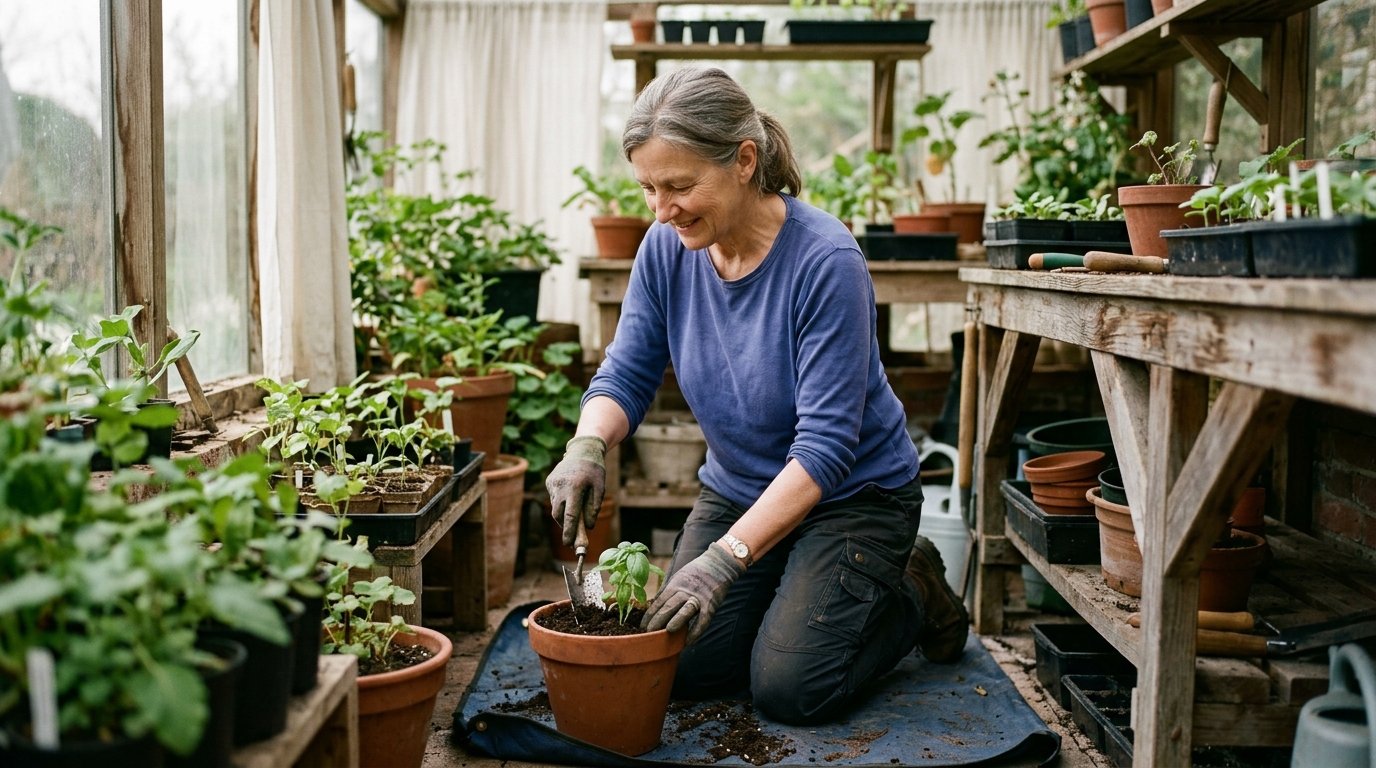
To reduce these demands, break planting jobs into clear physical steps. Prepare your seed trays, pots, and soil at a waist-height standing workbench first. Loosen the garden soil with a long-handled tool while standing up. Only move to the ground for the final, brief placement of the plants.
Pruning shrubs, training fruit trees, and trimming tall perennials require reaching overhead and bending in multiple directions. Holding pruning shears above your shoulders places continuous demands on the rotator cuff and upper back muscles. Bending sideways or forward to trim low branches strains the posterior chain.
Observational data shows that bending and stretching are among the most common postures used in yard maintenance. When these positions are held statically, muscle fatigue develops quickly. This fatigue reduces your ability to stabilize your joints.
You can modify these jobs by changing your position frequently. Use extended-reach pruners to cut high branches without holding your arms overhead for long periods. Sit on a low garden stool to trim mid-height hedges rather than bending from the waist.
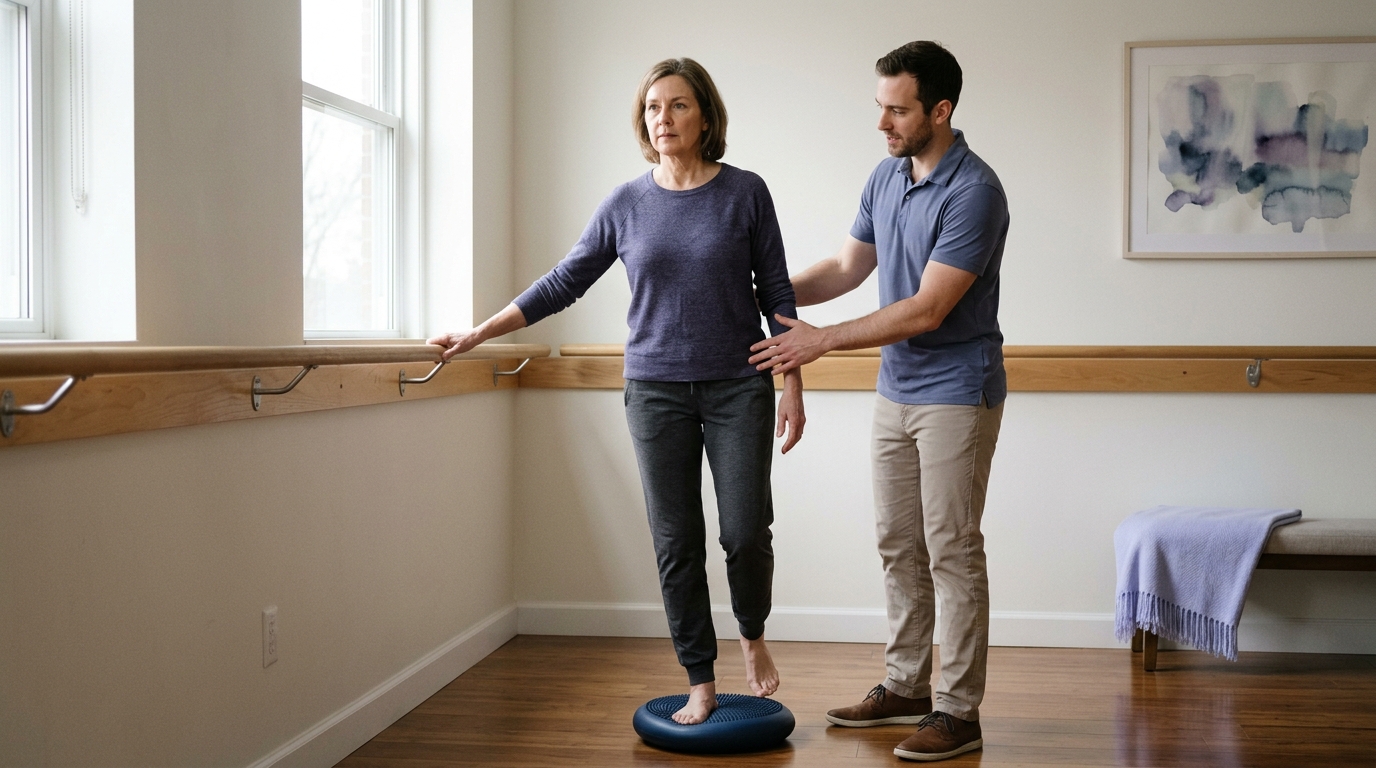
Yard work involves constant movement across grass, gravel, mulch beds, and slopes. Navigating these surfaces requires good ankle mobility, single-leg balance, and active joint proprioception.
Walking on uneven terrain increases the energy cost of movement compared to walking on flat pavement. For someone recovering from a lower-extremity injury, simply walking around the yard while carrying tools can be a full workout.
Include the time spent moving across your property when calculating the total workload of a gardening session. Do not judge your physical output solely by the minutes spent actively planting or digging. Moving tools, gathering supplies, and walking across slopes all add to your total joint load.
Using hand pruners, trowels, weed pullers, and spray nozzles requires sustained, repetitive muscular contractions in the hands and forearms. In the observational study of older gardeners, gripping was the single most common action observed.
Repetitive gripping can aggravate conditions such as tennis elbow, carpal tunnel syndrome, and thumb arthritis. When hand muscles tire, people often compensate by using awkward wrist angles, which increases tendon strain.
Treat sustained tool use as a high-demand task that requires regular rest. Choose tools with thick, padded handles that reduce the required grip force. Alternate between right- and left-handed tasks, and switch jobs whenever you feel forearm tightness.
Returning to physical activity after an injury requires a structured, progressive approach. While specialized sports medicine protocols exist for athletes, clinical literature does not provide a validated, step-by-step progression program created specifically for home gardeners. However, general active recovery guidance offers valuable principles for rebuilding capacity safely.
Guidelines on active rehabilitation emphasize that gradual, controlled activity supports tissue healing and functional restoration. A return-to-work resource guide from ReturnToWorkSA outlines how graded increases in home and work tasks can rebuild capacity without triggering symptom flare-ups.
While work capacity models cannot be applied directly as medical prescriptions for gardening, the core concept remains sound: modify the physical challenge so healing tissues can adapt over time. For a safe return to yard work, you should change only one variable at a time:
The simplest way to begin is by limiting total time spent in the yard. If you spent four hours gardening before your injury, do not attempt a four-hour session on your first day back. Start with a short, predetermined duration, such as 15 or 20 minutes.
Set a timer on your phone before you step outside. When the timer sounds, stop your work, even if you have not finished the flower bed. This strict time management prevents the common mistake of working until pain forces you to quit.
If your body tolerates a 15-minute session with no symptom increase over the following 24 to 48 hours, you can slowly add time. Increase your working window in modest five- to ten-minute increments. This cautious approach gives your joints and muscles time to adapt to the workload.
Complexity refers to the number of movement patterns combined in a single activity. A simple task involves a single, stable movement, such as repotting small plants while standing at a sturdy table. A complex task combines multiple demands, such as balancing on a slope while bending forward to pull stubborn roots.
When starting your recovery, choose low-complexity tasks that keep your body in stable, neutral positions. Focus on jobs that allow you to work at waist height with both feet planted firmly on level ground.
As your strength, balance, and coordination improve, you can gradually reintroduce more complex tasks. Move from waist-height work to light standing chores, such as watering with a hose. Save multi-planar, high-balance jobs for later stages of your rehabilitation.
Physical load includes the weight of the objects you lift and the force required to complete a task. In the garden, load comes from bags of soil, full watering cans, wet yard debris, and the resistance of compacted earth against a shovel.
Begin with minimal external weight. Carry half-empty watering cans, or use a lightweight hose instead. Buy smaller, five-pound bags of potting mix rather than standard forty-pound sacks.
Gradually increase the resistance only after you have mastered the movements with light loads. If you need to move heavier materials, ask for assistance or use mechanical aids to distribute the weight.
You do not need to abandon your garden while recovering from an injury. By applying practical modifications and ergonomic adjustments, you can continue to enjoy your outdoor space while keeping joint forces within safe limits.
Guidance from university agricultural extension services, including Penn State Extension, provides practical ways to reduce physical strain during yard maintenance. These strategies help protect your spine, hips, knees, and upper extremities.
Adapting your physical space reduces the need for extreme bending, kneeling, and reaching. Making strategic changes to your garden layout can significantly lower the physical demands of daily maintenance.
Using the right tools reduces the amount of joint torque and muscular effort needed for routine tasks. Modern garden tools incorporate ergonomic features designed to protect vulnerable joints.
How you move your body during a task is just as important as the tools you use. Practicing deliberate movement mechanics helps distribute mechanical forces evenly across large muscle groups.
When working near ground level, avoid sustained, unsupported forward bending. If you must work low, use a dedicated garden kneeler that features sturdy side handles to help you stand up. Alternatively, sit on a mobile garden stool that keeps your hips and knees at comfortable angles.
Change your working posture every 10 to 15 minutes. If you have been kneeling to pull weeds, stand up, walk around the yard, and do a light standing chore. Spreading your work across several short sessions throughout the week is far safer than attempting one long, exhausting weekend marathon.
For individuals working to rebuild their physical capacity, exploring structured injury recovery and healing resources can provide valuable guidance on safe movement patterns.
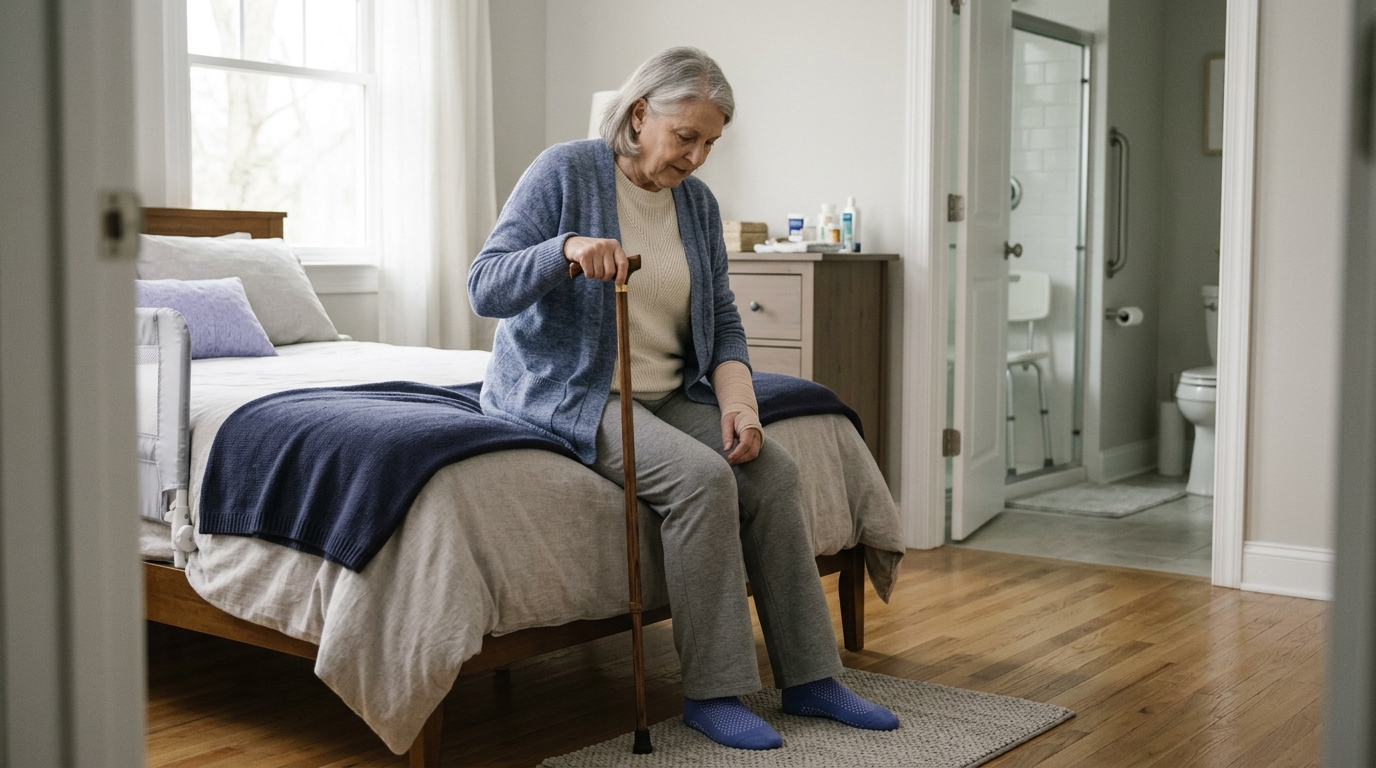
Every recovering body is unique. Two people with the same type of injury may require very different timelines before they can safely manage demanding yard work. Understanding the factors that influence your physical capacity helps you set realistic personal expectations.
As we age, connective tissues such as tendons, ligaments, and cartilage experience natural changes in vascularity and elasticity. These biological shifts mean that tissue remodeling and recovery often take longer for older adults.
An older gardener recovering from a rotator cuff strain or lumbar sprain may need more time between gardening sessions to allow tissues to recover. What used to take two days of rest might now require three or four days. Giving your body adequate recovery time between sessions reduces the risk of chronic tendon irritation.
The exact anatomical structures involved in your injury dictate which garden movements carry the highest risk. Your movement plan must account for your specific clinical history.
The physical demands of yard work are heavily influenced by environmental factors. Cold, damp weather can increase joint stiffness and decrease soft tissue pliability, making movement feel more restricted.
Working in wet, heavy clay soil requires significantly more physical force than working in loose, sandy loam. Sloped yards place higher stability demands on your ankles, knees, and hips than flat suburban lots. You must factor these external conditions into your overall assessment of task difficulty.
Your overall level of cardiovascular fitness, core stability, and muscular strength directly affects your endurance in the garden. General physical conditioning provides the baseline reserve needed to handle unexpected slips, heavy loads, and prolonged activity.
If you have been inactive during a prolonged medical recovery, your overall physical stamina will have declined. A safe return to yard maintenance often requires rebuilding basic endurance and functional strength through comprehensive rehabilitation and movement resources before tackling large outdoor projects.
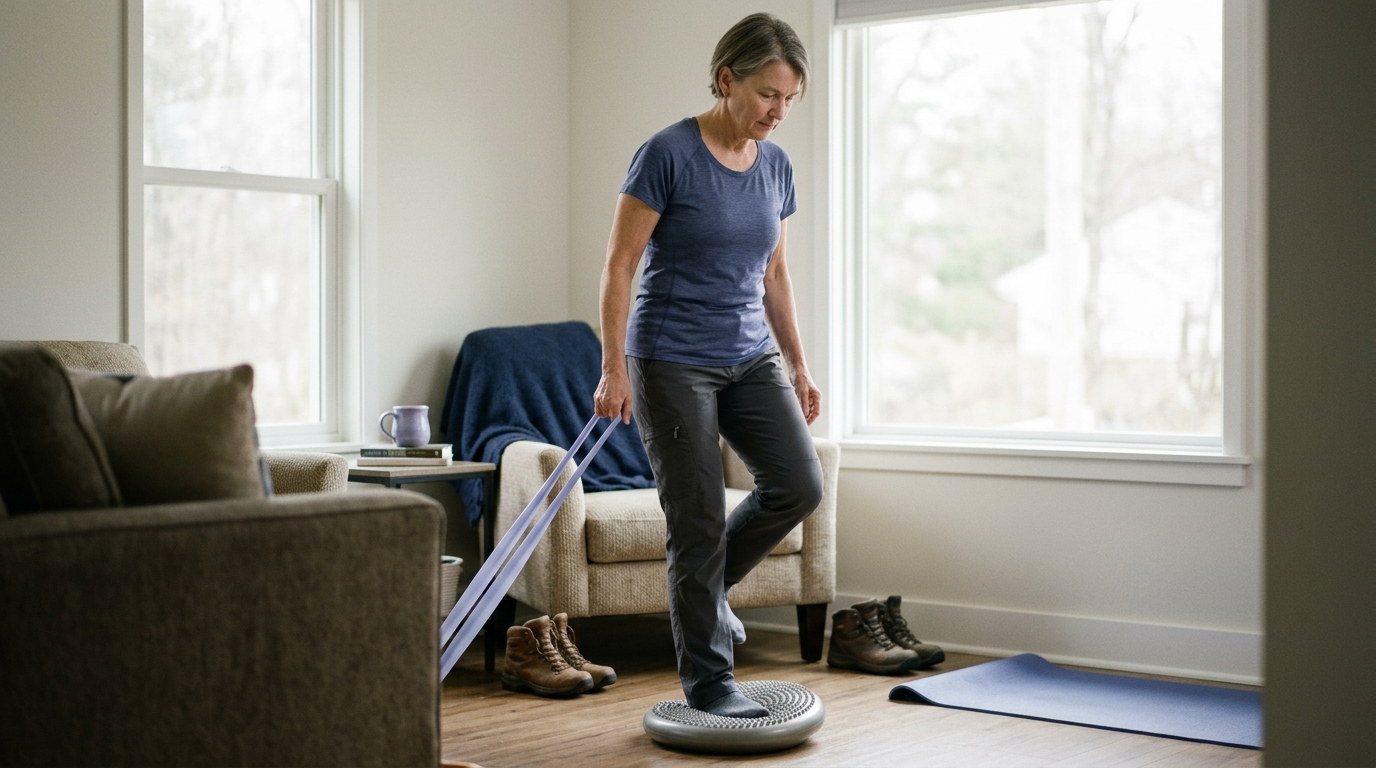
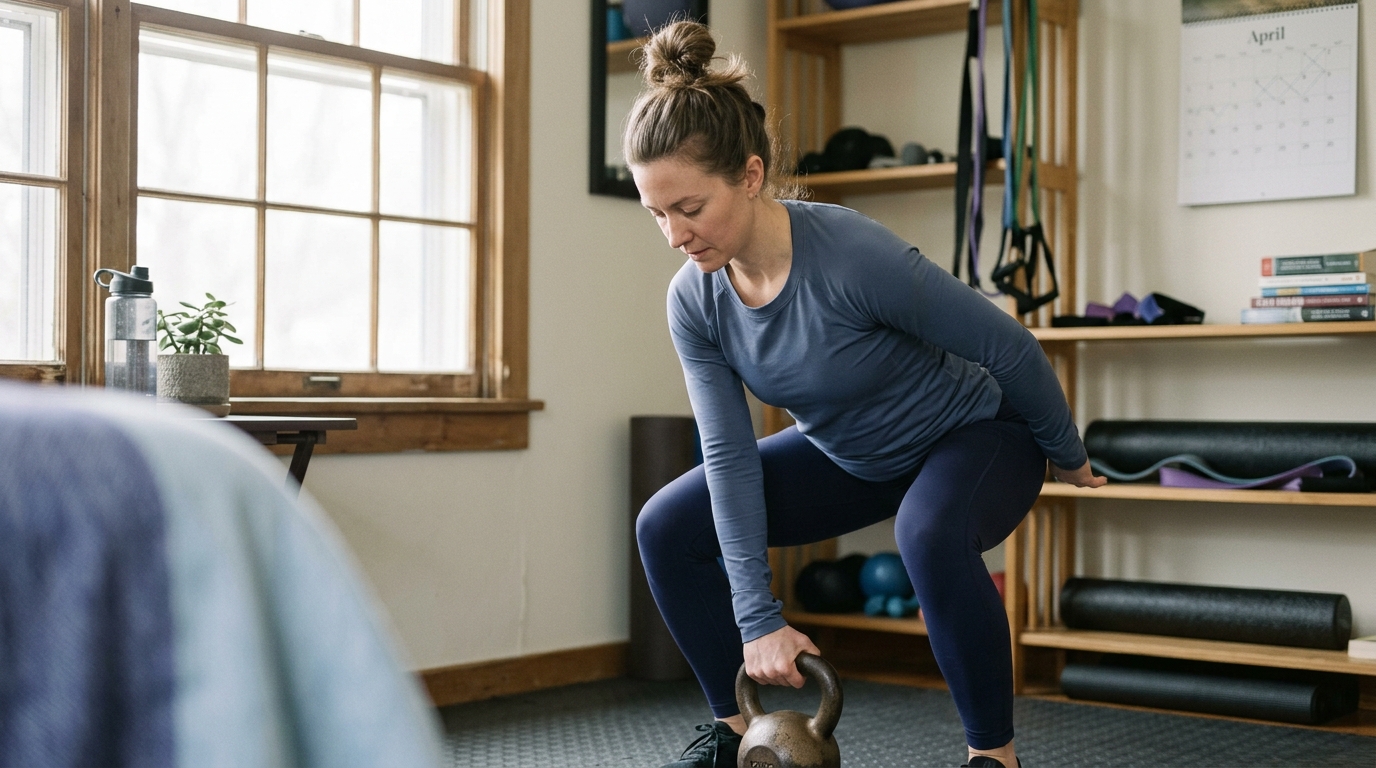
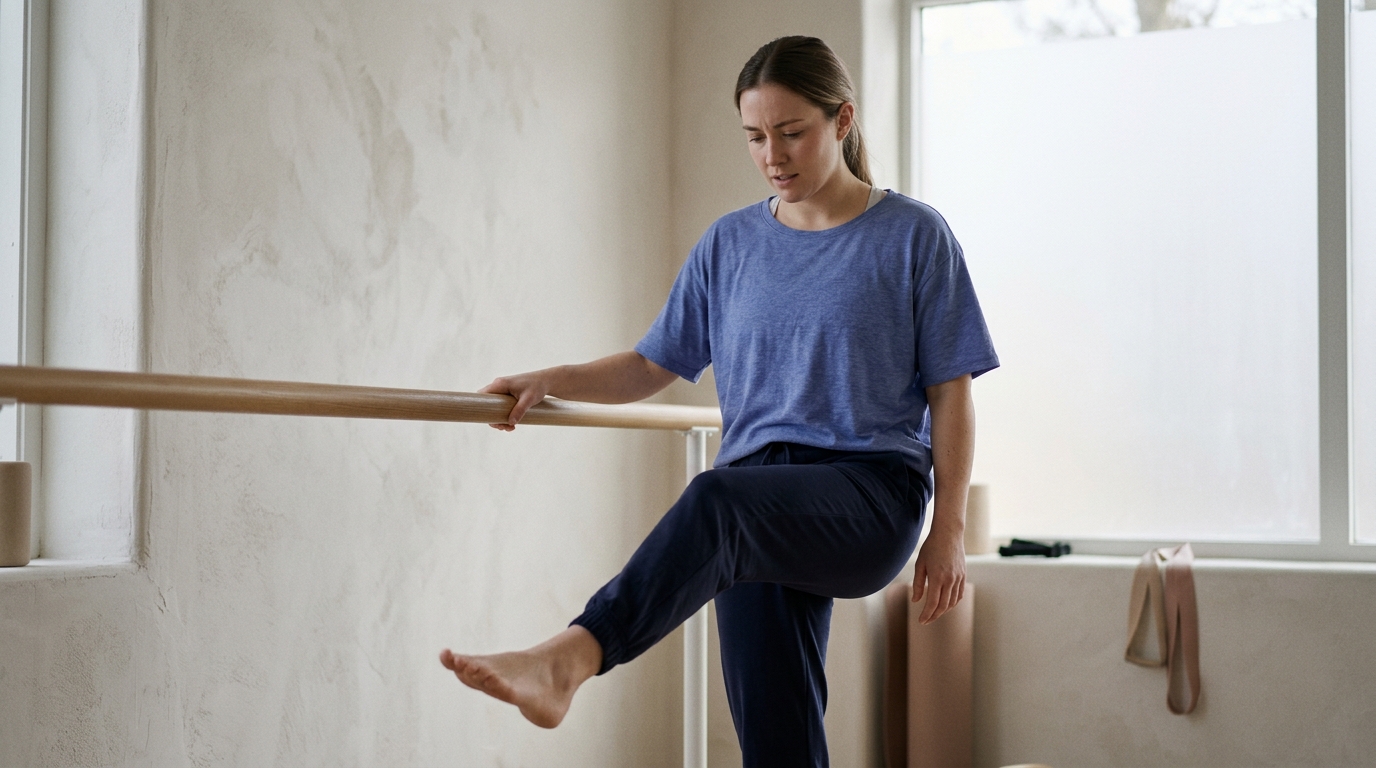
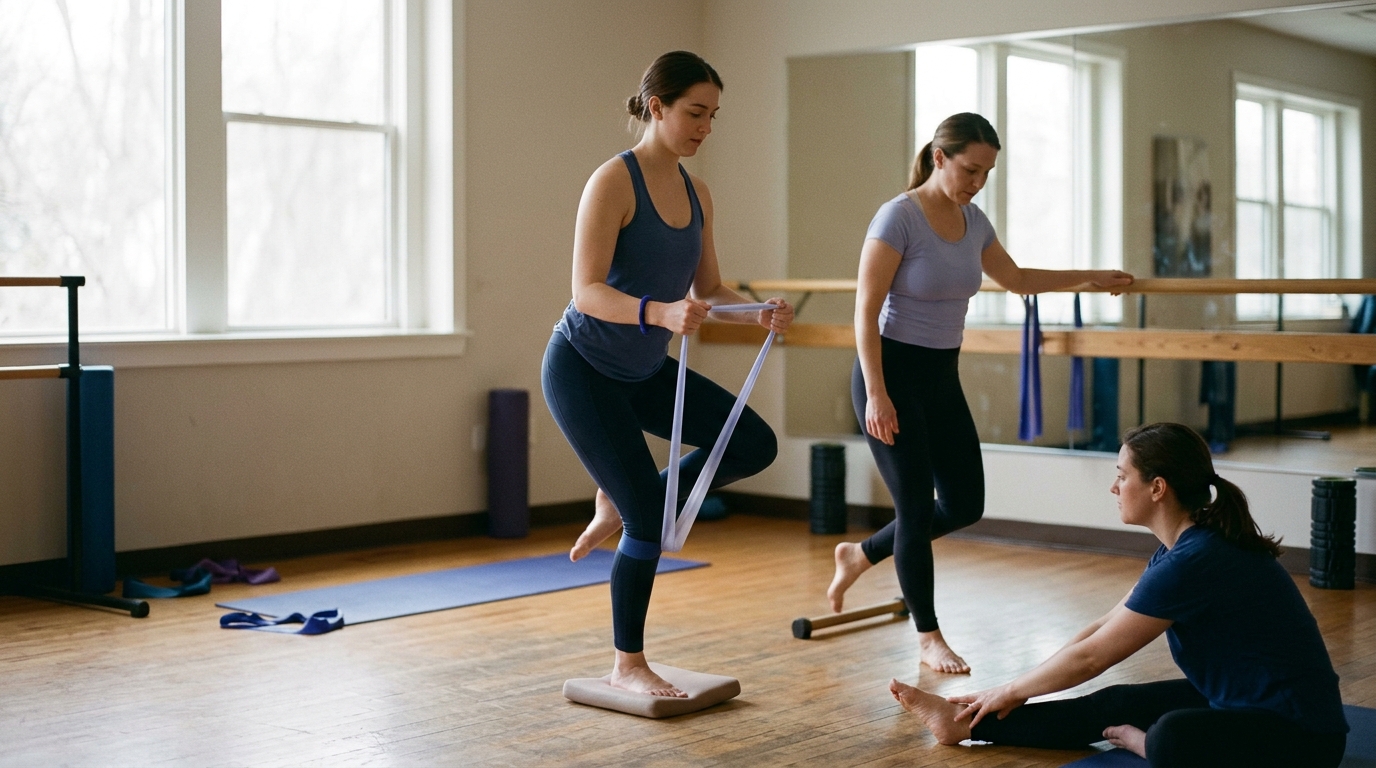
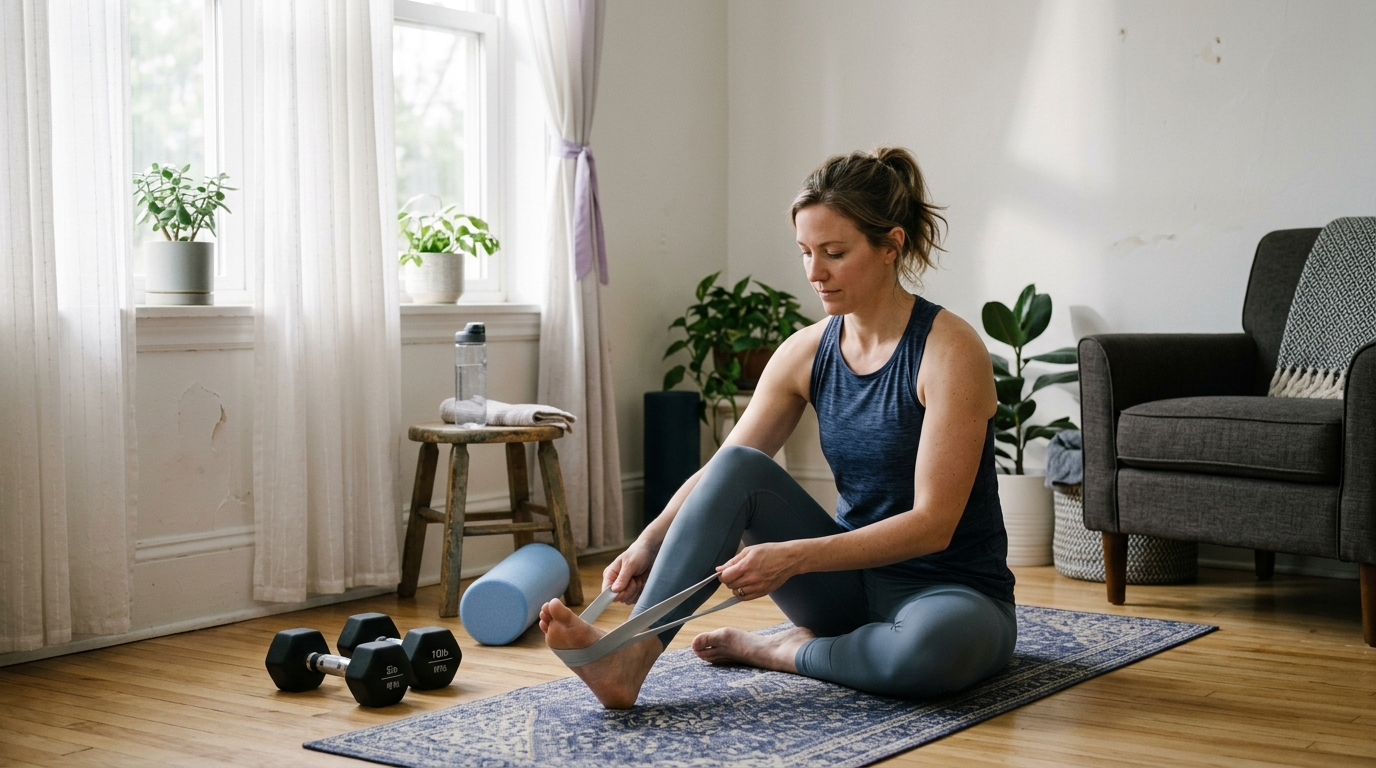
Gardening is functional movement in action. The physical patterns you use in the yard closely mirror foundational functional exercises. Preparing your body with simple, controlled movement patterns indoors can help restore the mobility and strength needed for outdoor chores.
Before introducing these movements, ensure they are appropriate for your specific stage of recovery. Perform all exercises with controlled pacing, and stop immediately if you experience sharp or radiating pain.
The hip hinge is the fundamental movement pattern for protecting your lower back during garden work. It teaches you to bend by shifting your hips backward while maintaining a neutral spine, rather than rounding forward through your lumbar vertebrae.
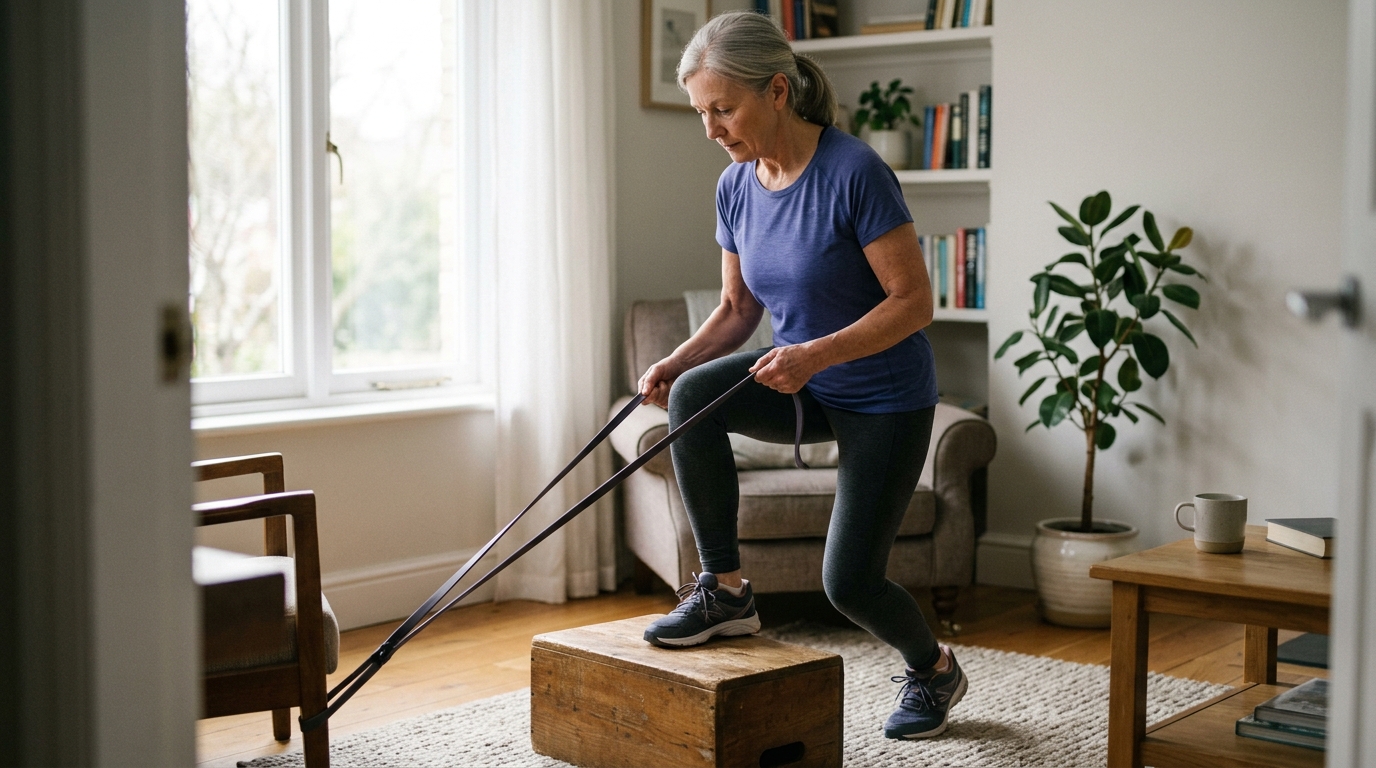
Squatting allows you to lower your center of gravity to reach low-growing plants without placing excessive torque on your spine. Using external support helps you practice the movement safely while rebuilding lower-body strength.
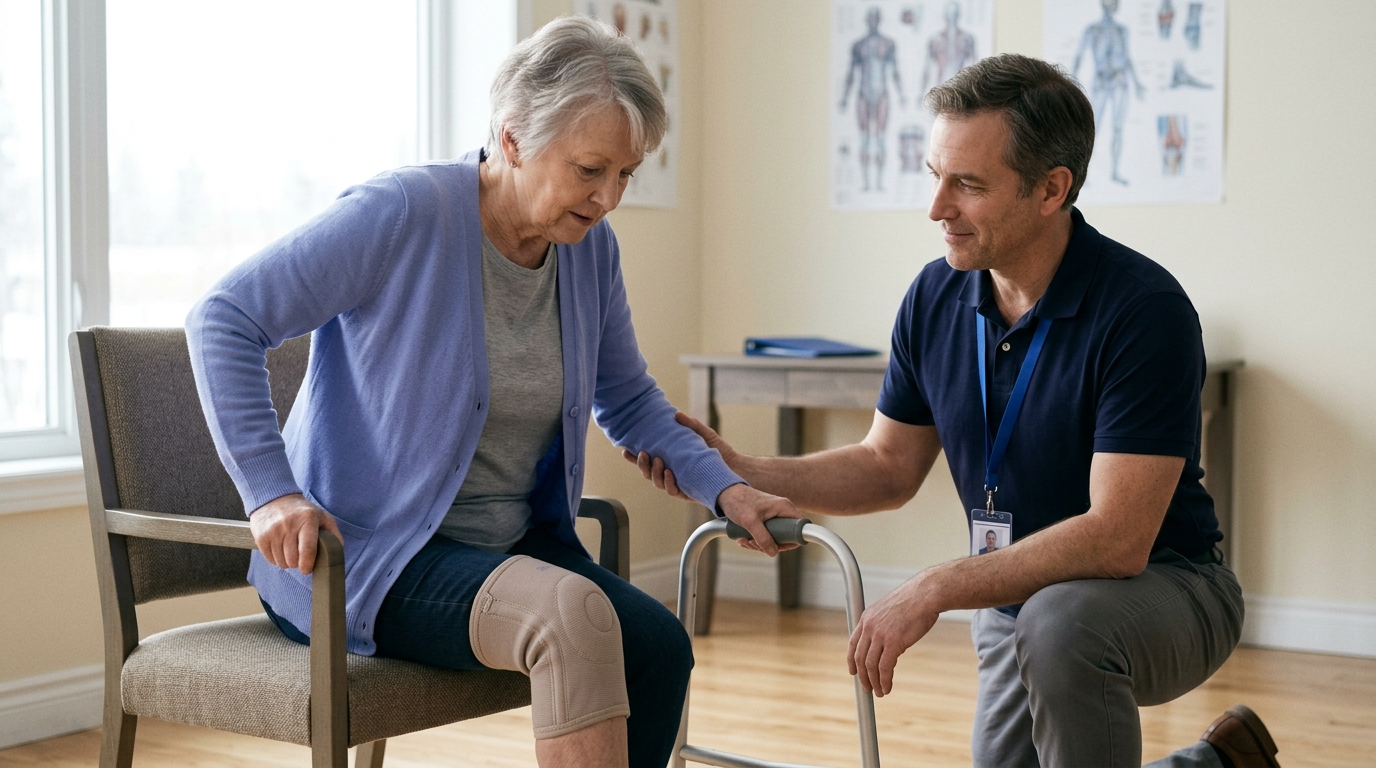
Moving smoothly down to the ground and getting back up is an essential gardening skill. Practicing a controlled lunge pattern builds the single-leg strength and hip stability required to kneel safely.
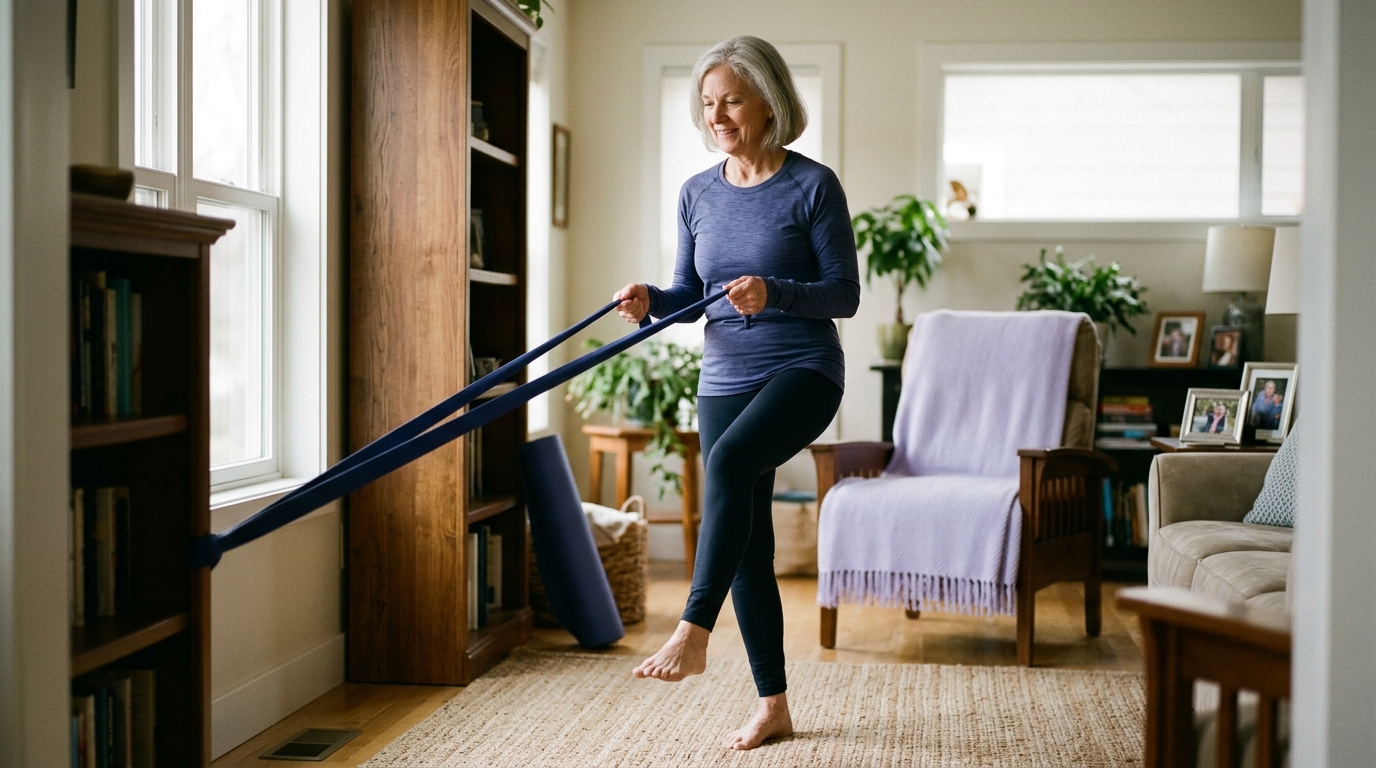
Shoveling, raking, and sweeping require your torso to rotate smoothly. Developing controlled trunk rotation helps you manage these dynamic movements without straining your spine.
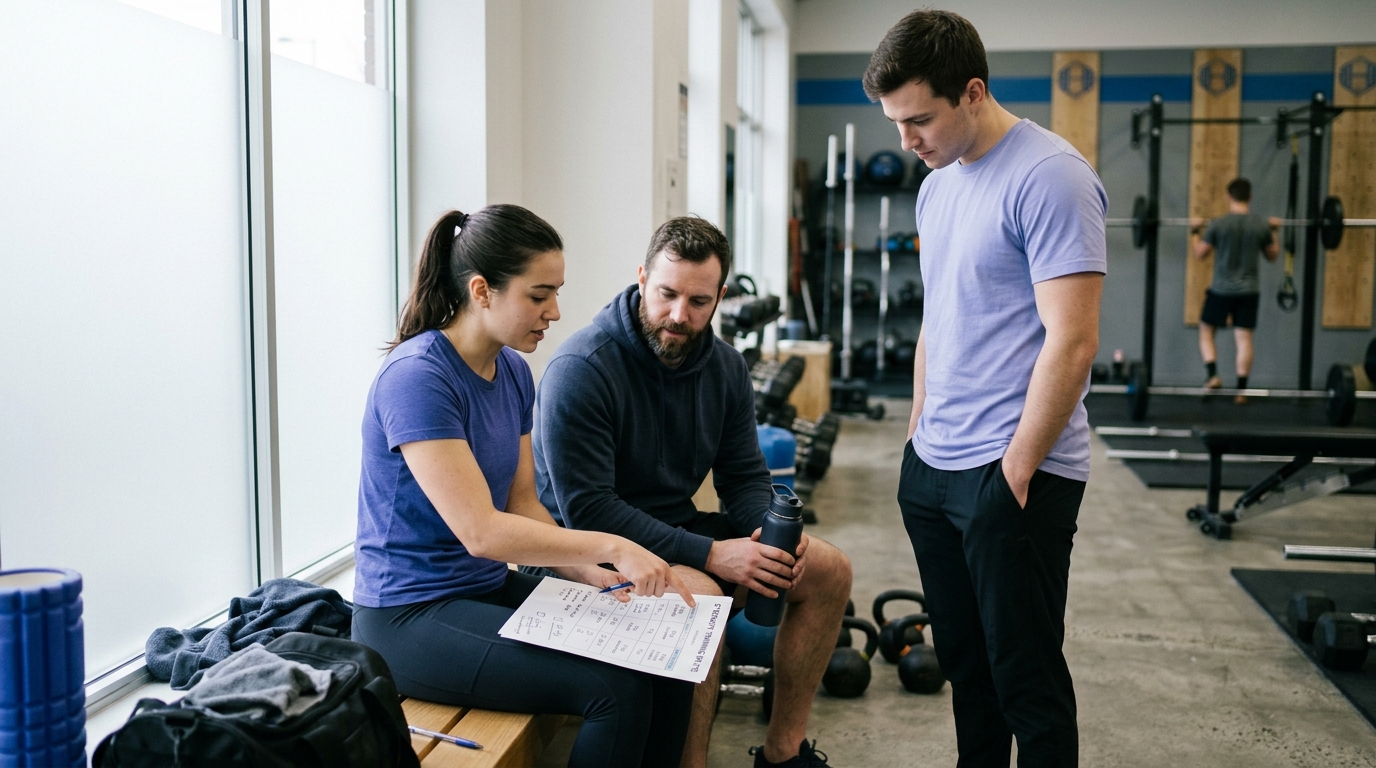
Integrating these movement skills into your weekly routine supports your long-term joint health and complements broader strength and performance rebuilding strategies.
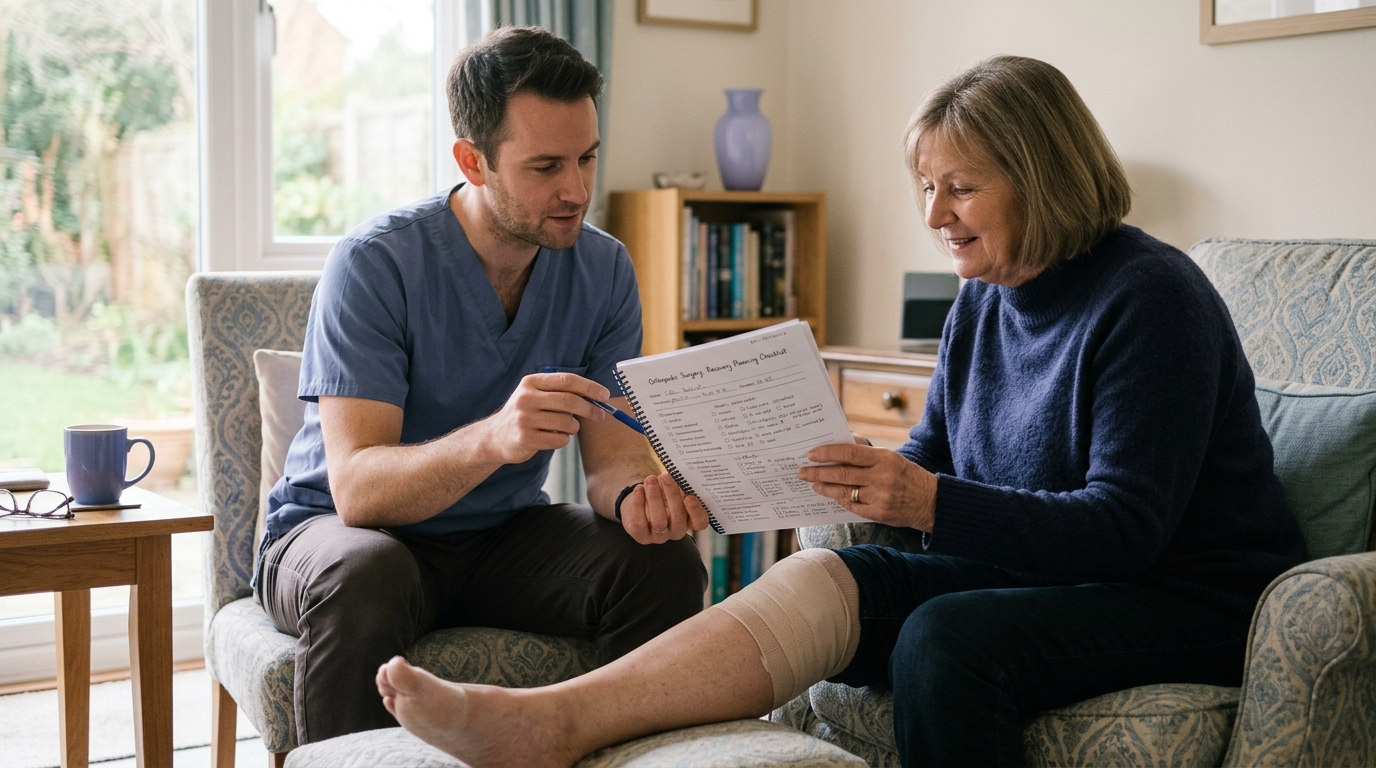
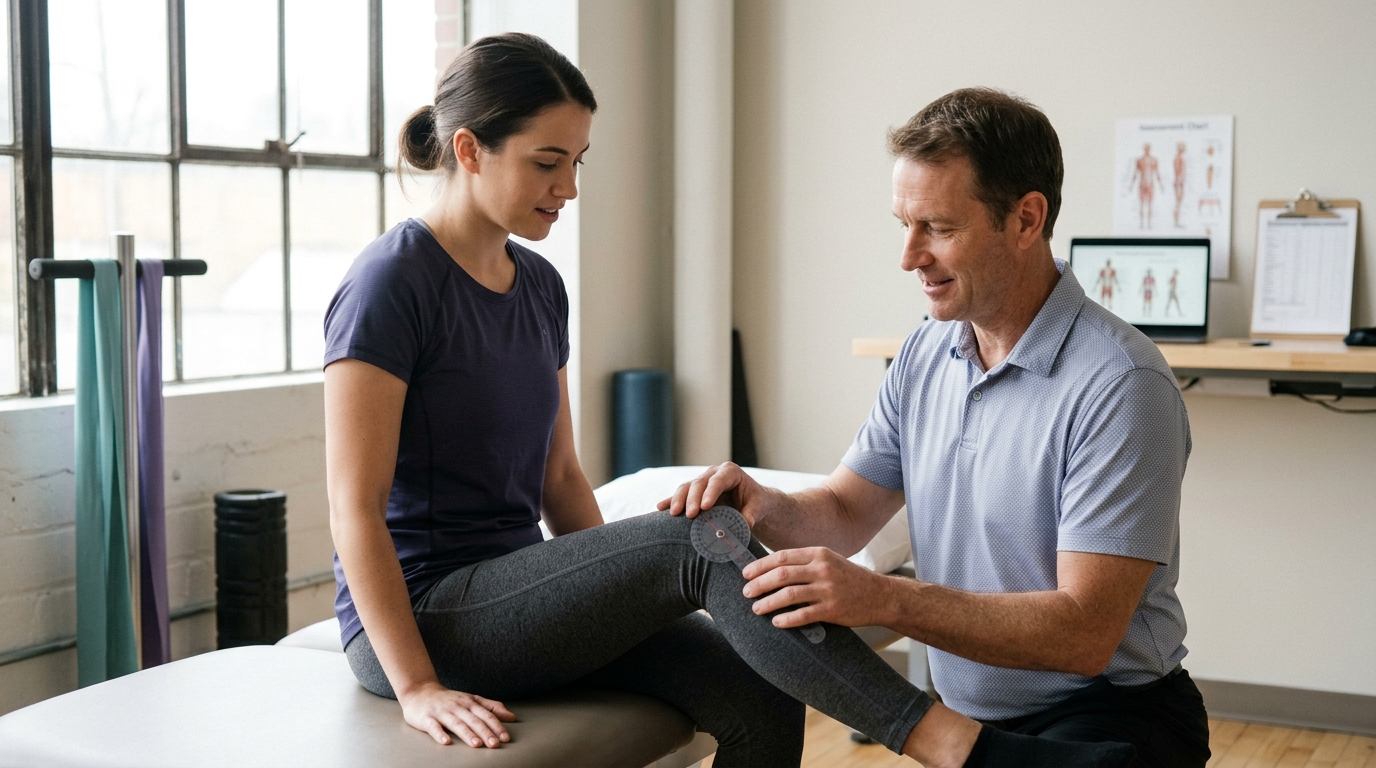
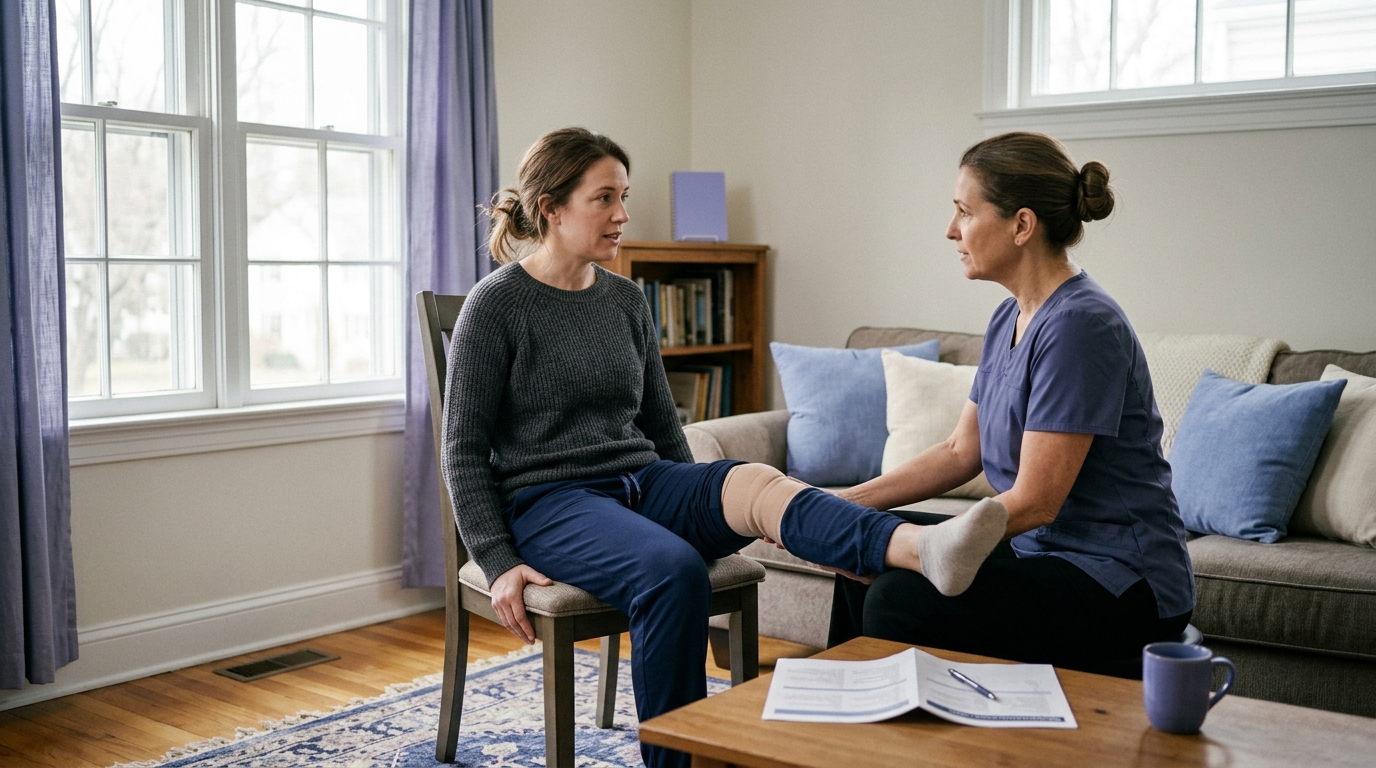
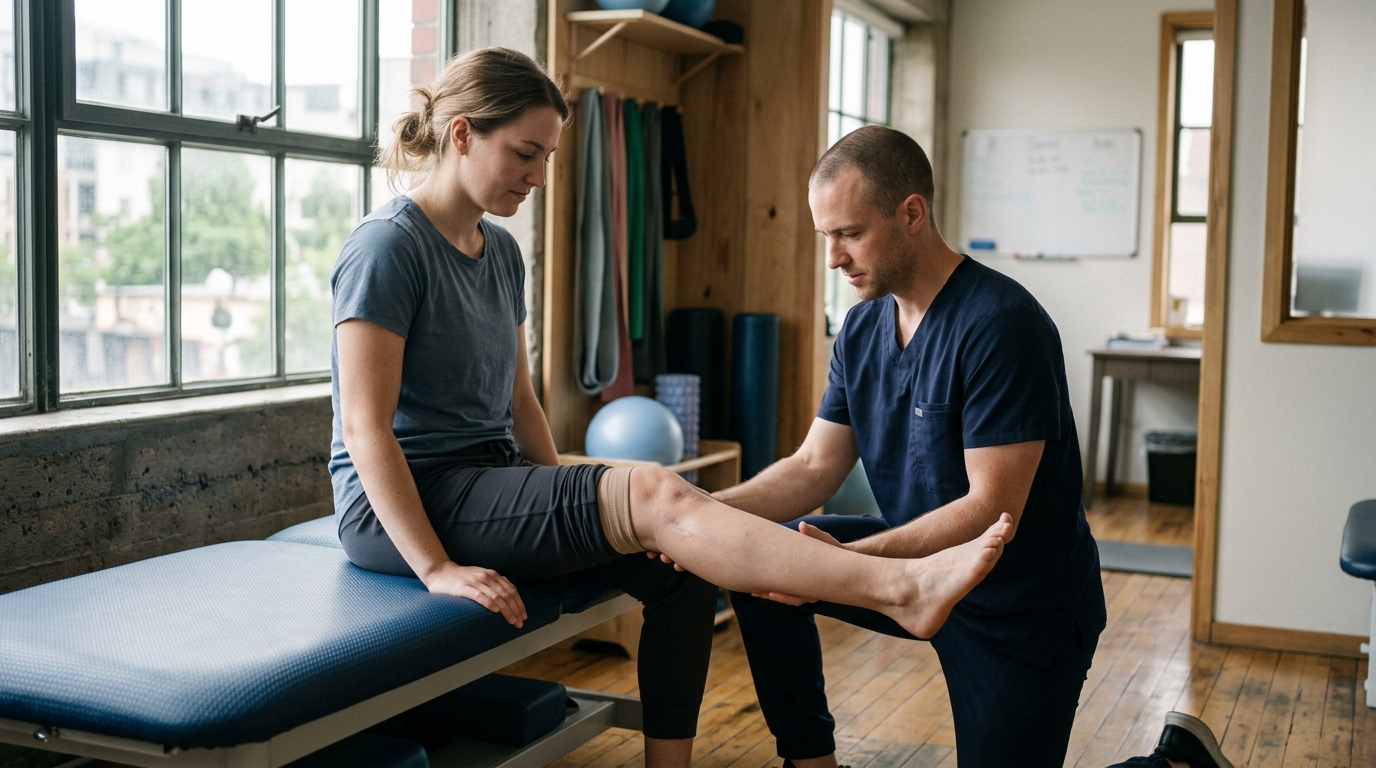
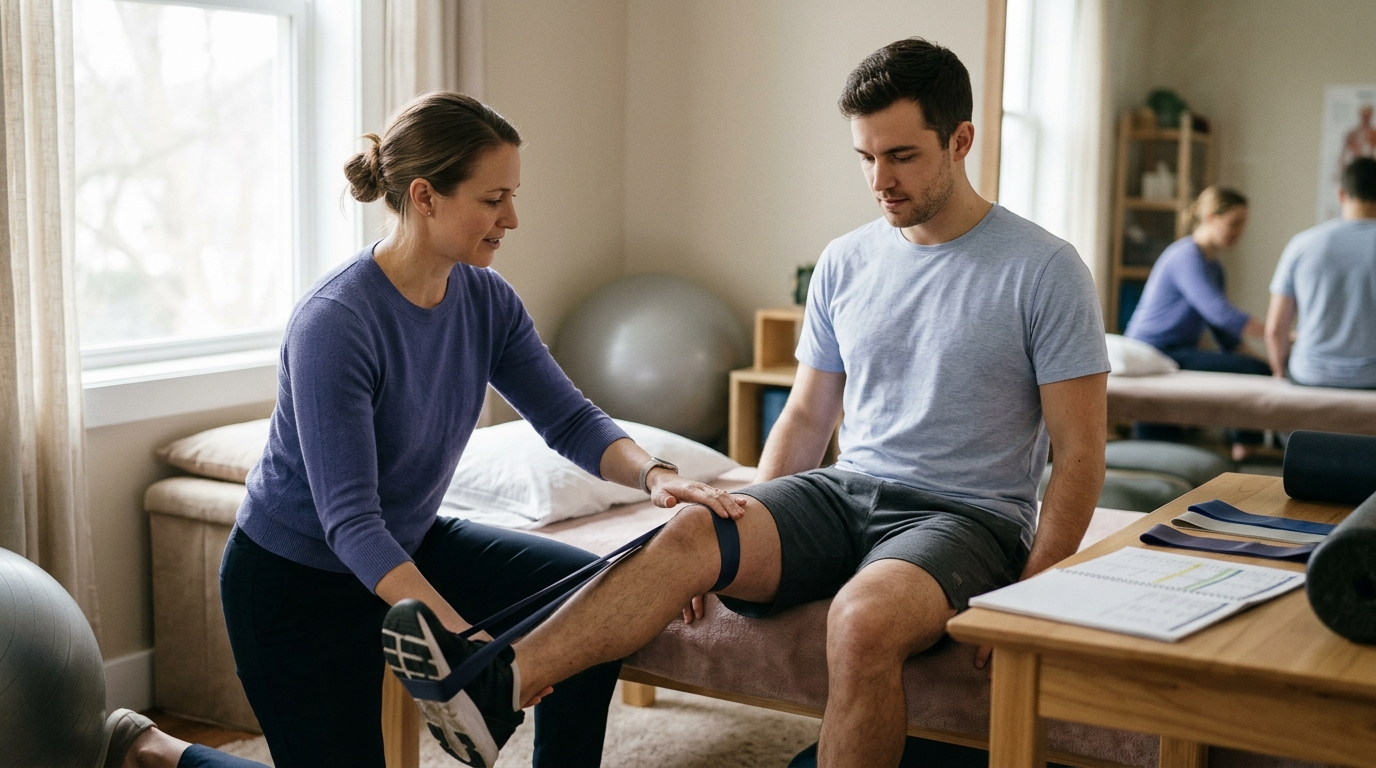
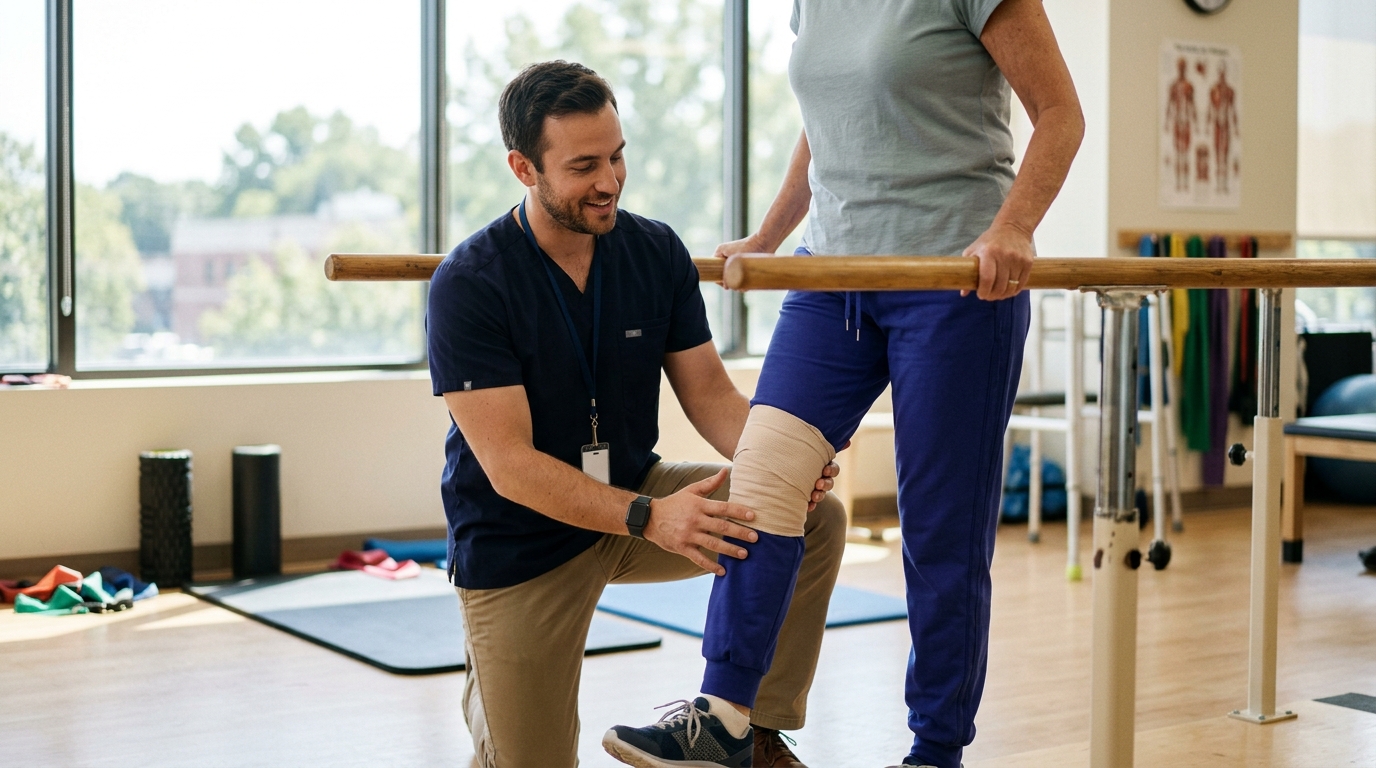
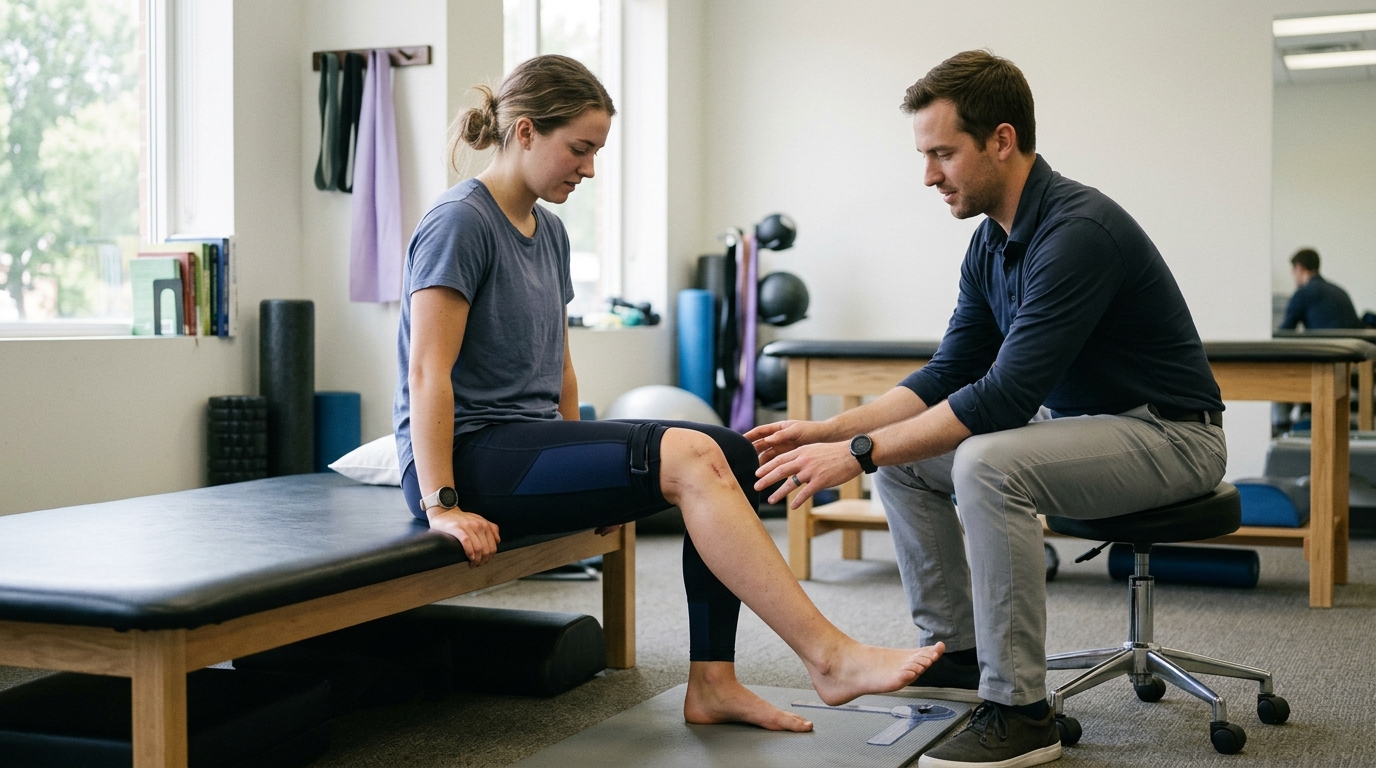
Before resuming demanding yard chores after surgery, a fracture, or a joint injury, consult your physical therapist, orthopedic specialist, or primary care provider. Having a specific conversation about the physical demands of your property helps your clinician provide actionable, personalized advice.
Here are practical questions to ask your medical team during your next appointment:
Bringing a clear list of the specific chores you want to tackle helps your healthcare provider tailor their clearance to your real-world living environment.
Patience is an essential part of returning to any physical hobby after an injury. Yard work can be deceptive because it is easy to become absorbed in the beauty of the plants and lose track of time, volume, and effort.
A realistic recovery progression moves through distinct stages. Each stage focuses on establishing tolerance for specific movement components before advancing to heavier, more demanding projects:
The earliest phase focuses on low-demand, standing activities performed at waist height. The goal during this stage is to test your basic endurance, balance, and hand dexterity without placing heavy mechanical loads on healing tissues.
Once you demonstrate solid tolerance for light standing work, you can begin introducing tasks that involve greater movement ranges and light ground-level work.
The final phase involves reintroducing full-body, higher-intensity chores. You should only attempt this stage if you have achieved full medical clearance and have built the necessary strength and endurance.
This phased progression is an illustrative model for organizing your return. It is not an individualized medical timeline. Always adjust your pace according to your personal healing rate and your doctor's specific guidance.
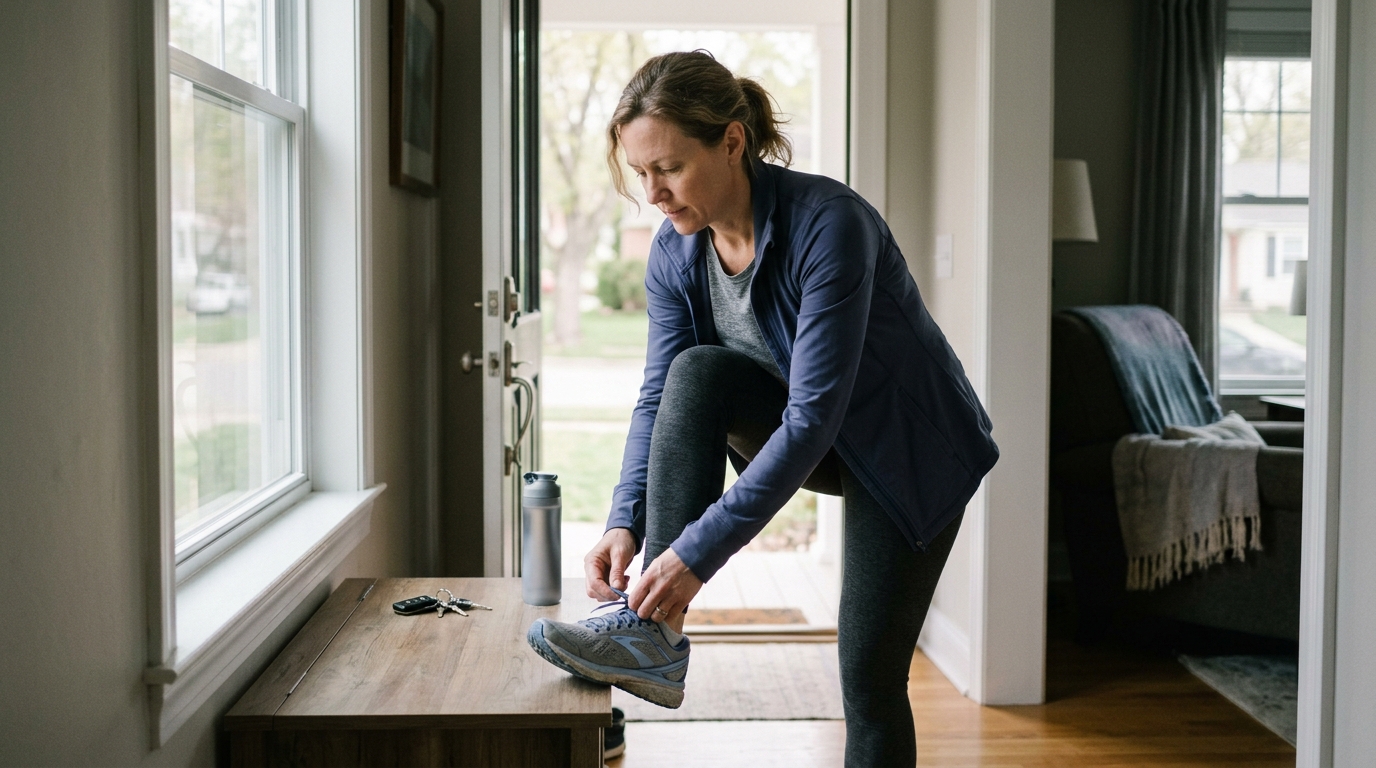
Returning to your garden after a physical setback requires balancing your passion for growing things with respect for your body's recovery process. By treating yard work as a functional physical activity, breaking complex chores into basic movement patterns, and progressing cautiously, you can rebuild your outdoor routine safely.
To apply these principles safely this week, follow this practical checklist:
Gardening should be a source of satisfaction, fresh air, and healthy movement. Approaching your yard with thoughtful planning, modified tools, and clear physical limits ensures that your garden remains a place of healing and enjoyment for many seasons to come.

Use ReboundBody resources to understand common recovery stages, rehab terms, movement limits and strength rebuilding. Each guide is designed to make a complex comeback easier to understand.


Read practical guidance on injury recovery, rehabilitation, mobility and rebuilding strength as you work your way back to activity.
Explore Resources