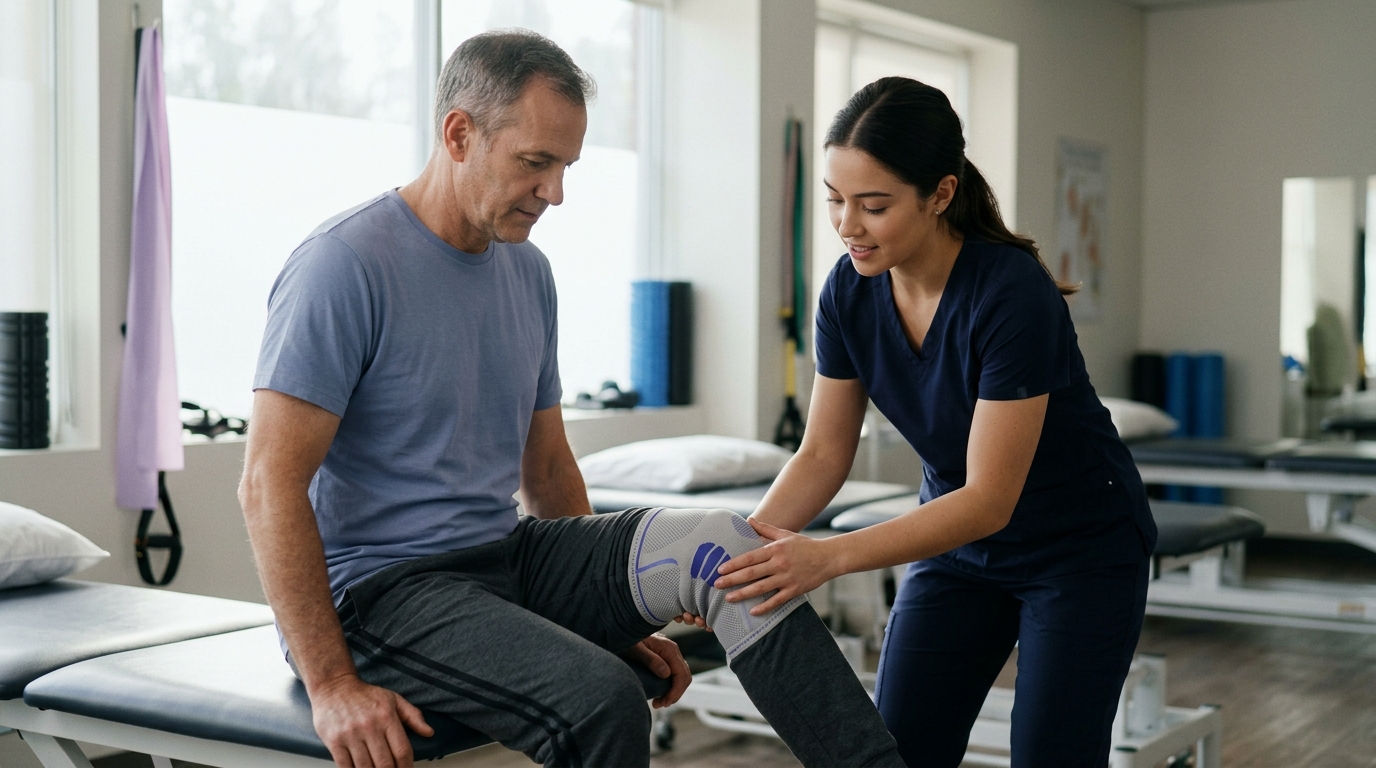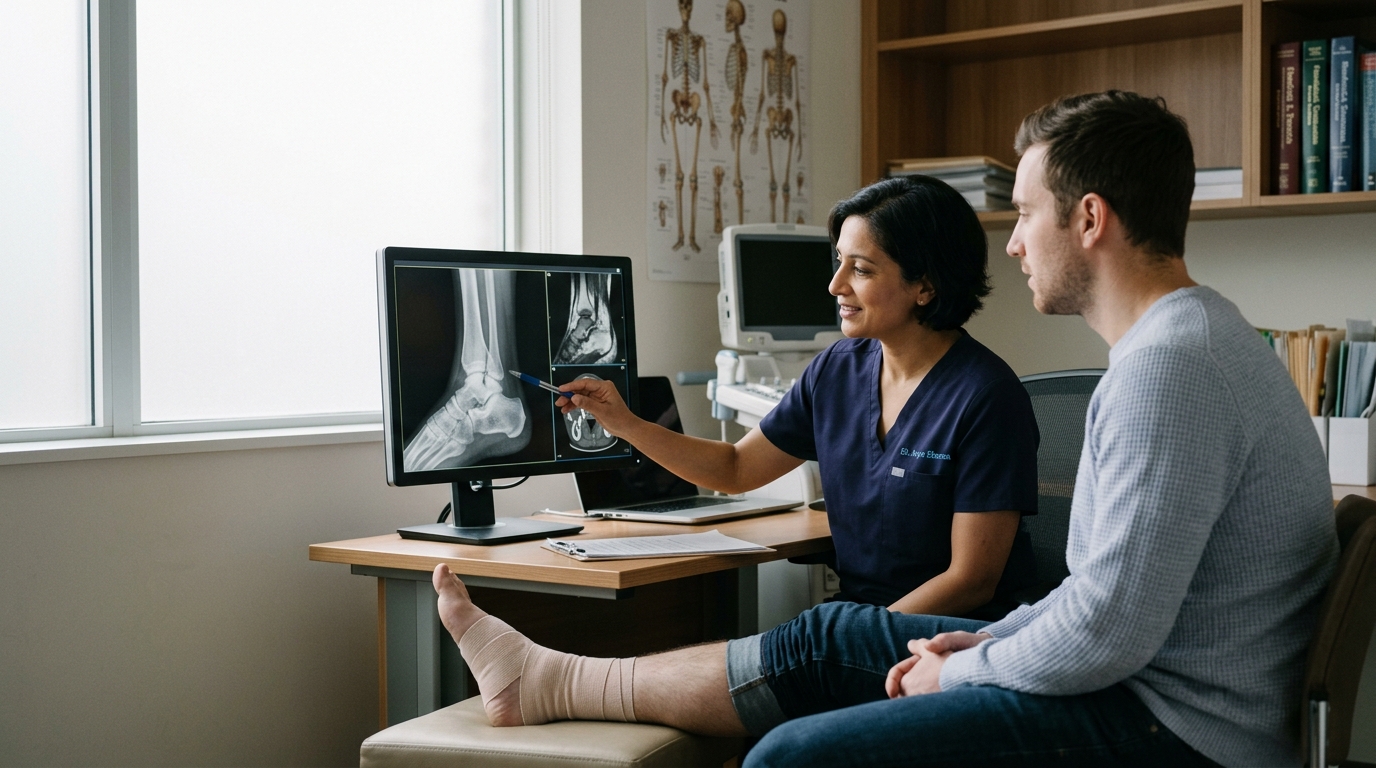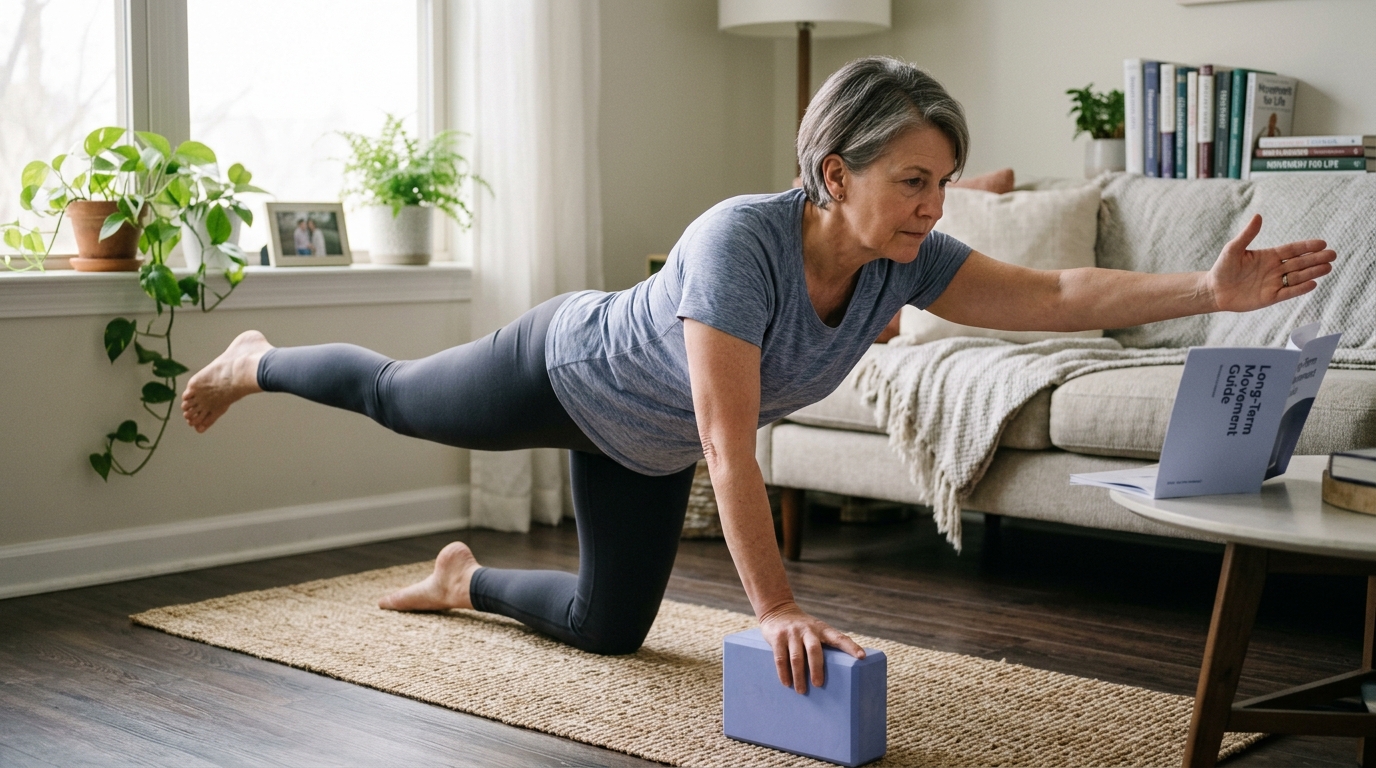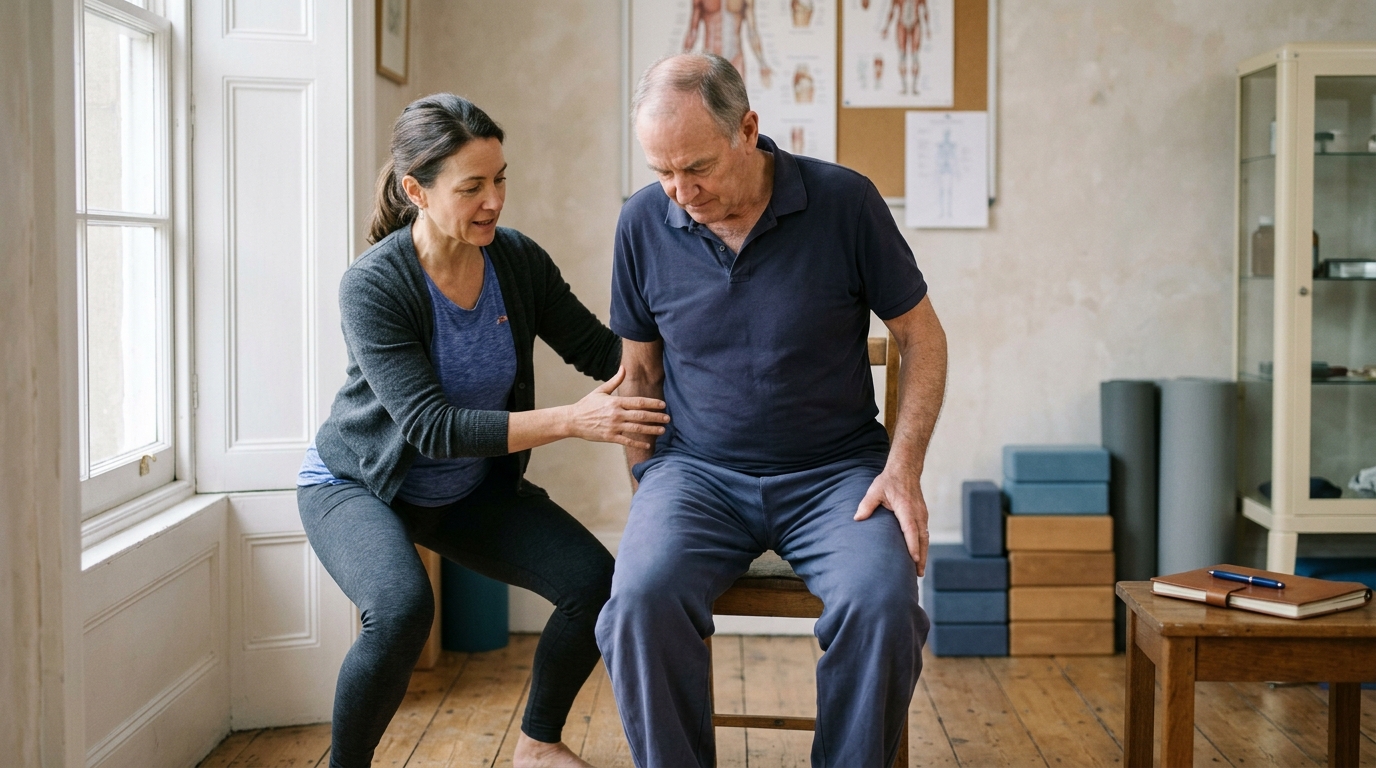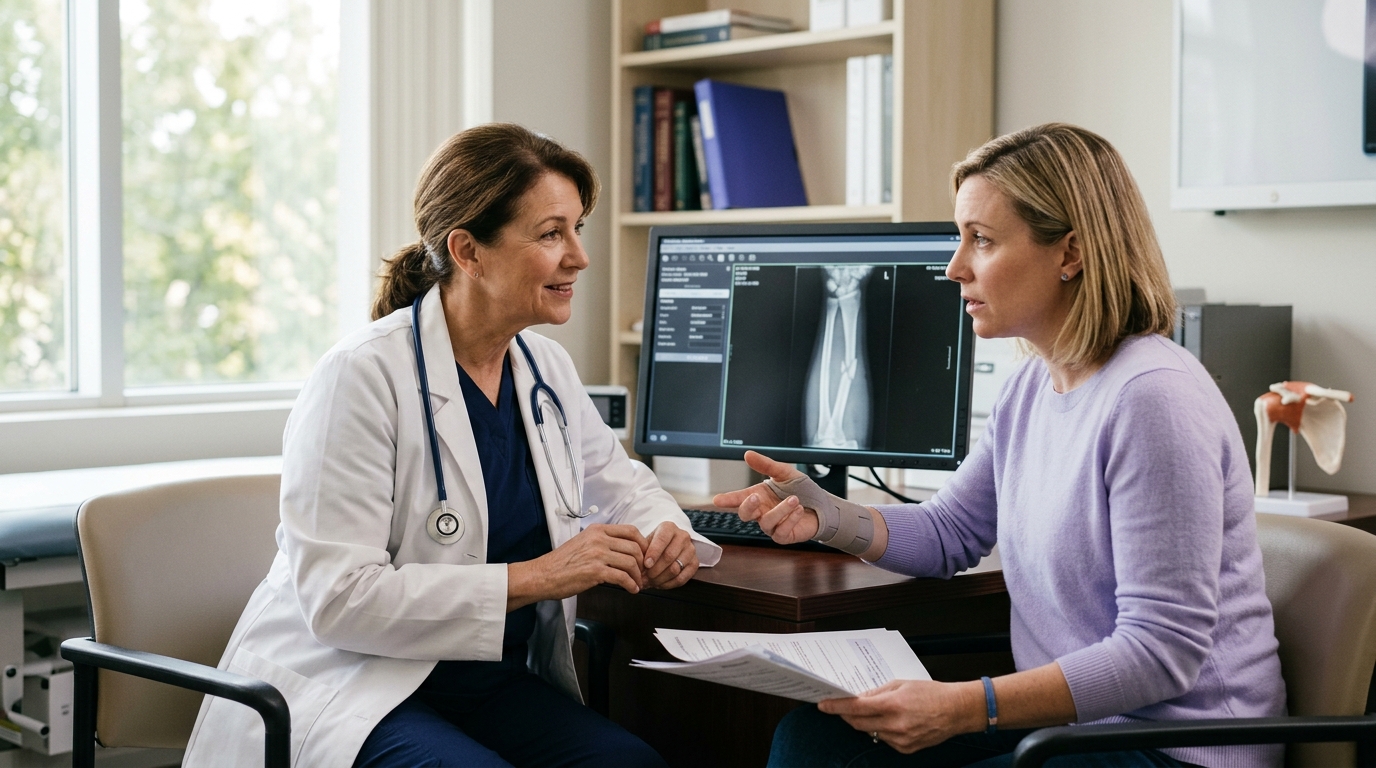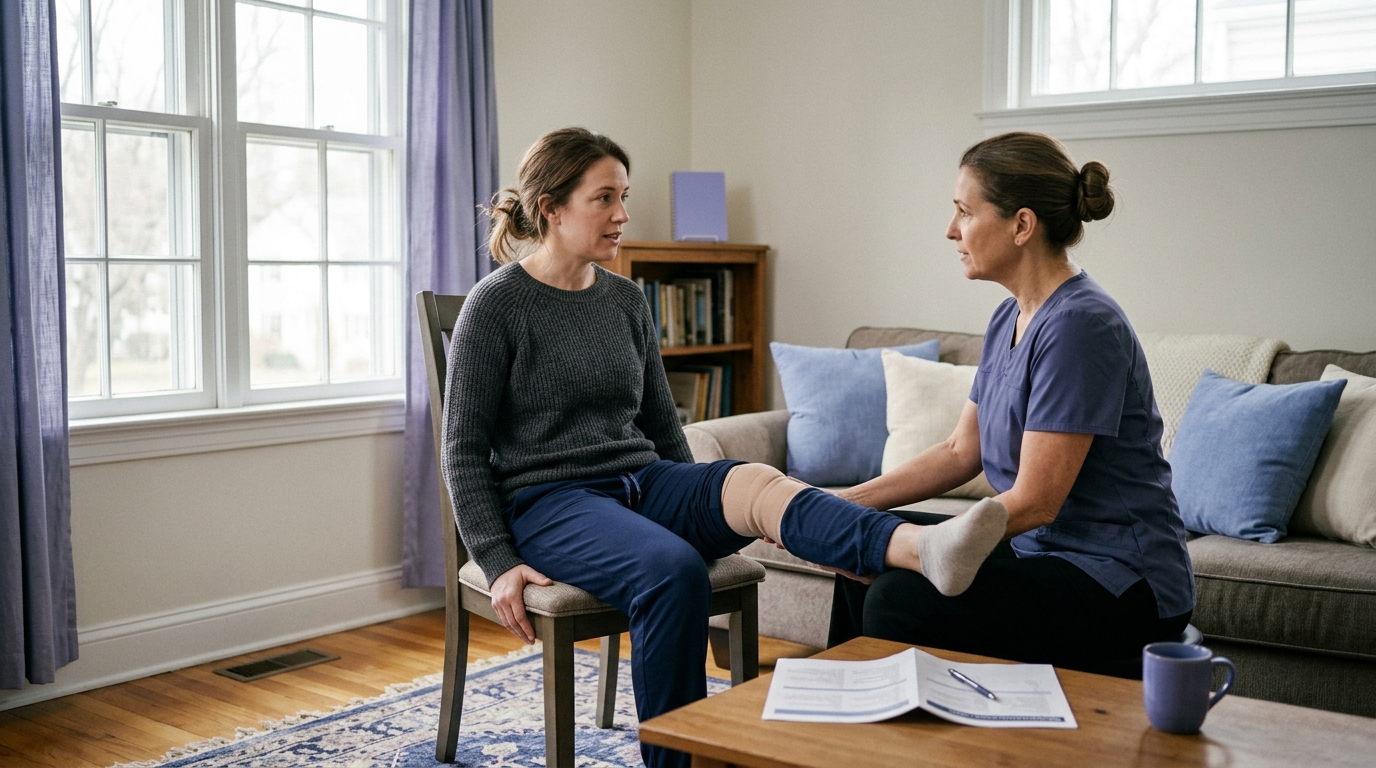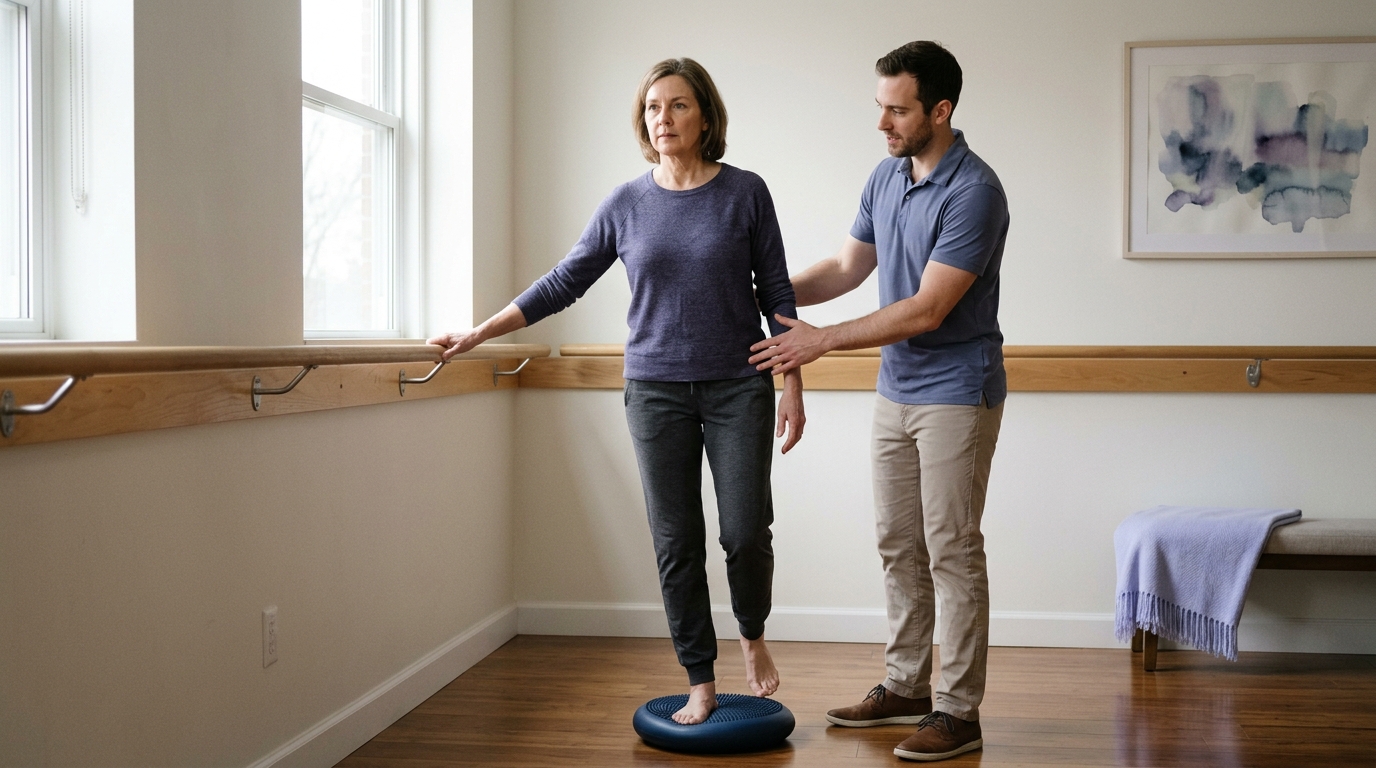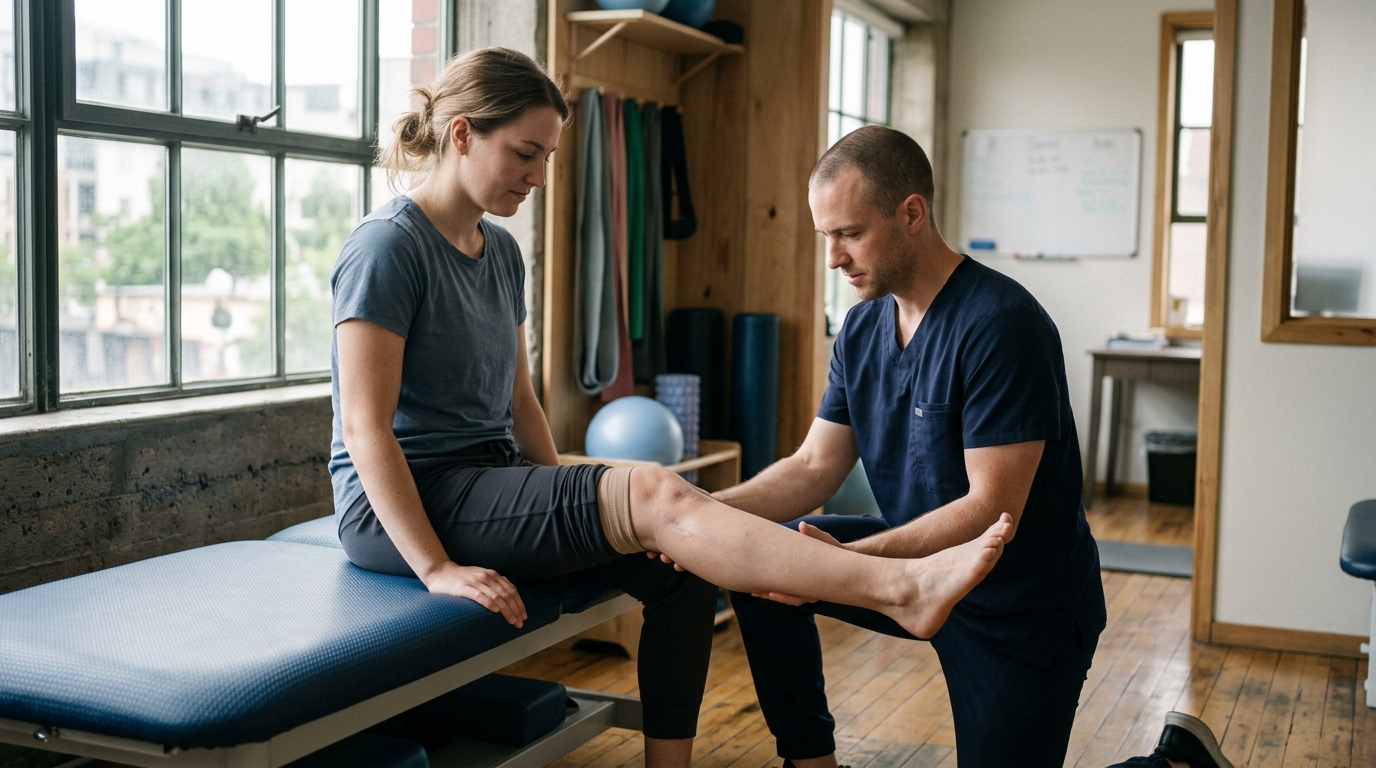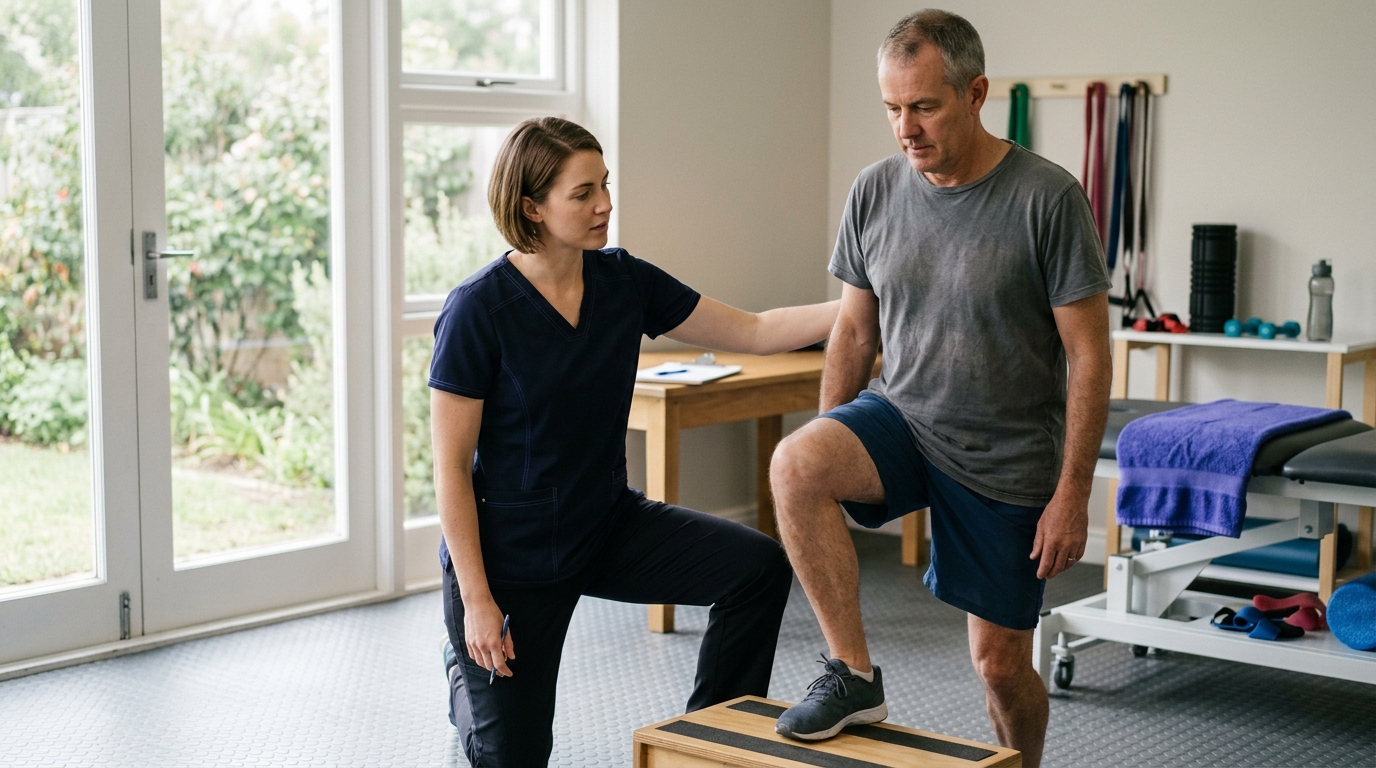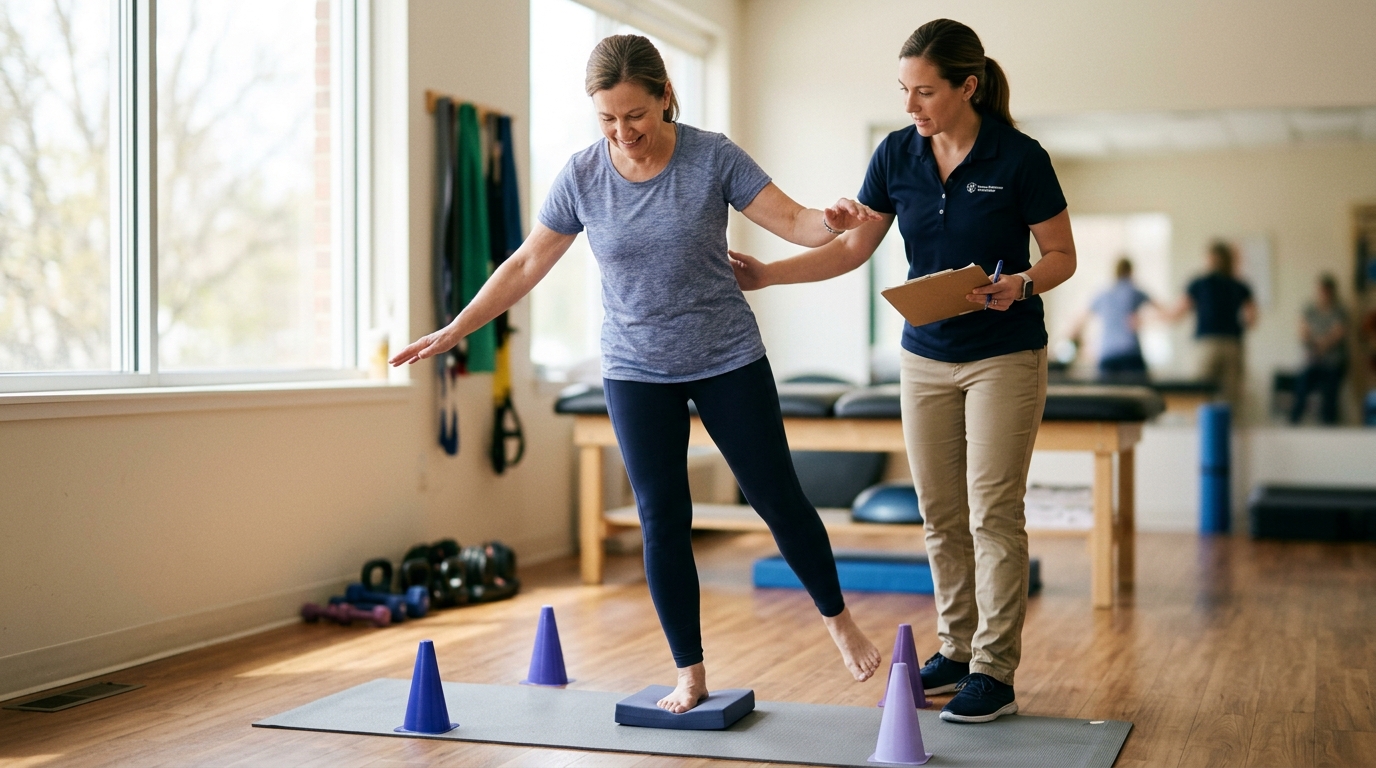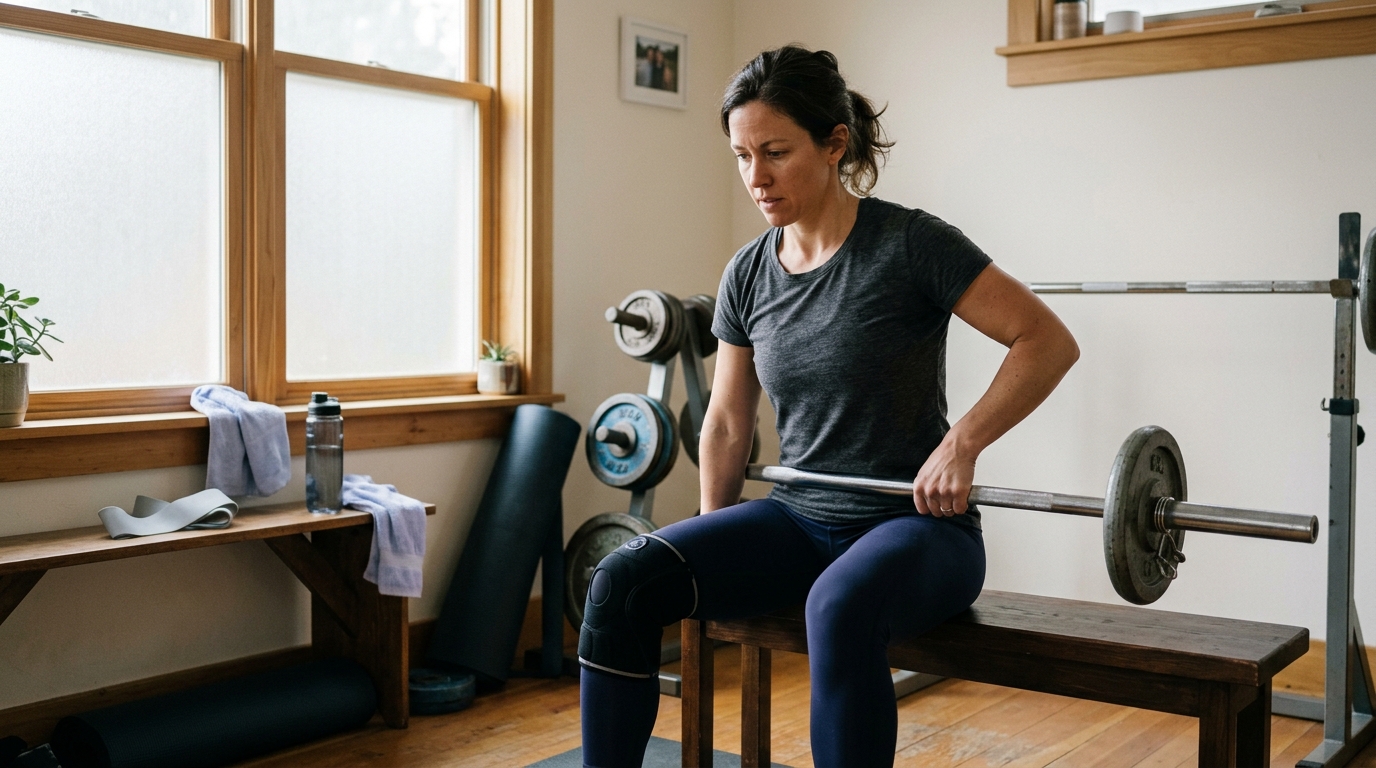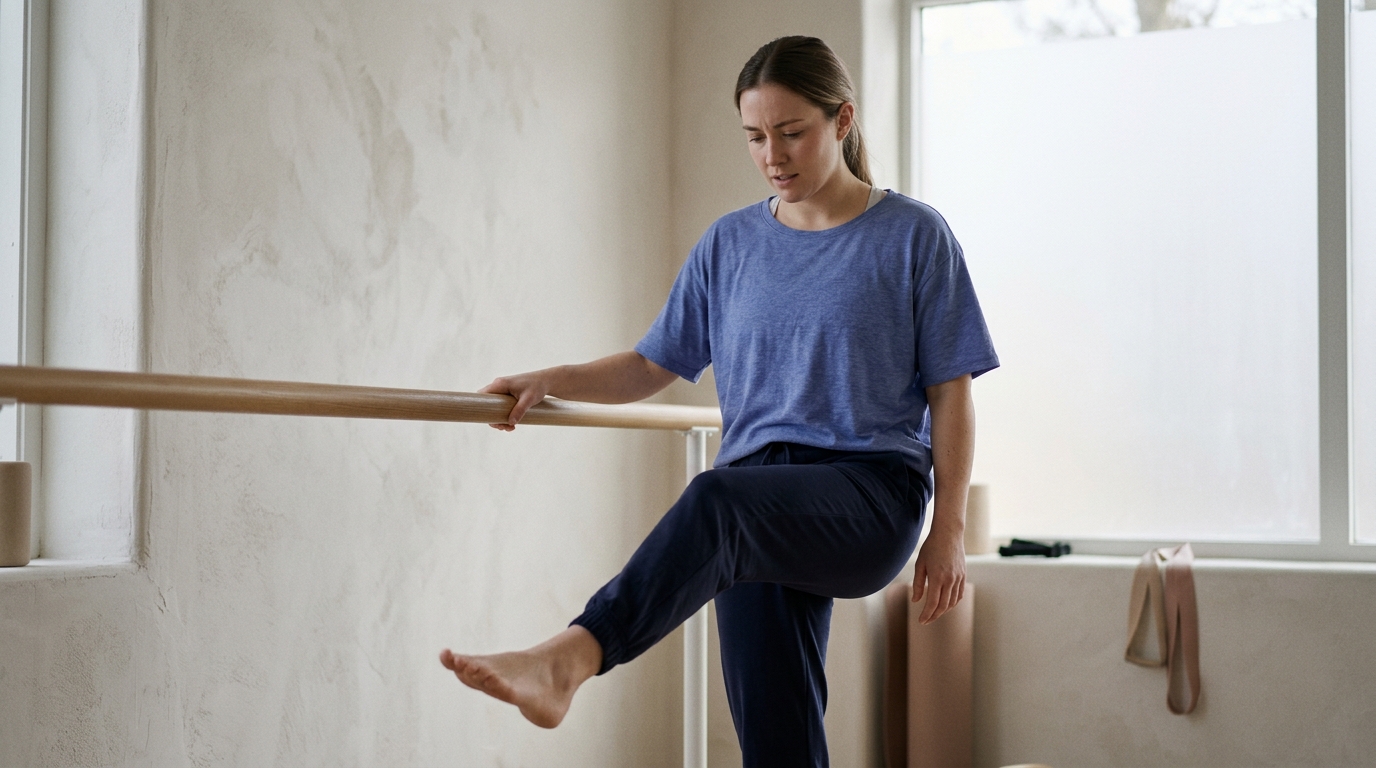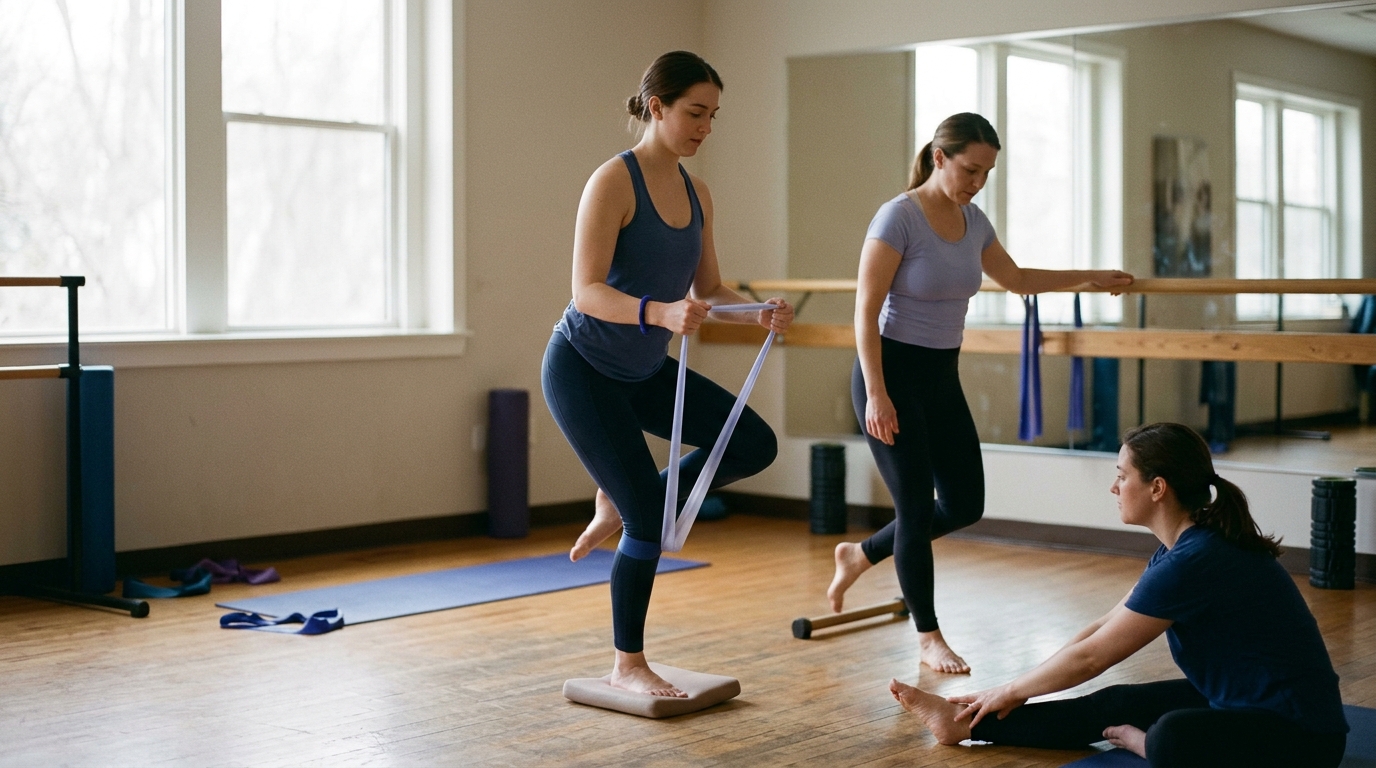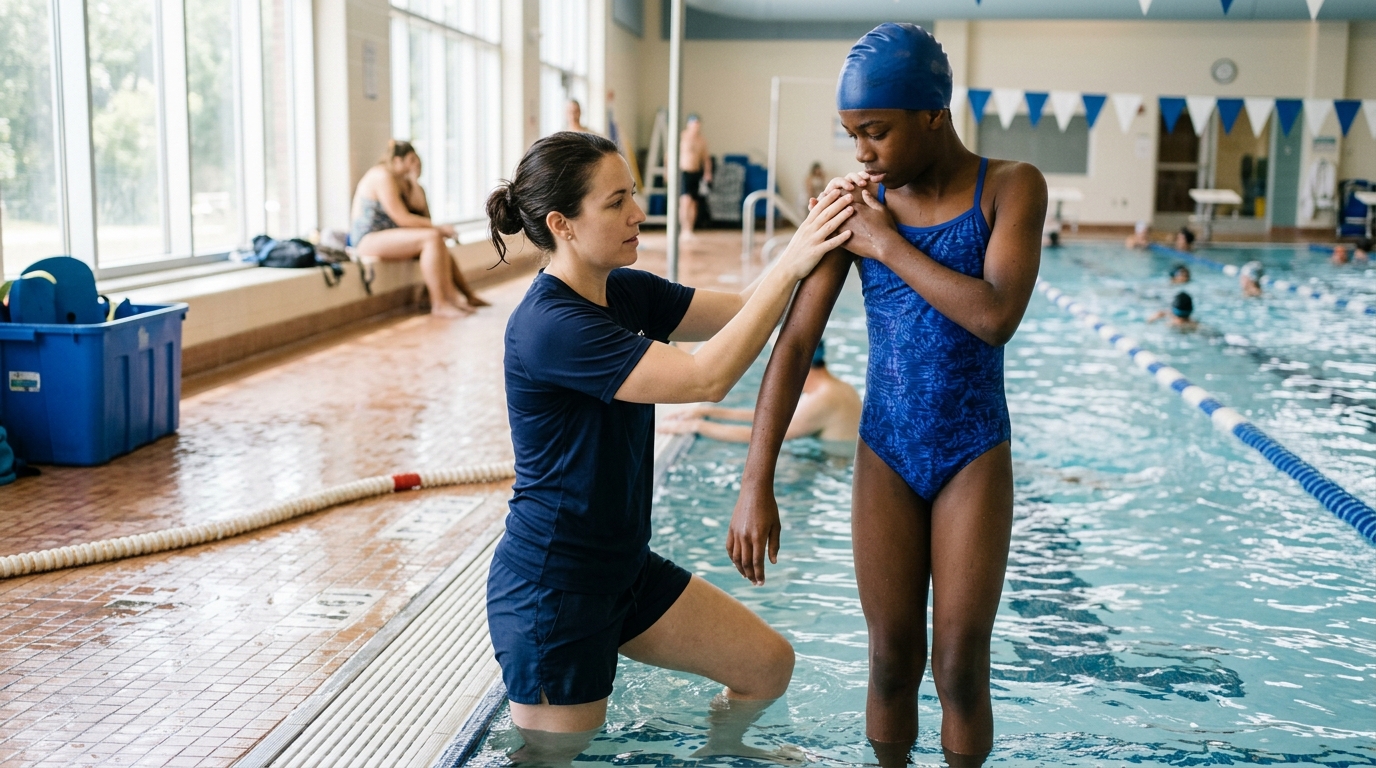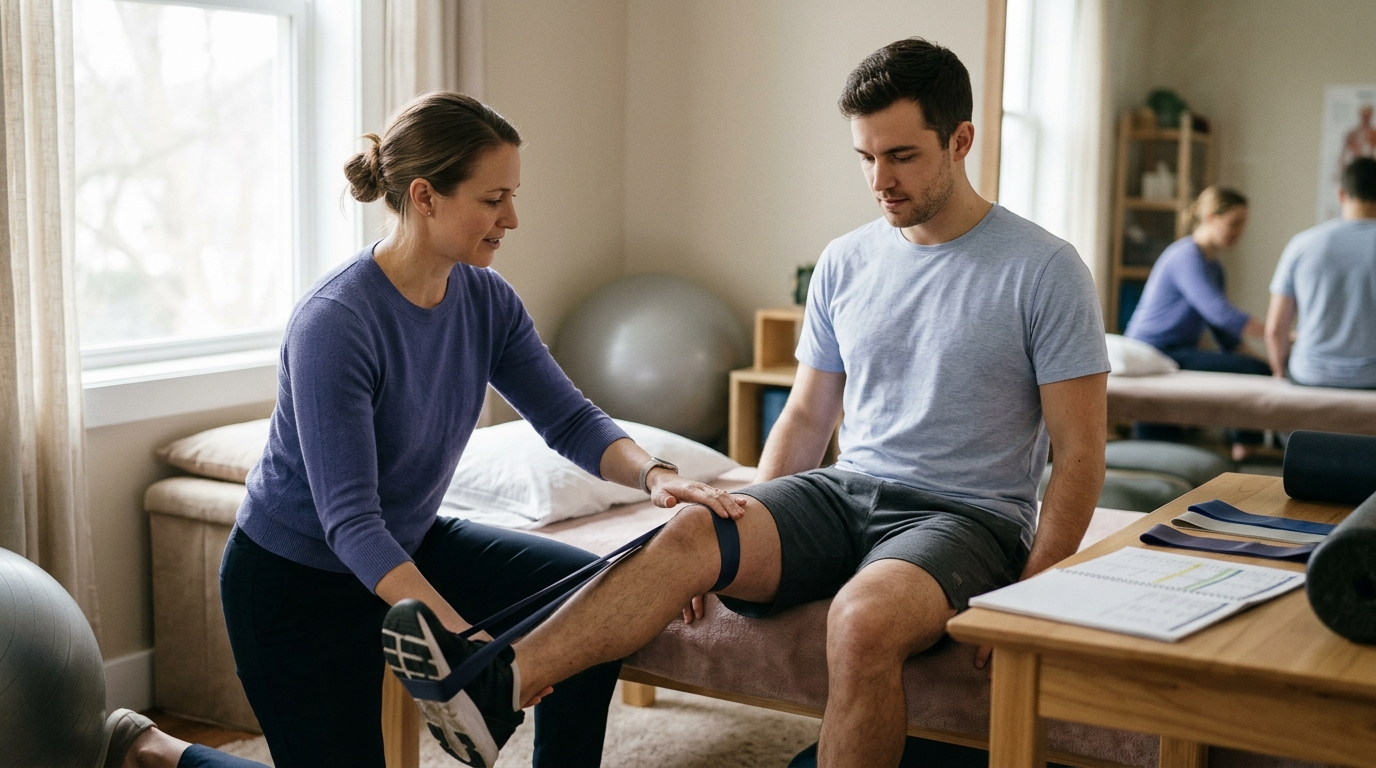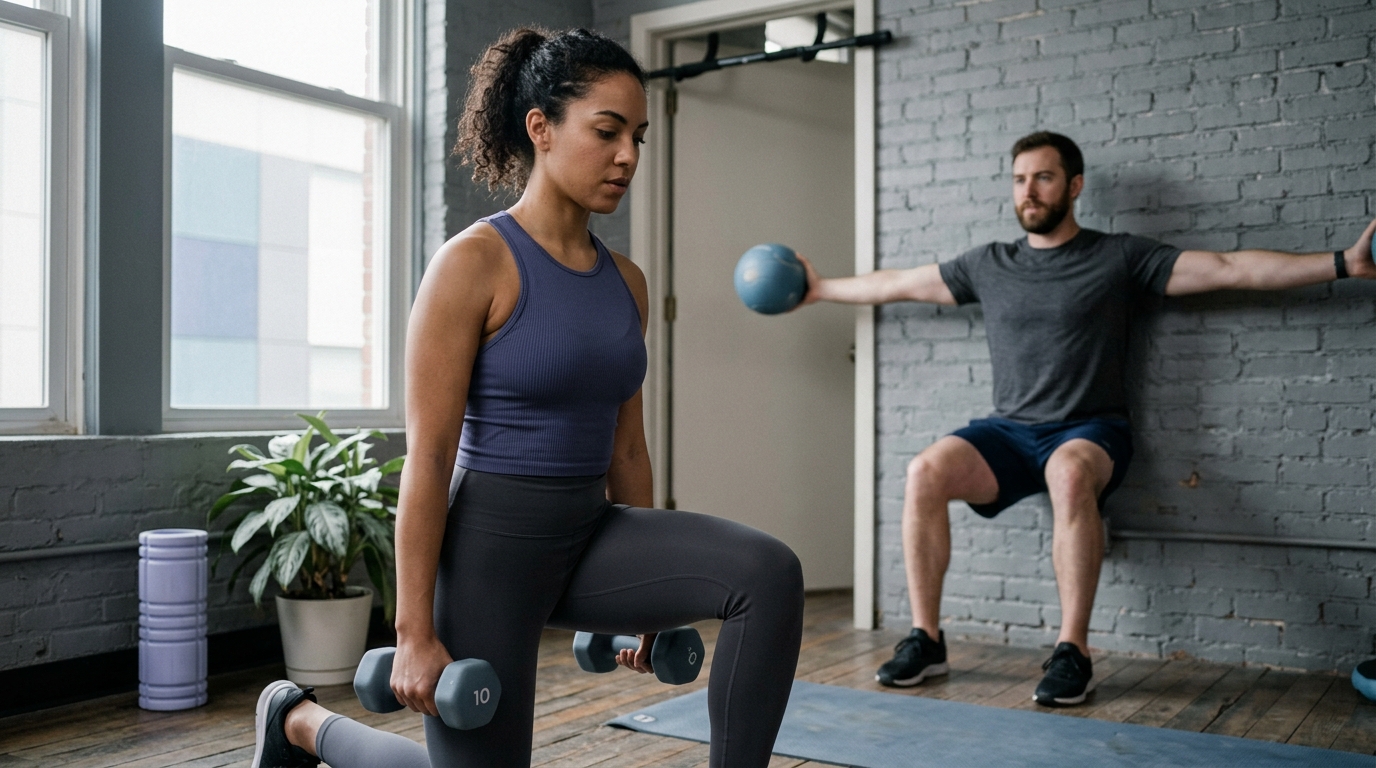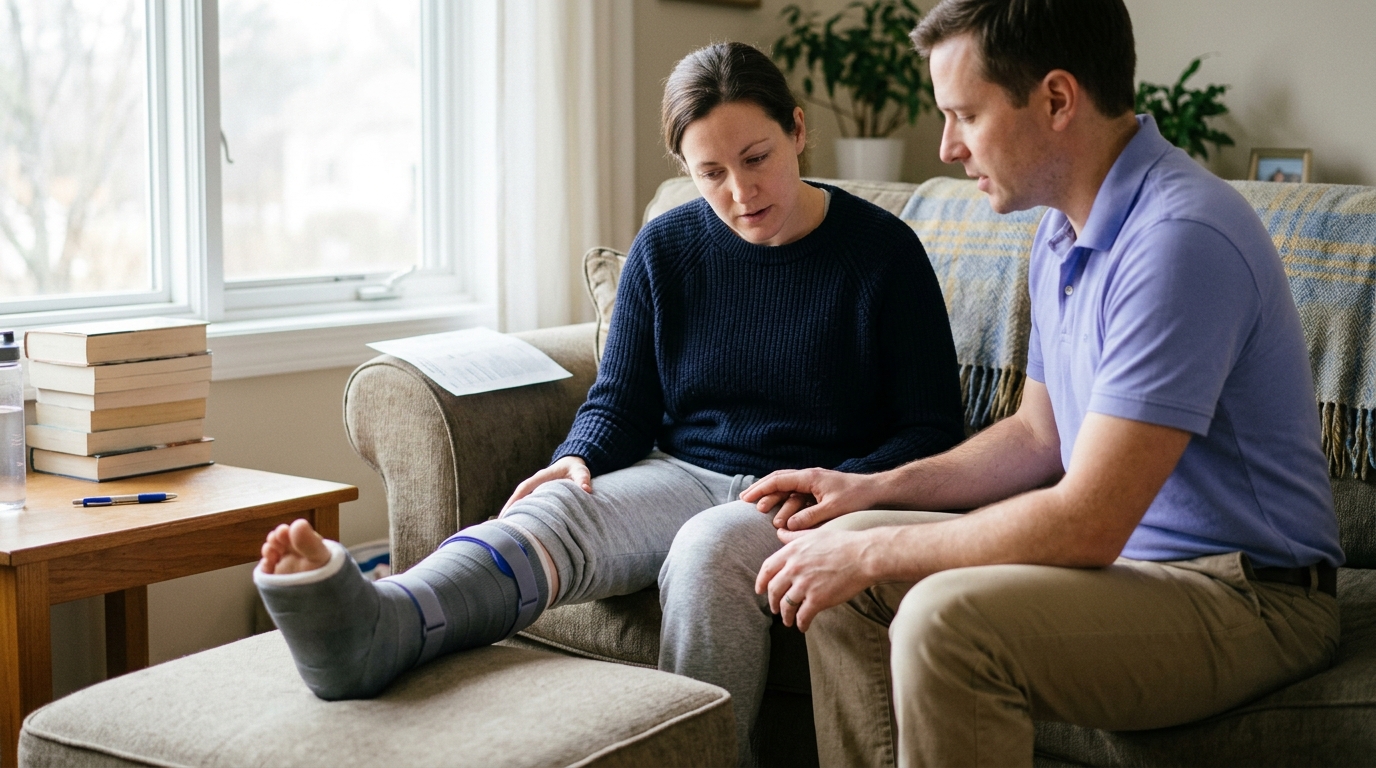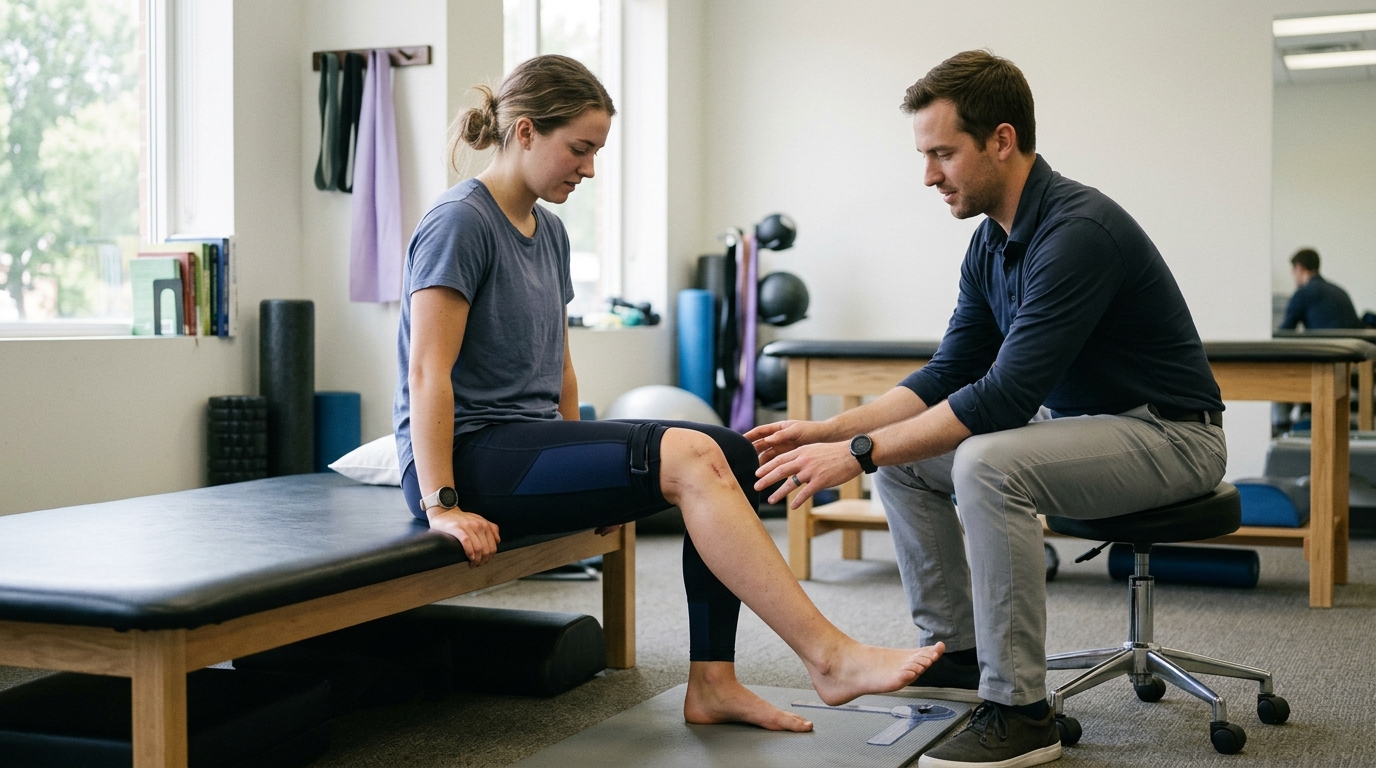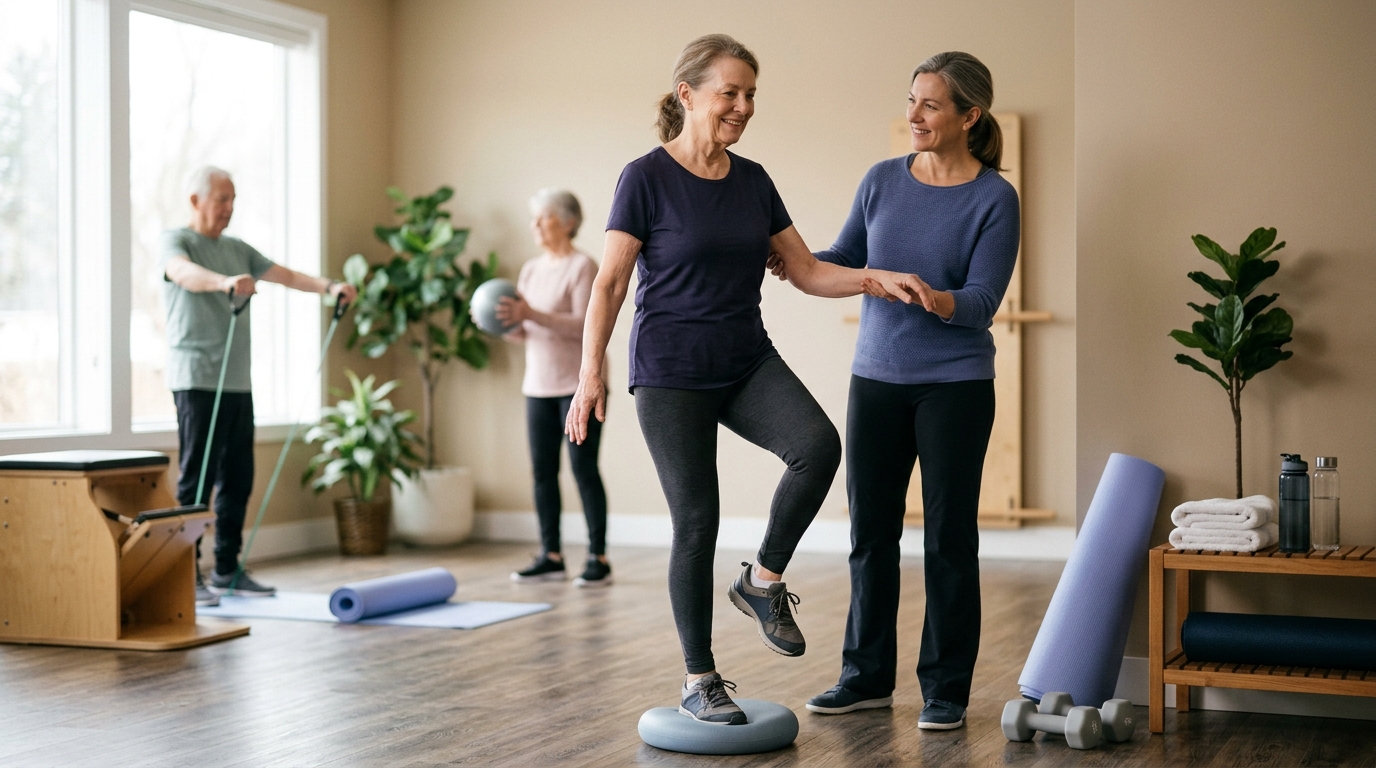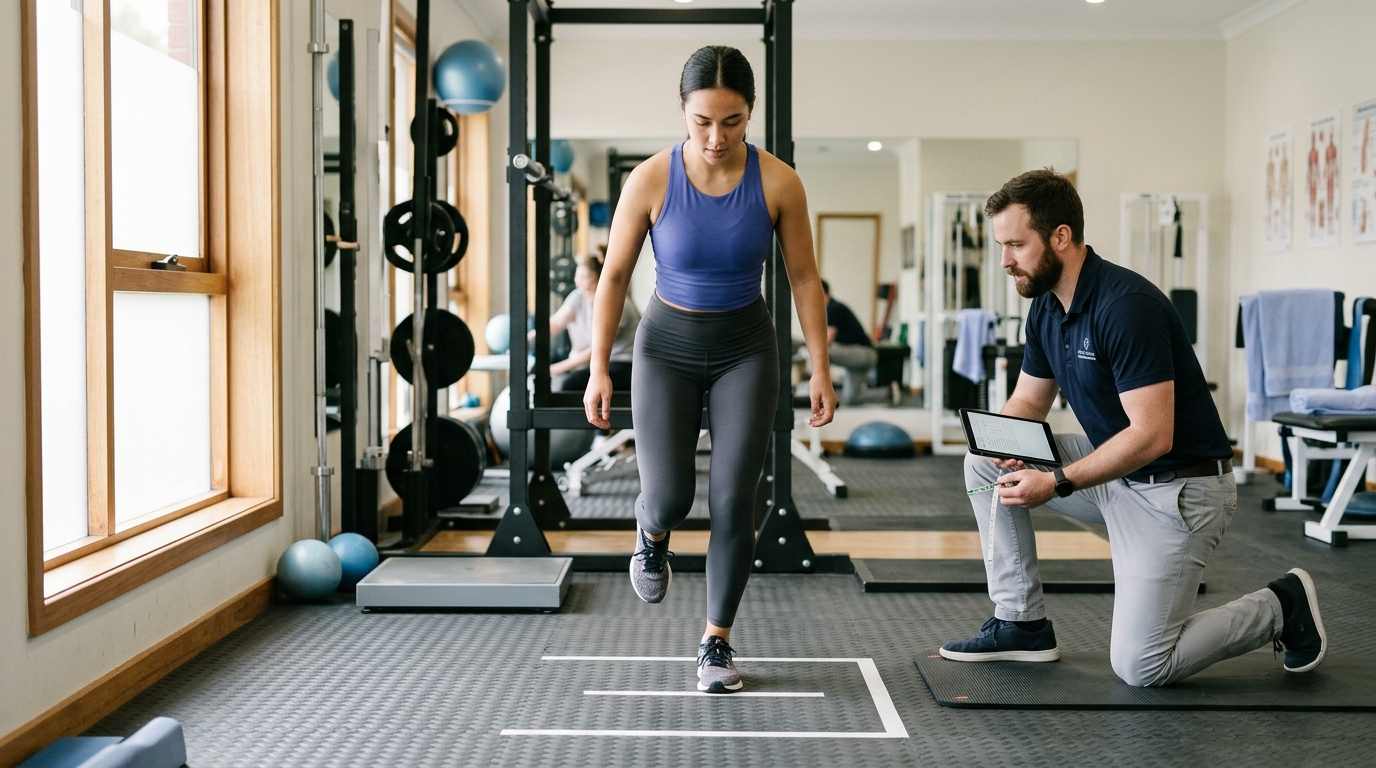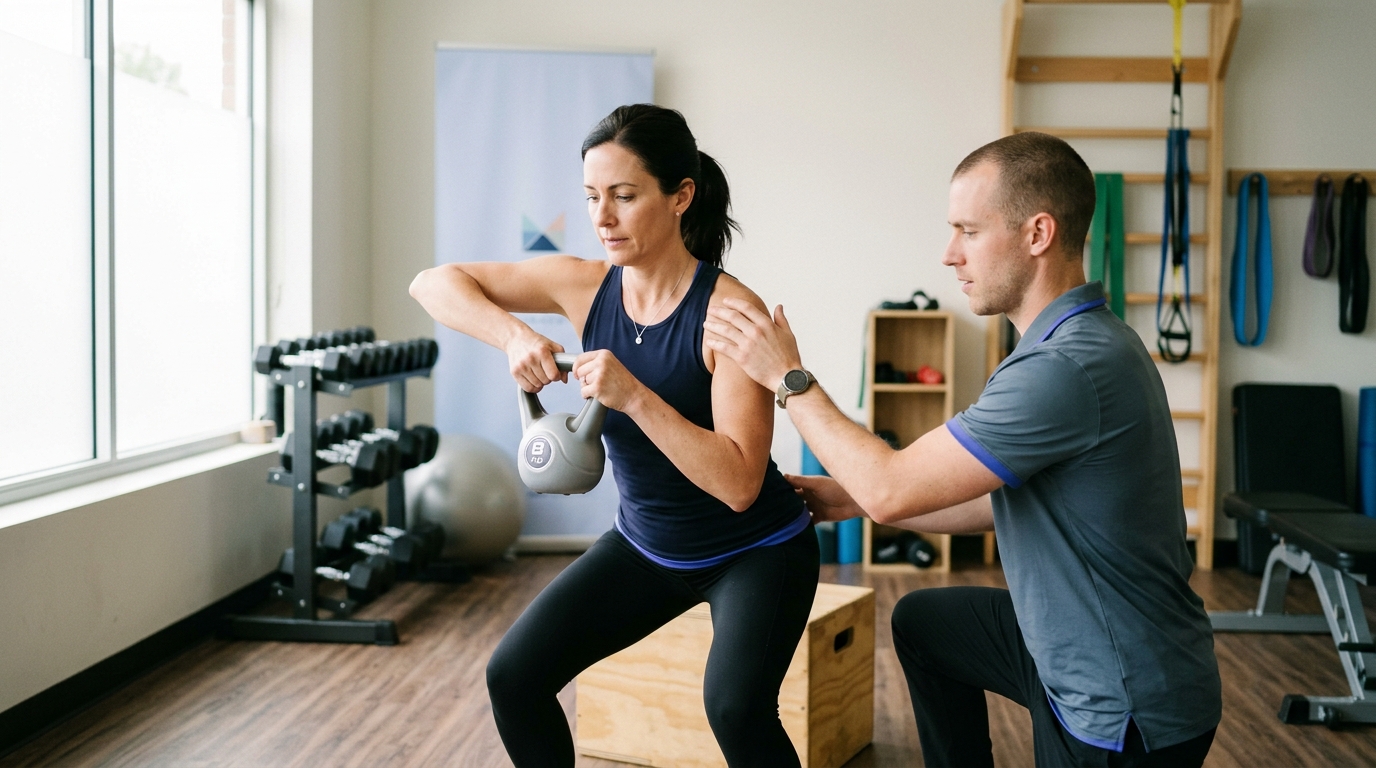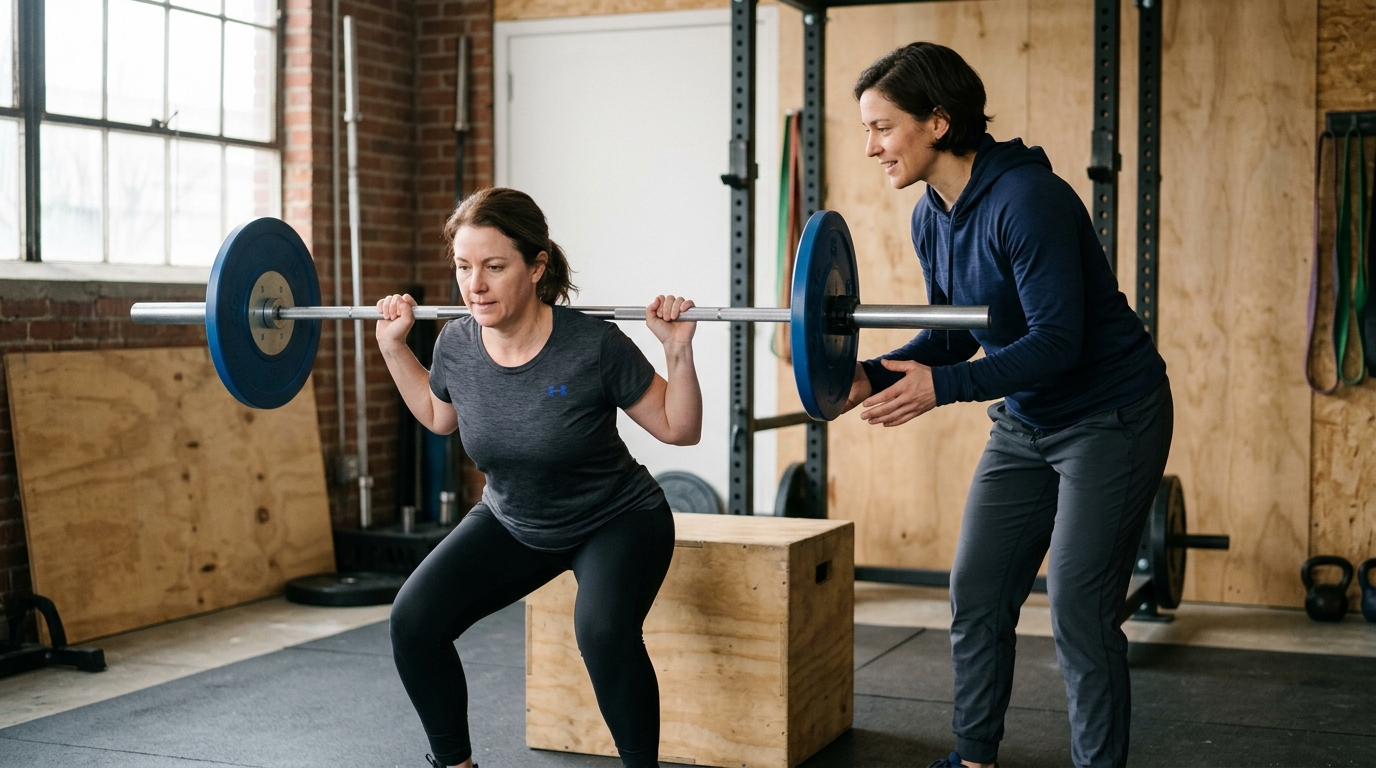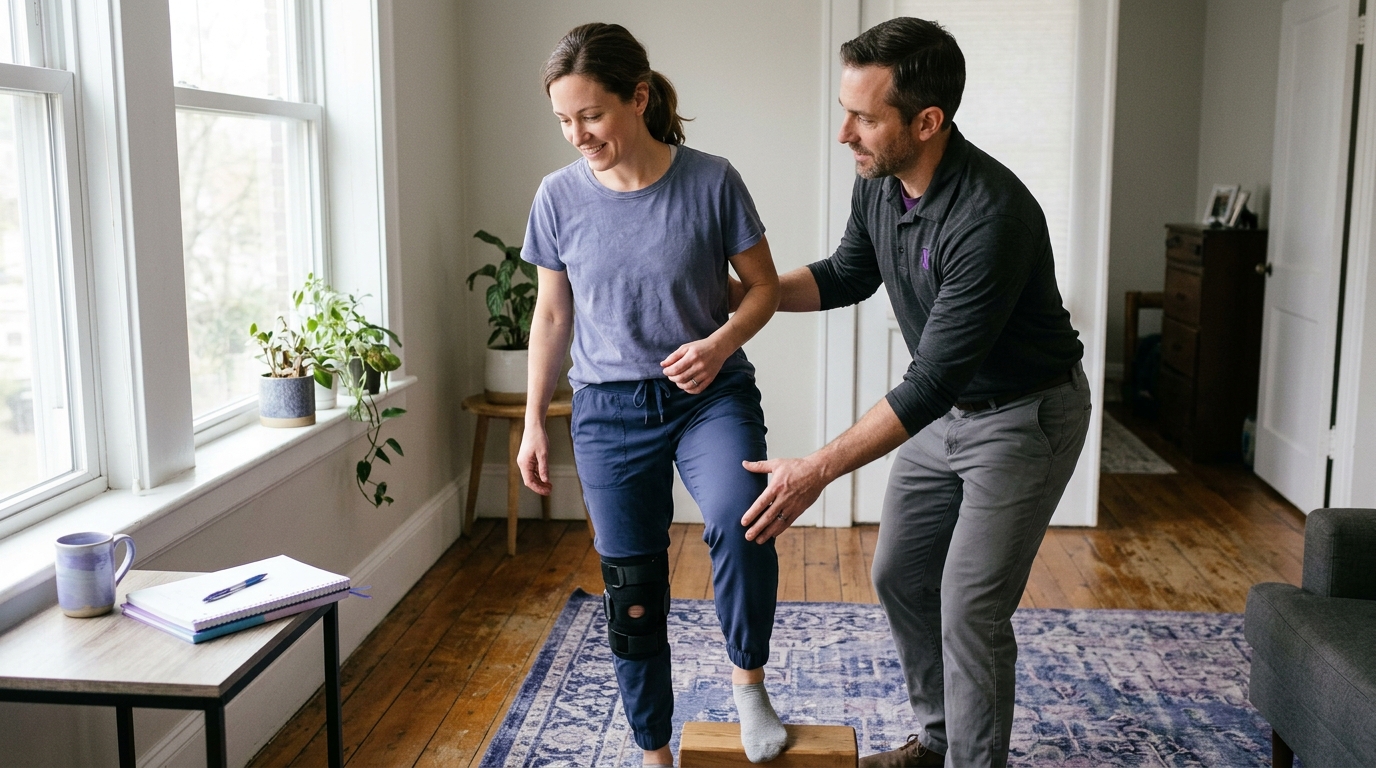

Four distinct physical factors define how passive tissue flexibility, joint range of motion, and active muscular control combine to create functional human mobility.





You bend down to pick up a box from the floor or lower yourself into a deep squat. Your hips feel blocked, or your lower back rounds before you reach your target. Your first instinct might be to assume your hamstrings or hip flexors are tight. You might spend the next four weeks doing static stretches every morning, only to find that your squat depth barely changes.
Movement restrictions are rarely just a stretching problem. While stretching has a place in physical training, joint movement depends on a network of interacting physical systems.
Range of motion describes the measurable arc a joint can travel. Flexibility describes how well soft tissues can lengthen to allow that movement. Mobility is the ability to actively control, stabilize, and produce force through that range during purposeful tasks.
If you lack the strength to control a joint, or if your nervous system senses instability, your body will restrict movement to protect itself. Increasing your movement capacity requires understanding which component is actually limiting you. This guide outlines how these components work together, what current evidence says about improving them, and how to set practical movement goals.
Fitness and healthcare discussions often use the words flexibility, mobility, and range of motion as if they mean the exact same thing. This loose language creates confusion for adults recovering from injuries or trying to stay active. Each term describes a distinct mechanical or functional reality.
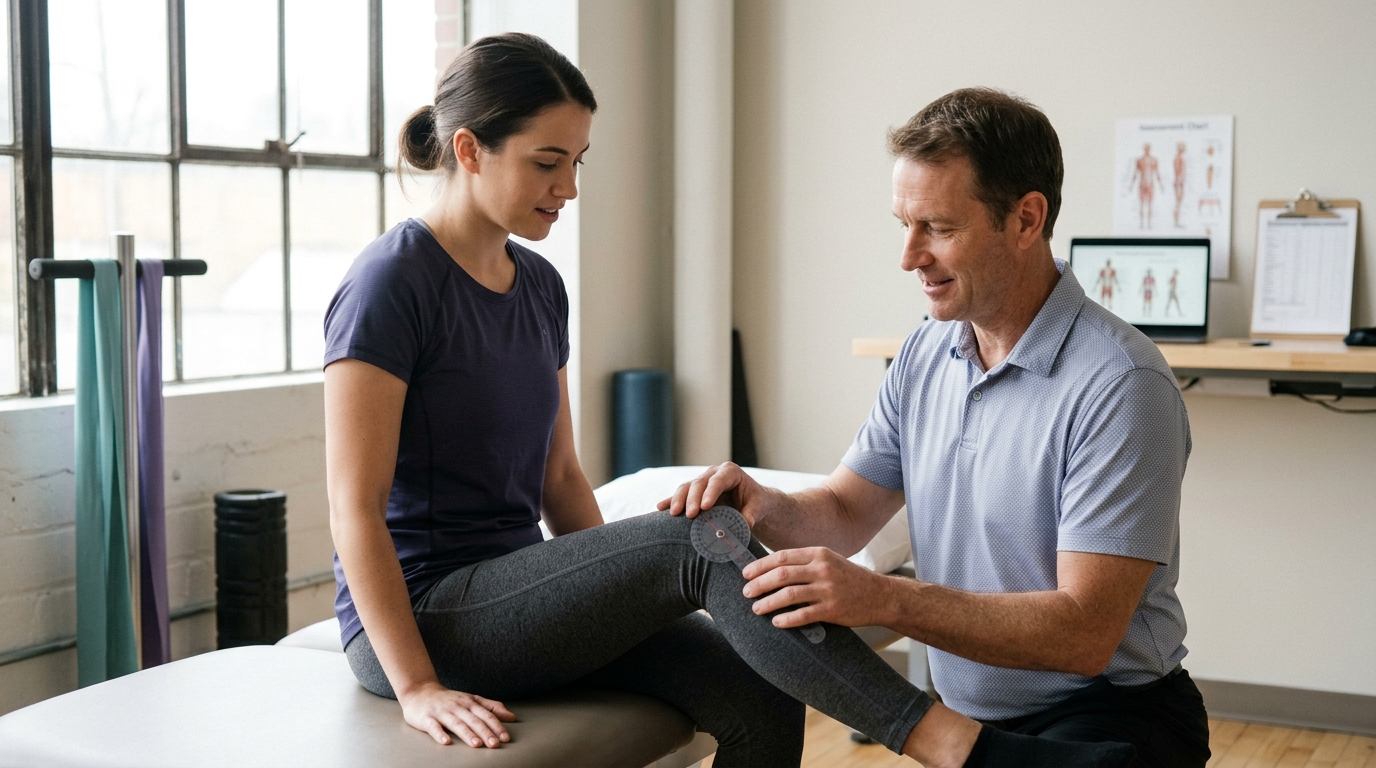
Range of motion, often abbreviated as ROM, is the total arc of movement available at a specific joint. Clinicians measure this arc in degrees using tools like a goniometer or inclinometer. For example, a healthy knee might move from 0 degrees of full extension to 135 degrees of flexion.
Range of motion is simply an outcome measurement. It tells you how far a joint can travel, but it does not explain why the joint stops where it does. A limitation in range of motion could stem from bone structure, capsule tightness, muscle stiffness, swelling, or pain.
Flexibility refers specifically to the ability of soft tissues to lengthen passively. These tissues include muscles, tendons, ligaments, and fascia.
When you sit on the floor and reach toward your toes, your hamstrings and calves must yield to allow the motion. If those tissues resist elongation, they limit how far your pelvis and legs can rotate. Flexibility is one contributor to joint range of motion, but it is not the only one. Having flexible muscles does not mean you can use that range during normal physical activities.
Mobility is the capacity to access and use relevant joint range during a task with adequate control and force. It is not a standardized laboratory measurement, but rather a practical functional concept.
Mobility combines joint clearance, soft-tissue extensibility, muscular strength, and nervous system coordination. If someone can lift your leg to a 90-degree angle while you lie on your back, you have passive flexibility. If you cannot lift the leg to that same position yourself and hold it there, you lack active mobility.
People often say they "have bad stretching" or that they "need more mobility exercises." Stretching is simply an exercise method, not a physical trait.
Stretching involves applying tension to soft tissues to encourage relaxation or long-term structural adaptation. It is one tool among many. Resistance training through a full movement path can also improve joint range while simultaneously building strength.
To understand why a movement feels restricted, it helps to break joint function into four distinct components. These components do not work in isolation. They interact continuously every time you take a step, climb stairs, or lift a weight.
Available joint range is the structural baseline of your skeleton and joint capsules. Every joint has an anatomical limit determined by the shape of the bones, the depth of the socket, and the tension of surrounding ligaments.
An individual with deep hip sockets may never achieve the same rotational range as someone with shallow hip sockets, regardless of how much they stretch. Joint injuries, arthritis, and surgical procedures can also alter the physical space within a joint. When the structural boundary is reached, no amount of soft-tissue lengthening will create additional safe movement.
Tissue extensibility describes how easily periarticular soft tissues stretch under load. When a muscle lengthens, specialized sensory organs called muscle spindles monitor the rate and magnitude of that stretch.
If the nervous system perceives that a muscle is lengthening too quickly or entering an unsafe zone, it triggers a protective contraction. Over time, regular movement and flexibility training can alter your stretch tolerance. This allows your nervous system to accept greater tissue elongation before signaling discomfort or resistance.
Muscular strength is the capacity to produce tension and force. Many people have adequate strength in the middle of a movement, but become remarkably weak at the outer edges.
If you can lower your hips into a deep squat but cannot stand back up without shifting your weight awkwardly, you have a strength deficit at that specific joint angle. When the brain detects that you lack the strength to stabilize a joint at its end range, it often creates a sensation of tightness. This perceived stiffness acts as an internal brake to keep you out of positions you cannot safely support.
Motor control is the process by which the nervous system organizes muscles and joints to execute purposeful movement. It involves balance, timing, spatial awareness, and muscle sequencing.
You might possess adequate joint space, flexible muscles, and strong legs, yet still struggle with a complex movement like stepping over a high hurdle. Motor control difficulties occur when the brain struggles to coordinate multiple joints simultaneously. In clinical practice, physical therapists evaluate motor control by observing how smoothly and steadily you perform real-world tasks. Exploring our rehabilitation and mobility guides can provide further context on how coordination shapes functional recovery.
A primary step in evaluating any movement limitation is comparing active range of motion to passive range of motion. This simple distinction helps separate tissue or structural restrictions from strength and neuromuscular limitations.
Active range of motion (AROM) is the movement you produce entirely on your own using your own muscle power. When you raise your arm overhead as high as you can without assistance, you are demonstrating active range. AROM reflects joint availability, muscular force, coordination, and your willingness to move through any mild discomfort.
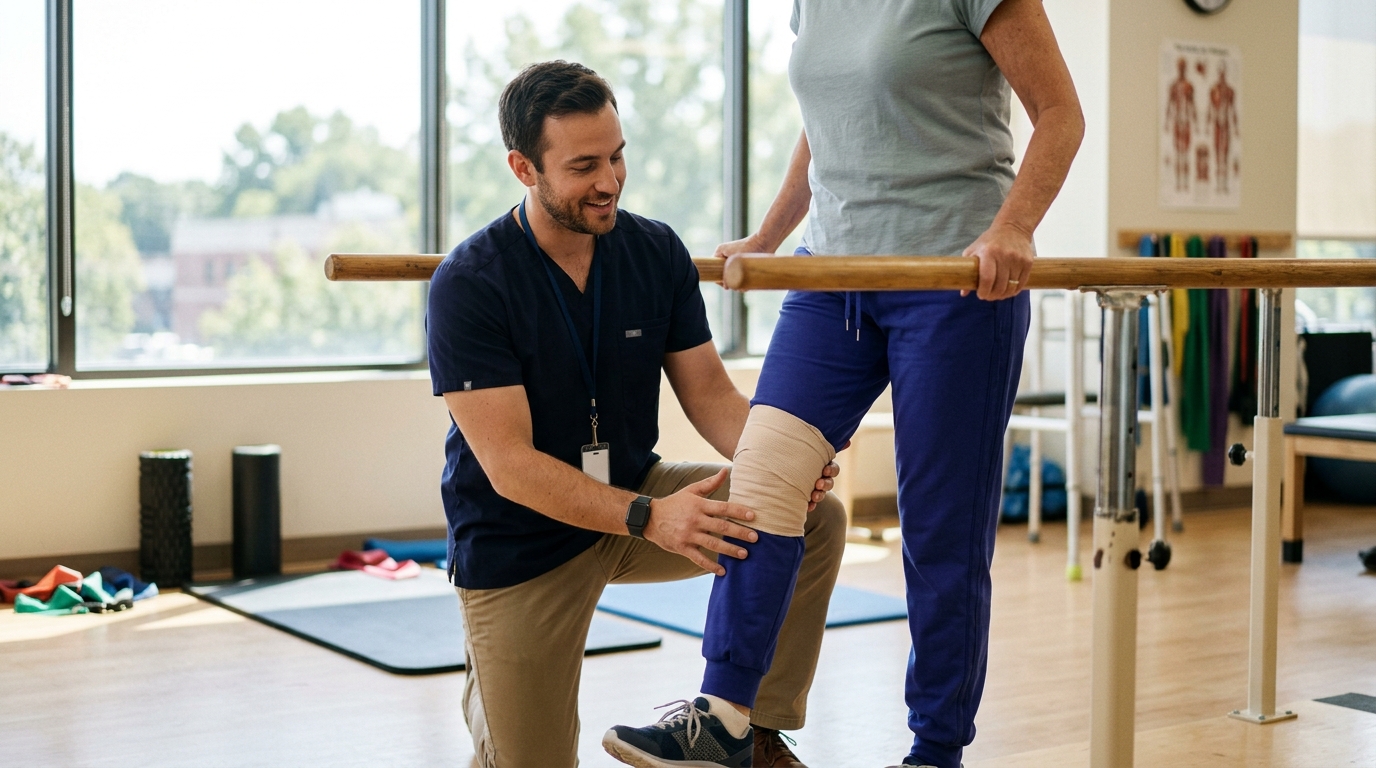
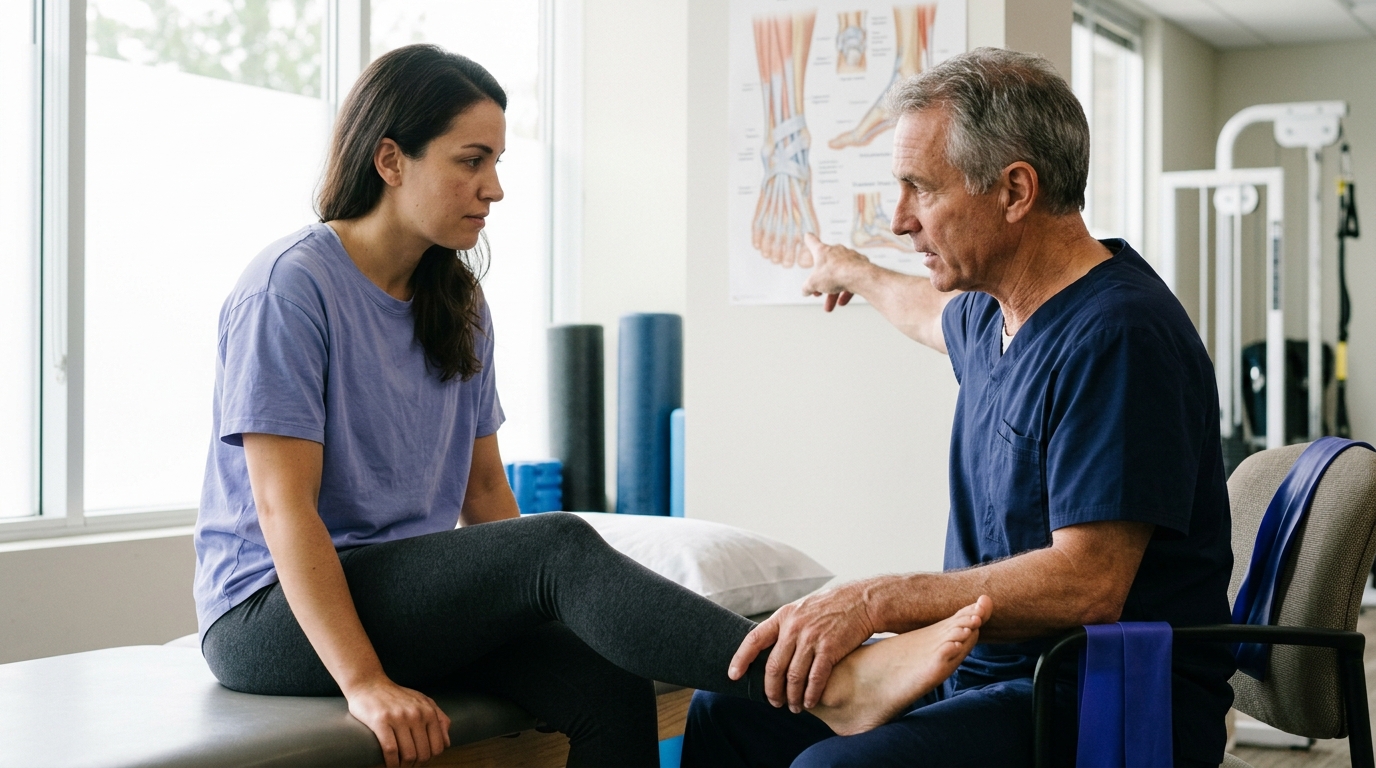
Passive range of motion (PROM) is the movement achieved when an outside force moves your limb while your muscles remain relaxed. This outside force could be a physical therapist, a strap, or gravity. PROM allows an examiner to see how far the joint can physically travel without relying on your muscular strength.
Comparing active and passive movement provides valuable clues about what is restricting your body:
This comparison is a helpful framework for organizing your training goals. It does not replace a formal clinical evaluation, especially if pain or swelling is present.
Stretching remains one of the most widely researched physical interventions in sports medicine and rehabilitation. Scientific reviews provide clear insights into what stretching can and cannot accomplish.
Systematic reviews and meta-analyses confirm that consistent static stretching reliably increases joint range of motion. A major meta-analysis examining chronic static stretching found a moderate positive effect on joint range across various muscle groups.
Most of these long-term changes come from increased stretch tolerance. Your nervous system gradually becomes accustomed to the sensation of stretch, allowing you to relax into deeper positions. Some structural adaptations in muscle architecture may occur with high-volume programs, but improved sensory tolerance remains the primary driver of everyday changes.
A single session of stretching produces immediate, short-term increases in joint range. Research shows that these acute improvements usually fade within 30 to 60 minutes as muscle stiffness and nervous system tone return to baseline.
To achieve lasting improvements in range of motion, stretching must be performed consistently over several weeks. Clinical guidance indicates that measurable, persistent changes in joint range typically require three to four weeks of regular flexibility training.
Many people assume that stretching harder leads to faster results. Research on stretching intensity shows that while higher-intensity stretches can produce slightly larger increases in range of motion, they come with trade-offs.
Studies have found that aggressive, high-intensity static stretching before exercise can temporarily reduce maximal muscle strength and power output. Very intense stretching can trigger protective muscle spasms or cause micro-trauma to tissues. A moderate stretch that produces mild tension without sharp discomfort is safer and just as effective for long-term range improvement.
For decades, athletes were told that stretching before exercise prevents injuries. Modern sports medicine consensus panels have reviewed decades of data and concluded that pre-exercise stretching alone does not significantly reduce overall injury risk.
Muscle strains and joint injuries depend on fatigue, load management, tissue capacity, and neuromuscular coordination. While having adequate range for your specific sport is vital, stretching cannot compensate for poor movement mechanics or excessive training volume. Understanding sound recovery science principles helps place stretching in its proper context alongside rest and progressive loading.
One of the most notable findings in modern movement science is that lifting weights can improve flexibility just as effectively as traditional stretching. For years, strength training was wrongly accused of making people stiff and muscle-bound. High-quality systematic reviews show the opposite is true when exercises are performed through a full movement path.
A systematic review and meta-analysis comparing resistance training directly to stretch training found that full-range strength work increased range of motion with an effect size of 0.73. Statistically, there was no significant difference between the range gains achieved through resistance training and those achieved through static stretching.
A separate meta-analysis confirmed these results, reporting a substantial pooled effect of strength training on joint flexibility. When you load a muscle while it is fully lengthened, you signal both the muscle fibers and the nervous system to adapt to that extended position.
Resistance training provides unique advantages that passive stretching cannot match:
Bodyweight movements alone do not always create enough mechanical tension to drive these range changes. Using external loads, such as dumbbells or cables, provides the gentle resistance needed to guide joints into deeper ranges safely.
Movement limitations are not always simple problems with easy training solutions. Several biological, structural, and physiological factors dictate how much movement a person can safely achieve.
Bony architecture varies widely across healthy individuals. The angle of the femoral neck, the orientation of the hip socket, and the shape of the ankle mortise are genetically determined.
These structural differences dictate the natural movement paths of your joints. Attempting to force your body into arbitrary positions that conflict with your skeletal anatomy will cause joint impingement and irritation rather than improved flexibility.
Pain alters how the brain controls muscles. When an area is injured, inflamed, or irritated, the nervous system increases baseline muscle tone to splint and protect the joint.
This protective muscle guarding feels identical to muscle tightness. If you try to stretch through this protective barrier, the nervous system often responds by increasing muscle tension even further. Resolving the underlying tissue irritation is necessary before normal movement range can return.
Transient stiffness is the everyday tightness you feel after sitting at a desk or completing a hard workout. It resolves quickly with light activity, gentle movement, or a standard warm-up.
A structural contracture is a chronic, persistent loss of joint mobility caused by physical changes in non-bony tissues. Contractures can develop after prolonged immobilization in a cast, severe trauma, or major surgery. In a contracture, muscles, tendons, joint capsules, and skin physically shorten and form dense collagen cross-links. Managing a true contracture requires specialized clinical rehabilitation rather than routine gym stretching.
As we age, soft tissues undergo natural physiological shifts. Tendons and joint capsules lose water content, elastin fibers decrease, and collagen structures become stiffer.
These changes naturally reduce passive joint compliance. Regular movement, resistance training, and active mobility work can preserve functional range well into older age. Understanding these shifts helps set realistic expectations for recovery timelines. For practical strategies tailored to long-term joint health, see our active aging movement guidance.
Treating every movement problem with static stretching leads to frustration and wasted effort. A more logical approach is to identify the specific nature of your limitation and apply the matching intervention.
Many lifters struggle to hit parallel in a back squat and assume their hips are perpetually tight.
Stepping down stairs requires your knee to travel forward over your toes, a movement called ankle dorsiflexion.
or calf indicates soft-tissue tension.
This is the classic gap between passive flexibility and active mobility.
When designing a movement routine, established guidelines from organizations like the American College of Sports Medicine offer a solid baseline:
Attempting to force joint changes through improper methods often leads to setbacks. Avoiding these common mistakes will save time and protect your joints.
There is a fundamental difference between the dull, pulling sensation of a lengthening muscle and the sharp, localized pain of joint impingement. If you feel a pinching sensation on the closing side of a joint (such as the front of your hip during a deep stretch), you are compressing joint structures. Continuing to push into a pinch can cause labral irritation or bursitis. Always back out of positions that cause sharp joint discomfort.
More flexibility is not automatically better. A gymnast or dancer requires extreme joint range to perform their sport. A runner or recreational hiker needs moderate, well-controlled range with substantial joint stiffness to transfer force efficiently.
Gaining excessive joint range without the strength to control it increases the risk of joint instability. Tailor your movement goals to the specific demands of your daily life and hobbies.
Foam rollers, massage guns, and stretching straps can temporarily reduce muscle tone and make movement feel easier. However, these passive tools do not create permanent structural changes on their own. If you use a foam roller to loosen your hips, immediately follow it with an active exercise that uses that new range under load. Active movement locks in the neurological gains.
When a muscle is tight due to acute injury or pain, aggressive stretching activates protective spinal reflexes. The muscle will contract harder to prevent tearing. Trying to overpower this reflex creates inflammation and delays recovery. When pain is present, use gentle, pain-free active movement rather than forced static holds. You can find comprehensive recovery frameworks in our curated injury recovery resources.
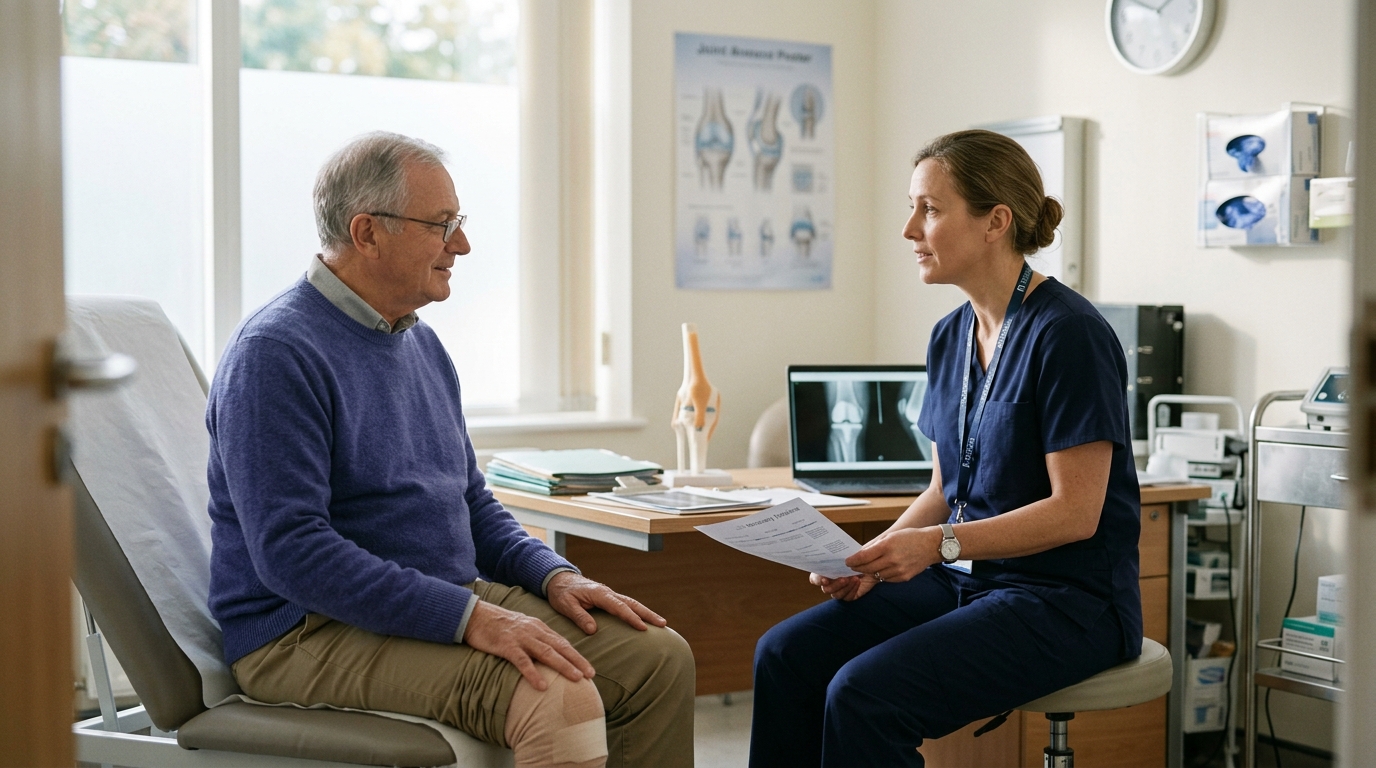
If a movement restriction is painful, persistent, or affecting your ability to walk or work, consult a licensed clinician. Here are practical questions to guide that discussion:
Improving how you move requires looking beyond the simple idea of tight muscles. Range of motion is the observable movement path of a joint. Flexibility is the ability of tissues to lengthen passively. Mobility is your real-world ability to control, stabilize, and produce force throughout that range.
If both active and passive movements are restricted, soft-tissue extensibility or joint mechanics may be the primary barrier. If you have plenty of passive range but struggle to produce that motion on your own, your focus should be on strength and motor control. Full-range resistance training is supported by strong evidence as an effective tool for improving range while building usable strength. Match your training intervention to your actual physical limitation rather than stretching every stiff joint by default.
Revisit these principles whenever you start a new rehabilitation program, change your exercise routine, or hit a plateau in your movement training. Reviewing the active-versus-passive framework can help you adjust your exercises when a joint feels restricted.
Building usable, comfortable movement is a gradual process of teaching your nervous system that new positions are safe, supported, and strong.

Use ReboundBody resources to understand common recovery stages, rehab terms, movement limits and strength rebuilding. Each guide is designed to make a complex comeback easier to understand.


Read practical guidance on injury recovery, rehabilitation, mobility and rebuilding strength as you work your way back to activity.
Explore Resources