
Patients often assume clinic therapy is mandatory after surgery, but evidence proves that guided home and hybrid rehabilitation programs achieve equivalent recovery results.





Many people search online asking whether they must attend an outpatient clinic after surgery or if they can recover safely at home. This question often comes up during discharge planning when patients feel overwhelmed by logistics, pain, and scheduling. This guide provides a clear comparison of outpatient, home-based, and hybrid rehabilitation to help you make an informed choice with your care team.
The short answer is that rehabilitation is a plan, not a physical location. For uncomplicated procedures like a routine total knee replacement, high-quality clinical trials show that structured home exercise programs often produce functional outcomes similar to supervised outpatient clinic visits. However, this does not mean every setting suits every person. The right option depends on your specific surgery, your overall health, your home support, and the level of clinical oversight you require.
Understanding your options starts with defining how therapy is delivered. Postoperative care is rarely a one-size-fits-all model. Healthcare systems use several delivery formats, each offering different levels of direct supervision, convenience, and independence.
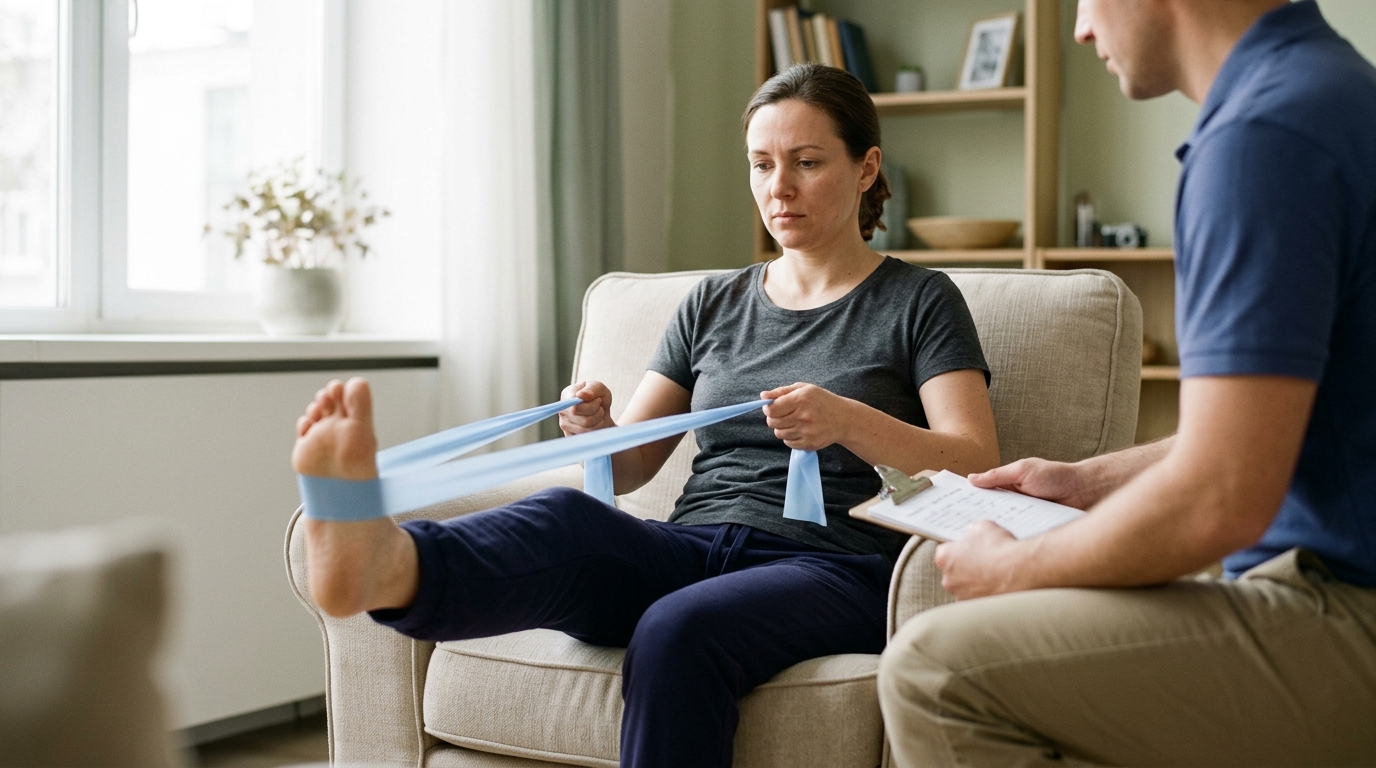
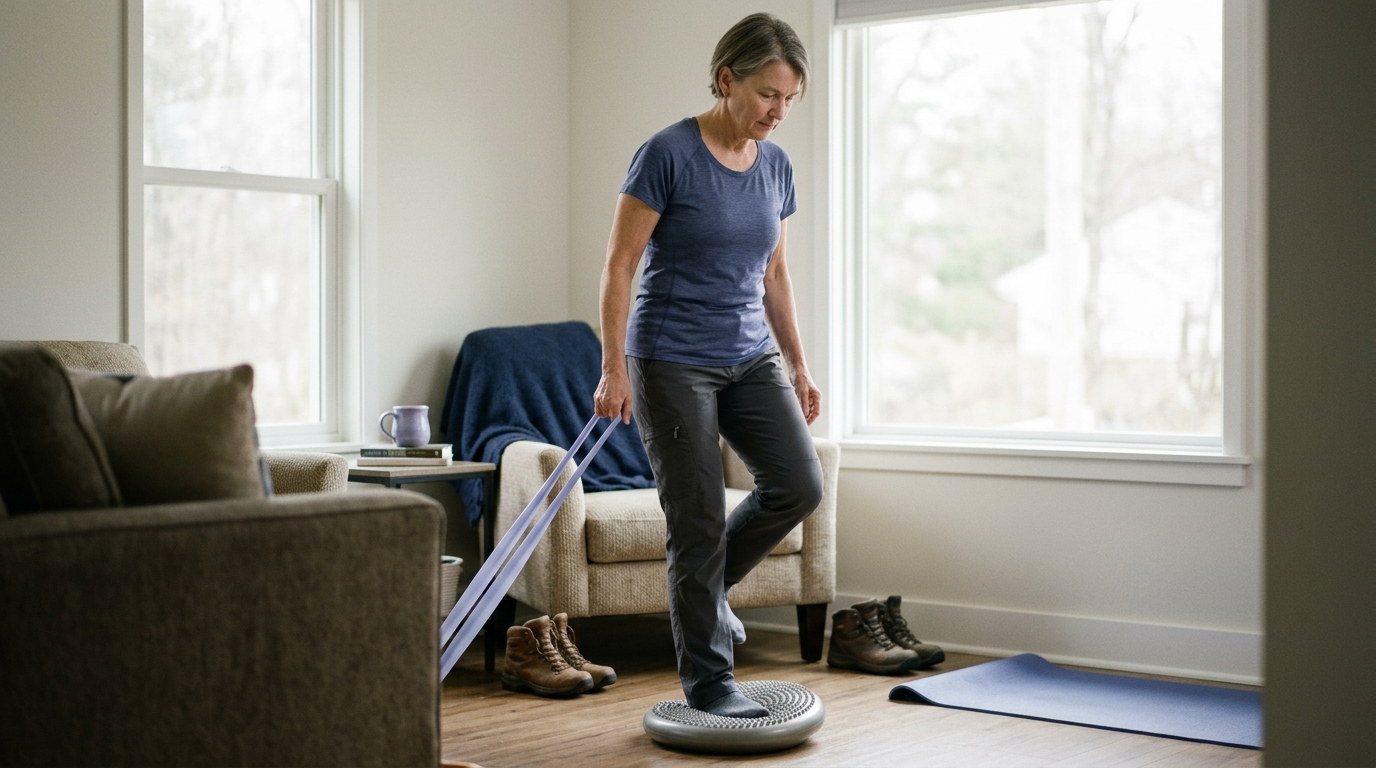
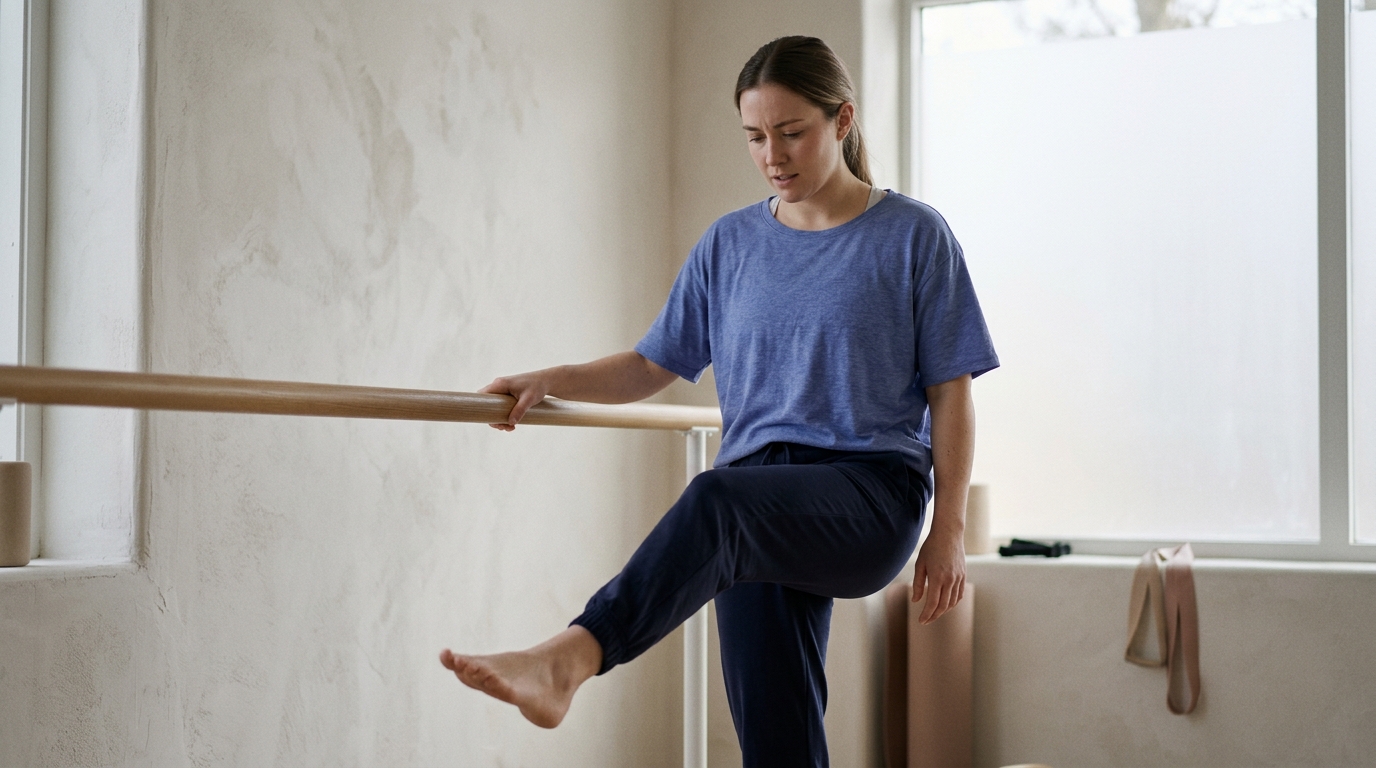
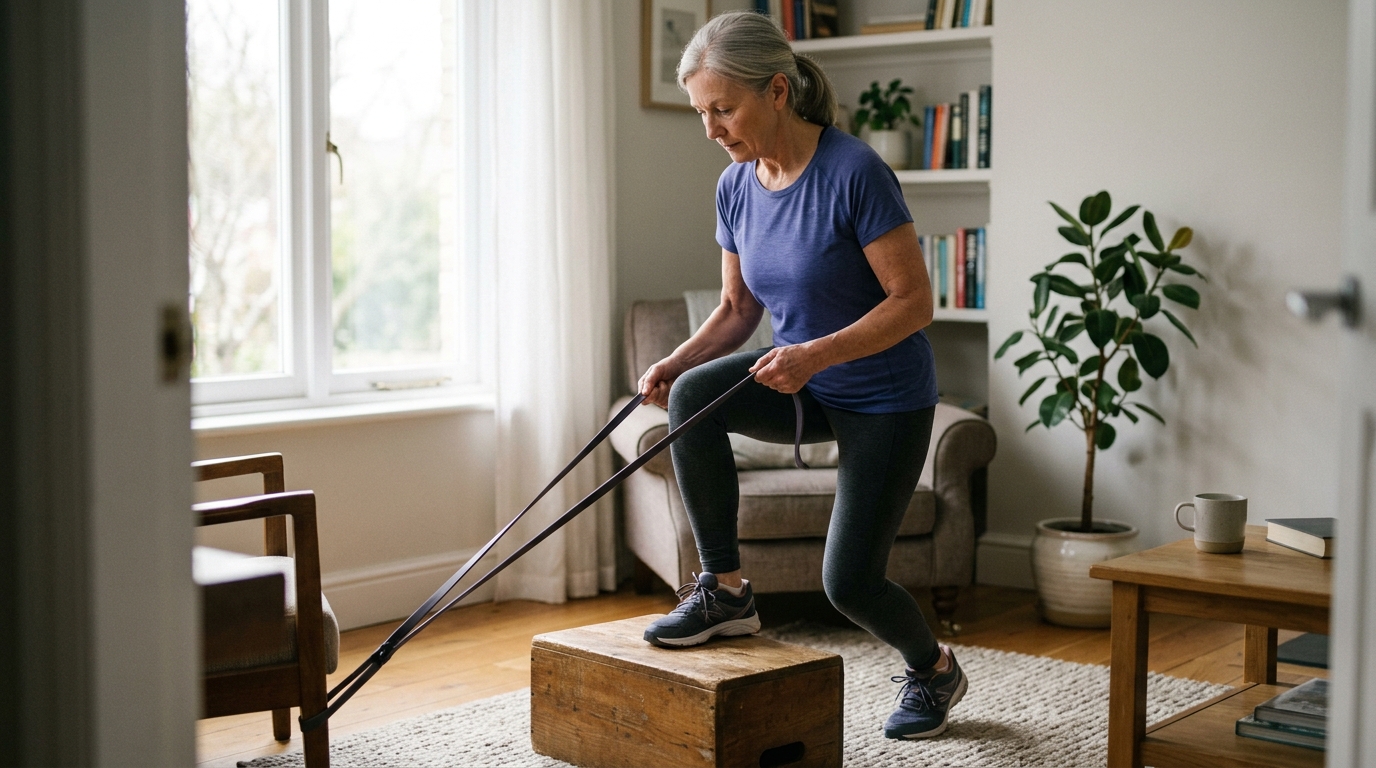
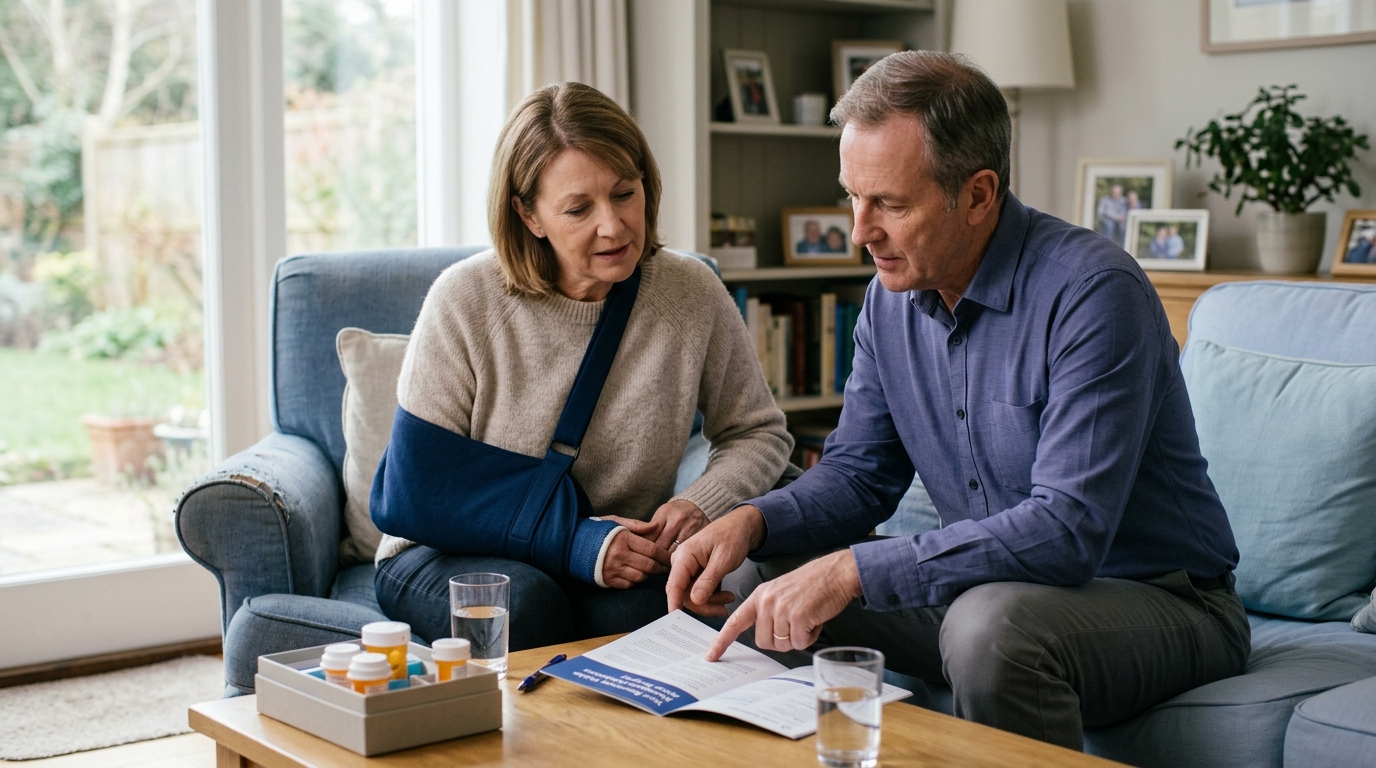
A home exercise program involves performing prescribed movements independently in your living space. You receive initial instructions, exercise sheets, or digital guides from your surgical team or physical therapist before leaving the hospital.
Some home programs include periodic telephone follow-ups or check-ins to monitor progress. In clinical research, home programs range from entirely independent routines to structured regimens with periodic contact. A home program does not mean you are abandoned without medical input. It means the day-to-day execution of the movements relies on your personal consistency and routine.
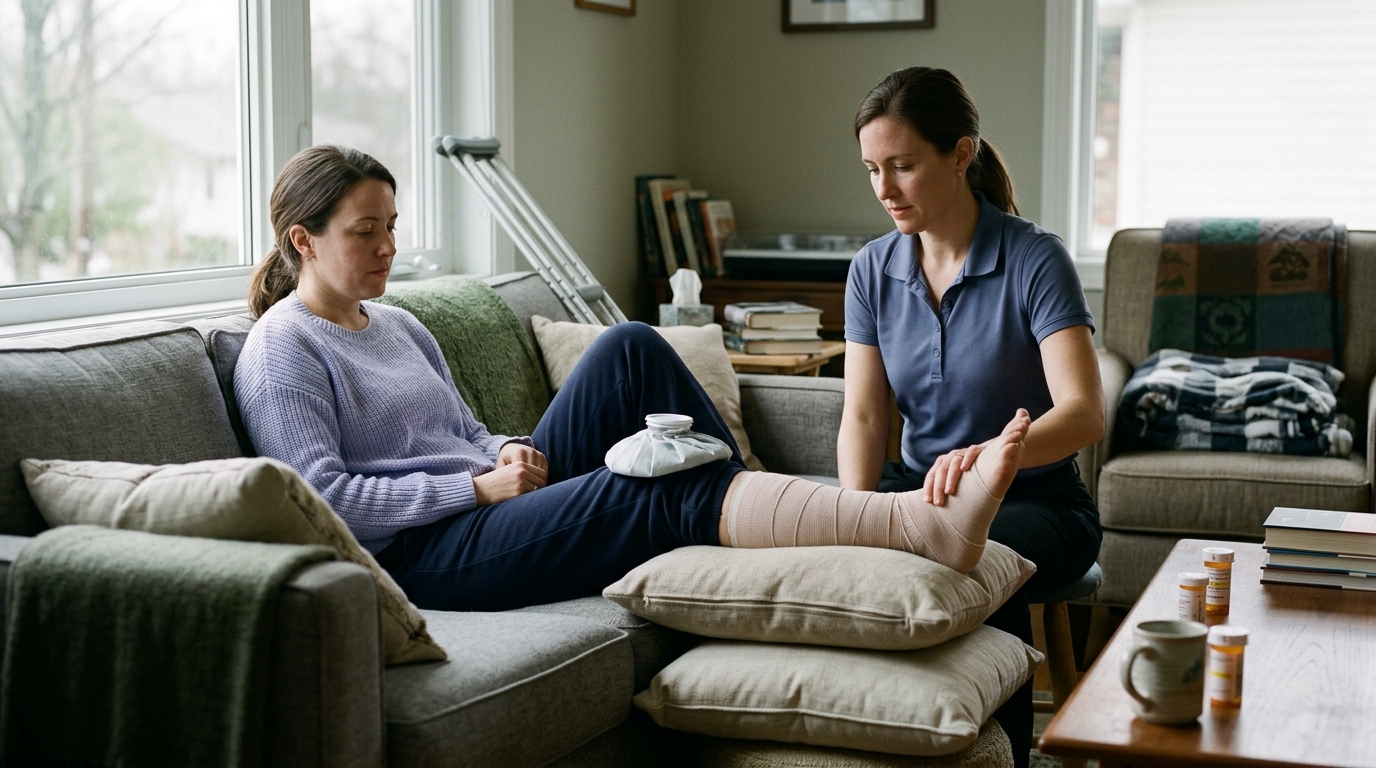
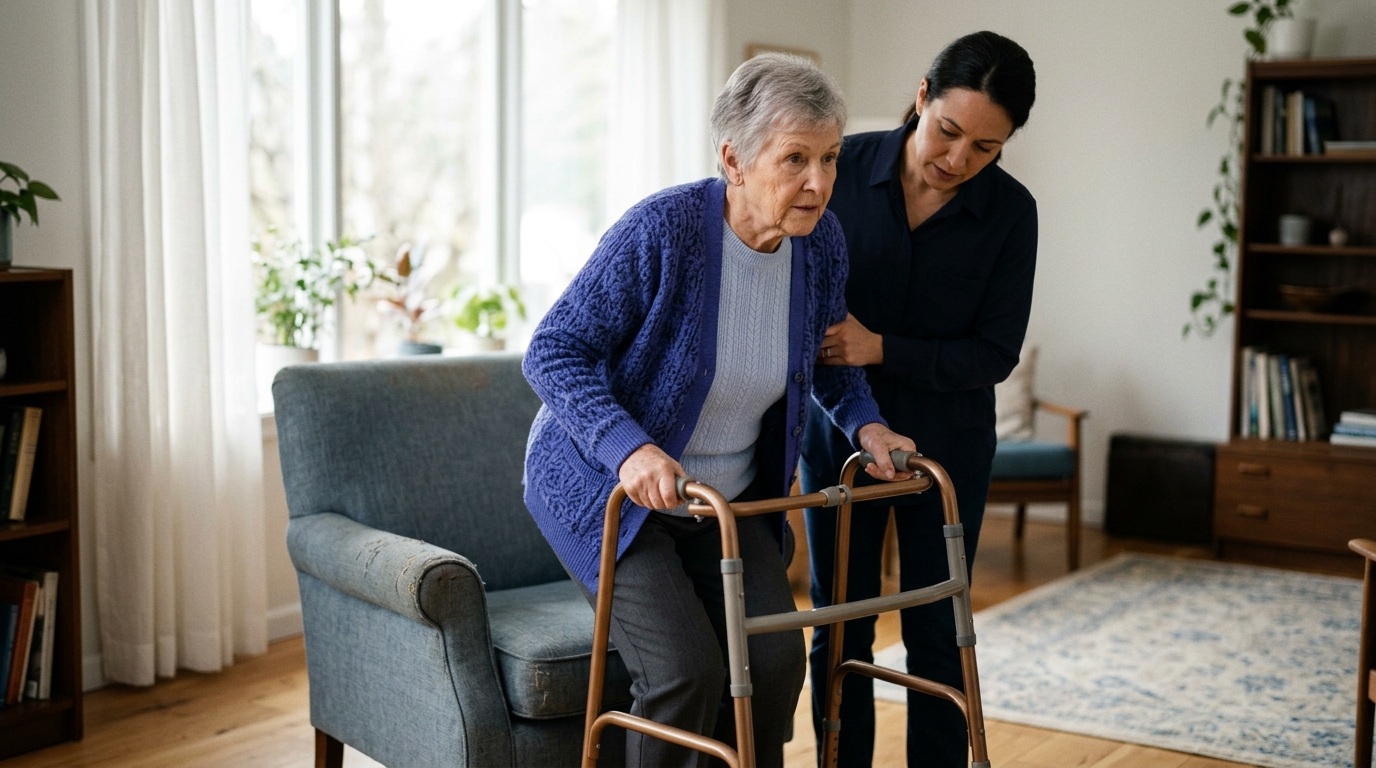
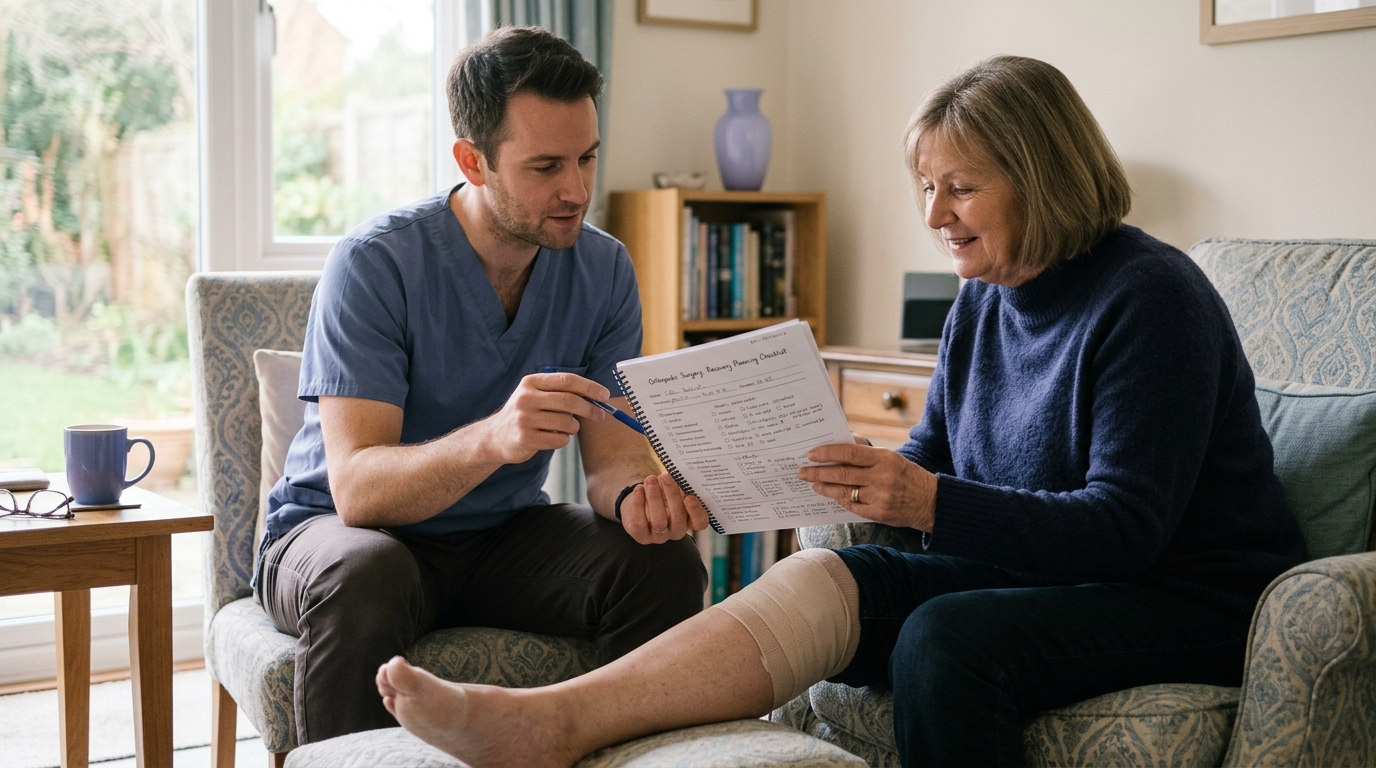
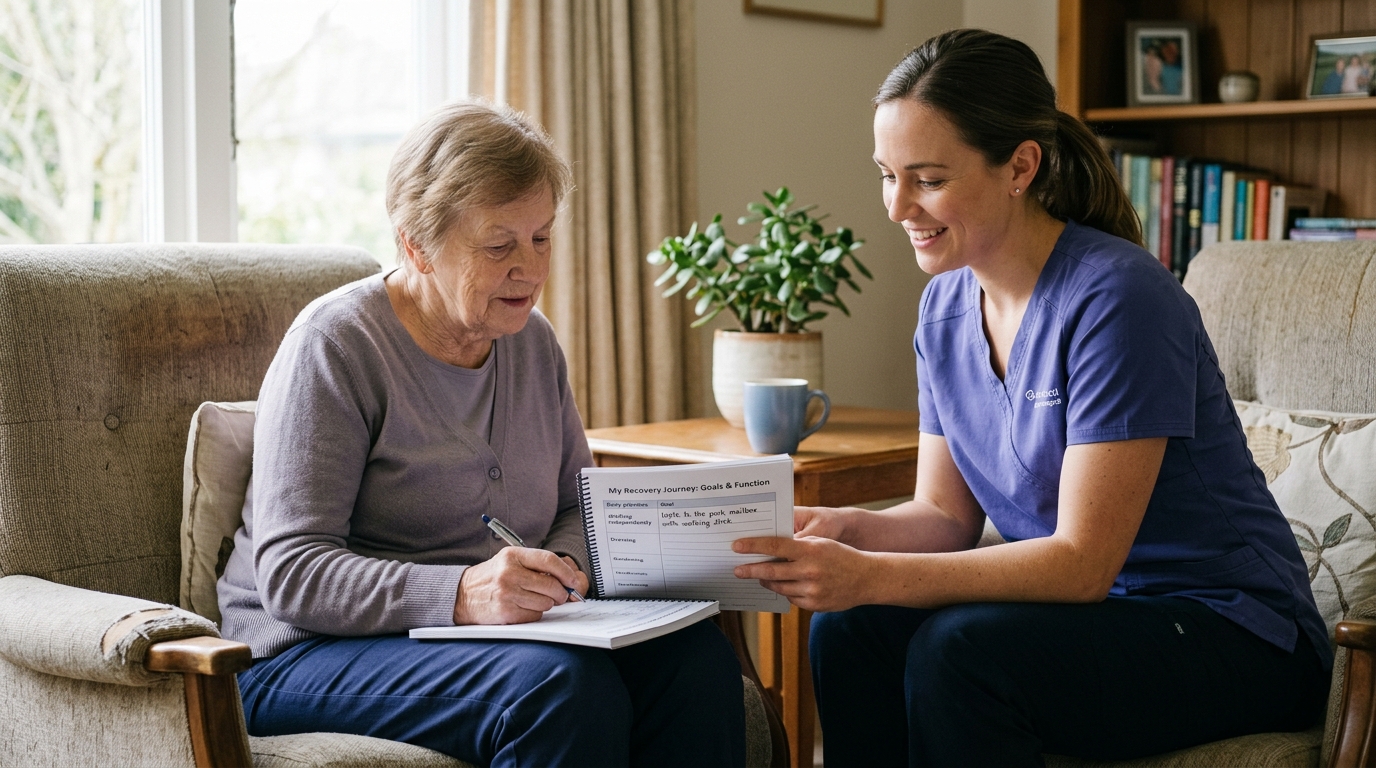
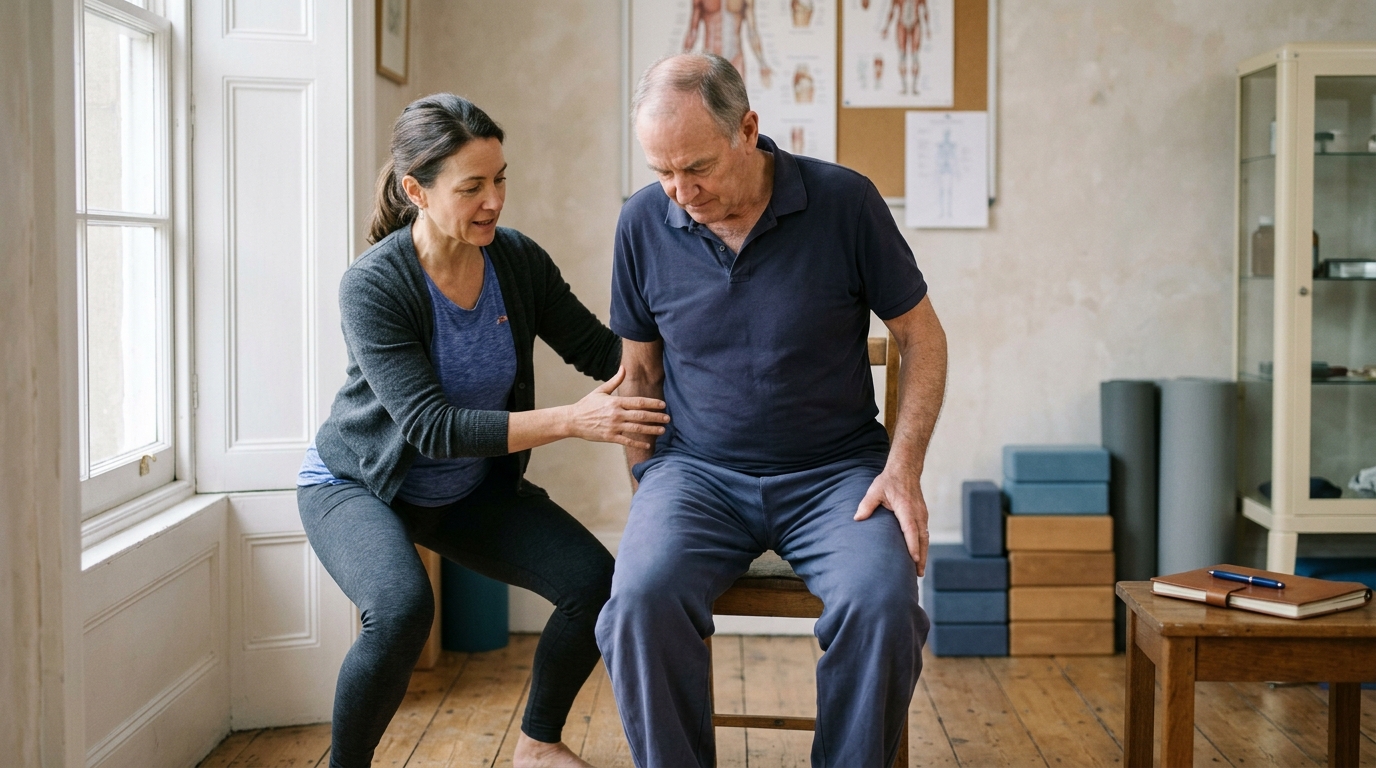
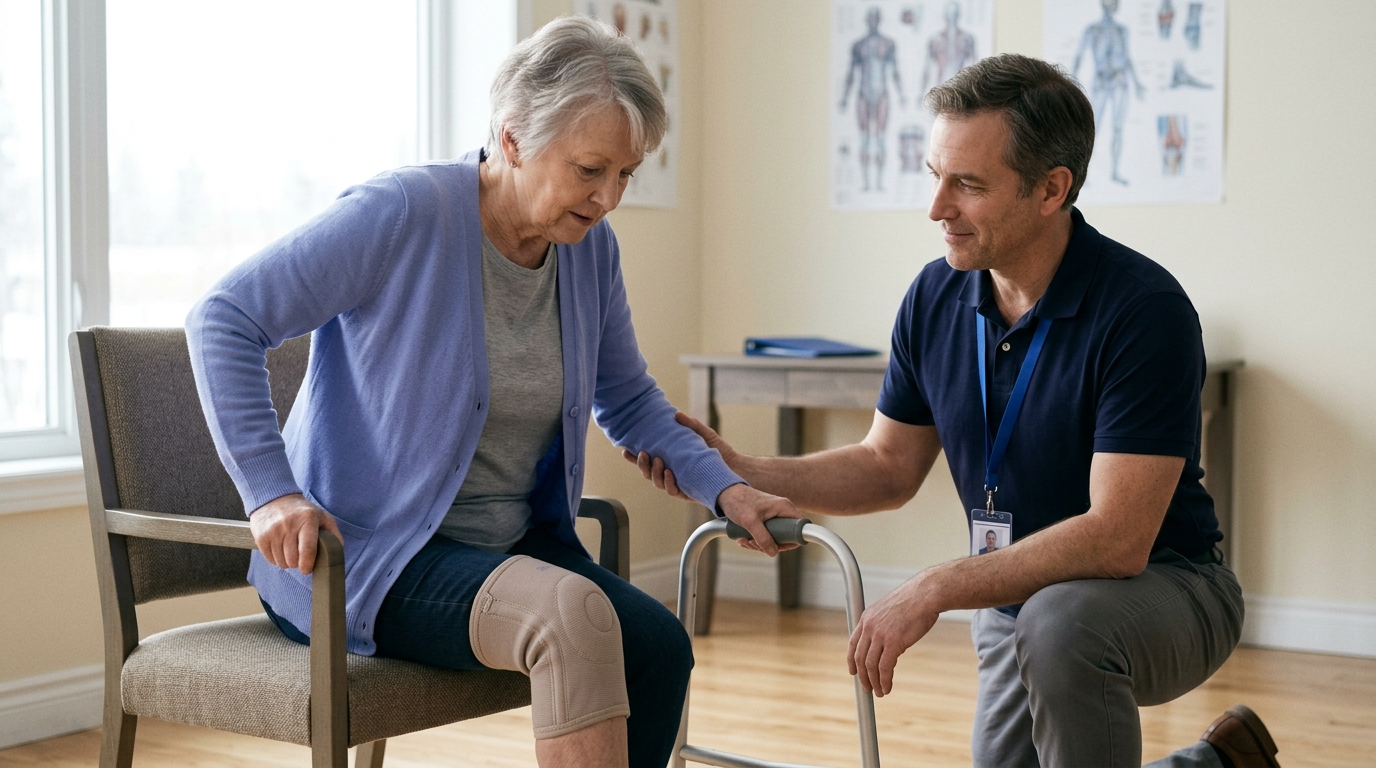
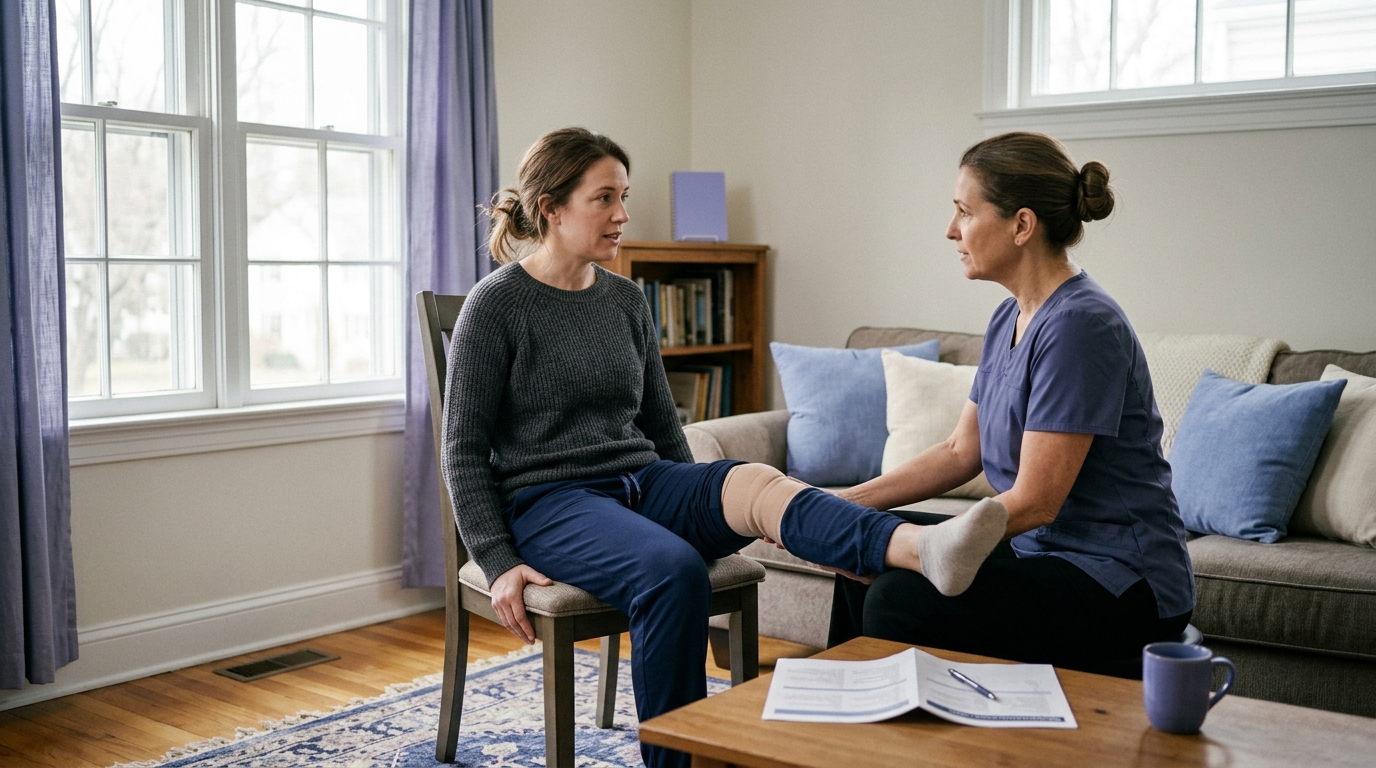
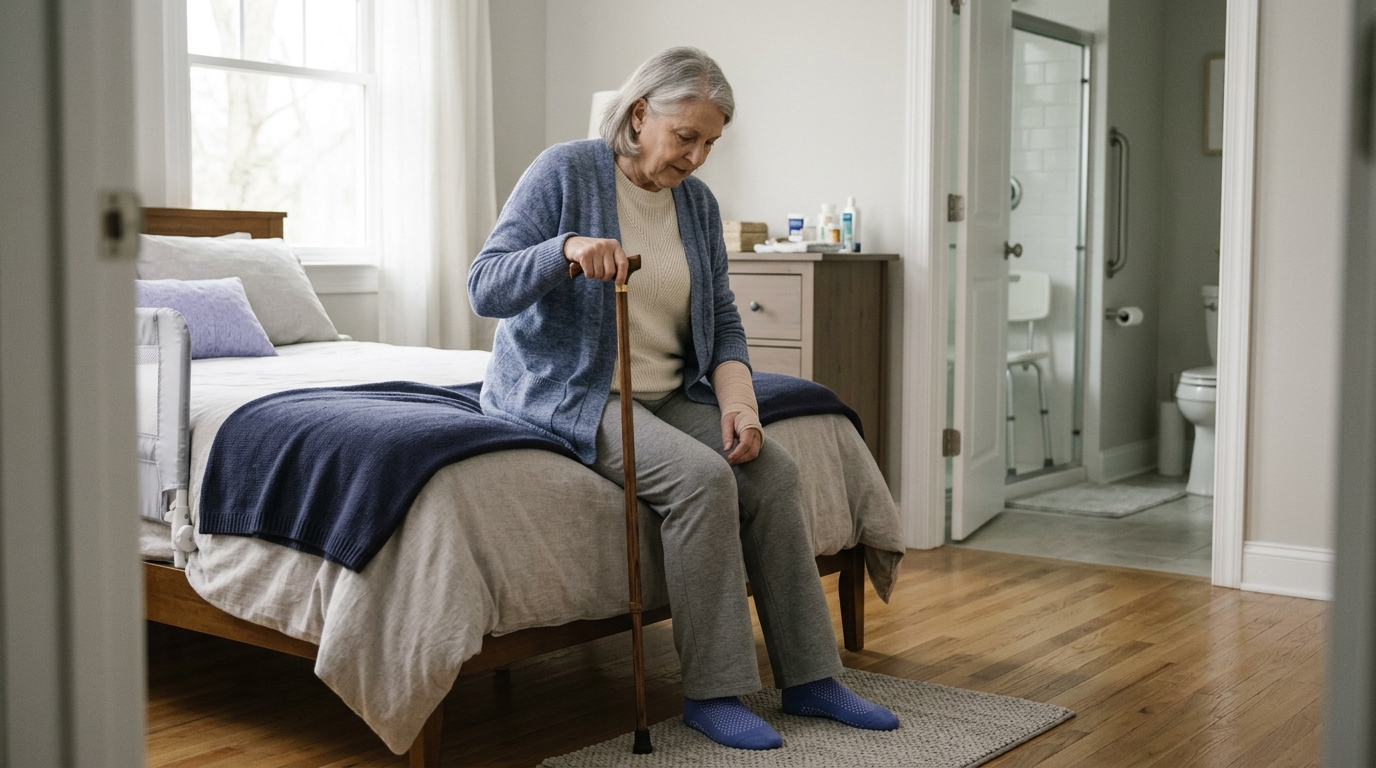
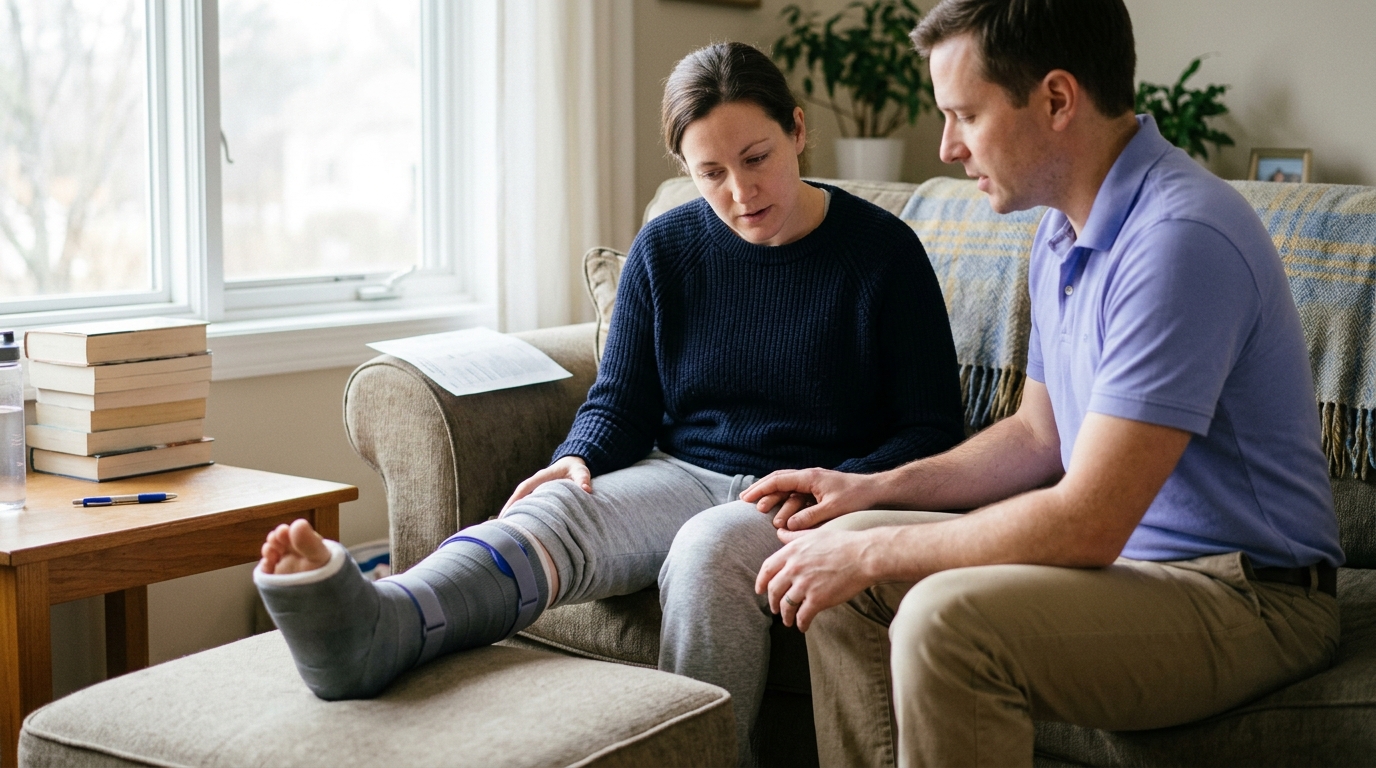
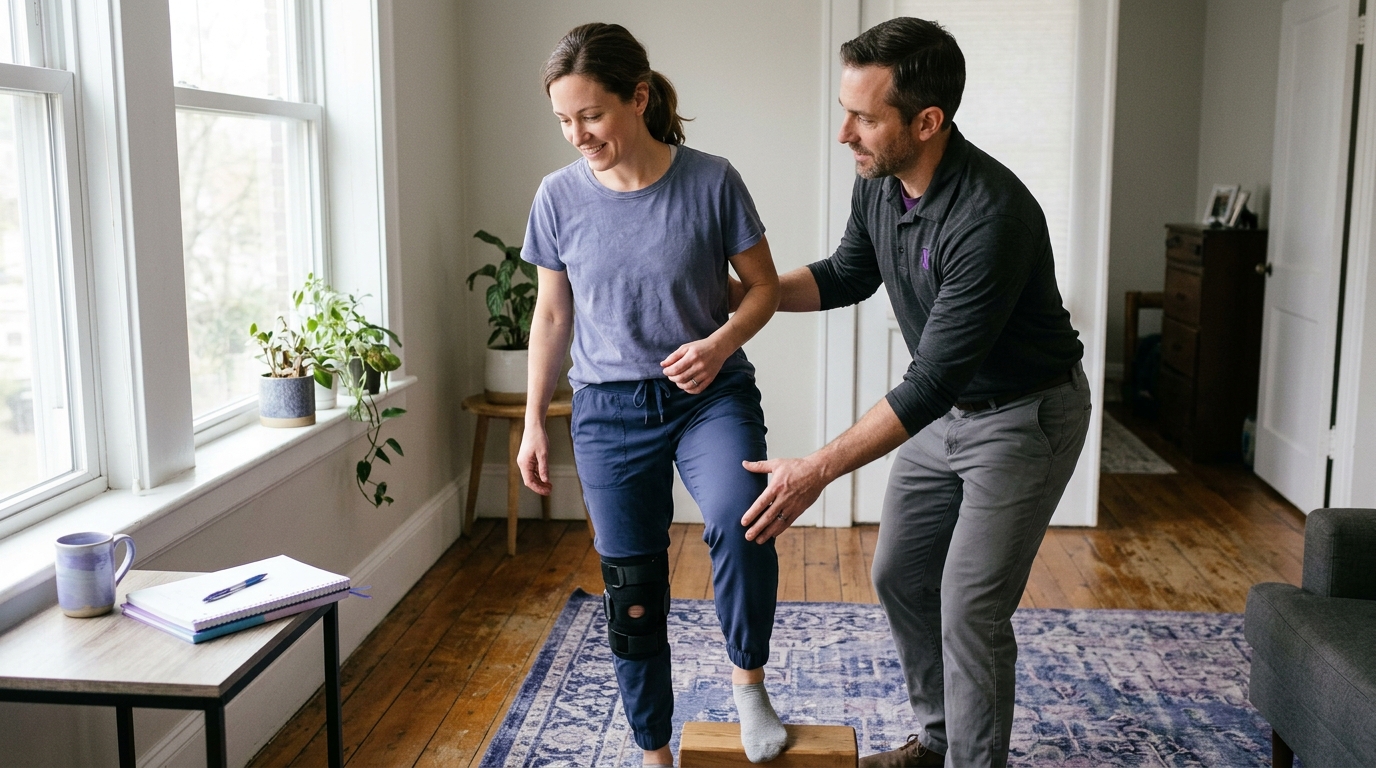
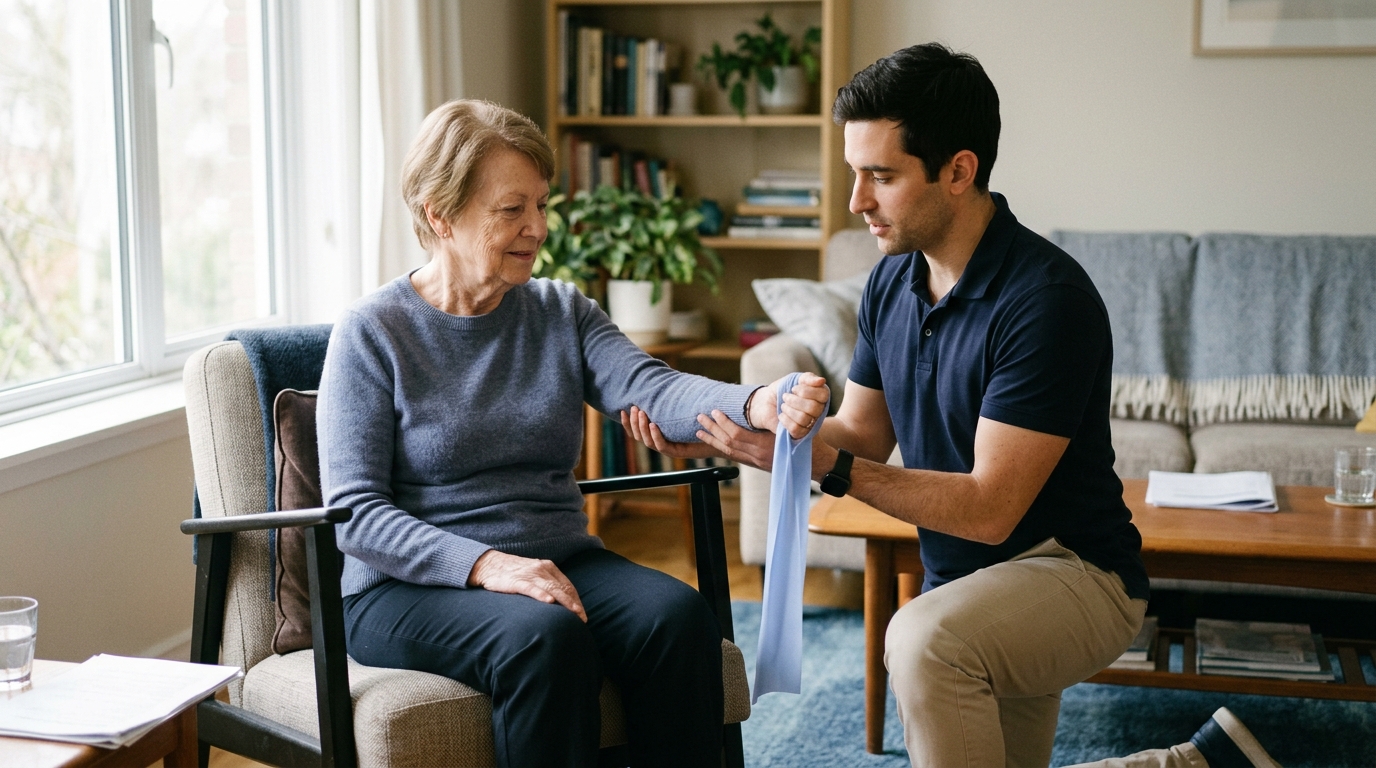
Home-based rehabilitation is broader than an independent exercise sheet. In this model, a physical therapist or rehabilitation assistant visits your home to assess your safety, guide movement, and modify your living environment.
Therapists evaluate functional tasks like getting in and out of bed, navigating stairs, and using bathroom equipment safely. They also prescribe assistive devices, such as walkers or raised toilet seats, to reduce fall risks. This model is often used during the early days after major joint surgery or hospital discharge before a patient can travel.
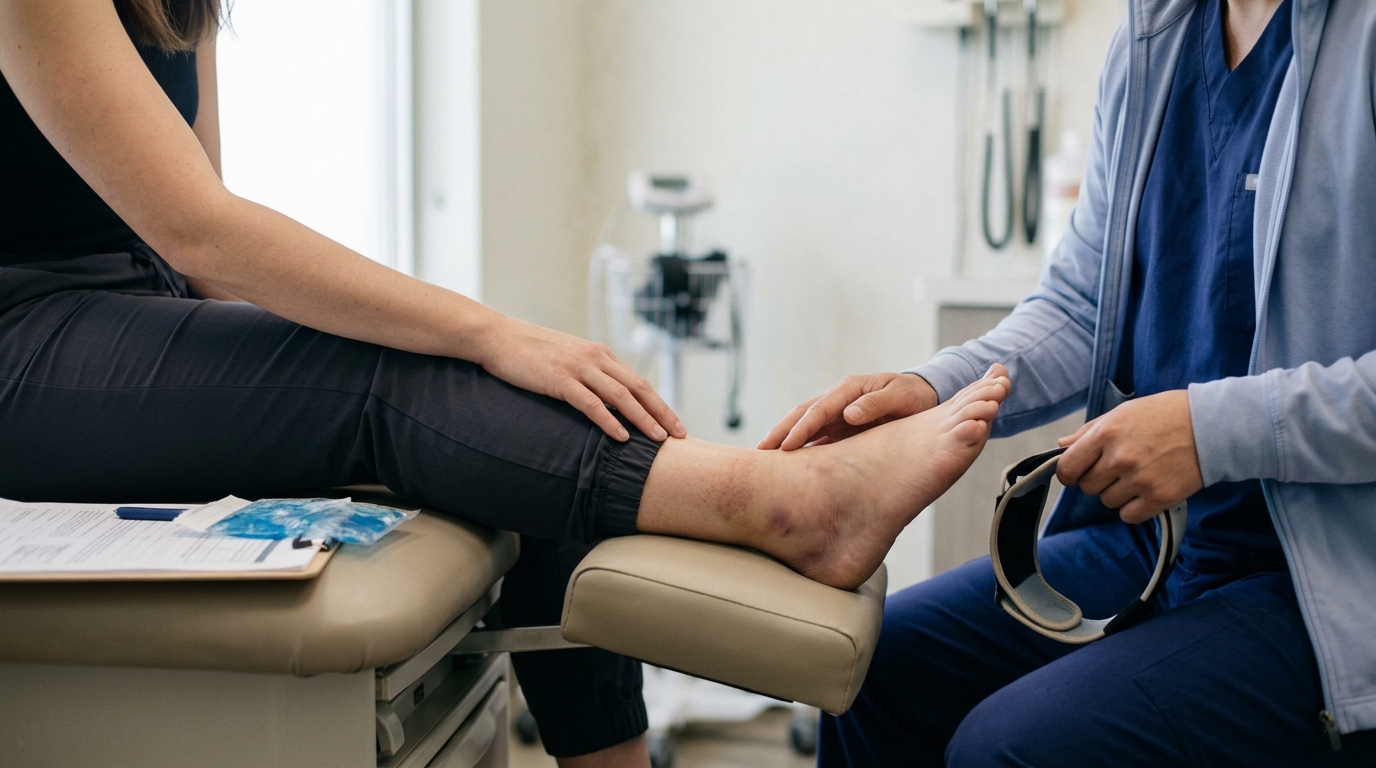
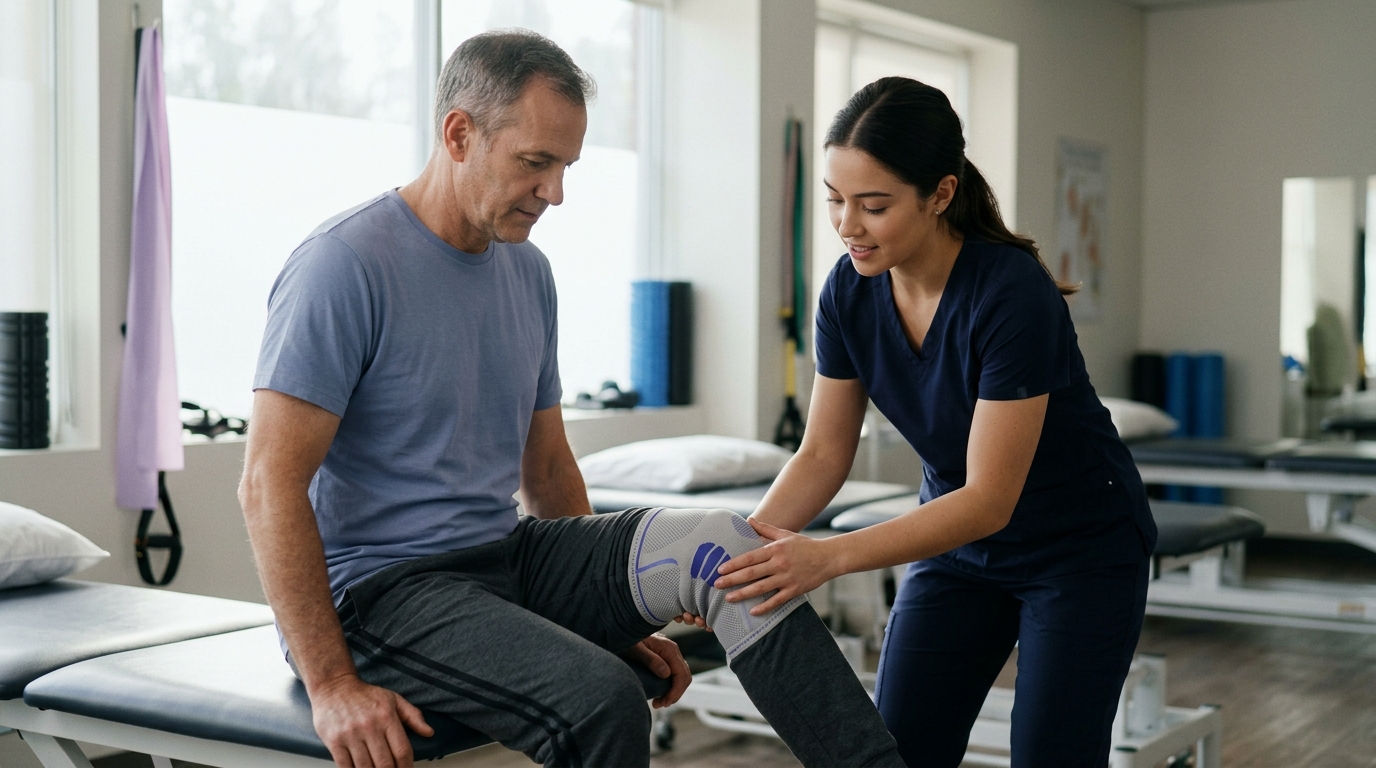
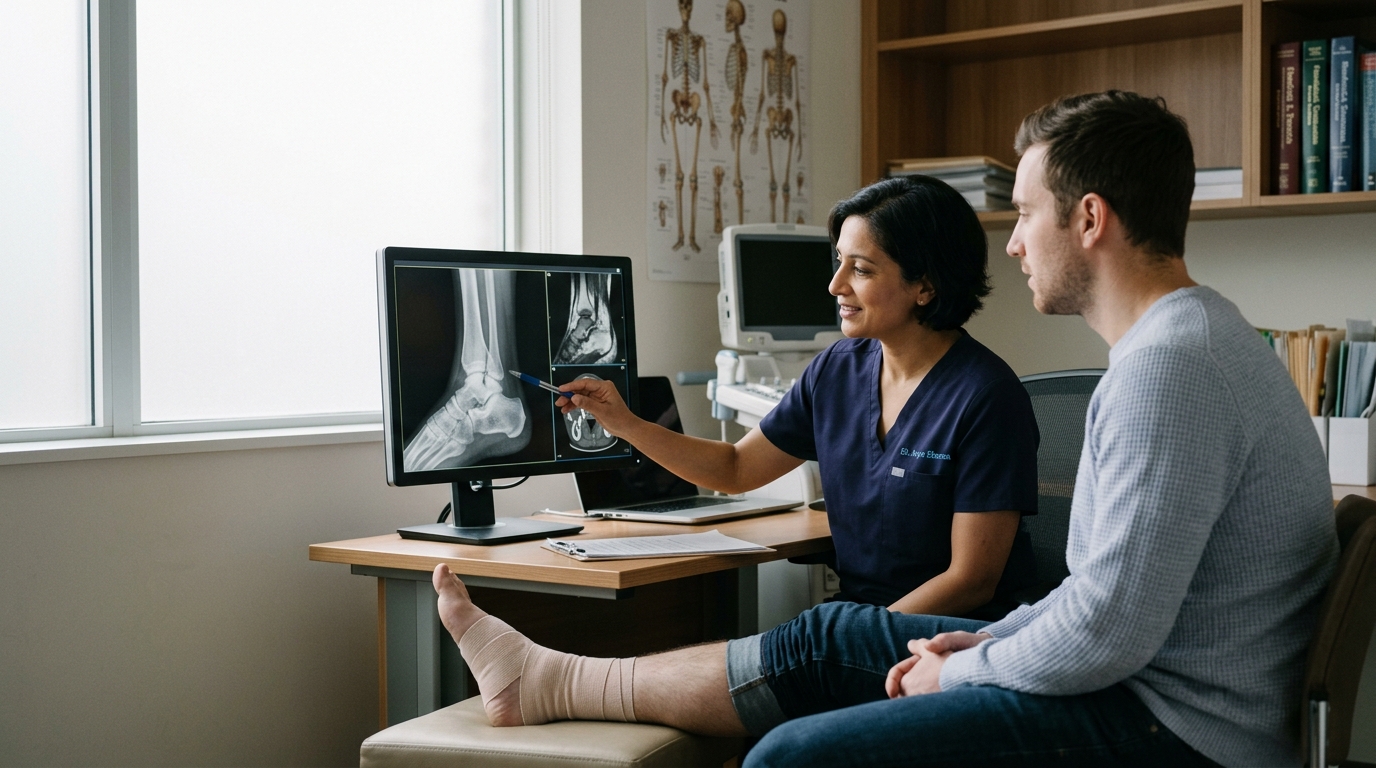
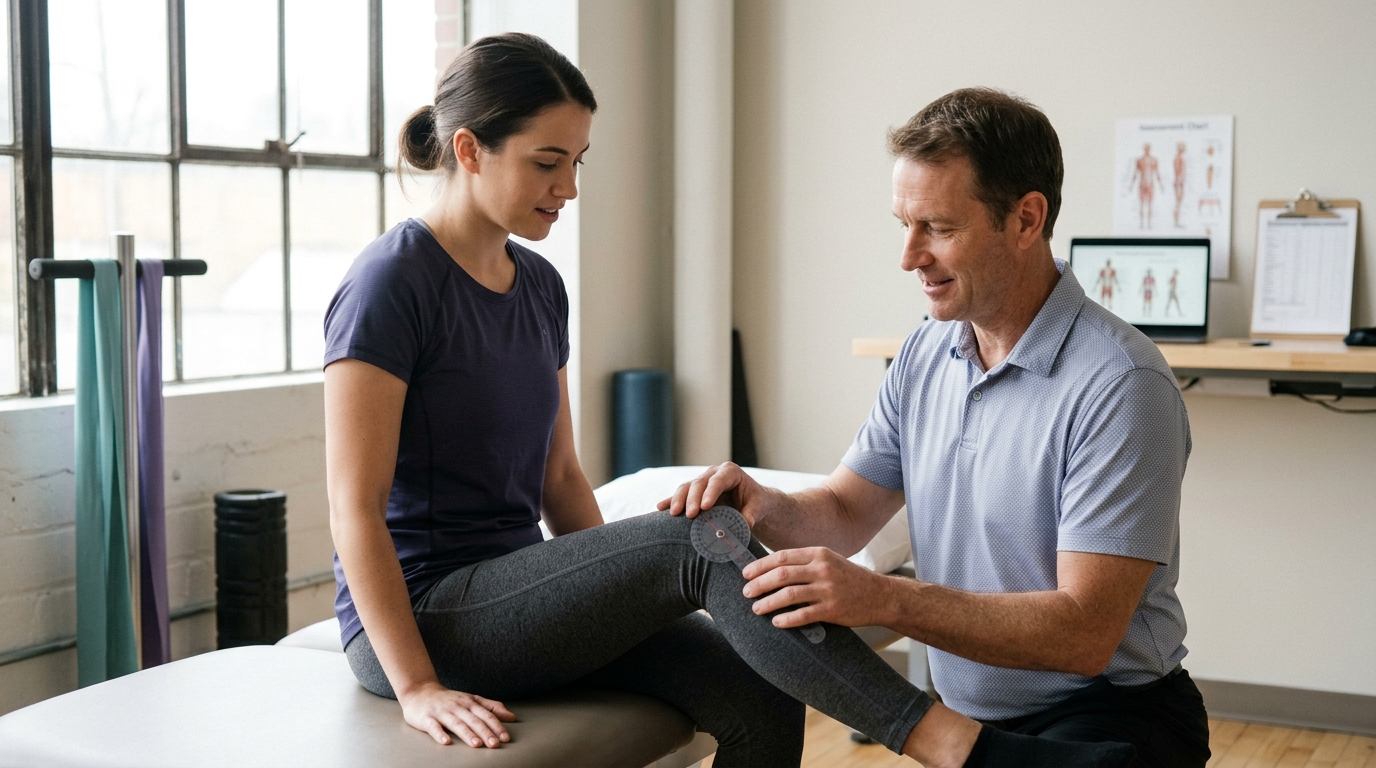
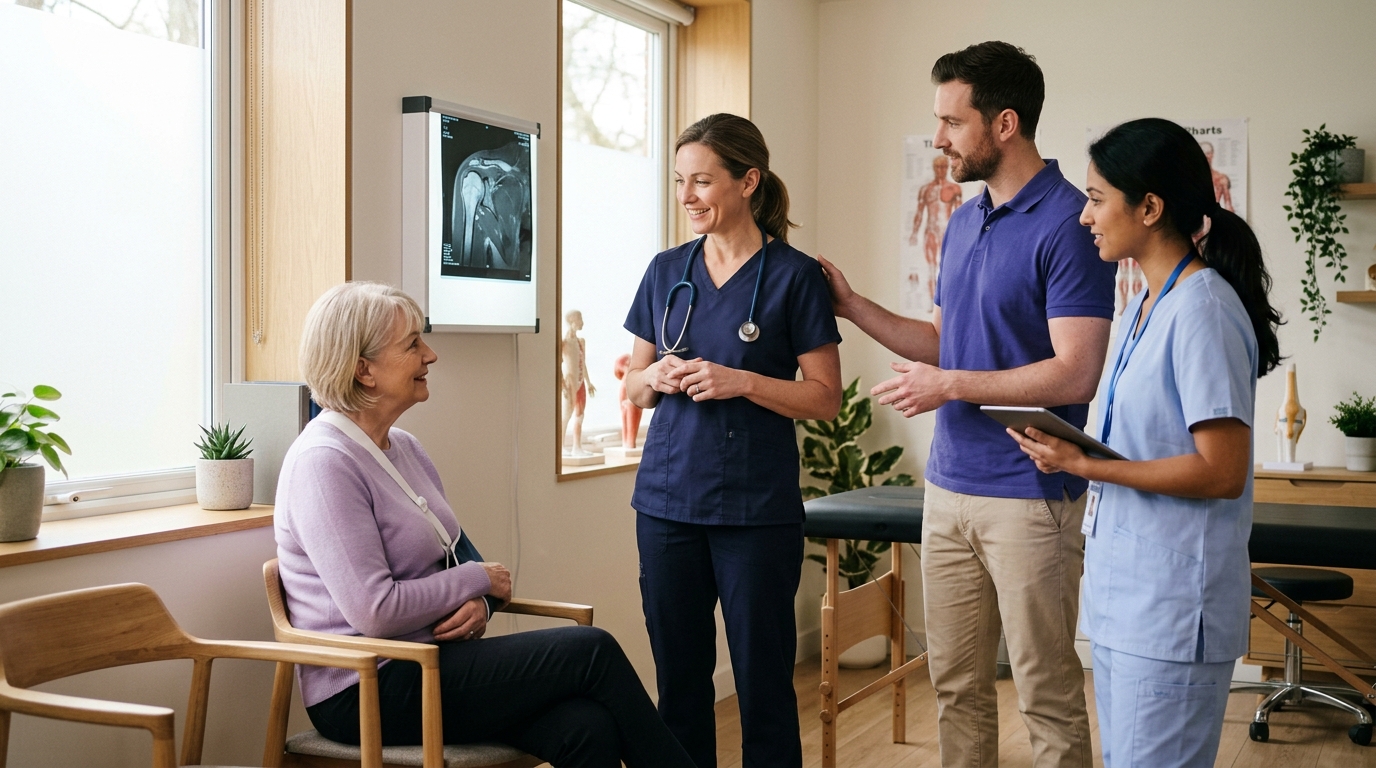
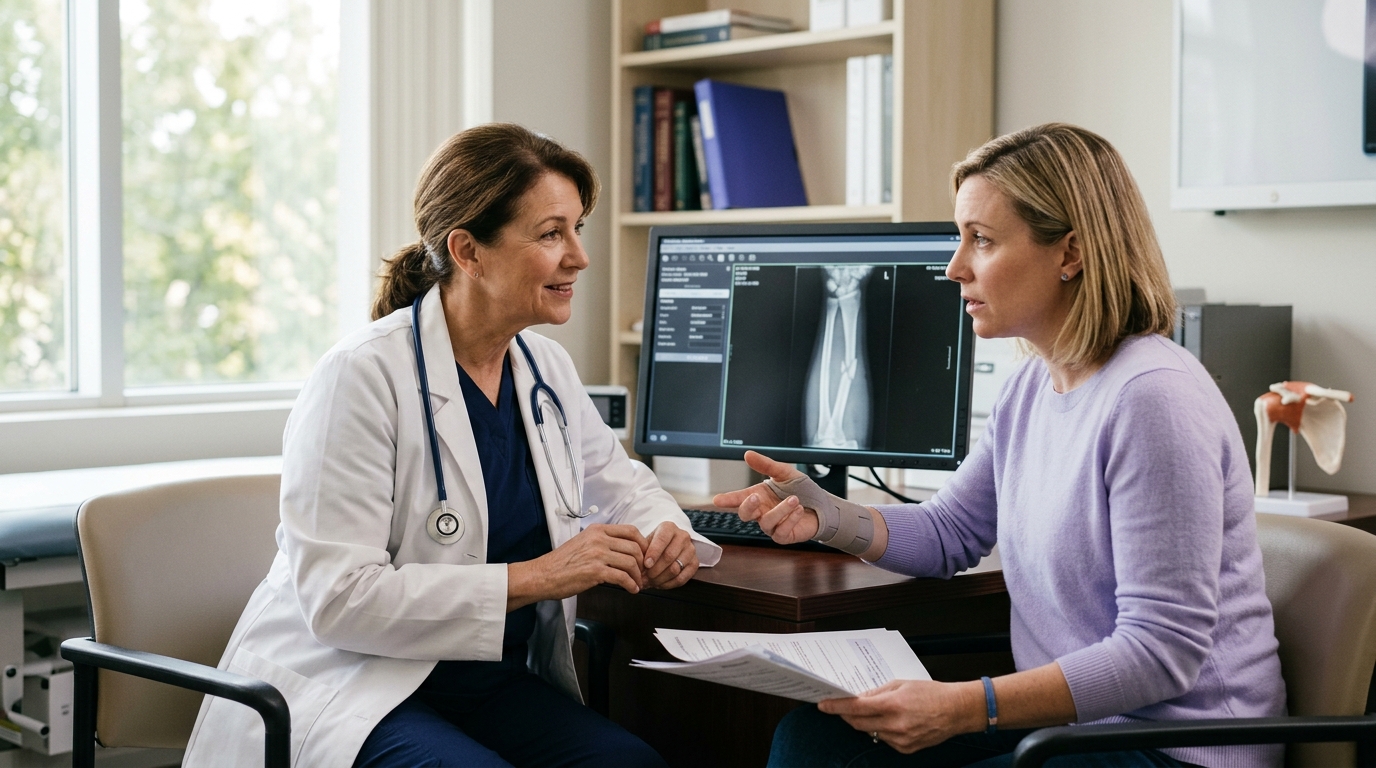
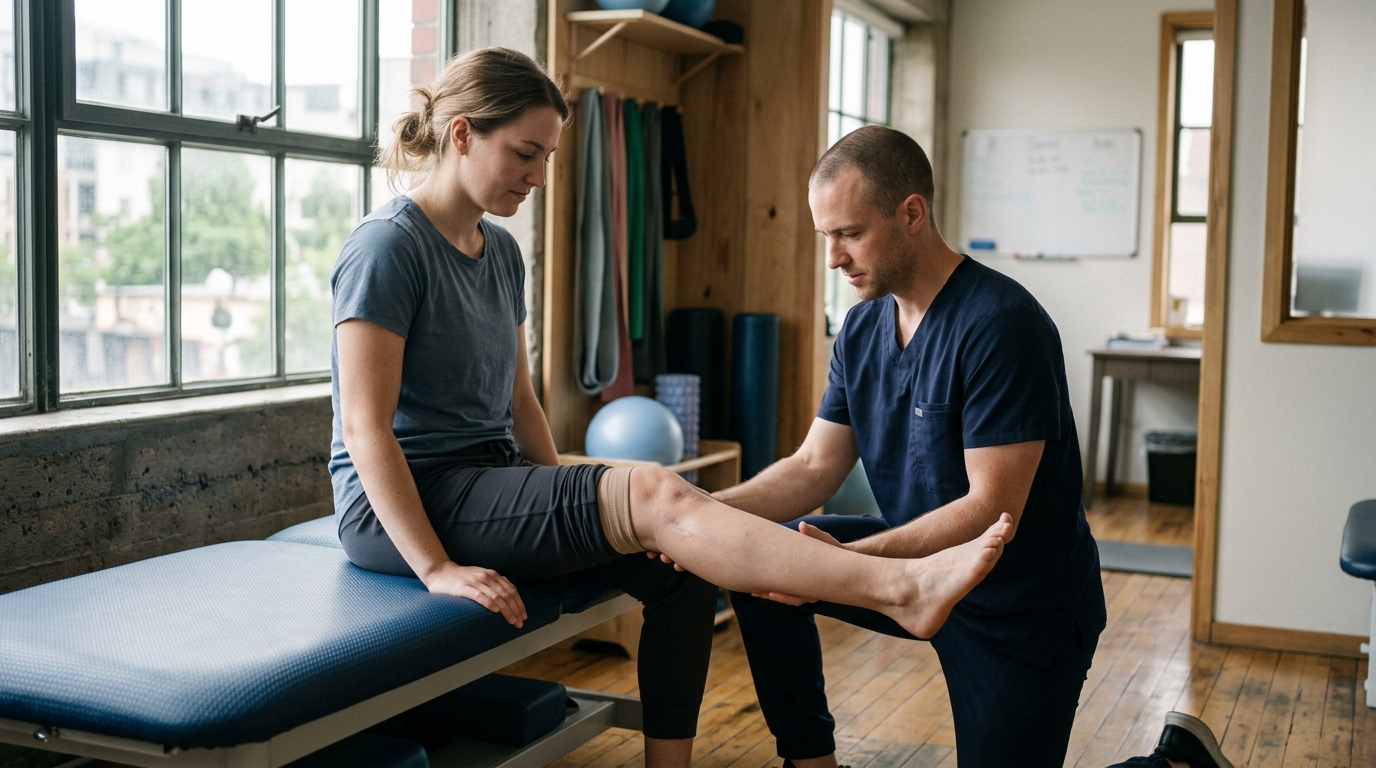
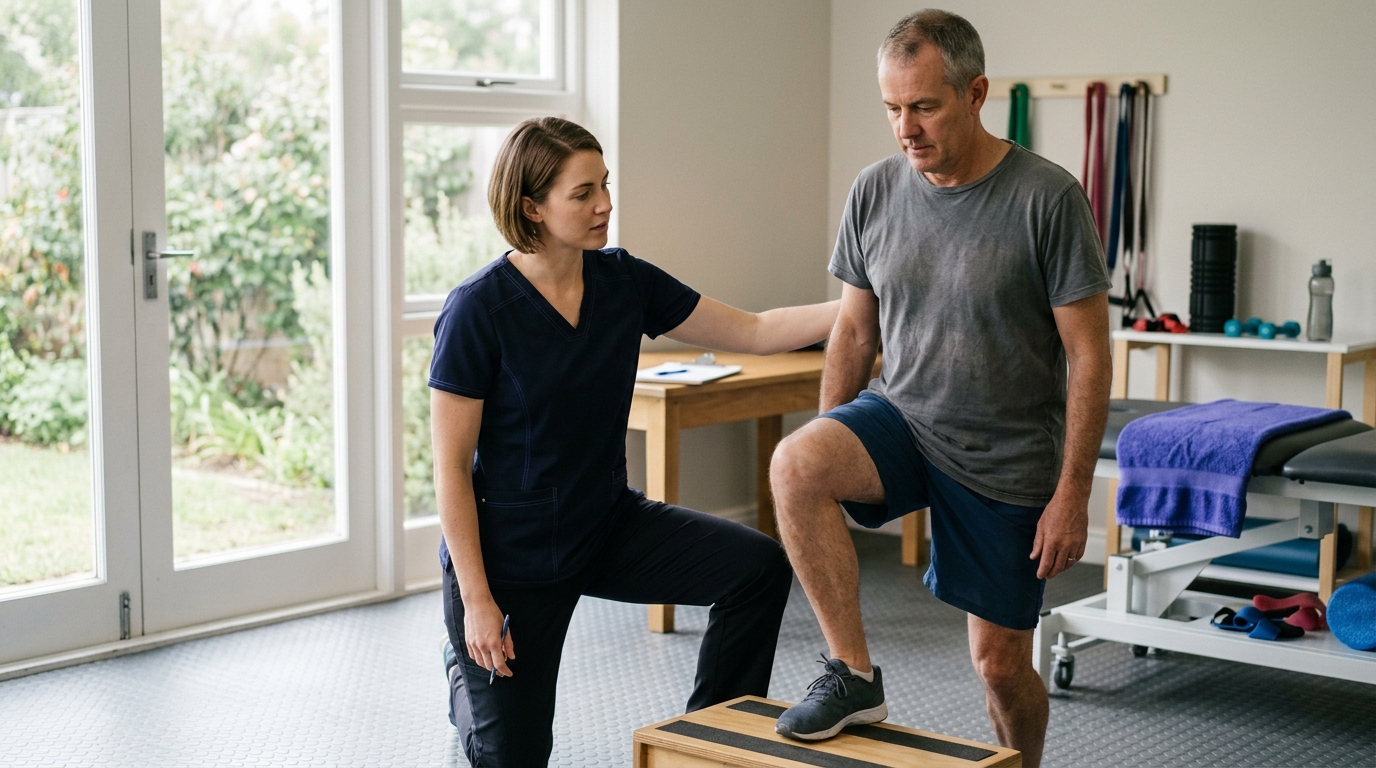
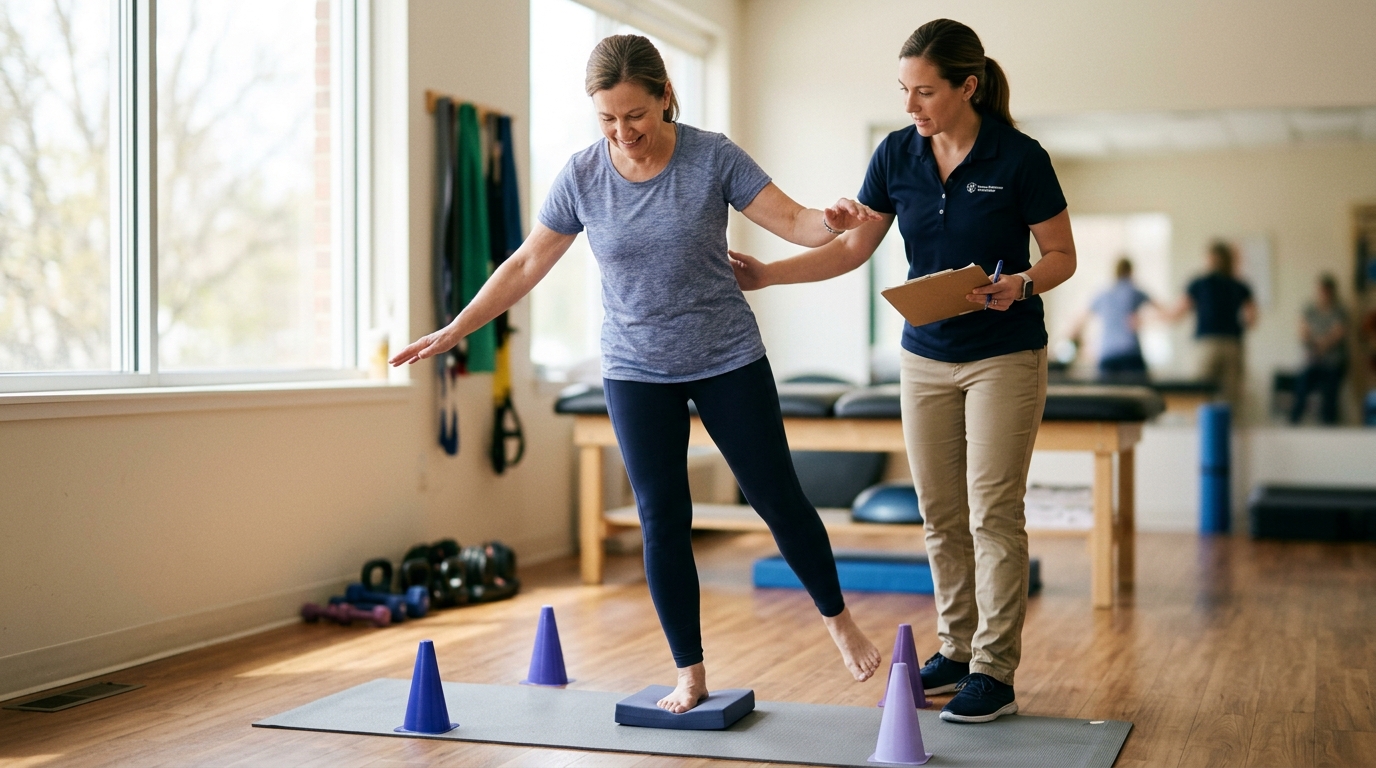
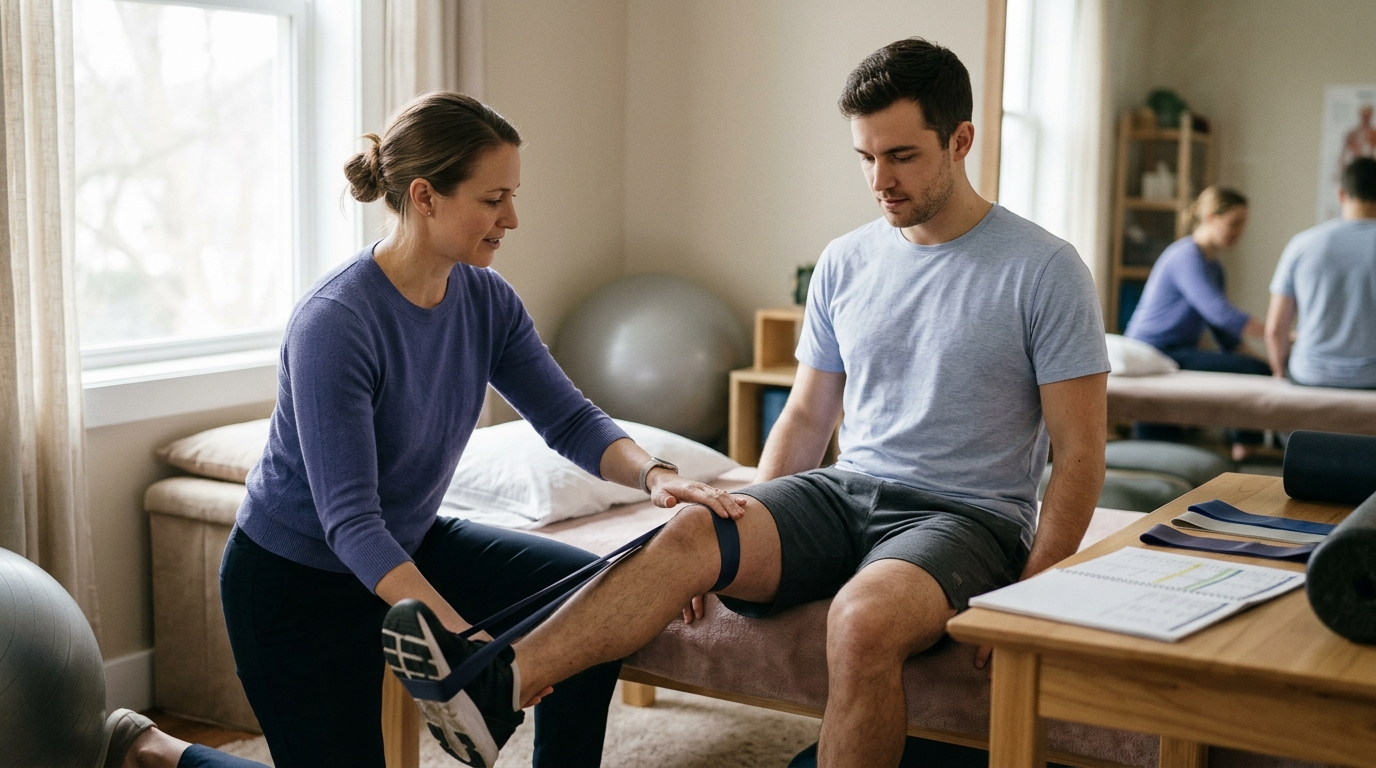
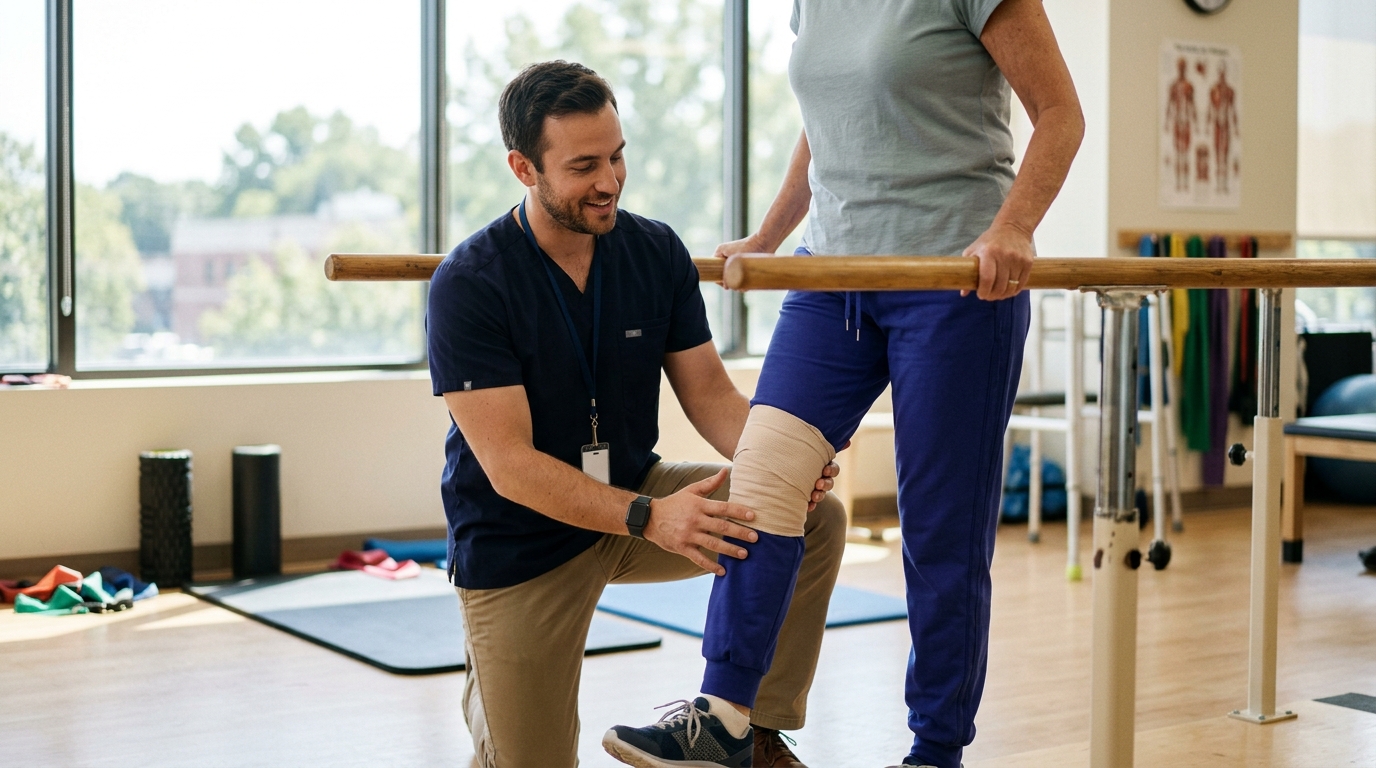
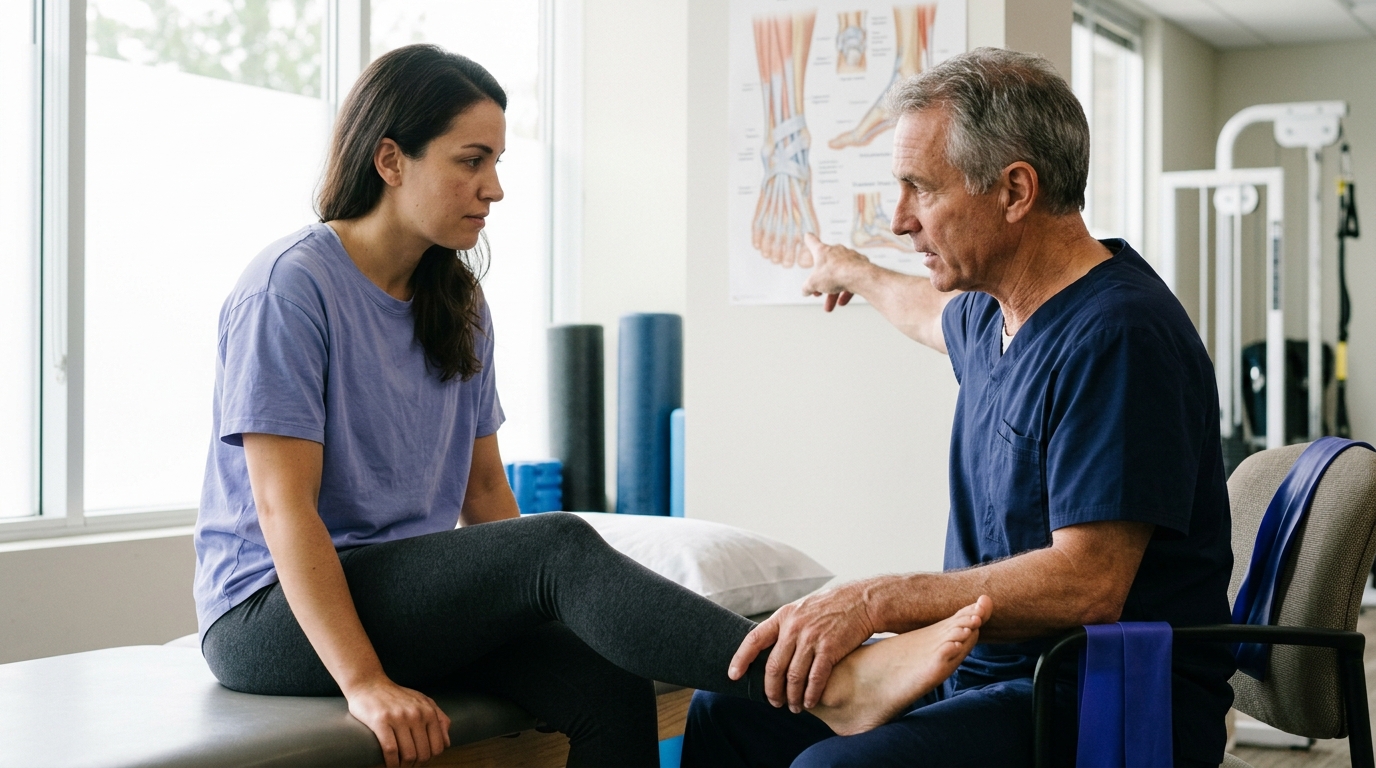
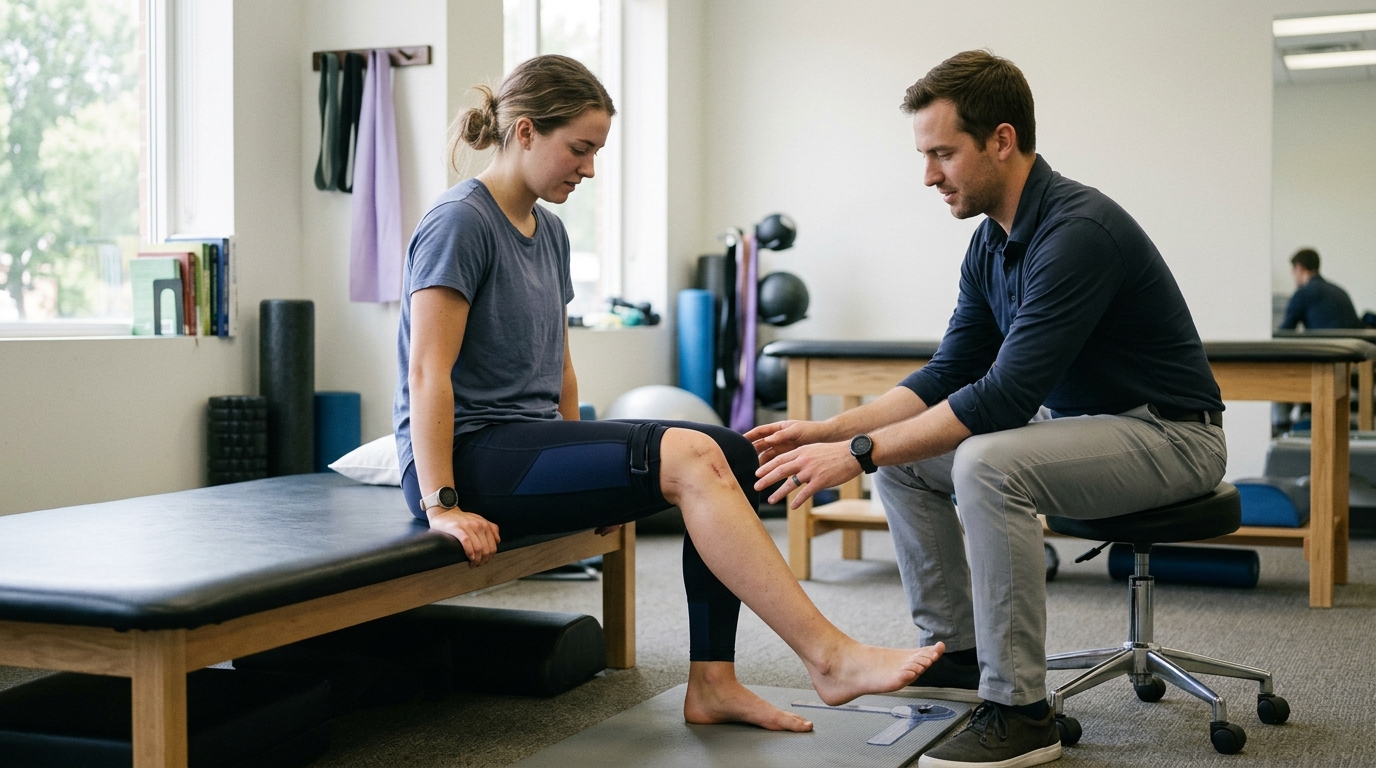
Supervised outpatient rehabilitation requires traveling to a specialized physical therapy clinic or hospital department. In this setting, you work directly with a licensed clinician who guides each exercise session.
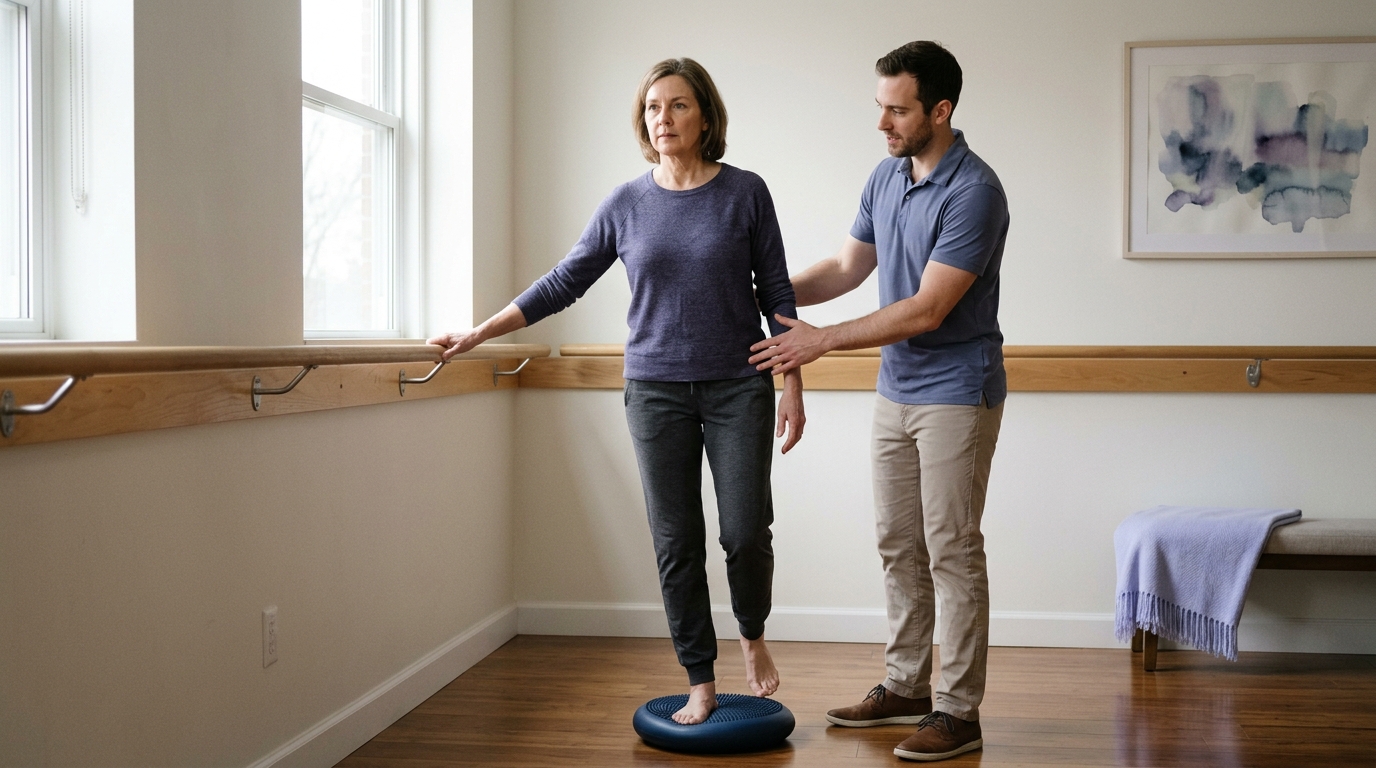
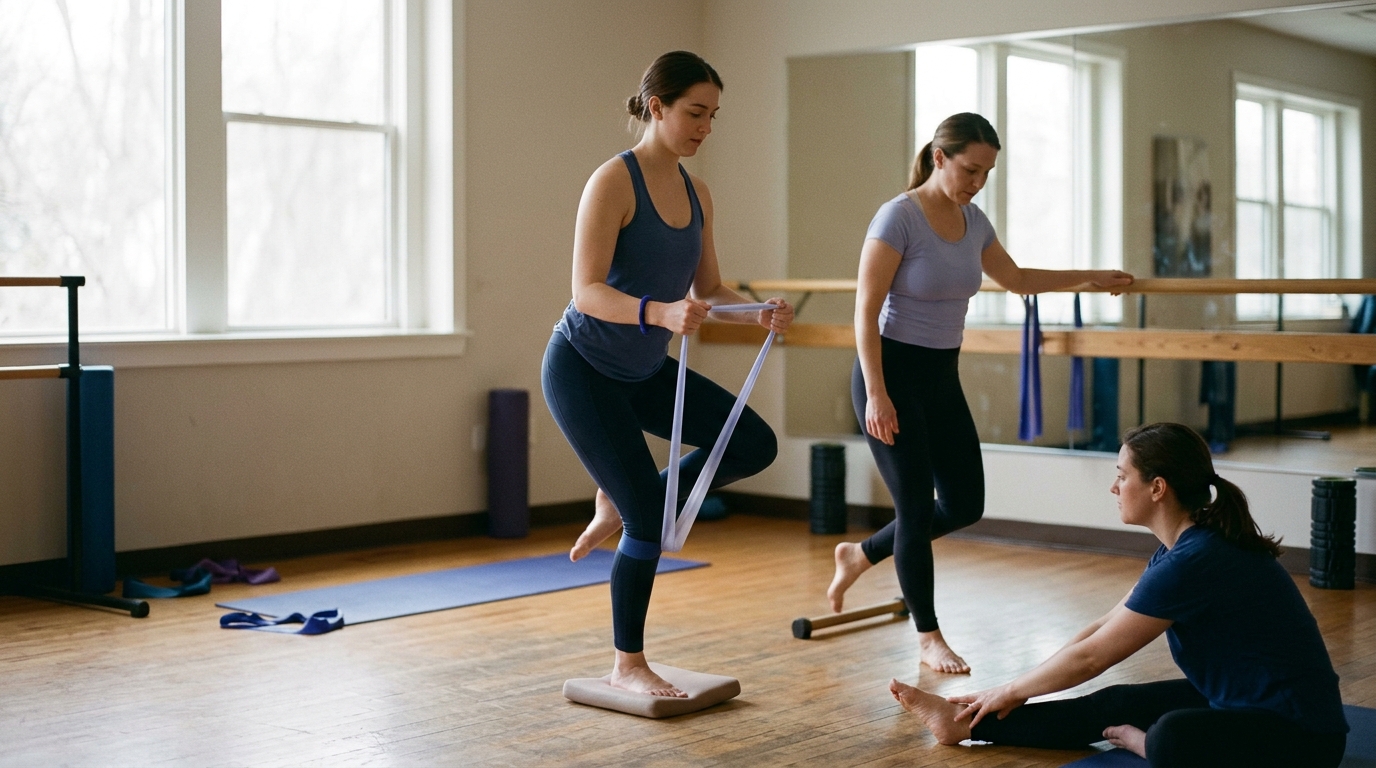
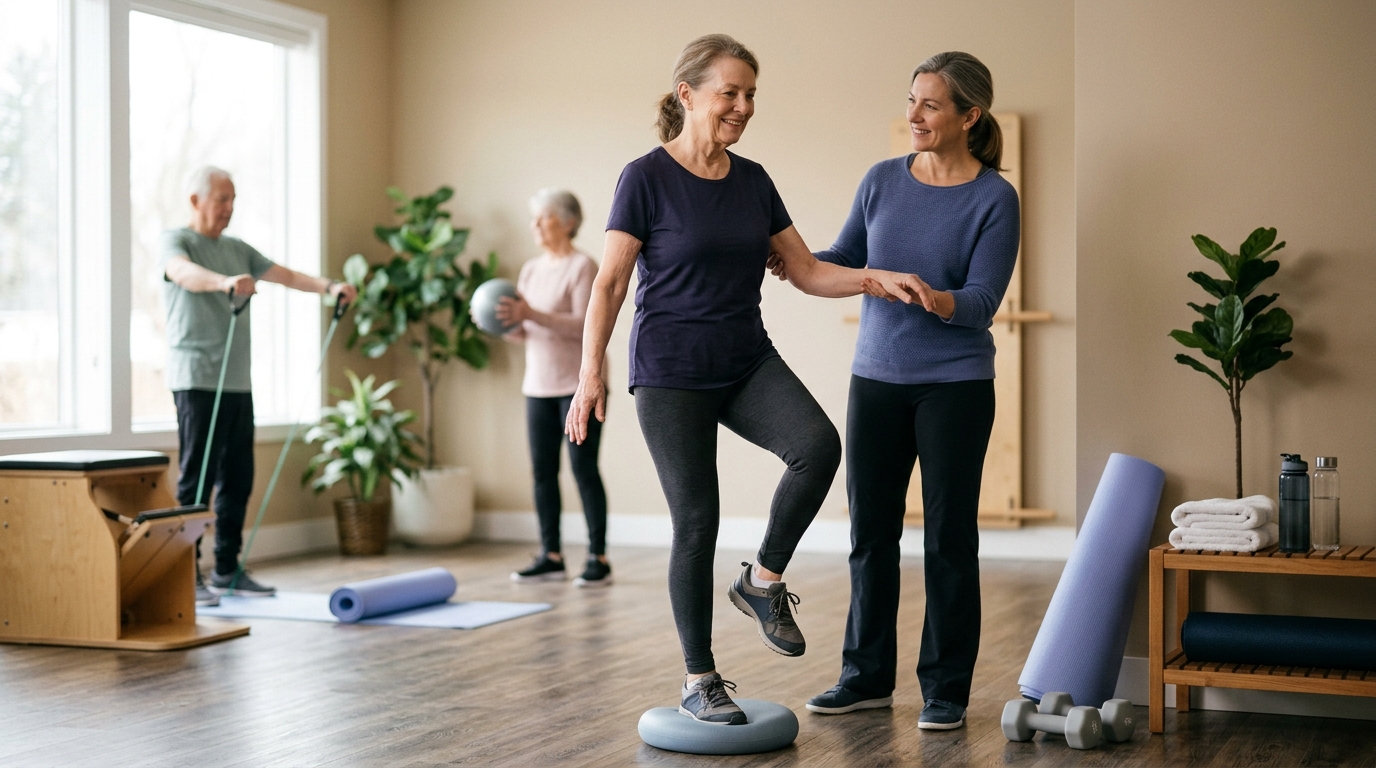
Outpatient clinics provide access to specialized equipment, such as parallel bars, leg presses, stationary bicycles, and balance trainers. The therapist performs hands-on joint assessments, tracks range of motion with precise tools, and immediately adjusts your program based on swelling or pain. Typical schedules involve two or three visits per week for six to twelve weeks, depending on the procedure.
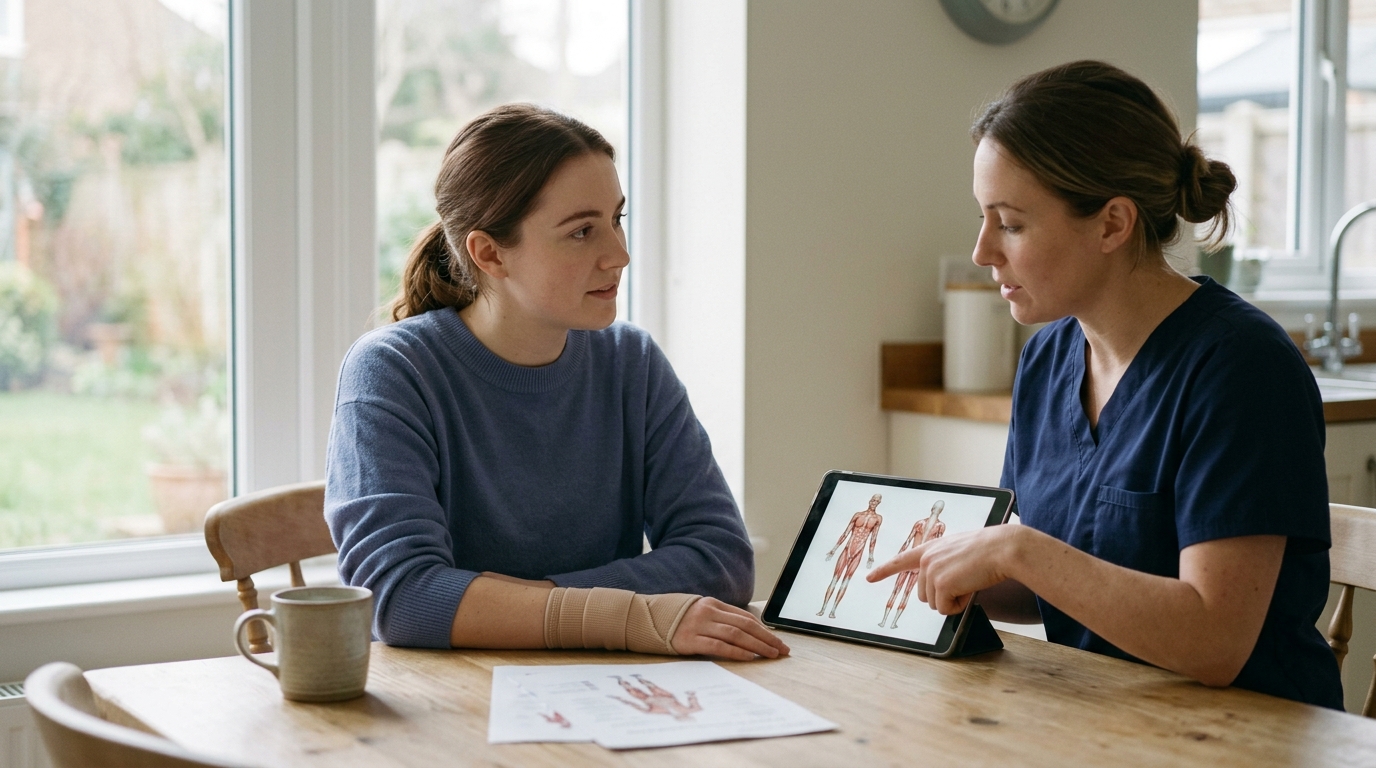
Telerehabilitation delivers physical therapy through internet-connected devices, such as tablets, smartphones, or computers. Sessions may take place via live video calls, recorded exercise modules, or sensor-based motion tracking systems.
The American Physical Therapy Association provides clinical practice guidelines for telerehabilitation. These guidelines outline how clinicians should prepare, evaluate, and implement remote care safely. Telerehabilitation serves as a delivery method that can support a home or hybrid recovery plan rather than a completely separate medical discipline.
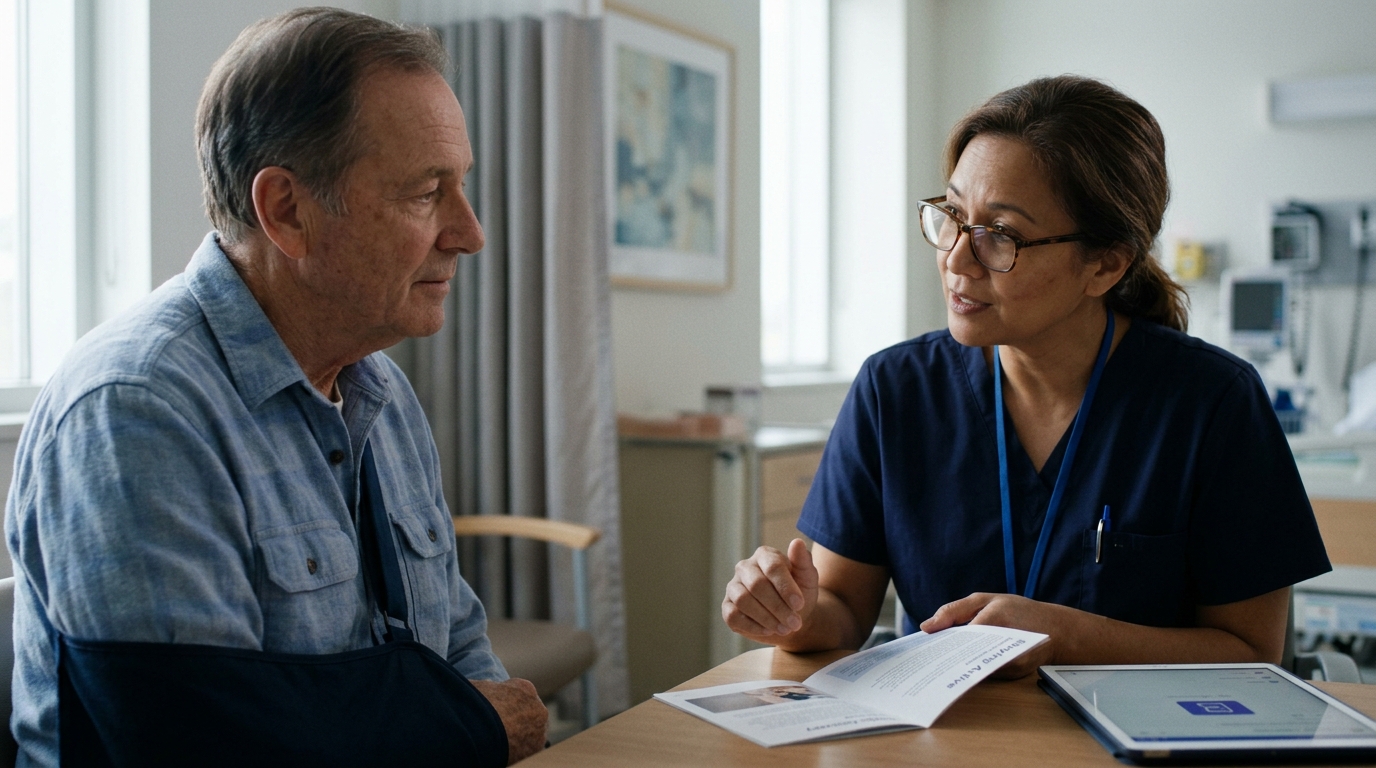
Hybrid rehabilitation combines in-person visits with remote or independent home training. A common hybrid structure begins with an initial in-person clinic evaluation to set baselines, establish safety limits, and learn core exercises.
Following the initial evaluation, you perform the majority of your sessions at home while attending scheduled clinic visits every few weeks. Between clinic visits, you might submit exercise logs or attend brief telehealth check-ins. If recovery slows down or complications arise, your team can easily increase in-person visits.
Most comparative research on postoperative therapy settings focuses on elective orthopedic surgeries, particularly total knee arthroplasty. These studies evaluate whether traveling to a clinic provides superior long-term results compared to structured home programs.
A comprehensive systematic review and meta-analysis analyzed randomized controlled trials comparing clinic-based therapy with home-based rehabilitation after primary total knee replacement. The review included five clinical trials with 752 total participants and excluded patients with acute postoperative complications.
The researchers assessed walking endurance using the six-minute walk test. At 10 to 12 weeks, the difference between clinic and home rehabilitation was small and not clinically meaningful. At 52 weeks, the data showed a slight numerical difference favoring home rehabilitation, but the authors determined this difference was too small to affect daily living.
Joint flexibility and pain scores showed similar results. The review found no significant clinic-based advantage for active or passive knee range of motion at any follow-up point. Patient-reported pain and function, measured by the Oxford Knee Score, were virtually identical between groups at 10 weeks and one year.
The study authors concluded that structured home-based rehabilitation is an appropriate first-line choice for patients with uncomplicated knee replacements and adequate social support. However, they emphasized that patients with severe functional impairments or limited home help may still require formal clinic supervision.
Another major clinical trial, known as the Community Based Rehabilitation after Knee Arthroplasty (CORKA) trial, examined patients at higher risk for poor surgical outcomes. This study enrolled 621 participants across multiple centers.
The researchers compared a multicomponent home-based rehabilitation program against standard outpatient physical therapy. The home program was not just a basic exercise printout. It included tailored exercises, functional task practice, adherence support, and equipment provision delivered by visiting therapists.
At the 12-month follow-up, the CORKA trial found no clinically significant differences in functional scores between the home-based group and the outpatient clinic group. These findings demonstrate that structured, multi-element home care can serve as a dependable alternative even for individuals with higher baseline risks. To learn more about structured recovery strategies, review our guide to rehabilitation and mobility resources.
Telerehabilitation has also been evaluated through systematic reviews comparing remote care to conventional hospital-based outpatient care after knee surgery. One meta-analysis synthesized nine randomized trials involving 1,944 patients recovering from knee replacement.
The analysis found no meaningful difference in joint pain across follow-ups extending to 52 weeks. Early in recovery, some data slightly favored hospital care for specific quality-of-life metrics, while other data favored telerehabilitation for early range of motion gains. Overall, the researchers concluded that long-term functional recovery, joint mobility, and pain relief were comparable between remote digital care and in-person hospital therapy.
A separate systematic review of orthopedic telerehabilitation noted small improvements in early motor performance among patients using remote systems. The authors noted that digital tracking systems often encourage frequent daily practice. However, high-quality connectivity, digital literacy, and clinical responsiveness are necessary to achieve these results.
While knee replacement data is extensive, it is important not to assume these findings apply to all surgical procedures. Research on elective total hip arthroplasty provides valuable context, but the overall evidence base carries lower certainty.
Systematic reviews evaluating total hip replacement show that therapist-directed exercise improves hip strength, walking cadence, and gait speed. Most studies find similar outcomes whether these exercises occur at home or in an outpatient facility. However, the total number of randomized trials for hip surgery is smaller, and variations in surgical approaches can impact early movement precautions.
You should never apply knee or hip replacement findings to unrelated procedures without professional guidance. Spinal surgeries, complex trauma repairs, rotator cuff reconstructions, and abdominal operations involve unique tissue healing timelines. Always check our surgical recovery articles and consult your surgeon for procedure-specific instructions.
Deciding between outpatient, home-based, or hybrid rehabilitation requires evaluating your daily life, medical background, and living environment. Use the following five factors to evaluate your situation with your care team.
Your specific procedure is the primary factor in determining the right recovery setting. An uncomplicated joint replacement in a healthy individual presents very different demands than a revision surgery or a repair involving fragile soft tissues.
If your surgeon placed strict weight-bearing restrictions or motion limits on your joint, direct clinical supervision may be safer. Outpatient therapists ensure you do not exceed these restrictions during exercise. If you have underlying medical conditions like heart disease, diabetes, or balance disorders, having a clinician physically present provides an added layer of safety.
Consider the physical demands of your daily life and what you need to achieve during recovery. If your immediate focus is getting out of bed, using the bathroom, and walking around your living room, home-based therapy addresses these needs directly.
If your goals include returning to manual work, demanding sports, or running, outpatient clinics offer advanced training options. Clinics have specialized resistance machines, agility tools, and gait analysis equipment that are impossible to duplicate at home. Matching your setting to your current functional phase allows you to rebuild strength safely.
Getting to an outpatient clinic several times a week requires reliable transportation, time, and physical effort. After orthopedic surgery, you cannot drive yourself while taking prescription pain medications or while your surgical limb is immobilized.
If traveling to a clinic requires long car rides that worsen pain and swelling, early home-based care may be more practical. Long commutes can cause joint stiffness and fatigue, reducing your ability to perform exercises effectively. When travel creates significant stress, home visits or telerehabilitation offer realistic alternatives.
Your physical living space and social support network play a critical role in recovery. Major surgical organizations note that patients returning home after joint surgery often need personal assistance for several days to several weeks.
If you live alone, have steep stairs without handrails, or lack family assistance, home-based therapy allows a therapist to assess hazards directly. The clinician can teach you how to navigate your specific kitchen, bathroom, and entryways. If your home environment presents safety risks, starting with supervised clinic or home visits is safer than exercising alone.
Rehabilitation requires regular progress tracking and program adjustments. When choosing a home or hybrid approach, ensure you have a clear way to communicate with your therapy team.
A proper home program must include clear instructions on what to do if pain increases or unexpected swelling occurs. You need to know who to call, how often your exercises will be progressed, and when your surgical team will review your joint. Unsupervised exercise without a feedback loop can lead to stalled progress or unnecessary worry.
A widespread misconception in postoperative recovery is that routine daily walking can replace targeted physical therapy. While walking is an essential functional milestone, it works differently than a structured rehabilitation program.
Major orthopedic guidelines, including those from the American Academy of Orthopaedic Surgeons, state clearly that walking does not replace prescribed rehabilitation. Surgery creates localized muscle inhibition, tissue trauma, and swelling that alter joint mechanics.
Targeted exercises isolate and activate weakened muscle groups, such as the quadriceps, gluteal muscles, or rotator cuff tendons. Specific movements restore joint mobility at the end ranges of flexion and extension, which walking alone cannot accomplish. Without targeted strengthening, patients often develop compensatory movement patterns that stress other joints.
Walking should serve as a progressive supplement to your prescribed therapy routine. In the early postoperative weeks, walking is used in short, frequent intervals to promote circulation, reduce blood clot risks, and rebuild basic mobility.
As healing progresses, walking distance can increase gradually based on joint tolerance and swelling levels. If your knee or hip becomes warm, puffy, or painful after walking, you may need to reduce your distance and focus on low-impact strengthening. For detailed guidance on combining these approaches, review our guide on mobility and movement strategies.
Misunderstandings about postoperative therapy can lead to poor choices, unnecessary costs, or unneeded anxiety. Clearing up these myths helps set realistic expectations for your recovery journey.
Many people assume that choosing home-based care means receiving a generic paper handout and figuring things out alone. In clinical practice and research trials, home-based rehabilitation is a structured, professionally planned intervention.
Comprehensive home programs involve initial clinical education, scheduled check-ins, exercise modifications, and equipment recommendations. When supported by visiting clinicians or digital platforms, home therapy provides substantial professional oversight tailored to your real-world living space.
It is easy to assume that more equipment, continuous supervision, and clinic visits automatically lead to better long-term results. However, large-scale clinical trials in uncomplicated joint replacement show equivalent functional outcomes between home and outpatient settings.
Clinic equipment is valuable, but the biological healing process, daily movement habits, and personal consistency matter most. Going to a clinic twice a week will not make up for skipping daily home exercises. The quality of your independent daily practice is the primary driver of recovery.
Telerehabilitation is a convenient, evidence-supported delivery method, but it is not universally appropriate for every patient. Remote sessions require stable high-speed internet, compatible devices, and basic digital comfort.
Furthermore, remote video cannot replace physical joint mobilization, manual resistance testing, or hands-on balance support for high-fall-risk patients. Digital care should be viewed as a flexible tool within a comprehensive care plan, not a total replacement for in-person evaluations.
When clinical trials report no significant difference between two treatments, that finding applies to the study population as a whole. Most postoperative setting trials explicitly exclude patients with surgical complications, severe nerve damage, or significant pre-existing disabilities.
If your surgical recovery involves complex factors, statistical trial averages do not mean you should choose the least intensive option. Your personal medical history, joint stability, and soft-tissue integrity must guide your care plan. Always make choices based on your individual health profile rather than generalized study headlines.
Certain situations require closer medical monitoring, immediate adjustments to your care setting, or in-person clinical intervention. Being aware of these edge cases ensures you navigate recovery safely.
Postoperative recovery involves normal tissue soreness, but certain symptoms indicate potential medical emergencies. These warning signs require immediate clinical assessment regardless of your rehabilitation setting.
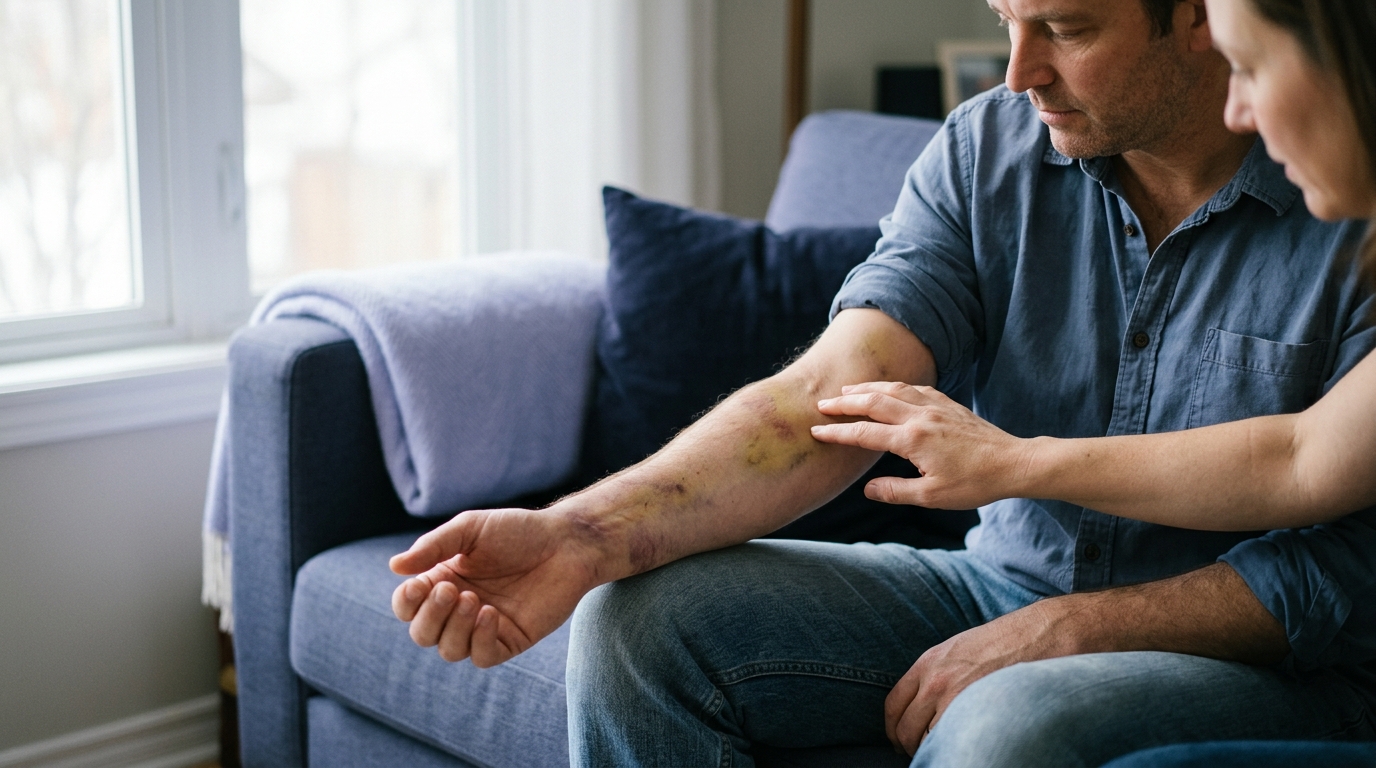
Contact your surgical team immediately if you experience signs of deep vein thrombosis, such as localized calf swelling, warmth, or severe tenderness. Shortness of breath or chest pain requires emergency medical care. Signs of surgical site infection, including spreading redness, persistent drainage, increasing heat, or fever, also demand prompt medical evaluation.
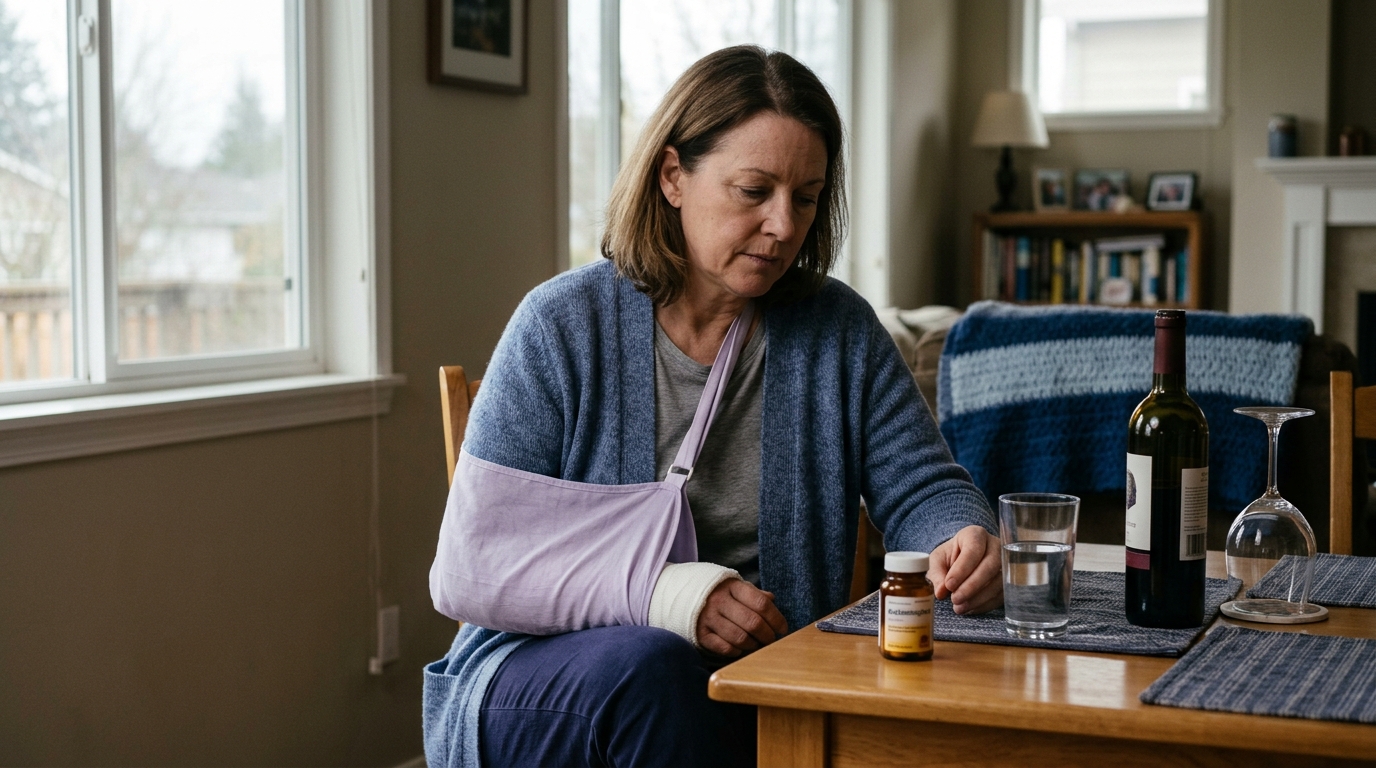
Recovering safely at home requires being able to prepare meals, manage medications, use the restroom, and move around safely. If you live alone and do not have family, friends, or community caregivers available, independent home rehabilitation carries higher risks.
In these circumstances, supervised outpatient therapy or early visiting nurse and physical therapy services provide essential safety checks. Clinicians can monitor your safety, track your nutrition and hydration, and ensure your living space remains free of fall hazards.
Joint replacement and ligament reconstruction require achieving specific range of motion milestones during early recovery windows. For example, failing to regain full knee extension or adequate flexion within early postoperative weeks can lead to chronic stiffness.
If you are performing a home exercise program but cannot reach your expected motion targets, schedule an in-person clinical evaluation. An outpatient physical therapist can identify whether joint capsule tightness, muscle guarding, or swelling is limiting your movement. They can apply manual techniques and adjust your exercise selection to restore joint mobility.
These real-world examples illustrate how different rehabilitation settings are applied in practice based on individual needs and health profiles.
Consider an active individual who undergoes an uncomplicated primary total knee replacement. They have a strong support system at home, no major medical conditions, and an accessible single-story house.
Before hospital discharge, the physical therapist teaches the patient a clear progression of quad sets, heel slides, ankle pumps, and straight leg raises. The patient returns home, performs the movements three times daily, and attends a brief weekly telehealth session to track knee bending and walking tolerance. By following the structured plan and staying consistent, the patient regains full range of motion and functional walking without traveling to a clinic.
Consider an individual recovering from a complex joint revision surgery who also manages balance issues and type 2 diabetes. They live alone in a two-story home with steep stairs and limited family assistance nearby.
For this individual, an outpatient physical therapy clinic provides a controlled, secure environment. The therapist monitors wound healing, provides hands-on gait training with parallel bars, and adjusts resistance exercises to avoid overloading the healing joint. Regular clinic visits provide close oversight, reduce fall risks, and help the patient regain independence safely. For more guidance on rebuilding strength after complex setbacks, explore our injury recovery resources.
Consider a person recovering from hip replacement surgery who lives in a rural area fifty miles from the nearest rehabilitation facility. Frequent clinic travel causes severe back stiffness and joint aching, but the patient wants professional guidance to ensure steady progress.
The surgical team establishes a hybrid rehabilitation schedule. The patient attends an initial in-person clinic visit at two weeks to check mobility and update the exercise plan. Over the next month, the patient logs daily home exercises through a mobile app and completes bi-weekly video visits with the physical therapist. A final in-person visit at eight weeks confirms joint strength and clears the patient for advanced recreational walking.
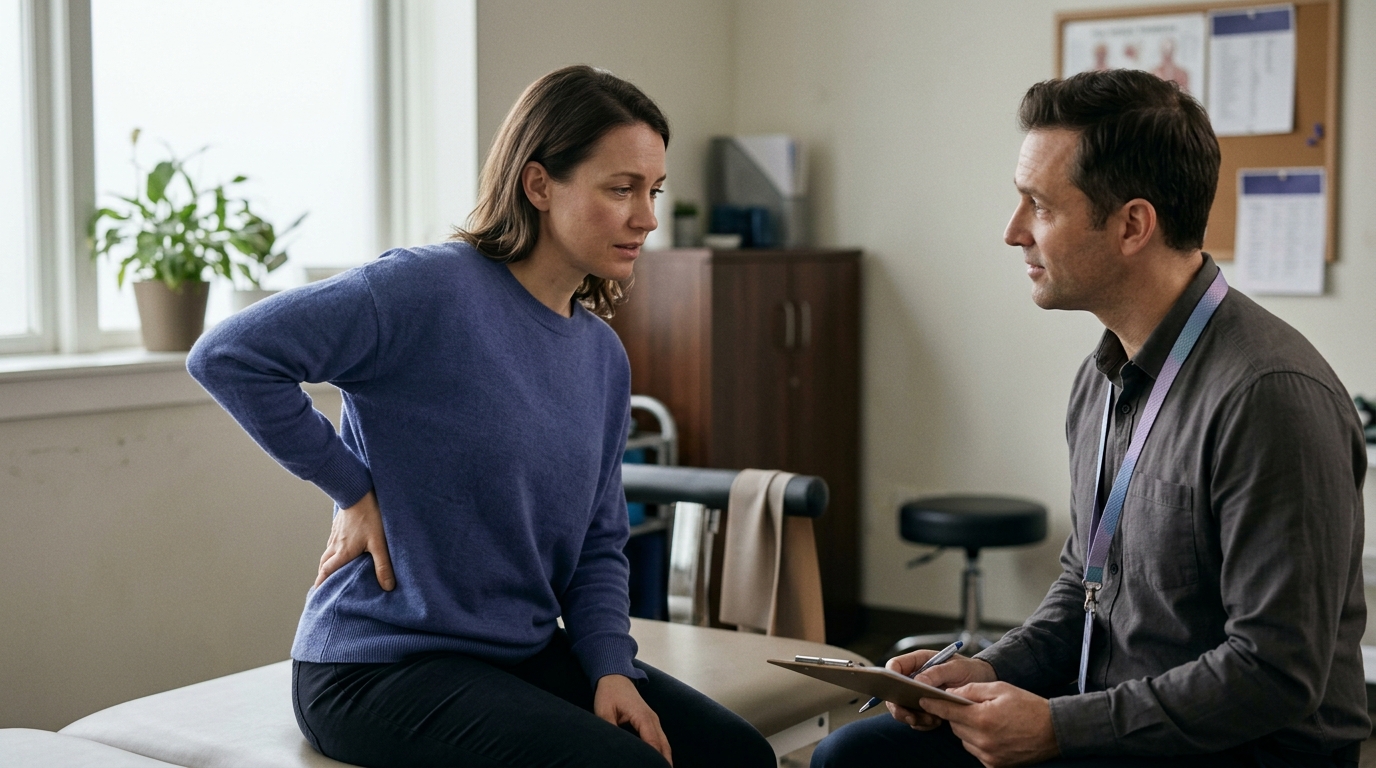
Open communication with your surgeon and physical therapist ensures you select the safest and most effective rehabilitation setting. Bring these practical questions to your pre-operative appointment or hospital discharge discussion.
Before leaving the hospital or surgical center, clarify the logistics of your initial therapy plan:
During early recovery, use these questions to ensure your rehabilitation remains on track:
Use this practical checklist to organize your recovery environment and rehabilitation plan this week.
Choosing between outpatient, home-based, or hybrid rehabilitation after surgery is an important decision, but the setting itself does not determine your recovery success. High-quality scientific evidence demonstrates that for uncomplicated joint replacements, structured home programs can achieve functional outcomes, pain relief, and range of motion comparable to supervised clinic therapy.
However, clinical research findings represent broad averages from carefully selected patient groups. Your individual path depends on your surgical procedure, health history, living space, and social support. Supervised outpatient therapy remains essential for individuals with complex surgical precautions, significant physical impairments, or elevated fall risks.
Focus your energy on consistent execution of your prescribed exercises, maintaining clear communication with your clinicians, and respecting biological healing timelines. Work with your surgical team and physical therapist to select the setting that best supports your safety, lifestyle, and long-term movement goals. For more evidence-based recovery strategies, visit our comprehensive recovery resources and our main ReboundBody homepage.

Use ReboundBody resources to understand common recovery stages, rehab terms, movement limits and strength rebuilding. Each guide is designed to make a complex comeback easier to understand.


Read practical guidance on injury recovery, rehabilitation, mobility and rebuilding strength as you work your way back to activity.
Explore Resources