
Two weekly strength sessions paired with regular aerobic and balance training give older adults an evidence-based roadmap to sustain everyday mobility and prevent injury.





Many people believe that getting older means physical decline is inevitable and that resting more is the safest choice. That assumption is backward. Research shows that resting too much and avoiding physical challenge often speeds up the loss of muscle and balance. At the same time, exercise cannot stop the biological clock, eliminate every injury risk, or guarantee total independence.
The reality sits between these two extremes. While your body experiences normal biological changes over time, regular physical activity can substantially slow the loss of strength and functional mobility. You do not need extreme workouts to protect your physical independence. Instead, building a sustainable routine of strength, aerobic movement, and balance training helps you maintain the capacity needed for everyday life.
Physical aging involves measurable changes in muscle mass, bone density, and nervous system reaction times. However, a large portion of the physical decline often blamed on age is actually caused by inactivity. When you move less, your muscles produce less force, and your joints lose their usable range of motion.
Public health guidelines from the World Health Organization distinguish normal biological aging from preventable loss of physical capacity. Intrinsic capacity refers to the combination of all physical and mental capacities that an individual can draw upon. Regular physical activity supports this capacity by challenging your muscles, heart, and balance systems to adapt.
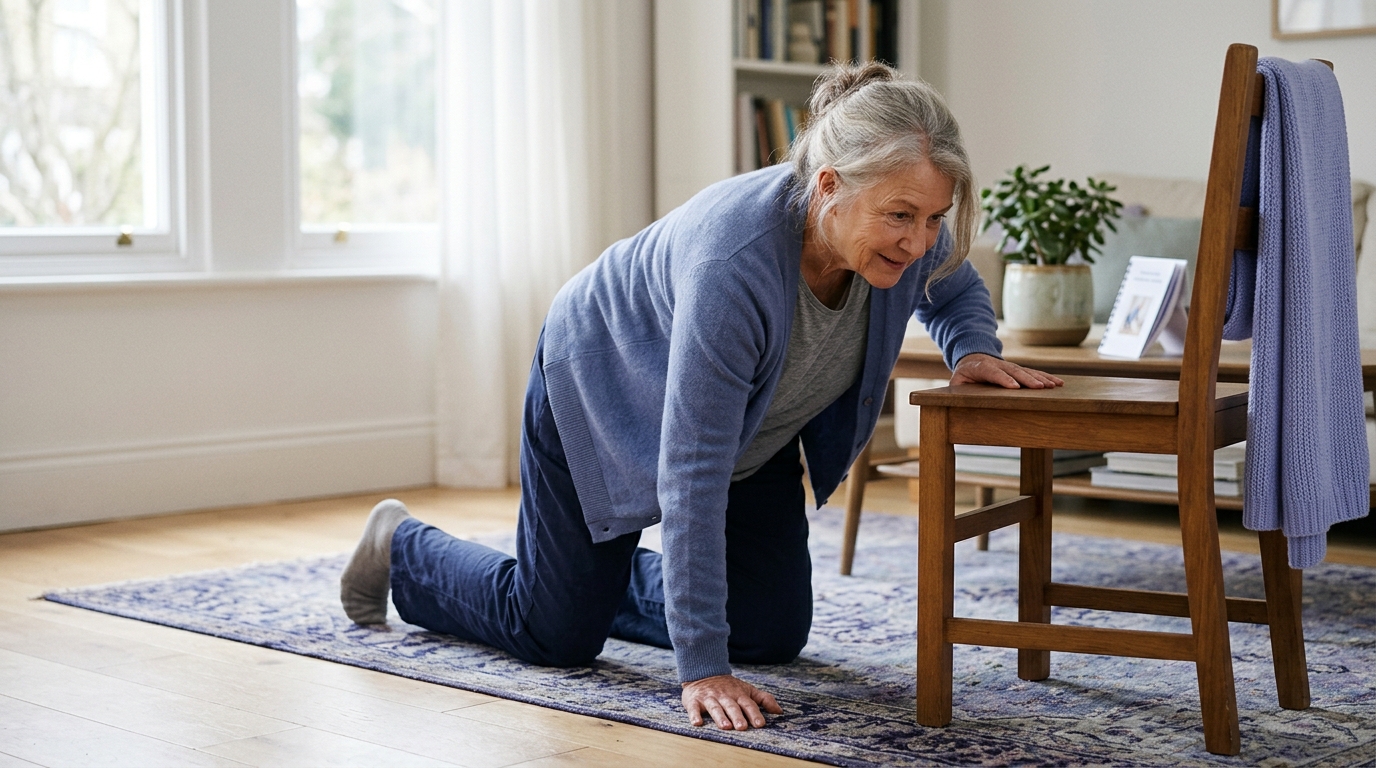
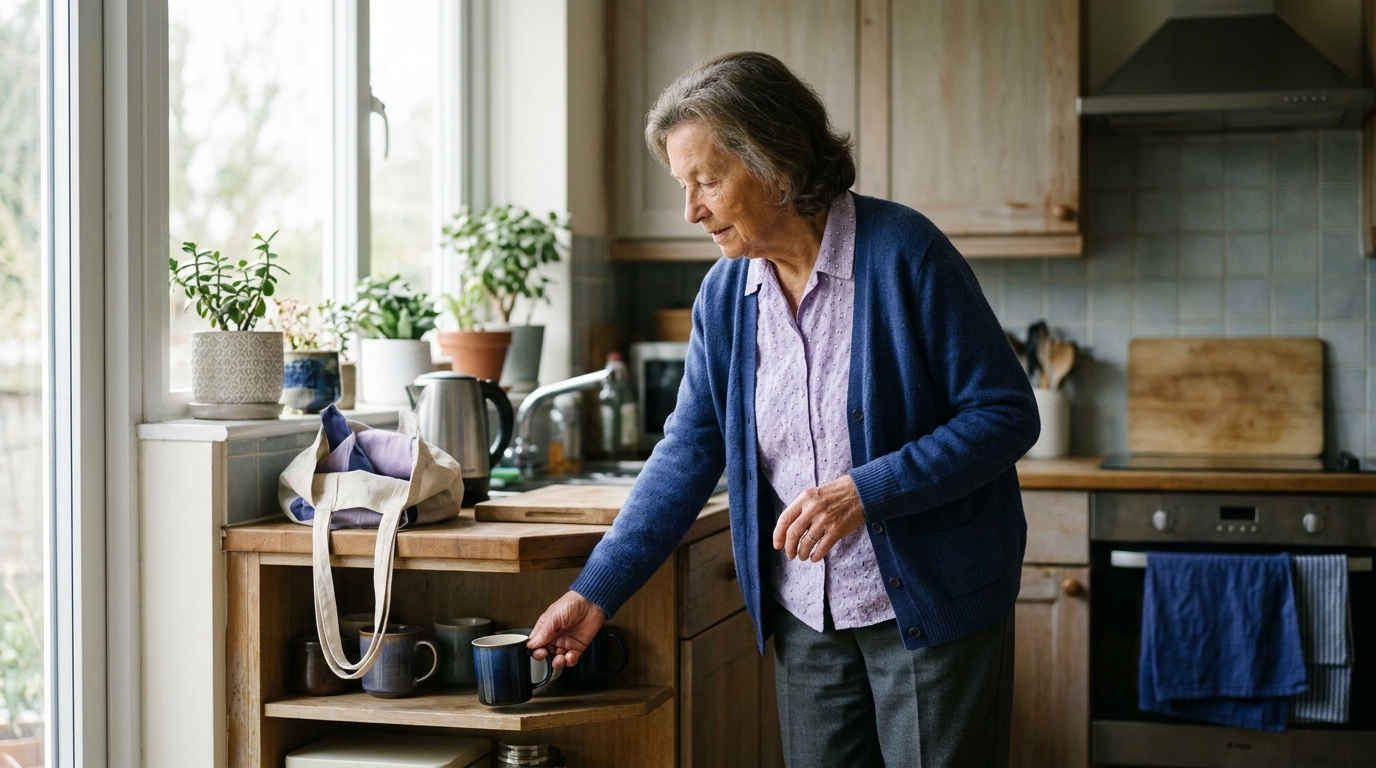
The goal of staying active is not to train like an elite athlete. The real objective is connecting your physical capacity to everyday tasks so you can keep participating in the activities you value. When your legs are strong, standing up from a low chair or getting off the floor remains manageable. When your balance is steady, navigating an uneven sidewalk or a crowded room causes less worry.
Physical activity includes structured workouts, but it also includes daily movement like walking, gardening, carrying groceries, and taking the stairs. Every movement counts toward maintaining your baseline health. By looking at activity as a tool for daily living, you can make informed choices about how to train your body for the years ahead.
Public health organizations and clinical researchers have built a substantial body of evidence on how movement affects older adults. This research provides clear benchmarks for how much activity is needed to maintain health and reduce specific risks.
The World Health Organization recommends that older adults complete 150 to 300 minutes of moderate-intensity aerobic activity each week, or 75 to 150 minutes of vigorous-intensity aerobic activity. It also recommends muscle-strengthening activities at moderate or greater intensity that involve all major muscle groups on at least two days per week. In addition, the World Health Organization recommends varied multicomponent physical activity that emphasizes functional balance and strength training on three or more days per week.
The Centers for Disease Control and Prevention presents a similar public health target. The CDC advises at least 150 minutes of moderate aerobic activity weekly, alongside muscle-strengthening activities at least two days a week and regular balance practice. These population-level targets provide a helpful framework, but they are long-term goals rather than strict entry requirements for beginners.
Research summarized by the National Institute on Aging confirms that age-related declines in muscle strength and power can be substantially slowed through an active lifestyle. Many older adults can increase their muscle strength through regular resistance training. Strength gains remain possible across all decades of adult life, even for individuals who have been inactive for years.
The evidence is particularly strong when it comes to fall prevention. A comprehensive Cochrane systematic review examined 59 studies involving 12,981 community-dwelling older adults. The review found that exercise reduced the overall rate of falls by 23 percent.
When researchers examined specific types of exercise, balance and functional training showed the most consistent results. Balance and functional exercise programs reduced fall rates by 24 percent across 39 studies involving 7,920 participants. The Cochrane review noted that programs successfully lowering fall rates primarily involved balance and functional tasks, often combined with resistance training.
This high-certainty evidence demonstrates that general physical activity alone may not be enough to reduce fall risk. Walking is excellent for cardiovascular health, but it does not challenge balance or build muscle force in the same way as targeted balance and strength training. To learn more about balancing movement types, explore our active aging and injury prevention guide.
A complete movement plan relies on three distinct pillars: aerobic fitness, muscular strength, and balance mobility. These three elements serve different physiological purposes. Relying solely on one leaves important functional gaps.
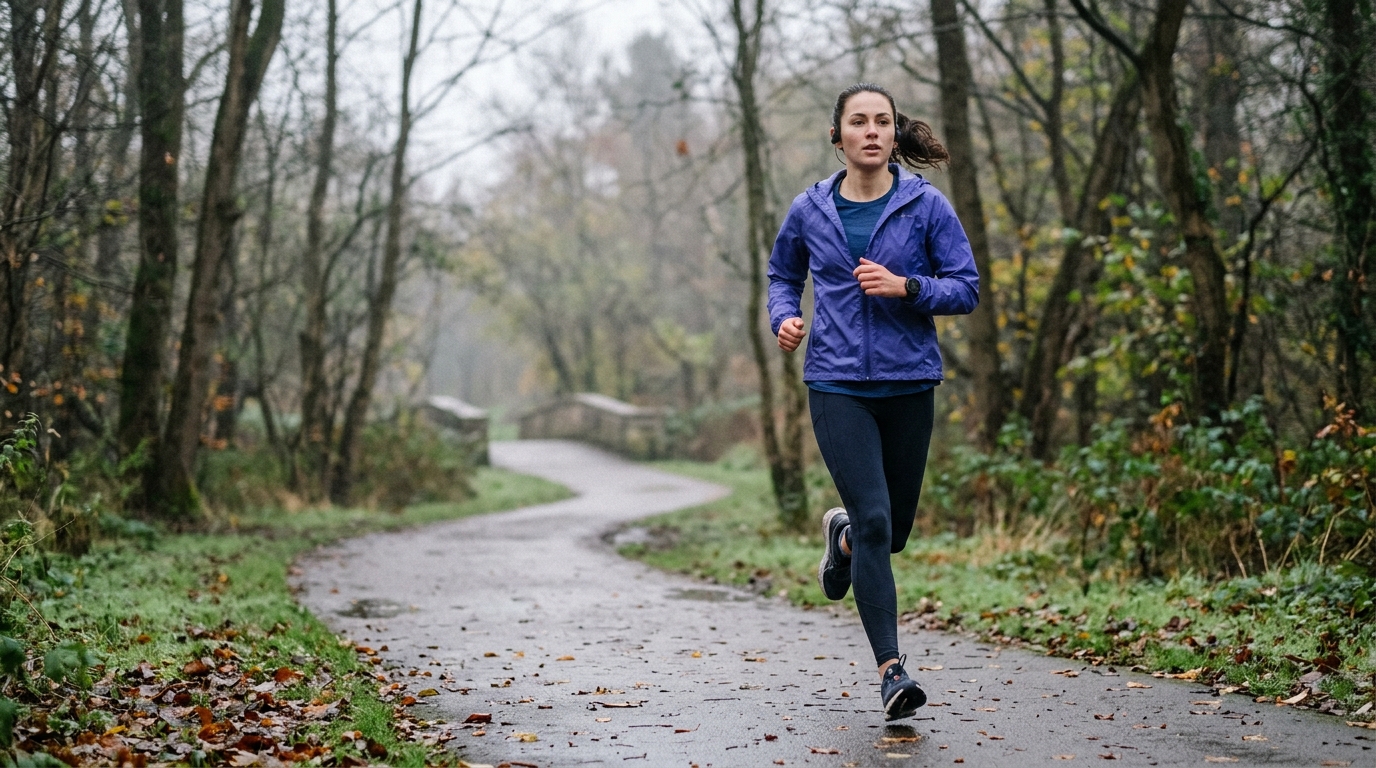
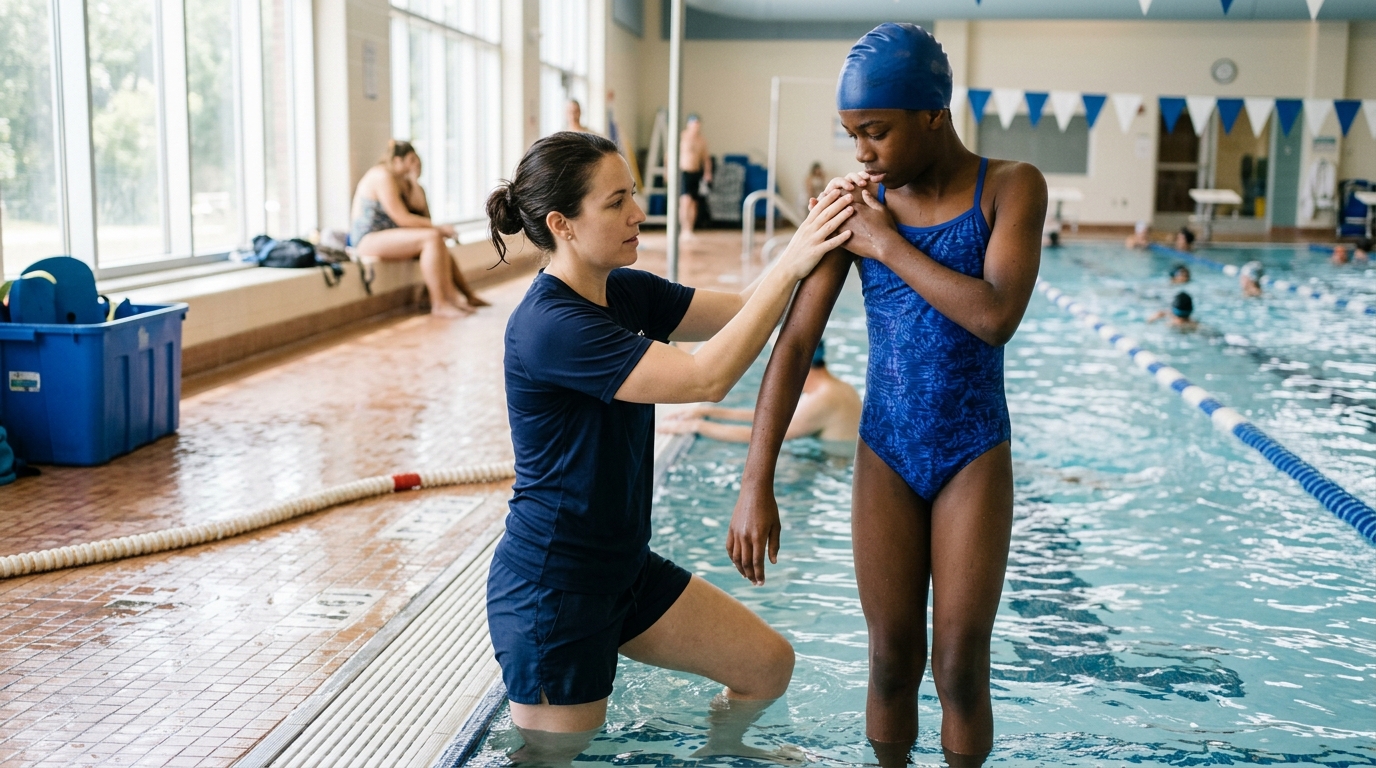
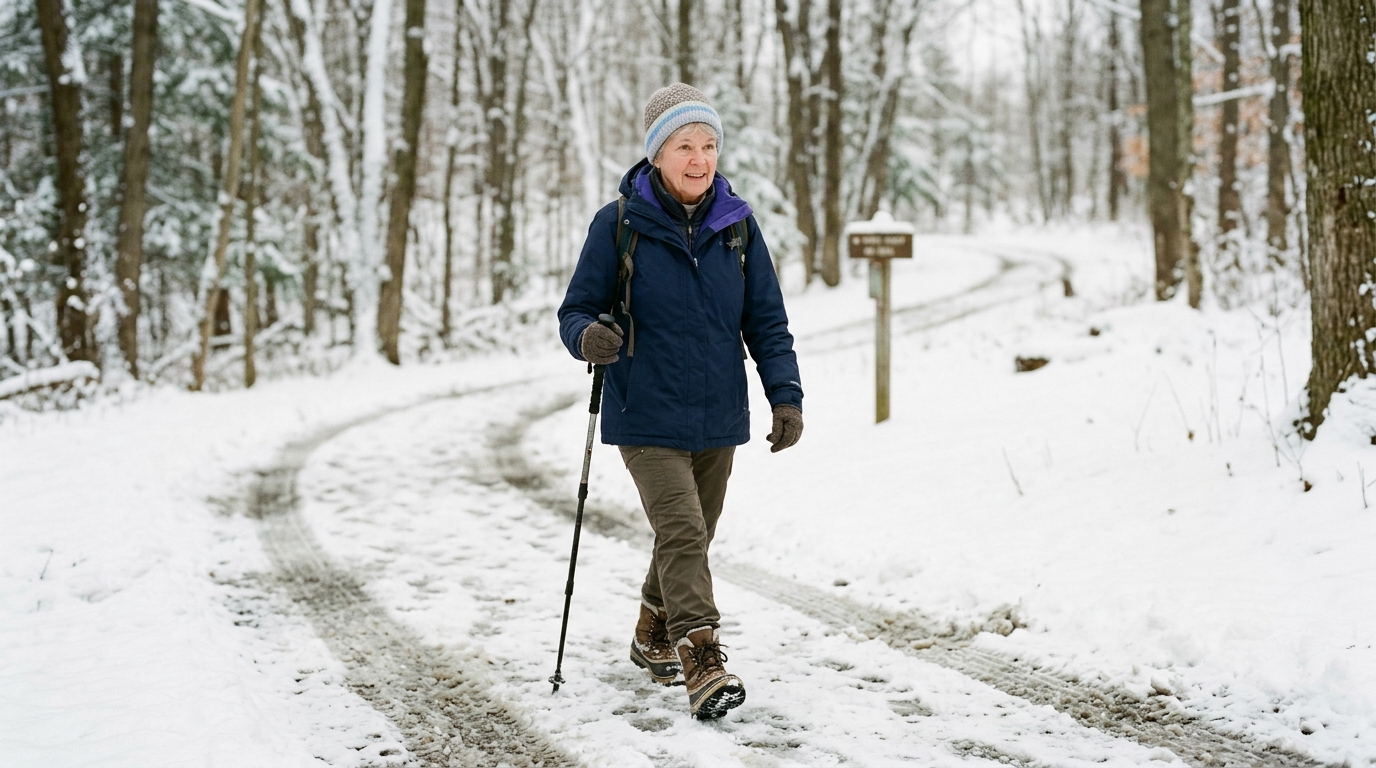
Aerobic activity involves continuous, rhythmic movement of large muscle groups that raises your heart rate and breathing. Examples include brisk walking, cycling, swimming, water aerobics, and using an elliptical trainer.
Aerobic work conditions your heart, lungs, and blood vessels. It improves your stamina, supports metabolic health, and helps you sustain energy throughout the day. While aerobic exercise is vital for overall health, it does not provide enough mechanical load to preserve bone density or build maximum muscle strength.
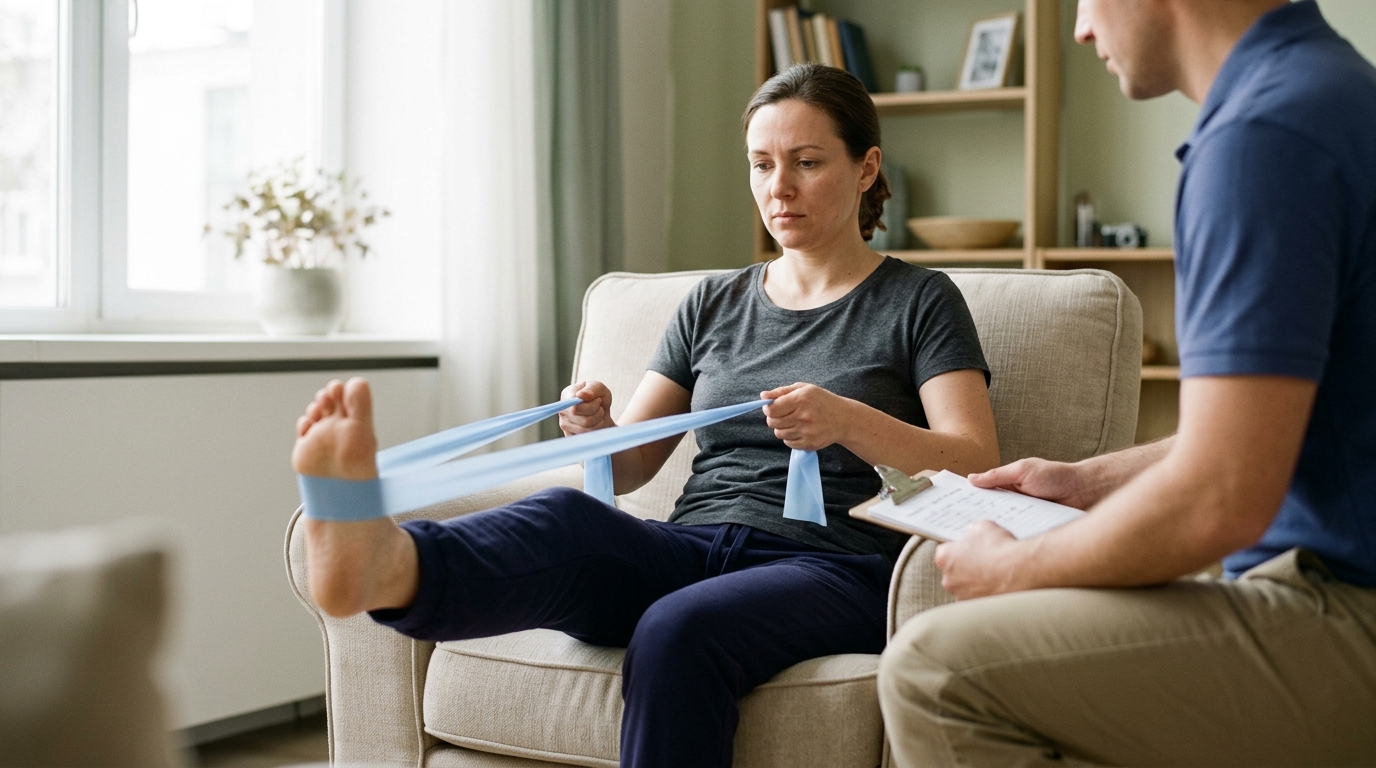
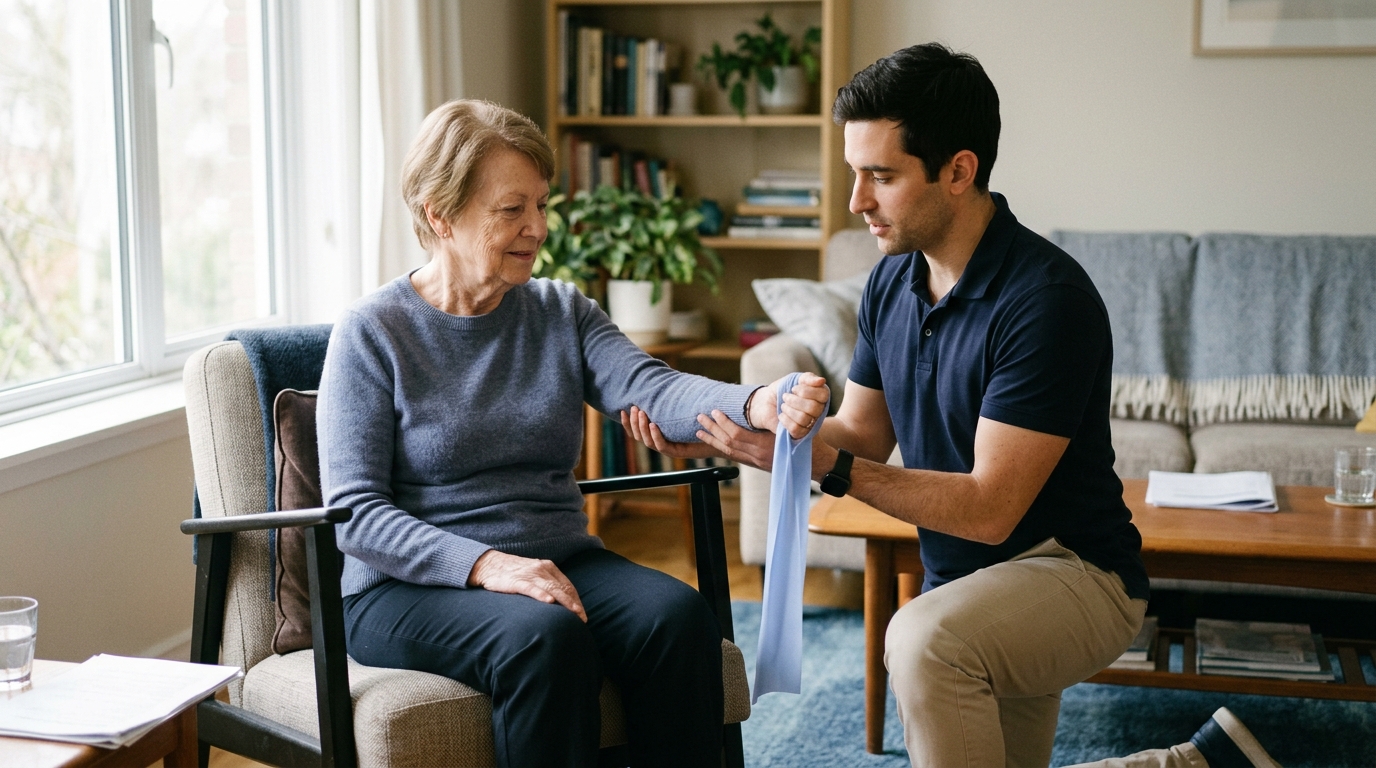
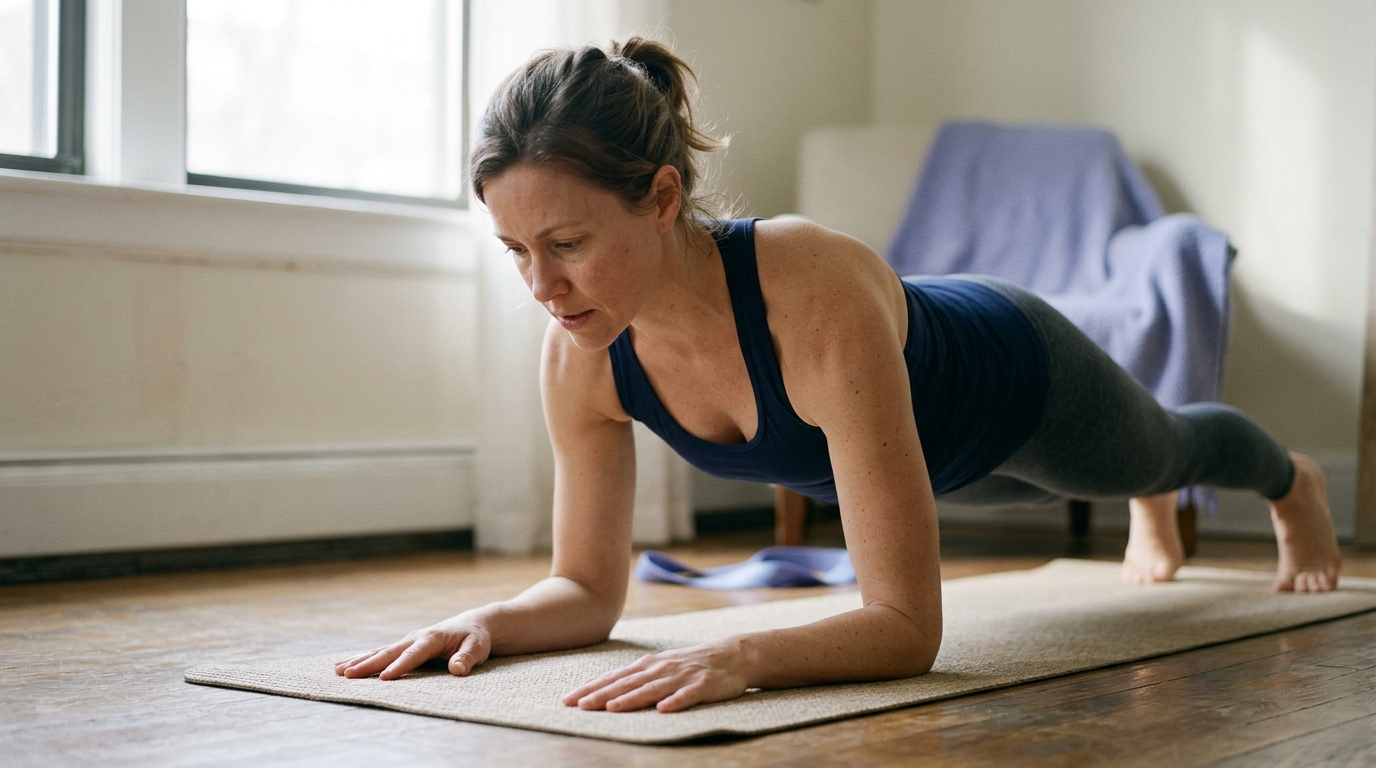
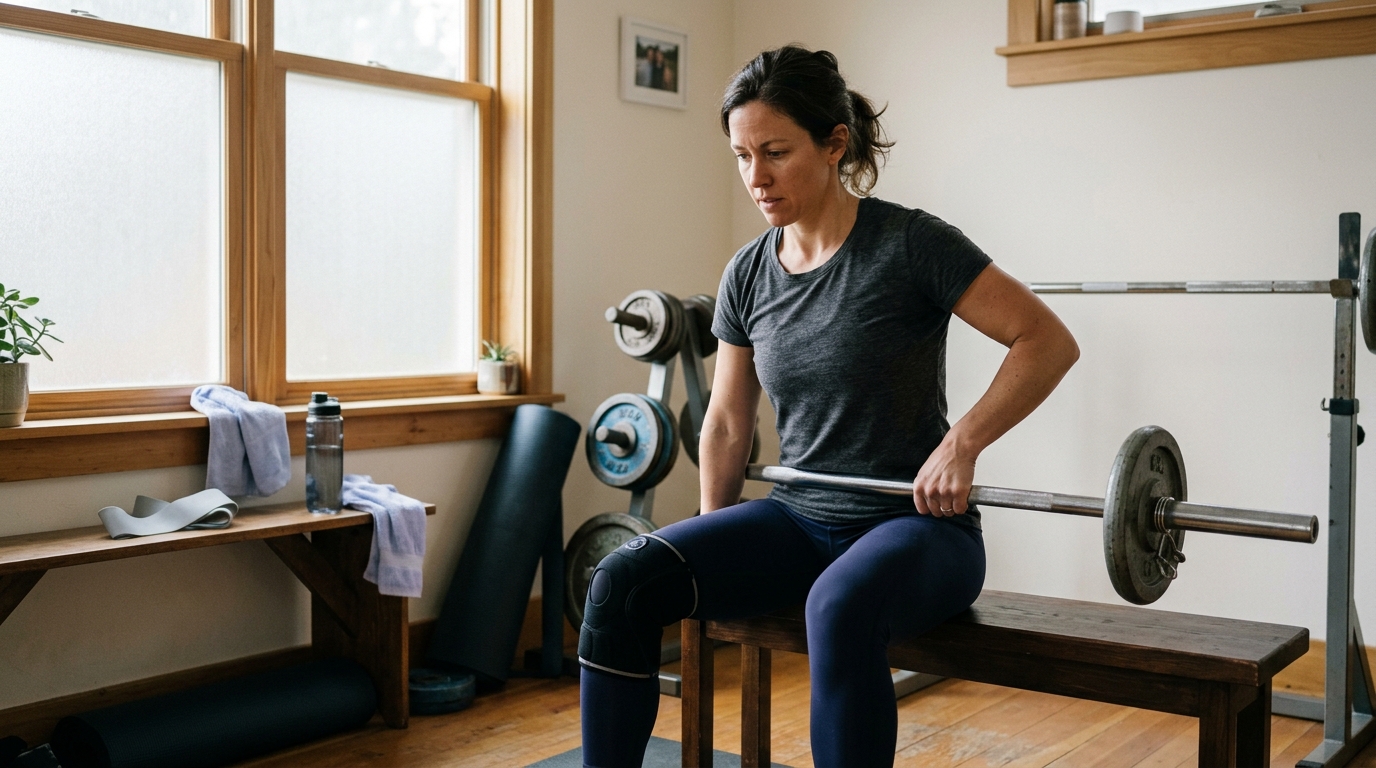
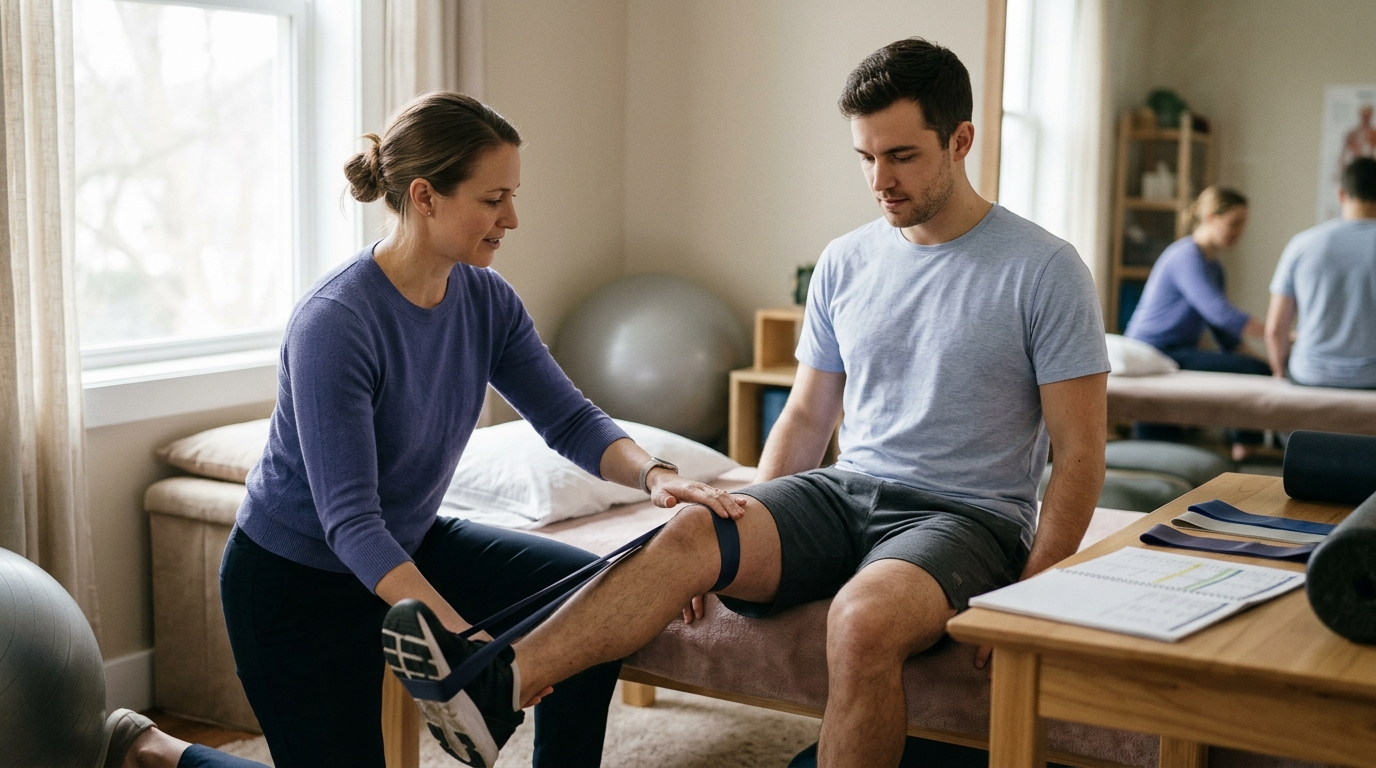
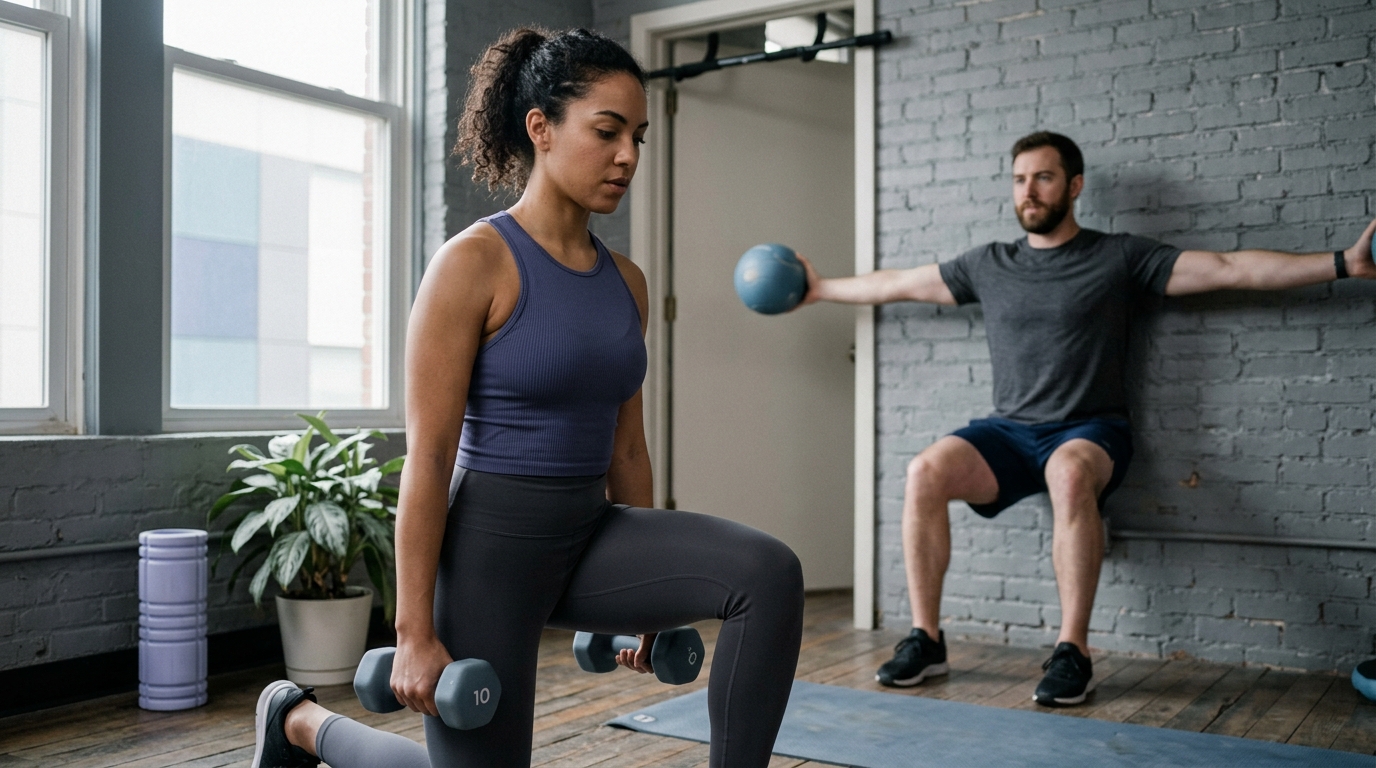
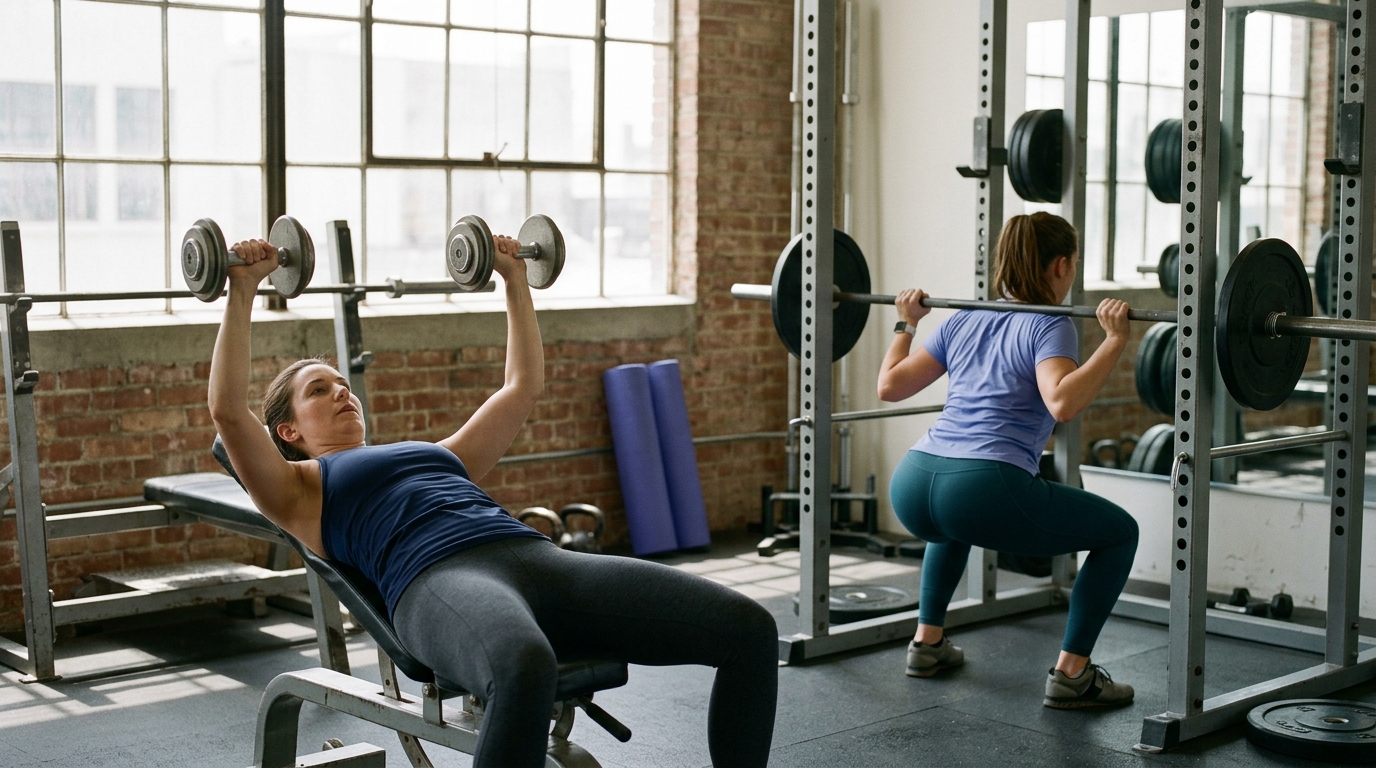
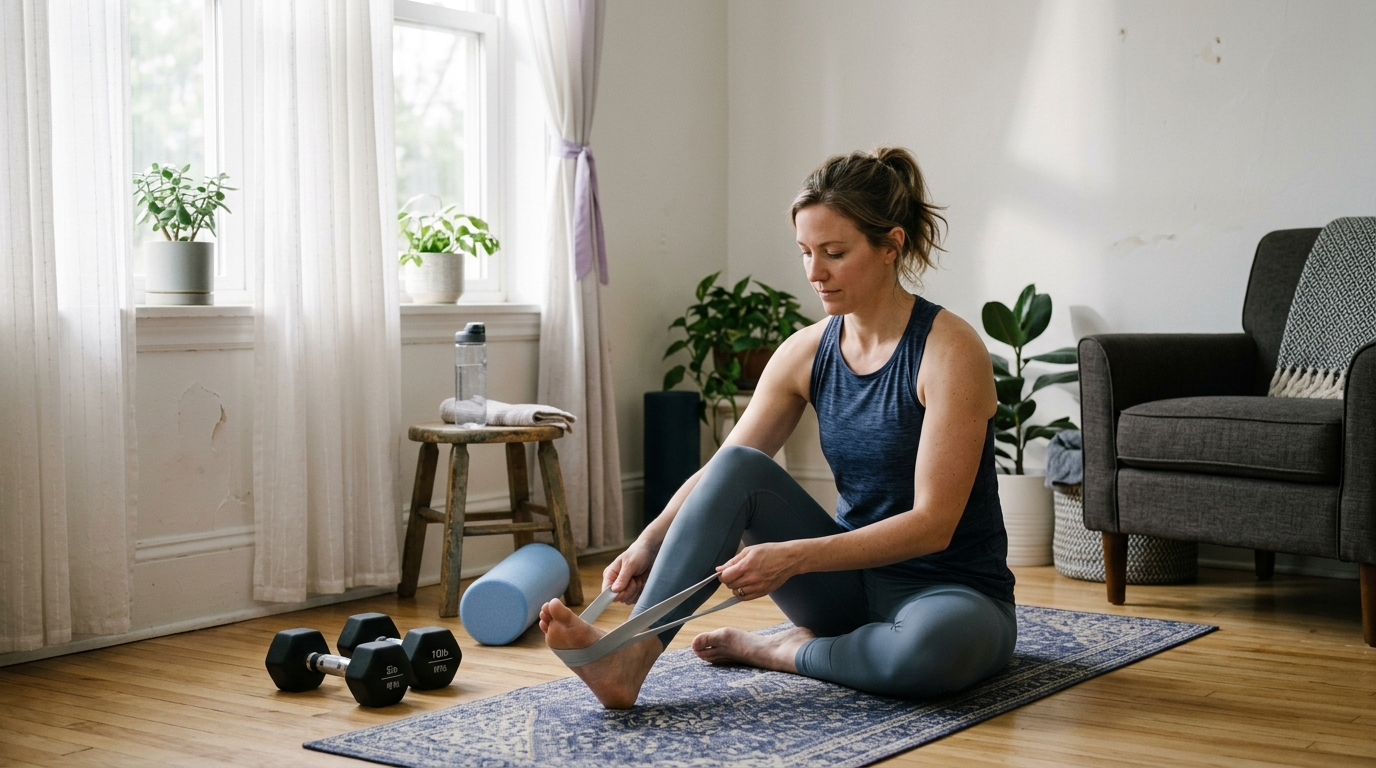
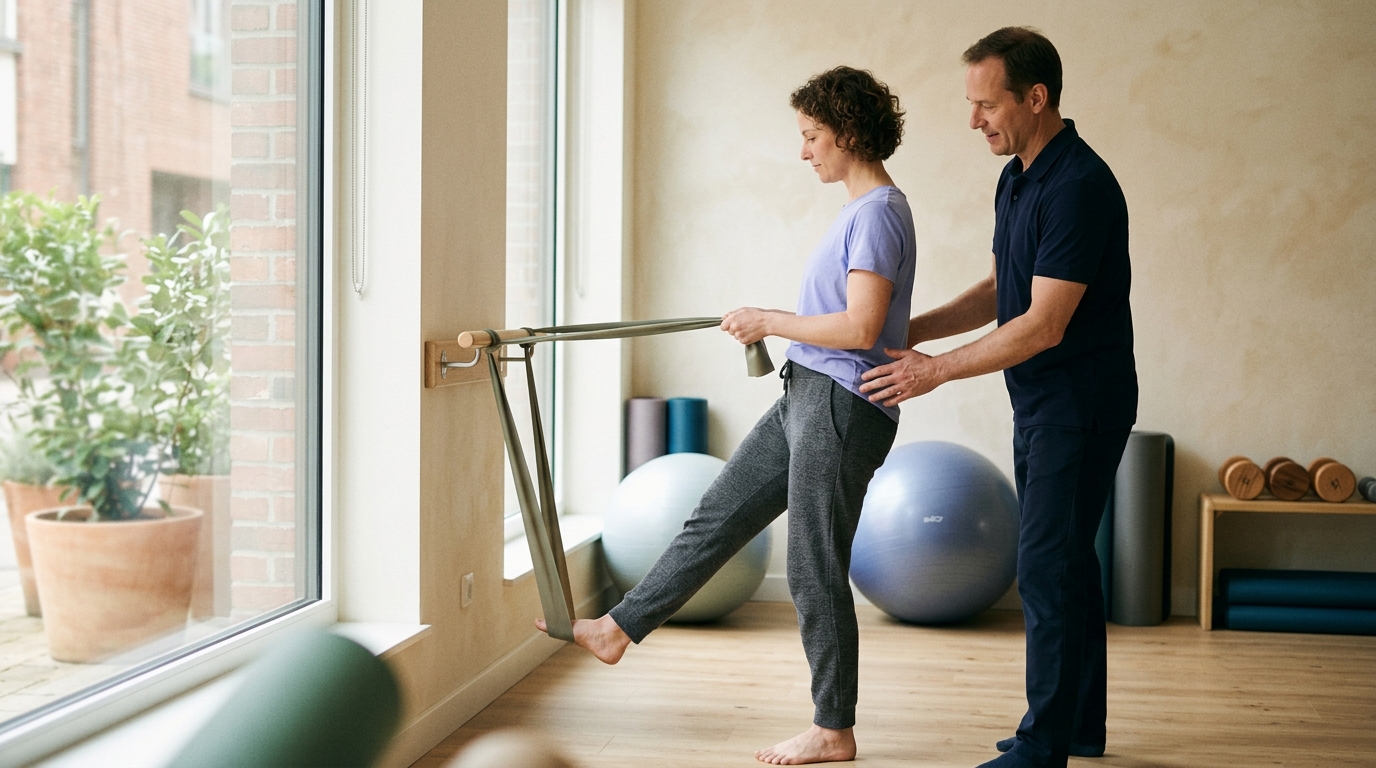
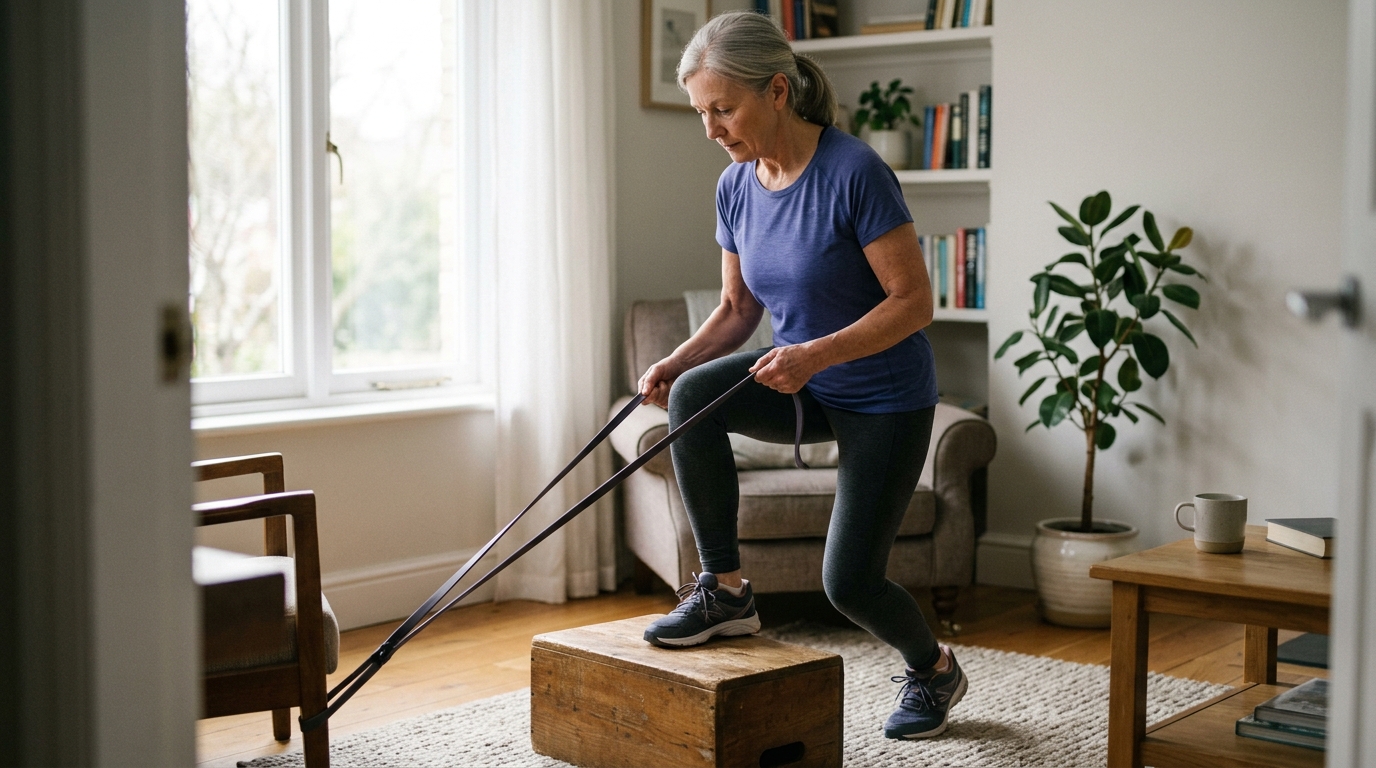
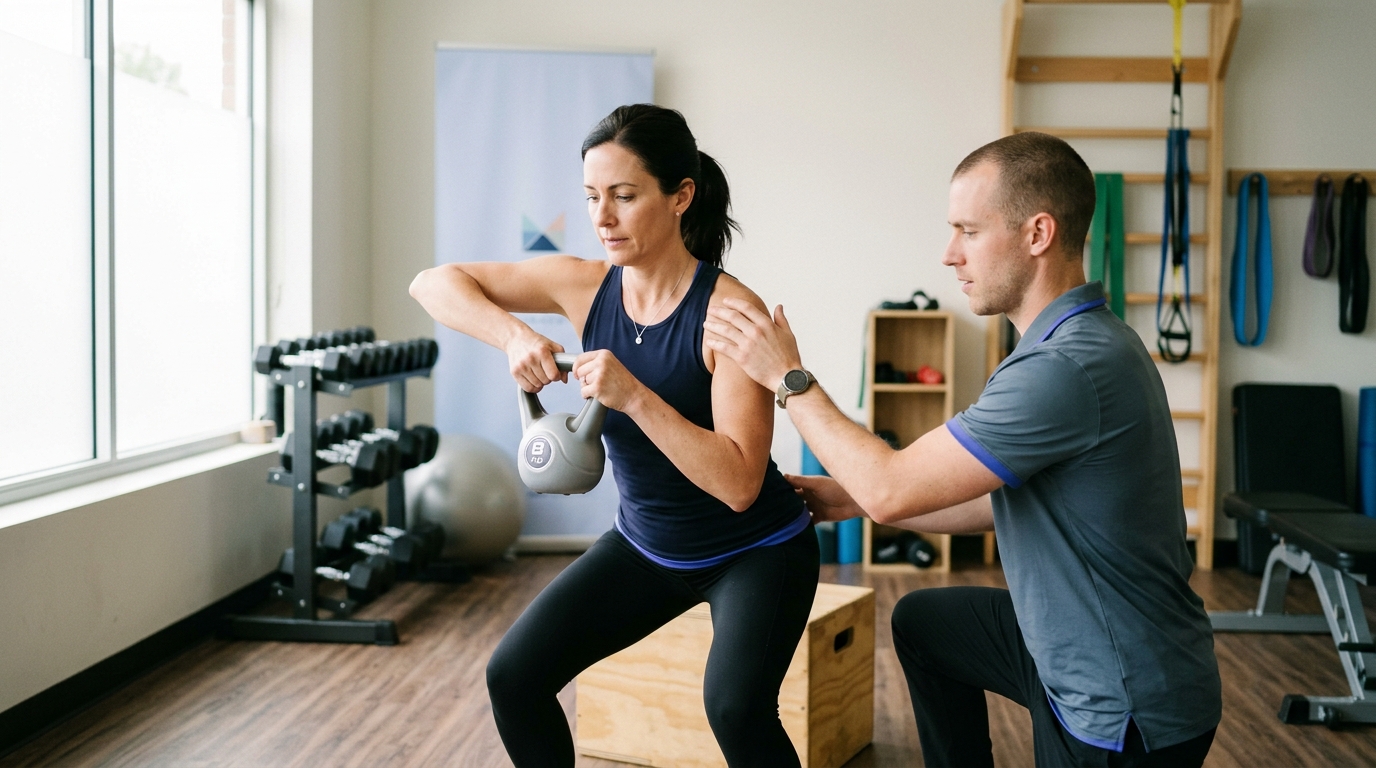
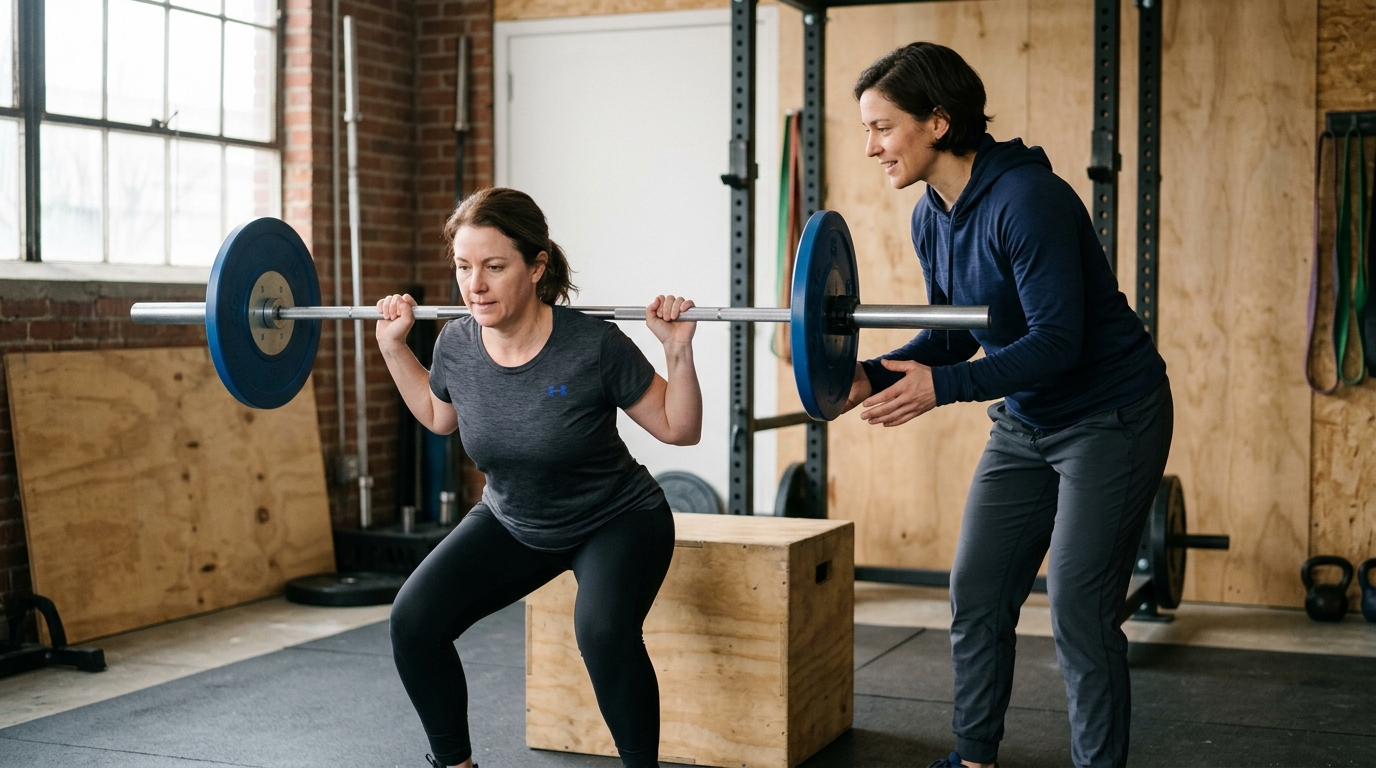
Strength training requires your muscles to work against an external resistance or your own body weight. Examples include lifting free weights, using resistance bands, working on weight machines, and performing bodyweight movements like squats or wall push-ups.
Strength is the capacity to produce physical force. You need strength to lift a heavy bag of soil, carry luggage, climb stairs without pulling on the handrail, and rise from a chair. Resistance training stimulates muscle protein synthesis, reinforces connective tissues, and helps maintain bone mineral density.
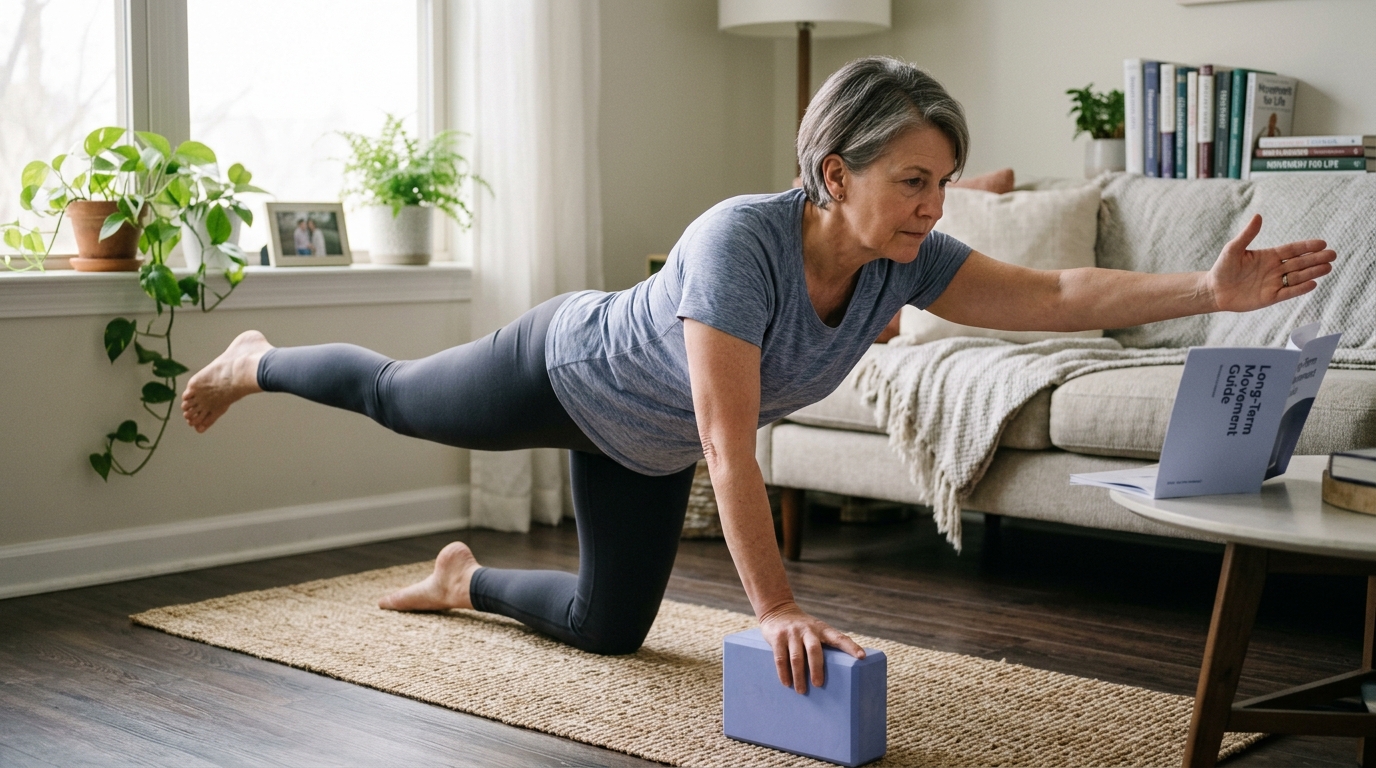
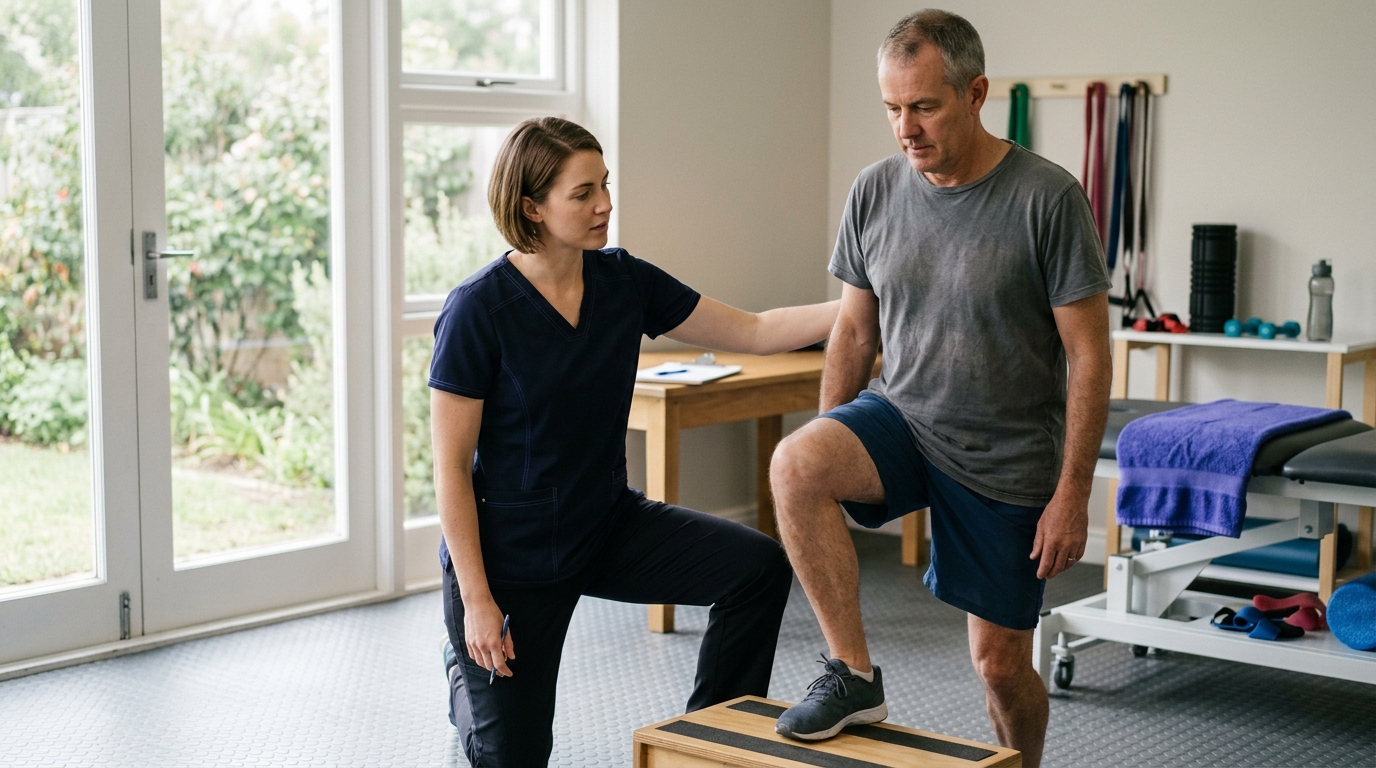
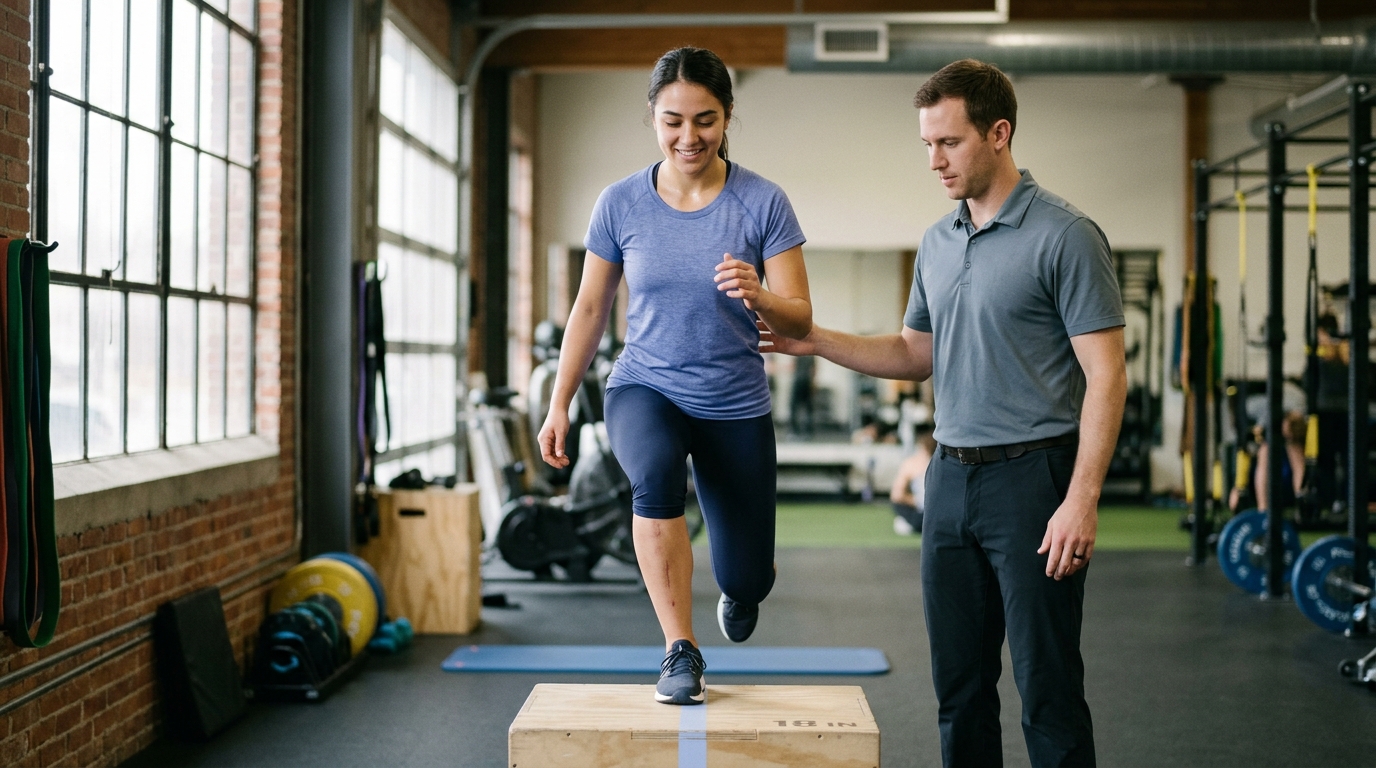
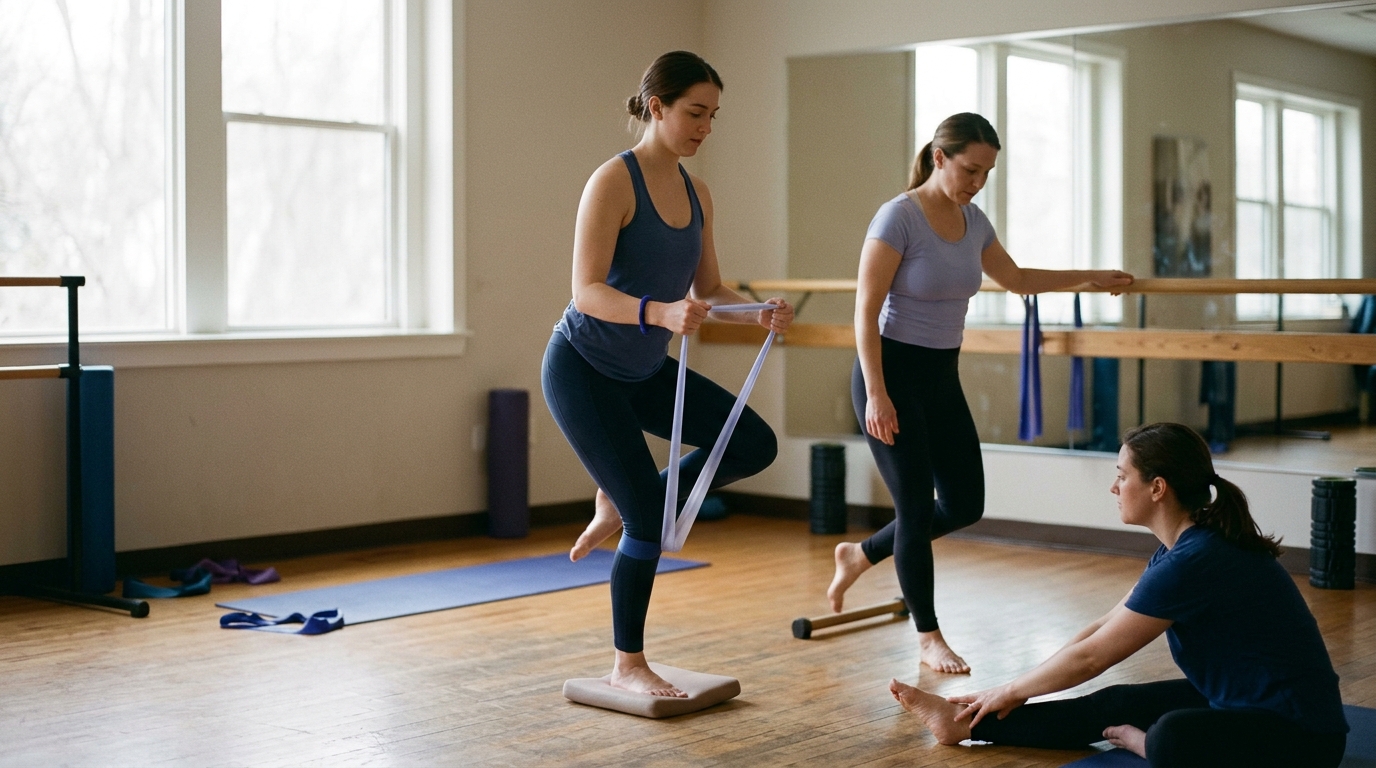
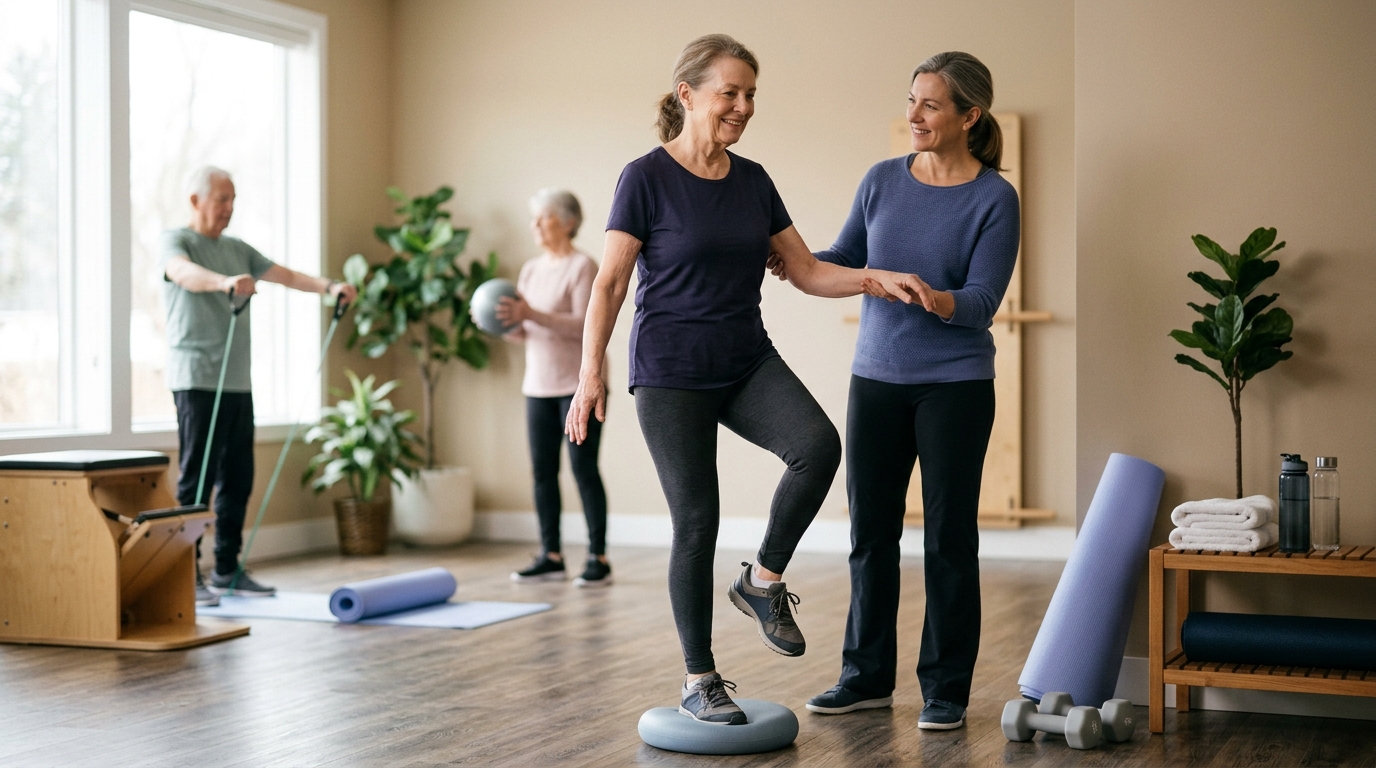
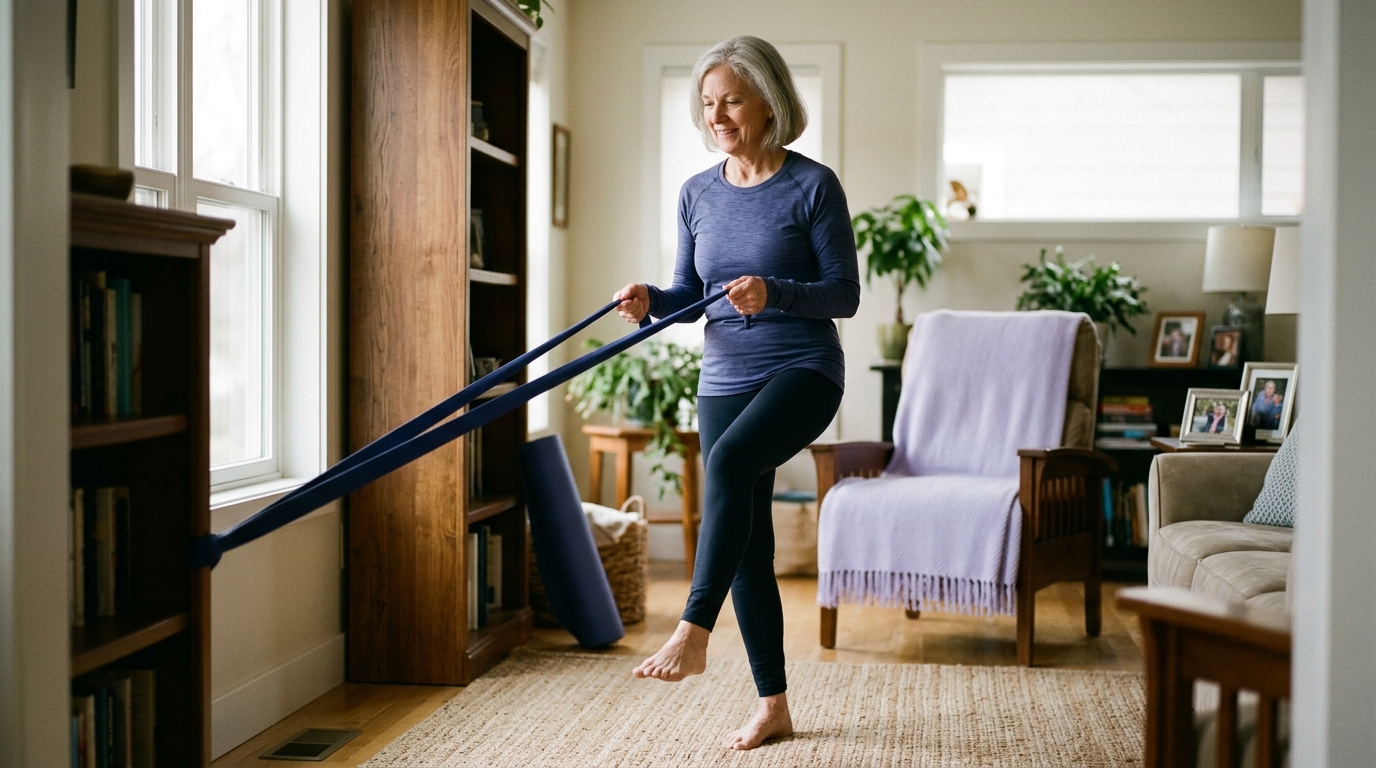
Multicomponent training combines balance exercises, coordination tasks, and functional strength movements in the same routine. Examples include standing on one leg, heel-to-toe walking, stepping over low obstacles, shifting weight in different directions, and moving through varied planes of motion.
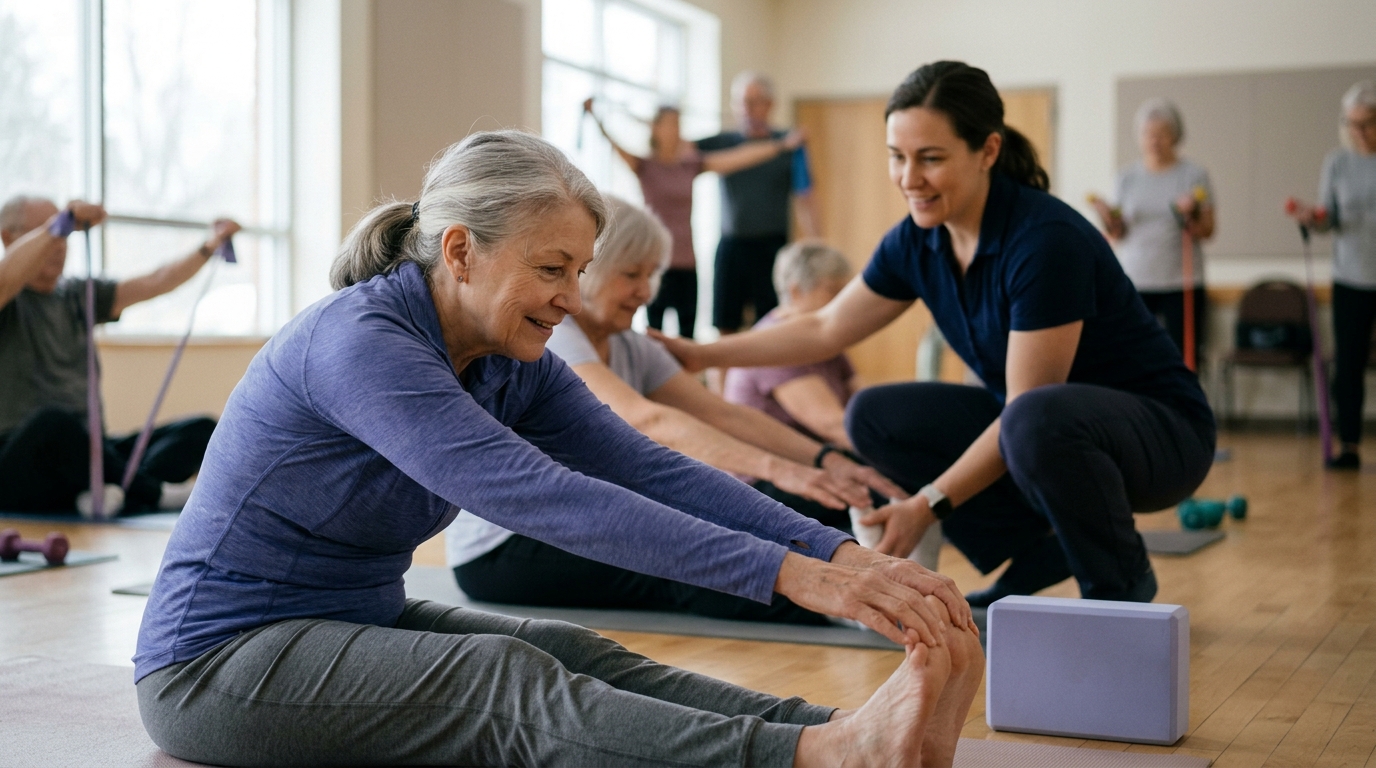
Balance is your ability to maintain or regain stability whether you are standing still or moving through space. Practicing balance challenges your sensory systems, including your inner ear, vision, and the position sensors in your joints. Strengthening your legs, hips, back, and abdominal muscles also directly enhances your balance control.
When these three domains work together, they build functional reserve. Functional reserve is the extra physical capacity you have beyond the bare minimum required for basic daily tasks. Having extra strength and stamina means daily life feels less demanding, leaving you with more energy for hobbies, travel, and social activities.
You do not need separate, complicated workouts for each domain every day. A well-rounded weekly schedule can weave these components together naturally. For example, a morning brisk walk covers aerobic needs, while a 20-minute session of squats, band pulls, and single-leg balance drills covers strength and stability.
Several widespread myths cause older adults either to avoid helpful activity or to structure their routines inefficiently. Addressing these misconceptions helps you make smarter decisions about your weekly movement.
Many adults believe that avoiding physical strain protects aging joints and prevents injury. While reckless strain is harmful, total rest leads to muscle atrophy, joint stiffness, and reduced cardiovascular fitness. Over time, avoiding challenge actually increases your vulnerability to injury because your body loses the strength needed to handle sudden physical demands.
Walking is an accessible, practical form of aerobic exercise that offers significant physical and mental benefits. However, walking alone does not provide a sufficient stimulus to maintain upper body strength, core stability, or hip power. It also does not actively challenge balance in multiple directions. Combining walking with dedicated resistance and balance exercises provides much more complete protection.
Some people avoid starting because they believe exercise only counts if it happens in a commercial gym with heavy barbells. In reality, physical activity is broad and flexible. Resistance bands, bodyweight movements, gardening, and household tasks all contribute to your physical capacity when performed with sufficient effort.
Exercise significantly reduces the statistical risk of falling across large populations, but it cannot eliminate falls entirely. Environmental hazards, poor lighting, medication side effects, acute illness, and temporary distractions can still cause a slip or trip. Exercise gives your body better tools to react and recover, but safety awareness remains essential.
While replacing sedentary time with light activity is beneficial, light movement does not replace the specific adaptations triggered by moderate or vigorous effort. Your muscles and cardiovascular system adapt to the demands placed upon them. Gradually introducing moderate challenge is necessary if your goal is building strength and raising stamina.
Progressive overload is the fundamental principle of physical training. It means gradually increasing the difficulty of an exercise over time so your body continues to adapt. However, progression for active aging must be measured, sensible, and aligned with your current baseline.
Progressive training does not mean pushing until you are exhausted or in pain. It means finding a manageable starting point, establishing consistency, and then making small, controlled adjustments.
If you have been inactive or are returning from an illness, begin with an amount of effort that feels easily achievable. This builds movement confidence and allows your tendons and joints to adapt without irritation. Starting too aggressively often leads to excessive soreness, fatigue, or minor strains that disrupt your consistency.
The World Health Organization advises older adults to start with small amounts of physical activity and gradually increase the frequency, intensity, and duration over time. Setting an initial goal of ten minutes of continuous walking or one set of five chair stands is completely valid. Success in the early weeks is measured by consistency, not intensity.
Once an exercise feels
routine and you can complete it with good technique, you can progress the challenge using several simple methods:
Learning to read your body's signals helps you train with confidence. Mild muscle fatigue during an exercise and minor muscle soreness 24 to 48 hours later are normal responses to new physical activity. This mild soreness usually fades within two days and improves as your muscles adapt.
Sharp, stabbing joint pain, sudden swelling, dizziness, shortness of breath beyond normal exertion, or pain that worsens progressively during a workout are signs to pause. These symptoms indicate that the movement should be modified, reduced in intensity, or discussed with a medical professional. For detailed movement strategies, visit our rehabilitation and mobility resources.
Functional exercises mirror the physical movements you perform in daily life. By organizing your strength training around fundamental movement patterns, you build strength that transfers directly to practical tasks.
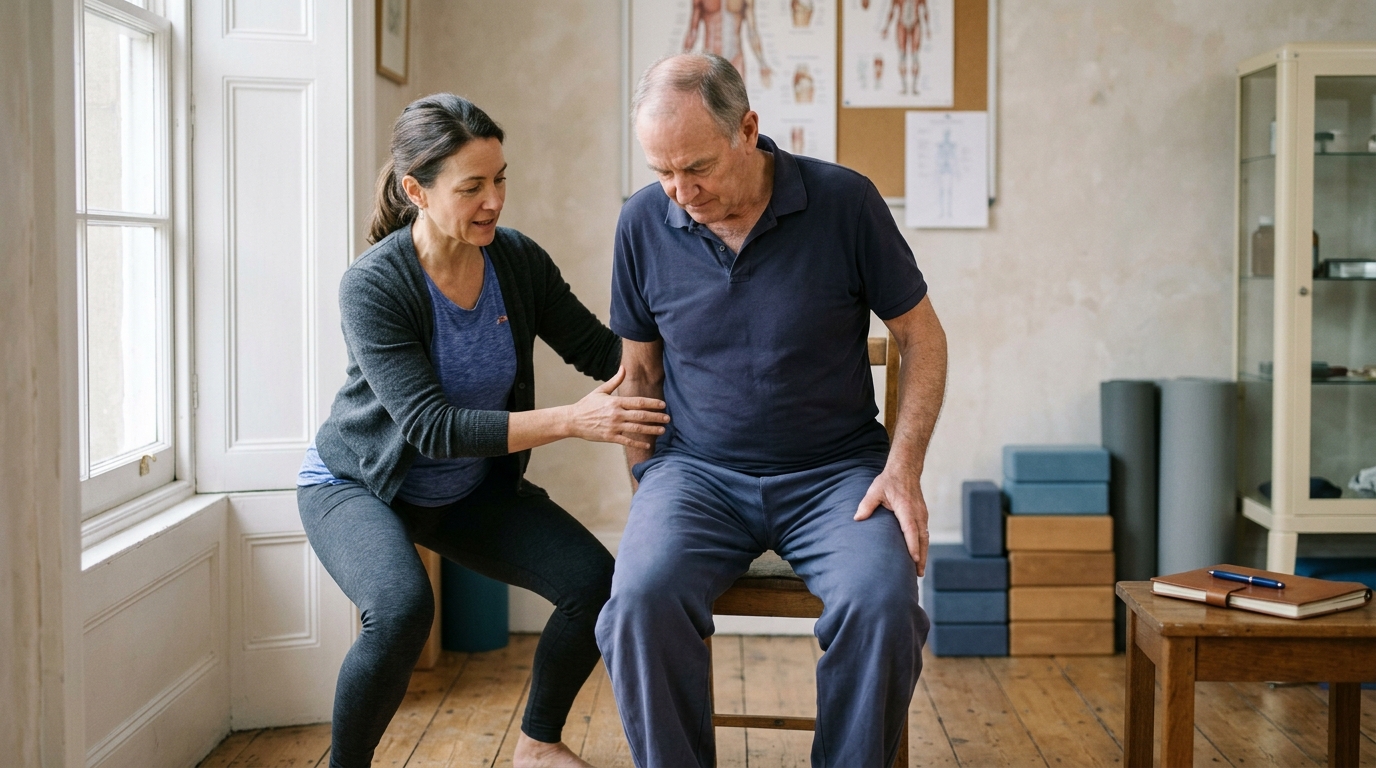
The squat pattern trains knee and hip extension, which powers your ability to sit down and stand up under control.
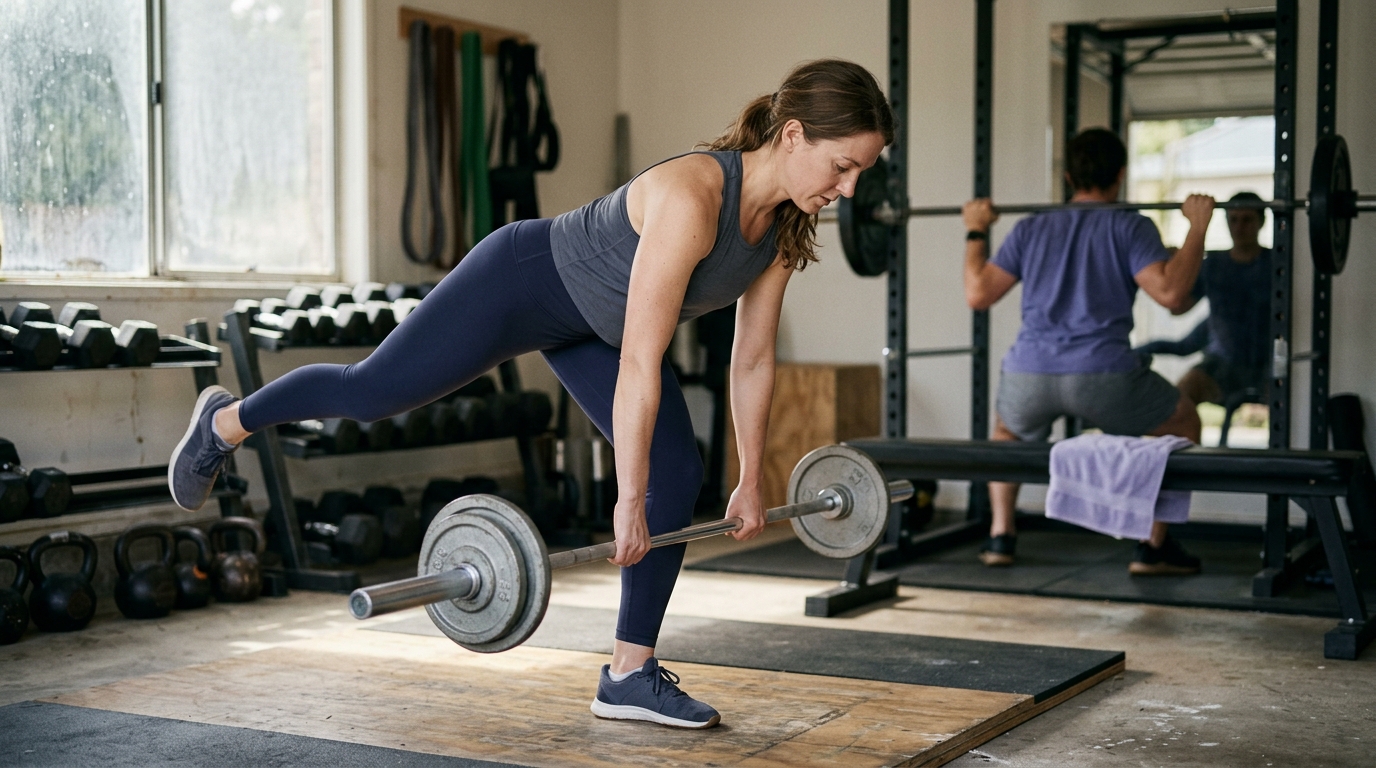
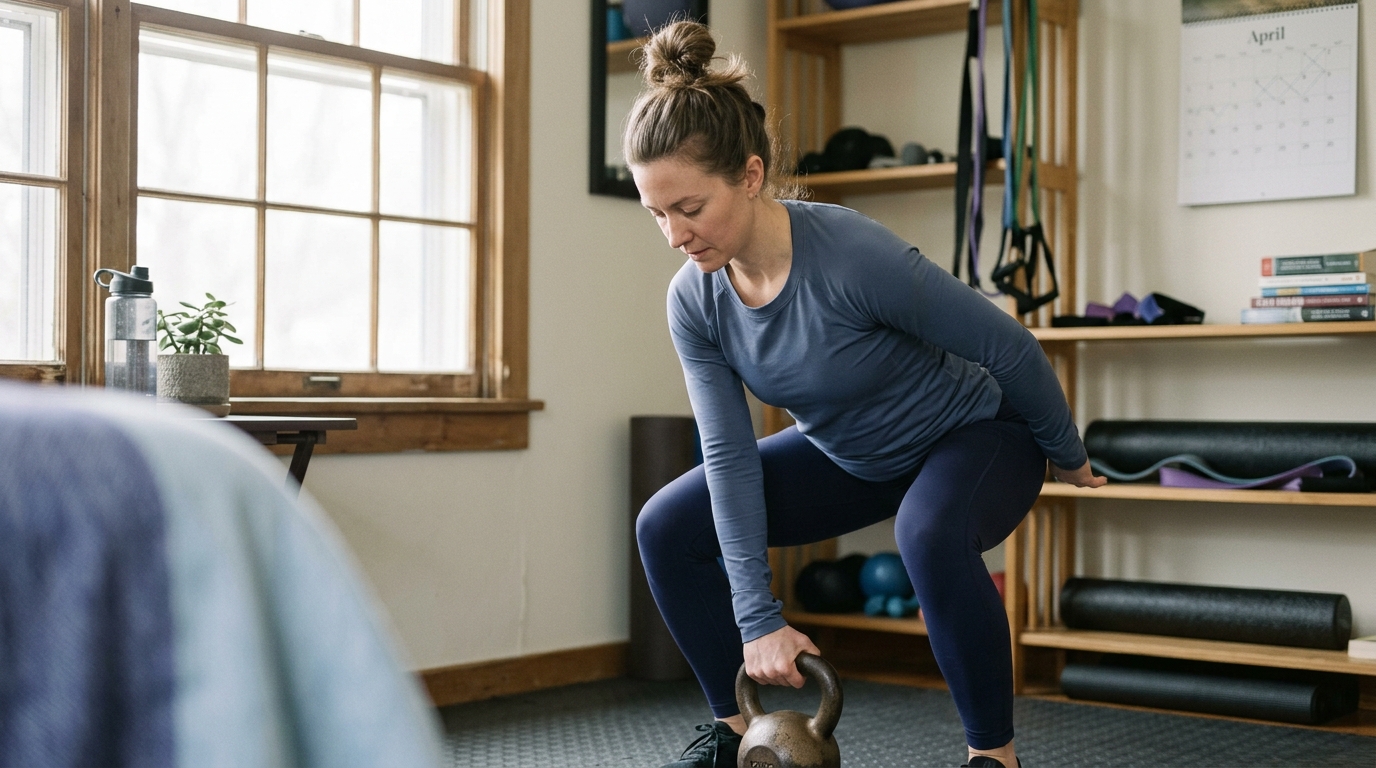
The hinge pattern involves bending forward from the hips while keeping your back flat and knees slightly soft. It strengthens the hamstrings, glutes, and lower back muscles needed for picking up objects from the floor.
Pushing movements strengthen your chest, shoulders, and triceps, which helps with moving heavy furniture, pushing open heavy doors, and pushing yourself up from the floor.
Pulling movements target the upper back, rear shoulders, and biceps. These muscles support upright posture and help you pull open stubborn doors or carry items toward your body.
Loaded carries build grip strength, shoulder stability, and core endurance. Carrying weight while walking directly trains your body to remain stable under dynamic conditions.
For structured guidance on progressive loading, check out our strength and performance rebuilding resources.
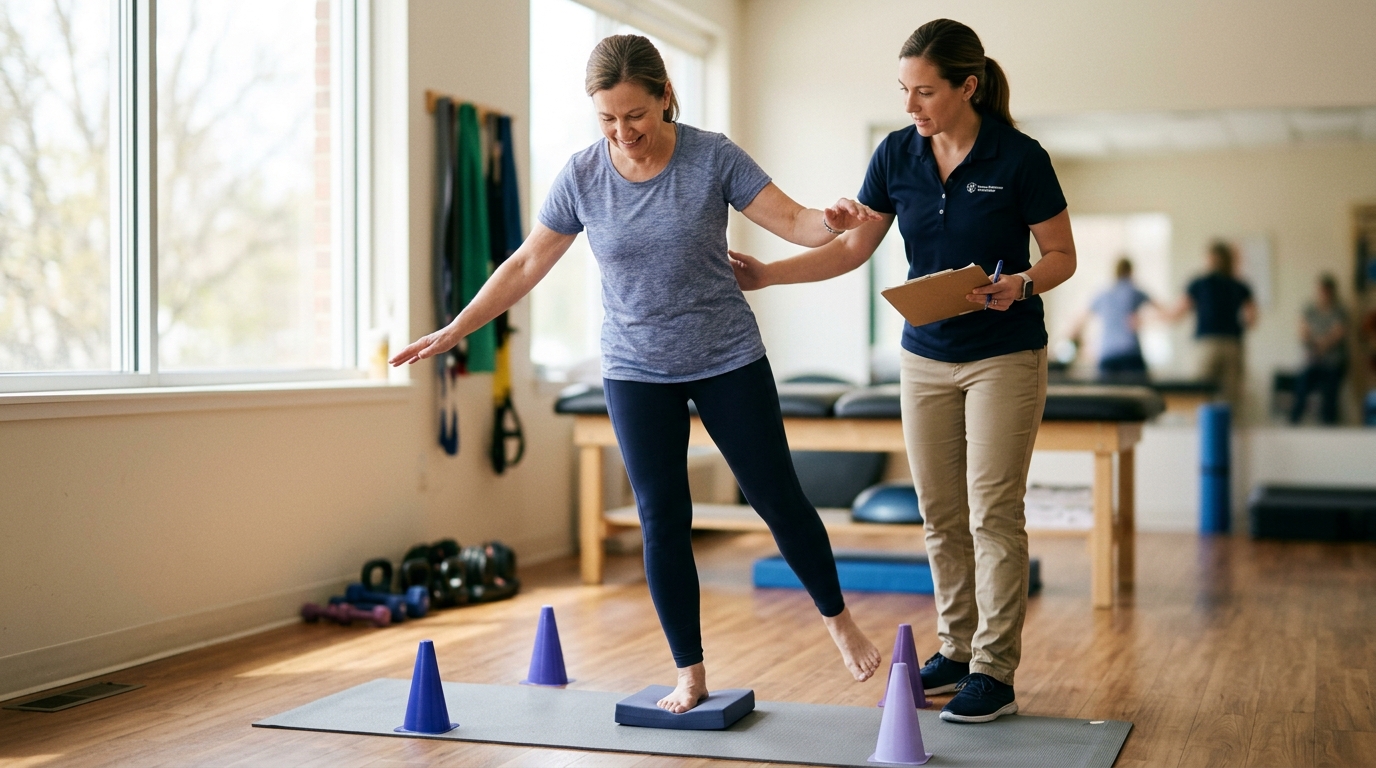
Balance training is a distinct physical skill that requires dedicated practice. Balance is not simply a natural trait you either have or do not have; it responds directly to deliberate practice just like muscular strength.
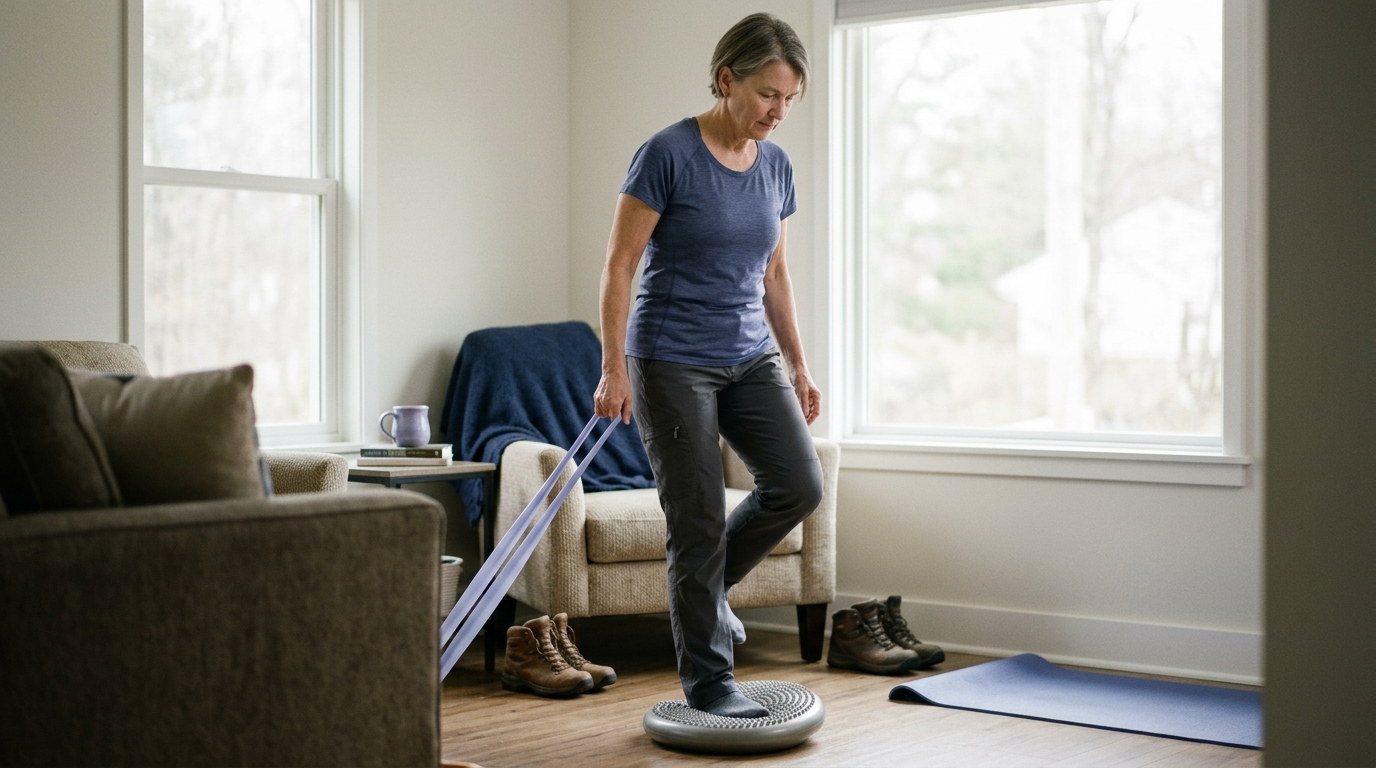
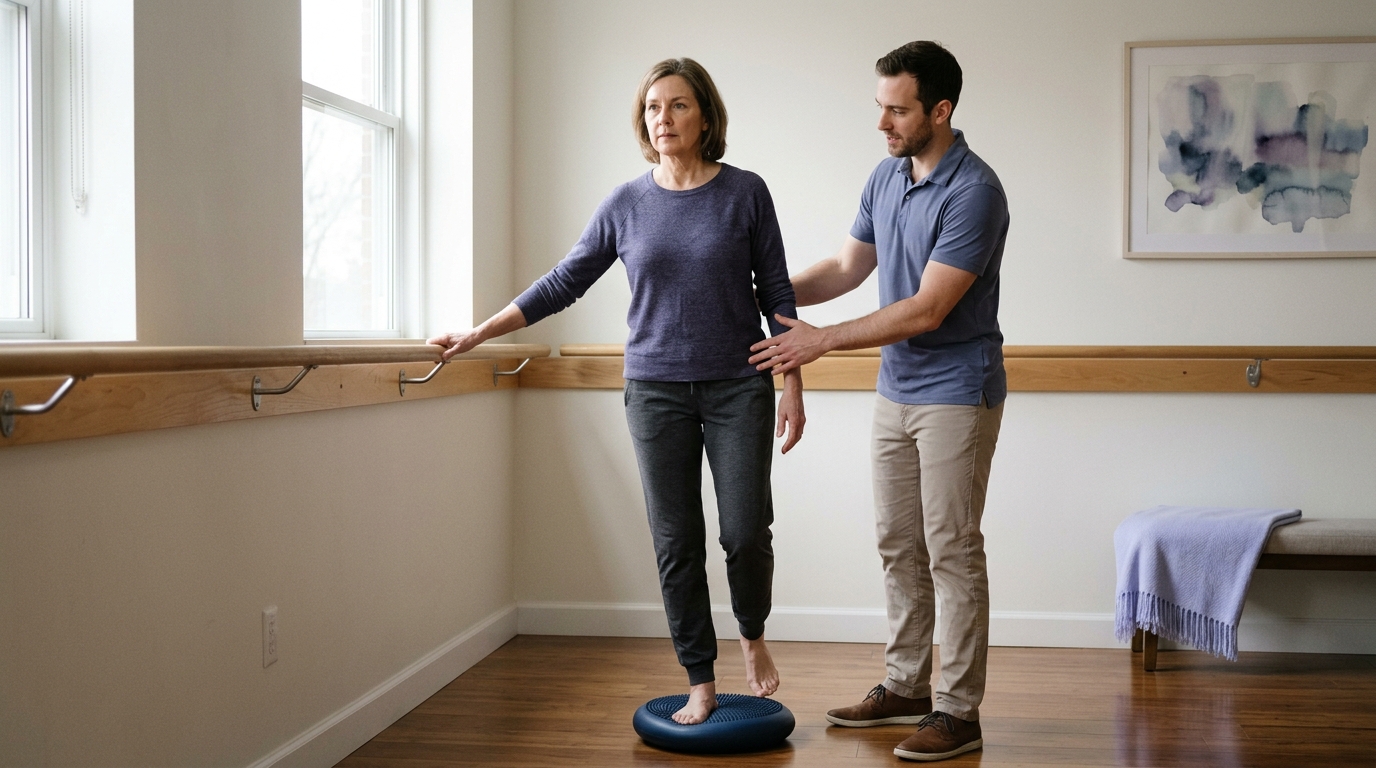
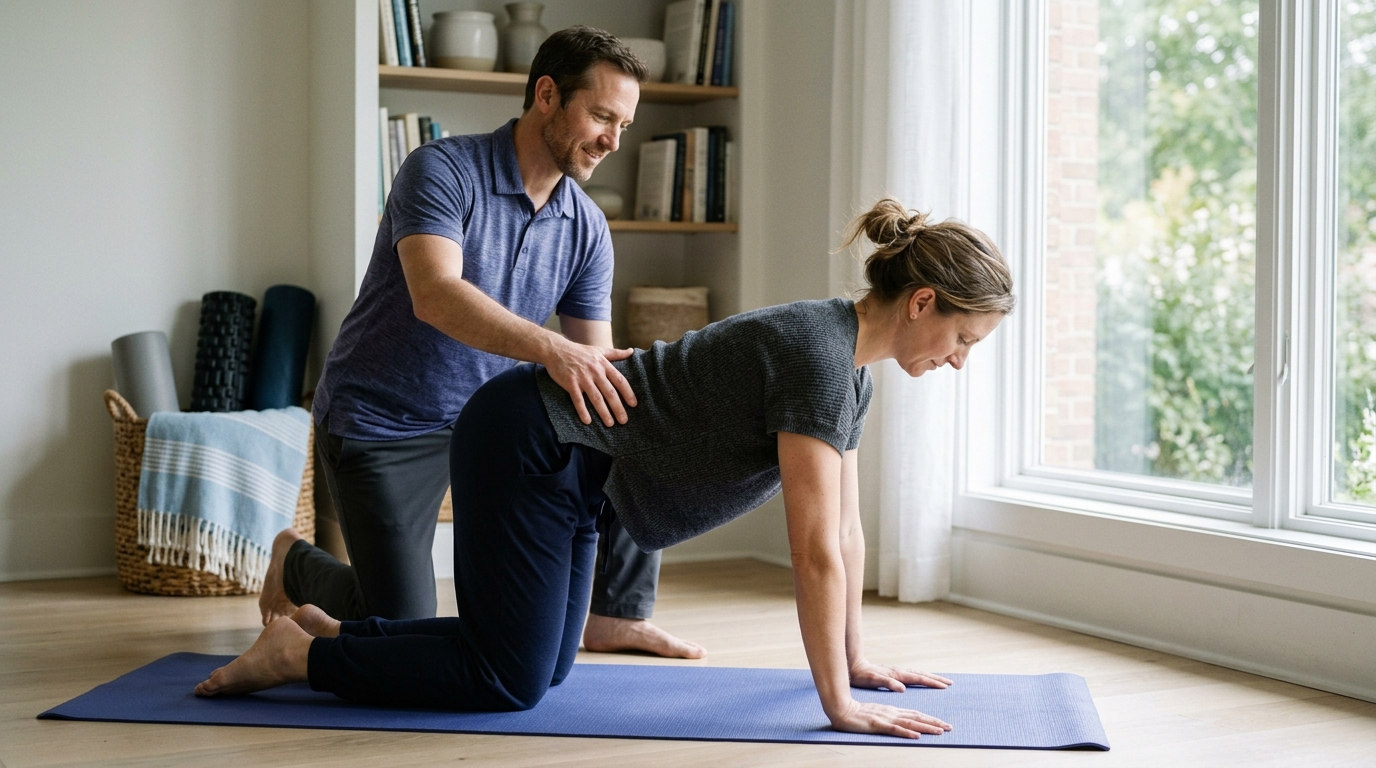
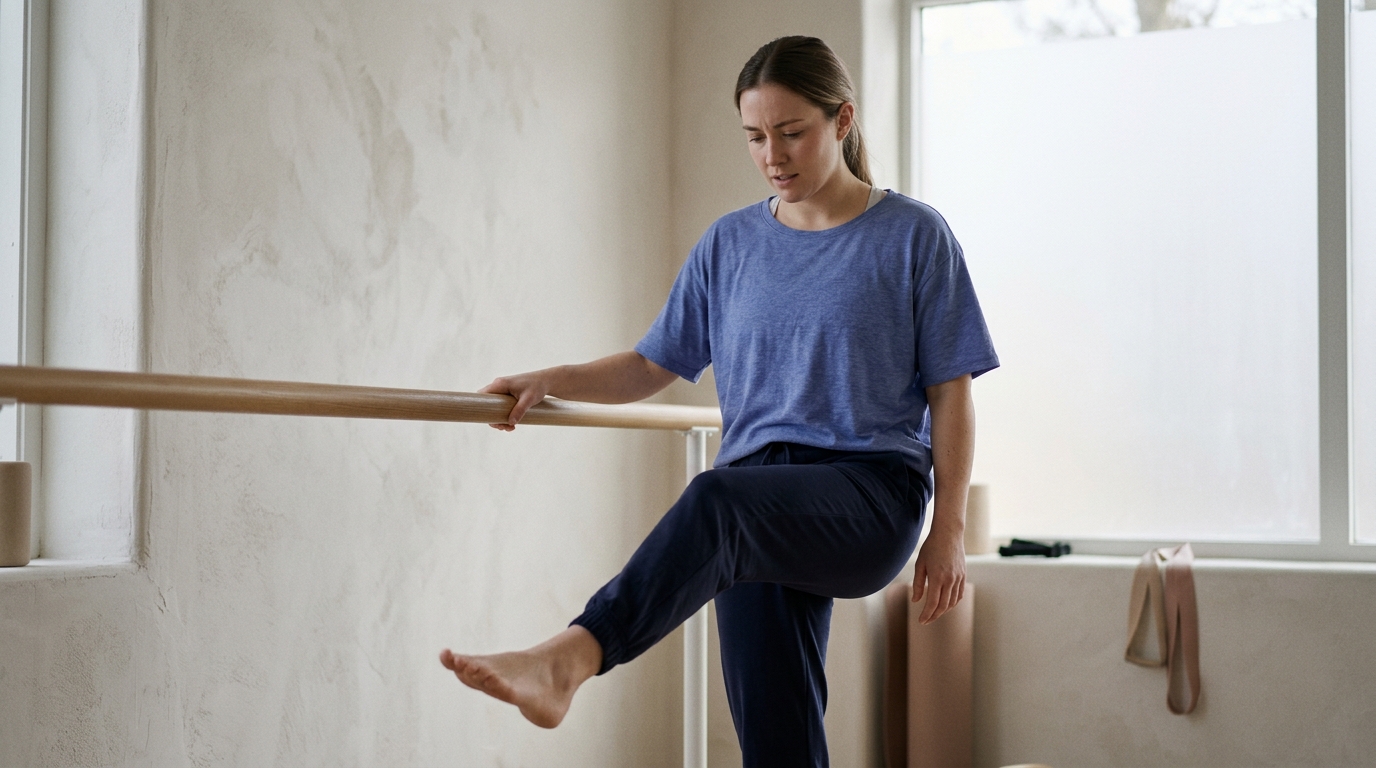
Safety is the absolute priority when practicing balance. Always set up your balance exercises near a solid, immovable support. A sturdy kitchen countertop, the back of a heavy sofa, or a secure handrail works well.
Position yourself close enough that you can lightly rest your hands on the surface whenever you feel unsteady. Wear supportive, flat, non-slip footwear. Ensure the floor around you is clear of throw rugs, cords, or clutter.
Begin with foundational positions that challenge your base of support in a controlled environment:
Once stationary balance drills feel manageable, introduce dynamic movements that challenge your nervous system while in motion:
Balance exercises should feel slightly challenging to your stability, but you should always feel in control. If you experience significant wobbling or anxiety, increase the amount of physical support you use until your confidence builds.
Everyone begins their movement journey from a different starting point. How you structure your physical activity depends on your previous fitness, current health status, daily schedule, and physical environment.
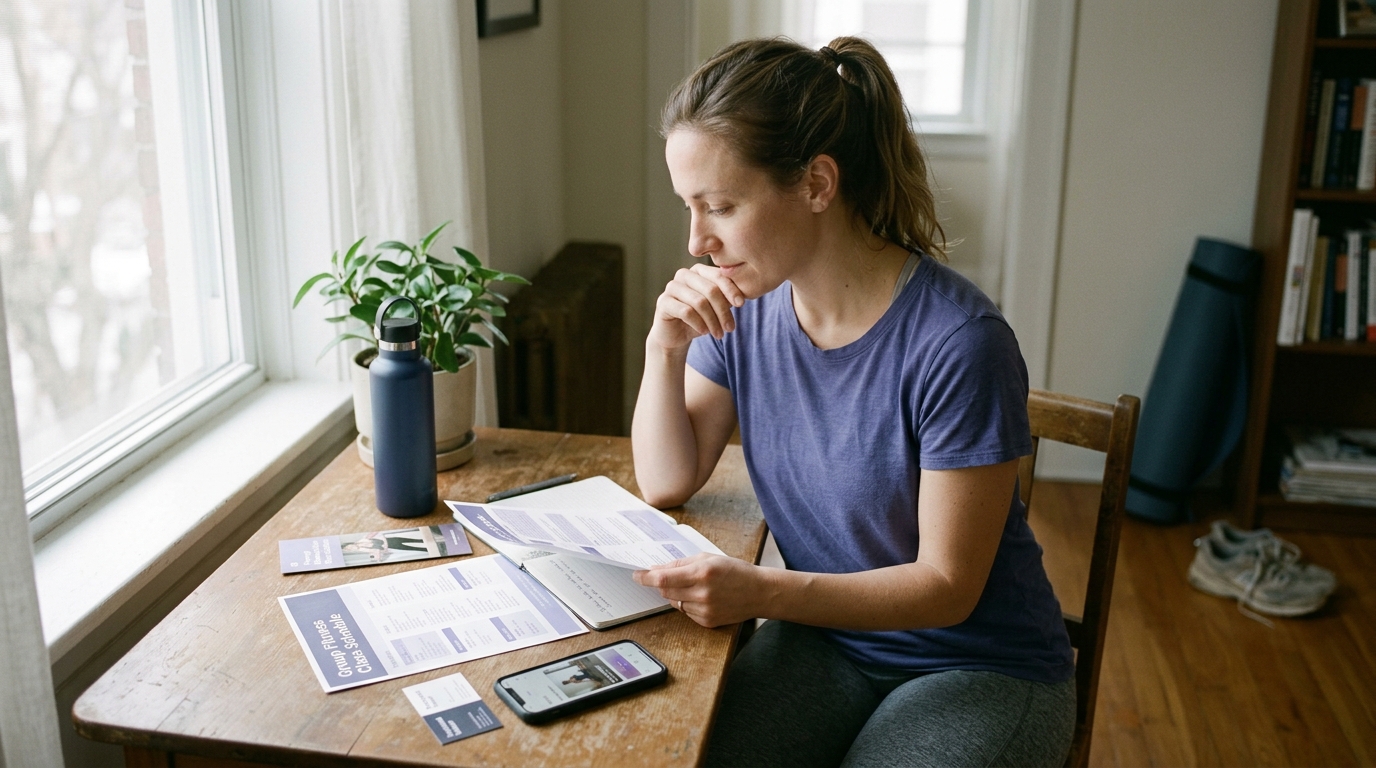
Starting an exercise routine after years of sedentary living can feel overwhelming. Trying to meet full population-level targets immediately often leads to early discouragement or unnecessary fatigue.
Many adults walk daily for exercise and believe they are meeting all their physical needs. However, they may notice that carrying heavy bags, getting off the floor, or stepping onto high curbs is becoming increasingly difficult.
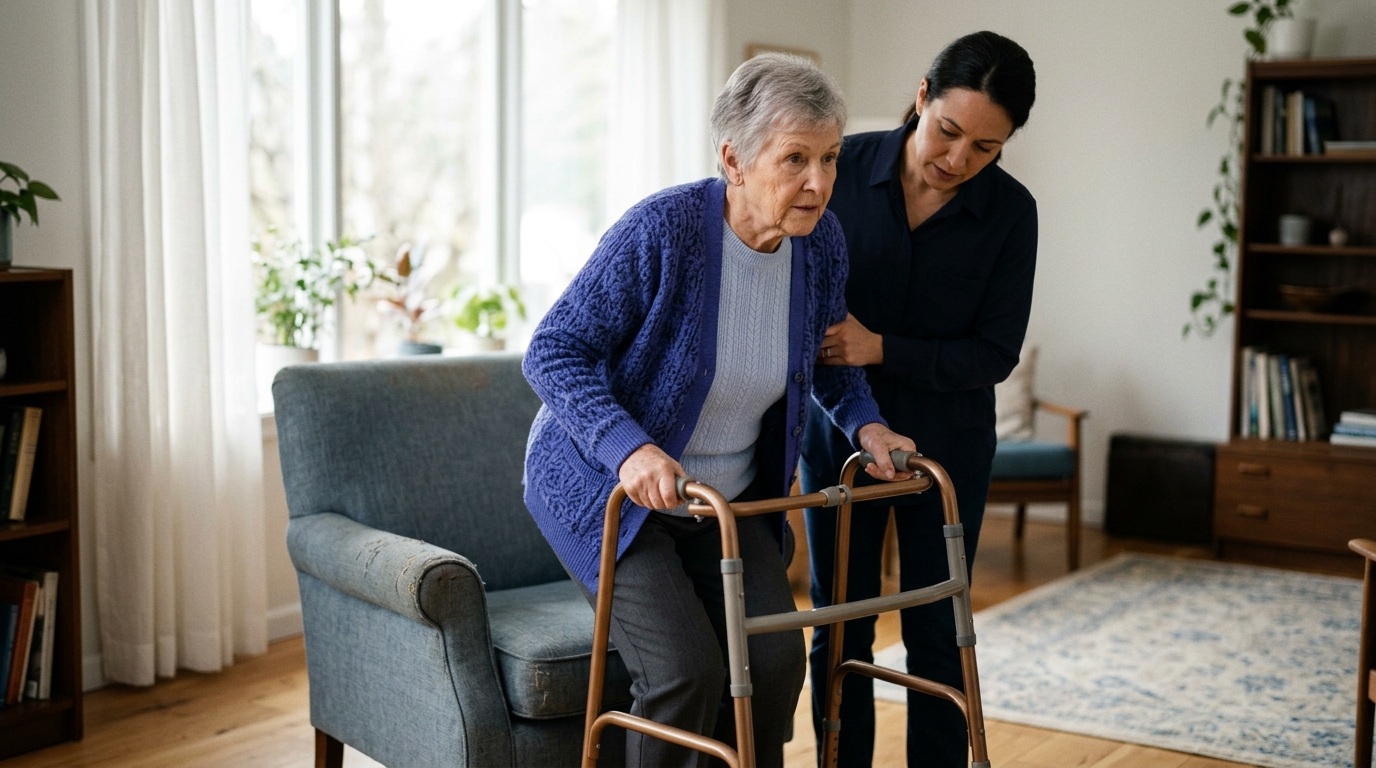
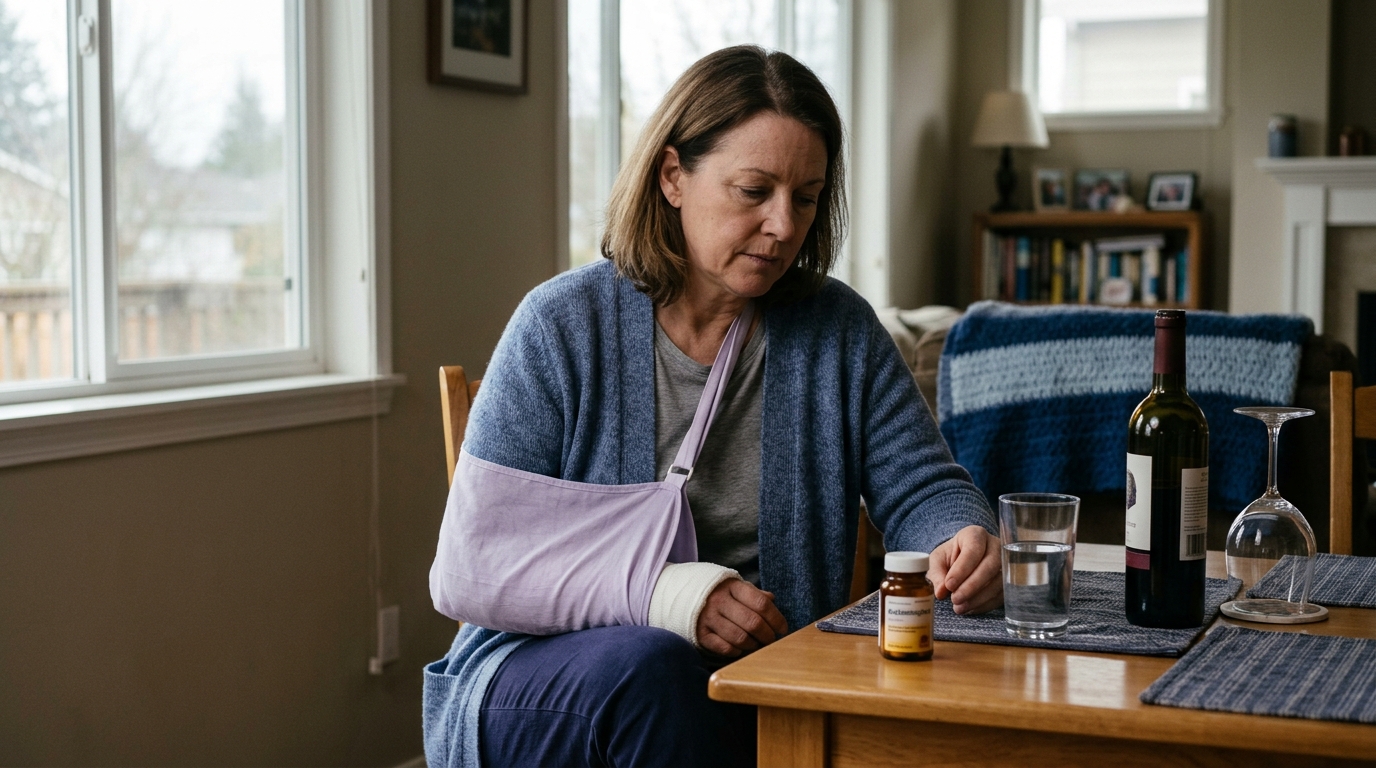
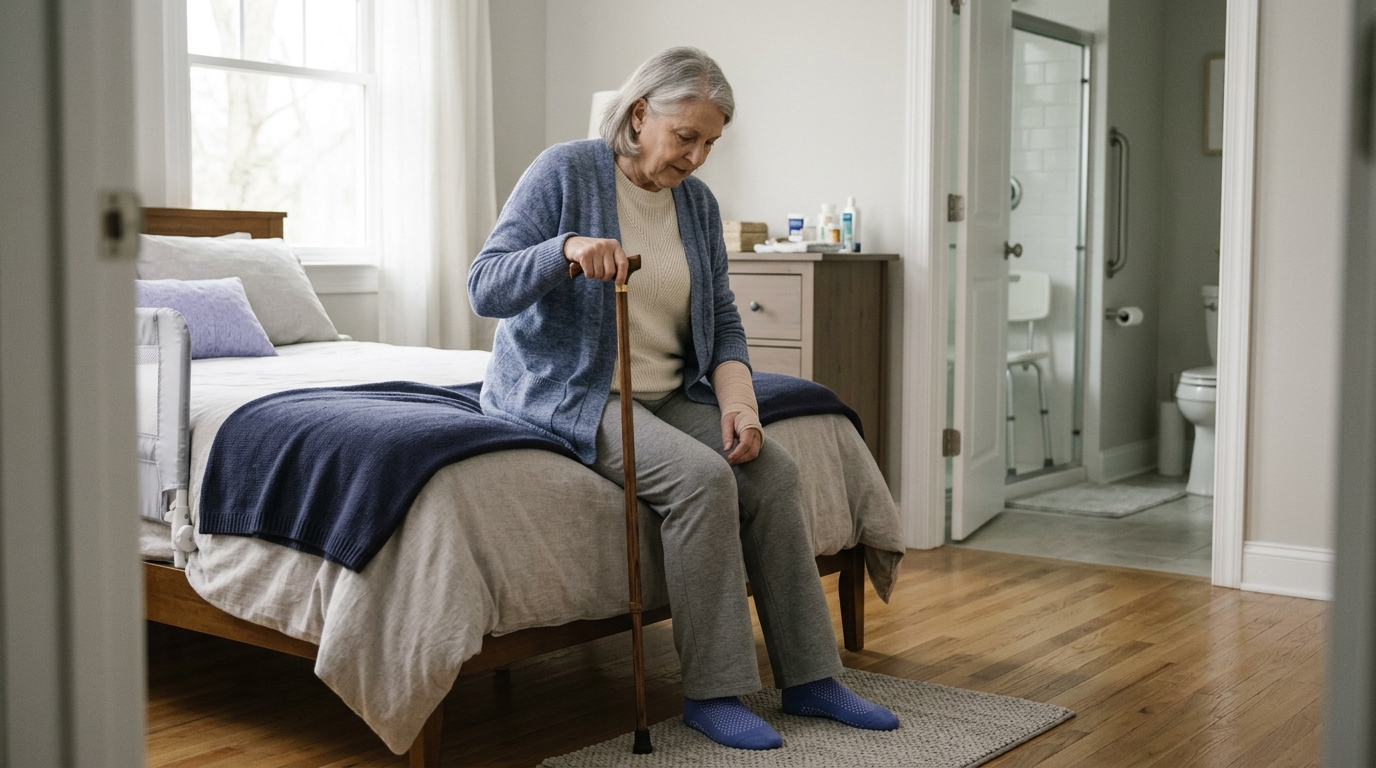
Fear of falling is a common concern that often causes people to restrict their movement. Unfortunately, restricting movement leads to further balance loss, which in turn increases fall risk.
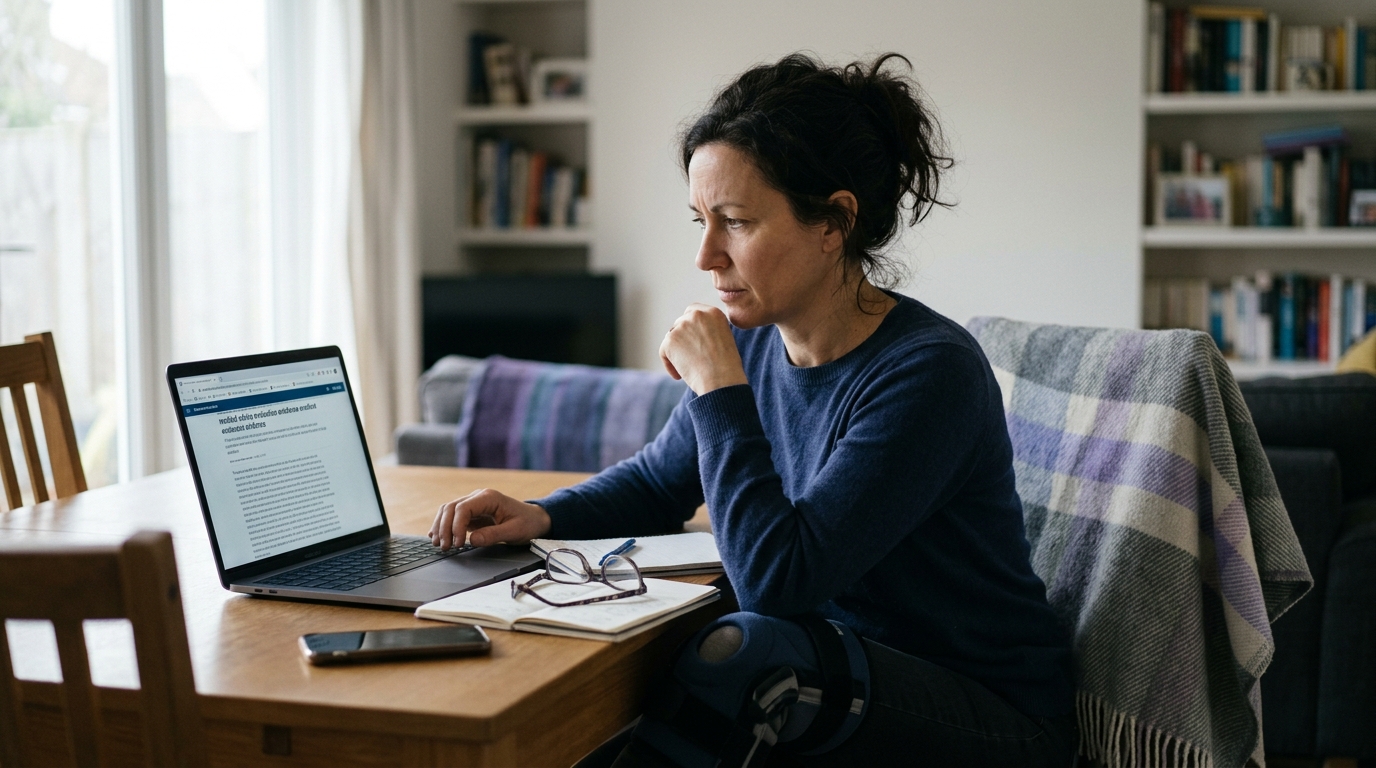
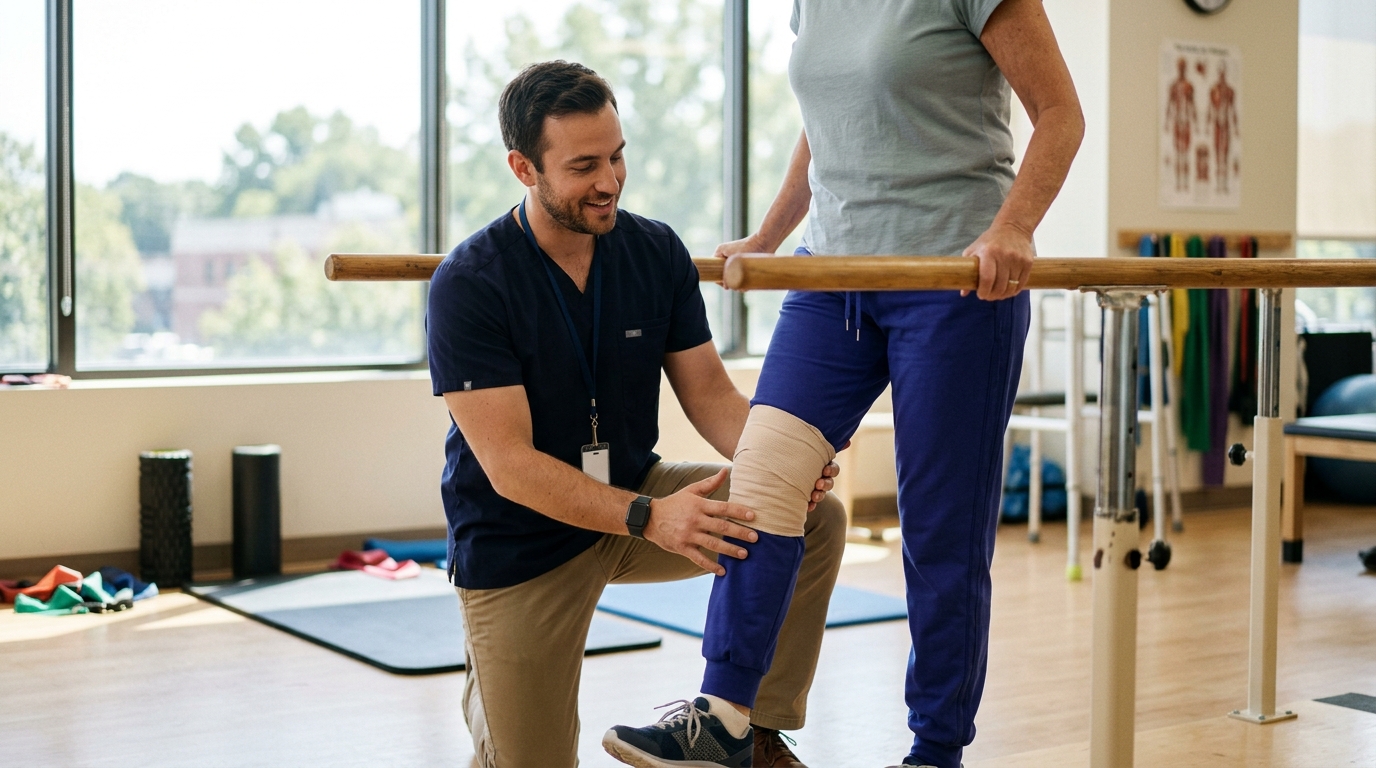
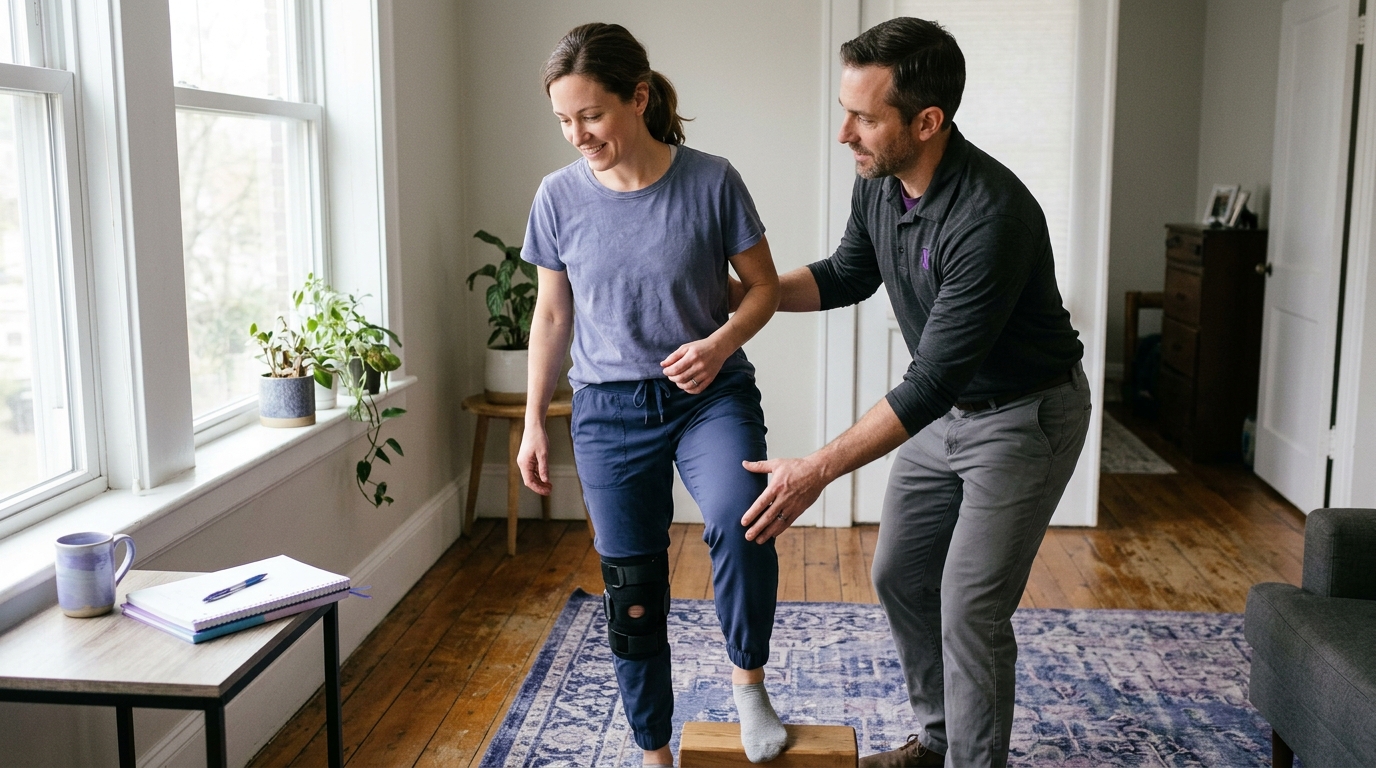
Joint stiffness and discomfort in the knees, hips, or spine can make the thought of exercise intimidating. Many assume that moving an aching joint causes further damage.
Busy caregiving schedules, work obligations, or health-related fatigue can make long workout sessions impractical.
To explore more individual movement modifications, browse our injury recovery and staying active resources.
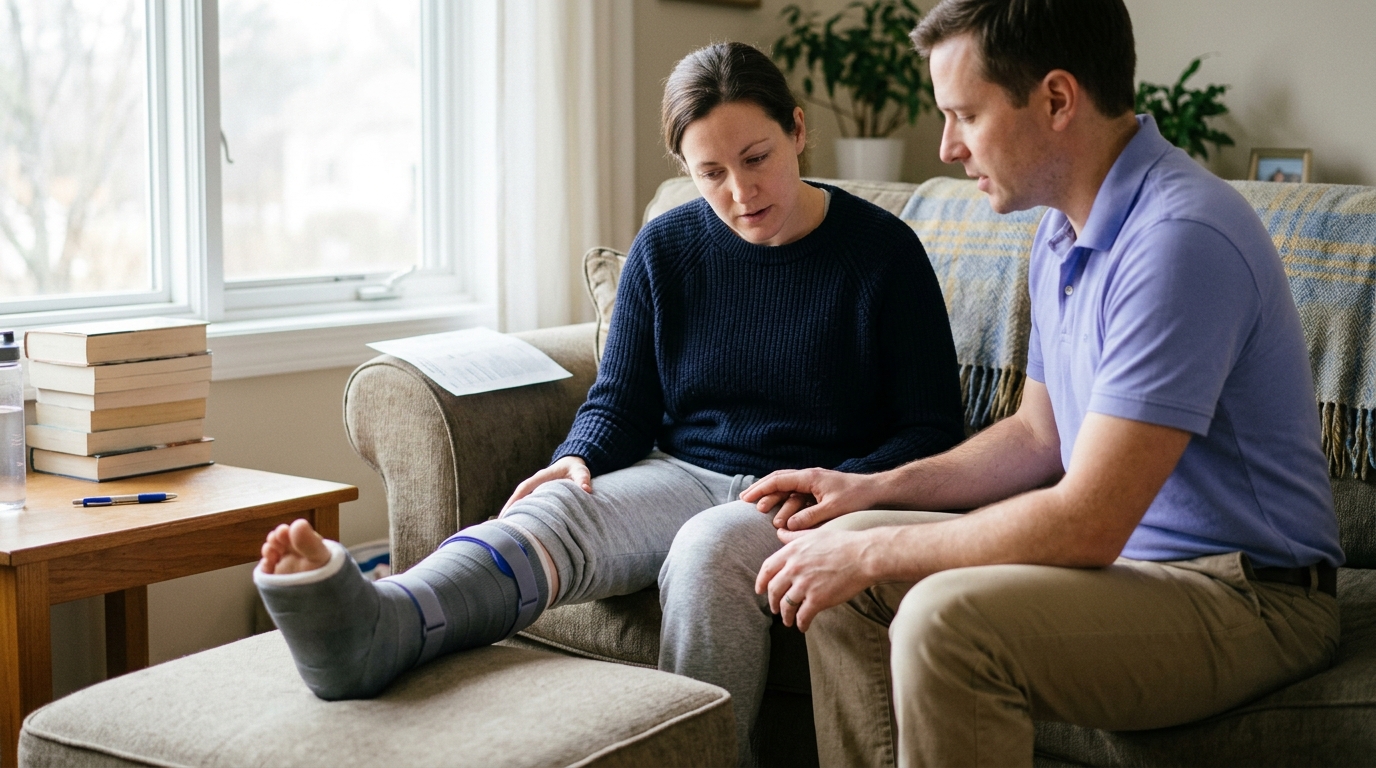
Most older adults manage one or more ongoing health conditions, such as high blood pressure, type 2 diabetes, osteoporosis, or joint osteoarthritis. An active lifestyle is safe and beneficial for individuals with these conditions when movements are properly adapted.
Joint discomfort often improves when surrounding muscles become stronger and better able to absorb physical shock.
Resistance training and weight-bearing exercise help stimulate bone maintenance and slow the rate of bone mineral loss.
Regular aerobic and strength training supports healthy blood vessel function and blood pressure regulation.
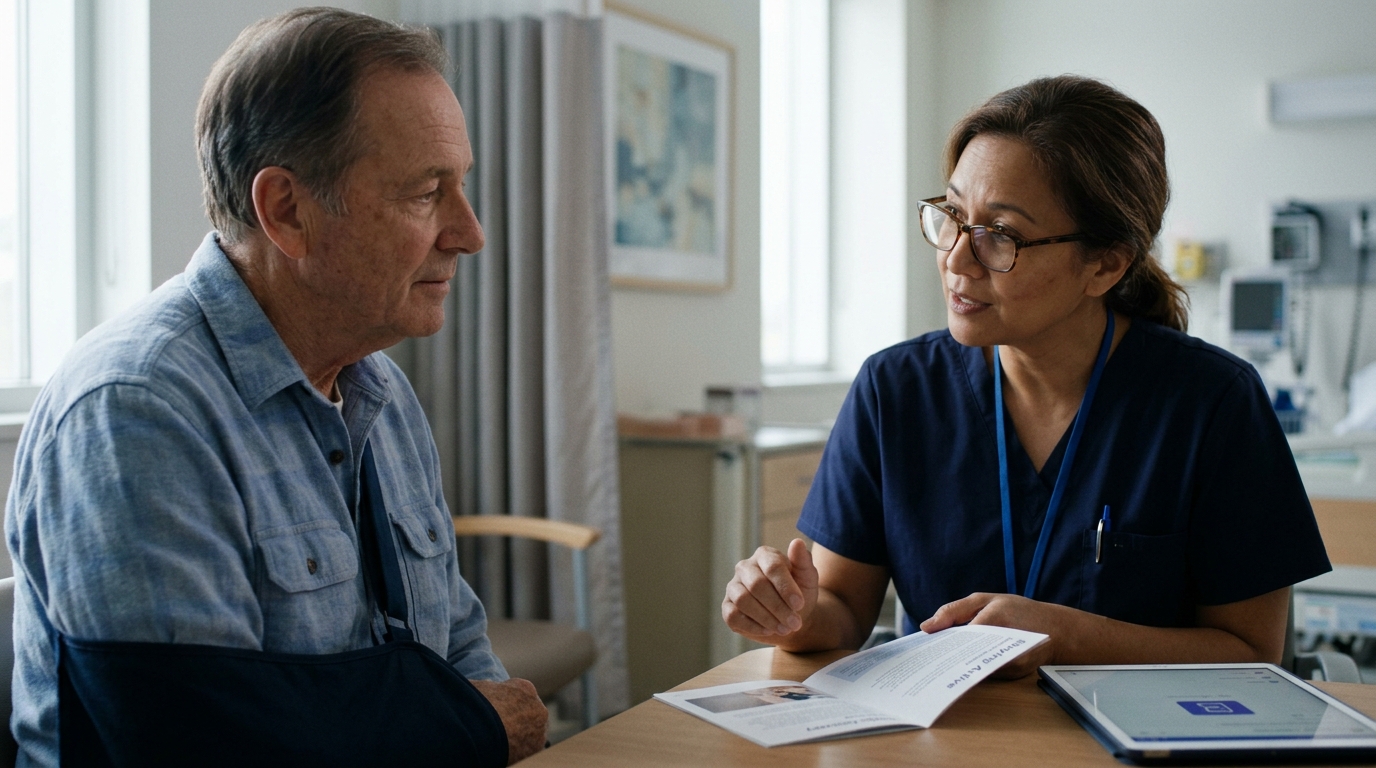
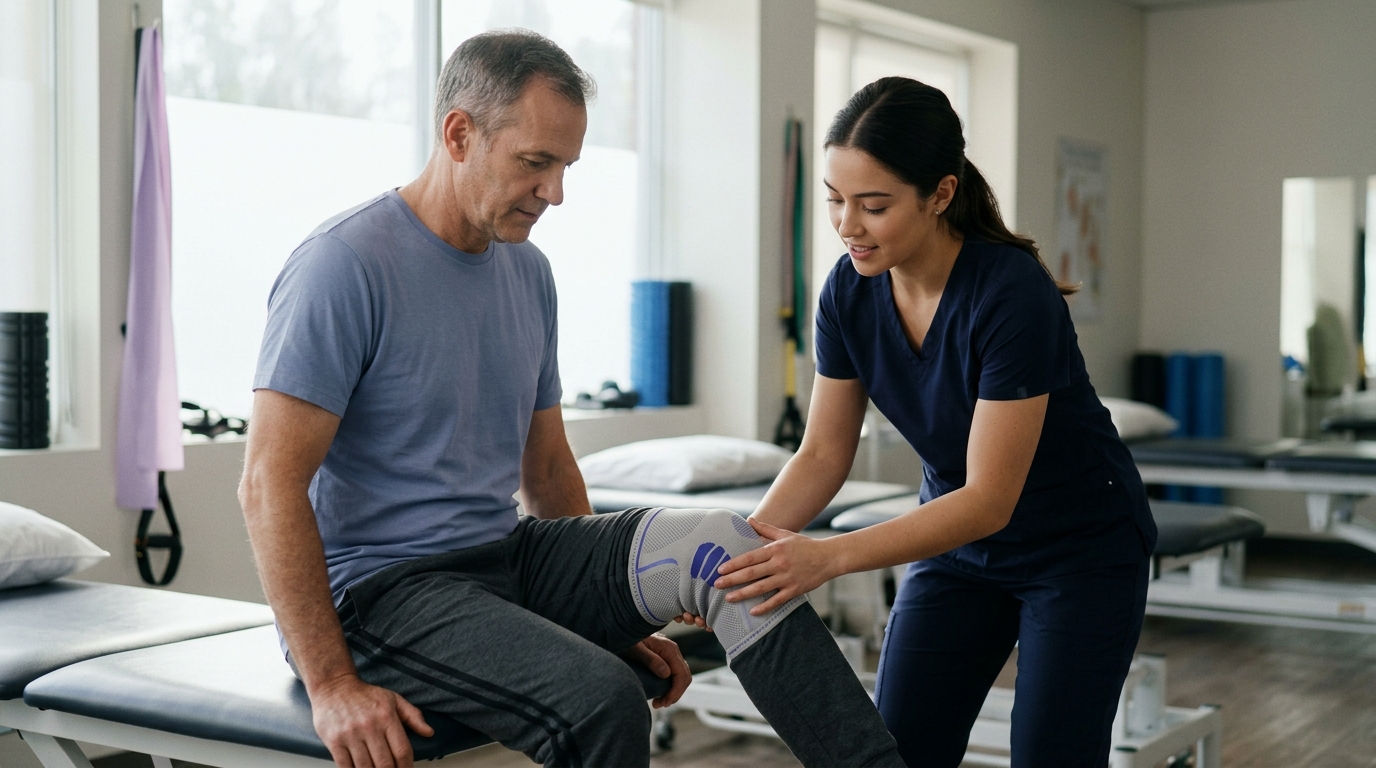
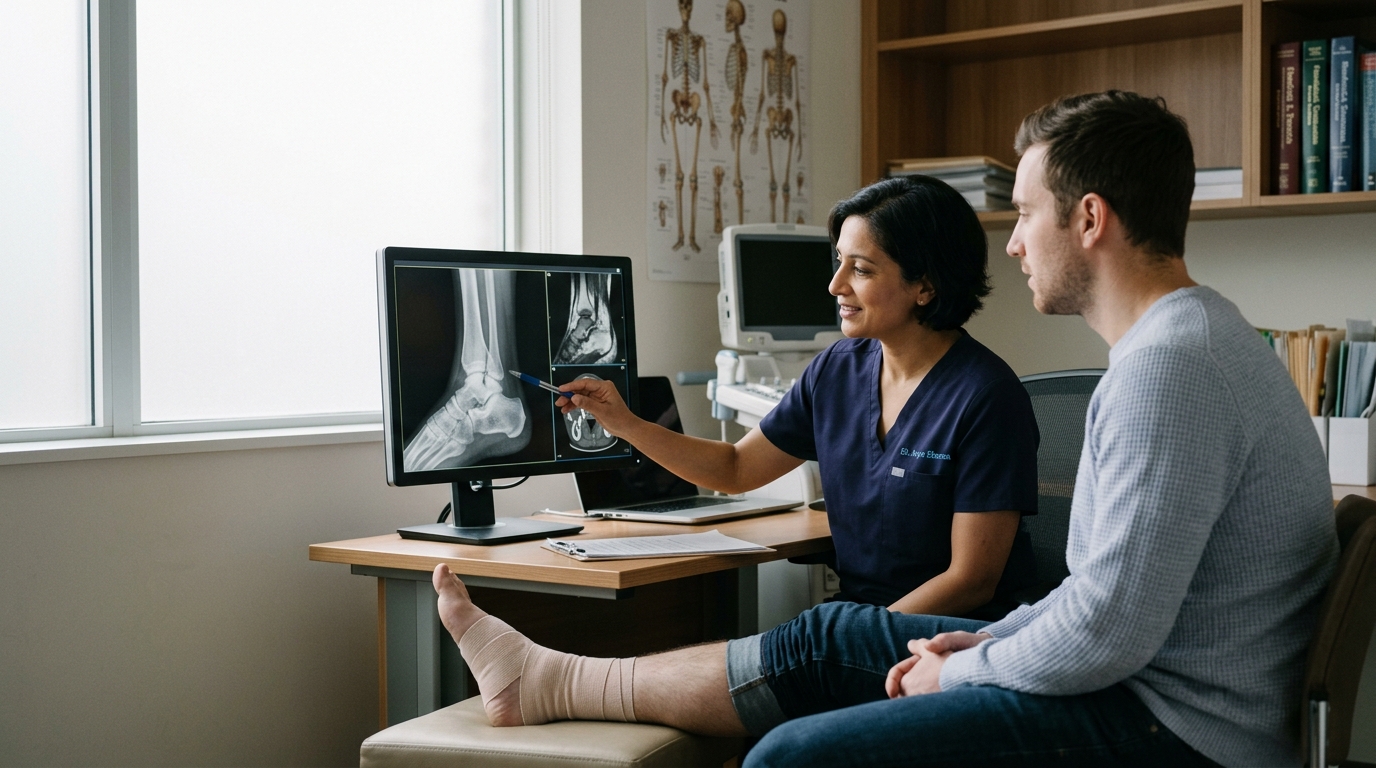
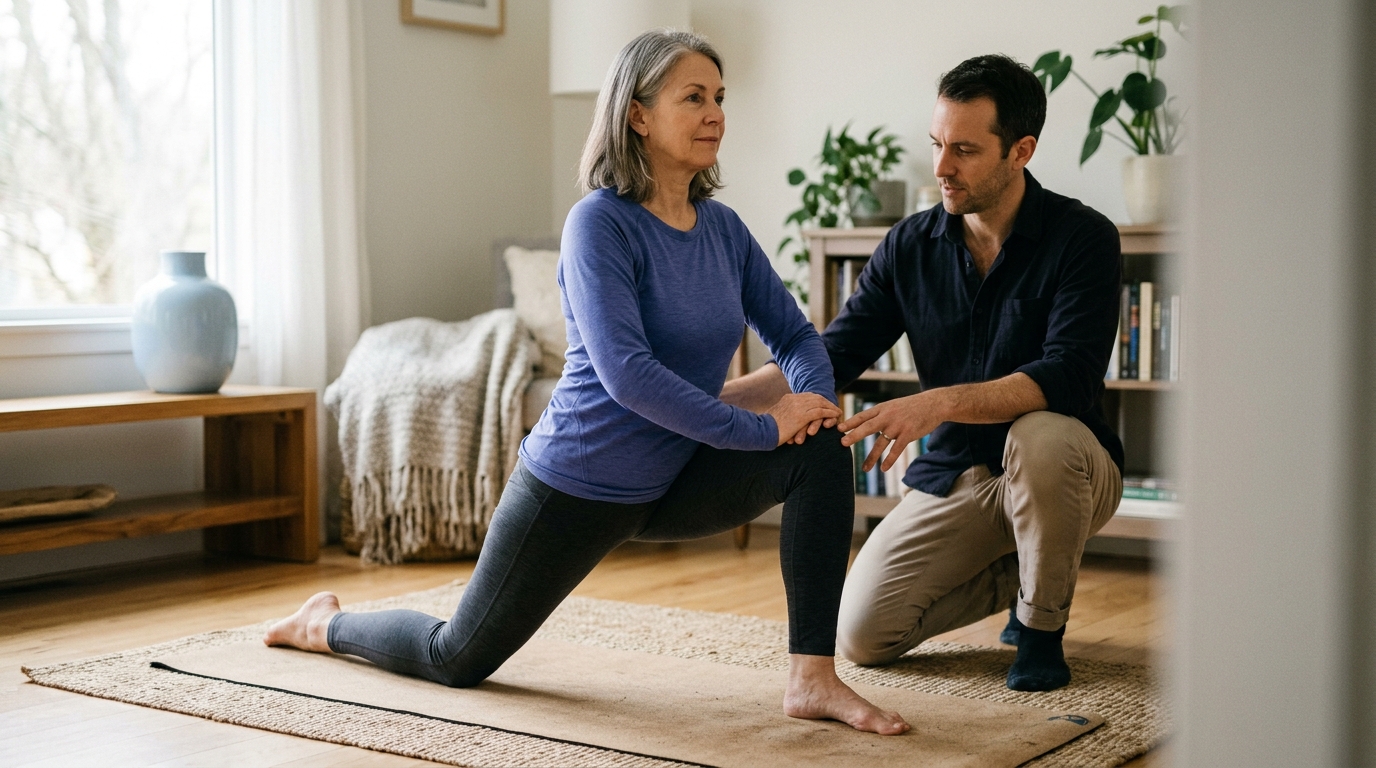
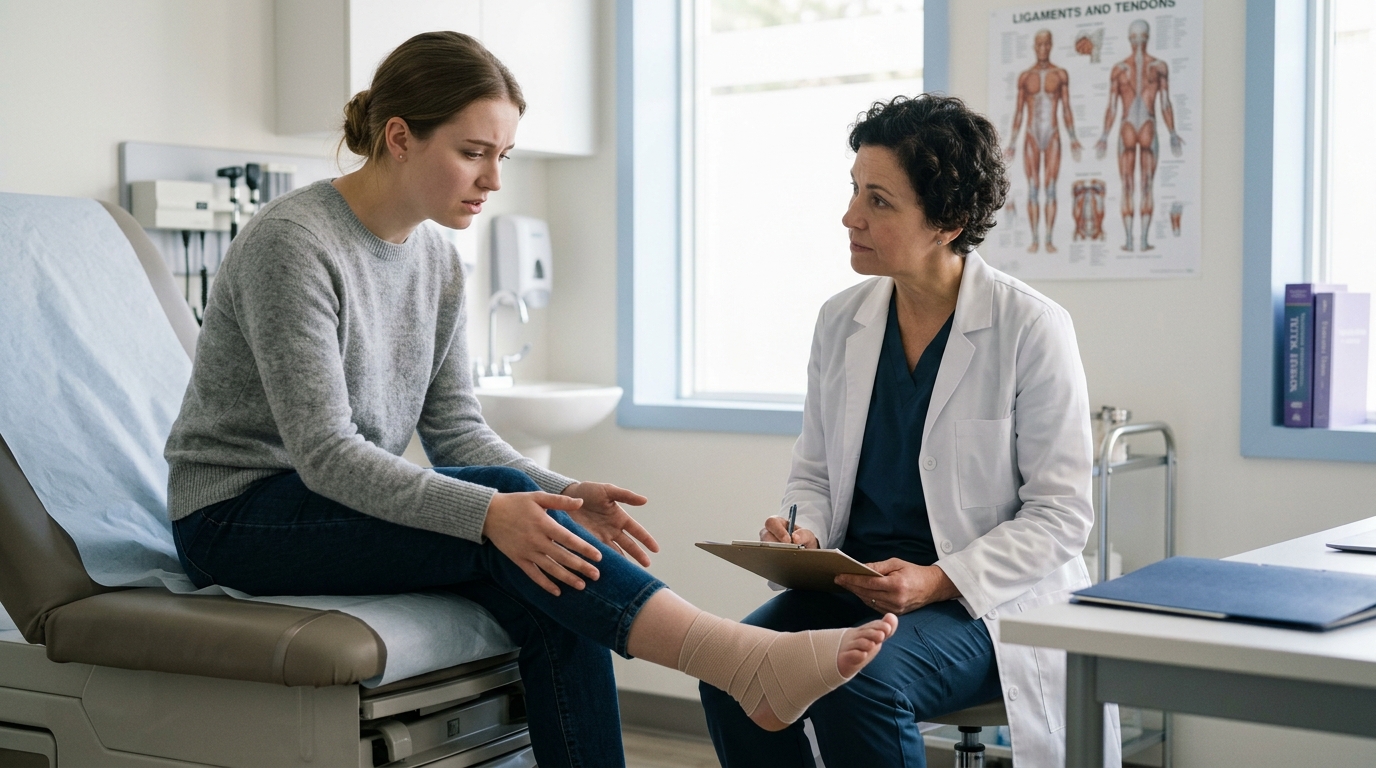
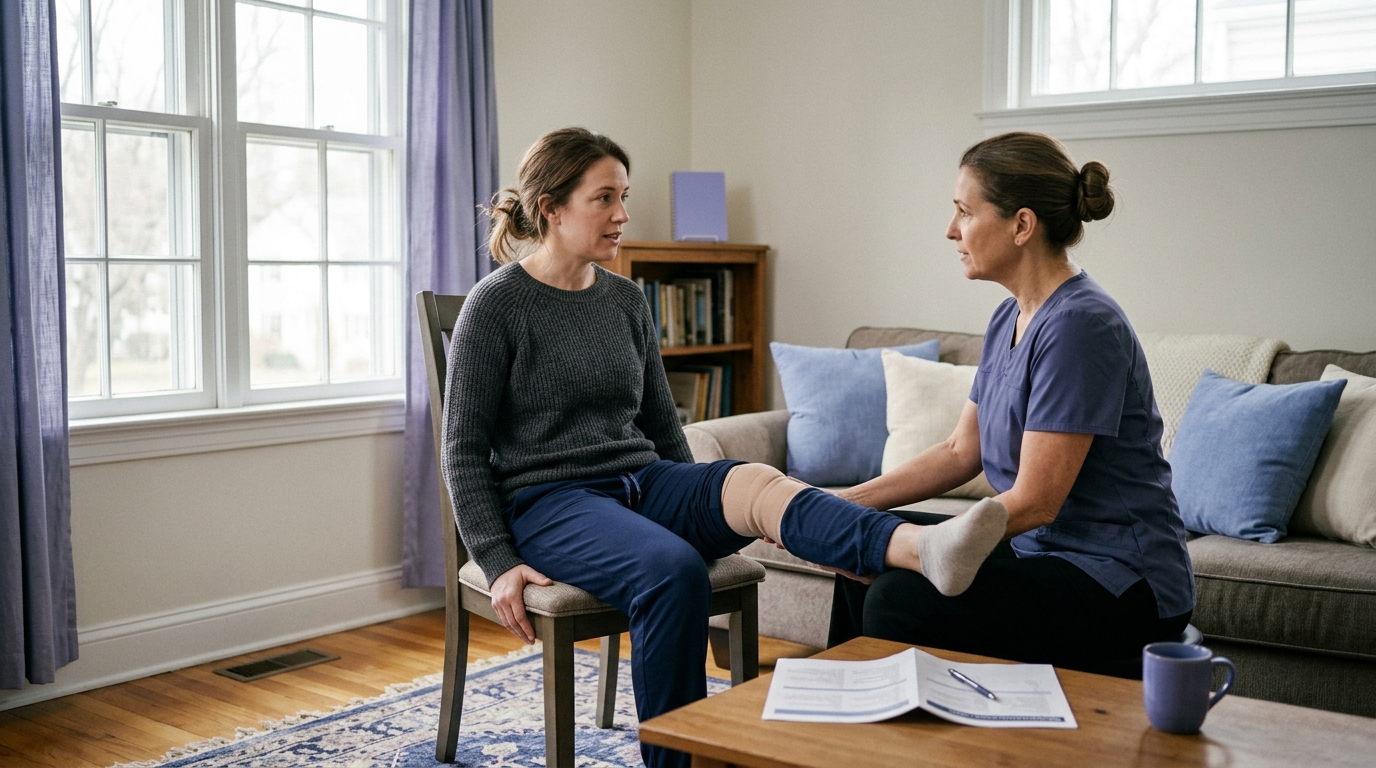
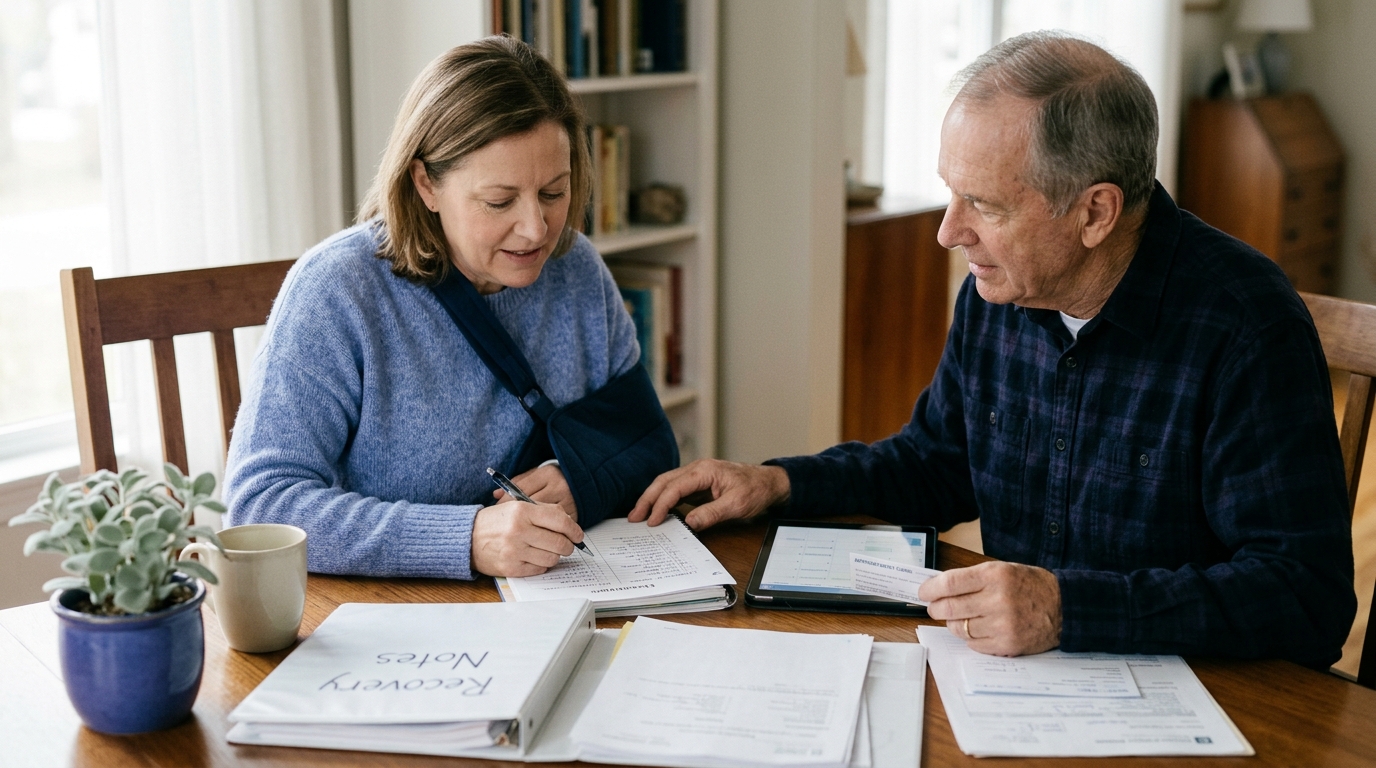
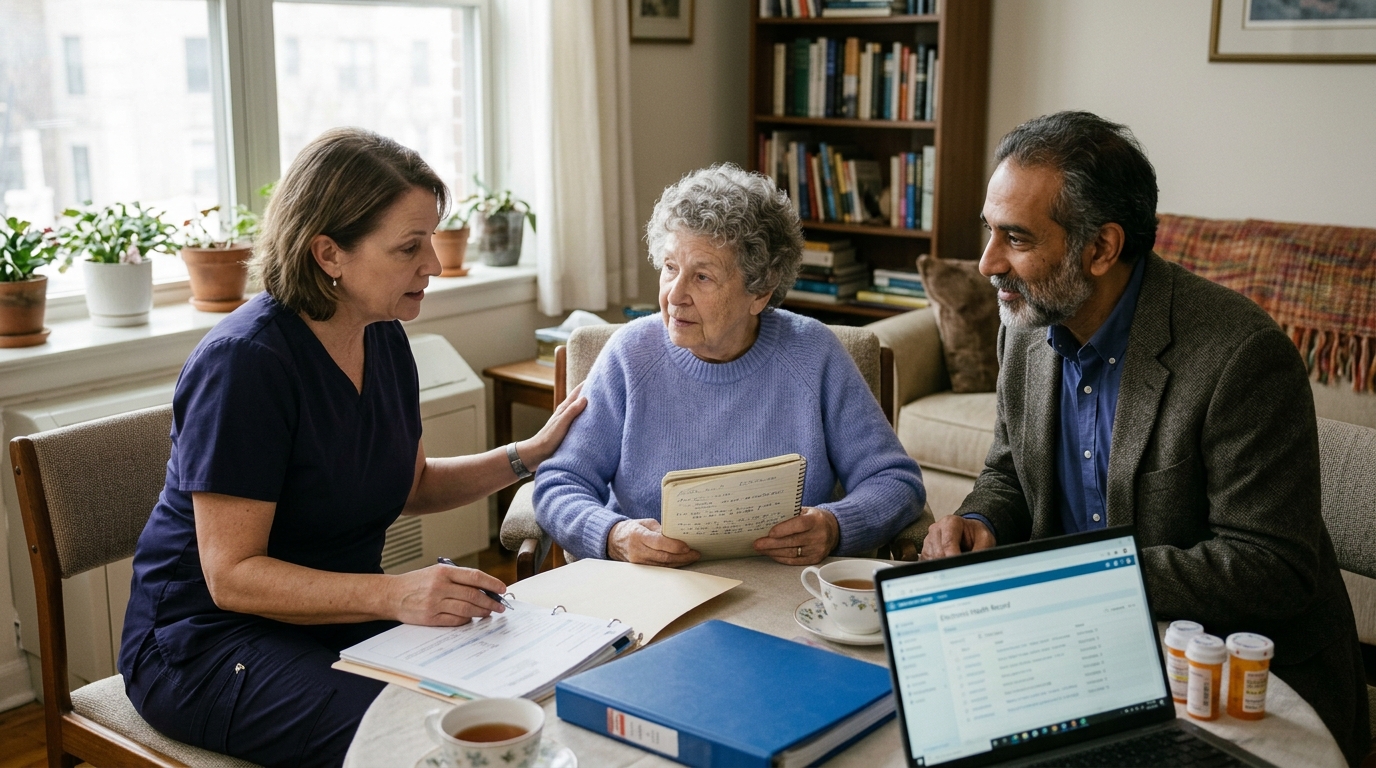
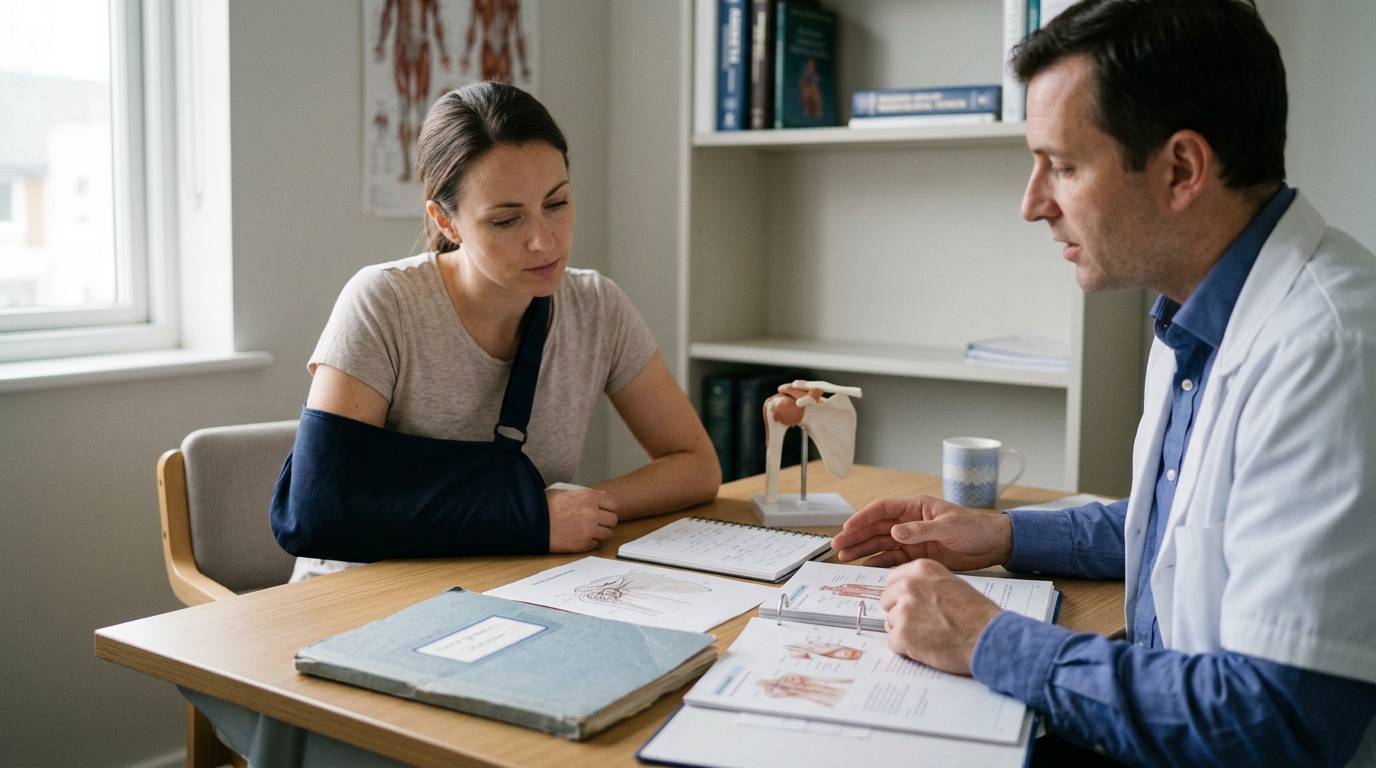
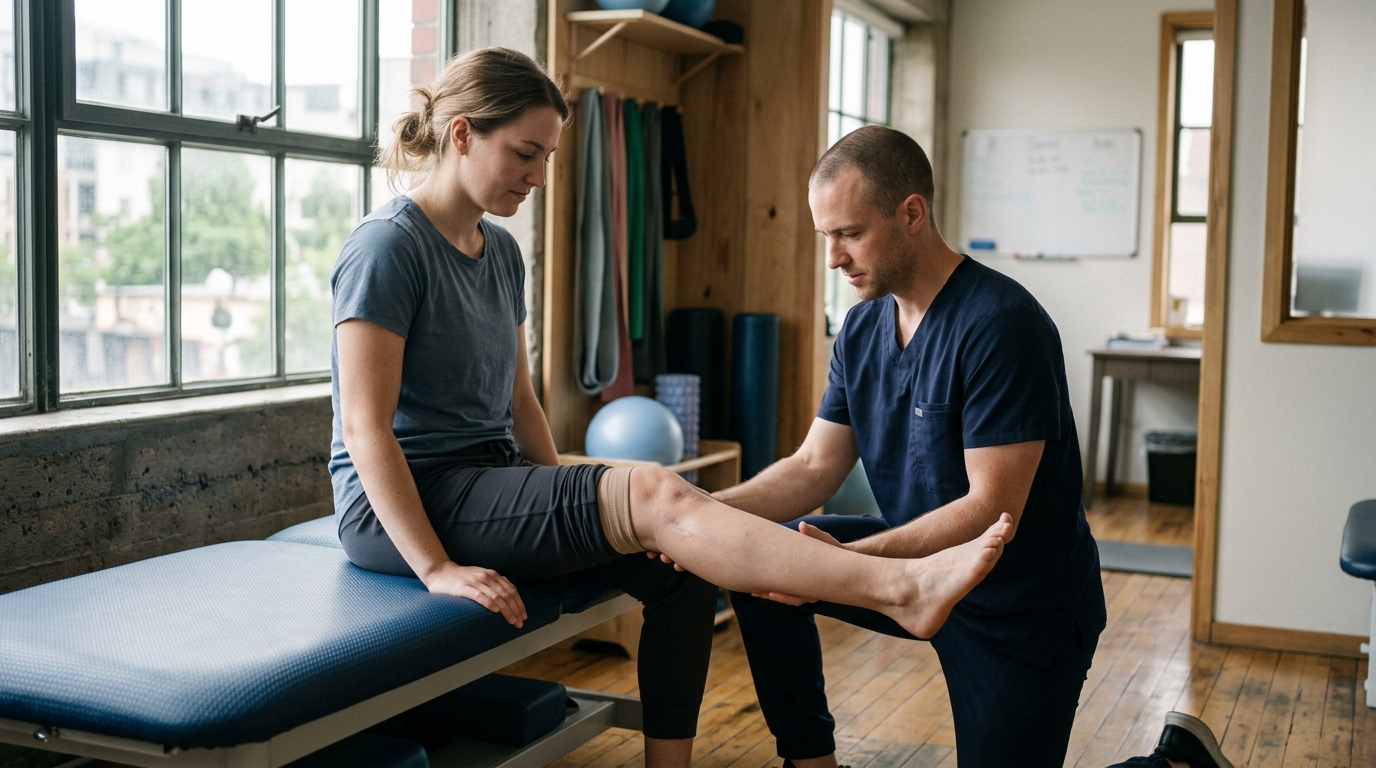
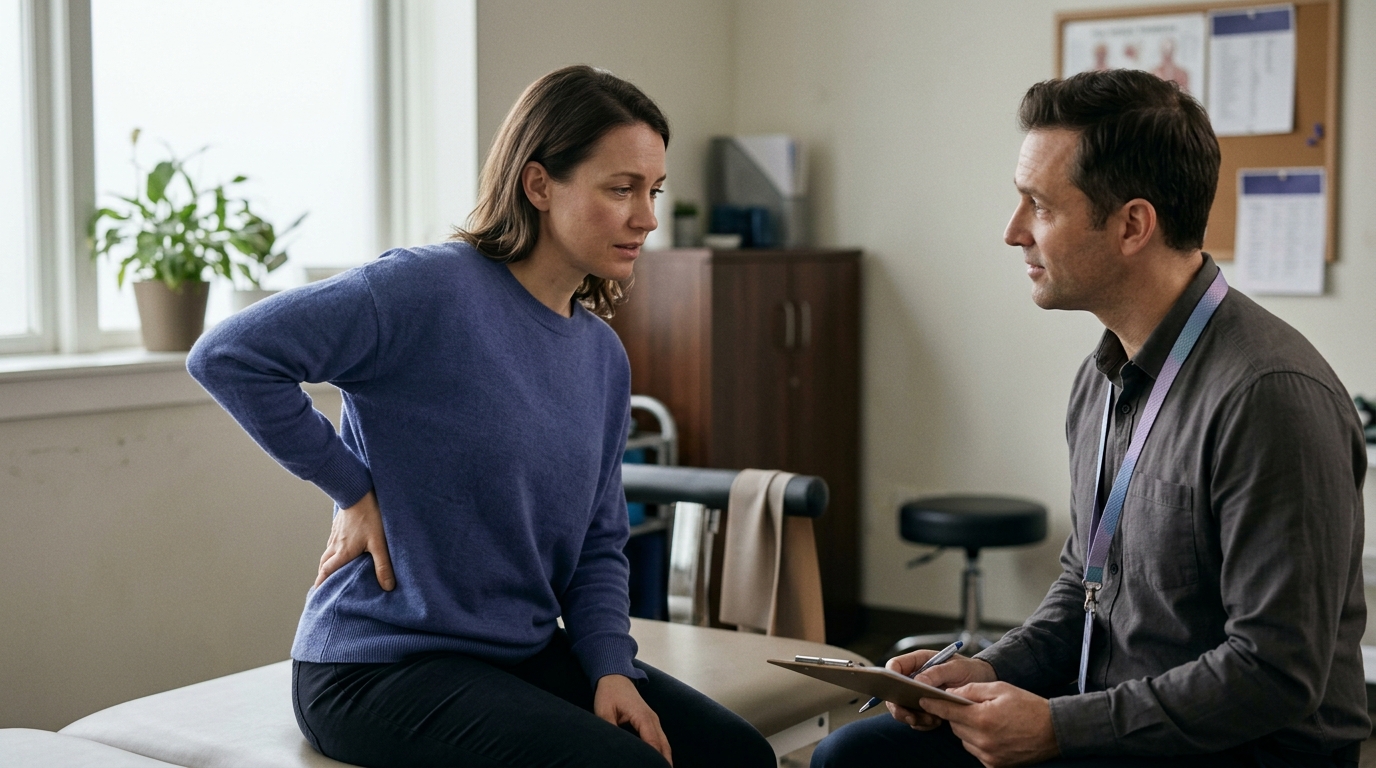
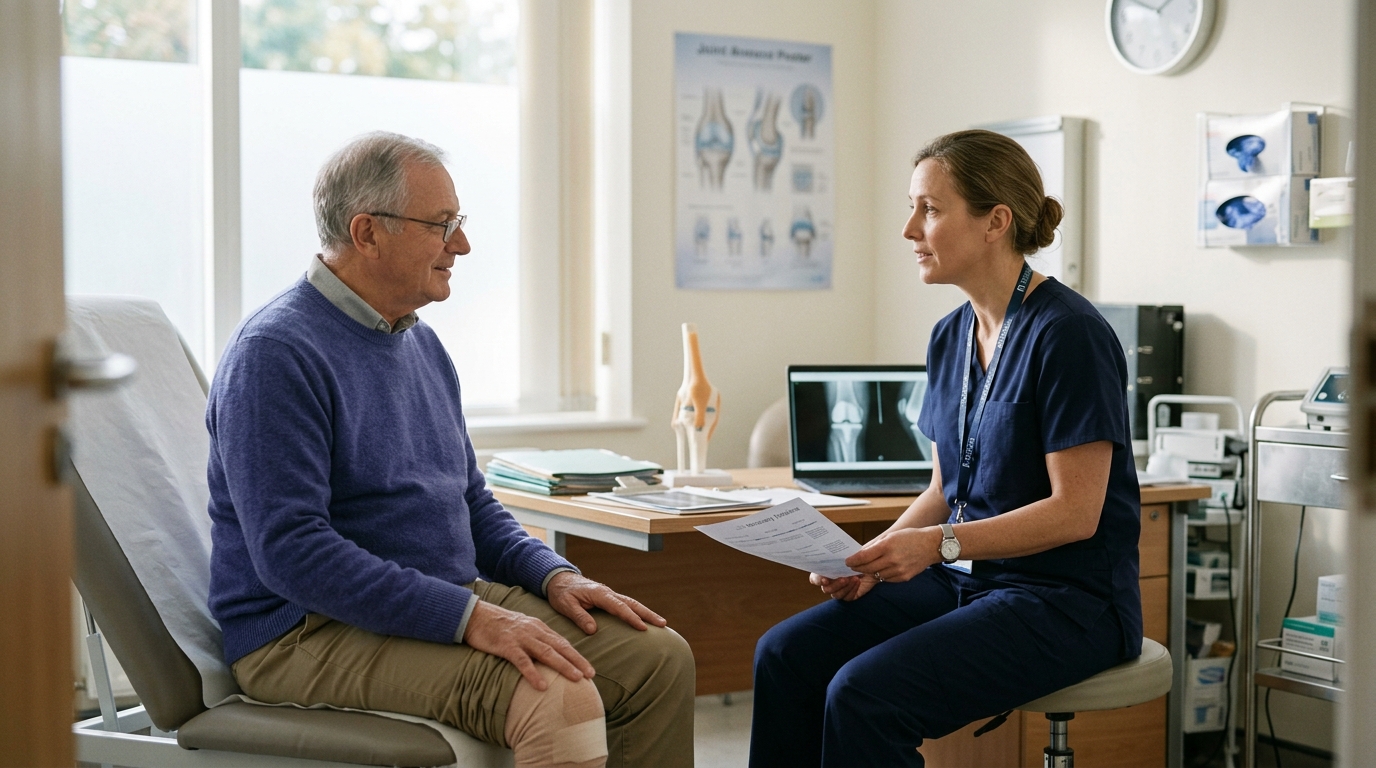
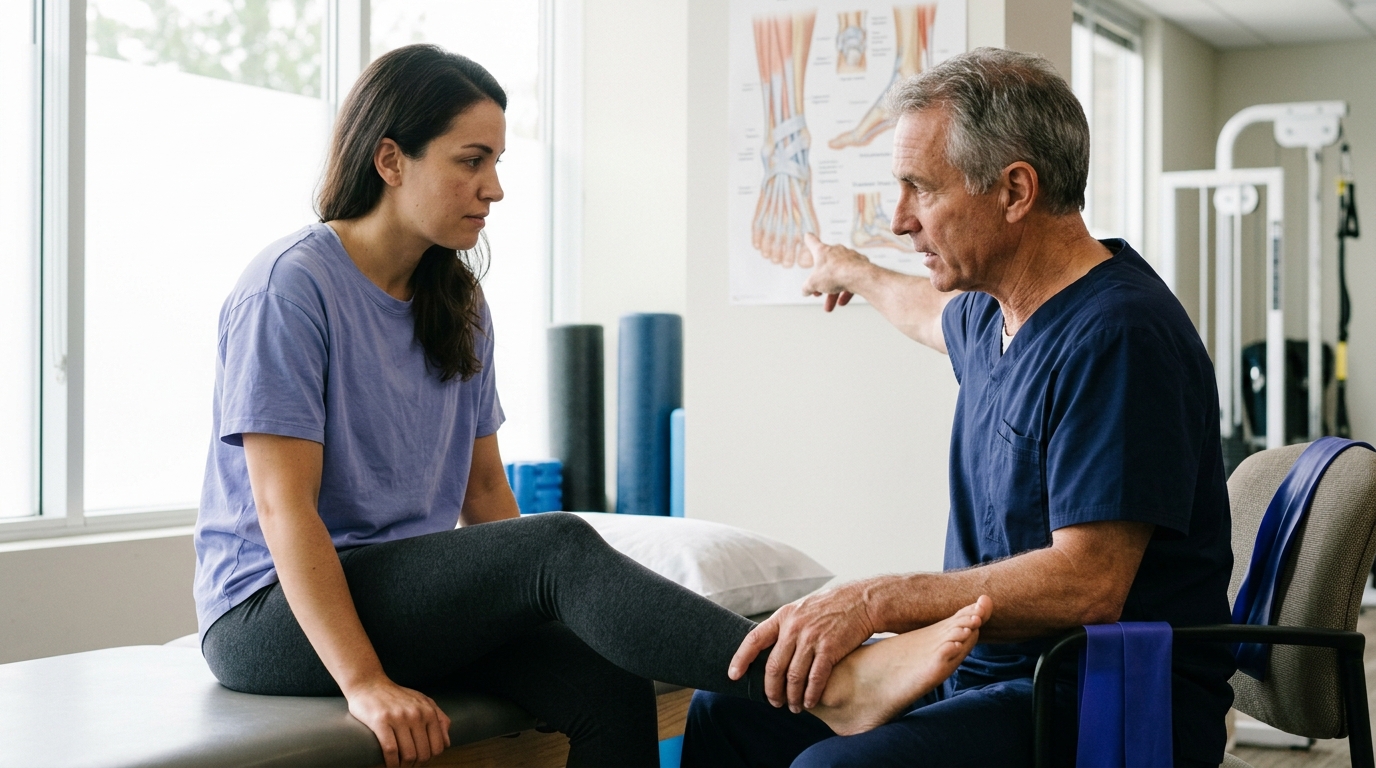
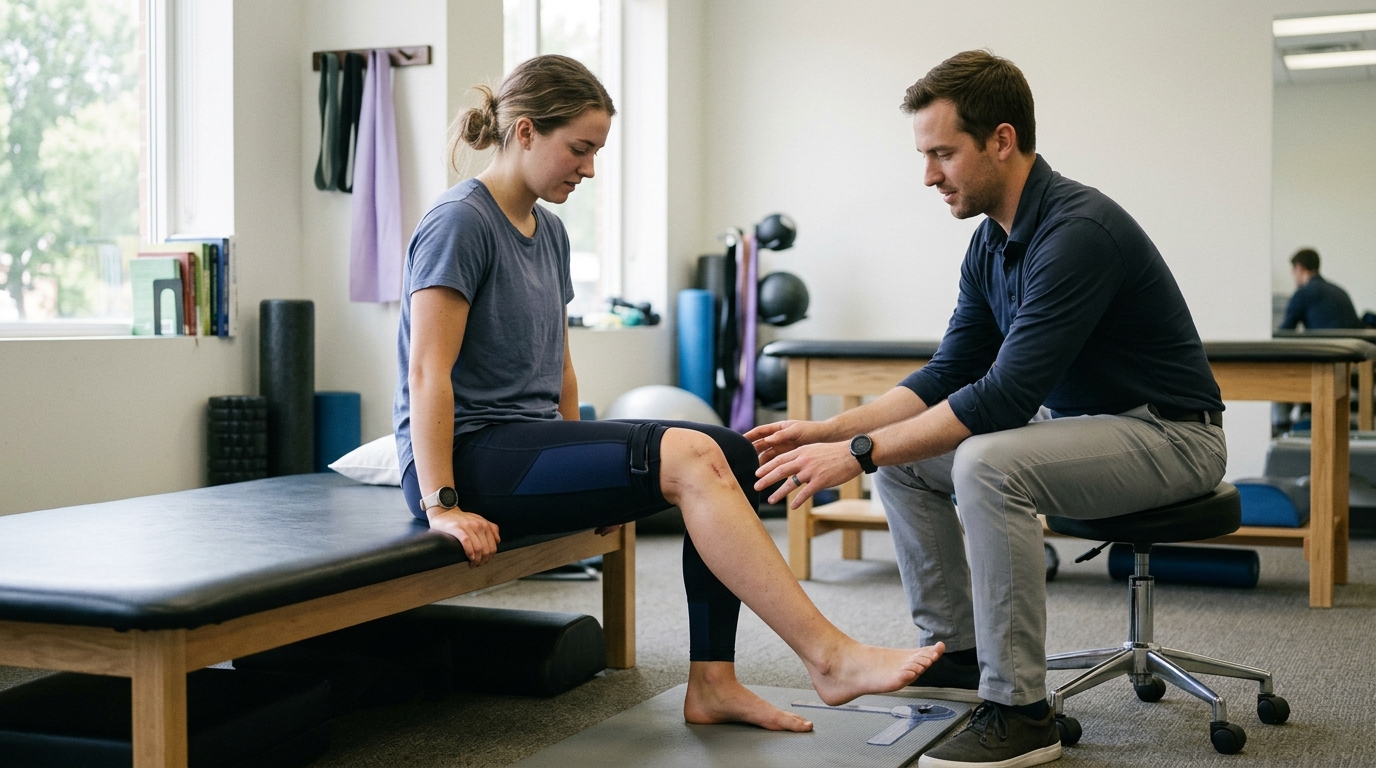
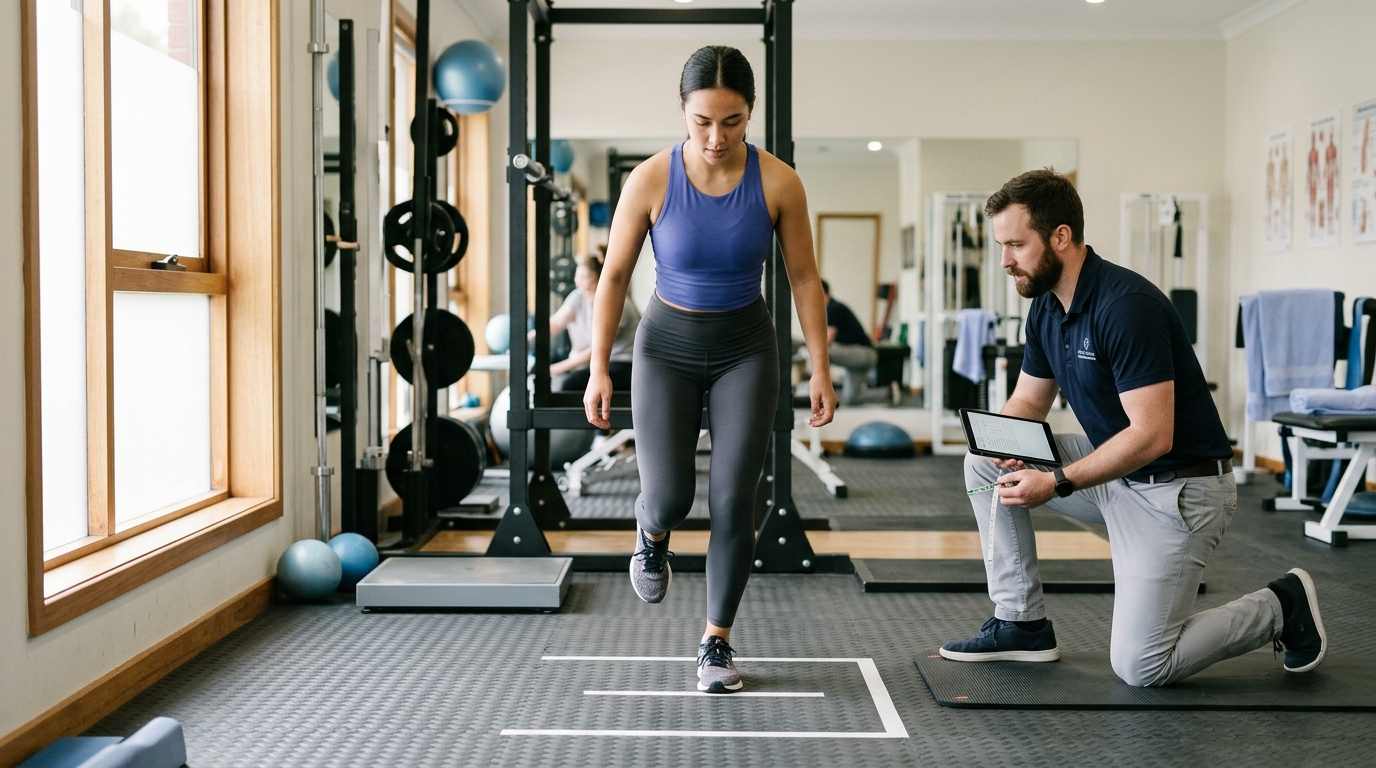
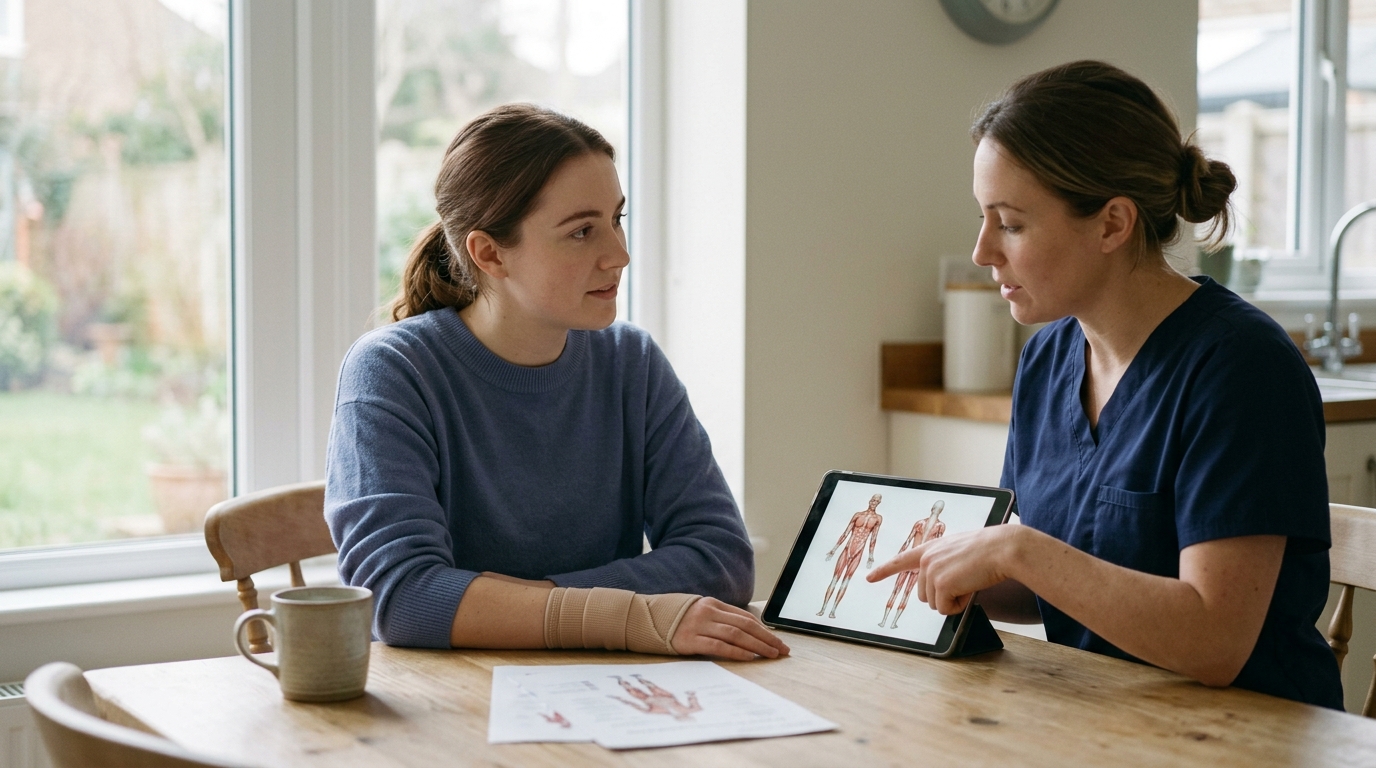
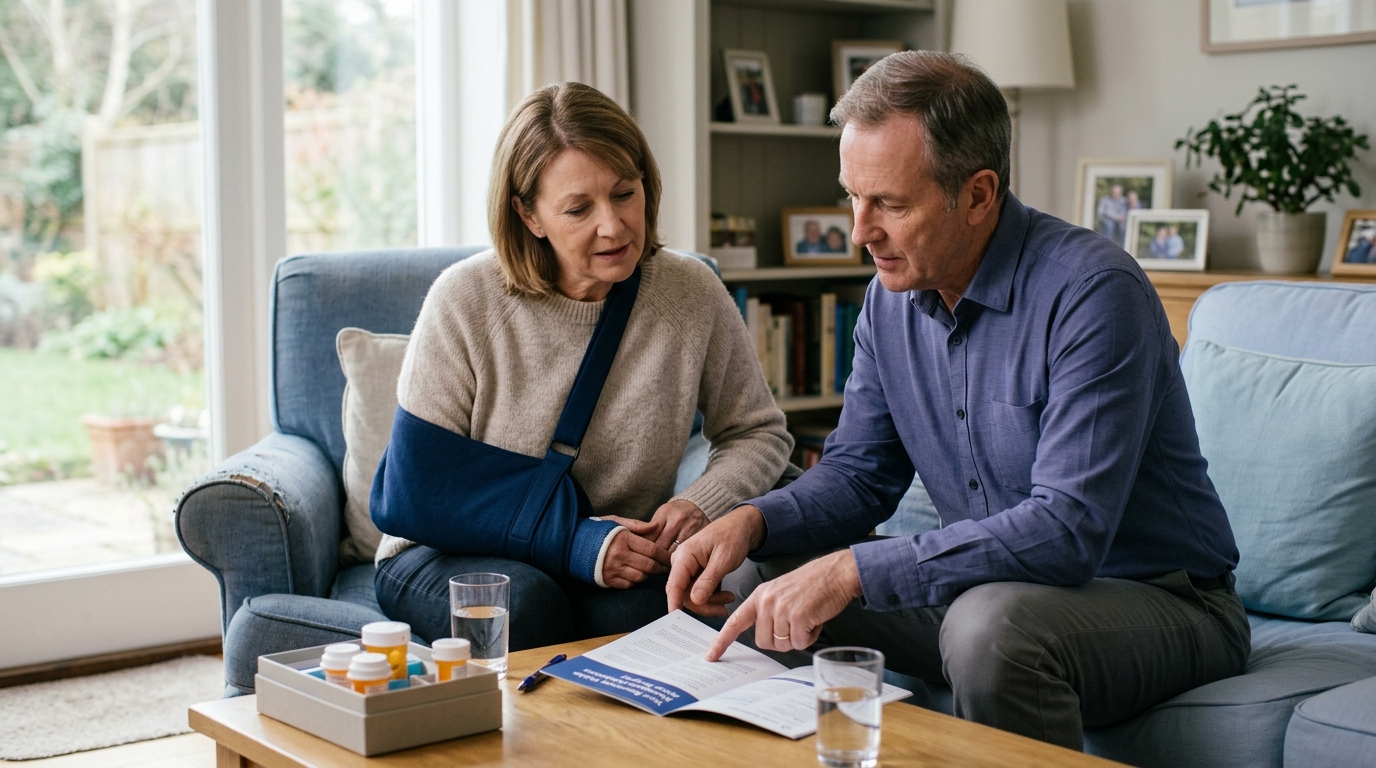
When you are starting a new physical routine or modifying your activity around a specific injury or chronic condition, consulting a physician, physical therapist, or orthopedic specialist is a sensible step. Asking focused questions helps you gather actionable guidance tailored to your health background.
Here are practical questions to consider discussing with your healthcare provider:
Working collaboratively with your medical team ensures your movement plan fits seamlessly with your overall health management. For more articles on movement and health, see our mobility and movement guides.
Staying physically active as you age is a continuous, adaptable process rather than a short-term program. Biological changes will occur over time, but your body retains an impressive capacity to adapt to regular physical demands.
Physical decline is not an all-or-nothing outcome that you must passively accept. By regularly challenging your muscles, practicing your balance, and keeping your cardiovascular system engaged, you protect your functional independence and preserve your ability to participate in the life you enjoy.
Success comes from consistency, sensible progression, and meeting yourself where you are today. Adjust your activities as your circumstances change, prioritize safe execution, and focus on the practical benefits of daily movement.
Taking steady, sensible steps to build your strength and balance today provides the physical foundation you need for years of active, confident living.

Use ReboundBody resources to understand common recovery stages, rehab terms, movement limits and strength rebuilding. Each guide is designed to make a complex comeback easier to understand.


Read practical guidance on injury recovery, rehabilitation, mobility and rebuilding strength as you work your way back to activity.
Explore Resources