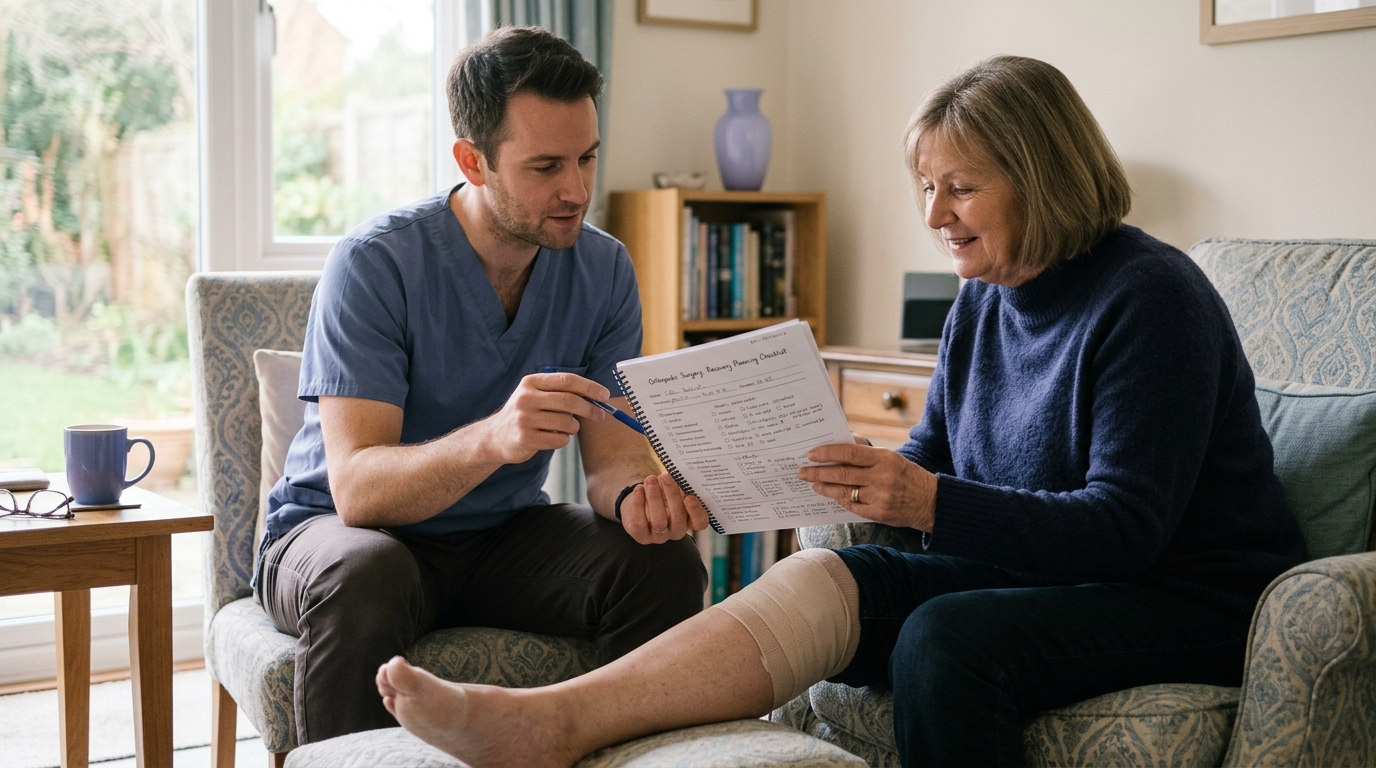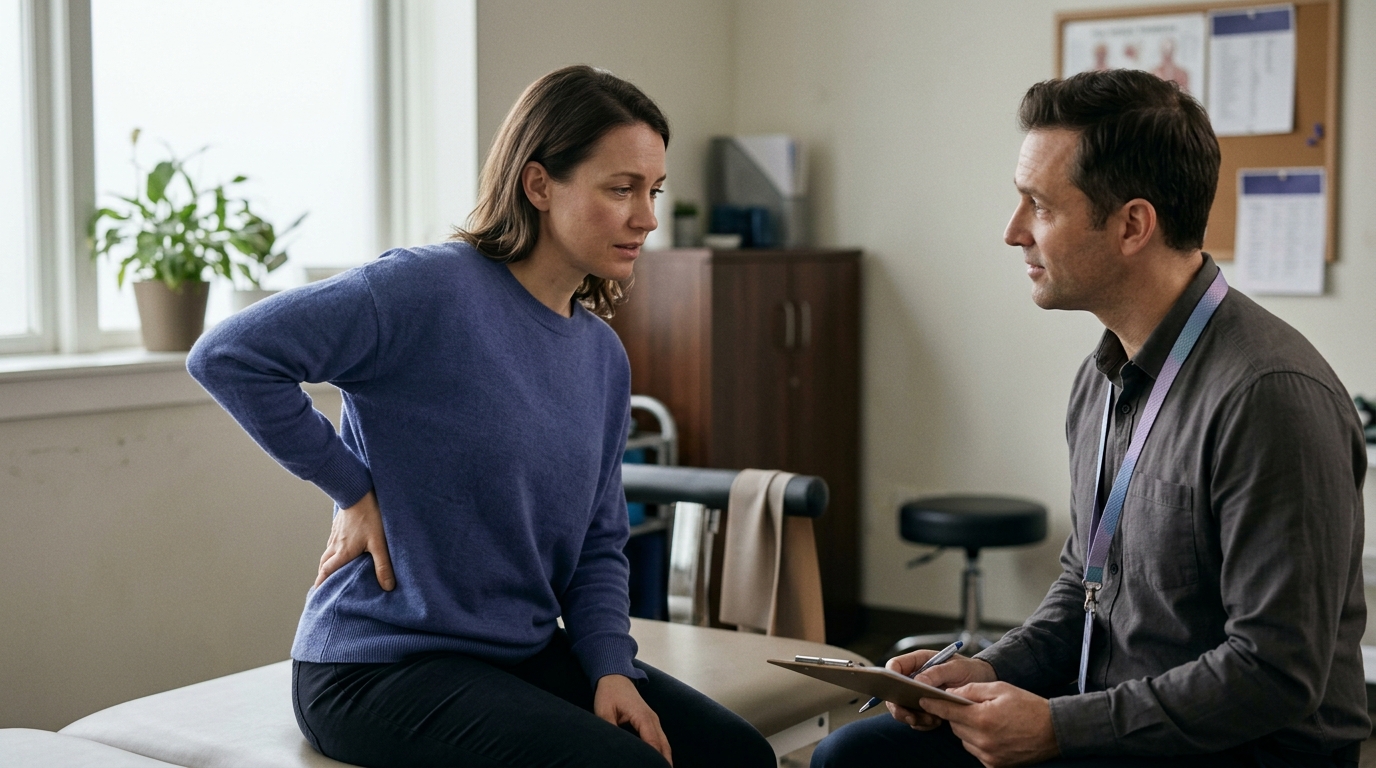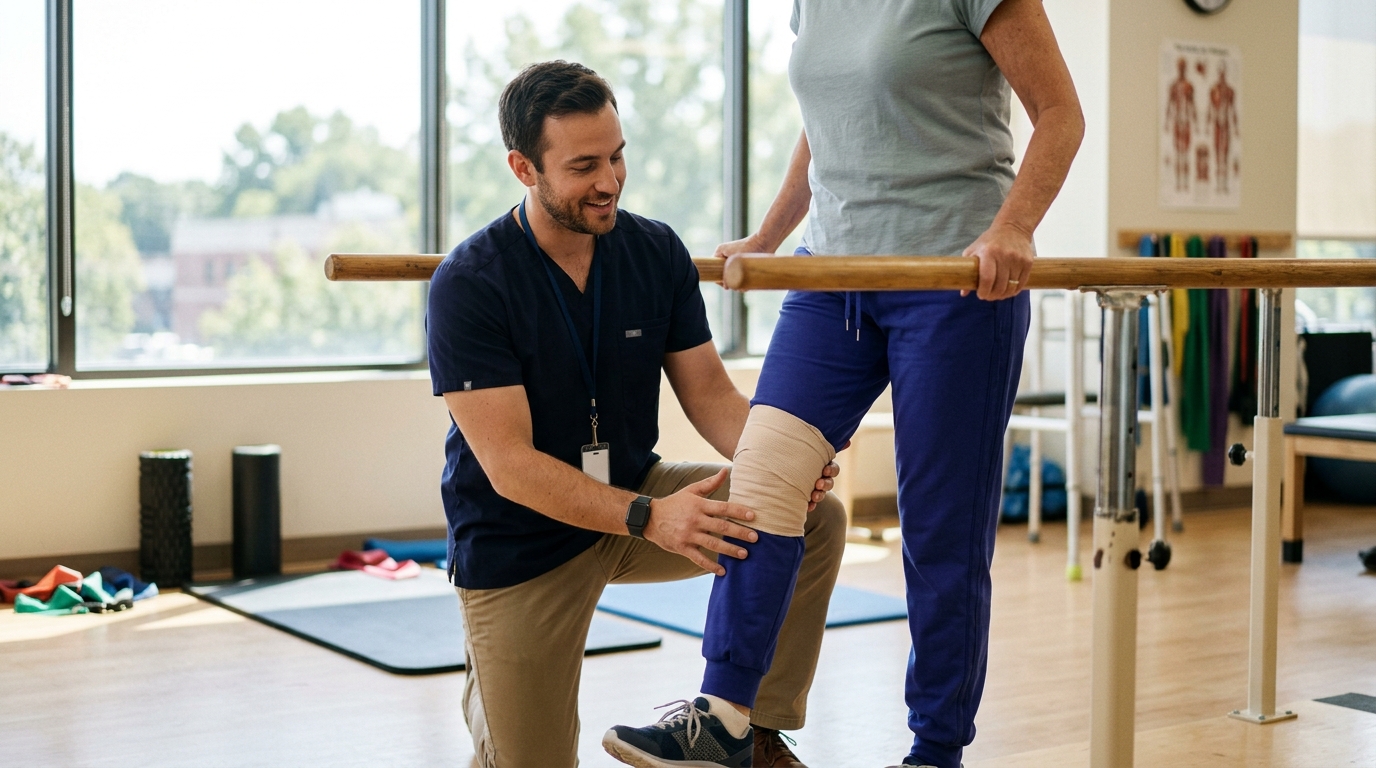

When recovering from an orthopedic injury, use an evidence-informed framework to prioritize daily nutrition and evaluate whether targeted supplements support your rehabilitation.





When an injury interrupts your routine, reaching for a supplement bottle feels like taking direct control. Marketing often frames capsules and powders as direct accelerators of tissue repair. However, sports science and orthopedic research paint a very different picture.
No dietary supplement can replace a medical diagnosis, progressive physical rehabilitation, or a balanced diet. A targeted supplement may help address an identified nutritional shortfall. It might also support a specific rehabilitation goal. Yet, current evidence confirms that no oral supplement can be routinely recommended simply to speed up tissue healing.
Understanding what supplements can and cannot do protects both your health and your wallet. This guide provides a clear framework to evaluate recovery products. You will learn how to weigh clinical evidence, assess safety risks, verify product quality, and make informed choices with your healthcare team.
Navigating recovery products requires clear definitions. In the United States, the Food and Drug Administration regulates dietary supplements under a framework distinct from prescription drugs. The FDA does not review dietary supplements for safety or effectiveness before they are marketed and sold to consumers.
This regulatory distinction matters during physical recovery. A prescription medication or medical device undergoes extensive clinical trials to prove it treats a specific condition. A dietary supplement is legally intended only to supplement the diet. It is not approved to diagnose, treat, cure, or prevent any musculoskeletal injury.
When evaluating any product, it helps to place your situation into one of four distinct categories:
A clinician may identify a specific nutrient shortfall through blood work or clinical evaluation. For instance, low serum vitamin D can compromise bone health. In this scenario, supplementation serves to restore normal physiological baseline levels under medical guidance.
Physical recovery increases your metabolic demands. If poor appetite or limited mobility makes eating difficult, standard foods or supplemental nutrition drinks can help you meet daily baseline targets for energy and macronutrients. The goal here is general nourishment rather than a targeted tissue treatment.
This involves taking a specific compound to support a defined rehabilitation stimulus. An example is pairing collagen intake with structured tendon-loading exercises. In this context, the product is an adjunct to physical therapy, not a standalone cure. You can find more context on integrating daily habits within our lifestyle and nutrition recovery resources.
Physical injuries require structural healing, mechanical loading, and clinical management. Relying on a pill or powder to repair a torn ligament, heal a broken bone, or fix a damaged tendon confuses nutritional support with medical treatment.
Many active adults make the mistake of stacking multiple specialized supplements while neglecting their everyday diet. Orthopedic recovery places unique energetic demands on the body. Placing pills ahead of basic nutrition is like trying to build a roof before pouring the foundation.
A systematic review of rehabilitation nutrition in injured athletes highlights that overall energy balance, adequate protein, and carbohydrate intake are the primary nutritional drivers of recovery. When total energy intake drops too low, the body accelerates muscle protein breakdown. This loss of lean mass is especially severe during periods of limb immobilization or reduced activity.
Prioritizing your nutritional hierarchy ensures your body has the raw materials it needs:
Maintaining adequate energy availability is essential for tendon, ligament, and bone remodeling. A sudden drop in activity often leads people to cut calories drastically out of fear of gaining body fat. However, severe restriction impairs tissue remodeling and delays rehabilitation progress.
Warning signs of low energy availability include unintentional weight loss, persistent fatigue, poor sleep quality, recurrent illness, and stalled rehabilitation gains. When these symptoms appear, the solution is optimizing whole-food meals with a registered dietitian, not adding another supplement capsule. To learn more about structuring your daily intake during rehabilitation, explore our nutrition and recovery guides.
Evaluating recovery products requires a structured method. The International Olympic Committee recommends undertaking a comprehensive nutritional assessment before introducing any supplement. Applying a structured five-step framework helps you separate promotional marketing from clinical reality.
Start by asking whether a genuine need exists. Are you unable to consume enough protein through regular meals? Did a blood test reveal low iron or vitamin D? If your everyday diet already meets your physiological needs, adding a supplement may provide no extra benefit.
Investigate what kind of research supports the product. Was the supplement tested in human clinical trials involving your specific injury? Or does the claim rely on cell cultures, animal models, or healthy volunteers performing unrelated exercises? Mechanistic laboratory findings rarely translate directly into faster recovery for an injured patient.
Every bioactive compound carries potential side effects. Dietary supplements can interact with prescription medications, alter blood pressure, or increase bleeding risks during surgery. Always screen potential products for contraindications related to your medical history and current prescriptions.
Because premarket FDA approval does not exist for supplements, product quality varies widely between brands. Independent third-party testing organizations test products to verify that the ingredients on the label match what is inside the bottle. They also confirm the product is free from harmful levels of contaminants.
Consider the financial cost and practical convenience of the product. Is the potential, modest benefit worth the recurring monthly price? In many cases, investing those funds in nutrient-dense groceries or additional physical therapy sessions delivers a far greater return on your recovery.
Dietary supplements are frequently grouped together under general recovery claims. However, the scientific evidence varies dramatically depending on the nutrient, the tissue type, and the study design.
A thorough review of published sports medicine and orthopedic literature reveals what current science truly supports.
Protein provides the essential amino acids required for muscle protein synthesis and soft tissue remodeling. During injury rehabilitation, maintaining muscle mass is a major clinical challenge, especially when a limb is casted, braced, or non-weight-bearing.
Sports nutrition literature frequently discusses daily protein targets between 1.5 and 2.0 grams per kilogram of body weight for injured individuals. Some athletic settings explore even higher ranges, distributed evenly across three to four meals throughout the day.
However, protein powder itself possesses no unique healing properties compared to whole-food protein sources. Whey, casein, soy, or pea protein powders simply offer a convenient method to hit daily targets when appetite is suppressed or meal preparation is difficult. The primary value of a protein supplement is practical convenience rather than specialized tissue repair.
Vitamin D and calcium work together to support bone mineralization and skeletal health. Because bone fractures are common orthopedic injuries, these two micronutrients are widely discussed in recovery circles.
It is vital to distinguish fracture prevention from fracture healing. Large meta-analyses and randomized clinical trials have evaluated vitamin D and calcium for reducing future fracture risk. The evidence indicates that vitamin D alone does not significantly lower fracture incidence in community-dwelling adults without documented deficiency. Combined calcium and vitamin D supplementation shows a modest reduction in hip fracture risk in specific older populations, though other broad reviews find minimal overall preventive effect.
When it comes to acute fracture repair, systematic reviews indicate that no oral supplement can be routinely recommended to accelerate bone union. If a patient has a documented vitamin D deficiency, restoring normal serum levels under medical supervision is critical for standard bone metabolism. However, taking mega-doses of vitamin D or calcium when baseline levels are adequate does not make a broken bone heal faster.
Collagen peptides and hydrolyzed gelatin have gained significant attention for tendon, ligament, and cartilage health. Tendons and ligaments are primarily composed of type I collagen. The working hypothesis is that consuming collagen-derived amino acids before exercise increases the availability of building blocks for connective tissue synthesis.
Early laboratory research provided mechanistic support for this idea. In one frequently cited study, eight healthy men consumed 15 grams of vitamin C-enriched gelatin one hour before intermittent rope-skipping. Blood tests showed an increase in circulating amino acid markers associated with collagen synthesis. While mechanistically interesting, this study involved healthy individuals and measured blood biomarkers, not clinical healing of injured tendons.
A 2026 systematic review analyzed eight randomized controlled trials involving 257 participants focused on tendon-related structural outcomes. The authors found that taking 15 to 30 grams of collagen with at least 50 milligrams of vitamin C alongside high-intensity resistance training improved certain tendon structural properties, such as cross-sectional area and tendon stiffness.
Nevertheless, the researchers emphasized that the total evidence base remains small and heterogeneous. Collagen supplementation is best viewed as a possible adjunct to a structured, progressive loading program. It does not replace the mechanical load required to stimulate tendon remodeling, nor does it guarantee rapid ligament repair.
Creatine monohydrate is one of the most thoroughly researched sports supplements for increasing muscle power, strength, and lean mass. In an injury context, researchers have investigated whether creatine can blunt muscle atrophy during immobilization and accelerate subsequent strength rebuilding.
The clinical findings depend heavily on which limb is immobilized. Research indicates that creatine supplementation helped young healthy men maintain upper-arm muscle mass and strength during two weeks of cast immobilization. However, lower-limb disuse studies have produced less consistent results. In leg immobilization models, creatine did not reliably prevent muscle loss during the disuse phase, though it did enhance muscle mass and strength gains when combined with structured rehabilitation exercises afterward.
Creatine may serve as a helpful aid during the active rebuilding phase of rehabilitation under appropriate clinical guidance. However, it is not an injury-healing agent and cannot fully halt the muscle atrophy caused by complete joint immobilization. For guidance on rebuilding capacity after immobilization, read our guide on rebuilding strength and returning to activity.
Vitamin C acts as a necessary cofactor for collagen cross-linking and normal immune function. Zinc is an essential mineral required for cellular proliferation, protein synthesis, and wound repair. Because of these biological roles, both nutrients are frequently promoted for surgical recovery and soft tissue healing.
Despite their essential physiological roles, clinical research does not support the idea that taking high doses of vitamin C or zinc will accelerate musculoskeletal recovery in well-nourished individuals. The body regulates the absorption and excretion of these water-soluble and trace nutrients.
Taking excessive doses of vitamin C can lead to gastrointestinal distress, including diarrhea, nausea, and abdominal cramping. Overconsuming zinc can interfere with copper absorption and suppress immune function. Correcting an actual dietary deficiency is essential, but more is not better when daily dietary intake is already sufficient.
Omega-3 polyunsaturated fatty acids, such as EPA and DHA found in fish oil, exert anti-inflammatory effects by modulating eicosanoid and cytokine pathways. In recovery contexts, they are often used in hopes of reducing post-exercise soreness and managing chronic joint discomfort.
Clinical trials in healthy volunteers demonstrate that several weeks of omega-3 supplementation can reduce delayed-onset muscle soreness and lower certain inflammatory blood markers following intense exercise-induced muscle damage. However, exercise-induced muscle soreness is a temporary physiological response, not a diagnosed structural injury like a ligament tear or muscle strain.
Current clinical evidence does not demonstrate that omega-3 supplements accelerate the structural repair of injured musculoskeletal tissues. Furthermore, high doses of omega-3 fatty acids can exert mild anti-platelet effects, which requires careful medical consideration prior to scheduled surgical procedures.
The following summary outlines the current state of scientific evidence across common recovery products:
Every injury occurs within an individual body with unique physiological needs. What works for a minor soft tissue strain in a young runner may not apply to an older adult recovering from major joint replacement. Several critical factors change your nutritional requirements and shape how your body responds to rehabilitation.
Different musculoskeletal tissues possess vastly different metabolic rates and vascular supplies:
As adults age, skeletal muscle experiences a phenomenon known as anabolic resistance. This means older muscle tissue requires a higher per-meal dose of essential amino acids, particularly leucine, to stimulate muscle protein synthesis to the same degree as younger tissue.
For older adults recovering from surgery or bed rest, meeting higher per-meal protein thresholds through nutrient-dense foods or supplemental protein is especially important to prevent severe functional decline.
Nutritional support cannot function in a biological vacuum. Mechanical tension is the primary signal that tells cells to synthesize new structural proteins. During complete immobilization, cellular signaling for tissue building drops sharply regardless of what supplements you consume. Once active, progressive loading resumes under physical therapy guidance, the body can effectively utilize dietary amino acids and energy to rebuild functional capacity.
Pre-existing health conditions significantly alter nutritional handling and recovery timelines. Conditions such as type 2 diabetes, thyroid dysfunction, cardiovascular disease, or gastrointestinal disorders can impair nutrient absorption, alter blood flow, and slow tissue remodeling. In these cases, managing the underlying medical condition with a physician is far more impactful than adding over-the-counter recovery products.
Because dietary supplements are widely available over the counter, consumers often assume they are completely harmless. However, unsupervised supplement use introduces several genuine clinical and financial risks.
A frequent misconception is that any plant-derived or natural compound is inherently safe. In reality, bioactive substances extracted, concentrated, and put into a pill can exert potent physiological effects. They can alter liver enzyme activity, thin the blood, or interact adversely with prescribed medications. The source of a compound does not eliminate its potential for harm.
According to the National Center for Complementary and Integrative Health, dietary supplements can interact with prescription and over-the-counter medications in clinically meaningful ways. Some supplements reduce the absorption or effectiveness of medications, while others amplify drug effects to dangerous levels.
Critical medication-supplement considerations include:
If your injury requires orthopedic surgery, transparency regarding your supplement intake is critical. The American Society of Anesthesiologists and surgical safety guidelines emphasize that certain dietary supplements must be discontinued one to two weeks before an operation.
Supplements can interfere with anesthetic agents, alter heart rate, cause dangerous blood pressure fluctuations, or impair normal blood clotting during and after the procedure. Always disclose every single supplement, herbal tea, and vitamin you consume to your surgical and anesthesia teams well before your operation. You can learn more about preparing for surgical procedures in our surgical rehabilitation articles.
Third-party testing certifications, such as those provided by NSF International, the United States Pharmacopeia, or Informed Choice, provide valuable quality assurance. These independent organizations test products to verify that the ingredients listed on the label are present in the stated amounts. They also screen for heavy metals, microbial contaminants, pesticides, and undeclared pharmaceutical compounds.
However, it is vital to understand what third-party certification does and does not mean:
A quality seal proves product purity, not clinical efficacy. Never mistake a clean manufacturing certification for proof that a supplement will heal your injury.
To see how these evaluation principles apply in daily life, consider the following illustrative decision models. These examples represent common recovery situations and demonstrate how to think through supplement choices systematically.
A 52-year-old adult is recovering from knee replacement surgery. Due to post-operative fatigue and mild nausea, their appetite is low, and preparing balanced meals is challenging. They wonder if buying an expensive recovery-branded protein powder is necessary to heal their joint.
Decision Approach: The primary challenge here is general energy and macronutrient intake, not a lack of specialized healing compounds. Standard whole foods should be emphasized first. If cooking remains difficult and appetite is poor, an affordable, third-party-tested whey or plant protein powder can serve as a practical way to meet daily protein targets. The protein powder is chosen for daily convenience, not because it contains miraculous joint-healing properties.
A 44-year-old runner is six weeks into a structured physical therapy program for mid-portion Achilles tendinopathy. They read online that collagen peptides rebuild tendons and want to know if they should start taking daily scoops.
Decision Approach: Tendon remodeling requires precise mechanical loading through progressive eccentric and heavy slow resistance exercises. Current research indicates that 15 to 30 grams of collagen taken with vitamin C roughly 45 to 60 minutes before loading exercises may support collagen synthesis markers.
However, the supplement has no standalone benefit without the mechanical exercise stimulus. The individual discusses the idea with their physical therapist, choosing to treat collagen as an optional secondary adjunct while keeping the primary focus on completing their prescribed loading sessions.
A 38-year-old recreational athlete is diagnosed with a metatarsal stress fracture. Eager to return to running, they plan to purchase mega-dose vitamin D and calcium supplements to force the bone to knit faster.
Decision Approach: Scientific reviews show that taking excess vitamin D and calcium beyond normal requirements does not accelerate acute fracture union. The correct initial step is consulting a physician to check serum 25-hydroxyvitamin D levels via a standard blood test. If a deficiency is confirmed, the doctor will prescribe an appropriate corrective dosage. If blood levels are normal, mega-dosing provides no healing benefit and introduces potential toxicity risks.
A 49-year-old adult sustained a wrist fracture requiring a rigid cast for six weeks. Anxious about gaining weight while their upper body workouts are paused, they cut their daily meal portions in half and plan to take a stack of recovery vitamins to compensate.
Decision Approach: Severe caloric restriction creates a negative energy balance that accelerates disuse muscle atrophy and impairs standard bone remodeling. Supplements cannot replace the basic energy required for tissue repair.
The individual is encouraged to consult a registered dietitian to establish an appropriate maintenance caloric intake that supports bone healing while adjusting for their temporary reduction in physical activity. Addressing foundational energy intake is far more critical than relying on micronutrient pills. If you are navigating a recent orthopedic setback, our injury healing resources offer structured guidance on managing the recovery timeline.
Before introducing any new dietary supplement during injury rehabilitation or surgical recovery, schedule an open discussion with your physician, physical therapist, or pharmacist. Bringing clear, organized information to your appointment ensures you receive personalized, safe guidance.
To prepare for your consultation:
Consider asking your healthcare team the following practical questions:
Making sound nutritional choices during physical recovery means looking past dramatic marketing claims and focusing on validated physiological science. Recovery is an active biological process driven by diagnosis, progressive mechanical loading, adequate daily energy, and balanced nutrition.
Physical recovery requires patience, consistent movement, and reliable nourishment rather than shortcuts in a bottle.

Use ReboundBody resources to understand common recovery stages, rehab terms, movement limits and strength rebuilding. Each guide is designed to make a complex comeback easier to understand.


Read practical guidance on injury recovery, rehabilitation, mobility and rebuilding strength as you work your way back to activity.
Explore Resources