
Successful injury recovery with chronic conditions requires coordinating medical care to balance biological tissue healing, functional rehabilitation, and long-term complication prevention.





You may find yourself searching online late at night because your recovery from an injury or surgery feels slower than expected. When you live with a long-term condition like type 2 diabetes, osteoporosis, or heart disease, standard recovery timelines can feel confusing and mismatched to your reality. This guide provides a definitive overview of how pre-existing conditions interact with tissue repair and functional rehabilitation, while showing you exactly how to coordinate care across multiple healthcare providers.
Having a chronic condition does not mean your body cannot heal. It does mean that your recovery pathway requires careful planning, targeted monitoring, and clear communication between your specialists. When medical teams treat an orthopedic injury in isolation, important factors like blood sugar fluctuations, bone density, or cardiovascular reserve can be overlooked. Understanding these connections helps you navigate rehabilitation safely and advocate for a plan built around your whole health.
When an orthopedic injury occurs, standard medical conversations often focus on structural repair. An orthopedic surgeon monitors whether bone ends are bridging, whether surgical incisions are closing, or whether repaired ligaments are holding tension. While biological tissue repair is essential, it represents only one part of getting your life back.
A complete recovery consists of four separate components that progress at different rates:
Tissue healing involves the cellular processes of bone remodeling, collagen deposition, and blood vessel formation. This biological timeline depends on cellular nutrition, oxygen delivery, and mechanical stability. Chronic conditions can alter these microvascular and metabolic environments.
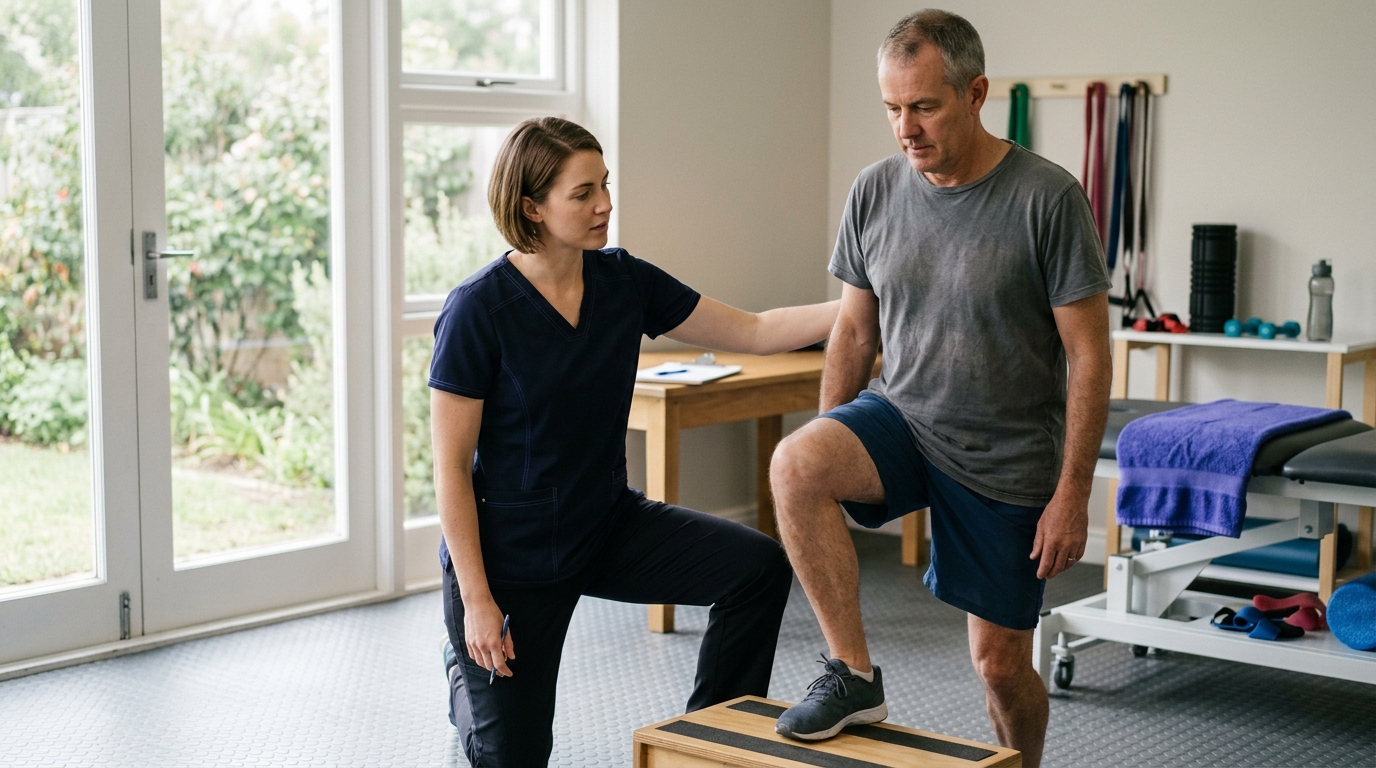
Functional recovery represents your ability to get out of a chair, walk up stairs, carry groceries, and return to work or recreation. A bone can be fully united on an X-ray while your surrounding muscles remain weak, stiff, and deconditioned. Rebuilding functional capacity takes deliberate physical therapy tailored to your baseline physical health.
Complication prevention involves actively reducing avoidable medical setbacks. These setbacks include surgical site infections, deep vein blood clots, skin breakdown from casts or braces, and secondary falls. Managing chronic health conditions during an injury is largely about keeping these preventable risks as low as possible.
Care coordination is the deliberate process of connecting your orthopedic team, primary care doctor, medical specialists, physical therapists, and family. When care is coordinated, changes in your injury treatment do not disrupt your chronic disease management, and vice versa.
Viewing your progress through these four distinct areas prevents common frustrations. You might experience excellent bone healing while still needing months of targeted physical therapy to rebuild your walking balance. Alternatively, you might feel ready to resume rigorous exercise while your underlying bone or wound requires ongoing protection. You can read more about structured physical progression in our guide to injury recovery and healing principles.
Diabetes is one of the most common chronic conditions affecting musculoskeletal recovery. Elevated blood glucose levels and metabolic changes create distinct challenges for healing tissues. Understanding these biological mechanisms helps you work with your medical team to protect your recovery.
Fracture healing requires a precise cascade of inflammation, soft callus formation, mineralization, and long-term bone remodeling. Persistent hyperglycemia and chronic systemic inflammation disrupt this sequence. High blood glucose impairs osteoblast function, which are the cells responsible for building new bone tissue. At the same time, it can increase bone resorption and alter the collagen matrix inside the bone.
Research reviews examining diabetes and fracture healing report that bone repair can take substantially longer in individuals with diabetes. One comprehensive review noted that fracture healing times were prolonged by an average of 87 percent in patients with diabetes compared to those without.
Specific high-stress injuries show even sharper differences in research settings. In a study examining complex pilon ankle fractures, delayed union or nonunion occurred in 16 percent of the general population compared to 43 percent in patients with diabetes. That same study noted surgical site infection rates of 71 percent in patients with diabetes versus 19 percent in patients without diabetes. These figures represent a specific, severe type of ankle injury and should not be taken as a blanket prediction for every individual or every fracture. However, they highlight why orthopedic surgeons treat diabetes as a primary factor in recovery timelines.
Tissue repair requires continuous oxygen and nutrient delivery through microscopic capillaries. Long-standing diabetes can cause peripheral vascular disease and microvascular changes that limit local blood flow to injured limbs. Reduced perfusion slows down the delivery of immune cells to surgical incisions and healing soft tissues.
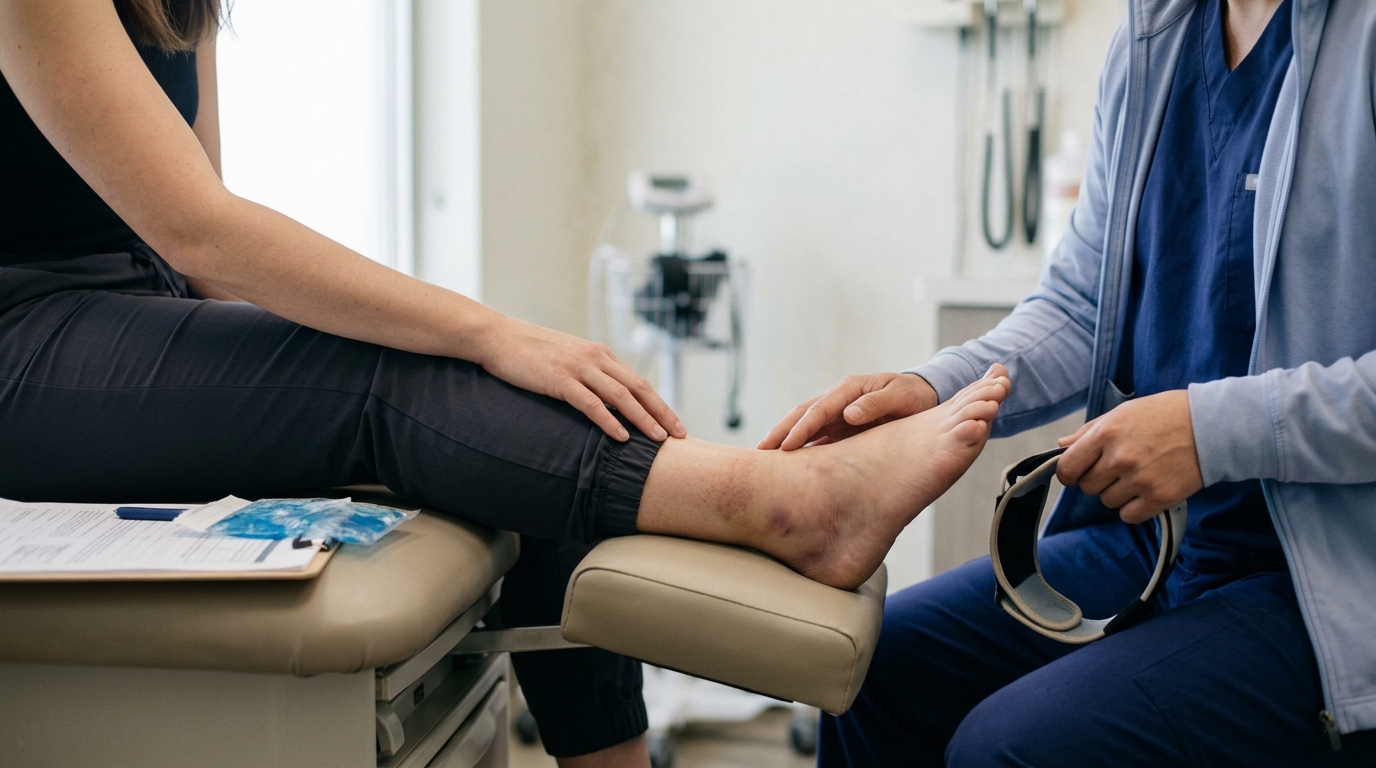
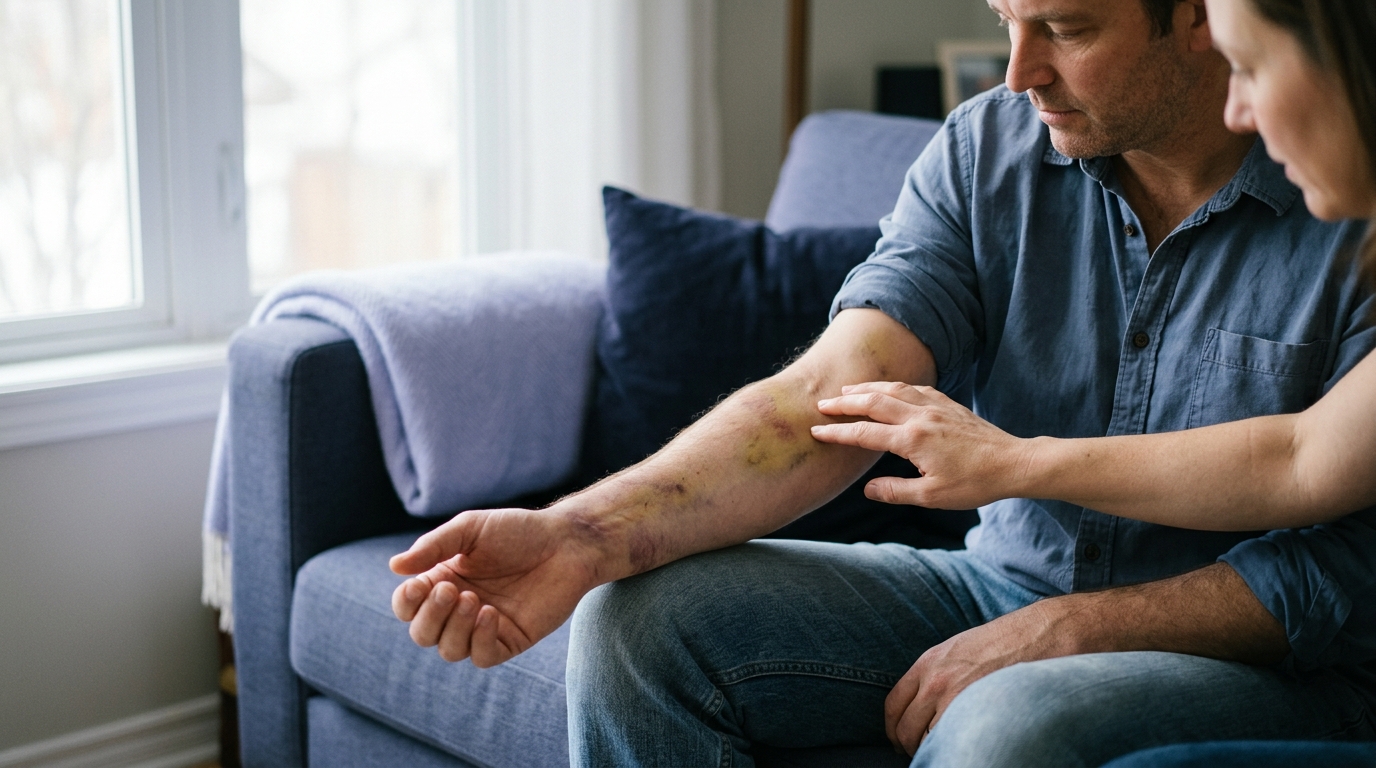
Diabetic neuropathy adds another layer of risk. When sensory nerves in the feet and legs lose sensitivity, you may not feel excessive pressure from a cast, splint, or walking boot. Friction, localized swelling, or minor skin breakdown can quickly turn into open ulcers without causing sharp pain. For this reason, foot and ankle fractures in people with complicated diabetes require frequent skin inspections and protective offloading strategies.
When an orthopedic injury requires surgery, stabilizing blood glucose is critical for lowering infection risks. The American Diabetes Association provides specific perioperative guidance for healthcare teams. For scheduled elective surgeries, the recommendations specify aiming for an A1C level below 8 percent within the three months leading up to the procedure.
During the immediate surgical window, the American Diabetes Association recommends monitoring and maintaining blood glucose levels between 100 and 180 mg/dL before, during, and after the operation. These targets are designed to support immune function while preventing dangerous drops in blood sugar. These targets serve as clinical benchmarks that your surgical team will adjust based on your specific procedure, overall health, and personal hypoglycemia risks.
Osteoporosis is a systemic condition characterized by decreased bone mineral density and altered bone microarchitecture. When a fracture occurs from a low-energy event, such as a slip from standing height, it is classified as a fragility fracture. Managing a fragility fracture requires a dual approach: treating the acute bone injury and addressing long-term skeletal health.
A common misconception is that osteoporotic bone cannot heal after a break. Authoritative guidance from the International Osteoporosis Foundation clarifies that there is no clinical evidence showing osteoporosis prevents fracture union. The cellular processes that bridge and remodel bone still function in osteoporotic tissue.
The clinical challenge with osteoporosis lies in surgical fixation and mechanical anchorage. Screws, plates, and intramedullary rods rely on dense bone to achieve rigid stability. When bone is porous, surgeons must use specialized techniques, such as locking plates or bone cement augmentation, to ensure the repair remains secure while the bone naturally knits together.
Experiencing a fragility fracture is one of the strongest predictors of future fractures. Without proactive intervention, an initial wrist or vertebral fracture significantly increases the likelihood of a subsequent hip fracture within several years. This care gap has led to the development of Fracture Liaison Services, often abbreviated as FLS.
A Fracture Liaison Service is a hospital-based or clinic-based coordination model. When an adult aged 50 or older sustains a fracture, the FLS team identifies the patient, evaluates underlying bone health, assesses fall risks, and initiates preventive treatment. Joint recommendations from European medical organizations emphasize that anyone over 50 with a recent fracture should receive a systematic secondary fracture assessment. You can find more details on healthy skeletal aging in our active aging and prevention resources.
Coordinated fracture programs demonstrate measurable benefits across large healthcare populations. In an analysis of secondary fracture prevention programs, unweighted average refracture rates were 6.4 percent among patients managed through a Fracture Liaison Service compared to 13.4 percent among controls receiving standard care.
A 2024 systematic review and meta-analysis evaluated the effectiveness of Fracture Liaison Services in reducing secondary fragility fractures. The researchers found a statistically significant reduction in secondary fracture risk among patients receiving FLS care at follow-up periods of two years or longer. The relative risk was 0.68, representing moderate-certainty evidence across 13 pooled studies.
The same meta-analysis noted that evidence at shorter time horizons was more varied. At one year of follow-up, the relative risk was 0.26 across six pooled studies, though this was graded as low-certainty evidence due to study limitations. In an intermediate-term analysis of five studies, no statistically significant difference was observed. These varying results show that while organized secondary prevention provides clear long-term protective trends, ongoing adherence to bone health therapies and fall prevention strategies remains essential over many years.
Cardiovascular conditions, including coronary artery disease, hypertension, heart failure, and arrhythmias, directly influence how surgical teams plan orthopedic procedures and physical rehabilitation. Heart and vascular health determines how well your body tolerates surgical stress, anesthesia, and the physical exertion required during physical therapy.
When an injury requires surgical intervention, doctors must evaluate your cardiovascular reserve. The American College of Cardiology and American Heart Association publish comprehensive clinical guidelines for perioperative cardiovascular evaluation before noncardiac surgery.
These guidelines outline a stepwise evaluation process rather than routine, indiscriminate screening:
The ACC and AHA emphasize avoiding excessive testing that leads to unnecessary surgical delays. Cardiovascular history should prompt focused, clinically appropriate assessment rather than routine delays. For additional context on preparing for operations, explore our surgery and rehabilitation guides.
Many individuals with cardiovascular disease take blood thinners or antiplatelet medications. Managing these medications around an orthopedic injury requires balancing two competing risks: bleeding during surgery versus forming dangerous blood clots if medications are stopped.
Your surgical team, cardiologist, and primary care physician work together to create a medication timeline. They determine when to pause blood thinners before a procedure and when it is safe to restart them. Following surgery, the team implements early mobility protocols, compression garments, and preventative medications to minimize deep vein thrombosis while protecting the surgical site from bleeding.
Chronic kidney disease creates systemic physiological changes that impact both bone quality and wound recovery. The kidneys play an essential role in balancing calcium, phosphorus, and vitamin D metabolism. As kidney function declines, this mineral balance is disrupted, leading to a condition known as chronic kidney disease-mineral and bone disorder.
Kidney disease can cause abnormal bone turnover, resulting in bones that are both brittle and slow to repair. Research reviews on fracture management in chronic kidney disease emphasize that patients face increased rates of delayed bone union and nonunion. Impaired immune function associated with renal disease also raises the risk of superficial and deep surgical site infections.
Furthermore, medication management requires extra caution in individuals with kidney disease. Many common pain relievers, particularly nonsteroidal anti-inflammatory drugs like ibuprofen or naproxen, can cause further kidney damage. Your care team must carefully select analgesics and antibiotic doses that match your kidney filtration rate.
Recovering from a fracture with kidney disease demands close coordination between your nephrologist, orthopedic surgeon, and physical therapist. Physical rehabilitation is a critical component of care, as targeted weight-bearing and resistance exercises help stimulate bone maintenance and rebuild functional independence.
The rehabilitation plan must account for energy fluctuations, especially if you undergo dialysis treatments. Scheduling physical therapy sessions on non-dialysis days often allows you to participate with greater strength and lower fatigue.
When multiple chronic conditions overlap with an acute musculoskeletal injury, informal communication between doctors is not enough. Healthcare systems rely on structured clinical frameworks to ensure no critical details fall through the cracks. The National Institute for Health and Care Excellence, known as NICE, provides evidence-based guidelines for rehabilitation after traumatic injury.
NICE guidelines recommend that rehabilitation assessments begin as early as possible after an injury. The assessment must look beyond the physical damage to evaluate pre-existing medical conditions, cognitive functioning, home environment, and personal priorities.
A practical recovery framework addresses six fundamental questions:
NICE guidelines emphasize appointing a named rehabilitation coordinator or key worker as early as possible during hospital care, ideally within 72 hours of admission. This coordinator acts as the central point of contact connecting hospital specialists, primary care clinicians, community physical therapists, and the patient.
When care transitions from the hospital to the home, coordination becomes even more critical. NICE guidelines recommend establishing clear multidisciplinary discharge plans, conducting formal reassessments before discharge, and providing patients with a single hospital contact for a defined period after leaving. Having a designated contact helps resolve medication questions or therapy delays before they lead to hospital readmissions. For practical movement strategies during this phase, consult our mobility and movement resources.
Every person heals along an individual timeline. While standard medical textbooks describe tissue healing in weeks and months, pre-existing conditions introduce biological variables that alter these projections. Recognizing these factors helps you maintain realistic expectations throughout your rehabilitation.
The circumstances surrounding your injury significantly impact early medical planning. In planned, elective orthopedic surgeries, such as total knee replacements, medical teams have time to optimize underlying conditions. They can stabilize blood sugar levels, adjust blood thinners, and improve nutritional markers before making the first incision.
In contrast, acute traumatic injuries, such as falls resulting in hip or ankle fractures, require urgent intervention. Surgeons cannot wait weeks for blood sugar or blood pressure to reach ideal targets. In these scenarios, medical teams balance immediate fracture stabilization with post-injury medical management, requiring closer monitoring during the initial healing phases.
Living with two or more chronic conditions creates combined effects on recovery. For example, a person with both type 2 diabetes and peripheral neuropathy faces higher wound complications than someone with diabetes alone. Similarly, an individual managing heart failure and osteoporosis must balance low-impact cardiovascular conditioning with the bone-loading exercises needed to preserve skeletal strength.
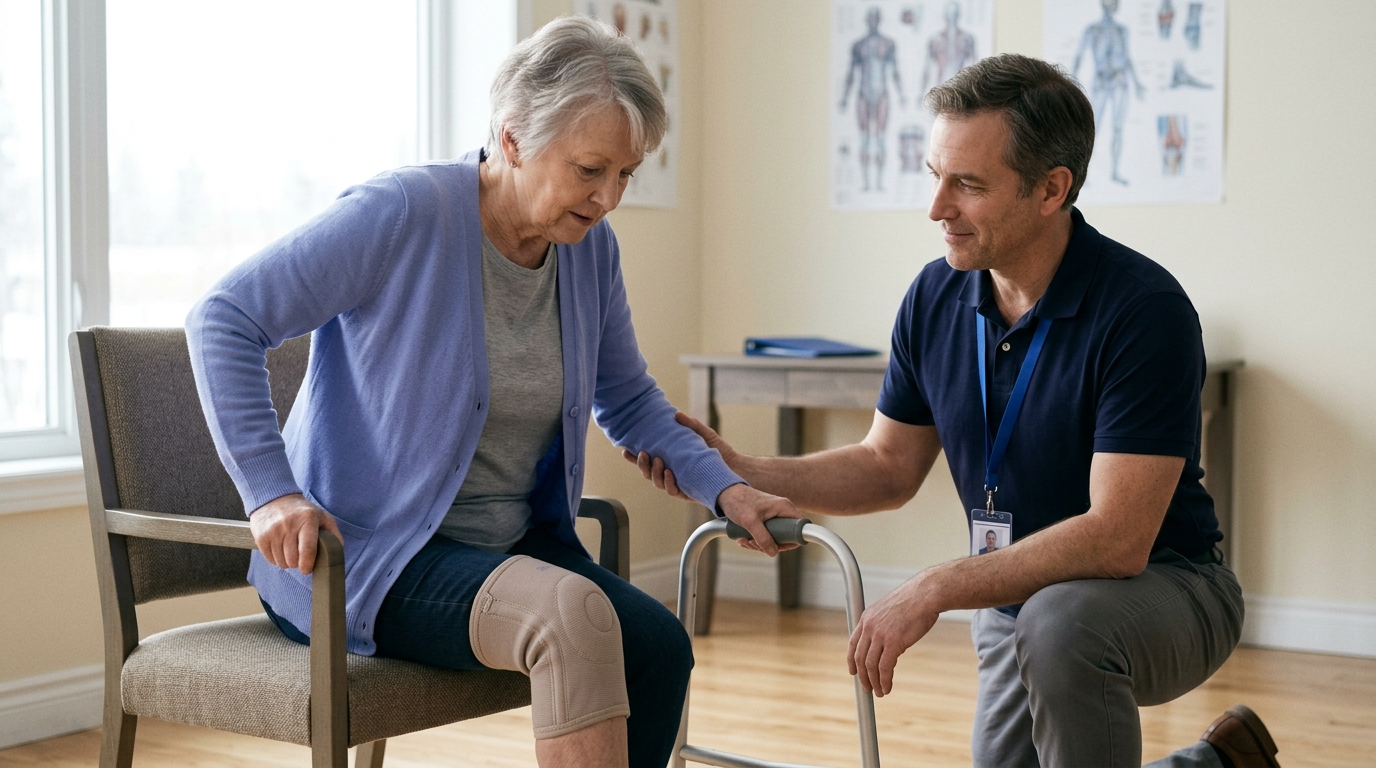
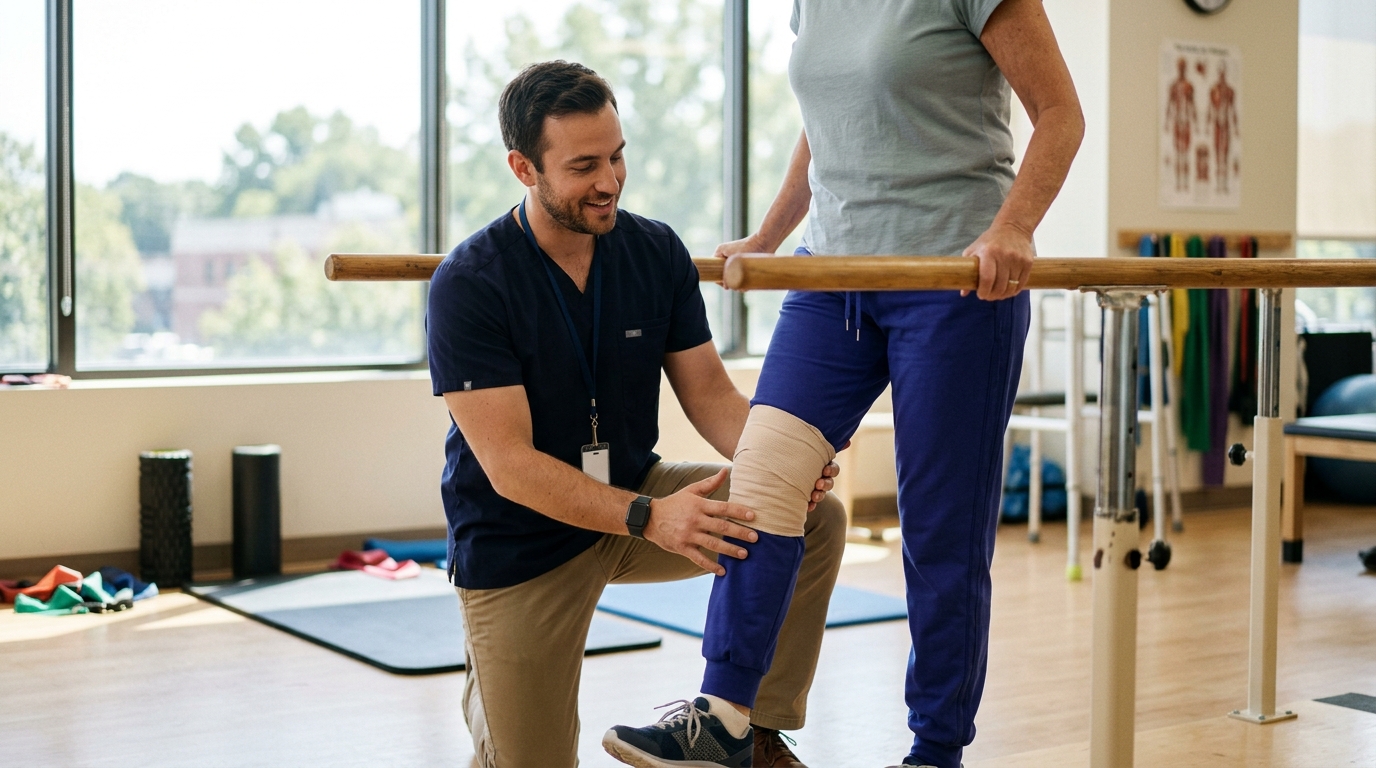
Your care team will adapt physical therapy protocols to match your overall physiological capacity. Rather than following a generic rehabilitation schedule, your therapist will monitor heart rate, blood pressure, blood glucose, and joint swelling to guide exercise intensity.
Systemic recovery relies heavily on daily lifestyle habits that support tissue synthesis. Healing bone and soft tissue requires adequate dietary protein, micronutrients like calcium and vitamin D, and sufficient caloric intake. Chronic kidney disease or diabetes can complicate dietary planning, making guidance from a registered dietitian valuable. To understand how daily nutrition supports tissue repair, visit our recovery and lifestyle resources.
Sleep quality also plays a vital role in recovery. Deep sleep stages trigger the release of growth hormone and support immune regulation. Chronic pain, post-surgical discomfort, and medication side effects can disrupt sleep patterns, slowing down both physical recovery and cognitive resilience.
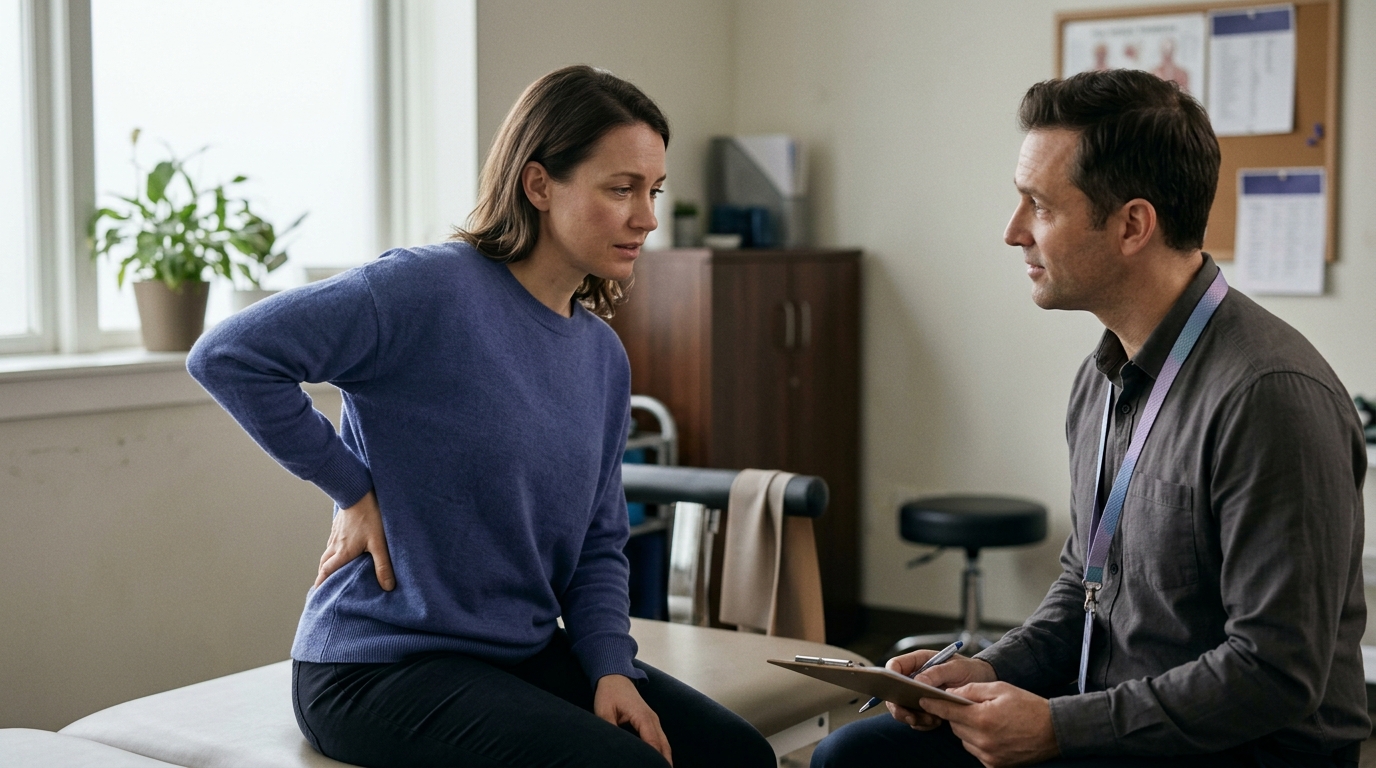
Advocating for coordinated care requires asking targeted questions during medical visits. When you visit your orthopedic surgeon, primary care physician, or physical therapist, use these structured questions to ensure all aspects of your health are aligned.
Successful injury recovery with a chronic condition requires active organization and clear communication. You do not need to manage this process alone, but taking practical steps to coordinate your care team will protect your long-term independence.
Use this checklist to organize your recovery this week:
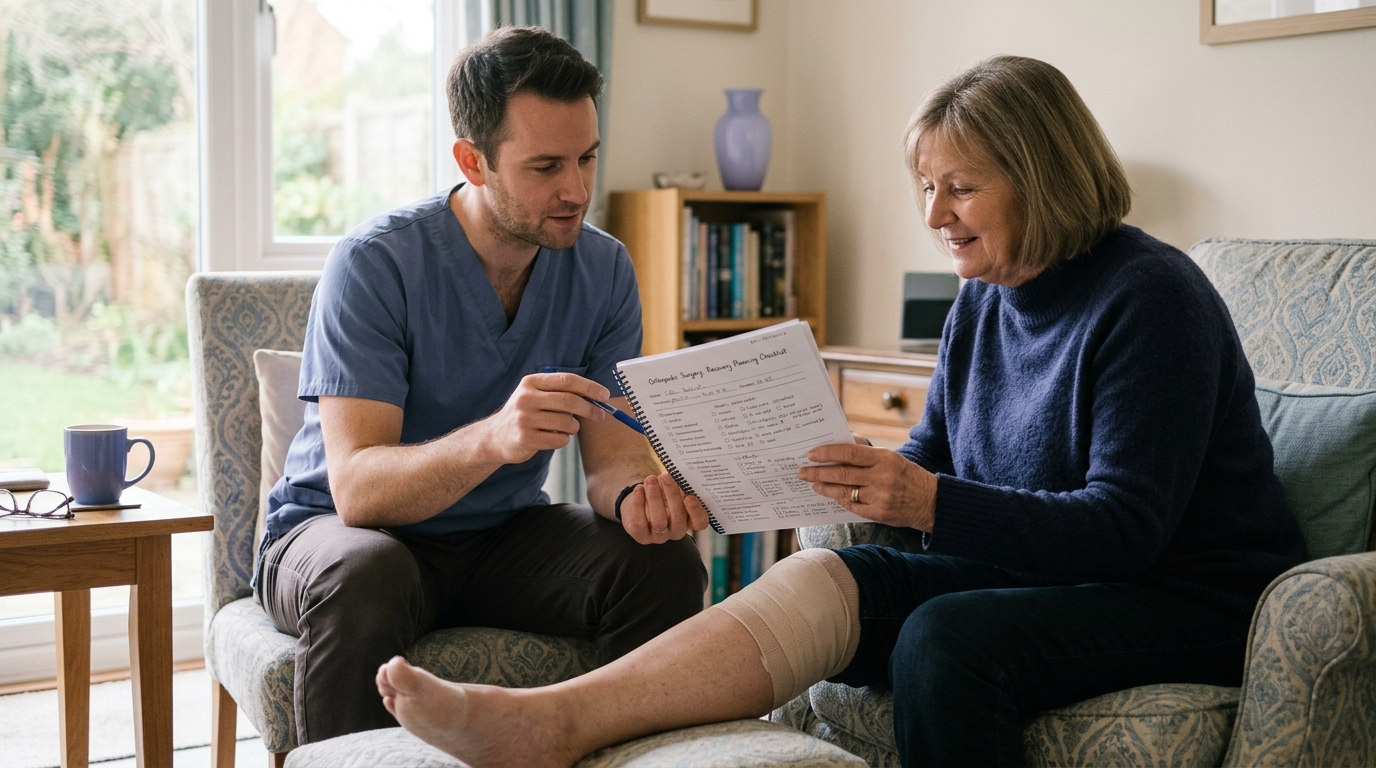
Create a single document that lists all your diagnosed conditions, previous surgeries, and current medications with exact dosages. Include contact details for every doctor, specialist, and pharmacy involved in your care. Keep a printed copy with you at all clinical visits.
Identify which doctor or coordinator is responsible for connecting your care. Ask your orthopedic surgeon and primary care physician directly how they share clinical notes. Ensure that both offices have each other's updated contact information.
If you have diabetes, track your daily blood glucose readings in a written log or digital app so your medical team can identify trends. If you have cardiovascular disease, record your daily blood pressure and pulse before and after physical therapy sessions.
If your injury involved a low-energy fracture and you are over 50, ask your primary doctor about evaluating your bone mineral density. Request a referral to a Fracture Liaison Service or endocrinologist to discuss fall prevention and long-term skeletal support.
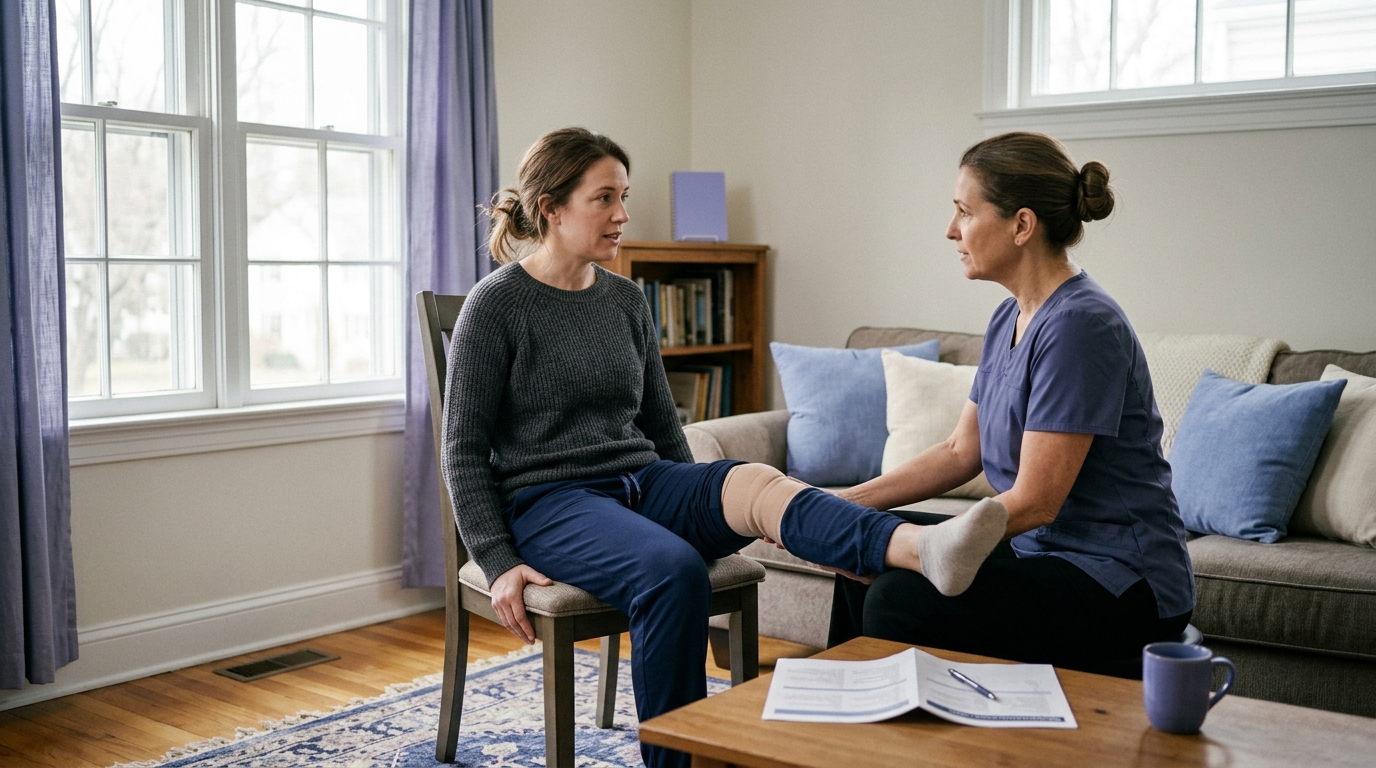
Work with a physical or occupational therapist, family member, or friend to inspect your living space. Remove loose throw rugs, clear walkways of clutter, improve lighting in hallways and stairwells, and install temporary grab bars in the bathroom if needed.

Use ReboundBody resources to understand common recovery stages, rehab terms, movement limits and strength rebuilding. Each guide is designed to make a complex comeback easier to understand.


Read practical guidance on injury recovery, rehabilitation, mobility and rebuilding strength as you work your way back to activity.
Explore Resources