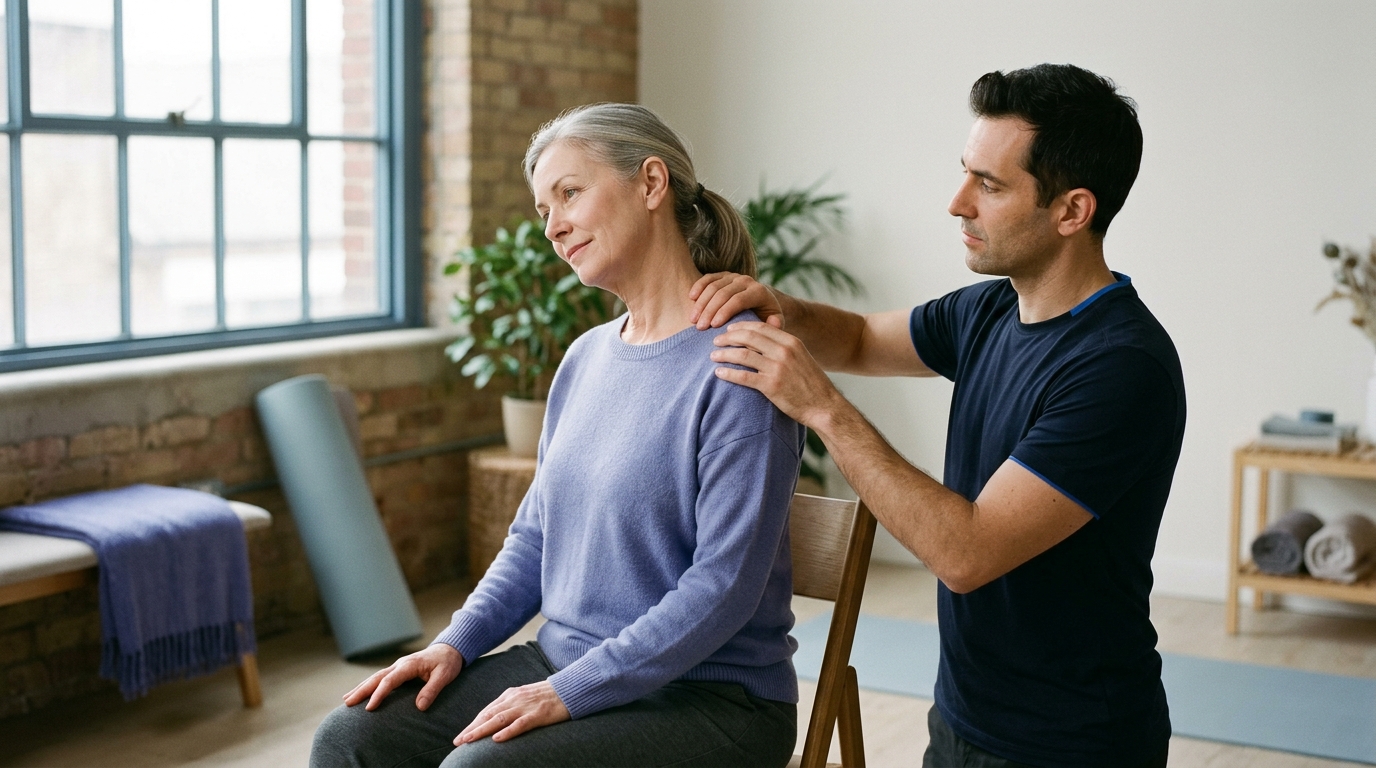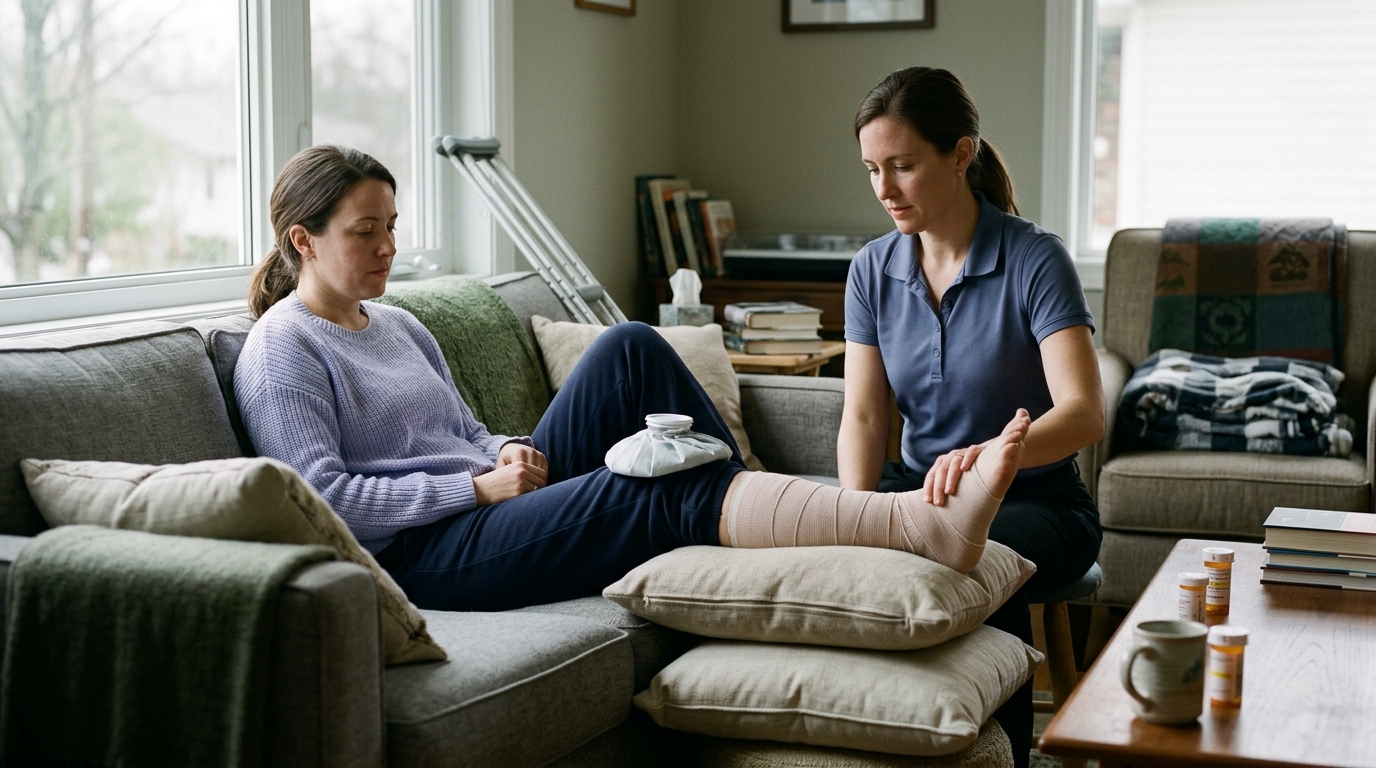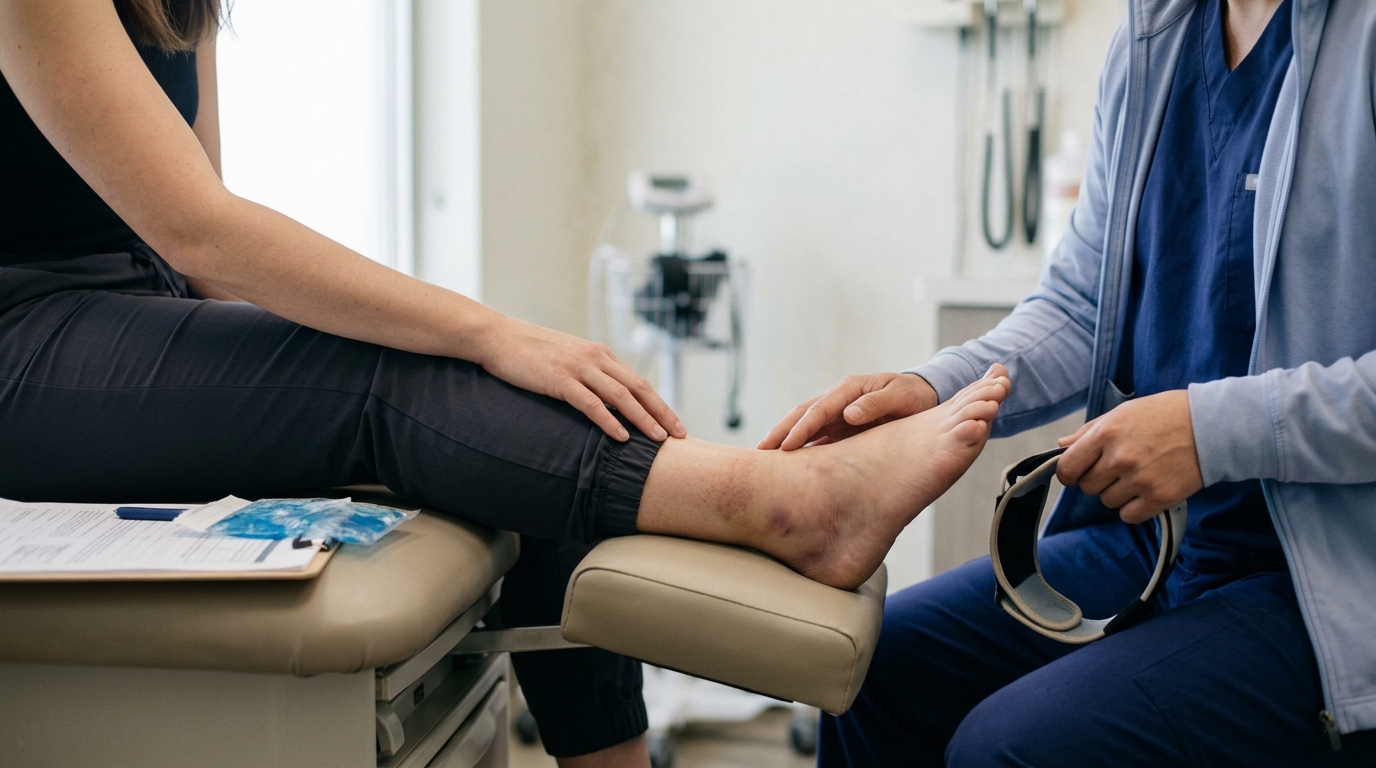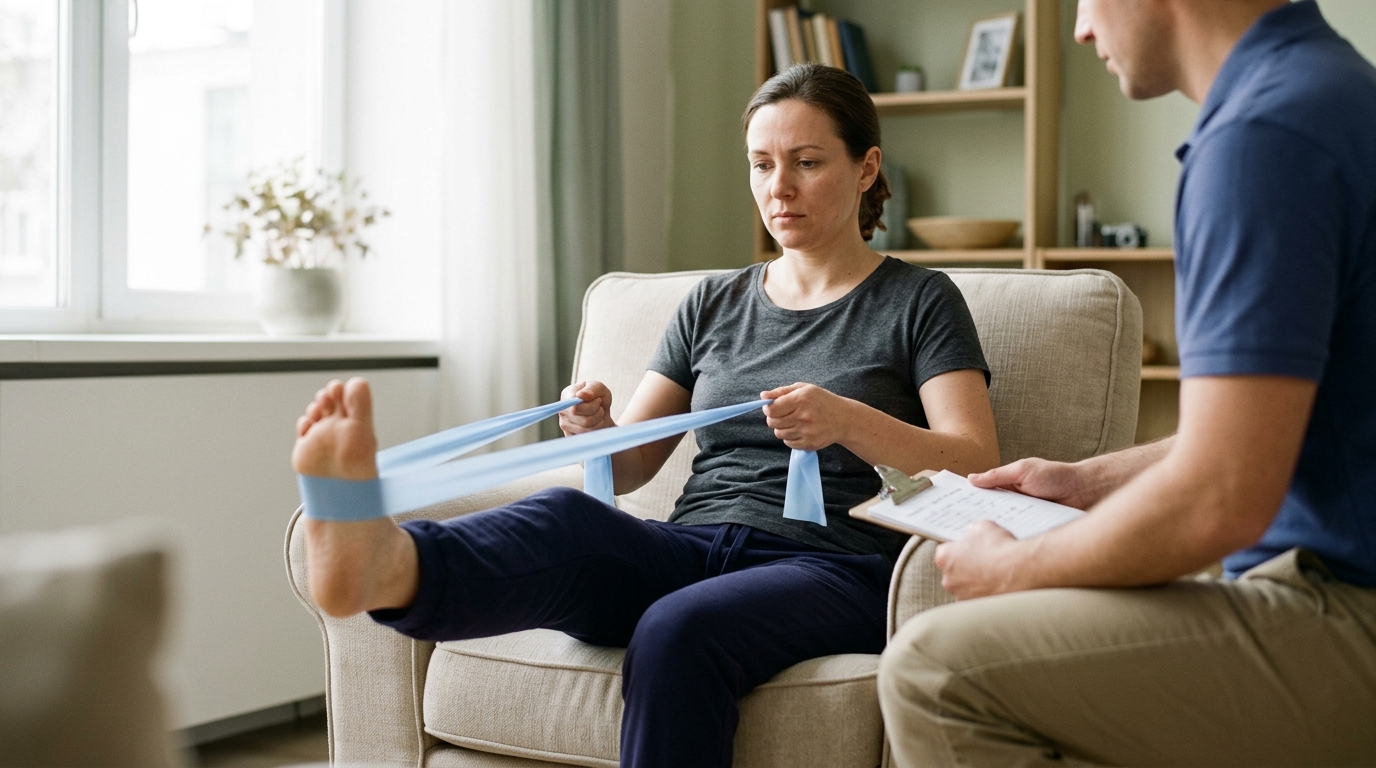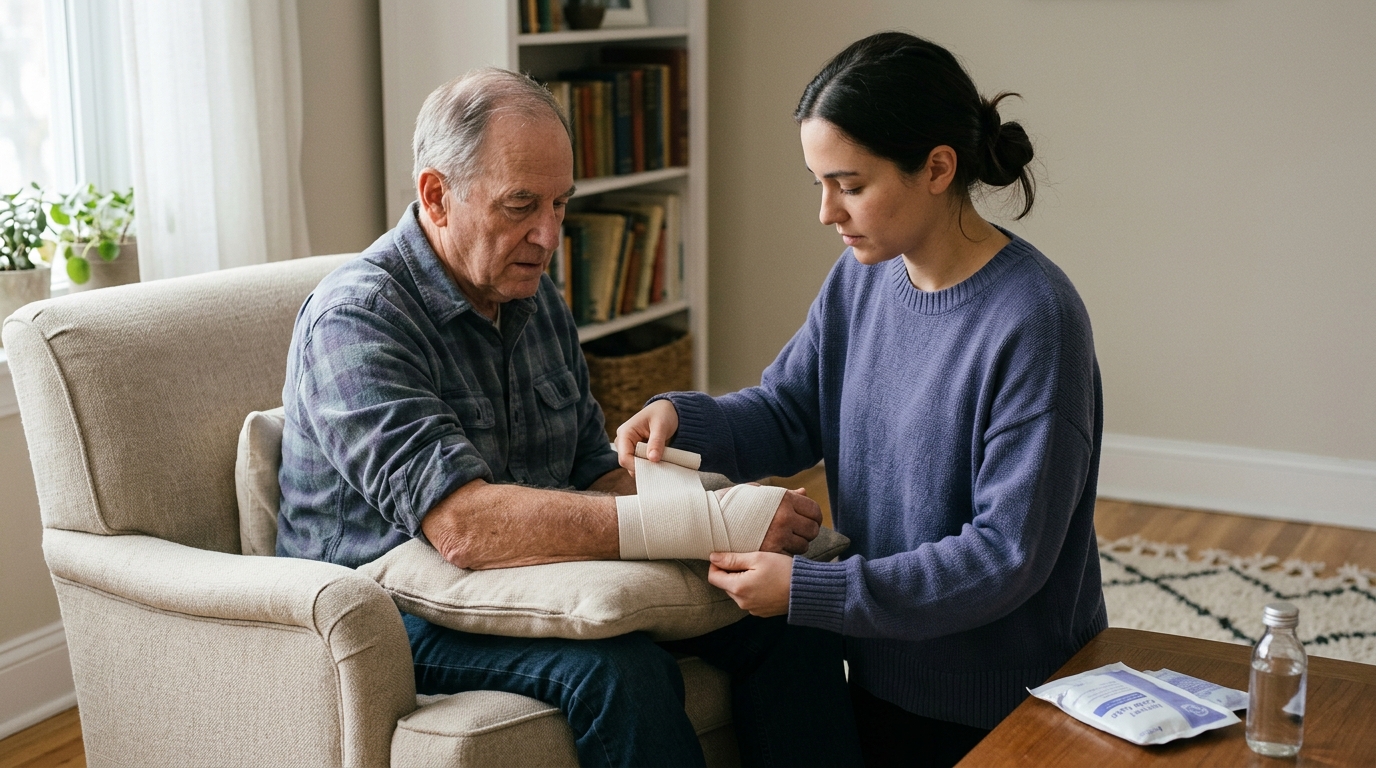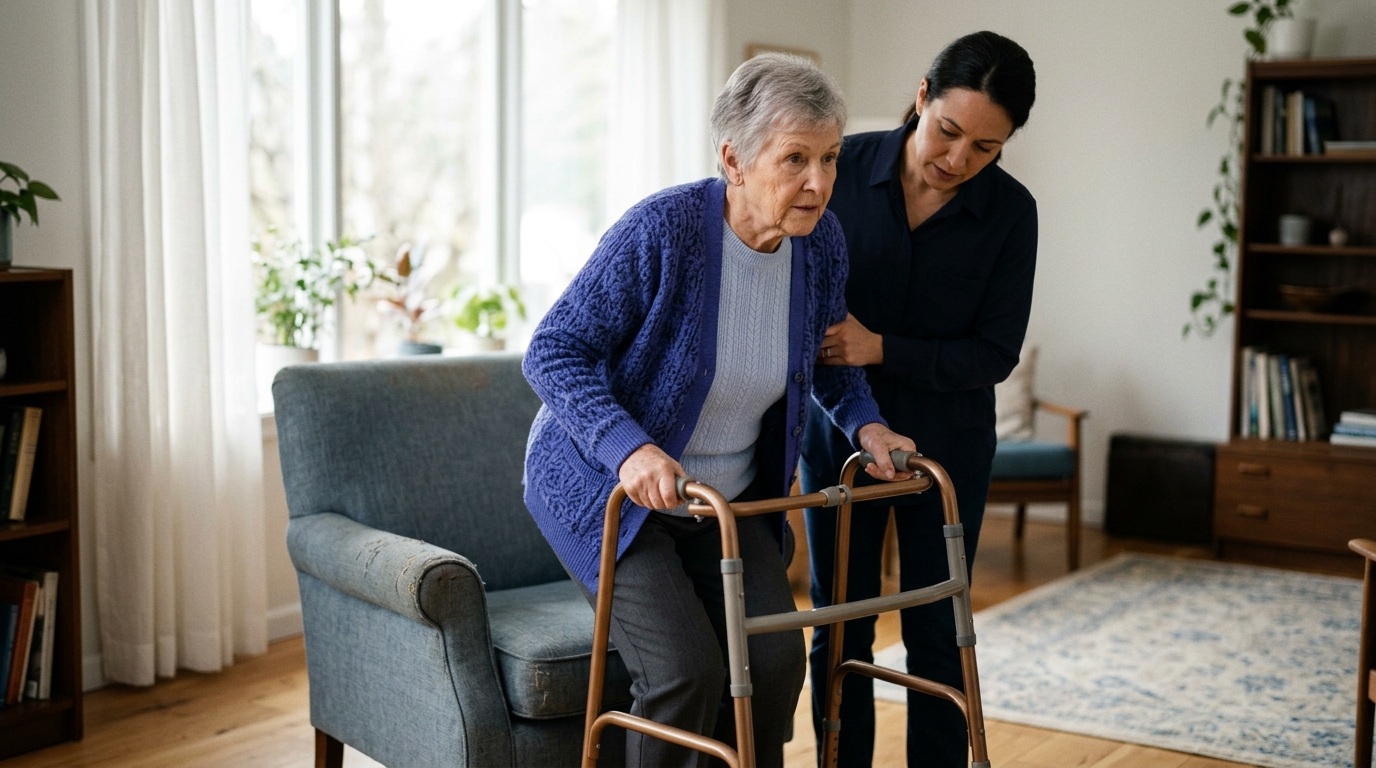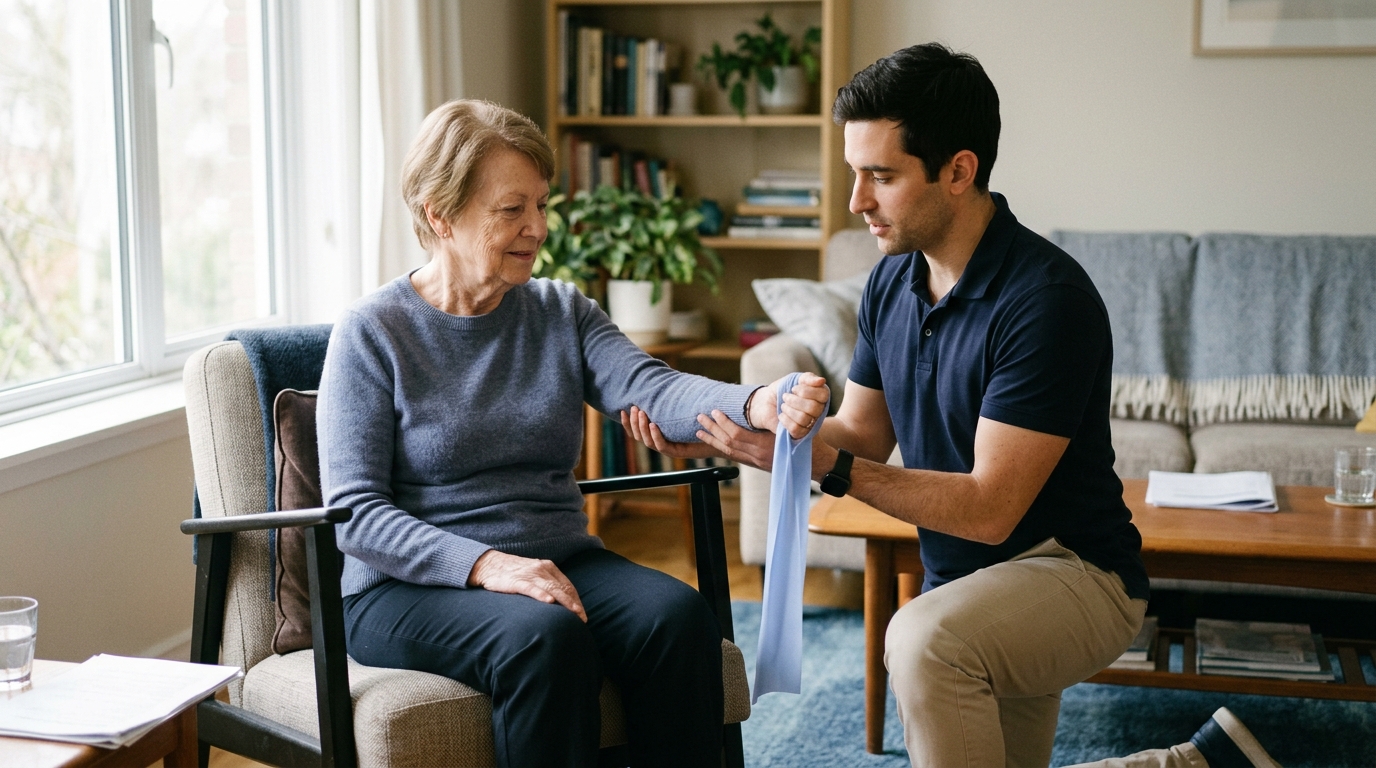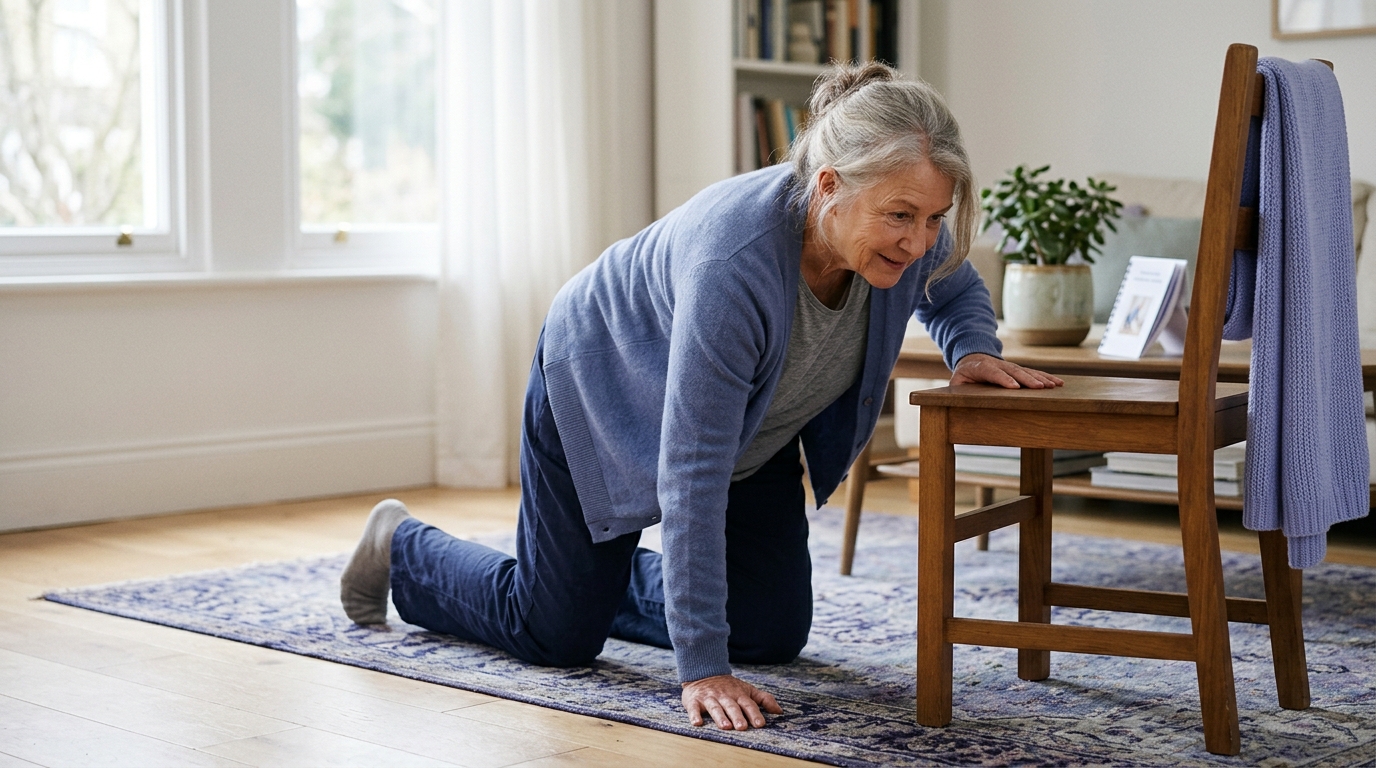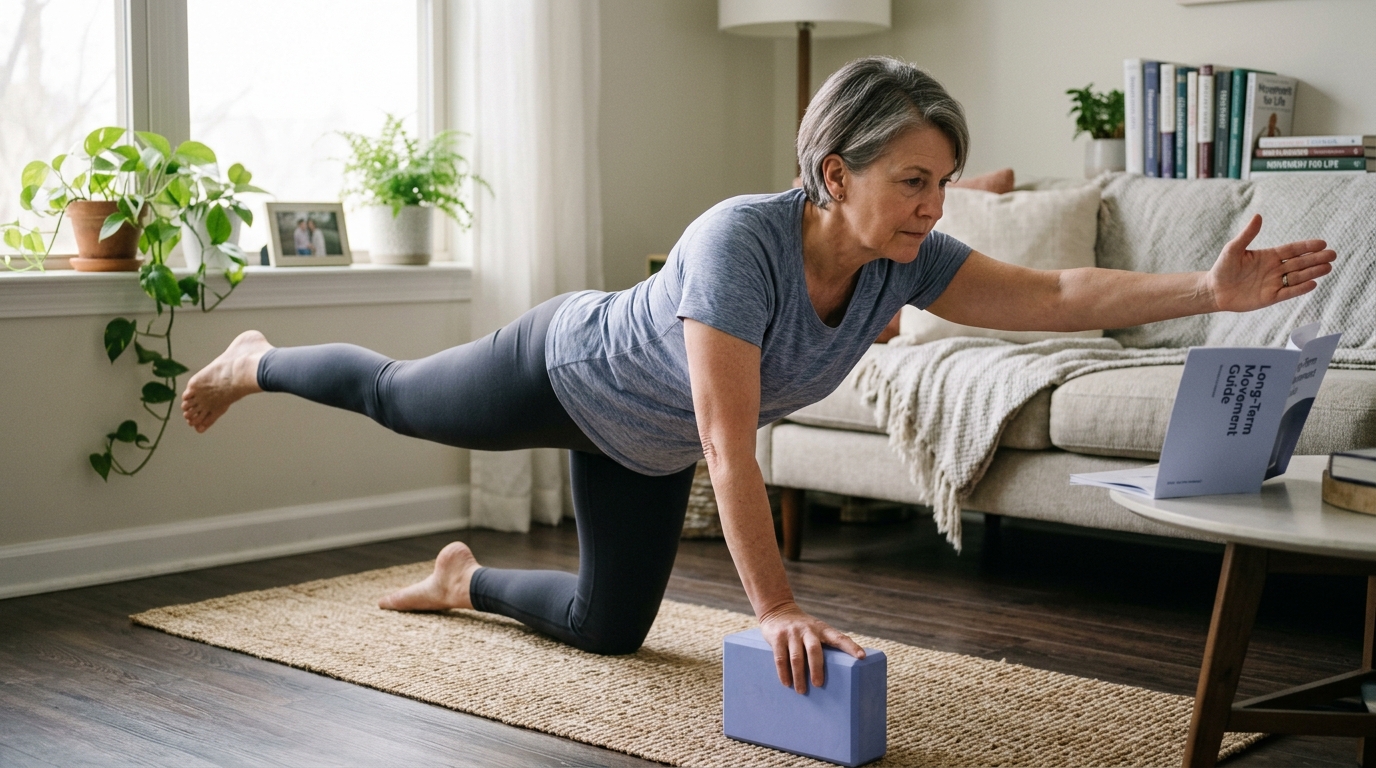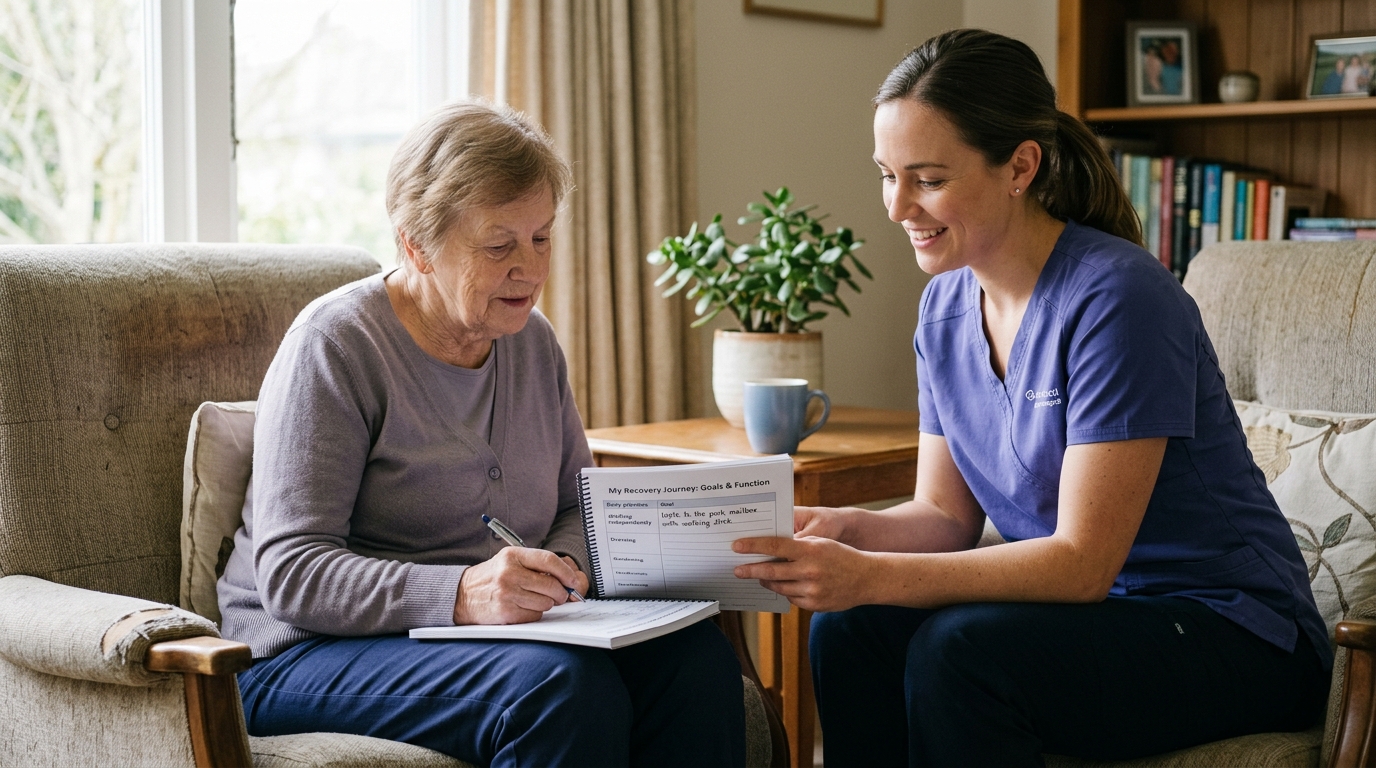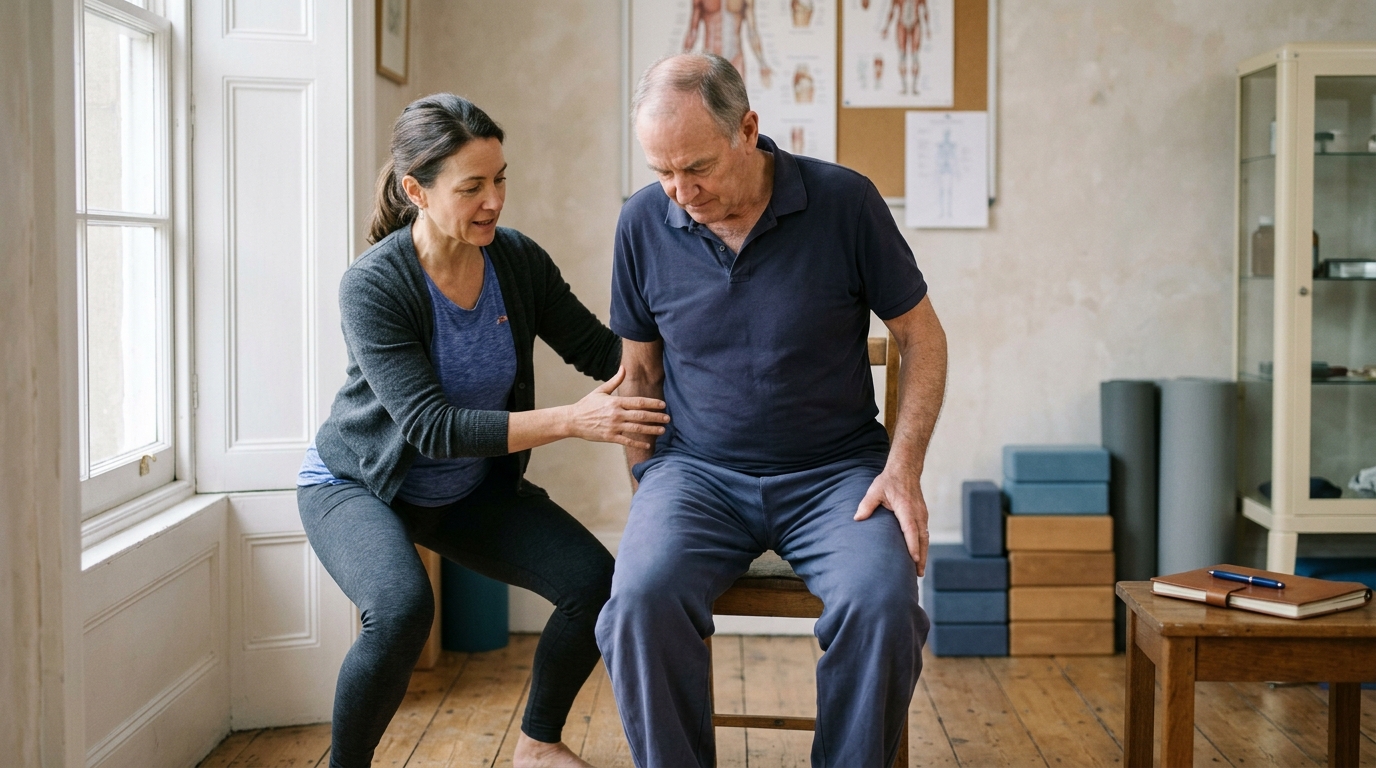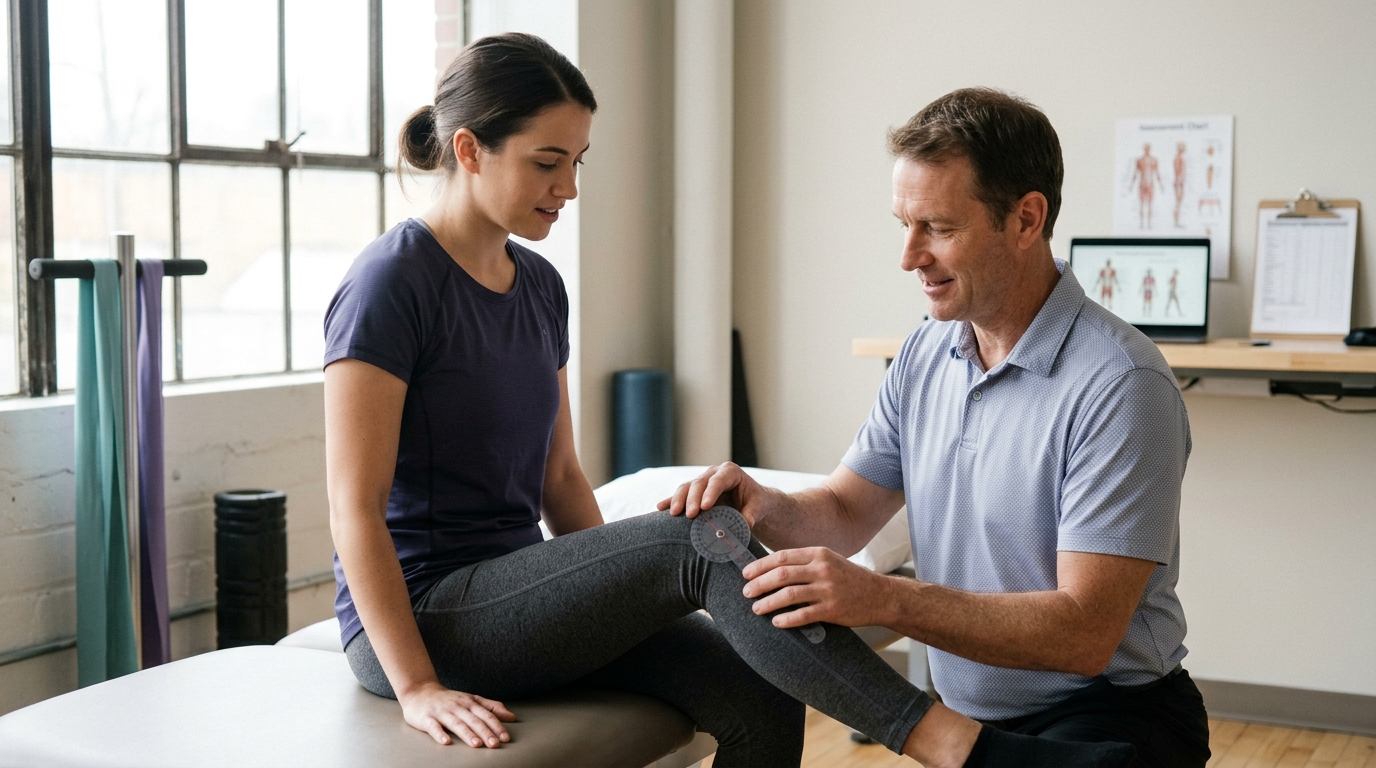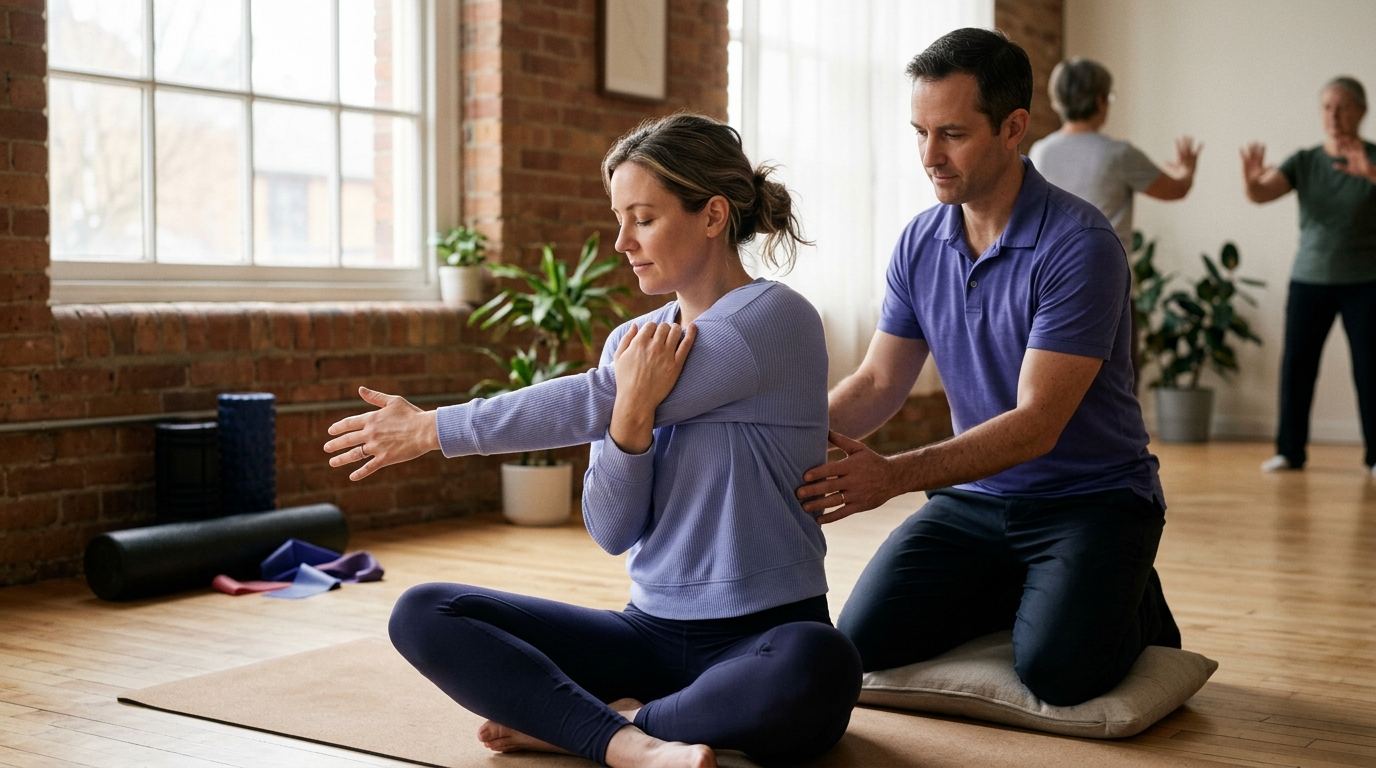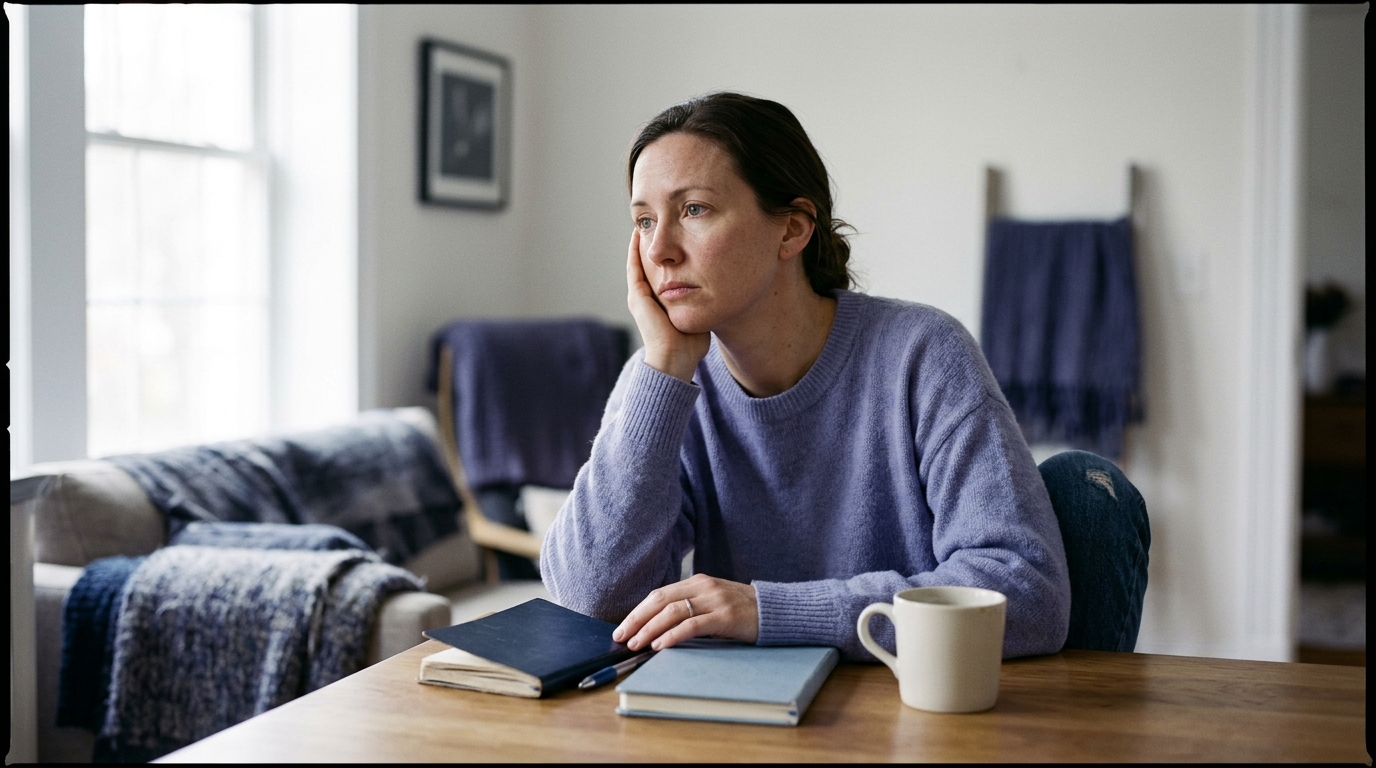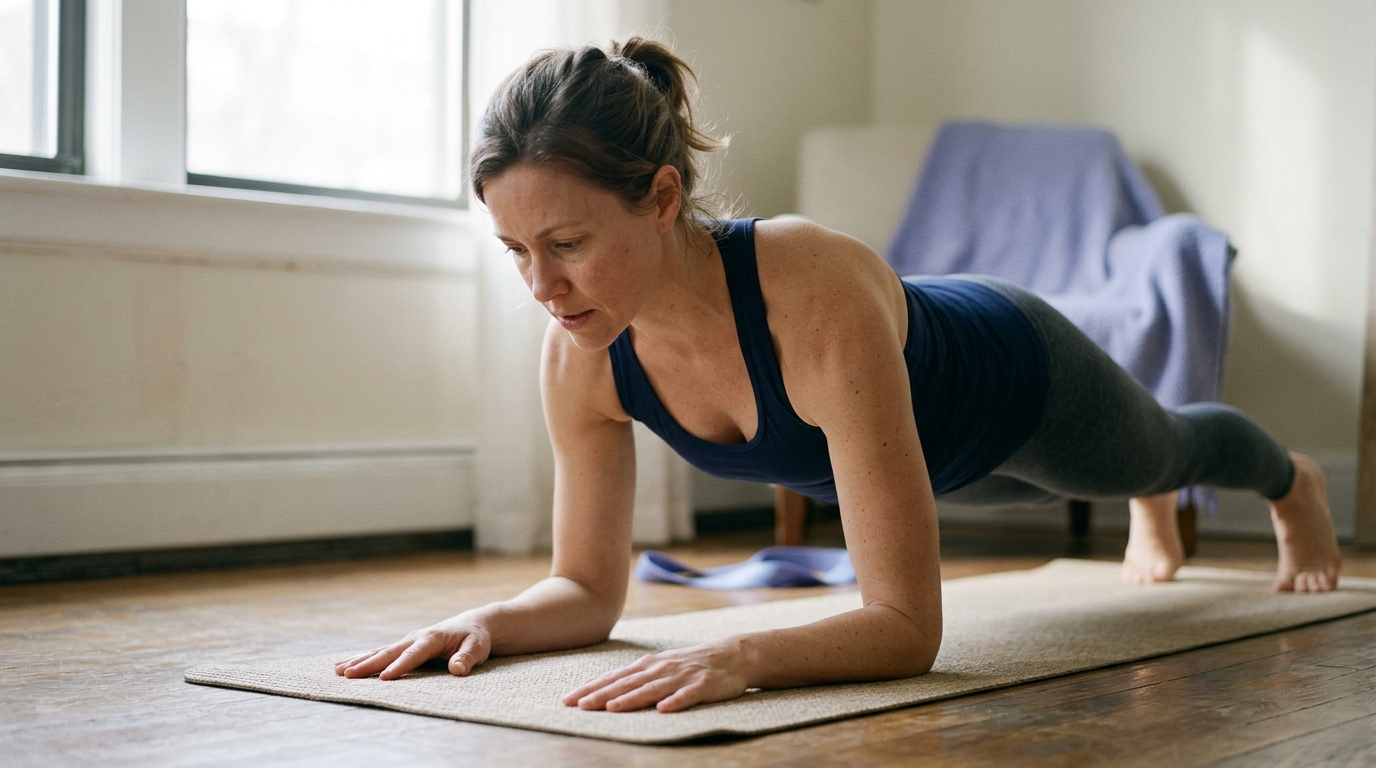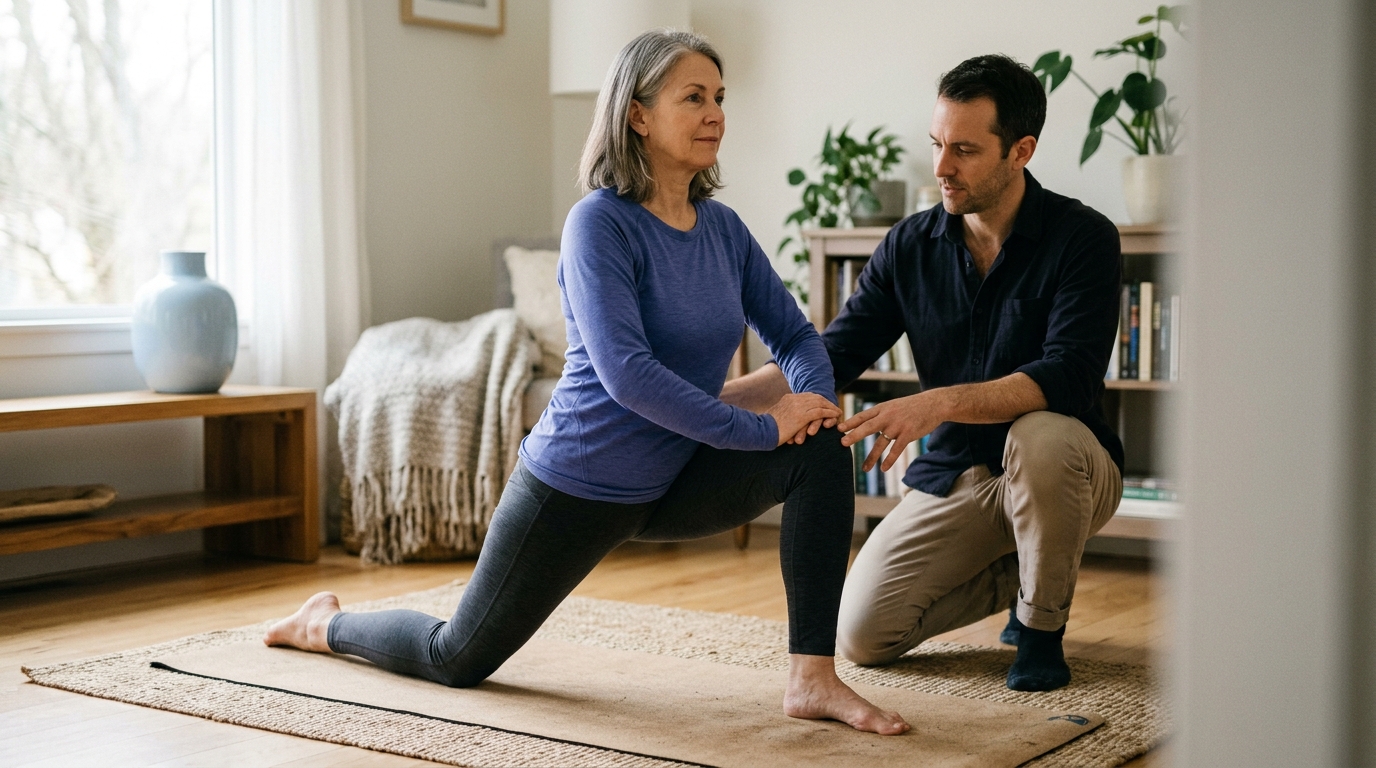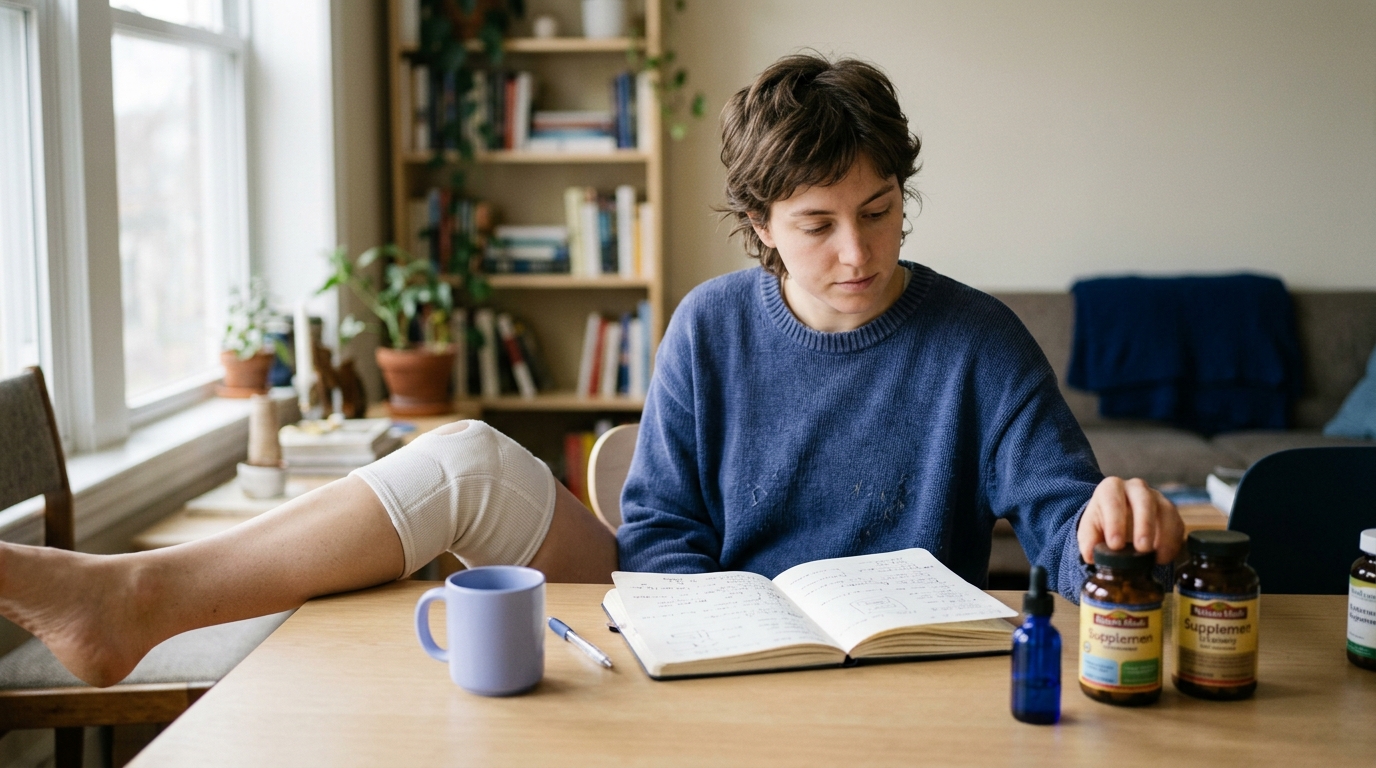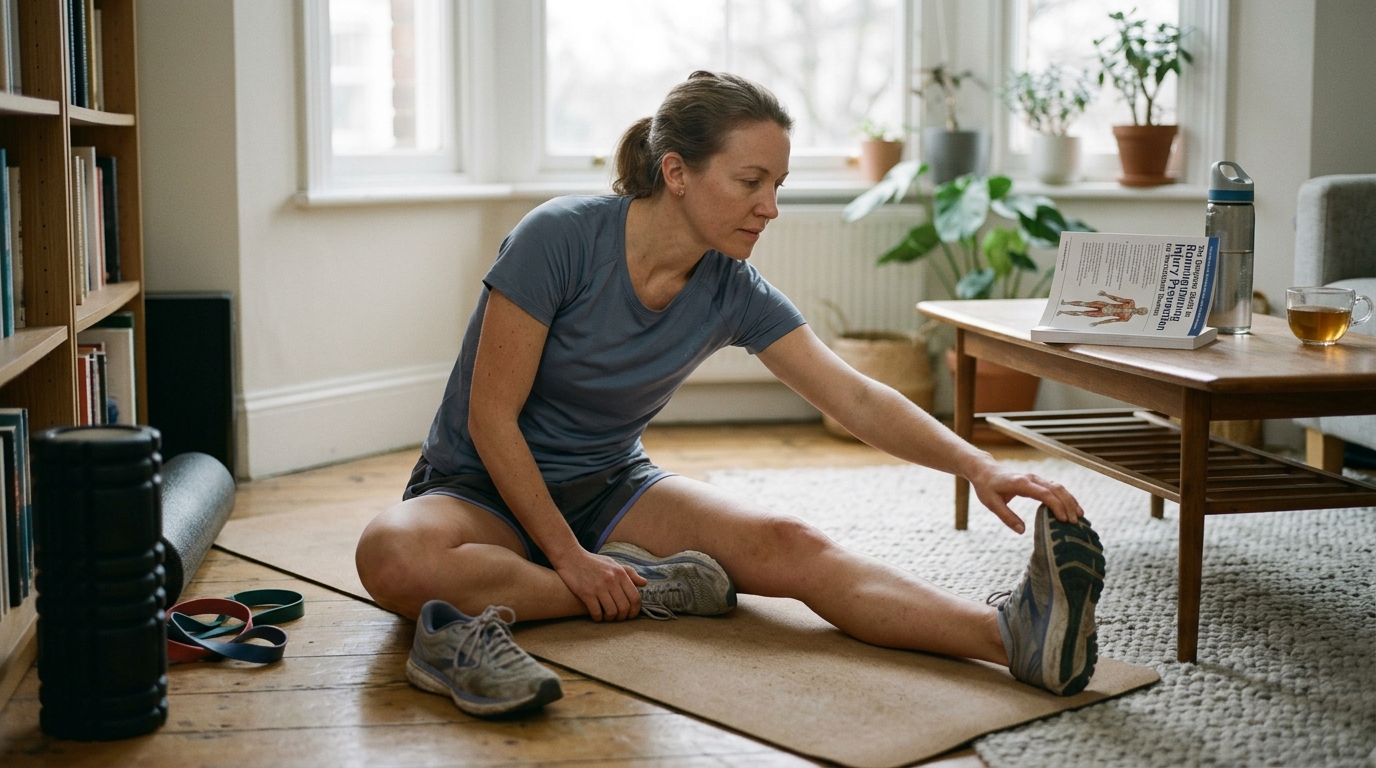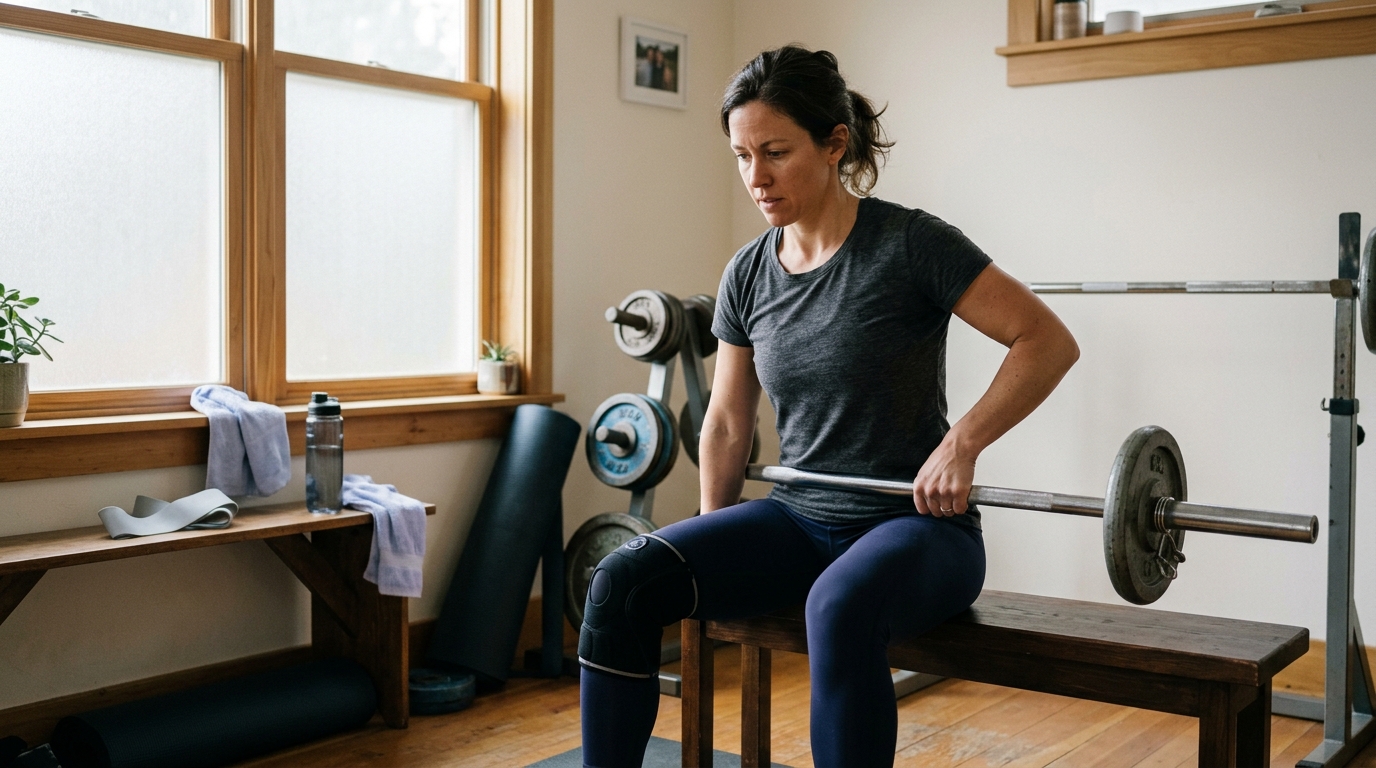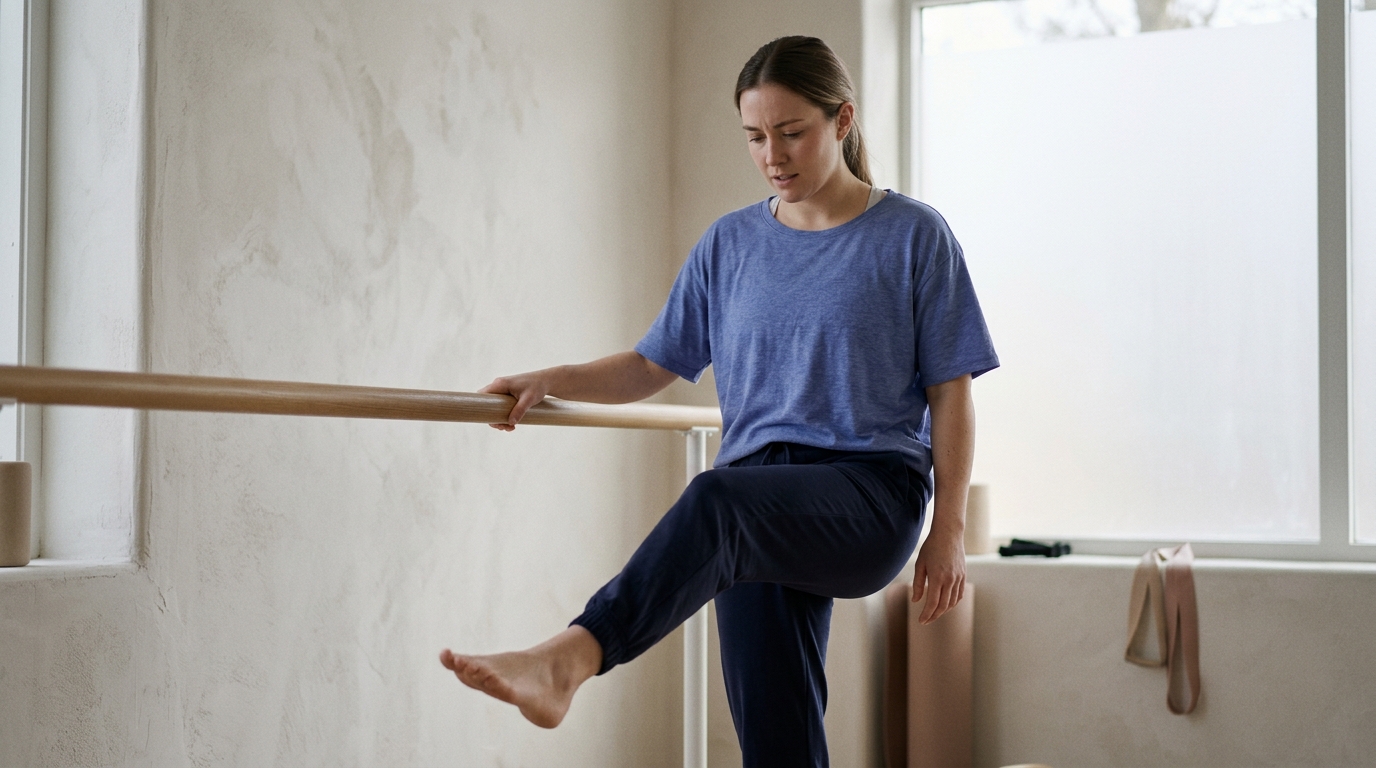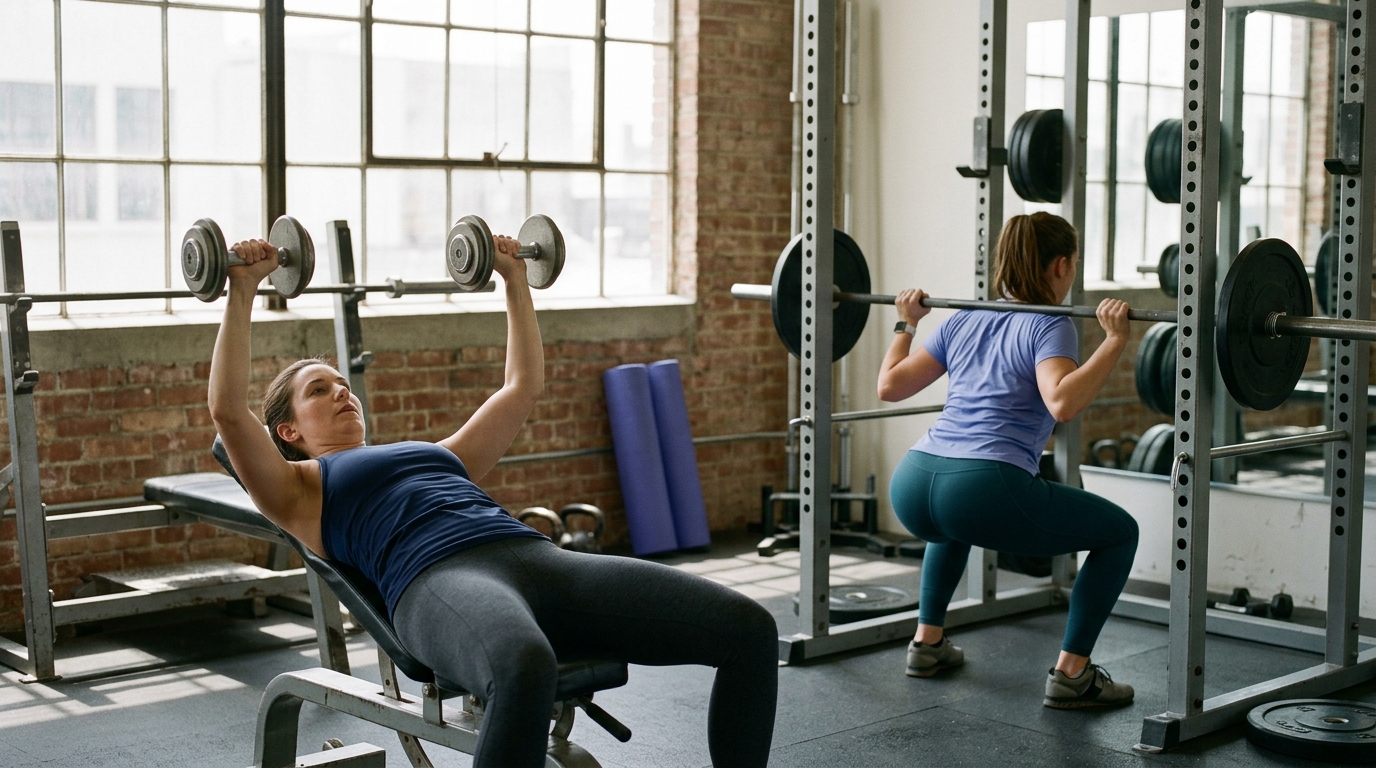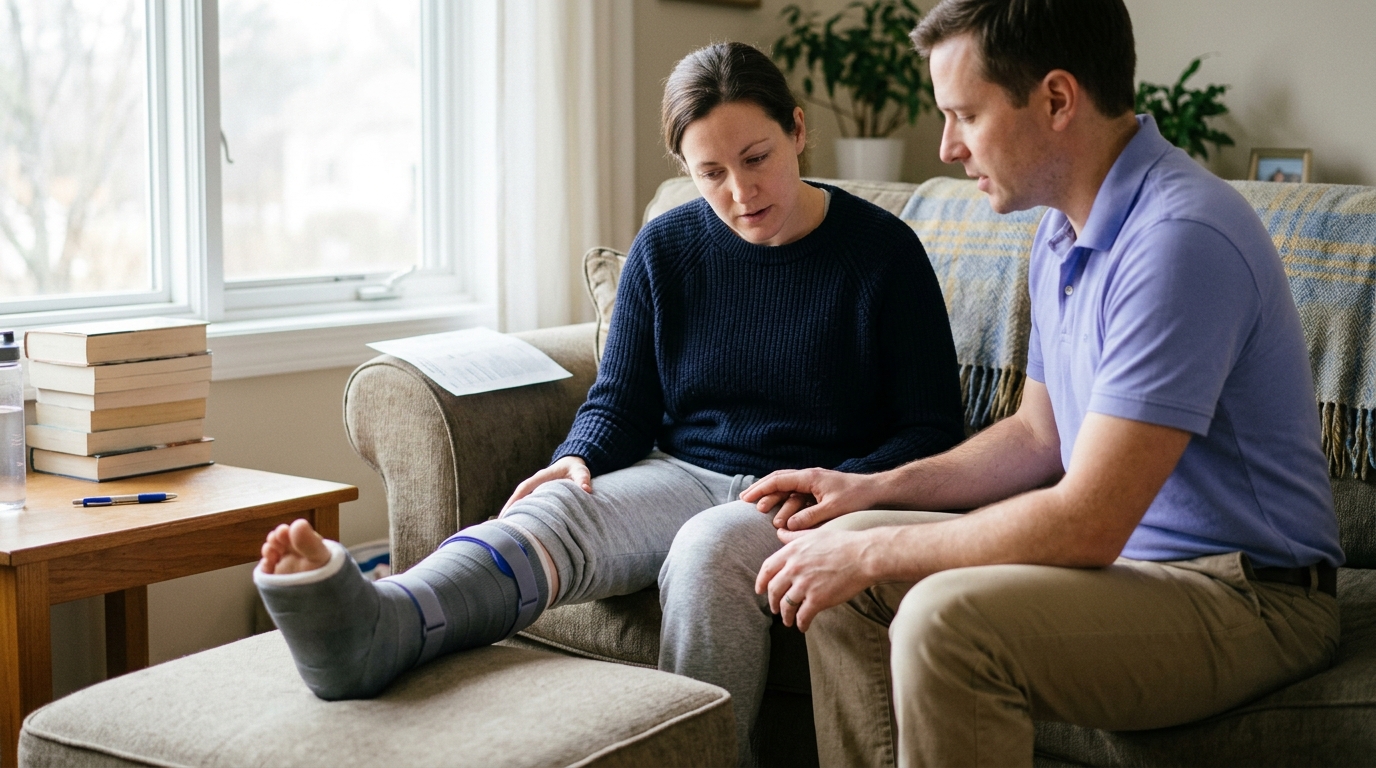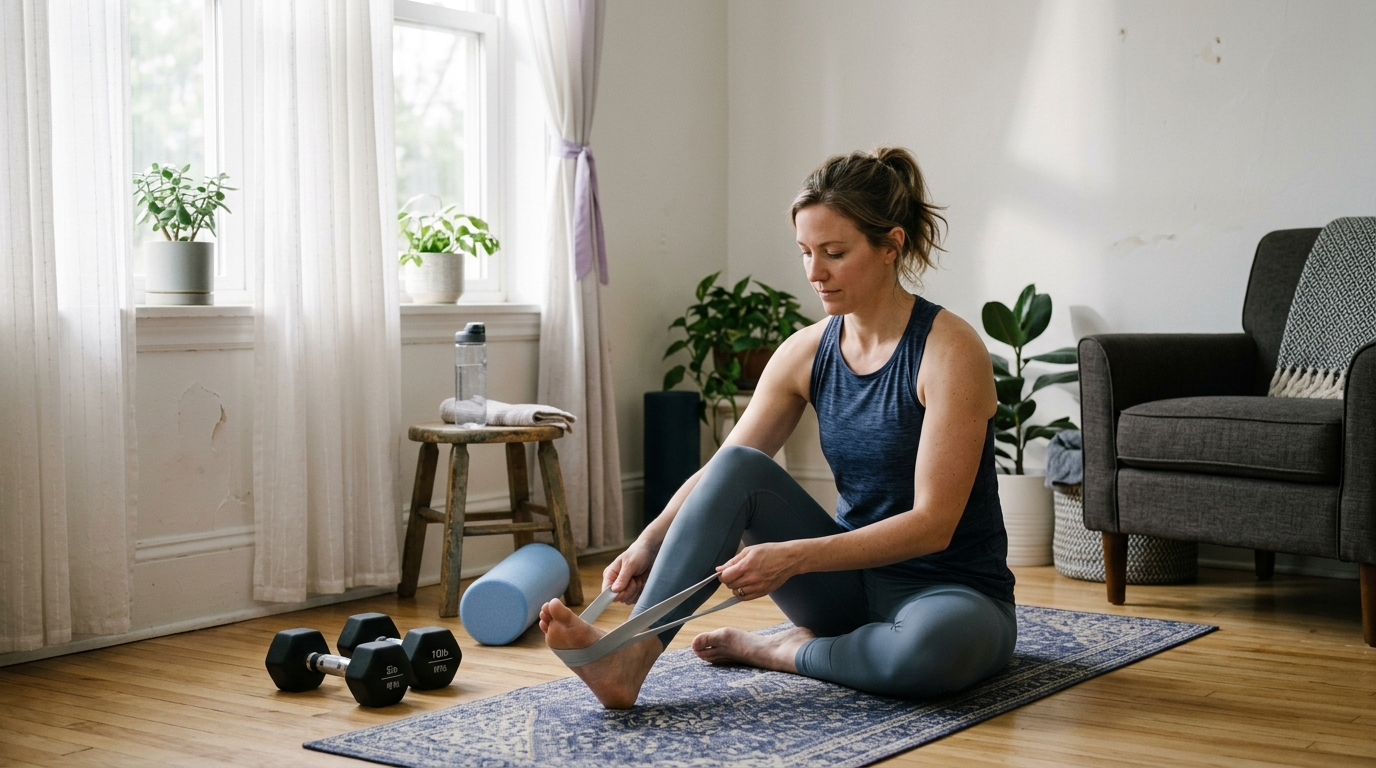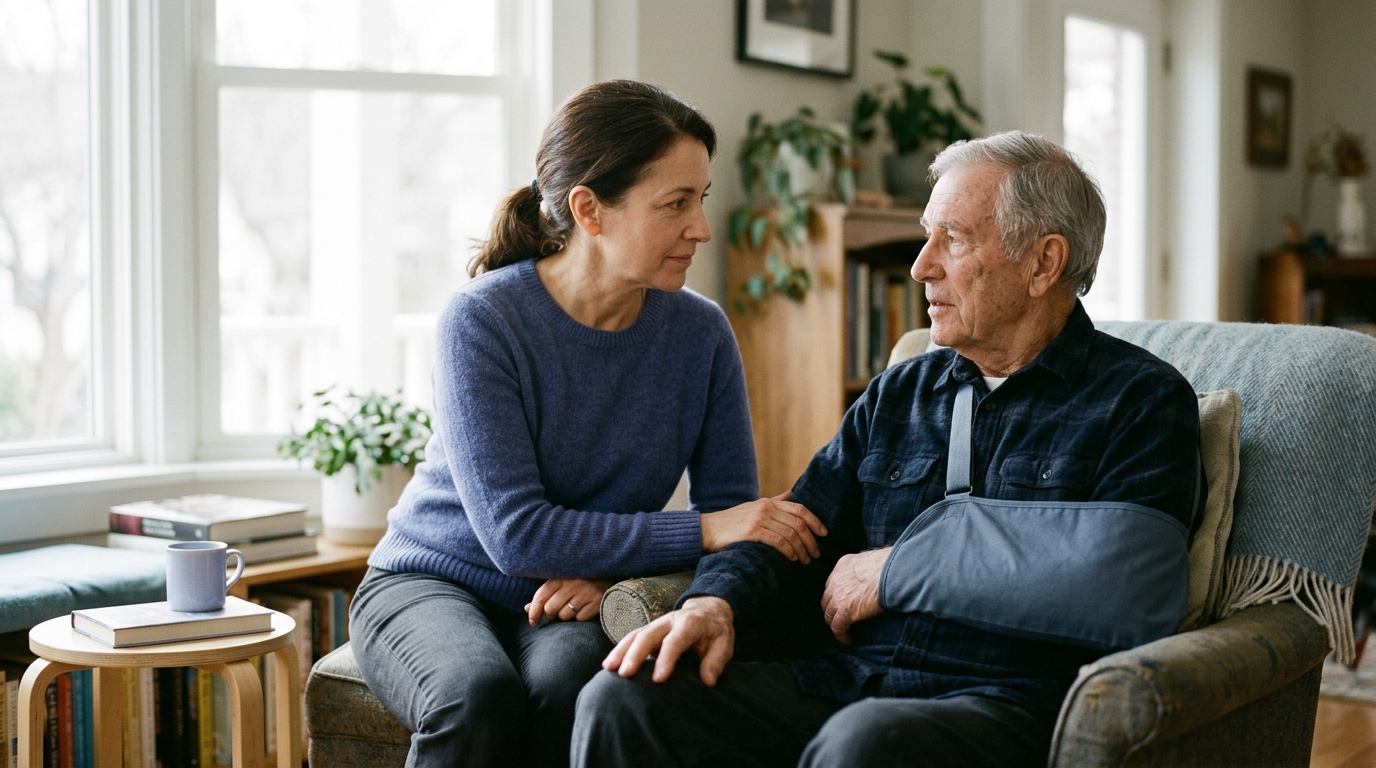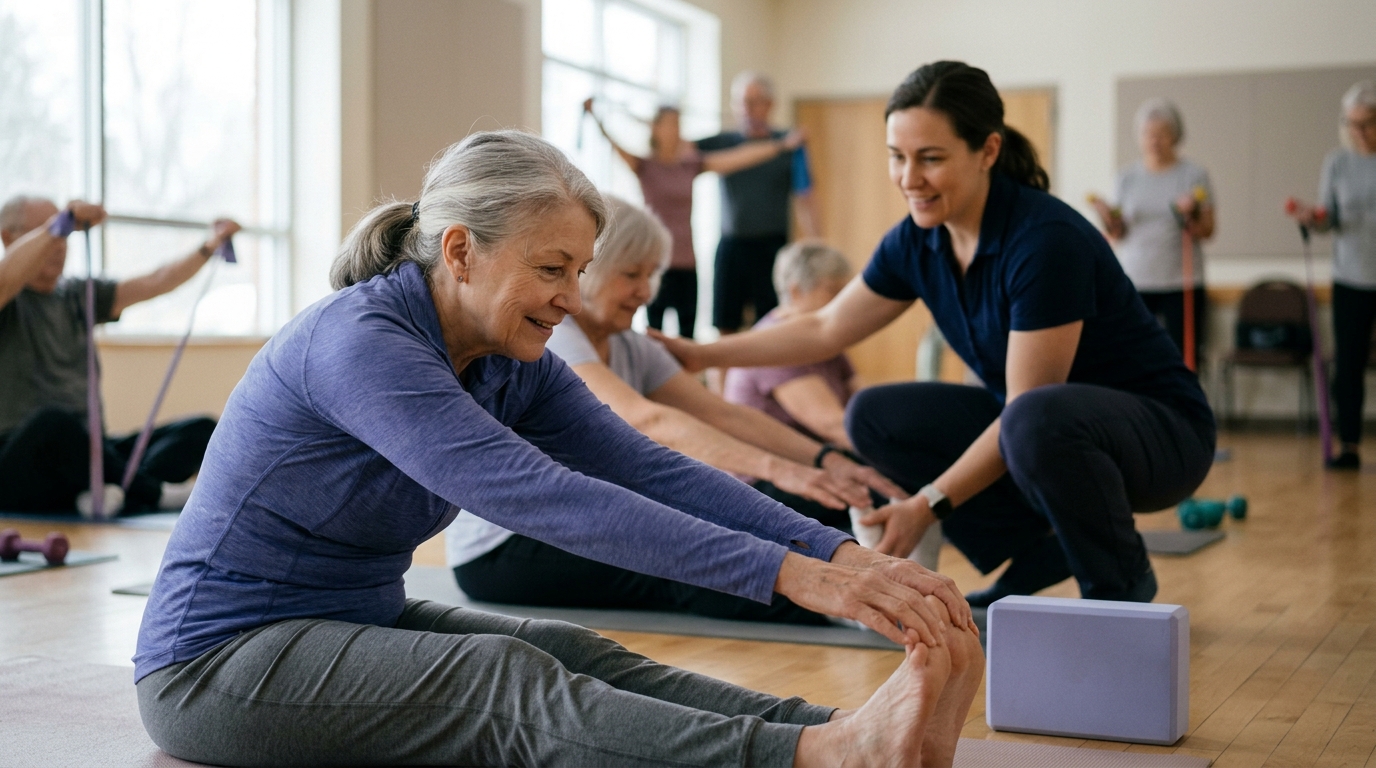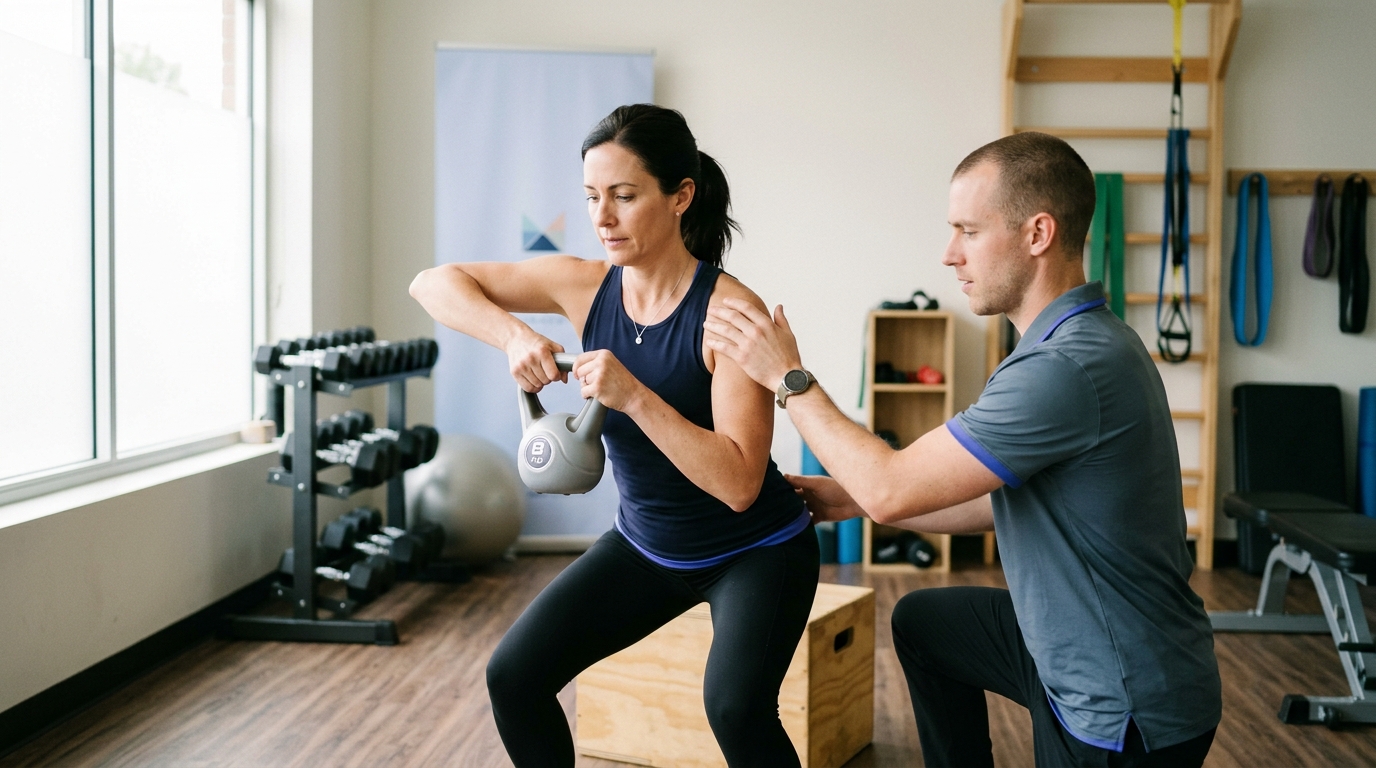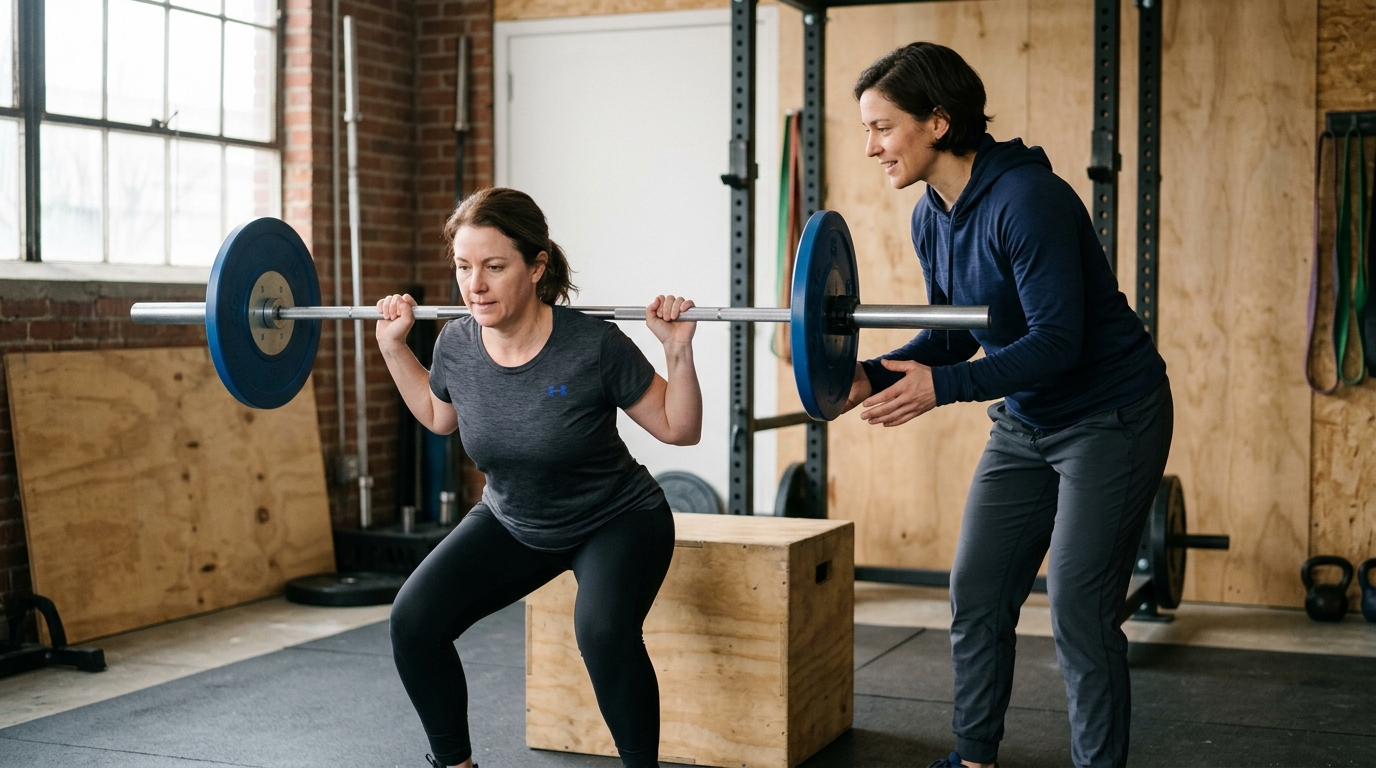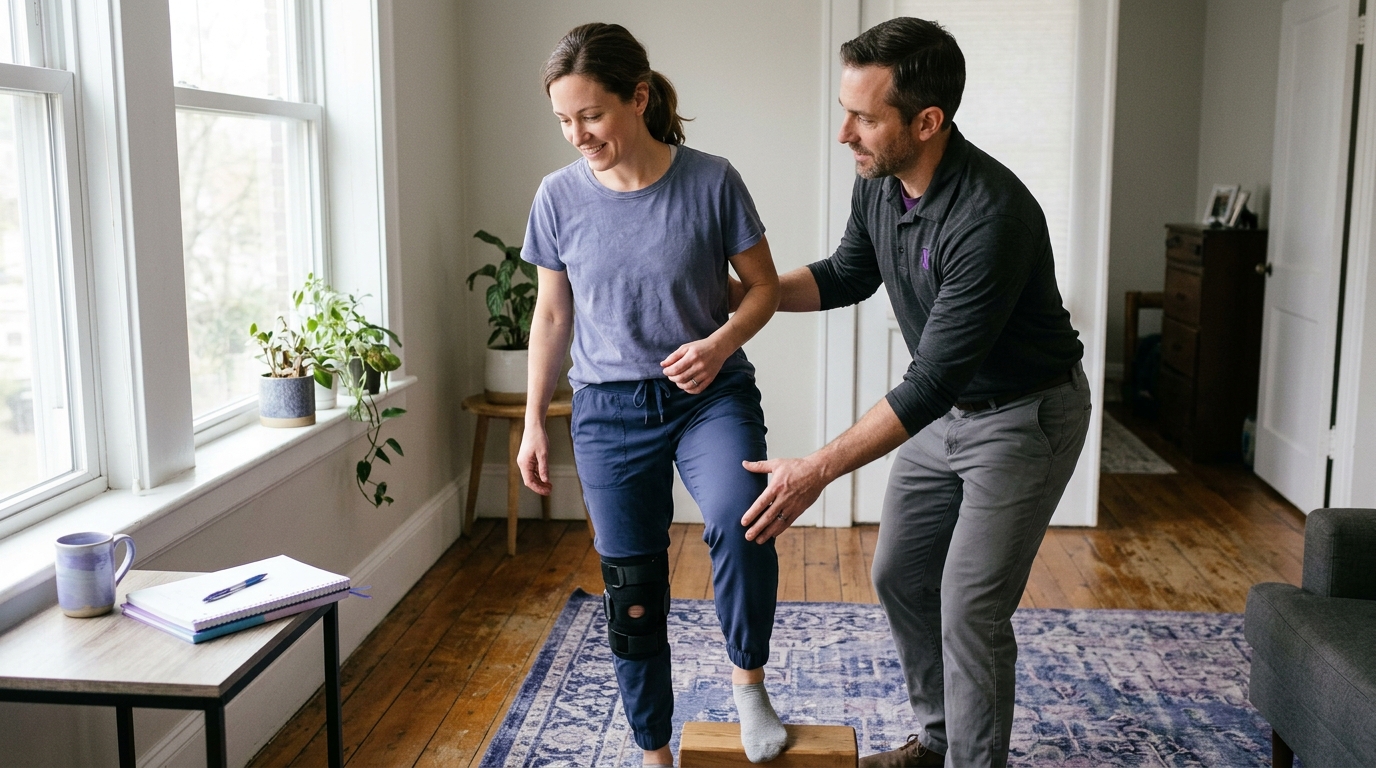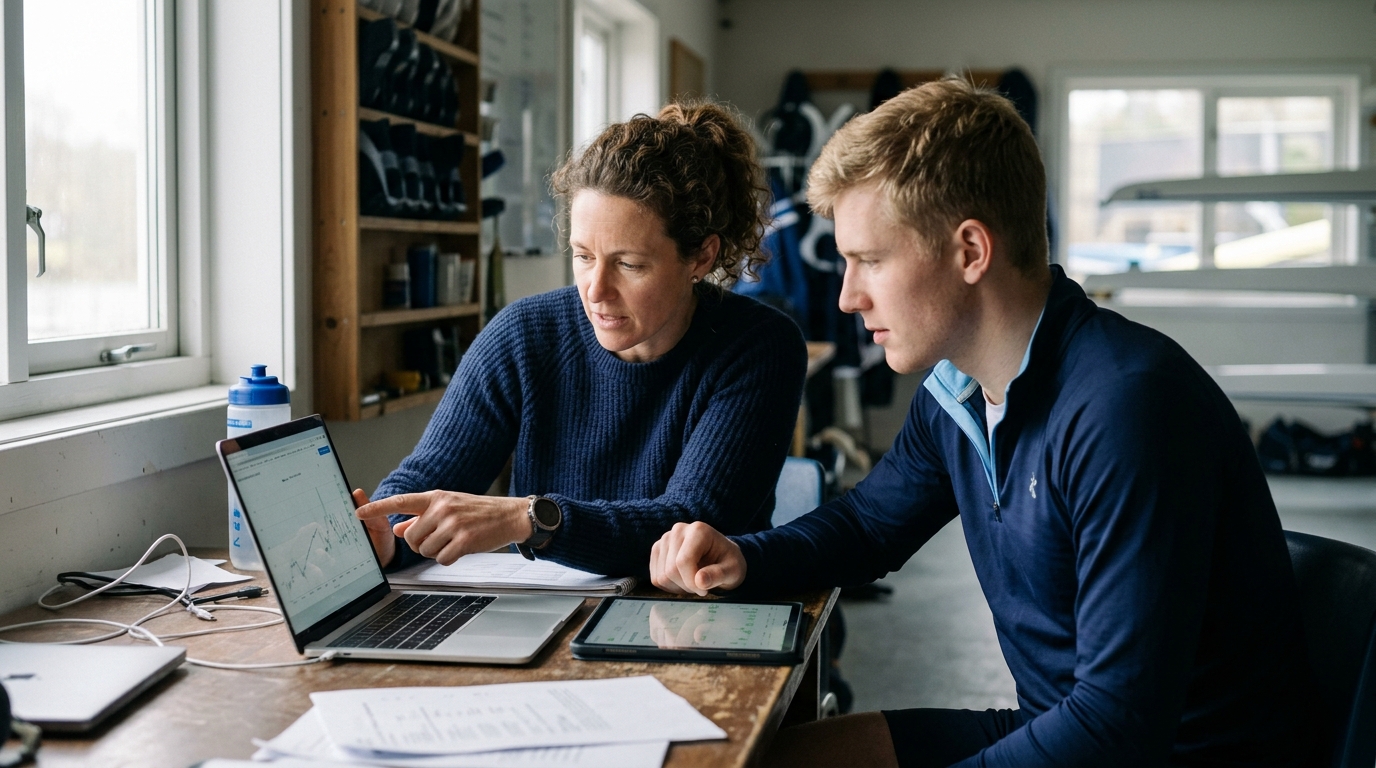

Five core functional signals help you evaluate daily physical readiness and modify exercise plans safely without resorting to total rest.





Many people believe that physical readiness is a single score delivered by a fitness watch. Others assume readiness is an all-or-nothing switch that gives an absolute green light or demands complete bed rest.
In reality, readiness is a daily decision about what activity to do, at what dose, and with what safeguards. A wearable device or a single good night of sleep cannot tell you if your joints, nervous system, and muscles are prepared for complex movement.
Understanding your readiness requires paying attention to how your body actually moves and feels. It means looking at your strength, balance, mobility, sleep quality, and physical symptoms together.
This guide outlines a practical framework for recognizing meaningful changes in your daily function. It explains how to modify your movement plans safely without treating every ache or fluctuation as a medical crisis. You can build long-term physical resilience by learning how to adjust your training rather than abandoning activity completely.
Readiness is not a fixed personal trait. It is a changing snapshot of your physical capacity from one day to the next. Your capacity shifts based on previous activity, sleep patterns, stress, joint irritation, and recovery.
When you evaluate readiness, you are checking for meaningful differences from your own normal baseline. You are not comparing yourself to an elite athlete or a textbook average. You are simply noticing how today compares to how you usually feel and function.
Daily monitoring helps you identify signals before they turn into major setbacks. A signal is a brief, observable change such as mild knee stiffness or a slight feeling of unsteadiness when turning around. A pattern is a signal that repeats across multiple days or affects several different daily activities.
Readiness checks are communication tools for your own planning. They help you choose the right exercise dose and avoid unnecessary strain. They do not provide a medical diagnosis, and they cannot pinpoint the precise biological cause of a symptom.
Understanding this distinction protects you from unnecessary worry. A morning of sluggishness does not mean you have lost your hard-earned fitness. It simply means your body may benefit from a modified session or a more supportive exercise environment.
Scientific research offers clear guidance on how physical activity supports long-term health and functional independence. At the same time, research reveals the limits of relying on any single test to predict physical capability.
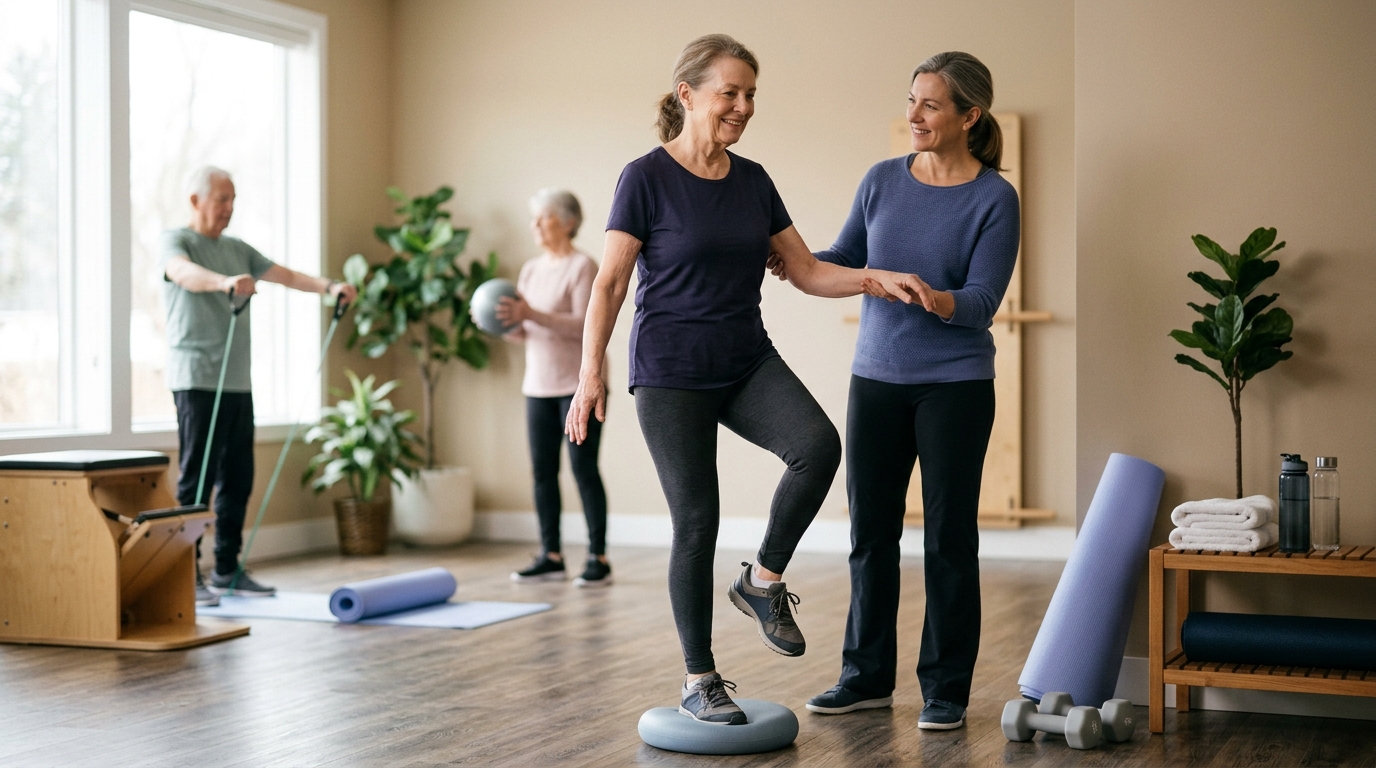
According to global public health guidance from the World Health Organization, adults should aim for 150 to 300 minutes of moderate-intensity aerobic physical activity per week, or an equivalent amount of vigorous activity. For older adults, the World Health Organization recommends varied multicomponent physical activity that emphasizes functional balance and muscle-strengthening exercises on three or more days each week.
Evidence summarized by the World Health Organization indicates that multicomponent training programs combining balance, strength, endurance, and functional tasks are associated with a reduction in the rate of falls of up to 23 percent among older adults. This is a population-level association seen across structured exercise programs, rather than a guarantee for any single individual. However, it highlights the importance of maintaining strength and stability as we age.
The evidence also shows that no single physical test can accurately predict an adverse event like a fall on its own. An umbrella review examining fall-prediction instruments found that isolated tests of gait speed, balance, or functional mobility do not predict falls with high certainty when used in isolation. While gait speed provides helpful clinical information as part of a broader evaluation, it is not a stand-alone diagnostic tool.
Sleep research provides additional context for daily physical readiness. Systematic reviews examining sleep interventions show that strategies like sleep extension and planned daytime naps can support athletic and cognitive performance. However, these studies focus heavily on trained athletes. They do not prove that an active adult must cancel all movement after a single night of restless sleep.
The overarching evidence is clear: some physical activity is always better than none. Replacing sedentary time with light or moderate movement provides substantial health benefits across your lifespan. When you feel less than optimal, scaling your activity is generally far more effective than stopping all movement entirely.
To make daily monitoring practical, you need a repeatable process that takes less than two minutes. A simple four-step routine helps you make objective training decisions without getting bogged down in complicated numbers.
The first step is to check your current state. Take a brief moment in the morning or before your workout to notice your energy, joint comfort, muscle soreness, and confidence in your movement.
The second step is to compare these observations to your normal baseline. Ask yourself if your legs feel unusually heavy or if a basic movement feels stiffer than usual. Focus on how you differ from your own standard baseline, not an arbitrary fitness standard.
The third step is to choose your plan for the day. Based on your comparison, you can choose to proceed with your planned session, reduce the intensity or duration, switch to a more supported movement, or pause demanding activity.
The fourth step is to recheck how your body responds during and after the session. Notice if your joints loosen up after a warm-up or if your fatigue deepens. If symptoms worsen during the activity, you can adjust immediately rather than pushing forward blindly.
This four-step sequence is an educational framework designed to guide self-reflection. It is not a clinical prescription or a rigid scoring algorithm. It simply helps you navigate physical recovery and active living with clarity and flexibility.
You can explore our detailed guides on injury recovery and rehabilitation resources to learn more about structuring your daily activity safely.
A reliable readiness assessment looks across multiple areas of physical function rather than fixating on a single metric. You can monitor five core functional domains to build an accurate picture of your physical capacity.
Pay attention to how easily you perform familiar daily tasks. Notice how it feels to stand up from a low chair, carry groceries, or walk up a flight of stairs.
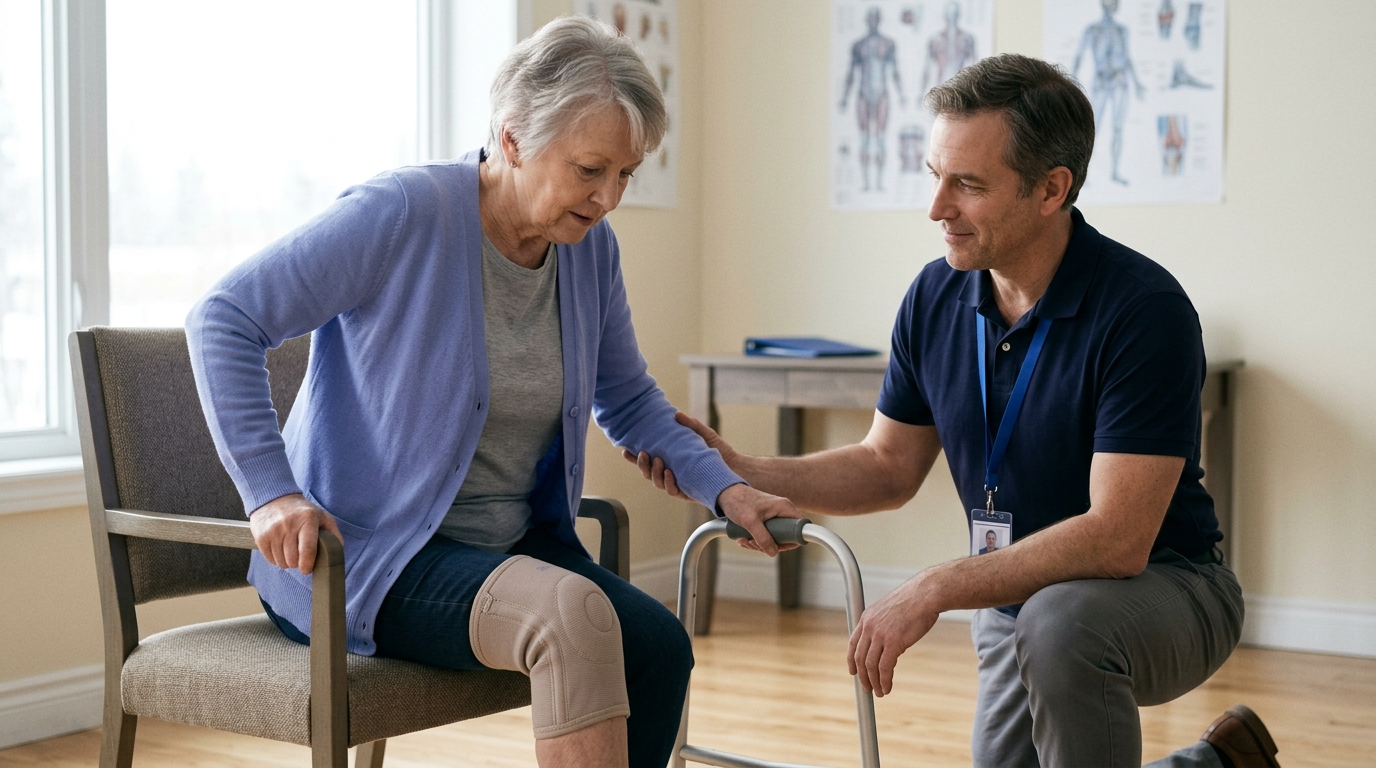
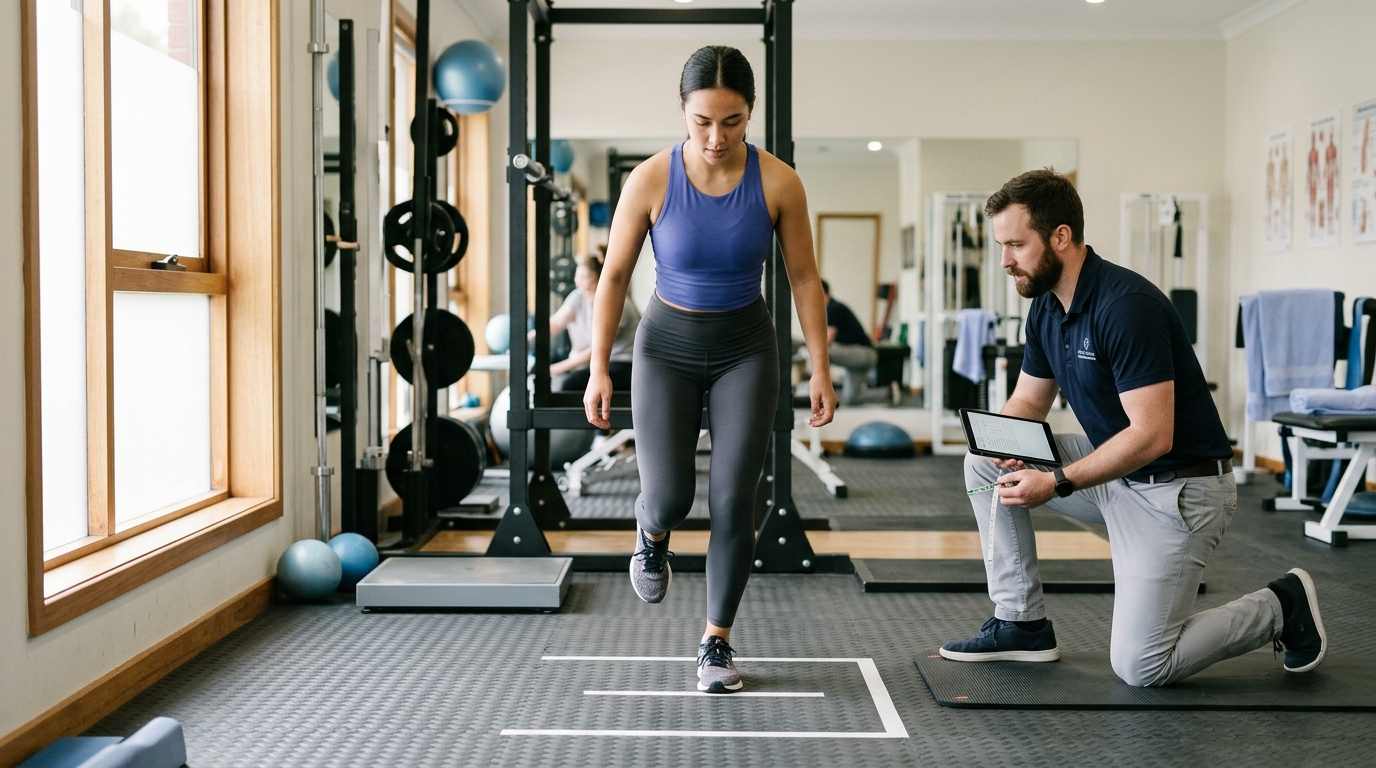
In clinical settings, physical therapists and doctors use structured tools like the 30-second chair stand test to evaluate lower-body strength and endurance. You do not need to turn daily life into a clinical test. However, if standing up from your favorite armchair suddenly requires significant arm support, your leg strength or energy may be temporarily depleted.
Persistent difficulty with basic functional movements is an important signal. It suggests that your neuromuscular system may be fatigued, or that an underlying joint issue requires attention.
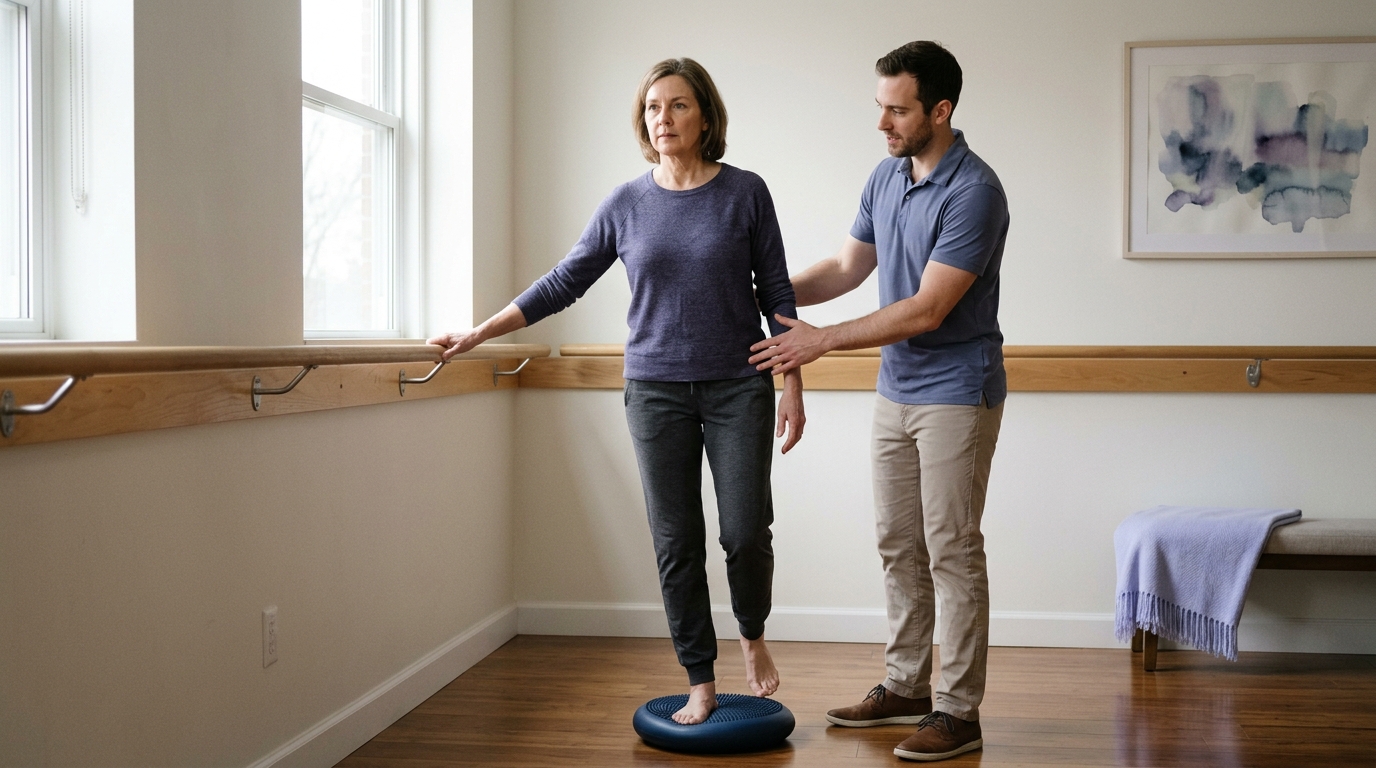
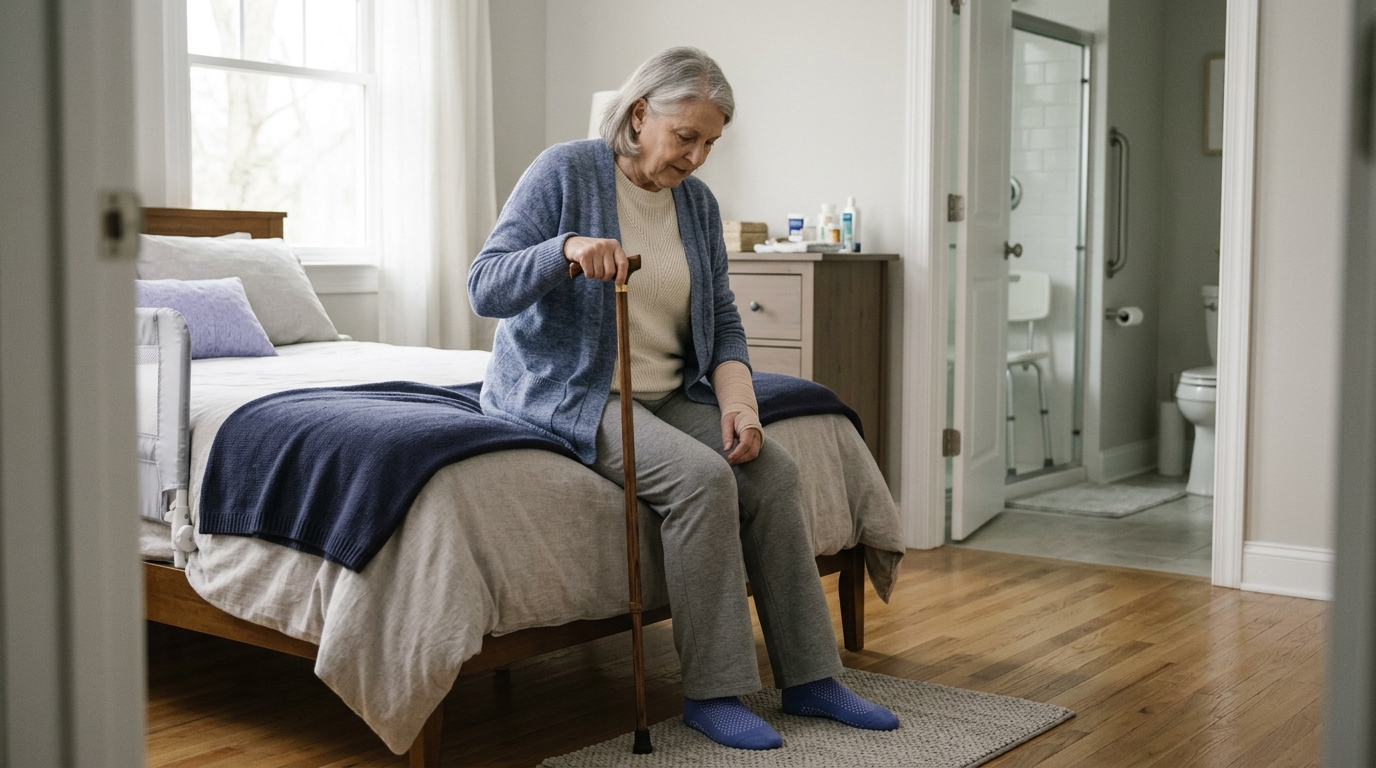
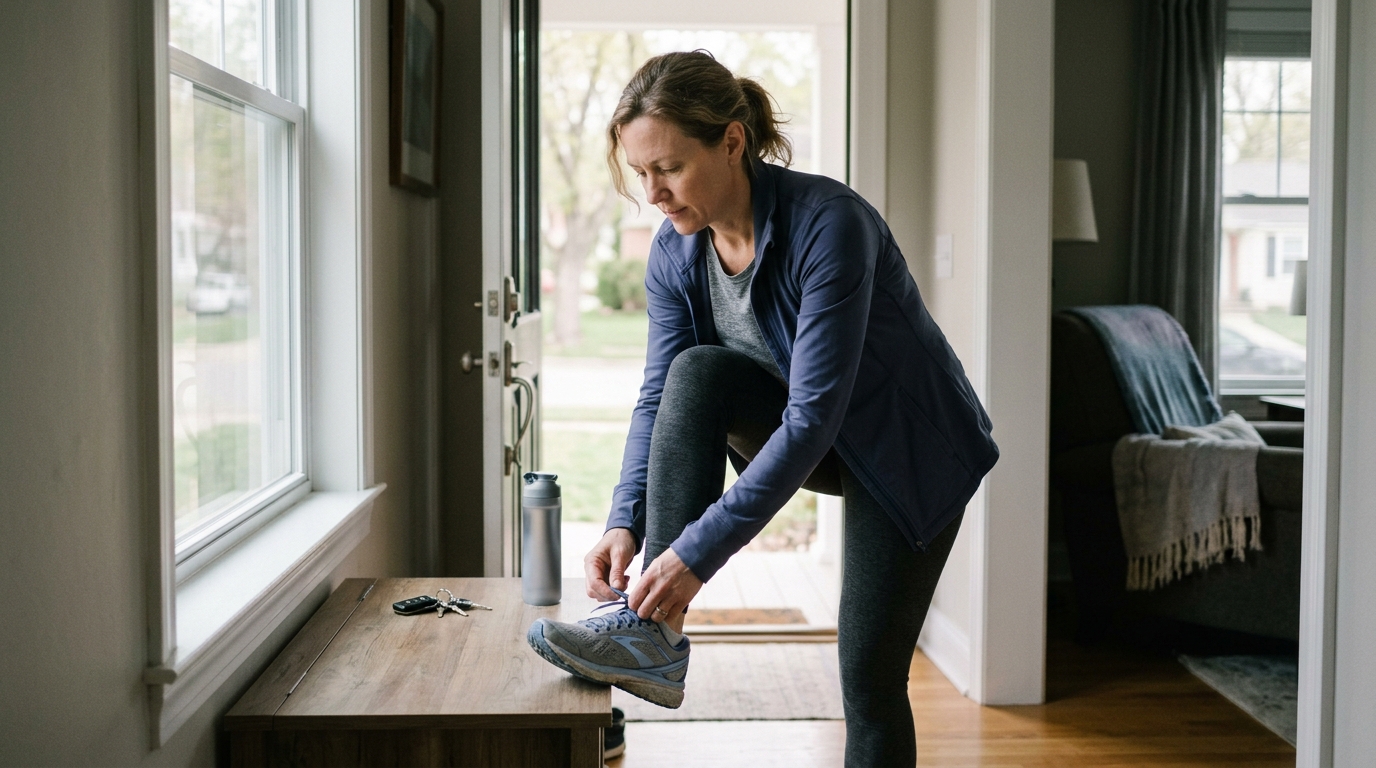
Balance is a sensitive indicator of neurological readiness and muscular fatigue. Notice whether you feel steady when putting on your shoes, stepping over obstacles, or turning around quickly in the kitchen.
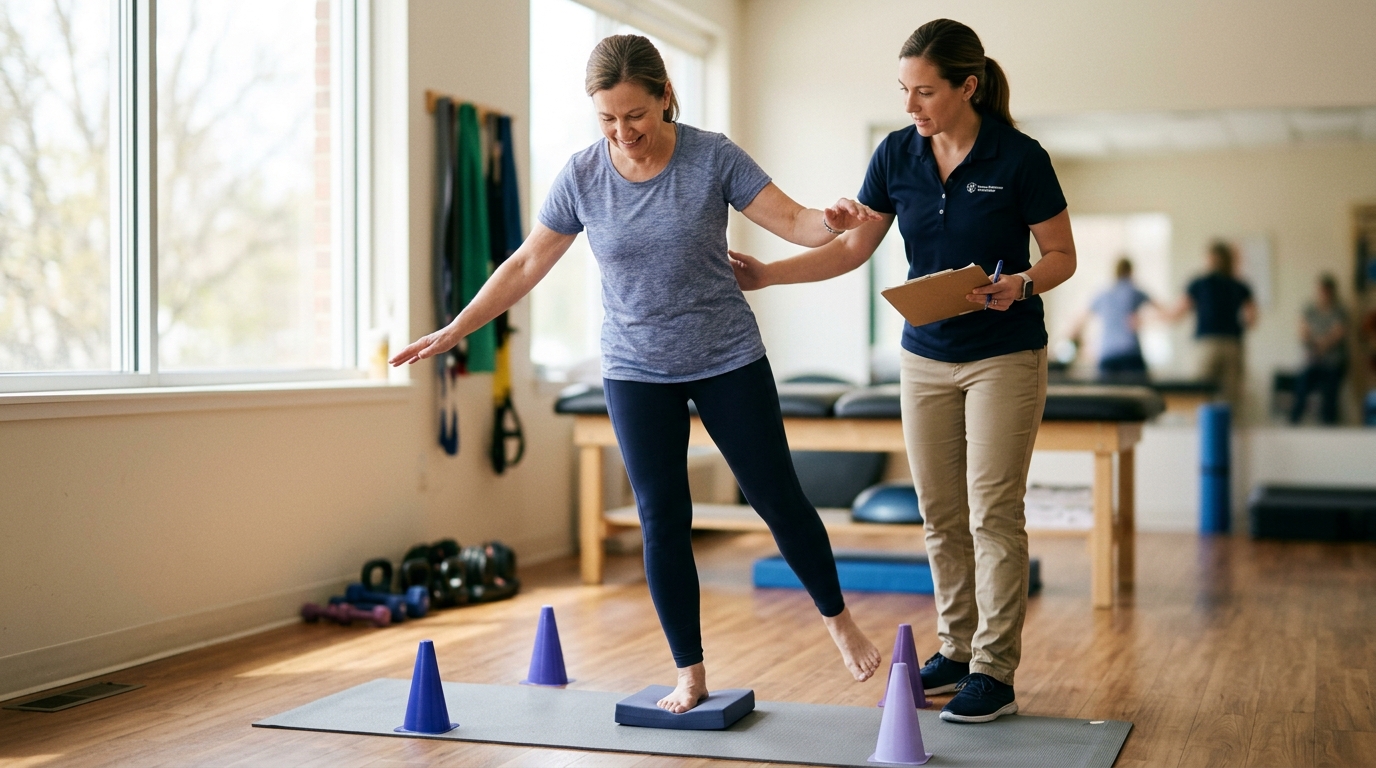
Clinical fall-prevention toolkits, such as the Centers for Disease Control and Prevention STEADI initiative, use balance assessments like the 4-stage balance test to identify fall risks. In these clinical screenings, an inability to hold a tandem stance for 10 seconds indicates an increased risk of falling.
These standardized tests are meant to be administered by trained professionals with safety spotters in place. You should never attempt aggressive balance challenges alone at home. Simply observe your natural stability during normal daily routines.
Observe your walking comfort and fluid movement. Notice if you are limping, shortening your stride, or feeling stiff through your hips and ankles during your first few minutes of walking.
A normal walking pattern should feel relatively smooth and symmetrical. If you notice yourself hesitating before stepping off a curb or reaching for walls
as you move through your home, your mobility needs support.
Walking speed and stride smoothness often decline when your body is managing systemic fatigue, joint inflammation, or pain. Recognizing these subtle gait changes helps you modify your training before you place excessive stress on compensating joints.
Sleep quality and daytime energy strongly influence how your tissues tolerate physical stress. Consider how rested you feel upon waking and whether you have sufficient energy to handle your usual daily responsibilities.
Systematic research demonstrates that chronic sleep restriction impairs coordination, reaction time, and tissue healing. A single poor night of sleep will not derail your fitness, but several consecutive nights of poor rest will lower your physical tolerance.
If you wake up feeling unrefreshed for several days in a row, treat it as a clear signal. You can scale back heavy training loads and prioritize recovery strategies until your sleep stabilizes.
Monitor specific physical symptoms like localized joint aching, muscle tenderness, tendon stiffness, or unusual swelling. Pay close attention to how these symptoms behave when you begin moving.
Mild muscular stiffness that eases after five minutes of gentle movement is a common, normal response to training. In contrast, sharp joint pain, sudden catching sensations, or discomfort that progressively increases during exercise are warning signs.
Tracking these symptoms helps you distinguish between normal training adaptations and tissue irritation. It gives you the information needed to modify your exercises before an acute irritation becomes a chronic problem.
For more information on movement quality and joint mechanics, browse our dedicated section on rehabilitation and mobility resources.
When your readiness monitoring signals that your body is fatigued or irritated, you do not need to sit on the couch all day. Complete rest can often lead to joint stiffness, muscle deconditioning, and reduced confidence.
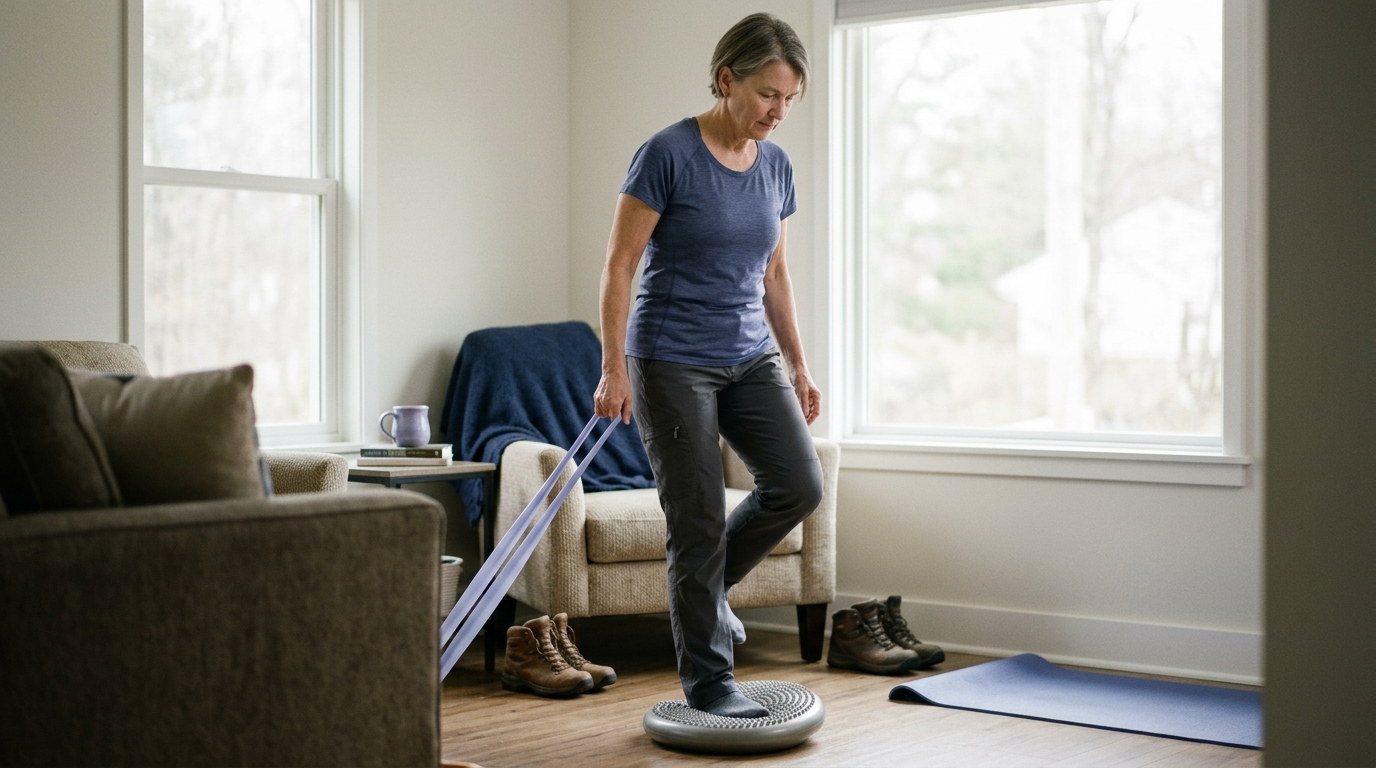
Instead of choosing between maximal effort and total inactivity, you can use five practical levers to adjust your session.
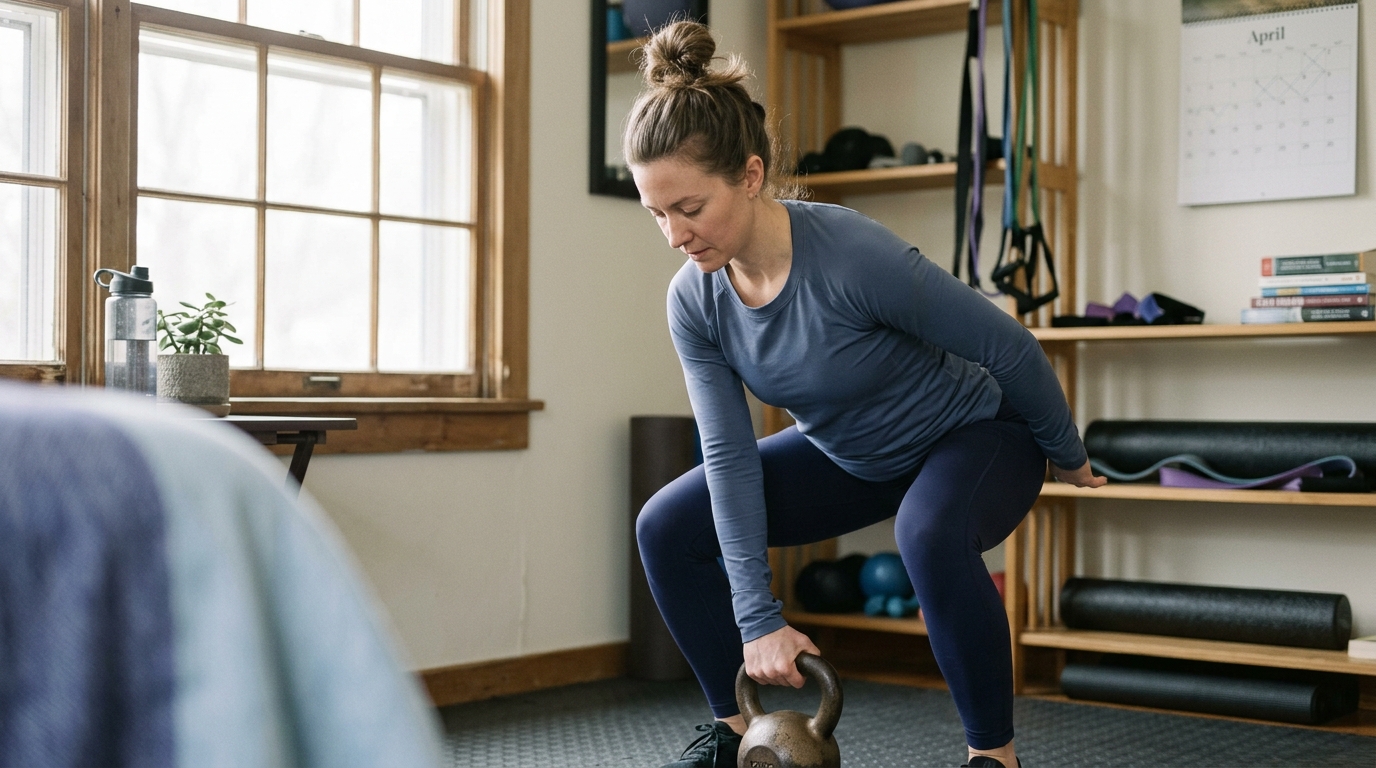
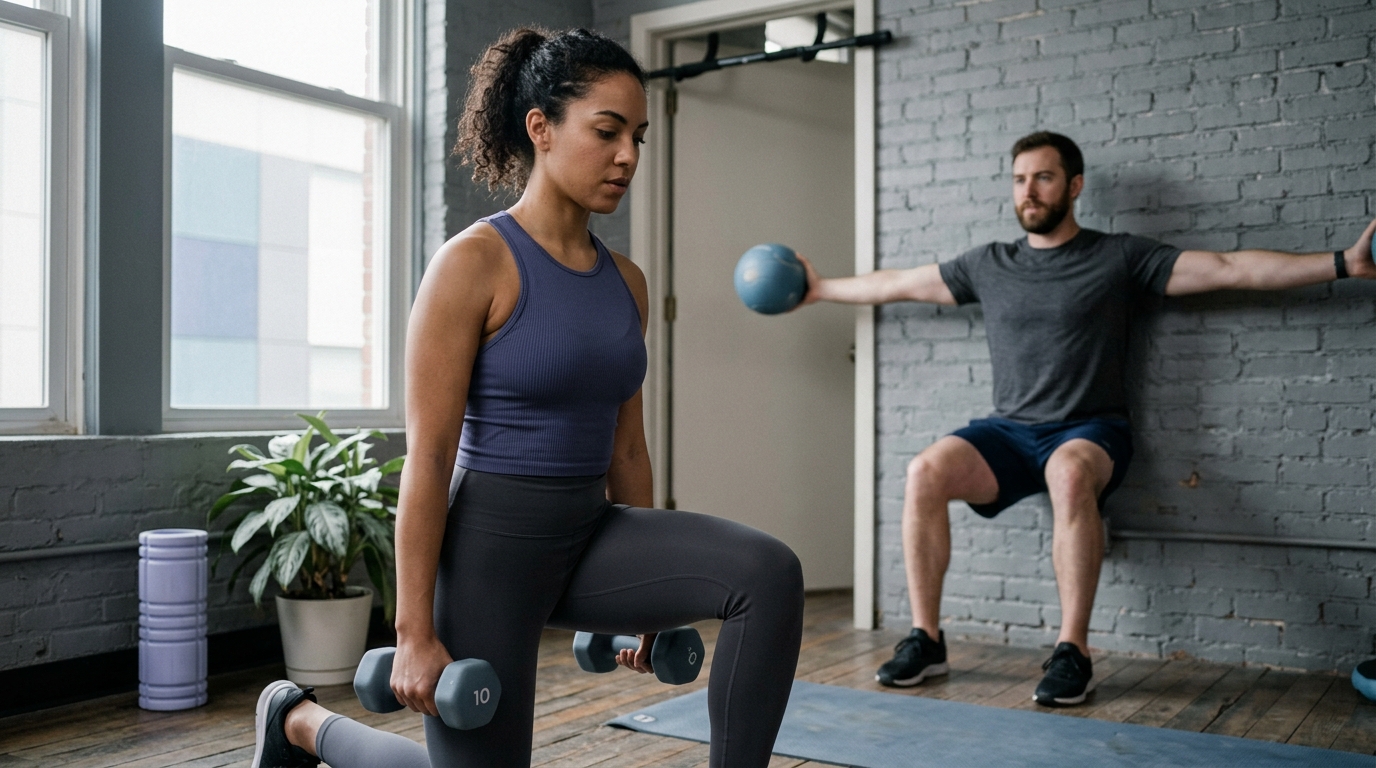
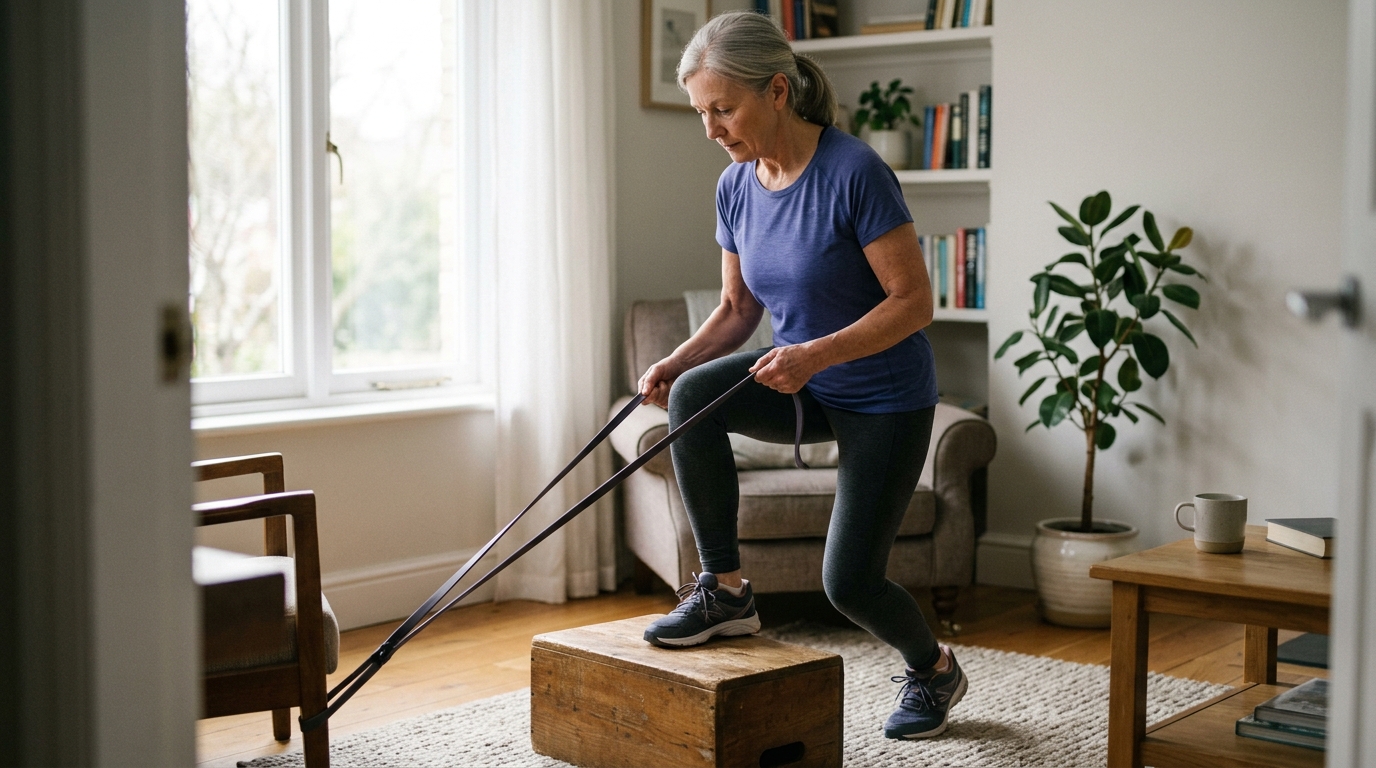
The simplest way to scale a workout is to decrease the overall volume of the session. You can reduce the number of sets, shorten your walking time, or cut the total duration of your workout in half.
For example, if your plan calls for a 45-minute brisk walk, you can shorten it to a 20-minute gentle stroll. If your strength routine includes three sets of ten repetitions, you can perform two sets of six to eight repetitions.
Reducing the dose allows you to stimulate your muscles and promote blood flow without exhausting your energy reserves.
Lowering the intensity means reducing the speed, external weight, or resistance of your exercises. This takes stress off your cardiovascular system and lowers the force transmitted through your joints.
If you usually lift moderate weights, you can perform bodyweight movements or use light resistance bands. If you usually walk on hilly outdoor terrain, you can choose a flat, predictable path or a stationary bike with light resistance.
Lowering the intensity allows you to maintain your movement patterns while giving your tissues a chance to recover.
Complex exercises require significant balance, coordination, and mental focus. When you are tired or unsteady, complex exercises carry a higher risk of poor form or missteps.
You can adjust complexity by replacing multi-joint, dynamic movements with simpler, more stable alternatives. For instance, replace walking lunges with supported split squats, or replace an agility ladder drill with simple forward marching.
Simplifying your exercises lets you train specific muscle groups without demanding excessive neurological focus.
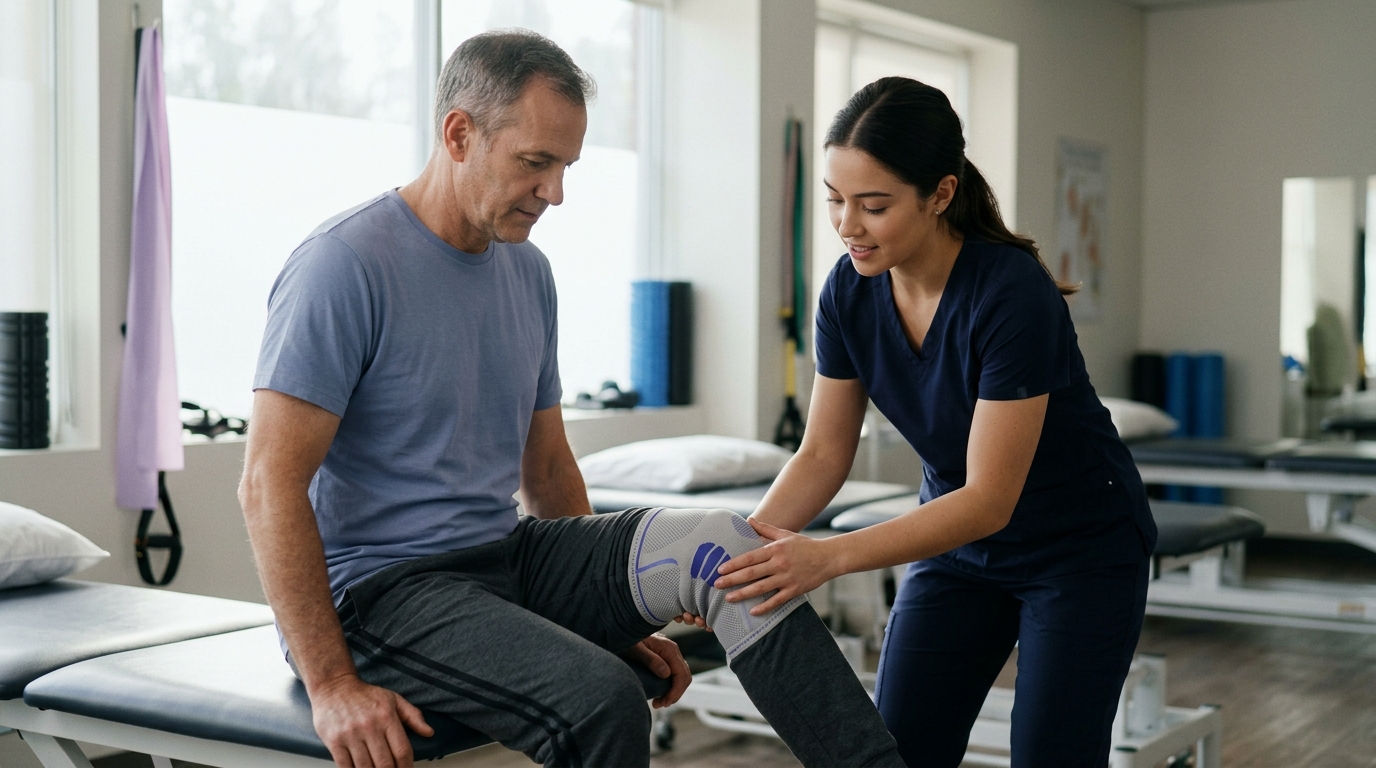
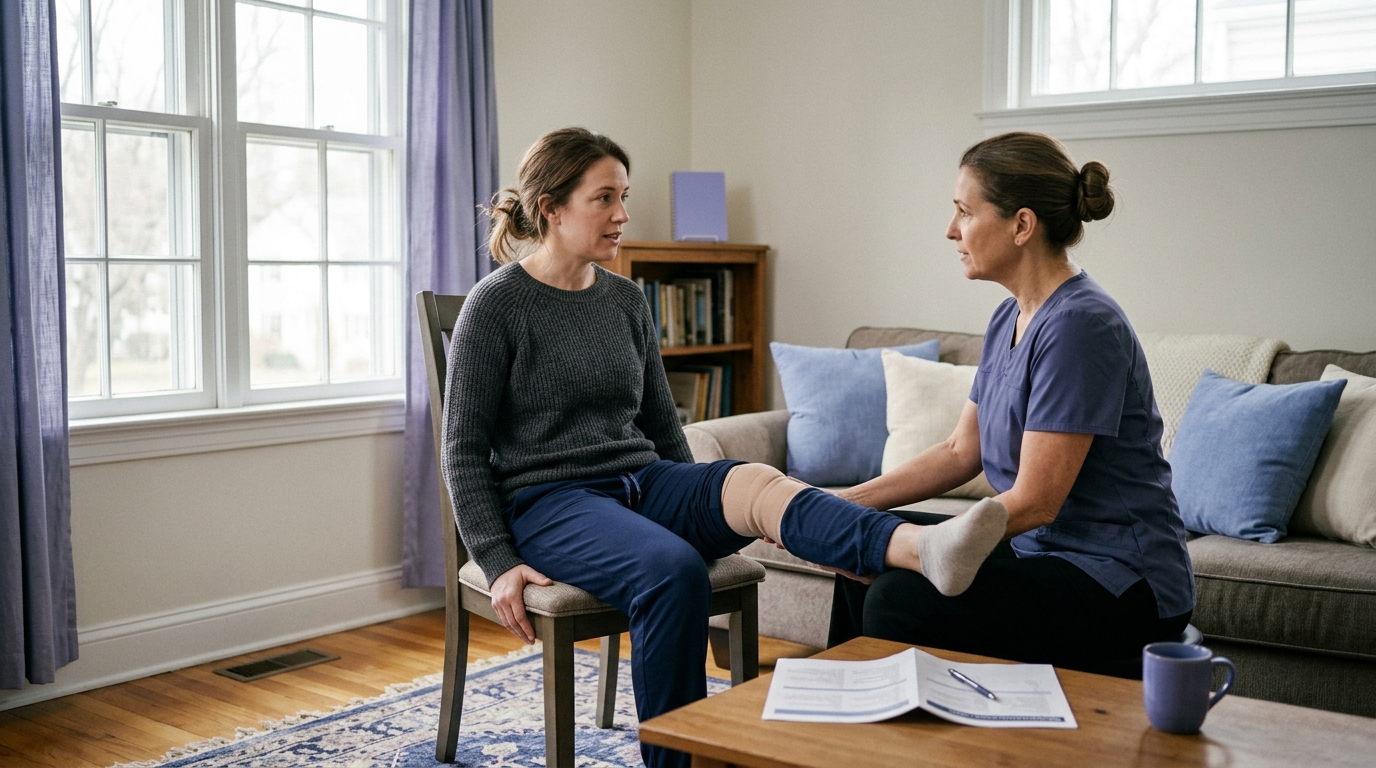
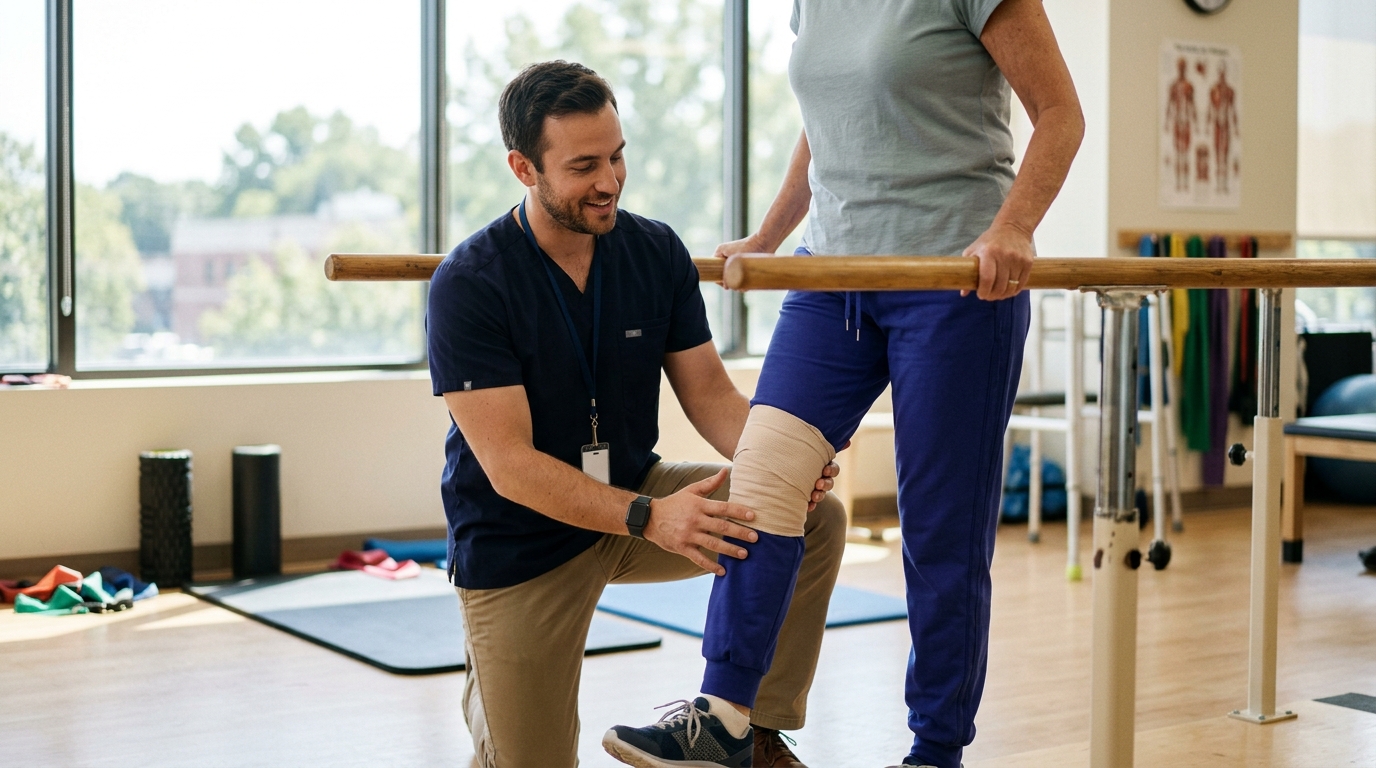
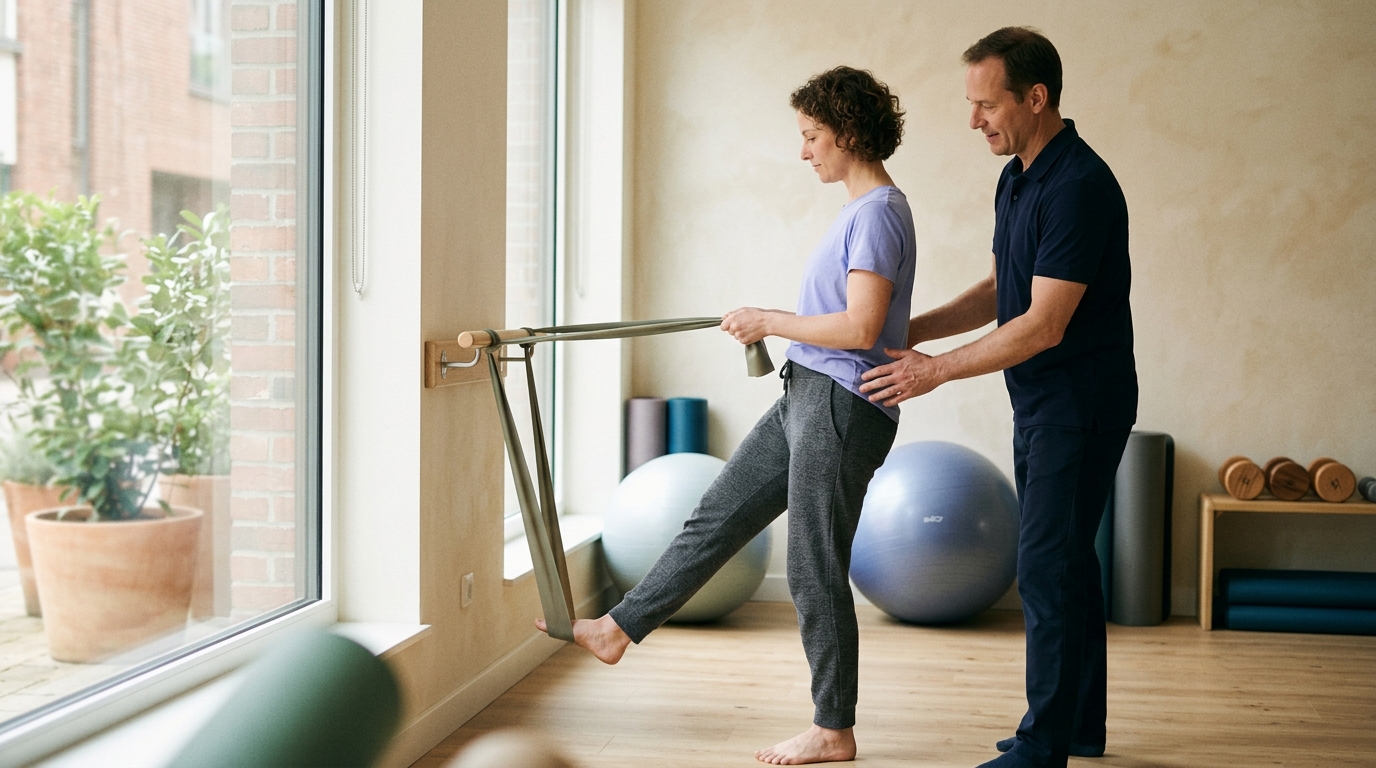
Adding physical support is an effective way to stay active when balance or joint confidence is low. External support reduces the risk of falling and unloads sensitive structures.
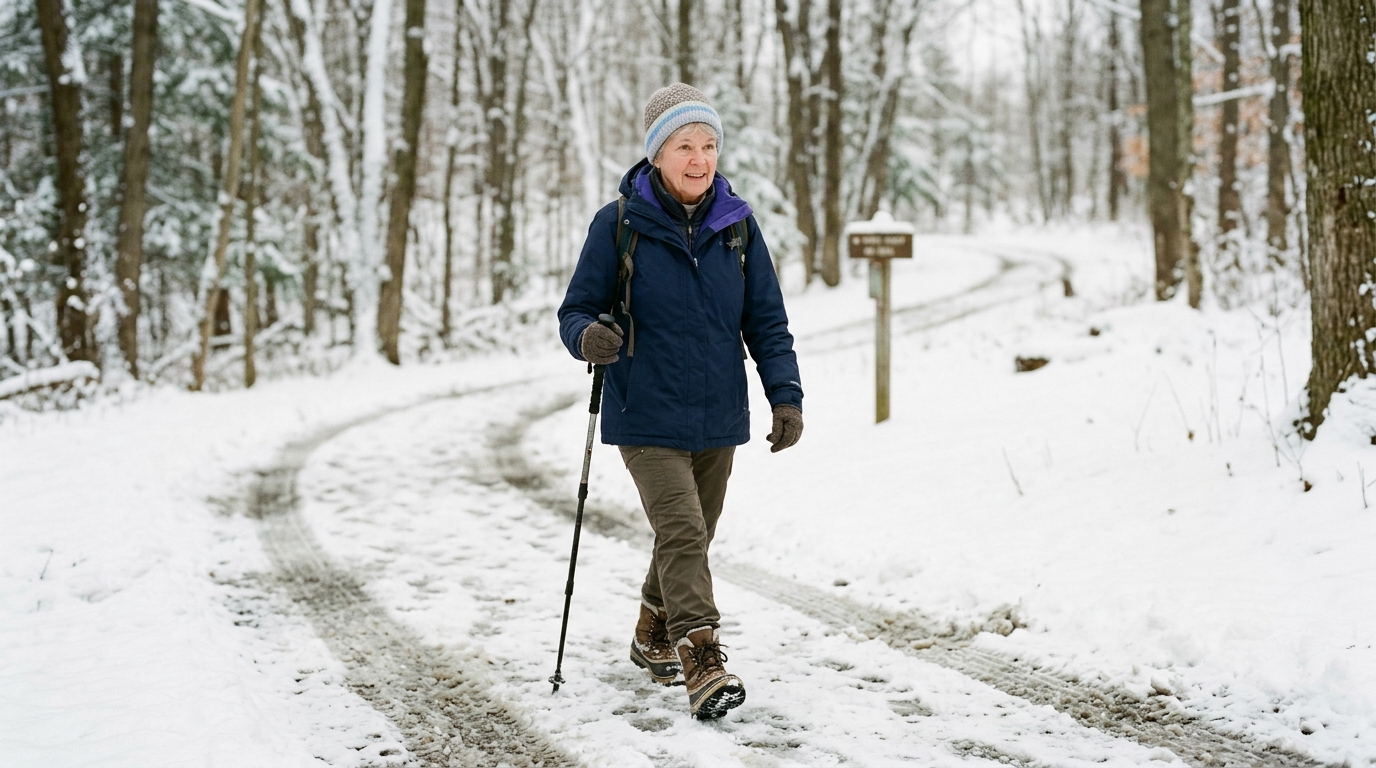
You can hold onto a sturdy kitchen counter while performing heel raises and squats. When walking outdoors, you can use trekking poles or choose a smooth, well-lit paved path instead of an uneven dirt trail.
Using external support is a smart training modification, not a sign of weakness. It creates a safe environment where you can build strength without fear of losing your footing.
The environment where you exercise plays a major role in safety and physical comfort. Extreme temperatures, poor lighting, wet surfaces, and noisy surroundings can increase physical stress.
If it is raining or icy outside, move your walking routine indoors to a shopping mall, indoor track, or treadmill. If your home workout space is cluttered, take a few minutes to clear trip hazards like throw rugs, electrical cords, and loose items.
A safe, controlled environment allows you to focus fully on your movement quality.
Learn more about safe training progression through our articles on active aging and injury prevention.
To see how readiness monitoring works in daily life, consider these practical examples. These scenarios illustrate how to adapt your activity based on specific signals.
You slept poorly due to neighborhood noise or a late meal, but you have no joint pain, your balance is normal, and routine tasks feel easy.
In this situation, you do not need to cancel your workout. Start with your usual warm-up and see how your body responds after five to ten minutes. If your energy returns, continue with your planned session at a comfortable pace. If you still feel unusually drained, reduce your total sets or cut the session short by fifteen minutes.
You step outside for your routine morning walk and notice that your legs feel wobbly. You feel slightly off-balance when stepping off curbs or turning your head to look for traffic.
This is a clear signal to prioritize stability. Do not attempt an unfamiliar hiking route or a fast-paced power walk. Switch to a familiar, flat loop close to home, or use a treadmill with side handrails. If the unsteadiness persists into the next day, contact a healthcare provider for a proper balance screening.
You notice that standing up from your dining room chair requires pushing hard with your hands, whereas you normally stand up easily without arm support.
This functional change suggests significant leg fatigue or temporary weakness. Rather than performing heavy squats or jumping exercises, choose seated mobility drills and gentle leg extensions. Give your legs an extra day to recover before returning to loaded lower-body strength training.
You experienced a minor stumble or fall yesterday while working in the yard. Although you have no serious injuries, you feel anxious about your balance and hesitant when walking.
A recent fall is not a reason to push through aggressive balance drills alone. It is a signal to pause high-risk activities and evaluate your home environment for safety hazards. Review the incident carefully, use steady support for your daily walking, and schedule a comprehensive fall-risk evaluation with your physical therapist or primary care physician.
You can find more practical frameworks for staying active safely in our injury prevention and activity resources.
Readiness monitoring is meant for everyday exercise planning, not for self-triaging medical emergencies. You must know the difference between routine muscle fatigue and symptoms that demand immediate medical attention.
According to cardiac rehabilitation exercise safety guidance from the National Health Service and exercise preparticipation standards from the American College of Sports Medicine, you should stop exercising immediately and seek medical evaluation if you experience:
If you experience severe, acute chest pain or symptoms of a heart attack or stroke, call your local emergency services immediately. Do not attempt to drive yourself to the clinic, and do not wait to see if the symptoms pass.
You should also pause exercise and seek professional evaluation for orthopedic warning signs, including:
These symptoms indicate tissue trauma or nerve irritation that requires a formal clinical assessment. Do not attempt to work through sharp, structural joint pain.
Your physical readiness is not dictated entirely by how hard you exercised yesterday. Many underlying personal and environmental factors influence how quickly your body recovers and adapts to movement.
As we age, biological changes affect muscle mass, tendon elasticity, and joint lubrication. Tendons take longer to remodel after heavy loading, and muscle recovery between high-intensity sessions can require extra time.
Older adults can build substantial strength, improve mobility, and maintain bone density through consistent training. However, older tissues benefit from slightly longer recovery windows between demanding workouts. Recognizing this allows you to pace your training effectively without feeling discouraged.
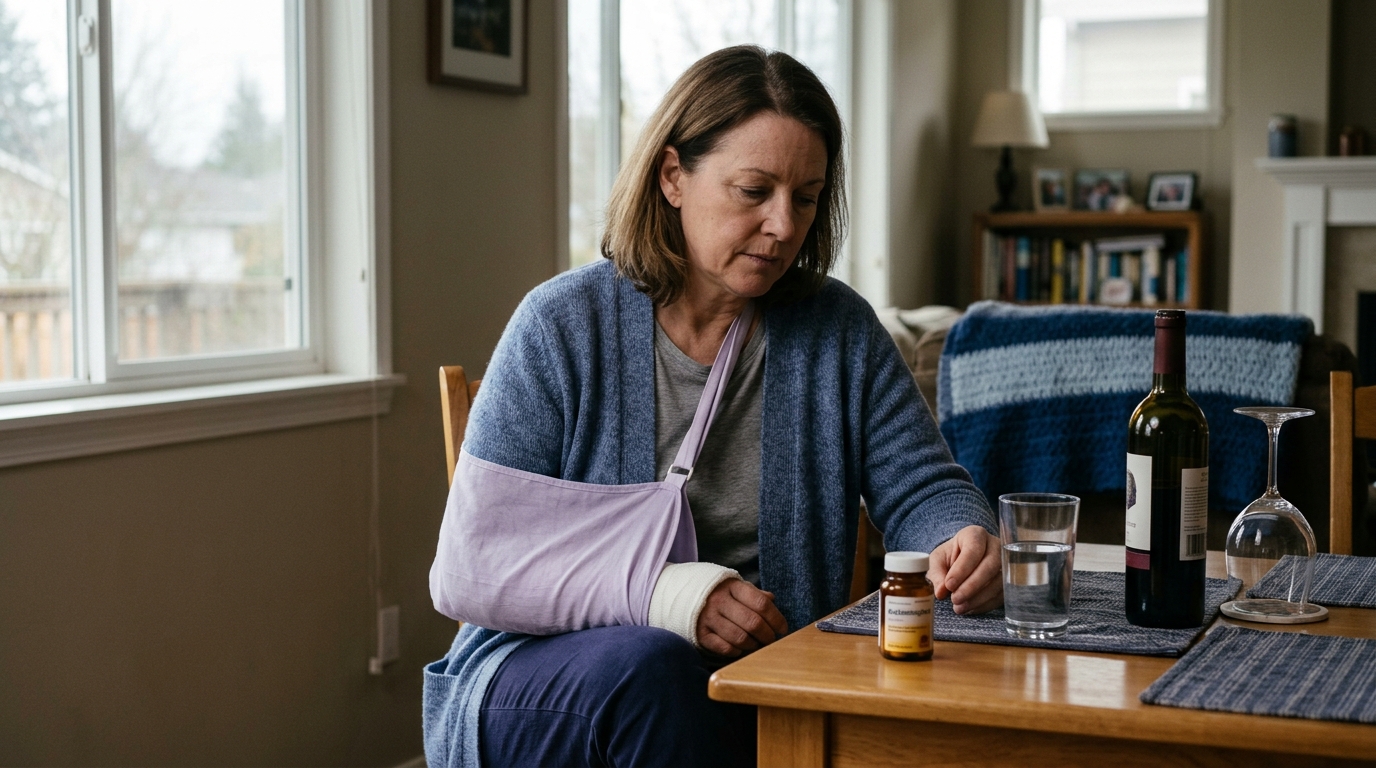
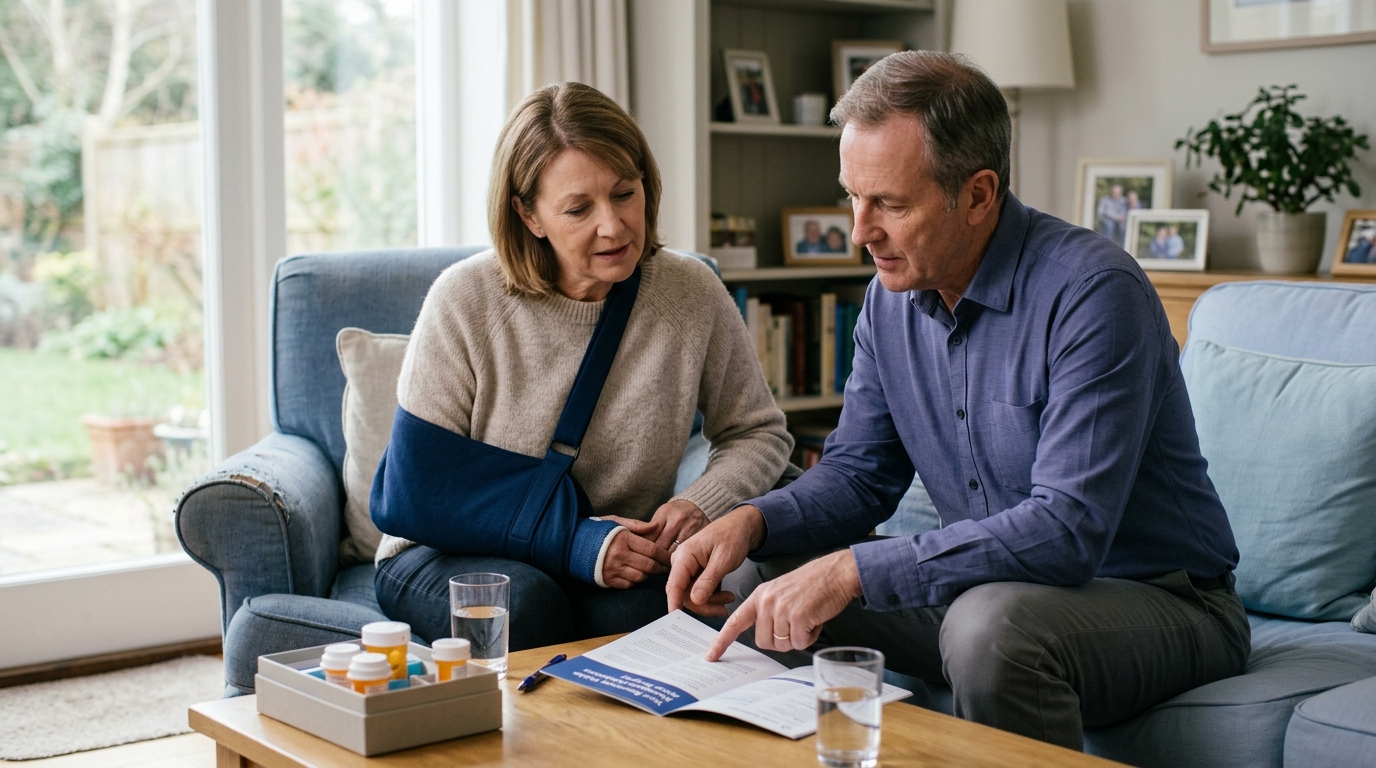
Prescription medications can significantly influence daily readiness. Blood pressure medications can cause mild dizziness when standing up quickly, especially in warm weather. Sedatives, muscle relaxants, and certain pain medications can impair reaction time, balance, and alertness.
If you have recently started a new medication or adjusted a dosage, monitor your balance and coordination with extra care. Talk to your pharmacist or doctor if you notice sudden changes in your stability or energy levels after starting a prescription.
Ongoing conditions such as osteoarthritis, diabetes, cardiovascular disease, and autoimmune conditions create natural fluctuations in daily physical capacity. On some days, systemic inflammation or joint stiffness will be higher, requiring a more conservative exercise plan.
Managing a chronic condition means learning to ride these waves without quitting physical activity. You can adapt your movement to match your symptoms on challenging days, and gently expand your training when your symptoms are well controlled.
Psychological stress, work pressure, family caregiving duties, and emotional strain directly affect physical recovery. Chronic stress elevates stress hormones, alters sleep architecture, and increases muscle tension.
When life stress is exceptionally high, your physical reserve for intense exercise is naturally lower. Treating high-stress periods as a time for restorative, moderate movement protects you from overuse injuries and physical burnout.
External variables like hot and humid weather, poor air quality, or icy walking surfaces alter the physical demands of any activity. Exercising in high heat places additional strain on your heart and increases dehydration risks.
Always factor the weather into your daily readiness decisions. Adjust your workout timing to cooler parts of the day, stay well hydrated, and move your activity indoors when conditions outside are unsafe.
To understand more about the physiology of recovery, read our articles on recovery science and training adaptations.
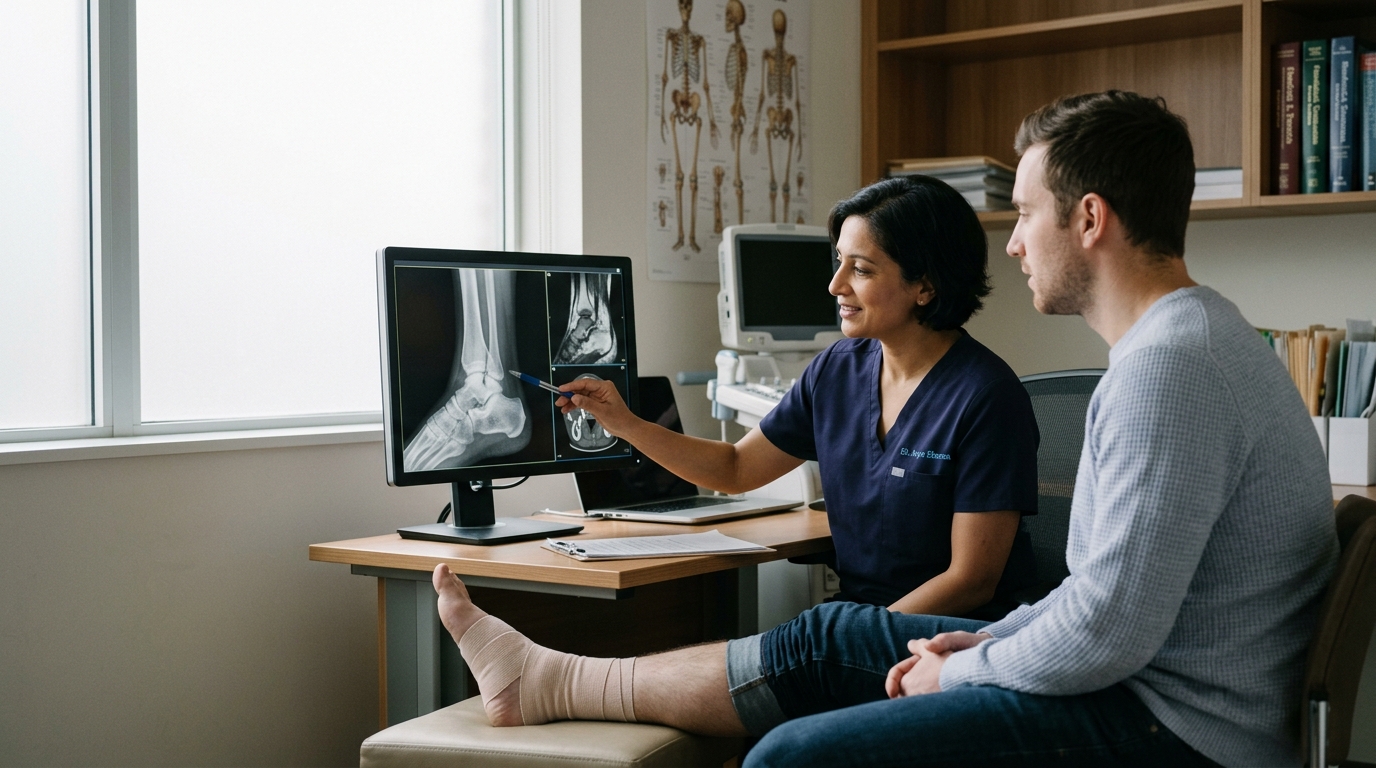
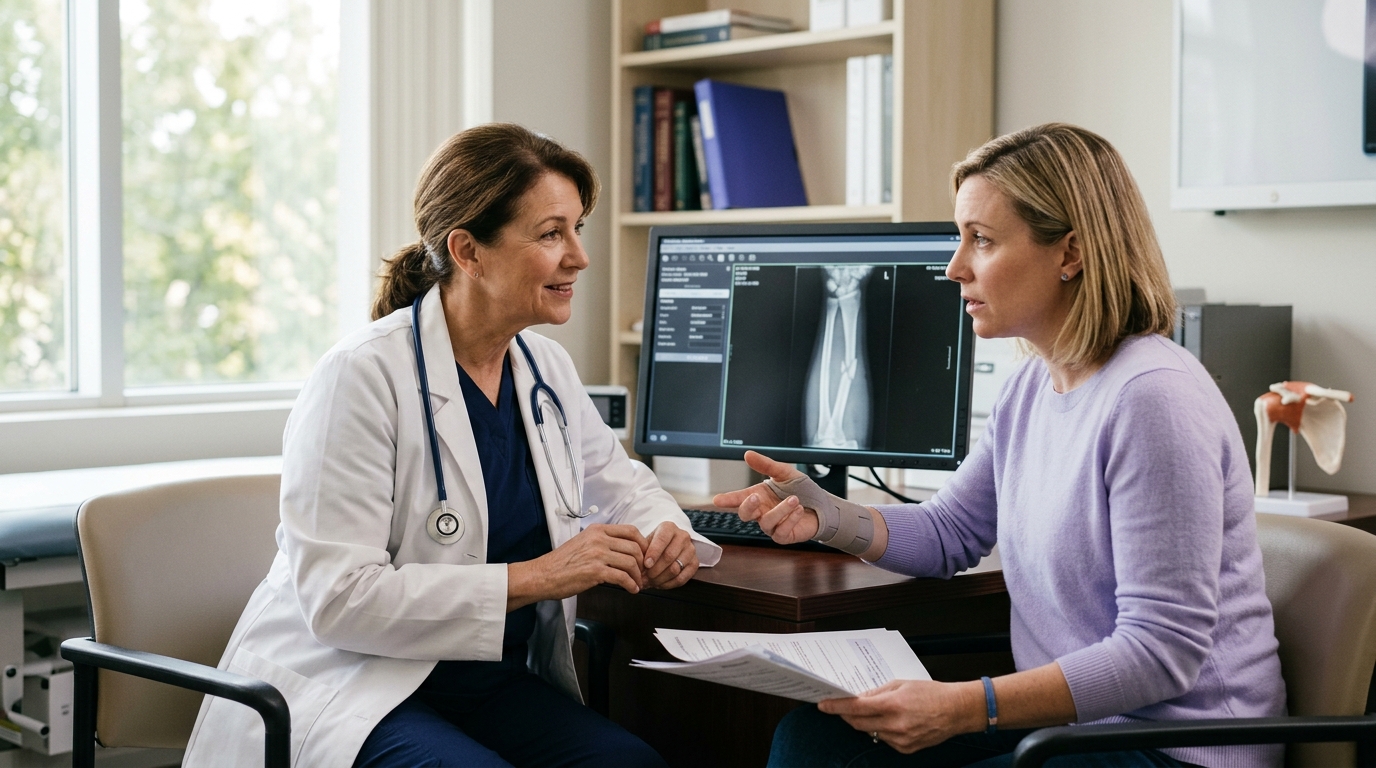
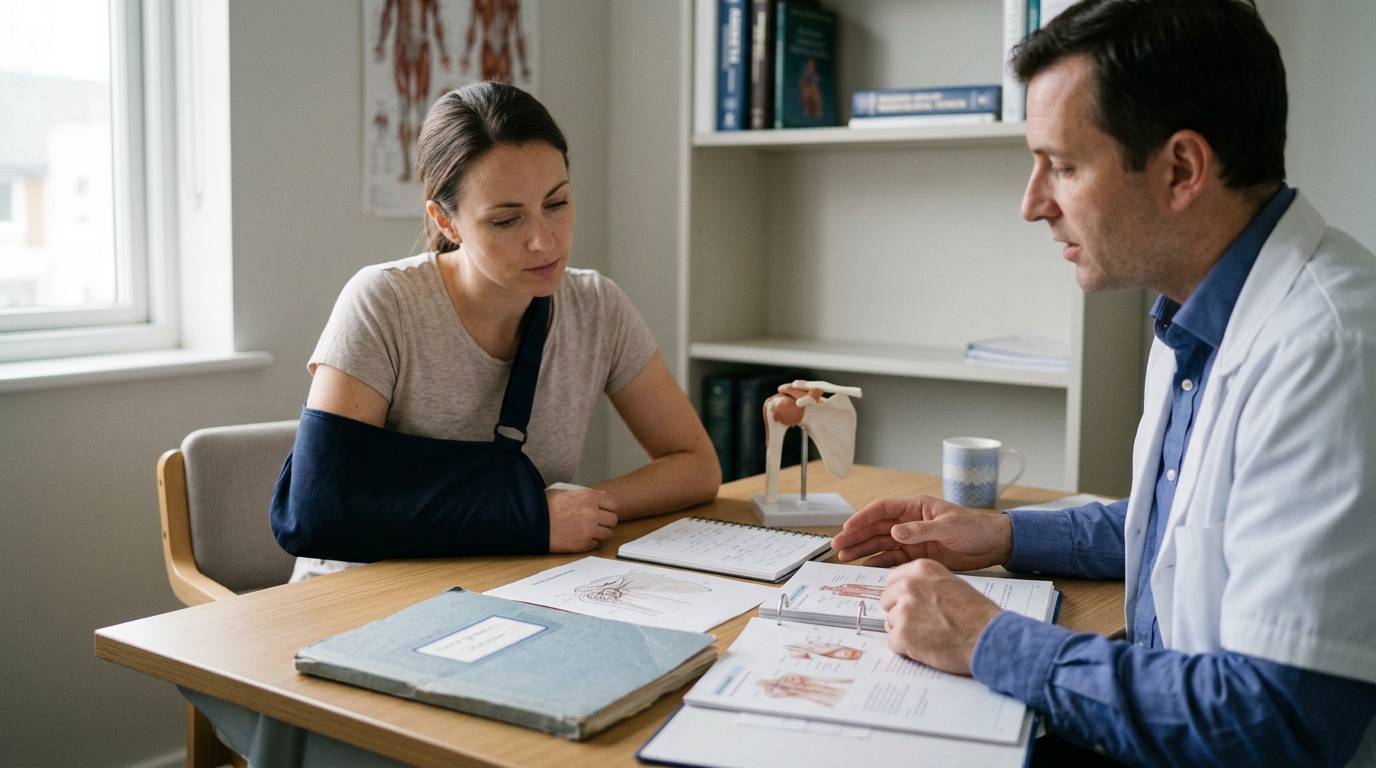
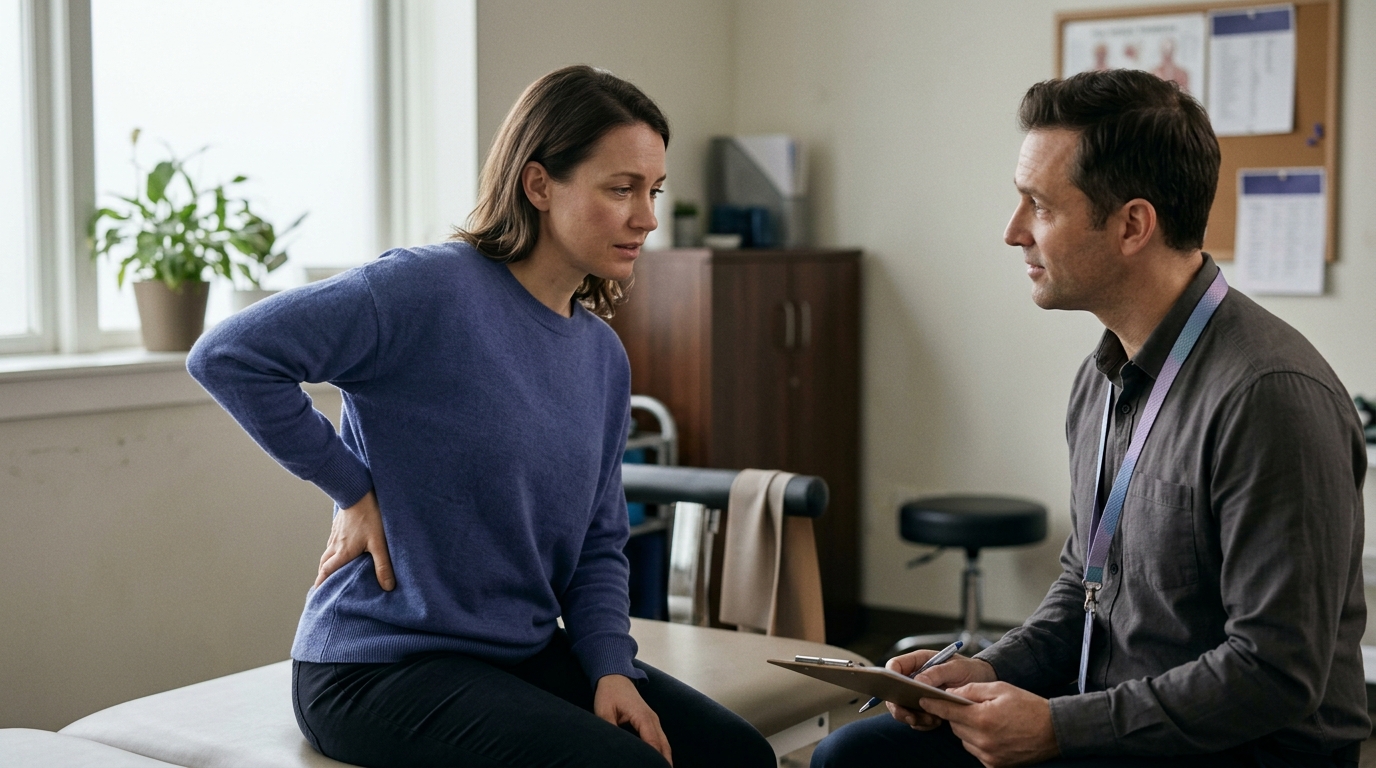
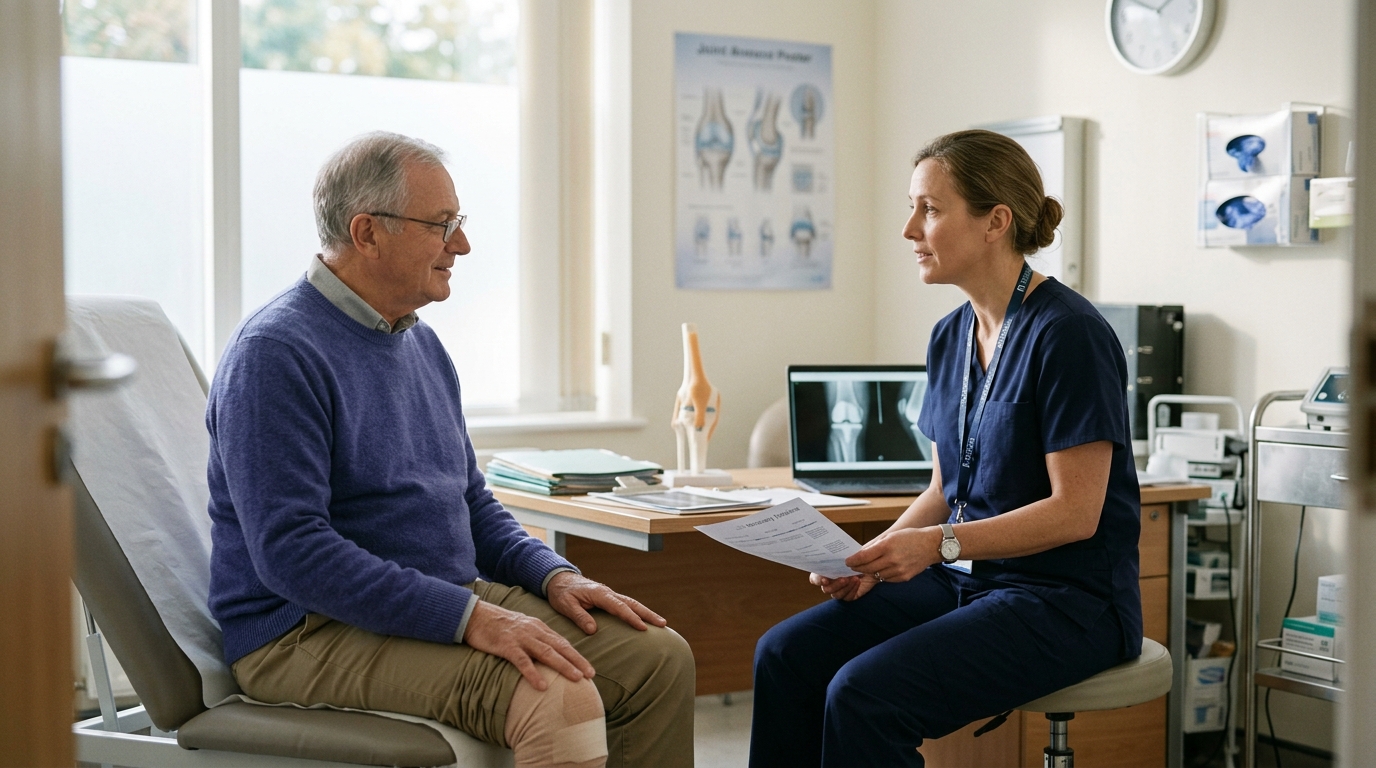
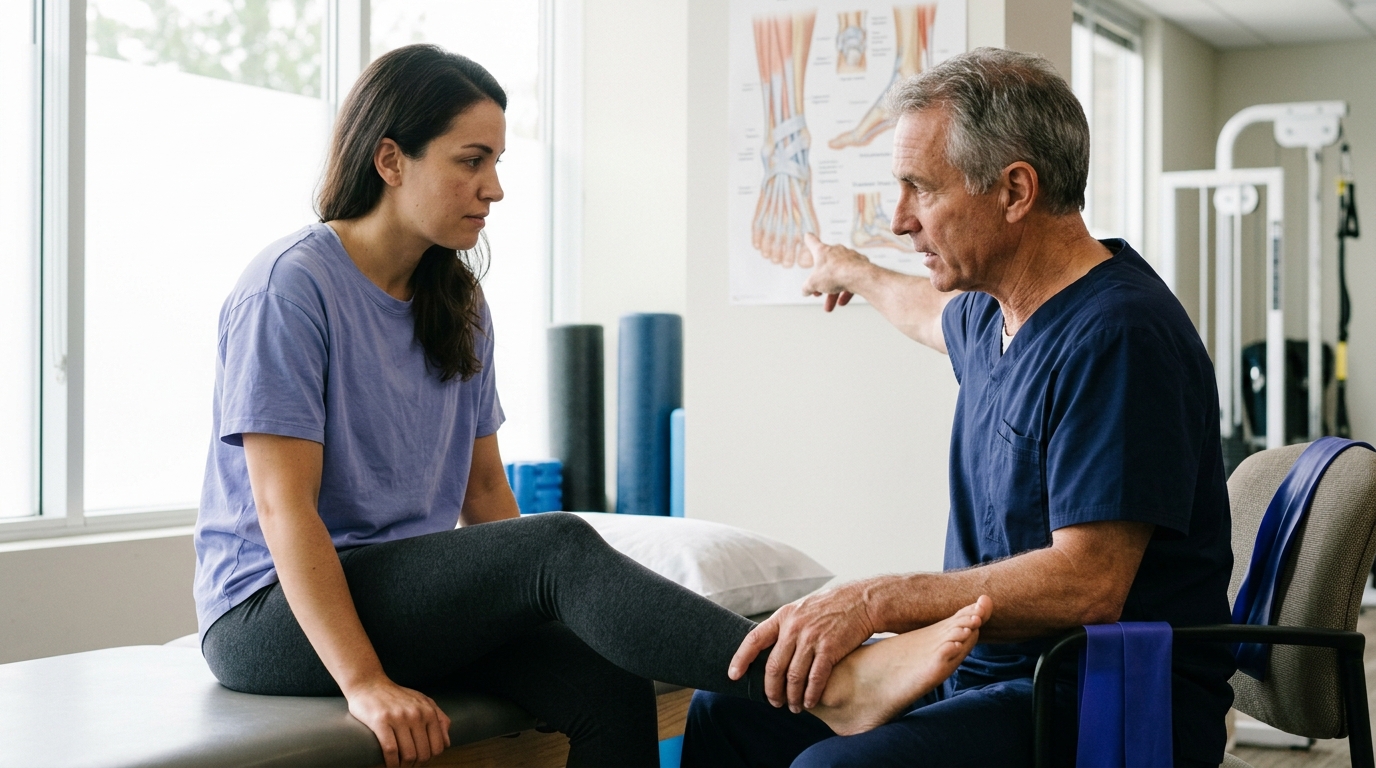
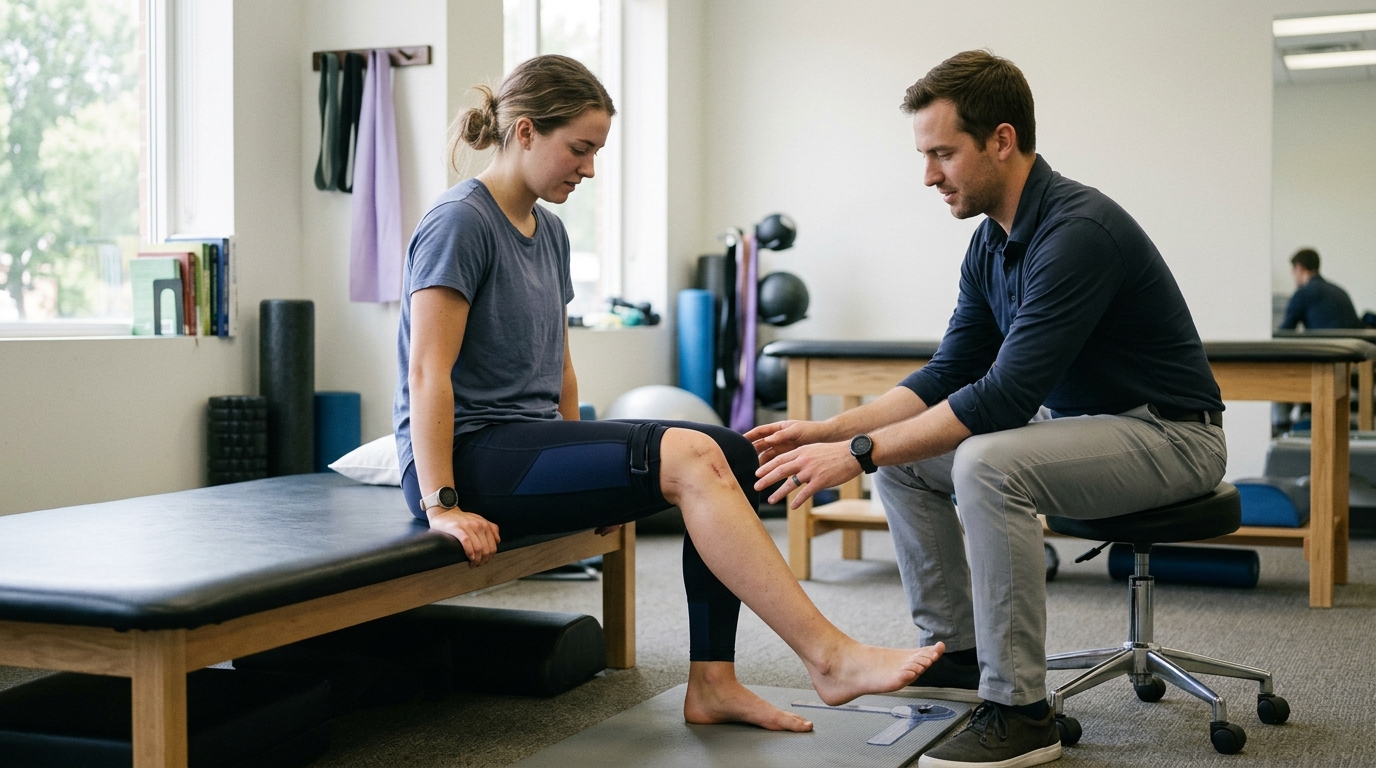
When you experience recurring symptoms, persistent unsteadiness, or a change in your functional abilities, schedule a visit with your doctor or physical therapist. A clinical evaluation can identify underlying causes that self-monitoring cannot detect.
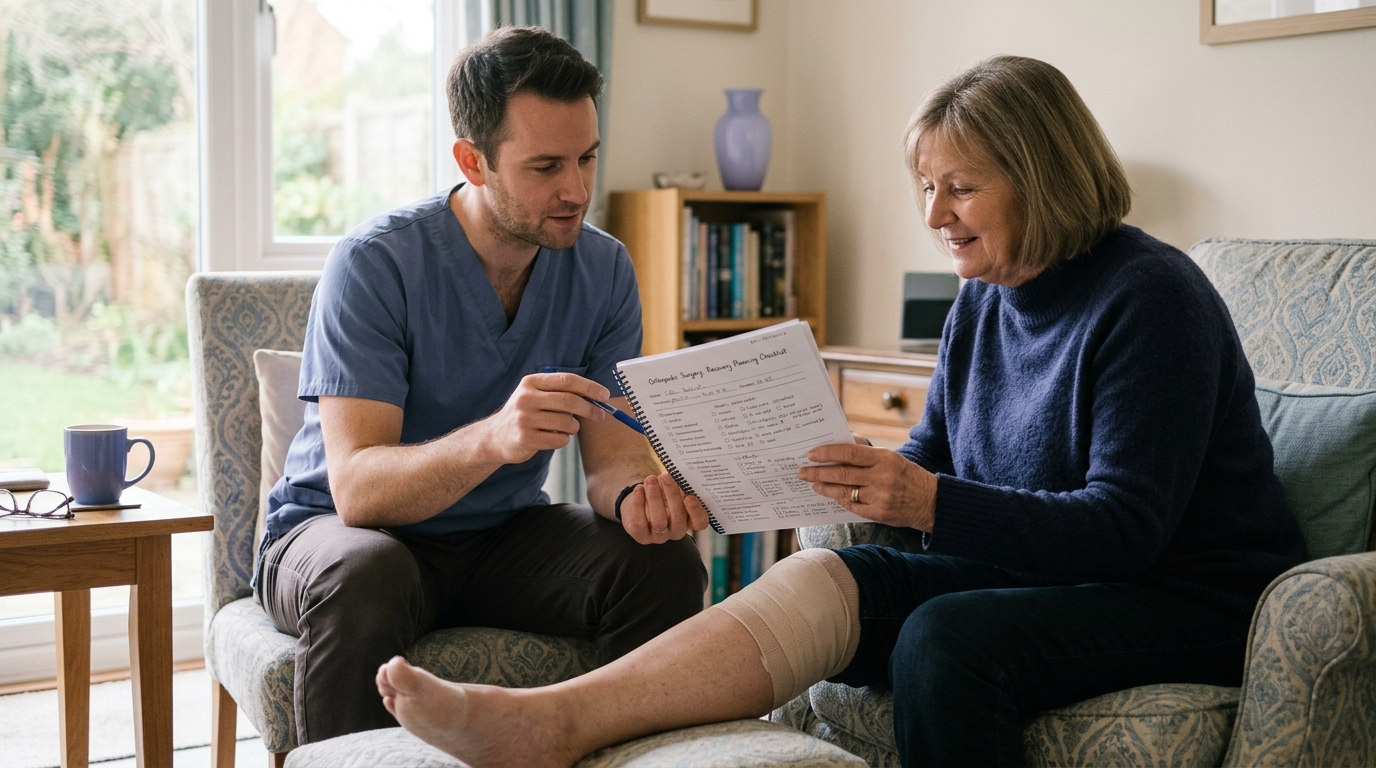
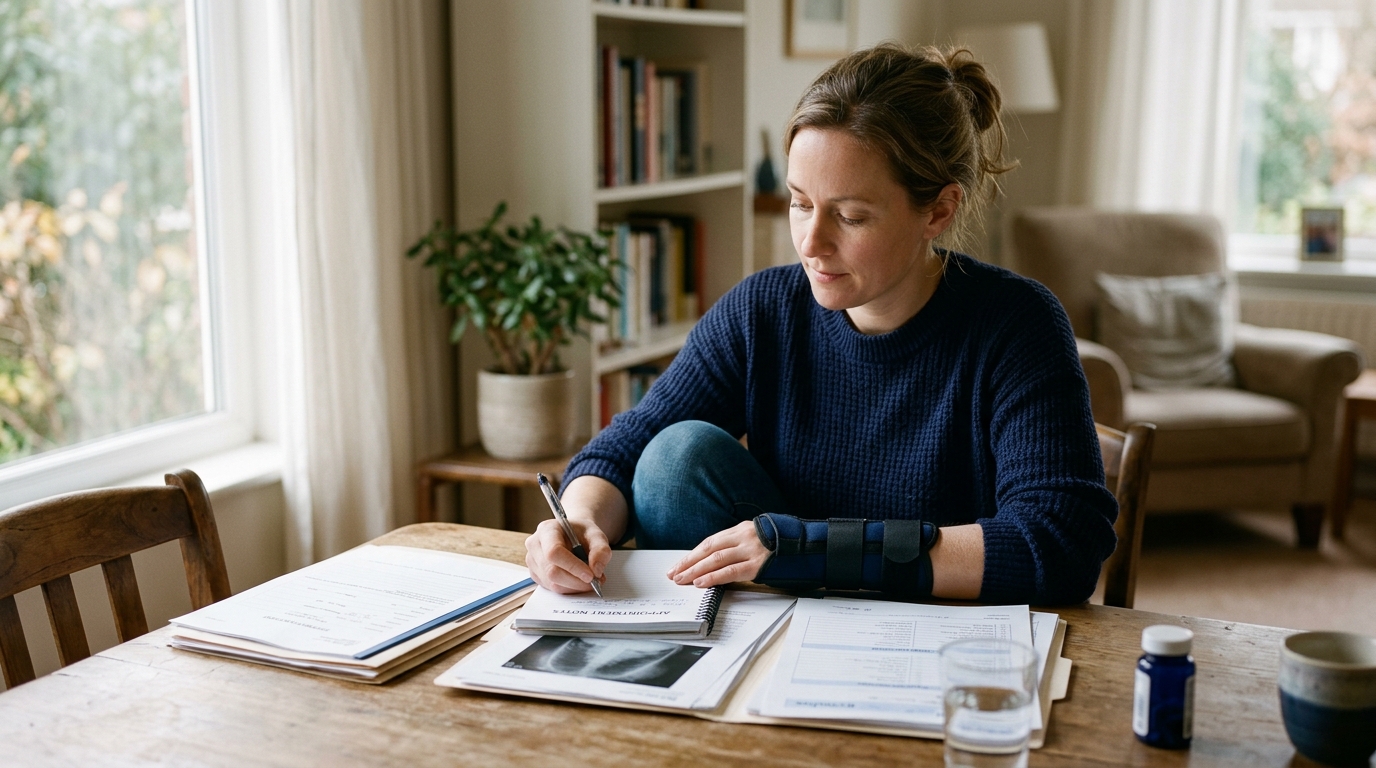
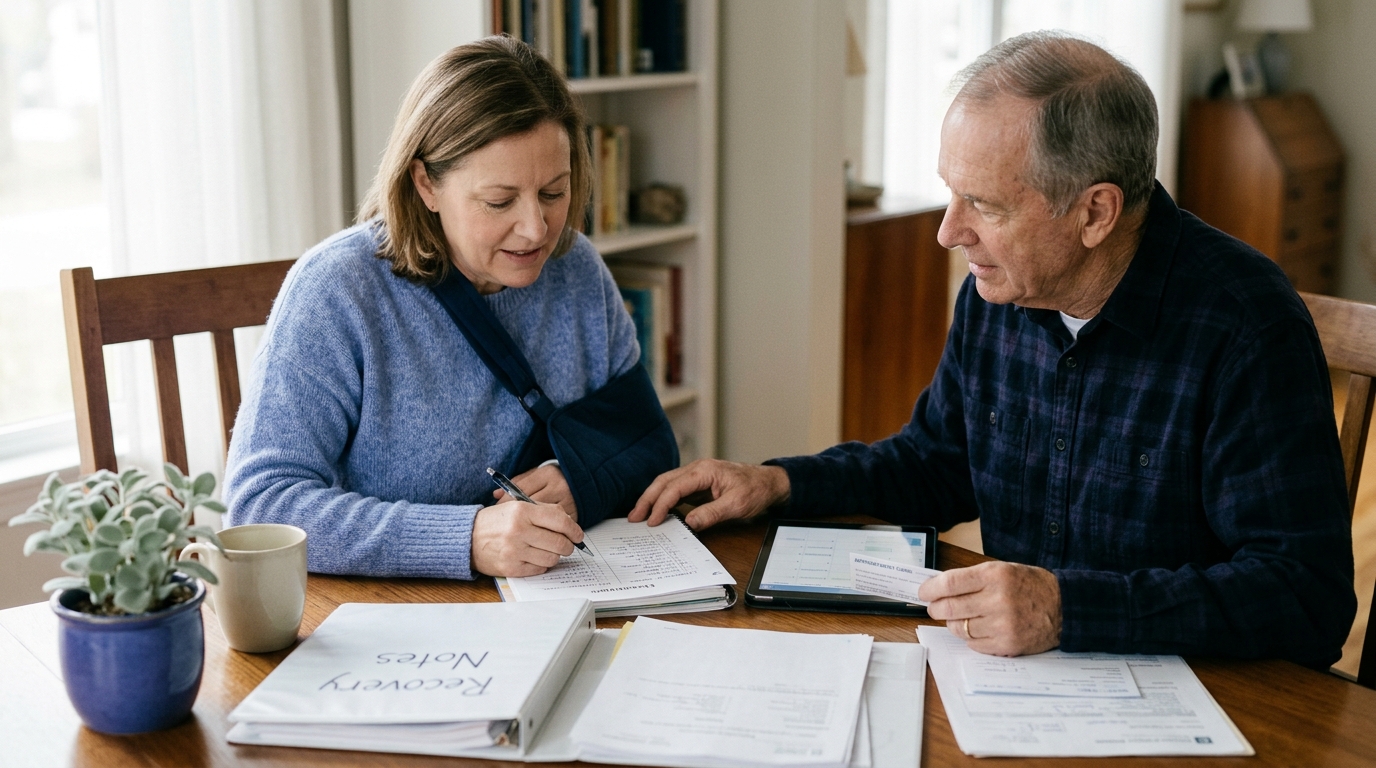
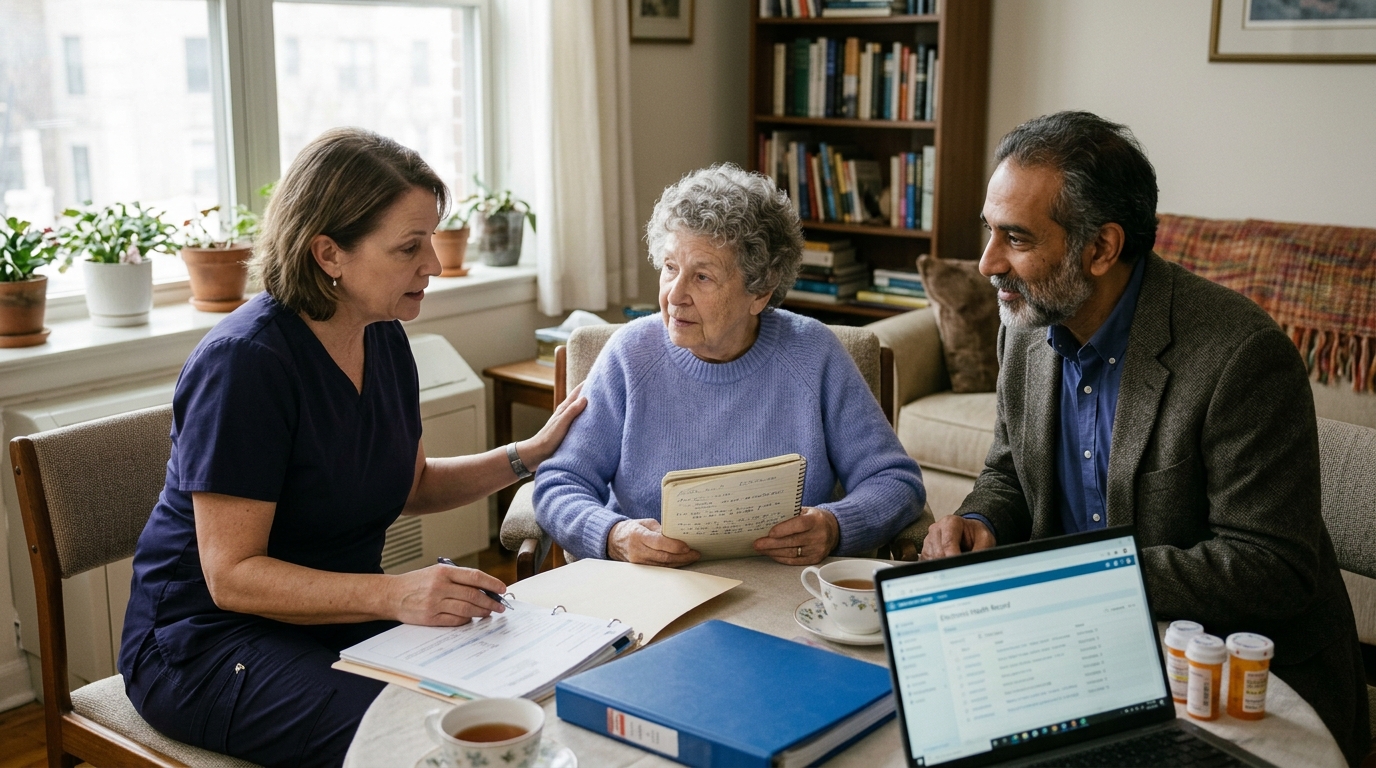
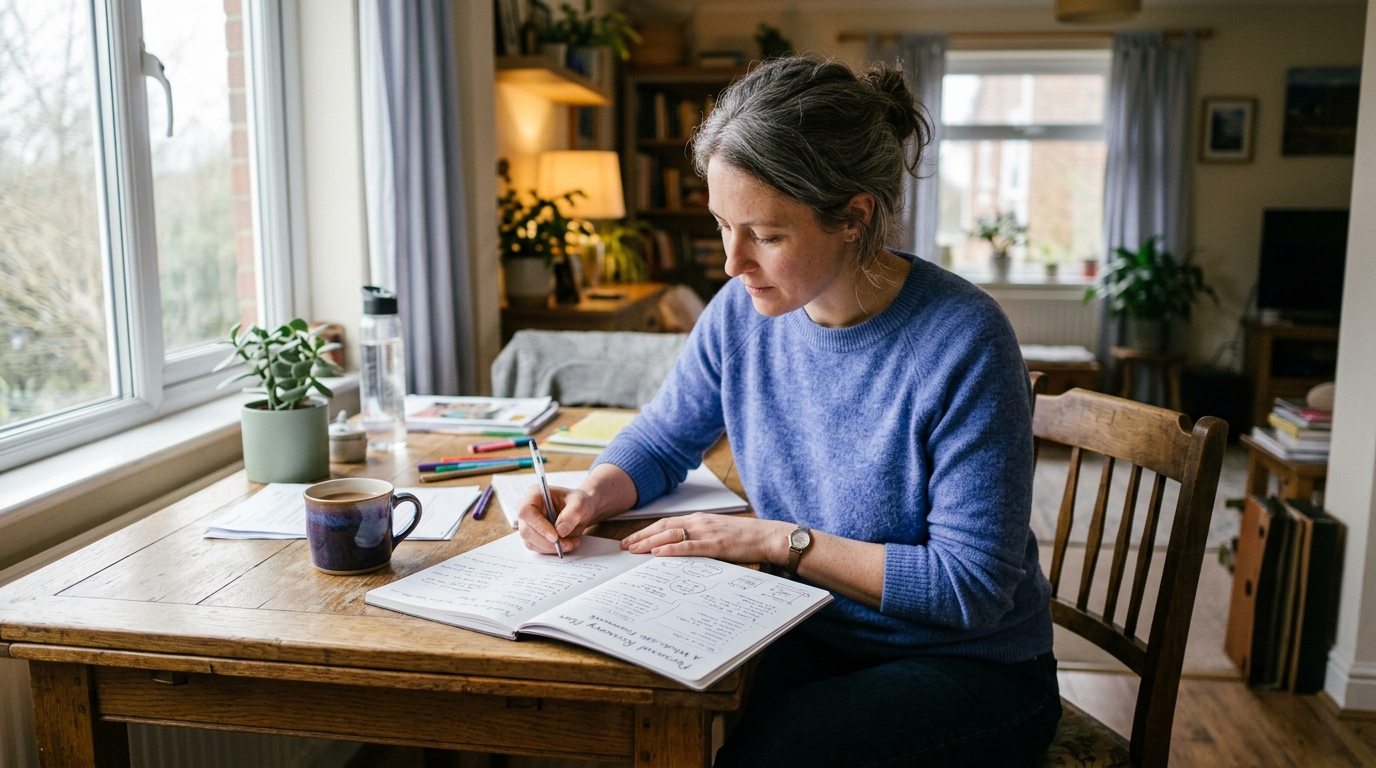
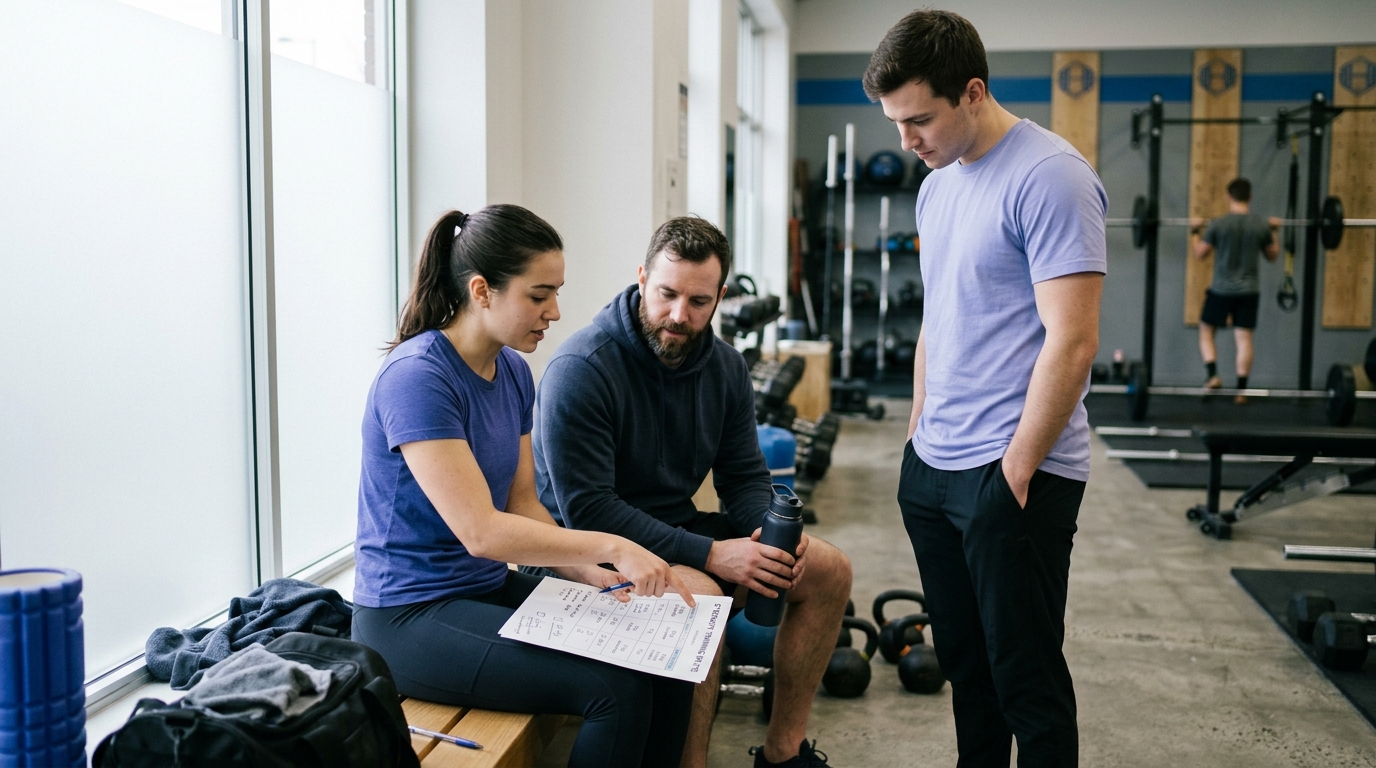
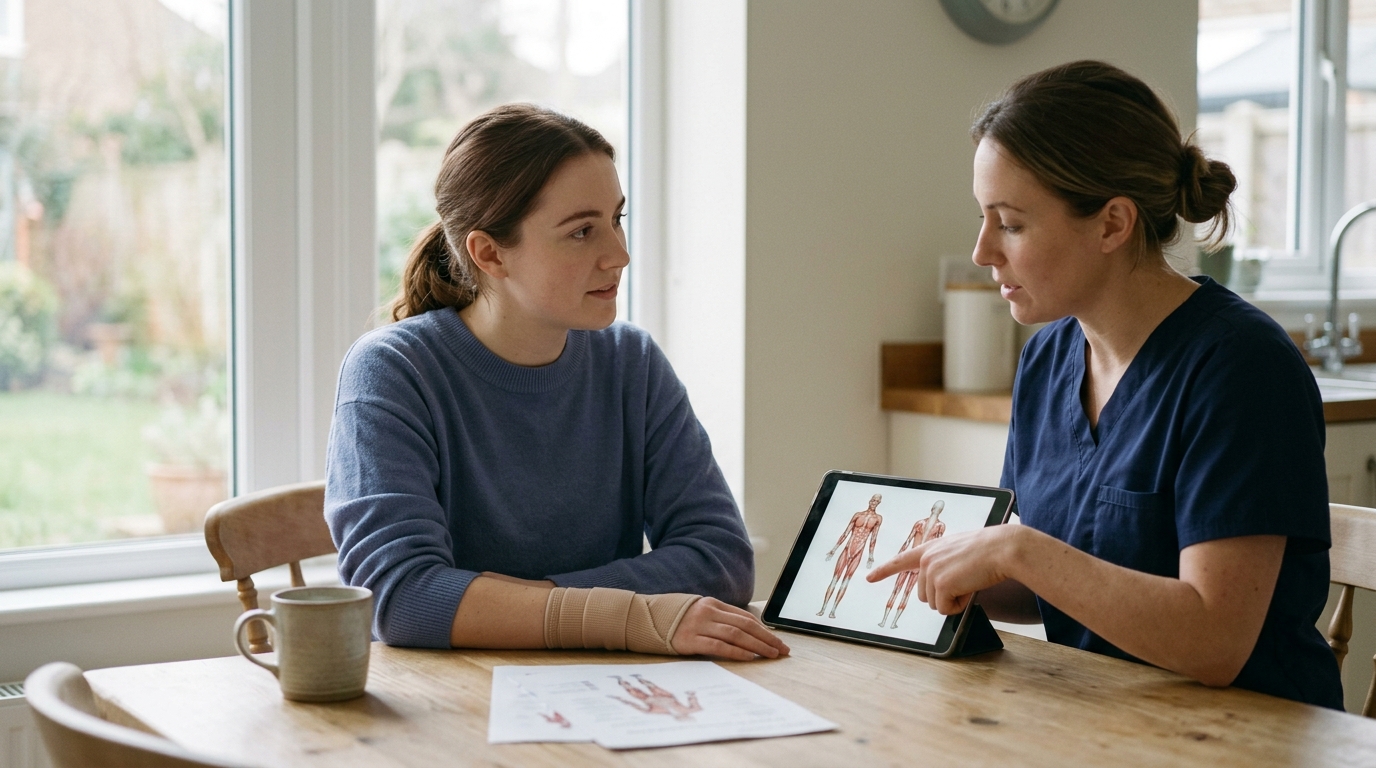
Bring concrete notes about your daily observations to your appointment. Describing specific functional changes helps your clinician make an accurate assessment and tailor their recommendations.
Consider discussing these practical questions with your healthcare provider:
Having an open conversation with your healthcare team ensures that your daily monitoring framework aligns with your overall medical care plan.
Listening to your body is a practical skill that helps you stay active, confident, and physically capable across every stage of life.

Use ReboundBody resources to understand common recovery stages, rehab terms, movement limits and strength rebuilding. Each guide is designed to make a complex comeback easier to understand.


Read practical guidance on injury recovery, rehabilitation, mobility and rebuilding strength as you work your way back to activity.
Explore Resources