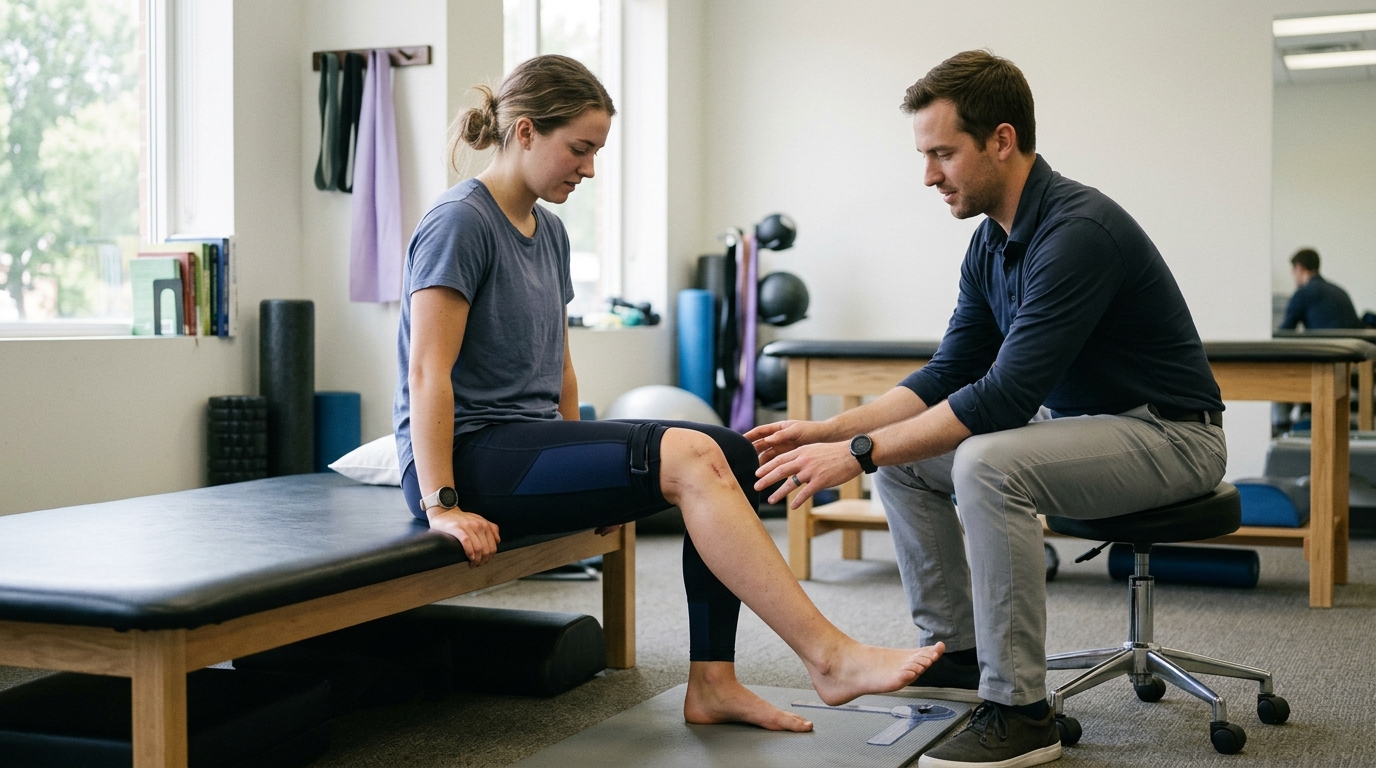

Safe injury rehabilitation requires knowing how to distinguish normal healing discomfort from urgent warning signs that demand immediate clinical attention.





Injury recovery red flags are specific warning signs that point toward potential complications rather than expected healing discomfort. They are not a tool for self-diagnosis, and they do not replace personalized medical advice from your treating physician. This comprehensive guide outlines how to recognize critical changes in pain, swelling, mobility, wound appearance, and neurological function during rehabilitation.
When you recover from an orthopedic injury, surgery, or musculoskeletal setback, some degree of discomfort, stiffness, and localized swelling is entirely normal. The critical factor is the overall trajectory of your symptoms. Expected healing symptoms generally peak early and gradually settle over time, while clinical red flags involve sudden worsening, new neurological deficits, signs of infection, or symptoms that deviate sharply from your expected recovery path.
Because every injury, surgical procedure, and individual body is different, no single symptom checklist applies universally to every situation. If you experience severe, rapidly escalating symptoms, you should seek prompt medical evaluation rather than waiting for a standard follow-up appointment.
Understanding your body during rehabilitation requires distinguishing between benign tissue healing and signs of an underlying complication. Normal recovery discomfort is usually predictable, manageable with prescribed therapies, and tied directly to recent activity or normal tissue remodeling. Clinical red flags represent changes that suggest compromised blood flow, nerve compression, systemic infection, structural failure, or secondary medical events like blood clots.
To evaluate what you are feeling, clinicians often rely on a four-part assessment framework:
You should consider whether a symptom is out of proportion to your injury or recent stage of recovery. Expected postoperative or post-injury soreness typically responds to prescribed pain management strategies, ice, elevation, and planned rest. If you experience extreme, uncontrolled pain that worsens despite taking prescribed medications, this severity signals a need for clinical reassessment.
The direction of your symptoms over days and weeks matters far more than how you feel during a single isolated hour. A sprained joint or healing surgical site may feel sore or stiff for several weeks, but the general trend should move toward gradual improvement. When pain, swelling, or redness steadily increases rather than decreases, the trajectory has shifted from expected healing to a potential warning sign.
Rehabilitation aims to restore your baseline functional movement safely over time. Expected soreness might make movements feel tight or temporarily uncomfortable, but you should not abruptly lose established physical functions. If you suddenly lose the ability to bear weight on a leg, find that a joint locks completely, or lose the ability to grip objects, you should treat that functional loss as a reason to contact your care team.
The context of your recovery shapes the meaning of every physical sensation. Mild swelling after completing a set of physical therapy exercises is a standard physiological response to mechanical load. Conversely, new swelling accompanied by coolness in your toes while wearing a rigid fiberglass cast represents a circulation concern that requires immediate professional evaluation.
You can learn more about general rehabilitation principles across our injury recovery and healing resources.
Certain post-injury and postoperative symptoms indicate life-threatening conditions or urgent threats to a limb. These situations require emergency medical services or an immediate visit to the nearest emergency department. You should never wait for an elective office visit or attempt to manage these warning signs at home.
Head impacts, falls, and concussions require strict monitoring for delayed neurological deterioration. While mild headaches, temporary dizziness, and fatigue can occur after a mild traumatic brain injury, specific danger signs demand emergency care according to established health guidelines.
Emergency head injury warning signs include:
If any of these danger signs appear after a blow to the head or body, emergency medical help must be contacted immediately.
After orthopedic surgery, prolonged bed rest, or significant lower-limb immobilization, the risk of developing a venous blood clot increases. If a blood clot breaks free from a deep vein, it can travel to the lungs, creating a potentially life-threatening blockage known as a pulmonary embolism.
Emergency pulmonary symptoms include:
If you develop sudden chest pain or breathing difficulty during your recovery, you should call emergency services right away. Do not wait to see if all related symptoms appear together before seeking help.
A severe orthopedic injury or a complication from tight surgical dressings can threaten the viability of a limb. When blood supply is restricted or major nerves are compressed, immediate medical intervention is vital to prevent permanent tissue damage.
Urgent signs of limb compromise include:
Many recovery issues do not require calling emergency services, but they still warrant prompt clinical contact within hours or on the same day. Recognizing these intermediate red flags allows your physician, surgeon, or physical therapist to modify your treatment before a minor issue develops into a major setback.
A deep vein thrombosis is a blood clot that forms in the deep venous system, most commonly in the calf, thigh, or pelvis. Recognizing a clot early helps clinicians start anticoagulant therapy before the clot can dislodge and travel to the lungs.
Common physical signs of a potential deep vein thrombosis include:
If you suspect you have symptoms of a blood clot, contact your orthopedic surgeon or primary healthcare provider promptly for diagnostic ultrasound testing.
Surgical incisions undergo specific phases of healing, including initial inflammation, tissue rebuilding, and long-term scar maturation. A mild amount of clear or light pink drainage on a dressing during the first couple of days can be normal. However, developing symptoms of infection or mechanical wound separation requires direct clinical attention.
Signs of potential wound infection or breakdown include:
For additional information on managing surgical aftercare, visit our surgery and rehab articles.
Rigid immobilization devices hold healing bones and torn ligaments in alignment, but they also hide the skin and soft tissues from view. Swelling can increase inside a rigid fiberglass cast, creating elevated pressure that restricts blood flow and irritates peripheral nerves.
Reasons to contact your fracture clinic or orthopedic cast service include:
Never attempt to modify, cut, or pad a cast yourself. If you experience pain or pressure, contact your treating clinic so a trained technician can safely adjust or replace the device.
Clinical research demonstrates that musculoskeletal tissues heal according to defined biological timelines, though individual recovery rates vary widely. Knowing the general stages of tissue repair helps you understand what physical sensations are standard and when a lingering symptom should prompt an updated medical review.
Ligament sprains, muscle strains, and tendon irritations follow a three-phase biological healing cascade. The acute inflammatory phase typically lasts from three to seven days, during which localized swelling, tenderness, and stiffness protect the injured area from excessive mechanical stress.
During the repair and proliferation phase, which generally extends from two to six weeks, the body lays down new collagen fibers. Most minor to moderate sprains and strains feel noticeably better after two to three weeks of structured conservative care. However, full biological remodeling of dense ligamentous and tendinous tissue can take several months.
According to health system data on soft-tissue injuries:
Bone tissue repairs through the formation of a soft cartilaginous callus that gradually mineralizes into hard bone over several weeks. In adult populations, uncomplicated fractures generally take six to twelve weeks to achieve solid clinical and radiographic union.
Throughout this period, localized tenderness over the fracture site should steadily decrease. If you experience severe, sharp bone pain when bearing partial weight at eight weeks, your orthopedic team may order repeat X-rays to assess whether the bone is healing on schedule.
Research from public health authorities indicates that the majority of adults recovering from a mild traumatic brain injury experience significant symptom improvement within two to three weeks. Cognitive rest, gradual return to light physical activity, and regulated sleep schedules support this natural resolution.
When concussion symptoms such as brain fog, dizziness, exertional headaches, or sleep disturbances persist beyond three to four weeks, this pattern does not necessarily indicate a permanent brain injury. It does, however, highlight the need for specialized evaluation from a neurologist or concussion rehabilitation specialist to address issues like neck strain, vestibular dysfunction, or visual tracking problems.
For guided strategies on restoring joint range of motion after immobilization, review our rehabilitation and mobility resources.
Clinical guidance provides general population averages, but your personal recovery path is influenced by unique medical, biological, and lifestyle variables. Understanding these factors prevents unrealistic expectations and helps you communicate more effectively with your clinical team.
As we age, biological changes in cellular turnover, vascular supply, and collagen elasticity naturally slow down the speed of tissue repair. An adult over the age of fifty recovering from a rotator cuff repair or Achilles tendon injury may experience prolonged post-exercise soreness and slower strength gains compared to a younger individual. This slower pace is a normal physiological reality rather than a sign of treatment failure.
The specific surgical technique used directly impacts your postoperative symptoms. Minimally invasive arthroscopic procedures usually produce less surface soft-tissue trauma, resulting in lower early pain levels and faster initial mobility. In contrast, extensive open orthopedic reconstructions involving metal plates, screws, or large muscle incisions cause more substantial early inflammation, prolonged swelling, and a longer timeline for nerve desensitization.
Chronic systemic medical conditions influence tissue healing and infection risks:
Recovering from an acute injury in a joint that already has preexisting osteoarthritis often produces a different symptom pattern. The combination of acute tissue trauma and chronic joint wear can cause prolonged morning stiffness and activity-related aching. A physical therapist can help tailor loading protocols to protect arthritic joint surfaces while rehabilitating the surrounding muscular stabilizers.
You can read more about safe, progressive exercise planning in our strength and return to sport category.
Misunderstandings about pain, physical function, and healing timelines frequently lead to unnecessary anxiety or, conversely, dangerous delays in seeking medical care. Addressing these common misconceptions helps you evaluate your symptoms with clarity.
While some pain is an expected part of rehabilitation, pain that steadily escalates over several consecutive days is not a healthy sign. Expected recovery pain generally peaks during the first 48 to 72 hours after an acute injury or surgery, after which it should stabilize and slowly decline. Escalating pain often points toward muscle overload, poorly controlled swelling, mechanical hardware loosening, or an emerging infection.
Preserved joint movement is not a reliable test to rule out significant orthopedic injuries. Many individuals can walk, bend their knees, or move their shoulders despite having ligament tears, tendon ruptures, or non-displaced bone fractures. Clinical evaluations assess joint stability, localized bone tenderness, weight-bearing tolerance, and swelling patterns alongside active range of motion.
Many surgical site infections begin with subtle inflammatory changes before any visible purulent drainage appears. Spreading redness, localized skin warmth, increasing tenderness, and a low-grade fever can all signal an infection in its early stages. Waiting for visible pus to emerge can allow a superficial infection to spread into deeper subcutaneous tissues or around surgical implants.
Deep vein thrombosis symptoms can vary widely between individuals. Some patients experience noticeable, throbbing calf pain, while others notice only mild heaviness, mild ankle swelling, or localized warmth without dramatic discomfort. Dismissing mild, unilateral leg swelling because it does not feel intensely painful can lead to missed diagnoses.
Immobilization in a cast or splint is designed to provide stable, comfortable support for healing tissues. While wearing a cast feels bulky and restrictive, it should never cause sharp focal pain, continuous burning, numbness, or color changes in your digits. Assuming that severe discomfort is normal can result in serious skin breakdown, pressure ulcers, or nerve injury beneath the cast.
Reviewing real-world recovery scenarios can help you distinguish between standard rehabilitation challenges and clinical red flags that require medical evaluation.
An individual recovering from a hamstring strain performs progressive eccentric strengthening exercises with their physical therapist. The next morning, they notice generalized muscle aching and mild stiffness throughout the muscle belly. The soreness peaks within 24 hours, decreases significantly with gentle walking, and resolves by 48 hours.
Clinical takeaway: This pattern reflects delayed onset muscle soreness, a normal physiological response to progressive tissue loading. If the person had experienced a sudden, sharp pop accompanied by immediate severe weakness or extensive new bruising, this would indicate an acute reinjury requiring clinical assessment.
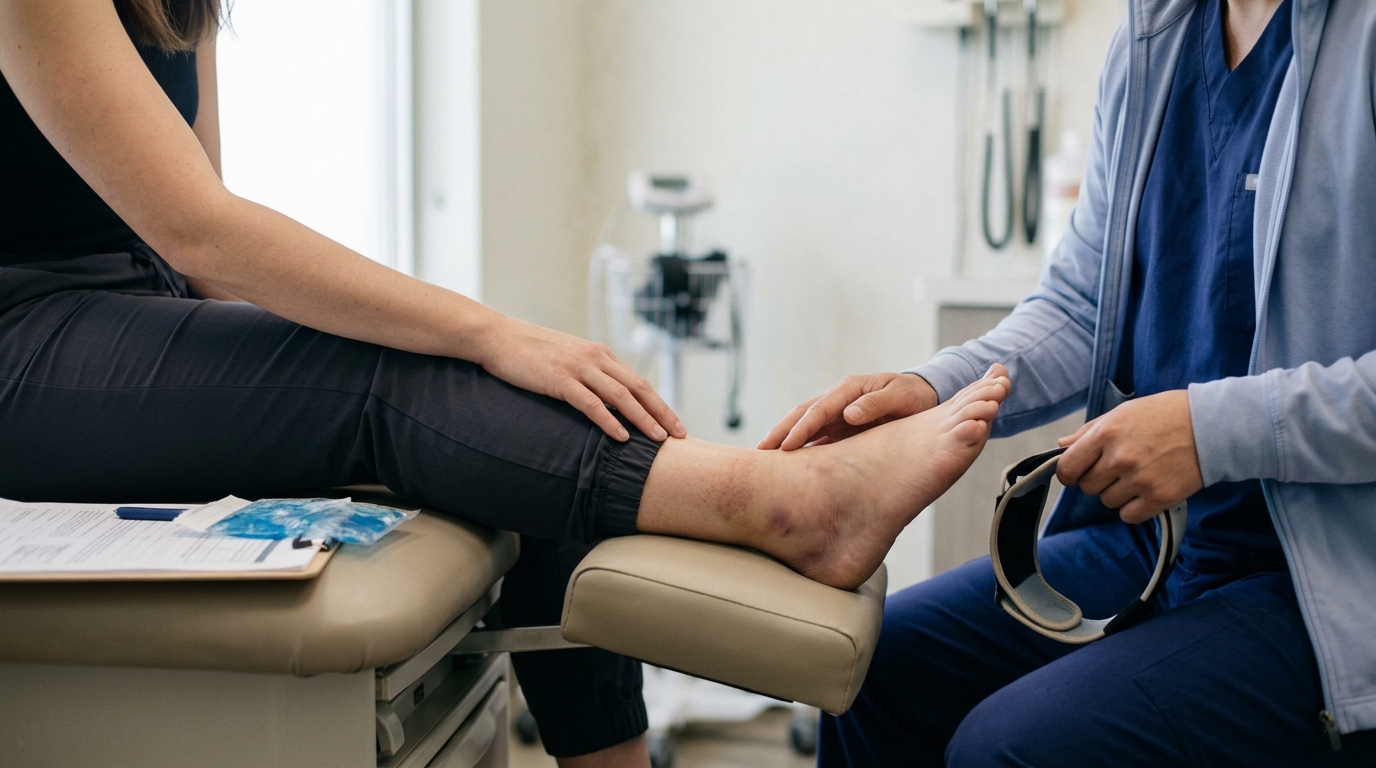
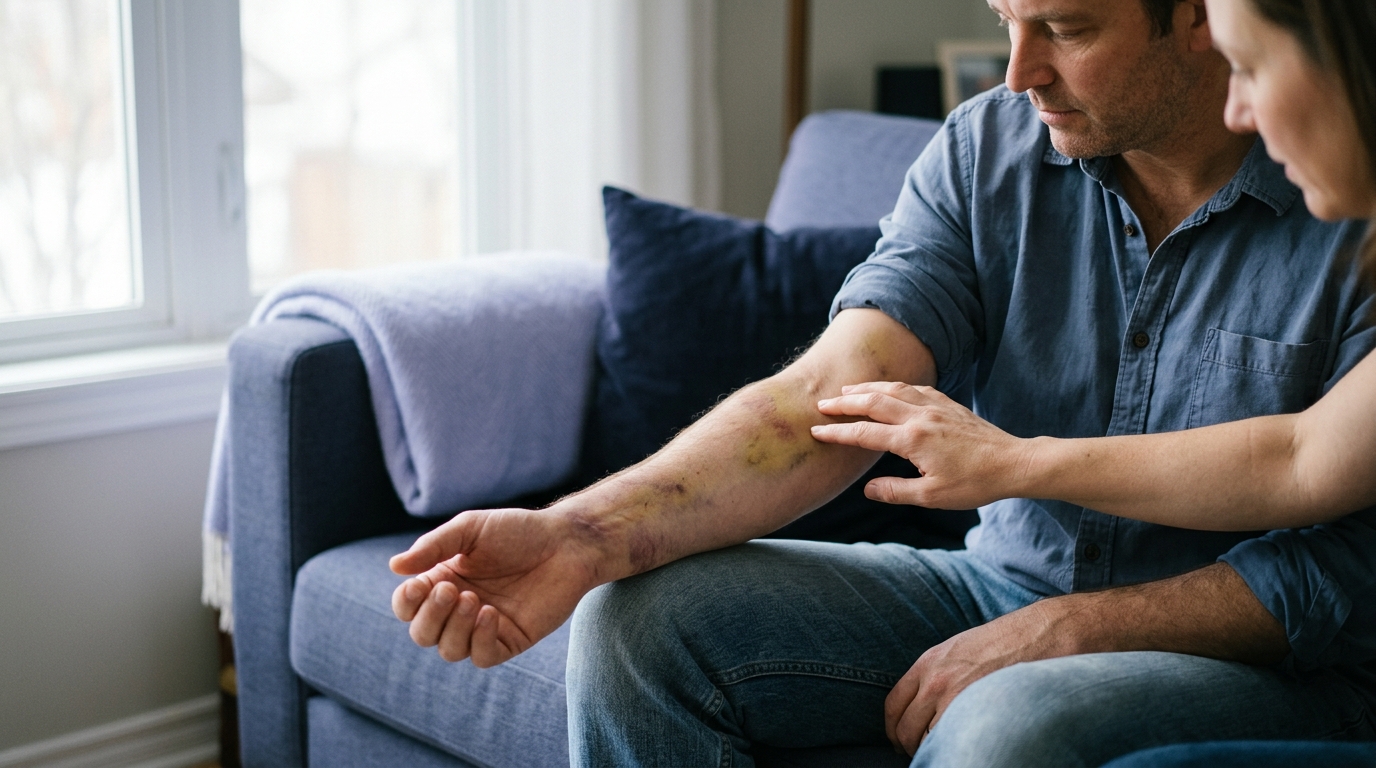
A person sustains a moderate lateral ankle sprain while hiking. During the first two days, the outer ankle appears swollen and bruised, making weight-bearing uncomfortable. By day five, following a regimen of elevation, compression, and gentle pain-free mobility exercises, the swelling stabilizes and walking becomes progressively easier.
Clinical takeaway: This steady improvement matches expected soft-tissue recovery. Conversely, if the foot had become increasingly pale, cold to the touch, and numb, or if the calf began throbbing with severe pain, those changes would represent vascular red flags requiring urgent evaluation.
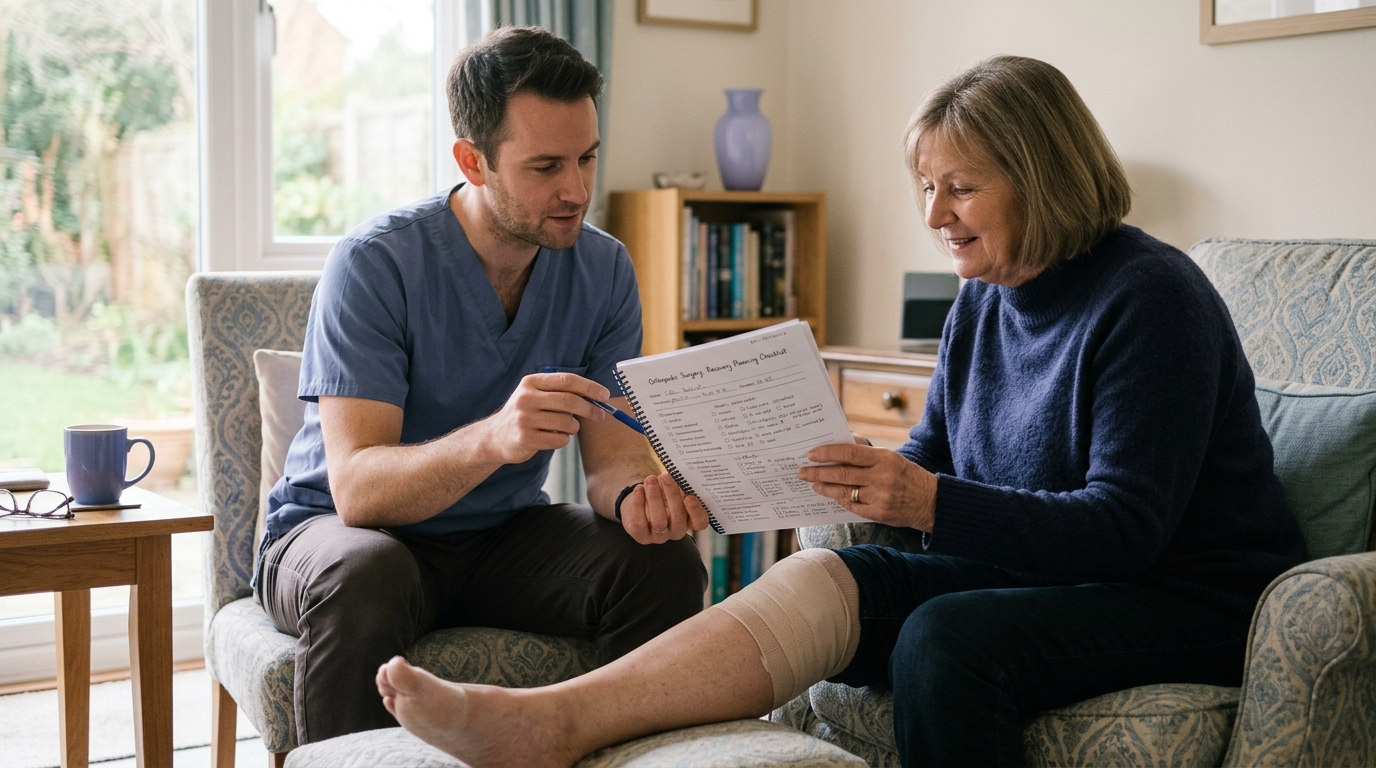
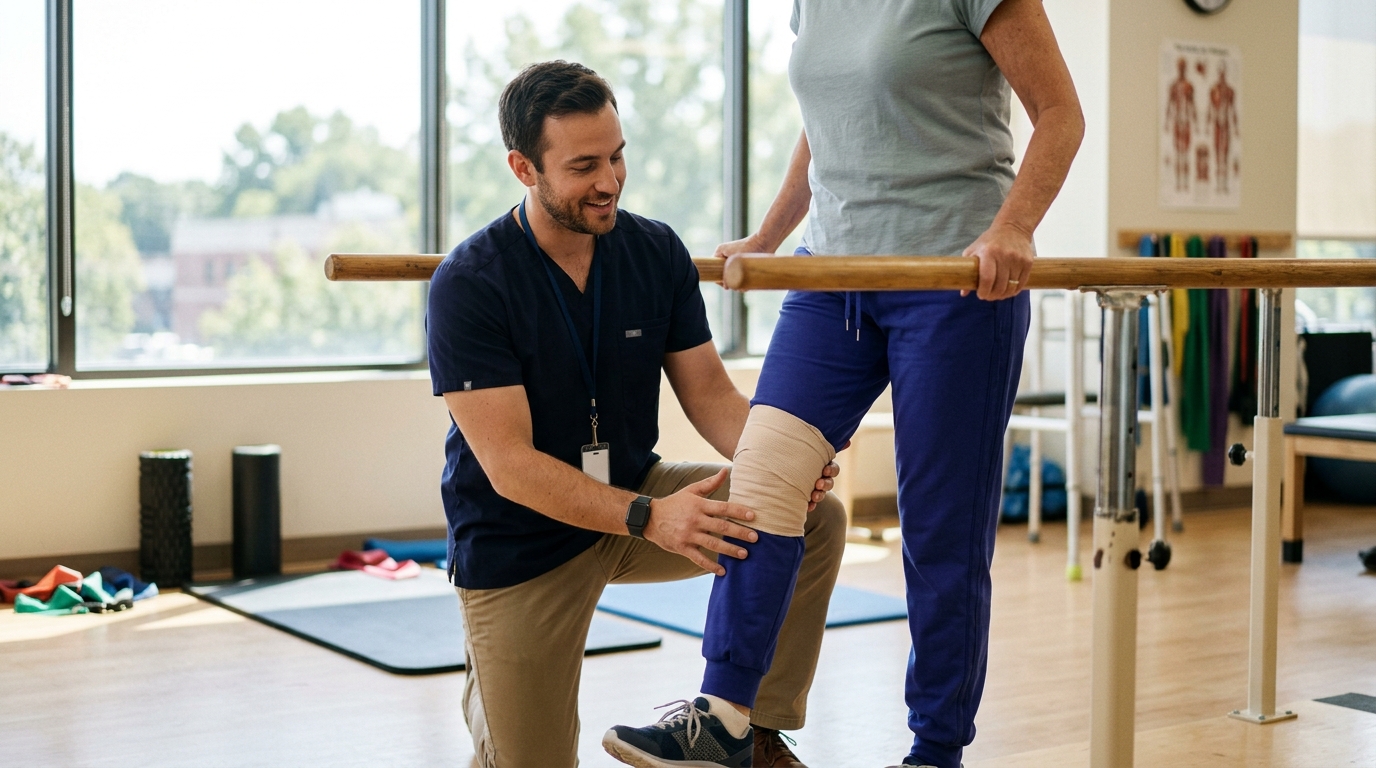
Two weeks after undergoing an open knee procedure, a patient notices that the surgical incision is slightly pink, with mild scabbing along the suture line. The surrounding skin temperature is normal, and there is no active drainage.
Clinical takeaway: This appearance is typical for a healing surgical wound. If the pinkness began spreading several inches outward, became hot to the touch, felt increasingly tender, or started weeping cloudy fluid, the patient would need to contact the surgical team promptly.
Eight weeks after a wrist fracture, a person has their cast removed. The wrist joint feels stiff, the surrounding forearm muscles appear smaller, and gripping objects feels weak. However, there is no severe resting pain, no burning sensation, and range of motion improves slightly each week with targeted exercises.
Clinical takeaway: Muscle atrophy and joint capsule stiffness are expected consequences of several weeks of immobilization. As long as the functional trend is positive and red flags are absent, these symptoms represent standard targets for structured physical therapy rather than complications.
To learn more about our editorial philosophy and research standards, visit our about page.
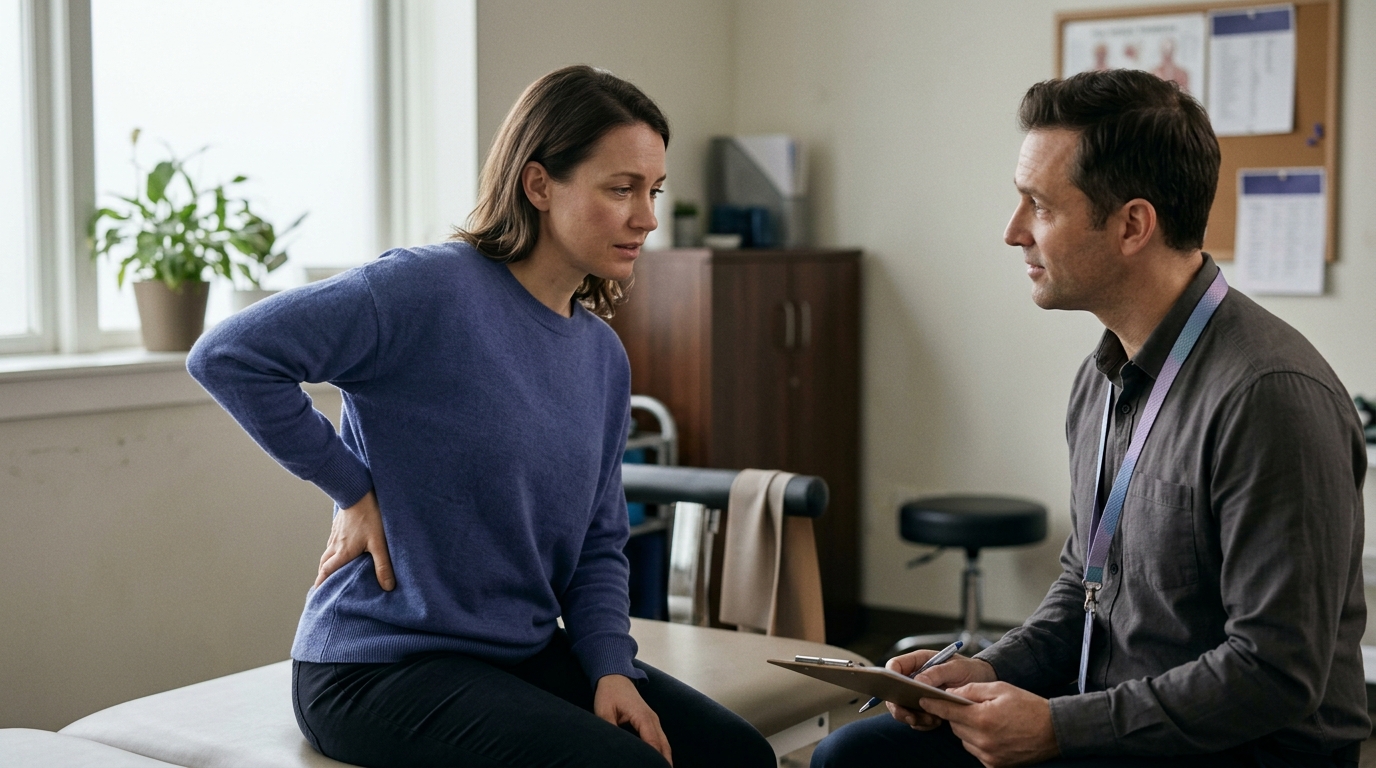
Being prepared with specific, clear questions helps you get the most out of your medical appointments and clarifies what to expect during each phase of recovery. You should describe your symptoms with exact details regarding onset, physical location, severity, and functional impact.
When you call your doctor's office or speak with your physical therapist, provide structured information:
Consider asking your medical provider the following questions during your visits:
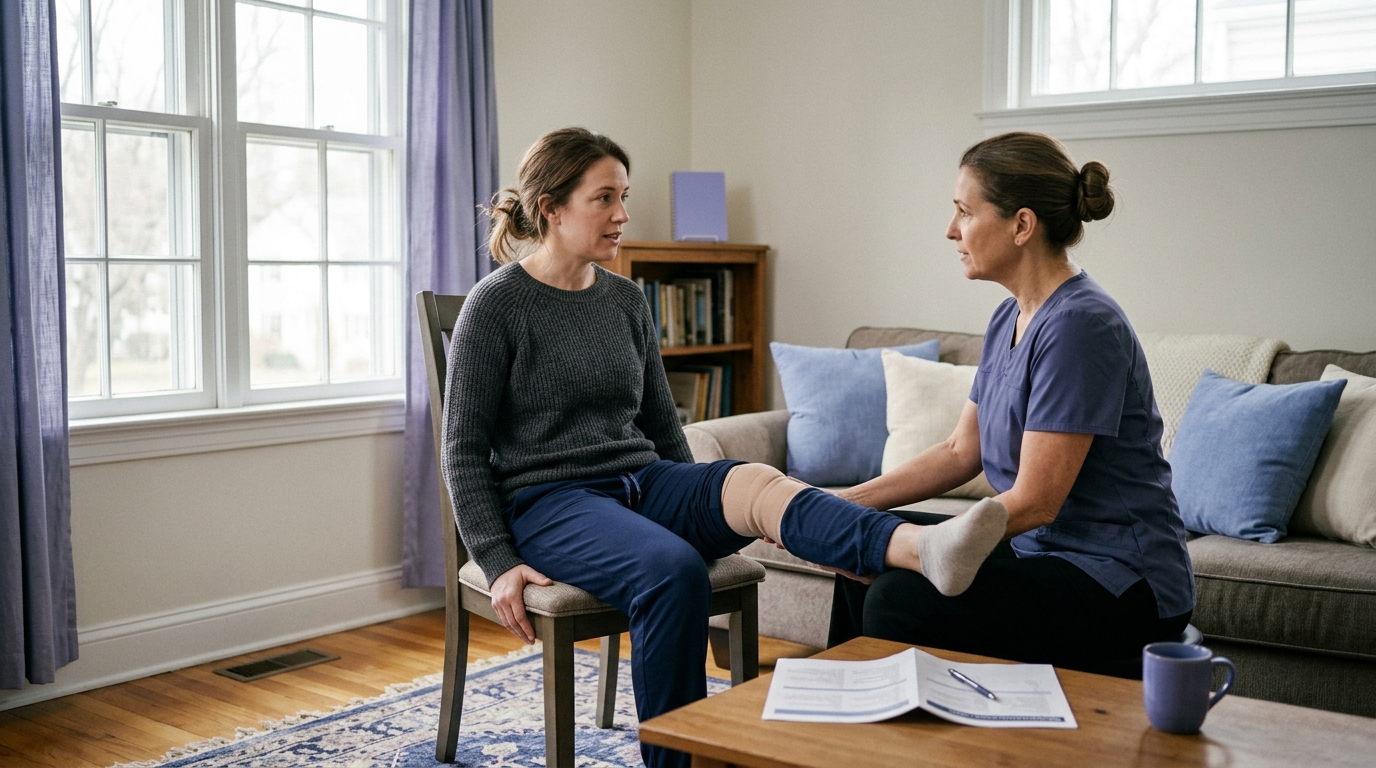
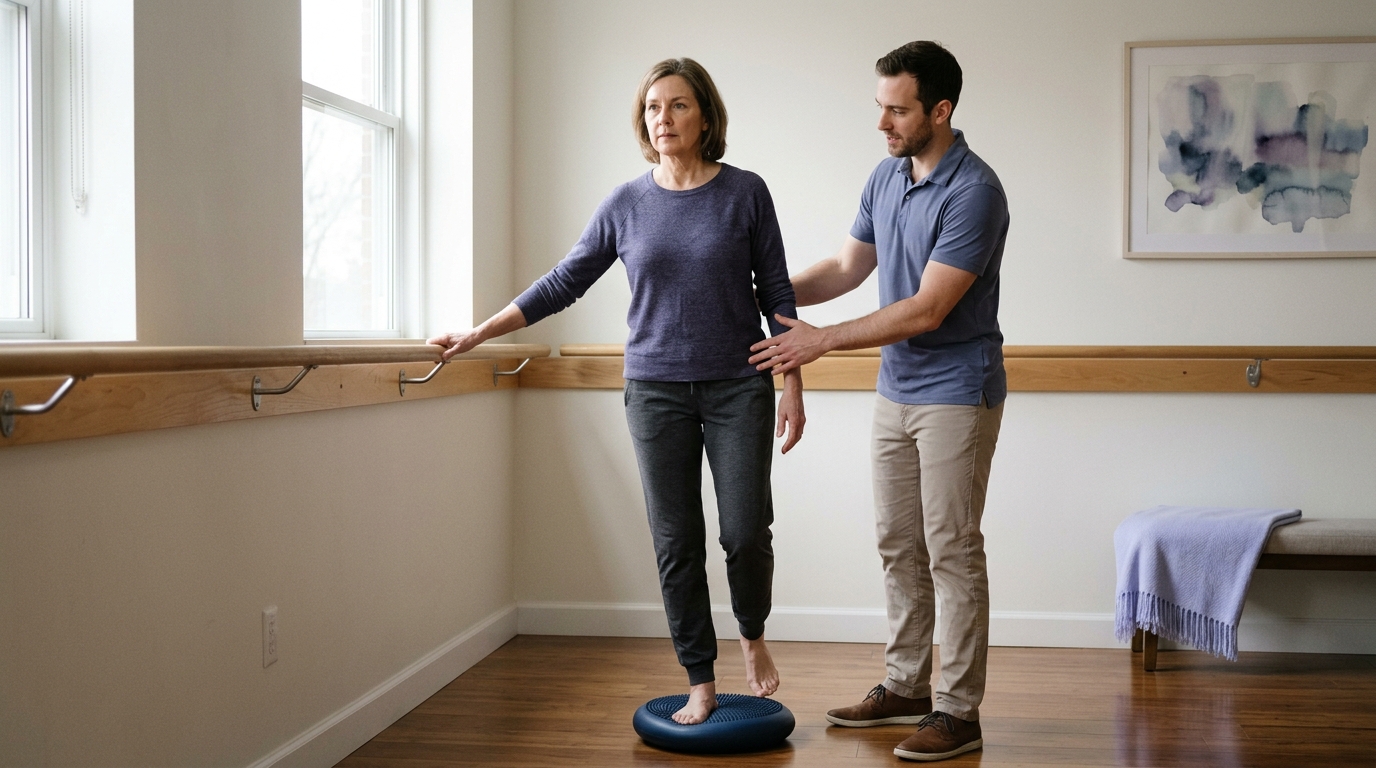
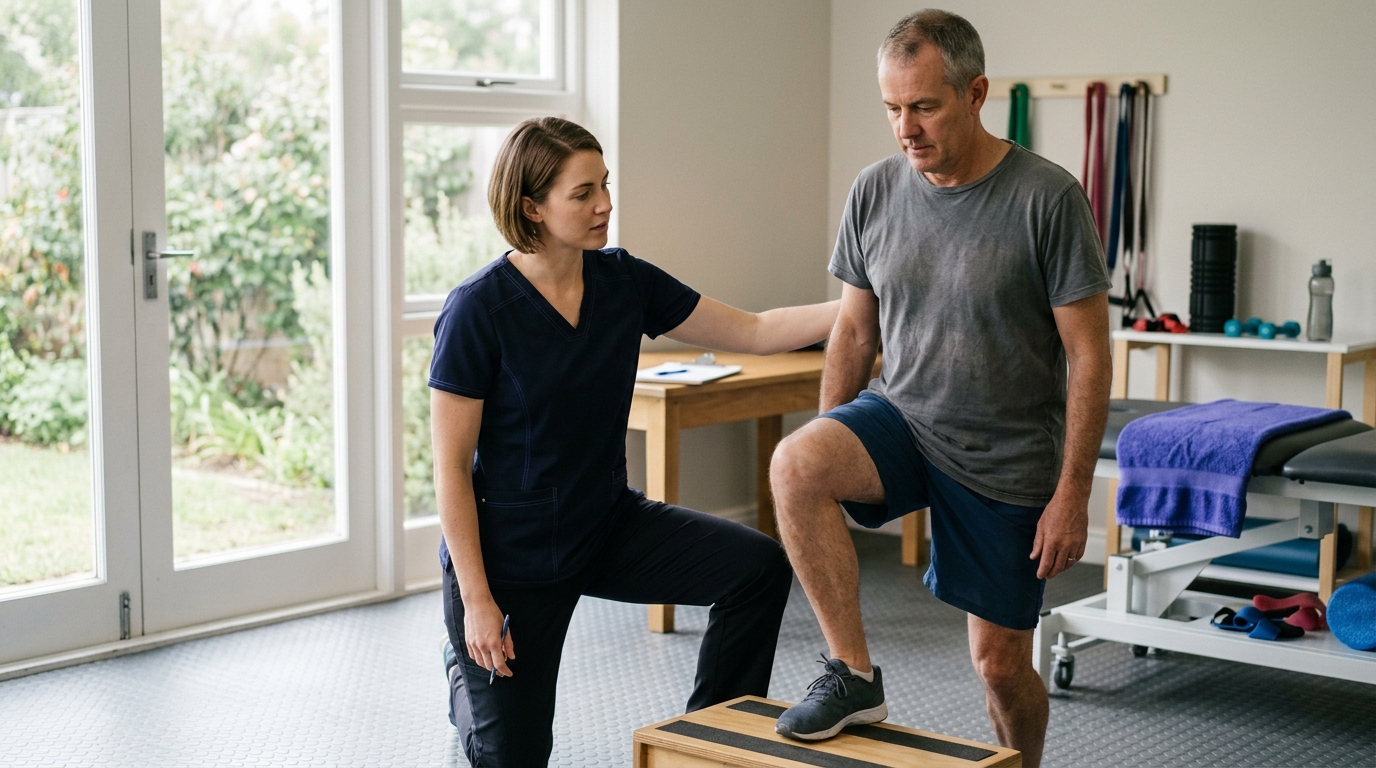
Physical therapists monitor your movement week by week and can help you navigate normal exercise responses:
Navigating physical recovery successfully requires a balanced approach. You should avoid both excessive alarm over normal healing sensations and dangerous delays when genuine warning signs arise. Expected recovery discomfort is characterized by manageable symptoms that gradually improve over time as tissues adapt to progressive loading.
Clinical red flags involve symptoms that represent a clear departure from this expected course. Severe, escalating pain, sudden loss of function, signs of compromised blood circulation, expanding wound redness, calf tenderness, or danger signs following a head injury should never be ignored. When in doubt, communicating clear, specific details to your physician or physical therapy team ensures you receive timely care and maintain a safe path back to active movement.
Yes, a mild, temporary increase in localized swelling and muscle stiffness is common when you introduce new exercises or increase physical activity. This reaction occurs because tissues are adapting to mechanical load. However, the swelling should settle within 24 hours of rest, ice, or elevation, and it should never be accompanied by extreme pain, skin color changes, or numbness.
Expected tissue remodeling soreness usually feels like a dull, diffuse ache or muscular tightness that warms up with gentle movement and fades over one to two days. Reinjury or structural damage typically presents as a sudden, sharp pain during a specific movement, often accompanied by a pop, rapid focal swelling, joint instability, or an immediate loss of functional strength.
Yes, while the highest risk for deep vein thrombosis occurs during the first few days and weeks following surgery, the risk can remain elevated for several weeks, especially if your mobility is limited or your limb remains immobilized. Any new, unexplained calf swelling, localized heat, redness, or deep tenderness should be evaluated promptly by a medical provider regardless of how many weeks have passed.
If you experience emergency symptoms, such as sudden chest pain, severe shortness of breath, head injury danger signs, or a cold, numb limb, you should go immediately to an emergency room or call 911. For non-emergency but concerning symptoms like cast tightness or increasing wound redness, call your surgeon's after-hours answering service or visit an urgent care clinic rather than waiting several days for the office to open.

Use ReboundBody resources to understand common recovery stages, rehab terms, movement limits and strength rebuilding. Each guide is designed to make a complex comeback easier to understand.


Read practical guidance on injury recovery, rehabilitation, mobility and rebuilding strength as you work your way back to activity.
Explore Resources