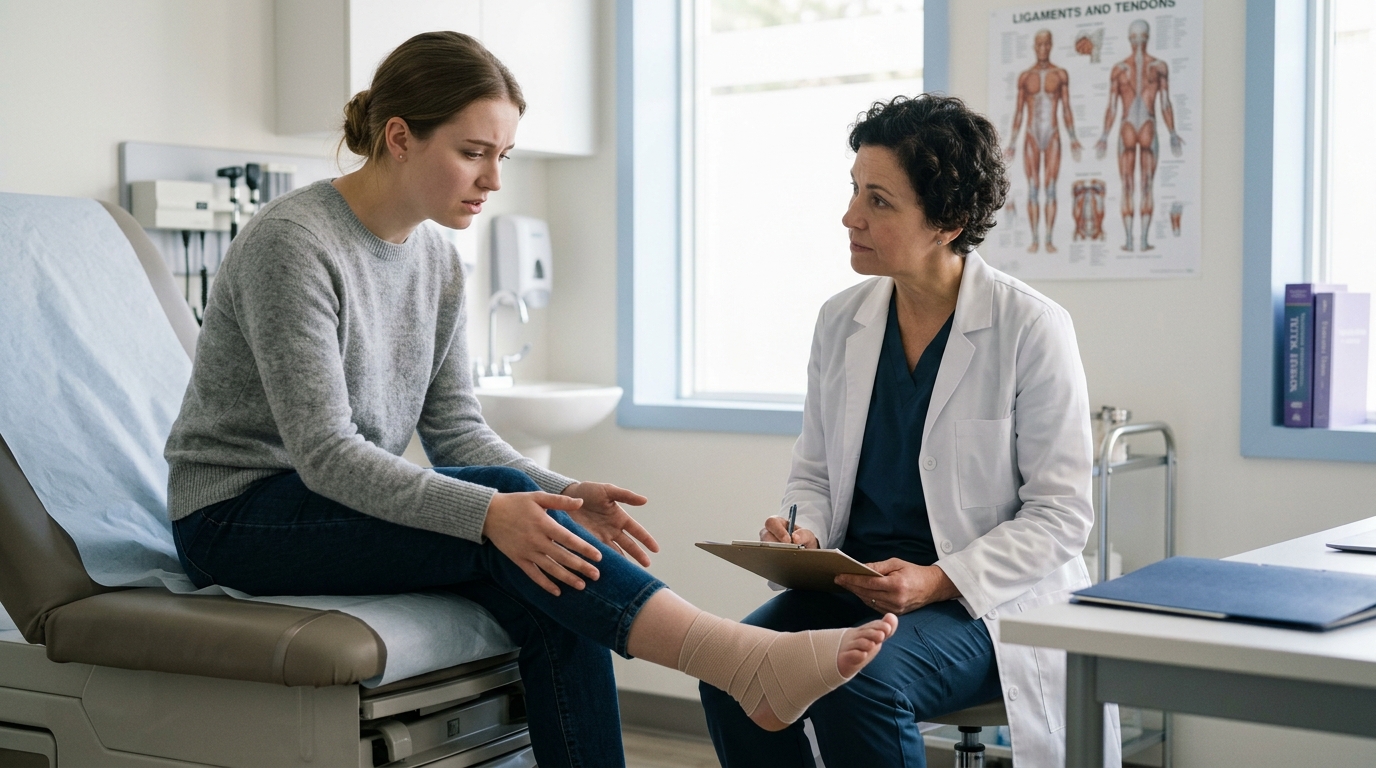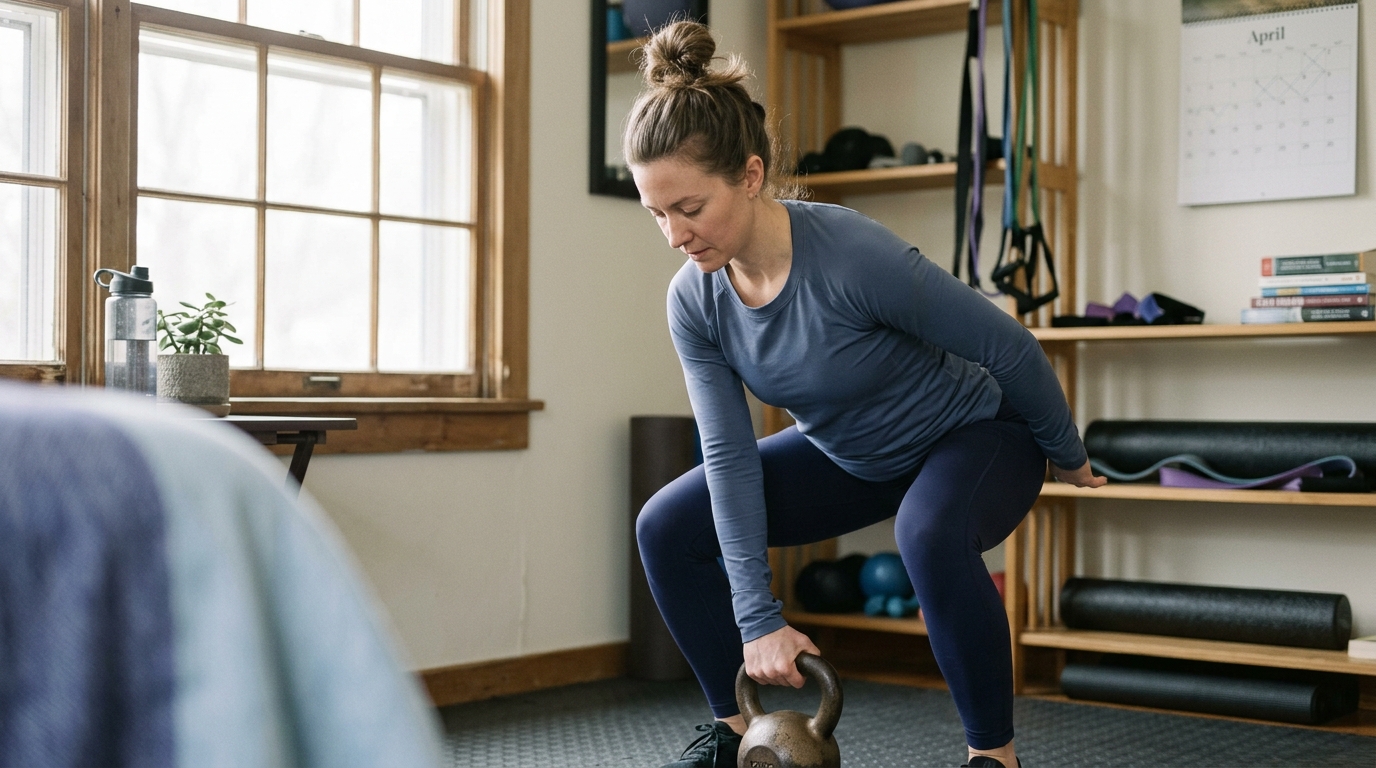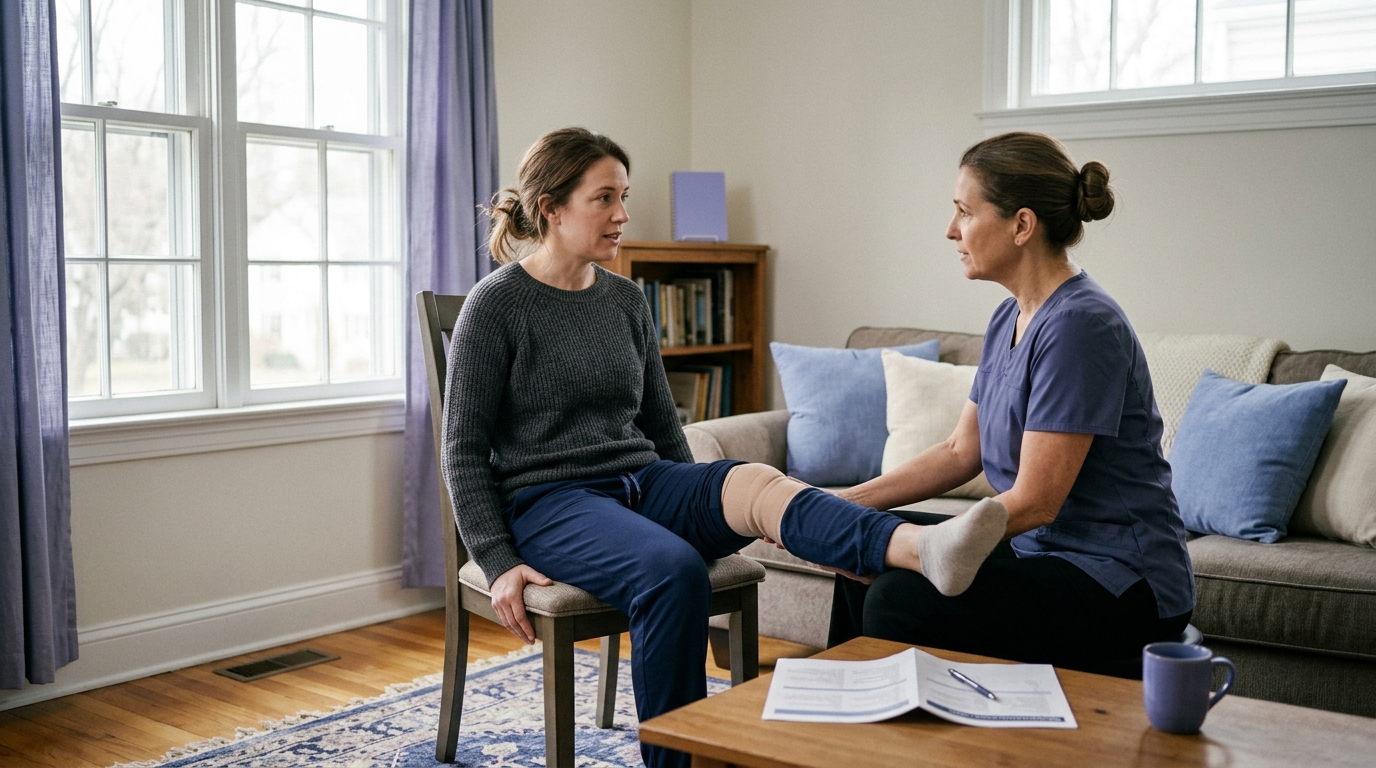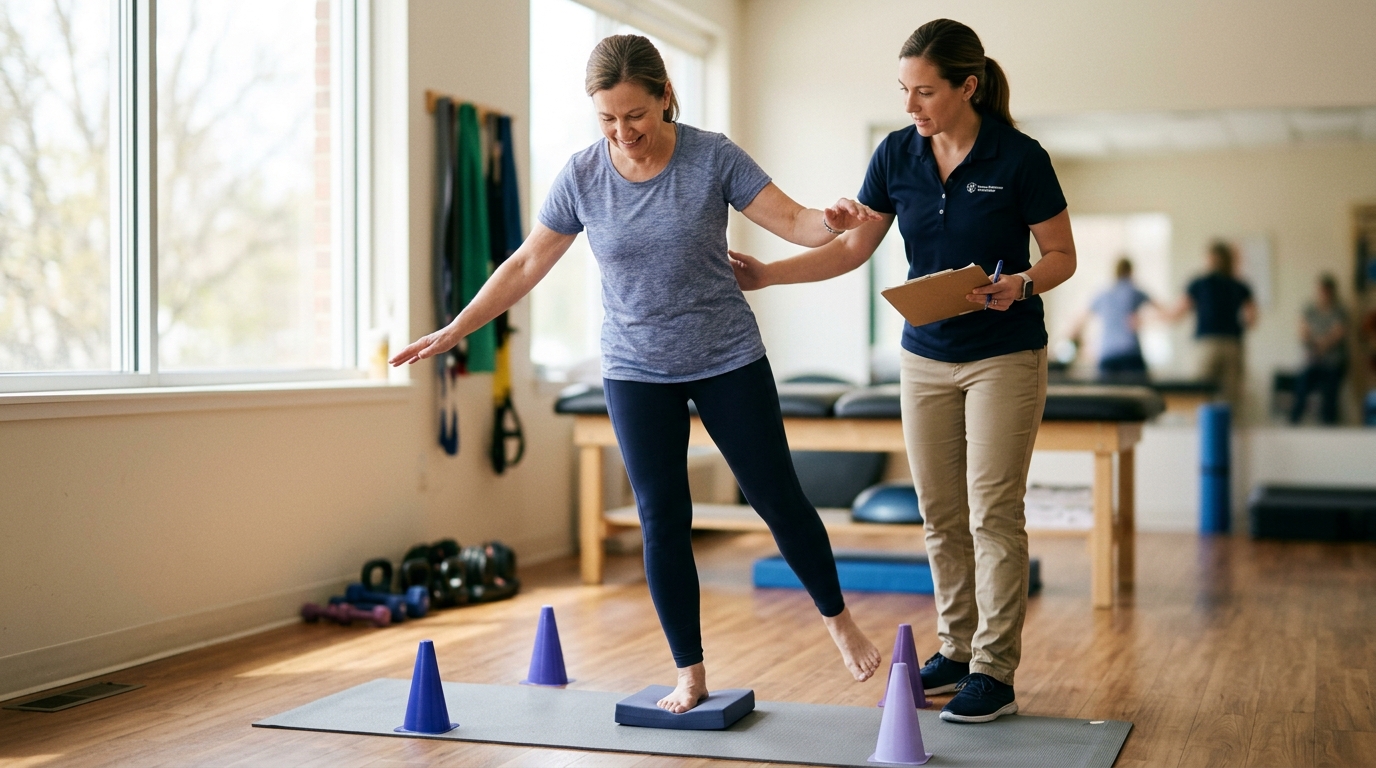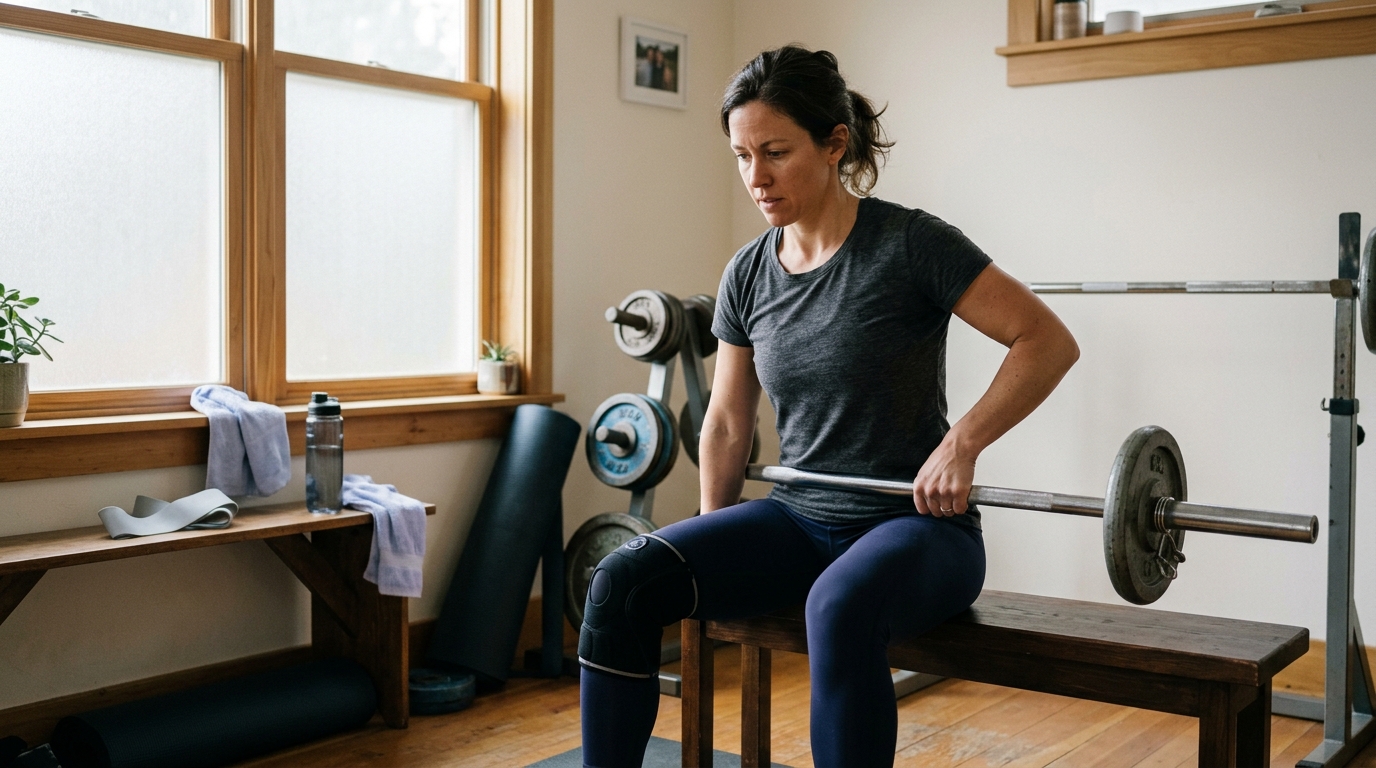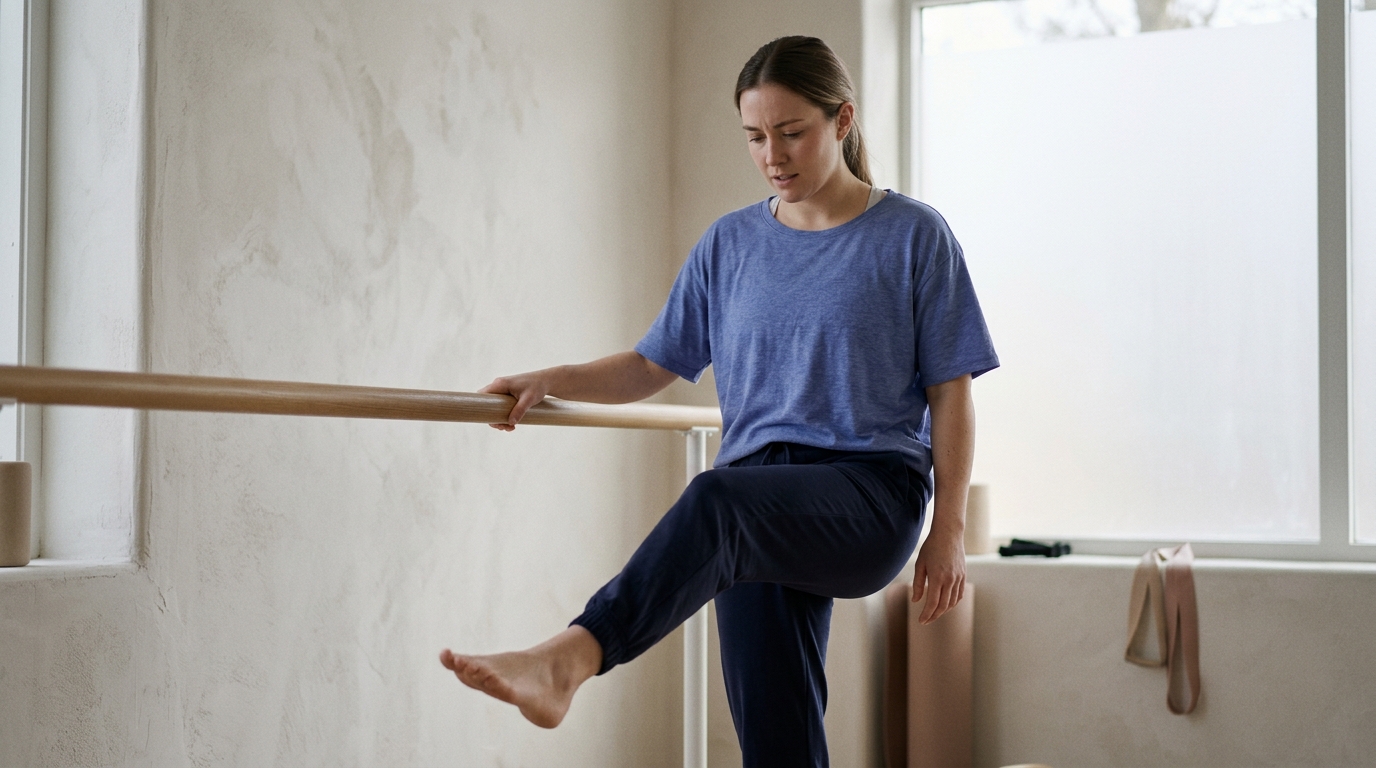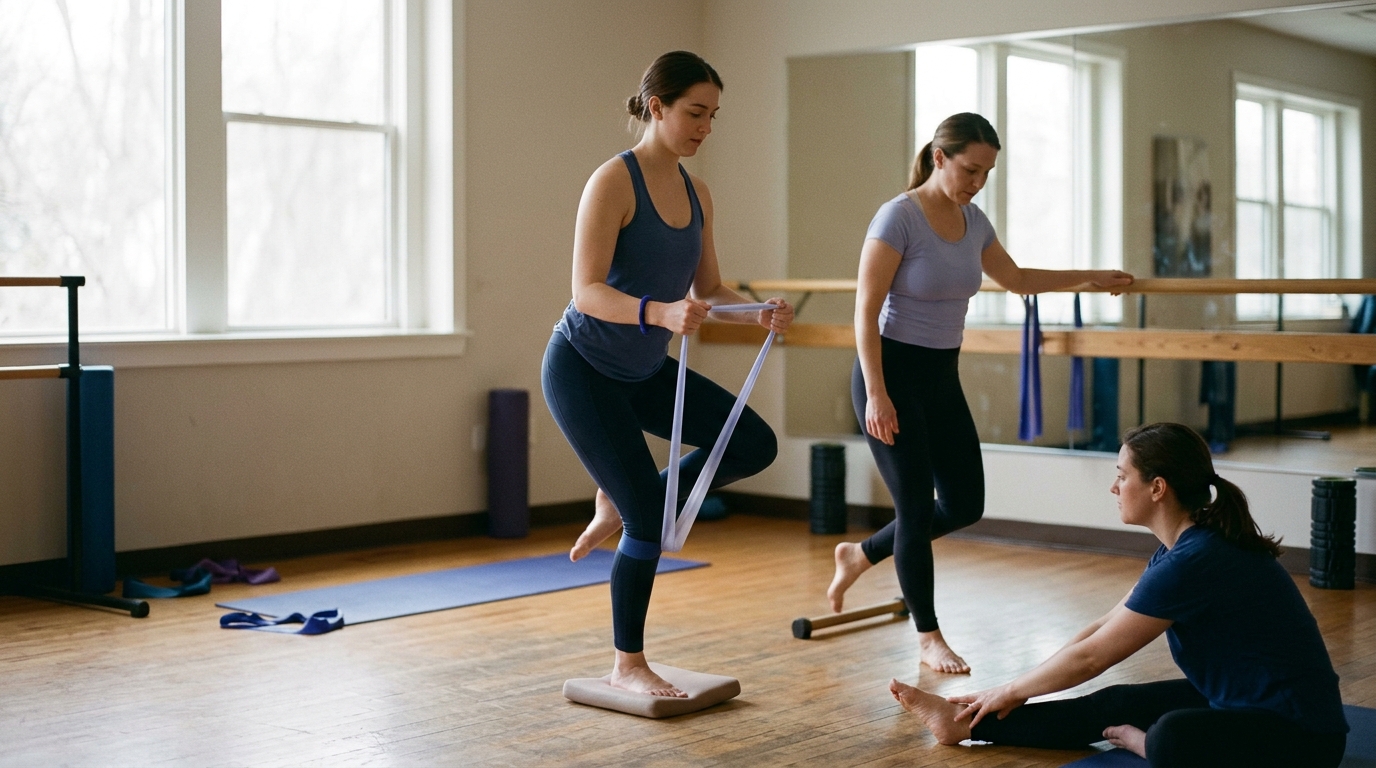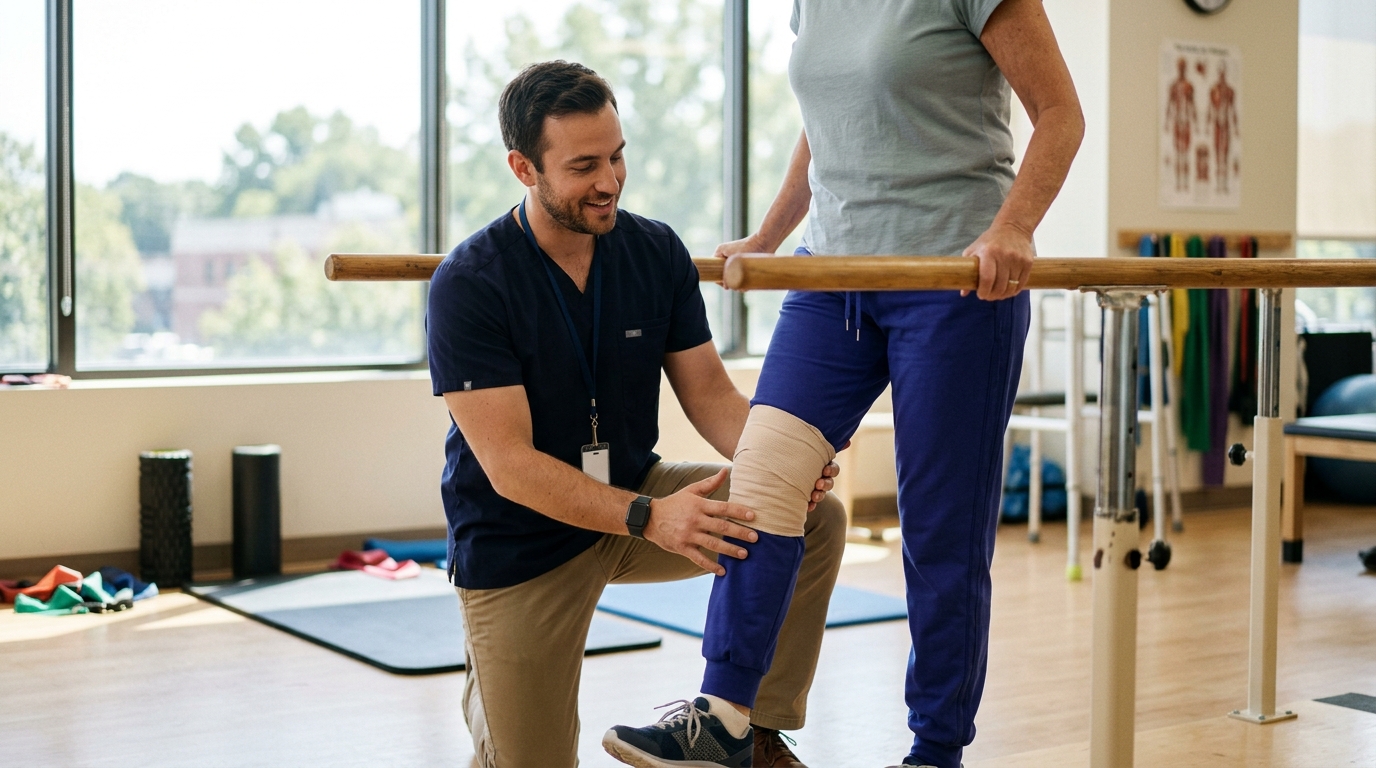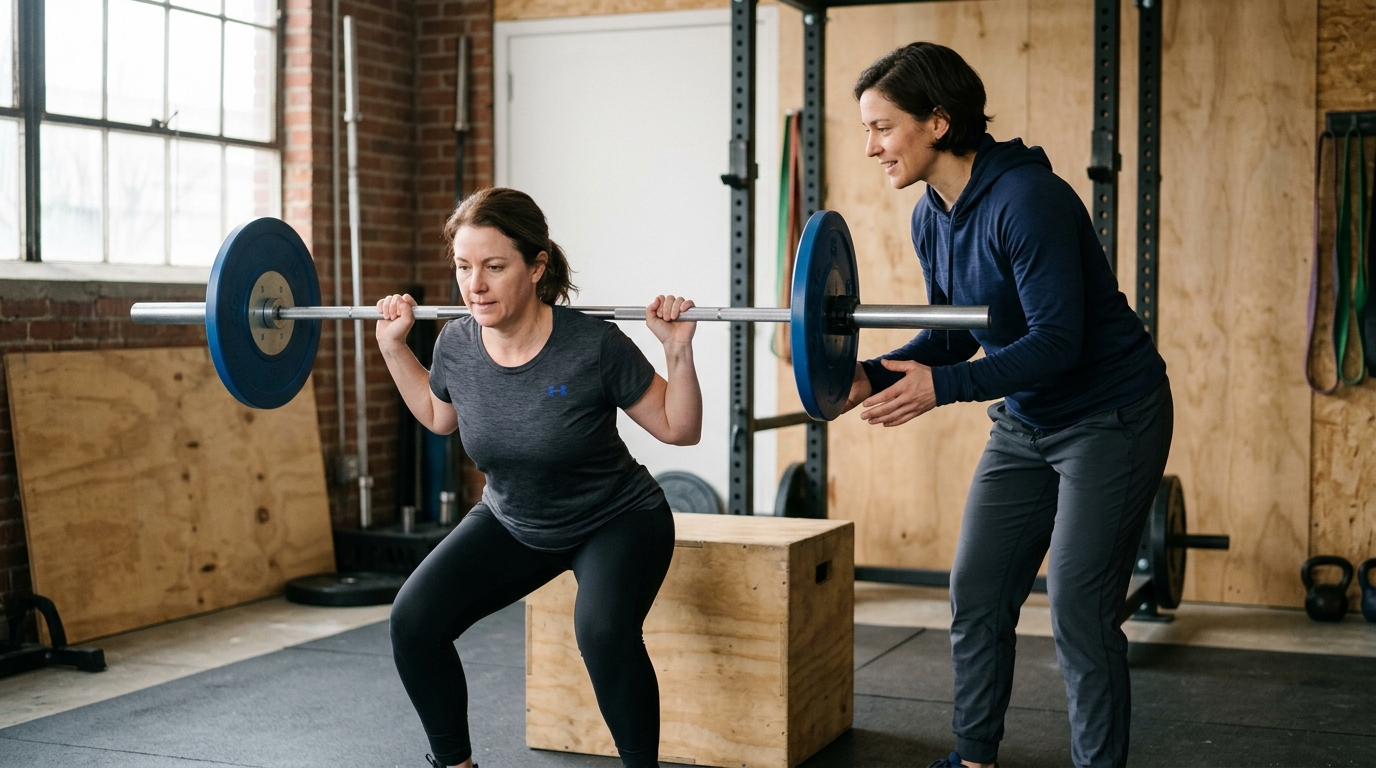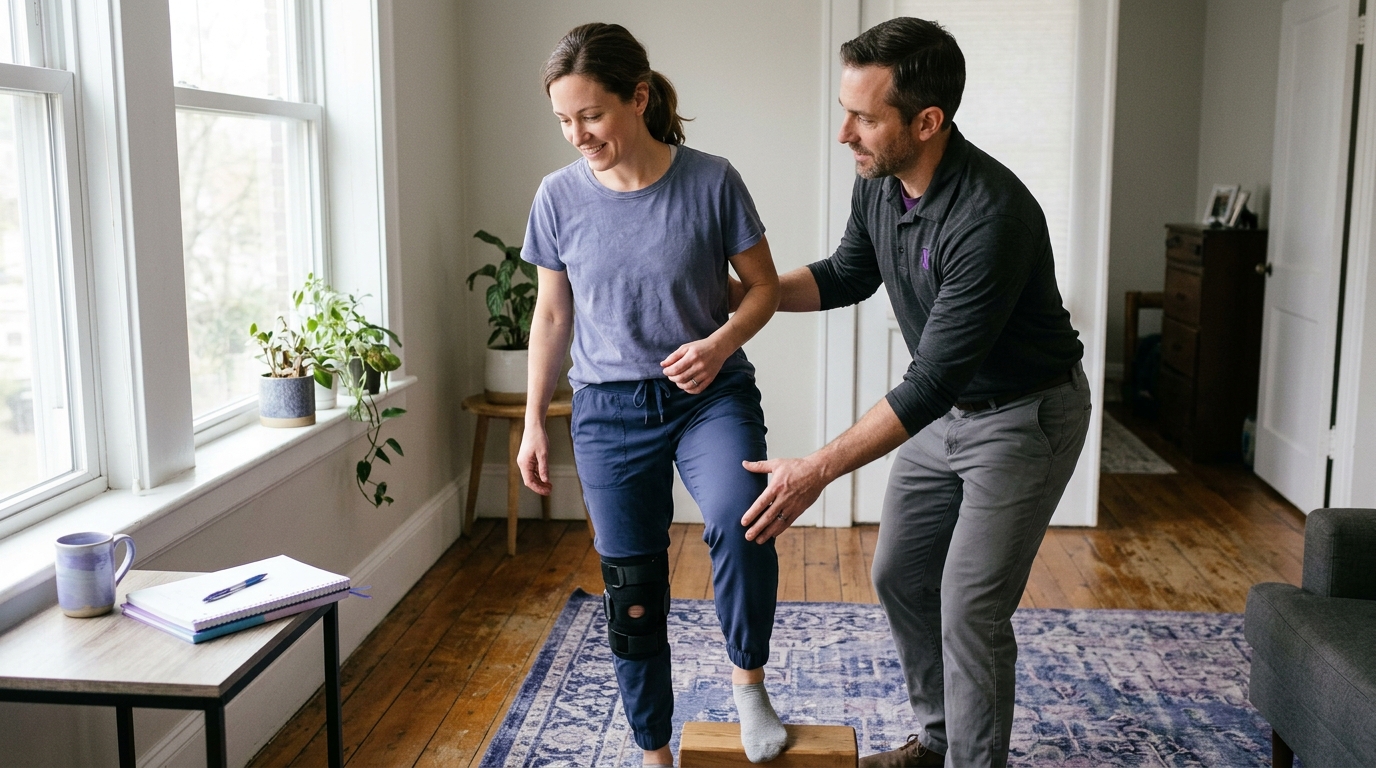

Many people expect rebuilding strength to require intense workouts, but restoring daily function after inactivity actually depends on gradual, progressive resistance training.





Rebuilding physical strength after weeks or months of low activity is a biological process of reconditioning. It is not an overnight transformation or a test of willpower. Extended inactivity can stem from illness, surgery, injury, or unexpected life changes. Regardless of the reason, the human body adapts to the demands placed upon it. When those demands drop for an extended period, muscles lose force capacity, joints stiffen, and everyday movements require noticeably more effort.
The direct answer to rebuilding strength safely is to establish a tolerable baseline, focus on functional movement patterns, and progress one variable at a time. The body requires consistent, manageable physical signals to rebuild muscle tissue, restore joint confidence, and improve aerobic stamina. However, the path back is rarely a straight line. Timelines vary based on prior health, the duration of bed rest, and how your nervous system tolerates new activity.
This comprehensive guide examines the physiological impacts of deconditioning, outlines evidence-based return strategies, and provides a structured framework for regaining daily physical independence.
When physical activity drops significantly, multiple organ systems begin to downregulate their capacity. This physiological process is known as deconditioning. It involves much more than simply having weak muscles. Deconditioning affects the heart, lungs, nervous system, bones, and connective tissues.
Skeletal muscle operates on an efficient biological principle. The body maintains muscle protein based on regular mechanical loading. When muscle fibers stop experiencing tension, protein breakdown outpaces protein synthesis. Over time, muscle cross-sectional area decreases, leading to disuse atrophy.
The nervous system also changes how it talks to muscle fibers. In an active body, the brain readily recruits motor units to produce smooth, coordinated force. During prolonged inactivity, neuromuscular signaling becomes less efficient. You may feel shaky or uncoordinated when attempting familiar movements. This early weakness comes from both muscle loss and reduced neuromuscular recruitment.
Research shows that these losses can happen rapidly. In a notable study published in The Journals of Gerontology, researchers examined 11 healthy older adults with an average age of 67 who underwent 10 days of continuous bed rest. The participants experienced an average decline of 13.2 percent in knee-extensor strength. Muscle loss begins within days of complete rest, making early, gentle re-engagement important when medically safe.
Strength is the raw ability to produce force against an external load. Muscle power, by contrast, is the ability to produce force quickly. Power is critical for real-world tasks like catching yourself during a stumble, stepping off a curb, or climbing a flight of stairs.
In the 10-day bed rest study, participants experienced a 14 percent decline in stair-climbing power alongside a 12 percent decline in maximal aerobic capacity. When aerobic capacity drops, the heart pumps less blood per beat, and tissues become less efficient at extracting oxygen. As a result, basic household activities like vacuuming or carrying laundry can suddenly cause breathlessness and elevated heart rates.
In rehabilitation science, researchers distinguish between impairments, activity limitations, and participation restrictions. An impairment is a specific biological deficit, such as reduced quadriceps strength. An activity limitation is the practical consequence, such as difficulty rising from a low sofa. A participation restriction involves broader life roles, such as being unable to attend community gatherings or work.
Improving a raw gym measurement, such as knee-extension strength on a machine, does not automatically fix an activity limitation. If an exercise does not train the coordination, balance, and joint angles needed for daily life, the transfer of strength remains limited. Effective reconditioning must bridge the gap between building muscle capacity and performing whole-body tasks.
Resistance exercise is the most effective tool for reversing the muscle and functional losses associated with inactivity. When muscles encounter manageable resistance, mechanical tension triggers cellular signals that stimulate muscle protein synthesis and strengthen tendon attachments.
A comprehensive Cochrane systematic review evaluated progressive resistance strength training in older adults. The authors found that progressive resistance training produced clear improvements in physical functioning. Participants showed notable gains in walking speed, stair climbing ability, and the ease of standing up from a chair.
These functional improvements occur because resistance training improves both muscle mass and motor unit firing rates. As the nervous system adapts, movements feel more stable and require less conscious effort. For those working through structured strength and performance rebuilding resources, resistance work serves as the foundation for broader functional gains.
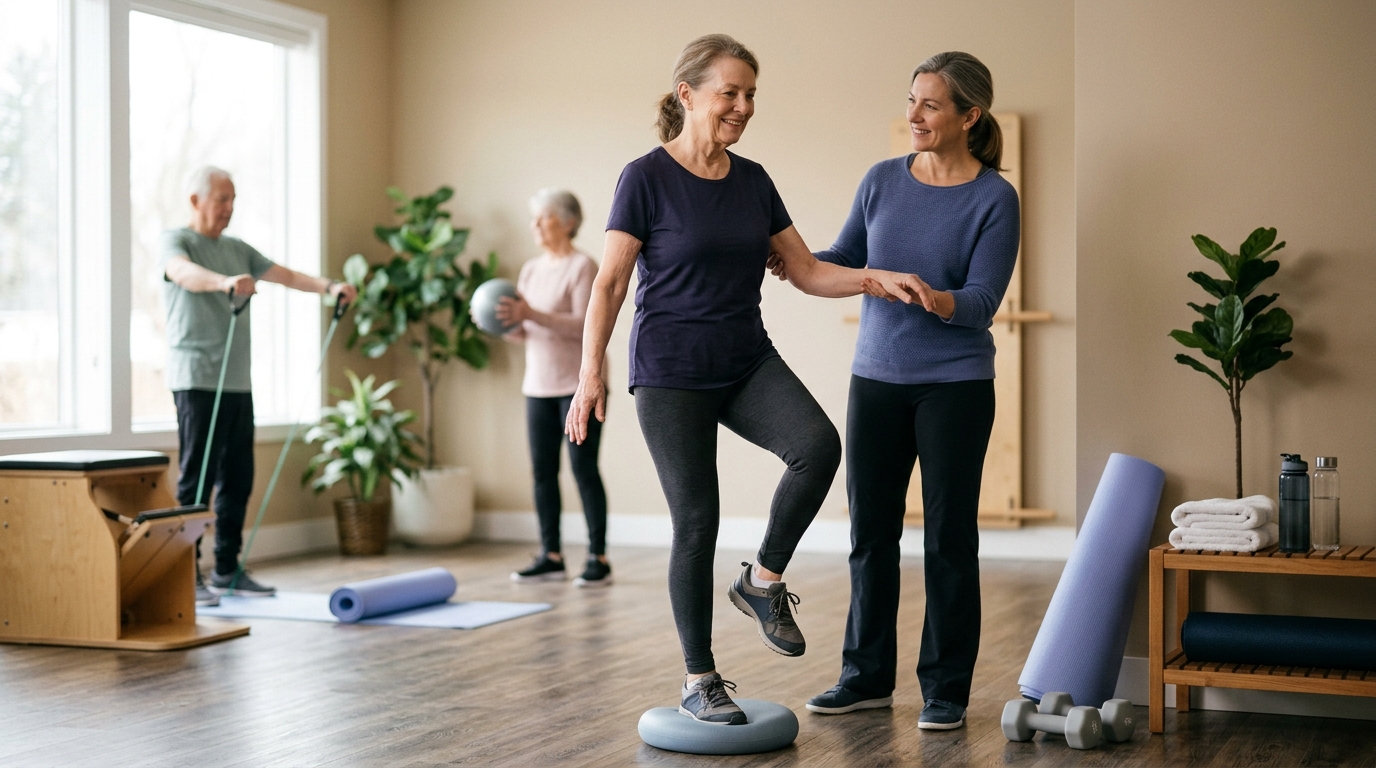
While general resistance training increases raw muscle strength, functional training yields the largest improvements in everyday independence. A systematic review of functional training in older adults demonstrated that improvements in balance, mobility, and activities of daily living are greatest when exercise content closely mimics target tasks.
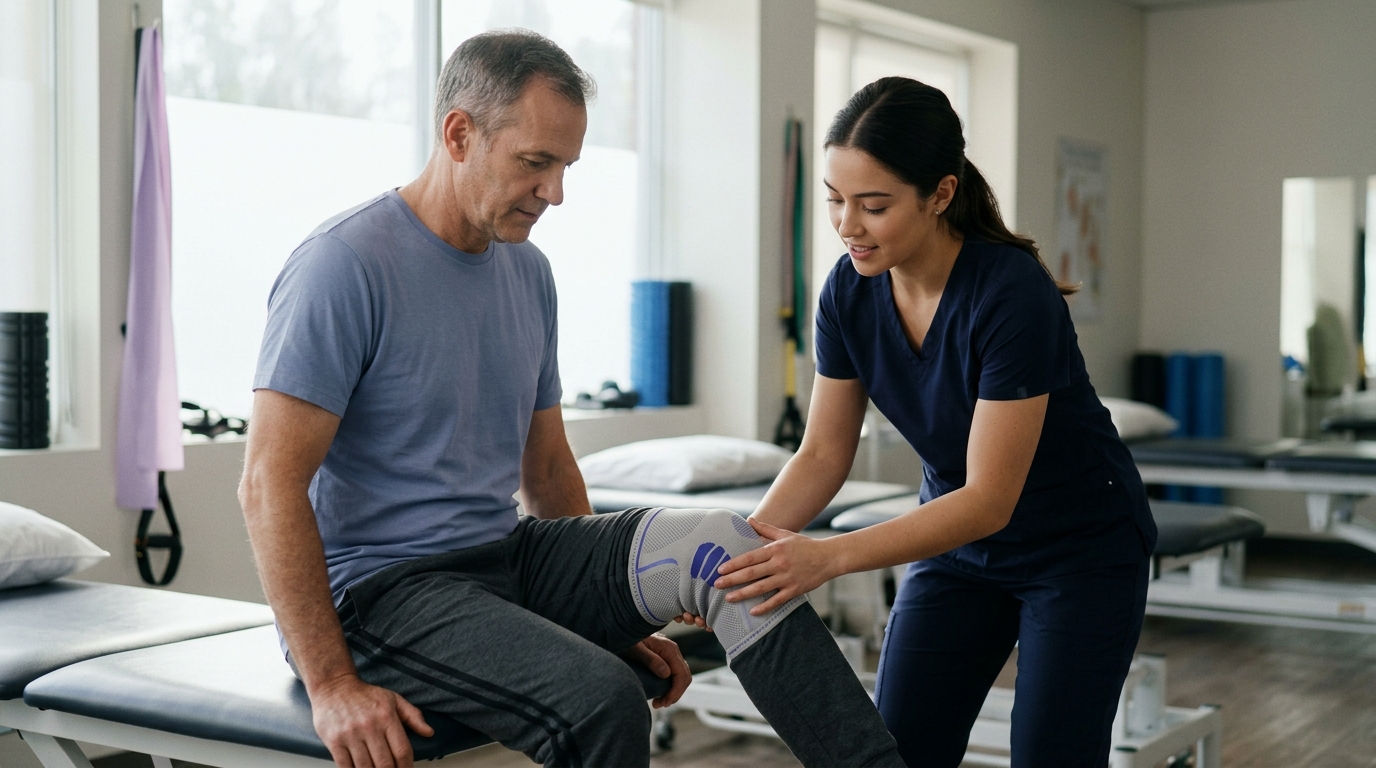
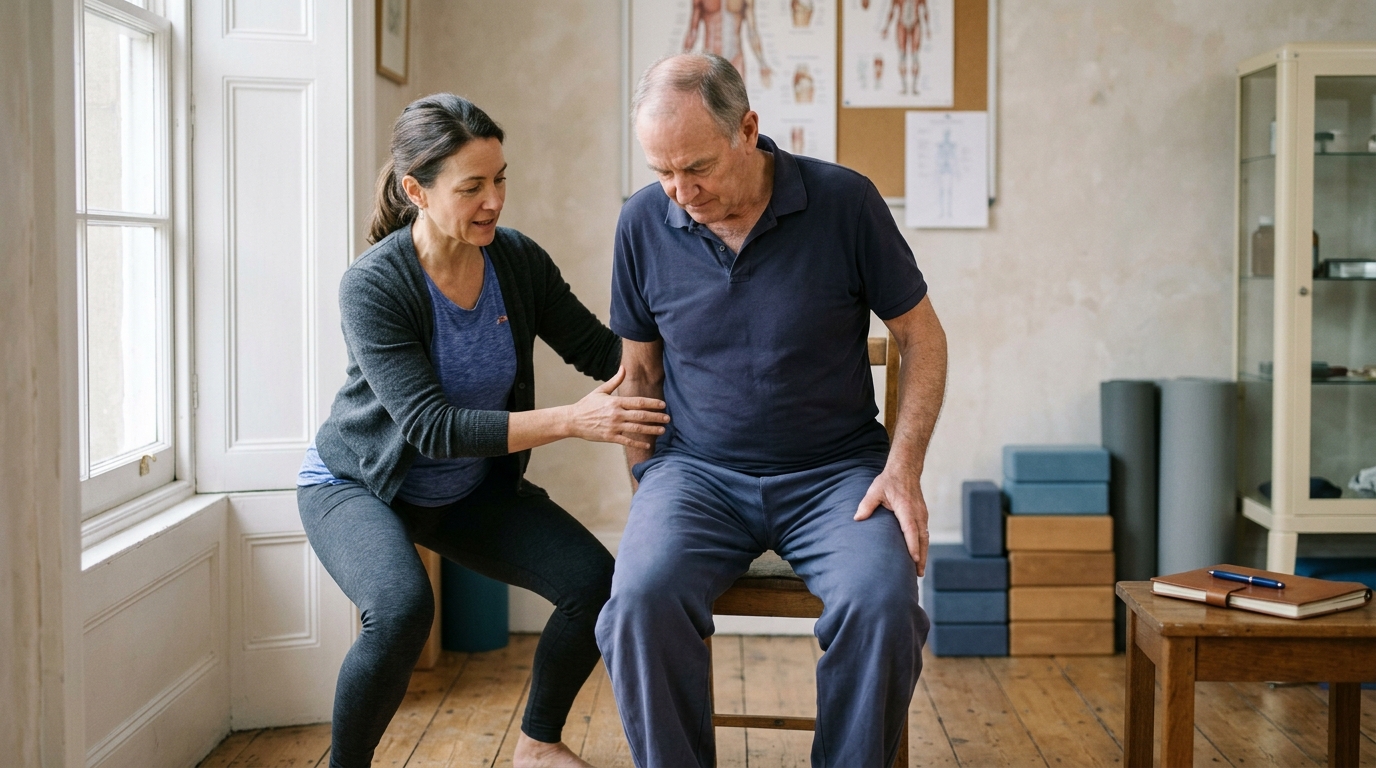
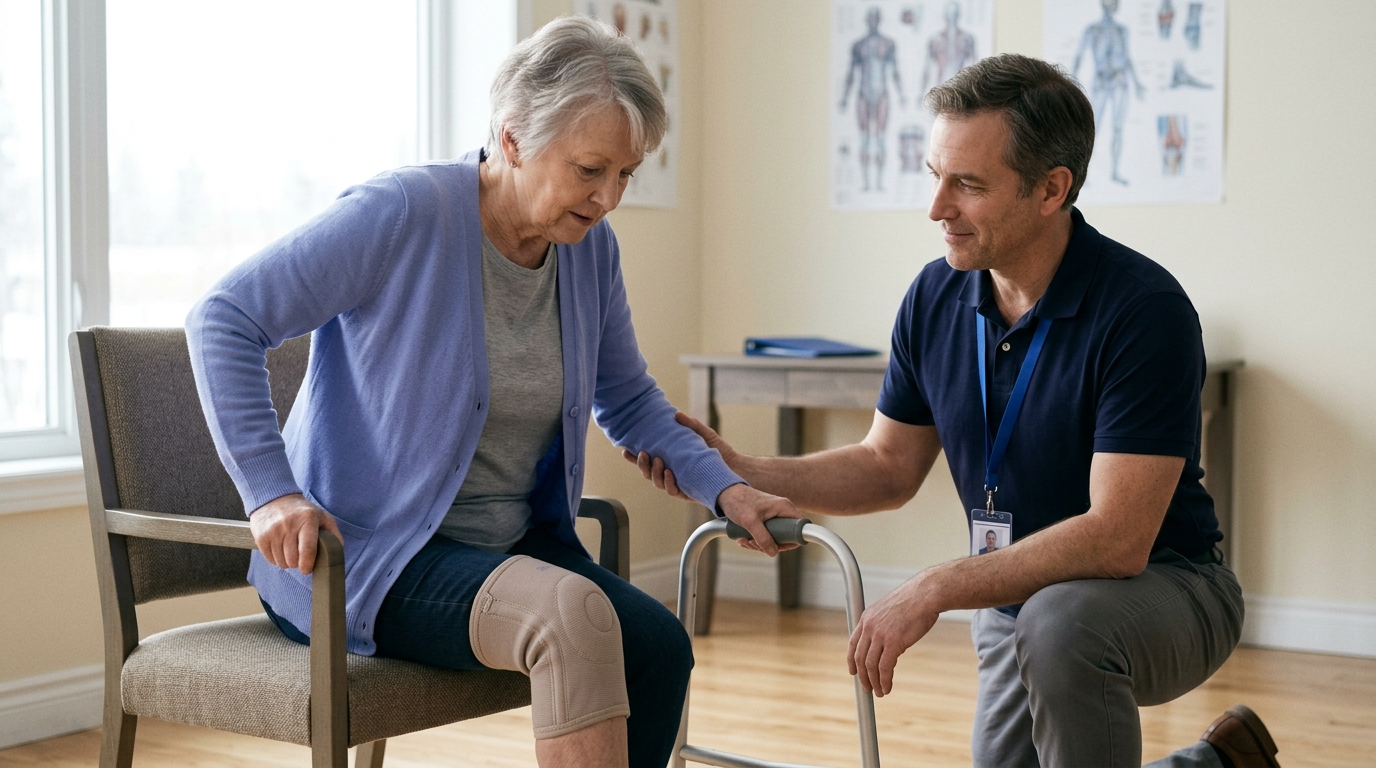
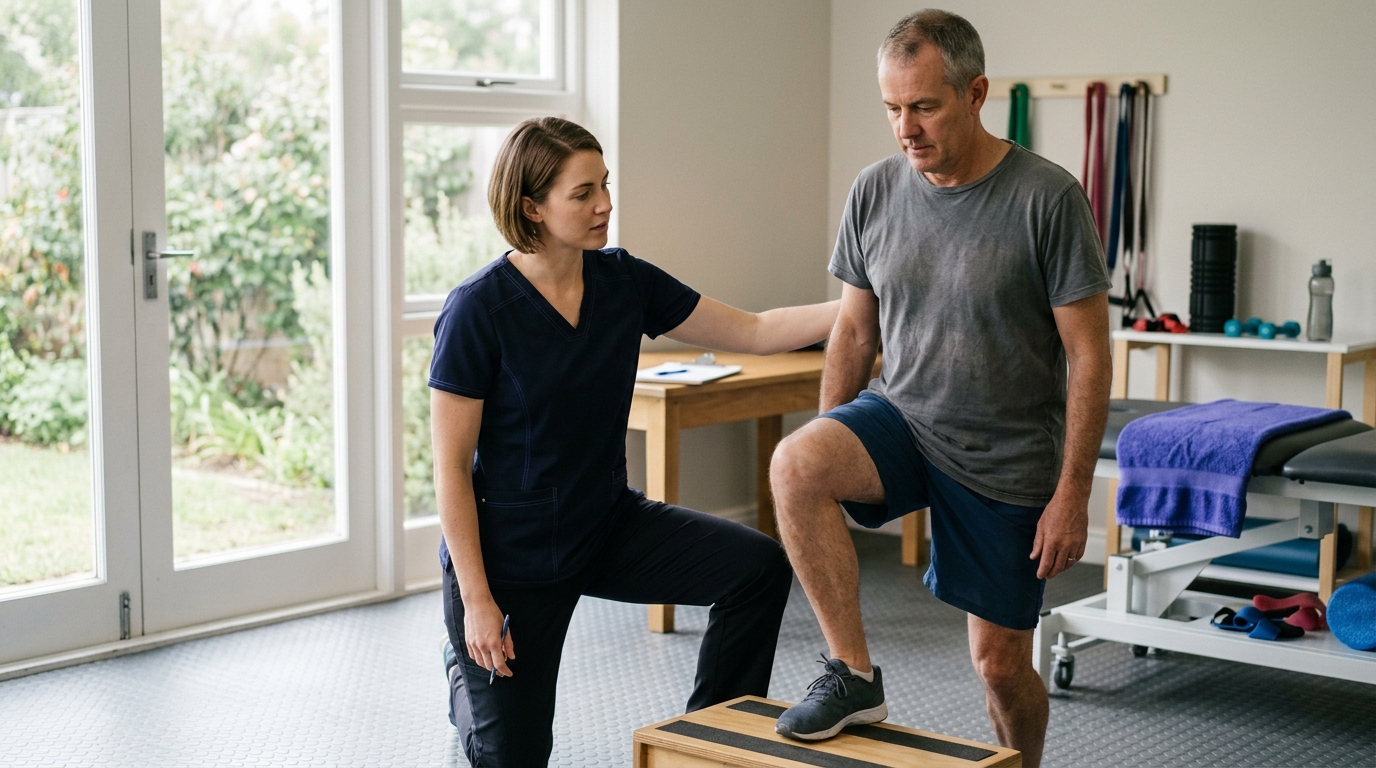
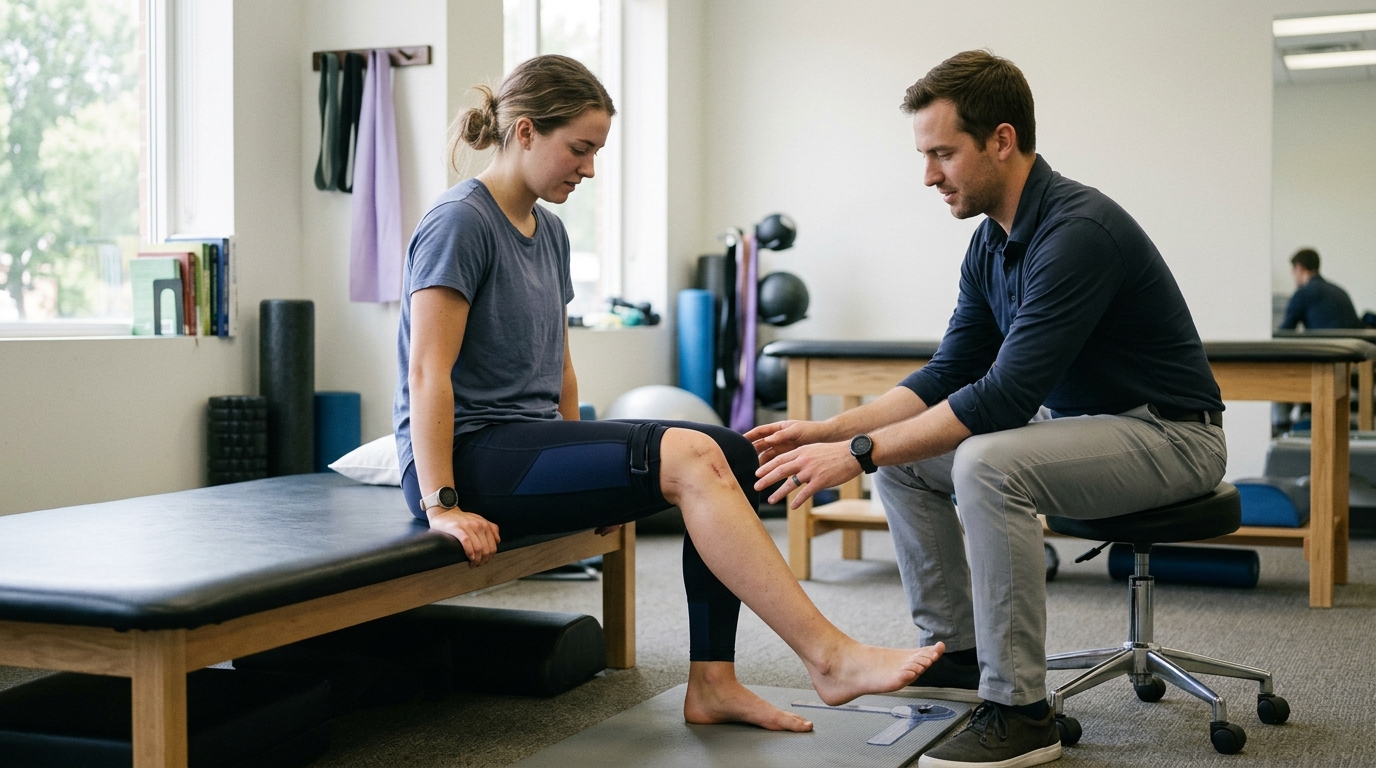
Building pure quadriceps force helps, but practicing a supported sit-to-stand trains hip extension, knee extension, core bracing, and balance simultaneously. For individuals recovering from joint issues, pairing resistance with foundational mobility and movement exercises ensures that newly gained strength is usable throughout a full range of motion.
The World Health Organization (WHO) physical activity guidelines offer clear targets for overall health. For adults, the WHO recommends 150 to 300 minutes of moderate-intensity aerobic activity per week, or 75 to 150 minutes of vigorous activity, combined with muscle-strengthening activities involving all major muscle groups on two or more days per week. For adults aged 65 and older, the guidelines emphasize varied multicomponent physical activity that focuses on functional balance and strength training on three or more days per week.
These recommendations represent long-term targets, not starting points for someone recovering from extended inactivity. The WHO explicitly emphasizes that doing some physical activity is far better than doing none. If your current capacity allows for only three minutes of seated movement twice a day, that is a valid starting dose. You do not need to meet national benchmarks before your body starts benefiting from movement.
Returning to exercise after a long layoff requires a structured, adaptable framework. The goal is to apply enough physical stimulus to promote adaptation without overwhelming recovering tissues.
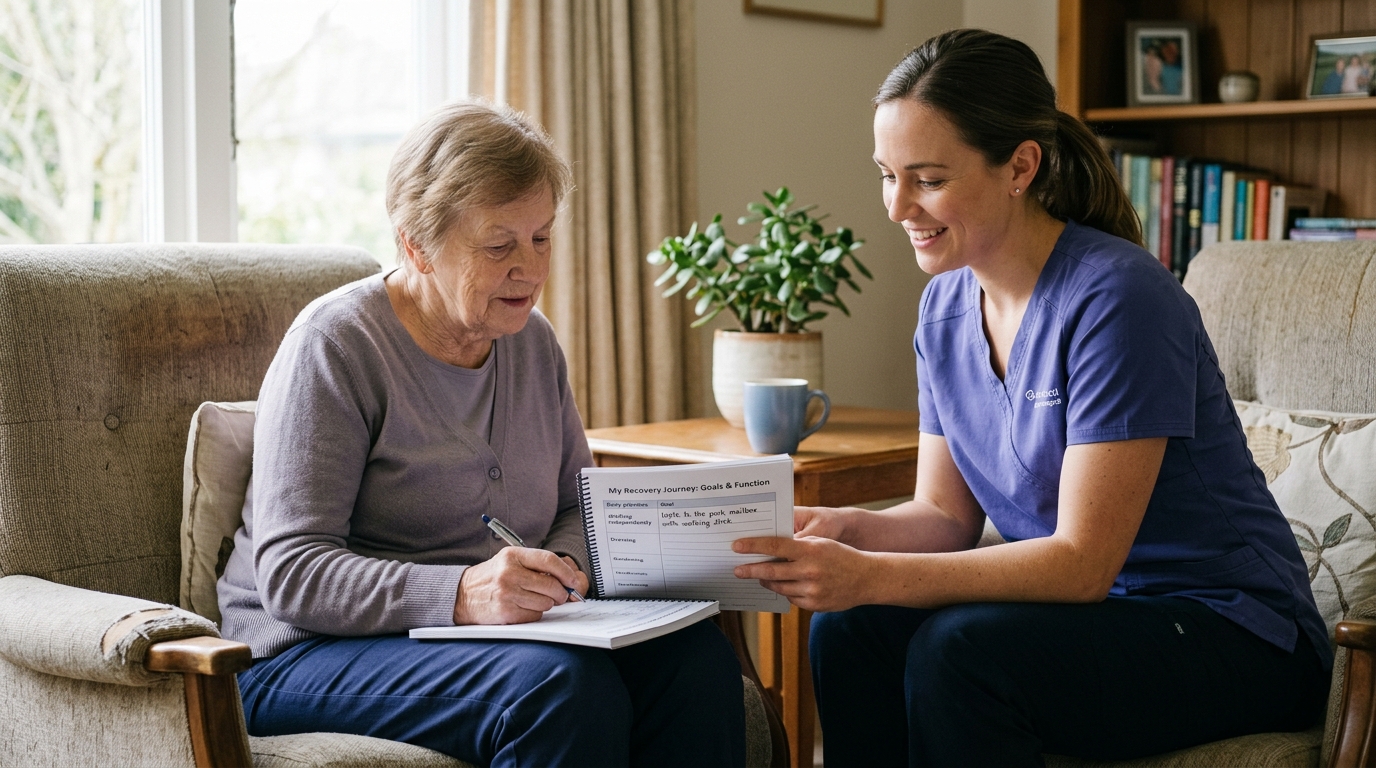
Before choosing exercises, evaluate your current baseline. Identify which daily tasks present the greatest challenge. Do you struggle to get out of deep chairs, step over high thresholds, or walk down the hallway without resting?
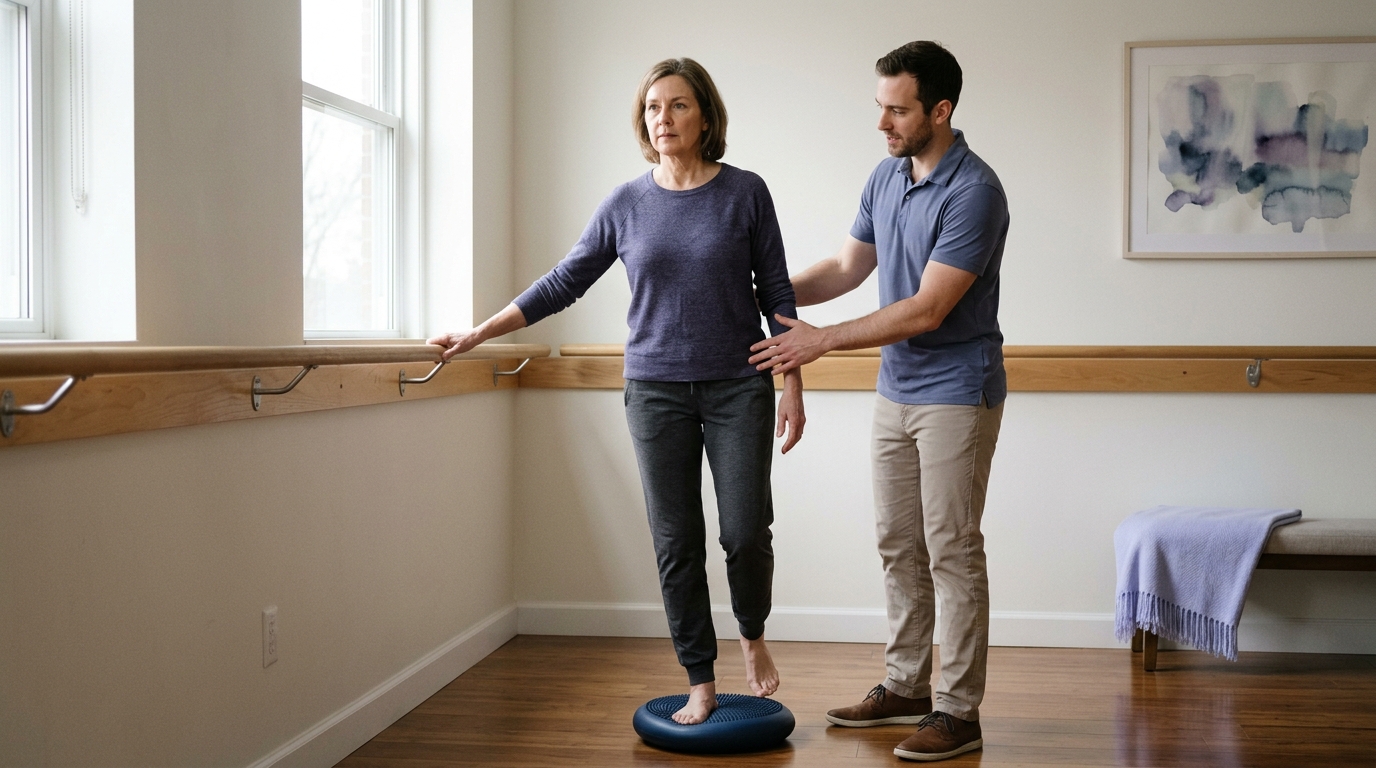
Take stock of any medical restrictions, joint precautions, or balance concerns. If you experience dizziness when standing up or have a history of falls, your initial routine must include stable supports, such as sturdy chairs or countertops. Understanding your specific environment helps prevent unnecessary setbacks.
The biggest mistake people make when returning to exercise is starting at the level they remember from months or years ago. A tolerable baseline is an amount of work that feels manageable during the session and leaves you feeling stable over the next 24 to 48 hours.
When establishing this baseline, start below what you think you can handle. If you believe you can perform 10 bodyweight squats, begin with 5 repetitions to a raised chair surface. Completing a session with energy to spare builds psychological momentum and allows you to test your body's recovery response safely.
A well-rounded return routine focuses on essential movement patterns rather than isolated muscle groups. These patterns form the foundation of daily physical independence:
Progression should be gradual and deliberate. Avoid increasing workout frequency, session duration, and exercise difficulty at the same time. Changing multiple variables makes it impossible to know what caused unexpected fatigue or joint irritation.
Follow a clear progression hierarchy:
Track your response during the session and over the following two days. Mild muscle tightness or light fatigue that resolves within 24 hours is a normal adaptation. Lingering joint pain, sharp discomfort, or profound exhaustion indicates that the physical dose exceeded your current capacity.
Adjust your plan dynamically. If an exercise causes joint irritation, modify the range of motion or reduce the resistance. Long-term progress relies on consistency, and consistency requires staying within your recoverable capacity. For older adults navigating these transitions, integrating active aging and mobility strategies can support steady, sustainable improvements.
No two individuals regain strength at the exact same rate. Several internal and external factors influence how quickly tissues adapt and how much work you can safely perform.
The longer a muscle remains unloaded, the more structural remodeling occurs. Rebuilding after a three-week bout of the flu is vastly different from returning after six months of postoperative restriction.
Biological age also influences the rate of muscle protein synthesis. Older muscle tissue exhibits an attenuated response to protein feeding and exercise, a phenomenon known as anabolic resistance. This does not mean older adults cannot build muscle; extensive research confirms they can. However, older adults may require slightly more recovery time between challenging sessions and closer attention to dietary protein intake to achieve similar tissue adaptations.
Underlying conditions affect how the cardiovascular and musculoskeletal systems tolerate exercise. Conditions such as type 2 diabetes, osteoarthritis, peripheral artery disease, and chronic kidney disease alter circulation, joint mechanics, and energy production.
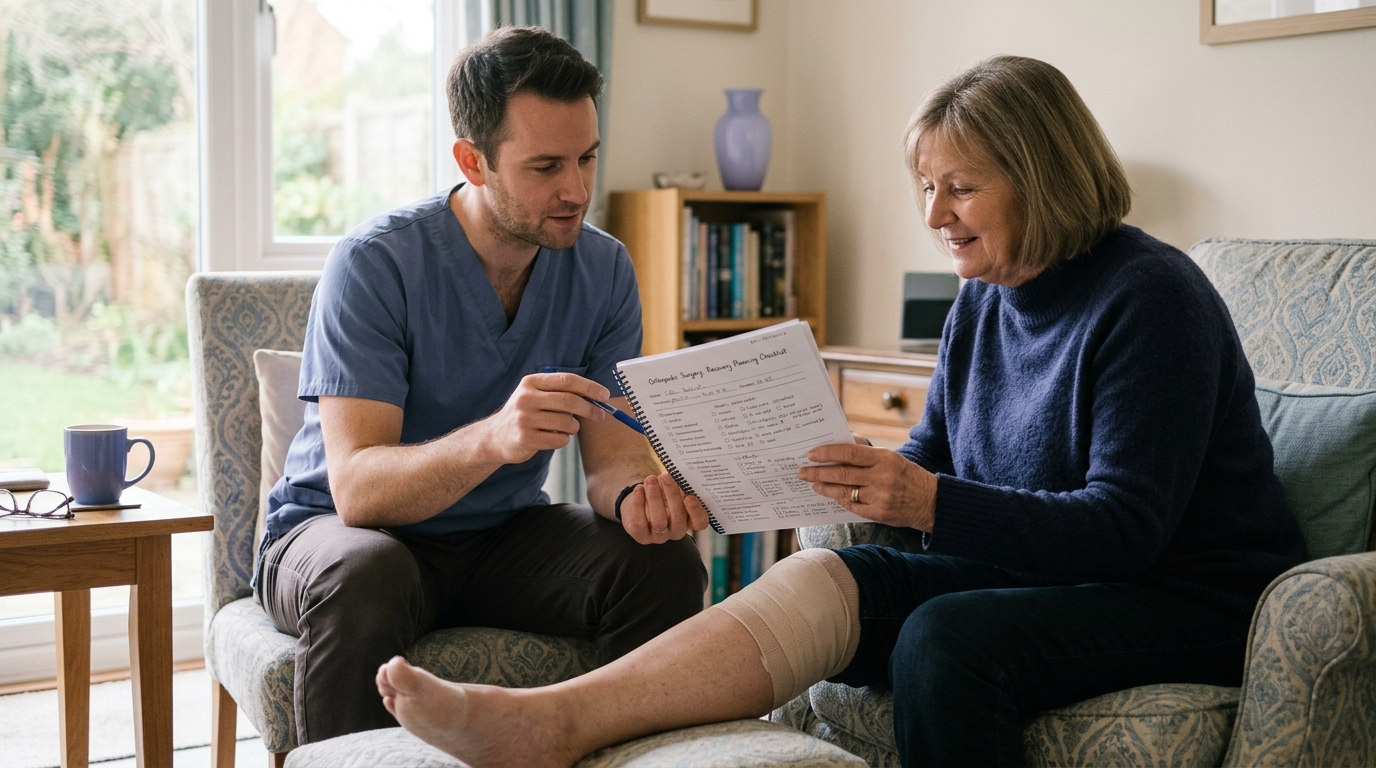
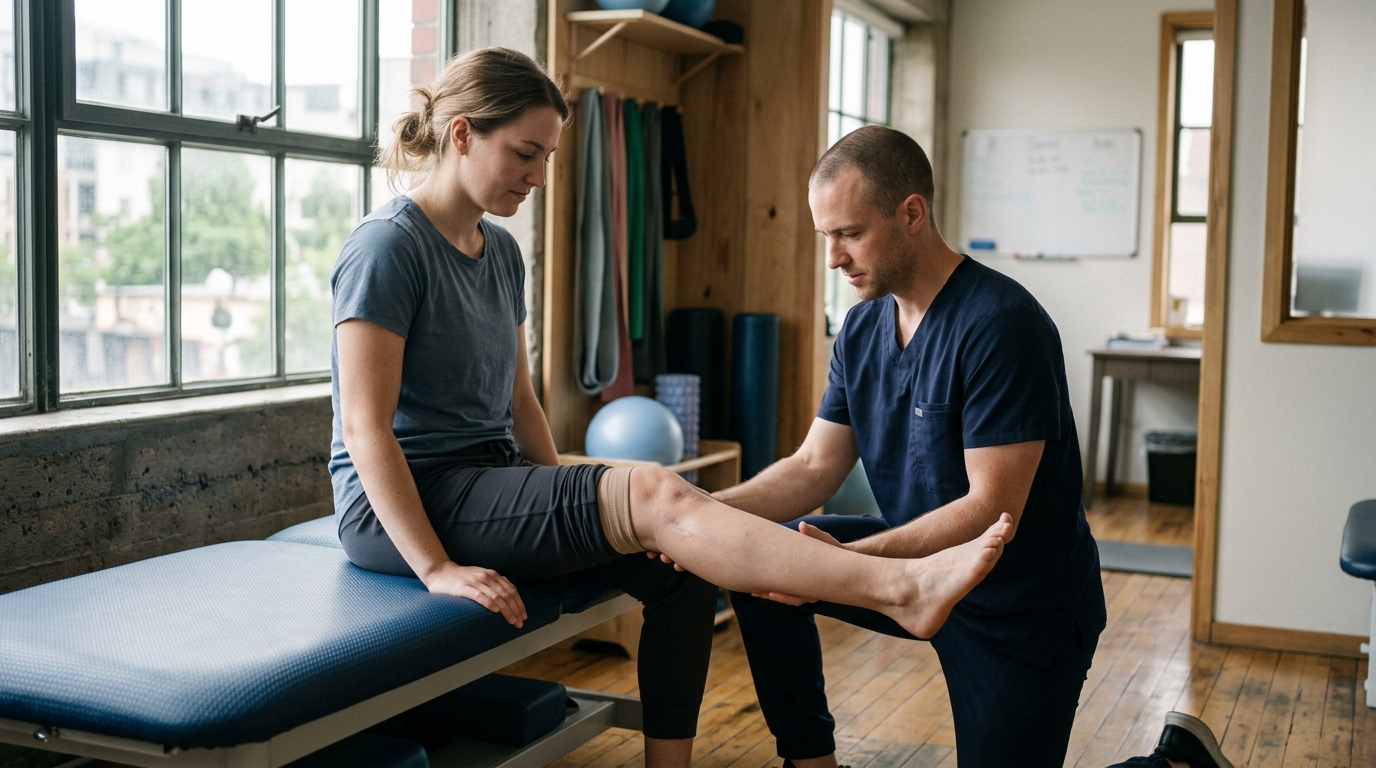
For instance, osteoarthritis requires managing joint stress through appropriate movement selection and gentle warm-ups. Cardiovascular conditions demand careful monitoring of heart rate and perceived exertion. Those recovering from orthopedic interventions can consult specialized surgical rehabilitation protocols to align strength exercises with tissue healing stages.
A critical factor that alters the standard progression model is post-exertional malaise (PEM), also called post-exertional symptom exacerbation. This condition is a hallmark feature of Myalgic Encephalomyelitis/Chronic Fatigue Syndrome (ME/CFS) and can also occur in a subset of people recovering from viral illnesses.
The National Institute for Health and Care Excellence (NICE) guidelines for ME/CFS emphasize that post-exertional malaise involves a delayed worsening of symptoms following physical, cognitive, or emotional effort. This symptom flare typically emerges 12 to 48 hours after activity and can last for days or weeks.
For individuals with post-exertional malaise, standard progressive resistance plans can cause severe symptom flare-ups. NICE guidelines explicitly advise against fixed-increment exercise programs for this population. Instead, activity must remain strictly within personal energy limits, utilizing pacing strategies that prevent symptom exacerbation. If you experience delayed, disproportionate exhaustion, stop increasing exercise loads and consult an experienced medical professional.
Exercise provides the stimulus for rebuilding, but recovery occurs during rest. Without sufficient raw materials, the body struggles to repair muscle fibers and replenish glycogen stores.
Protein intake plays a vital role in counteracting muscle disuse atrophy. Distributing protein evenly across daily meals helps optimize muscle protein synthesis. High-quality sleep is equally critical, as deep sleep stages release growth hormone and facilitate cellular repair. Understanding broader injury recovery and tissue healing processes ensures that your lifestyle supports your physical efforts.
Reconditioning is most rewarding when it directly restores daily independence. Below are three common physical bottlenecks that individuals face after extended inactivity, along with practical adaptation strategies.
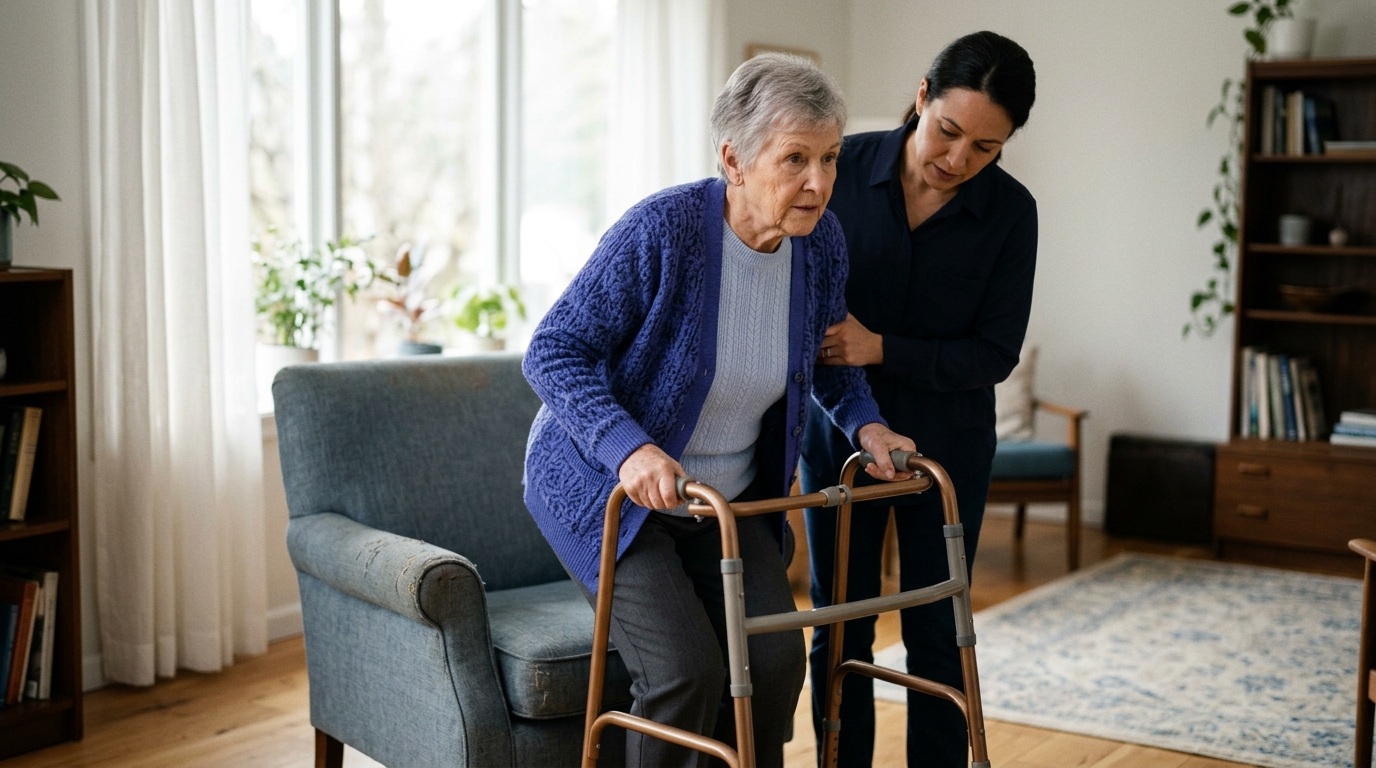
Many people can walk short distances inside their home but struggle to rise from low chairs, deep sofas, or toilet seats. This limitation often stems from reduced knee-extensor and hip-extensor strength.
To adapt this movement:
Stairs require substantial muscle power, single-leg balance, and joint coordination. Climbing a stair demands roughly three to four times your body weight in joint contact forces at the knee.
To rebuild stair climbing capacity:
Being unable to get up from the floor creates fear and reduces physical independence. Floor transfers require multi-directional strength, hip mobility, and balance.
To train this movement safely:
Safety is the cornerstone of any return-to-activity program. While physical movement is safe and beneficial for most people, certain clinical presentations require formal medical evaluation.
An authoritative review on exercise prescription for older adults provides clear criteria for medical clearance. Inactive, asymptomatic individuals without significant chronic disease can generally initiate light-to-moderate physical activity and progress gradually.
However, inactive individuals with diagnosed cardiovascular, metabolic, or renal diseases, or those exhibiting symptoms suggestive of these conditions, should seek formal medical clearance before starting a resistance program.
If you experience any of the following symptoms before or during physical activity, stop the exercise and consult a qualified healthcare professional:
When discussing your return to exercise with your primary care doctor, surgeon, or physical therapist, bring targeted questions:
Rebuilding capacity takes time, and avoiding predictable errors keeps your recovery on track.
Many structured workout programs follow arbitrary weekly schedules (e.g. "add five pounds every Monday"). While linear models work for healthy, athletic populations, they often fail those recovering from prolonged deconditioning.
Recovery capacity fluctuates based on sleep, stress, illness, and joint health. If your body feels under-recovered, repeating the previous week's volume or taking an active rest day is the smart choice. Progress should be dictated by your body's adaptation, not by a date on a calendar.
Many people avoid rebuilding because they dislike commercial gym environments or feel intimidated by free weights. Machine circuits and barbells are useful tools, but they are not required to regain functional strength.
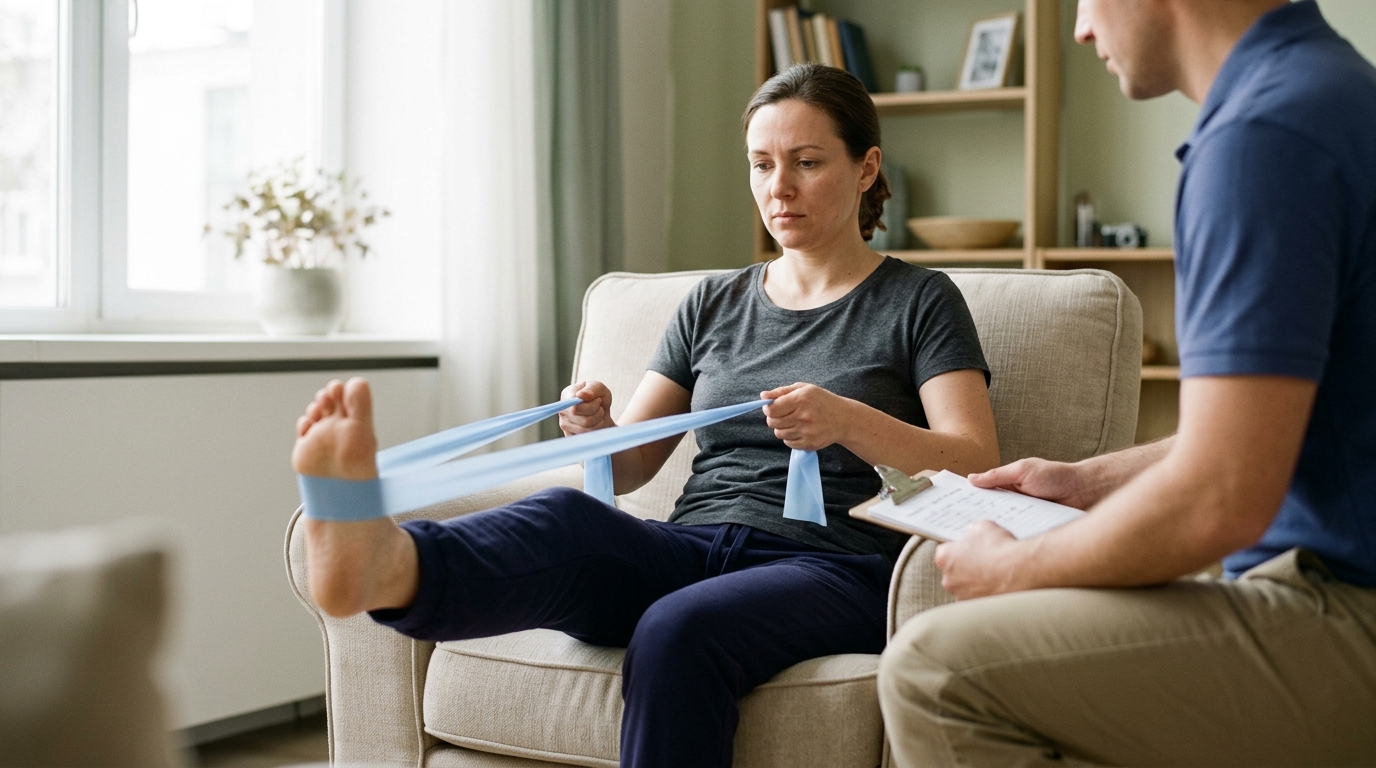
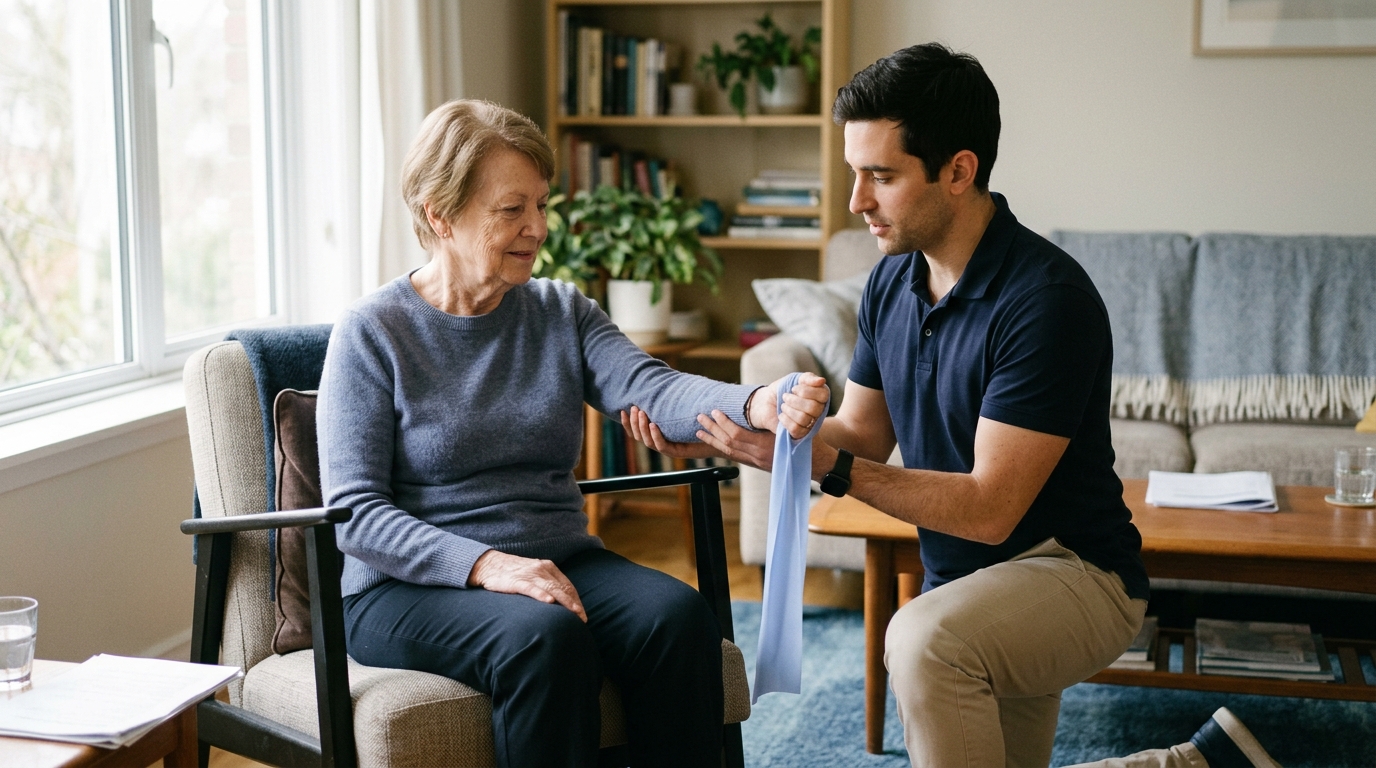
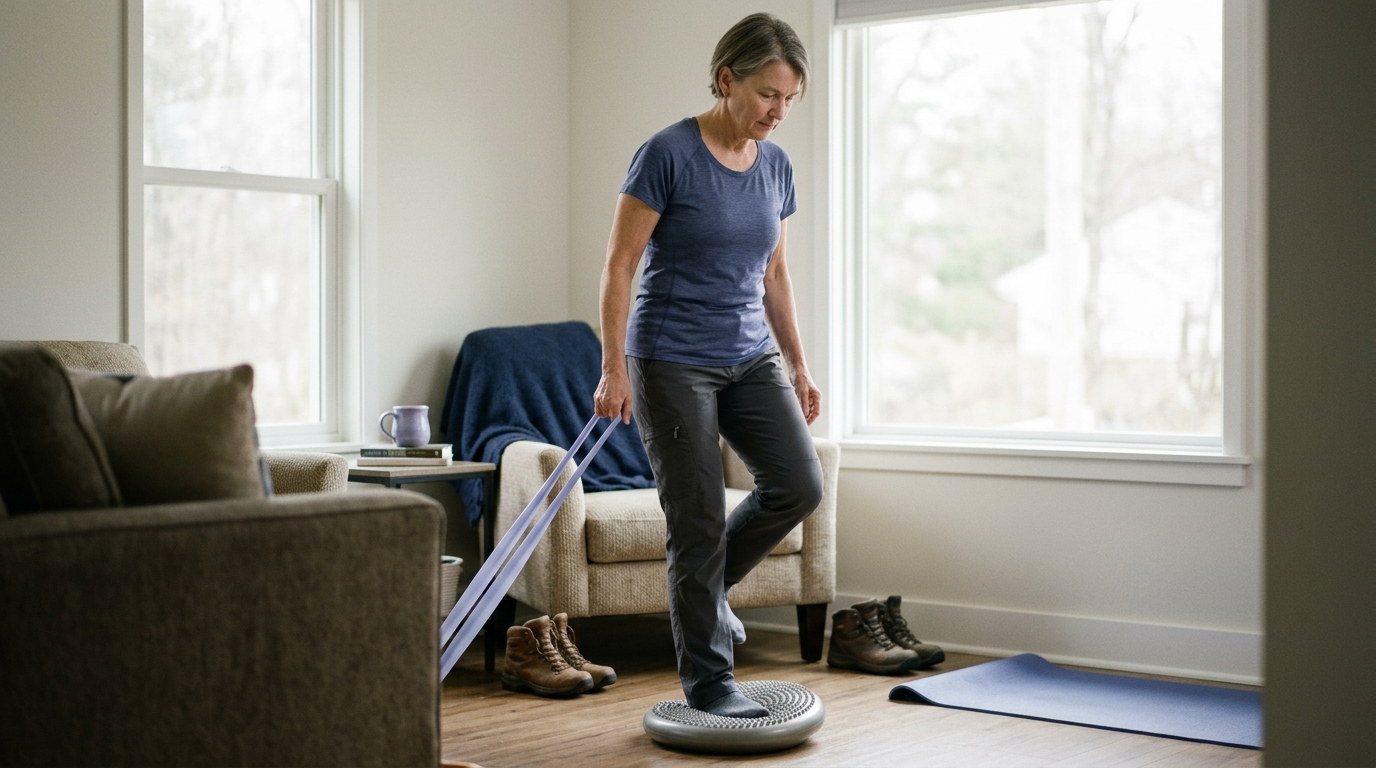
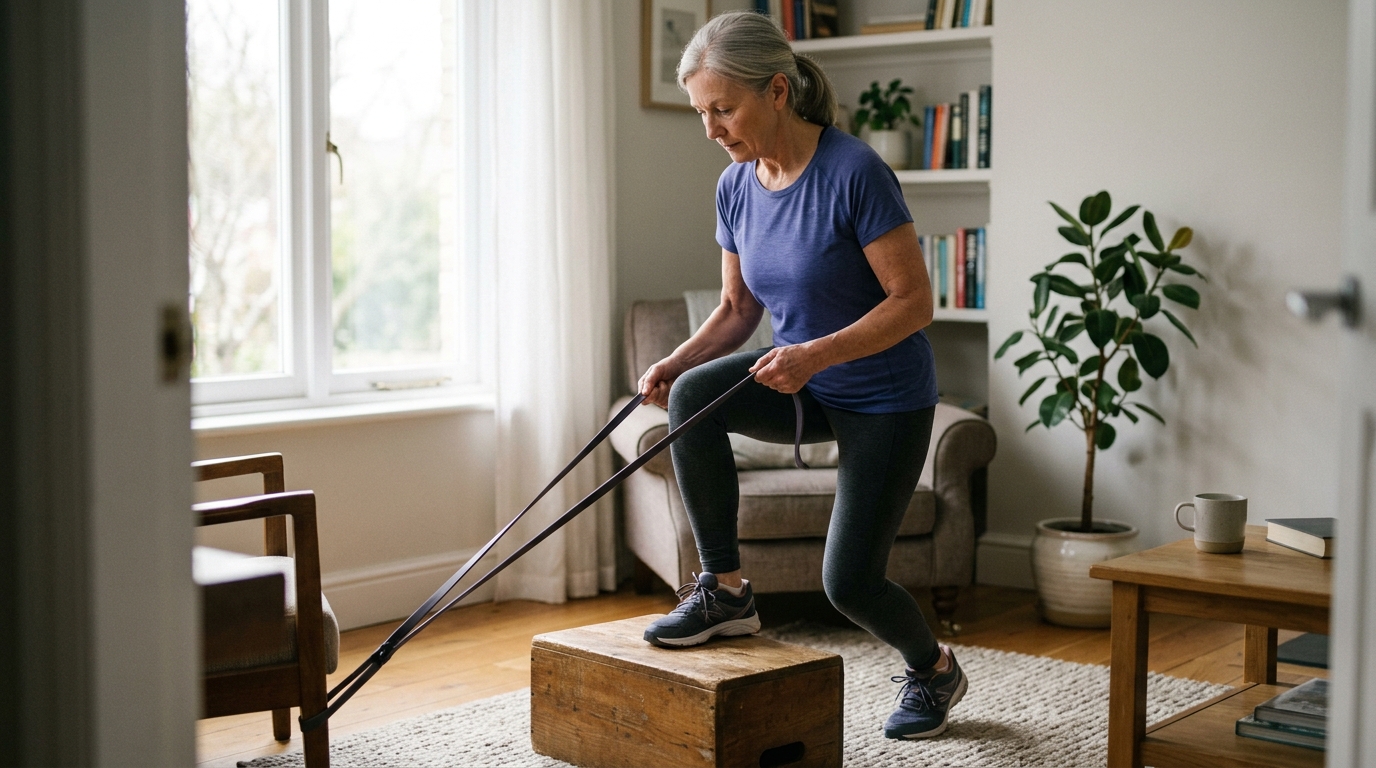
Household items, bodyweight leverage, and simple resistance bands provide more than enough stimulus to restore daily capacity. Standing up from a low chair 10 times builds authentic functional leg power. Pushing against a solid wall challenges chest and core stability. Focus on movement quality in your own living space before worrying about gym equipment.
Muscle effort feels like a dull, burning sensation during exercise, followed by mild, generalized stiffness the next day. This is a normal, healthy response to exercise.
Sharp, pinching, or stabbing pain inside a joint is fundamentally different. Pushing through joint pain often irritates tendon insertions and inflames joint capsules, leading to forced periods of complete rest. If an exercise hurts a specific joint, stop immediately. Adjust the range of motion, alter your foot or hand position, or substitute an alternate exercise that trains the same muscle group without joint irritation.
People returning from illness or injury frequently express frustration at how weak they feel. They may view their physical state as a character flaw or a loss of discipline.
Deconditioning is an entirely predictable biological adaptation. The human body conserves energy by downregulating tissues that are not being actively used. Reframing your situation from a moral failing to a biological reality removes guilt and allows you to approach rebuilding as a steady, objective physical process.
Walking is an outstanding activity for cardiovascular health, mental well-being, and basic metabolic function. However, walking alone provides limited stimulus for muscle hypertrophy and maximum force production.
Walking relies primarily on low-intensity, rhythmic contractions of slow-twitch muscle fibers. To preserve and rebuild fast-twitch fibers, which are essential for balance recovery, stair climbing, and rising from chairs, you must expose muscles to progressive resistance. Combining daily walking with two to three short resistance sessions provides the best overall physical outcome.
A practical method for measuring exercise effort is the Rating of Perceived Exertion (RPE) scale, which runs from 1 to 10. A score of 1 represents sitting quietly, while 10 represents maximum, all-out physical effort.
When rebuilding after long inactivity, aim for a moderate intensity between 4 and 6 on this scale. At this level, you should feel your muscles working, and your breathing will be elevated, but you should still be able to speak in short sentences. If you are gasping for air or your form breaks down, the intensity is too high for your current stage of reconditioning.
Setbacks and minor illnesses are a normal part of life. If you miss several days or a full week of training, resist the urge to jump back in at your previous peak volume, and never try to make up for missed workouts by doubling up.
When resuming exercise, step back one or two levels in your progression. If you were performing three sets of eight repetitions before falling ill, return with one or two sets of five or six repetitions. Evaluate how your body responds over 48 hours before gradually advancing back to your pre-illness baseline.
Mild muscle soreness, known as Delayed Onset Muscle Soreness (DOMS), is very common when reintroducing physical activity. It typically appears 24 to 48 hours after a session and feels like a general, dull ache when moving or touching the muscle.
DOMS is harmless and reflects microscopic structural adaptations within muscle fibers. However, soreness should not be severe or debilitating. If you are so sore that you cannot walk comfortably or perform daily tasks, you performed too much work for your current baseline. Reduce your volume in the next session so that post-exercise soreness remains mild and transient.
Rebuilding strength after extended inactivity requires patience, consistent mechanical loading, and respect for your body's recovery limits. Inactivity rapidly diminishes muscle size, power, and cardiovascular endurance, but structured resistance training can effectively reverse these losses.
Prioritize functional movement patterns that support daily independence, progress one variable at a time, and listen to your body's feedback over a 48-hour window. By maintaining a tolerable baseline and advancing gradually, you can systematically rebuild physical capacity and restore confidence in your everyday movement.

Use ReboundBody resources to understand common recovery stages, rehab terms, movement limits and strength rebuilding. Each guide is designed to make a complex comeback easier to understand.


Read practical guidance on injury recovery, rehabilitation, mobility and rebuilding strength as you work your way back to activity.
Explore Resources