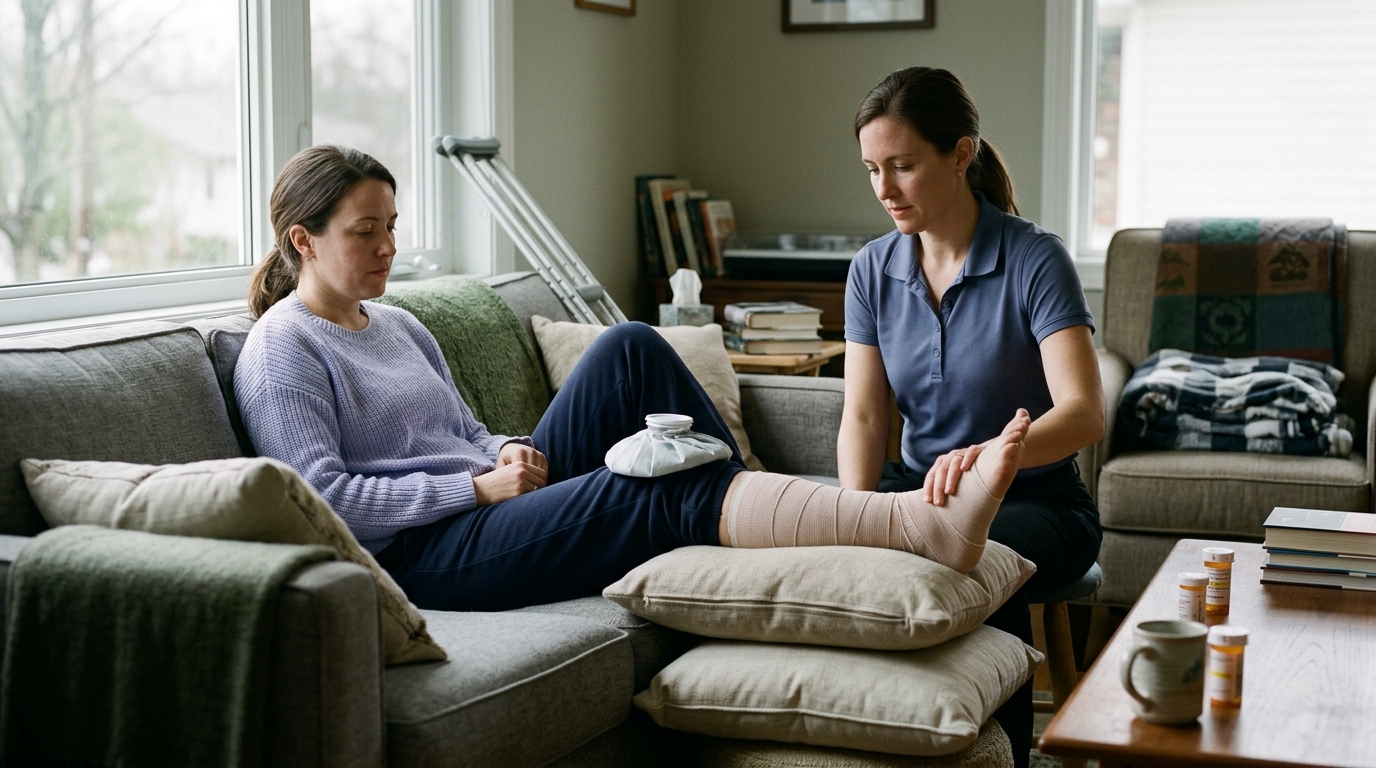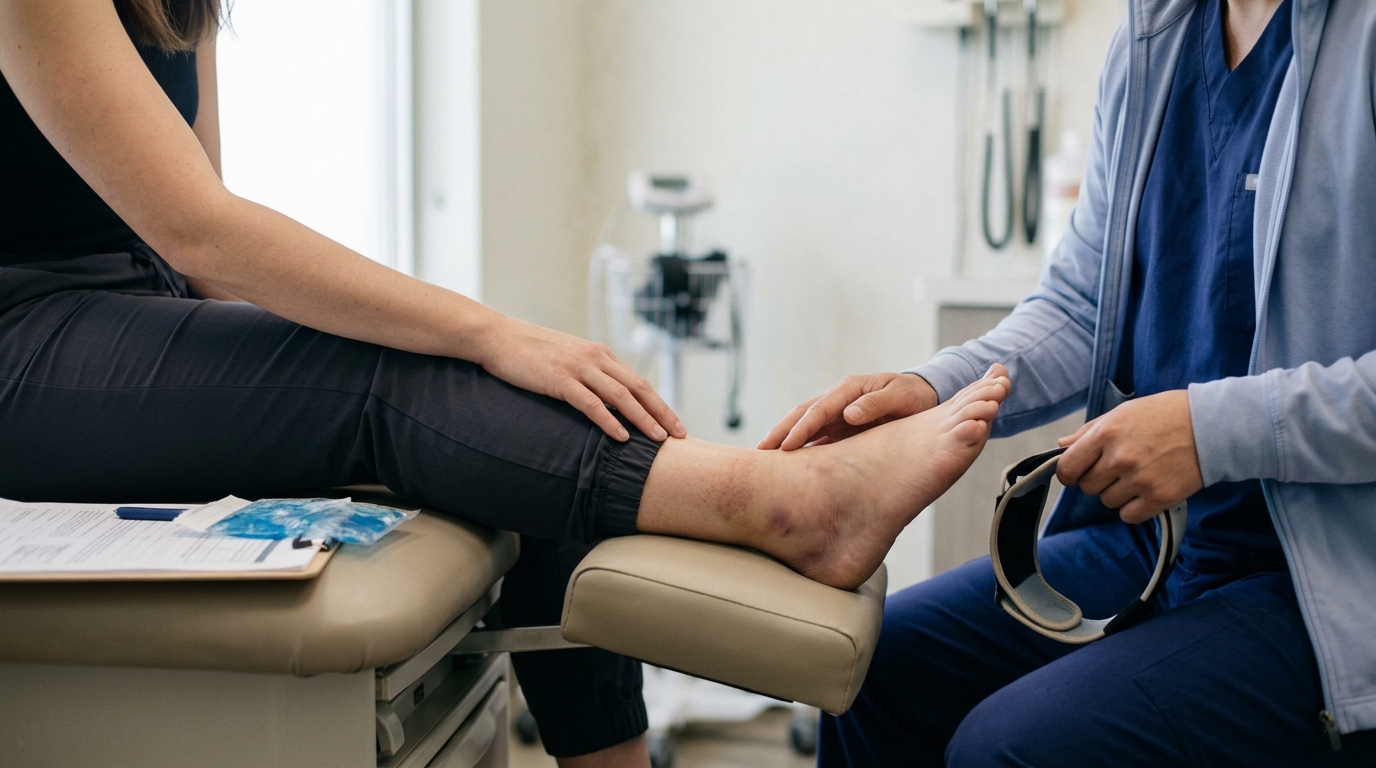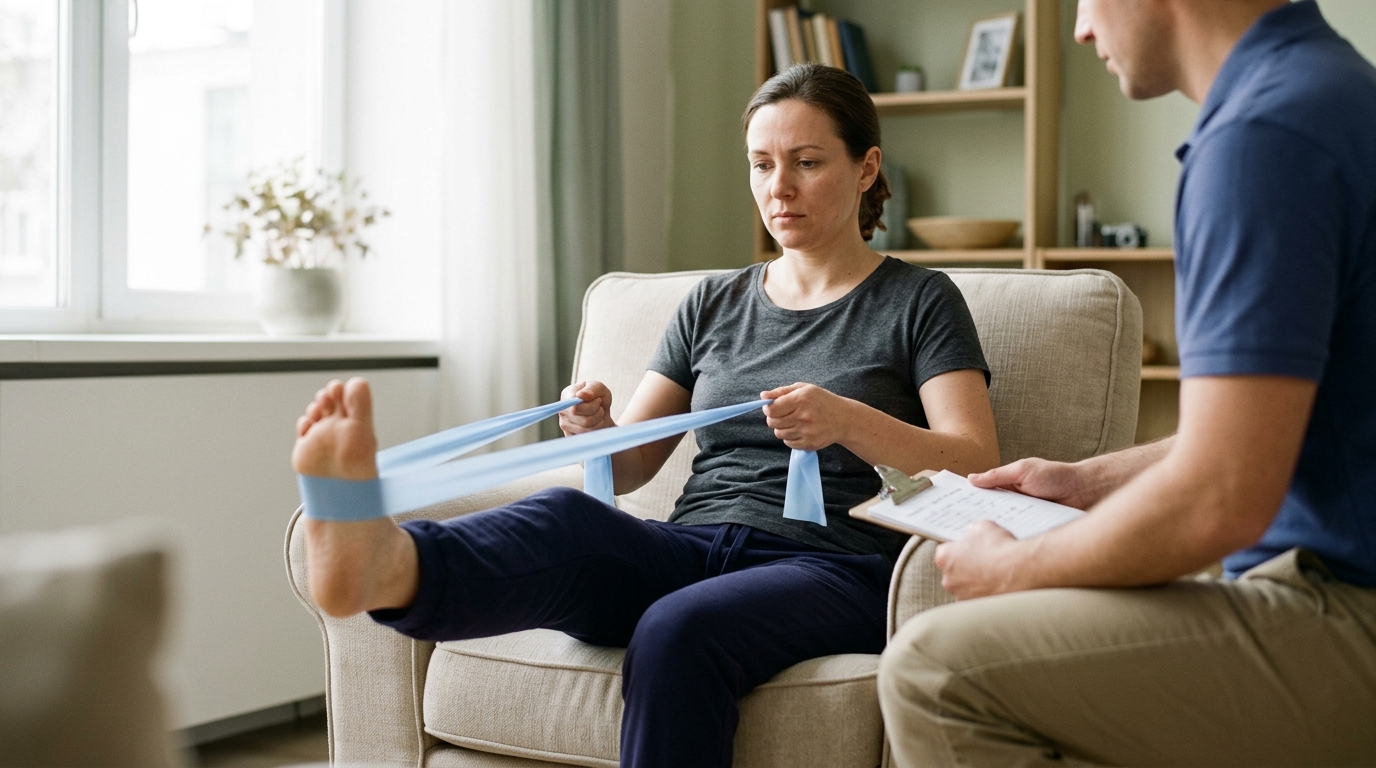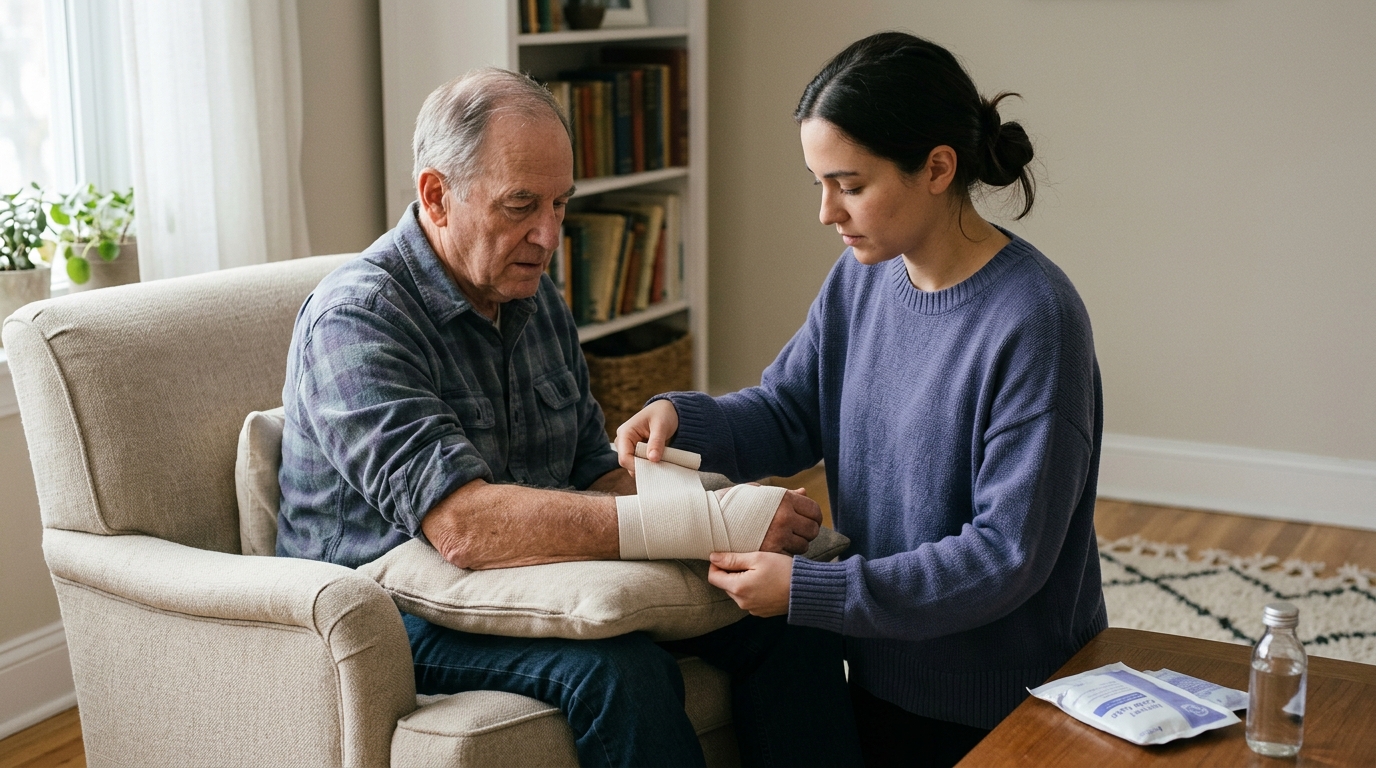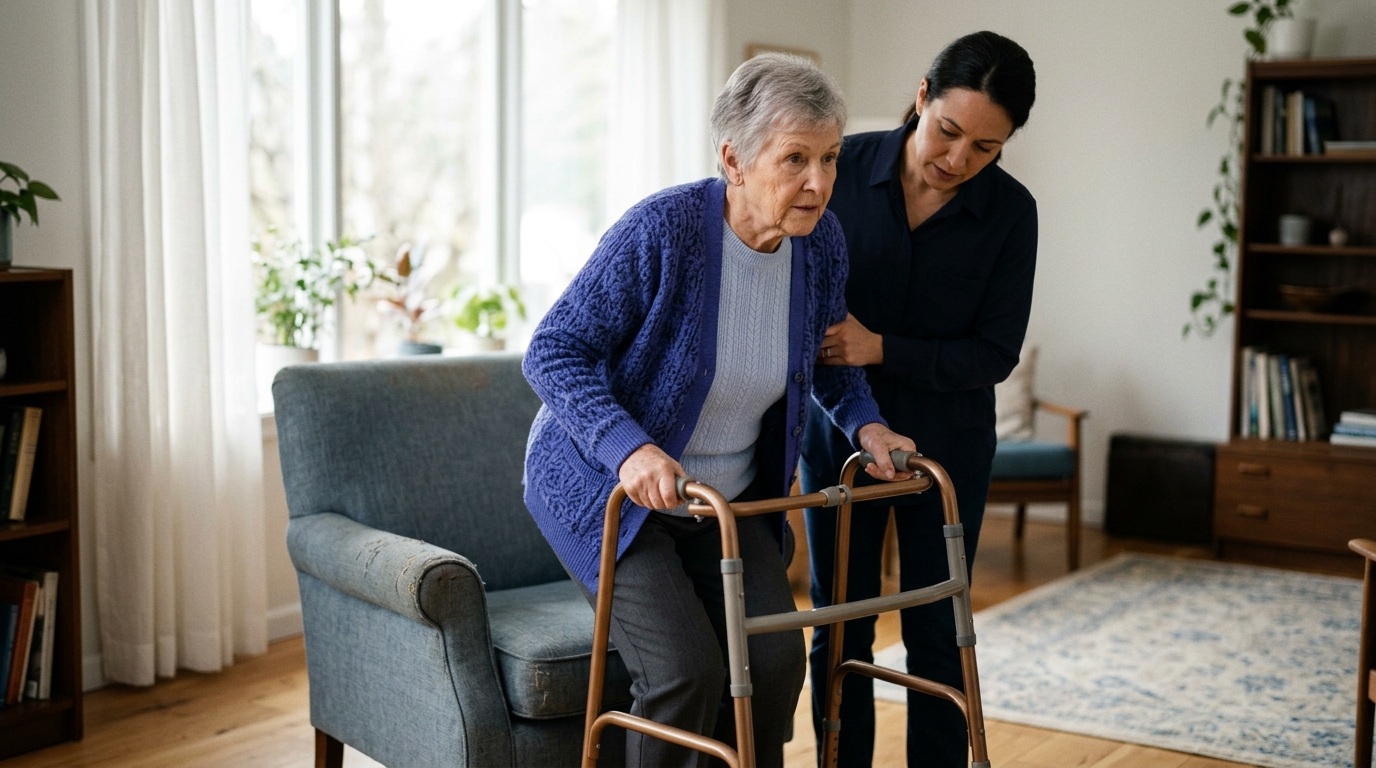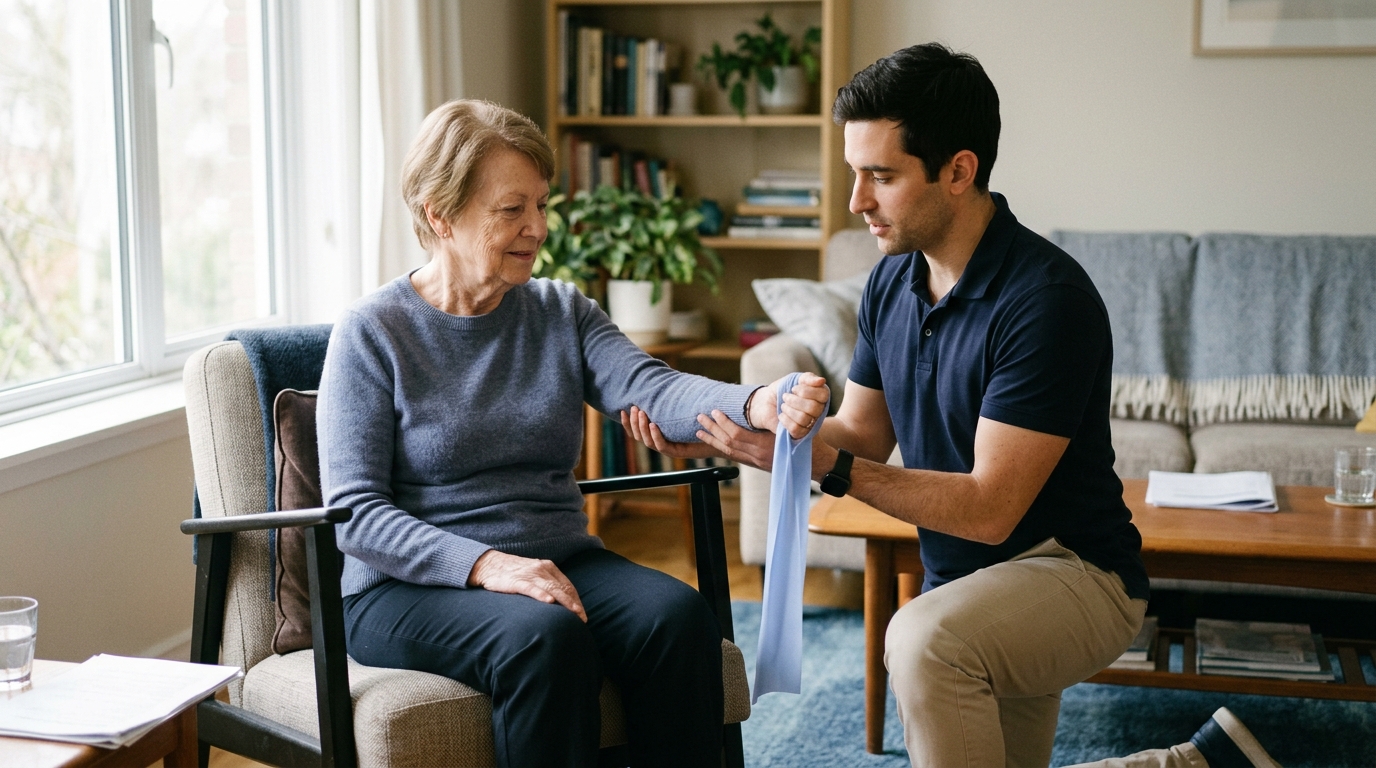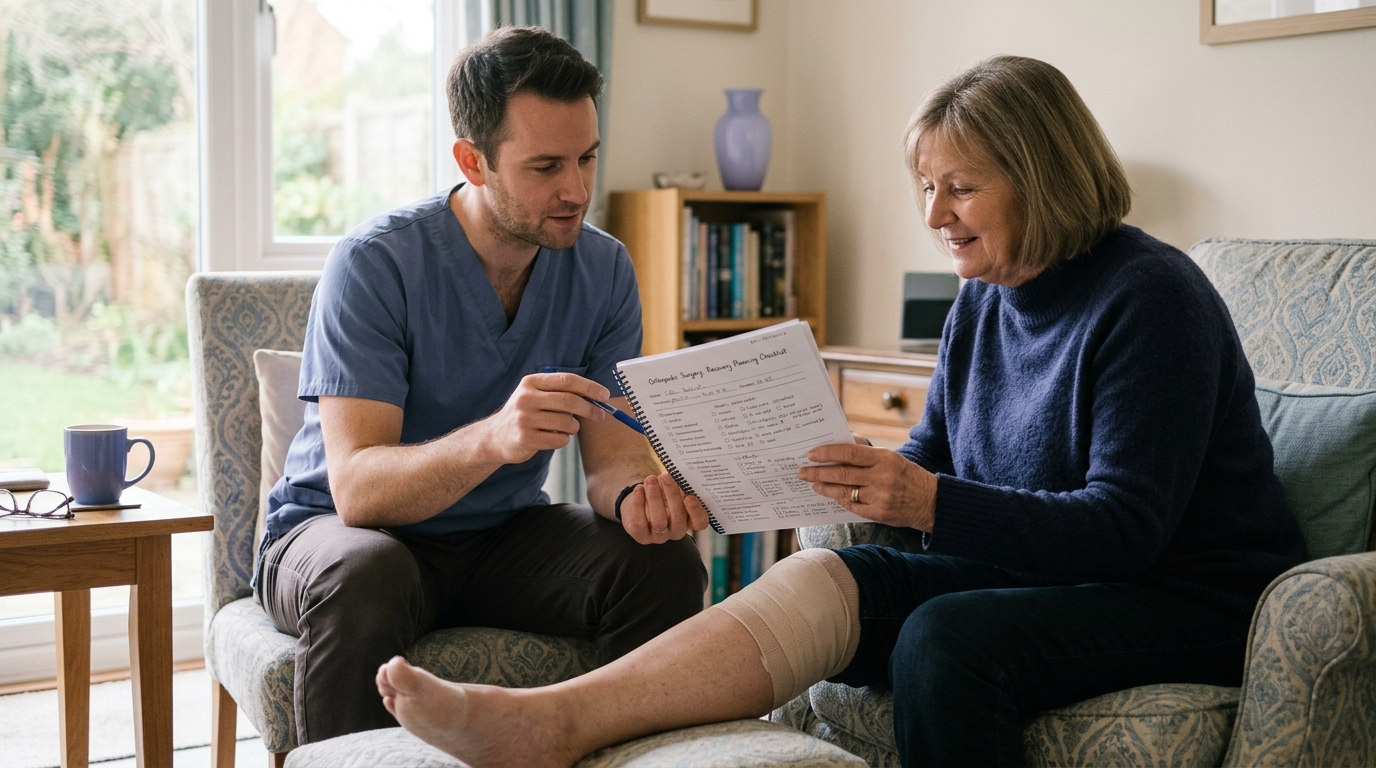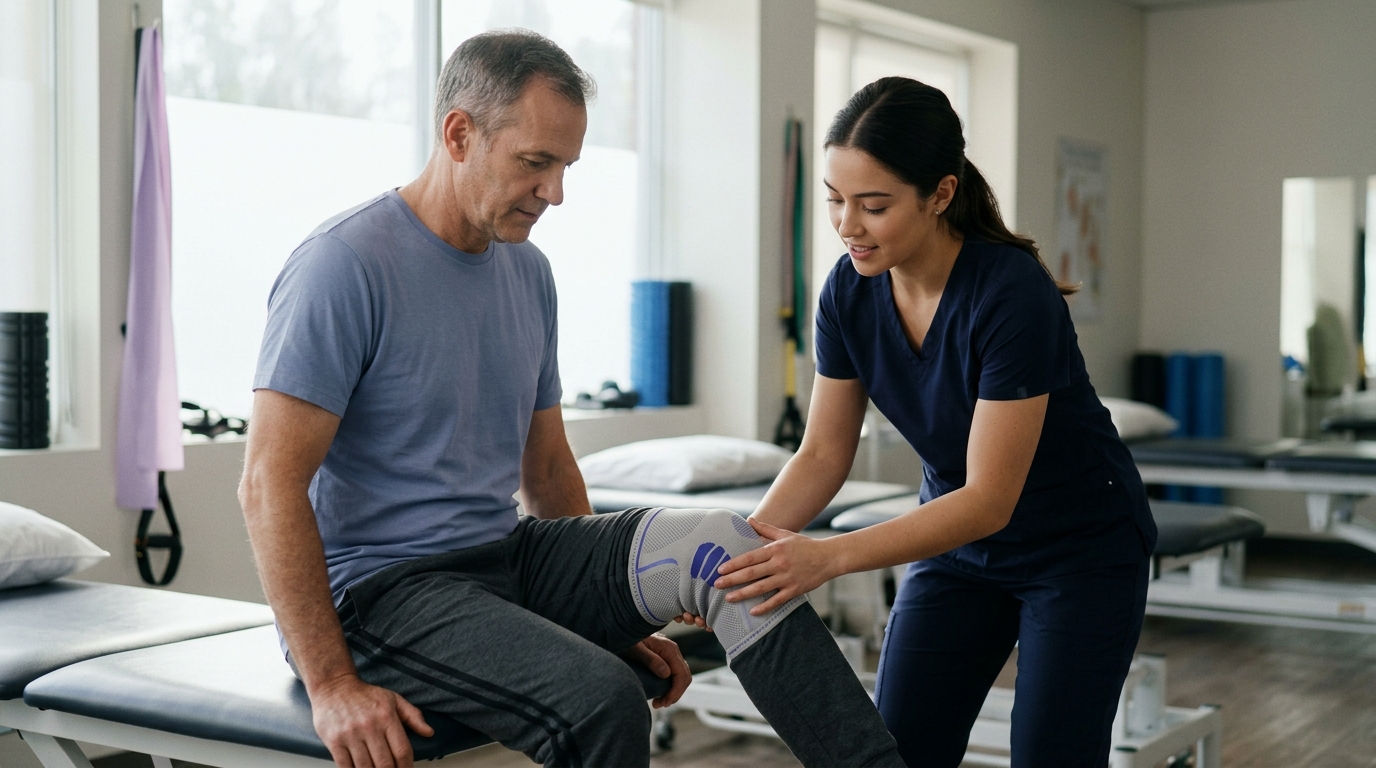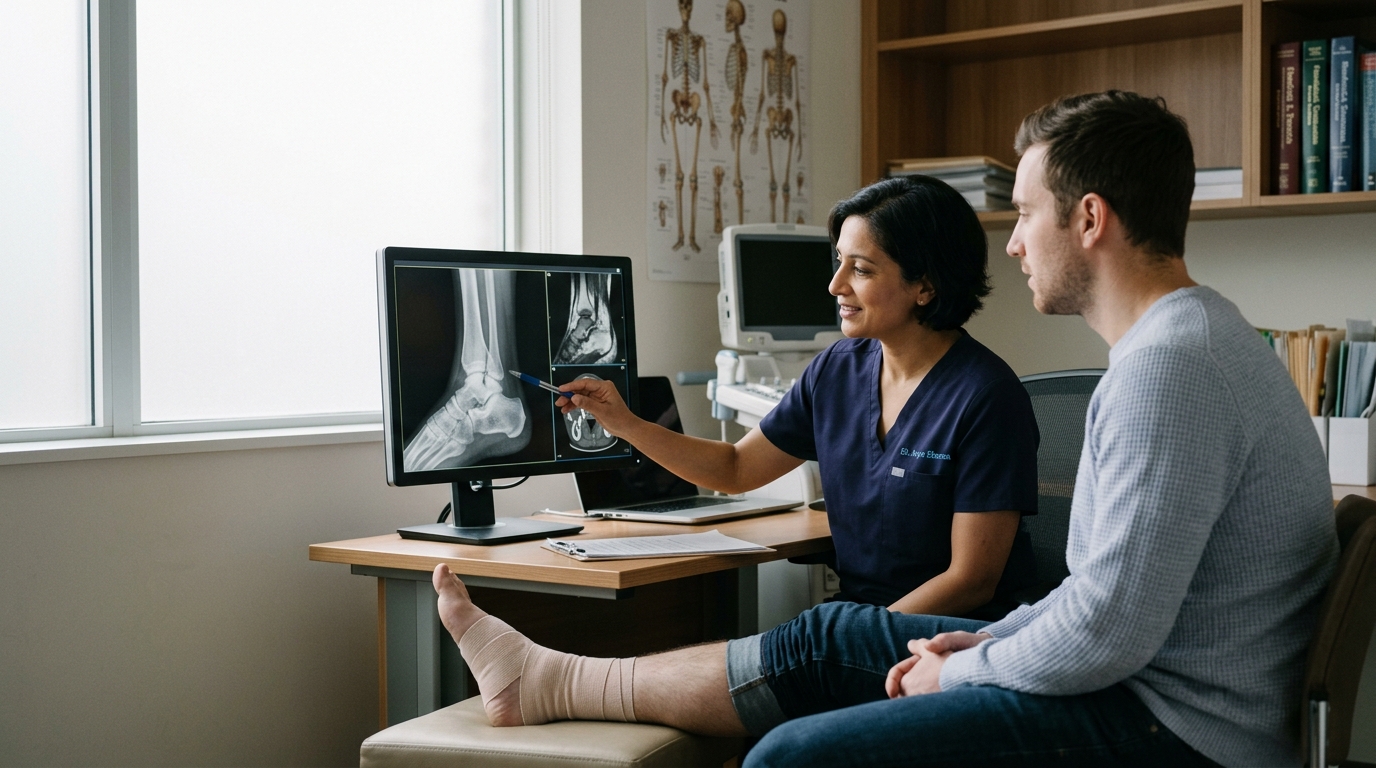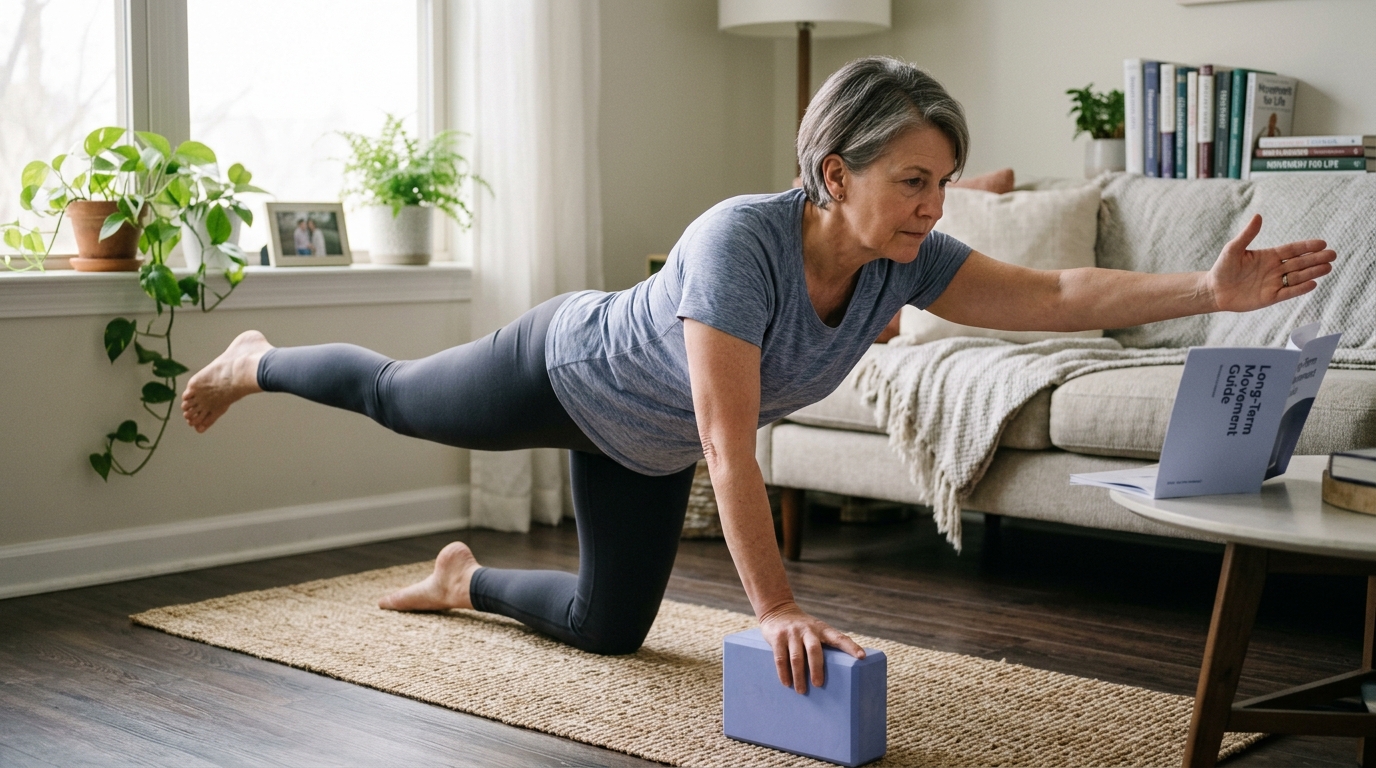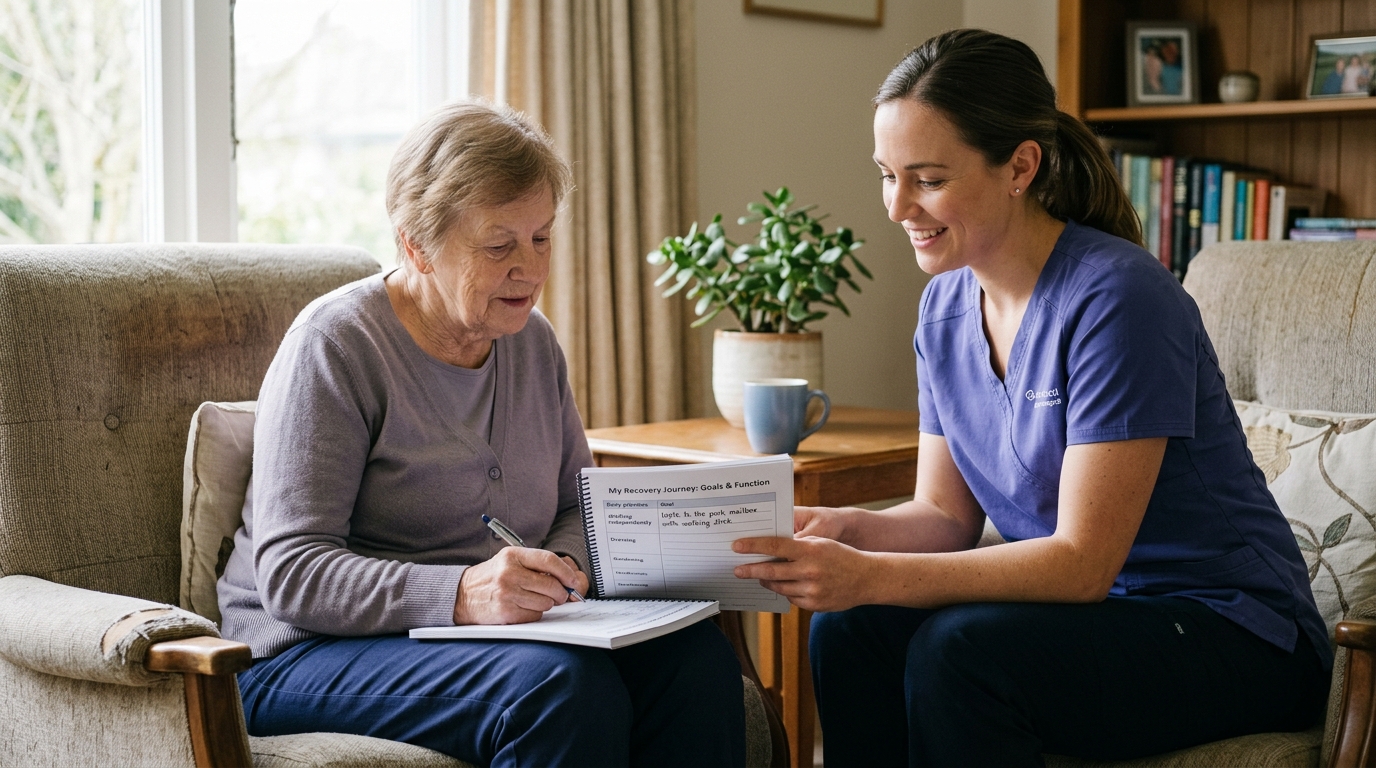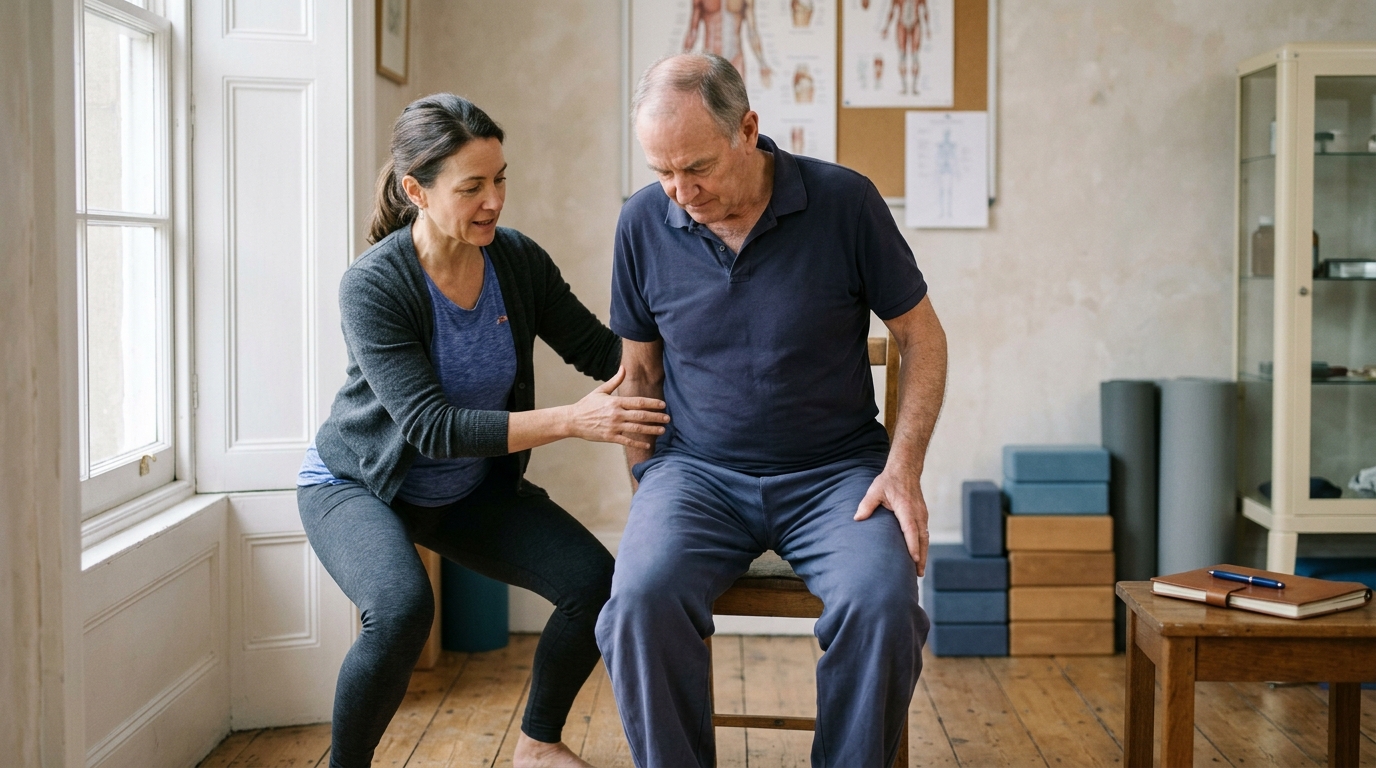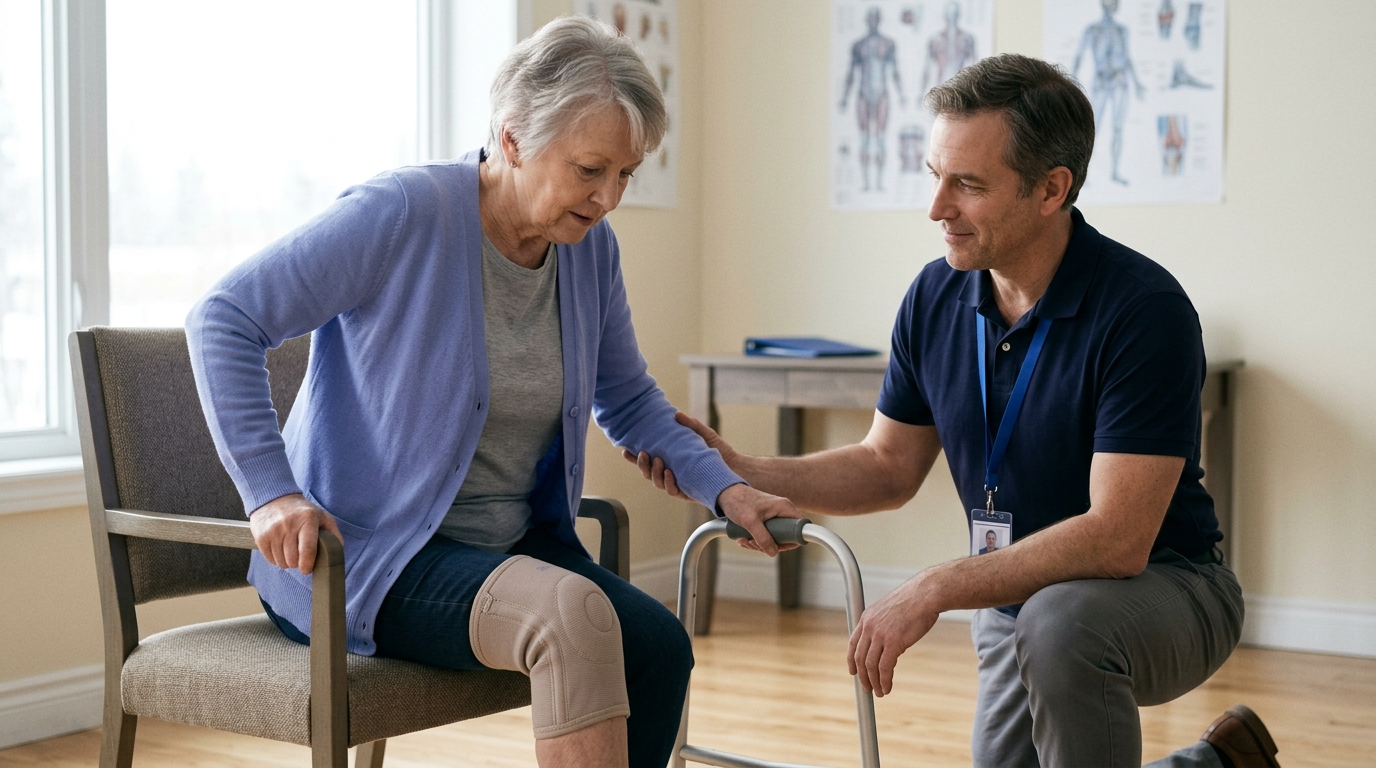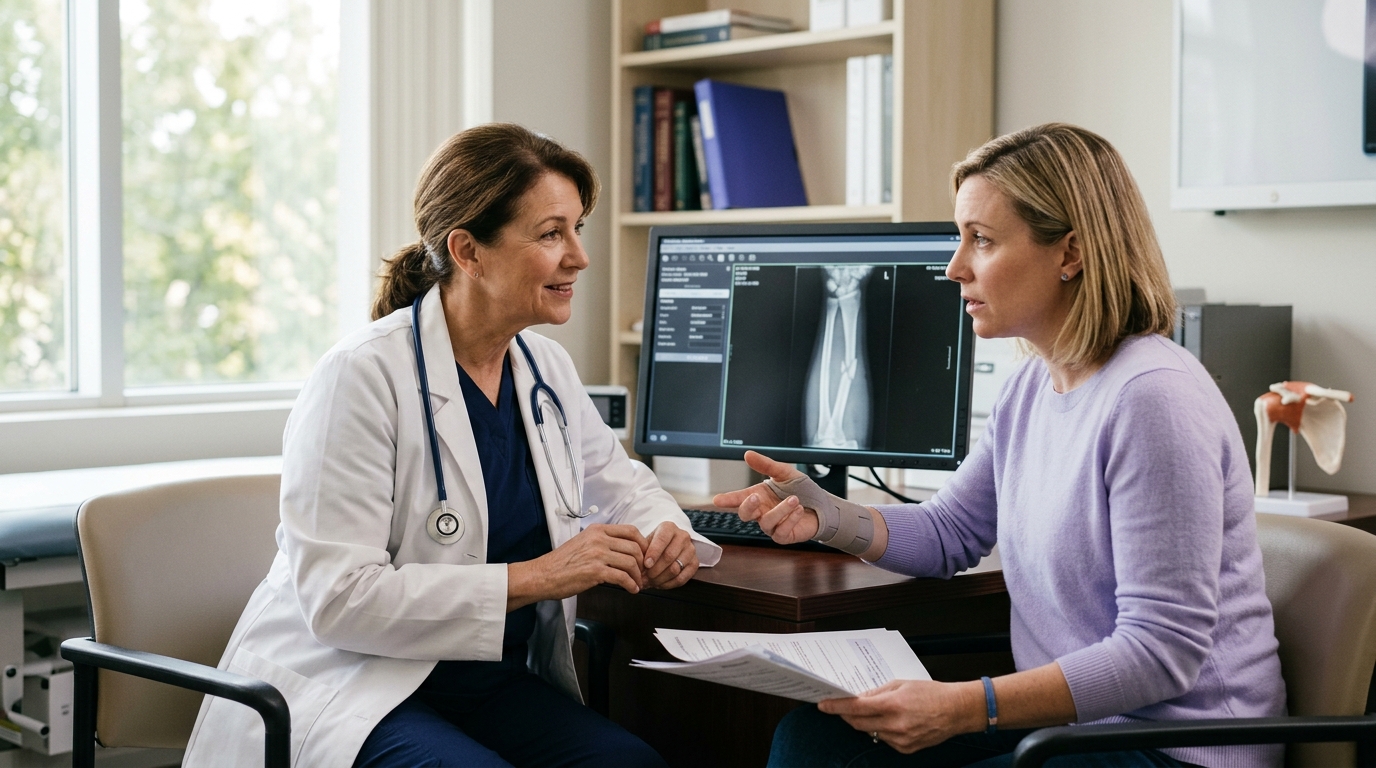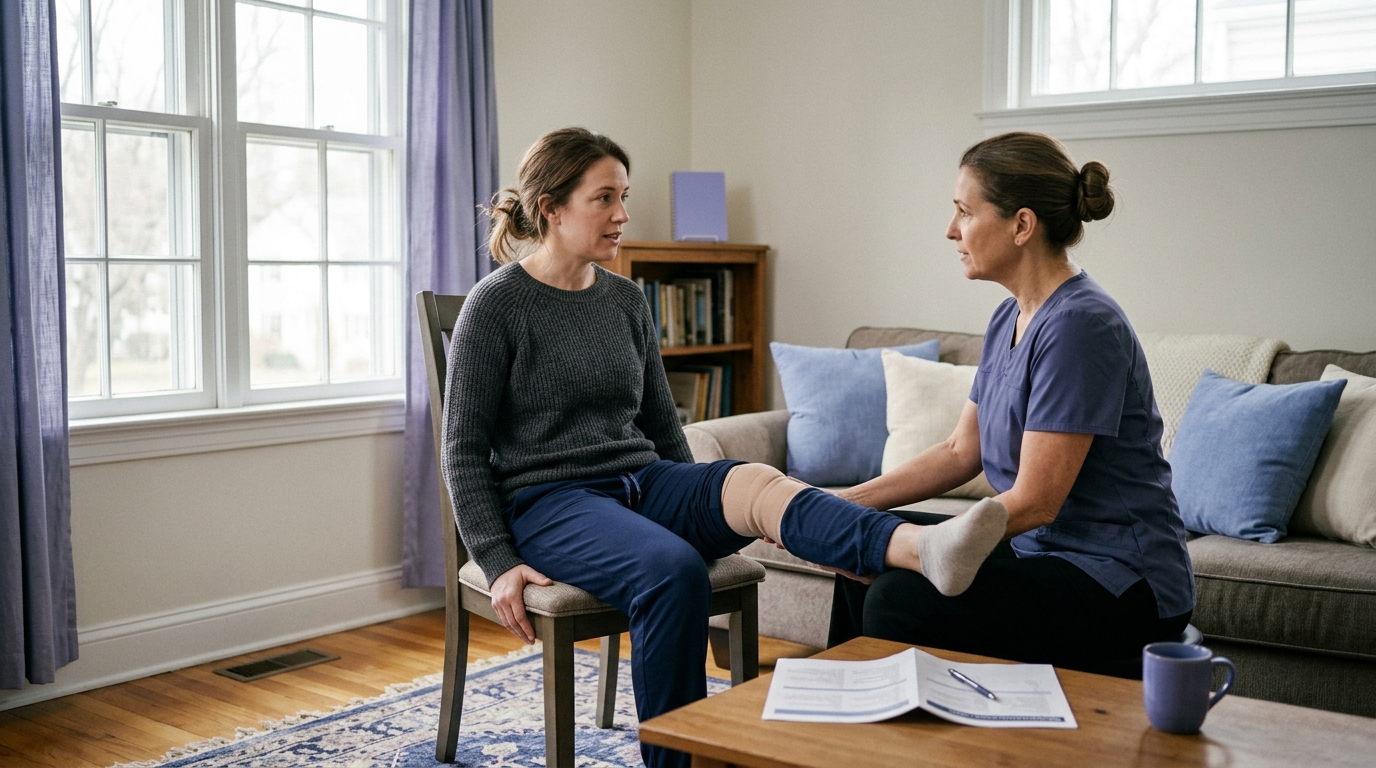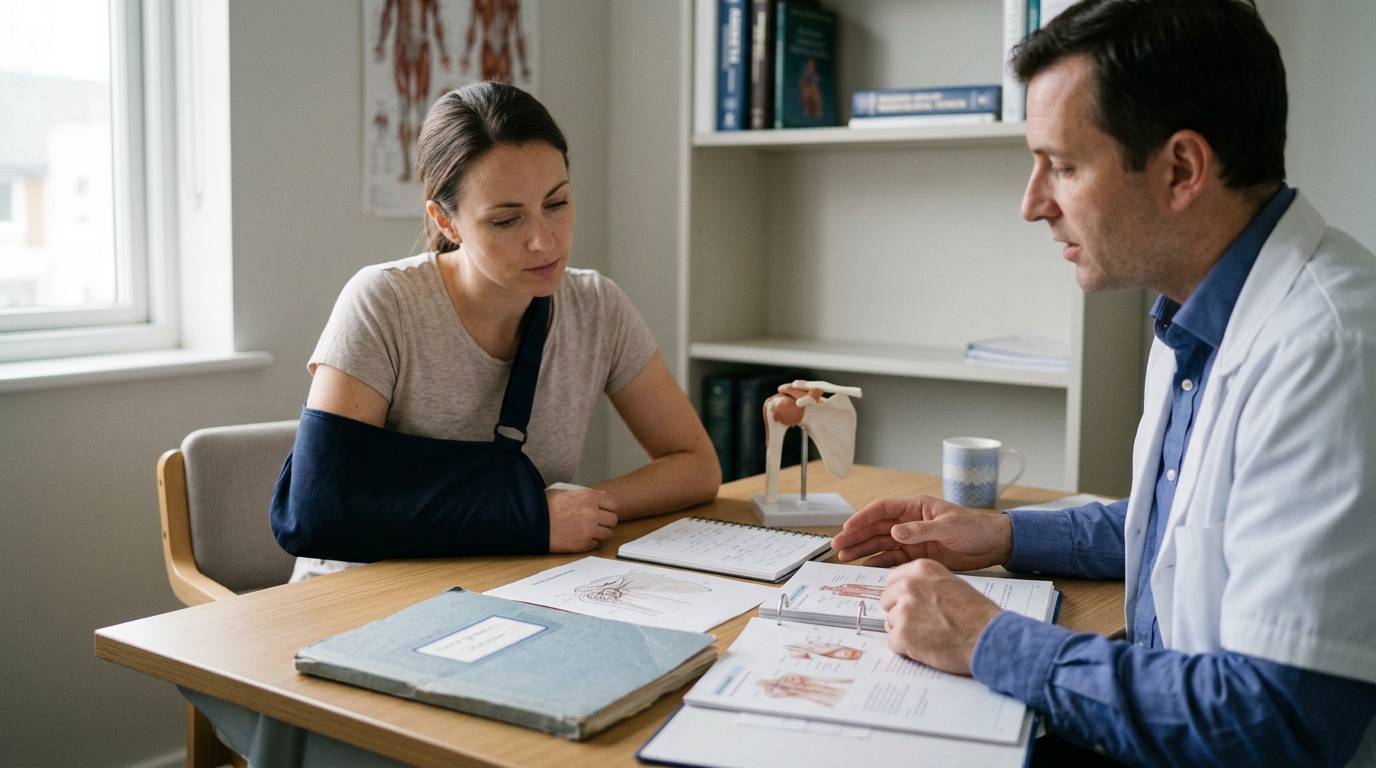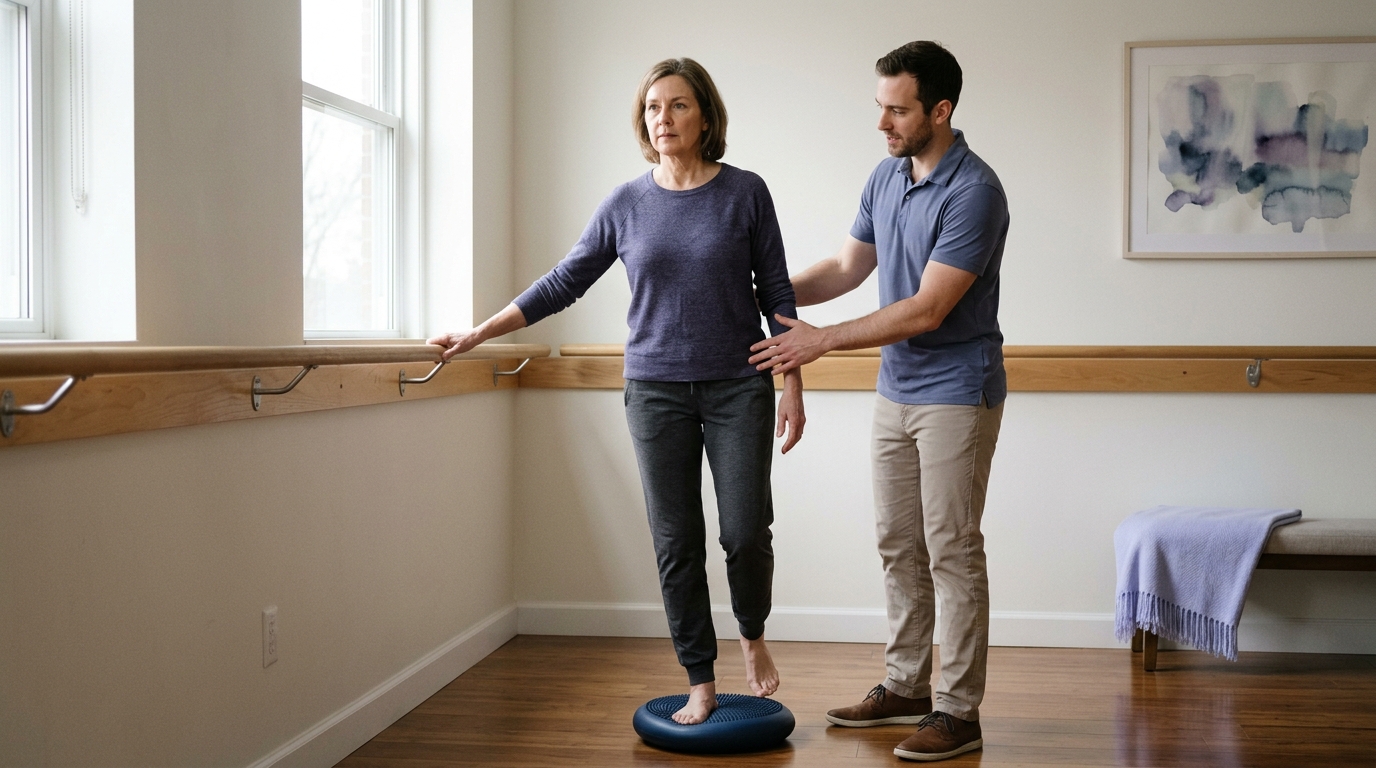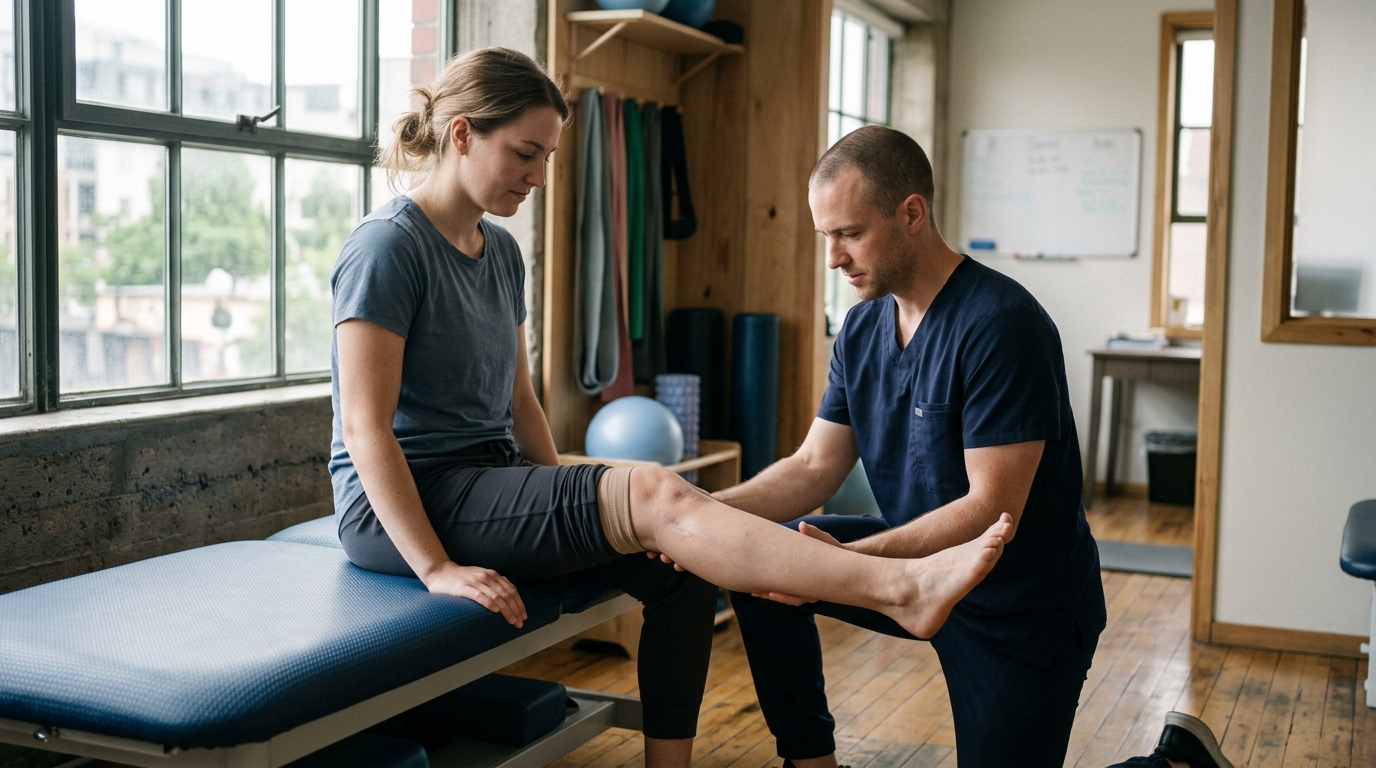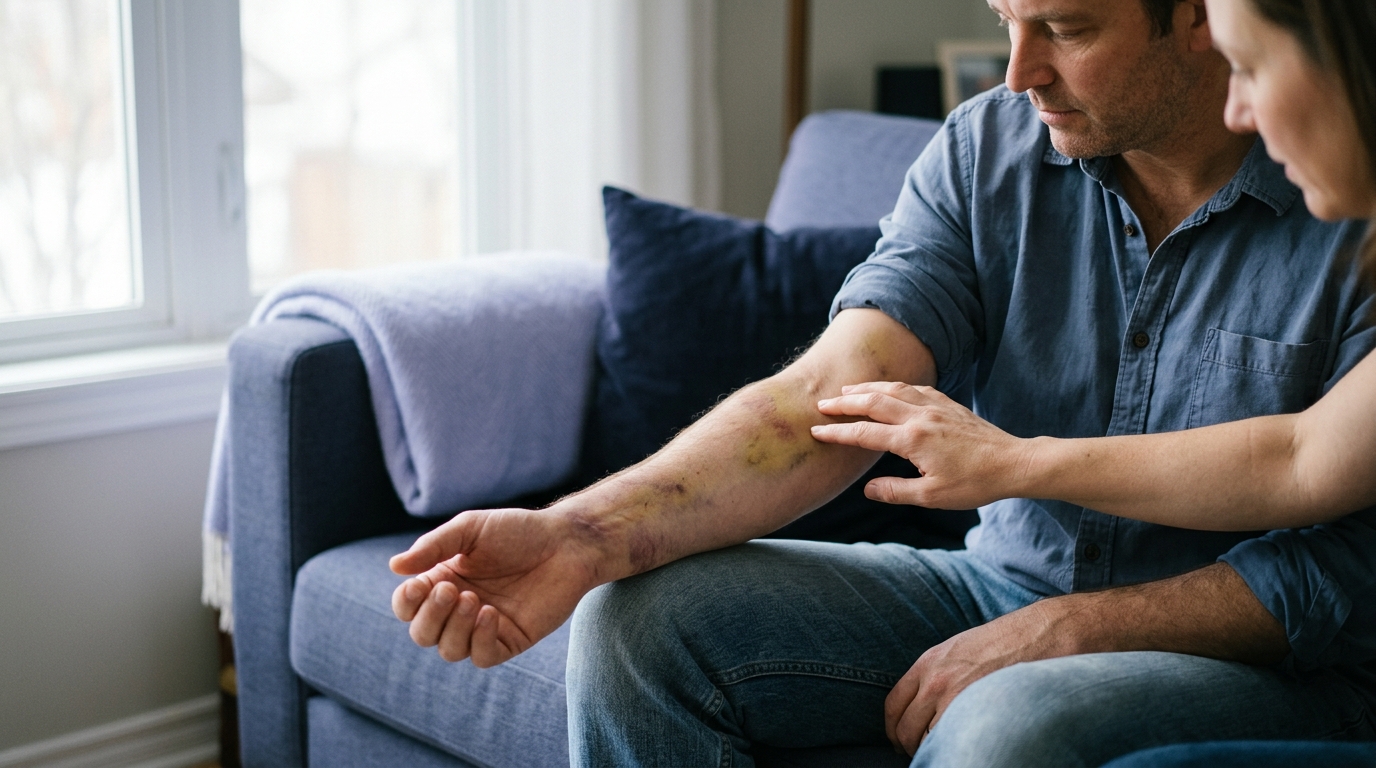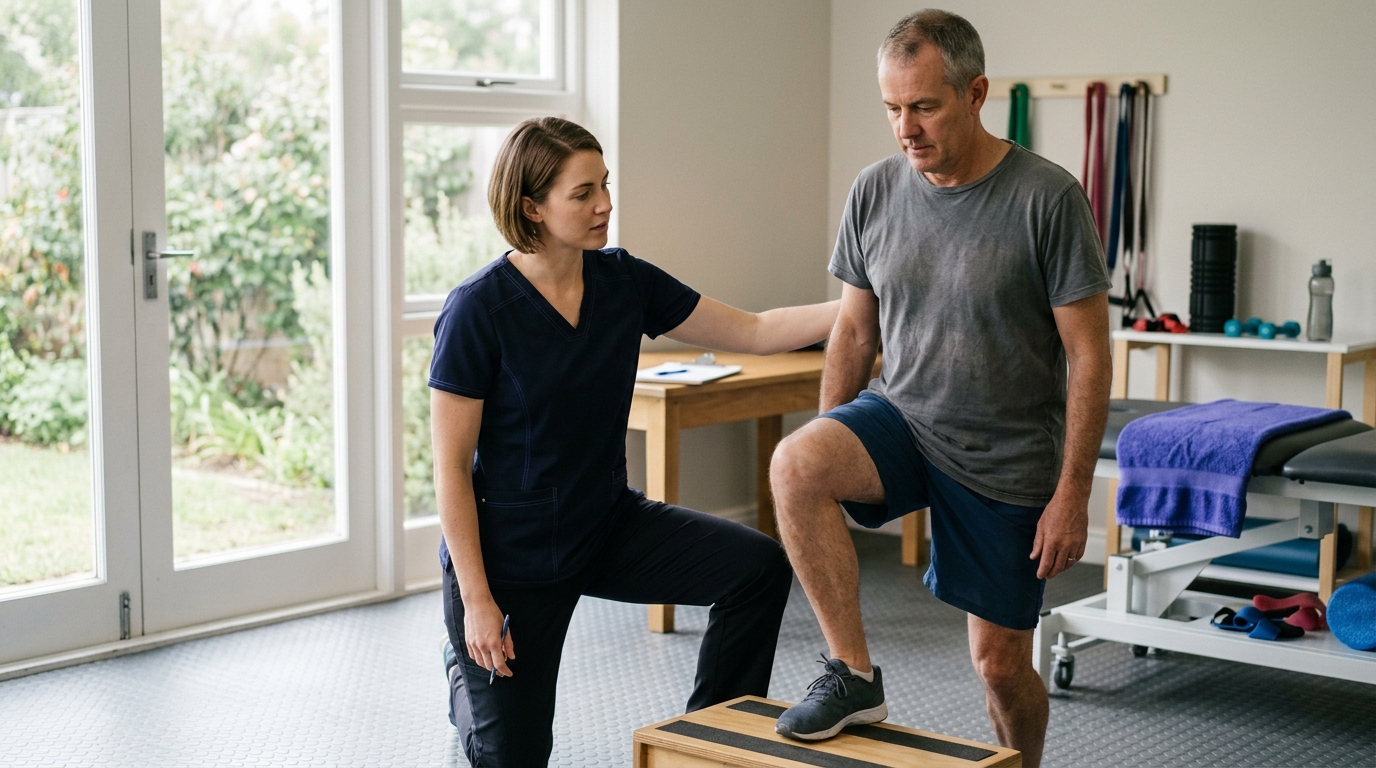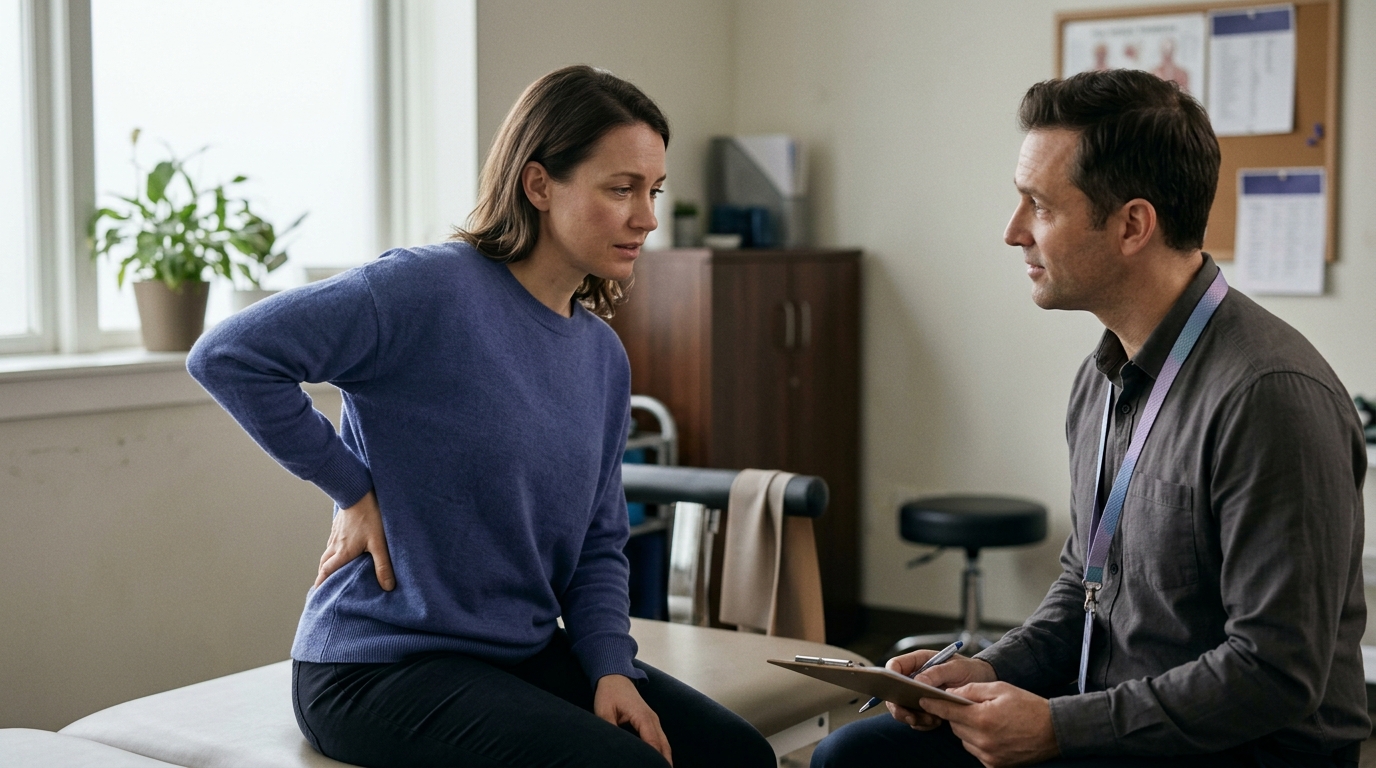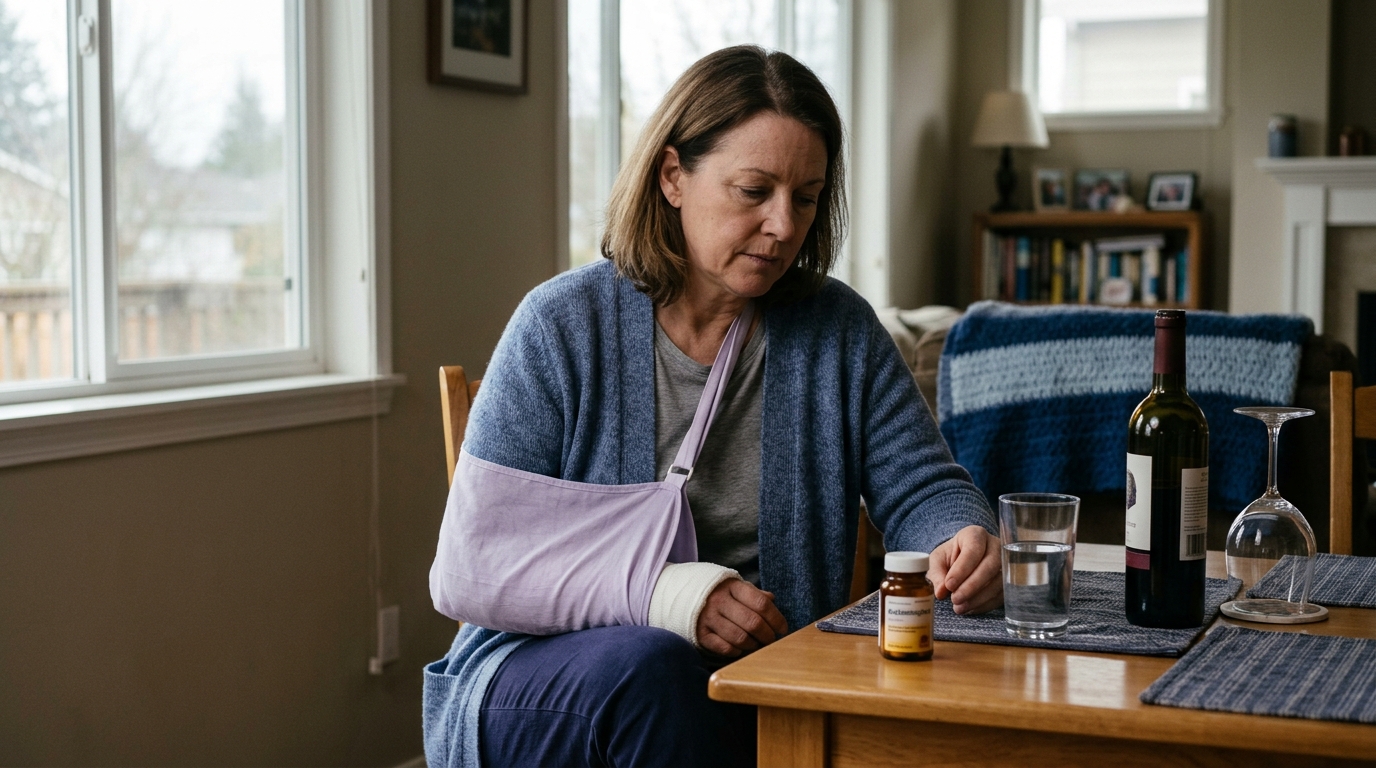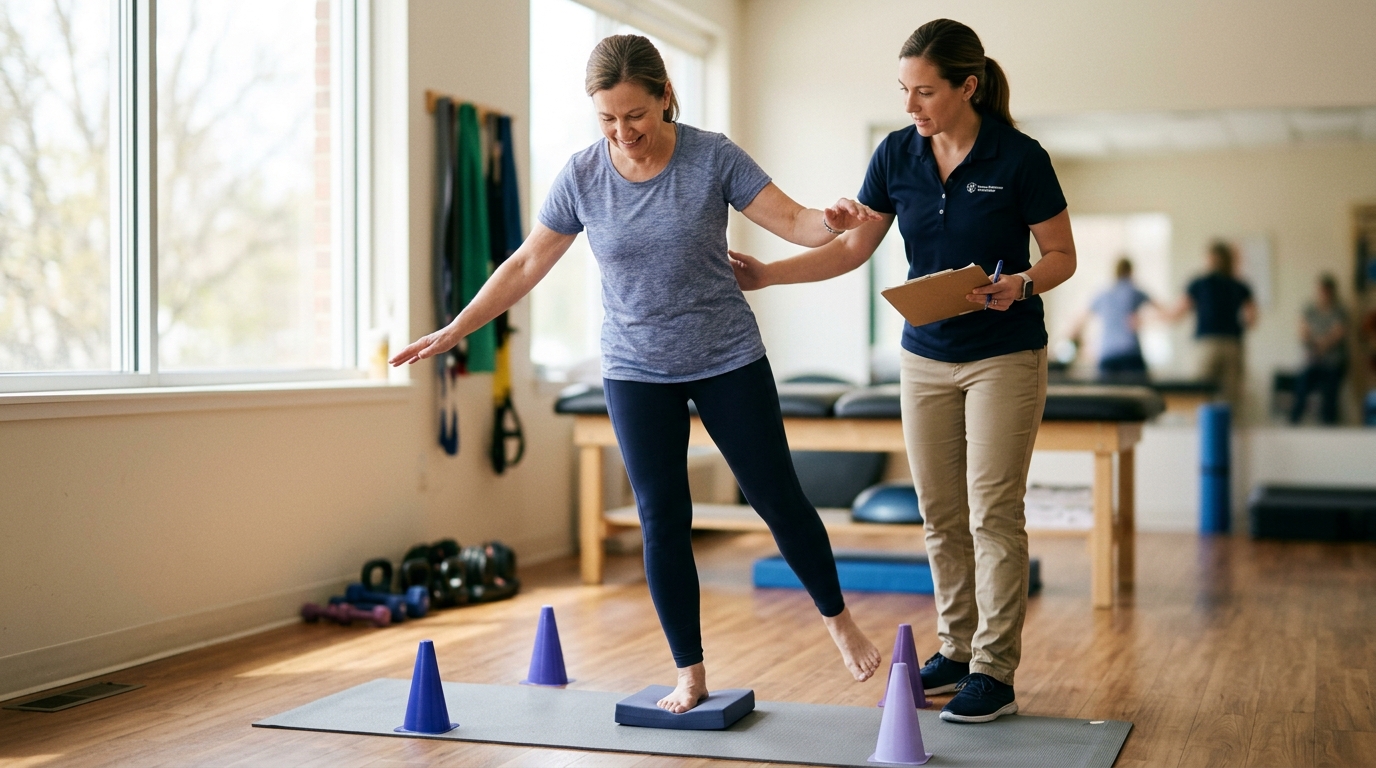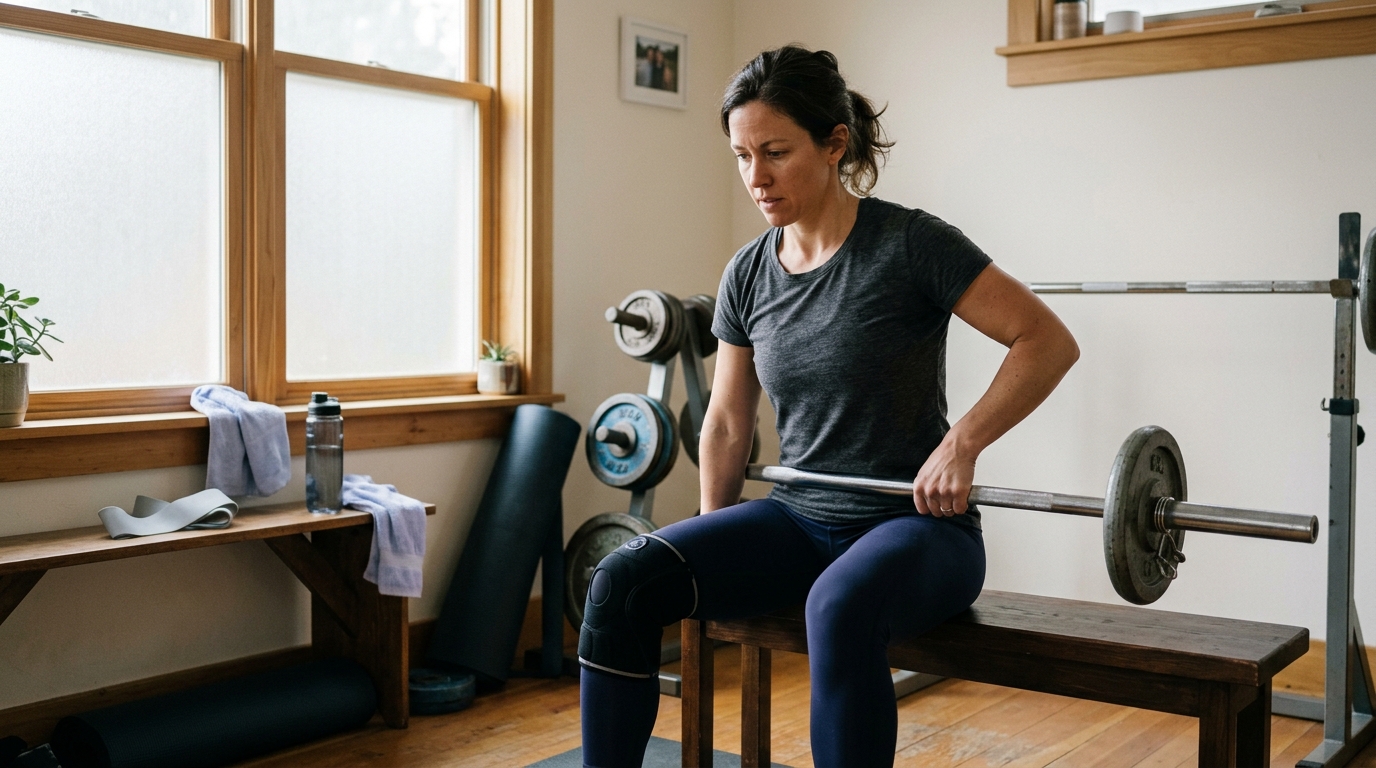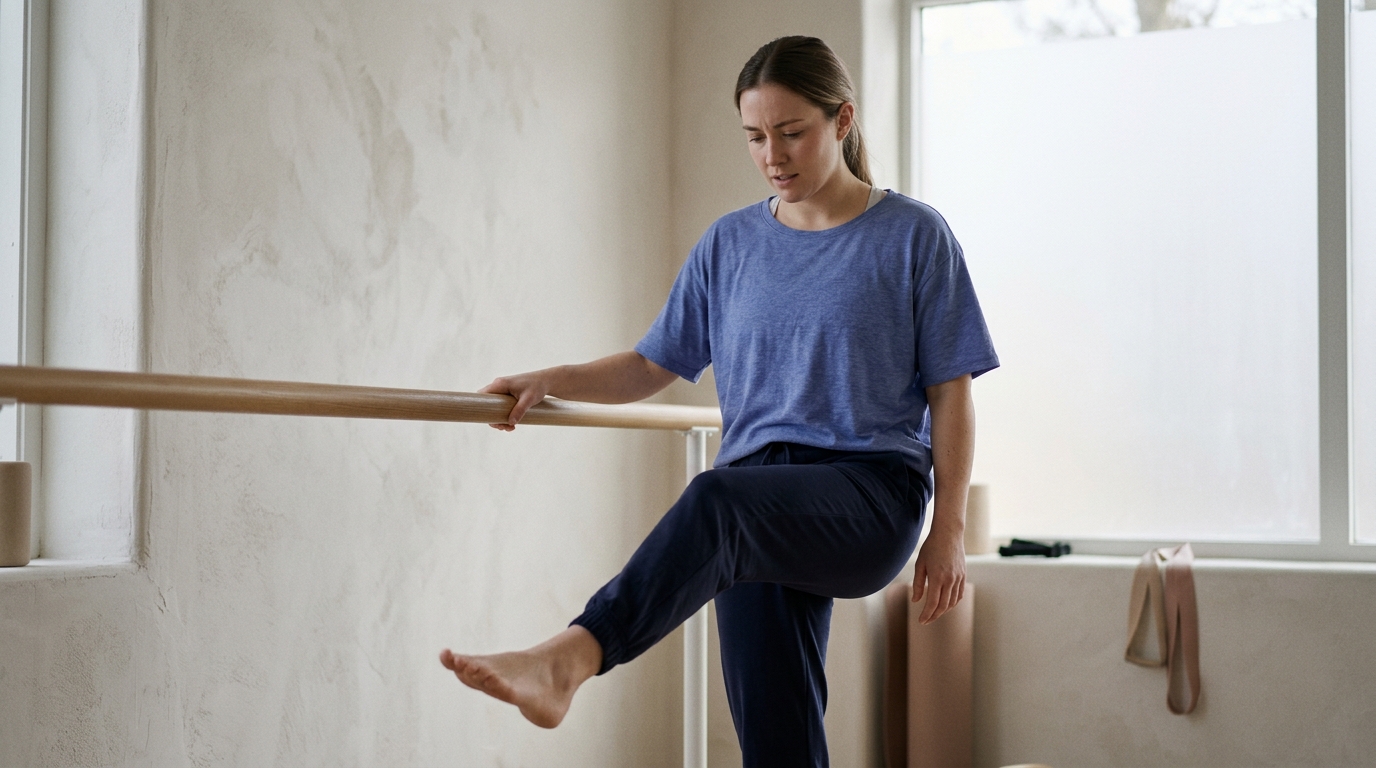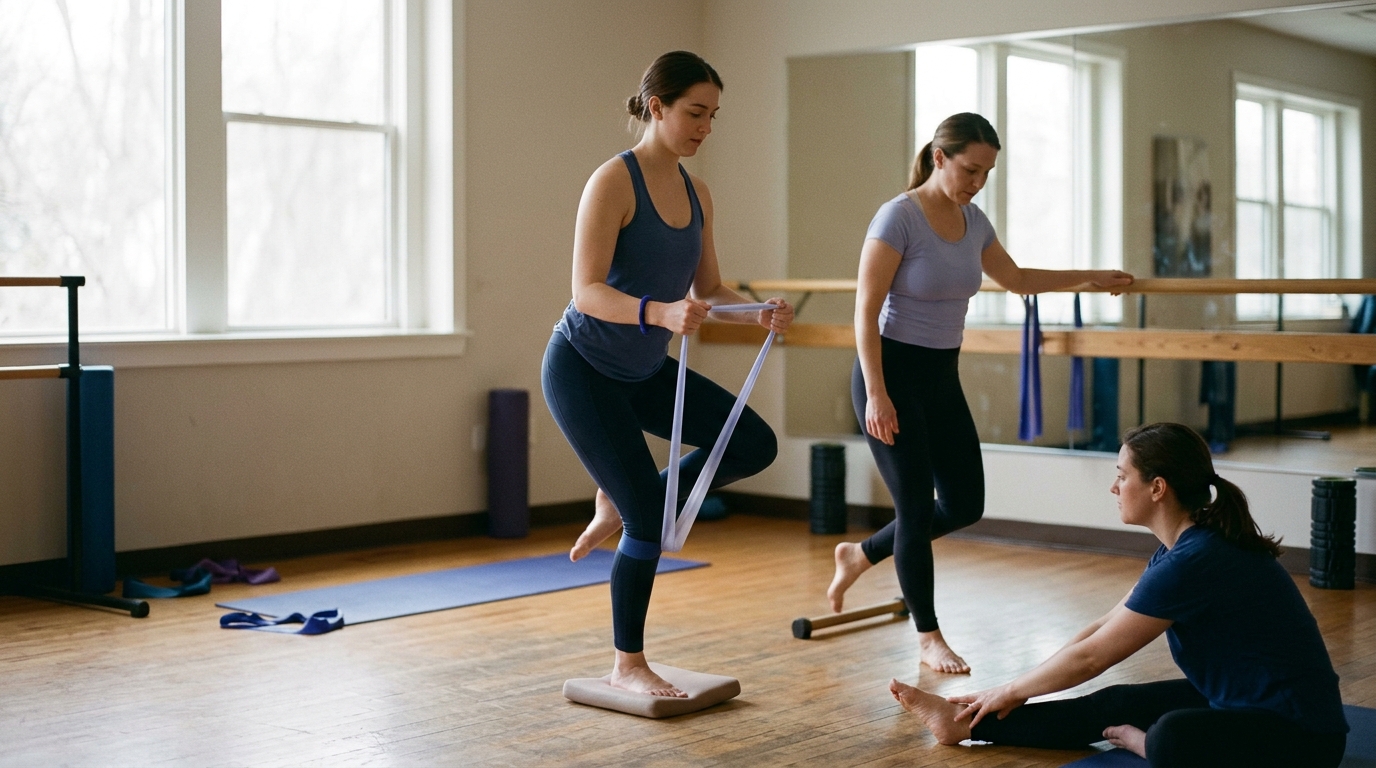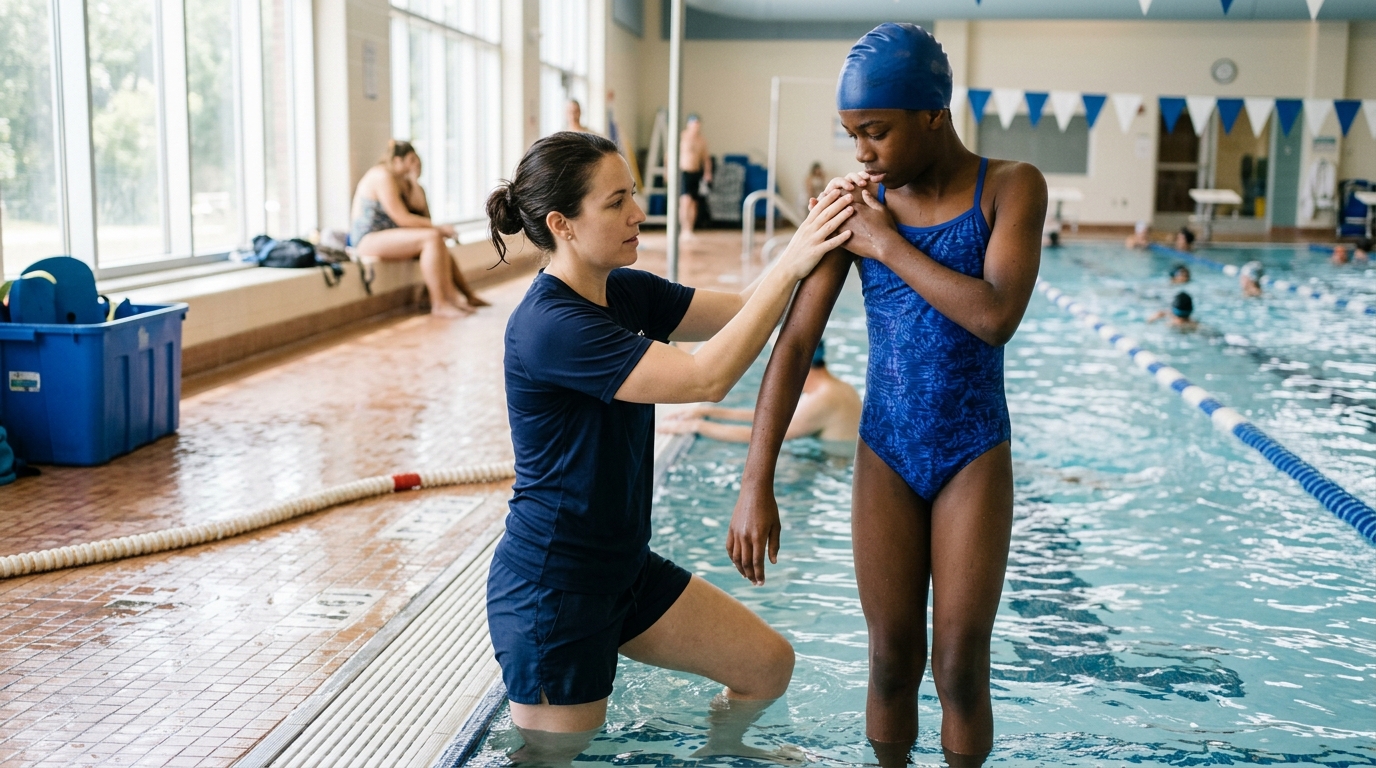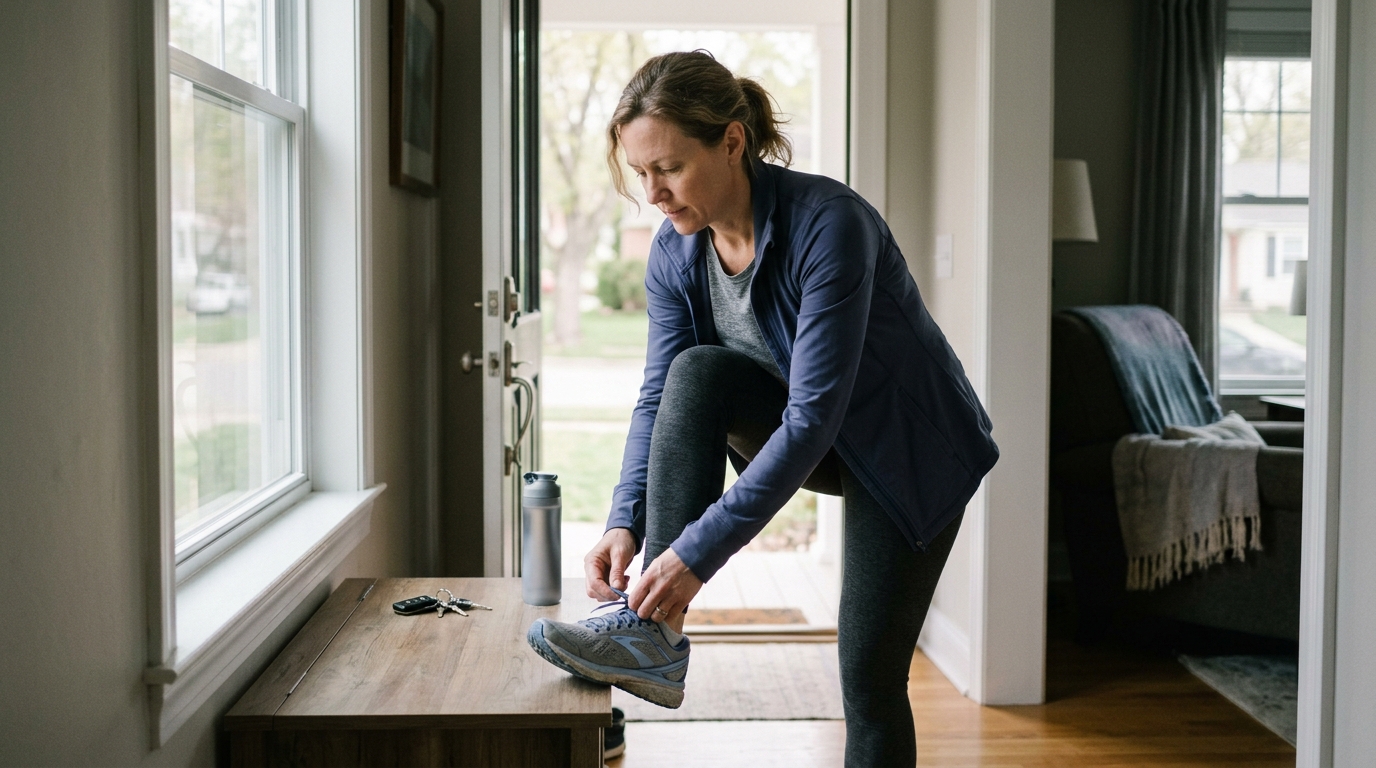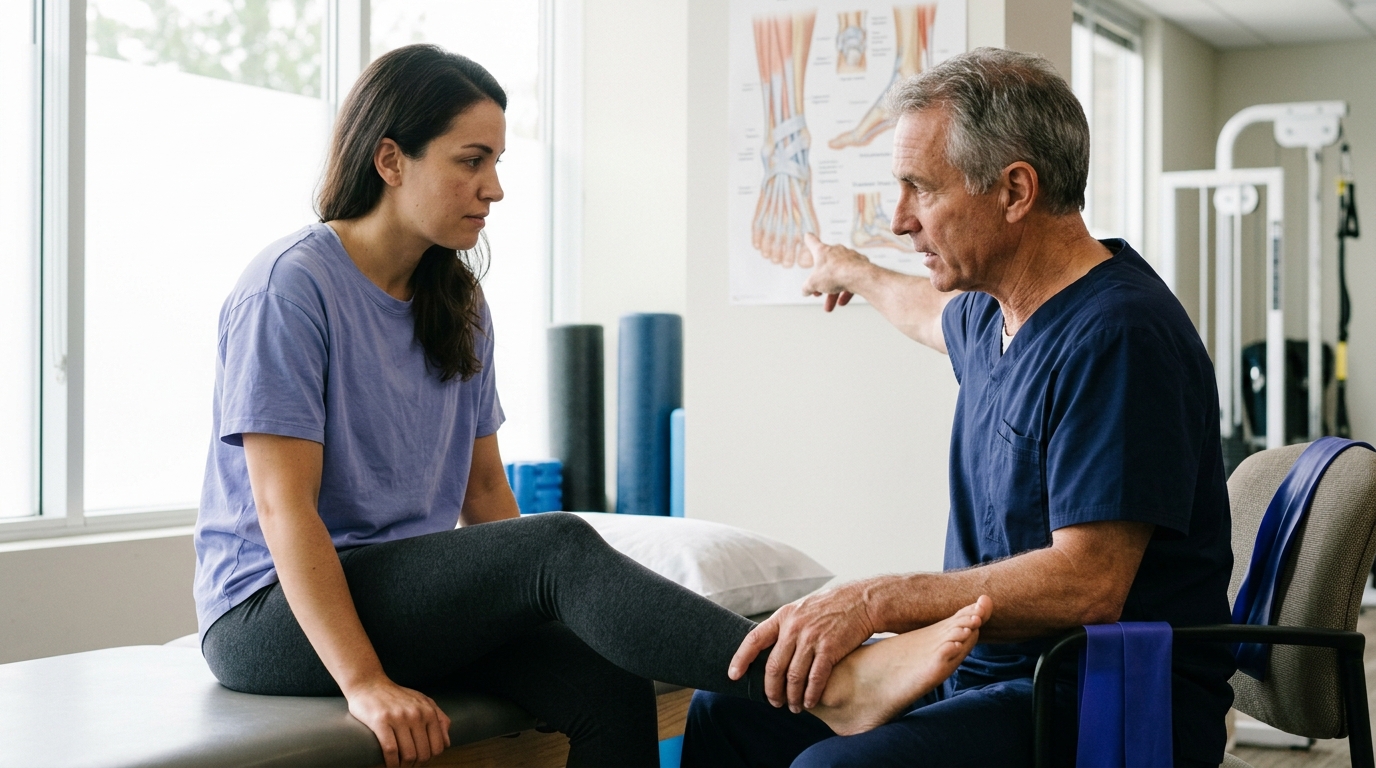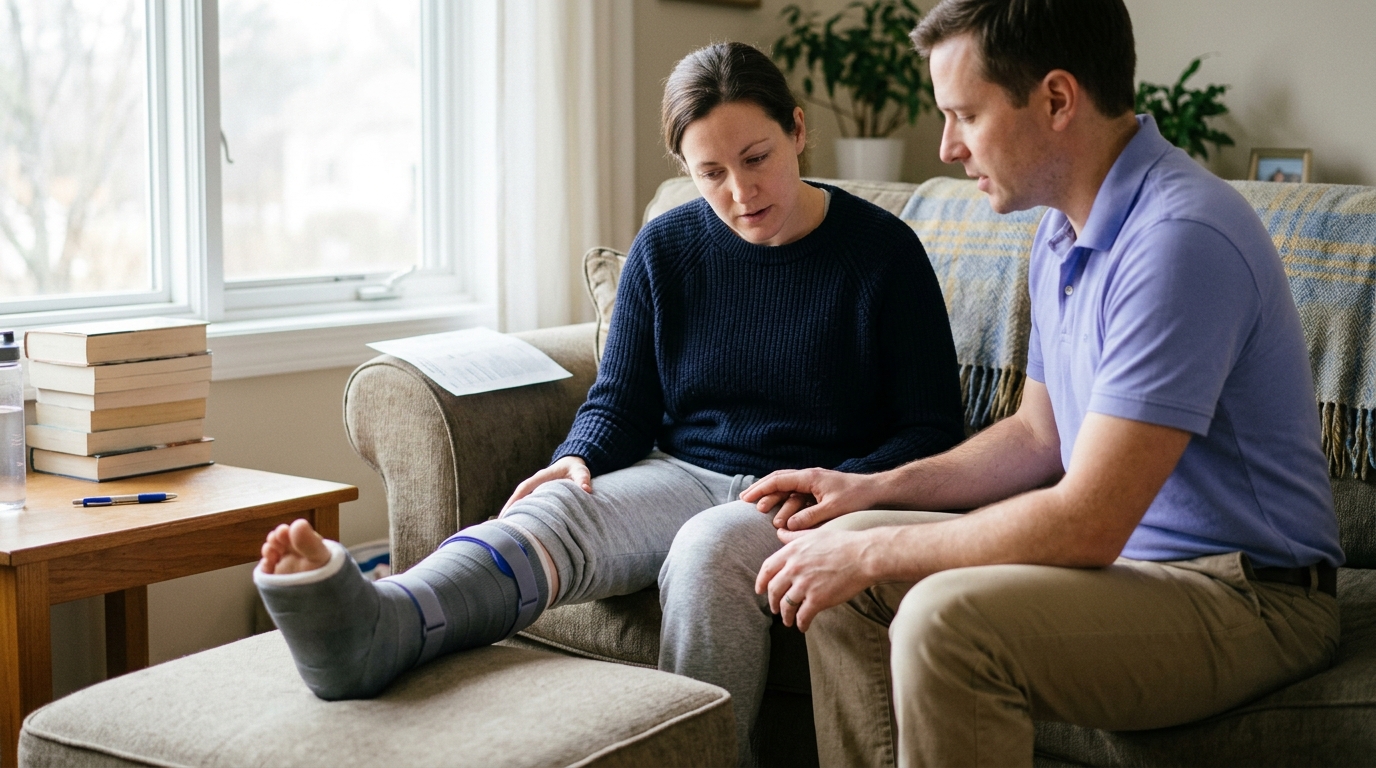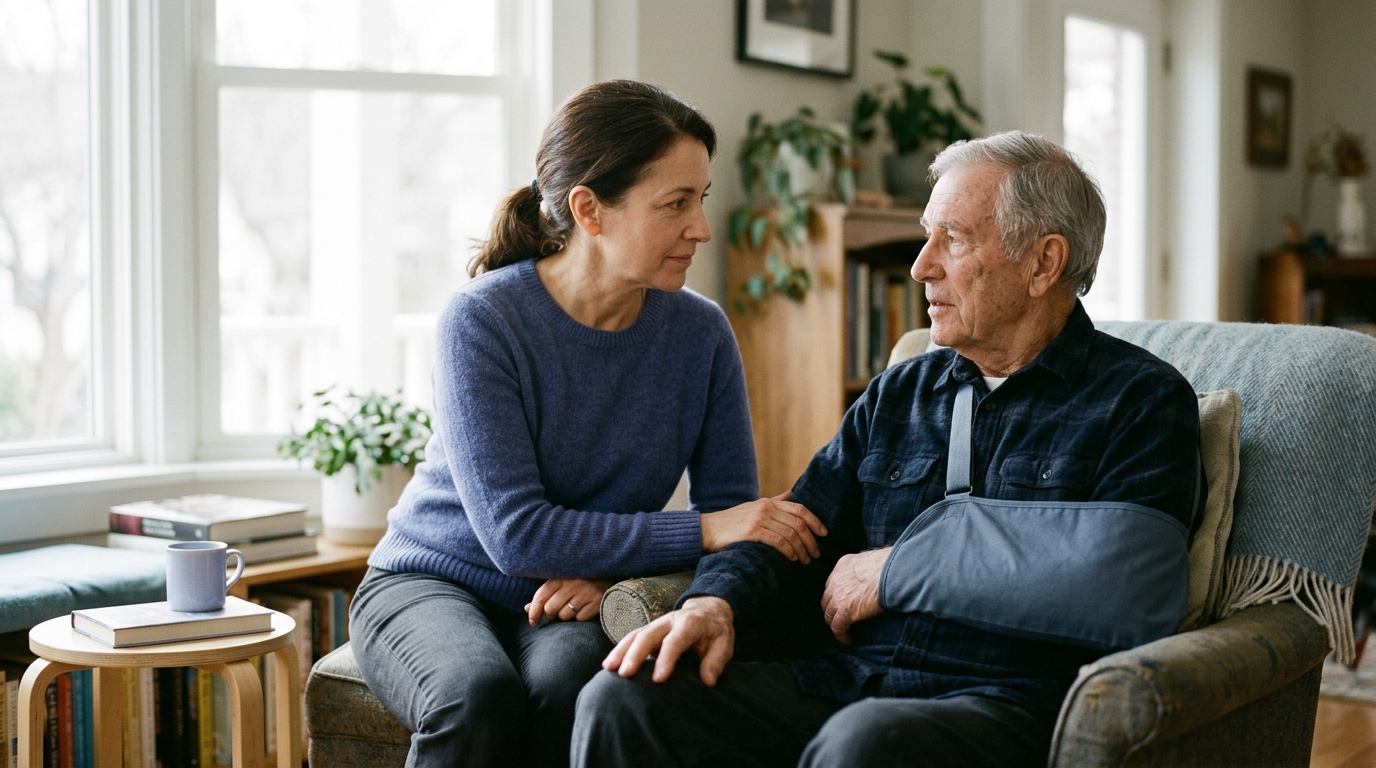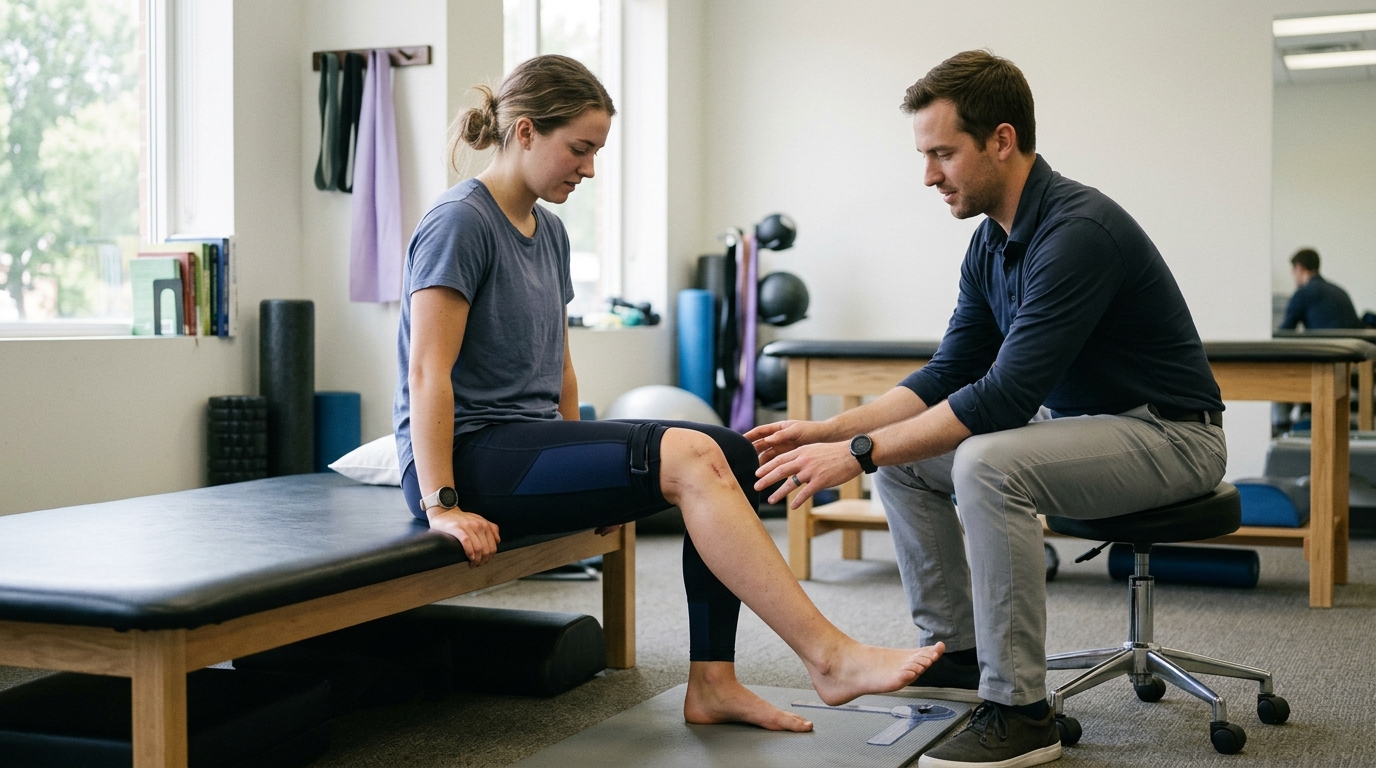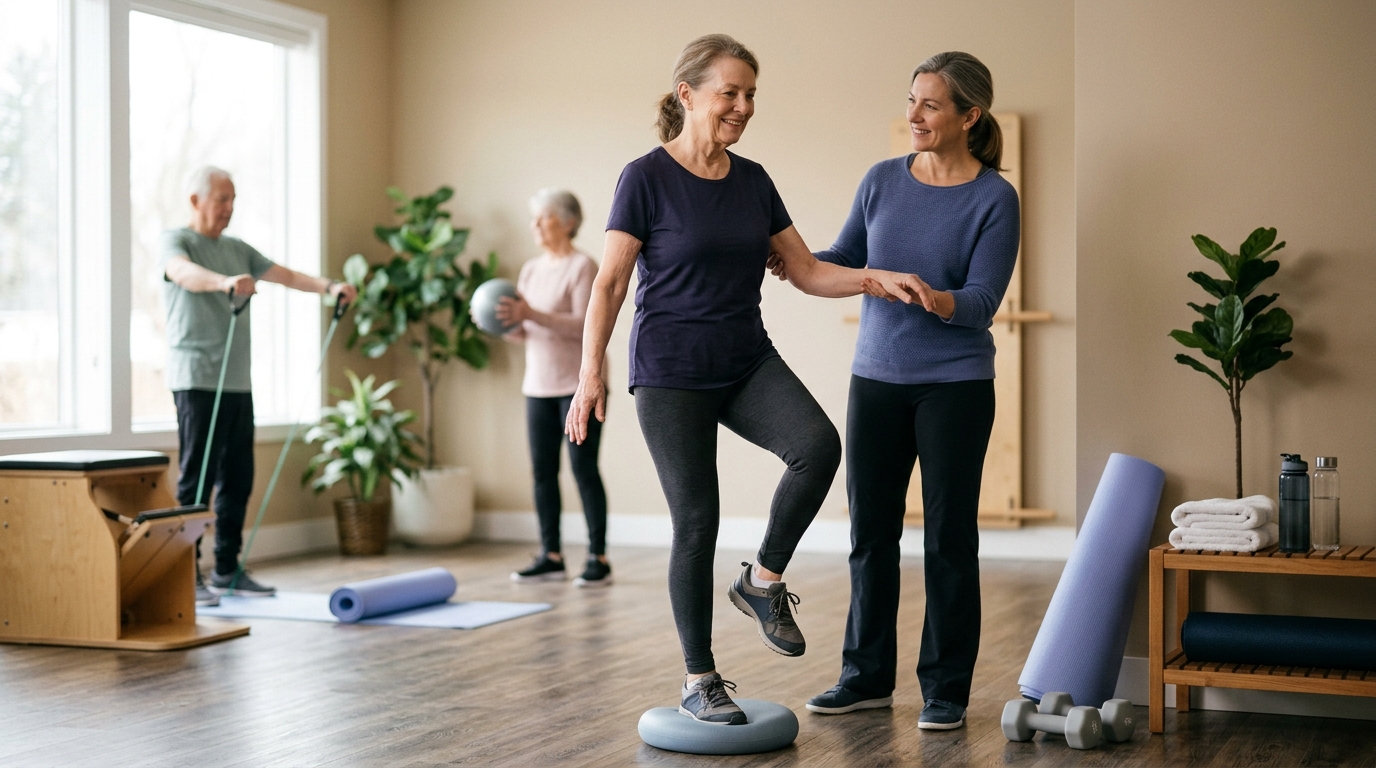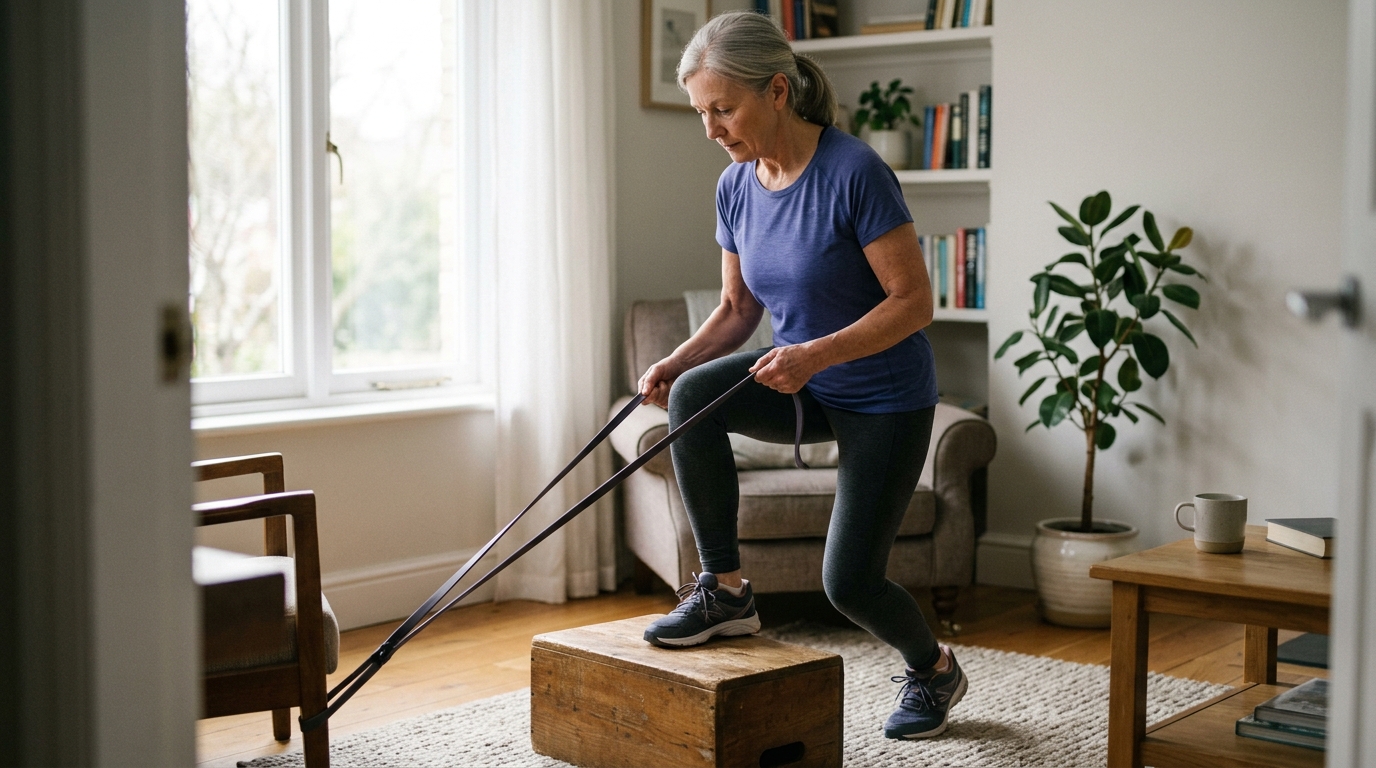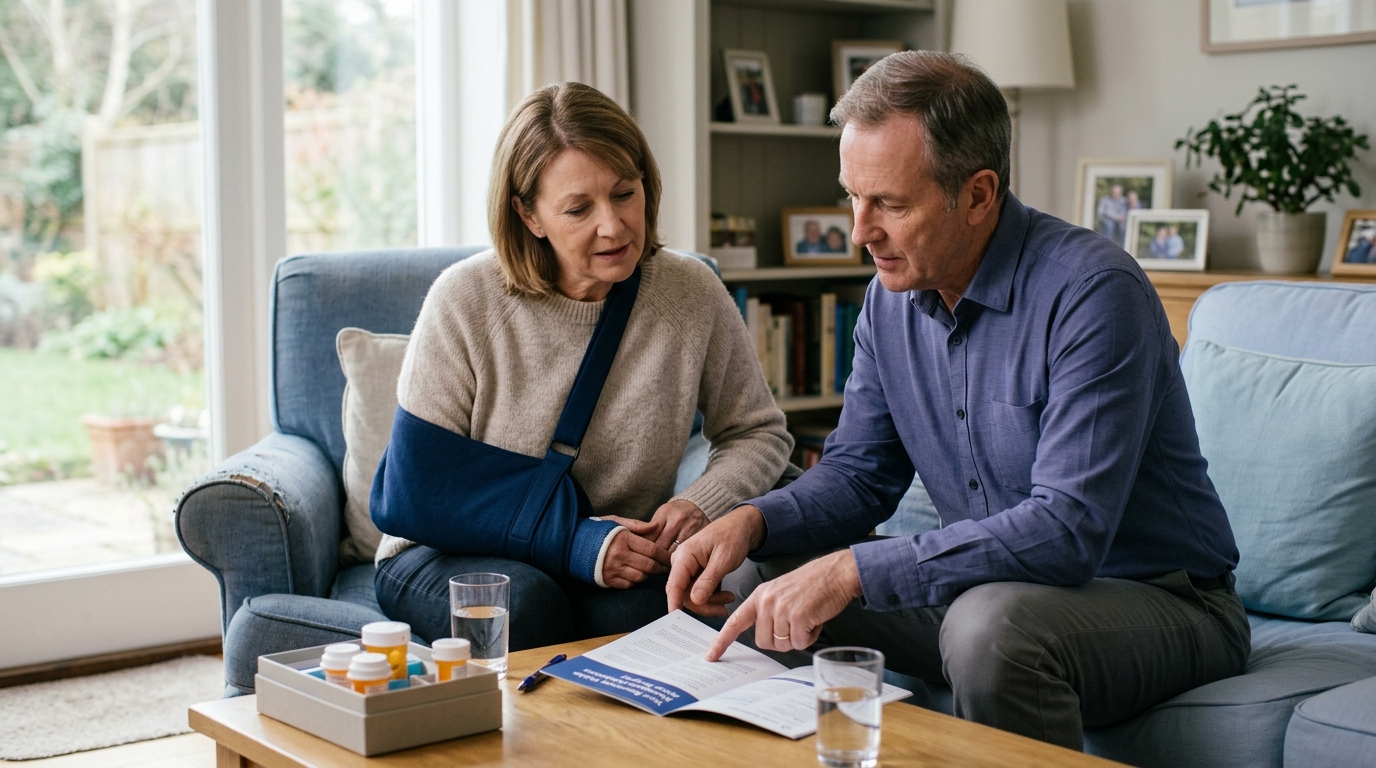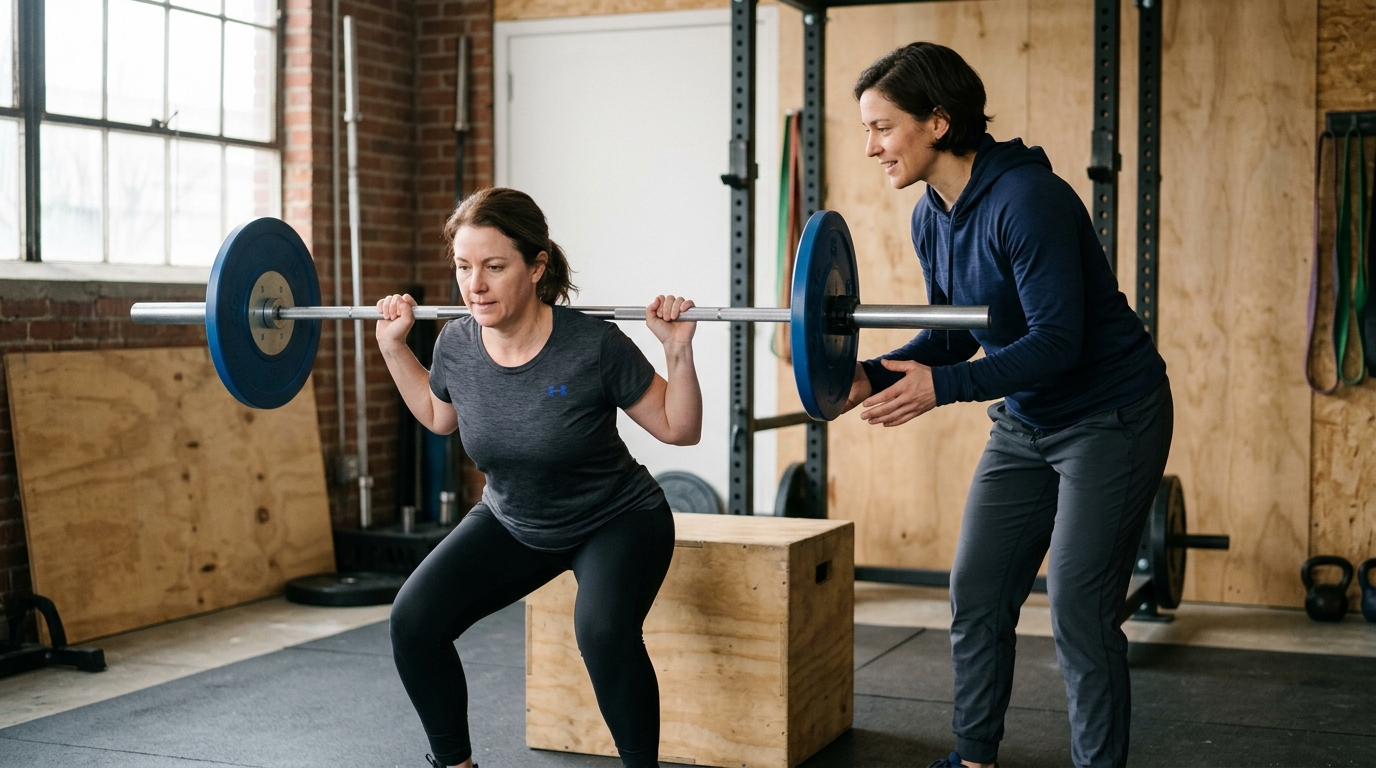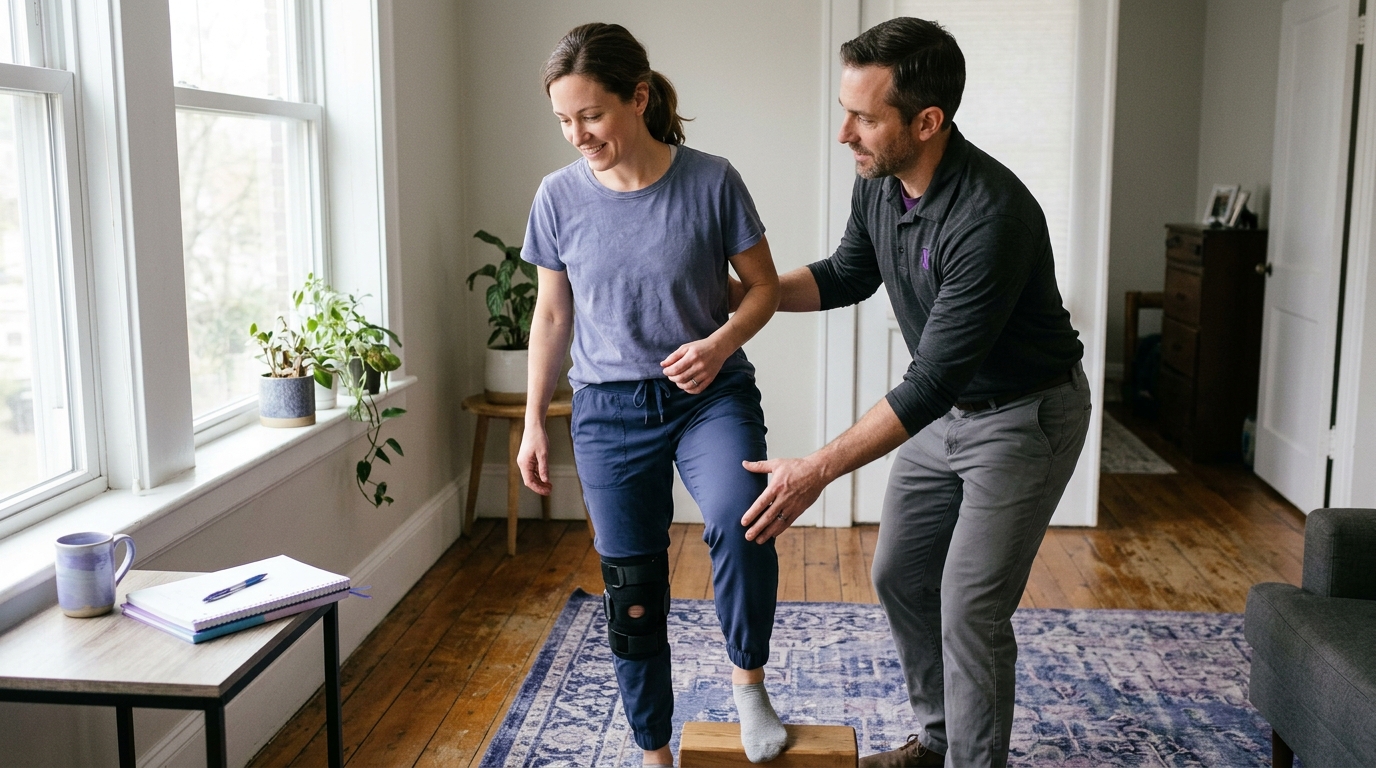

Four evidence-based coping methods help injured individuals manage psychological distress, reduce fear of movement, and build emotional resilience during rehabilitation.





Physical injury recovery is rarely a straightforward physical journey. It is not simply a matter of resting damaged tissue and waiting for bones, muscles, or ligaments to mend. Real recovery is an active process that involves your nervous system, your daily routines, your personal identity, and your emotional health. When an unexpected injury occurs, it is completely normal to experience a wide range of emotions, including frustration, anxiety, sadness, and deep uncertainty about the future.
The direct answer to why recovery feels so challenging emotionally is that your body and mind operate as an interconnected unit. Physical pain, sudden loss of mobility, and disruptions to your normal independence naturally alter your brain chemistry, mood, and stress levels. At the same time, uncertainty regarding your recovery timeline can amplify everyday worries. There are important limits to understand: positive thinking alone cannot magically mend physical tissues, and having negative emotions does not mean you are failing your rehabilitation.
Navigating the emotional ups and downs of rehabilitation requires a balanced approach. By understanding what the research says about the mental side of physical healing, you can build practical coping strategies, set realistic expectations, and identify when additional professional mental health support might be beneficial. You can explore structured recovery insights and injury recovery and healing resources to help you understand every stage of the healing process.
When a joint is sprained, a bone is fractured, or a tendon is torn, medical treatment usually focuses on the physical damage. However, modern medical science views recovery through what is known as the biopsychosocial model. This framework recognizes that physical health cannot be separated from psychological states and social environments.
The biological component of this model includes the direct physical aspects of your injury. It covers tissue damage, inflammation, pain intensity, baseline physical health, and nerve signals. These physical factors constantly send feedback to the brain. Prolonged pain or sudden immobility can alter sleep patterns, change appetite, and elevate physiological stress.
The psychological component involves your thoughts, beliefs, mood, and coping strategies. How you interpret your physical sensations plays a massive role in how you feel overall. If you interpret a temporary increase in soreness as a sign of permanent damage, your brain is likely to trigger anxiety and protective tension. In psychological research, this process is known as cognitive appraisal. Your emotional response is shaped by how severe you perceive the injury to be and how confident you feel in your ability to manage it.
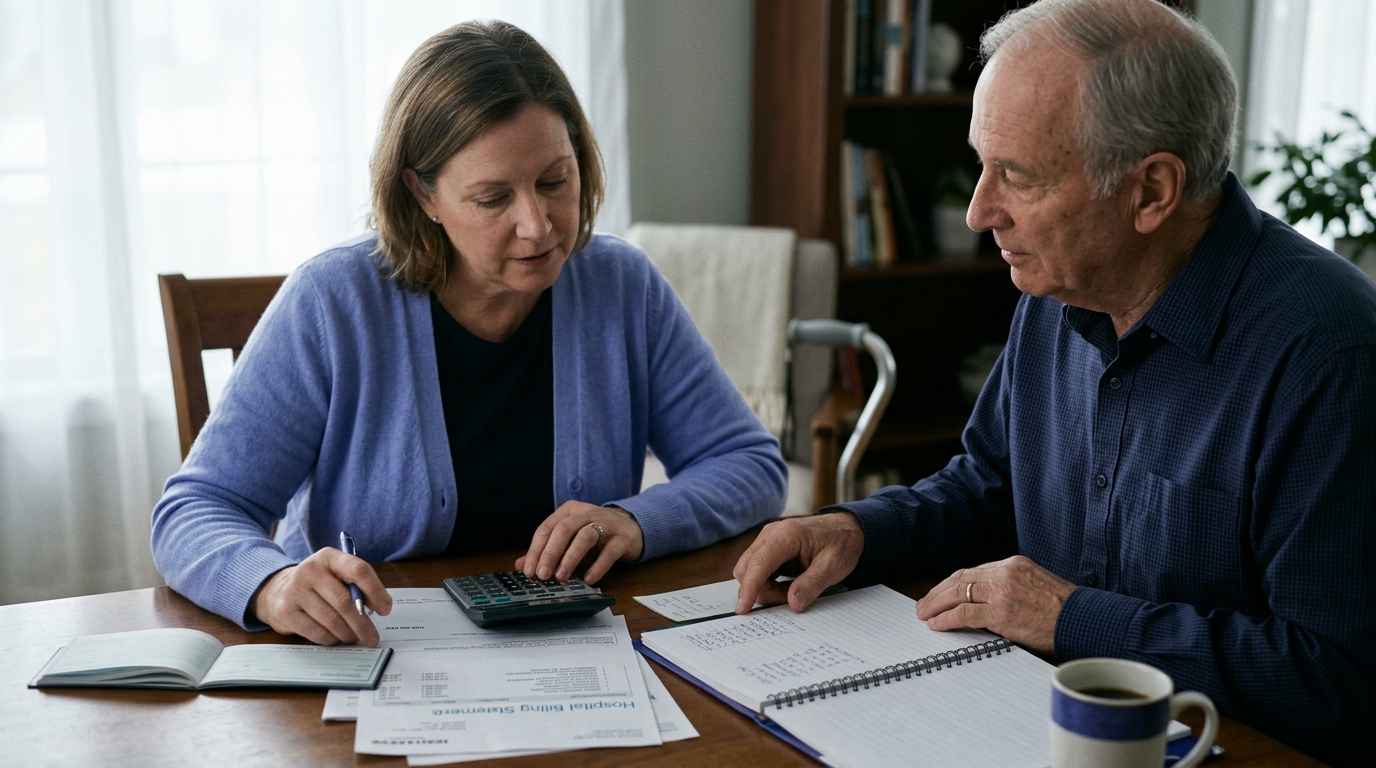
The social and contextual component covers your everyday life circumstances. It includes your access to medical care, the demands of your job, your financial security, and the help you receive from family or friends. When an injury prevents you from driving, working, playing with your children, or exercising with peers, your social world changes quickly. These combined disruptions explain why physical trauma almost always carries an emotional cost.
Medical research across sports medicine, orthopedic trauma, and general physical rehabilitation demonstrates a clear link between emotional factors and recovery outcomes. However, it is essential to distinguish between proven scientific associations and casual assumptions.
Systematic reviews examining recovery from musculoskeletal injuries show that psychological factors consistently correlate with rehabilitation progress. For example, high initial pain levels, long pain duration, and pain catastrophizing are frequently linked to slower functional recovery. Pain catastrophizing refers to a tendency to anticipate the worst possible outcome from pain sensations. Research shows that people who experience intense fear regarding their pain often take longer to regain normal movement.
Recovery expectations also show a strong association with outcomes in clinical studies. In systematic reviews of minor injury recovery, individuals who entered rehabilitation with expectations of a prompt recovery often achieved functional milestones significantly faster than those who expected never to improve. However, researchers emphasize that this is an observational association, not proof that optimism alone creates physical healing. Recovery expectations often reflect a person's baseline health, injury severity, and access to supportive healthcare.
Scientific studies also examine the relationship between negative emotions and rehabilitation adherence. A meta-analysis focusing on athletic injuries found a measurable negative association between negative emotional responses and the likelihood of returning to pre-injury performance levels. Interestingly, that same meta-analysis discovered that negative emotions had only a small, statistically nonsignificant effect on whether a person actually showed up for physical therapy. This proves that feeling sad, frustrated, or anxious does not mean you will fail to do your exercises. Many people continue their rehabilitation faithfully even while dealing with significant emotional distress.
Orthopedic trauma research demonstrates that emotional distress is widespread following sudden injury. In studies tracking trauma patients over several years, clinically relevant distress was observed in roughly one-quarter of patients at three months post-injury, with symptoms persisting in about one-sixth of patients at two years. The rates of anxiety and depression vary widely depending on the type of injury, patient age, and social circumstances. Because study measures vary, science does not provide a single universal percentage for post-injury distress, but it confirms that emotional difficulty is a very common human response.
Many popular articles suggest that emotional recovery follows a neat, step-by-step path similar to traditional stages of grief. You might have heard that everyone moves cleanly from denial to anger, bargaining, depression, and finally acceptance. Clinical research does not support this rigid sequence for physical injury recovery.
Human emotional responses to injury are dynamic, unpredictable, and highly variable. One day you may feel optimistic and energized after reaching a new movement milestone. The next day, a slight increase in joint stiffness or a poor night of sleep can bring back feelings of worry and defeat. Experiencing renewed frustration does not mean you have lost your progress or that your rehabilitation is going backward.
Emotional responses can fluctuate based on daily fatigue, hormonal shifts, weather, and life stress outside of your injury. Acknowledging that recovery is nonlinear helps prevent unnecessary self-blame. When a difficult day arrives, it is helpful to view it as a normal wave in a changing process rather than a permanent setback in your rehabilitation journey. Learning more about recovery science articles can provide clarity on how bodily systems adapt gradually rather than overnight.
For many active adults, physical movement is not just a hobby. It is a fundamental part of who they are, how they manage daily stress, and how they connect with their community. When an injury suddenly takes away your ability to run, lift weights, garden, or practice a sport, it can feel like a direct threat to your personal identity.
Athletic or active identity provides a sense of purpose, self-esteem, and social belonging. Losing access to your primary physical outlet can create a temporary void. You might find yourself wondering who you are when you cannot perform your usual routines. Recognizing this identity disruption is an important step in navigating the emotional landscape of recovery.
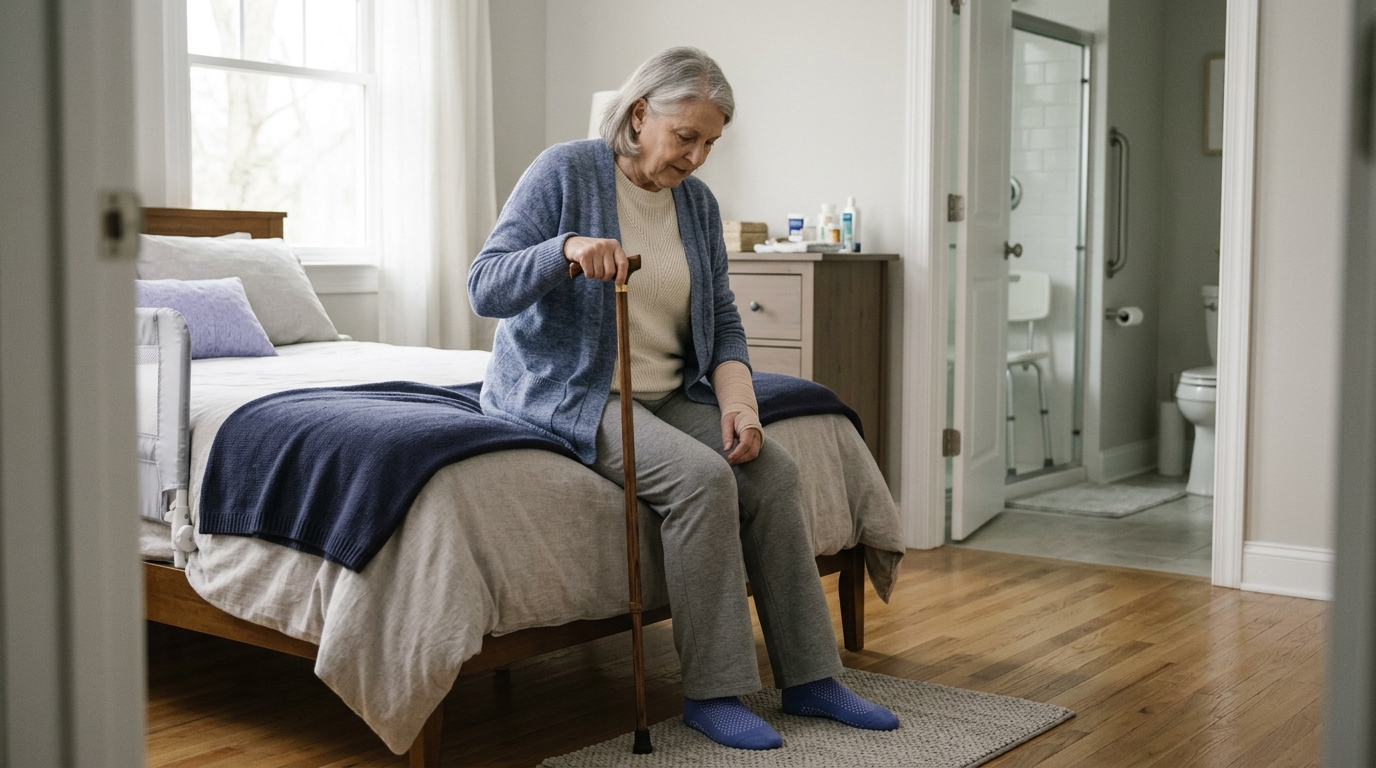
Loss of physical independence can also create profound emotional strain. Needing help with basic tasks like preparing meals, bathing, driving, or carrying groceries can feel frustrating. Many adults take pride in their self-reliance and find it uncomfortable to ask for assistance.
Dependence on others can trigger feelings of guilt or fear of being a burden to family members. It is vital to reframe temporary dependence as a practical, temporary tool that protects your healing tissues. Accepting assistance is not a sign of personal weakness. It is a necessary strategy that allows your body to dedicate its limited energy toward biological repair.
Every individual experiences an injury differently because no two lives, bodies, or circumstances are identical. Several distinct factors can shape your emotional experience, your symptoms, and your recovery trajectory over time.
The specific nature of your injury plays a direct role in your emotional state. High baseline pain intensity, extensive tissue involvement, nerve irritation, and prolonged physical immobilization place a heavier stress burden on your nervous system. Prior physical health, joint health, and hormonal balance also influence how quickly tissues repair. When physical progress is slow due to complex tissue biology, emotional patience is tested more severely.
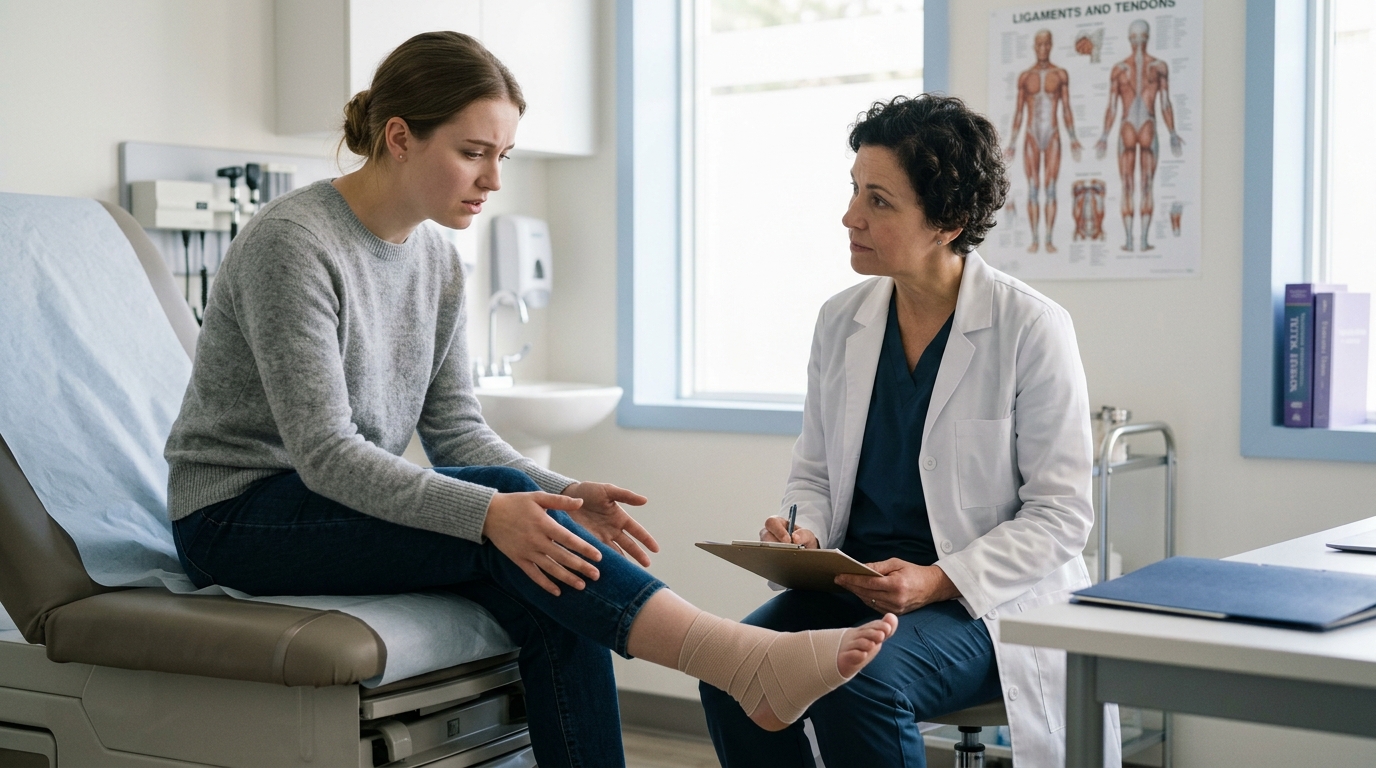
Your personal self-efficacy strongly influences your daily experience. Self-efficacy is your belief in your own ability to carry out necessary rehabilitation tasks despite pain or setbacks. People with higher self-efficacy tend to view rehabilitation exercises as helpful challenges rather than threats. Conversely, strong fear-avoidance beliefs, where any sensation of discomfort is viewed as a sign of harm, can lead to severe activity avoidance and heightened anxiety.
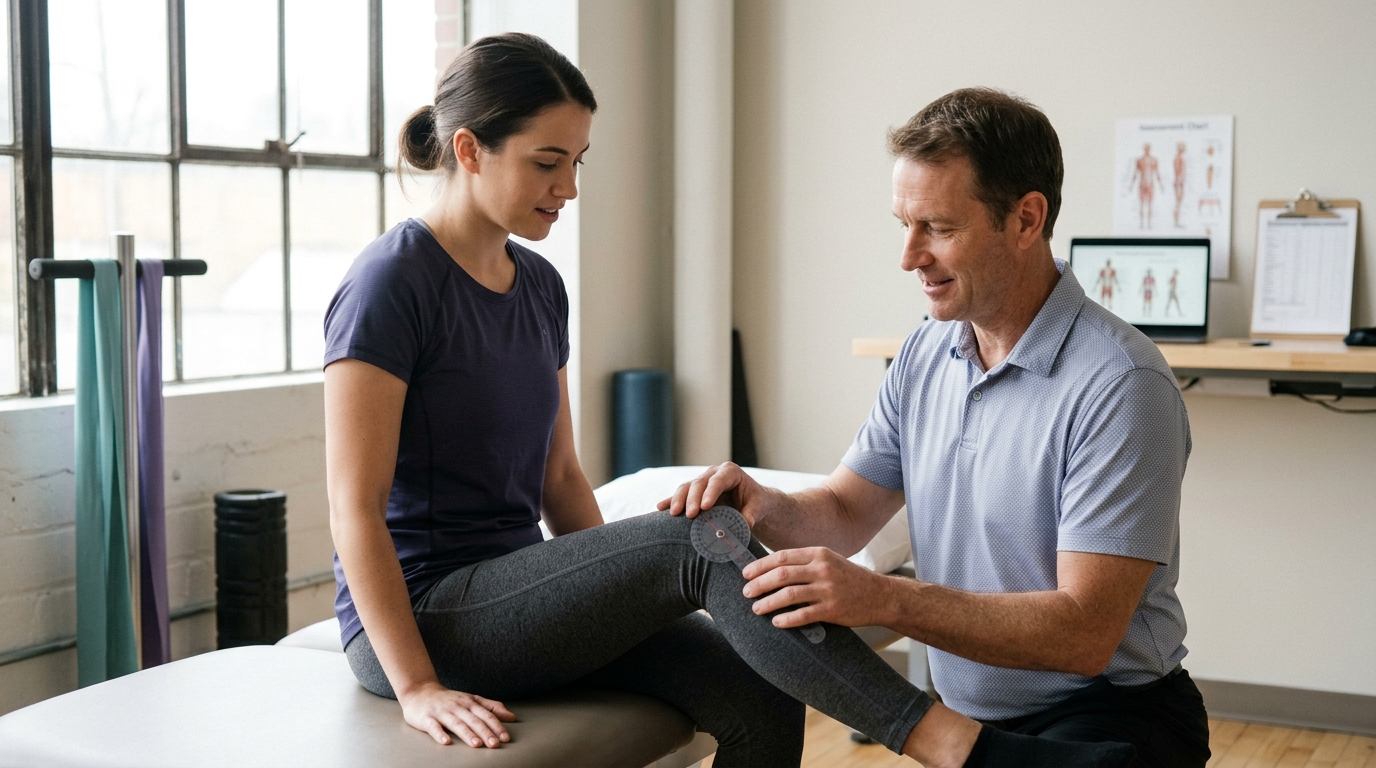
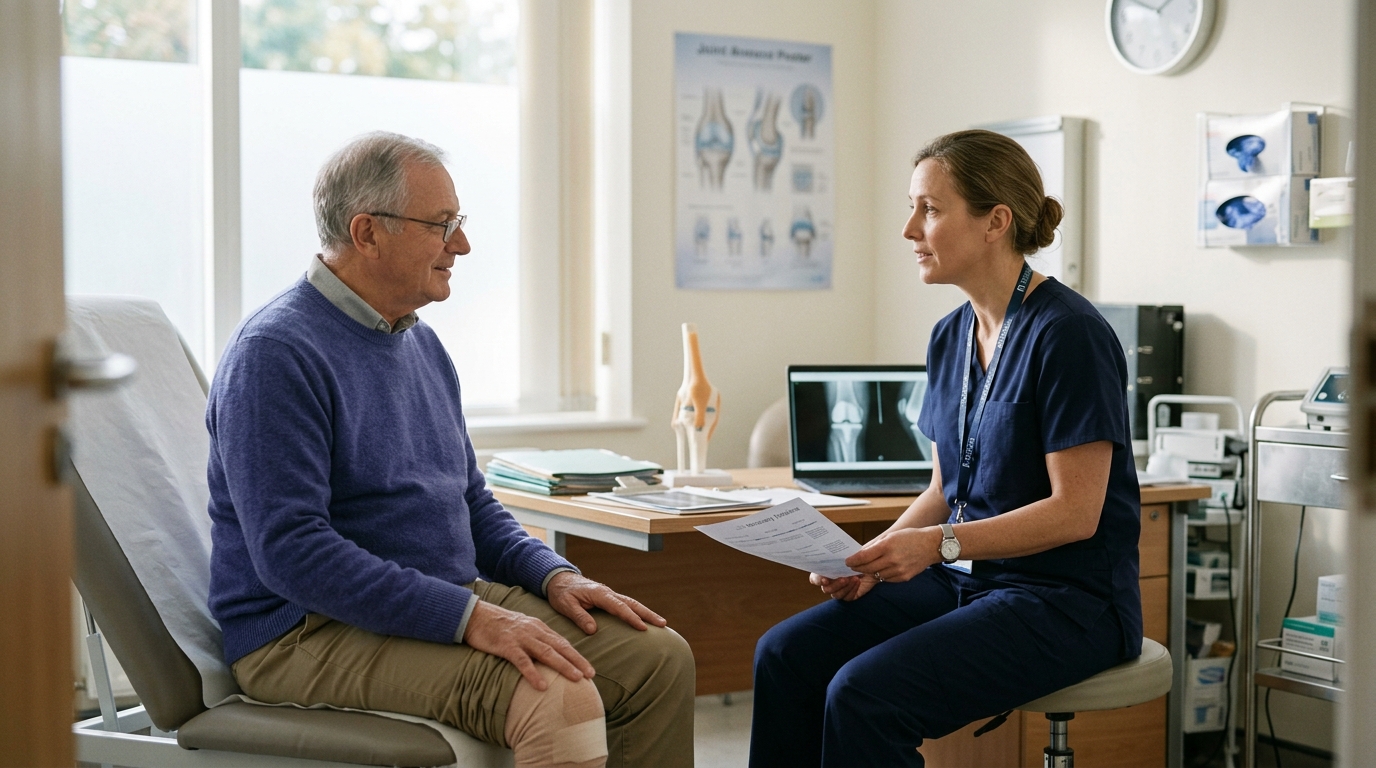
The quality of your social network and your relationship with your medical team make a substantial difference. Having friends, family, or support groups who listen without judgment reduces feelings of isolation. Clear, empathetic communication from your doctor or physical therapist can reduce fear dramatically. When clinicians explain what to expect in simple language, patients report lower distress and better confidence in their recovery plans.
Examining a few common illustrative patterns helps demonstrate how these factors interact in real-world scenarios without making individual medical predictions.
Managing the emotional side of injury requires proactive, practical strategies that fit into your daily life. You do not need complicated mental rituals to support your emotional health. Simple, consistent adjustments can help you regain a sense of agency and calm.
Sudden injury often destroys daily structure, leaving open hours that can easily be filled with worry. Organizations like NHS Highland emphasize the importance of maintaining basic lifestyle routines after physical trauma. Focus on regular sleep schedules, balanced nutrition, and gentle daily habits.
Create a manageable morning and evening routine that accommodates your current physical limitations. Even simple acts like getting dressed in comfortable everyday clothes, sitting near natural sunlight, and reading at set times can restore a feeling of normalcy. Maintaining a steady routine signals to your nervous system that life remains stable despite the physical setback.
It is easy to become obsessed with long-term outcome goals, such as running a road race, returning to heavy lifting, or achieving a pain-free joint. However, outcome goals are not entirely under your direct control. When healing takes longer than expected, fixating on outcome goals can cause profound discouragement.
Instead, shift your focus toward process goals. Process goals are specific, daily actions that you can control completely. Examples of process goals include:
By measuring your success through daily process goals, you build genuine self-efficacy. You can track your wins every day regardless of how your physical symptoms fluctuate. You can explore structured exercise adaptations in rehabilitation and movement guides to find safe ways to stay active.
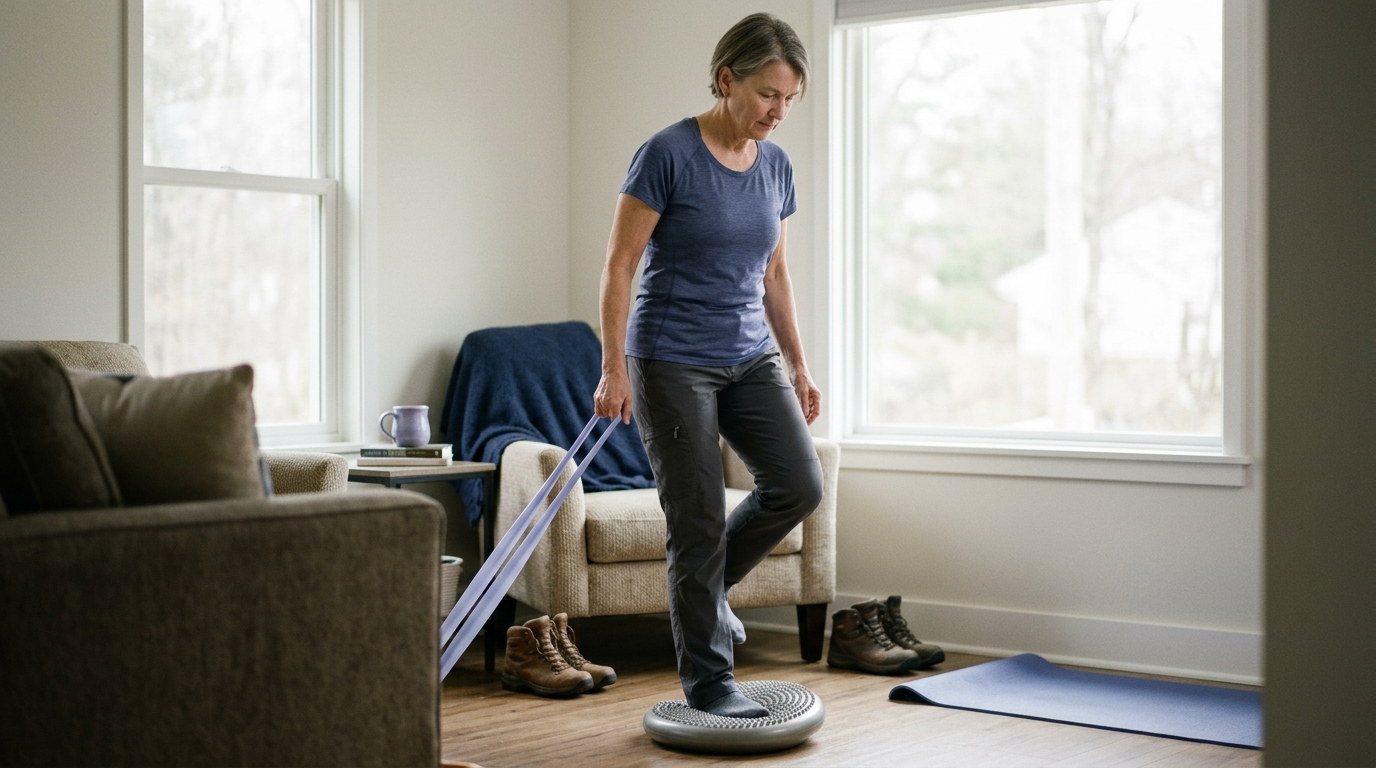
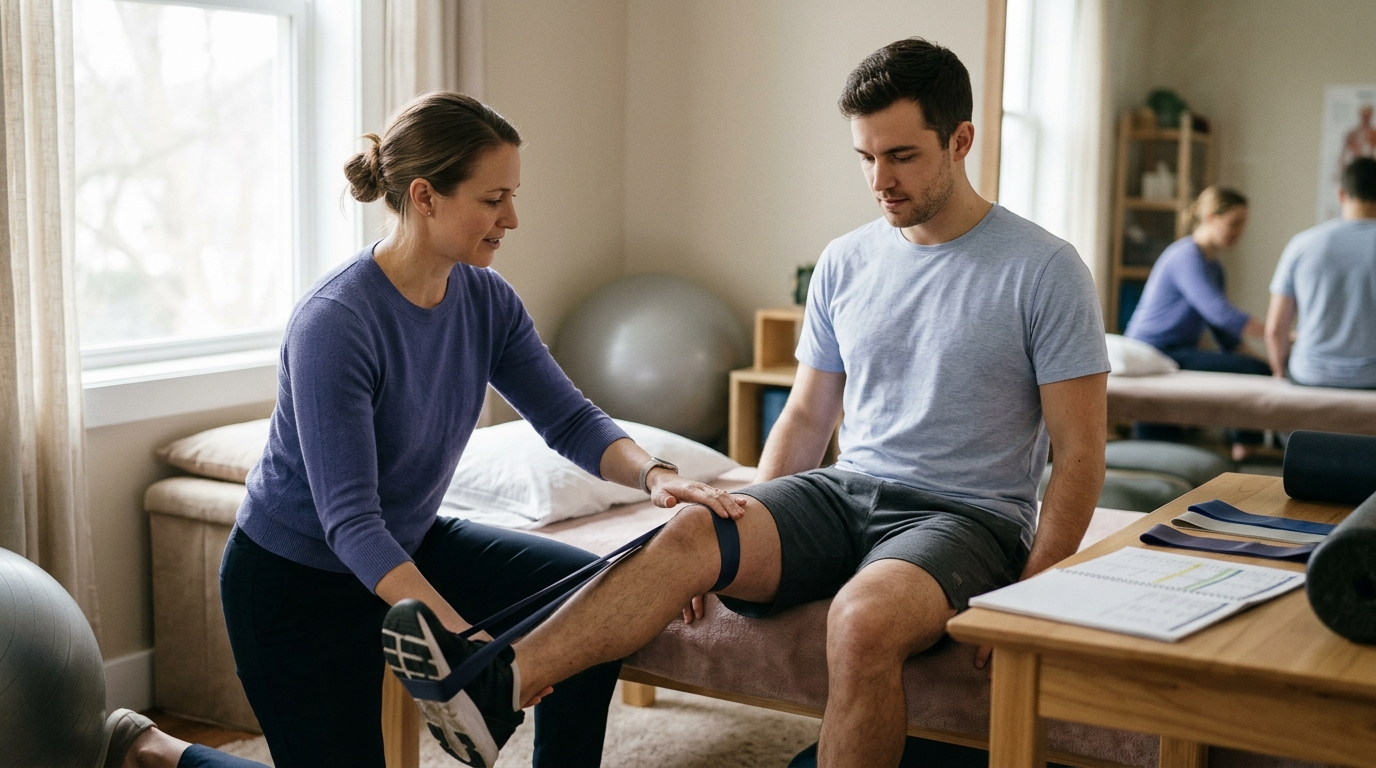
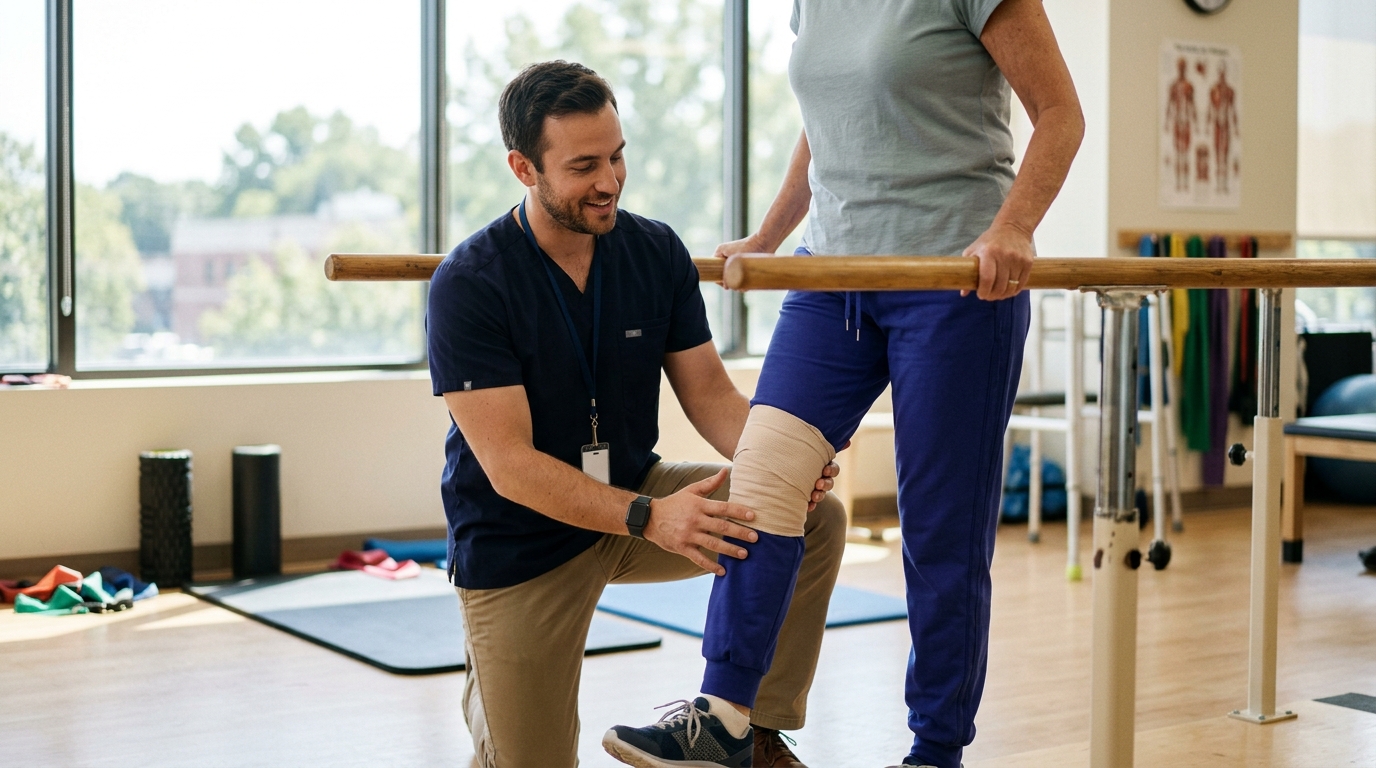
Fear of movement is a protective instinct, but excessive fear can hinder long-term physical recovery. Graded exposure is a structured approach where you introduce movements in small, tolerable increments.
If you are afraid of bending your knee after a ligament injury, you do not start with a deep squat. You might begin with gentle heel slides while lying down. Once your nervous system realizes that heel slides are safe and manageable, you progress to seated leg extensions, then shallow supported squats. Moving progressively through a hierarchy of movement teaches your brain that movement is safe, gradually extinguishing the fear response.
Physical pain and emotional stress activate the sympathetic branch of your autonomic nervous system, often called the fight-or-flight response. This state increases muscle tension, heart rate, and pain sensitivity.
Mindful breathing and relaxation exercises help activate the parasympathetic nervous system, which promotes rest and recovery. Taking slow, diaphragmatic breaths, where your exhale is longer than your inhale, sends a direct signal to your brain to downregulate stress hormones. Spending just five to ten minutes per day practicing mindful breathing can lower muscle guarding around an injured joint and reduce general anxiety.
Social support is immensely valuable during recovery, but different situations call for different kinds of help. Researchers categorize support into three distinct types:
Be clear with the people in your life about what kind of support you need at any given moment. If you simply need to vent your frustration, tell a friend that you are looking for a listening ear rather than a solution. Direct communication ensures you receive the exact support that helps you feel grounded.
While sadness, worry, and frustration are normal reactions to an injury, there are times when emotional distress becomes severe enough to warrant professional intervention. It is important to know the difference between standard situational distress and signs that indicate a need for specialized mental health care.
Clinical guidelines in sports medicine and orthopedic trauma recommend connecting with a licensed mental health professional, such as a psychologist, clinical social worker, or professional counselor, if you experience any of the following warning signs:
Standardized psychological screening questionnaires are often used in clinical rehabilitation settings to monitor emotional well-being over time. However, a screening score on a paper form is not a formal diagnosis. It is simply a tool that helps your care team start an honest conversation about how you are coping.
Seeking mental health therapy during injury recovery is not a sign that your physical symptoms are imaginary. Instead, it provides you with specialized tools to manage stress, process grief, and rebuild confidence as you work toward returning to your favorite activities. If you are preparing for or recovering from an operation, reviewing surgical rehabilitation insights can also help set realistic milestones for both body and mind.
Open communication with your orthopedic doctor, physical therapist, or primary care provider can eliminate unnecessary worry and help you align your expectations with biological reality. Consider discussing the following questions during your next appointment:
Clear answers to these questions will give you a concrete roadmap, reducing the ambiguity that often fuels emotional distress.
Emotional distress does not prevent tissue repair, but chronic stress can influence the recovery environment. High levels of prolonged stress increase systemic inflammation and elevate cortisol, which may interfere with deep sleep and cellular restoration. Furthermore, severe anxiety can increase muscle tension and make pain sensations feel more intense. Managing emotional stress through relaxation, routine, and support helps create optimal internal conditions for your body to repair itself.
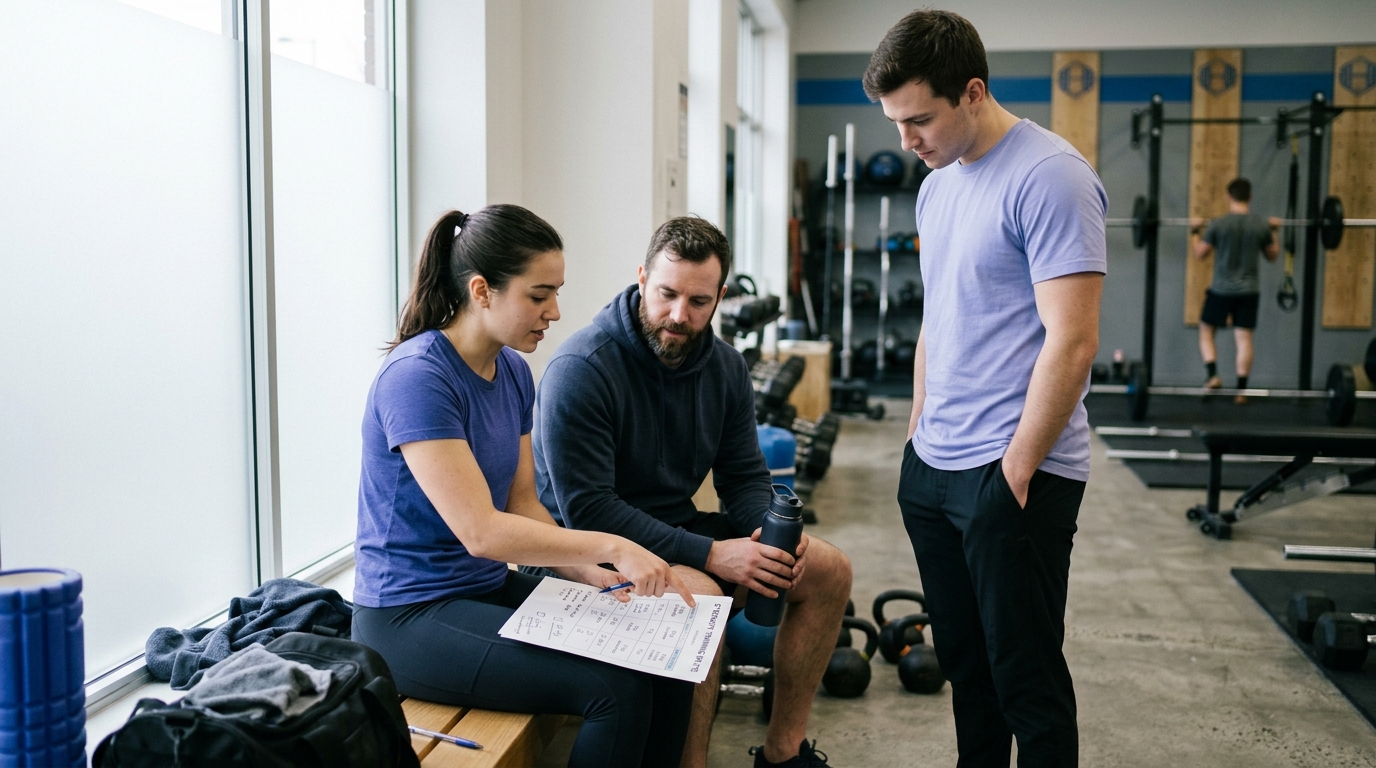
Yes, fear of reinjury is exceptionally common, even when scans and clinical tests confirm that tissues are strong and fully healed. Your brain's primary job is protection, and it remembers the trauma of the initial injury vividly. Transitioning back to full activity requires rebuilding psychological confidence alongside physical strength. Working through a gradual progression of sport-specific or activity-specific drills can help retrain your brain to trust your body again. You can learn more about structured return-to-play progressions in returning to strength and sport.
Over-adherence occurs when an injured person does significantly more exercise or rehabilitation than their healthcare team prescribed. It is usually driven by high athletic identity, perfectionism, or an urgent desire to prove toughness and speed up recovery. Over-adherence can lead to tissue overload, chronic tendon irritation, joint inflammation, and extended recovery delays. Physical healing requires an optimal balance of stimulus and rest. Respecting prescribed limits is a crucial part of disciplined rehabilitation.
Family members can help most effectively by asking open-ended questions about what kind of assistance is truly desired. Instead of stepping in to take over every daily task, which can inadvertently reduce the injured person's sense of autonomy, offer specific, practical choices. Providing reliable transportation, preparing nutritious meals, or simply offering a listening ear without giving unsolicited medical advice are some of the most helpful ways to support a loved one's recovery.
Physical injury recovery is an integrated human experience that challenges your emotional resilience, patience, and daily routines just as much as your physical tissues. Feeling frustrated, uncertain, or sad during rehabilitation is a natural, widespread reaction to sudden life disruptions, not an indicator of personal weakness or failed healing.
Scientific research shows that biological, psychological, and social factors interact continuously throughout the healing timeline. While positive thinking alone cannot heal damaged tissue, cultivating realistic expectations, setting controllable daily process goals, and maintaining stable lifestyle routines will help you navigate setbacks with greater confidence. When emotional distress becomes persistent or overwhelming, seeking guidance from a licensed mental health professional is a proactive, healthy step that supports your total well-being.

Use ReboundBody resources to understand common recovery stages, rehab terms, movement limits and strength rebuilding. Each guide is designed to make a complex comeback easier to understand.


Read practical guidance on injury recovery, rehabilitation, mobility and rebuilding strength as you work your way back to activity.
Explore Resources