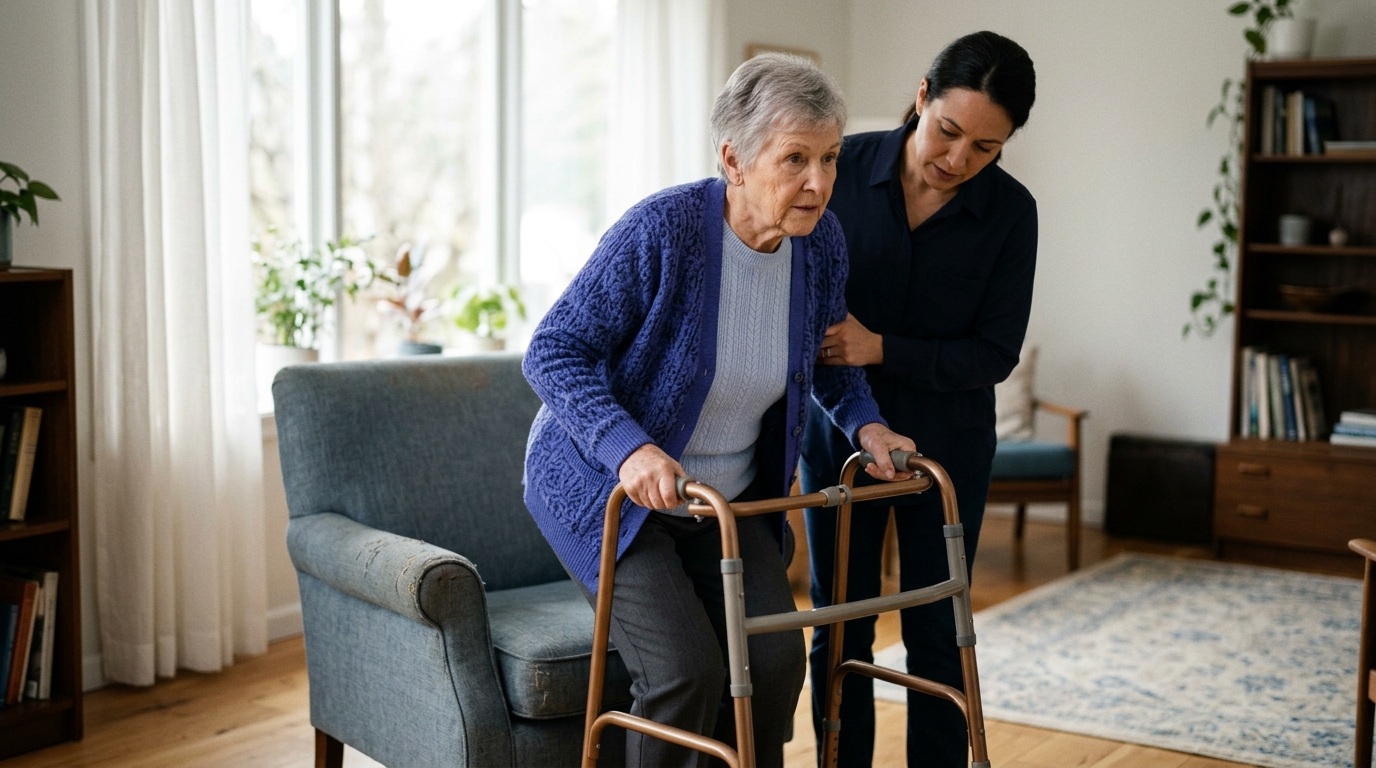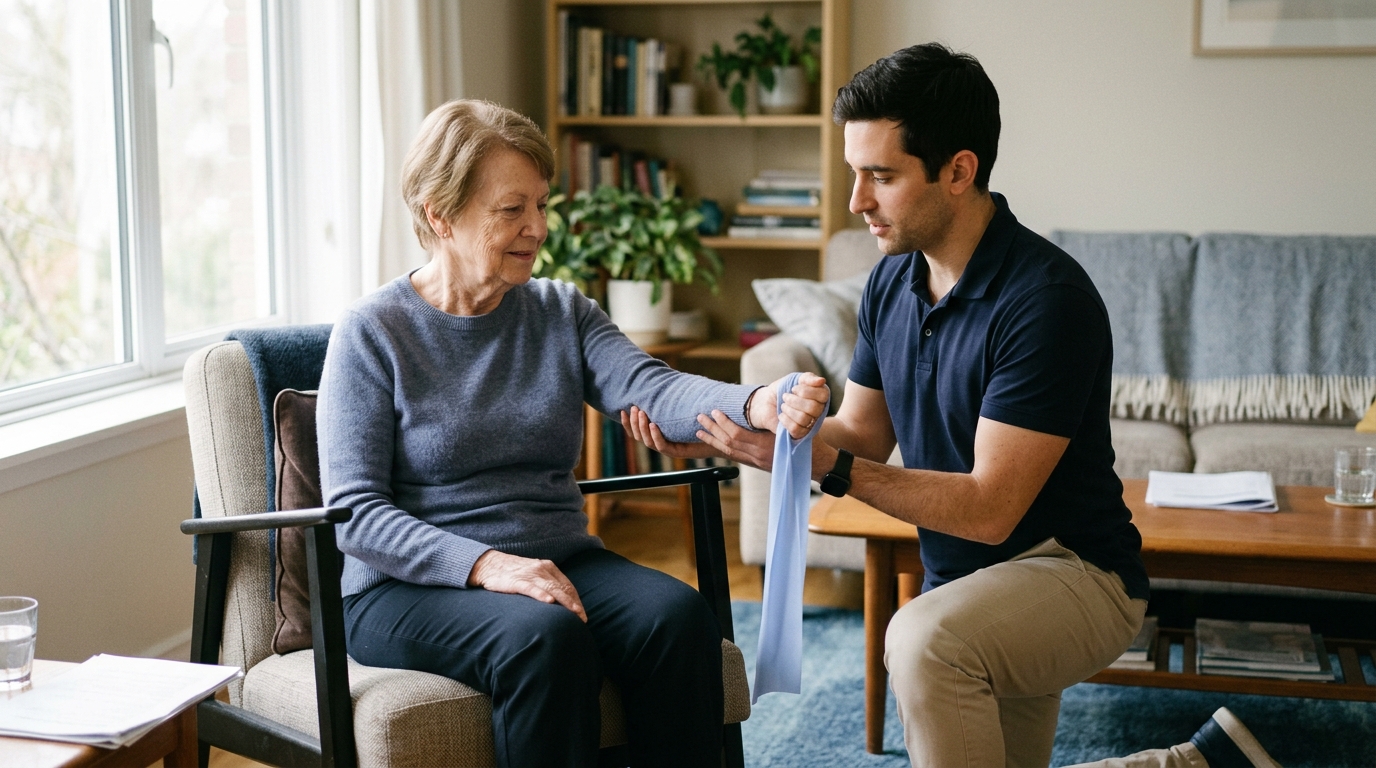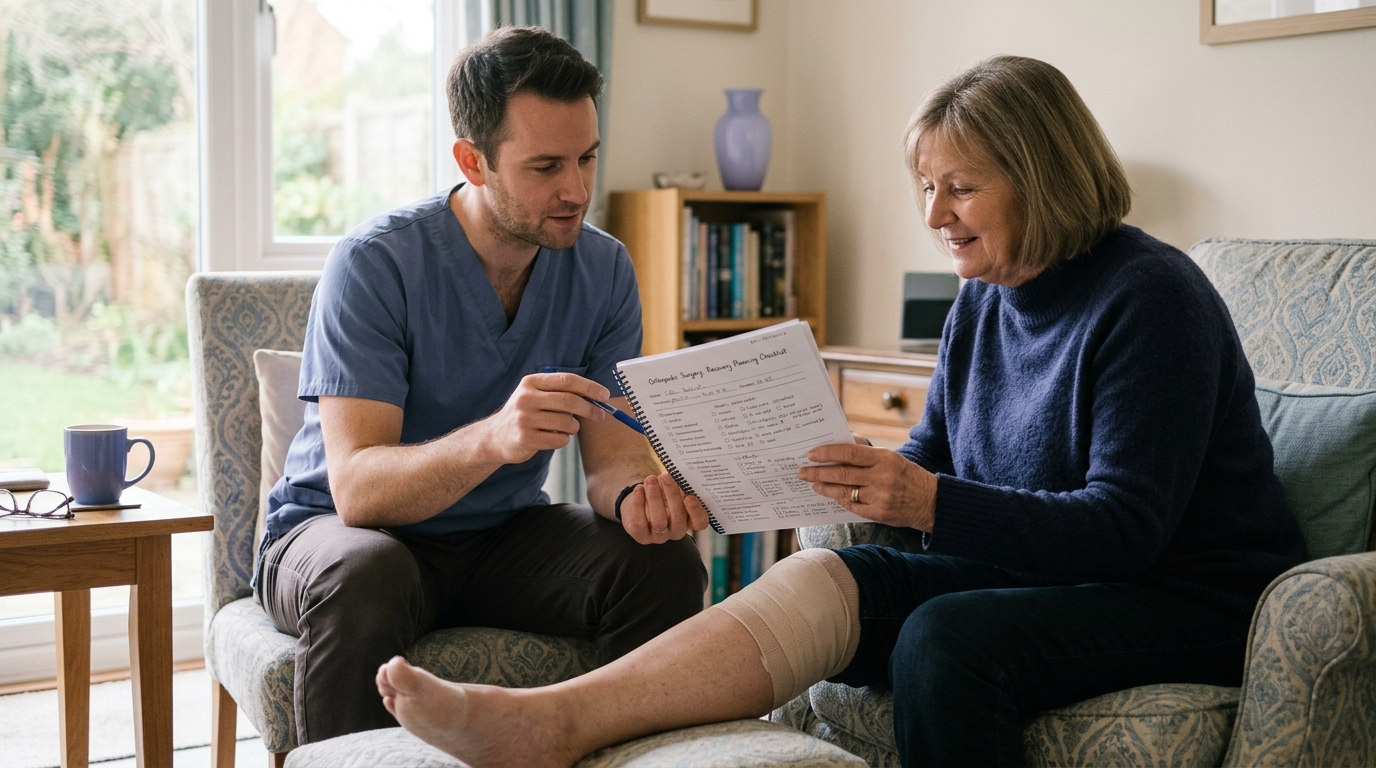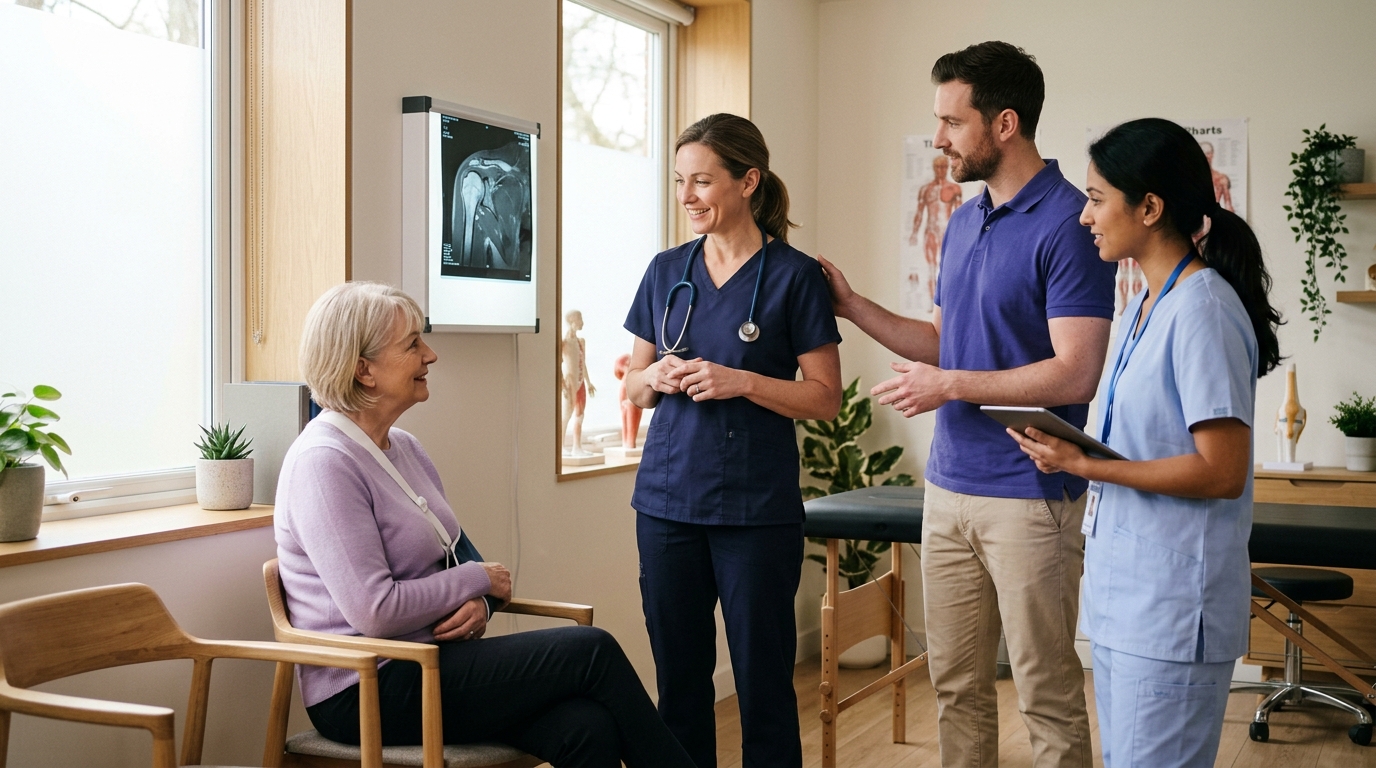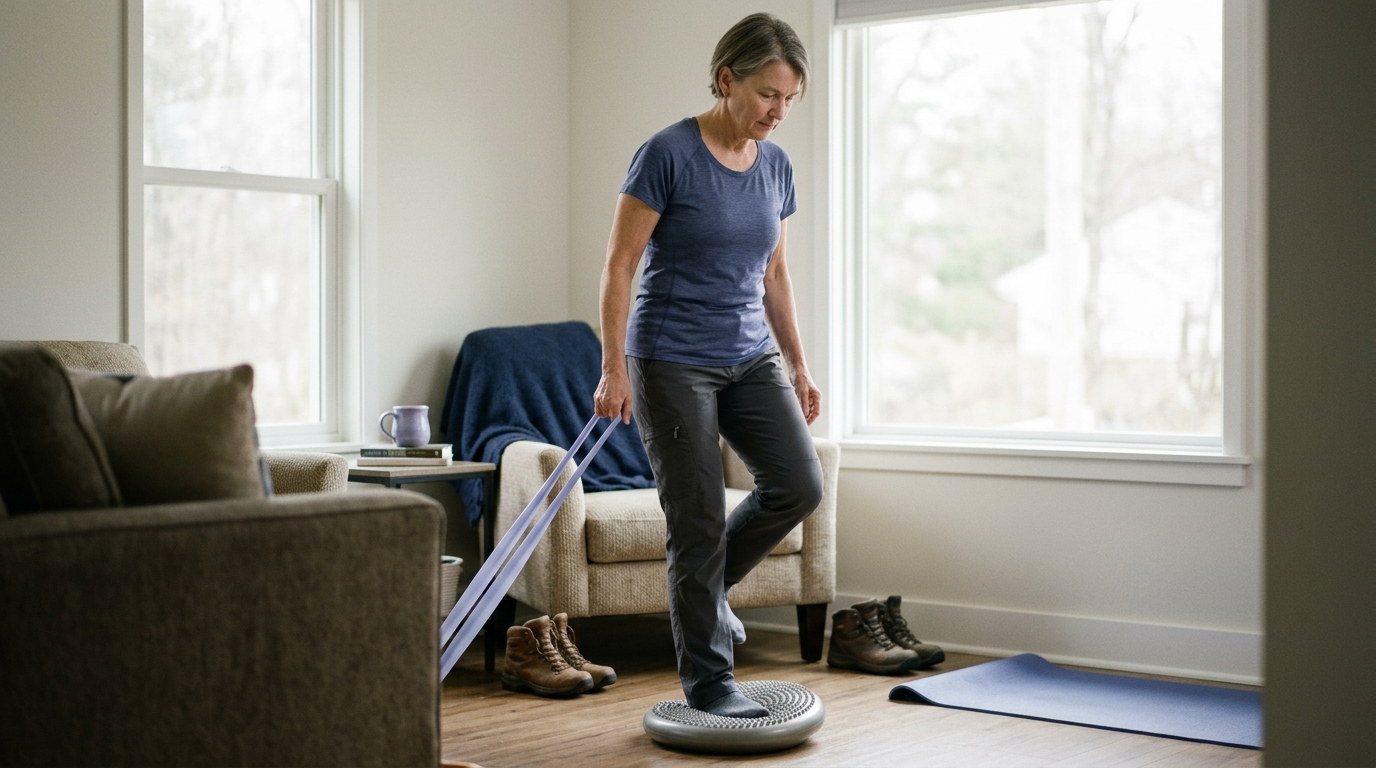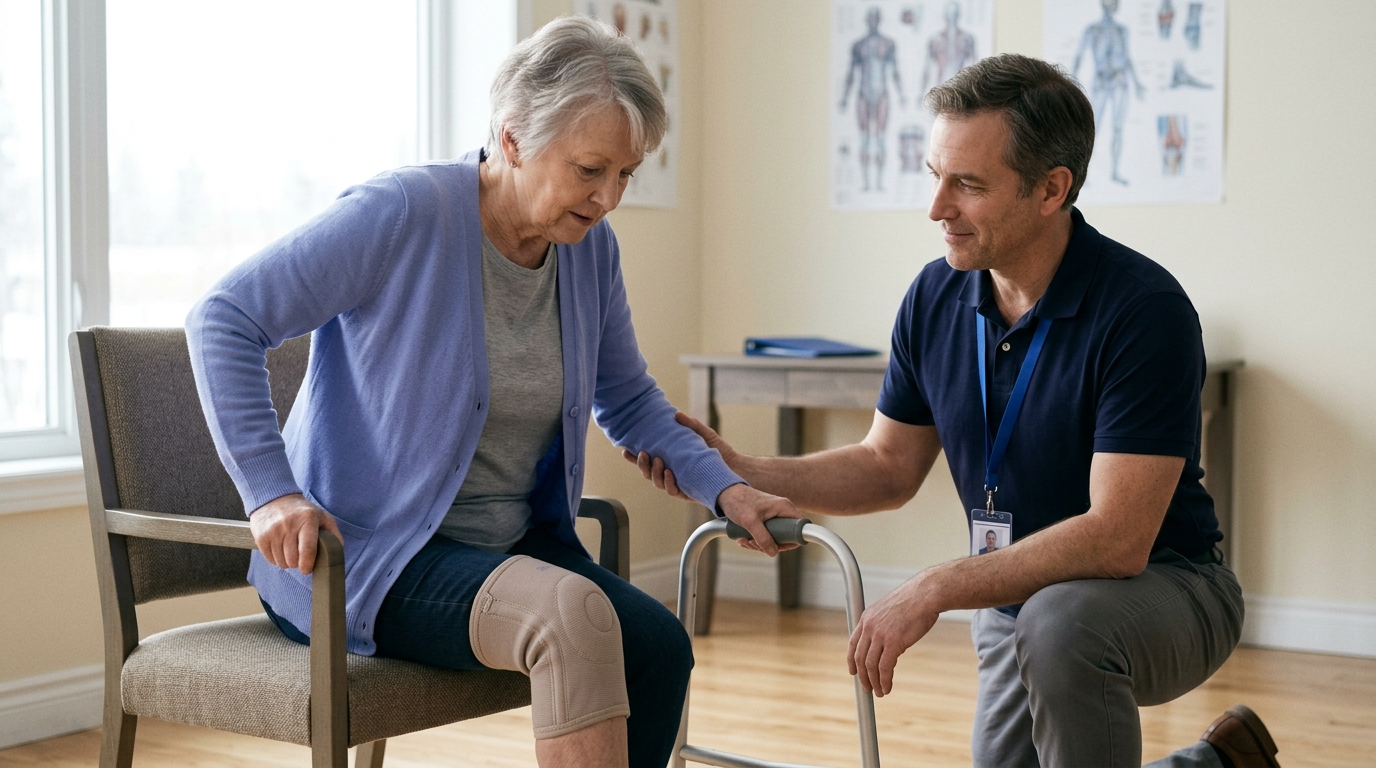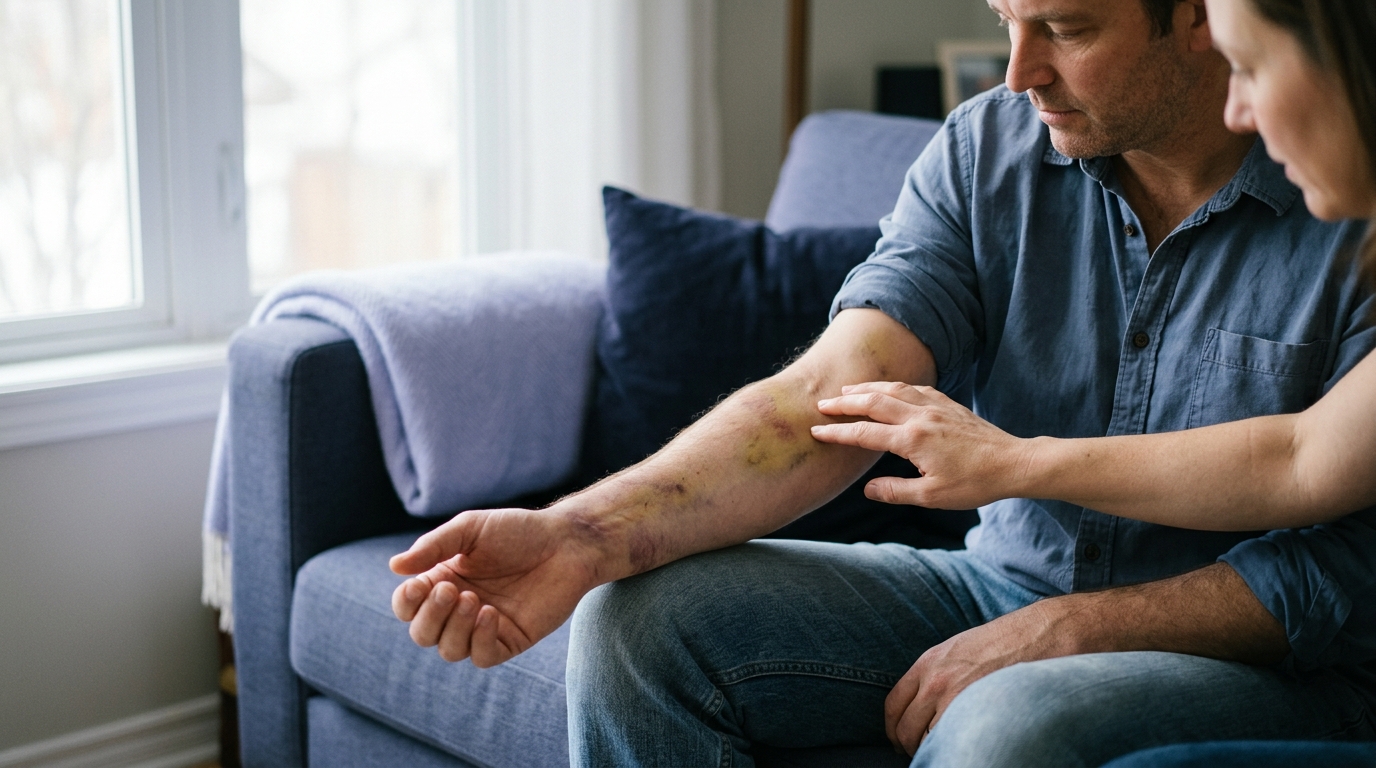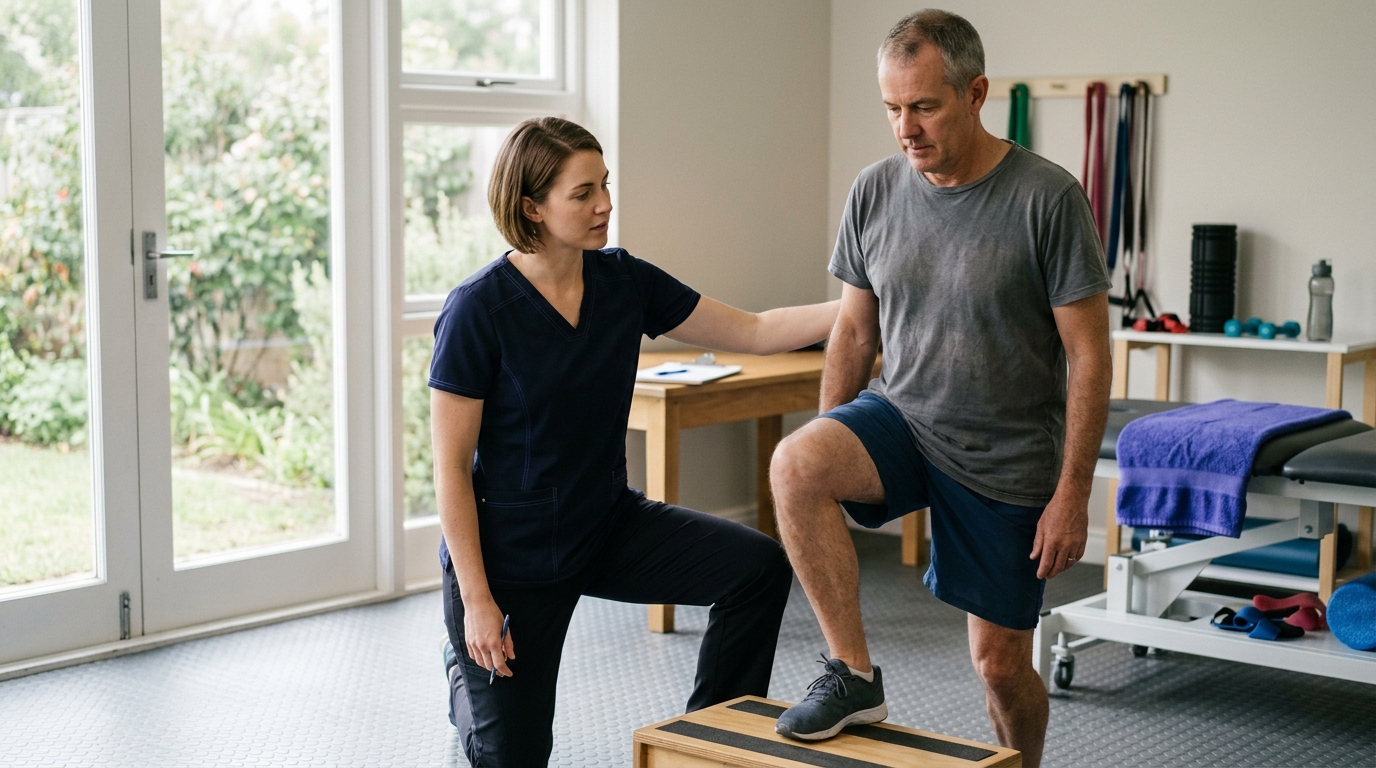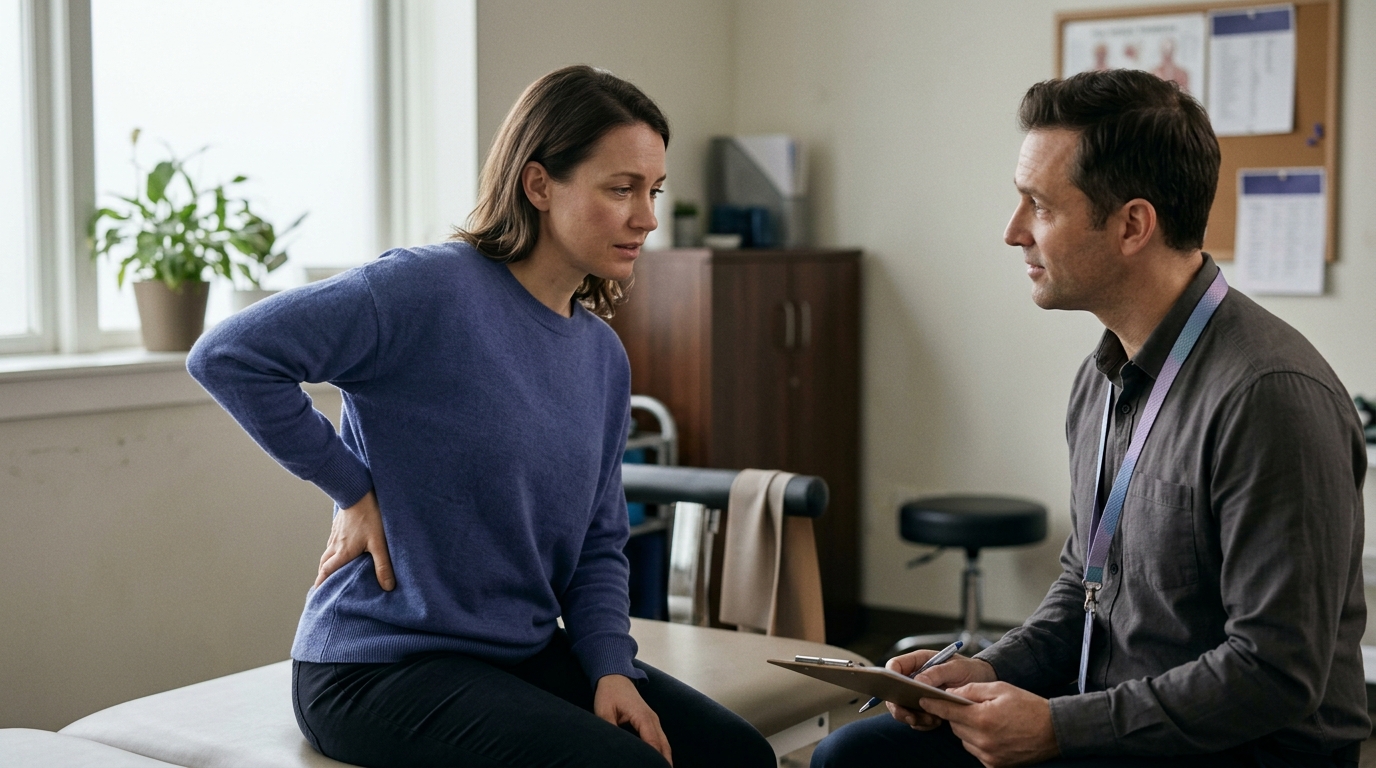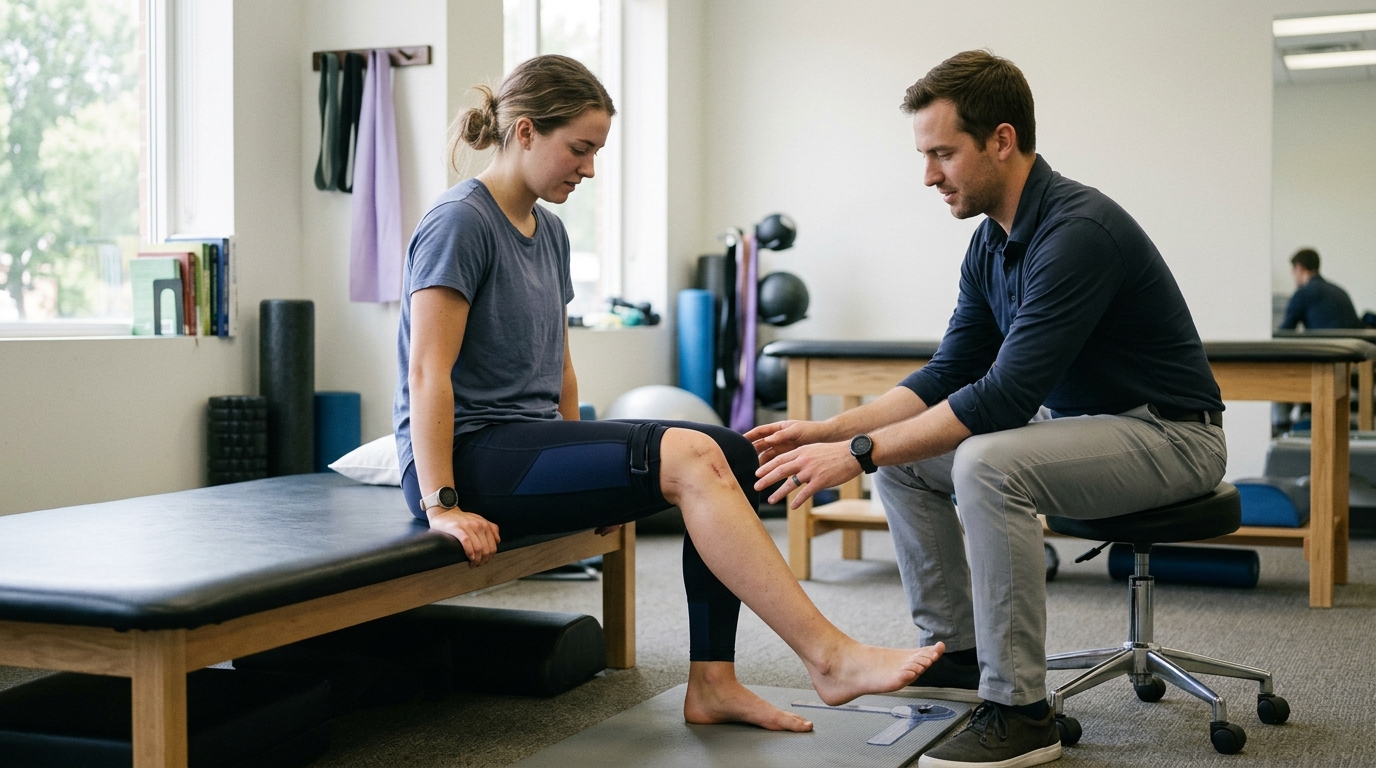

ACL reconstruction recovery requires structured rehabilitation stages and rigorous functional testing to help athletes safely return from knee surgery to full athletic performance.





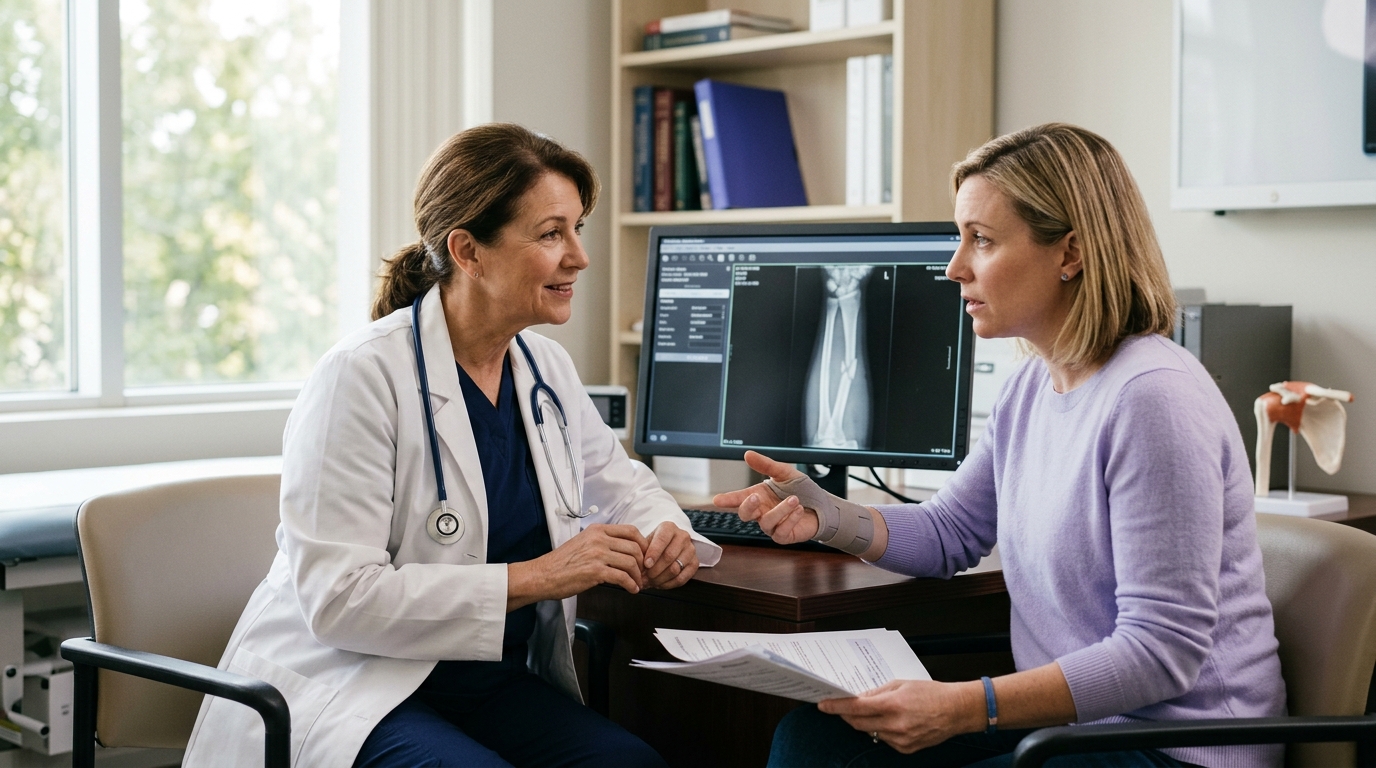
You are six months out from anterior cruciate ligament reconstruction surgery. Your knee feels stable during daily walks, the swelling has settled, and your calendar says you are halfway through the year. Friends ask when you are getting back on the soccer pitch or the ski slope. You want an exact date, but your physical therapist hesitates to give you a simple number on the calendar.
That hesitation is not a sign that something is wrong. Modern sports medicine has shifted away from using simple calendar timelines to clear athletes after knee surgery. Healing tissue needs time, but time alone does not tell you if your leg is ready for the intense demands of cutting, pivoting, and jumping.
Understanding your recovery requires looking at how your joint moves, how much strength you have rebuilt, and how your brain controls your movement under fatigue. This comprehensive guide breaks down the science of rehabilitation, the benchmarks needed before advancing, and the physical and mental factors that guide a safe return to activity.
Rehabilitation after surgery is a progressive, criterion-based process rather than a fixed countdown. In plain terms, passing from one stage of recovery to the next depends on meeting specific physical milestones instead of simply waiting for a set number of weeks to pass. Clinical practice guidelines recommend that postoperative rehabilitation should continue for 9 to 12 months.
The recovery process must restore several distinct qualities in your body. It must rebuild joint mobility, eliminate persistent swelling, restore quadriceps and hamstring strength, and retrain dynamic movement patterns. It also must rebuild cardiovascular fitness and address psychological readiness.
There is an important limit to keep in mind. Medical research does not provide a single, universally validated test battery that can guarantee you will never suffer a reinjury. Even when you pass every clinical test, some degree of risk remains when returning to high-demand activities.
Rehabilitation is therefore an exercise in systematic risk reduction. By methodically restoring strength, symmetry, and movement control, you give your reconstructed ligament and your surrounding joint structures the best possible foundation for long-term joint health. Readers navigating this journey can learn more about structured recovery pathways in our surgical recovery and comeback resources.
When people talk about returning to activity after knee surgery, they often use different terms to describe very different milestones. In sports medicine research, clinicians make clear distinctions between three separate stages of activity resumption. Treating these stages as identical creates confusion and can lead people to rush into high-risk environments too early.
Return to participation means you are taking part in modified training, conditioning, or skill work. At this stage, you might join your team for non-contact drills, shoot baskets on your own, or perform controlled agility ladders. You are physically active, but you are not yet exposed to uncontrolled collisions, chaotic game environments, or maximum competitive intensity.
This phase is essential for rebuilding sport-specific fitness and technical confidence. It allows physical therapists and athletic trainers to monitor how your knee responds to increased physical workloads in a protected setting.
Return to sport is defined as unrestricted participation in formal practice or competitive gameplay. At this stage, you are cleared to play your sport without external restrictions on your minutes, contact level, or game situations.
Reaching this milestone requires demonstrating adequate physical capacity across several domains. You must show that your knee can tolerate the unpredictable demands of full competition without swelling, giving way, or causing compensations in other joints.
Return to performance represents reaching or exceeding your pre-injury level of athletic output. Many athletes realize that being cleared for unrestricted sport is not the same as playing at their previous standard. Rebuilding peak agility, explosive power, and tactical sharpness often takes several additional months of consistent play.
Recognizing these distinctions helps keep your expectations realistic throughout rehabilitation. For a broader look at how physical capacity is restored after injury, review our collection of strength and return to sport articles.
Evidence-based clinical guidelines, such as the multidisciplinary consensus published by Van Melick and colleagues, outline a phased pathway for recovery. This framework emphasizes prehabilitation followed by three distinct postoperative phases: impairment-based recovery, sport-specific training, and return to play. Progression through these stages must be earned through objective physical testing.
Rehabilitation actually begins before you enter the operating room. Prehabilitation focuses on resolving swelling, restoring full knee extension, and preserving as much quadriceps strength as possible before surgery.
Research indicates that preoperative physical status and baseline fitness influence how well patients recover after their operation. Entering surgery with a quiet, non-swollen knee and strong leg muscles establishes a much stronger foundation for early postoperative gains. Prehabilitation also gives you an opportunity to learn early rehabilitation exercises before you have to perform them with fresh surgical incisions.
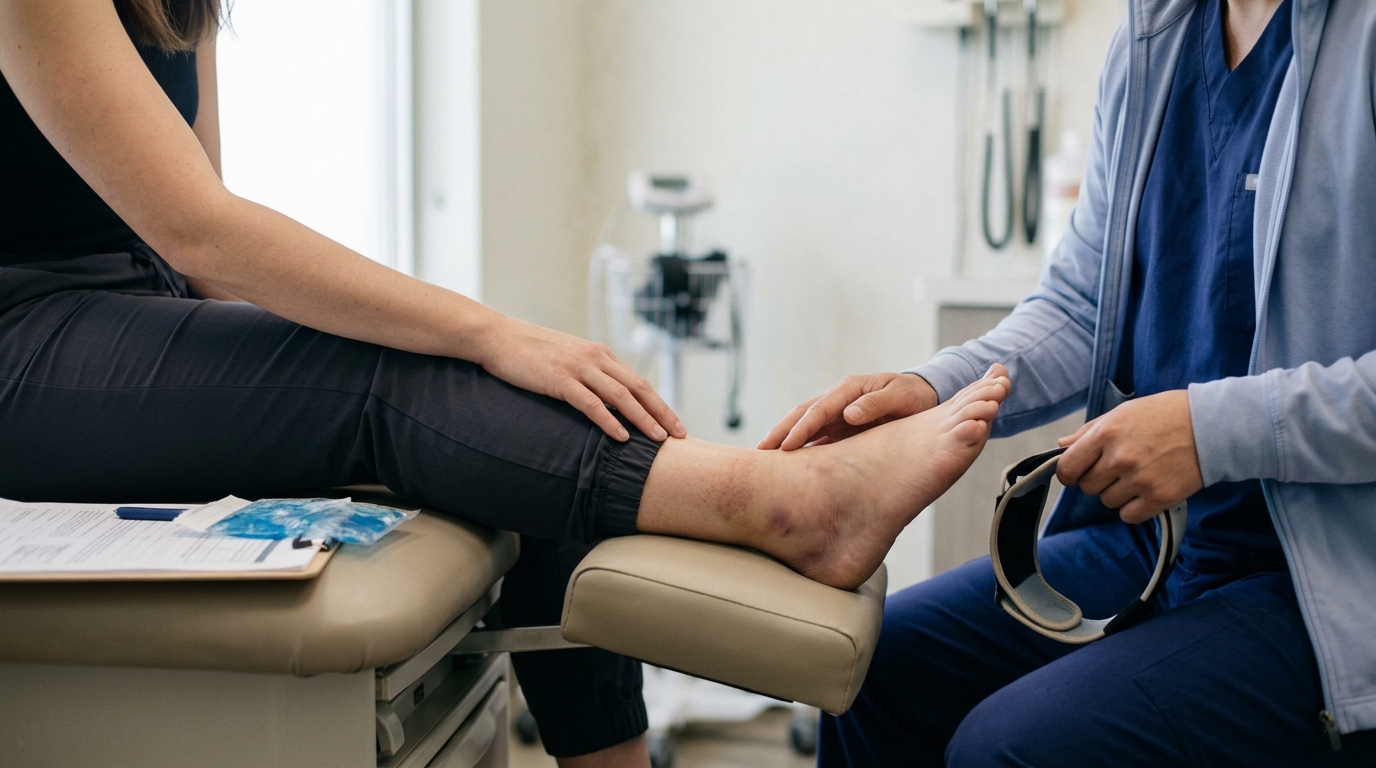
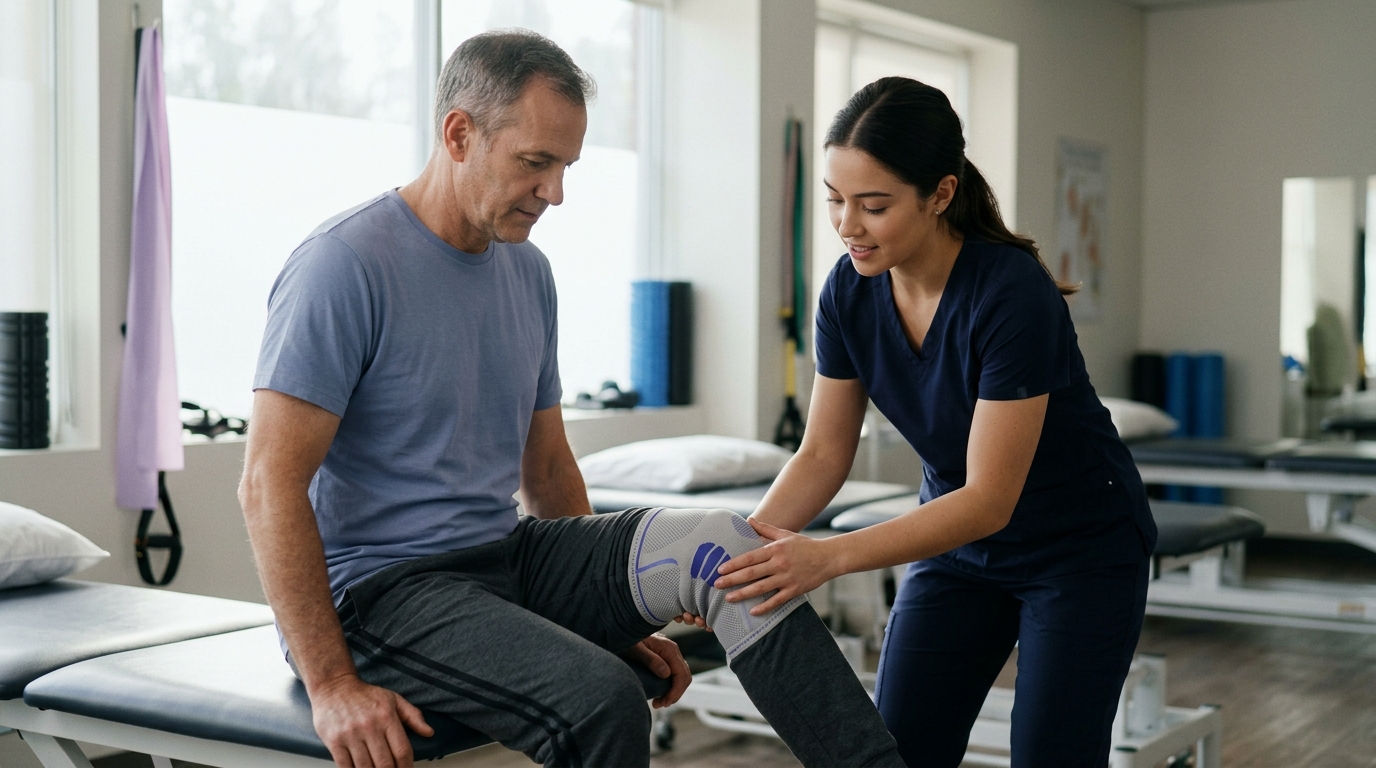
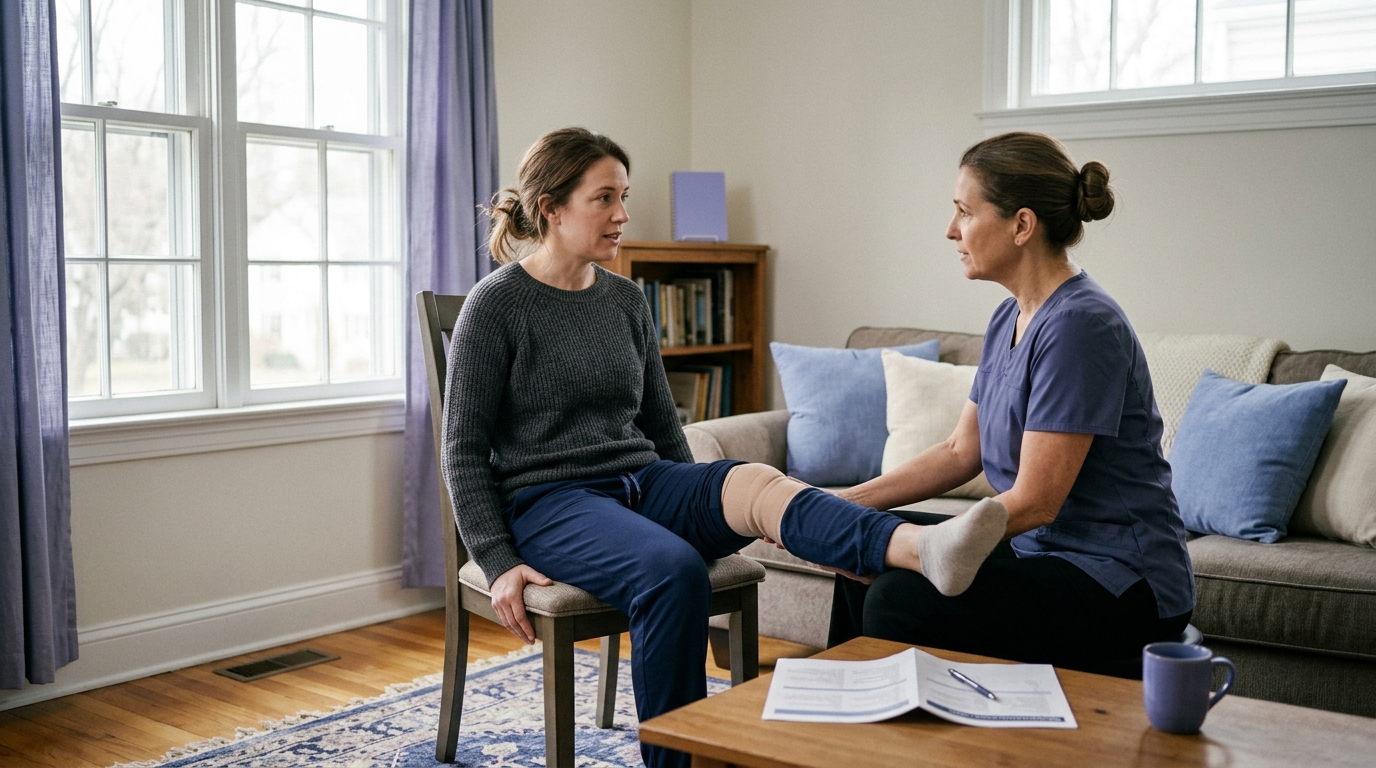
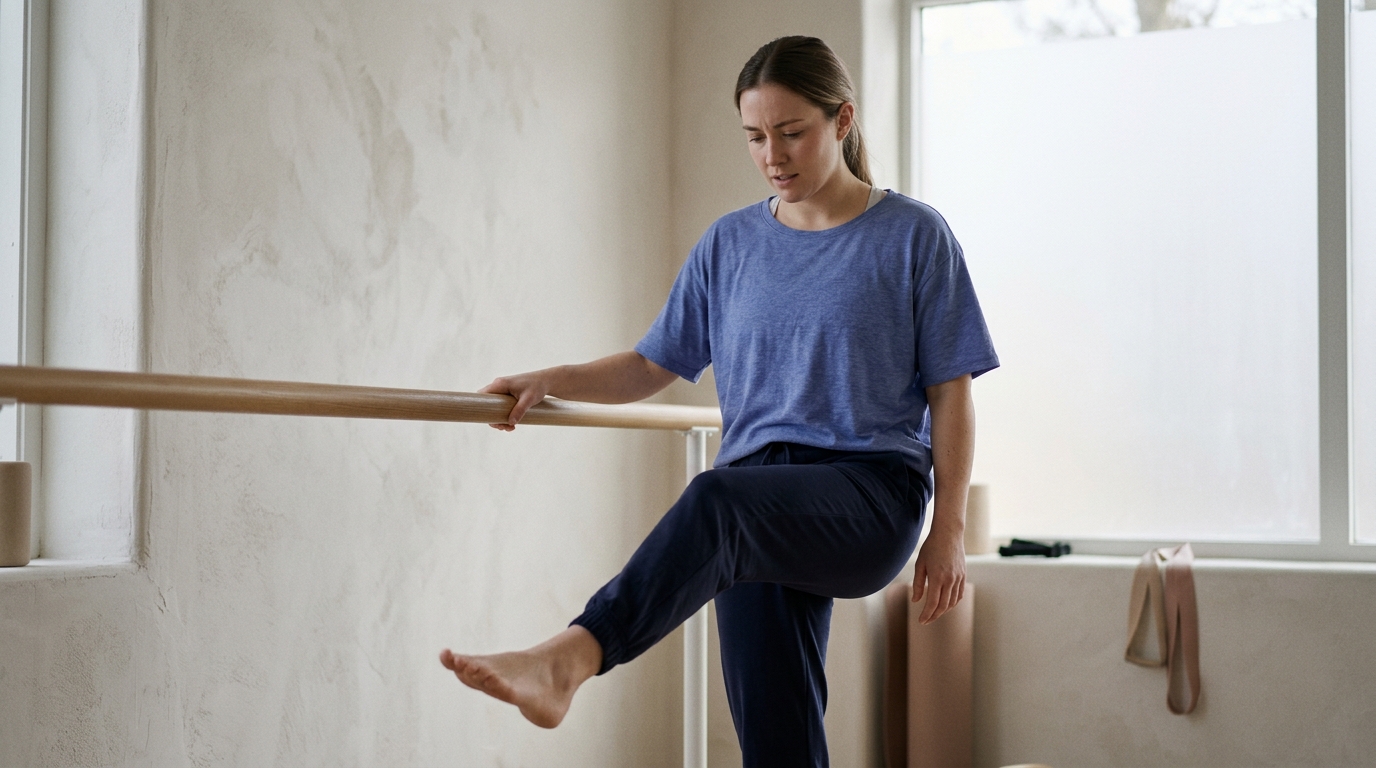
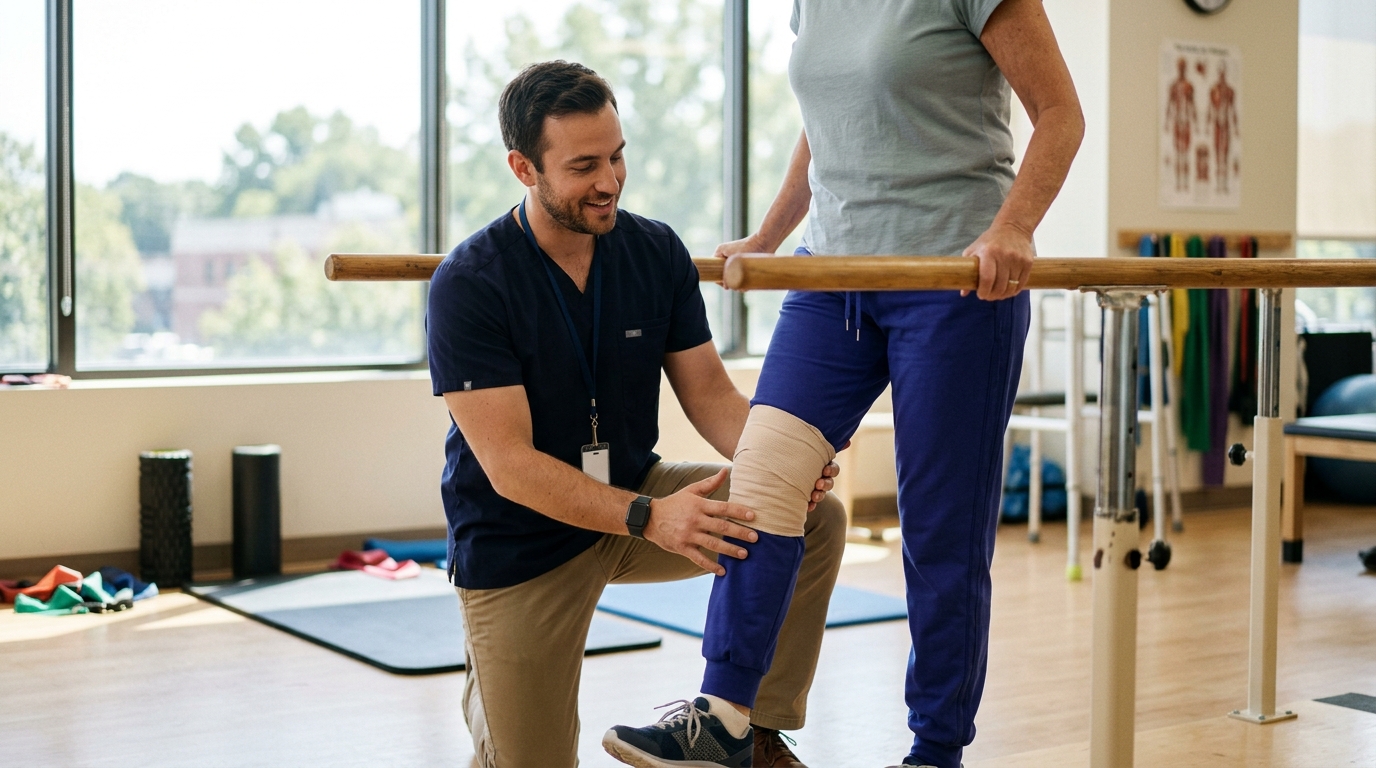
The first phase after surgery focuses on impairment-based rehabilitation. The primary objectives during this early period are managing pain and swelling, regaining full passive knee extension, restoring normal patellar mobility, and waking up the quadriceps muscle.
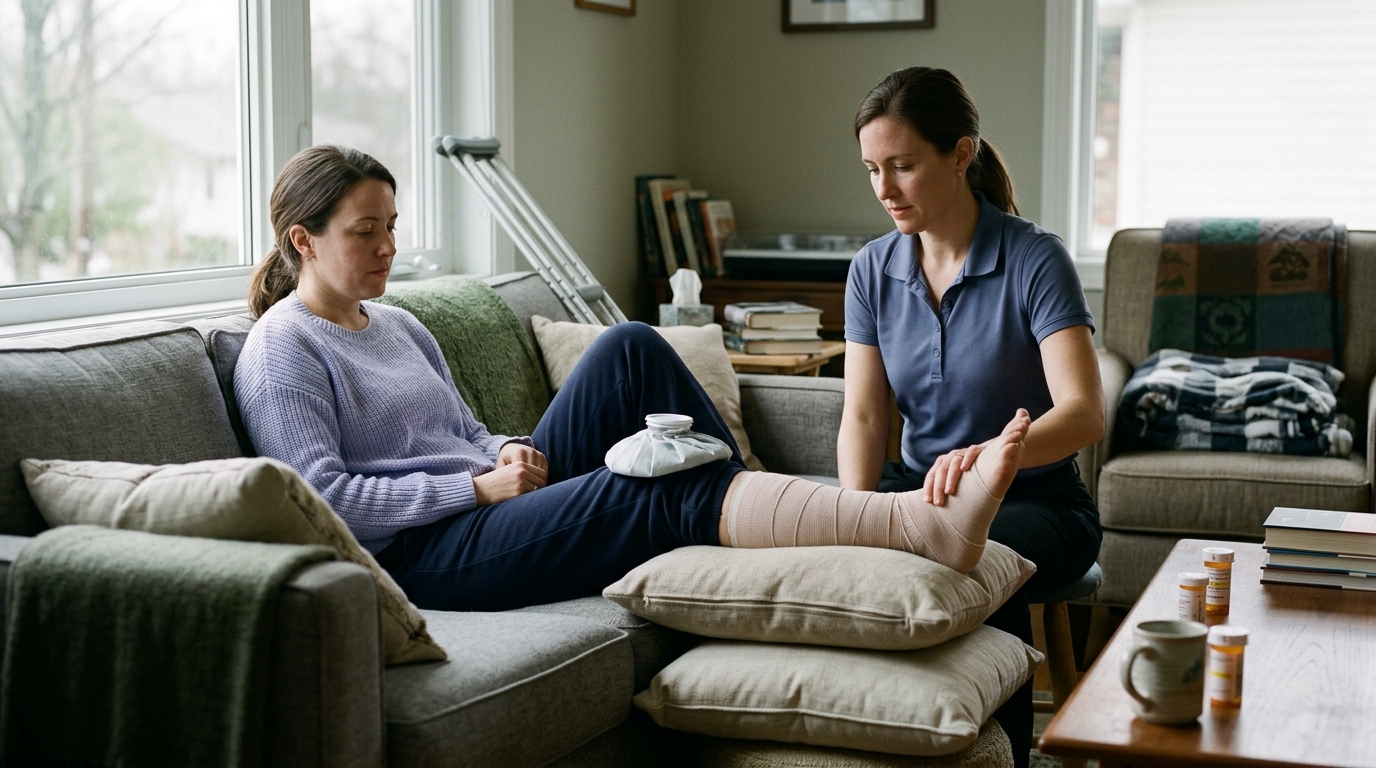
Swelling acts as an internal neurological brake on the quadriceps muscle, a process known as arthrogenic muscle inhibition. Minimizing swelling through cold therapy, gentle compression, and elevation helps restore voluntary muscle activation. Achieving full knee extension equal to your uninjured side is critical in these early weeks. Failing to regain extension early can lead to altered walking mechanics, long-term joint pain, and patellofemoral irritation.
Early exercise selection depends on your specific surgical procedure and your surgeon's guidance. For example, clinical guidelines from Aspetar note that early eccentric quadriceps strengthening on an eccentric cycle or stepper may be introduced as early as three weeks after surgery in select patients with patellar tendon or hamstring autografts. However, these choices must always be matched to your unique surgical details and tissue healing constraints.
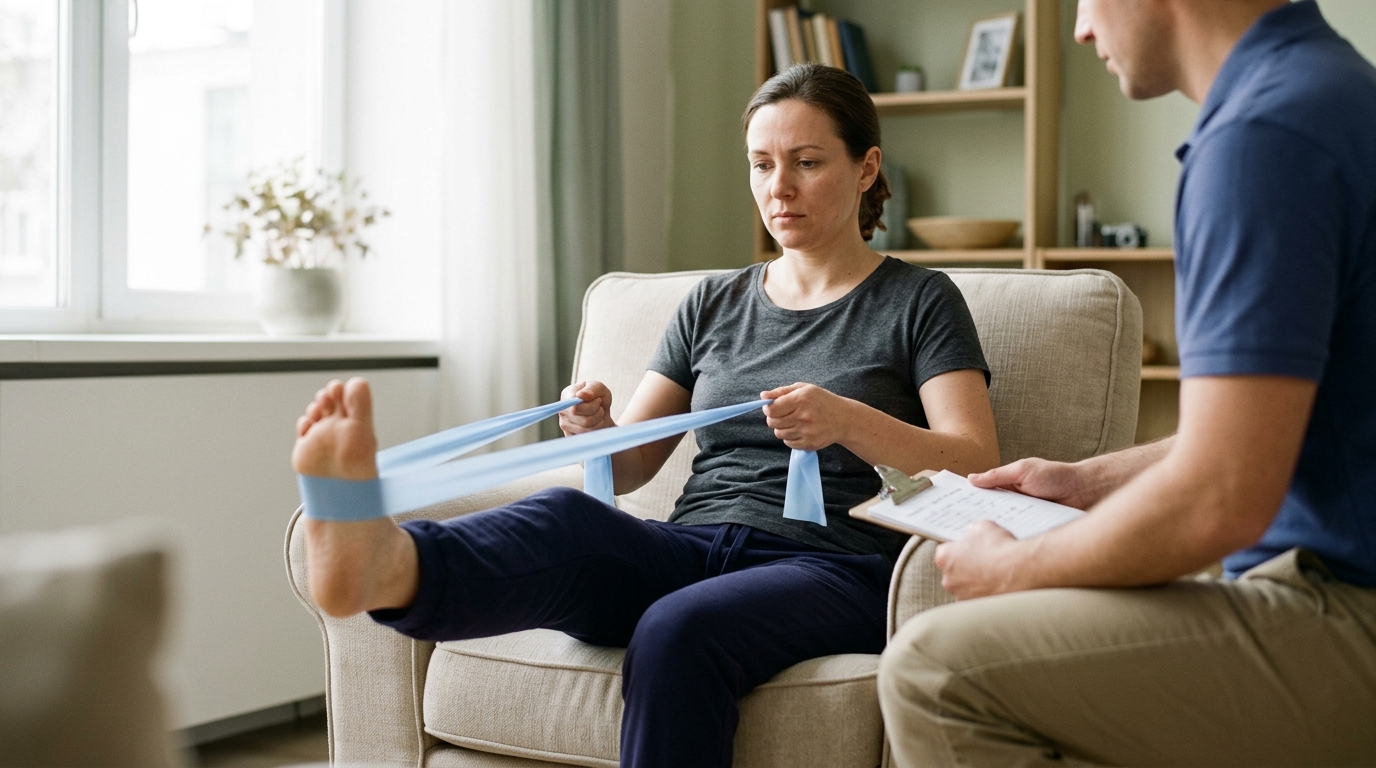
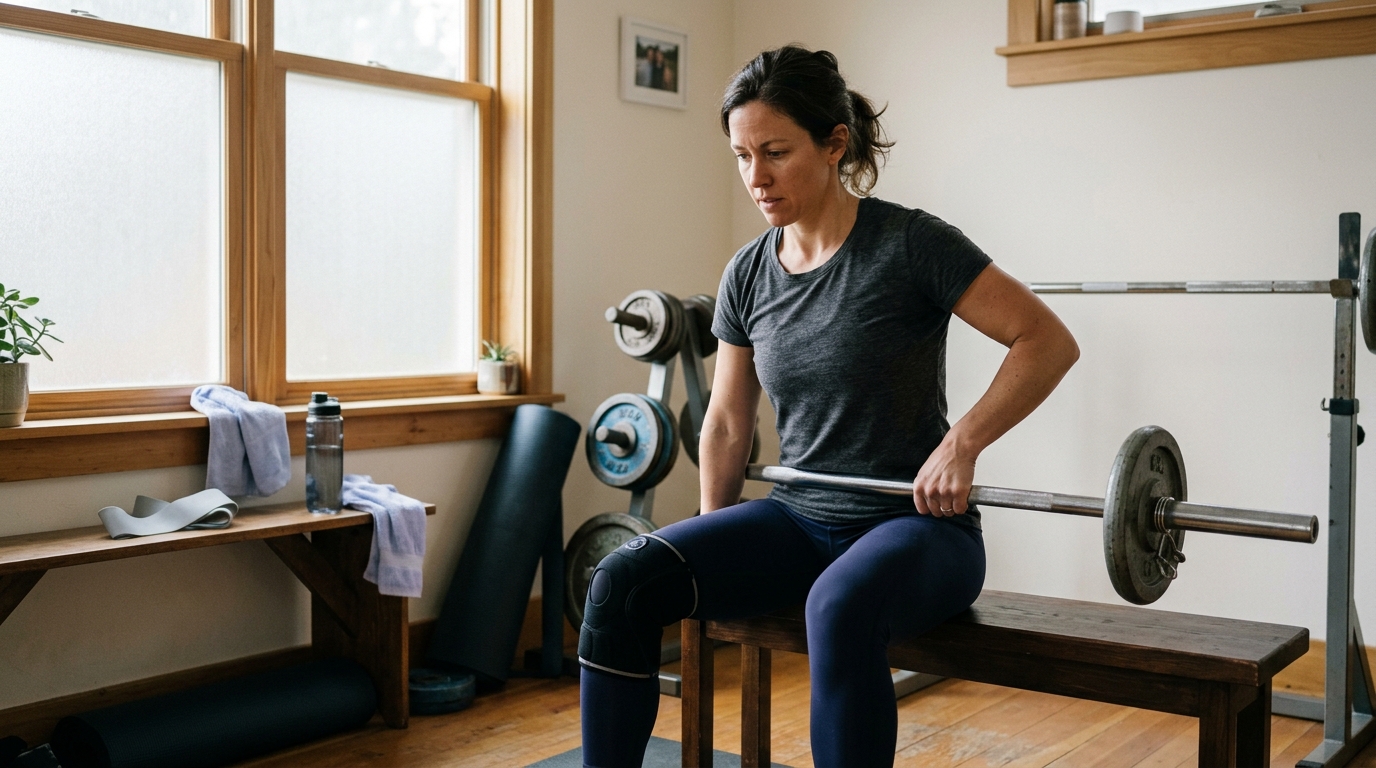
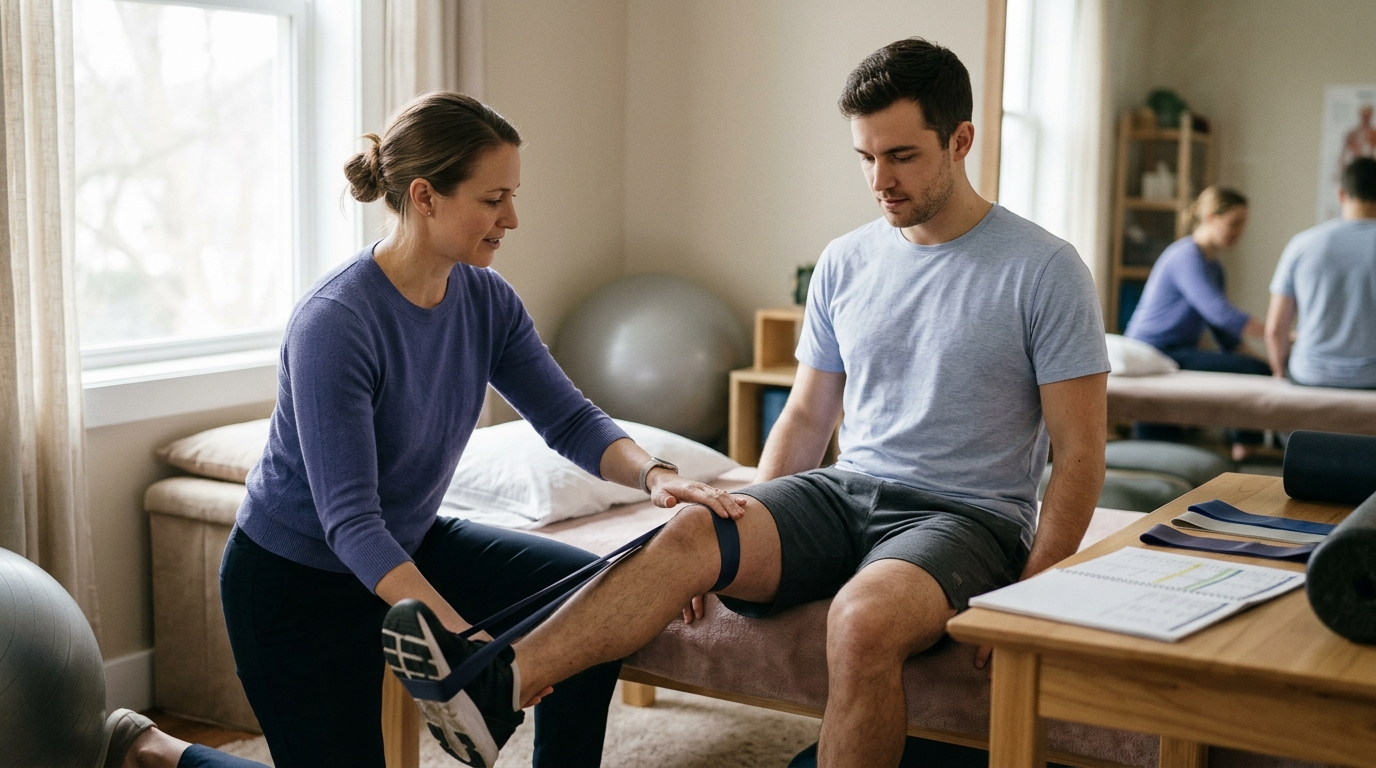
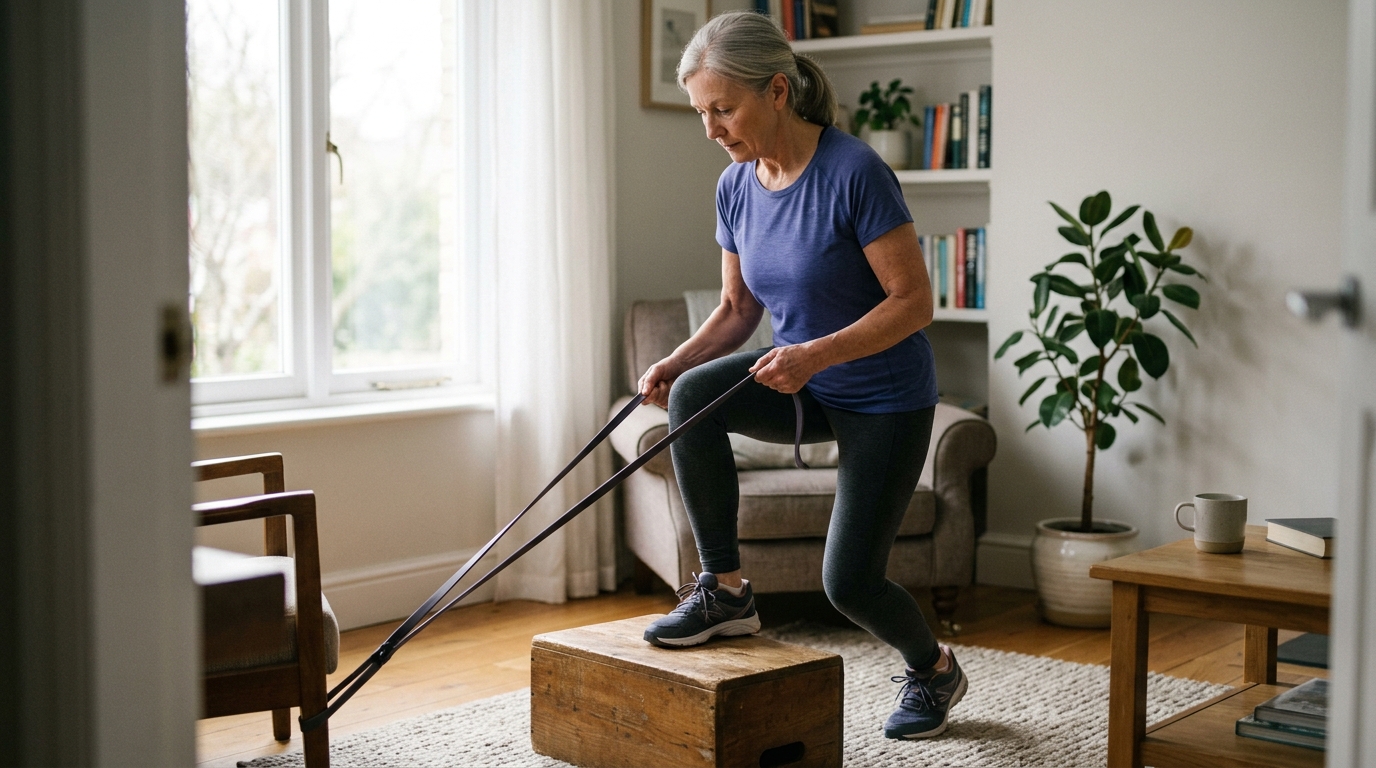
Once basic joint motion is restored and walking mechanics are normal, rehabilitation shifts toward progressive strength building. This stage requires dedicated, heavy resistance training to restore muscle mass and force production in the quadriceps, hamstrings, gluteal complex, and calves.
Isolated knee extension and flexion exercises are combined with multi-joint movements like squats, leg presses, and deadlifts. Dedicated strengthening of the quadriceps is especially critical, as quadriceps deficits are notoriously stubborn after knee surgery. You can explore foundational exercise strategies in our rehabilitation and mobility resources.
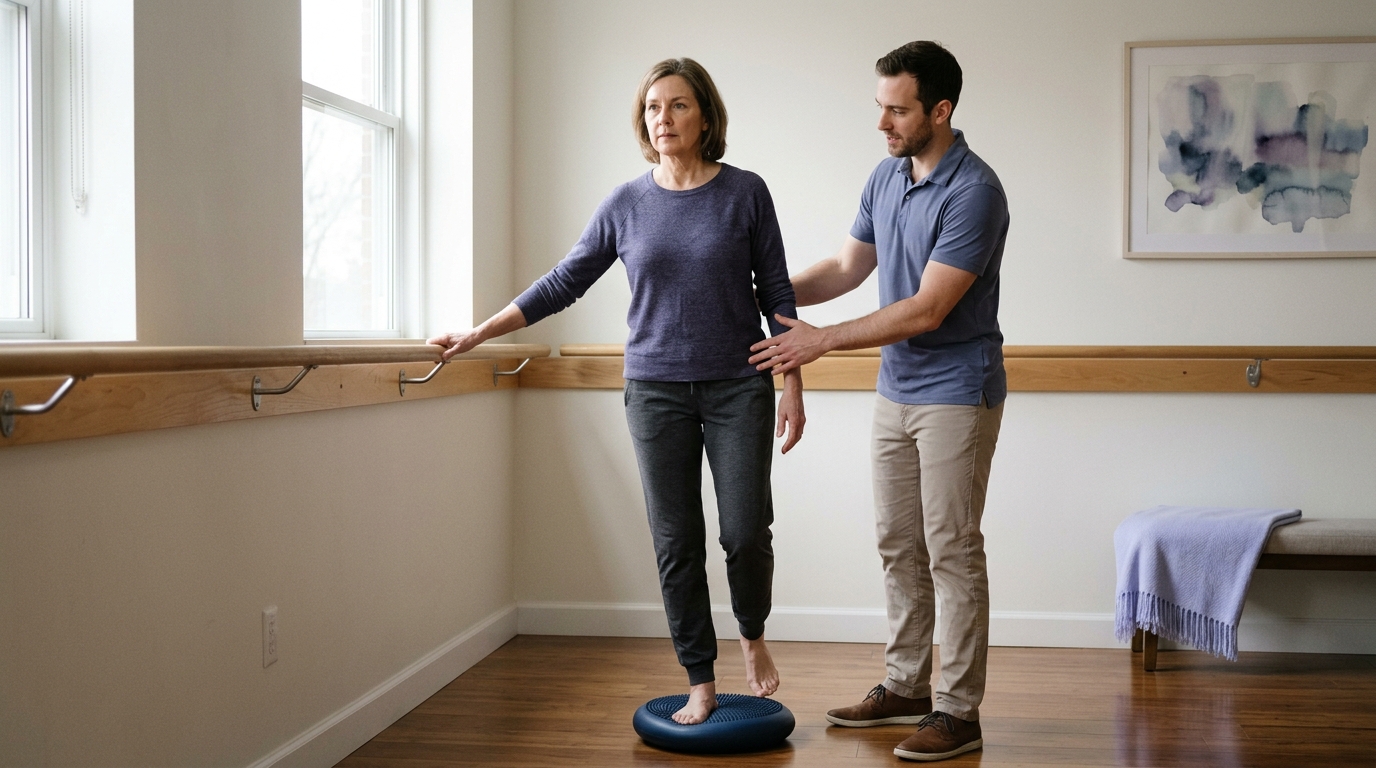
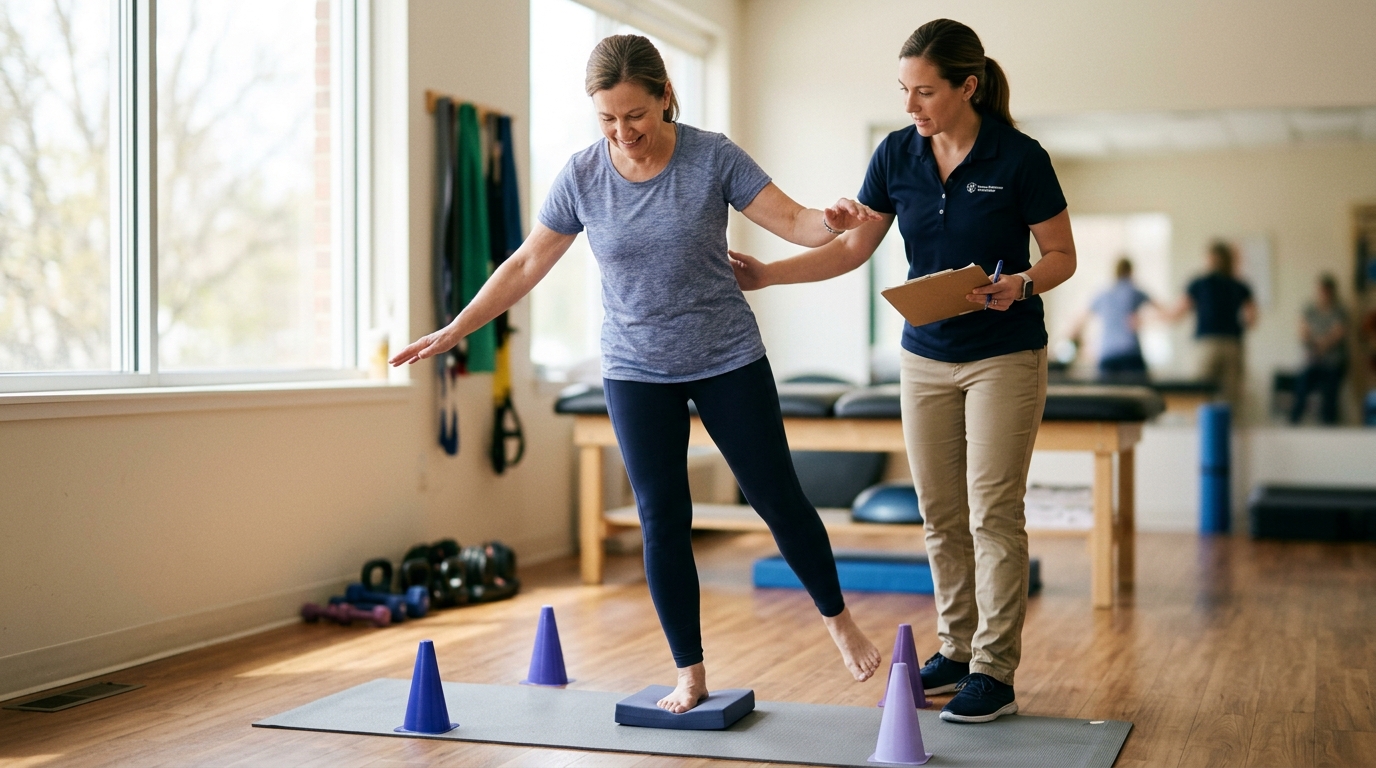
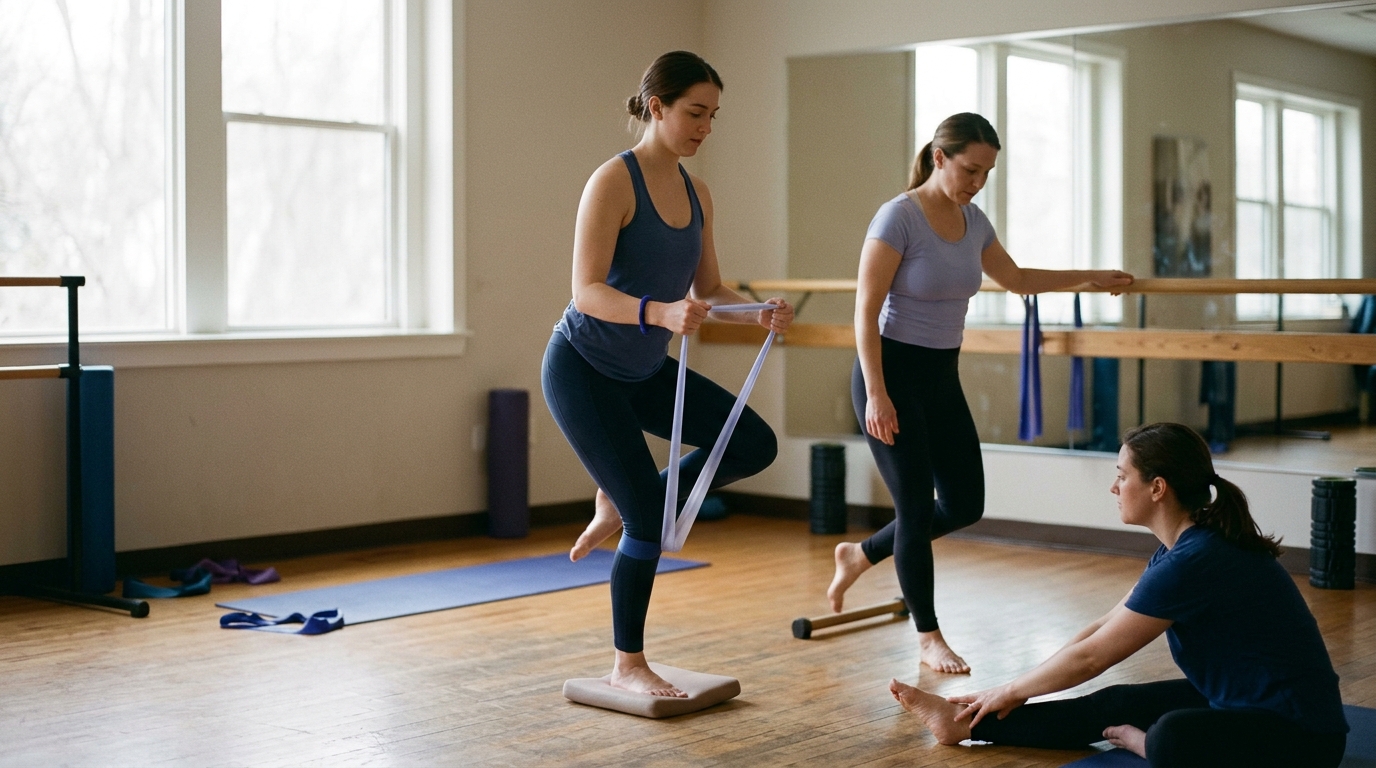
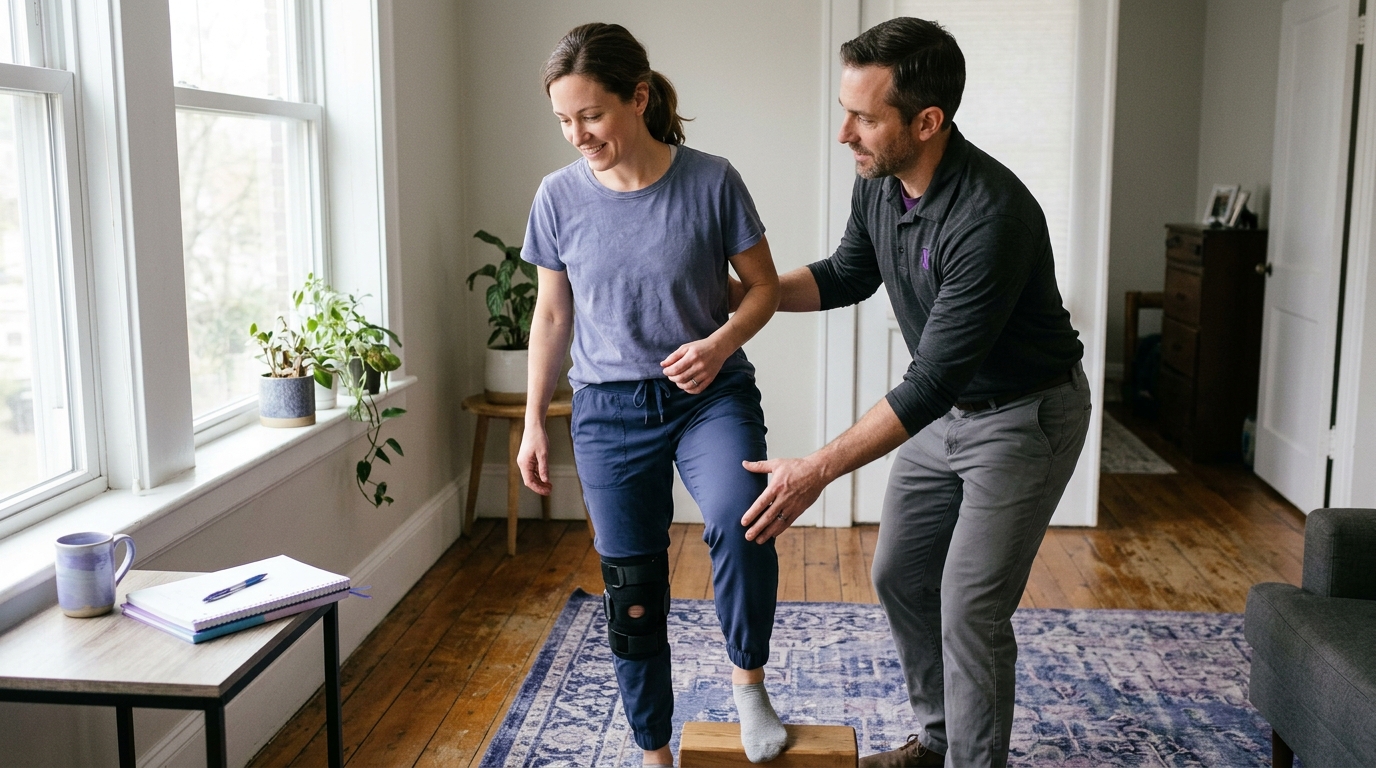
This phase also introduces basic balance drills, single-leg stability exercises, and controlled movement mechanics. Neuromuscular training teaches your nervous system to stabilize the knee joint dynamically during double-leg and single-leg loading tasks.
The transition toward high-impact activity requires structured sport-specific training before any consideration of full play. This phase includes linear running, change-of-direction drills, deceleration mechanics, and plyometrics.
Deceleration is a critical component of late-stage rehabilitation. Most non-contact knee injuries occur during rapid deceleration, landing from a jump, or sudden sidestepping maneuvers. Training must systematically expose your knee to controlled deceleration forces before you face reactive, unpredictable situations on the field.
During this stage, your physical therapist will gradually introduce reactive agility drills, sport-specific skill patterns, and conditioning drills designed to simulate the metabolic demands of your activity.
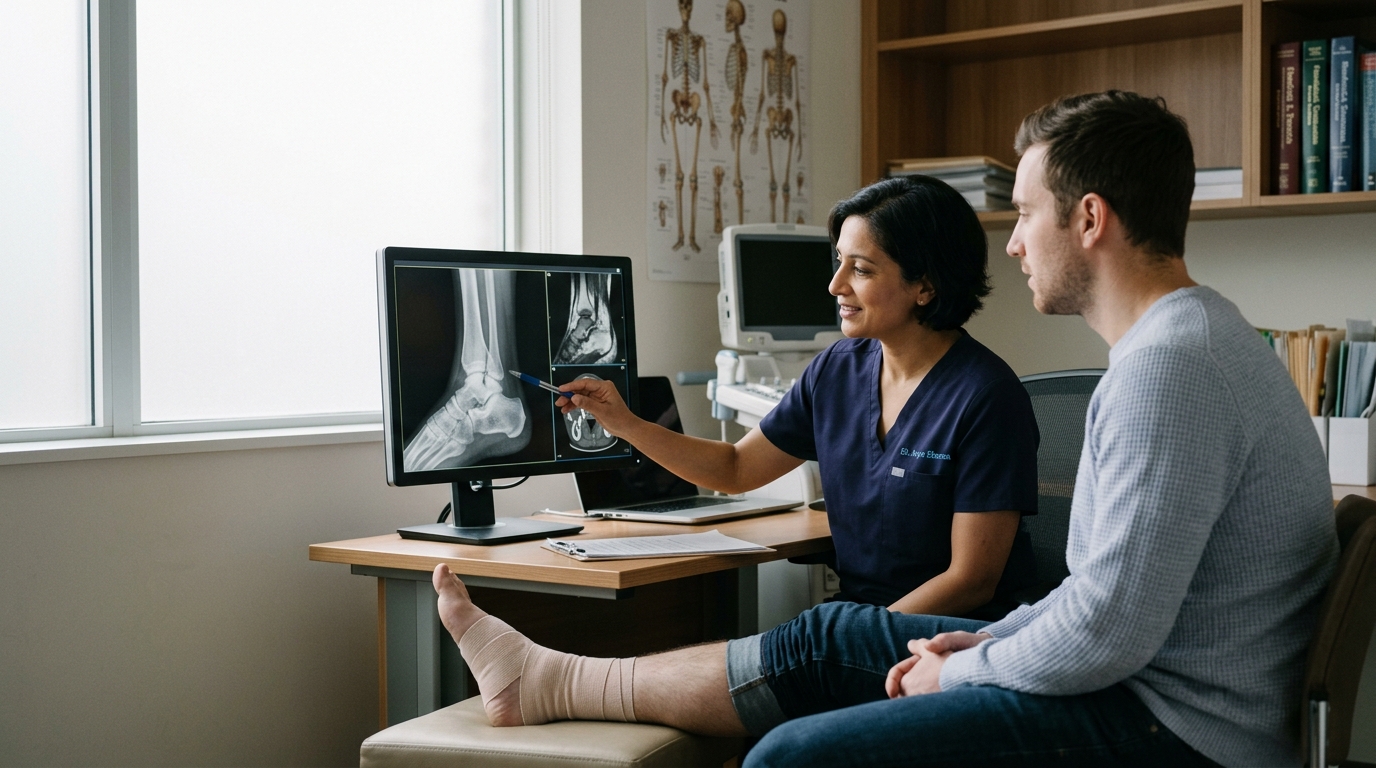
Clinical guidelines strongly advise against using time as the sole metric for clearing an athlete to return to sport. Instead, physical therapists and orthopedic surgeons use a comprehensive battery of tests across multiple domains to evaluate joint function and whole-body readiness.
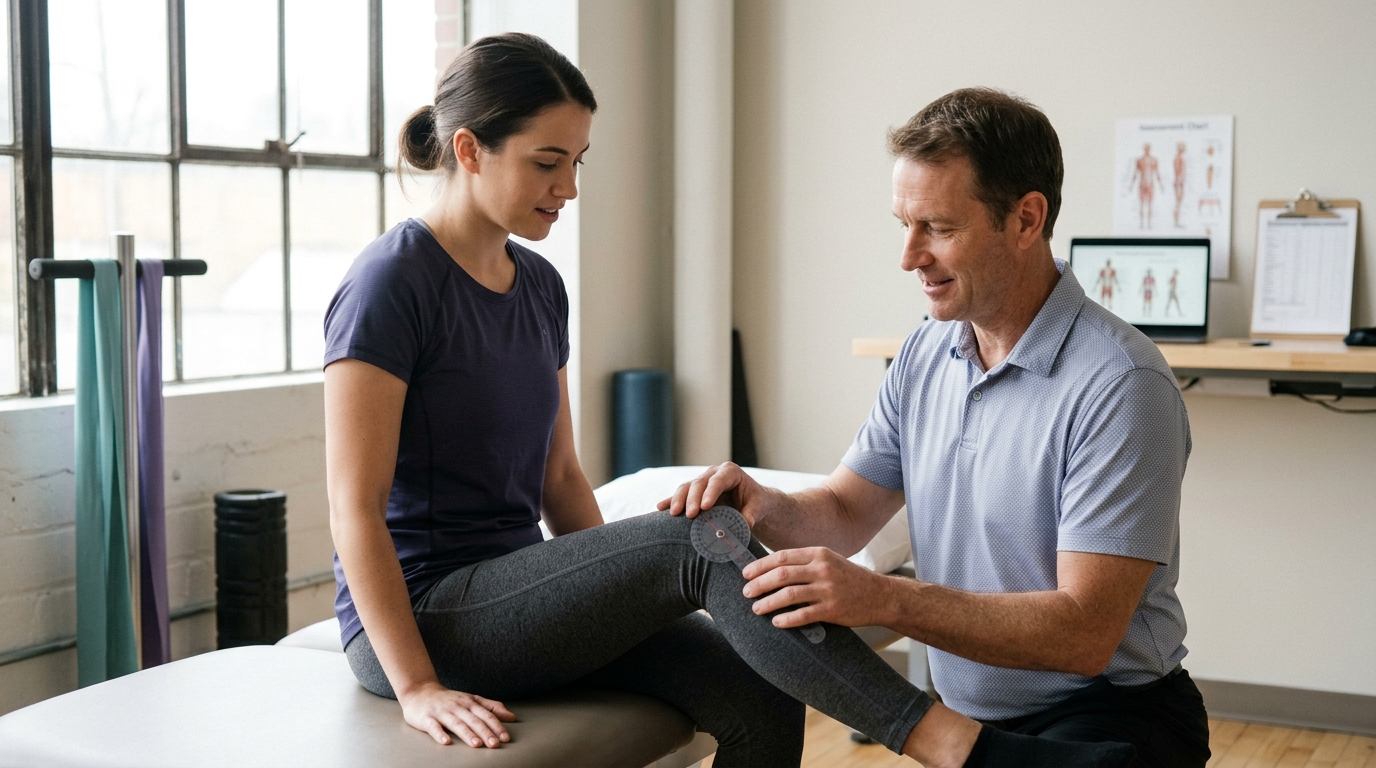
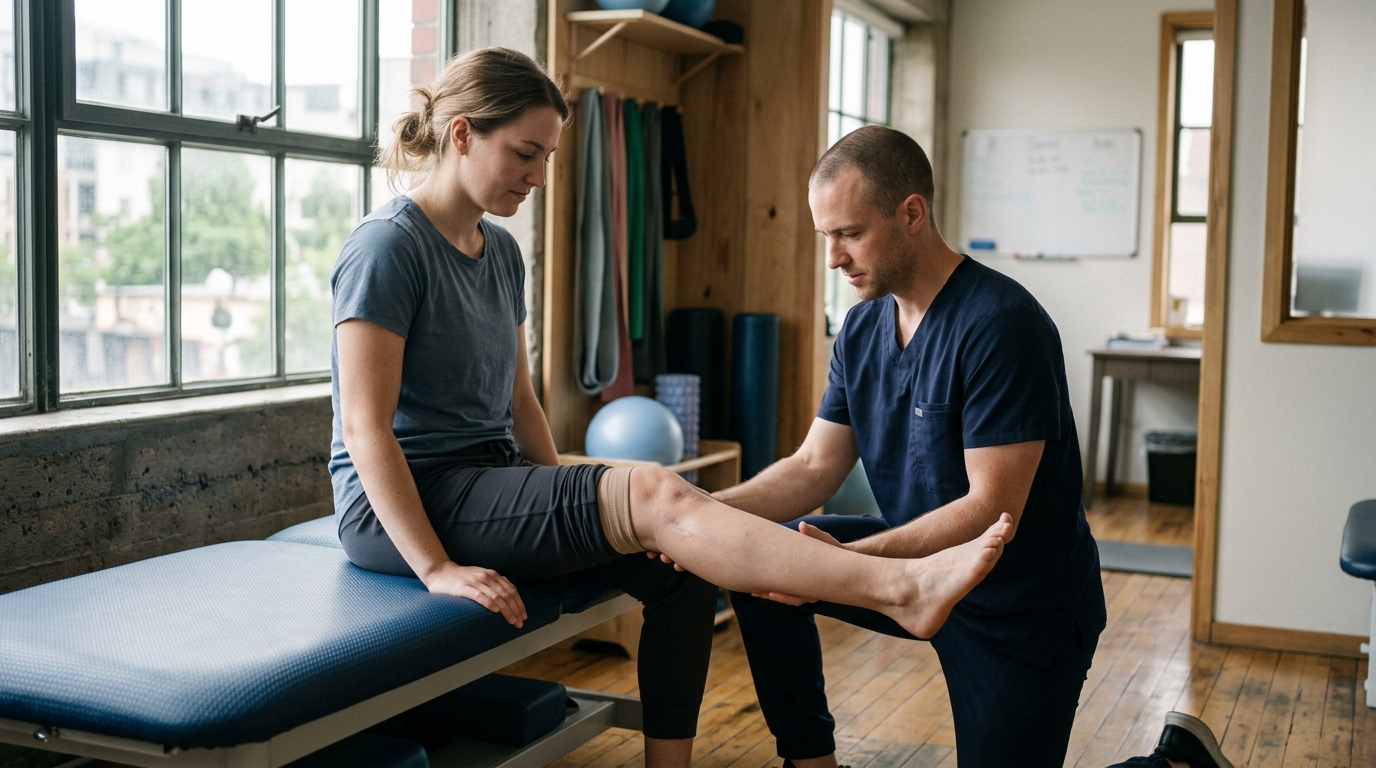
The foundation of any assessment is an examination of basic joint symptoms and health. Your clinician will check for the absence of joint effusion, verify that resting pain is minimal or absent, and confirm that you have maintained full range of motion in both flexion and extension.
The clinician will also perform manual ligament stability tests to ensure the graft remains structurally intact and stable. If a knee consistently swells after basic workouts, it is not ready for higher impact forces.
Isolated strength testing provides objective data about force output that cannot be observed through visual inspection alone. Clinicians often evaluate the quadriceps and hamstrings using specialized dynamometers.
Isokinetic dynamometry allows testing of peak muscle torque at specific speeds, such as 60 degrees per second. Handheld dynamometers or specialized fixed-frame devices can also measure maximum isometric strength. These tests ensure that both the quadriceps and hamstrings have regained adequate absolute strength and appropriate strength ratios before high-speed running and cutting begin.
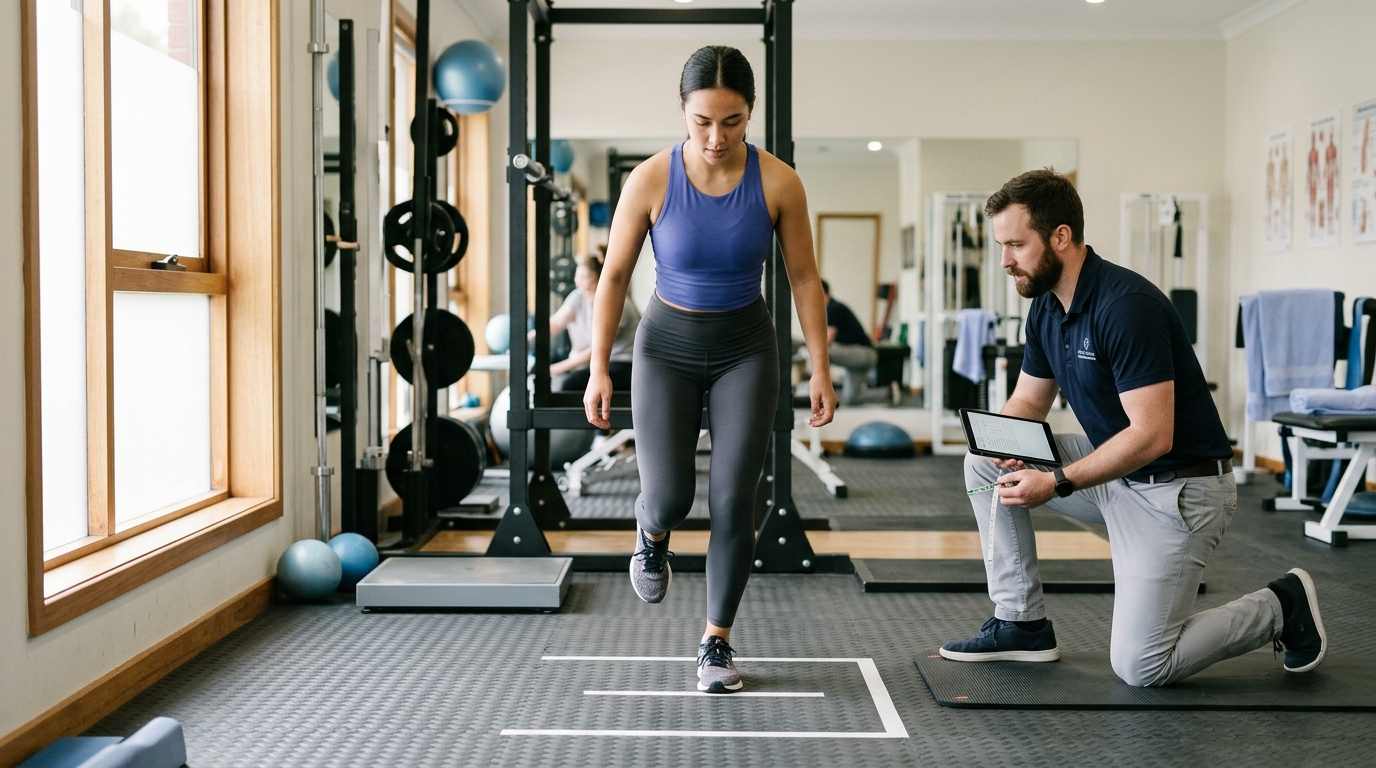
Hop tests are widely used to assess dynamic single-leg power, control, and shock absorption. Standard test batteries frequently include four specific tasks:
These tests evaluate not just how far you can jump, but how confidently and stably you can land on the operated limb.
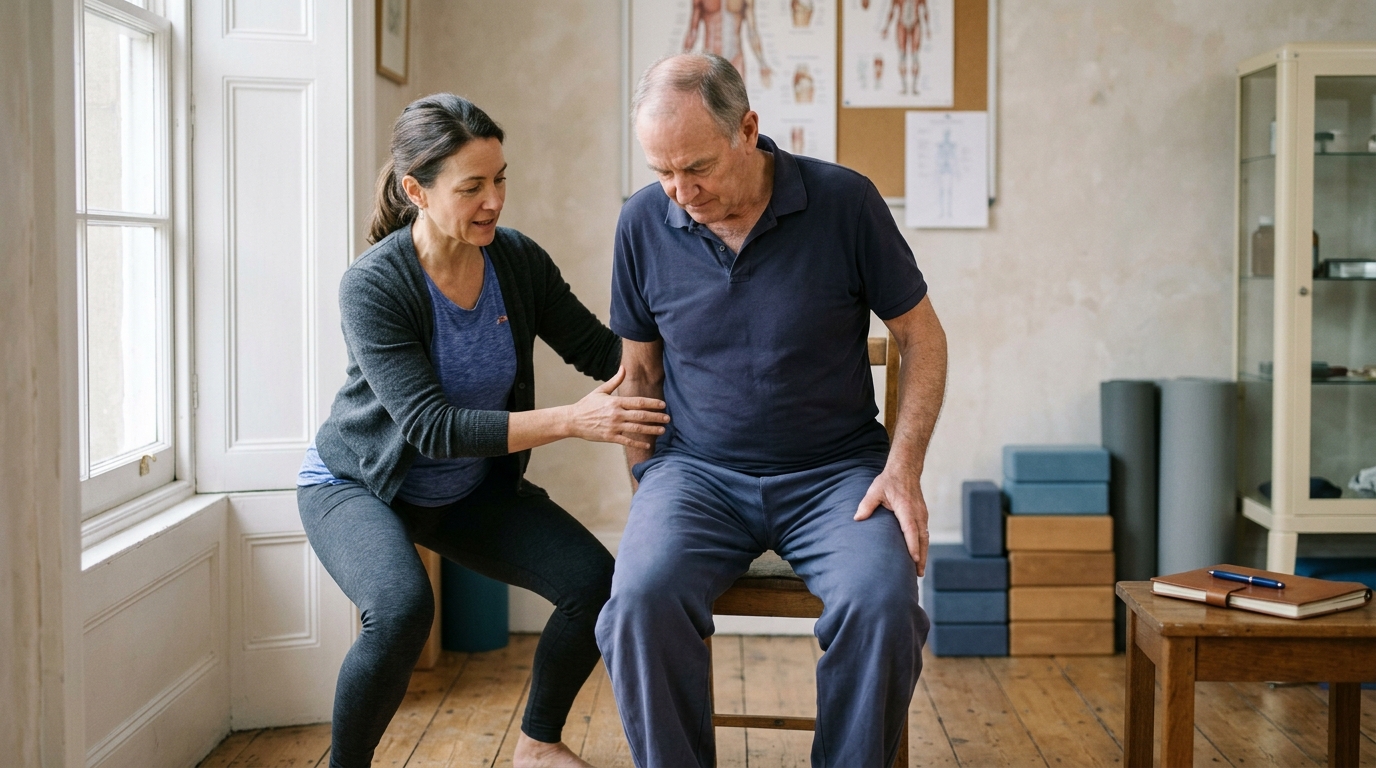
Jumping far on a hop test is not enough if your landing mechanics look dangerous. Modern clinical guidelines specifically recommend evaluating movement quality, often utilizing two-dimensional video analysis.
Clinicians evaluate whether your knee collapses inward during landings, a movement pattern known as dynamic knee valgus. They also observe trunk control, hip posture, and how smoothly you absorb ground reaction forces. An athlete who achieves good jump distance by landing stiffly or compensating with their lower back has not demonstrated safe movement quality.
The Limb Symmetry Index, commonly abbreviated as LSI, is one of the most widely cited metrics in orthopedic rehabilitation. LSI compares the physical performance of your operated limb to your uninjured limb, expressed as a percentage.
To calculate LSI, you divide the score of the injured limb by the score of the uninjured limb and multiply by 100. For instance, if your operated leg produces 180 Newton-meters of quadriceps torque and your uninjured leg produces 200 Newton-meters, your LSI for quadriceps strength is 90 percent.
In published rehabilitation literature, an LSI of 90 percent or greater is frequently used as a standard benchmark for functional progression and return-to-sport testing. Some specialized guidelines propose even higher thresholds for specific populations.
For example, the Aspetar clinical practice guideline outlines proposed minimum criteria for professional athletes returning to high-demand pivoting sports. These proposed criteria include achieving 100 percent symmetry in isokinetic quadriceps and hamstring peak torque at 60 degrees per second, alongside full range of motion, normal stability, and psychological readiness. These stringent thresholds serve as structured decision aids rather than universal guarantees of safety.
While limb symmetry indices are practical and easy to calculate, relying on them as a standalone clearance tool carries significant limitations. A critical analysis published in 2025 evaluated limb symmetry metrics and found that LSI derived from muscle function tests could not reliably distinguish between athletes who went on to sustain a second injury and those who did not.
One major reason for this limitation is that the uninjured limb frequently loses strength, power, and conditioning during a long period of reduced activity. If your uninjured leg loses 20 percent of its baseline strength while you are recovering, achieving 90 percent symmetry against that weakened leg actually means your surgical leg remains significantly below its pre-injury capacity.
Limb symmetry can create a false sense of security by overestimating recovery. Clinicians increasingly look at absolute strength values, historical baseline data when available, and overall movement mechanics rather than relying purely on symmetry ratios. Understanding how researchers evaluate these testing methods is covered in our recovery science articles.
The calendar cannot clear an athlete on its own, but biological healing time still plays a crucial role in protecting your reconstructed joint. A newly reconstructed ligament undergoes a complex biological process known as ligamentization. During this process, the tendon graft slowly revascularizes, remodels, and adapts to the mechanical stresses placed upon it.
Several landmark studies have highlighted the elevated risks associated with returning to high-demand sports too early in the biological healing process. A study by Grindem and colleagues investigated young athletes returning to knee-strenuous sports after reconstruction. The researchers found that returning to sport before 9 months was associated with a higher rate of second ACL injury, showing a hazard ratio of 6.7 with a 95 percent confidence interval between 2.6 and 16.7.
A separate study summary on simple decision rules reported that the reinjury rate decreased by approximately 51 percent for each month that return to sport was delayed up to 9 months postoperatively. In that same study dataset, athletes who failed return-to-sport criteria experienced a reinjury rate of 38.2 percent, compared to 5.6 percent among those who passed the criteria, with a reported hazard ratio of 0.16 and a p-value of 0.075.
These statistics emphasize why healthcare providers urge patience and caution during the first nine months. However, delaying return is not a magic shield that completely eliminates future risk.
To prevent oversimplification, it is helpful to look at contrasting research. In a clinical study comparing athletes who were specifically advised to delay their return with a group that did not delay, subsequent injury rates were 33 percent in the delayed group and 31 percent in the non-delayed group. The difference between the two groups was not statistically significant. A majority of the non-delayed group in that cohort had returned to competitive sport prior to 12 months.
These findings show that while biological healing time is essential, time alone does not protect an athlete if physical deficits, poor movement patterns, or low neuromuscular control remain unaddressed. Healing tissues require sufficient time, but that time must be paired with structured, criterion-based training. You can read more about surgical timelines in our surgery and rehab articles.
The transition from gym-based strength training to running and impact loading represents a major milestone in your recovery. Running introduces repetitive ground reaction forces that are several times your body weight, placing new demands on joint cartilage, the patellofemoral joint, and the reconstructed graft.
Just as with sport clearance, starting to run should be based on clinical criteria rather than a fixed calendar week. Clinical guidelines from Aspetar propose specific benchmarks before initiating a return-to-running program.
One commonly cited benchmark from clinical guidance is achieving at least 80 percent quadriceps strength symmetry relative to the uninjured side. In addition to strength symmetry, patients should demonstrate:
These proposed criteria are clinical decision aids designed to minimize joint flare-ups. Meeting these criteria does not mean running is risk-free, but it ensures your leg has the basic shock-absorbing capacity needed to handle repetitive impacts.
Running should begin with a structured walk-to-run progression on a flat, even surface or a treadmill. Initial sessions typically alternate one minute of easy jogging with several minutes of walking, gradually shifting the ratio as the knee demonstrates tolerance over 24- to 48-hour recovery windows.
Once straight-line running is well tolerated, rehabilitation advances to multi-directional movement. This includes lateral shuffling, carioca drills, figure-eight runs, and controlled zig-zag patterns. Only after multi-directional movements are mastered under controlled conditions does an athlete progress toward high-velocity cutting and reactive agility drills.
Physical testing only measures one side of the recovery equation. Rebuilding physical strength does not automatically restore mental confidence, and psychological factors play a massive role in whether an athlete successfully returns to their chosen activities.
Fear of movement and reinjury, known clinically as kinesiophobia, is extremely common after serious knee surgery. In a systematic review evaluating athletes who did not return to their pre-injury level of play, 64.7 percent of individuals who failed to return cited a psychological reason. Among those individuals reporting a psychological barrier, fear of reinjury was the primary reason in 76.7 percent of cases.
Fear can cause athletes to hesitate during high-speed movements, alter their movement mechanics, or stiffen their joints excessively during landings. These compensatory behaviors can paradoxically increase the mechanical stress placed on both the surgical knee and the opposite limb.
Clinicians use validated questionnaires to measure psychological readiness and identify individuals who may need additional mental support during rehabilitation.
The Anterior Cruciate Ligament Return to Sport after Injury scale, known as the ACL-RSI, is a 12-item questionnaire that evaluates emotions, confidence in performance, and risk appraisal. Higher scores on the ACL-RSI reflect greater psychological readiness to resume sport.
The Tampa Scale for Kinesiophobia, often used in its 11-item format (TSK-11), measures fear of movement and reinjury. Higher scores indicate elevated levels of fear and movement avoidance.
Psychological readiness should be tracked over time alongside physical milestones rather than evaluated only at the very end of recovery. If an athlete displays high physical capacity but low psychological readiness, clinicians can utilize graded exposure techniques.
Graded exposure gradually introduces feared movements in a structured, low-threat environment before progressing to competitive situations. Celebrating small physical milestones, practicing mental imagery, and maintaining open communication with the rehabilitation team can help athletes rebuild genuine trust in their knee.
Every knee injury occurs in a unique individual, and broad rehabilitation guidelines must always be adapted to fit specific clinical realities. Several factors directly influence how quickly or cautiously a recovery program should progress.
Isolated ACL tears are relatively rare. Many knee injuries involve concurrent damage to the menisci, articular cartilage, or other stabilizing ligaments such as the medial collateral ligament.
If your surgeon performed a meniscal repair or a cartilage restoration procedure alongside the ligament reconstruction, early weight-bearing and range of motion may be restricted to protect the repairing tissue. These protective restrictions can slow early strength rebuilding, meaning mid-stage and late-stage milestones will naturally take longer to achieve.
Graft choice also plays a role in exercise selection. A bone-patellar tendon-bone autograft, a hamstring tendon autograft, a quadriceps tendon autograft, and an allograft (donor tissue) each present unique donor-site healing considerations. Hamstring autografts require careful pacing during early isolated hamstring strengthening, while patellar tendon and quadriceps tendon autografts require close management of anterior knee pain and extensor mechanism loading.
A collegiate athlete with years of structured strength and conditioning experience will adapt to heavy resistance training differently than an adult recreational athlete who suffered an injury during weekend recreation. Baseline movement literacy, pre-existing muscle mass, and general conditioning all influence how rapidly an individual regains strength and motor control.
Biological age, sleep habits, nutritional status, and daily stress levels also affect tissue healing and systemic recovery rates. Tailoring the rehabilitation plan to match the patient's individual lifestyle and physical foundation is essential for sustained progress.
The physical demands of your intended activity dictate the final stages of your rehabilitation program. A recreational runner who primarily jogs in straight lines requires a very different late-stage preparation plan than a basketball, soccer, or rugby player who regularly performs explosive deceleration, cutting, and physical contact.
Sports involving high-demand pivoting and cutting place the highest mechanical demands on the knee joint. Preparing for these sports requires extensive neuromuscular training, reactive agility, and progressive contact drills that may not be necessary for non-pivoting activities.
Looking at illustrative case patterns helps demonstrate how criterion-based decision-making works in real life. These examples show why two people at the exact same postoperative month might need entirely different clinical plans.
Consider an illustrative model of a young soccer player who reaches six months after surgery. Her knee feels good, daily activities cause no pain, and she is eager to return to full match play.
In this scenario, a research-informed clinical team would explain the biological risks of early return. The clinician would reference studies showing elevated reinjury rates in young athletes returning to knee-strenuous sports before nine months. The team would also conduct a full testing battery, assessing quadriceps strength, movement quality during landings, and reactive agility. Even if the athlete feels confident, her recovery plan would prioritize completing a full 9-to-12-month criterion-based progression before clearing her for unrestricted matches.
Consider another illustrative model of a recreational tennis player at nine months post-surgery. He performs isokinetic testing and hop testing, achieving an LSI of 92 percent across all metrics. On paper, he appears ready to play.
However, during two-dimensional video analysis of his triple hop landing, his physical therapist observes significant dynamic knee valgus and trunk lean on the surgical leg. Furthermore, his raw hop distances on both legs are significantly lower than his pre-injury testing records, indicating that his uninjured leg lost considerable capacity during his recovery.
Rather than clearing him based purely on his 92 percent symmetry score, his clinical team extends his late-stage training. His program focuses on landing mechanics, trunk control, and absolute lower-body power development to ensure true physical readiness.
Consider an illustrative model of a basketball player at ten months post-surgery. She passes her strength testing with 95 percent symmetry, displays excellent landing mechanics on video, and meets all physical hop benchmarks. However, her ACL-RSI score remains low, and she reports significant anxiety whenever she is asked to perform non-contact cutting drills with other players on the court.
Her physical therapist recognizes that forcing an immediate return to full competition could lead to hesitant movement and elevated risk. Instead of full clearance, the clinician implements a graded exposure program. The athlete begins with controlled one-on-one drills, progresses to non-contact team practices, and gradually builds confidence in a protected environment before taking part in live scrimmages.
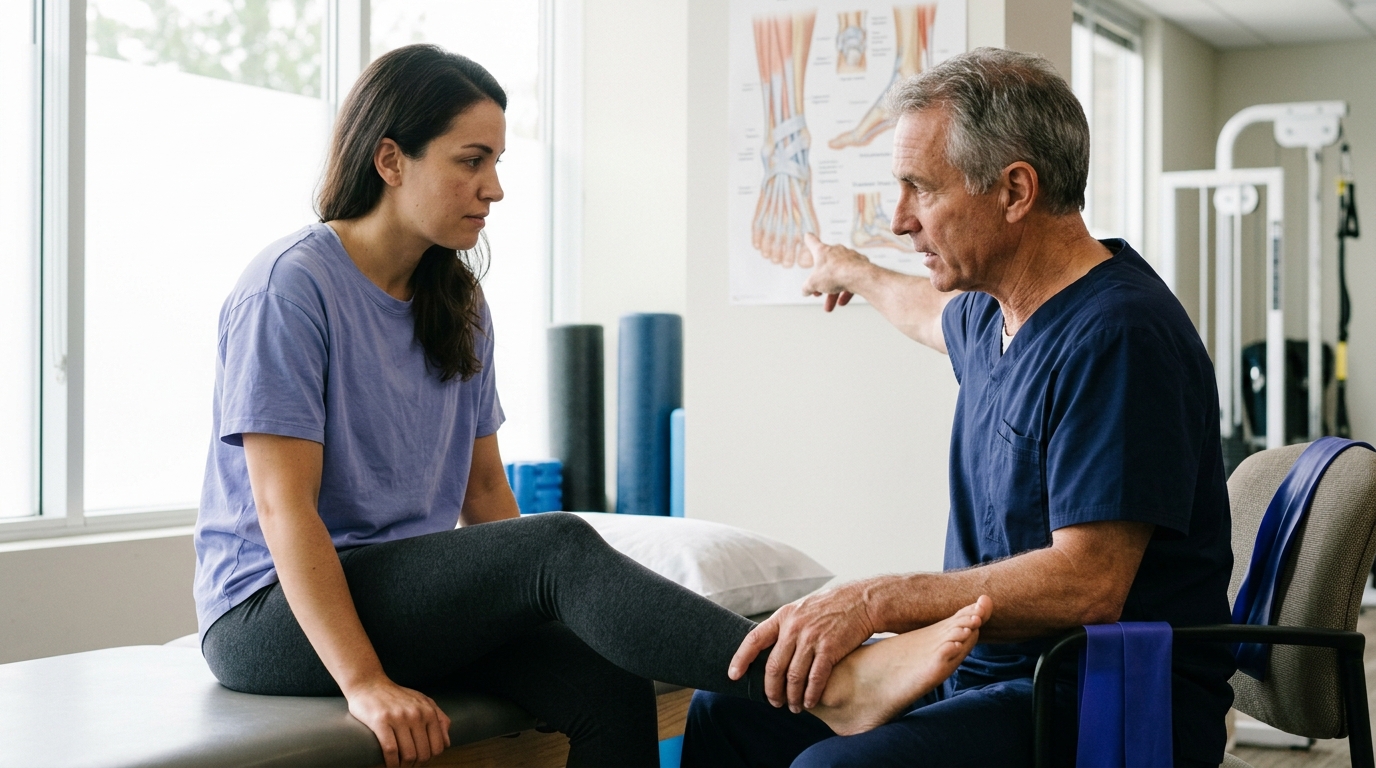
Advocating for your own recovery requires clear communication with your surgeon, physical therapist, and athletic trainer. Here are practical, evidence-informed questions to guide your clinical discussions:
Recovering from anterior cruciate ligament reconstruction is an extensive, multi-stage process that requires patience, structured physical training, and objective milestone testing. While biological healing requires adequate time, reaching a specific calendar date does not prove that your knee is ready for the intense demands of cutting and pivoting sports.
Passing from impairment-based recovery to heavy strength training, high-impact running, and sport-specific training must be earned through demonstrated physical and psychological capacity. Modern sports medicine relies on comprehensive test batteries, including isolated strength testing, movement quality assessment, functional hop testing, and validated psychological measures, to guide clinical decisions.
By focusing on objective criteria, respecting tissue healing timelines, and working closely with your healthcare team, you build a durable physical foundation for long-term joint health and athletic participation.
When to revisit this resource: Review this guide when transitioning between rehabilitation phases, when preparing for return-to-running assessments, or whenever you and your clinical team are evaluating your readiness for sport-specific training and competitive play.
Rehabilitation is a step-by-step journey where consistent effort, objective testing, and patience create the safest path back to the activities you love.

Use ReboundBody resources to understand common recovery stages, rehab terms, movement limits and strength rebuilding. Each guide is designed to make a complex comeback easier to understand.


Read practical guidance on injury recovery, rehabilitation, mobility and rebuilding strength as you work your way back to activity.
Explore Resources