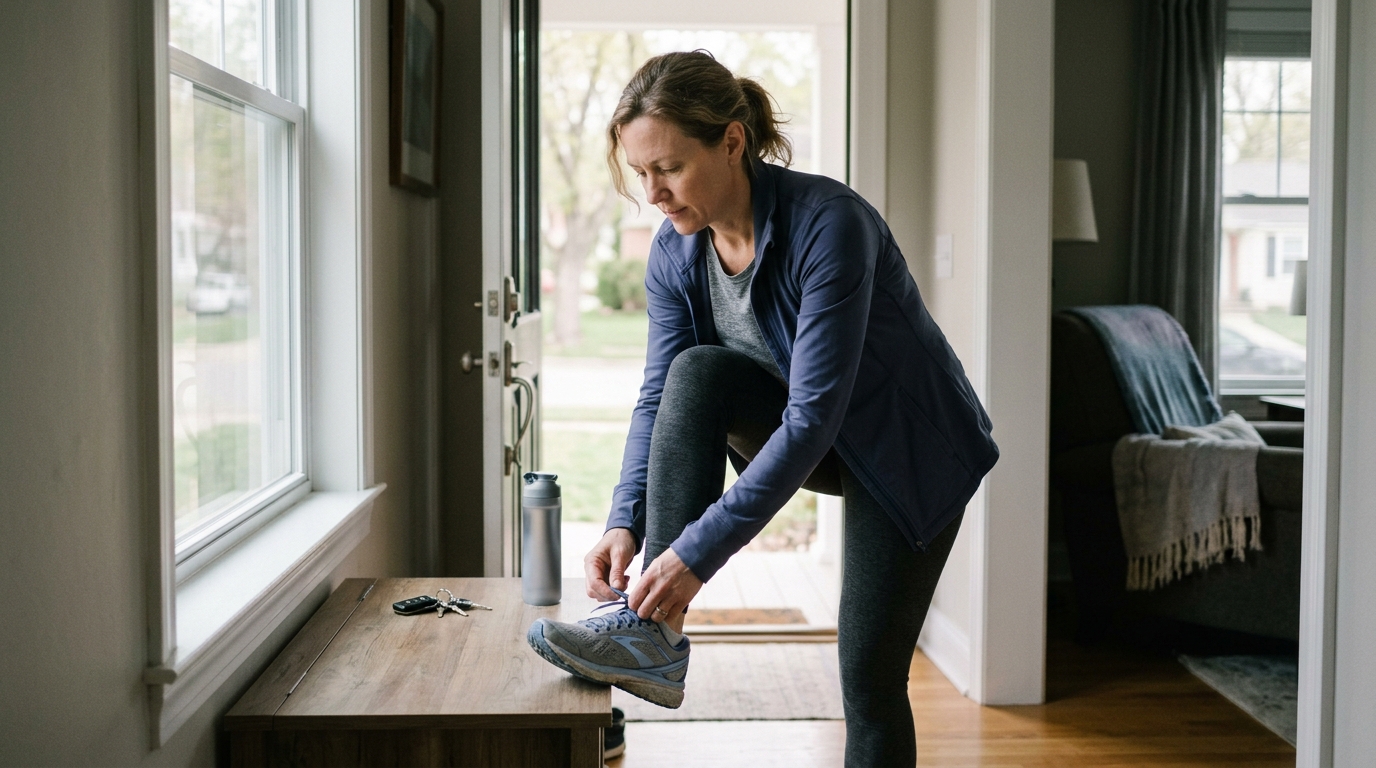

Strict daily targets are less effective than measured progression when building a sustainable walking routine that protects your joints and cardiovascular health.





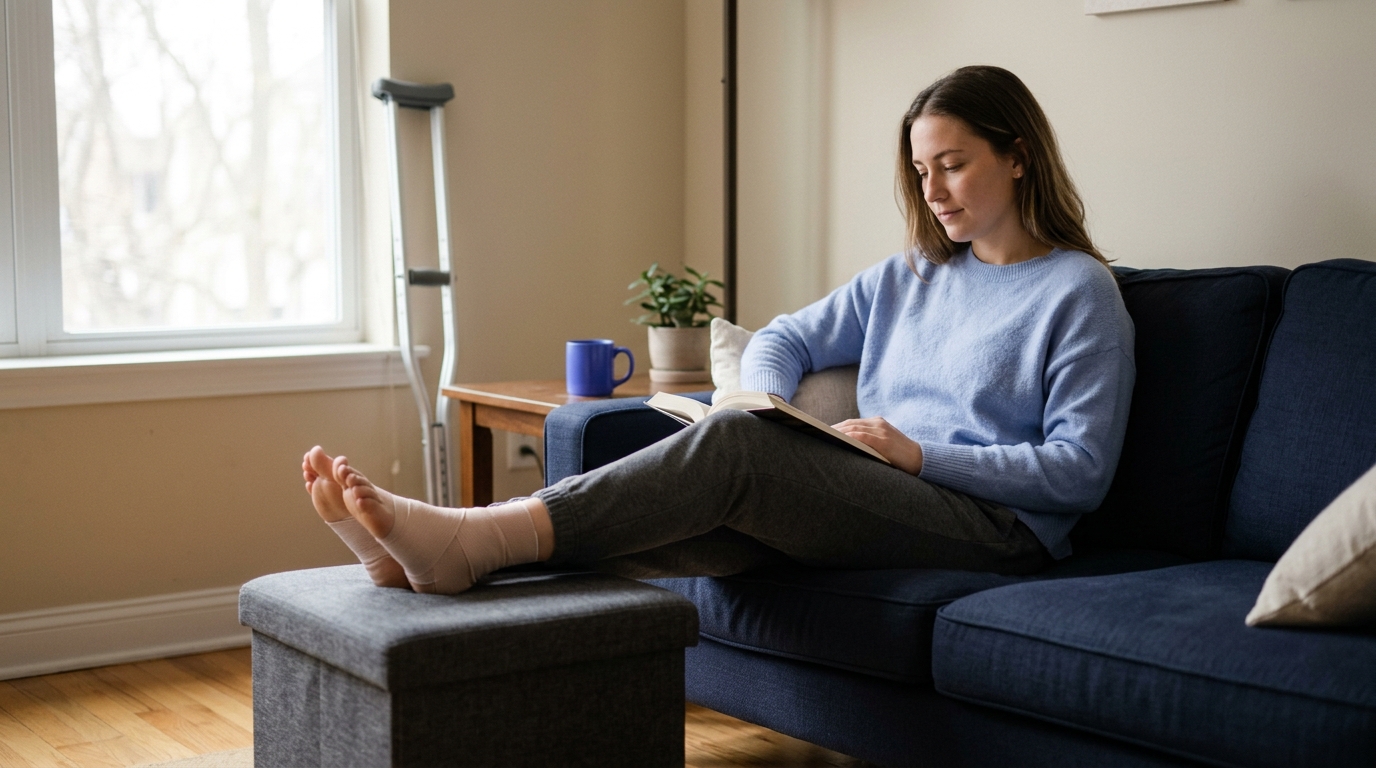
Many people search for how to start walking again after months of sitting, an injury, or an unexpected physical setback. They often wonder how far to go on day one, how fast to walk, or how to avoid sore knees and inflamed tendons.
The direct answer is simple. Building a sustainable walking routine requires starting well below your physical limit, keeping sessions regular, and changing only one training factor at a time. Federal health guidelines emphasize that inactive adults should begin with small amounts of movement and build up gradually over weeks and months. You do not need to walk for thirty minutes right away, nor do you need to hit ten thousand steps immediately to see real benefits.
However, no single walking schedule works for everyone. Recovery status, joint mechanics, cardiovascular health, and past fitness all change how your body handles physical stress. This guide breaks down the science of walking volume, explains practical safety adjustments, and offers a step-by-step planning framework to help you build a lasting habit safely.
When you begin or resume a walking routine, it helps to understand how movement loads the body. Walking is often described as a single activity. In reality, it involves four separate training dials that you can adjust independently.
Physical activity guidelines define movement routines through volume, frequency, duration, and intensity. Managing these variables separately allows your bones, joints, and cardiovascular system to adapt without sudden strain.
When adjusting your routine, change only one of these dials at a time. If you decide to walk for five extra minutes, keep your walking pace and terrain unchanged. If you decide to try a steeper hill, reduce your total duration. This single-dial approach makes it much easier to identify what caused any joint stiffness or fatigue.
(Diagram concept: Visualize the dials as independent controls on a dashboard.)
Public health agencies, including the Centers for Disease Control and Prevention (CDC), advise inactive adults to start at a light effort and build slowly. For individuals managing a disability or recovering from medical treatment, the CDC notes that starting with just a few minutes at a time is an effective strategy.
Tissues such as tendons, ligaments, and cartilage adapt more slowly to physical stress than the heart and lungs. You might feel capable of walking two miles based on your breathing, but your feet and knees might feel irritated the next morning. Starting with modest distances gives your connective tissues time to adapt to the repetitive impact of each foot strike.
You do not need a heart rate monitor to judge your walking intensity. The CDC recommends the talk test as a simple, reliable way to measure aerobic effort.
For those establishing a base routine or recovering from a physical setback, beginning at a light to comfortable pace is sensible. As your stamina improves, you can spend more time at a moderate, talk-test pace.
Walking speed is entirely individual. A pace of three miles per hour might feel light for a seasoned walker, but it could represent vigorous effort for someone recovering from joint surgery. Always judge your intensity by your body's response rather than a number on an app.
Understanding the research on physical activity helps separate established medical consensus from popular fitness myths.
Major public health organizations share consistent recommendations for adult physical activity:
Importantly, the WHO emphasizes that doing some physical activity is far better than doing none. Replacing sedentary time with light-intensity movement provides clear health benefits, even before you reach the 150-minute mark. You can explore more strategies for long-term health in our overview of active aging and prevention principles.
The idea that everyone must walk 10,000 steps per day did not originate as a scientific finding. It began decades ago as a marketing concept. Modern research provides a more nuanced picture.
A 2023 cohort study published in JAMA Network Open examined 3,101 U.S. adults over a 10-year period. The researchers found that taking 8,000 or more steps on just one or two days per week was associated with lower all-cause and cardiovascular mortality. The protective association increased up to about three to four days per week, after which the curve leveled off.
A large 2023 meta-analysis pooling data from 111,309 individuals across 12 studies confirmed a non-linear relationship between daily steps and health outcomes. Risk reductions were observed at step counts well below 10,000 steps, with progressive benefits appearing as daily steps increased from sedentary baselines.
Similarly, a 2022 prospective cohort study using UK Biobank data from 78,500 participants showed that more daily steps, up to roughly 10,000, were associated with lower risks of cardiovascular disease and all-cause mortality.
While these studies are valuable, they are observational. They show population-level associations rather than cause-and-effect proof for an individual. They do not mean that an inactive person must target 8,000 or 10,000 steps on day one. Public health guidelines remain framed around minutes of movement and intensity because time and effort are easier to adapt safely than rigid step counts.
In running communities, people often cite the "10 percent rule," which suggests never increasing weekly distance by more than 10 percent. While common in sports coaching literature, scientific reviews show that this rule is not a validated formula for preventing walking injuries.
Human tissue adaptation is complex. A 10 percent increase might be completely fine for a healthy person walking short distances, but it could be too aggressive for someone managing osteoarthritis. Use gradual progression as a general mindset rather than relying on strict mathematical percentages.
To build a routine that lasts, use a structured progression model. This eight-step framework helps you transition from an inactive baseline to a consistent, health-promoting habit.
Before planning your walks, evaluate your current activity level honestly. Ask yourself four questions:
If you currently walk very little, your starting point should be modest. A baseline of five minutes of continuous walking is completely acceptable.
Select a duration and speed that feel well within your comfort zone. If you believe you could walk for twenty minutes, start with ten. Ending your first few walks feeling refreshed rather than exhausted creates positive momentum. It also allows you to check for delayed joint stiffness the following morning.
Focus on making walking a regular part of your week before you worry about walking further. Walking for ten minutes on four days each week provides more stability than walking for forty minutes once a week. Frequent, short bouts stimulate muscle and bone tissue without creating excessive fatigue.
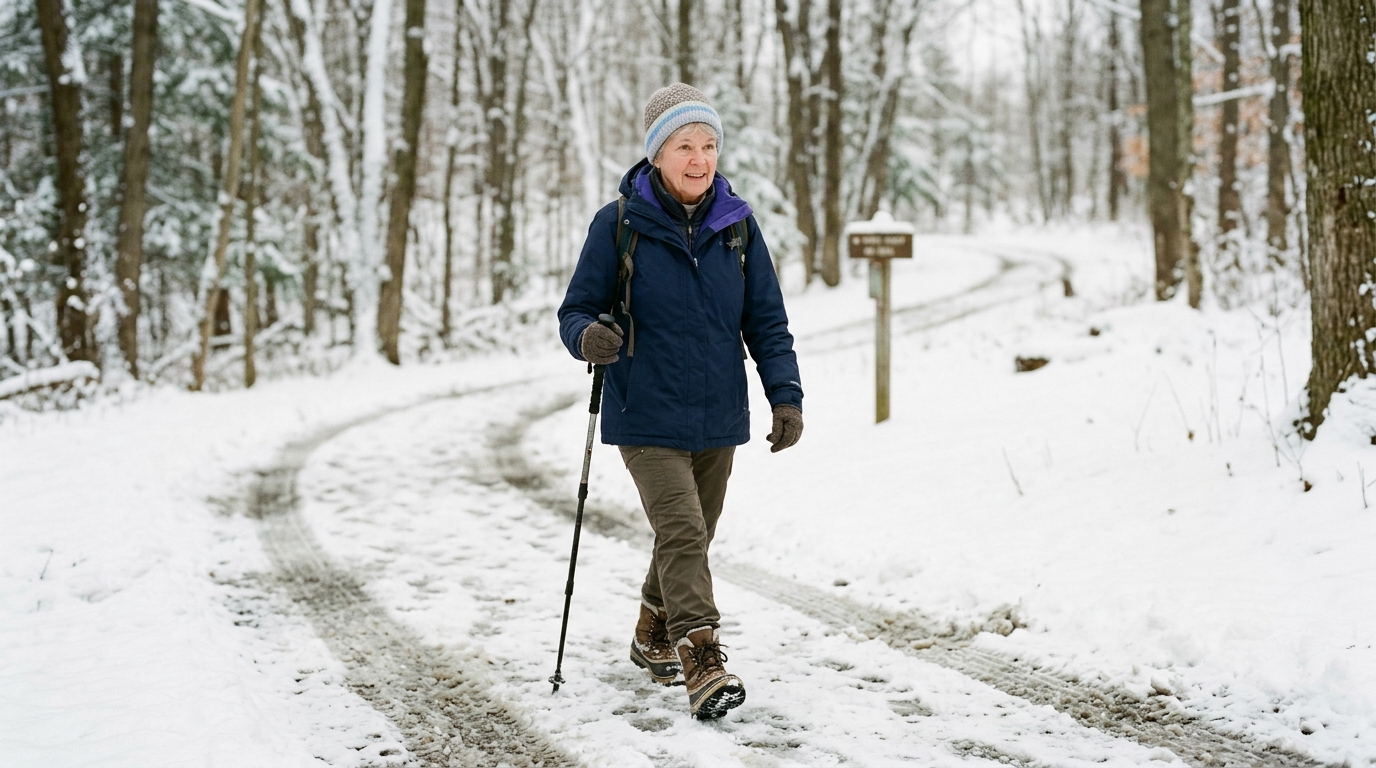
During the first several weeks, keep your walking environment predictable. Select routes with smooth pavement, good lighting, and places to sit if you need a break. Minimizing environmental surprises lets you focus entirely on your movement patterns and posture.
Pay close attention to how you feel during and after each session. Use the talk test to keep your effort light or moderate.
Check for symptoms twelve to twenty-four hours after the walk. Mild muscle tightness that resolves quickly is normal. Lingering joint pain, sharp sensations, or morning swelling indicate that the walking load was too high.
When you are ready to expand your routine, pick a single variable to adjust:
Hold the new level steady for at least one to two weeks before making another change. This gives your body time to adapt.
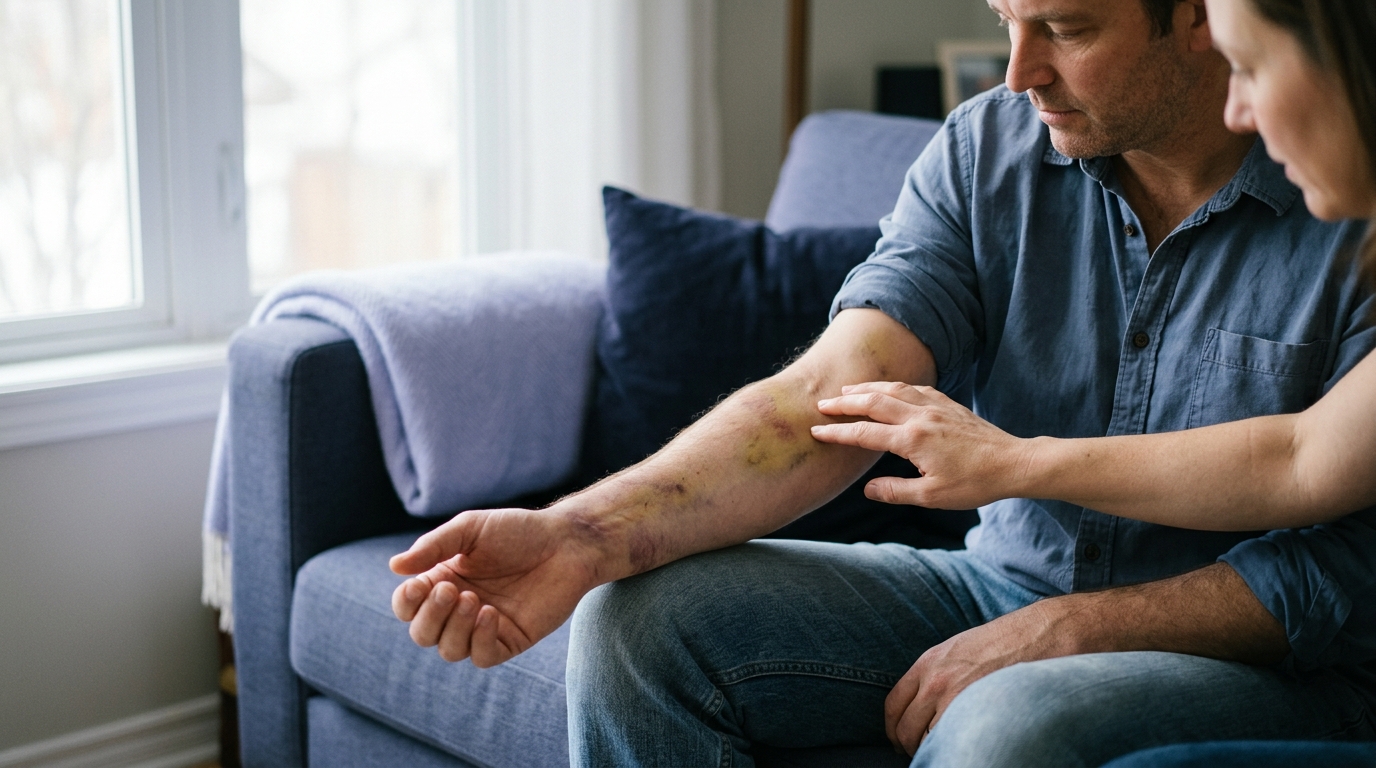
If an ache or joint irritation develops, do not ignore it. Scale back your duration or frequency to a level that does not provoke symptoms. Modifying your activity early prevents minor tissue irritation from turning into a lasting setback.
As regular walking becomes comfortable, gradually build your total weekly volume toward the target of 150 minutes of moderate-intensity activity. You can achieve this with thirty minutes on five days, or through multiple fifteen-minute walks across the week. For additional ideas on structured physical development, review our guide to injury prevention and active living.
The ground you walk on and the shoes you wear directly influence the physical forces transmitted through your lower body.
Different surfaces place unique demands on your muscles and joints.
If you are recovering from joint, foot, or ankle issues, guidance from NHS clinical services recommends starting on flat, predictable surfaces. Avoid steep inclines and uneven ground until you can walk on flat pavement without pain.
Walking uphill increases the workload on your cardiovascular system, glutes, hamstrings, and calves. It also increases the stretch on your Achilles tendons.
Walking downhill places distinct mechanical demands on the quadriceps and patellofemoral joint (the knee cap). Your leg muscles must work eccentrically to brake your momentum with every step. If you have knee osteoarthritis or anterior knee pain, steep downhill walking can provoke irritation. Introduce hills only after you have built a strong base on flat ground.
No single shoe is best for everyone. The right walking shoe depends on your foot structure, body weight, and walking environment.
When evaluating walking footwear, look for these evidence-supported features:
Avoid walking in worn-out athletic shoes. As the midsole foam breaks down, shoes lose their shock-absorbing capacity and can alter your alignment. For broader guidance on movement mechanics, visit our rehabilitation and mobility resources.
Building a walking habit is rarely a straight line. Physical setbacks, minor aches, and illnesses happen. Knowing how to interpret your symptoms ensures that a small bump in the road does not end your routine.
Learning to read your body's signals helps you decide when to keep going and when to rest.
The National Institute on Aging emphasizes that exercise should not hurt or leave you exhausted. Mild muscle tiredness is a normal response to new physical work. However, sharp pain or pain that alters your walking pattern is a clear signal to stop and assess the situation.
If you experience foot, ankle, or knee discomfort, you do not always need to stop moving entirely. NHS guidance for foot and ankle pain emphasizes pacing your activity rather than adopting complete bed rest.
If walking for twenty minutes causes pain, try breaking the walk into two ten-minute sessions separated by several hours. If walking on hard pavement aggravates a joint, switch to a smoother, softer surface or try non-impact activities such as stationary cycling or water walking while the irritation subsides. You can read more about managing tissue recovery in our injury recovery and healing section.
Taking time off due to a cold, travel, or busy schedule is common. When returning to activity after a break, avoid jumping straight back into your previous routine.
CDC guidance for older adults recommends restarting at a lower level after any break and gradually building back up to your prior volume. If you took two weeks off, begin at roughly half of your previous duration. Spend a week re-establishing consistency before returning to your previous walking times.
The following examples demonstrate how gradual progression principles apply to different starting points. These models are illustrative examples rather than personalized prescriptions.
This scenario describes an adult who has been mostly sedentary for several years and notices mild knee stiffness when standing up.
This scenario illustrates a walker who was previously completing thirty-minute walks but had to stop for three weeks due to respiratory illness.
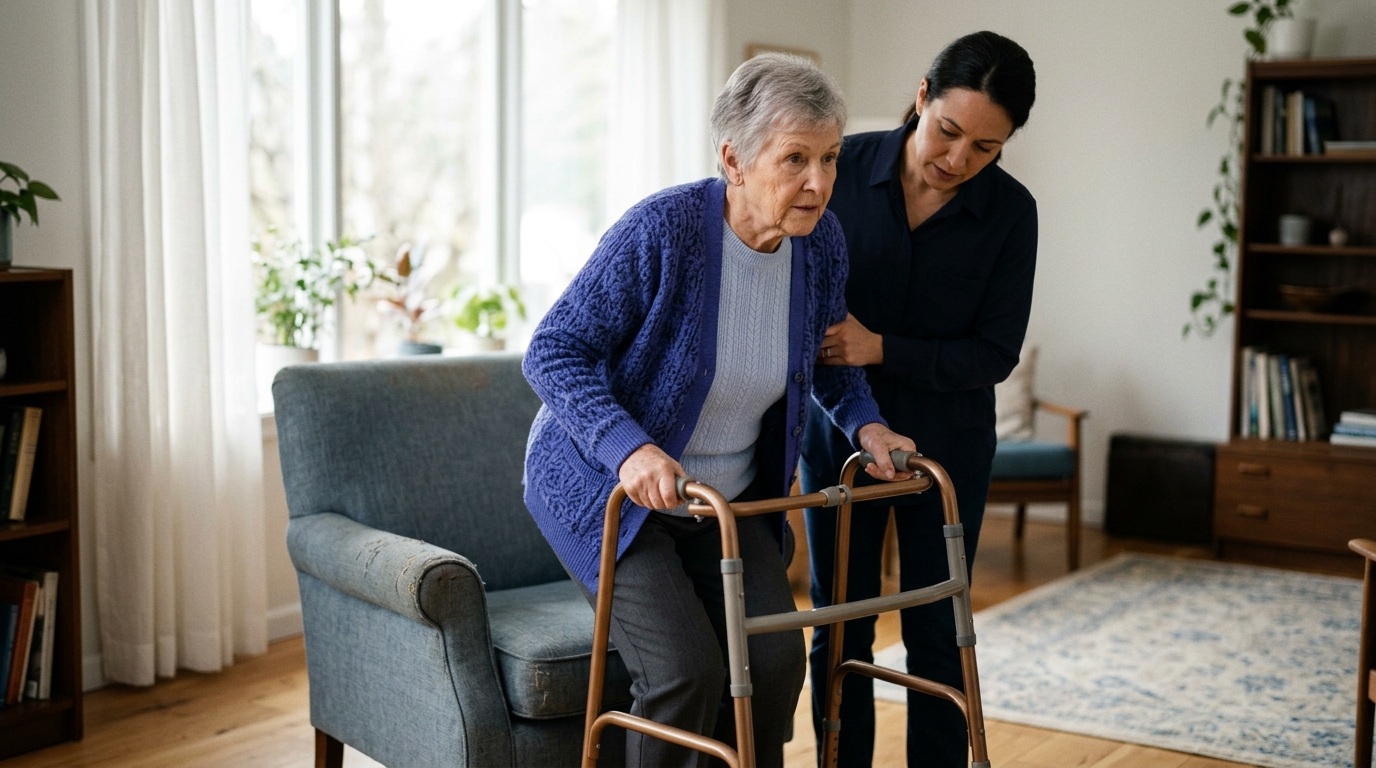
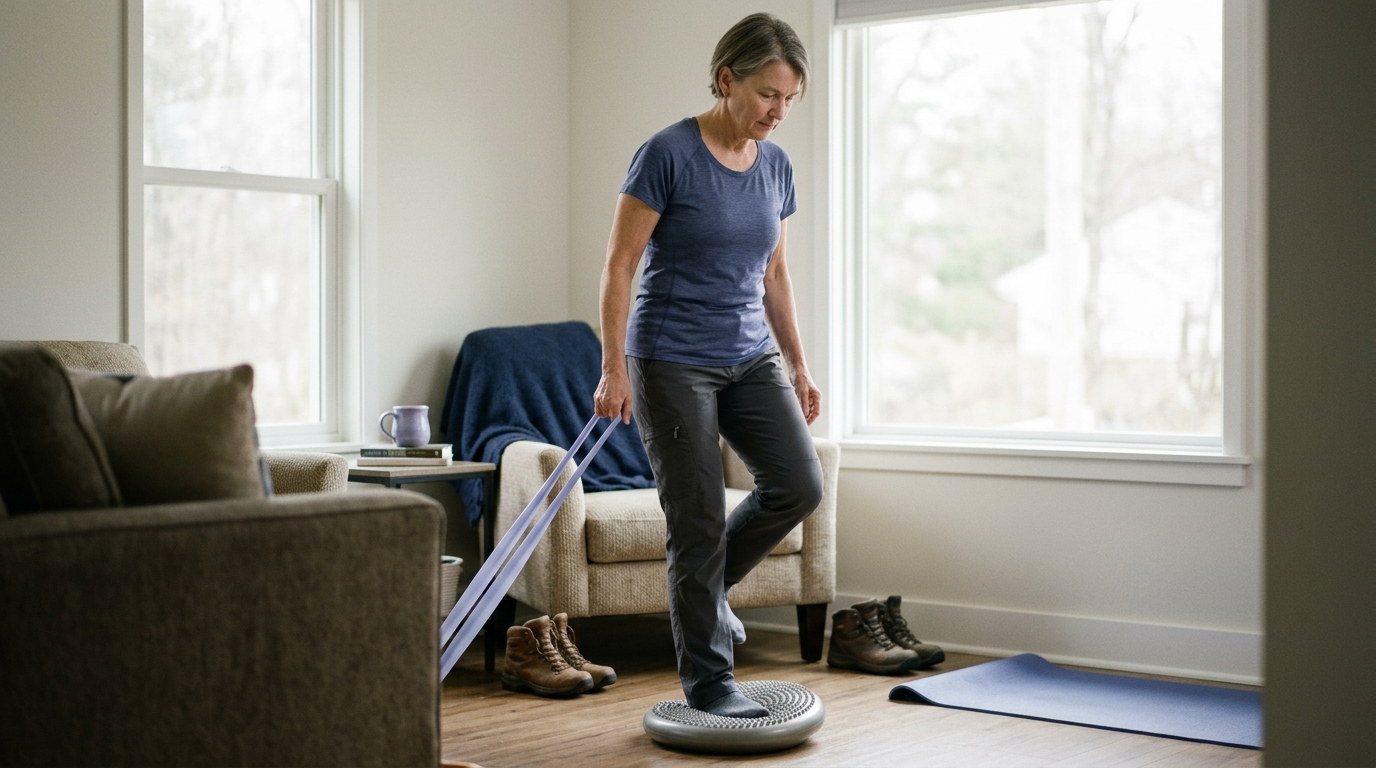
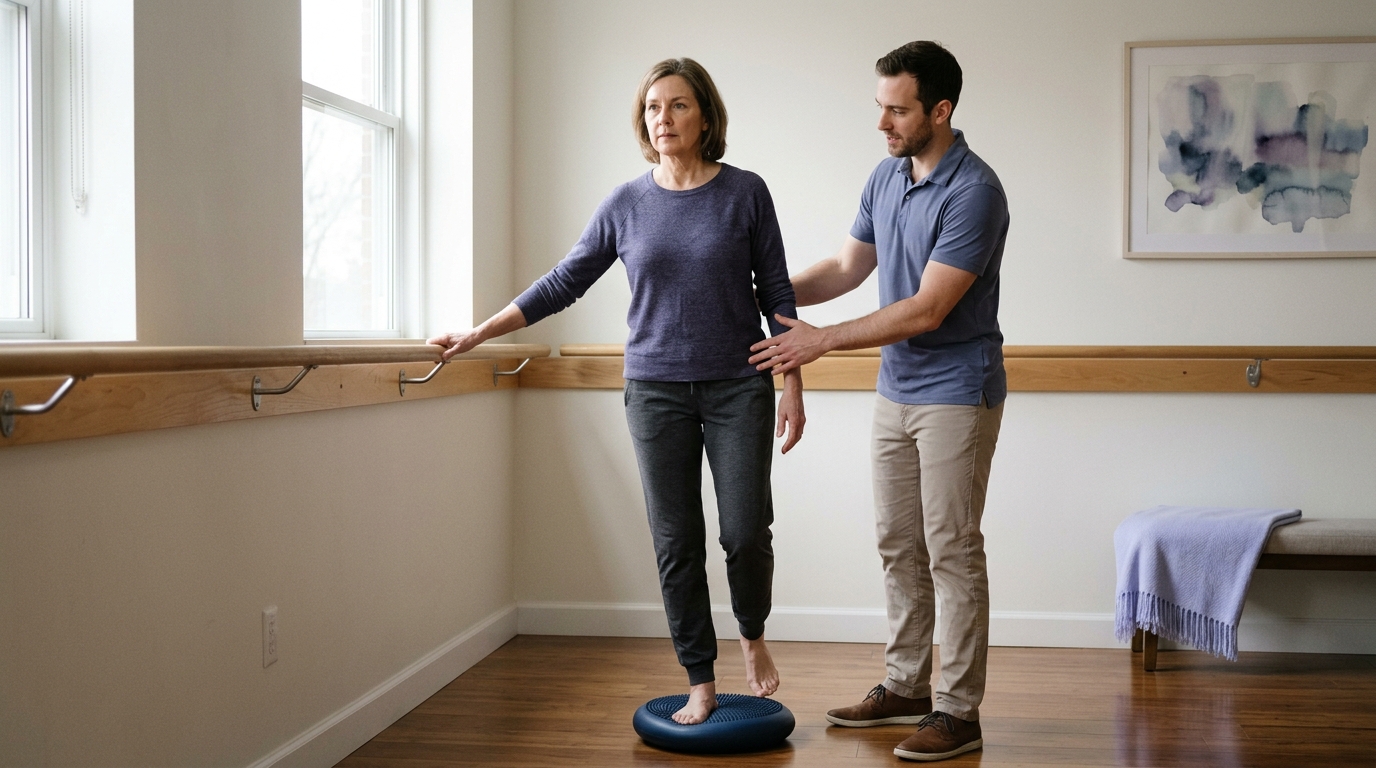
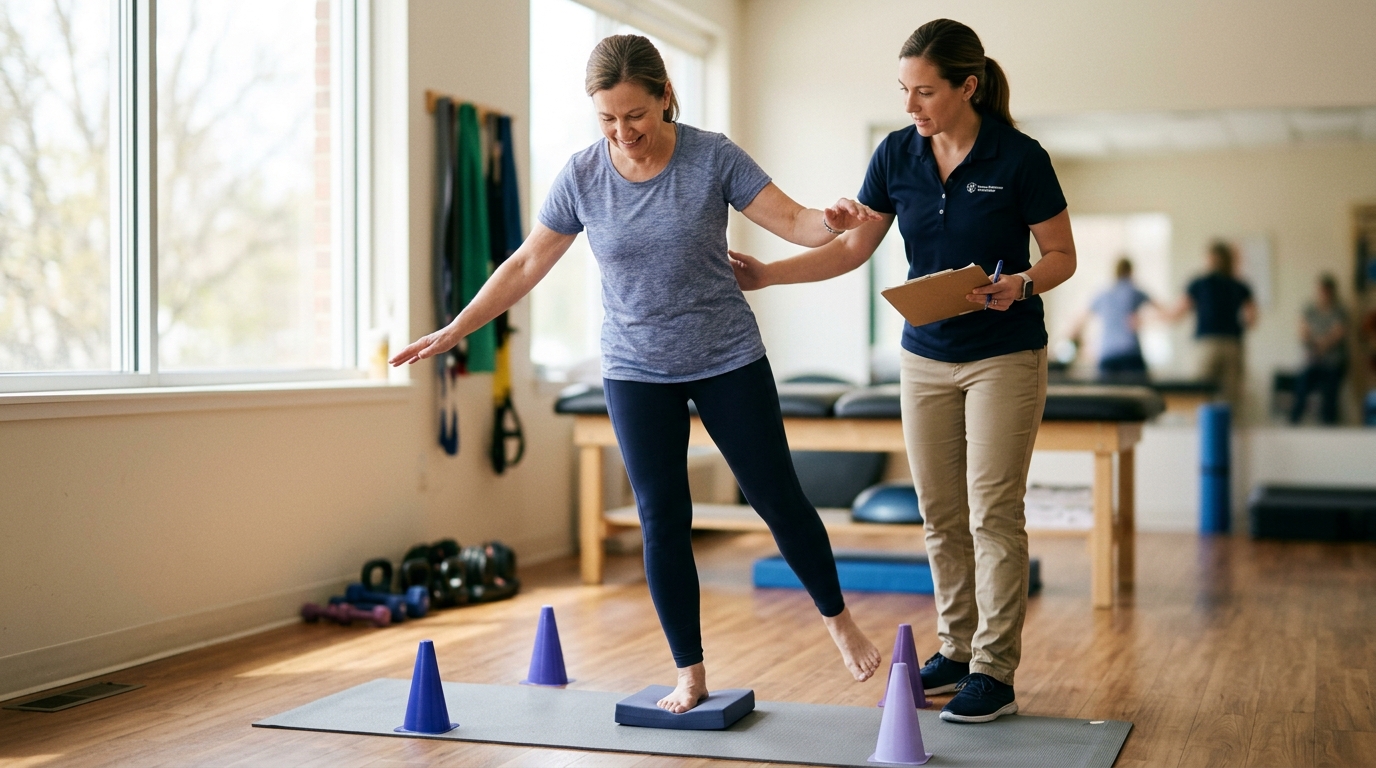
This scenario outlines an approach for someone who feels unsteady on uneven outdoor surfaces.
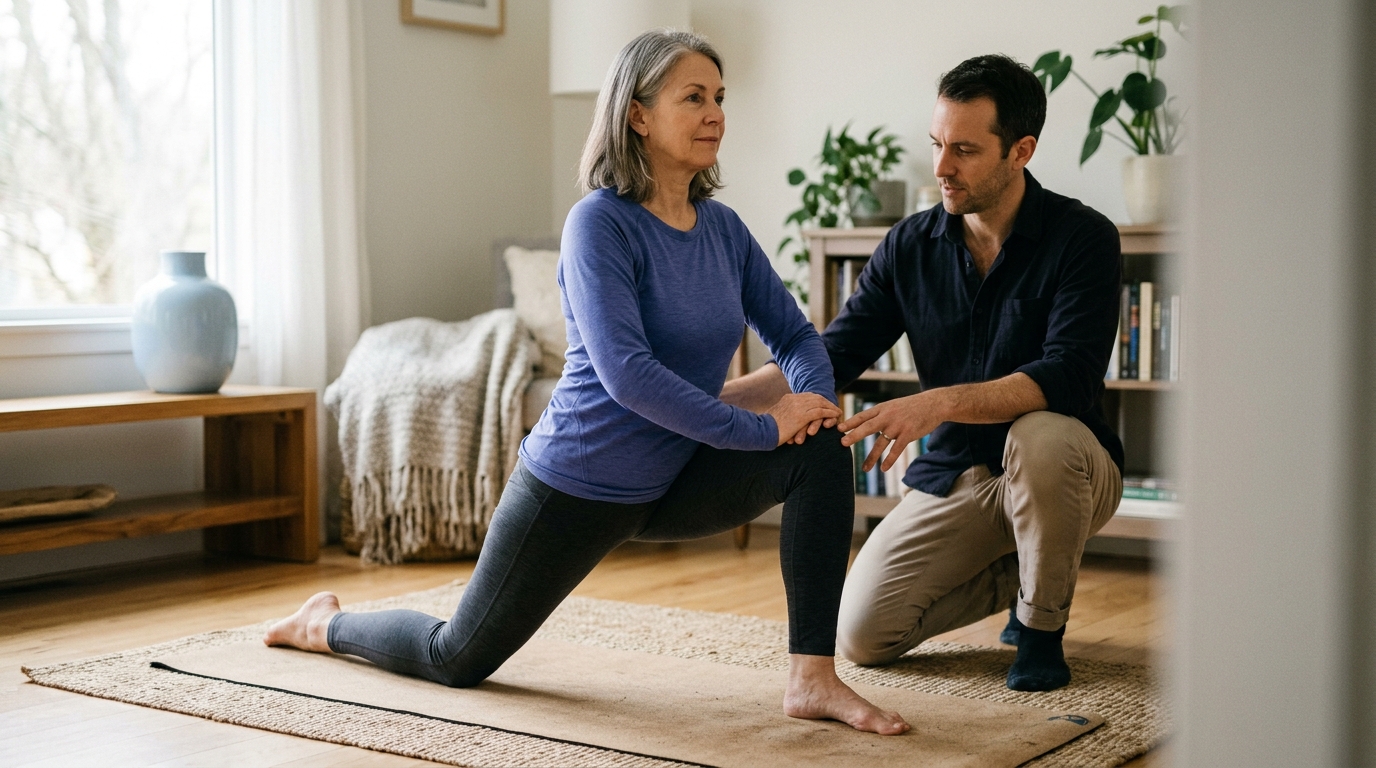
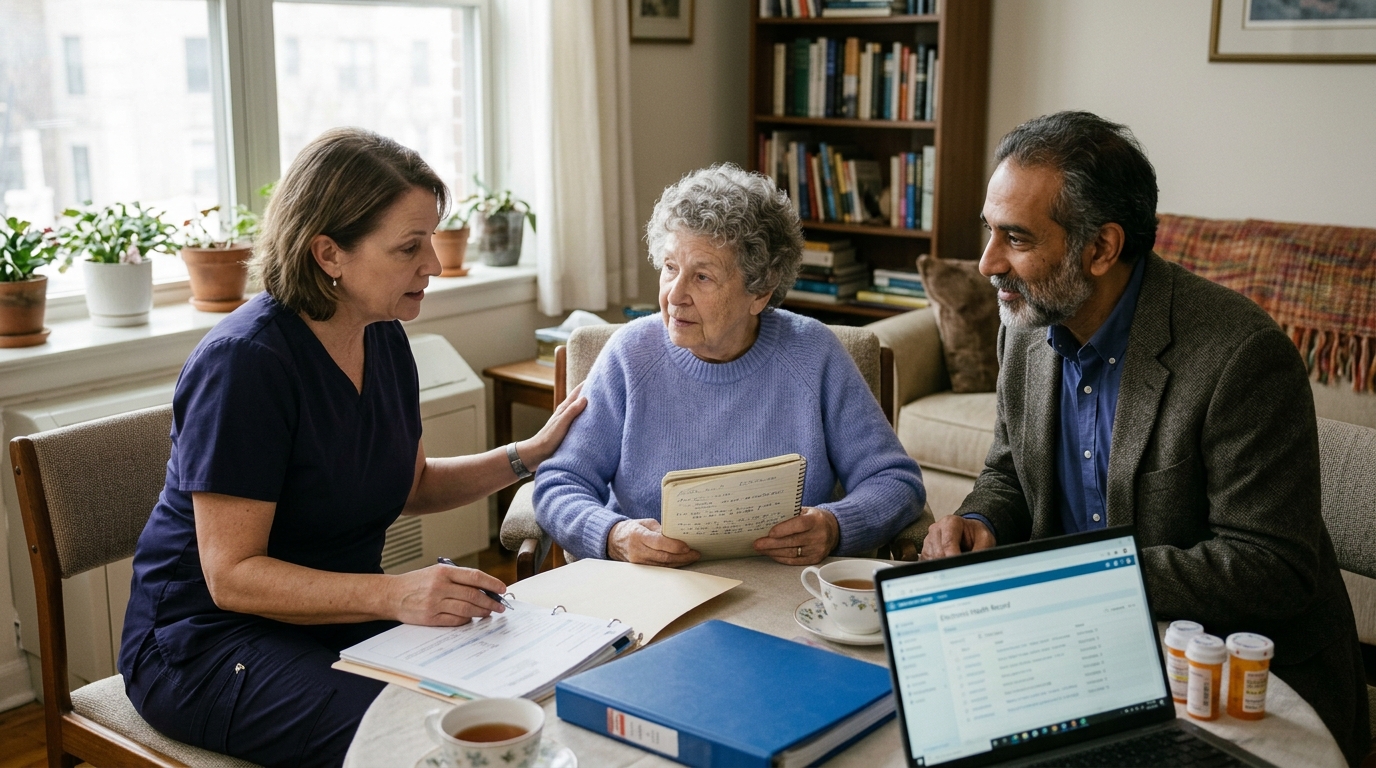
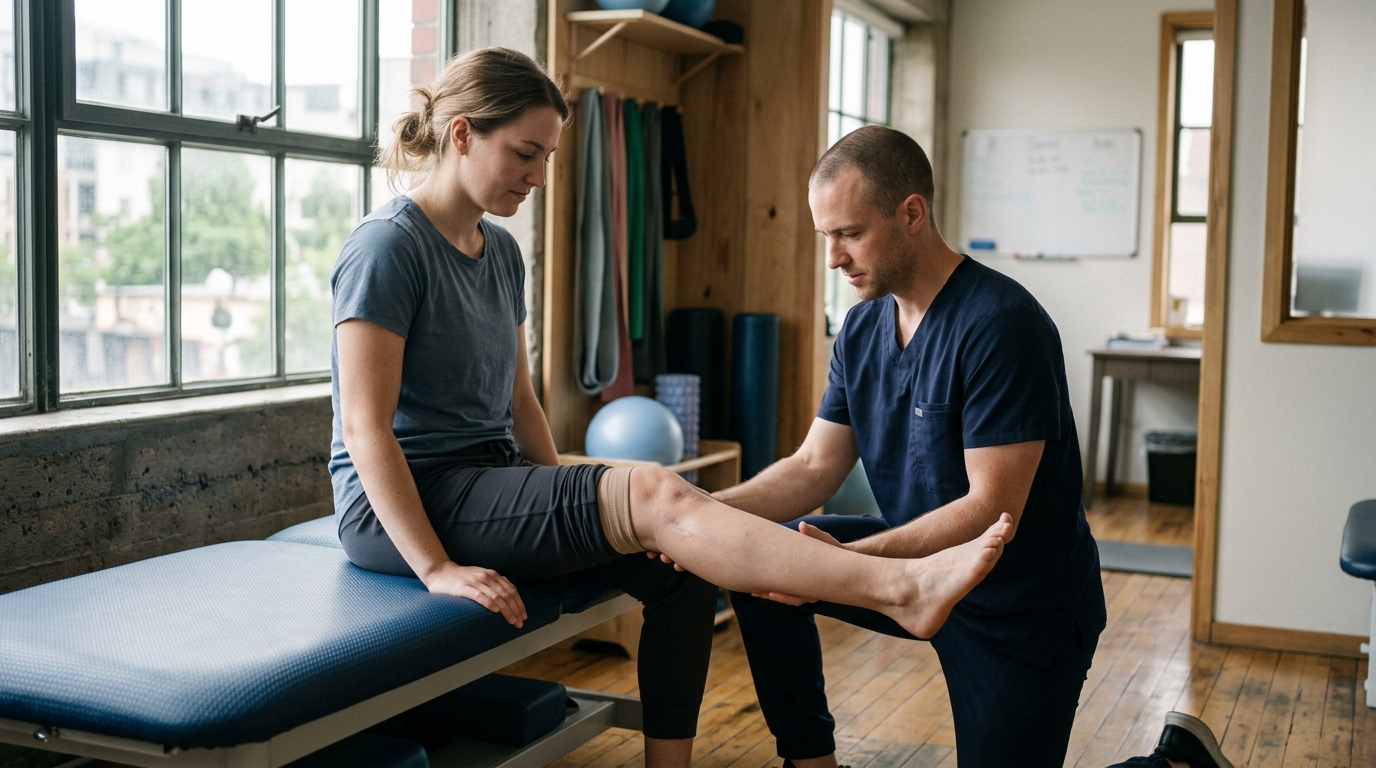
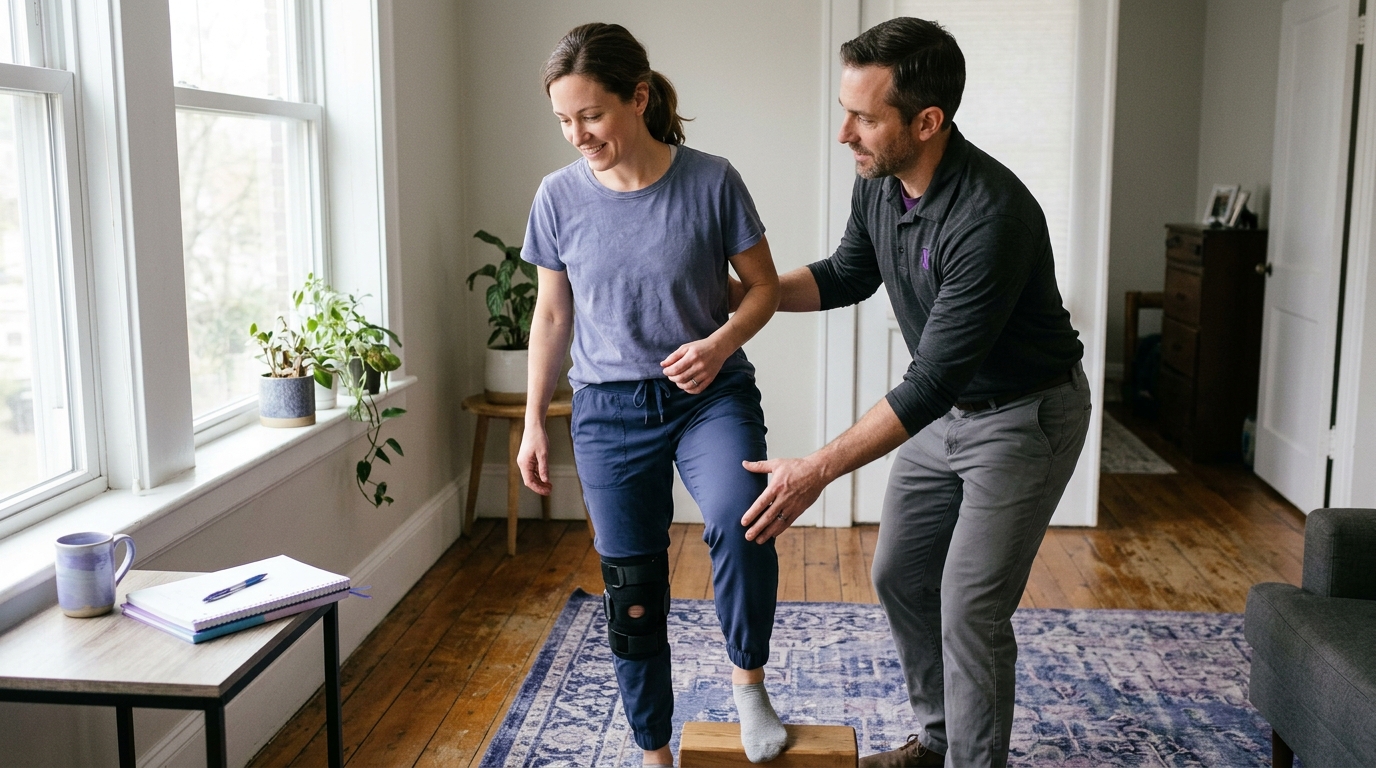
While walking is a safe activity for most people, certain health histories require clinical guidance. Discussing your walking plan with a doctor, physical therapist, or orthopedic specialist ensures your routine aligns with your medical needs.
Consult a healthcare provider before beginning or expanding a walking routine if you have:
When speaking with your doctor or physical therapist, bring specific questions to get actionable advice:
To learn more about how our editorial team reviews movement science and clinical guidelines, read about ReboundBody.
Building a safe walking habit does not require dramatic lifestyle overhauls. It relies on small, repeatable actions performed consistently.
Use this practical checklist to guide your first week:
Walking is one of the most effective and accessible ways to rebuild fitness, protect joint health, and support long-term mobility. Successful walking routines are built in stages. Begin with short, manageable sessions, choose predictable surfaces, and allow your body time to adapt.
Pay attention to your body's feedback, adjust your training dials one at a time, and treat the 150-minute weekly target as a milestone to work toward rather than a requirement for day one. By following a steady, evidence-informed approach, you can build a walking routine that supports your health safely for years to come.

Use ReboundBody resources to understand common recovery stages, rehab terms, movement limits and strength rebuilding. Each guide is designed to make a complex comeback easier to understand.


Read practical guidance on injury recovery, rehabilitation, mobility and rebuilding strength as you work your way back to activity.
Explore Resources