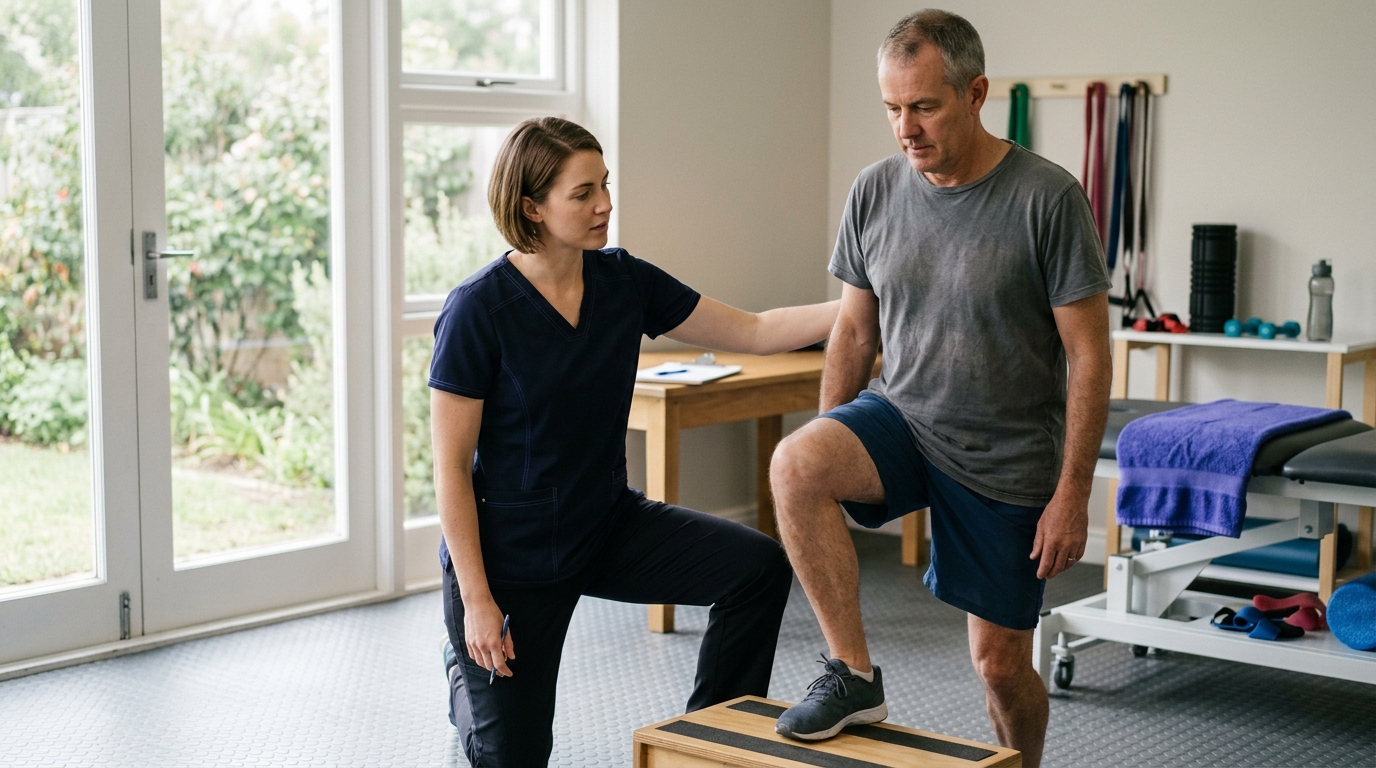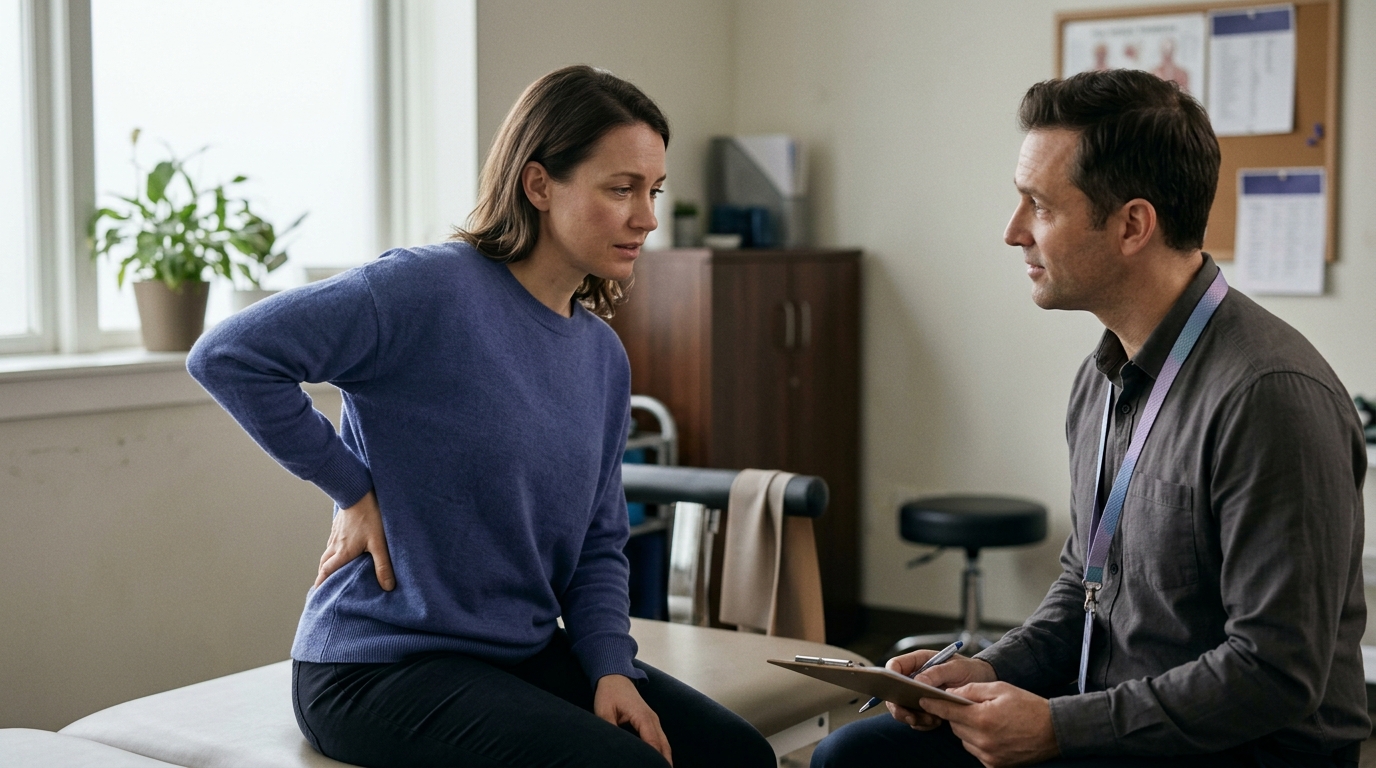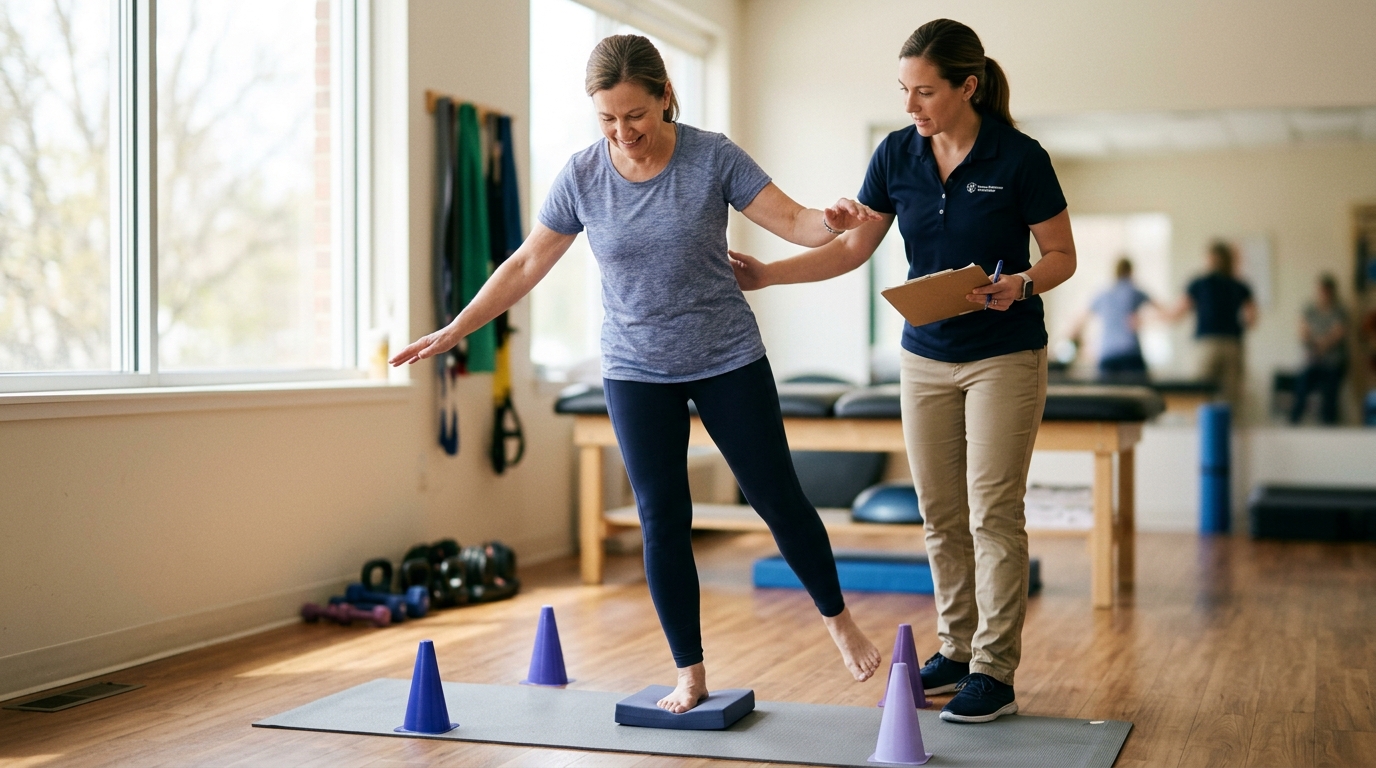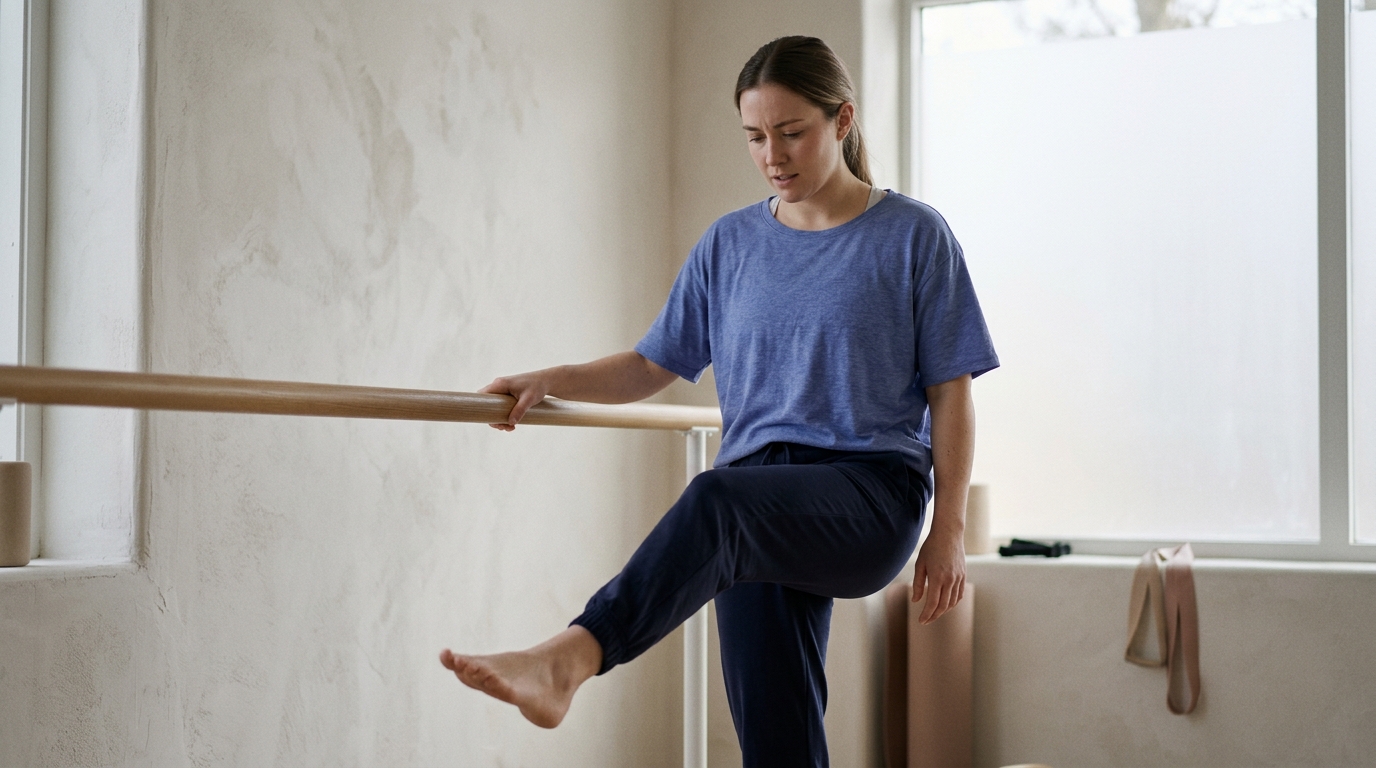

Reliable trunk stability for everyday movement requires targeted endurance, motor control, and evidence-based exercises that support natural spinal mechanics and recovery.





You bend down to pick up a loaded laundry basket or hoist a bag of potting soil from the car trunk. Halfway through the movement, you feel an unsteady strain across your lower back. Your immediate thought might be that your abdominal muscles are weak. You might wonder if you need to do hundreds of sit-ups or learn how to lock your stomach tight.
In plain terms, core strength for everyday life is not a flat stomach or the ability to hold a plank for several minutes. It is the coordinated capacity of your trunk muscles to support your spine, balance your pelvis, and transfer physical effort between your arms and legs. When you carry groceries, walk up stairs, open a heavy door, or reach into a low cupboard, your trunk acts as a central bridge.
Rebuilding this capacity does not require isolated muscle activation drills or rigid postures. Current movement science shows that the trunk adapts best to gradual, progressive activity that matches your actual daily tasks. While structured trunk exercise can reduce pain and improve physical function, no single exercise routine works for every person. Recovery timelines vary based on your personal health history, baseline activity levels, and daily physical demands.
Many popular fitness routines treat the core as nothing more than the visible abdominal wall. In clinical biomechanics and sports medicine, researchers define the core much more broadly. A widely recognized definition describes core stability as the ability to control the position and motion of the trunk over the pelvis. This control allows you to produce, transfer, and manage force throughout your entire body during everyday activities.
Rather than a single muscle, your core is an integrated muscular cylinder that surrounds your spine and pelvis. It includes muscles on all sides of your torso working in harmony.
The anatomical structures that make up the core can be organized into several interconnected groups:
Research on athletic and daily function confirms that no single muscle acts as the master controller of this system. Instead, the central nervous system coordinates all of these muscles together. The brain continuously adjusts how hard each muscle works based on the weight of the object, the speed of movement, and your body position. Understanding these mechanisms is a central topic in rehabilitation, mobility, and movement, where the focus remains on whole-body coordination.
To understand how the trunk functions, it helps to distinguish between different physical attributes. People often use the word strength to describe any physical capacity. In exercise science, these attributes represent distinct targets:
For everyday life, endurance and coordination are often far more relevant than maximal strength. Most daily activities, like sitting at a desk, walking through a store, or working in the yard, require low levels of muscle force applied over long periods. A trunk that can produce high force for three seconds may still struggle to support you comfortably during an hour of light housework if local endurance is low.
To make core training practical for normal life, we can divide trunk function into three main pillars. These pillars are endurance, coordination, and force transfer. Thinking about trunk function this way helps move the conversation away from rigid exercise rules and toward functional ability.
Trunk endurance allows you to maintain comfortable positions and perform repetitive tasks without early fatigue. When trunk muscles tire, the body often alters its movement patterns, which can place extra strain on passive tissues like spinal ligaments and joint capsules.
Consider a situation where you stand at a workbench or kitchen counter for two hours. Your trunk muscles do not need to lift maximum loads. Instead, they must maintain a low, steady level of tension to keep your upper body balanced over your pelvis. If your muscular endurance is limited, you may feel an aching fatigue across your lower back. Building endurance through sustained holds, carrying tasks, and repeated movement patterns helps increase your tolerance for prolonged standing and walking.
Coordination refers to how smoothly your brain organizes muscle activation. When you reach forward to grab an item from a high shelf, your trunk muscles naturally activate a fraction of a second before your arm moves. This anticipatory action creates a stable base so your arm can move freely without pulling your spine off balance.
Coordination also involves knowing how much effort to use. A common misconception is that you must brace your abdominal wall as hard as possible for every activity. In reality, bracing at full capacity to pick up a pencil is inefficient and restricts natural breathing. Healthy motor control means applying just enough muscle tension to match the task at hand. You can learn more about how movement quality supports daily function through injury recovery and rehabilitation resources.
The trunk rarely works in complete isolation. In almost every functional movement, force originates in the legs, travels through the torso, and expresses itself through the arms, or vice versa. Biomechanists call this sequence the kinetic chain.
When you push a heavy vacuum cleaner, your legs generate forward drive against the floor. That force passes directly through your pelvis and spine into your arms and shoulders. If the trunk cannot maintain its structure under that load, energy leaks out, making the task feel harder and less stable. A capable core acts like a solid bridge that directs energy cleanly between the upper and lower halves of your body.
Lifting objects from the floor or carrying items across a room are among the most common physical demands of adult life. These movements require seamless collaboration between your legs, hips, spine, and shoulders.
Pop culture often promotes the idea that there is only one safe way to lift an object. You may have heard that you must always keep your back completely flat and bend solely at your knees. Modern biomechanical research paints a much more flexible picture. Human bodies are built to bend, twist, and adapt to awkward loads in different positions.
In daily life, loads are rarely balanced like gym barbells. A squirming grandchild, an uneven bag of mulch, or a suitcase coming off an airport carousel all present unpredictable challenges. Managing these tasks safely does not depend on locking your spine into a frozen posture. It depends on whether your total physical capacity matches the weight, speed, and position of the object you are moving.
To see how endurance, coordination, and force transfer operate in real life, consider these common scenarios:
None of these scenarios require a specialized gym machine. They simply require a trunk that can tolerate repeated movement, adapt to shifting loads, and communicate effectively with your limbs. Exploring articles on active aging and prevention can provide further context on keeping these movement patterns resilient over time.
Over the past three decades, physical therapy and sports medicine researchers have examined hundreds of core exercise protocols. Understanding what the clinical evidence actually shows can help you set realistic expectations for your own routine.
During the late 1990s and early 2000s, many clinicians believed that back pain was primarily caused by delayed activation of the transversus abdominis muscle. This led to a widespread emphasis on motor control exercise, which teaches people how to isolate and gently draw in their deep abdominal muscles.
A comprehensive Cochrane systematic review evaluated motor control exercise for adults with chronic non-specific low back pain. The review analyzed 29 randomized controlled clinical trials involving 2,431 participants. The treatment programs in these trials lasted between 20 days and 12 weeks, with training frequencies ranging from one to five sessions per week.
The findings from this Cochrane review provide clear, nuanced insights:
These findings show that while specific trunk coordination drills can be helpful, they are not uniquely superior to other forms of movement. Getting your body moving regularly matters more than finding a single perfect exercise.
The clinical evidence also highlights a clear difference between short-term back flare-ups and long-standing discomfort. For acute low back pain, defined as pain lasting less than six weeks, a separate Cochrane systematic review found no clear benefit from adding motor control exercise to standard medical care. In acute stages, the body is often dealing with temporary inflammation and tissue sensitivity, which tends to resolve gradually with basic activity modification and time.
For chronic or recurring discomfort lasting longer than three months, structured exercise programs show much more consistent benefits. Long-standing symptoms respond well to progressive movement because exercise helps rebuild tissue tolerance, improves movement confidence, and calms an oversensitized nervous system. More information on these biological mechanisms can be found in our overview of recovery science.
Major medical and physical therapy organizations around the world have synthesized this evidence into clear treatment guidelines:
Taken together, the scientific consensus is clear. There is no mandatory core routine that every human must follow. Instead, multiple exercise paths can successfully rebuild trunk capacity and restore physical function.
Because human bodies, daily routines, and medical histories differ dramatically, an exercise plan that works well for a 40-year-old runner may not suit a 70-year-old avid gardener. Personalizing your approach ensures that your training builds the specific capacities you need for your daily life.
Several personal variables dictate what kind of trunk training will be most effective for you:
Rather than asking what the best core exercise is, it is much more productive to ask three practical questions about your own situation:
This framework keeps your rehabilitation grounded in your actual lifestyle goals rather than abstract fitness standards. You can read more about structured exercise progression at ReboundBody.
Rebuilding your core does not require complicated machines or exhausting workout sessions. By applying a few fundamental training principles, you can steadily improve your trunk capacity using simple movements at home or in a gym.
Tissues in the human body, including muscles, tendons, ligaments, and bones, adapt directly to the physical demands placed upon them. When you introduce a manageable physical challenge, your body repairs and reinforces those structures to handle similar demands in the future. This process is known as progressive overload.
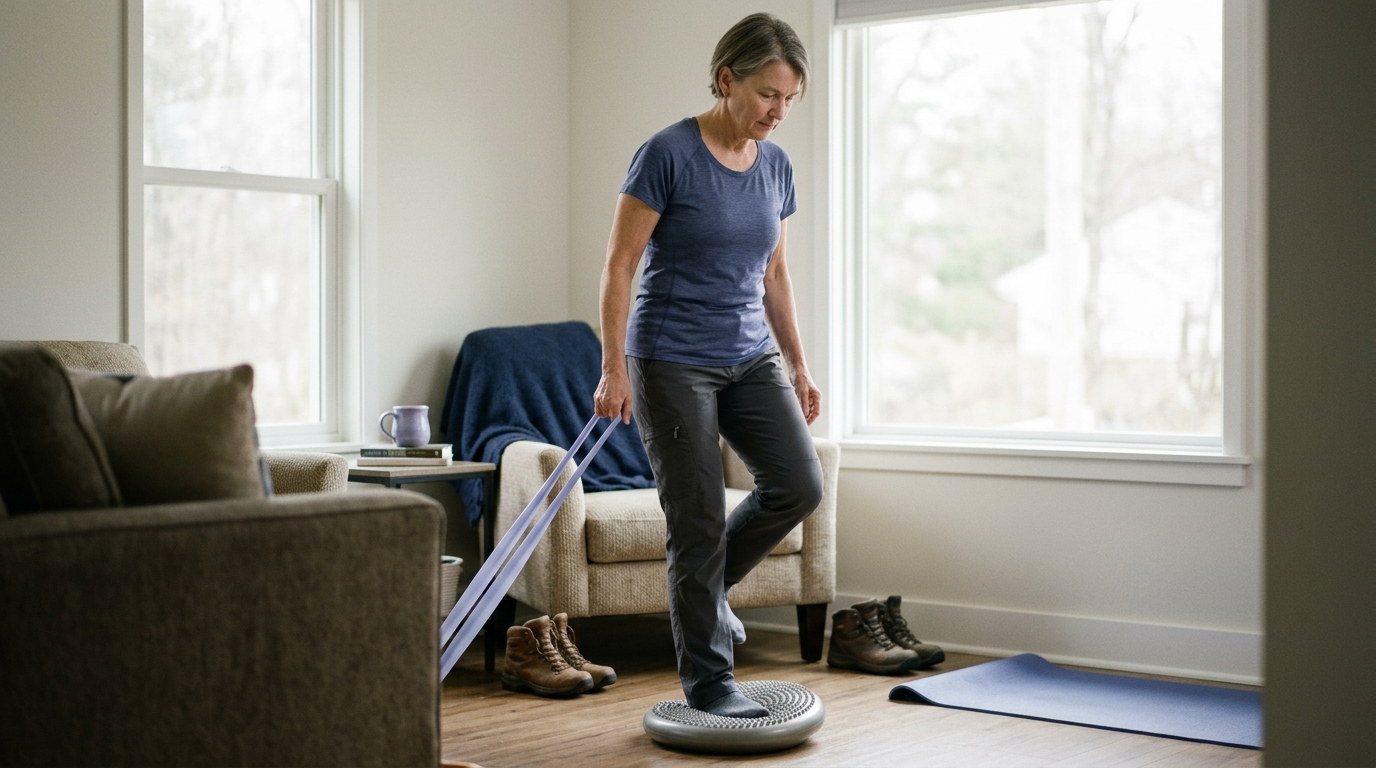
Graded exposure means starting at a baseline level of activity that your body currently tolerates well, then gradually increasing the challenge over time. You can progress an exercise in several ways:
Your trunk is designed to move and resist movement in three-dimensional space. A comprehensive routine includes exercises that address several different movement planes:
Loaded carries are among the most functional exercises for building everyday trunk capacity. Walking while carrying a weight in one or both hands challenges your trunk endurance, hip stability, grip strength, and cardiovascular system simultaneously.
To perform a basic farmer's carry, pick up a moderate weight in each hand, stand tall, and walk smoothly for 30 to 60 seconds. To perform a suitcase carry, hold a weight in only one hand while keeping your shoulders and hips level as you walk. These carrying drills closely mimic real-world tasks like hauling grocery bags, carrying toolboxes, or handling luggage. For those looking to return to recreational physical activities, our guides on strength and performance rebuilding offer deeper strategies.
A frequent error during core training is holding your breath to create artificial stability. While holding your breath can temporarily increase intra-abdominal pressure for lifting a maximum load, it is not sustainable for everyday activities.
During daily tasks, your diaphragm must perform two jobs at the same time: assisting with trunk stability and allowing continuous respiration. Practice breathing smoothly in and out through your nose or mouth while maintaining light muscle engagement during your exercises. If you find that you cannot breathe while performing a movement, the exercise may be too challenging for your current baseline.
For the vast majority of people, progressive core exercises and everyday movement are safe and therapeutic. Mild muscle soreness or a temporary increase in stiffness is a normal response when introducing new physical activities to unaccustomed muscles. However, it is essential to distinguish between routine physical exertion and symptoms that require professional medical evaluation.
Certain neurological and spinal symptoms warrant prompt medical assessment rather than self-directed exercise. A report by the Health Services Safety Investigations Body highlights critical red-flag symptoms associated with severe spinal conditions, such as cauda equina syndrome.
You should seek immediate medical evaluation if you experience any of the following symptoms:
These symptoms are rare, but they indicate potential compression of vital spinal nerves that requires urgent clinical care. If you are ever unsure about the nature of your symptoms, consult a qualified healthcare provider before starting a new exercise regimen.
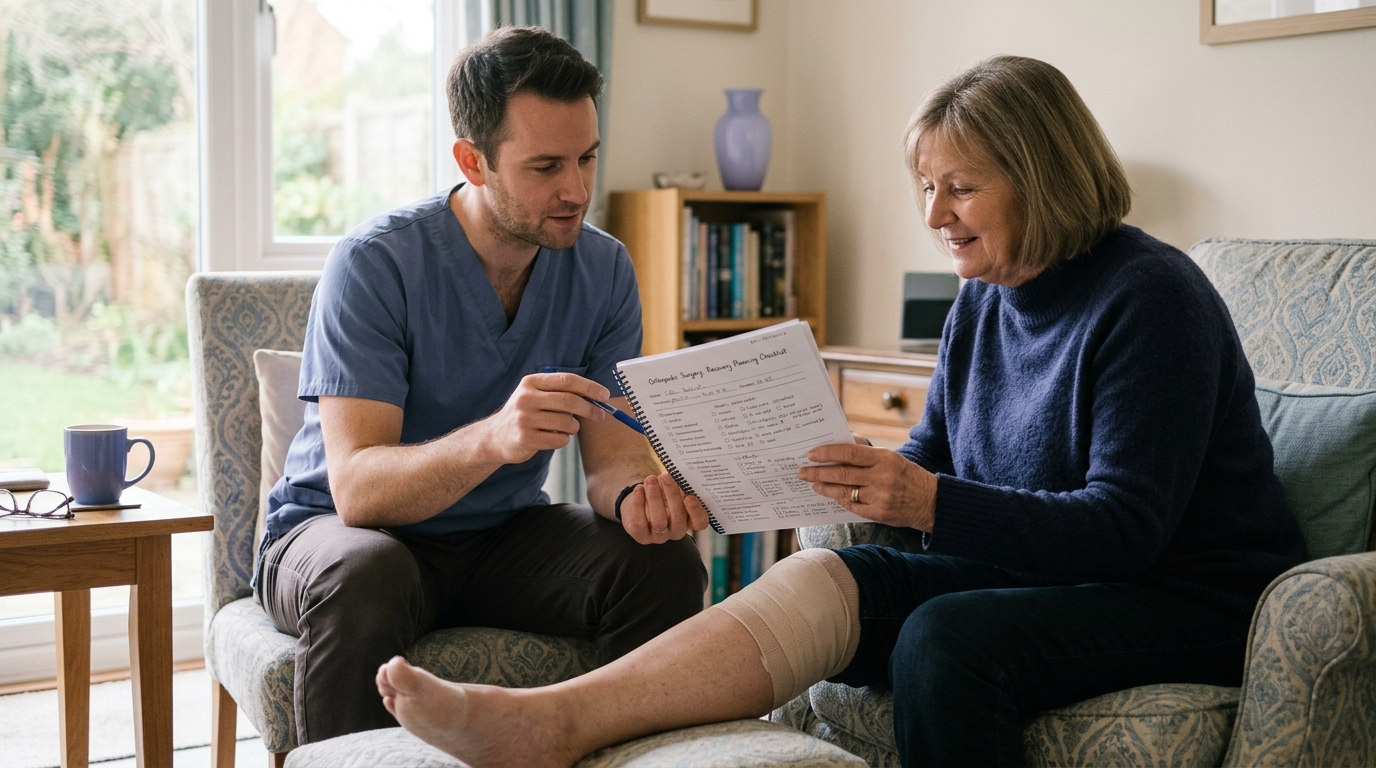
When working with a doctor, physical therapist, or orthopedic specialist, asking clear, practical questions can help you make informed decisions about your rehabilitation. Here are several constructive questions to guide your conversation:
Having open conversations about these points ensures that your home routine aligns directly with your clinical goals and physical capacity.
Revisit this guide whenever you experience a change in your physical routine, such as preparing for a demanding home project, recovering from an unexpected symptom flare-up, or transitioning from formal physical therapy back to independent activity.
Everyday core strength is not about achieving perfect abdominal definition or mastering an isolated muscle activation technique. It is the practical, adaptable ability of your trunk to support your body, transfer physical force, and allow you to move through daily life with steady confidence.

Use ReboundBody resources to understand common recovery stages, rehab terms, movement limits and strength rebuilding. Each guide is designed to make a complex comeback easier to understand.


Read practical guidance on injury recovery, rehabilitation, mobility and rebuilding strength as you work your way back to activity.
Explore Resources