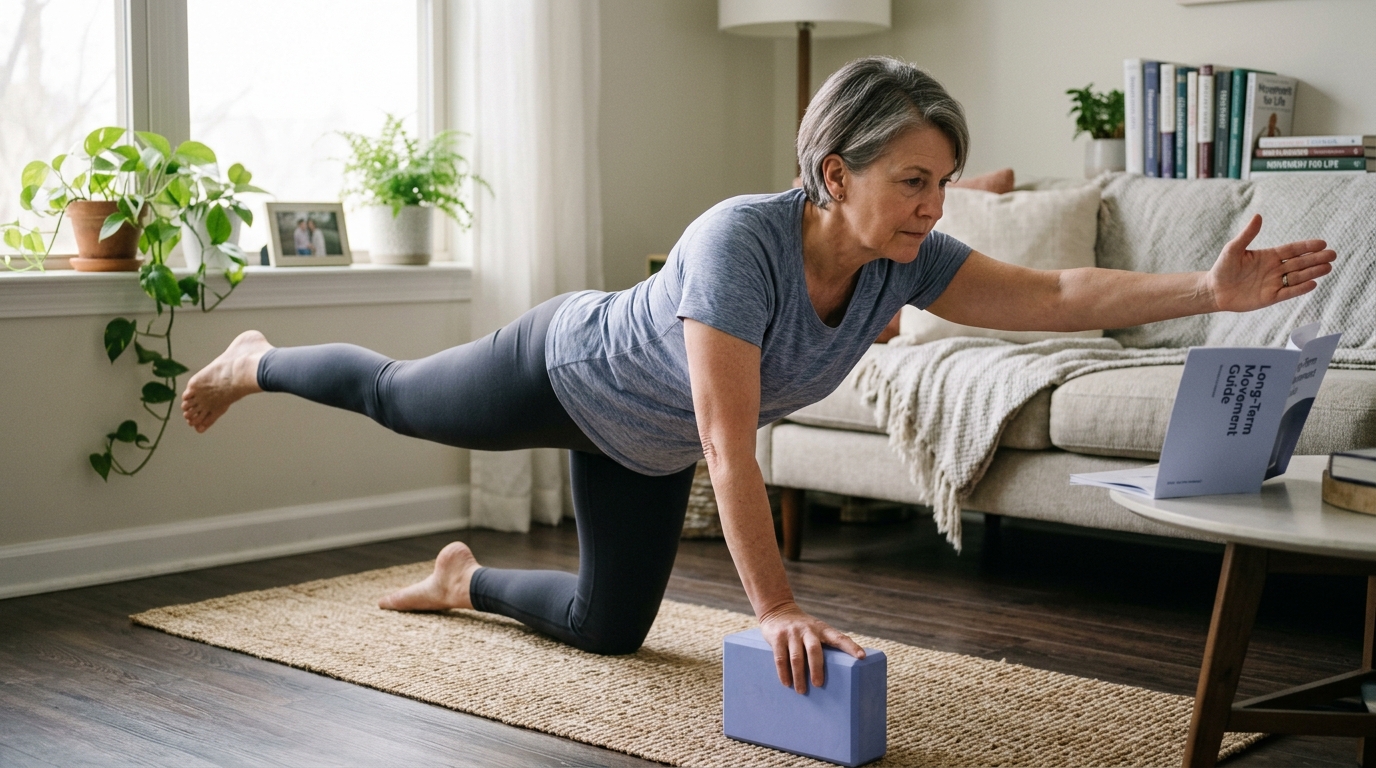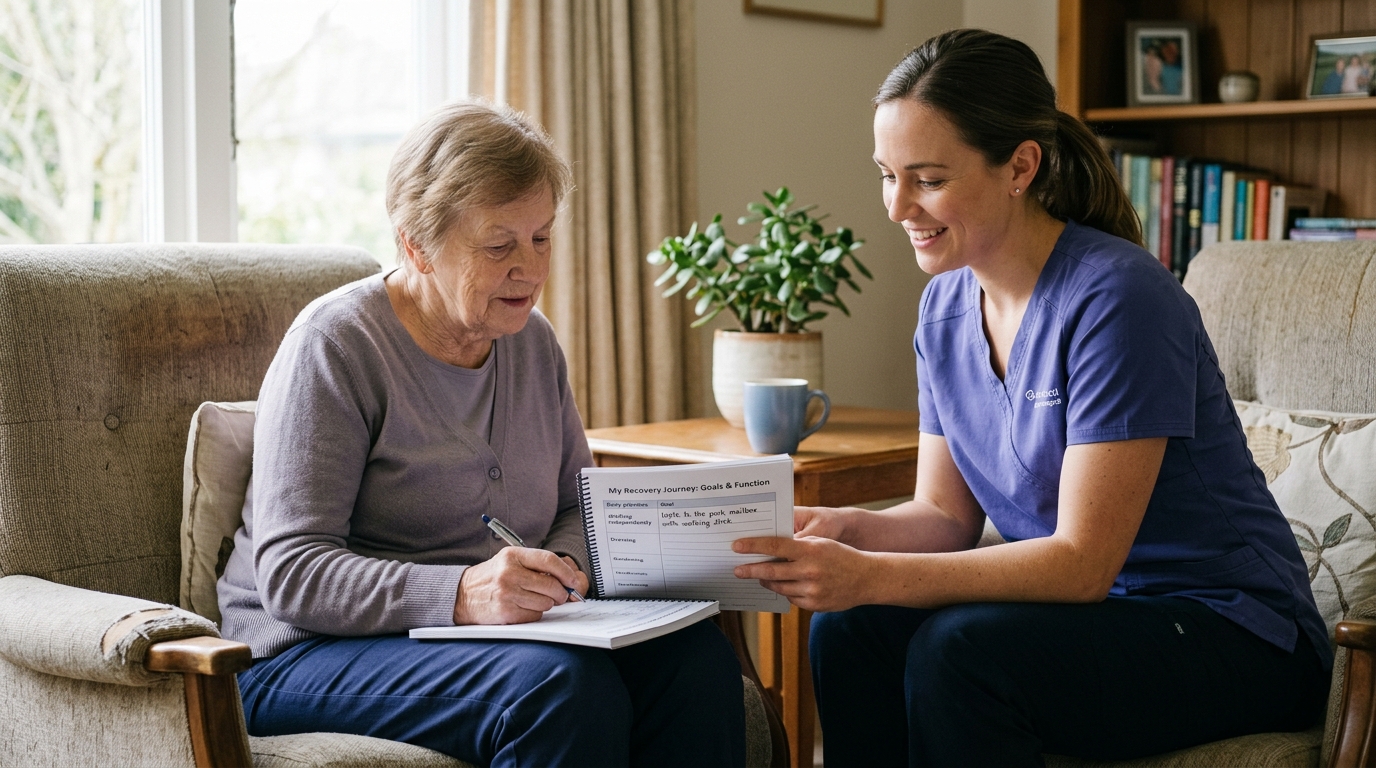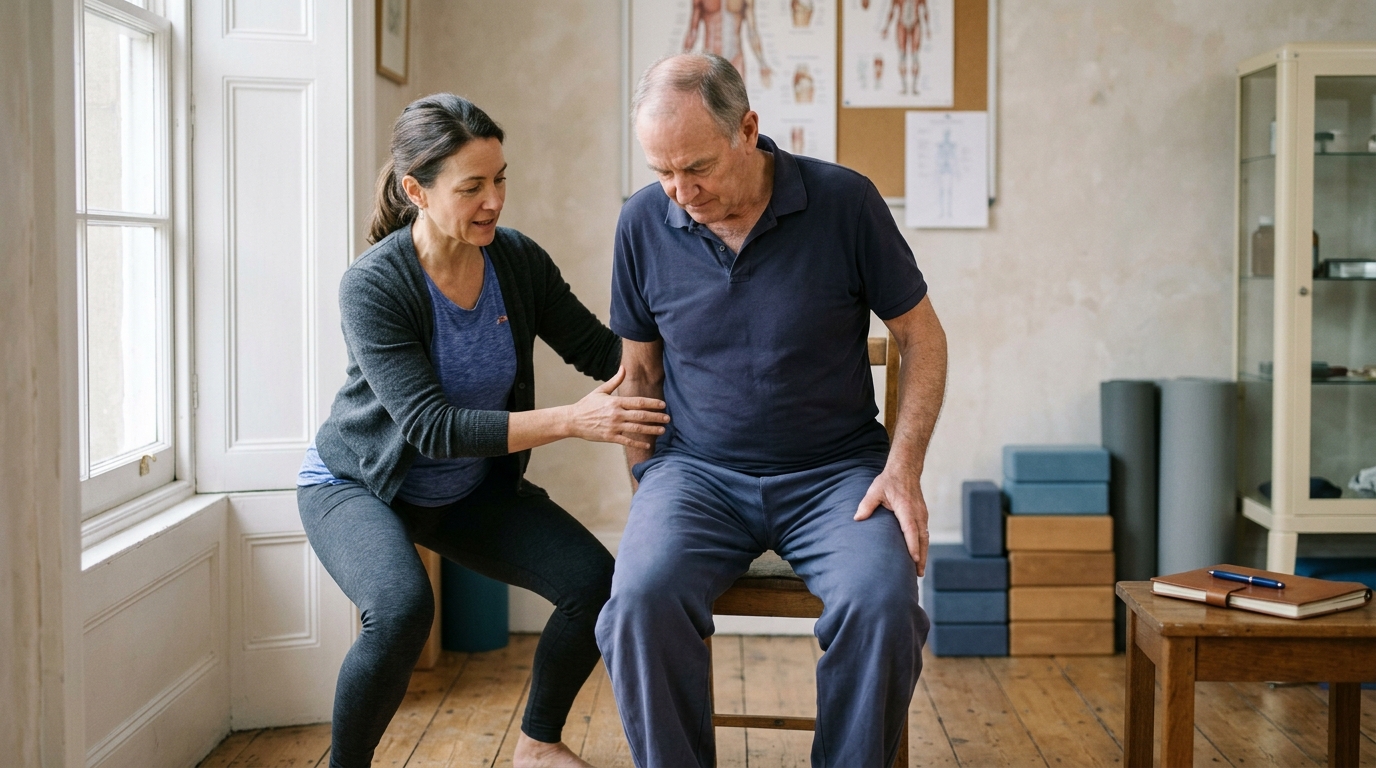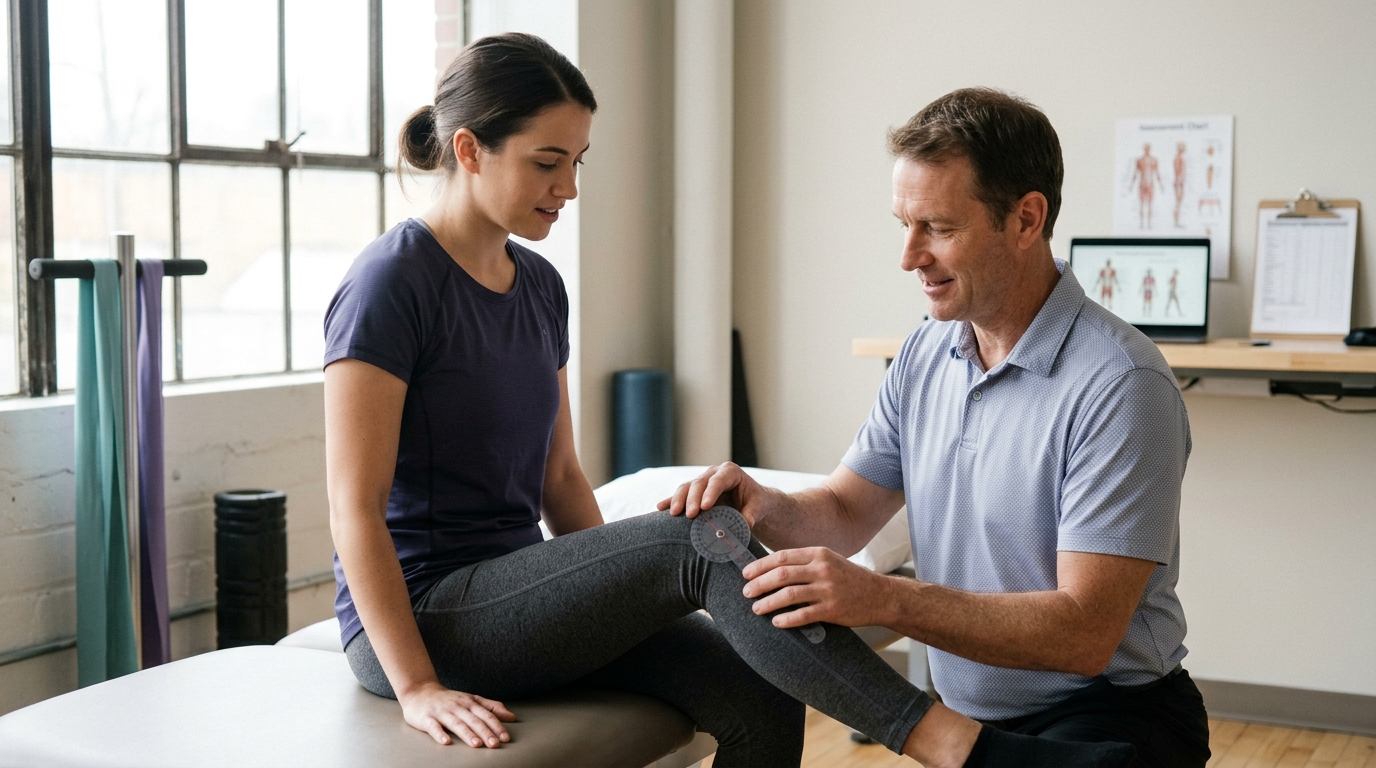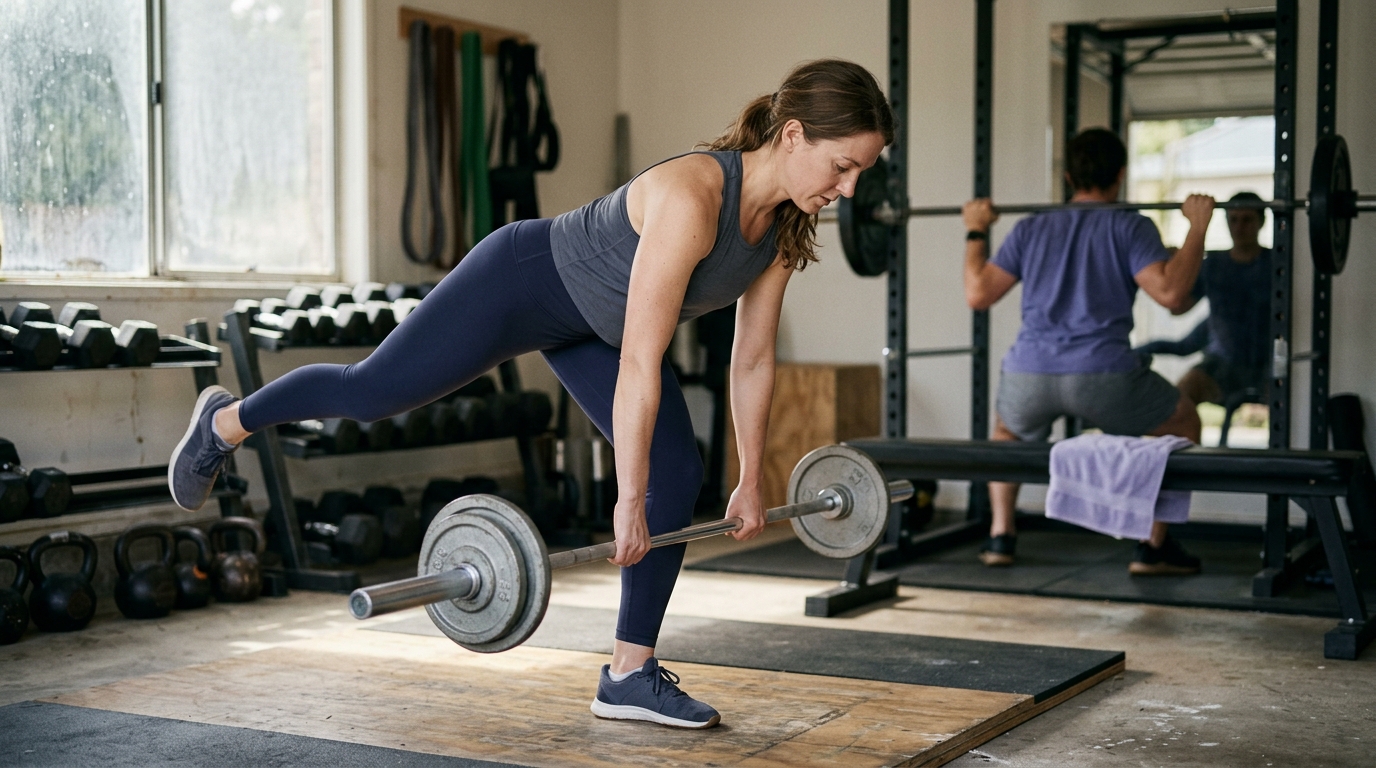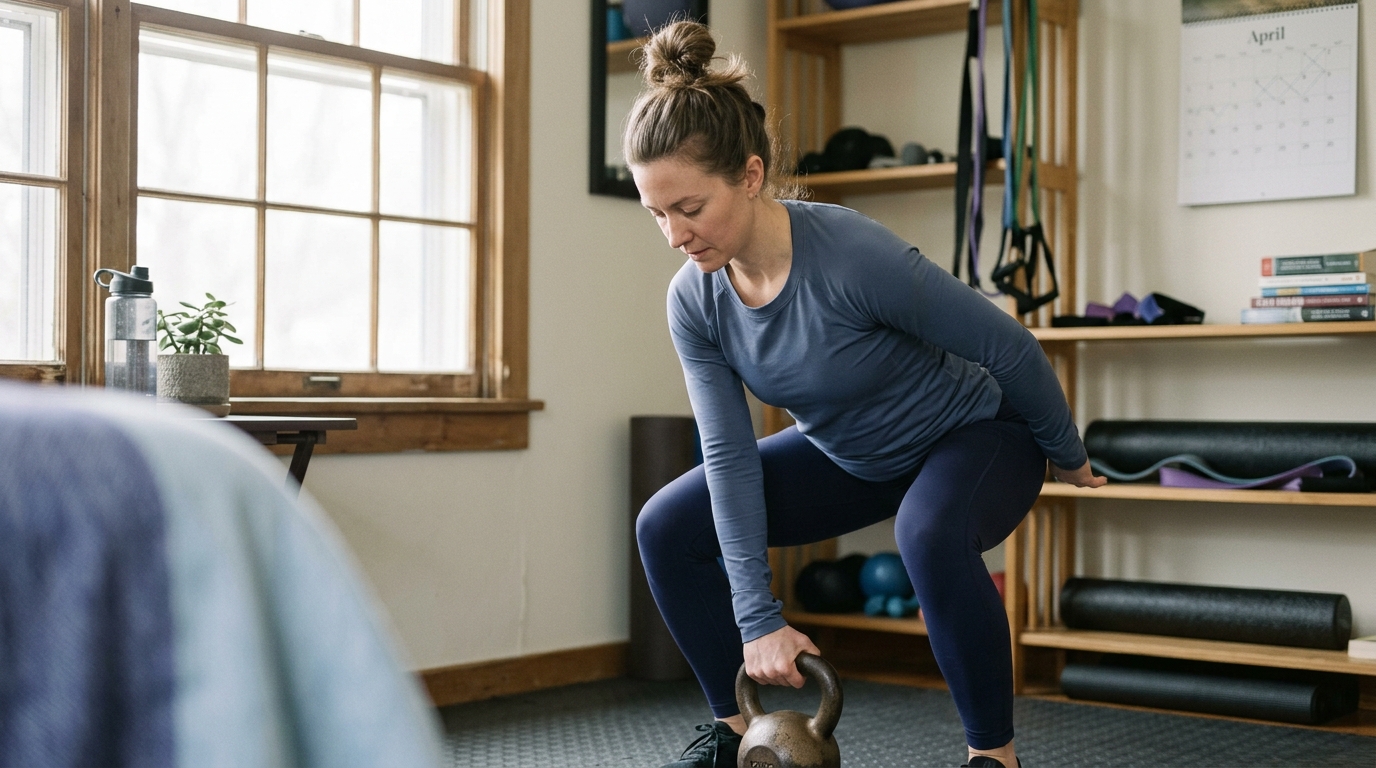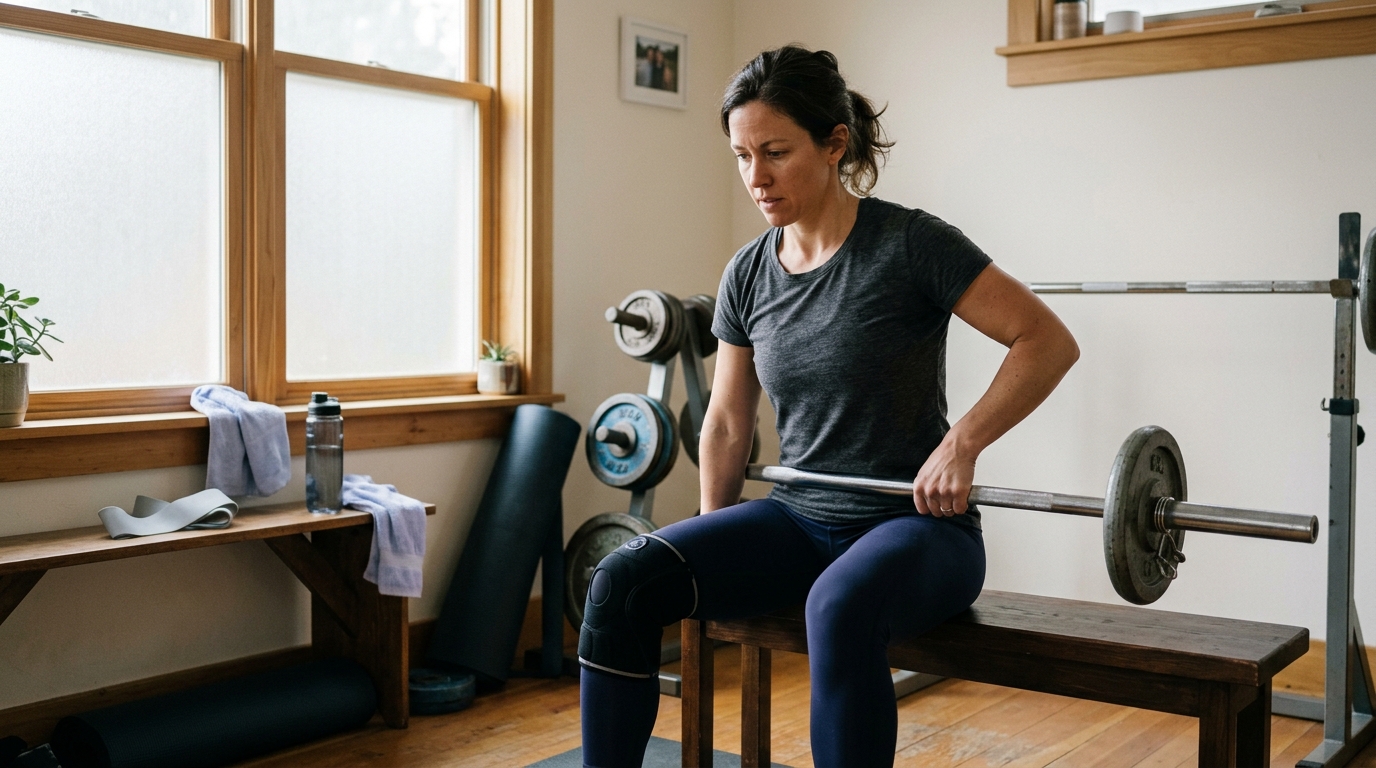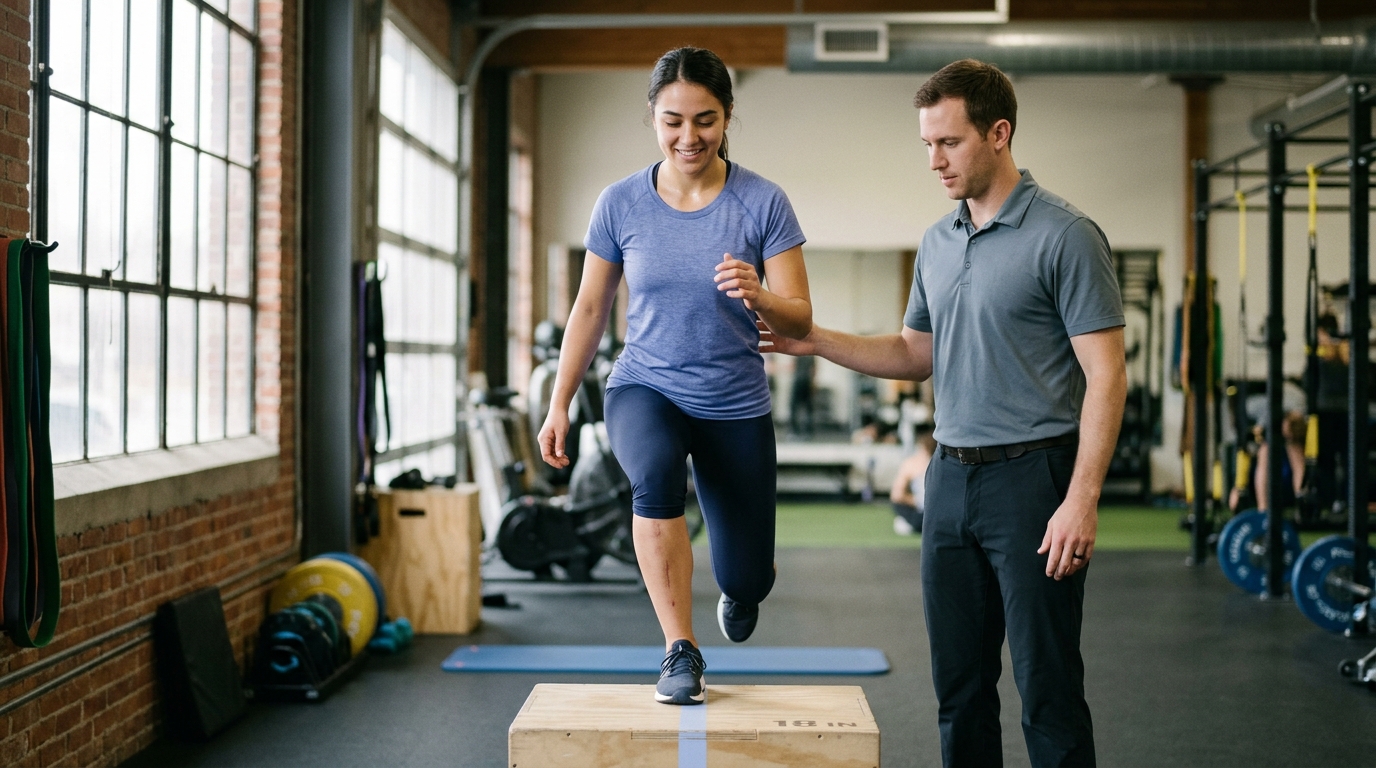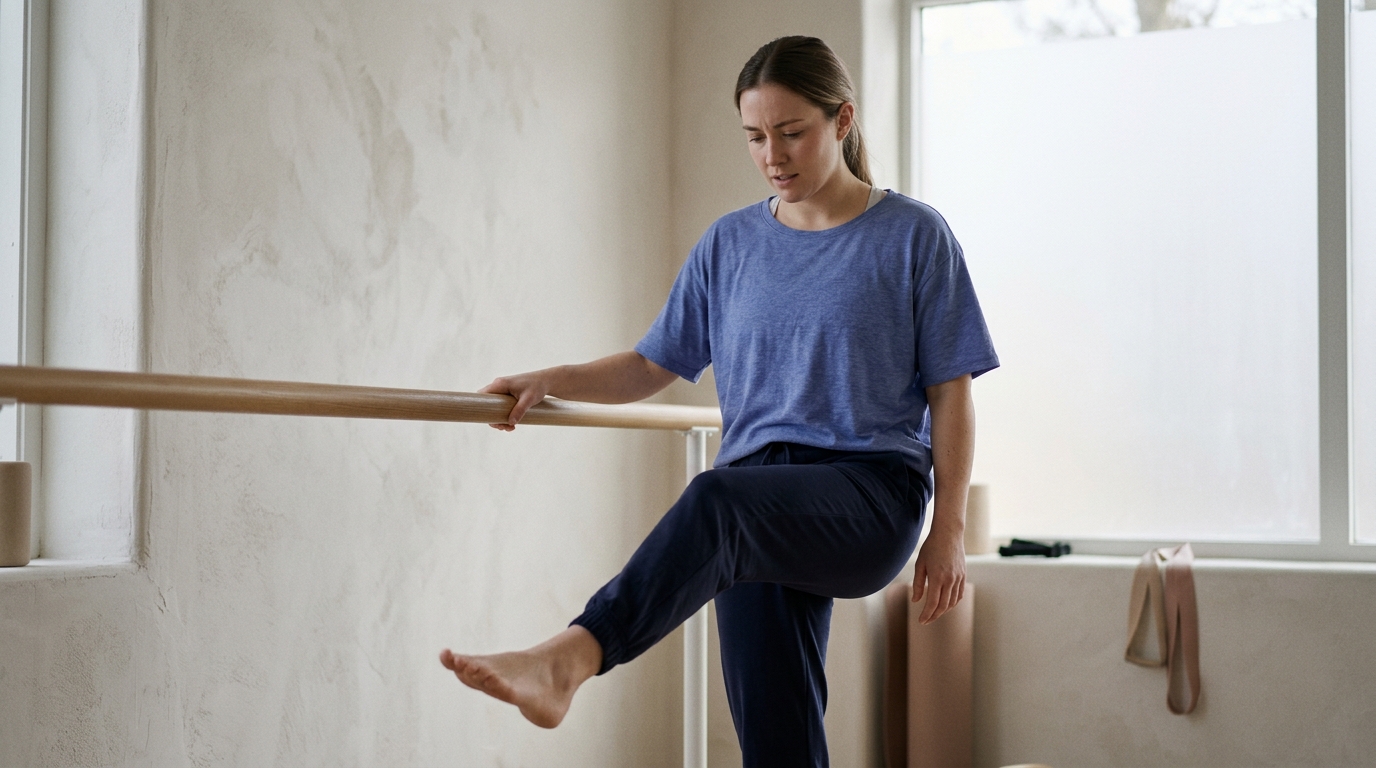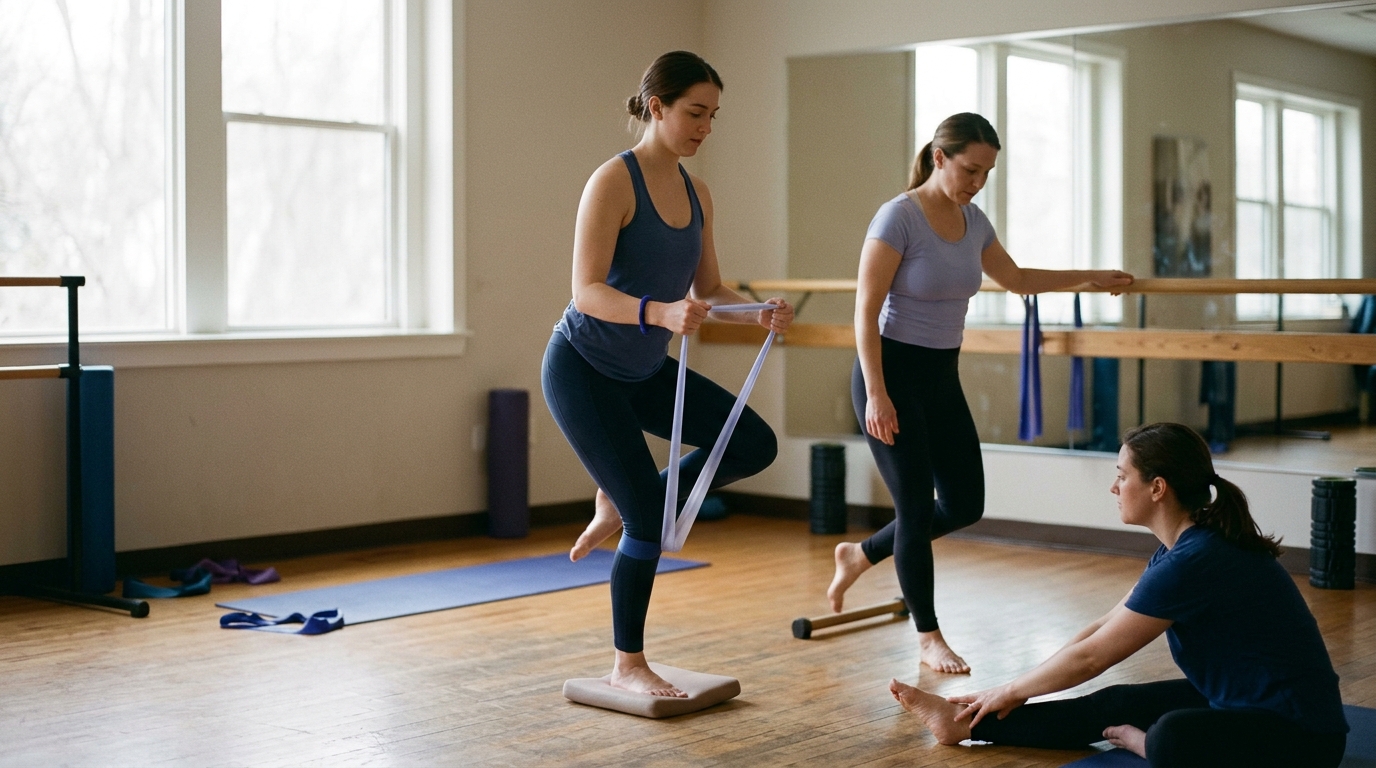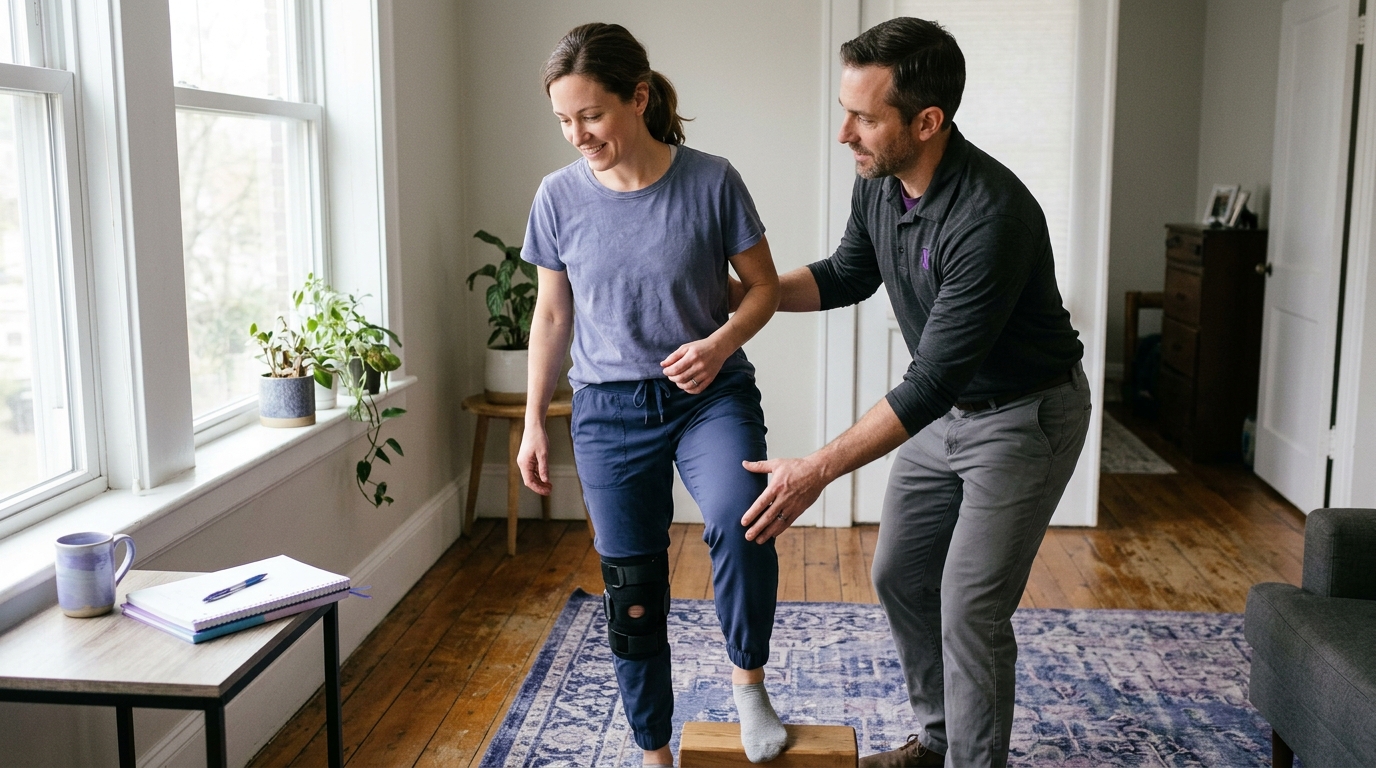

Seven dimensions of functional progression show how to convert basic gym strength into practical power, dynamic balance, and effortless daily movement.





Functional strength is not a distinct category of exercise, a special brand of equipment, or a set of balance drills. It is an outcome. It describes having enough muscular force, joint control, physical balance, and task-specific coordination to perform real-world activities without undue fatigue or injury risk.
Many people believe that lifting weights in a gym automatically translates to effortless movement in daily life. Others believe that traditional weight training is useless unless every exercise looks like a chore or a sport. Both views are incomplete. Building physical capacity through resistance training is a necessary foundation, but general strength alone does not guarantee smooth movement in everyday tasks.
Bridging the gap between general capacity and real-world function requires a structured approach. It starts with building muscular force. It moves toward practicing meaningful tasks. Finally, it exposes the body to the speed, balance challenges, and unpredictable environments of daily living.
This guide examines what the scientific evidence shows about transferring strength to daily tasks. It explains why moving quickly requires different training than moving heavy loads. It also outlines a practical progression framework to help you rebuild capacity for the activities that matter most to you.
Functional strength is the ability to produce, control, and sustain force during the specific physical tasks of everyday life. It differs from general strength in one crucial way: context. General strength measures the maximum force a muscle or muscle group can exert in a controlled setting, such as a leg press or a bicep curl. Functional strength measures whether that force can be applied effectively when standing up from a soft couch, carrying groceries up an uneven flight of stairs, or catching yourself after a stumble.
Research shows that general resistance training increases muscular force significantly. However, gains in isolated strength tests do not always produce an equal improvement in complex daily activities. A person might increase their leg press strength by fifty percent yet still experience stiffness, hesitation, or balance trouble when getting out of a low car seat.
This gap exists because daily physical tasks require more than raw force. They require:
When you train a muscle in an isolated machine, the machine stabilizes your body, fixes your path of motion, and removes balance demands. When you step into daily life, your nervous system must manage all of those factors simultaneously. Basic strength provides the raw horsepower. Functional strength provides the steering, braking, and road handling needed to navigate real life.
To better understand how these elements fit together, you can study evidence-based recovery science to see how physical adaptations transfer across different training methods.
To bridge the gap between training and daily life, you must distinguish between three distinct physical qualities:
Strength is the underlying physical capacity. Power is that capacity expressed with speed. Functional performance is the successful application of capacity and skill inside a real-world environment.
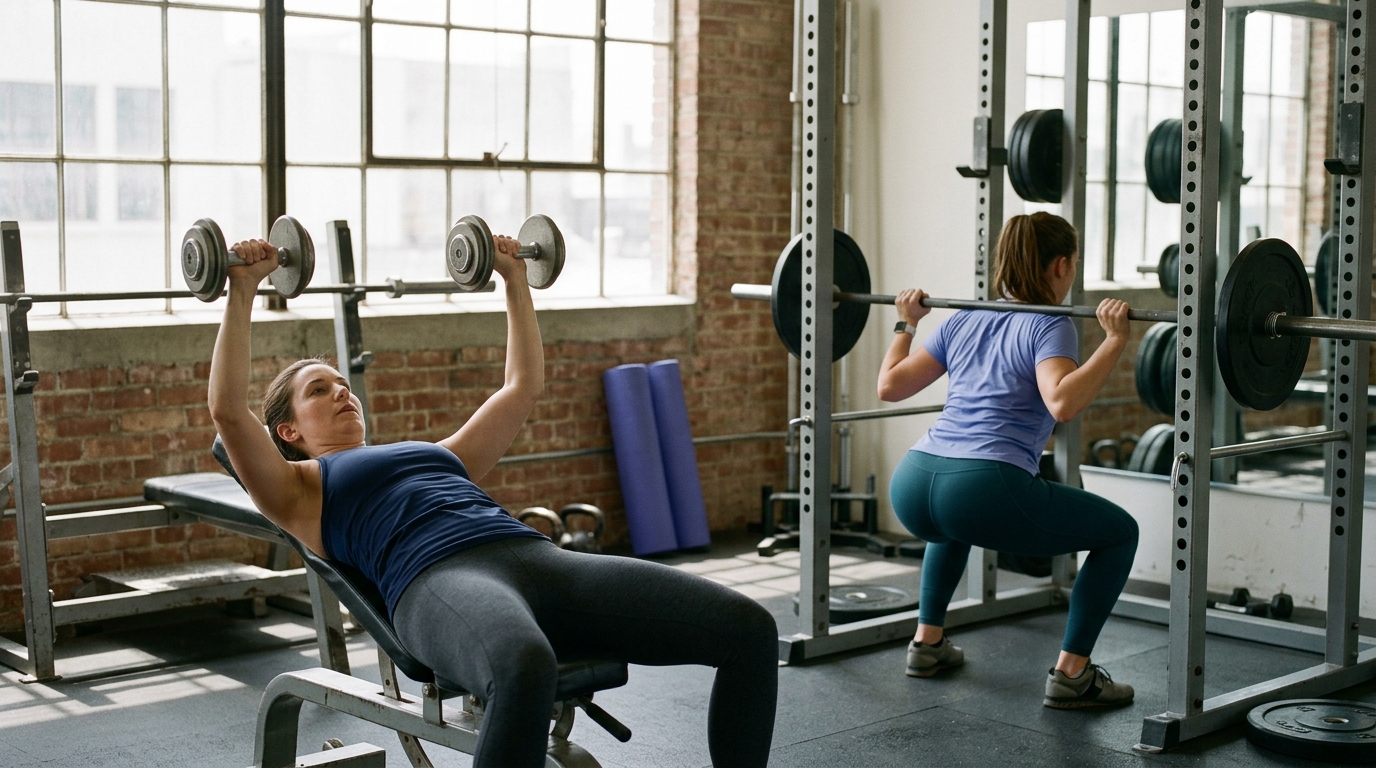
Isolated resistance exercises are useful for targeting weakened tissues, rebuilding muscle mass after an injury, and safely overloading specific muscle groups. However, isolated training has natural limitations when it is used alone.
When an exercise fixes your body into a single seated position, your nervous system does not need to activate stabilizing muscles around the hips, spine, or ankles. The brain learns to fire the primary working muscle, but it does not practice coordinating that muscle with the rest of the body. If your physical activity never progresses beyond fixed-track machines, your body may struggle when a daily task demands multi-directional control.
Clinical trials and systematic reviews provide clear insights into how resistance training affects daily performance. The research shows that resistance training is one of the most reliable ways to increase muscle mass, bone mineral density, and force production across all age groups. However, the degree to which those gains transfer to daily activities depends heavily on the type of training performed.
A major systematic review evaluating progressive resistance training in older adults found large improvements in muscle strength. Yet, the same review found noticeably smaller improvements in complex physical tasks and functional limitations. Increasing raw force capacity is essential, but it does not automatically resolve functional limitations on its own.
Another systematic review evaluated functional training trials involving over 1,100 participants. The researchers found that functional training produced clear benefits for strength, balance, mobility, and activities of daily living. Importantly, the greatest benefits occurred when the specific movements practiced in training matched the functional tasks being tested.
A 2025 systematic review and meta-analysis analyzed functional-task exercise in community-dwelling older adults across 10 studies. Functional-task exercise was defined as training that directly practices movements resembling activities of daily living. Compared to inactive controls, functional-task training produced large improvements in daily living activities and mobility. When compared directly to conventional strength training, functional-task exercise showed a moderate advantage for daily living activities, while mobility improvements were comparable between both groups.
These findings show that machine-based and conventional strength training are valuable tools for building capacity. At the same time, adding task-specific practice provides an extra benefit for everyday performance. You can review more on this topic in our collection of strength and performance rebuilding resources.
The link between muscular force and task performance is not a simple straight line. In individuals with low baseline strength, small increases in force capacity often lead to dramatic improvements in daily function. For someone who lacks the quadriceps strength to stand from a chair without using their arms, gaining a small amount of leg strength can restore independent standing immediately.
Once a person reaches an adequate threshold of strength, additional gains in raw force yield diminishing functional returns. If you can already comfortably squat your body weight, doubling your leg press strength will not necessarily make you twice as fast at climbing stairs. At that stage, factors like cardiovascular endurance, single-leg balance, joint mobility, and movement coordination become the primary constraints.
A common misconception is that machine-based exercises are useless for functional recovery. Research shows that machine-based resistance training reliably improves functional capacity and strength in older adults compared to no exercise.
Machines offer a controlled, stable environment. This makes them ideal for early rehabilitation, managing joint pain, or loading a muscle heavily without fear of losing balance.
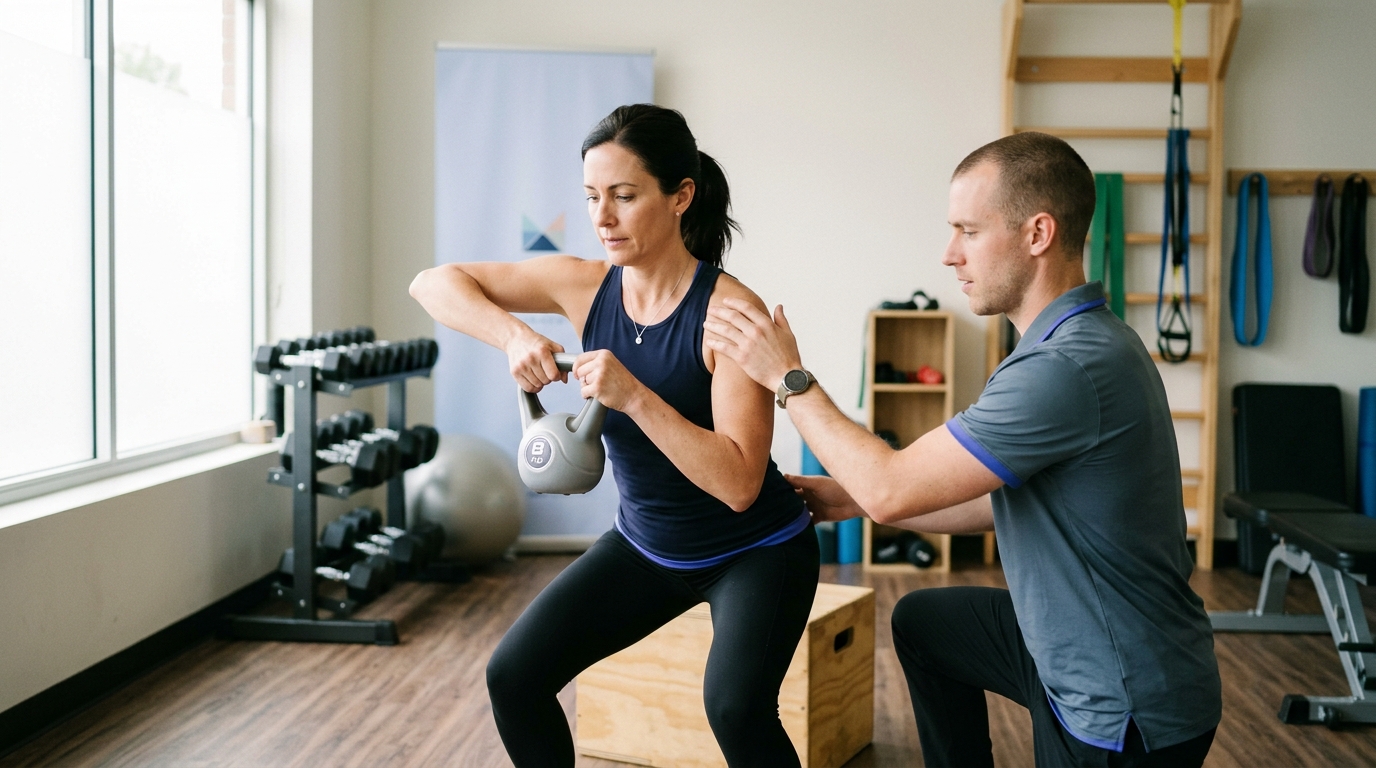
However, relying entirely on machines leaves a functional gap. Machine training provides the force capacity, but free-standing, multi-joint exercises teach the body how to balance and stabilize that force. A balanced program often begins with machine or supported exercises to build raw tissue tolerance, then layers in free-standing movement practice.
When people think about resistance training, they usually imagine slow, deliberate lifts. While slow lifting builds muscle tissue and force capacity, many critical daily tasks depend more on movement speed than maximum strength.
Muscle power declines faster with age and disuse than pure muscle strength. When muscle tissue loses power, the ability to generate force quickly is reduced. This loss of speed has practical consequences for safety, balance, and independence.
Consider what happens when you trip over an uneven sidewalk. Preventing a fall does not require lifting a heavy load. It requires swinging your trailing leg forward instantly and generating enough force within milliseconds to stop your forward momentum. If your muscles are strong but slow to activate, you may not generate the necessary force in time to prevent a fall.
Power-focused training emphasizes moving a light-to-moderate resistance with high explosive intent during the lifting phase, followed by a controlled lowering phase.
The National Strength and Conditioning Association recommends including high-velocity concentric power exercises at moderate loads, roughly 40 to 60 percent of a person's one-repetition maximum, to support functional performance in older adults. Similarly, the American College of Sports Medicine notes that power can be developed using lighter loads moved quickly or heavier loads moved with maximum speed intent.
A systematic review and meta-analysis of 20 randomized clinical trials evaluated power training versus traditional strength training in older adults. The review found low-certainty evidence that power training may provide a modest advantage over traditional slow strength training for objective physical function. Another review of 11 studies noted small-to-moderate benefits favoring high-velocity power training, though it emphasized that safety and long-term joint tolerance require careful monitoring.
These findings suggest that training for movement speed can be a valuable addition to a long-term routine. However, explosive movements are not the starting point for someone recovering from an acute joint injury or surgery. Power training is an advanced training quality that should be introduced only after foundational strength, joint control, and movement tolerance are well established.
To see how strength and power differ in everyday life, consider these comparisons:
Training should reflect the qualities required by the tasks you need to perform. If your daily life requires quick reactions, your training should eventually incorporate controlled speed work.
The degree to which exercise transfers to daily life varies widely from person to person. No single routine works identically for everyone. Several individual, structural, and environmental factors influence how quickly basic strength transforms into practical capability.
Understanding these factors helps set realistic expectations and allows you to tailor your training to your actual living environment.
Daily activities are categorized into two distinct groups, each placing different demands on the body:
A training plan designed to restore basic transfers might focus heavily on supported sit-to-stand repetitions and core stability. A plan designed for complex community tasks must incorporate uneven carries, rotational strength, and extended walking capacity.
Several key variables dictate how well your training carries over into daily living:
To learn more about how movement quality interacts with aging and injury prevention, you can browse our articles on active aging and injury prevention.
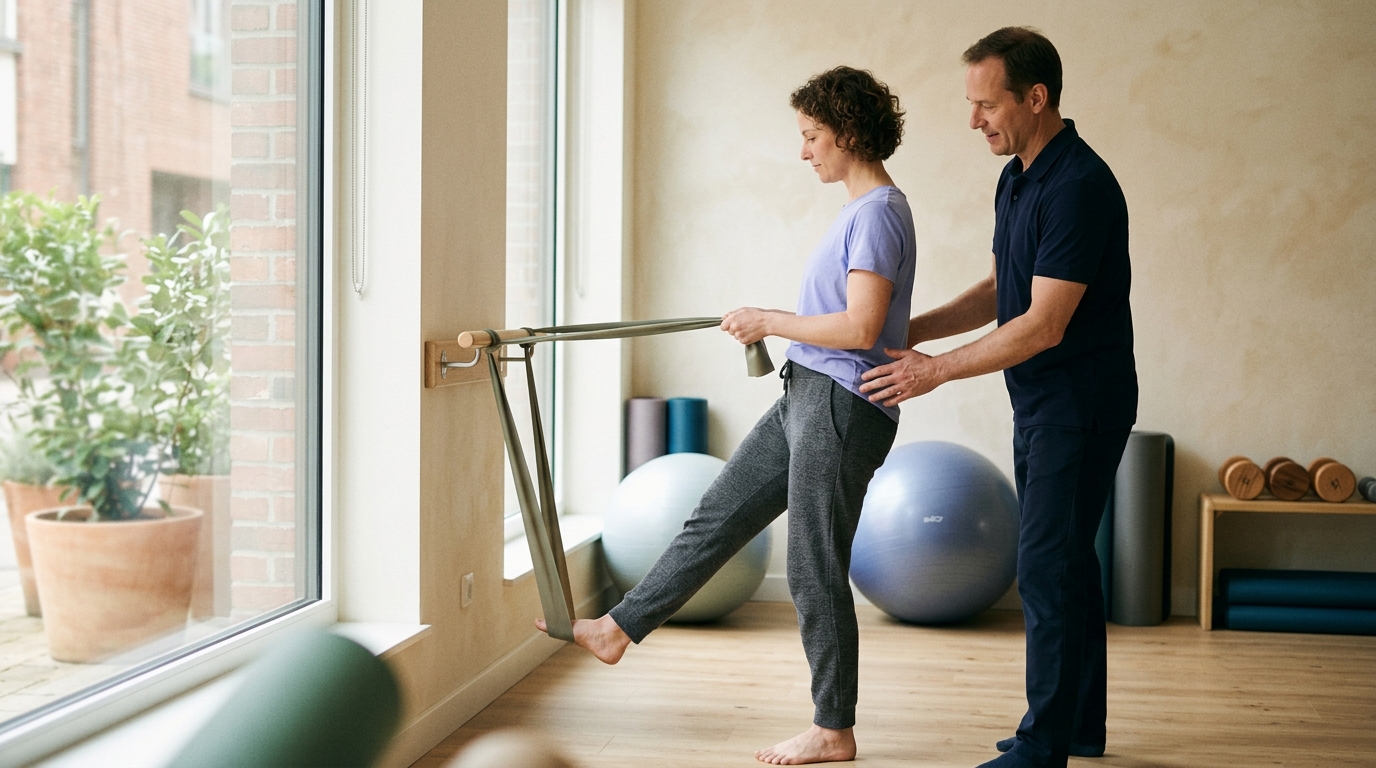
Bridging the gap from basic strength to functional capability is accomplished through progressive exposure. Progressive exposure means gradually altering the difficulty, complexity, and environment of an exercise over time.
Instead of abruptly jumping from a seated leg press to running or carrying heavy loads across uneven ground, you change one or two training variables at a time. This allows the muscular, skeletal, and nervous systems to adapt safely without triggering excessive joint irritation.
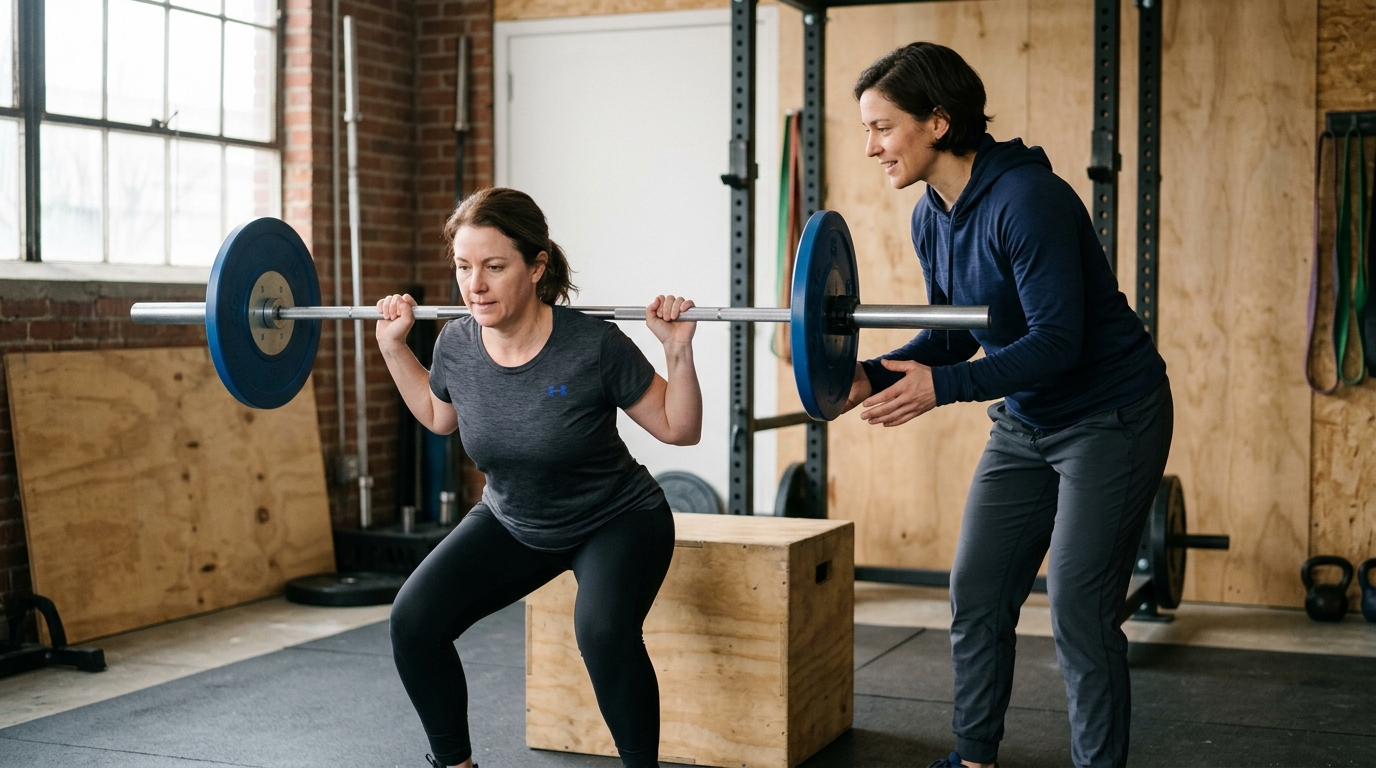
The American College of Sports Medicine outlines progressive overload as a fundamental training principle. For basic strength, they recommend increasing resistance by 2 to 10 percent when a person can perform one to two repetitions beyond their target goal across two consecutive sessions.
When training for real-world function, progression involves more than just adding weight to a barbell. You can progress exercises across seven distinct dimensions.
You can adjust these seven variables to bridge the gap between basic capacity and daily function:
The following examples illustrate how the seven dimensions can be applied to common functional goals. These models demonstrate the progression concept rather than serving as rigid individual prescriptions.
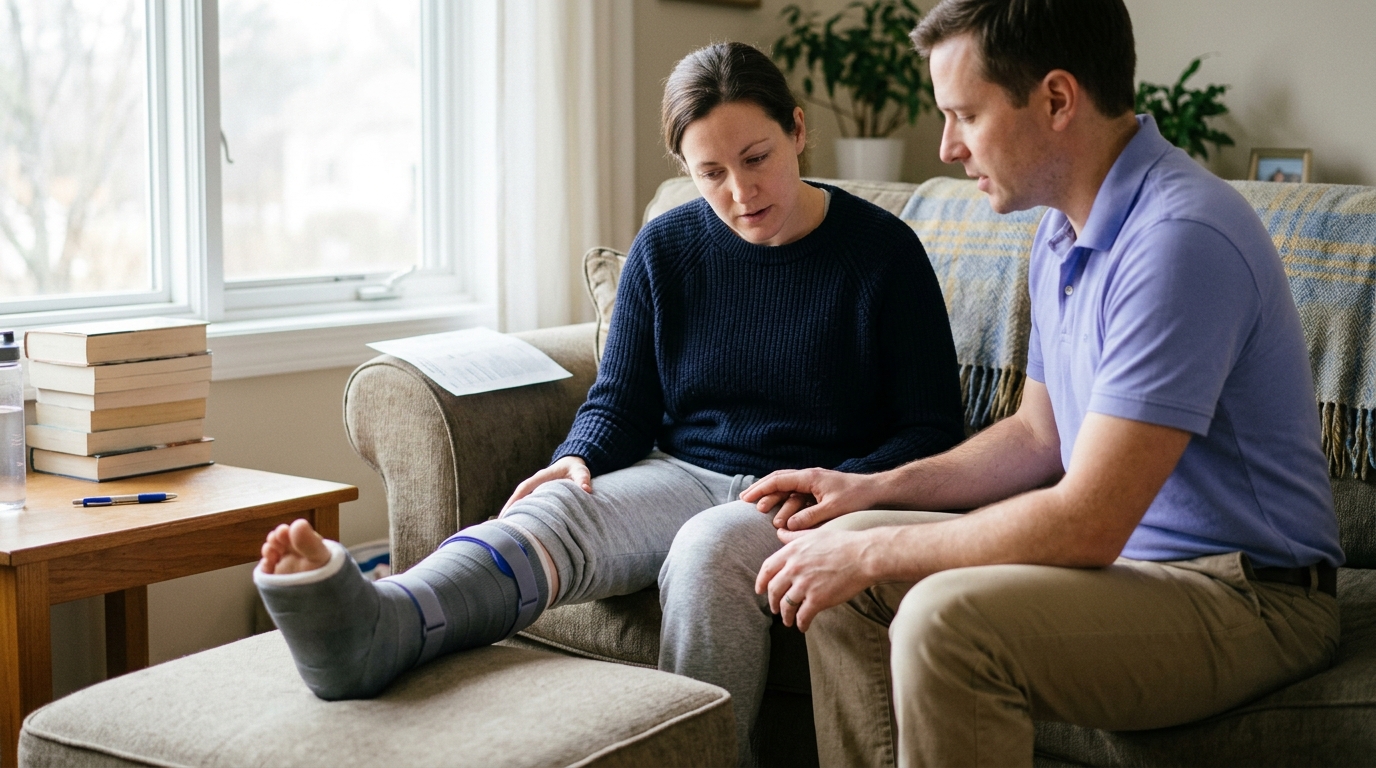
If you are navigating recovery following a surgical procedure, you can review our articles on rehabilitation after surgery to understand how tissue healing affects these progression stages.
While strength training provides the raw force necessary for movement, everyday independence requires a combination of physical attributes. Relying exclusively on heavy or machine-based strength work can leave other critical components of physical function underdeveloped.
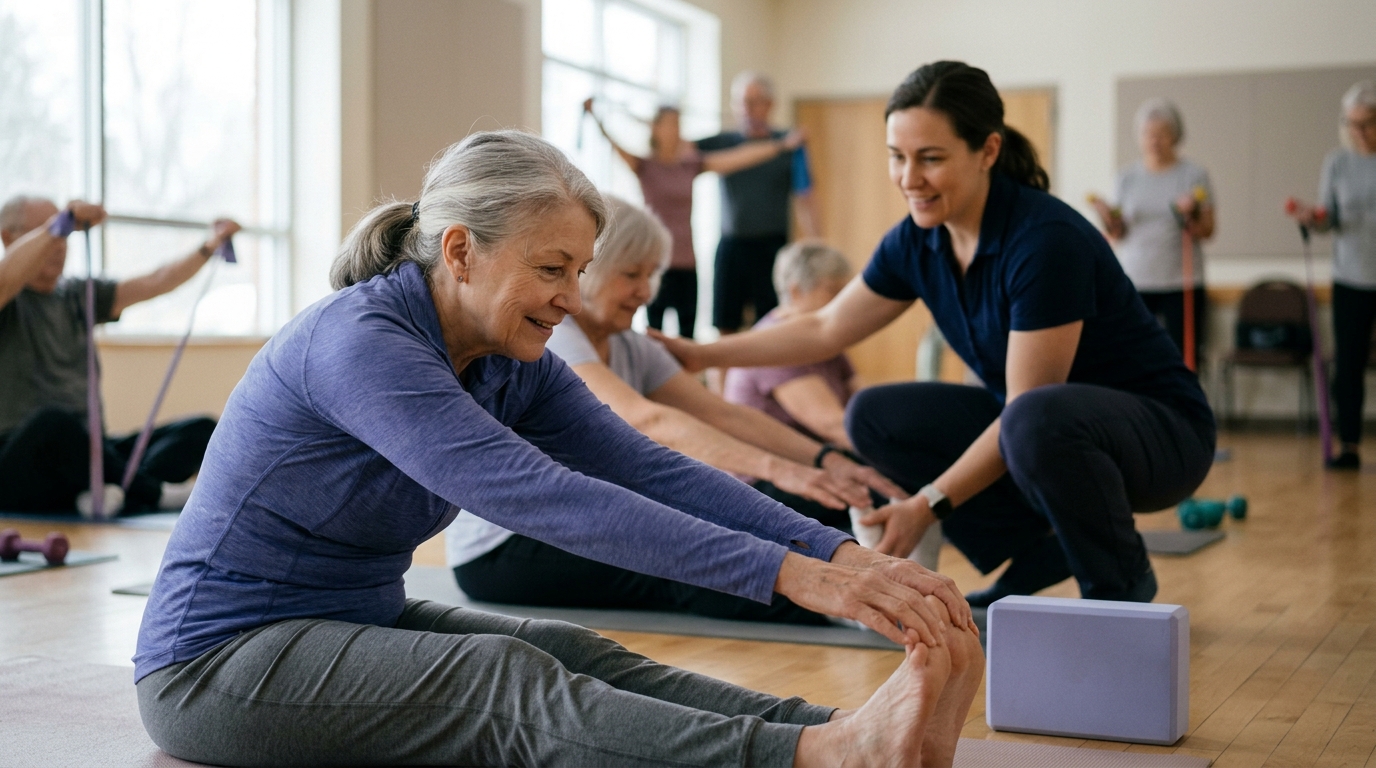
The World Health Organization physical activity guidelines recommend that older adults perform varied multicomponent physical activity at moderate or greater intensity on three or more days per week. These programs should emphasize functional balance and strength training to enhance functional capacity and prevent falls.
The evidence summary supporting the World Health Organization guidelines highlights that multicomponent exercise programs, which combine balance training, strength work, gait retraining, and aerobic endurance, are associated with a reduction in fall rates of up to 23 percent in older individuals. This significant reduction cannot be achieved by strength training alone. It requires challenging the body's balance systems and coordination in dynamic situations.
The term "movement quality" is often misunderstood. It does not mean conforming to a rigid, cosmetically perfect lifting posture. In everyday life, movement quality means having sufficient coordination, control, and efficiency to accomplish a task repeatedly without causing tissue overload or unnecessary fatigue.
A functional movement pattern adapts to the individual's anatomy, joint history, and current physical capabilities. For example, a person with a stiff ankle may need to lean their trunk farther forward when rising from a chair. That is not incorrect form; it is an effective compensation strategy that allows the person to complete the task.
True movement quality involves:
You can learn more about joint mechanics and movement patterns in our guide to mobility and movement mechanics.
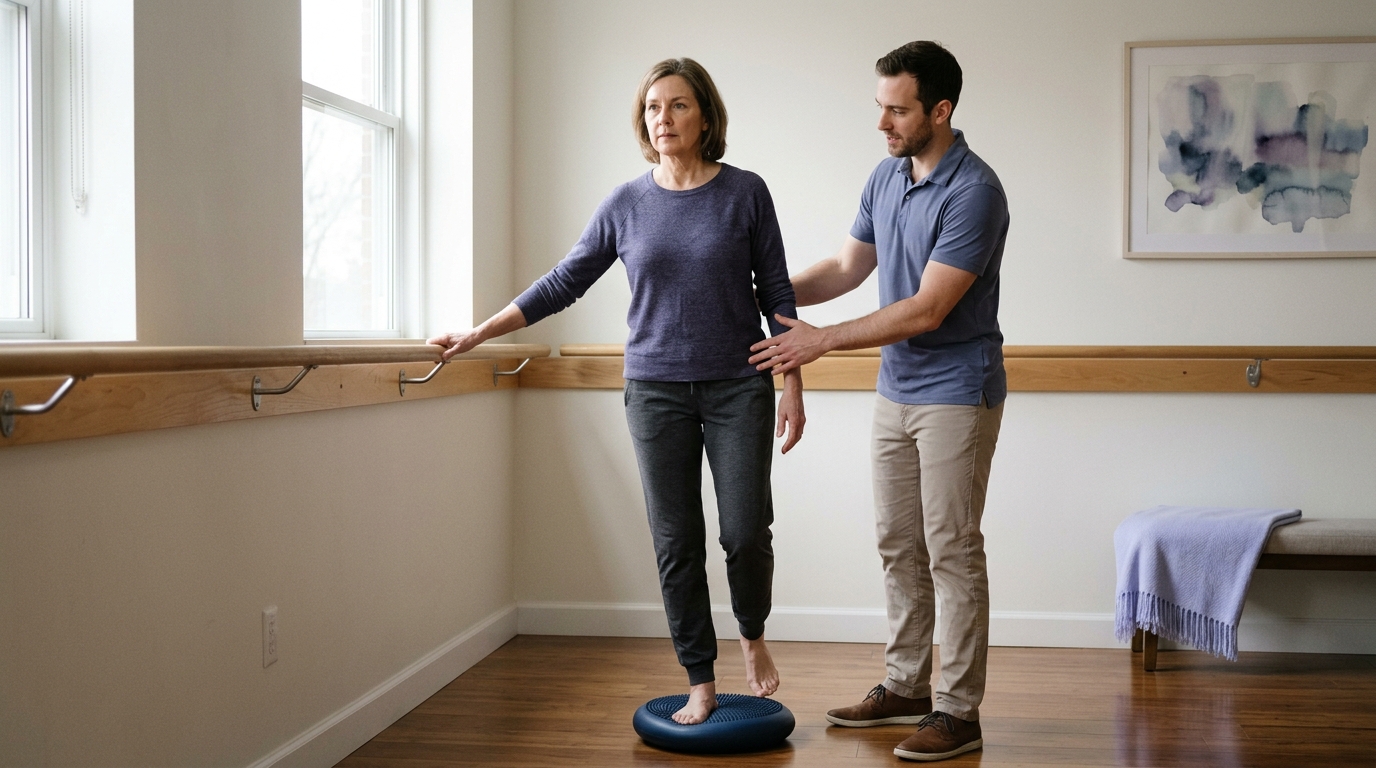
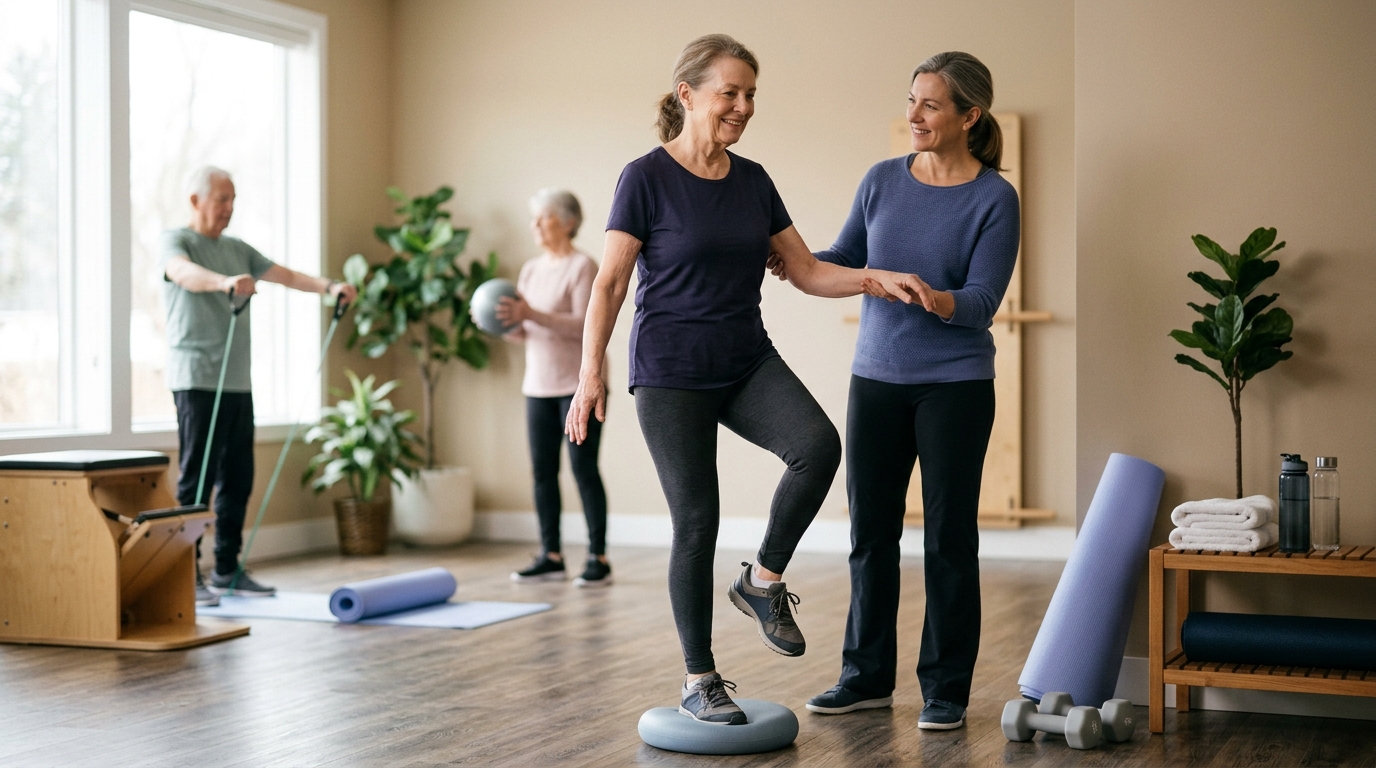
Strength provides the force to hold your body upright, but balance provides the sensory processing to keep your center of mass over your base of support. Balance training challenges the vestibular, visual, and somatosensory systems through:
When combined with resistance training, dynamic balance and gait exercises ensure that newly built muscle strength is readily accessible during complex daily movement.
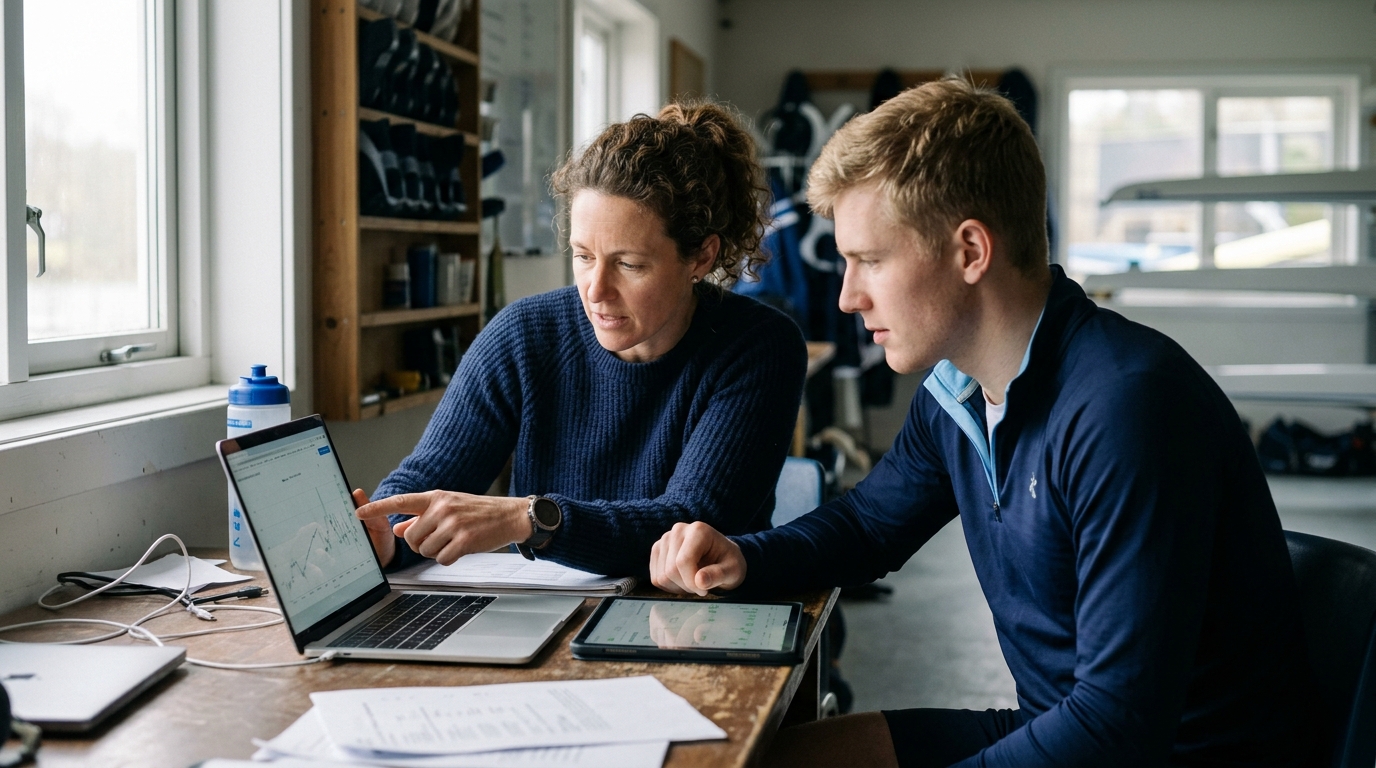
Tracking progress in the gym is straightforward: you record the weight lifted, the sets completed, and the repetitions performed. However, tracking functional capacity requires looking at how well you perform real-world movement tasks.
A complete functional assessment framework evaluates three distinct tiers of physical function:
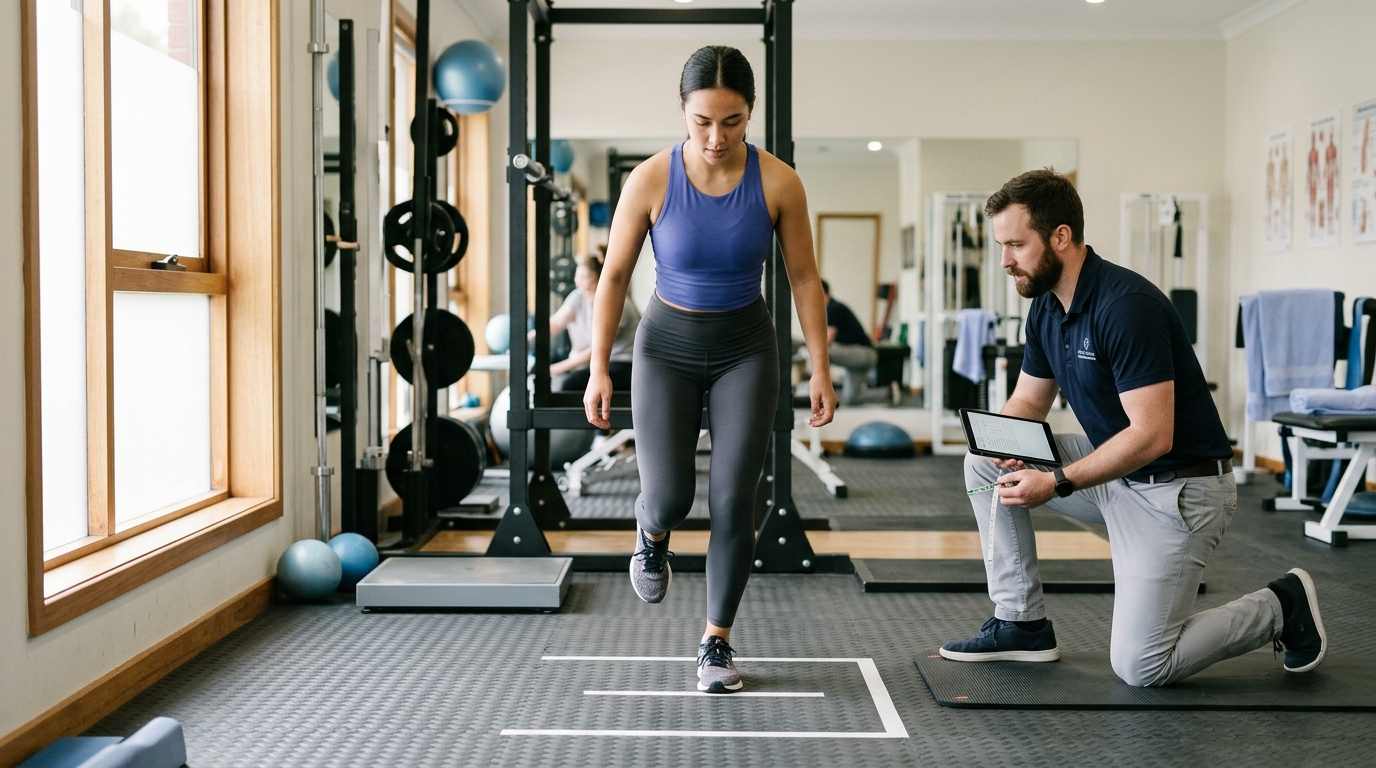
Physical therapists and researchers use several validated performance measures to evaluate functional capability. These tests provide a clear baseline and help identify specific movement limitations:
These standardized tests help identify whether a person's primary limitation is raw strength, movement speed, static balance, or sustained endurance.
Outside of clinical testing, you can assess your own functional capacity by reflecting on practical daily experiences. Consider these guiding questions:
Tracking these practical outcomes ensures that your training program stays aligned with your real-world goals.
To understand how the gap between basic capacity and daily function presents in real life, consider the following common scenarios. These models illustrate typical movement limitations and the training strategies used to bridge them.
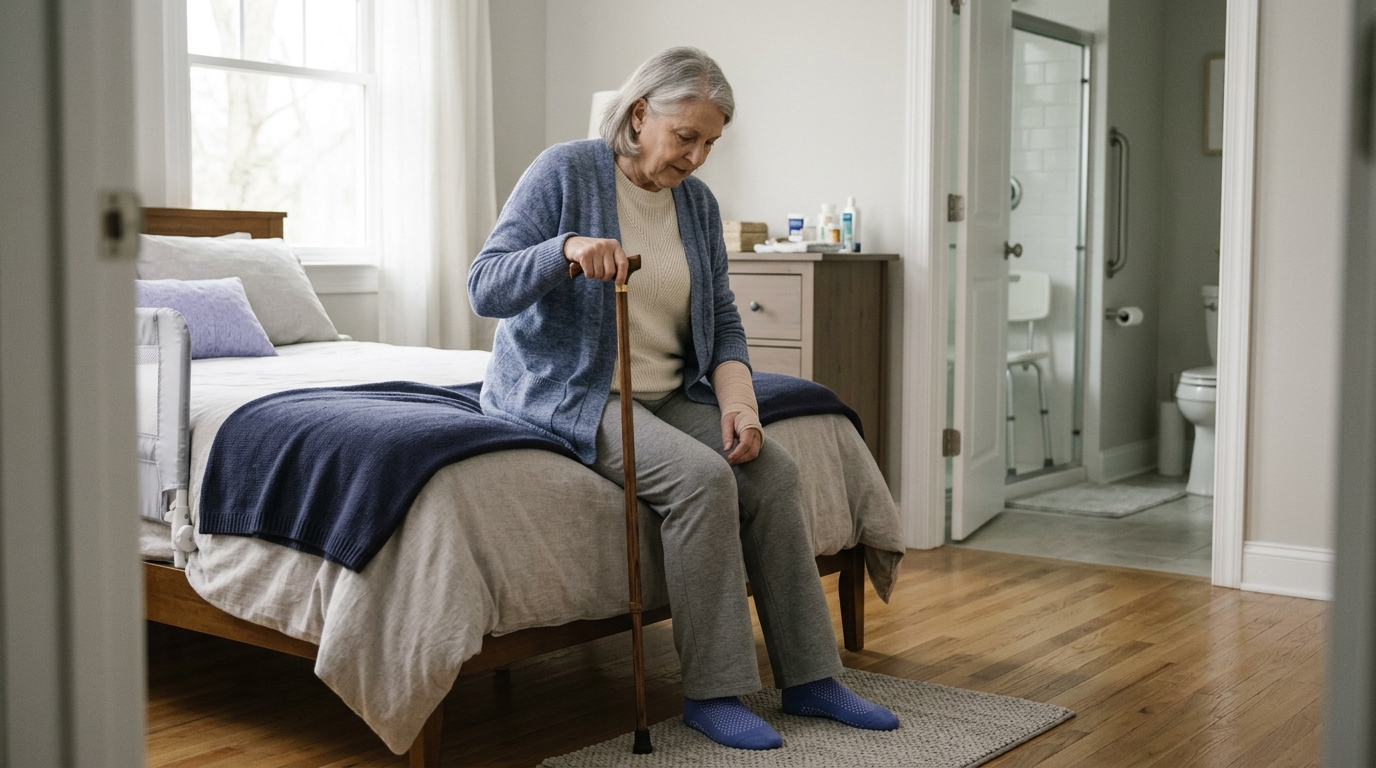
An individual works on a seated leg press machine for three months and increases their lifting capacity significantly. Despite this gain, they still struggle to get out of a soft, low sofa in their living room without rocking back and forth or asking for assistance.
The Functional Gap: The leg press strengthened the quadriceps in a fixed, reclined position. However, rising from a low, soft couch requires deep hip flexion, forward trunk lean to shift the center of mass over the feet, and dynamic balance on an unstable foam cushion. The person gained isolated force capacity but lacked the task-specific coordination and range of motion required for low transfers.
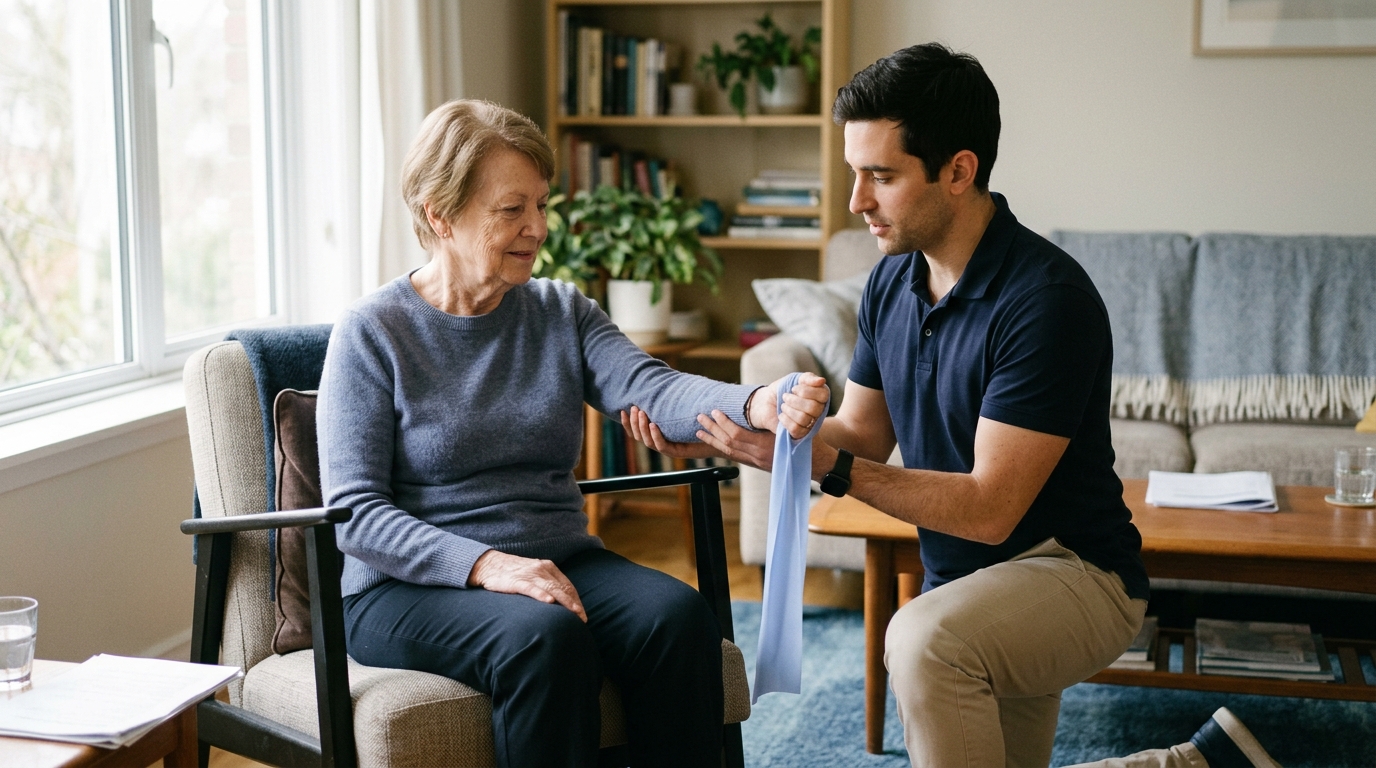
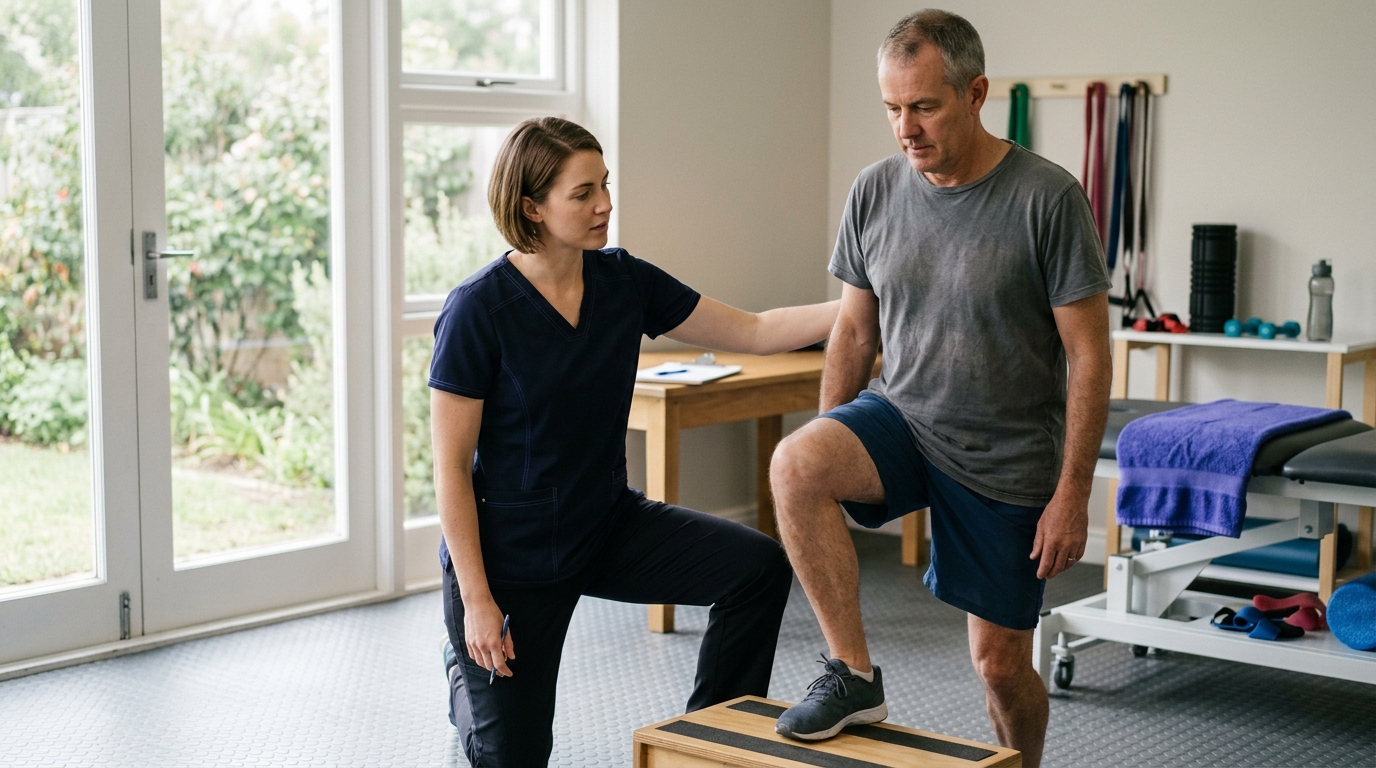
The Bridging Strategy: Keep the leg press to maintain raw muscle capacity, but introduce progressive sit-to-stand practice. Begin on a higher, firm box, gradually lower the seat height, and eventually practice rising from cushioned surfaces with decreasing upper-body assistance.
An active adult performs slow, heavy squats and deadlifts regularly. While hiking, their foot slips slightly on loose gravel, and they struggle to react in time, nearly suffering a severe fall.
The Functional Gap: Slow resistance training builds maximum force production, but it does not train rapid motor unit recruitment. Catching a slip requires rapid muscle activation and high rate of force development within a split second.
The Bridging Strategy: Maintain foundational strength work, but introduce moderate-load, high-velocity concentric exercises. Incorporate rapid step-and-hold drills, controlled agility ladder steps, and light medicine ball throws to train rapid neuromuscular activation.
A person walks three miles a day on flat neighborhood sidewalks without difficulty. However, visiting a friend with a multi-story home leaves their knees aching and their thigh muscles burning after climbing a single flight of stairs.
The Functional Gap: Flat walking requires low muscular force per stride and relies heavily on passive forward momentum. Stair climbing demands substantial unilateral strength, concentric quadriceps power to elevate body weight, eccentric control during descent, and single-leg balance.
The Bridging Strategy: Combine flat walking with targeted unilateral strength
work, such as supported step-ups, step-downs, and split squats. Progressively increase step height and gradually reduce handrail reliance as single-leg control improves.
An individual performs lunges, squats, and balance board drills in the gym with ease. When walking across a grassy park or rocky trail, they report feeling unsteady, anxious, and fearful of rolling an ankle.
The Functional Gap: The gym environment provides high-friction, completely flat, predictable flooring with strong visual reference points. Natural outdoor terrain presents unpredictable slopes, varying ground firmness, and shifting visual backgrounds that challenge ankle proprioception and vestibular processing.
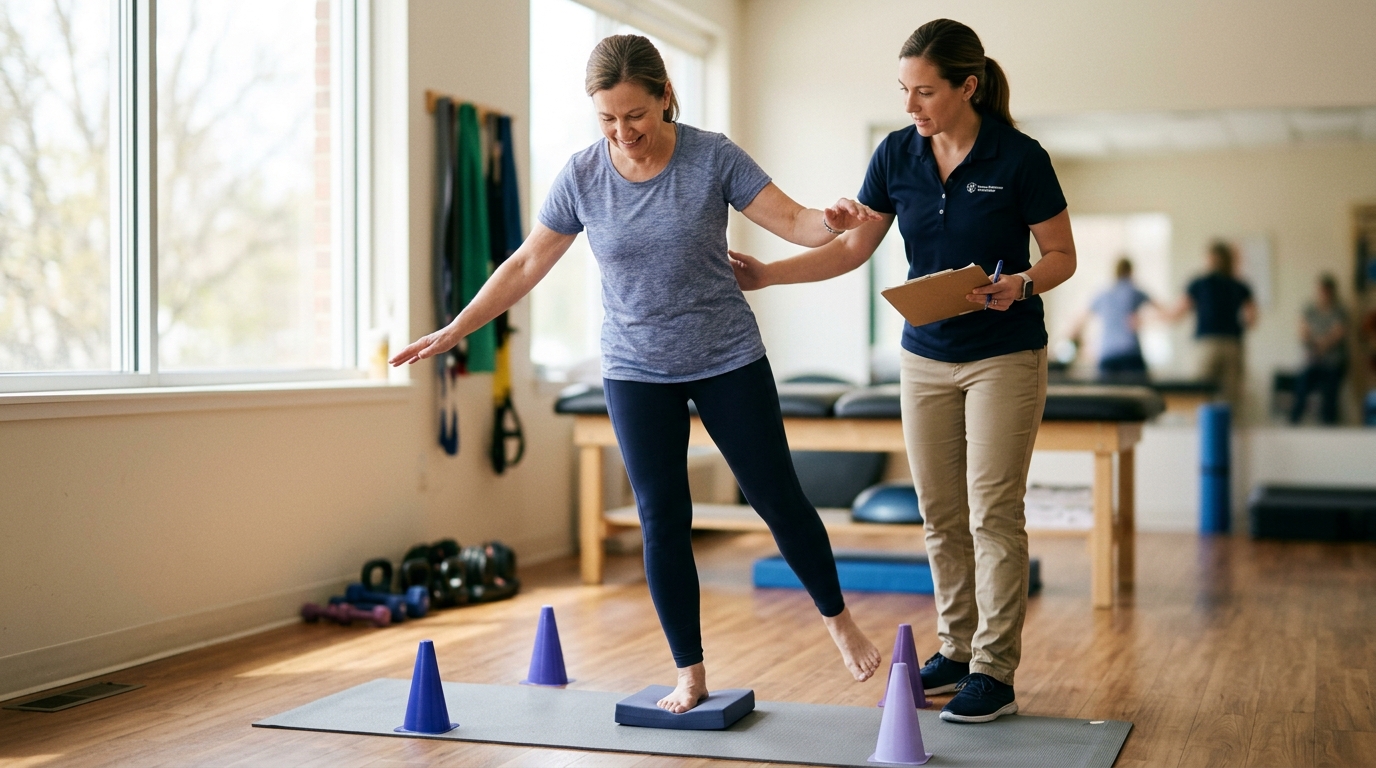
The Bridging Strategy: Transition balance and lunging exercises from flat gym mats to compliant surfaces, such as foam pads or grass. Incorporate head-turning drills while walking outdoors on predictable paths before progressing to unpaved, uneven trails.
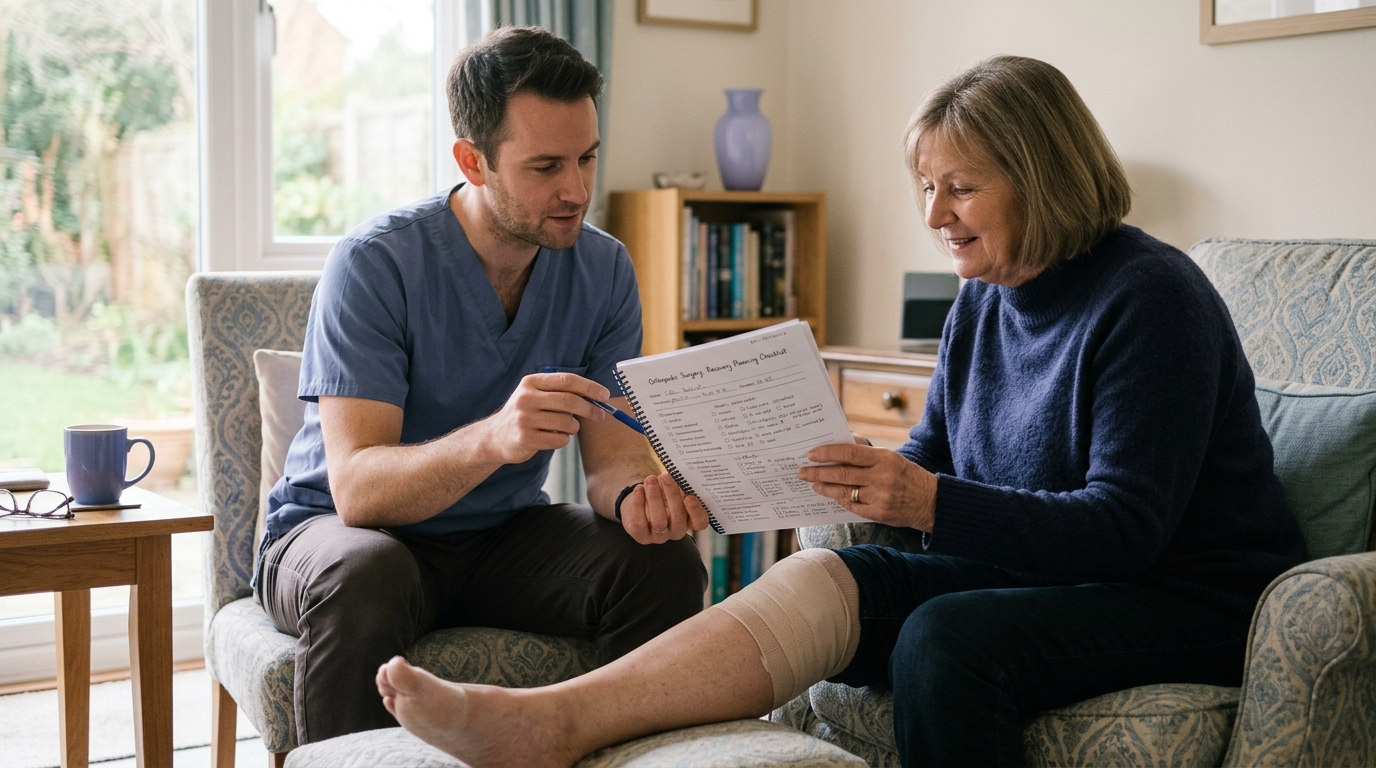
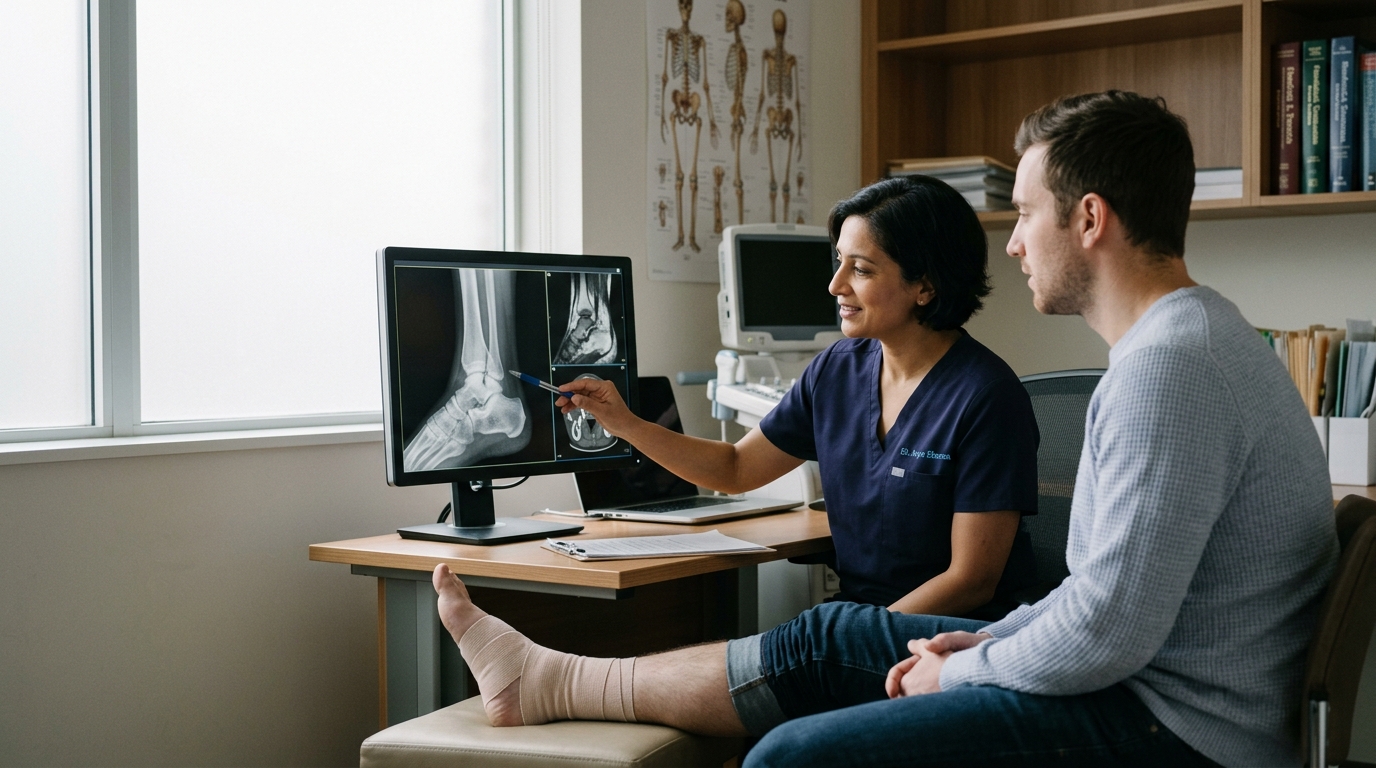
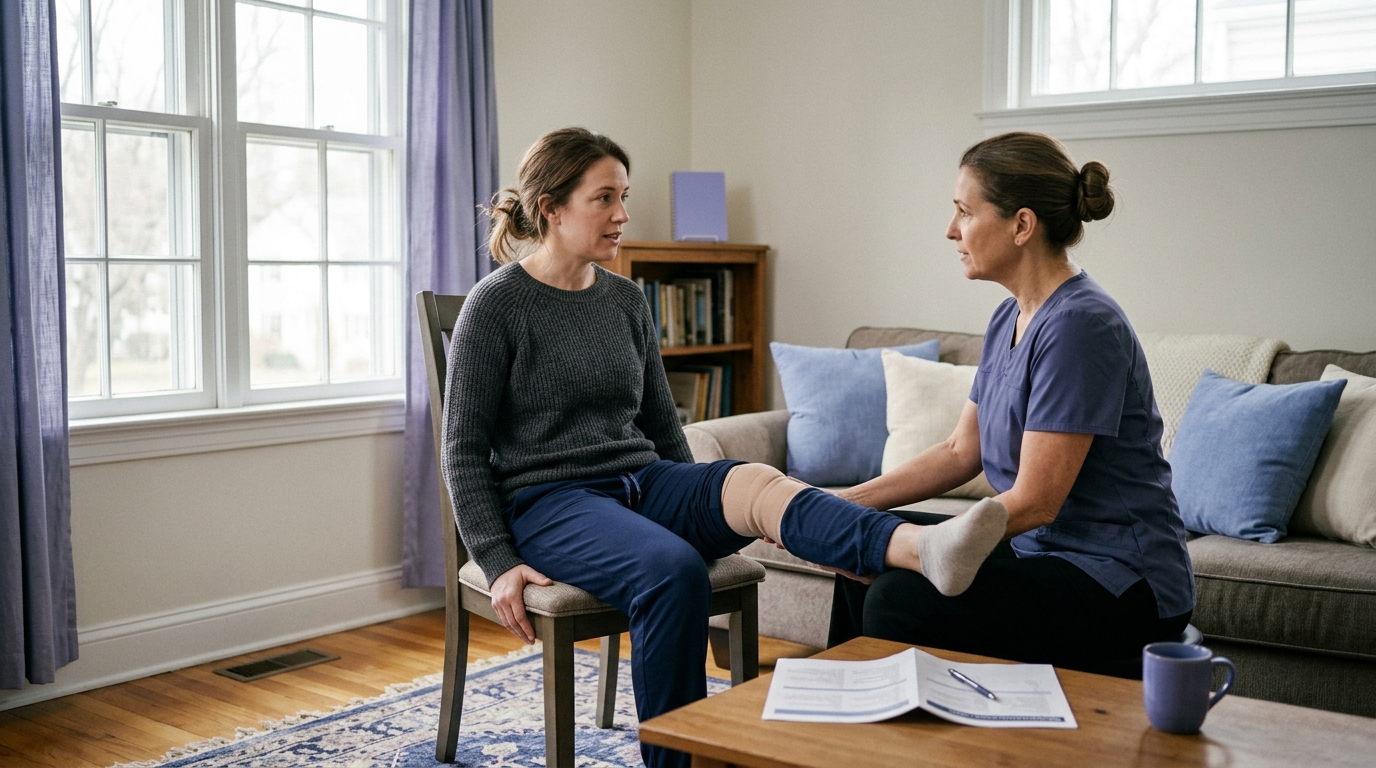
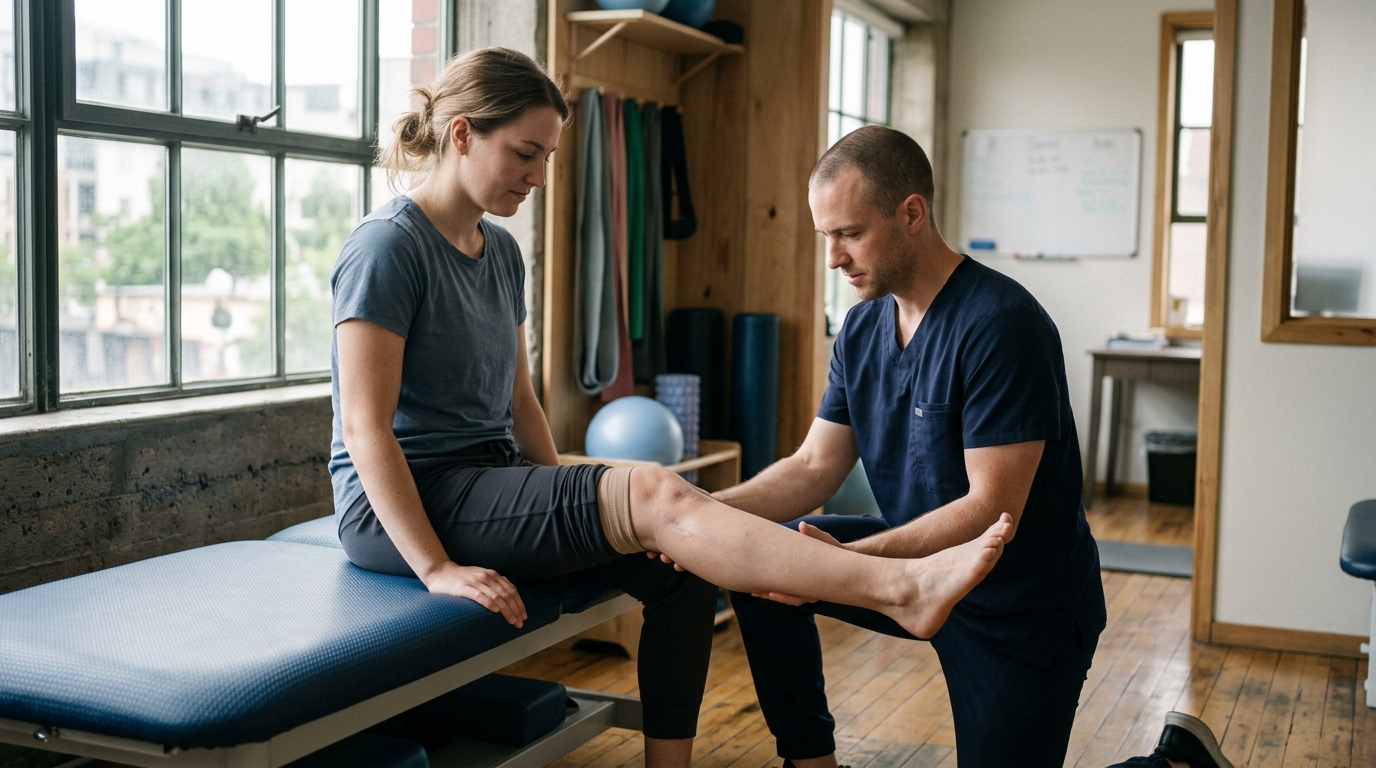
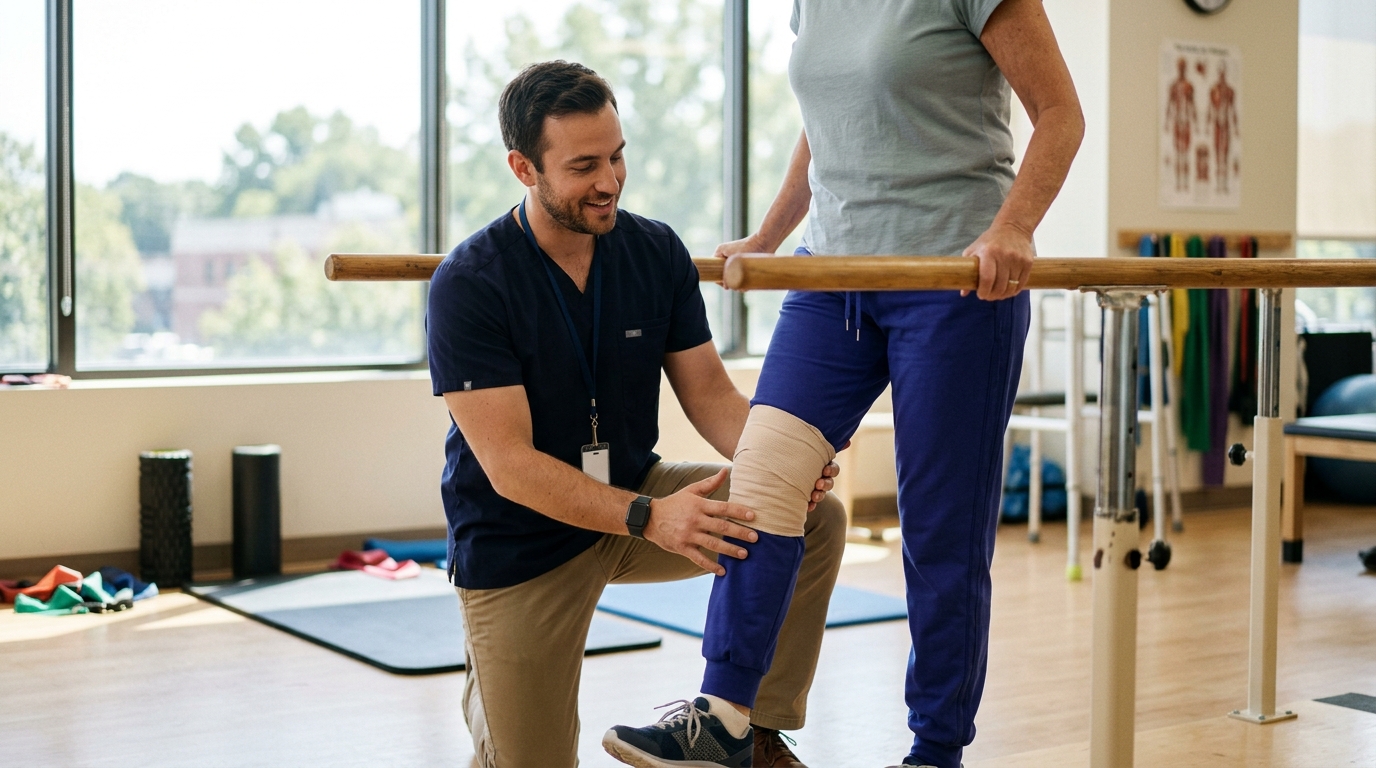
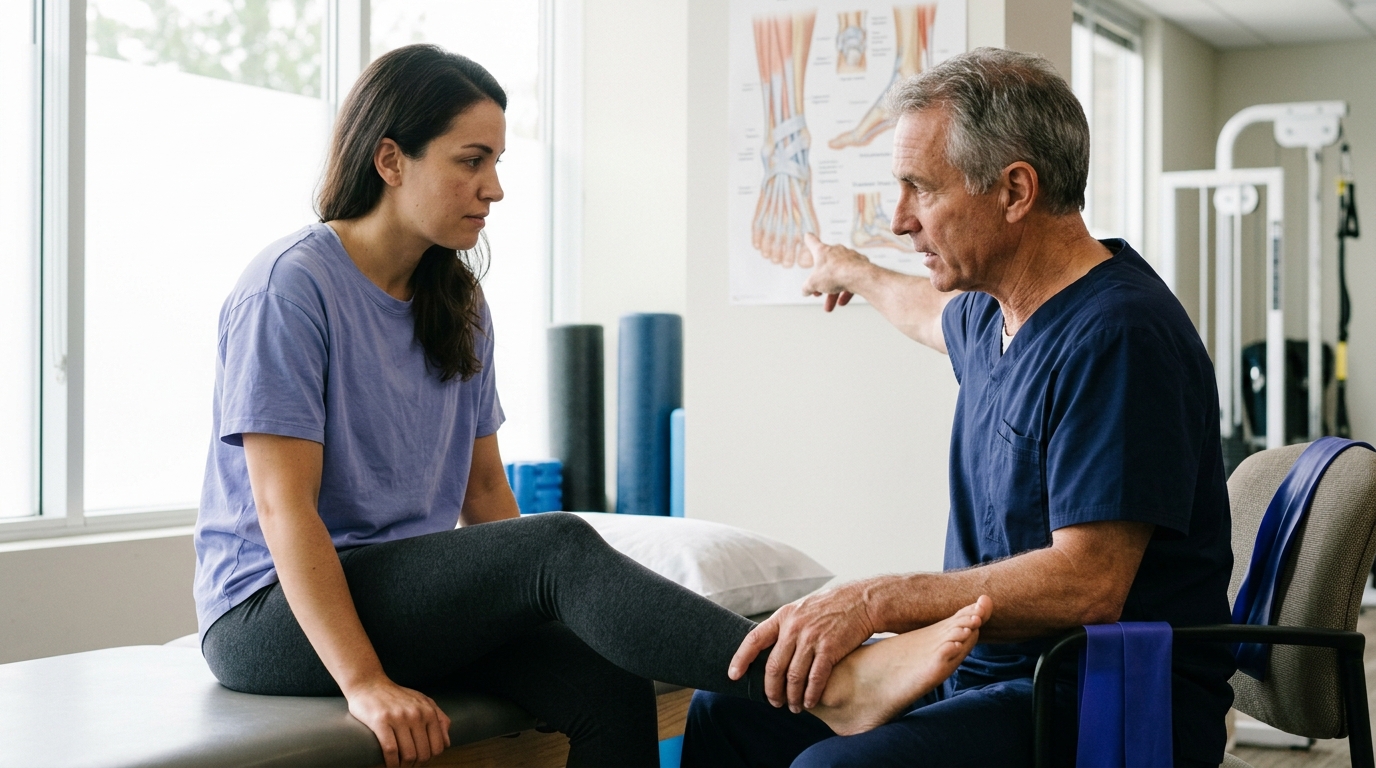
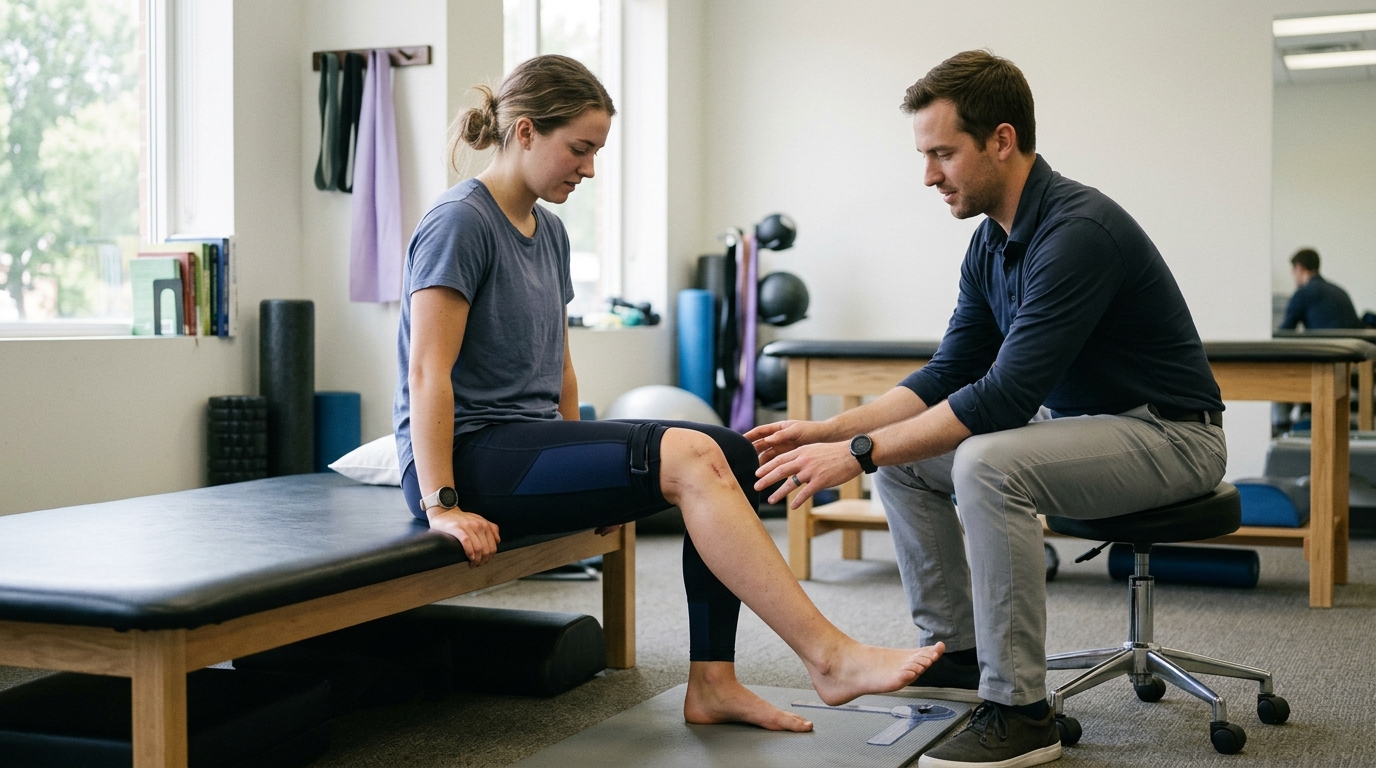
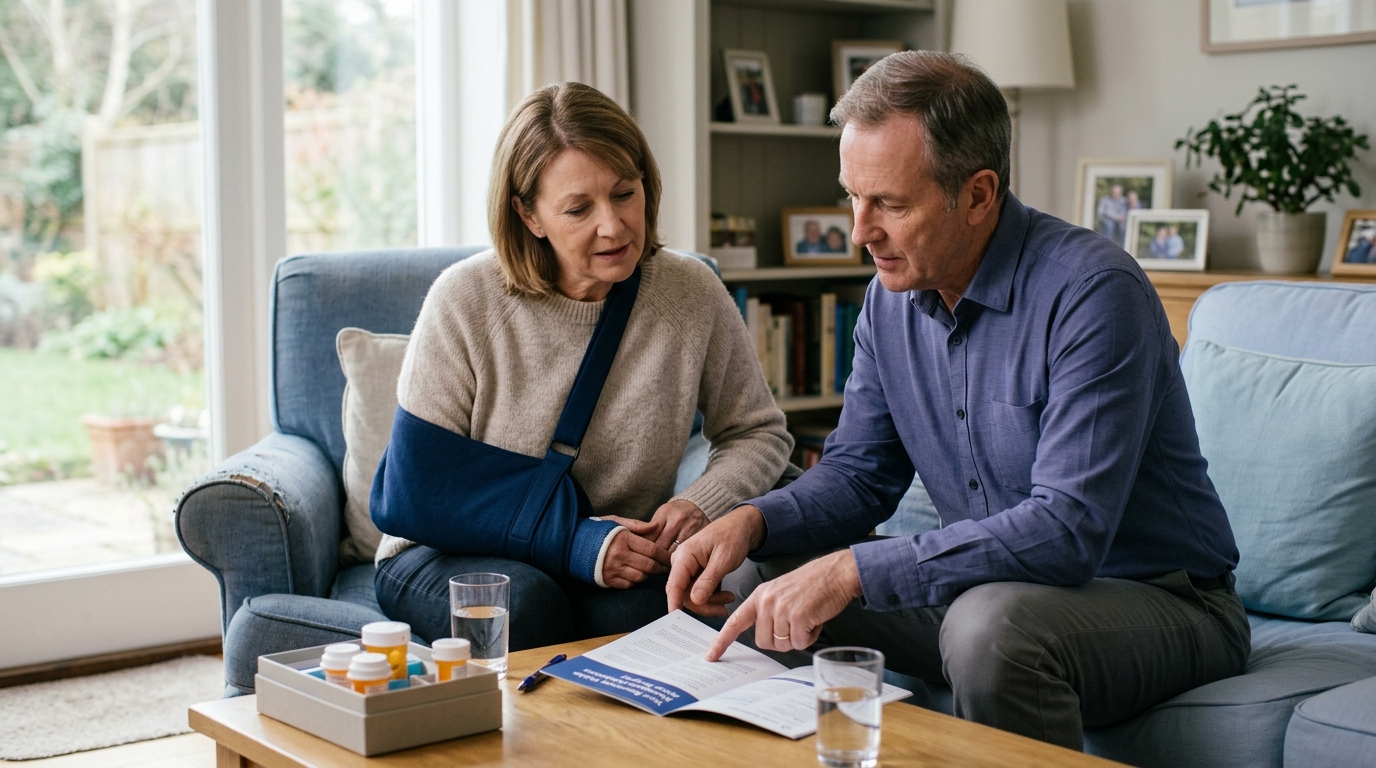
If you are recovering from an injury, managing a chronic joint condition, or preparing to return to higher physical activity levels, collaborate closely with your healthcare team. Clinicians can help identify your specific limitations and provide safe movement parameters.
Consider discussing the following practical questions at your next appointment:
Clear communication with your clinician ensures that your progression from basic strength to functional independence remains safe, structured, and targeted to your individual needs.
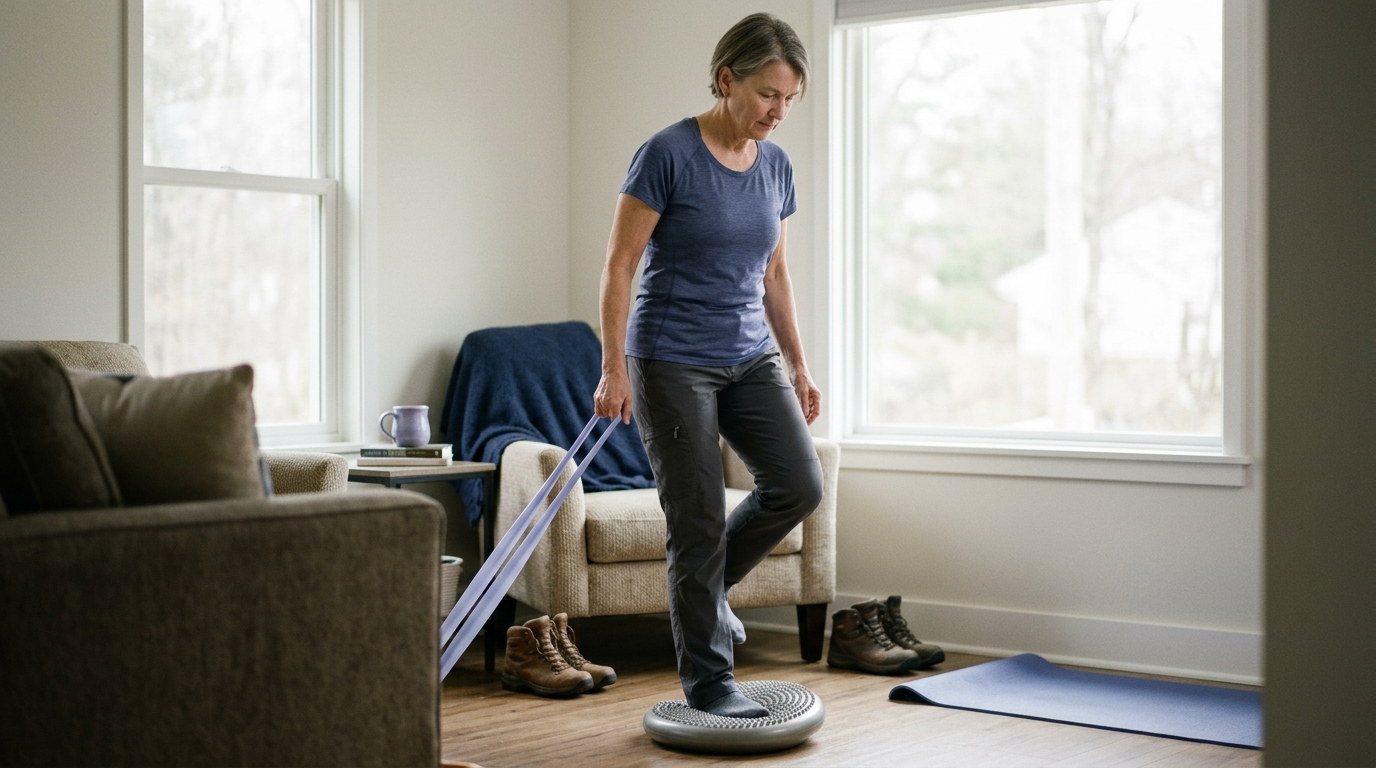
No. Scientific evidence shows that functional strength can be developed using stable, ground-based exercises and standard resistance equipment. Training on unstable surfaces, such as wobble boards or balance discs, reduces the amount of muscular force you can produce. While unstable surfaces can challenge ankle stability, they are not required to build functional capability. Ground-based multi-joint movements, such as step-ups, squats, and carries, provide ample functional balance challenge for most daily activities.
The World Health Organization recommends that older adults participate in varied multicomponent physical activity, emphasizing functional balance and strength training, at moderate or greater intensity on three or more days per week. For general resistance training, most guidelines recommend two to three non-consecutive days per week to allow adequate muscular and joint recovery between sessions.
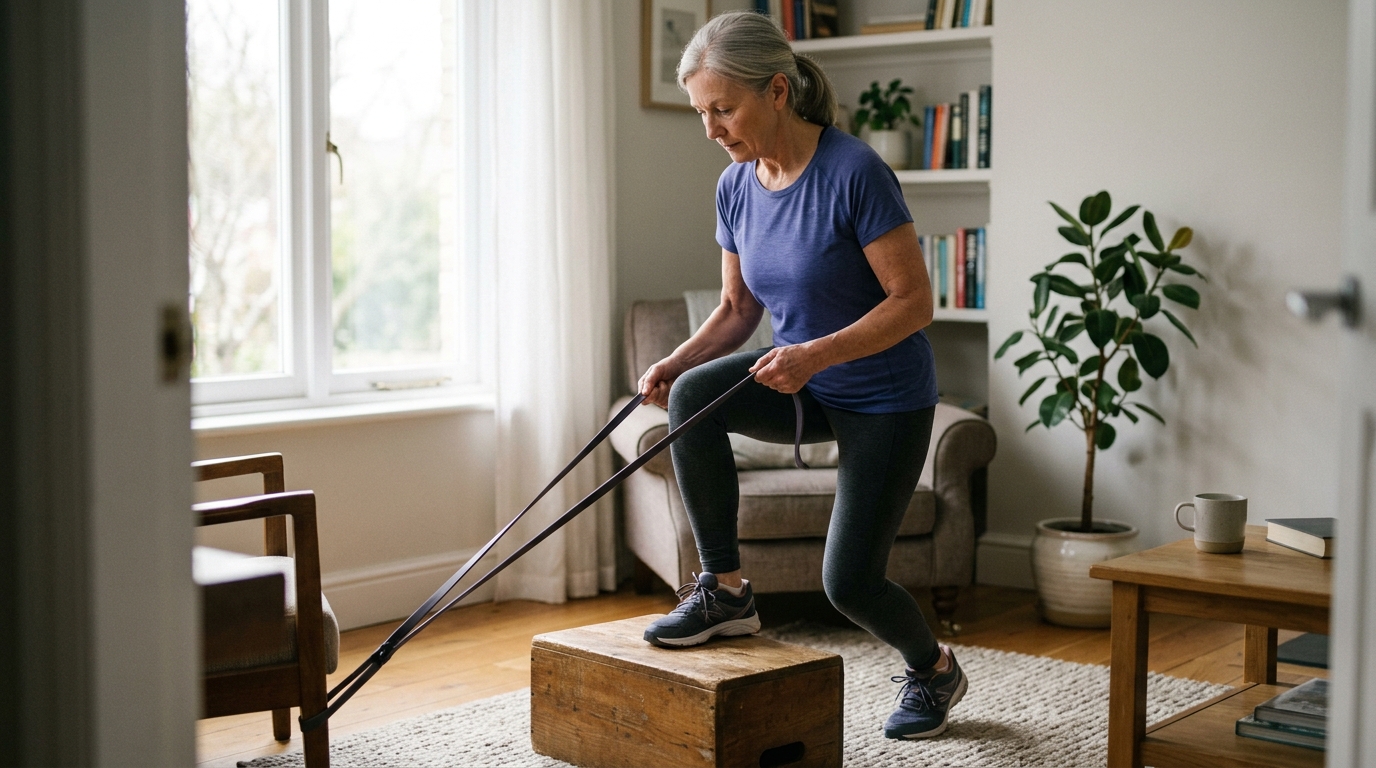
Bodyweight exercises can build functional strength, particularly for individuals returning from injury or starting with lower baseline capacity. Movements like chair stands, wall push-ups, and step-ups provide effective functional stimuli. However, as your body adapts, bodyweight alone may not provide enough resistance to continue building muscular force. Adding light external loads, such as dumbbells, weighted vests, or resistance bands, allows you to maintain progressive overload over time.
Functional adaptations occur across different timeframes. Neuromuscular improvements, such as improved coordination, balance confidence, and movement efficiency, often appear within two to four weeks of consistent, task-specific practice. Significant structural adaptations, including increases in muscle mass and connective tissue strength, typically require eight to twelve weeks of progressive resistance training. Consistency and progressive exposure are the primary drivers of long-term functional improvement.
Functional strength is the real-world outcome of having enough force, joint control, physical balance, and task-specific skill to complete meaningful daily activities. While basic resistance training provides the essential foundation of muscular capacity, raw force alone does not guarantee seamless real-world performance.
Bridging the gap between the gym and daily life requires a structured, multi-step approach. Start by building baseline force and tissue tolerance through controlled resistance exercises. Next, practice the specific movement patterns, transfers, and daily tasks that matter to your lifestyle. Finally, use progressive exposure to gradually introduce the speed, balance demands, and environmental variability of everyday living.
By combining foundational strength, dynamic balance, movement speed, and task-specific practice, you can build a resilient physical reserve that supports long-term independence, mobility, and confidence in all of your daily activities.

Use ReboundBody resources to understand common recovery stages, rehab terms, movement limits and strength rebuilding. Each guide is designed to make a complex comeback easier to understand.


Read practical guidance on injury recovery, rehabilitation, mobility and rebuilding strength as you work your way back to activity.
Explore Resources