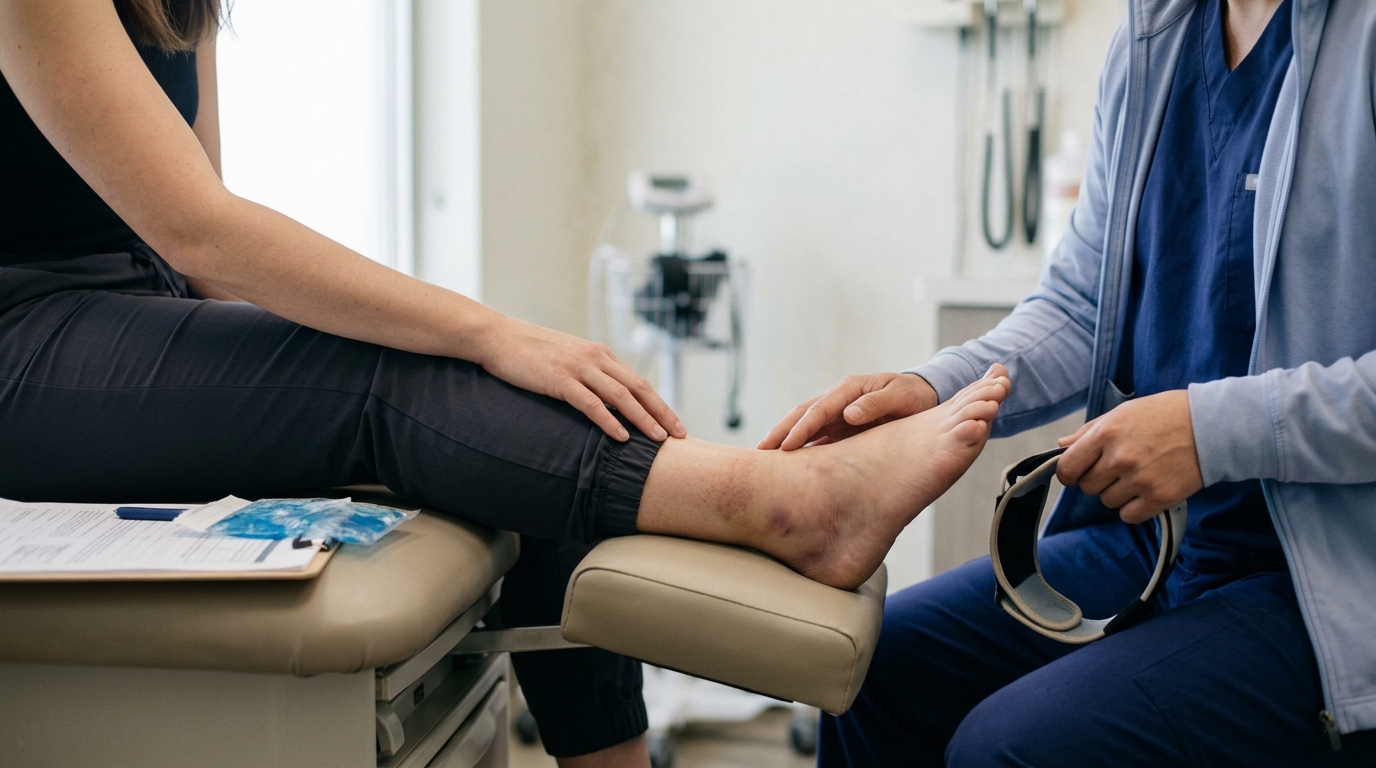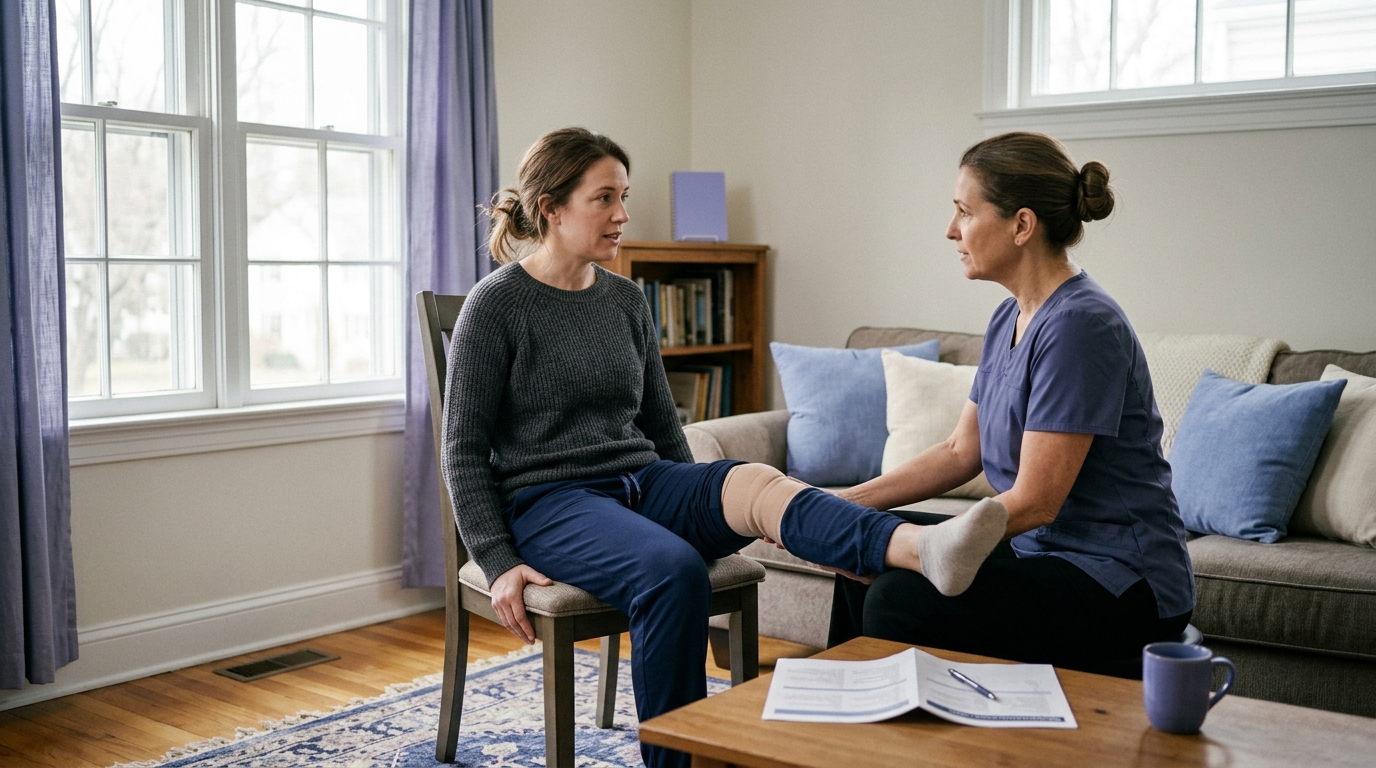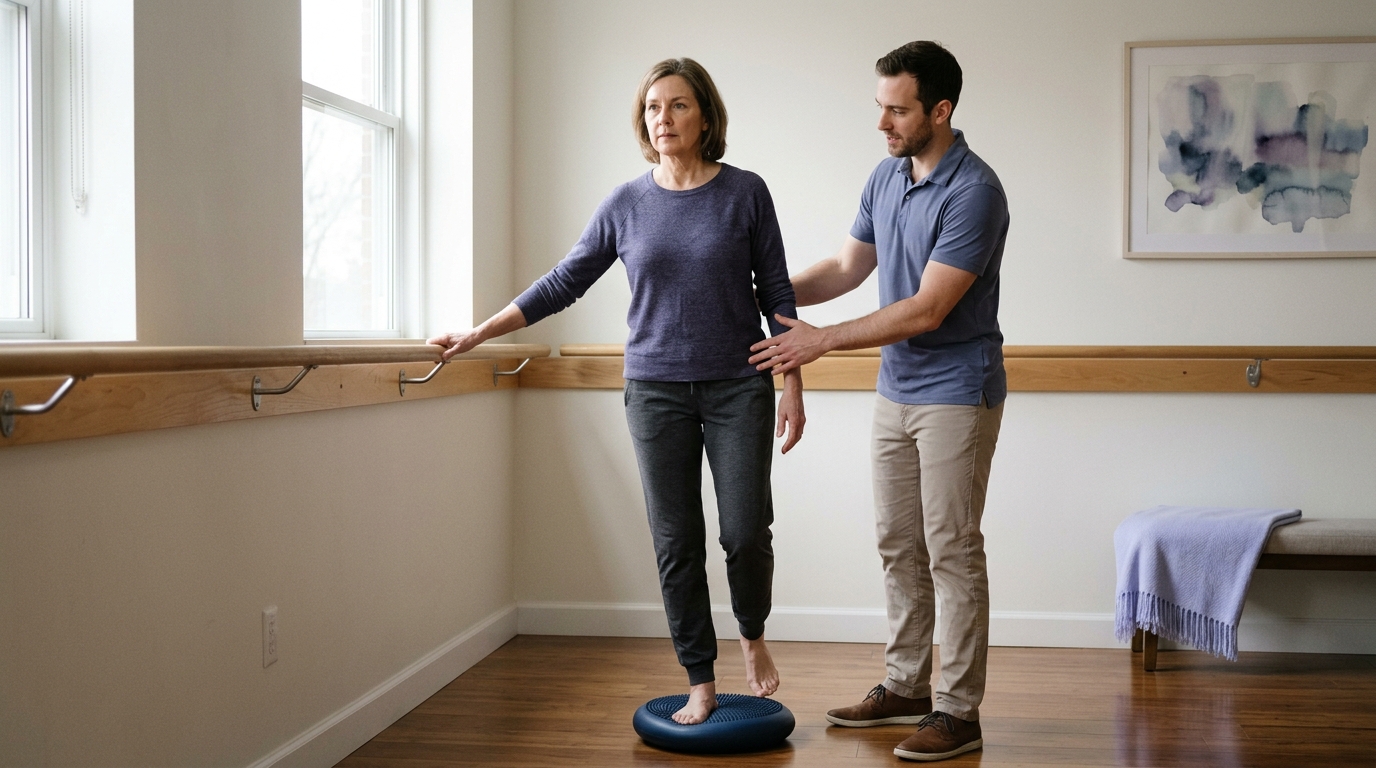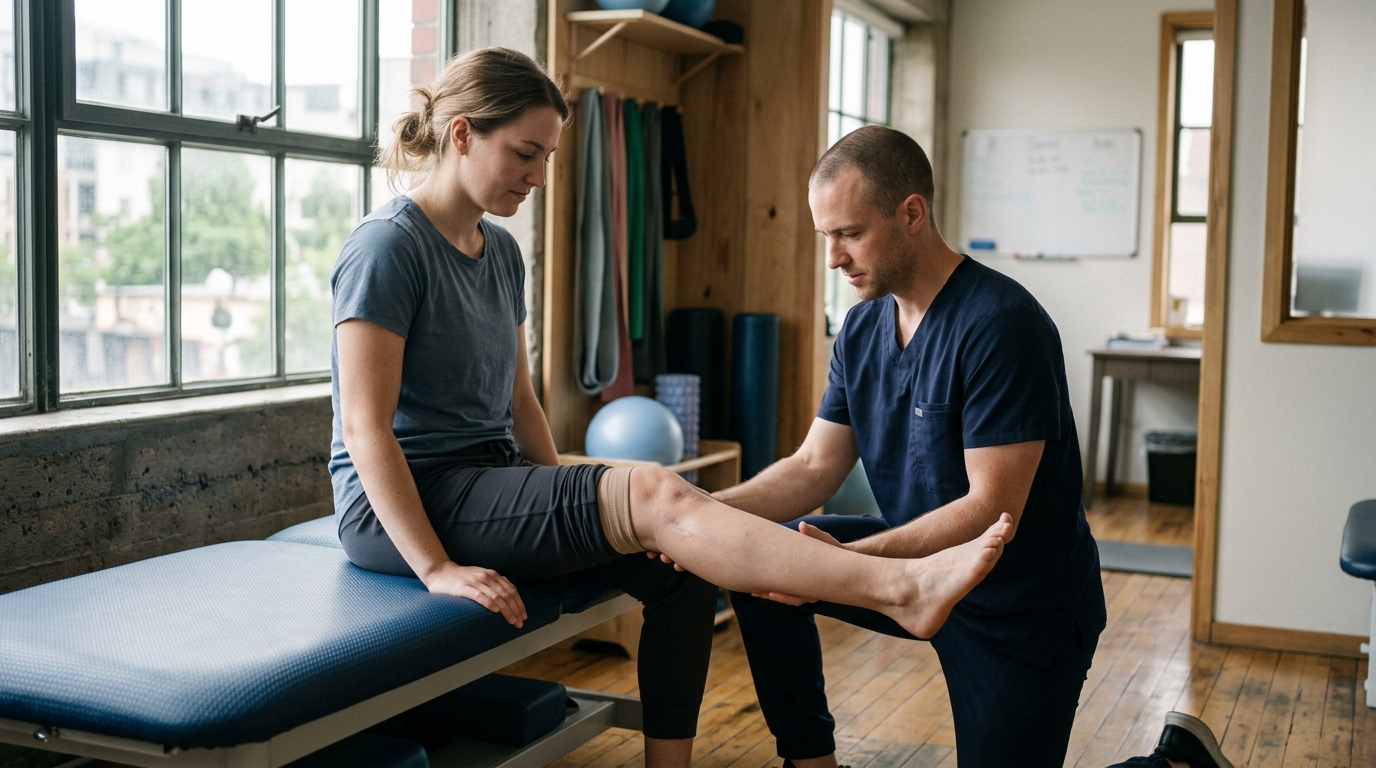

Facing an upcoming orthopedic operation becomes much less stressful when you organize your medical history, optimize your health, and prepare your living space.





Preparing for orthopedic surgery is not about following a single, universal timeline. It is an active planning process designed to help you organize your medical history, prepare your home, arrange practical support, and understand what questions to ask your care team.
This guide is an educational planning tool, not a set of direct clinical instructions. Recovery rules depend entirely on your specific procedure, your overall health, and the instructions given by your surgeon and care team.
In this comprehensive resource, you will find practical checklists and evidence-based frameworks to help you prepare before your operation, manage discharge from the hospital or surgery center, and navigate the initial weeks at home safely.
Orthopedic surgery recovery planning is a coordinated strategy that bridges the gap between your surgical procedure and your return to daily activities. It is not a rigid schedule of exact dates. Instead, it is a structured method to ensure you have the help, equipment, and medical clarity you need before your operation takes place.
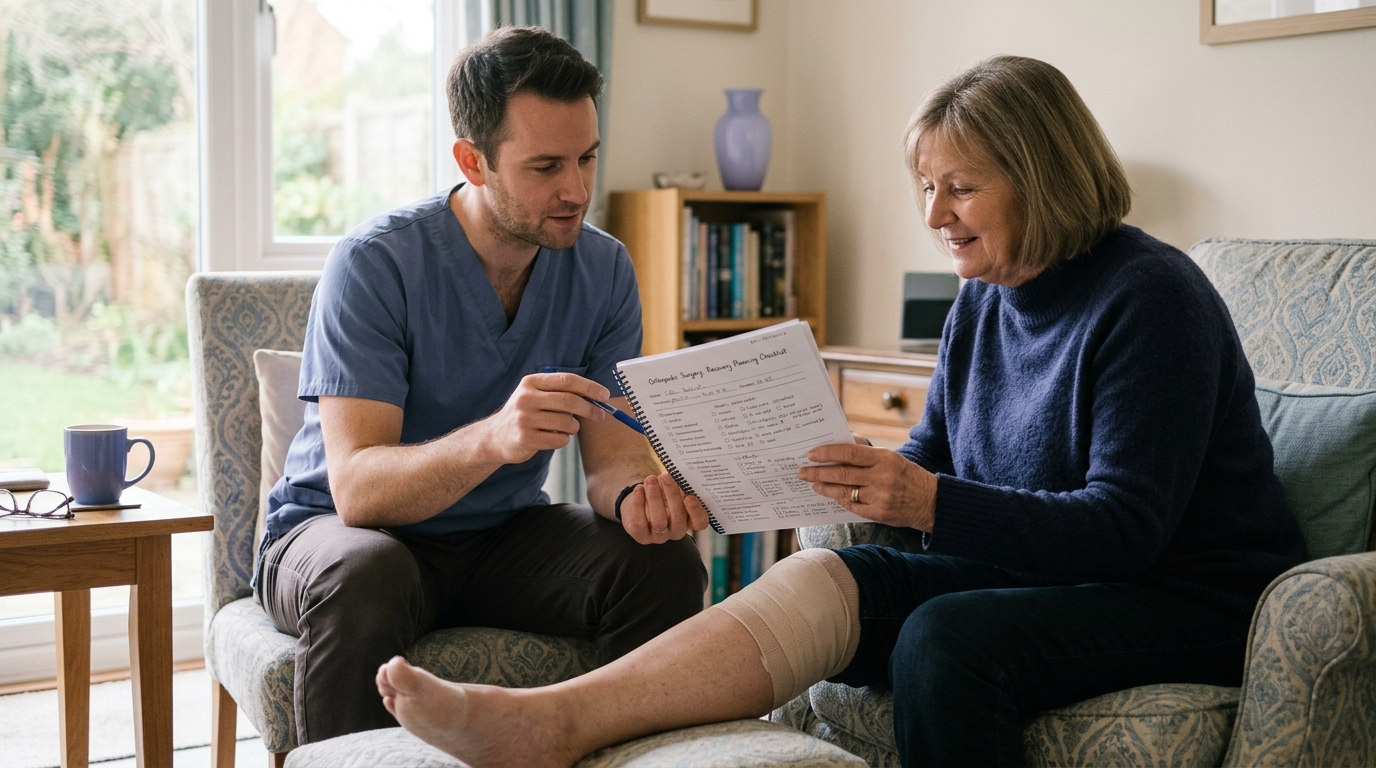
A helpful way to organize your preparation is through the Ask, Record, Confirm framework.
First, ask your surgical team, anesthesiologist, nurses, and physical therapists specific questions about what your recovery will require. Second, record those answers in an organized binder, notebook, or digital file that your family or caregivers can easily find. Third, confirm who is responsible for each recovery task, from picking up prescription medications to driving you to follow-up visits.
Planning in advance removes guesswork during the critical early days after surgery. When you know who will assist you with meals, how you will navigate stairs, and which phone numbers to call if questions arise, you can focus your physical energy entirely on healing.
Exploring injury recovery and healing resources can provide helpful context as you prepare for this process.
It is important to separate common logistical planning from procedure-specific medical instructions. Common logistical planning applies to almost every orthopedic operation. This includes arranging transportation home, clearing walking paths to prevent trips and falls, stocking your pantry with easy meals, and scheduling postoperative visits.
In contrast, procedure-specific instructions must come directly from your operating surgeon. These instructions include your permitted weight-bearing status, joint angle limitations, brace settings, and wound dressing protocols.
For example, a minor knee arthroscopy may allow immediate weight-bearing with crutches as tolerated. A complex revision total hip replacement or multi-level spine fusion may require strict movement limitations and formal physical therapy for several months.
Never assume that the rules given to a friend or family member will apply to your surgery. Even two people receiving the exact same procedure may have different restrictions based on bone quality, tissue repair strength, and individual medical histories.
Organizing your preparation into distinct phases keeps the process manageable.
The first phase is preoperative health coordination, which takes place in the weeks leading up to surgery. During this phase, you compile your medical records, complete preoperative testing, and review your medications with your doctors.
The second phase is home and social readiness, where you prepare your living space, organize family support, and gather necessary supplies.
The third phase is day-of-surgery coordination, focusing on arrival logistics, fasting requirements, and immediate discharge needs.
The final phase is postoperative tracking, where you monitor wound healing, follow physical therapy exercises, and track recovery milestones under clinical supervision.
Clinical research shows that thorough preparation before surgery can support smoother recoveries, reduce anxiety, and help patients navigate potential complications more effectively. However, the strength of scientific evidence varies across different preoperative practices.
Understanding what the evidence shows allows you to focus on high-priority medical steps while keeping realistic expectations about supplementary interventions.
Managing chronic health conditions before surgery is an established medical priority. According to guidelines from the American Academy of Orthopaedic Surgeons (AAOS), optimizing conditions such as diabetes and high blood pressure in coordination with your primary care physician is essential for reducing surgical risks.
Uncontrolled blood sugar, for instance, is well documented in clinical literature as a significant risk factor for delayed wound healing and surgical site infections. Discussing diabetes medications and insulin dosing with your surgical and anesthesia teams ensures your glucose levels remain stable during fasting periods.
Cardiovascular health is equally critical. Disclosing personal or family histories of high blood pressure, heart disease, or previous blood clots helps your surgical team select appropriate anesthesia techniques and postoperative blood-thinner protocols.
You can learn more about how movement science informs these steps in our recovery science insights section.
The evidence regarding tobacco use and orthopedic healing is clear and consistent. Clinical guidance from the AAOS recommends stopping smoking for at least one month before surgery and avoiding tobacco for several weeks afterward.
Smoking restricts blood flow to healing tissues, deprives cells of essential oxygen, and slows bone and soft-tissue regeneration. Furthermore, nicotine use is associated with higher rates of postoperative infection, poor scar formation, and delayed bone fusion in fracture and spine surgeries.
While quitting smoking shortly before surgery requires planning, discussing smoking cessation support with your doctor well before your procedure provides substantial physiological benefits.
Prehabilitation, or prehab, involves structured physical exercise, nutritional optimization, or psychological strategies before surgery to improve postoperative outcomes. Many patients wonder how effective prehab truly is.
A 2025 network meta-analysis evaluated various prehabilitation interventions across surgical populations. The researchers reported odds ratios for postoperative complications compared to standard care of 0.50 for isolated exercise, 0.62 for isolated nutrition, and 0.64 for combined exercise, nutrition, and psychosocial prehabilitation.
However, the certainty of evidence for these specific comparisons was rated as very low. This rating means that while prehabilitation shows encouraging promise, scientific evidence does not yet prove it prevents complications for every patient or every orthopedic procedure.
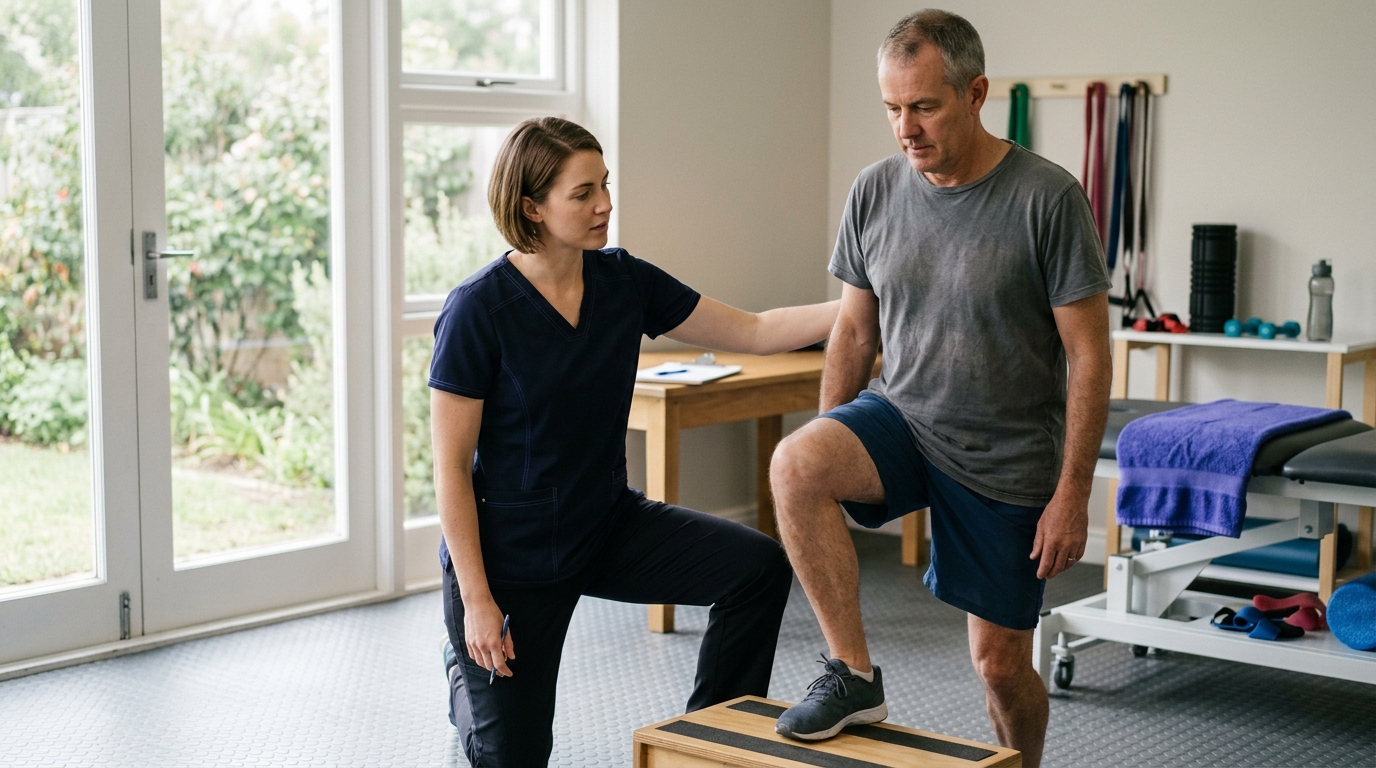
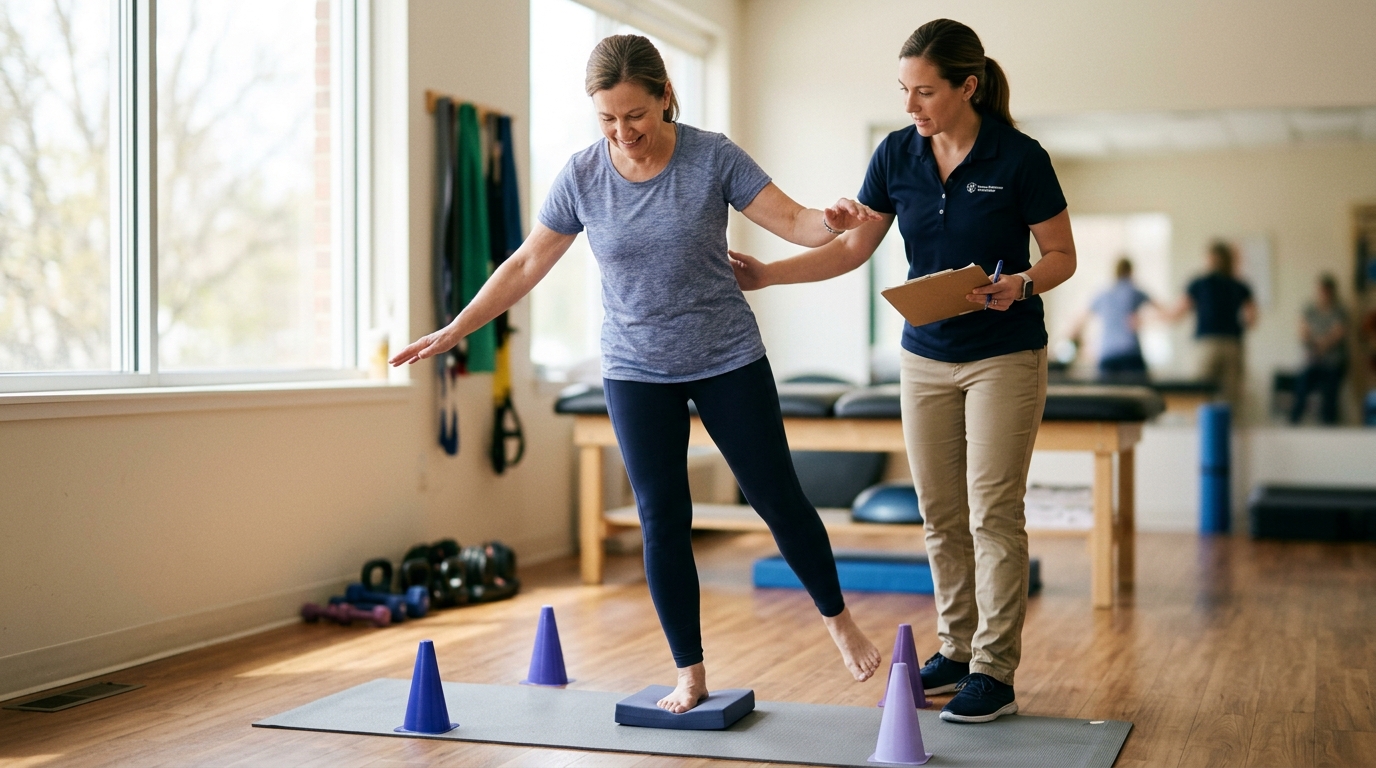
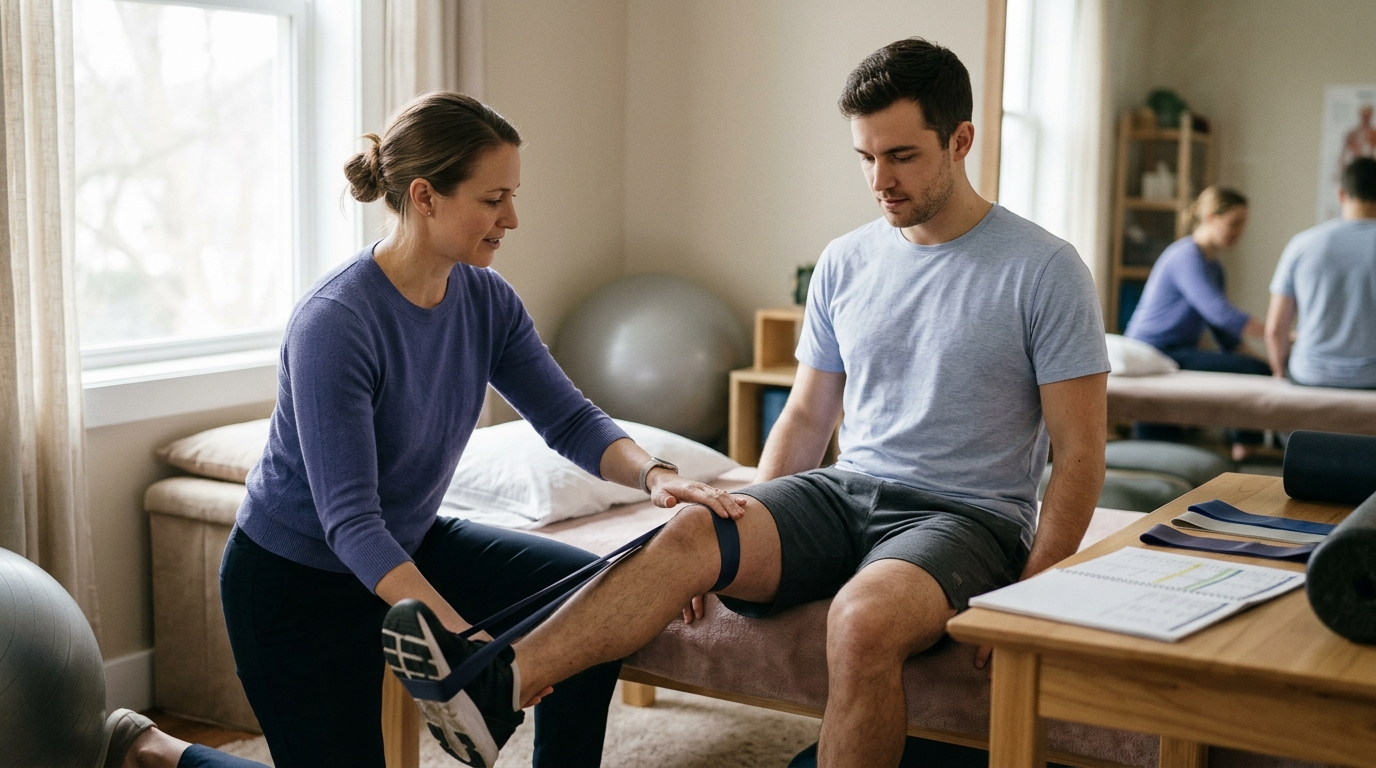
Discussing pre-surgical exercises with a physical therapist can help you learn how to use crutches or a walker safely before your operation. You can read more about structured exercise planning in our orthopedic surgery and rehabilitation guides.
Venous thromboembolism, which includes deep vein thrombosis and pulmonary embolism, is a known risk after major orthopedic surgery due to temporary immobility and surgical trauma. The clinical evidence strongly supports individualized prevention plans established by your surgeon.
These prevention strategies often include a combination of mechanical measures, such as sequential compression devices or compression stockings, early mobilization, and prescribed anticoagulant medications.
Similarly, preventing surgical site infections relies on strict clinical guidelines. The Centers for Disease Control and Prevention (CDC) emphasizes that proper hand hygiene, precise wound care, and avoiding unnecessary contact with surgical incisions significantly reduce infection risks.
A safe surgical experience begins with a complete, accurate handoff of your medical background to your surgical and anesthesia teams. Never assume that hospital electronic records automatically contain every detail of your health history.
Creating a comprehensive medical information packet before your pre-admission testing appointment ensures nothing important is overlooked.
Assemble a dedicated folder containing the following essential documents:
Bring this dossier to every preoperative appointment. Having your health history clearly documented prevents delays and reduces the risk of conflicting medical orders.
Medication adjustments before surgery must always be directed by your physician. Never stop, start, or change the dose of any prescription drug based on general internet advice.
Certain categories of medications require precise timing:
Write down the exact date and time you are instructed to take your final doses before surgery. Confirm whether you should take your regular morning blood pressure or heart medications with a small sip of water on the day of your procedure.
Fasting before surgery is critical to prevent pulmonary aspiration, a serious complication where stomach contents enter the lungs during anesthesia. Historically, patients were told not to eat or drink anything after midnight.
Today, fasting guidelines are often more nuanced. Anesthesia teams may allow clear liquids up to two hours before arrival, while solid foods remain strictly restricted for six to eight hours prior to surgery.
Because fasting rules vary based on your specific surgery, your medical conditions, and local hospital protocols, you must obtain precise fasting instructions directly from your surgical facility. Write down the exact cutoff times for solid foods, non-clear liquids, and clear liquids.
Returning home after orthopedic surgery requires a living space that minimizes physical strain and eliminates falling risks. Weakness, joint stiffness, pain medications, and mobility aids like crutches or walkers make navigating a normal home challenging.
Preparing your home several weeks before your operation allows you to test pathways, rearrange furniture, and identify potential hazards calmly.
Conduct a thorough room-by-room walkthrough of your home using this practical checklist:
Not every patient needs every piece of orthopedic recovery equipment. Purchasing unneeded medical gear creates clutter and extra expense.
Review your expected physical limitations with your surgeon or physical therapist to determine which aids are truly necessary for your specific procedure:
Check with your hospital case manager or insurance provider beforehand to see which mobility aids, such as walkers, crutches, or commodes, are covered under your plan. Learn more about post-surgical planning in our rehabilitation and mobility planning resources.
Mobility restrictions after orthopedic surgery are designed to protect repairing tissues, secure bone fixation hardware, and prevent joint dislocations while your body heals. These rules differ substantially across different anatomical regions and surgical techniques.
Understanding the underlying purpose of your mobility restrictions helps you adhere to them safely while avoiding accidental overexertion.
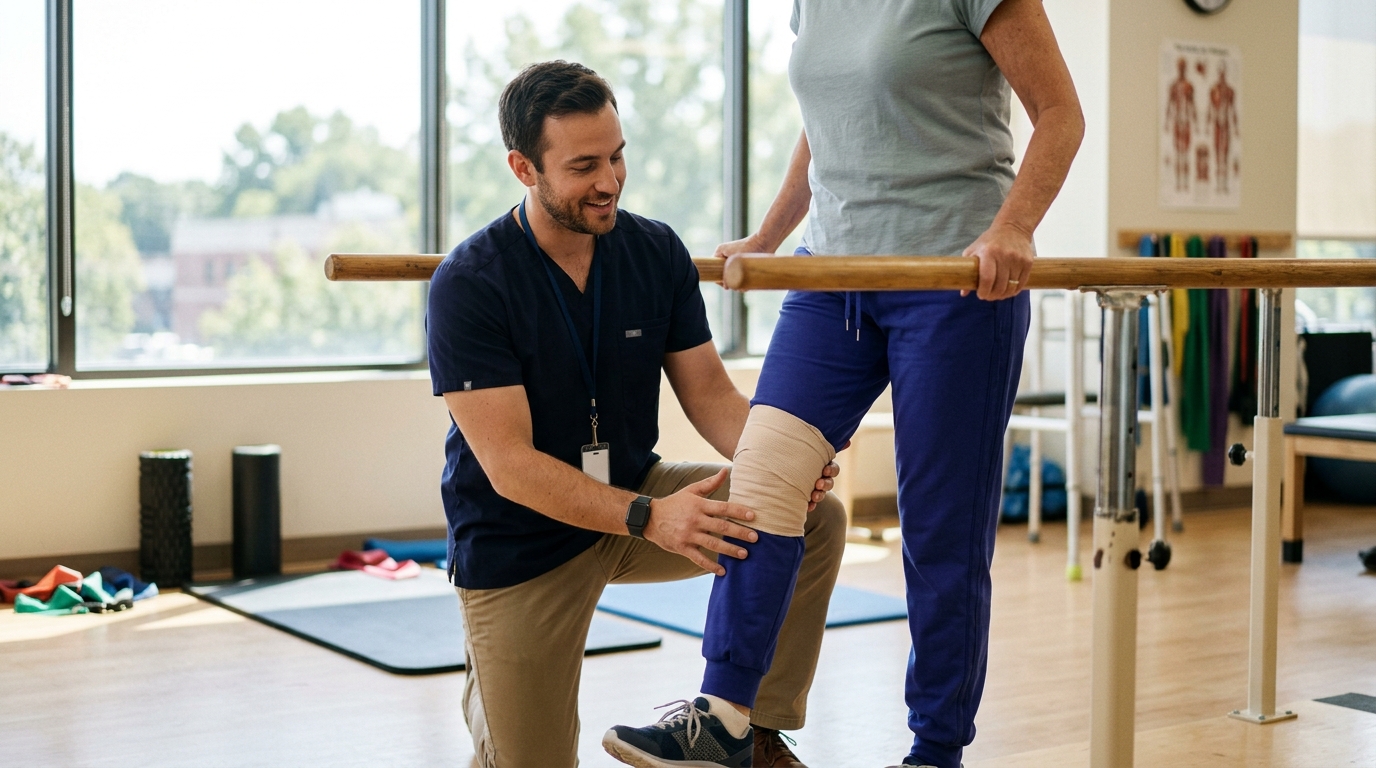
Your surgical team will assign a specific weight-bearing status to your operated limb. The primary medical categories include:
Never progress from one weight-bearing level to the next on your own simply because you feel stronger. Bone healing and soft-tissue integration take time, and increasing weight prematurely can compromise surgical hardware or damage delicate repairs.
Mobility restrictions are not limited to lower-extremity procedures. Upper extremity and spinal surgeries have their own critical precautions.
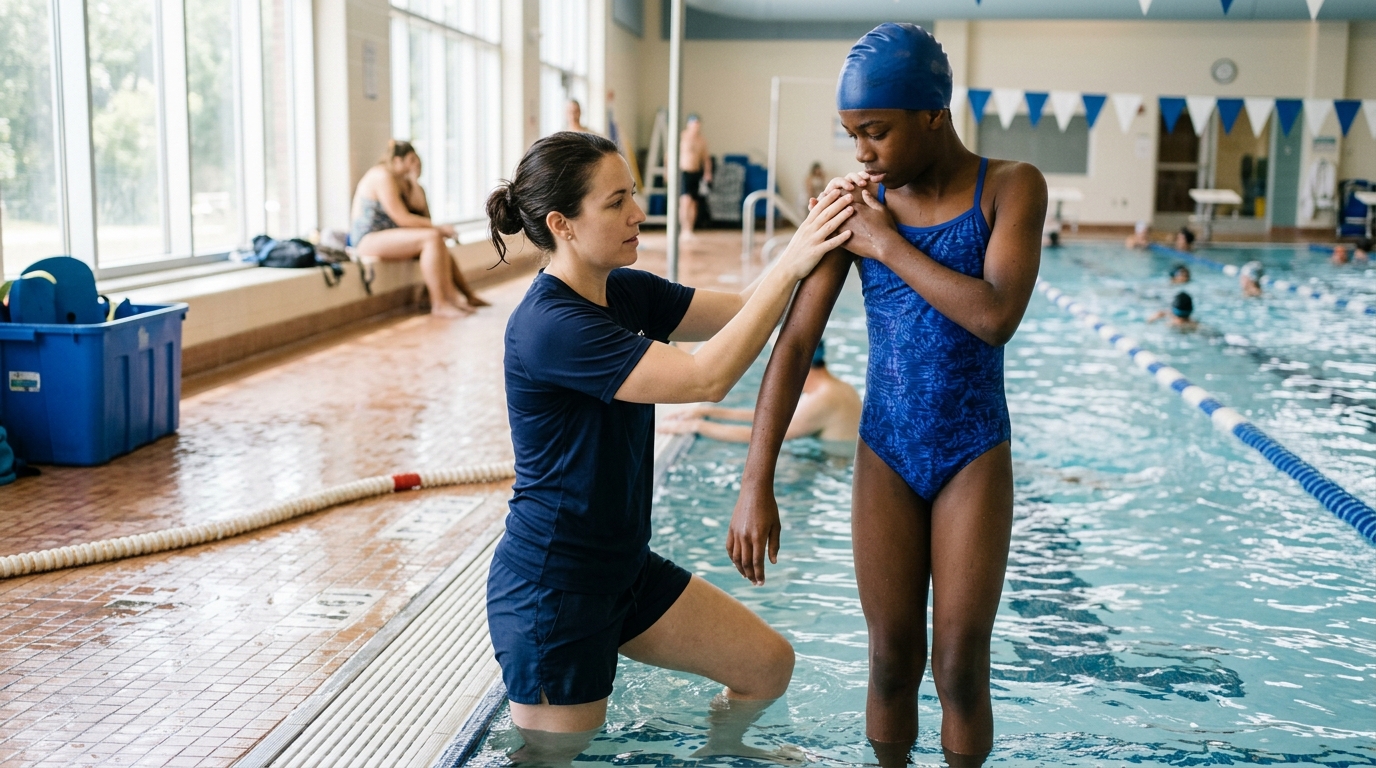
After shoulder surgeries, such as rotator cuff repairs or total shoulder replacements, patients are typically required to wear an immobilization sling for several weeks. Active lifting, reaching behind the back, and pushing up from chairs using the operated arm are strictly prohibited during the initial healing phase.
For spinal surgeries, including lumbar fusions and discectomies, surgeons often prescribe strict rules to protect healing vertebrae and spinal discs:
Learning how to perform a log-roll maneuver to get in and out of bed safely without twisting your spine is an essential skill to practice before your surgery date.
Getting in and out of chairs, beds, and vehicles safely requires deliberate movement techniques:
Recovery from orthopedic surgery is a highly individualized process. Two patients undergoing the exact same surgical procedure can experience completely different recovery timelines.
Several biological, mechanical, and logistical factors influence how quickly your body heals and when you can safely return to work, driving, and recreational activities.
The exact nature of your surgical procedure plays a primary role in your recovery duration.
For instance, minor knee arthroscopy to smooth torn cartilage may allow a patient to resume everyday activities within six to eight weeks. Conversely, an anterior cruciate ligament (ACL) reconstruction requires six months to a year or more before an athlete can safely return to pivoting sports, because the biological graft requires extensive time to incorporate and mature into strong ligamentous tissue.
Similarly, a primary total hip replacement generally follows a more predictable, faster recovery trajectory than a complex revision total hip replacement, where previous hardware must be removed and bone defects reconstructed.
Minimally invasive approaches may reduce immediate soft-tissue trauma and early pain compared to large open incisions. However, deep bone and structural healing requirements remain largely the same regardless of incision size.
Your overall health before entering the operating room significantly shapes your recovery experience.
Cardiovascular fitness, baseline muscle strength, joint flexibility, and nutritional status all support the body's physiological response to surgical stress. Patients with good baseline leg strength often regain independent walking more quickly following joint replacement than those who experienced severe muscle atrophy prior to surgery.
Underlying chronic conditions, such as peripheral vascular disease, diabetes, kidney disease, or rheumatoid arthritis, can affect healing rates. While advancing age naturally influences cellular repair rates, functional status and general vitality are often far more predictive of recovery success than chronological age alone.
Surgery triggers a substantial metabolic response. The body requires additional energy, protein, and micronutrients to repair surgical incisions, rebuild collagen, and regenerate bone tissue.
Inadequate protein intake or severe calorie restriction can delay wound healing and accelerate muscle loss during periods of restricted activity. Similarly, chronic sleep deprivation impairs immune function, increases pain sensitivity, and disrupts hormonal pathways essential for tissue repair.
Prioritizing balanced meals rich in lean proteins, complex carbohydrates, vitamins, and minerals, along with establishing restful sleep habits, provides the biological building blocks needed for recovery.
Logistical and social factors directly impact your ability to follow recovery guidelines safely.
A patient who lives alone in a multi-story home faces distinct physical challenges compared to someone residing in a single-level home with round-the-clock family assistance. Having reliable help for grocery shopping, transportation to physical therapy, and daily household chores reduces the risk of accidental falls and prevents premature physical overexertion.
Recognizing these variables helps you set realistic expectations for your recovery timeline rather than comparing your progress to arbitrary calendars or other people's experiences. Learn more about our editorial standards and how we synthesize clinical recovery research.
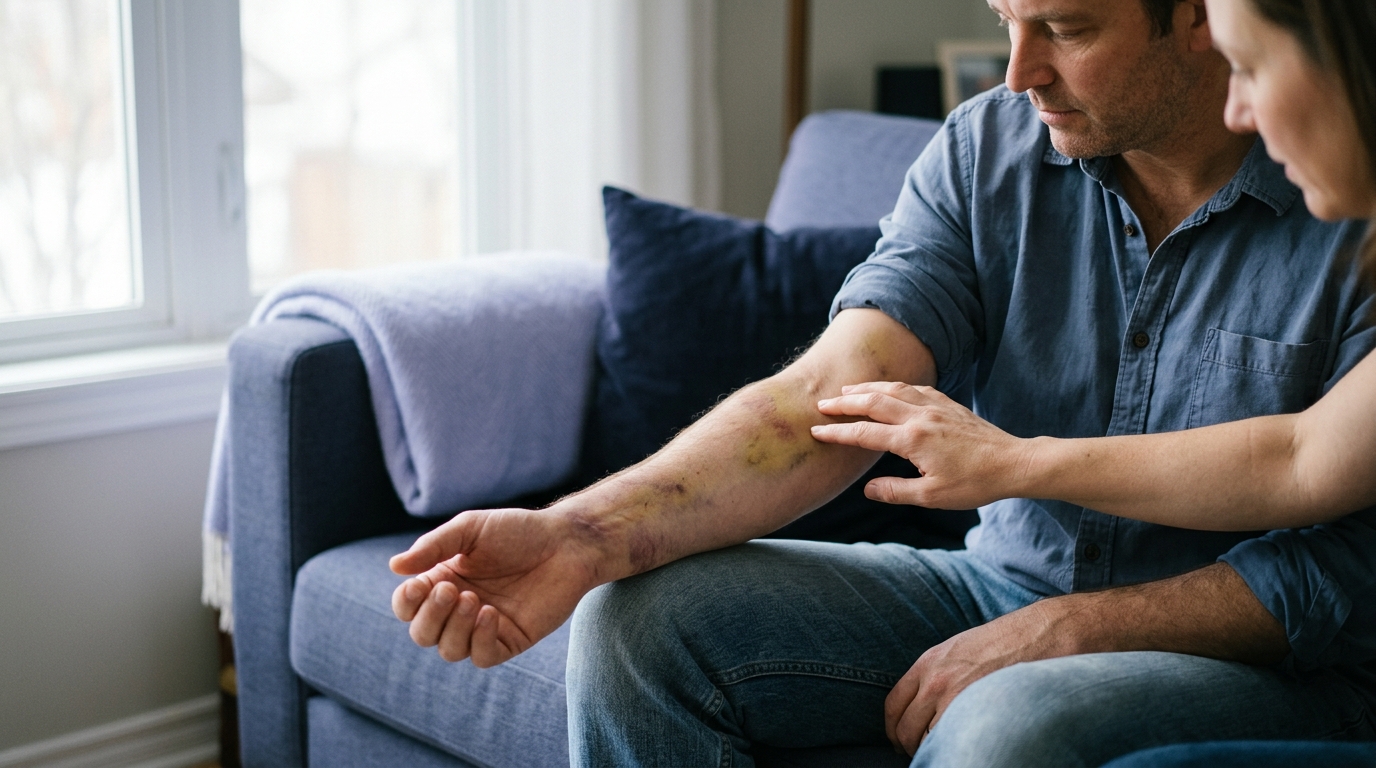
Experiencing discomfort, localized swelling, and mild bruising is a standard part of recovering from orthopedic surgery. However, knowing the difference between expected postoperative symptoms and signs of potential medical complications is essential for your safety.
Having clear guidelines on what to monitor allows you to contact your surgical team promptly before minor issues escalate.
During the first several weeks following surgery, you can generally expect:
Infections can occur around the skin incision or deeper within the operated joint or bone. According to the CDC and Johns Hopkins Medicine, you should contact your healthcare provider immediately if you experience any of the following symptoms:
Remember that family members and visitors should never touch your surgical wound or dressings directly, and thorough hand washing with soap and water is mandatory before assisting with dressing care.
Deep vein thrombosis (DVT) occurs when a blood clot forms in a deep vein, most commonly in the calf, thigh, or pelvis. If a clot dislodges and travels to the lungs, it becomes a life-threatening pulmonary embolism (PE).
Guidance from the AAOS highlights key warning signs that require urgent clinical evaluation:
If you develop symptoms suggestive of a pulmonary embolism, call 911 or your local emergency medical number immediately.
Active communication with your healthcare providers is one of the most effective ways to ensure safe, coordinated surgical care. Write these questions down in your recovery binder and review them with your clinicians across each phase of your care.
If you live alone, advance planning is critical. Discuss your living situation with your surgeon and hospital social worker well before your surgery date.
You may need to arrange for a family member or friend to stay with you for the first several days after discharge, hire a temporary home health aide, or coordinate short-term recovery in a transitional rehabilitation facility. Prepare frozen meals, stock all essential supplies within easy reach, and ensure your home is free of fall hazards before your operation.
Returning to driving depends on several critical safety factors, not just a calendar date. You must be completely off all prescription opioid pain medications, as these drugs impair reaction times and cognitive judgment.
Additionally, you must possess the full muscular strength, joint mobility, and quick reaction capacity necessary to execute an emergency stop safely with your operated leg. For upper-extremity or spine surgeries, you must be able to turn the steering wheel and check blind spots without restriction. Your surgeon must formally clear you before you resume driving.
Fasting and medication rules are customized to each patient's unique medical profile, the type of anesthesia planned, and the specific surgical procedure.
Factors like acid reflux, diabetes, obesity, stomach motility disorders, and the specific medications you take alter how quickly your stomach empties and how your body processes fluids. Following generalized fasting rules found online rather than your anesthesiologist's explicit orders can lead to surgical cancellations or severe medical complications.
Prehabilitation is not strictly necessary for every procedure, but learning proper crutch or walker techniques and familiarizing yourself with postoperative exercises before surgery can be helpful.
While recent research shows promising reductions in complication risks with exercise and nutritional preparation, the overall certainty of scientific evidence remains very low. Discussing pre-surgical physical therapy with your doctor allows you to determine whether formal prehab is beneficial for your specific joint condition and physical goals.
Preparing for orthopedic surgery is an active, collaborative process built around clear communication, environmental safety, and realistic expectations.
There is no single checklist that applies to every procedure. Successful recovery planning relies on gathering your complete health history, preparing your home to prevent falls, organizing reliable support for daily tasks, and clarifying all movement, medication, and wound care instructions with your surgical team.
Focus your energy on what you can control before surgery: optimize your health habits, write down your clinical questions, arrange your living space, and follow your surgeon's specific postoperative guidance closely as you work toward restoring your mobility and strength.

Use ReboundBody resources to understand common recovery stages, rehab terms, movement limits and strength rebuilding. Each guide is designed to make a complex comeback easier to understand.


Read practical guidance on injury recovery, rehabilitation, mobility and rebuilding strength as you work your way back to activity.
Explore Resources