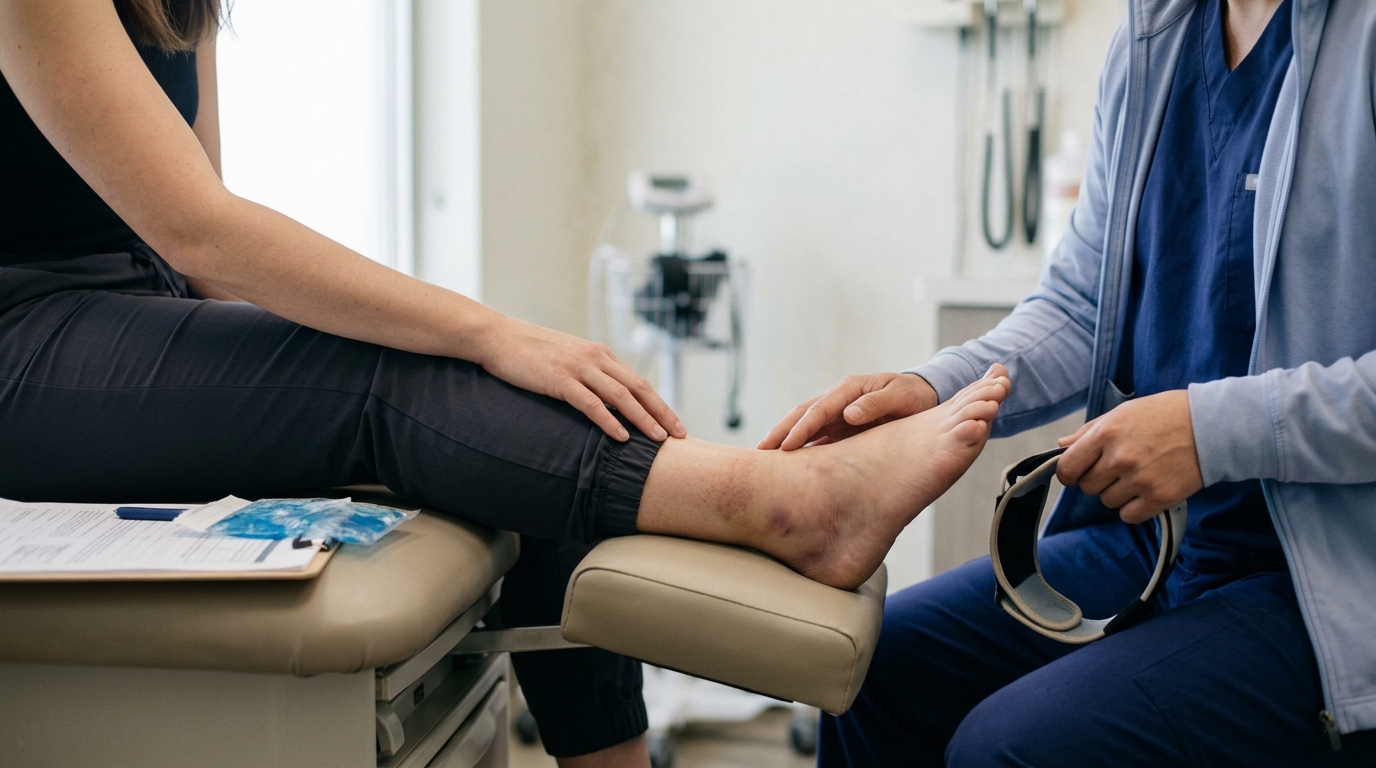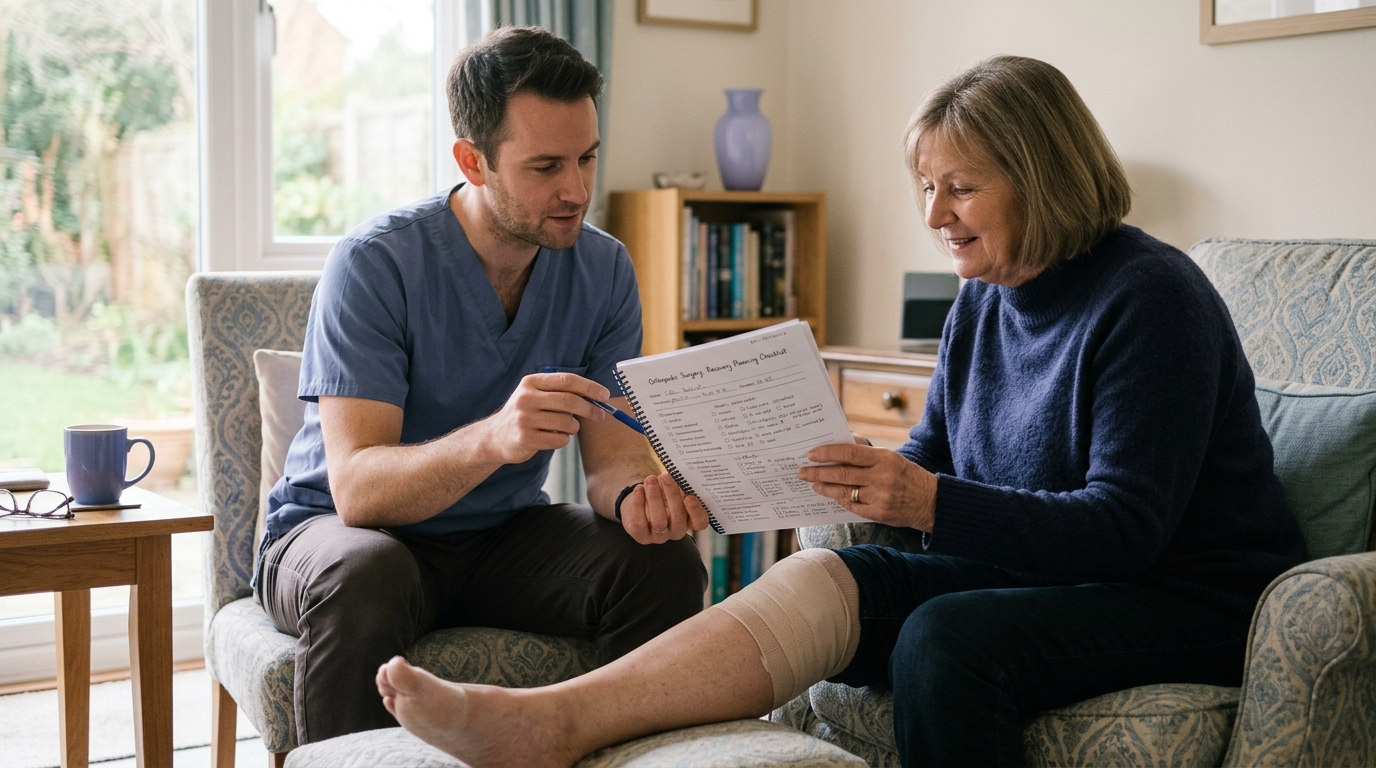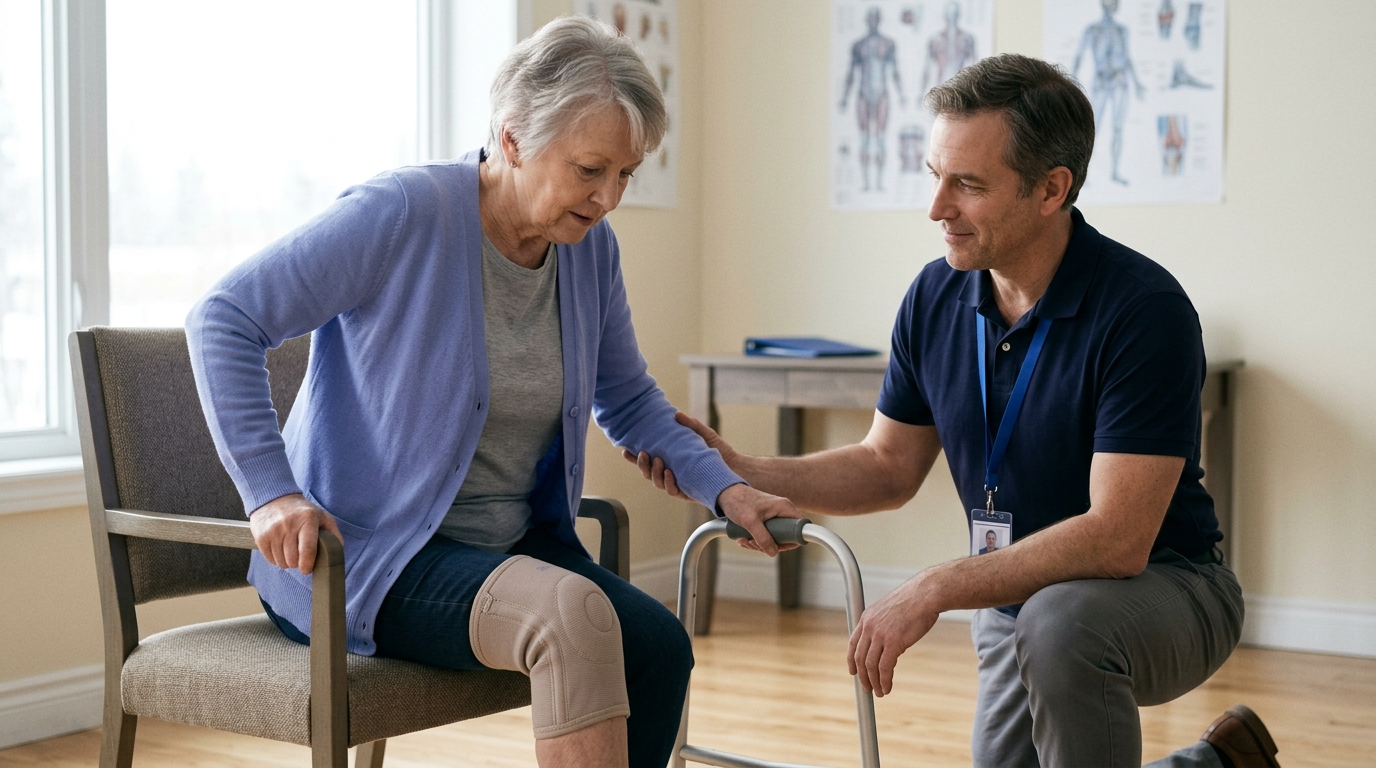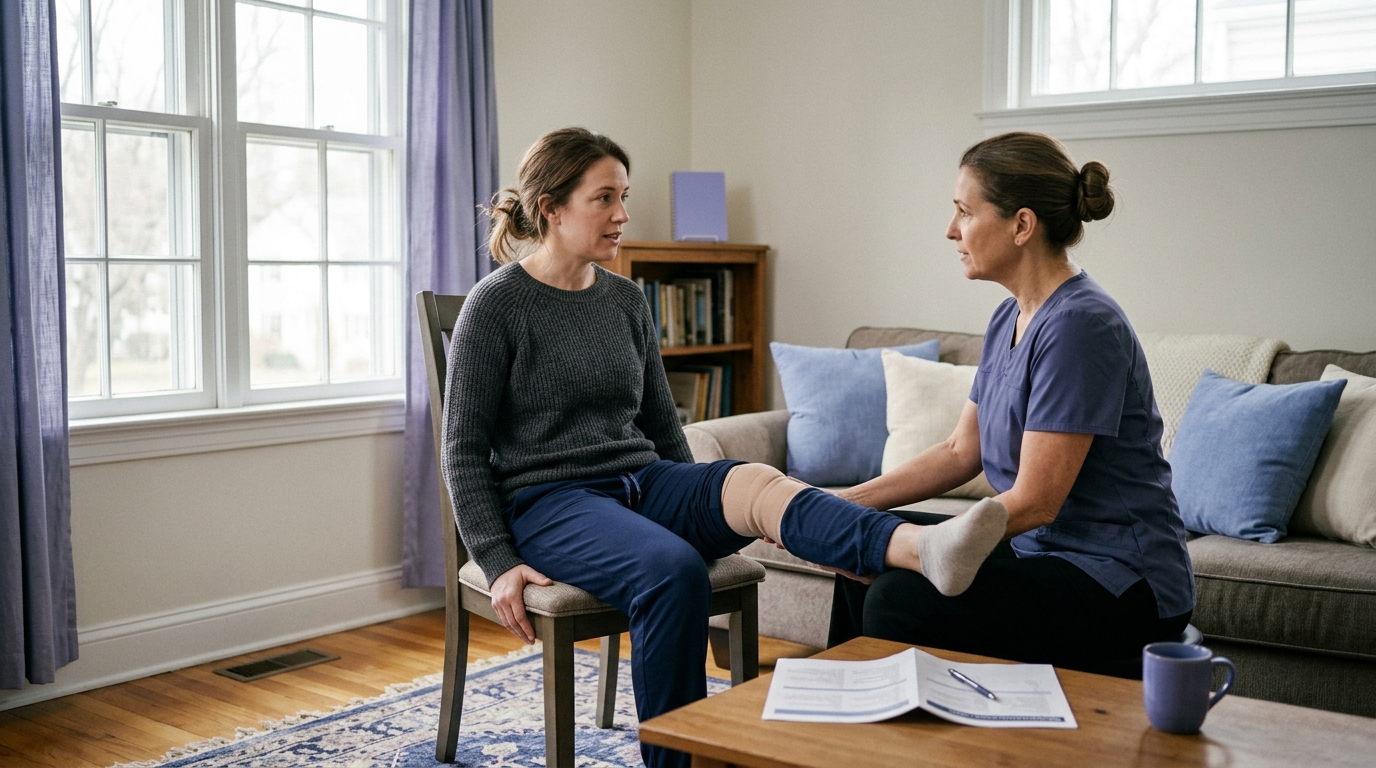

Recovery requires more than passive treatments because true rehabilitation depends on comprehensive movement evaluations, measurable functional goals, and structured progress reviews.





Many people assume physical therapy is simply a fixed checklist of exercises designed to eliminate pain on a predictable calendar. In reality, physical therapy is an evolving, problem-solving process that focuses on how your body functions in daily life. Pain levels can rise and fall for many reasons, so therapists look beyond symptom scores. They evaluate your movement, strength, and confidence during activities that matter to you.
Physical therapy after an injury begins with an in-depth examination to establish a baseline, understand your medical history, and identify specific functional limitations. From there, your physical therapist develops a working diagnosis, a prognosis, and a collaborative plan of care. Rehabilitation is not a rigid path. Your plan will adapt over time based on how your tissues heal, how your body responds to movement, and how your daily needs shift.
Understanding what happens during the initial evaluation, treatment sessions, and regular progress reviews can help you take an active role in your care. While physical therapy cannot promise an exact recovery timeline, it provides a structured framework to help you rebuild strength, restore mobility, and safely return to meaningful activities.
The first visit to a physical therapy clinic is more than a simple workout or posture check. Professional standards from the American Physical Therapy Association define this initial visit as a two-part process consisting of an examination and an evaluation. These components work together to build an accurate picture of your physical capacity and your personal goals.
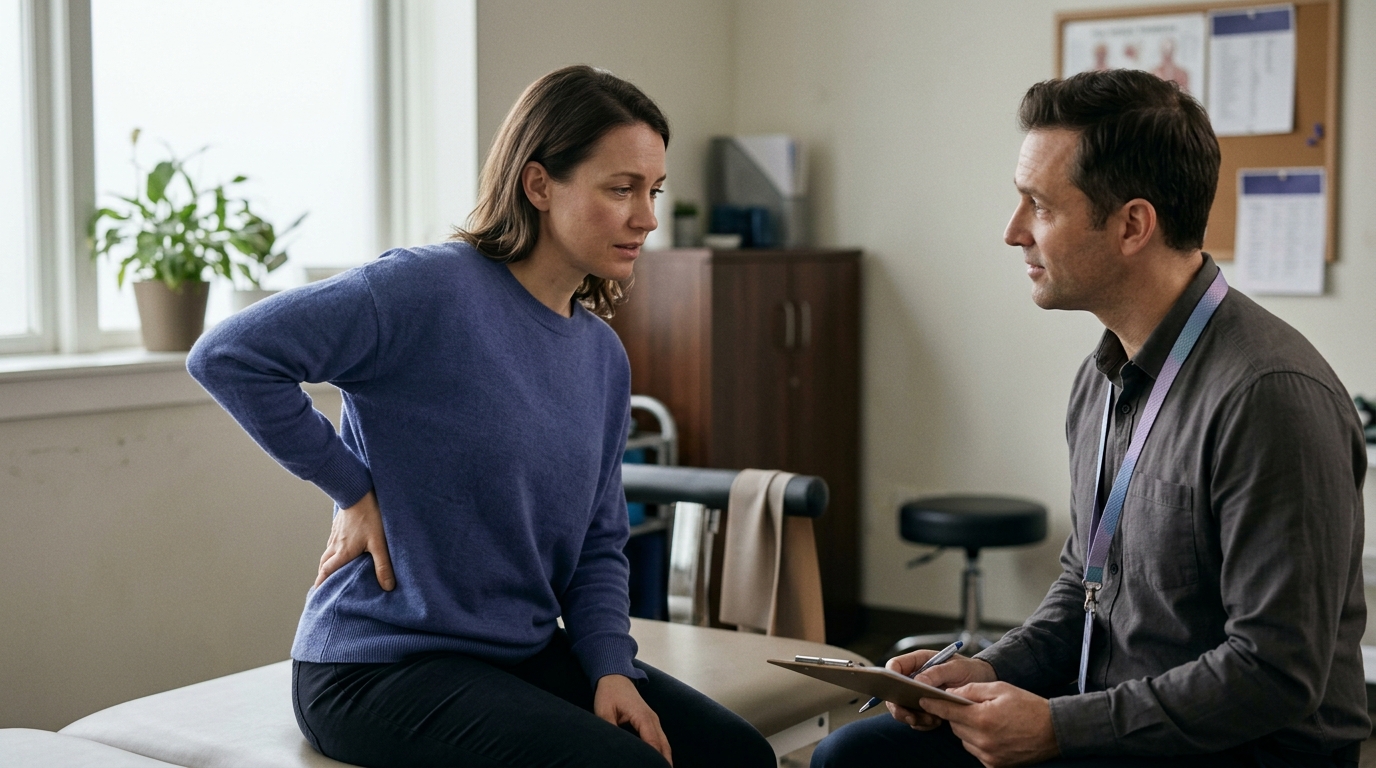
The examination is the data-gathering phase. During this time, your physical therapist collects relevant health information through detailed questions, visual observations, and physical measurements. They review your medical history, previous surgical records, imaging reports, and current medications. They also ask about your typical activity level, your work environment, and the specific daily tasks your injury currently disrupts.
Next comes the systems review. Your therapist screens several body systems to ensure physical therapy is safe and appropriate for your condition. This screen looks at your musculoskeletal, neuromuscular, cardiovascular, pulmonary, and integumentary systems. It also considers your communication preferences, cognition, and learning style.
The evaluation is the thinking phase where your therapist analyzes all the data collected during the examination. During the evaluation, the clinician interprets test scores to identify the primary drivers of your physical limitations. They determine an accurate physical therapy diagnosis and develop a prognosis, which is a clinical estimate of your potential improvement and the time needed to achieve it. Once the evaluation is complete, your therapist works with you to establish a personalized plan of care.
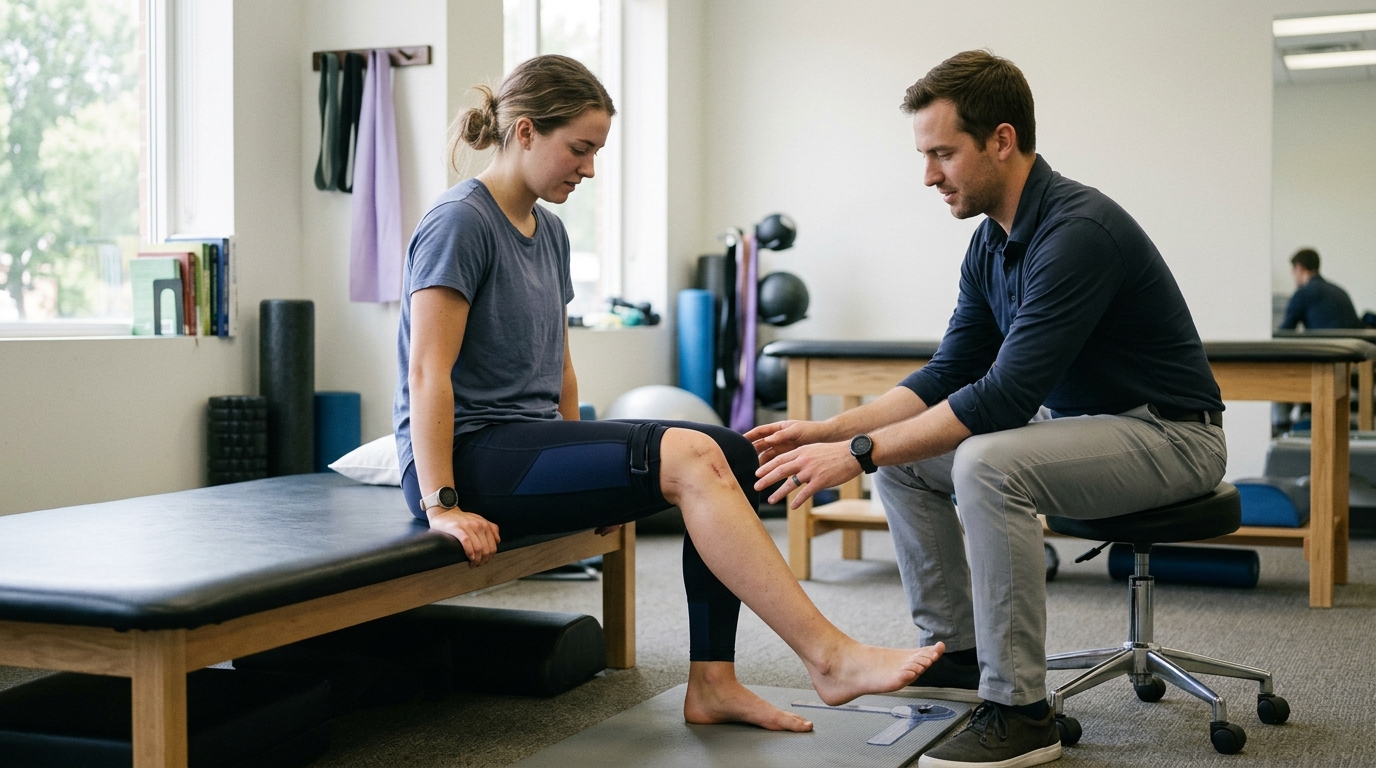
It is common to confuse clinical examination tasks with the evaluation itself. A physical therapist might measure your joint angle with a goniometer or grade your muscle strength on a numerical scale. These numbers are objective measurements gathered during the examination.
The evaluation happens when your therapist explains what those specific numbers mean for your everyday life. For example, a limited knee angle is an impairment measure. The clinical evaluation connects that stiff joint to your difficulty walking down stairs, getting out of a low chair, or stepping into a shower.
This functional distinction keeps therapy focused on what matters most to your independence. You can explore more about how targeted movement supports healing in our guide to injury recovery and healing.
Your plan of care serves as the roadmap for your rehabilitation. It outlines the specific therapeutic exercises, manual techniques, and movement training you will perform in the clinic. It also details the proposed visit frequency, the total estimated duration of care, and your home exercise program.
A comprehensive plan of care includes clear criteria for when therapy will conclude. Knowing the planned exit strategy from day one prevents open-ended, aimless care. It helps you and your provider stay focused on measurable progress toward independent self-management.
Effective rehabilitation bridges the gap between isolated joint mechanics and the activities you value. Clinical practice guidelines emphasize a whole-person framework that evaluates recovery across three interconnected levels. These levels include body structures, basic activities, and life participation.
The first level focuses on body functions and anatomical structures. This includes physical measurements such as swelling, joint range of motion, muscle strength, and balance reactions. While these metrics provide valuable clinical data, they represent only a small part of your recovery.
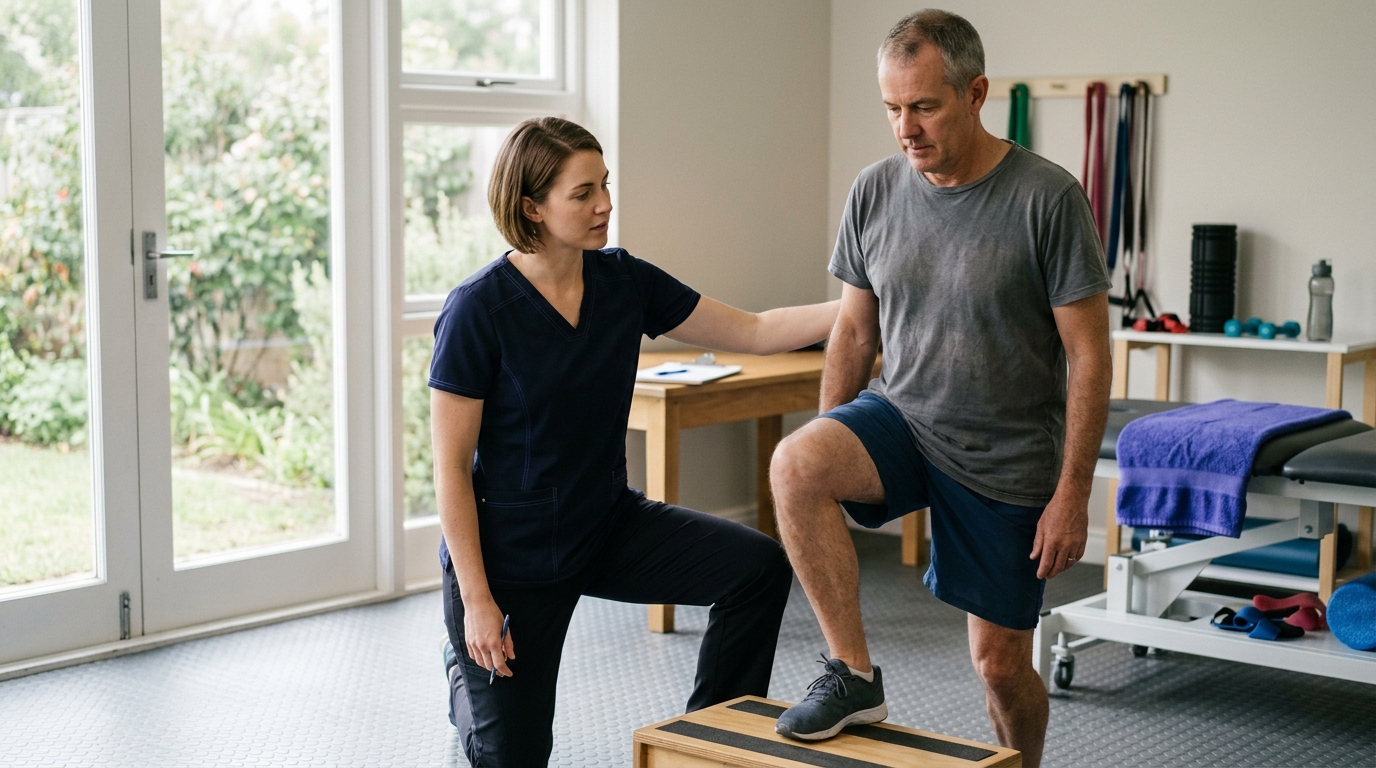
The second level evaluates individual activities. This looks at your ability to execute basic tasks like standing up, walking on uneven surfaces, climbing stairs, or lifting objects from the floor. Standardized performance tests are often used at this level to quantify your baseline physical capacity.
The third level addresses participation in life roles. This encompasses your ability to work, take care of your family, perform household chores, and engage in social sports or recreation. Professional therapy guidelines emphasize that meaningful rehabilitation goals must connect directly to this participation level.
Focusing solely on pain or joint angles can lead to frustration. A joint may regain normal range of motion, but you might still struggle with balance or lack confidence during complex movements. Evaluating your progress across all three levels ensures therapy addresses your complete functional ability.
Pain ratings on a zero to ten scale offer limited insight when used in isolation. Pain is subjective and can fluctuate based on stress, sleep quality, daily fatigue, and tissue sensitivity. A temporary rise in soreness does not always mean your tissues have suffered new damage.
Therapists track physical capacity alongside symptom changes. If your discomfort remains at a mild level while your walking endurance doubles, your functional capacity has improved. Focusing on objective physical tasks provides a clearer, more reliable indicator of healing than tracking resting pain alone.
Rehabilitation goals should never be created by the therapist in isolation. Clinical documentation standards state that goals must be developed collaboratively between the patient, the physical therapist, and family members or caregivers when appropriate. Clear goals ensure that everyone involved understands the target milestones and the reasons behind specific exercises.
A well-constructed goal includes several specific components:
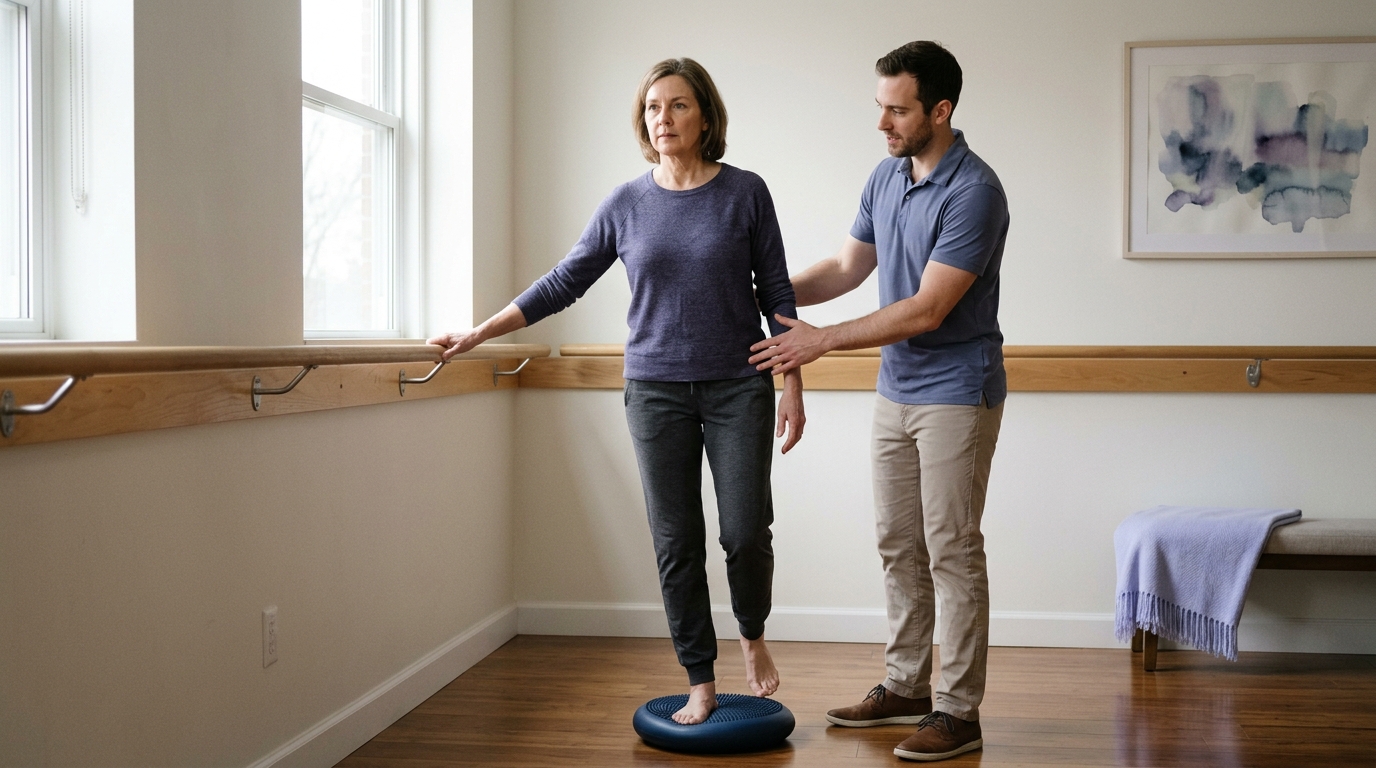
It is helpful to separate clinical treatment tasks from meaningful functional outcomes. Performing a straight leg raise or balancing on a foam pad are therapeutic tasks. These exercises are selected by your therapist to target specific weaknesses or joint restrictions.
Your true goals are the life activities made possible by those exercises. For example, balancing on a foam pad improves ankle stability so you can walk confidently across uneven grass in your yard. Connecting clinic exercises to daily activities helps you understand the purpose of your home program.
Research on rehabilitation communication shows that active collaboration enhances goal achievement. When patients understand how each exercise supports their personal recovery priorities, they are far more likely to remain consistent with their prescribed program.
Goals set on your first visit are not carved in stone. Your therapist will update your goals if your medical status changes, if your tissue healing progresses faster or slower than anticipated, or if your personal priorities shift.
Revising a goal is a normal clinical adaptation, not a sign of failure. If an unexpected flare-up occurs, adjusting a timeline gives your body the necessary time to calm down and adapt. Similarly, if you master a movement quickly, your clinician will advance your milestones to keep challenging your strength and balance. You can read more about structured milestone progressions in our article on rehabilitation mobility and movement.
Clinical research provides clear insights into how rehabilitation progresses and what factors influence recovery outcomes. Understanding what published evidence shows can help you navigate your care with realistic expectations.
International health guidelines emphasize early, progressive physical activity following musculoskeletal trauma. Clinical recommendations from the National Institute for Health and Care Excellence advise starting personalized exercise as early as clinically safe after an injury. Early, structured movement helps maintain muscle function, supports joint health, and stimulates tissue remodeling.
The NICE guidance highlights that tailored exercise programs support overall reconditioning, strength, balance, and coordination. These principles apply across all age groups and rehabilitation stages. Physical therapists carefully grade the intensity and mechanical load of these exercises to protect healing tissues while building physical capacity.
Your progress in the clinic depends heavily on what you do between appointments. A comprehensive systematic review of outpatient physical therapy adherence examined 20 cohort studies covering hundreds of patients with musculoskeletal conditions. The researchers evaluated appointment attendance, advice follow-through, and home exercise consistency.
The review identified several strong factors associated with poor program follow-through:
Interestingly, the review found conflicting evidence regarding age and baseline pain levels. Being older or having more pain at your initial visit does not mean you will struggle to adhere to care. However, experiencing sharp or escalating pain during the exercises themselves was consistently linked to lower participation.
The evidence also showed that early routine matters. In one osteoarthritis cohort within the review, participants who maintained strong home exercise habits during the first four weeks were twenty times more likely to stay consistent through the final four weeks. Establishing simple, manageable movement habits early in care lays the foundation for sustained functional recovery.
Self-efficacy refers to your personal belief in your ability to perform movements and manage your recovery. Systematic reviews examining self-efficacy in musculoskeletal rehabilitation show that higher confidence is associated with improved physical performance and better long-term self-management.
When you understand the reasoning behind your treatment plan and feel confident performing your exercises correctly, your anxiety decreases. Physical therapists support self-efficacy by providing clear written instructions, demonstrating exercises step by step, and breaking complex movements into achievable milestones. You can explore the physiology behind graded tissue adaptation in our review of recovery science.
Progress reviews are structured clinical evaluations performed at regular intervals during an episode of care. They are not administrative rubber stamps or simple attendance checks. Instead, progress reviews allow your therapist to determine if your body is responding as expected, if interventions need adjustment, or if care should conclude.
In clinical documentation, therapists distinguish between reexaminations and reevaluations. A reexamination involves repeating specific physical tests and objective measures to collect fresh data. Your clinician might re-measure your joint range, re-test your muscle strength, or administer a standardized functional questionnaire.
A reevaluation occurs when your therapist analyzes that updated data against your initial baseline. They determine whether the plan of care is effective, whether your prognosis remains accurate, and whether your timeframe requires modification. Evaluation is an ongoing clinical process that continues throughout your entire rehabilitation journey.
Healing is rarely linear. There are times when your physical progress may plateau or slow down. During a progress review, your physical therapist will evaluate why expected improvements are not occurring.
Several adjustments may follow a stalled review:
When functional improvements plateau, professional guidelines support skilled maintenance therapy in certain circumstances. Maintenance care is designed to preserve current abilities or slow physical decline when further recovery is limited. Documenting the specific clinical reasoning behind your progress review ensures your care remains tailored to your needs.
To understand how evaluations and progress reviews work in real clinical practice, it is helpful to look at an evidence-based assessment model. Clinical practice guidelines for lateral ankle sprains published in the Journal of Orthopaedic & Sports Physical Therapy illustrate how therapists combine multiple testing methods over time.
For ankle sprains and chronic instability, guidelines recommend using validated patient-reported outcome measures. These include tools like the Foot and Ankle Ability Measure, the Lower Extremity Functional Scale, or the PROMIS physical function instruments.
These standardized questionnaires ask you to rate your difficulty with specific tasks, such as walking on uneven ground, descending stairs, or jogging. Completing these forms at your initial evaluation and during progress reviews gives your clinician an objective percentage score representing your self-reported function.
Alongside questionnaires, the therapist tracks physical joint measurements. In acute and subacute ankle injuries, clinicians objectively measure joint swelling, ankle range of motion, ligament laxity, and single-leg static balance.
Tracking these metrics over time shows whether local tissue irritation is subsiding and whether joint mobility is returning to baseline levels. These physical measurements help the clinician decide when it is safe to progress your exercises.
As healing progresses, guidelines recommend dynamic performance testing before clearing an individual for demanding physical activities. For lower extremity injuries, clinicians often use timed single-limb hop tests or dynamic balance assessments when clinically appropriate.
These dynamic tests evaluate your power, control, and psychological confidence under load. Combining self-reported questionnaires, physical joint measures, and functional movement tests creates a complete picture of your recovery. This multi-layered approach ensures you are not cleared for strenuous activity based on low resting pain alone. For surgical contexts, our guide on surgery and rehab details similar progressive testing protocols.
Recovery timelines vary significantly between individuals, even among people with identical medical diagnoses. Your physical therapist factors multiple internal and external variables into your prognosis and treatment plan.
The biological severity of your injury plays a primary role in your recovery pace. A minor muscle strain heals much faster than a complete ligament tear or an intra-articular bone fracture.
If you had surgery, your orthopedic surgeon will establish specific movement precautions to protect repaired structures. For example, surgical protocols may require limited weight-bearing or restricted joint angles during early healing. Your physical therapist respects these biological constraints while exercising surrounding body parts to prevent widespread deconditioning.
Underlying medical conditions can alter tissue healing rates and exercise tolerance. Chronic conditions such as diabetes, cardiovascular disease, autoimmune disorders, and severe arthritis can slow tissue repair and influence how your body handles physical stress.
Your therapist reviews your full medical history during your initial evaluation to ensure your exercise dosage is safe and sustainable. Communicating any changes in your systemic health or medications helps your clinician adjust your program appropriately.
Your living environment, work demands, and emotional wellbeing directly affect your rehabilitation experience. High stress levels, poor sleep habits, and fear of reinjury can increase nervous system sensitivity and make routine movements feel more uncomfortable.
Practical logistics also matter. If you have a physically demanding job, care for young children, or lack reliable transportation, completing a daily home program can be challenging. An experienced physical therapist will adapt your plan to fit your real-world schedule rather than giving you an unrealistic list of exercises.
Misunderstandings about physical therapy can create unnecessary anxiety and hinder your recovery. Clearing up common myths helps you approach rehabilitation with a clear, practical perspective.
Some patients expect their first appointment to be an immediate exercise session. While your therapist may teach you one or two foundational movements to begin at home, the primary focus of the initial visit is diagnostic evaluation.
Your clinician must identify which anatomical structures are involved, determine if physical therapy is safe for you, and establish a baseline for your functional goals. Rushing into strenuous exercise without a thorough evaluation can lead to inappropriate movement choices.
It is easy to think that the best physical therapy evaluation is the one that performs every possible test. However, clinical guidance states that test selection should be tailored specifically to your injury, recovery stage, and physical tolerance.
An experienced therapist selects a focused battery of tests that provides the exact information needed for clinical decision-making. Overloading an injured joint with dozens of unnecessary tests can provoke pain and provide little additional value.
The outdated phrase "no pain, no gain" has no place in modern orthopedic rehabilitation. While some mild, temporary muscular soreness or stretching discomfort is normal when rebuilding capacity, sharp or escalating joint pain is counterproductive.
As shown in clinical adherence research, experiencing high pain during workouts is strongly linked to dropping out of therapy. Your therapist will help you find a safe movement zone where your tissues are appropriately challenged without causing unnecessary symptom flare-ups.
If you struggle to complete your home exercises, do not hide it from your therapist out of embarrassment. Difficulties with your home program provide valuable clinical clues about your routine, your pain tolerance, or the clarity of your instructions.
A supportive physical therapist will not judge you for missed sessions. Instead, they will work with you to simplify your routine, adjust the difficulty, or find realistic times during your day to fit in key movements. Collaboration and open communication are essential for long-term consistency.
Being an active participant in your healthcare improves your confidence and helps your clinician tailor your care. Preparing a few focused questions and observations before your evaluation or progress review ensures your appointments address your most important concerns.
During your first appointment, ask questions that clarify your working diagnosis, the purpose of your plan, and the expected path forward:
When you reach a formal reexamination or progress review, use the opportunity to discuss your functional improvements and long-term independence:
Bringing these questions to your appointments ensures that you and your therapist remain aligned on every step of your recovery.
Rehabilitation after an injury is an iterative, problem-solving journey that evolves alongside your physical capacity. Your initial evaluation establishes a necessary baseline, connects your physical limitations to daily tasks, and sets collaborative goals. Regular progress reviews ensure your program adapts as your tissues heal, allowing your therapist to modify exercises, adjust timelines, or consult other medical providers when appropriate.
By actively communicating your daily challenges, tracking functional milestones rather than isolated pain scores, and maintaining realistic expectations, you can navigate your physical therapy program with confidence.
Recovery is a gradual process of rebuilding your physical capacity, and active communication with your physical therapist ensures your care remains focused on the activities that matter most to your life.

Use ReboundBody resources to understand common recovery stages, rehab terms, movement limits and strength rebuilding. Each guide is designed to make a complex comeback easier to understand.


Read practical guidance on injury recovery, rehabilitation, mobility and rebuilding strength as you work your way back to activity.
Explore Resources