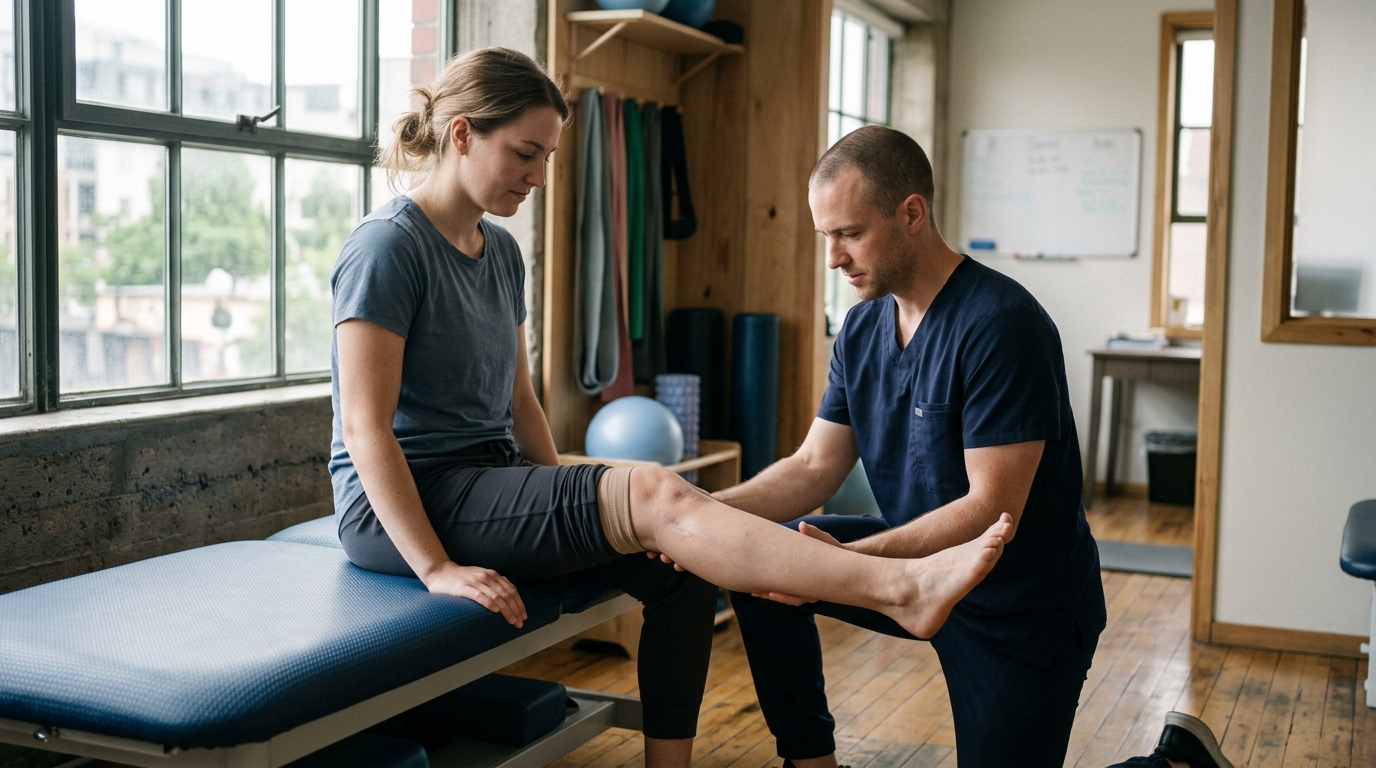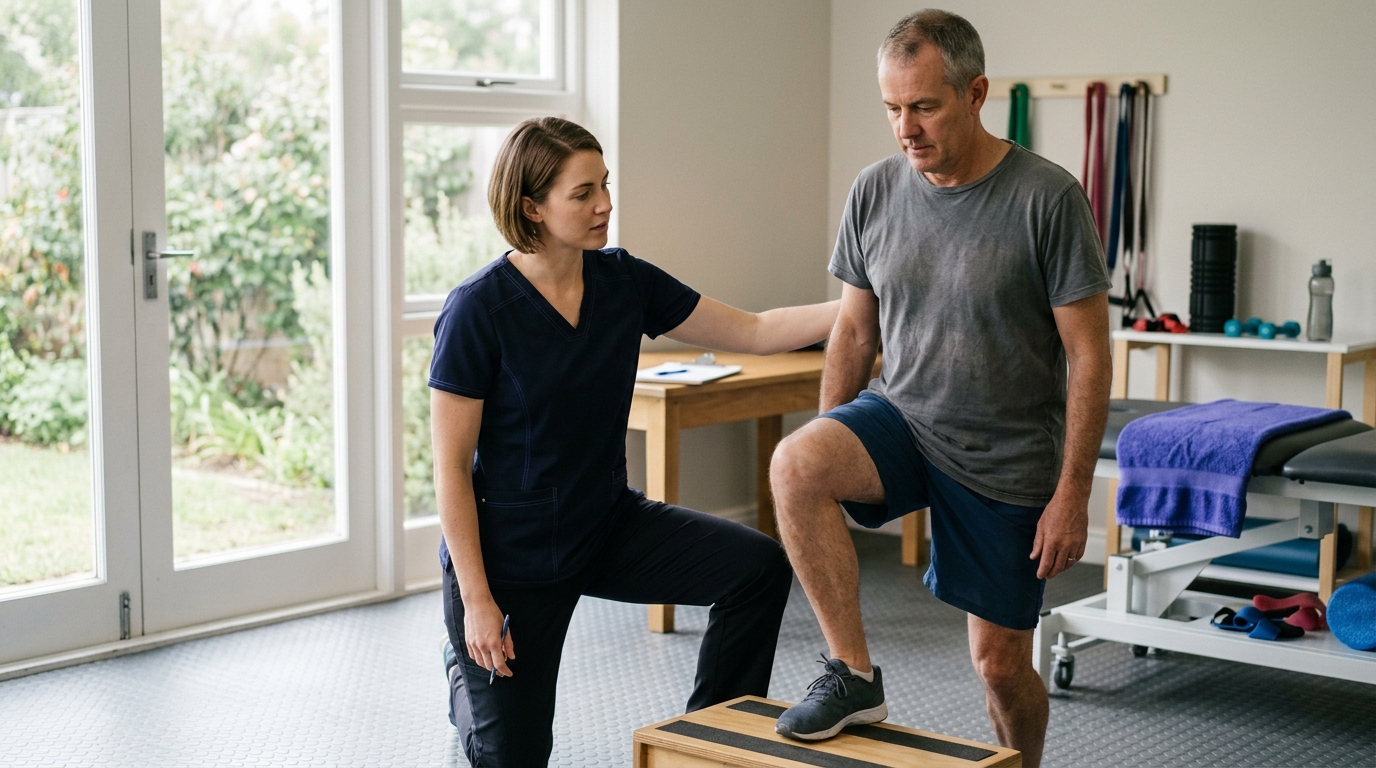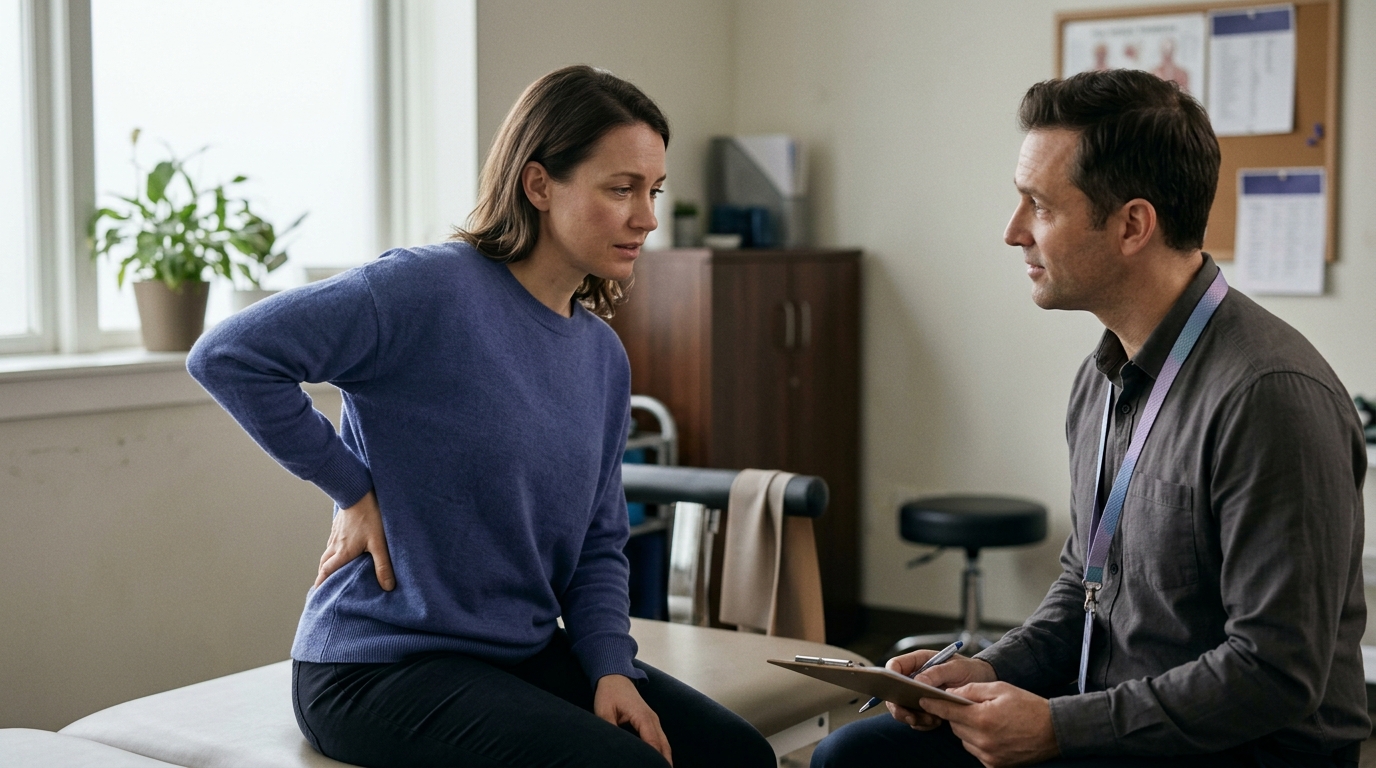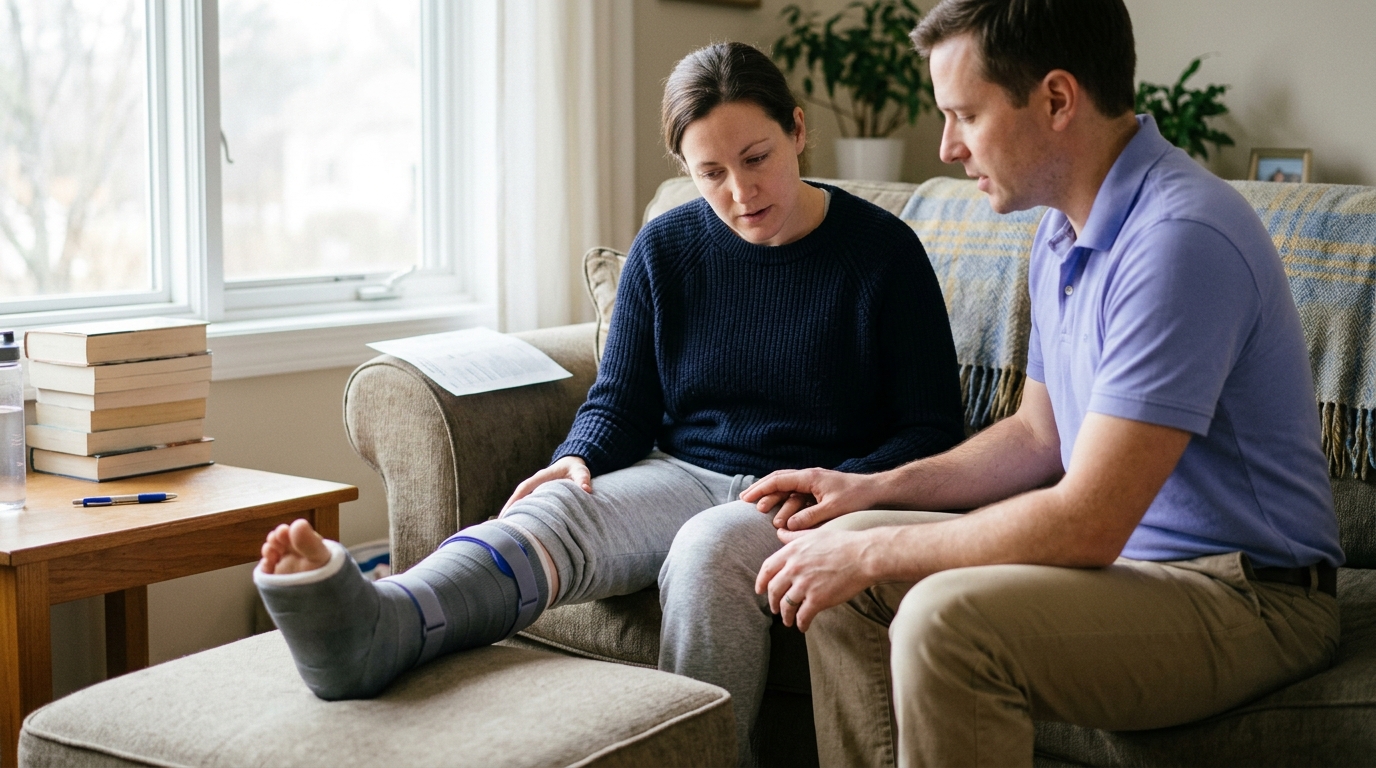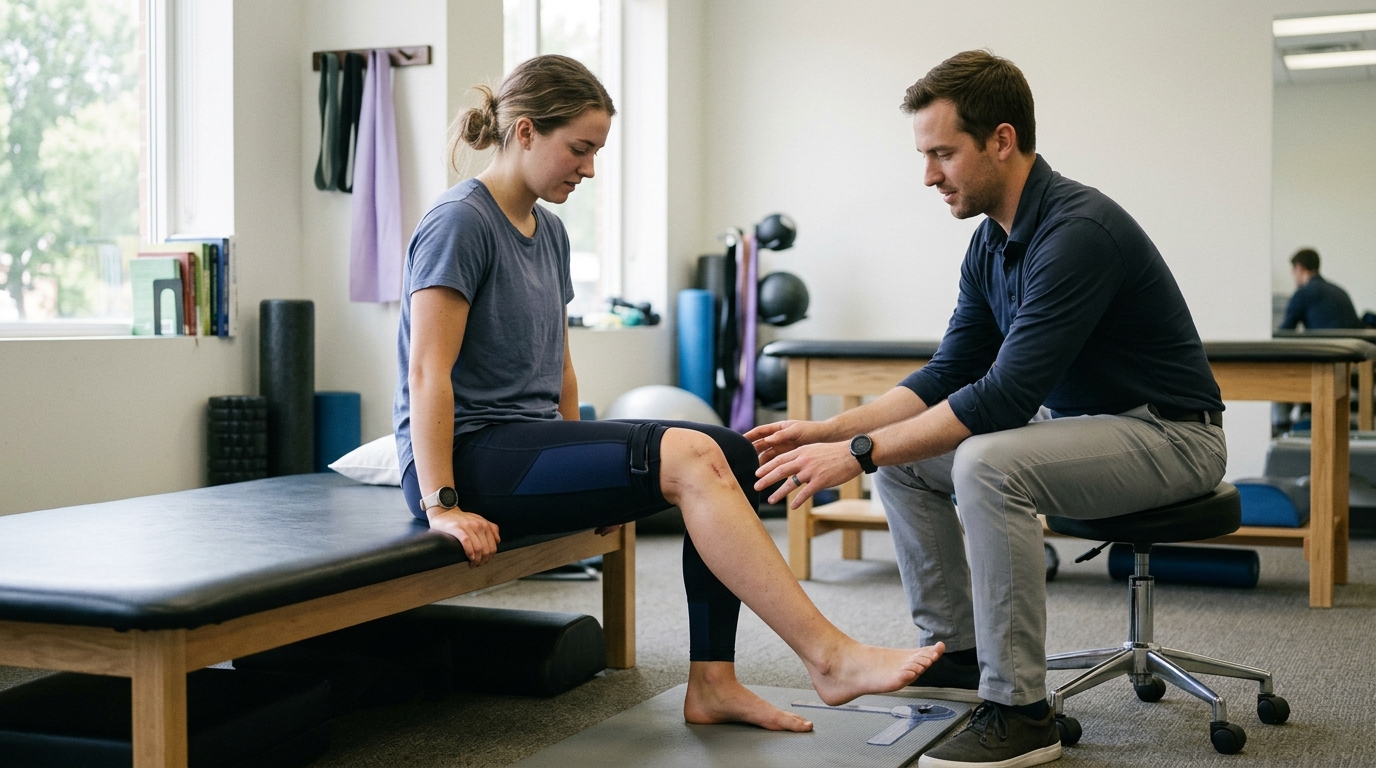

Pain fluctuations during injury recovery often reflect changing activity loads or nervous system sensitivity rather than serious tissue damage or a true setback.





A symptom fluctuation is a temporary shift in the intensity, frequency, or type of discomfort you feel while healing. It is not proof that healing has stopped, nor does it mean you have damaged your tissues all over again. During physical rehabilitation, your body adapts to new movements, changing workloads, and daily physical stresses. This guide provides a detailed look at why these ups and downs happen, how to evaluate them calmly, and how to tell the difference between a normal flare and a medical concern.
Directly stated, physical recovery from an injury or surgery is rarely a smooth, straight line of daily improvement. Symptoms routinely rise and fall as physical demands, stress, rest, and routines change throughout the week. A temporary increase in discomfort is usually a reaction to load or nervous system sensitivity rather than a sign of structural failure. However, general recovery principles cannot rule out medical complications. You must always interpret your progress against the specific guidance, surgical precautions, and movement limits provided by your healthcare provider.
For broader background on tissue healing principles, you can review our injury recovery and healing resources to understand the general phases of physical repair.
Understanding the difference between a daily shift in symptoms and a genuine medical setback is essential for long-term recovery. Many people assume that any increase in discomfort means they have returned to the beginning of their injury. Clinical guidelines explain that symptoms naturally vary as activity levels change.
A symptom fluctuation describes ordinary variation over time. You might feel slightly stiffer in the morning after a long walk, or you might notice a mild ache after completing household chores. This variation reflects how your body responds to daily physical demands. A bad day by itself does not prove that an injury has worsened or that your rehabilitation plan is failing.
A flare-up is a temporary increase in your baseline symptoms. Guidance from the National Health Service (NHS) notes that a flare can happen right after a physical trigger, or it may appear one to two days later. Some flares last only a few hours, while others take several days to settle back down. These descriptions reflect typical experiences across patient groups, but they are not rigid rules for every possible injury.
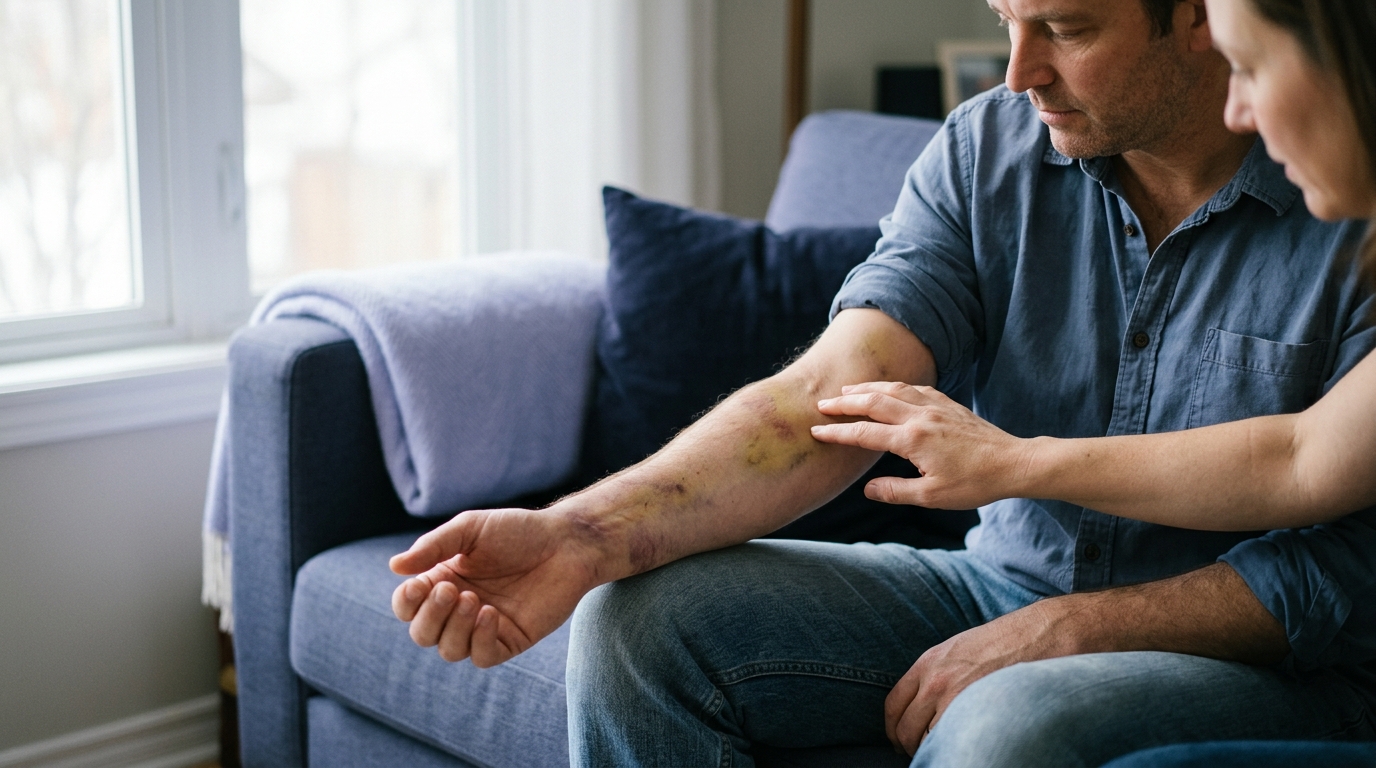
A persistent or concerning change represents a different pattern entirely. This type of change is marked by severe, worsening pain, substantial swelling, new bruising, or a sudden loss of physical function. For example, if you suddenly cannot bear weight on a leg or if a joint becomes increasingly stiff and hot, you are facing a pattern that requires clinical evaluation.
To interpret recovery symptoms accurately, you must understand that pain and tissue damage are not identical. Pain serves as a protective alarm system coordinated by the brain and spinal cord. In the early stages of an acute injury, pain signals often correlate closely with tissue strain or inflammation.
As tissues heal, the nervous system can remain sensitive. Health guidance notes that a sensitized nervous system can continue to produce or amplify pain signals even when tissue repair is progressing normally. Therefore, a flare of familiar discomfort during rehabilitation does not automatically mean a tendon, muscle, or ligament has suffered new structural damage.
This scientific distinction provides peace of mind, but it must be applied with balance:
You can learn more about how the nervous system adapts during rehabilitation in our guide to recovery science principles.
Clinical research into musculoskeletal rehabilitation shows that complete rest is rarely the best path to long-term healing. Instead, structured movement that gradually introduces physical stress helps rebuild tissue tolerance, joint mobility, and muscular strength.
Established clinical evidence confirms that tissues adapt to progressive load. Tendons, bones, and muscles require mechanical stimulation to regain their full capacity. When you challenge these tissues with new exercises, mild discomfort can occur as a natural part of adaptation. A systematic review of exercise management for chronic musculoskeletal pain disorders found that allowing some pain during exercise produced small short-term benefits in pain and function compared to completely pain-free exercise programs.
However, clinical research also highlights important boundaries:
The evidence clearly distinguishes between productive loading and tissue overload. When you gradually increase exercise volume, your tissues rebuild their tolerance over time. When you increase exercise volume too quickly, you risk triggering an acute inflammatory response or an intense pain flare that temporarily halts your rehabilitation.
Symptoms fluctuate for a wide range of physical, behavioral, and environmental reasons. When an ache increases, it is easy to assume that a single exercise was the sole cause. In reality, symptom spikes usually stem from a combination of overlapping factors.
The most frequent driver of symptom fluctuation is a change in activity load. Load is not just the type of exercise you perform. It includes the total volume, duration, intensity, frequency, and speed of your movements.
A symptom increase often occurs when you alter one of these loading variables without realizing it. For example, walking an extra fifteen minutes, carrying heavier groceries, or performing extra repetitions of home exercises can raise total mechanical stress. Health service recovery materials note that doing more than usual, sitting for prolonged periods, or resuming normal chores too quickly can trigger a temporary symptom rise.
Physical capacity is the amount of activity your body can handle comfortably at any given moment. Capacity is not static. It rises as you get stronger, but it also drops temporarily when you are inactive, sick, or fatigued.
If you spend several days resting in bed due to a common cold, your musculoskeletal capacity decreases slightly. If you immediately attempt to resume your previous exercise routine at full volume, your tissues may feel overloaded. In this scenario, the activity did not change, but your temporary capacity was lower.
Recovery is a whole-body biological process that depends on regular restorative sleep and nervous system balance. NHS clinical materials identify poor sleep, high emotional stress, worry, and low mood as key contributors to symptom fluctuations.
When you do not sleep well, your body produces higher levels of systemic inflammatory markers, and your pain threshold drops. Everyday physical tasks that felt easy two days ago may suddenly feel uncomfortable. Recognizing the influence of sleep and stress prevents you from assuming that every physical ache represents a mechanical failure in your healing joint or muscle.
In persistent pain conditions or prolonged recovery journeys, the peripheral nerves and spinal cord can become hyper-responsive. This process means the volume dial on your sensory system is turned up.
When your nervous system is sensitized, normal sensations like stretching, gentle pressure, or cool weather can register as sharp discomfort. While this response feels alarming, it indicates that your sensory processing system is overly protective. It does not mean your physical tissues have torn or deteriorated.
Sometimes symptoms rise and fall without any obvious trigger. You may have followed your exercise routine perfectly, slept eight hours, and managed your daily stress, yet still wake up with an unexpected ache.
Clinical pain services emphasize that recovery naturally includes unexplained fluctuations. Your body is a complex biological system, not a machine. A flare without an obvious cause is simply an event to manage with calm pacing rather than a reason to panic.
To make sense of symptom fluctuations, you need an objective way to evaluate what you are feeling. A structured evaluation framework prevents emotional overreactions while ensuring you do not ignore genuine warning signs.
A practical framework for evaluating symptom changes focuses on five core elements: change, duration, function, trend, and warning signs.
When symptoms rise, look back at the preceding one to two days. Consider whether you introduced any changes in your physical routine, posture, or daily environment:
Identifying potential contributing factors helps you understand the context of the flare. Treat these factors as clues about your current physical tolerance rather than proof of damage.
The time it takes for discomfort to subside provides valuable information about how well your tissues tolerated an activity. Different health organizations offer useful guidance on settling times:
These time frames are practical benchmarks rather than universal rules. If your symptoms reliably settle back to your baseline within a few hours, the activity was likely within an acceptable range.
Your functional ability is often a more reliable indicator of recovery progress than a raw pain score. A temporary increase in soreness is common, but your ability to perform essential movements should remain relatively stable.
Ask yourself whether you can still bear weight, walk with your normal gait, and move your joints through their usual range. If your pain rating increases slightly but you can still walk, dress yourself, and perform gentle movements, the fluctuation is likely manageable. If an ache is accompanied by an inability to bear weight, marked joint locking, or profound weakness, you should seek a professional evaluation.
Recovery should be judged by the overall trend across weeks and months, not by the ups and downs of a single afternoon. When you zoom out, a successful recovery path looks like an undulating line that gradually moves toward greater strength and function.
Look at whether your baseline comfort is improving over two- to four-week blocks. Check whether your recovery time after exercise is getting shorter and whether you can handle more physical activity before feeling tired. A single difficult day does not erase three weeks of steady functional gains.
The final step is checking for clinical warning signs that fall outside the boundaries of normal rehabilitation flares. If your symptoms involve severe, unrelenting pain, spreading heat, fever, visible deformity, or changes in circulation, you must seek prompt medical care. Self-management frameworks are designed for routine recovery, not for acute medical complications.
For those recovering from joint or soft tissue procedures, our surgical recovery and comeback resources provide further guidance on post-operative milestones and standard safety precautions.
Keeping a simple recovery log helps you spot trends and communicate clearly with your physical therapist. However, tracking must be done carefully so that you do not become hyper-focused on every minor body sensation.
An effective activity log should take less than two minutes a day to complete. It should capture physical loading, symptom intensity, functional capability, and daily context.
To maintain a balanced record, document the following details whenever you notice a meaningful shift in symptoms:
Reviewing sample patterns shows how different recovery situations look on paper:
If you are currently rebuilding your functional capacity, exploring our rehabilitation and mobility resources can help you select safe, progressive movement options.
Examining common physical scenarios helps illustrate how symptom fluctuations unfold in daily life. These illustrative patterns represent realistic situations rather than individual medical diagnoses.
You advance your home exercise program by adding resistance or increasing your repetitions. During the session, you notice a mild, familiar ache in the working muscle or joint. Within an hour or two after finishing, the sensation eases back to your normal baseline.
This pattern represents a normal, healthy adaptation to exercise. Your tissues received an appropriate stimulus to build strength without suffering structural overload. You can safely maintain this exercise level and monitor your response during subsequent sessions.
You spend a Saturday running errands, carrying groceries, and walking through shopping centers. You feel fine during the day, but you wake up on Sunday with throbbing discomfort and joint stiffness.
This delayed response is very common. Physical inflammation and nervous system fatigue often peak twelve to twenty-four hours after an unaccustomed physical demand. When this happens, use active rest, perform gentle range-of-motion movements, and give your body forty-eight hours to settle before attempting higher-intensity tasks.
You catch the flu and spend five consecutive days resting on the couch with minimal movement. On the sixth day, you feel better and immediately attempt your standard thirty-minute workout, only to experience sharp aches and heavy fatigue.
Inactivity causes a temporary drop in tissue compliance and neuromuscular coordination. When returning to activity after a period of illness or travel, you must temporarily reduce your training volume. Rebuilding your baseline over three to four days allows your tissues to regain their capacity safely.
On a day when your pain is exceptionally low, you feel enthusiastic and decide to tackle yard work, deep cleaning, and an extended workout all at once. By evening, your symptoms skyrocket, forcing you to spend the next three days resting completely in bed.
This pattern is known as the boom-and-bust cycle. It occurs when activity levels are dictated entirely by how you feel in the moment rather than by a structured plan. Breaking this cycle requires pacing, where you deliberately limit your total activity on good days to avoid the predictable crash that follows.
Your overall pain score has dropped to a very low level, but your joint remains stiff, and you cannot walk with a normal stride. You wonder if the absence of pain means you are ready for high-level athletic activity.
This pattern shows why pain ratings alone do not tell the whole story. Tissue healing, joint range of motion, and muscular control must all progress together. If your pain is low but your functional movement remains restricted, work with your physical therapist to address joint mobility and motor control before advancing your activity.
You notice that a previously mild ache has become severe and continuous over three days. The affected joint is visibly swollen, warm to the touch, and you cannot put weight on your foot without sharp, unbearable pain.
This pattern is not a standard recovery fluctuation. A steady, worsening trajectory accompanied by visible swelling and loss of weight-bearing ability signals a potential complication. You should pause your exercise routine and contact a healthcare provider for a thorough examination.
If you are working toward higher-level physical goals, our strength and performance rebuilding resources offer guidance on safely progressing from basic rehabilitation to athletic movements.
Pacing is a structured method for balancing physical activity and rest. Rather than alternating between extreme exertion and total bed rest, pacing allows you to maintain consistent, manageable movement throughout your recovery.
NHS pacing guidelines highlight that setting a clear activity baseline is the foundation of long-term progress. A baseline is the amount of activity you can perform comfortably on both good days and bad days.
To implement pacing effectively in your daily routine, follow these progressive steps:
Pacing protects you from the emotional frustration of the boom-and-bust cycle. By making steady, measured adjustments, you give your body the time it needs to adapt to increasing physical demands.
To understand how structured pacing supports long-term physical resilience, you can read our insights on active aging and injury prevention.
While most symptom fluctuations represent normal recovery variations, certain clinical signs point to complications that require immediate medical evaluation. You should never attempt to manage severe or rapidly worsening symptoms through self-care alone.
Emergency and urgent care guidance from health authorities outlines specific warning signs that warrant prompt professional assessment.
Contact emergency services or visit an emergency department immediately if you experience any of the following symptoms:
Schedule an appointment with your doctor, orthopedic surgeon, or physical therapist if you notice any of these persistent issues:
Having a clear understanding of these clinical boundaries ensures you can manage daily recovery ups and downs with confidence while staying safe.
Open communication with your healthcare team helps remove uncertainty from your rehabilitation. During your follow-up appointments, use specific questions to clarify what normal fluctuations look like for your individual injury or surgery.
Consider discussing the following practical questions with your doctor, surgeon, or physical therapist:
Documenting your clinician's answers gives you a clear, personalized reference guide to use whenever unexpected aches arise at home.
Recovery from an injury, surgery, or persistent musculoskeletal condition is rarely linear. Experiencing an increase in soreness, stiffness, or fatigue is a normal part of how your body responds to changing physical loads, daily stress, and neuromuscular adaptation. A temporary flare does not mean you have damaged your tissues again or erased your hard-earned progress.
By focusing on the overall trend across weeks, pacing your activities, and tracking your functional capabilities, you can navigate the ups and downs of rehabilitation calmly. Stay attentive to established medical warning signs, communicate regularly with your healthcare team, and allow your body the time it needs to rebuild strength, mobility, and confidence.
Morning stiffness and discomfort are very common during recovery. When you sleep, your body remains relatively still for hours, which reduces joint fluid circulation and allows healing tissues to tighten. Additionally, inflammatory chemicals can accumulate in resting tissues overnight. Gentle morning movement, a warm shower, and light stretching usually help ease this temporary stiffness within thirty to sixty minutes.
Many people report increased joint aching and stiffness when the weather turns cold or barometric pressure drops. While scientific studies show mixed results regarding the exact mechanisms, changes in atmospheric pressure may cause slight expansion in joint capsules and inflamed tissues. Cooler temperatures can also increase muscle tension and reduce tissue elasticity. Layering warm clothing and performing a brief indoor warm-up can help minimize weather-related discomfort.
Returning to impact sports requires meeting specific functional criteria rather than relying on the calendar alone. You should be able to perform daily tasks and basic strength exercises without pain flares, demonstrate equal strength and mobility in both limbs, and complete sport-specific agility drills with proper control. Your physical therapist or surgeon should perform formal functional testing to clear you safely before you resume full athletic participation.
On the first day of a flare, avoid the temptation to either push through severe discomfort or stay completely motionless in bed. Reduce your overall physical activity volume, replace heavy workouts with gentle range-of-motion exercises, and practice calm diaphragmatic breathing to ease nervous system tension. Apply cold or warmth if it provides comfort, ensure you get adequate sleep, and evaluate your symptoms again the following morning.

Use ReboundBody resources to understand common recovery stages, rehab terms, movement limits and strength rebuilding. Each guide is designed to make a complex comeback easier to understand.


Read practical guidance on injury recovery, rehabilitation, mobility and rebuilding strength as you work your way back to activity.
Explore Resources