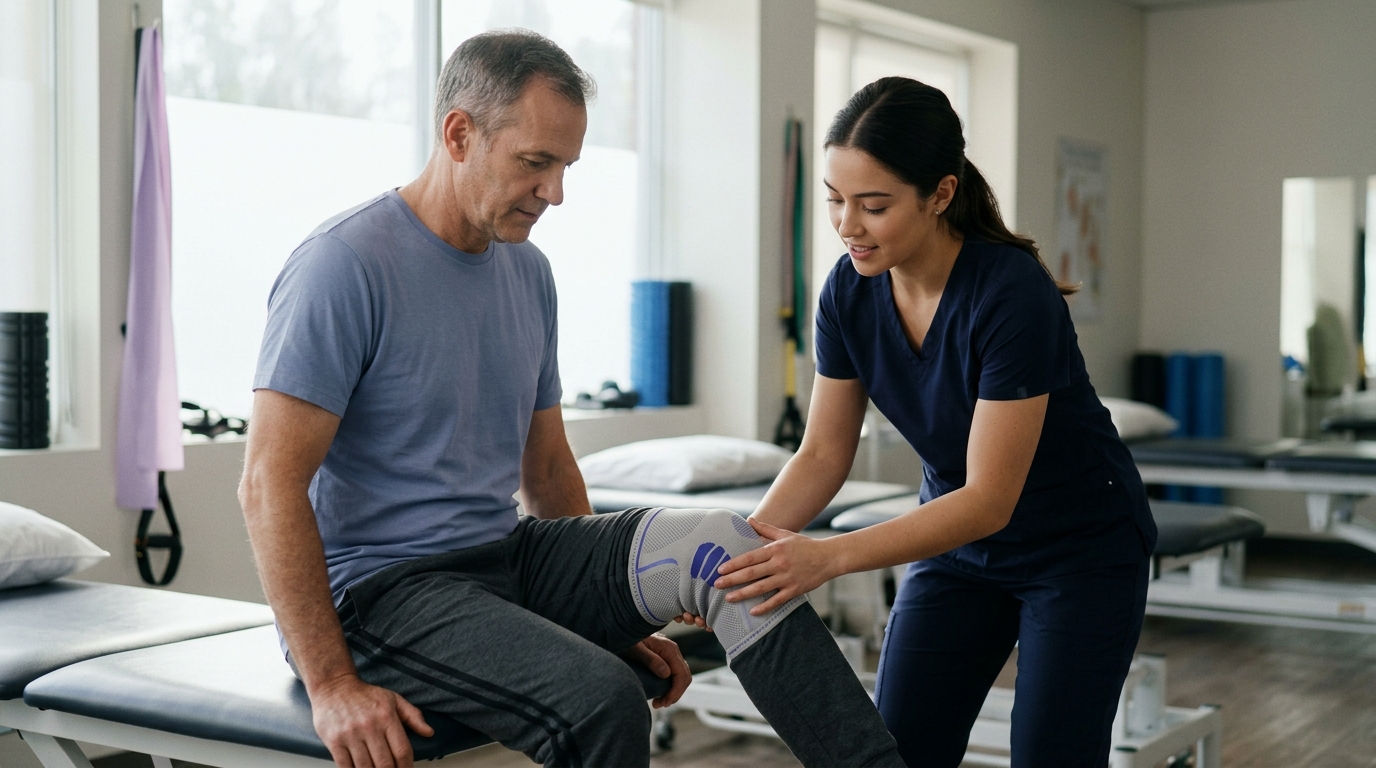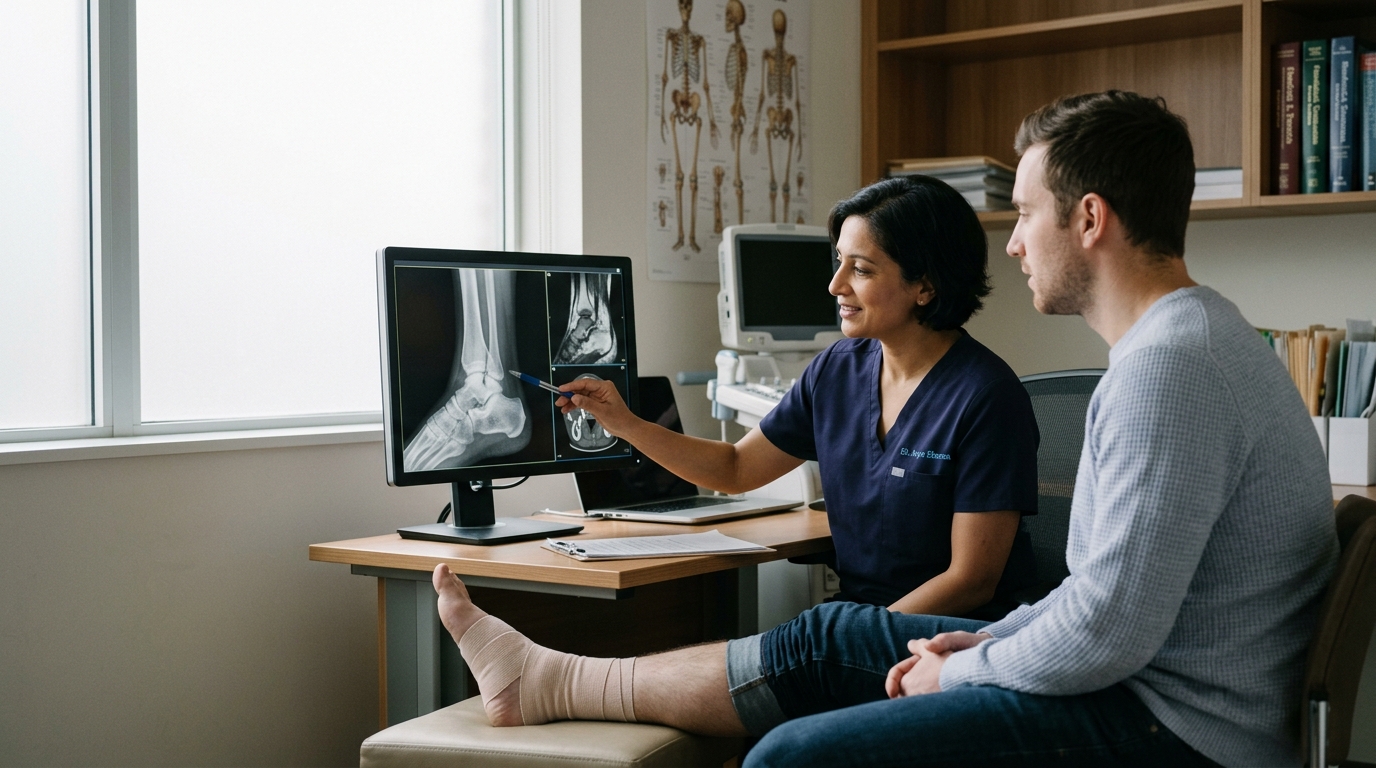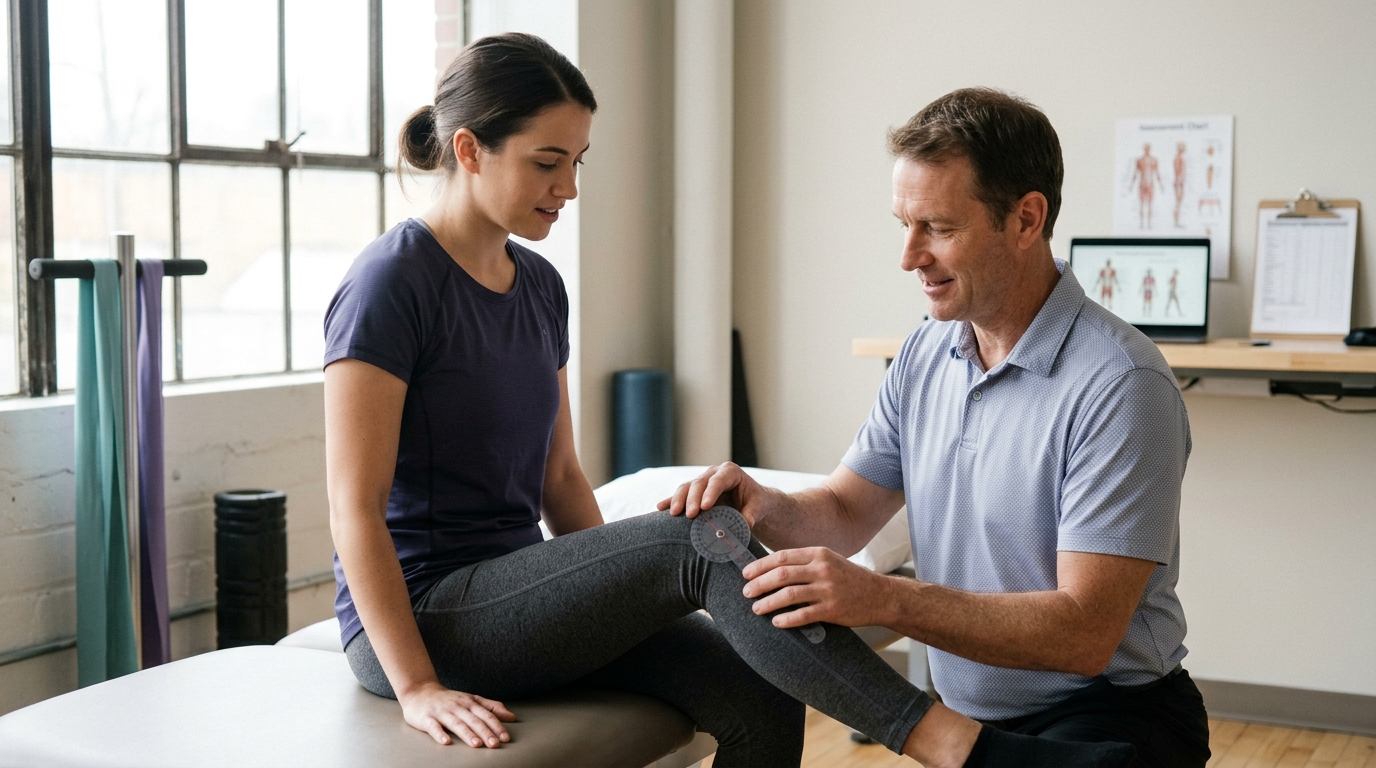

Most people reach for ice to speed up recovery, but modern sports medicine views thermal therapies as simple tools for comfort and pain management.





Thermal applications are among the most common self-care tools in musculoskeletal health. Applying cold or warmth to an injured area is an external comfort measure designed to alter local skin sensation and blood flow. It is not a biological repair agent, a medical diagnosis, or a standalone cure.
Understanding what temperature therapies can and cannot achieve helps set realistic expectations for recovery. This guide examines the clinical evidence behind cold and heat, outlines safe application standards, and explains how to choose comfort measures without compromising natural healing.
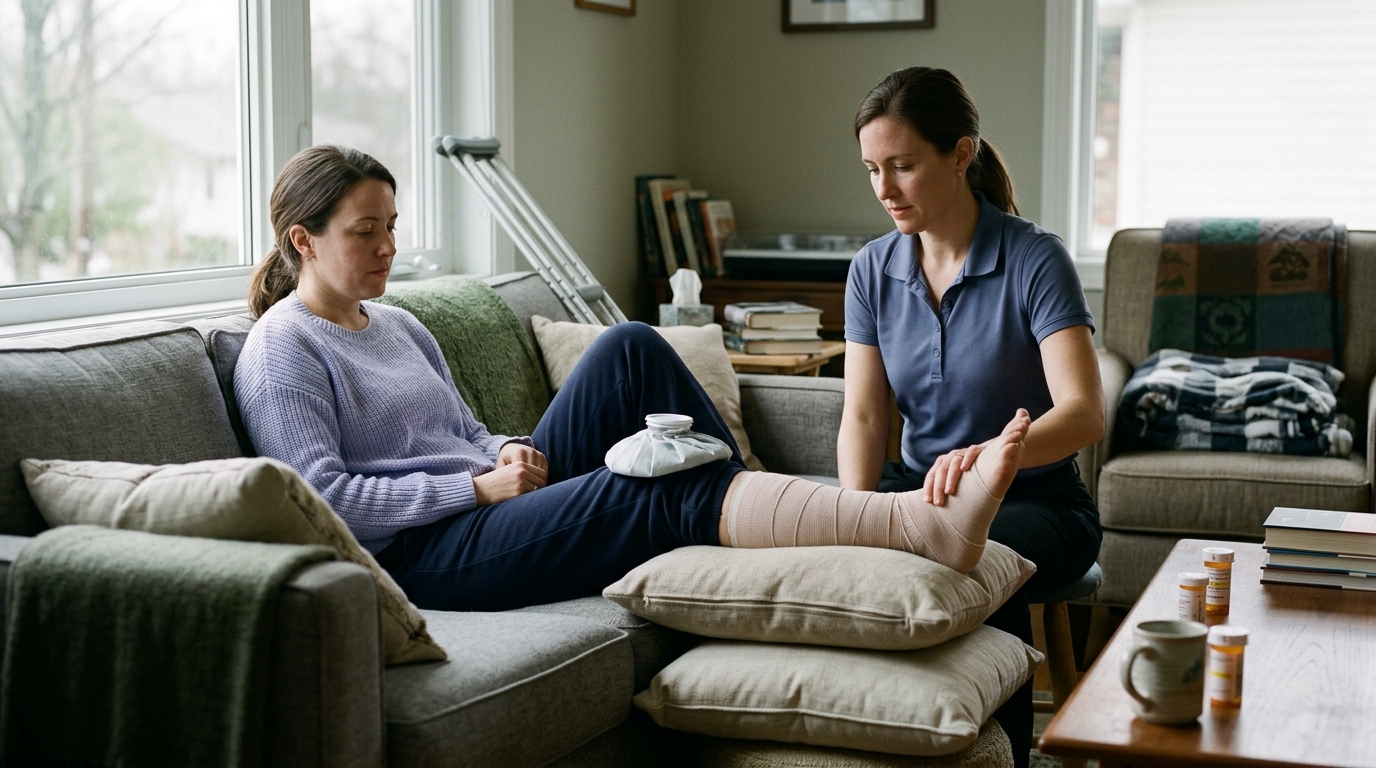
When an acute injury occurs, the most practical answer is straightforward. Cold application is generally used during the first few days to provide temporary pain relief and reduce excessive local swelling. Gentle heat is typically reserved for later stages, when acute inflammation has subsided and muscle stiffness or joint tightness becomes the main complaint.
Neither cold nor heat has been proven to speed up cellular tissue repair. They are tools for symptom management and short-term comfort. If an injury involves severe pain, visible deformity, numbness, or an inability to bear weight, temperature applications should never replace a formal medical evaluation.
When you sustain a sudden sprain or strain, deciding between a cold pack and a heating pad often feels urgent. The conventional standard in first aid has long favored cold application for fresh injuries. Major public health organizations, including the National Health Service (NHS), generally advise avoiding local heat on freshly injured or intensely inflamed areas during the first 48 to 72 hours.
The rationale behind this guideline relates to vascular physiology. Applying warmth to an acute injury causes local blood vessels to dilate. Vasodilation increases blood flow to tissues that may already be bleeding or accumulating fluid. This extra circulation can increase local swelling, throbbing, and tissue tension during the early inflammatory phase.
Cold application works in the opposite direction by temporarily narrowing local blood vessels. This vasoconstriction reduces peripheral blood flow to the skin and superficial tissues. Cold also slows the conduction speed of local sensory nerve fibers. This slowing produces a mild numbing effect that can take the edge off sharp, throbbing discomfort.
These physiological reactions provide temporary comfort, but they do not act as an on-off switch for tissue healing. The transition between the early inflammatory phase and subsequent tissue remodeling is a gradual biological process. The 48 to 72 hour guideline is a practical rule of thumb rather than an absolute biological deadline. If an area remains hot, tense, red, and swollen after three days, applying intense heat remains counterproductive.
For decades, sports culture treated ice as an indispensable cure that accelerated healing. Modern sports medicine and orthopedic research present a much more modest reality. High-quality clinical trials show that while cold application alters skin temperature and numbs pain, its ability to speed up structural recovery is largely unproven.
A landmark systematic review led by Chris Bleakley examined 22 randomized controlled trials involving 1,469 participants with acute soft-tissue injuries. The researchers analyzed the methodological quality of the available literature and found an average quality score of only 3.4 out of 10. The review found marginal evidence that combining ice with active exercise was effective for ankle sprains and post-surgical rehabilitation.
The same review found little evidence that adding ice to compression produced a meaningful clinical advantage over compression alone. Furthermore, the researchers found no conclusive evidence establishing an optimal cooling method, duration, or frequency of application.
Another systematic evidence review on cryotherapy outcomes reached a similar conclusion. The authors reported that available research is insufficient to prove that cold therapy improves primary clinical outcomes in acute soft-tissue trauma. Many existing human studies suffered from small sample sizes, lack of proper randomization, and absent blinding.
These findings do not mean that applying a cold pack is useless. They mean that cold should be viewed as an analgesic tool for temporary comfort rather than a biological accelerator of tissue repair. Numbing an ankle sprain may help you rest more comfortably, but it does not rebuild torn ligament fibers faster. Recognizing this distinction prevents the mistaken belief that icing more frequently will lead to faster recovery. You can review additional analyses in our articles on recovery science.
Thermotherapy, or local heat application, has a long history of use for soothing aching joints and tight muscles. Applying heat increases local tissue temperature, encourages vasodilation, and improves blood circulation to superficial tissues. Warmth also increases the elasticity of collagen tissues and decreases joint stiffness.
A comprehensive systematic review and meta-analysis evaluated the effects of local heat applications across various acute and chronic musculoskeletal disorders. The review found that local heat provided immediate, short-term improvements in pain relief, muscle stiffness, range of motion, and functional ability compared to control interventions.
The authors noted that the underlying studies had high heterogeneity and mostly unclear risks of bias. While local heat is a helpful comfort option for subacute or chronic muscle tension, it should not be applied indiscriminately to a brand-new, hot, swollen joint.
Gentle warmth is most helpful when an injury enters the subacute phase, typically several days after the initial incident. At this stage, active bleeding has stopped, but surrounding muscles may remain in a protective spasm. Heat can help relax these guarding muscles, reduce joint stiffness, and make gentle mobility exercises more comfortable.
The historical management of acute injuries was dominated by the RICE protocol, which stood for Rest, Ice, Compression, and Elevation. Coined in the late 1970s, RICE became standard advice across first-aid courses, athletic training rooms, and emergency clinics. Over time, sports medicine researchers began questioning whether complete rest and aggressive icing were truly beneficial for tissue repair.
In 2019, a prominent paper published in the British Journal of Sports Medicine introduced a modernized framework known as PEACE & LOVE. This framework divided recovery into two distinct phases: immediate care (PEACE) and subsequent rehabilitation (LOVE).
The first phase focuses on protecting the tissue without unnecessarily shutting down the natural recovery response.
The recommendation to avoid excessive anti-inflammatory measures represents a major philosophical shift. When soft tissue is damaged, the body initiates an inflammatory response involving neutrophils and macrophages. These immune cells clear cellular debris and release growth factors that signal tissue repair.
The authors of the PEACE & LOVE framework raised concerns that aggressive, continuous icing might delay or impair these natural reparative processes. While this argument remains an active subject of research rather than a closed debate, it highlights a crucial point. Inflammation is a necessary first step in healing rather than an error that must be eliminated.
After the first few days have passed, management shifts toward active tissue remodeling.
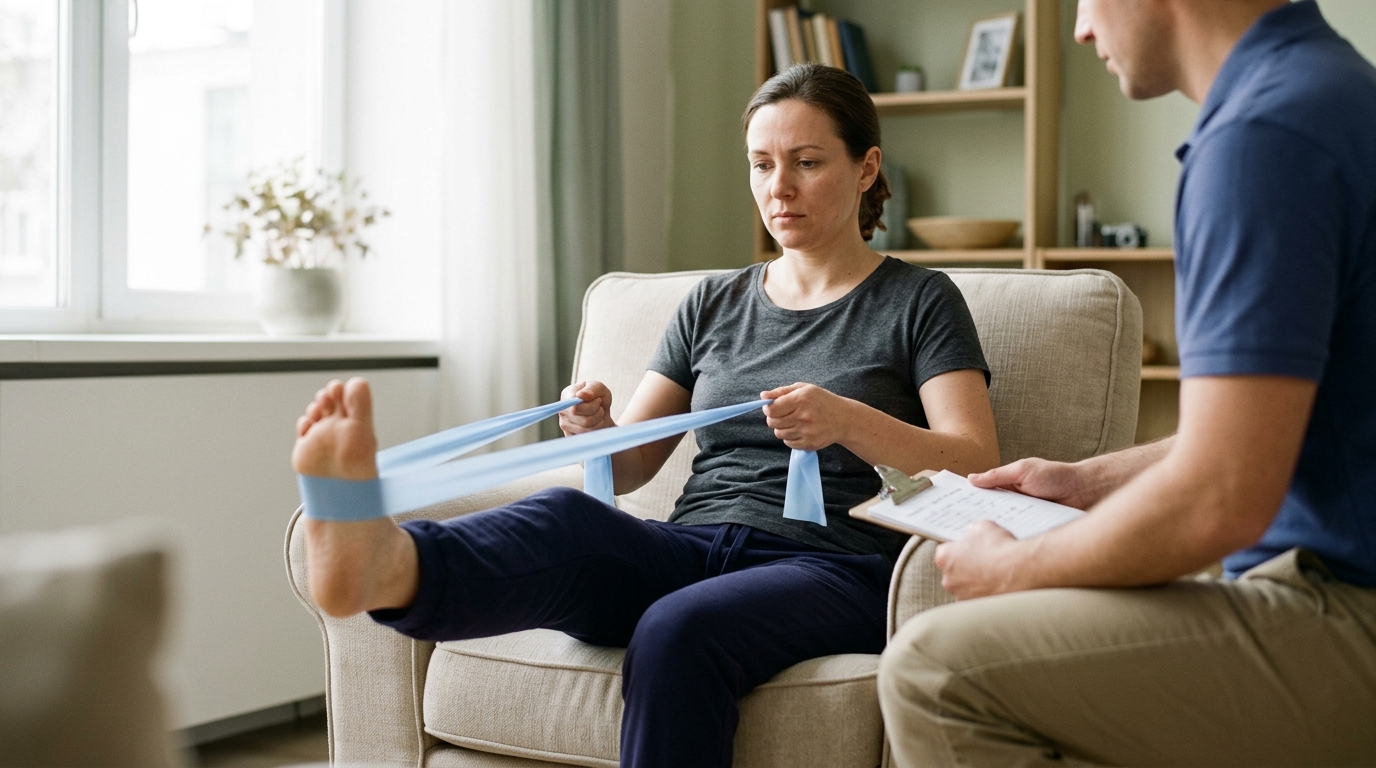
Modern recovery science emphasizes movement, appropriate loading, and active rehabilitation over passive modalities. Cold and heat can play a supporting role in managing symptoms so you can participate in these rehabilitation steps. You can read more about structured rehabilitation in our evidence-based injury recovery resources.
Choosing between cold and heat depends on several variables rather than a simple countdown timer. Every individual, injury type, and medical background introduces unique considerations that influence safety and comfort.
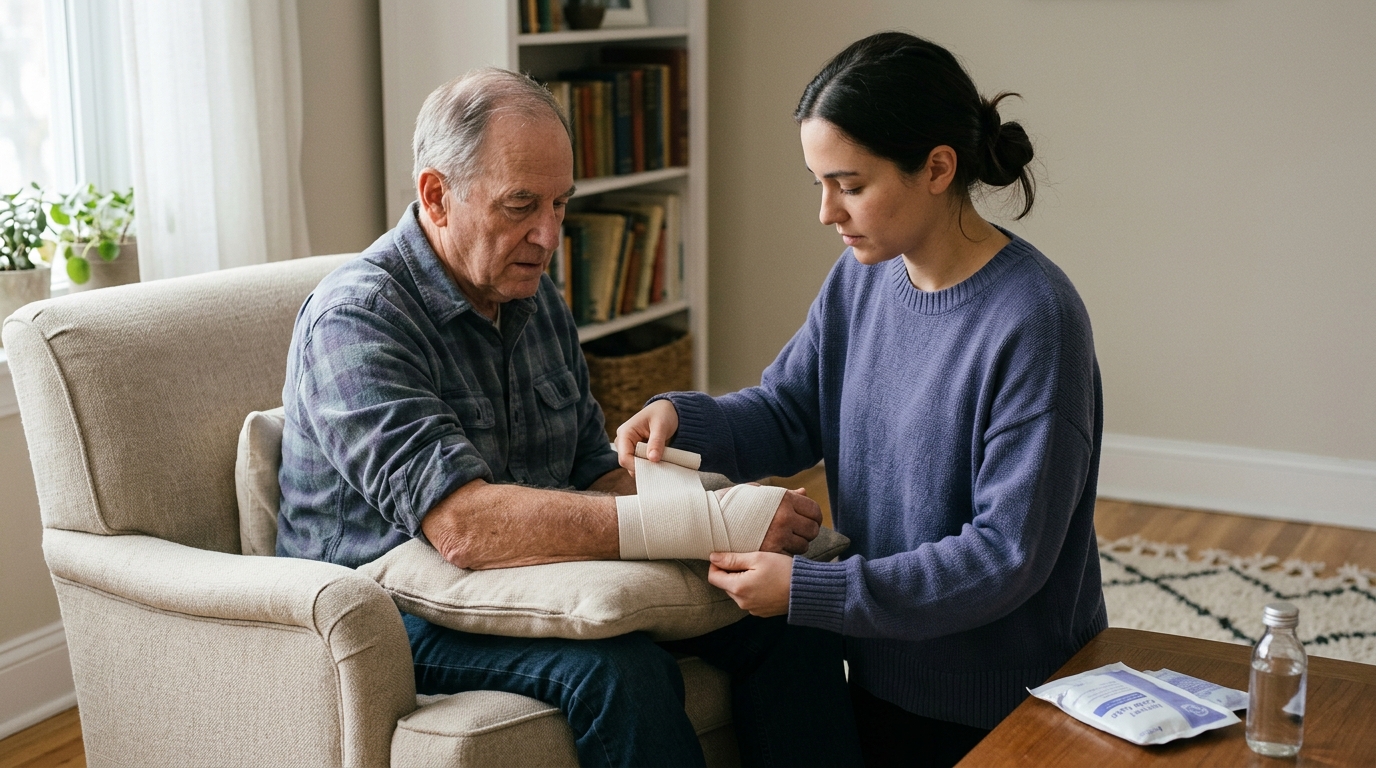
The biological condition of the injured tissue is the primary factor. A joint that is visibly swollen, warm to the touch, and throbbing from an incident that occurred two hours ago requires different care than a back muscle that feels tight after a long walk. Fresh, hot, and reactive tissues generally respond better to brief cold applications or gentle compression. Chronic aches, morning stiffness, and persistent muscle tightness usually respond better to mild, soothing warmth.
Different anatomical tissues respond differently to thermal changes. Superficial ligament sprains, such as a mild lateral ankle sprain, sit just below the skin and cool down quickly with an ice pack. Deep muscle groups, like the gluteal or hip rotator muscles, are insulated by layers of skin, fat, and fascia.
Applying an ice pack or heating pad to the skin over deep muscle groups primarily stimulates superficial skin receptors rather than substantially altering the temperature of the deep tissue itself. In these cases, the primary benefit is sensory relief rather than a profound thermal shift in the injured muscle.
Normal nerve sensation and healthy blood flow are essential for using thermal therapies safely. Conditions such as diabetic neuropathy, peripheral artery disease, Raynaud's phenomenon, and deep vein thrombosis significantly alter how the body responds to temperature.
A person with reduced sensation cannot accurately gauge whether a pack is burning or freezing the skin. Individuals with impaired circulation cannot dissipate local heat effectively or warm up tissues after cold exposure. In these circumstances, home application of ice or heat carries a high risk of tissue injury and should only be undertaken with specific clinical clearance.
Surgical recovery follows different rules than non-surgical sprains and strains. Surgeons and physical therapy teams often provide strict protocols regarding post-operative cold therapy or the use of specialized motorized cooling units.
Incision sites must be kept dry, and skin sensation around surgical scars is frequently diminished due to severed sensory nerves. Heat is often strictly prohibited near fresh surgical incisions due to the danger of infection, wound dehiscence, and bleeding. Patients navigating this stage should consult our surgical rehabilitation guidance and follow their surgeon's explicit instructions.
Individual sensory preference matters. If an ice pack makes you tense, shiver, and feel more uncomfortable, forcing yourself to use it is counterproductive. Stress and muscle guarding can amplify pain perception. If an evidence-backed comfort modality causes distress, it is completely reasonable to skip it and focus on gentle rest, elevation, and light movement instead.
When you decide to use cold or heat for symptom relief, following established safety guidelines protects your skin and underlying tissues from accidental damage.
Cold therapy should soothe discomfort without causing frostbite, skin irritation, or nerve damage.
Applying heat requires equal caution to prevent superficial burns and avoid aggravating active inflammation.
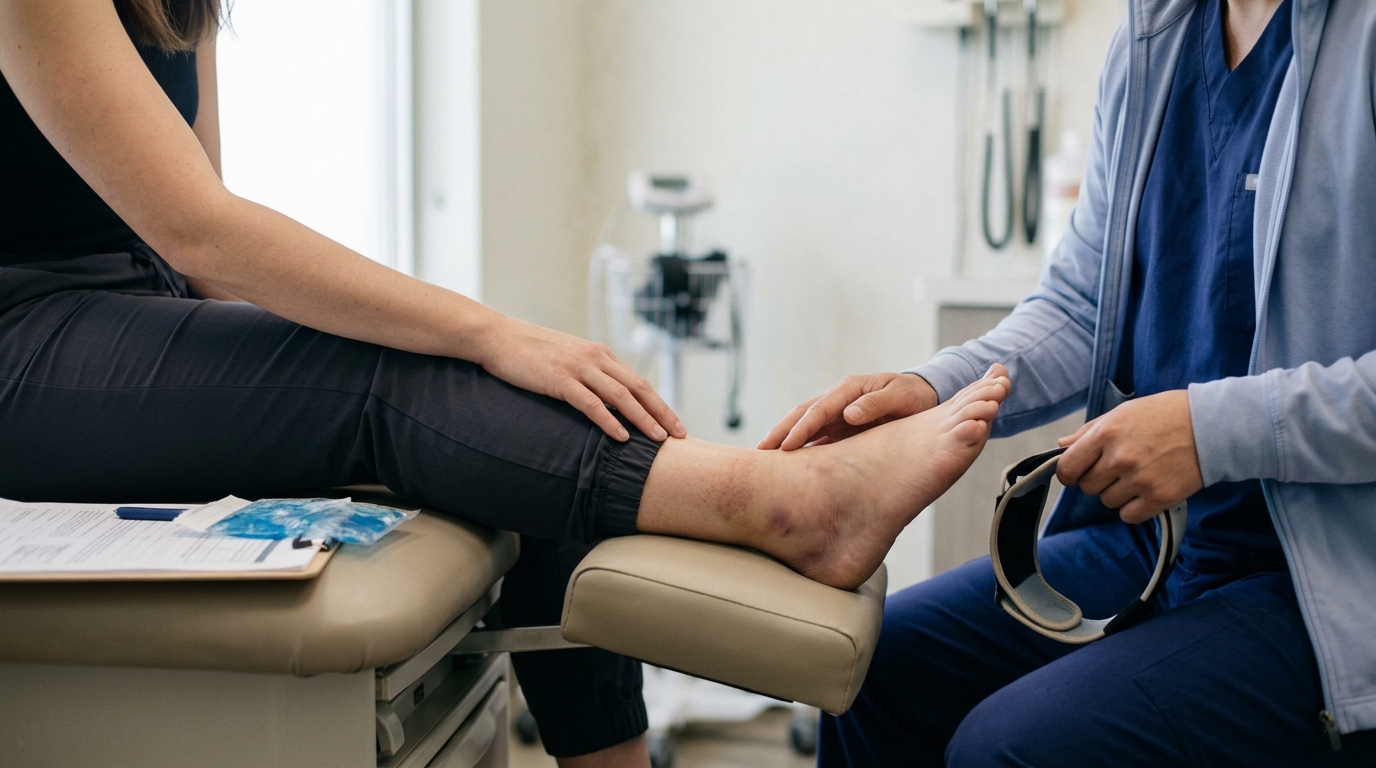
Thermal applications are comfort measures, not emergency treatments. Using ice or heat should never delay medical care when red-flag symptoms are present. Certain signs indicate structural damage, circulatory compromise, or serious underlying pathology that requires immediate clinical evaluation.
If you experience any of the following symptoms after an injury, seek professional medical evaluation promptly:
Pain relief from an ice pack or hot towel does not mean that an injured joint is structurally stable. Masking symptoms with cold while continuing to place full weight on a severely compromised ligament can lead to further tissue damage. When in doubt, prioritize an accurate diagnosis over home remedies.
Discussing thermal therapies with your physician or physical therapist helps ensure that home comfort measures align with your overall rehabilitation plan. Clear communication clarifies whether cold or heat is safe for your specific diagnosis.
Here are practical questions to bring to your next clinical appointment:
Taking these questions to your provider prevents confusion and helps integrate comfort measures smoothly into your broader recovery strategy.
Ice and heat are optional, comfort-oriented tools designed to help manage symptoms during physical recovery. Cold therapy provides a temporary numbing effect that can ease acute pain and calm intense early swelling. Heat therapy offers soothing warmth that relaxes guarding muscles, eases joint stiffness, and makes gentle movement more manageable in subacute and chronic stages.
Neither modality speeds up biological tissue healing, repairs torn structural fibers, or replaces active rehabilitation. Long-term recovery depends on progressive loading, strength rebuilding, tissue remodeling, and healthy movement habits.
Thermal therapies should be used with realistic expectations, proper skin barriers, and careful attention to application times. When an injury is accompanied by severe pain, instability, inability to bear weight, or circulatory changes, professional medical assessment must always come first.
Alternating between cold and warm water baths or packs is known as contrast therapy. This technique is often used by athletes to manage muscle soreness and create a sensory pumping effect in superficial blood vessels. While some people find contrast therapy comforting for chronic foot, ankle, or hand stiffness, high-quality clinical evidence does not prove that it speeds tissue recovery compared to standard care. If you choose to try contrast therapy on a subacute injury, ensure the water temperatures are moderate and avoid extreme temperature swings that could irritate sensitive skin.
Applying ice directly to an injured muscle or joint right before intense exercise is generally not recommended. Cold application reduces nerve conduction velocity, dulls pain perception, and temporarily impairs joint position sense and muscle reflexes. Exercising on a numbed limb can increase your susceptibility to reinjury because your body cannot respond quickly to unexpected balance perturbations. If you need comfort before exercising, gentle warmth, light aerobic warm-ups, and active mobility drills are safer ways to prepare tissues for movement.
The debate over cold therapy stems from research into the role of inflammation in tissue repair. The body relies on an initial inflammatory cascade to bring specialized white blood cells to the injury site to clean up cellular debris and initiate collagen synthesis. Some researchers and clinicians argue that prolonged or aggressive icing may slow local blood flow enough to interfere with this natural healing response. While brief cold application for comfort is unlikely to stop healing, modern sports medicine places far less emphasis on aggressive icing than it did in the past.
A warm bath or shower provides systemic warmth that can help relax tense muscles throughout the body and promote general relaxation. A localized heating pad concentrates warmth on a specific joint or muscle group, which can be useful before performing targeted rehabilitation exercises. Both approaches offer temporary relief from muscle tightness and joint stiffness, provided the water or heating pad is kept at a safe, comfortable temperature. Ensure you stay well-hydrated when using warm baths, and avoid very hot soaks if you have cardiovascular conditions or acute, swollen injuries.

Use ReboundBody resources to understand common recovery stages, rehab terms, movement limits and strength rebuilding. Each guide is designed to make a complex comeback easier to understand.


Read practical guidance on injury recovery, rehabilitation, mobility and rebuilding strength as you work your way back to activity.
Explore Resources