Make the next stage of recovery clearer
Read practical guidance on injury recovery, rehabilitation, mobility and rebuilding strength as you work your way back to activity.
Explore Resources

A mouse study linked alternate-day fasting to larger regenerating muscle fibers. It did not establish better muscle force or benefits for human recovery.


A rotator cuff trial found earlier motion gains but similar one-year outcomes. Understand the studied repairs, safety limits and questions for your care team.

A small ACL trial reported better six-month knee scores with secretome. Read the findings and the unanswered questions about healing and lasting benefit.
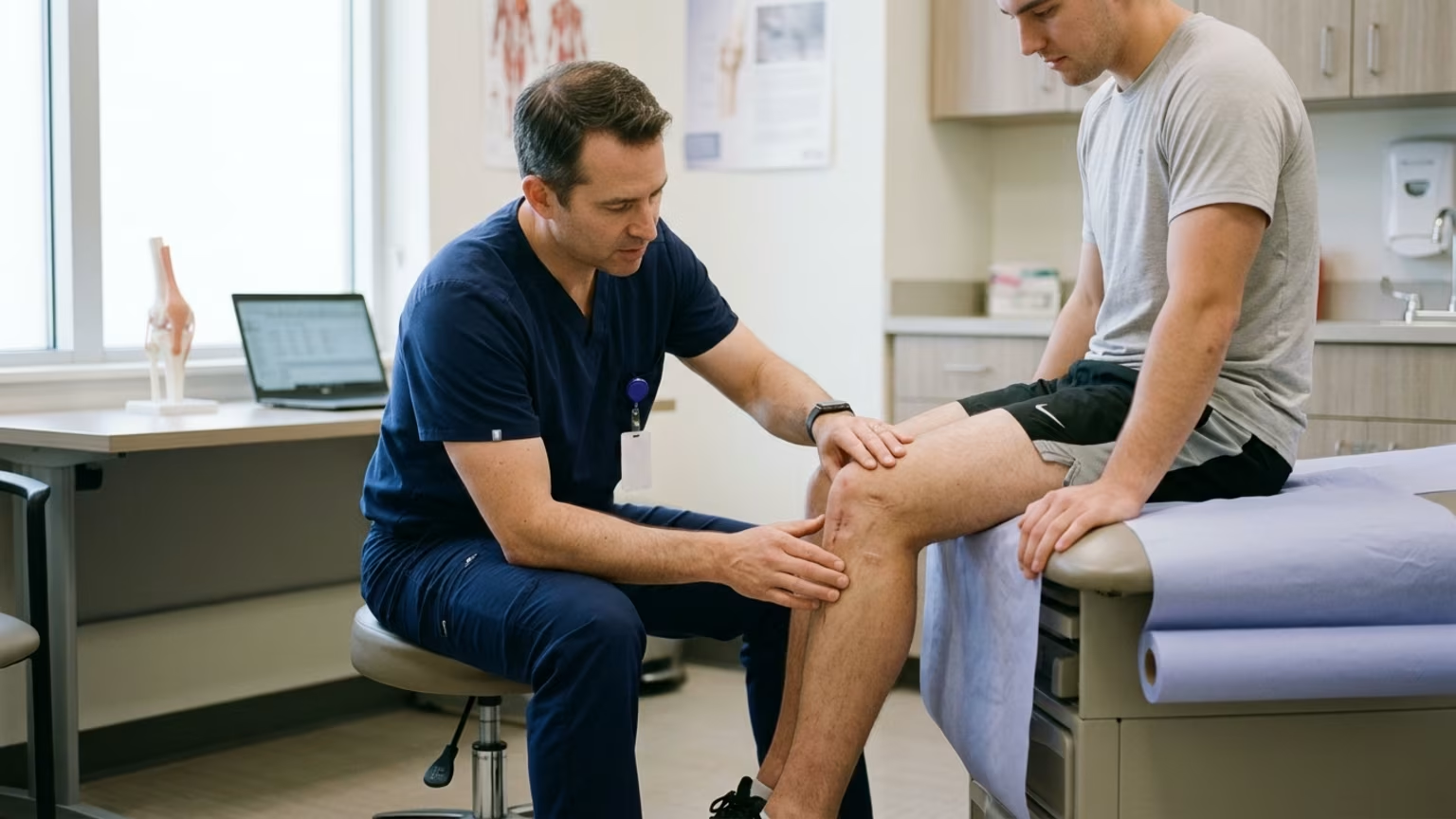
A small ACL trial reported similar one-year results for peroneus longus and hamstring grafts. See the findings, reporting issues and recovery context.
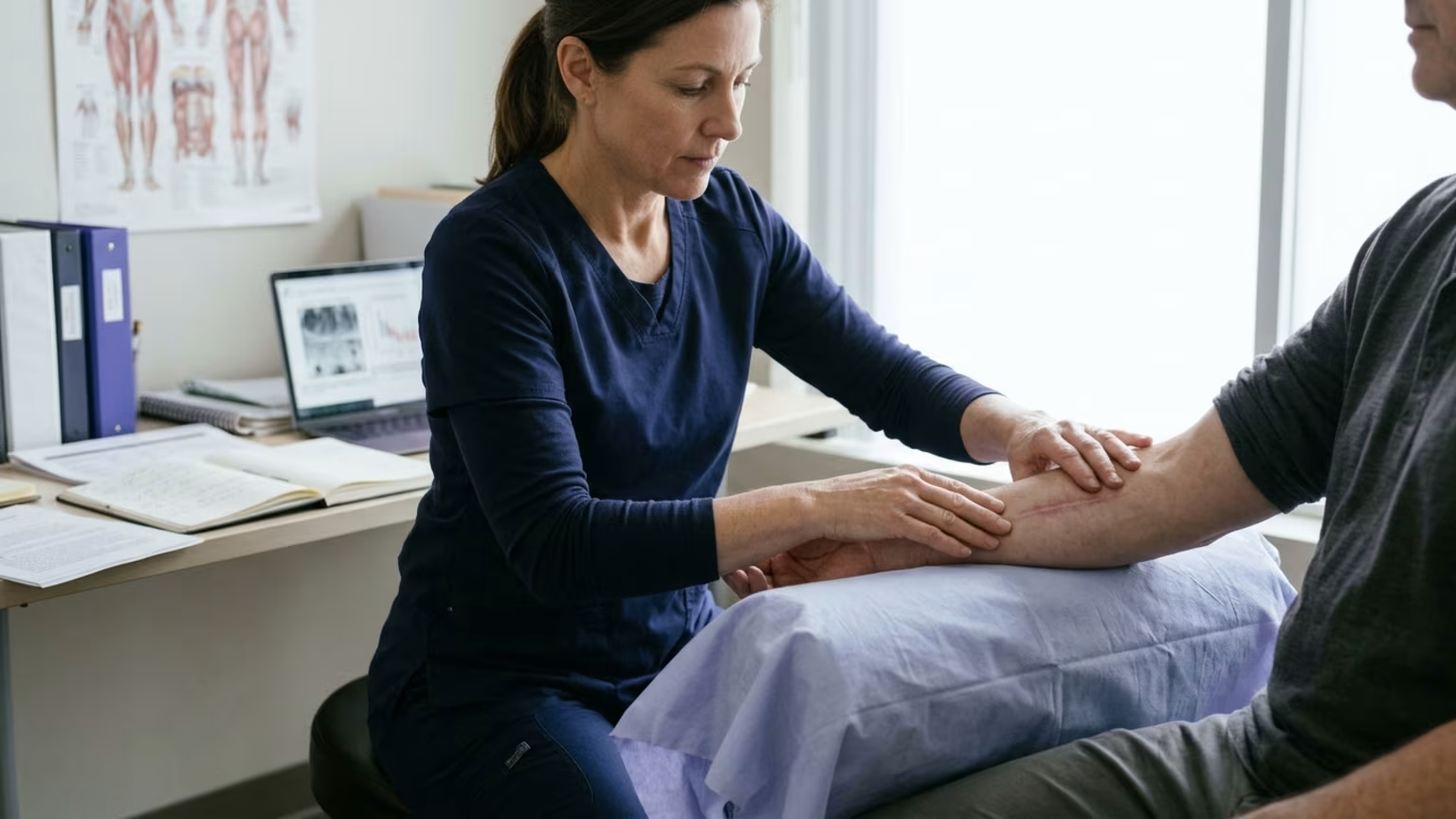
A November report examines scars and deeper tissues. Understand its findings on movement, its evidence limits and why tissue changes do not settle treatment choices.

Early inflammation plays a role in healing. Learn why reducing it is not the whole goal and how symptoms and treatment choices need context.
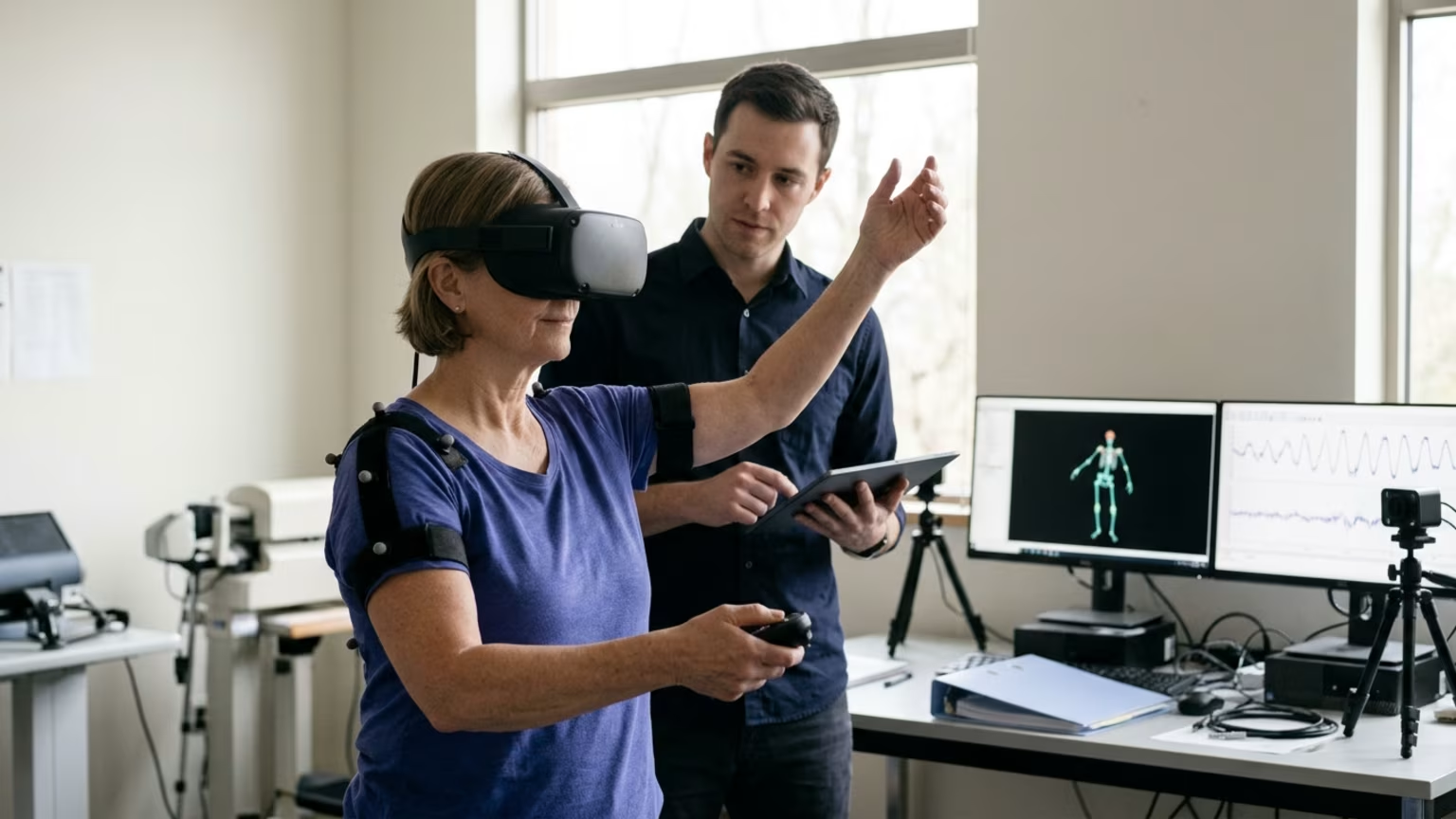
A small rotator-cuff study linked VR-measured shoulder smoothness with function. Read the movement-specific findings and the limits of the evidence.

A rat Achilles study found impaired fluid drainage and strength despite symptom gains. Learn what the findings mean and which questions remain open.
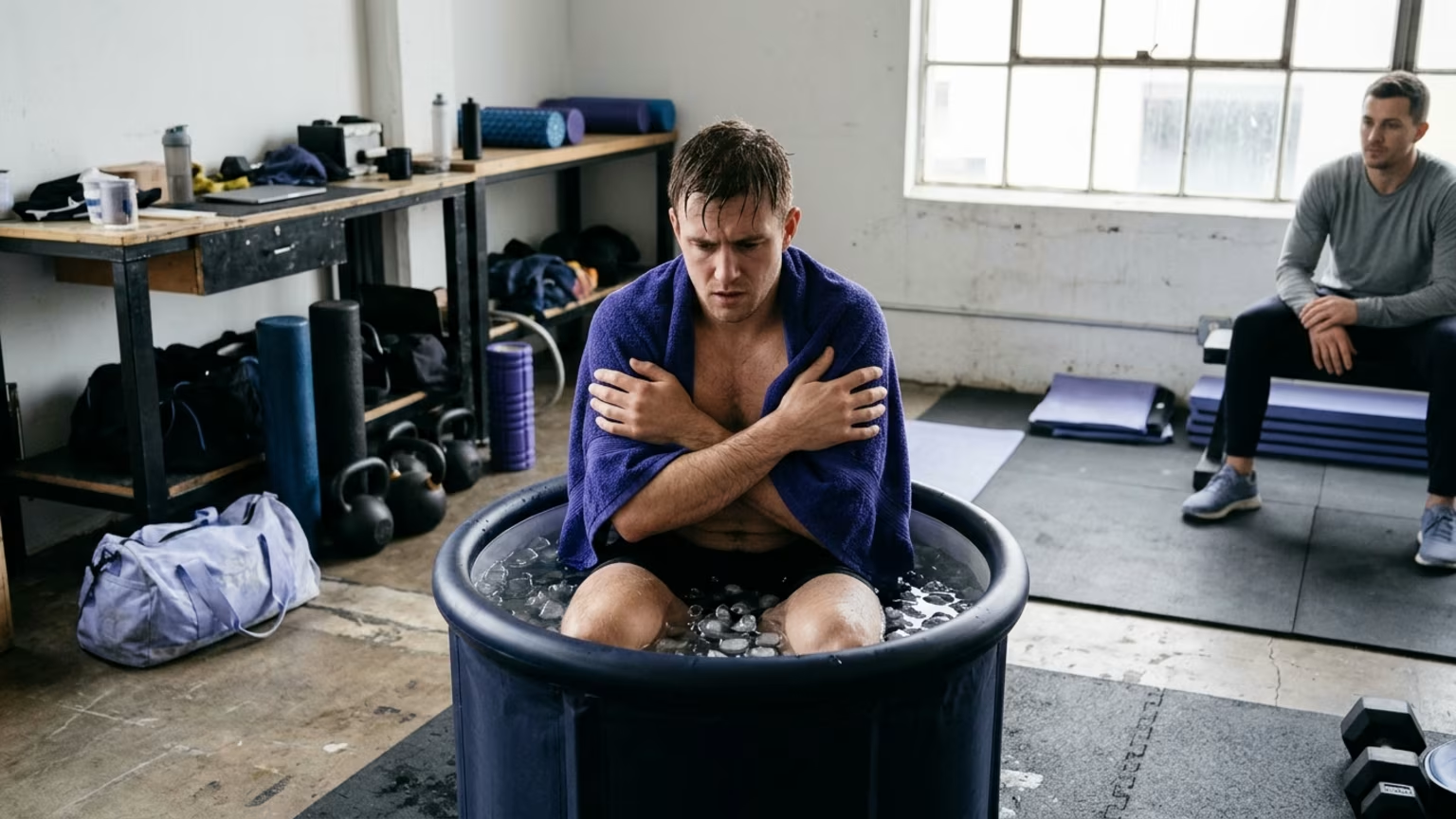
A small ice-bath study found short-lived pain relief without a clear strength-recovery advantage. Here is how to read the findings and their limits.

Reviewed TFCC repair guidance separates pain relief from strength and function, with approximate milestones for returning to work and activity.

A tennis recovery report separates tissue healing from sport readiness. Learn how to interpret wrist recovery ranges and discuss return-to-play milestones.

A Springer retraction listing raises questions about a knee-recovery prediction claim. Separate studies show why sensor findings need careful context.

Understand how bone healing, tendon remodeling and cartilage recovery differ, and why regaining movement may continue after tissue repair.

Inflammation plays different roles in repair. Review the evidence, its limits and the symptom changes that warrant medical assessment.

Understand where aquatic therapy may fit in rehabilitation, what studies report about pain and function, and which questions to discuss with a therapist.

Why fragility-fracture recovery includes bone-health follow-up, what a pilot trial found, and why stem-cell repair approaches remain investigational.
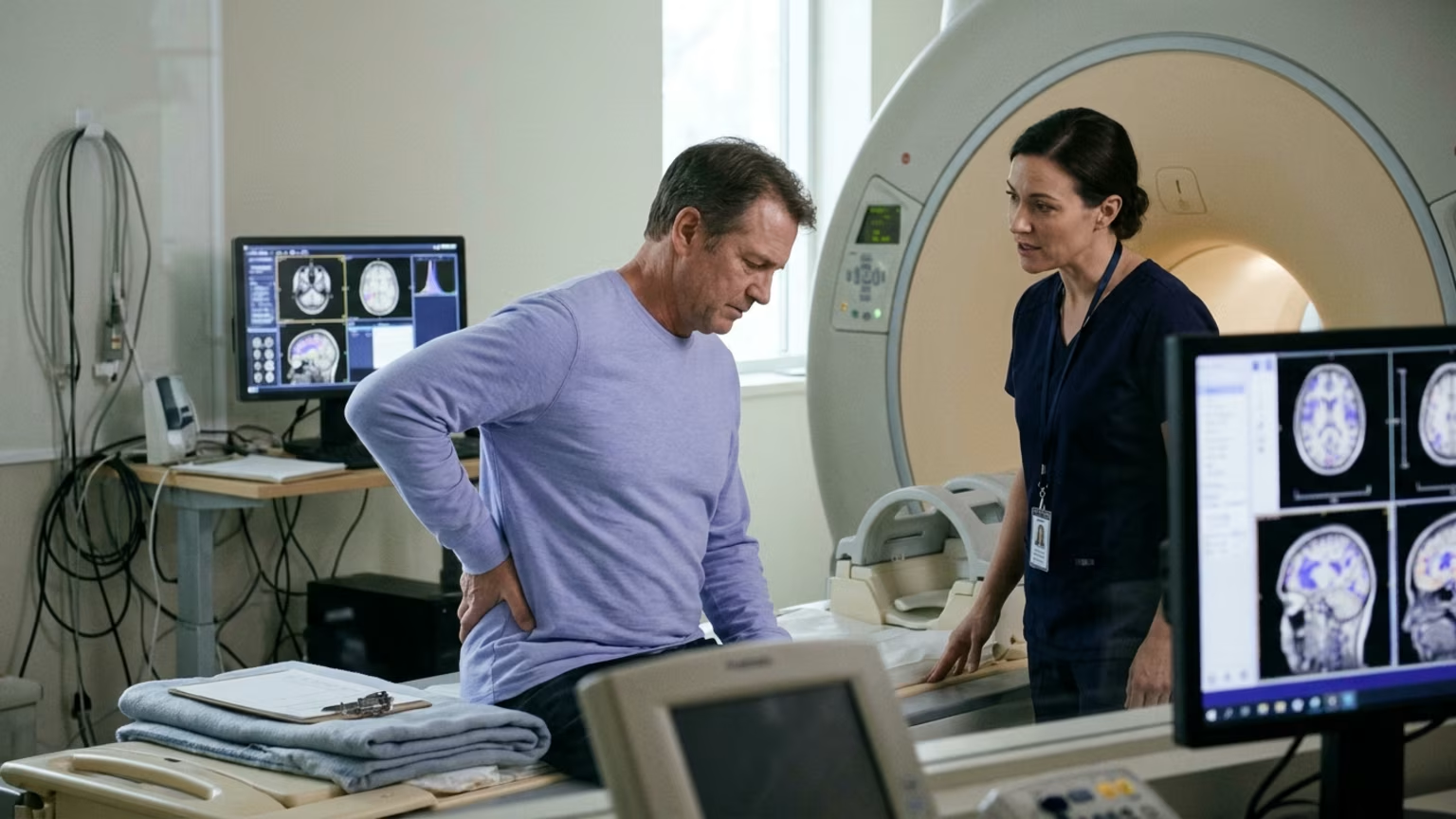
A study of 114 adults links movement-triggered back pain to self-related brain processing. Learn what it found and why it does not change care.
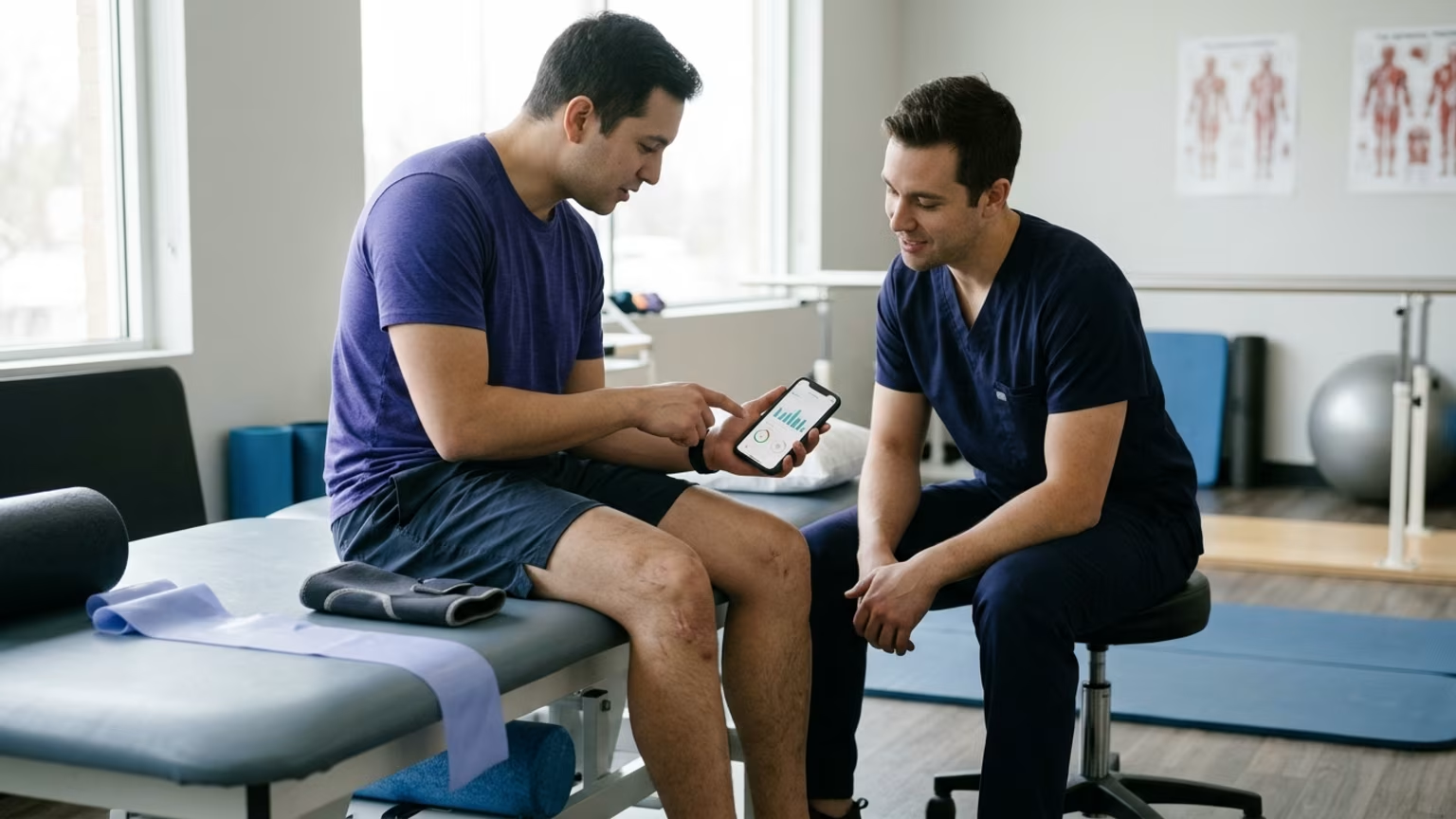
A study linked smartphone steps with reported ACL recovery outcomes. Learn what the findings mean and why they do not establish a walking goal.
Read practical guidance on injury recovery, rehabilitation, mobility and rebuilding strength as you work your way back to activity.
Explore Resources




