
A safe and balanced post-injury recovery plan helps you manage discomfort effectively by combining functional goals, layered nonopioid medications, and physical therapy strategies.





Most people assume pain management after a serious injury or surgery is a simple choice between taking powerful prescription drugs or enduring severe discomfort in silence. Medical research shows that the most effective relief rarely comes from a single pill or an all-or-nothing mindset. Instead, safe recovery relies on a layered plan that combines different physical strategies, over-the-counter options, and targeted prescriptions when necessary.
Pain relief is an individualized process rather than a rigid formula. The primary goal of recovery is rarely absolute zero pain. Aiming for complete numbness can lead to excessive medication use and unwanted side effects. The real objective is reducing pain to a manageable level so you can rest, breathe deeply, move safely, and participate in rehabilitation.
Every injury and surgical procedure creates a distinct healing timeline. What works for a minor sprain will not be enough for major joint reconstruction. Furthermore, your personal health history, current prescriptions, and individual recovery goals directly shape what is safe and effective for you.
Relying solely on a zero-to-ten pain scale can give an incomplete picture of your recovery. A pain score measures intensity at a single moment, but it does not reveal how you are functioning. A person might report a pain score of four while walking comfortably down the hallway. Another person might report a four while feeling too miserable to get out of bed.
Authoritative guidelines from the Centers for Disease Control and Prevention emphasize setting treatment goals based on both pain intensity and physical function. Tracking functional milestones helps you and your care team understand whether your pain relief strategy is actually working. When preparing for conversations with your clinician, it helps to frame your progress around what pain allows or prevents you from doing.
Focusing on functional recovery helps you evaluate your comfort in practical daily categories:
When you evaluate pain through the lens of function, success means regaining the ability to perform vital daily actions safely. If a medication leaves you completely pain-free but so dizzy or sedated that you cannot walk safely, that plan is not supporting your recovery. Communicating functional limits gives your doctor the clear information needed to adjust your plan.
The standard of modern postoperative and post-injury care is multimodal pain management. Multimodal care means combining two or more distinct treatment methods to calm pain pathways through different mechanisms. Guidelines from the National Institute for Health and Care Excellence recommend combining analgesics from different classes for postsurgical discomfort. Research from the Agency for Healthcare Research and Quality shows that pairing nonopioid medications with other therapies improves comfort while lowering overall drug requirements.
Using multiple targeted methods allows each component to work at a lower, safer dose. This layered approach reduces the risk of severe side effects from any single treatment. You can explore broader injury recovery and healing resources to understand how these elements fit into a wider rehabilitation routine.
Physical measures form the foundation of acute recovery. Techniques such as targeted cold application, limb elevation, gentle compression, and structured rest directly reduce tissue swelling and calm irritated nerve endings. These strategies provide meaningful relief without introducing chemical side effects or drug interactions.
Nonopioid drugs target peripheral inflammation and central pain signaling. This broad category includes over-the-counter pain relievers, prescription anti-inflammatory drugs, topical patches, and certain nerve-stabilizing medications. The CDC notes that nonopioid options are at least as effective as opioids for many common acute musculoskeletal injuries and minor surgical procedures.
Opioid medications modify how the central nervous system perceives severe pain signals. They serve an important role in managing severe traumatic injuries or extensive, invasive surgical operations. Authoritative clinical guidelines emphasize that opioids should be used as one part of a larger plan rather than the sole method of pain control.
Nonmedicine strategies should never be dismissed as minor additions. When applied correctly, physical measures alter blood flow, reduce localized pressure, and interrupt pain signals before they reach the brain. They give you active, practical tools to manage discomfort throughout the day.
The appropriateness of any physical strategy depends strictly on your specific injury and the surgical procedure performed. What soothes an acute ankle sprain could disrupt healing after complex joint reconstruction. Always confirm procedure-specific precautions with your surgeon or physical therapist before starting new physical therapies.
Cold therapy causes local blood vessels to narrow, which limits the fluid accumulation that causes painful swelling. Cold also temporarily slows nerve conduction, providing a natural numbing effect across injured tissues. For acute sprains, fractures, and immediate postsurgical incisions, ice packs applied over a protective cloth barrier offer reliable relief.
Elevation works alongside cold therapy by using gravity to assist venous return. Elevating an injured limb above the level of your heart prevents fluid from pooling in distal tissues. Reducing swelling lowers the physical pressure placed on local pain receptors, which directly relieves throbbing sensations.
Heat therapy expands blood vessels, promoting local circulation and relaxing tense, guarding muscles. Heat is generally avoided during the immediate acute inflammatory stage because increased blood flow can worsen active swelling. In subacute phases or for secondary muscle spasms in the neck and back, gentle warmth can ease stiffness and restore comfort.
Always check with your care team before applying heat near fresh incisions or acute joint trauma. Heat should never be applied to areas with reduced skin sensation or over active inflammation without explicit clinical guidance.
Rest does not always mean complete immobility. In modern rehabilitation, relative rest involves protecting the injured structure while maintaining safe, gentle movement in surrounding joints. Splints, braces, or slings may be used temporarily to prevent harmful joint positions and allow damaged tissues to mend without mechanical strain.
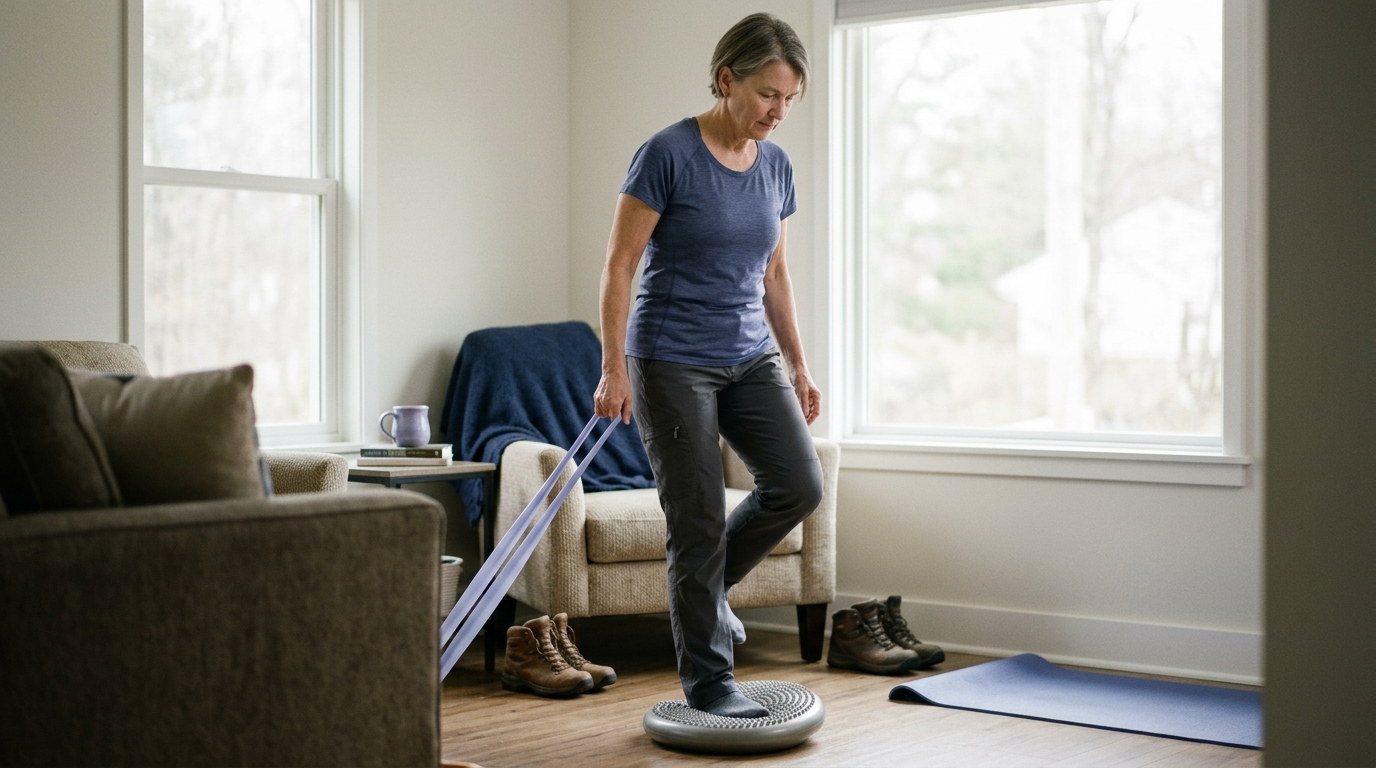
As healing progresses, guided physical activity becomes essential. Gentle, prescribed exercises stimulate blood flow, prevent joint stiffness, and help clear inflammatory byproducts from the tissues. You can learn more about structured progression by reviewing restoring safe mobility and movement guidelines.
Pain is a complex neurobiological experience influenced by stress, fear, and fatigue. Techniques such as diaphragmatic breathing, guided relaxation, and cognitive behavioral strategies help calm an overactive sympathetic nervous system. Lowering systemic stress hormones can reduce muscle guarding and decrease the perceived intensity of acute pain signals.
Nonopioid medications are central to acute pain management, but they must be used with clear understanding and care. Many people assume that because a medication is sold over the counter, it carries no meaningful health risks. All medications carry distinct contraindications, potential side effects, and safe daily limits that must be respected.
Understanding the difference between active ingredients prevents accidental misuse. Two completely different brand-name bottles on a pharmacy shelf may contain the exact same chemical compound. Careful label reading ensures you do not take dangerous overlapping doses.
Acetaminophen acts primarily within the central nervous system to reduce pain signaling and lower fevers. It does not reduce peripheral tissue swelling or target localized inflammation. Because it works differently than anti-inflammatory drugs, clinicians often pair it with other agents in a multimodal recovery plan.
The Food and Drug Administration issues clear warnings regarding acetaminophen safety. Taking too much acetaminophen can cause severe liver injury, acute liver failure, and death. The risk of accidental overdose increases dramatically when patients combine over-the-counter cold remedies, sleep aids, or prescription opioid combination pills that also contain acetaminophen.
Always check the active ingredients list on every product you take. If your prescription pain tablet contains acetaminophen, you must avoid taking additional over-the-counter acetaminophen products simultaneously.
Nonsteroidal anti-inflammatory drugs, commonly known as NSAIDs, work by blocking cyclooxygenase enzymes. These enzymes produce prostaglandins, which are the chemical messengers that generate pain, swelling, and localized fever. By reducing prostaglandin production at the injury site, NSAIDs ease inflammatory pain.
Despite their widespread use, NSAIDs are not suitable for every individual. They can irritate the stomach lining, increase the risk of gastrointestinal bleeding, place temporary strain on kidney function, and influence blood pressure. People with a history of stomach ulcers, kidney disease, heart conditions, or bleeding disorders require personalized guidance before taking NSAIDs.
Surgeons may also provide specific timing instructions regarding NSAIDs after certain bone or tendon procedures. Discuss your complete medical history with your surgeon before starting oral anti-inflammatory medications.
Topical pain relievers offer targeted relief with lower absorption into the general bloodstream. Nonsteroidal anti-inflammatory gels and local anesthetic skin patches can be applied directly to intact skin over painful muscles or joints. They reduce localized discomfort while minimizing systemic risks for your stomach, kidneys, and liver.
In specific nerve-related injuries or complex surgical recoveries, clinicians may also prescribe medications designed to calm hypersensitive nerve fibers. These agents require consistent administration and structured tapering under medical supervision.
Opioid pain medications are powerful prescription drugs that alter how the brain and spinal cord process severe pain signals. Clinical guidelines from the CDC state that opioids have an important, legitimate role after major traumatic injuries and invasive surgeries associated with moderate-to-severe discomfort. They are not required for every operation or every person, and they should be used with clear safety boundaries.
When an opioid is prescribed, the goal is to provide short-term relief that allows essential rest and safe movement during the most intense initial healing phase. Understanding how these medications work, their common side effects, and how to safely discontinue them helps you avoid unnecessary risks.
Clinical evidence shows that while opioids can blunt severe acute pain, they do not accelerate tissue healing. In observational studies reviewed by the CDC, the proportion of adults who developed new long-term opioid use after short-term surgical prescribing ranged from less than 1% to 13%. This wide range reflects differences in surgical intensity, individual health vulnerabilities, and prescribing patterns across diverse populations.
Research also demonstrates that patients often receive far more medication than their recovery requires. In clinical studies evaluating common operations, the median opioid consumption was three 5-milligram oxycodone tablets or fewer. Across multiple surgical procedures, between 47% and 56% of prescribed opioid pills went unused by patients.
In emergency department research examining acute pain, 92.5% of patients reported having leftover medication, and 52.2% of all dispensed pills remained unused. The study noted that the duration of opioid use varied considerably across different conditions:
These numbers represent study medians rather than strict rules for your personal care. However, they highlight why modern guidelines advise doctors against dispensing large quantities of pills simply just in case pain lasts longer than expected.
Opioids carry substantial physiological side effects that require active management. Common side effects include nausea, dizziness, vomiting, mental cloudiness, and significant constipation. Because opioids slow gastrointestinal motility, care teams often recommend a bowel management plan, including adequate hydration and stool softeners, while taking these medications.
The FDA warns of severe, life-threatening risks when opioids are combined with other substances that depress the central nervous system. Combining an opioid with alcohol, benzodiazepines, muscle relaxants, or sedating sleep aids can cause extreme drowsiness, profound respiratory depression, coma, and death. You must inform your prescriber and pharmacist of every sedating substance or medication you use.
As your surgical site or injury begins to heal, your pain levels will naturally decline. Your need for strong prescription medication should decrease accordingly. You should transition toward nonopioid medications and physical therapies as soon as your discomfort becomes manageable.
If you have taken prescription opioids continuously around the clock for more than a few days, stopping them abruptly can cause uncomfortable physical withdrawal symptoms. These symptoms may include anxiety, sweating, muscle aches, chills, nausea, and rebound pain. The CDC advises discussing a gradual tapering plan with your prescriber to step down your daily dose smoothly and comfortably.
Securing prescription pain medications protects everyone in your household. Opioids should always be stored in a private, locked location out of sight and reach of children, visitors, and pets. Leaving potent medications in an unlocked medicine cabinet creates serious safety risks.
Once your pain has resolved, any remaining pills must be disposed of promptly rather than saved for future injuries. The FDA recommends using authorized community drug take-back locations or pharmacy drop boxes as the preferred disposal method. If take-back programs are unavailable, check the specific disposal instructions provided by your pharmacist.
No two bodies heal along the exact same timeline. Your overall health profile, personal biology, and the exact type of physical trauma you experienced all shape how your body processes pain and metabolizes medications. A pain relief plan must be tailored to these individual variables to remain safe and effective.
Understanding these variables helps you set realistic expectations for your physical recovery. You can read deeper insights on the science of physical recovery to see how bodily systems collaborate during tissue repair.
Your organ health dictates how your body absorbs, breaks down, and eliminates medications. Impaired kidney function can cause active drug metabolites to build up in your bloodstream, raising the risk of toxicity. Reduced liver function slows drug processing, requiring lower doses or alternative medication choices.
Cardiovascular health and gastrointestinal history also play major roles in decision-making. High blood pressure, heart disease, or past stomach ulcers may limit the safe use of standard oral NSAIDs. Informing your care team of all chronic health conditions ensures that your pain plan does not worsen underlying health problems.
The nature of your injury or operation directly determines the severity and duration of your post-procedure pain. Minimally invasive arthroscopic procedures involve less muscular disruption and generally require shorter pain management support. Extensive open surgeries, joint replacements, and complex bone realignment procedures involve higher tissue trauma and longer inflammatory phases.
You can review specialized guides on surgical comeback planning to understand what recovery entails after major operations. Knowing what is normal for your specific procedure prevents unnecessary anxiety when discomfort occurs during early rehabilitation.
People who live with chronic pain conditions or who have used pain medications over long periods experience acute pain differently. The nervous system can become sensitized, amplifying incoming pain signals from a new injury. This biological response is not imagined; it represents a heightened state of nerve signaling.
If you have pre-existing pain, a standard one-size-fits-all acute pain regimen may be inadequate. Your surgical team needs to know your baseline medication use before surgery so they can design a plan that covers acute surgical trauma without disrupting your established care.
Medication reconciliation is the formal process of creating the most complete, accurate list possible of all medicines you currently take. This list is then compared against new prescriptions and discharge orders to prevent dangerous overlaps, omissions, or drug interactions. Patient safety studies from the Agency for Healthcare Research and Quality emphasize that clear medication reconciliation during transitions of care prevents serious medical errors.
When you transition from a hospital or surgery center back to your home, communication gaps can easily occur. A new surgeon may not know about a supplement or prescription prescribed by your primary care doctor. Taking active ownership of your medication list is one of the most effective ways to protect your safety.
Maintaining your medication safety log requires attention to detail across every category:
Always bring this complete list, or the original bottles in a bag, to your preoperative appointments, hospital admission, and postoperative follow-ups. Show the list to your retail pharmacist whenever you pick up a new prescription. Pharmacists are medication safety experts who can quickly spot dangerous ingredient duplications or risky drug combinations.
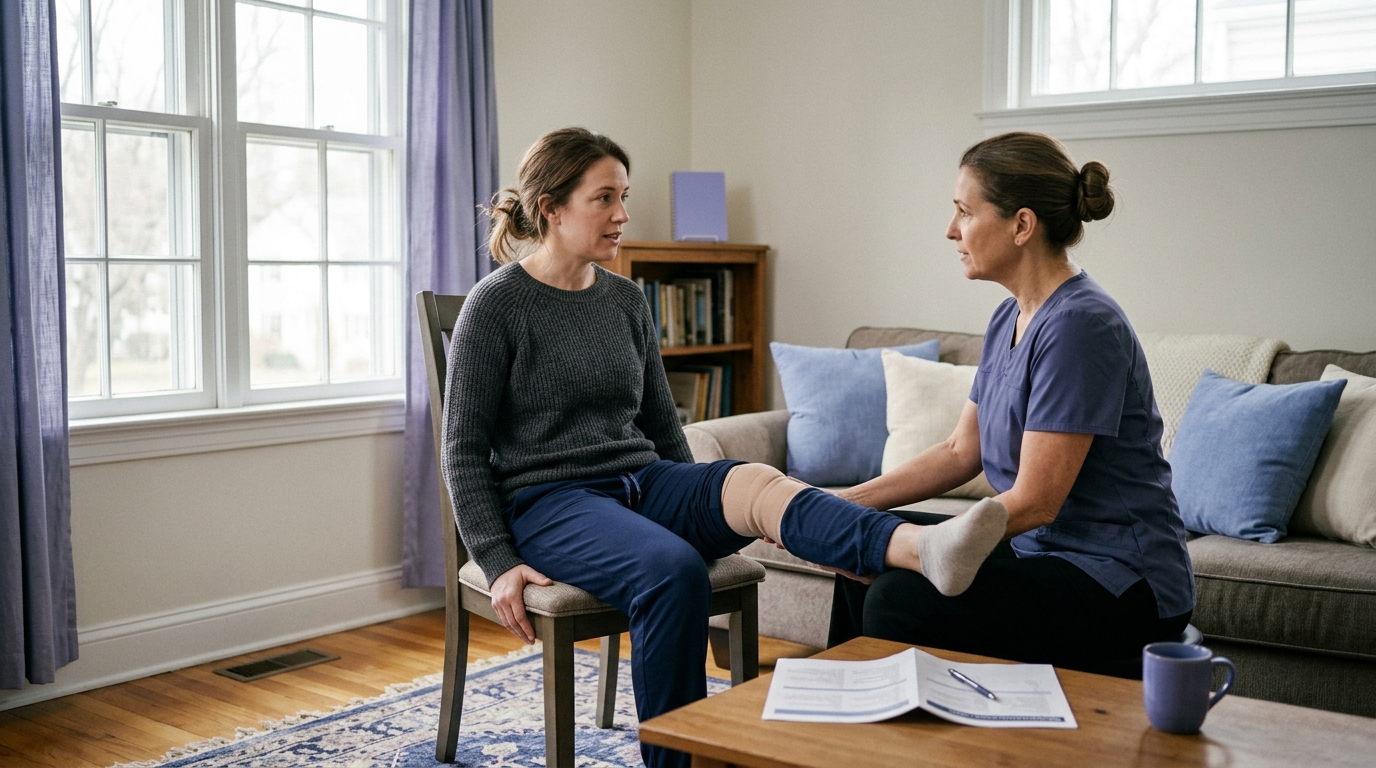
Advocating for your comfort and safety is a shared process. You are an active partner in your care, and clear communication with your doctors, nurses, and physical therapists leads to better recovery outcomes. Do not hesitate to ask questions about why specific treatments are recommended and what you should expect during each phase of healing.
You can learn more about coordinating rehabilitation by exploring our surgical recovery and rehabilitation articles. When meeting with your healthcare team, use the following structured questions to guide your conversations.
Pain plans are designed to manage expected recovery discomfort, but new or changing symptoms can indicate emerging medical complications. Pain that escalates suddenly, fails to respond to prescribed therapy, or is accompanied by systemic warning signs requires timely clinical reassessment rather than self-medication. Never simply increase your medication doses without speaking to your doctor.
Certain medication side effects represent true medical emergencies. If a person taking prescription opioids exhibits shallow breathing, blue or pale lips, or cannot be woken up, call emergency services immediately. These are life-threatening signs of severe central nervous system and respiratory depression that require immediate emergency medical care.
Severe allergic reactions also require emergency intervention. If you develop hives, facial swelling, difficulty swallowing, or sudden wheezing after taking any medication, seek emergency help immediately.
Unexpected increases in pain can signal structural problems, developing infections, or vascular issues that pain medications cannot solve. Contact your surgeon or treating clinician promptly if you notice any of the following warning signs:
Reaching out to your care team when red flags appear ensures that underlying complications are caught and treated early. Safe recovery is built on active observation, open communication, and adjusting your plan whenever circumstances change.
Navigating pain after an injury or surgery requires a balanced, informed approach that prioritizes your overall healing and long-term health. A safe recovery is never about enduring unnecessary suffering, nor is it about masking all physical sensations with high doses of sedating drugs. By working closely with your healthcare providers, tracking your functional abilities, and combining layered treatment strategies, you can protect your body while regaining comfortable, confident movement.
Safe pain management is an active partnership between you and your healthcare team that adapts to your needs as your body heals.

Use ReboundBody resources to understand common recovery stages, rehab terms, movement limits and strength rebuilding. Each guide is designed to make a complex comeback easier to understand.


Read practical guidance on injury recovery, rehabilitation, mobility and rebuilding strength as you work your way back to activity.
Explore Resources