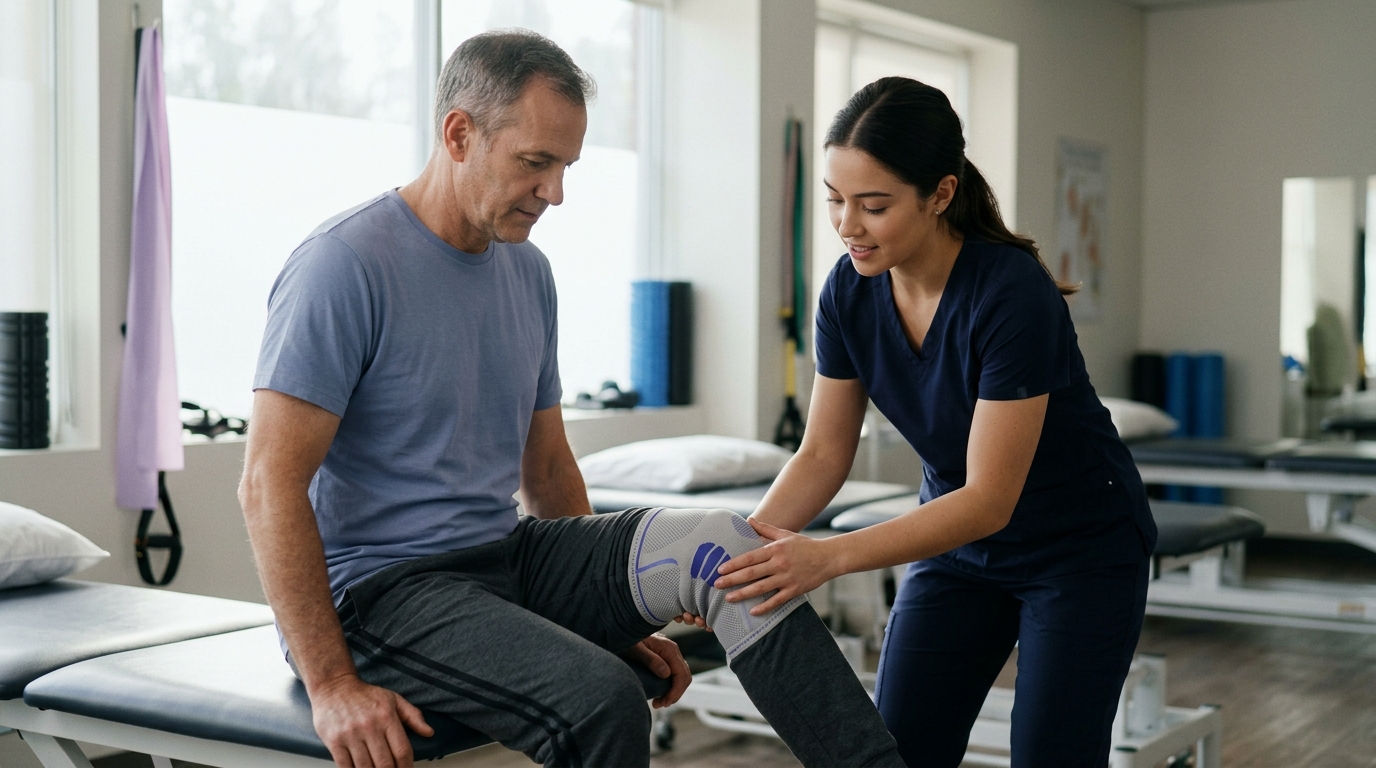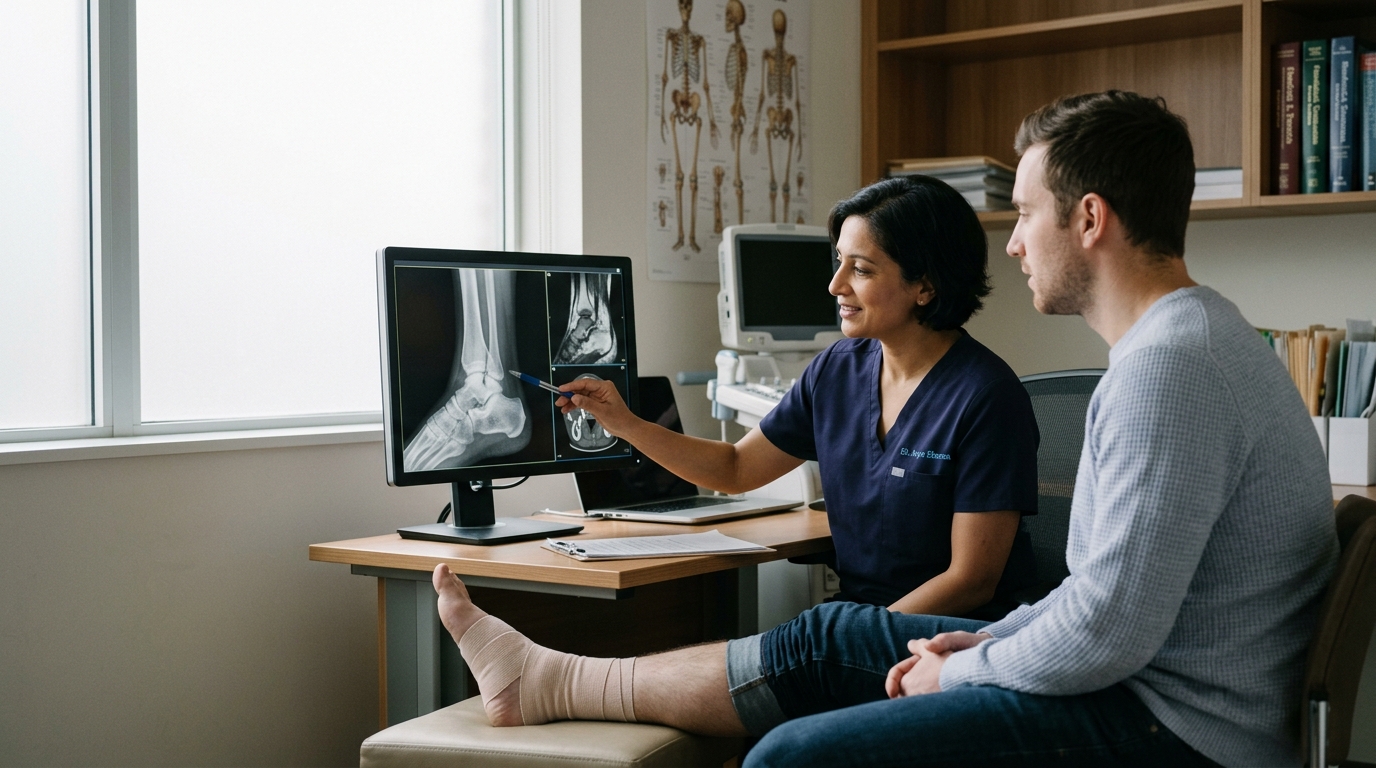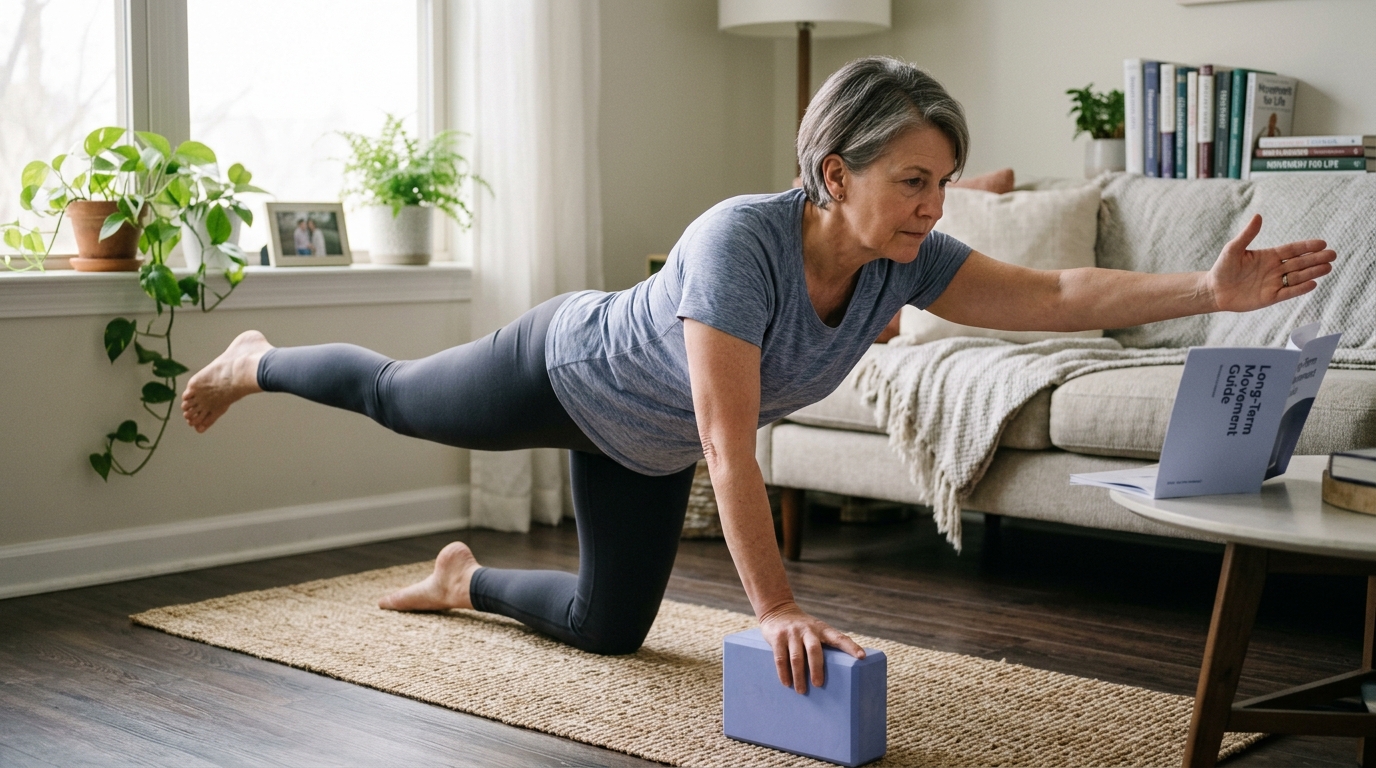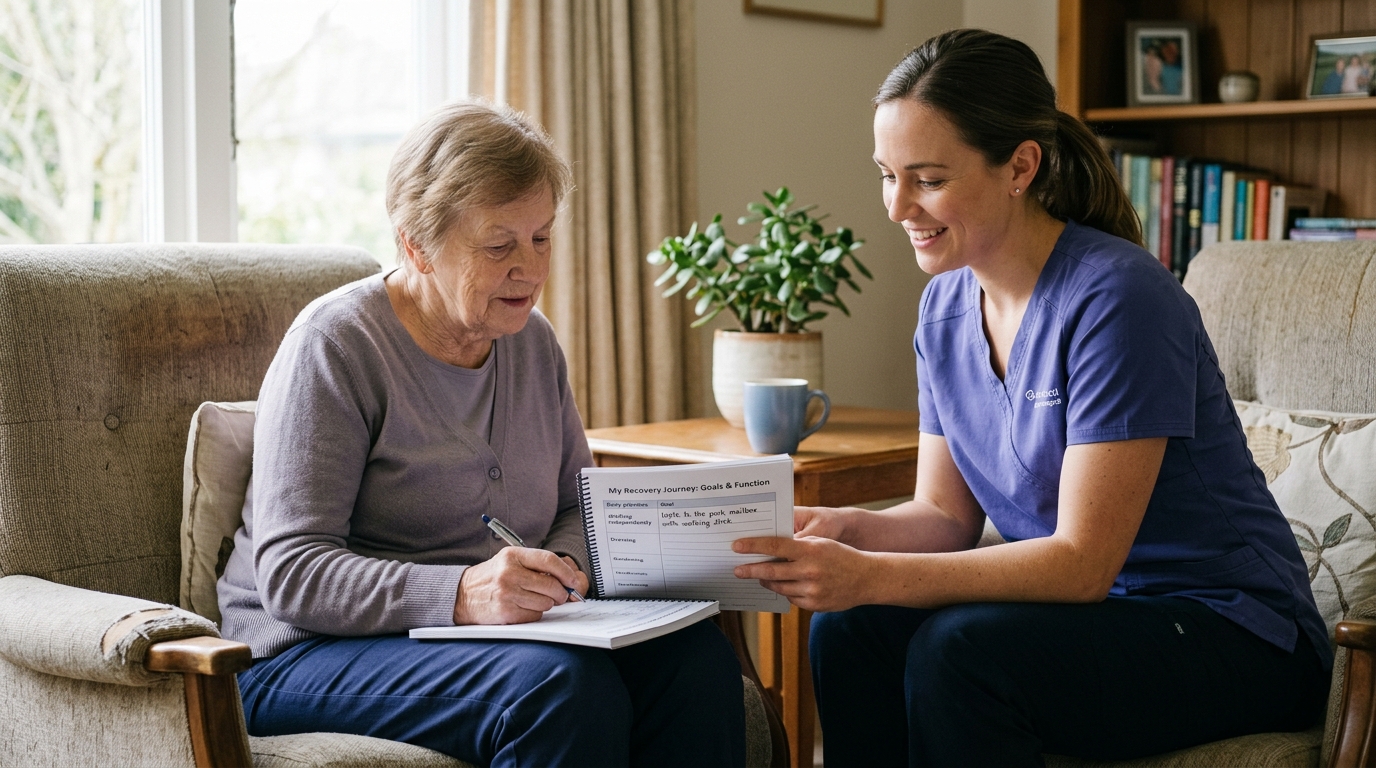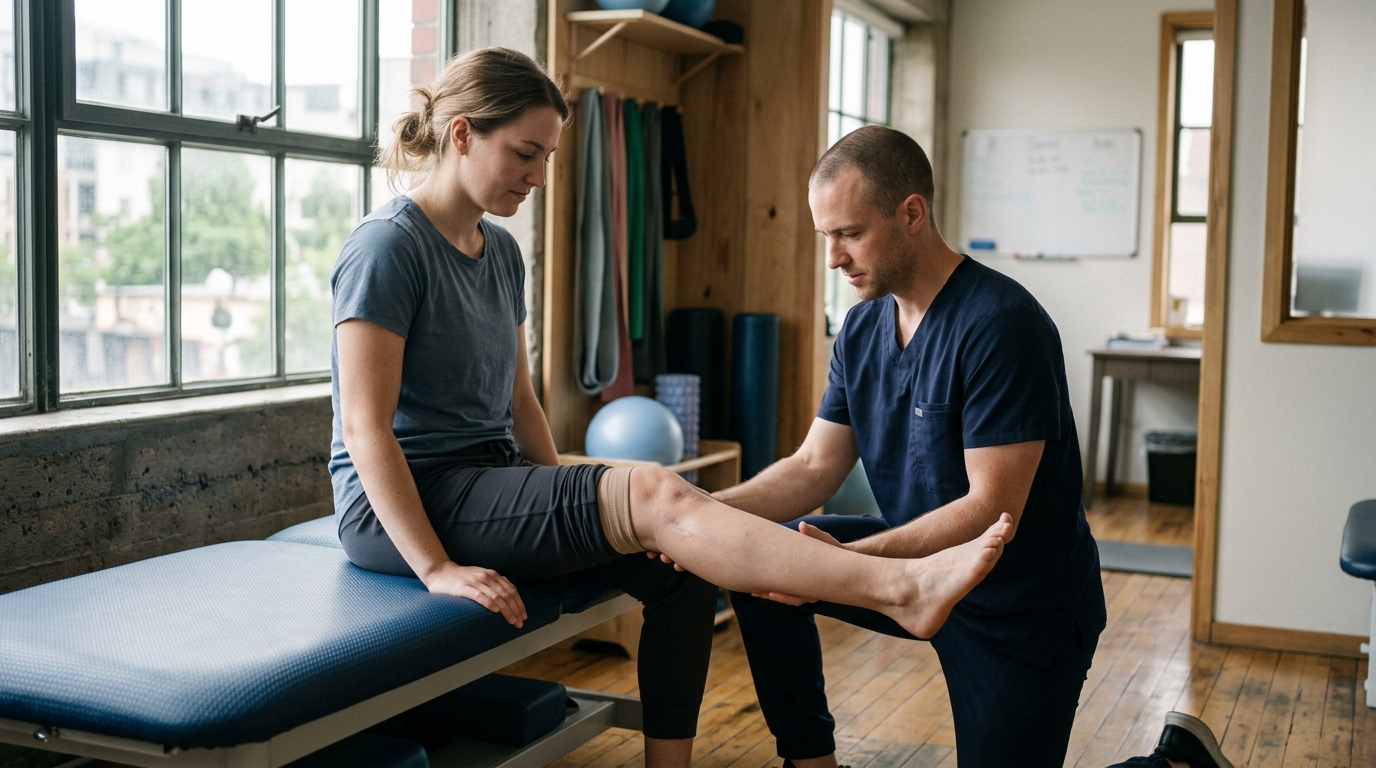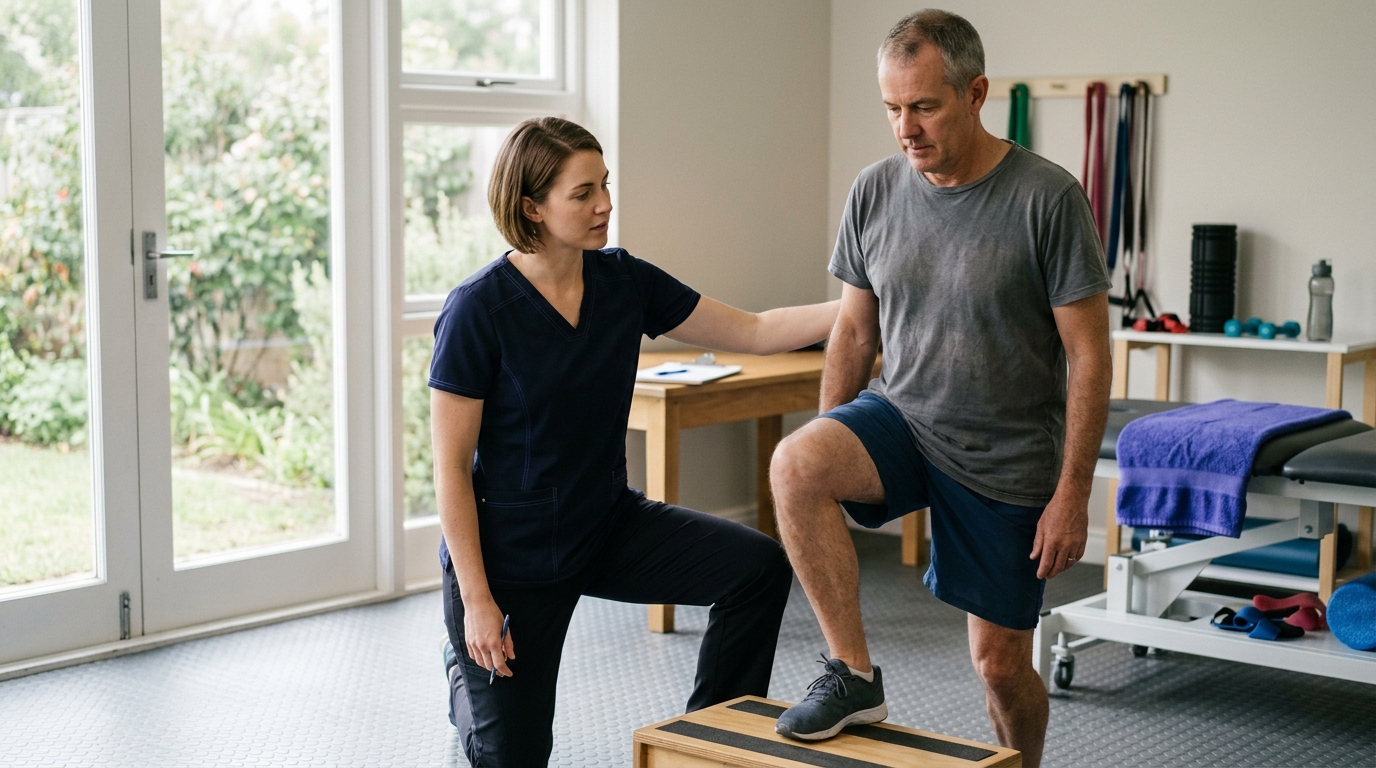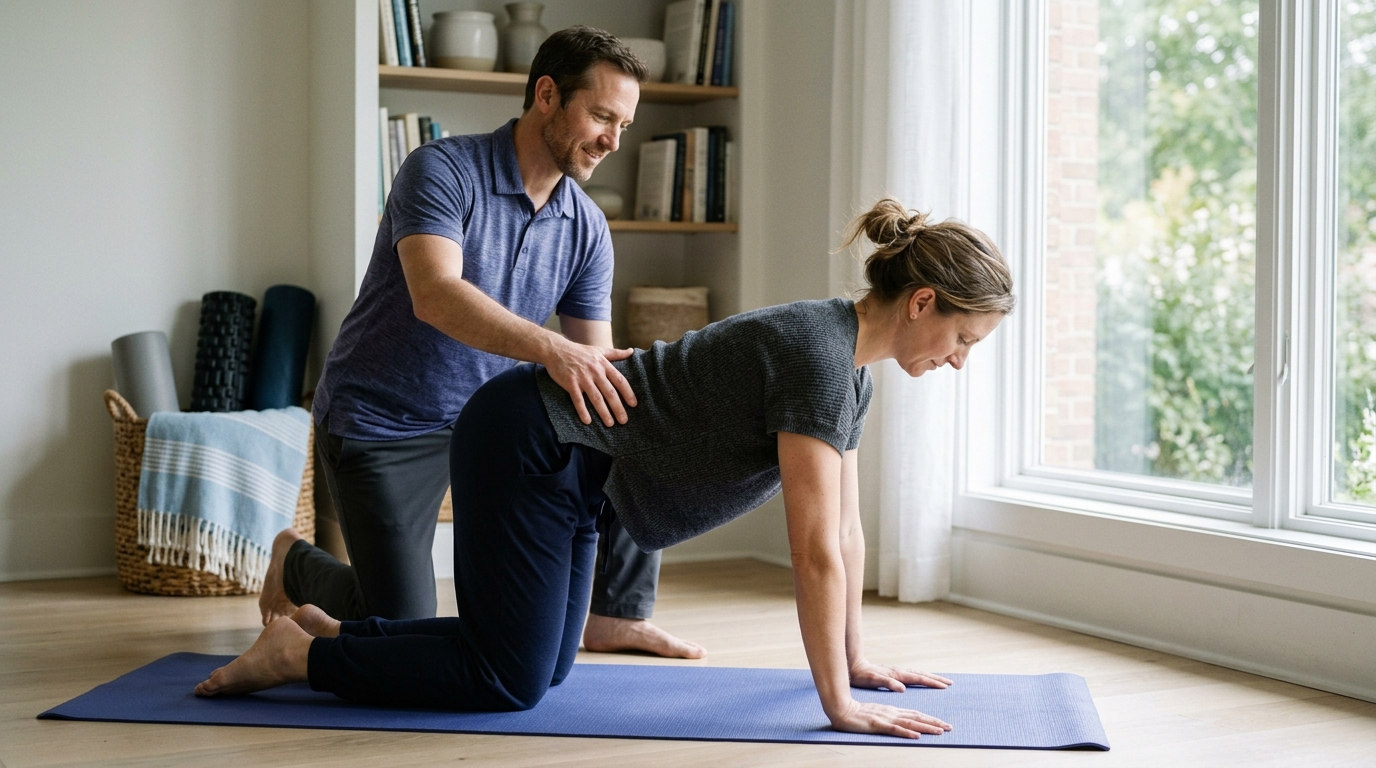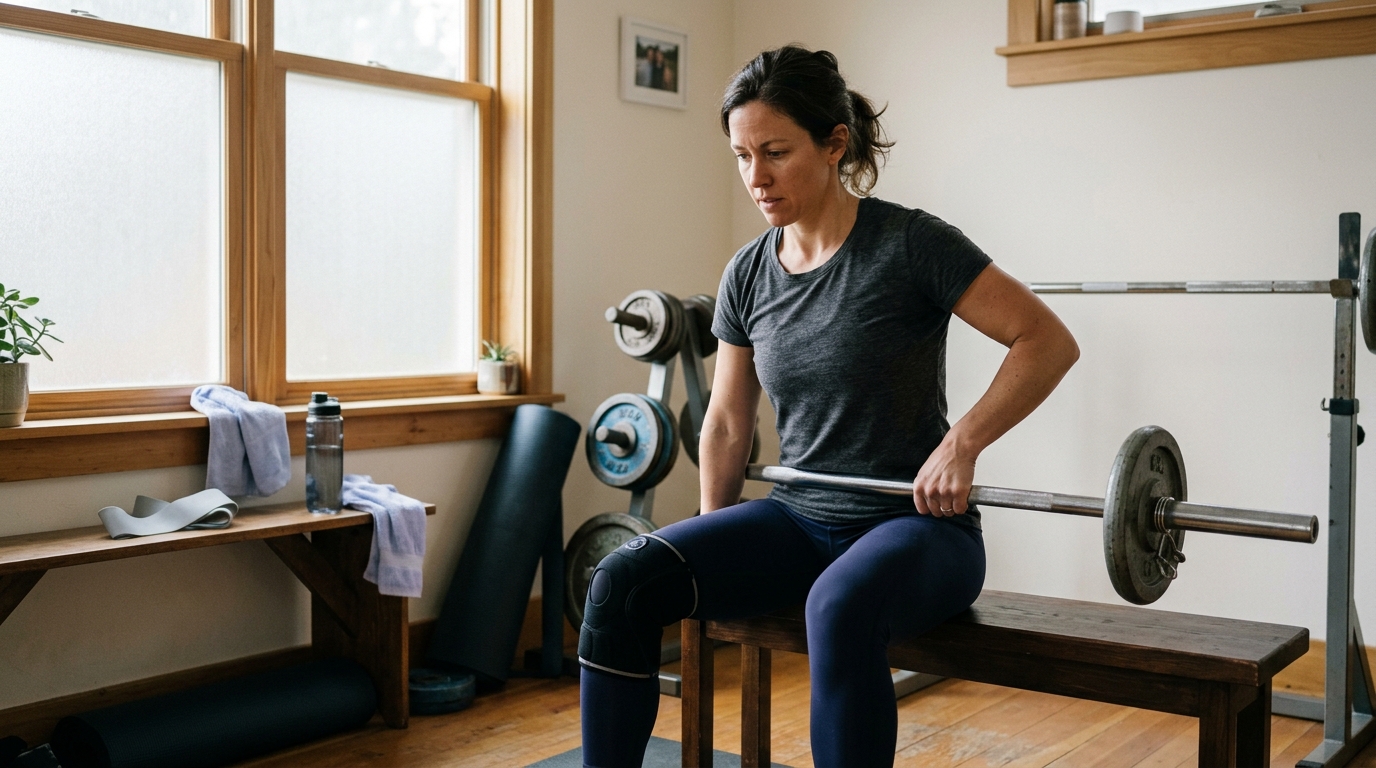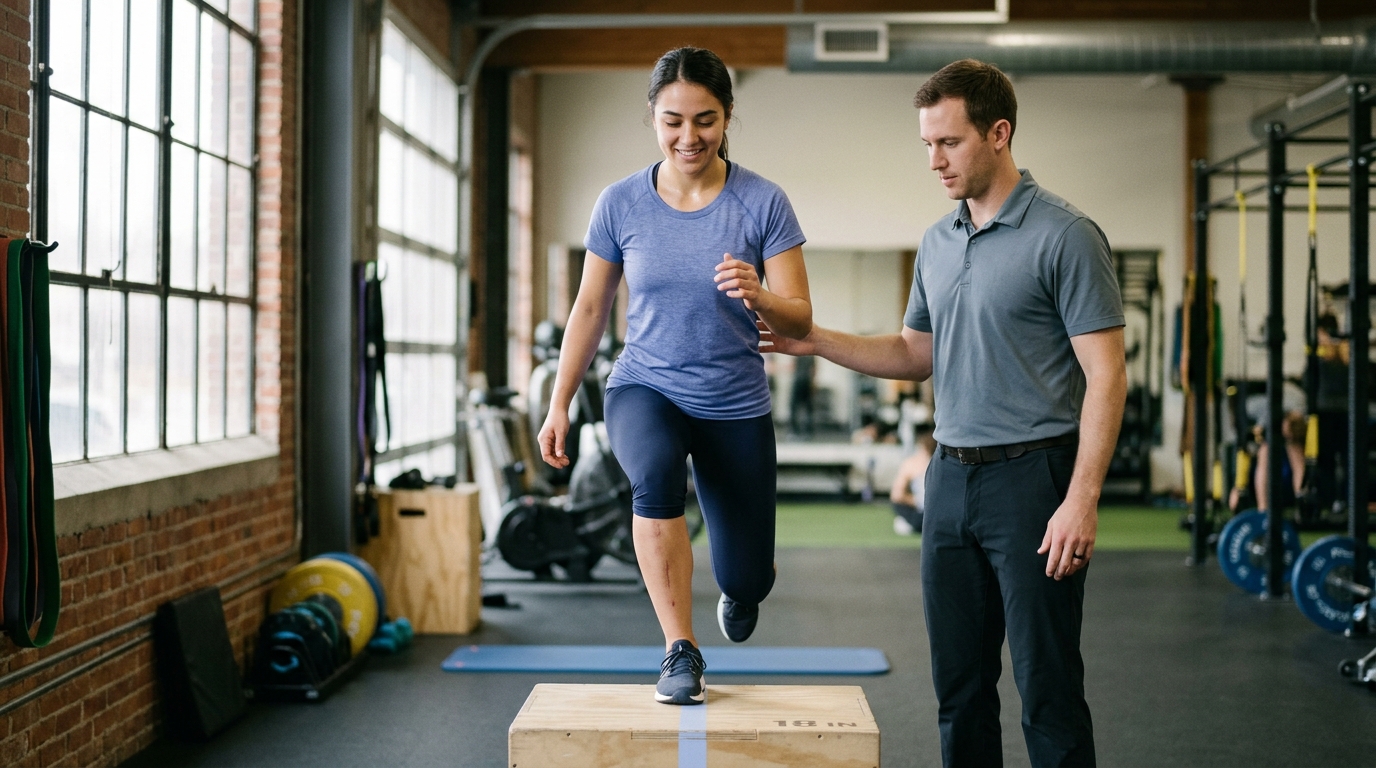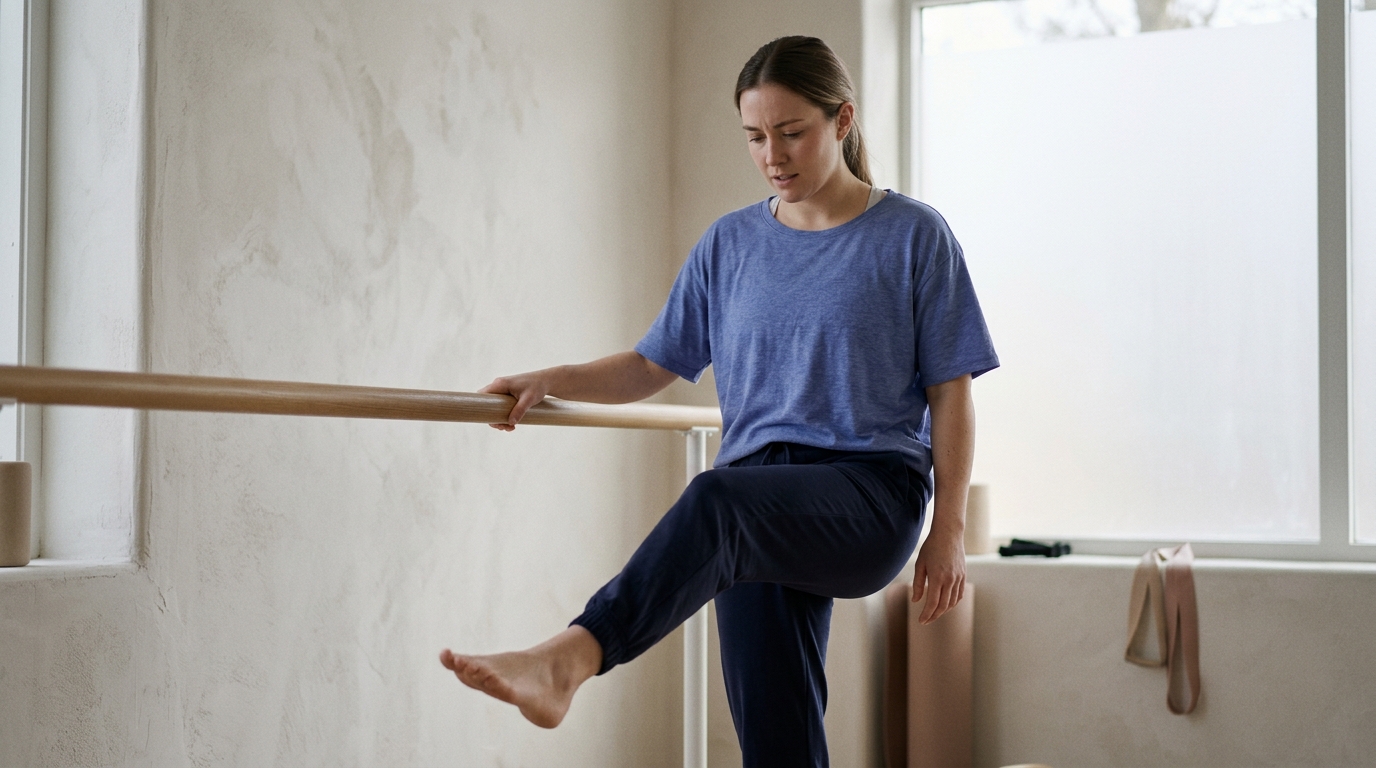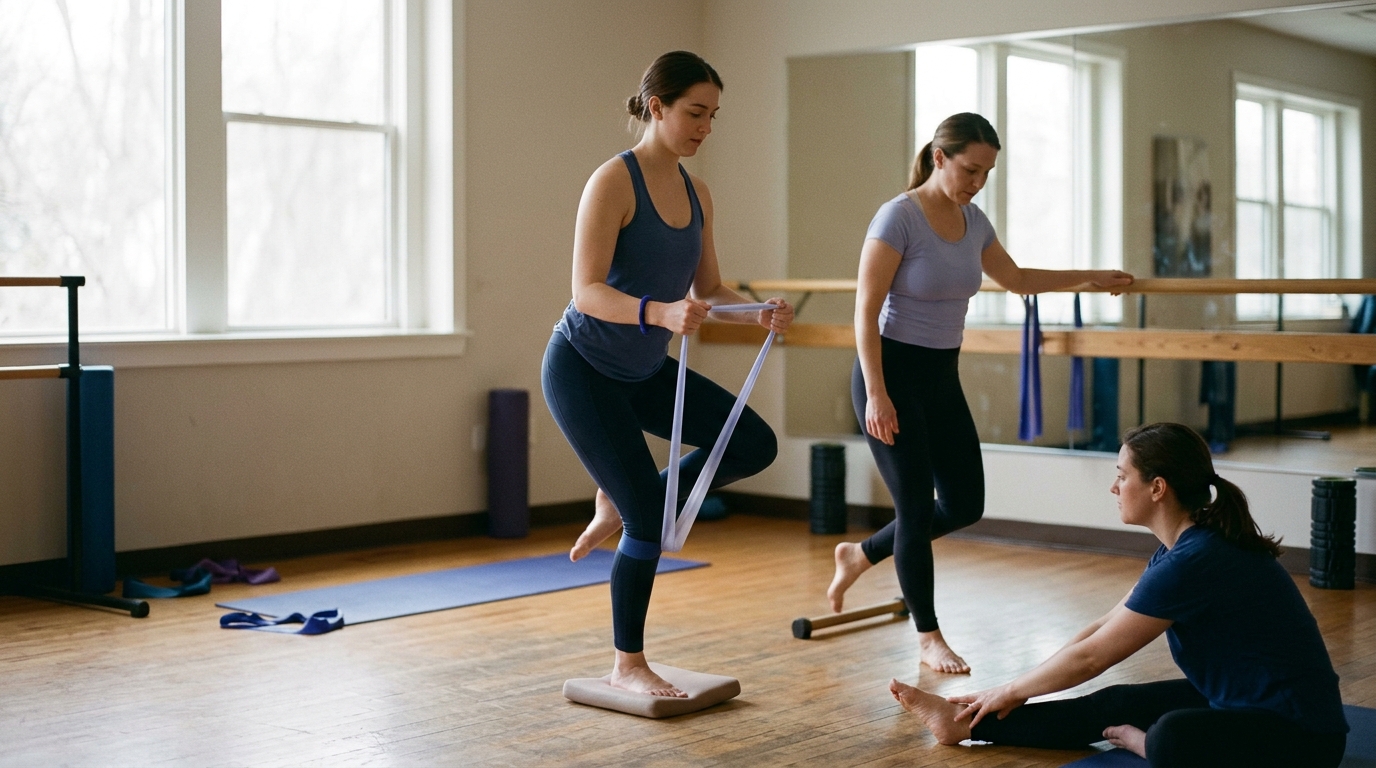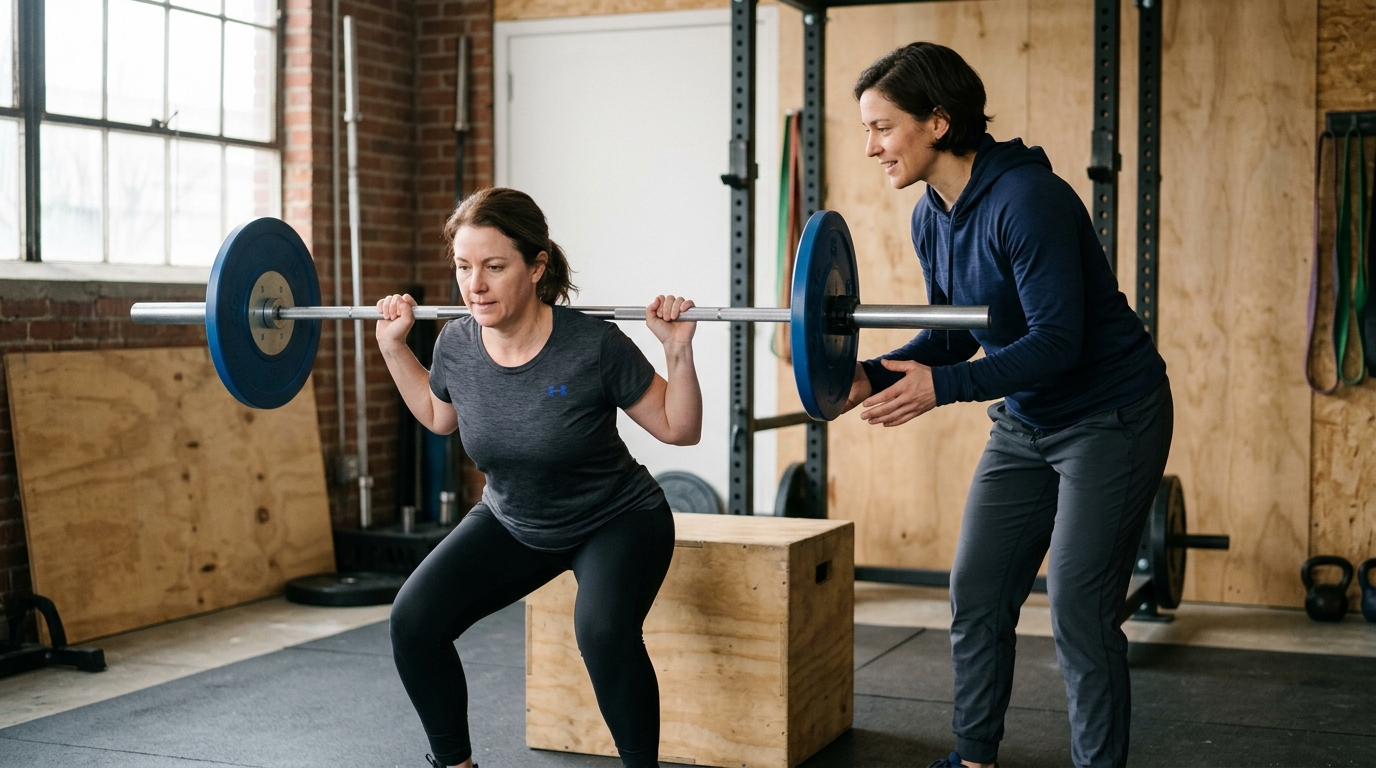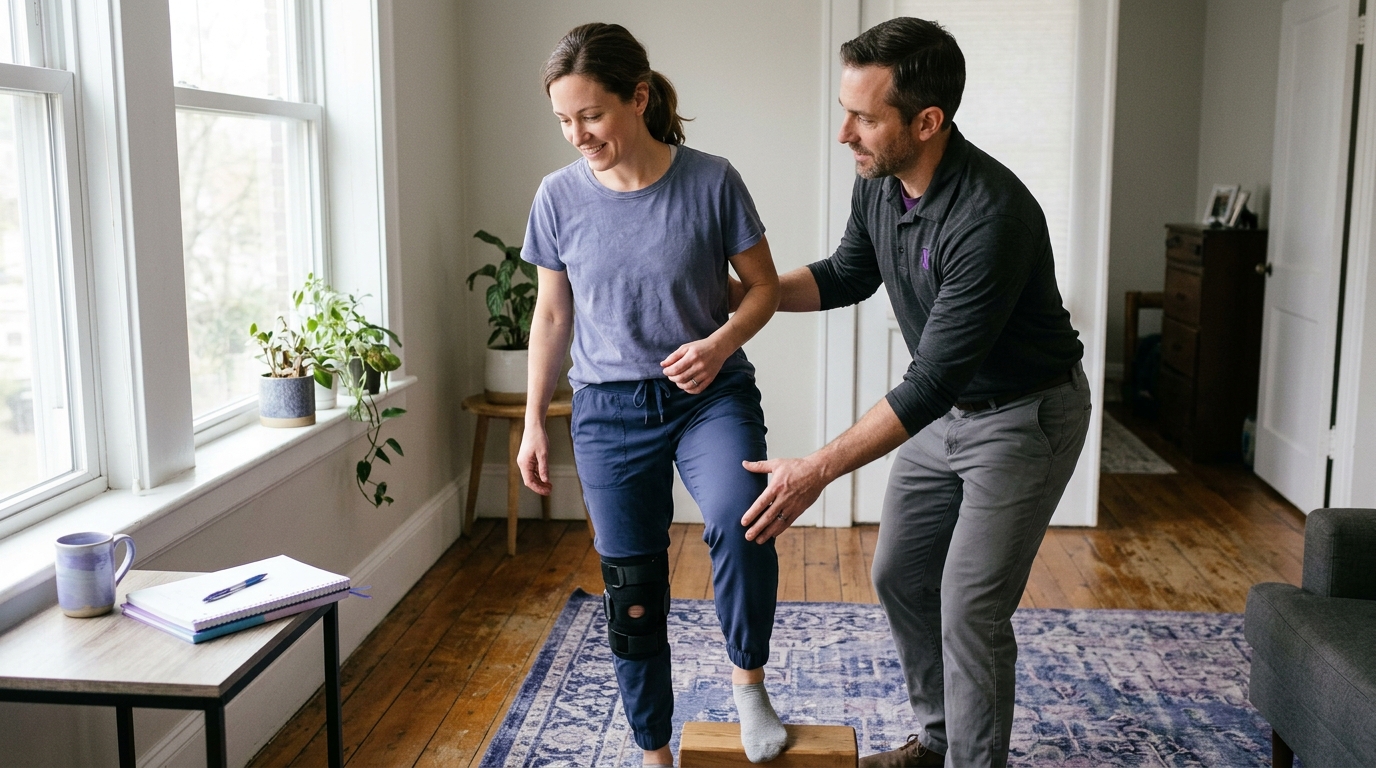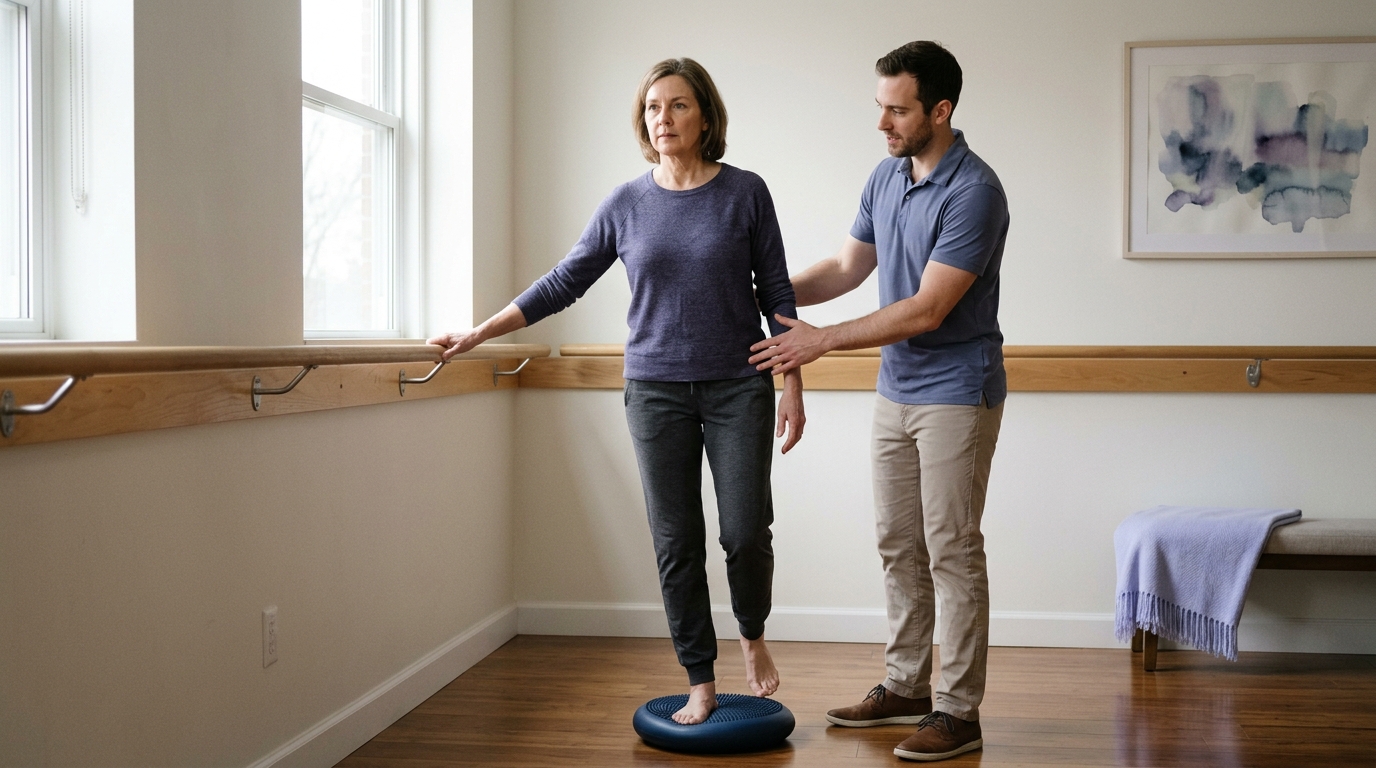

Stepping onto uneven ground after hip or knee surgery demands targeted balance training, proprioceptive recovery, and coordinated movement control beyond simple pain relief.





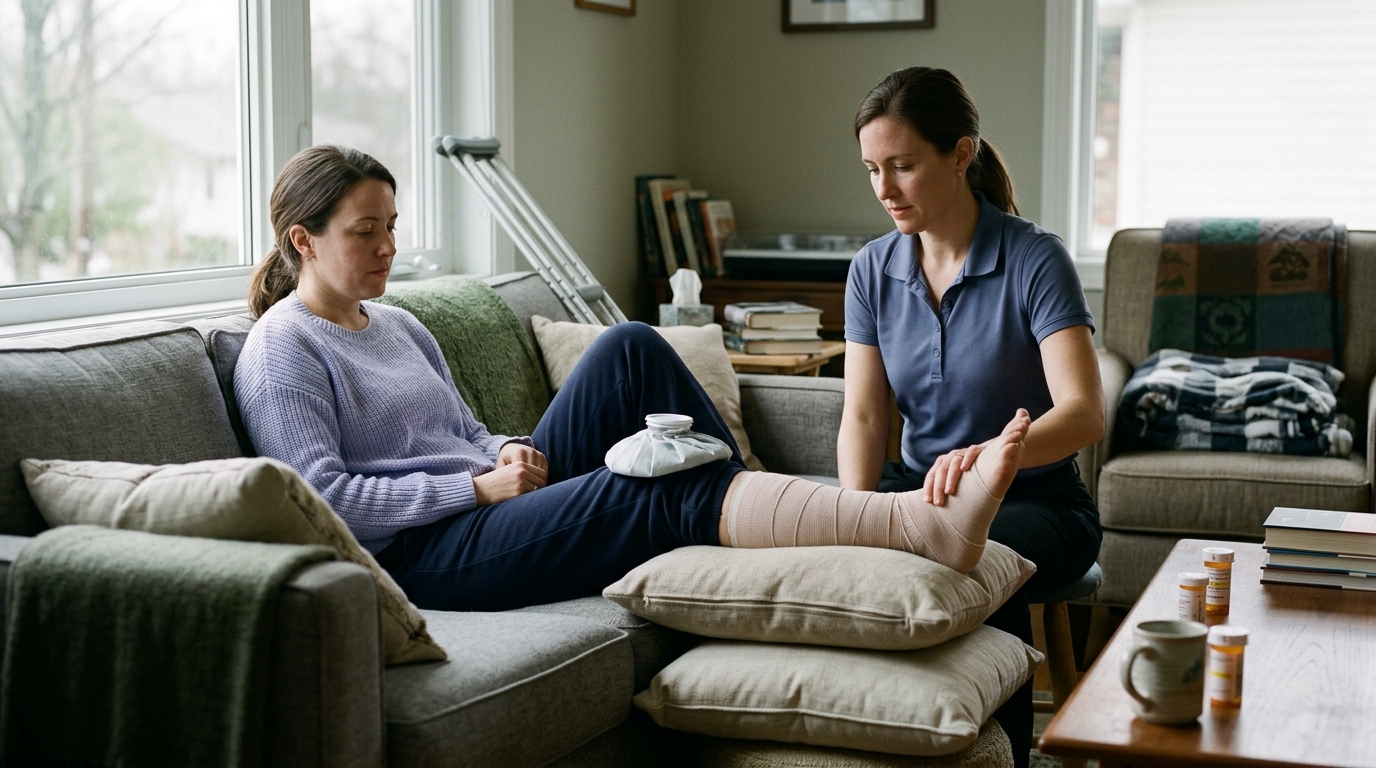
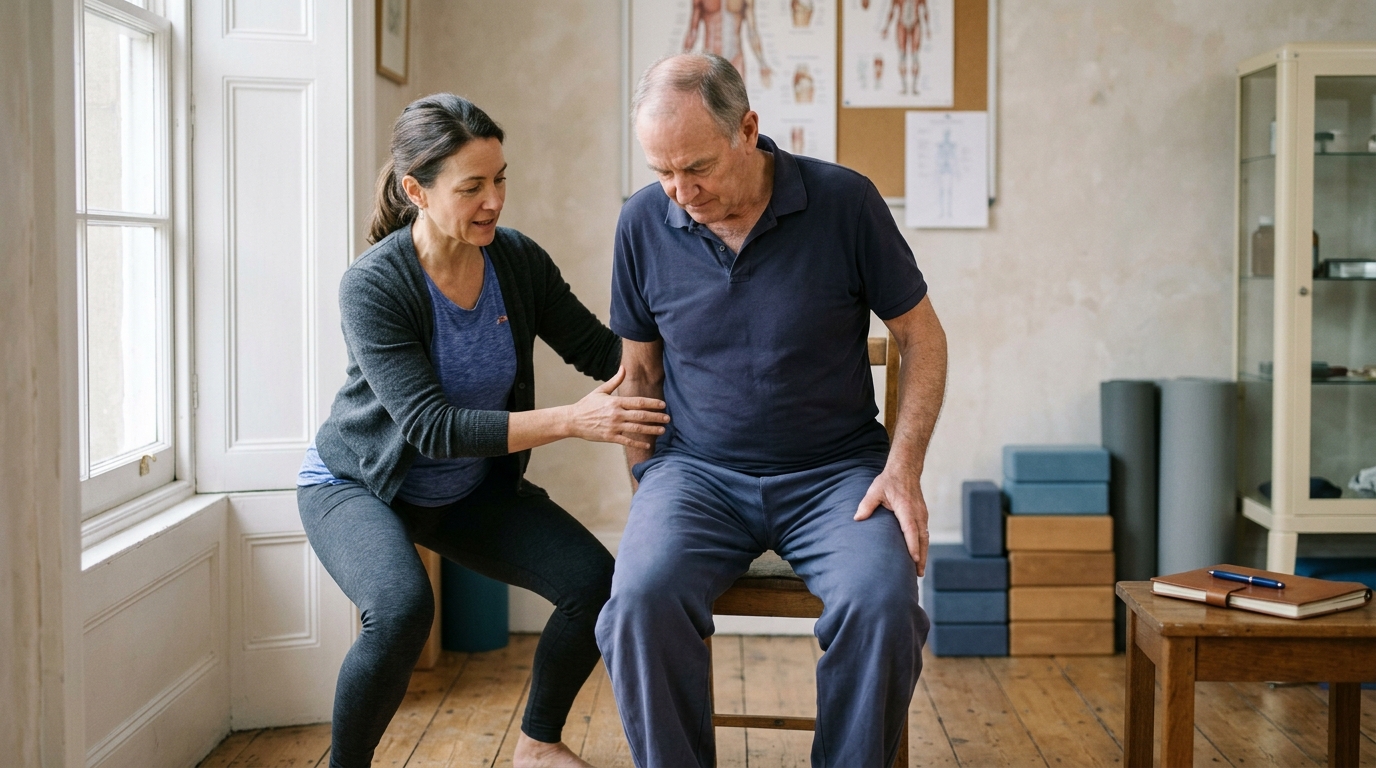
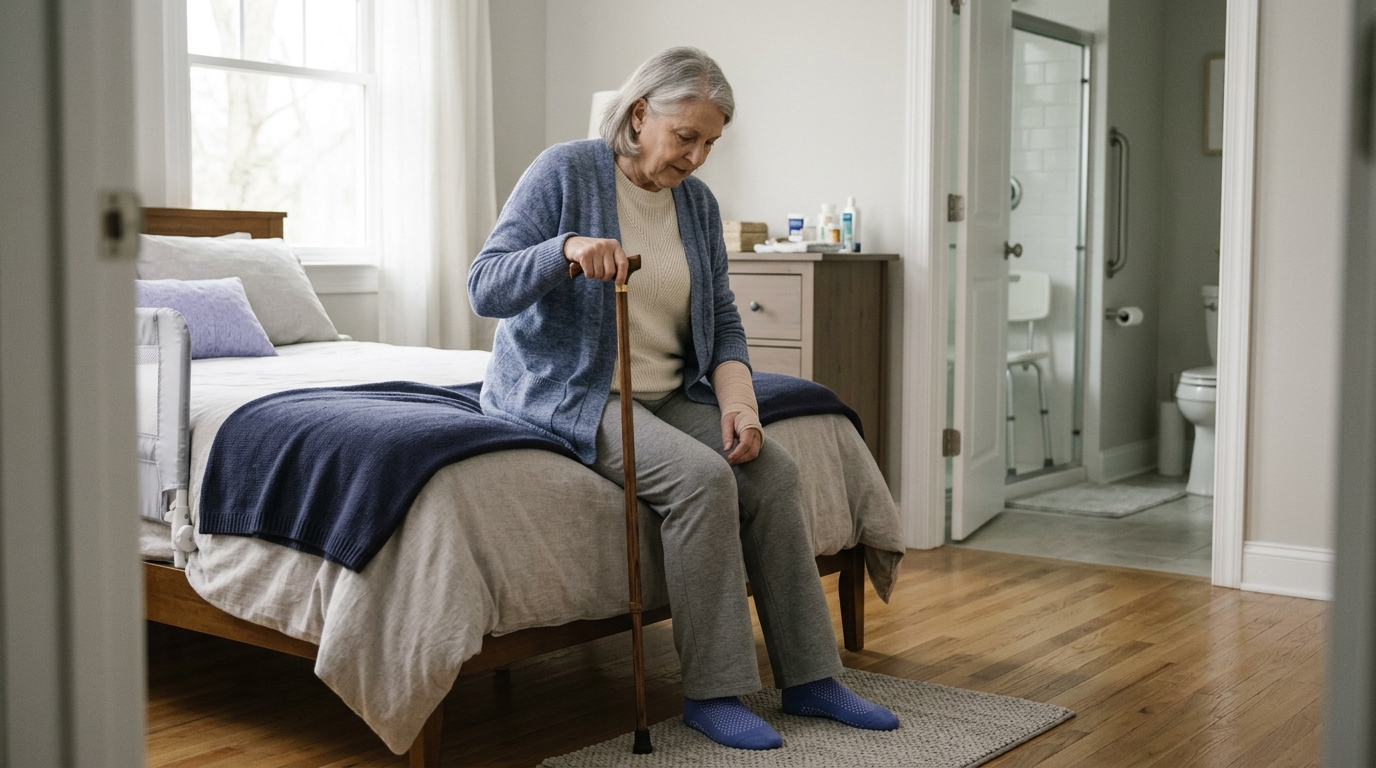
You stand up from your favorite chair several weeks after an orthopedic procedure. The sharp, daily pain that once defined every step has finally begun to quiet down. Your incision has closed cleanly, and your joint bends and straightens with far less resistance than it did last month.
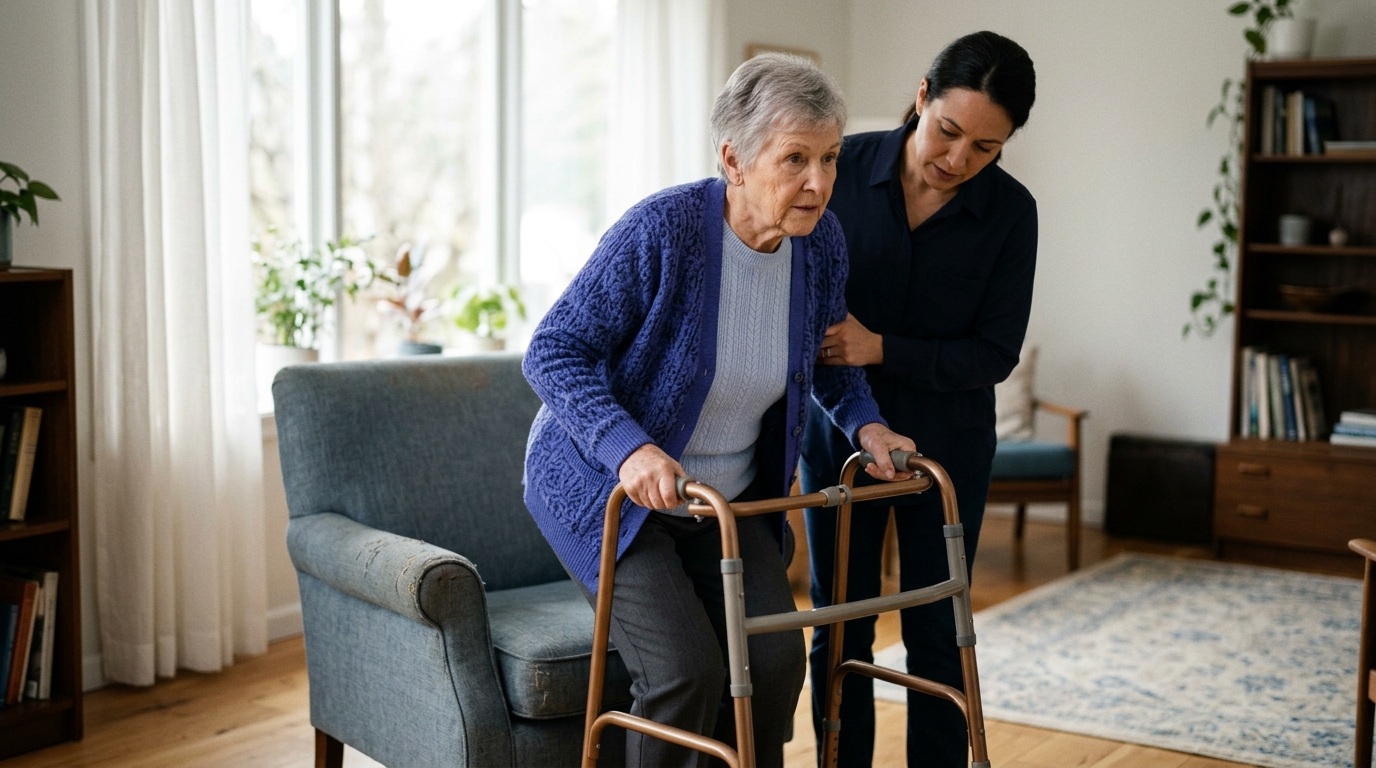
Yet as soon as you turn to walk toward the kitchen, your body hesitates. Your foot placement feels slightly delayed, your legs feel slightly disconnected from your intent, and you reach out to touch the wall for support.
Pain relief and improved joint motion are crucial milestones, but they do not automatically make standing, turning, or walking feel steady. Research following joint replacement and lower limb operations shows that balance, position sense, muscle strength, and walking patterns often lag behind pain reduction.
This guide explains why movement control requires dedicated attention during recovery. It outlines what scientific evidence shows about post-surgical stability, how clinicians evaluate readiness, and how you can work with your care team to rebuild steady movement safely.
Recovering from an orthopedic operation involves two distinct tracks. The first track is symptom improvement, which includes reduced pain, lower swelling, tissue healing, and increased passive joint motion. The second track is functional readiness, which is the demonstrated ability to perform physical tasks safely, symmetrically, and under real-world conditions within surgical restrictions.
Many people assume that once surgical discomfort fades, normal balance and walking mechanics will return on their own. However, clinical studies across knee replacement, hip replacement, and hip fracture repairs show that balance deficits can persist even when patients report high satisfaction and low pain scores. Symptom relief tells you that tissues are healing, but it does not tell you if your nervous system and muscles are coordinating your body properly during movement.
To understand why this happens, it helps to separate the different physical systems involved in upright stability:
Static balance is the ability to hold a steady stationary position. Examples include standing in place with your feet together, standing with one foot in front of the other, or balancing on a single leg. It relies on subtle, continuous adjustments from your lower legs and trunk to keep your center of mass over your base of support.
Dynamic balance is the ability to maintain stability while your body is in motion. This includes walking across a room, stepping over an obstacle, changing directions, or reaching for an object while moving. Dynamic balance is more complex than static balance because your base of support changes with every single step.
Postural control refers to how your brain integrates sensory input to organize muscle responses throughout your body. When you encounter a bump in the rug or step onto an uneven sidewalk, postural control systems produce rapid, automatic reactions to keep you upright.
Gait is your coordinated pattern of walking. It includes walking speed, step length, the time spent bearing weight on each leg, and the symmetry between your operated and non-operated sides. After surgery, subtle alterations in gait often remain long after the original joint pain has disappeared.
Proprioception is your body's internal sense of joint position, motion, and force. Specialized sensory receptors located in your joint capsules, ligaments, tendons, and muscles send continuous signals to your central nervous system. When a joint undergoes surgery or chronic wear, these receptors and their neural pathways require time and specific practice to recalibrate.
Understanding these distinctions helps clarify why standing quietly in a room can feel fine, while turning quickly or walking on an uneven surface feels unsteady. For more background on foundational movement principles, you can review our resources on rehabilitation and mobility.
Medical research provides clear insights into how balance and coordination change after major orthopedic procedures. The scientific literature is strongest for total knee arthroplasty (TKA), total hip arthroplasty (THA), and hip fracture repairs. While these findings cannot be applied identically to every type of orthopedic surgery, they demonstrate clear patterns of recovery.
Systematic reviews examining recovery after total knee arthroplasty show meaningful gains alongside distinct lingering deficits. Research published in systematic reviews indicates that single-limb standing balance improves by roughly 60 percent following knee replacement. Dynamic balance also shows steady improvements over the first year of recovery.
Furthermore, data shows that 54.2 percent of people who experienced falls prior to their knee replacement were no longer classified as fallers after surgery. Another systematic review analyzing 11 studies and 1,237 patients found that fall prevalence dropped from a range of 23 to 63 percent before surgery down to 12 to 38 percent after surgery.
These numbers show that joint replacement surgery helps reduce fall risk. However, the same studies emphasize that fall risk is reduced, not eliminated. Knee extension strength, joint proprioception, and the symmetry of postural reactions often remain incomplete for months or even years.
A 2022 clinical study highlighted this gap by showing that dynamic balance problems and posture abnormalities persisted in patients who otherwise achieved satisfactory functional outcome scores. Patient questionnaires alone did not capture these underlying balance deficits.
The 2026 Clinical Practice Guideline from the American Physical Therapy Association (APTA) for total knee arthroplasty specifically recommends motor-function training. This guidance includes dynamic balance exercises, movement retraining with feedback, and structured gait work to target these persistent deficits directly.
Recovery trends following total hip arthroplasty show similar themes. Systematic reviews report that balance performance improves significantly compared to pre-surgery levels, but balance abnormalities can persist for up to five years.
Patients after hip replacement frequently display measurable gait alterations during walking assessments. These alterations include lower walking speed, shorter stride length, reduced time spent supporting body weight on the operated leg, and reduced hip range of motion during the gait cycle.
A comprehensive review of 27 studies and 391 patients found that balance is substantially impaired immediately after hip surgery. By 4 to 12 months, balance performance was significantly better than it was before the operation. However, balance did not reach the levels seen in healthy comparison groups without joint disease.
Exercise therapy specifically designed for balance produces positive results. A meta-analysis of 11 exercise trials after total hip replacement identified a statistically significant positive effect size for structured balance training. The evidence suggests that balance training must provide sufficient volume and specific challenges to create lasting functional improvements.
Studies examining recovery after surgical repair of hip fractures reinforce the importance of whole-body physical capacity. In one key study evaluating early postoperative recovery, walking speed was measured using a standard ten-meter walk test.
The researchers found that walking speed was strongly associated with balance performance and isometric muscle strength. Importantly, walking speed was linked to muscle strength in both the operated leg and the non-operated leg.
This finding demonstrates that post-surgical coordination depends on your entire body, not just the repaired joint. When one leg undergoes surgery, the other leg must handle increased physical demands to maintain overall stability.
To learn more about tissue healing and physical rehabilitation pathways, read our overview of surgical recovery and comeback.
To understand why balance feels different after an operation, it is helpful to look at movement through a structured framework. Motor control relies on three interacting elements: physical capacity, sensory input, and task demands.
Physical capacity is the raw mechanical ability of your muscles, joints, and tendons to perform work. It includes:
If physical capacity is low, even simple movement tasks force your body to work near its maximum physical limit. This fatigue quickly degrades balance and coordination.
Your central nervous system requires accurate sensory feedback to know where your limbs are in space. This sensory stream comes from three primary sources:
When proprioceptive feedback from a healing joint is muted or altered, your brain must rely more heavily on vision and vestibular cues. If you look away, close your eyes, or enter a dimly lit room, your stability can drop noticeably.
A task that seems simple on paper can place heavy demands on your motor control system. Walking down a wide, well-lit hallway requires relatively low coordination. In contrast, stepping around a pet, carrying a cup of water, or turning around in a narrow bathroom introduces complex balance demands.
Coordination challenges multiply when a task requires rapid changes in direction. Turning requires your body to decelerate forward motion, shift weight onto a single leg, rotate your pelvis, and establish a new base of support. If your sensory feedback or leg strength is delayed, turning exposes those underlying deficits immediately.
Fear of falling and low movement confidence directly alter physical mechanics. When people feel unsteady, they often adopt protective movement patterns. They take shorter, wider steps, stiffen their knees and hips, and hold their breath.
While intended to prevent a fall, excessive physical stiffness actually makes it harder for your joints to absorb forces and adjust to uneven terrain. Research in knee replacement shows that fear of falling often improves after surgery as joint pain resolves. However, rebuilding genuine movement confidence requires experiencing successful, stable movement across varied tasks.
To understand how movement patterns interact with muscle rebuilding, explore our collection on mobility and movement.
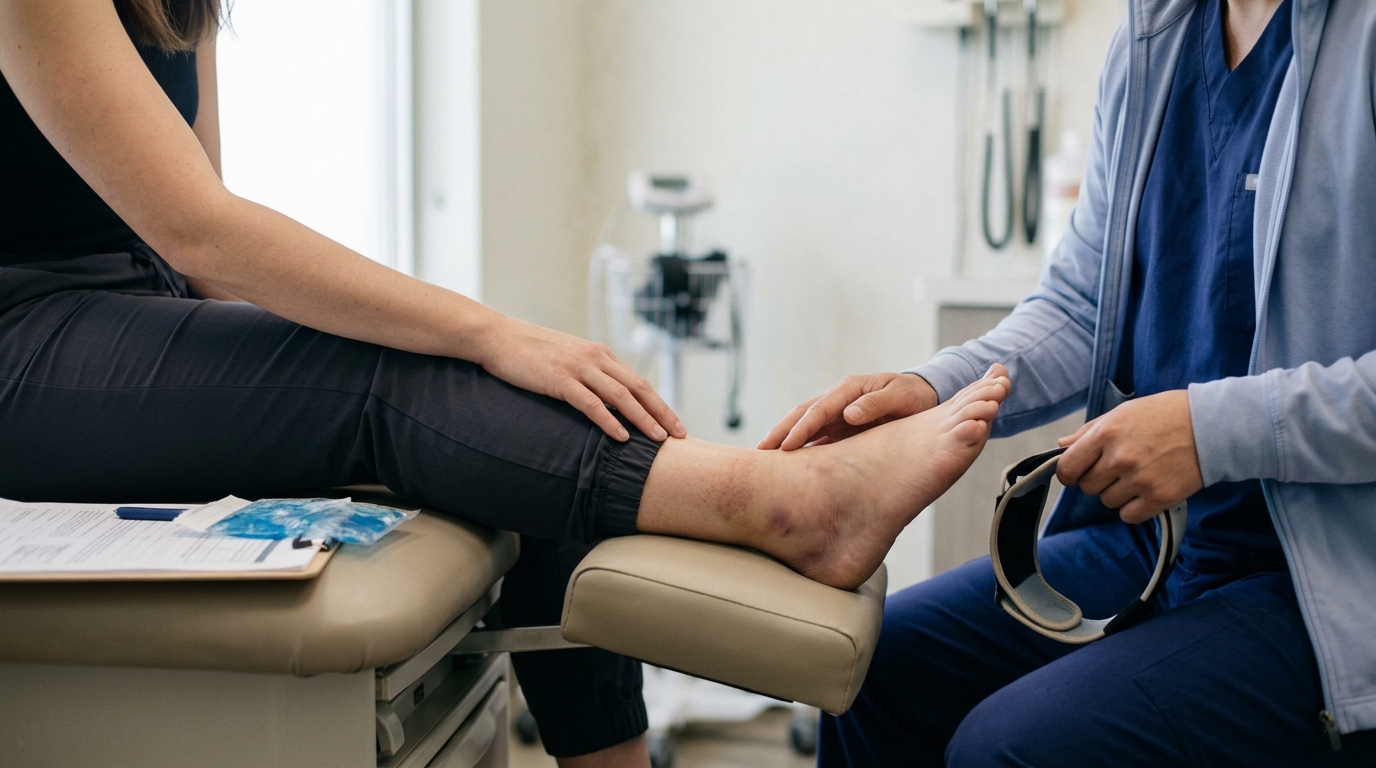
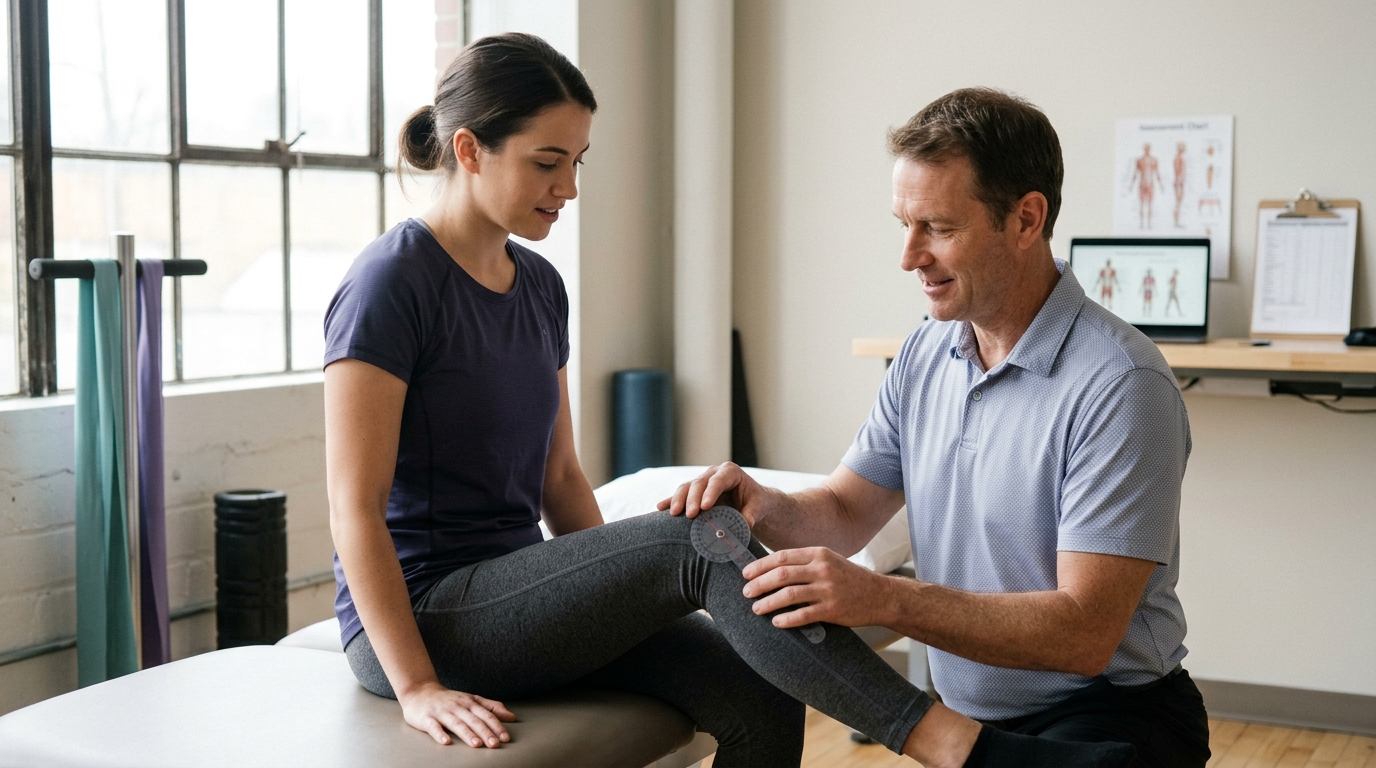
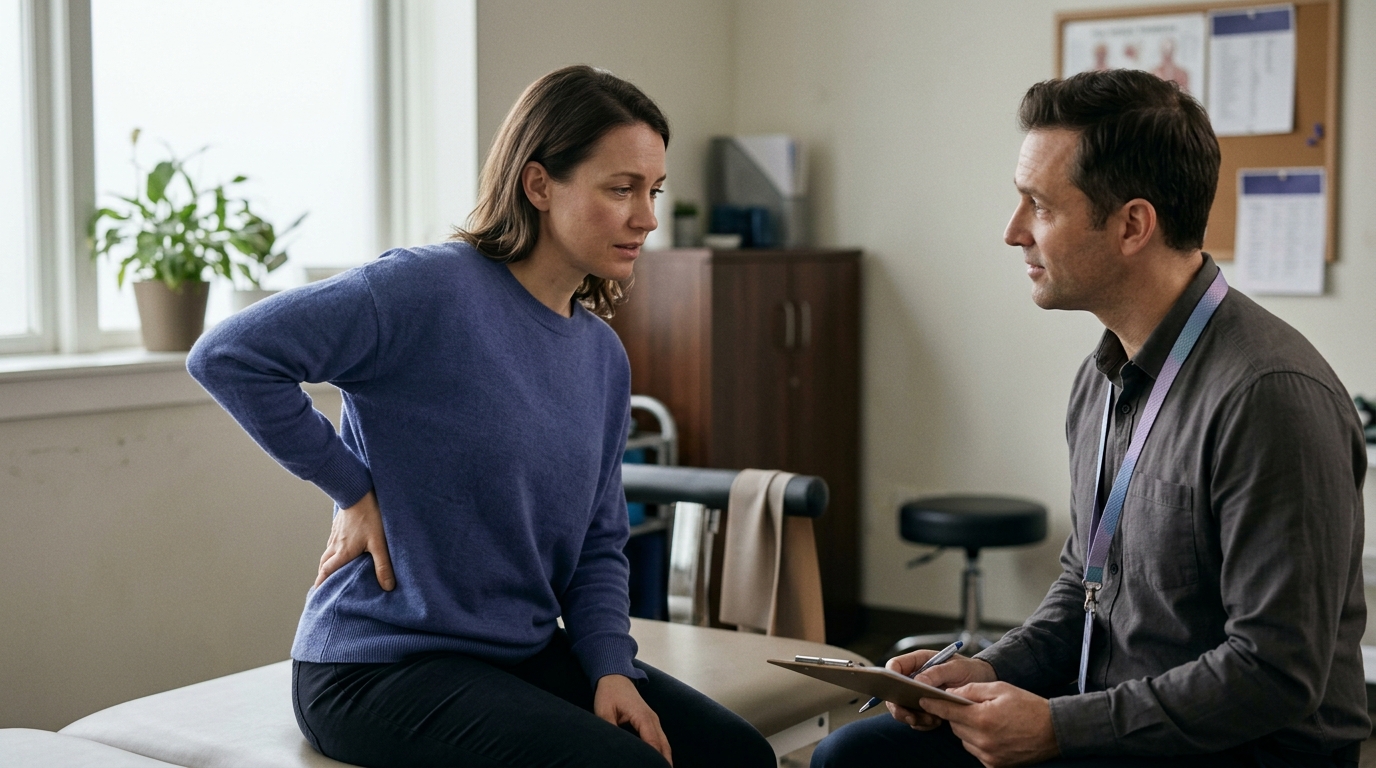
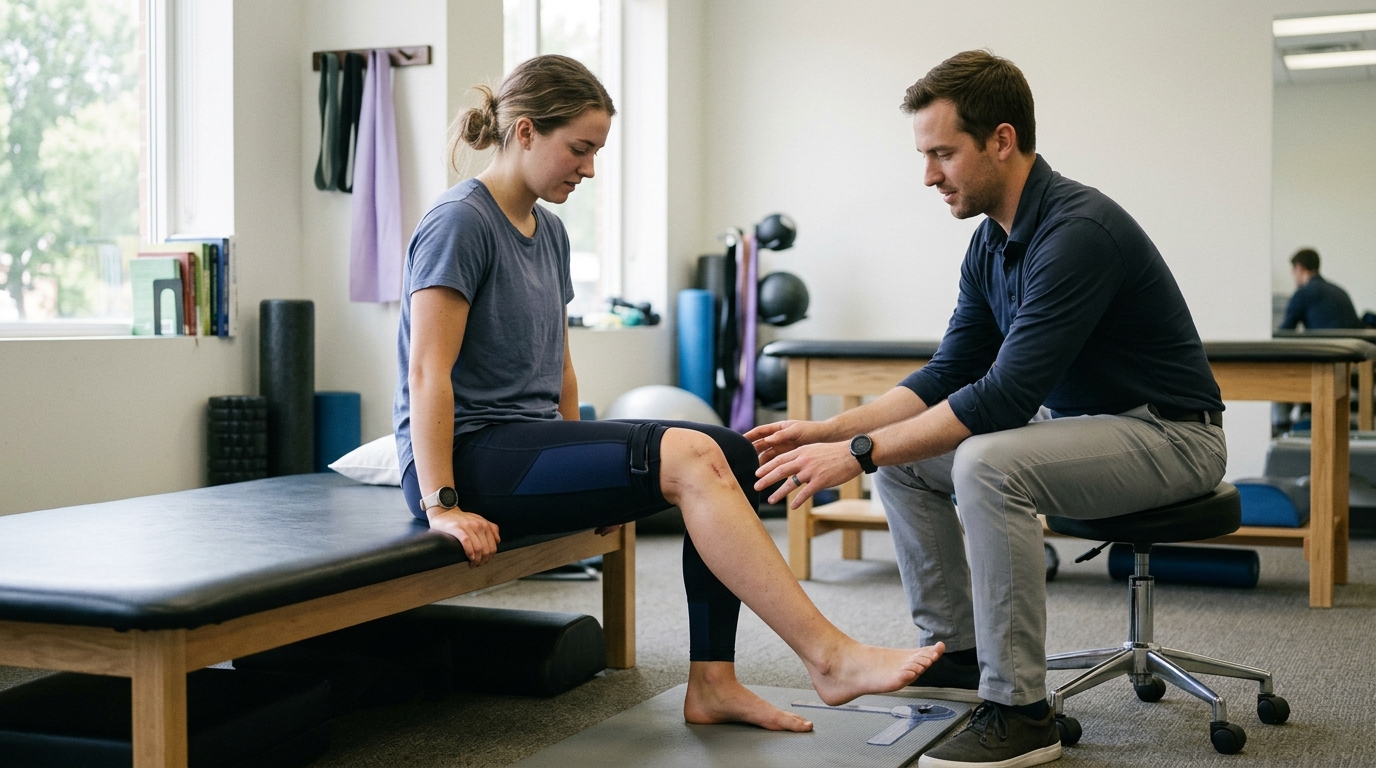
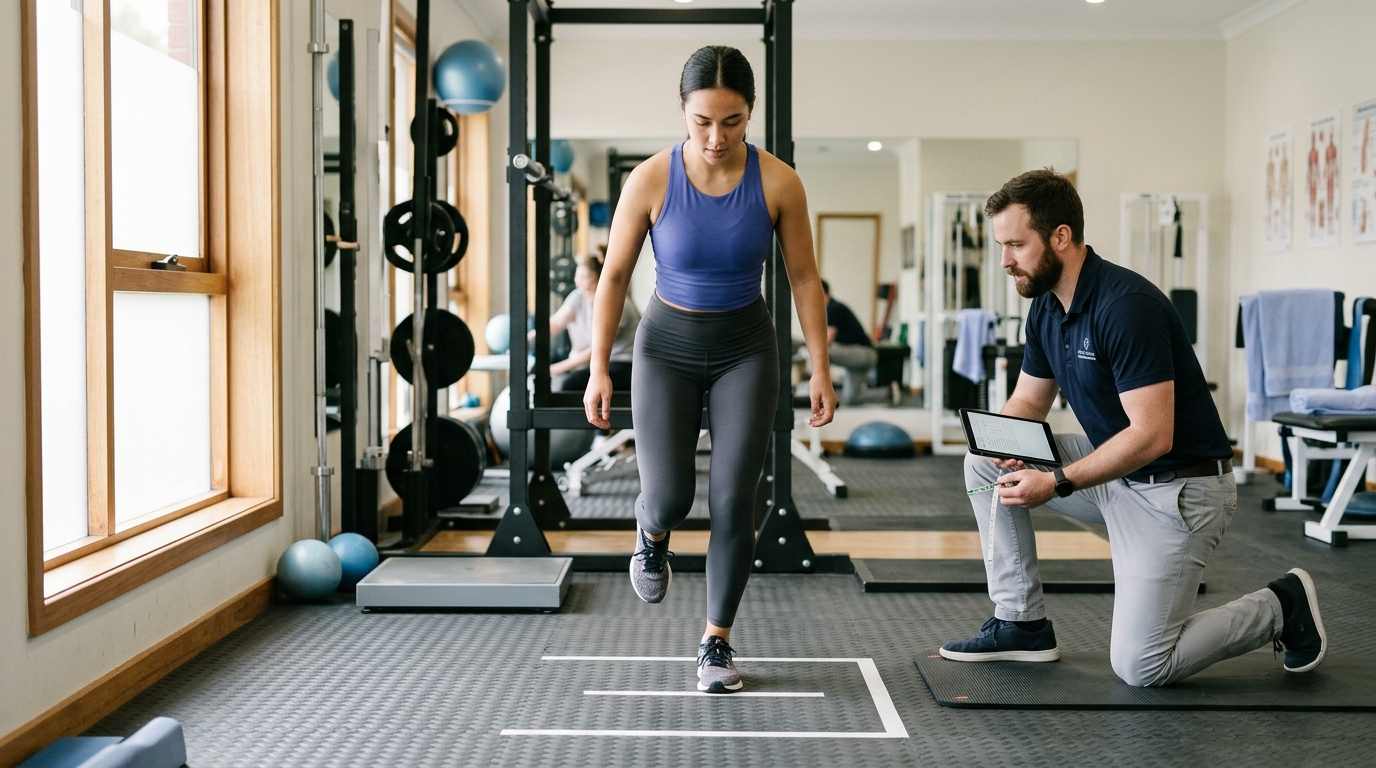
Clinicians do not rely on a single test or patient pain score to determine functional readiness. Instead, physical therapists and orthopedic teams use standardized functional mobility assessments alongside direct observational screening.
The Timed Up and Go test is one of the most widely utilized mobility assessments in rehabilitation. The Centers for Disease Control and Prevention (CDC) includes the TUG test within its STEADI fall-risk assessment framework.
The protocol follows a straightforward sequence:
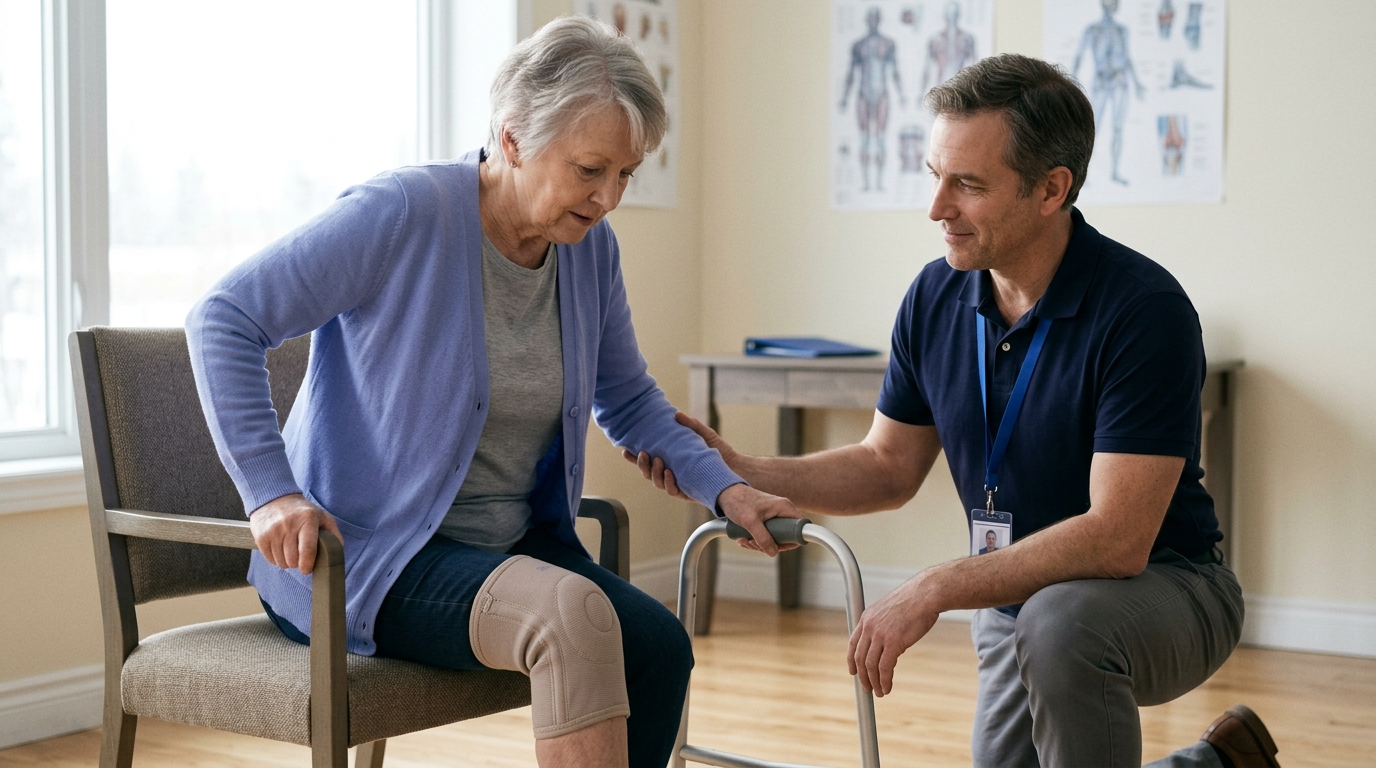
Patients are permitted to use their prescribed walking aid, such as a walker or cane, during the test. Documenting whether an assistive device was used is essential for tracking progress accurately over time.
In older adult populations, the CDC STEADI framework identifies a completion time of 12 seconds or longer as an indicator of elevated fall risk. However, clinicians interpret this score within context. A 12-second result is a screening indicator for fall risk, not an automatic surgical discharge standard or a universal clearance rule for all orthopedic populations.
Beyond the final time, clinicians observe qualitative movement details:
The Four-Stage Balance Test evaluates static postural control by assessing the patient across four progressively challenging standing positions:
The protocol asks the individual to hold each position for 10 seconds without moving their feet or holding onto external support. According to CDC guidance for older adults, an inability to hold a tandem stance for at least 10 seconds indicates an increased risk of falls.
While static tests provide useful baseline data, they do not assess dynamic walking demands. A person may hold a tandem stance steadily but still struggle when stepping over an object or turning.
The Ten-Meter Walk Test measures comfortable or fast walking speed over a straight course. Clinicians measure the time required to walk the middle six meters of a ten-meter track, allowing two meters for acceleration and two meters for deceleration.
Gait speed, calculated in meters per second, serves as a reliable marker of overall functional vitality and lower limb motor control. In hip fracture research, early walking speed correlates strongly with bilateral leg strength and dynamic balance capabilities.
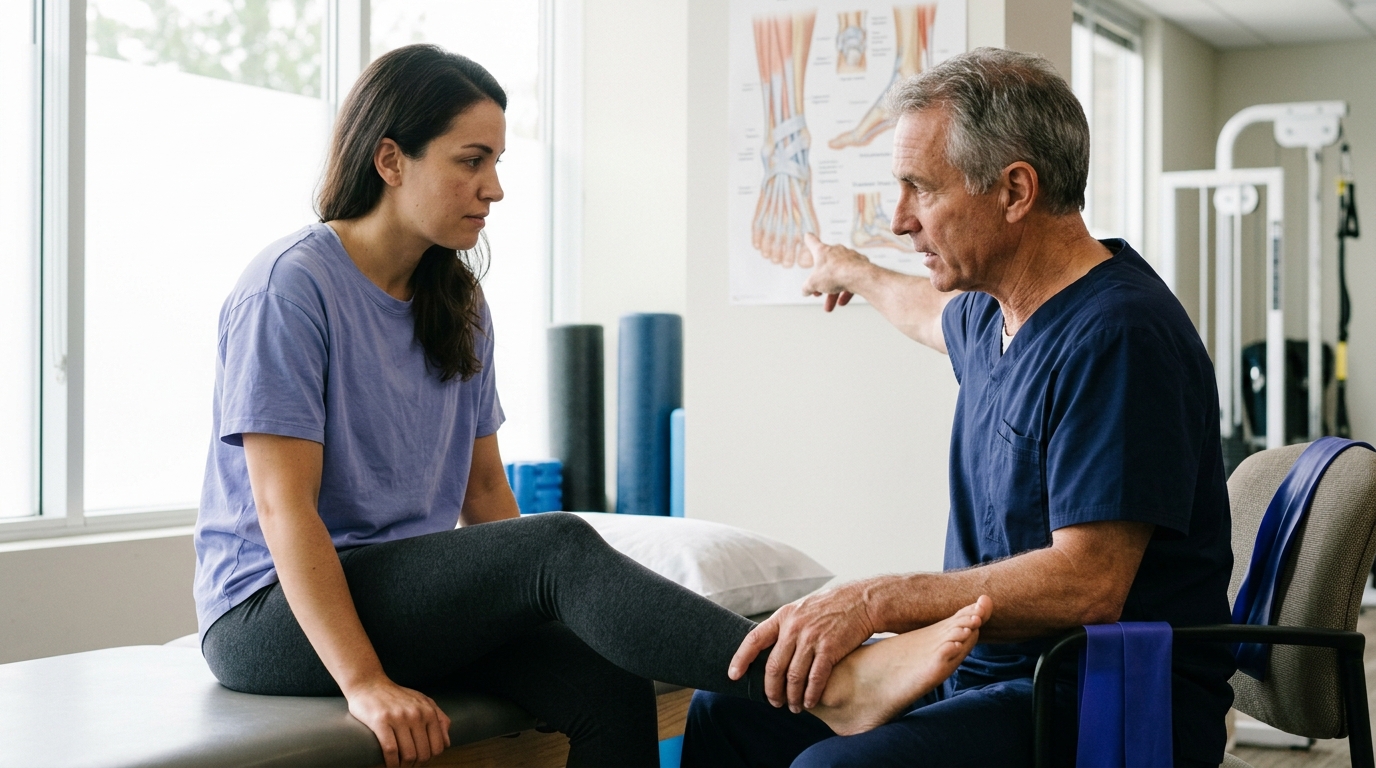
A thorough clinical assessment combines these standardized tests with direct functional observations. Clinicians watch how a patient transfers in and out of bed, navigates steps, negotiates thresholds, and handles distractions while walking.
No single score provides universal clearance for all activities. Safe progression depends on matching the patient's demonstrated movement control to the specific demands of their home, workplace, or recreational goals.
For more insights into clinical testing and recovery metrics, visit our section on recovery science.
Recovery paths vary widely, but patients frequently display recognizable movement patterns after lower extremity surgery. Recognizing these patterns helps explain why physical therapy addresses movement quality alongside strength.
An individual walking down a flat, empty hallway feels steady and reports minimal pain. However, when turning around at the end of the hall, they slow down dramatically, take five or six choppy steps, and reach for the wall.
This pattern occurs because straight-line walking uses predictable momentum and symmetric reciprocal steps. Turning requires single-leg deceleration, rotational stability at the hip, and rapid sensory adjustments. When proprioception and strength lag behind pain relief, directional changes reveal those hidden deficits immediately.
A person several months out from hip or knee surgery walks comfortably without pain, but their family notices a persistent limp. They spend significantly less time bearing weight on the operated leg compared to the non-operated leg.
This habit often begins before surgery as a subconscious strategy to avoid joint pain. After surgery, the nervous system continues to use this protective habit even though the painful joint damage has been repaired. Targeted balance and gait training helps retrain the brain to trust the operated side and distribute weight evenly.
A patient scores well on standard outcome questionnaires because their daily pain is low and they can perform basic self-care tasks. However, when asked to stand in a narrow stance with their eyes closed, they display marked postural sway and step out of position.
Research in total knee replacement shows that general functional questionnaire scores do not always reflect subtle balance problems. Direct physical testing reveals sensory and motor deficits that questionnaires miss, allowing therapists to prescribe specific balance exercises before problems arise.
Following surgical repair of a hip fracture, a patient struggles to increase their walking speed despite good healing at the fracture site. A physical examination reveals that the non-operated leg is significantly deconditioned.
During gait, the non-operated leg must support the body's full weight while the operated leg swings forward. If the non-operated limb lacks strength or stability, walking speed drops across the entire gait cycle. Rebuilding functional coordination requires addressing strength and balance across both legs.
A patient with a well-heeled joint walks with stiff knees, an upright rigid torso, and minimal arm swing. They report feeling constantly worried that their new joint will buckle or give way.
This hyper-guarded posture reduces the natural shock-absorbing capacity of the legs and increases fatigue. Progressive rehabilitation under clinical guidance helps patients practice controlled weight-shifting, restoring fluid joint motion and rebuilding movement confidence step by step.
Recovery of balance and coordination does not follow a rigid, universal calendar. Multiple biological, procedural, and behavioral factors influence how quickly and completely movement control returns.
The physical status of your body prior to surgery heavily influences early post-surgical balance. Individuals who maintained higher levels of strength, mobility, and general activity before surgery tend to regain coordination more rapidly.
Conversely, individuals who experienced years of severe joint pain often developed deeply ingrained compensatory habits. These chronic compensations take longer to untangle during post-surgical rehabilitation.
Every surgical procedure has unique biological healing timelines and mechanical considerations:
Adhering strictly to your surgeon's specific loading and movement instructions is essential while biological tissues heal and implants stabilize.
Age-related changes in sensory systems can influence post-operative balance recovery:
When these sensory changes are present, physical therapists adapt balance training to emphasize multi-sensory integration and compensatory strategies.
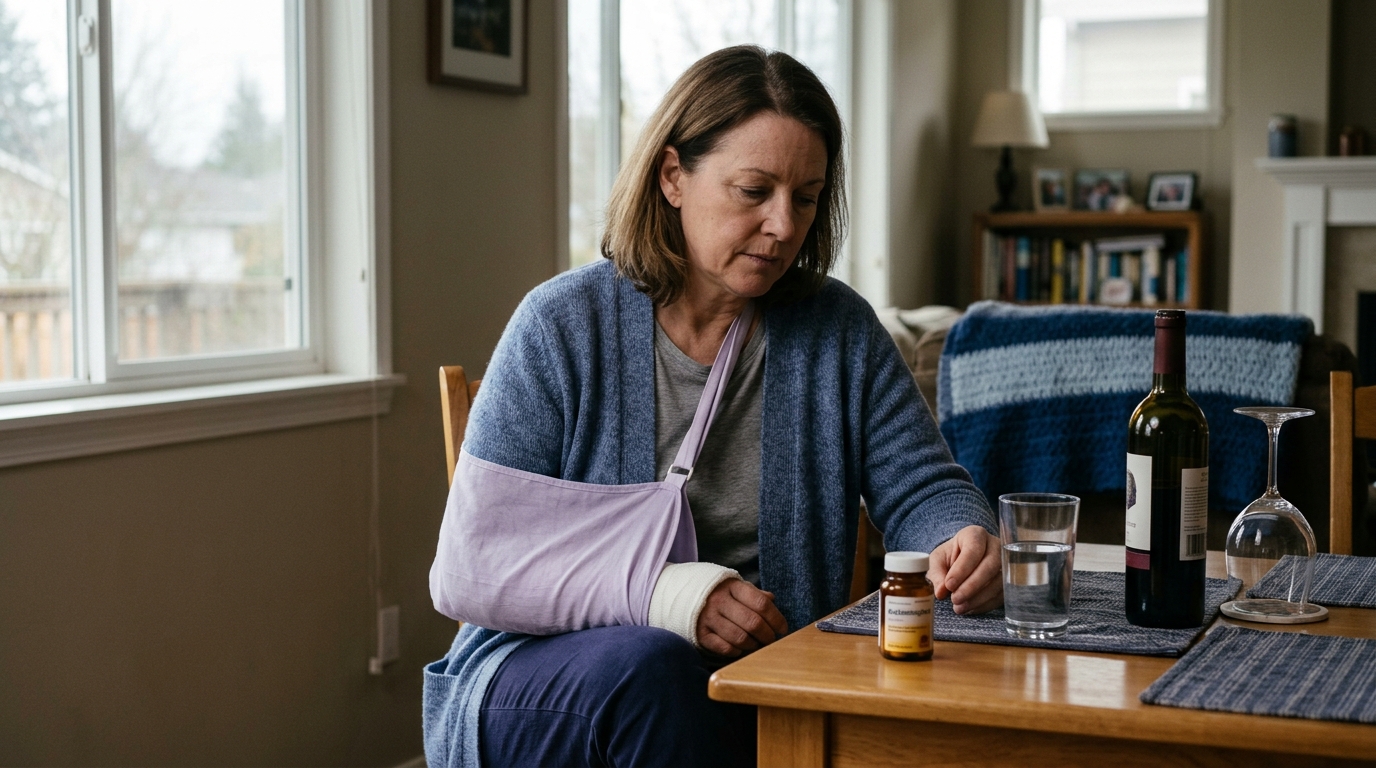
Post-operative medications can temporarily impact balance and motor coordination. Pain medications, muscle relaxants, sleep aids, and blood pressure adjustments can cause dizziness, drowsiness, or slowed reaction times.
If you feel lightheaded, uncoordinated, or excessively drowsy, discuss your medication regimen promptly with your medical team.
The design of your rehabilitation program plays a decisive role in balance recovery. Research indicates that balance improves most effectively when exercises are specific, progressive, and delivered with adequate training volume.
General walking provides cardiovascular and psychological benefits, but walking alone does not provide the varied sensory challenges required to rebuild optimal dynamic balance. Dedicated balance exercises, movement retraining, and strength work produce far superior coordination gains.
To discover how targeted exercise helps restore physical performance, review our guide on strength and performance rebuilding.
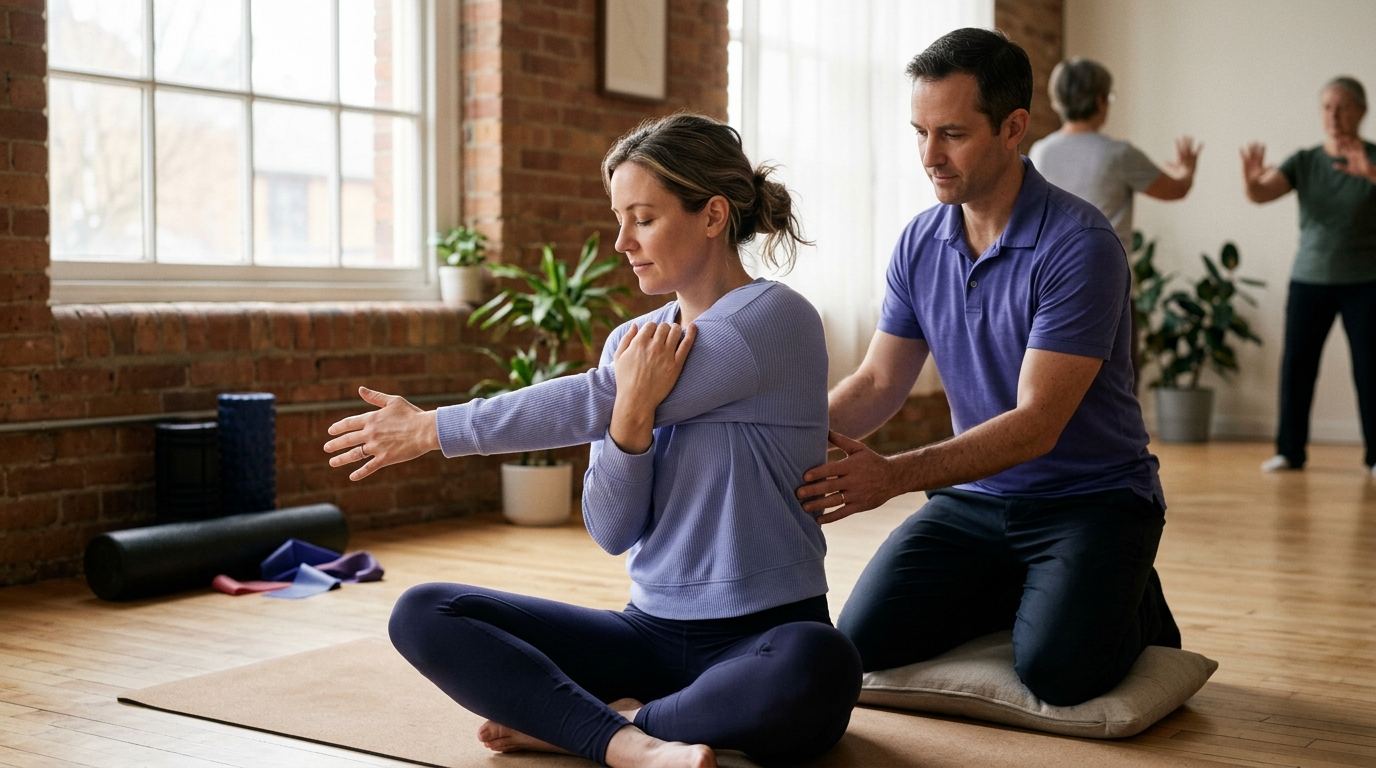
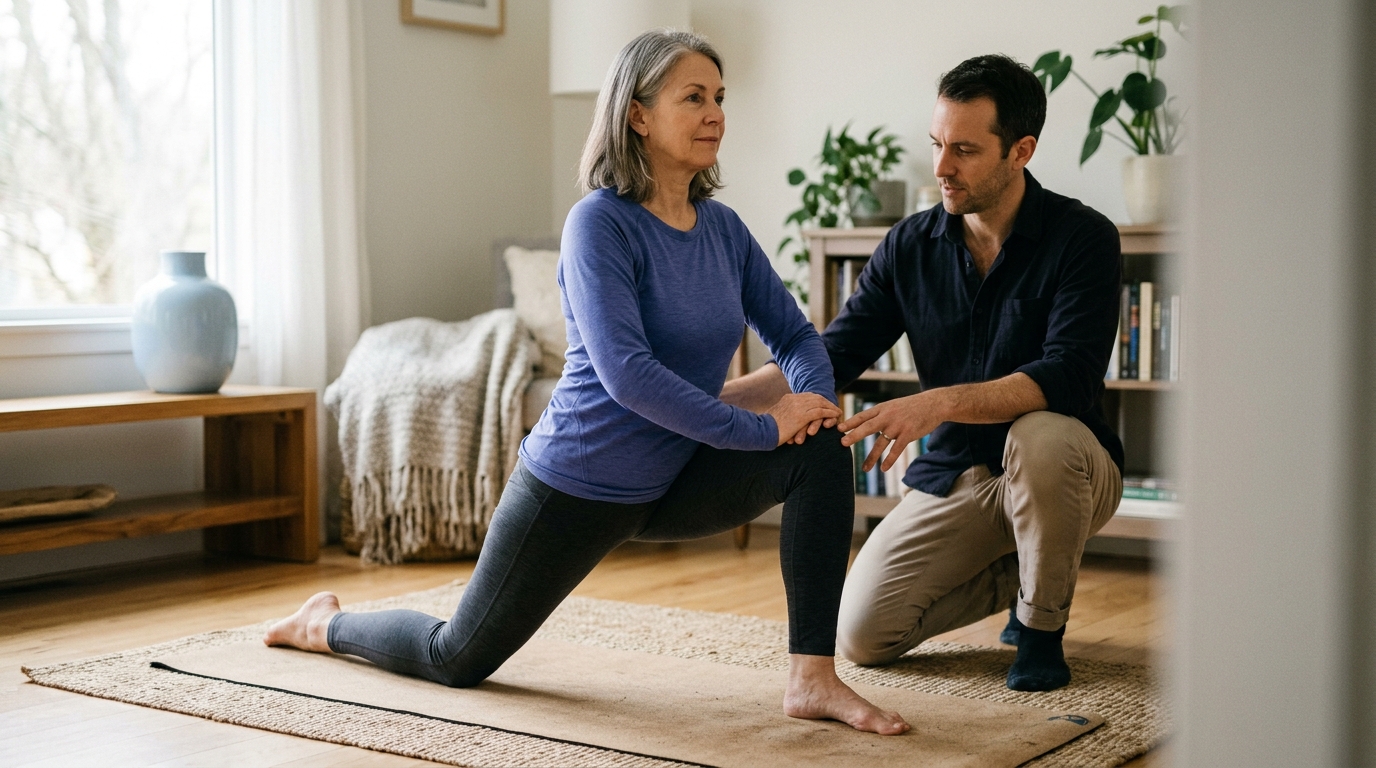
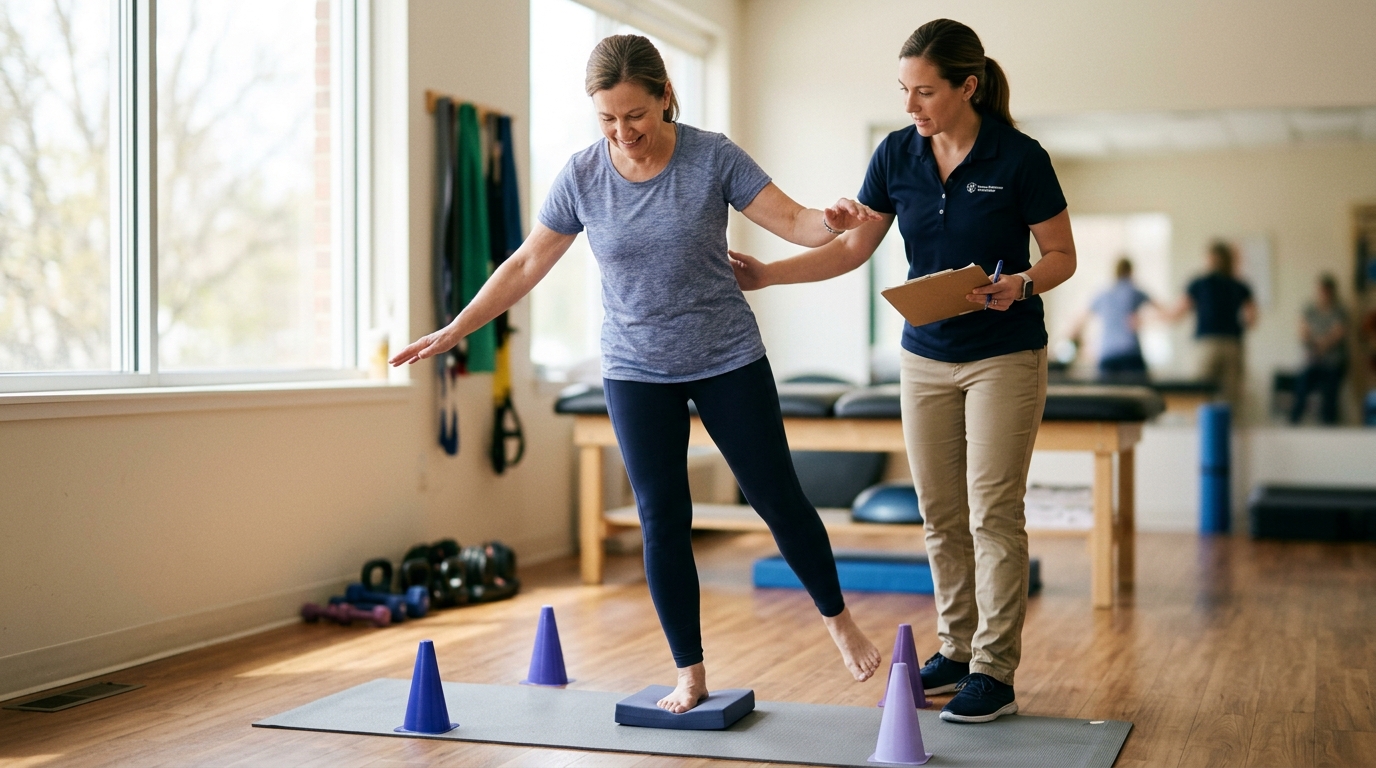
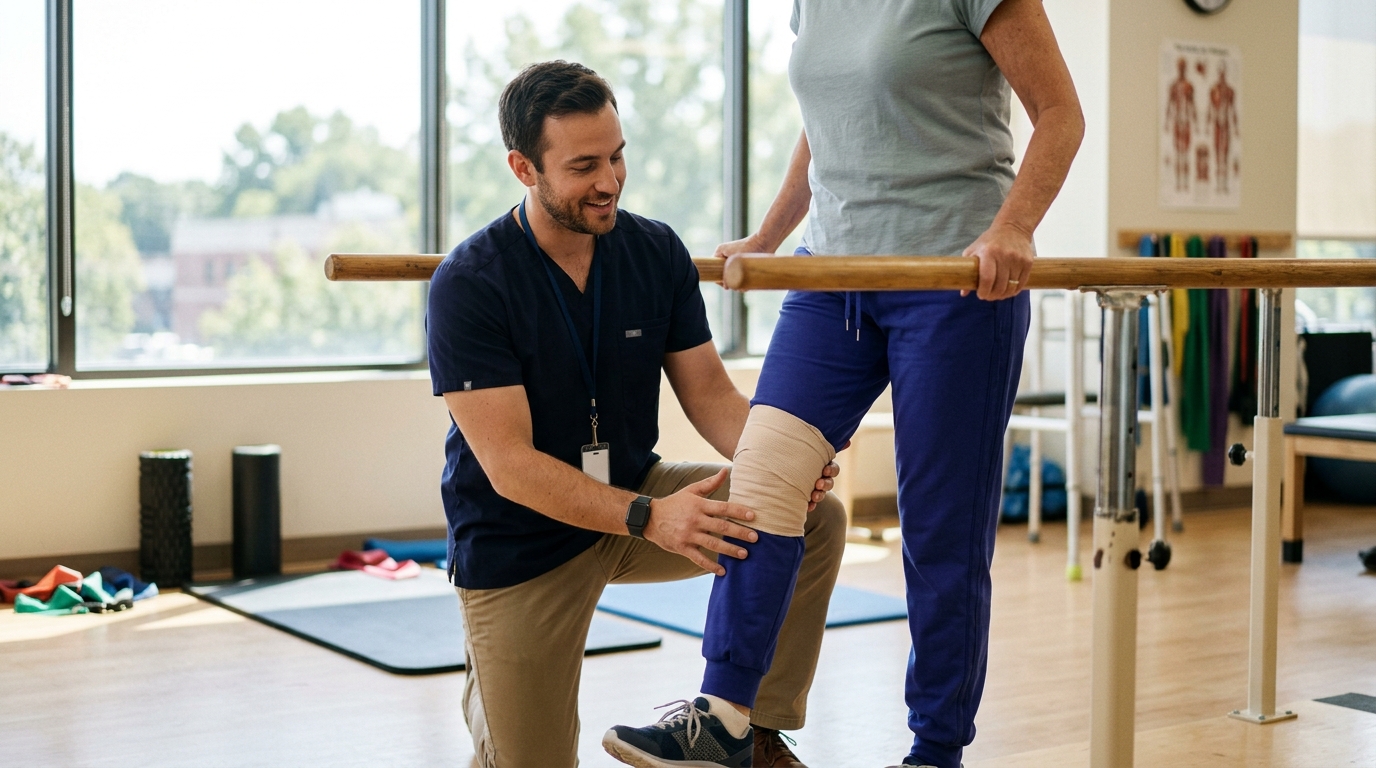
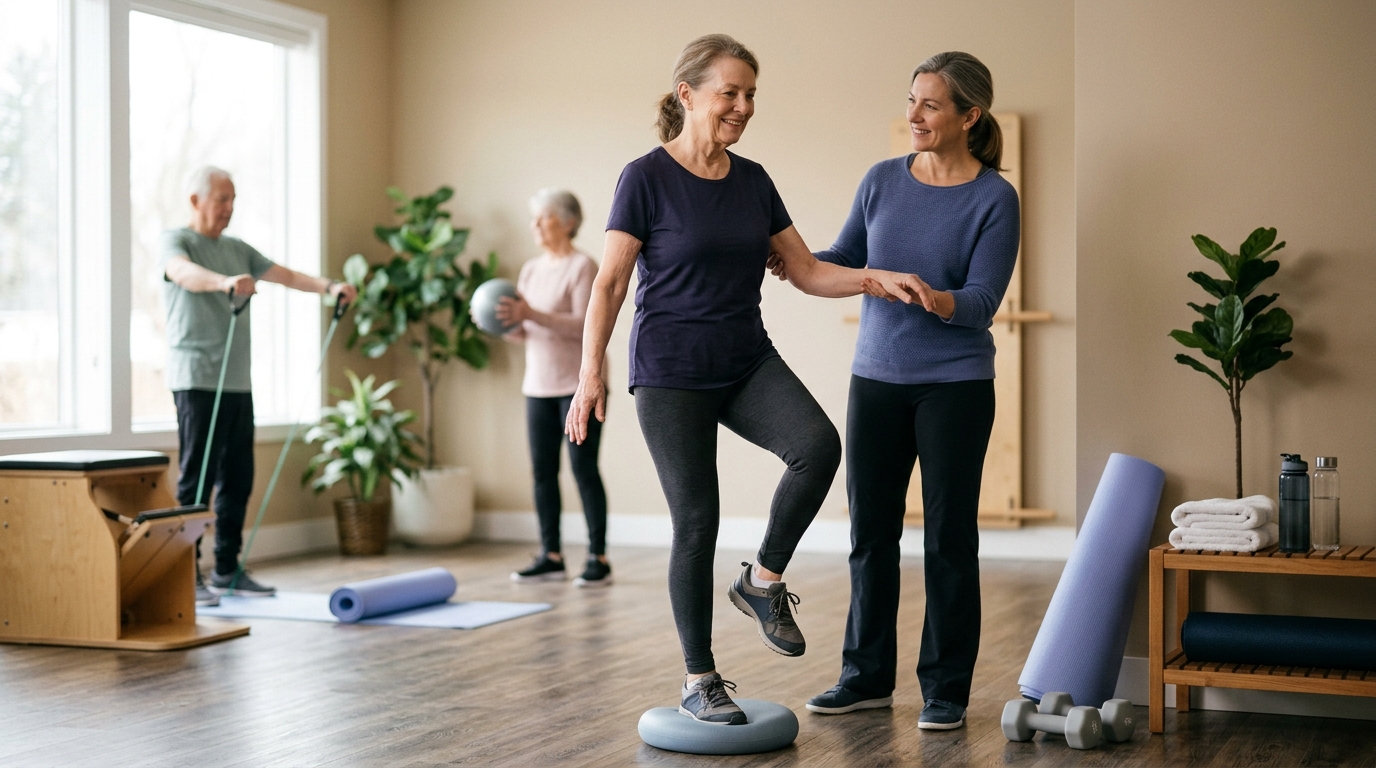
Rebuilding balance after surgery requires a structured, progressive approach supervised by a physical therapist. The goal is to challenge your balance systems safely without exceeding tissue healing limits or causing falls.
The 2026 APTA Clinical Practice Guideline for total knee arthroplasty emphasizes the value of motor-function training during recovery. Rather than focusing solely on muscle size or joint flexibility, motor-function training targets how muscles work together during movement.
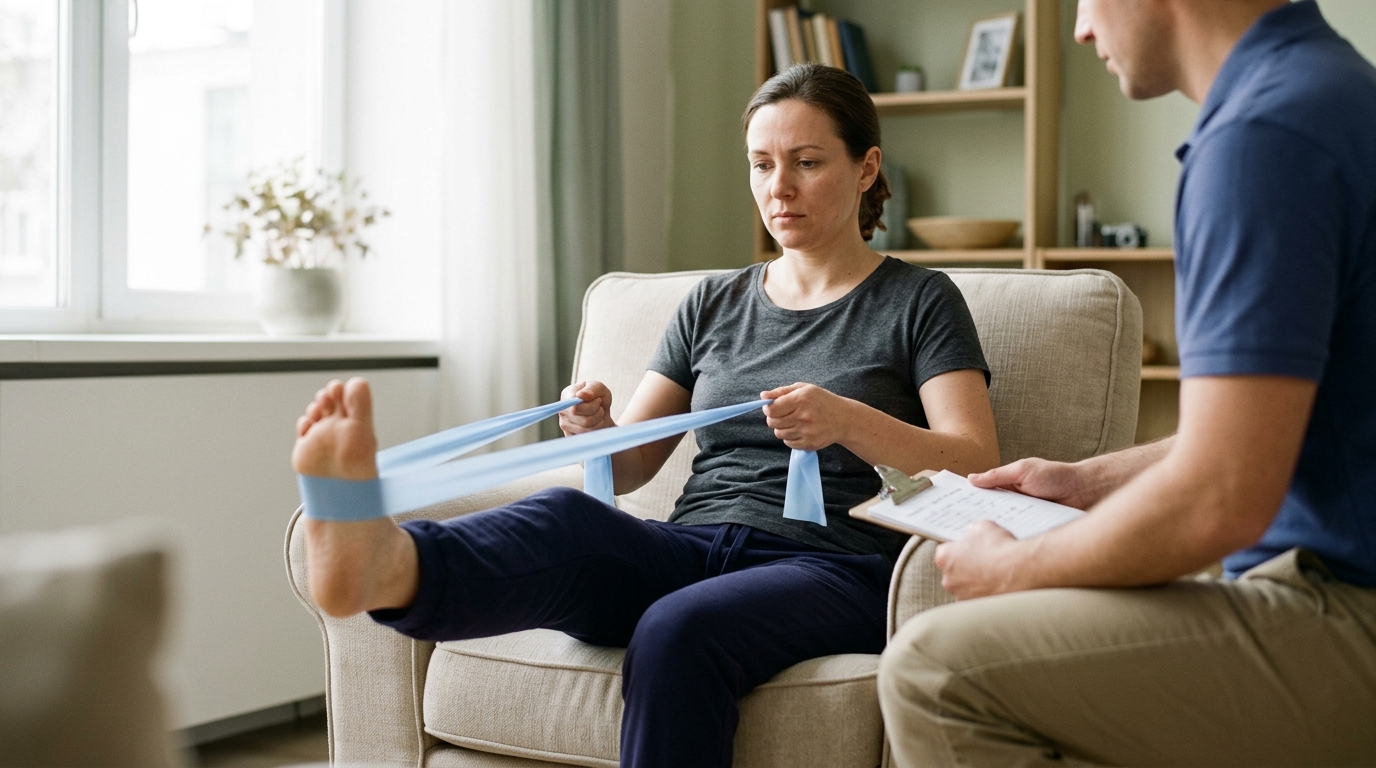
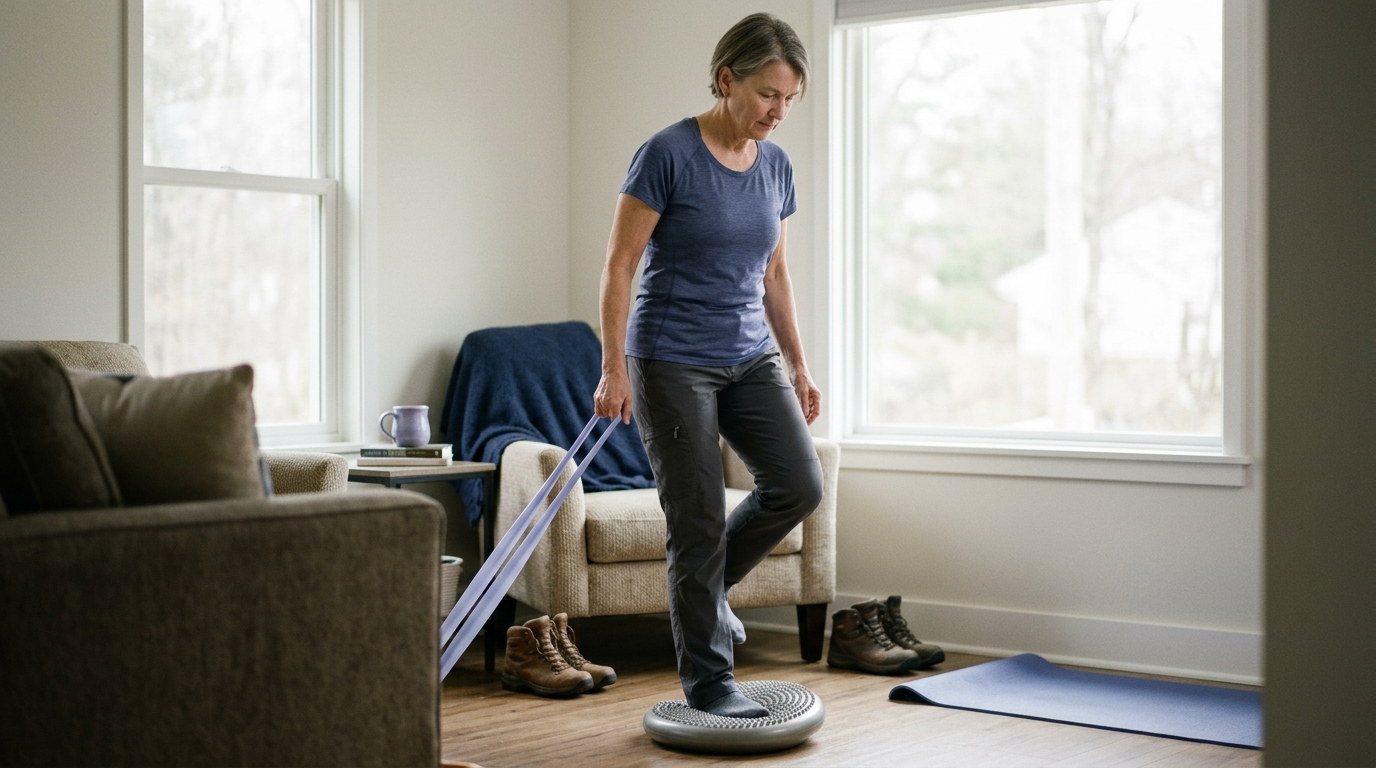
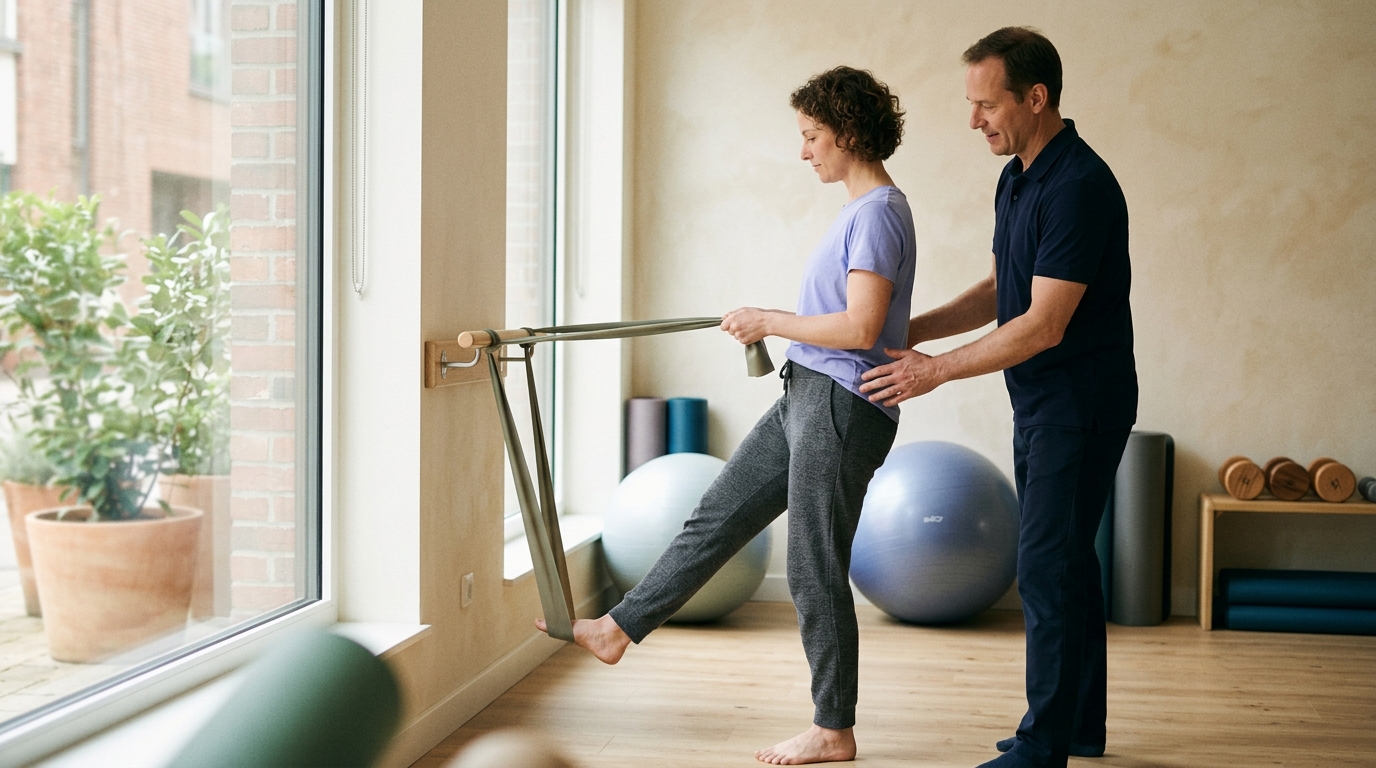
Examples of motor-function and dynamic balance exercises include:
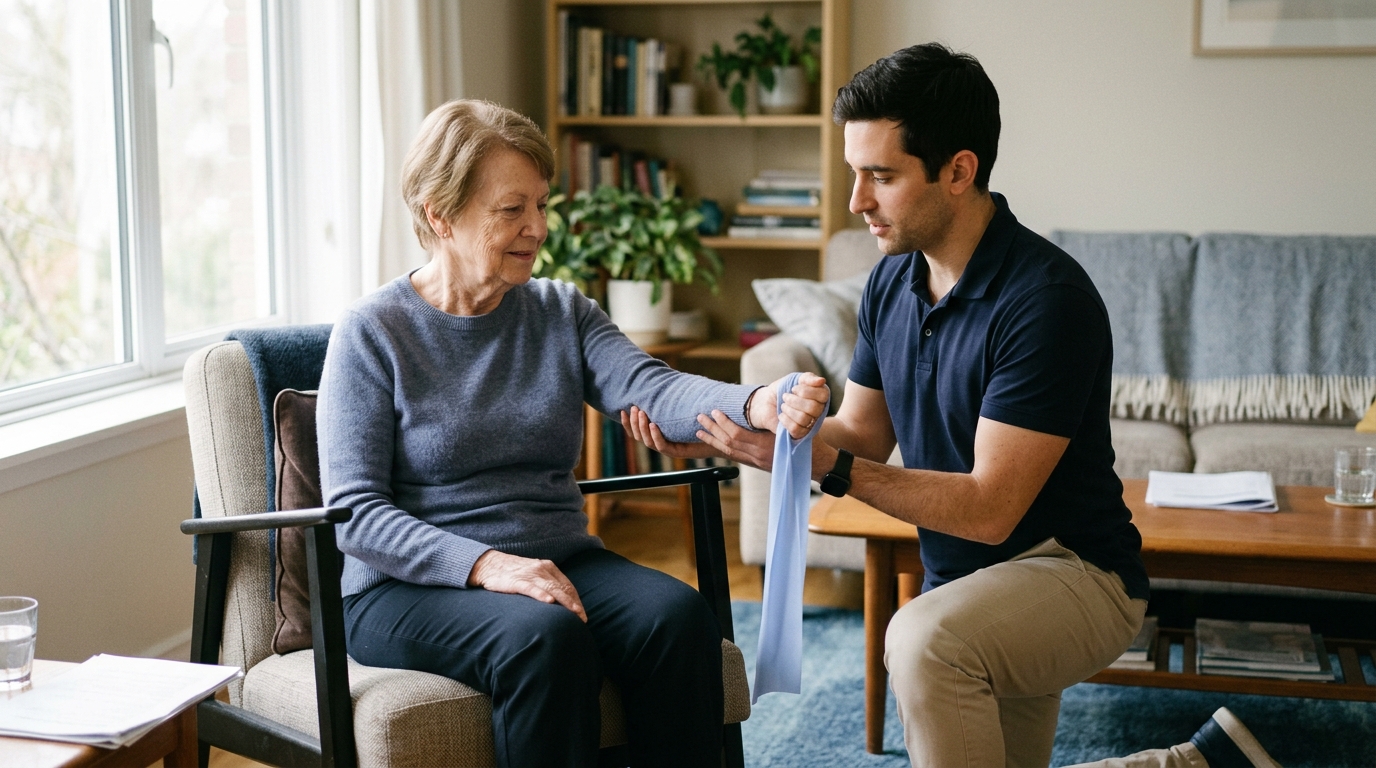
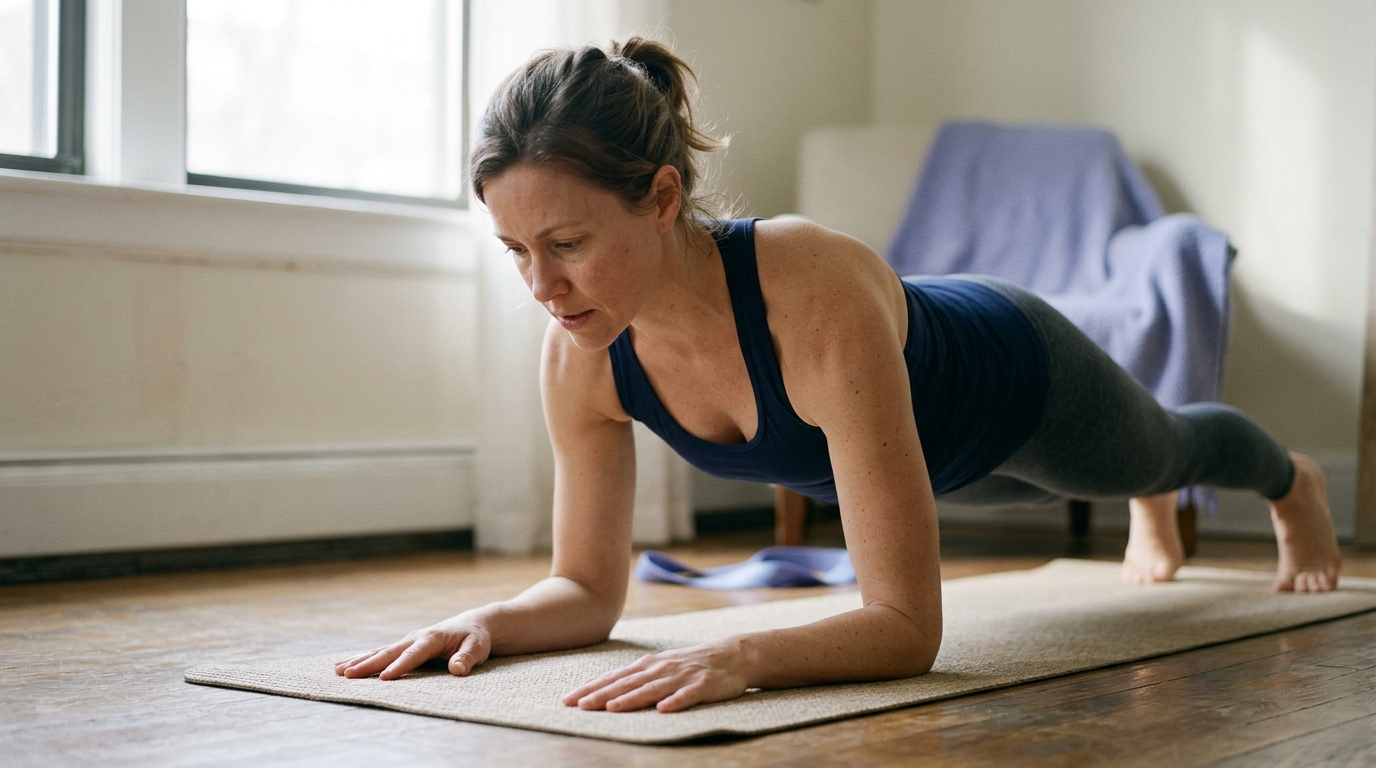
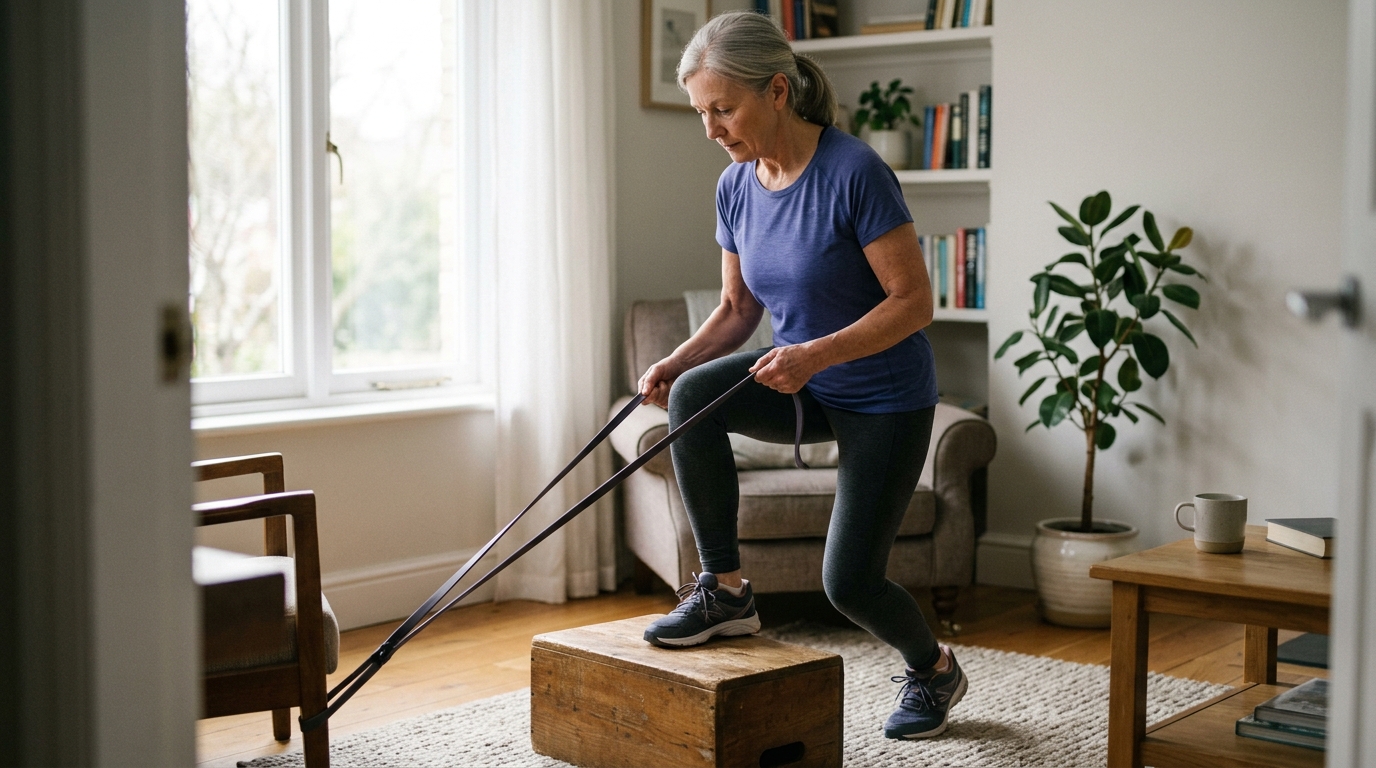
Balanced movement requires balanced strength. Rehabilitation programs focus on rebuilding force production in both the operated and non-operated limbs.
Key muscle groups targeted during lower extremity rehabilitation include:
Physical therapists progress balance challenges systematically over time:
All progressions should occur under the guidance of your clinical team to ensure safety and prevent overloading healing tissues.
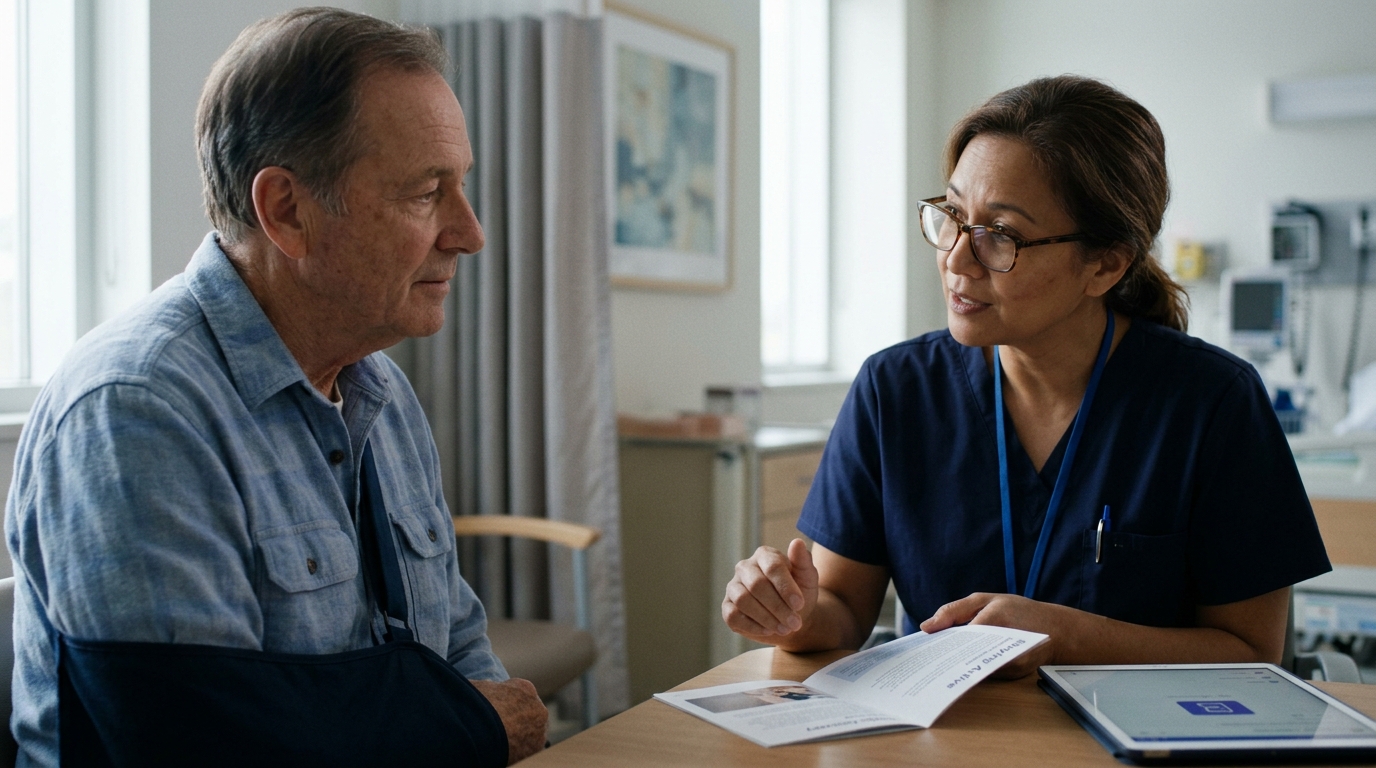
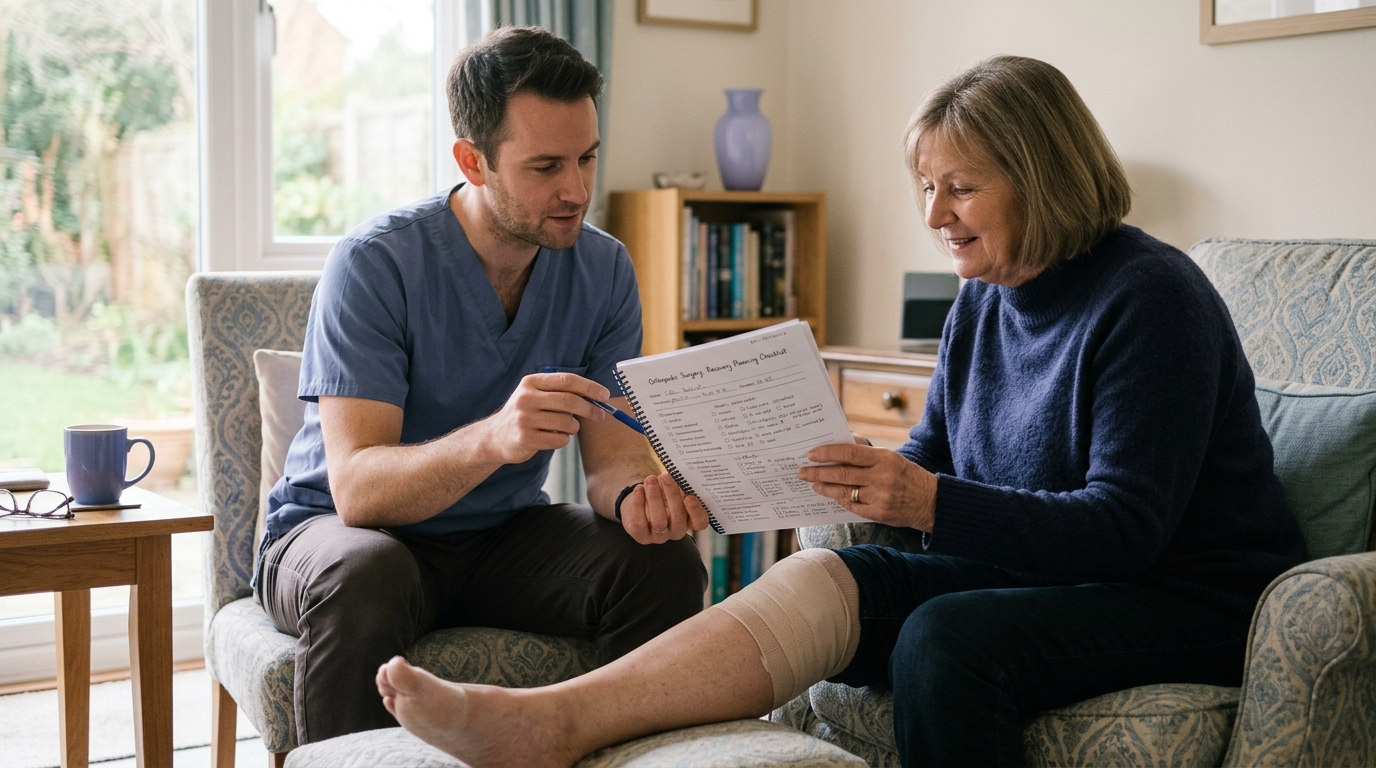
Open communication with your orthopedic surgeon and physical therapist helps ensure that balance concerns are addressed early in recovery. Here are practical, evidence-informed questions to guide your conversations:
Steady movement after orthopedic surgery requires more than pain relief and a healed incision. Balance, proprioception, muscle strength, and walking symmetry often lag behind symptom improvement.
Scientific research shows that balance and fall risk improve following joint replacement and fracture repairs, but subtle deficits can linger for months. Functional readiness is task-specific and requires demonstrating the strength, coordination, and control needed to navigate daily life safely.
Working closely with your physical therapist to perform structured balance drills, restore bilateral leg strength, and practice dynamic movement patterns provides the clearest path toward steady, confident mobility.
Revisit this resource whenever you prepare to transition between recovery phases, such as moving from a walker to a cane, advancing from indoor walking to uneven outdoor surfaces, or discussing your balance progress with your physical therapist.
Recovery of balance is an ongoing process of physical rebuilding and neural recalibration that responds directly to safe, consistent, and structured practice.

Use ReboundBody resources to understand common recovery stages, rehab terms, movement limits and strength rebuilding. Each guide is designed to make a complex comeback easier to understand.


Read practical guidance on injury recovery, rehabilitation, mobility and rebuilding strength as you work your way back to activity.
Explore Resources