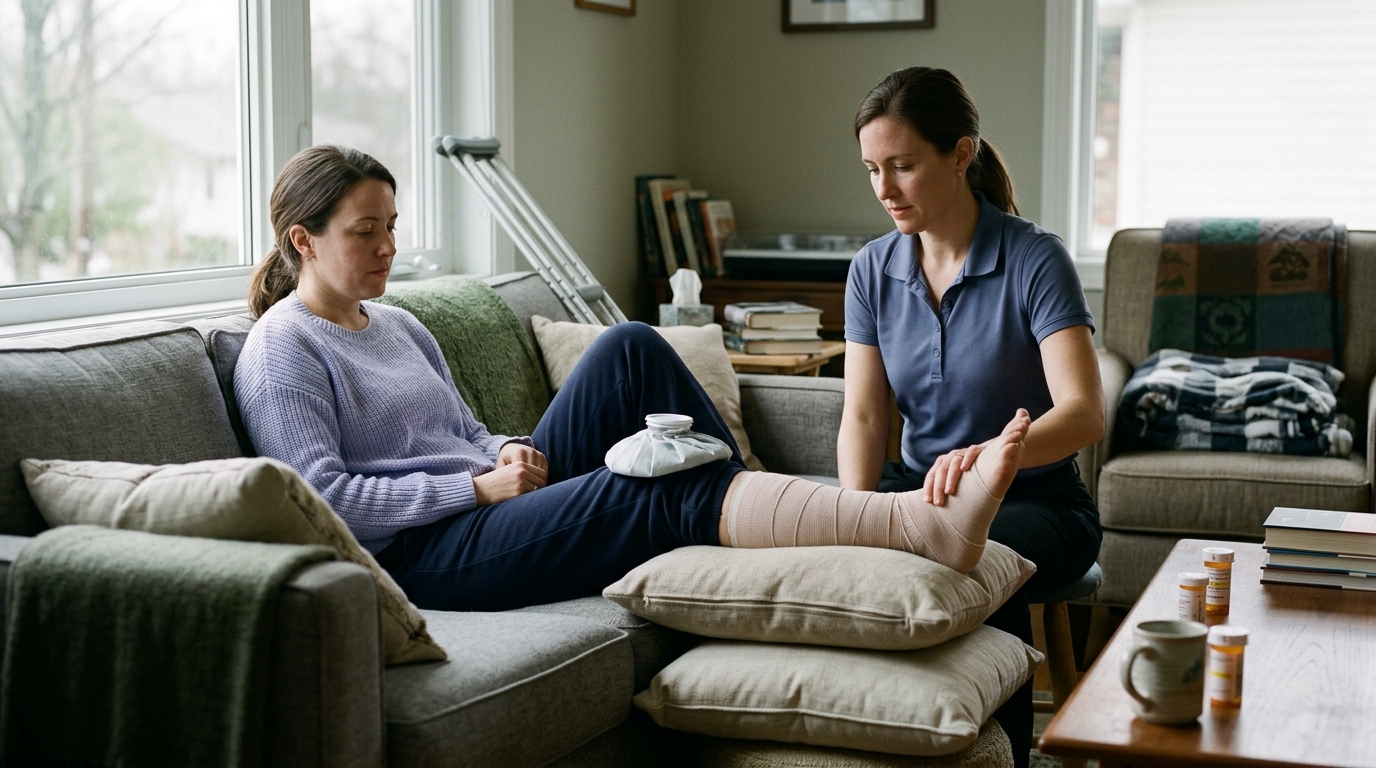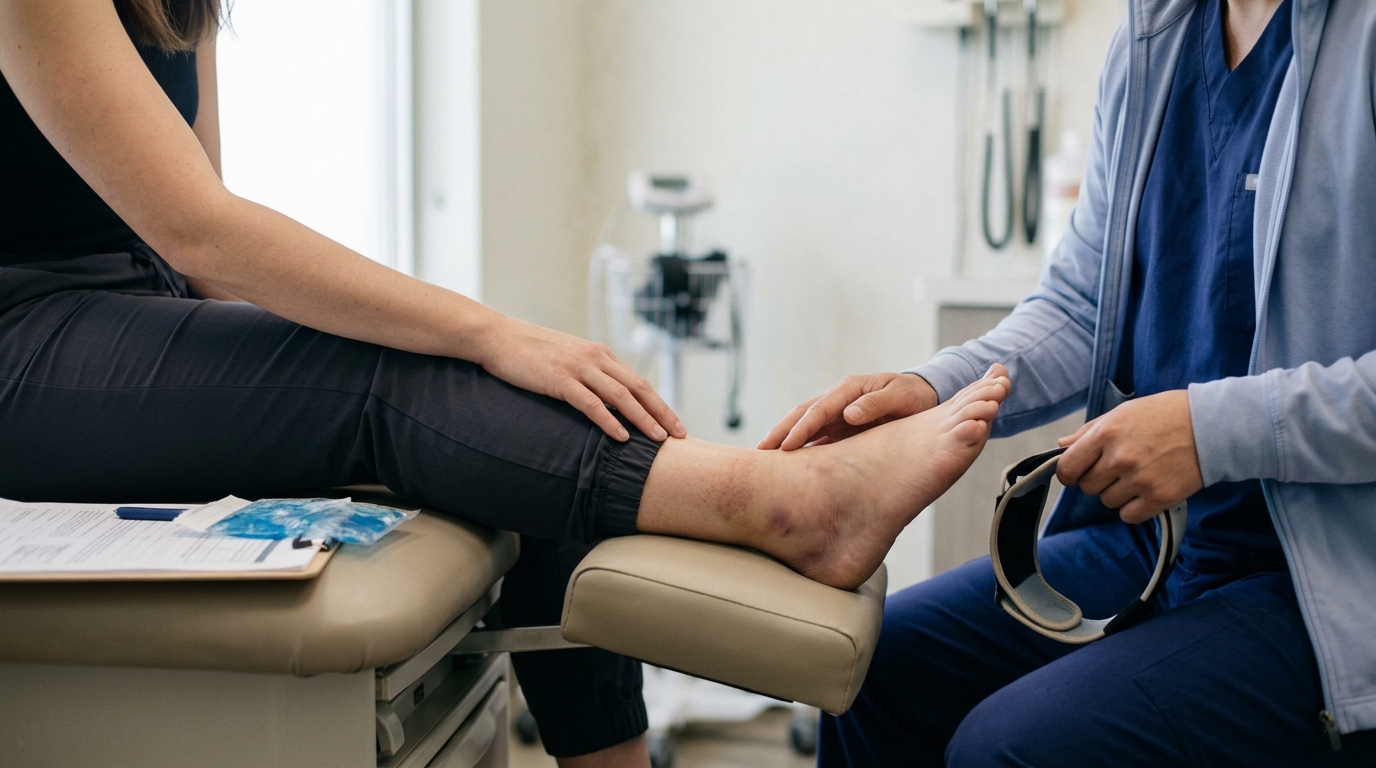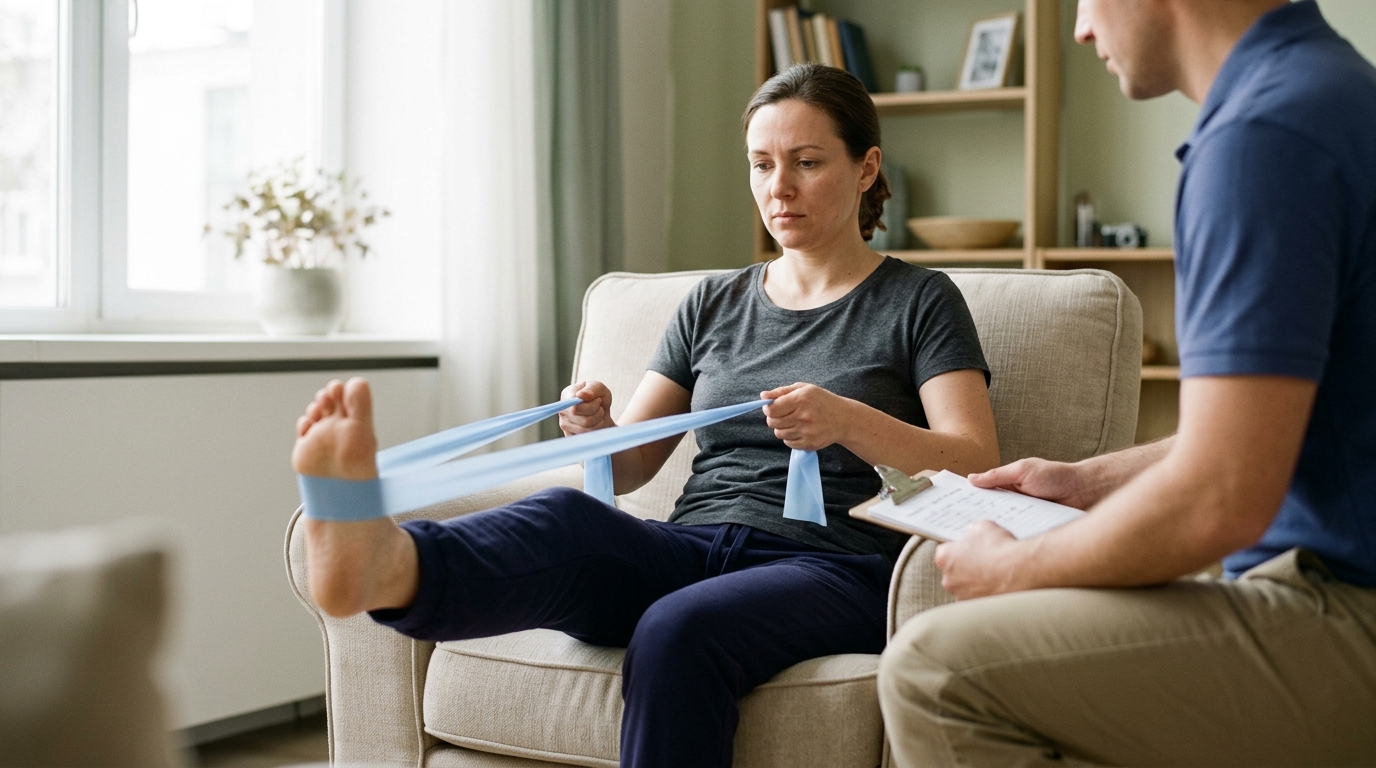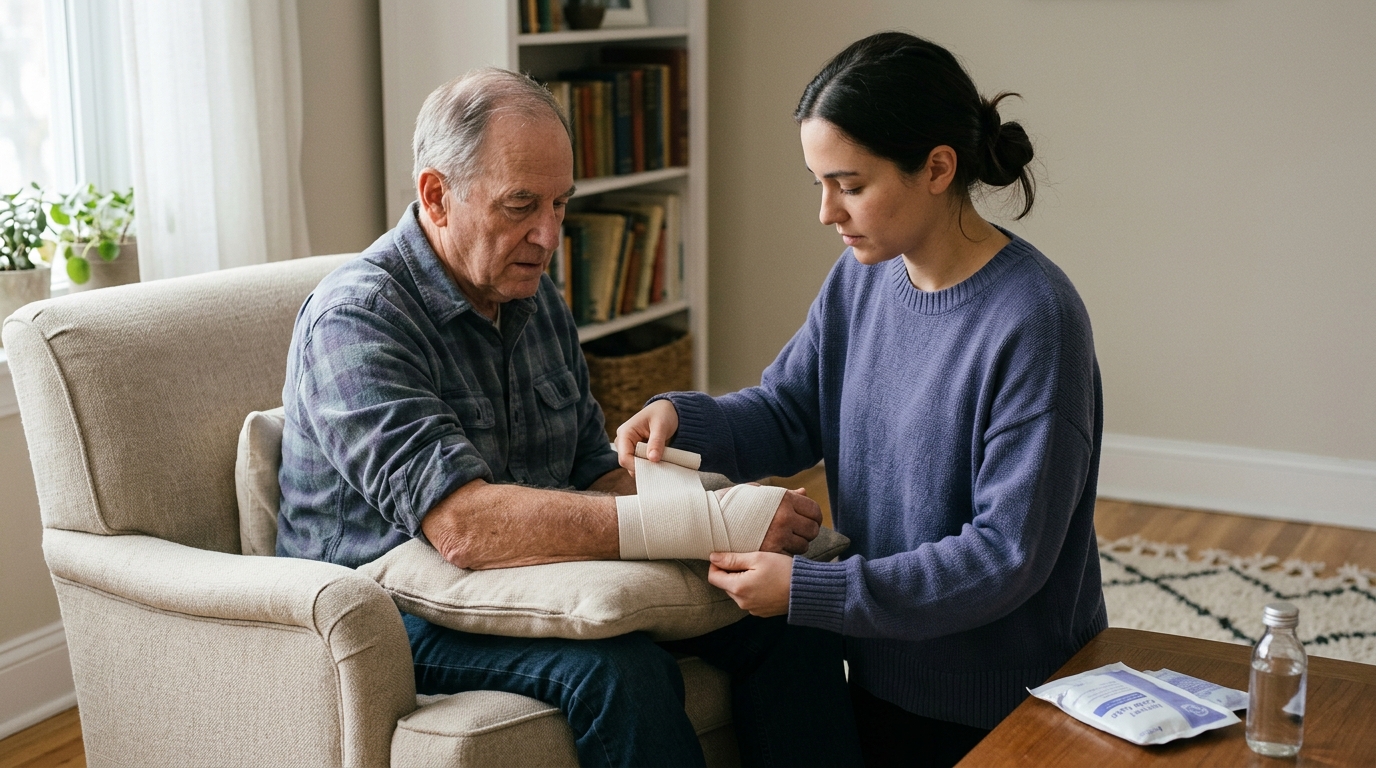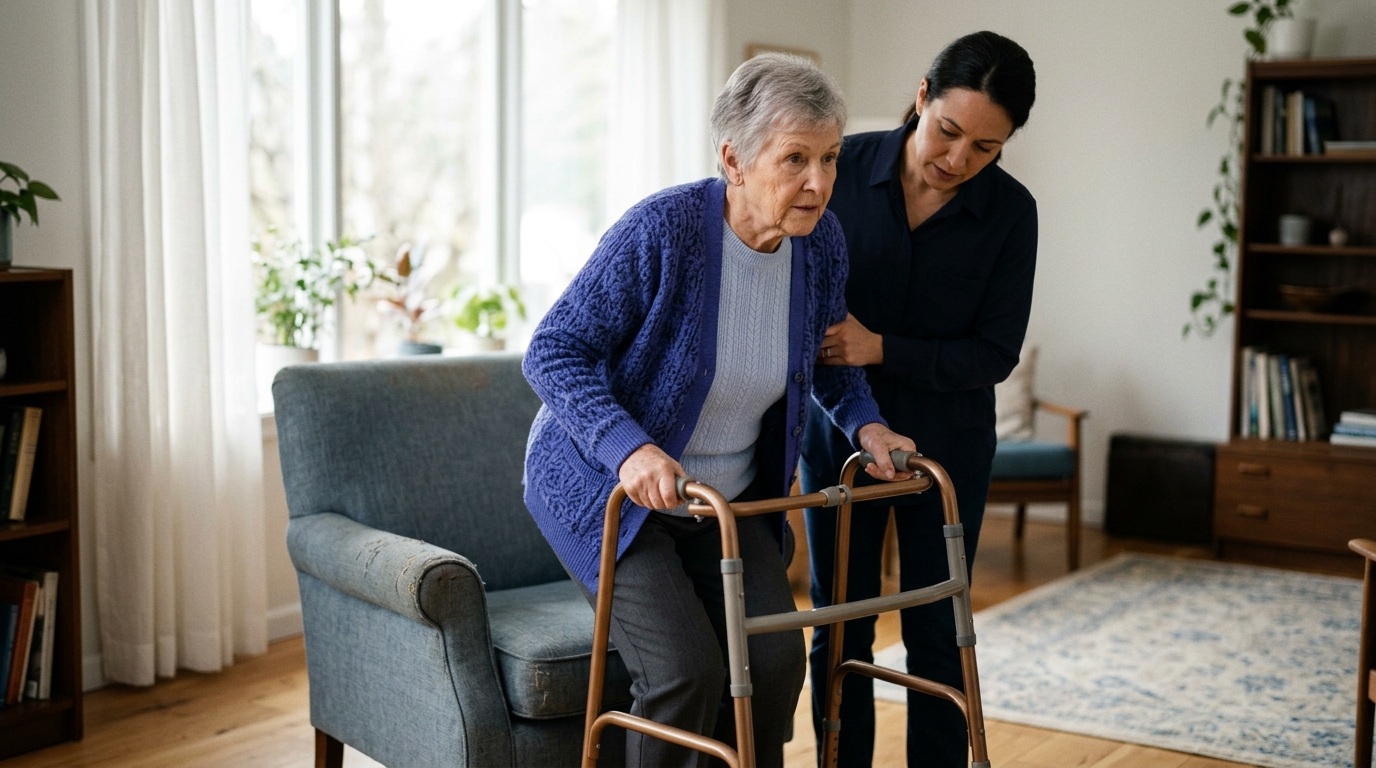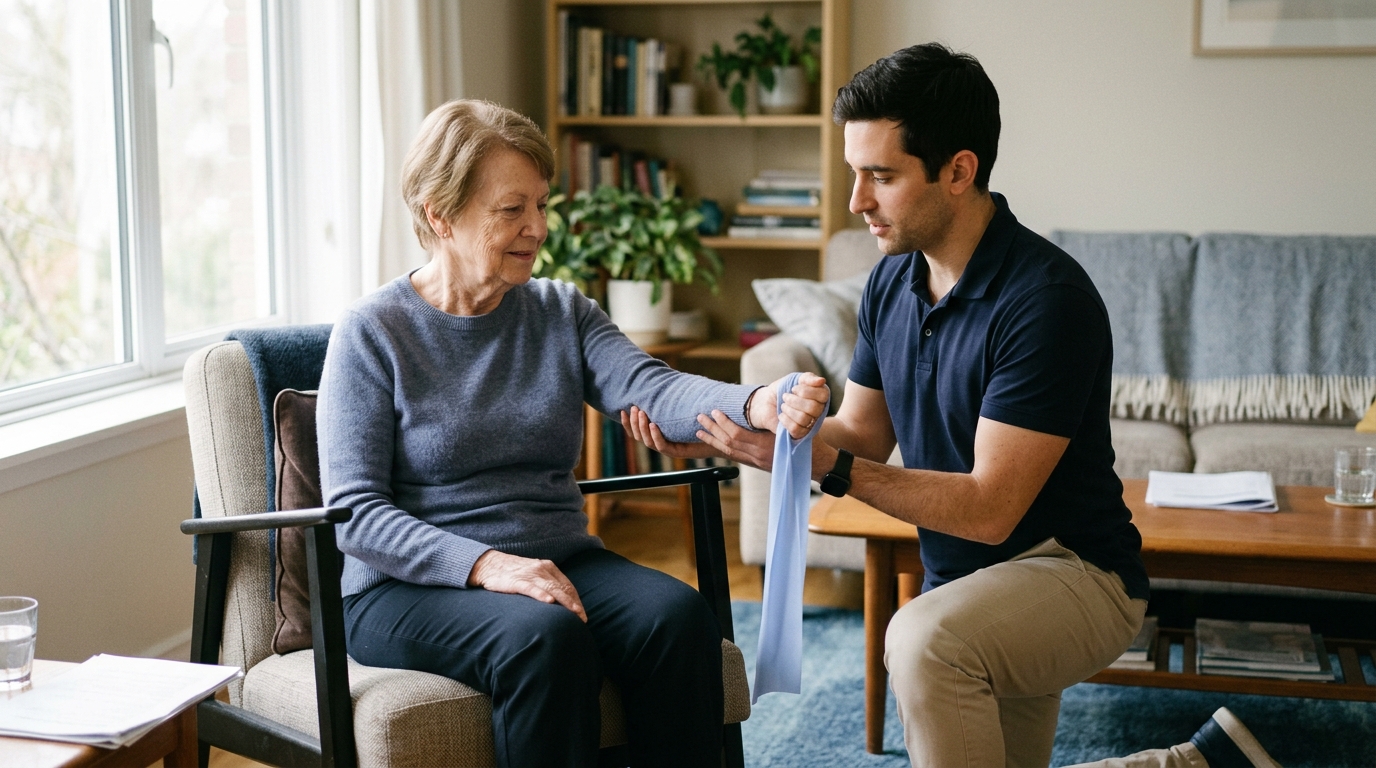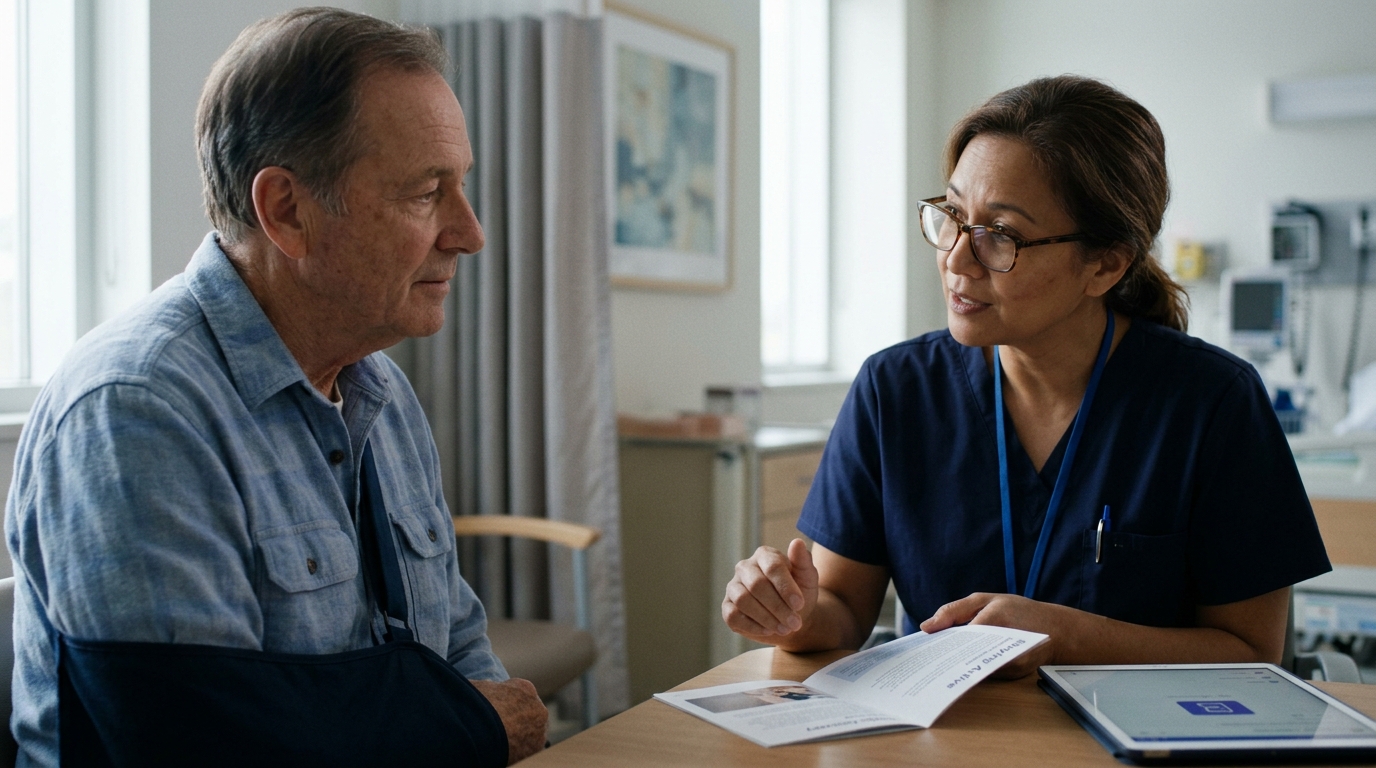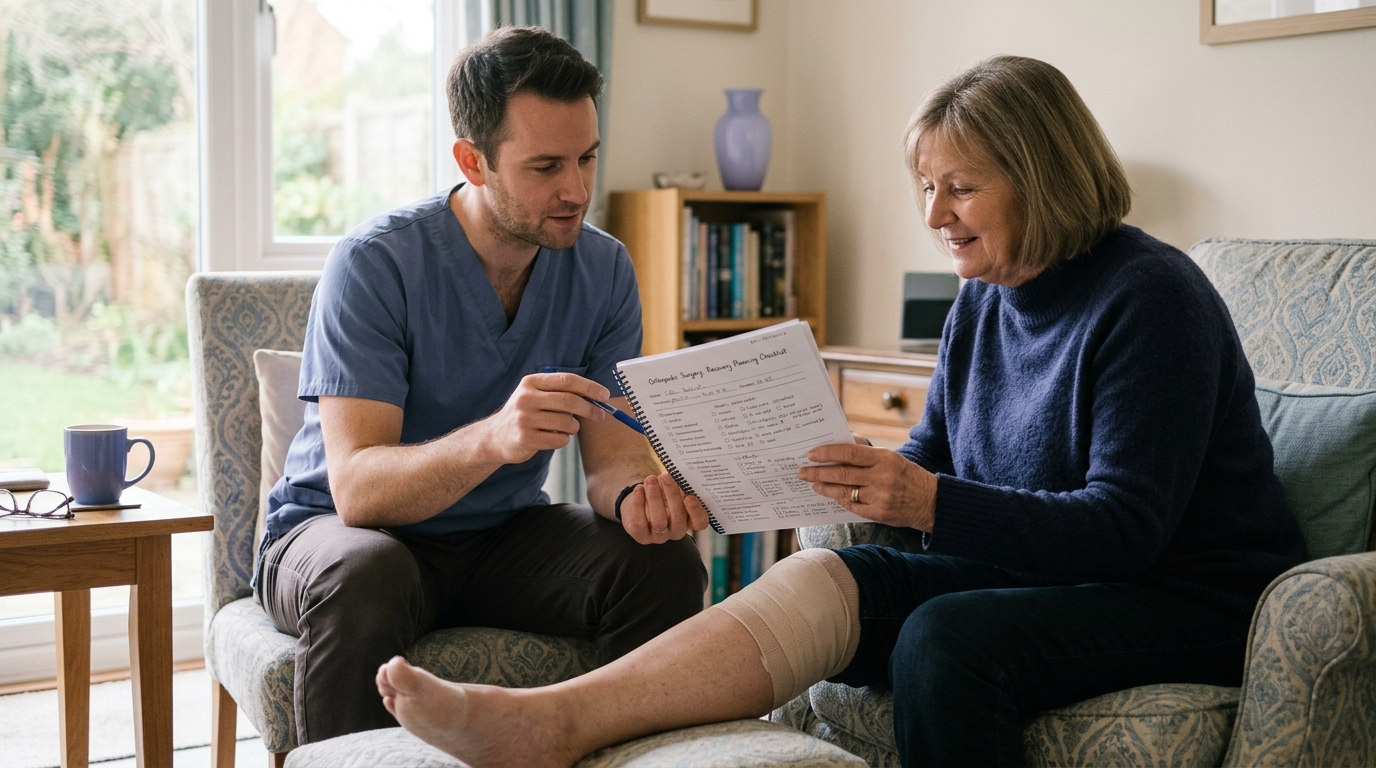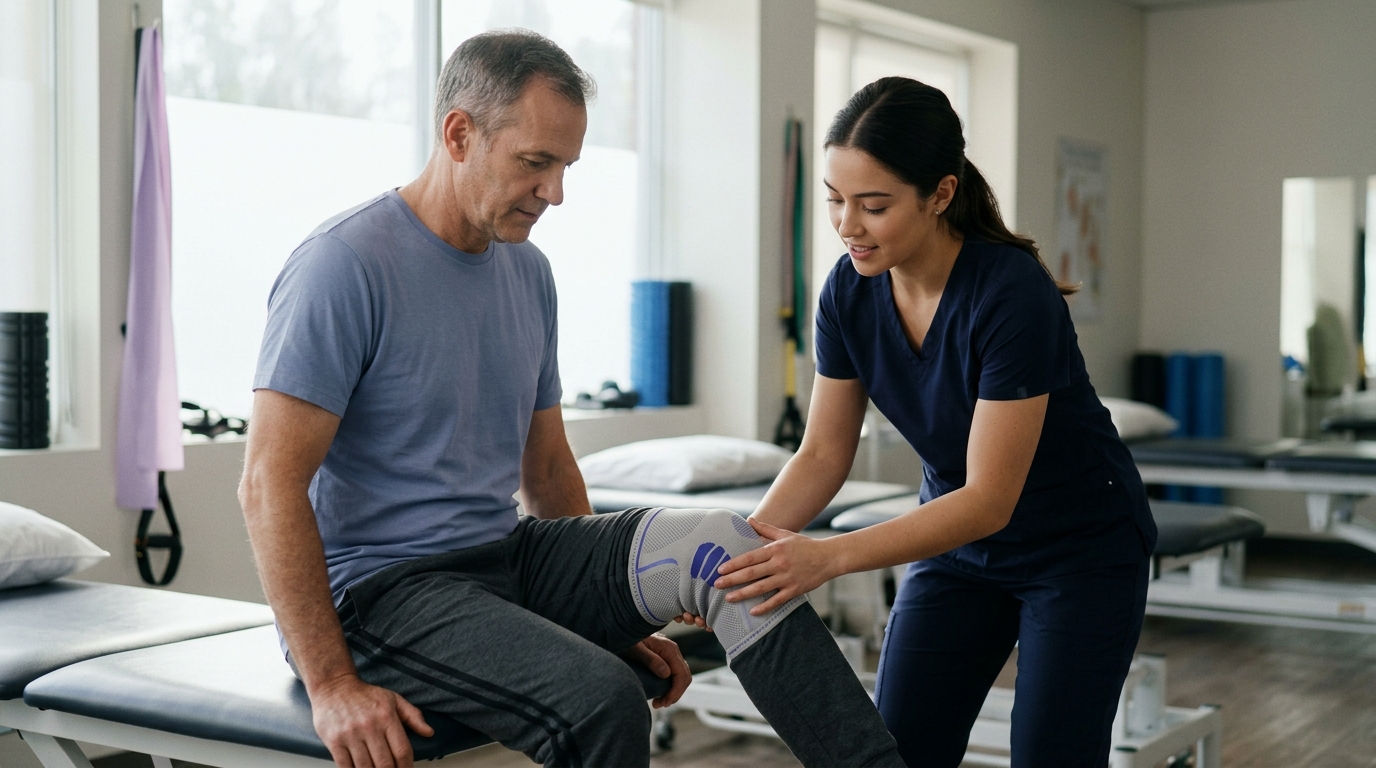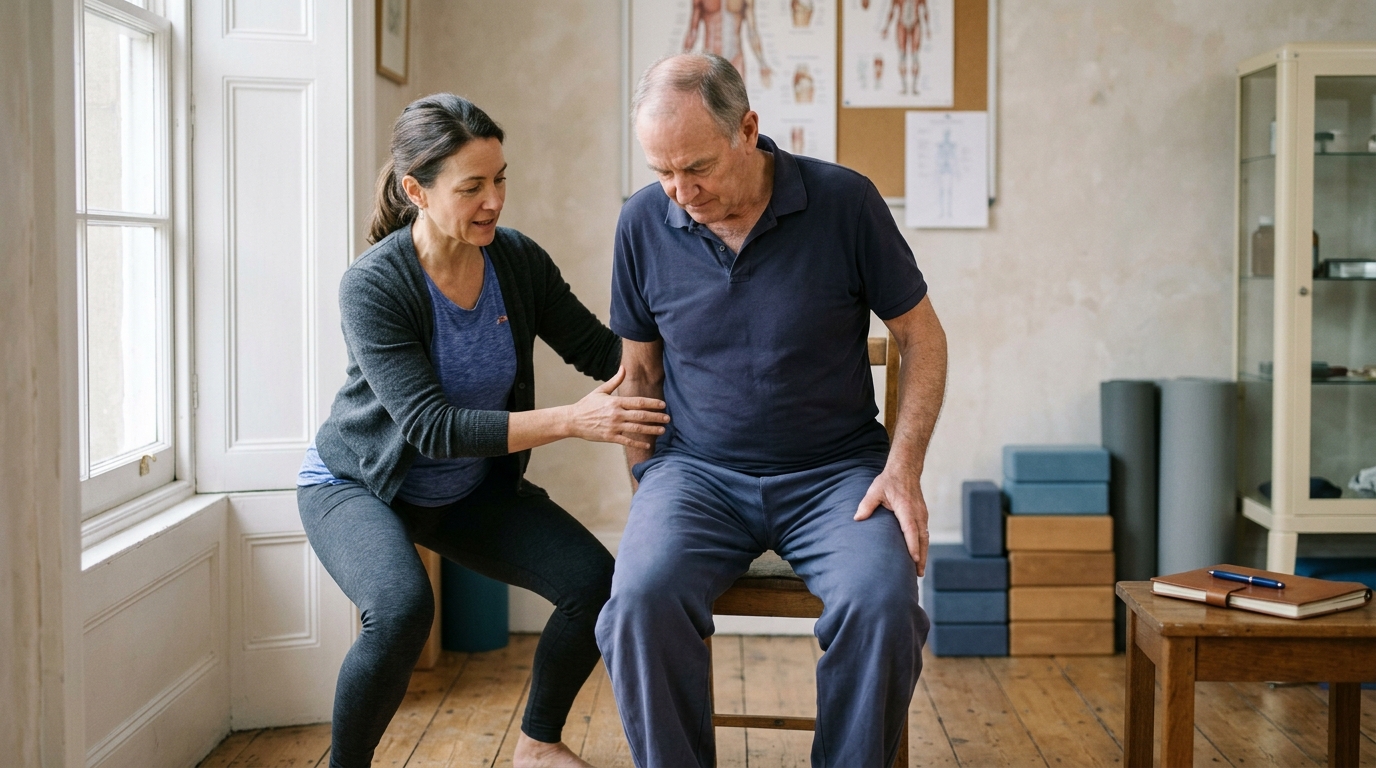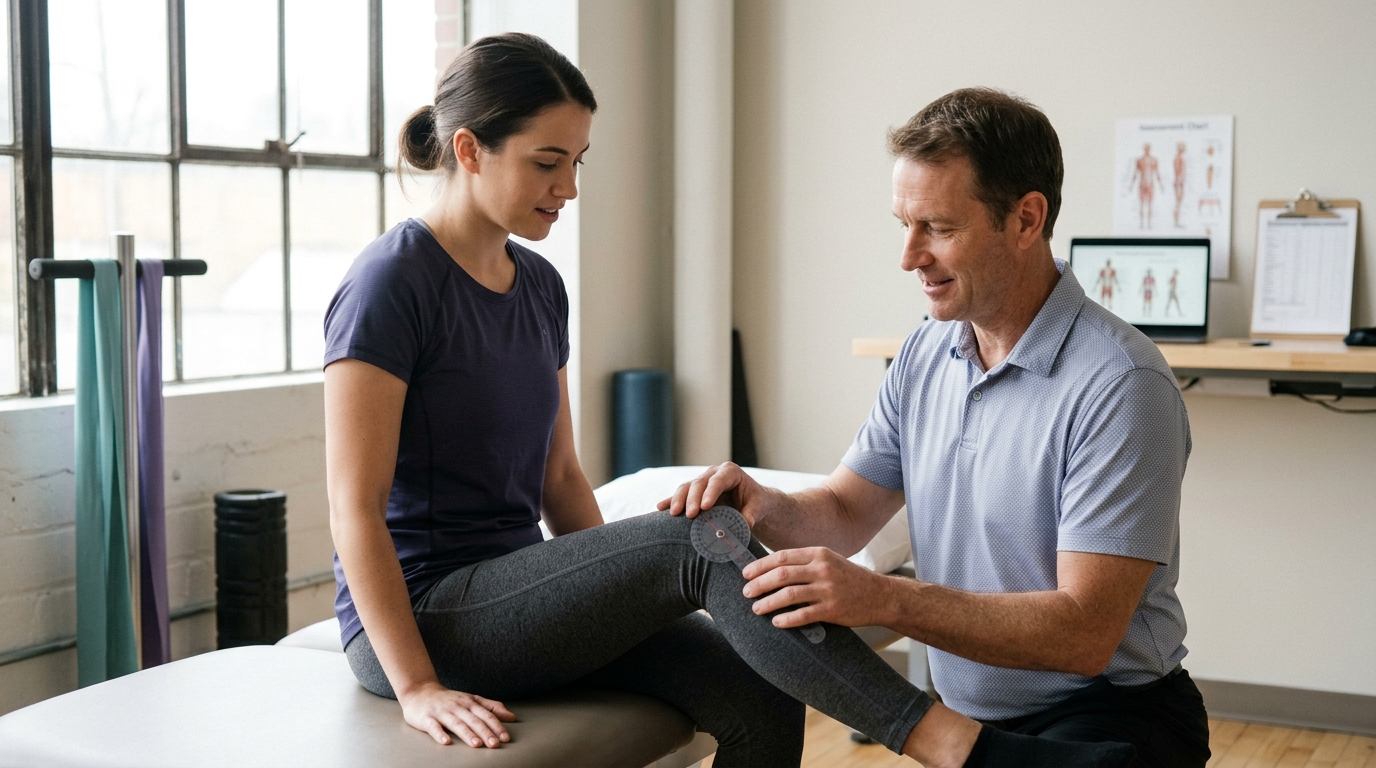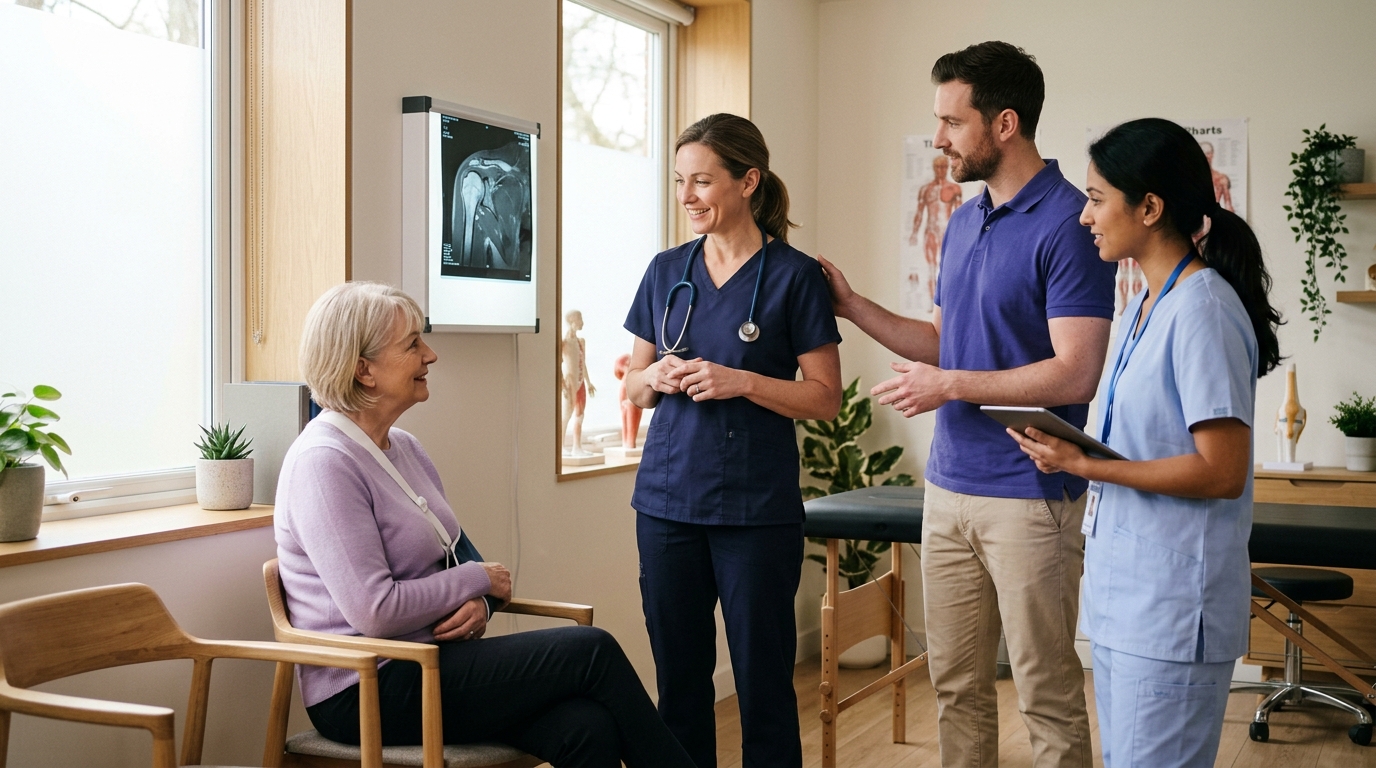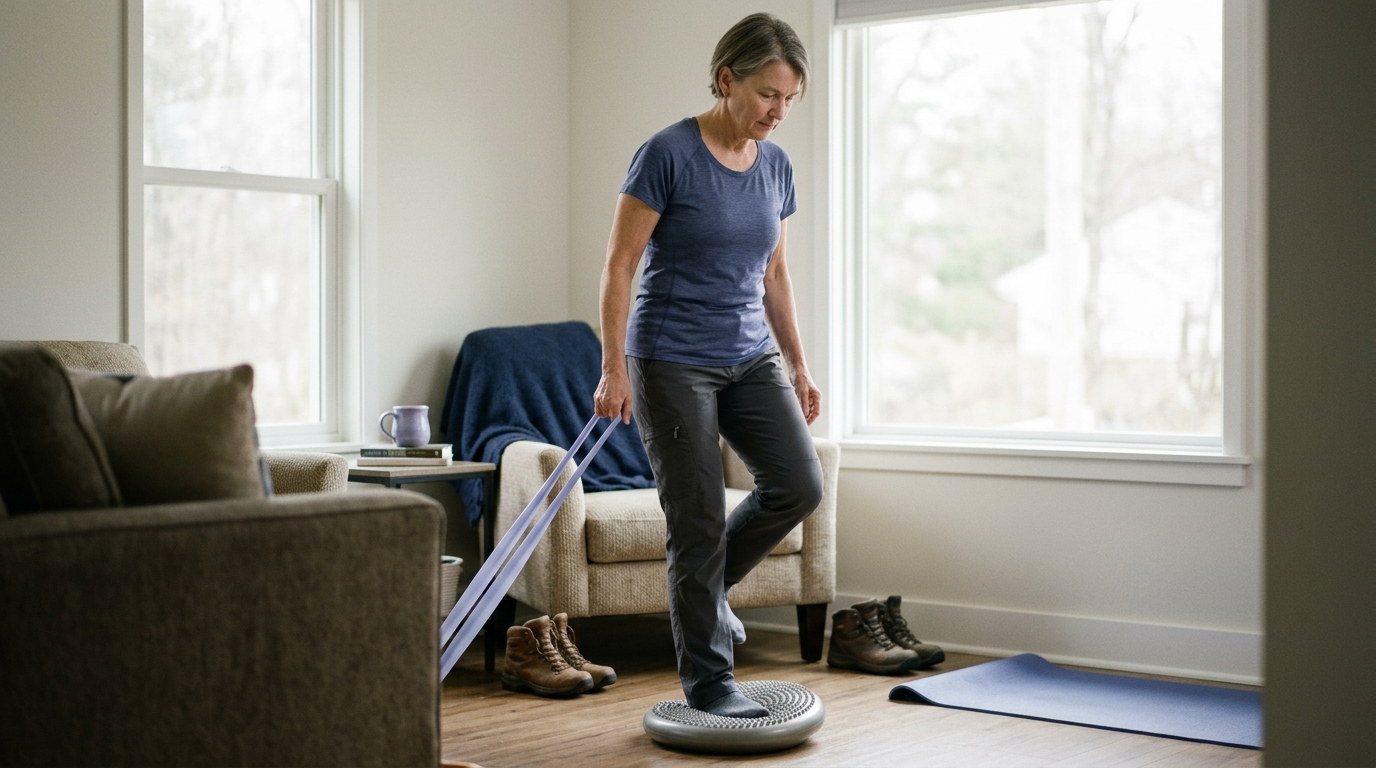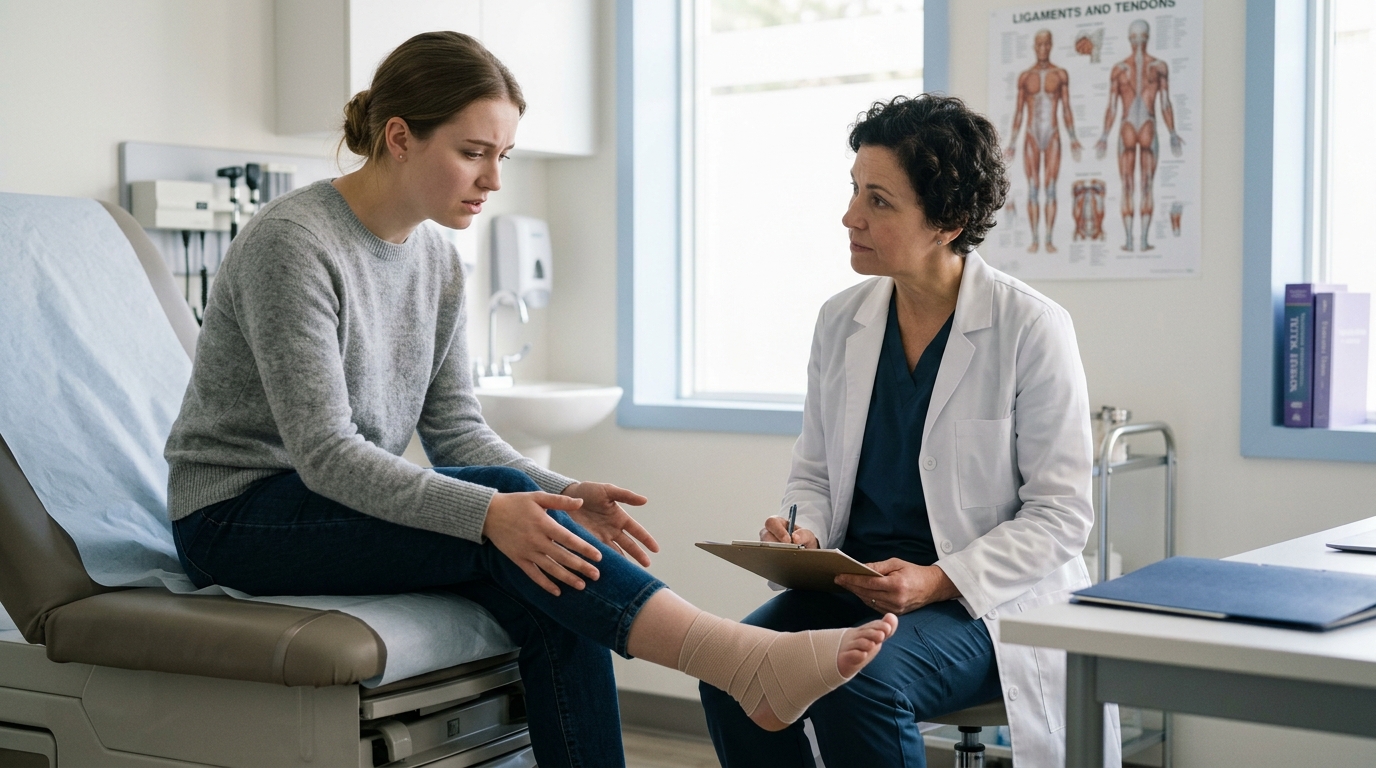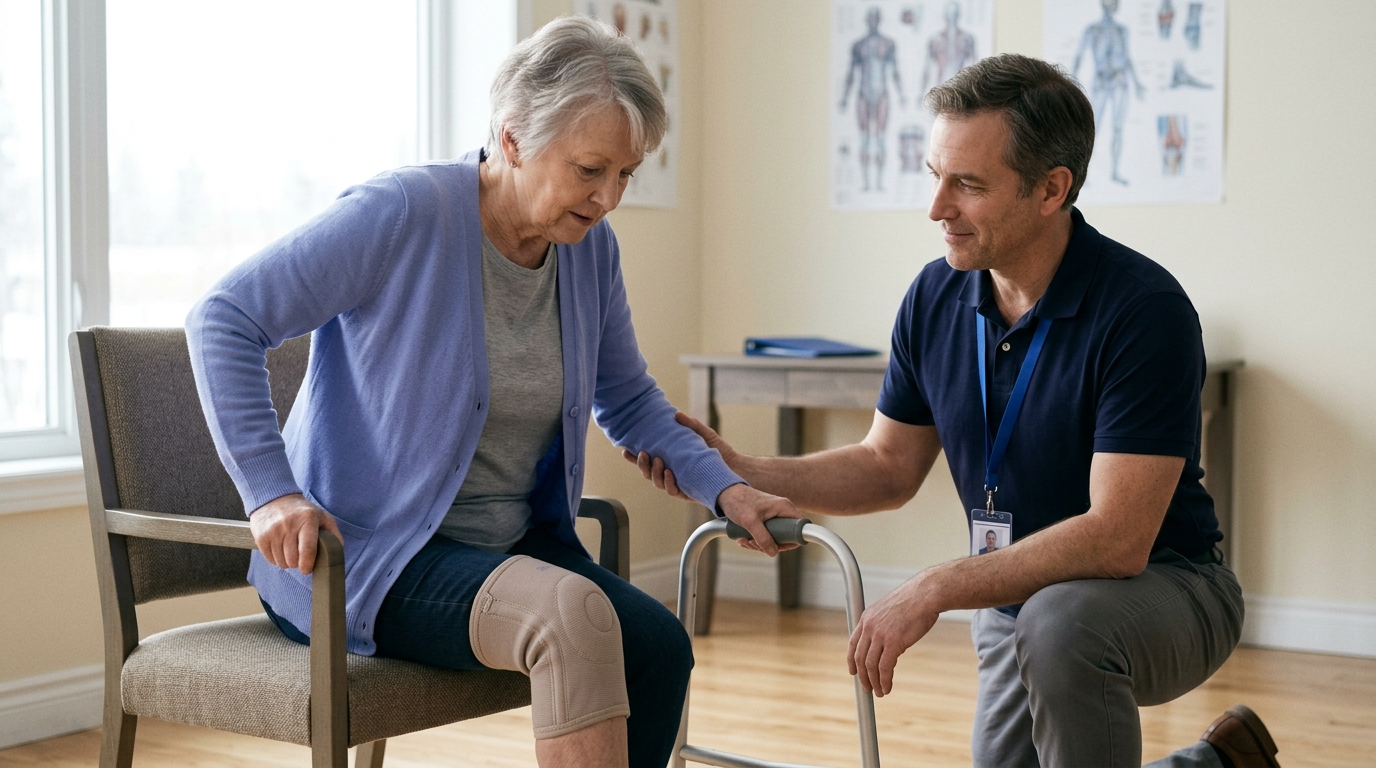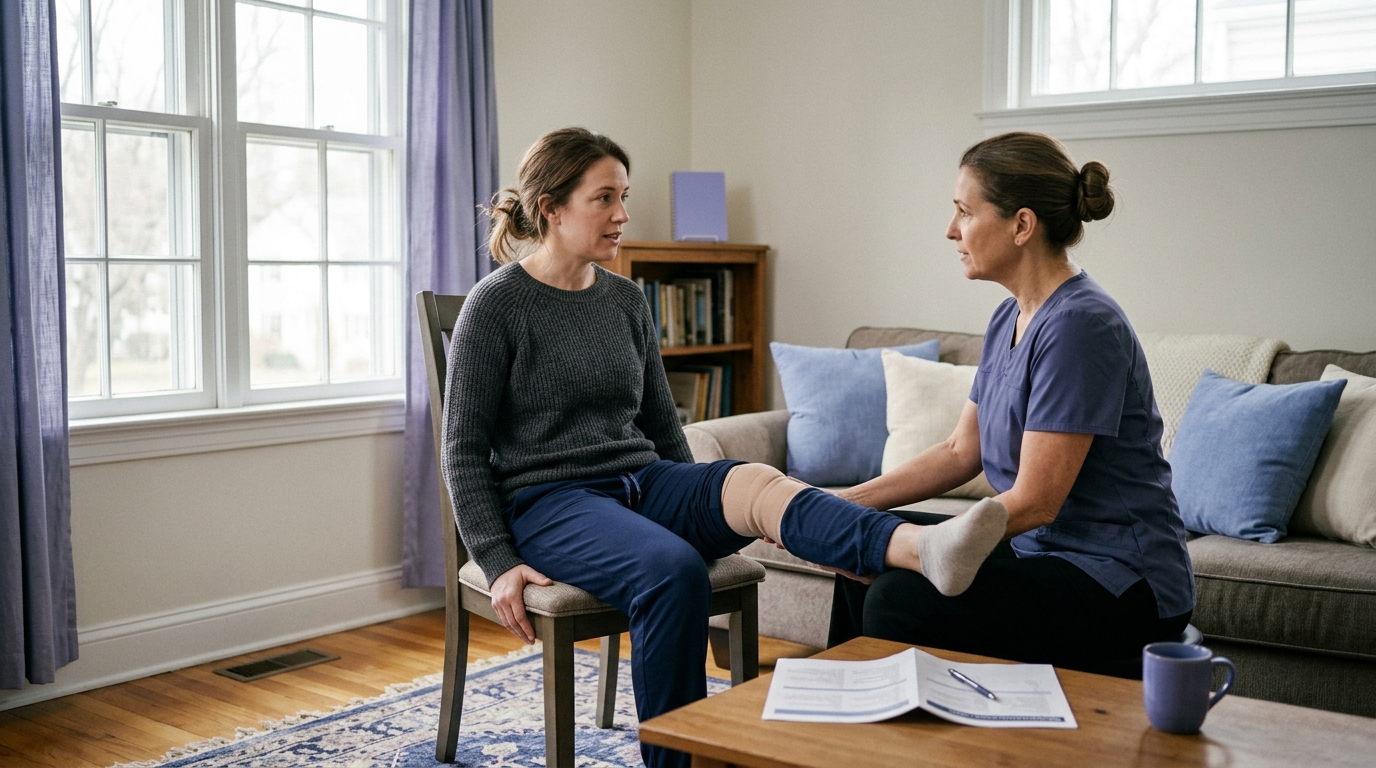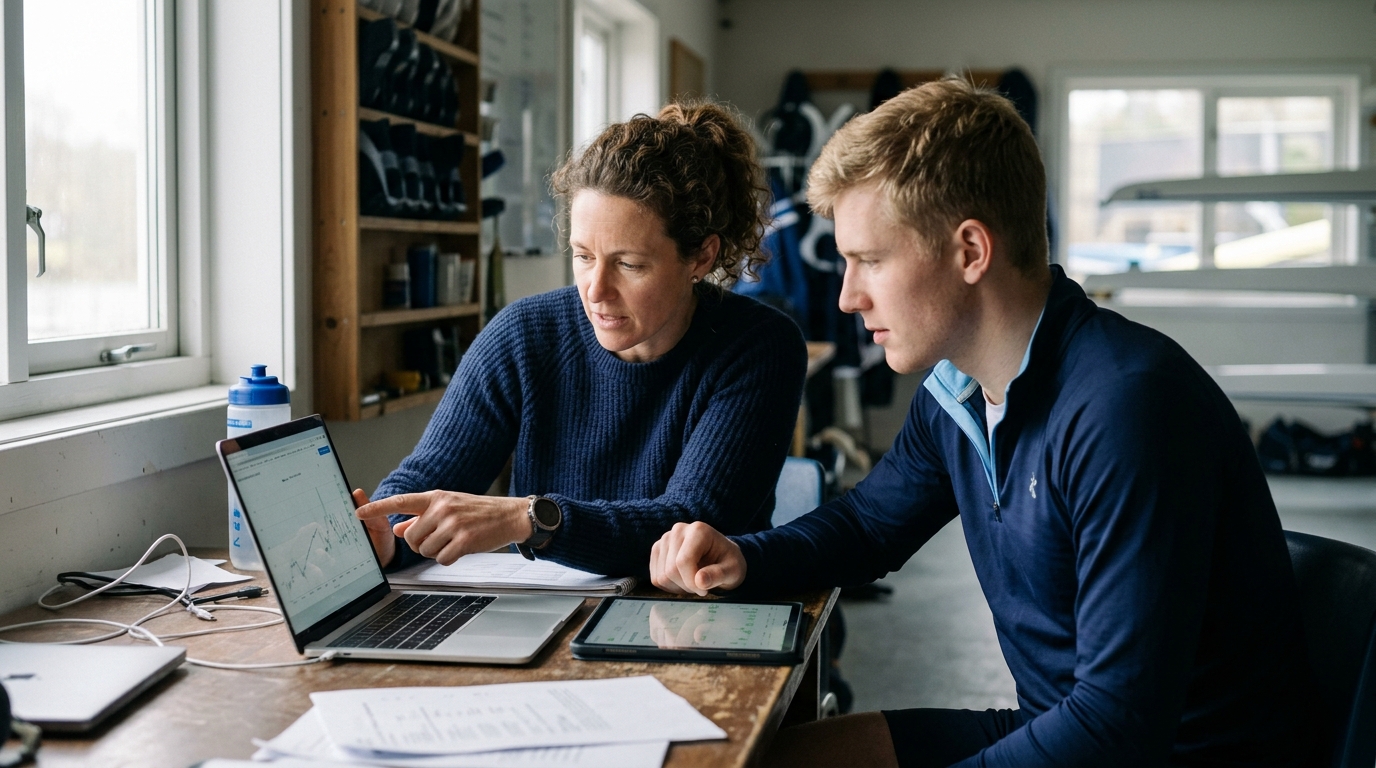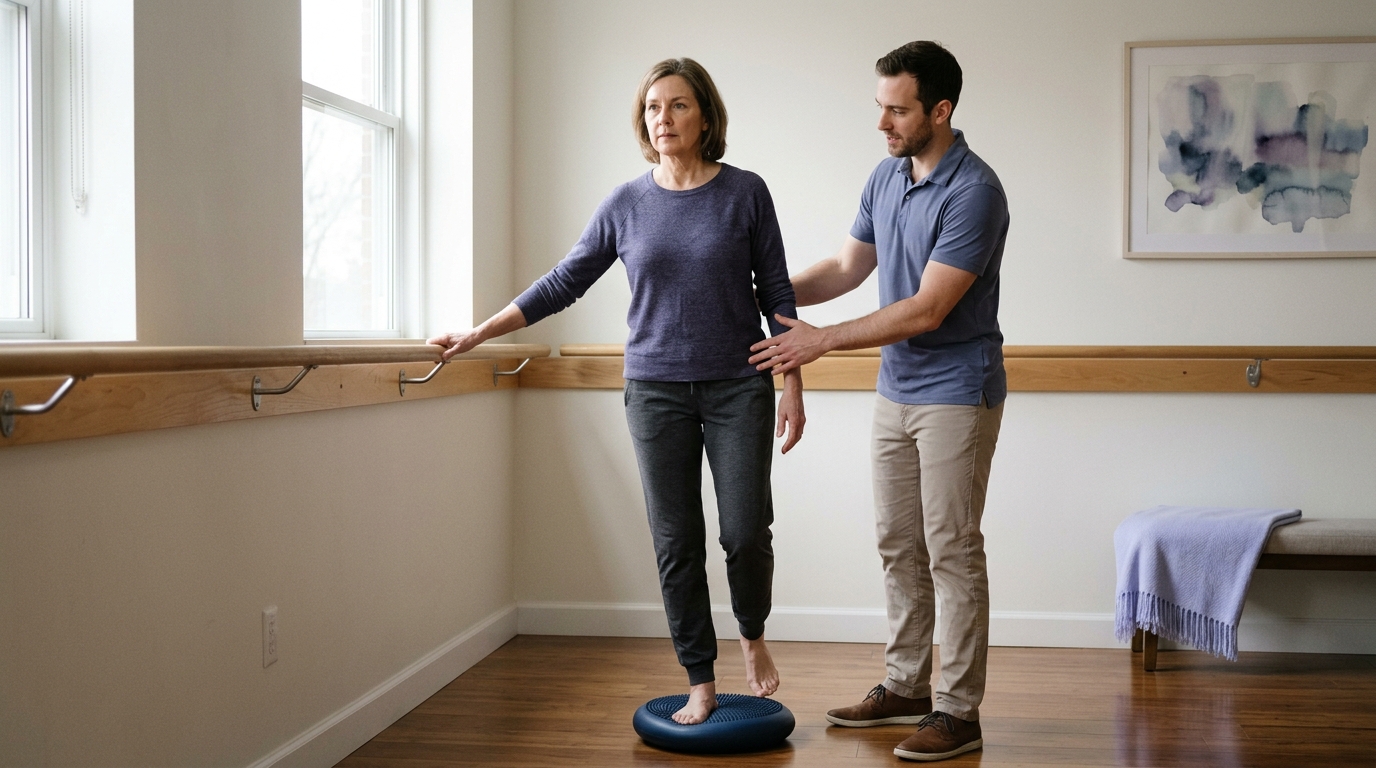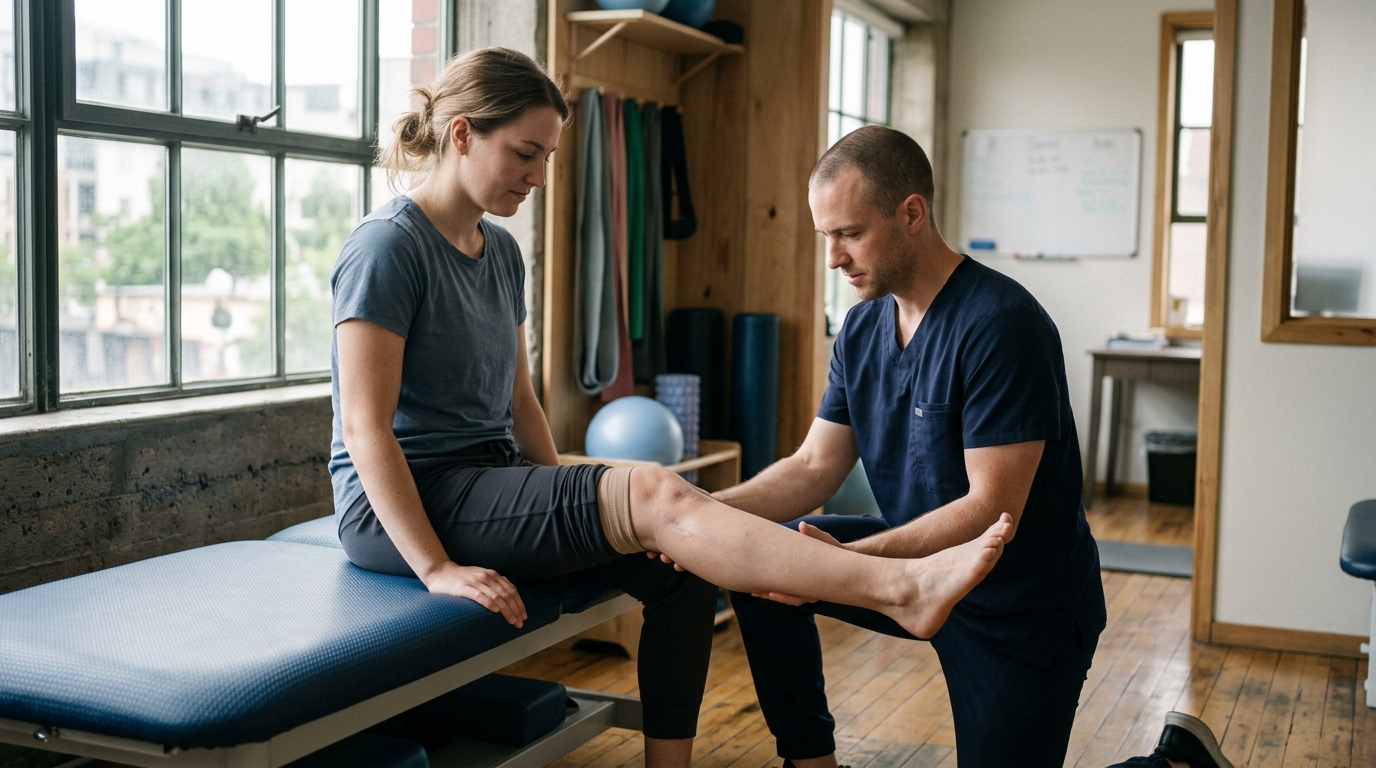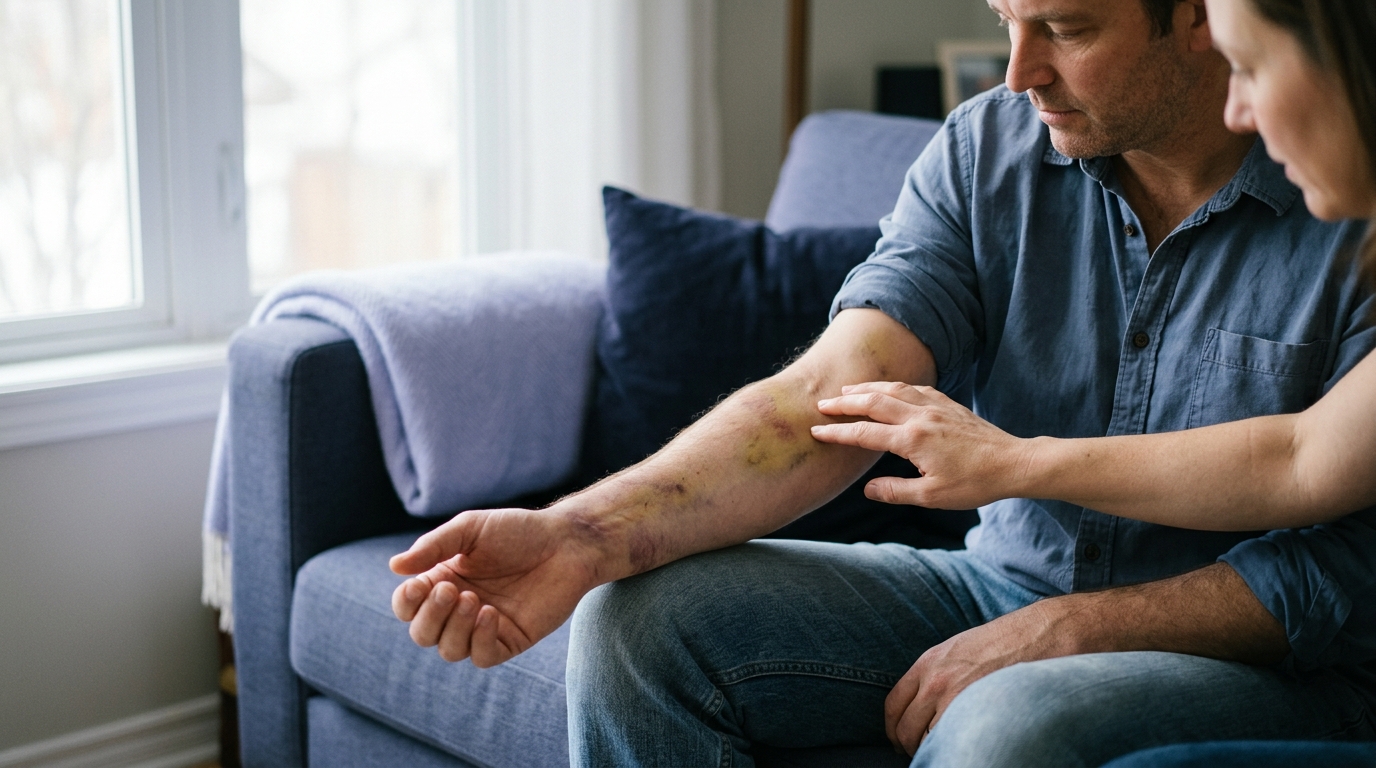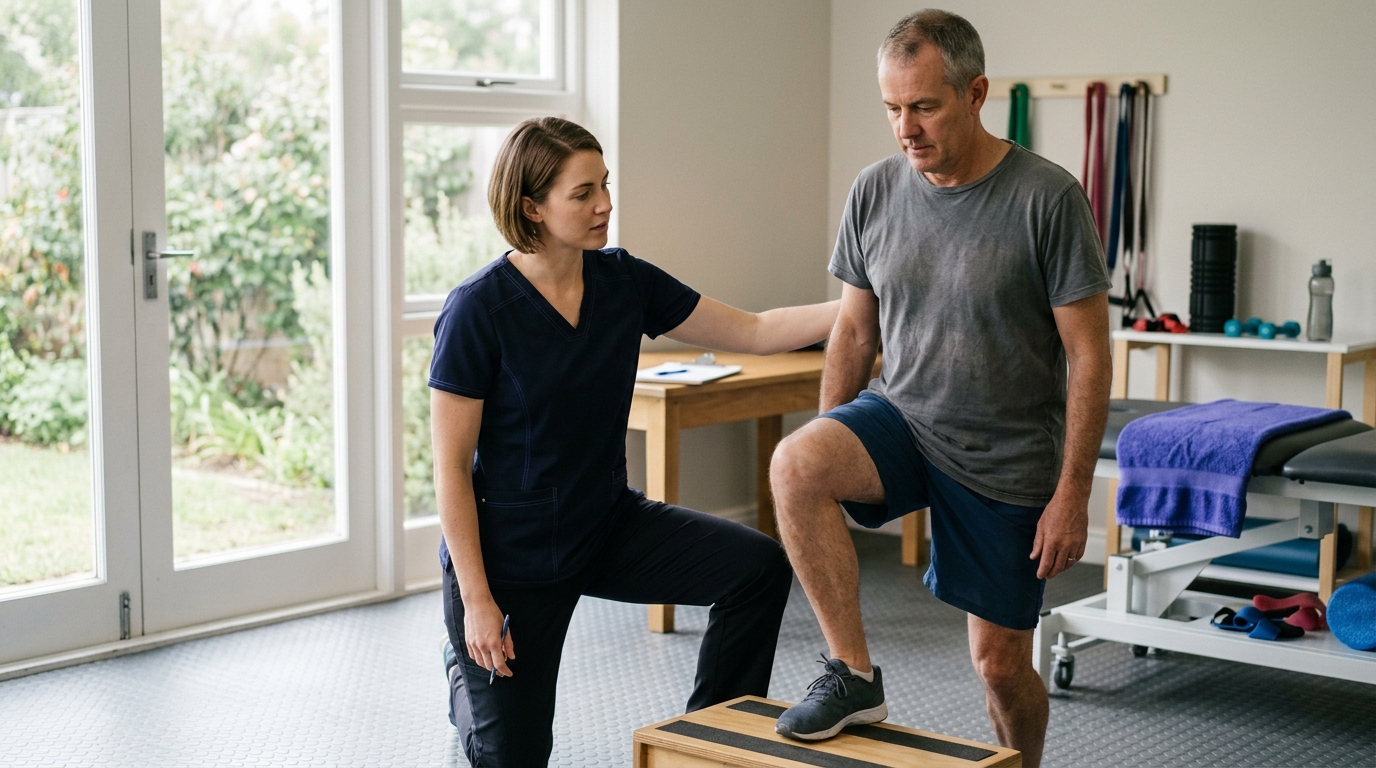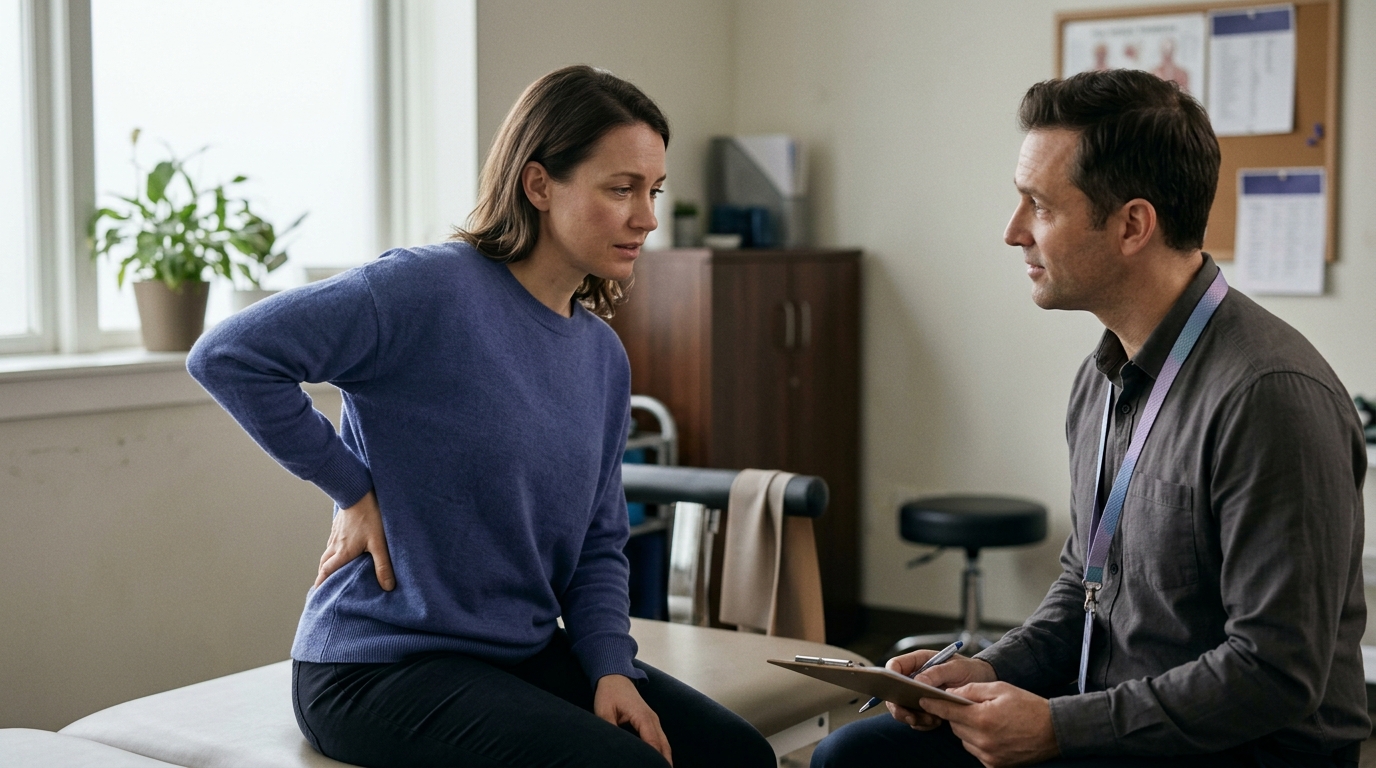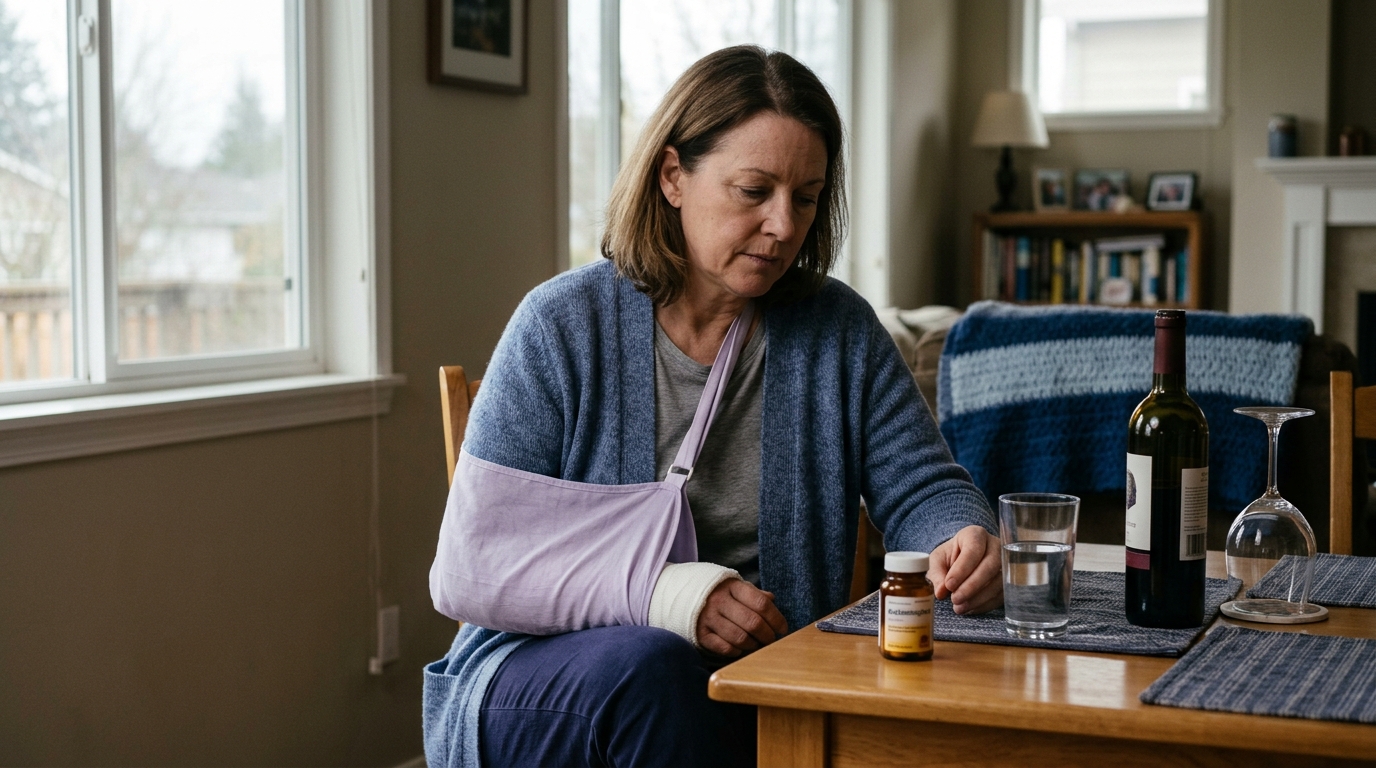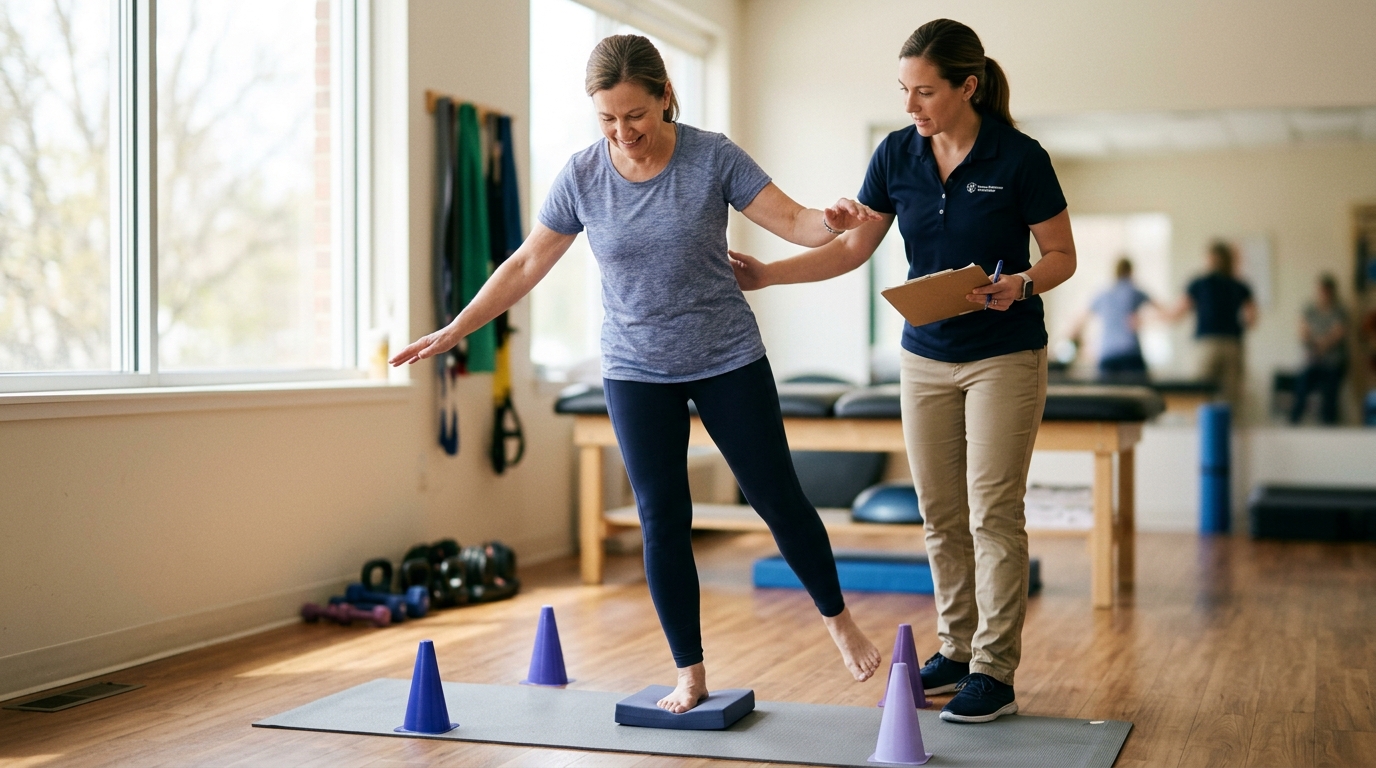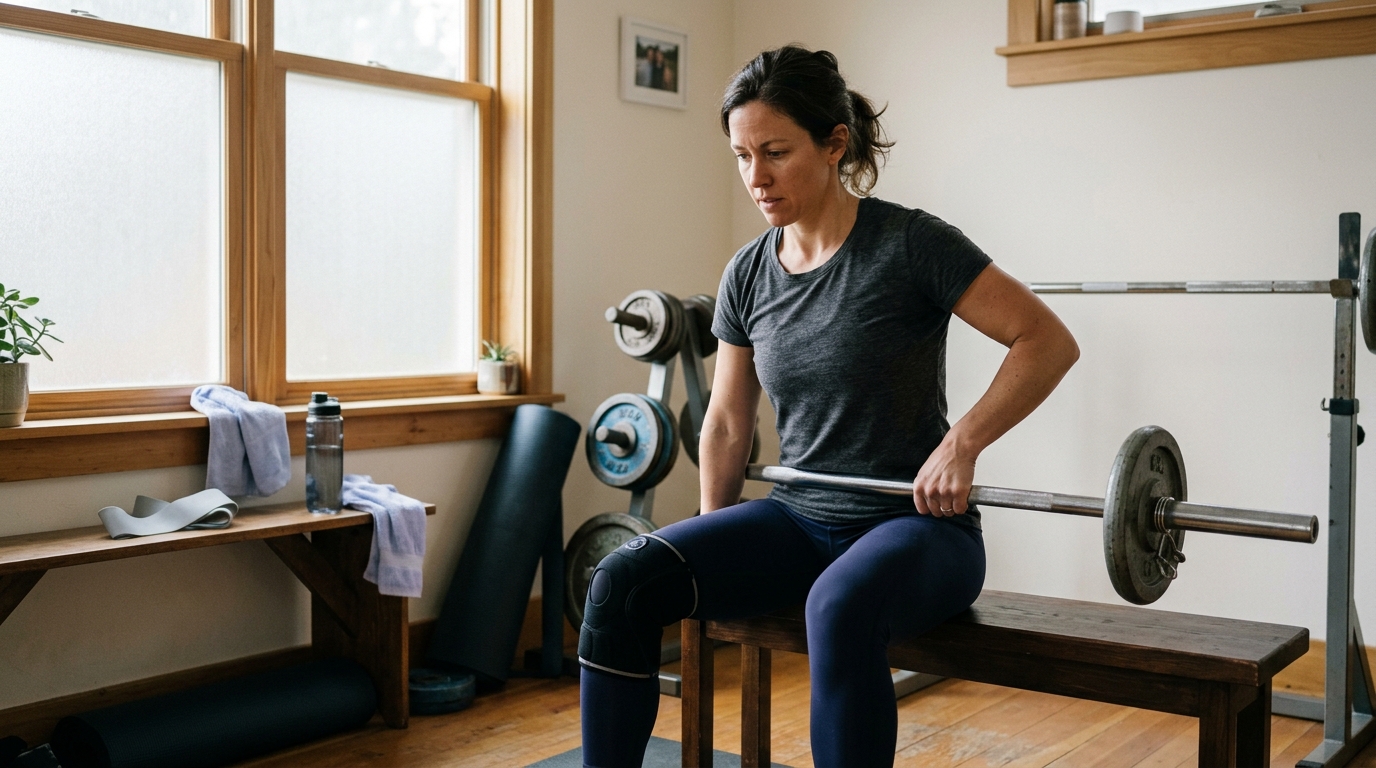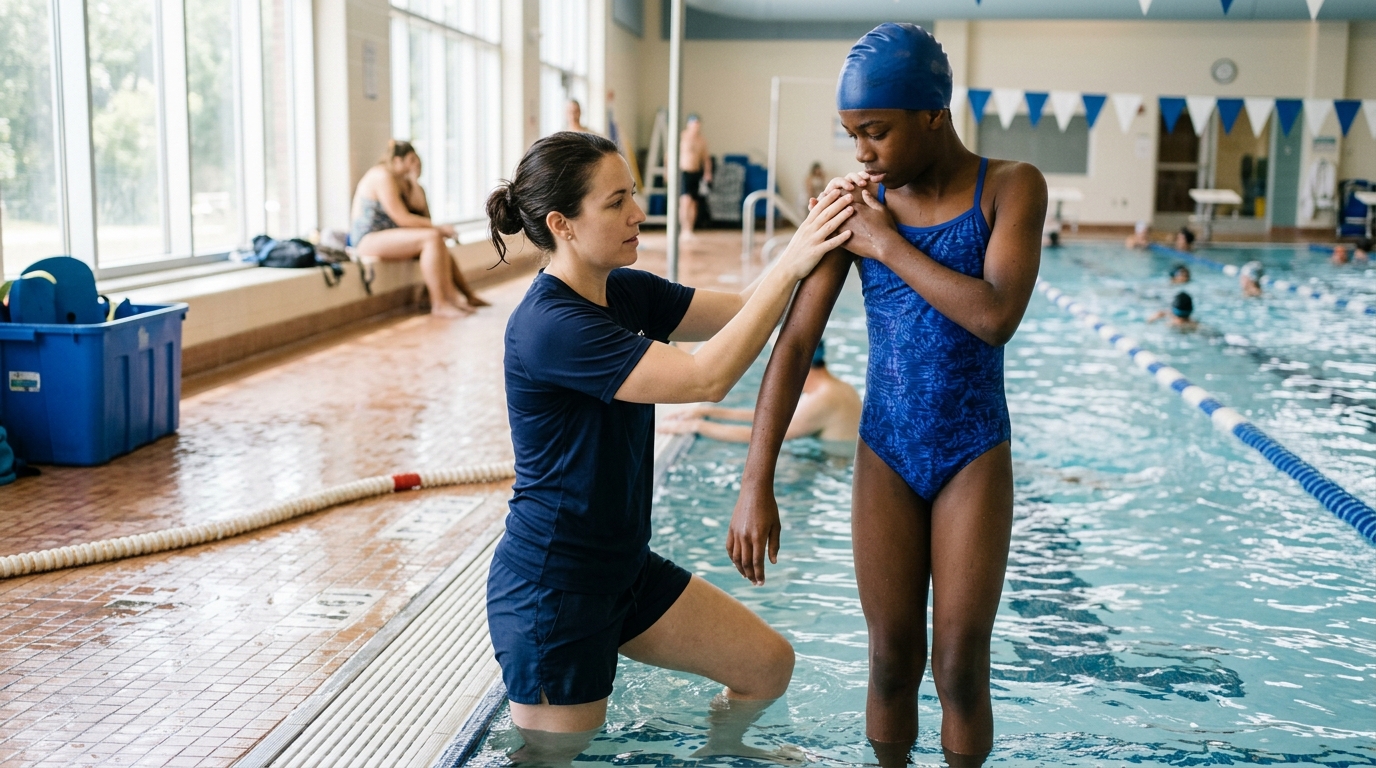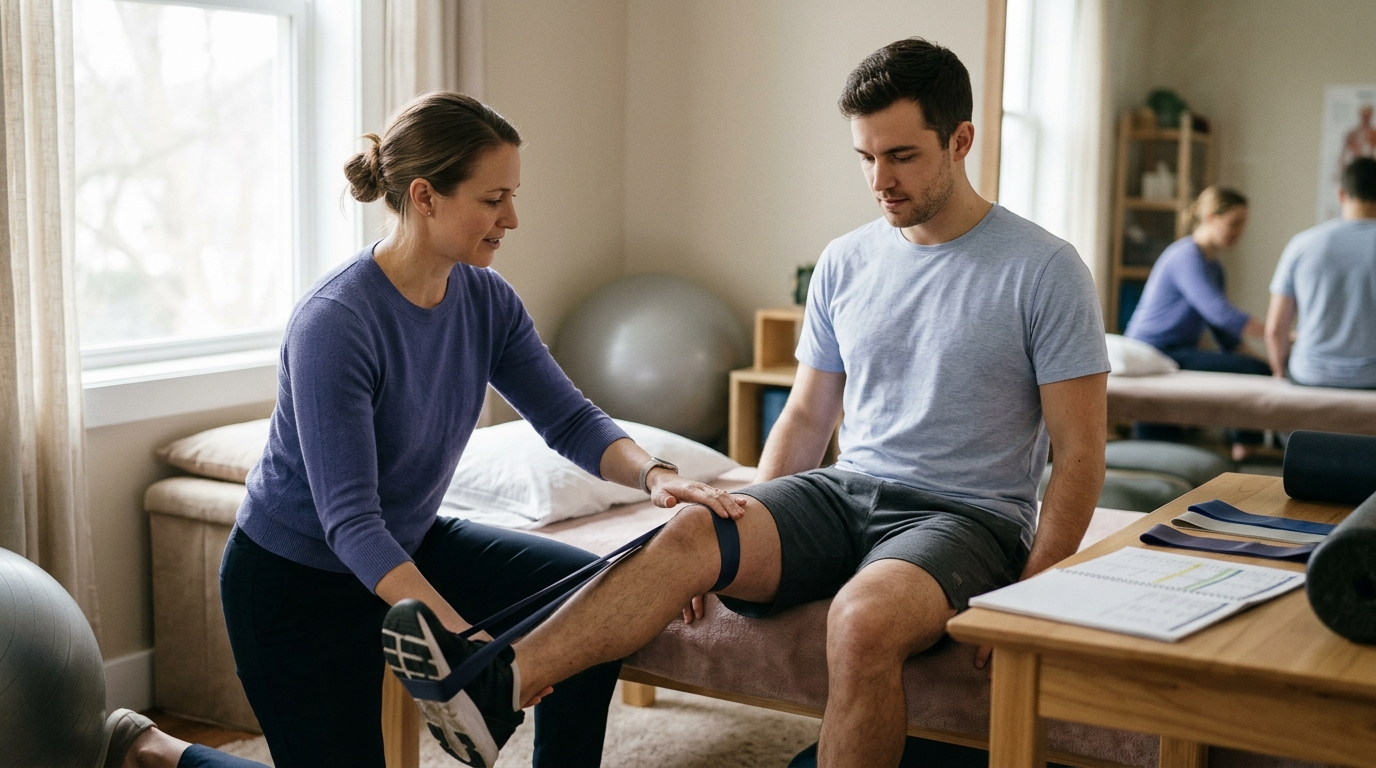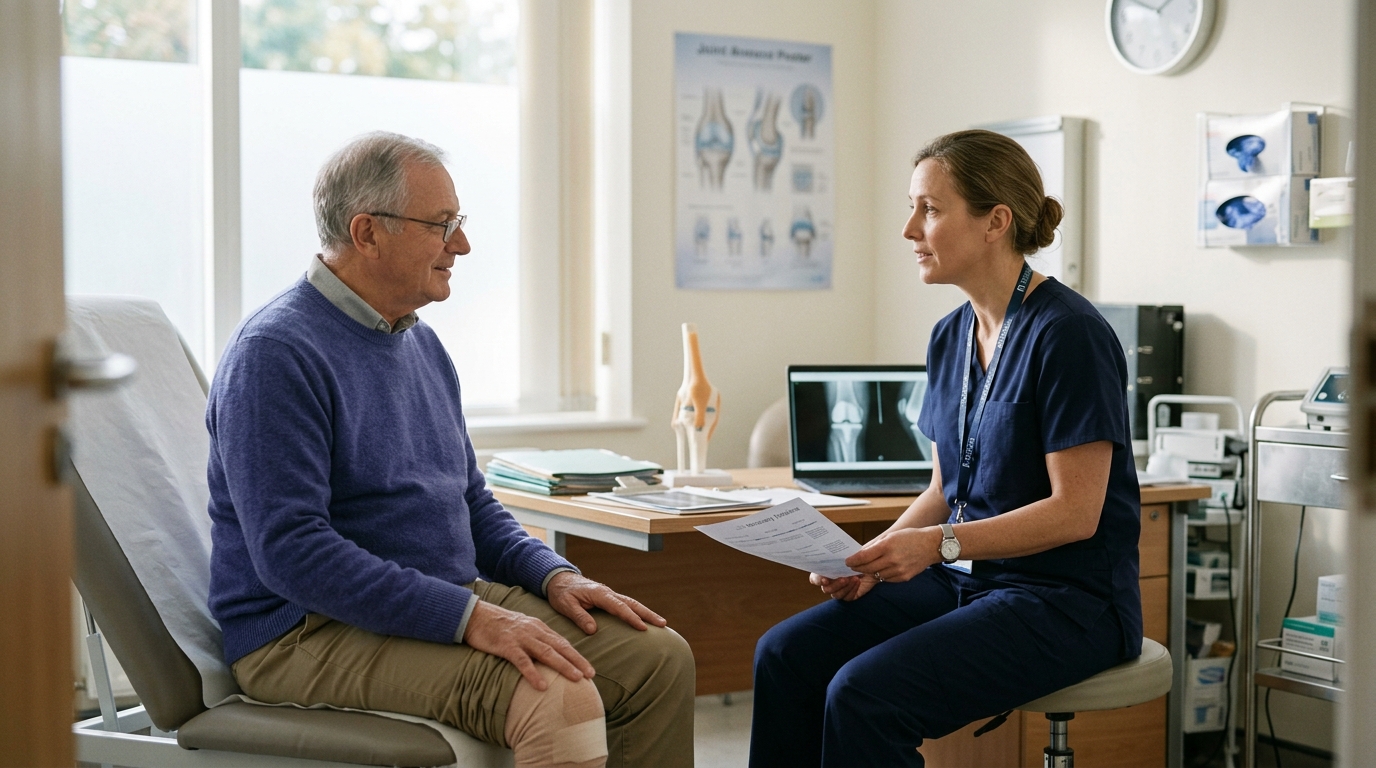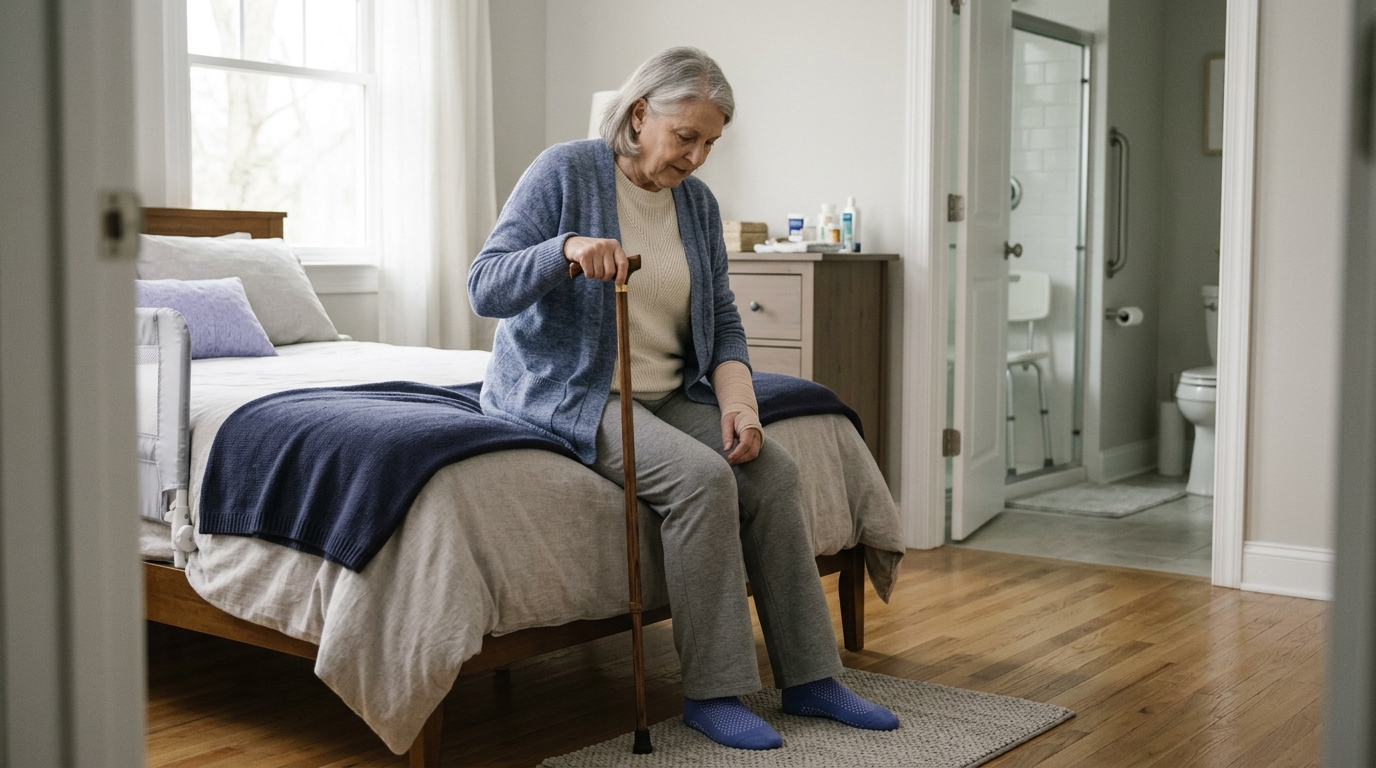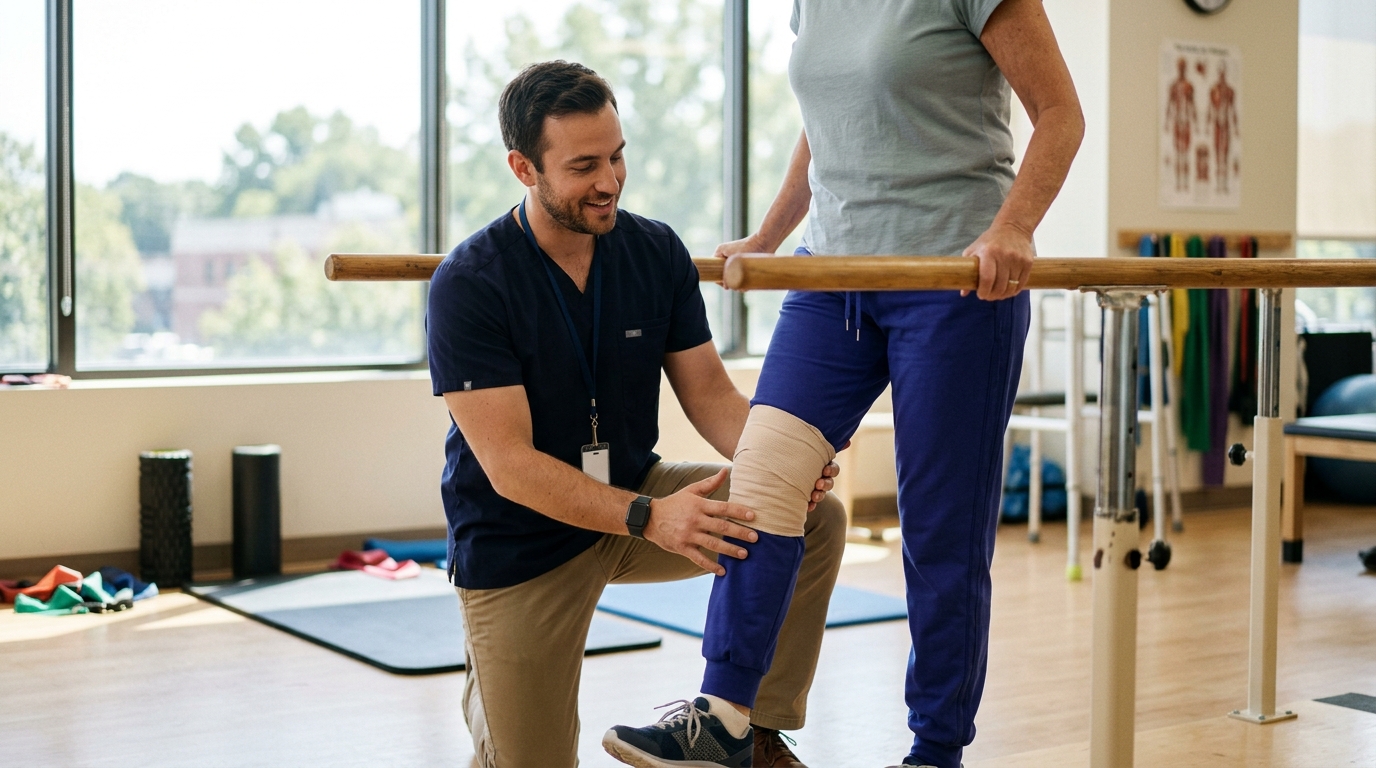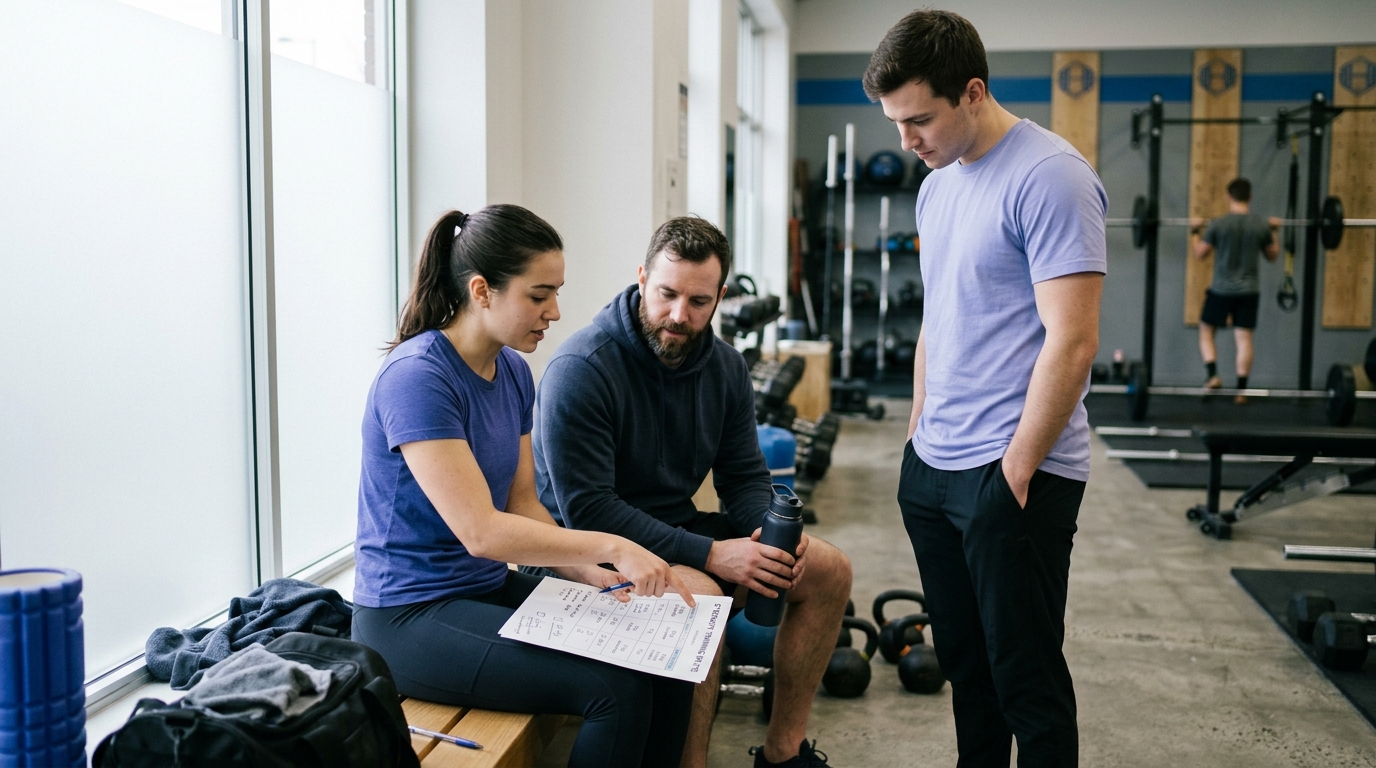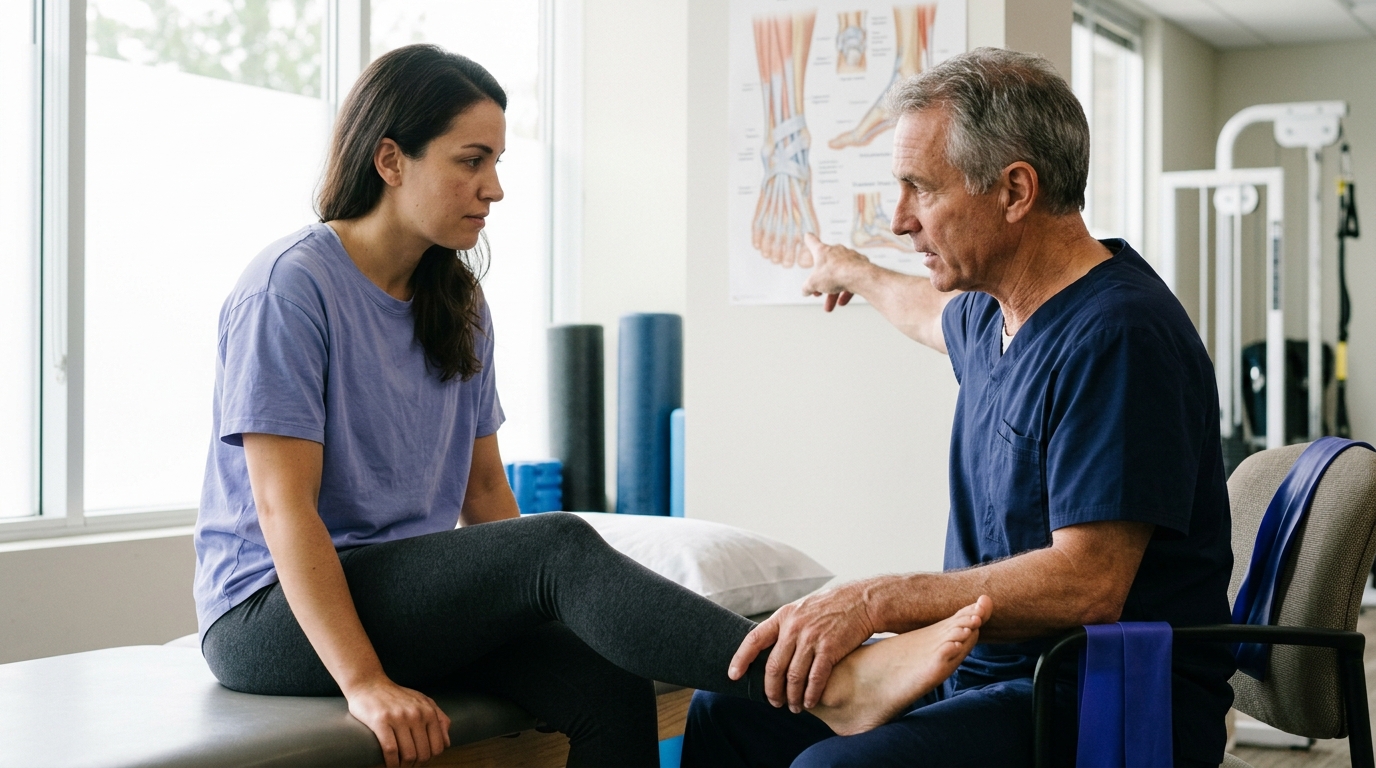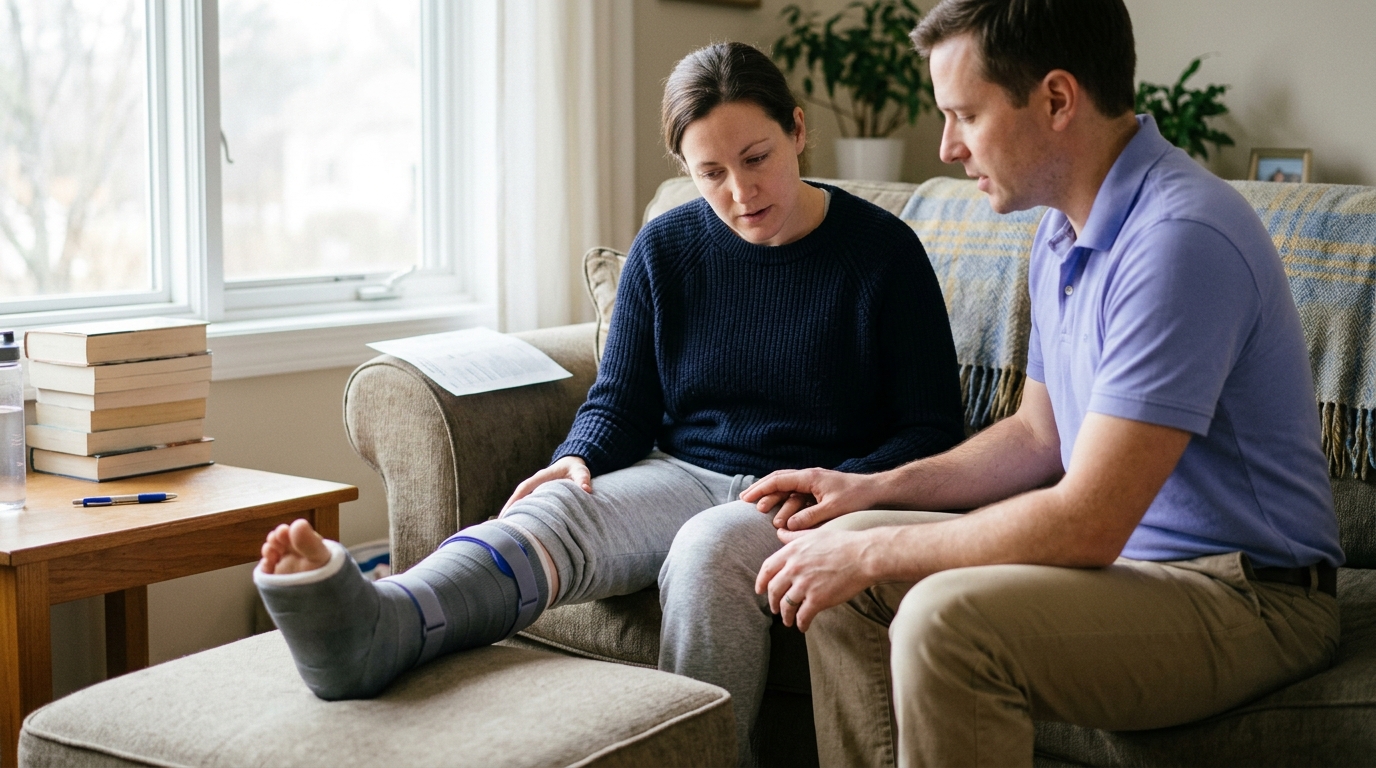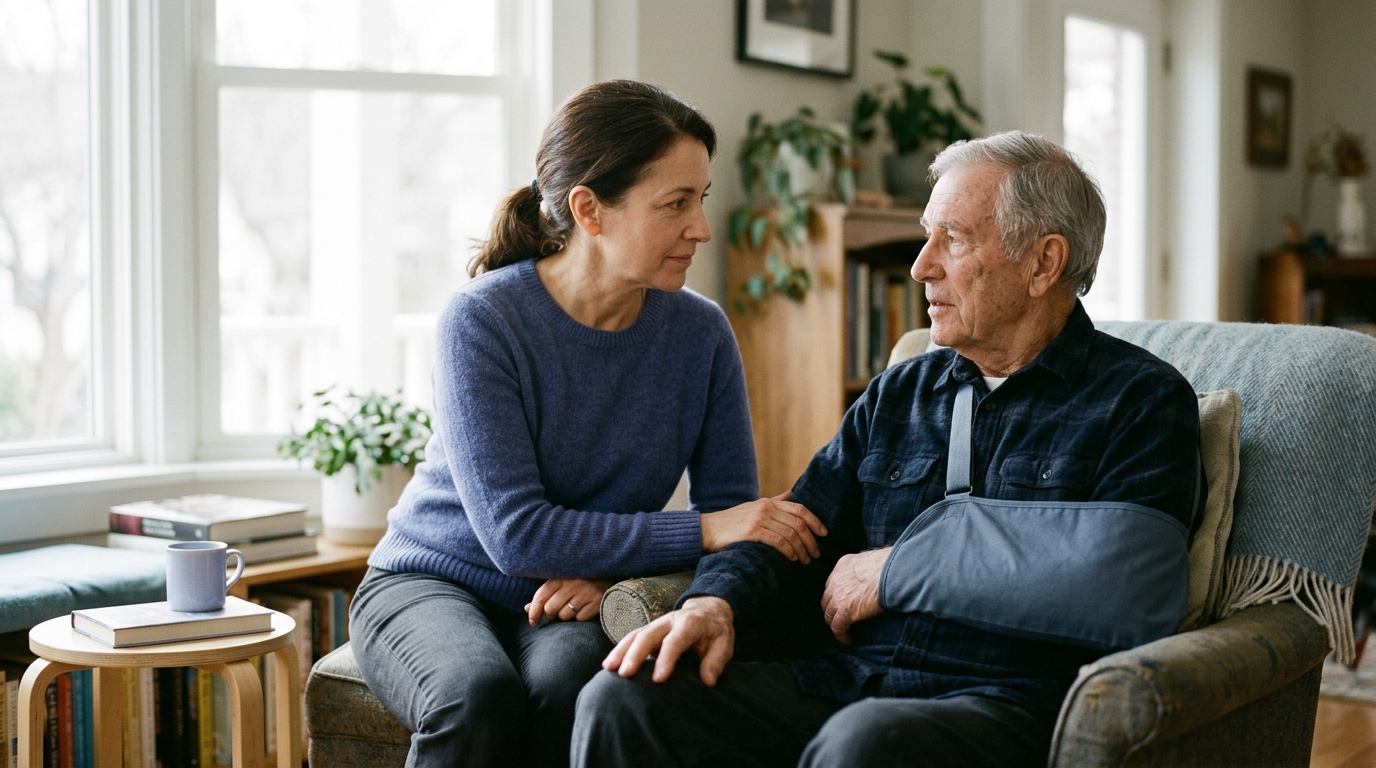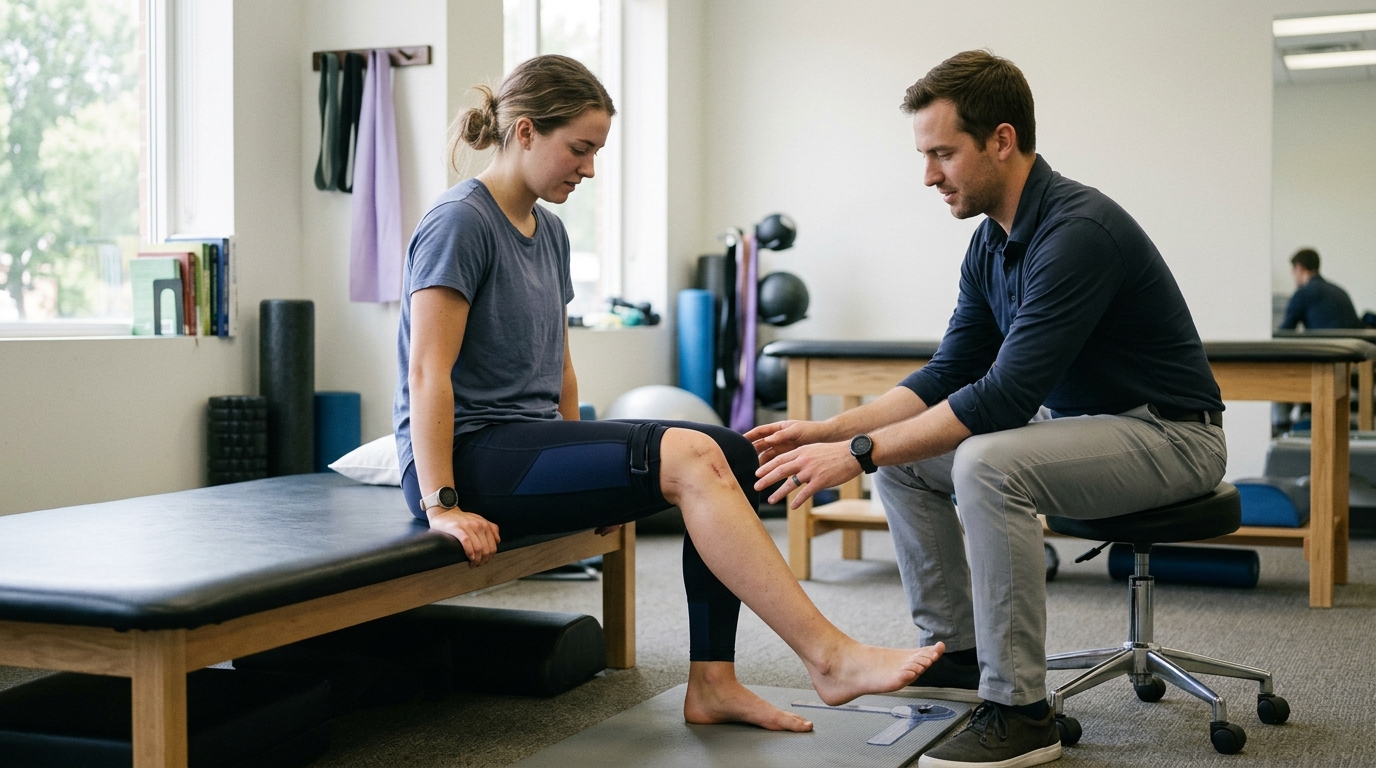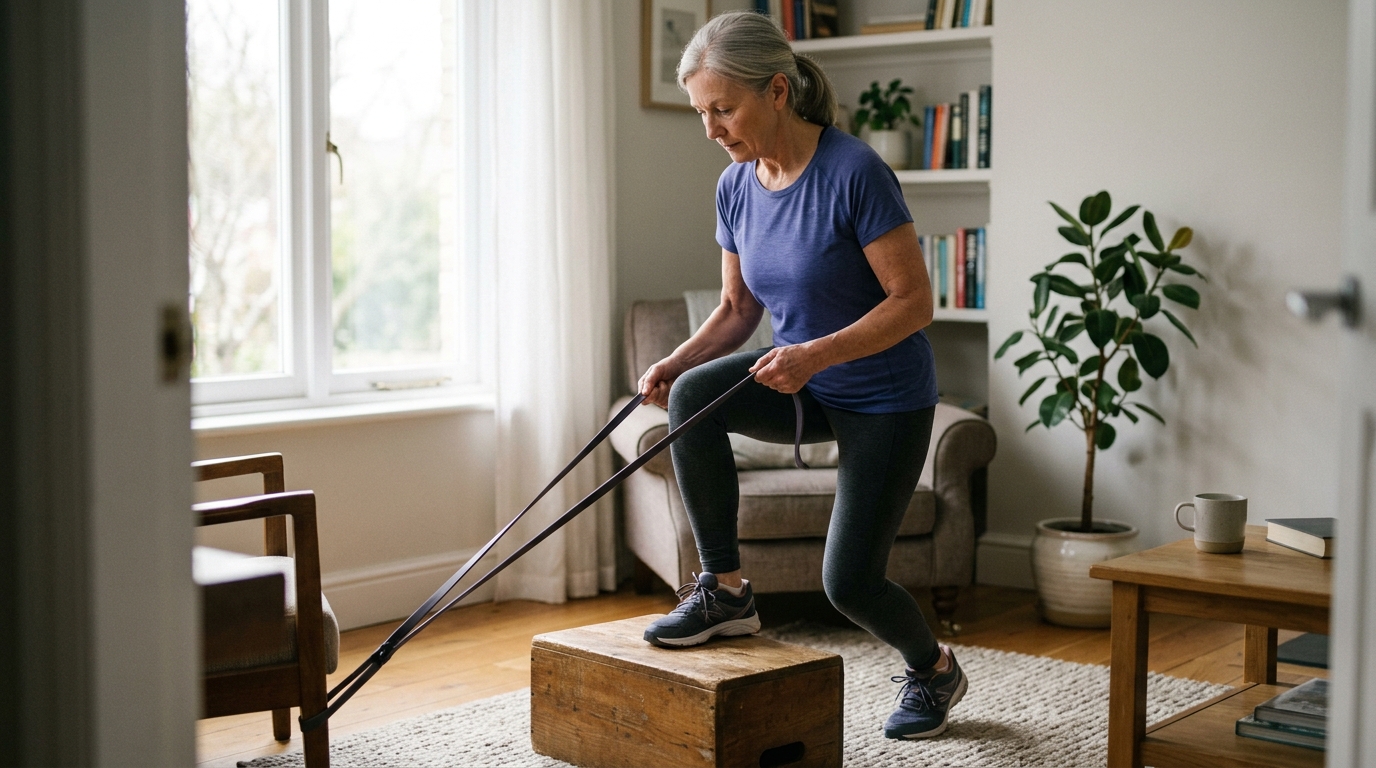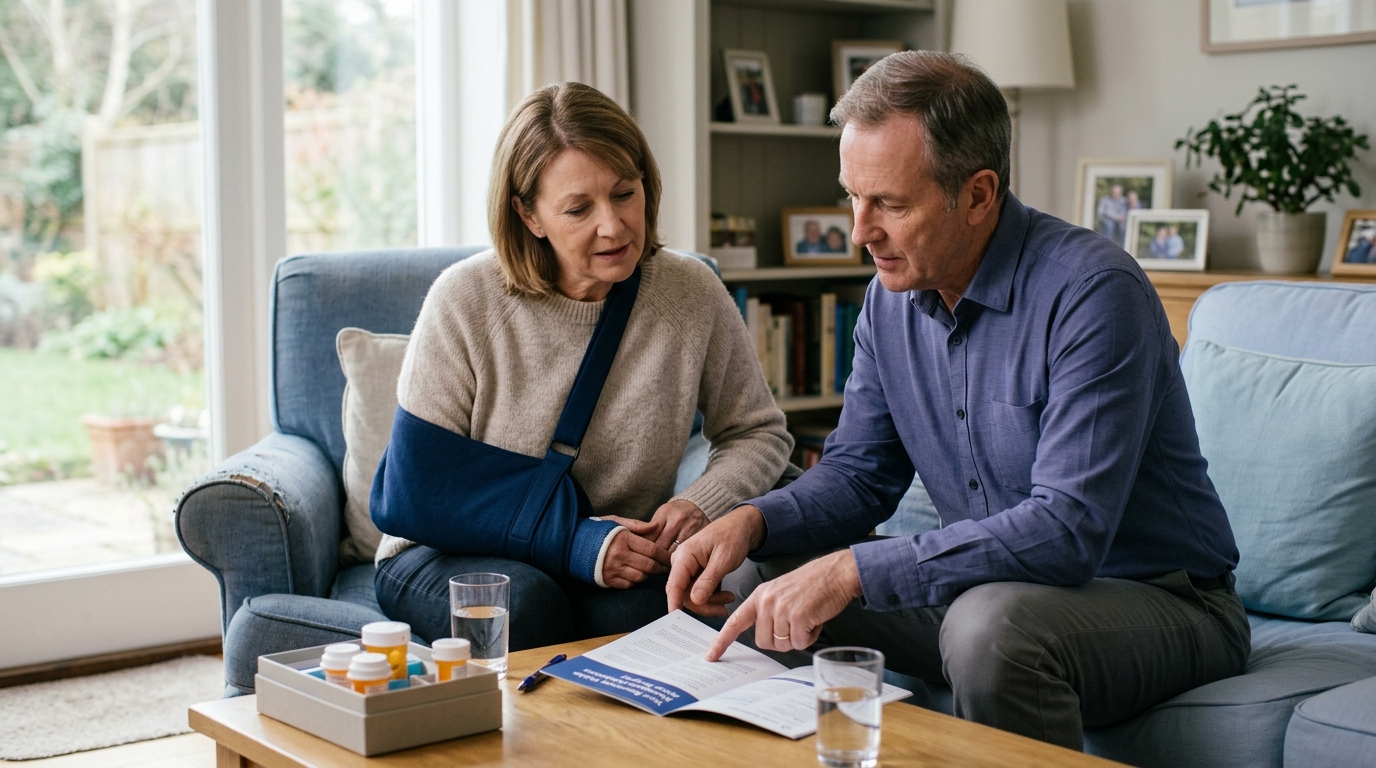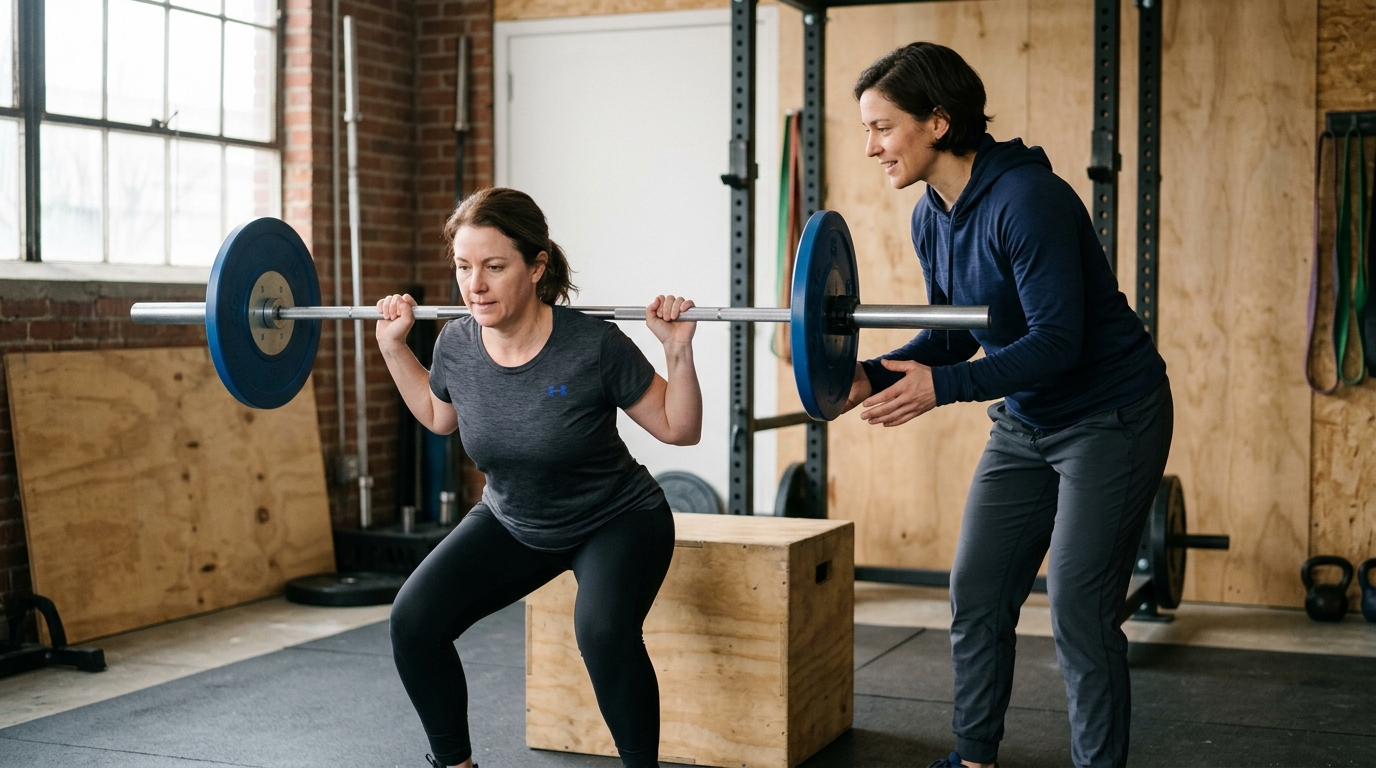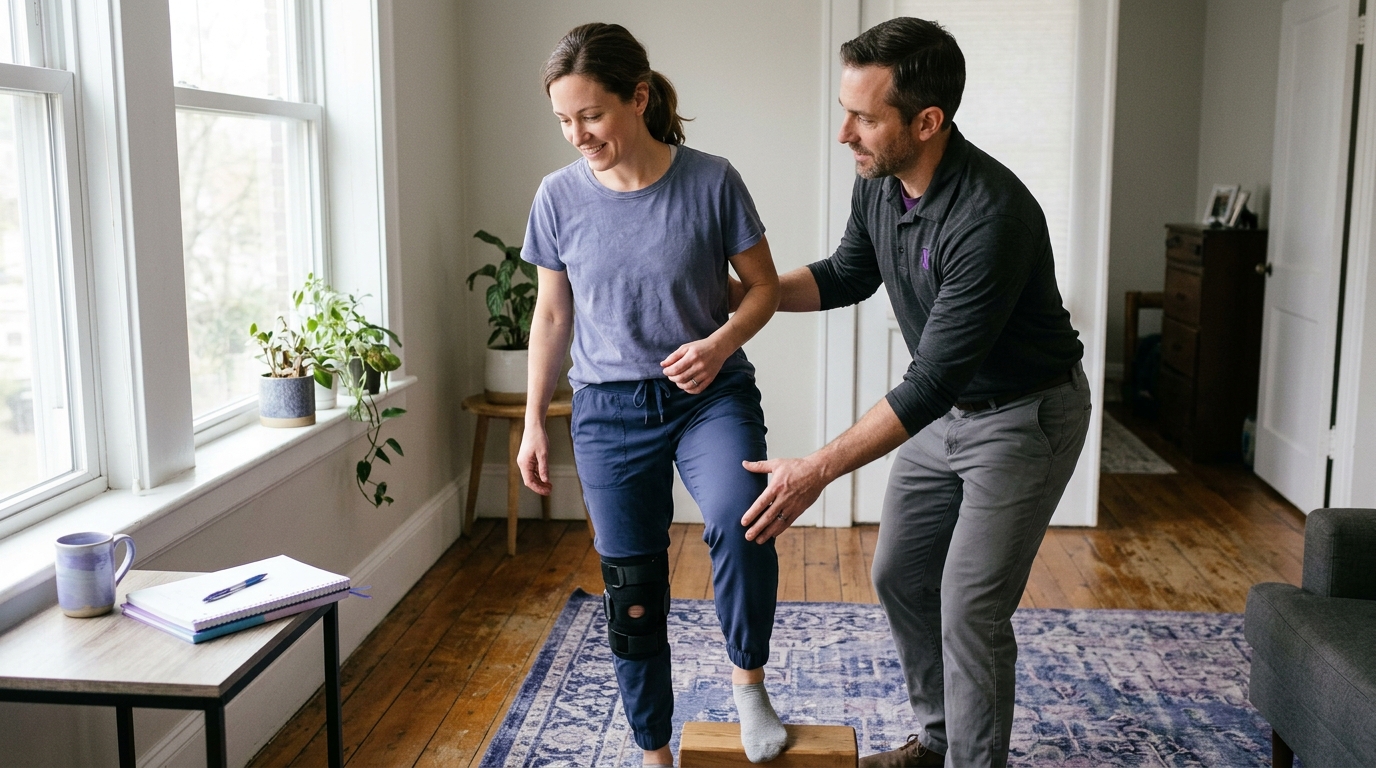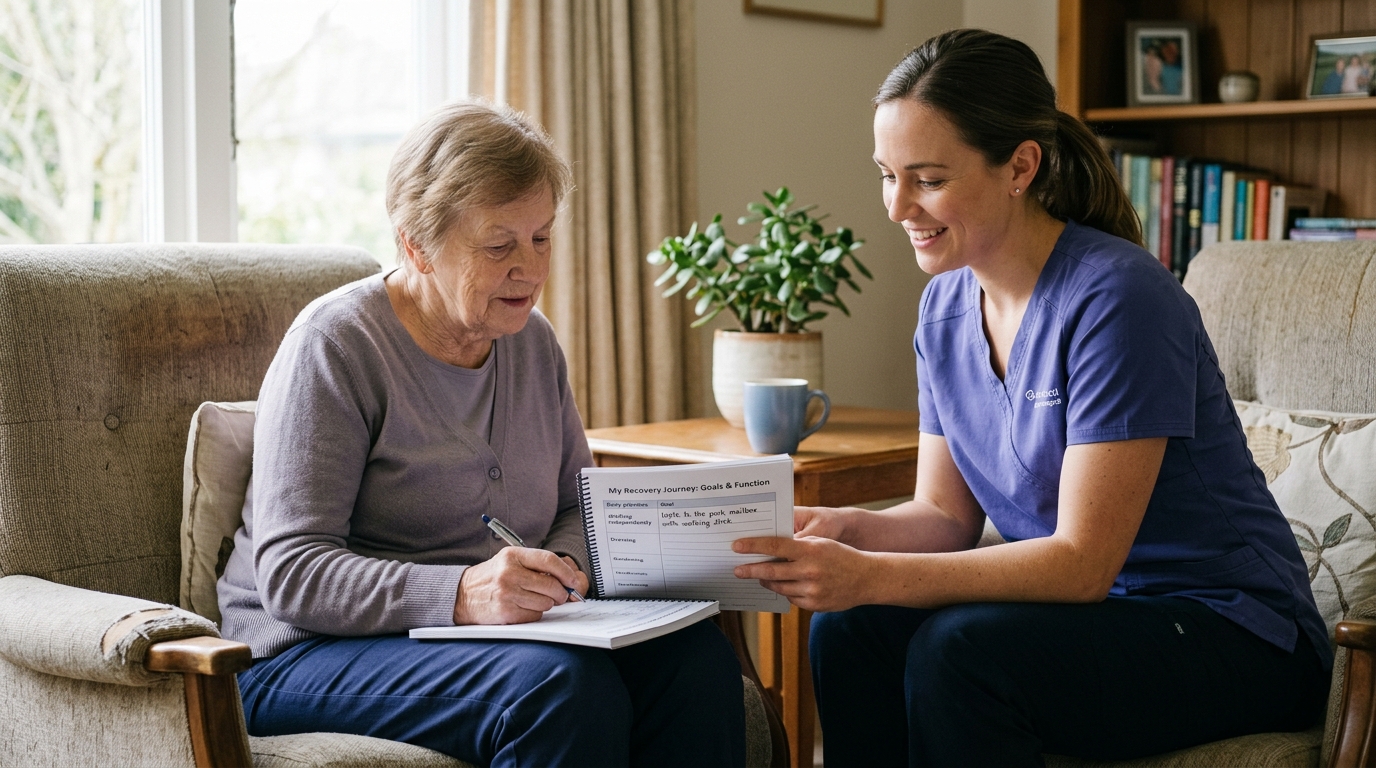

Four layered stages from broad aspirations to daily process goals help you build a personalized, evidence-based roadmap for long-term physical independence.





You are sitting in an examination room, looking at a printout of range of motion measurements, or staring at a numerical pain scale. Your clinician notes that your knee bends ten degrees further than last month, or that your shoulder abduction has improved. While those numbers show physical changes, they may not answer the questions that occupy your mind at home. You want to know when you can carry groceries up the porch steps, get through a full workday without intense fatigue, or walk through the park with your family.
Realistic recovery goals connect clinical progress to the practical tasks of daily life. Rather than focusing only on a pain score or an isolated joint angle, a functional goal defines what you want to do, under what specific conditions, and with what level of support. Clinical recovery is rarely a straight line from injury to former performance. Setting clear goals across daily activities, personal independence, and recreation provides a structured way to track progress, adapt to setbacks, and communicate with your care team.
However, setting goals is a planning method, not a medical promise. Clear milestones do not replace biological healing times, nor do they guarantee a specific physical outcome. Instead, a structured framework helps you clarify your priorities, identify practical steps, and adjust your routine as your recovery unfolds.
Goal setting is widely used in rehabilitation, physical therapy, and occupational medicine. Researchers have studied whether writing formal goals actually changes recovery outcomes, and the findings offer a helpful perspective.
A Cochrane systematic review examined goal setting for adults receiving clinical rehabilitation. The authors found very low-quality evidence that formal goal setting improved health-related quality of life and self-efficacy compared to rehabilitation without structured goals. However, the review found no consistent evidence that goal setting alone directly improves physical capacity, body function, or overall physical recovery. In other words, writing a goal does not magically heal tissue faster. It works primarily as an organizational and communication tool that clarifies priorities between you and your healthcare team.
A scoping review of adult rehabilitation literature identified 55 distinct goal-setting tools in clinical use. Despite their popularity, only seven of these tools had been evaluated in randomized controlled trials. This gap shows that while structured planning is considered standard clinical practice, no single proprietary worksheet or rigid formula holds a monopoly on success.
A systematic review examining person-centered goal-setting interventions noted another important pattern. Many rehabilitation programs successfully engaged patients in picking initial goals, but frequently skipped two critical elements: creating coping plans for setbacks and scheduling regular review dates. When recovery plans fail to anticipate temporary symptom flares or changes in personal schedules, individuals often feel discouraged.
Research also demonstrates that physical function is distinct from symptom severity. In frameworks like the National Institutes of Health PROMIS system, physical function, pain intensity, fatigue, and emotional health are measured as separate dimensions. A person can experience meaningful gains in mobility and daily capacity even while managing lingering symptoms. Goal setting provides a practical way to capture these distinct functional gains rather than reducing recovery to a single question about pain.
To set effective recovery goals, it helps to understand how health organizations define human movement and disability. The World Health Organization developed the International Classification of Functioning, Disability and Health, commonly known as the ICF. This model divides recovery into distinct, interconnected levels:
This level refers to the physiological systems and anatomical parts of your body. In an orthopedic context, this includes muscle strength, joint mobility, tendon integrity, swelling, and nerve conduction.
A target at this level might be increasing quadriceps strength or gaining fifteen degrees of shoulder rotation. These measurements are essential clinical indicators. However, an improvement in body structure does not automatically translate into a better quality of life unless it helps you perform a meaningful task.
An activity is the execution of a specific task or action by an individual. This represents what you can actually do in a controlled or daily setting.
Examples of activities include:
An activity limitation occurs when an injury or condition makes it difficult to complete these individual actions.
Participation describes your involvement in life situations, social roles, and community life. This is where personal meaning and identity sit.
Participation outcomes include:
A participation restriction occurs when your physical condition prevents you from fulfilling these social or personal roles. You can explore broader perspectives on these stages in our library of injury recovery and healing resources.
The ICF emphasizes that your environment and personal background directly shape what you can accomplish. Environmental factors include physical barriers like stairs, the availability of handrails, the climate, and the presence of assistive devices. They also include social support from family, friends, or employers.
Personal factors include your age, general lifestyle, coping style, and individual preferences. Two people with the exact same knee injury will experience different functional outcomes if one lives in a third-floor walkup apartment and the other lives in a single-story home with level entryways.
Distinguishing these levels prevents a common recovery mistake: assuming that fixing a joint measurement automatically resolves your real-world problems. A comprehensive recovery plan uses body-level treatments to support specific activities, which ultimately restore your participation in valued life roles.
A frequent point of frustration during rehabilitation is the definition of independence. Many people believe that independence means doing everything entirely on their own, with zero equipment, zero modifications, and zero assistance.
When people view independence as an all-or-nothing state, using a walking stick, a shower chair, or an ergonomic tool can feel like a personal failure. Clinical rehabilitation guidelines view this differently. Physical function frameworks, including PROMIS measurement standards, assess what an individual can accomplish using available assistive technology and environmental modifications.
Independence is better understood as the ability to complete valued tasks safely, reliably, and with acceptable physical effort. Using a cane to walk through a grocery store without fear of falling represents genuine functional independence. Adjusting your desk setup or using a specialized gripping tool to prepare dinner allows you to maintain your daily routine while healing tissues adapt.
When you write recovery goals, define what independence looks like for your specific situation. A realistic goal might state:
By clarifying the exact conditions and aids you plan to use, you create practical targets that build confidence. Assistive tools are not permanent signs of limitation. They are functional bridges that protect healing tissues and allow you to stay active while rebuilding capacity.
A common challenge in recovery is connecting a distant, inspiring outcome to the mundane tasks required today. If your ultimate aim is returning to recreational hiking, focusing only on that final outcome can feel overwhelming during early rehabilitation. Conversely, focusing only on daily calf raises can feel monotonous and disconnected from your real life.
A layered goal structure bridges this gap by organizing your targets into four distinct levels.
This is your broad, meaningful destination. It answers why you are putting effort into rehabilitation. It is usually a participation-level goal, such as returning to gardening, cycling with your partner, or managing your professional duties without midday exhaustion. This outcome provides direction and motivation.
These are observable, intermediate steps that directly build the capacity needed for your north star. A functional milestone typically spans two to six weeks. If your north star is hiking, a near-term milestone might involve walking continuously for twenty minutes on an outdoor path with rolling terrain, or stepping up and down an eight-inch curb twenty times without balance loss.
Process goals describe the specific actions you control on a day-to-day basis. These are the building blocks that drive physical adaptation. Examples include:
Process goals keep your daily focus on manageable habits rather than distant outcomes. You can learn more about structuring physical progressions in our rehabilitation and movement resources.
A review checkpoint is a predetermined date or milestone when you assess progress. Rather than letting goals linger indefinitely, you pause every few weeks to evaluate what is working, what has changed, and whether the plan requires adjustments.
Health IT standards and rehabilitation frameworks emphasize writing goals that are clear and observable. A complete functional goal answers six practical questions:
A structured template looks like this:
> "By [target date], I will [perform specific task] for [duration or distance] on [specific surface or environment], using [specified aid or modification], so that I can [personally meaningful reason]."
For example: "By November 15, I will walk for 25 minutes continuously on neighbourhood sidewalks, using supportive walking shoes and a single trekking pole as needed, so that I can independently walk to the local community garden."
Creating an effective set of recovery goals requires a structured approach. The following six steps help you translate your personal priorities into practical, workable milestones.
Begin by taking an honest inventory of your current physical capacity, daily limitations, and living environment. Record the specific tasks that present challenges today. Note any formal clinical restrictions provided by your surgeon or physician, such as weight-bearing limits or movement precautions.
Examine your physical surroundings. Identify stairs, doorway thresholds, vehicle heights, and workplace demands that influence your daily effort. Acknowledge your available support systems, including family members, colleagues, and healthcare providers.
Avoid creating an exhausting list of twenty different targets. Choose a focused set of two to four priorities that cover essential areas of your life:
Focusing on a few well-chosen areas prevents decision fatigue and allows you to direct your physical energy where it matters most.
Translate each priority into an observable action. Avoid vague statements like "improve
balance" or "feel better." Specify the exact task, the environment, and the criteria for completion.
If your priority is navigating your home easily, state clearly: "Walk up and down the twelve internal basement stairs once per day, using the handrail, without needing to stop for rest." This makes it obvious whether the milestone has been achieved.
Do not rely entirely on a single metric, such as a morning pain rating. Combine three different forms of feedback to gain an accurate picture of your progress:
Using multiple indicators ensures that an occasional flare-up in symptoms does not overshadow real improvements in your strength, coordination, and endurance.
Rehabilitation rarely proceeds without interruptions. Build proactive strategies for common obstacles before they happen. Consider questions such as:
Having simple backup plans in place keeps minor setbacks from turning into extended disruptions.
Set a calendar reminder every three to four weeks to evaluate your milestones. During this review, ask yourself:
Treat this review as a collaborative decision point to refine, advance, or replace your goals based on your current reality.
When recovering from an orthopedic setback, people often treat returning to recreation or sport as a single event. They wait for a doctor to declare them fully cleared, expecting to resume their previous activities at full intensity immediately.
In sports medicine, clinicians view return to activity as a progressive continuum rather than an all-or-nothing switch. The Bern consensus statement on return to sport outlines three distinct stages:
In this initial phase, you reintroduce elements of your valued activity in a modified, controlled manner. You are physically active and performing specific movement patterns, but at an intensity or volume below the standard requirements of the activity.
For an active adult who enjoys running, this might involve an alternating walk-run protocol on a flat track. For a recreational gardener, it might mean potting plants at an elevated workbench for twenty minutes rather than weeding garden beds on the ground. You are participating in the identity of the activity while managing total physical load.
In the second stage, you perform the full activity, but you are not yet operating at your previous physical standard or volume. You might play nine holes of golf using a motorized cart instead of walking eighteen holes. You might complete a full low-impact fitness class while choosing lighter weights or skipping plyometric jumps.
This stage allows your joints, tendons, and nervous system to adapt to complex, unpredictable movements in a real-world setting.
In this final phase, you gradually build your capacity until you perform at or above your pre-injury baseline. You have restored the endurance, speed, strength, and confidence needed to handle demanding conditions without unusual fatigue or lingering discomfort.
This three-stage model is helpful for anyone returning to recreational exercise, active hobbies, or physically demanding jobs. You do not have to wait until you are capable of peak performance before you re-engage with activities you enjoy. Recognizing modified participation as a valid, successful milestone prevents frustration and protects healing tissues. You can find detailed progression frameworks in our strength and return to sport resources.
Recovery timelines are not standardized timetables. Even when two individuals undergo the exact same surgical procedure or sustain the same muscle strain, their recovery trajectories often vary widely. Several fundamental factors influence how quickly and smoothly you achieve your functional milestones.
Different tissues heal at different biological rates. Bone, muscle, tendon, and articular cartilage each possess unique vascular supplies and cellular turnover speeds. A bone fracture may achieve stable union in six to eight weeks, whereas a repaired tendon can require several months to regain sufficient tensile strength for heavy loads.
Ignoring biological timelines by rushing functional milestones can overload healing structures. Your clinical team provides essential guardrails regarding tissue healing limits that must shape your schedule.
Your physical condition prior to injury plays a major role in your rehabilitation speed. Baseline muscle mass, cardiovascular fitness, movement control, and joint health all influence how your body handles rehabilitation loads.
Previous injuries to the same joint or surrounding areas may require additional time to address compensatory movement patterns. You can review the underlying physiology of tissue rebuilding in our recovery science articles.
Physical recovery is a systemic metabolic process. High levels of work-related stress, inadequate sleep, poor nutrition, and heavy family responsibilities deplete the energy reserves your body uses for tissue repair. When life stress peaks, recovery capacity often dips.
During demanding periods at home or work, temporarily scaling back the volume of your rehabilitation exercises can prevent overuse flare-ups while maintaining consistent habits.
Symptom flare-ups are a standard part of physical rehabilitation. Experiencing a temporary rise in soreness after increasing your walking distance or starting a new exercise does not mean your injury has returned to square one. It usually indicates that the recent physical load slightly exceeded your current tissue capacity.
National clinical guidelines for conditions like low back pain emphasize remaining active and continuing normal daily movements within safe limits, rather than resorting to prolonged bed rest. When a flare-up occurs, consult your coping plan: temporarily reduce the volume or intensity of the irritating task, maintain your other low-stress movements, and gradually build back up as symptoms settle.
Your personal priorities can naturally change throughout a lengthy recovery. You might begin rehabilitation intending to return to competitive recreation, only to realize that maintaining consistent energy for your family and professional work is your primary focus.
Adjusting a goal to match changing life priorities is a sign of practical self-management, not personal failure. Your goals should serve your current life, not an outdated plan written months ago.
To see how these principles work in practice, consider the following illustrative models. These patterns demonstrate how broad intentions can be converted into structured, workable milestones across different recovery situations.
The Initial Aspiration: "I want to be able to move around my house normally again."
The Problem: The initial desire is too broad to guide daily exercise or evaluate whether progress is occurring safely.
The Functional Breakdown:
The Initial Aspiration: "I need to get back to my job as an inventory coordinator."
The Problem: Returning immediately to eight-hour shifts involving constant standing and lifting risks an acute symptom flare-up.
The Functional Breakdown:
The Initial Aspiration: "I want to hike in the state park again."
The Problem: Moving directly from clinic exercises to rough trail hiking can overwhelm balance systems and joint tolerance.
The Functional Breakdown:
Setting collaborative goals requires open communication with your medical team. Here are practical questions you can bring to your next appointment with your physician, surgeon, or physical therapist:
Recovery is rarely defined by a single clinical measurement, an isolated joint angle, or a zero on a pain chart. Genuine recovery happens across the tasks of daily living, your personal independence, and the social and recreational roles that give your life meaning.
Setting realistic goals is an organizational framework that connects your daily physical efforts to your broader personal aspirations. By breaking long-term outcomes into observable functional milestones, establishing daily process habits, and scheduling regular review checkpoints, you maintain steady direction while giving your body the time it needs to adapt.
When you approach rehabilitation as a collaborative, adaptable process, you remove the pressure of rigid timelines. You can celebrate meaningful functional gains, navigate temporary setbacks with calm confidence, and rebuild your physical capacity one clear step at a time.
Revisit this framework whenever you complete a major stage of rehabilitation, experience a shift in your work or home environment, or encounter a plateau in your progress. Taking time to review and update your functional goals ensures that your recovery plan continues to support the life you want to lead.

Use ReboundBody resources to understand common recovery stages, rehab terms, movement limits and strength rebuilding. Each guide is designed to make a complex comeback easier to understand.


Read practical guidance on injury recovery, rehabilitation, mobility and rebuilding strength as you work your way back to activity.
Explore Resources