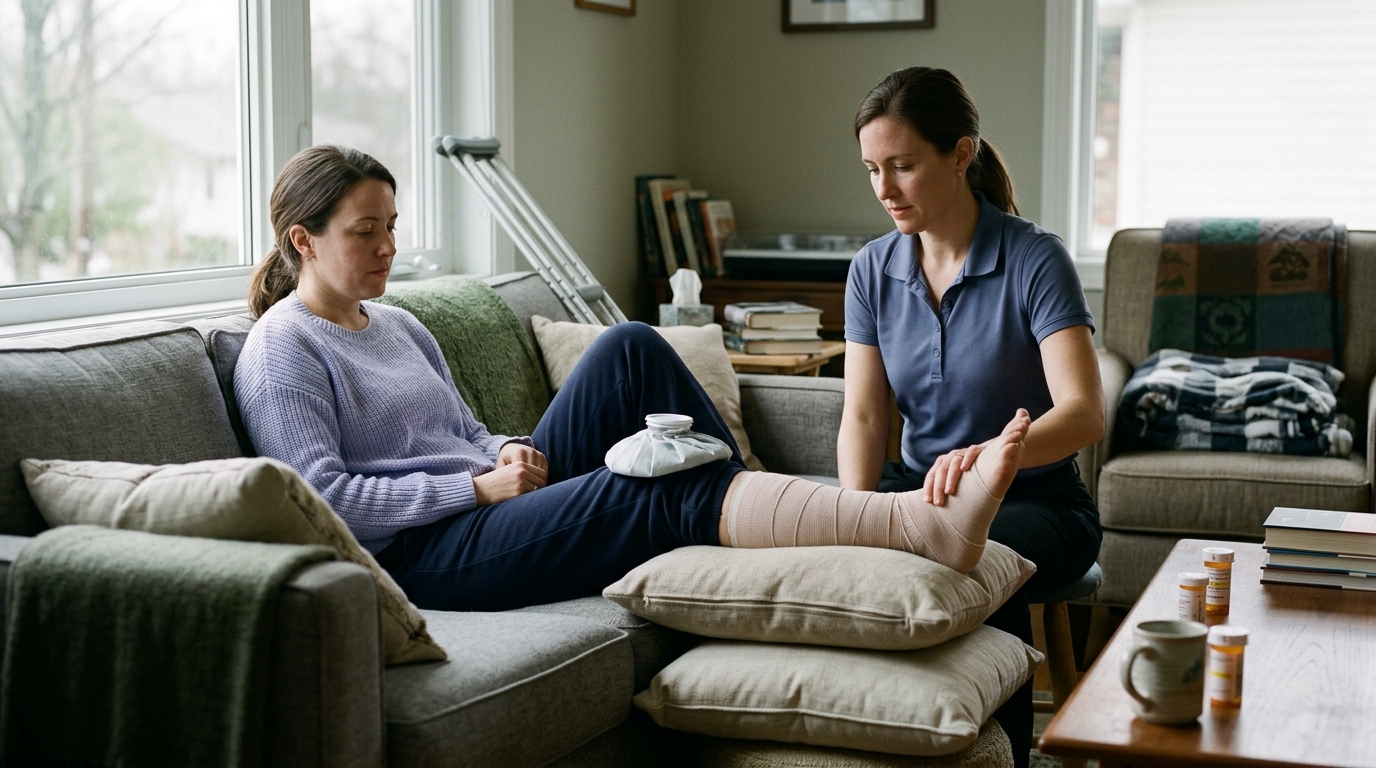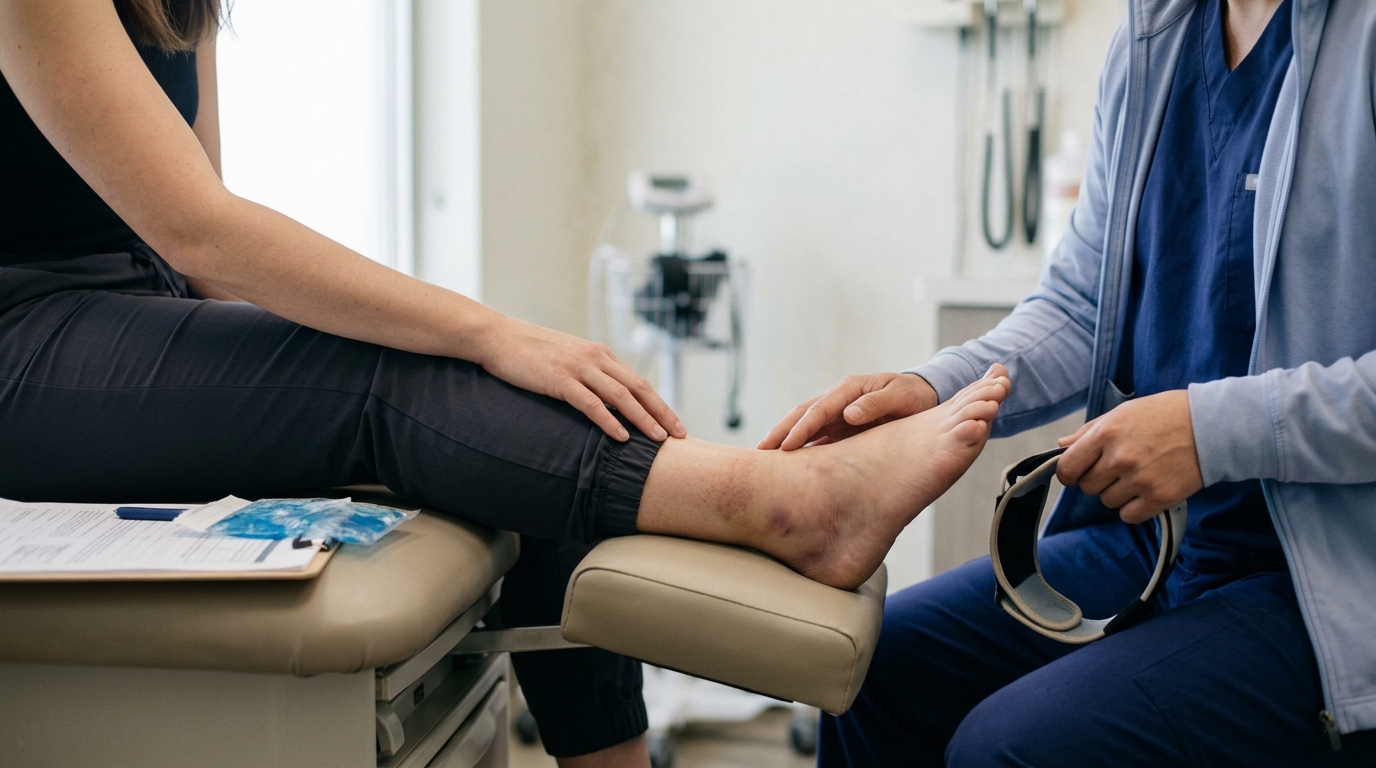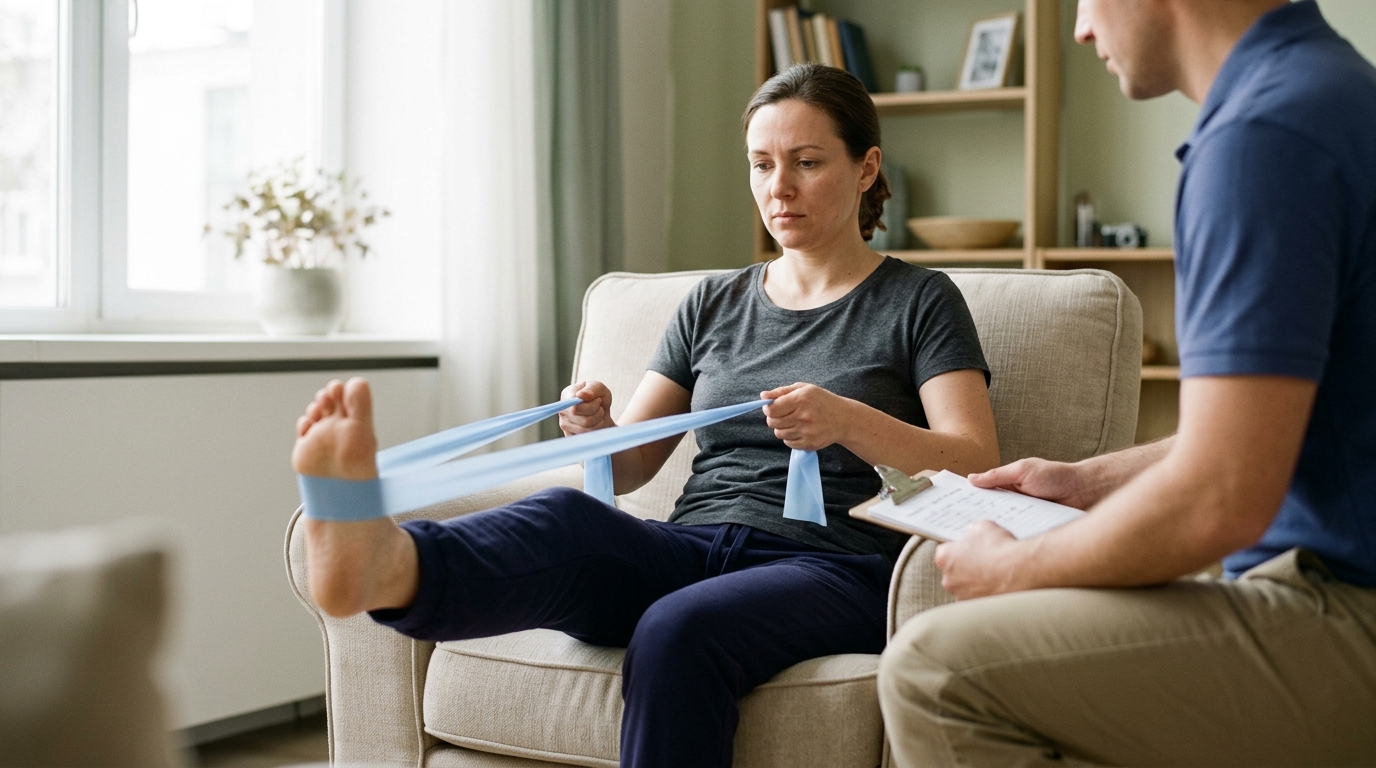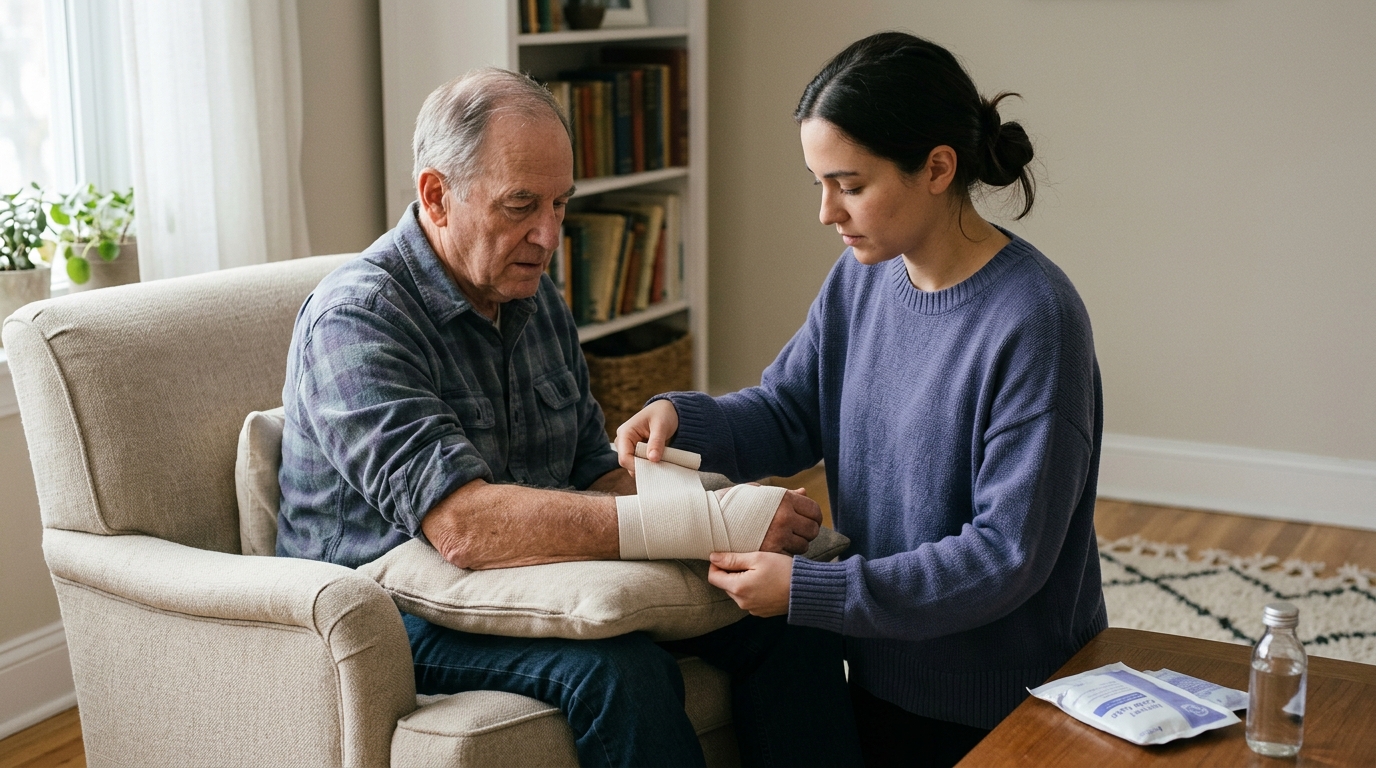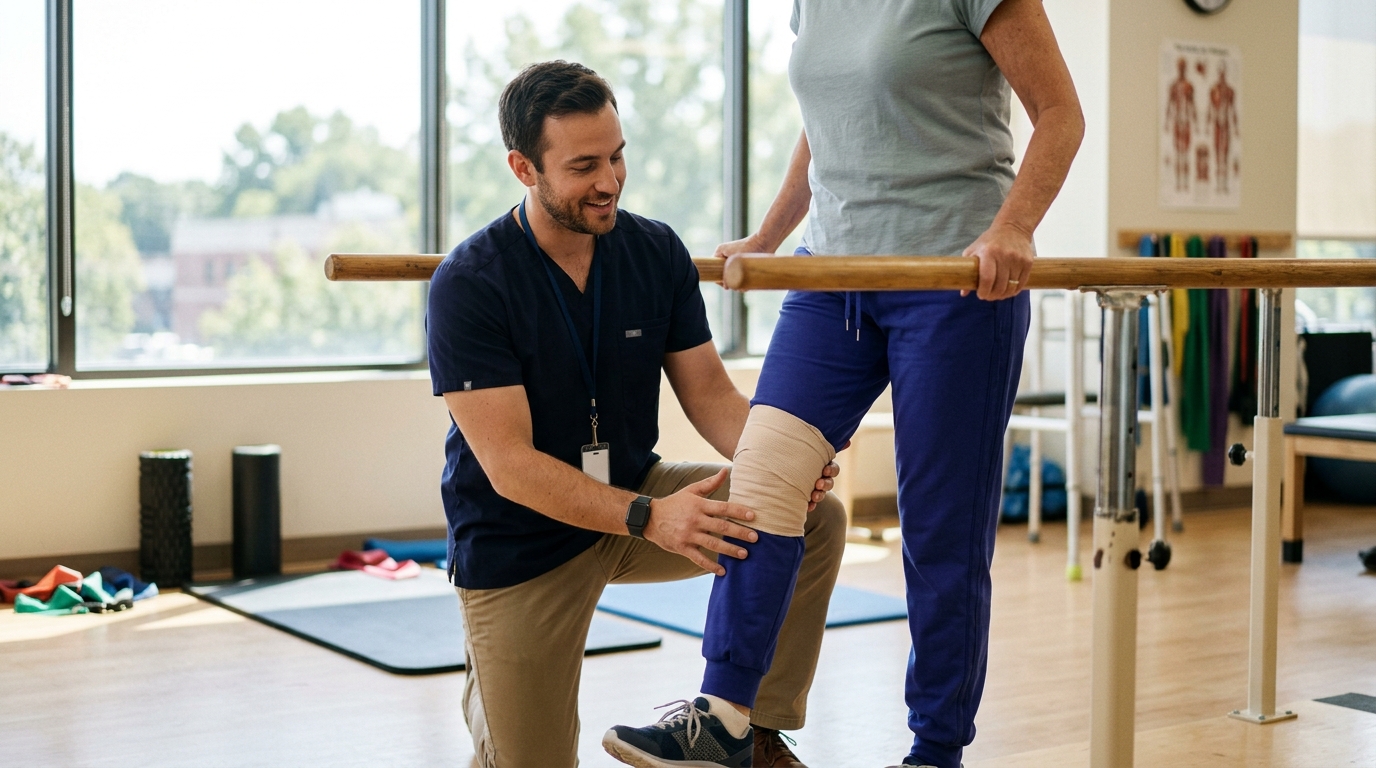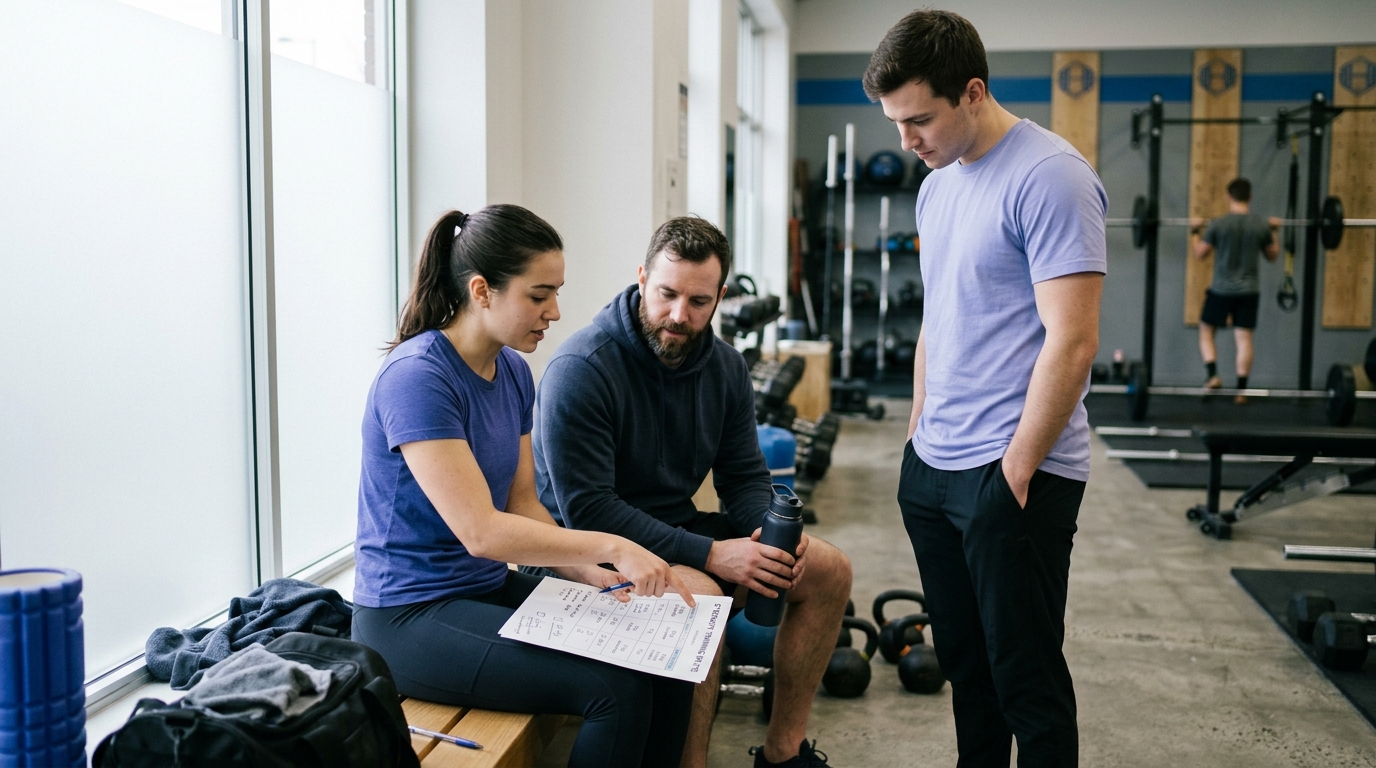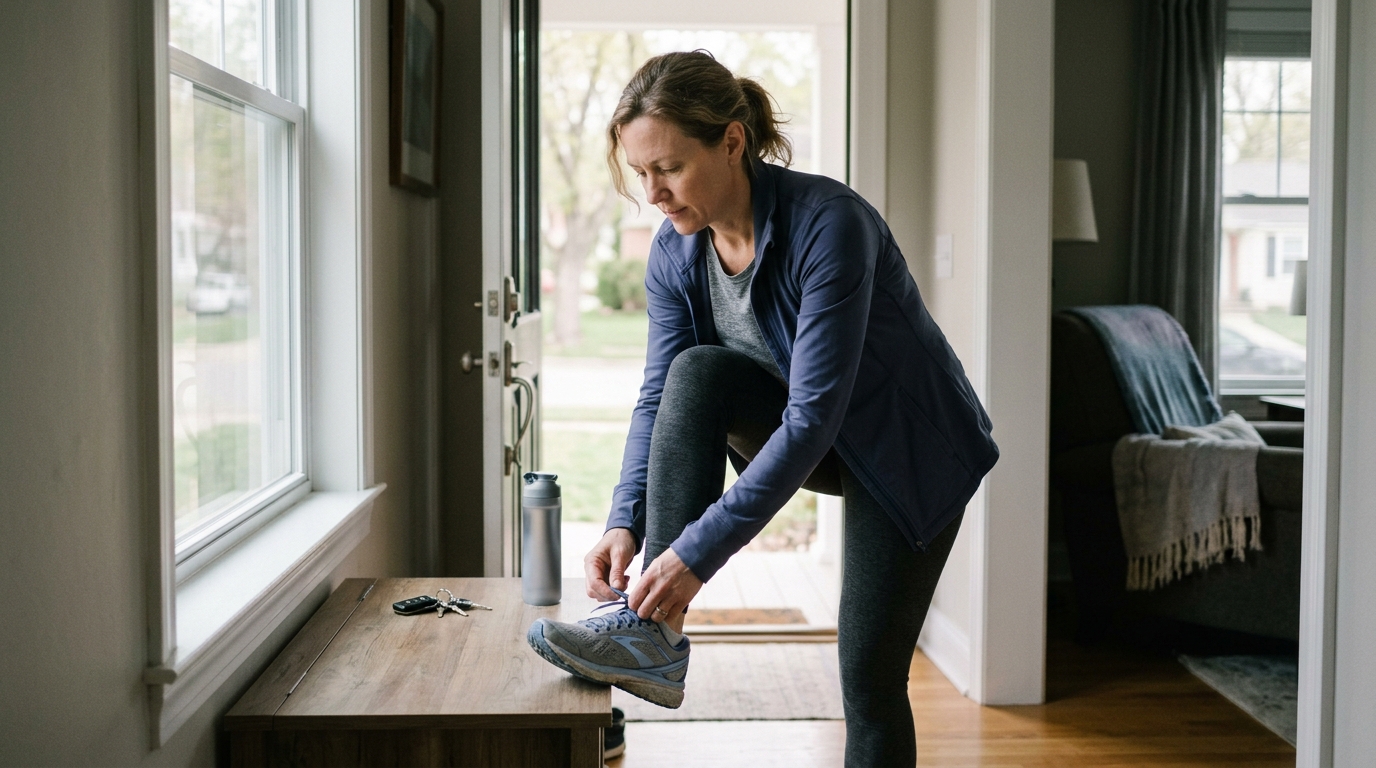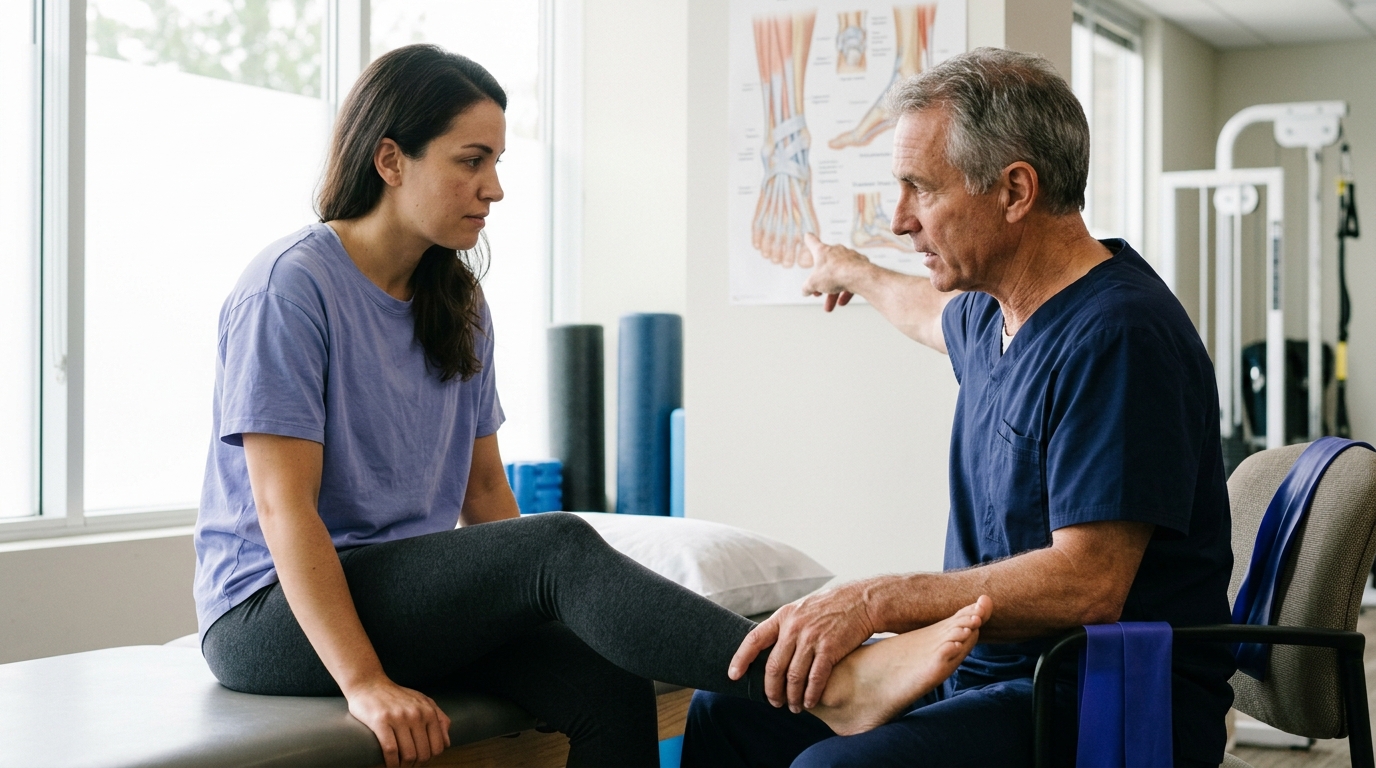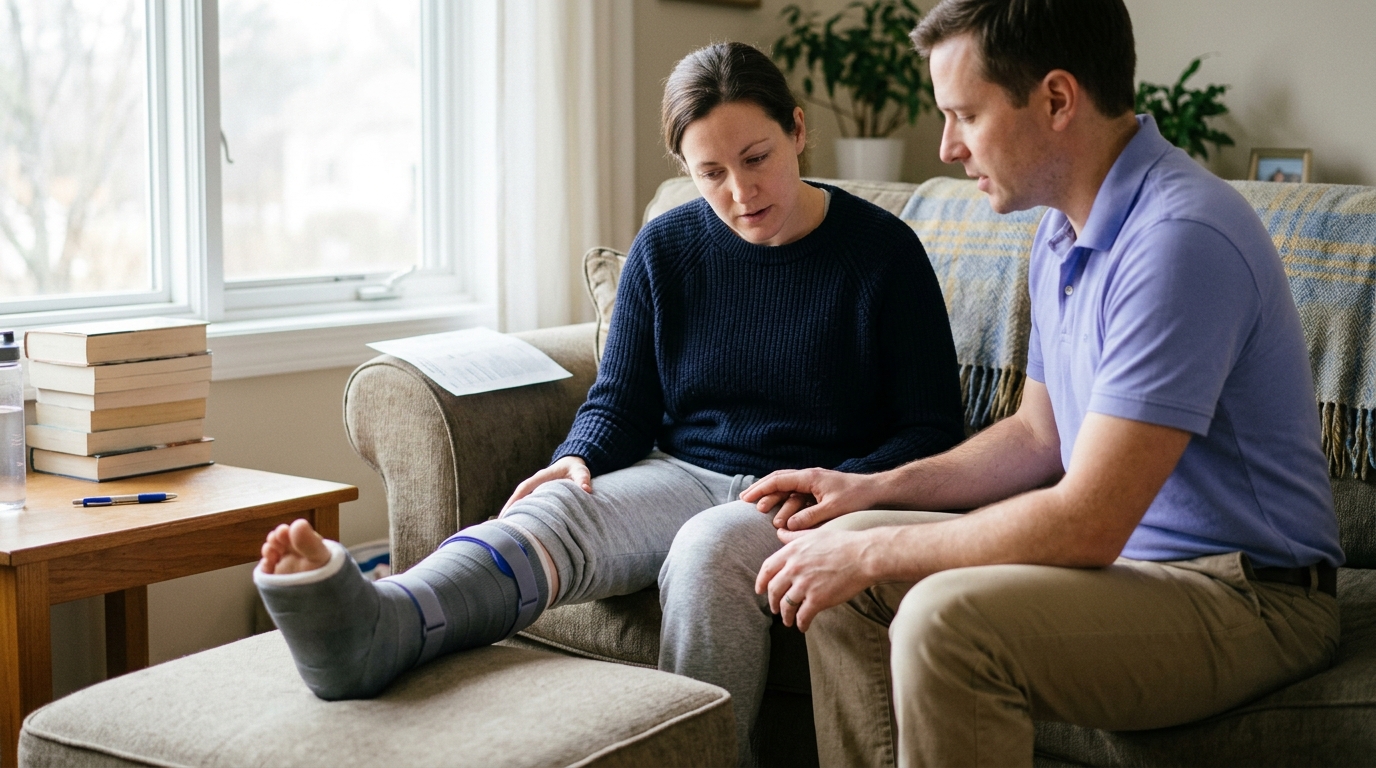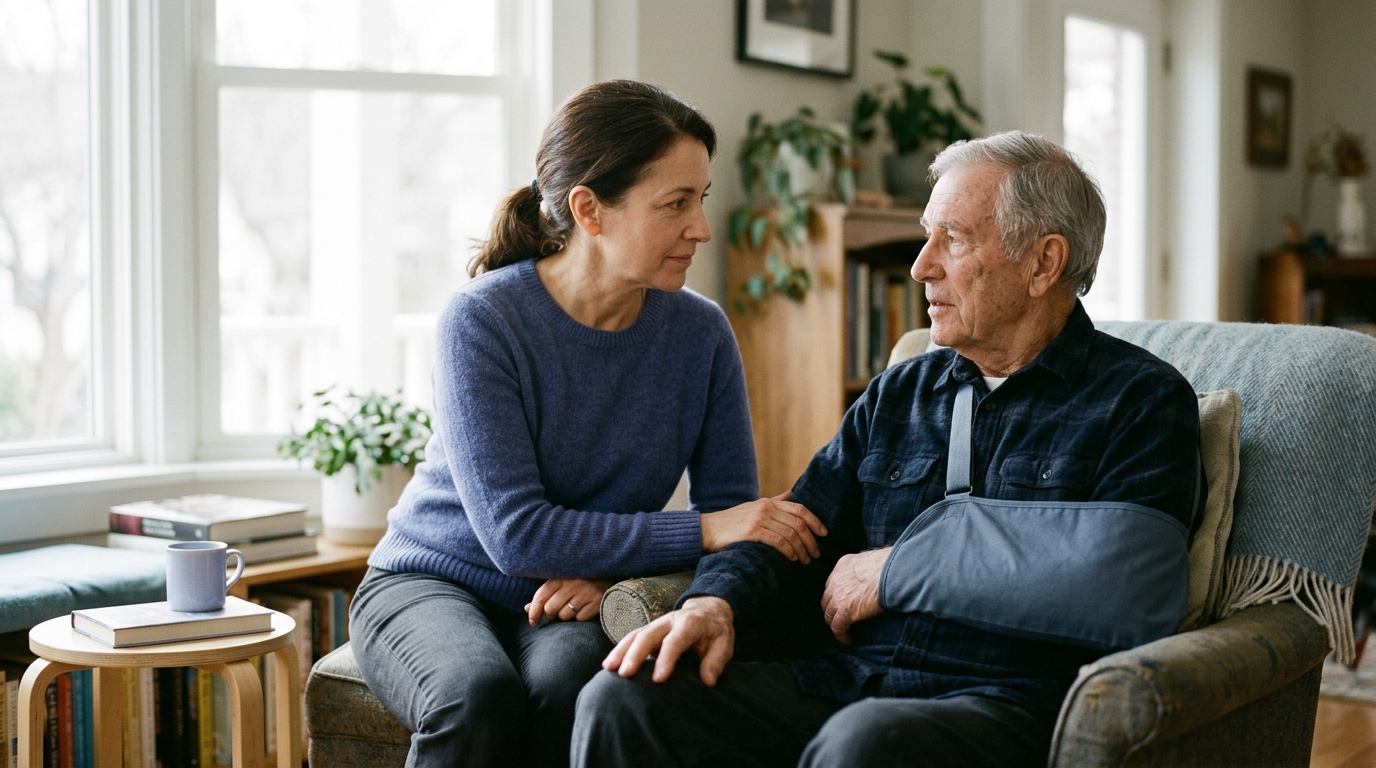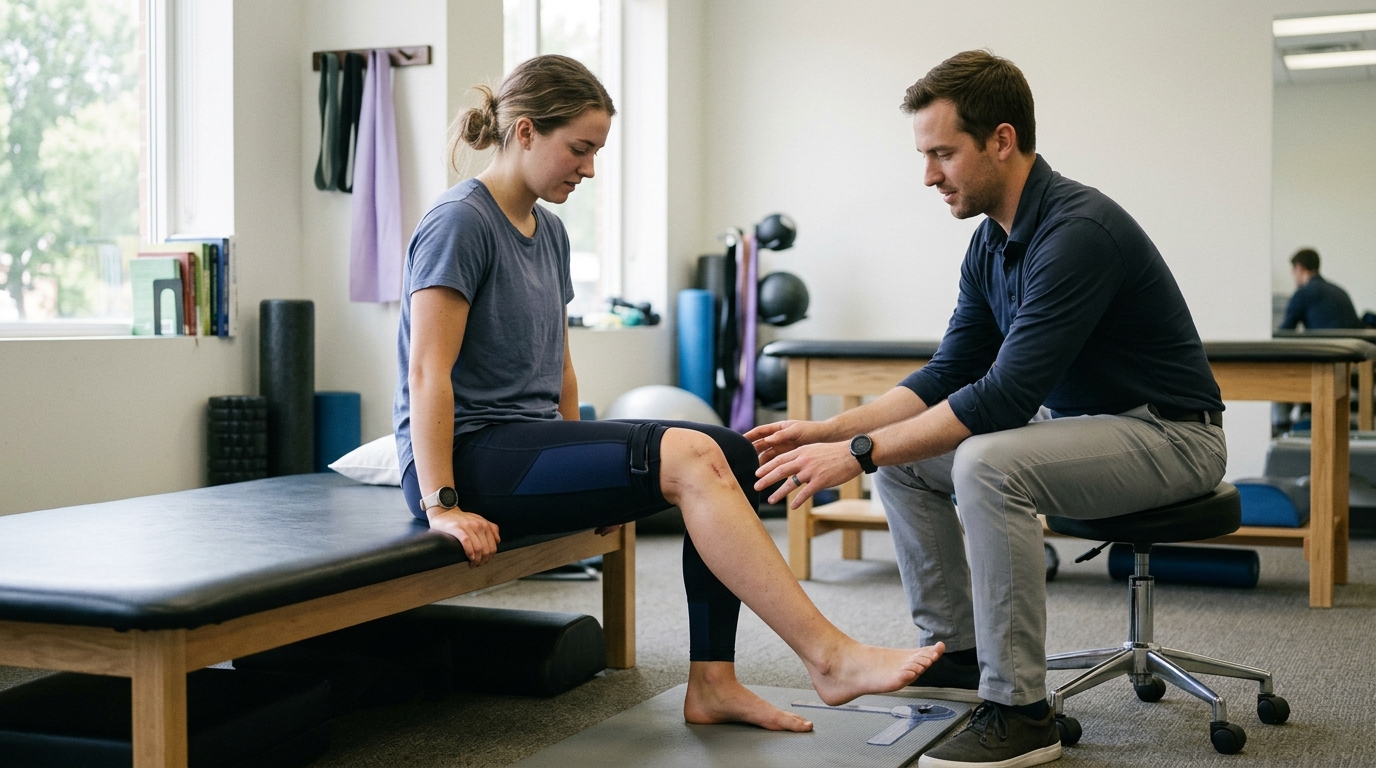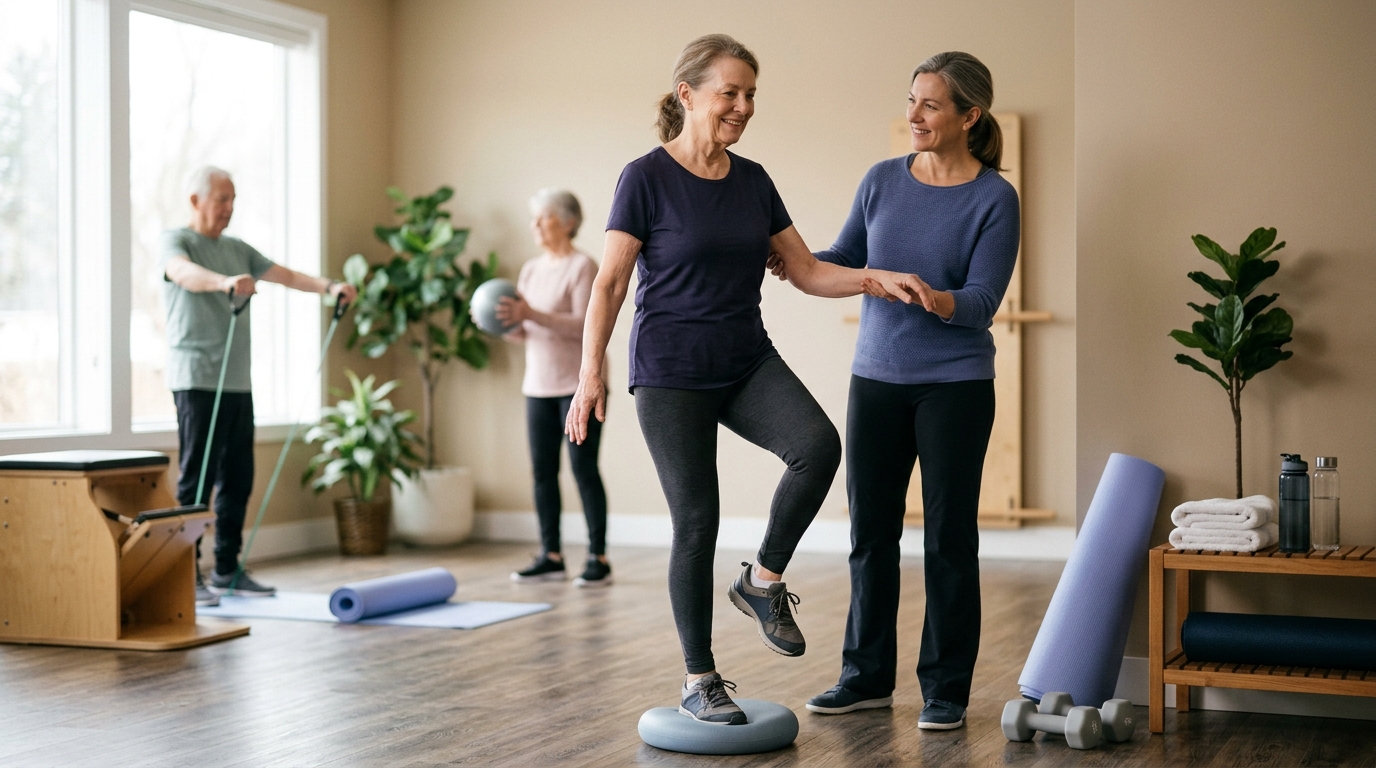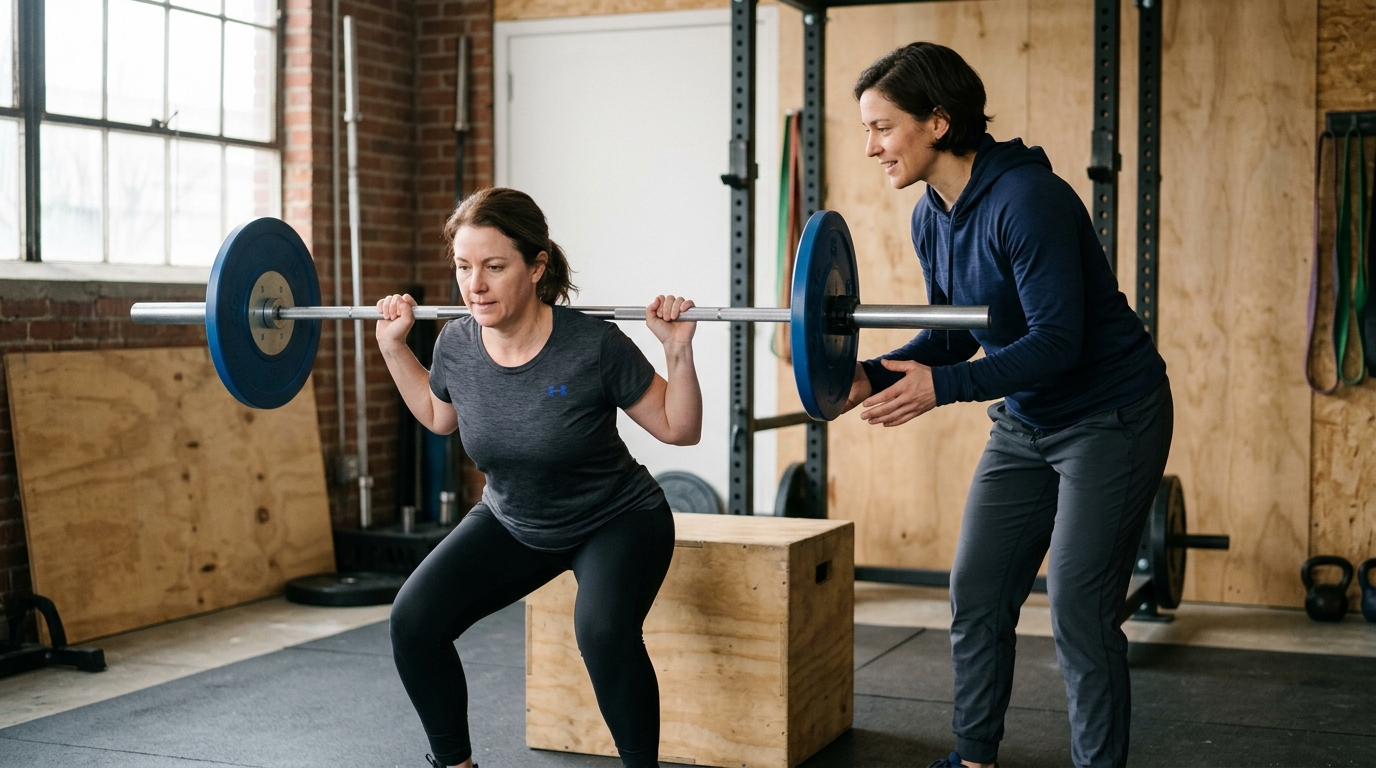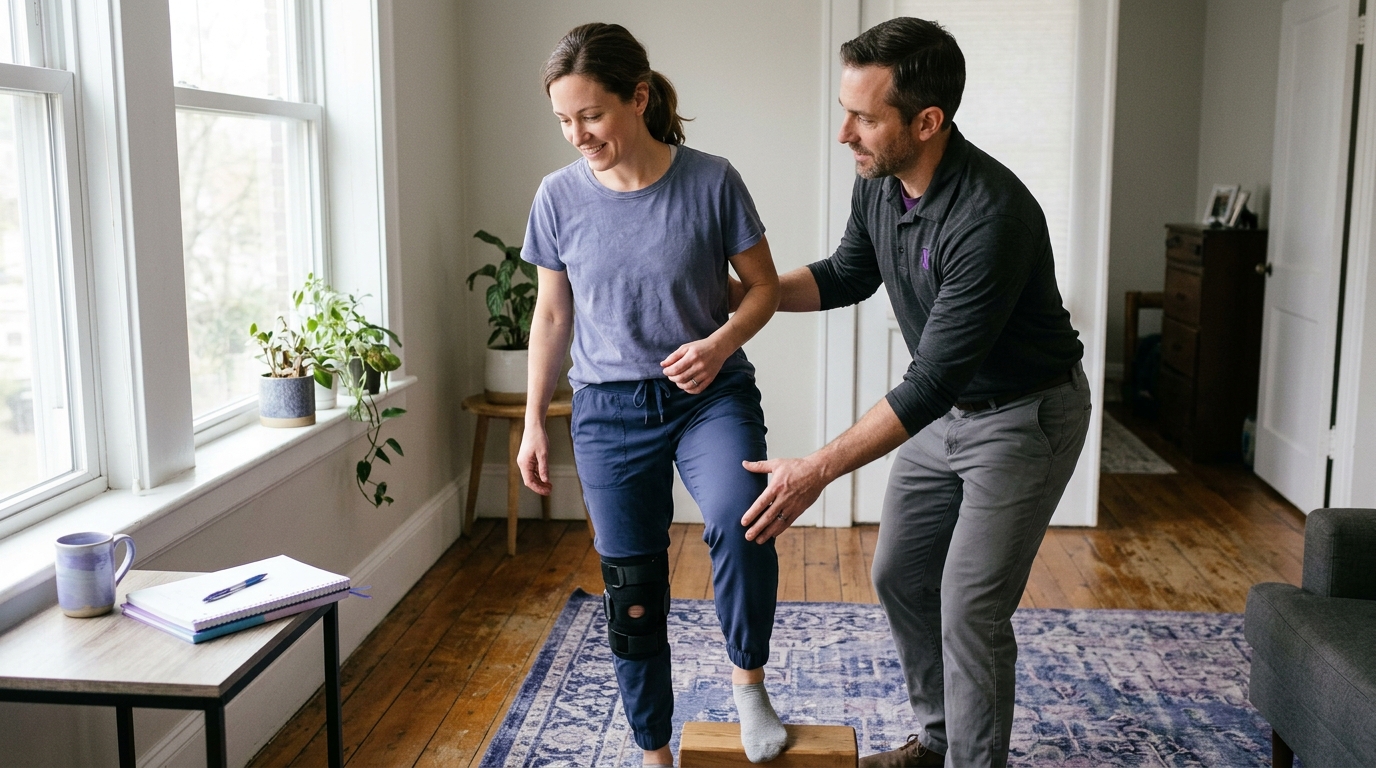

Clear scans and healed tissues often leave lingering pain, but structured functional goals across multiple health domains help restore your strength and independence.





Many people assume that once a bone knits, a ligament repairs, or a surgical incision closes, recovery is finished. In clinical reality, tissue healing and functional recovery operate on two completely different timelines. A medical scan can show a fully healed structure, yet you might still experience stiffness, weakness, persistent discomfort, or difficulty returning to your favorite activities.
Long-term recovery is an ongoing process of rebuilding function, adapting to physical changes, and updating your goals over months or years. It is not a straight line with a guaranteed end date. Success is defined by what you can safely do in daily life, work, and recreation.
Understanding how long-term rehabilitation works helps you navigate lingering symptoms without unnecessary fear. This guide outlines how to measure your progress across multiple areas of health, when to seek clinical reassessment, and how to maintain movement quality over the long haul.
A common source of frustration during recovery is the gap between biological healing and daily capability. Biological healing refers to the cellular repair of bone, muscle, tendon, or ligament tissue. Functional recovery refers to your ability to walk, lift, climb stairs, work, and participate in social activities without debilitating fatigue or pain.
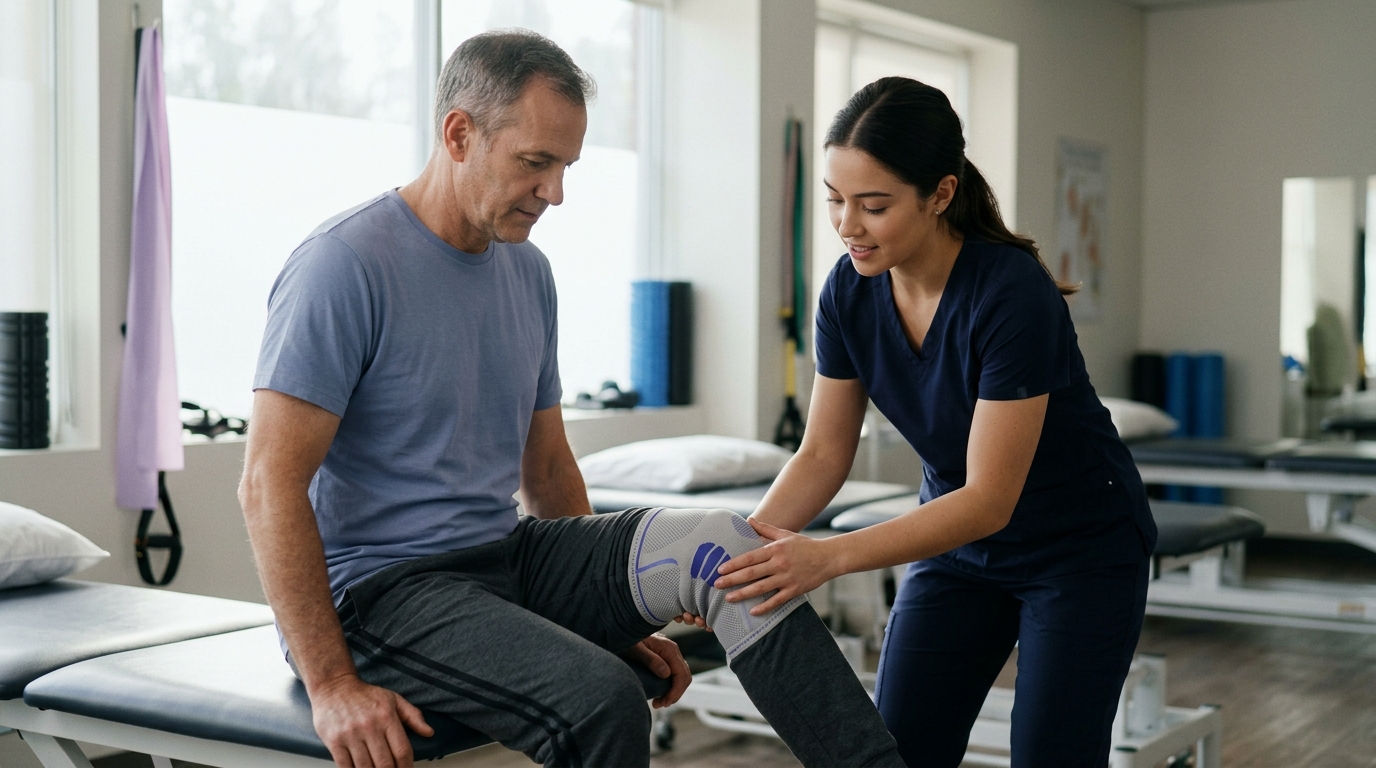
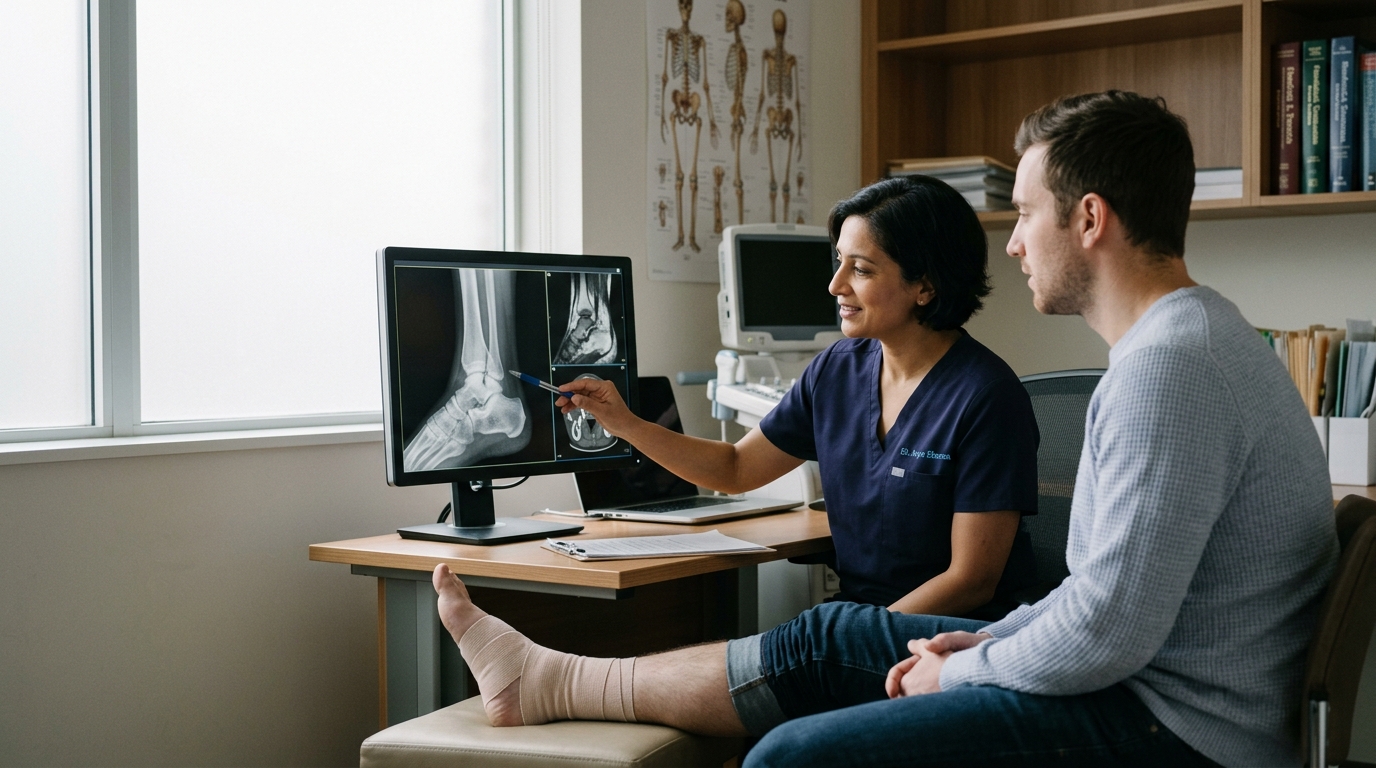
Guidelines from the National Institute for Health and Care Excellence (NICE) emphasize that rehabilitation must track functional capacity and participation alongside standard medical treatment. A healed fracture on an X-ray does not automatically restore joint mobility or muscular endurance. Prolonged rest or immobilization often causes secondary changes, such as muscle weakness, altered walking mechanics, and joint stiffness.
Functional recovery requires progressive exposure to physical demands. Restoring tissue capacity takes structured movement, load management, and patience. The table below illustrates how biological markers differ from functional milestones across the recovery timeline.
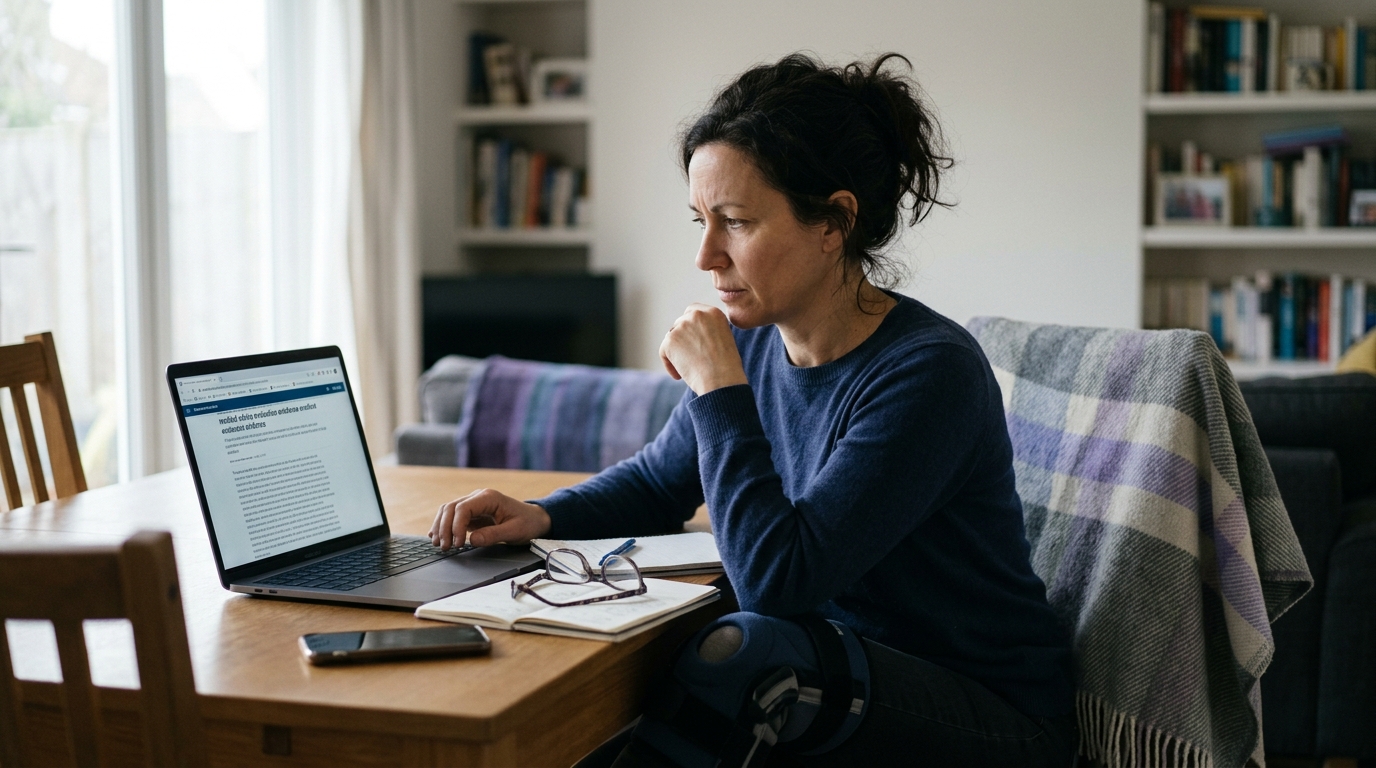
Bridging this gap requires viewing your rehabilitation as an educational process. You are retraining your body and nervous system to handle normal loads again. Exploring movement and recovery science can help you understand how tissues adapt to gradual exercise over time.
Recovery after an orthopedic injury is multidimensional. It cannot be captured by a simple pain rating on a scale from one to ten. A major scoping review of long-term trauma outcomes identified five key domains that define recovery: physical, mental, social, cognitive, and quality of life. Evaluating all five areas provides a complete picture of your status.
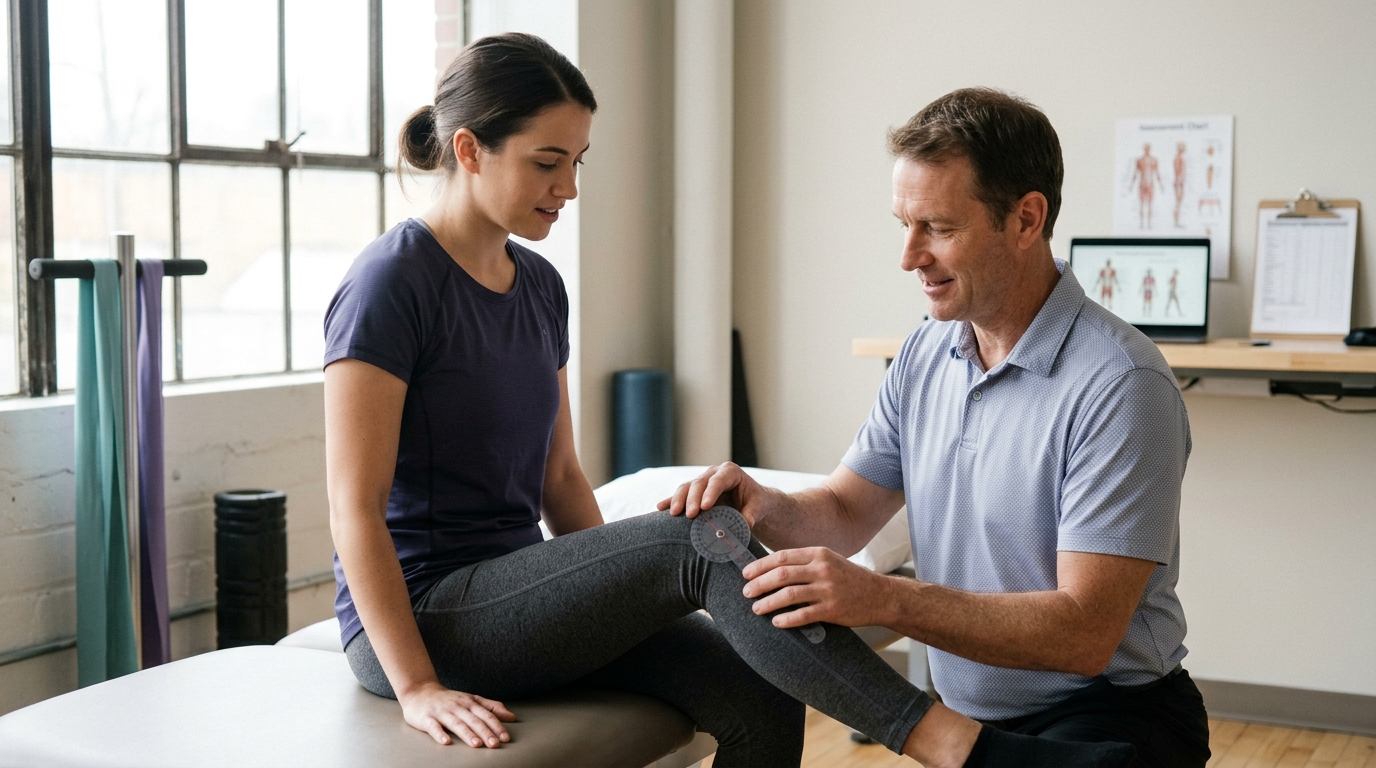
Physical recovery involves more than raw strength. It includes your walking tolerance, balance, joint range of motion, and physical stamina.
A practical inventory of physical function should evaluate:
Physical trauma and prolonged recovery often place a heavy burden on mental health. NICE guidelines highlight that acute stress symptoms, anxiety, or low mood can occur or resurface at any point during recovery.
Tracking emotional wellbeing involves monitoring your confidence in using the injured limb. Fear of reinjury can cause hesitation or protective movement patterns. Acknowledging stress and frustration is a normal part of working through long-term physical limitations.
An injury often disrupts social routines, family responsibilities, and hobbies. True recovery involves regaining the ability to engage in the roles that matter to you.
This domain covers:
ating in community events and family gatherings.
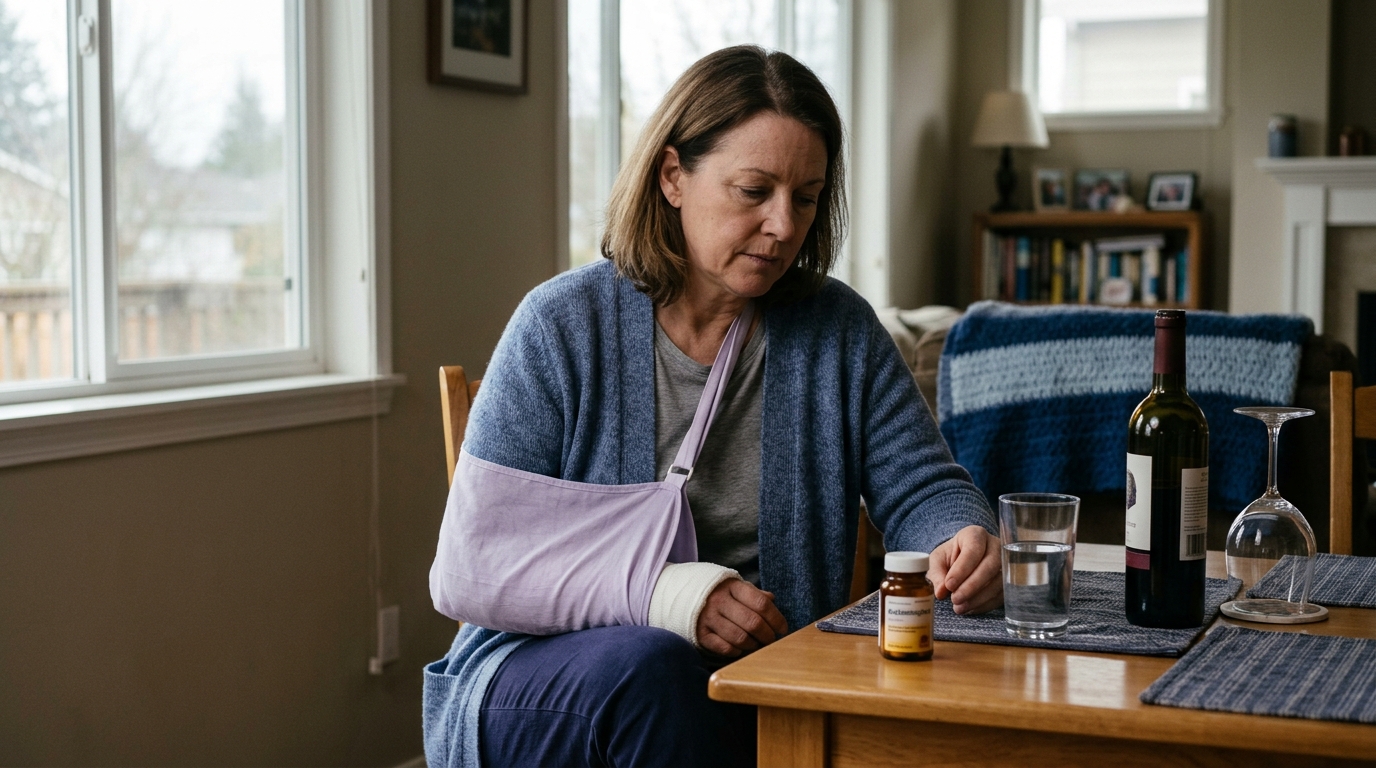
Managing a significant injury requires mental energy. Pain, poor sleep, and medication side effects can affect your focus, memory, and concentration.
Pay attention to how easily you experience mental fatigue during complex tasks. If cognitive challenges persist or interfere with work, discussing them with your medical team is an important step.
Quality of life reflects your general satisfaction with your daily routines, energy levels, and sleep patterns. Sleep quality plays a direct role in tissue recovery and pain processing. Restoring healthy sleep hygiene is often an essential component of rebuilding daily energy.
By reviewing these five domains regularly, you can celebrate progress that pain scores alone might overlook. This comprehensive approach forms the foundation of modern long-term injury recovery resources.
It is common to experience lingering soreness, aching, or stiffness long after an injury has healed. Research indicates that persistent pain can remain present for months or even years after orthopedic trauma. Experiencing persistent symptoms does not automatically mean that tissue damage is continuing or worsening.
Pain is a complex protective signal generated by the central nervous system. Following an injury, your nervous system can become sensitized. In this state, normal movements or mild pressures can be interpreted as painful, even when tissues are structurally sound.
Systematic reviews of orthopedic trauma outcomes have identified several factors associated with long-term discomfort:
These factors represent statistical patterns identified across large study populations. They are not absolute predictions for any individual. Recognizing that pain is influenced by biological, psychological, and environmental factors helps remove guilt or self-blame during a slow recovery.
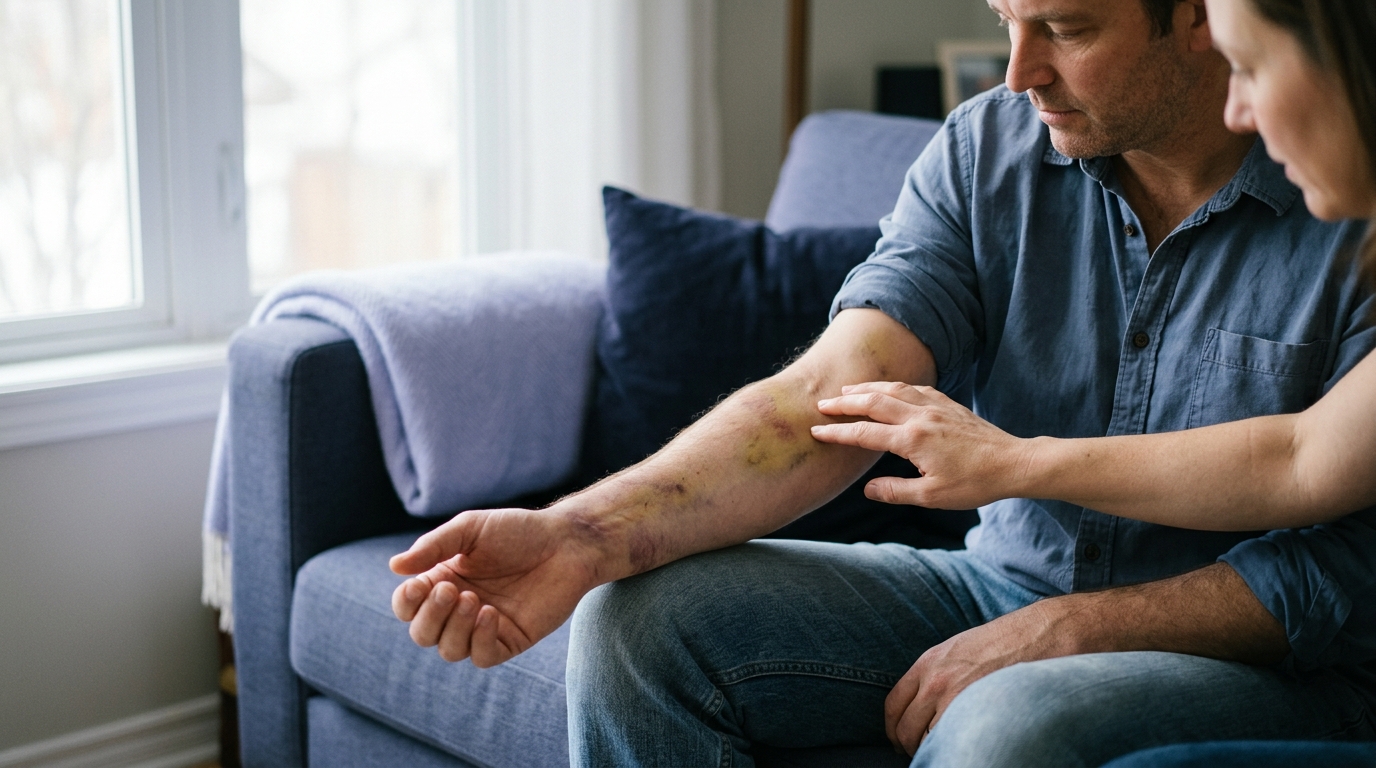
When pain flares up, it is helpful to assess the context of your activity. A temporary increase in soreness after trying a new exercise usually reflects muscular adaptation or mild tissue sensitivity. In contrast, sharp, severe pain accompanied by sudden swelling, instability, or loss of function warrants immediate clinical review.
Learning to interpret your body's signals allows you to stay active without triggering severe flare-ups. The goal is to keep movement within a manageable range while gradually building tolerance.
Recovery rarely follows a predictable schedule. Instead of relying on a rigid calendar, clinical experts recommend using an iterative cycle to manage rehabilitation. This person-centered approach allows you to adjust your activities based on real-world progress and setbacks.
The iterative recovery loop consists of five key steps:
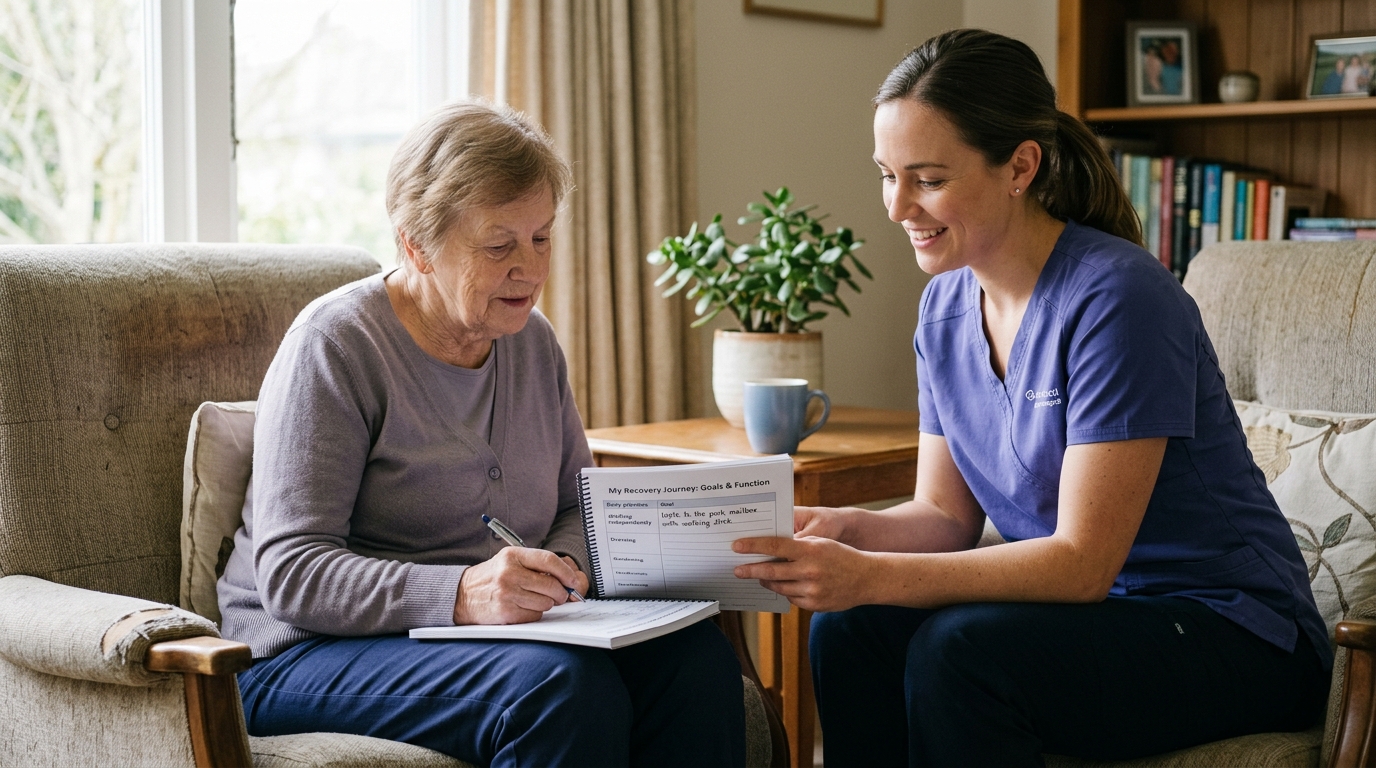
Start by identifying your personal priorities. Rather than aiming for a generic goal like full recovery, identify specific activities that bring meaning to your life. Examples include walking around the neighborhood with a spouse, working in the garden, or carrying groceries without assistance.
Record your current capabilities objectively. Take note of how long you can walk before discomfort begins, how many stairs you can climb, or which daily tasks require assistance. This baseline provides an accurate starting point and prevents unrealistic expectations.
Break large goals into small, sequential steps. NICE rehabilitation guidelines emphasize that setting small milestones makes progress visible and helps maintain motivation over long recovery periods.
An illustrative progression for rebuilding walking capacity might look like this:
Assess your progress every few weeks using both subjective feelings and objective measures. Ask yourself if daily tasks feel easier, if your stamina has improved, and if you are using less compensatory movement.
Modify your routine based on how your body responds. If a specific exercise consistently causes excessive soreness lasting more than 24 hours, adjust the volume, intensity, or rest intervals. If an exercise feels effortless, advance the difficulty gradually.
Revisiting these five steps keeps your rehabilitation aligned with your changing needs. It prevents stagnation and helps you stay focused on practical functional gains.
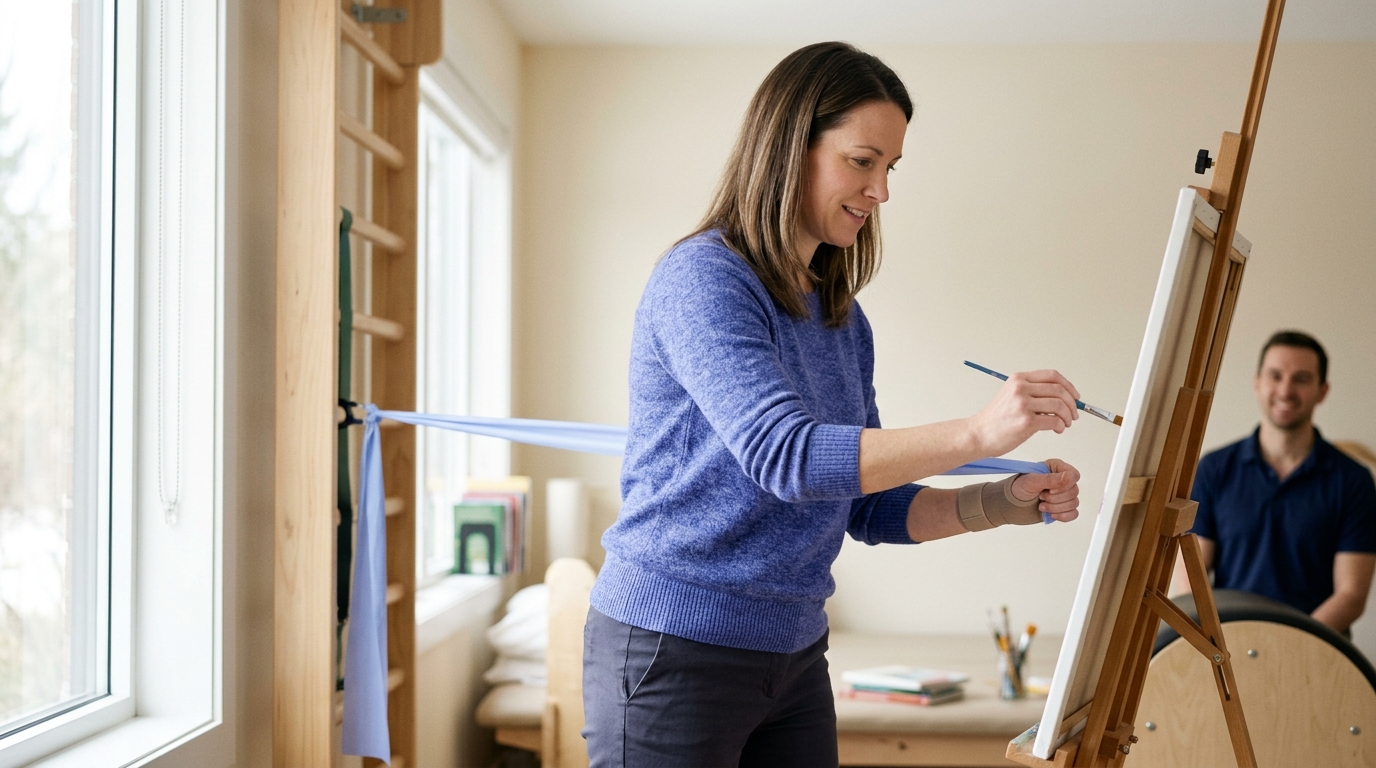
Returning to work, caregiving, or community roles is a major milestone in long-term rehabilitation. However, being cleared for light activity in a clinical setting is very different from managing a complete workday. Work environments often involve prolonged sitting, standing, lifting, or mental stress that can strain healing tissues.
Research reviews show that injury severity is a primary factor influencing work resumption. However, work demands, physical load, self-efficacy, and employer support also play significant roles. A systematic review of orthopedic trauma patients reported that absence from work averaged over 100 days across various study cohorts, with some individuals requiring job modifications or career changes.
A key concept in occupational rehabilitation is distinguishing between performing a task once and sustaining it across a full shift. You might be able to lift a box or stand for fifteen minutes during an evaluation. Sustaining those actions for eight hours five days a week requires far greater endurance and recovery capacity.
To create a sustainable transition back to work or volunteer roles, consider discussing the following options with your employer and clinical team:
A successful return to work is built on open communication between you, your doctor, and your employer. Taking a gradual approach reduces the likelihood of severe flare-ups and promotes long-term job retention.
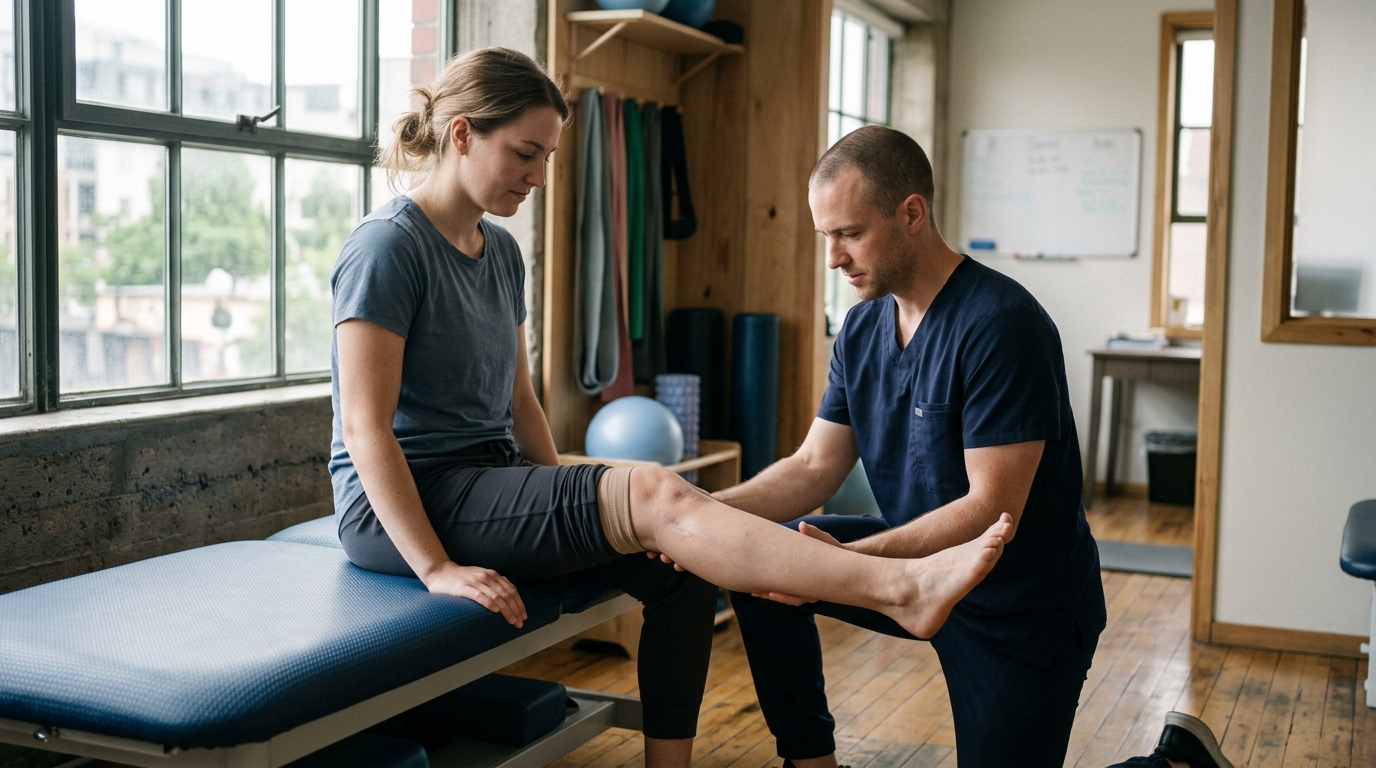
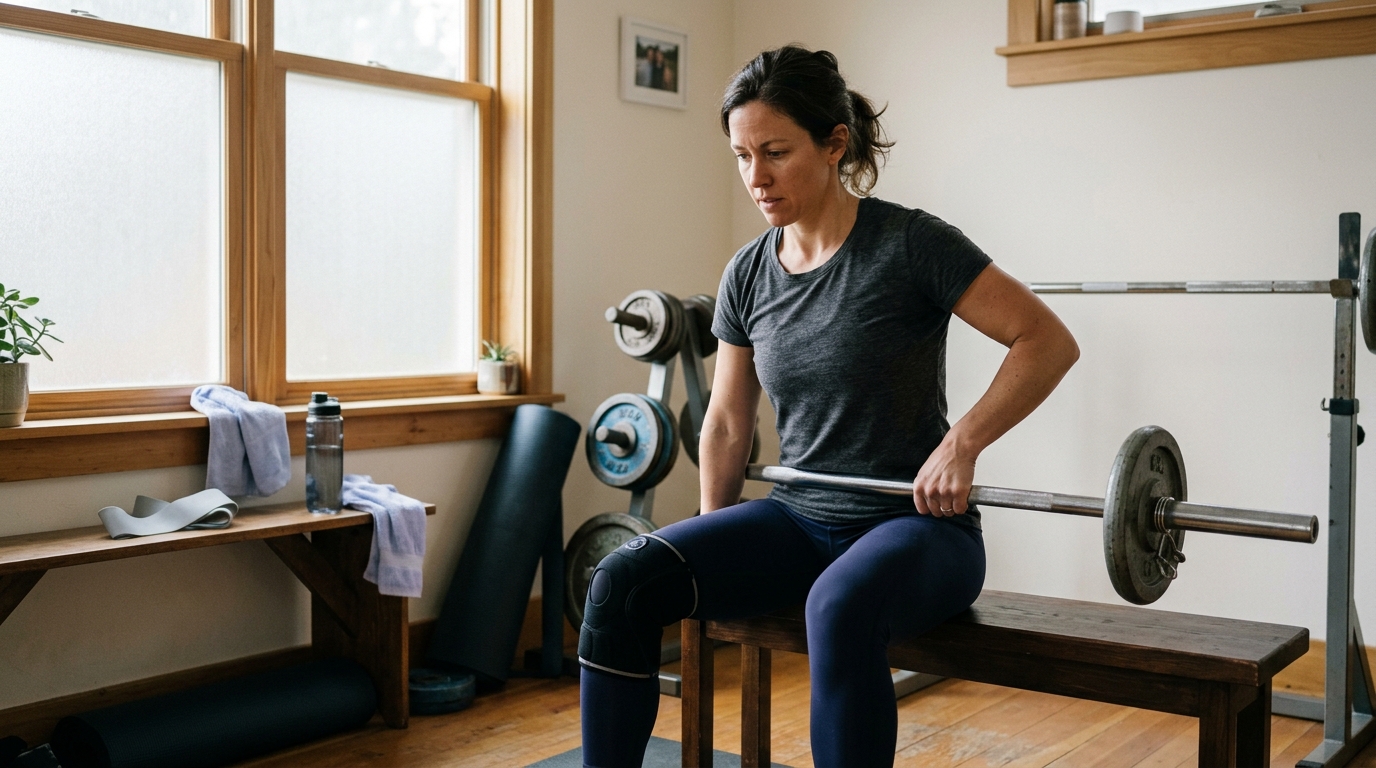
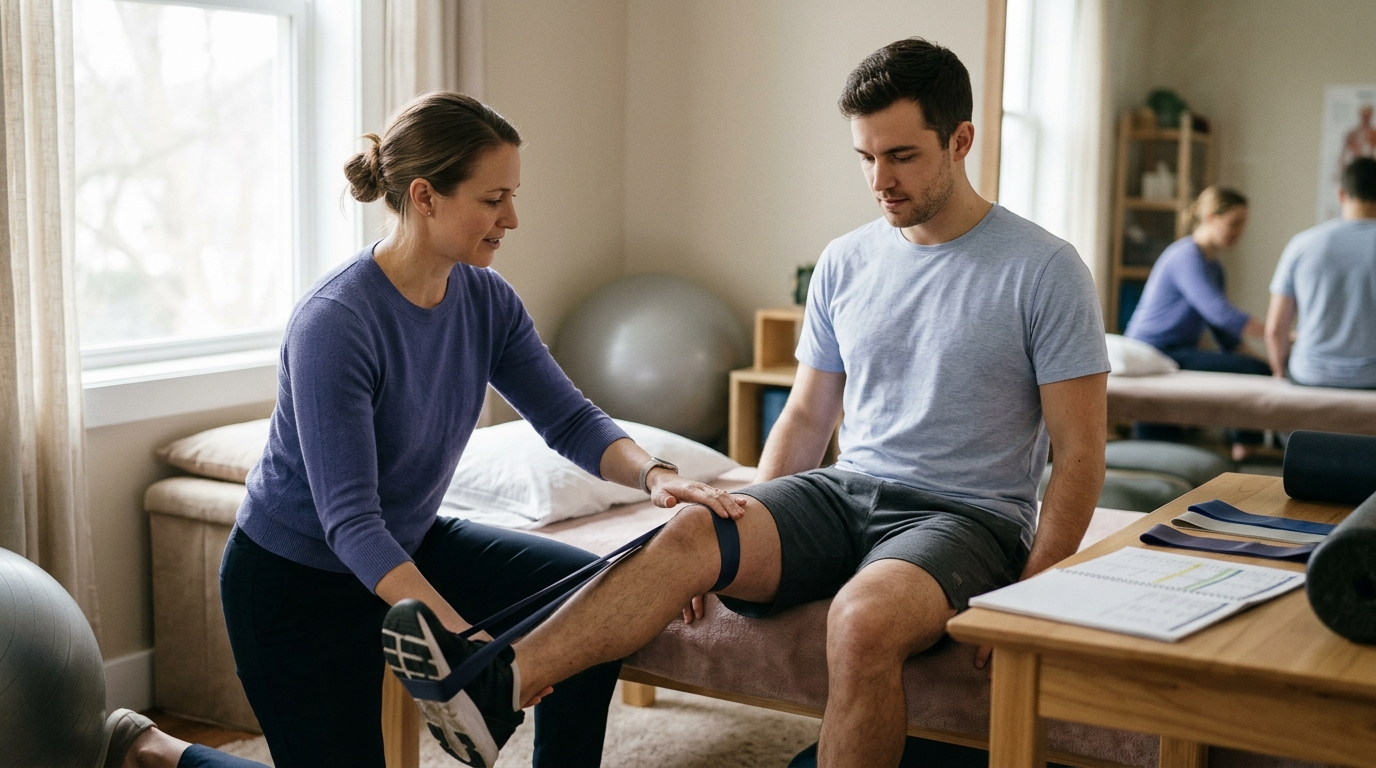
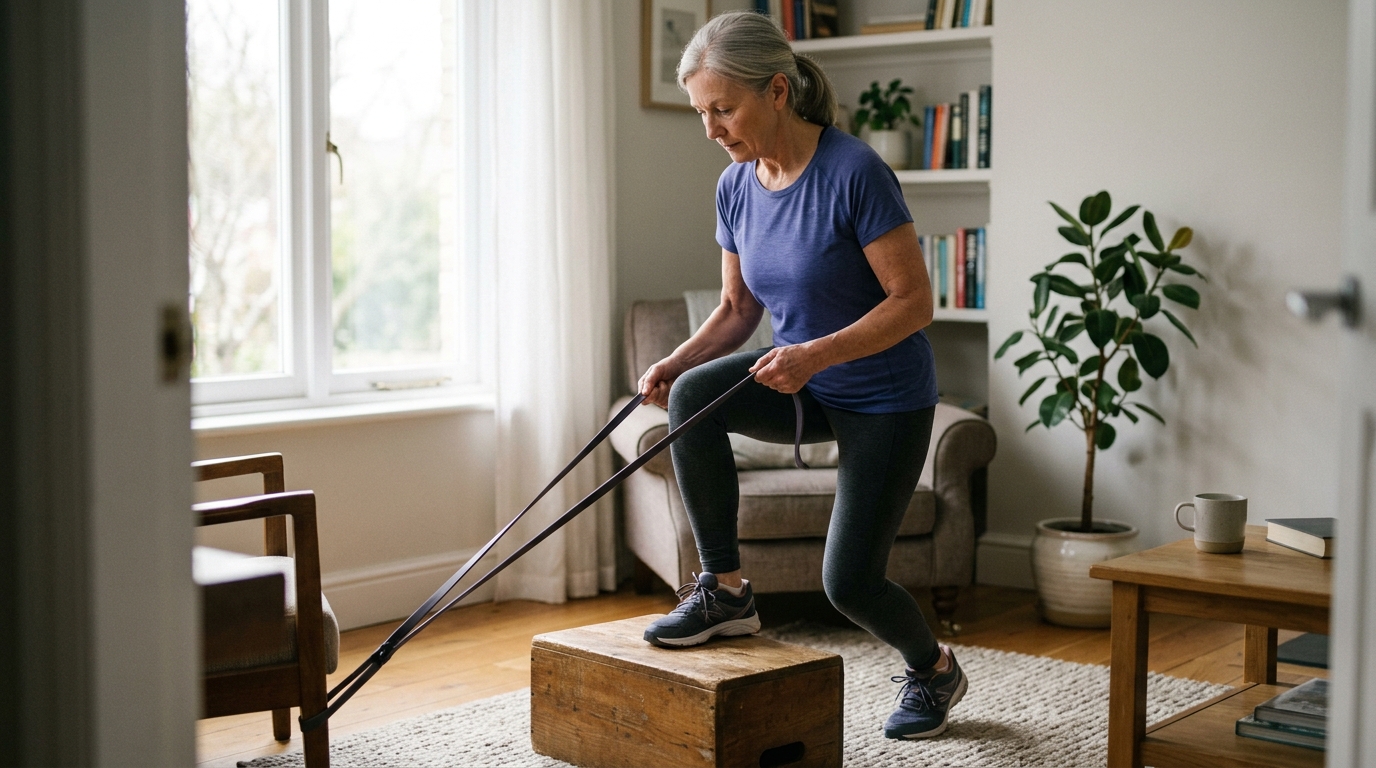
Once formal physical therapy ends, maintaining an active home exercise routine is critical for sustaining functional gains. Muscles decondition quickly during periods of reduced activity. Rebuilding strength and joint flexibility protects joint structures and improves movement efficiency.
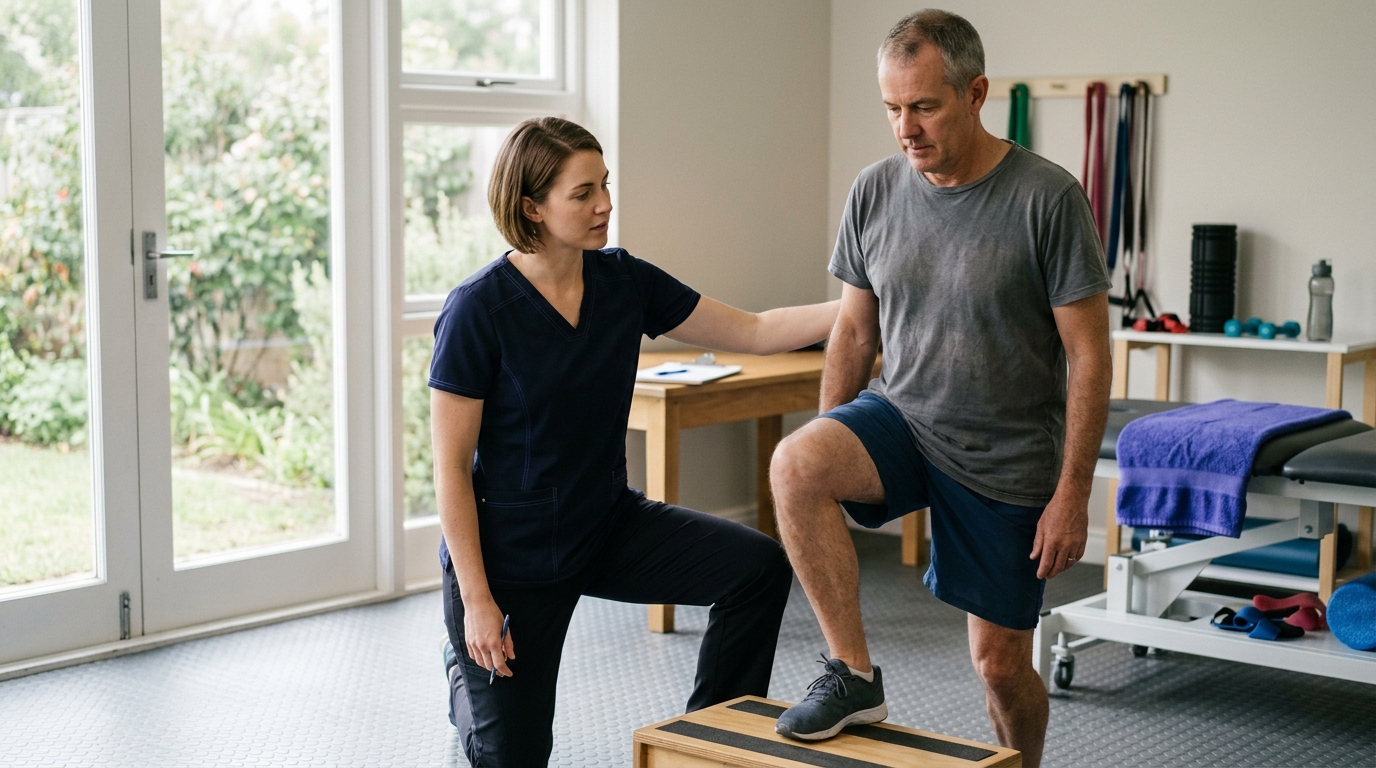
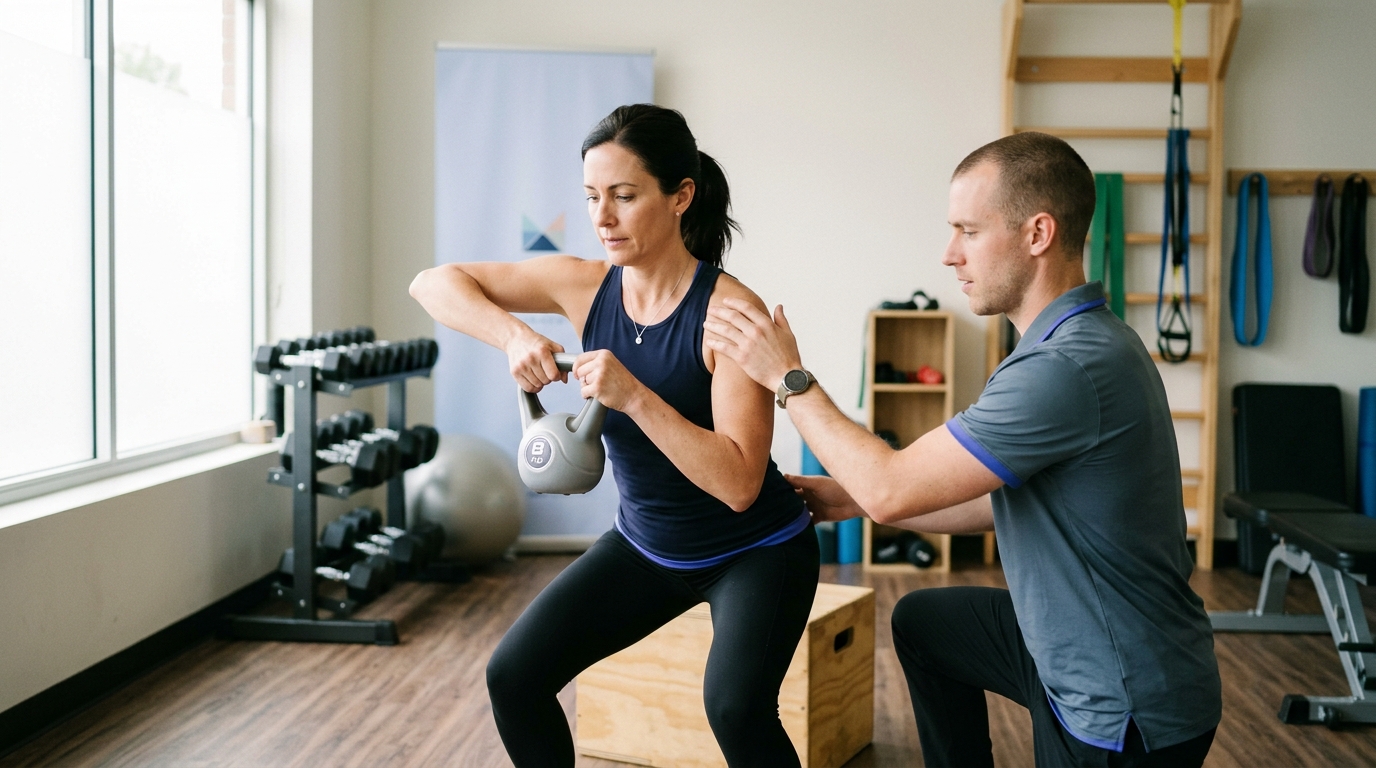
Targeted resistance training helps restore tendon stiffness, improves bone mineral density, and reinforces motor control. Working on progressive strength rebuilding ensures that your muscles can support your joints during unexpected movements or uneven steps.
Stiffness in one joint often forces neighboring joints to work harder, leading to compensatory movement patterns. For example, reduced ankle mobility after a fracture can alter knee and hip mechanics during walking.
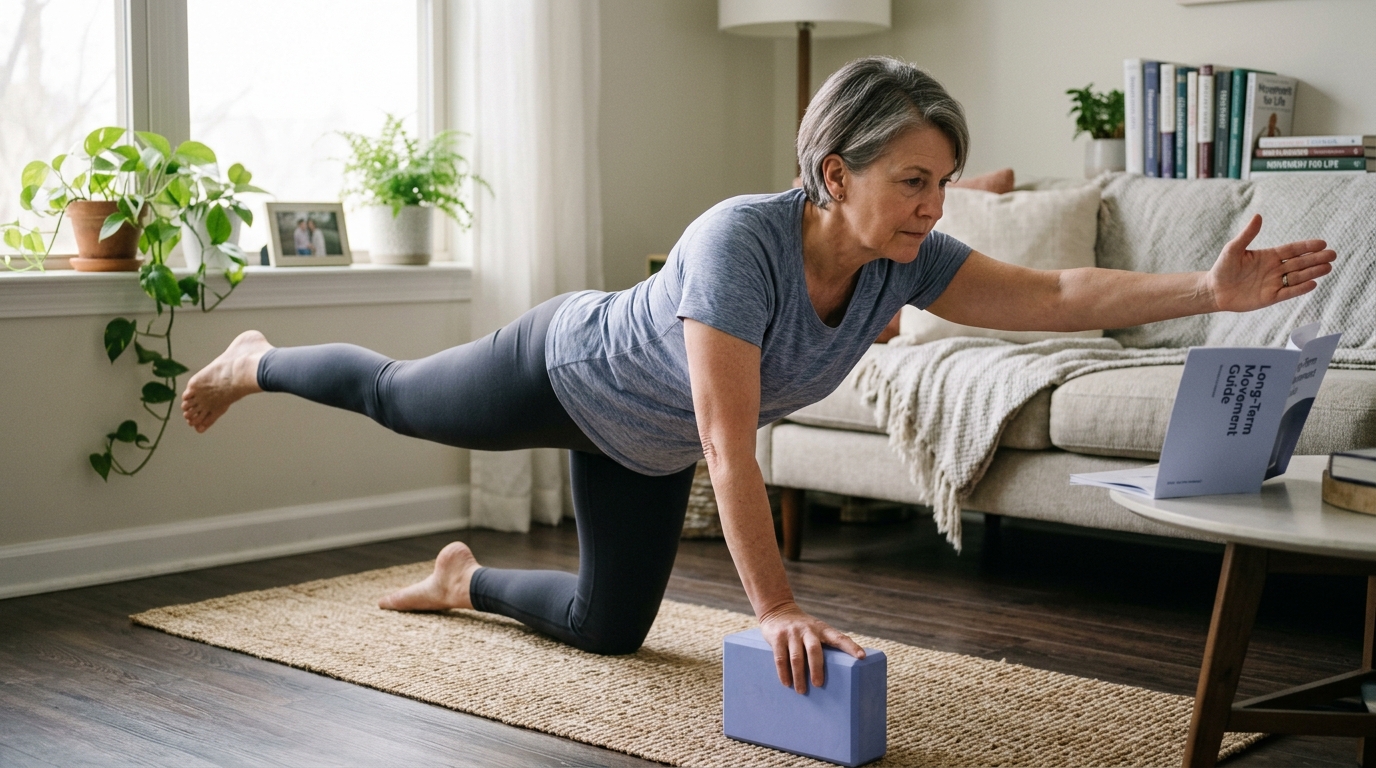
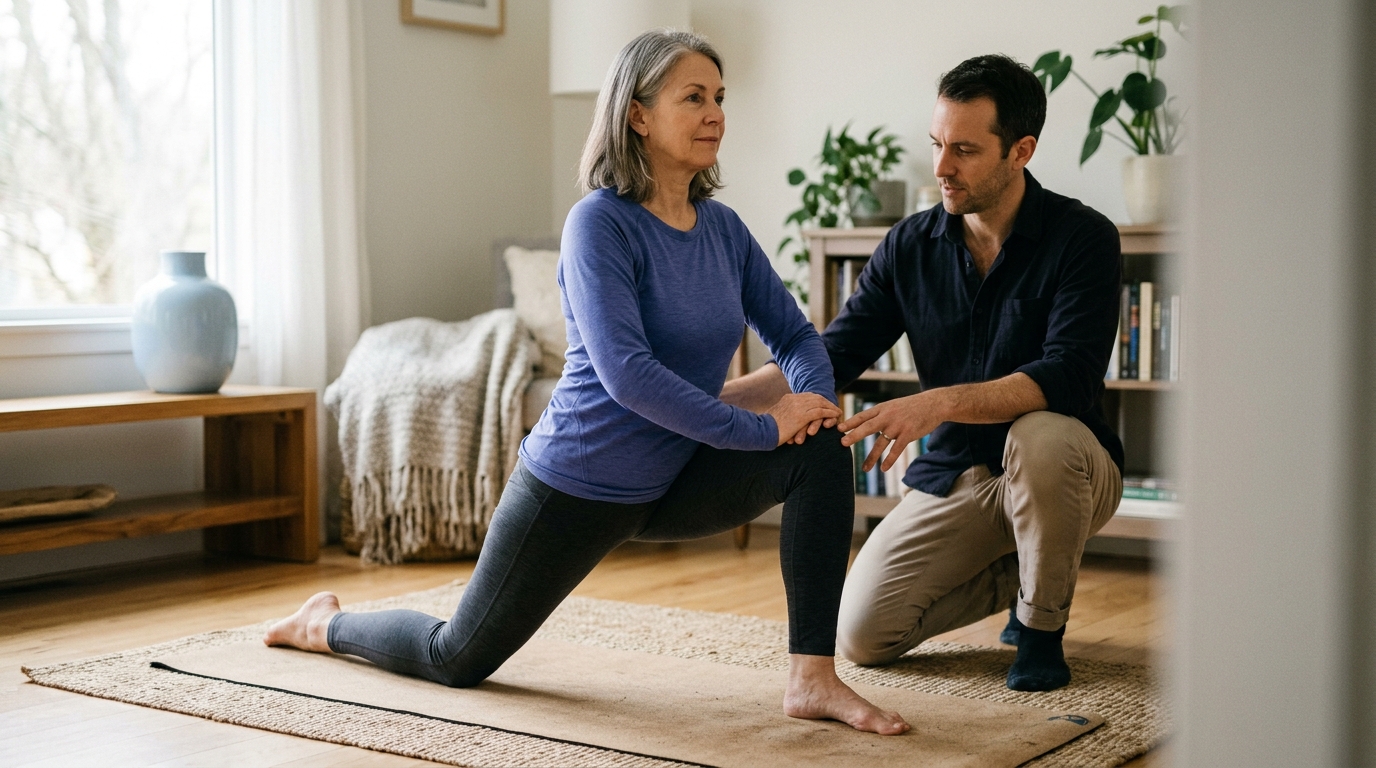
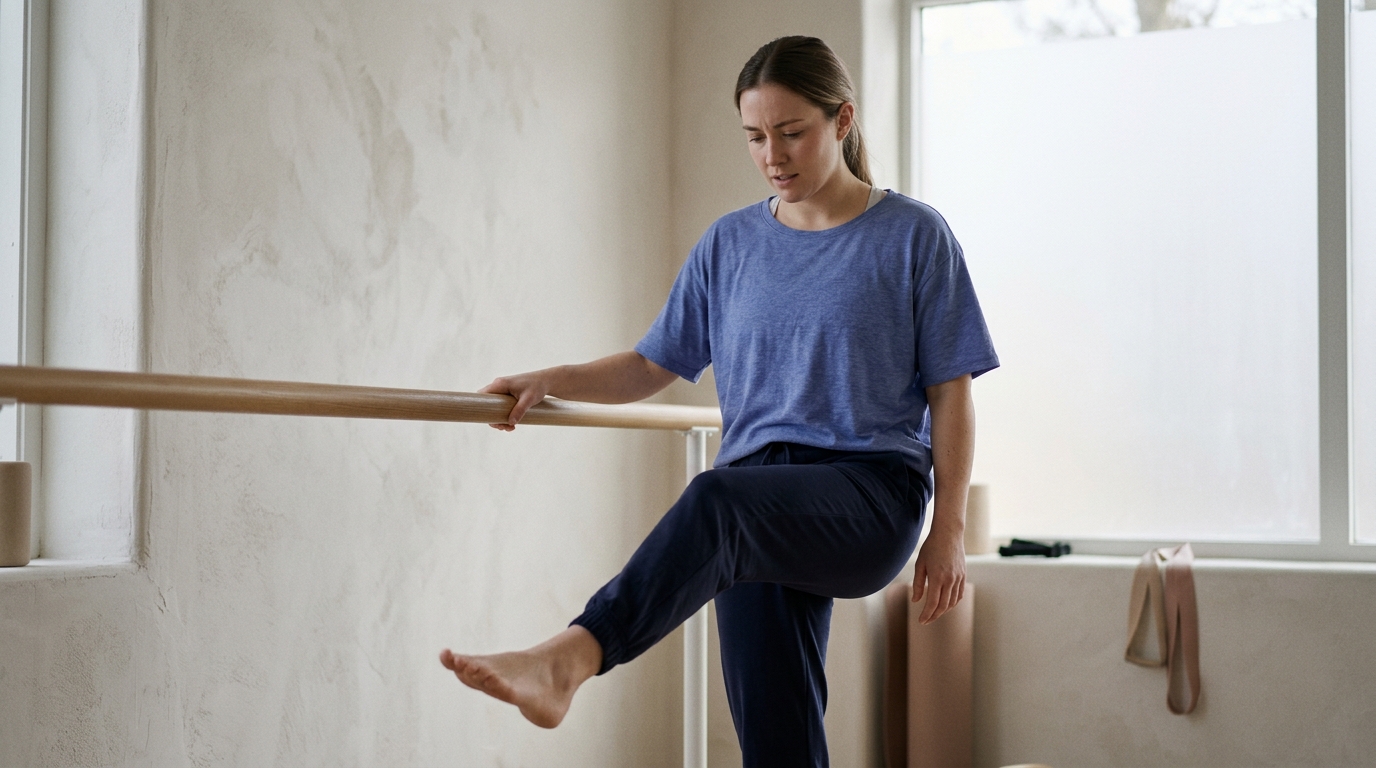
Dedicate time each week to practicing joint mobility and movement patterns. Focus on smooth, controlled movements through your available range of motion. Avoid forcing a joint past sharp pain, but gently encourage movement to maintain joint health.
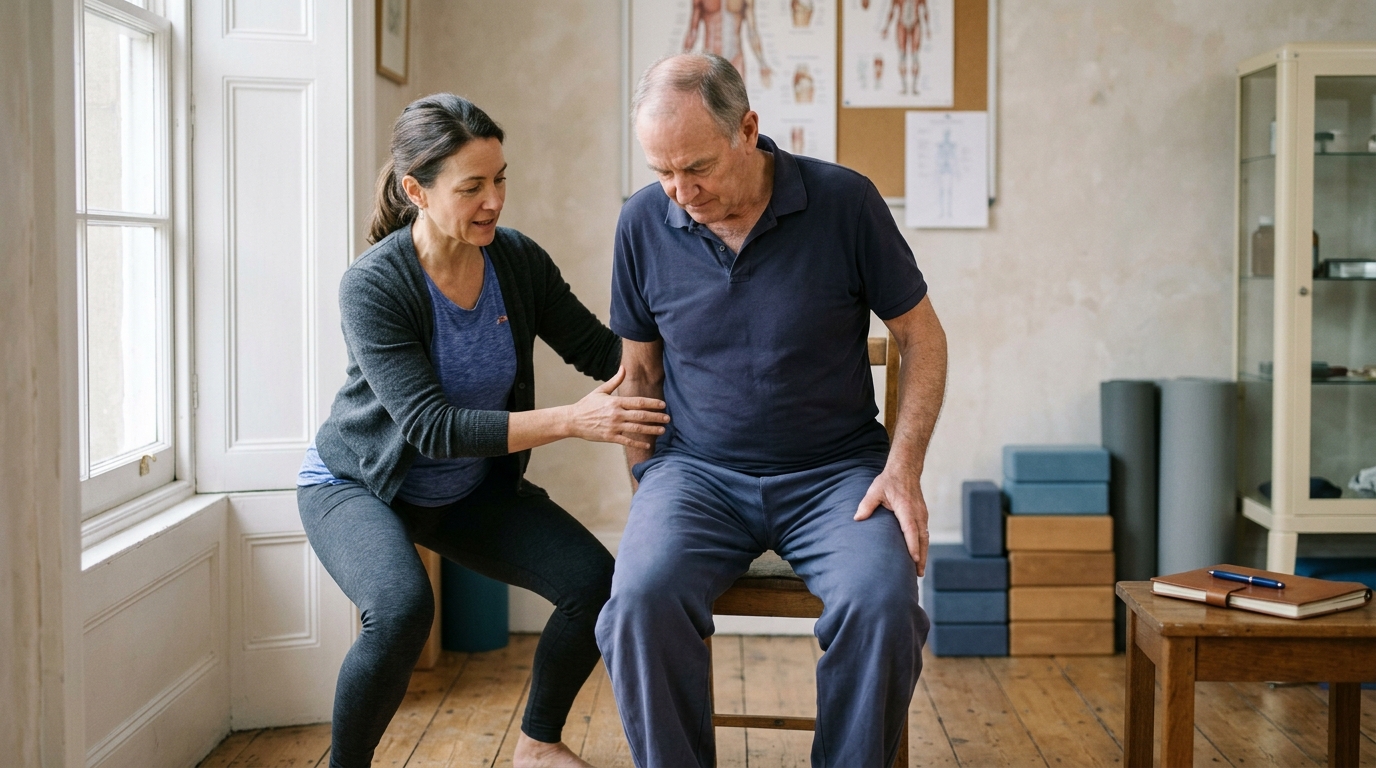
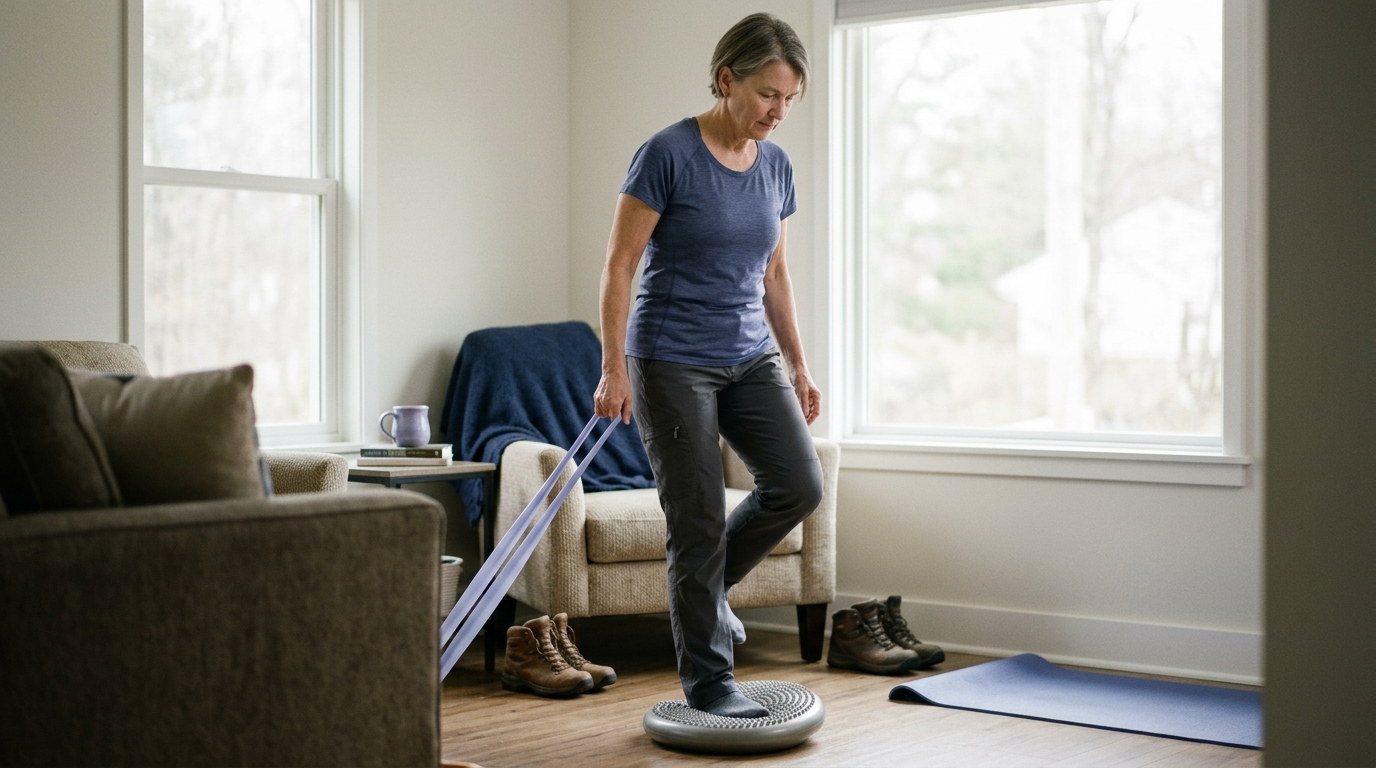
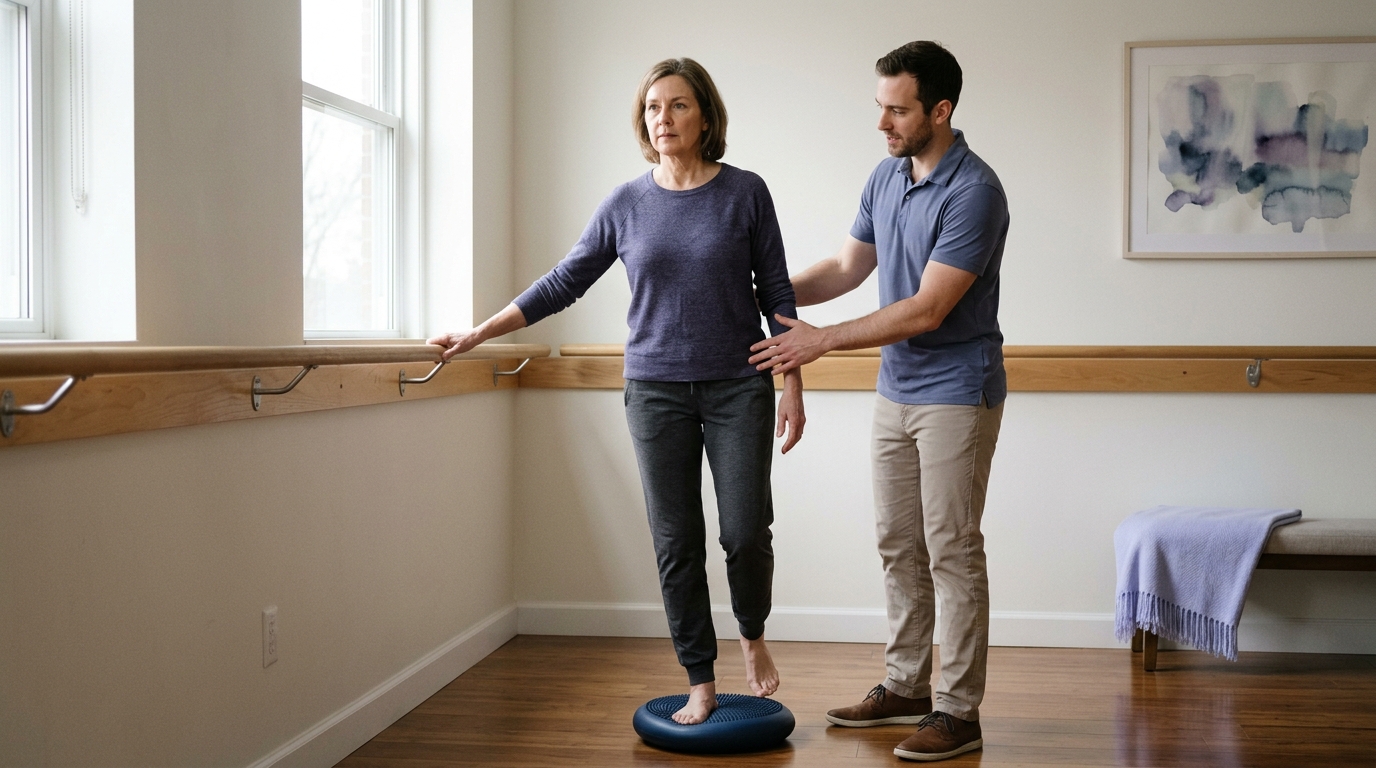
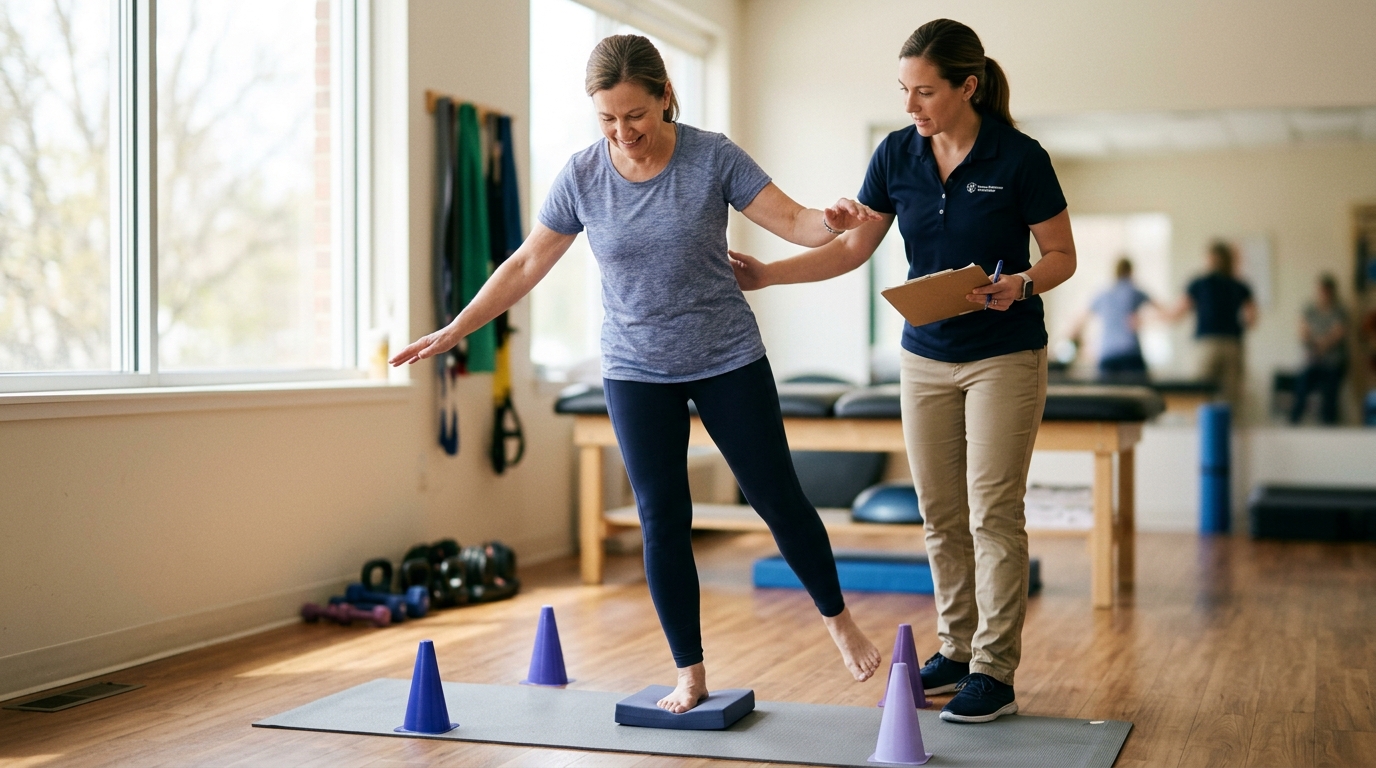
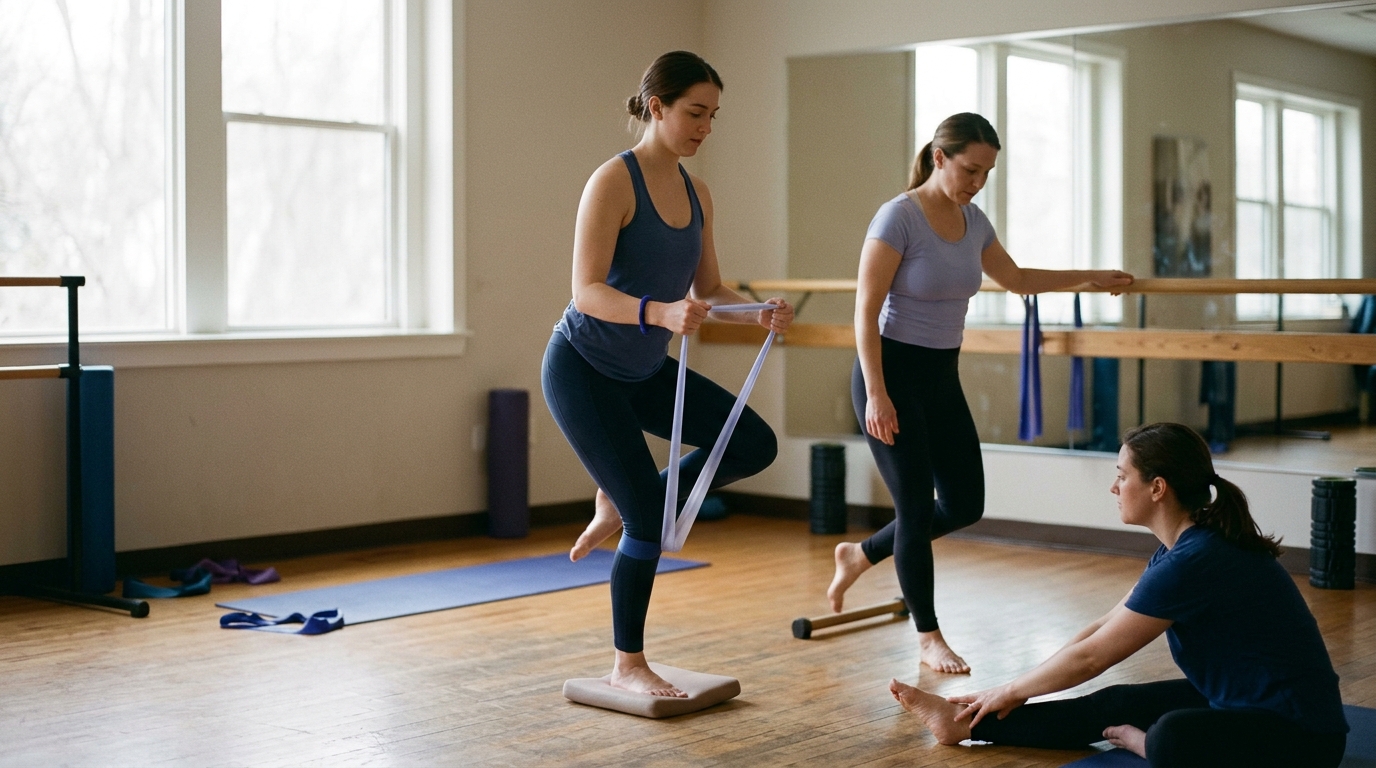
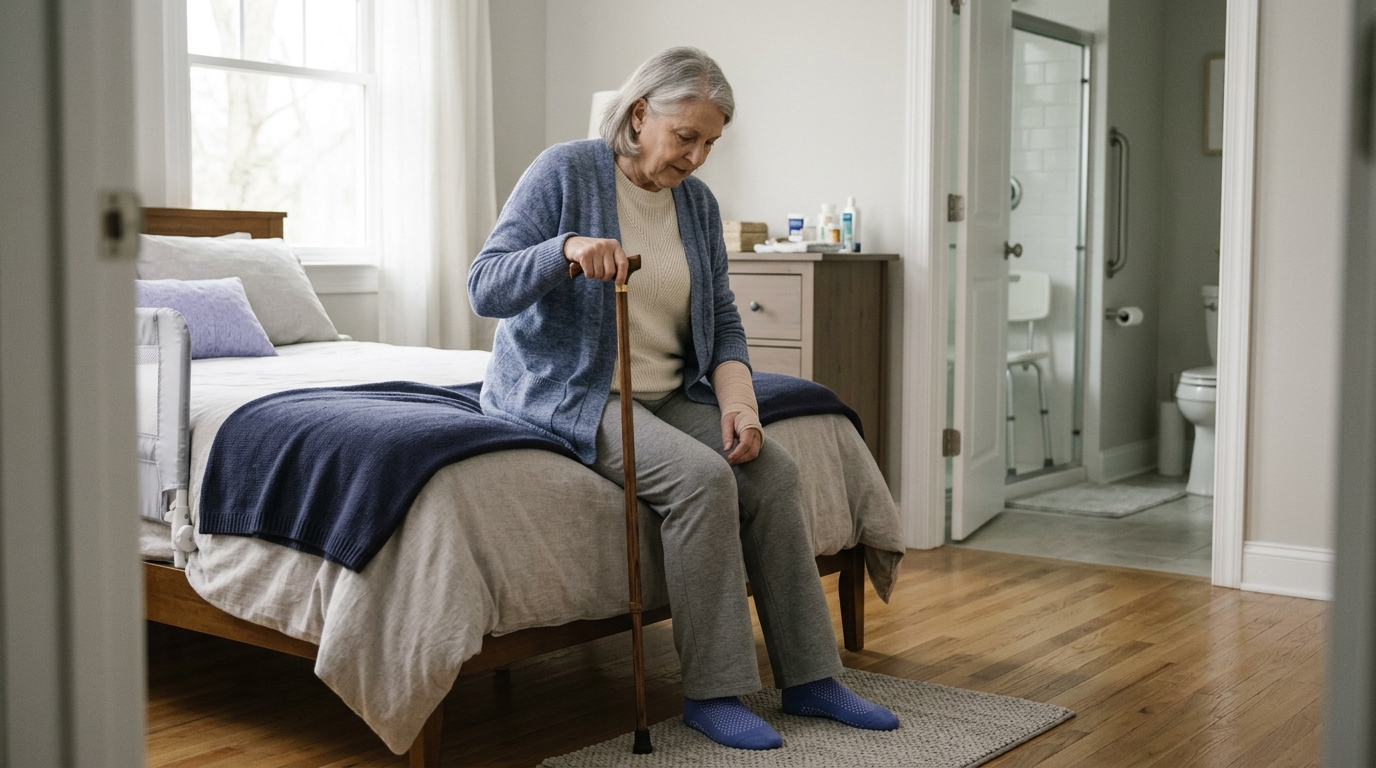
Balance and neuromuscular coordination are frequently compromised after an injury. Inactive joints lose some of their proprioceptive awareness, which is the body's ability to sense its position in space.
Simple ways to challenge balance include:
Consistency matters more than intensity. Performing moderate, structured exercise two to three times per week provides lasting benefits for joint function and general vitality. Maintaining this focus supports physical resilience as you age.
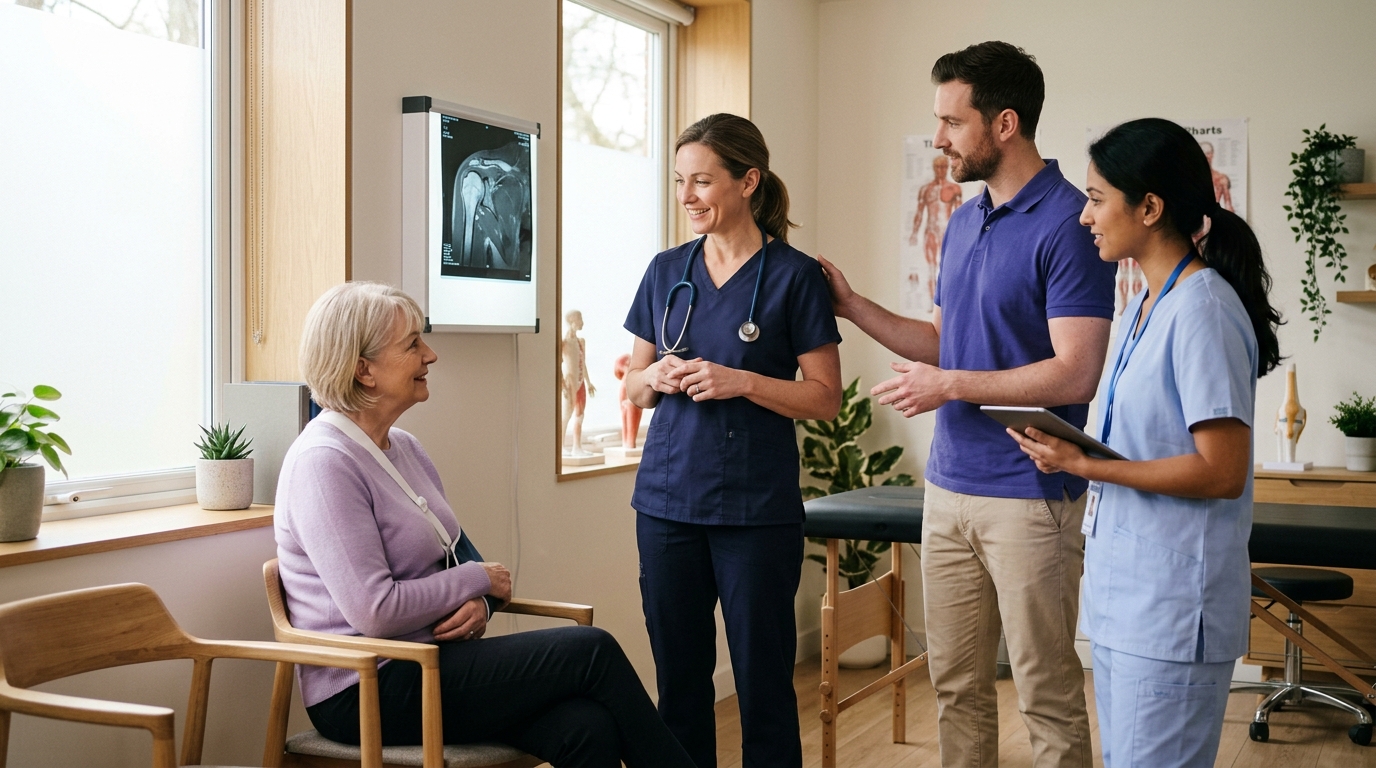
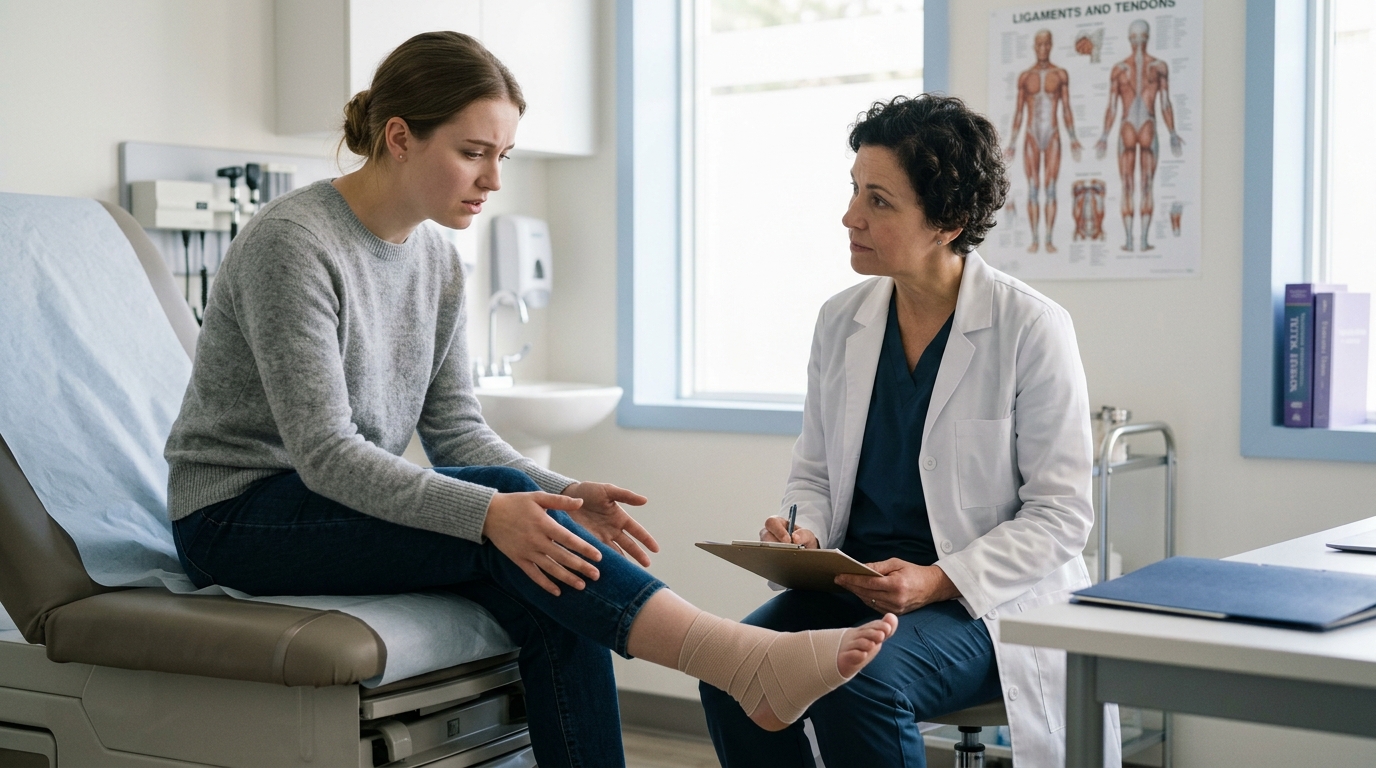
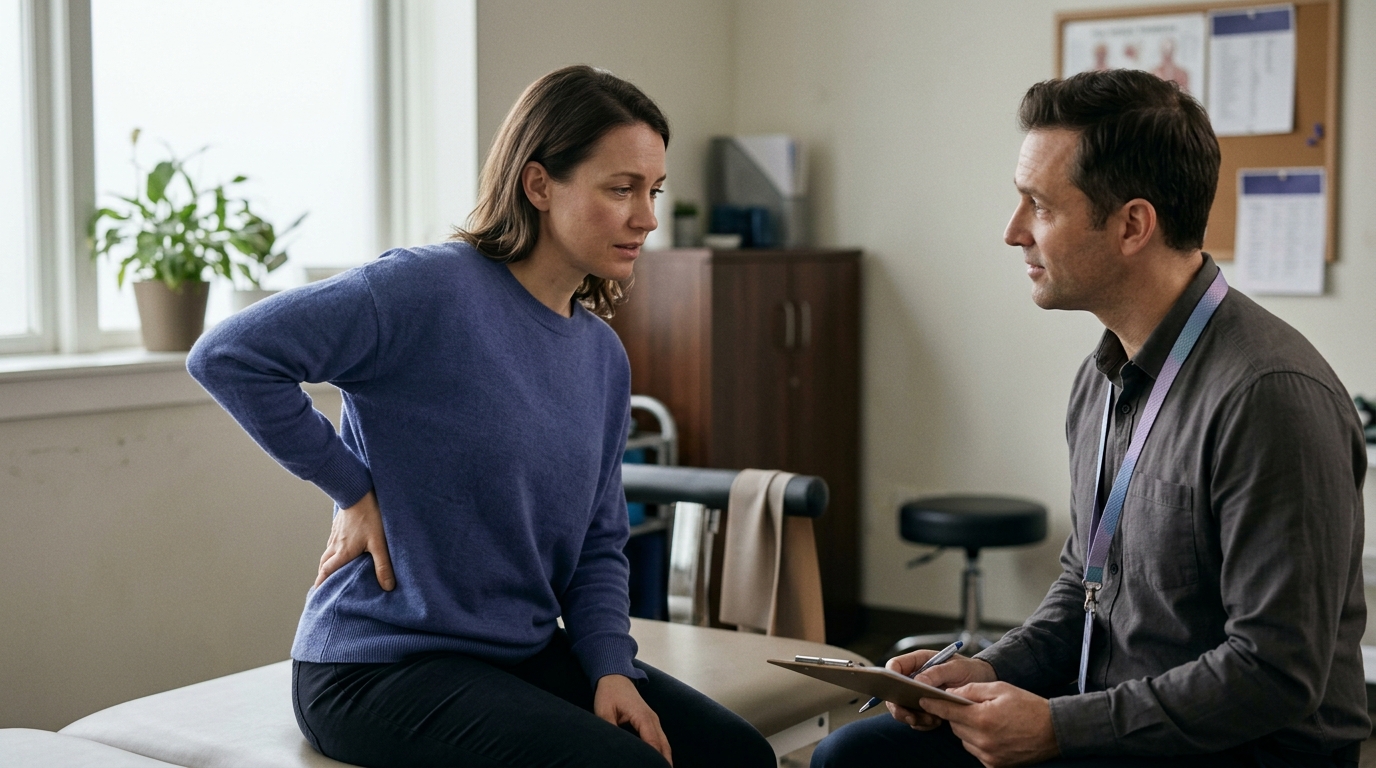
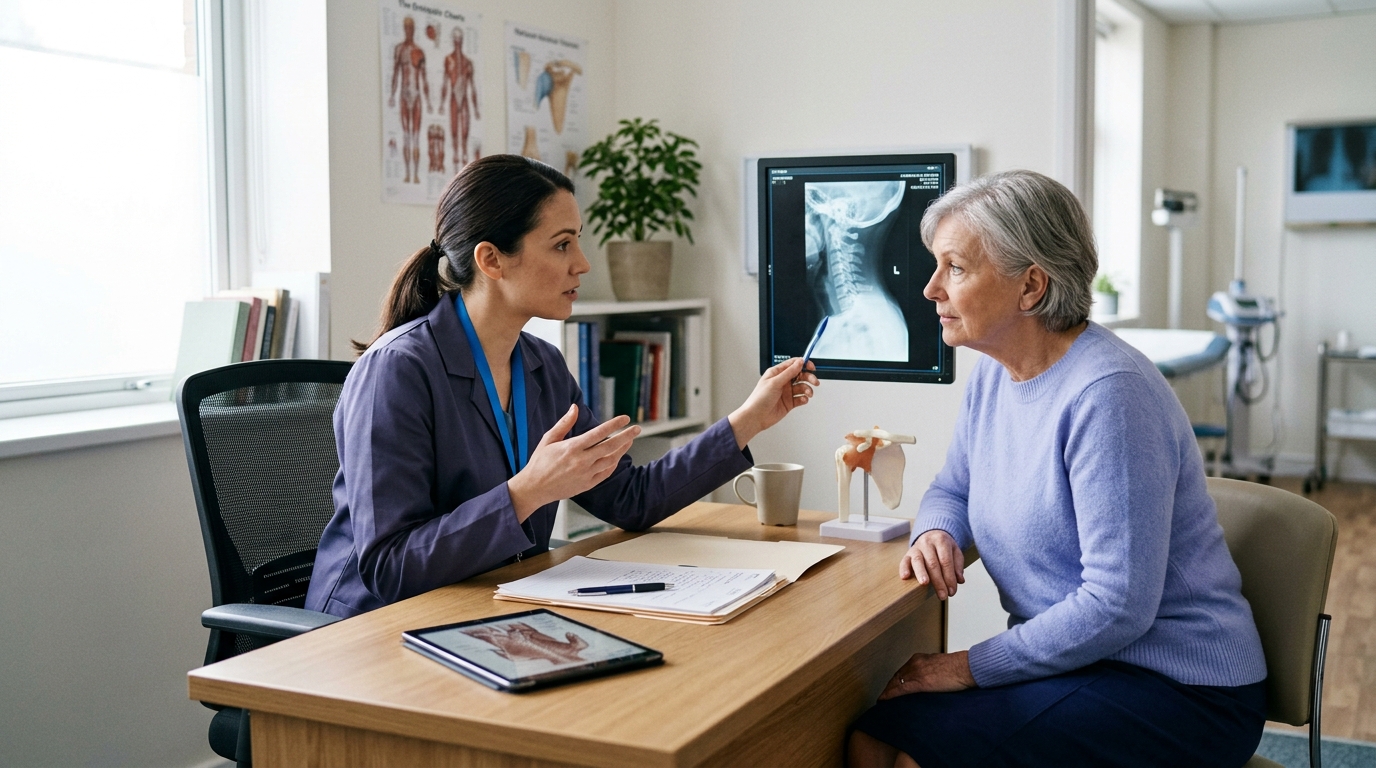
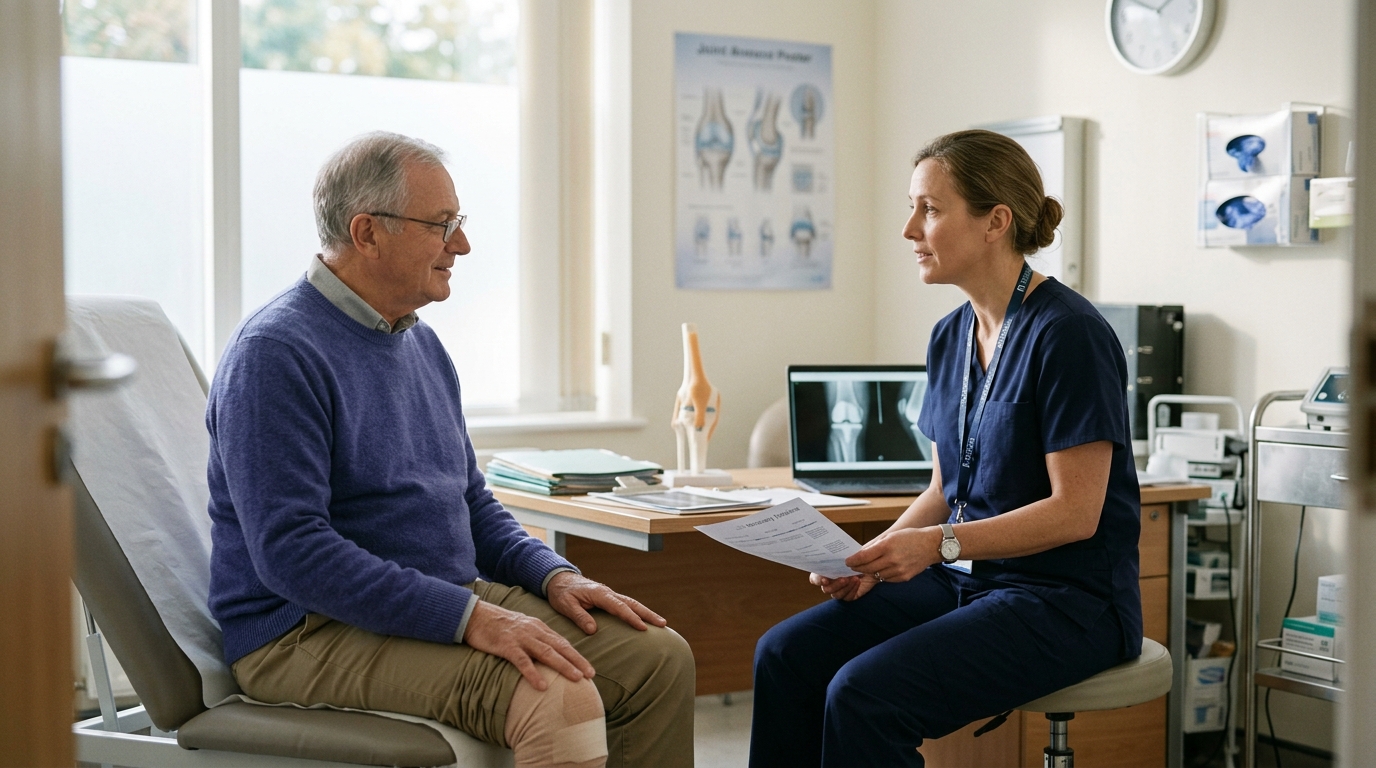
While long-term recovery involves self-management, regular clinical follow-up remains an essential safety net. Reassessment ensures that your rehabilitation is progressing safely and helps identify potential complications early.
Follow-up visits are not meant only for emergencies. They provide an opportunity to review your functional goals, adjust your exercise prescription, and determine whether specialized therapies are needed.
Clinical guidelines highlight specific situations where formal re-evaluation is advised:
Contact your healthcare provider promptly if you notice any of the following warning signs:
Being proactive about clinical reassessment provides peace of mind and keeps your recovery moving in the right direction.
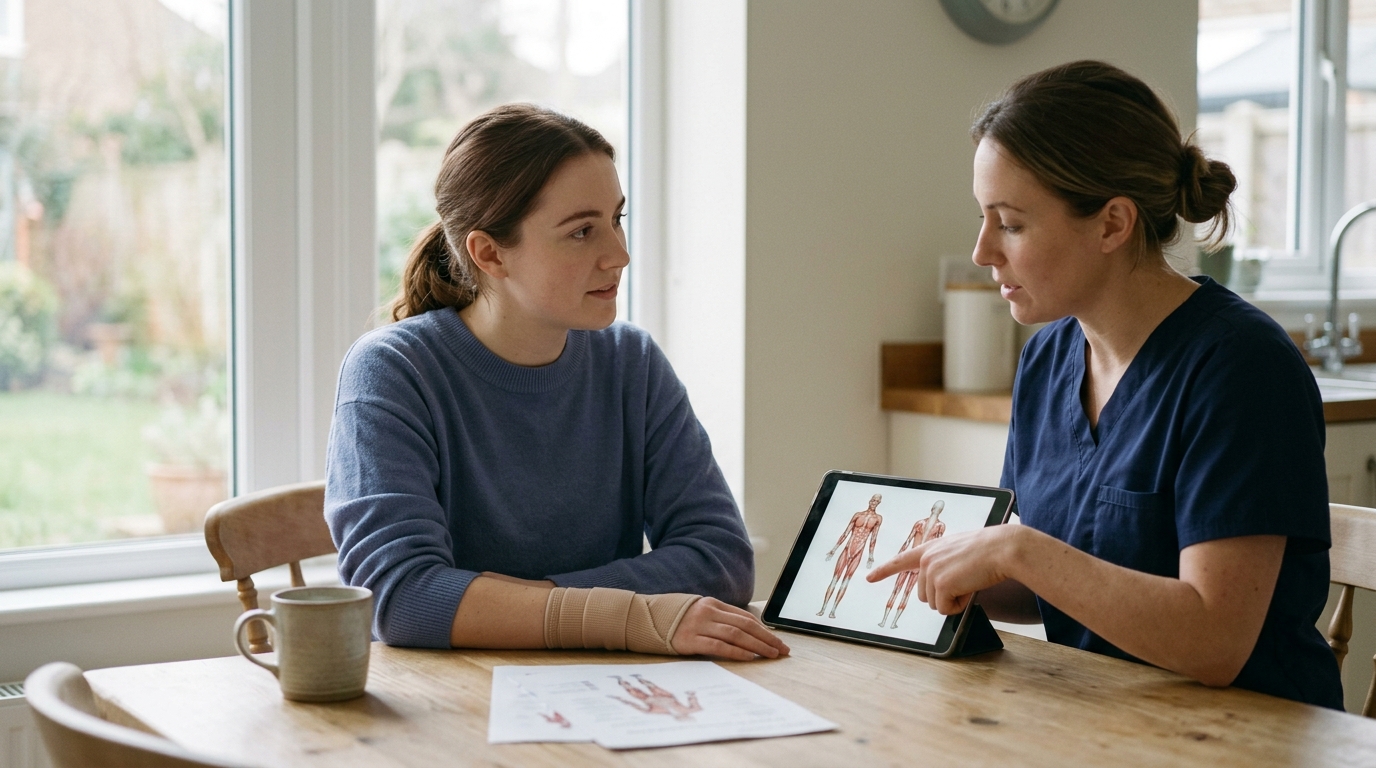
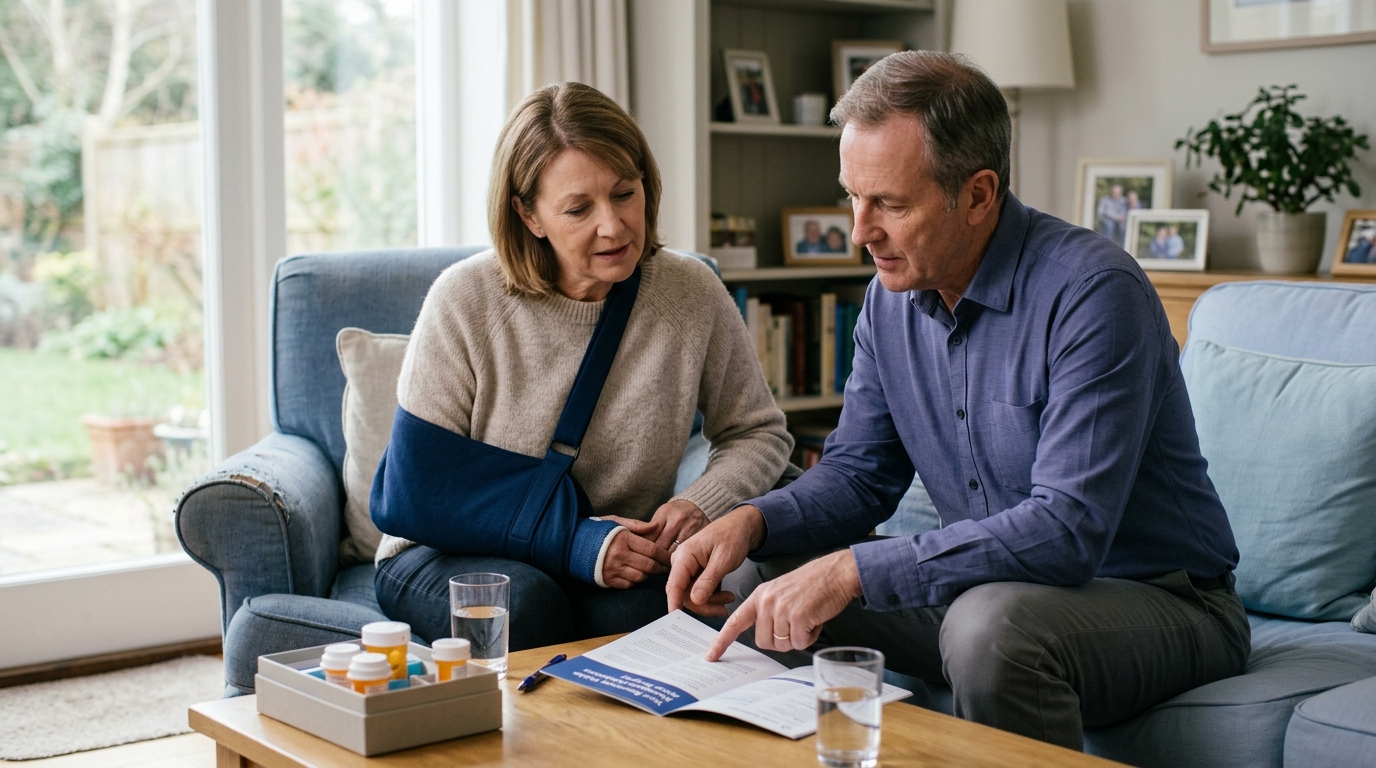
Preparing for follow-up appointments helps you get clear, actionable advice from your doctor, orthopedic surgeon, or physical therapist. Bringing specific questions ensures that your personal goals remain the central focus of your care plan.
Consider using these questions during your next appointment:
Long-term recovery is ultimately about building sustainable habits that support your body throughout your lifespan. The adaptations your body makes during rehabilitation lay the foundation for lifelong joint health and physical independence.
View setbacks as normal data points rather than catastrophic failures. Recovery curves naturally contain plateaus and minor flare-ups. When symptoms increase, temporarily adjust your activity volume, focus on restorative sleep and gentle mobility, and consult your care team if issues persist.
By taking an active, informed approach to your rehabilitation, you can rebuild confidence, regain meaningful capabilities, and continue moving forward with clarity.
Long-term recovery is a continuous process of practical adaptation, steady strengthening, and informed self-advocacy that extends far beyond the initial injury.

Use ReboundBody resources to understand common recovery stages, rehab terms, movement limits and strength rebuilding. Each guide is designed to make a complex comeback easier to understand.


Read practical guidance on injury recovery, rehabilitation, mobility and rebuilding strength as you work your way back to activity.
Explore Resources