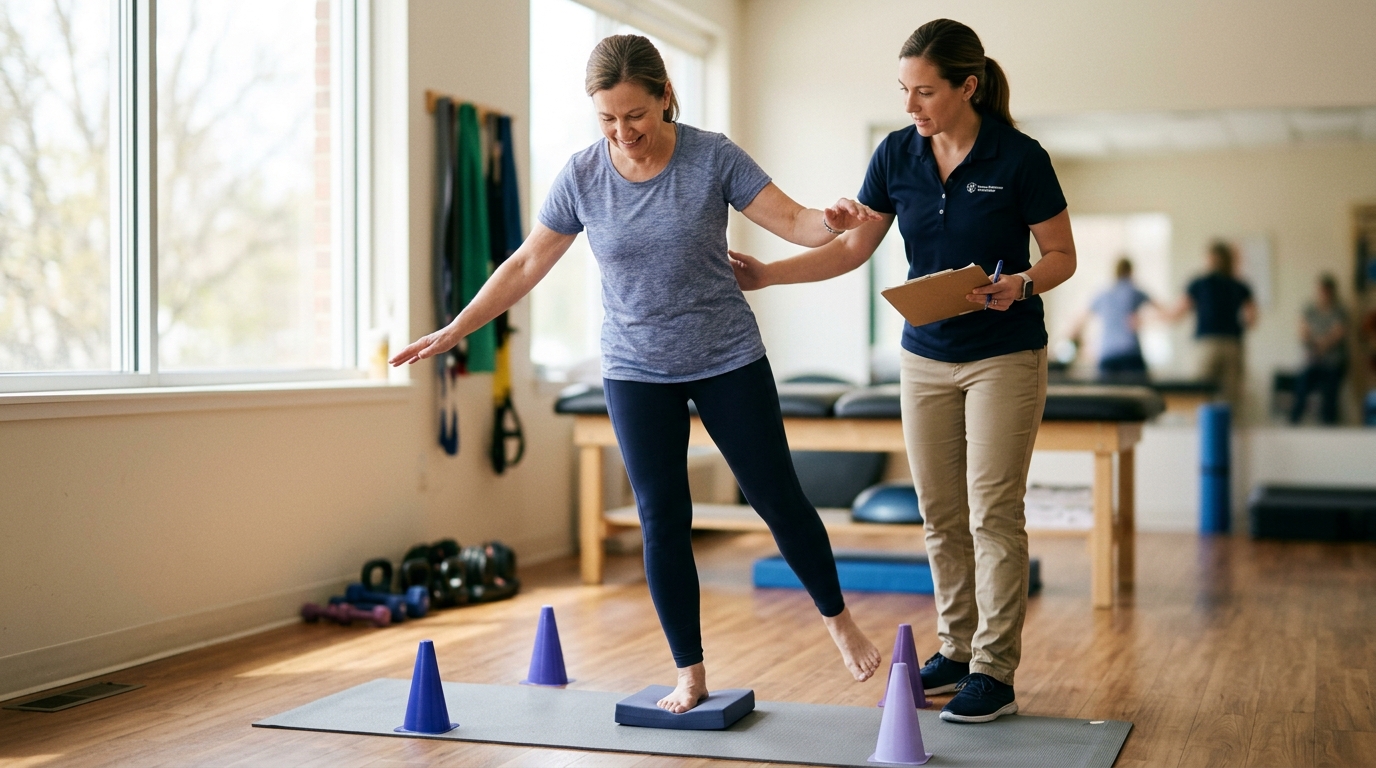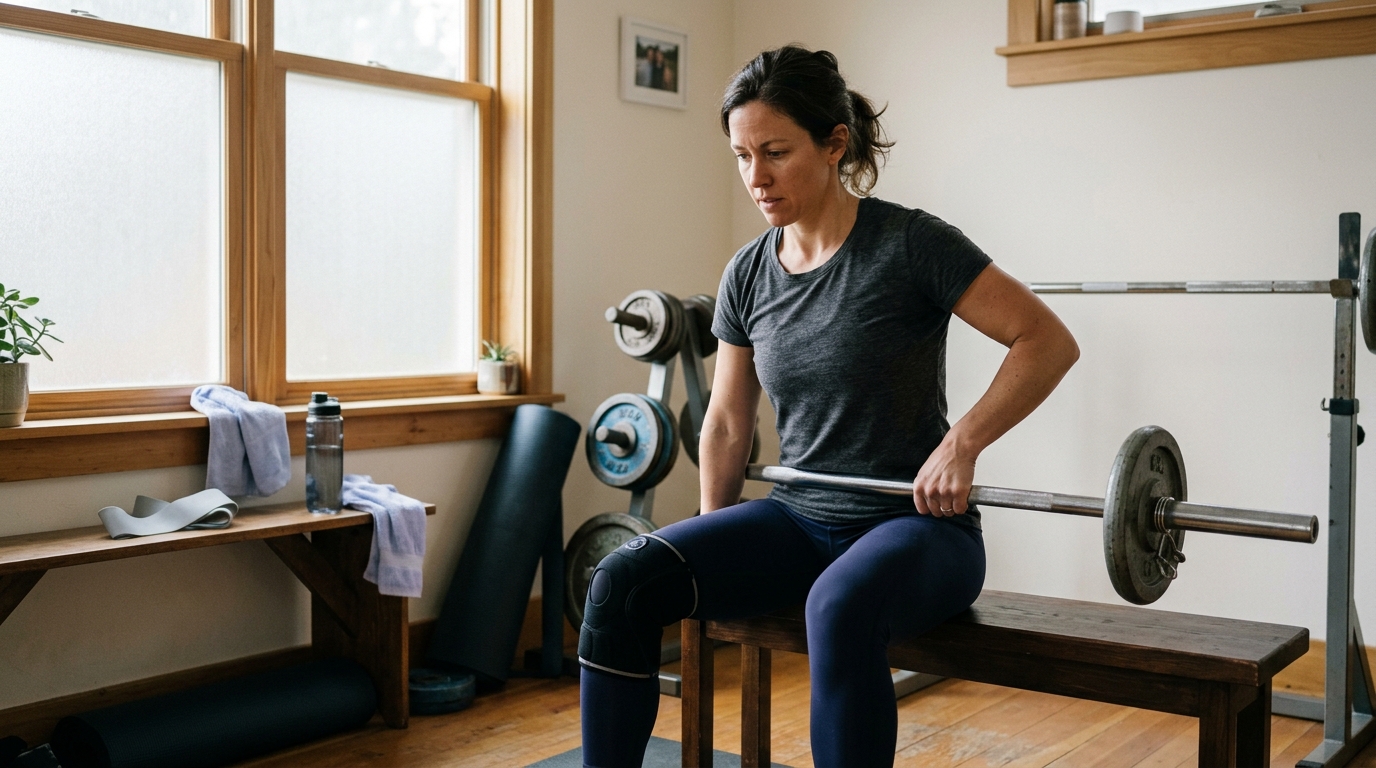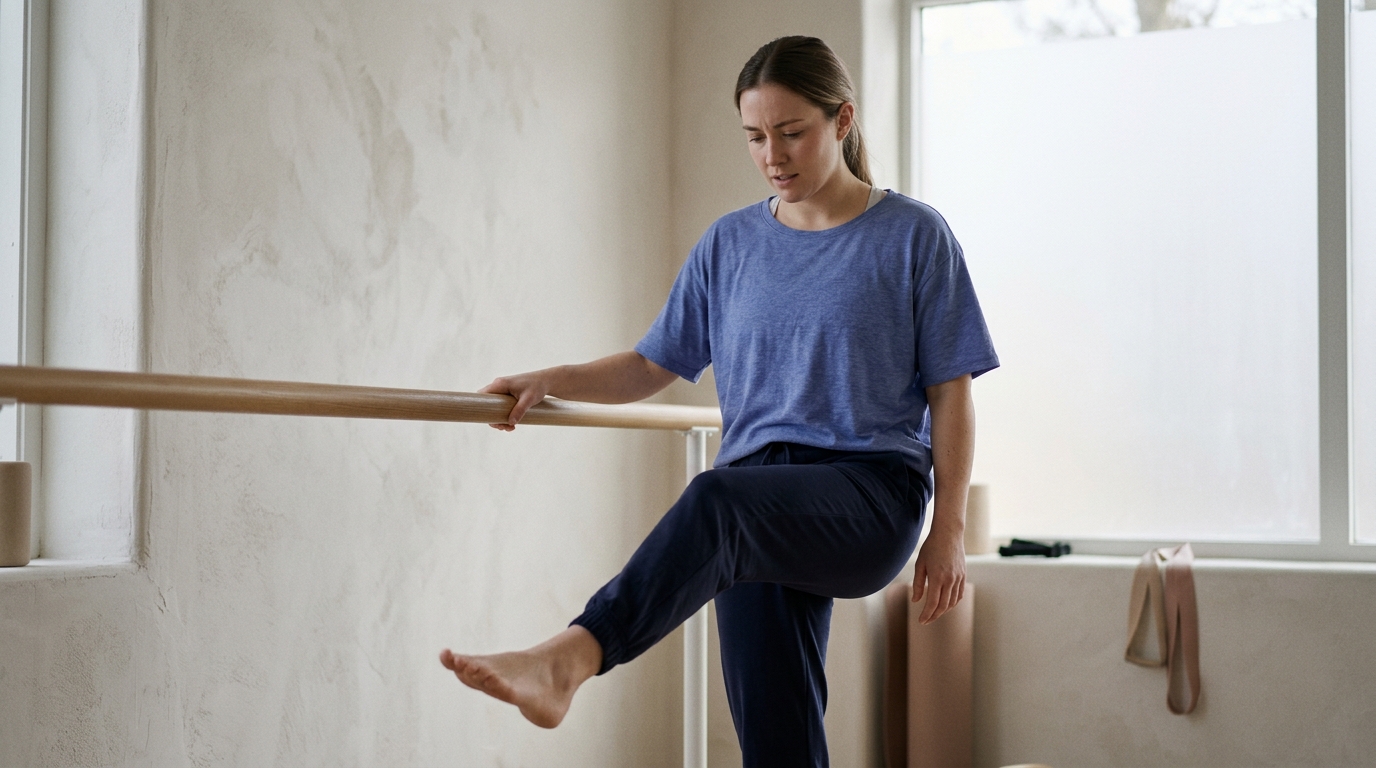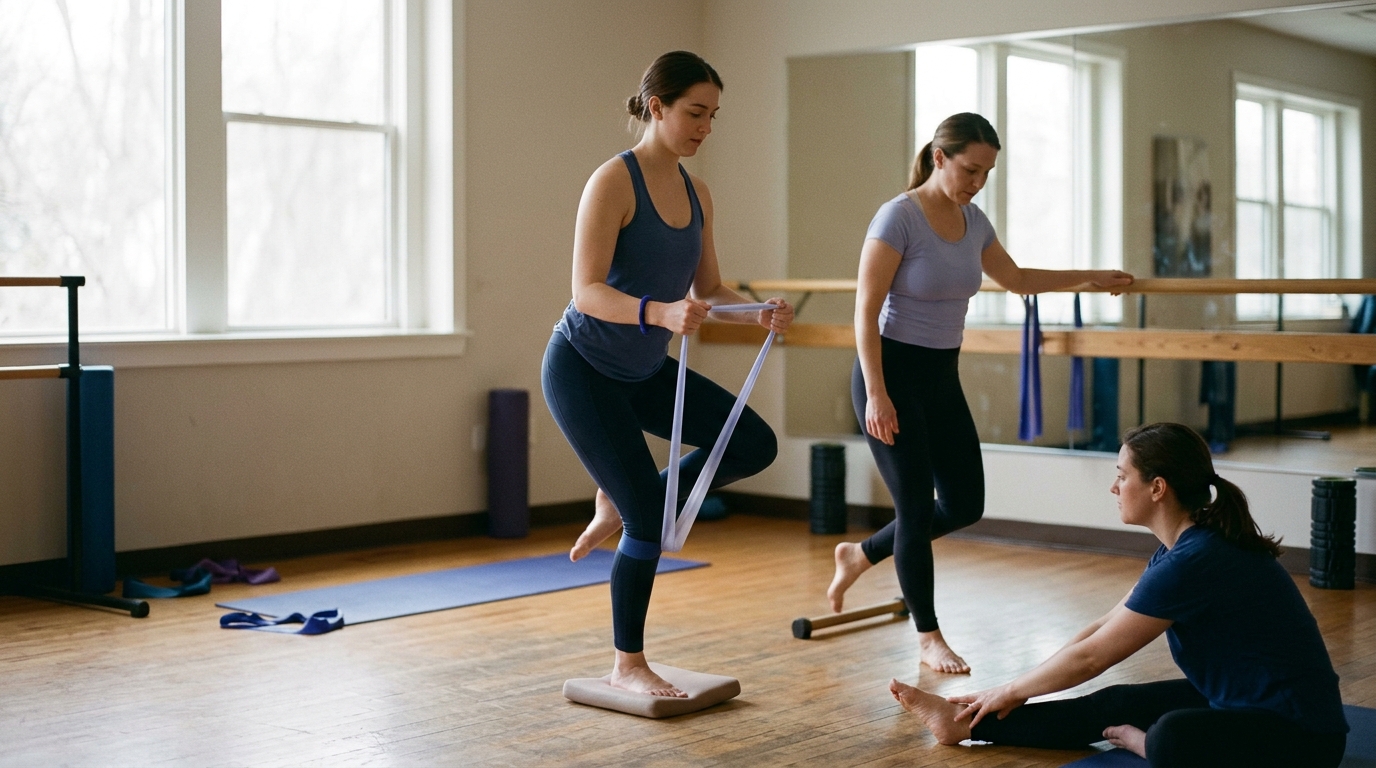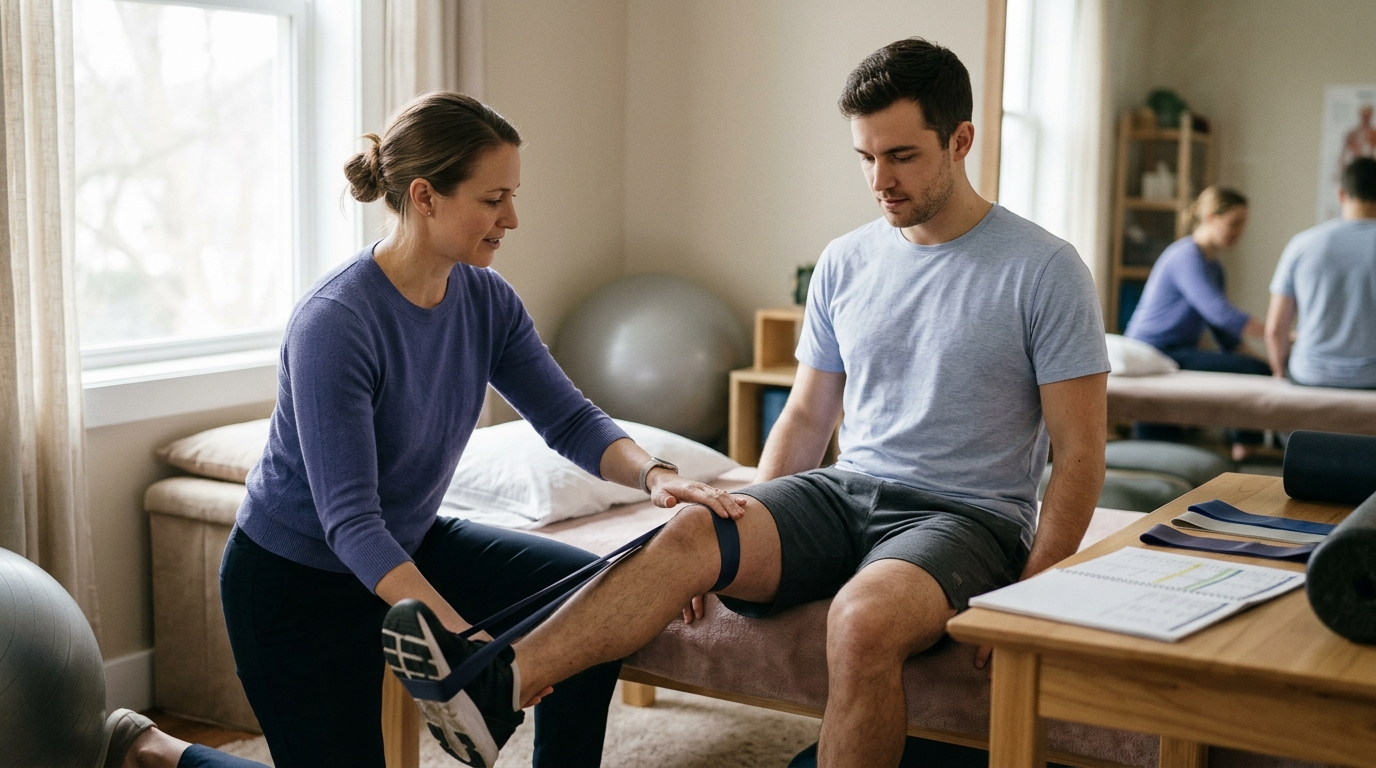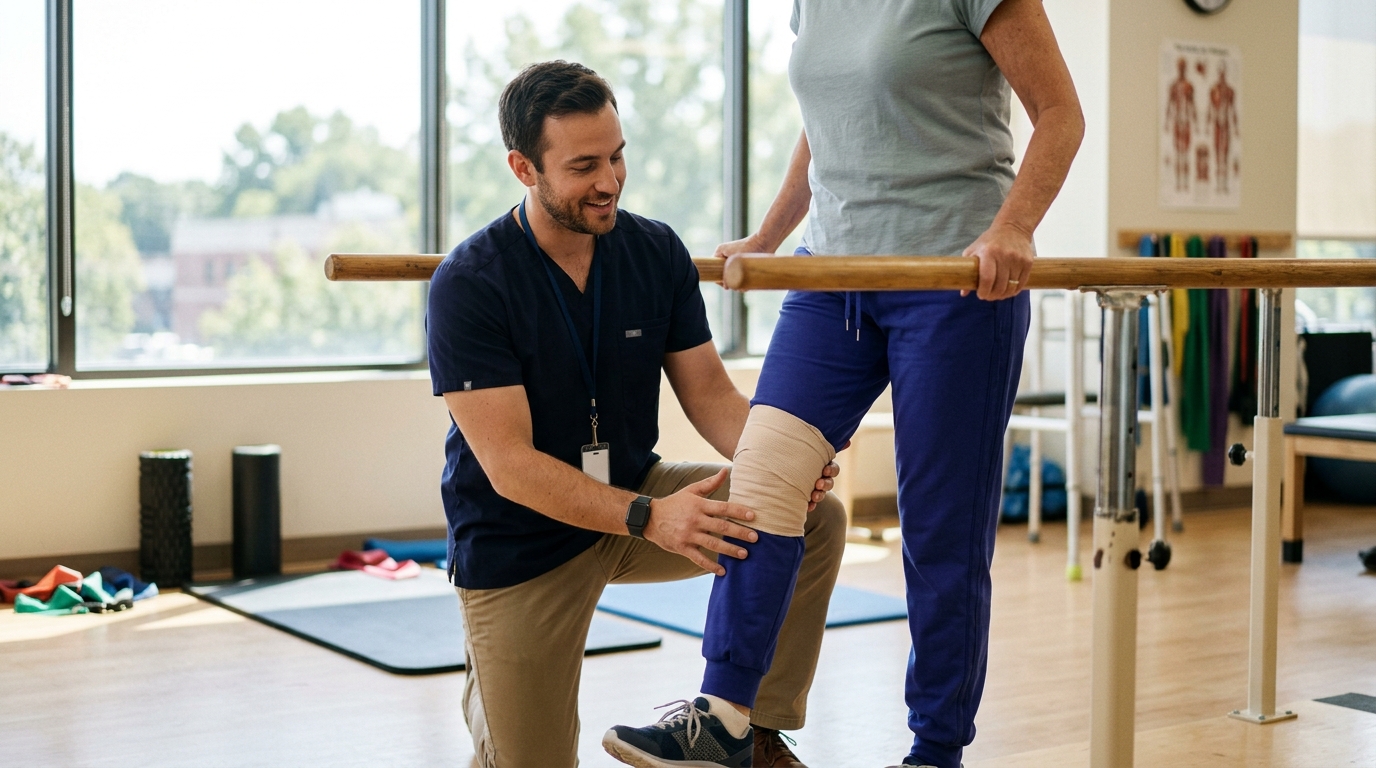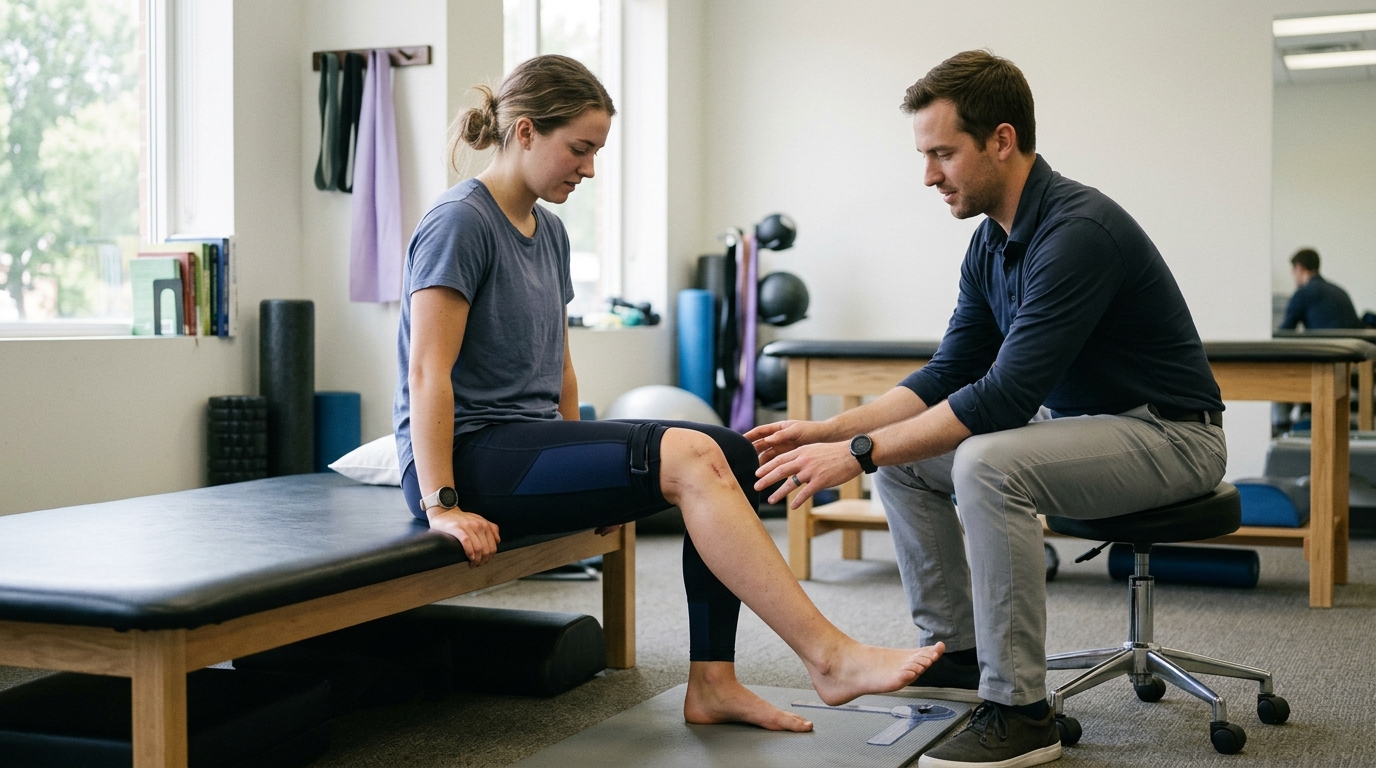

Rigid posture rules do not protect your spine as effectively as building balanced mobility, muscular endurance, and adaptable daily movement habits.





Back mobility is the ability to move your spine through its natural ranges of motion. It is not a contest to see how far you can bend your body. Having a healthy back does not require extreme flexibility, nor does it require holding a single rigid posture all day long. True back health is about having the movement, strength, endurance, and confidence to handle your daily life without constant worry.
Everyday function means being able to tie your shoes, sit comfortably through a work meeting, carry groceries from the car, walk with a friend, and get a good night of sleep. When back discomfort or stiffness shows up, people often wonder if they need a special stretch, a brand new chair, or total rest. The reality is that the spine is strong, adaptable, and designed to move in many directions.
Restoring everyday function is a gradual process. It involves finding what you can do comfortably right now and slowly building from there. This guide explains how back movement works, what the research says about posture and symptoms, how to pace your return to activity, and when it is wise to consult a healthcare professional.
Mobility describes the active range of motion available at a joint or across a series of joints. Your spine is a column of many individual vertebrae cushioned by discs and supported by ligaments and muscles. It is built to move in four primary ways. These directions include bending forward (flexion), arching backward (extension), bending to either side (lateral flexion), and twisting (rotation).
Everyday tasks rarely use only one of these motions in isolation. When you reach into the back seat of a car to grab a bag, your spine combines rotation, lateral bending, and slight flexion. When you walk, your pelvis and spine gently rotate with each step to absorb shock and transfer energy. Back mobility provides the movement options your body needs to complete these tasks without placing unusual strain on other joints.
However, range of motion alone does not guarantee that a task feels easy or comfortable. A person can have a large range of motion on a flexibility test but still feel tired or sore after standing for twenty minutes. Another person might have a naturally stiffer spine yet perform physical labor or play golf every weekend without issue. Range of motion is only one piece of physical capability.
To understand how your back functions in daily life, it helps to look at several related physical qualities:
When you focus on functional capacity, your main goal shifts away from trying to achieve a perfect flexibility score. Instead, the focus turns toward whether you have enough comfortable movement, strength, and stamina to do the things you care about. You can read more about practical movement skills in our guide to rehabilitation and movement resources.
Low back symptoms are among the most common physical complaints across the globe. According to the World Health Organization, roughly 619 million people experienced low back pain in 2020. That number makes low back symptoms the single leading cause of disability worldwide. The World Health Organization projects that cases will rise to around 843 million by the year 2050, driven largely by population growth and aging.
While these population numbers highlight how widespread back symptoms are, they do not mean your back is fragile. They simply show that experiencing back discomfort at some point in life is a very normal human experience. Research has helped clarify how movement and back symptoms relate to one another, clearing up several long-standing myths.
For many years, it was assumed that if a person had back pain, their spine must be moving incorrectly. It was also assumed that improving spinal range of motion would automatically eliminate pain. Systematic reviews in physical therapy journals show that the relationship between movement changes and symptom changes is far more complex.
Researchers have found that changes in how the spine moves track changes in pain or disability in only about one-third of examined cases. In the cases where symptom improvement did correspond to movement changes, researchers often observed increased spinal range, faster movement speed, or better muscle relaxation during forward bending.
These findings show that movement changes are not a simple universal fix for everyone. Gaining more range of motion helps some people feel better, but other people improve without any measurable change in their flexibility. Movement is an individual experience rather than a strict mathematical formula.
Another area of research examines how people vary their movement patterns during repeated tasks such as walking or lifting. Studies comparing people with and without back discomfort show that people experiencing pain often show reduced movement variability. In other words, when back discomfort is present, people tend to move more rigidly and hold their trunks stiffly.
This stiffening is a natural protective reaction. When an area feels sensitive, your nervous system naturally tightens surrounding muscles to limit motion. While this guarding is helpful in the short term after a sudden strain, holding yourself rigidly for weeks or months can lead to muscle fatigue and extra stiffness.
Research shows that pain-related worry is moderately associated with guarded movement, particularly during forward-bending tasks. Learning that the spine is resilient can help reduce excessive guarding. As confidence returns, people often regain natural, varied movement patterns.
In the past, people with sudden back discomfort were often told to lie in bed until the pain disappeared. Modern research has completely changed that advice. A Cochrane systematic review analyzing multiple randomized clinical trials found that staying active provides better outcomes for pain relief and functional recovery than prescribing bed rest.
Resting in bed for extended periods can cause muscles to decondition, joints to stiffen, and confidence to drop. Gentle, regular movement keeps blood circulating, helps lubricate spinal joints, and signals to your nervous system that normal activity is safe.
Staying active does not mean you should ignore severe discomfort or try to perform heavy exercise during a flare-up. It means keeping up with modified daily routines, taking short walks, and avoiding prolonged periods of lying still. You can learn more about pacing and tissue recovery in our recovery science articles.
Many people believe there is only one "correct" posture for sitting, standing, and lifting. We are often told to sit up straight with shoulders back and a hollow in the lower back. If someone develops back discomfort, they often blame their posture at work or the way they bent over to pick up a box.
Modern movement science paints a much more reassuring picture. There is no single posture that has been proven to prevent or cure back discomfort for all people. The spine is naturally curved, flexible, and capable of handling a wide variety of positions.
To think about posture in a healthy way, it is helpful to separate posture into three distinct concepts:
Problems rarely arise because a specific posture is inherently dangerous. Instead, discomfort usually occurs when a single posture is sustained for too long without a break. Even a textbook "perfect" upright sitting posture can become uncomfortable if you hold it rigidly for three hours. The muscles supporting your spine fatigue when they are asked to work continuously without a change in position.
Clinical guidelines from organizations like the National Institute for Health and Care Excellence (NICE) emphasize choosing movement and exercise based on individual needs, preferences, and capabilities. Rather than trying to force yourself into a rigid posture template, it is far more effective to build posture variability into your day.
Practical posture variability means:
Your best posture is usually your next posture. Giving your body a variety of positions throughout the day prevents muscular fatigue and keeps your joints moving comfortably.
When people want to improve back function, they often turn straight to isolated stretches or specific core exercises. While these exercises have value, everyday tasks require several physical systems to work together as a coordinated team.
Lifting a basket of laundry, for example, is not just a test of back flexibility. It requires your legs to generate upward force, your hips to hinge and absorb load, your trunk muscles to transfer that force, and your arms to grip the basket. If any part of this system is underprepared, other areas must work harder to pick up the slack.
Understanding how strength, endurance, and mobility interact helps you build a more balanced, practical approach to physical recovery.
Trunk strength refers to the ability of your abdominal, back, and pelvic muscles to produce force when needed. When you push a heavy door open or lift a bag of soil in the garden, these muscles create internal stability. They help transfer power smoothly between your lower body and upper body.
However, having massive strength is rarely necessary for ordinary daily living. Everyday tasks require modest levels of strength applied with good timing and coordination. Building strength in your legs and hips is often just as important for your back as strengthening the spine itself. When your quadriceps, glutes, and hamstrings are strong, they can handle the heavy work of squatting, lunging, and lifting.
Muscular endurance is often overlooked, but it plays a massive role in daily comfort. Endurance is the ability of your postural muscles to work at low levels for extended periods without tiring out.
Many people have plenty of strength to lift a heavy box once or twice. Yet, after standing at a kitchen counter preparing food for forty-five minutes, their lower back begins to ache. This ache is frequently a sign of muscular fatigue rather than tissue injury.
When postural muscles tire, the load shifts onto passive structures like ligaments and joint capsules, which can feel sensitive over time. Building endurance through activities like regular walking, gentle bodyweight movements, and sustained postural holds helps your back feel supported throughout long days.
Every activity you perform places a unique combination of demands on your body:
When planning your recovery, it is helpful to look at the specific demands of the activities you miss most. If you want to return to gardening, you will benefit from practicing gentle bending, kneeling, and sustained positions. If your goal is walking longer distances, building walking endurance in short, frequent bouts will serve you better than isolated stretching alone. You can find more practical frameworks in our active aging and prevention articles.
Rebuilding back capacity does not require complex equipment or rigid exercise routines. The most effective approach is a graded, goal-oriented model. Graded activity means starting with a comfortable baseline and gradually increasing the duration, intensity, or complexity of movement over time.
This gradual approach allows your muscles, joints, and nervous system to adapt at a steady pace. It also builds confidence, helping you realize that your back can handle normal physical demands.
Start by identifying one or two specific everyday activities you want to make easier or return to doing. Generic goals like "improving core strength" or "getting more flexible" are hard to track and often feel disconnected from daily life.
Instead, choose concrete goals such as:
Clear functional goals give your movement practice purpose and provide a practical way to measure real-world progress.
Before you can build capacity, you need to know where you are starting today. Find a level of activity that you can perform with minimal or manageable discomfort, both during the movement and the next morning.
For example, if your goal is walking for 30 minutes, but your back begins to ache after 10 minutes, your current workable baseline is around 7 or 8 minutes. Starting slightly below your threshold allows you to move with confidence and avoid triggering unnecessary flare-ups.
Once you have your baseline, break your target activity into smaller, bite-sized portions throughout the day or week. Dividing your movement allows you to accumulate a larger total volume of activity without overloading your tissues in a single session.
If an 8-minute walk is comfortable, you might take two or three 8-minute walks spread across the day. This approach gives you 16 to 24 minutes of total daily walking while keeping each individual session well within your comfort zone. The same principle applies to household tasks. Rather than vacuuming the entire house at once, clean one room, take a break, and finish the rest later.
As a baseline becomes easy and comfortable for several days in a row, you can introduce small, progressive increases. A common guideline is to increase your total time, distance, or load by roughly 10 percent per week.
You can progress your movement in several ways:
Small, steady progressions give your body ample time to adapt without feeling overwhelmed.
Recovery is rarely a straight line. It is completely normal to have days where your back feels stiffer or more sensitive than usual. A temporary uptick in symptoms does not mean you have damaged your spine or lost all your progress.
When a mild flare-up occurs, treat it as a signal to temporarily adjust your dose rather than stopping all movement. You might shorten your walk, reduce the resistance on an exercise, or take more frequent sitting breaks. Once symptoms settle back to baseline, resume your gradual progression.
Track your recovery by looking at what you can do, how quickly you recover, and how confident you feel. Avoid measuring your success solely by whether you feel zero physical sensation on any given day.
Ask yourself practical questions each week:
Focusing on these functional victories keeps your rehabilitation moving in a positive, empowering direction. You can read more about tracking long-term progress in our injury recovery and healing resources.
To see how these principles work in real life, consider how different movement strategies can be applied to common everyday challenges. These examples illustrate practical problem-solving rather than rigid clinical rules.
Many adults become cautious about bending forward after experiencing an episode of back discomfort. Dressing, putting on socks, or picking up light objects from the floor can feel intimidating.
Instead of avoiding bending entirely or trying to keep the back rigidly flat at all times, a gradual restoration plan can help:
This graded practice teaches your nervous system that spinal bending is a normal, safe movement option.
Walking is one of the most effective and accessible forms of movement for back health. However, after a period of discomfort, walking tolerance can drop significantly.
A sensible walking progression might look like this:
If walking tolerance stalls, focus on maintaining consistency rather than forcing longer distances before you are ready.
Desk work often leads to back stiffness, not because chairs are inherently harmful, but because staying still for hours limits blood flow and causes postural muscles to fatigue.
Practical workplace adjustments include:
Varying your physical state throughout the workday keeps your back feeling fresh and adaptable.
Lifting groceries, mulch bags, or luggage requires both strength and sensible mechanics. You do not need to follow a single strict lifting rule, but using your whole body makes the job much easier.
Key lifting strategies include:
Building general strength through squats, lunges, and step-ups provides the muscular reserve needed to lift safely at home. You can explore full-body conditioning ideas in our strength and return to sport articles.
Every person recovers from back symptoms at their own pace. Two people with similar symptoms may have very different recovery timelines depending on a wide variety of personal and environmental factors. Understanding these variables helps you set realistic expectations and avoid comparing your progress to others.
Your general physical health plays a major role in how tissues heal and adapt to movement. Regular cardiovascular exercise, balanced nutrition, and adequate hydration support healthy blood flow and tissue repair.
On the other hand, factors like smoking, poorly managed diabetes, or long periods of physical inactivity can slow down recovery timelines. Improving general health habits often pays significant dividends for back comfort.
Sleep is the body's primary window for tissue repair and nervous system recovery. Chronic sleep deprivation increases systemic inflammation and lowers your threshold for pain perception.
When you are well-rested, your nervous system is less reactive, and your muscles recover more effectively from daily activity. Prioritizing seven to eight hours of consistent sleep is a foundational part of any physical rehabilitation plan.
The nervous system processes physical sensations and emotional stress using overlapping pathways in the brain. High levels of work stress, financial worry, or personal anxiety can increase resting muscle tension and amplify pain signals.
Recognizing the connection between life stress and physical sensations can be very empowering. Incorporating stress-management practices like gentle breathing exercises, enjoyable hobbies, or time in nature can directly support physical recovery.
If you were previously told that your spine is fragile or that bending will ruin your discs, you are more likely to move with fear and stiffness. These beliefs can inadvertently prolong guarded movement patterns.
Learning that the spine is a strong, adaptable structure helps quiet health-related anxiety. When you believe your body is capable of healing, it becomes much easier to engage in graded movement.
A person whose job allows flexible movement breaks will often progress differently than someone who must perform heavy manual labor or sit in a vehicle for eight hours daily. Adapting your recovery plan to match the real-world demands of your job and home life ensures that your goals remain practical and achievable.
The National Institute for Health and Care Excellence (NICE) recommends a stepped approach to care. People who have low risk factors and high self-confidence often do very well with simple advice to stay active. Those with higher levels of distress, complex medical histories, or demanding physical jobs often benefit from more structured physical therapy and professional support.
Most episodes of back discomfort are self-limiting and improve steadily with time, sensible pacing, and regular movement. However, it is essential to distinguish between ordinary musculoskeletal soreness and situations that require timely clinical evaluation.
Knowing what symptoms to watch for gives you peace of mind and ensures that serious conditions are identified and managed promptly.
Certain rare back conditions require immediate emergency medical attention. These symptoms can indicate compression of the nerves at the base of the spinal cord (cauda equina syndrome) or other acute spinal emergencies.
Seek emergency medical care immediately if you experience any of the following warning signs:
Other symptoms do not necessarily require an emergency room visit, but they do warrant prompt evaluation by a primary care doctor, orthopedic specialist, or physical therapist within a few days:
Clinicians evaluate for serious underlying conditions such as spinal fractures, infections, inflammatory arthritis, vascular issues like aortic aneurysms, or malignancy. While these conditions are rare, a professional assessment ensures that you receive the correct care pathway.
If your symptoms are not severe or dangerous, but they are not improving after a few weeks, consulting a physical therapist or medical clinician is a sensible step. Professional guidance is especially helpful if:
A skilled clinician can assess your movement, provide reassurance, and help design a structured program matched to your needs. You can learn more about finding clear healthcare guidance in our about page.
When you visit a doctor, orthopedic specialist, or physical therapist for back symptoms, asking clear, practical questions can help you get the most out of your appointment. Consider bringing these questions to your next visit:
Open communication with your healthcare provider ensures that you work together as a team to restore your everyday function.
Everyday back function is not about achieving extreme flexibility or maintaining a single rigid posture all day long. Your spine is a strong, resilient structure built to bend, twist, extend, and adapt to the diverse physical demands of daily living.
Restoring capacity after discomfort or stiffness is best achieved through a gradual, goal-oriented approach. By identifying meaningful personal goals, establishing a workable starting baseline, and progressing your activity in small, steady increments, you allow your tissues to adapt naturally. Staying active with modified routines is consistently more effective than prolonged bed rest.
Pay attention to your overall lifestyle habits, including sleep, stress management, and general physical conditioning. If red flag symptoms arise, seek immediate medical assessment, and consult a qualified clinician if symptoms persist or interfere with your daily life. With patience, sensible pacing, and consistent movement, you can rebuild the strength, mobility, and confidence needed to enjoy your daily activities.
In most cases, routine imaging is not necessary before beginning gentle, graded movement. Clinical guidelines from organizations like NICE advise against routine imaging for non-specific back symptoms unless red flag symptoms are present or surgery is being considered. Many normal age-related changes seen on MRIs are present in people with zero back pain. A clinical evaluation based on your history and physical movement is usually the best starting point.
Yes, bending your spine is a natural, healthy human movement. The spine is designed to flex, and everyday light objects like socks, shoes, or papers do not require rigid lifting postures. While using your legs and keeping heavy loads close to your body is smart for moving heavy furniture or heavy boxes, practicing relaxed spinal bending during light daily tasks helps keep your back adaptable and confident.
A mild increase in muscular stiffness or temporary soreness is a normal part of introducing new physical activity. If the sensation settles within a few hours or by the next morning, it is usually a sign of normal muscular adaptation. If the discomfort is sharp, lingers for several days, or causes you to limp, reduce the range of motion, resistance, or repetitions during your next session and rebuild more gradually.
Recovery timelines vary depending on your starting baseline, general health, and activity consistency. Many people begin to notice improvements in daily comfort and movement confidence within two to six weeks of consistent, graded activity. Long-term functional gains in strength and endurance continue to develop over several months of steady practice.

Use ReboundBody resources to understand common recovery stages, rehab terms, movement limits and strength rebuilding. Each guide is designed to make a complex comeback easier to understand.


Read practical guidance on injury recovery, rehabilitation, mobility and rebuilding strength as you work your way back to activity.
Explore Resources