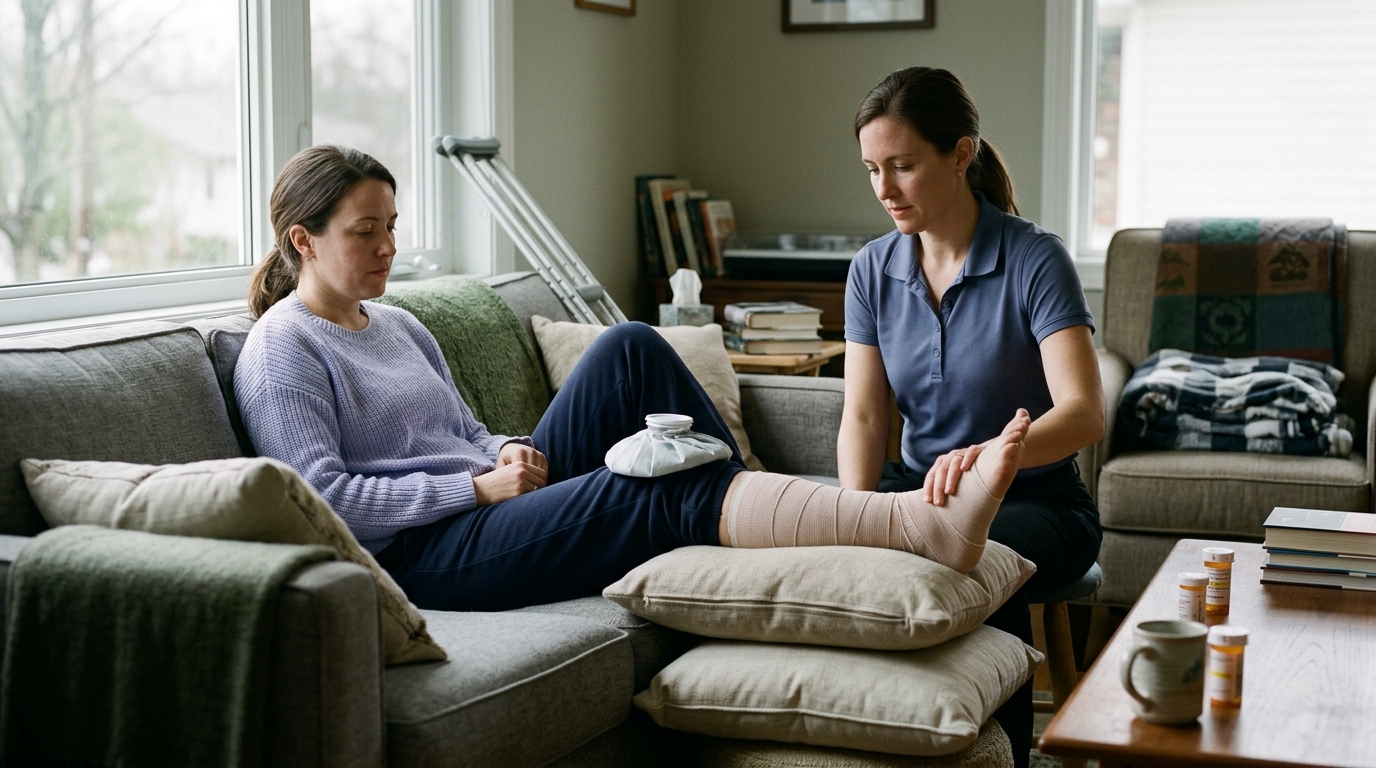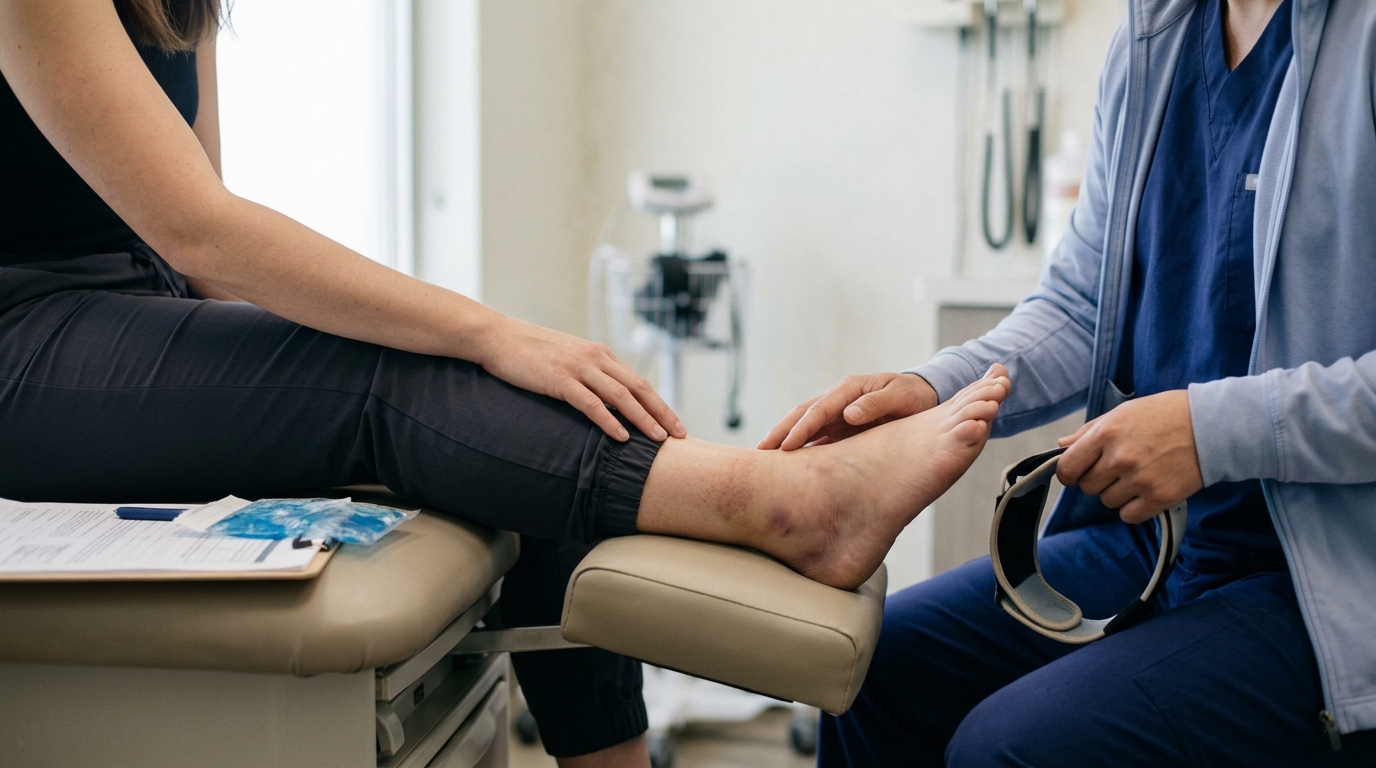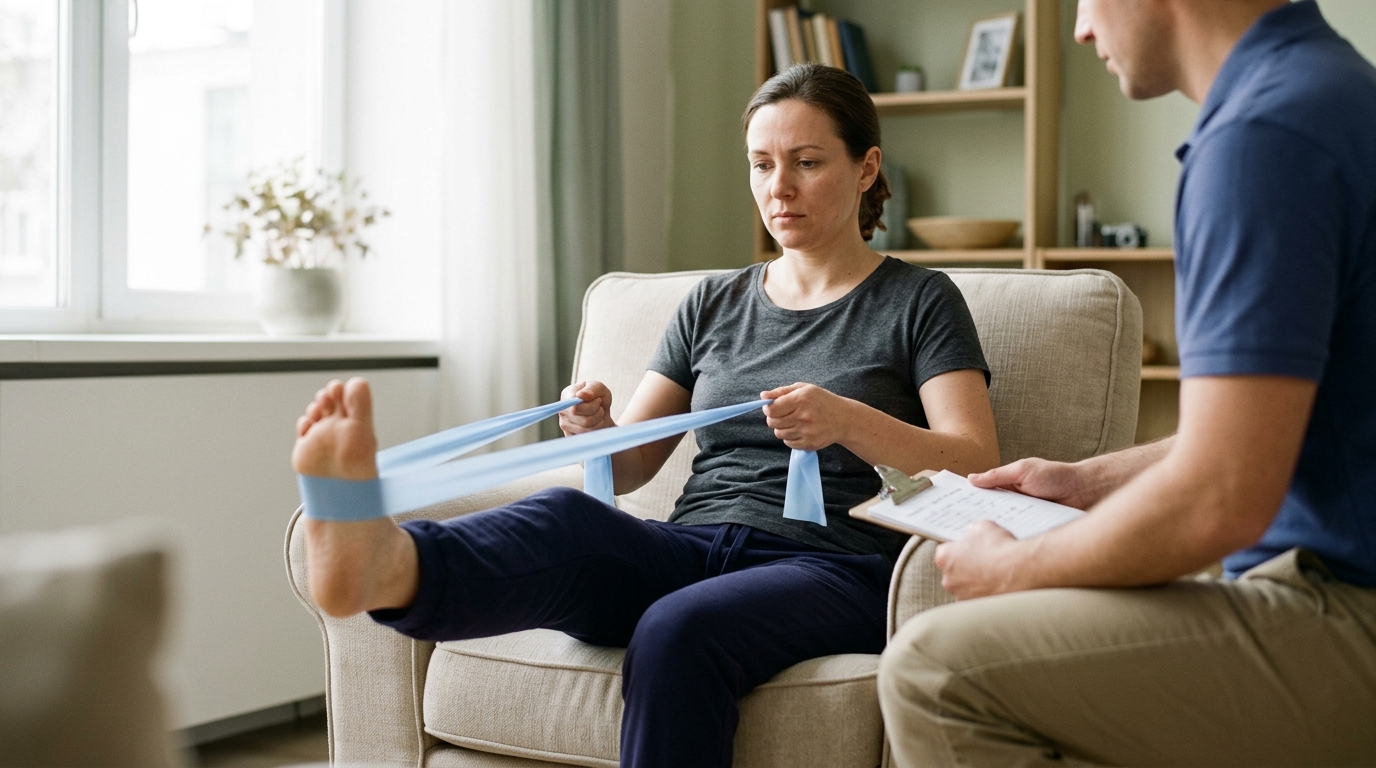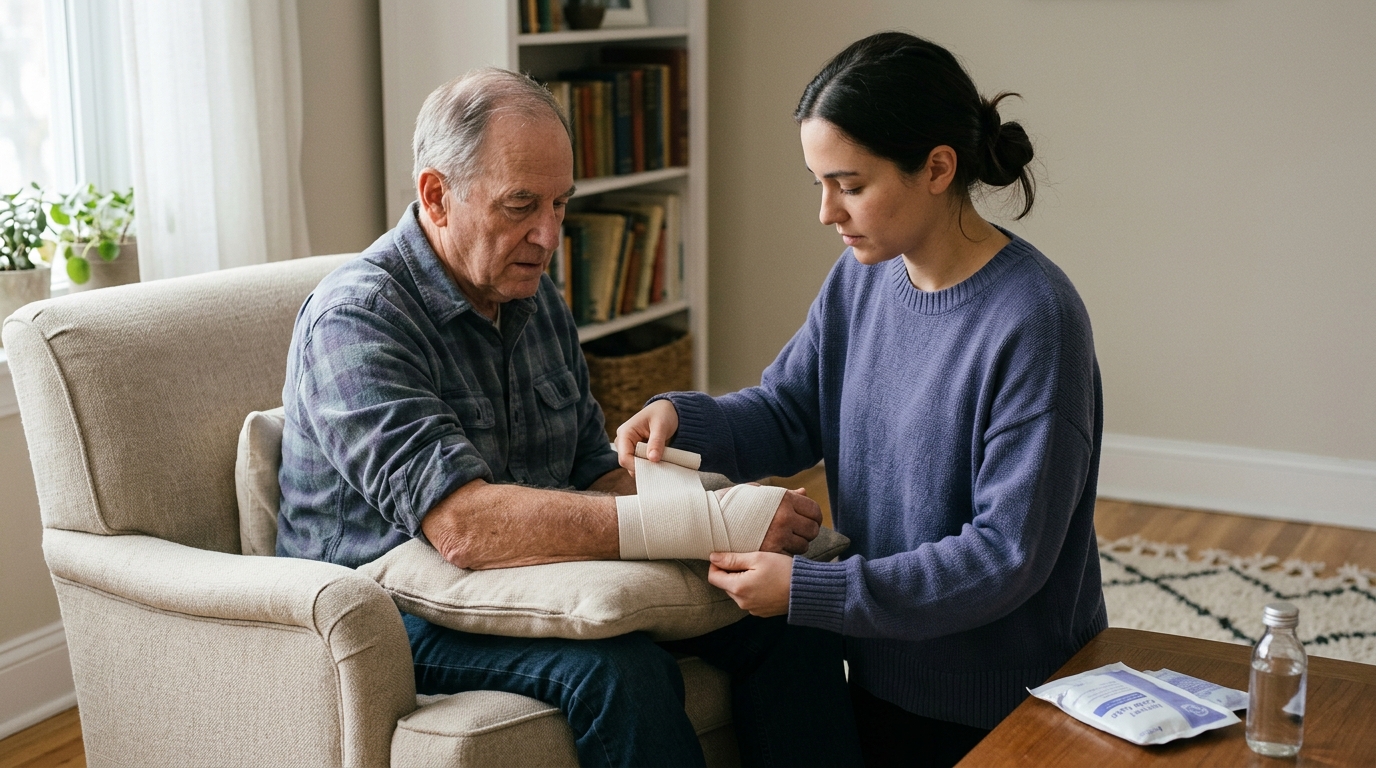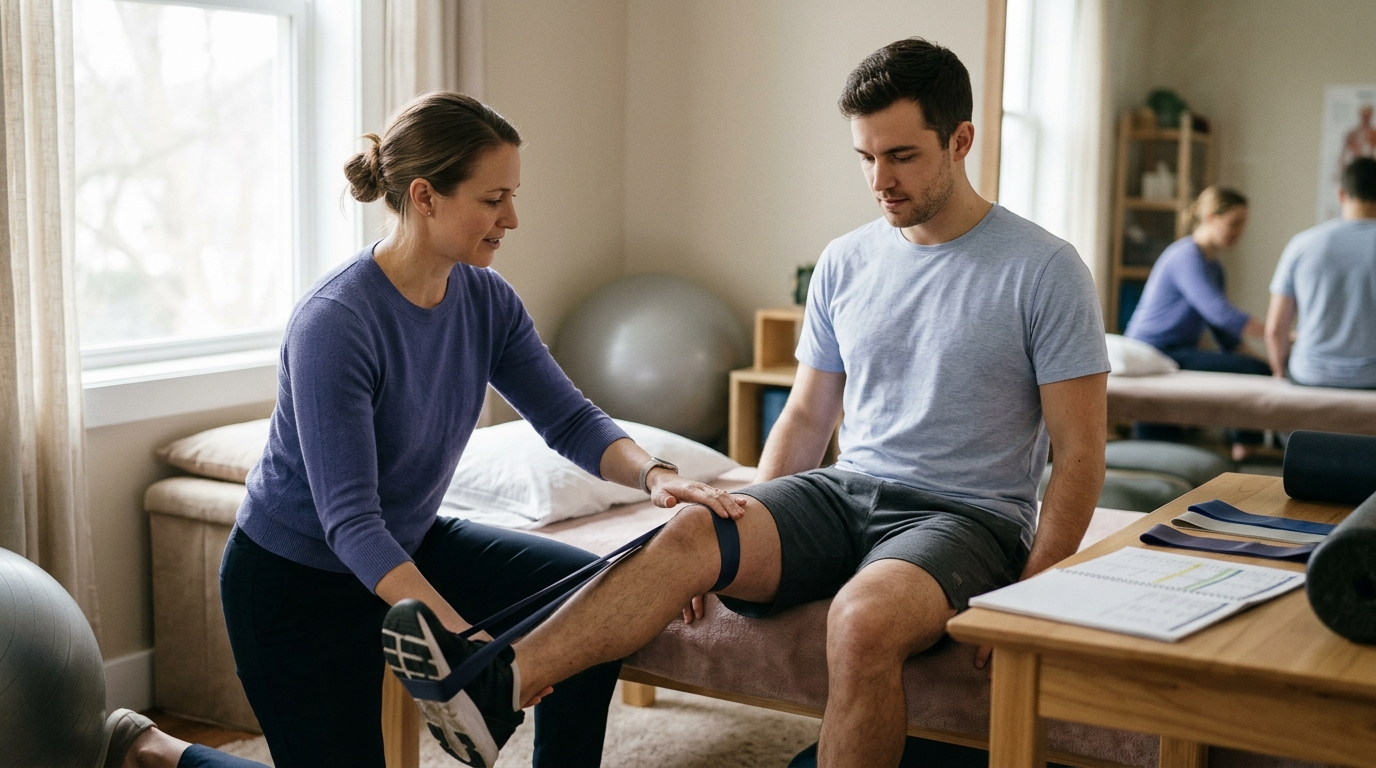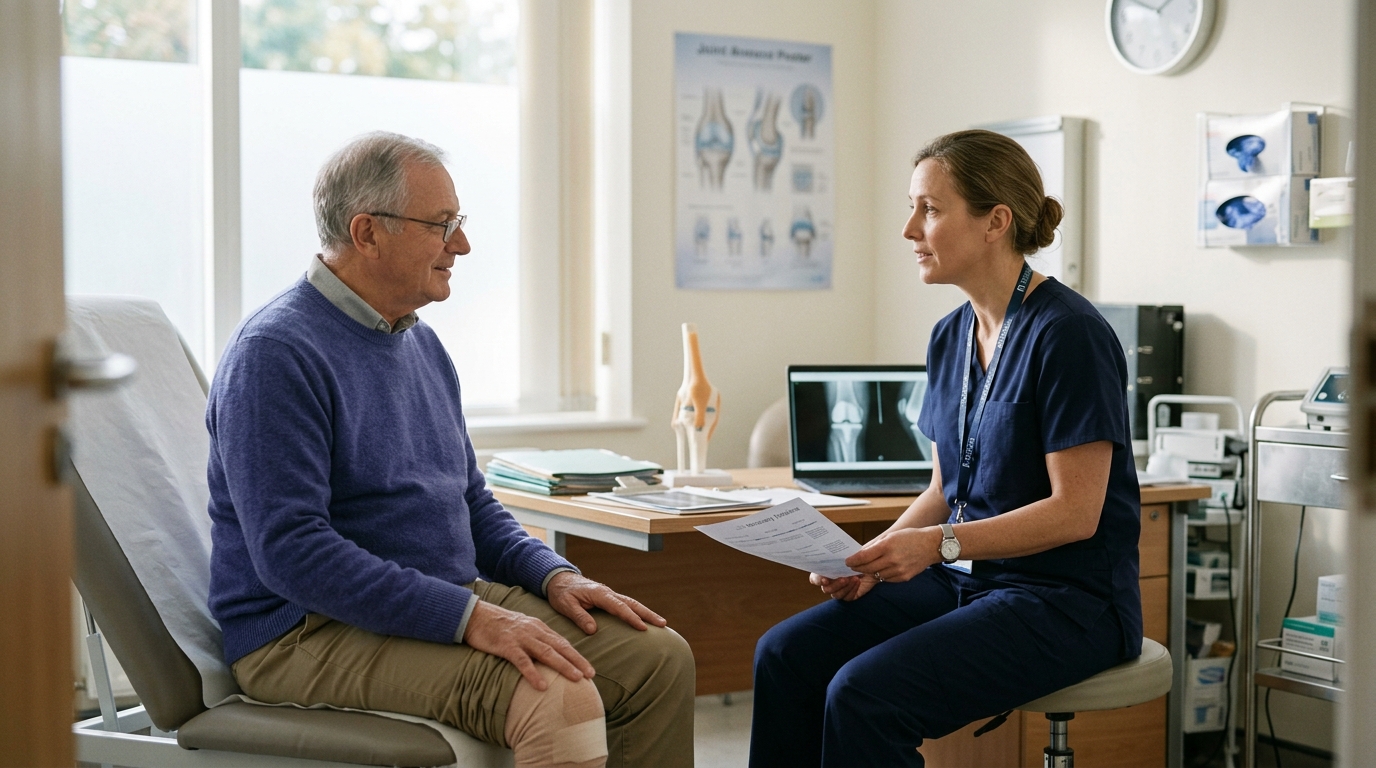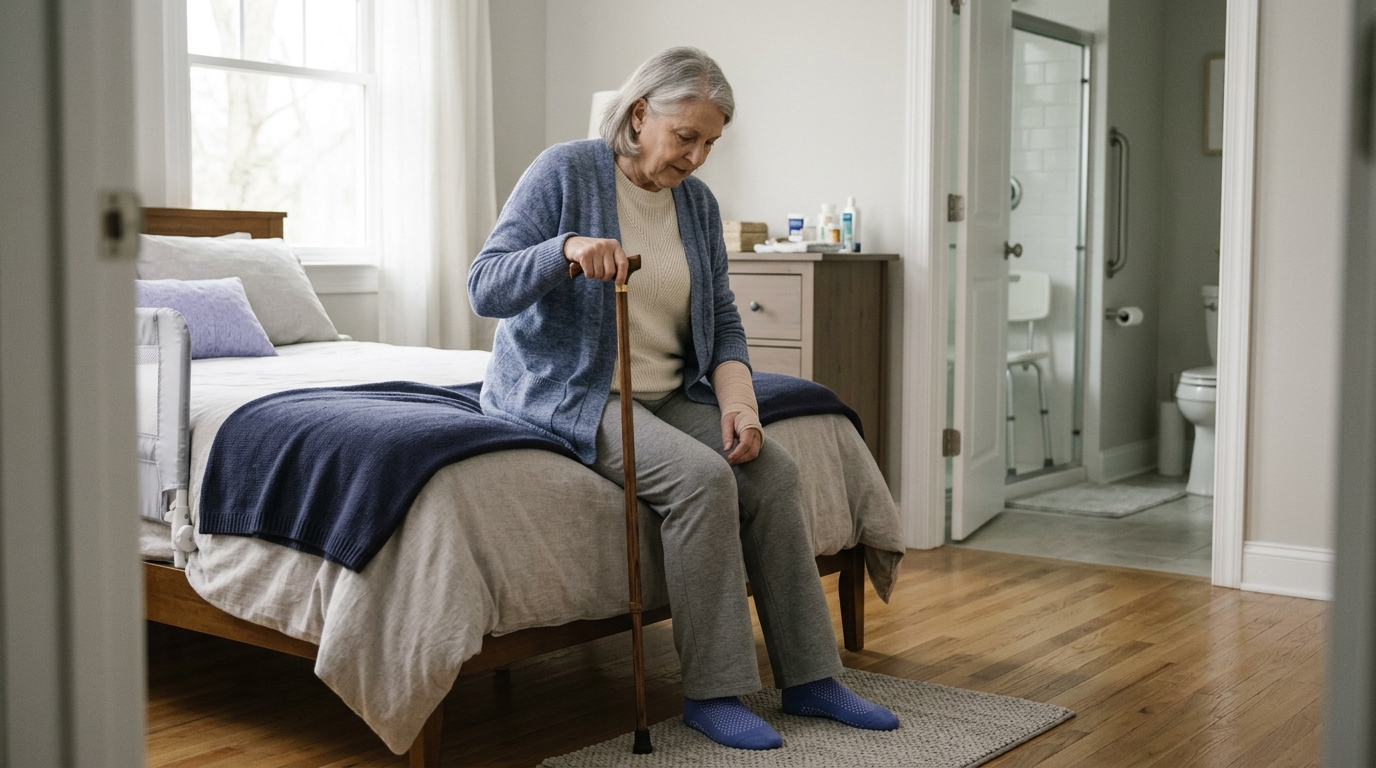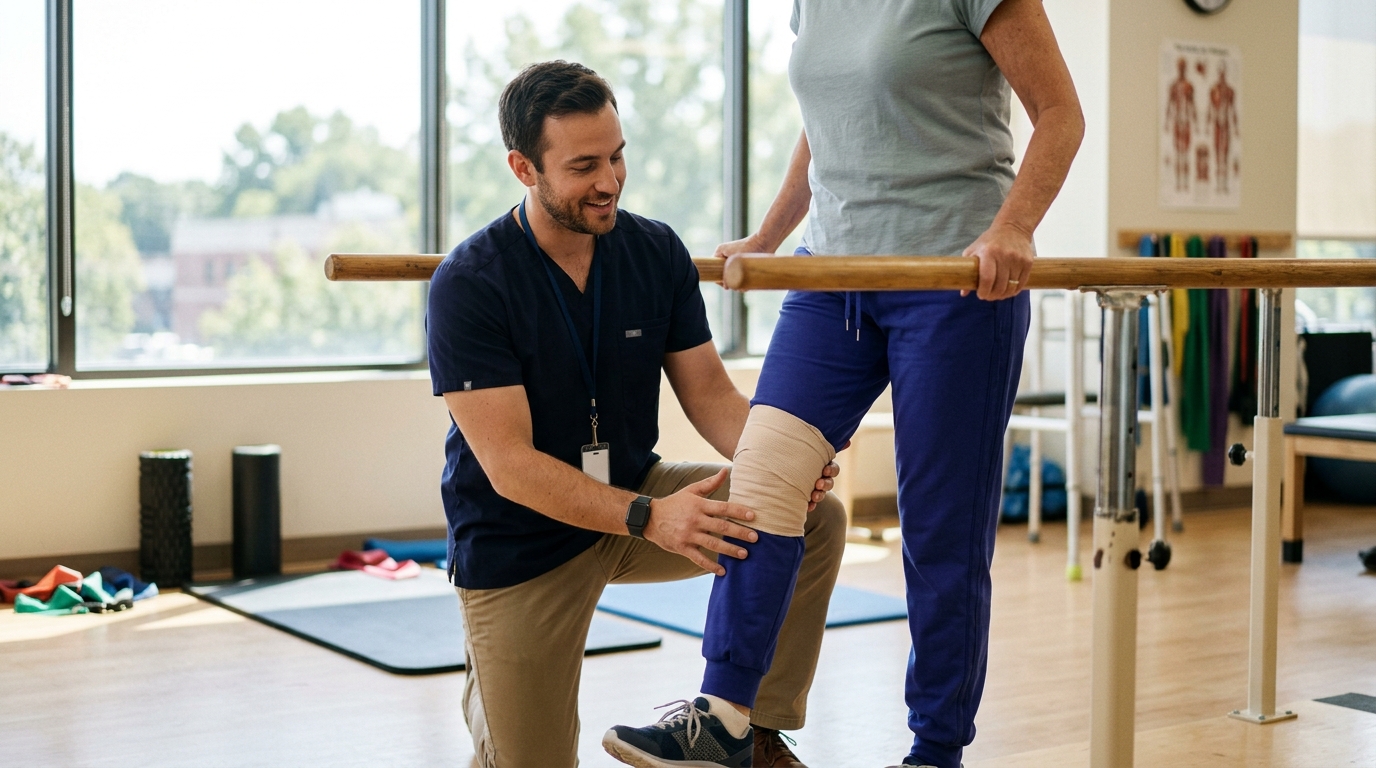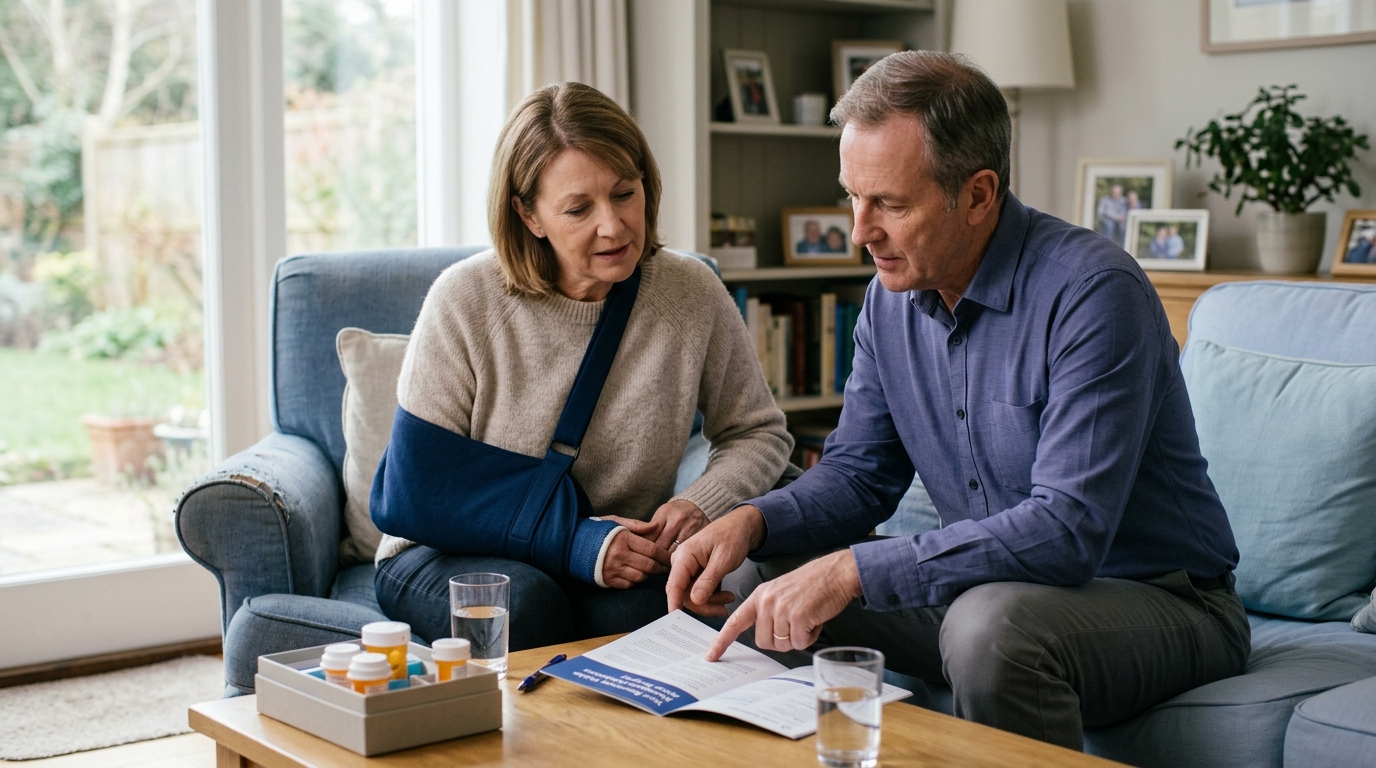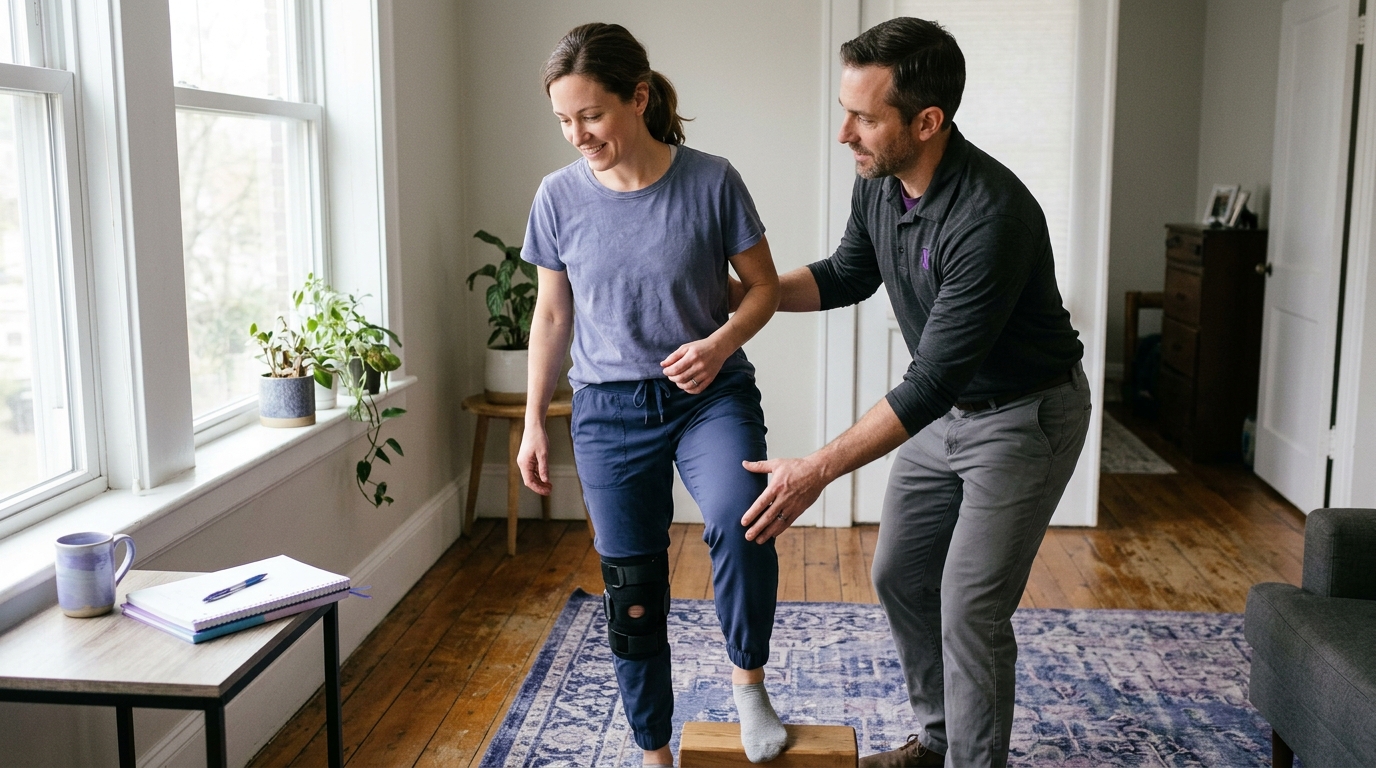

Safe rehabilitation and lasting athletic performance come from navigating natural healing phases, monitoring recovery dimensions, and using protected loading strategies.





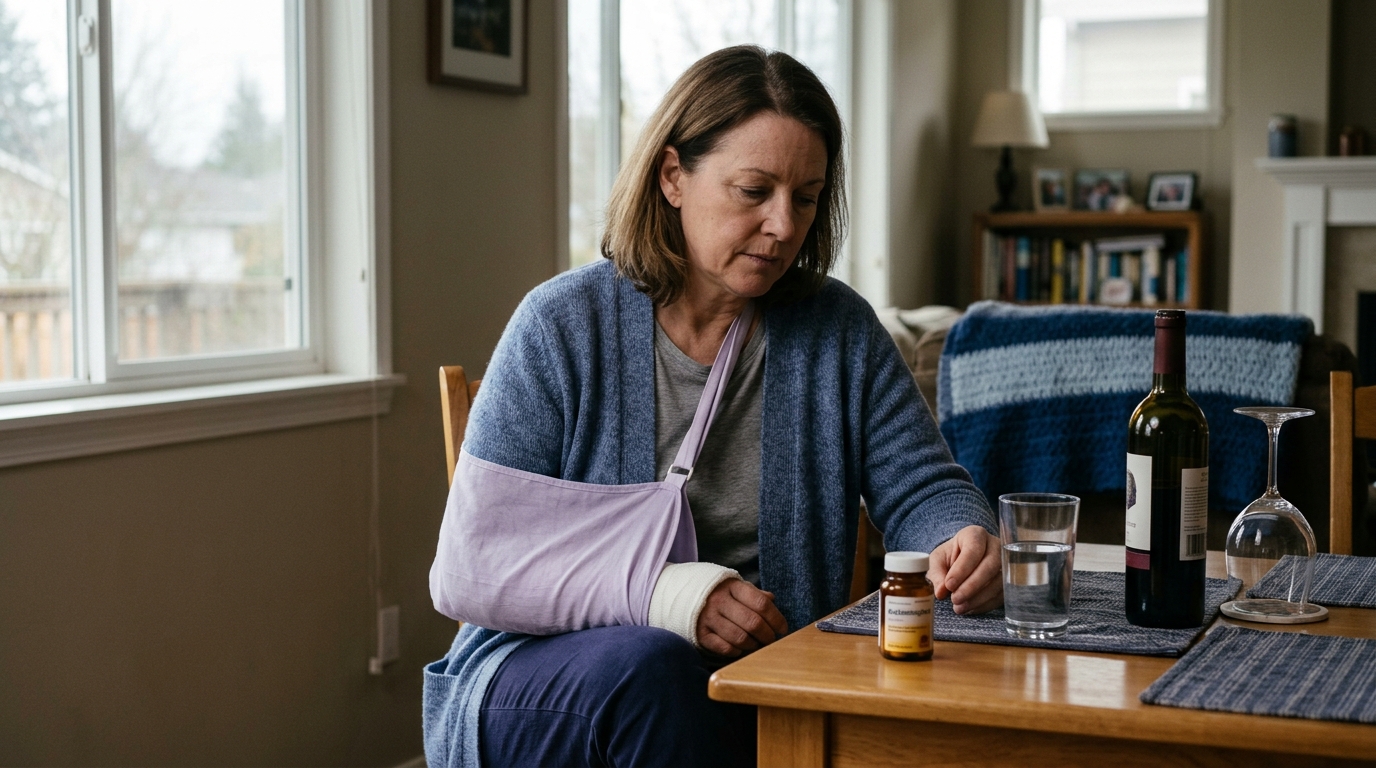
Most people believe that physical recovery follows a strict calendar. They expect a torn muscle or sprained joint to heal in an orderly, predictable number of weeks. When pain lingers or a flare-up occurs, they often assume something went wrong.
In reality, tissue healing does not run on a mechanical timer. Recovery is an active biological and neuromuscular process that responds to movement, load, and individual health factors. A date on a calendar cannot tell you when your body is ready for high-demand activity.
True recovery is measured by what your body can tolerate, how your tissues respond to stress, and whether you meet objective movement milestones. Knowing what happens across each stage of rehabilitation gives you the tools to make better decisions, avoid common setbacks, and build lasting physical resilience.
Every soft tissue injury initiates a complex cellular repair cascade. Researchers broadly divide this process into three overlapping phases: inflammation, proliferation or repair, and remodeling. These biological stages provide a helpful map of what cells are doing beneath the surface. However, they do not provide a guaranteed date for returning to demanding exercise.
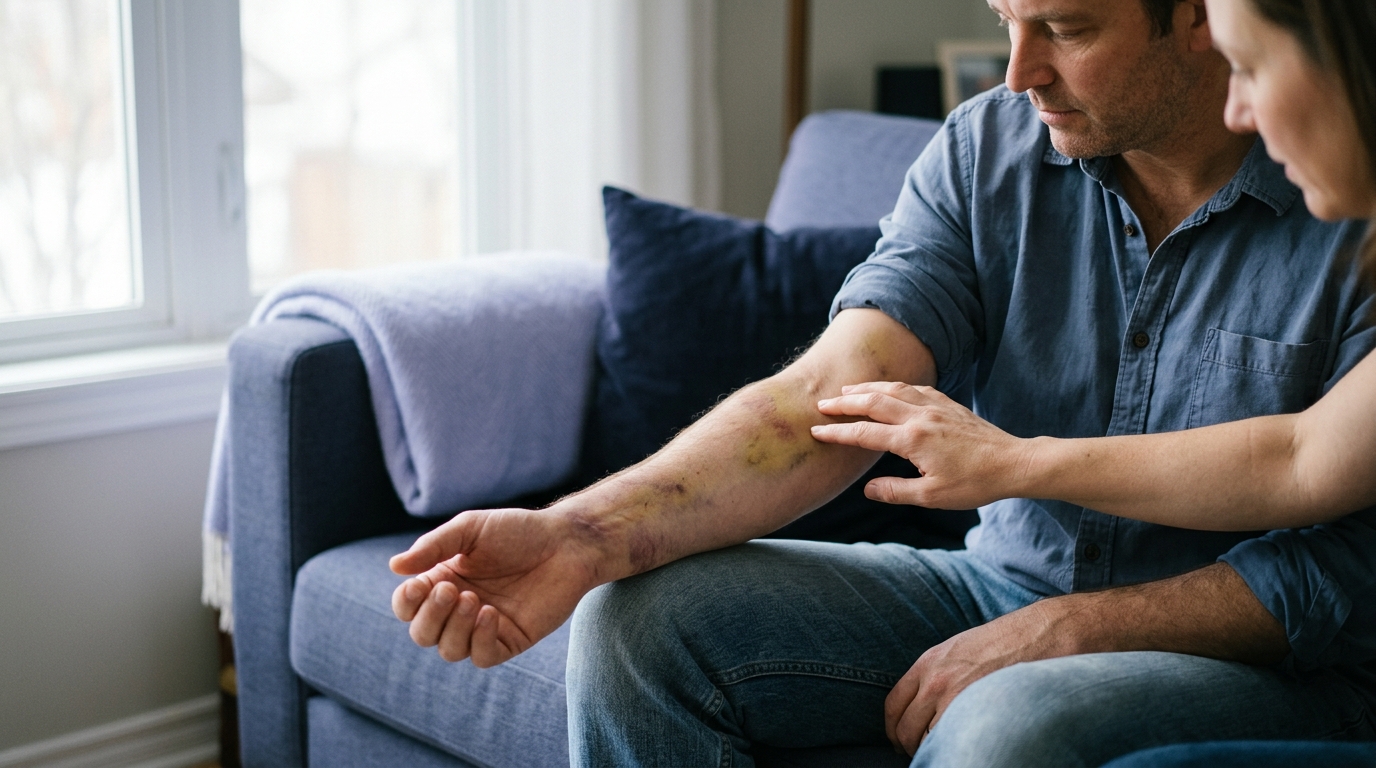
The inflammatory phase begins the instant an injury occurs. Blood vessels contract briefly to limit blood loss, then widen to allow white blood cells, nutrients, and specialized fluids into the area. This process produces classic signs of inflammation:
Inflammation is not an error that needs immediate elimination. It is the necessary first step that clears damaged cells and deposits signaling proteins to begin cellular repair.
Within a few days, the body shifts into the proliferation stage. During this period, the body builds new microscopic blood vessels in a process called angiogenesis. Specialized cells called fibroblasts produce a temporary mesh of collagen and ground substance to bridge the damaged area.
This new repair tissue is fragile and disorganized. It resembles a quick patch rather than a fully finished structure. While pain often drops significantly during this stage, the newly formed tissue cannot handle heavy athletic or physical strain.
The remodeling phase begins several weeks after the injury and can continue for a year or longer. During remodeling, the body breaks down preliminary, haphazard collagen fibers and replaces them with stronger, organized connective tissue.
Physical tension and movement play a crucial role in this phase. Collagen fibers align themselves along the lines of mechanical stress placed upon them. Without controlled, progressive loading, remodeling tissue remains weaker and less organized than the surrounding healthy structure.
Understanding these biological phases helps explain why feeling better does not mean the tissue is fully adapted. You can read more about these mechanisms through our recovery science principles resources.
Relying on pain alone to judge your recovery is one of the most common rehabilitation errors. Pain often drops long before muscle power, joint control, and structural capacity return to normal. Comprehensive recovery requires monitoring four distinct dimensions.
Symptom tracking includes more than noting pain during an exercise. It involves watching how the injured site reacts over a full 24-hour cycle.
A useful symptom assessment evaluates:
If an exercise causes mild discomfort that settles within a couple of hours and produces no morning stiffness, the tissue is likely tolerating that workload. If pain worsens the next day or causes noticeable swelling, the load exceeded current capacity.
Body function represents the objective physical characteristics of your musculoskeletal system. These markers can be tested and measured by a physical therapist or athletic trainer.
Key elements of body function include:
Restoring full range of motion does not mean strength has returned. Similarly, regaining baseline strength does not mean neuromuscular coordination is fully restored.
Activity capacity measures your ability to perform complex physical tasks without compensation. It bridges the gap between isolated table exercises and real-world movement.
For daily life, activity capacity includes climbing stairs, carrying groceries, or sitting comfortably for work. For sports and recreation, it includes cutting, jumping, decelerating, and changing directions under unpredictable conditions.
Physical readiness and mental readiness do not always progress at the same rate. Fear of reinjury, also called kinesiophobia, can alter movement mechanics and increase muscle tension.
International consensus statements emphasize that psychological readiness is a core criterion for returning to activity. If an athlete has symmetrical strength but hesitates or protects the limb during dynamic movements, they face an increased risk of compensation injuries.
For specific joint injuries, structured frameworks combine these four dimensions. For example, the PAASS framework for lateral ankle sprains evaluates:
Returning to physical activity is rarely a simple green-light decision. The 2016 Bern Consensus on Return to Sport established that recovery is an ongoing continuum rather than a single event. This model applies to competitive athletes, recreational exercisers, and individuals returning to physical work.
Return to participation means you are physically active in rehabilitation, modified practice, or low-demand recreation. At this stage, you are not ready for the full speed, volume, or unpredictability of your target activity.
A runner might begin a run-walk progression on flat ground. A tennis player might hit groundstrokes from the baseline without serving or sprinting. A construction worker might perform light inventory tasks rather than heavy lifting.
At this stage, an individual returns to their chosen sport or unrestricted job duties. However, they may not yet perform at their prior personal best.
A basketball player may play limited minutes with planned rest rotations. A recreational lifter may perform standard compound movements at submaximal training weights. This phase allows the nervous system and connective tissues to adapt to full-demand environments while monitoring for flare-ups.
Return to performance is achieved when you reach or exceed your pre-injury physical baseline. You can execute high-speed, high-force movements with normal efficiency, endurance, and confidence.
Reaching this level requires progressive exposure to fatigue and unpredictable environments. You can learn more about structuring this transition in our strength and return to sport strategies section.
For decades, the standard advice for any sprain, strain, or joint injury was complete rest and immobilization. Modern clinical research has fundamentally changed this perspective.
Except when required for unstable bone fractures or complex surgical repairs, prolonged bed rest and immobilization can hinder recovery. Clinical practice guidelines from occupational and orthopedic groups highlight several consequences of excessive inactivity:
Controlled mechanical load stimulates cellular repair through a process known as mechanotherapy. When connective tissue experiences gentle, progressive tension, specialized cells produce structural proteins that strengthen the repair site.
In lateral ankle sprains, early functional management involving protected weight-bearing and active exercise allows people to return to work and daily movement faster than prolonged cast immobilization. The goal is to find the optimal loading zone where the tissue is challenged enough to adapt without becoming inflamed.
Safe loading does not mean ignoring sharp pain or masking symptoms with medication. Instead, clinicians often use pain-monitoring models to define acceptable boundaries during exercise.
For example, in Achilles tendinopathy management, research models often use specific guidelines during rehabilitation drills:
These rules apply specifically to conditions like Achilles tendinopathy and should not be used as a universal rule for every joint injury. Consult our injury recovery and healing hub for more details on tissue loading.
A structured rehabilitation program guides an individual through clear, criteria-based milestones. Progression should always depend on functional achievement rather than the number of days since the injury occurred.
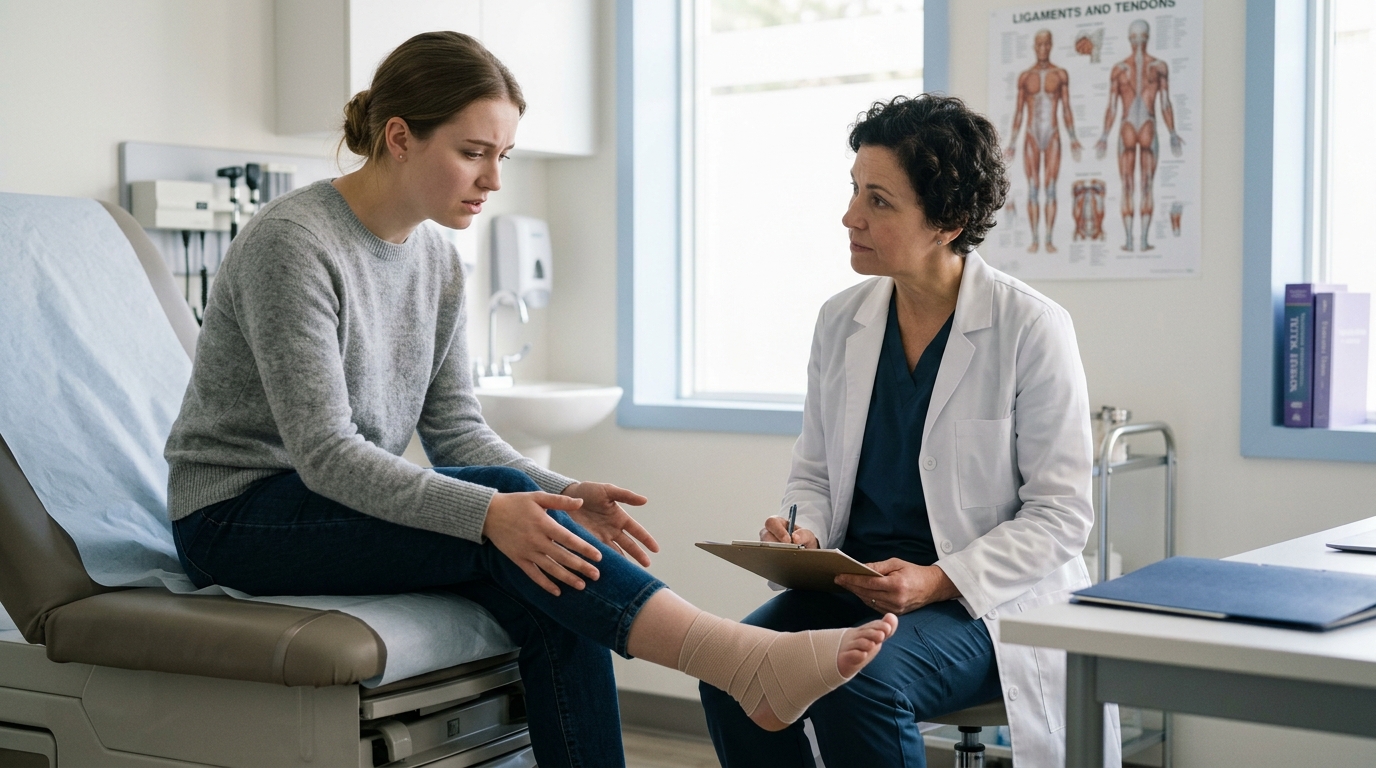
The first milestone is obtaining an accurate clinical diagnosis and ruling out serious structural damage. Many individuals assume any joint twist is a simple sprain, potentially missing bone fractures, tendon ruptures, or nerve injuries.
A healthcare professional evaluates the mechanism of injury, checks joint stability, and determines whether diagnostic imaging is required. Once serious pathology is excluded, a clear protection plan is established.
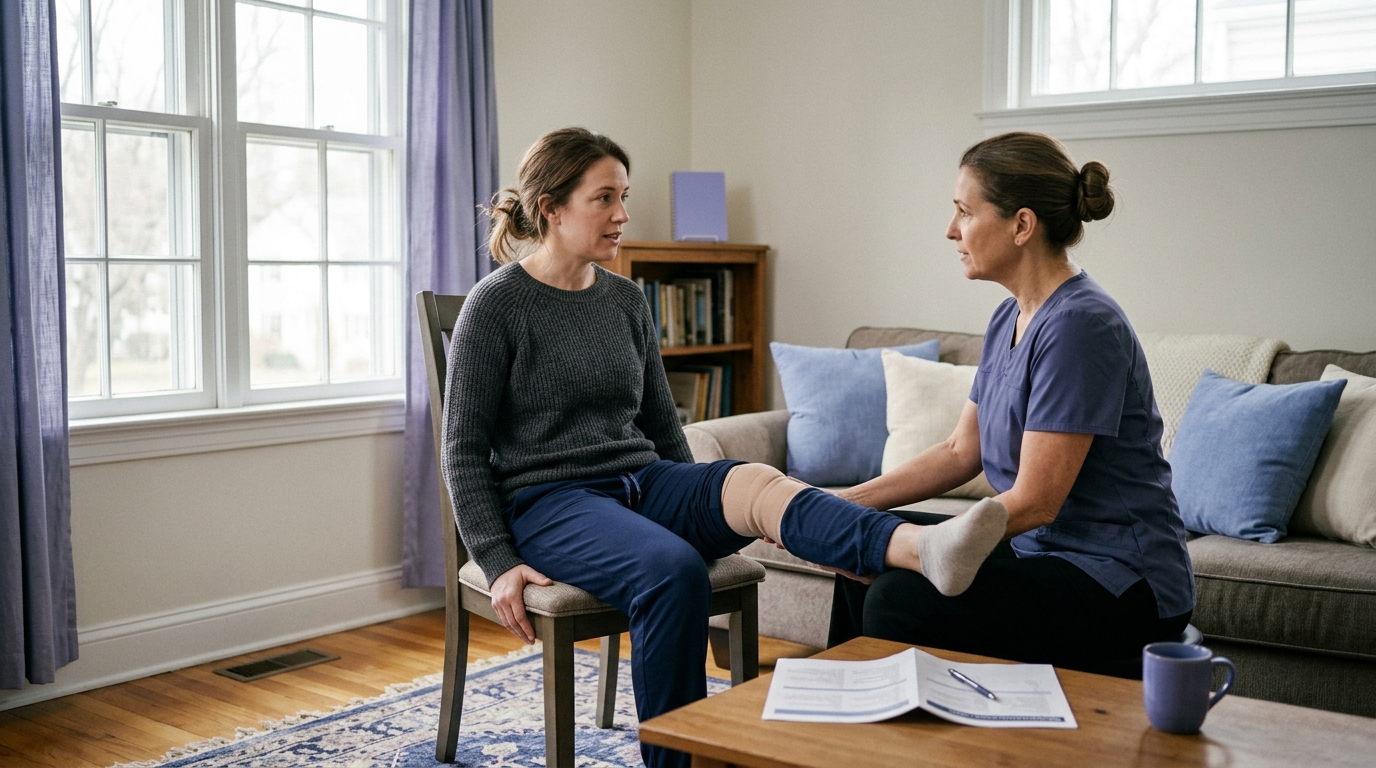
The objective in Stage 2 is to calm acute symptoms while avoiding complete inactivity.
Key milestones in this phase include:
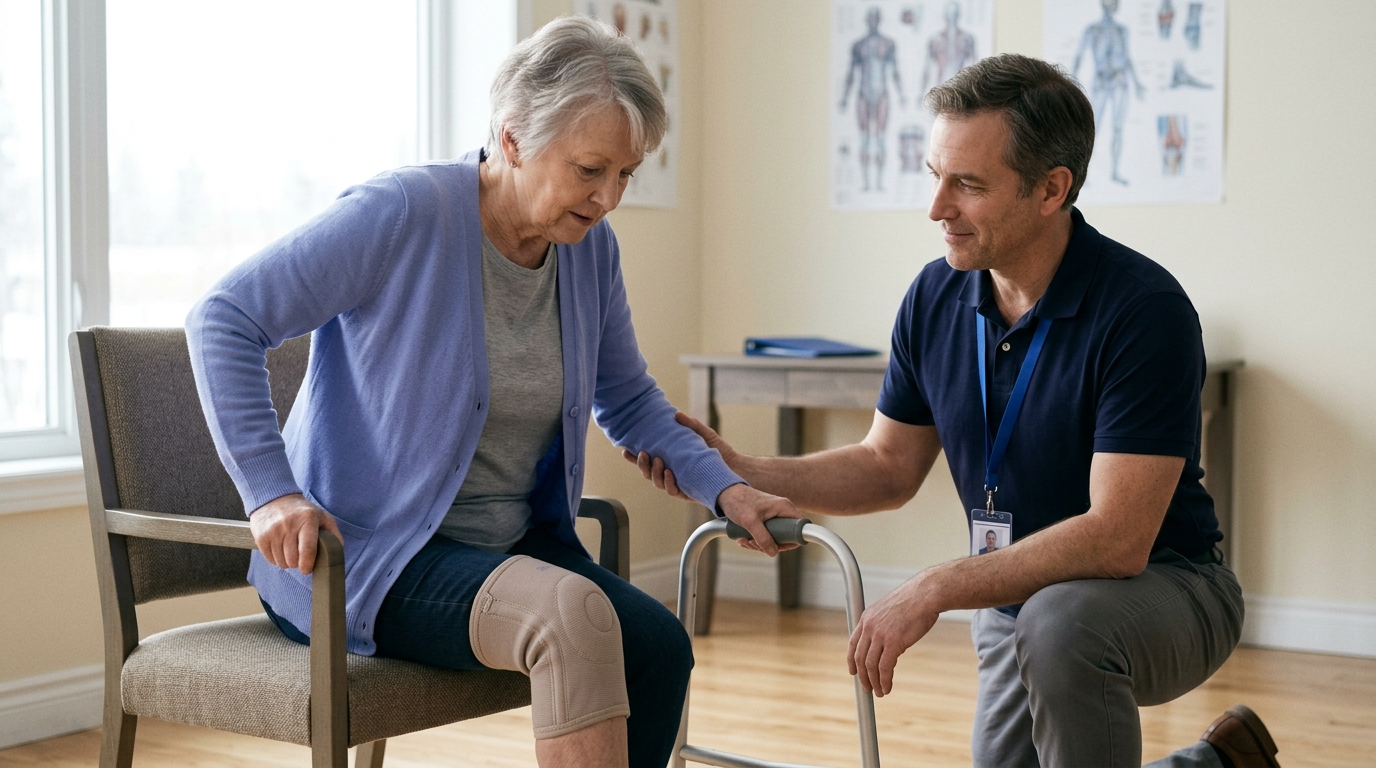
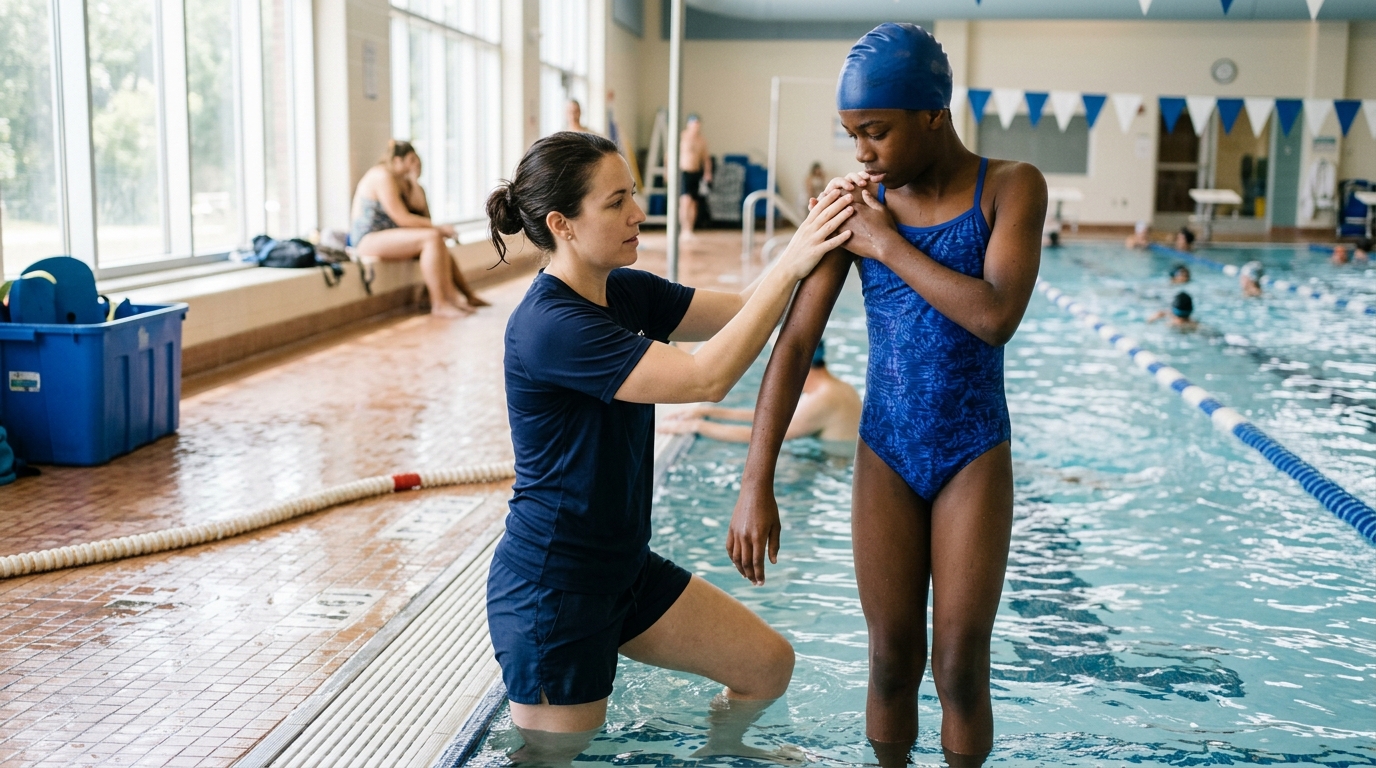
Once acute resting pain and major swelling subside, the focus shifts to restoring normal joint motion and basic movement patterns.
Common targets include:
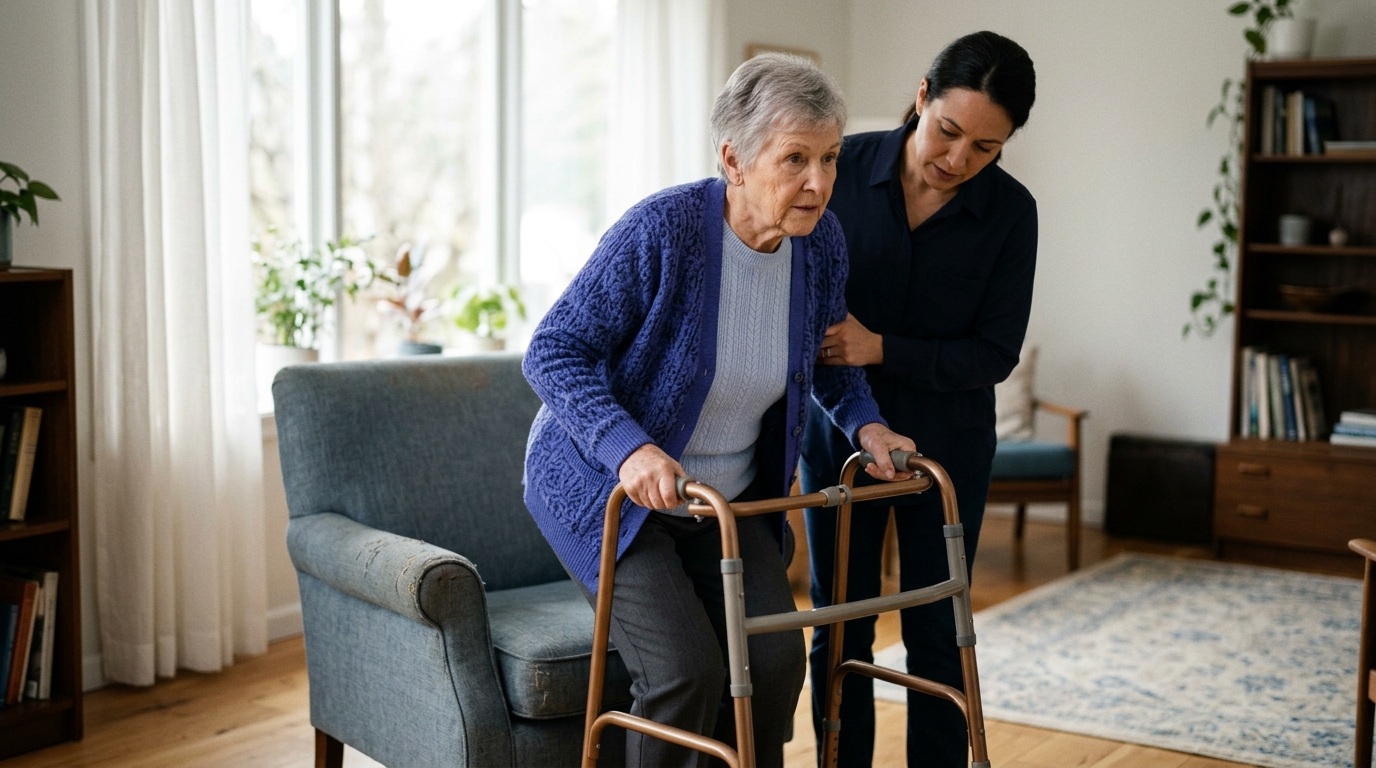
An individual may walk comfortably around their home during this stage. However, this does not mean their joints are ready for high-impact forces or rapid direction changes.
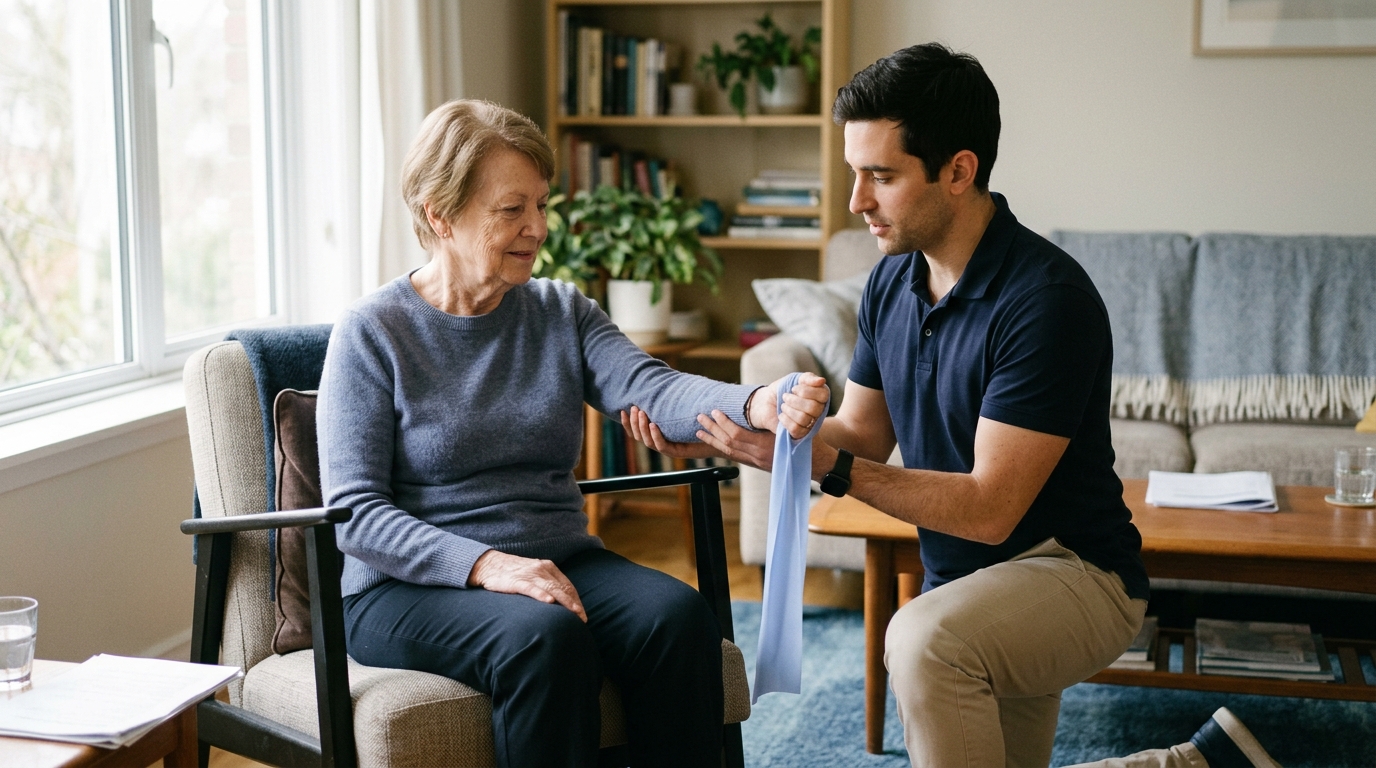
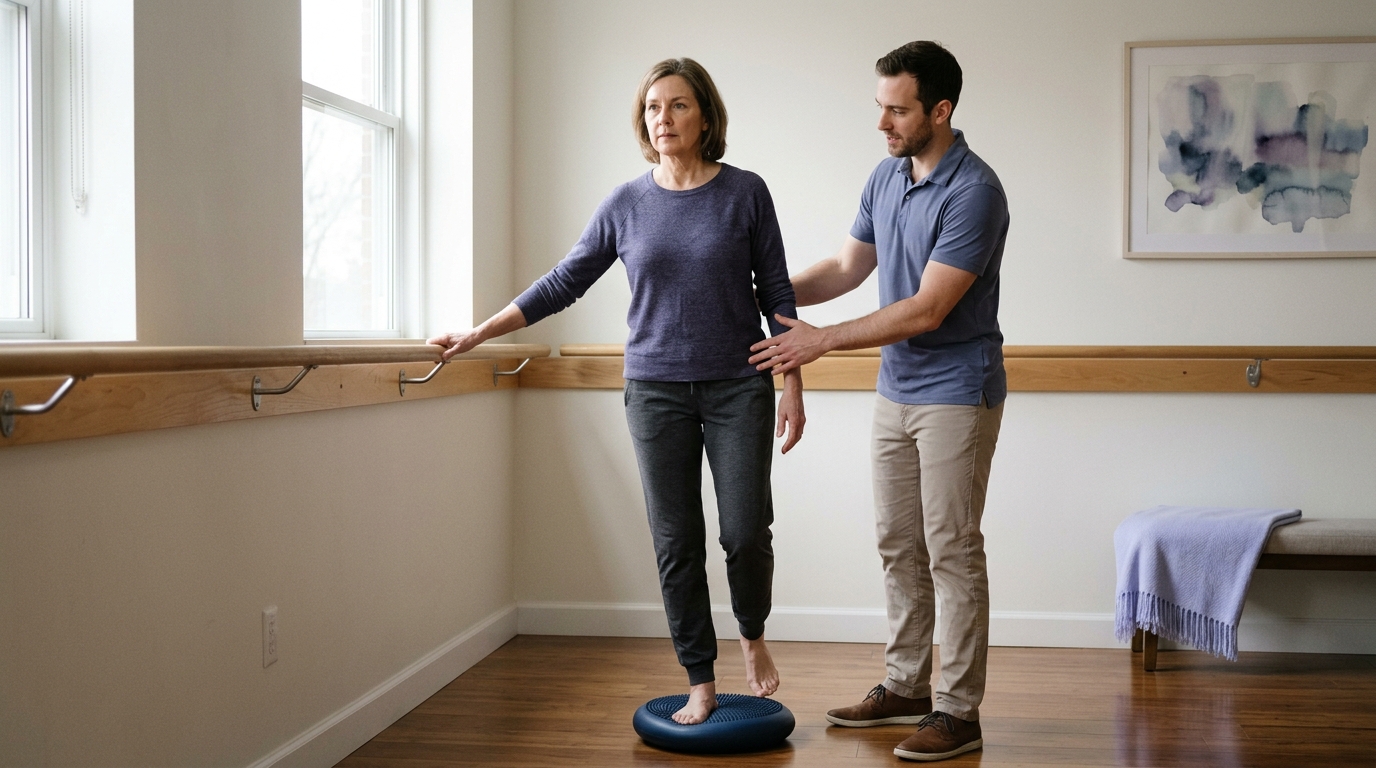
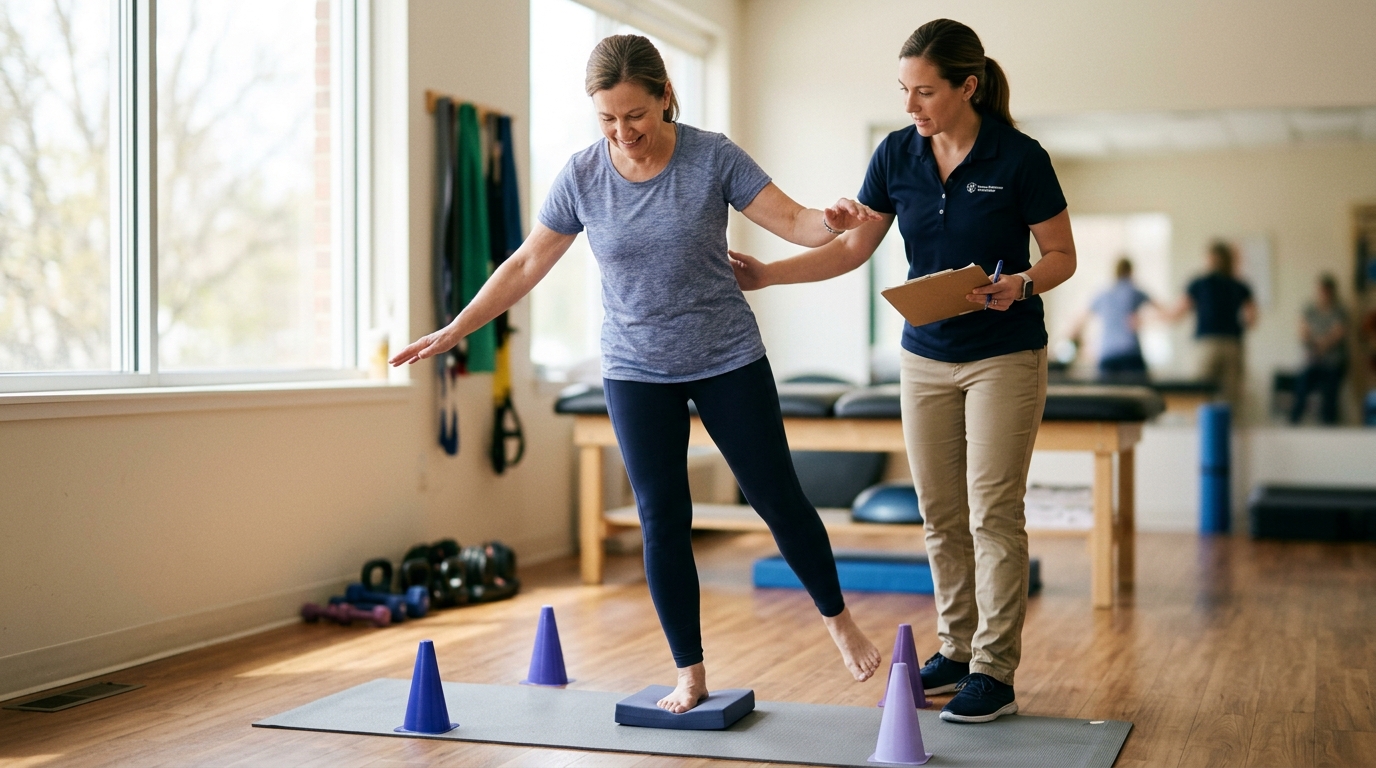
Stage 4 addresses muscle atrophy, strength deficits, and reduced balance caused by the injury.
Key objectives include:
For comprehensive guidance on exercise progressions, explore our rehabilitation and movement resources.
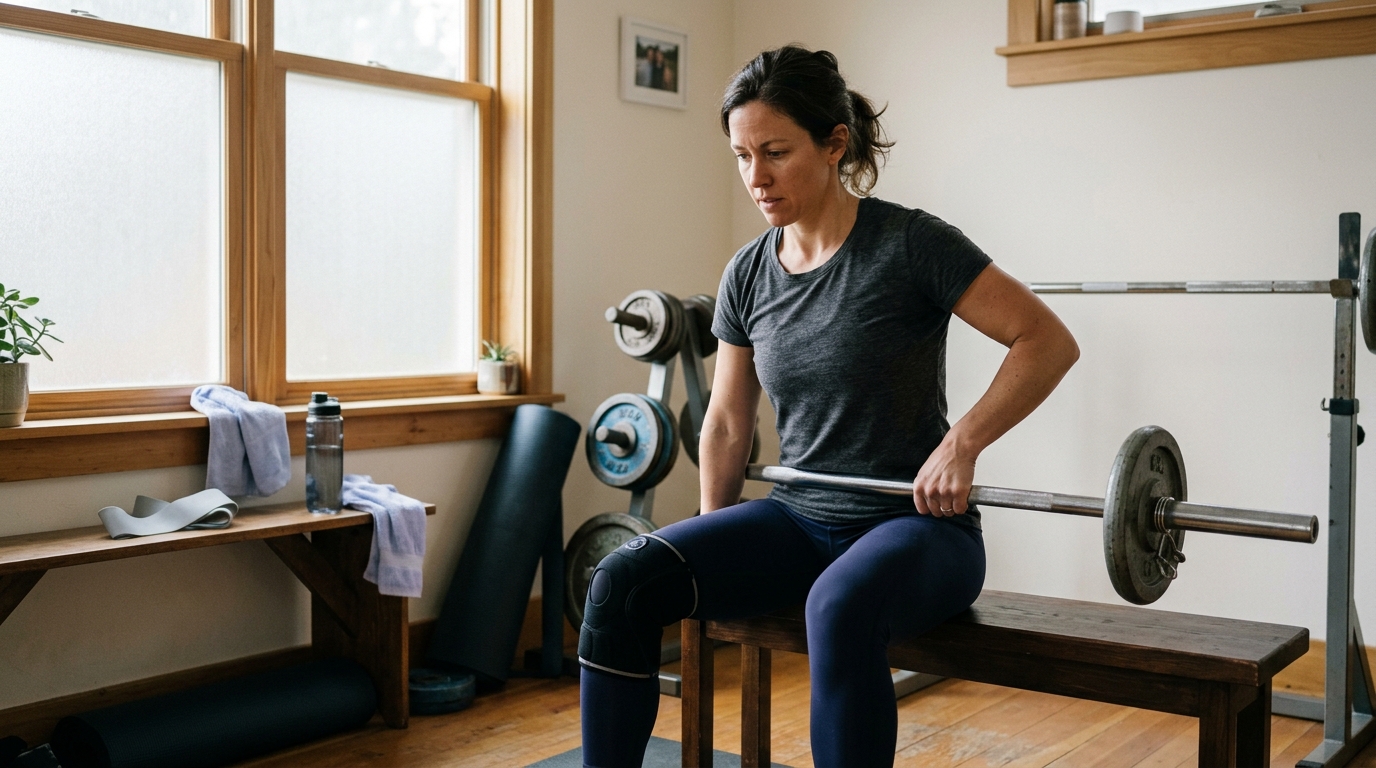
High-demand sports and physical jobs require more than slow, controlled strength. They demand rapid force production, shock absorption, and quick decision-making.
Milestones in Stage 5 include:
Clearance for full participation should be based on objective criteria rather than emotional readiness alone. Clinicians often use structured physical testing batteries to evaluate readiness.
These evaluations typically assess:
Rehabilitation does not end on the first day you return to your sport or job. Healing tissues continue remodeling for many months, and the risk of reinjury remains elevated for a significant period.
Stage 7 involves:
While mild discomfort and temporary stiffness are normal during recovery, certain symptoms demand urgent medical evaluation. The UK National Health Service (NHS) and orthopedic guidelines highlight specific red flag symptoms that suggest fractures, severe soft-tissue disruptions, or neurovascular compromise.
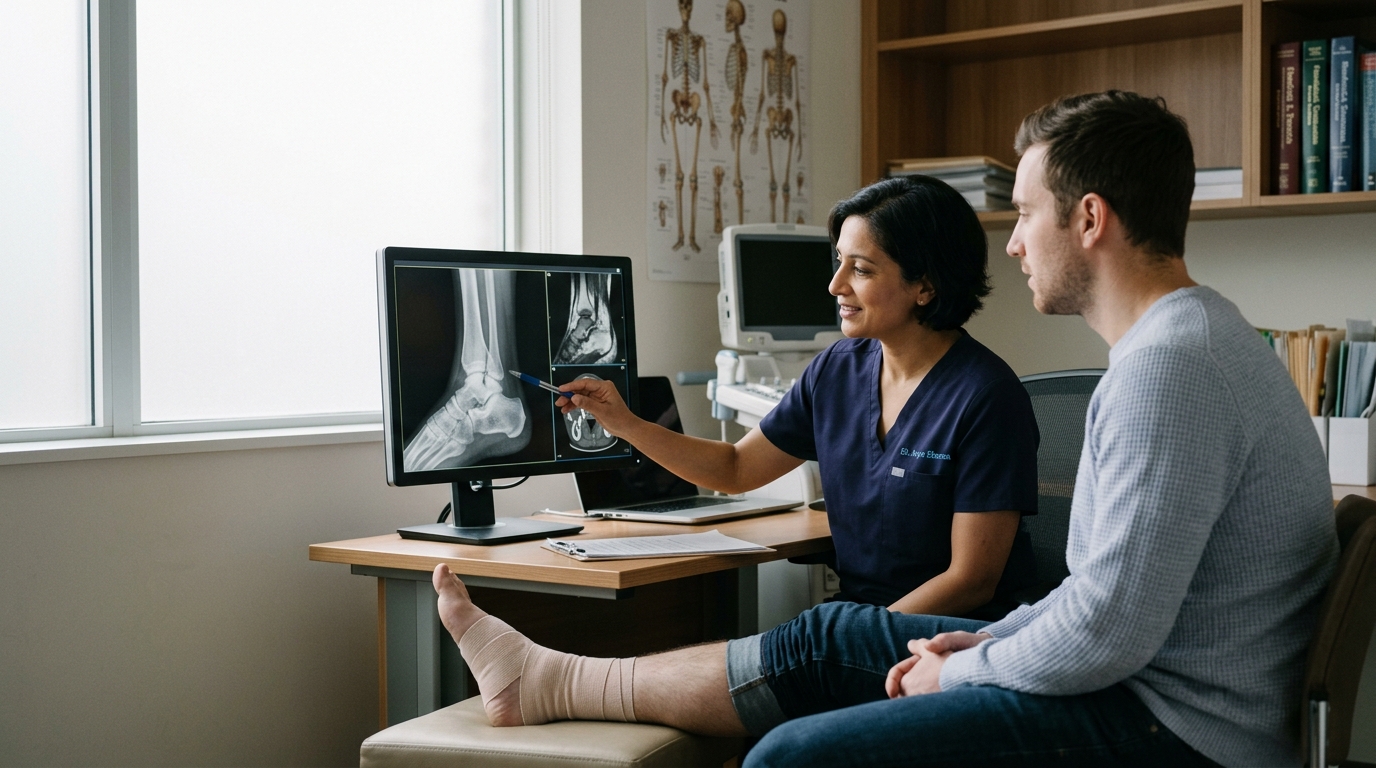
Patients often assume that an MRI or X-ray will instantly clarify their recovery timeline. While imaging is essential for diagnosing bone fractures, tendon ruptures, and structural tears, it has clear clinical limits.
For example, research on acute hamstring muscle strains demonstrates that MRI findings alone do not reliably predict how many days an athlete will need before returning to sport. An MRI shows tissue structure, but it cannot measure tissue tolerance, muscle strength, or neuromuscular coordination. Diagnostic imaging must always be interpreted alongside a hands-on physical examination.
Head injuries and concussions follow entirely different recovery rules than musculoskeletal sprains and strains. A concussed individual must be removed from play immediately to protect brain health.
The Centers for Disease Control and Prevention (CDC) outline a graduated return-to-activity protocol for concussion management:
Musculoskeletal loading protocols must never be applied to head injuries or suspected concussions.
Setbacks are a common feature of physical rehabilitation. Experiencing a sudden increase in soreness or swelling does not automatically mean that you have torn new tissue or undone your progress.
A symptom flare-up usually occurs when the physical load placed on a joint exceeds its current capacity. This mismatch often stems from small training errors, such as:
When symptoms spike, avoid switching between complete bed rest and pushing through sharp pain. Instead, treat the setback as objective feedback and adjust your training variables:
If resting pain remains severe, swelling worsens continuously, or symptoms fail to settle after several days of modified activity, schedule a re-evaluation with your physical therapist or orthopedic physician.
These representative scenarios show how recovery milestones function in real-world situations across different age groups and activity levels.
A 48-year-old hiker suffered a moderate lateral ankle sprain after rolling their foot on a tree root.
A 54-year-old master runner developed persistent Achilles tendon pain after introducing aggressive hill intervals.
Reaching full activity clearance does not mean long-term joint health is permanently secured. Long-term follow-up studies reveal that joint injuries carry substantial risks of lingering symptoms or recurrence if maintenance training is stopped prematurely.
Clinical guidelines examining lateral ankle sprains at one to four years post-injury demonstrate substantial variation in long-term outcomes:
These wide statistical ranges reflect differences in injury severity, initial management quality, and whether individuals completed structured balance and strength rehabilitation.
Continuing targeted exercise after symptoms resolve substantially lowers reinjury rates. A systematic review evaluating exercise-based rehabilitation after acute ankle sprains found a significant reduction in reinjury rates at 12 months compared to standard care. The pooled reinjury rate was 16% in structured exercise groups compared to 22% in usual-care groups, representing an odds ratio of 0.60.
Furthermore, clinical guidelines report that balance and proprioception training provides an absolute risk reduction of 6.5% for lateral ankle sprains, which corresponds to a 46% relative risk reduction. These findings highlight why balance training should remain a regular part of your weekly routine, especially for active adults navigating the principles of our active aging and injury prevention guide.
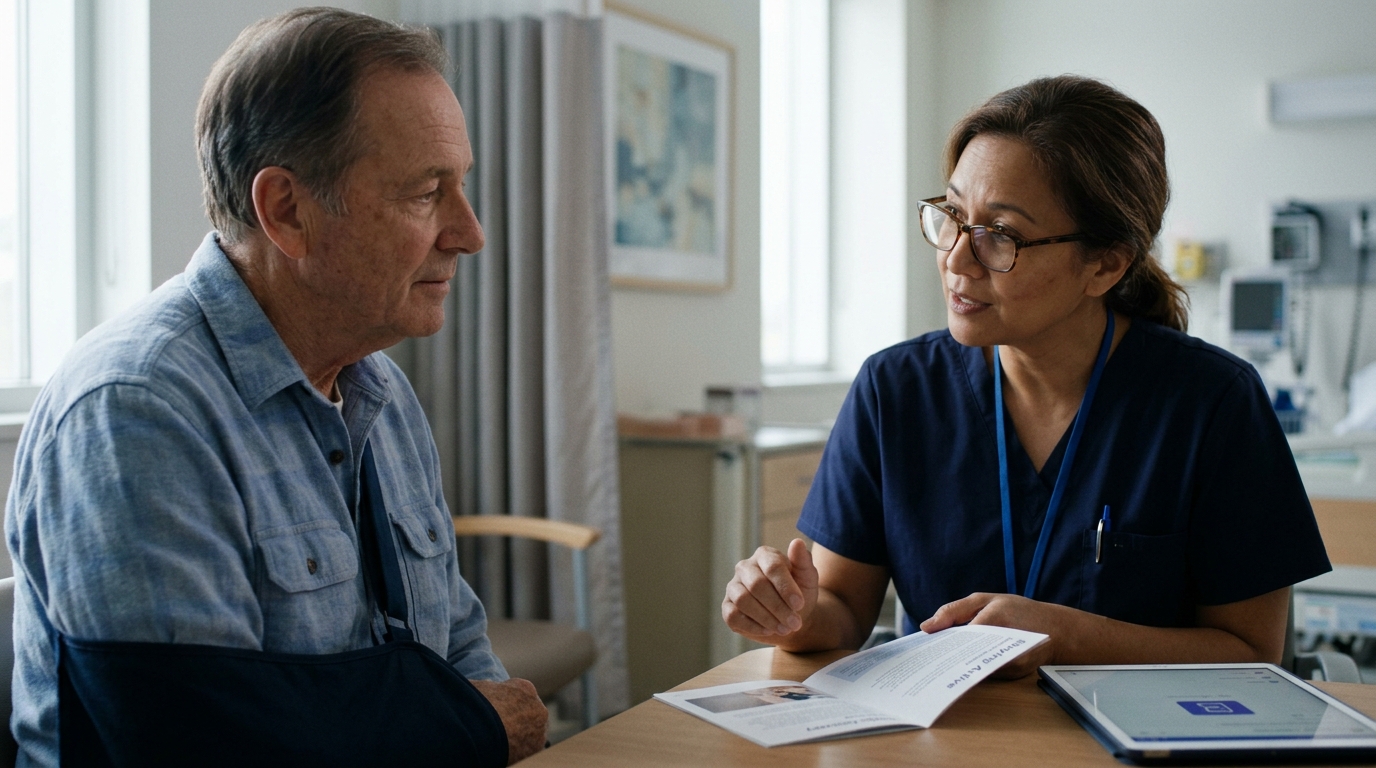
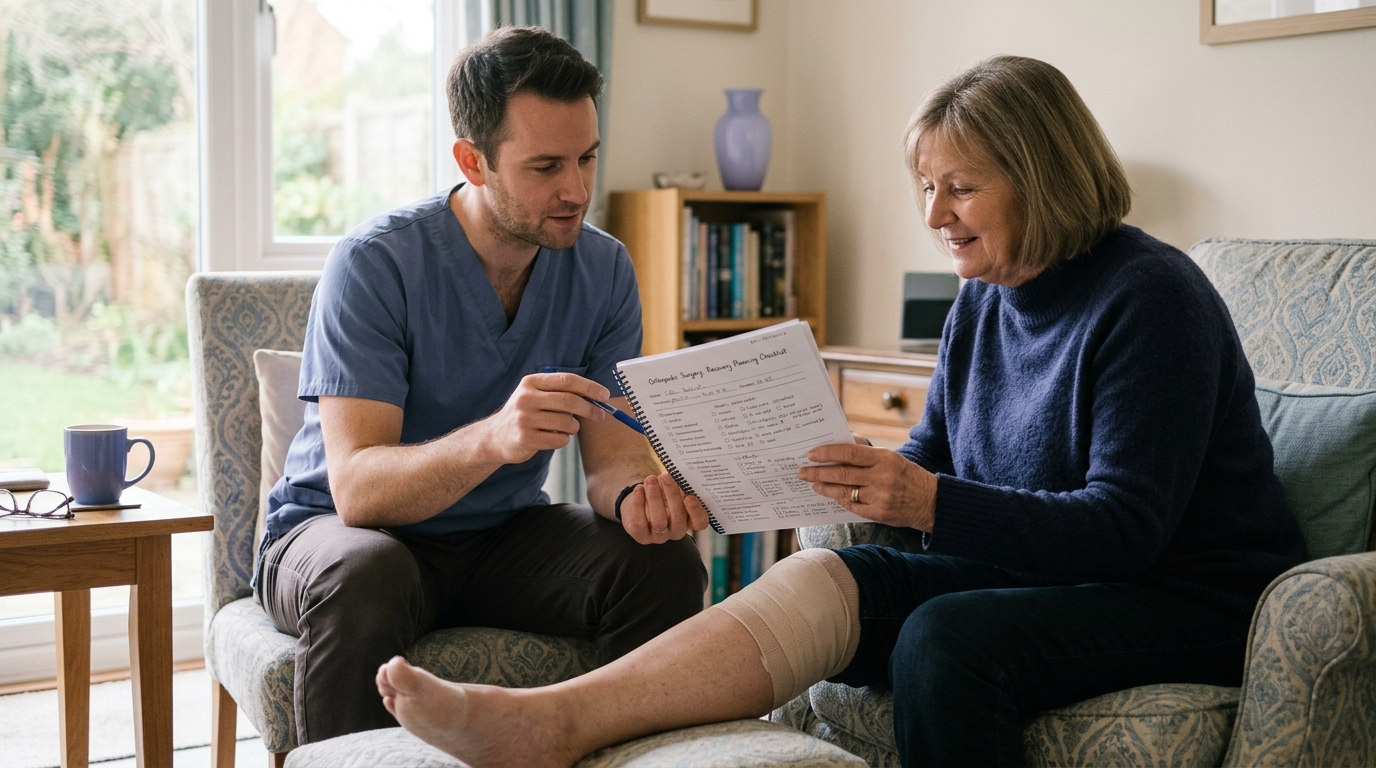
Navigating an orthopedic injury requires clear communication with your medical team. Use these practical questions during your appointments with your orthopedic physician, physical therapist, or surgeon.
Recovering from an injury requires patience, objective self-assessment, and consistent, progressive effort. By focusing on functional milestones rather than arbitrary calendar deadlines, you build the physical capacity and confidence necessary for a safe, sustainable return to the activities you enjoy.

Use ReboundBody resources to understand common recovery stages, rehab terms, movement limits and strength rebuilding. Each guide is designed to make a complex comeback easier to understand.


Read practical guidance on injury recovery, rehabilitation, mobility and rebuilding strength as you work your way back to activity.
Explore Resources