
Clear communication with your clinician becomes much easier once you know how to distinguish an injury flare-up from a new tissue injury.





A symptom flare is a temporary increase in pain, stiffness, or other symptoms compared to your baseline. It is not, by itself, proof that you have suffered new physical damage. A new injury, by contrast, involves distinct structural strain or trauma that requires clinical evaluation to identify and treat.
When symptoms suddenly shift, telling the difference between these two states is not something you can reliably do through sensation alone. Pain intensity does not measure tissue damage. An intense spike in discomfort can happen without any structural change. At the same time, a familiar ache can occasionally mask a new mechanical problem.
The safest and most practical approach is not self-diagnosis. Your primary task during a setback is to notice specific changes, track how they behave, and communicate those details to a qualified clinician.
This resource breaks down what current medical research says about symptom fluctuations. It provides an eight-point communication checklist to help you document what happened. It also highlights critical warning signs that require prompt medical care.
Understanding a sudden change in symptoms starts with clear definitions. A flare-up describes how a symptom behaves over time. A new injury describes an underlying physical event or tissue state.
The National Institute for Health and Care Excellence defines a flare-up as a sudden, temporary worsening of symptoms. This worsening most often involves pain, but it can also include changes in fatigue, stiffness, physical function, or broader disease activity. A flare represents a shift away from your personal baseline. It does not automatically mean that an underlying condition is deteriorating or that a healed joint has broken down again.
A new injury, however, represents an acute physical disruption to a muscle, tendon, ligament, cartilage, bone, or nerve. It can happen in a previously healthy area or within a joint that already has an underlying condition.
The central challenge in musculoskeletal recovery is that both situations can feel identical in the early hours or days. Both can cause sharp pain, local swelling, warmth, and reduced mobility.
Because symptoms overlap so heavily, medical organizations emphasize that pain alone cannot settle the question. A flare is an observation about how you feel right now. A new injury is a clinical hypothesis that must be evaluated through a physical examination, medical history, and clinical tests when necessary.
When you notice a setback, your goal is to gather objective facts about the change. You can explore structured approaches to tracking setbacks across our injury recovery and healing resources.
Research into musculoskeletal conditions shows that symptom changes are a normal feature of long-term recovery. However, clinical studies also show that medical definitions of a flare vary widely.
A systematic review published in medical literature examined 69 clinical studies on knee osteoarthritis flares. The researchers found that trials used 27 different measurement tools to define an acute flare. While 61 of the studies focused on a worsening of signs and symptoms, the thresholds for baseline pain and duration differed significantly. Some studies required symptoms to last at least 8 hours to qualify as a flare, while others required 48 hours.
Recent reviews of spinal and pelvic girdle pain highlight a similar shift in scientific thinking. Researchers have moved away from looking only at pain scores. Modern clinical definitions now treat flares as multidimensional events that involve physical function, daily activities, and emotional stress.
Studies tracking daily symptoms in chronic musculoskeletal conditions provide valuable insight into how long these episodes last. A 2025 study on daily symptom fluctuations found that the median duration of a pain flare was two days. The middle half of reported flares lasted between two and three days. However, some individual episodes in the study lasted up to 12 days.
Guidance from Cambridge University Hospitals notes that symptom flare-ups are common during rehabilitation. Their patient data shows that flares frequently last between two and seven days. These episodes often follow periods of unusual activity or sudden physical demands, but they can also appear without any obvious trigger.
The evidence points to three consistent findings:
Learning how healing occurs alongside functional ability is a key part of long-term management. You can read more about these mechanisms in our guide to understanding recovery science.
Many active adults assume that severe pain always equals severe tissue damage. Modern pain neuroscience and orthopedic evidence show that this assumption is incorrect.
Pain is a complex protective response produced by the nervous system. It responds to physical load, tissue irritation, past experiences, inflammation, and fatigue. When you are recovering from an injury, local nerve pathways can remain sensitized for weeks or months. This sensitization means that mild mechanical irritation can trigger an intense pain signal, even when the underlying structural tissues remain intact.
Assuming that every painful setback represents a new tear or rupture creates real problems:
The reverse assumption is equally risky. Assuming that every setback is merely a temporary flare can cause people to overlook new structural injuries. National clinical guidelines for low back pain recommend that clinicians reconsider alternative diagnoses whenever a patient develops new or altered symptoms. Having a known history of back pain does not make you immune to a new muscle tear, a disc herniation, or a separate medical issue.
The practical rule is straightforward. Treat a change in pain as an observation that requires context, tracking, and thoughtful communication.
Several distinct factors influence how a symptom change develops, how long it persists, and what it might mean. Understanding these variables helps you build a clearer picture of your situation.
The word "worse" only makes sense when compared to what is normal for you. Your personal baseline includes the activities you can perform comfortably, your typical morning stiffness, and your normal daily discomfort. A runner whose baseline involves jogging four miles without symptoms will interpret knee swelling differently than a sedentary person who rarely walks long distances.
What you were doing right before the symptoms changed provides crucial diagnostic clues for your healthcare team:
Familiar symptoms that stay in their original area are more likely to represent a temporary flare of a pre-existing issue. Symptoms that travel to a completely new area warrant closer attention.
For example, a person with recurring lower back tightness who suddenly develops radiating numbness down the back of the calf is experiencing a meaningful shift in neurological presentation.
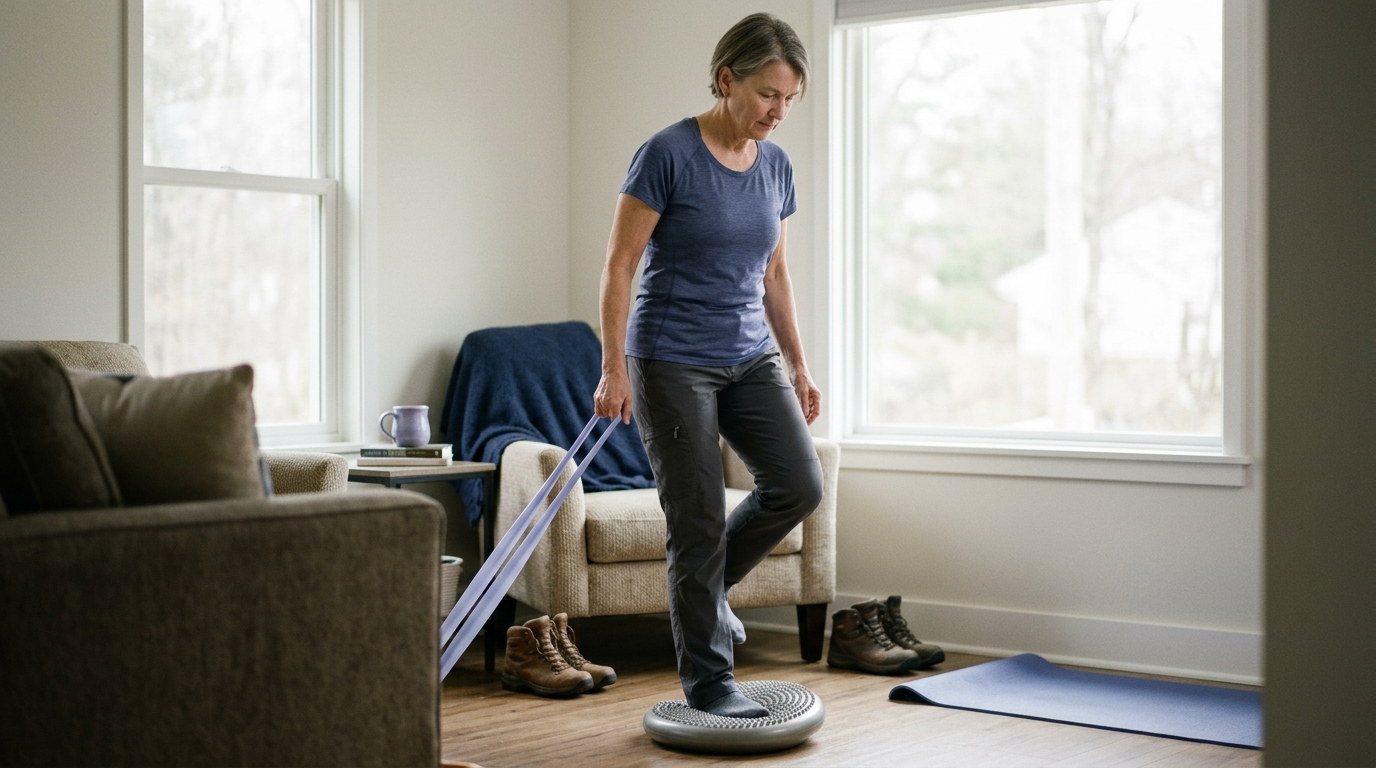
How an area responds to short-term rest and routine care offers valuable data. A mild overload flare often begins to calm down after 48 to 72 hours of modified movement and gentle range-of-motion work. An acute ligament sprain or bone stress injury may remain intensely reactive to any weight-bearing activity across multiple weeks.
To learn more about rebuilding your movement safely after a period of rest, review our articles on rehabilitation and mobility.
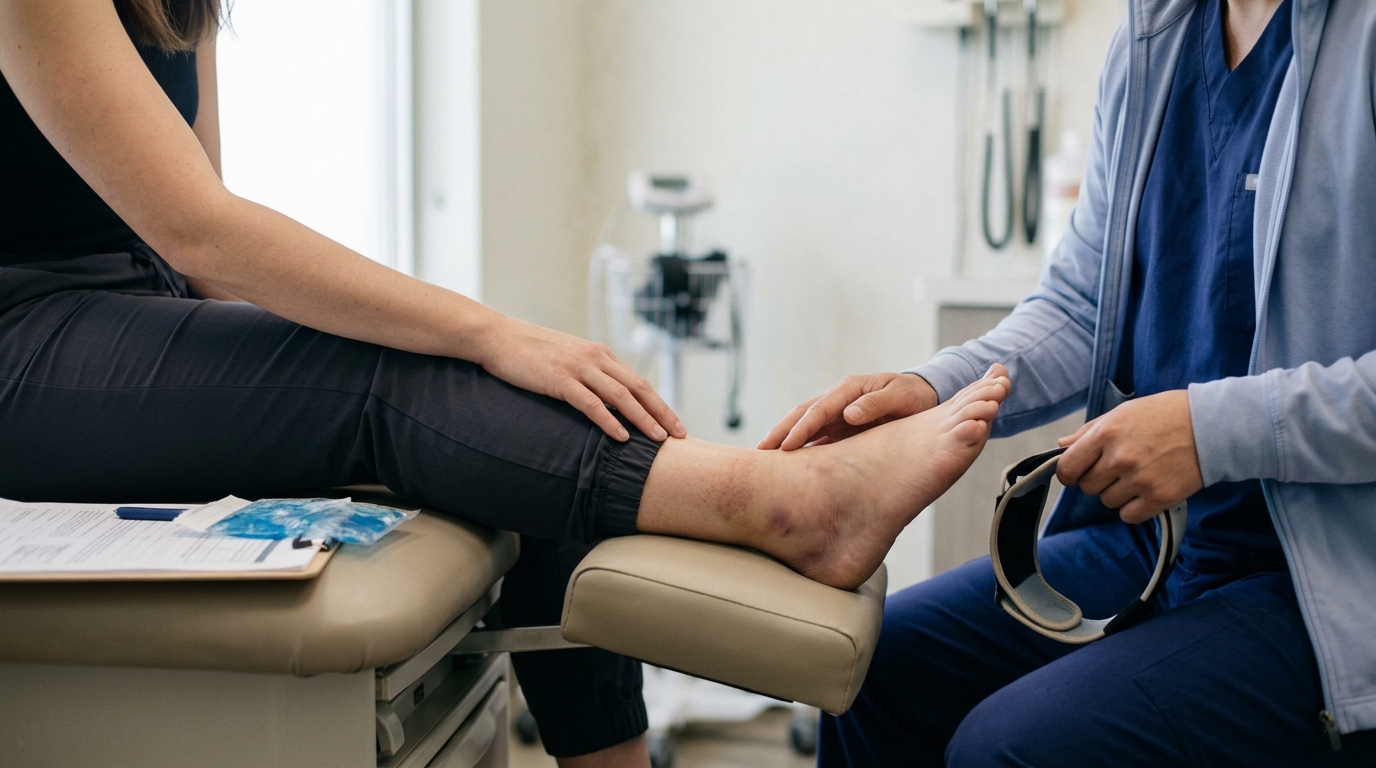
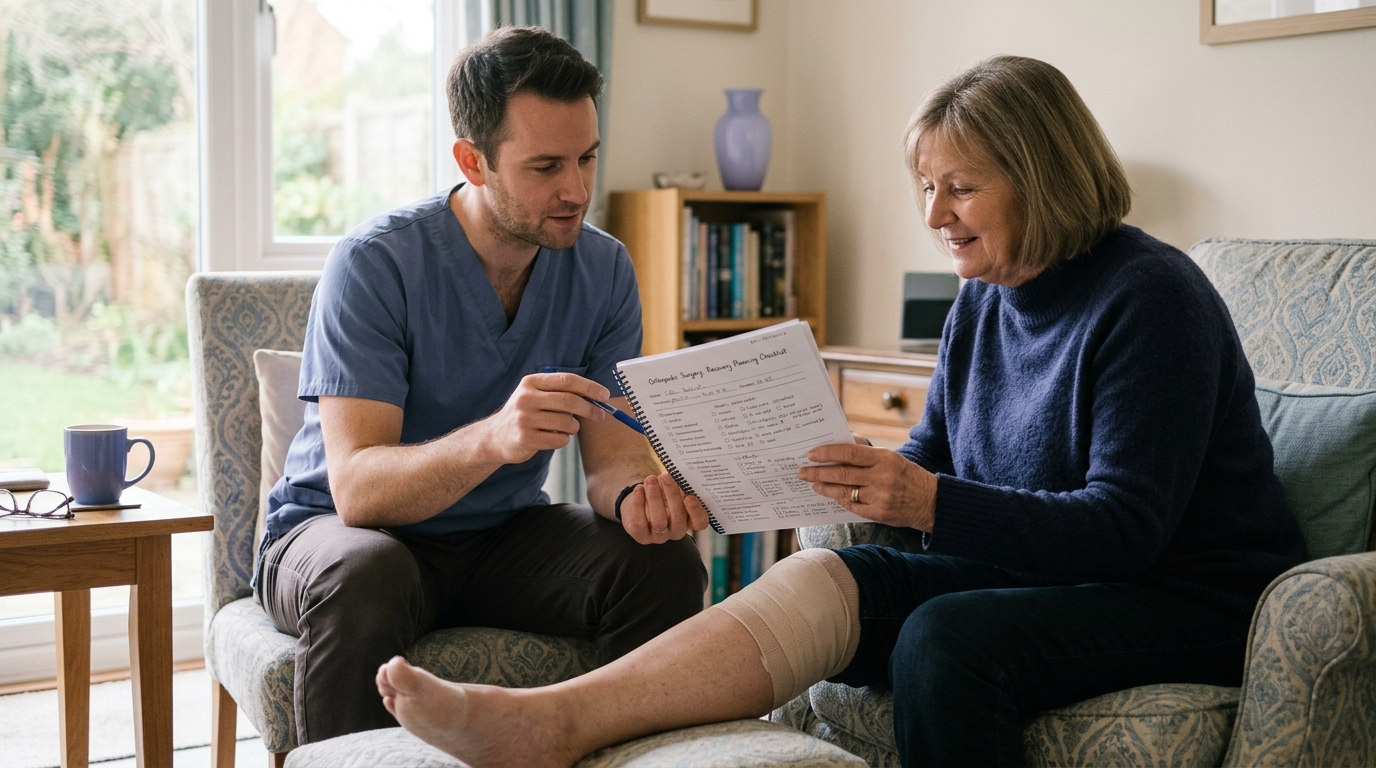
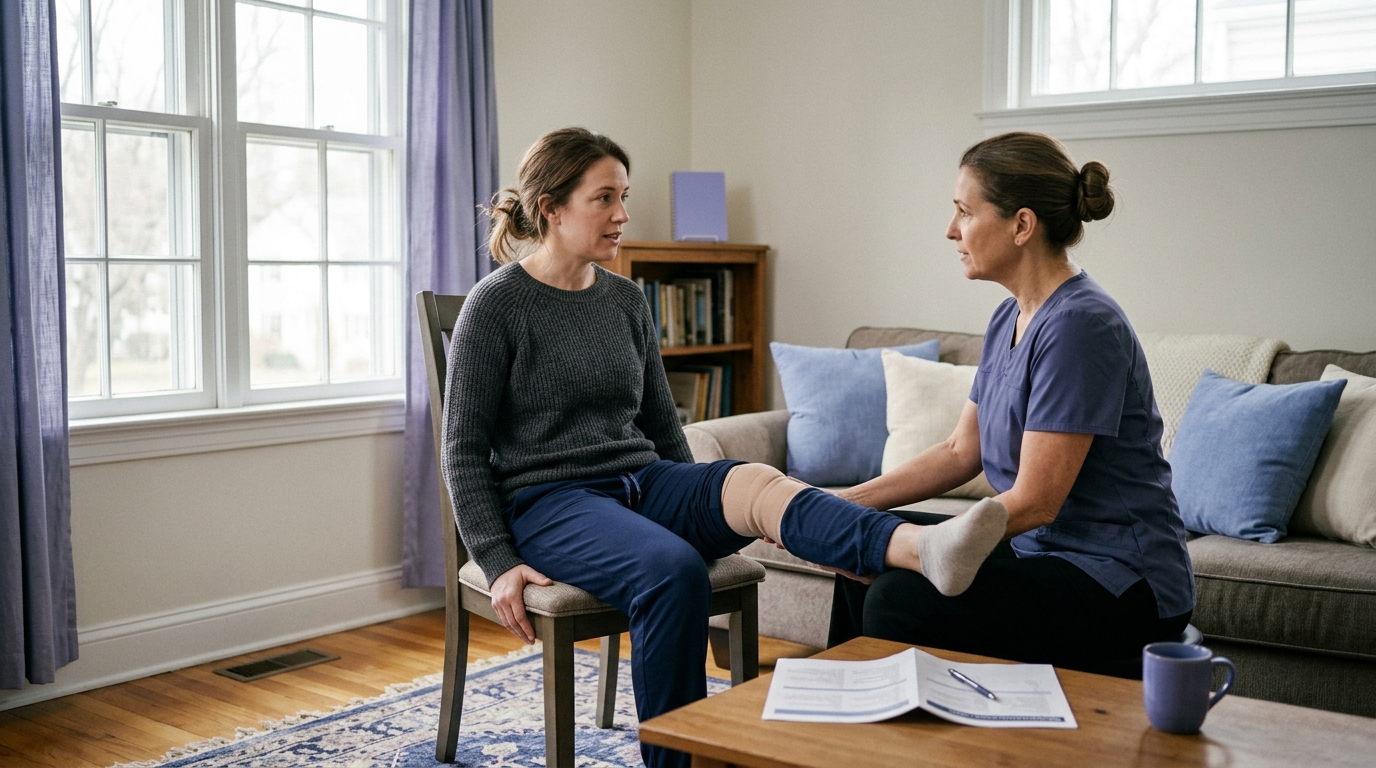
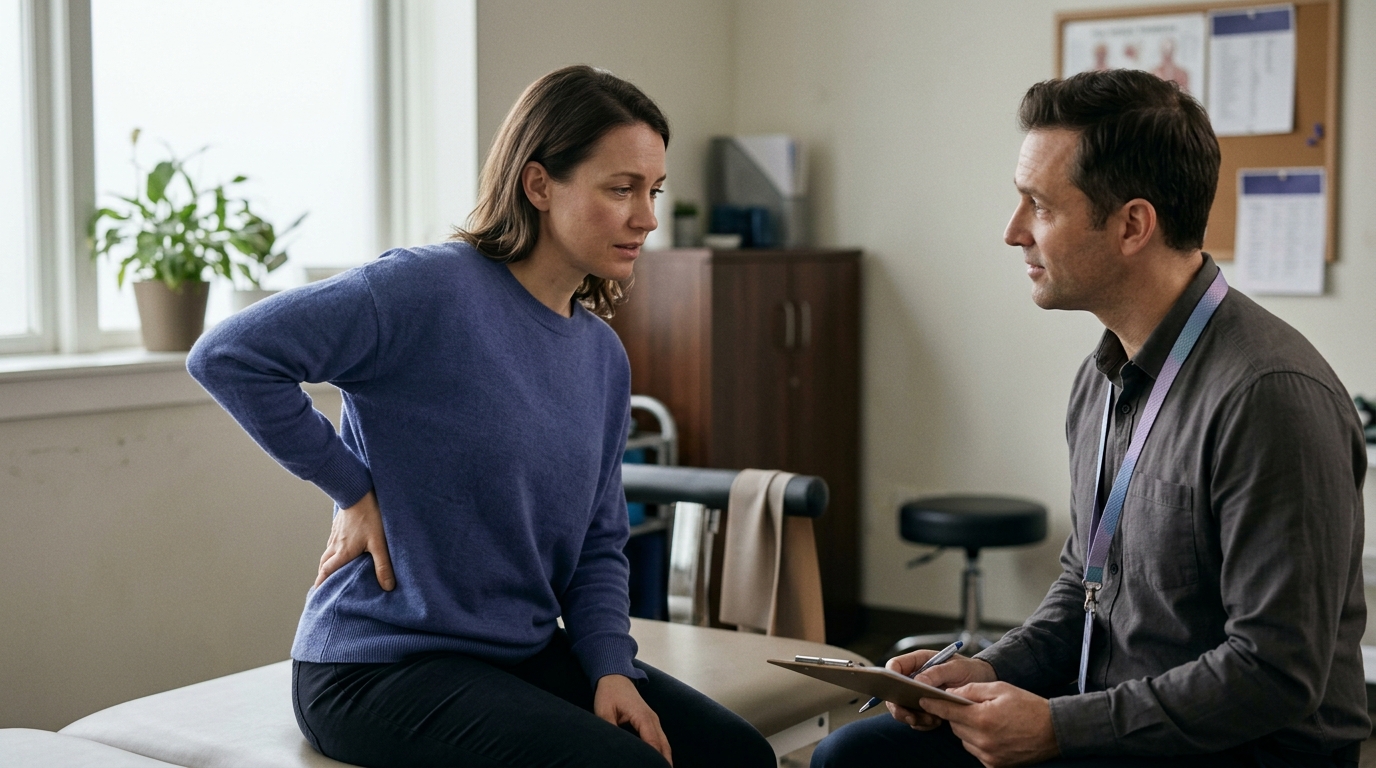
When you visit a physical therapist, orthopedic surgeon, or primary care doctor, clear communication saves time and improves diagnostic accuracy. Instead of offering an interpretation such as "I reinjured my tendon," focus on describing observable facts.
Use this eight-point framework to organize your observations before your appointment.
Document the exact moment you noticed the change:
Describe what was happening immediately before the shift:
Be precise about where you feel the sensation:
Choose clear descriptive words to describe how it feels:
Record any secondary changes that accompanied the primary complaint:
Explain how the change alters your daily routine:
Track what makes the issue feel better or worse:
Note the strategies you have already attempted:
Keeping a brief written activity log over several days can help your provider spot patterns that you might miss. If you need broader guidance on managing active recovery, check out our comprehensive injury prevention and active living guides.
While most symptom fluctuations can be managed with temporary activity changes and routine clinical follow-up, certain symptoms indicate serious underlying issues. Red flags require urgent medical assessment.
Warning signs are specific to the body region involved. Because spinal issues can involve central nervous system structures, red flags for lower back and neck problems are well documented in clinical research.
Guidance from NHS Scotland and international clinical reviews highlight specific symptoms that require emergency medical evaluation:
A major medical review of lower back pain clinical guidelines found that saddle anesthesia and sudden bladder dysfunction were consistently cited as key indicators of cauda equina syndrome. This condition involves compression of the spinal nerve roots and requires emergency surgical consultation.
For limbs and peripheral joints, symptoms that require prompt clinical review include:
The absence of these red flags does not mean your symptoms are entirely trivial. However, their presence means you should seek emergency or urgent clinical care rather than waiting for a routine appointment.
A common point of confusion during an injury setback is whether you need medical imaging. Many patients feel anxious if their clinician decides not to order an X-ray, CT scan, or MRI.
Clinical practice guidelines from major health authorities, including NICE, advise against routine imaging for non-specific lower back pain in non-specialist settings. The evidence shows that routine imaging for common musculoskeletal conditions does not improve recovery outcomes. In many cases, scans reveal incidental findings, such as age-related disc degeneration, meniscus fraying, or mild tendon wear, that are entirely normal for active adults and not the actual cause of the current pain.
Clinicians generally reserve diagnostic imaging for specific clinical scenarios:
A thorough physical examination and detailed symptom history are usually far more informative for an initial assessment than a scan alone. Your clinician will evaluate your range of motion, muscle strength, joint stability, and neurological reflexes to determine the best path forward.
To see how structured symptom reporting works in real life, consider these five illustrative communication examples. These models show how to present facts clearly without jumping to clinical conclusions.
An adult with a history of lumbar disc irritation spends an entire weekend building raised garden beds. Two days later, their lower back feels stiff and achy. The discomfort increases when bending forward to tie shoes, and morning stiffness lasts roughly 20 minutes.
A person managing recurring neck tightness wakes up with sharp neck pain that now shoots down the right arm into the index finger. They also notice that gripping a coffee mug feels clumsy.
An active runner who has had mild Achilles tendon stiffness stumbles on a tree root during a trail run. They hear an audible snap and feel an immediate, severe pain in the back of the heel, making it impossible to push off the foot.
A person recovering from rotator cuff tendinopathy notices that their shoulder discomfort has steadily increased over the past three weeks. They have not changed their physical therapy exercises, suffered any falls, or increased their lifting loads. Reaching into the back seat of the car is now painful.
A recreational cyclist with knee osteoarthritis experiences a symptom spike after a hilly ride. In the past, these episodes settled within three days of reduced riding. This time, the swelling and warmth around the joint have persisted for 10 days despite rest and ice.
For additional guidance on returning to sports and exercise after setbacks, see our articles on rebuilding strength and performance.
When you consult with your doctor, physical therapist, or orthopedic surgeon regarding a change in symptoms, having targeted questions prepared can make your visit far more productive.
Consider asking your provider the following questions:
You can also explore our index of injury rehabilitation resources to help formulate a broader long-term recovery strategy.
A change in symptoms is a standard part of recovering from an injury or managing an active body over time. A flare-up represents a temporary shift away from your baseline. It does not automatically signify that tissue has torn or that your long-term progress has been erased.
At the same time, you cannot reliably diagnose the cause of a setback through pain intensity alone. An acute mechanical injury can feel mild, while a harmless sensitivity flare can feel intense.
The best strategy is to avoid both panic and total dismissal. Observe what has changed across your timeline, context, symptom location, and physical function. Watch for established red flags that require urgent medical attention. Share your clear, factual observations with a qualified healthcare provider so you can navigate the setback safely and continue your recovery.
No. A temporary symptom flare does not mean your rehabilitation program has failed. Musculoskeletal tissues adapt to load gradually, and finding the right training volume involves occasional fluctuations. A flare is simply a signal that the current mechanical load, movement volume, or recovery balance needs a temporary adjustment. Discuss the flare with your physical therapist so they can modify your exercise intensity.
Prolonged, complete rest is rarely recommended for standard musculoskeletal flares. Clinical guidelines for conditions such as lower back pain advise against extended bed rest beyond 48 hours. Total inactivity can lead to joint stiffness, muscle deconditioning, and heightened nervous system sensitivity. The preferred approach is relative rest, which means temporarily modifying high-stress activities while keeping the body moving with gentle, tolerable exercise.
No. While many minor flares begin to improve within two to seven days, research shows that symptom flares can last for several weeks depending on the condition, joint, and individual factors. Duration alone is not a diagnostic test. However, if your symptoms show no signs of improvement after a week or two, or if they continue to steadily worsen, scheduling a clinical evaluation is a prudent next step.
Physical tissues do not exist in isolation from the rest of your body. Research demonstrates that poor sleep quality, high psychological stress, and systemic fatigue can significantly lower your pain threshold. When your nervous system is fatigued or stressed, it interprets normal mechanical signals from healing joints as more threatening. Managing overall lifestyle recovery habits is just as critical as managing your physical exercise volume.

Use ReboundBody resources to understand common recovery stages, rehab terms, movement limits and strength rebuilding. Each guide is designed to make a complex comeback easier to understand.


Read practical guidance on injury recovery, rehabilitation, mobility and rebuilding strength as you work your way back to activity.
Explore Resources