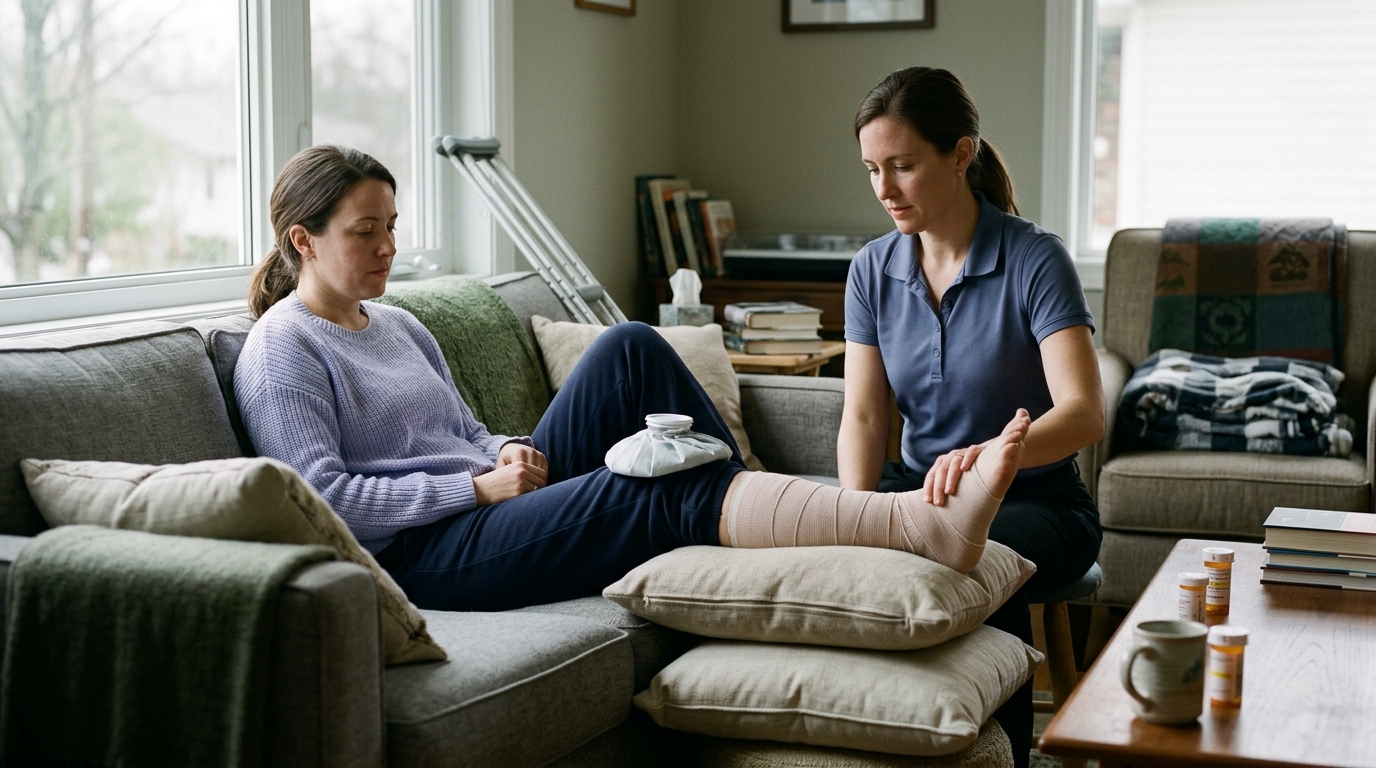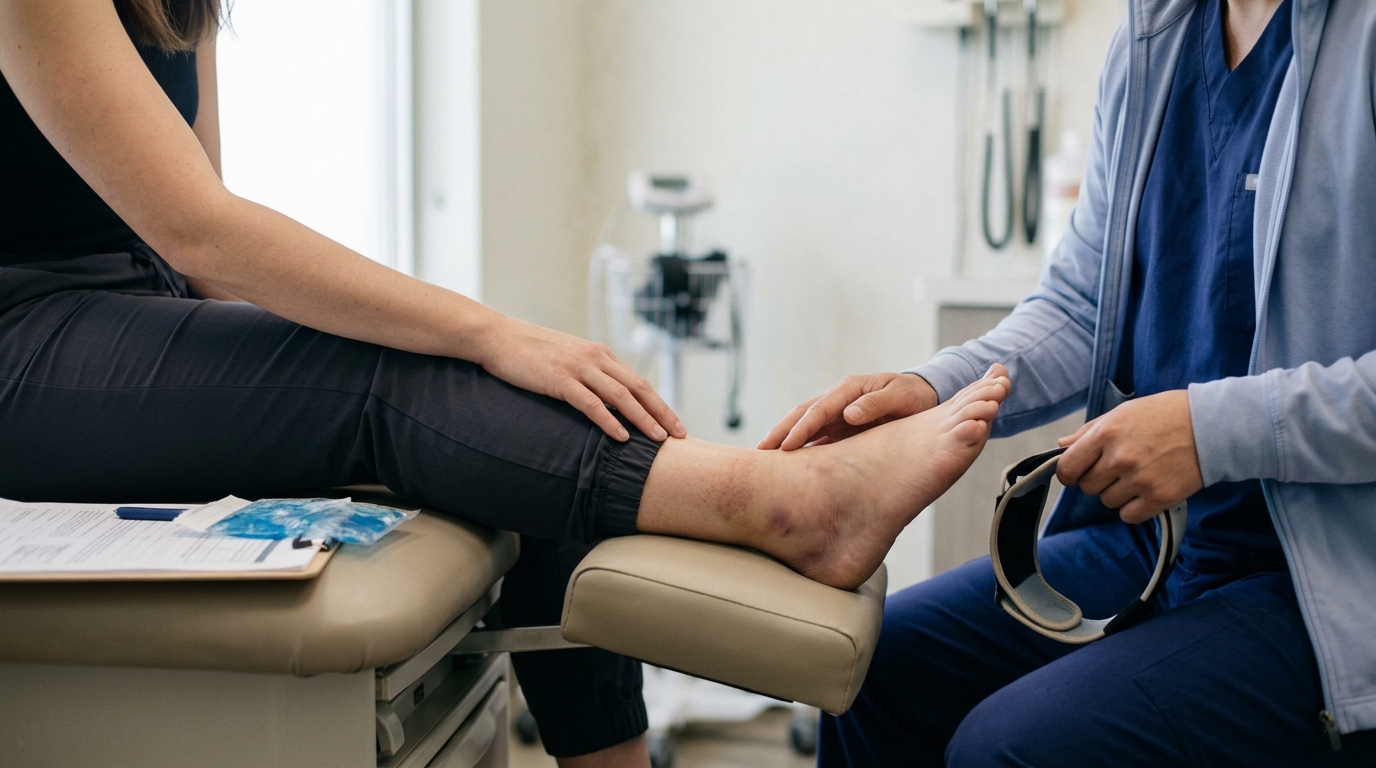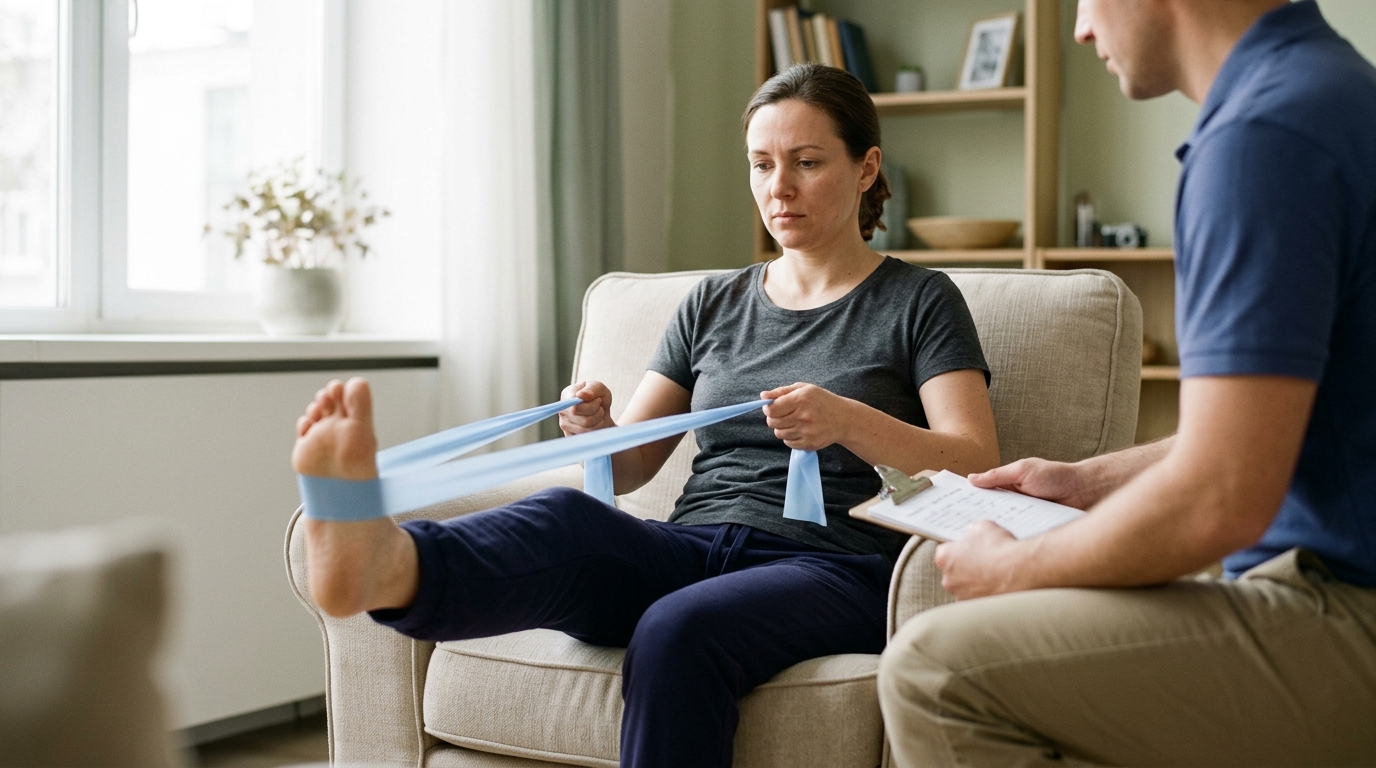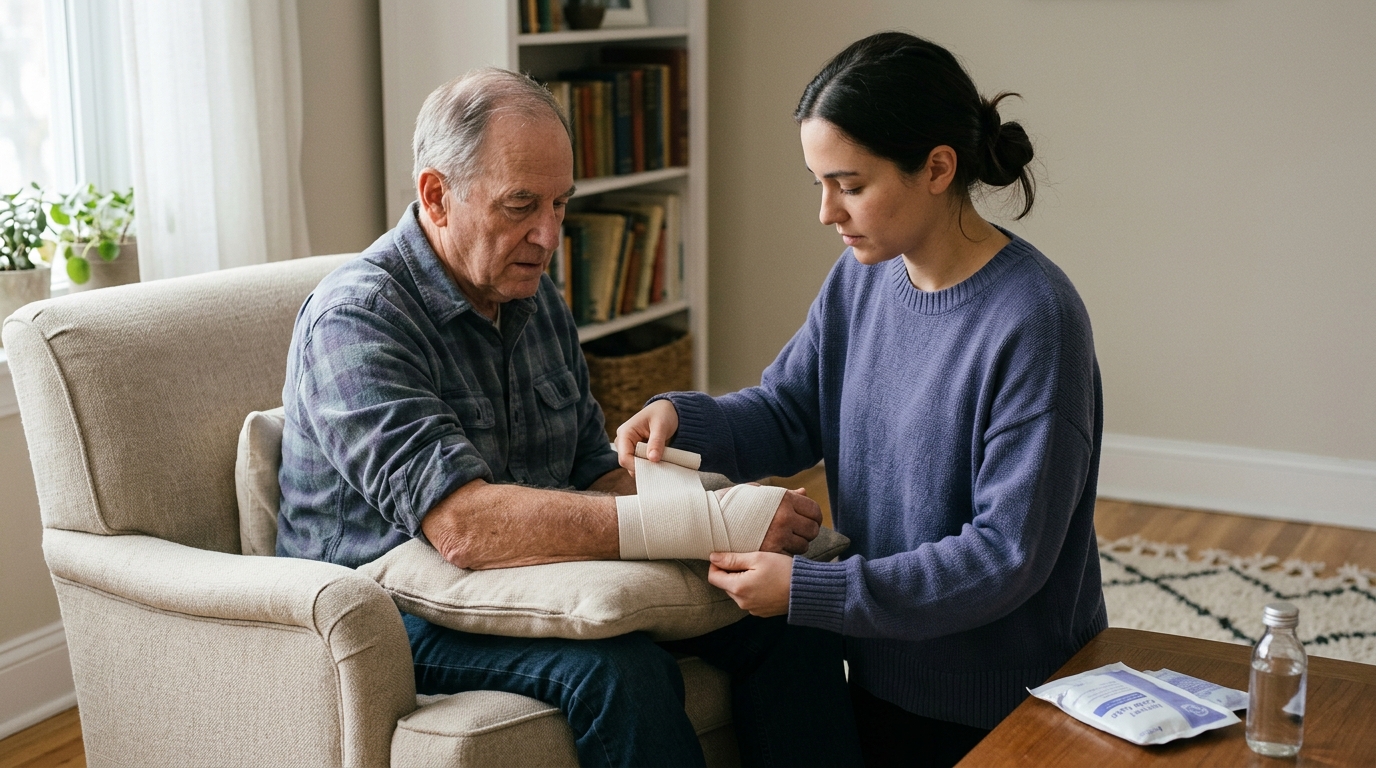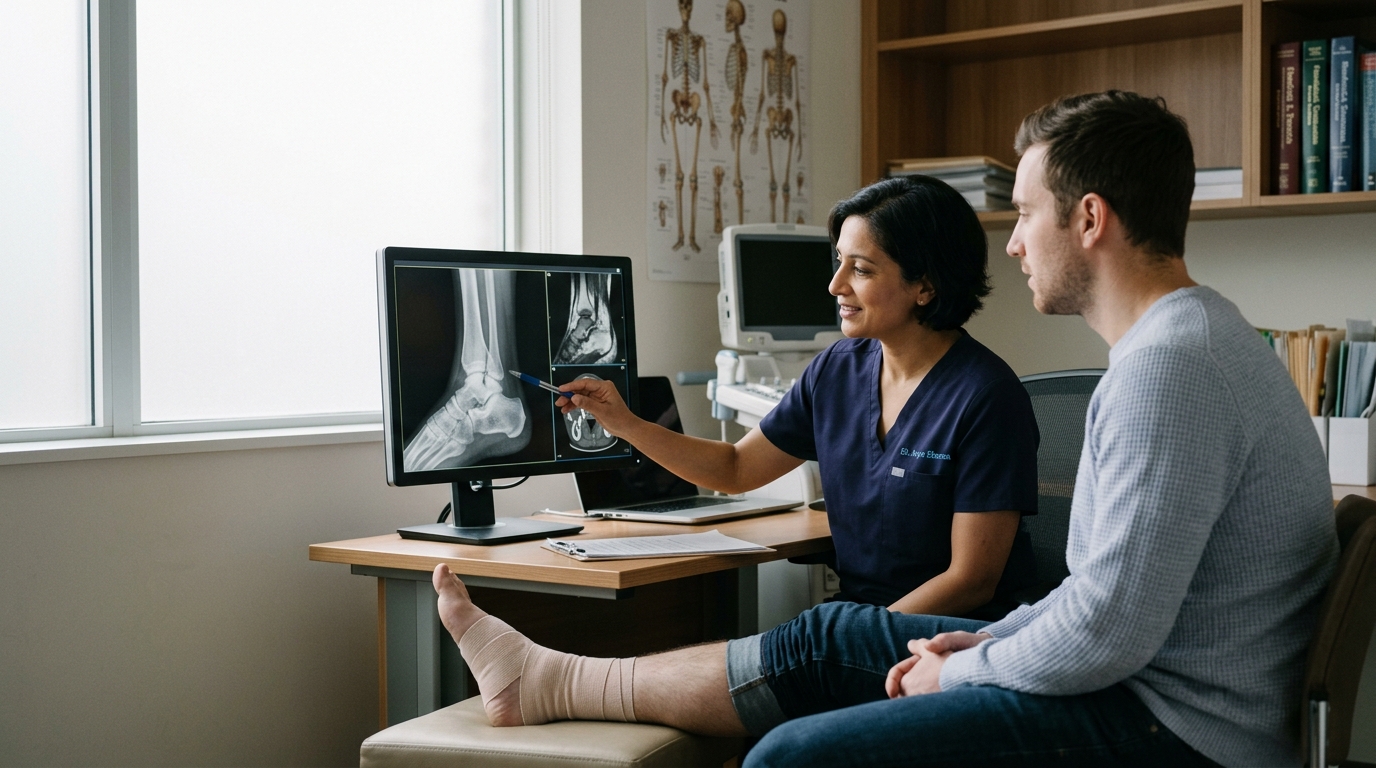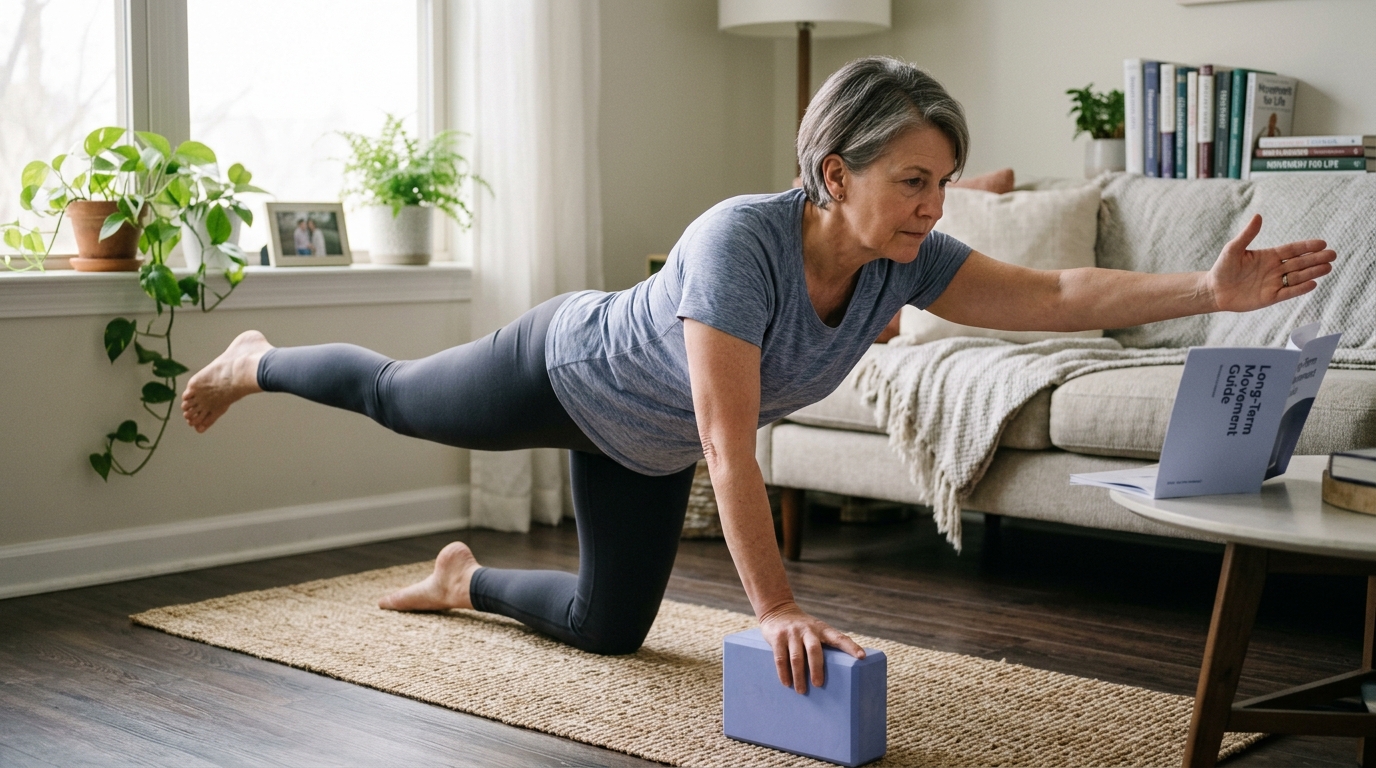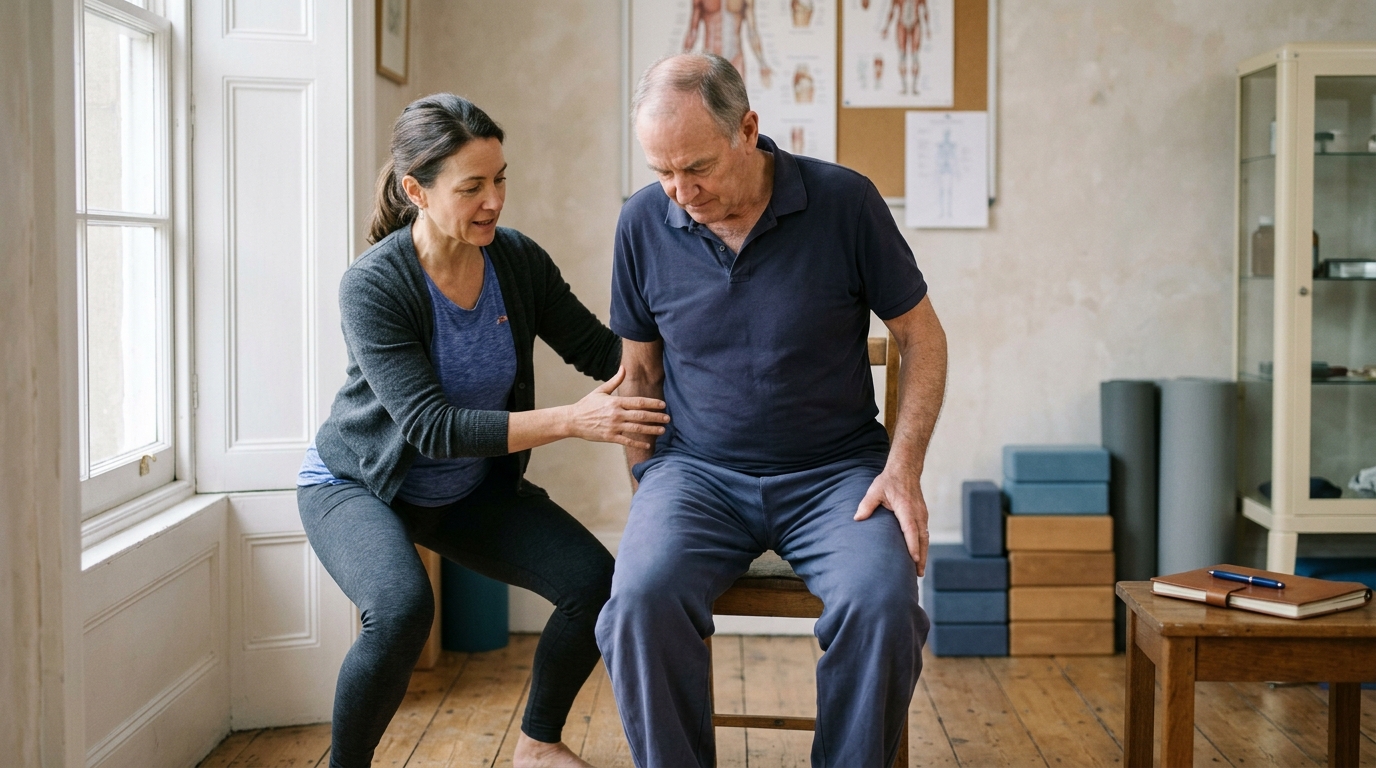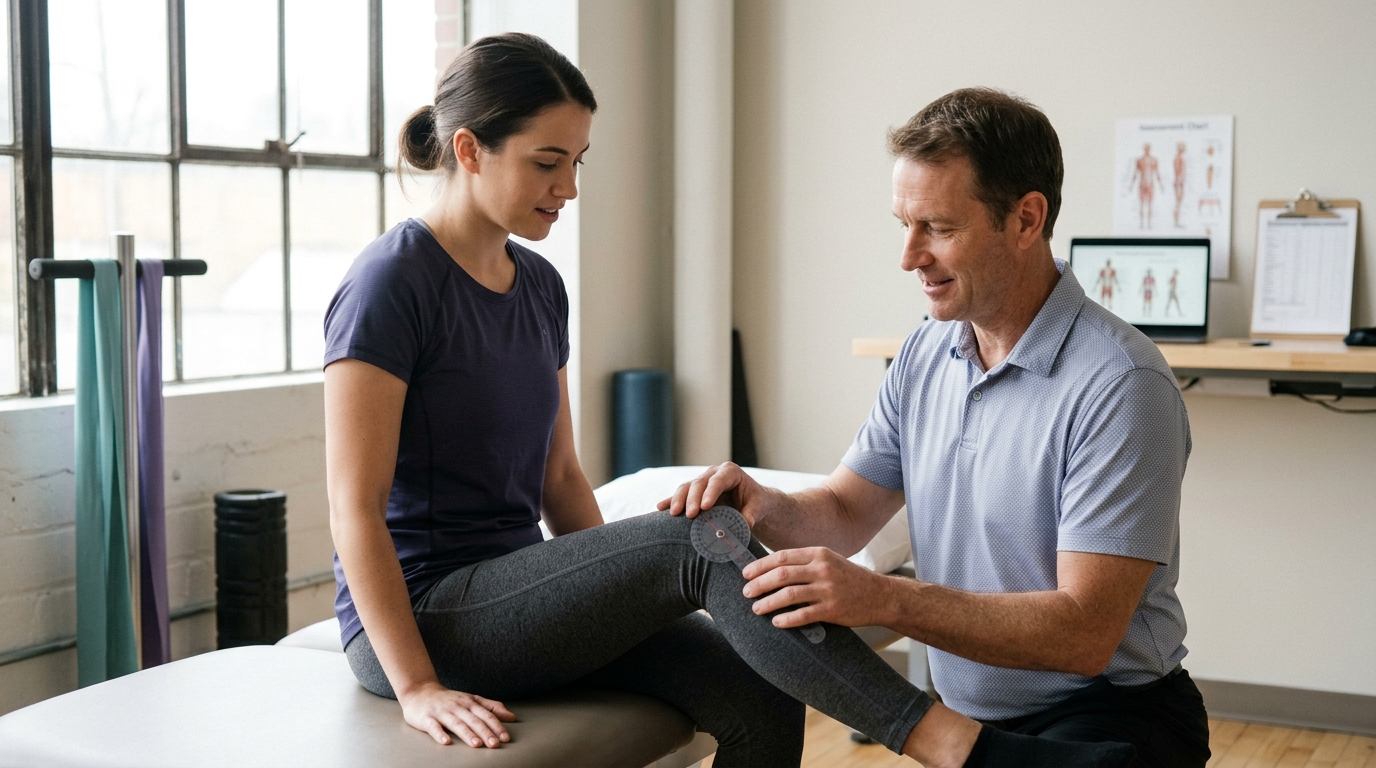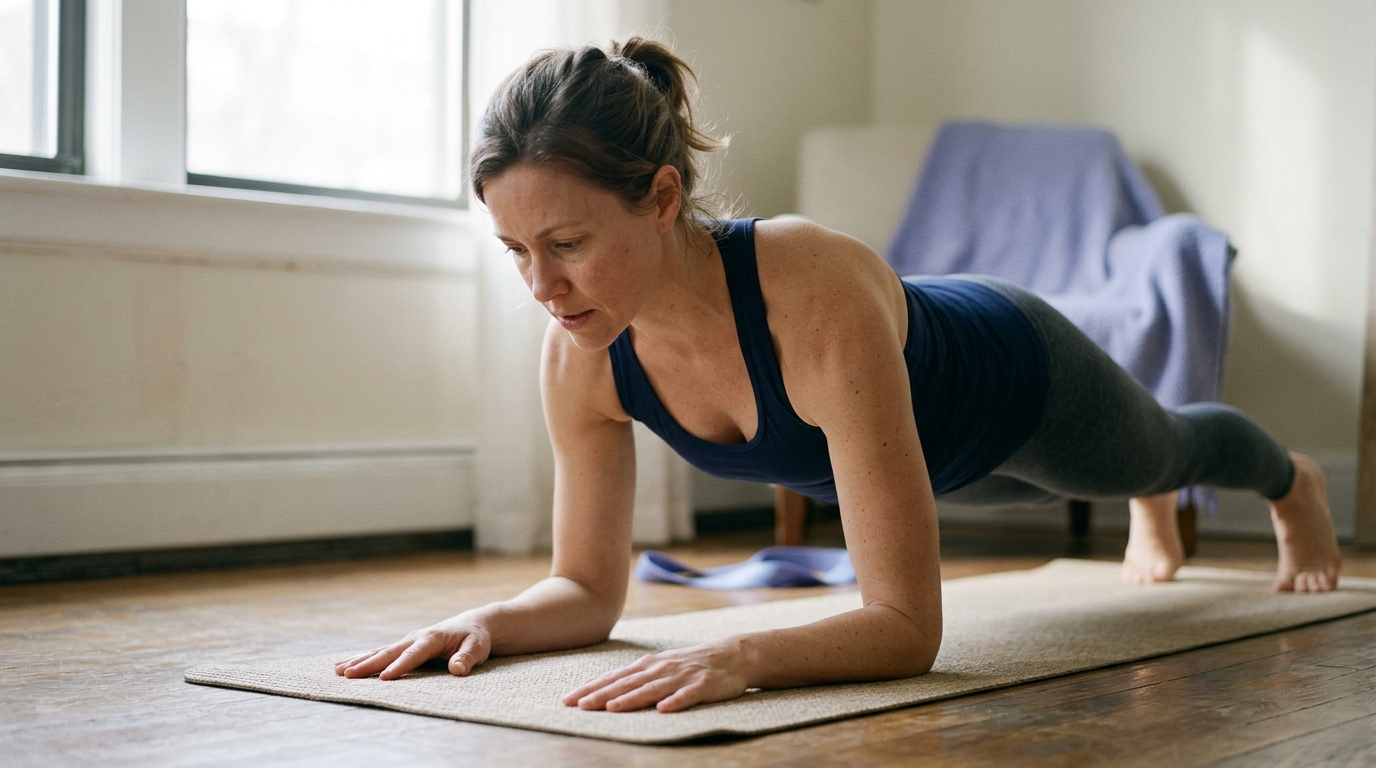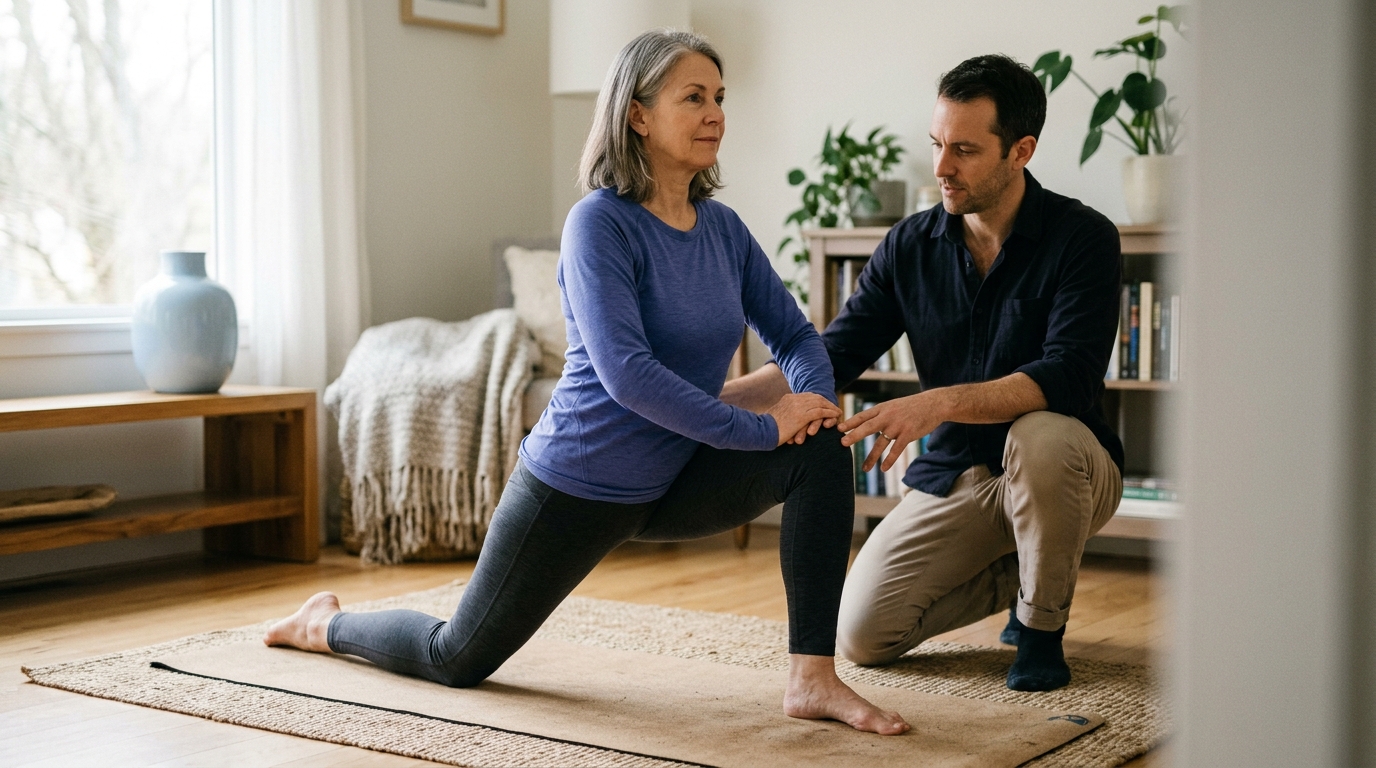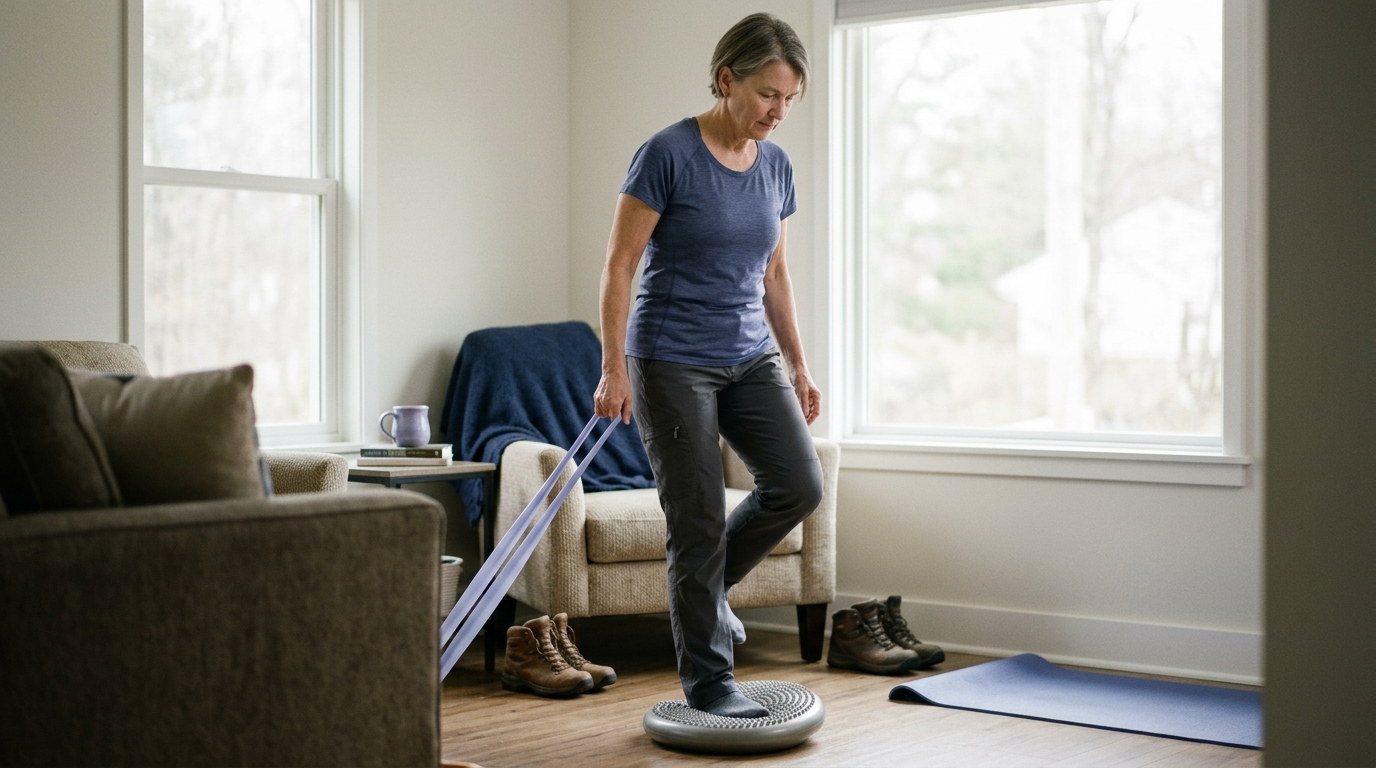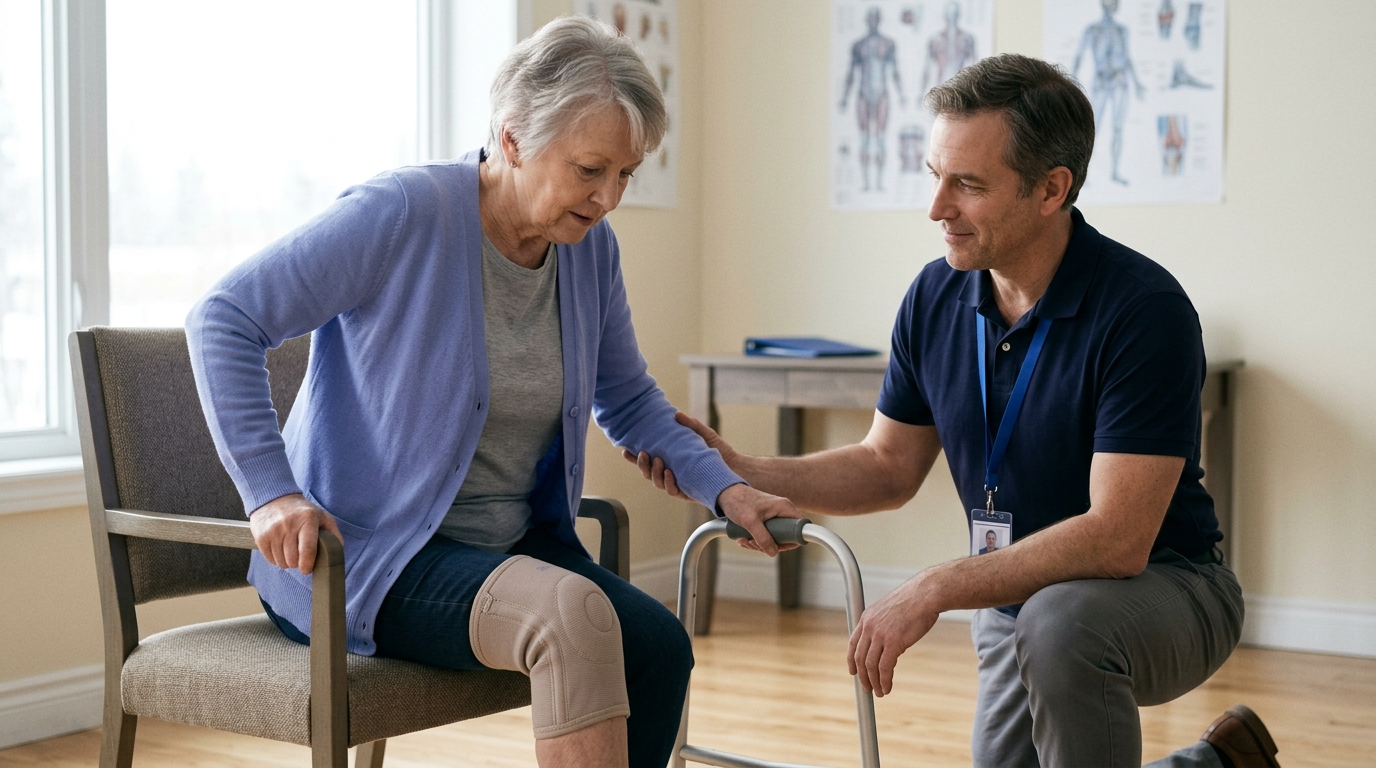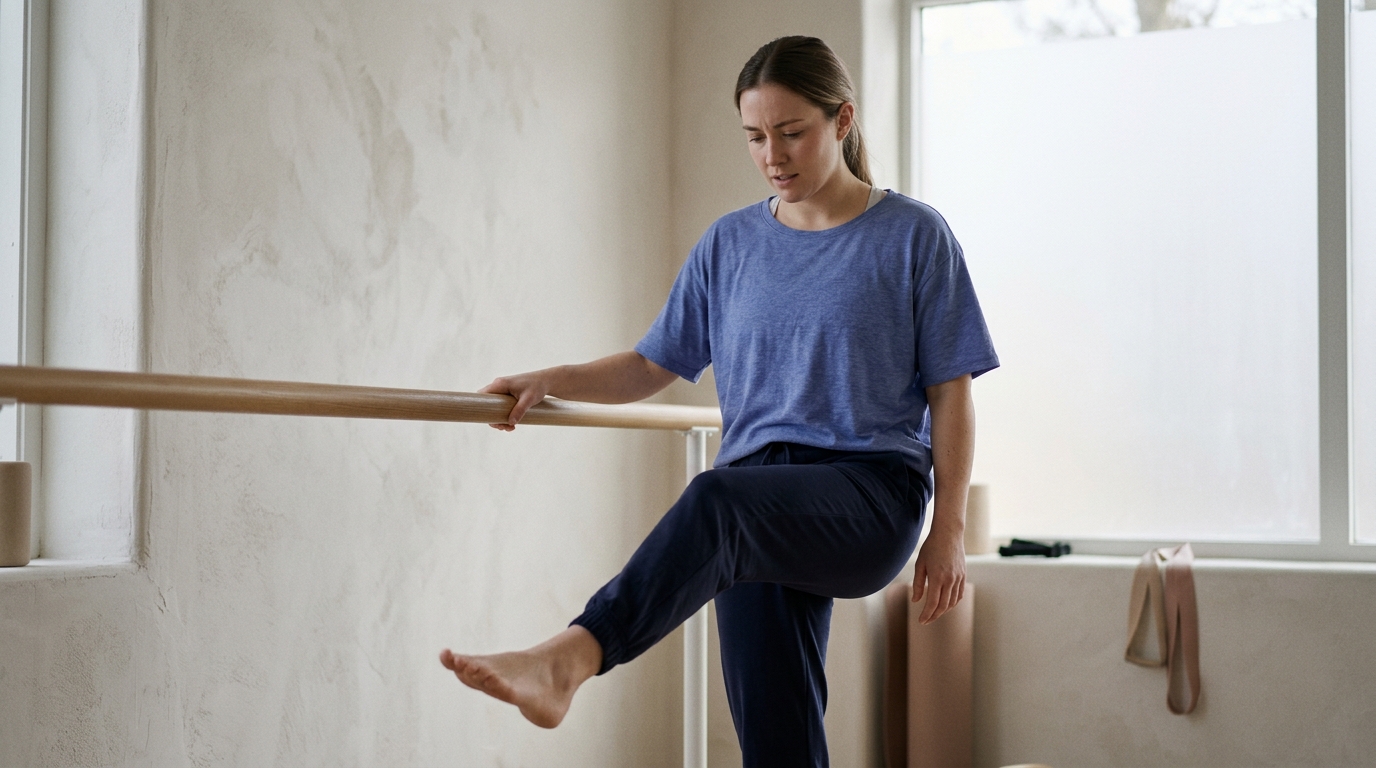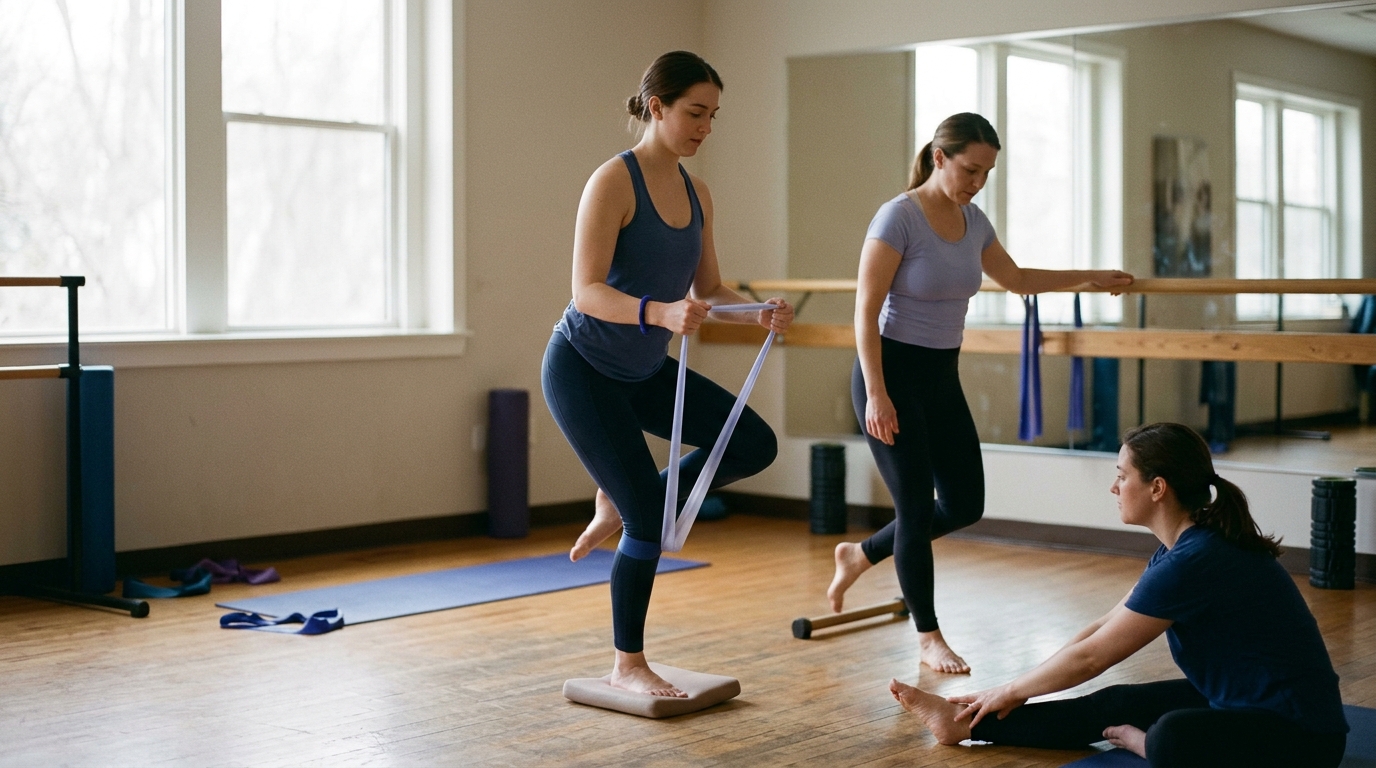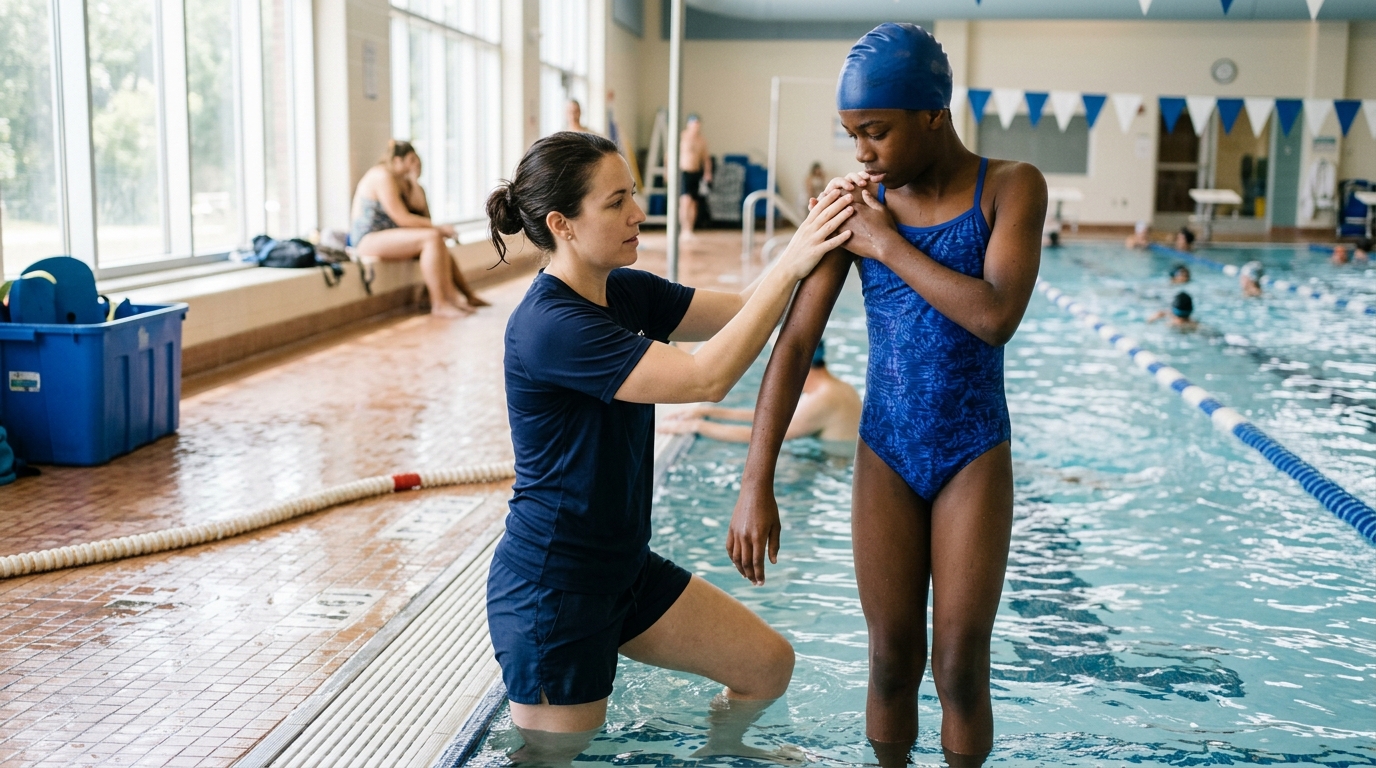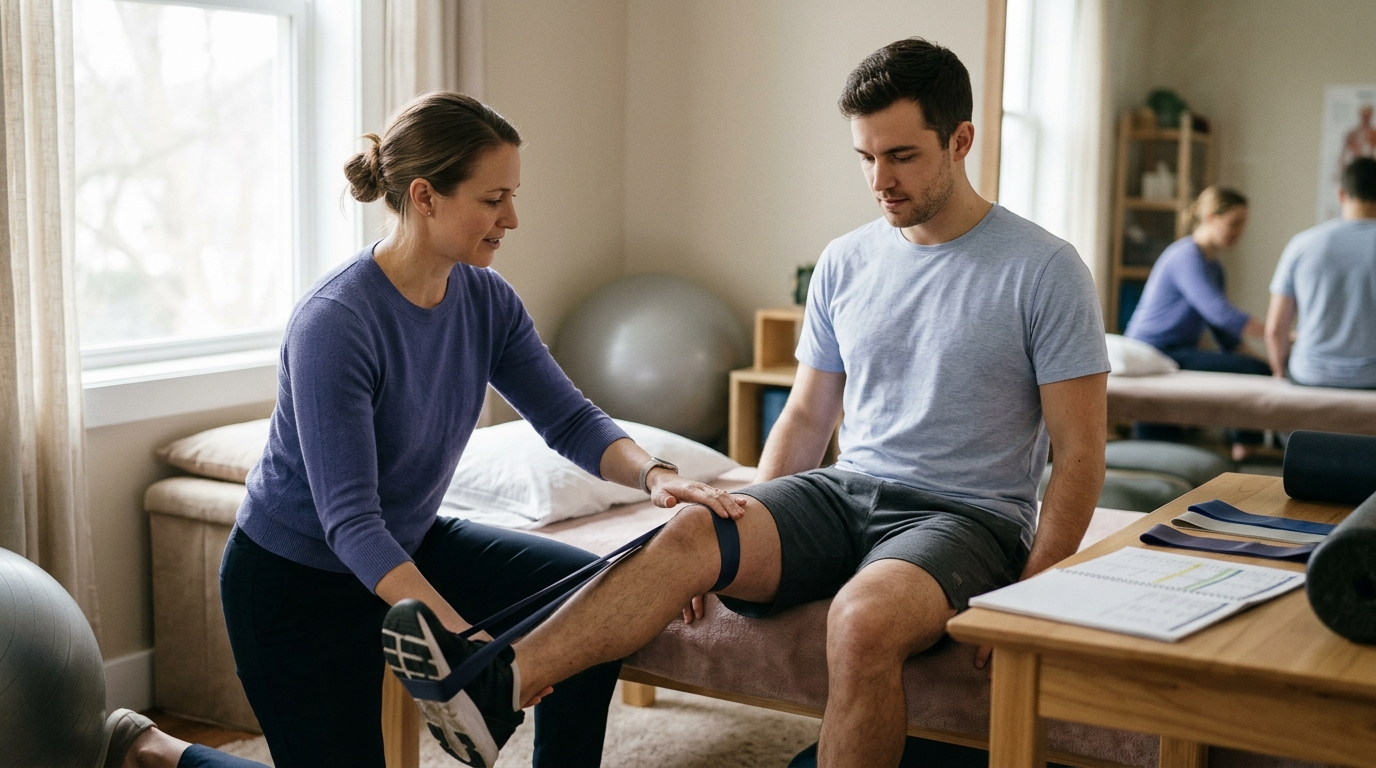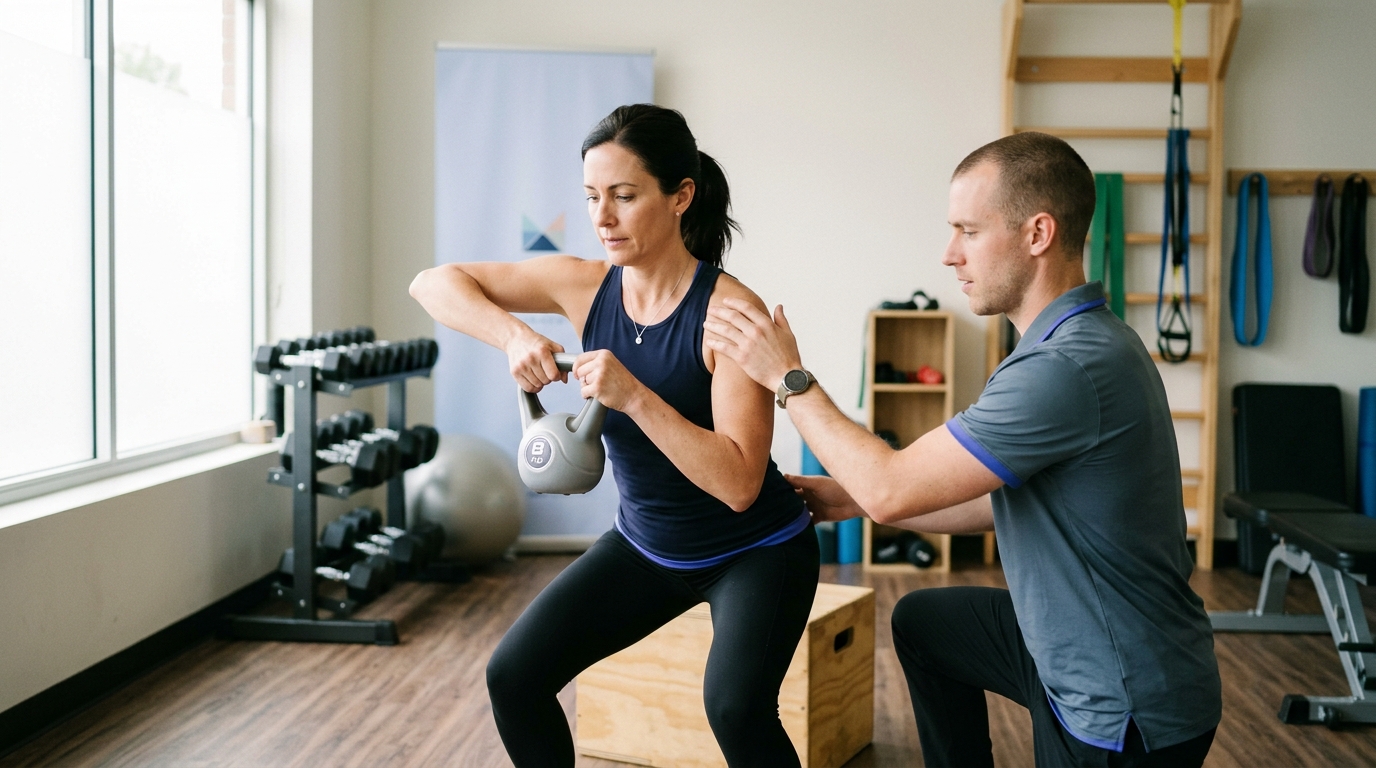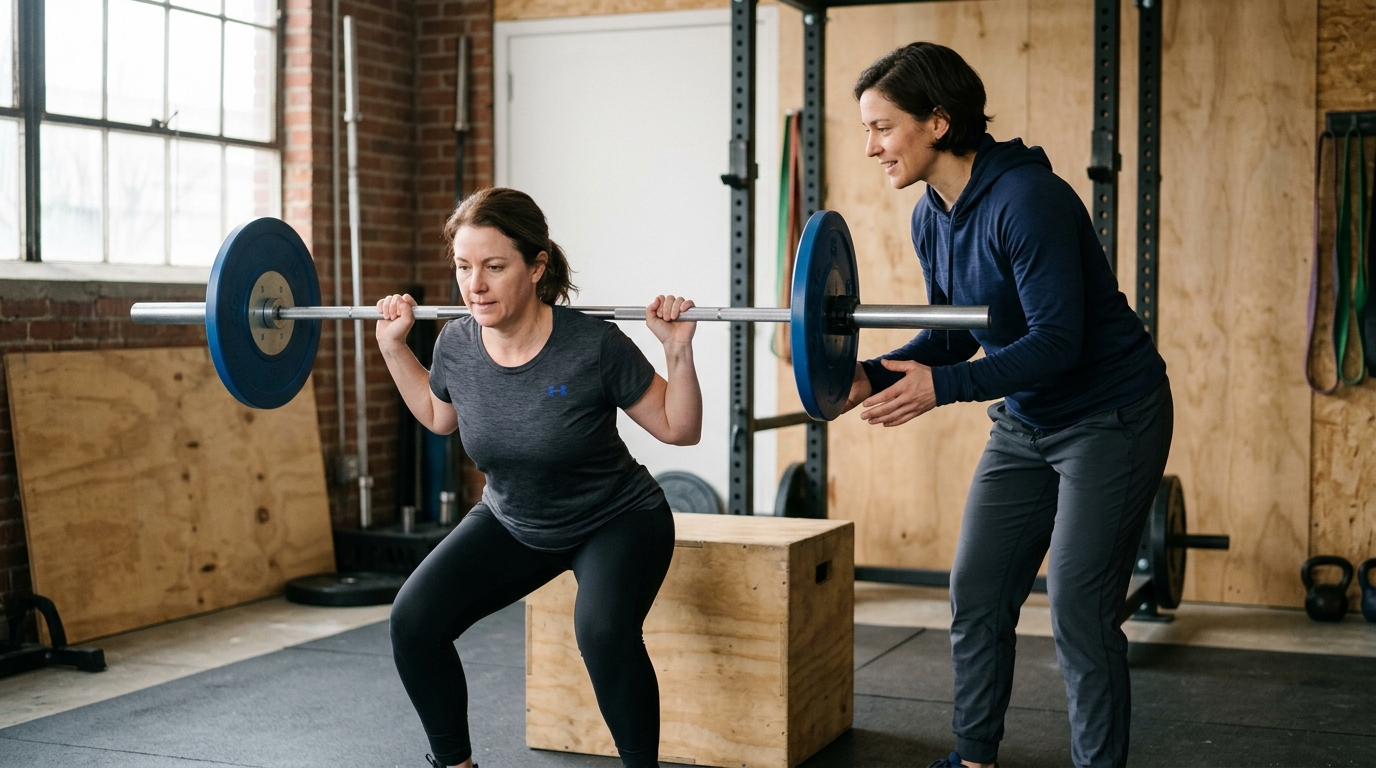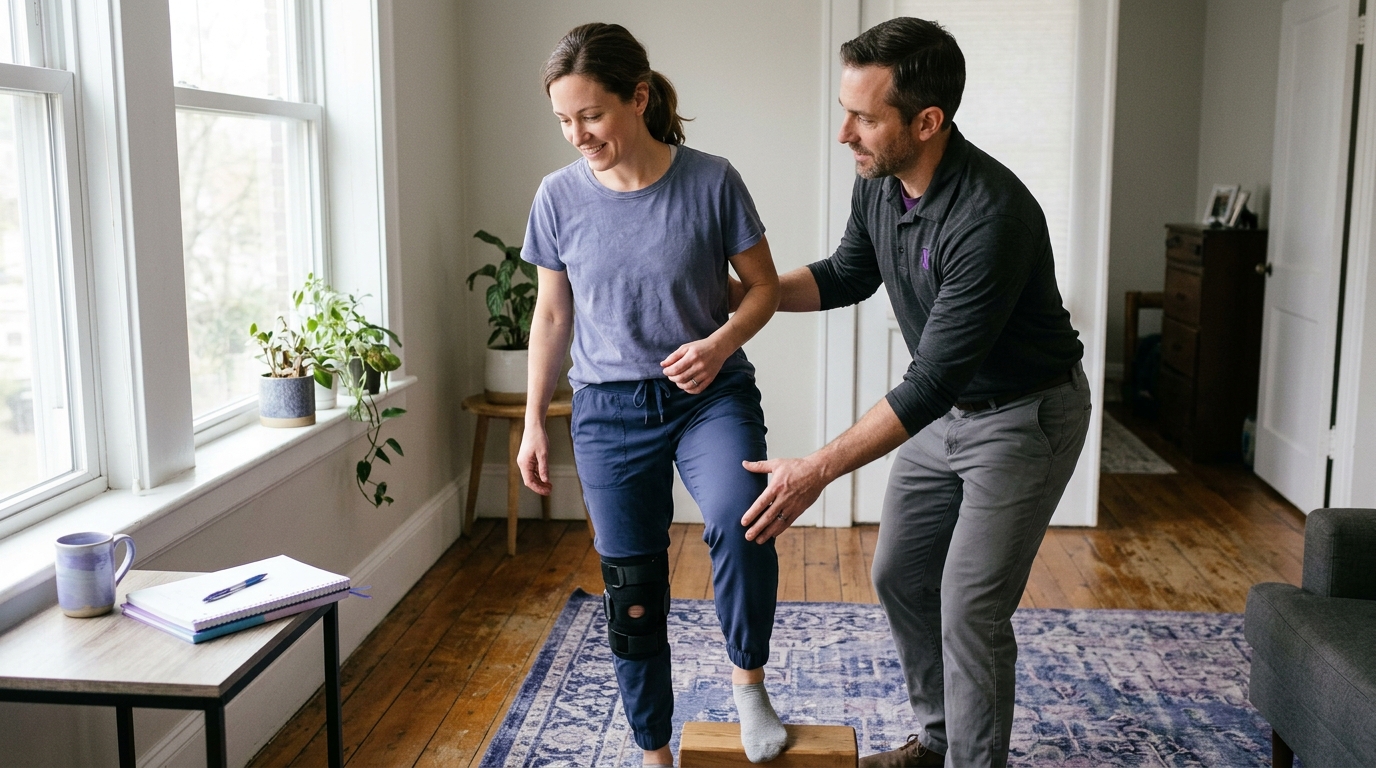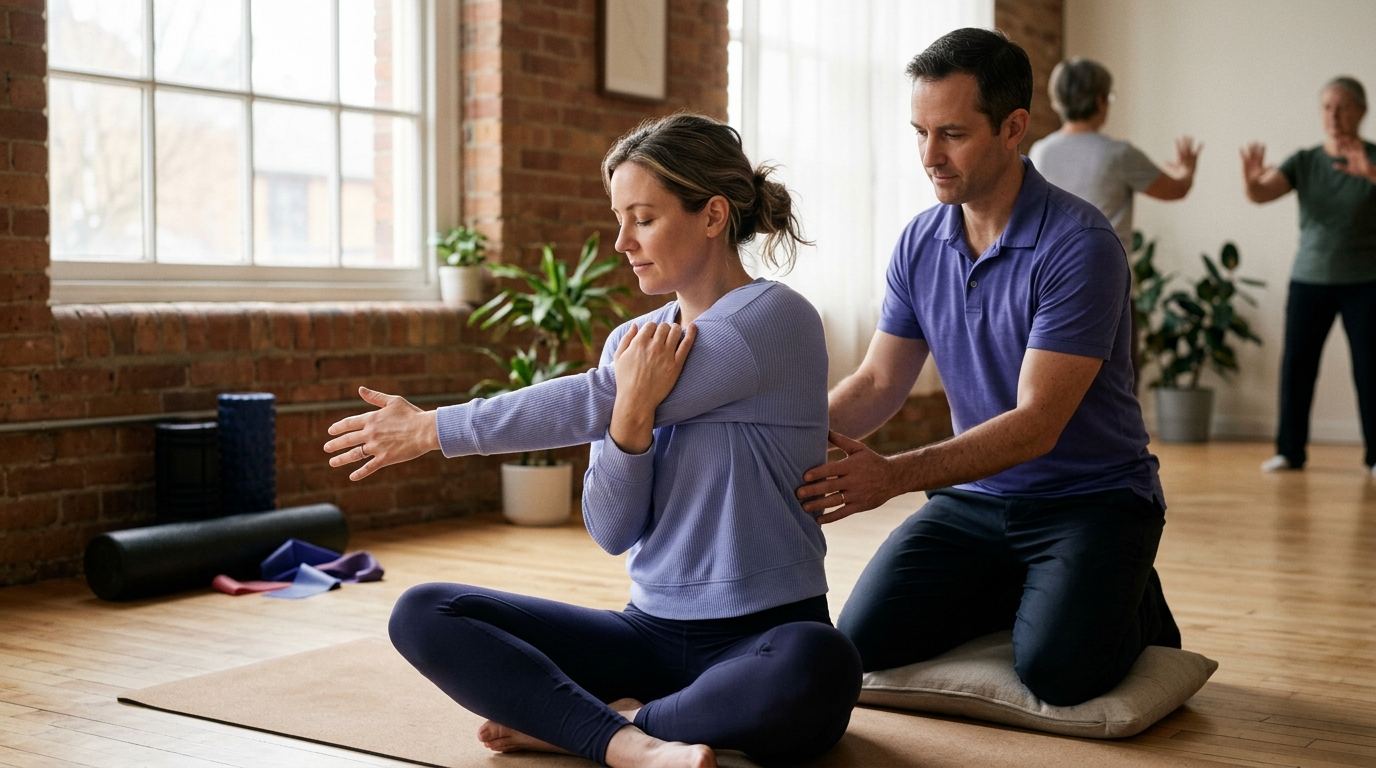

Returning to movement after an injury requires comparing the joint loads, mechanics, and functional benefits of walking, stationary cycling, and water exercise.





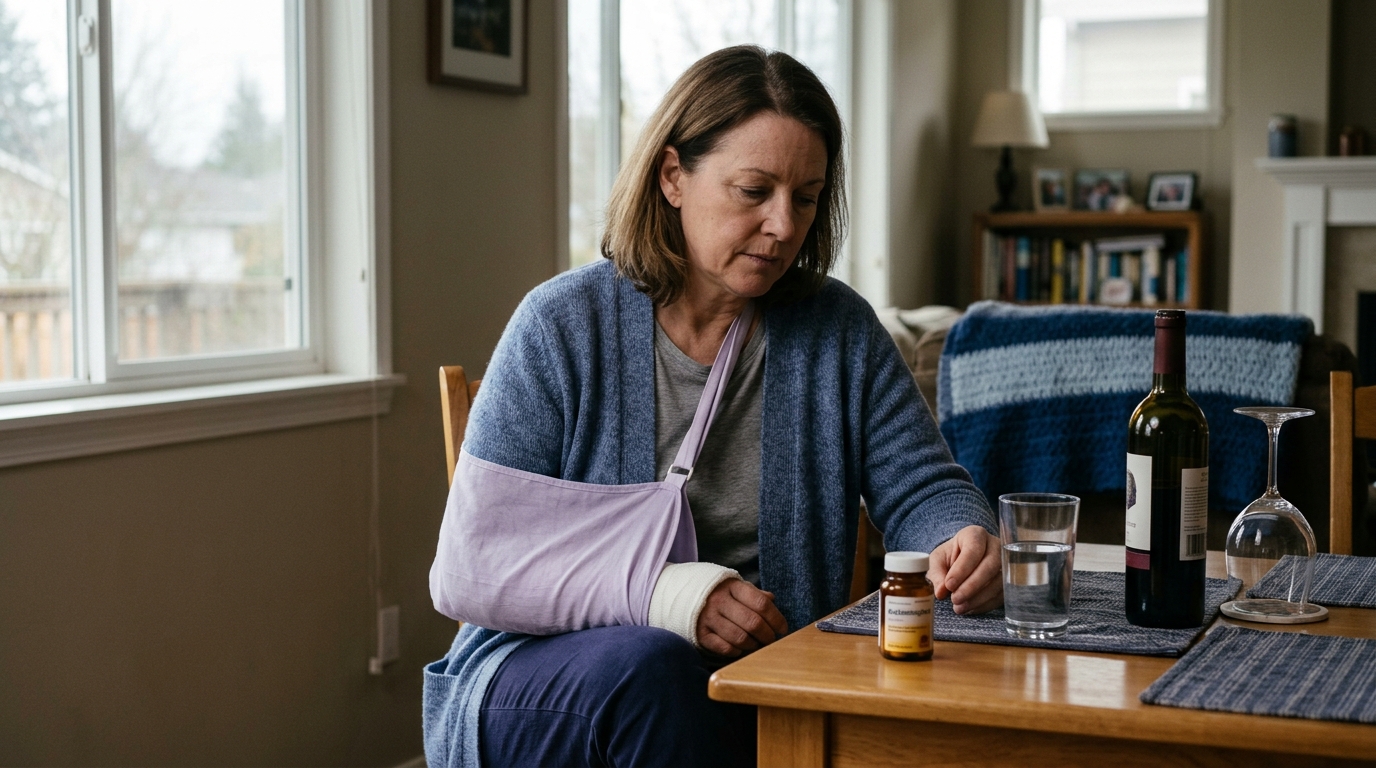
You want to stay active while recovering from an injury or joint flare, but your usual routine is currently off the table. A neighbor suggests walking around the block, a friend swears by the stationary bike, and an online forum recommends pool therapy. Each person calls their favorite option the ideal low-impact exercise, leaving you wondering which movement actually fits your current stage of healing.
The direct answer is that low-impact exercise is a descriptive category of movement, not a medical prescription. Walking, stationary cycling, and water-based exercise all reduce impact forces compared to running or jumping. However, they place very different demands on your joints, muscles, and cardiovascular system. No single low-impact activity is universally best for every stage of orthopedic recovery.
Your ideal choice depends on your functional goals, your symptom tolerance, and your access to equipment. A low-impact option can still be too demanding if the volume or resistance is too high. Choosing the right path requires looking closely at how each activity works and consulting your medical team when uncertainty exists.
The term low impact gets used frequently in fitness and physical therapy. It simply means that at least one foot remains on the ground, or that an external medium like water or a bicycle frame supports your body weight. Because there is no airborne phase, the sudden peak forces seen in running and jumping are absent.
Lower impact does not automatically mean zero strain. Every physical activity generates internal joint forces and requires muscular effort. To choose wisely, you need to understand four distinct concepts: impact, load, effort, and function.
Impact refers to the abrupt collision forces when your body contacts a surface. In high-impact exercises like running, ground reaction forces can reach multiple times your body weight with every step. Low-impact activities keep these peak collision forces much lower.
Load represents the total mechanical stress placed on your tissues, bones, and joints. A stationary bike has almost no foot-to-ground impact, but high pedal resistance creates substantial compressive load on the knee joint. Water buoyancy reduces compressive joint load, yet moving limbs through water creates fluid resistance that muscles must work against.
Effort, or intensity, describes how hard your cardiovascular system and muscles are working. The Physical Activity Guidelines for Americans outline the talk test as a simple way to measure effort. During moderate-intensity movement, you can talk comfortably but cannot sing. During vigorous activity, you can only say a few words before needing to pause for breath.
Function describes how directly an exercise translates into your real-world daily activities. Walking practices the exact upright gait you use to move around your home and community. Cycling develops seated endurance and lower-body cyclical patterns, while aquatic exercise allows movement practice in an environment with reduced gravity. Exploring articles on mobility and movement can help you see how these functional patterns fit into a broader routine.
Public health guidelines offer targets for the general population. The Centers for Disease Control and Prevention (CDC) notes that adults with disabilities who are able should aim for 150 minutes of moderate aerobic activity weekly, or 75 minutes of vigorous activity. They also recommend muscle-strengthening work at least two days per week. The CDC emphasizes that some activity is always better than none, and adults should move according to their abilities.
These public health targets are long-term benchmarks, not immediate rehabilitation protocols. If you are recovering from joint surgery or an acute tendon injury, jumping straight into 150 minutes of weekly activity could cause a flare. Recovery requires starting with small amounts of movement, sometimes just a few minutes per session, and building up gradually over several weeks.
Data from the CDC shows that adults with disabilities are 82 percent more likely to be physically active if a health care provider recommends it. Yet only 44 percent of adults with disabilities who visited a doctor in the past year received an activity recommendation. Discussing exercise specifics with your clinician bridges the gap between general guidelines and your personal recovery plan.
Clinical research offers clear insights into how walking, cycling, and aquatic exercise perform across various orthopedic and joint conditions. The evidence shows meaningful benefits for all three, but it also reveals specific limitations.
Walking is the most common form of physical activity in adult recovery. Research indicates that structured walking programs can reduce pain and improve physical function in people with lower-limb arthritis. A CDC-supported walking program called Walk with Ease established a standard entry guideline: participants should be able to stand on their feet for 10 minutes without an increase in pain before beginning.
However, walking is not a universal solution for every painful condition. A clinical practice guideline review examining nonspecific low-back pain found low-certainty evidence that walking was less effective than certain specialized exercise therapies for short-term pain relief. At the same time, walking provided small, consistent benefits compared to doing nothing for chronic low-back discomfort. Walking is highly functional, but its effectiveness depends heavily on the specific diagnosis and baseline walking tolerance.
Stationary cycling is widely studied in knee rehabilitation. A systematic review and meta-analysis on stationary cycling for knee osteoarthritis found that cycling significantly reduced pain and improved sport performance when compared to no exercise. The continuous, circular motion promotes joint fluid circulation while keeping the body seated.
That same meta-analysis noted important boundaries. Stationary cycling was not shown to be as clinically effective for improving joint stiffness, activities of daily living, or overall quality of life. A separate study examining 39 adults with knee osteoarthritis compared different cycling intensity levels. Both groups showed improvements in pain, chair rise times, six-minute walk distance, and aerobic capacity, without significant differences between high and low intensity. These findings suggest that moderate cycling offers conditioning benefits, but it does not resolve every functional limitation.
Water-based exercise is frequently prescribed when land-based movement causes discomfort. A systematic review and meta-analysis comparing aquatic exercise to land-based exercise in adults with arthritis found that neither environment was definitively superior for function or mobility. The research concluded that outcomes between land and water programs were generally comparable.
This finding is important because it dispels the myth that water is automatically superior for joint healing. Instead, the evidence shows that aquatic exercise serves as an enabling alternative. If joint pain makes walking on solid ground intolerable, a pool allows you to maintain cardiovascular conditioning and muscle activity without excessive weight-bearing stress.
A comprehensive review of exercise for hip and knee osteoarthritis reinforced this conclusion. The authors found strong evidence that both land-based and water-based aerobic and strengthening programs benefit pain and physical function. In one 12-week study highlighted in the review, participants in both land and water groups experienced comparable improvements in knee-related quality of life and functional tests. Reading through recovery science resources highlights how different training environments support tissue healing in unique ways.
Walking is an accessible form of movement that requires no special facility or gym membership. It plays a central role in human movement, making it a natural choice for many recovery plans.
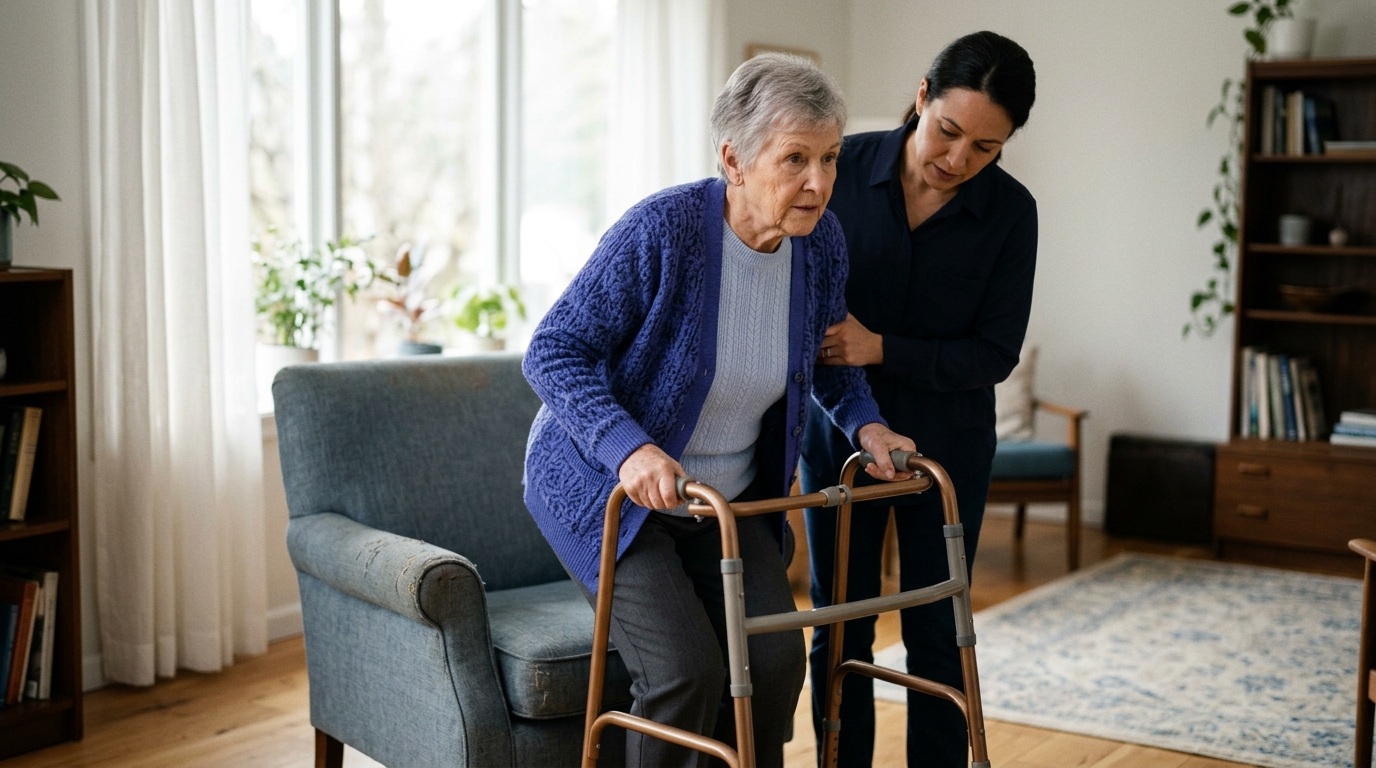
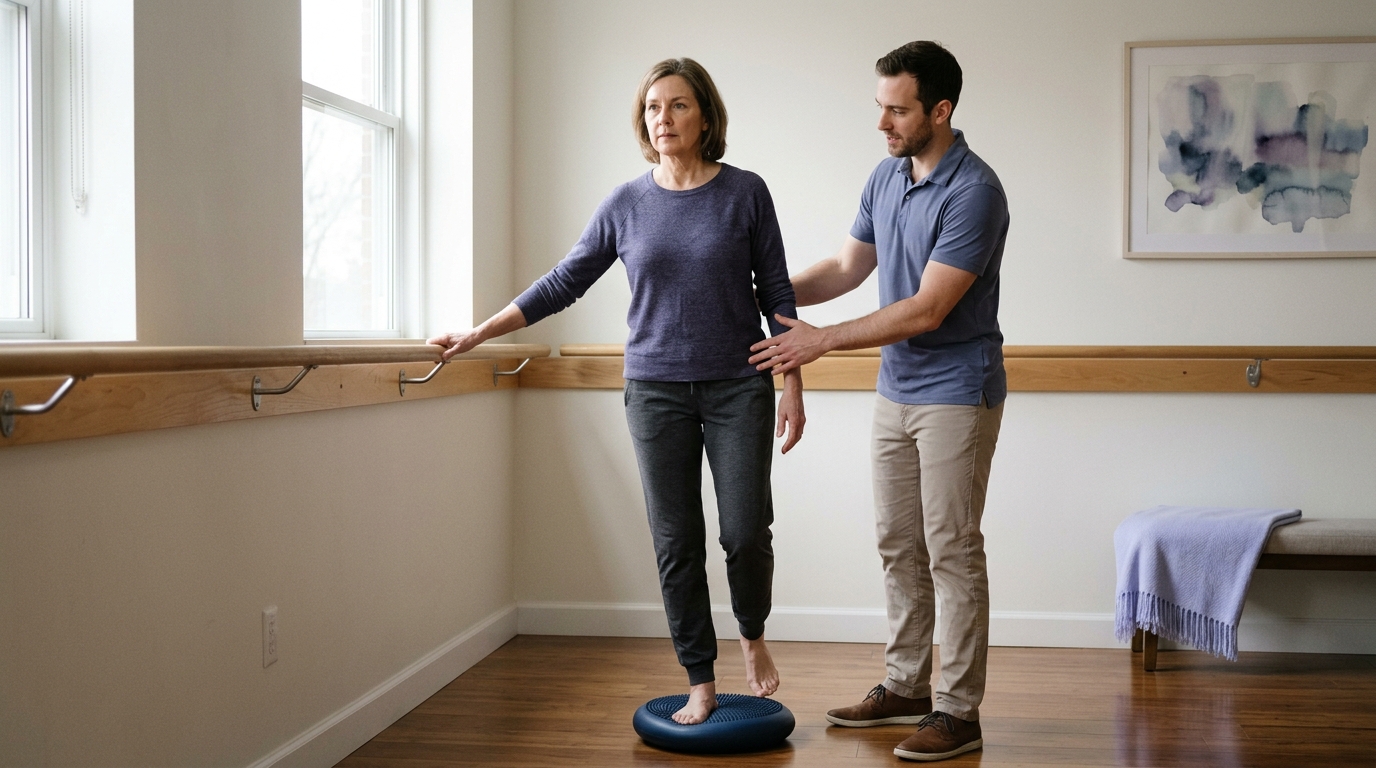
Walking is an upright, fully weight-bearing activity. Every step requires your feet, ankles, knees, hips, and spine to absorb your full body weight while maintaining balance. It also demands dynamic stability as you transition from two feet on the ground to single-leg support.
Because walking closely mirrors daily life, it builds real-world movement confidence. Practicing walking helps maintain bone density, trains posture, and engages the core and postural muscles. It also allows for simple, natural adjustments in pace and stride length based on how your body feels.
Walking is often suitable when your primary goal is restoring daily walking tolerance. If you need to navigate stairs, walk through grocery stores, or return to an active workplace, walking provides direct practice.
Walking works best when you can comfortably support your body weight for short intervals without limping. If you can walk for five to ten minutes on a flat surface without a sharp increase in symptoms, walking can serve as a primary conditioning tool. You can divide your walking into multiple brief sessions across the day to build volume without overloading tissues.
Walking can be problematic during acute flares of foot, ankle, knee, or hip conditions. The repetitive ground reaction forces, while lower than running, can still aggravate irritated joint cartilage, plantar fascia, or tendon insertions.
Walking surfaces also introduce variables that require careful management. Uneven sidewalks, steep hills, and slippery terrain increase balance demands and joint stress. If you choose walking during recovery, stick to predictable surfaces like a paved track, a level neighborhood path, or a smooth indoor treadmill. Footwear with adequate support and cushioning can also modify how impact forces travel up your lower limbs.
Stationary cycling provides a controlled, seated environment for cardiovascular exercise and lower-extremity conditioning. It eliminates balance risks associated with outdoor walking and allows for precise control of resistance.
Cycling involves closed-kinetic-chain movement where your feet remain attached to or resting on pedals throughout the circular motion. This continuous rotation promotes the secretion of synovial fluid, which lubricates the articular cartilage in the hips, knees, and ankles.
Because the bicycle saddle supports your body weight, cycling significantly reduces compressive forces on the lower back, hips, and feet. However, cycling requires significant knee and hip flexion. As the pedal reaches the top of the stroke, your knee must bend to roughly 110 degrees, depending on seat height. This degree of flexion can place compressive force behind the kneecap if the seat is adjusted incorrectly.
Proper bike fit is essential to avoid unnecessary joint irritation. The Arthritis Foundation provides practical guidelines for setting up a stationary bike:
Cycling should feel like smooth, rhythmic muscular work. Mild muscular fatigue in the quadriceps and hamstrings is normal as you build endurance.
However, sharp, catching, or shooting pain in the front of the knee or hip is a clear signal to stop. The Arthritis Foundation advises halting the activity if sharp pain arises. Pain behind the kneecap often indicates that the saddle is too low or the resistance is set too high. Discomfort in the lower back may mean the handlebars are positioned too far forward.
Water-based exercise includes aquatic physical therapy, shallow-water walking, deep-water jogging, swimming, and pool-based resistance routines. The physical properties of water create a unique exercise setting for orthopedic recovery.
Water alters exercise mechanics primarily through buoyancy, hydrostatic pressure, and viscosity. Understanding these properties helps explain why water feels so different from land:
Pool exercise is far more than traditional lap swimming. Aquatic exercise programs studied in clinical research include shallow-water walking in multiple directions, high-knee marching, lateral stepping, and deep-water cycling motions with flotation belts.
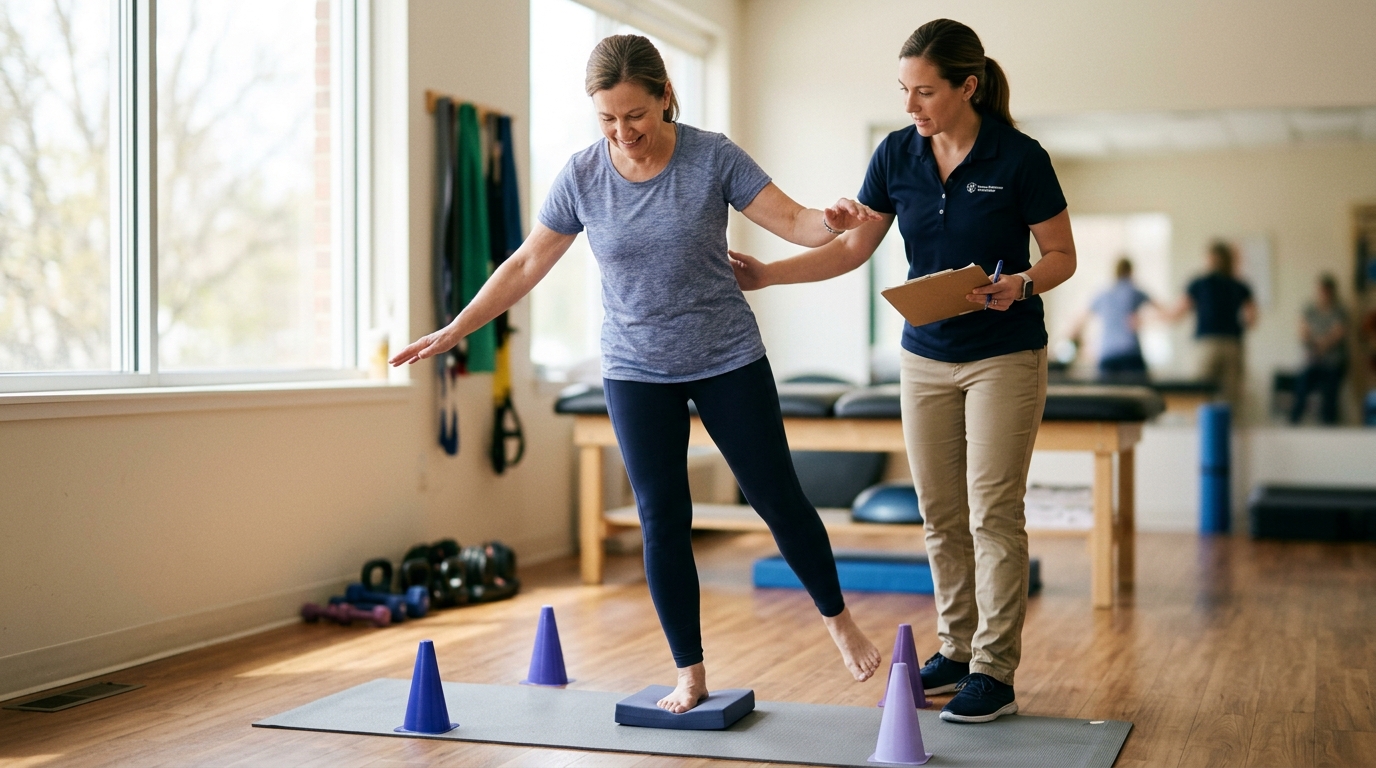
Swimmers recovering from shoulder injuries may find traditional strokes aggravating, whereas gentle aqua-walking and leg kicks with a kickboard provide excellent cardiovascular conditioning without shoulder strain. Water also allows for early balance and gait training because the risk of falling is minimized, and water slows movement down, giving you more time to react. You can explore structured ideas in our rehabilitation and mobility guides.
While water exercise offers unique advantages, it comes with practical and clinical limitations. First, pool access requires proximity to a facility, membership fees, and the physical ability to navigate locker rooms, wet surfaces, and pool steps.
Second, water exercise is not medically safe for everyone. The National Health Service (NHS) hydrotherapy guidelines outline several clinical precautions and contraindications. Conditions that may make pool exercise unsuitable include:
Always obtain clearance from your surgeon or physician before entering a pool, especially following recent surgery. Incisions must be fully closed and healed before pool submersion to prevent deep tissue infection.
Choosing among walking, cycling, and water exercise is easier when you compare their physical demands side by side. Each modality offers distinct advantages for specific rehabilitation goals.
Walking places the highest compressive and impact load on the joints of the lower extremities and spine because it is fully weight-bearing on a solid surface. This makes walking valuable for building bone strength and functional gait, but potentially irritating during acute joint inflammation.
Stationary cycling eliminates impact forces and reduces spinal loading while supporting body weight on a saddle. However, it places higher rotational demands and compressive forces on the knee joint at higher resistances and requires deep knee flexion.
Water-based exercise reduces joint compression to the lowest levels among the three options, proportional to the depth of water. It eliminates impact while providing multi-directional muscular resistance.
All three modalities can provide moderate-to-vigorous cardiovascular conditioning. In walking, you control cardiovascular intensity by adjusting your walking speed, stride rate, or grade.
In cycling, you regulate intensity through pedal cadence (revolutions per minute) and resistance settings. This makes cycling exceptionally easy to quantify and progress in measured increments.
In water, intensity is controlled by the speed of your movements, the surface area of equipment used (such as water dumbbells or paddles), and whether you are exercising in shallow or deep water. Deep-water running with a flotation belt can deliver a high-intensity cardiovascular workout with zero foot impact.
Here is how the three activities compare across primary recovery characteristics:
Your choice of exercise should not be static throughout recovery. Several personal and clinical factors influence which activity is appropriate on any given day.
The biological timeline of tissue healing dictates how much mechanical load your body can tolerate. During the acute inflammatory phase (the first few days after an injury or surgery), tissues are weak and easily irritated. At this stage, gentle range of motion in water or brief, unloaded movements may be all that is appropriate.
As tissues enter the repair and remodeling phases over weeks and months, they require progressively greater mechanical stress to rebuild tensile strength. Transitioning from water-based movement to stationary cycling, and eventually to structured walking and functional loading, follows this natural biological progression.
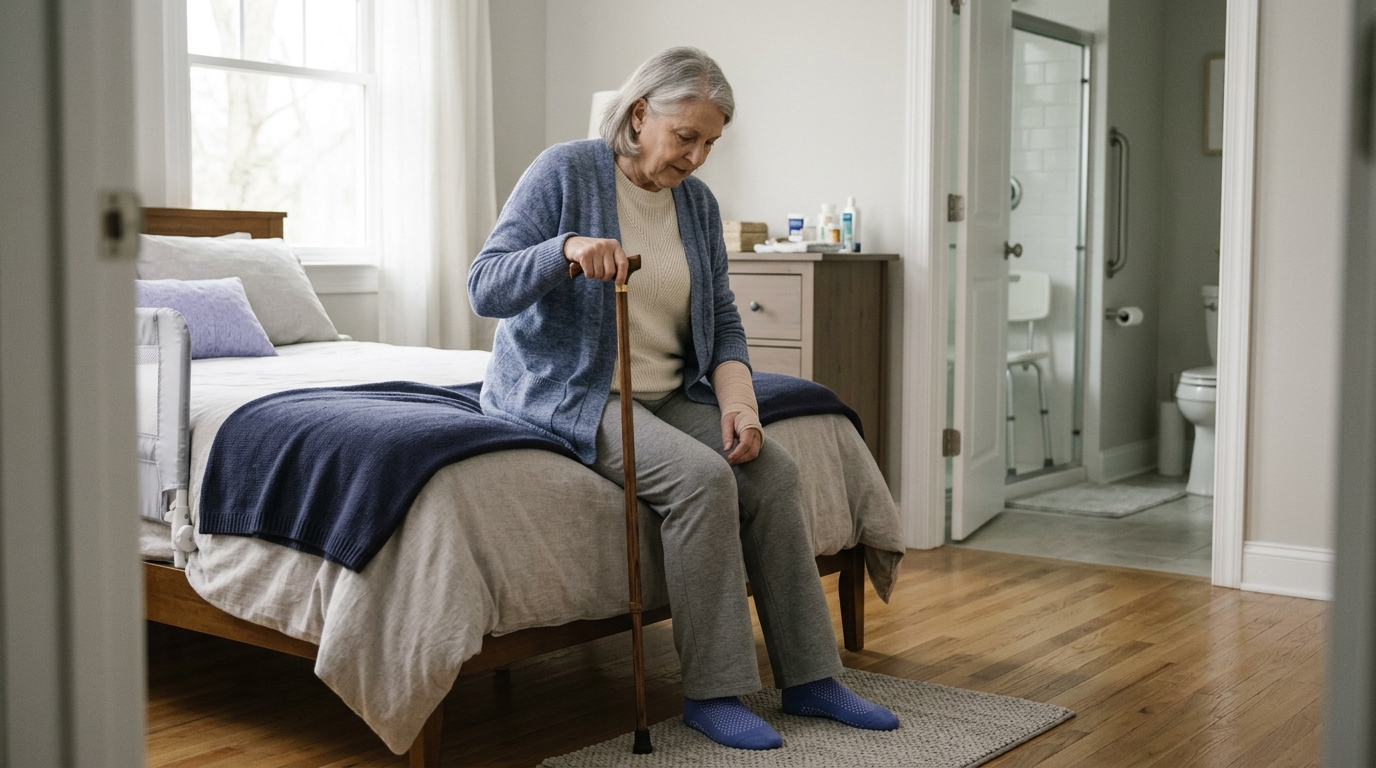
Specific surgical procedures carry strict movement rules. Following a total hip replacement, certain directional movements may be restricted to prevent dislocation. After knee ligament reconstruction, deep flexion under load or rapid changes in direction may be prohibited.
Always verify your specific restrictions with your surgical team. A low-impact activity like cycling may be ideal for a knee meniscus repair once safe flexion is reached, but inappropriate immediately after an Achilles tendon repair where ankle dorsiflexion must be limited.
Your physical conditioning prior to injury plays a major role in what you can tolerate during recovery. If you cycled regularly before your setback, your neuromuscular familiarity with cycling will make it easier to adopt early on.
Daily life fatigue, sleep quality, and systemic stress also alter your physical capacity. On days when fatigue is high, a gentle 10-minute walk or light pool session may be far more restorative than a demanding cycling workout. For more on structuring long-term fitness, see our resources on strength rebuilding and return to activity.
To decide which movement pattern fits your current recovery phase, use this five-step decision framework.
Ask yourself what capacity you are trying to rebuild right now. If your main goal is getting around your neighborhood, walking practice should be part of your plan as soon as symptoms allow. If your goal is maintaining heart health while resting an inflamed foot joint, stationary cycling or deep-water exercise is a more logical fit. Match the activity to your goal rather than picking something simply because it is labeled low impact.
Evaluate how your body responds during and after exercise. A practical guideline is the 24-hour response rule: mild, tolerable discomfort during movement is common, but symptoms should return to your baseline within a few hours. If you experience increased joint pain, swelling, or morning stiffness the next day, the activity session was likely too long, too intense, or mechanically unsuitable.
Choose an activity that fits into your daily routine without creating unreasonable friction. If driving to an indoor pool takes 45 minutes and creates severe hip stiffness from sitting in the car, the net benefit of the pool session decreases. A stationary bike in your living room or a flat, paved walking path near your home may be far more consistent and practical.
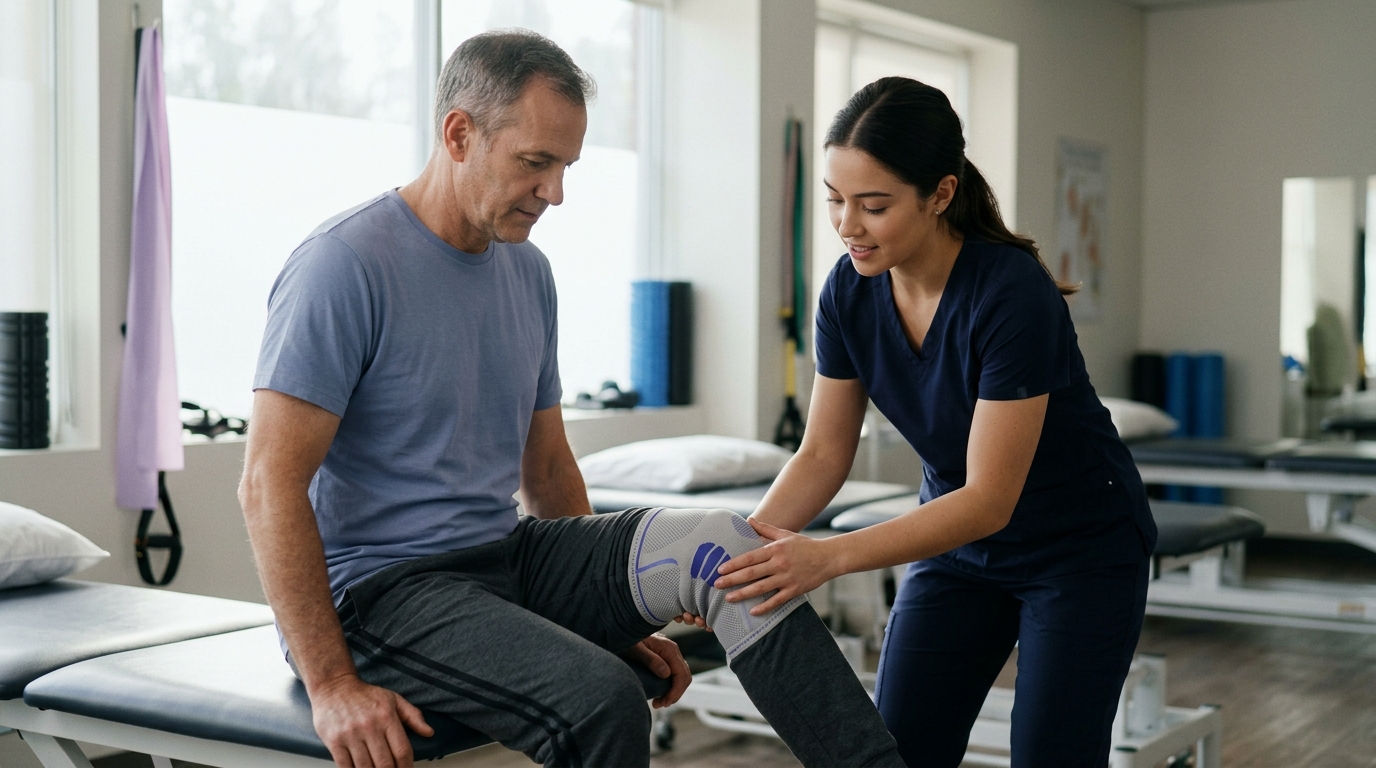
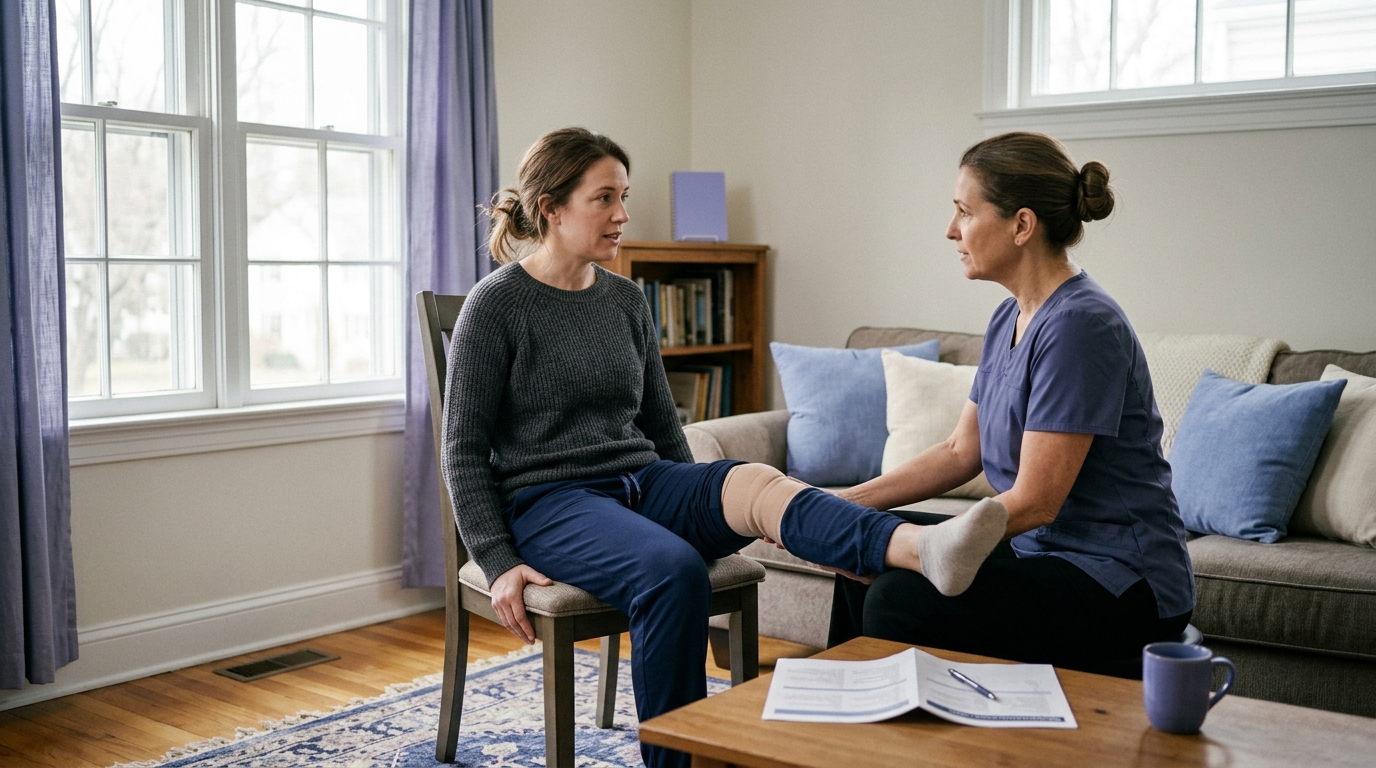
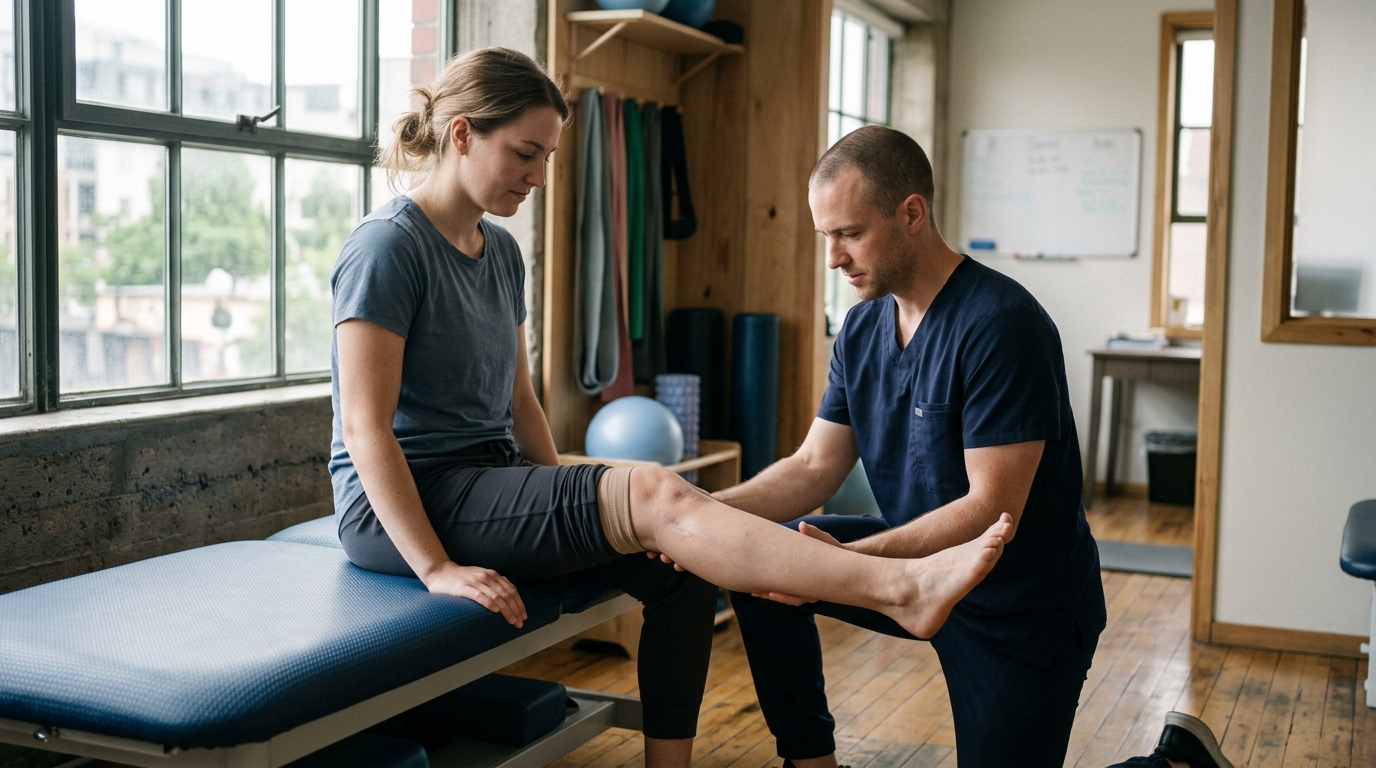
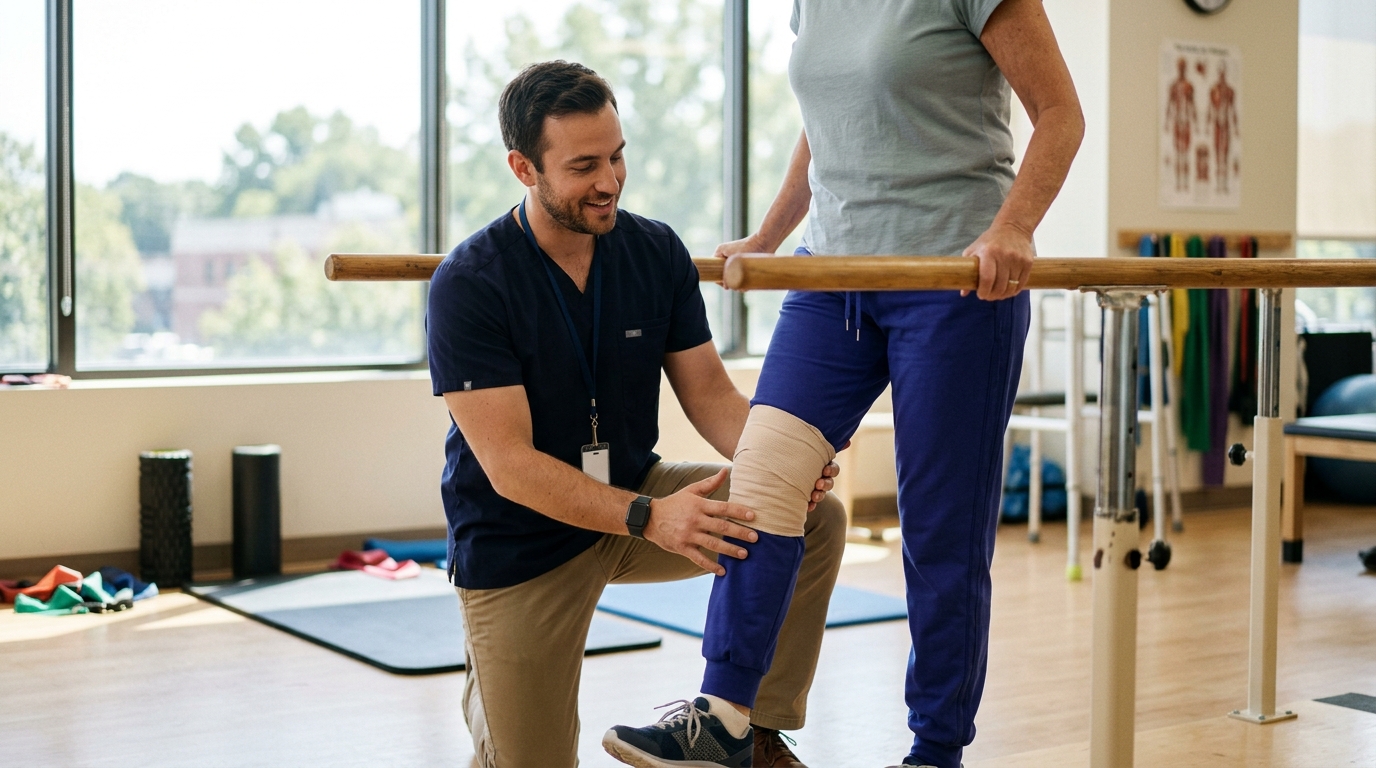
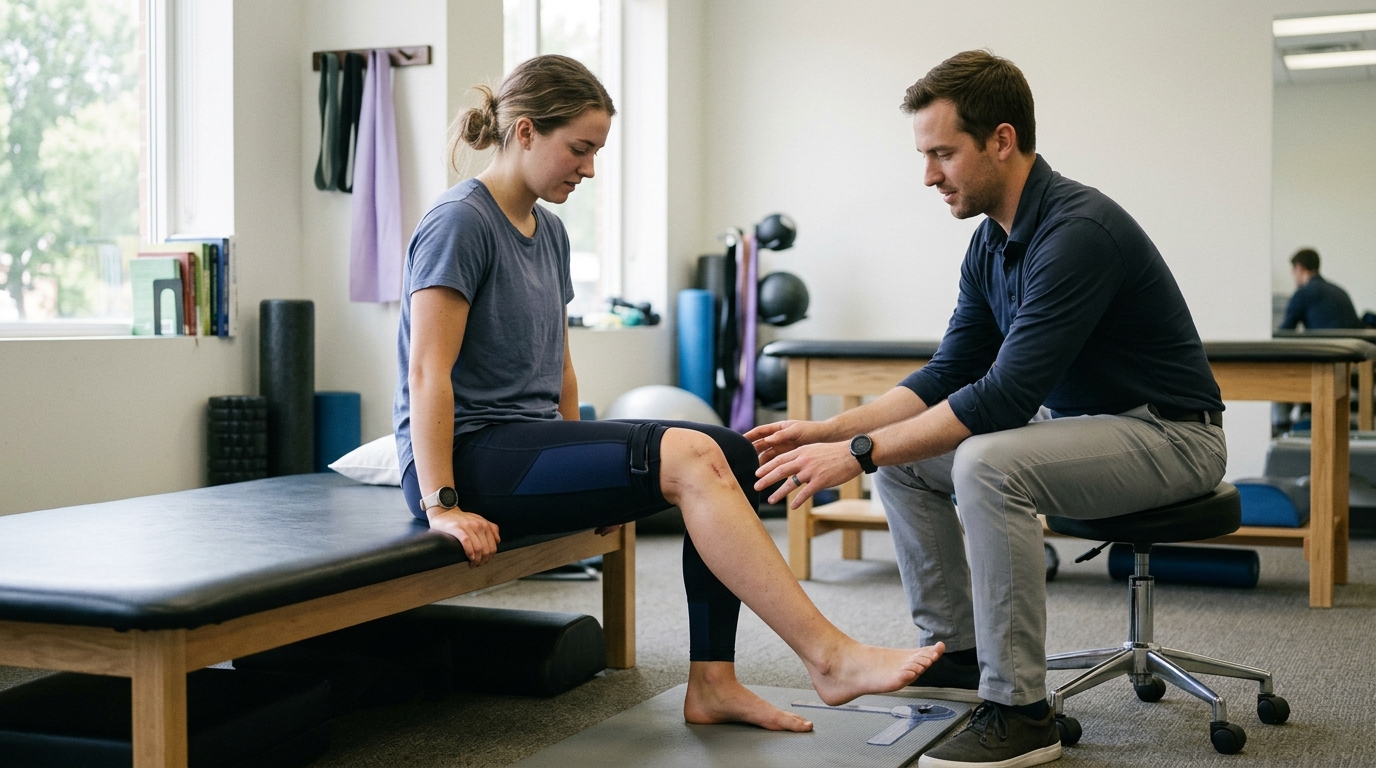
Ensure that your chosen activity aligns with your medical guidance. Confirm that surgical incisions are healed before considering pool work. Check that your joint range of motion safely accommodates the top of a bike pedal stroke. When in doubt, request a brief consult with a physical therapist to verify your form and setup.
Regardless of which activity you choose, follow the CDC principle of gradual progression. Begin with a short trial bout, such as five to ten minutes at a light effort level. Observe your body's response over the next 24 hours. If your symptoms remain stable, gradually increase duration by small increments each week before increasing speed or resistance.
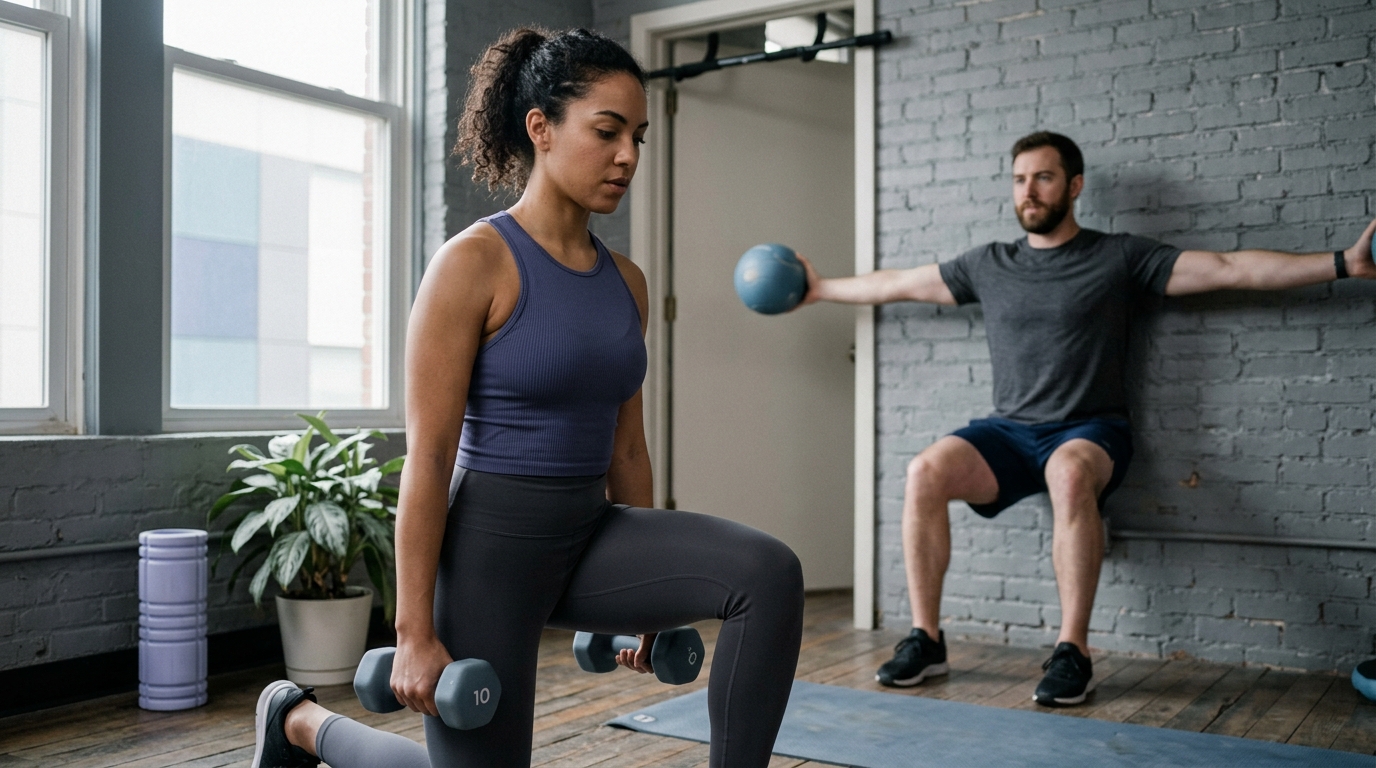
Low-impact aerobic exercise does not replace the need for muscular strength. The CDC recommends muscle-strengthening activity at least two days per week for optimal health. Aerobic activities like walking and cycling build endurance, but they do not provide the targeted loading needed to restore muscle mass lost during periods of inactivity.
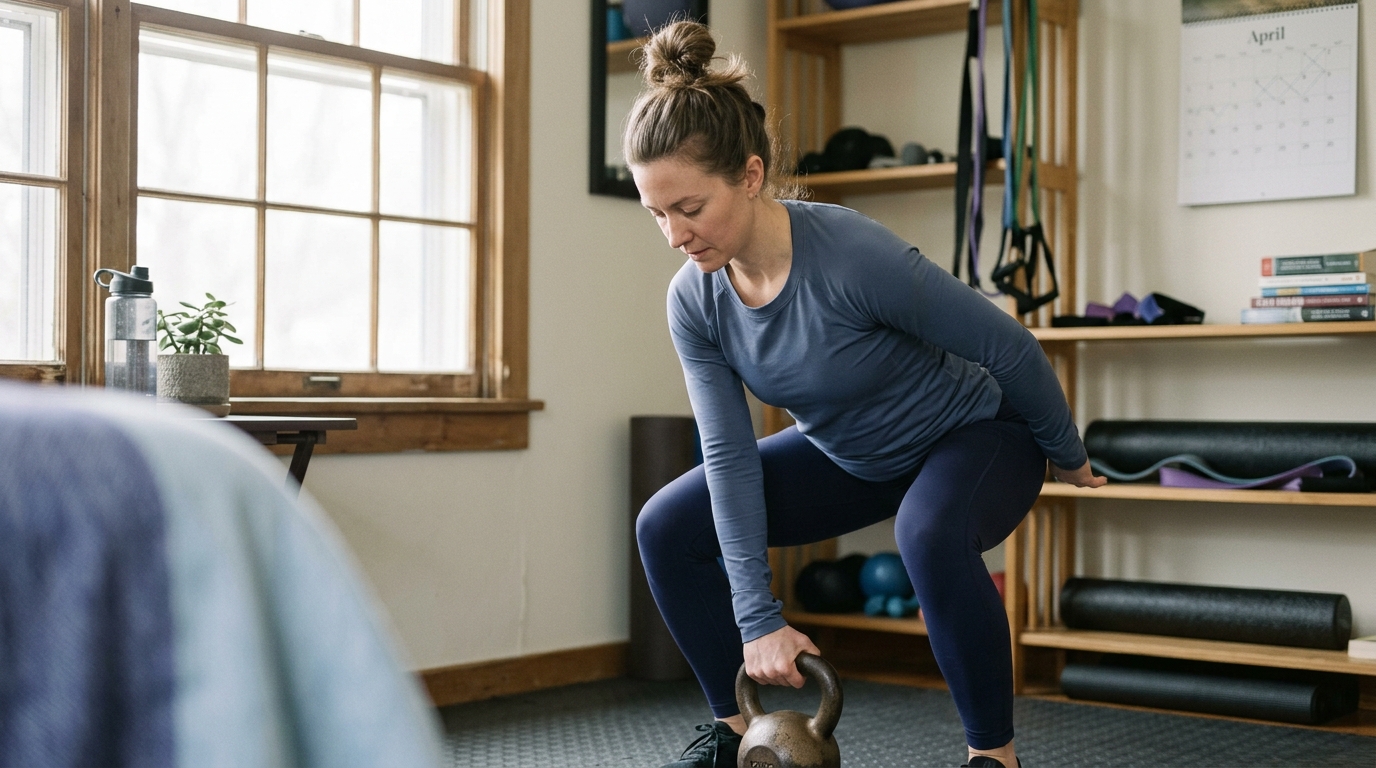
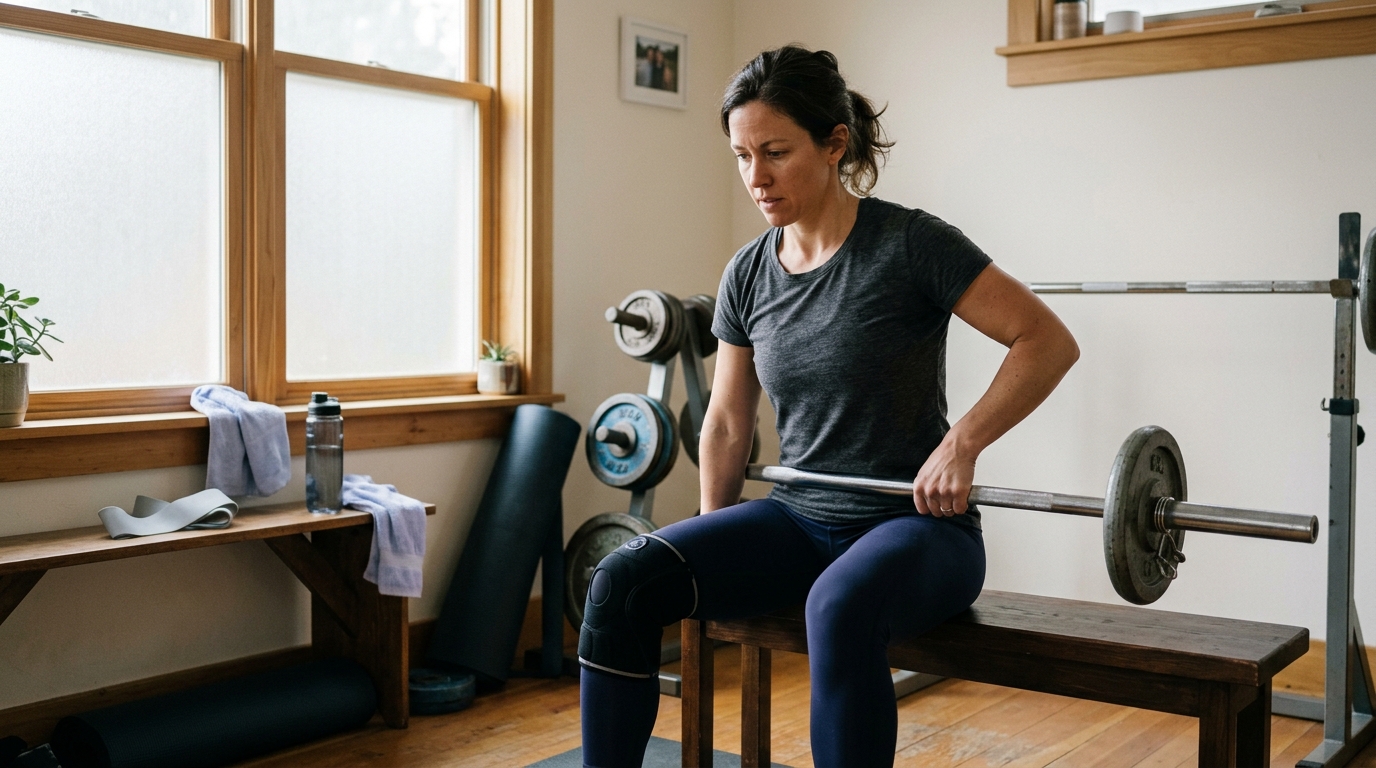
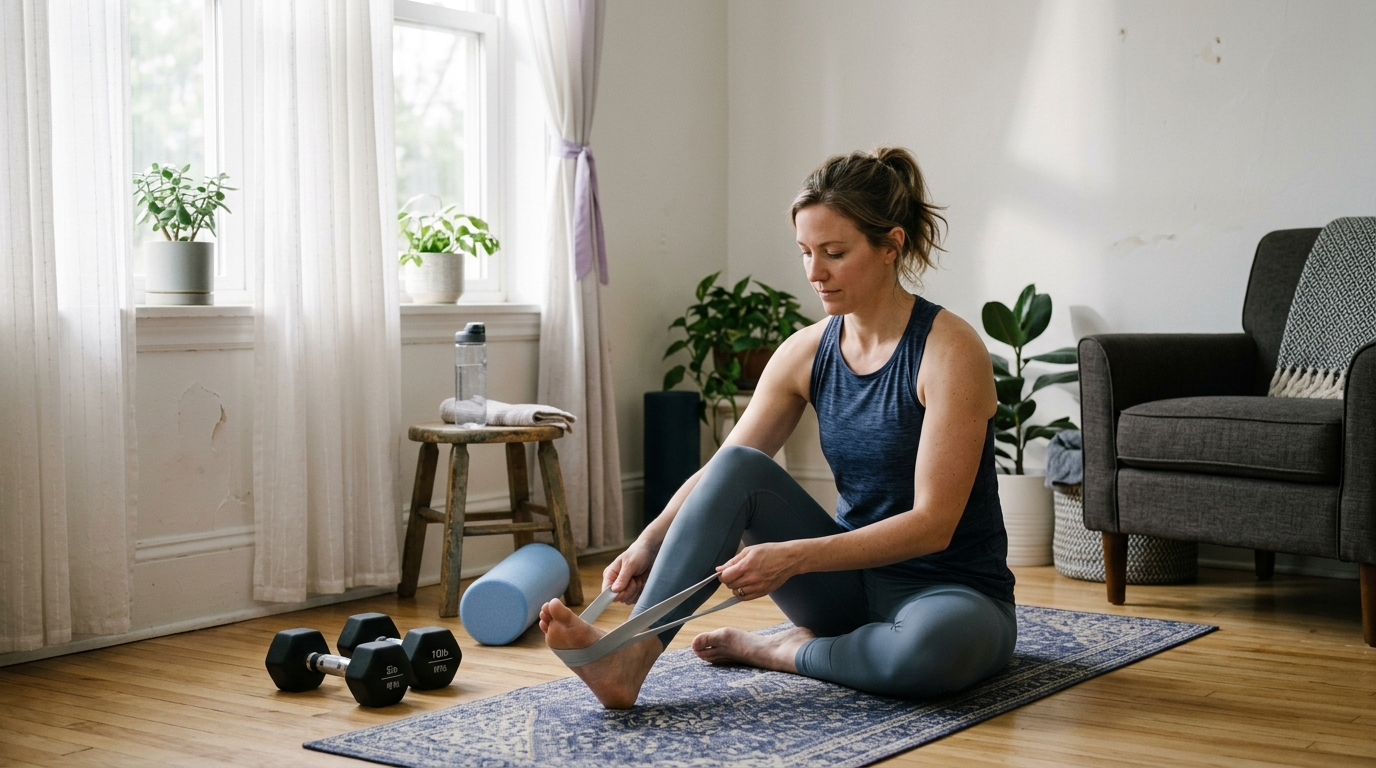
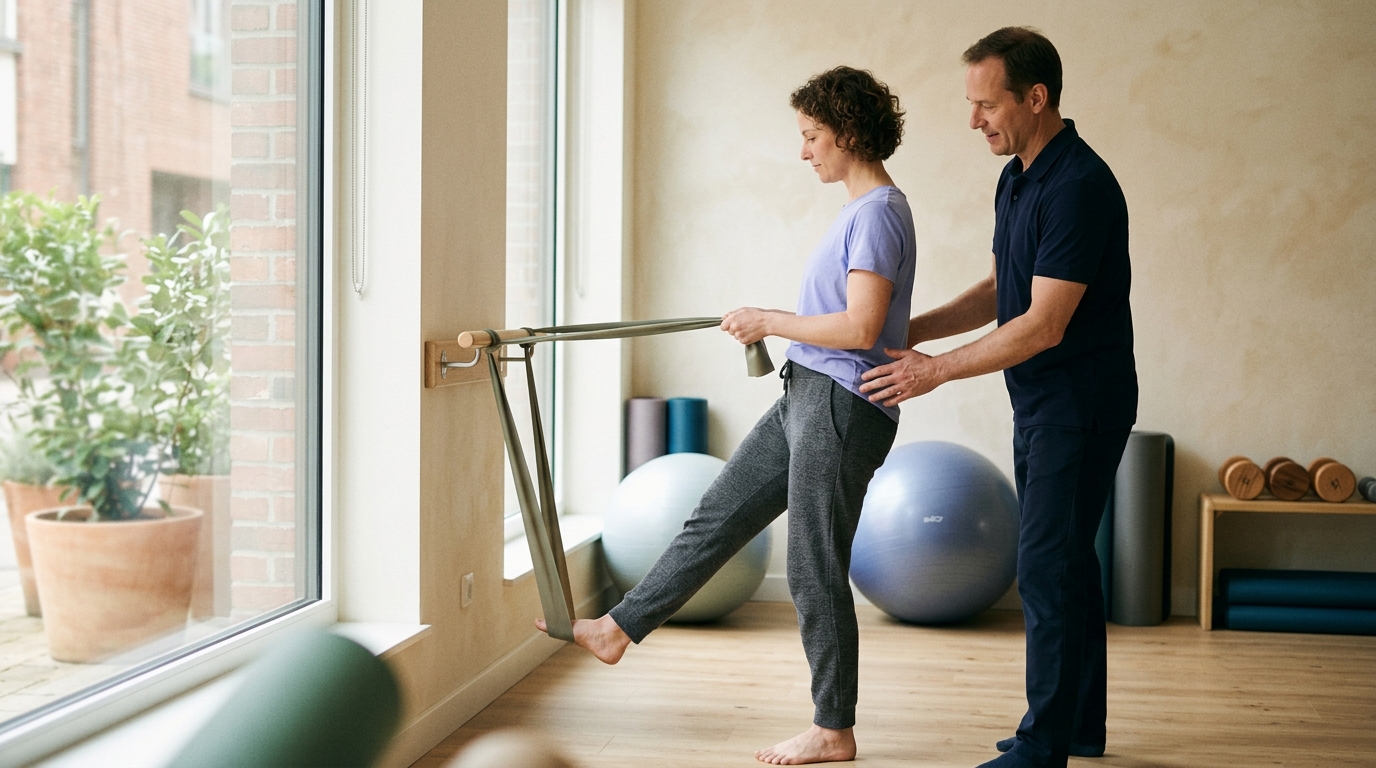
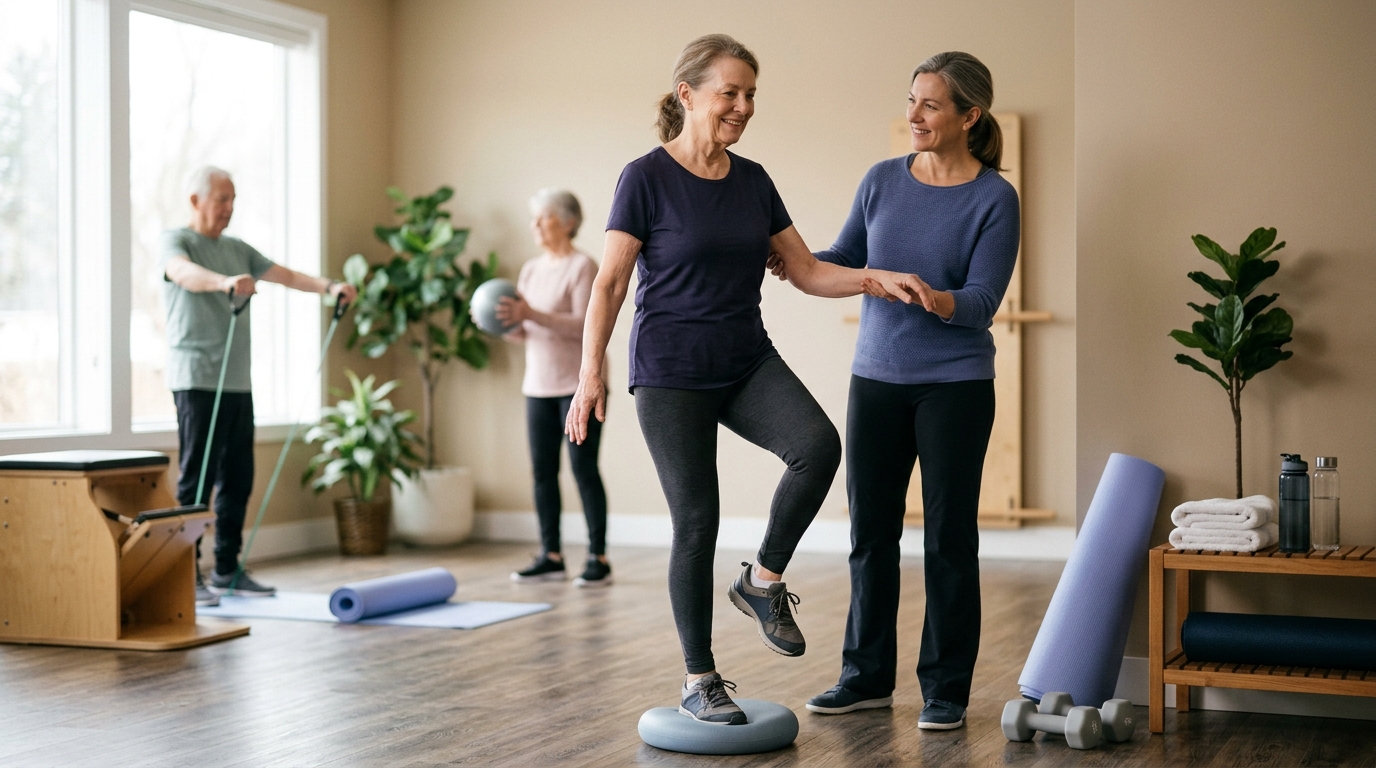
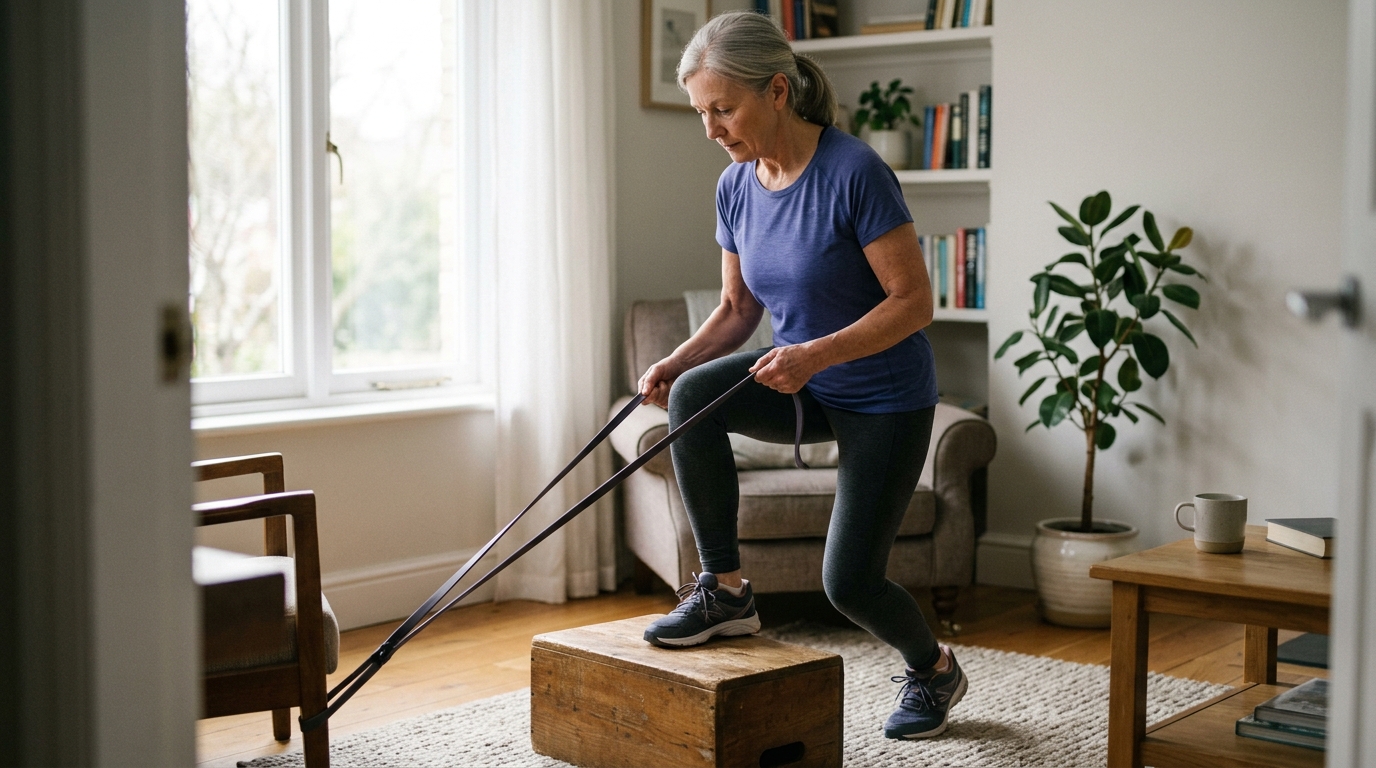
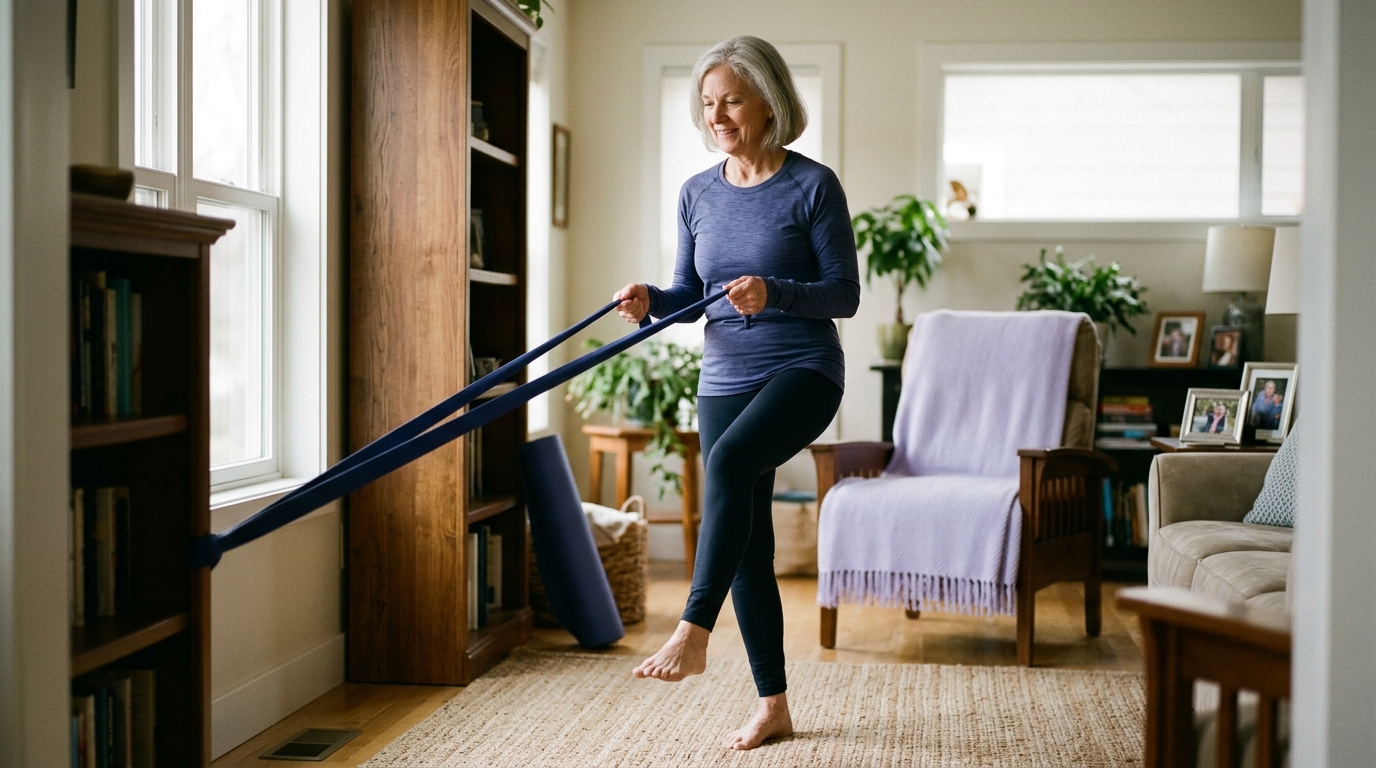
Strength work during recovery does not require heavy barbells. Simple bodyweight movements, elastic resistance bands, and adapted floor exercises can effectively rebuild muscular support around healing joints. Coordinate with your clinician to ensure your strength work complements your low-impact aerobic routine. You can find further ideas in our section on active aging and injury prevention.
These examples demonstrate how different people navigate low-impact exercise choices during recovery.
A 58-year-old individual with knee osteoarthritis finds that walking for more than five minutes causes significant joint aching and swelling that lasts into the evening. They want to maintain their cardiovascular fitness and lower-body mobility without triggering daily flare-ups.
Instead of stopping all activity, they discuss options with their physical therapist and transition to a local community pool. In chest-deep water, they perform 20 minutes of forward and backward walking, lateral stepping, and gentle leg swings. The buoyancy relieves joint compression while the water resistance provides muscular work. Over six weeks, their leg endurance improves, allowing them to resume short, five-minute walking bouts on land without pain.
A 46-year-old runner is recovering from a bone stress injury in the foot. Their medical team has placed them in a supportive boot for daily walking and strictly prohibited running or high-impact training for eight weeks. The individual wants to maintain aerobic conditioning without placing impact on the healing metatarsal bone.
With clinical clearance, they set up a stationary bike. They place the midfoot or heel on the pedal to avoid bending the forefoot, keep resistance low, and cycle for 25 minutes at a moderate pace using the talk test to monitor effort. This allows them to sustain cardiovascular fitness while keeping impact forces on the healing foot at zero.
A 67-year-old recovering from joint replacement surgery has achieved sufficient healing and range of motion. Their primary personal goal is walking independently around their neighborhood and managing stairs without fear.
While stationary cycling helped restore knee flexion in early physical therapy, they now need walking-specific endurance. They begin a structured walking plan based on the Walk with Ease framework. They start with two eight-minute walks on a flat, paved path each day, resting as needed. Over eight weeks, they consolidate this into a single 25-minute walk, building the functional stamina required for daily community life.
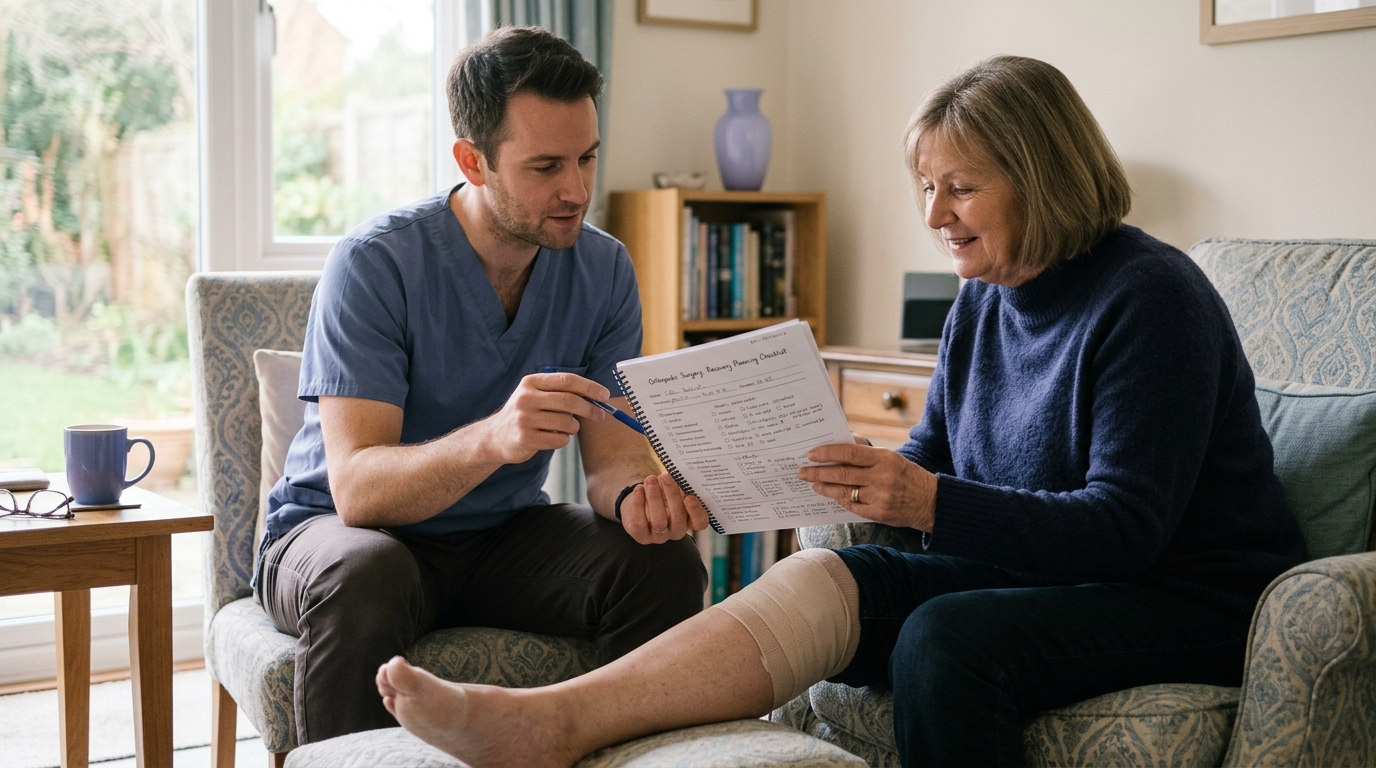
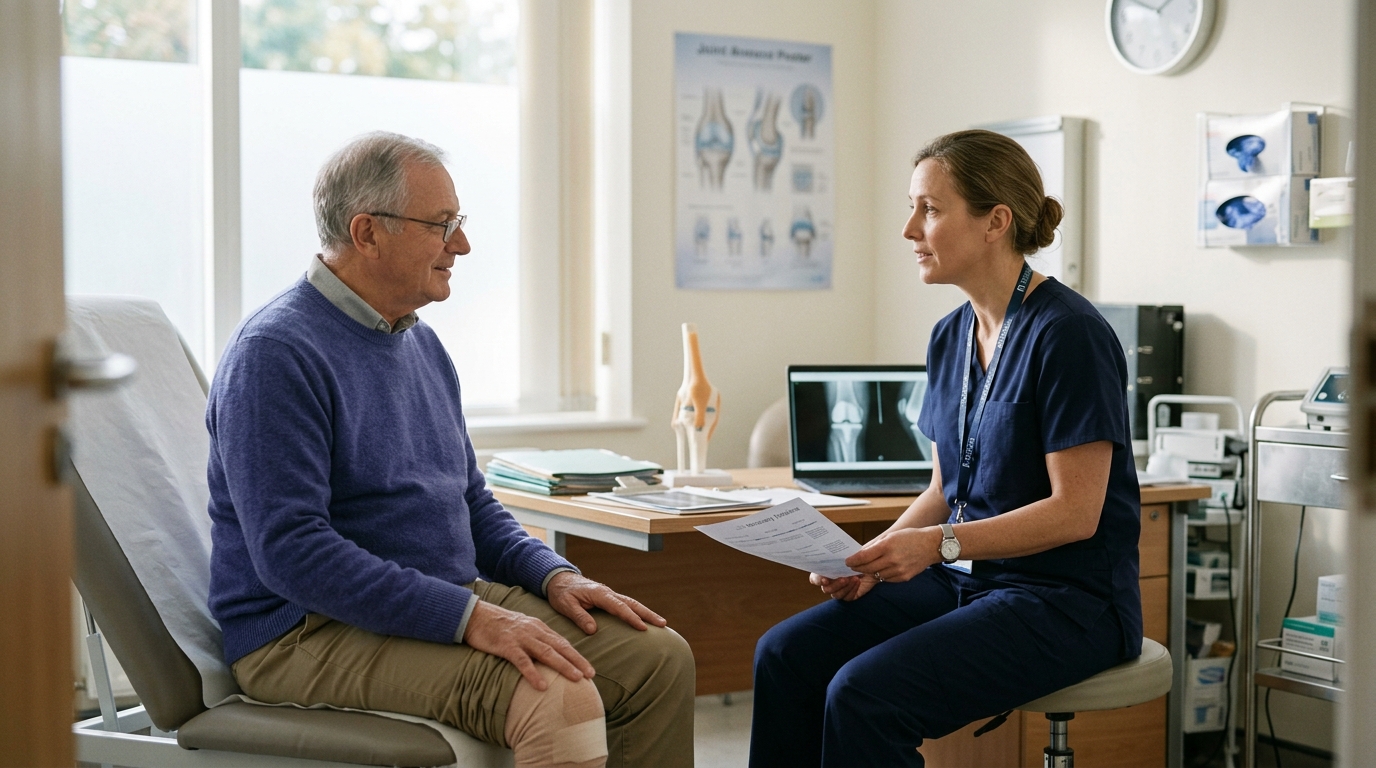
When deciding on a low-impact exercise routine during recovery, bring specific questions to your physical therapist, orthopedic surgeon, or primary care doctor. Practical questions include:
Low-impact exercise is not a one-size-fits-all solution, but a versatile set of movement options. Walking builds real-world functional capacity and bone strength, stationary cycling provides controlled seated conditioning with minimal impact, and water-based exercise offers an environment with reduced joint compression. None of these options is universally superior; each serves distinct needs depending on your symptoms, your healing timeline, and your personal goals.
Starting with manageable bouts, monitoring your body's response over 24 hours, and progressing gradually ensures that your activity supports healing rather than causing setbacks. Pairing moderate aerobic movement with targeted strength work and clinician guidance provides a balanced foundation for regaining physical capacity.
Revisit this guide when your recovery progresses to a new stage, when your current exercise routine begins to feel too easy or too demanding, or when a change in symptoms requires you to reconsider your movement choices. Maintaining a calm, evidence-informed perspective allows you to adapt your exercise thoughtfully throughout your recovery journey.

Use ReboundBody resources to understand common recovery stages, rehab terms, movement limits and strength rebuilding. Each guide is designed to make a complex comeback easier to understand.


Read practical guidance on injury recovery, rehabilitation, mobility and rebuilding strength as you work your way back to activity.
Explore Resources