
About 570 million people worldwide experience recurring low back pain, which can be managed effectively through progressive baseline movement and clear setback tracking.





Recurring musculoskeletal problems are physical symptoms in joints, muscles, or the spine that return periodically or persist over months and years. They are not signs of irreversible damage, and they do not mean that safe physical activity must end permanently.
Living with intermittent back stiffness, shoulder irritation, hip ache, or knee soreness is a challenge of maintaining capacity and participation over time. It is not about eliminating every minor symptom before you take your next step.
When symptoms come and go, staying active requires an adjustable movement baseline, realistic pacing, and clear criteria for when a medical review is warranted. The goal is to sustain meaningful daily activities, recreational movement, and general fitness while accepting that minor fluctuations are a normal part of long-term physical conditioning.
There is natural uncertainty in how any individual body responds to physical load. What works smoothly for one person during an episode of joint stiffness might require modification for another.
Evidence from international health organizations emphasizes that structured physical activity and tailored movement support joint health, muscular capacity, and general function. However, physical activity is not a promise of permanent symptom resolution.
This guide outlines how recurring symptoms interact with confidence and conditioning. It provides a practical framework for pacing activity, tells you how to distinguish normal training responses from setbacks, and identifies warning signs that require clinical evaluation.
Musculoskeletal conditions affect a vast proportion of the global population. According to data from the World Health Organization and the Global Burden of Disease study, approximately 1.71 billion people live with musculoskeletal disorders worldwide. Low back pain stands out as the single leading contributor to this global burden, accounting for an estimated 570 million prevalent cases and roughly 7.4 percent of all years lived with disability.
For adults navigating recurring episodes, clinical practice guidelines offer consistent principles. The World Health Organization guideline on chronic primary low back pain addresses symptoms lasting more than three months that are not tied to a specific underlying structural disease or systemic condition. WHO estimates that chronic primary low back pain accounts for at least 90 percent of all chronic back pain presentations in primary care settings.
The guideline conditionally recommends structured education programs that support self-care along with tailored exercise programs as core elements of care. It stresses that management should be holistic, person-centered, and attentive to physical, psychological, and social factors together.
Guidelines from the National Institute for Health and Care Excellence, known as NICE, share this philosophy across common conditions. In its guidance for low back pain and sciatica, NICE recommends offering advice tailored to personal needs and capabilities, encouraging individuals to continue their normal daily activities, and considering structured exercise programs for pain episodes.
In its clinical guidance for osteoarthritis, NICE recommends therapeutic exercise tailored to individual needs, emphasizing local muscle strengthening and general aerobic fitness. Crucially, NICE explains that joint pain can temporarily increase when therapeutic exercise first begins. The guidance highlights that consistent, regular movement provides meaningful long-term benefits for joint function, pain reduction, and overall quality of life.
Scientific research has also examined how movement influences psychological factors like movement-related fear. A systematic review and meta-analysis evaluating exercise training for fear-avoidance in persistent pain reported an overall reduction in fear-avoidance scores compared to non-exercise controls. The pooled standardized mean difference across all reviewed conditions was -0.378. In the low back pain subgroup, the estimated effect was -0.530.
However, the authors of that systematic review rated the certainty of this evidence as very low to low. While exercise is associated with improvements in confidence and movement tolerance, it cannot be framed as a guaranteed method to eliminate movement fear in every person. High-quality care relies on combining physical training with clear education and realistic expectations.
You can learn more about general rehabilitation principles across our rehabilitation, mobility, and movement resources.
To understand why recurring problems disrupt daily life, it helps to distinguish between three concepts that are often blurred together:
A change in symptoms does not automatically mean a loss of physical capacity. Similarly, having a low symptom day does not mean your physical capacity has doubled overnight.
When symptoms recur without warning, they frequently trigger an activity, confidence, and conditioning loop. This loop is a helpful model for understanding how movement routines break down:
This model is not an accusation that symptoms are imagined or purely psychological. Physical tissues adapt to the demands placed on them, and they also lose tolerance when demands are removed.
Recognizing this cycle allows you to address the loss of conditioning without blaming yourself or panicking when symptoms fluctuate. Maintaining basic functional movement helps preserve the physical capacity you need for daily life.
When managing recurring musculoskeletal conditions, an all-or-nothing approach to movement is often counterproductive. Many people experience a cycle where they do very little while symptoms are elevated, feel better, attempt to complete days of delayed tasks in a single afternoon, and then suffer another setback.
National Health Service guidance on persistent pain recommends using pacing to establish a steady, manageable baseline. Pacing means planning your activity according to time, distance, or load rather than continuing until severe discomfort forces you to stop.
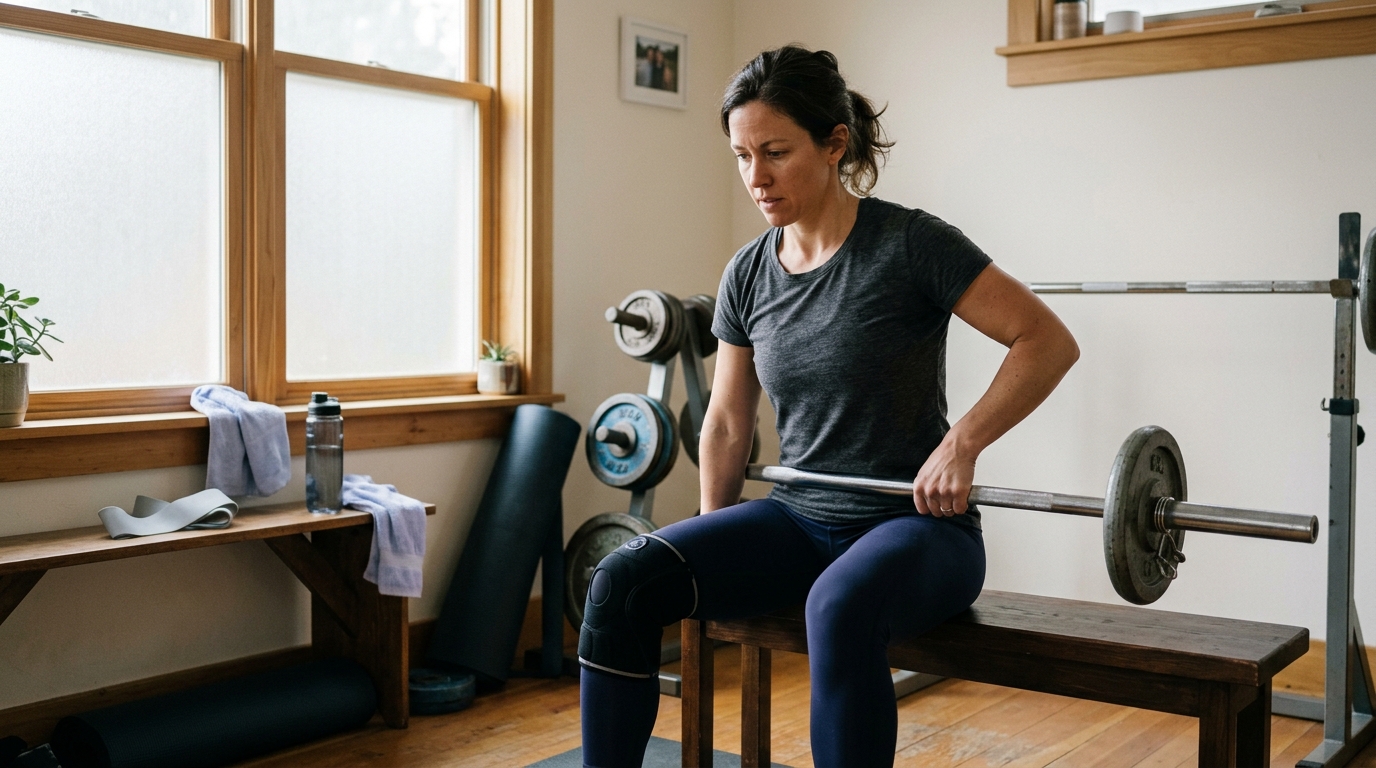
Start by identifying an activity that matters to your daily life or personal well-being. Examples include walking around your neighborhood, working in your garden, carrying groceries, completing a gym workout, or returning to recreational tennis.
Clear targets give your baseline a practical purpose. Choosing a meaningful goal keeps your focus on building capacity for life rather than just doing arbitrary exercises.
Your initial baseline should be an amount of activity you can repeat comfortably on most days of the week, including days when you feel mildly stiff. Patient education leaflets from NHS pain management services suggest identifying your average tolerance for a task and temporarily taking roughly 25 percent off that amount as an initial starting baseline.
For example, if you can comfortably walk for twenty minutes before joint tightness begins to escalate, you might establish a starting baseline of fifteen minutes. This 25 percent reduction is a practical educational guideline rather than a rigid clinical rule. It provides a safety margin that helps you build consistency without provoking a sharp increase in symptoms.
Once you select a starting baseline, keep it consistent for several days or weeks. NHS pacing advice emphasizes aiming for a similar manageable amount of movement on better days and difficult days alike.
Resist the temptation to double your walking distance or lift heavier weights simply because you woke up feeling exceptionally loose. Proving to your nervous system and tissues that you can perform a specific movement volume repeatedly builds both physical tolerance and movement confidence.
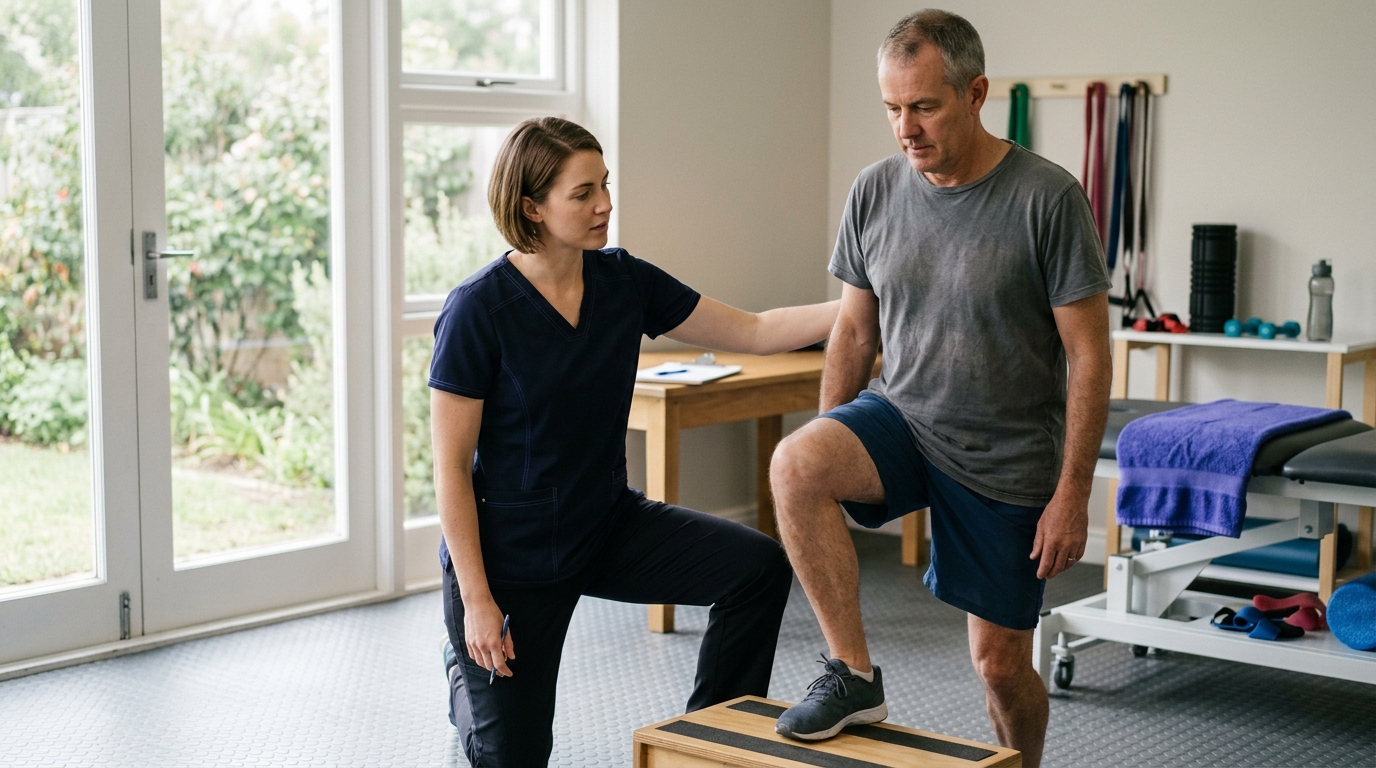
If a specific movement feels irritating, you do not have to abandon the entire activity. You can adjust several variables to make the movement manageable:
By adjusting the task rather than stopping completely, you preserve your conditioning habit while respecting your current tissue tolerance. You can explore structured ideas for staying active as you age in our guide to active aging and prevention.
One of the most difficult parts of staying active with recurring joint or spine problems is interpreting physical feedback. Many people worry that any sensation of aching, pulling, or joint soreness indicates tissue harm.
In its osteoarthritis guidance, NICE explicitly notes that joint symptoms may increase when an individual begins therapeutic exercise. This initial discomfort is common as unconditioned muscles, tendons, and joint capsules adapt to unfamiliar mechanical loads. Over time, regular physical activity supports cartilage health, builds stabilizing muscle strength, and helps reduce persistent joint pain.
To interpret symptom responses sensibly, pay attention to the pattern, duration, and recovery time rather than relying on a single moment of discomfort. Consider these general observations:
Recognizing these differences helps you avoid stopping activity unnecessarily. At the same time, it prevents you from ignoring clear signals that an activity needs to be dialed back.
If an exercise produces a short-lived, manageable increase in soreness that resolves overnight, it is generally safe to continue at that baseline. If an activity triggers a persistent, multi-day spike in resting pain, you should adjust the volume or intensity during your next session.
Recovery timelines and exercise capacity vary considerably between individuals. There is no standard schedule for how quickly a recurring musculoskeletal issue will settle, because multiple internal and external factors influence how your body handles physical stress.
The specific tissue involved plays a major role in how an area responds to load. Articular cartilage, intervertebral discs, tendons, and muscles all have distinct metabolic rates and blood supply characteristics.
Tendons and joint cartilage generally adapt more slowly to changes in training volume than well-vascularized skeletal muscle. Understanding these biological realities helps you set realistic timelines for rebuilding strength and tolerance.
Musculoskeletal symptoms do not exist in isolation from the rest of your physiology. Sleep duration, chronic life stress, nutritional adequacy, and systemic inflammation all influence tissue sensitivity and recovery.
A training load that feels perfectly manageable during a quiet, well-rested week may feel overwhelming during a period of poor sleep or high emotional stress. When general life demands are high, your movement baseline may need temporary adjustments to match your body's recovery resources.
Your overall physical fitness history provides a protective buffer against setbacks. Someone who has maintained general aerobic capacity and muscular strength over many years usually retains movement coordination and tendon tolerance.
Conversely, someone returning to activity after months of complete rest will require a slower, more deliberate ramp-up. General health guidelines from the World Health Organization recommend that all adults aim for 150 to 300 minutes of moderate-intensity aerobic physical activity per week, or 75 to 150 minutes of vigorous-intensity aerobic physical activity, or an equivalent combination. WHO also recommends performing muscle-strengthening activities involving all major muscle groups on two or more days per week.
These public health targets serve as a valuable long-term destination rather than an immediate starting requirement. If you are currently dealing with recurring back stiffness or knee irritation, attempting to hit 300 weekly minutes right away may overwhelm your current capacity.
Evidence-based guidelines from NICE emphasize tailoring activity to personal capabilities. You can start with five or ten minutes of daily movement and gradually work toward population benchmarks over many months.
For additional perspectives on long-term physical resilience, read about our editorial philosophy on the About ReboundBody page.
Even with careful pacing and thoughtful planning, symptom flares will occasionally occur. An unexpected change in weather, a prolonged car ride, a night of poor sleep, or an awkward lifting movement can cause symptoms to spike.
NHS persistent pain guidance defines a flare as a sudden increase in symptoms that often occurs after a physical, emotional, or environmental trigger. Experiencing a flare does not mean your rehabilitation plan has failed, nor does it mean your joints or spine have suffered fresh structural harm.
Instead of abandoning movement entirely or resting in bed for days, implement a planned flare management routine:
Complete bed rest is rarely helpful for non-specific spinal pain or degenerative joint conditions. NICE guidelines encourage individuals with low back pain to maintain their normal activities as much as possible.
During a flare, replace strenuous exercise with gentle range-of-motion movements, short leisurely walks on flat surfaces, or supported posture shifts. This keeps joint fluid moving and prevents the secondary stiffness that comes from staying completely still.
If your standard fifteen-minute walk feels too uncomfortable, break it into three separate five-minute strolls spread throughout the day. NHS guidance highlights dividing daily activities into smaller, manageable chunks as an effective way to maintain baseline activity without overloading irritated tissues.
A flare is an opportunity to review your current training habits, daily routines, and stress levels. Ask yourself whether you recently increased your workout volume too quickly, skipped rest days, or experienced an unusual amount of physical fatigue.
Once the flare settles back to your normal resting level, you can resume your established movement baseline and build forward gradually.
While most fluctuations in recurring musculoskeletal problems can be managed with activity modifications, certain symptoms require professional clinical evaluation. It is vital to distinguish between routine clinical check-ins and urgent medical red flags.
Certain symptoms indicate potential nerve root compression, spinal cord involvement, or systemic illness that requires prompt medical attention.
In its clinical guideline on suspected neurological conditions, NICE advises immediate hospital referral for emergency assessment if a person with severe low back pain or sciatica experiences any of the following signs:
These warning signs can indicate cauda equina syndrome, a rare but serious neurological condition where the bundle of nerves at the base of the spinal cord is compressed. These symptoms require emergency medical assessment rather than exercise adjustments or home pacing.
Additionally, urgent medical review is warranted if you experience severe joint pain accompanied by high fever, sudden joint swelling with intense redness and heat, significant unexplained weight loss, a history of cancer with new bone pain, or progressive muscular weakness such as sudden foot drop.
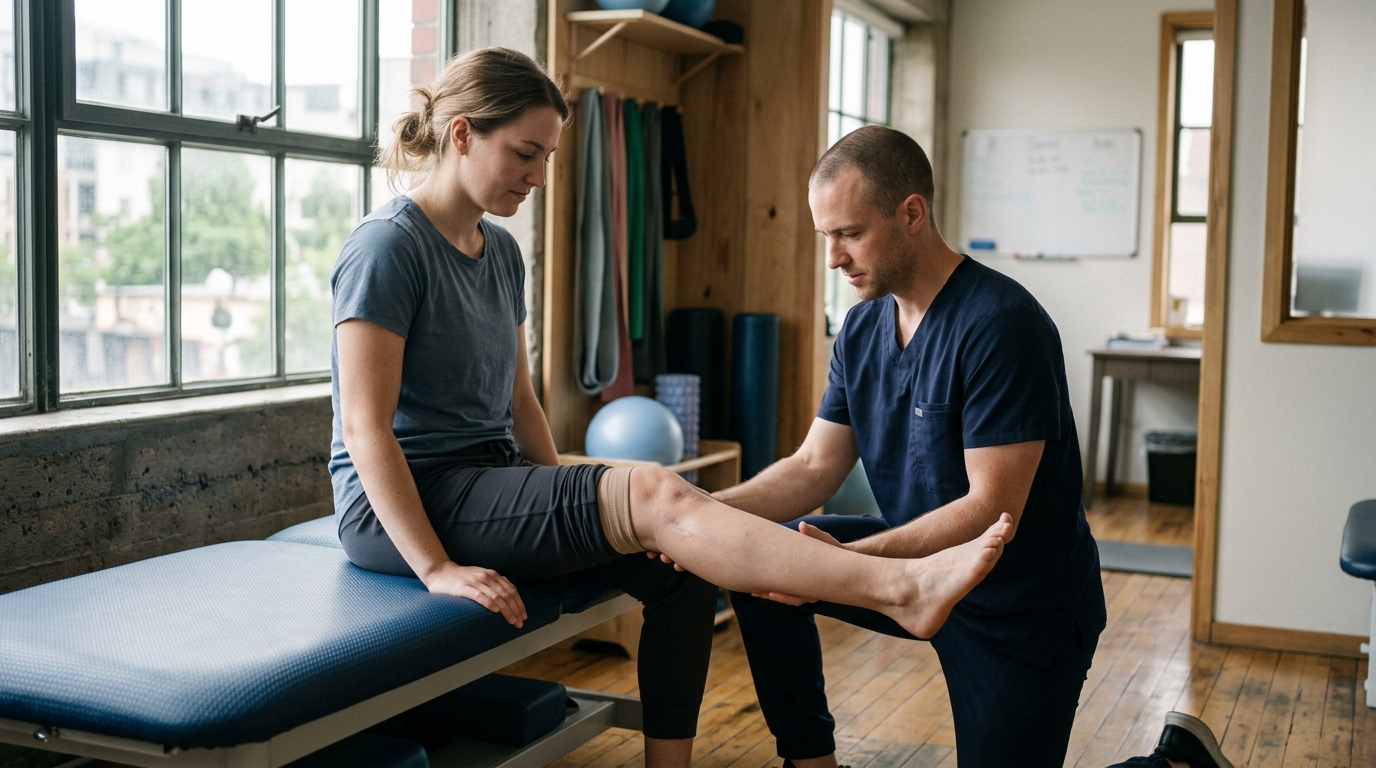
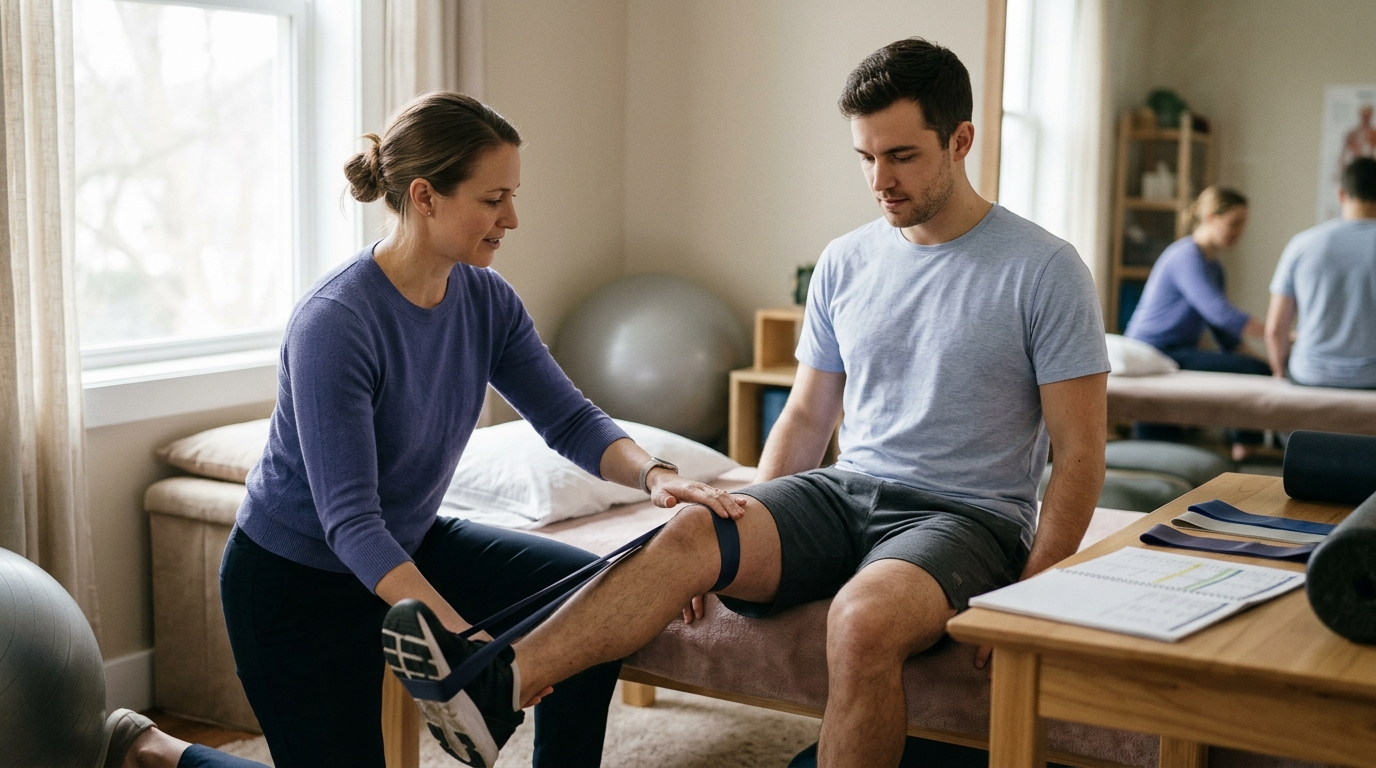
For everyday aches that lack urgent red flags, scheduling a routine evaluation with a physician, orthopedic specialist, or physical therapist is sensible when:
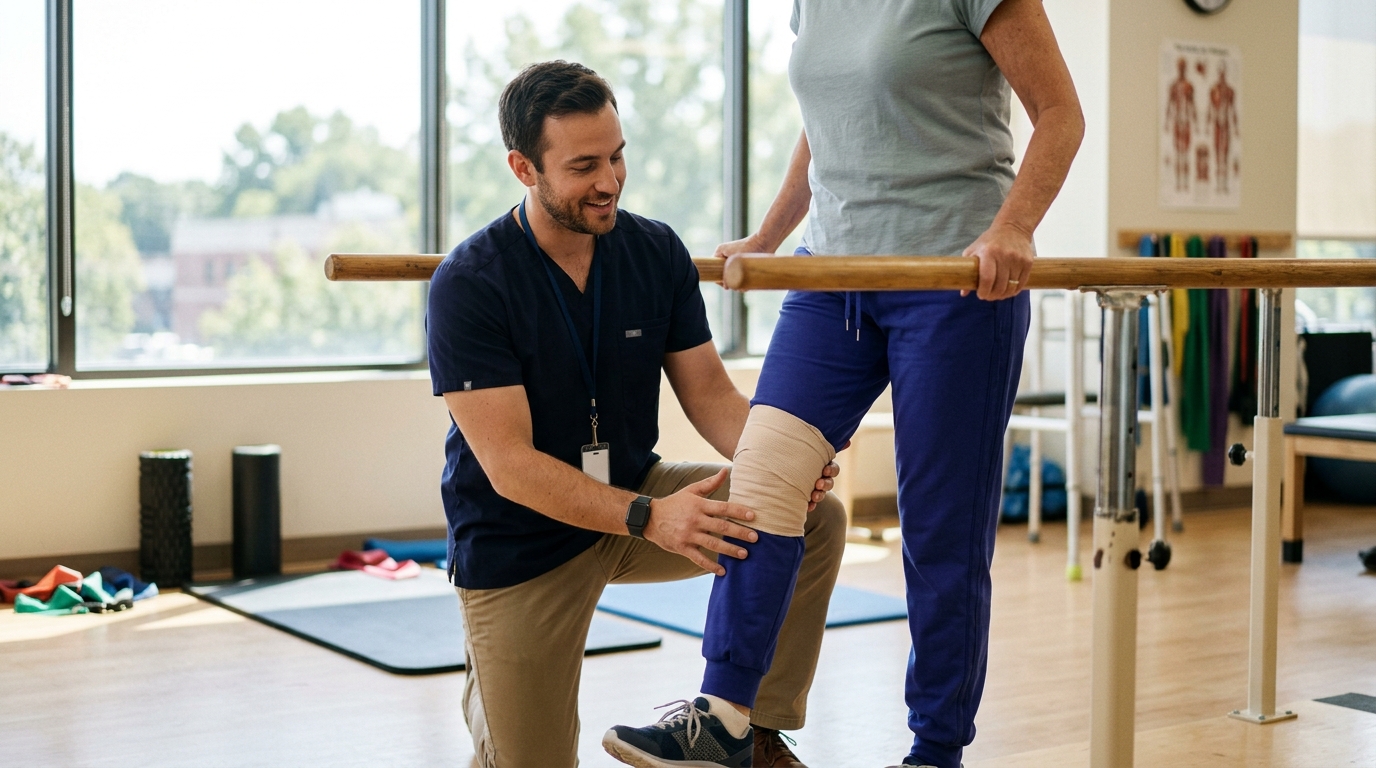
A healthcare professional can evaluate your joint stability, perform neurological testing, and help you design a tailored program suited to your needs. Discover more practical injury reduction strategies across our injury prevention and staying active guides.
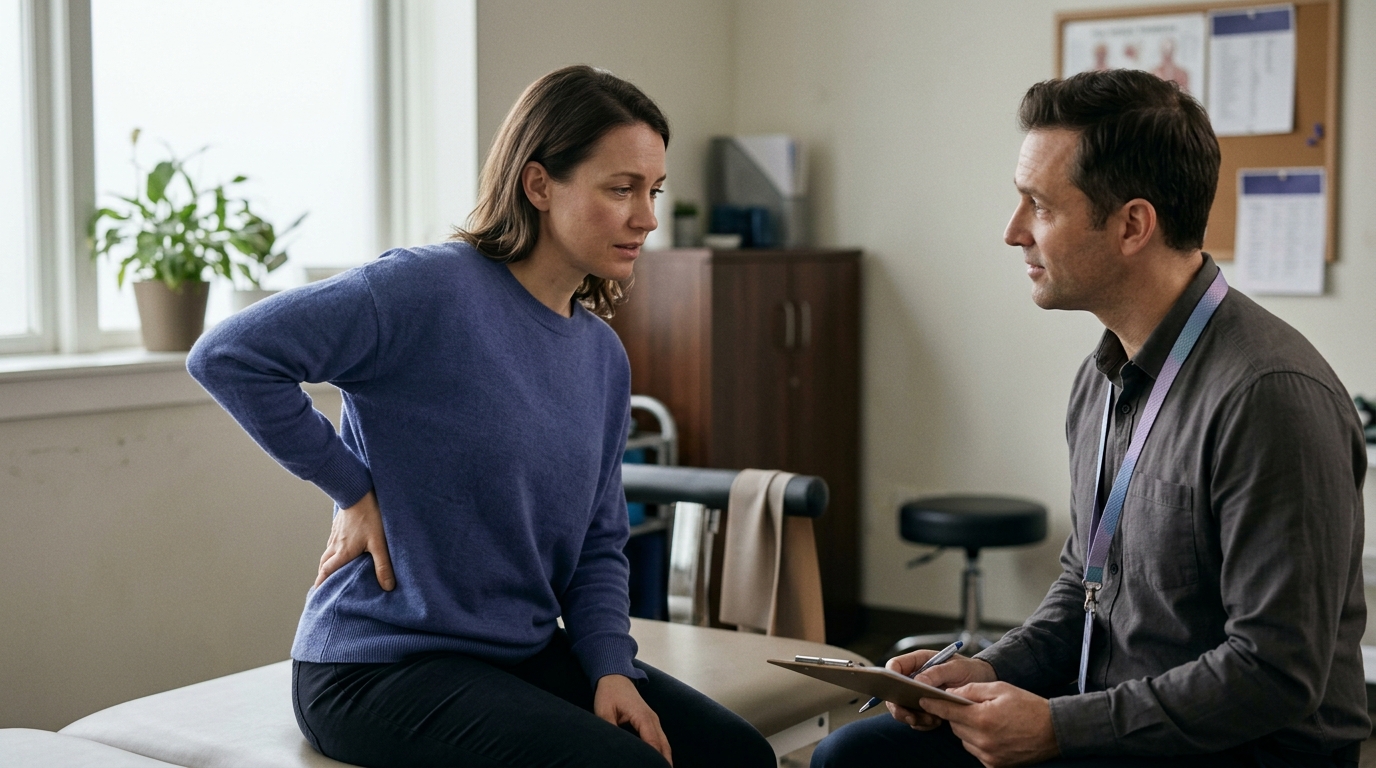
When you attend an appointment with a healthcare provider regarding a recurring musculoskeletal issue, having clear questions helps you get the most out of your visit. Consider asking the following practical questions:
Collaborating with your clinician creates a transparent plan. It ensures that your exercise choices match your clinical diagnosis while giving you the confidence to stay active.
If you are working toward athletic goals or higher training intensities, you can read our specialized materials on strength training and return to sport.
Managing recurring musculoskeletal problems over the course of a lifetime is a process of ongoing adaptation. Symptoms will naturally rise and fall based on your physical loads, daily stress, recovery habits, and natural biological variations.
Long-term physical function does not require an absolute absence of discomfort. By establishing a repeatable movement baseline, pacing your activities, respecting your body's recovery timelines, and recognizing when a clinical review is needed, you can maintain a rewarding, active life across every decade.
Morning stiffness is a common feature of many joint conditions, including osteoarthritis. Completely stopping activity often leads to increased joint stiffness and muscle weakness over time.
Instead of resting all day, start with gentle, low-load movements like warm showers, light stretching, or a slow walk to lubricate joint surfaces. Once the initial morning tightness eases, you can proceed with your planned baseline activities at an appropriate pace.
Chronic primary low back pain is a clinical diagnosis defined by the World Health Organization as back pain lasting longer than three months that is not caused by a specific underlying disease, structural deformity, fracture, infection, or nerve root compromise.
A qualified medical provider must evaluate your spine, medical history, and neurological function to make this determination. If specific causes are ruled out, management focuses on active self-care, movement education, and progressive exercise.
Current evidence from clinical guidelines, including NICE, demonstrates that tailored therapeutic muscle strengthening is safe and beneficial for joints with osteoarthritis. Strengthening the muscles surrounding a joint improves load distribution, enhances joint stability, and supports functional capacity.
The key is selecting appropriate starting weights, controlling movement speed, and progressing gradually so that connective tissues have adequate time to adapt.
If your usual walking route starts provoking extra soreness, do not stop walking altogether. Temporarily reduce your walking duration or distance by 25 to 50 percent, choose flat and even surfaces, or split your daily walk into multiple shorter sessions.
Monitor how your joints respond over the next 48 hours. Once symptoms stabilize at your typical baseline, you can begin adding small amounts of distance back to your routine each week.

Use ReboundBody resources to understand common recovery stages, rehab terms, movement limits and strength rebuilding. Each guide is designed to make a complex comeback easier to understand.


Read practical guidance on injury recovery, rehabilitation, mobility and rebuilding strength as you work your way back to activity.
Explore Resources