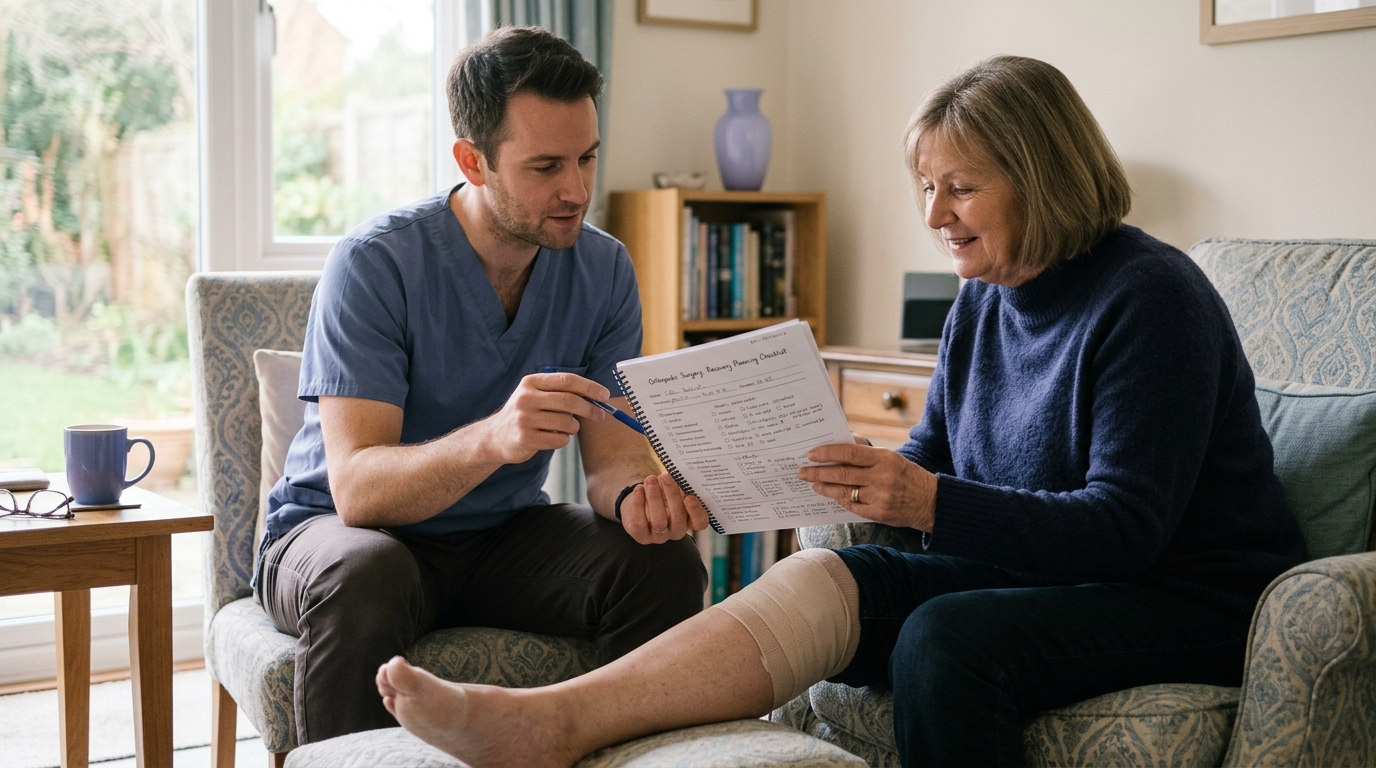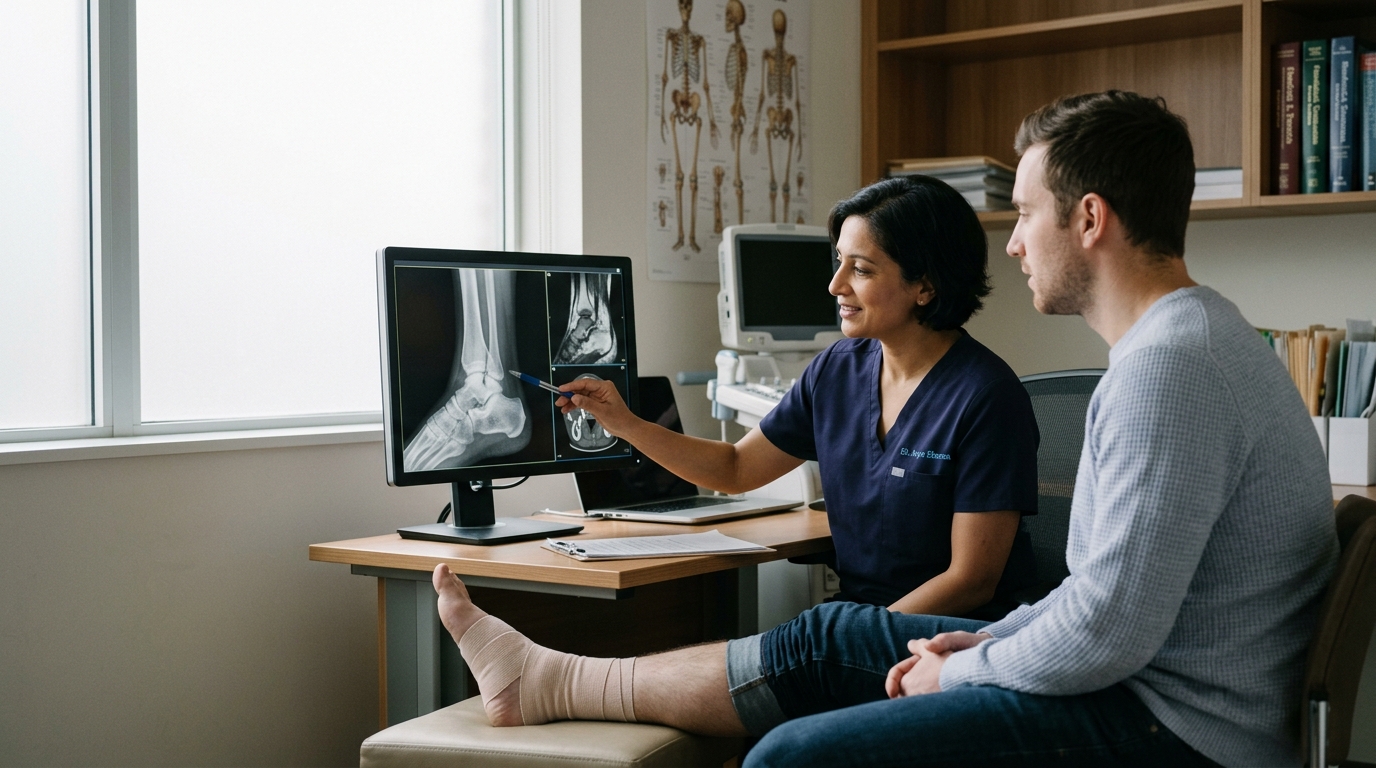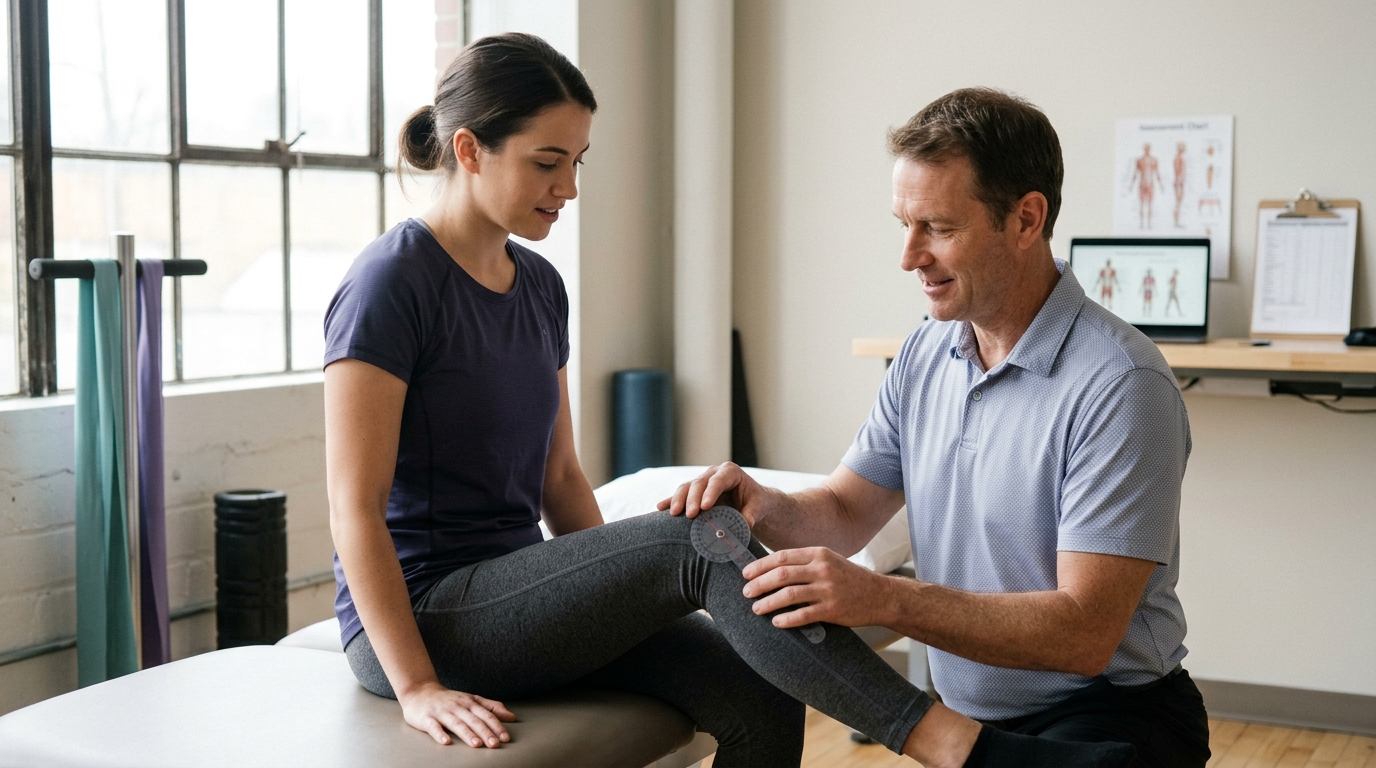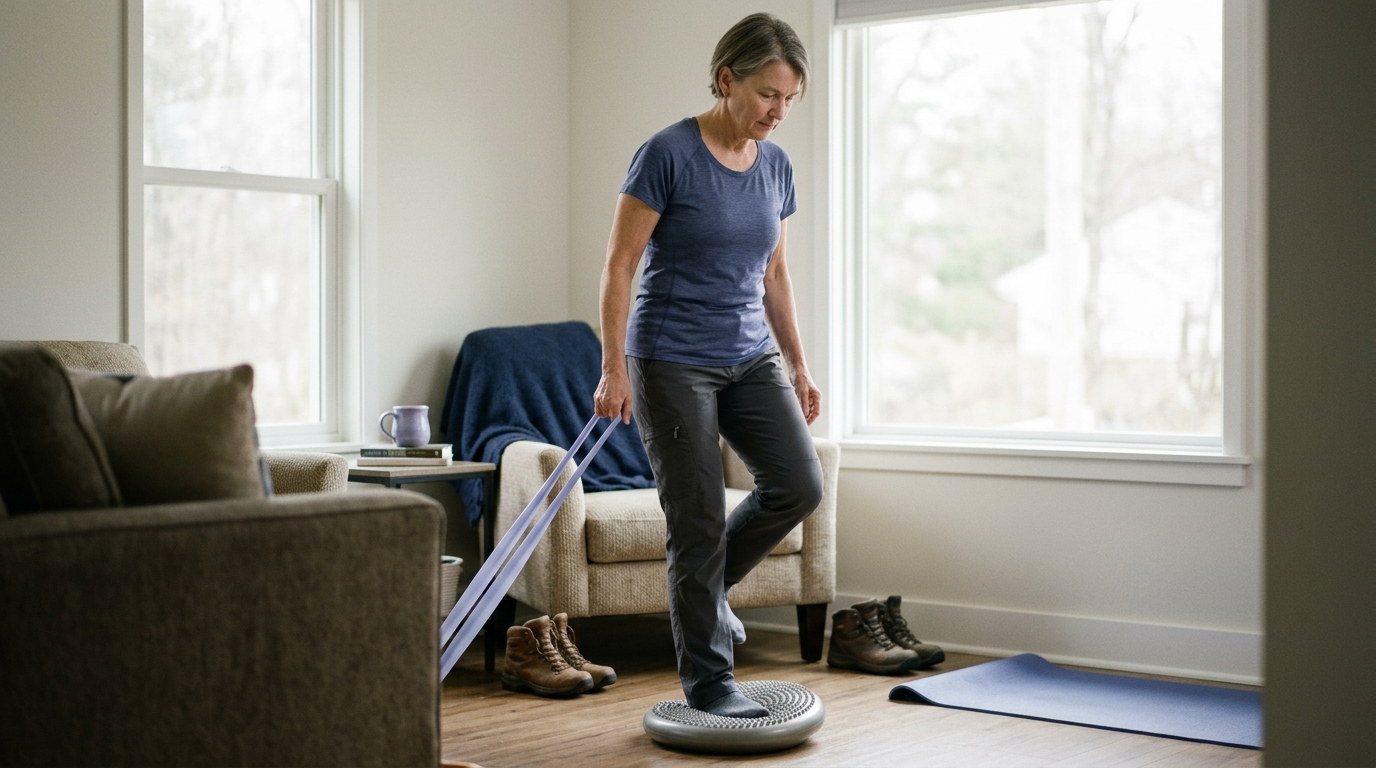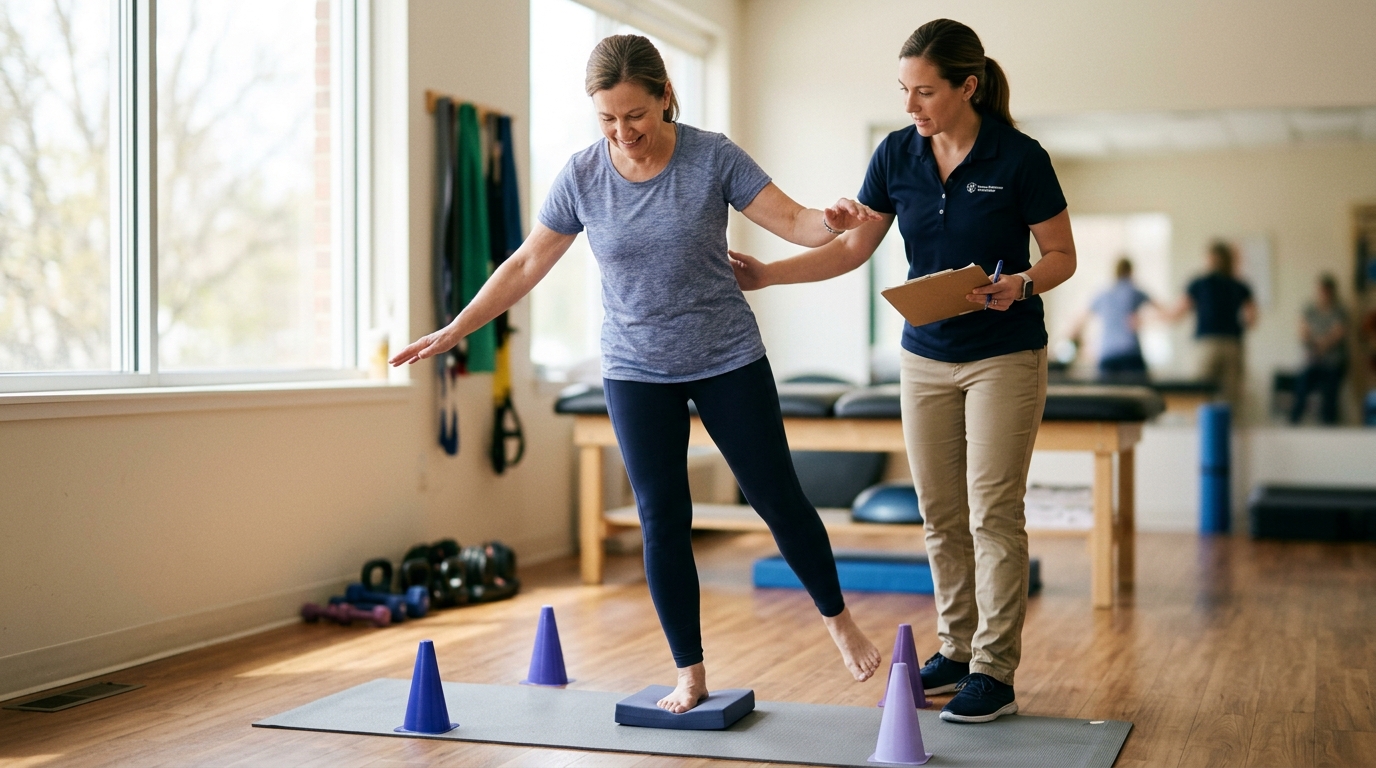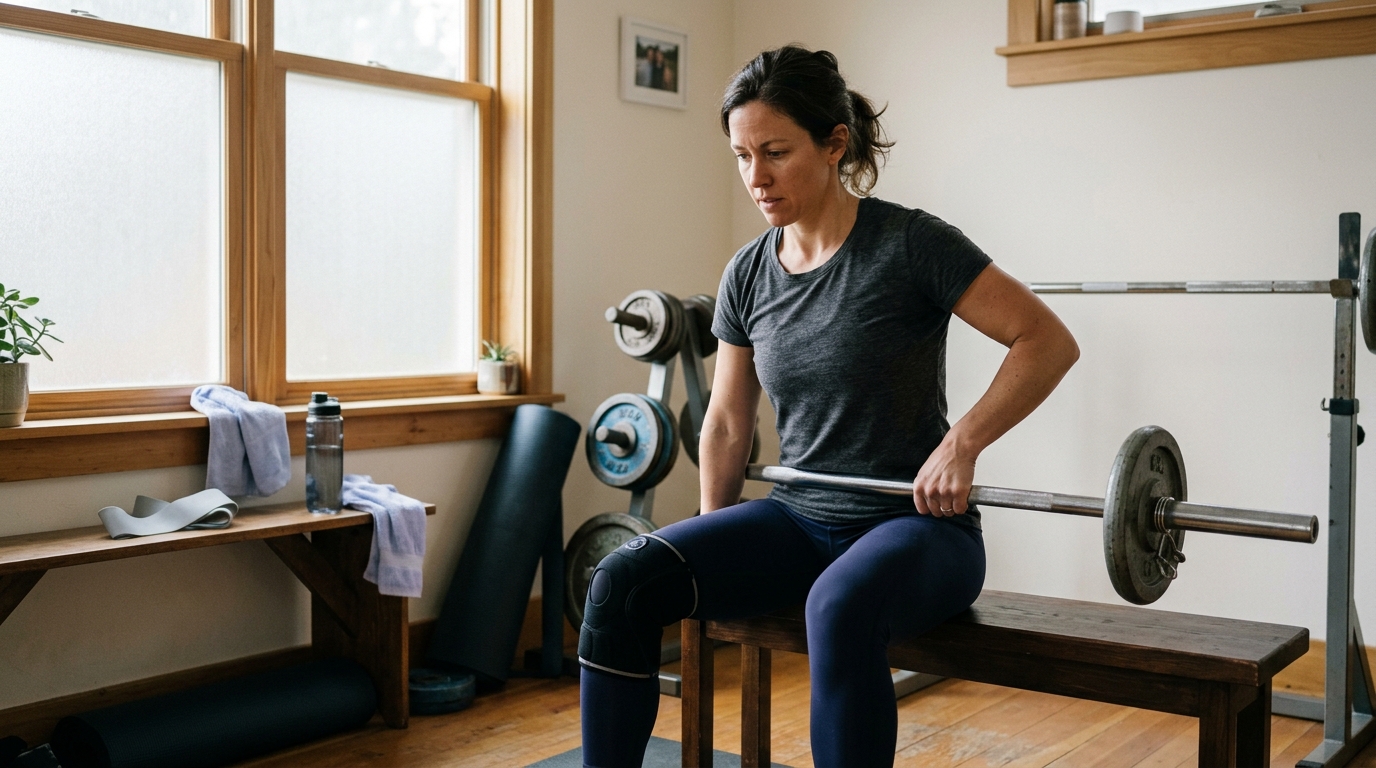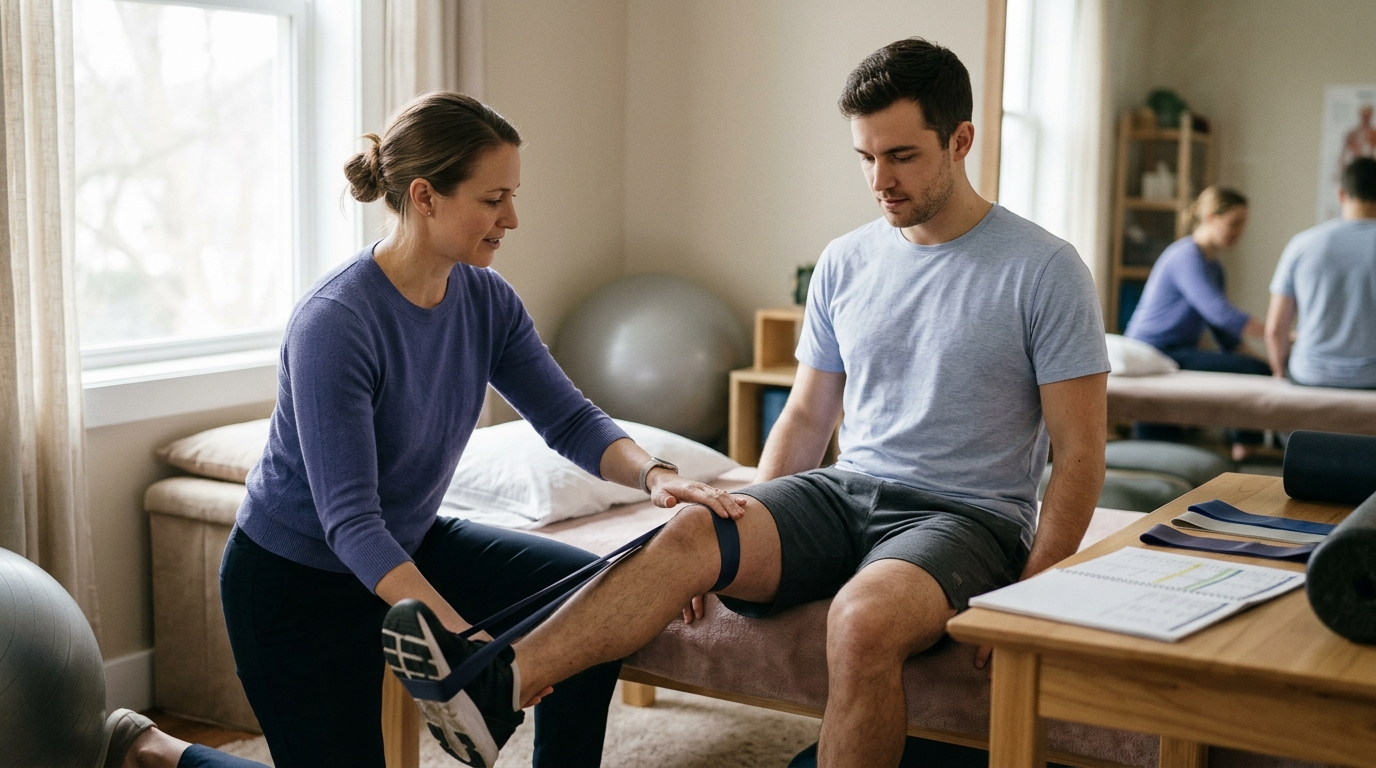

Tracking injury recovery with a daily symptom and function journal helps you monitor physical milestones, manage flare-ups, and measure real rehabilitation progress over time.





Many people recovering from a sprain, tendon issue, or joint injury search online for phrases like "how to know if my injury is healing" or "how to track pain without obsessing over it." The standard advice often swings between two extremes. Some guides tell you to write down every twinge you feel every hour, while others suggest ignoring physical sensations completely and pushing through the days. Neither approach provides a clear path forward.
A practical recovery journal is a structured communication aid. Its main purpose is to help you notice broad patterns, record daily capabilities, and prepare productive questions for your healthcare team. A journal does not diagnose tissue damage, confirm complete healing, or replace clinical care. Tracking recovery works best when you give equal weight to what you can do and what you feel, rather than treating a pain number as the sole measure of your progress.
When an orthopedic injury occurs, your body sends signals through the nervous system to protect the area. It is common to judge recovery solely by whether the sensation of pain has gone down. Relying exclusively on symptom intensity creates an incomplete picture. Pain intensity tells you how strong a sensation feels at one moment, but it does not show how your body handles physical tasks.
Physical function describes your practical ability to move and participate in daily life. This includes basic actions such as walking, bearing weight, climbing stairs, dressing, lifting objects, working, and sleeping. A comprehensive assessment of recovery always includes both symptom ratings and functional performance. If you focus only on the pain number, you might miss meaningful improvements in your mobility or strength.
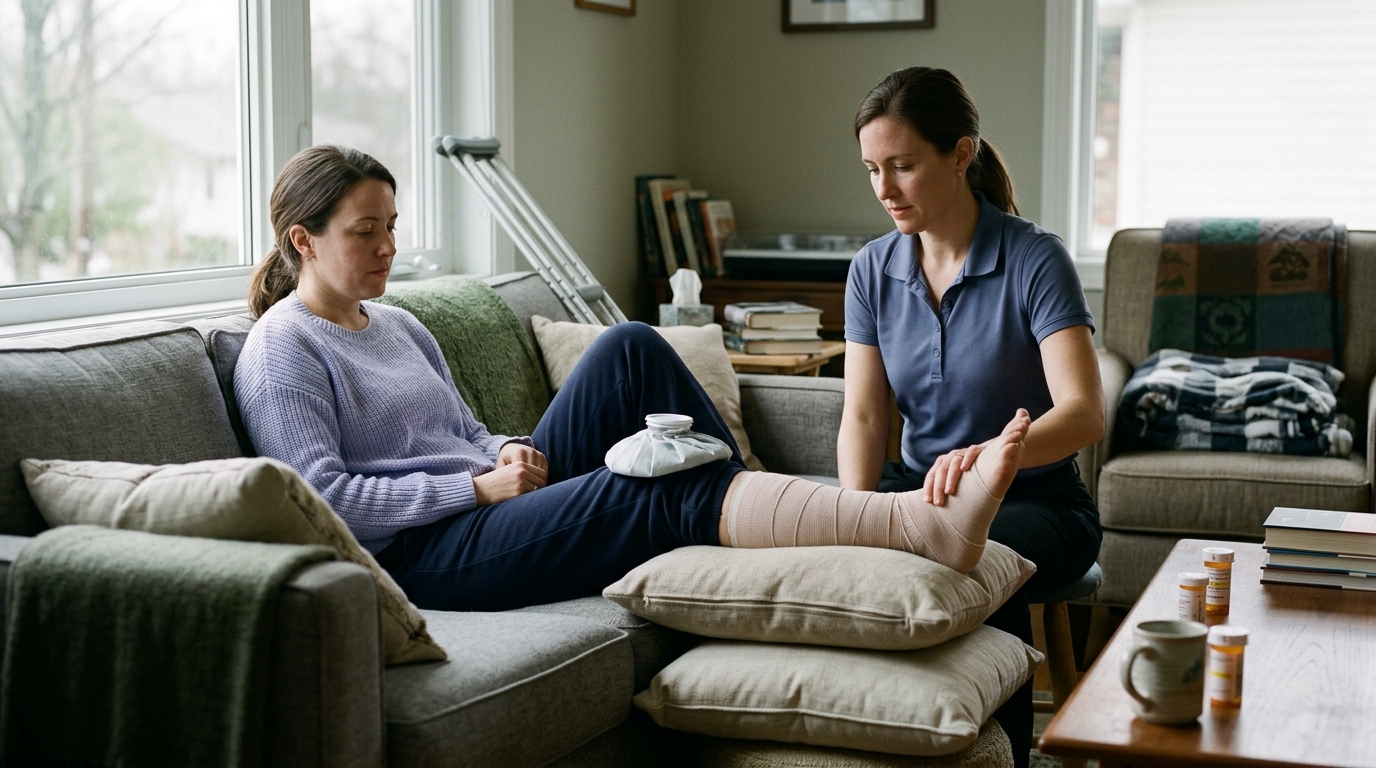
Consider a common scenario during soft tissue recovery. A person might report a discomfort rating of four out of ten during the first week of an ankle sprain while resting on the couch. Four weeks later, that same person might report a four out of ten while walking two miles around the neighborhood. If they only tracked the number four, it would look like zero progress occurred. When paired with the functional task, the record clearly demonstrates substantial physical recovery.
Pain interference describes how much discomfort disrupts your regular routines and mental focus. Clinical tools like the Brief Pain Inventory measure both the intensity of the sensation and its interference with daily living. By tracking what you can accomplish alongside what you feel, you build a balanced log. This balanced view prevents unnecessary discouragement during slow phases of rehabilitation.
Understanding this dynamic allows you to interpret your daily log with realistic expectations. Sensation levels frequently fluctuate from morning to evening or from day to day. A temporary increase in sensitivity after a new physical therapy exercise does not automatically mean tissue harm has occurred. When your journal captures function, you can evaluate whether your overall capacity is trending upward over weeks and months.
Research into pain assessment shows that standardized rating systems provide helpful structure when used consistently. The Numeric Rating Scale, often abbreviated as NRS, asks individuals to rate pain from zero, meaning no pain, to ten, representing the worst possible pain. Clinical reviews from StatPearls and the European Pain Federation indicate that the NRS is a reliable way to communicate subjective discomfort. However, the scale is an observational reporting tool, not an objective measure of structural tissue healing.
A pain score becomes far more reliable when you use a consistent reference point. Medical literature emphasizes that a person must clarify whether an entry represents current pain, average pain over twenty-four hours, or the worst pain during an activity. Without an explicit anchor, a rating of five on Monday morning might mean something entirely different from a rating of five on Friday night. Using a stable frame of reference ensures your notes remain useful over time.
Clinical guidelines also highlight the importance of patient-reported outcome measures in orthopedic trauma and rehabilitation. These measures gather structured data regarding a patient's self-reported physical capabilities, emotional well-being, and daily independence. Research published in trauma journals indicates that patient-reported outcomes help clinicians understand recovery from the individual's perspective. They offer valuable context that physical imaging alone cannot provide.
While tracking offers clear benefits, medical evidence also cautions against over-monitoring symptoms. A 2013 randomized controlled trial examined sixty adults with acute whiplash injuries following motor vehicle collisions. Half the participants were assigned to keep a daily pain diary for four weeks, while the other half received standard care without a diary. At three months, fifty-nine percent of the diary group reported recovery, compared to eighty-six percent in the non-diary control group.
The authors of the whiplash study suggested that focusing heavily on daily pain ratings might lead to symptom amplification or increased physical worry in some individuals. This study had notable limitations, including a small sample size, incomplete diary return rates, and a loss of participants to follow-up. A sensitivity analysis showed that the statistical difference between groups weakened when accounting for missing data. The findings do not prove that all recovery tracking is harmful, but they provide a helpful reminder to keep your journaling brief, balanced, and purposeful.
NHS hospital trusts recommend practical activity diaries to connect physical symptoms with daily habits, rest, and relief measures. Guidelines from Cambridge University Hospitals explain that tracking helps patients and therapists spot patterns in how activity levels, mood, and pain interact. NHS Fife guidance reminds patients that recovery diaries should never interrupt rest or sleep. A well-designed journal provides actionable insight without becoming an emotional burden.
A useful recovery log requires only a few core fields. If an entry takes longer than two minutes to complete, you are likely recording unnecessary details. You can explore structured injury recovery and healing resources to find balanced ways of monitoring your healing journey. Keeping your entries brief ensures you can maintain the habit consistently across several weeks.
Record the date and the general time of your entry. Many people prefer a single check-in each evening to reflect on the day. Others prefer a quick morning note paired with an evening review. Choose a rhythm that fits your daily schedule and stick to it. Consistency in timing makes your entries far easier to compare.
Assign a rating using your chosen scale, such as the zero to ten numerical scale or simple descriptive words like mild, moderate, or severe. Note the physical location of the symptom and its basic quality, such as aching, sharp, or stiff. Be sure to apply the rating to a specific time frame, such as your average comfort across the entire day. Avoid recording every minor sensation that comes and goes during normal movement.
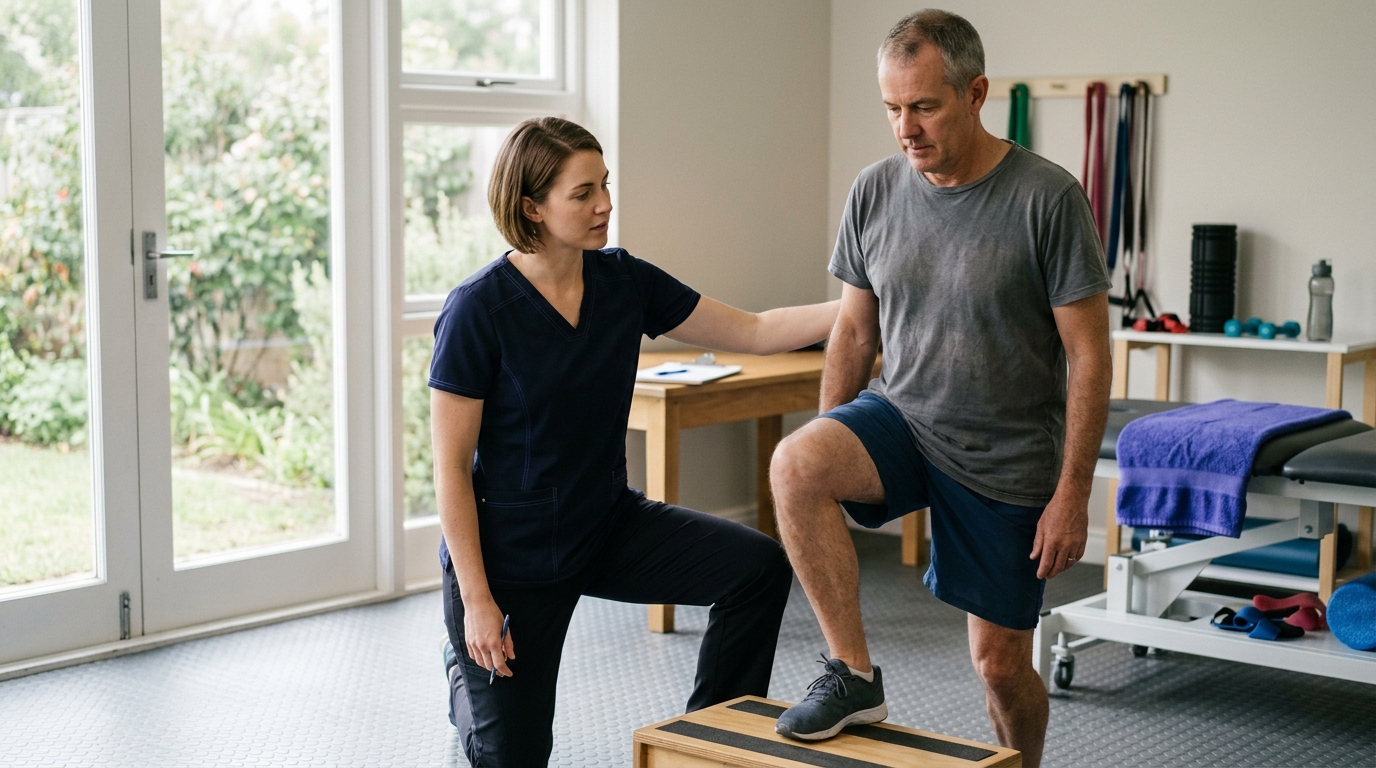
Write down one or two specific physical tasks you attempted during the day. Rather than writing vague words like "better" or "worse," describe observable actions. Note whether you walked around the block, navigated a flight of stairs, stood while preparing a meal, or lifted a grocery bag. Record whether the task felt manageable, challenging, or impossible to complete.
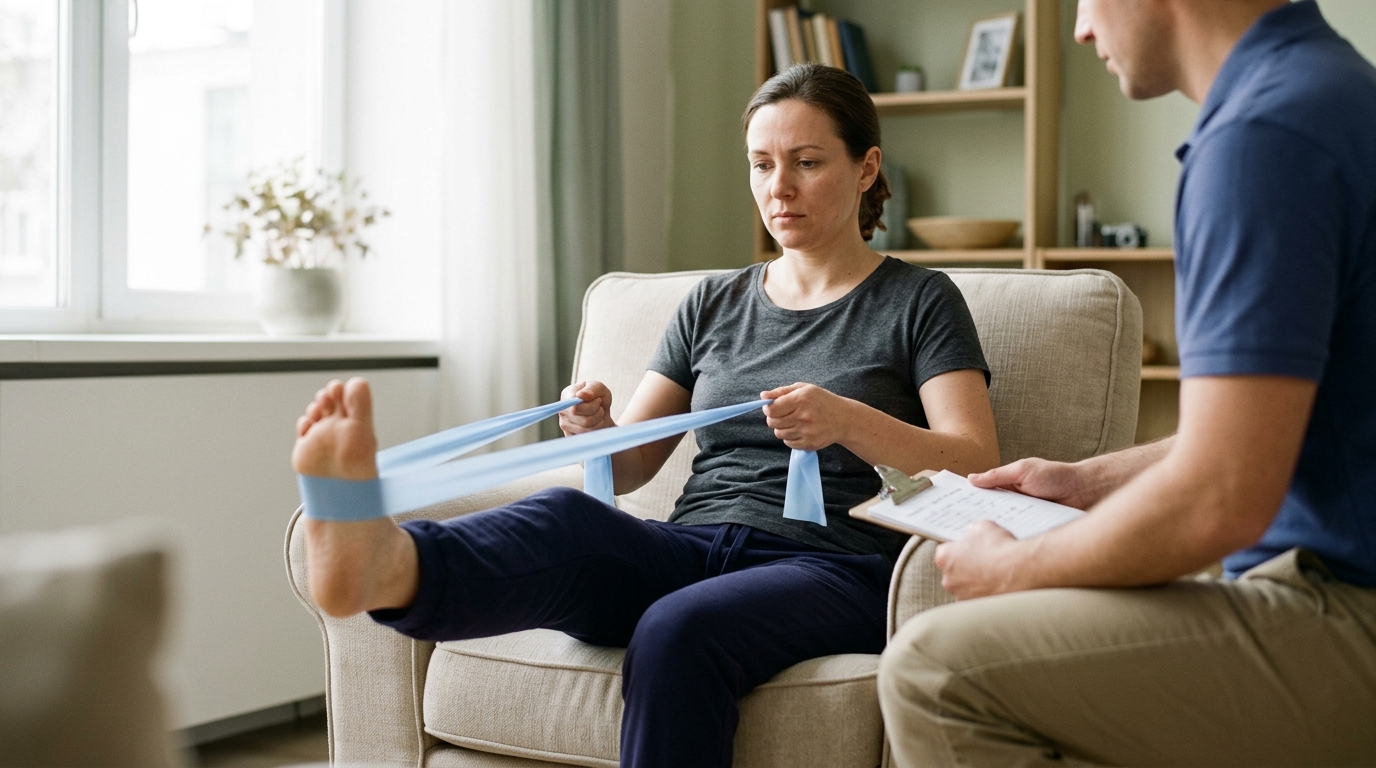
Summarize the physical demands placed on your body during the day. Include prescribed physical therapy exercises, household chores, recreational movement, and work-related tasks. Note the approximate duration, repetitions, or walking distance. Recording your activity volume helps you determine whether later symptom changes are linked to recent changes in physical load.
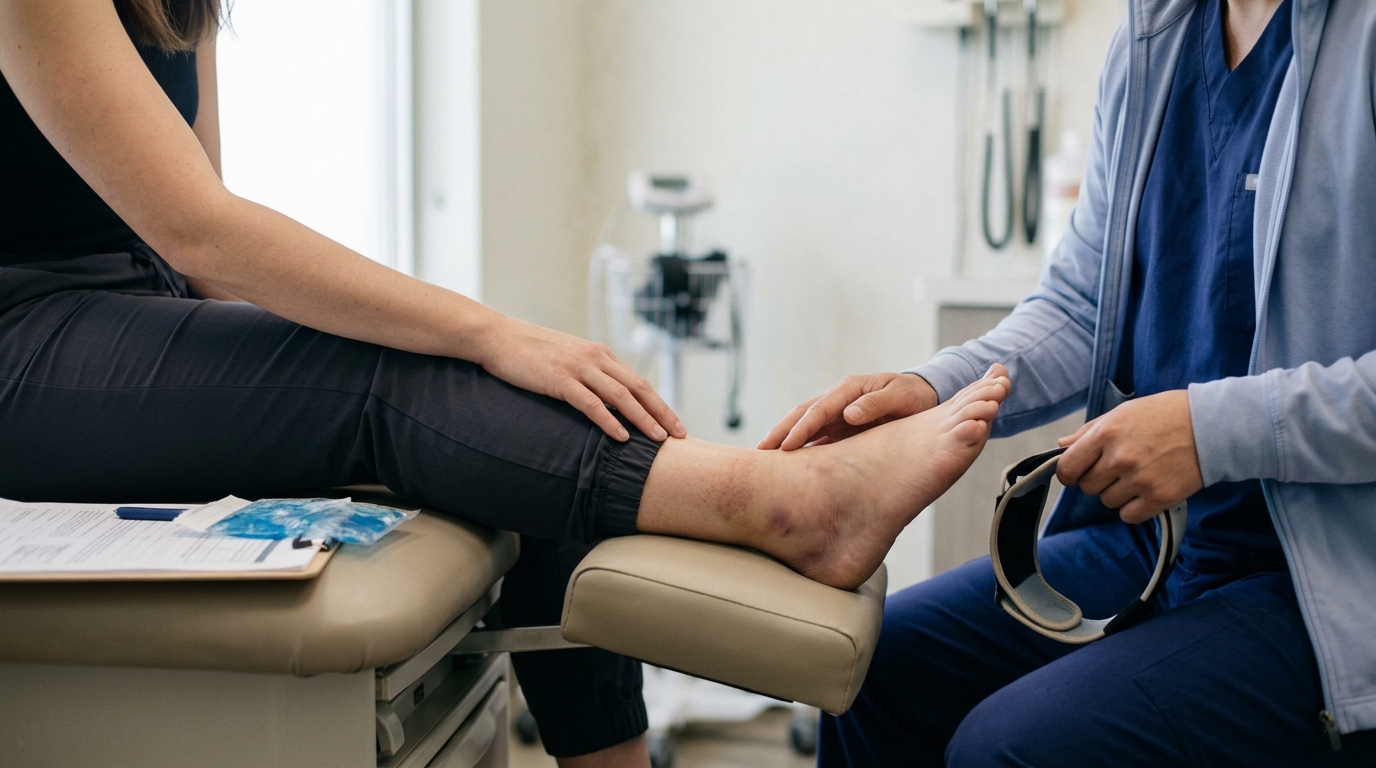
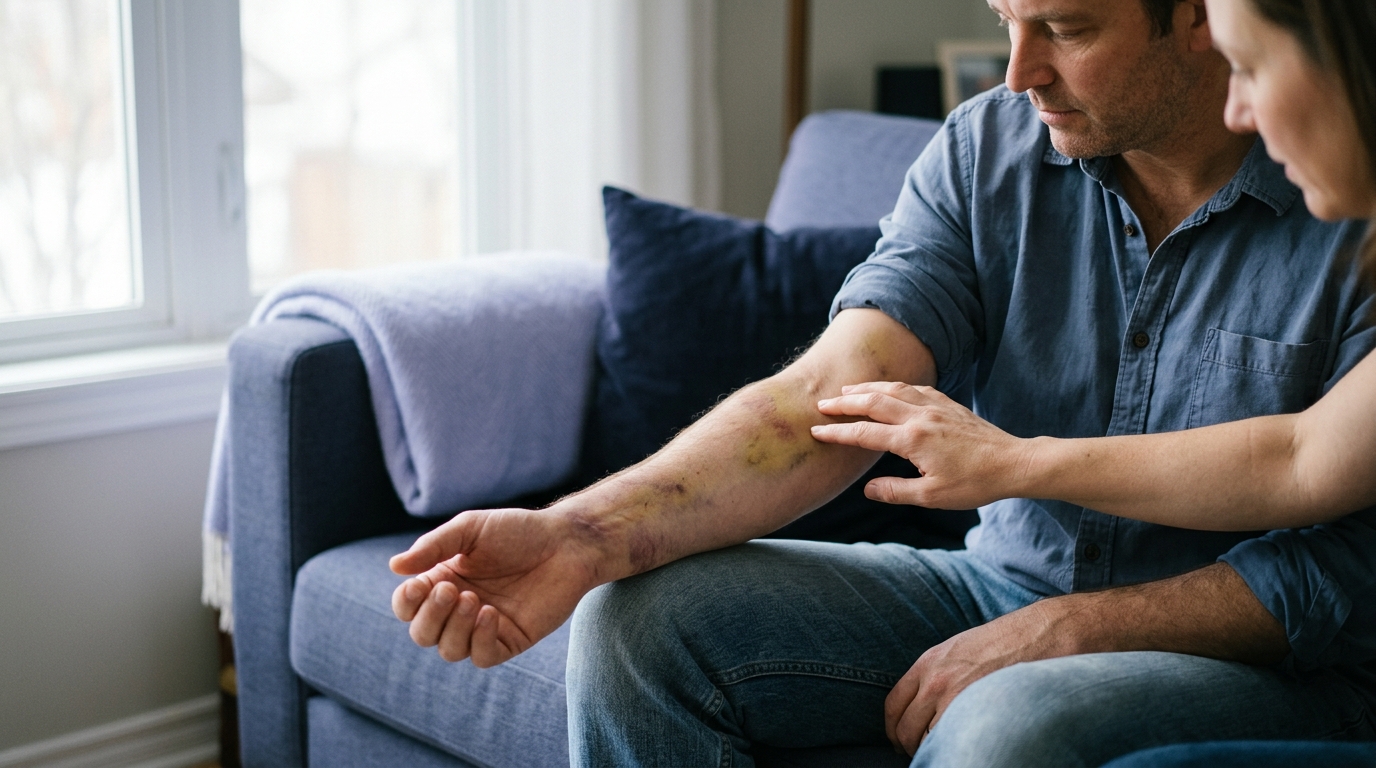
Note any clear changes in the appearance or physical feel of the injured area. Record whether swelling is absent, mild, stable, or visibly increasing compared to previous days. Mention joint stiffness or changes in your active range of motion. Tracking visible signs alongside symptoms helps identify how tissues respond to various activities.
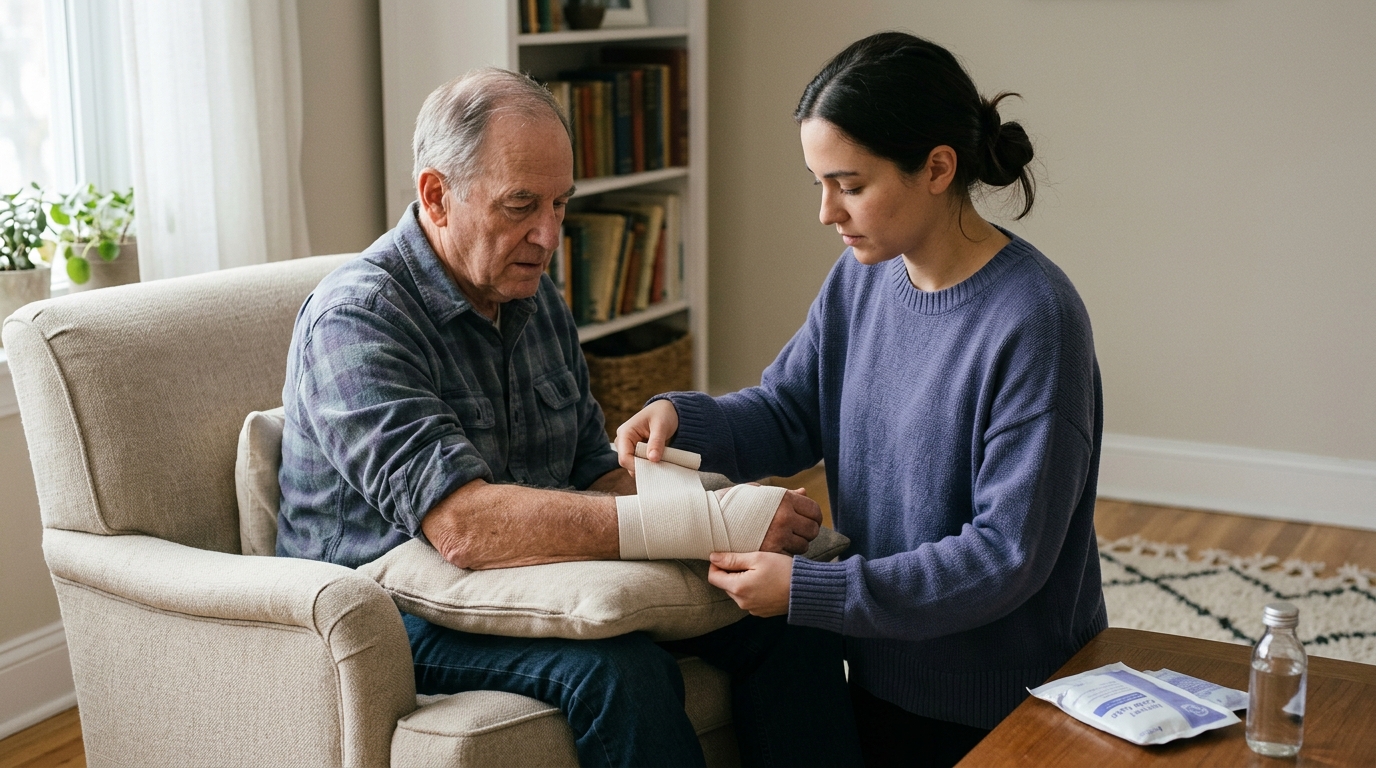
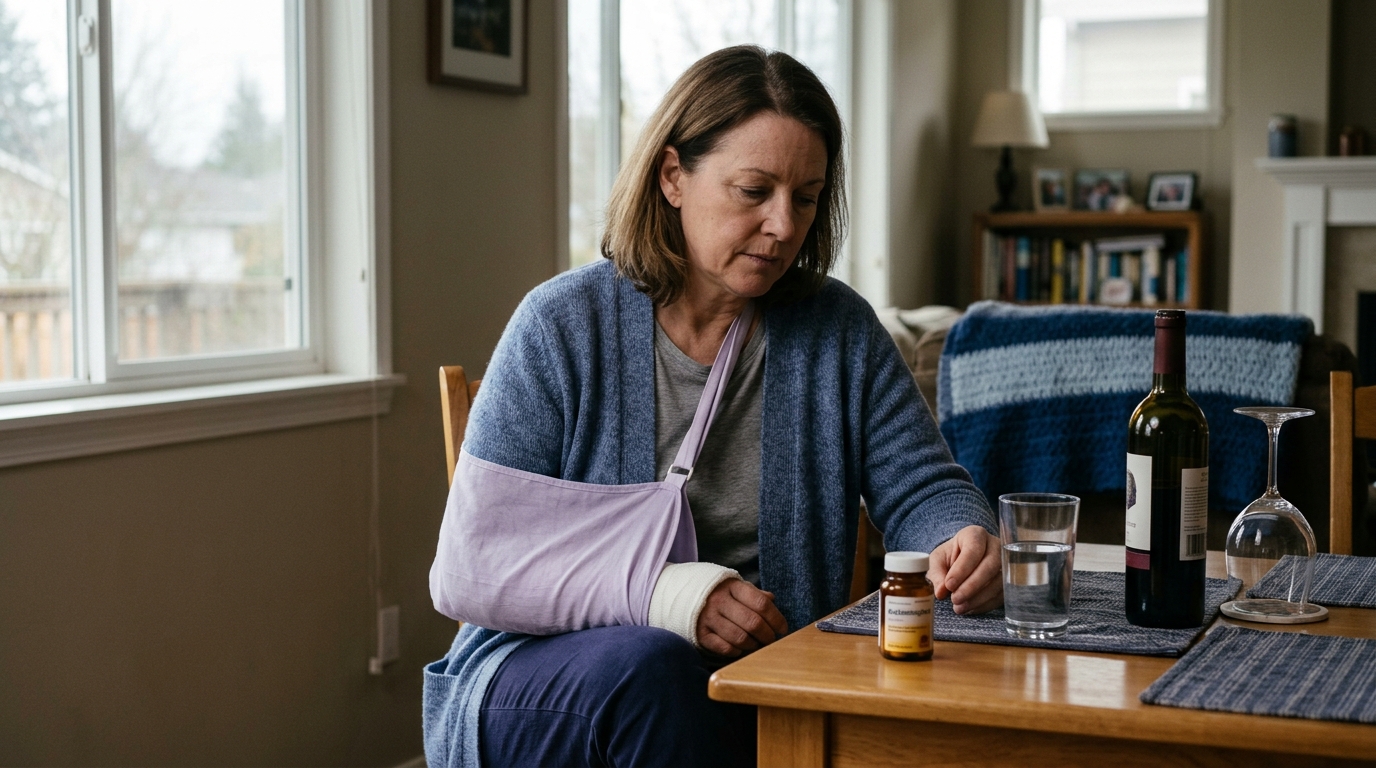
Document any supportive measures you used to manage symptoms throughout the day. This includes prescribed medications, over-the-counter pain relievers, cold packs, warm compresses, elevation, compression wraps, or deliberate rest periods. Record when you applied these measures and note whether they provided meaningful temporary comfort. This record allows your healthcare provider to evaluate whether your symptom management plan is working effectively.
Note how your body feels the morning after a demanding physical session or a new exercise. A delayed increase in stiffness or swelling offers useful information about your current load tolerance. Write down one specific question or concern that arose from your observations. Having written questions ready ensures your clinical appointments remain focused and productive.
Different phases of recovery call for different tracking styles. A person in the acute stage of an ankle sprain may need a simple format, while someone navigating late-stage strength training might track specific exercise loads. Below are three practical, non-tabular formats you can adapt to your own recovery needs.
This minimal format is designed for busy days or periods when intensive tracking feels overwhelming. It captures essential data without creating unnecessary mental fatigue.
This standard format provides a thorough record of daily activity, functional independence, and symptom responses. It works well during active rehabilitation phases when you are progressively introducing new movement patterns.
Morning Entry:
Evening Entry:
Musculoskeletal tissues frequently show delayed responses to physical strain. A tendon or joint may feel completely comfortable during an activity, only to develop stiffness or swelling twelve to twenty-four hours later. This specialized format helps you connect delayed symptoms to specific activities.
Recovery timelines vary widely across different individuals and injuries. Two people with the same type of ligament sprain may experience distinct healing trajectories based on several biological, biomechanical, and lifestyle factors. You can learn more by reading about recovery science updates to understand how tissues repair over time. Recognizing these variables helps you interpret your journal entries without comparing your progress to arbitrary timelines found online.
The specific tissue involved plays a major role in the biological pace of healing. Skeletal muscles possess a rich vascular network, allowing them to repair relatively quickly after minor strains. Tendons, ligaments, and joint cartilage receive significantly less blood flow, meaning their structural remodeling takes longer. NHS guidance for soft tissue sprains notes that returning to demanding physical activities can take several weeks or months depending on the specific joint involved.
Your physical conditioning prior to an injury influences how quickly you rebuild strength and mobility. Adults who regularly engaged in resistance training or cardiovascular exercise often retain neurological coordination and joint support. Exploring practical mobility and movement articles can help you maintain safe activity habits during rehabilitation. A person with lower baseline strength may need more time to build the supportive capacity required for normal joint function.
The nervous system processes pain signals differently based on overall systemic stress, emotional state, and sleep quality. Poor sleep and high life stress can lower your threshold for physical discomfort, making an injured joint feel significantly more sensitive without any new structural damage. Cambridge University Hospitals activity guidelines recommend noting sleep quality and general stress levels because they provide context for unexpected symptom spikes.
How you distribute physical activity throughout the week directly affects tissue adaptation. Pacing physical tasks helps avoid the common cycle of doing too much on good days and spending the next three days recovering. Steady, progressive loading encourages collagen remodeling and muscle rebuilding without overwhelming healing tissues. Your journal serves as a mirror, showing whether you are progressing your activity gradually or jumping forward too quickly.
Keeping a recovery journal is straightforward, but certain common habits can reduce its usefulness or cause unnecessary worry. Being aware of these pitfalls allows you to maintain an objective, constructive record.
Recording a daily list of numbers without noting what you did that day limits the value of your log. If you write down "five out of ten" every day for two weeks, you might assume you are stuck in place. However, if your walking distance doubled during those two weeks, meaningful functional recovery occurred. Always pair your symptom rating with an observable physical action.
Switching between different rating methods makes your log confusing. If you rate current pain on Monday, worst pain on Tuesday, and average pain on Wednesday, the entries cannot be compared accurately. Choose one clear anchor and use it consistently. If you decide to track peak pain, label it clearly every time so that you and your clinician understand what the number represents.
A temporary increase in physical sensitivity does not automatically mean you have damaged healing tissue. When rehabilitating an injury, tissues are gradually exposed to mechanical loads to stimulate remodeling. It is common to experience mild, self-limiting discomfort during this adaptation process. Your journal helps you determine whether a symptom flare settles within twenty-four hours or persists across several days, which is far more informative than a single momentary rating.
Writing down every physical sensation throughout the day can increase anxiety and amplify your awareness of minor discomfort. The whiplash diary study highlighted the risk of symptom amplification when tracking becomes overly demanding. NHS Fife guidance explicitly instructs patients not to wake up during the night to record pain scores. Limit your entries to one or two short check-ins per day, and give yourself permission to skip entries when your routine is stable.
A symptom diary provides structured historical context, but it does not replace a clinical examination, diagnostic imaging, or professional clearance. You should never use a stable journal trend to justify ignoring new, sharp pain or functional loss. Treat your journal as a bridge that supports clear communication with your medical team, rather than a diagnostic tool.
These illustrative models show how different individuals use concise journaling to identify patterns, communicate with providers, and guide rehabilitation pacing.
An individual recovering from a severe ankle sprain records a daily discomfort level of four out of ten for two consecutive weeks. At first glance, the person feels frustrated by the lack of numeric change. Looking closer at the journal entries reveals a different story:
The journal demonstrates significant physical recovery. The nervous system registered a similar level of sensitivity, but the tissue tolerance and functional capacity expanded dramatically. This insight helps the person maintain motivation and continue their rehabilitation program.
A recreational runner recovering from patellar tendon discomfort notices that their knee feels fine during morning runs but aches severely the following day. By reviewing their structured entries, they discover a clear pattern:
The journal helps the runner and their physical therapist identify that downhill running on hard pavement exceeded current tendon tolerance, whereas flat turf running was well tolerated. They adjust the training surface while continuing to build quadriceps strength through targeted strength rebuilding and return to sport protocols.
An individual managing shoulder discomfort after a fall tracks their symptoms and range of motion over three weeks. They notice that their discomfort remains at a constant six out of ten, their ability to reach overhead has not changed, and sleep remains disrupted every night.
Rather than waiting indefinitely, the person brings this concise record to their primary care physician. The clear demonstration of stalled progress and persistent functional loss prompts the doctor to order diagnostic imaging, which reveals a structural tear requiring specialized orthopedic management.
A person recovering from knee surgery begins by logging their symptoms every two hours, noting slight changes in stiffness, temperature, and aching. After ten days, they notice growing anxiety around every physical sensation and feel exhausted by the logging process.
After consulting their physical therapist, they transition to a minimal once-daily format:
An individual navigating formal surgical rehabilitation guides after an Achilles tendon repair uses their journal to monitor range-of-motion milestones, incision site comfort, and swelling management.
This organized log allows the surgical team to verify that the patient is progressing within the protected healing parameters, ensuring that tendon loading increases safely without risking re-rupture.
A recovery journal is meant for tracking routine, expected rehabilitation trends. It is not a tool for monitoring acute medical emergencies or severe structural complications. Guidance from Hull University Teaching Hospitals NHS Trust and general emergency care standards outline specific clinical red flags that require immediate professional attention rather than routine diary logging.
If you notice that your foot, hand, or injured limb has become unusually cold to the touch, pale, or discolored, you should seek prompt emergency evaluation. These signs can indicate compromised blood circulation. Similarly, the sudden onset of progressive numbness, a pins-and-needles sensation, or an inability to move your fingers or toes suggests nerve involvement that needs immediate clinical evaluation.
A sudden, severe worsening of pain, rapidly expanding swelling, or a visible deformity in the bone or joint structure indicates a potential fracture or major structural rupture. Signs of localized infection around a surgical incision or wound, such as spreading redness, skin that feels hot, foul-smelling drainage, or a systemic fever, require urgent medical care. Do not wait for your next journal entry or scheduled therapy session if any of these warning signs appear.
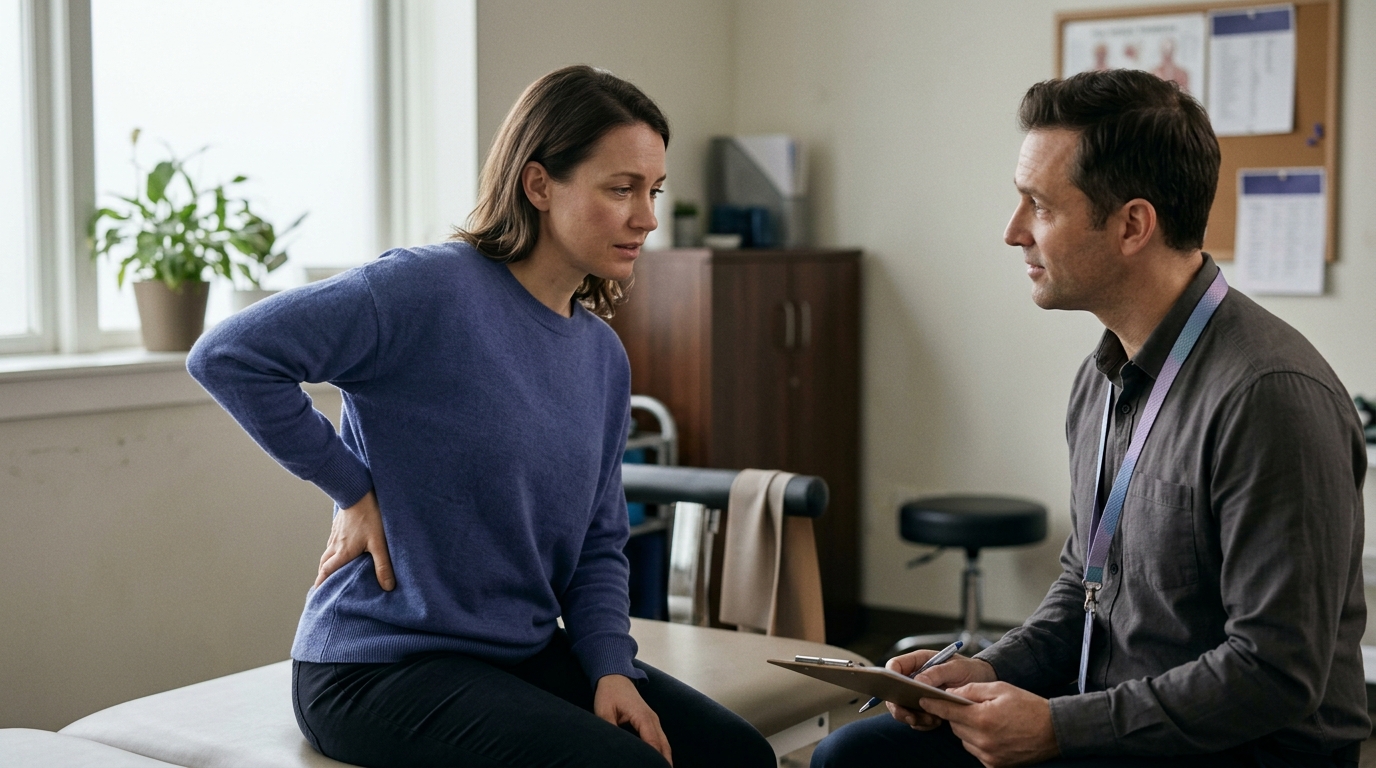
Bringing an organized, concise journal summary to your appointments helps your physician or physical therapist give you clear, personalized guidance. Rather than reading through weeks of raw notes, summarize your main trends and ask focused questions.
A recovery journal is a personal navigation tool designed to reveal patterns, celebrate functional gains, and support productive clinical conversations. It is not an exam you pass or fail, nor does it provide a definitive timeline for tissue healing. Real recovery rarely moves in a straight line, and normal daily fluctuations are an expected part of the rehabilitation process.
By keeping your entries brief, rating symptoms consistently, and tracking what you can accomplish alongside what you feel, you build a balanced picture of your recovery. If you ever experience sudden structural changes, severe worsening pain, numbness, or signs of infection, prioritize immediate clinical care over routine logging.

Use ReboundBody resources to understand common recovery stages, rehab terms, movement limits and strength rebuilding. Each guide is designed to make a complex comeback easier to understand.


Read practical guidance on injury recovery, rehabilitation, mobility and rebuilding strength as you work your way back to activity.
Explore Resources